
In Gaza, a severe shortage of lighters has transformed a simple, disposable tool into a vital lifeline for families struggling to cook food and boil water.
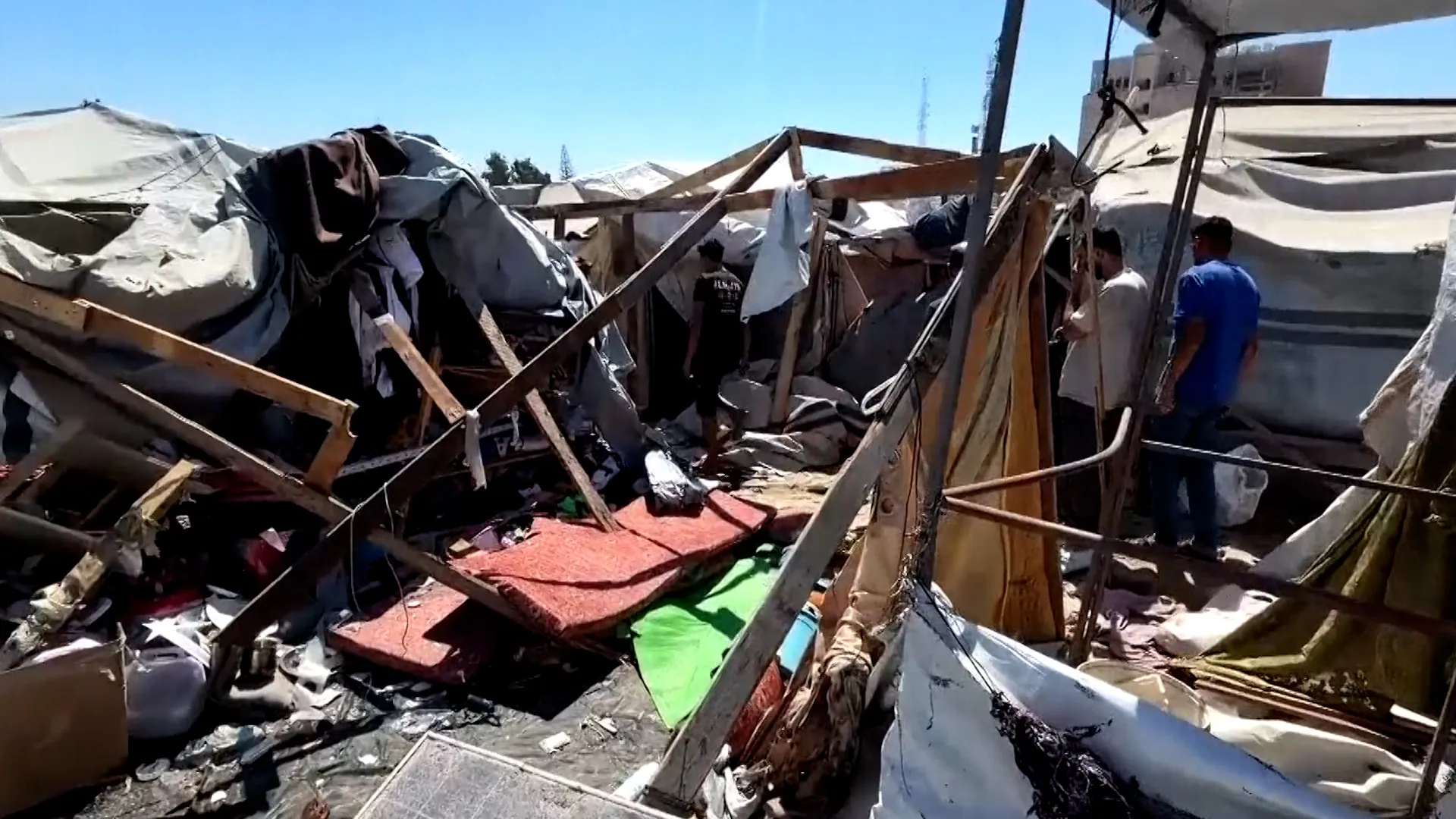
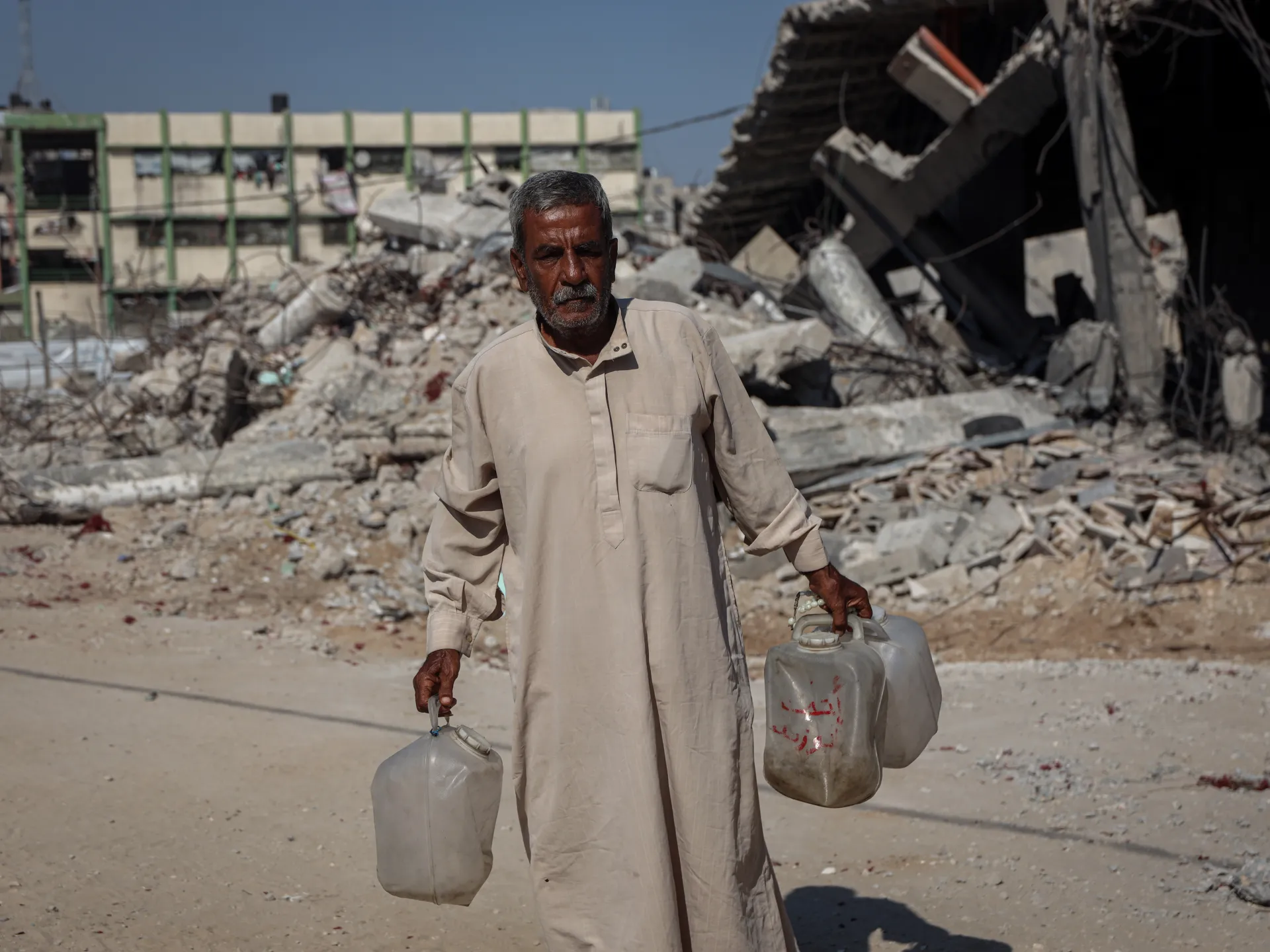
For families displaced in Gaza, the simple act of starting a fire has transformed from a mundane task into a complex, high-stakes logistical challenge. With cooking gas supplies severely depleted and fuel prices reaching unattainable levels, residents have become almost entirely dependent on wood-burning stoves to prepare meals, boil water for hygiene, and brew tea. At the heart of this survival mechanism is the humble cigarette lighter, an item that has evolved from a disposable convenience into a prized, life-sustaining asset.
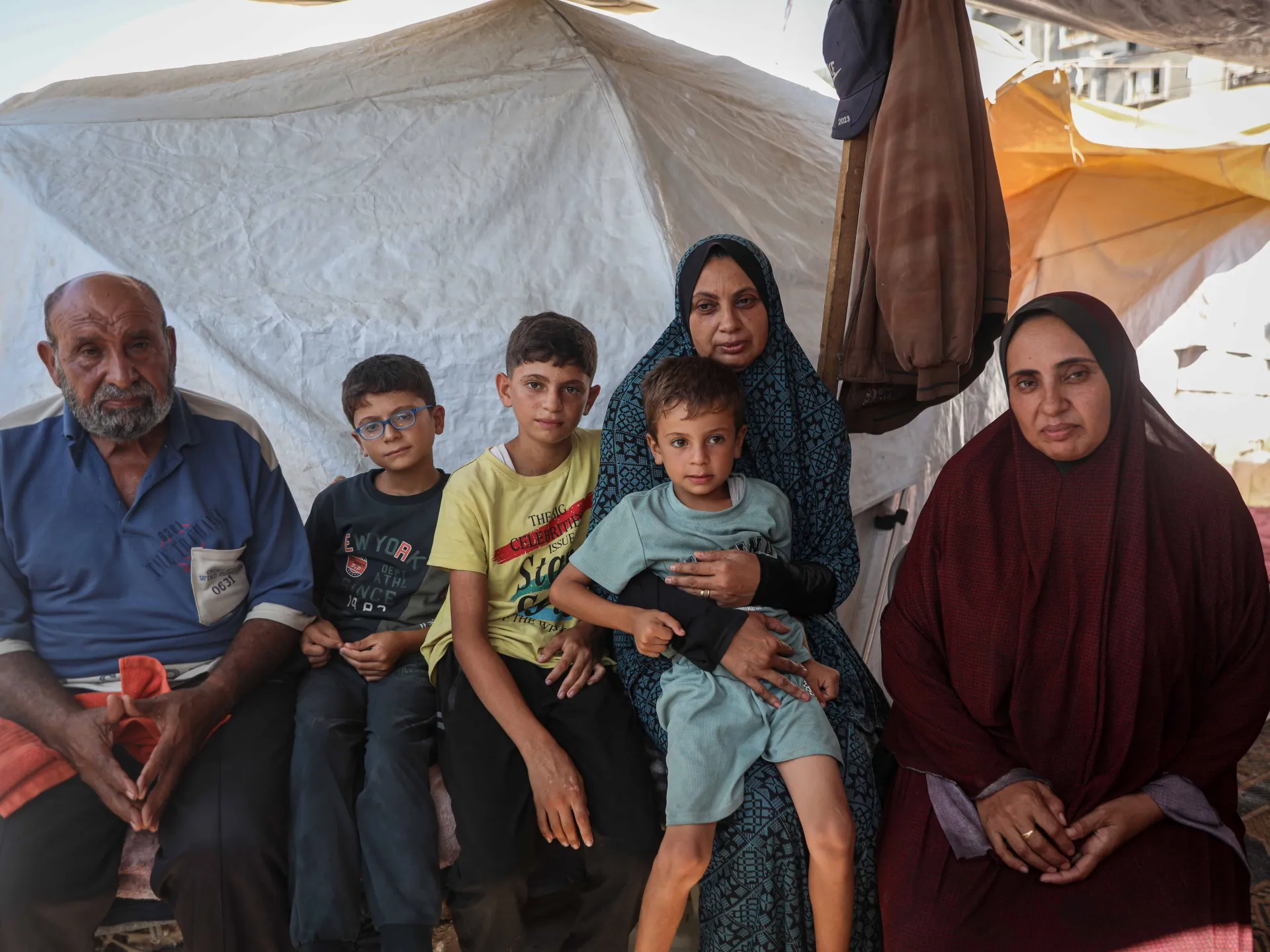
Before the conflict began in October 2023, lighters were inexpensive, often sold in bulk for a nominal fee. Today, the reality is starkly different. Displaced individuals report that a single new lighter can cost upwards of $30, a price point that forces families to choose between securing a way to cook food or purchasing essential flour. This scarcity has fundamentally altered the domestic landscape, where a single working lighter is frequently shared among entire rows of tents, becoming a communal resource that dictates when and if a family can eat.
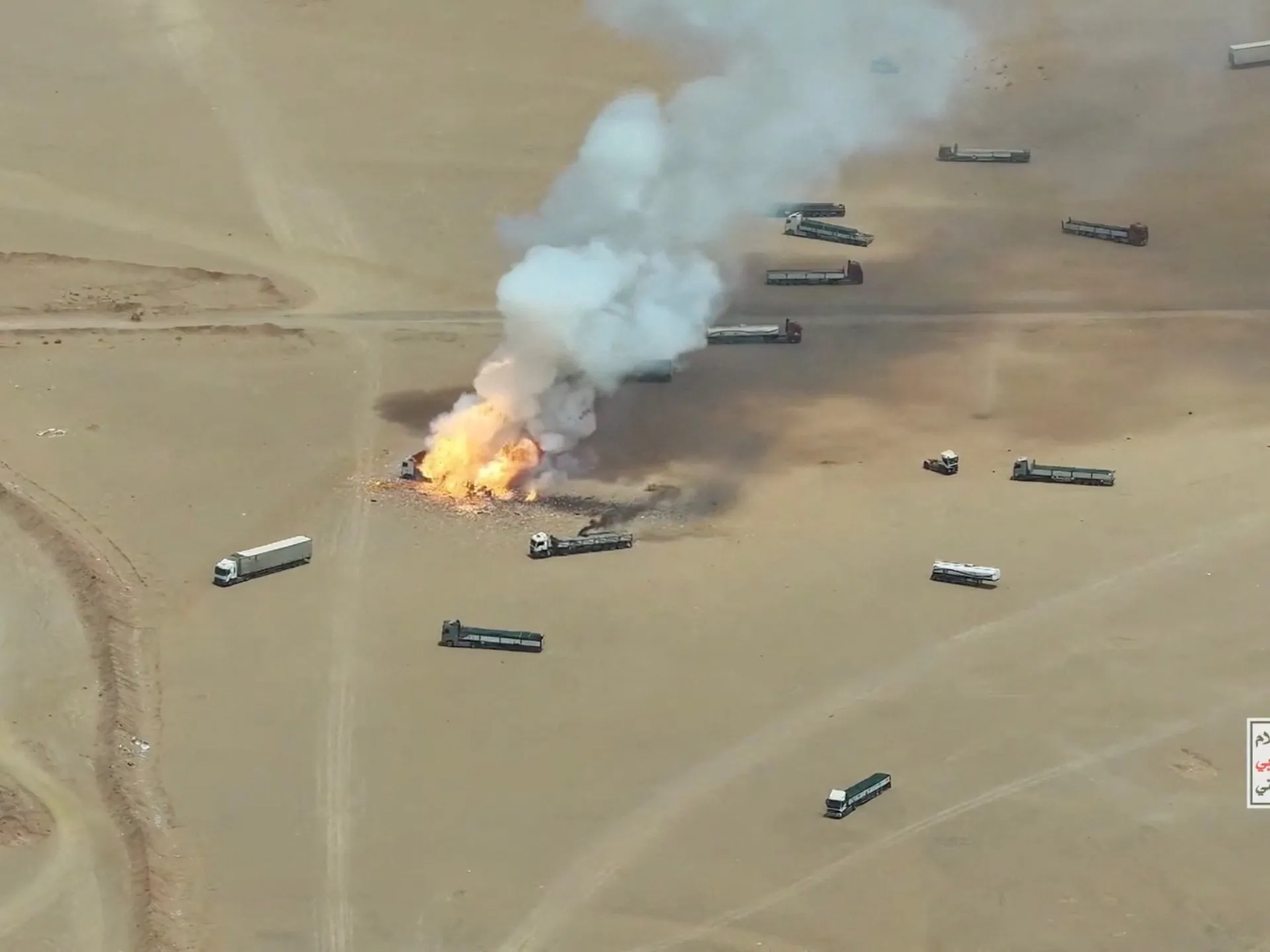
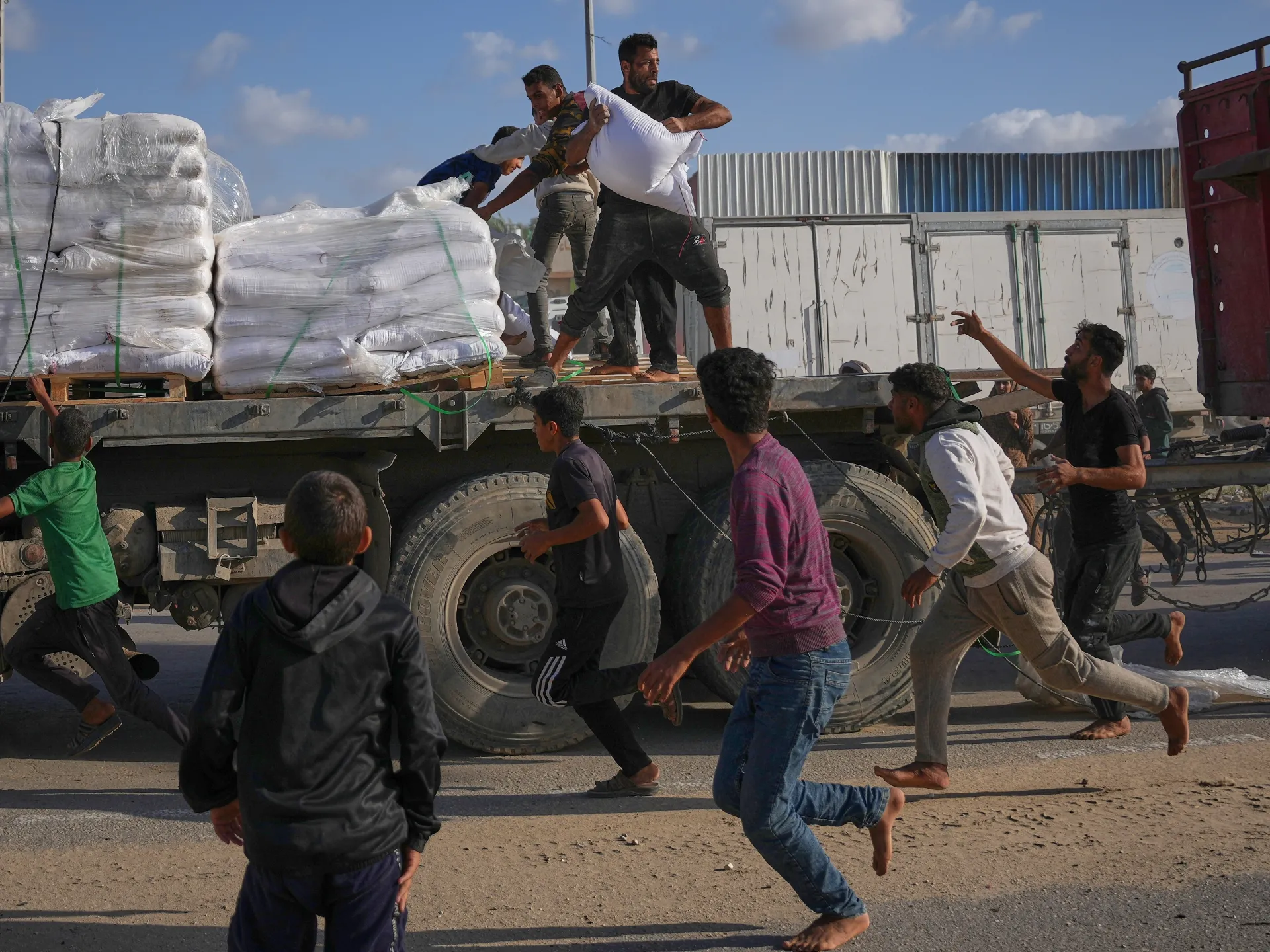
The severe restriction on the movement of goods into the territory has left the local market devoid of many basic supplies. According to reports from the Gaza Chamber of Commerce and Industry, the volume of commercial trucks entering the region remains a fraction of what is required to meet the daily needs of the population. Because lighters are often classified as restricted items, their supply has effectively dried up, causing the secondary market price to skyrocket to levels that are inaccessible to the average displaced worker.
This economic pressure has birthed an entirely new, informal industry focused on the maintenance and restoration of broken lighters. Individuals who have lost their pre-war livelihoods are now turning to specialized repair work, salvaging components from discarded units to breathe life into others. These makeshift repair technicians are essential to community survival, as they provide an alternative to the exorbitant costs of new imports, allowing families to extend the lifespan of their last remaining ignition sources.
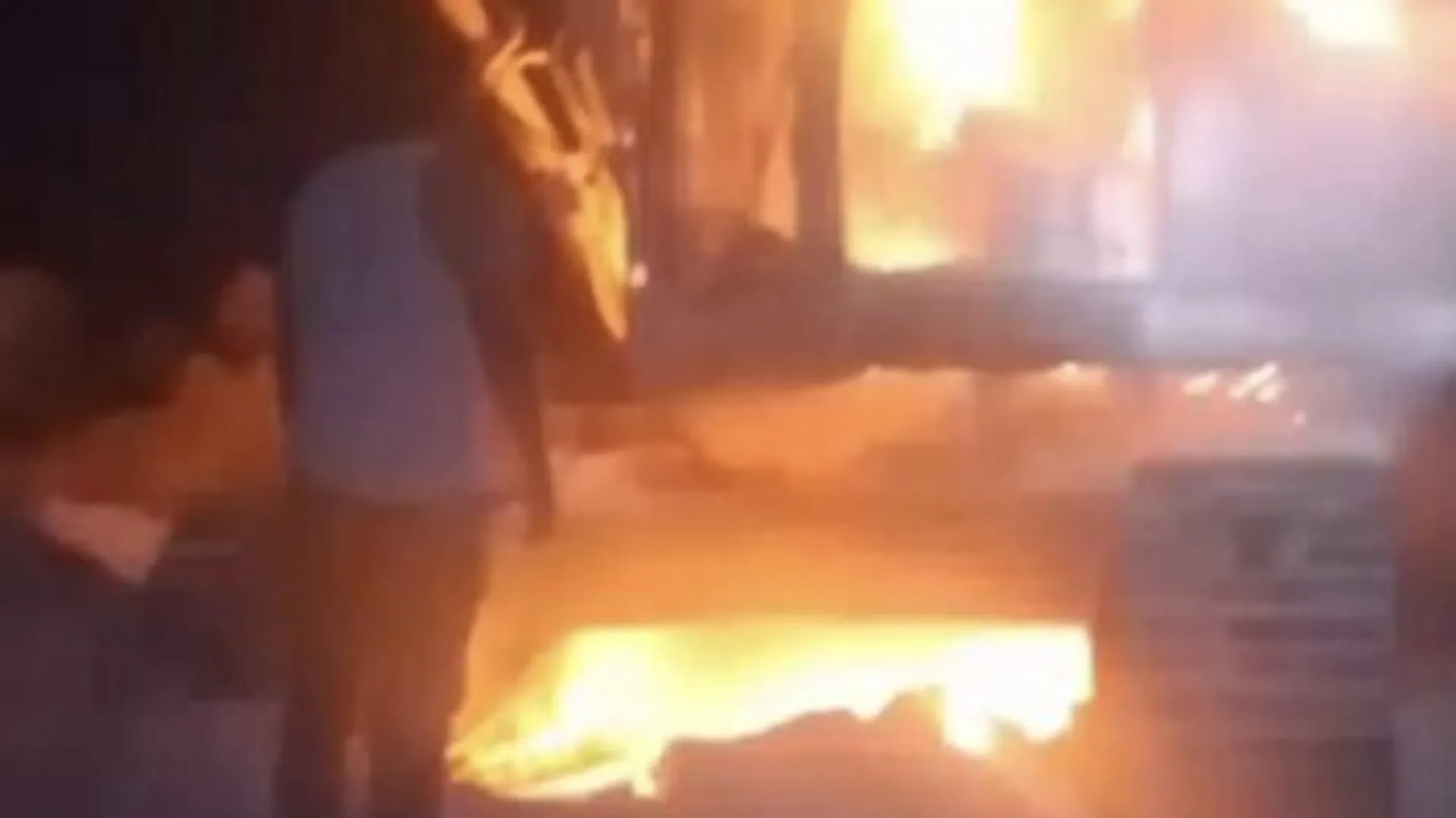
The absence of a reliable spark has forced residents to develop creative, albeit dangerous, coping mechanisms. In many displacement camps, if a family lacks a functioning lighter, they must rely on the kindness of neighbors to transfer a flame via smoldering embers or burning cardboard. This dependency creates a fragile social safety net where the ability to boil water or cook a meal is entirely contingent on the proximity and availability of a neighboring fire.
Some individuals have resorted to more hazardous methods, such as attempting to refill lighter reservoirs using gas extracted from larger cylinders. These improvised solutions carry significant risks of fire and injury, yet they illustrate the desperation of those who have no other way to access heat. For parents, the lack of a lighter can mean the difference between providing a warm meal for their children or sending them to sleep hungry, highlighting how the absence of a small plastic tool has become a central barrier to maintaining basic human dignity in a crisis environment.
The ongoing siege and the resulting blockade on everyday items have turned the most basic household chores into grueling, time-consuming labor. Families spend hours each day searching for fuel, wood, or a way to ignite their stoves. The psychological toll of this constant struggle is profound, as the inability to provide hot food or clean water reinforces a sense of helplessness among those living in temporary shelters.
As the conflict continues, the ingenuity of those living in Gaza remains the only buffer against total deprivation. From the mothers who carefully guard their battered lighters to the young men who have become expert repairmen, the community is working tirelessly to keep the fire going. However, these grassroots efforts are merely stopgaps for a much larger, systemic crisis that continues to restrict the flow of essential goods, leaving the population to navigate a future where even the smallest spark requires a monumental effort to secure.