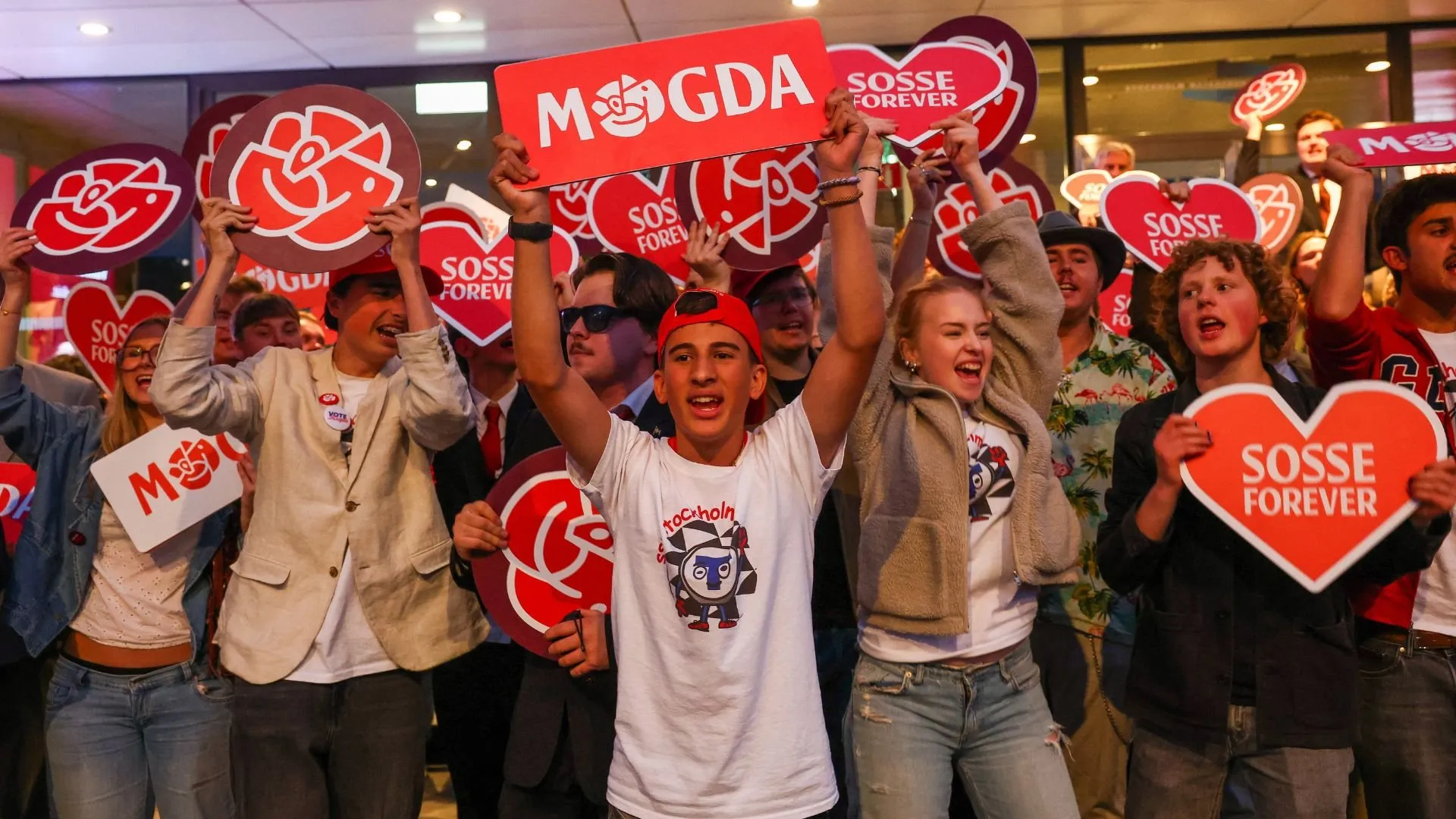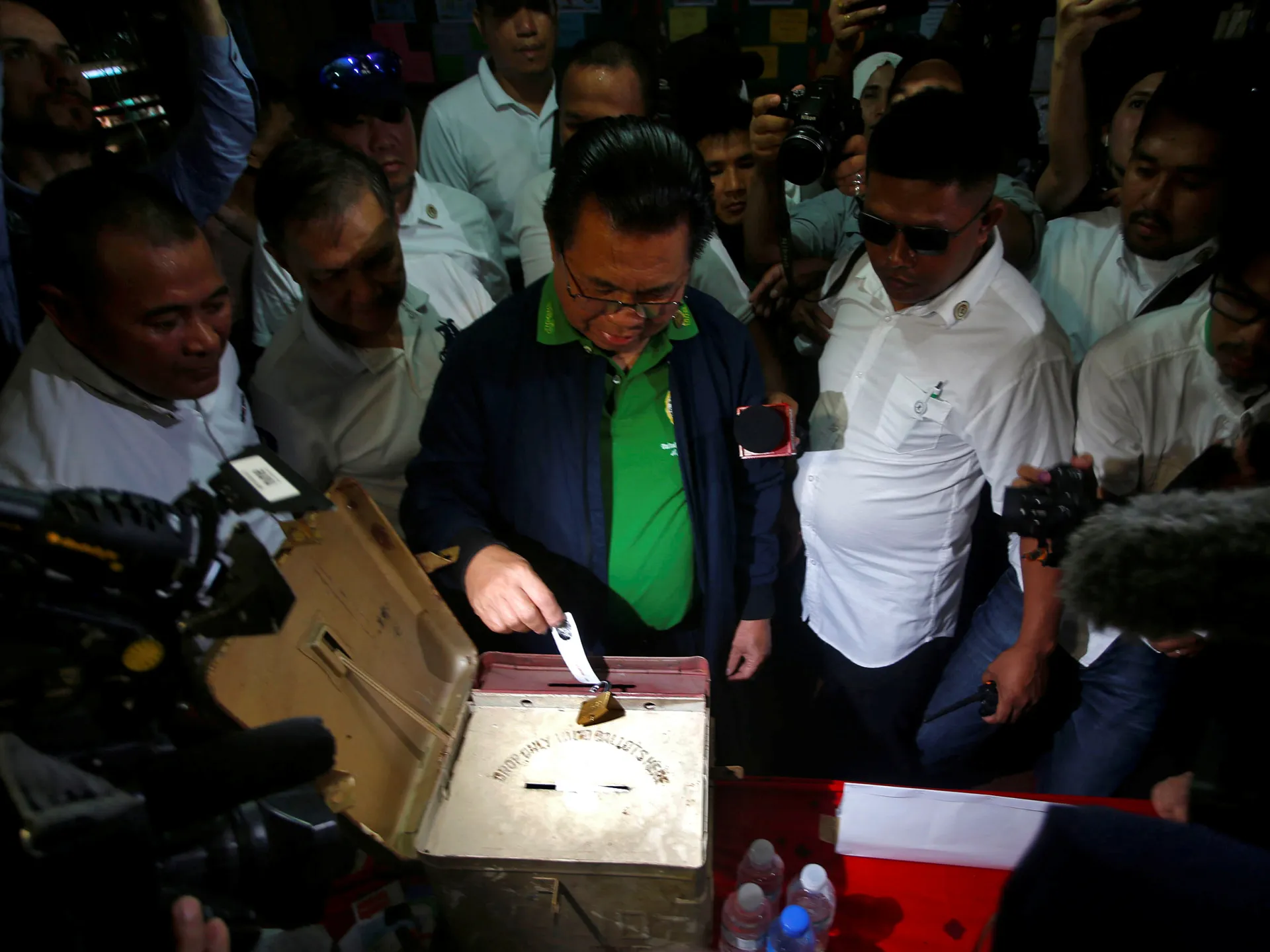
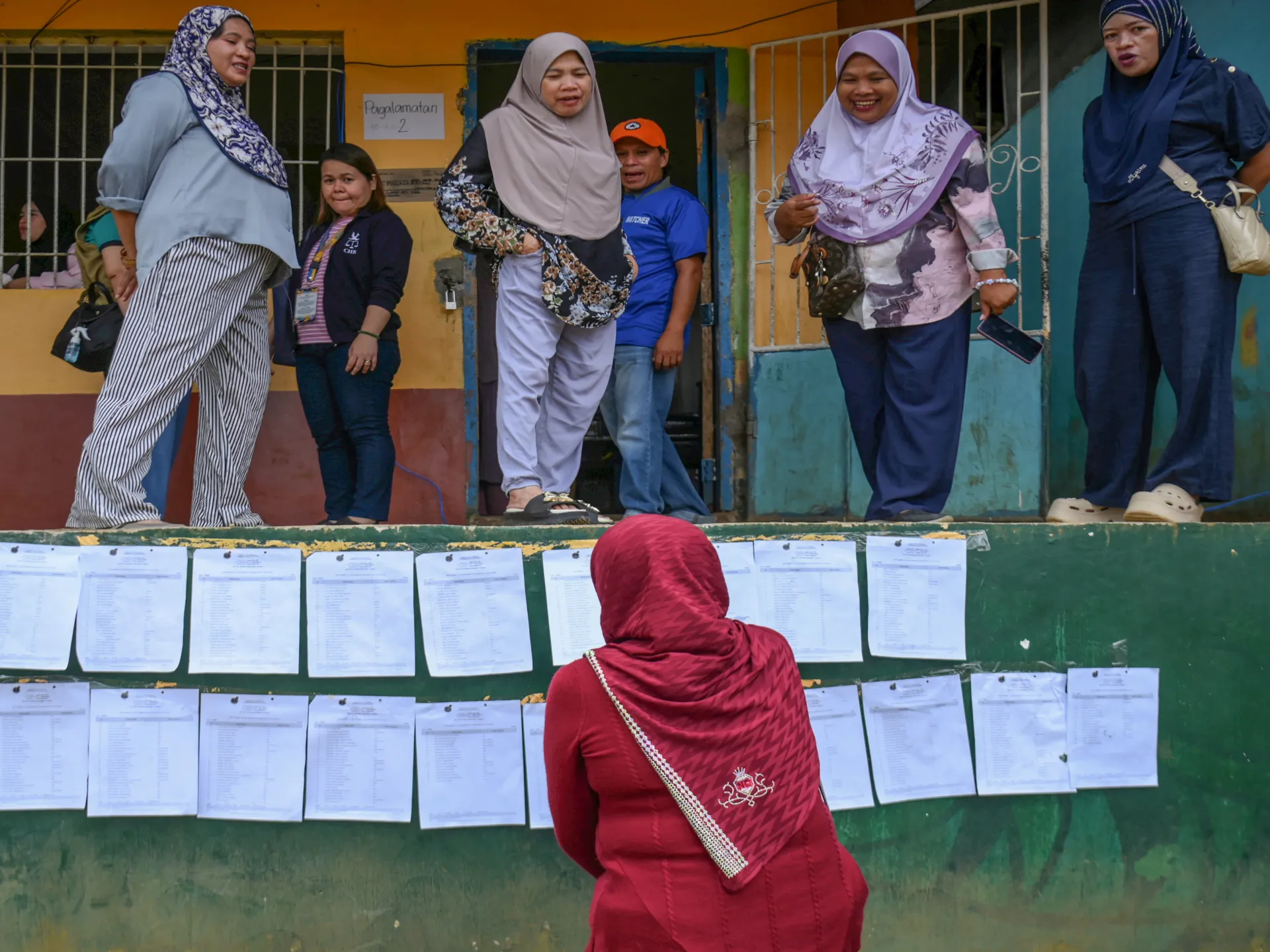
Unofficial election results in the Bangsamoro region indicate a hung parliament, necessitating coalition talks to appoint the area's first chief minister.
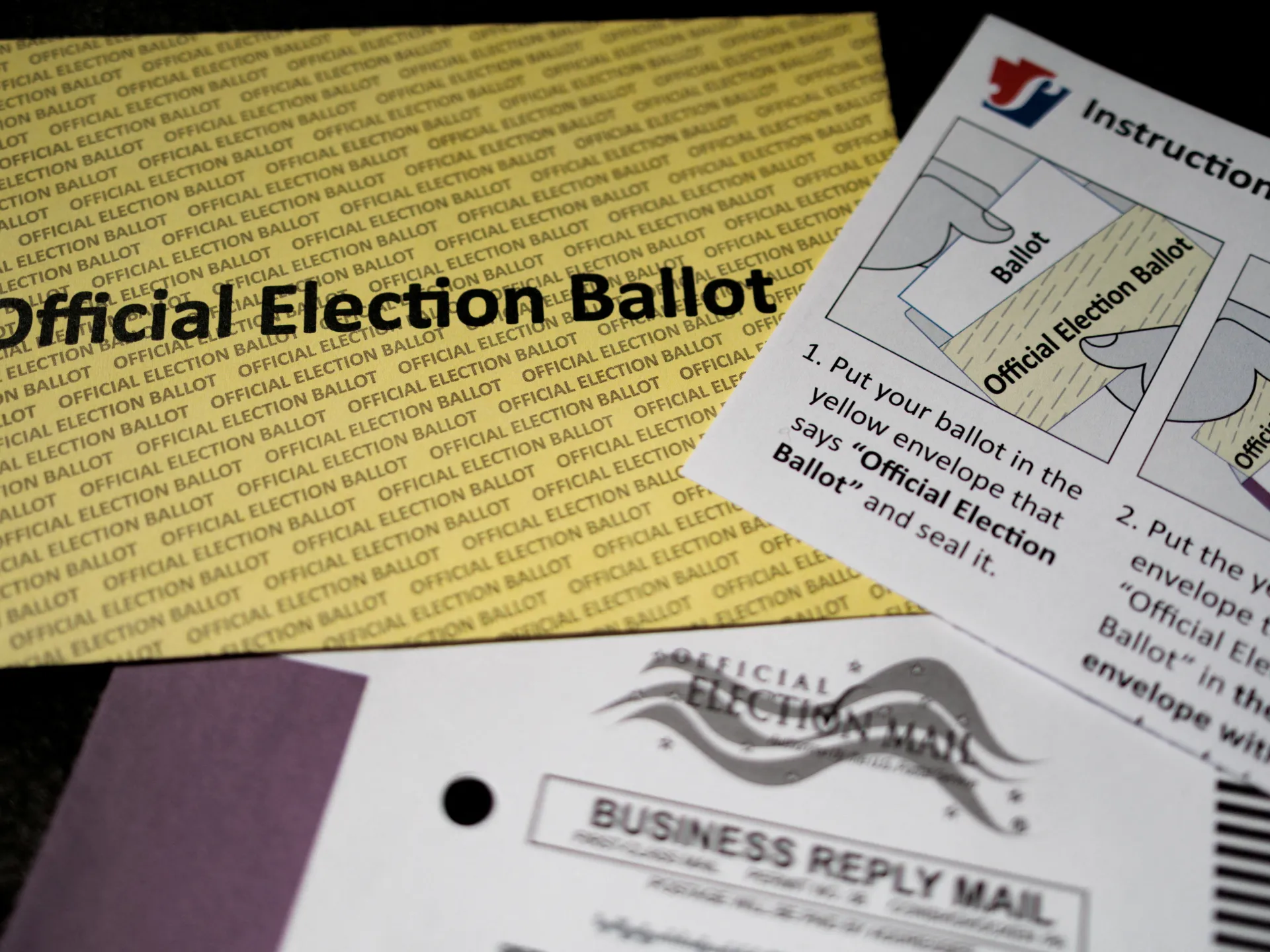
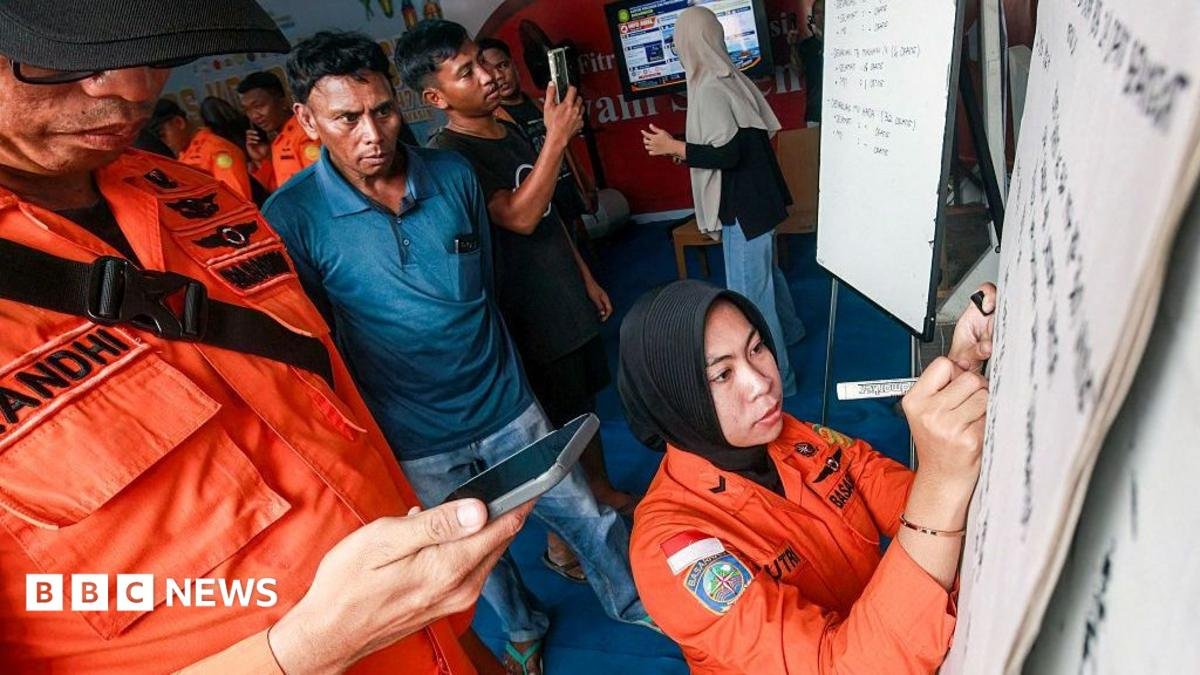
The recent parliamentary elections in the Bangsamoro Autonomous Region in Muslim Mindanao (BARMM) have concluded with no single political entity securing a decisive majority. As the unofficial tallies from the Parish Pastoral Council for Responsible Voting near completion, the legislative landscape appears set for a period of intense political maneuvering. With over 98 percent of the party-list votes processed, the data suggests that the path to establishing the region’s first elected chief minister will necessarily involve cross-party collaboration.
The election represents a pivotal moment for the southern Philippines, marking the transition from a transitional authority to a fully elected parliamentary system. This process is the culmination of years of peace negotiations and constitutional reforms aimed at granting the region greater self-governance. However, the lack of a dominant political force indicates that the new 80-member parliament will likely operate through a coalition government, requiring parties to compromise on key policy initiatives to ensure regional stability.
The electoral contest has primarily revolved around three distinct political camps, each vying for influence in the new parliament. The United Bangsamoro Justice Party (UBJP), which represents the historical leadership of the autonomy movement, currently trails slightly behind its main rival. The competing camp, led e national administration, has garnered approximately 35 percent of the vote, positioning them as a significant force in the upcoming legislative session.
The third major entity, the BARMM Grand Coalition, holds roughly 20 percent of the vote, effectively making it the kingmaker in potential coalition negotiations. Because no party has achieved the threshold required to govern independently, this third block will hold substantial leverage in determining the regional leadership. Their role will be critical in building a consensus that can satisfy the diverse political interests within the parliament, as well as maintaining the delicate balance between local autonomy and the broader national government in Manila.
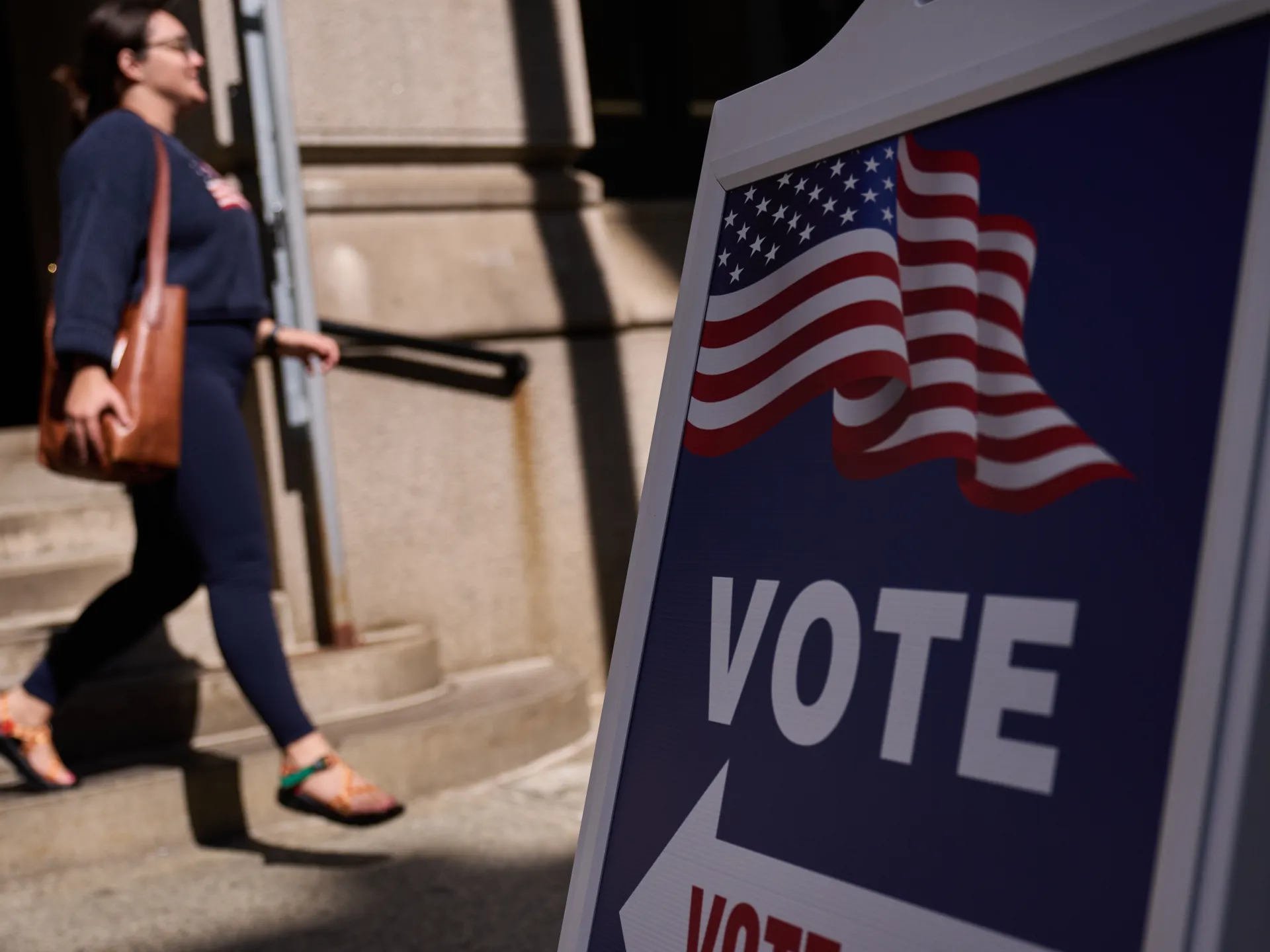
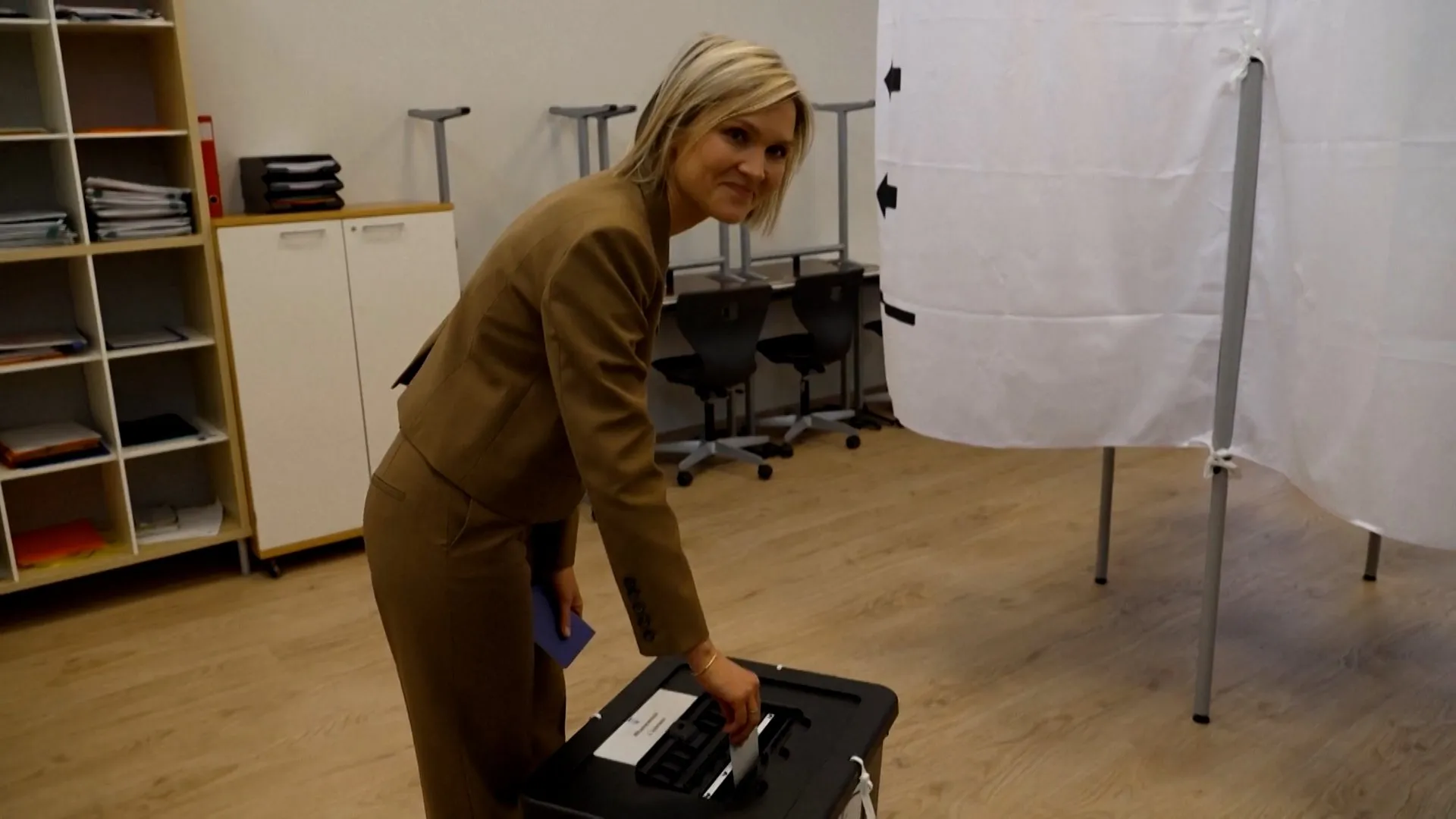
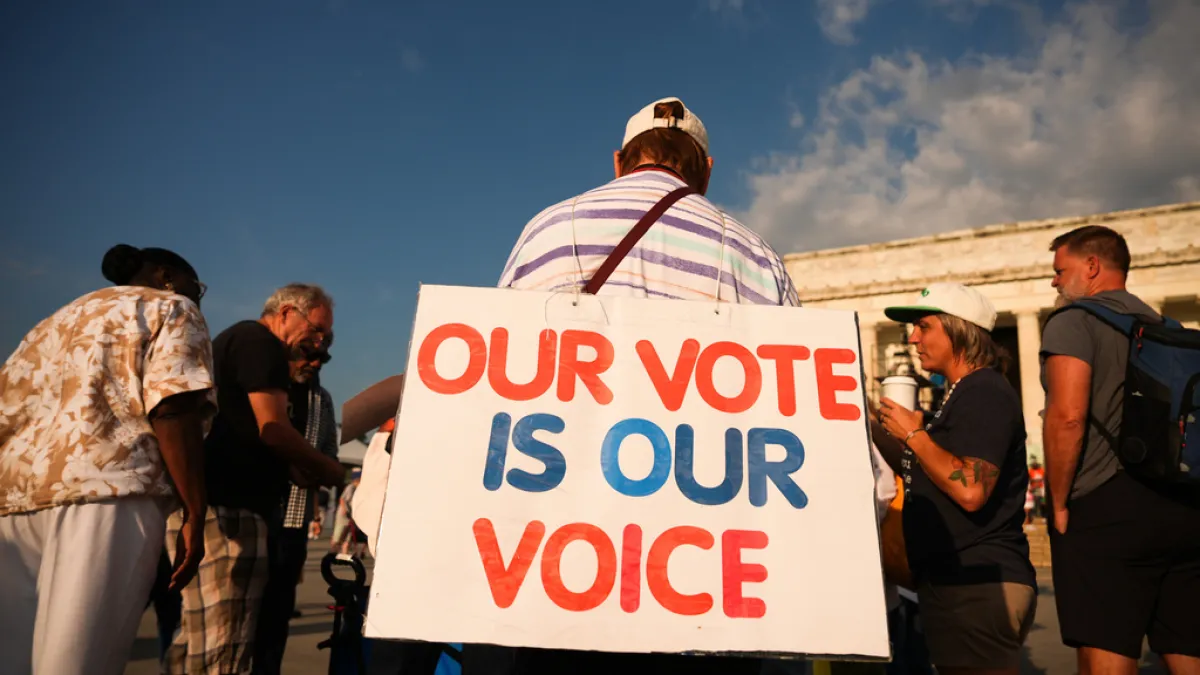
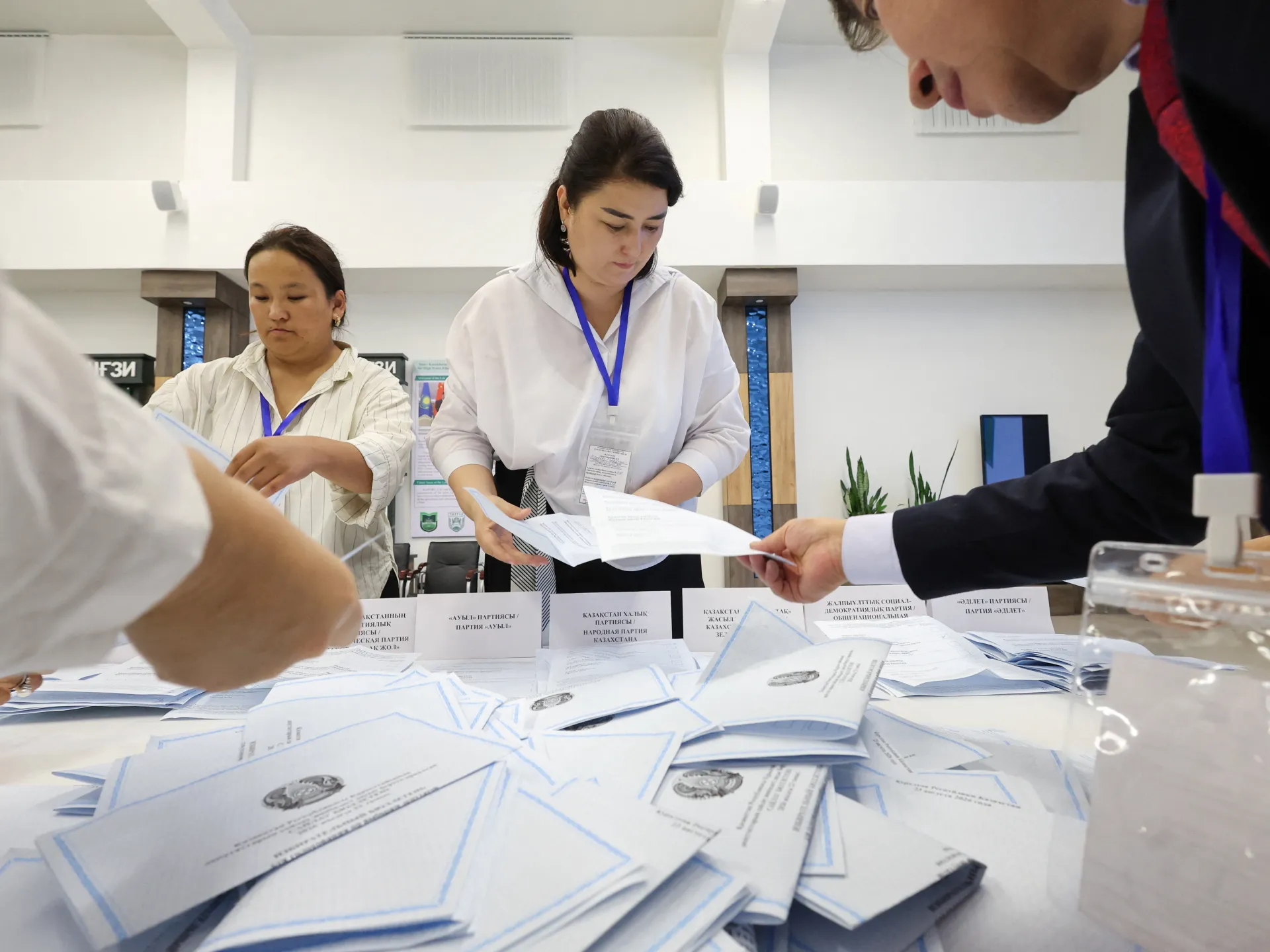
One of the most encouraging aspects of this democratic exercise was the robust engagement from the local population. Election officials reported a turnout of approximately 80 percent, with nearly 1.8 million citizens casting their ballots out of a registered pool of 2.39 million. This high level of participation underscores the importance that residents place on the electoral process as a legitimate vehicle for long-term peace and institutional development in a region that has historically faced significant conflict.
As the political factions begin formal discussions to form a government, the primary objective remains the selection of the region’s first elected chief minister. This position will carry the responsibility of guiding Bangsamoro through its next phase of development, focusing on economic recovery, infrastructure, and the continued implementation of the 2014 peace agreement. The success of the forthcoming coalition will be a litmus test for the region's ability to transition from a movement-led authority to a functioning, representative democratic government.
The shift toward a coalition-based administration is seen building often involves complex negotiations and potential delays, it also provides a framework for inclusive governance that can incorporate various sectoral and district representatives. a more unified political culture that reflects the diverse demographic and ideological composition of the Bangsamoro region.
Looking forward, the international community and domestic observers will be closely monitoring how these political parties reconcile their differences. The stability of the new parliament is essential for the continued success of the peace process, which serves as a model for resolving internal disputes in the Philippines. As the official certification of results proceeds, the focus will shift from the ballot box to the negotiating table, where the future trajectory of the region will be defined