As Hong Kong honors its first post-colonial leader, Germany's governing coalition battles internal division and a rising far-right.
The convergence of events in Hong Kong and Berlin illustrates a striking contrast in how political legitimacy is managed across differing governance models. In Hong Kong, the state funeral of Tung Chee-hwa serves as a ceremonial reinforcement of the city's integration into the Chinese political order, signaling continuity and the official recognition of a path defined iedrich Merz highlights the volatility of representative democracy, where internal party friction and the rise of populist movements can rapidly erode a leader's mandate.
For global observers, these two distinct stories underscore a shared theme: the persistent struggle for stability amidst shifting societal pressures. While Hong Kong’s elite move to solidify the legacy of a foundational post-colonial figure, Berlin’s political establishment is grappling with the possibility of a leadership vacuum, as the traditional conservative bloc faces an existential threat from the far-right Alternative for Germany (AfD). Both scenarios demonstrate how leaders navigate public dissatisfaction and institutional pressure to maintain control, whether through the formalization of history or the desperate consolidation of party support.
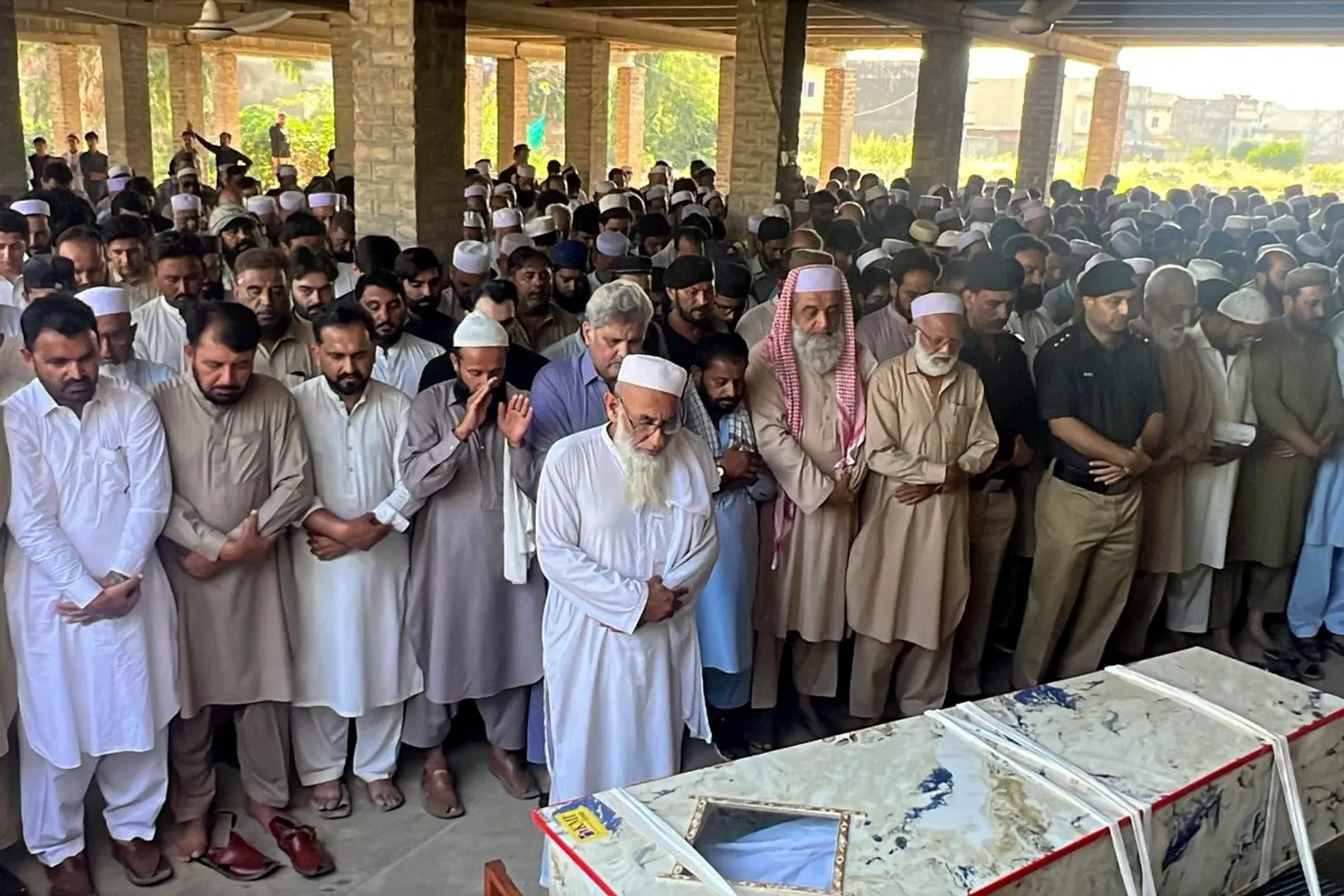
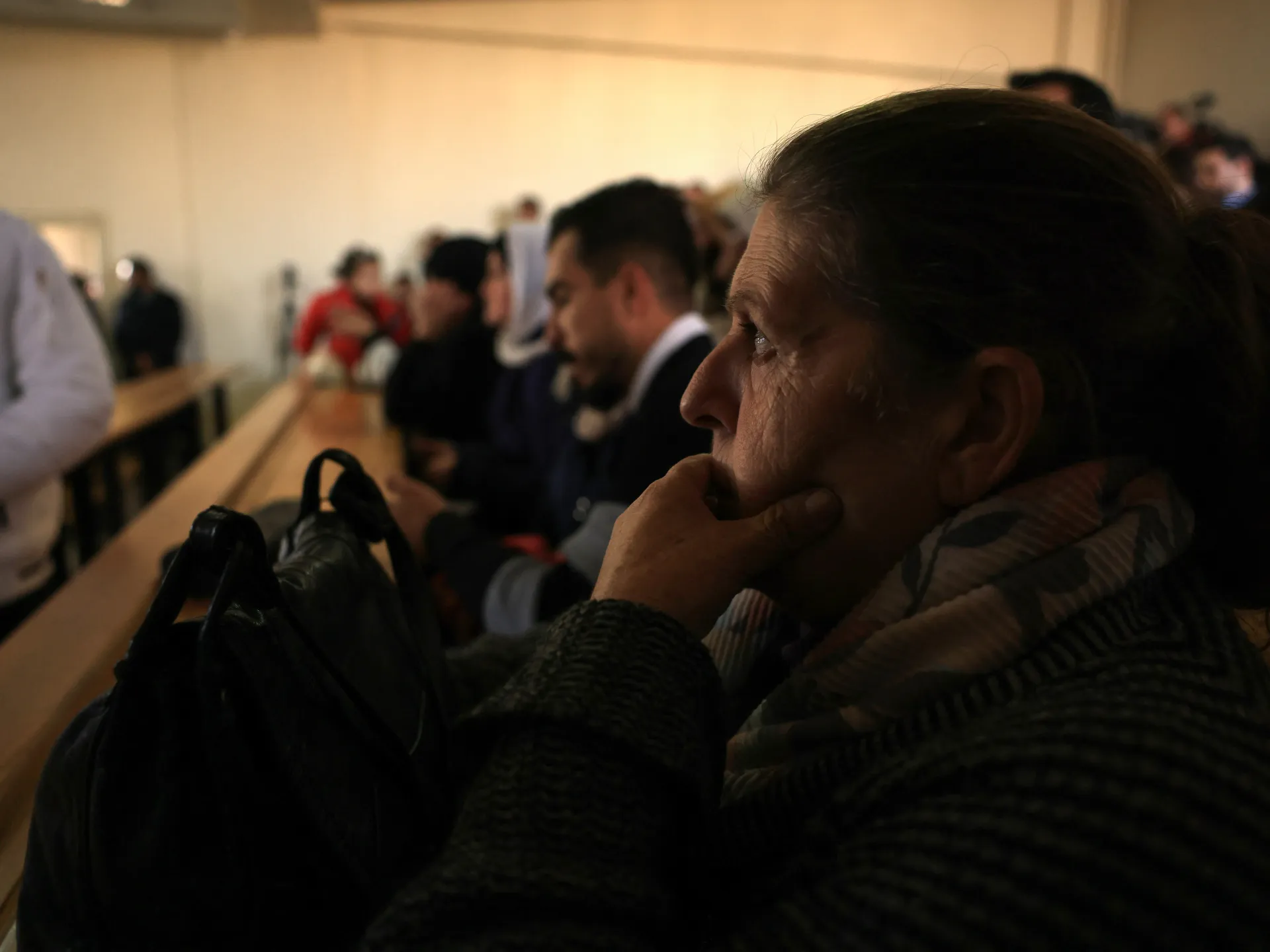
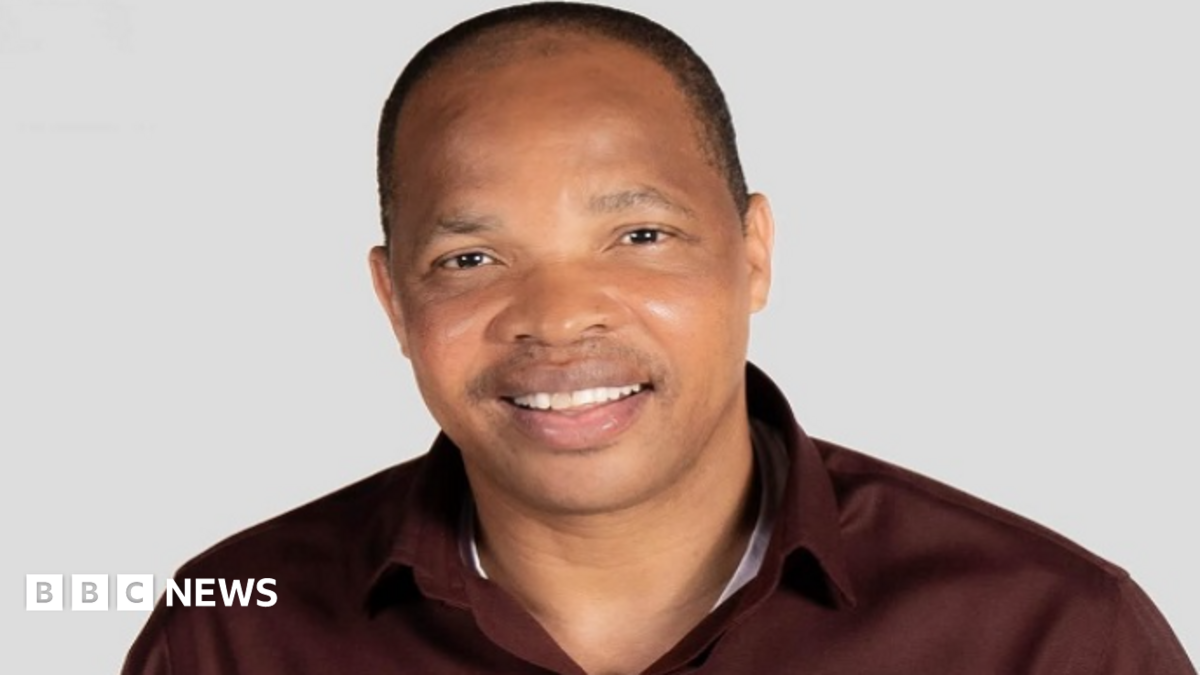
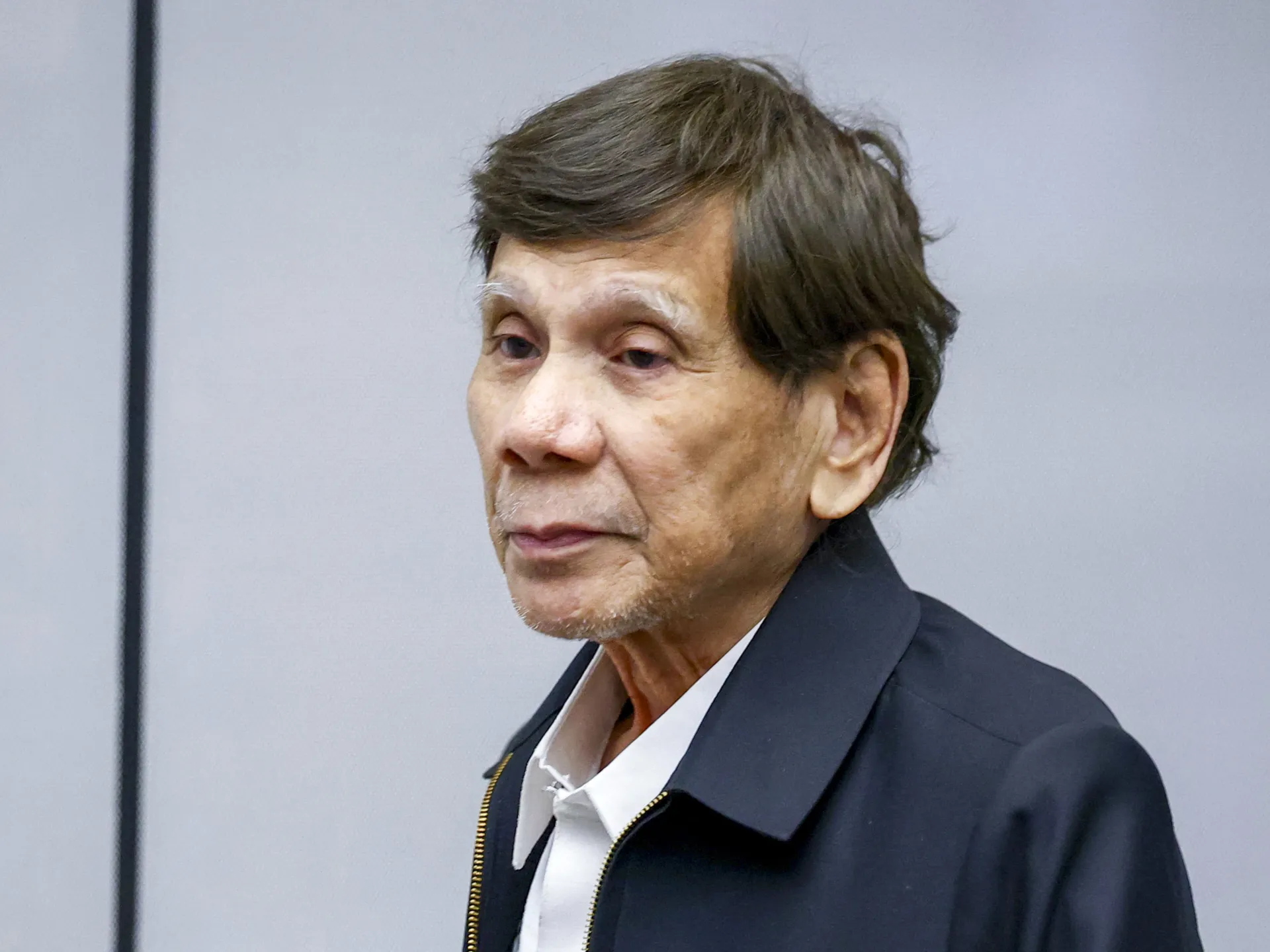
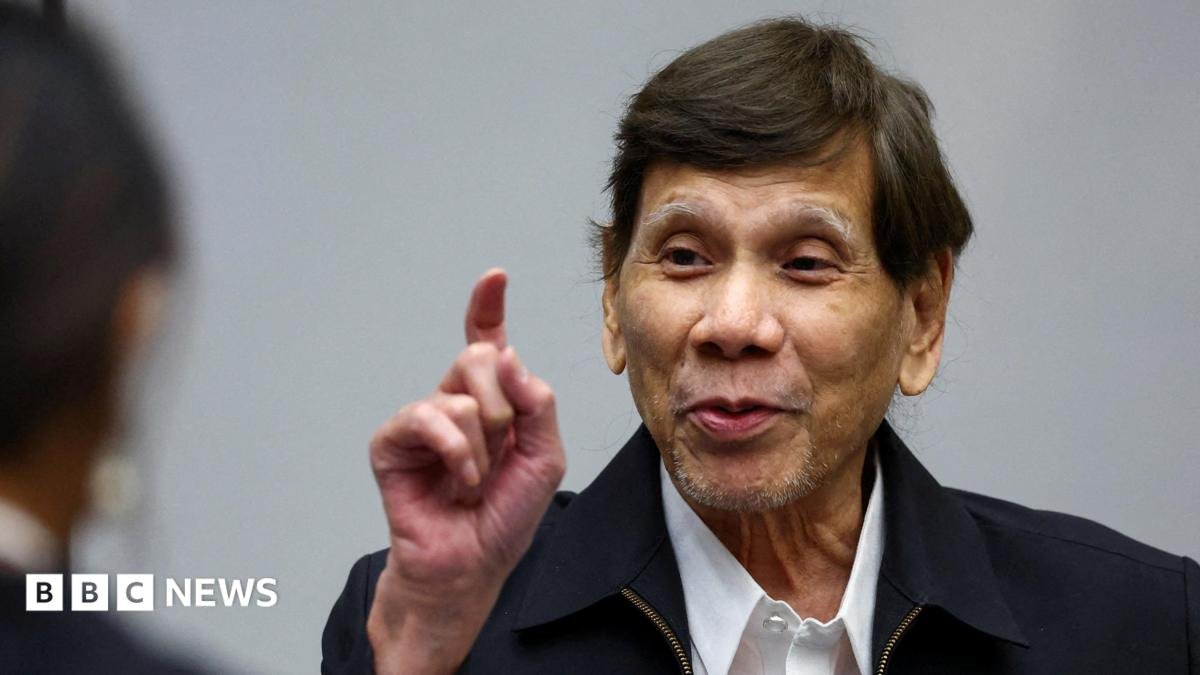
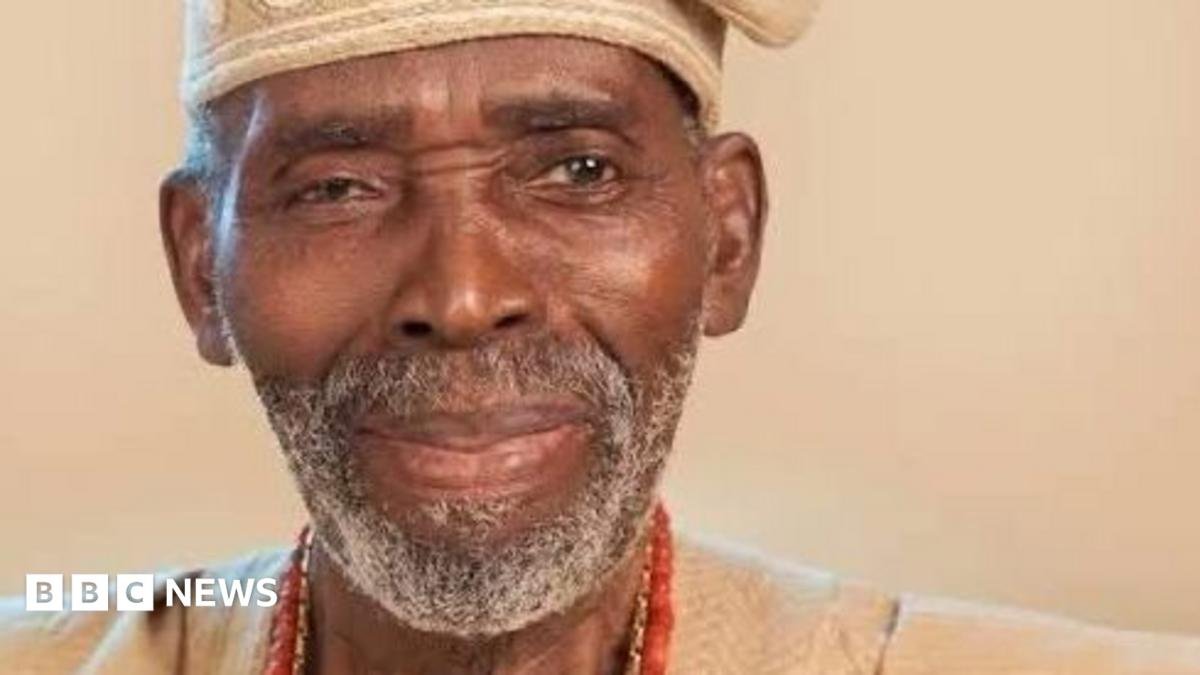
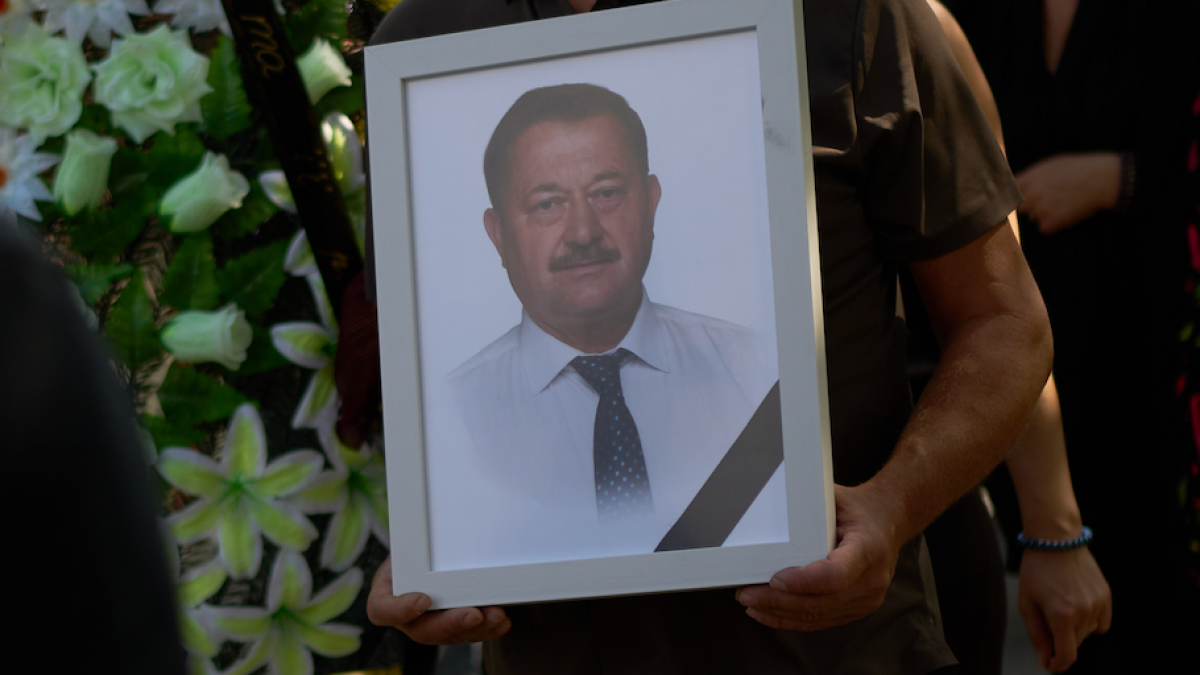
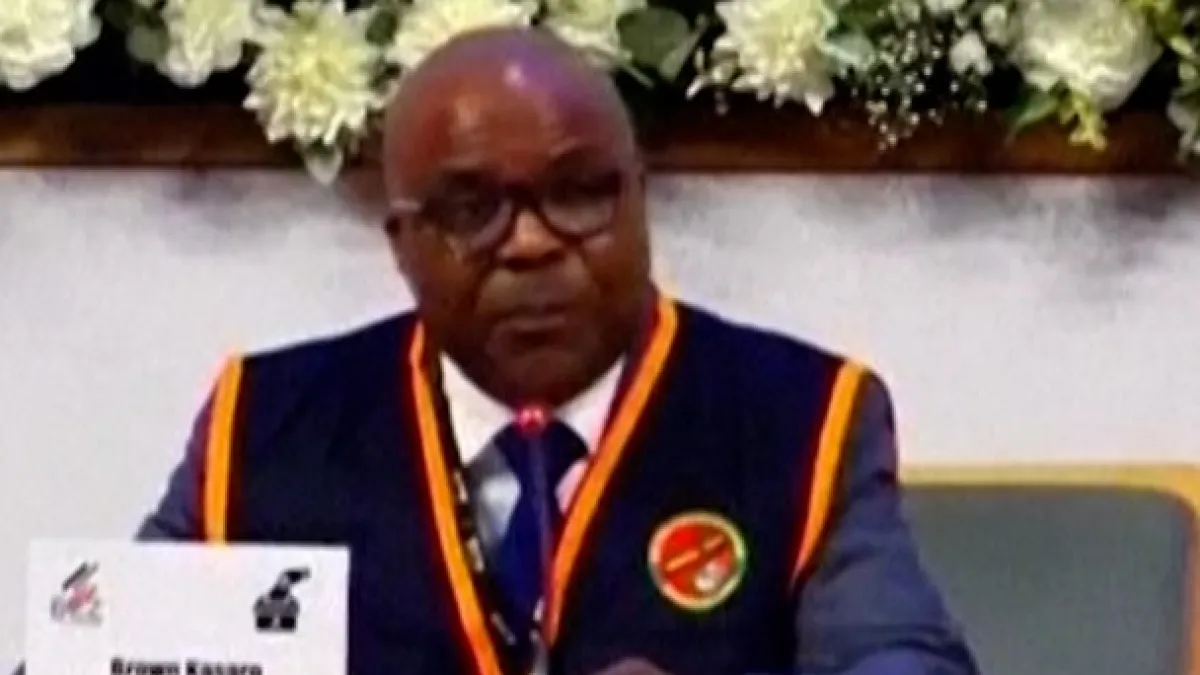
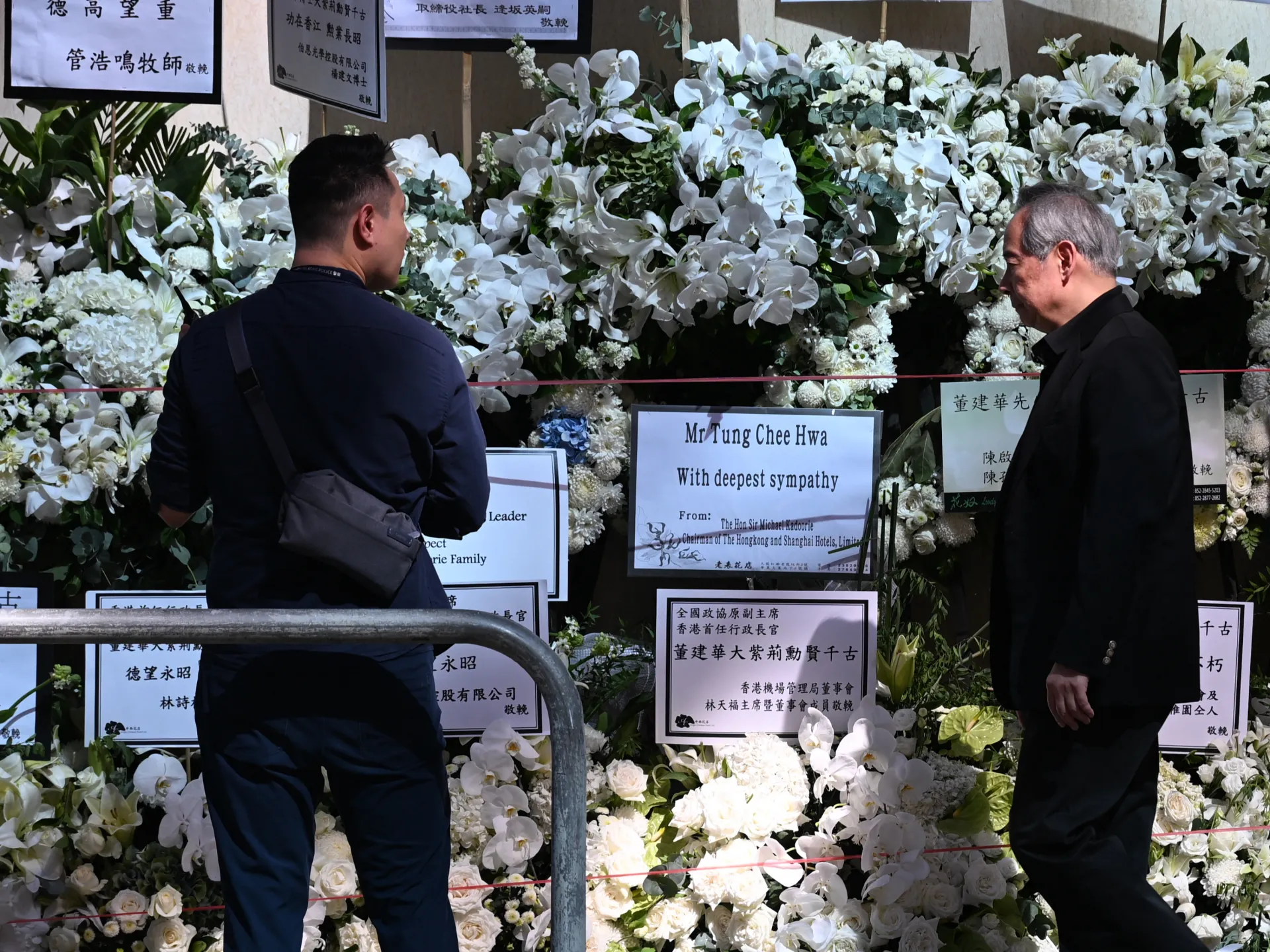
Hong Kong recently observed a state funeral for Tung Chee-hwa, the city's inaugural post-colonial chief executive, who passed away on September 8 at the age of 89. The ceremony, held at the Hong Kong Funeral Home in North Point, marked only the third instance of such an honor being granted since the 1997 handover. The presence of senior Chinese officials, including Xia Baolong, Beijing’s top overseer for Hong Kong and Macau, underscored the importance the central government placed on honoring a man they termed a “renowned patriot.”
The funeral proceedings were choreographed to emphasize unity, with current Chief Executive John Lee and former leader Leung Chun-ying serving as pallbearers. Despite the state-sanctioned mourning, the memory of Tung’s tenure remains nuanced. While Chinese state media lauded his far-reaching vision, his period in power was defined faced significant public pushback, particularly regarding national security legislation that was ultimately shelved following mass protests. Following his resignation in 2005, citing health concerns, Tung continued to exert influence as a vice chairman of the Chinese People’s Political Consultative Conference until 2023.
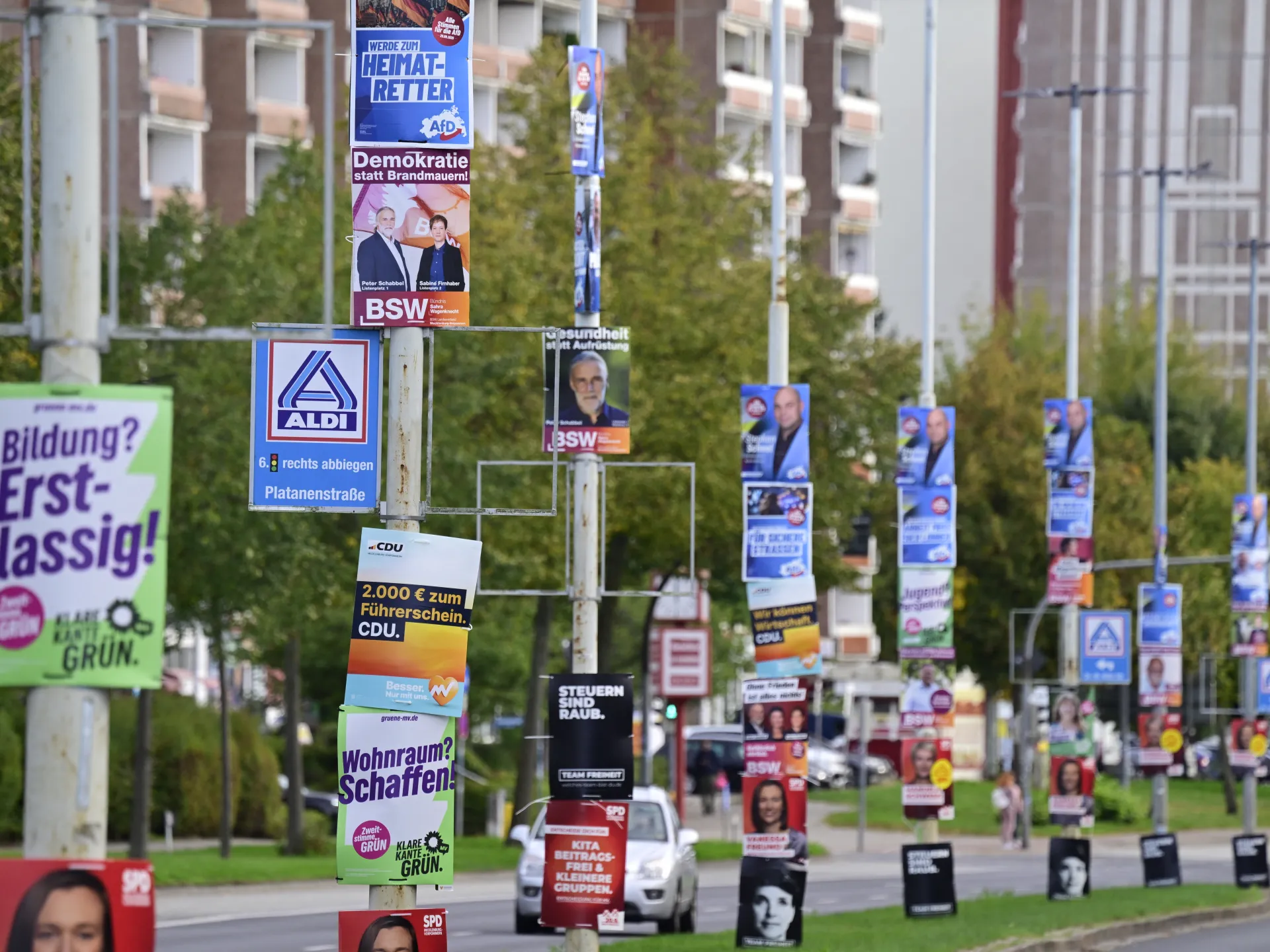
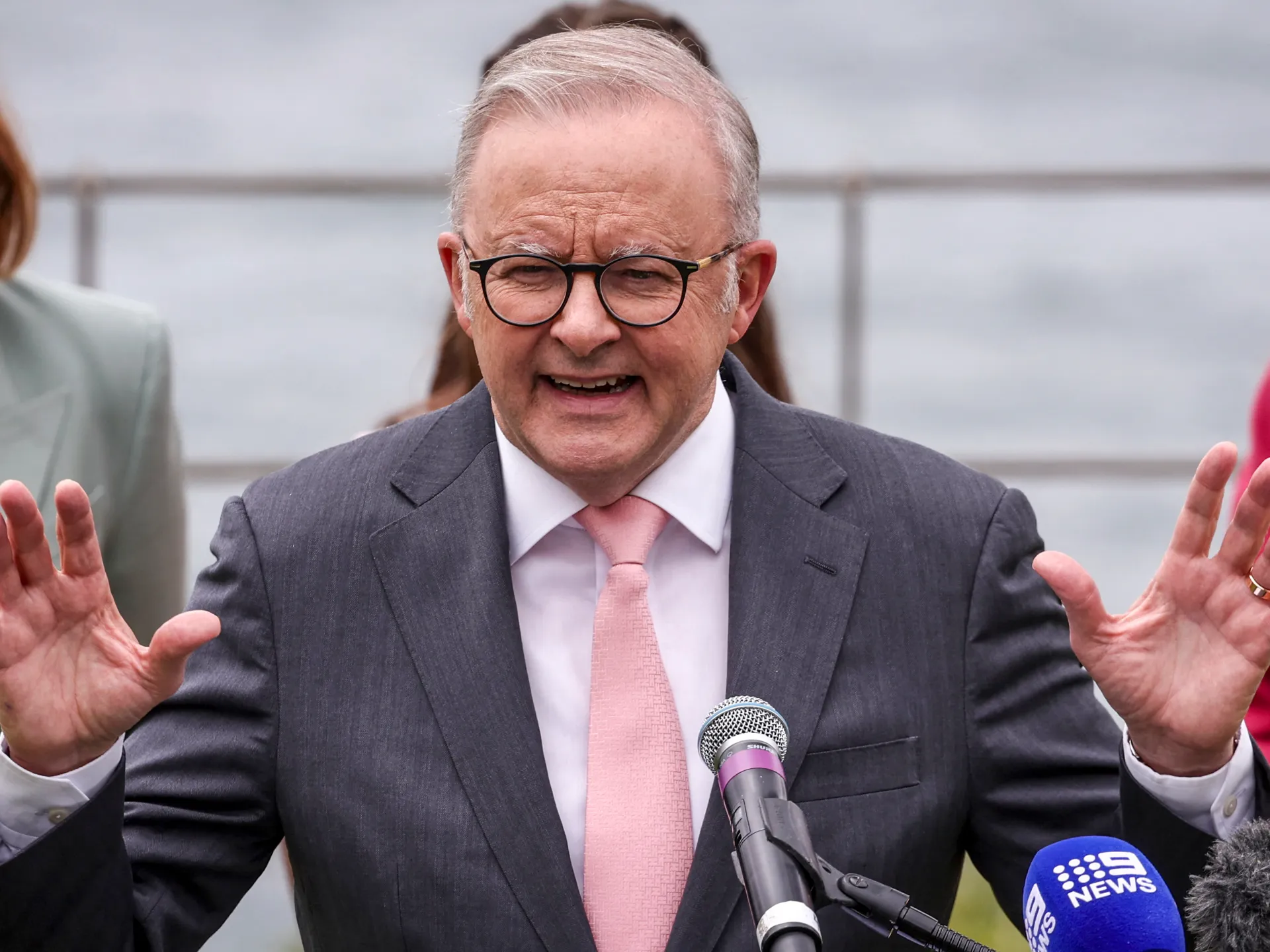
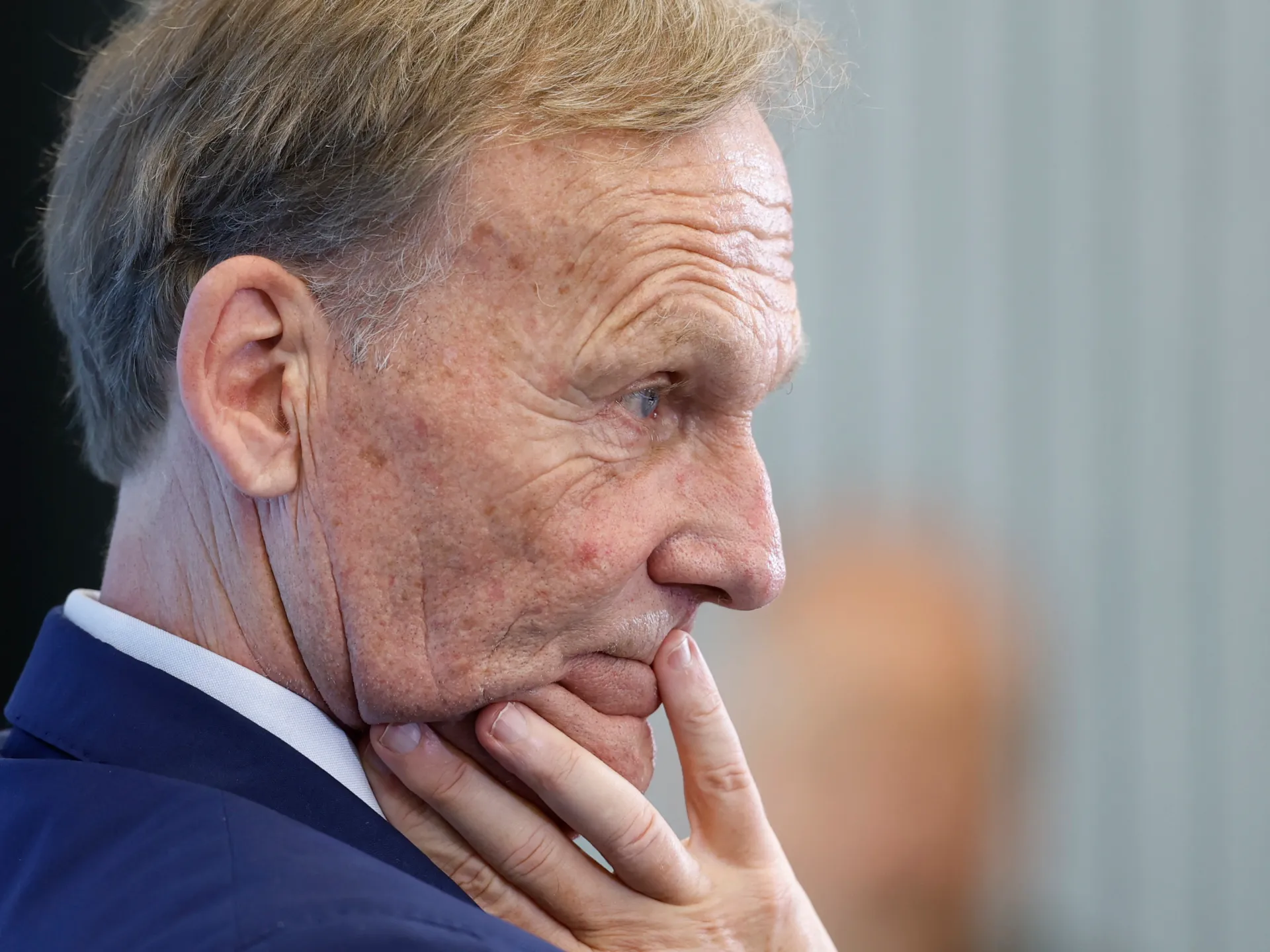
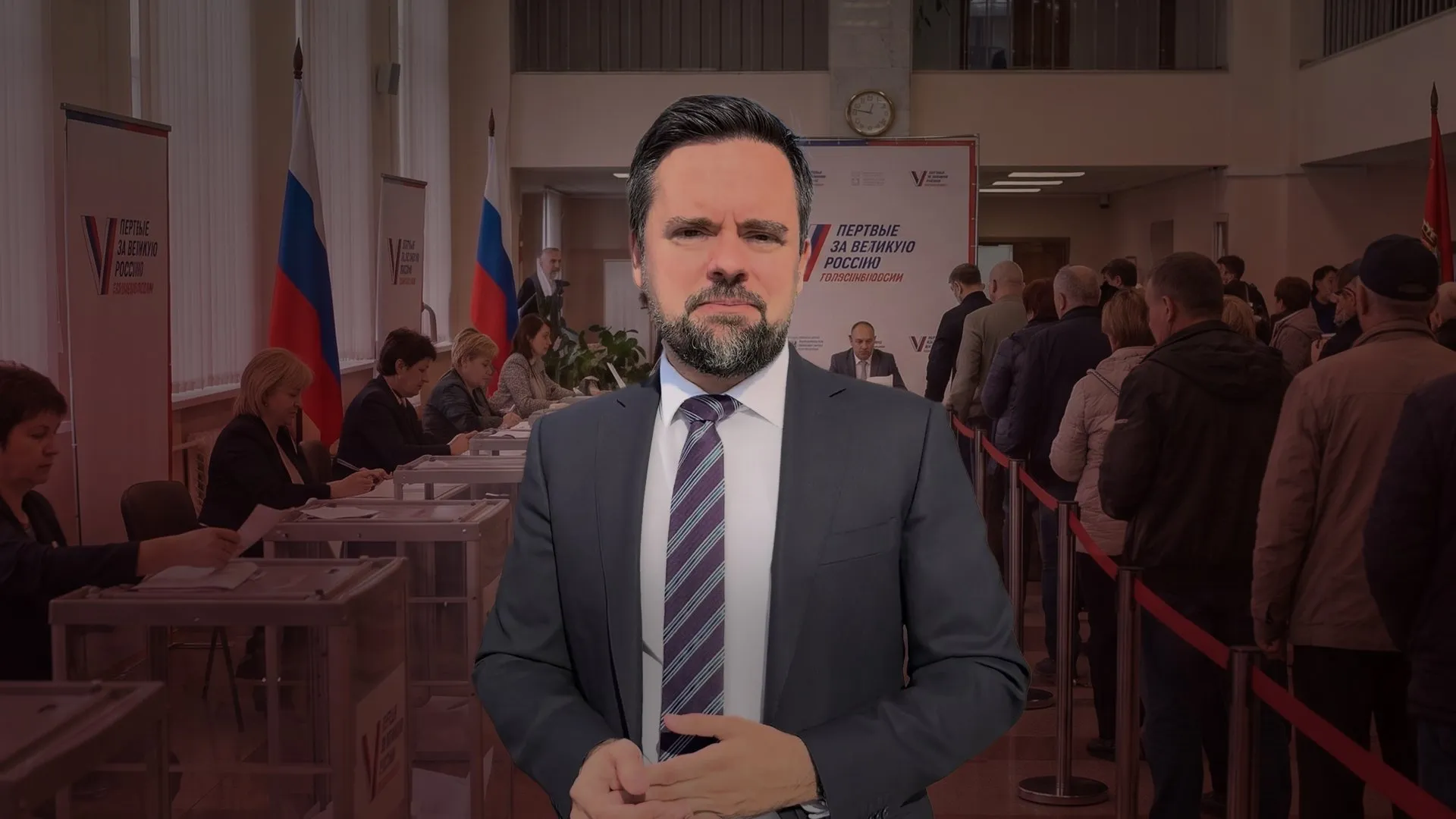
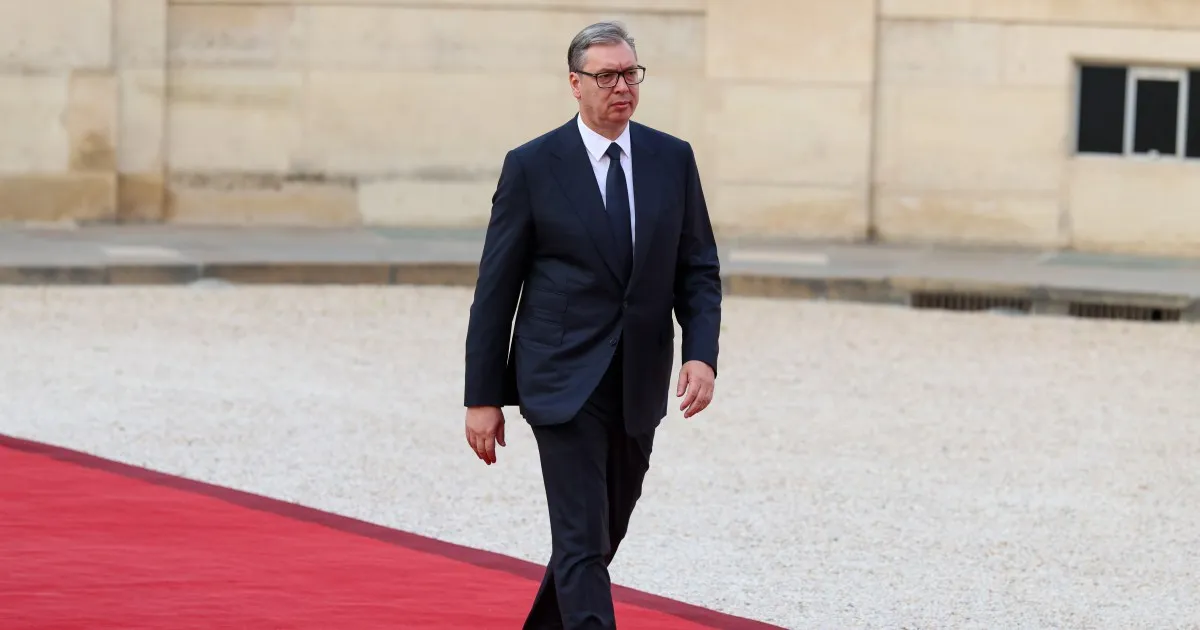
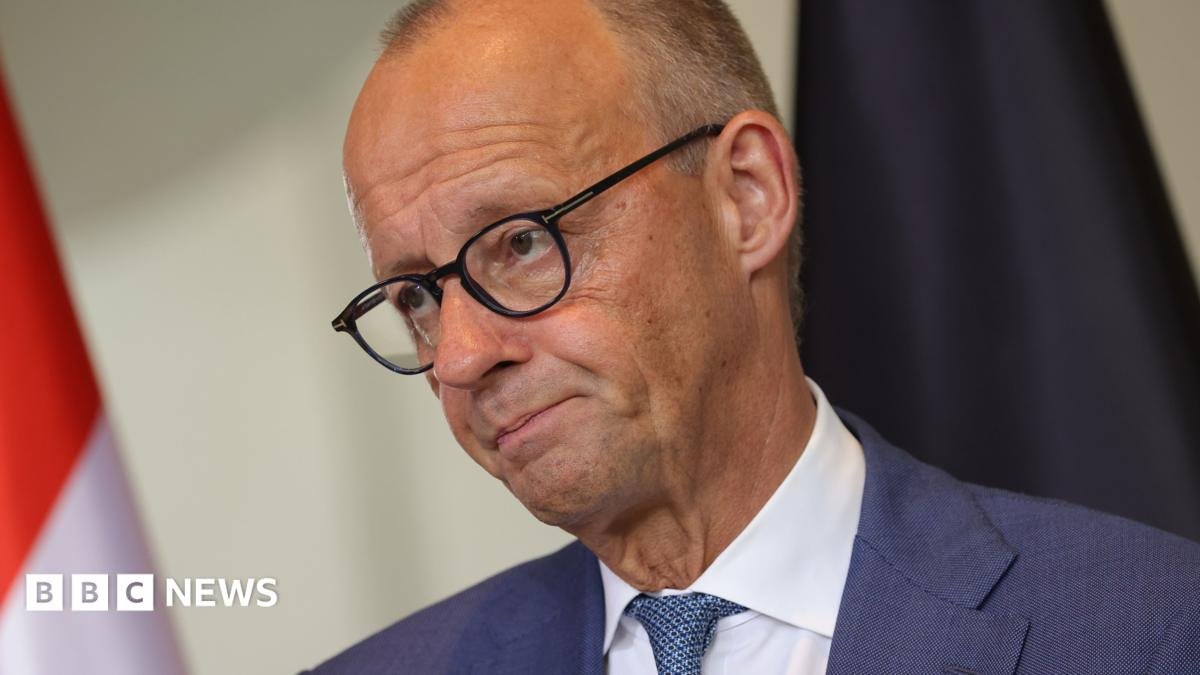
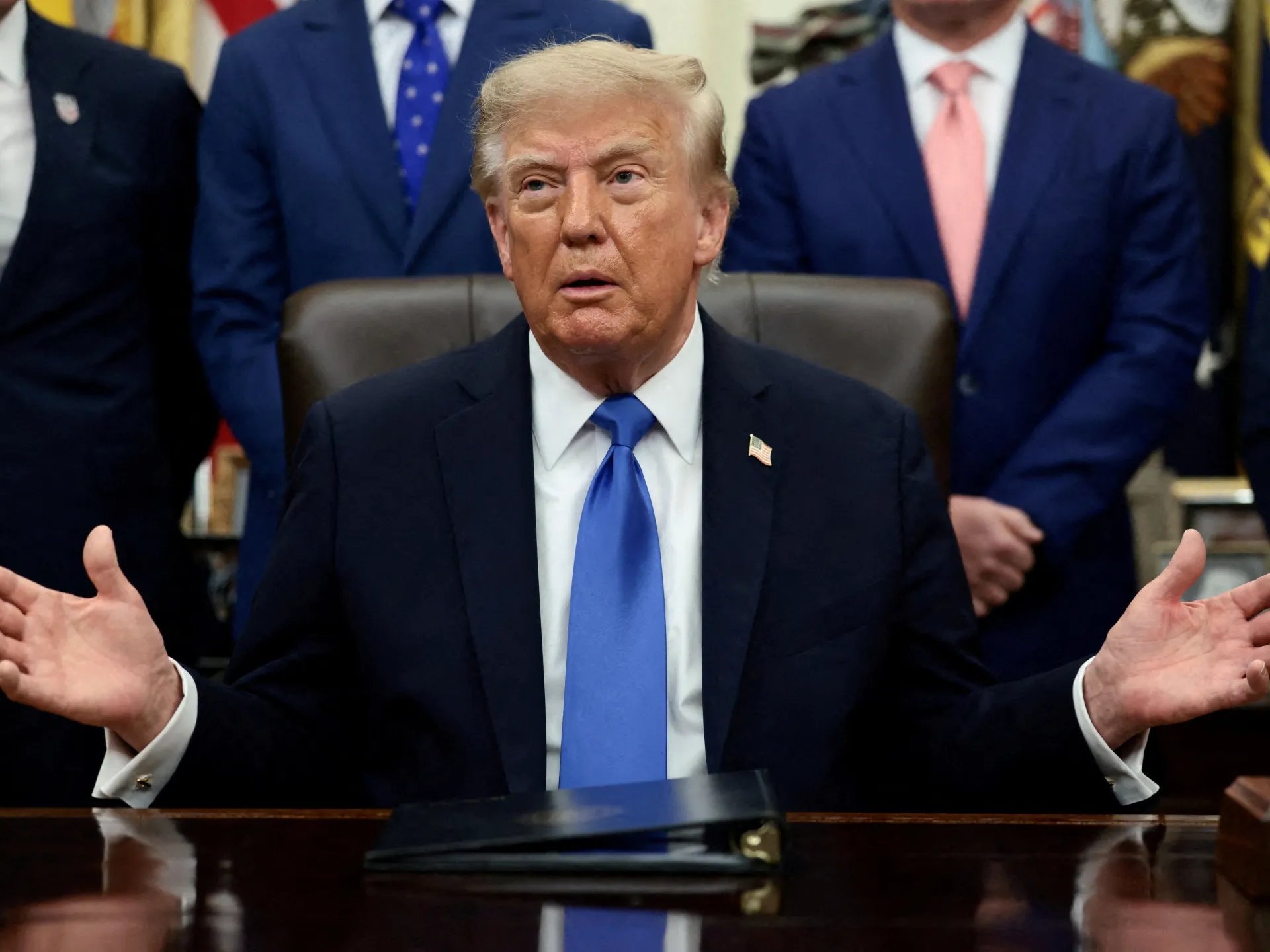
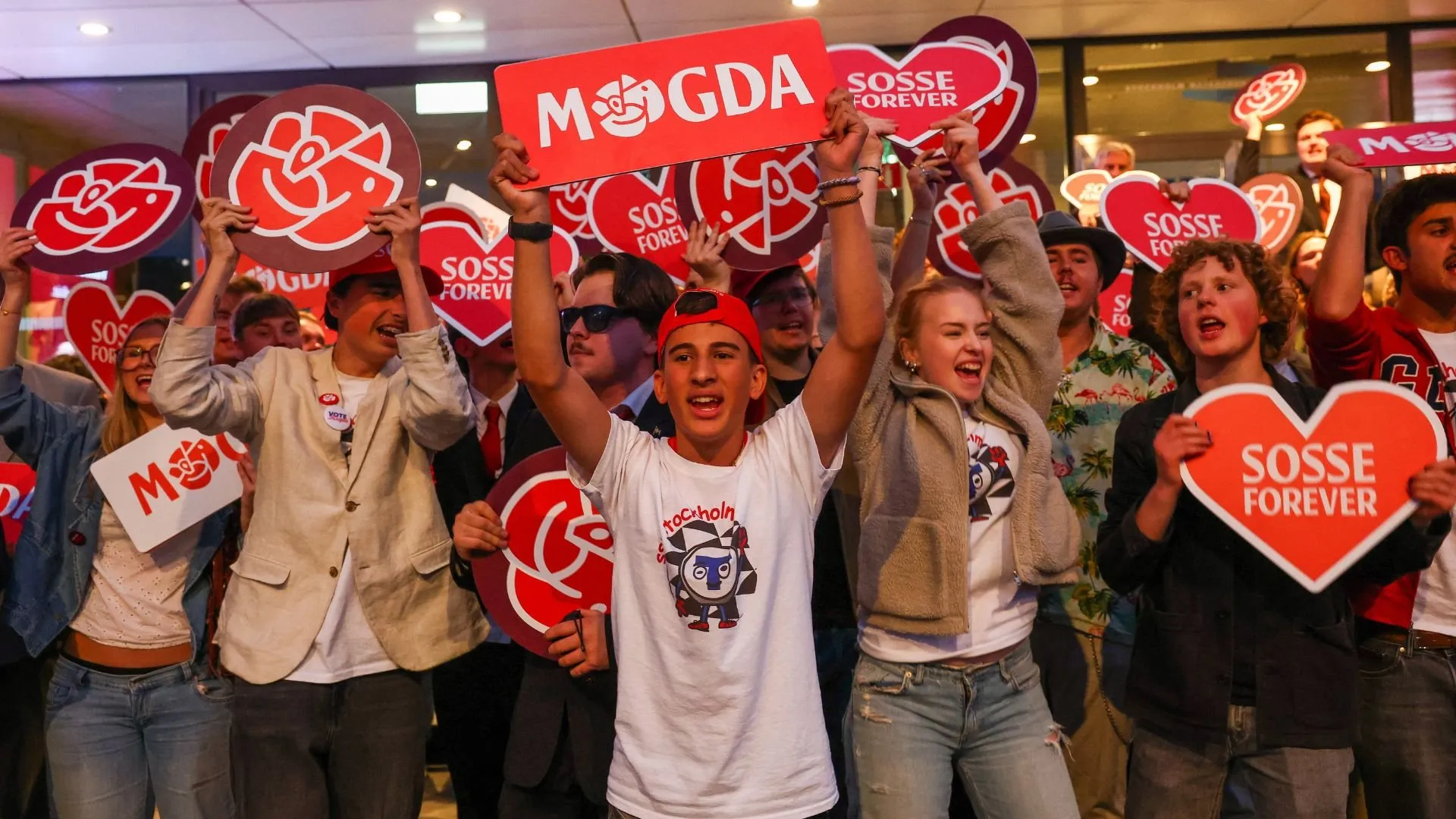
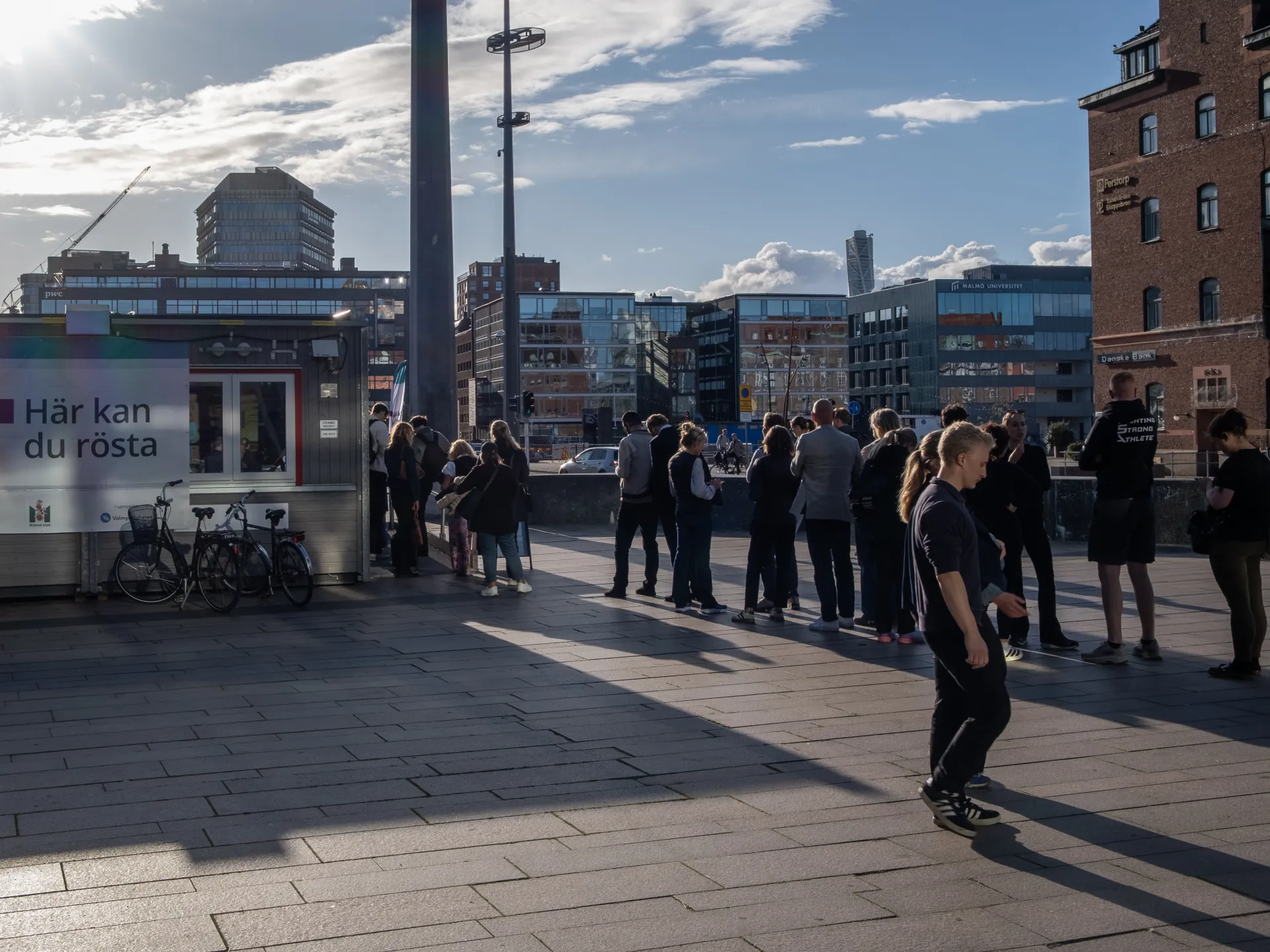
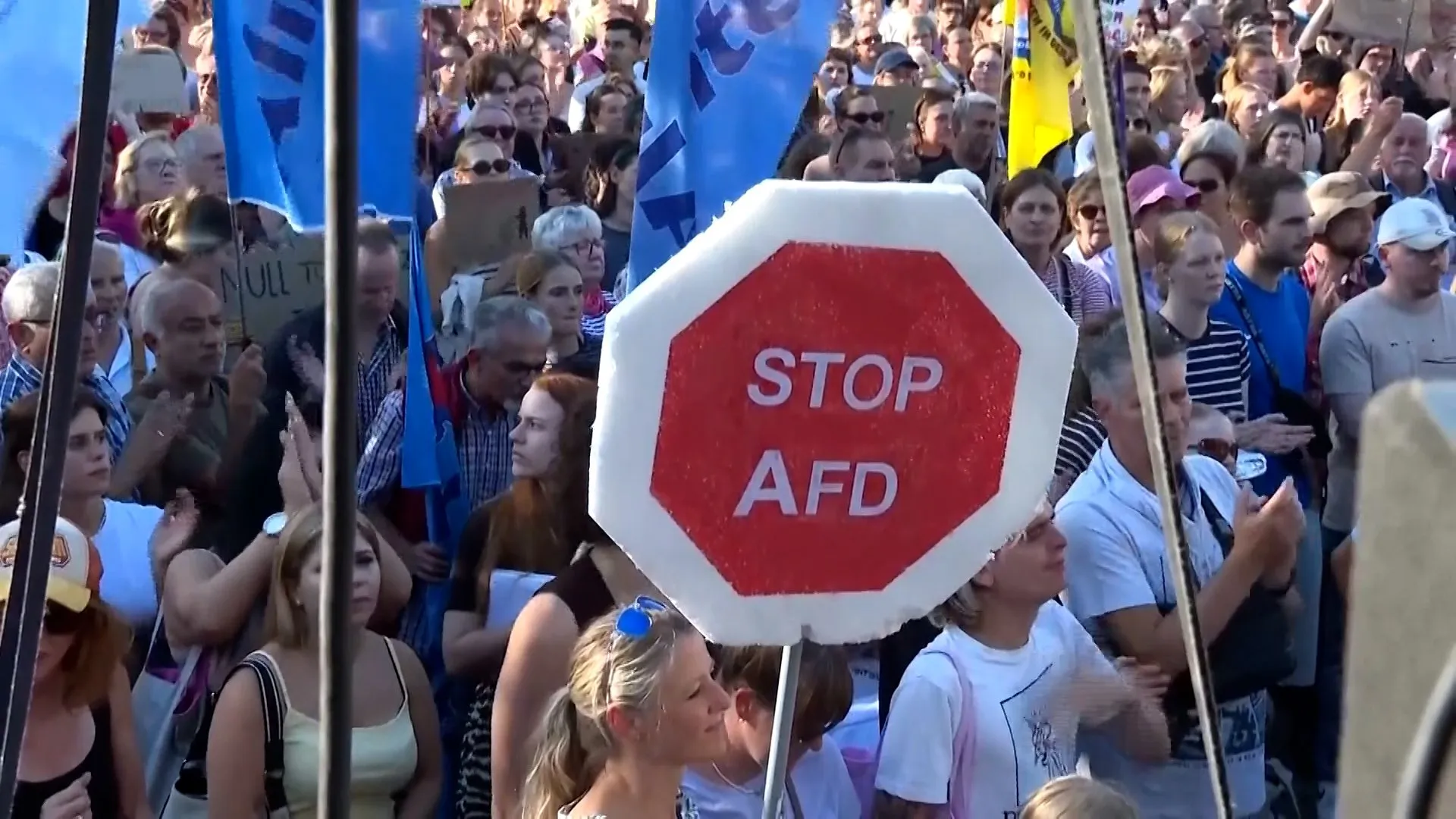
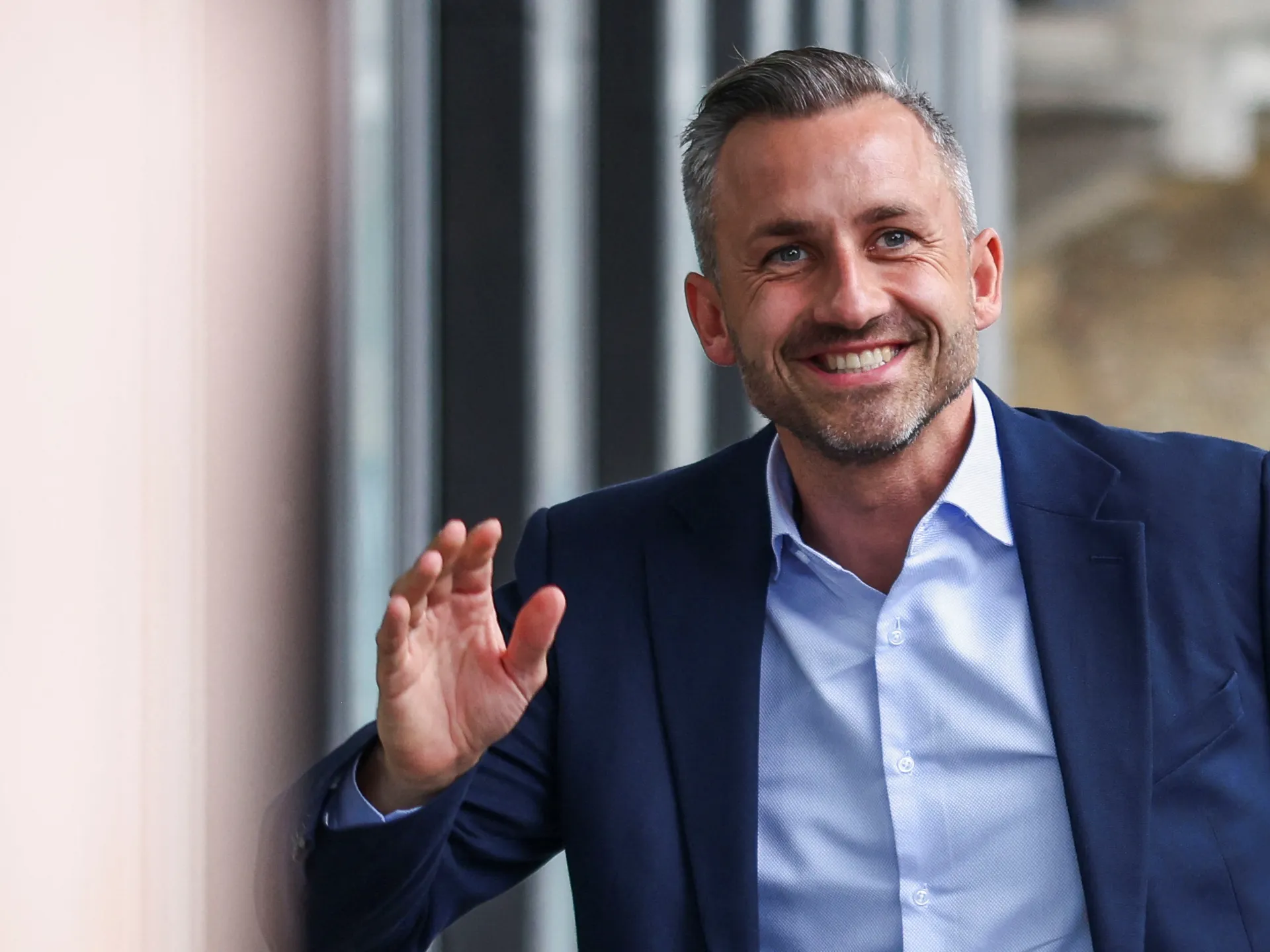
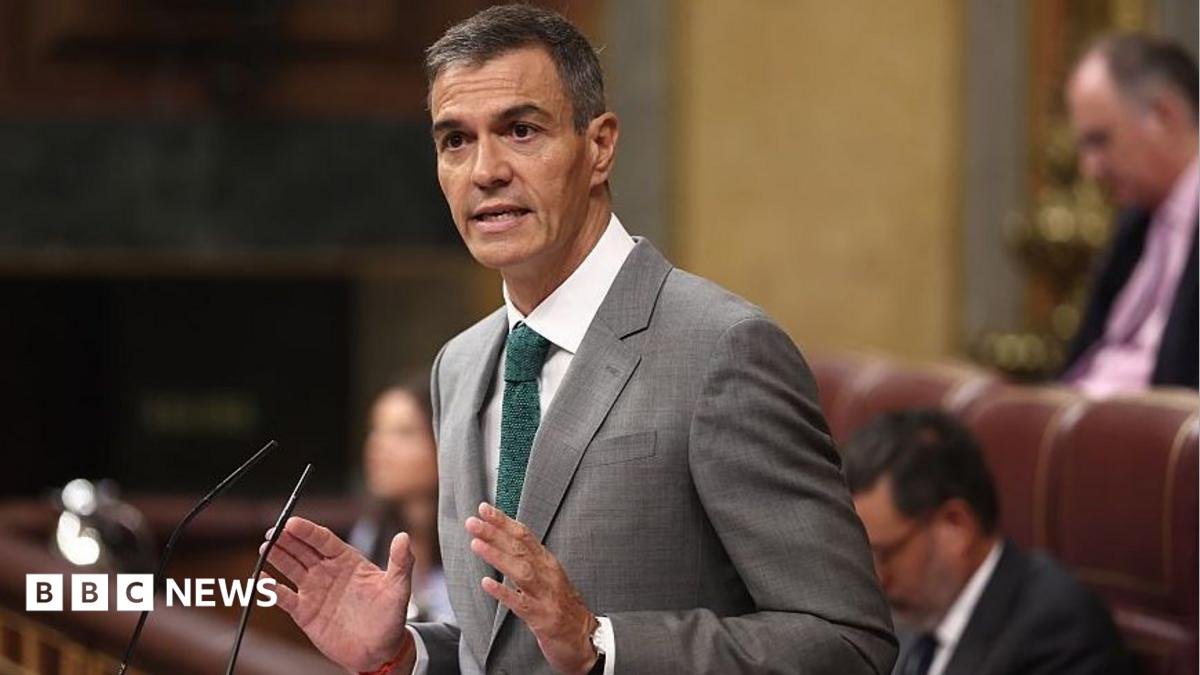
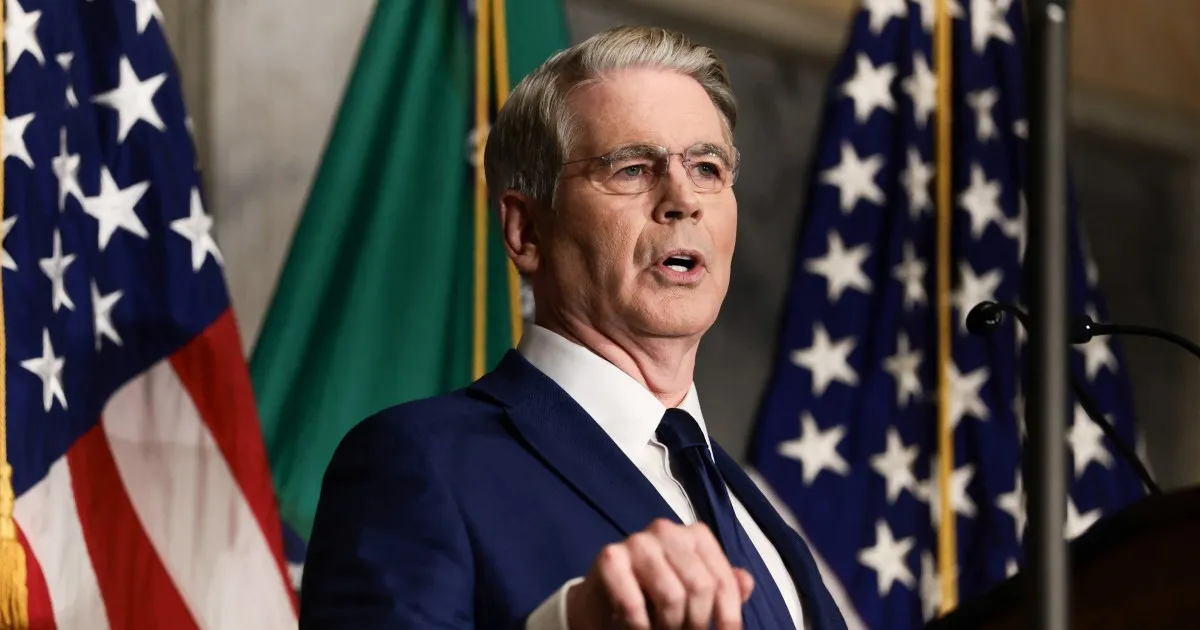
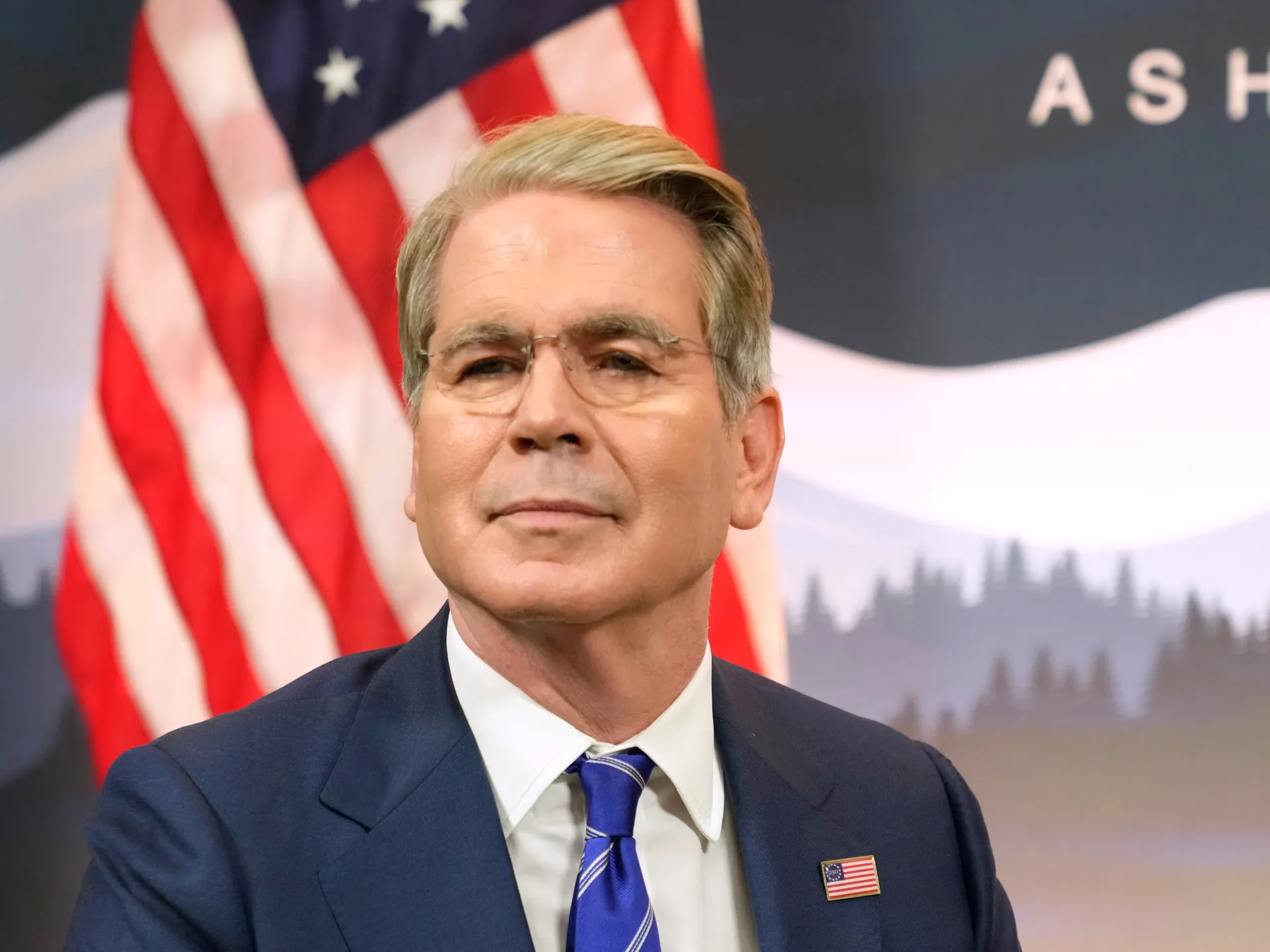
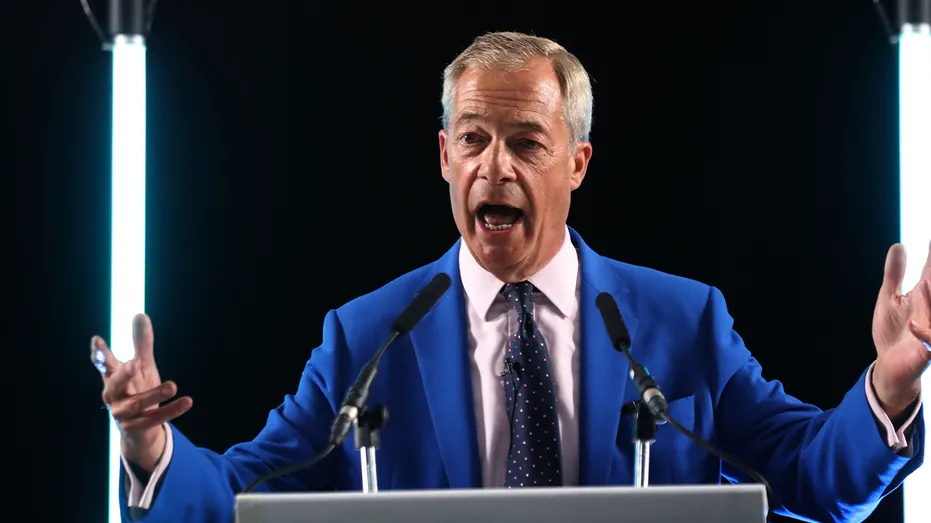
In Germany, the political climate remains fraught as Chancellor Friedrich Merz fights to maintain his grip on both the chancellery and the Christian Democratic Union (CDU) leadership. Merz, who has held office for only 16 months, is currently navigating a period of profound unpopularity, with recent polling suggesting only 14% of the public view him as the right person for the job. This skepticism has been exacerbated ote in Saxony-Anhalt, pushing the CDU to a distant second.
In a show of solidarity, the premiers of eight German states issued a joint statement urging party members to focus on governing rather than “debates over personnel.” While the premiers of states such as Hesse, Bavaria, and North Rhine-Westphalia have rallied behind the Chancellor to ensure federal stability, the pressure remains intense. Merz’s aggressive rhetoric against the AfD—whom he has characterized as a “destructive force”—has sparked legal retaliation from the far-right party, which is now filing a defamation complaint. With additional state elections looming, the unity of the conservative bloc will face its most significant stress test yet.
The immediate future for German politics hinges on the outcomes of upcoming state elections, which are viewed as a referendum on Merz’s leadership. If the CDU continues to lose ground to the AfD, internal pressure to replace the Chancellor will likely become insurmountable, regardless of the current public support from state premiers. The party must decide whether to continue its current confrontational strategy or pivot to address the underlying economic and migration grievances that have fueled the far-right’s rise.
In Hong Kong, the funeral of Tung Chee-hwa represents the final closing of a chapter in the city's post-1997 history. With the establishment now firmly aligned under Beijing’s vision, the focus is expected to shift toward long-term economic integration and the normalization of the current political status quo, leaving little room for the kind of public dissent that characterized the early years of the post-colonial era.