As international violence flares in Gaza, the Federal Reserve moves to curb inflation with its first interest rate hike in three years, signaling a new era of economic and geopolitical strain.
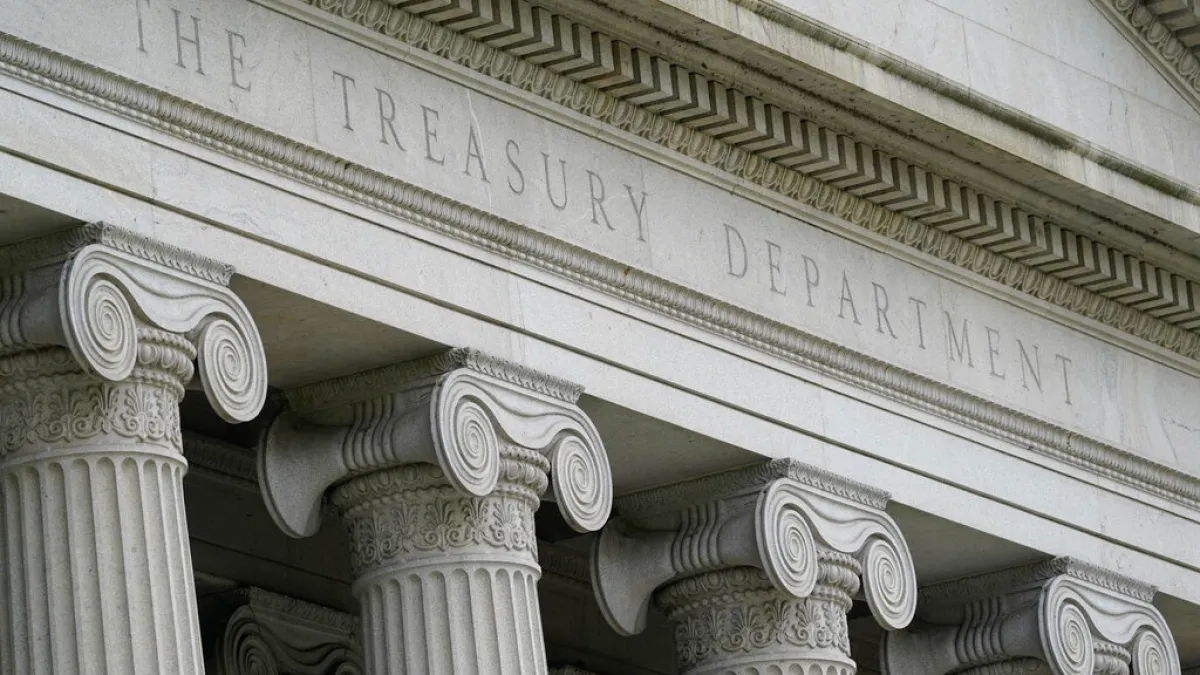
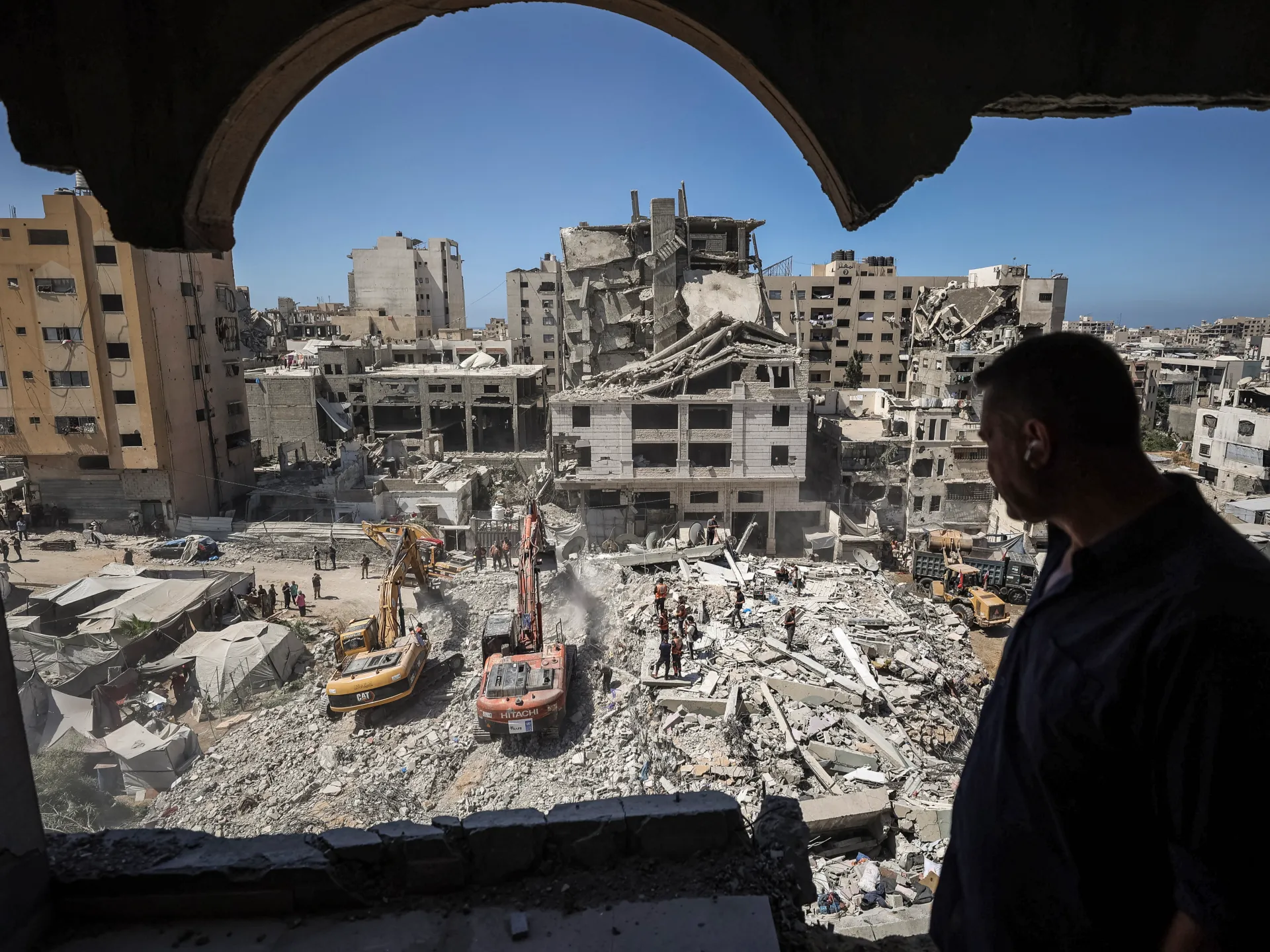
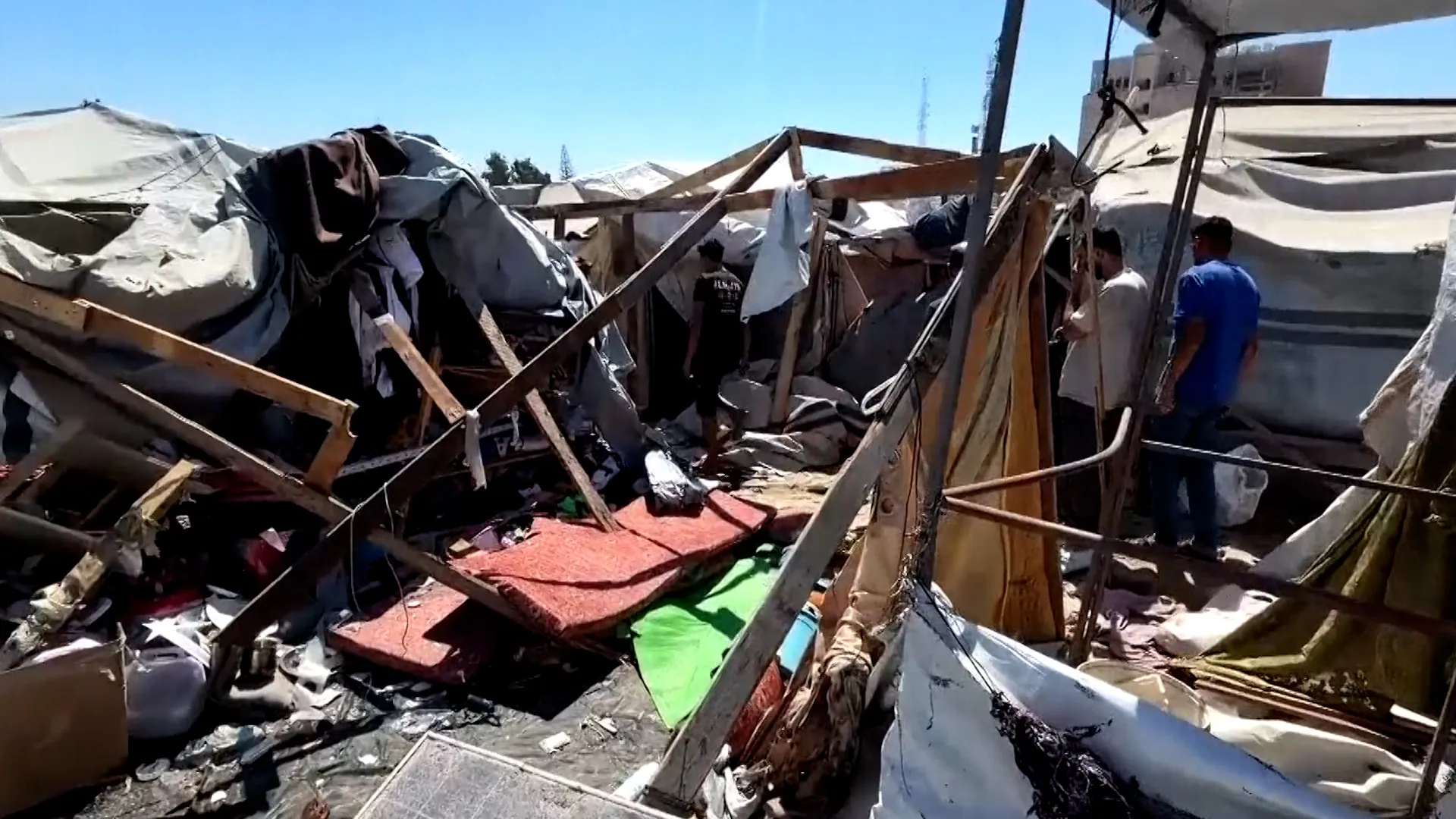
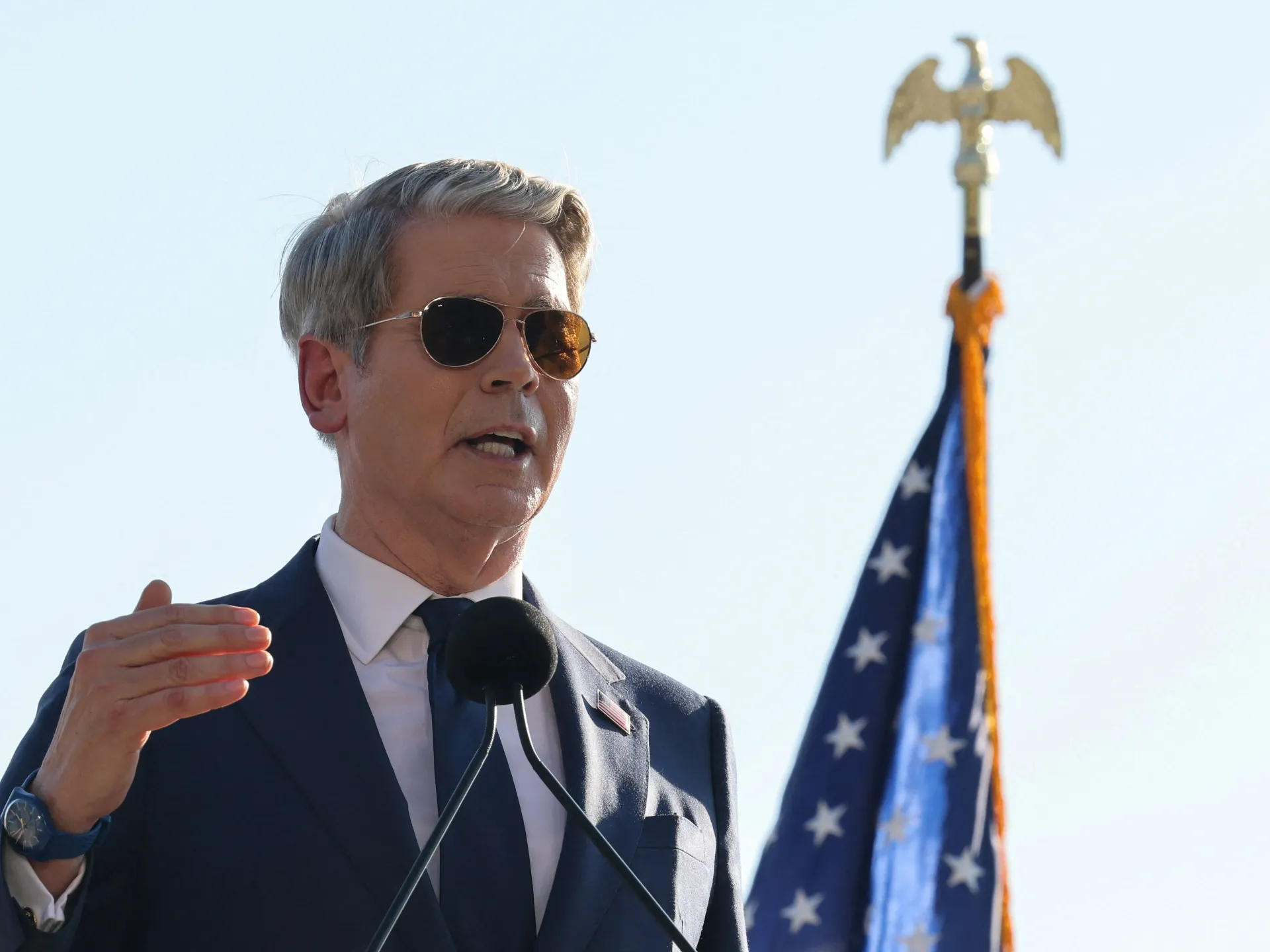
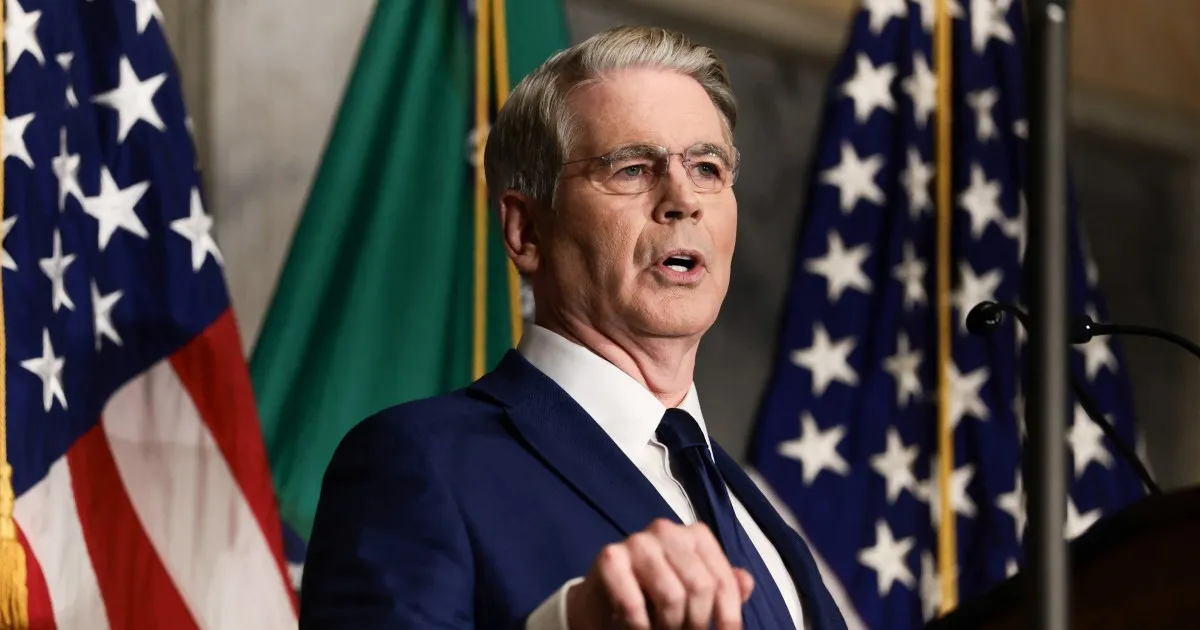
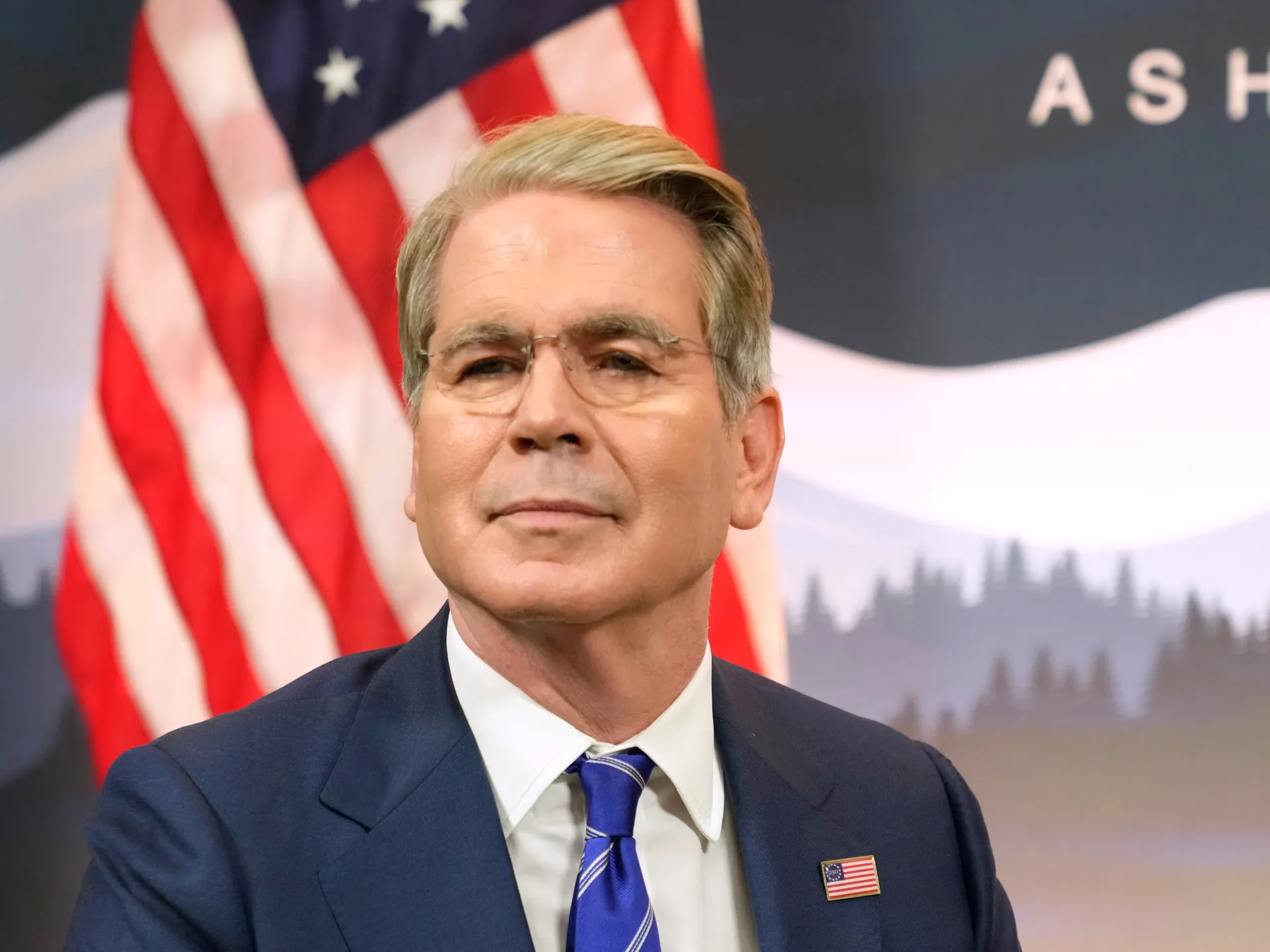
As the international community navigates the ongoing volatility in the Gaza Strip, the domestic economic landscape in the United States is simultaneously shifting under the weight of a renewed monetary policy strategy. On September 19, 2026, medical officials in Gaza reported a series of lethal Israeli military engagements that claimed the lives of at least three individuals, including a child and the son of a high-ranking Health Ministry official. These developments occur as the U.S. Federal Reserve, operating under the leadership of Chair Kevin Warsh, initiates a pivot in interest rate policy designed to curb long-term inflationary pressures.
The convergence of these events highlights a precarious moment for U.S. foreign policy and domestic stability. While the White House grapples with the humanitarian ramifications of a conflict that has persisted well beyond the cessation of a U.S.-brokered ceasefire, the Federal Reserve is executing a difficult balancing act to preserve the purchasing power of the American consumer amidst rising global oil prices and supply chain vulnerabilities directly linked to the broader geopolitical theater in the Middle East.
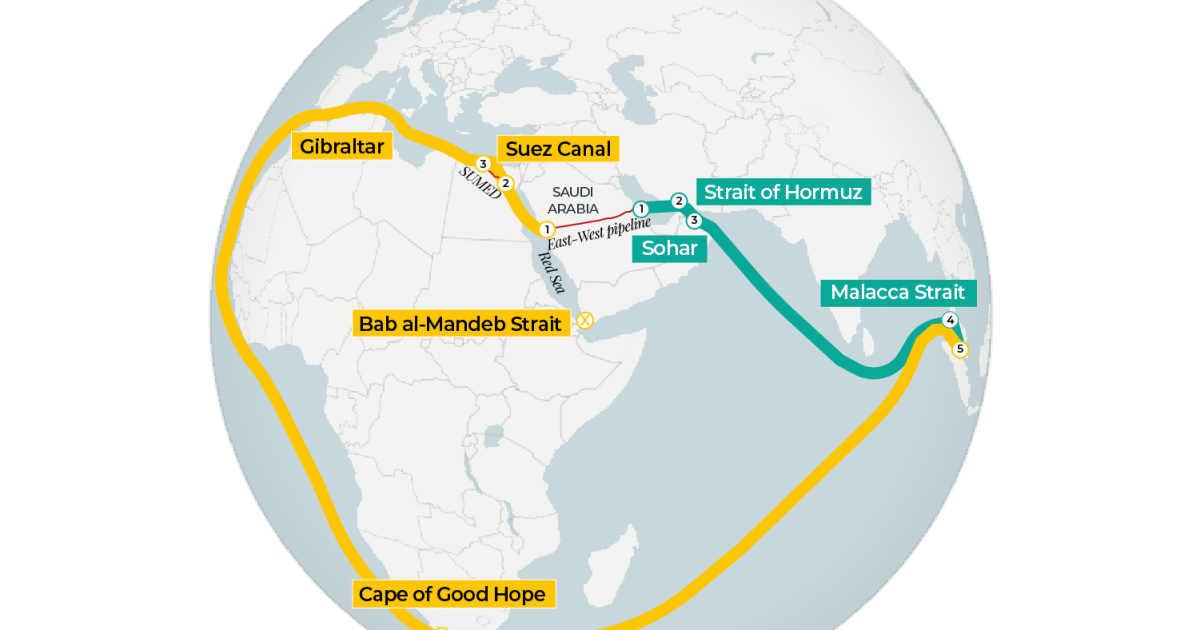
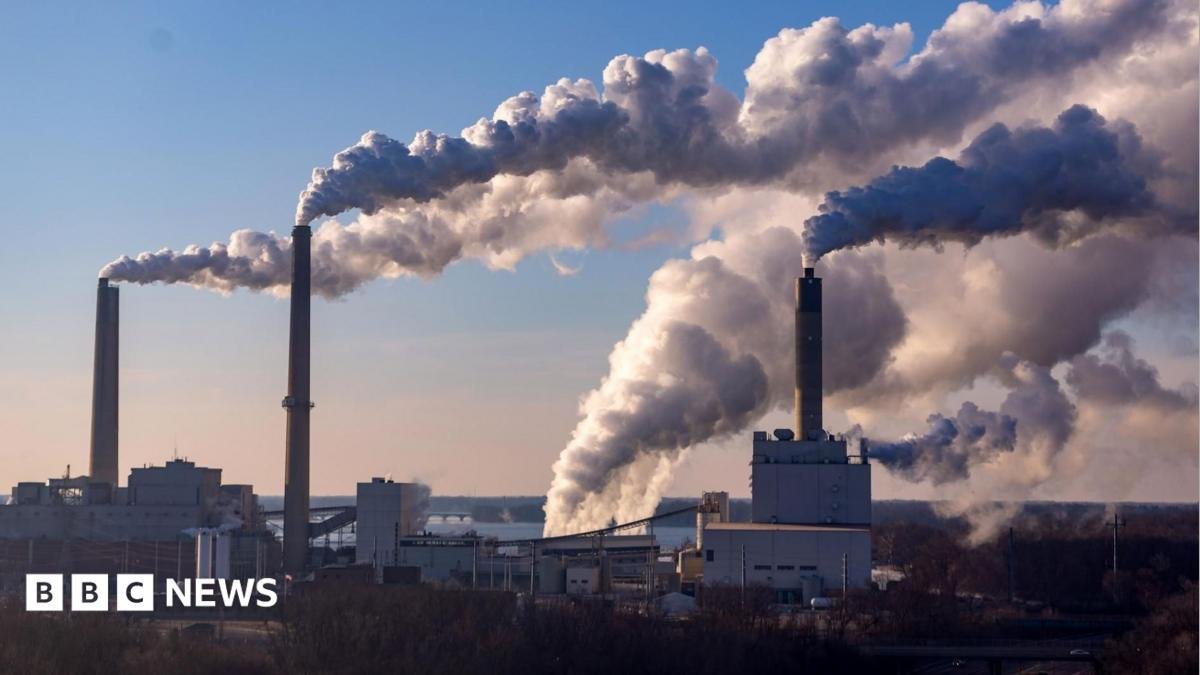
The simultaneous occurrence of escalating violence in Gaza and the Federal Reserve’s interest rate hike reveals the interconnected nature of modern global security and economic health. When conflict disrupts energy transit or regional stability, the inflationary impact—specifically regarding wholesale oil prices—reaches American households, forcing central banks into aggressive policy interventions. The Fed’s decision, marked ctations of a more dovish monetary policy. This move signals that policymakers are prioritizing long-term price stability over the immediate, and often political, desire for lower borrowing costs. The tension between political leadership, which has openly criticized the rate hikes, and the independence of the Federal Reserve creates a unique governance challenge, suggesting that the U.S. may be entering a period of prolonged friction between executive policy preferences and fiscal oversight.
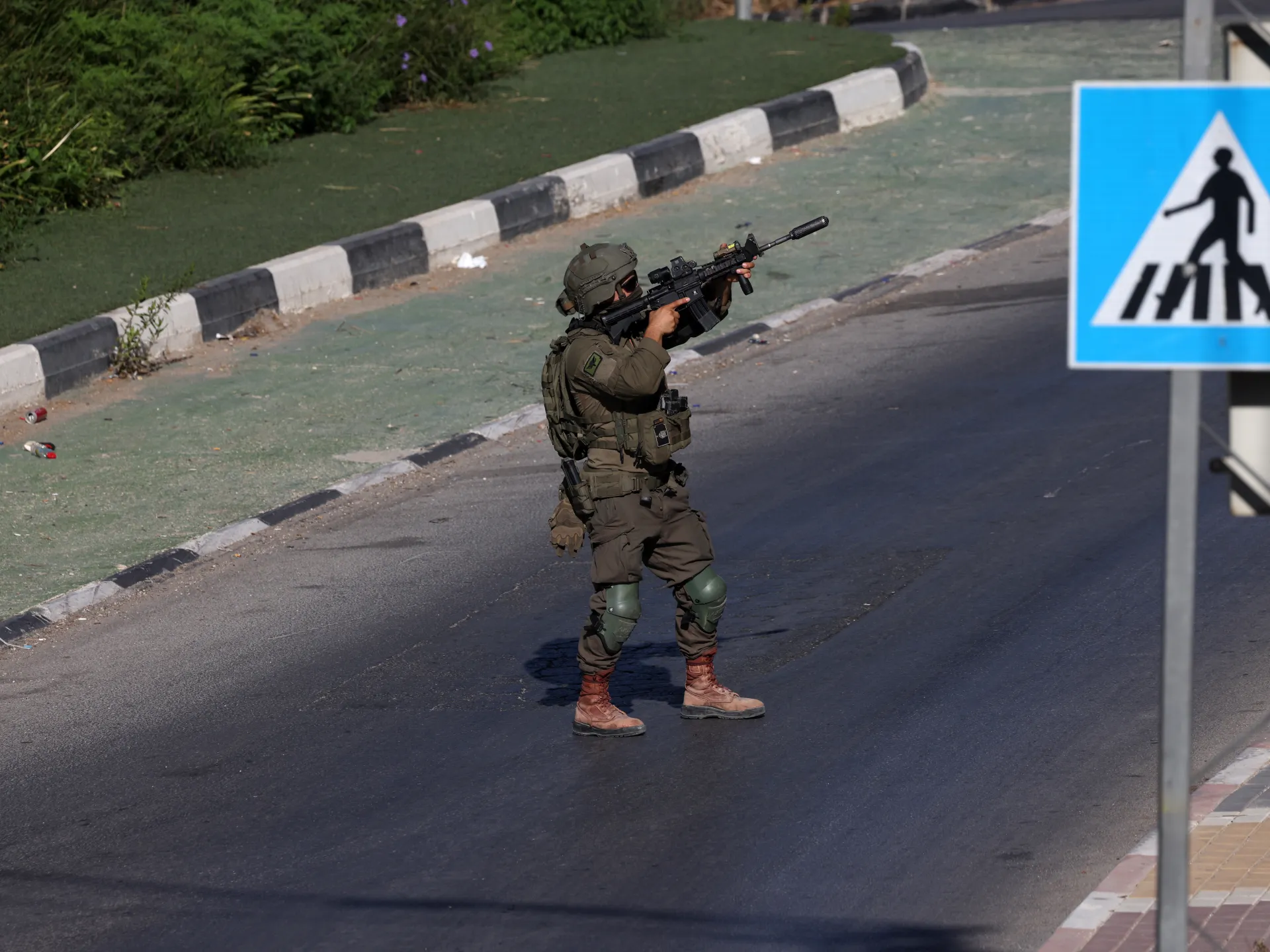
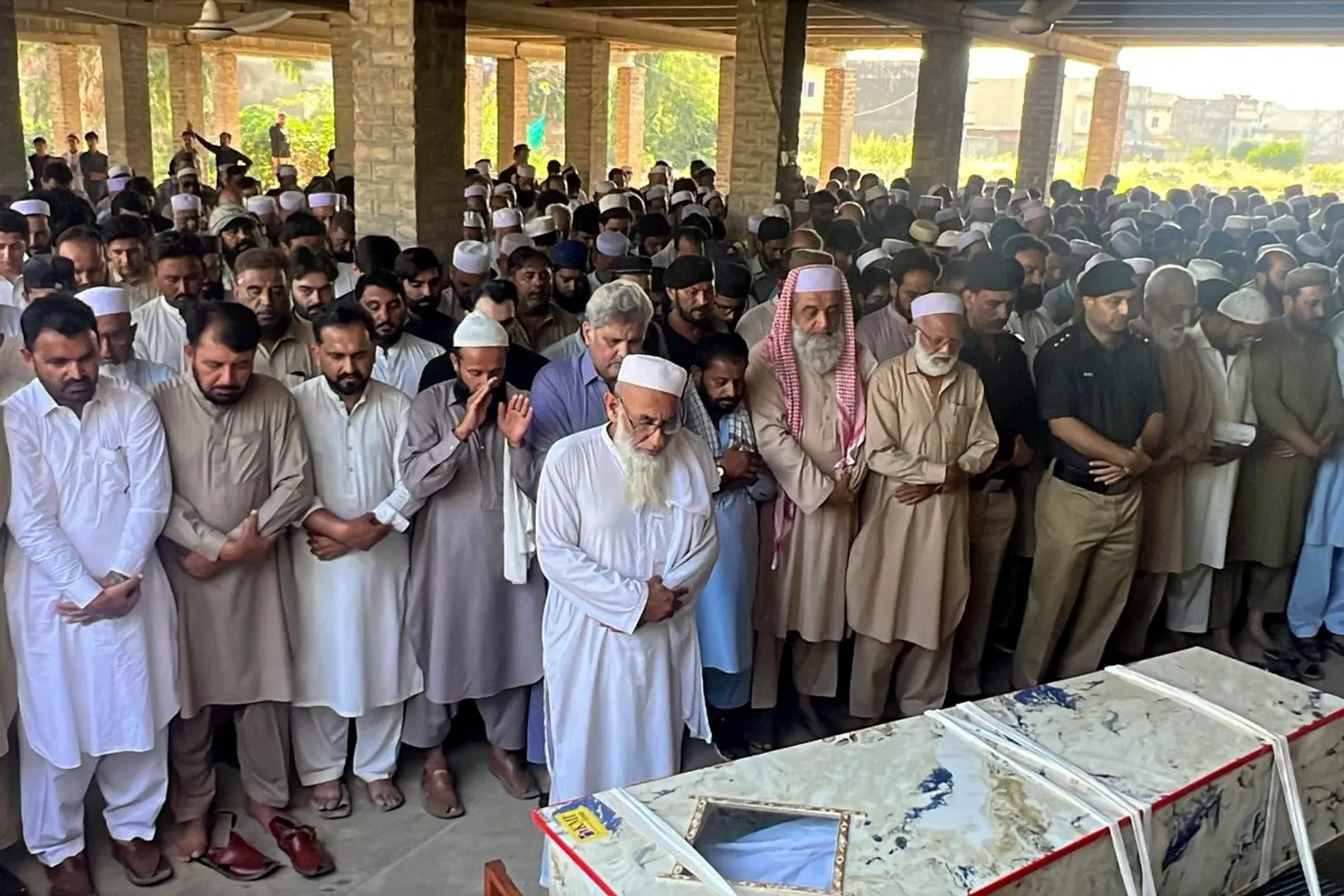
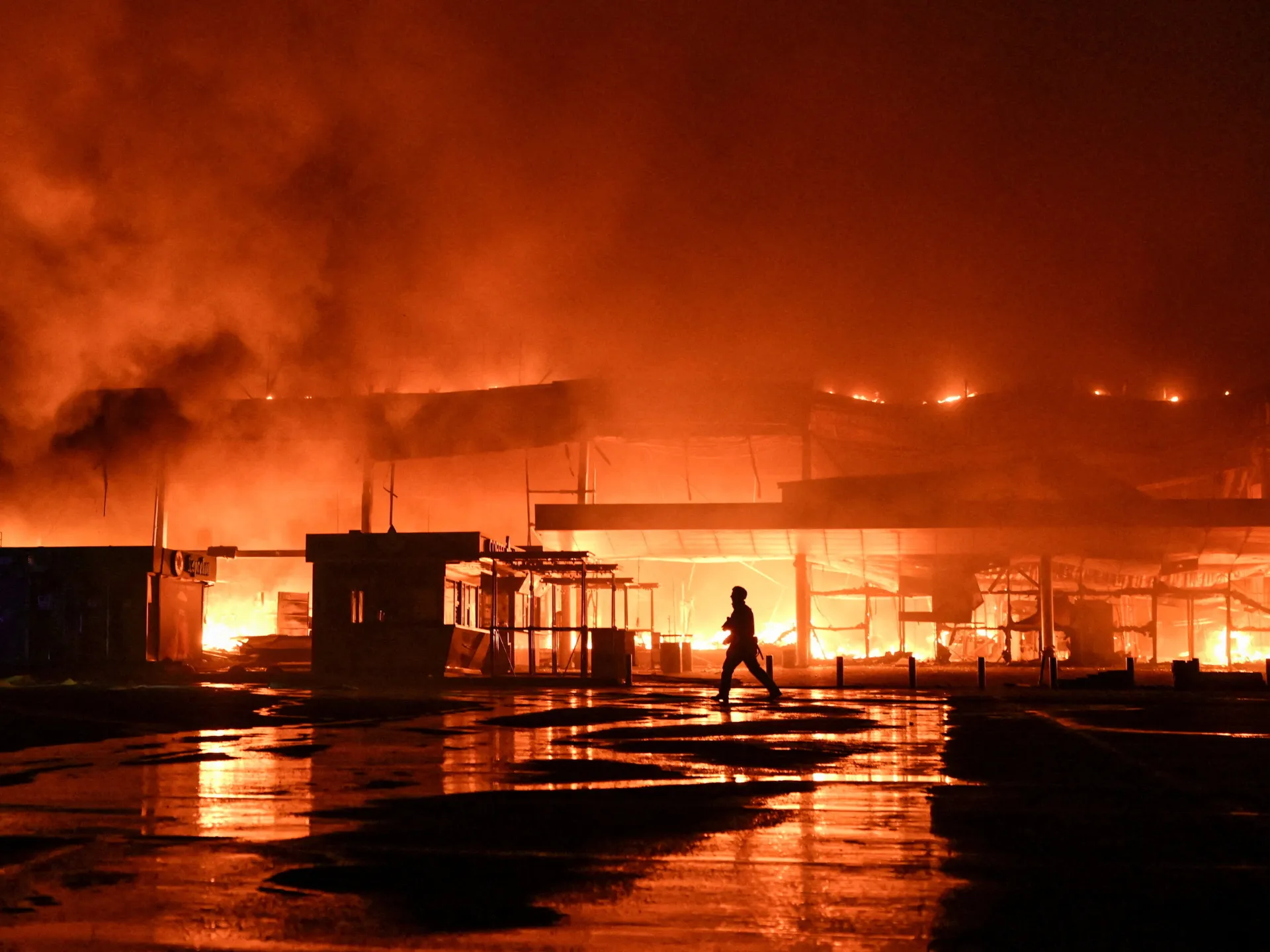
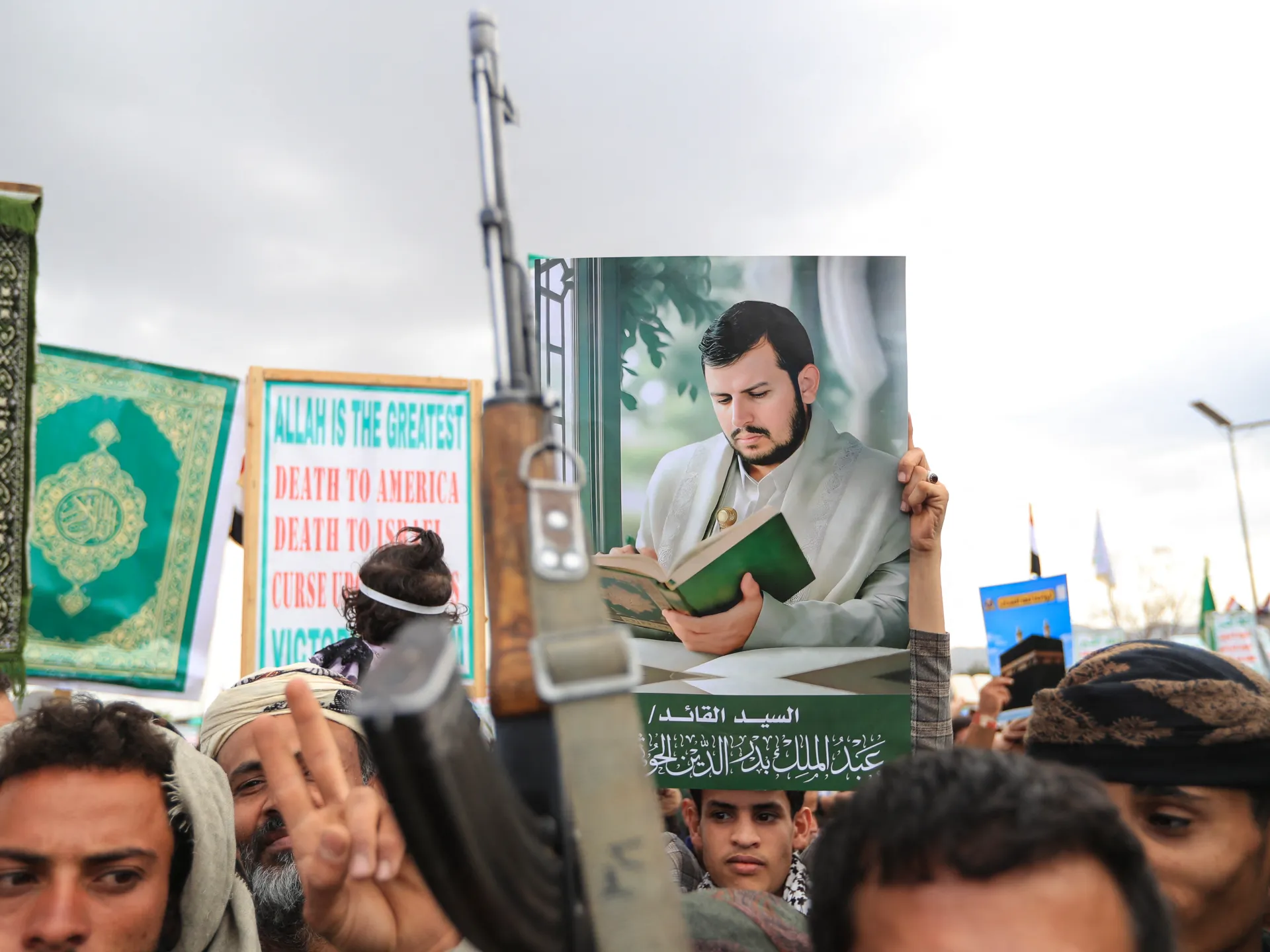
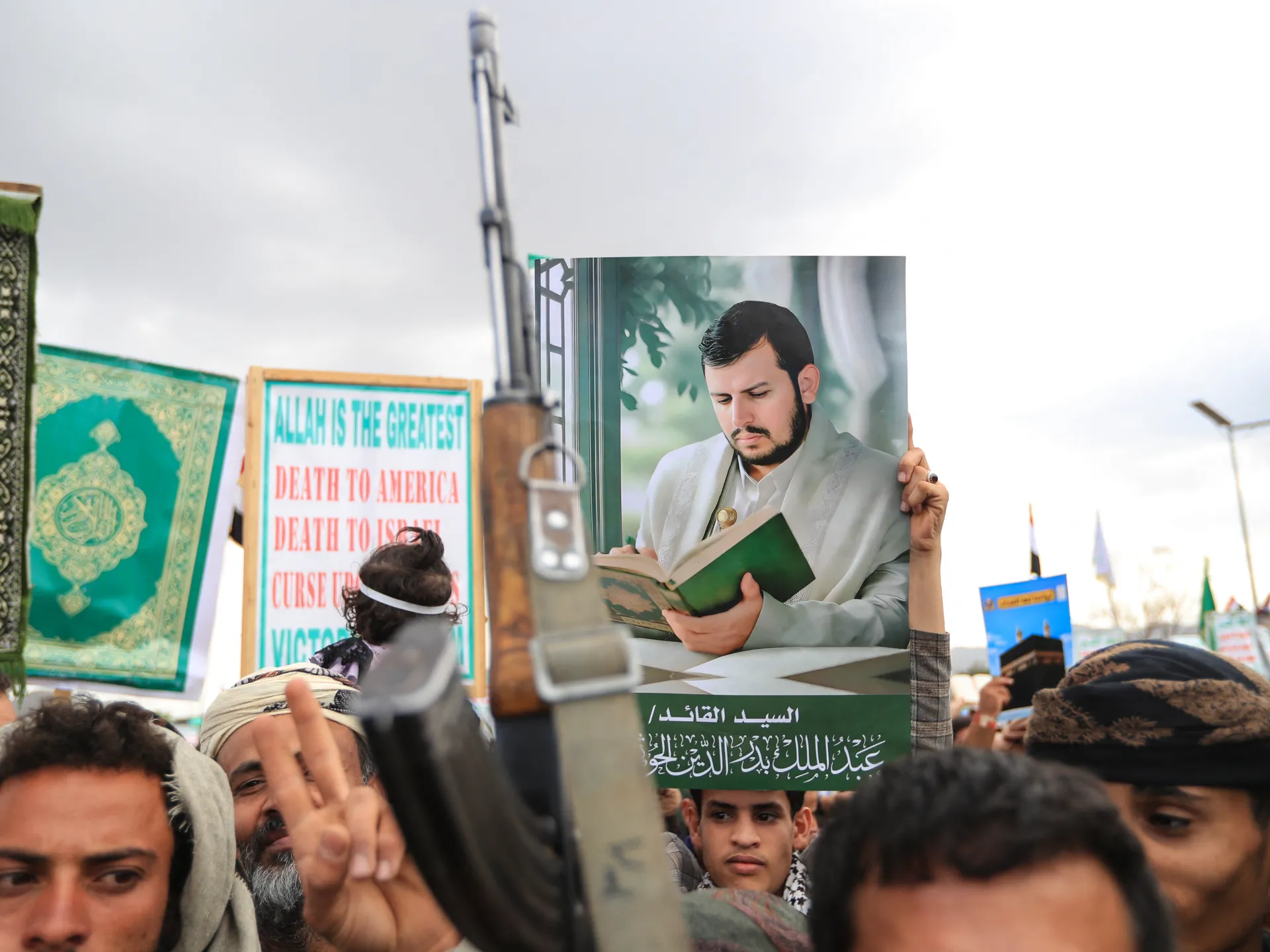
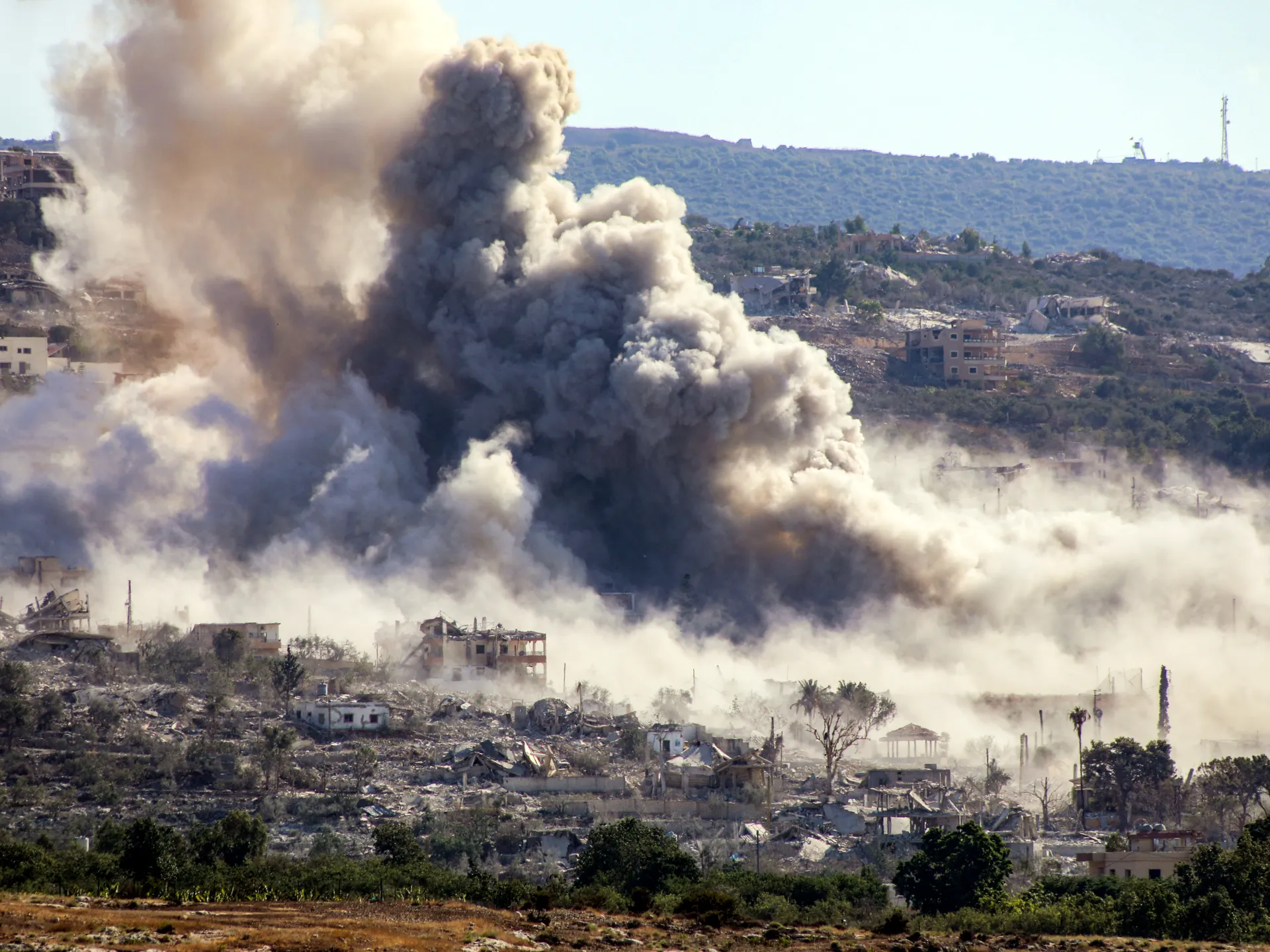
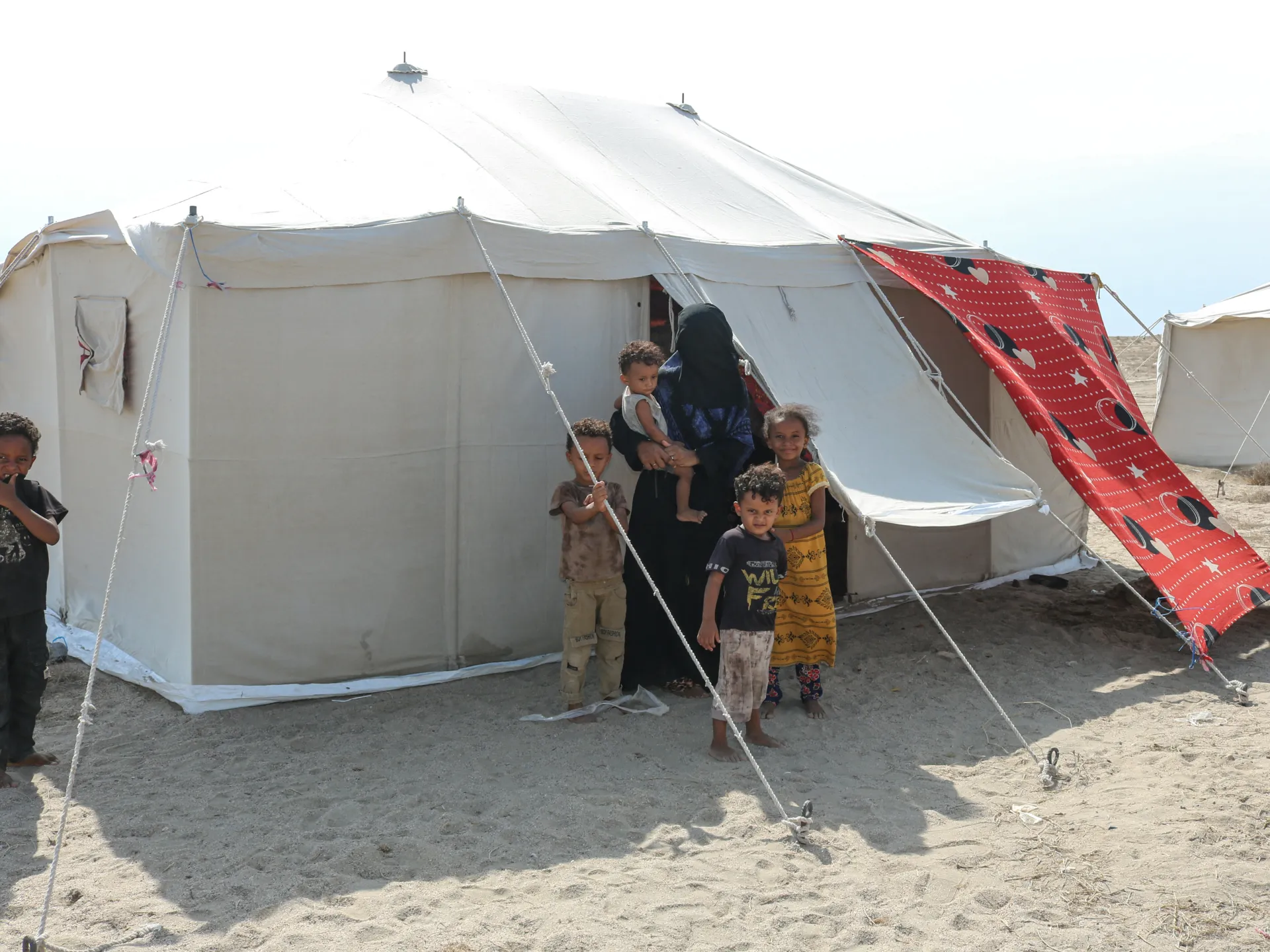
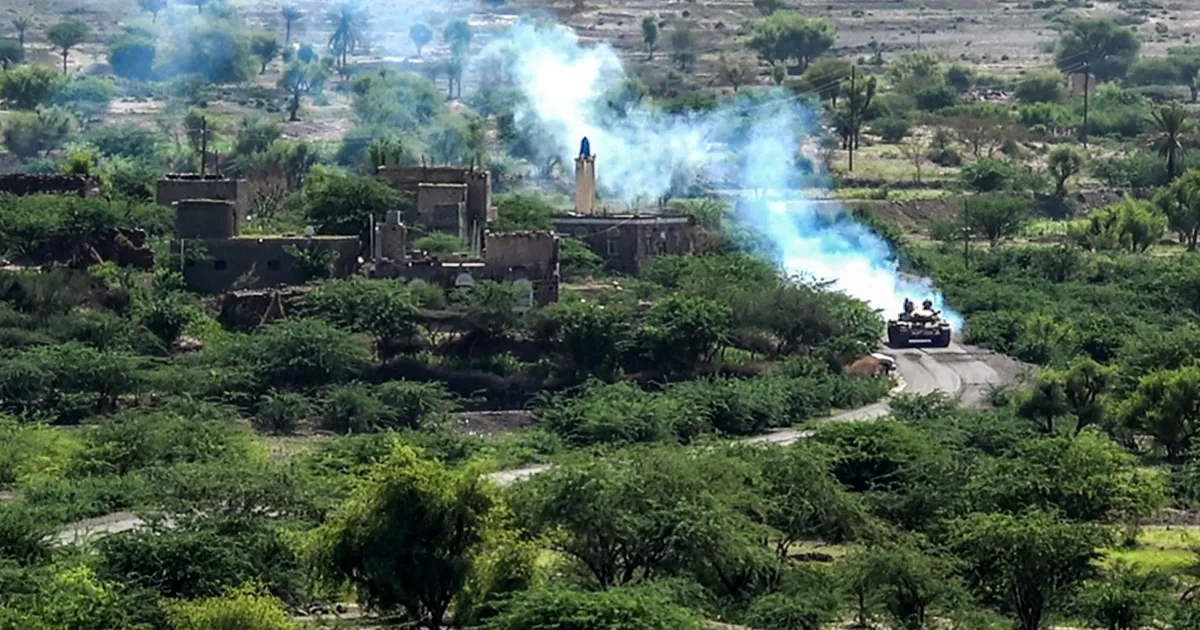
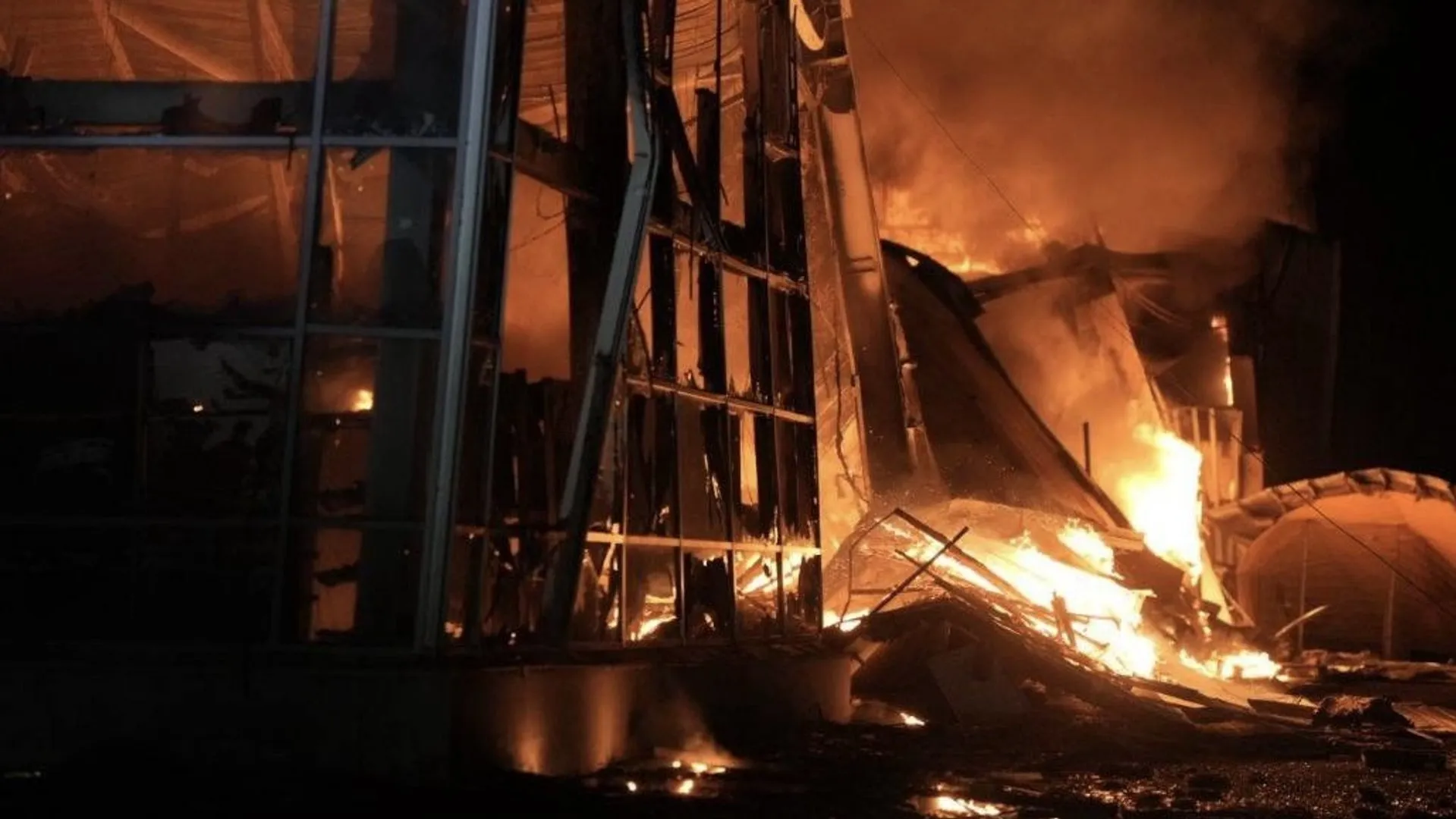
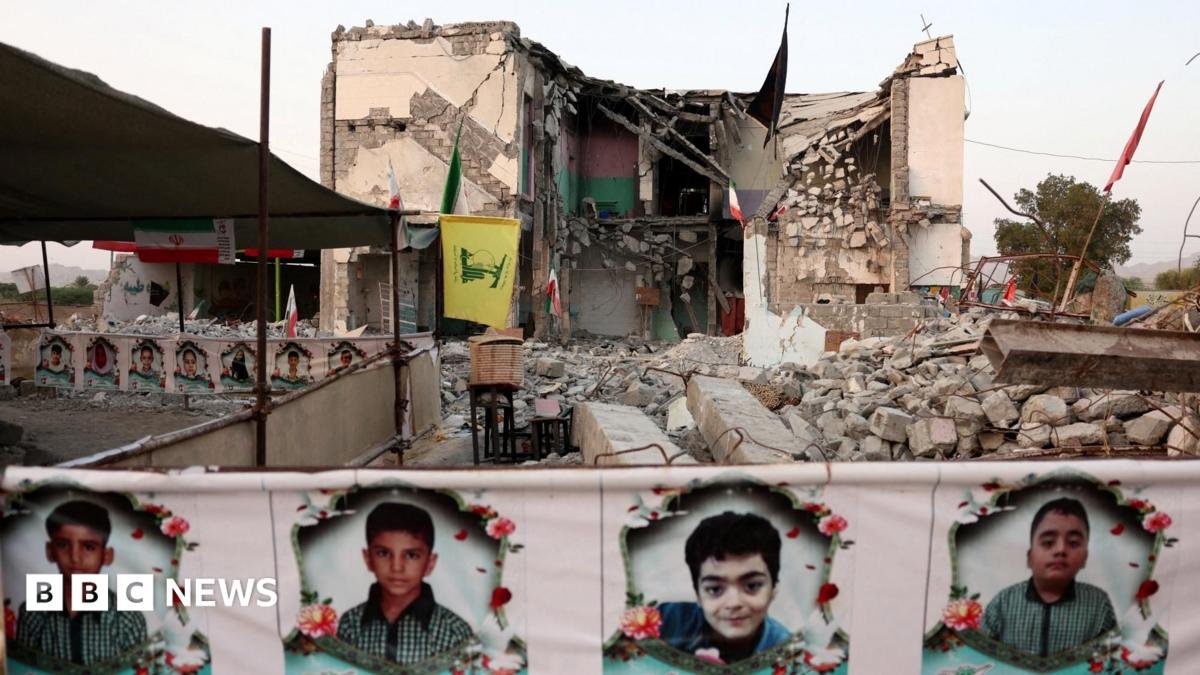
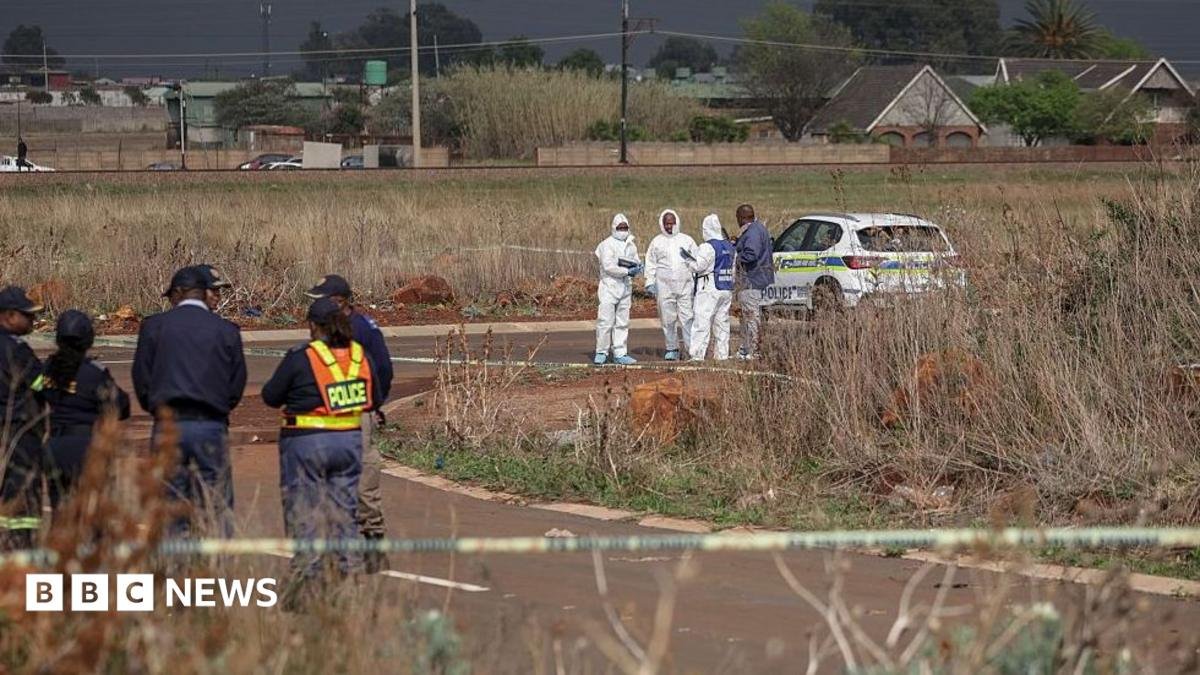
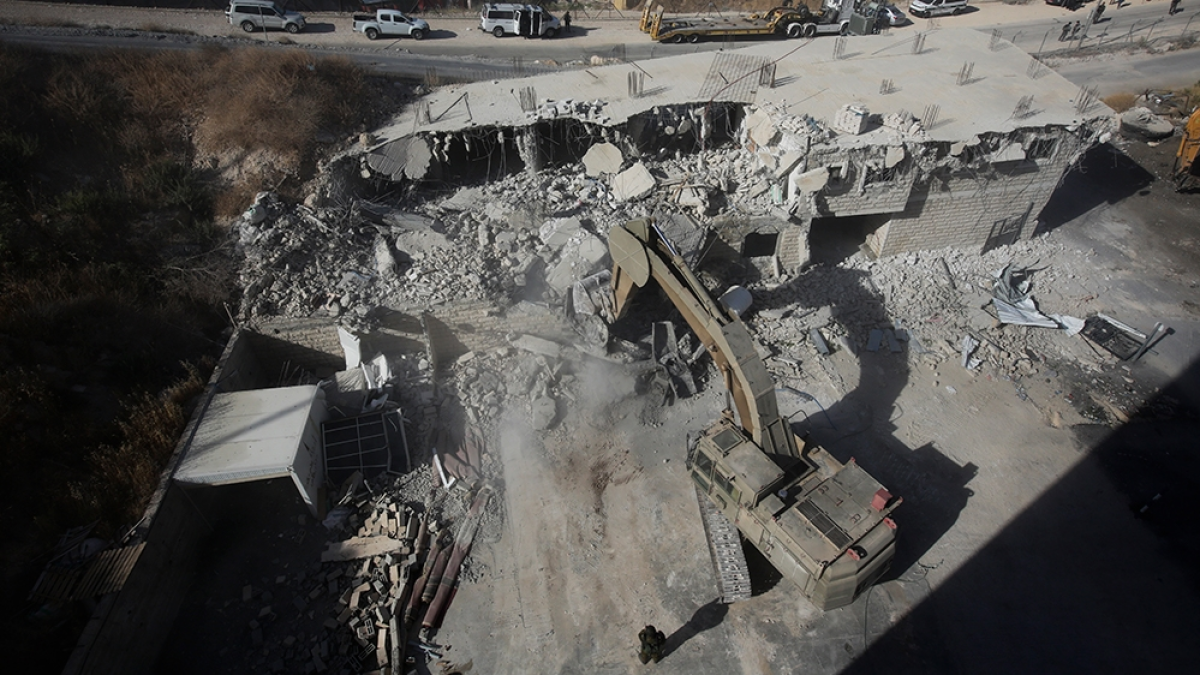
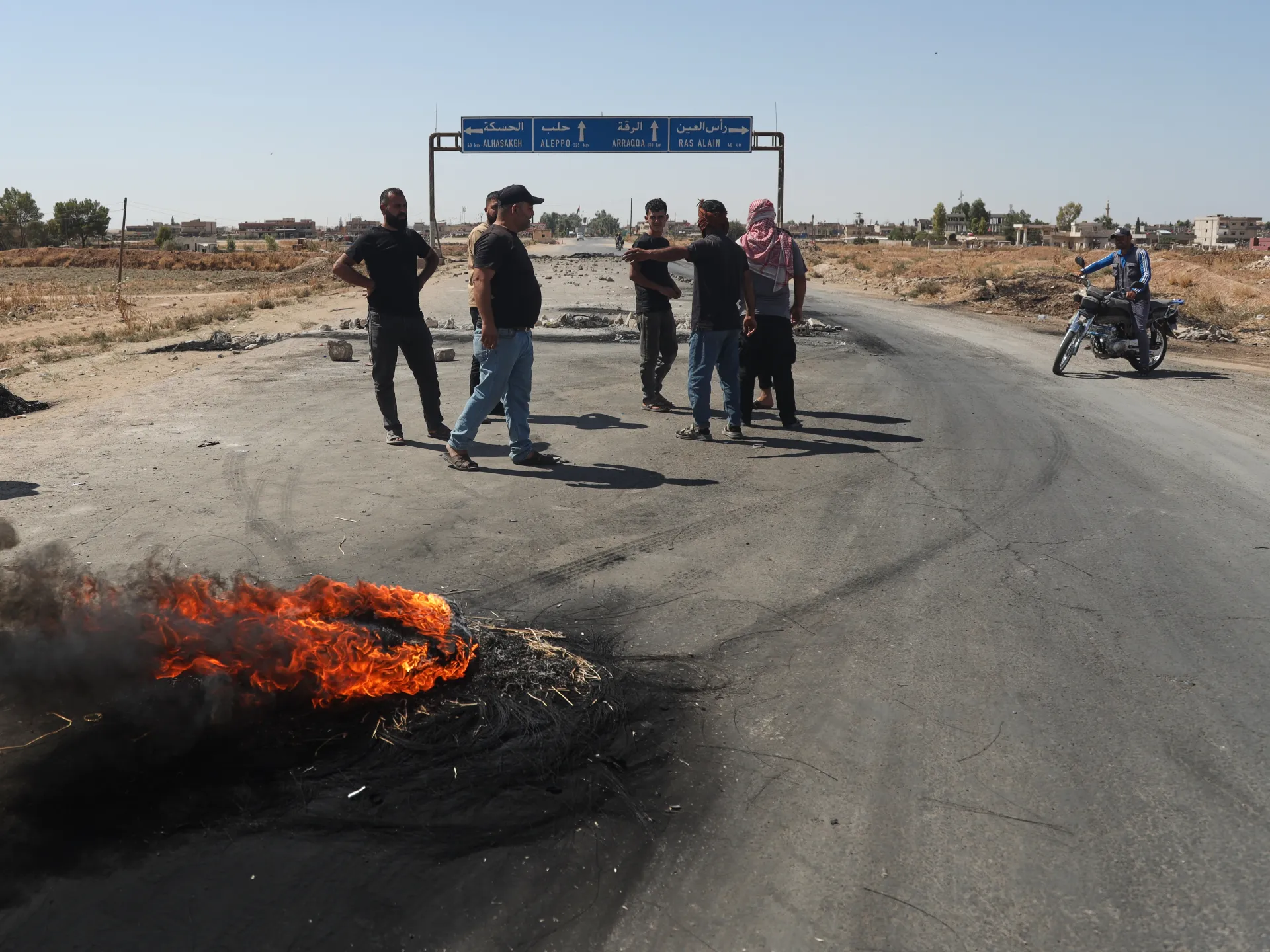
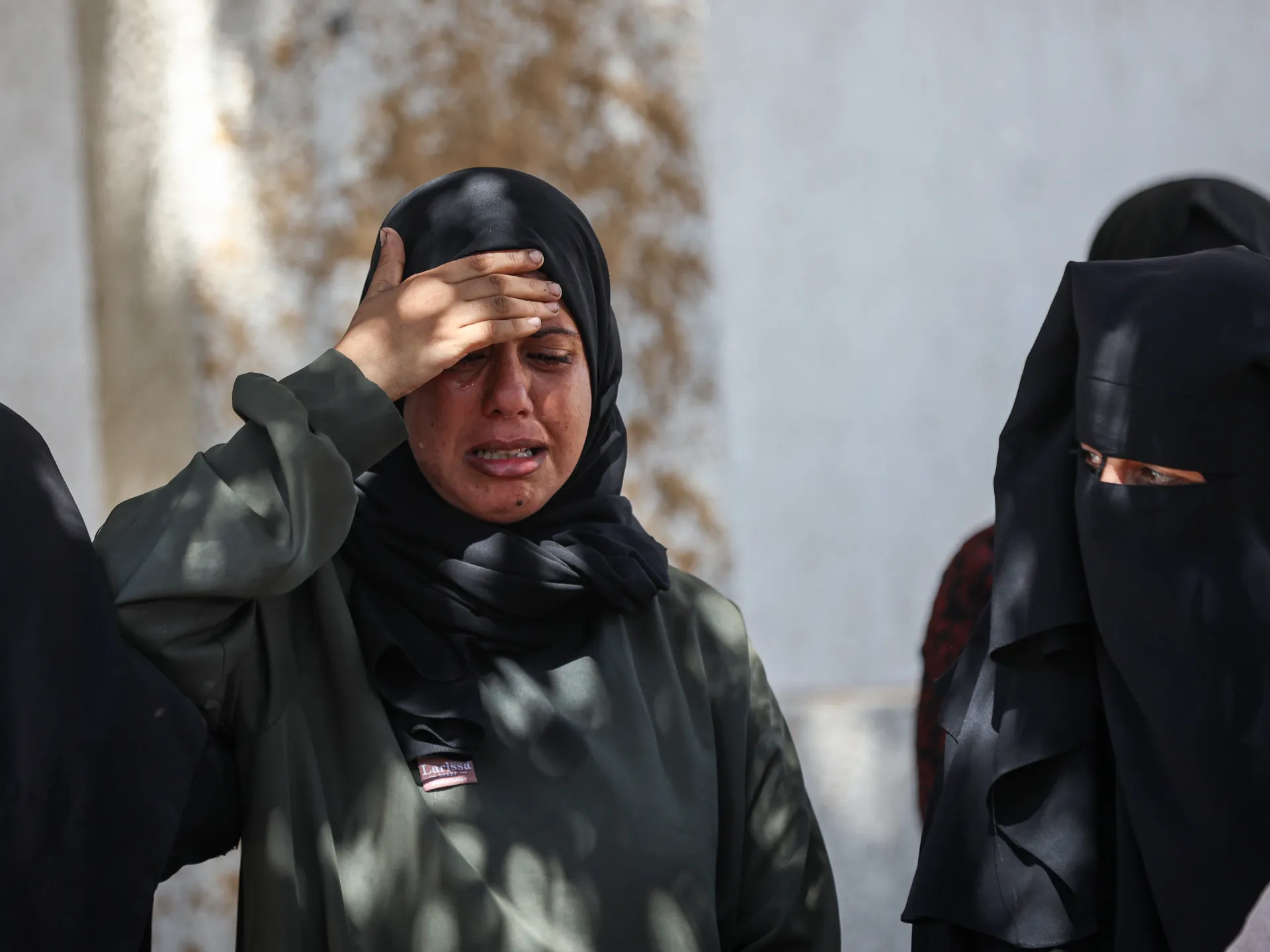
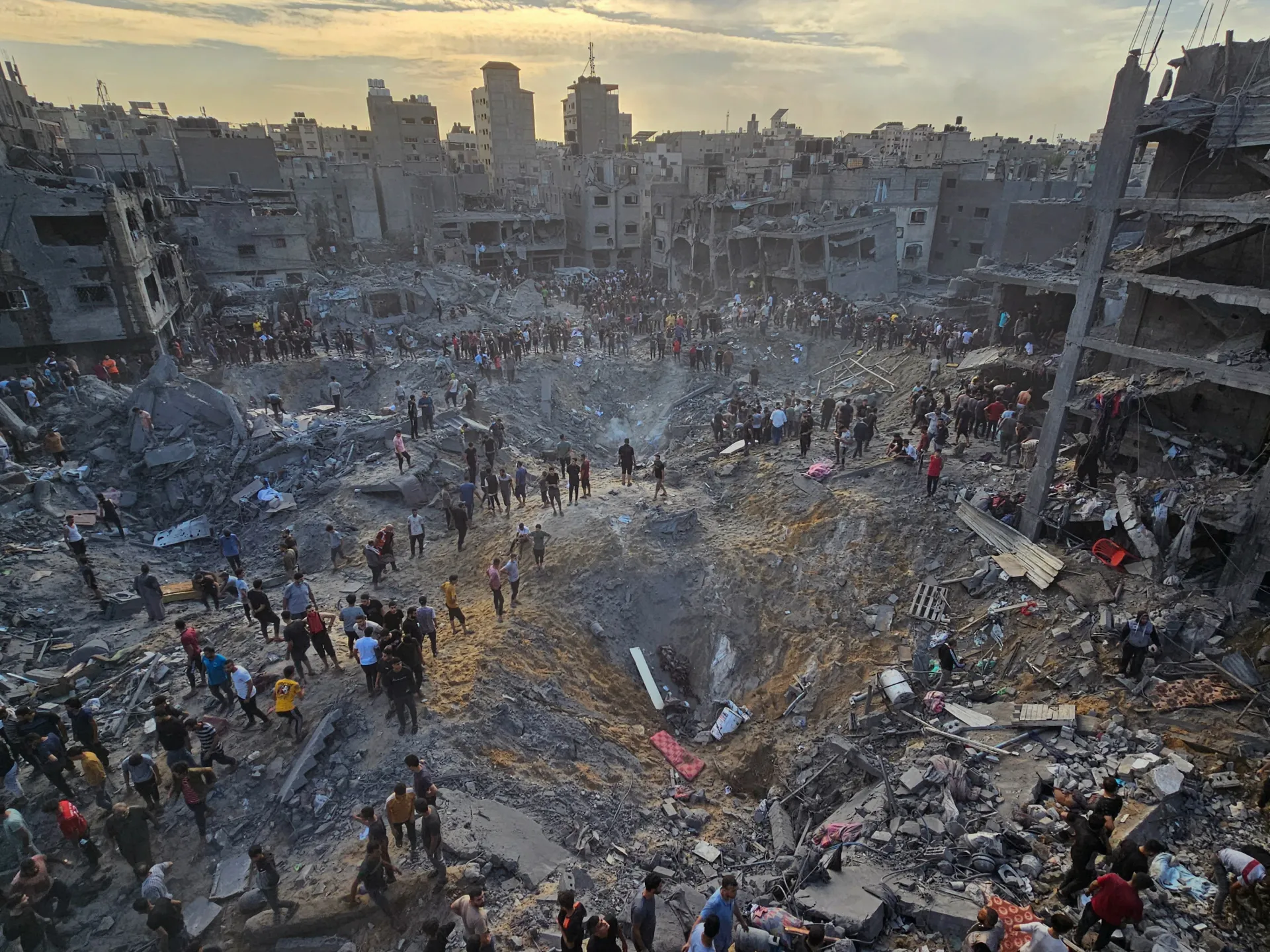
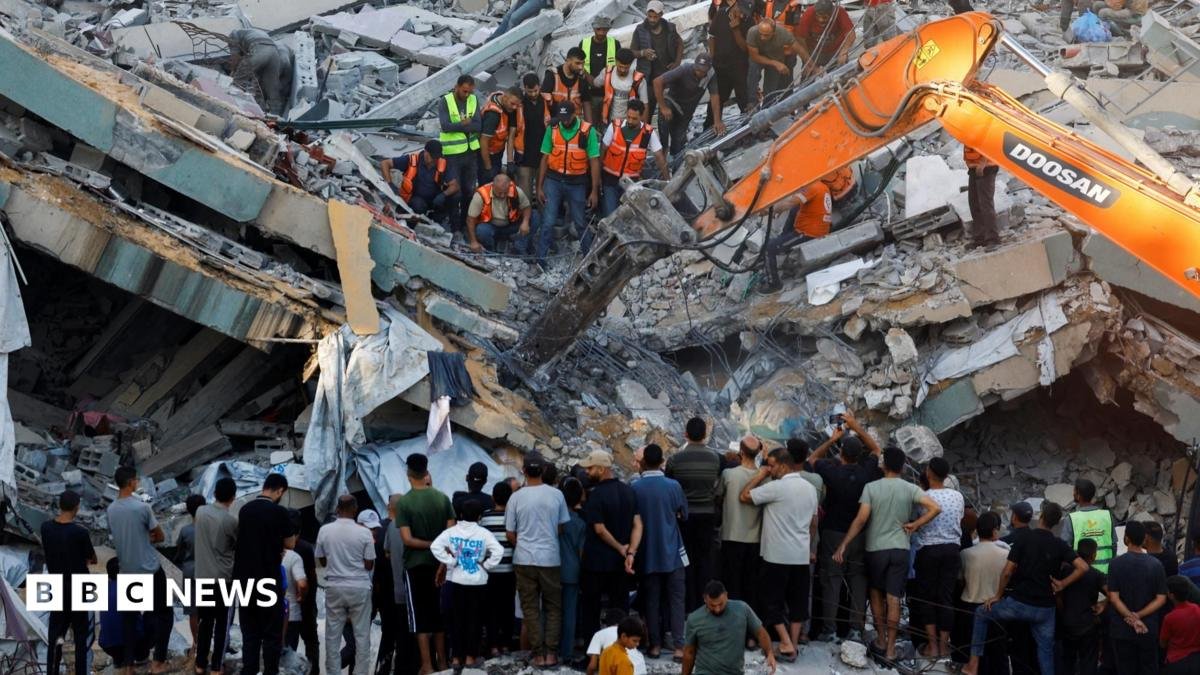
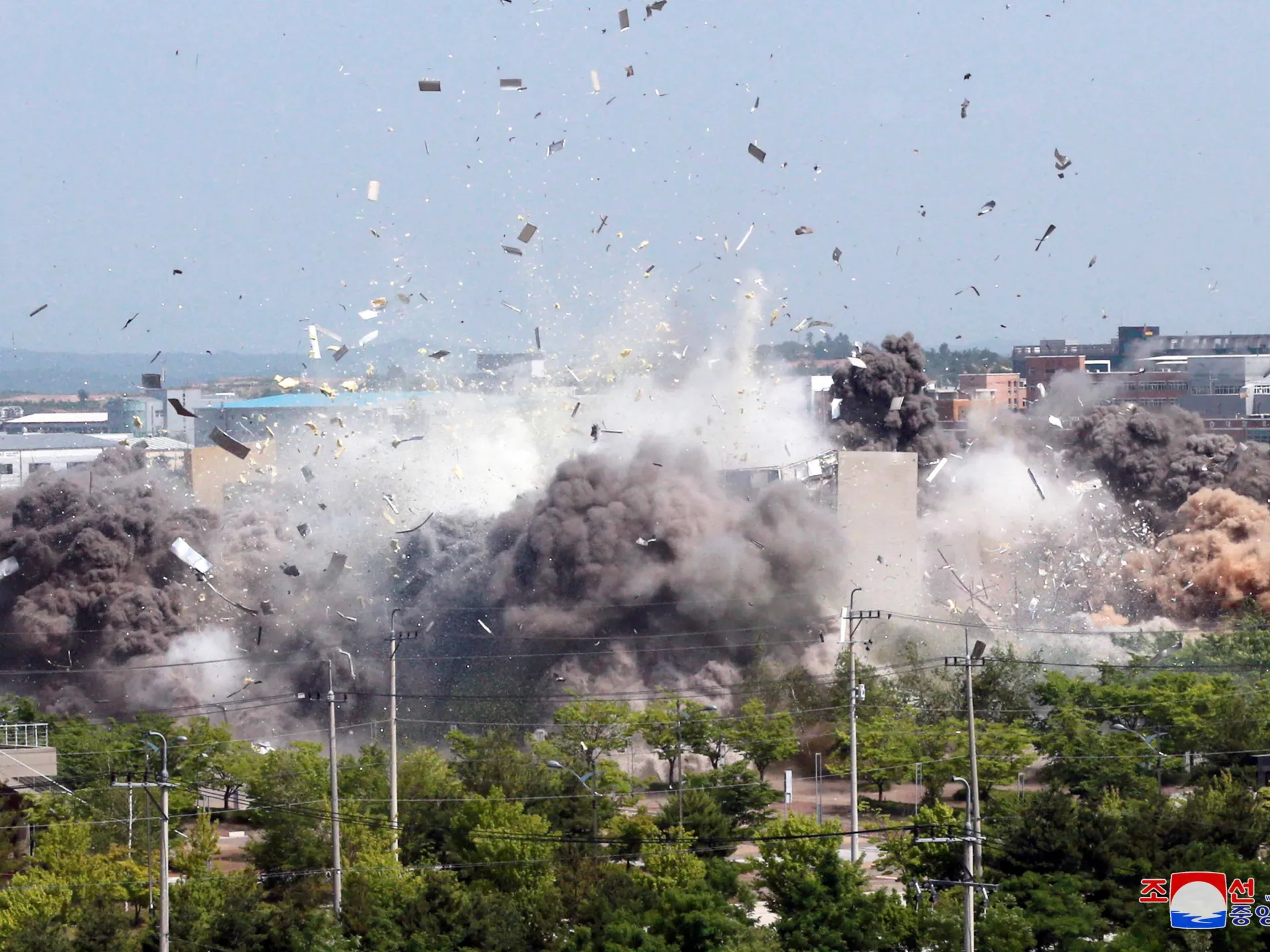
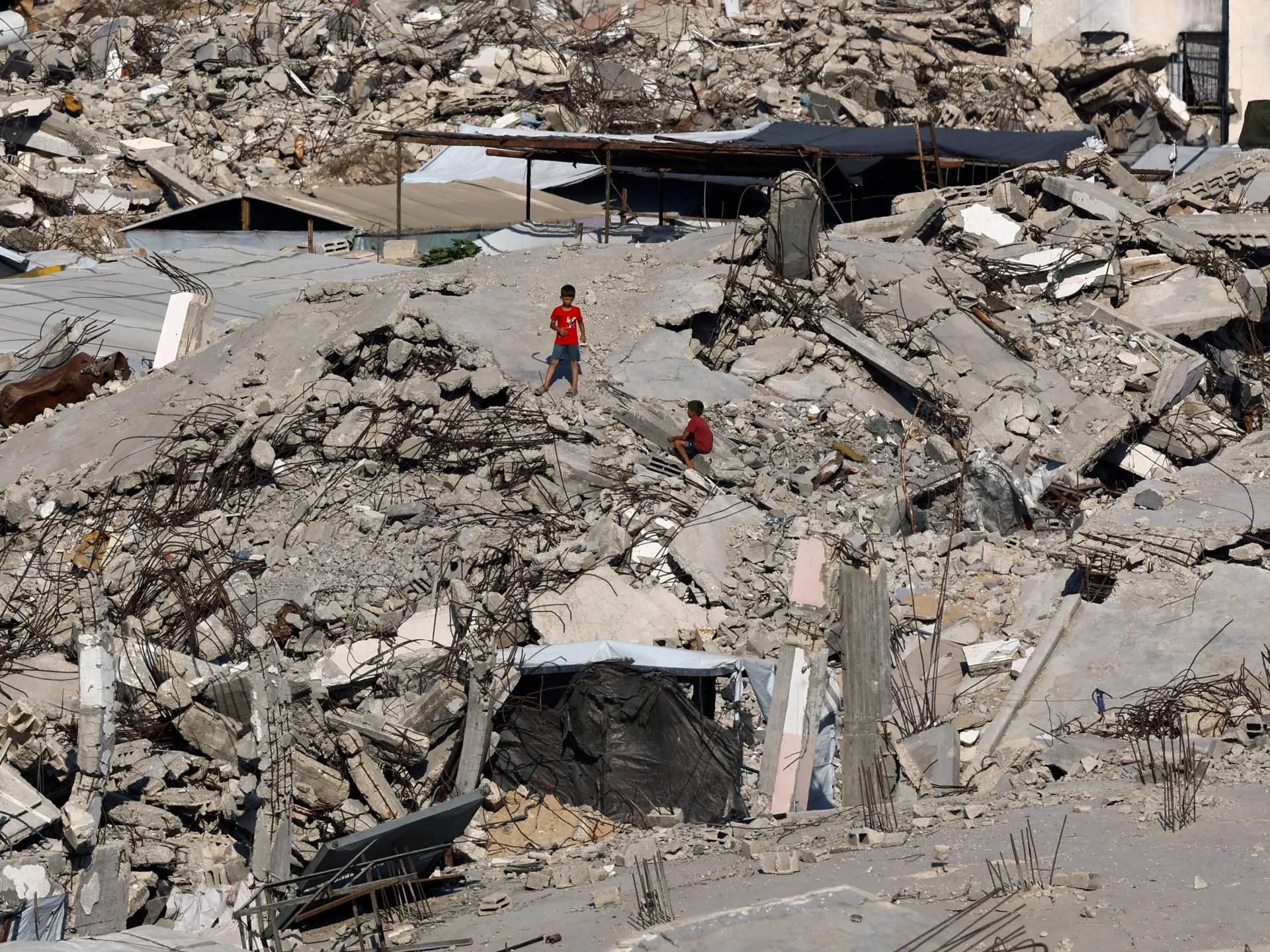
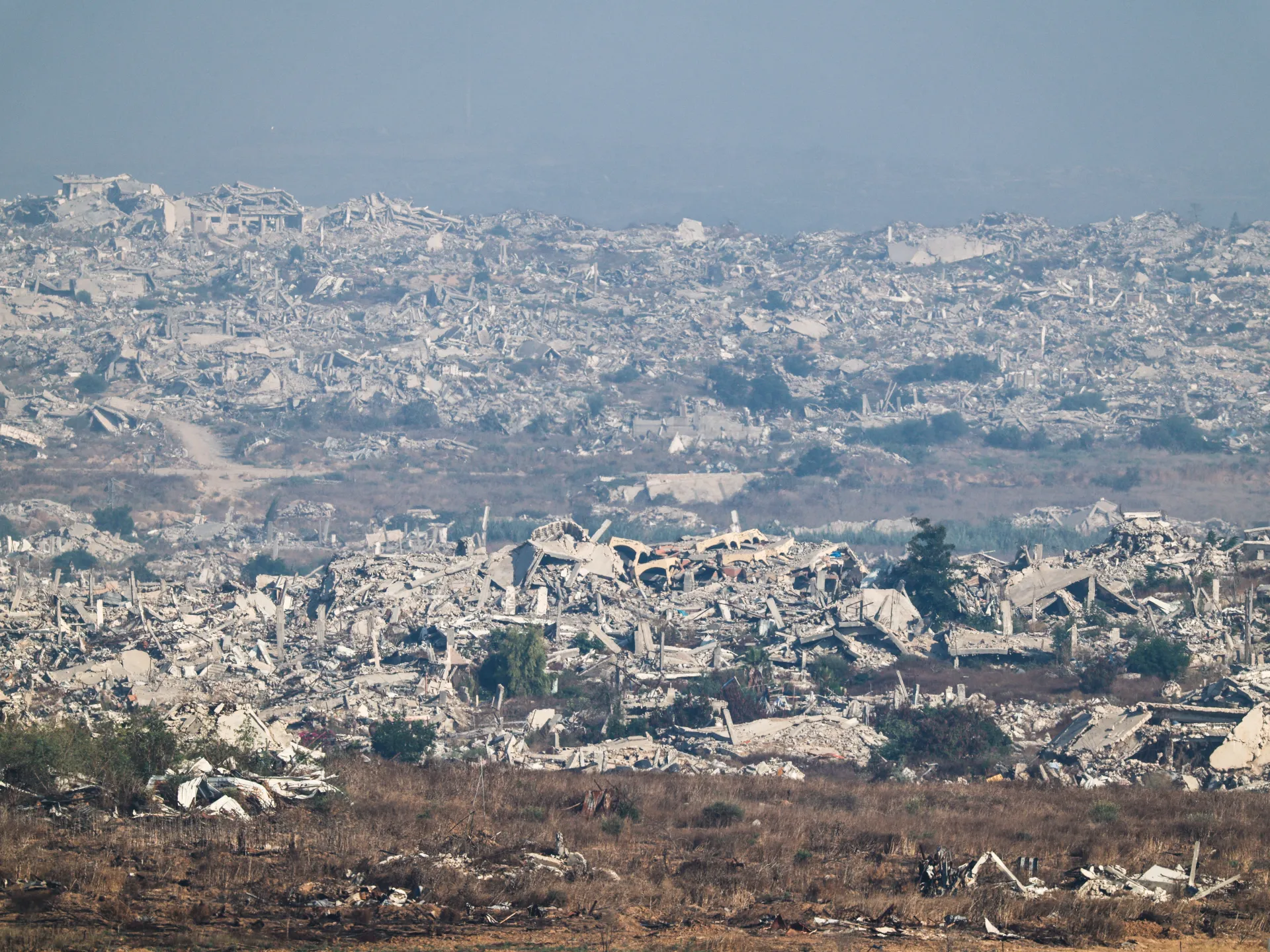
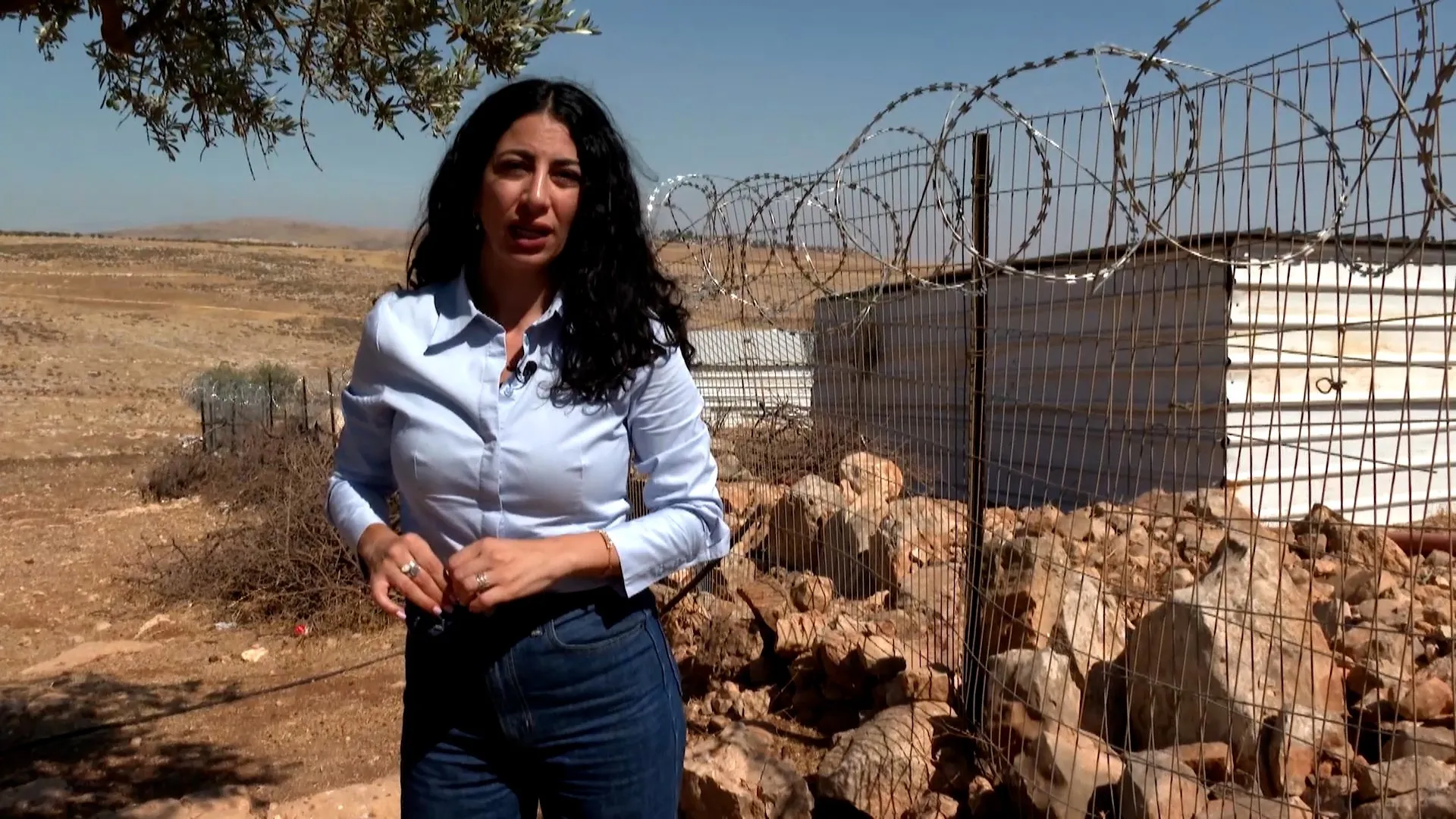
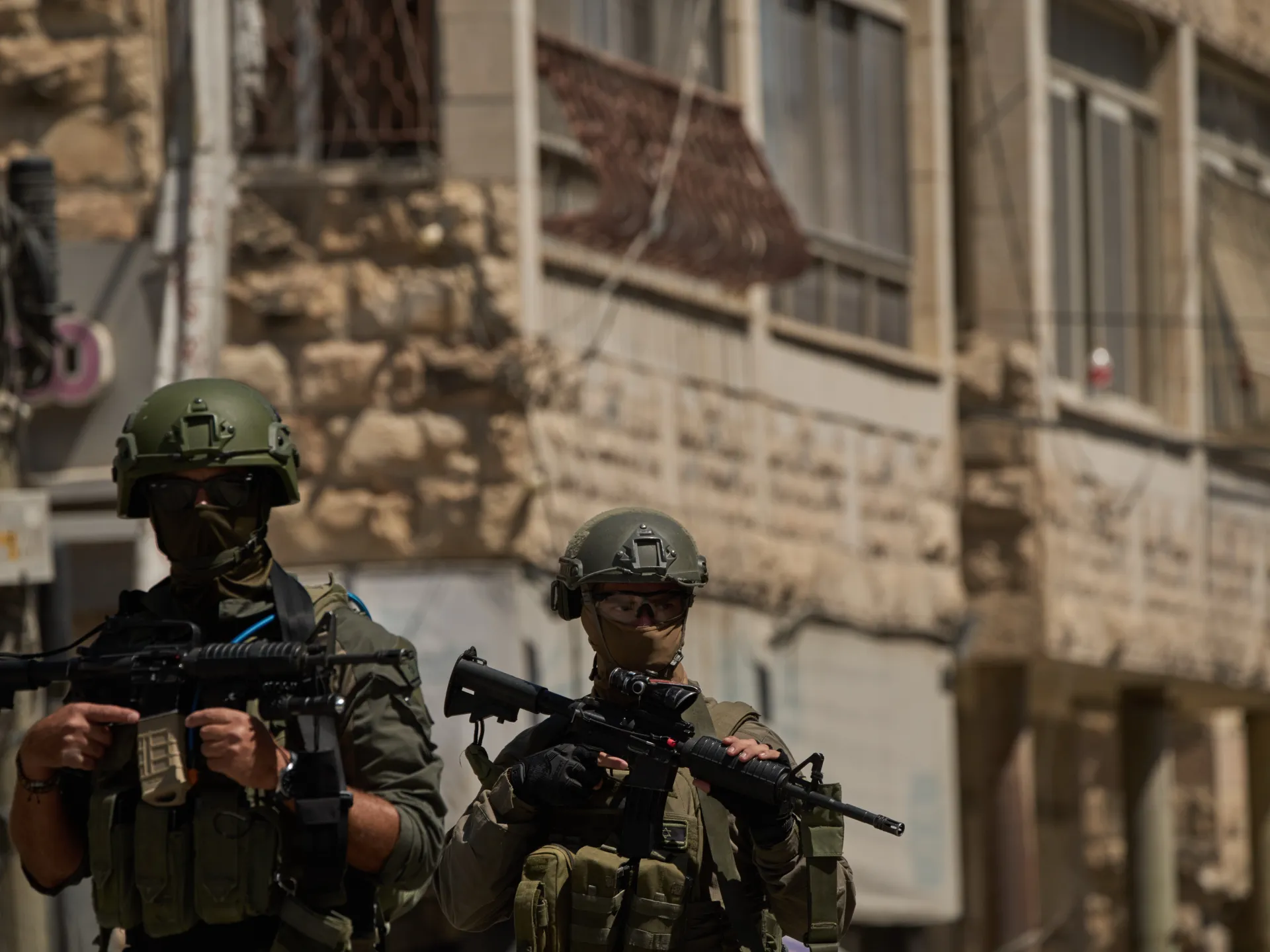
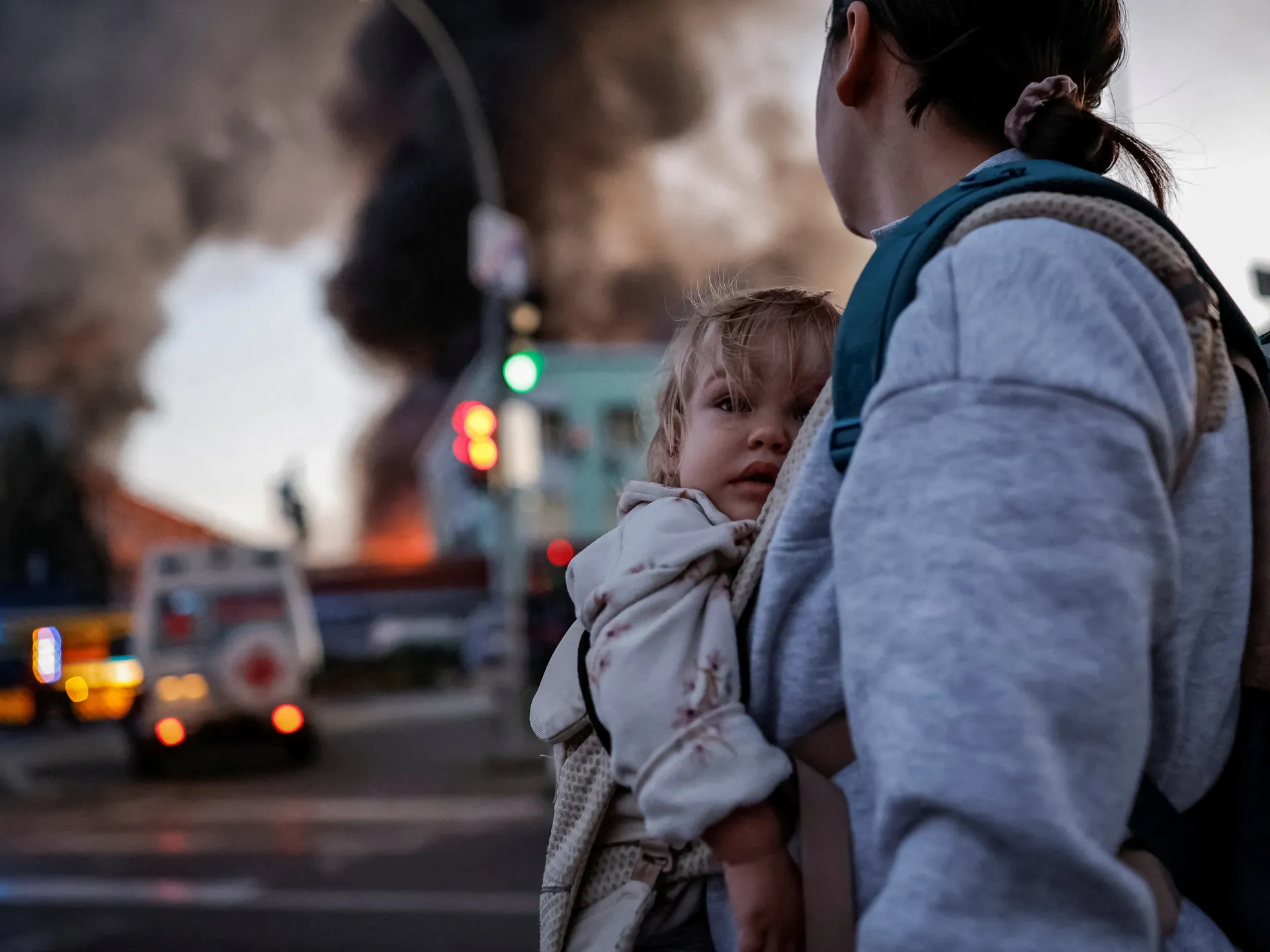
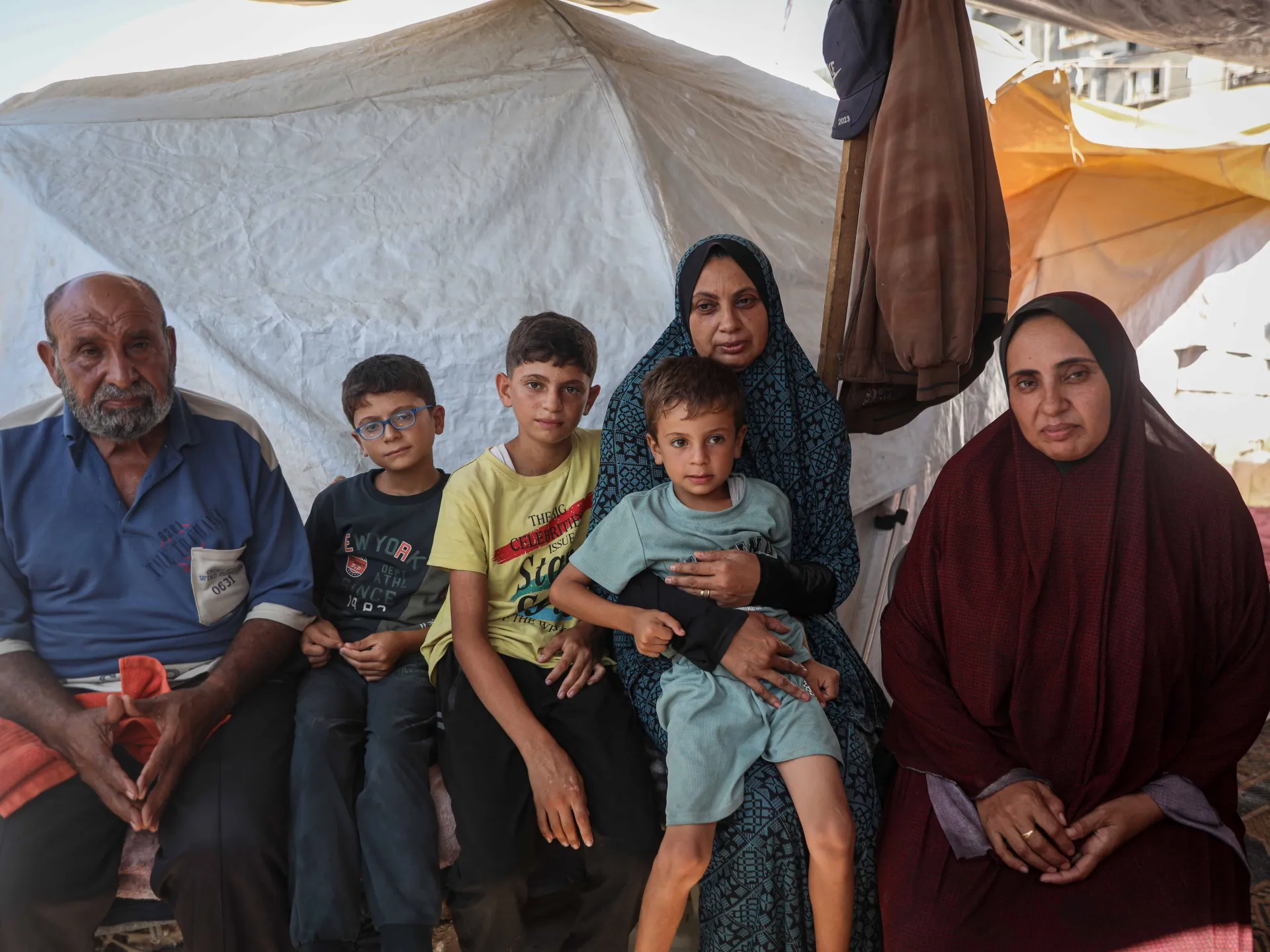
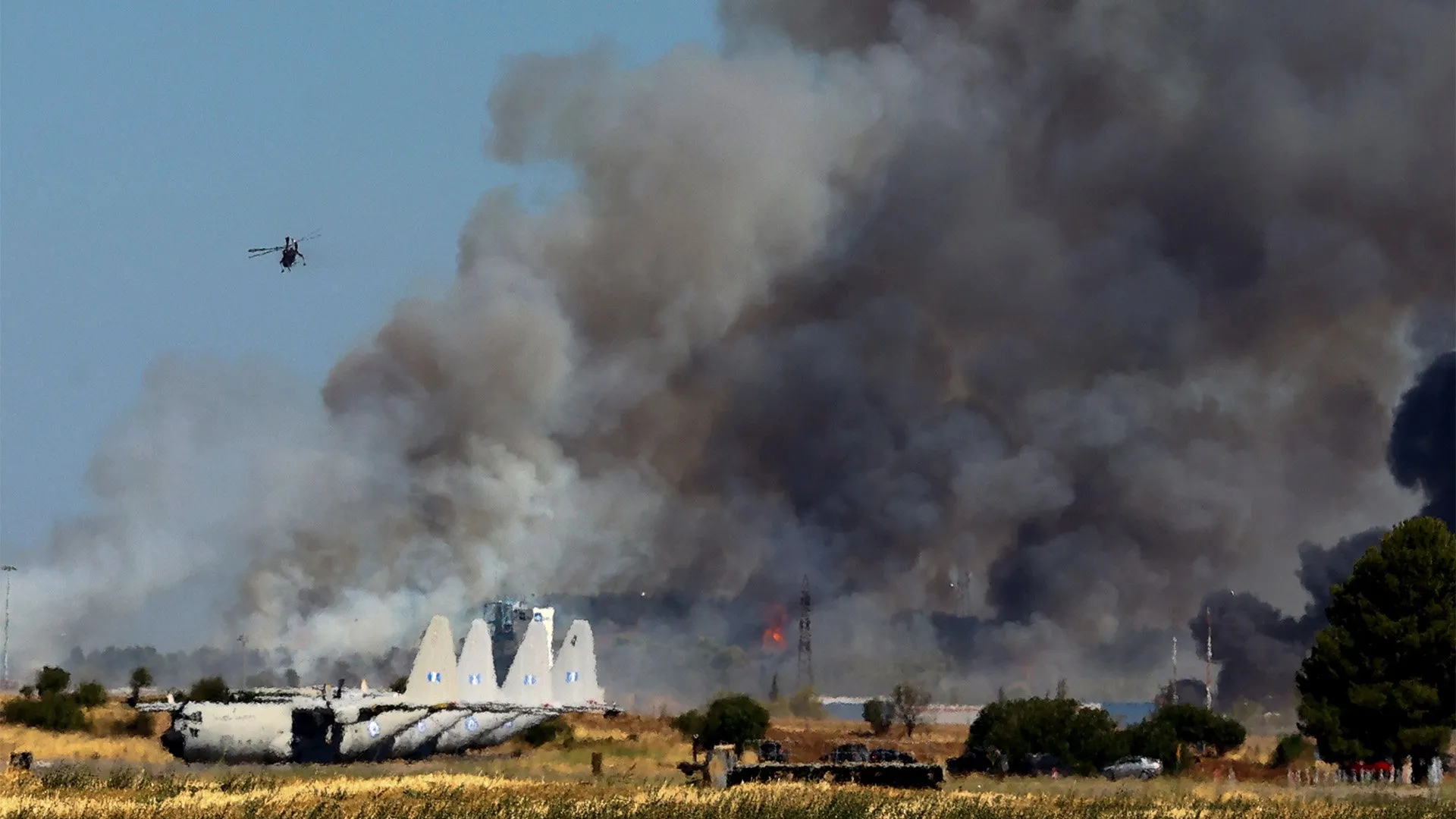
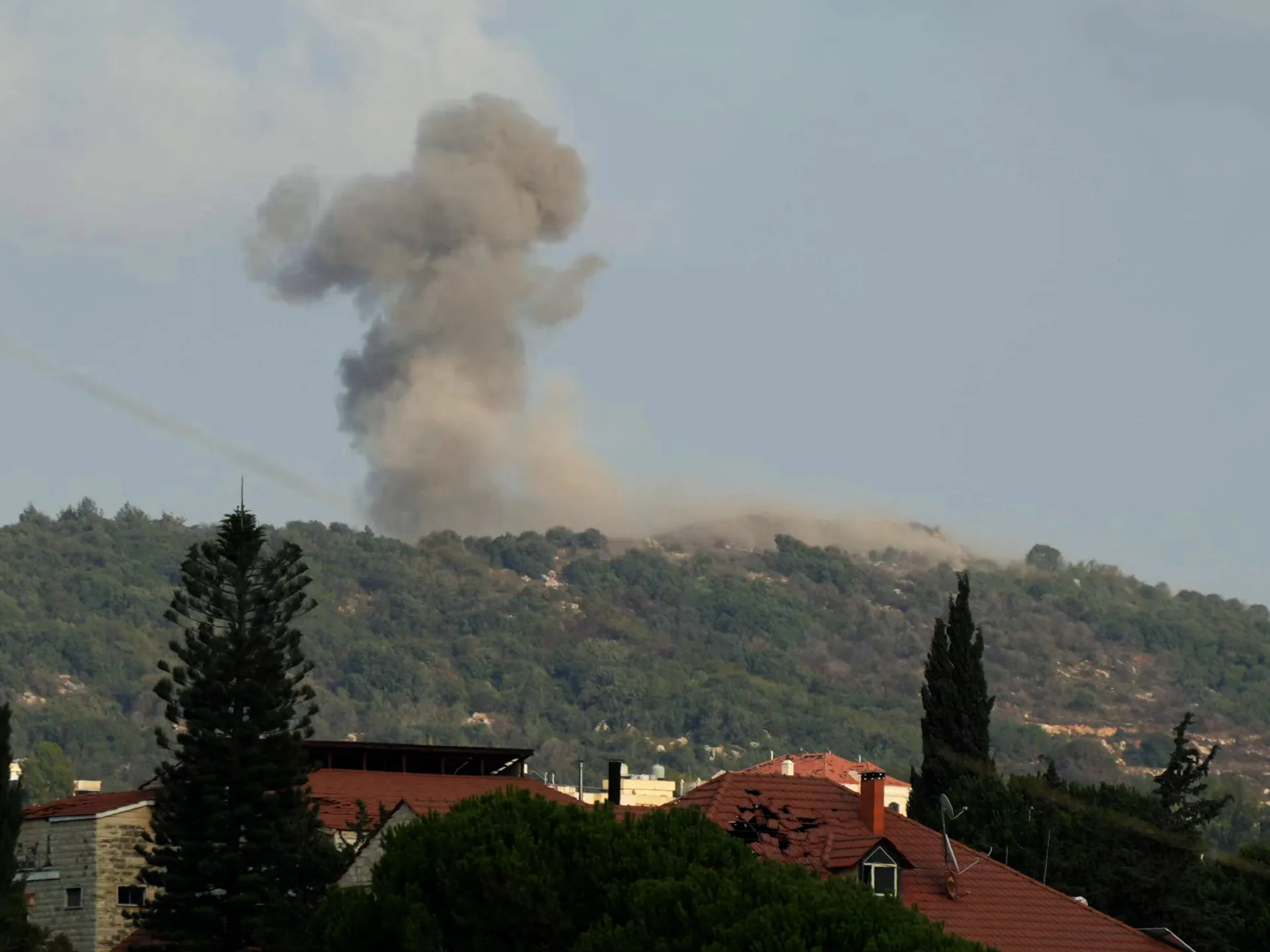
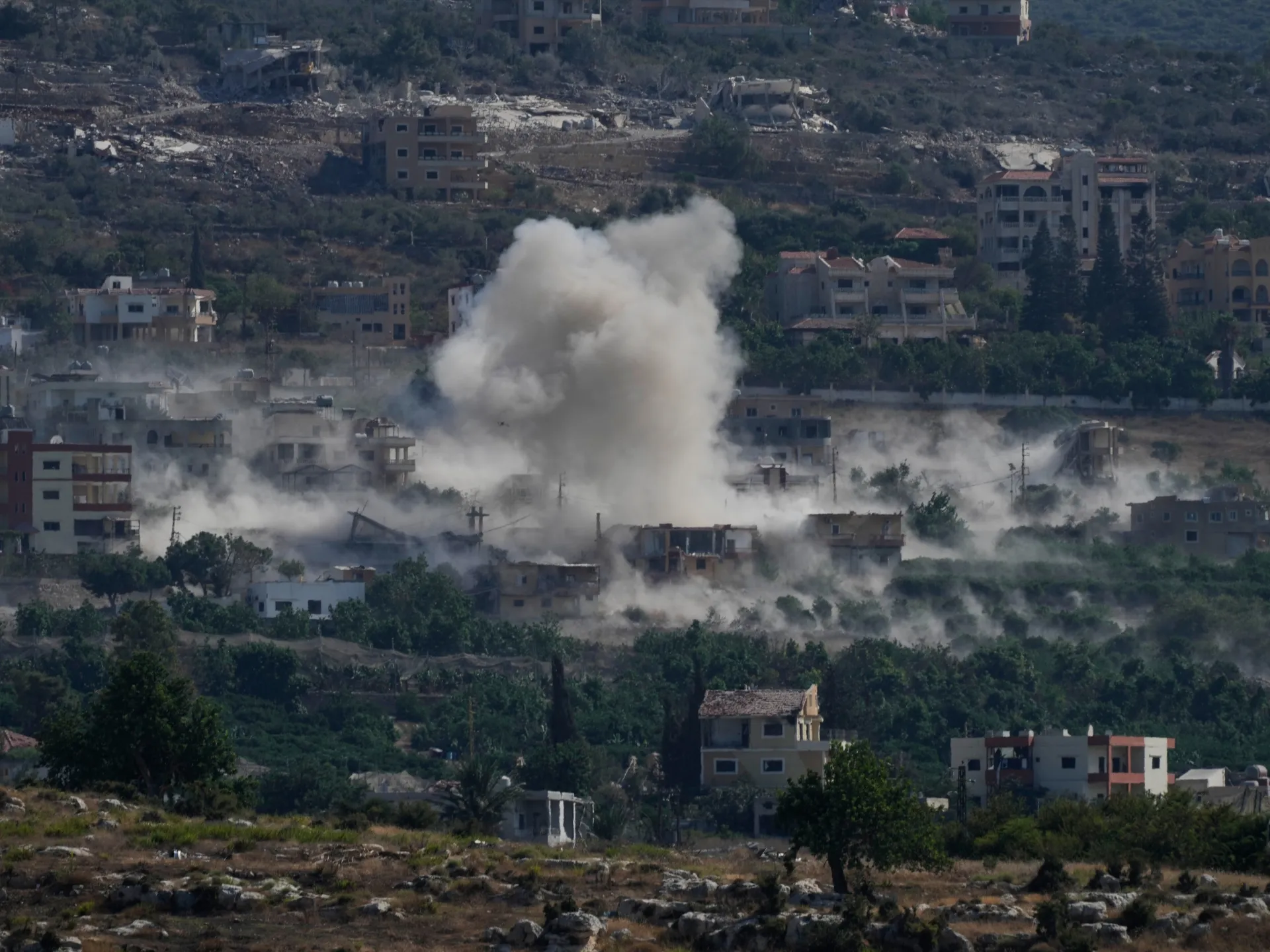
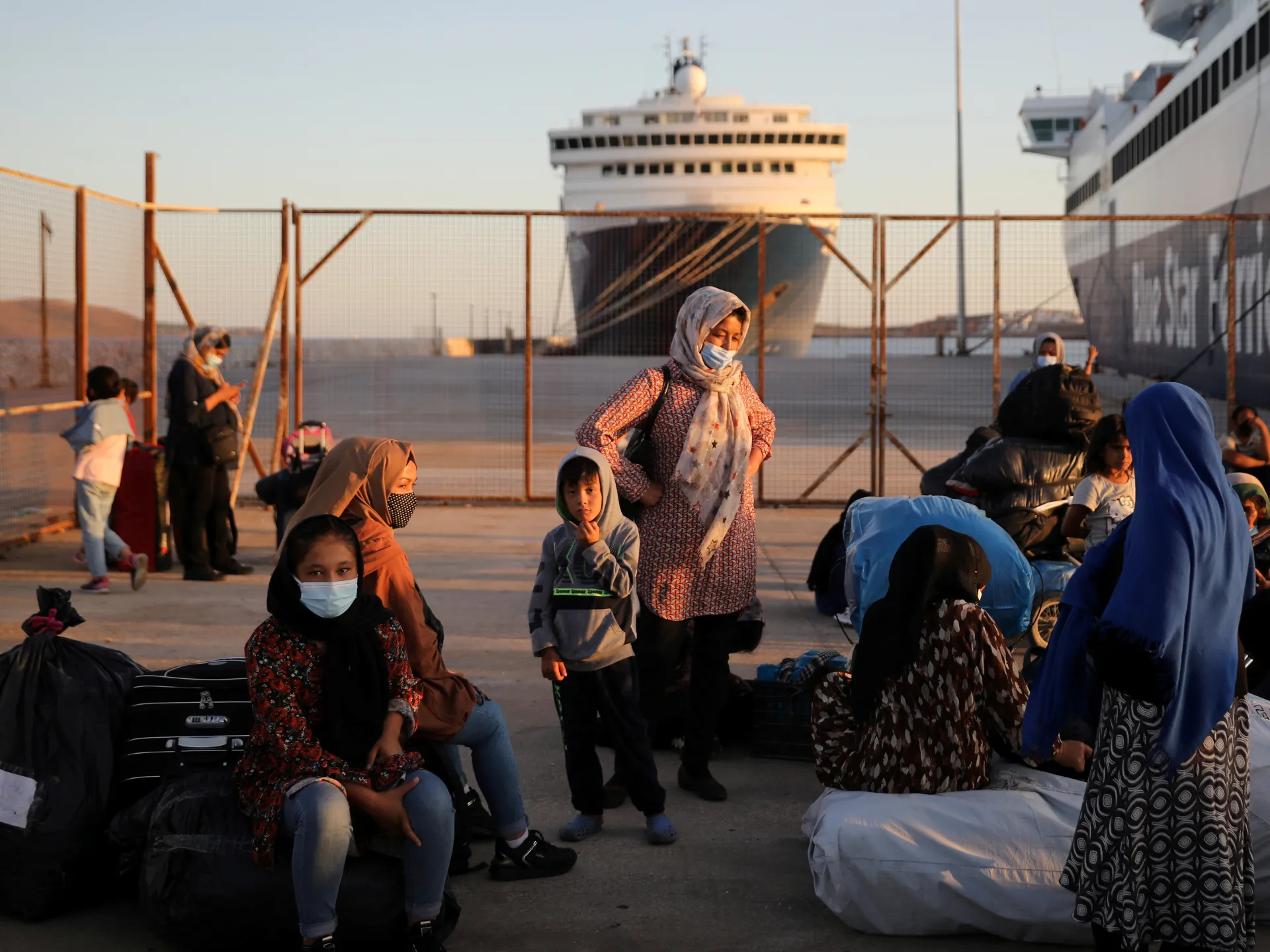
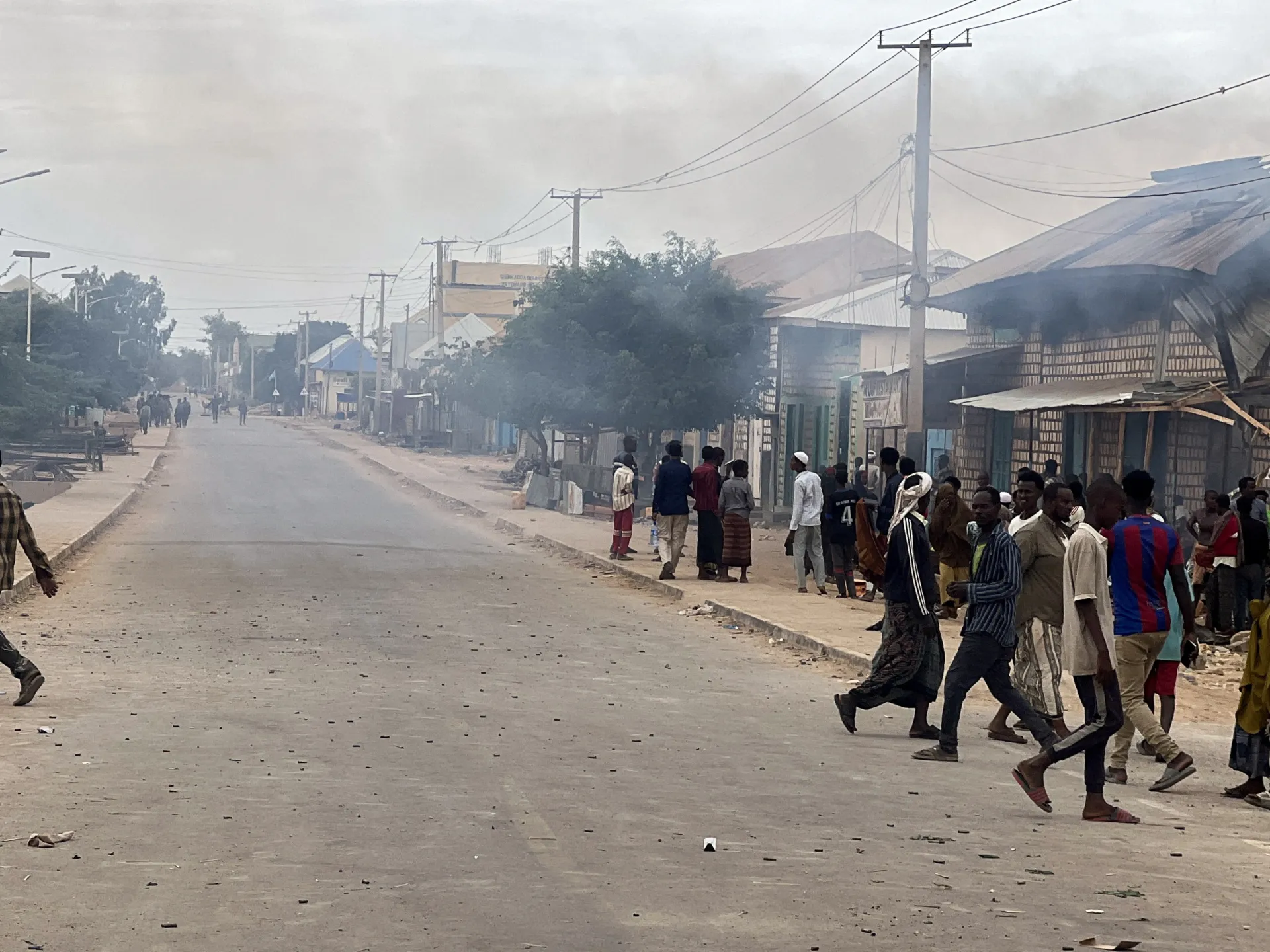
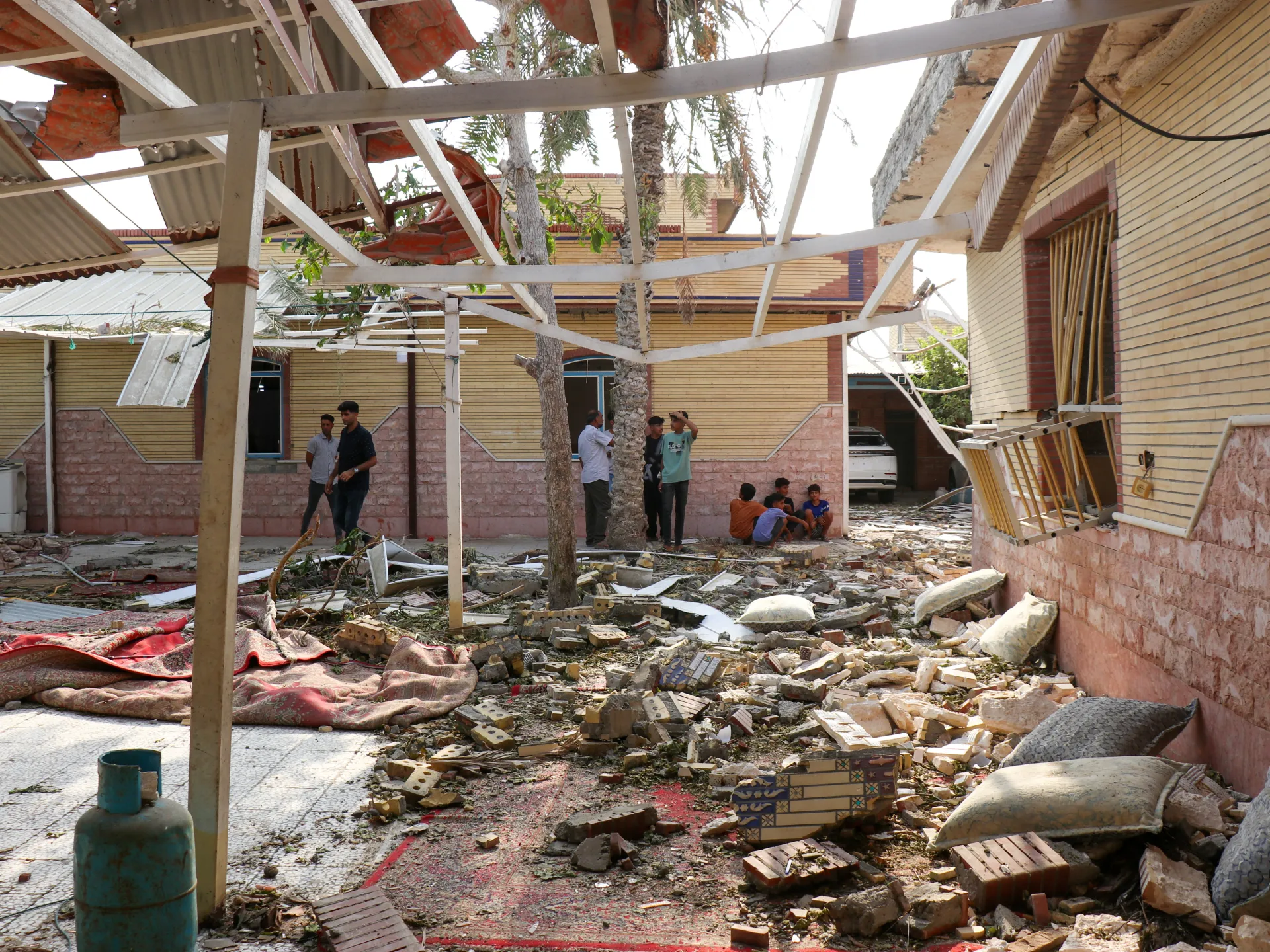
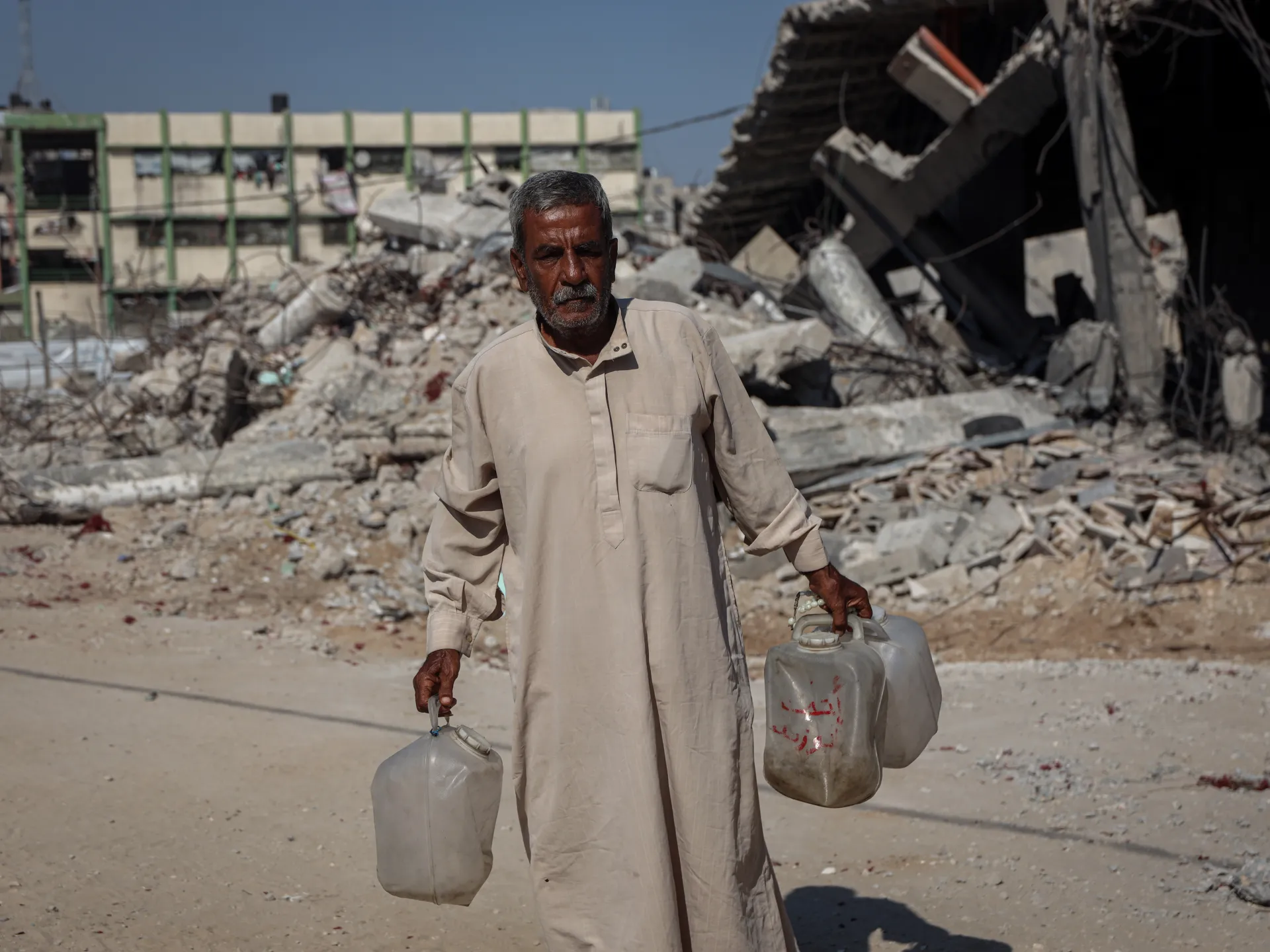
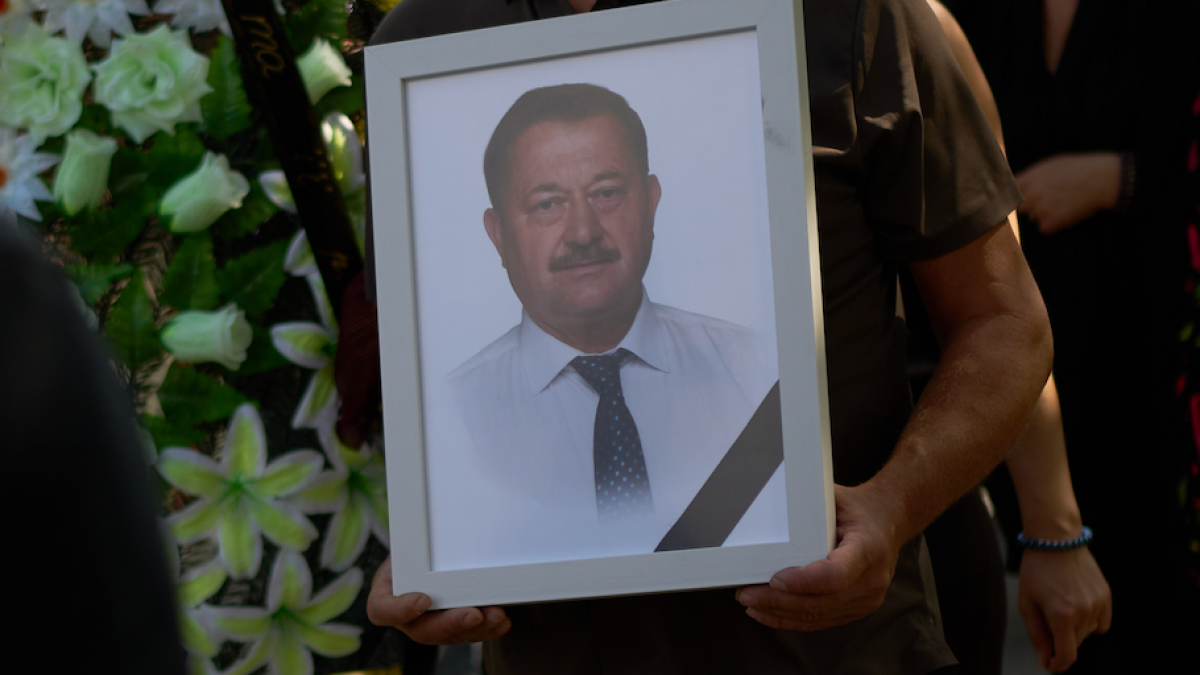
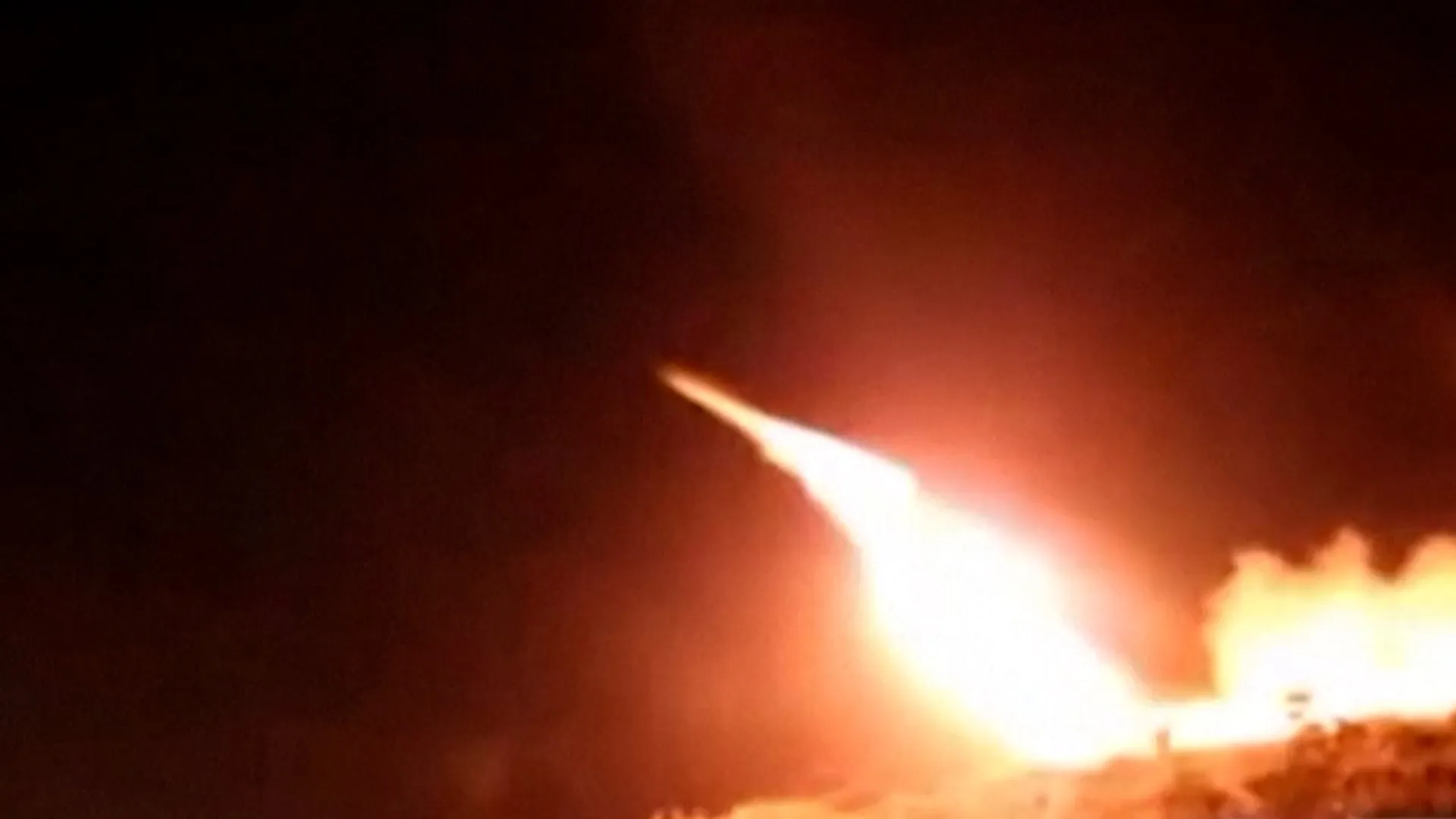
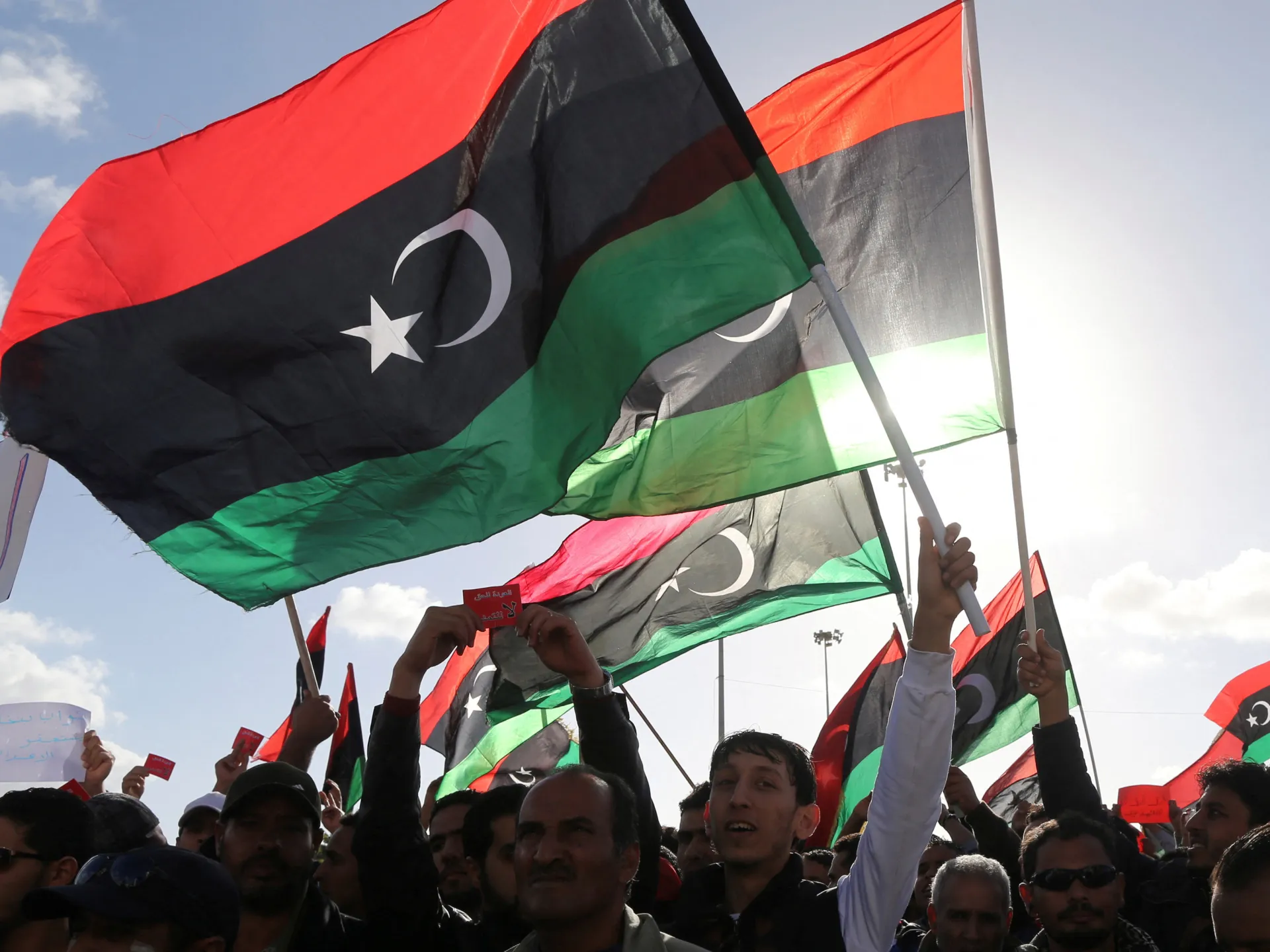
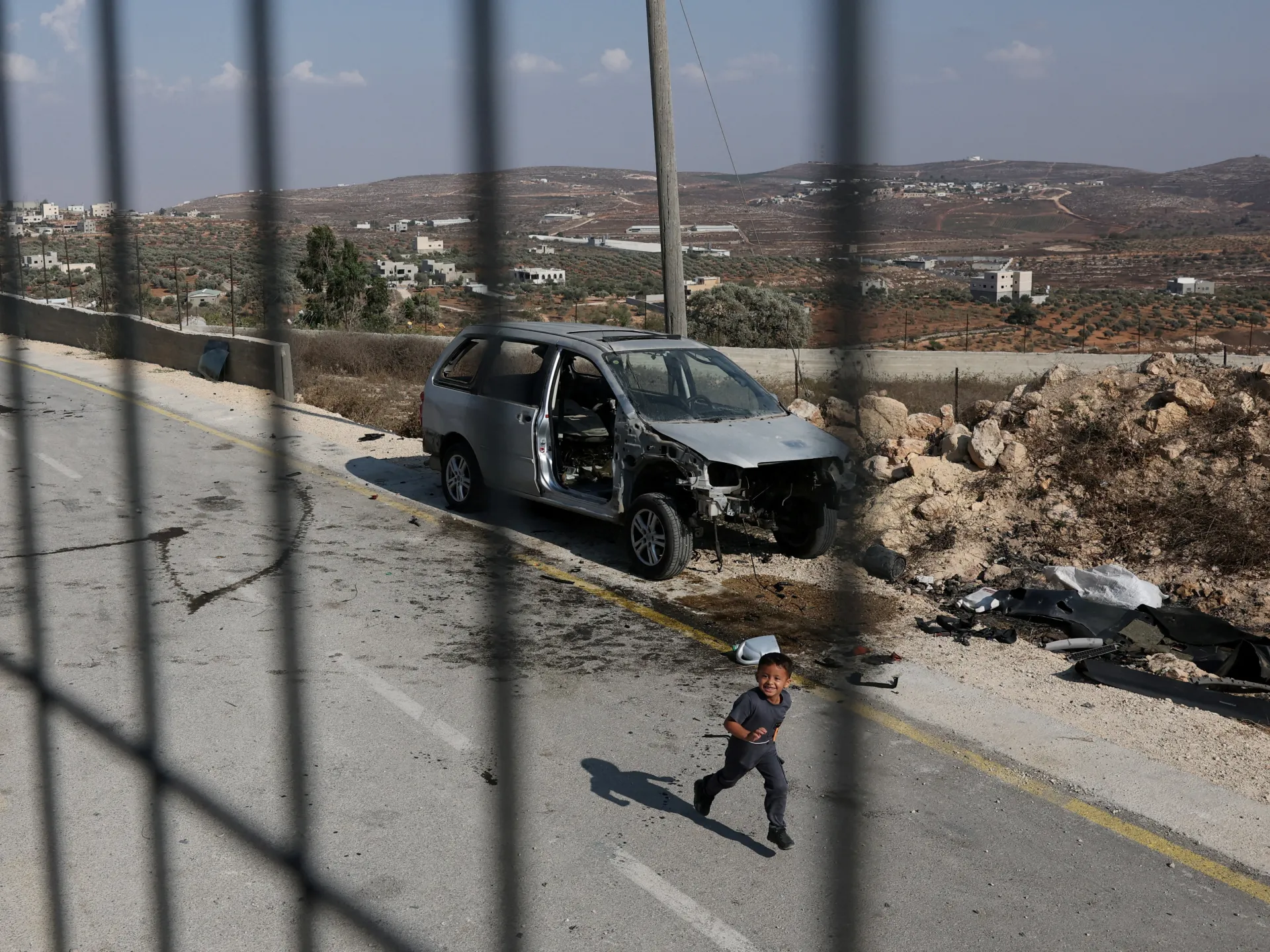
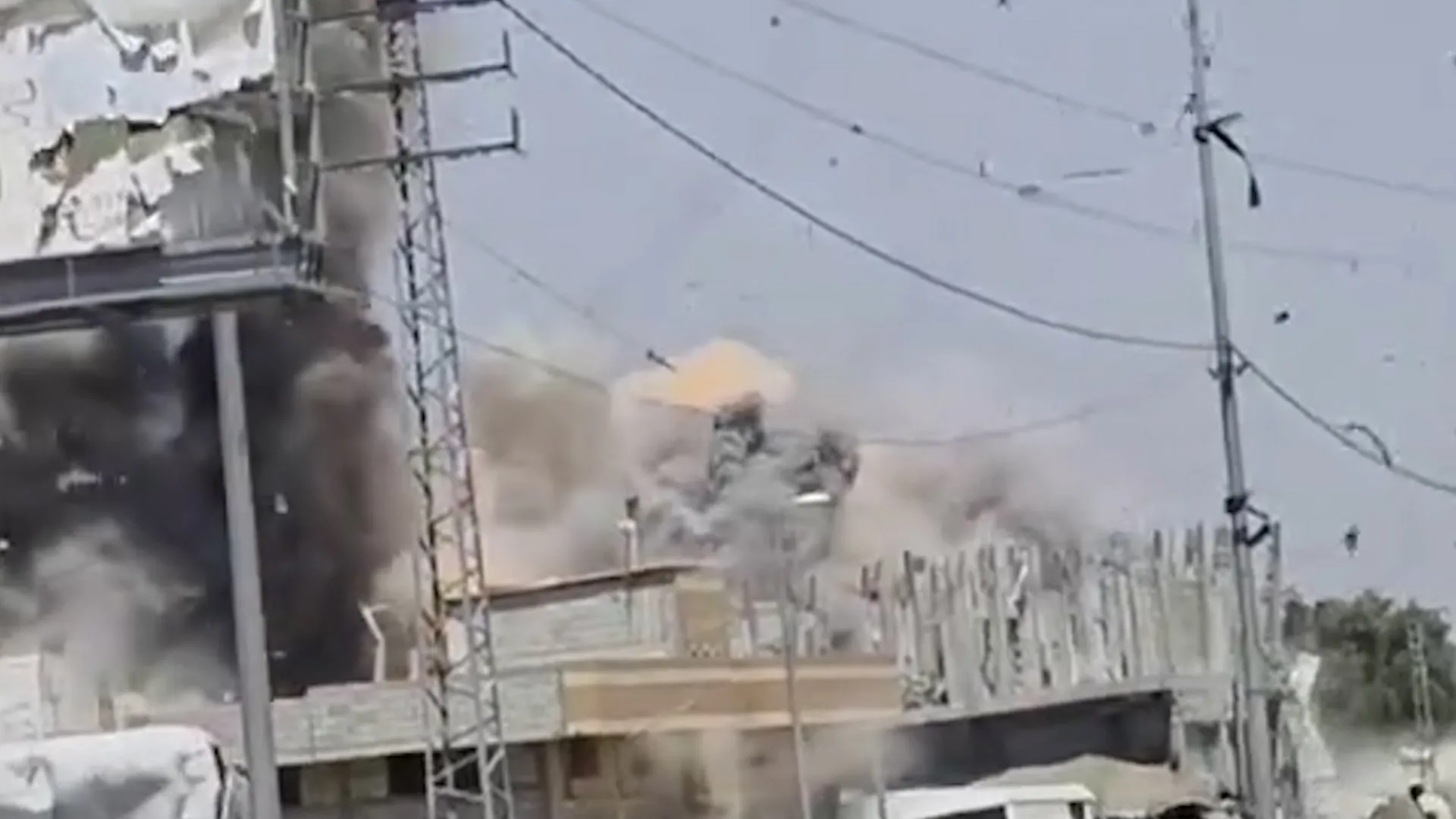
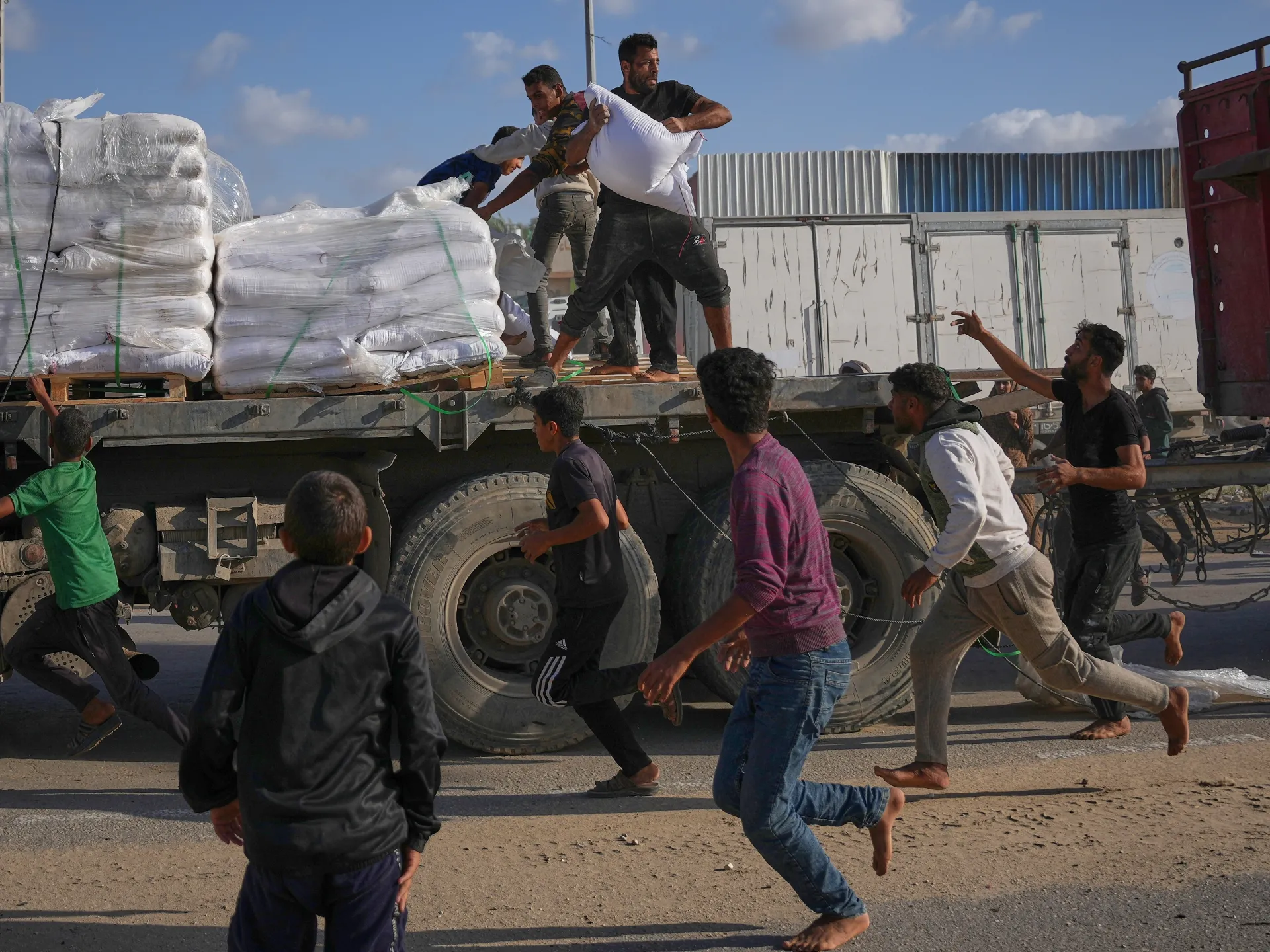
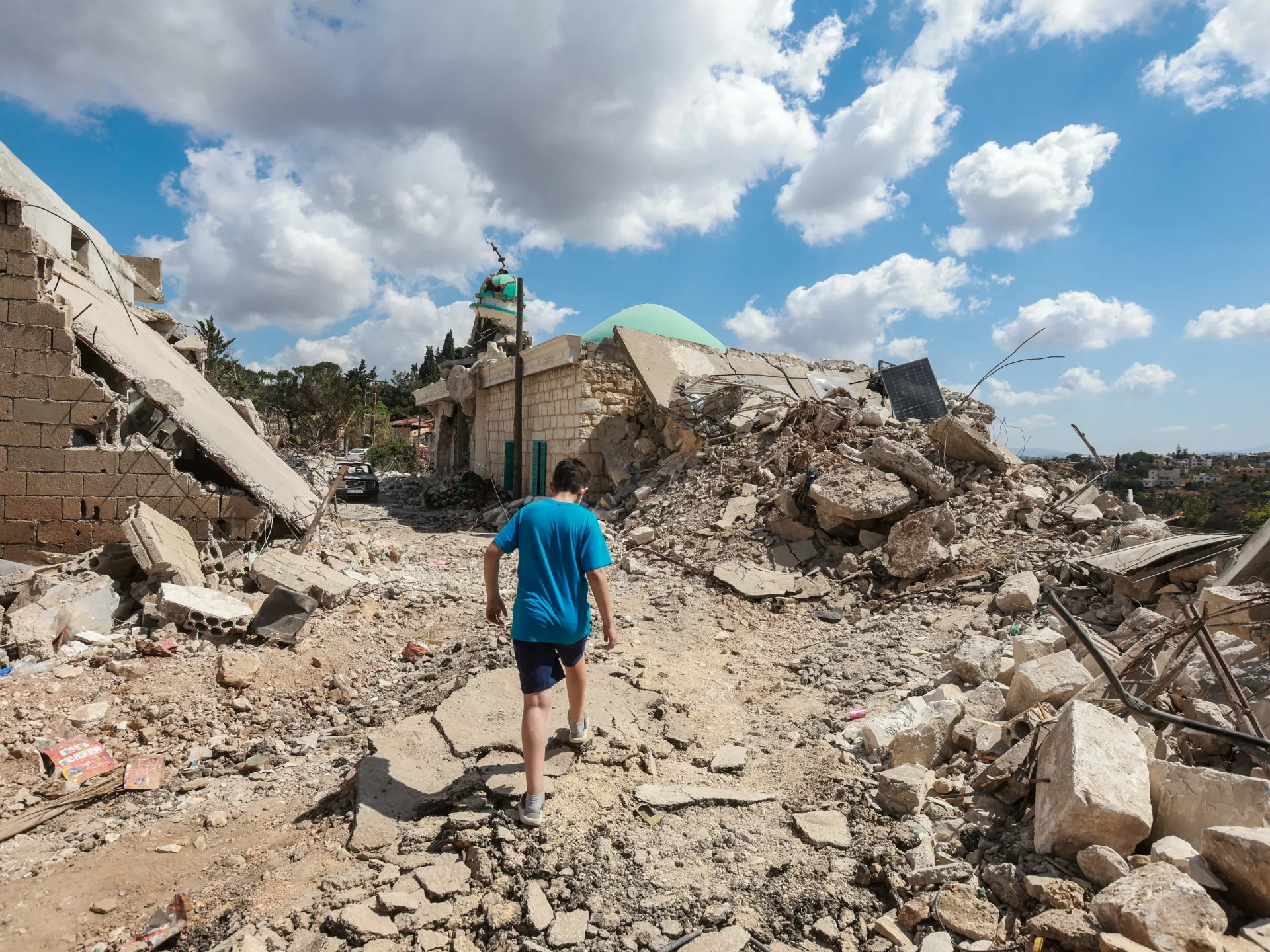
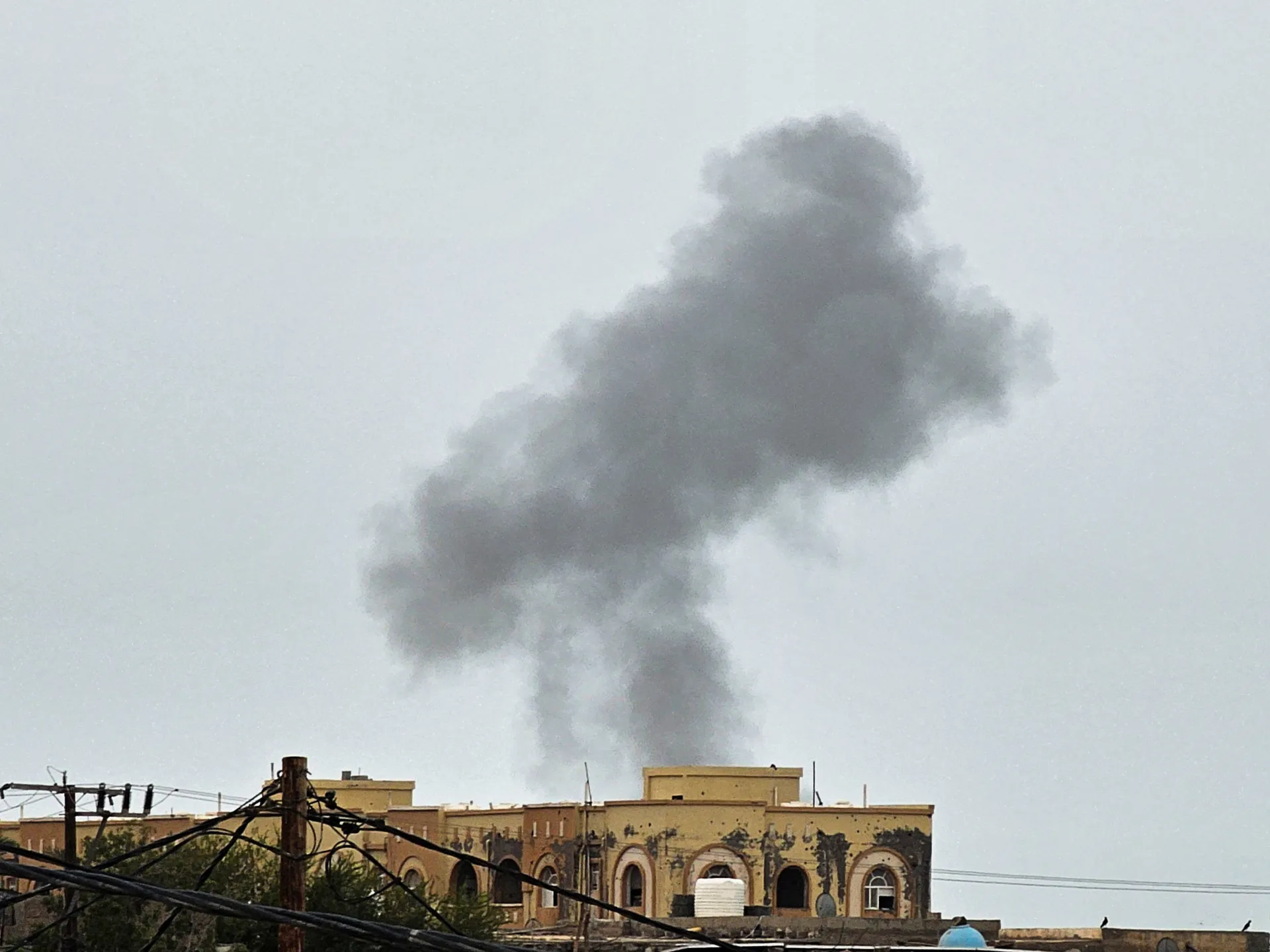
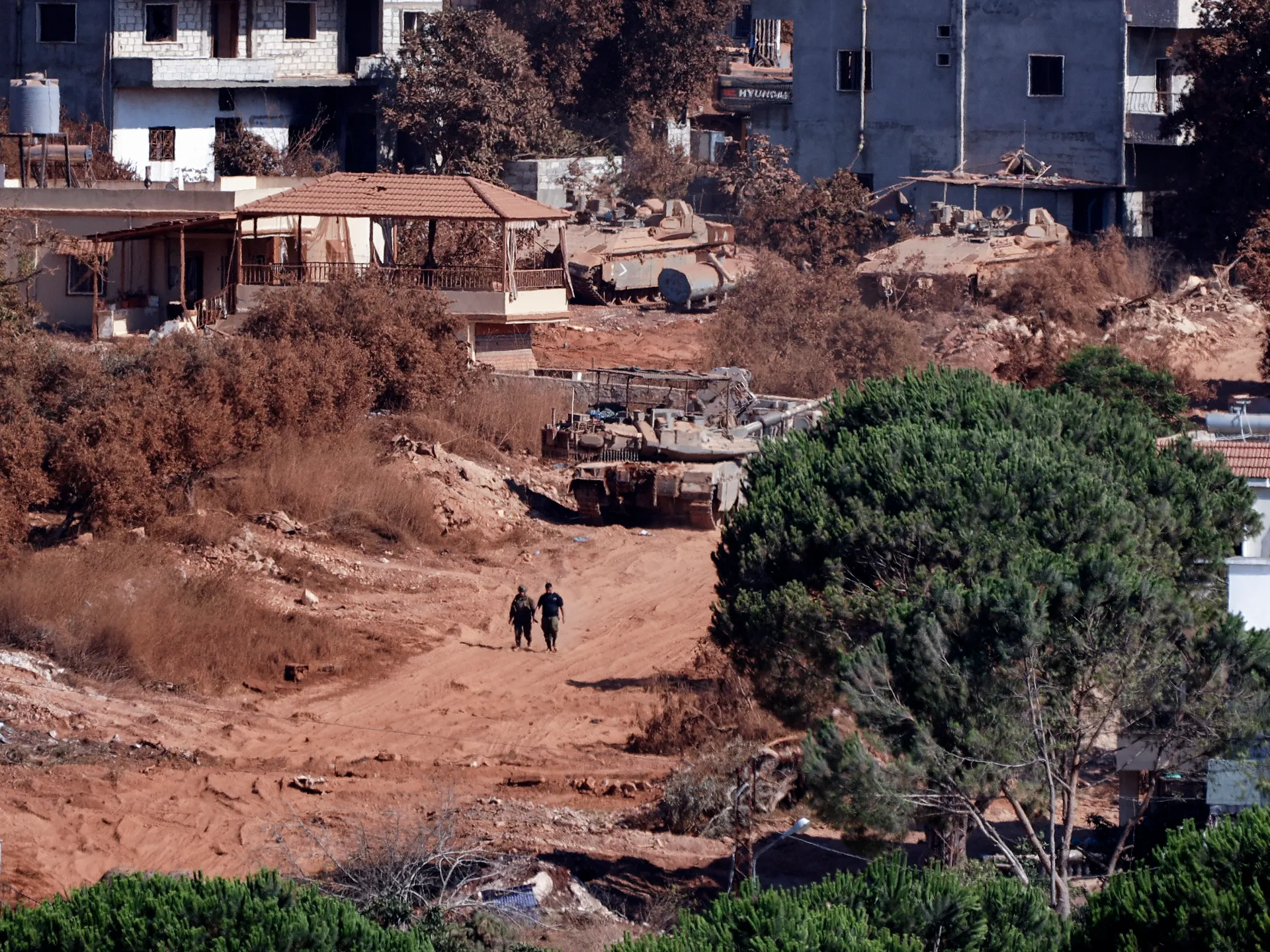
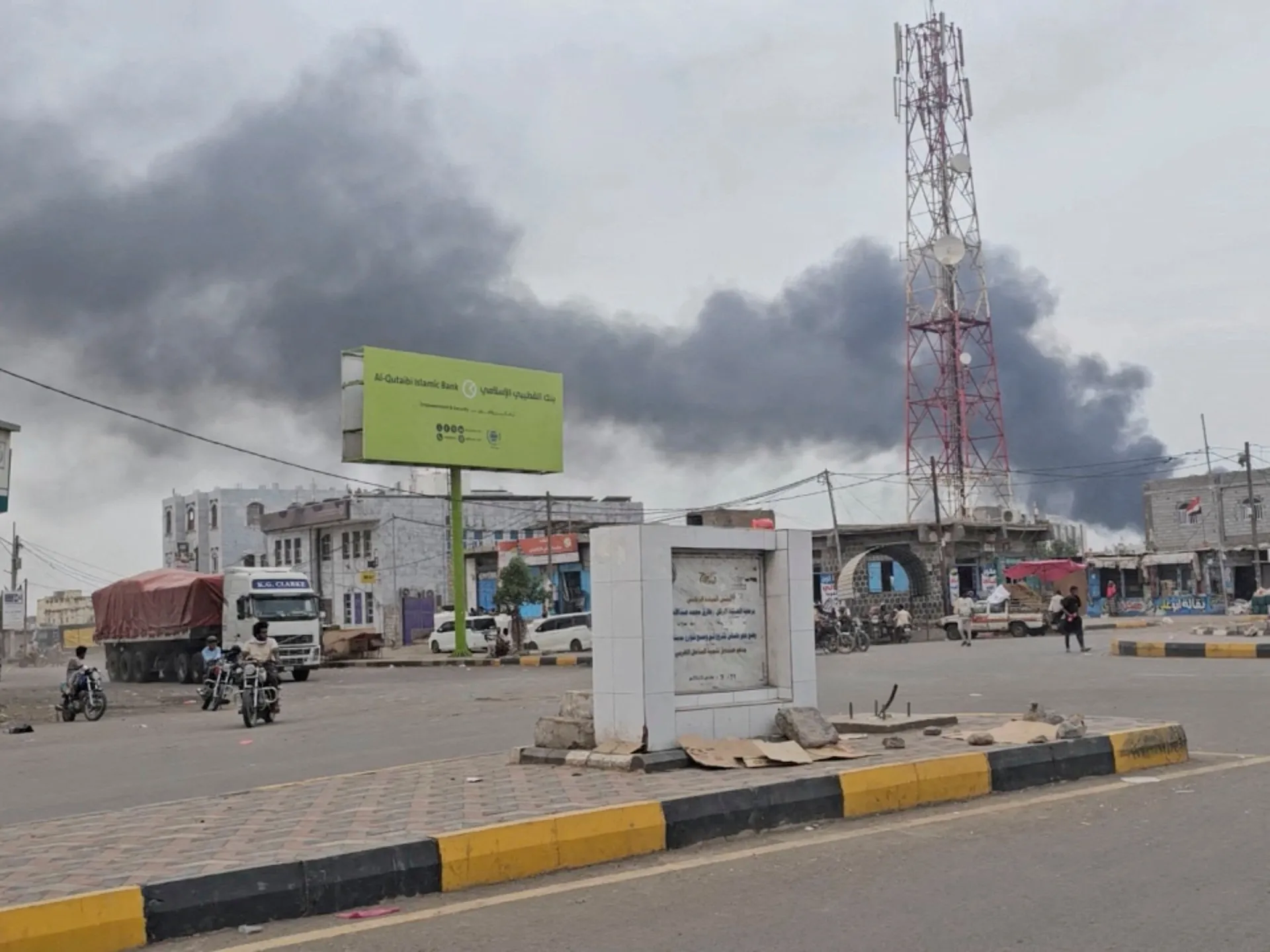
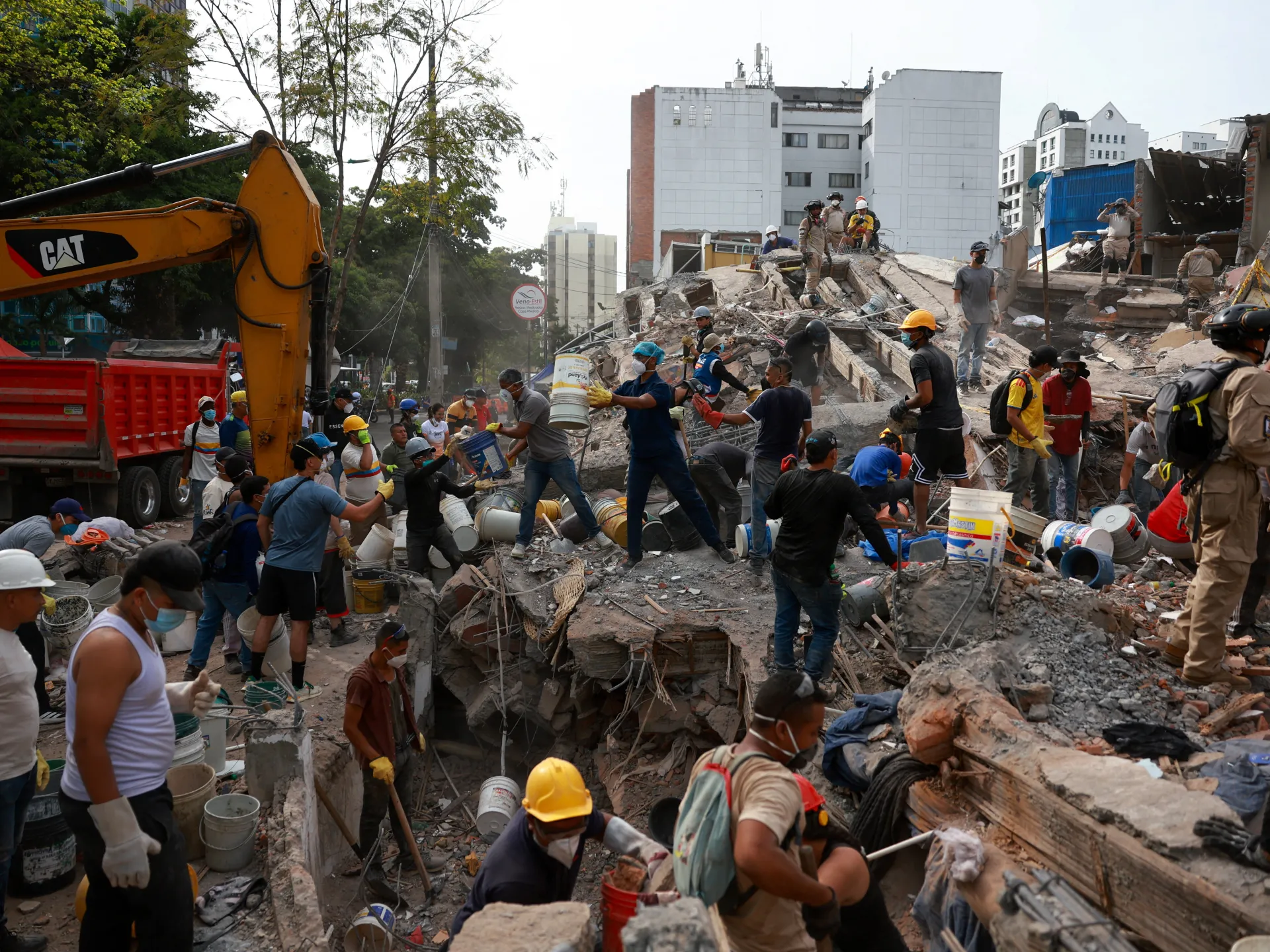
Local reporting from Gaza indicates that the violence has intensified across multiple fronts. Emergency service providers confirmed that a resident was killed in the Shujayea neighborhood, while the Al-Aqsa Martyrs Hospital documented the death of a young girl following gunfire near the Nuseirat refugee camp. Further complicating the situation, the Ministry of Health identified Basir al-Bursh, the son of Director General Munir al-Bursh, as a fatality in an air strike within the az-Zahra neighborhood. Discrepancies persist in casualty reporting across international media, with Reuters reporting seven total deaths, while other outlets cite figures as high as nine casualties. These incidents are set against a backdrop of ongoing conflict that has seen over 1,300 deaths since the formal conclusion of the October 2025 ceasefire agreement, exacerbating the humanitarian crisis for those confined to the remaining third of the enclave.
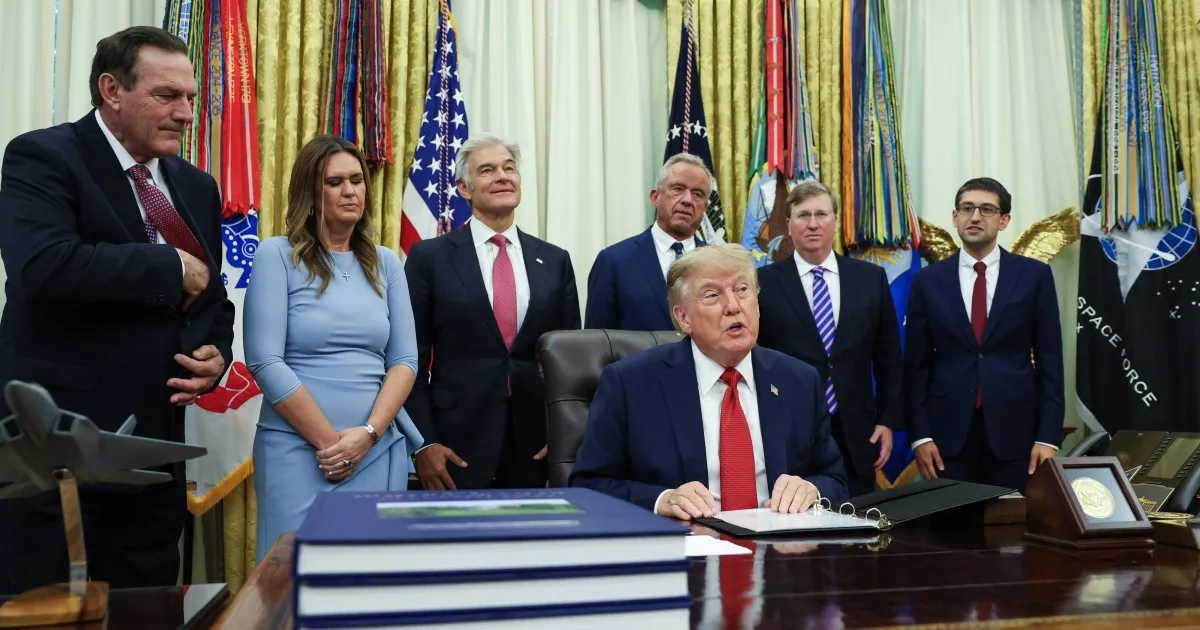
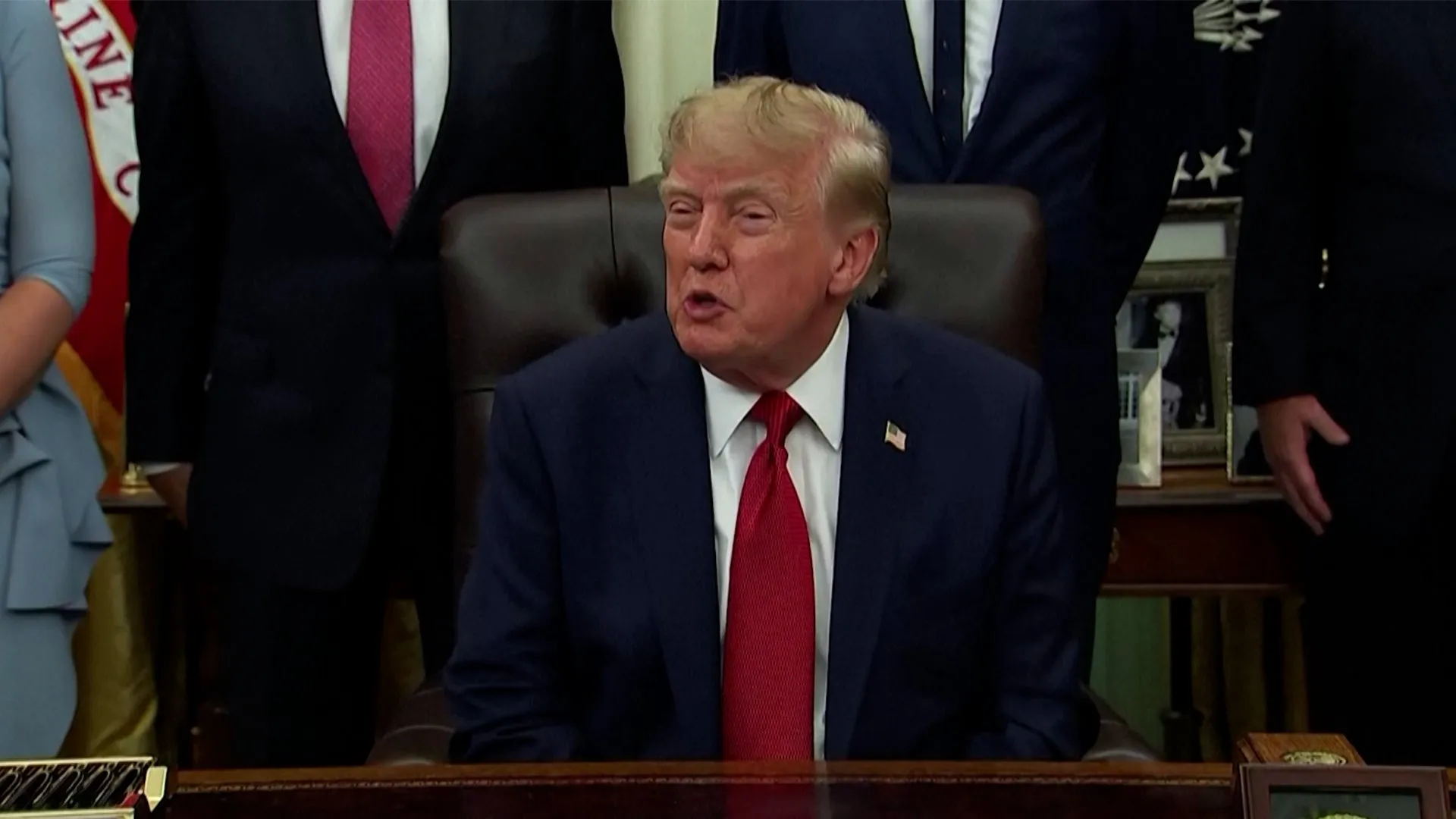
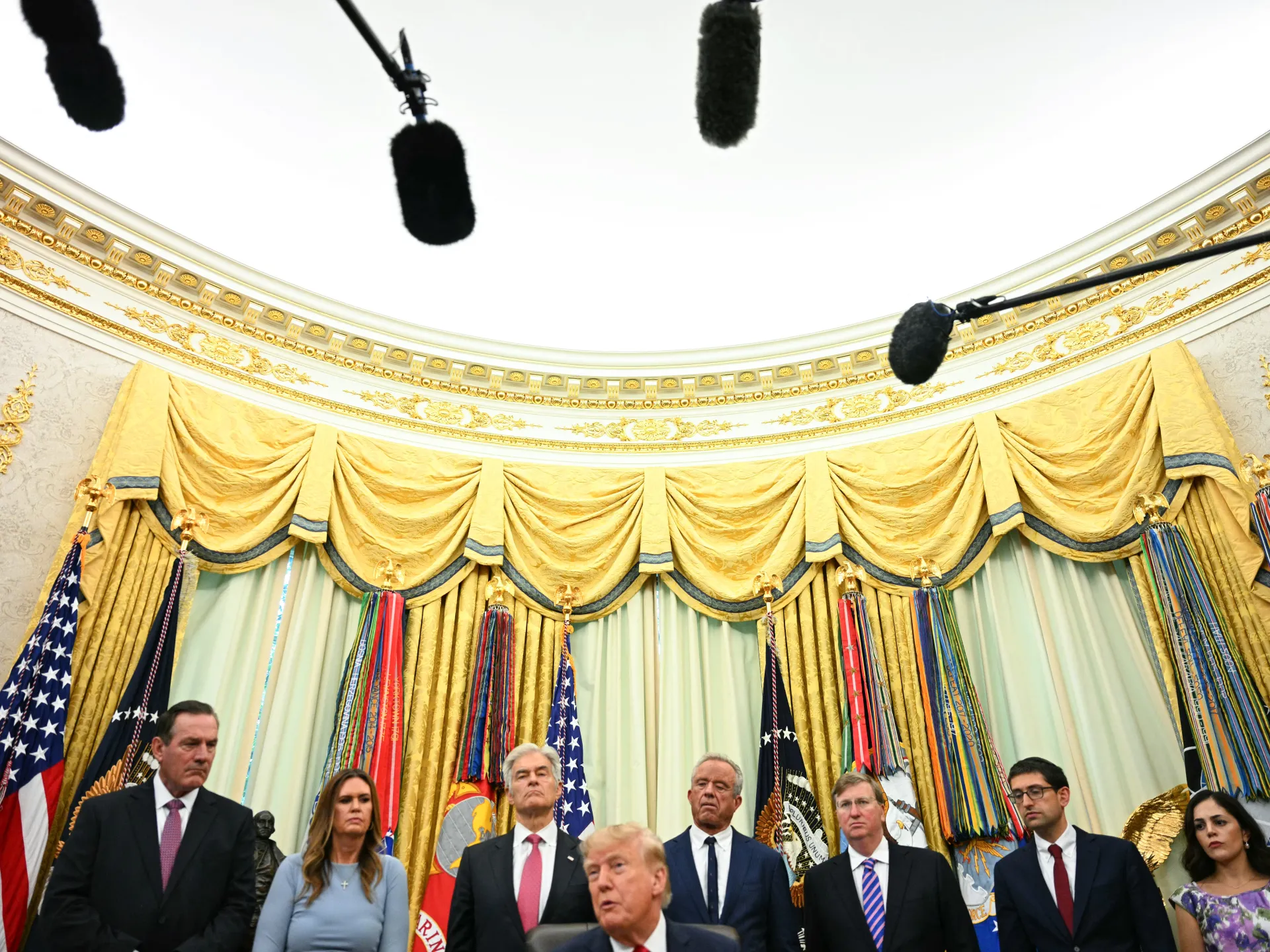
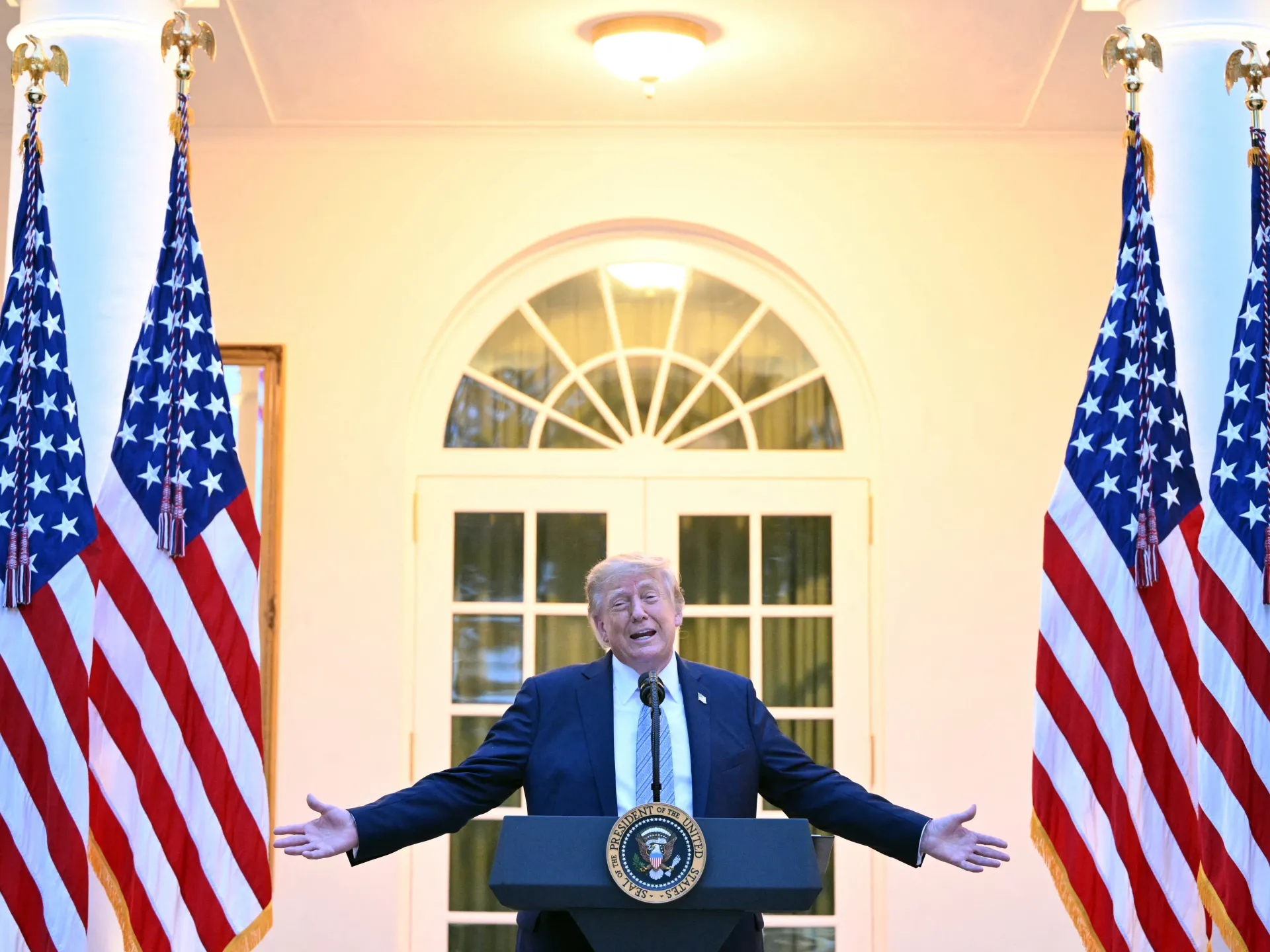
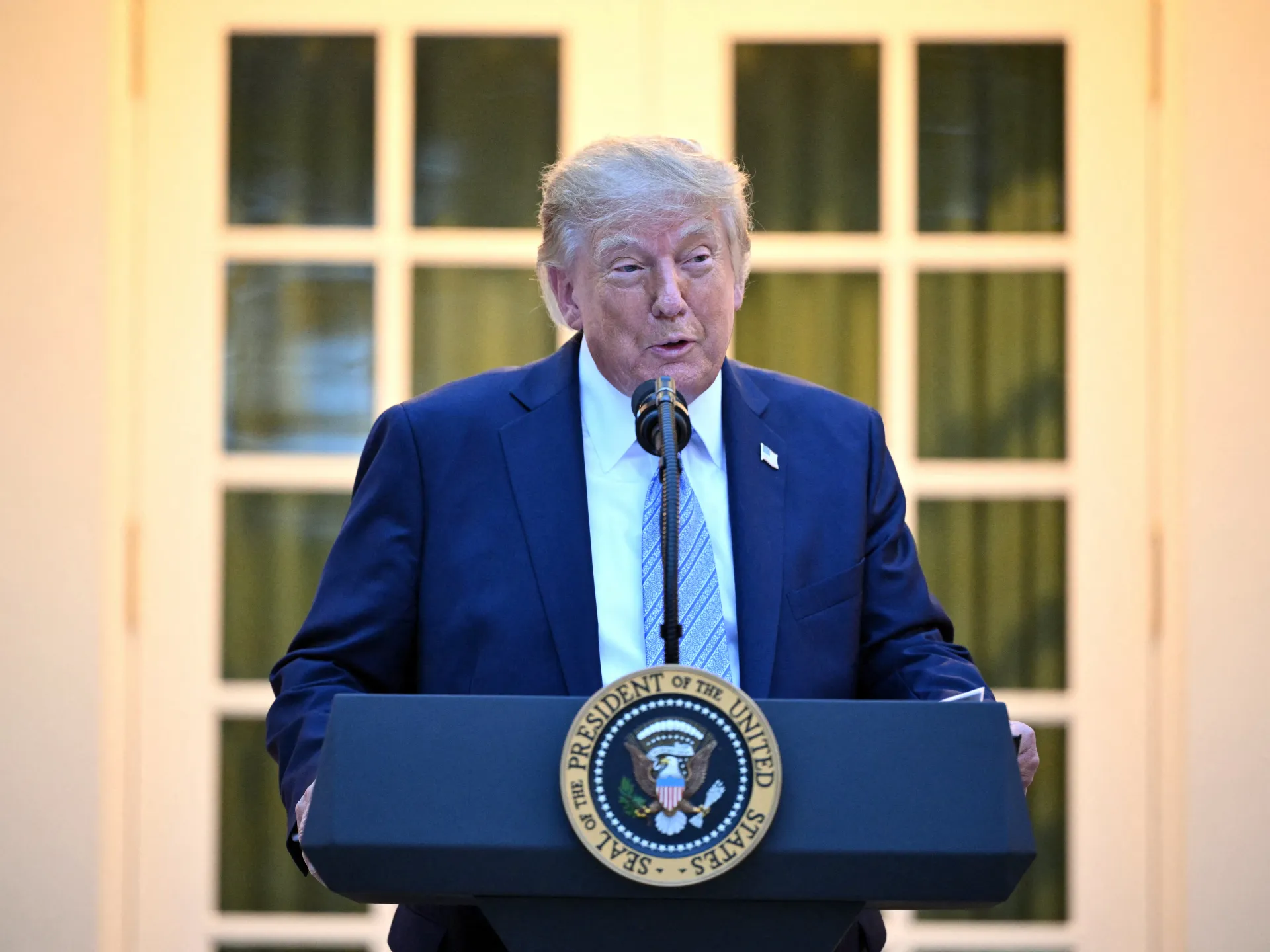
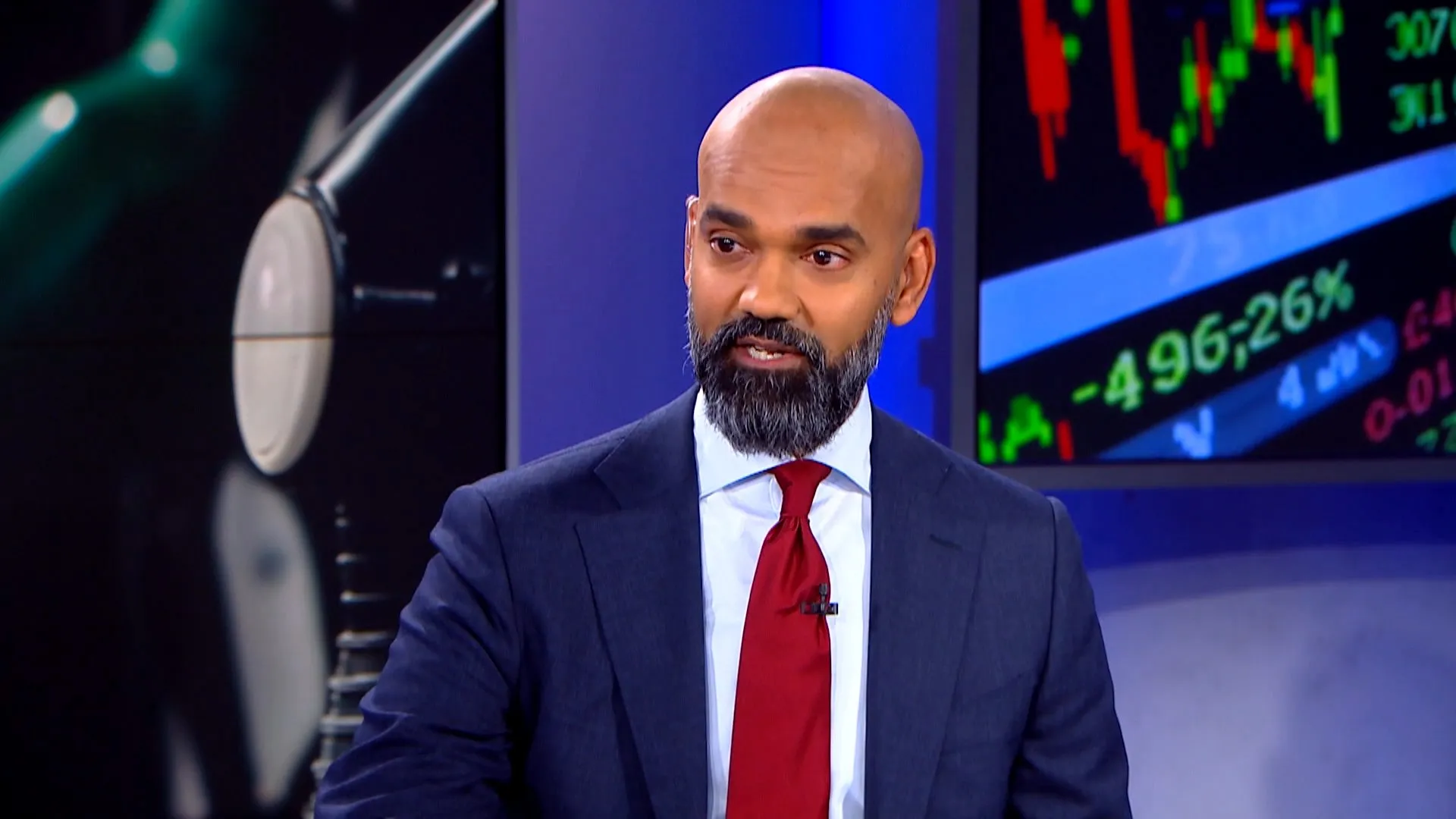
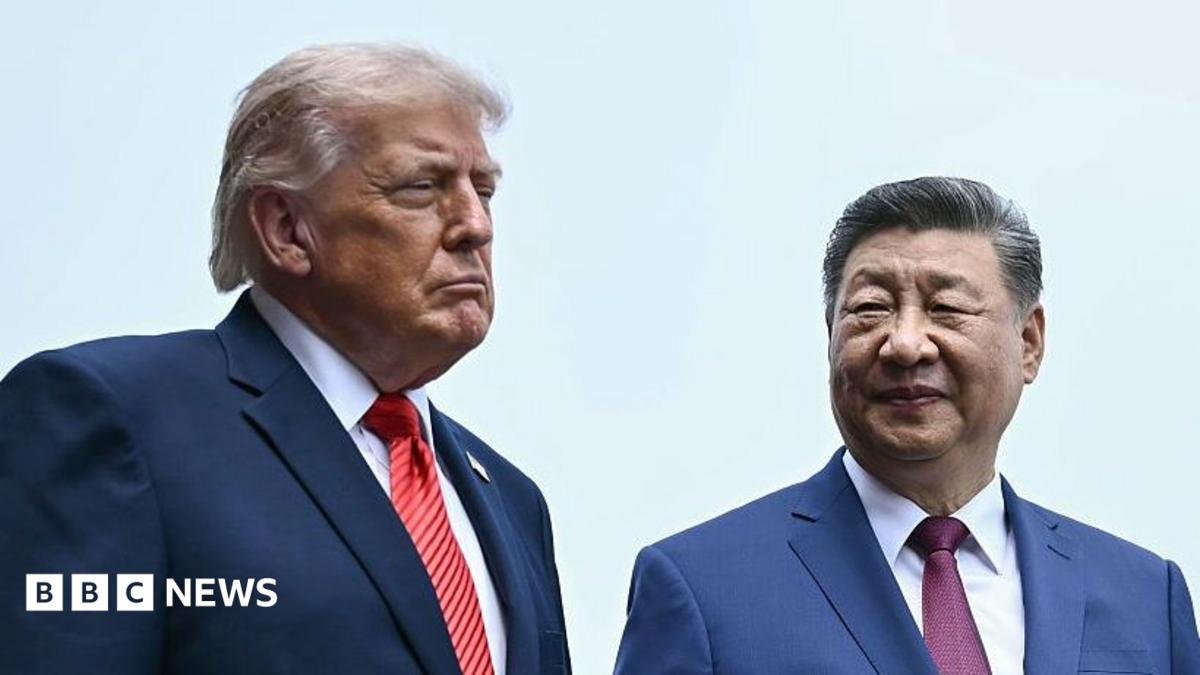
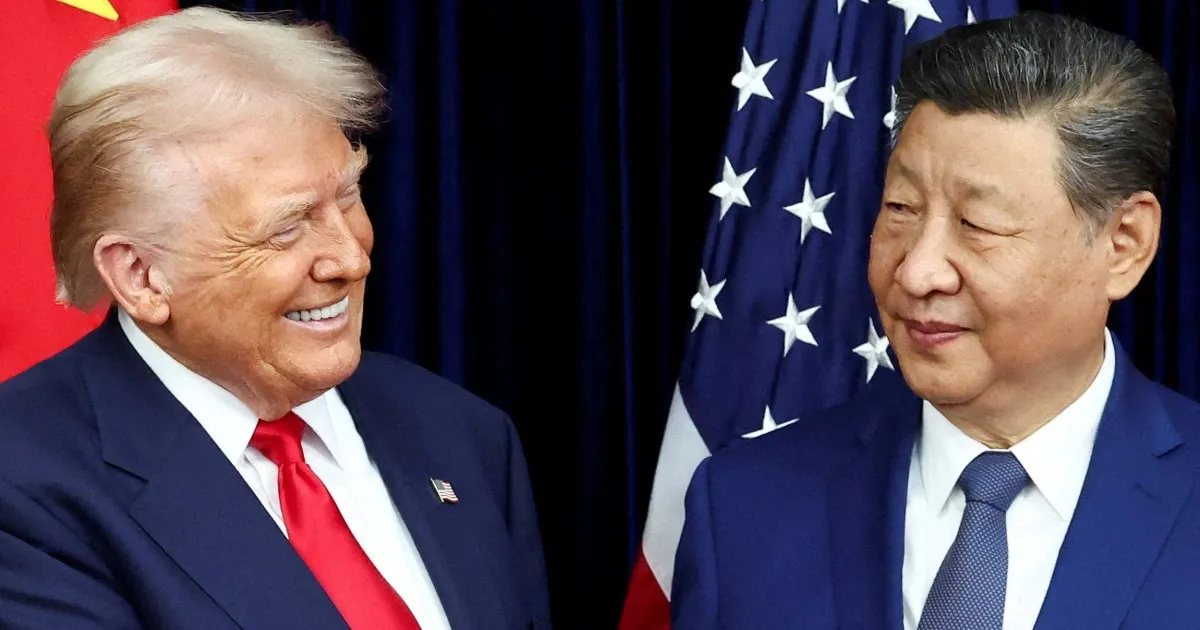
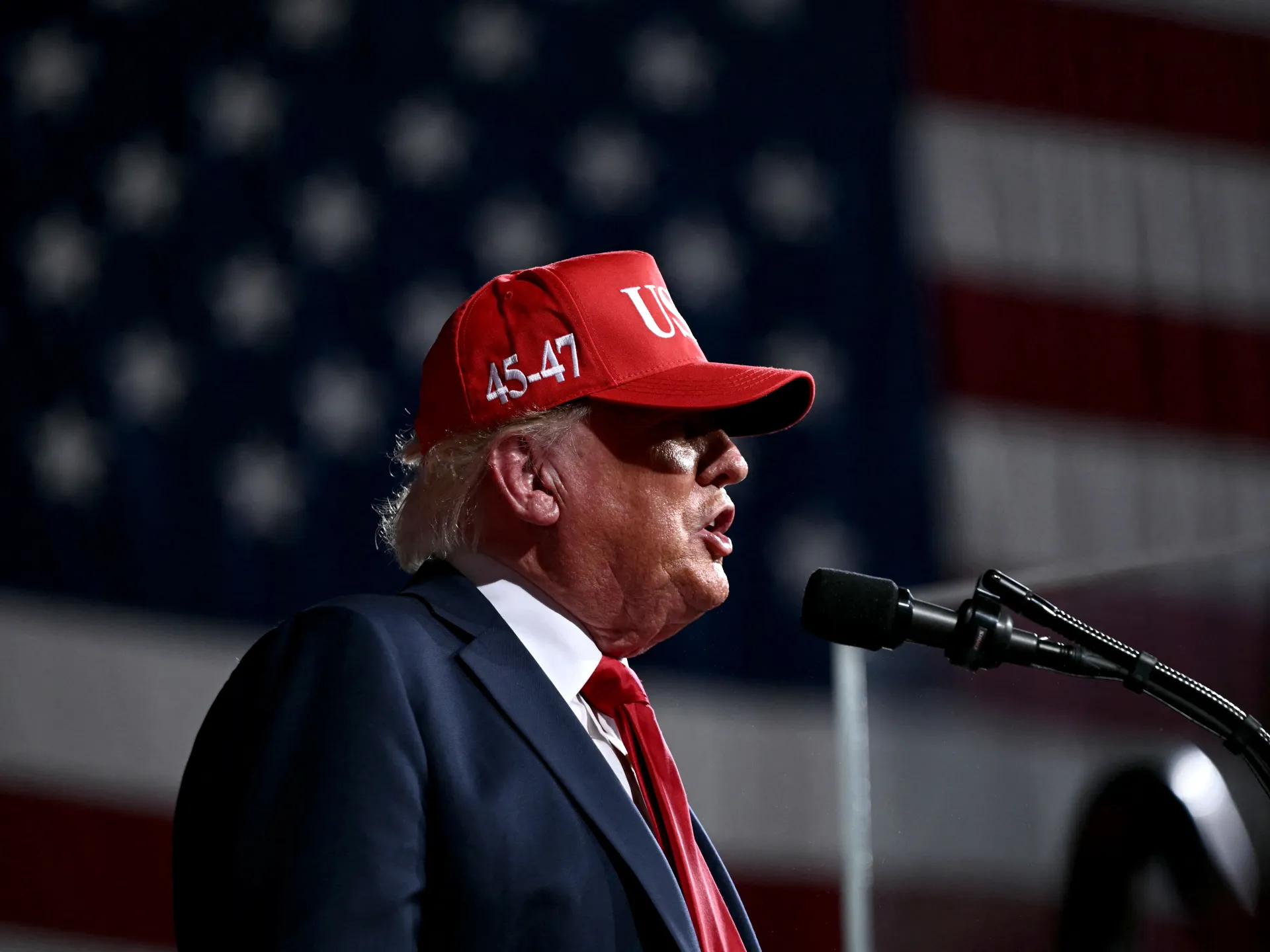
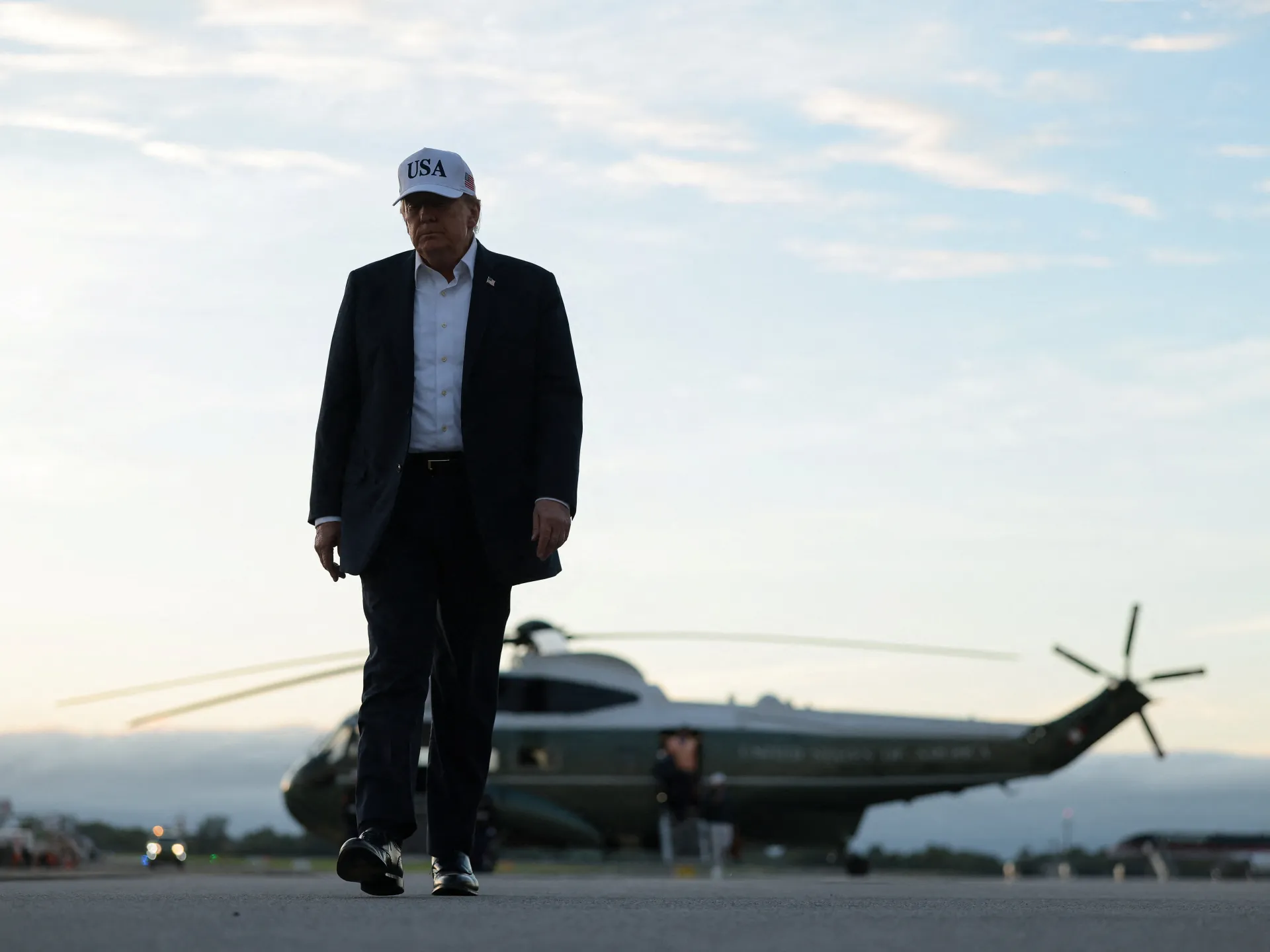
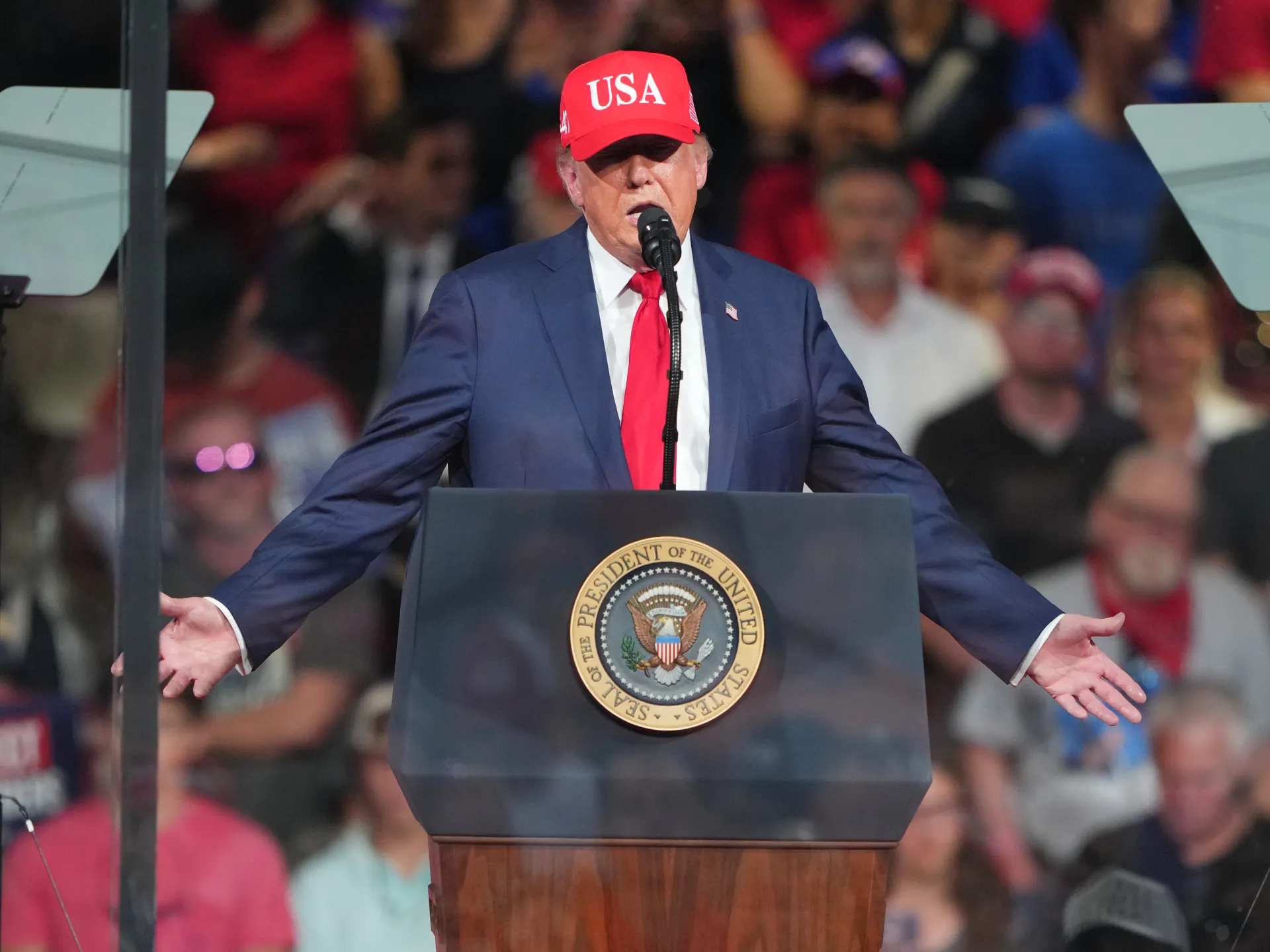
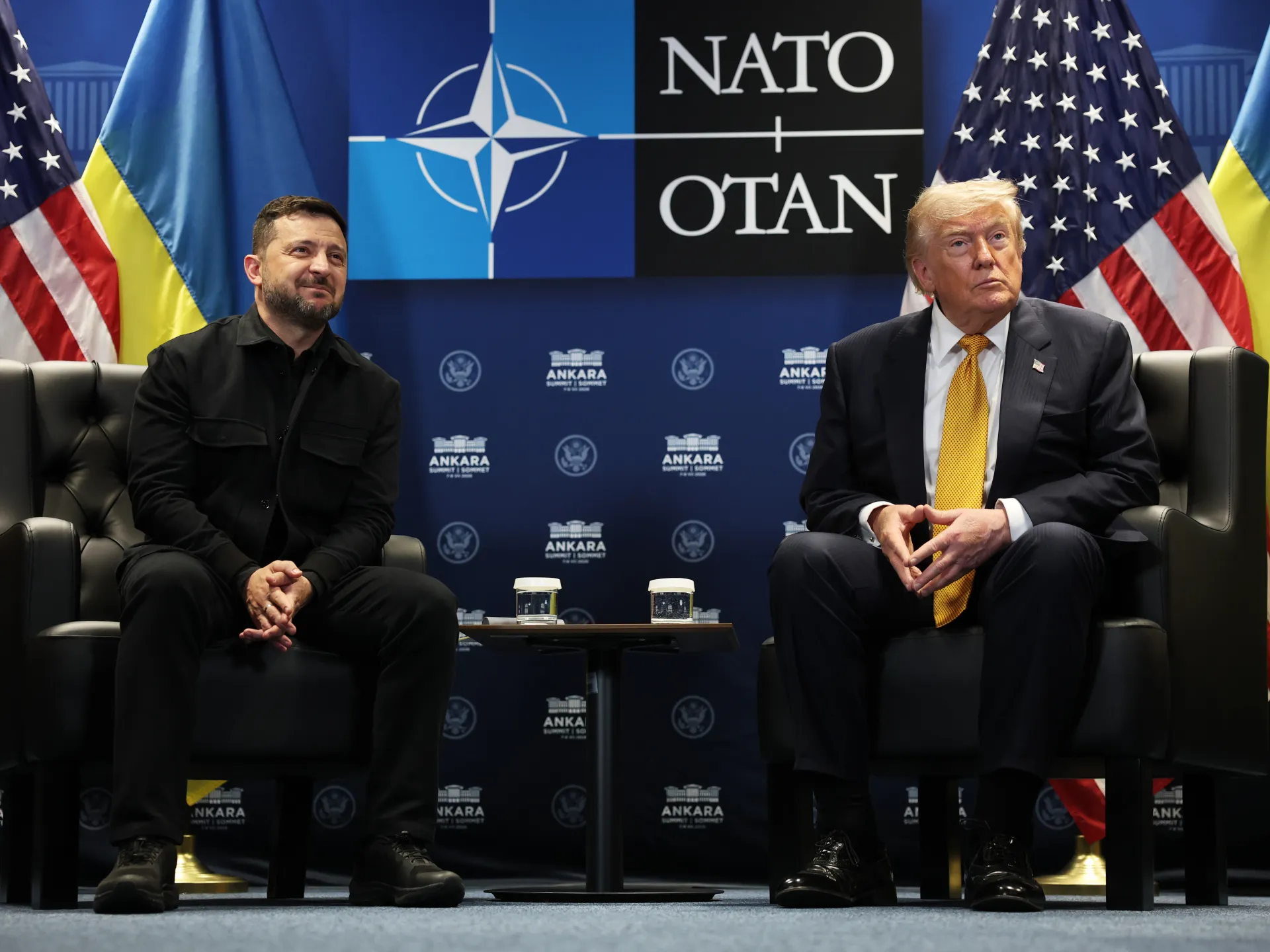
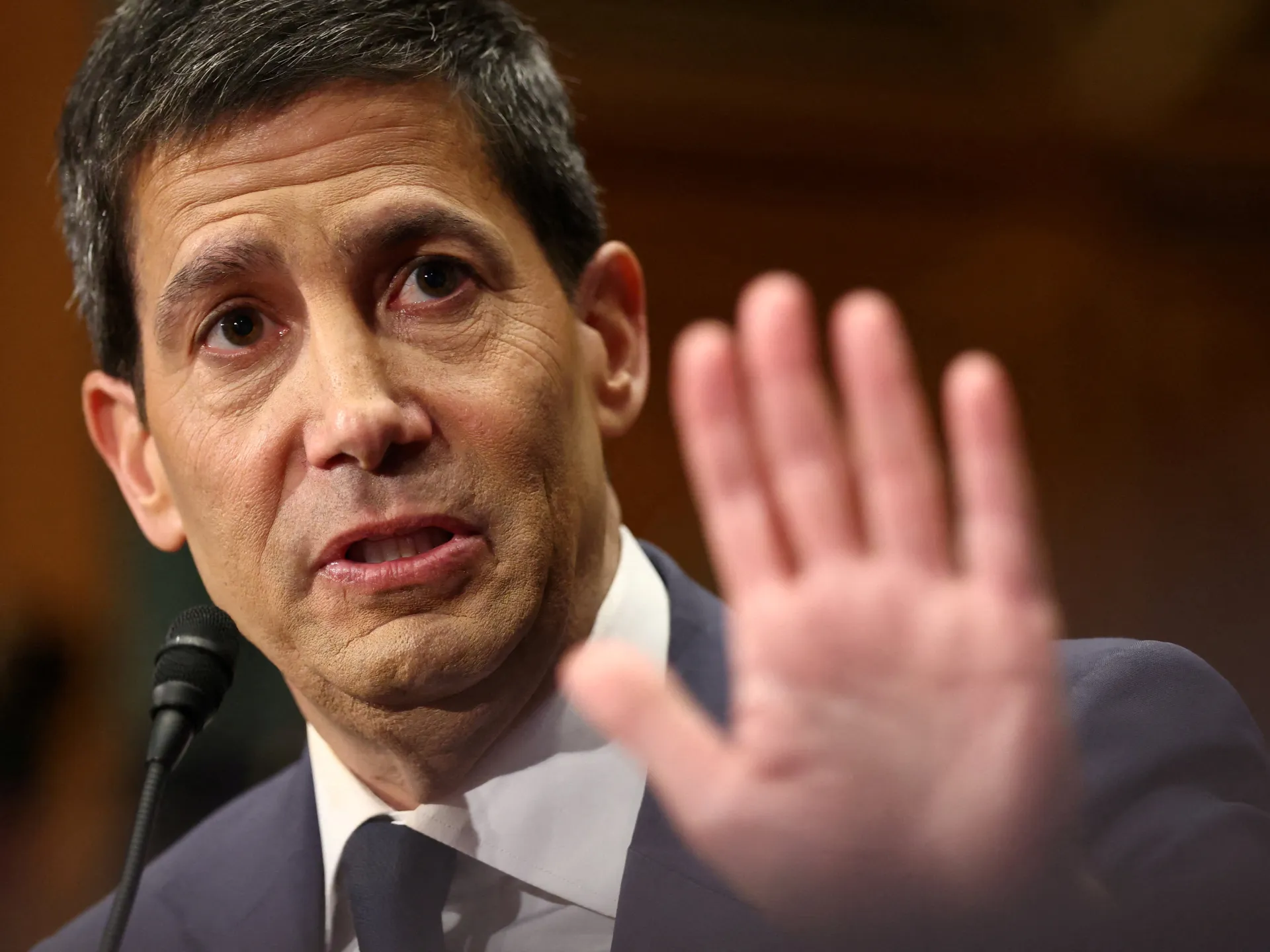
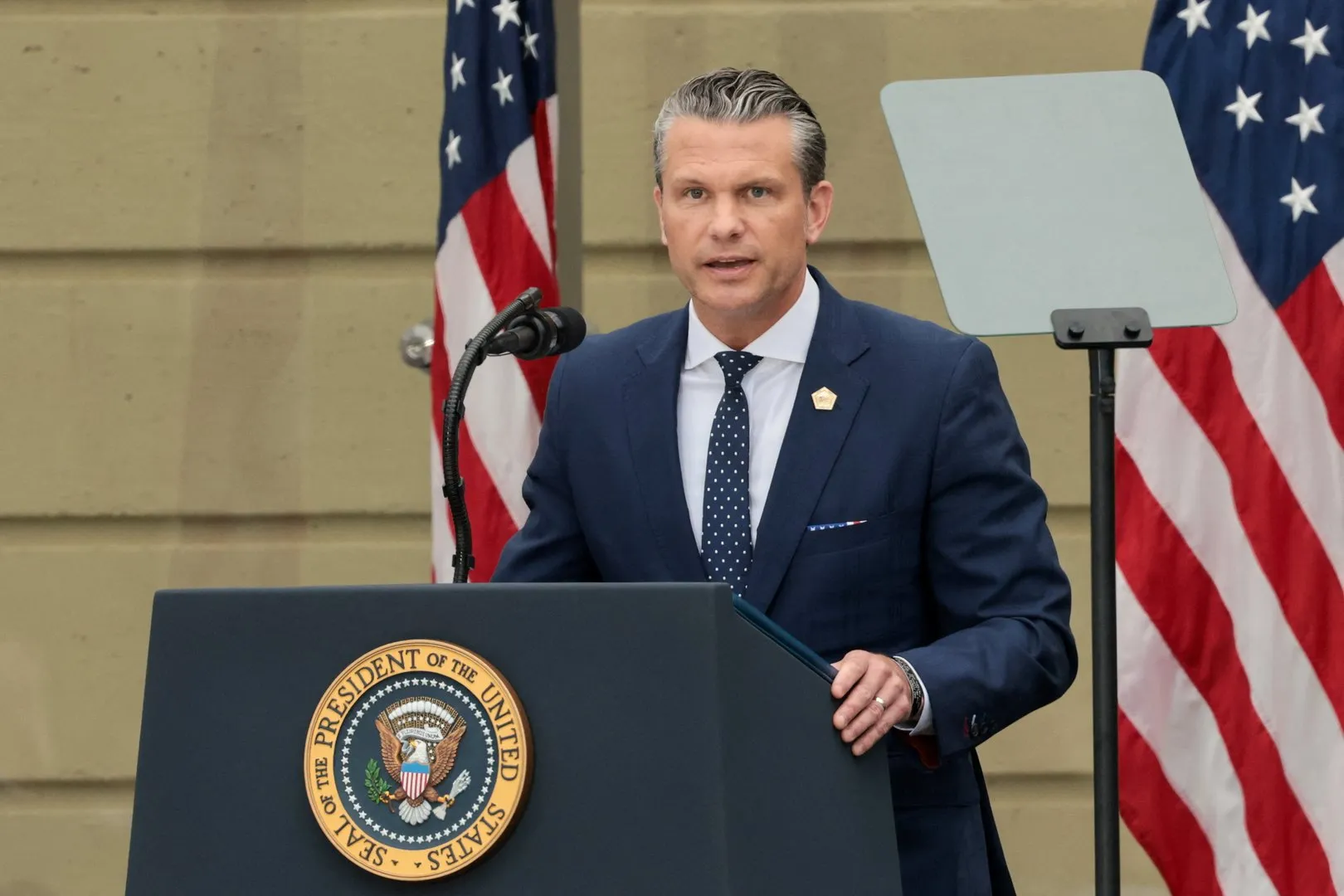
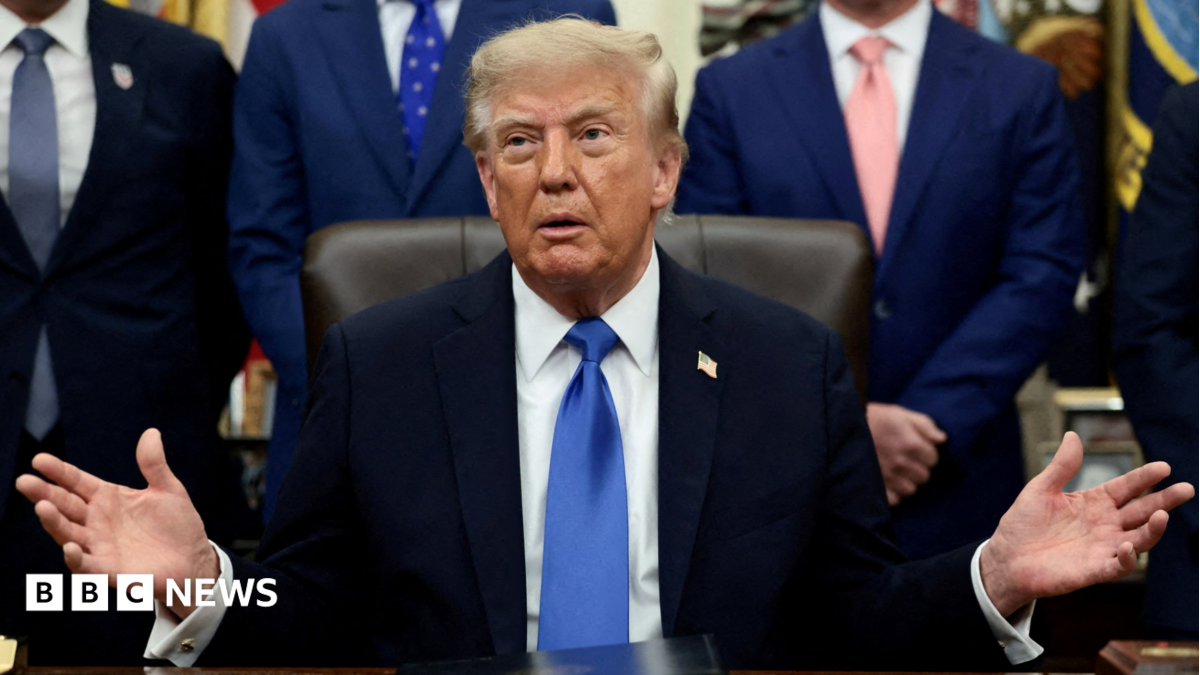
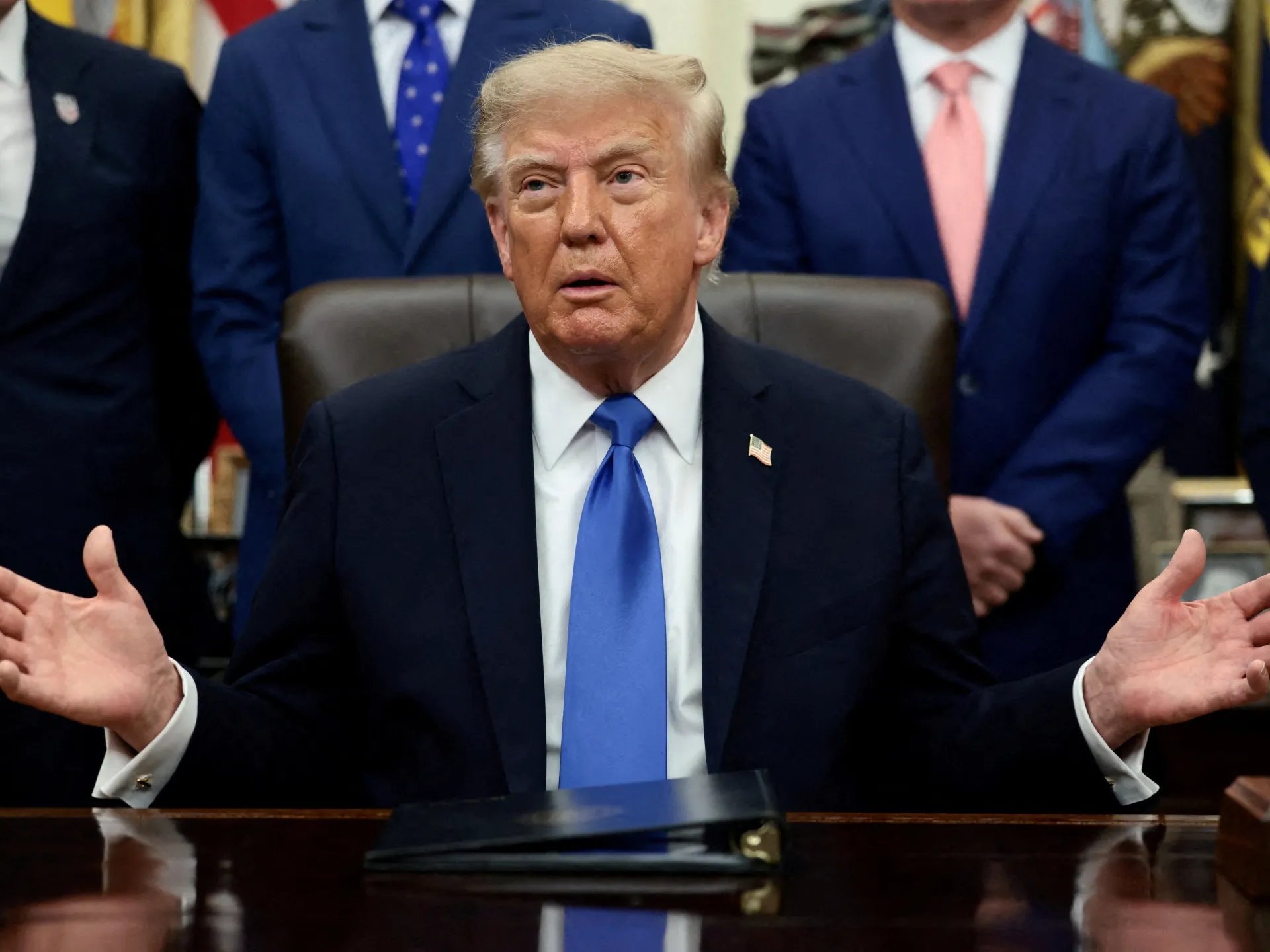
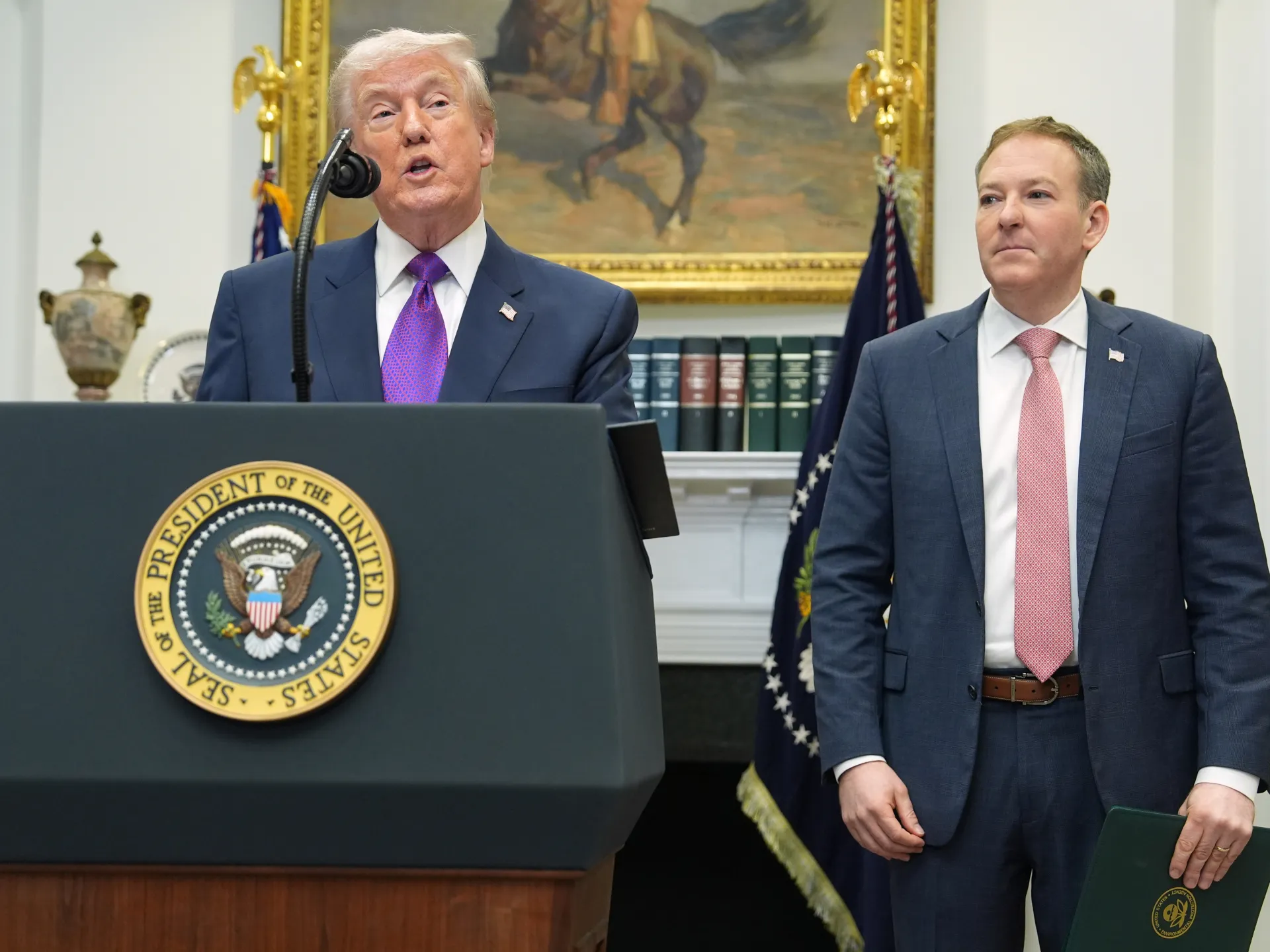
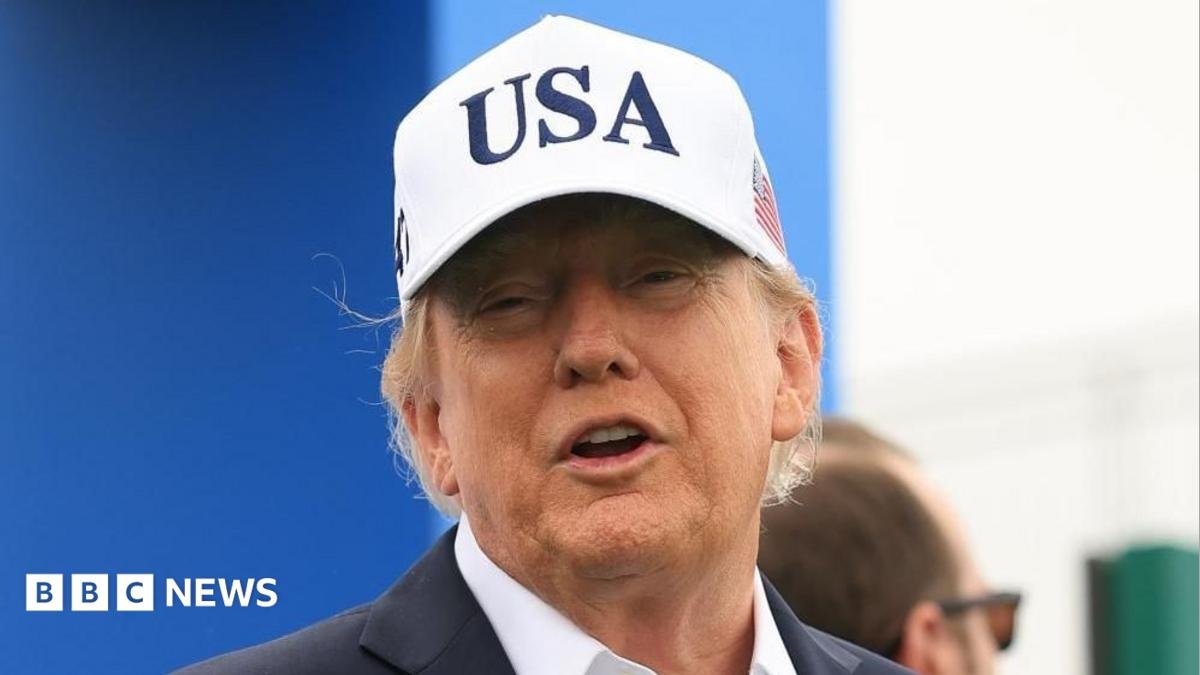
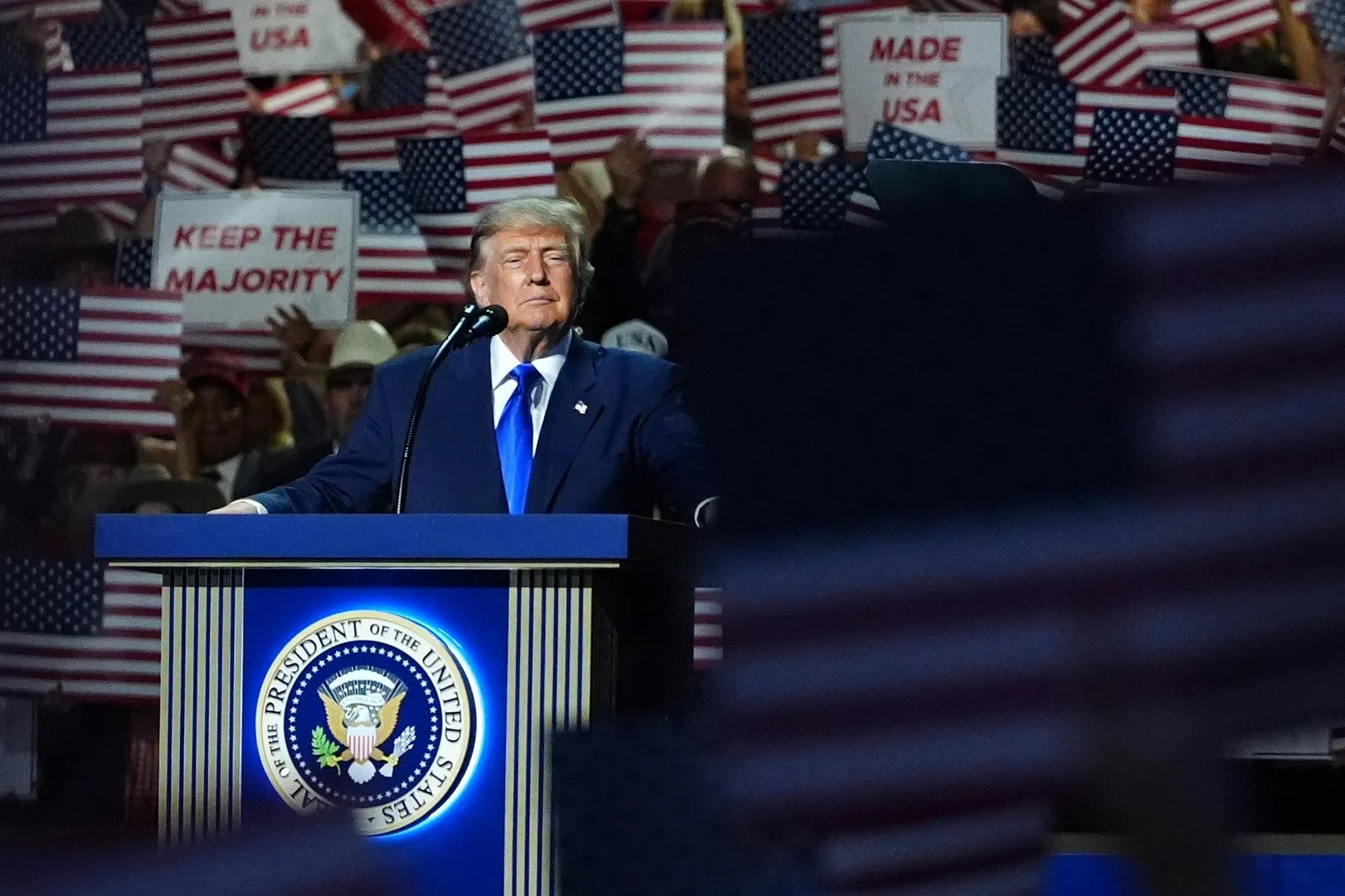
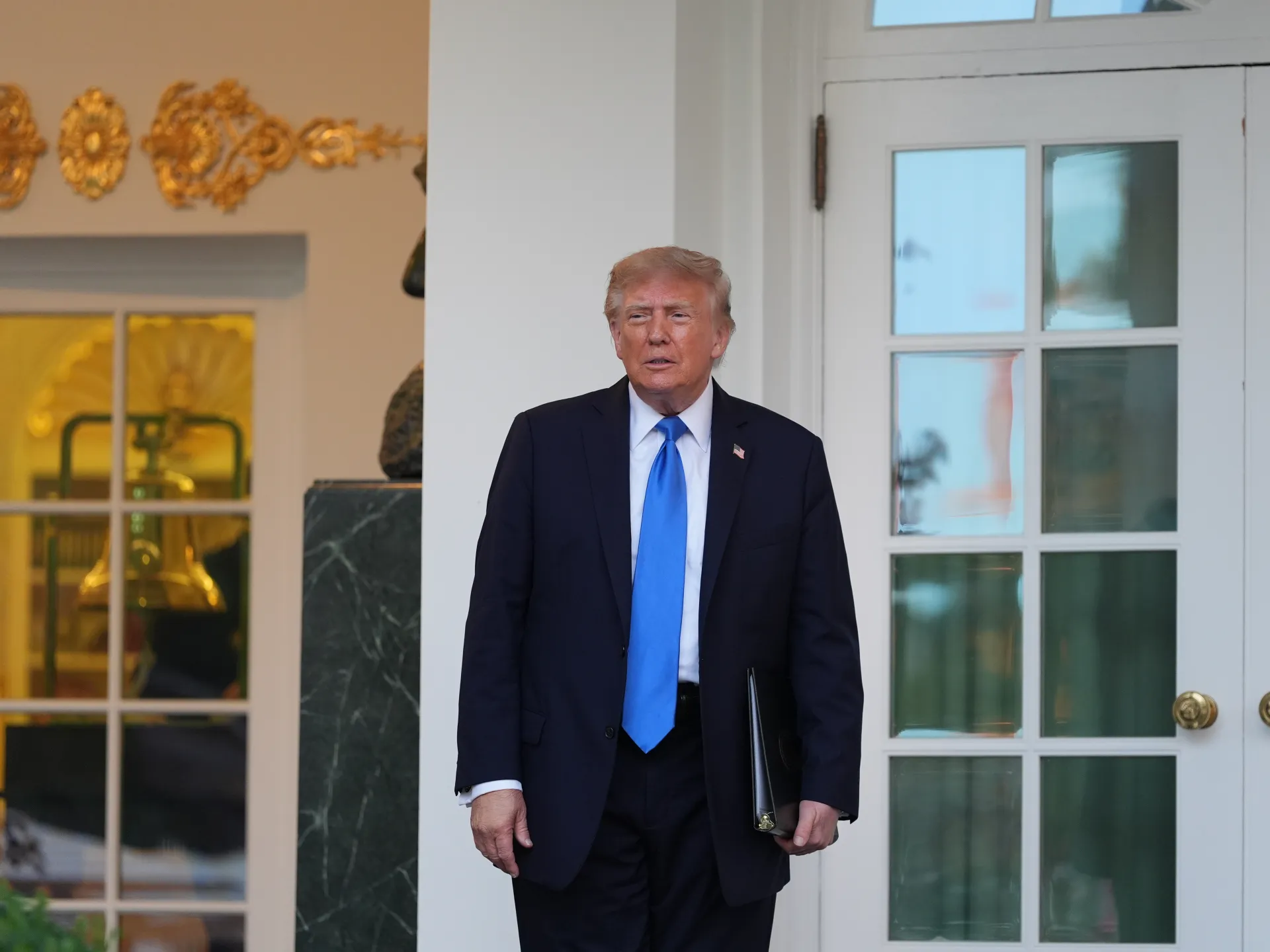
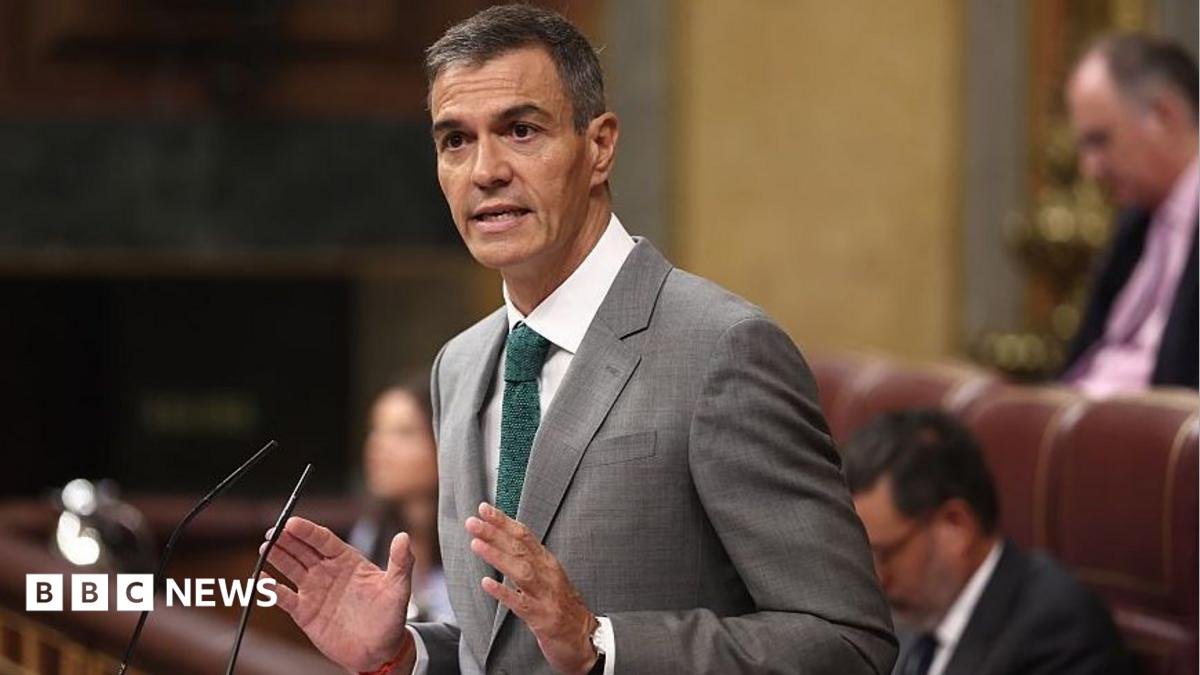
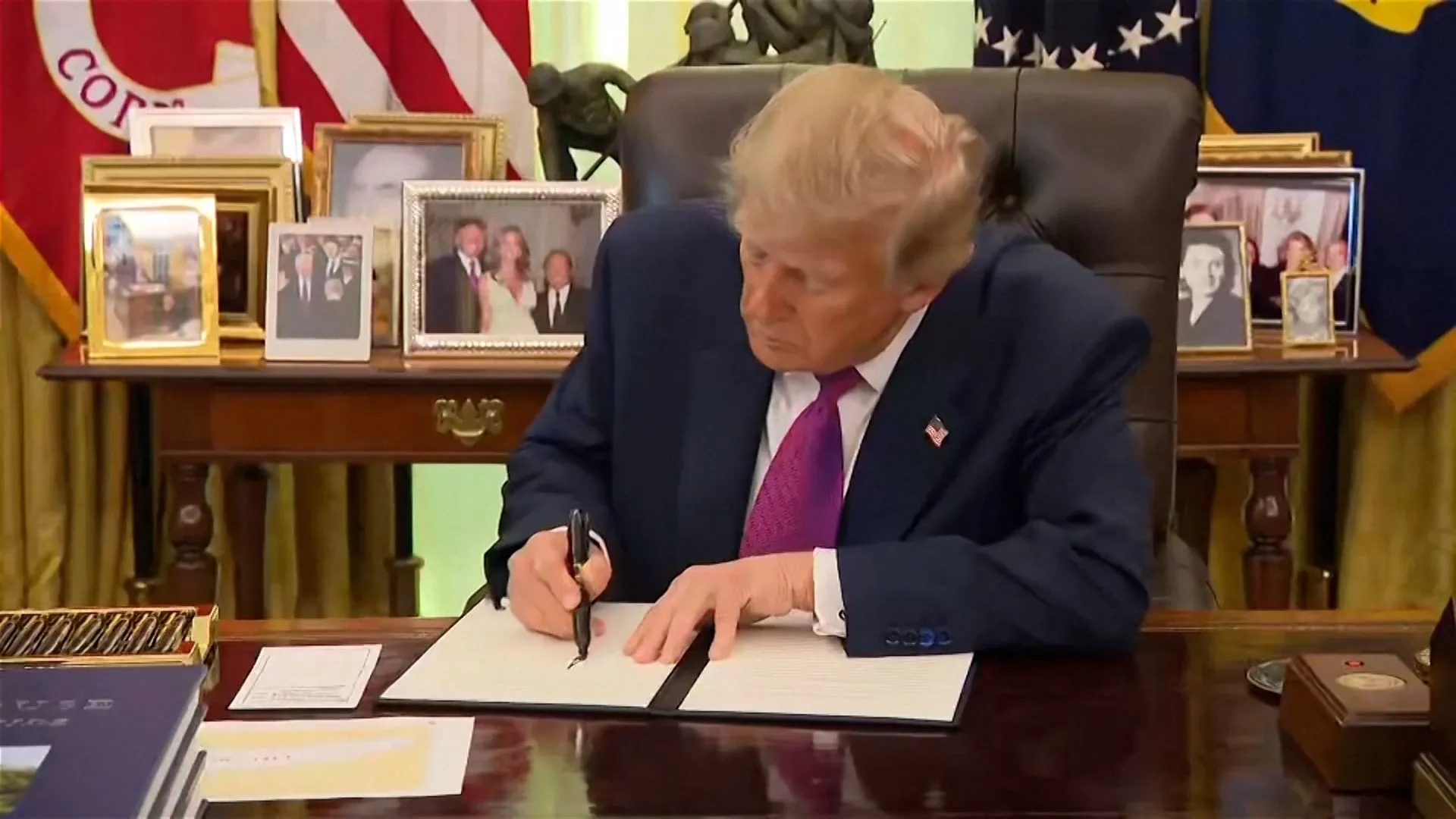
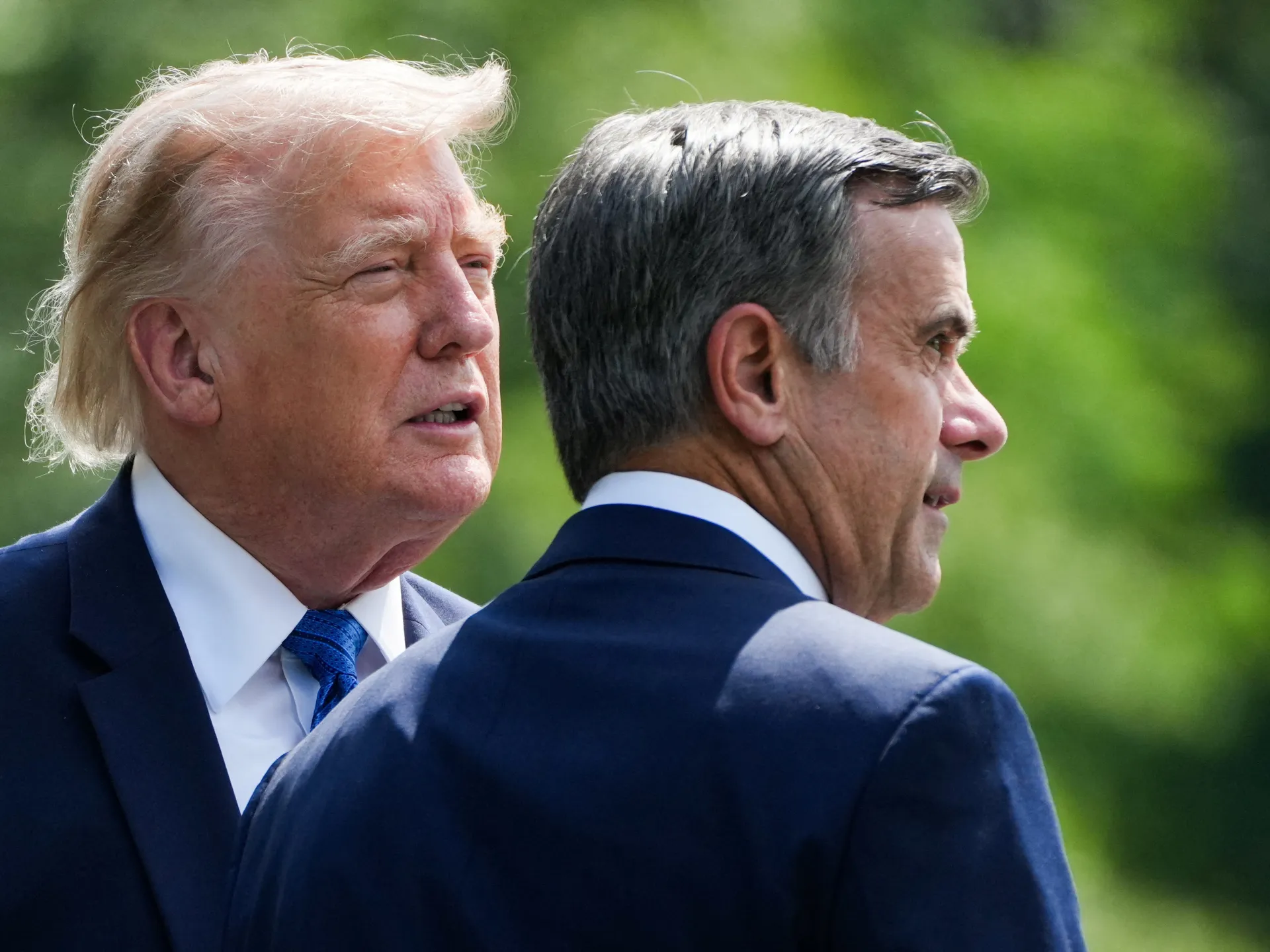
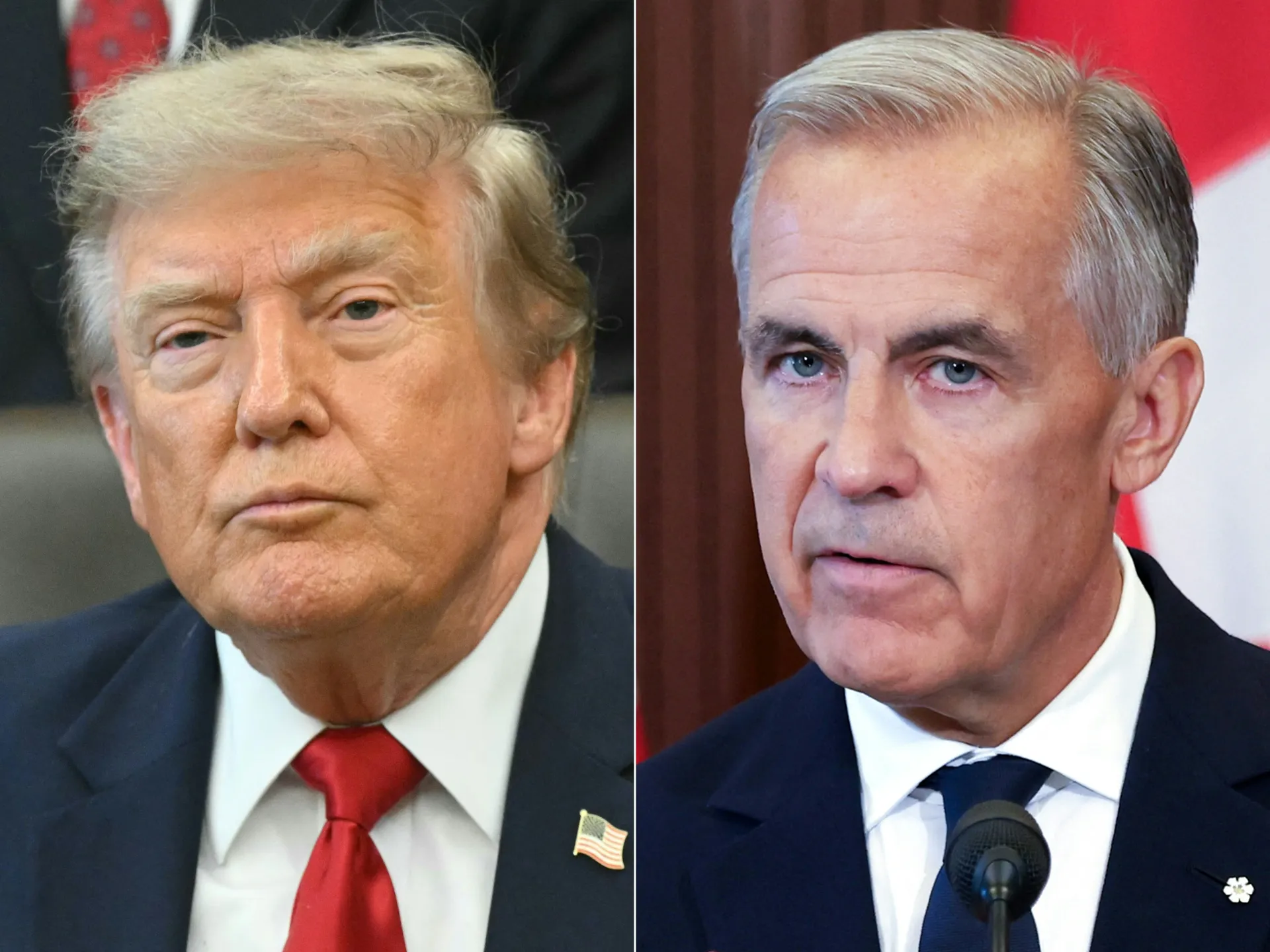
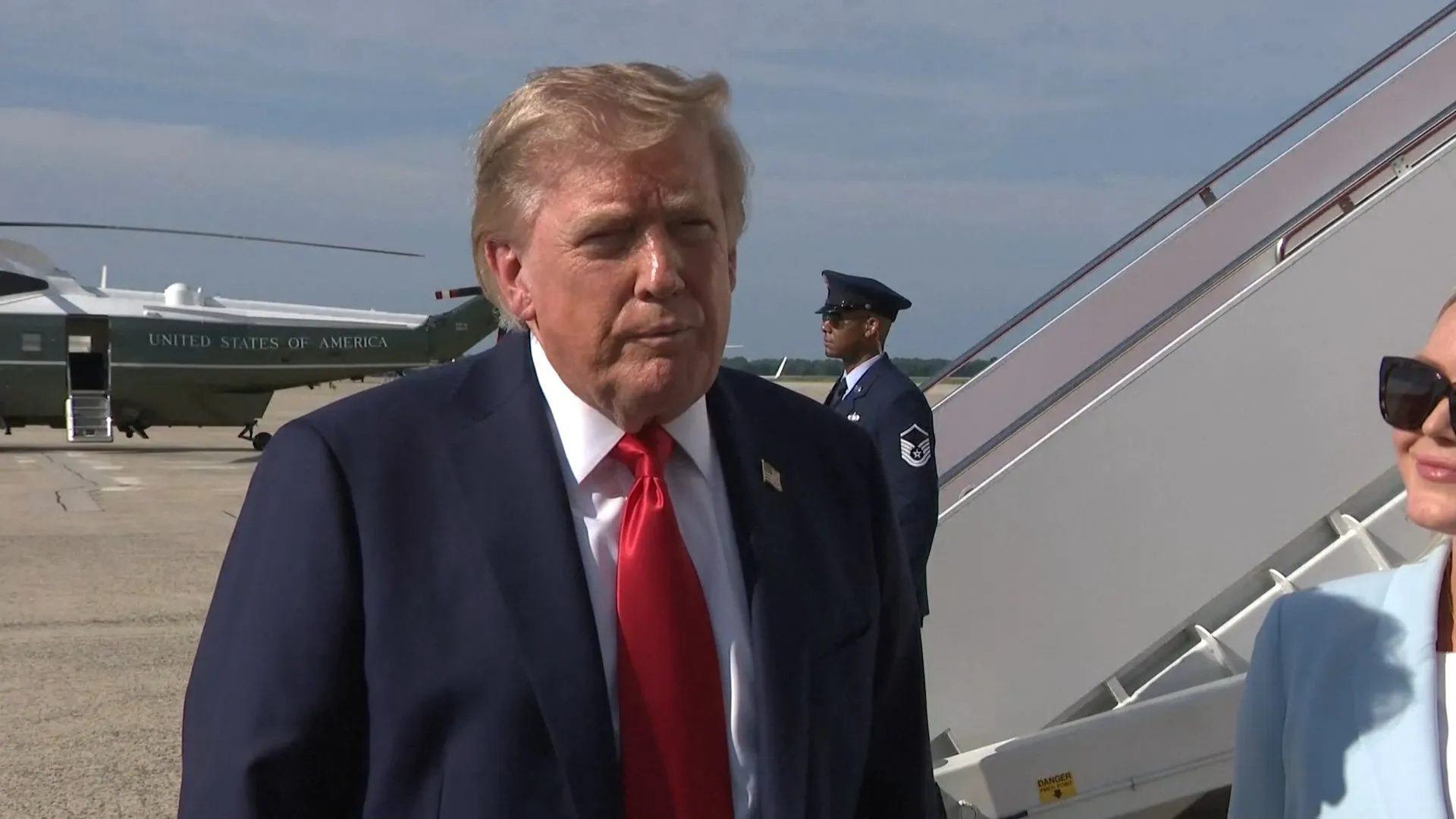
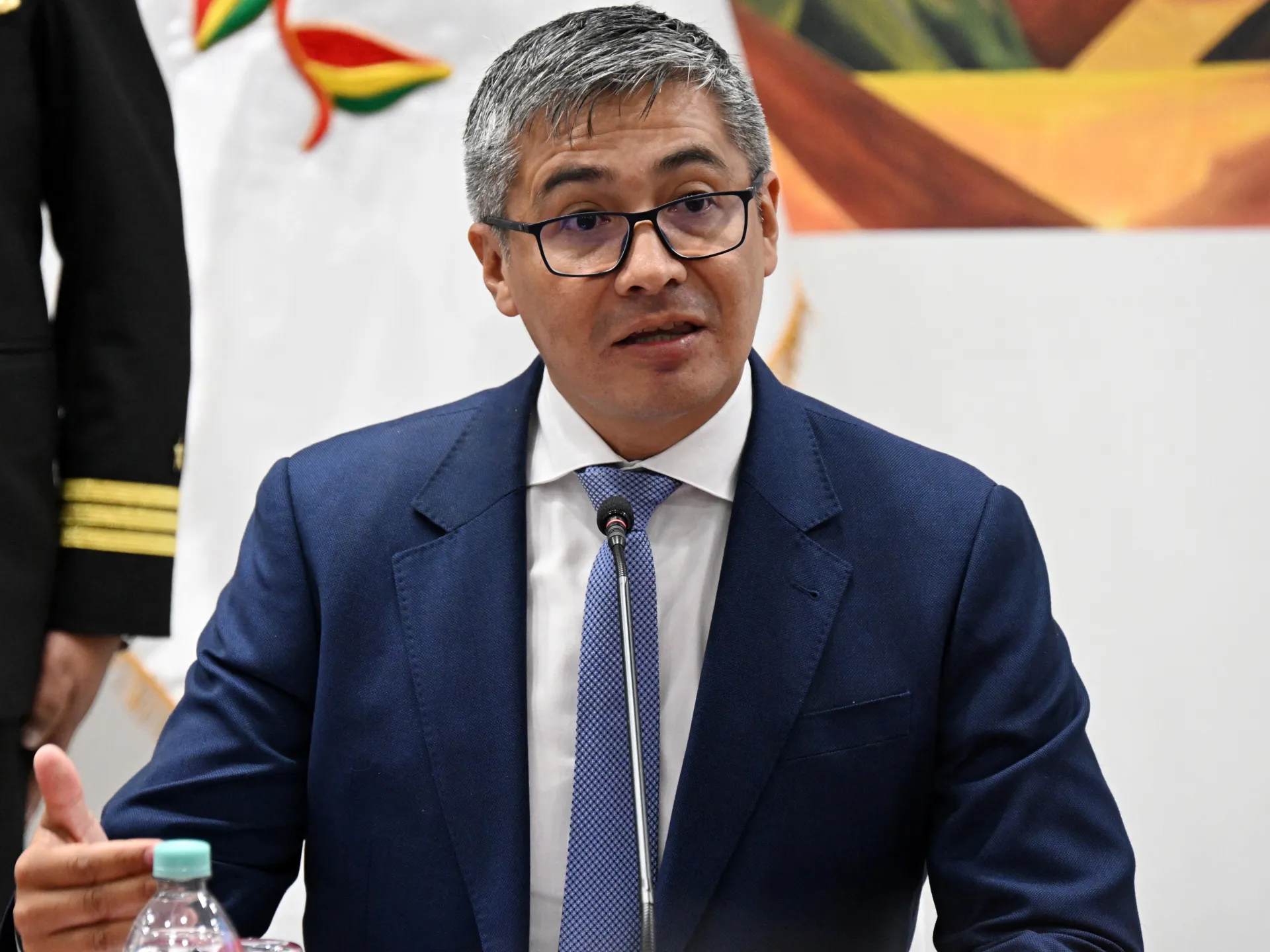
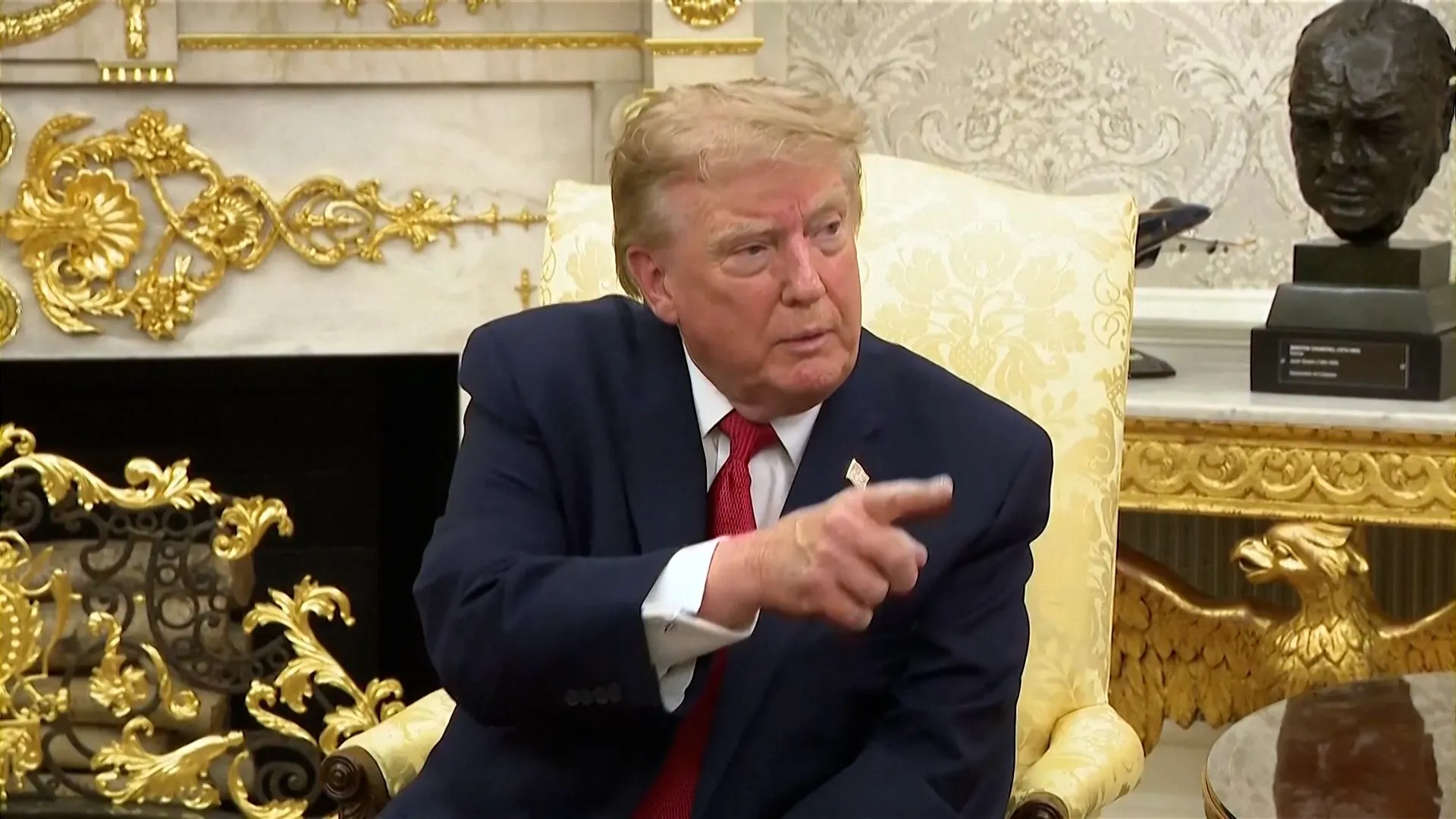
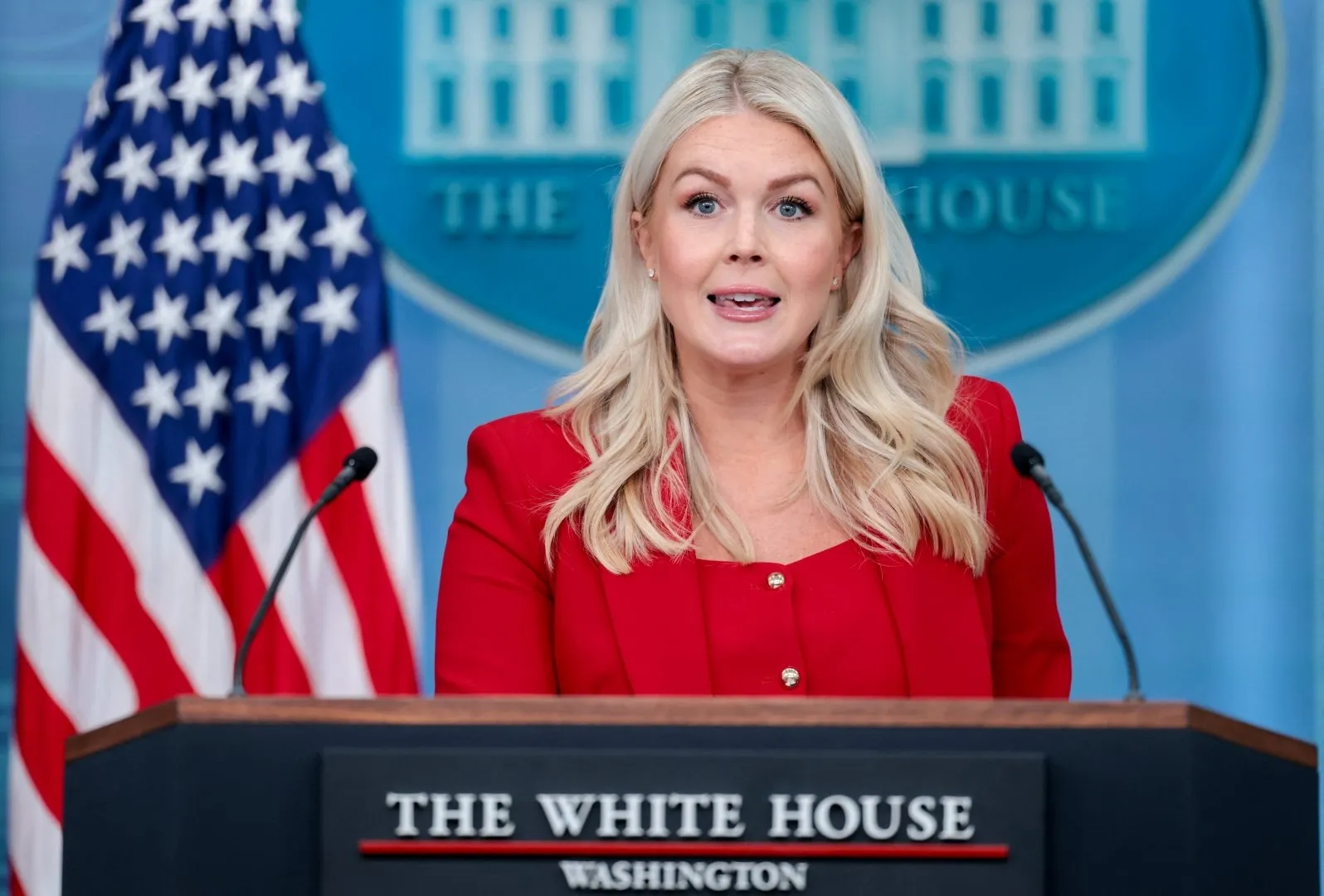
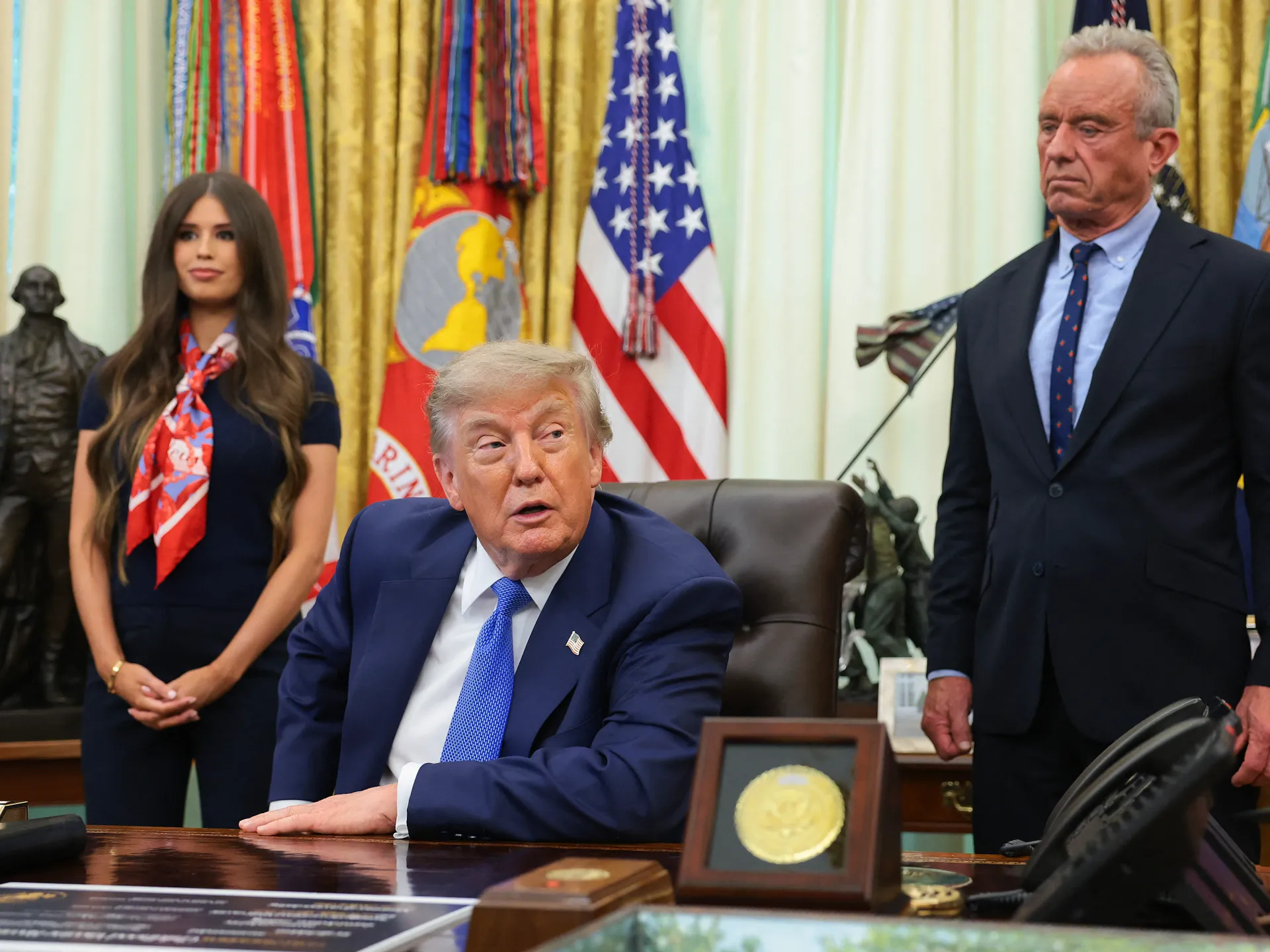
Chair Kevin Warsh defended the Federal Reserve's recent pivot as a sober, necessary step to combat persistent inflation that has exceeded the bank's 2% target for over half a decade. The decision to raise rates, despite pressure from President Donald Trump to implement cuts, underscores a technical focus on stabilizing the economy despite potential risks to short-term growth. Experts note that while the Fed lacks direct control over the underlying causes of price spikes—such as fuel costs stemming from regional conflicts—the intention is to suppress the spread of inflationary trends across broader service and goods sectors. The Fed’s strategy assumes that the current strength in the labor market provides a buffer against the dampening effects that higher borrowing costs typically exert on business investment and residential mortgage affordability.
Moving forward, the Federal Reserve will likely keep interest rates elevated until clear evidence of a downward trend in core inflation emerges. Analysts suggest that the central bank will remain resilient against further political criticism, focusing instead on data-dependent decision-making. In Gaza, the absence of a durable political framework suggests that localized military strikes will continue to occur, further complicating international humanitarian aid efforts and potentially keeping oil prices—and federal fiscal policy and the realities of global conflict likely guarantees that inflation and foreign policy will remain the primary drivers of American voter sentiment as the economic landscape continues to tighten.