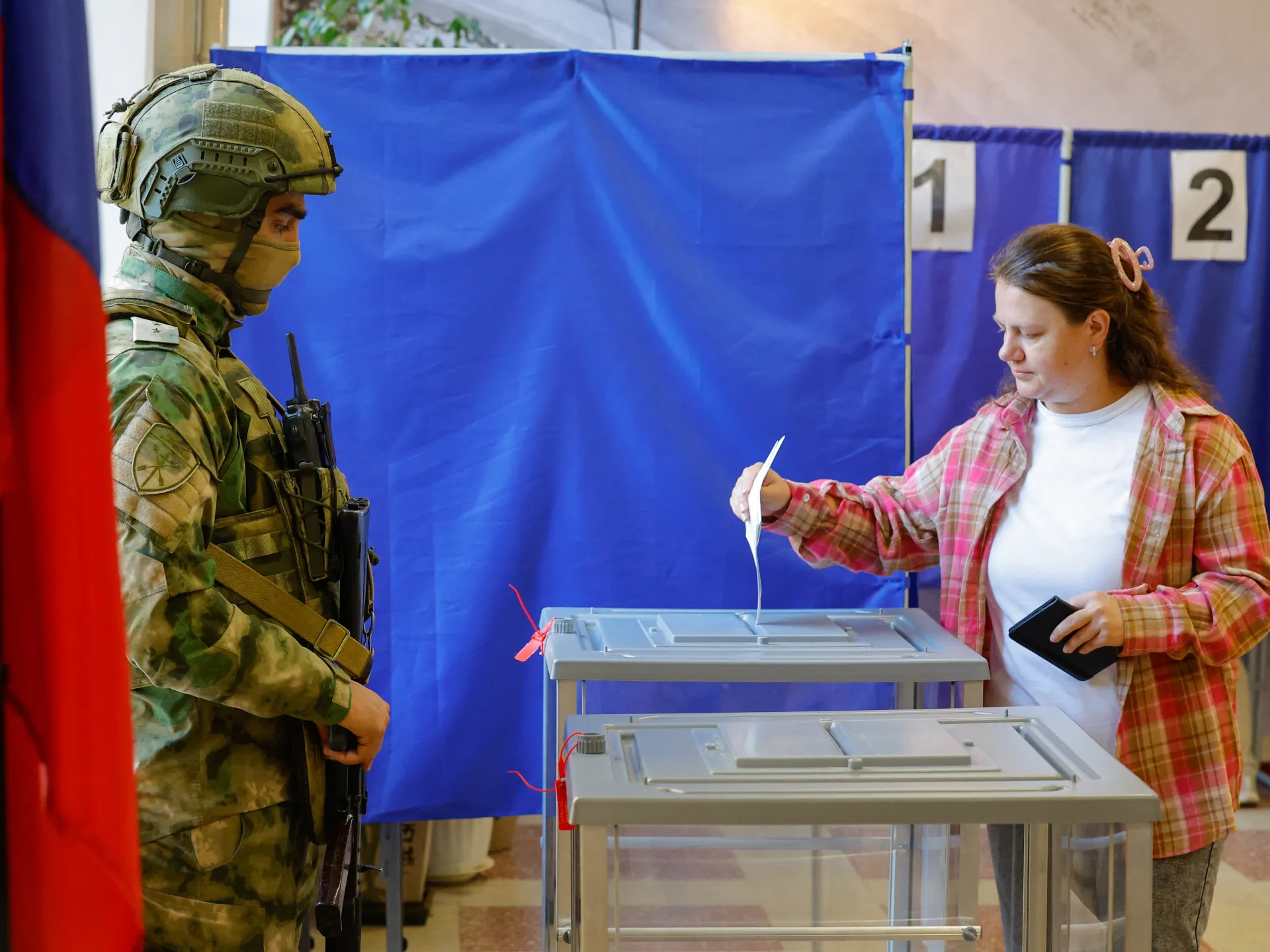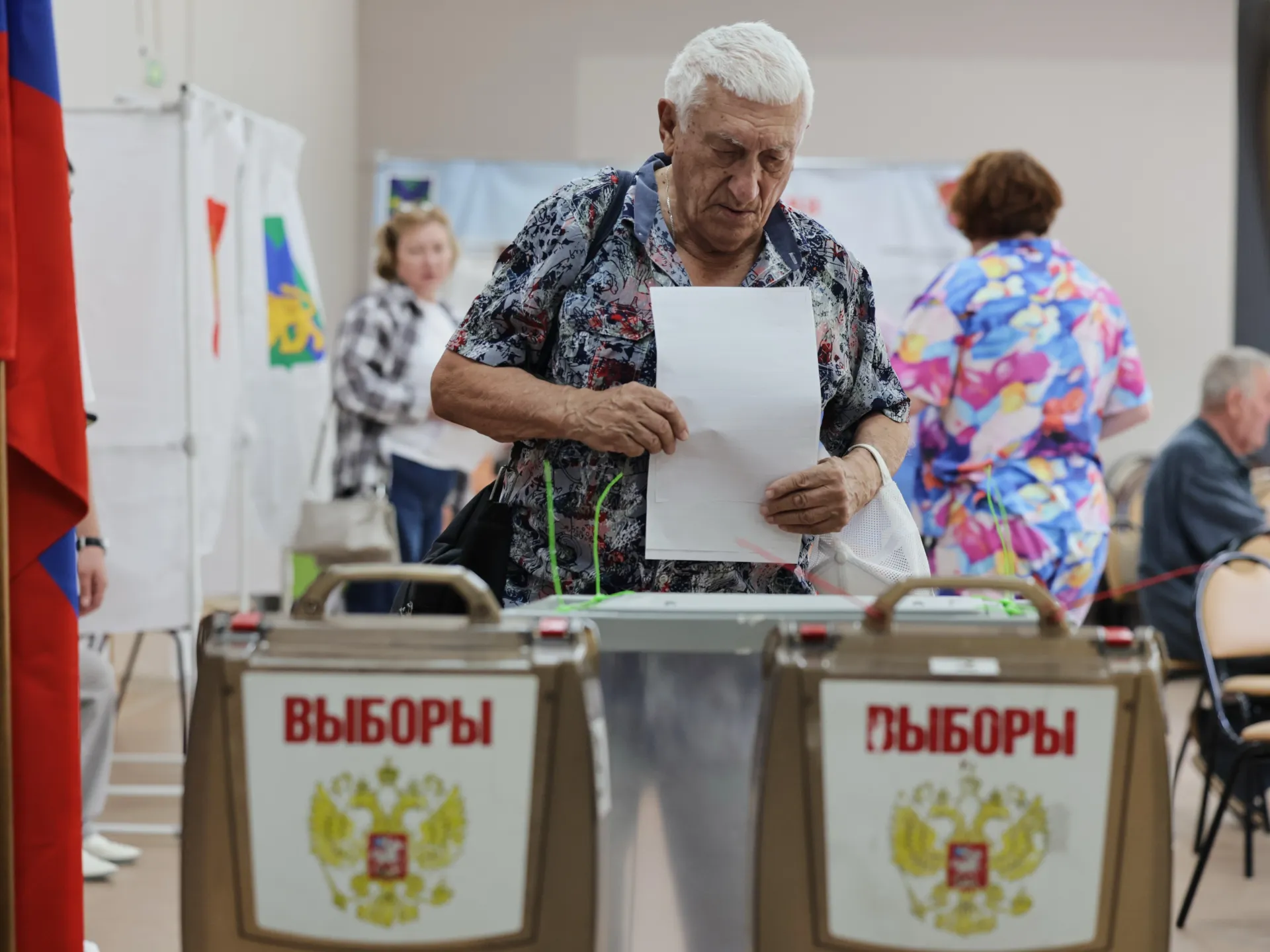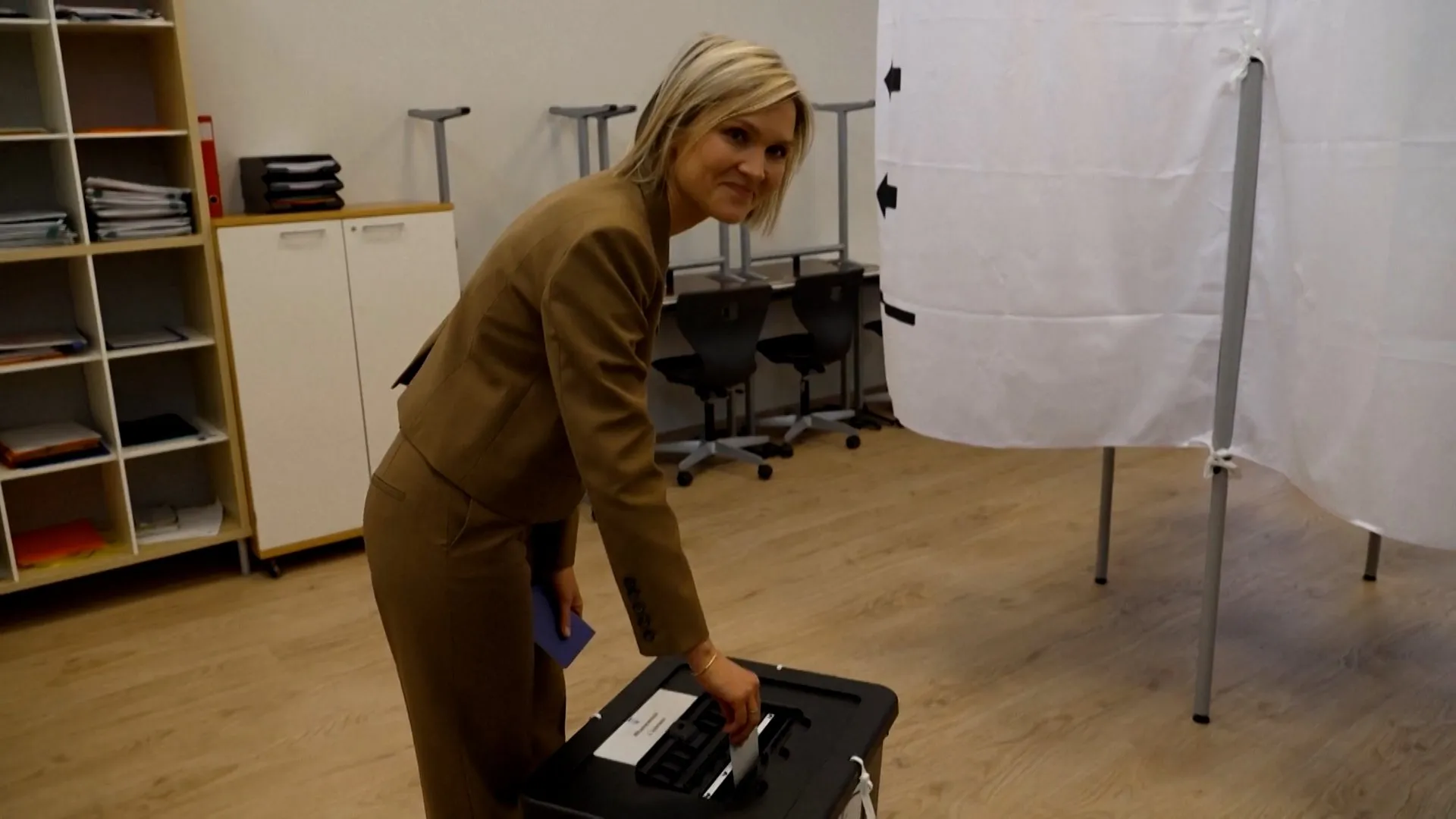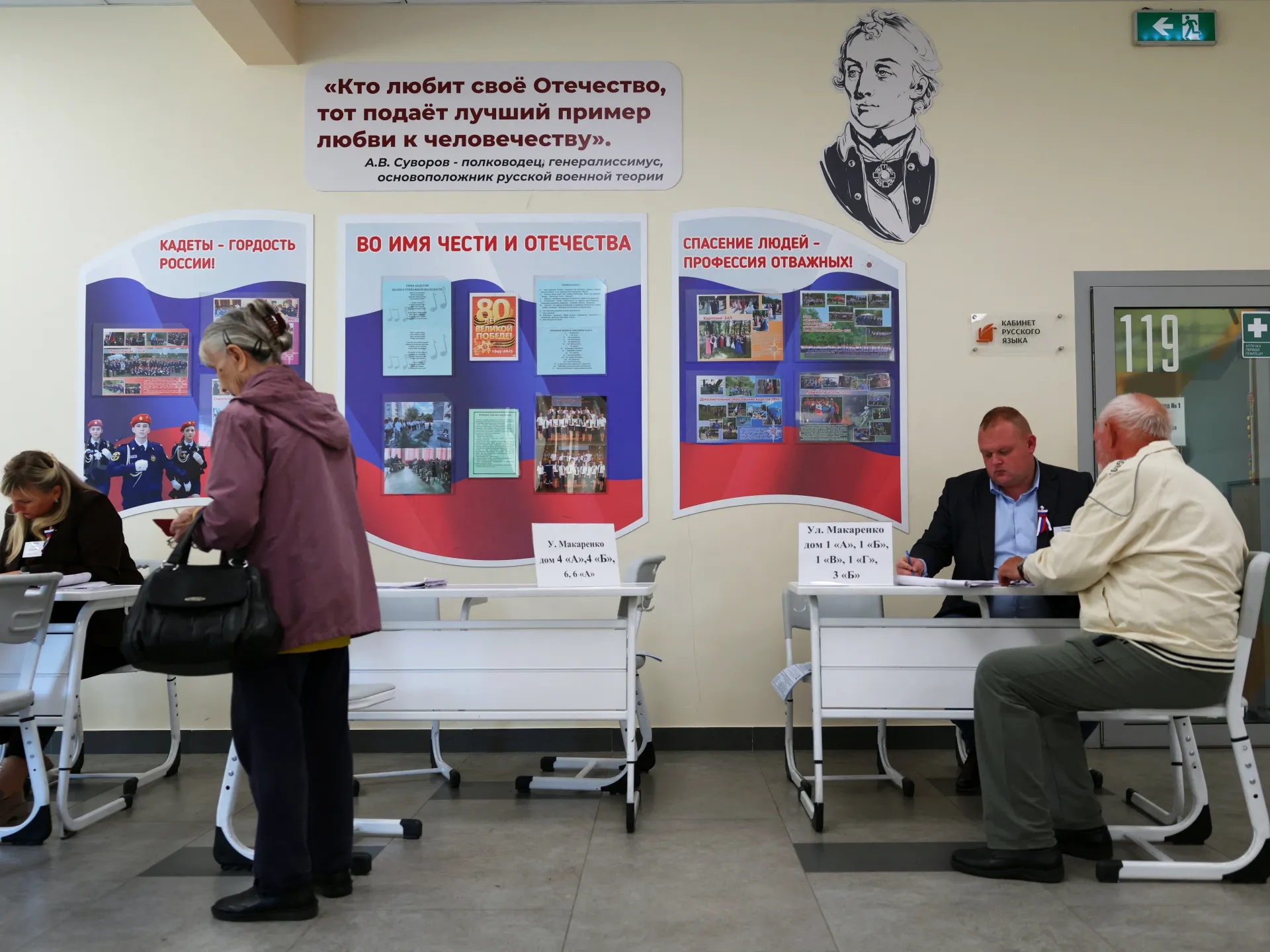
Russia’s recent parliamentary elections underscore a strategy of 'managed democracy,' designed to consolidate state power and validate the ongoing conflict in Ukraine through carefully curated participation.
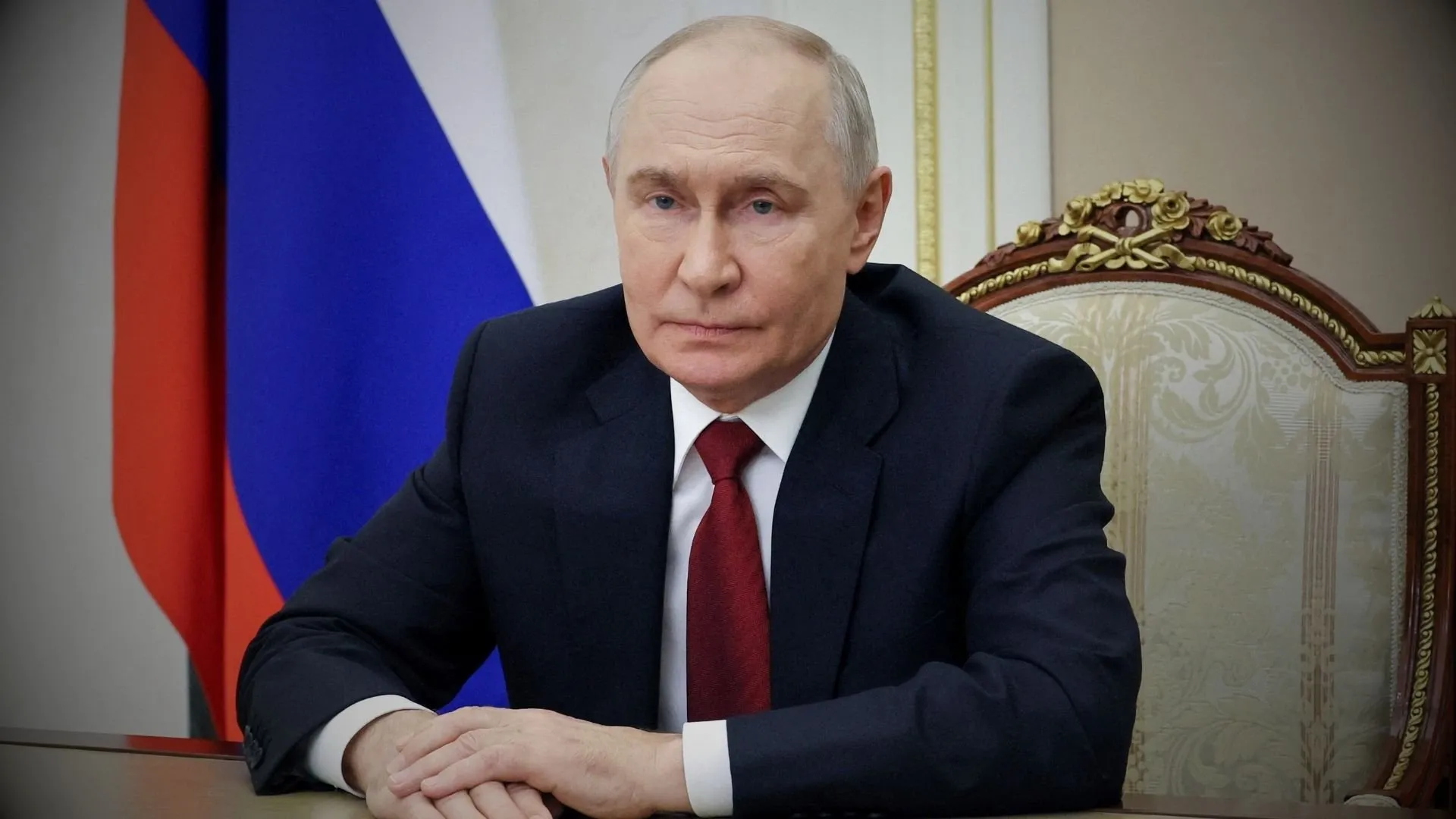
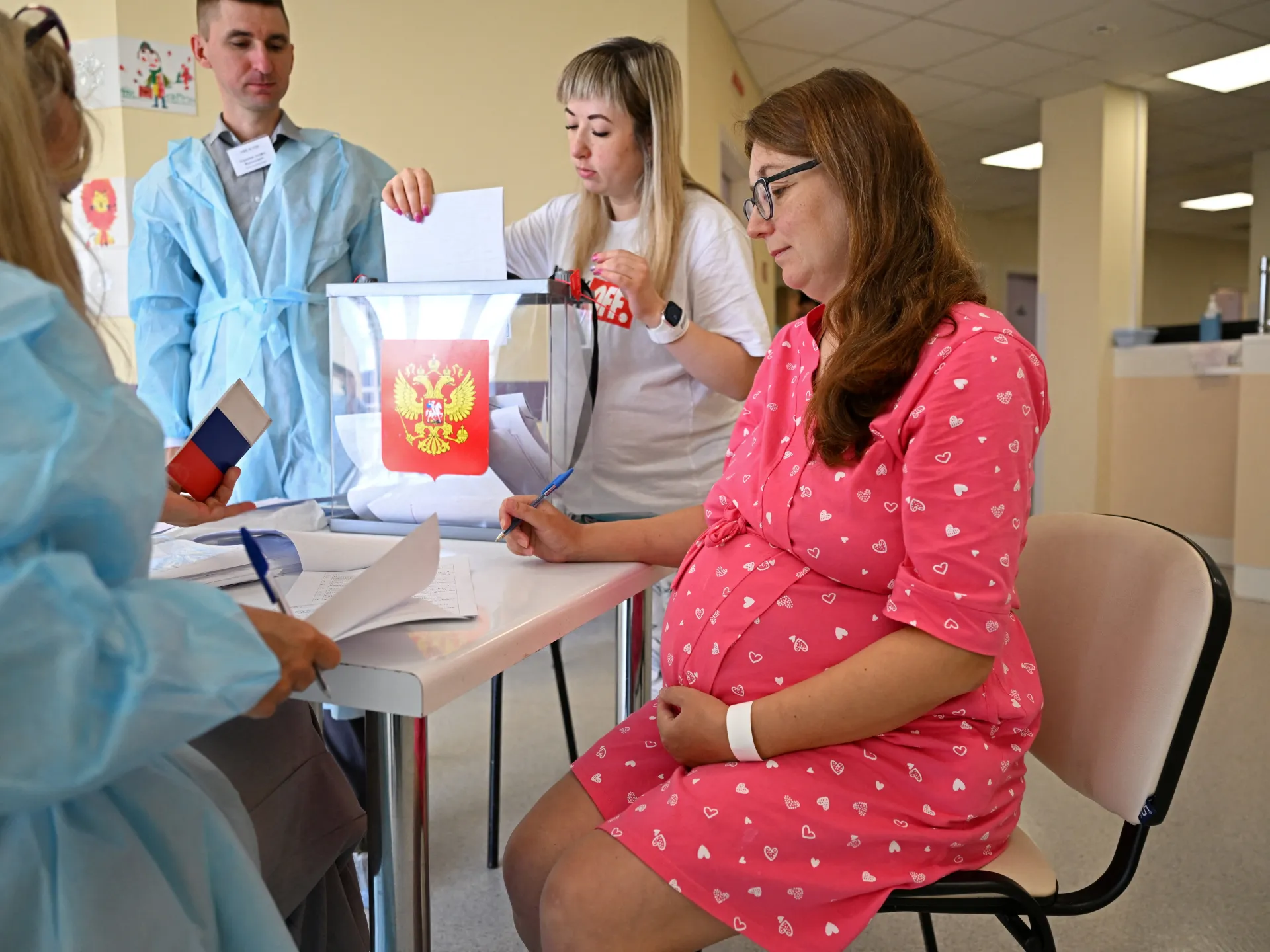
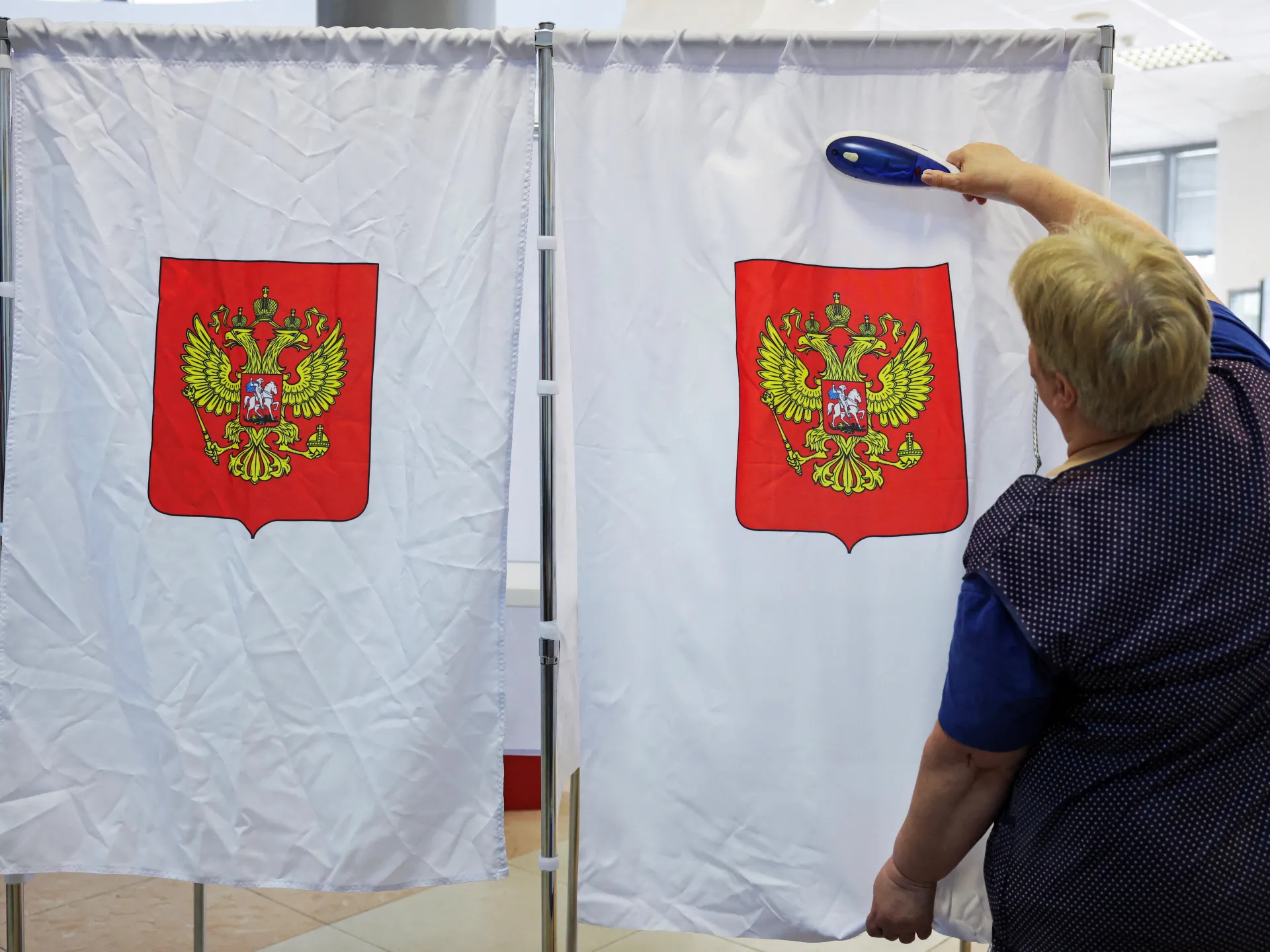
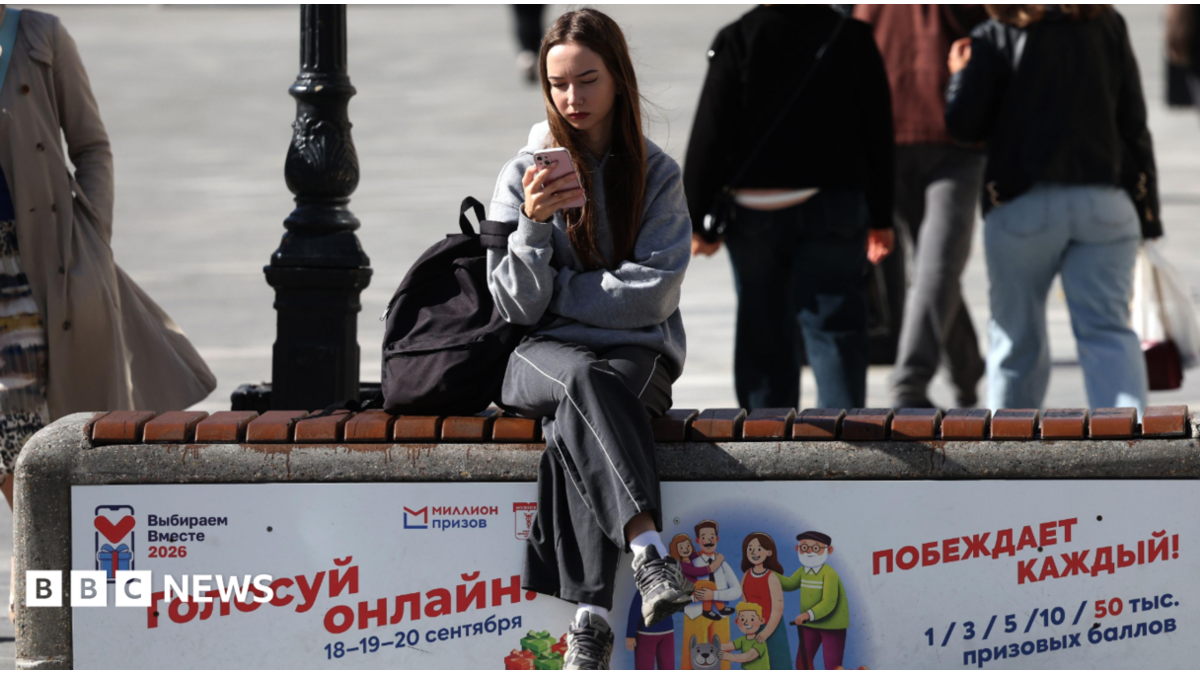
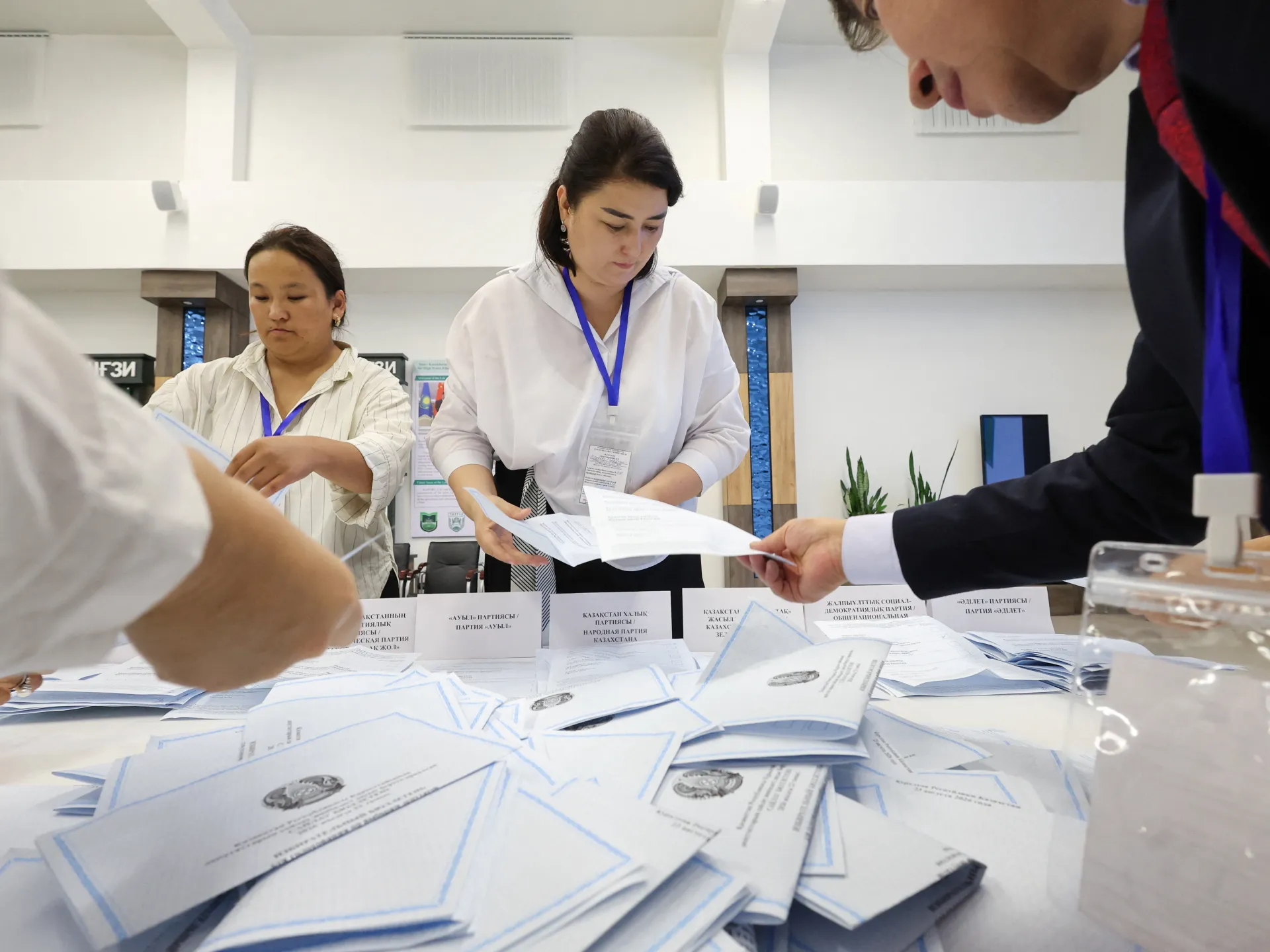
The Russian parliamentary elections serve as a critical mechanism for the Kremlin to consolidate domestic authority while navigating the complexities of a long-term military conflict. Unlike democratic processes aimed at leadership turnover, the Russian model of 'managed democracy' is engineered to prevent political volatility. ely validates its current trajectory, specifically regarding the ongoing war in Ukraine. The process acts as a barometer for internal stability, allowing the regime to integrate war veterans into the political class and demonstrate to the domestic population that the state machinery remains responsive to their basic needs, provided those needs align with the overarching goals of the central government.
The Kremlin’s approach to these elections has been characterized read international characterizations of the process as a predetermined exercise. State officials have invested heavily in creating a sense of momentum, utilizing fiscal levers to ensure public compliance and mitigate potential unrest. Governors in volatile regions were prioritized for subsidies, and the state opted to defer unpopular economic measures—such as hikes in utility tariffs—until after the voting period concluded. This strategy is designed to ensure that the electoral process does not become a conduit for expressing economic frustration, but rather a demonstration of centralized control.
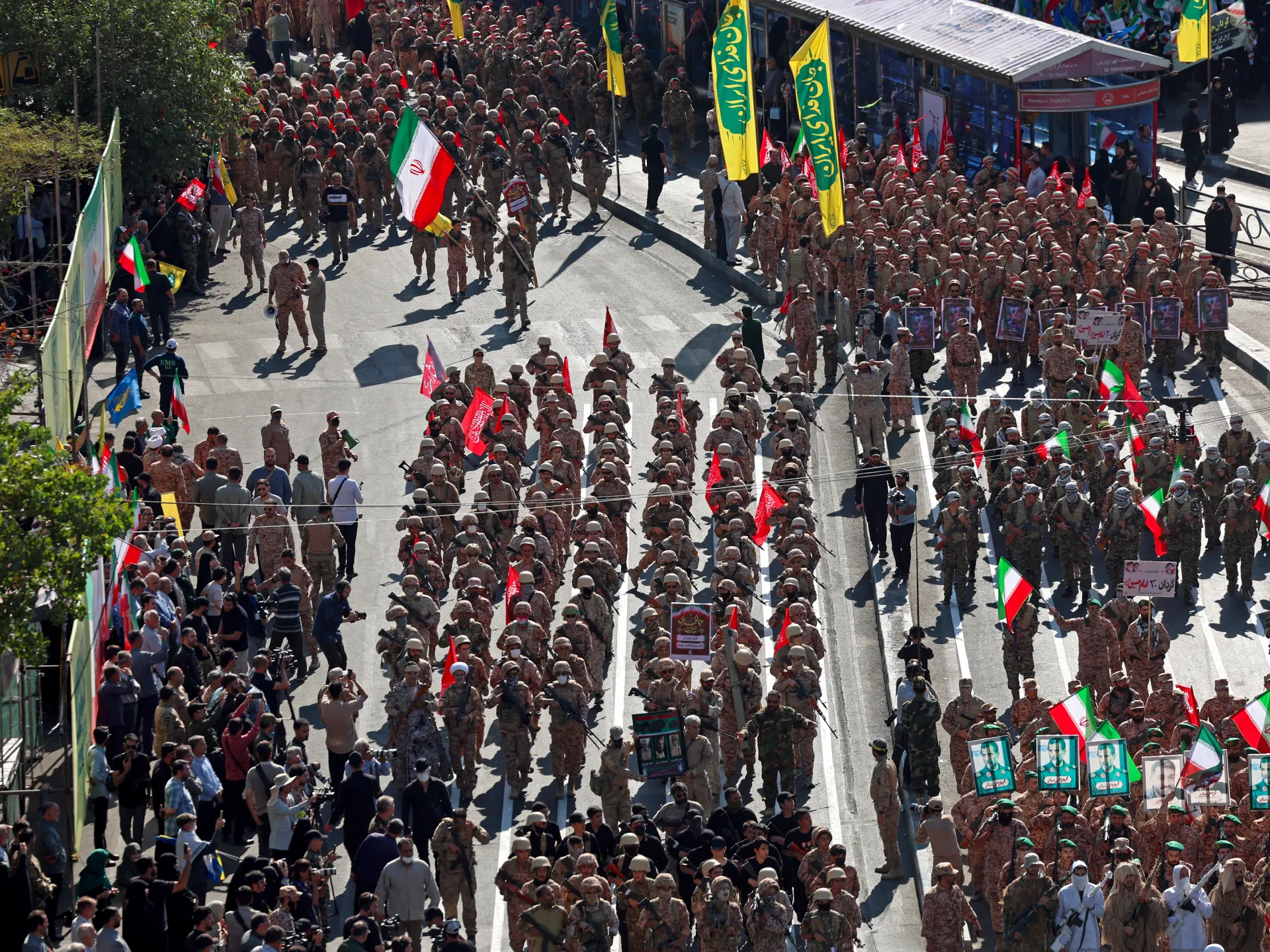
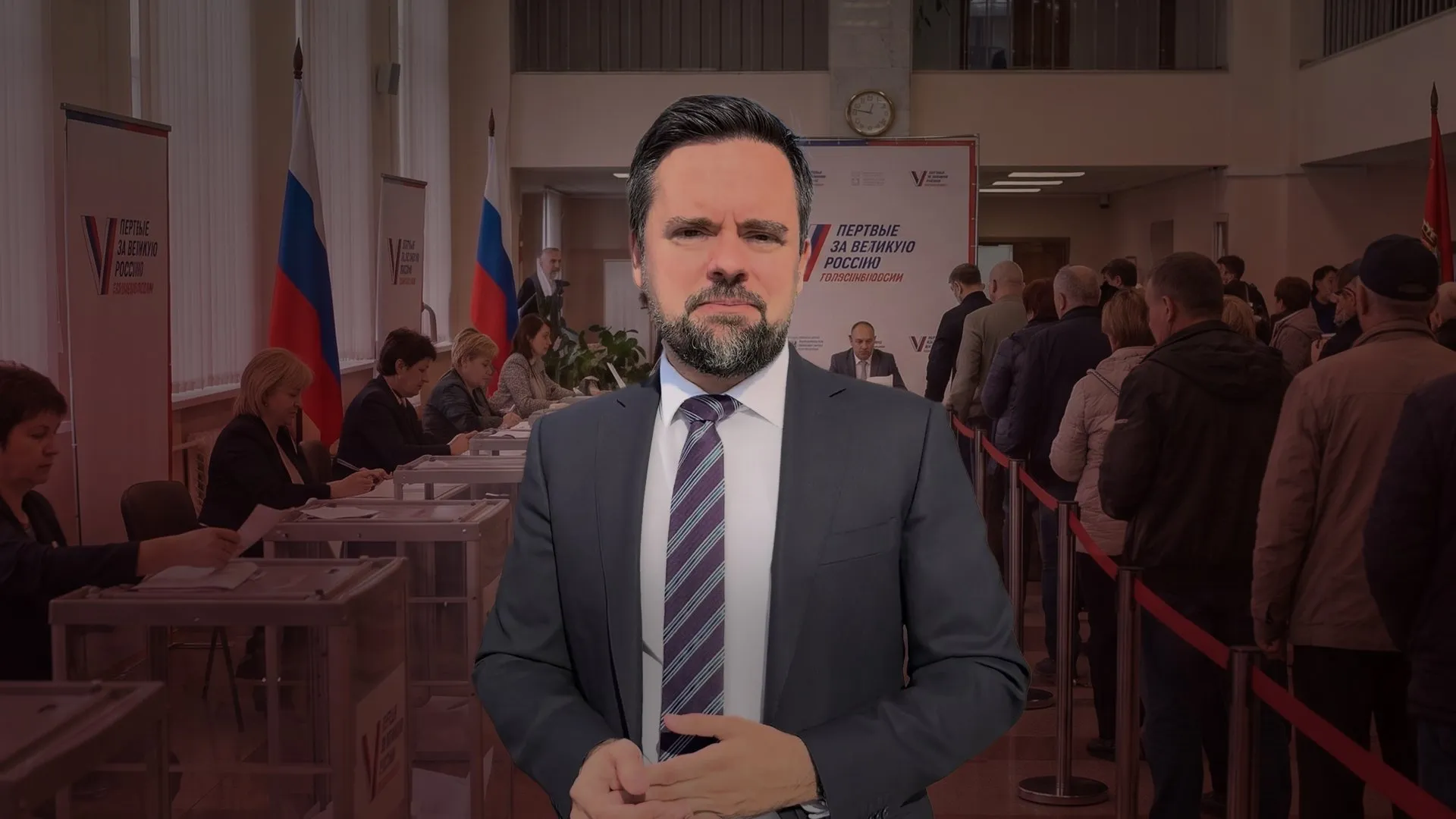
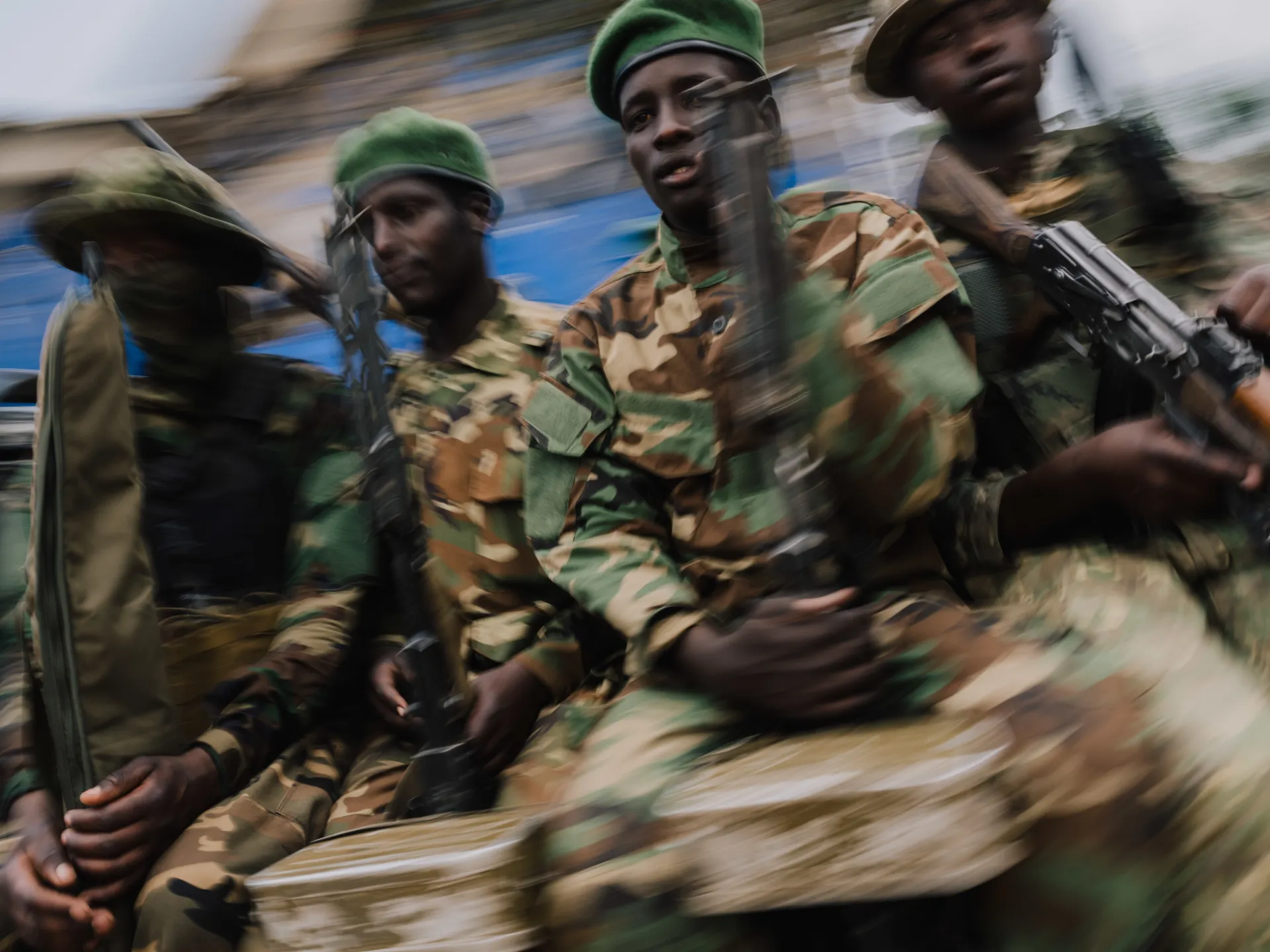
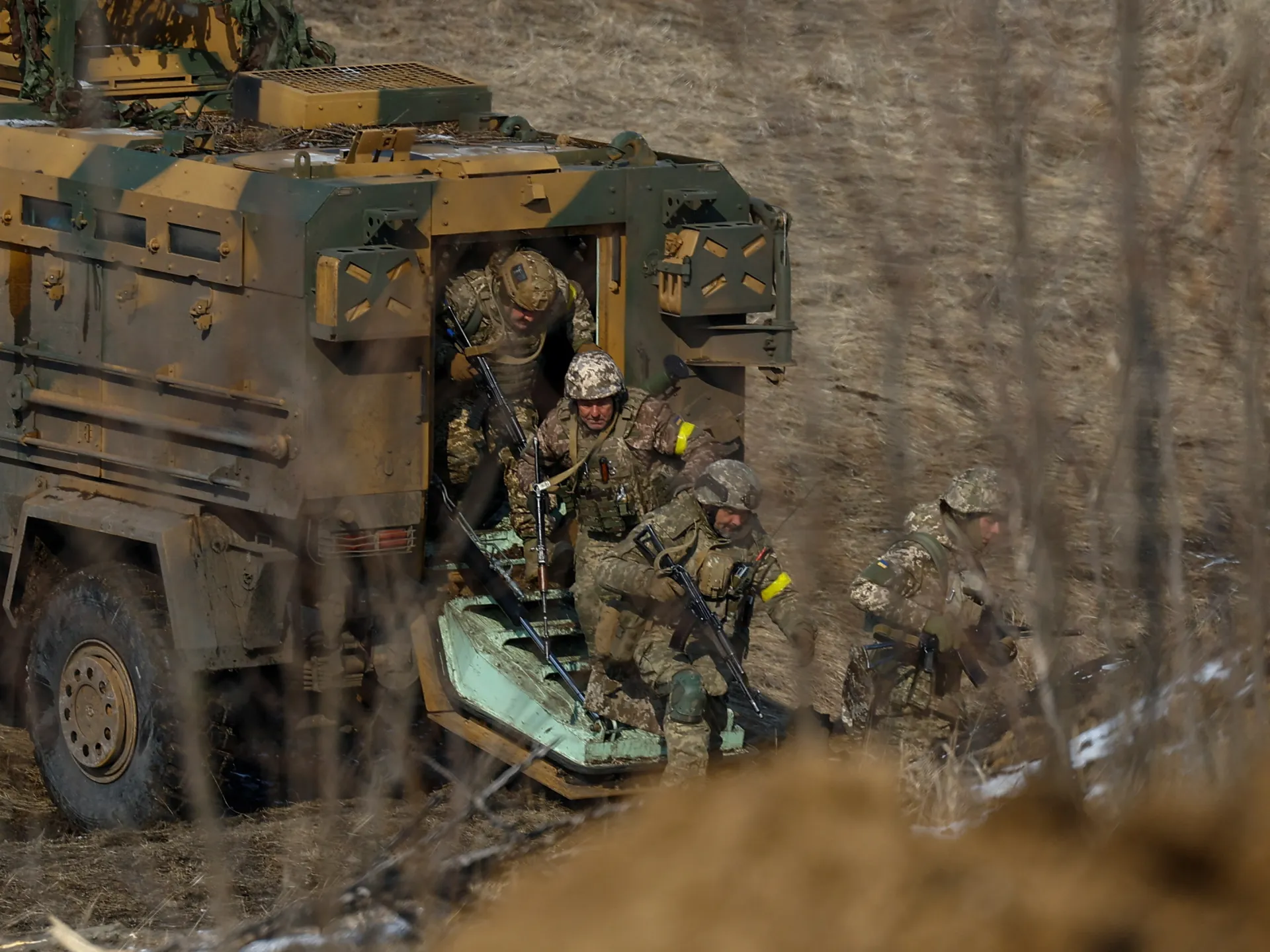
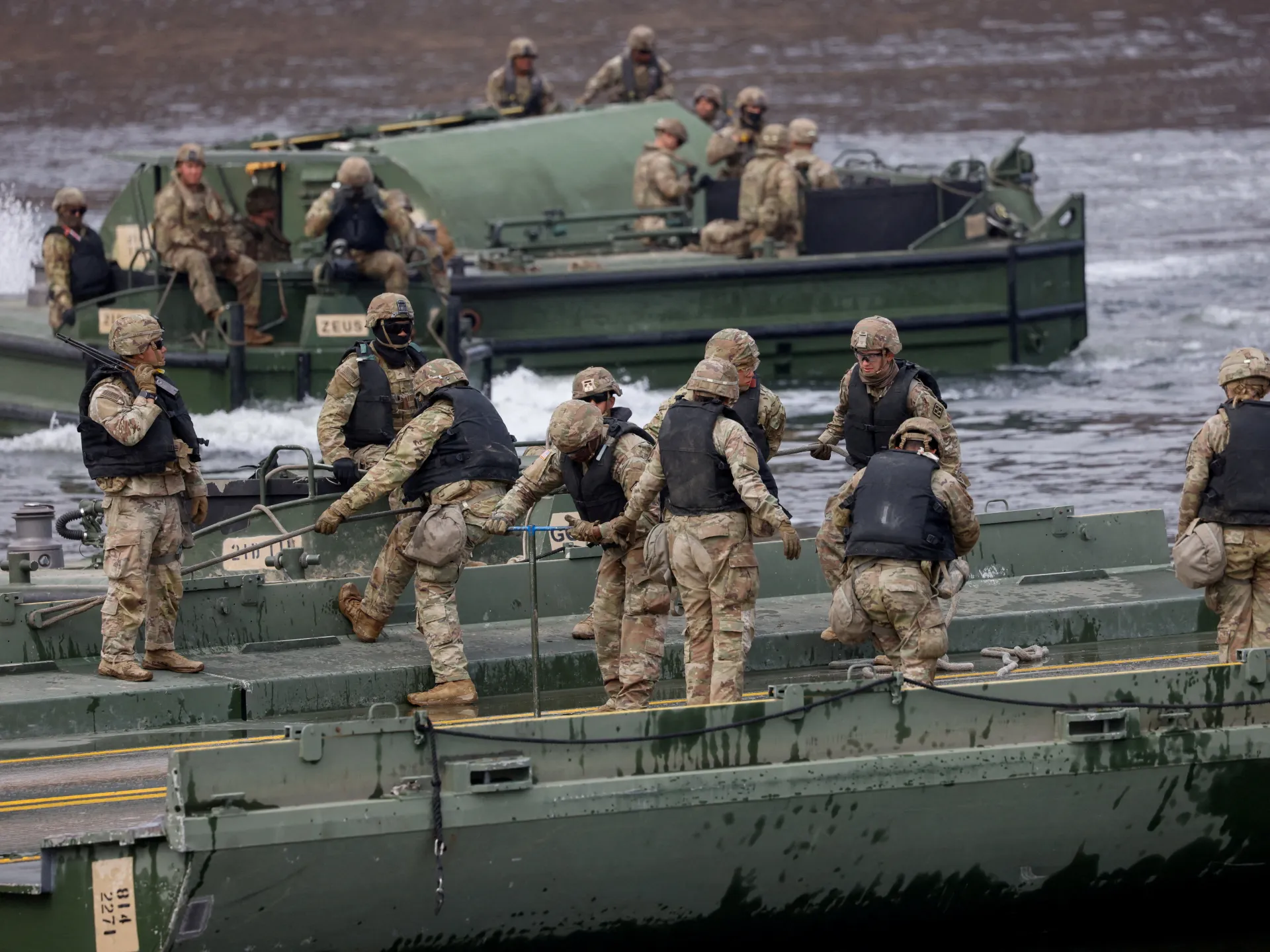
While Western observers frequently dismiss the elections as political theater, the Kremlin views them as a vital utility for internal legitimacy. The inclusion of nearly 200 military veterans as candidates serves a dual purpose: it rewards participants of the 'special military operation' and embeds the conflict directly into the legislative apparatus. This infusion of new personnel is intended to cement the alignment between the Duma and the presidency, ensuring that the legislative body remains a rubber stamp for executive decision-making. The lack of genuine political competition, exemplified overnment, as the goal is not open debate, but the projection of absolute political unity.
The current composition of the Duma reflects a high degree of ideological homogeneity. Communist Party leader Gennady Zyuganov has noted with pride that the previous parliament achieved a 100% agreement rate on laws supporting the war in Ukraine, effectively eliminating dissenting voices within the legislative chamber. This alignment is reinforced through public displays of loyalty, where members of the Duma have been documented chanting slogans such as 'Russia, Putin, Victory!' during parliamentary sessions. This environment ensures that there are no surprises for the Kremlin, maintaining a predictable political landscape that protects the administration from internal shocks.
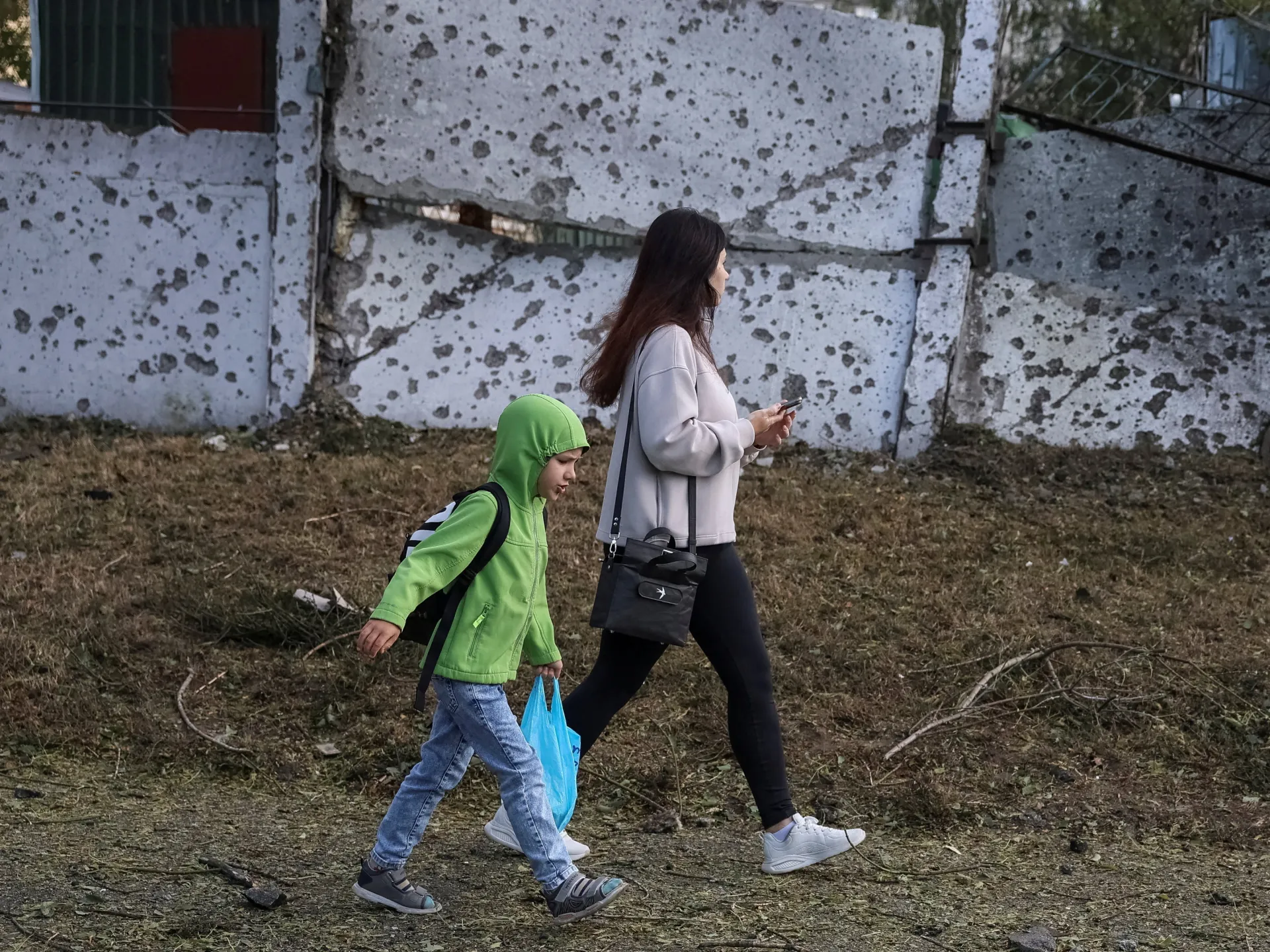
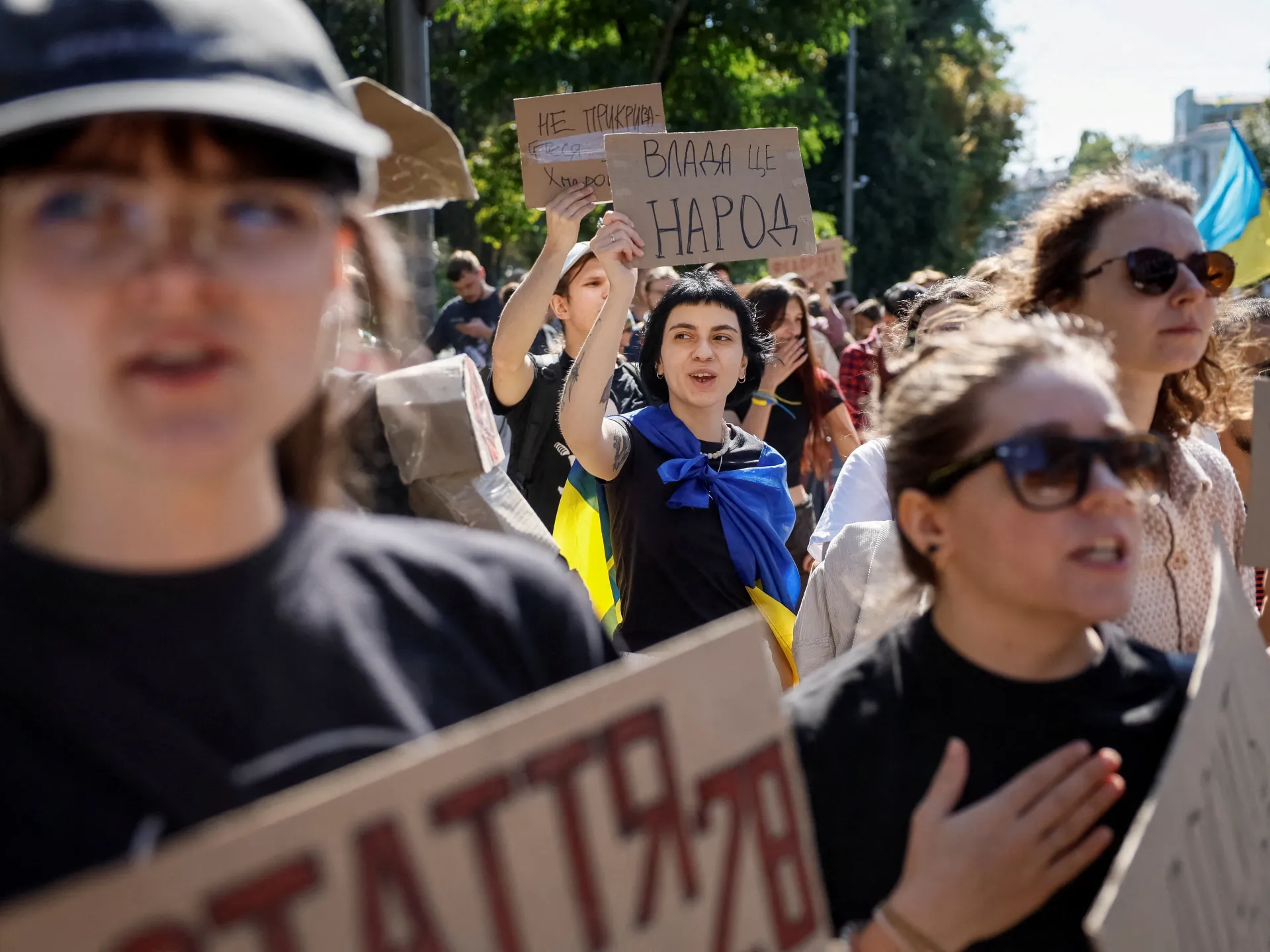
Critics, both domestic and international, maintain that the vote is neither free nor fair, yet the Kremlin has remained dismissive of these assessments. Spokesman Dmitry Peskov has framed the process as inherently Russian, arguing that the system is tailored to the nation's unique political requirements. ial contest due to martial law, the Russian leadership seeks to contrast its perceived stability against the political volatility of its neighbor, using the electoral cycle to project strength despite the ongoing international sanctions and military commitments.
Looking ahead, the confirmation of a Duma dominated ar mandate for its ongoing policies. Analysts suggest that the results will be interpreted egislative body fully aligned with executive objectives, the government will likely move forward with the economic adjustments that were previously delayed, such as the utility tariff increases. Furthermore, the successful integration of war veterans into the political sphere indicates a long-term strategy of militarizing the civil service and legislative bodies, which will likely constrain any future possibilities for political liberalization or diplomatic shifts regarding the conflict with the West.