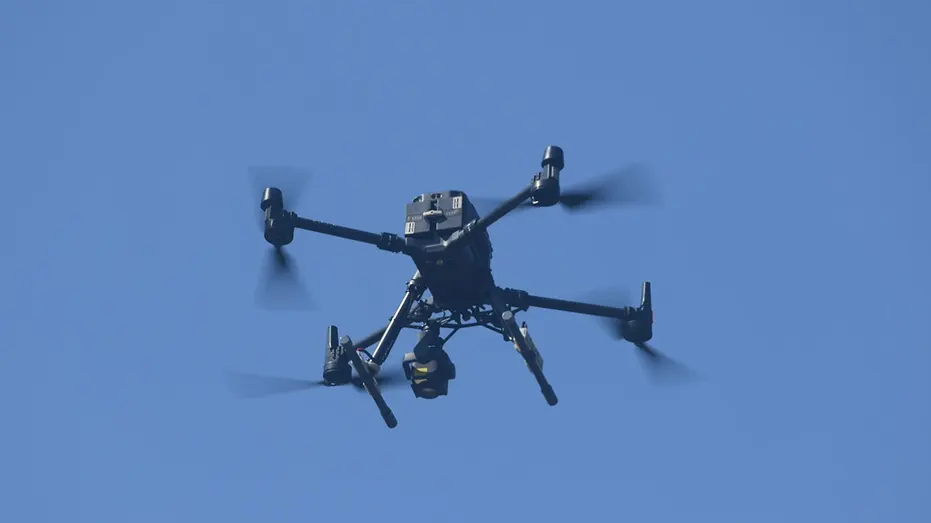
A drone strike on Saudi Arabia's primary East-West pipeline has forced a suspension of operations, threatening to further disrupt global oil markets already struggling with regional conflict.
The recent drone assault on Saudi Arabia’s East-West pipeline, also known as the Petroline, has introduced significant volatility into an already strained global energy landscape. Spanning 1,200 kilometers across the Arabian Peninsula, this critical piece of infrastructure serves as a vital artery for the kingdom, connecting major oil fields in the east to the Red Sea port of Yanbu. st, the pipeline provides a strategic bypass for the Strait of Hormuz, which has seen its functionality severely curtailed since the onset of the US-Israel conflict with Iran earlier this year.
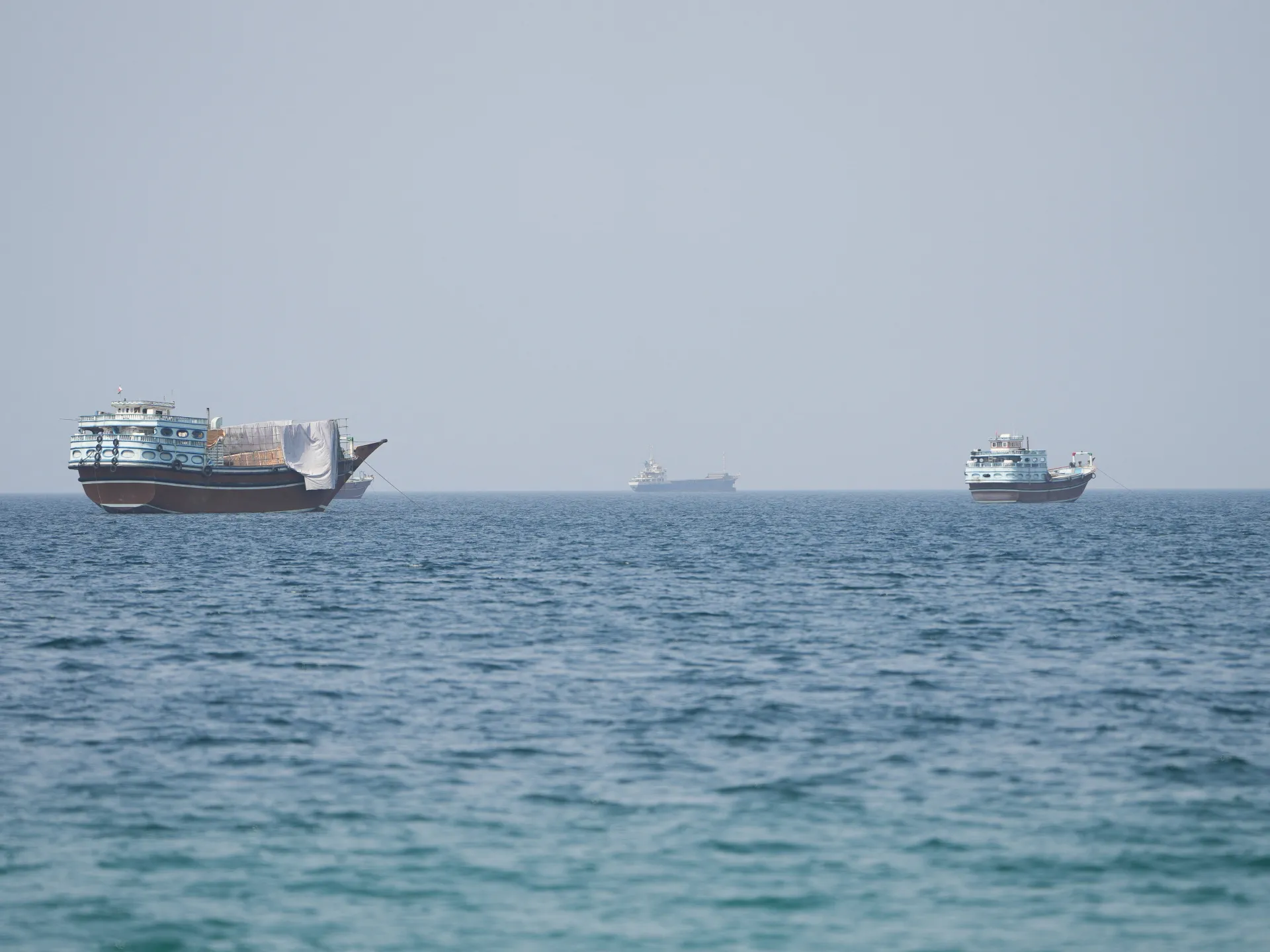
Before the current regional instability, the pipeline was capable of transporting millions of barrels per day, acting as a crucial safeguard for Saudi export capabilities. As maritime traffic through the Strait of Hormuz plummeted from its historical norm of 20 million barrels per day to roughly 6 to 9 million, the reliance on the Petroline became absolute. With the kingdom acting as the world's second-largest oil exporter, the ability to maneuver around traditional chokepoints has been the linchpin of its strategy to maintain stable output despite escalating security threats.
The latest attack, which targeted infrastructure near Riyadh and Medina, has resulted in a precautionary suspension of operations. While Saudi officials have confirmed that the strikes caused both physical damage and personnel injuries, the total extent of the disruption remains a subject of ongoing assessment. Industry reports suggest that repairs could be a lengthy process, with some estimates indicating a timeline of five to six weeks before full operational capacity is restored, though more optimistic projections suggest a potentially faster recovery.
Intelligence regarding the origin of the drones points toward the Maysan province in southeastern Iraq, a region known for the presence of Iran-aligned armed groups. This incident follows a pattern of increasing aggression toward Saudi energy assets, including a previous strike on the Yanbu refinery earlier this year. While that earlier event caused only temporary disruption, the current situation is viewed with greater concern due to the cumulative strain on regional logistics and the heightened frequency of attacks
The closure of the East-West pipeline arrives at a moment when global oil inventories are already at their lowest levels in over three decades. According to the International Energy Agency, the combination of restricted flow through the Strait of Hormuz and repeated threats to Red Sea shipping has left the market with very little room for error. While Saudi Arabia maintains a temporary buffer through existing stock at Yanbu and storage facilities in Egypt, these resources are finite, offering only a few days of sustained export capacity.
Analysts warn that if the pipeline remains offline for an extended period, the market could face severe supply shortages. Current oil prices, which have largely remained within the $70 to $90 range, are under intense pressure. Experts suggest that if global inventories fall to critical levels, oil prices could experience a dramatic spike, with some projections placing Brent crude as high as $150 per barrel. The potential for further attacks on the Yanbu processing facility further complicates this outlook, as any damage to refining capacity would exacerbate existing tightness in global supply chains.