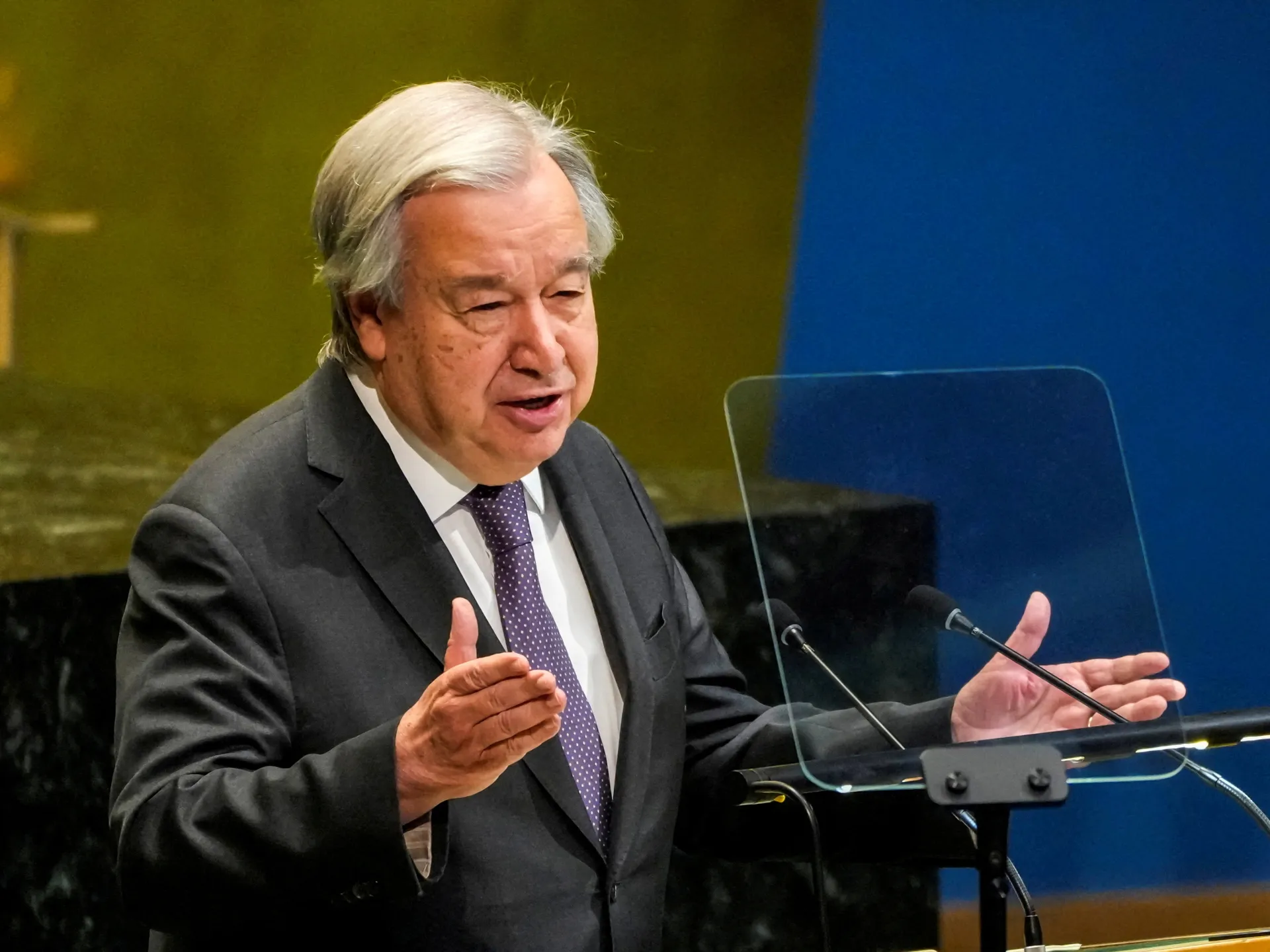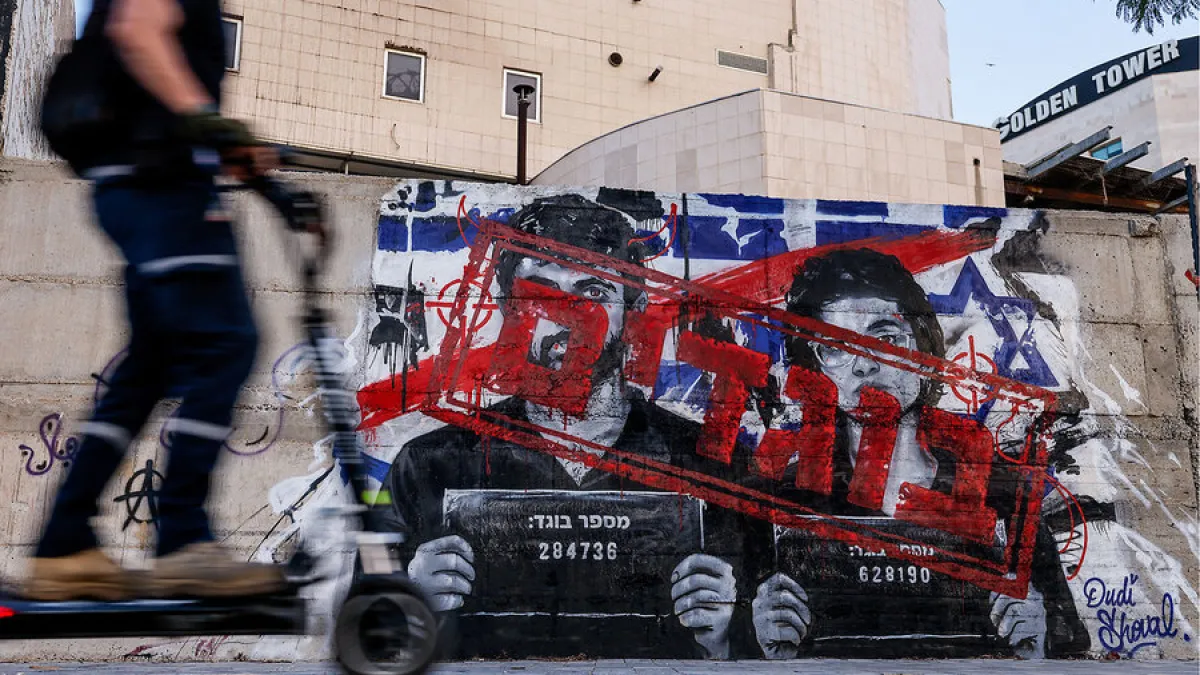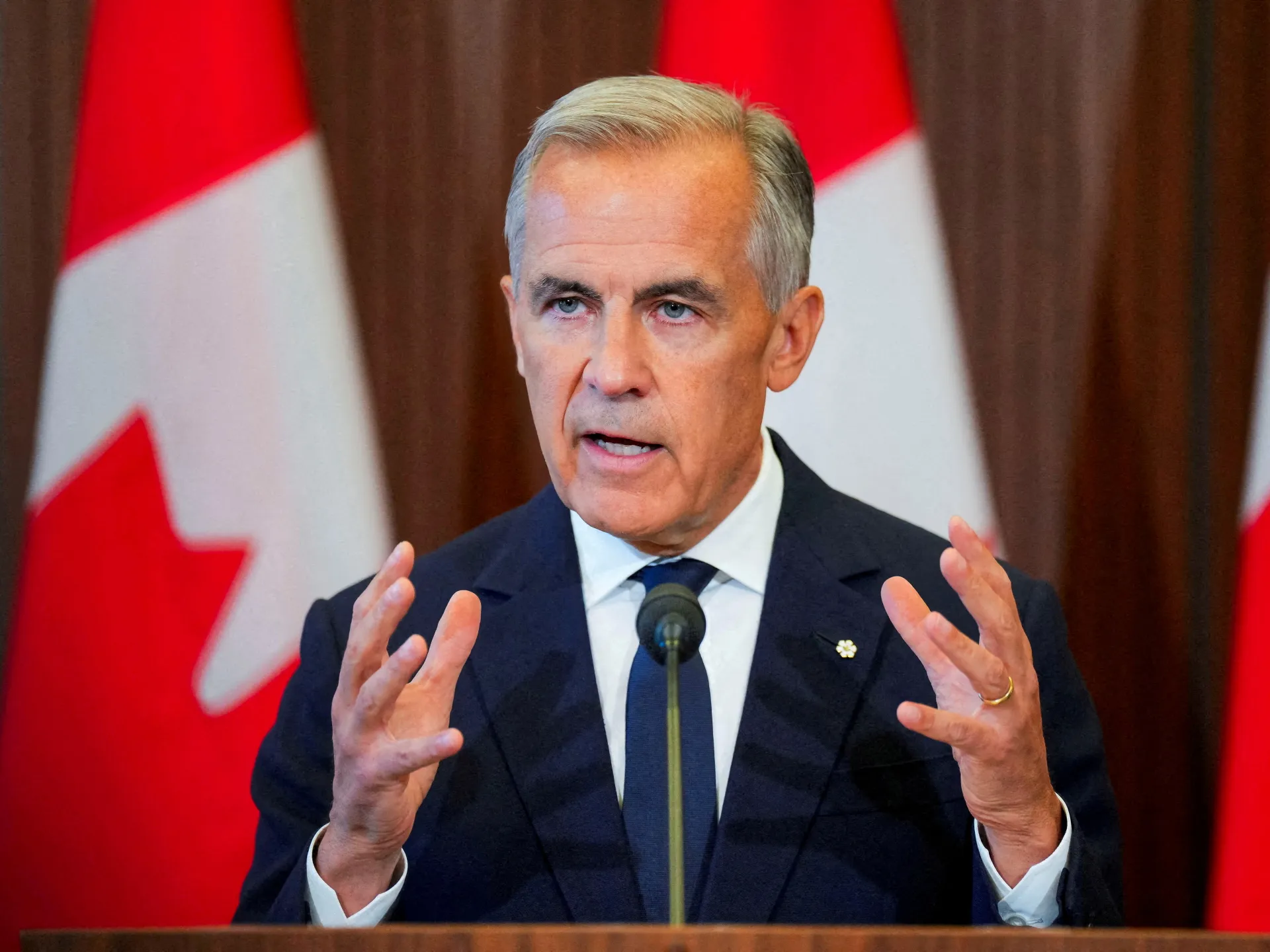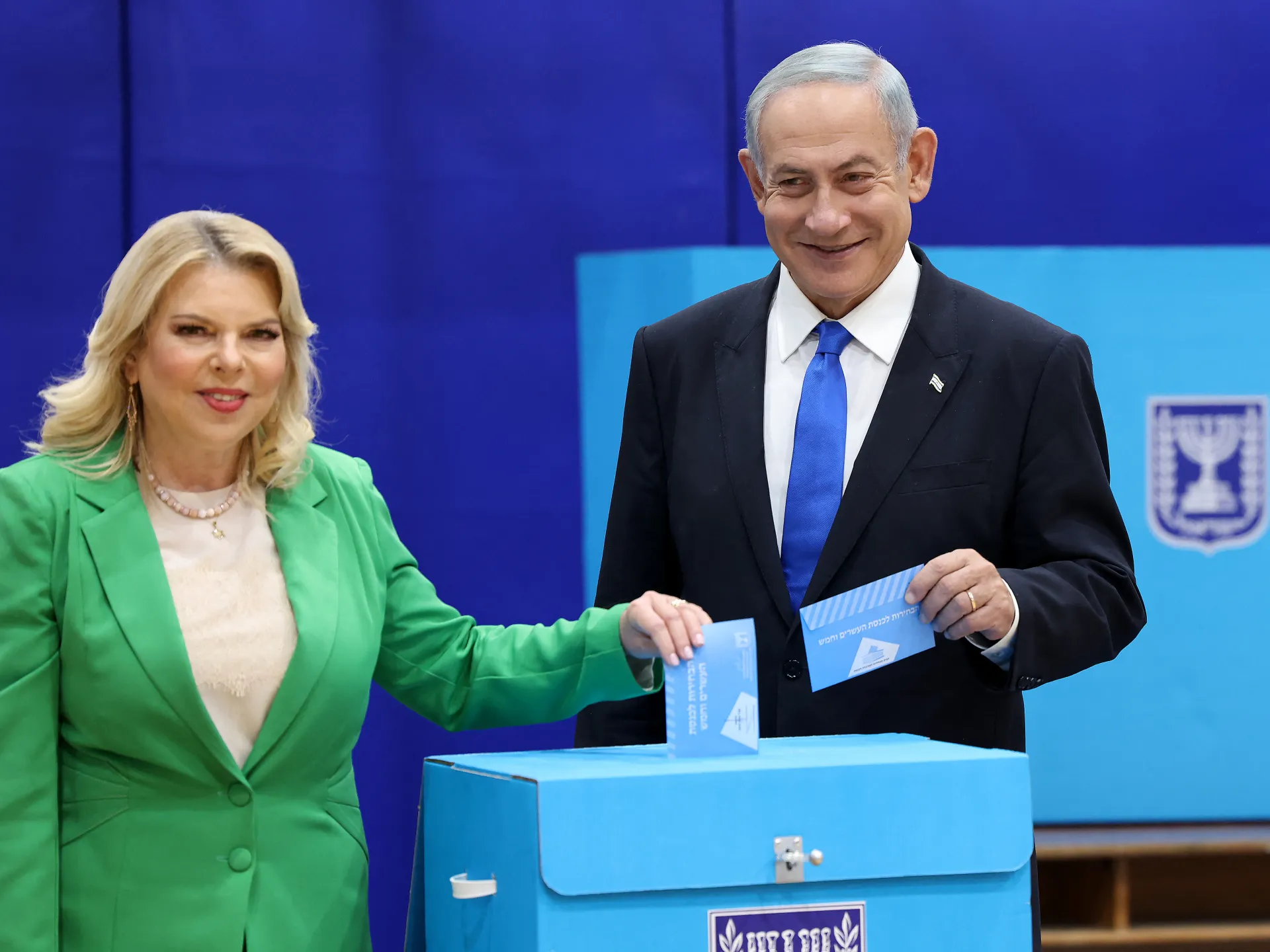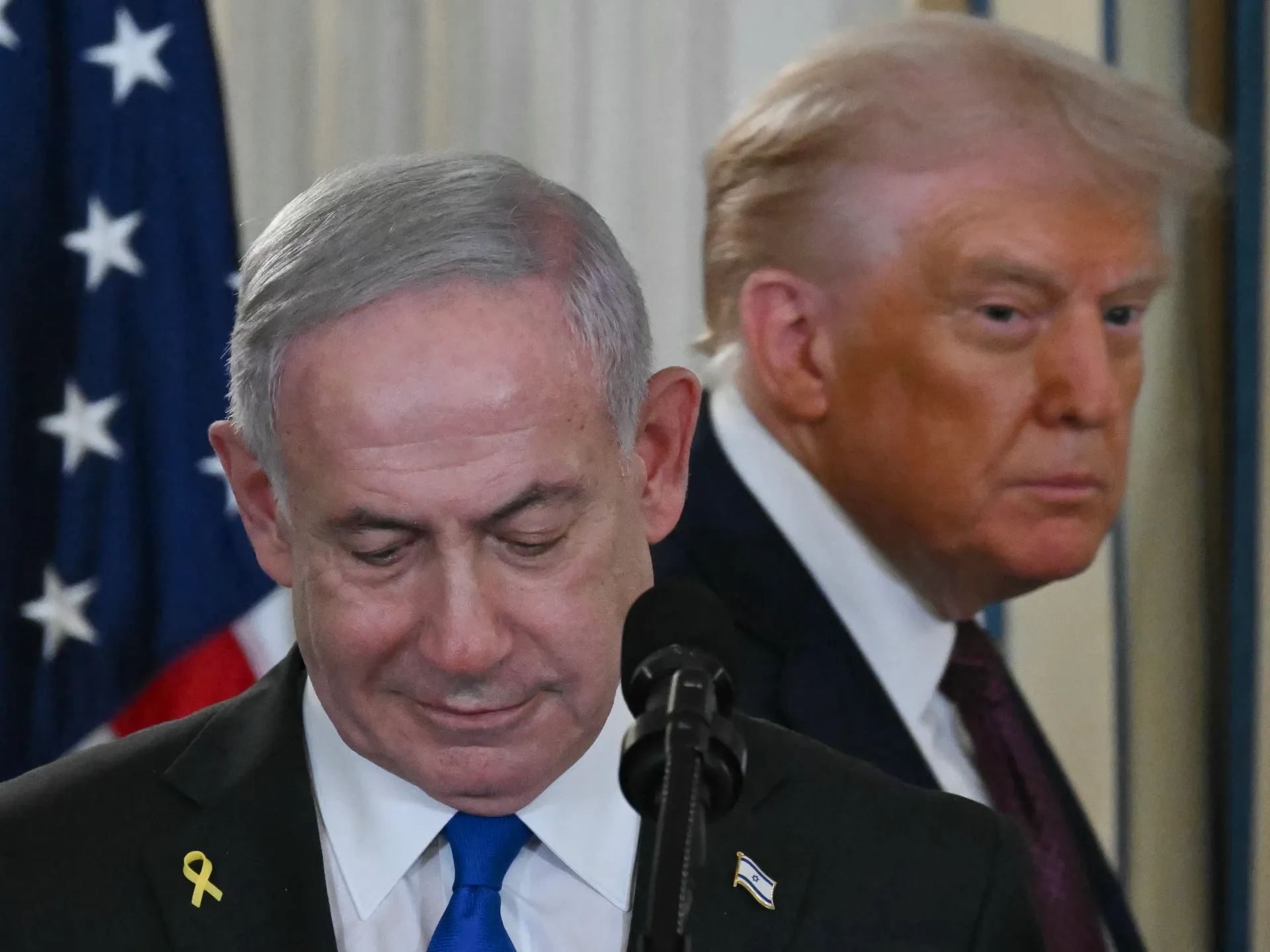
Prime Minister Benjamin Netanyahu is facing intense scrutiny as he initiates legal action against a newspaper while simultaneously battling harsh criticism from U.S. officials.
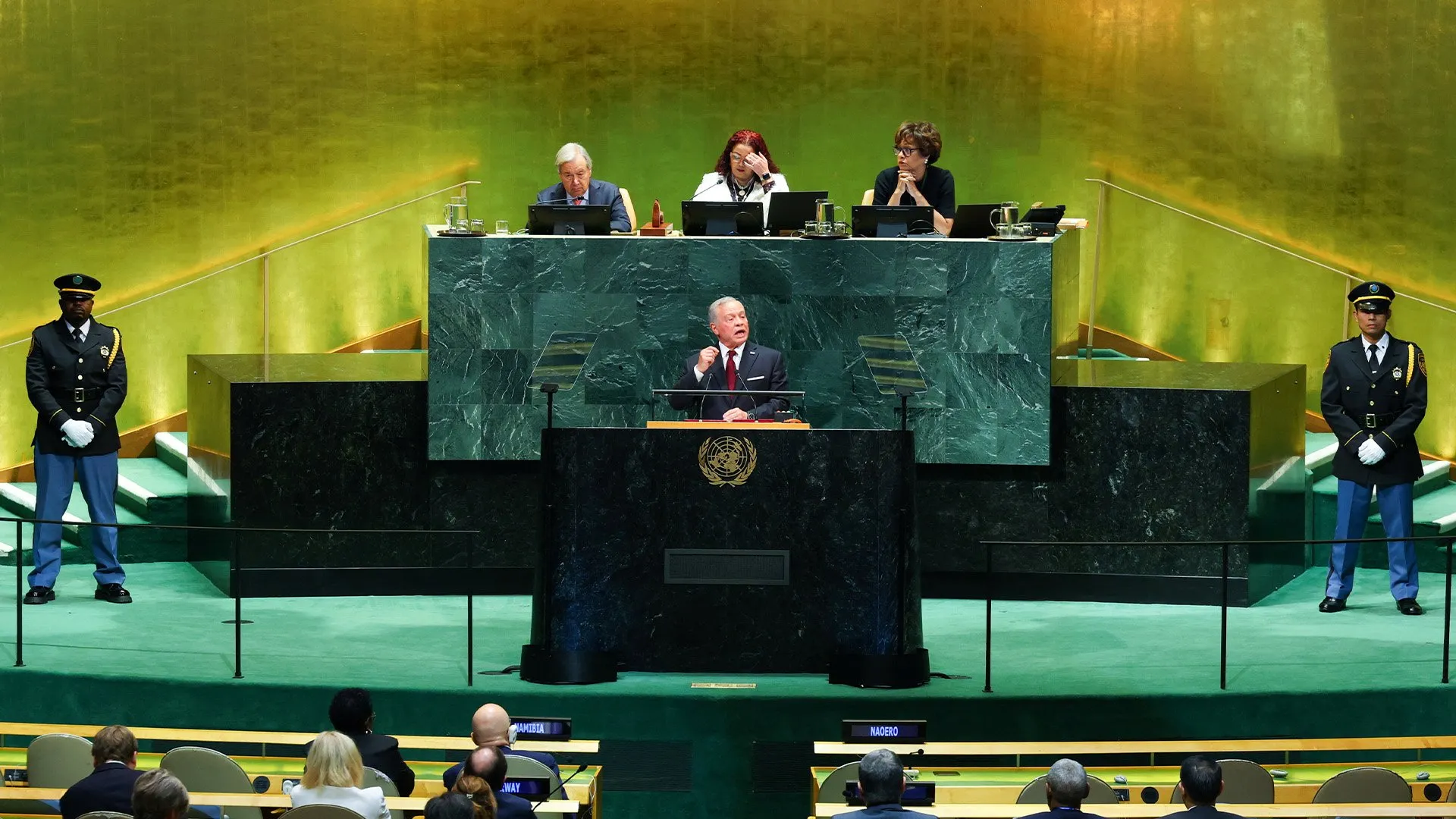
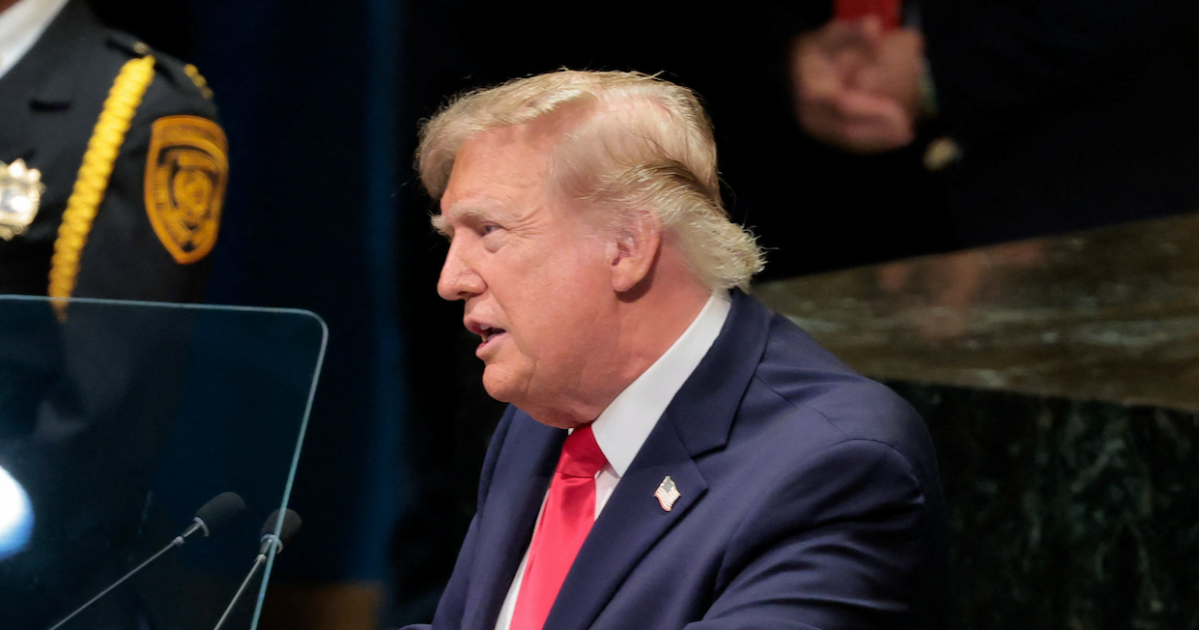
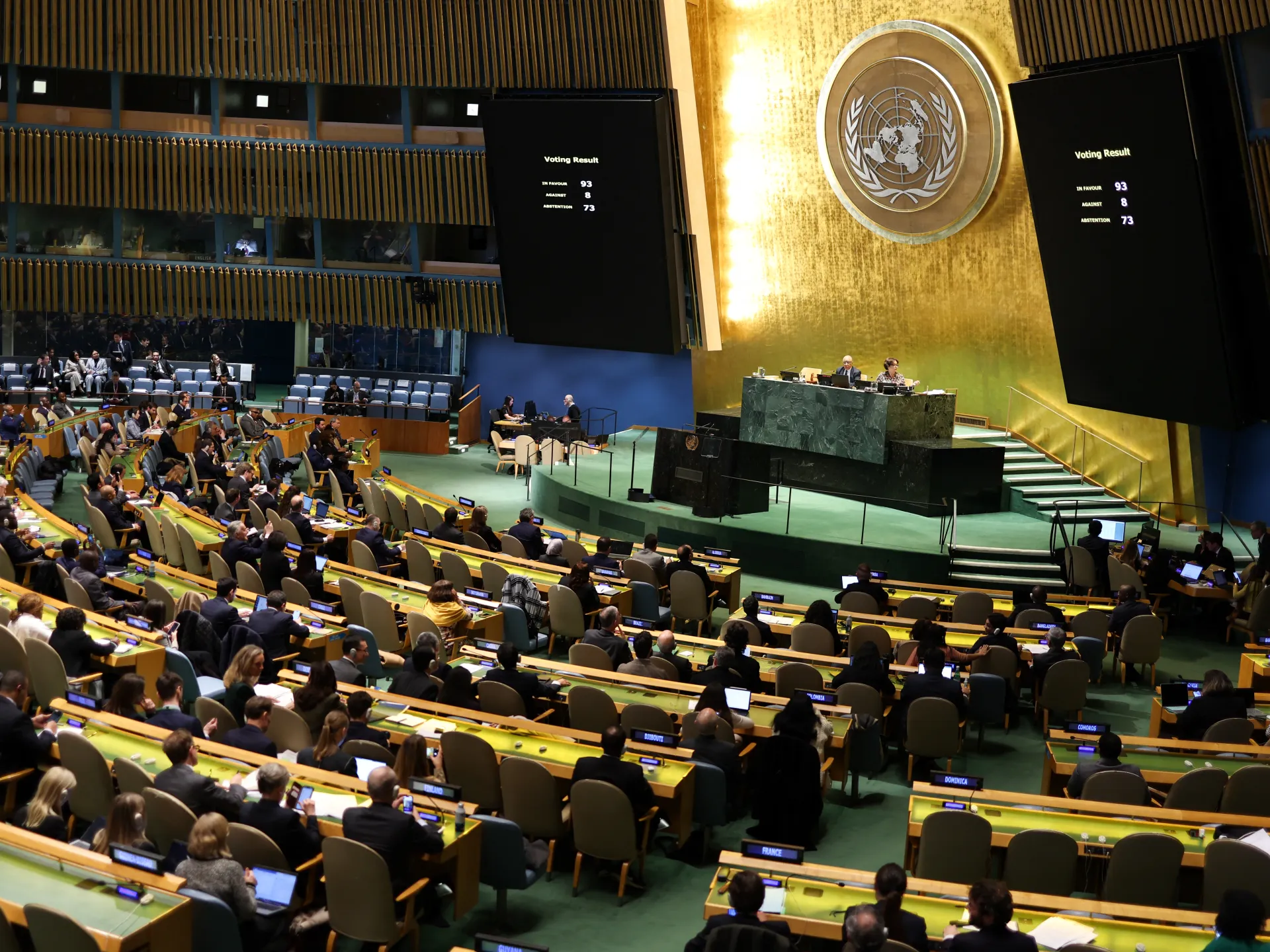
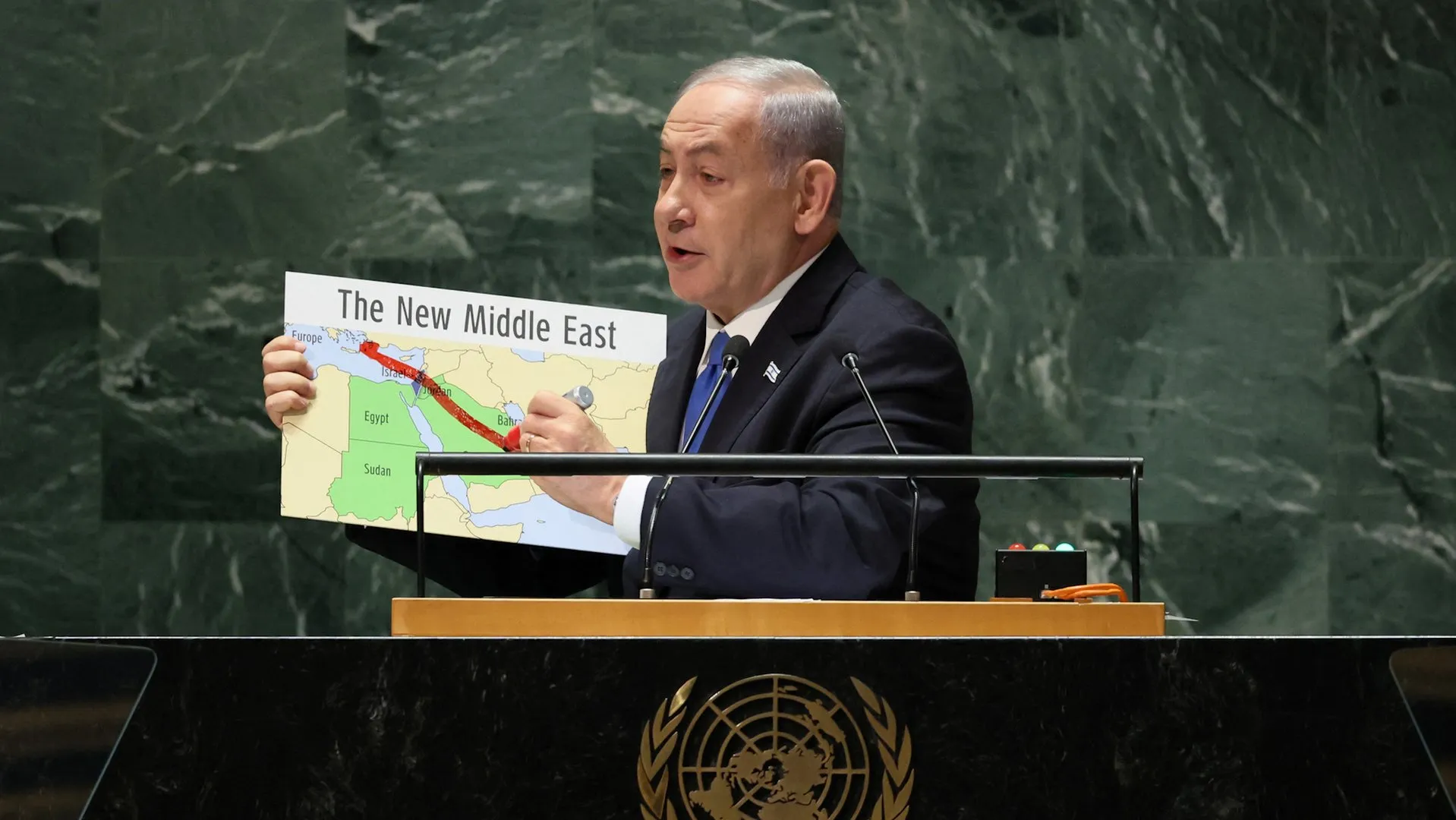
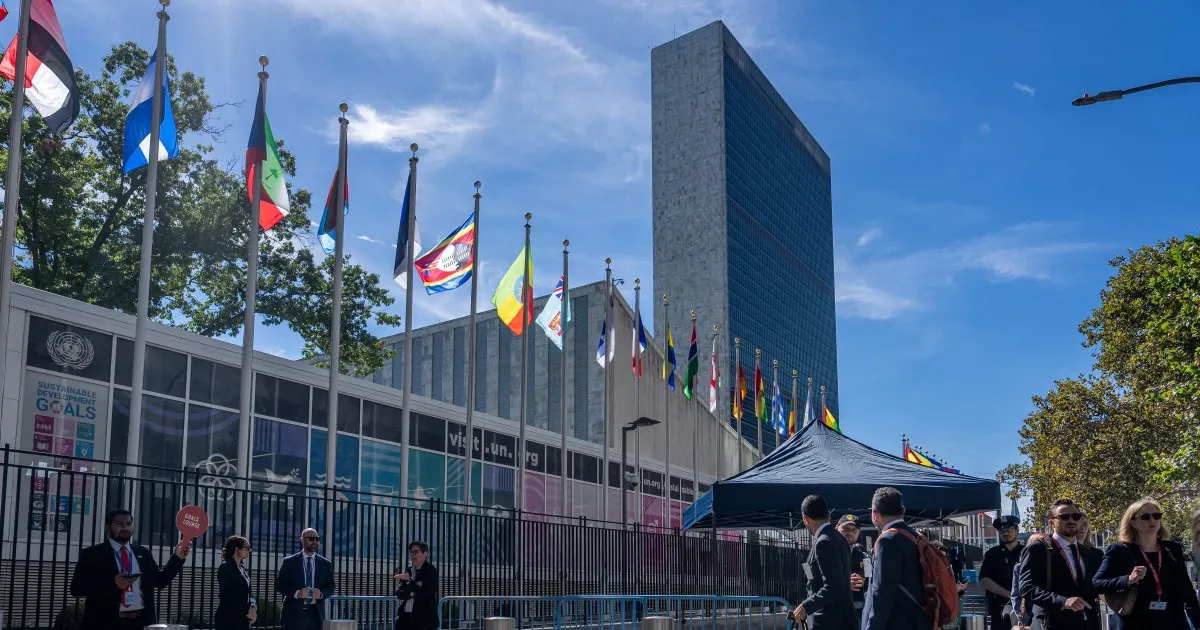
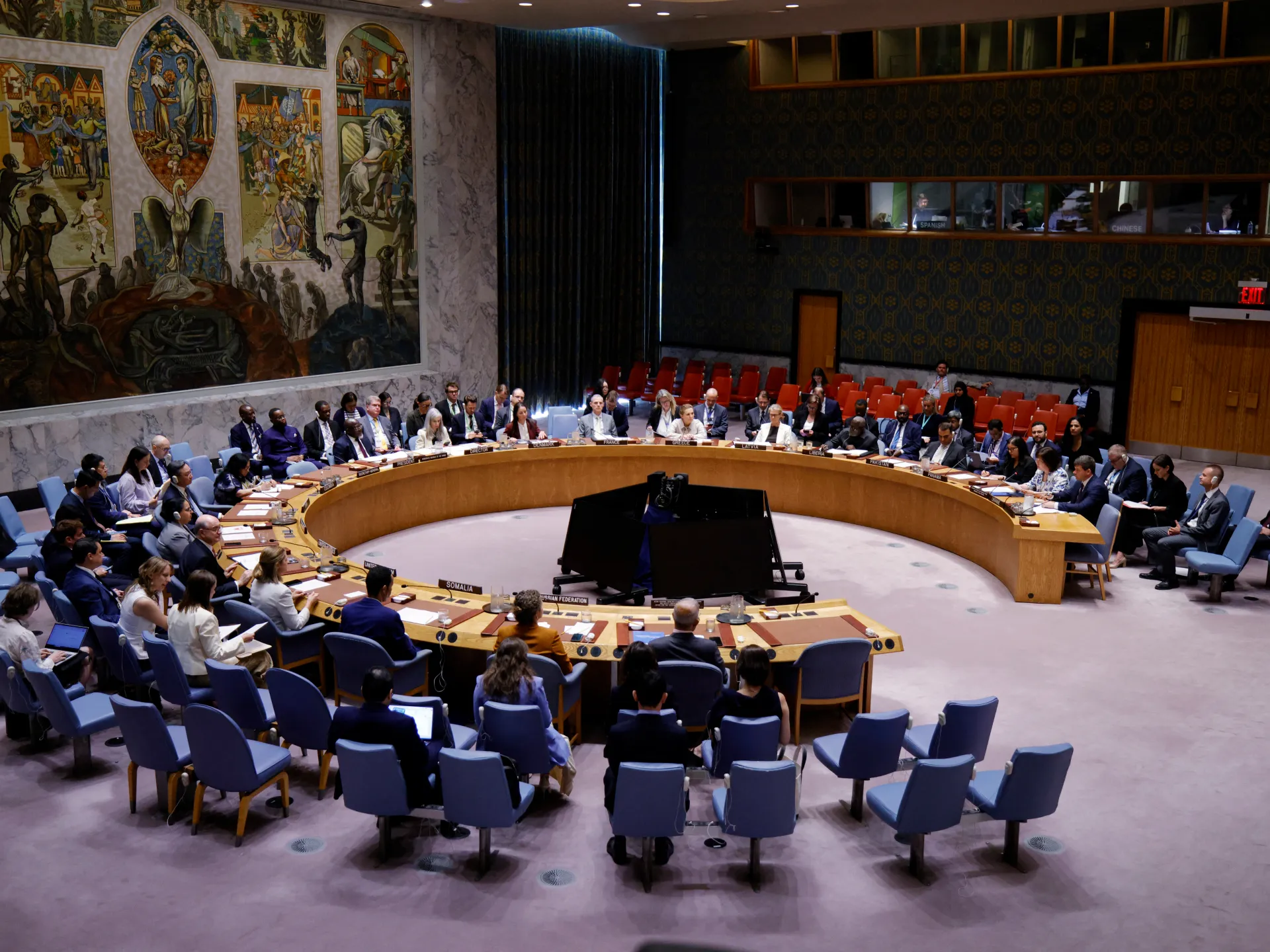
Prime Minister Benjamin Netanyahu is navigating a period of intensifying political volatility, facing both a robust legal confrontation with domestic media and increasingly sharp rhetoric from key international allies. As the Israeli leader prepares for international diplomacy at the United Nations General Assembly, his administration is grappling with allegations that challenge the official narrative regarding the intelligence landscape leading up to the October 7, 2023, attacks.
While his office maintains a posture of defiance against what it characterizes as a coordinated campaign of misinformation, the intersection of these controversies has created a complex environment for a government already bracing for a pivotal national election. The mounting friction underscores deep-seated divisions over his leadership, historical accountability, and the handling of the ongoing conflict in Gaza.
The convergence of these events highlights a critical strain in the democratic oversight of the Israeli executive branch. When a sitting head of government pursues defamation litigation against a major news organization, it sets a significant precedent for the relationship between the state and the press during wartime. Moreover, the public questioning of Netanyahu’s truthfulness the traditional bipartisan support for Israel’s leadership is shifting toward a more critical, individualized appraisal. These developments are not merely political noise; they represent a fundamental struggle over the legacy of the current government and the transparency of the intelligence failures that preceded the most significant security breach in the nation's history.
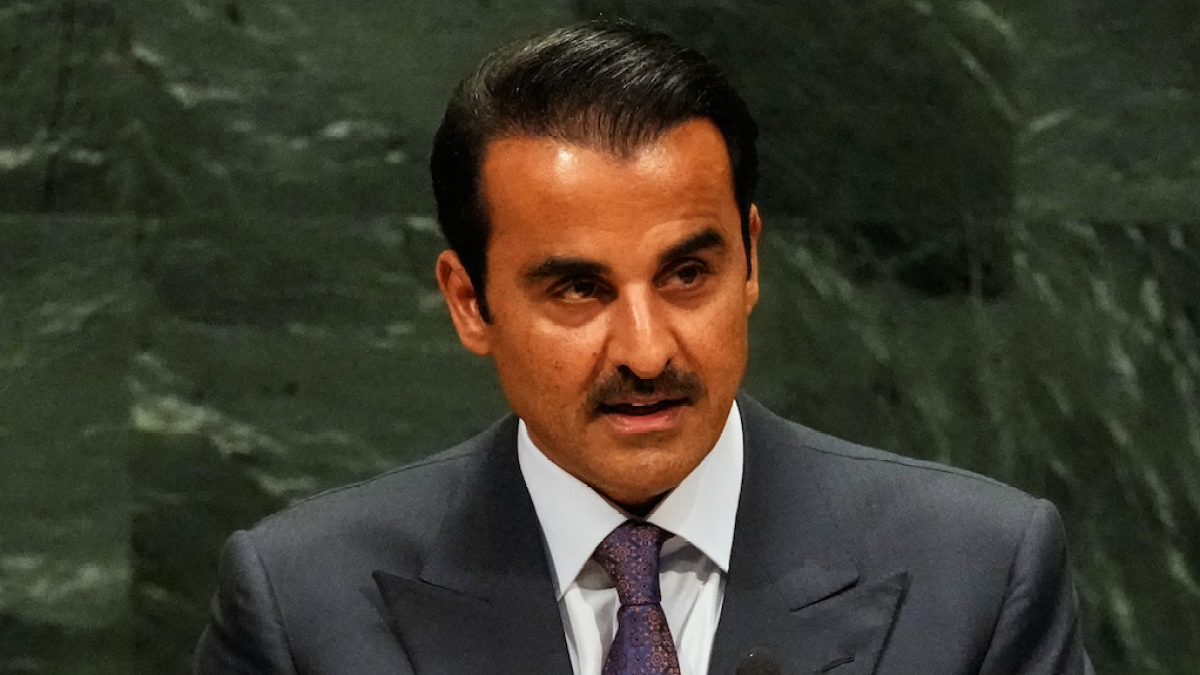
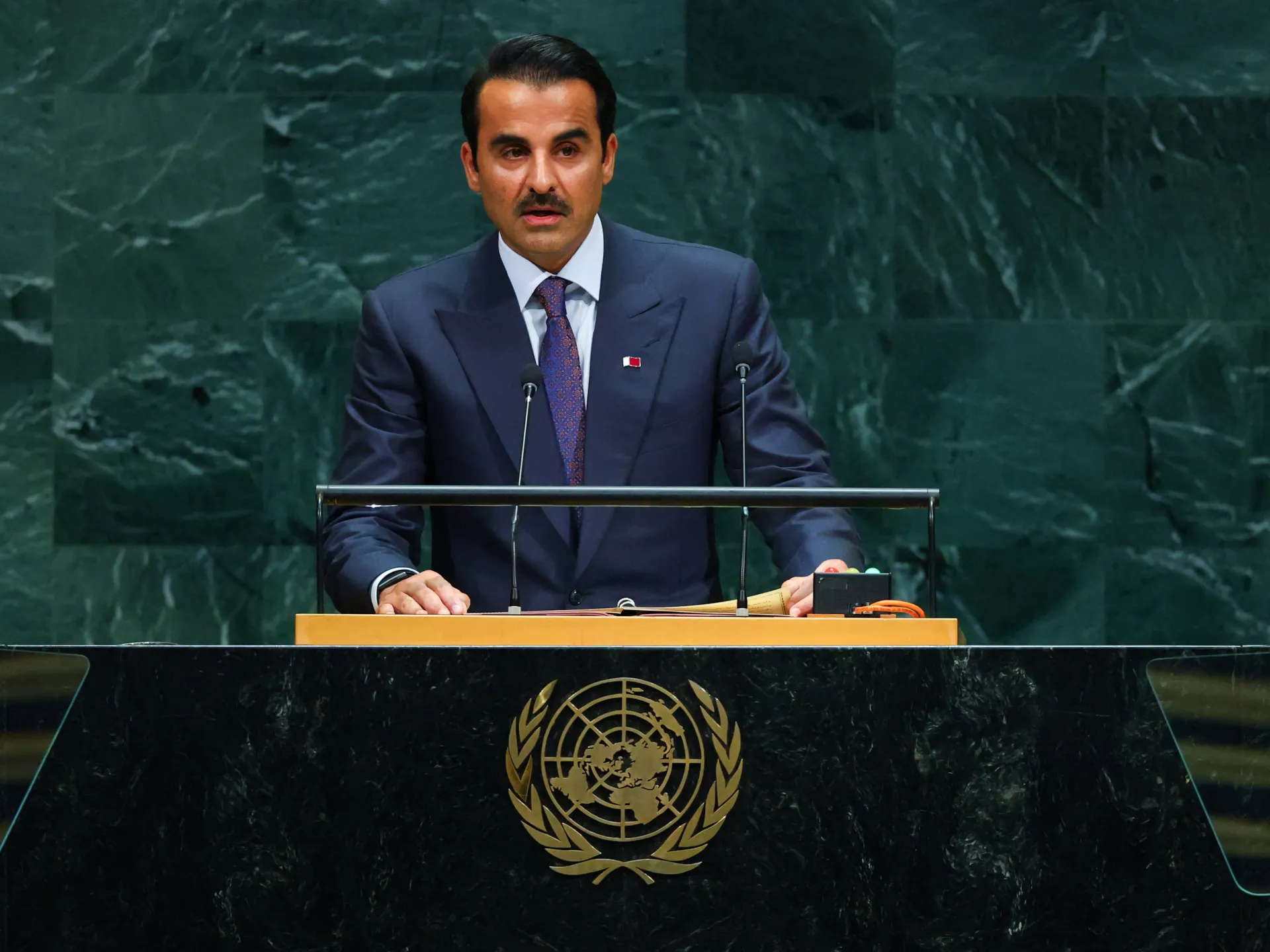
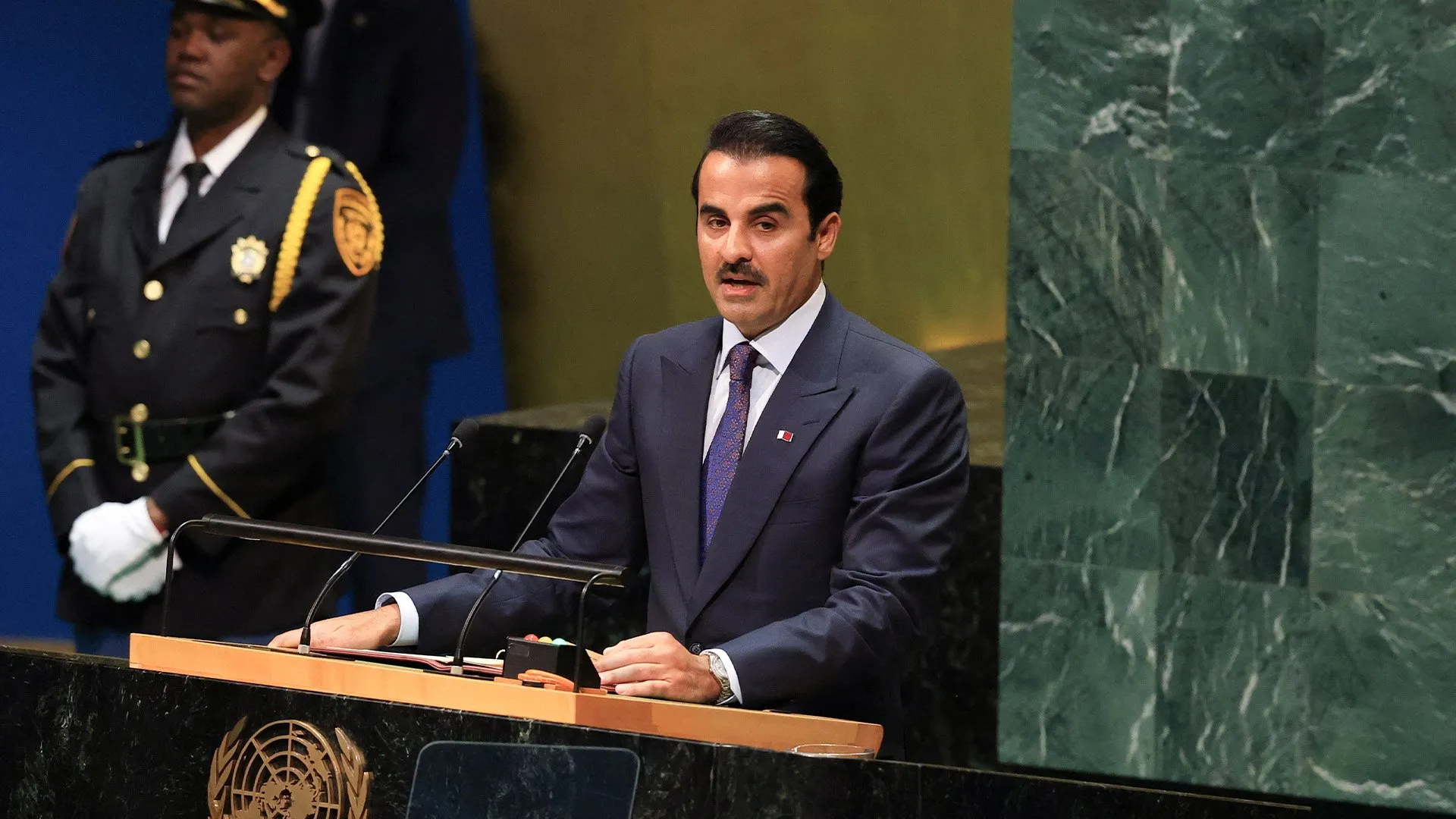
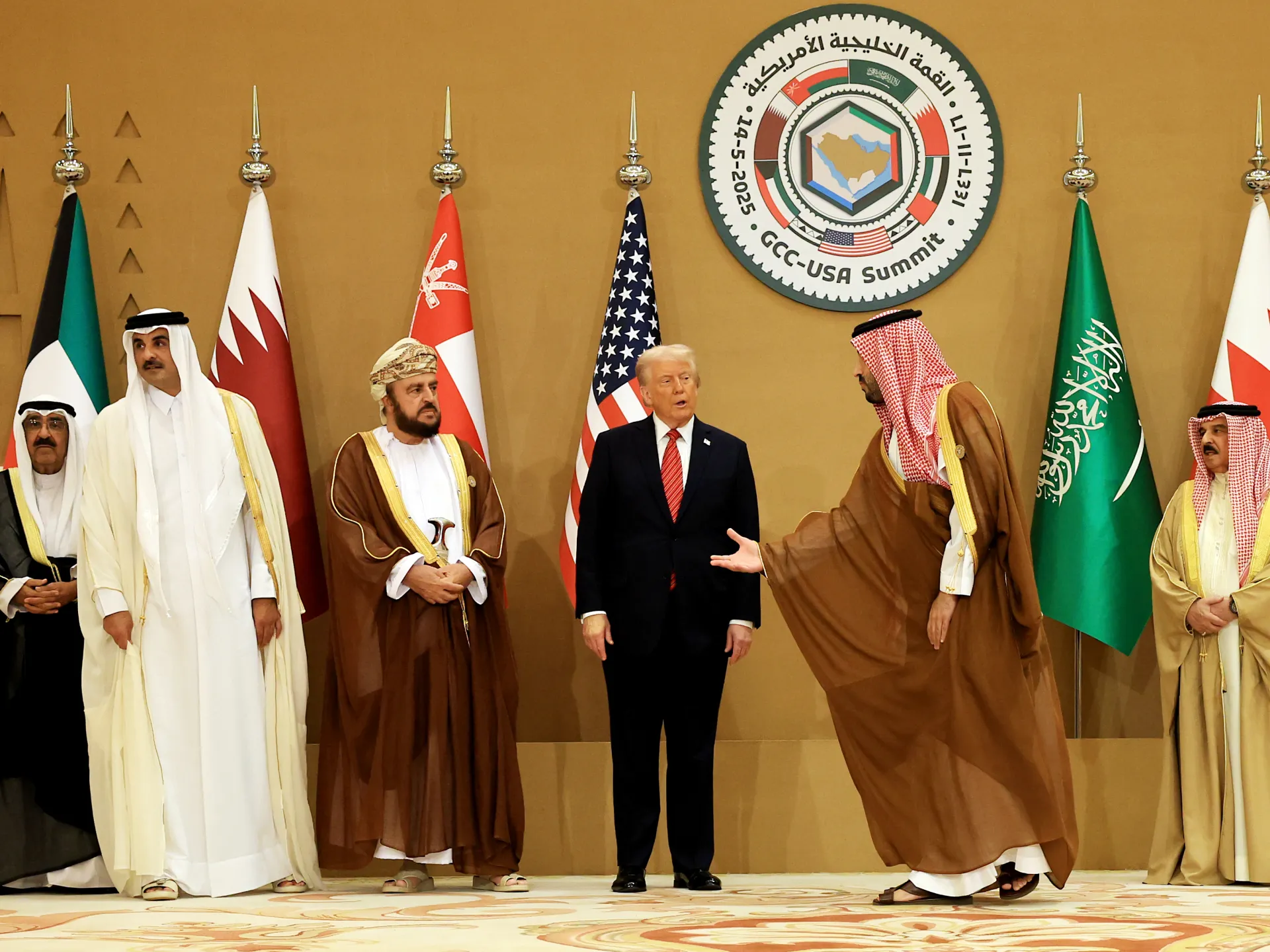
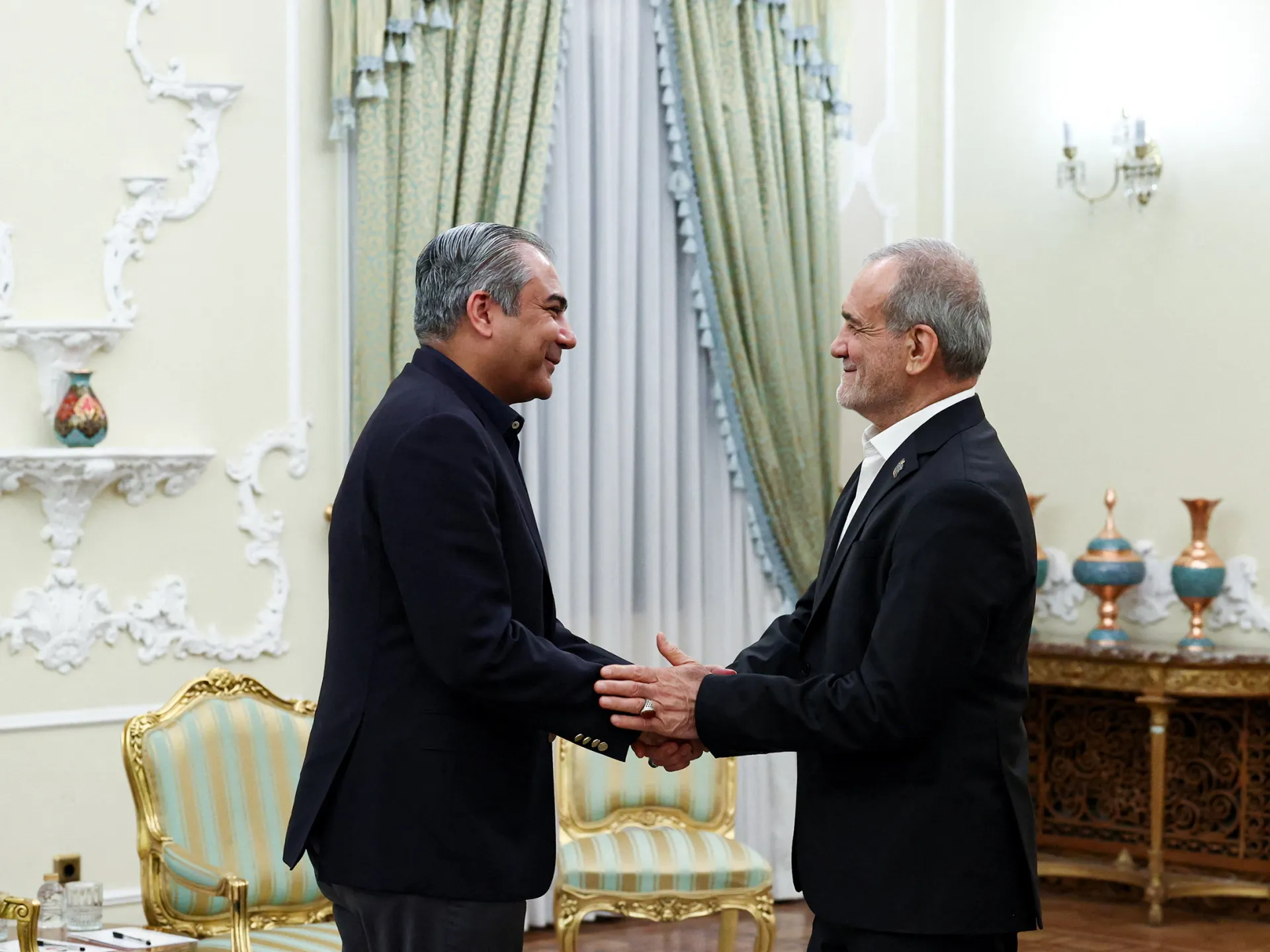
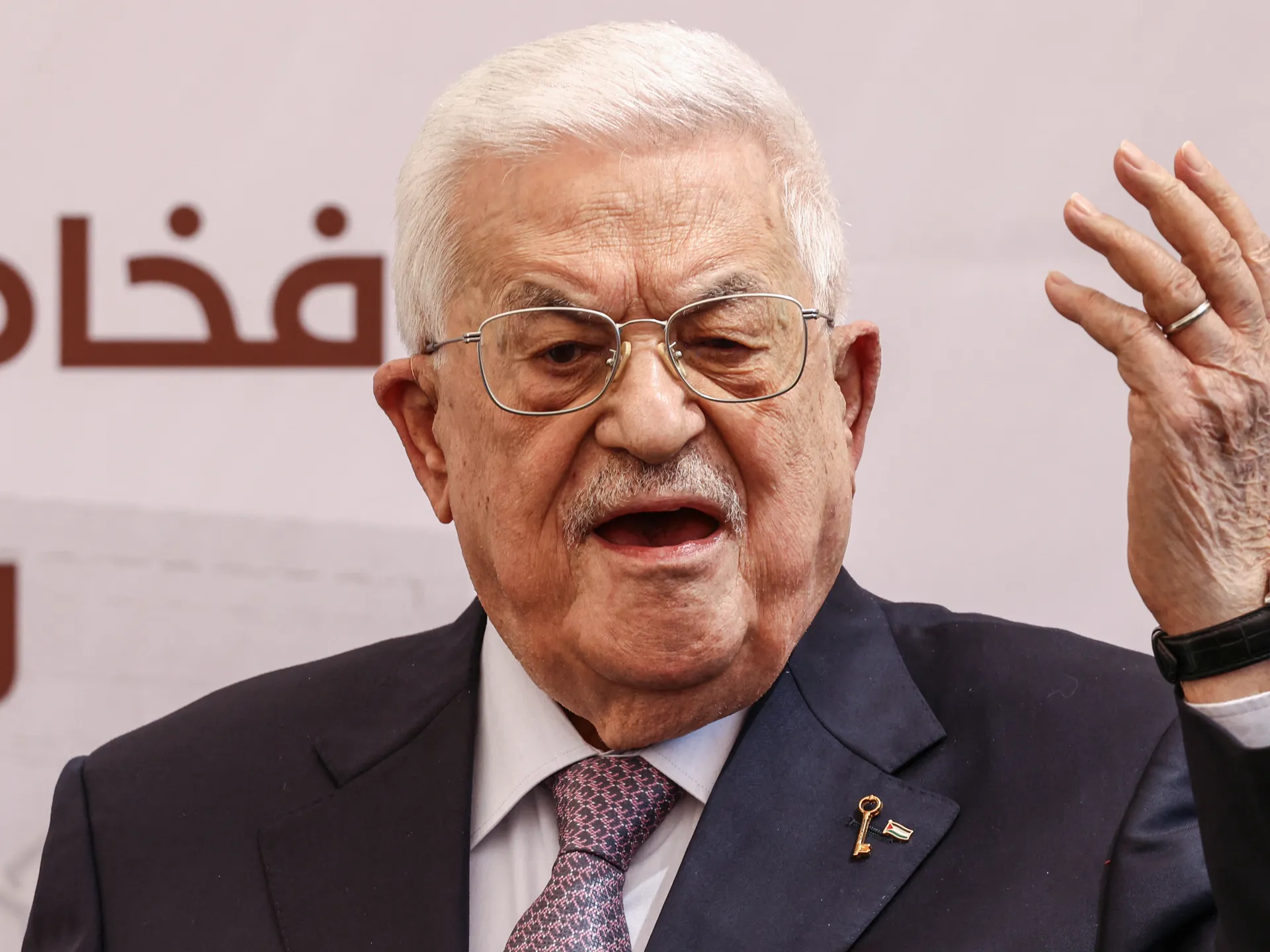
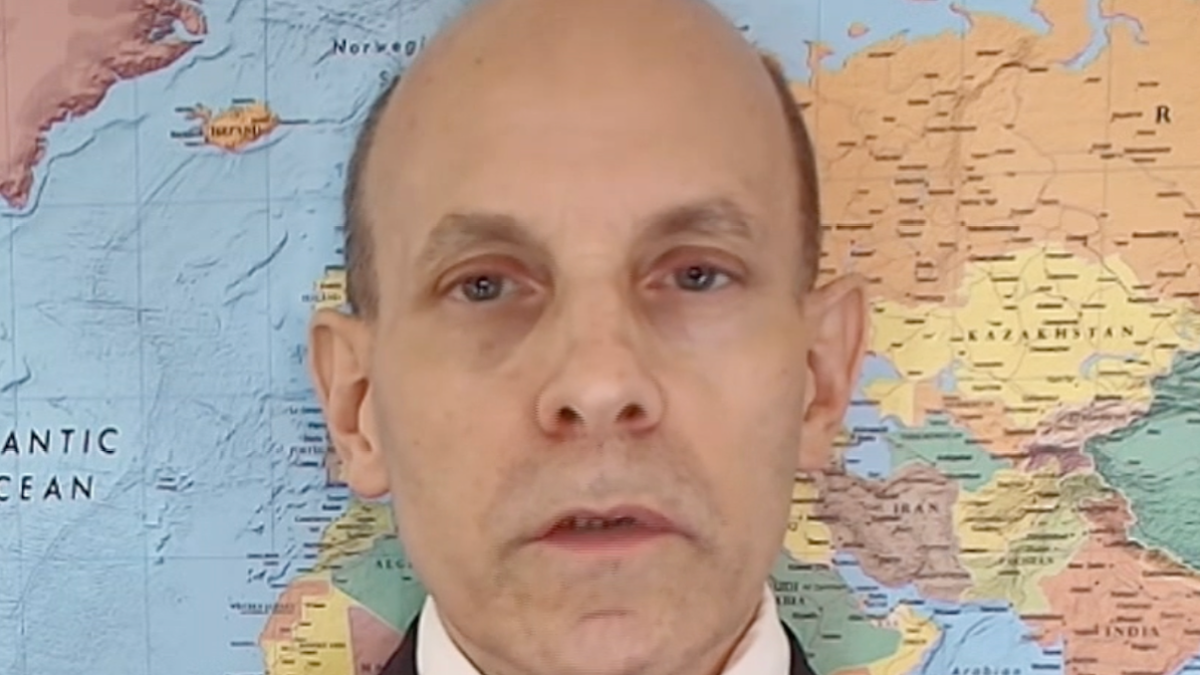
The conflict with the Israeli newspaper Haaretz stems from a report detailing an alleged warning from the United Arab Emirates. The newspaper claimed that UAE President Sheikh Mohammed bin Zayed Al Nahyan contacted Netanyahu in late September 2023 to signal that Hamas leadership was plotting a massive operation, which was described in the report as an "earthquake." According to the publication, the warning was delivered via a secure line facilitated
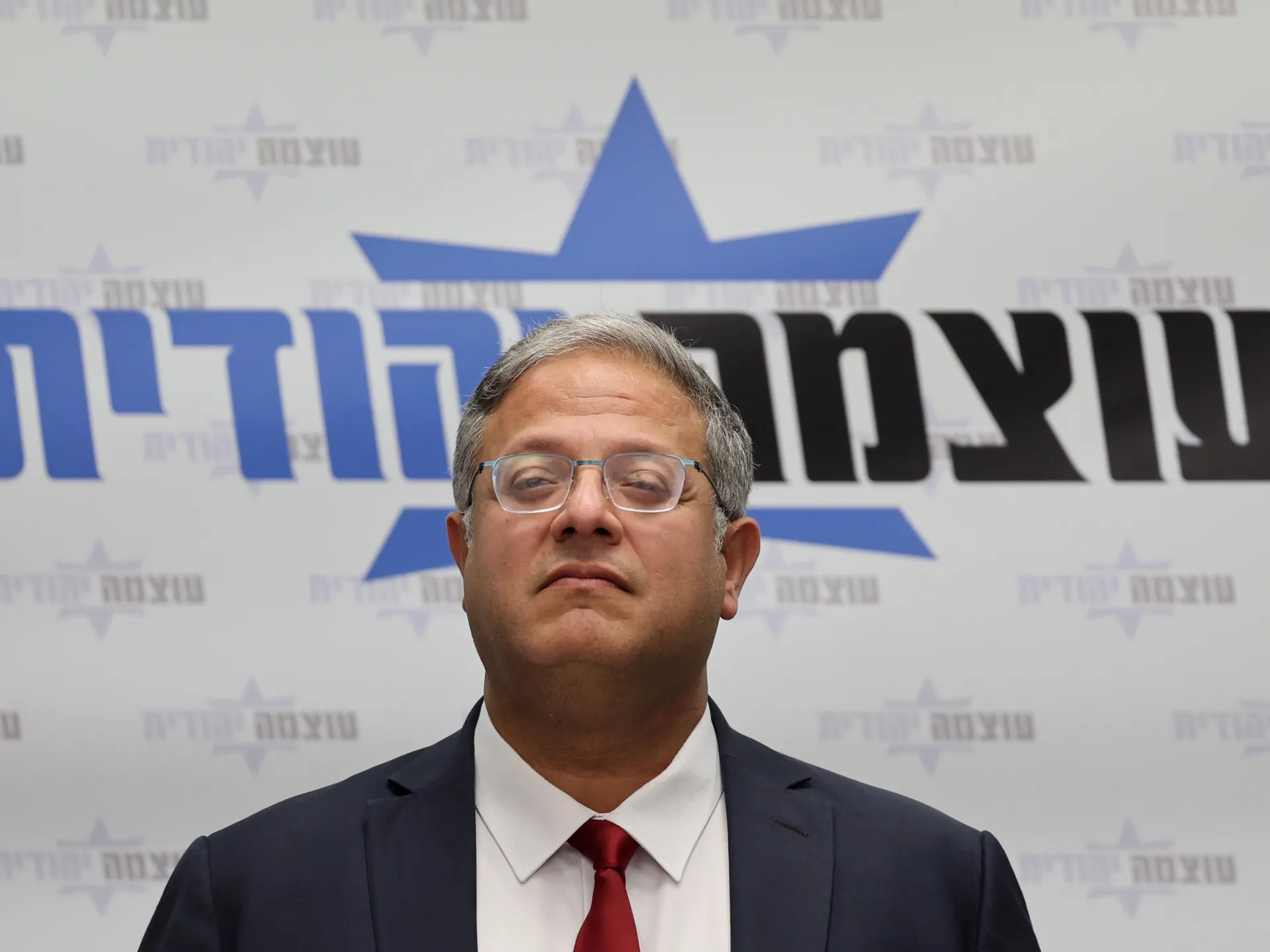
Netanyahu’s office has categorically rejected the report, labeling it a "sinister plot" and asserting that no such warning was ever provided. In response, the Prime Minister has initiated formal defamation proceedings. Haaretz has refused to retract its reporting, characterizing the Prime Minister’s legal action as an attempt to stifle accountability and silence journalistic scrutiny. The disagreement remains a flashpoint as Israelis look toward the October 27 polls, which are widely viewed as a referendum on Netanyahu’s governance.
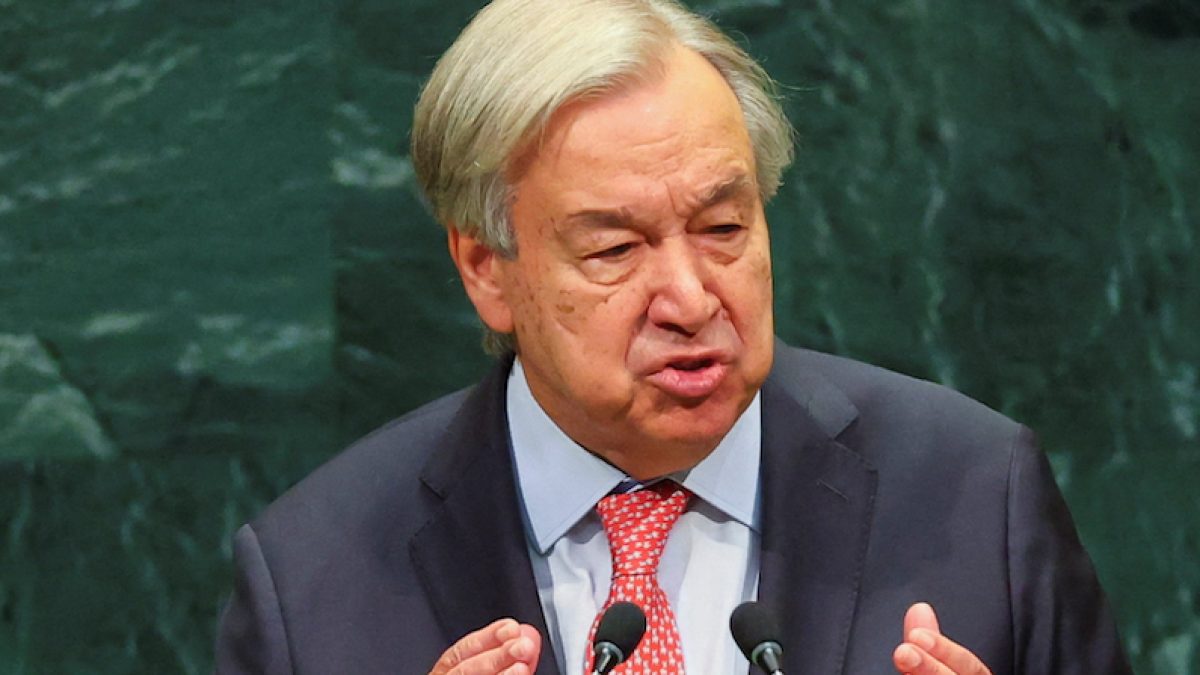
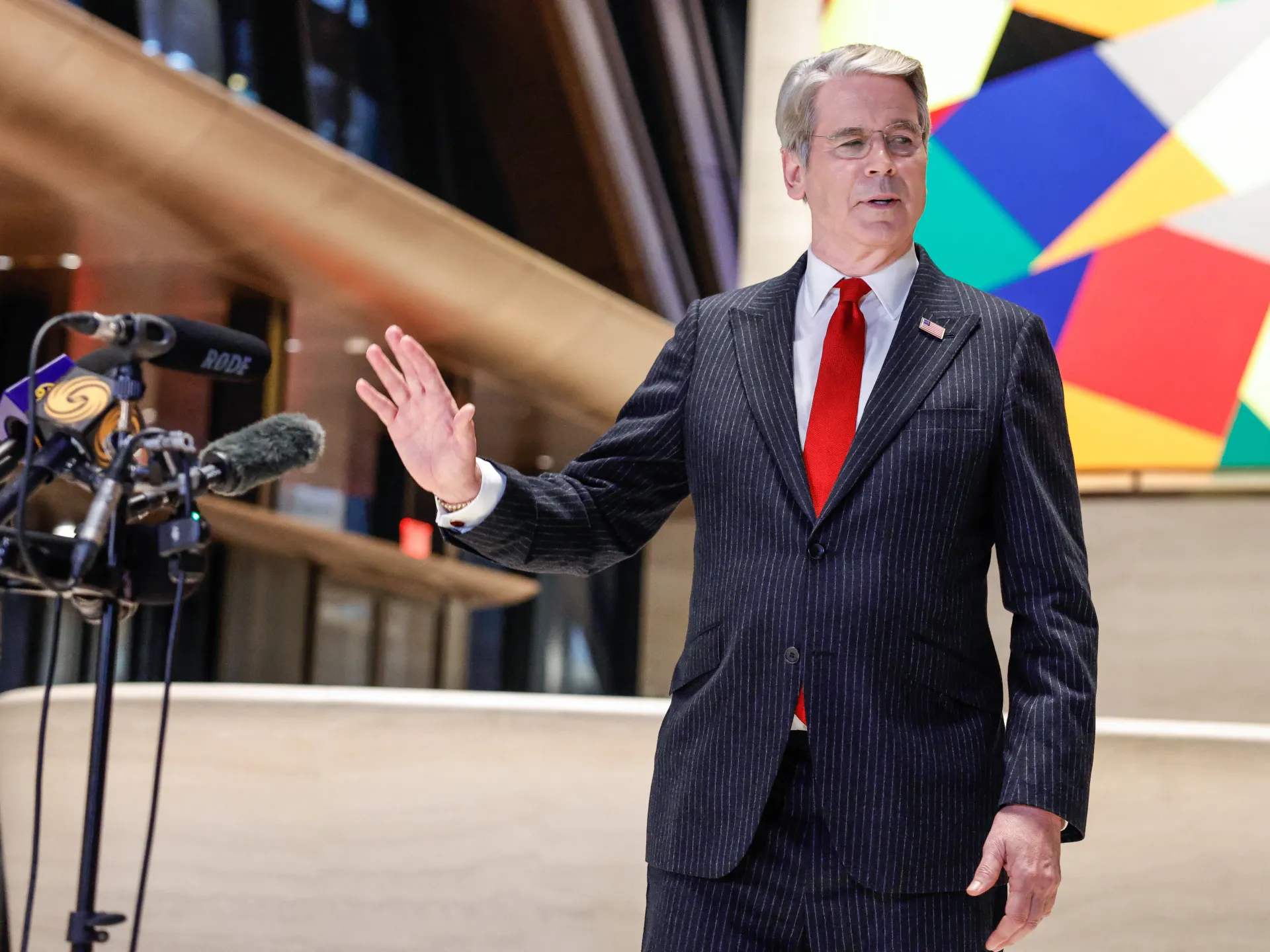
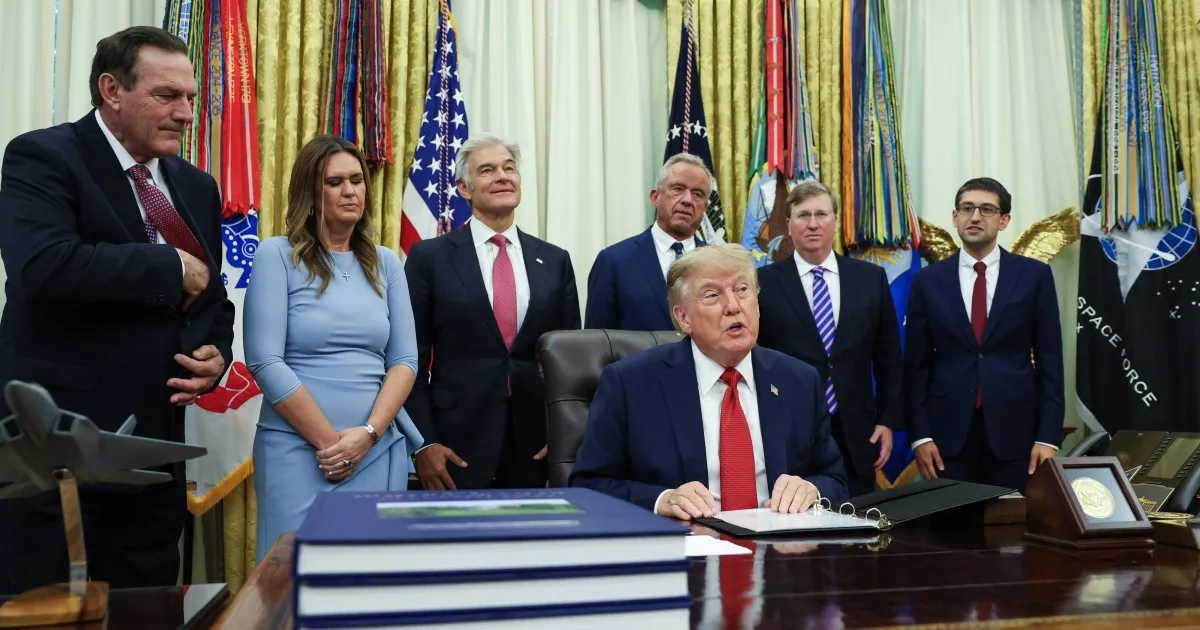
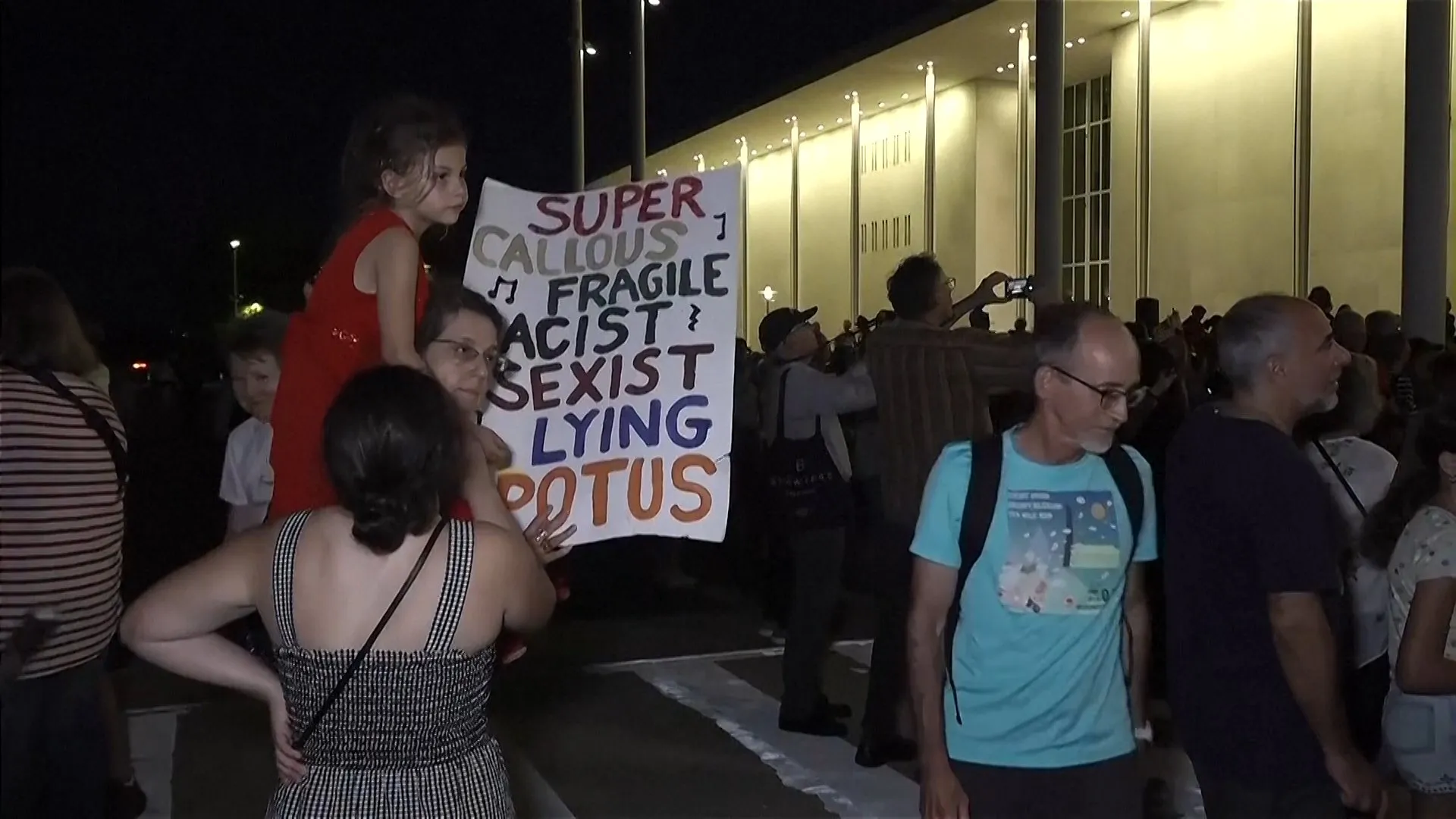
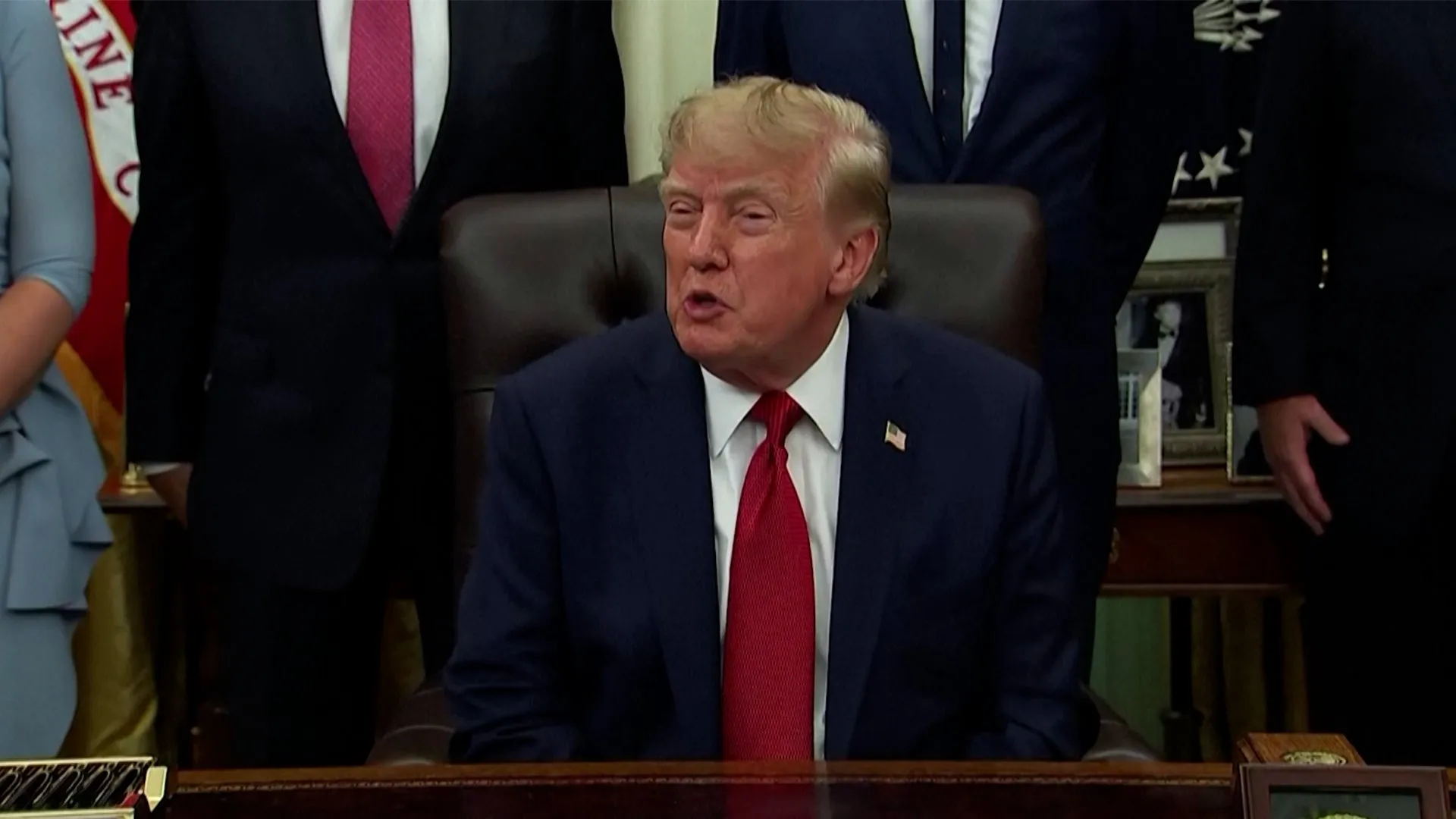
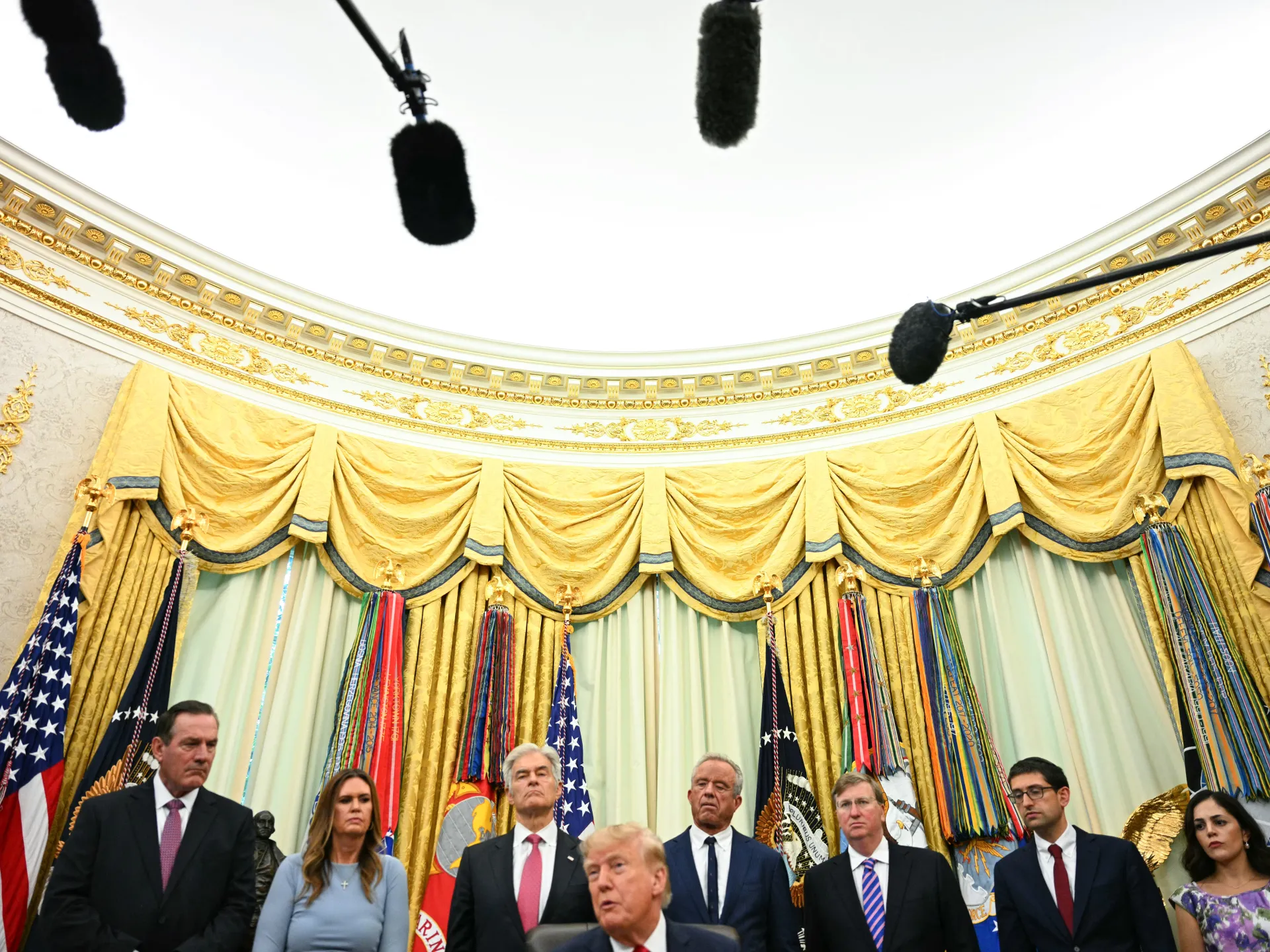
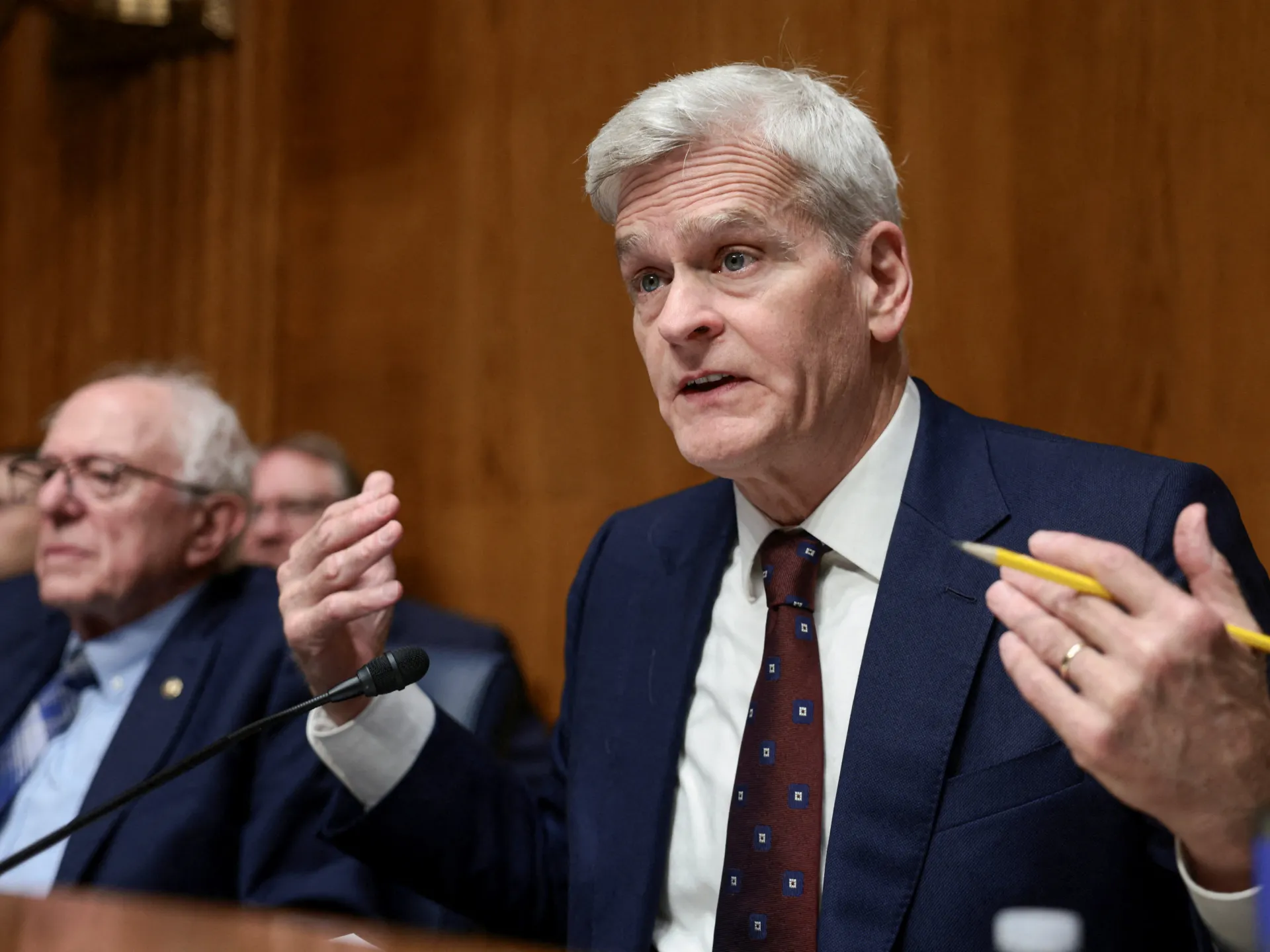
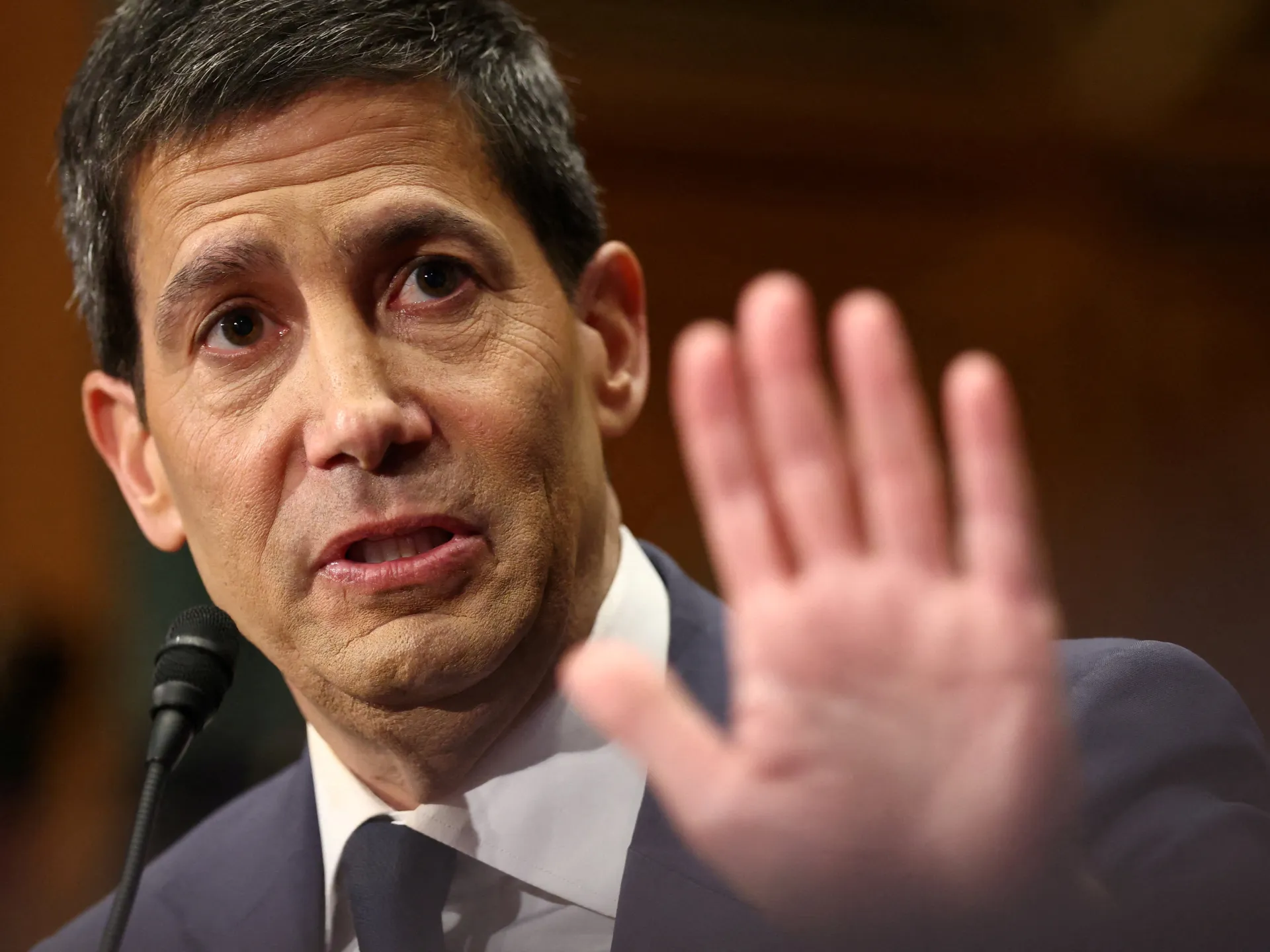
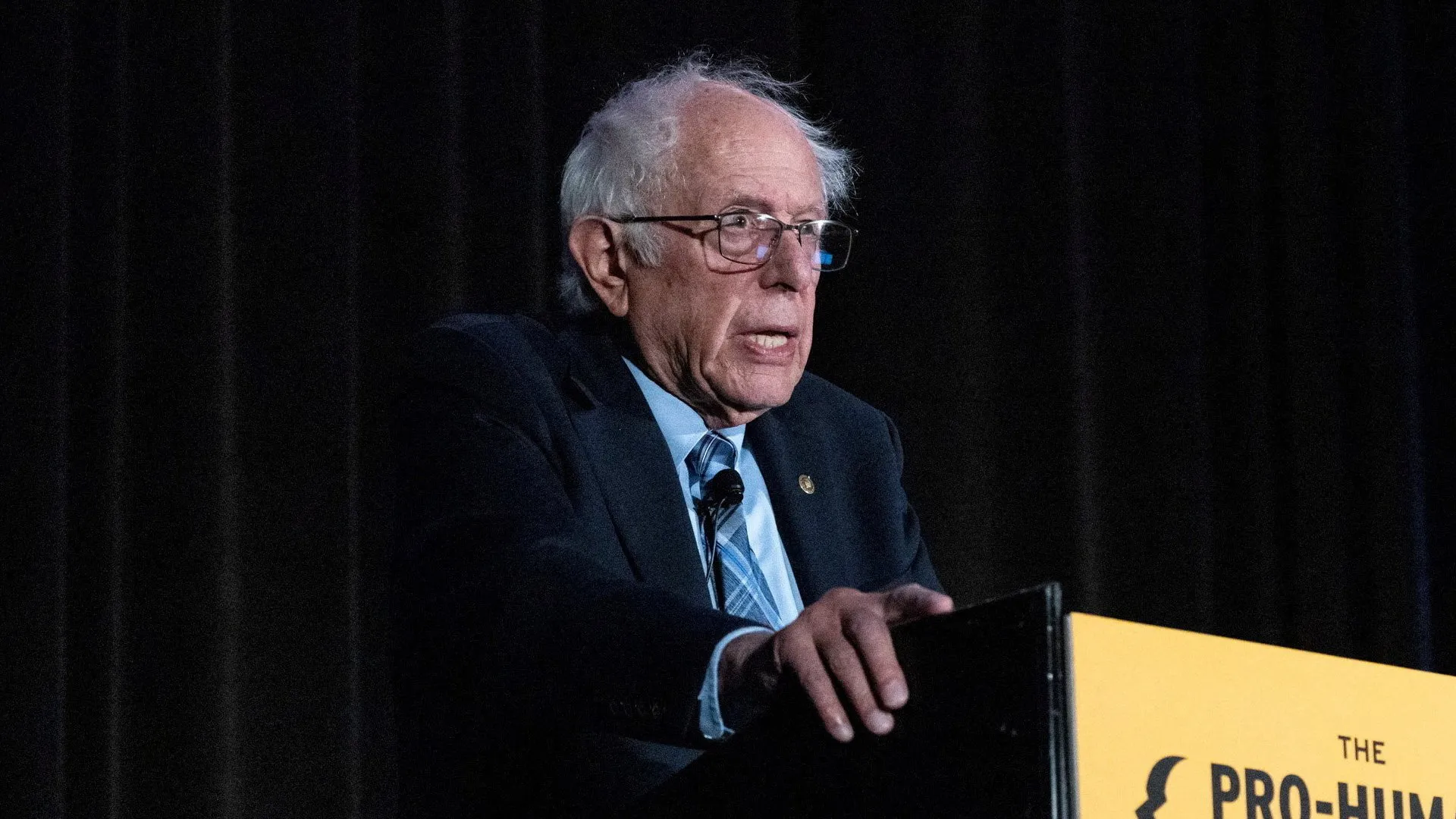
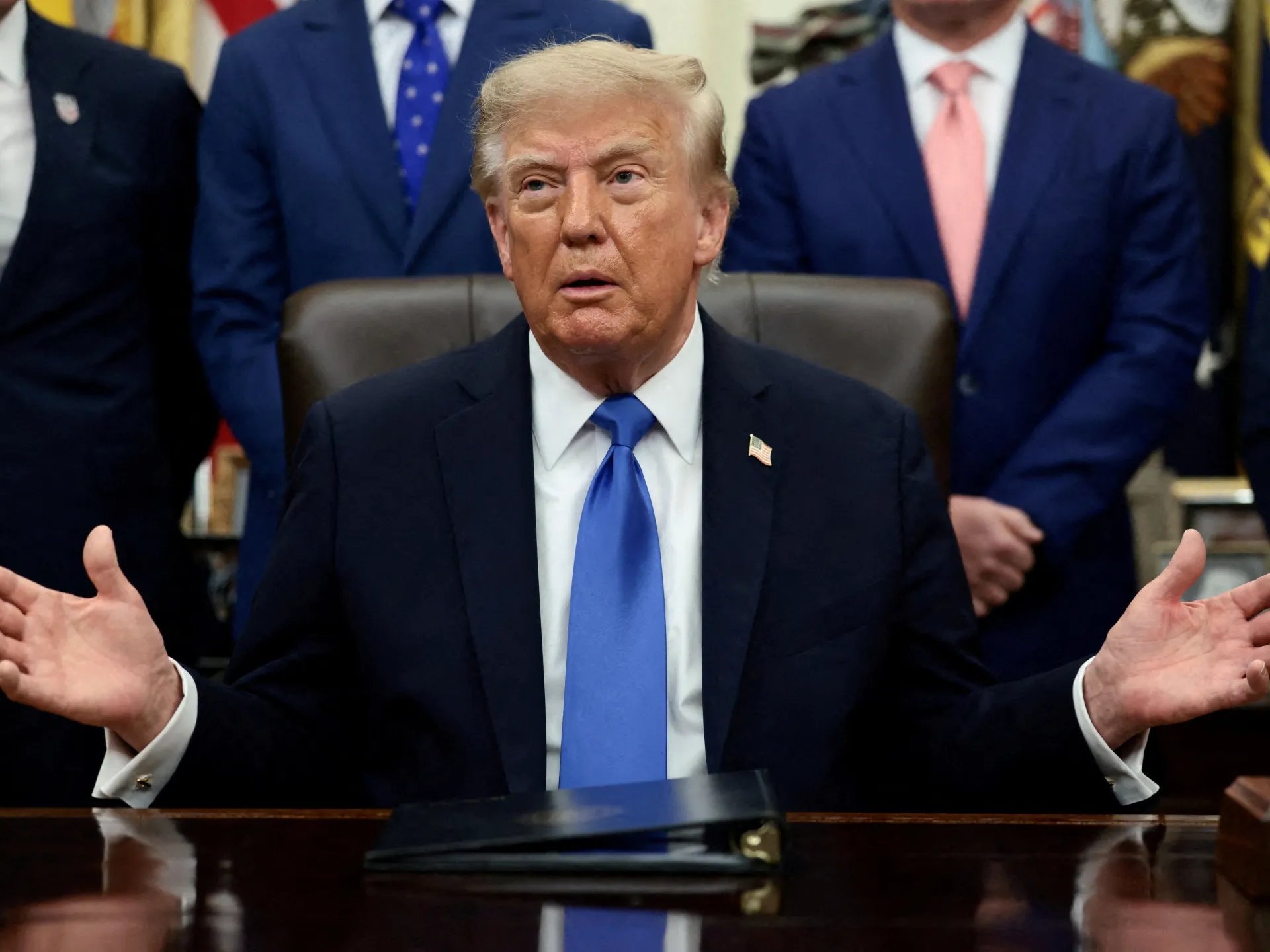
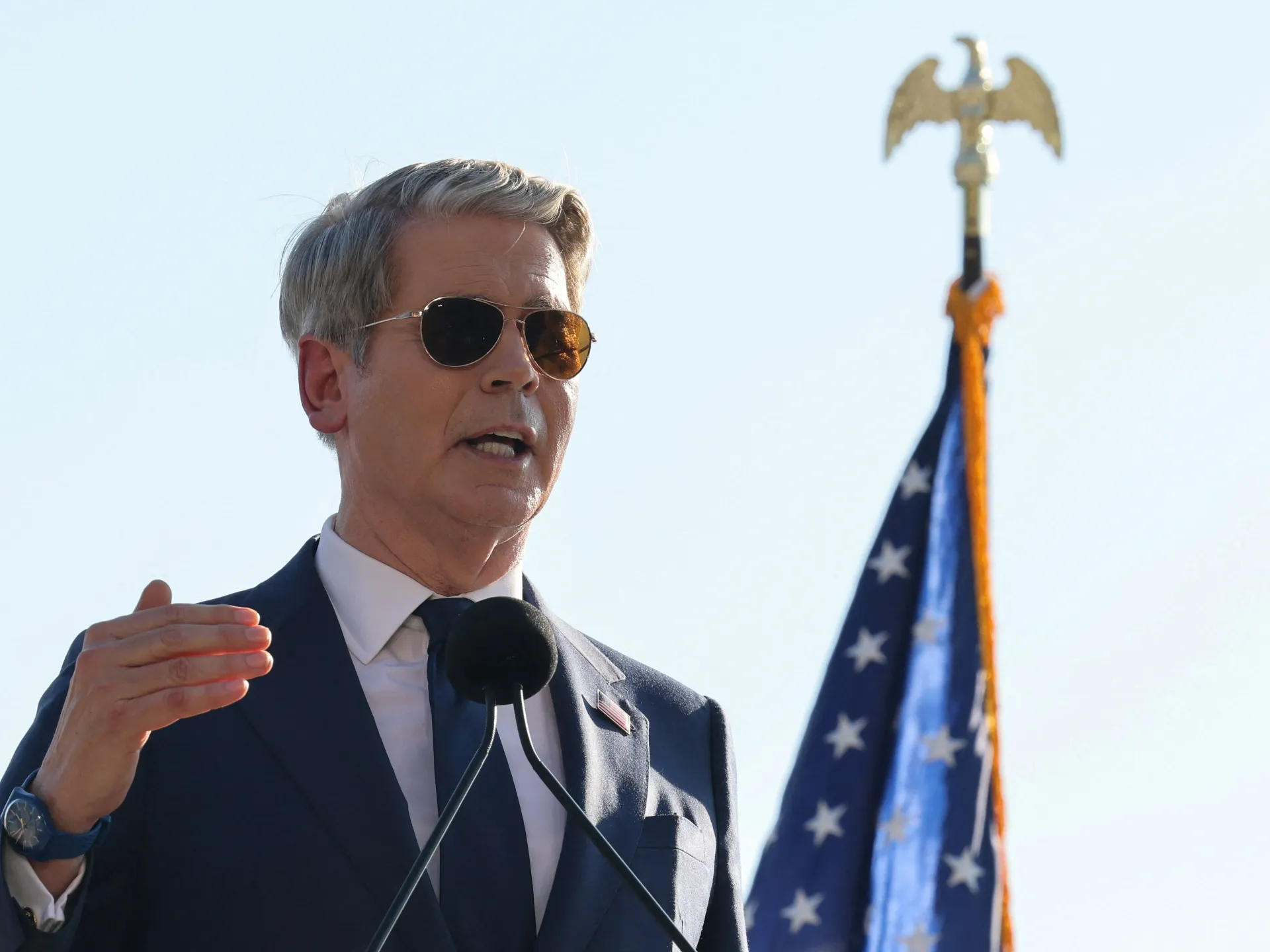
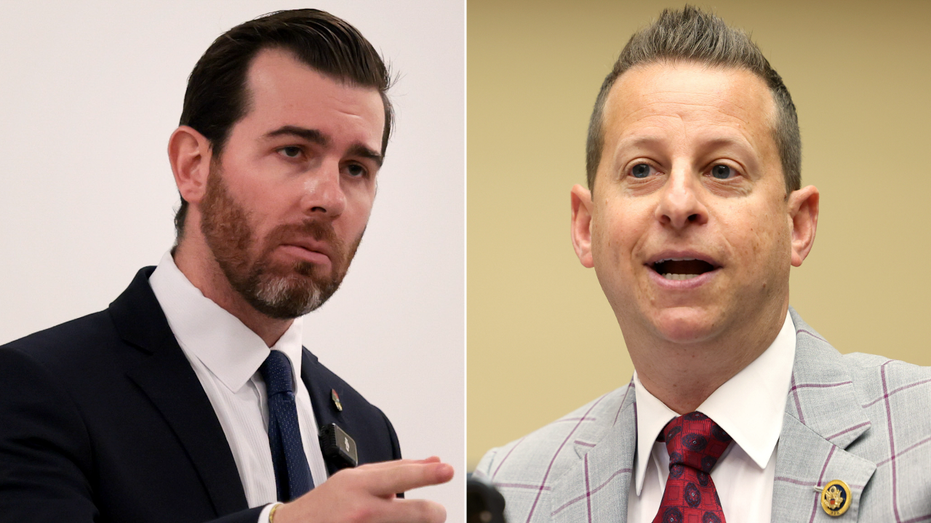
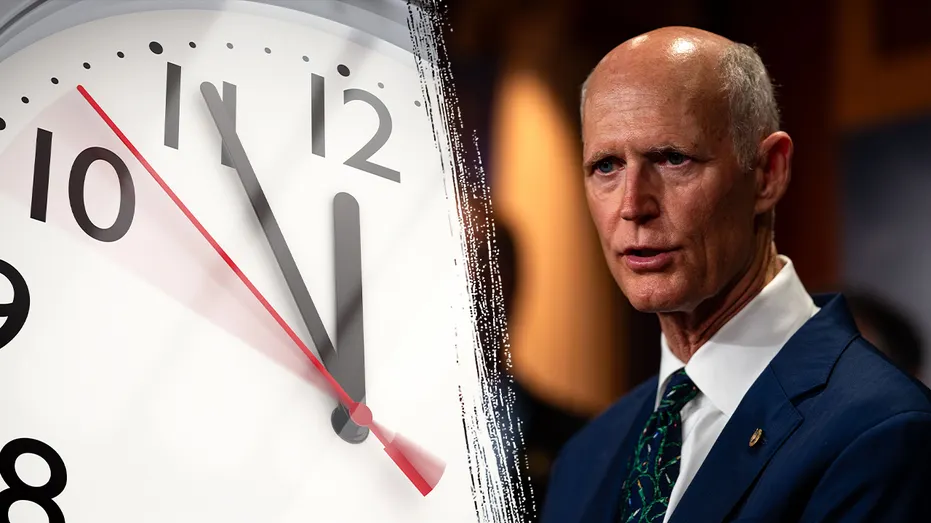
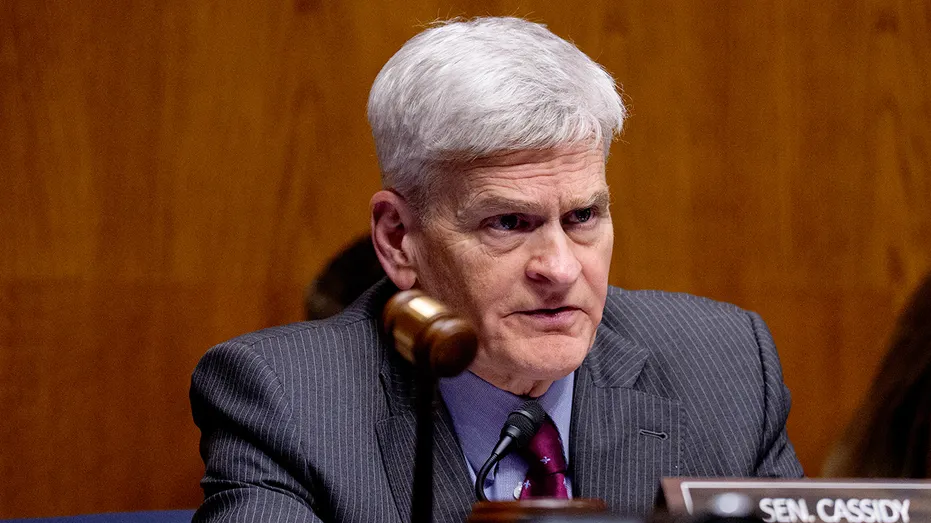
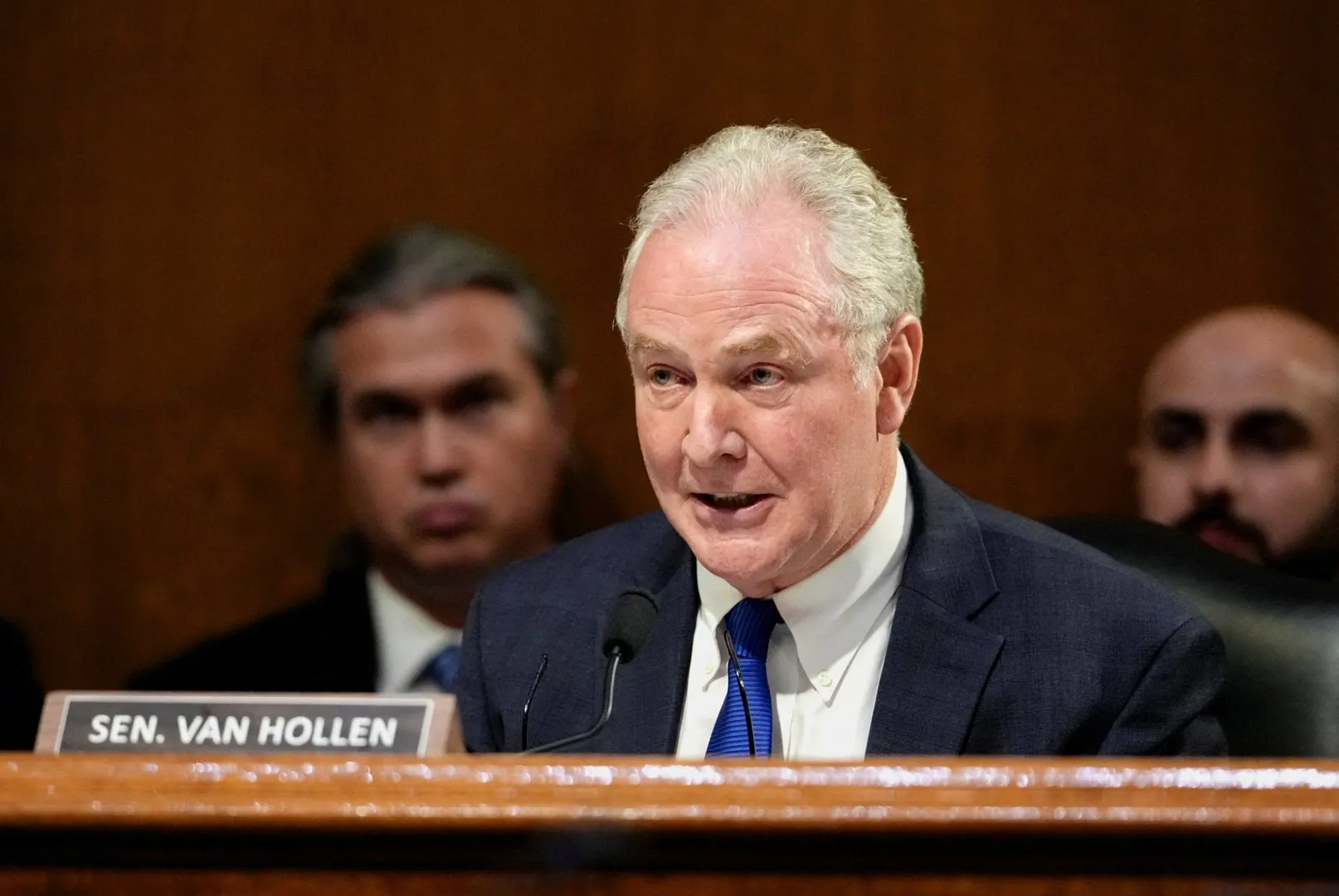
Simultaneously, Netanyahu faces vocal opposition from U.S. lawmakers. Senator Chris Van Hollen recently delivered a scathing assessment of the Israeli Prime Minister, explicitly labeling him a "chronic liar" and a "war criminal" ahead of his appearance at the UN General Assembly. Van Hollen’s comments centered on the human cost of the conflict, with the senator holding the Prime Minister directly responsible for the deaths of American citizens during the hostilities.
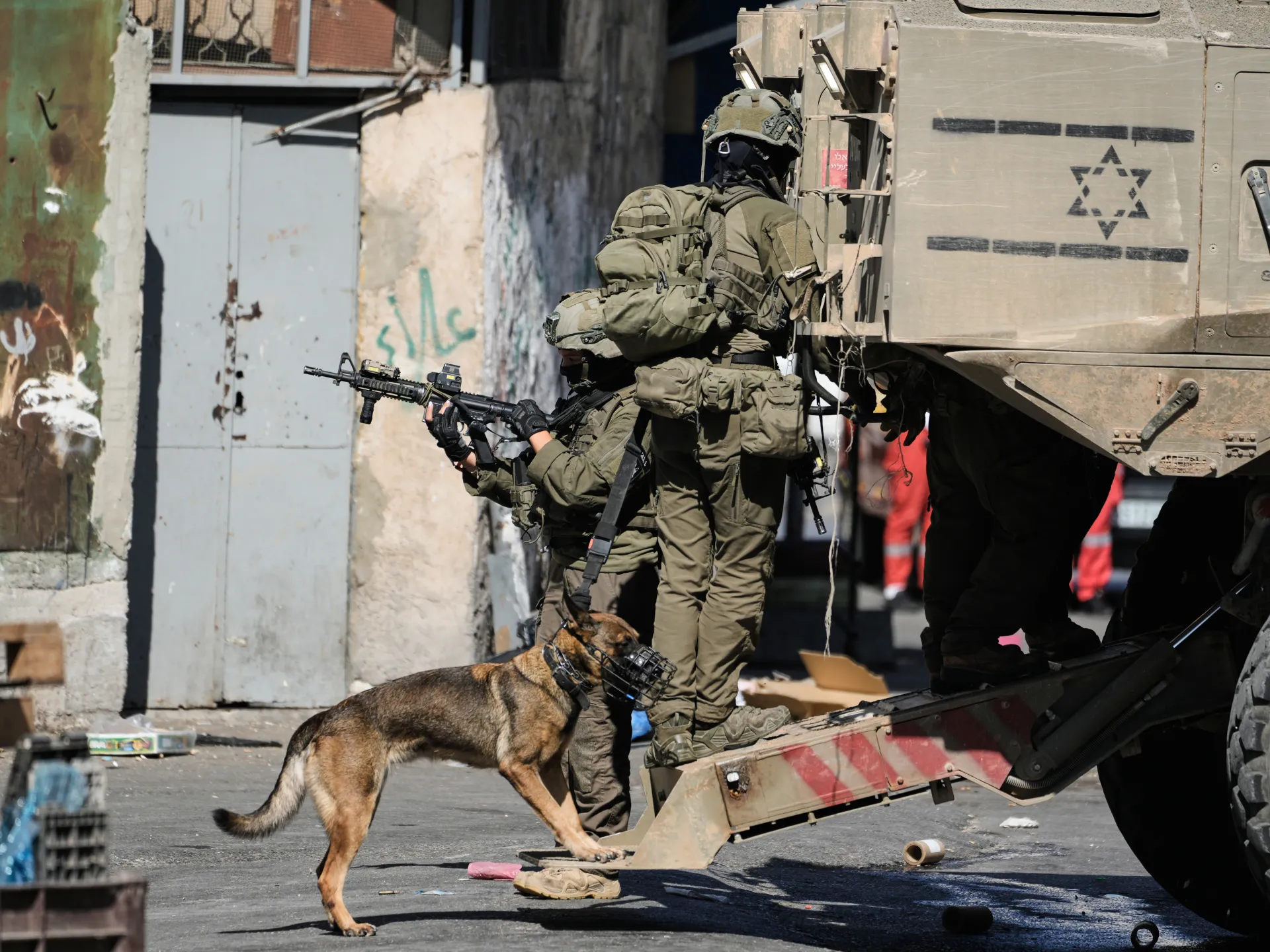
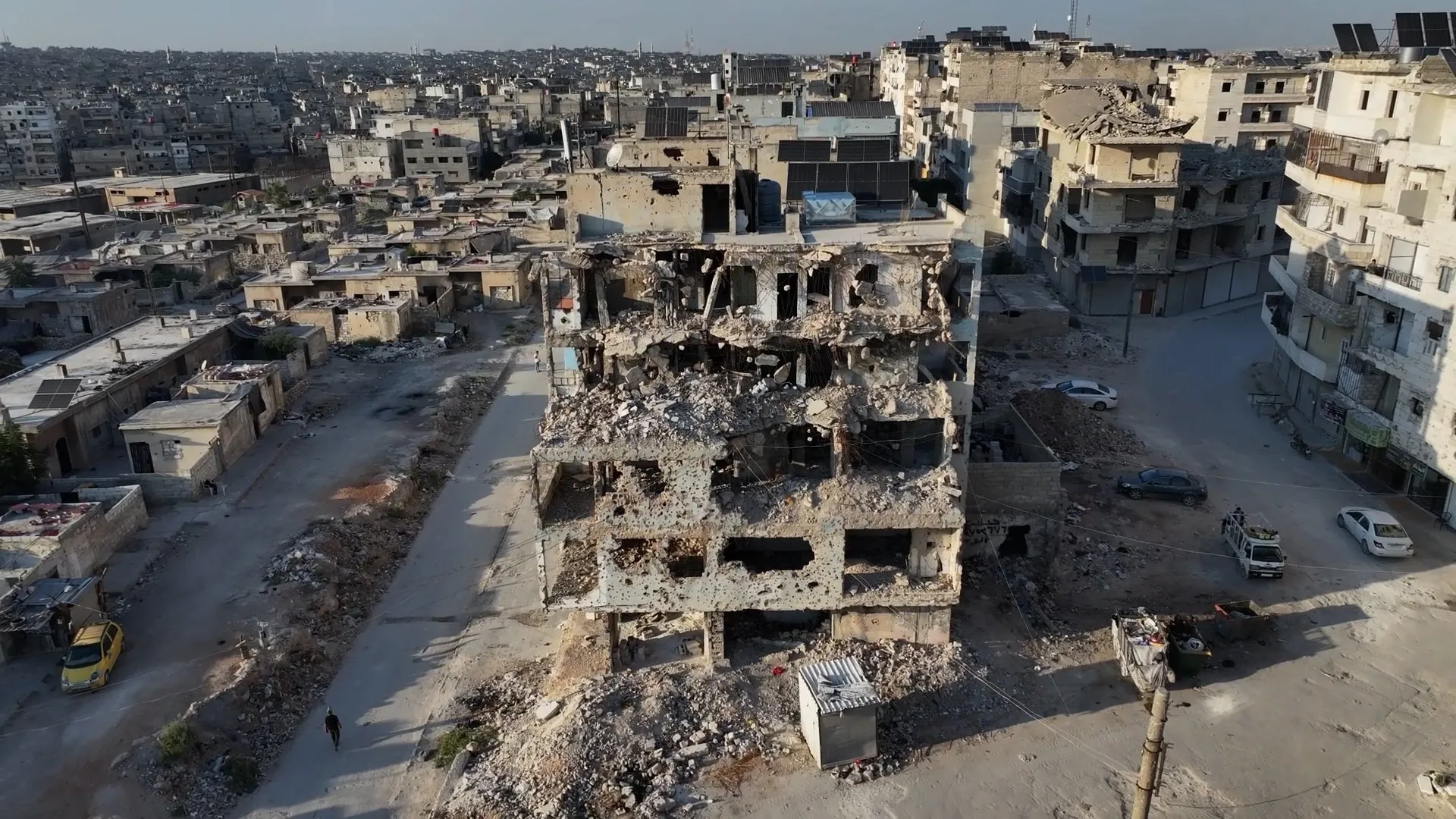
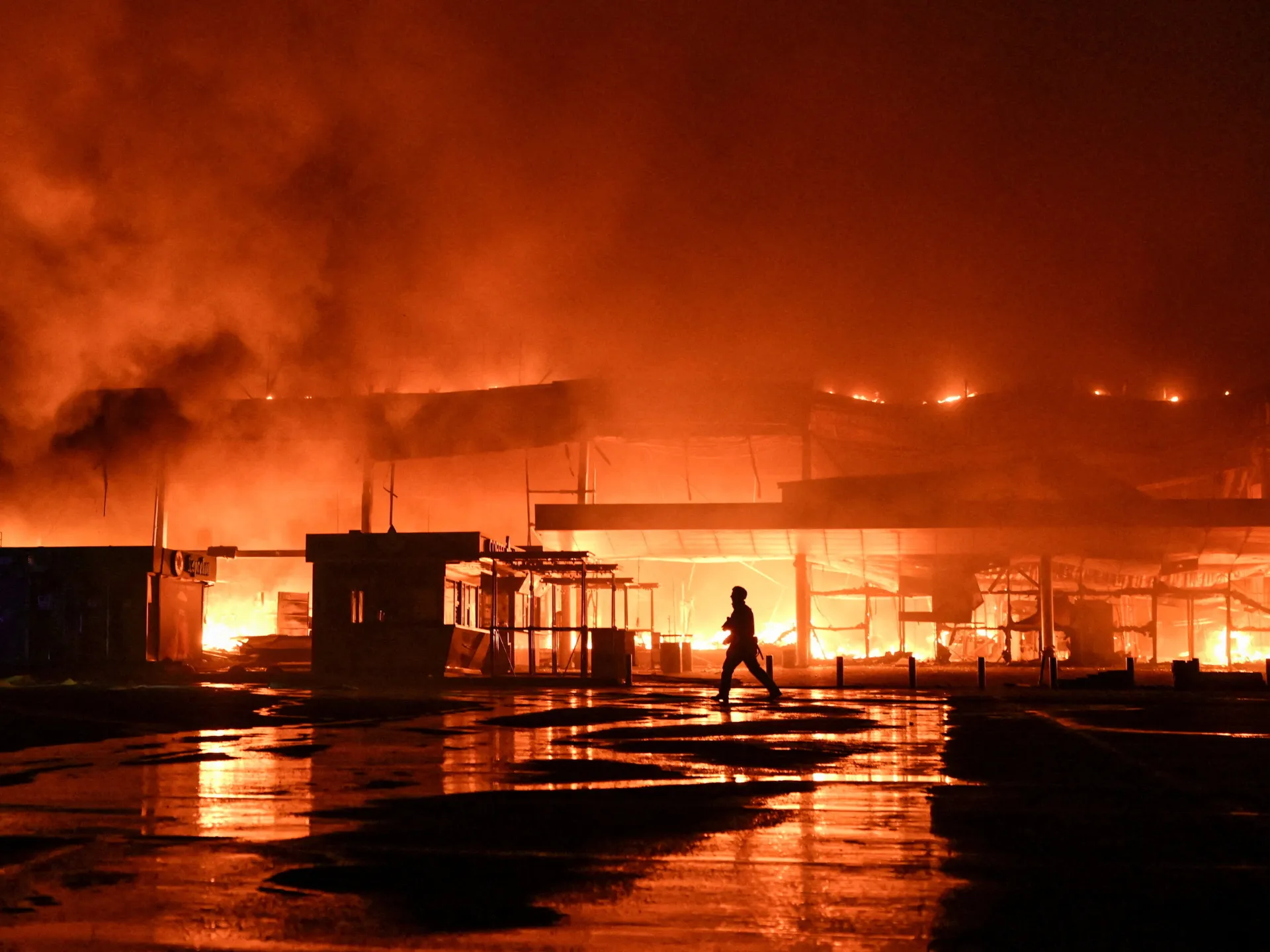
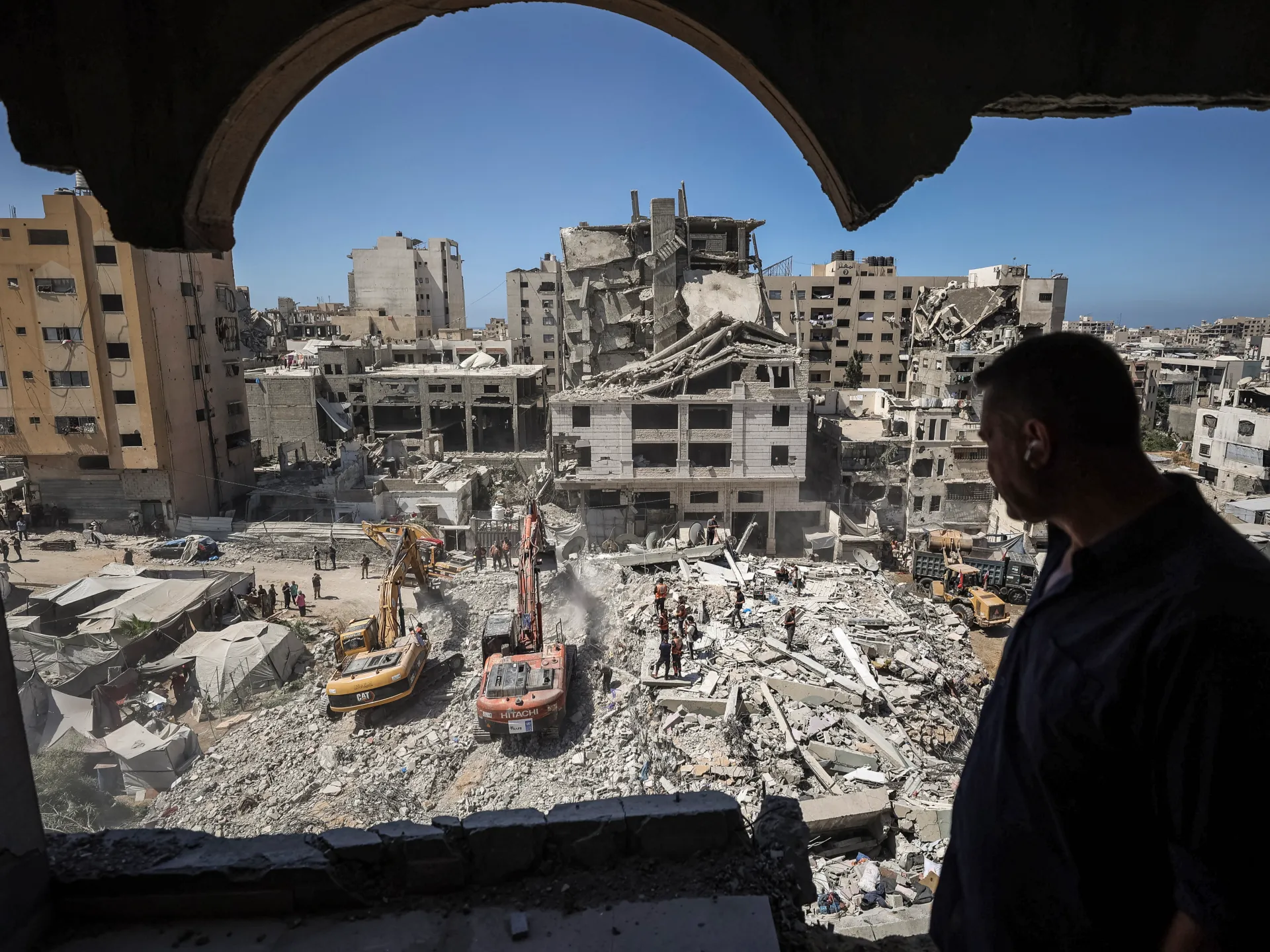
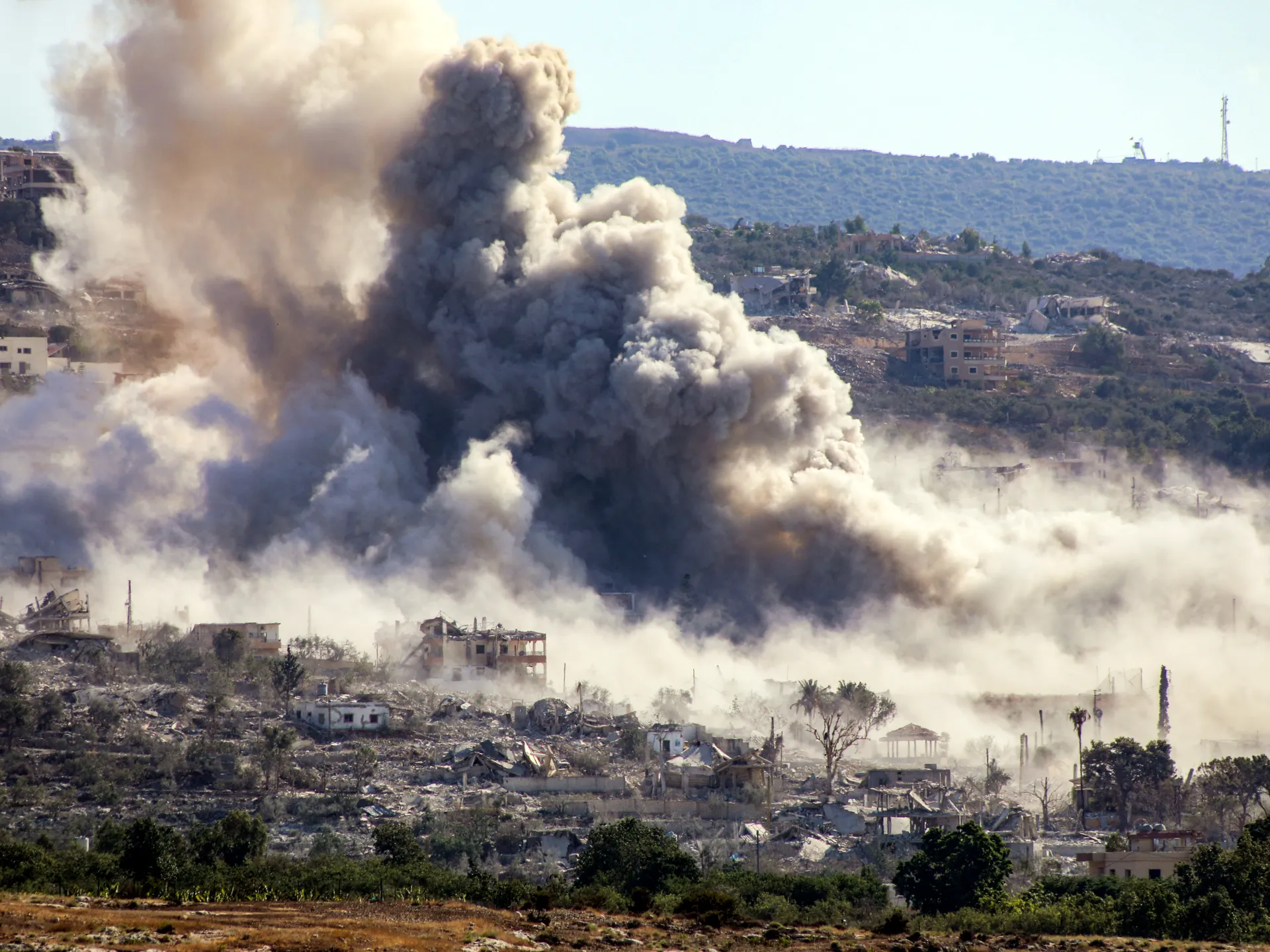
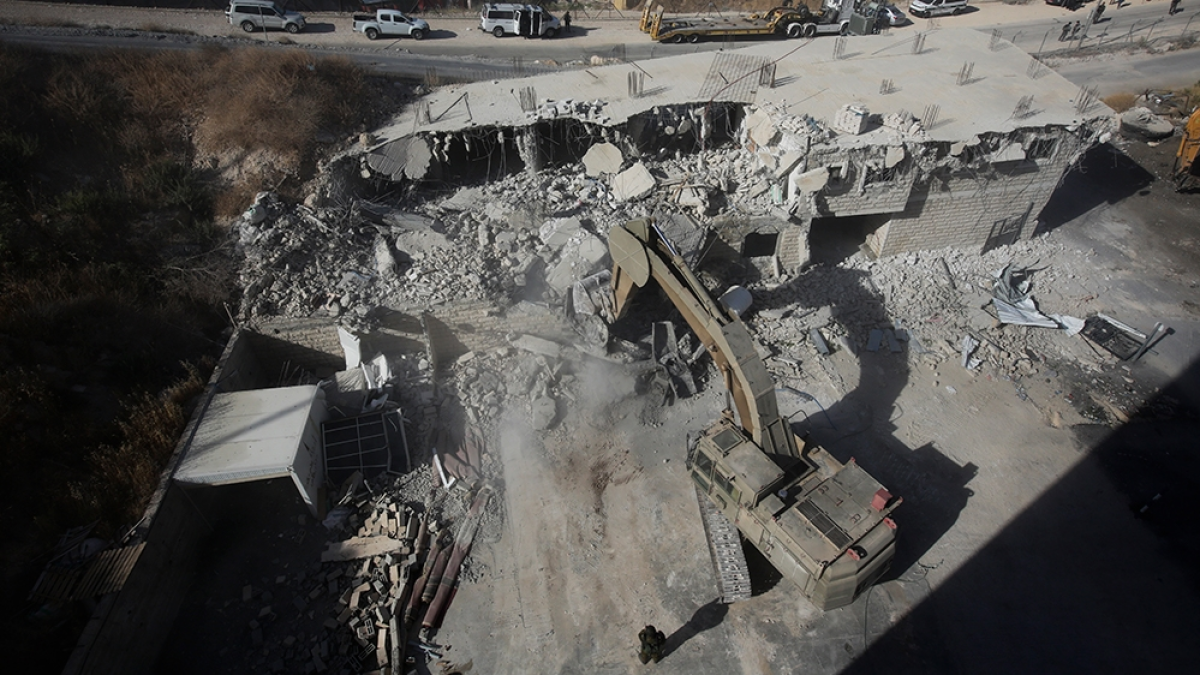
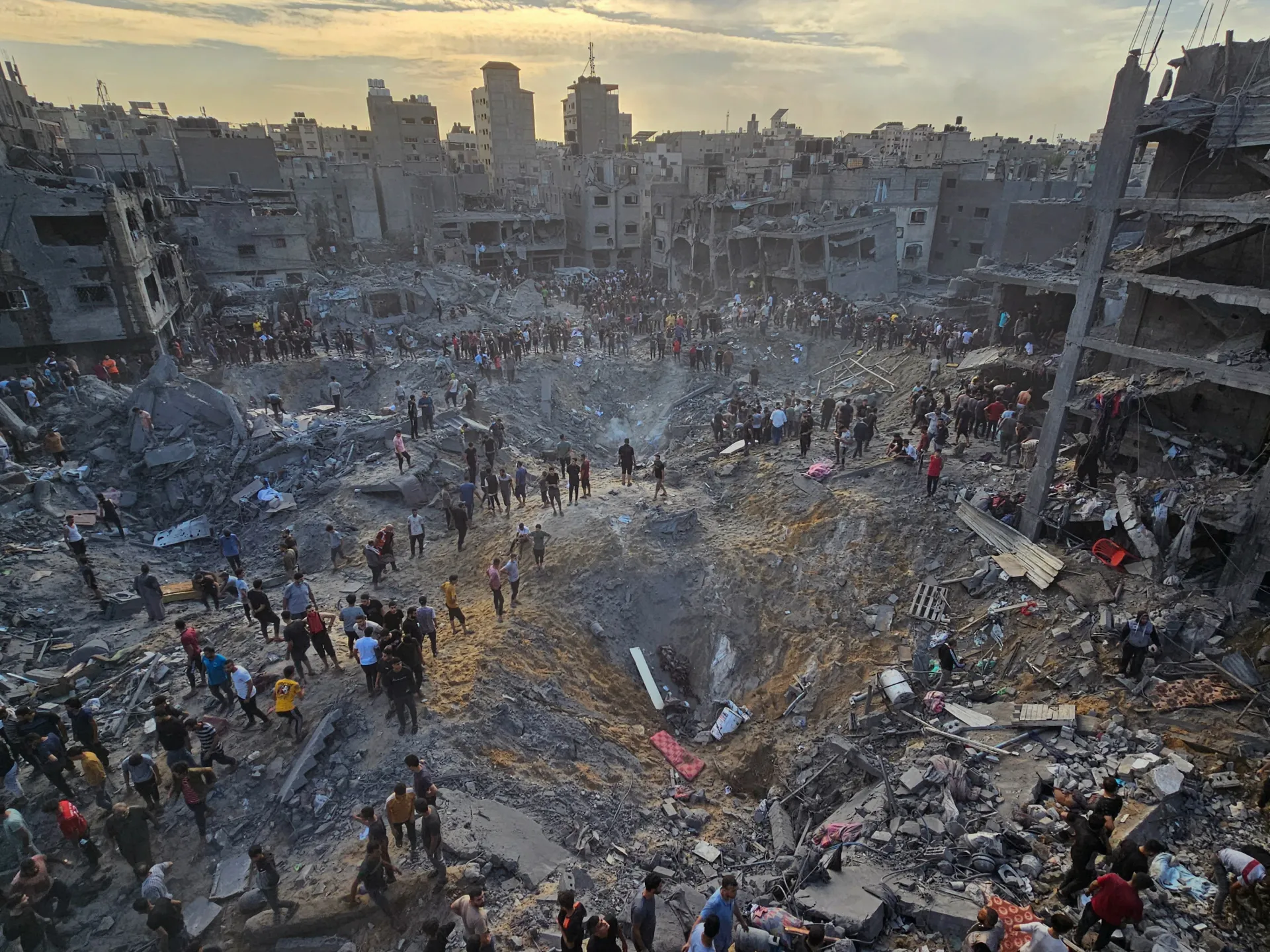
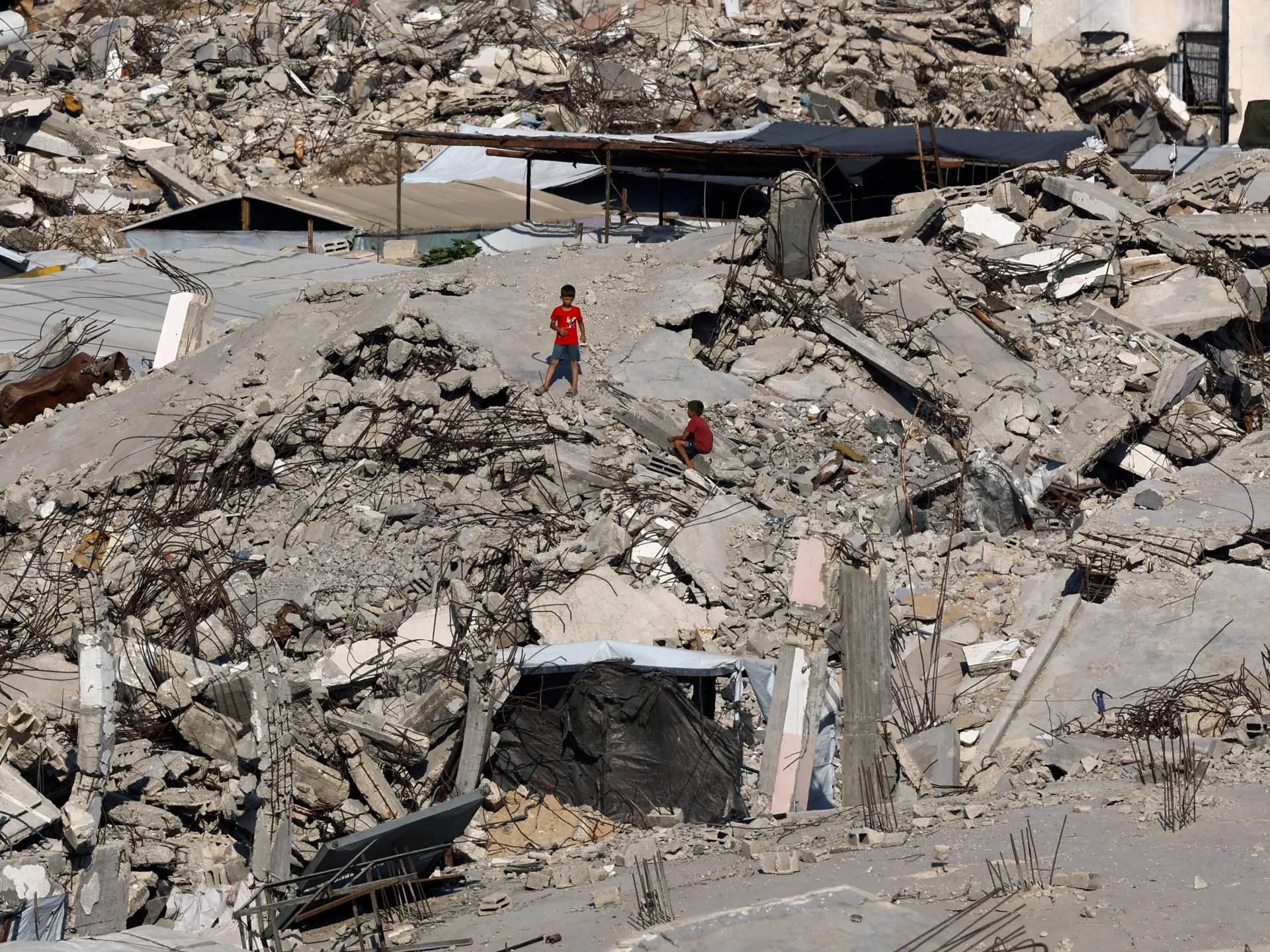
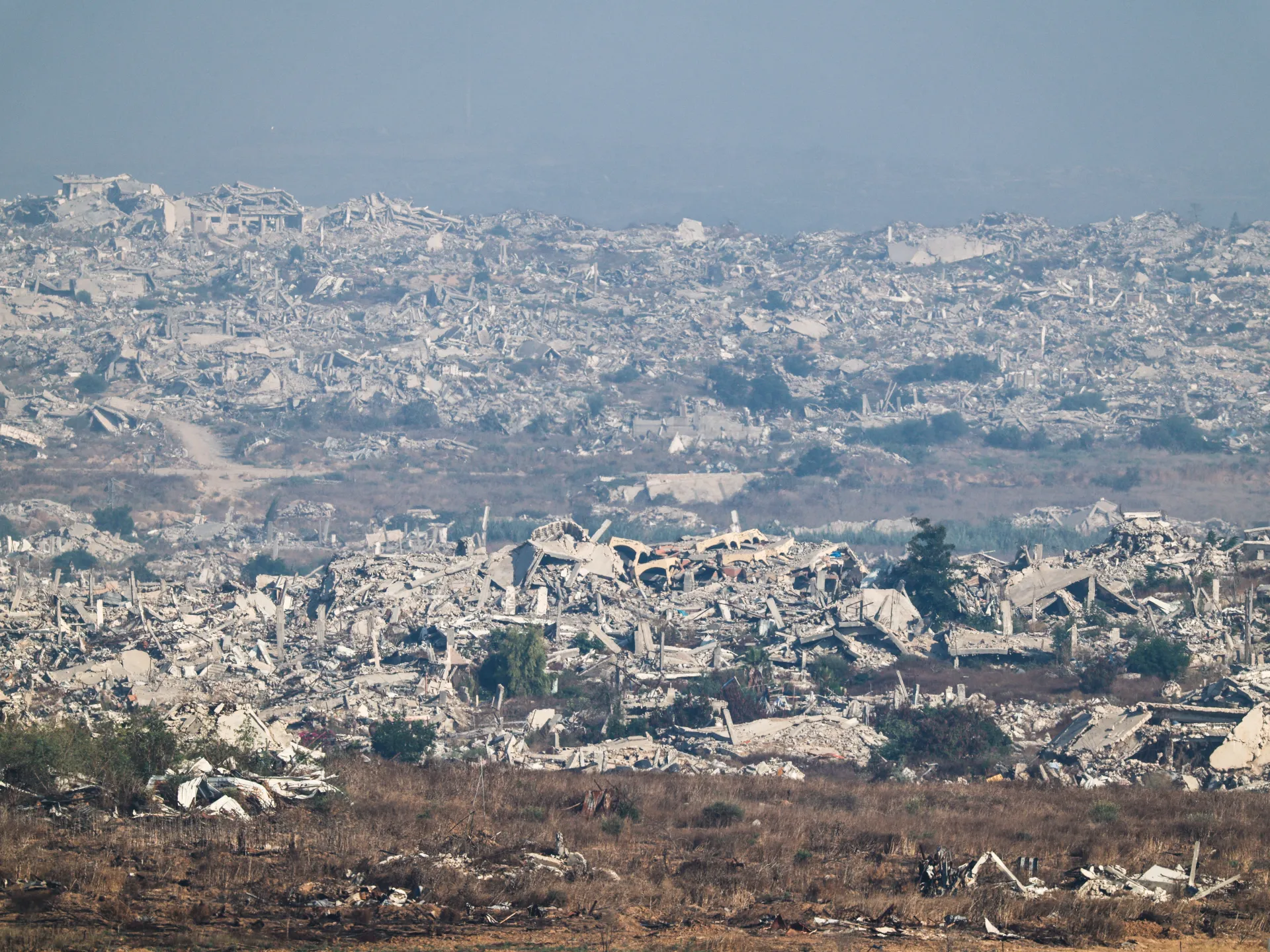
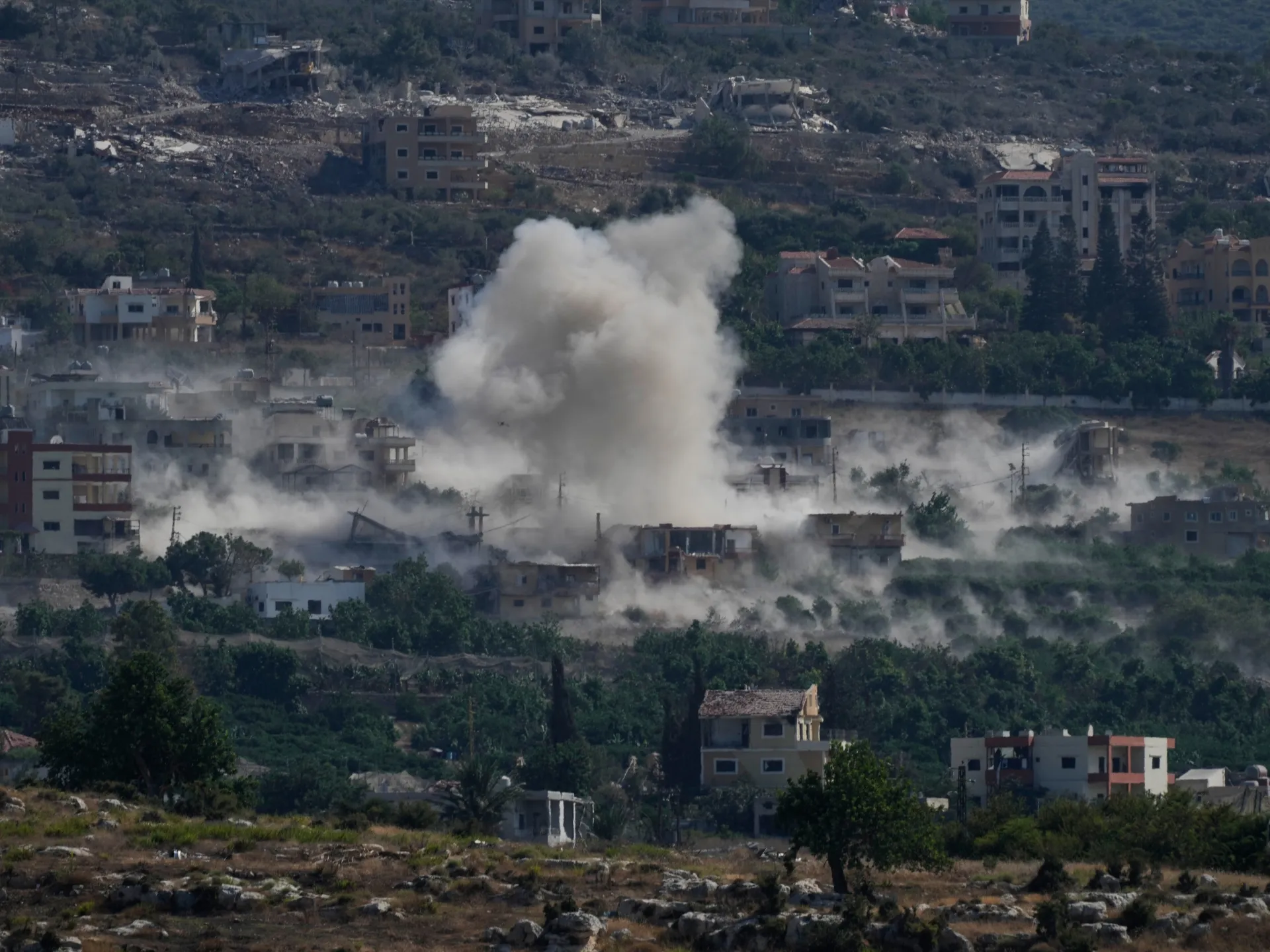
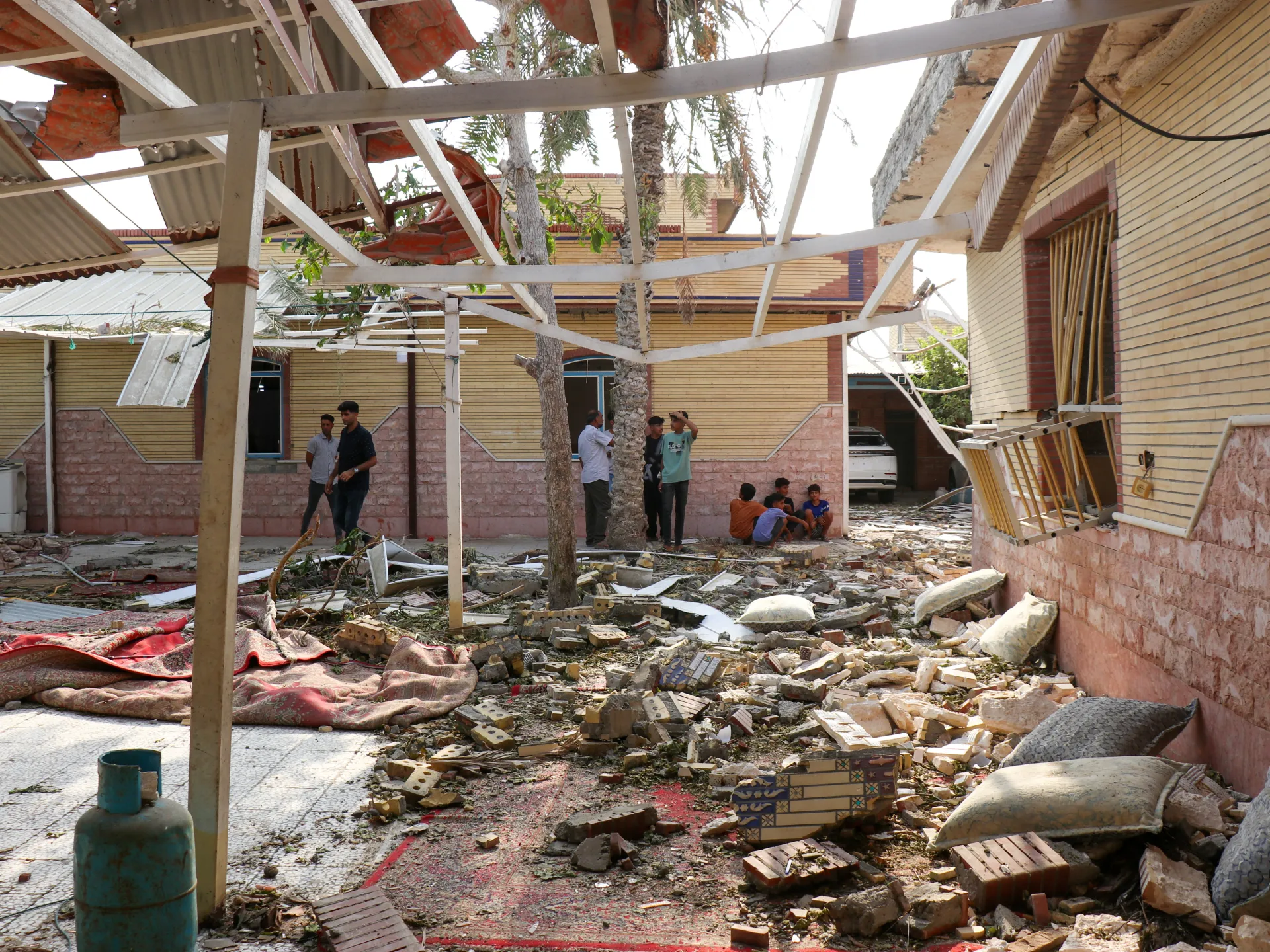
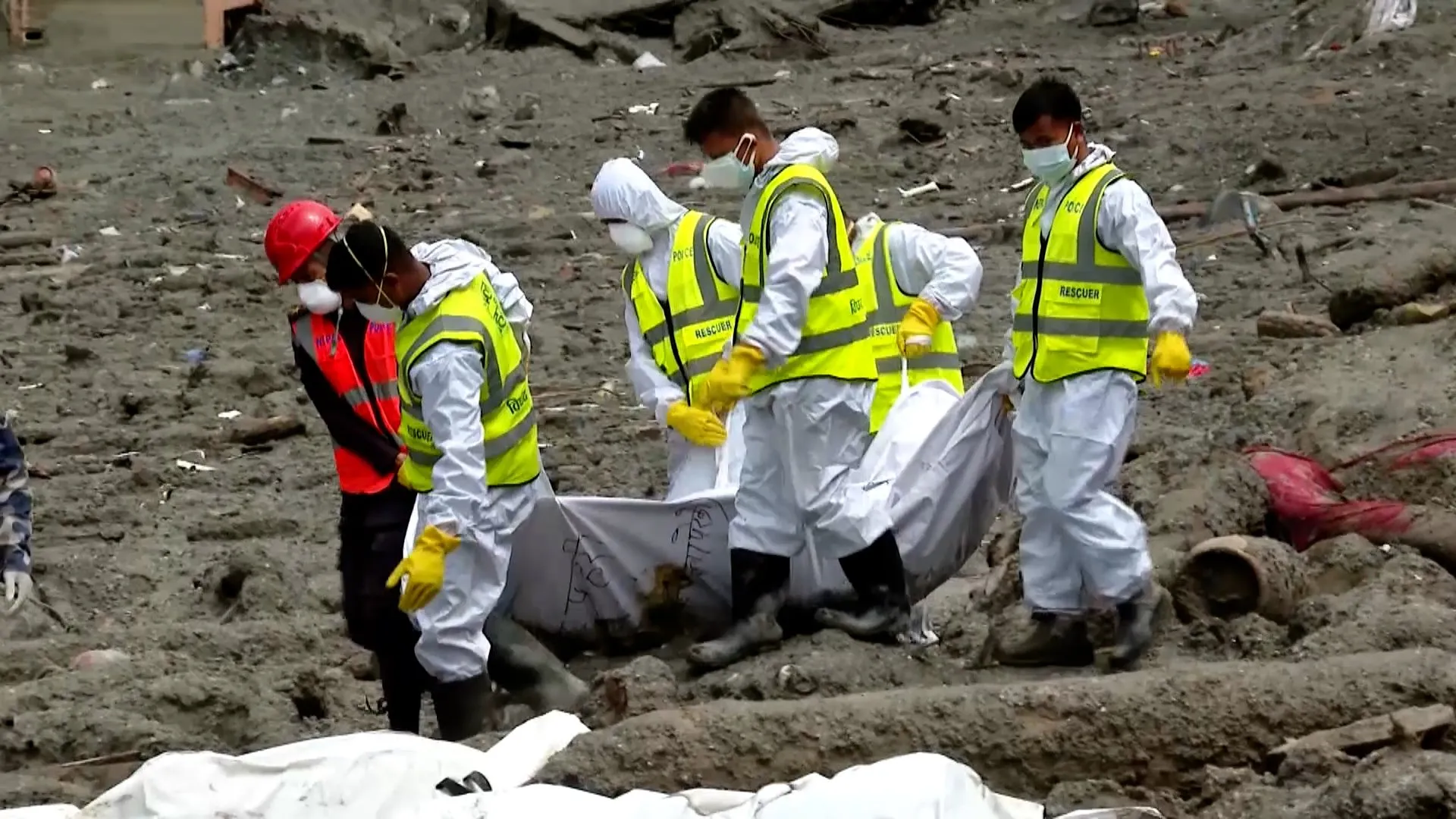
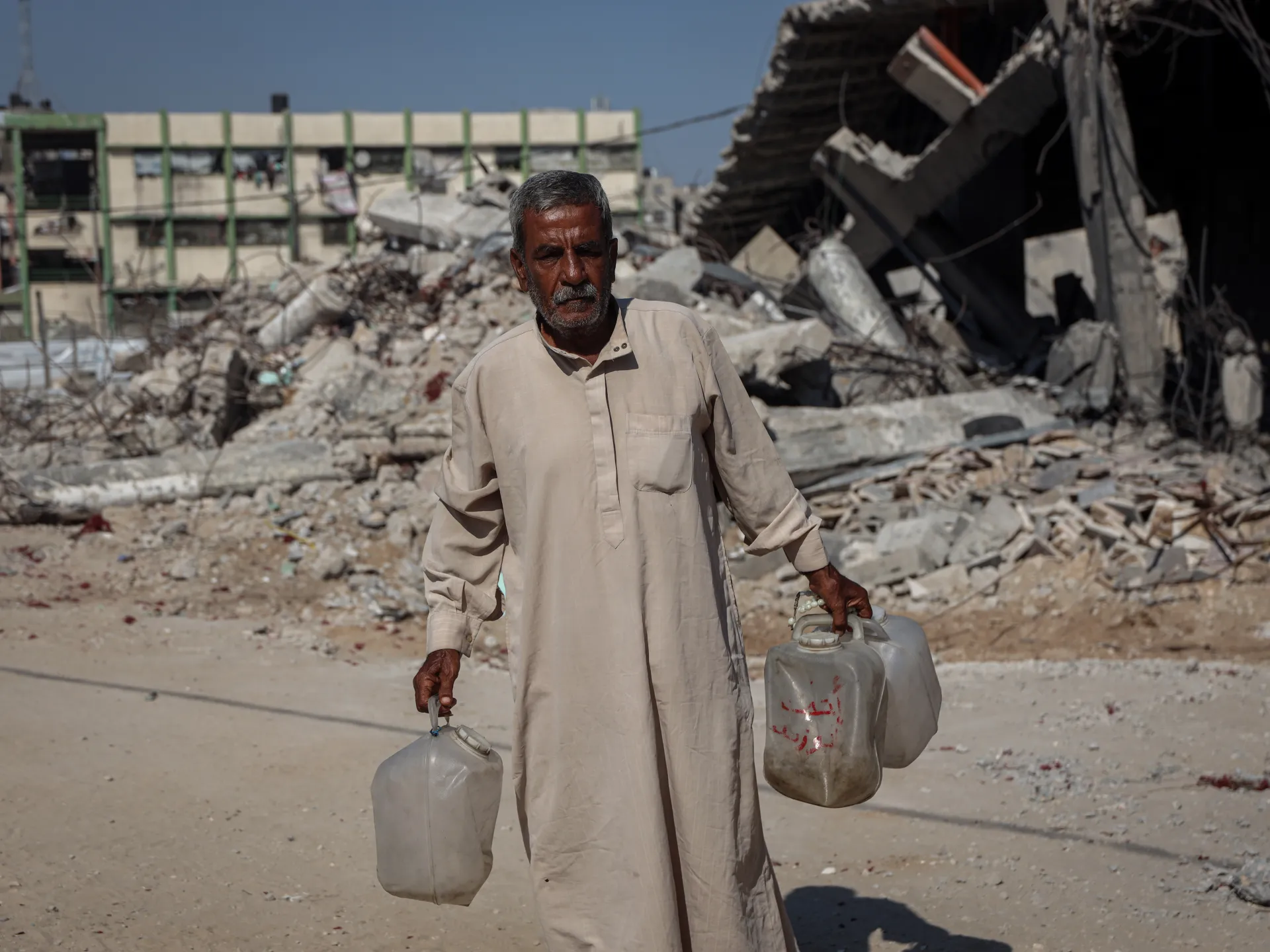
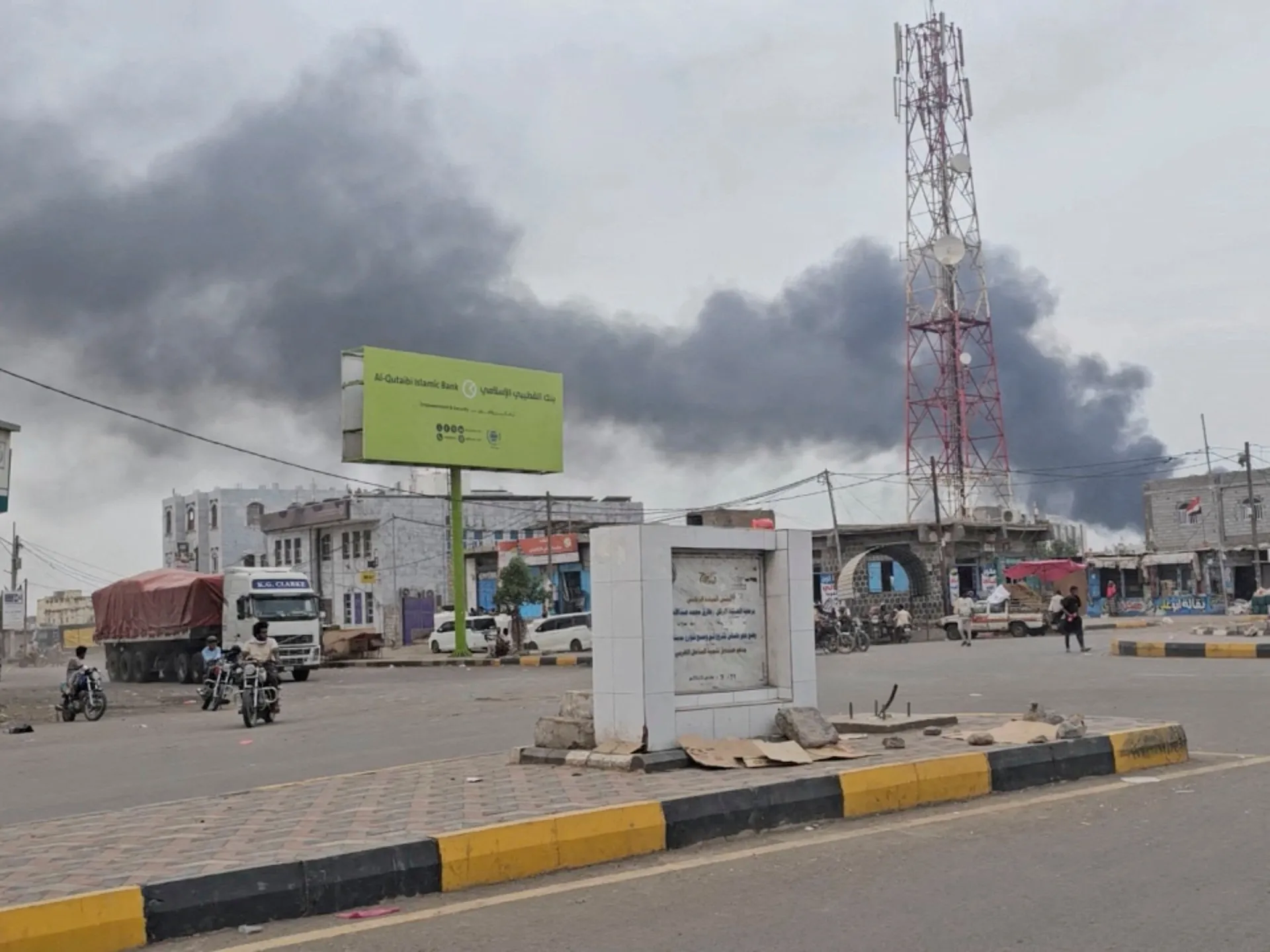
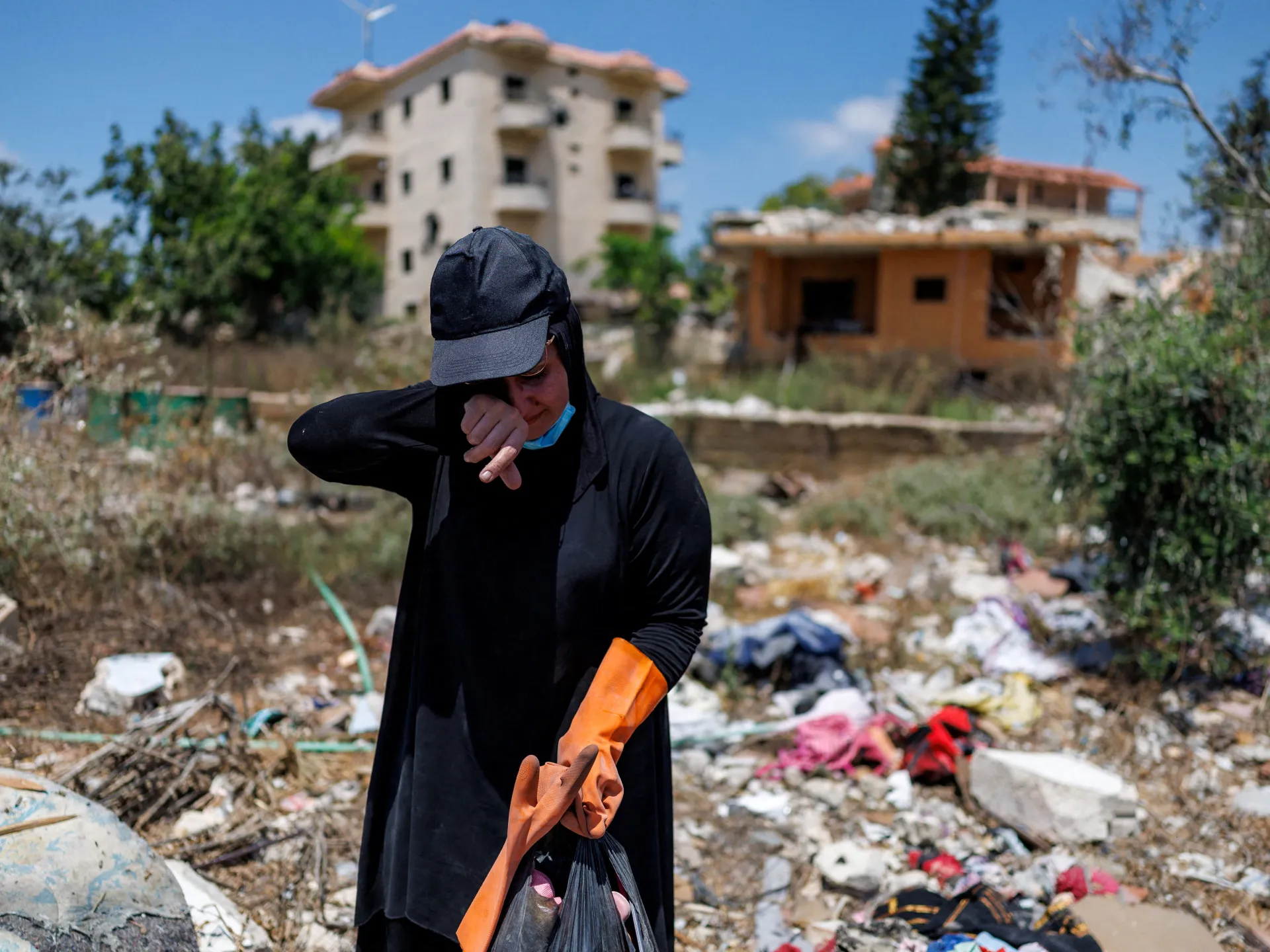
These international condemnations occur against a backdrop of devastating loss. Following the Hamas-led incursions on October 7, 2023, which resulted in the deaths of approximately 1,200 people and the seizure of 251 hostages, Israel launched an extensive military campaign in Gaza. Health ministry officials in Gaza, whose data the UN views as reliable, report that the conflict has claimed at least 73,670 lives. Netanyahu continues to resist calls for an independent public inquiry into the failures of October 7, maintaining that the current focus must remain on military operations.
As the election date approaches, the political landscape is likely to remain polarized. The defamation lawsuit against Haaretz will likely serve as a focal point for debates regarding press freedom, while the Prime Minister’s appearance at the UN will likely be overshadowed litical opponents will leverage these controversies to demand a full, independent commission into the intelligence failures of 2023. Unless the Prime Minister can effectively neutralize the narrative of a "sinister plot" through his legal challenge, he will likely continue to face a grueling electoral battle where his record on national security remains the primary point of contention.