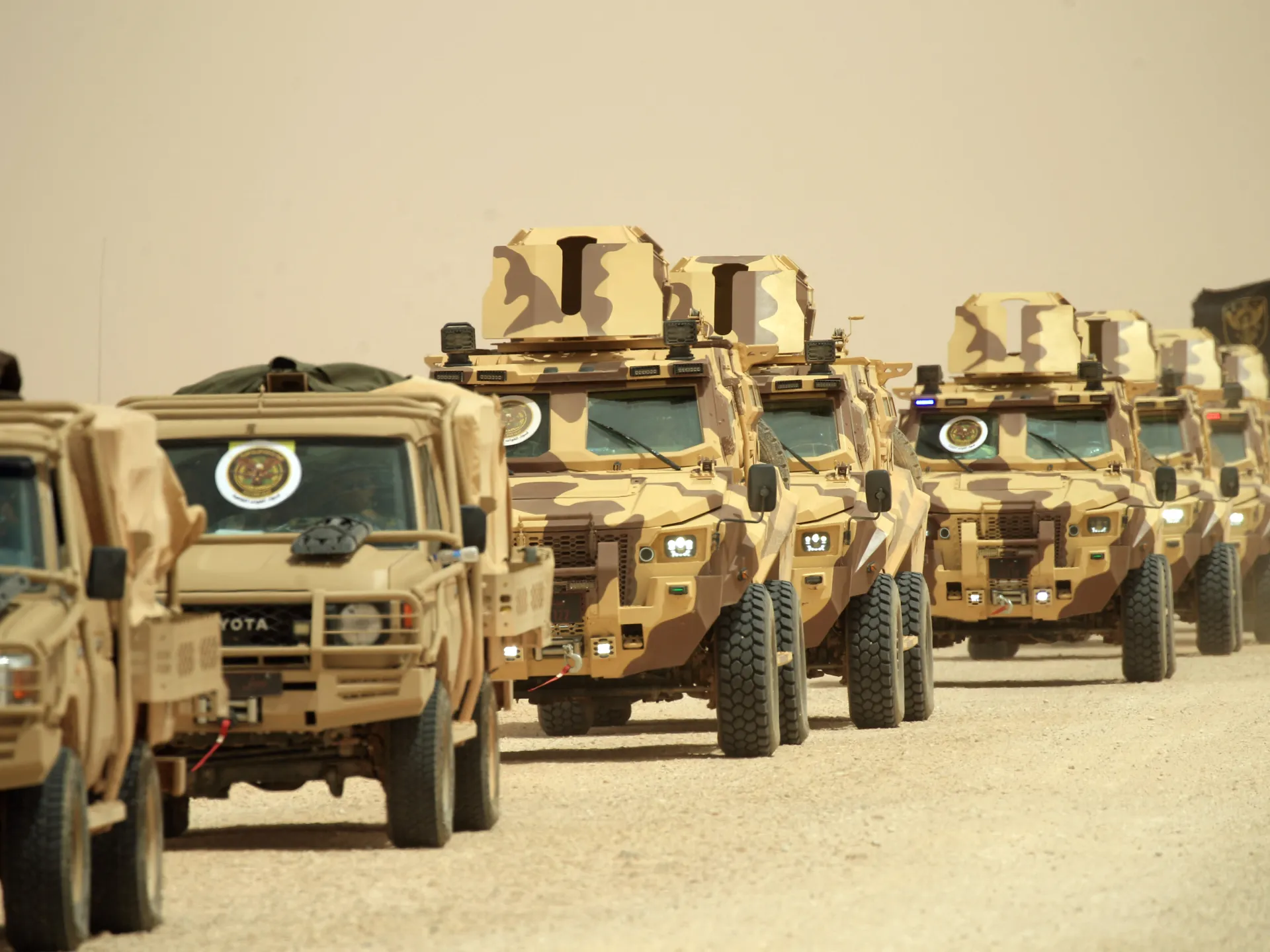
The Syrian Democratic Forces have announced their official dissolution as part of a strategic agreement to integrate militia members into the national army.
The Syrian Democratic Forces (SDF) emerged as a pivotal military coalition during the height of the conflict in Syria. Formed primarily to counter the territorial expansion of ISIL, the group brought together a diverse array of militias, including Kurdish, Arab, and Assyrian fighters. Over the years, the SDF became the primary ground partner for international coalitions seeking to stabilize the region and dismantle the extremist caliphate that had taken root across northern and eastern Syria.
Beyond their military role, the SDF acted as the de facto security apparatus for the Autonomous Administration of North and East Syria. They managed vast territories, oversaw detention centers housing thousands of former ISIL combatants, and maintained a semblance of order in a region devastated them one of the most significant non-state actors in the Syrian theater for nearly a decade.
The recent announcement regarding the dissolution of the SDF marks a profound shift in the political and military landscape of Syria. The decision to disband follows a series of negotiations aimed at reconciling disparate armed factions under a unified national structure. im government seeks to consolidate control and move away from the fragmented security environment that defined the post-2011 era.
This integration process is viewed state sovereignty. the government aims to reduce the influence of independent paramilitary units. This transition is intended to streamline command structures, improve accountability, and provide a standardized framework for national defense against remaining security threats.
While the dissolution of the SDF represents a milestone in the effort to unify Syria, it presents significant logistical and political challenges. The integration of battle-hardened veterans into a centralized military structure requires careful management to ensure loyalty and cohesion. There are lingering concerns regarding how the diverse ethnic components of the former SDF will be treated within the state-run military, as historical tensions remain a sensitive issue in the region.
Furthermore, the dissolution raises questions about the future of the security arrangements in the territories formerly managed n will lead to a more stable environment or if it might inadvertently create power vacuums in areas where the SDF previously provided essential security services. The success of this move will depend heavily on the interim government's ability to demonstrate transparent governance and maintain the security of populations that were once under the protection of the SDF.
The disbanding of such a substantial force underscores a broader trend in the Syrian conflict: the gradual winding down of decentralized militia operations in favor of institutionalized state authority. As the country looks toward rebuilding its infrastructure and social fabric, the removal of autonomous military entities is seen as a prerequisite for international recognition and the eventual withdrawal of foreign presence in the region.