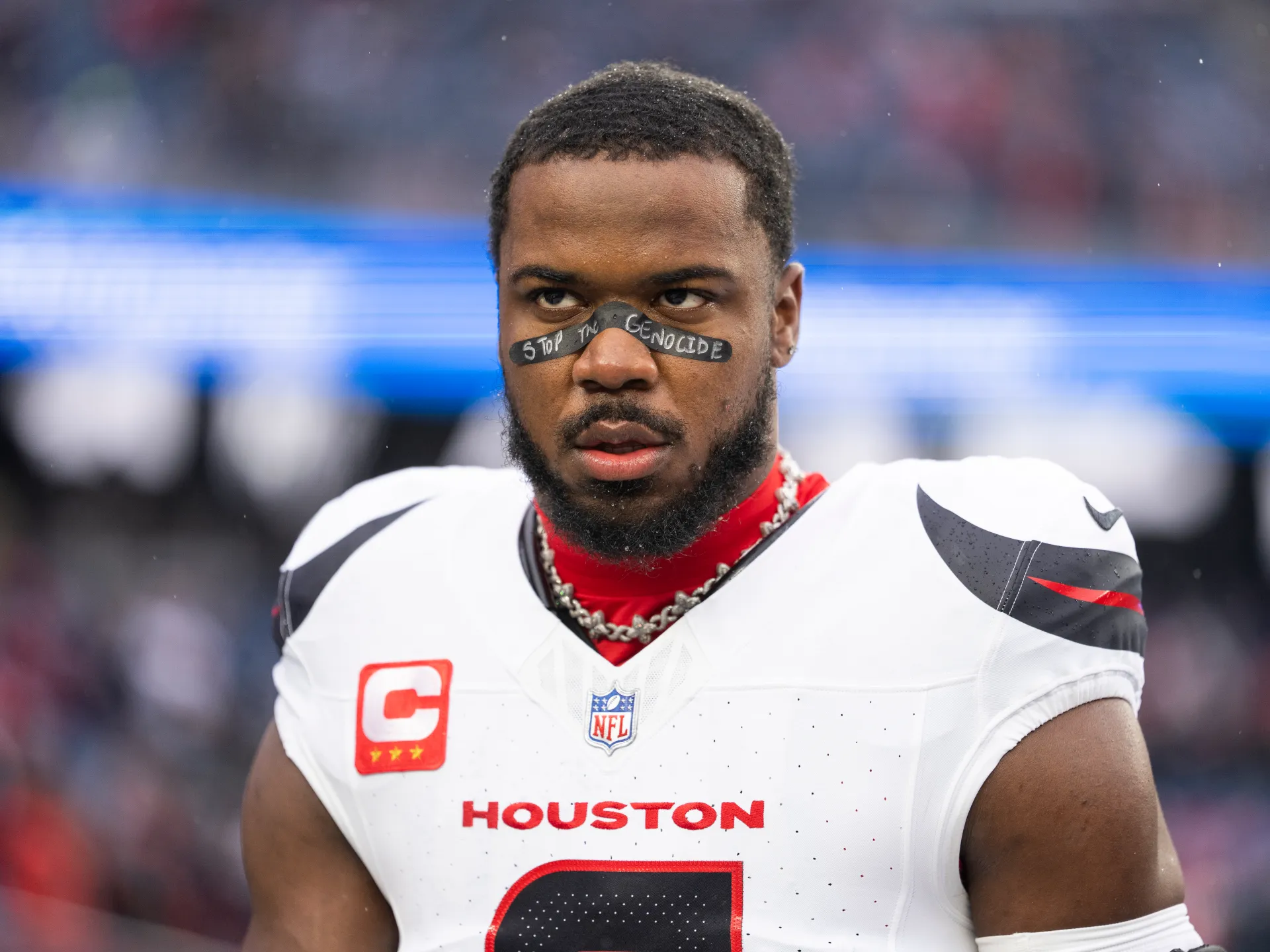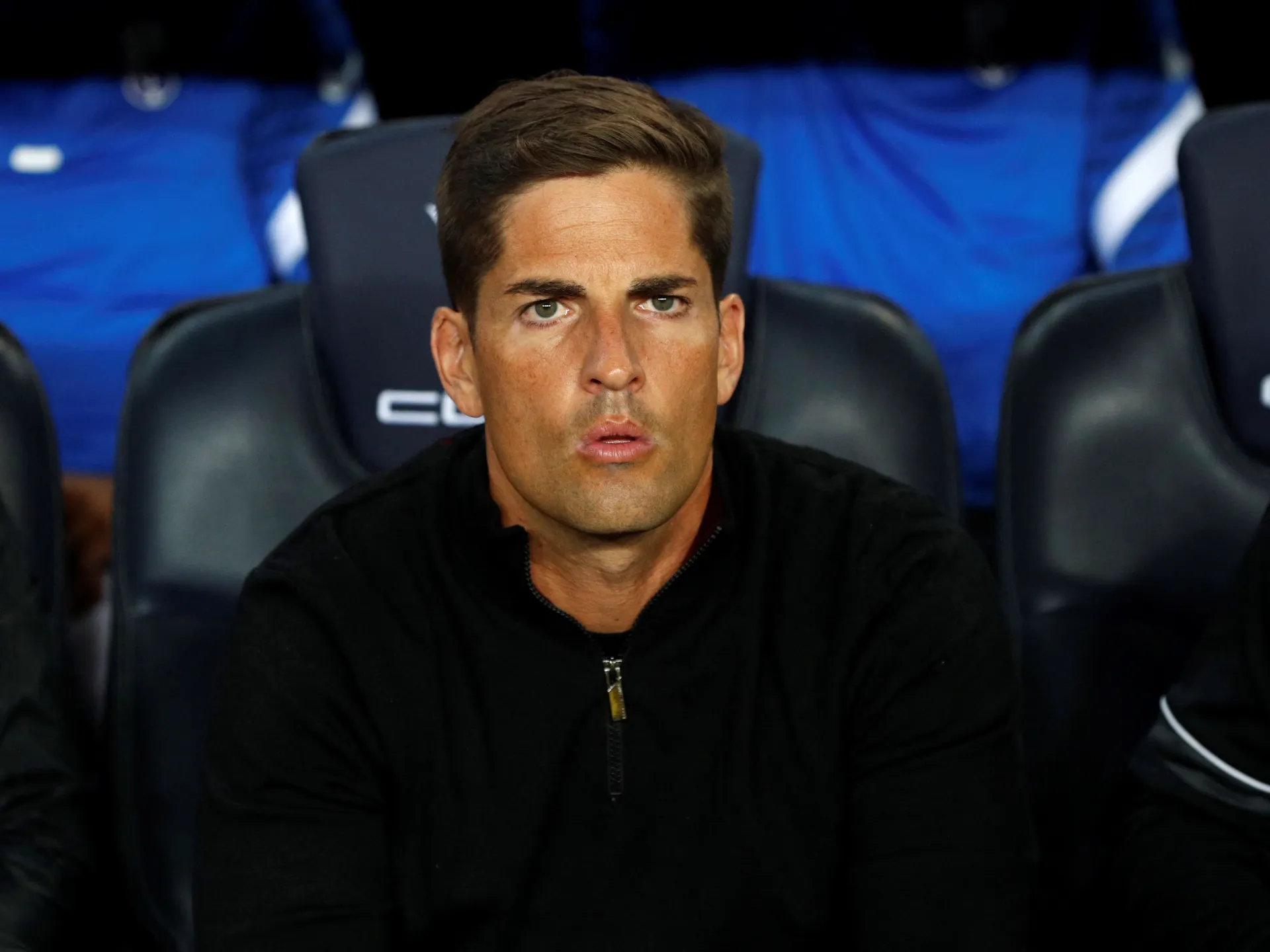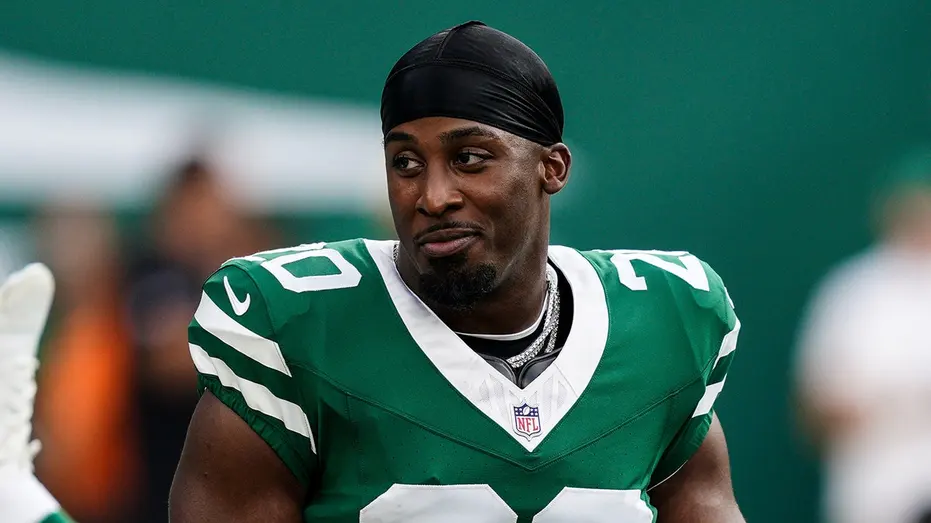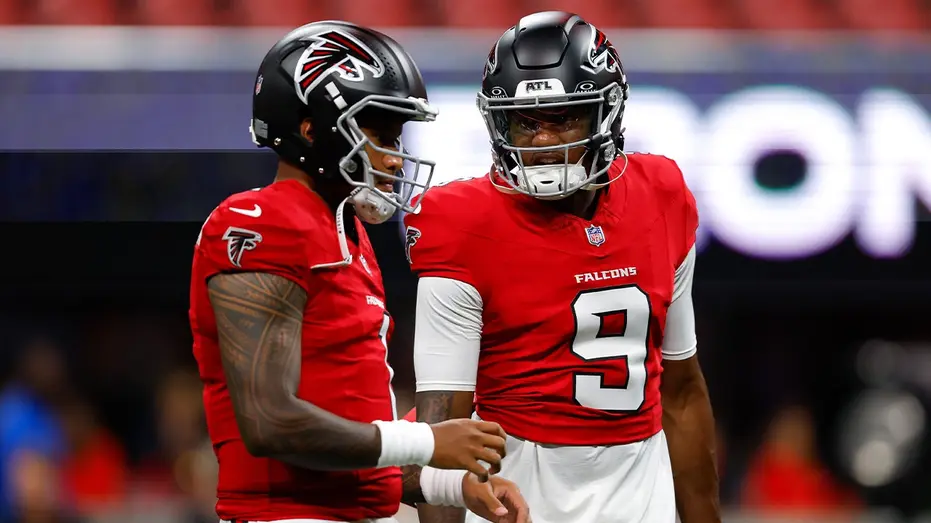
Houston Texans linebacker Azeez Al-Shaair continues to face league fines for his on-field tributes to victims of the war in Gaza.
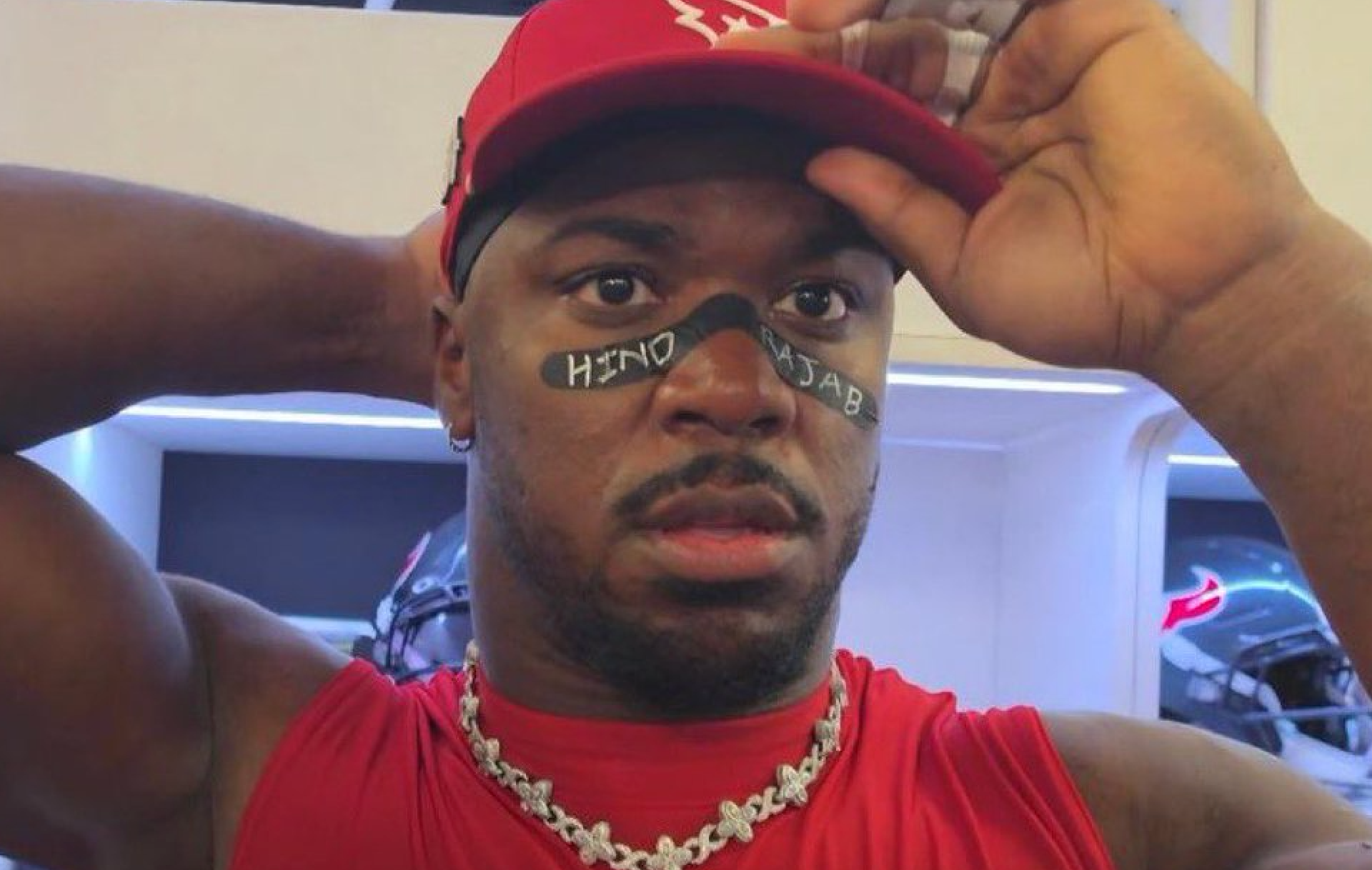
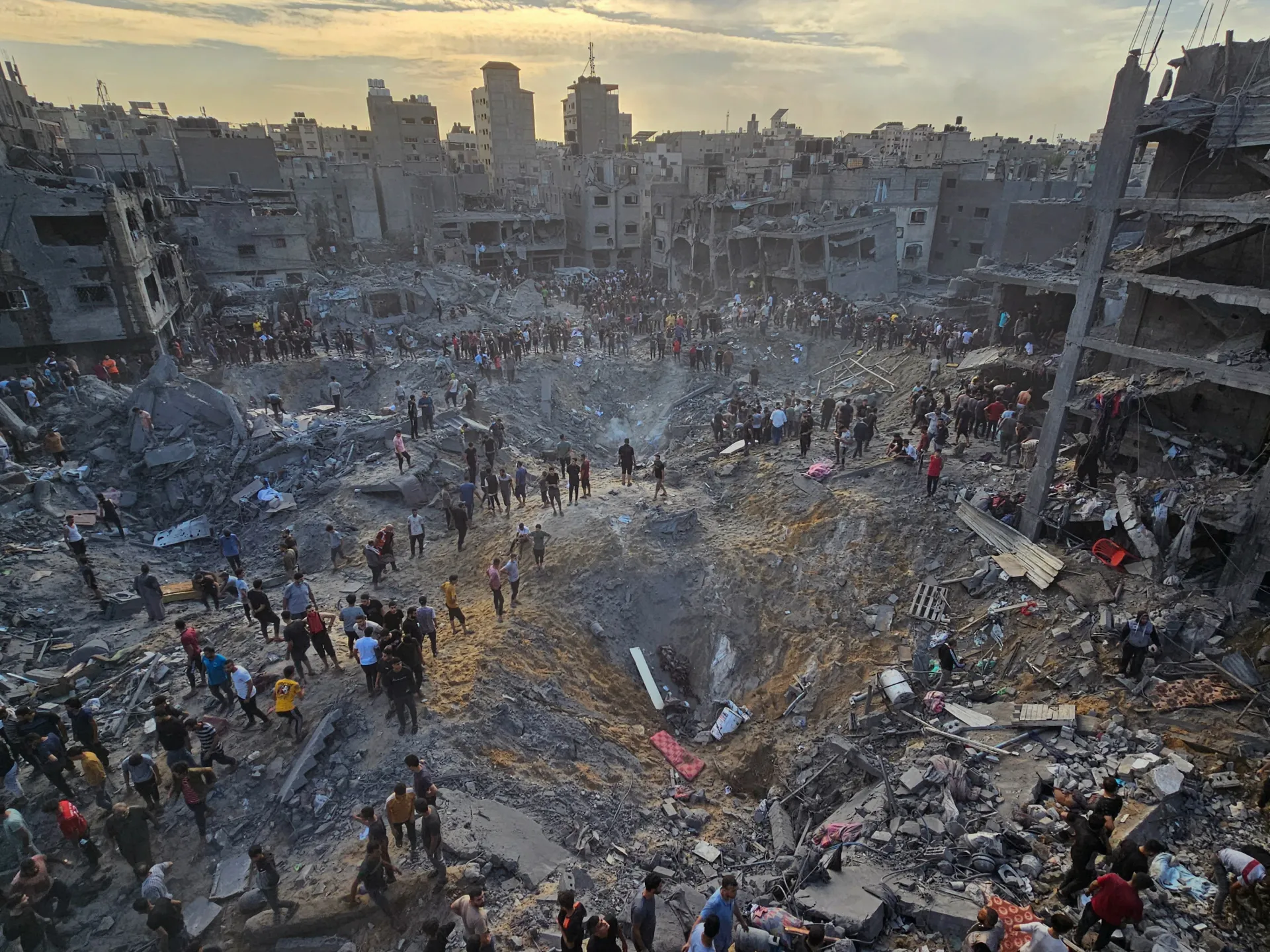
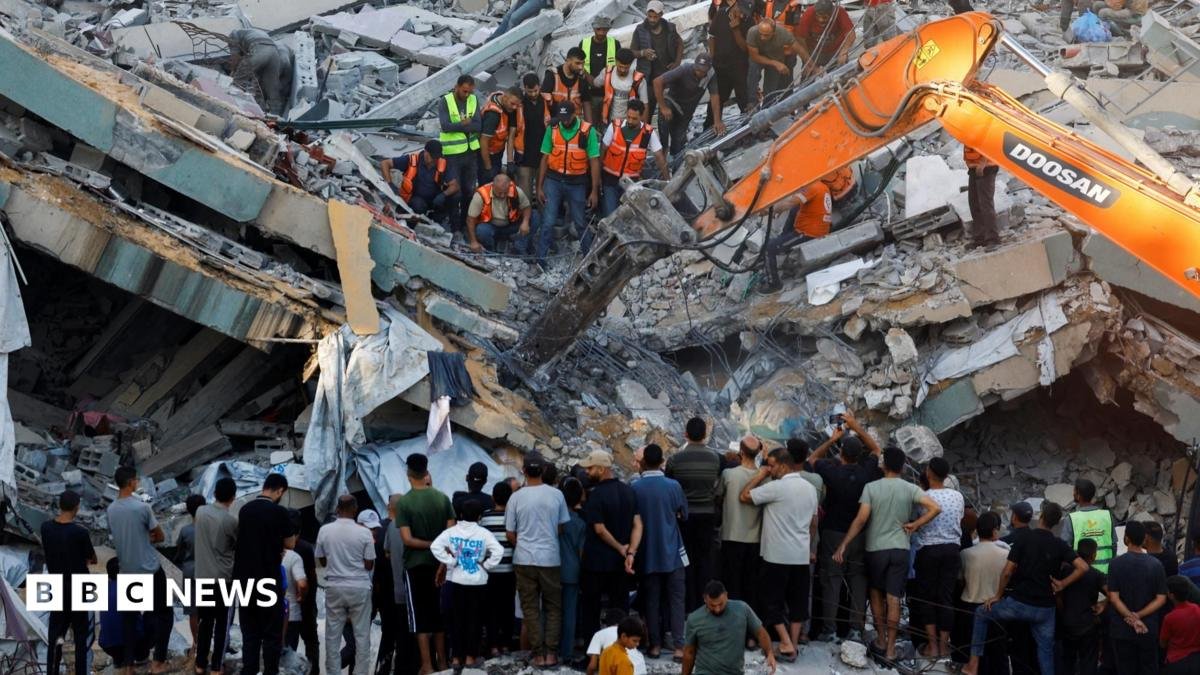
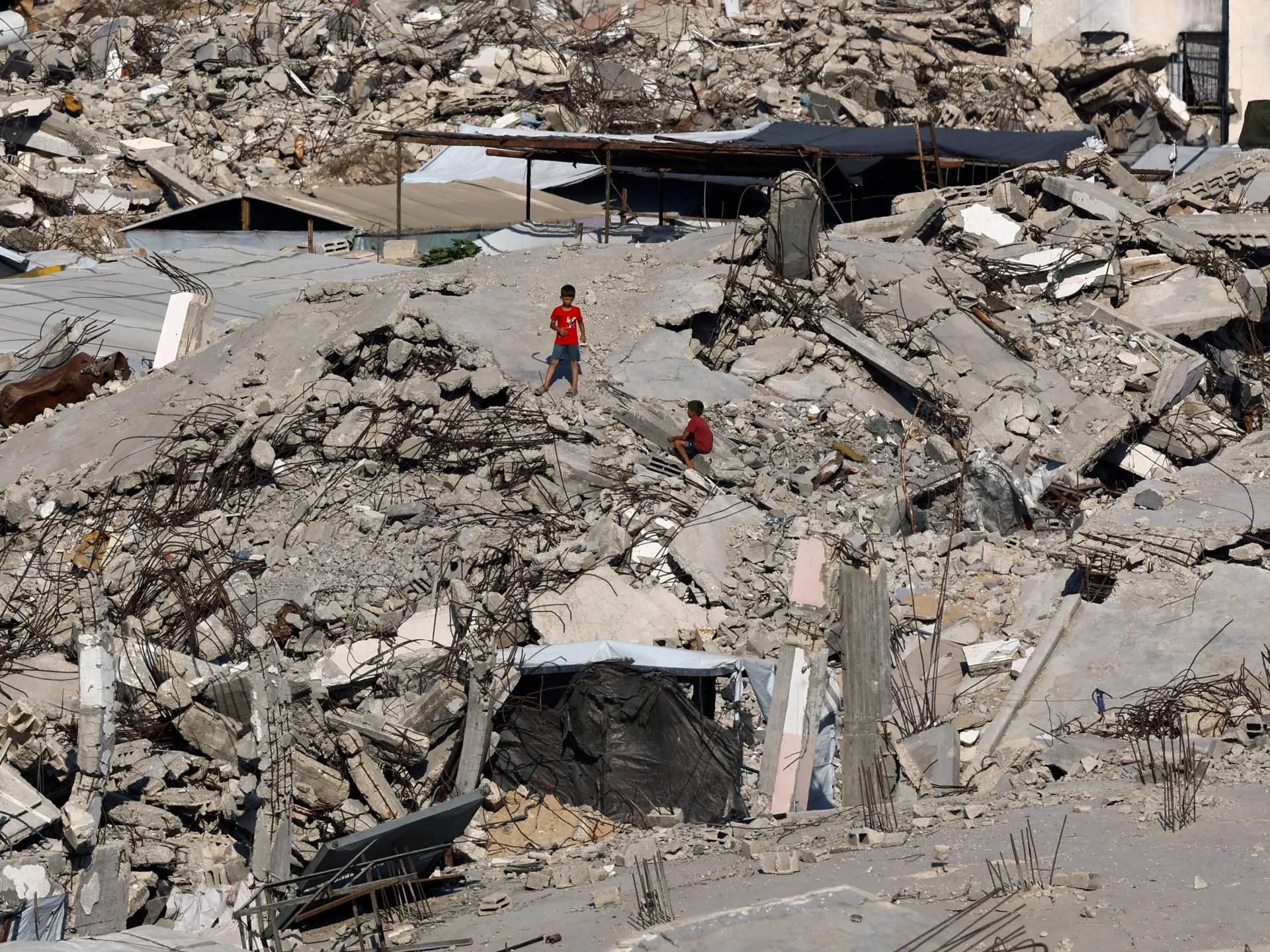
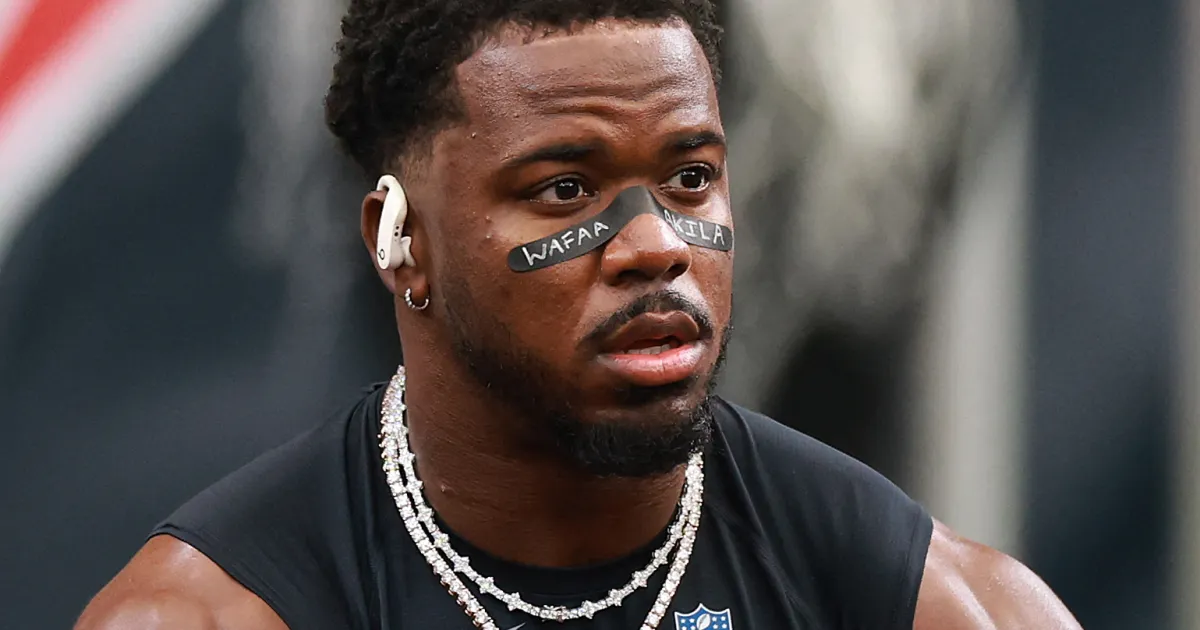
Houston Texans linebacker Azeez Al-Shaair has maintained his public campaign to draw attention to the humanitarian crisis in Gaza, disregarding recurring financial penalties imposed ions, the veteran player continues to use his platform to highlight the names of children killed in the ongoing conflict, most recently honoring eight-year-old Wafaa Akila during a Sunday contest against the Cincinnati Bengals.
The act of solidarity followed a series of league-mandated fines, including an $11,941 charge issued on September 13 after Al-Shaair wore the name of Hind Rajab on his eye black during a game against the Buffalo Bills. Al-Shaair, a Black American Muslim, has stated that these fines are secondary to the weight of the lives lost, describing the human cost of the conflict as "priceless" when questioned
The situation highlights a widening friction point between professional athletes’ desires to engage in personal political advocacy and the rigid uniform regulations enforced instances, accepting support from other high-profile athletes like Kyrie Irving to cover the costs—Al-Shaair is testing the limits of player expression within the NFL. This trend suggests a shift where, for some athletes, the performative fine serves as a secondary layer of protest, transforming a disciplinary action into a platform that generates further media coverage for their cause.
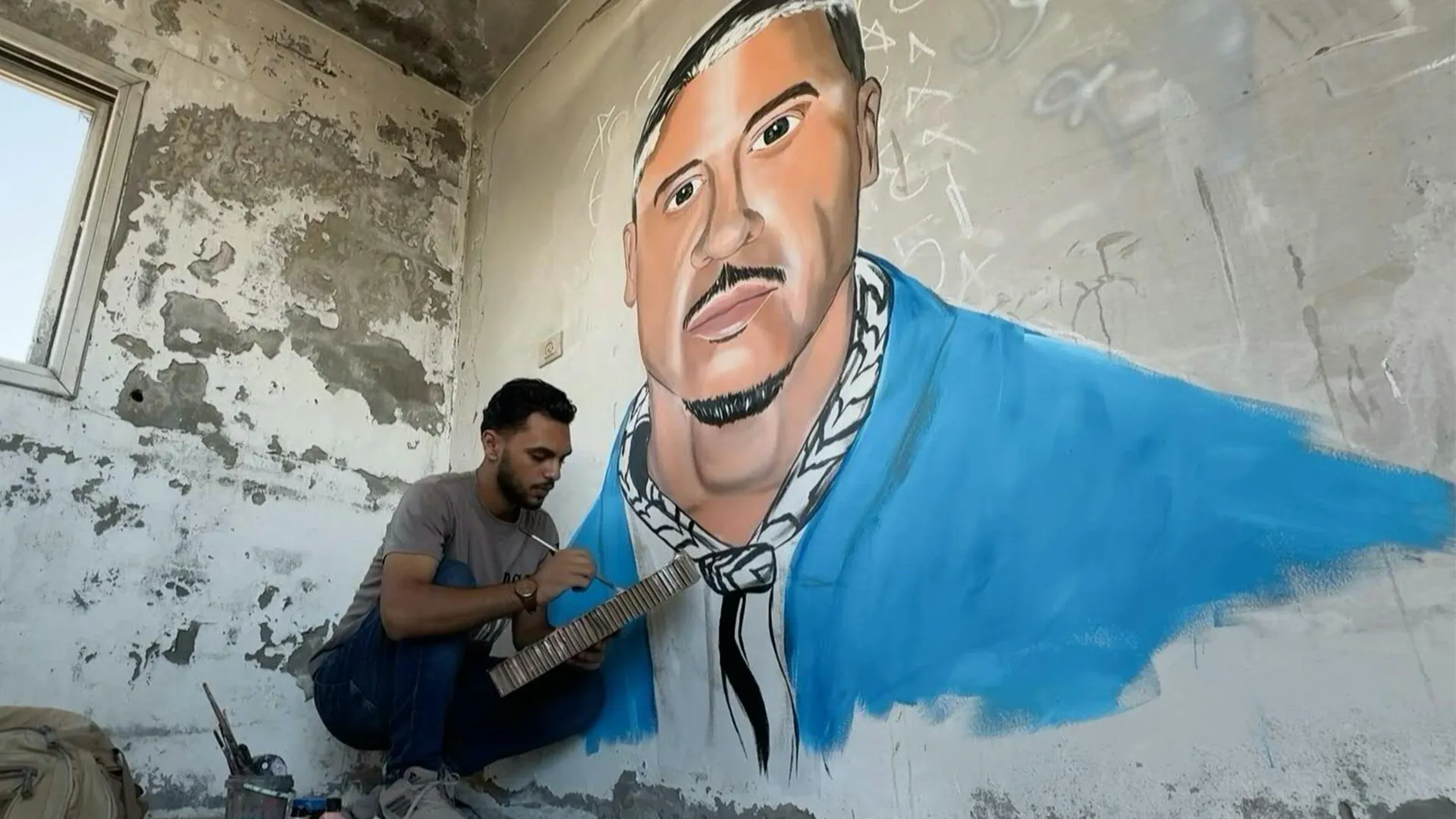
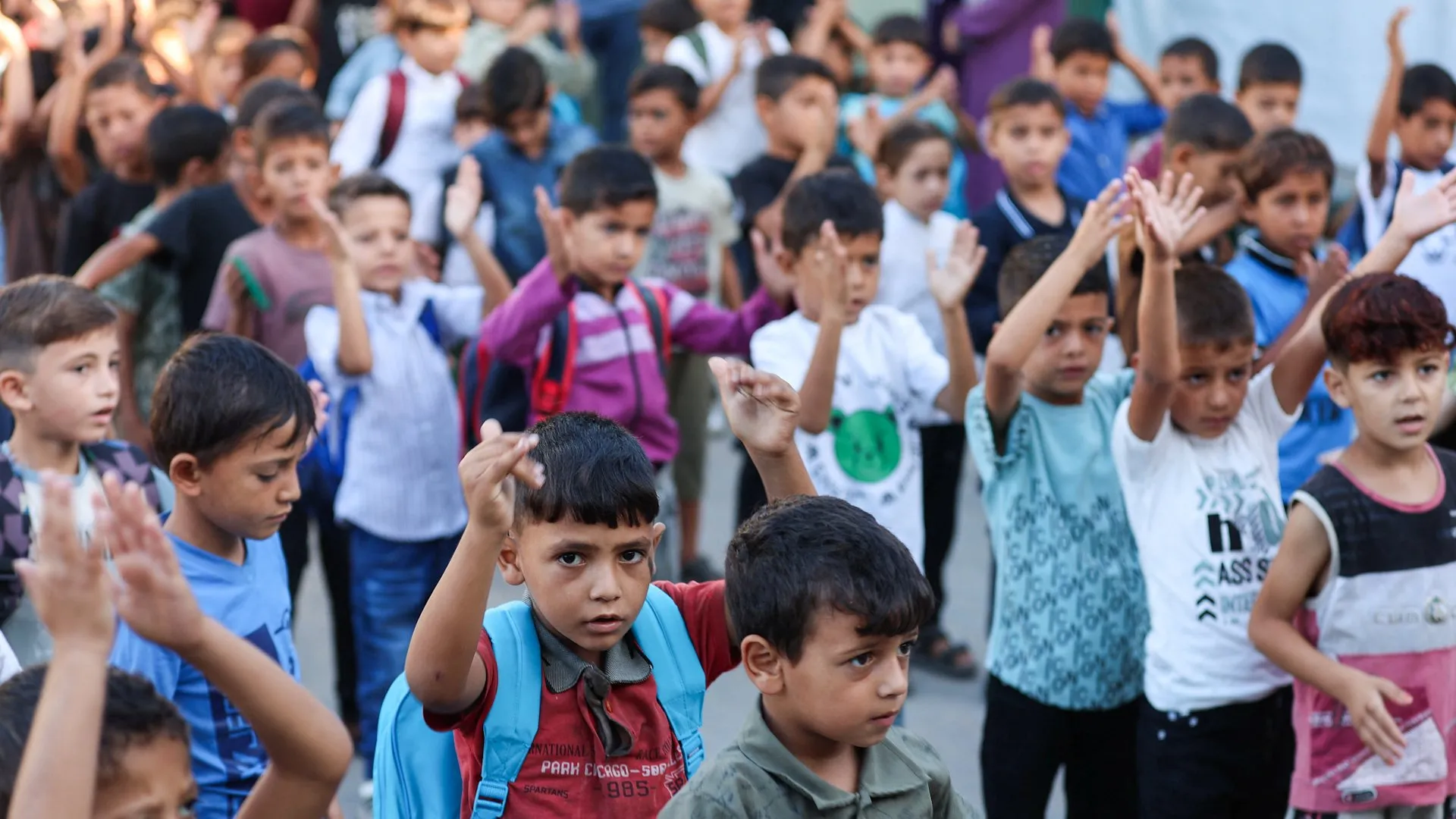
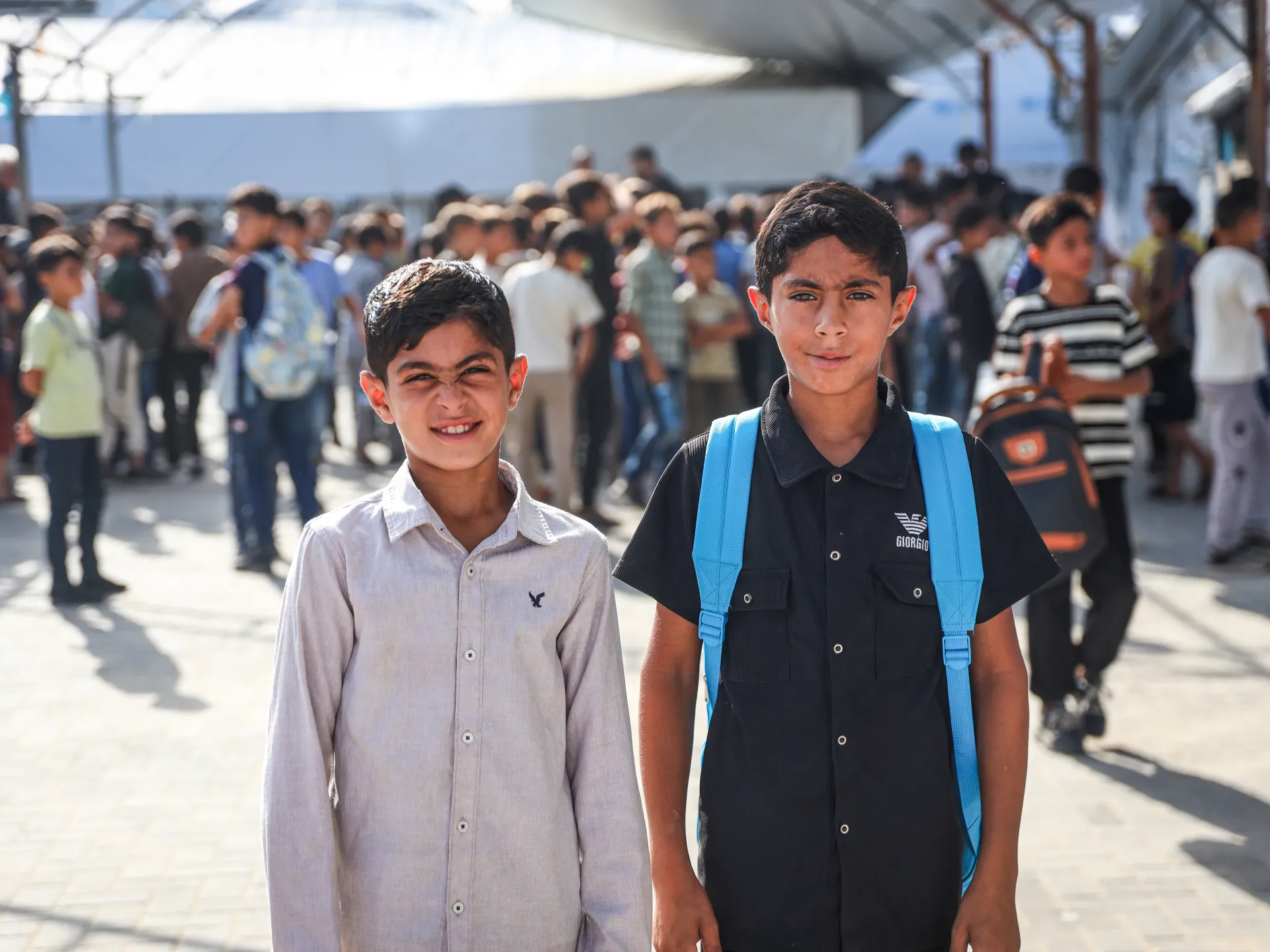
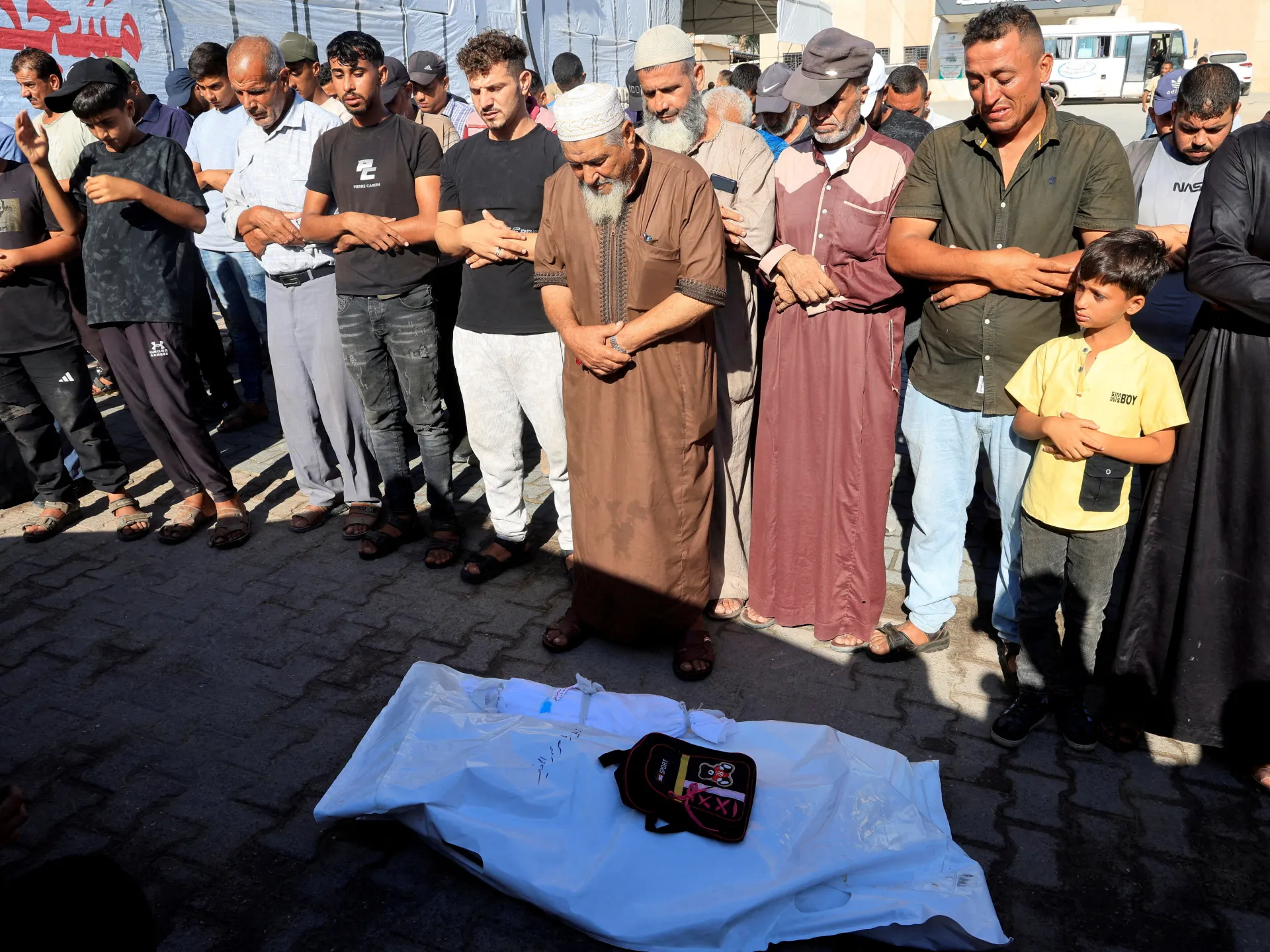
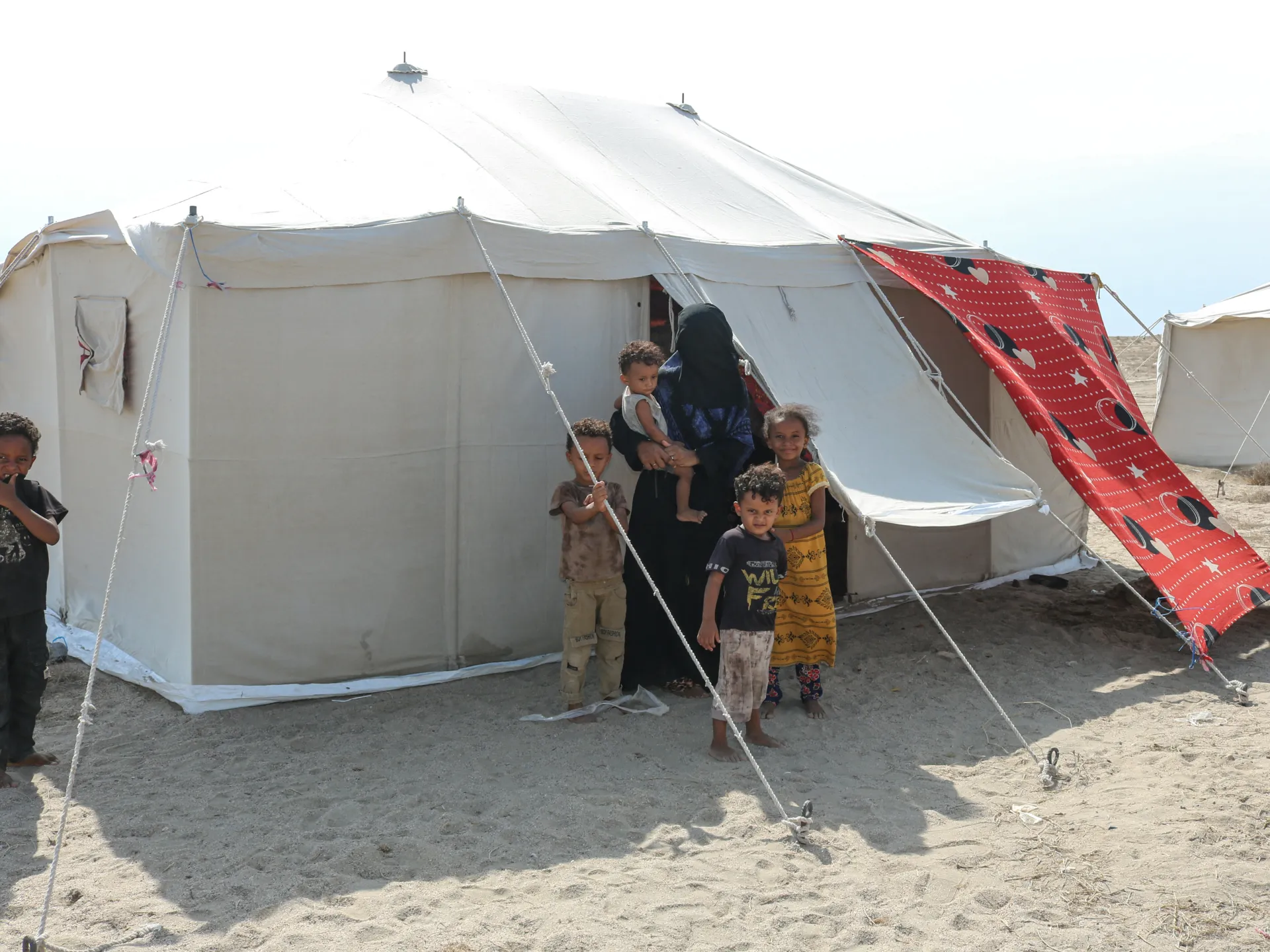
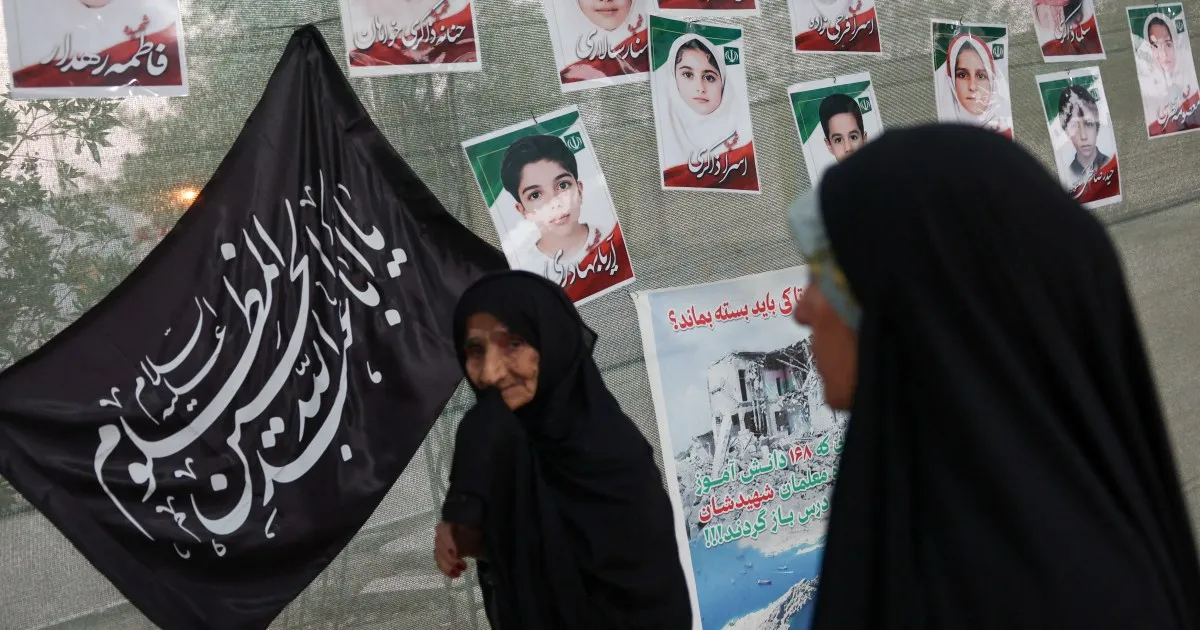
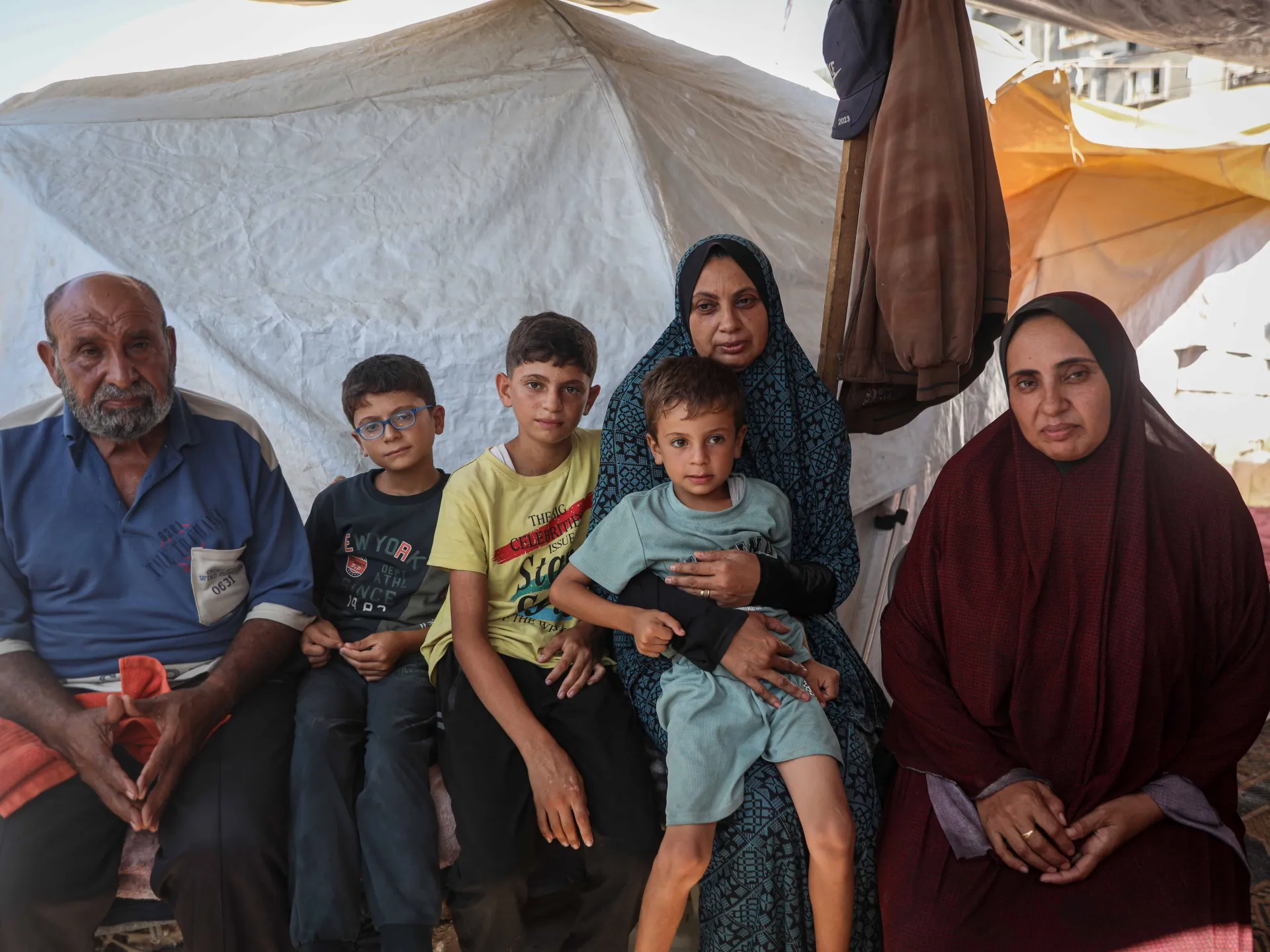
Al-Shaair’s advocacy has expanded beyond the boundaries of specific regional conflicts to encompass a broader focus on child casualties in Gaza. The tribute to Wafaa Akila, who was killed in an Israeli drone strike while heading to her first day of school, drew significant attention on social media. Supporters have circulated images of the linebacker interacting with children on the sidelines, including amputees, underscoring the personal connection he draws between his platform and the families affected
The league's reaction to such displays remains consistent with its history of enforcing strict dress code policies. While Al-Shaair has frequently spoken about the plight of Palestinians, his past displays—such as a "Stop The Genocide" message on his nose tape during the previous season—have similarly been met with league fines. Despite these institutional hurdles, Al-Shaair has indicated no intention of altering his approach, framing his actions as a moral imperative rather than a simple demonstration of personal opinion.
As the NFL season progresses, the likelihood of continued friction between the league office and Al-Shaair remains high. Given that the linebacker has successfully leveraged the support of outside figures like Kyrie Irving to mitigate the financial burden, the deterrent effect of the league's fines may be effectively neutralized. Unless the NFL decides to escalate disciplinary measures beyond financial penalties, the player is expected to continue his pattern of public tributes. The league will face an ongoing challenge in balancing its uniform uniformity policies against the growing trend of athlete-led social activism that prioritizes message dissemination over adherence to professional dress codes.