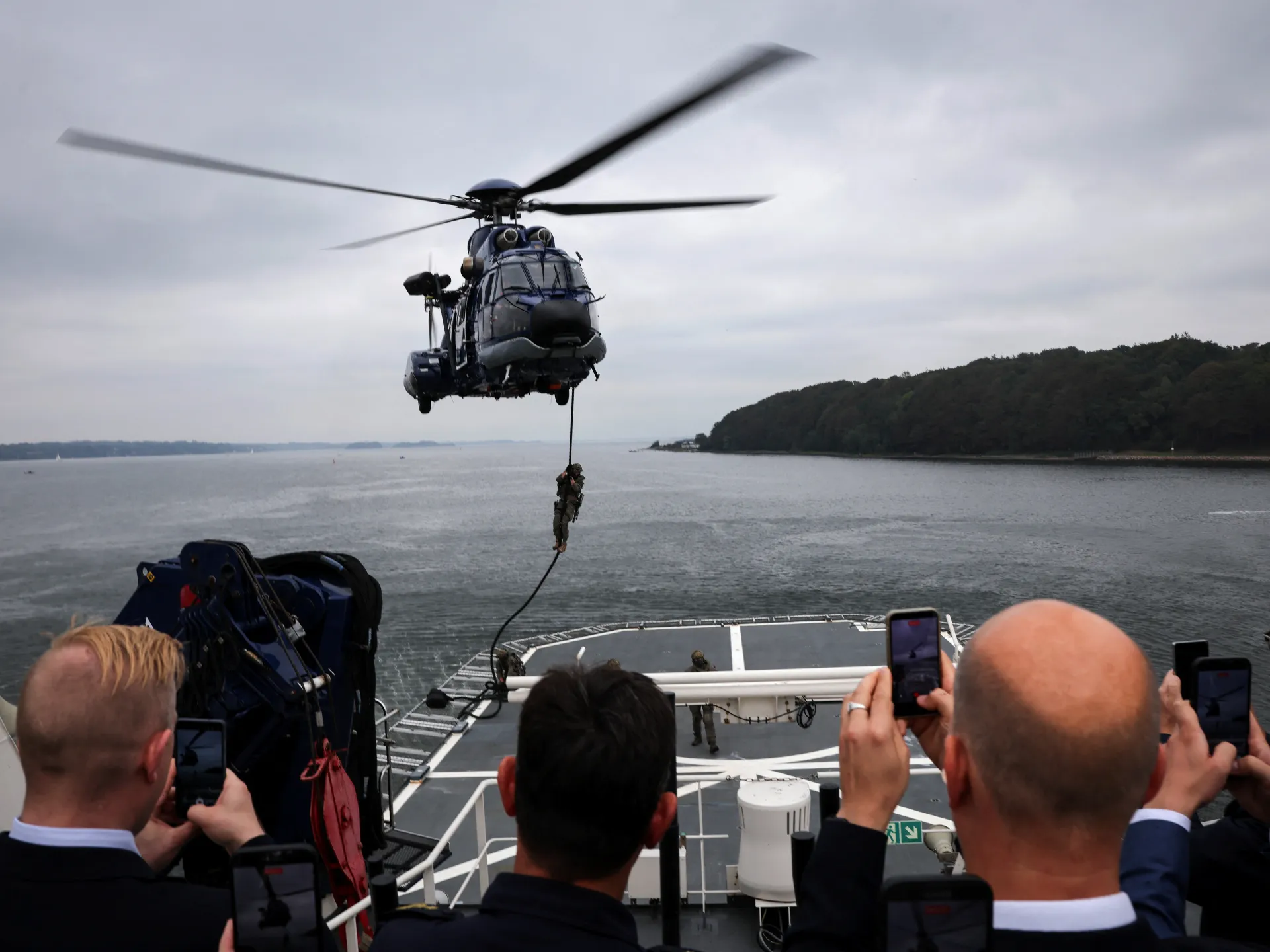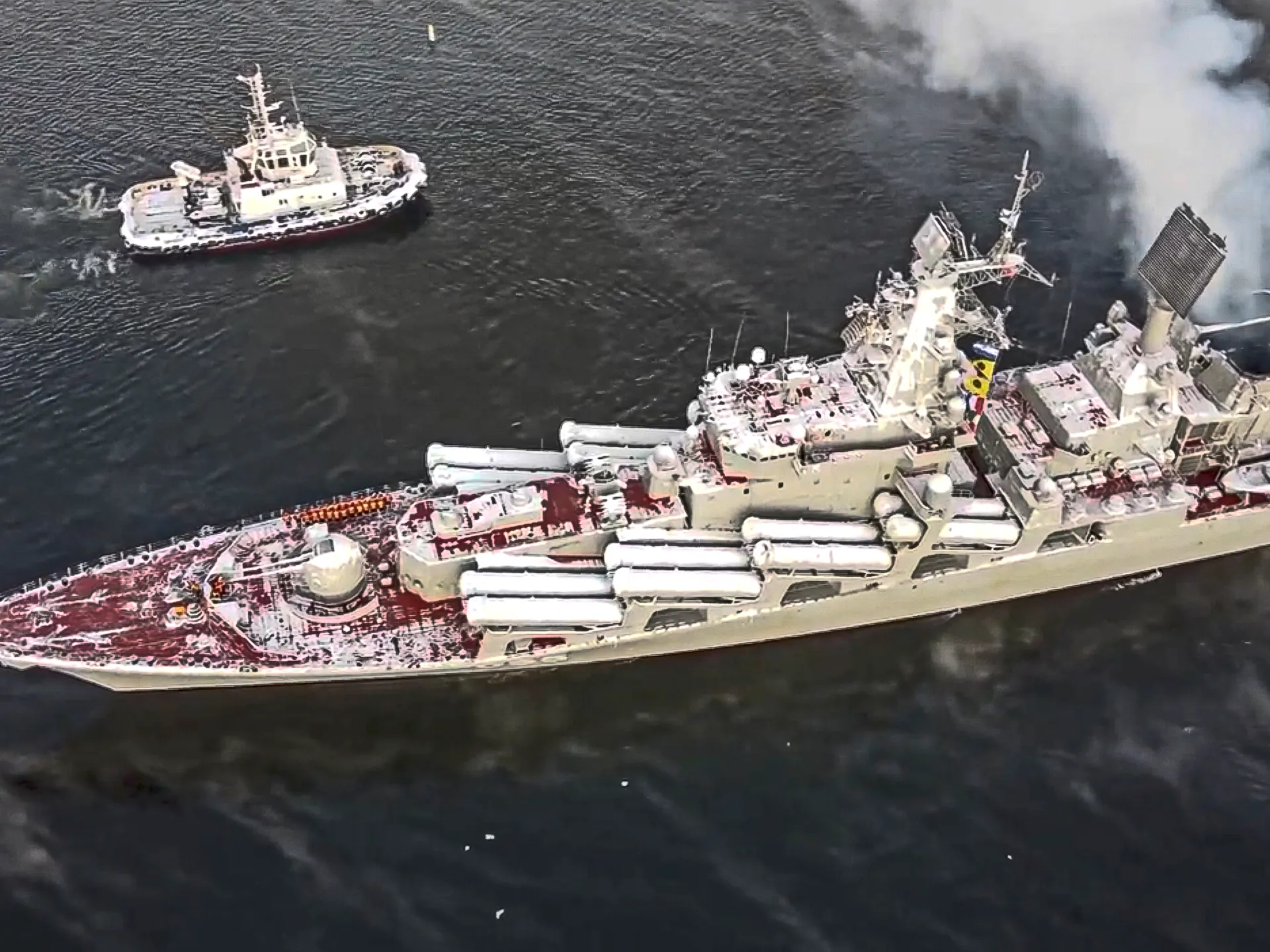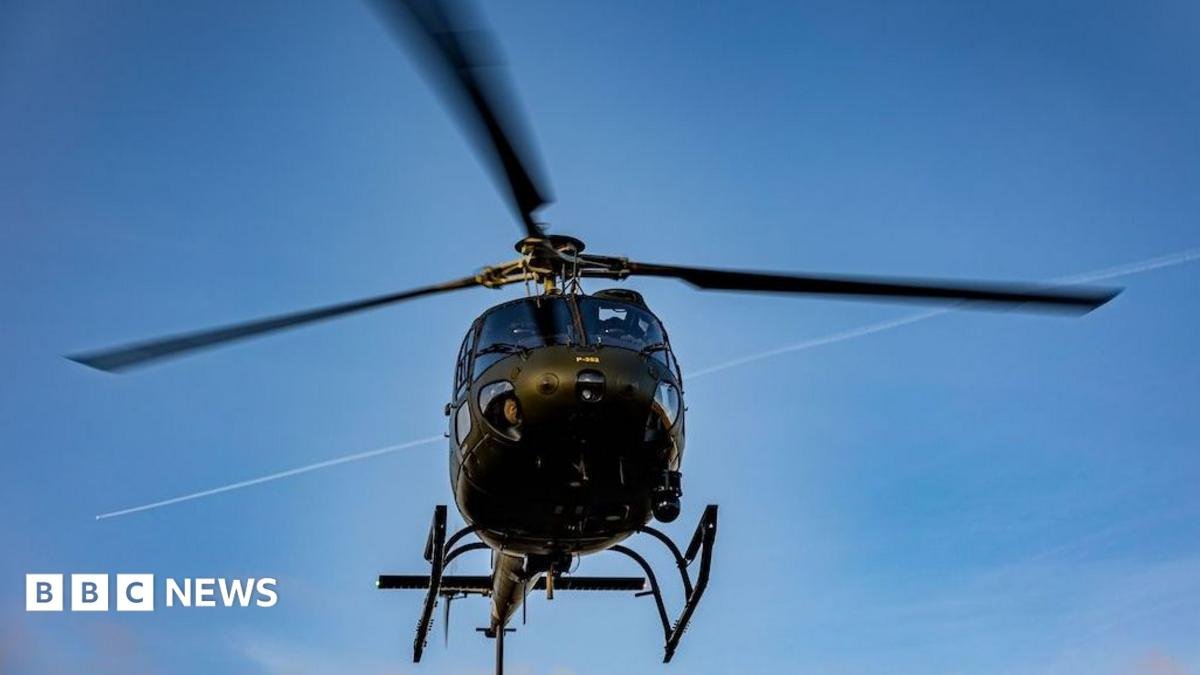
Denmark has officially protested after a Russian warship fired flares at a Danish military helicopter during a routine monitoring mission in the Baltic Sea.
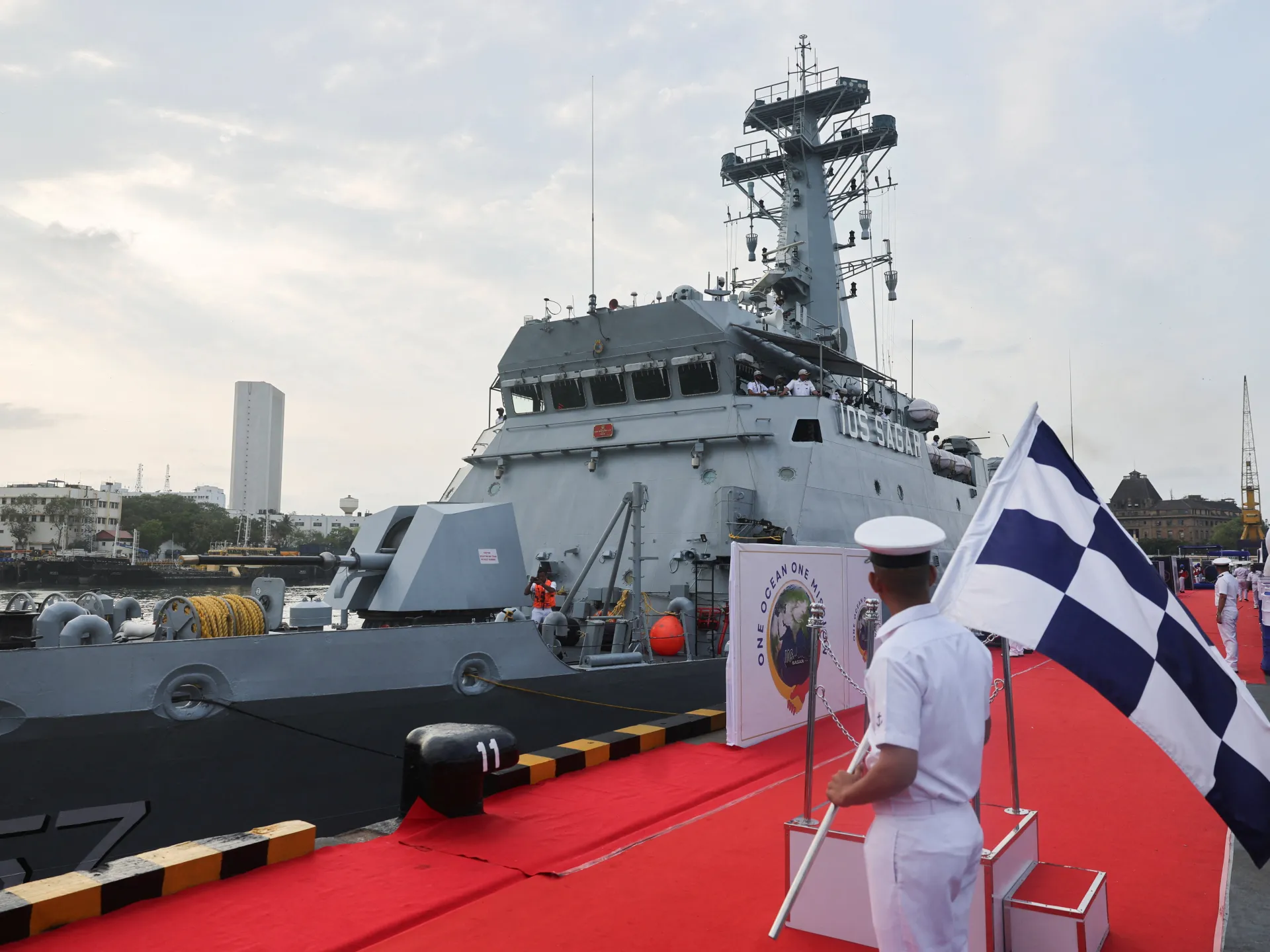
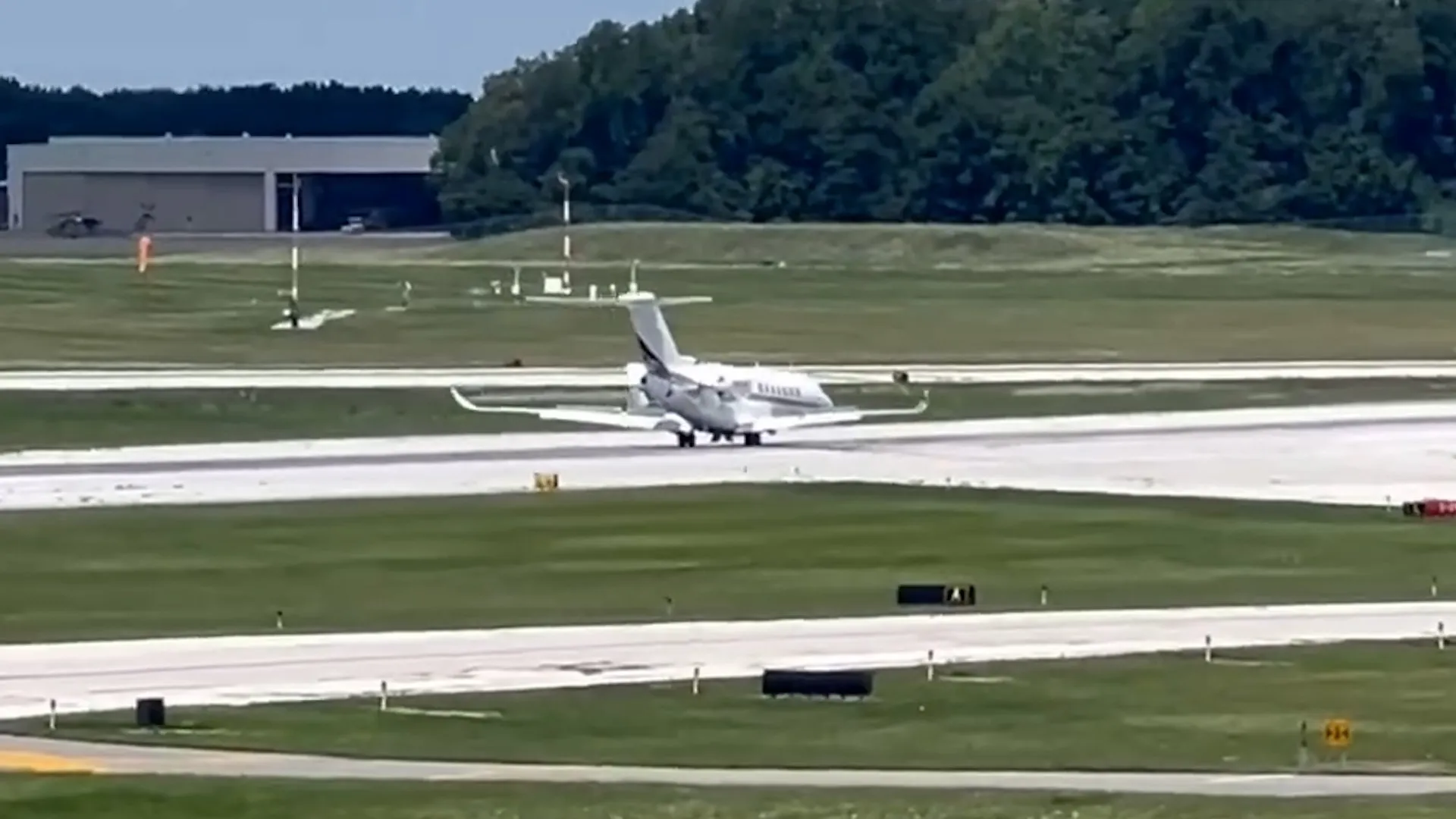
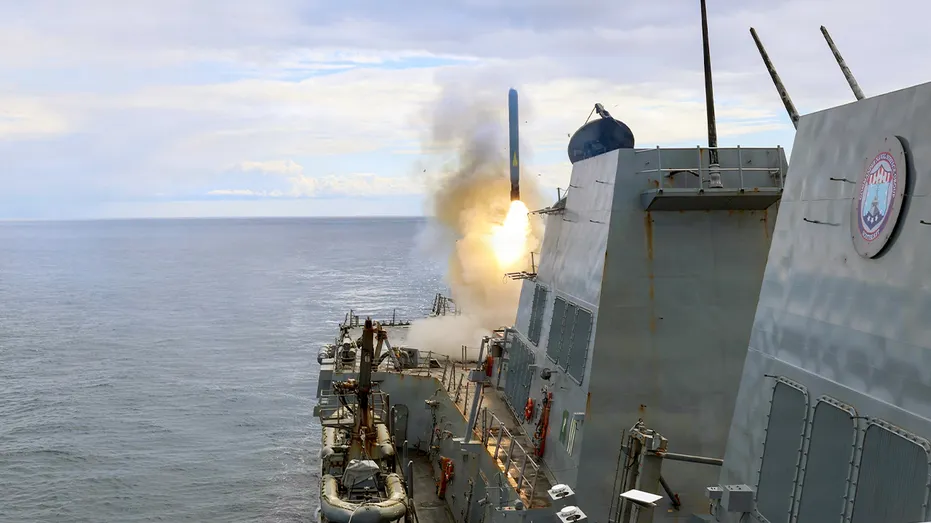
The Danish government has taken formal diplomatic action following an aggressive encounter between a Russian naval vessel and a Danish military aircraft. Officials in Copenhagen confirmed that a Danish Fennec helicopter, which was engaged in a standard, routine monitoring mission, was targeted rnational waters off the coast of Gedser, a location that has become a flashpoint for increased naval activity in recent years.
In response to the provocation, Denmark summoned the Russian ambassador to provide an explanation for the actions of the vessel. Danish Prime Minister Mette Frederiksen did not mince words regarding the event, characterizing the Russian behavior as reckless and part of a deliberate strategy to intimidate European nations. The Danish Foreign Minister, Lars Lokke Rasmussen, echoed these sentiments, suggesting that the incident reflects a broader, concerning trend where Russia is testing the limits of acceptable international conduct.
While Denmark has condemned the act as entirely unacceptable, the Russian response has centered on deflecting blame. Ambassador Vladimir Barbin stated that Moscow would conduct a thorough investigation into the matter; however, he simultaneously accused the Danish Air Force of performing dangerous maneuvers in the vicinity of Russian warships. According to the Russian account, this is not an isolated event, with the ambassador claiming that previous complaints regarding Danish helicopter activity have gone unaddressed.
The Russian diplomatic stance asserts that the core of the issue lies with Danish operational protocols rather than naval discipline on the part of their own fleet. Despite these claims, the Danish Defence Minister, Jeppe Bruus, emphasized that no attempts were made ging the flares. This lack of interaction, combined with the proximity of the flares to the aircraft, has deepened the rift between the two nations.
The incident in the Baltic Sea does not exist in a vacuum. It occurred simultaneously with other security alerts across the Baltic and Eastern European regions, fueling concerns among NATO members. Ursula von der Leyen, President of the European Commission, described the event as a clear indicator of a wider pattern of Russian aggression. She noted that such actions are designed to destabilize the security architecture of the European continent, particularly as the conflict in Ukraine continues to strain regional relations.
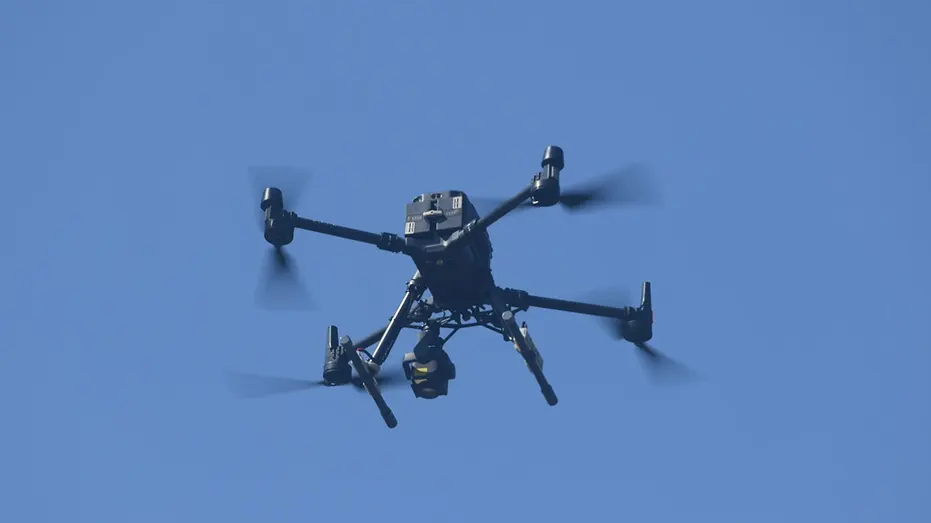
On the same day as the flare incident, NATO air forces were forced to respond to an unmanned aerial vehicle that penetrated Lithuanian airspace. The drone, which authorities suspect originated from Belarus, was intercepted and shot down near the city of Kaunas. While the exact origin of the drone remains under investigation, Lithuanian leadership has framed the event as a direct consequence of the heightened security environment caused
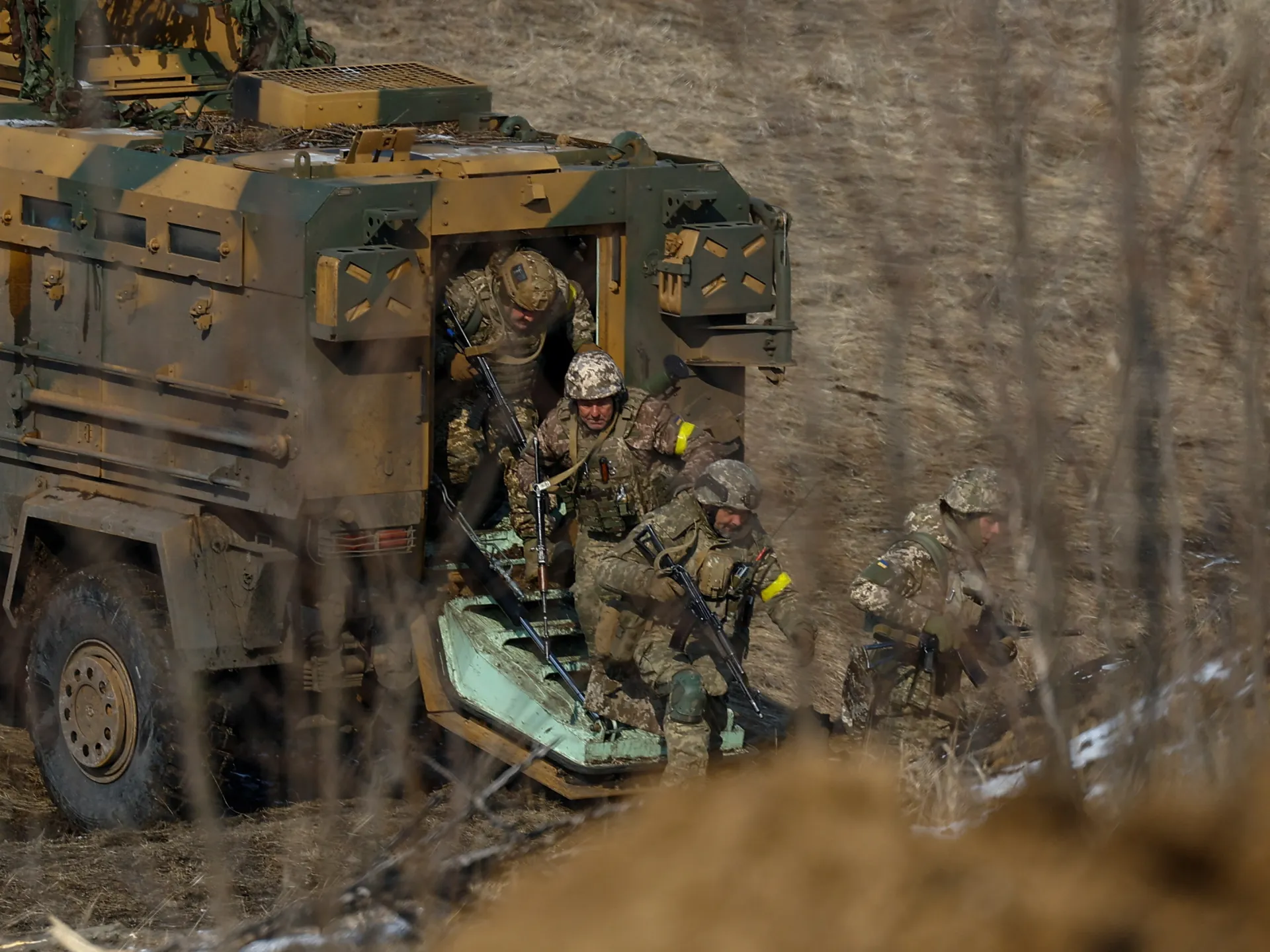
The cumulative effect of these incidents has forced NATO to maintain a heightened state of alert across its eastern flank. Poland also reported significant aerial activity near its borders, necessitating preventive measures to secure its sovereign airspace. These operations were largely a response to the spillover effects of Russian strikes against Ukrainian territory, which have increasingly threatened the airspace of neighboring countries.
Experts suggest that the frequency of these encounters is being exacerbated krainian drones have frequently resulted in stray aircraft drifting into the airspace of NATO member states, including Estonia and Latvia. As the region navigates these complex security challenges, the incident involving the Danish helicopter serves as a stark reminder of the fragile peace in the Baltic, where international waters are increasingly becoming a theater for geopolitical posturing and military brinkmanship.