

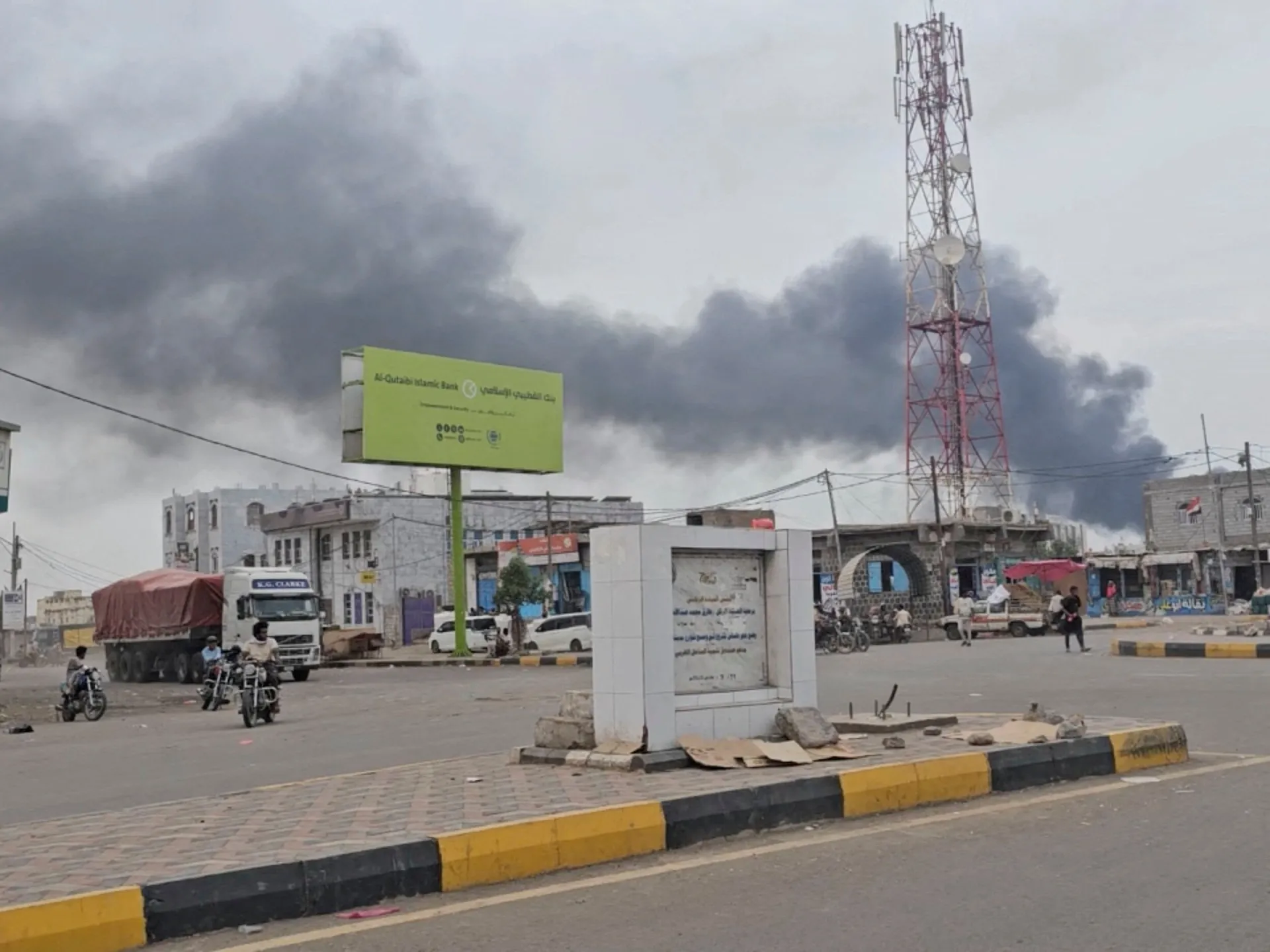
Yemeni government forces have repelled a Houthi offensive in Taiz, while leadership signals a shift away from temporary truces toward a permanent peace.
Yemeni government forces have successfully thwarted a significant offensive launched took place along the al-Mafalis front, saw the 4th Infantry Hashd Brigade of the government’s military apparatus engage in direct combat to defend their established positions. Official reports from the Tor al-Bahah military axis indicate that the defensive operation was effective in pushing back the advancing fighters, resulting in substantial casualties among the Houthi ranks.
This confrontation is part of a broader security campaign currently underway in the Tor al-Bahah region. Military officials have stated that the primary objective of this coordinated security effort is to neutralize threats and prevent further destabilization within the governorate. The persistence of these skirmishes underscores the fragility of the security situation in Taiz, a region that remains a flashpoint in the ongoing national conflict.
Beyond the ground battles in Taiz, the conflict has expanded into the skies over the coastal city of al-Makha, commonly known as Mocha. Spokesmen for the government forces have confirmed that their air defense units were activated to intercept Houthi reconnaissance drones operating in the area. This development signals an increase in the sophistication of the tactics employed uvers.
The intensity of the conflict is not confined to a single location. Recent reports indicate that the government has launched a series of counter-offensives involving artillery strikes and drone operations across multiple governorates. In the northern part of al-Dhalea Governorate, specifically near the al-Khir market, government artillery shelling reportedly resulted in significant casualties among Houthi fighters. These strikes represent a broader shift toward a more aggressive posture
The recent surge in violence has prompted a firm shift in rhetoric from the highest levels of the Yemeni government. Rashad al-Alimi, the head of the Presidential Leadership Council, has publicly articulated a new approach to the conflict. He emphasized that the government is no longer interested in temporary truces that merely replicate the cycles of violence seen in previous years. Instead, the administration is advocating for a permanent and sustainable peace agreement that addresses the root causes of the war.
Al-Alimi’s vision for a post-conflict Yemen rests on the establishment of a state that maintains a monopoly on military force and sovereignty. unified national project, the government is setting a high bar for any future negotiations. This stance reflects a growing frustration with the intermittent nature of the conflict and the failure of previous de-escalation efforts to provide a lasting solution for the Yemeni people.
While the country enjoyed a period of relative calm following the implementation of a de-escalation framework in April 2022, that stability has rapidly eroded since the beginning of July. The resumption of intermittent but deadly clashes has once again raised concerns about the potential for a full-scale return to the intensity of past years. The human cost of these recent engagements continues to climb, with dozens of fatalities reported on both sides in the last few weeks alone.
As the government forces continue their military campaigns, the international community remains concerned about the humanitarian implications of these escalating hostilities. The combination of ground-based skirmishes and aerial surveillance activity suggests that neither side is currently willing to concede territory. As the situation evolves, the focus remains on whether the government’s demand for a permanent peace framework can gain any traction amidst the ongoing military volatility.