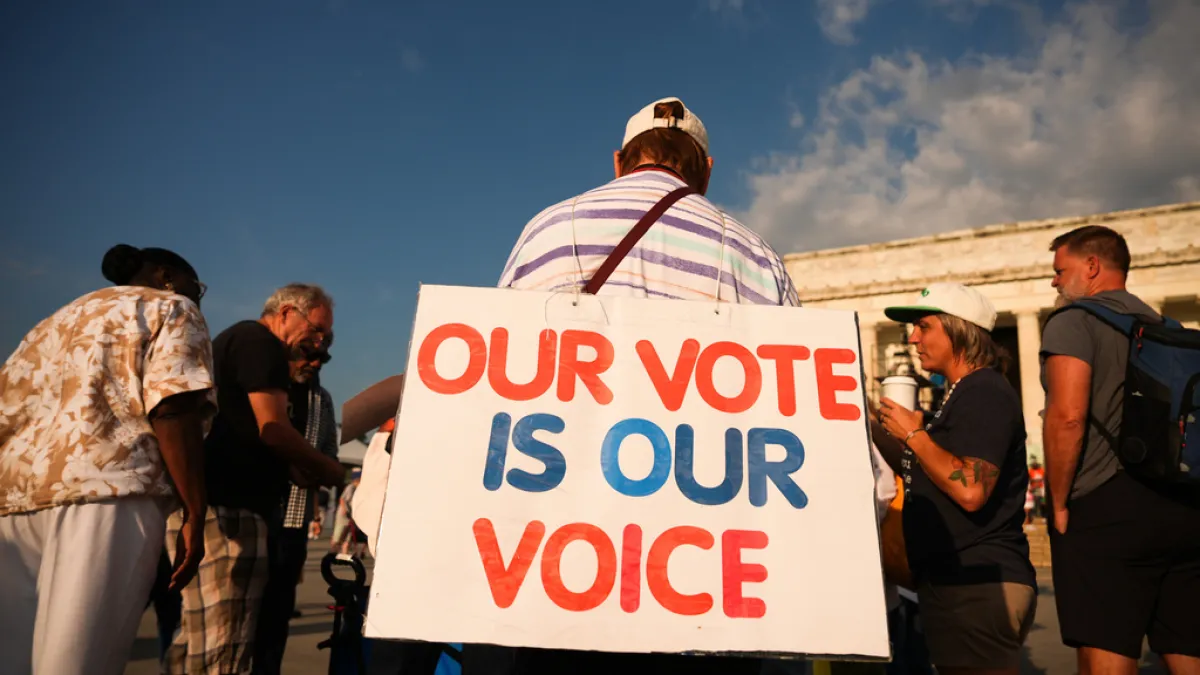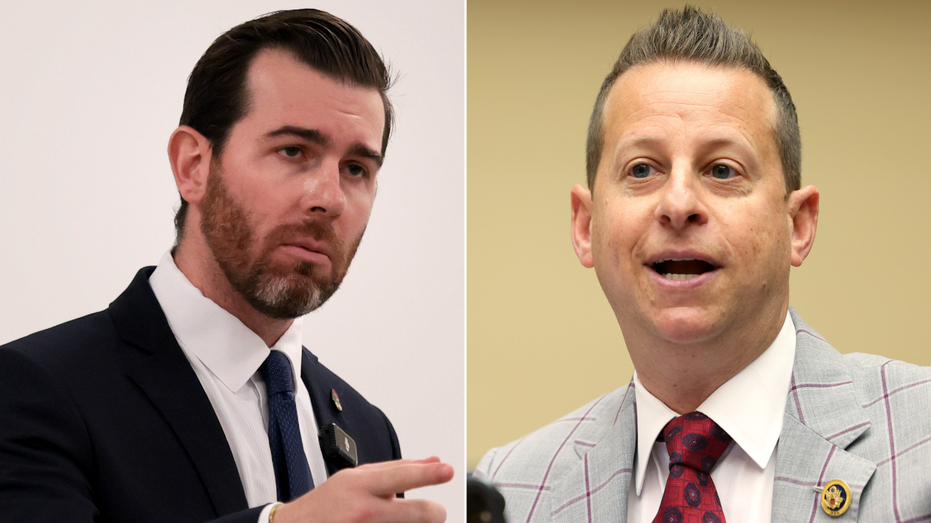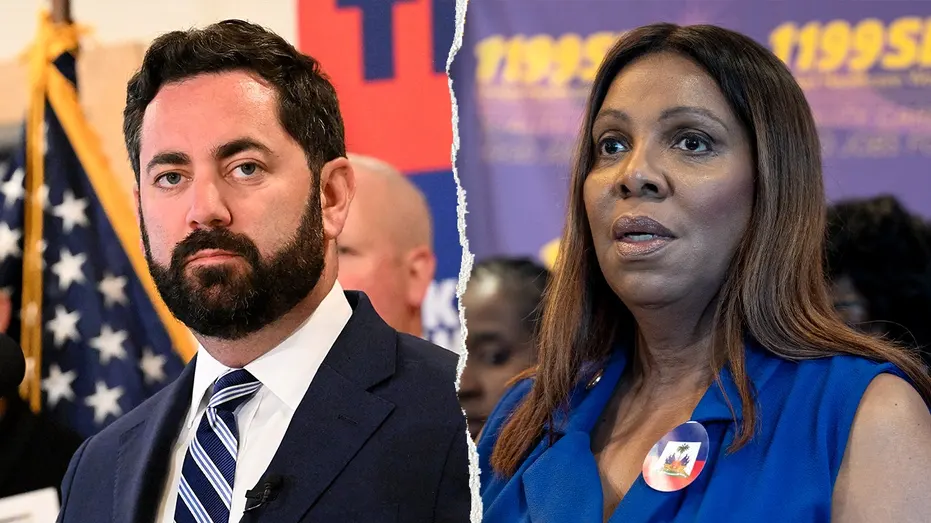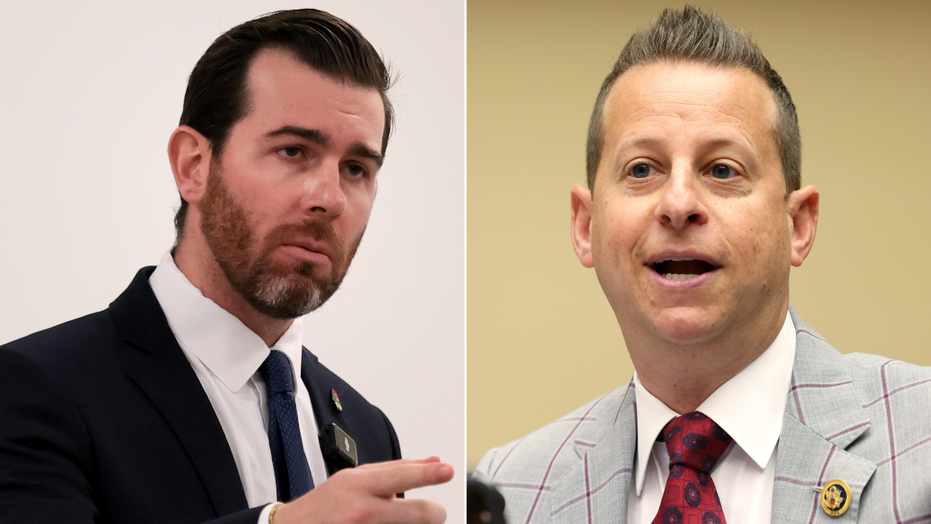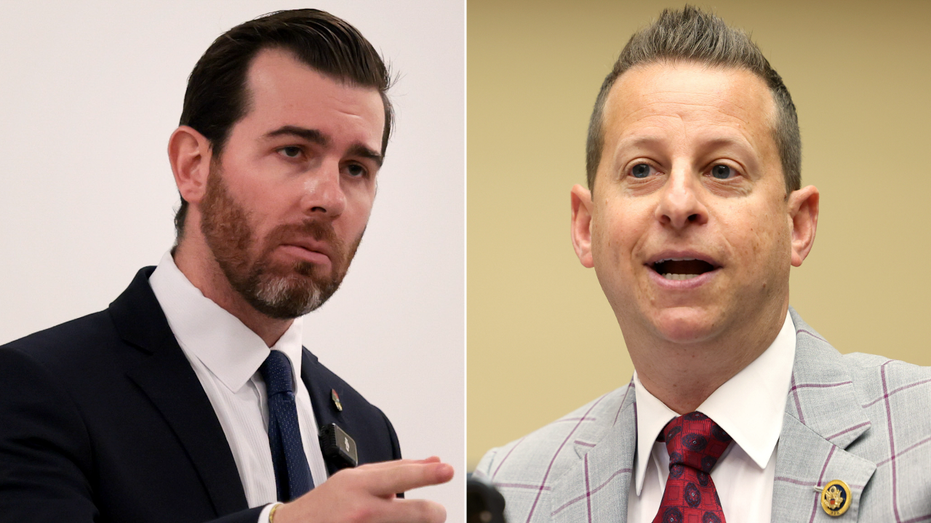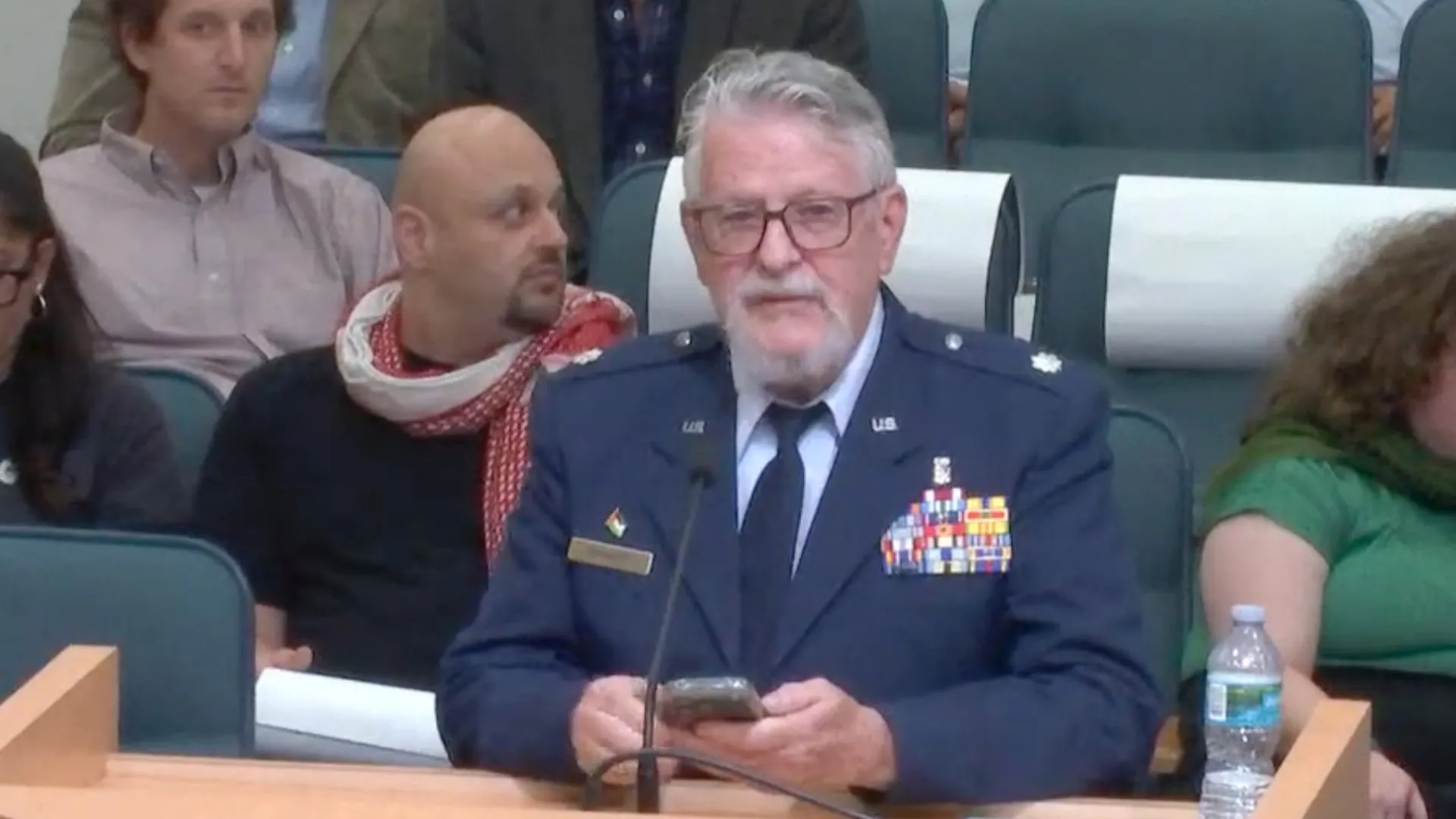
A U.S. veteran was publicly rebuked by a Florida county council member after protesting a $1 billion investment in Israel bonds, sparking a debate on free speech.
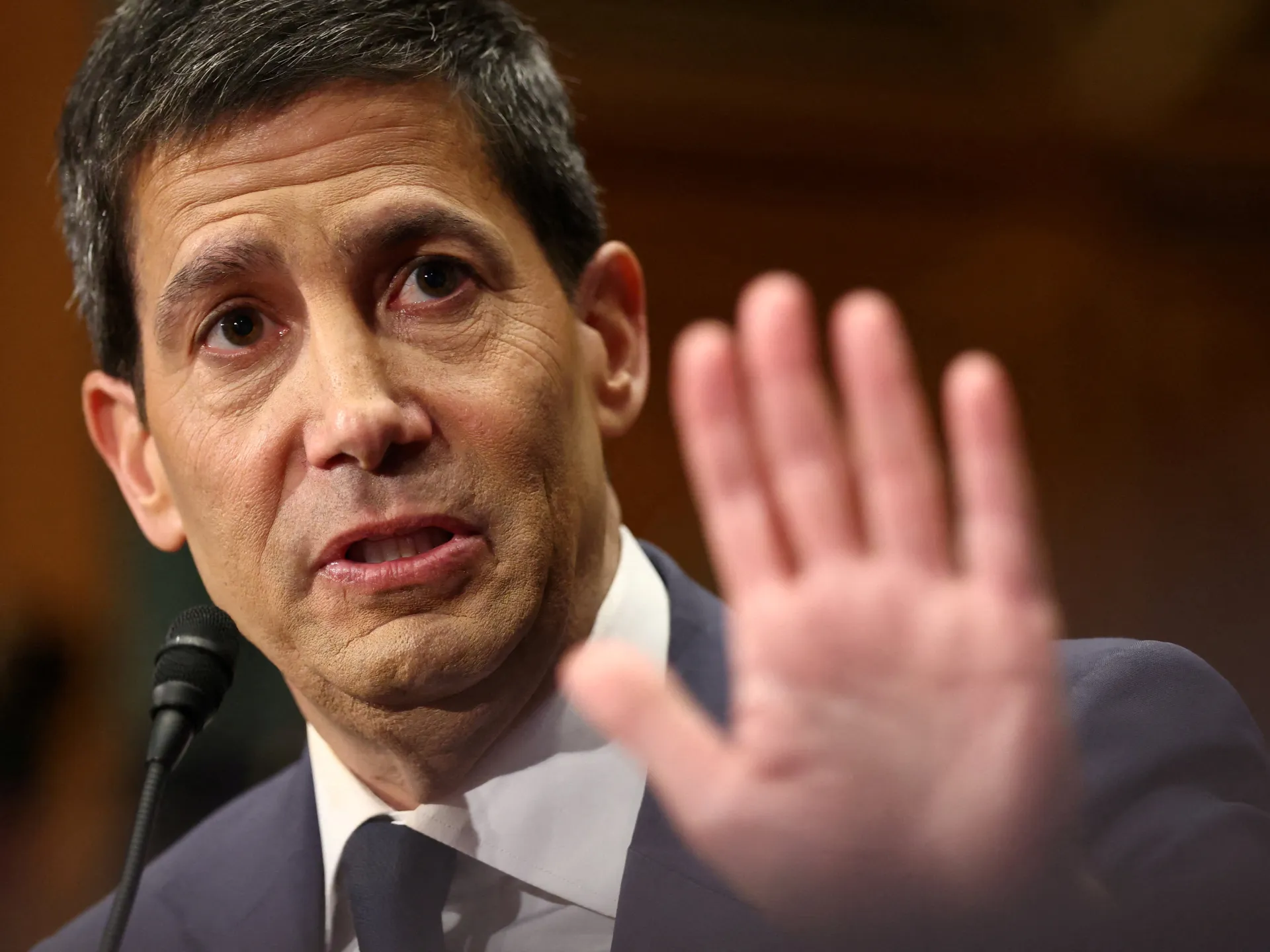
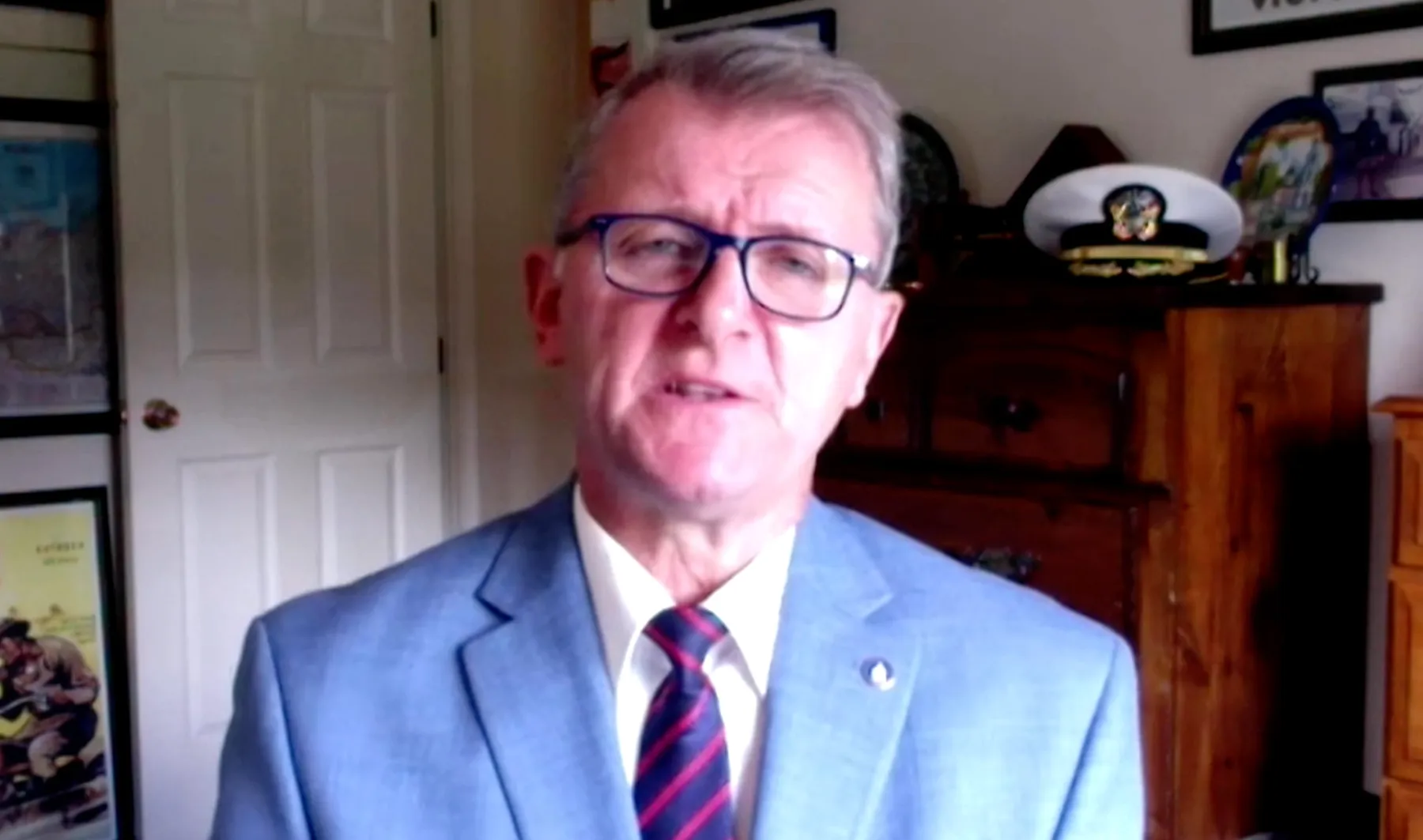
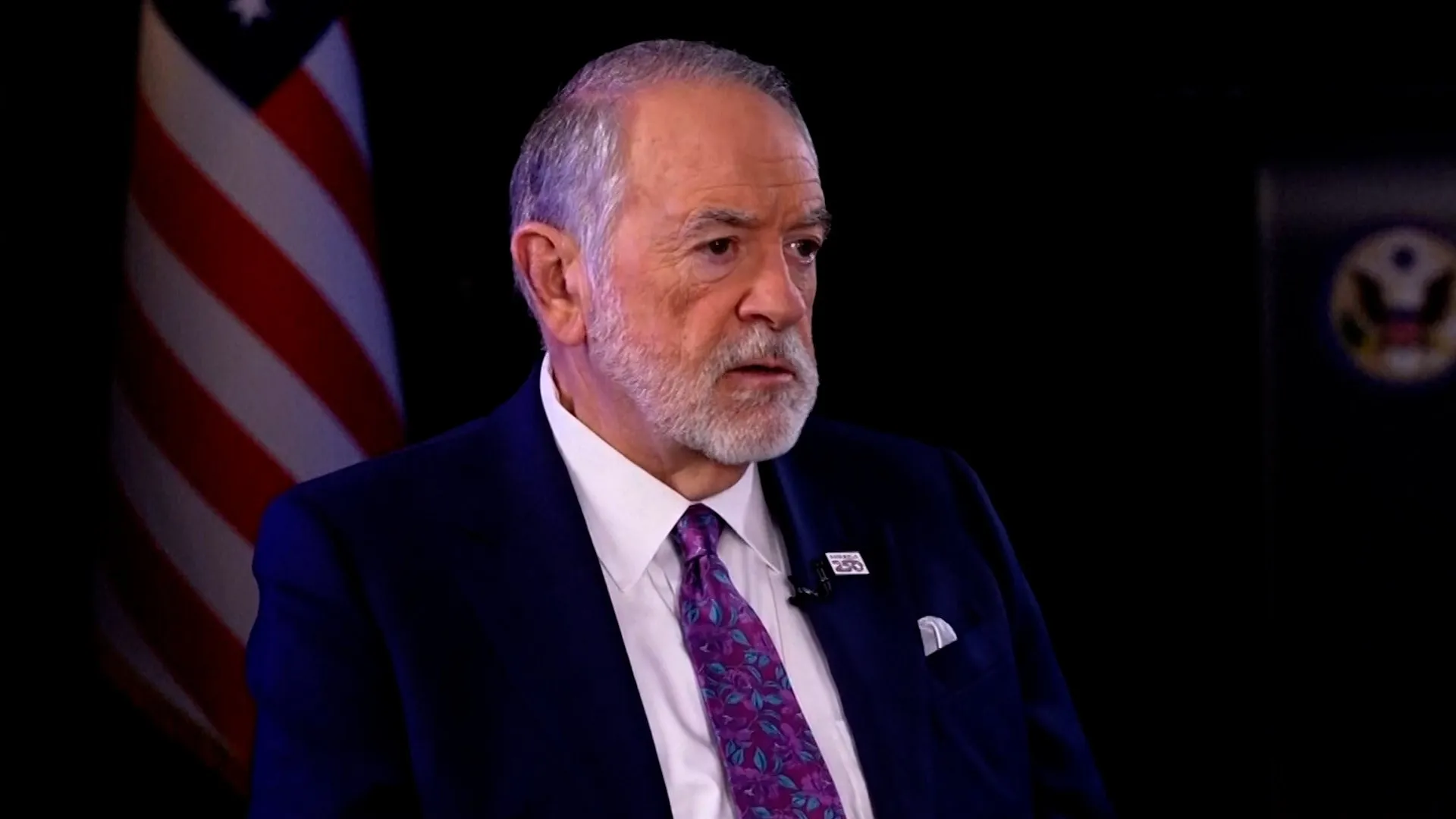
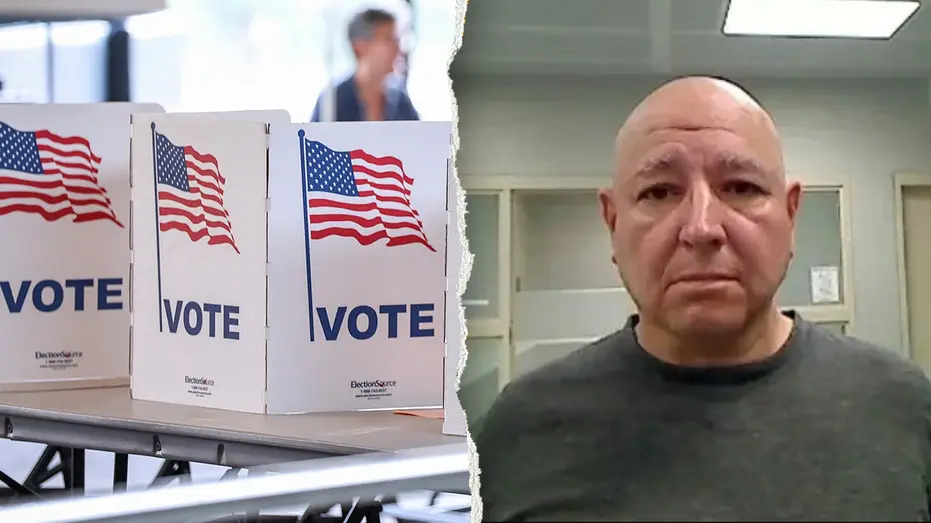
A heated exchange occurred during a recent Palm Beach County council meeting, highlighting a growing divide over local government fiscal policies and their alignment with international geopolitical issues. The controversy centers on the county's decision to allocate approximately $1 billion toward Israel bonds, a move that has drawn significant scrutiny from local residents and advocacy groups. During the public comment session, a U.S. military veteran stood to voice his opposition to this financial commitment, arguing that such large-scale investments of public funds do not reflect the priorities of the local community.
As the veteran articulated his concerns regarding the morality and strategic necessity of these bond purchases, the atmosphere in the chamber quickly deteriorated. The discussion moved beyond the technical aspects of municipal finance and into the realm of personal ideological clashes. This incident underscores the increasing pressure on local government bodies to account for the social impact of their investment portfolios, a trend that is becoming more prevalent in county and city council meetings across the United States.
The veteran, who attended the meeting to exercise his right to public discourse, faced sharp criticism from council members regarding his stance. During the confrontation, the individual was explicitly told that his opposition to the investment policy was an act of embarrassment to the military uniform he wore. This personal rebuke sparked immediate outrage among other attendees, who viewed the comment as a dismissal of the veteran's service and a suppression of his right to free speech within a democratic forum.
For many observers, the interaction serves as a stark example of how deeply polarizing international conflicts have become in domestic politics. The veteran argued that his service to the nation included the right to challenge how public taxpayer money is utilized. Conversely, those defending the investment argued that the bonds represent a stable financial instrument and a gesture of political solidarity, dismissing the veteran’s protest as an inappropriate venue for foreign policy debate.
Beyond the personal conflict, the incident has reignited a broader conversation about the transparency of municipal financial decisions. Critics of the $1 billion investment have called for a more rigorous vetting process when it comes to long-term government bond acquisitions. They argue that public entities should prioritize local infrastructure, education, and community services over international investments that may carry geopolitical risks or ethical concerns.
The council's decision to move forward with the investment despite significant public outcry has left many residents feeling ignored. Advocates for policy change are now organizing to demand that the county board establish clearer guidelines for future investments, ensuring that such decisions are made with more input from the community. The veteran’s experience has become a focal point for this movement, transforming from a singular moment of protest into a rallying cry for those who believe local government should be more responsive to the moral and financial concerns of its constituents.
The friction witnessed in the council chambers is unlikely to dissipate soon. As the debate continues, the focus remains on whether local governments should maintain neutrality in international affairs or if they are obligated to align their financial assets with the perceived values of their voters. The incident in Palm Beach County has highlighted that when public officials conflate financial policy with national politics, they risk alienating the very people they are elected to serve.