The Democratic Republic of the Congo has reaffirmed its commitment to move its Israeli embassy to Jerusalem, strengthening ties amid evolving regional security concerns.
The Democratic Republic of the Congo (DRC) has officially confirmed its intention to transition its diplomatic presence in Israel from Tel Aviv to Jerusalem. This decision marks a significant milestone in the evolving bilateral relationship between the two nations. The announcement follows a high-level diplomatic visit to Israel, where leadership confirmed that concrete steps are currently being formulated to facilitate the relocation of the mission.
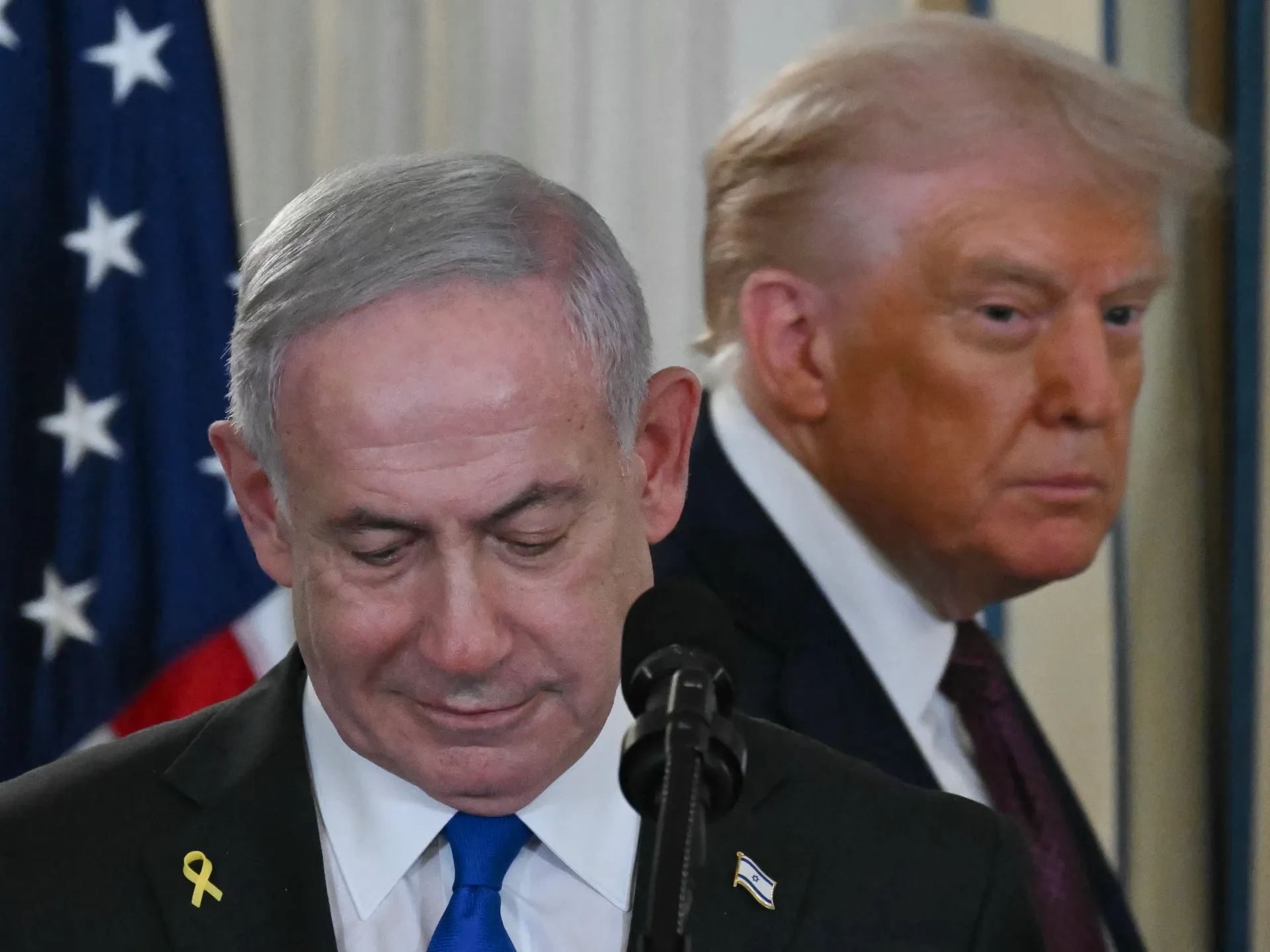
This commitment is not entirely new, as the initial groundwork for this shift was laid during a 2023 meeting between President Felix Tshisekedi and Israeli Prime Minister Benjamin Netanyahu. The two leaders engaged in formal discussions during the United Nations General Assembly in New York, setting the stage for closer cooperation. Since then, the diplomatic ties between Kinshasa and Jerusalem have steadily strengthened, evidenced
The path toward this embassy relocation began in 2020, when President Tshisekedi declared his intent to appoint a dedicated ambassador to Israel after a twenty-year vacancy in the position. At that time, the strategy involved a phased approach, starting with the establishment of an economic office in Jerusalem while keeping the primary embassy in Tel Aviv. This measured strategy allowed the DRC to gradually deepen its administrative and commercial footprint within the city.
Observers note that the DRC's alignment with Israeli interests is partly influenced tly expressed support for Israel, a stance that has gained traction as the DRC seeks international support regarding the activities of armed rebel groups within its borders. Israel has increasingly pressured neighboring Rwanda regarding these rebel movements, creating a convergence of security interests that has bolstered the diplomatic rapport between Kinshasa and the Israeli government.
The DRC’s move places it among a small but growing group of nations that have chosen to relocate their diplomatic missions to Jerusalem. This trend gained significant momentum in 2018 when the United States moved its embassy to the city. Since then, countries such as Guatemala, Honduras, Fiji, Paraguay, and Papua New Guinea have followed suit, signaling a departure from the long-standing international consensus regarding the status of the city.
Most of the international community continues to maintain its embassies in the Tel Aviv metropolitan area. This traditional stance is rooted in the belief that the final status of Jerusalem must be resolved through direct negotiations between Israeli and Palestinian authorities. While Israel asserts that the entire city is its sovereign capital, the Palestinian leadership maintains that East Jerusalem is the necessary capital for any future independent state, leading to complex geopolitical tensions surrounding diplomatic recognition.
Despite the recent announcements rdo de la Espriella, the issue remains highly contentious on the global stage. The United Nations Security Council has historically passed resolutions urging member states to refrain from establishing diplomatic missions in Jerusalem, arguing that such actions attempt to unilaterally alter the status of the contested territory.
Beyond recognized UN member states, other entities such as Kosovo and Somaliland have also established missions in Jerusalem, though their status is often viewed through a different legal lens. As more nations weigh the benefits of moving their embassies, the debate continues to highlight the divide between those prioritizing bilateral alliances with Israel and those adhering to the multilateral framework supported egic partnership that spans economic, security, and diplomatic domains.