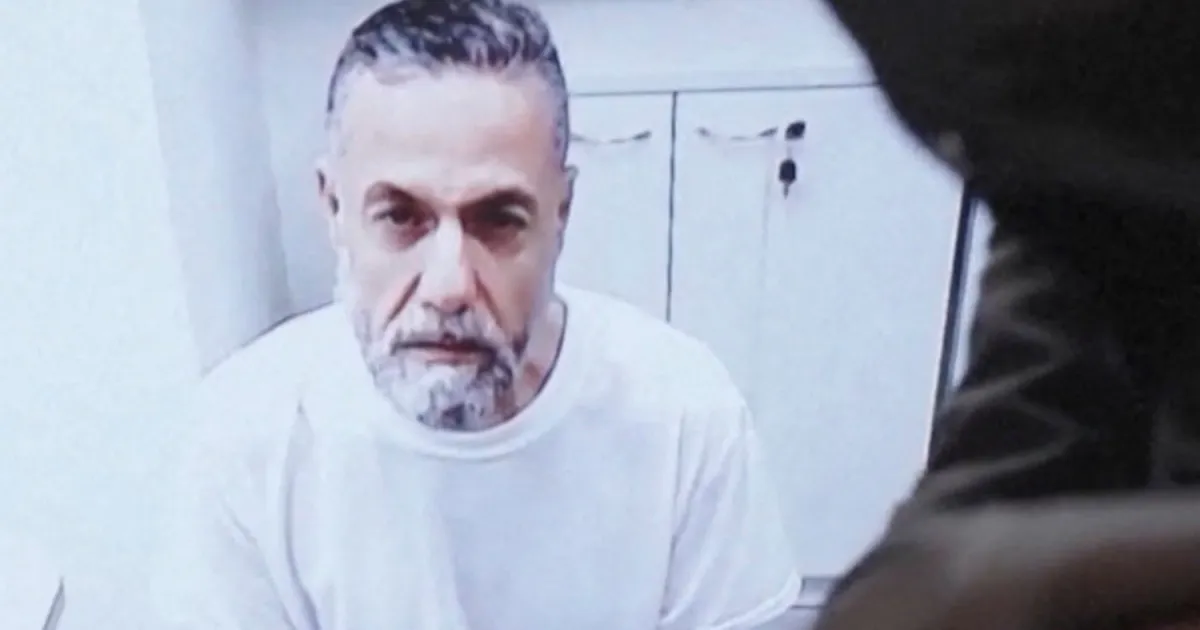
A Washington, DC court has postponed the trial of alleged Lockerbie bombmaker Abu Agila Mohammad Mas’ud Kheir Al-Marimi after federal prosecutors disclosed new evidence.
The legal proceedings concerning the 1988 bombing of Pan Am Flight 103 have hit a significant procedural hurdle in Washington, DC. Abu Agila Mohammad Mas’ud Kheir Al-Marimi, a former Libyan intelligence operative, stands accused of playing a central role in the deadliest terrorist act in United Kingdom history. While jury selection was expected to commence recently, US District Judge Dabney Friedrich issued an unexpected postponement, citing the emergence of previously undisclosed evidence.
This delay is intended to provide the defense team with sufficient time to analyze the new material, a standard procedure required to uphold constitutional and ethical mandates. The trial, which would mark the first time a suspect in the Lockerbie tragedy is tried on American soil, has been characterized and a persistent pursuit of accountability for the victims and their families.
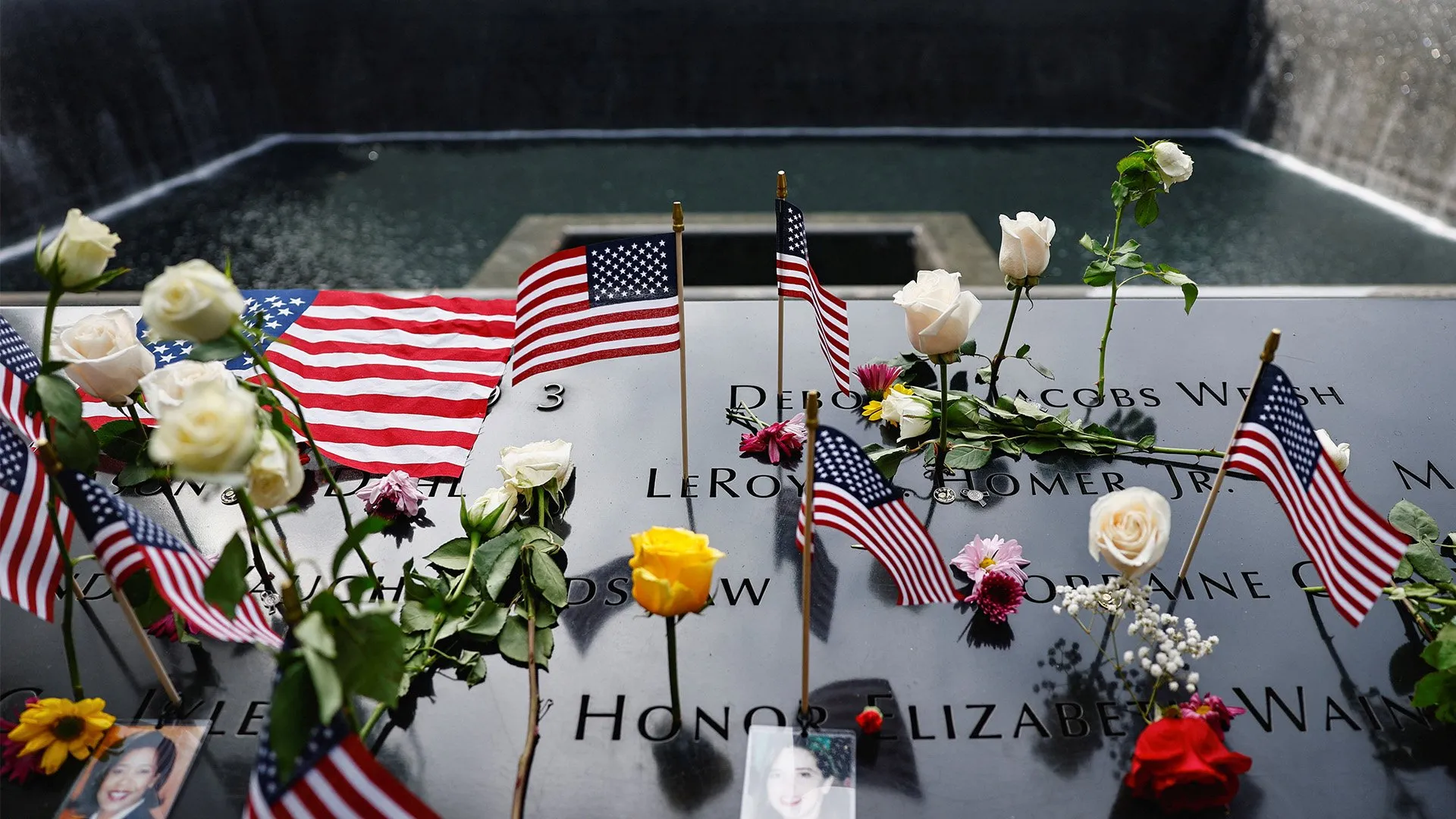
On December 21, 1988, Pan Am Flight 103 was en route from London’s Heathrow Airport to New York City when it detonated mid-air. The aircraft was cruising at an altitude of approximately 31,000 feet over Scotland when the explosion occurred, causing the wreckage to rain down upon the town of Lockerbie. The incident resulted in the deaths of all 259 people on board, including crew members and passengers from 21 different nations.
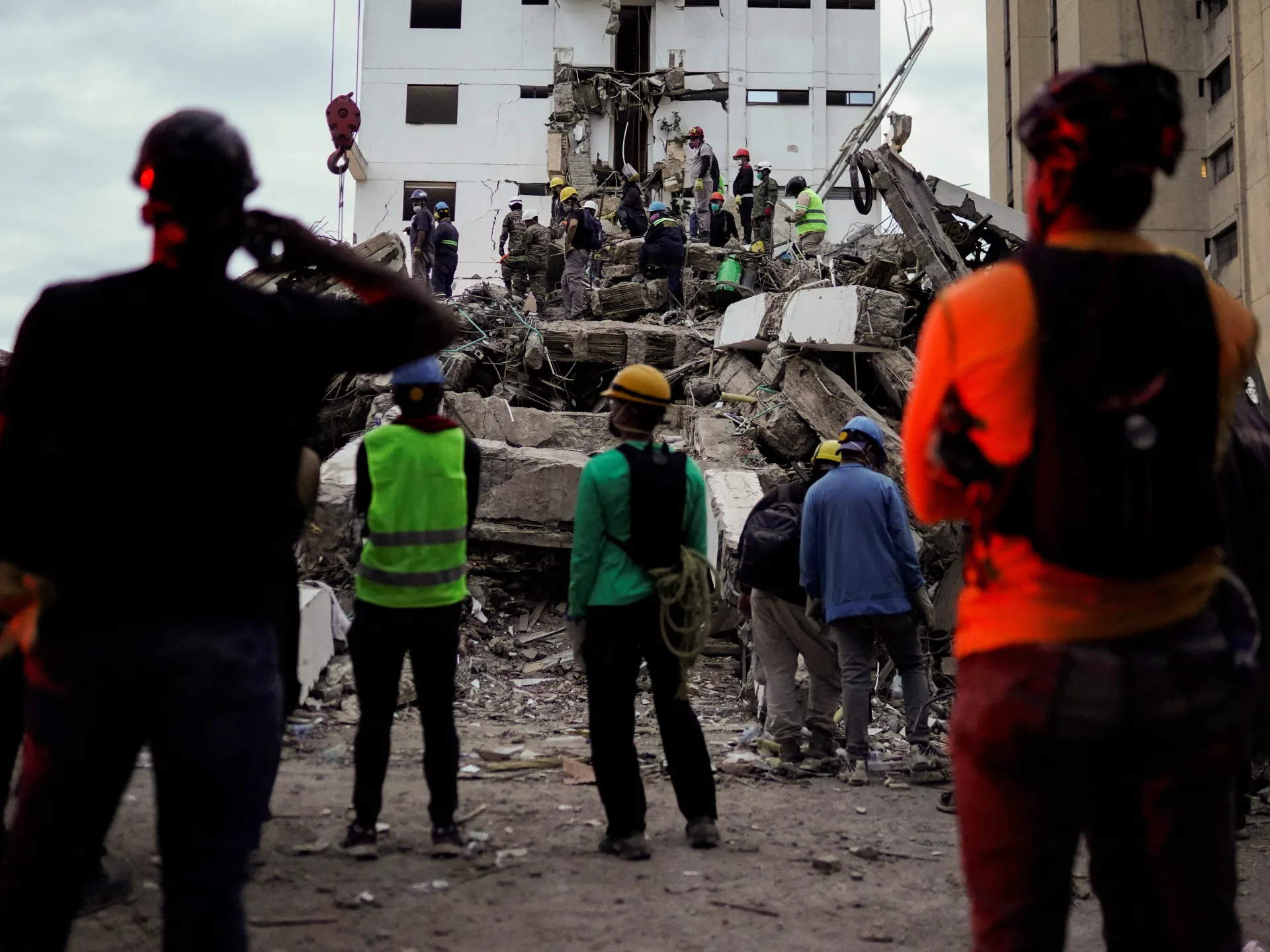
The impact on the ground was catastrophic, destroying an entire city block and claiming the lives of 11 residents. Among the victims were 190 Americans, including 35 students from Syracuse University who were returning home after a semester abroad. Nearly four decades later, the event remains a defining moment in the history of international aviation security and remains the most lethal attack ever committed on British soil.
US prosecutors contend that Mas’ud, who held the rank of colonel within the Libyan intelligence service between 1973 and 2011, operated under the direct orders of the late Libyan leader Muammar Gaddafi. The government alleges that Mas’ud traveled to Malta with an explosive device hidden inside a Samsonite suitcase. According to the indictment, he coordinated with co-conspirators to set a timer on the device before ensuring it was placed onto the flight path that would eventually lead to the disaster.
Mas’ud, now in his mid-70s, faces two counts related to the destruction of an aircraft resulting in death. If convicted, he faces a potential life sentence. Throughout the proceedings, the defendant has maintained his innocence, pleading not guilty to the charges and denying any involvement in the construction or placement of the bomb that downed the airliner.
The search for justice has spanned generations. Previously, two other Libyan intelligence officers, Abd al-Basit al-Magrahi and Al-Amin Khalifa Fahimah, were tried for the attack. In 2001, a court acquitted Fahimah but found al-Magrahi guilty, sentencing him to life in prison. Al-Magrahi was later released on compassionate grounds in 2009 and died in Libya in 2012. Fahimah passed away in August 2026, marking the end of a chapter for the key figures identified in earlier phases of the investigation.