

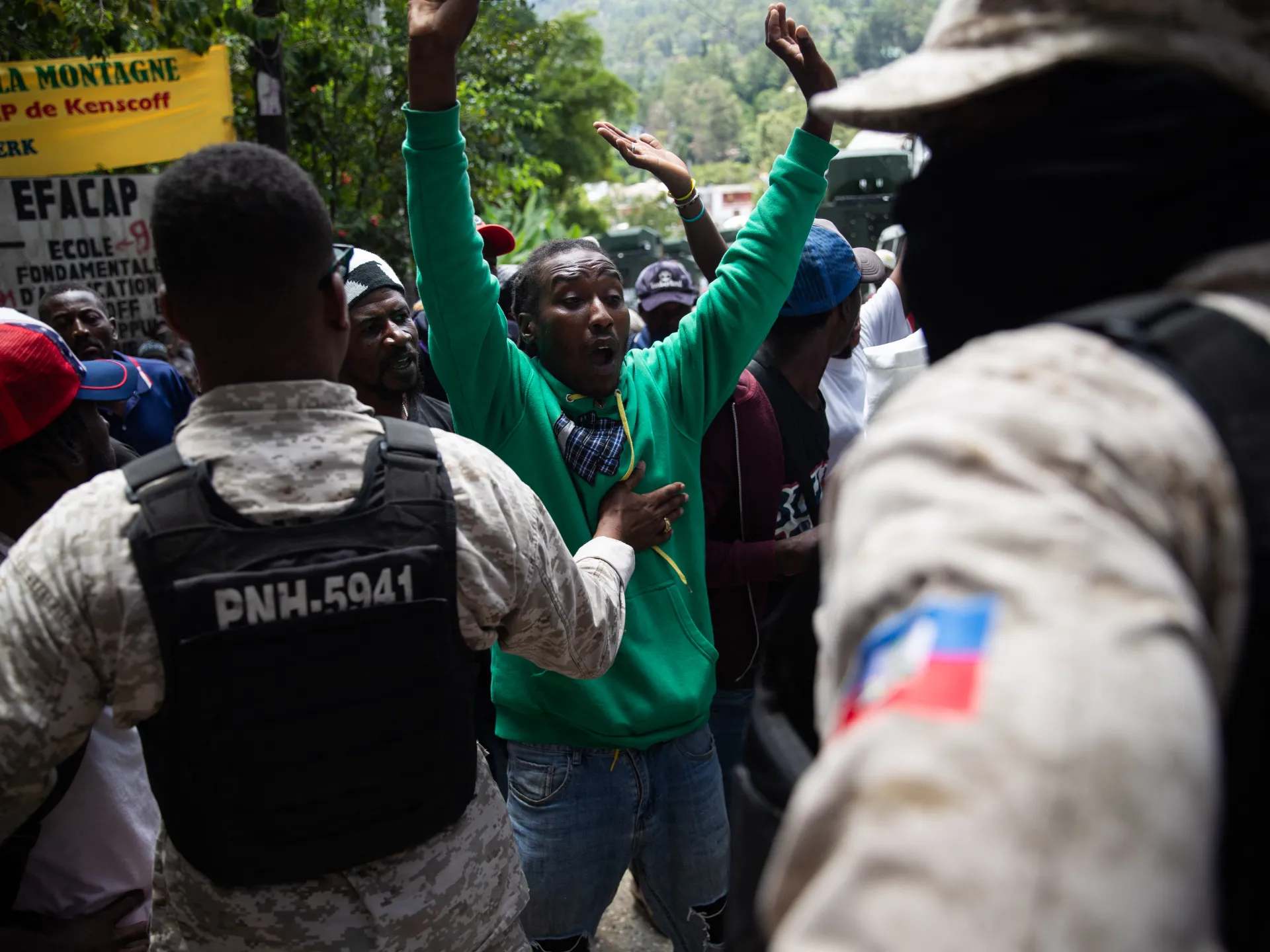
Haiti's police force is under fire as they struggle to respond to a brutal gang attack in Kenscoff that resulted in 47 deaths and dozens of kidnappings.
The Haitian national police force is currently navigating a period of intense public scrutiny and operational strain following a devastating gang assault in the community of Kenscoff. Located in the mountainous regions overlooking the capital of Port-au-Prince, the area was the site of a brutal weekend incursion that left 47 people dead and resulted in the abduction of more than 50 individuals. This incident, which occurred on August 23, stands as one of the most significant mass kidnapping events in the nation’s recent history, forcing hundreds of residents to flee their homes in fear.
During a recent press conference, police spokesperson Garry Desrosiers addressed the media but provided little clarity regarding the government’s strategic response. When pressed for details on how authorities intend to mitigate the threat or rescue those taken captive, Desrosiers remained reticent, citing the sensitivity of the situation. He noted that the police are currently focused on assisting displaced residents in returning to their properties, though the environment remains volatile and unpredictable for those attempting to return to their lives.
The situation is further complicated ve warned they will execute all remaining hostages should law enforcement engage in any lethal action against their members during recovery operations. This hostage-based deterrent has effectively hamstrung local authorities, creating a precarious standoff that leaves the safety of the captives hanging in the balance while the state attempts to regain control of the region.
While Kenscoff has experienced approximately a dozen gang-led incursions since last year, the region had actually seen a temporary decline in violence between January and August. Data from the nonprofit conflict monitor Armed Conflict Location and Event Data suggested that government crackdowns were effectively suppressing criminal activities in the area. However, the latest massacre serves as a grim reminder that the security situation remains fluid and highly susceptible to sudden, large-scale escalations.
United Nations observers have raised alarms regarding the shifting nature of these criminal networks. Despite concentrated anti-gang campaigns within the urban core of Port-au-Prince, violence is actively spreading to surrounding neighborhoods and outlying regions. The UN estimates that over 3,050 people have been killed across Haiti in the first six months of the current year alone, highlighting the catastrophic toll that the ongoing power struggle between the state and armed groups is taking on the civilian population.
The threat landscape is also expanding toward high-profile targets. Law enforcement officials have received intelligence suggesting that the same criminal elements responsible for the Kenscoff attack are planning an assault on Tabarre. This neighborhood is particularly significant as it houses the United States embassy, raising concerns about the potential for international diplomatic fallout and the escalating audacity of the criminal syndicates operating within the country.
The current security vacuum is deeply rooted in the political instability that has plagued Haiti since the 2021 assassination of former President Jovenel Moise. This event triggered a collapse of governance, leaving the country without a functioning national legislature since the terms of the last elected senators expired in 2023. Repeated attempts to hold new elections have been thwarted with the next general election tentatively set for December.
Armed factions have frequently cited the lack of economic opportunity and political legitimacy as a pretext for their violence, effectively controlling an estimated 70 percent of Port-au-Prince. This total breakdown in public safety has led to the displacement of over 1.5 million Haitians. In response, international efforts, including the deployment of a UN-backed Gang Suppression Force, have been implemented to support local police. While some officials express optimism that these forces can restore state authority, critics remain skeptical of the efficacy of foreign interventions.