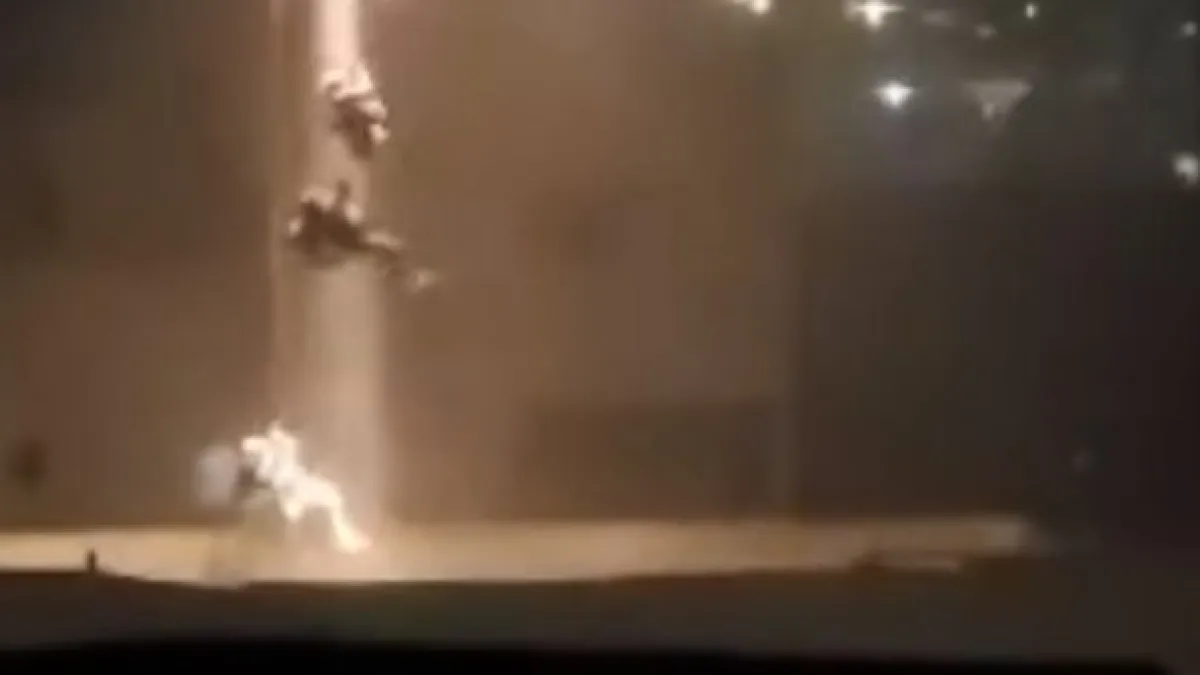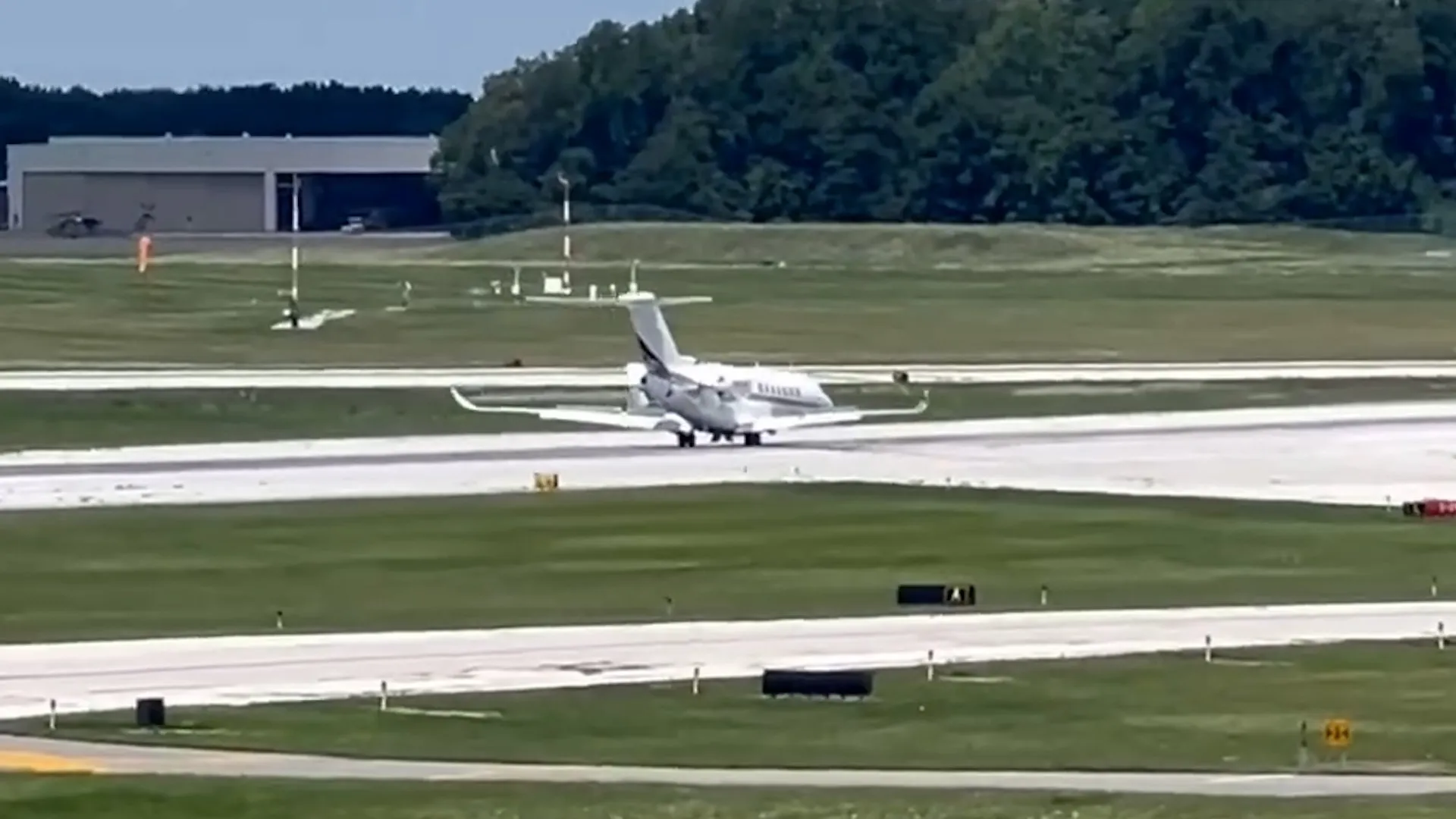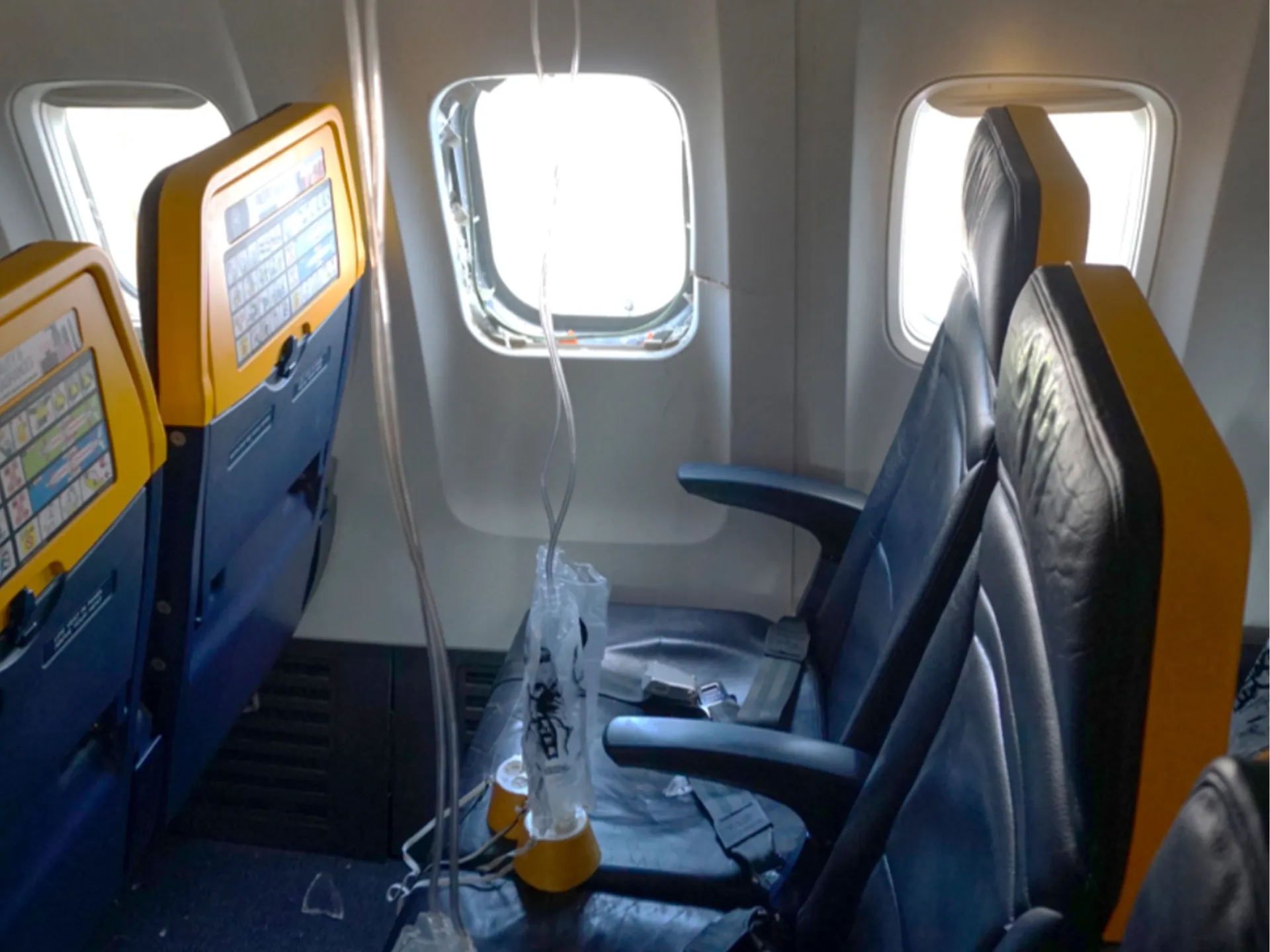
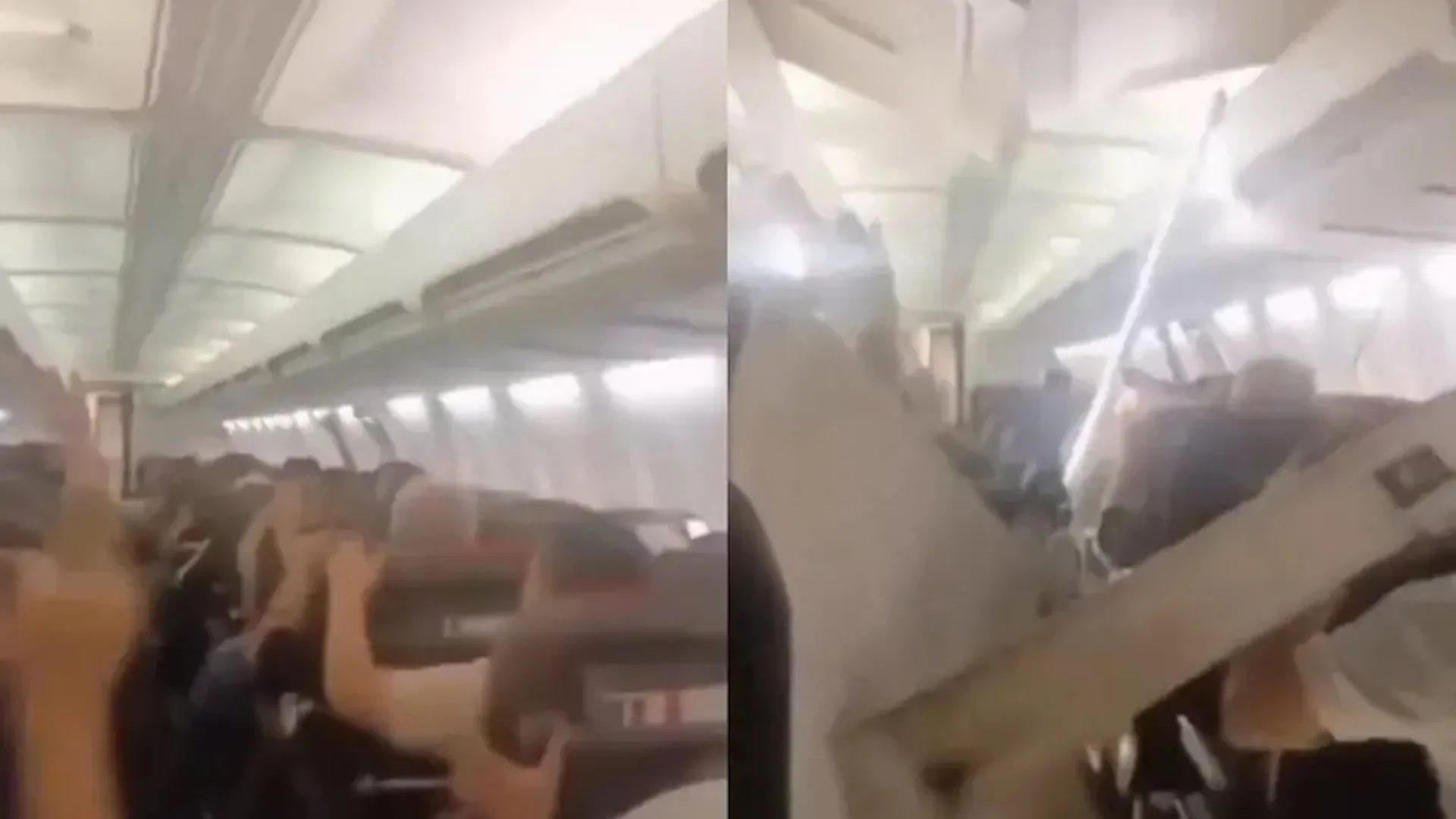
A Sepehran Airlines Boeing 737 was forced to make an emergency return to Mashhad, Iran, after suffering a burst tire and severe engine damage that left the cabin in disarray.
A recent aviation incident involving a Sepehran Airlines Boeing 737 has drawn significant attention to the challenges facing Iran’s commercial aviation sector. The flight, which departed from Mashhad, Iran, experienced a catastrophic mechanical failure shortly after takeoff, forcing the pilots to execute an immediate emergency return to the departure airport. Passengers aboard the vessel described a terrifying ordeal as the cabin began to vibrate violently before sustaining visible structural damage.
Reports from the scene indicate that the aircraft suffered from a burst tire during its initial climb, which led to subsequent engine complications. As the plane struggled to maintain stability, the intense stress caused sections of the cabin interior to detach. This rare and alarming event highlights the precarious nature of operating aging aircraft under extreme technical constraints, as passengers were subjected to intense shaking and the sight of interior panels ripping away from the fuselage.
The incident in Mashhad has reignited discussions regarding the long-term impact of international sanctions on the Iranian aviation industry. For decades, the United States has maintained strict economic measures that severely restrict the ability of Iranian carriers to purchase new aircraft, procure high-quality spare parts, or access essential maintenance services from global manufacturers. These limitations have forced Iranian airlines to rely on older fleets, often extending the operational life of planes well beyond standard industry intervals.
Maintaining airworthiness under these conditions requires significant ingenuity and the use of alternative supply chains, which experts argue can increase the risk of mechanical failures. Because Boeing is a U.S.-based company, the ability of carriers like Sepehran Airlines to source certified components for their 737 fleet is heavily obstructed equipment creates a complex environment for maintenance crews tasked with keeping these aging jets in the sky.
Modernization efforts for Iranian airlines have been repeatedly stalled le there have been brief windows in history where sanctions were eased—allowing for limited negotiations with major aircraft manufacturers—these opportunities have largely closed. As a result, the average age of commercial aircraft operating within Iran remains significantly higher than the global industry standard, leading to a higher frequency of technical incidents and emergency landings.
The aviation community continues to monitor these developments as they raise critical questions about safety protocols and the sustainability of current operations. While the pilots of the Sepehran Airlines flight were successful in returning the aircraft to the tarmac safely, the visual evidence of the cabin disintegration serves as a stark reminder of the risks associated with aging infrastructure. Stakeholders in the region are now under increased pressure to address these systemic maintenance issues to ensure the safety of passengers traveling on the country's domestic routes.
Moving forward, the primary concern for regulators and aviation authorities remains the ability to secure a consistent supply of safety-critical components. Without a diplomatic resolution that addresses the aviation sector specifically, the likelihood of similar mechanical failures persists. The incident involving the Boeing 737 in Mashhad serves as a localized case study for the broader dangers posed when political friction intersects with international air travel standards.
As investigation teams review the specific causes of the tire burst and engine failure, the focus will likely shift to the maintenance history of the specific aircraft. Ensuring transparency in the reporting of these events is essential for preventing future disasters. For now, the passengers and crew involved in this emergency are fortunate that the situation did not result in casualties, though the event remains a clear warning of the difficulties inherent in maintaining a modern flight fleet under sustained economic isolation.