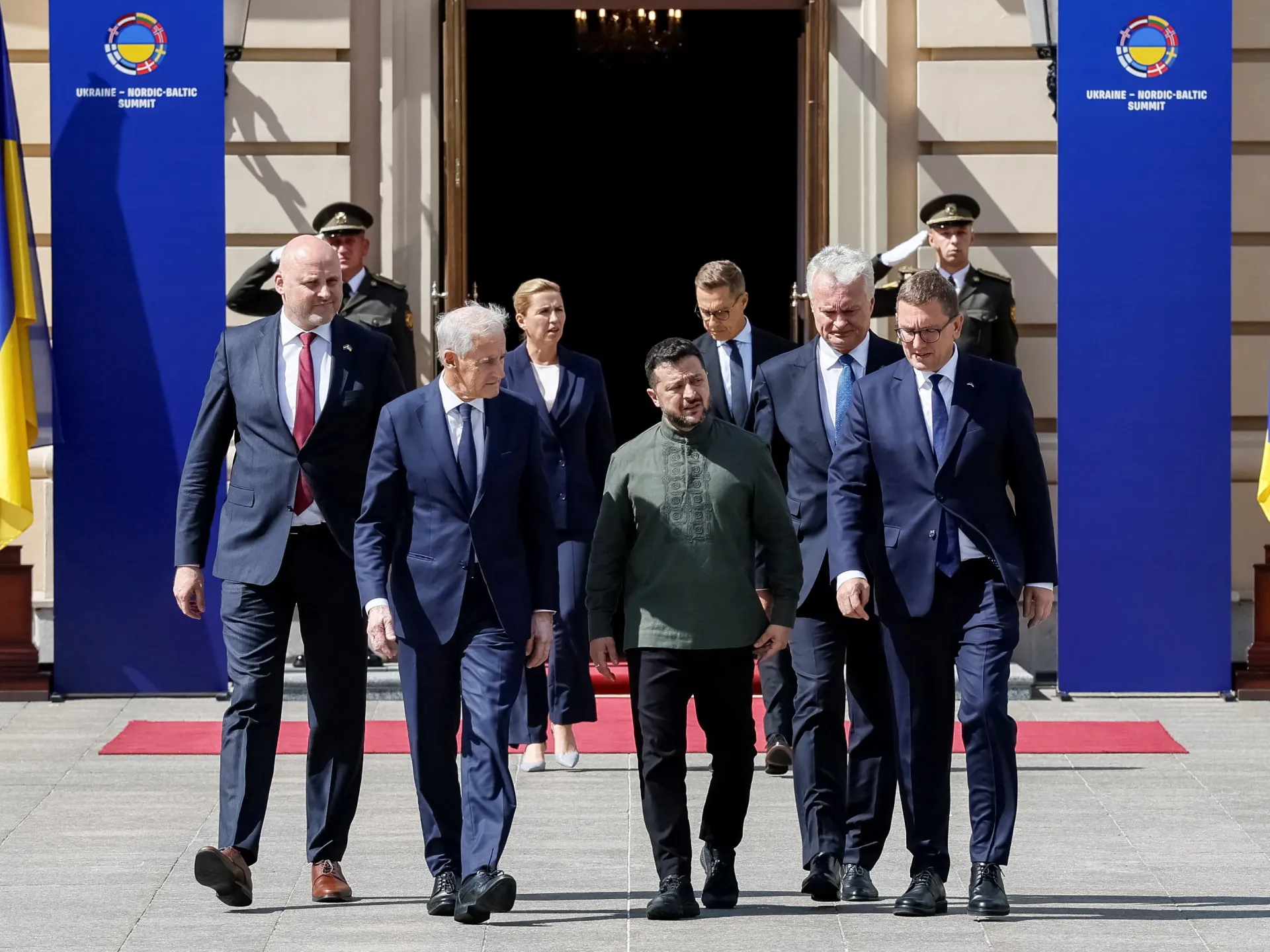
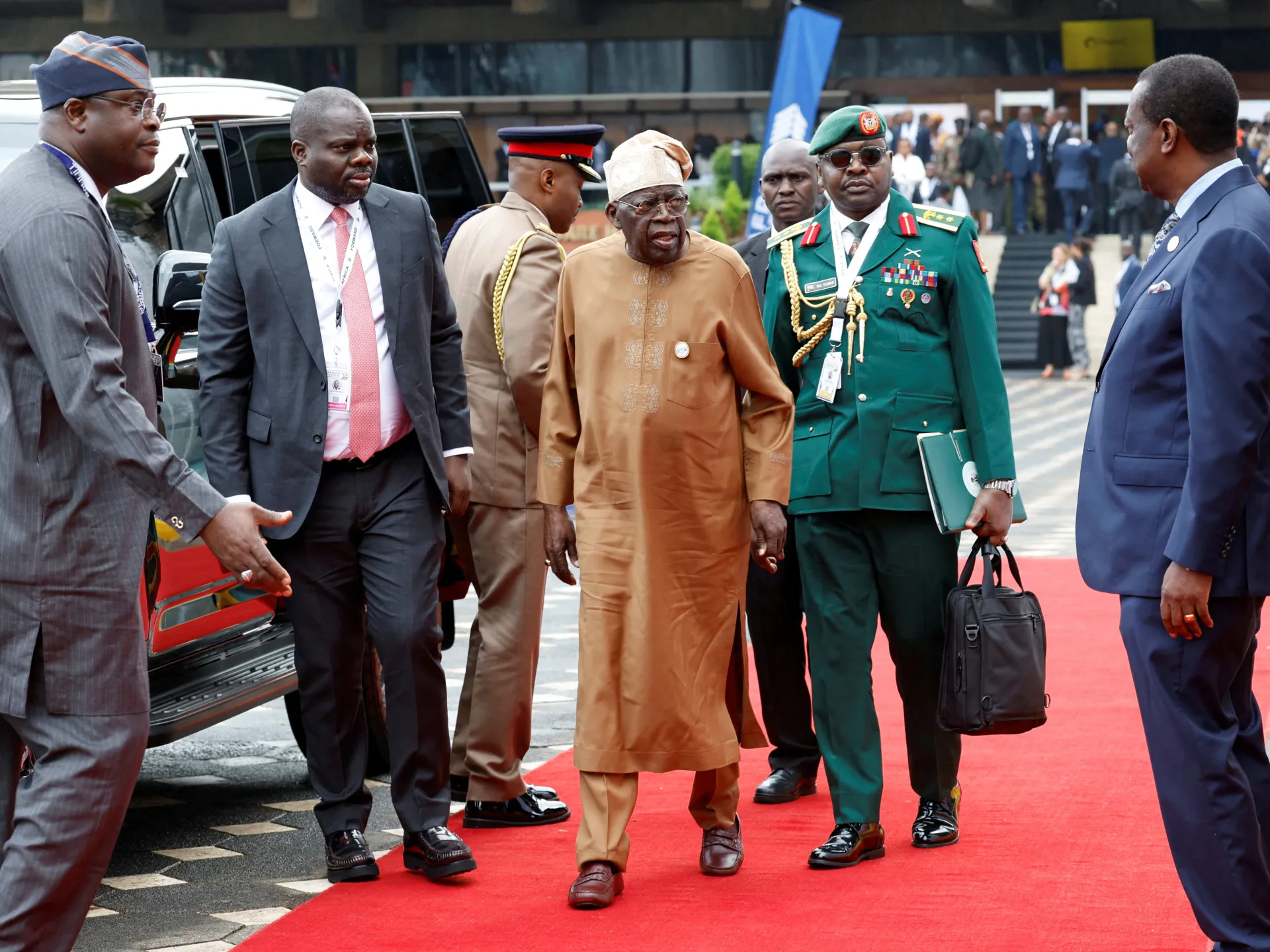
Heads of state gather in Kyrgyzstan for the annual SCO summit to address the geopolitical and economic consequences following the recent conflict involving the US, Israel, and Iran.
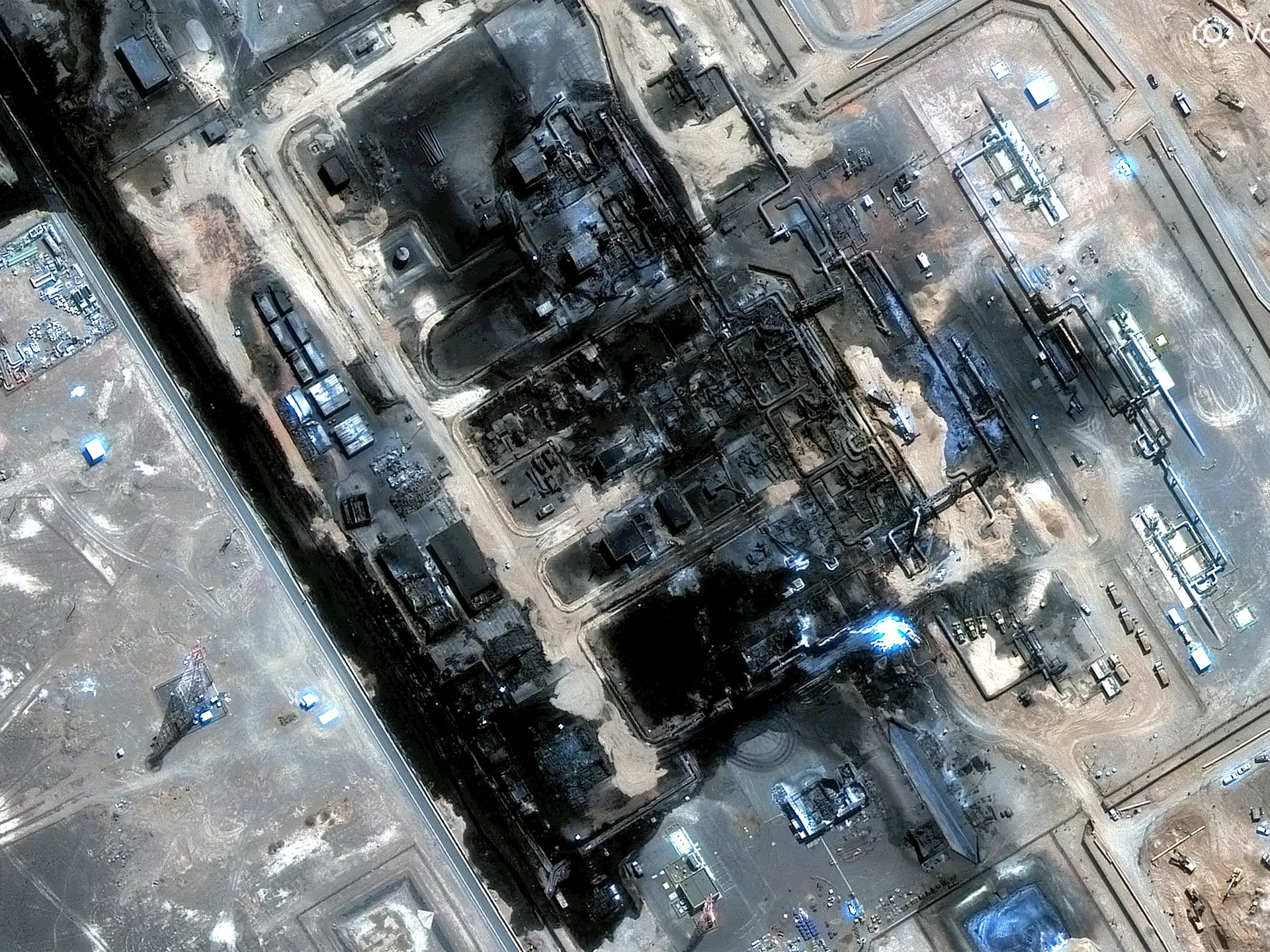
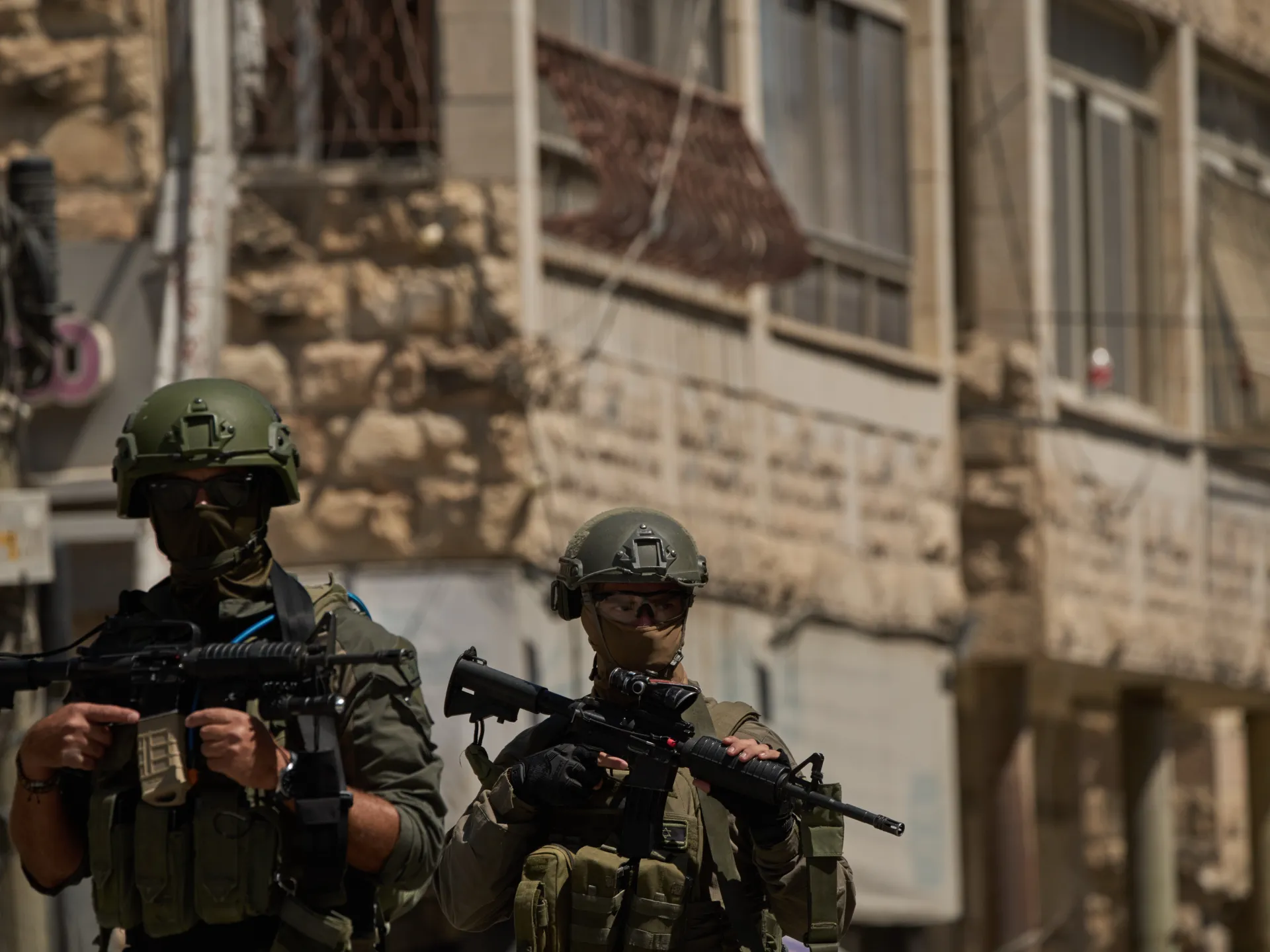
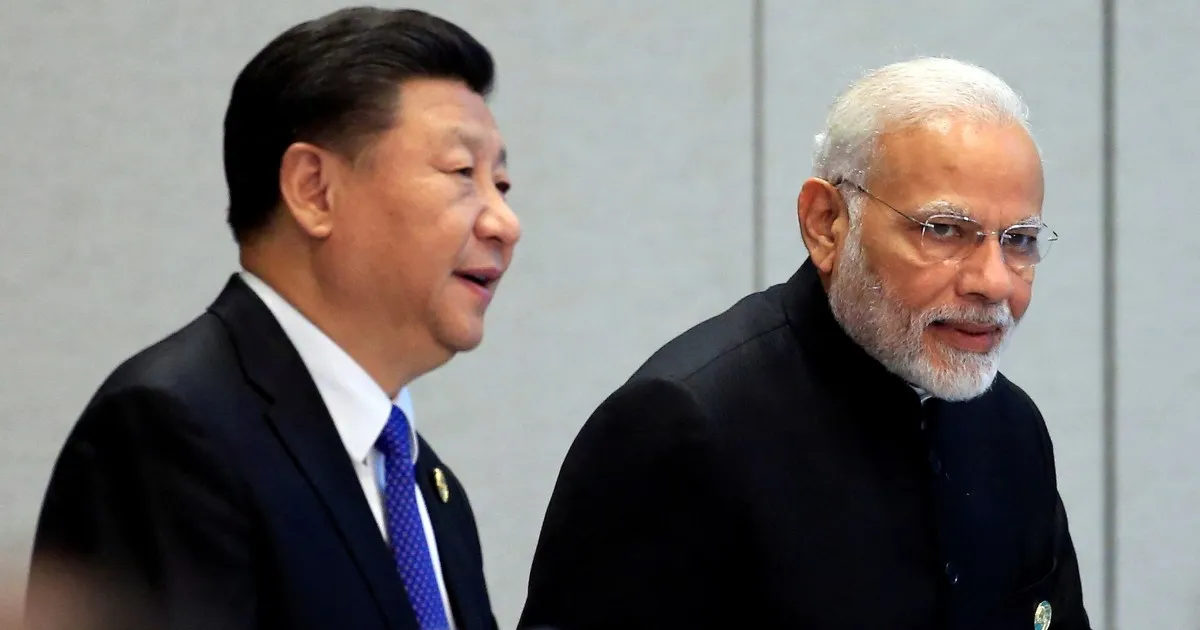
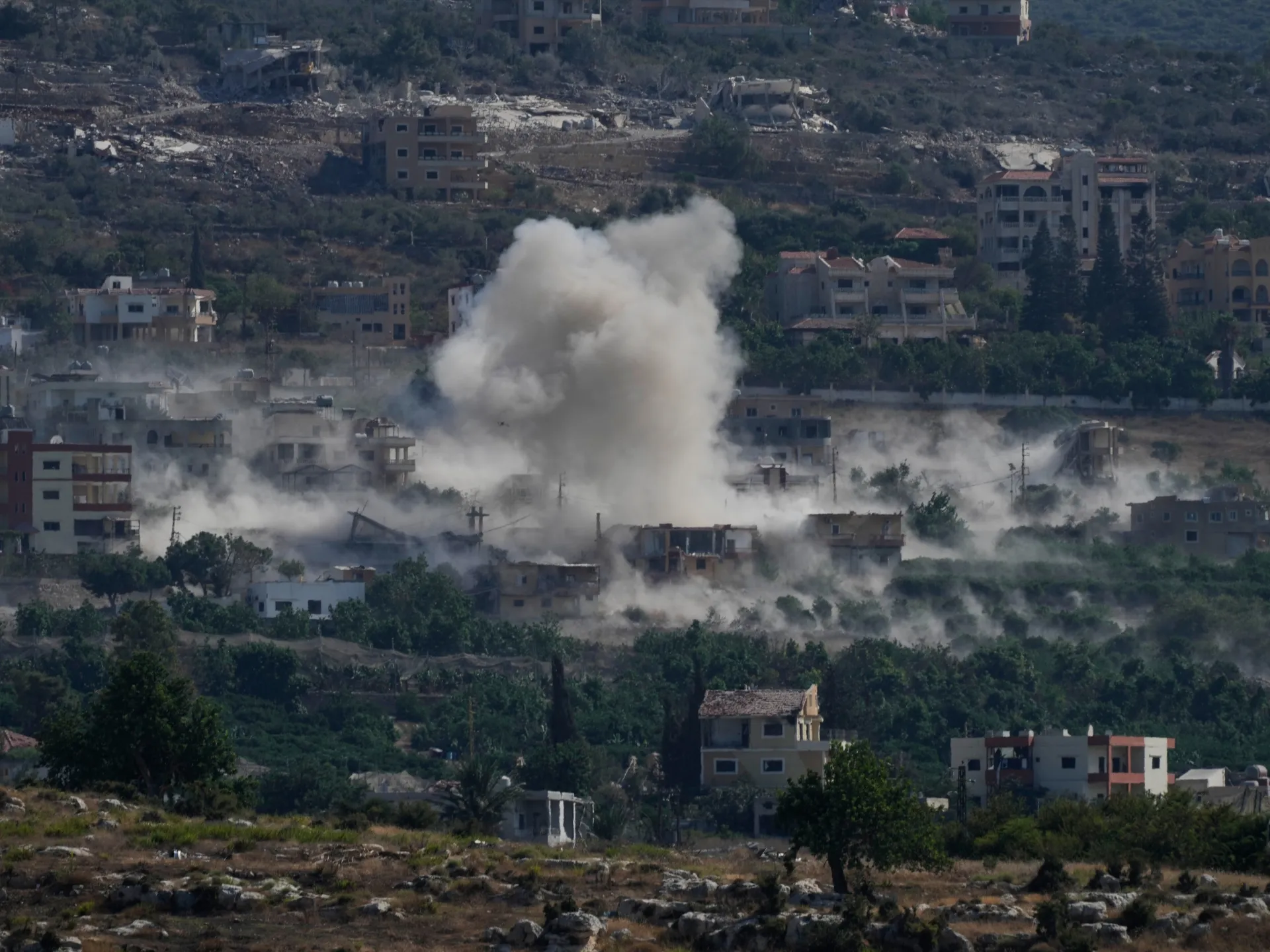
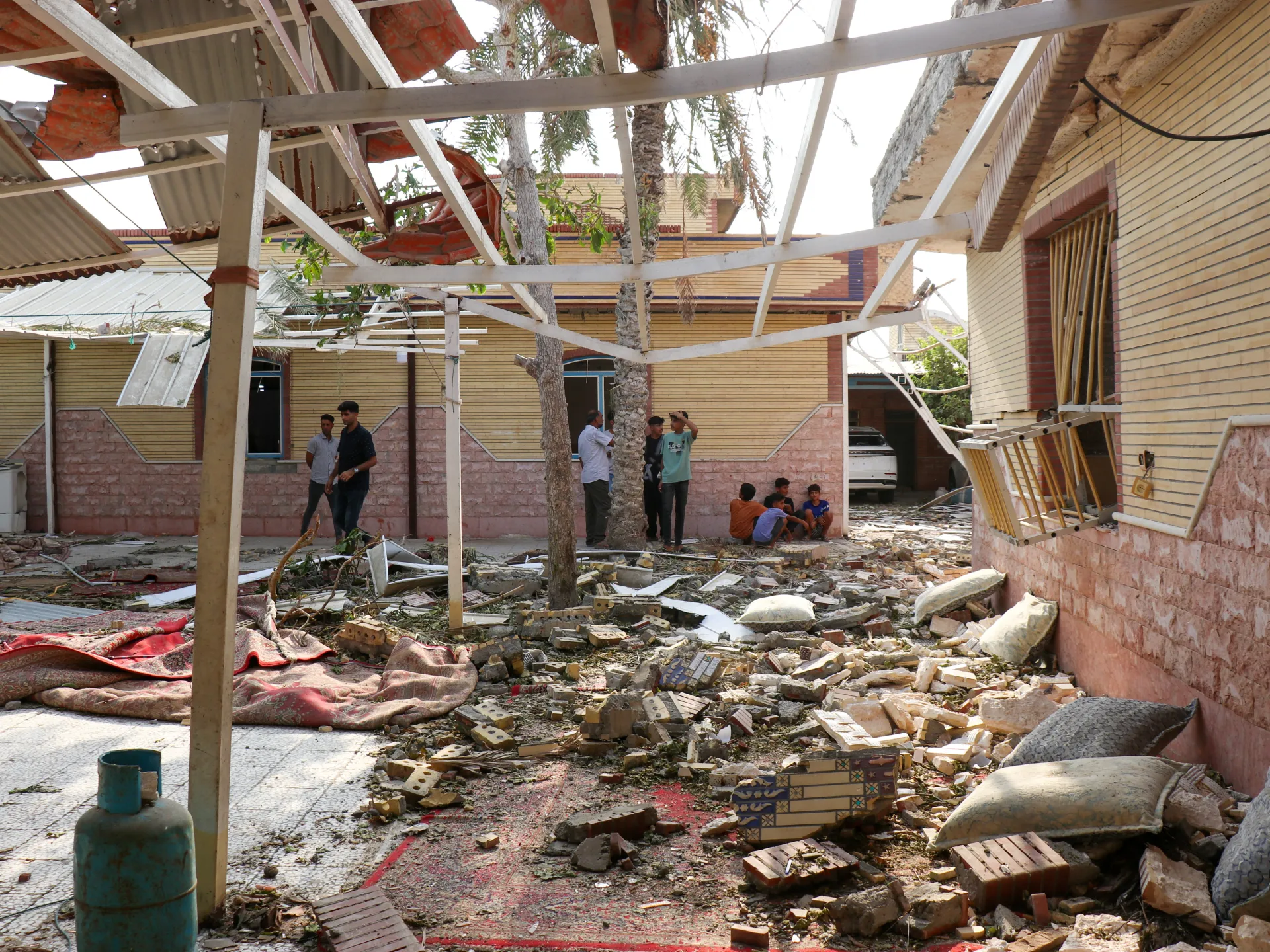
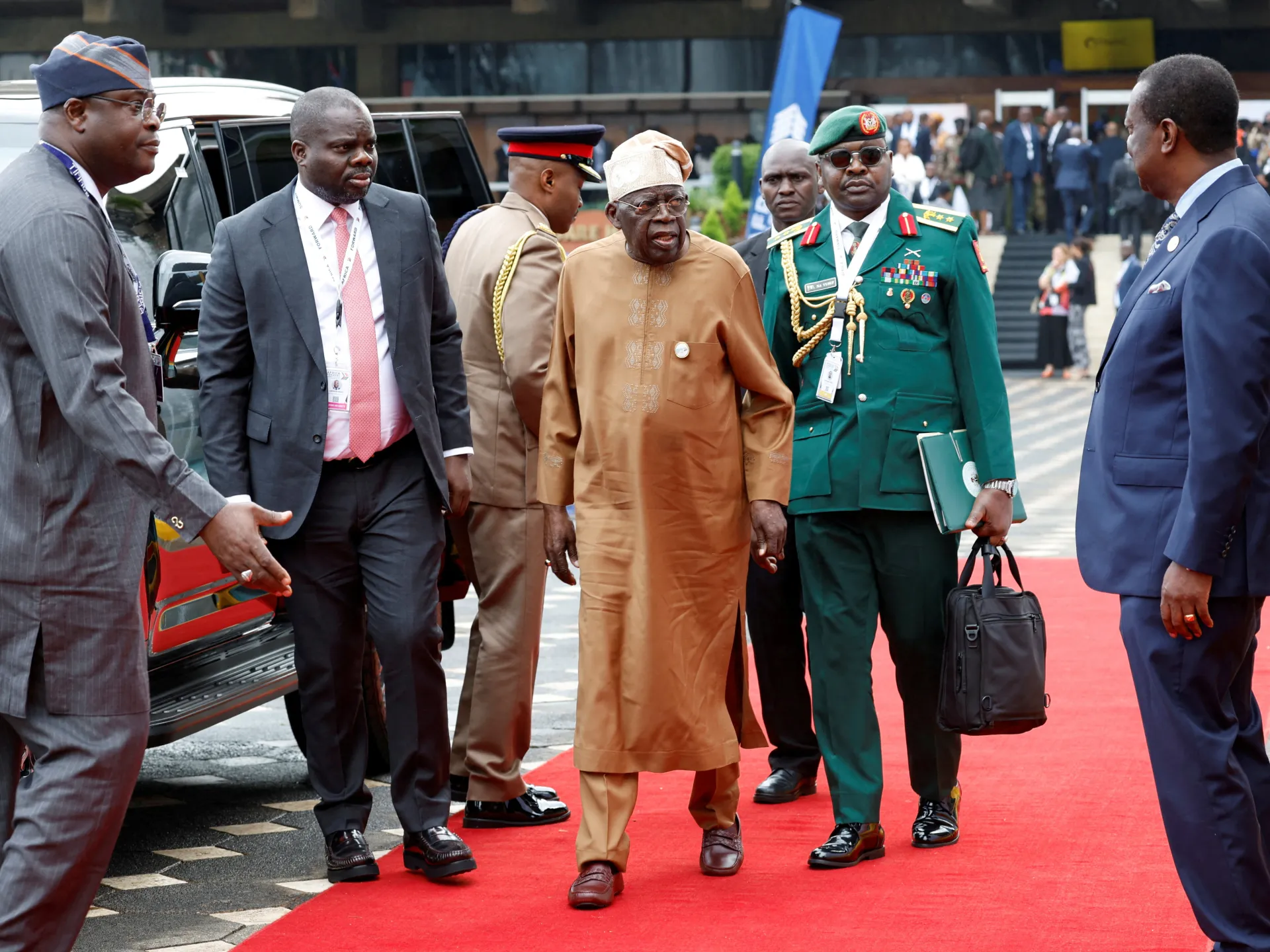
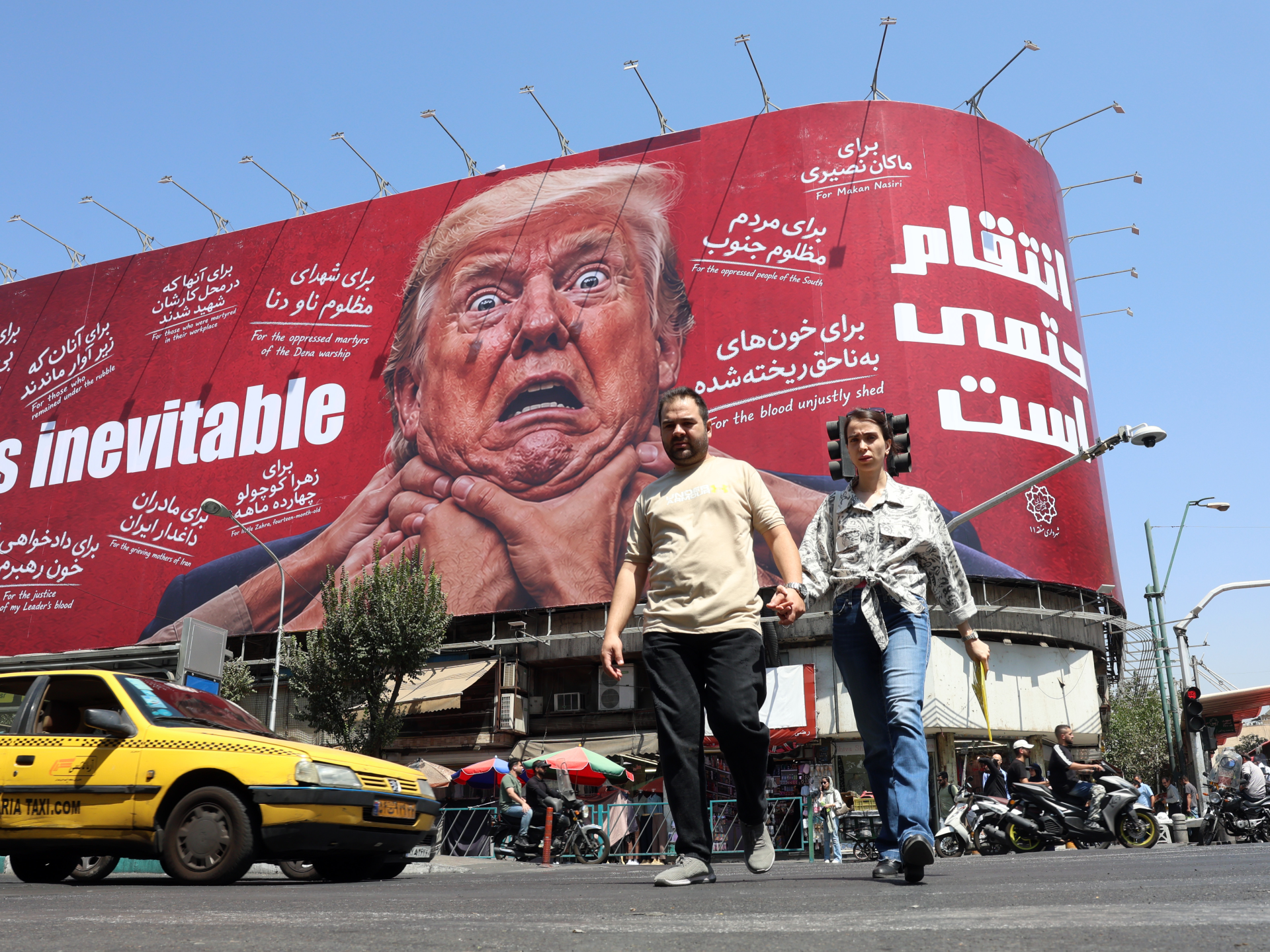
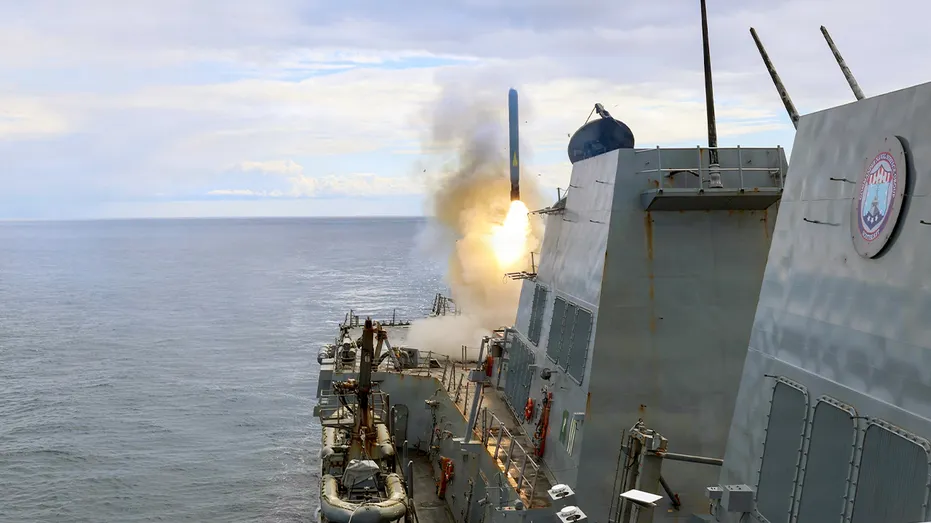
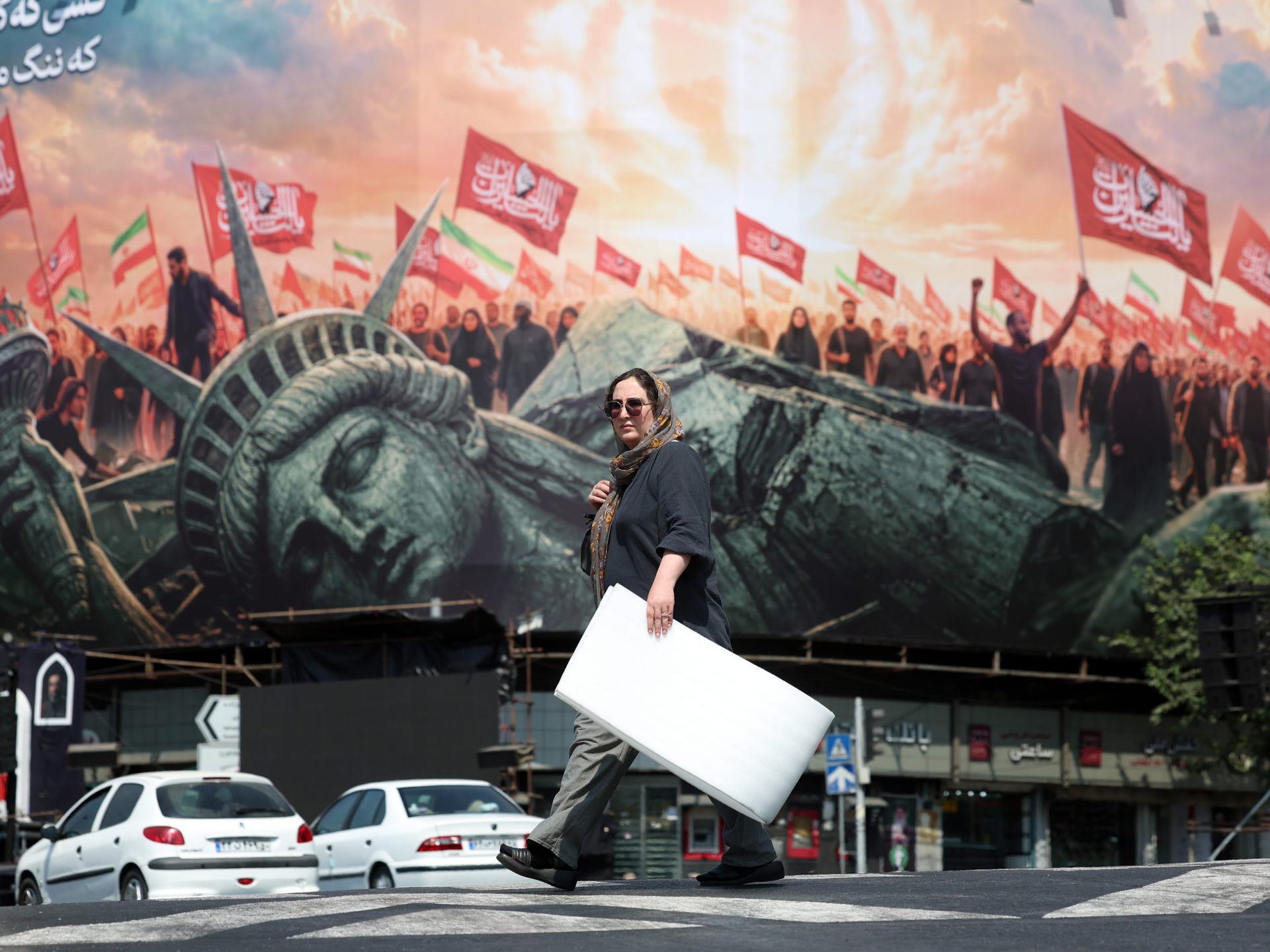
The annual Shanghai Cooperation Organization (SCO) summit has commenced in Kyrgyzstan, bringing together heads of state and high-ranking officials to navigate the complex geopolitical landscape of Eurasia. This year's gathering is particularly significant as it follows the recent military conflict involving the United States, Israel, and Iran. The summit serves as a critical forum for member nations to address the immediate security challenges and the broader implications of this military engagement on global stability.
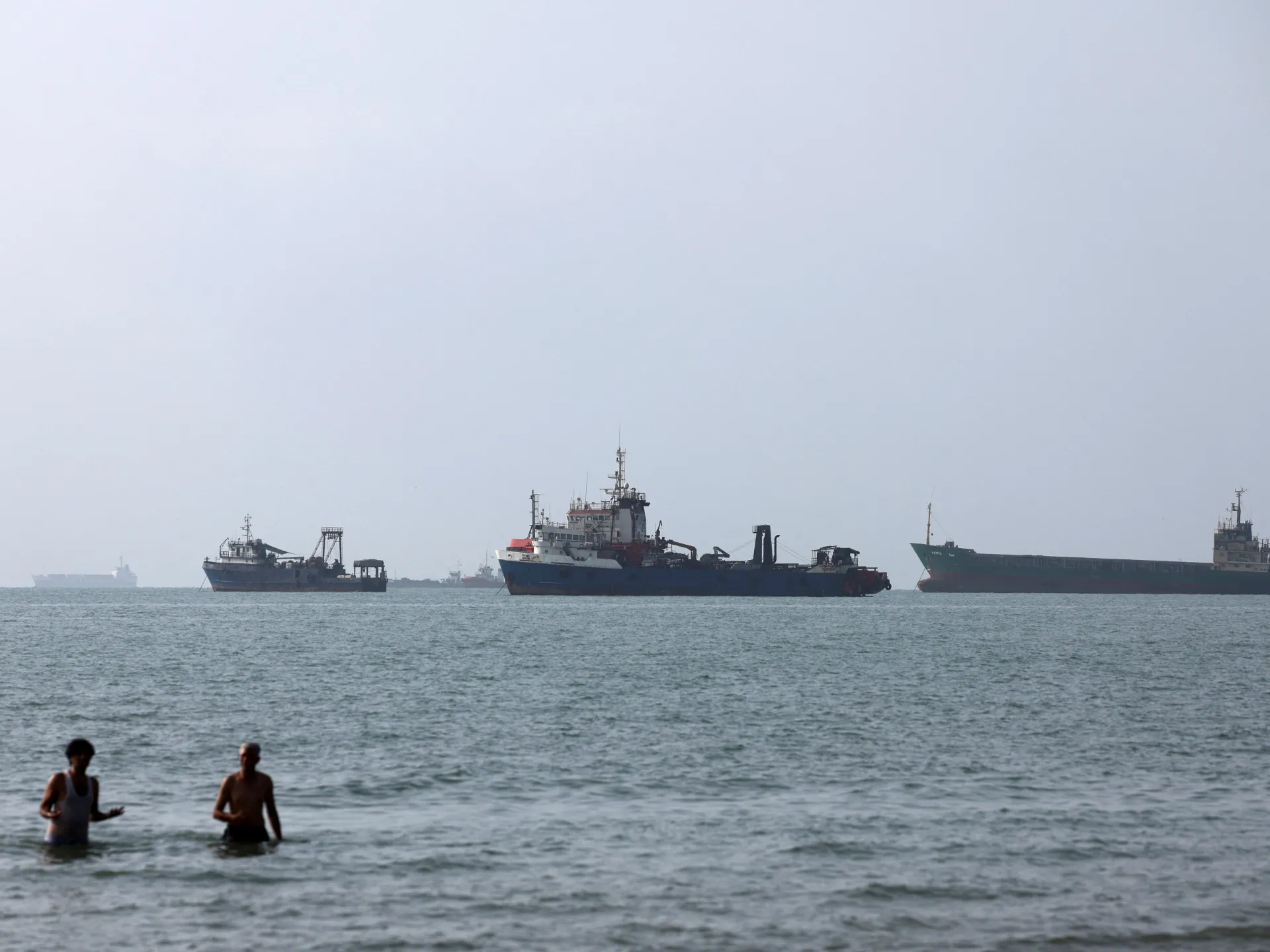
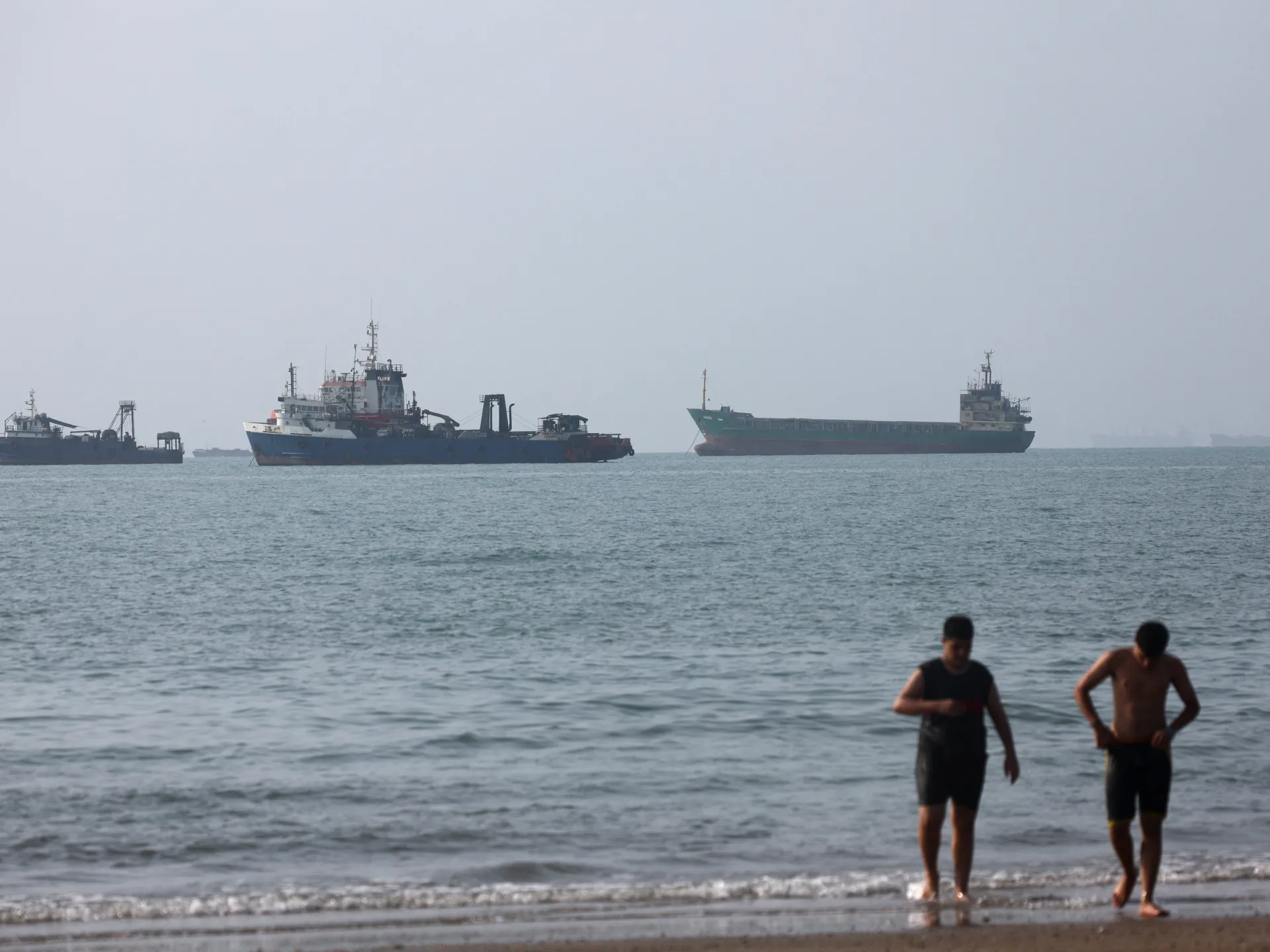
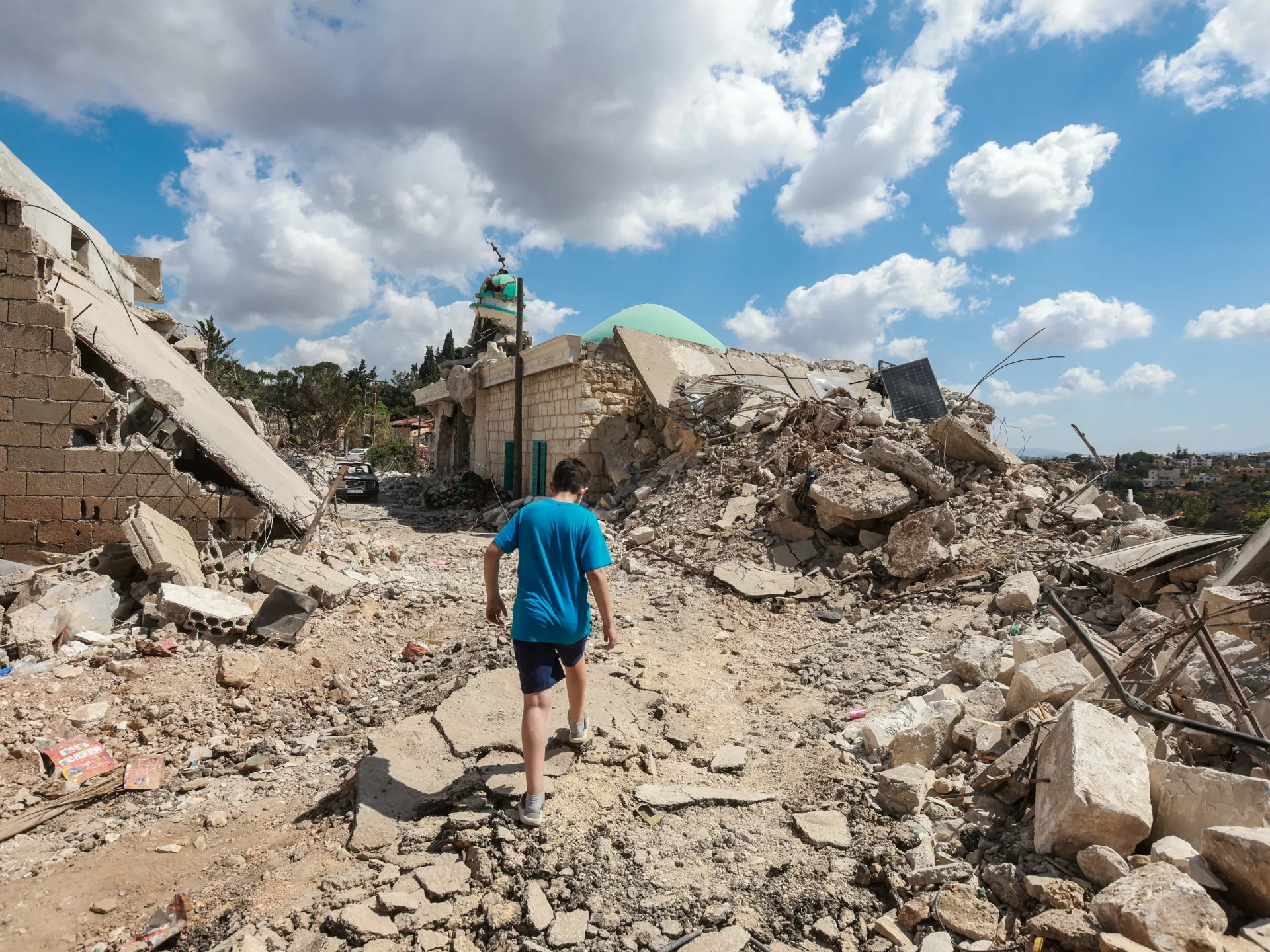
As the dust settles from the regional hostilities, leaders are focused on restoring economic predictability and diplomatic cohesion. The impact of the conflict on energy markets and regional supply chains remains a primary concern for member states that rely heavily on stability in the Middle East and Central Asia. The deliberations are expected to emphasize the need for a collective approach to security that prioritizes regional sovereignty and prevents further escalations in the vicinity of the Persian Gulf.
Beyond the immediate security fallout, the summit is prioritizing economic integration and the strengthening of trade corridors that bypass traditional Western-dominated financial networks. With the global economy feeling the tremors of the recent war, SCO members are exploring alternative payment systems and long-term infrastructure investments. The goal is to insulate member economies from future sanctions or geopolitical pressures that could arise from external military interventions.
Infrastructure projects, including trans-continental rail lines and energy pipelines, are high on the agenda. member states to the volatility seen in international energy markets following the recent conflict. The discussions reflect a push for greater autonomy in decision-making processes regarding natural resource distribution and cross-border trade agreements.
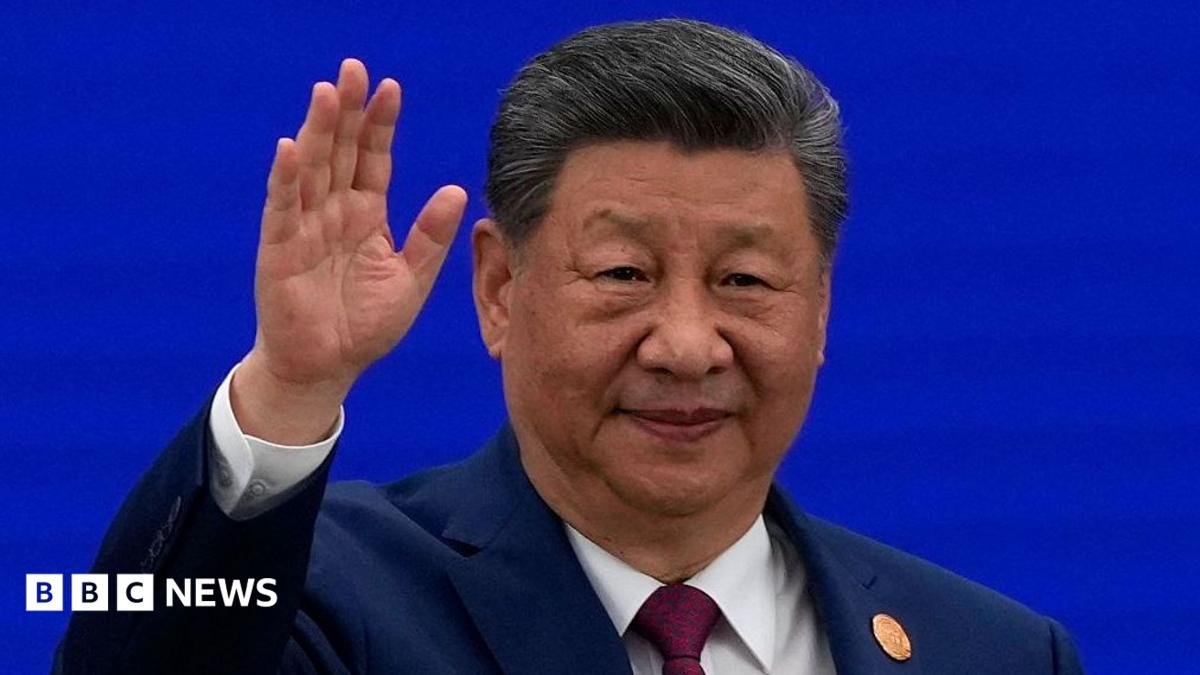
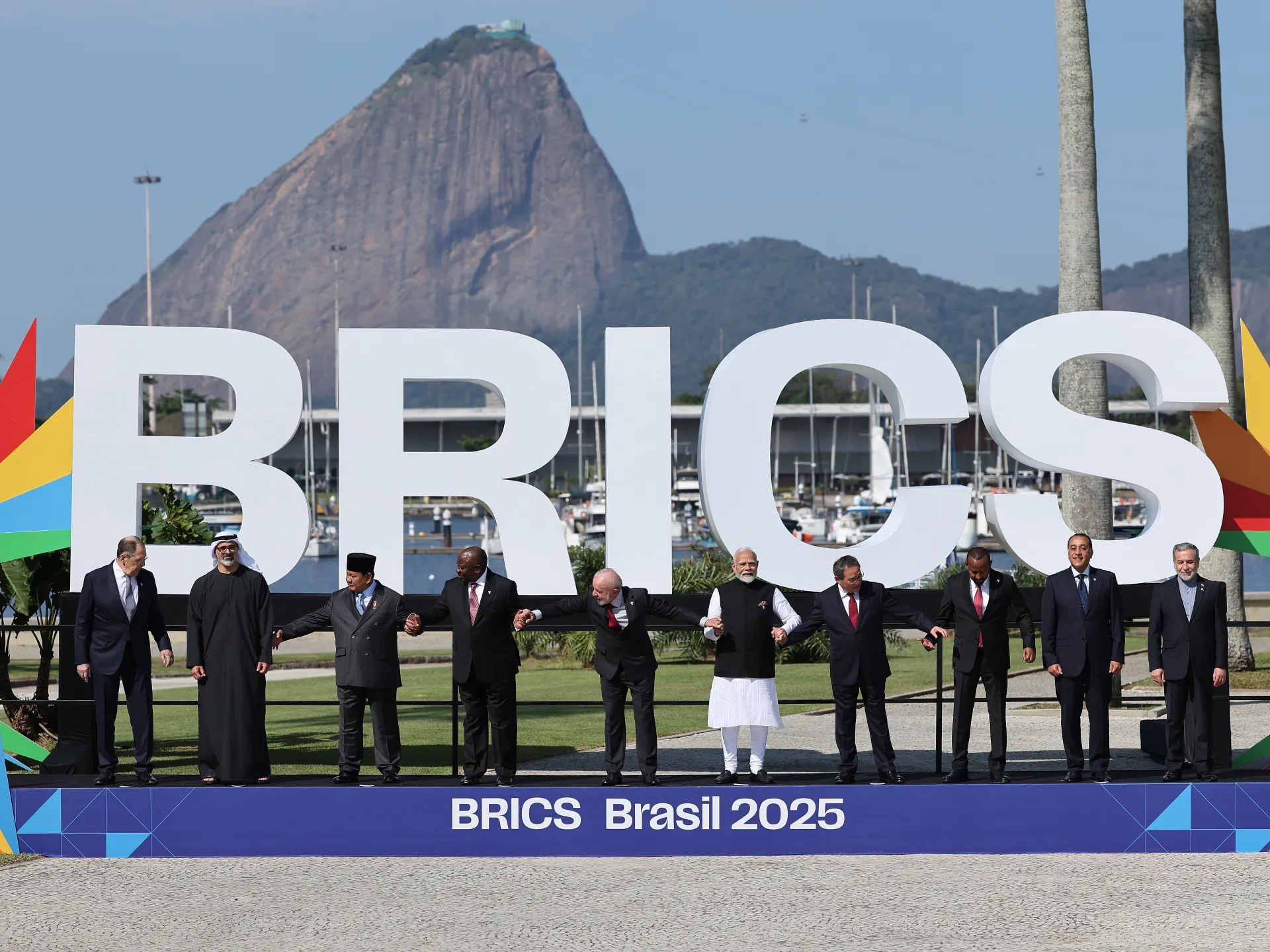
The presence of key international players at the Kyrgyzstan summit highlights the growing influence of the SCO as a counterbalance to traditional Western alliances. Member nations are utilizing this platform to forge a unified stance on non-interference and the peaceful resolution of disputes. The aftermath of the conflict has accelerated calls for a revamped regional security architecture that relies on intra-organizational collaboration rather than external intervention.
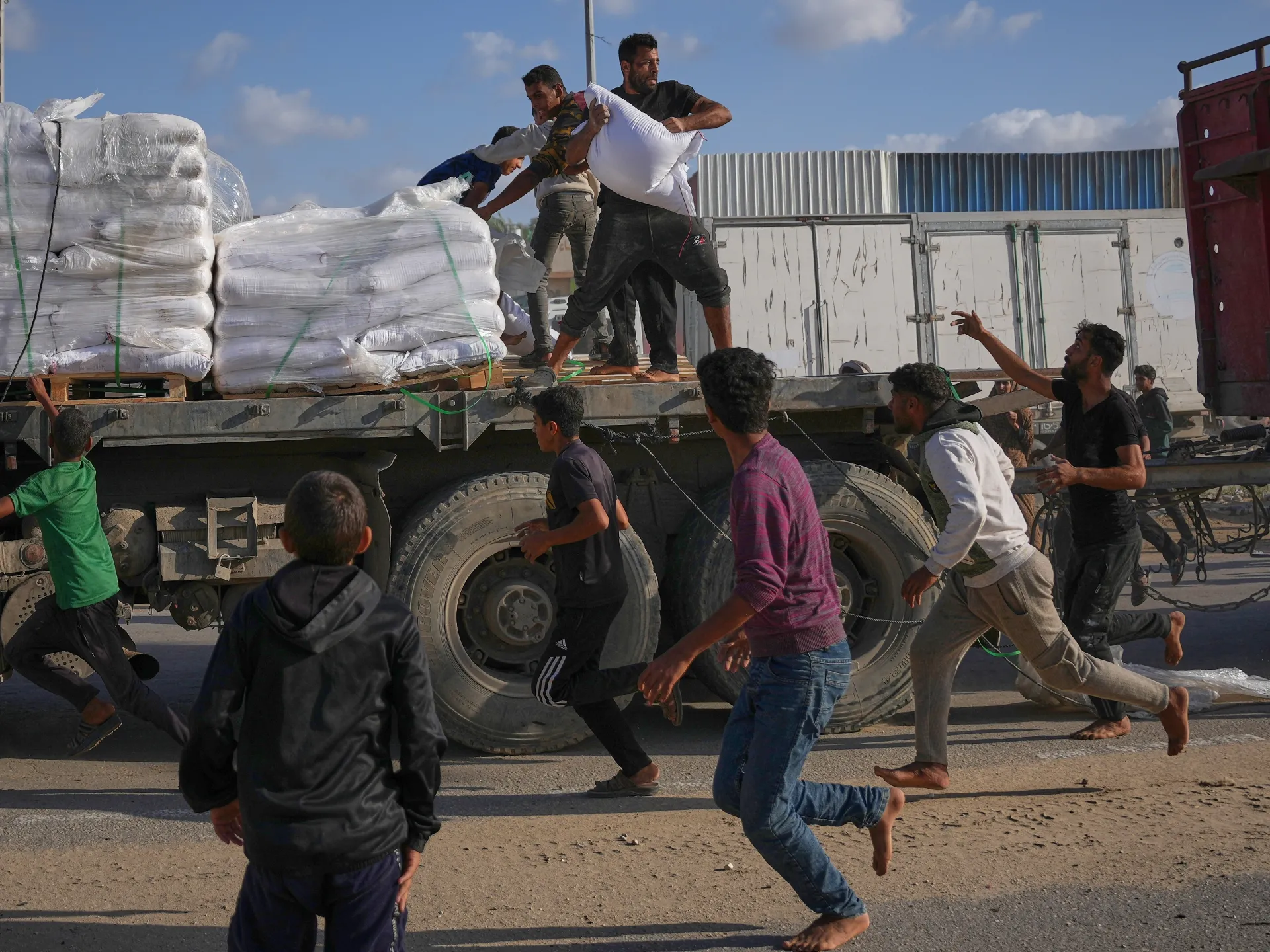
Diplomatic channels remain active as leaders discuss the potential for mediation and humanitarian aid to affected regions. While the rhetoric is focused on stability and growth, the underlying tension regarding the role of external powers in regional affairs remains palpable. The summit is expected to conclude with a joint declaration emphasizing adherence to international law and the preservation of regional order through multilateral dialogue and cooperative defense strategies.
The current summit is widely viewed as a litmus test for the SCO’s ability to manage crises that directly impact its members' strategic interests. As the international community observes the proceedings, the focus remains on how the organization will evolve to address the new realities of a post-war environment. The capacity of these nations to project a united front will determine the future trajectory of regional cooperation in the coming decade.
Ultimately, the Kyrgyzstan summit represents a pivotal moment for Eurasian diplomacy. shift toward a more multipolar world order. The decisions made during this event will likely influence international relations far beyond Central Asia, setting the stage for a new chapter in the engagement between regional powers and the broader global community in the face of ongoing geopolitical uncertainty.