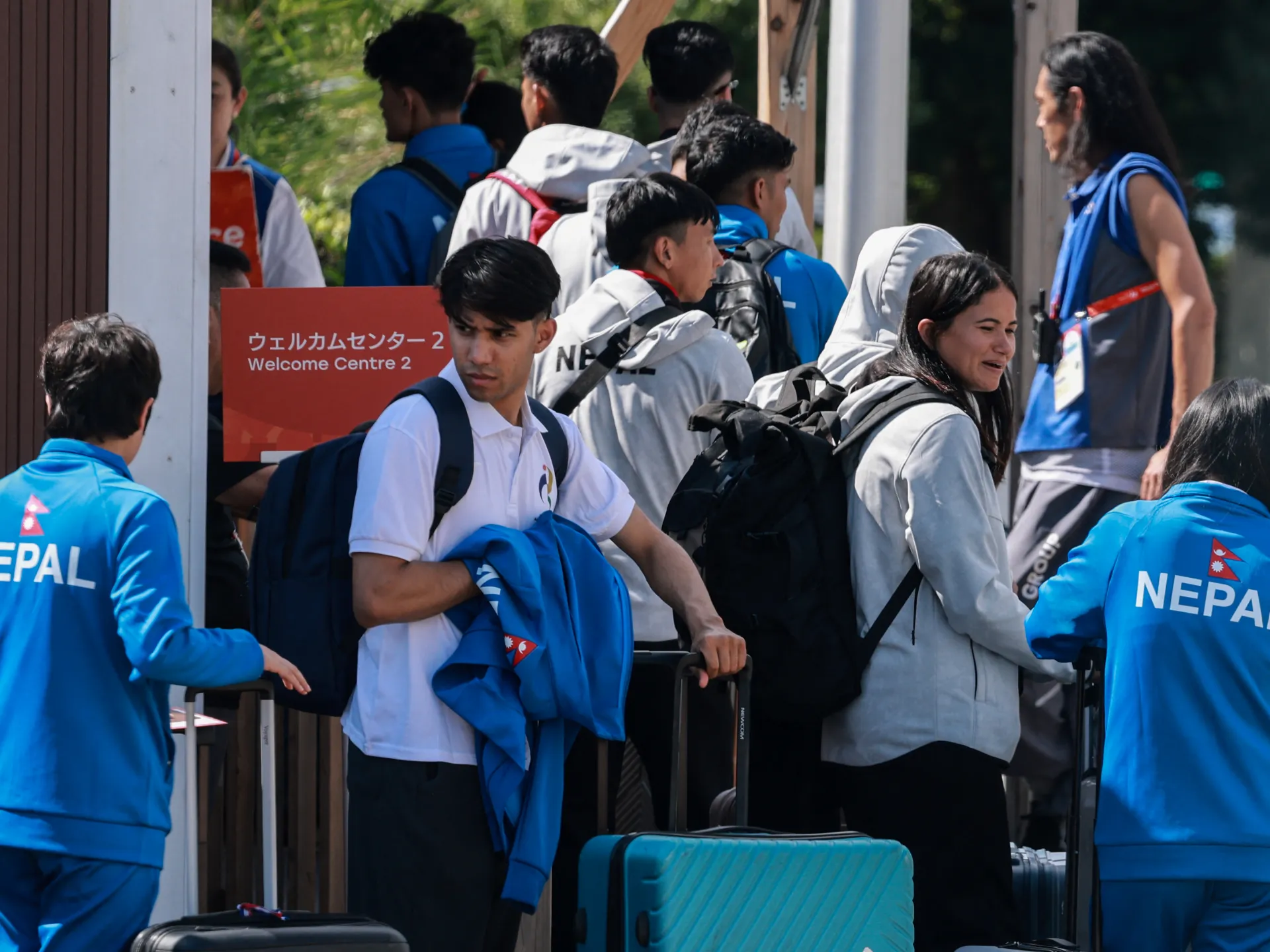
Athletes at the Asian Games are raising concerns over cramped and leaking container housing, sparking a debate on event logistics and athlete welfare.
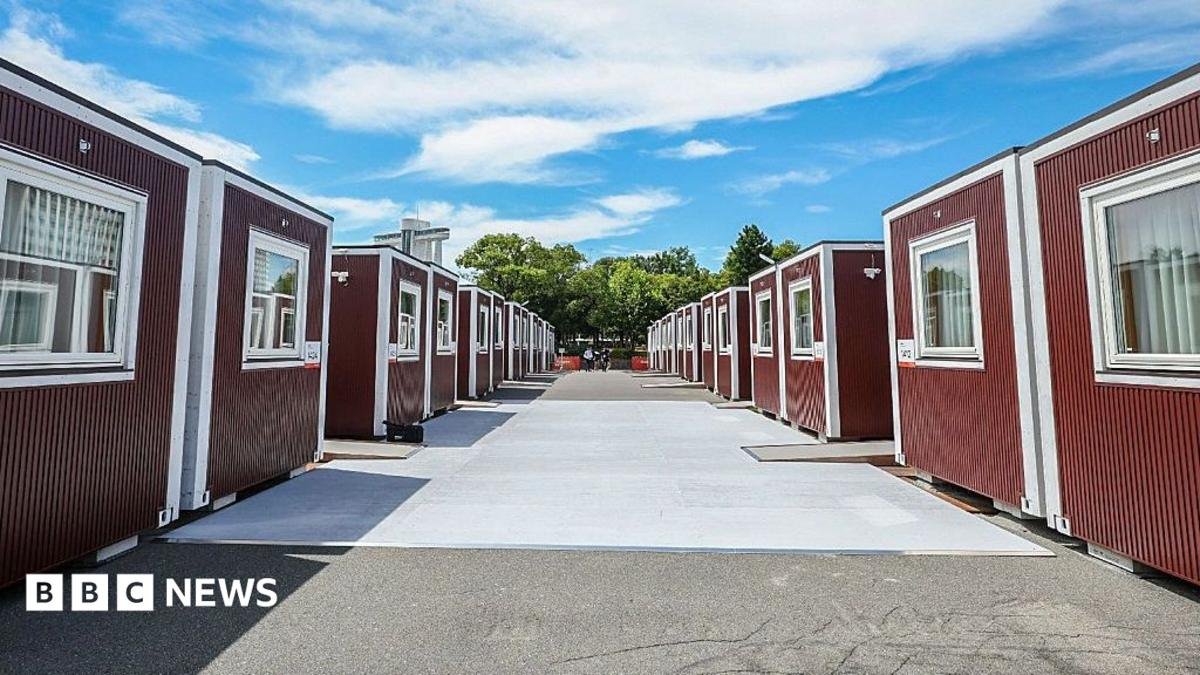
As the Asian Games in Nagoya and the Aichi prefecture approach their official opening, the focus has shifted from athletic prowess to the stark realities of athlete housing. Organizers are facing significant backlash following reports that the temporary container-style huts provided for thousands of participants are inadequate for elite sports standards. Officials from the Korea Basketball Association have been particularly vocal, describing the current situation as the most challenging they have encountered in their tenure.
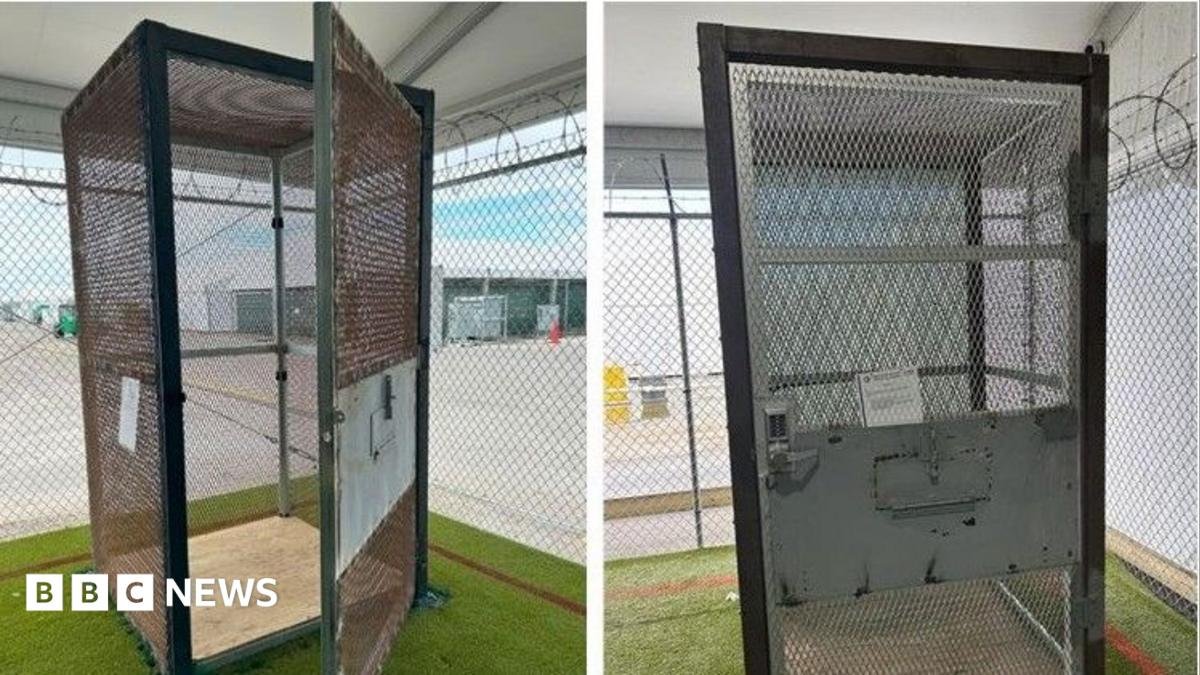
The primary concern centers on the physical dimensions of the living quarters. For basketball players and other athletes whose heights often exceed two meters, the beds provided in these container units are functionally unusable. The inability to fully extend one's legs while resting presents a significant recovery issue for competitors who are required to perform at their peak during the games. This lack of consideration for the physical requirements of professional athletes has led to widespread frustration among several national delegations.
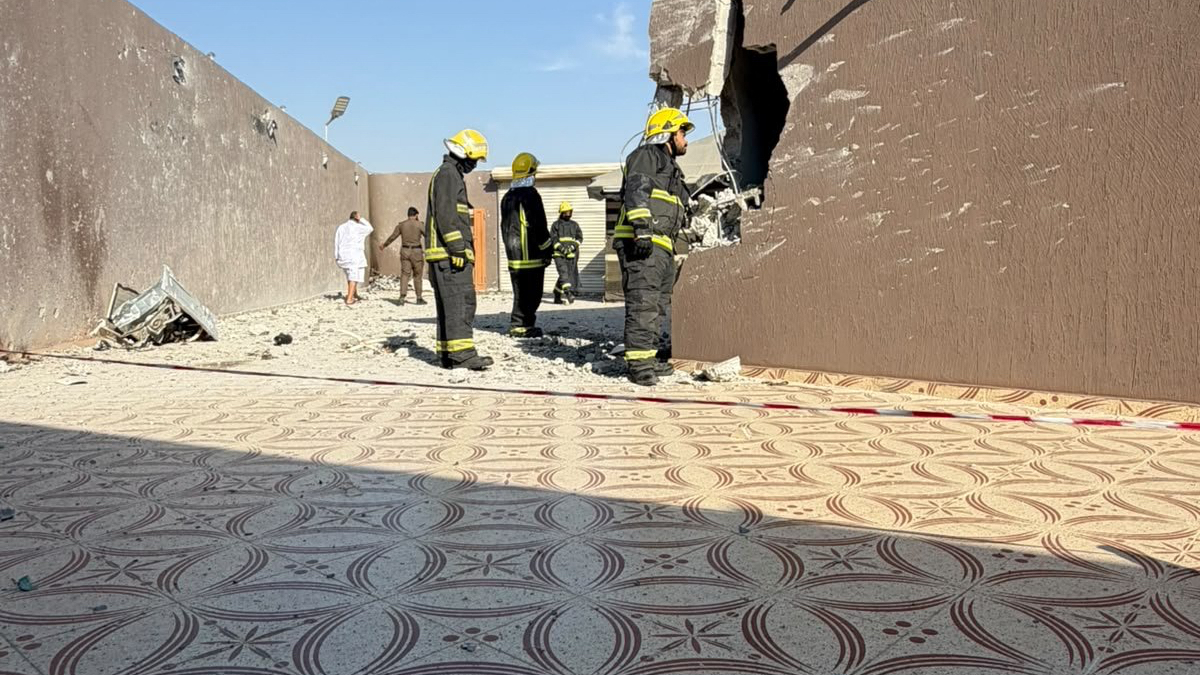
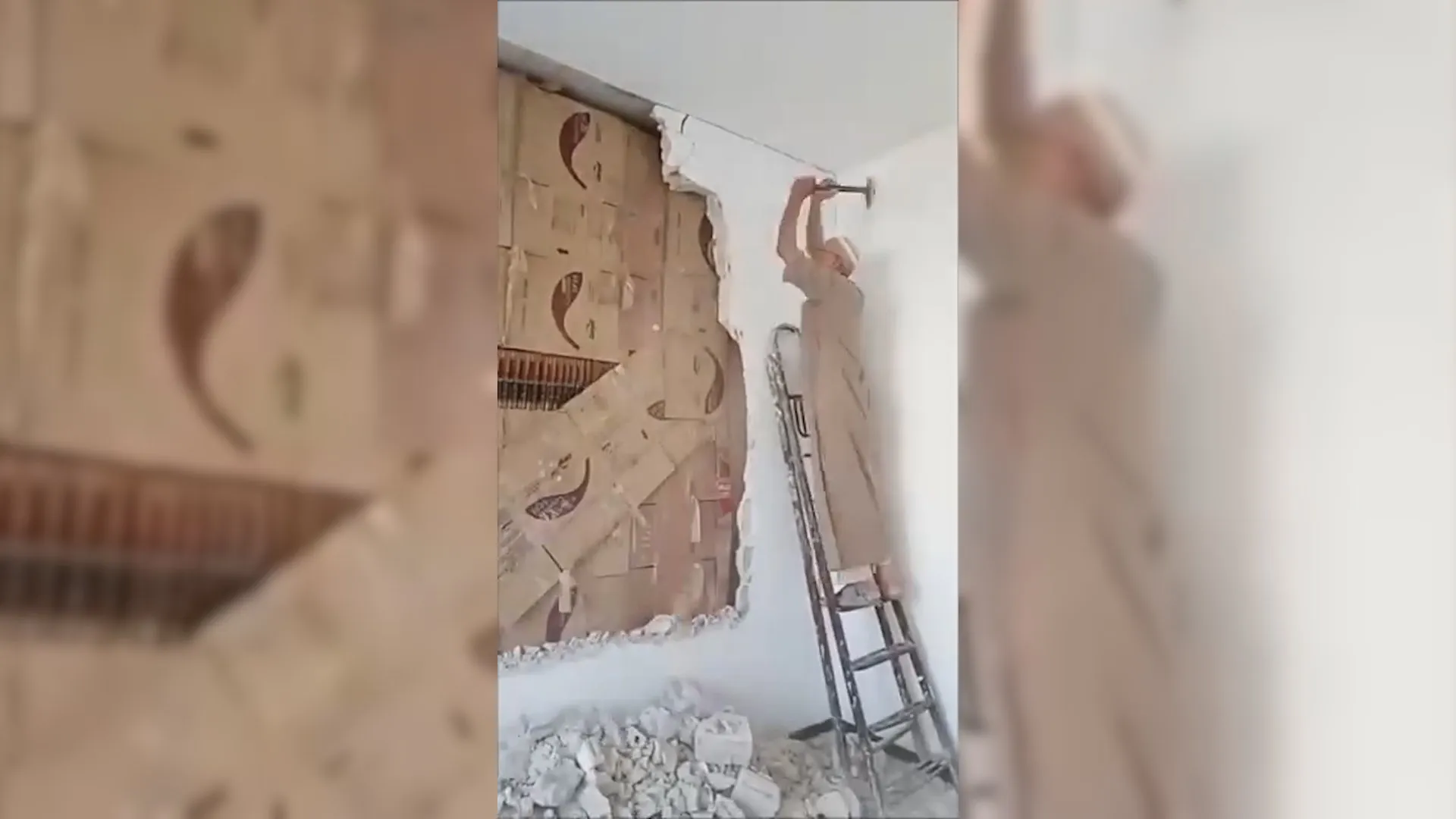
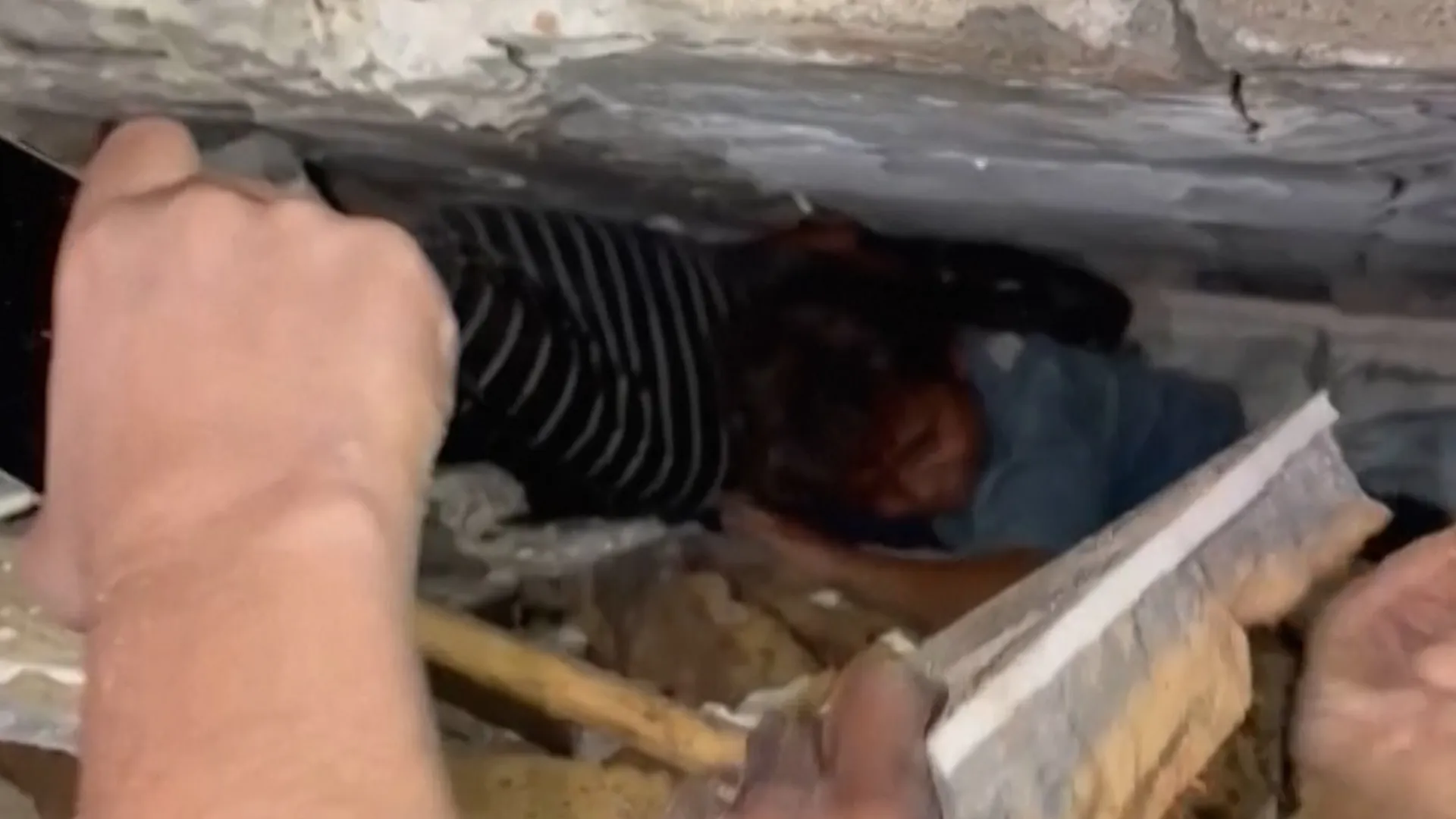
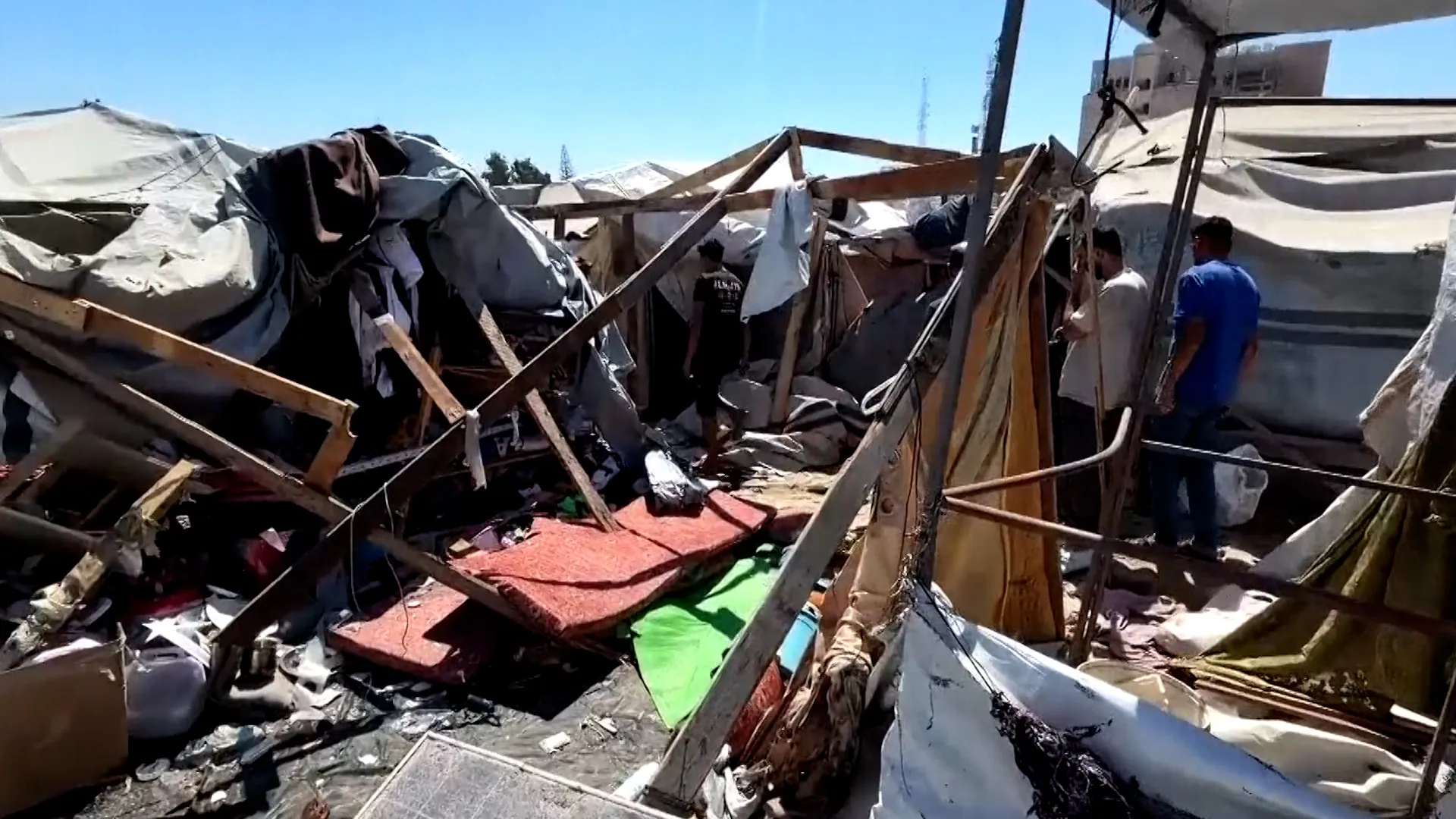
Beyond the lack of space, the structural integrity of the temporary housing has been brought into question. Video evidence shared luding leaking pipes that resulted in soaked floors. These maintenance failures, combined with a lack of adequate space, have complicated the preparation routines for many teams. The situation was further exacerbated
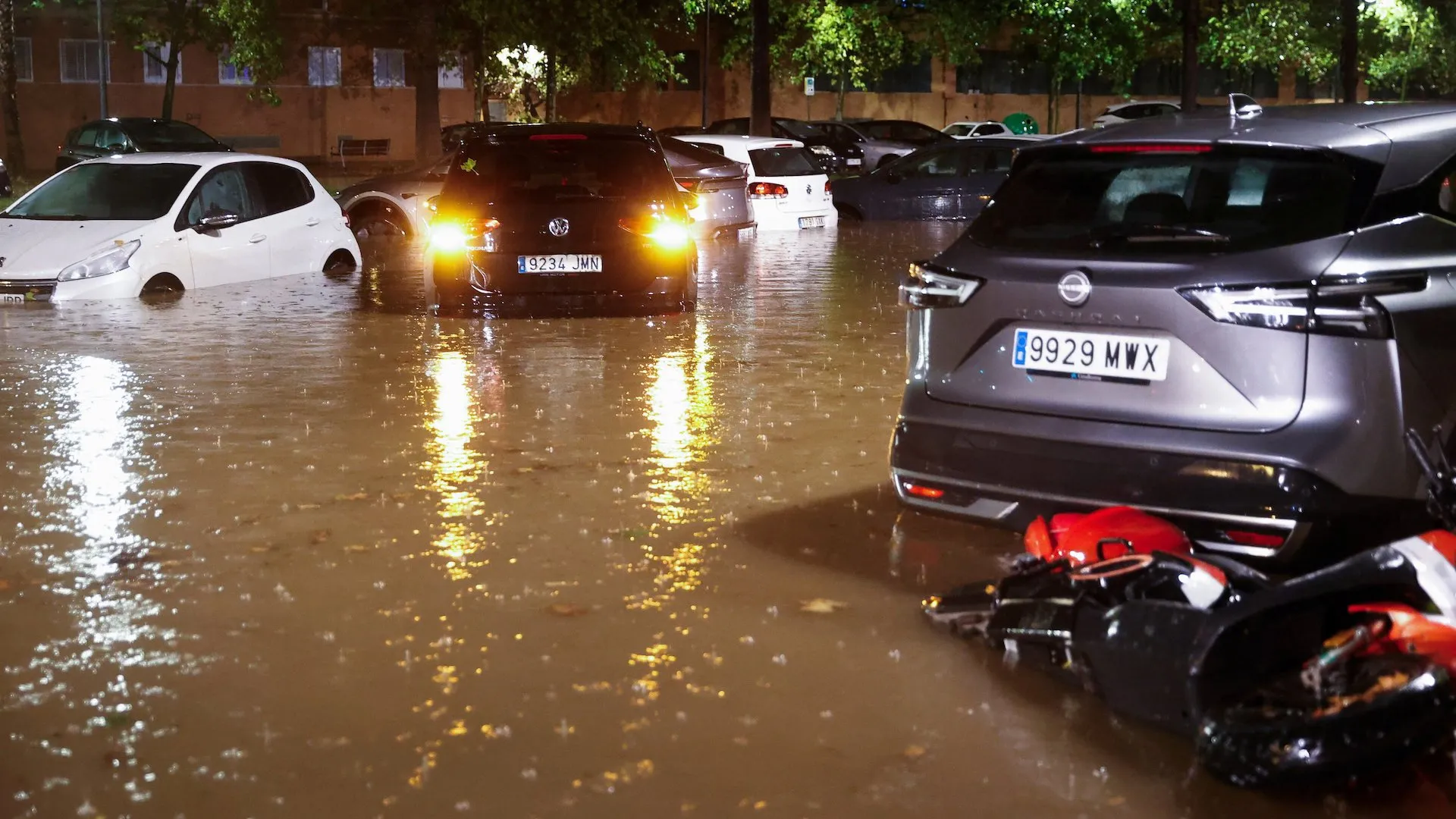
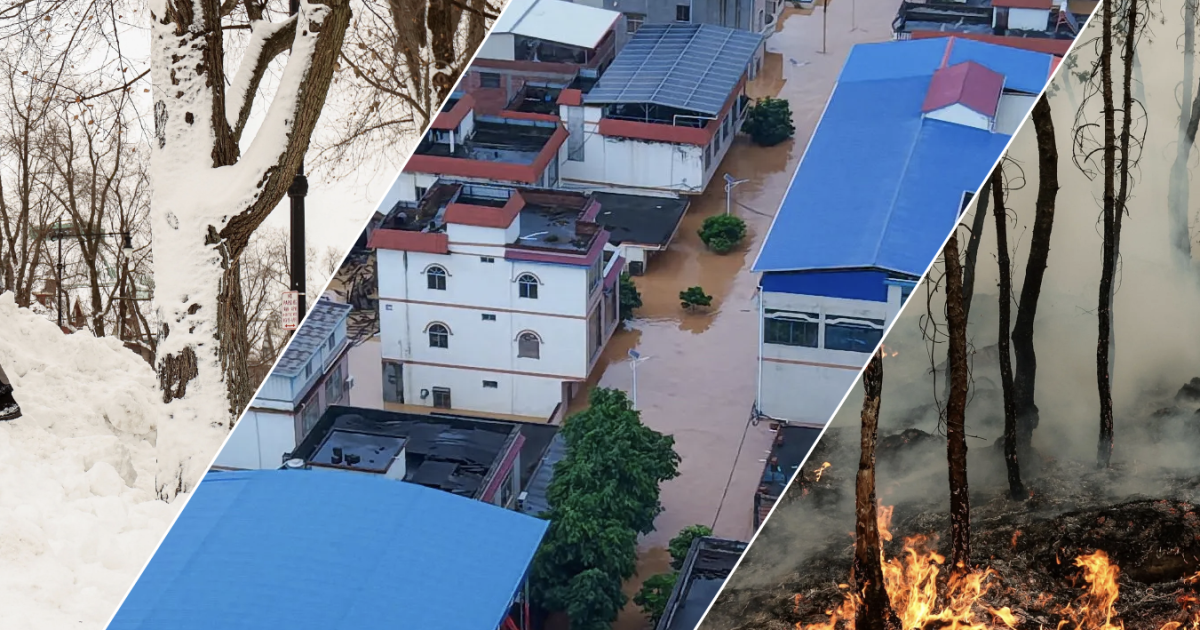
Record-breaking rainfall in the Nagoya area recently forced the evacuation of athletes from these container facilities. The flooding was not limited to the accommodation zones; reports indicated that water leakage affected several competition venues as well. This has raised broader questions regarding the durability of the temporary infrastructure chosen for the event. In response to the environment, some national teams, such as those from India, have reportedly taken the initiative to build replicas of these huts at home to help their athletes mentally and physically prepare for the cramped conditions.
The current housing crisis is largely attributed to a significant surge in attendance numbers that exceeded initial planning estimates. Organizers originally prepared for approximately 15,000 athletes and officials, but the inclusion of new sports like teqball and padel pushed that figure to over 17,000. This influx caught the organizing committee off guard, with leadership citing a lack of both the budget and the manpower necessary to accommodate the unexpected surplus of participants.
The Governor of Aichi Prefecture, Hideaki Omura, had previously signaled that the committee lacked the resources to accommodate the additional thousands of people, placing the responsibility on those participants to secure their own arrangements. While organizers later stated that all registered athletes and officials had been provided with appropriate housing, the reality on the ground appears more fragmented. Many officials and coaches have been dispersed into hotels and private rentals to alleviate the pressure on the primary container village.
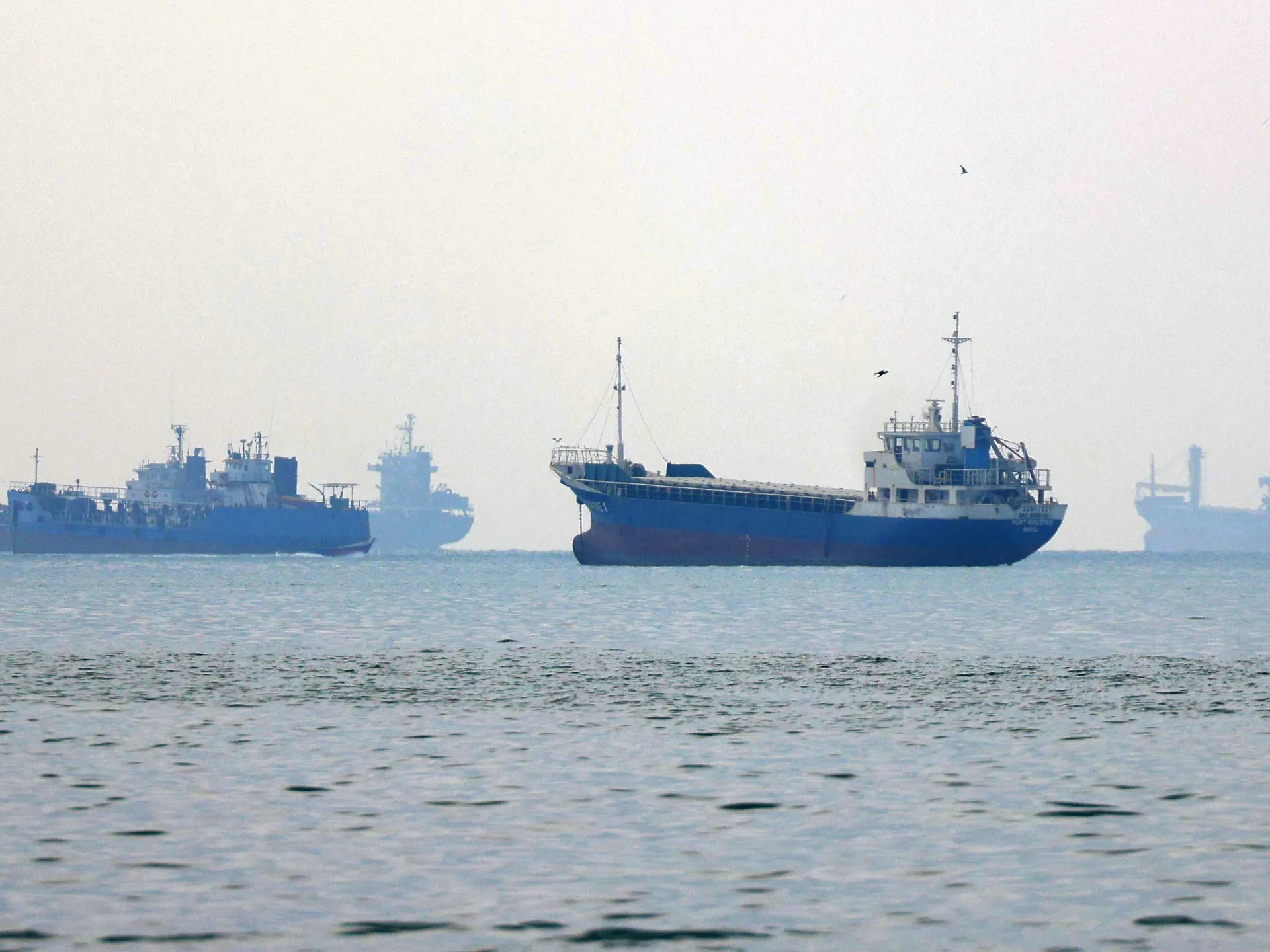
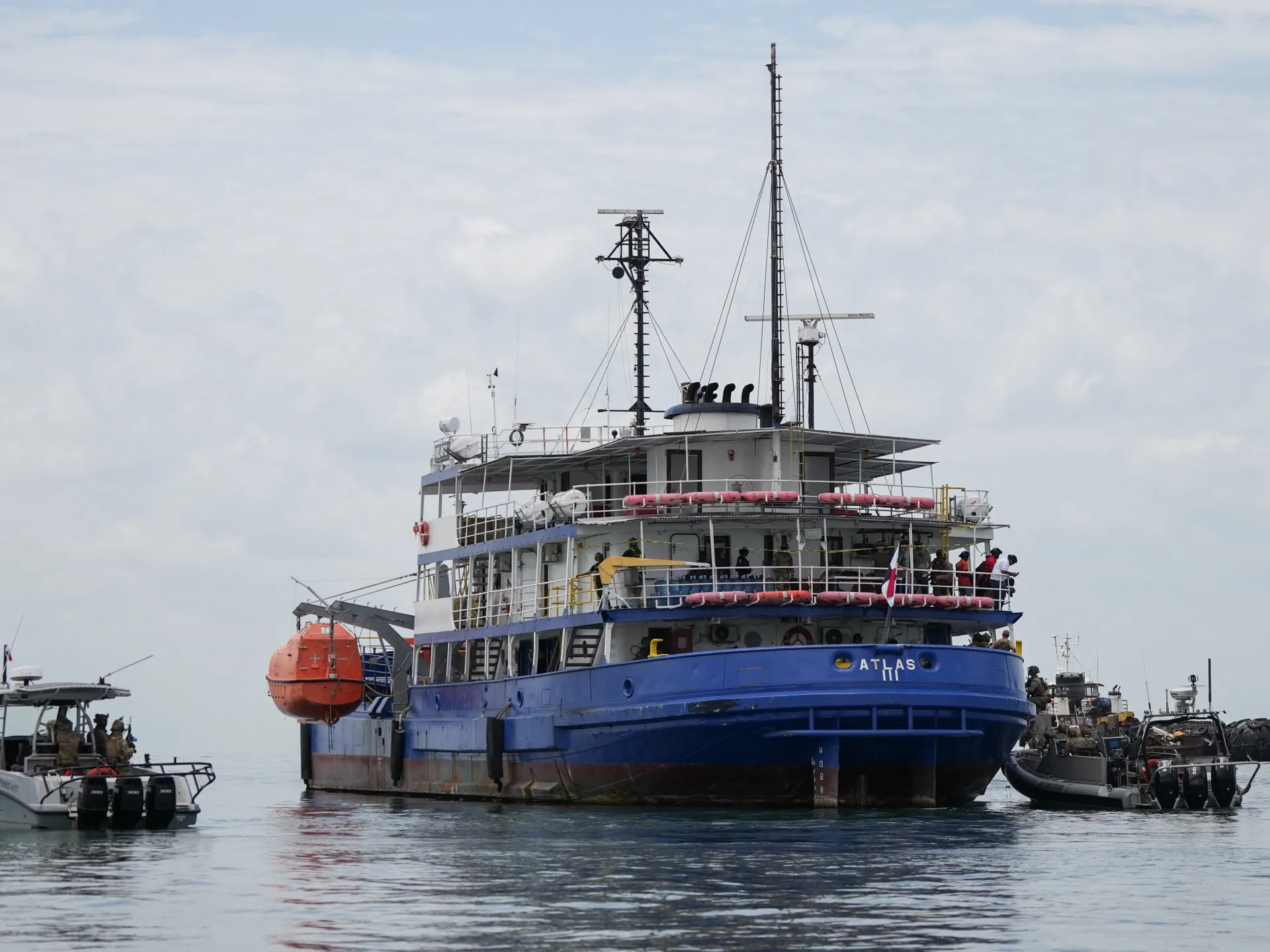
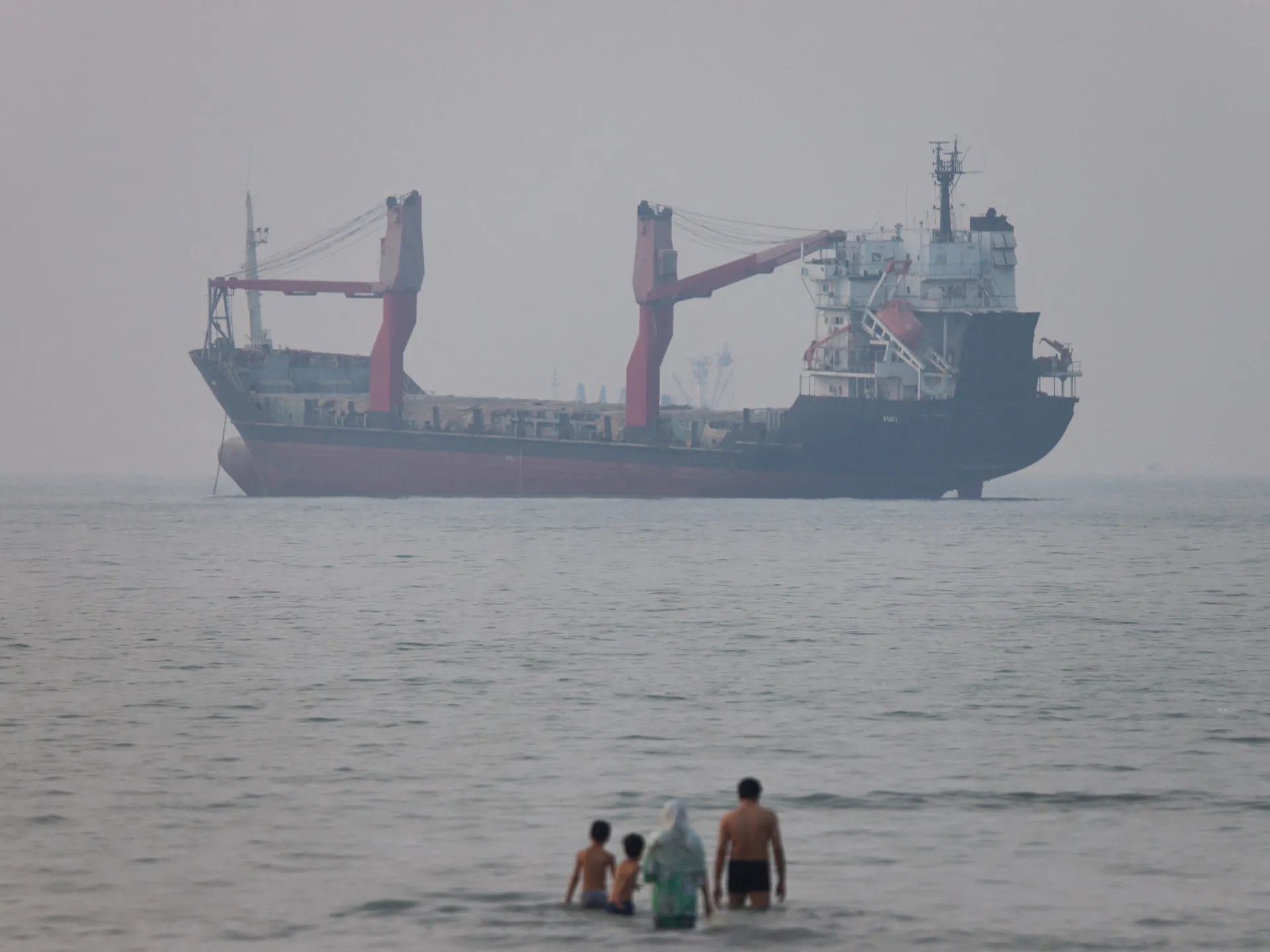
In an effort to manage the massive population of visitors, organizers have employed a diverse range of housing solutions, including the use of an Italian cruise ship docked in Nagoya to house between 4,000 and 5,000 participants. This strategy deviates significantly from the traditional model of a centralized Athletes’ Village seen in the Olympic Games, creating a more decentralized and arguably more complex experience for the delegations involved.
Management representatives have acknowledged the dissatisfaction voiced aken to mitigate these concerns and improve the living environment before the games conclude in early October. However, the situation serves as a critical case study on the logistical challenges of hosting massive, multi-sport events in regions reliant on temporary, repurposed infrastructure rather than permanent specialized facilities.