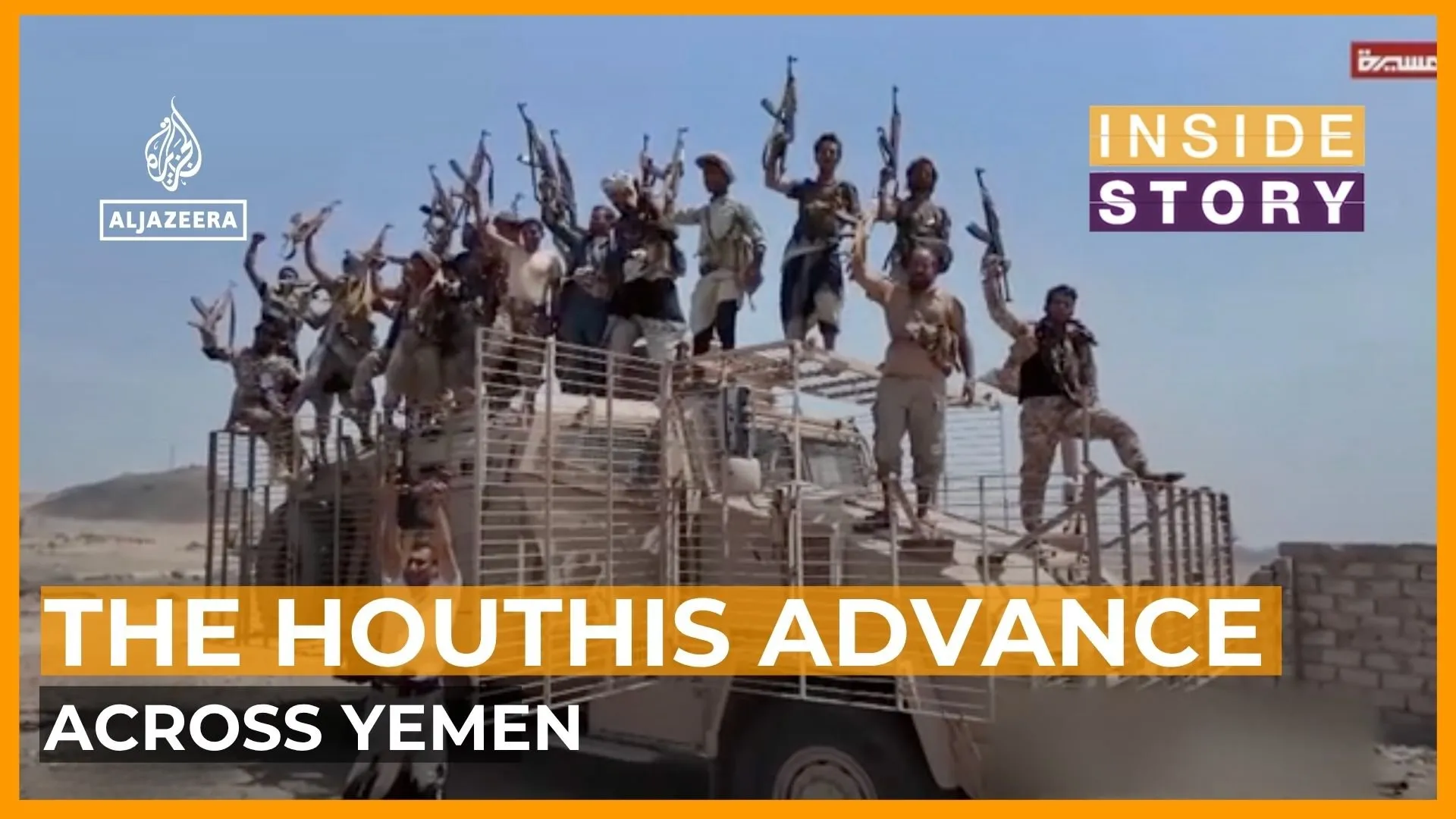
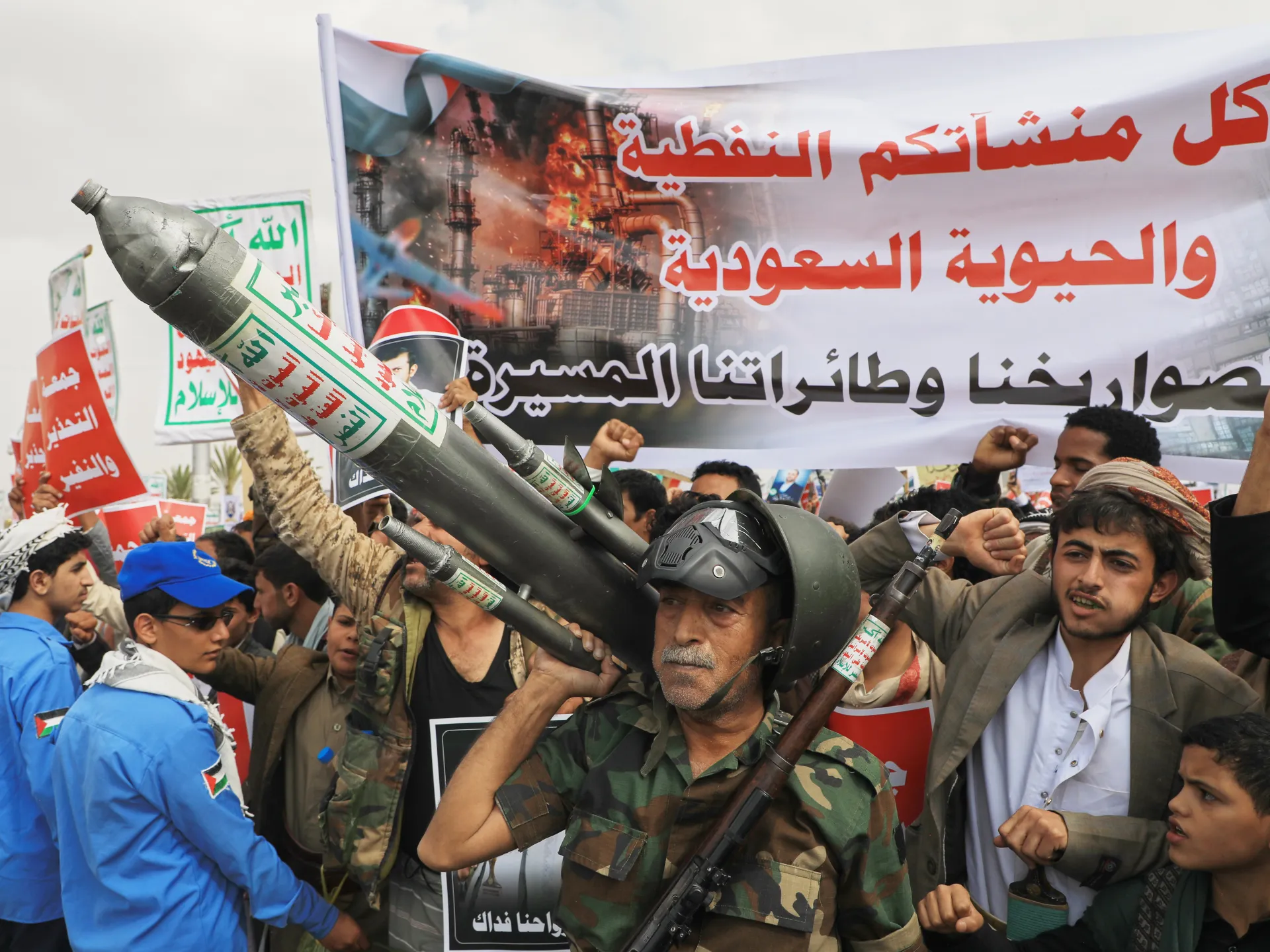
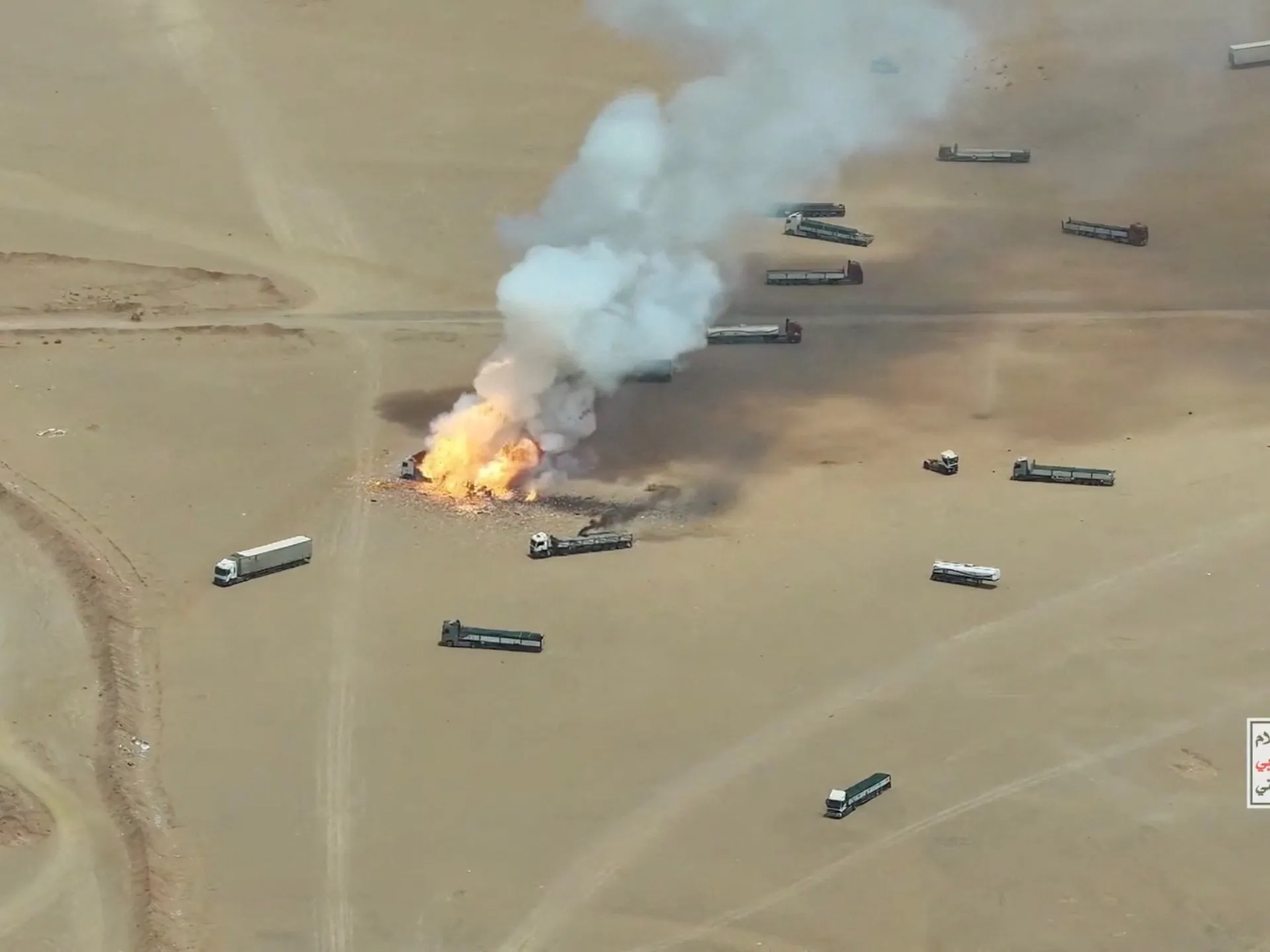
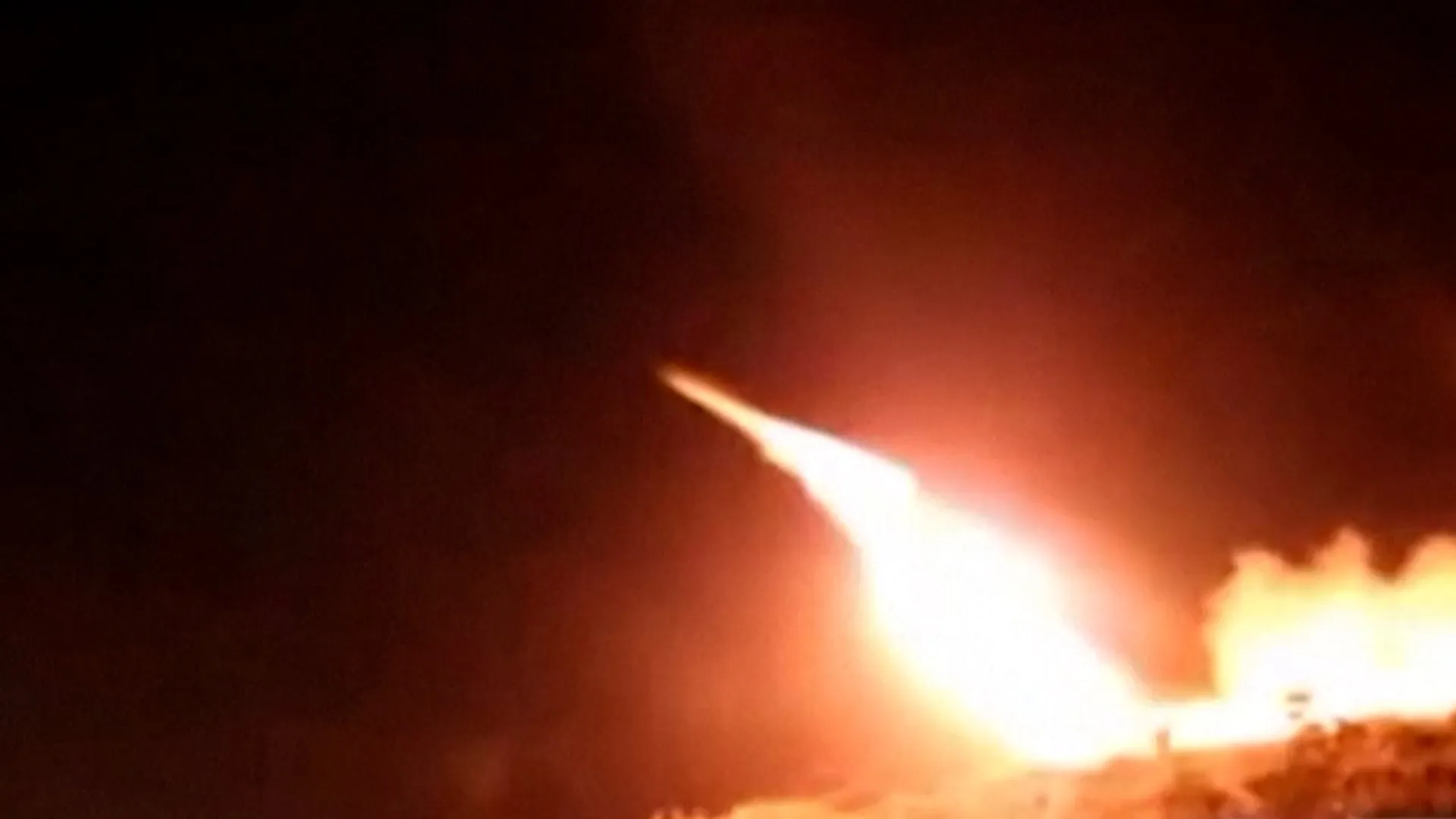
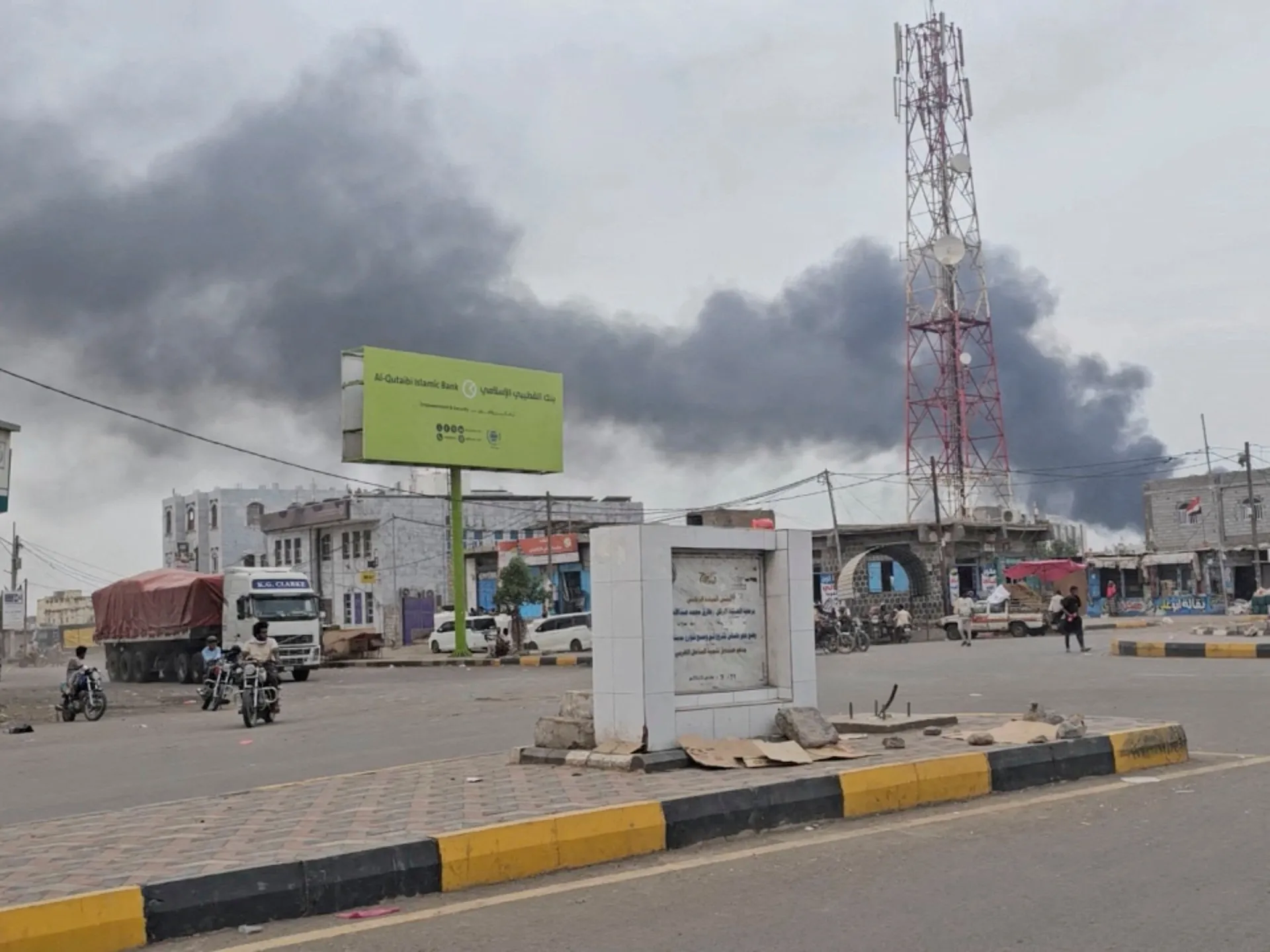
A surge in Houthi military activity has shattered the relative calm in Yemen, drawing in regional powers and testing the unity of the government-backed Presidential Leadership Council.
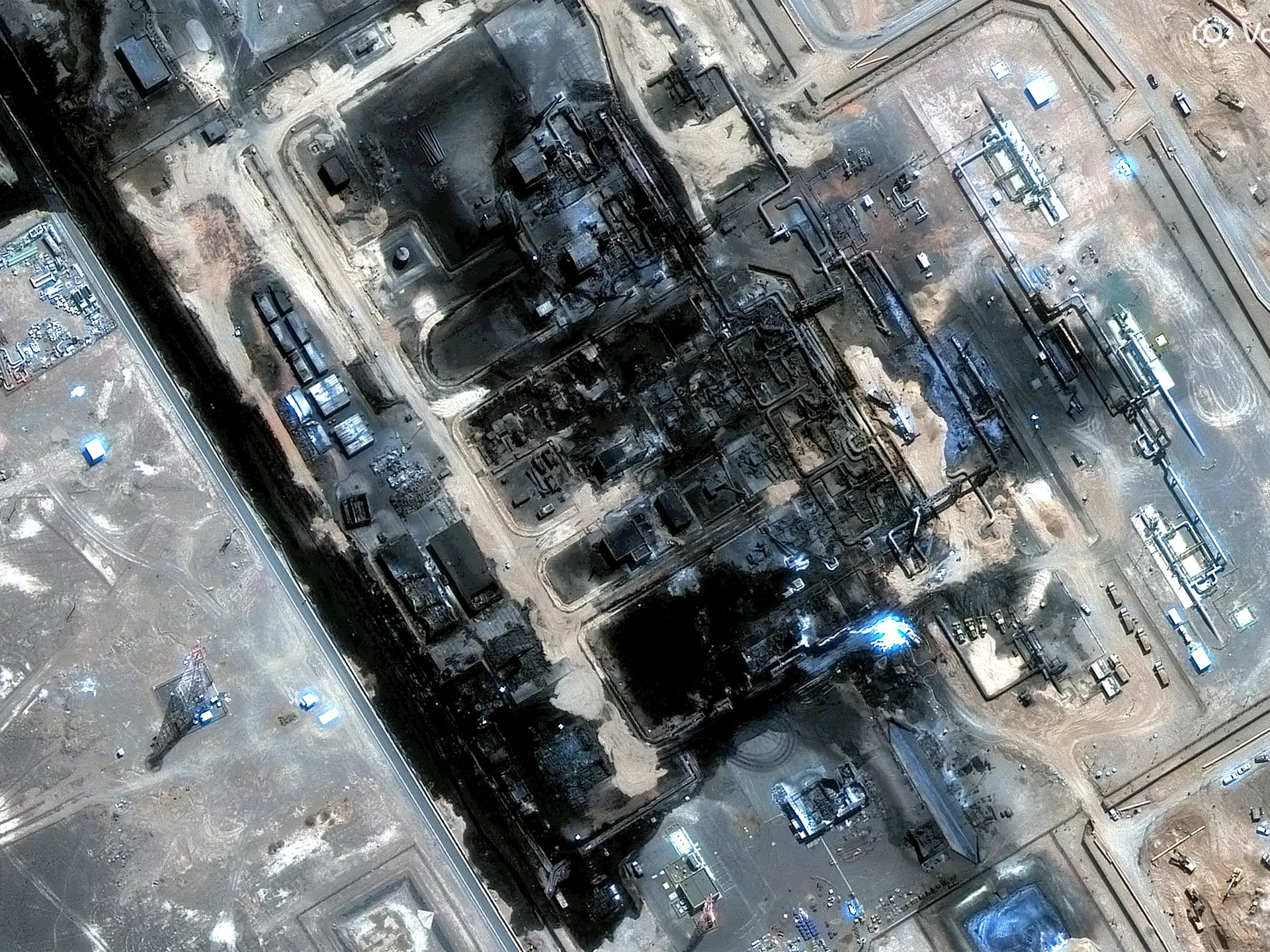
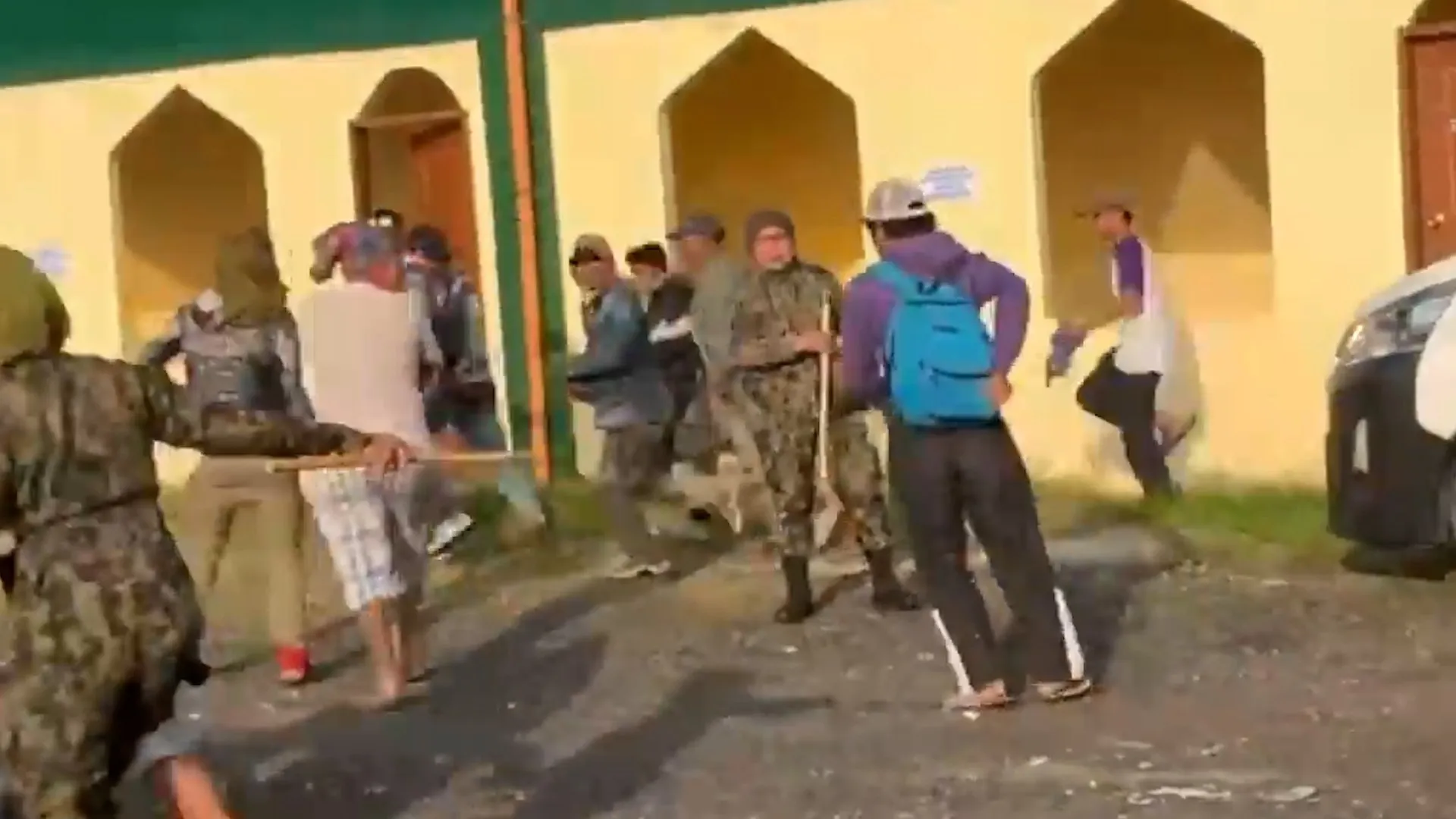
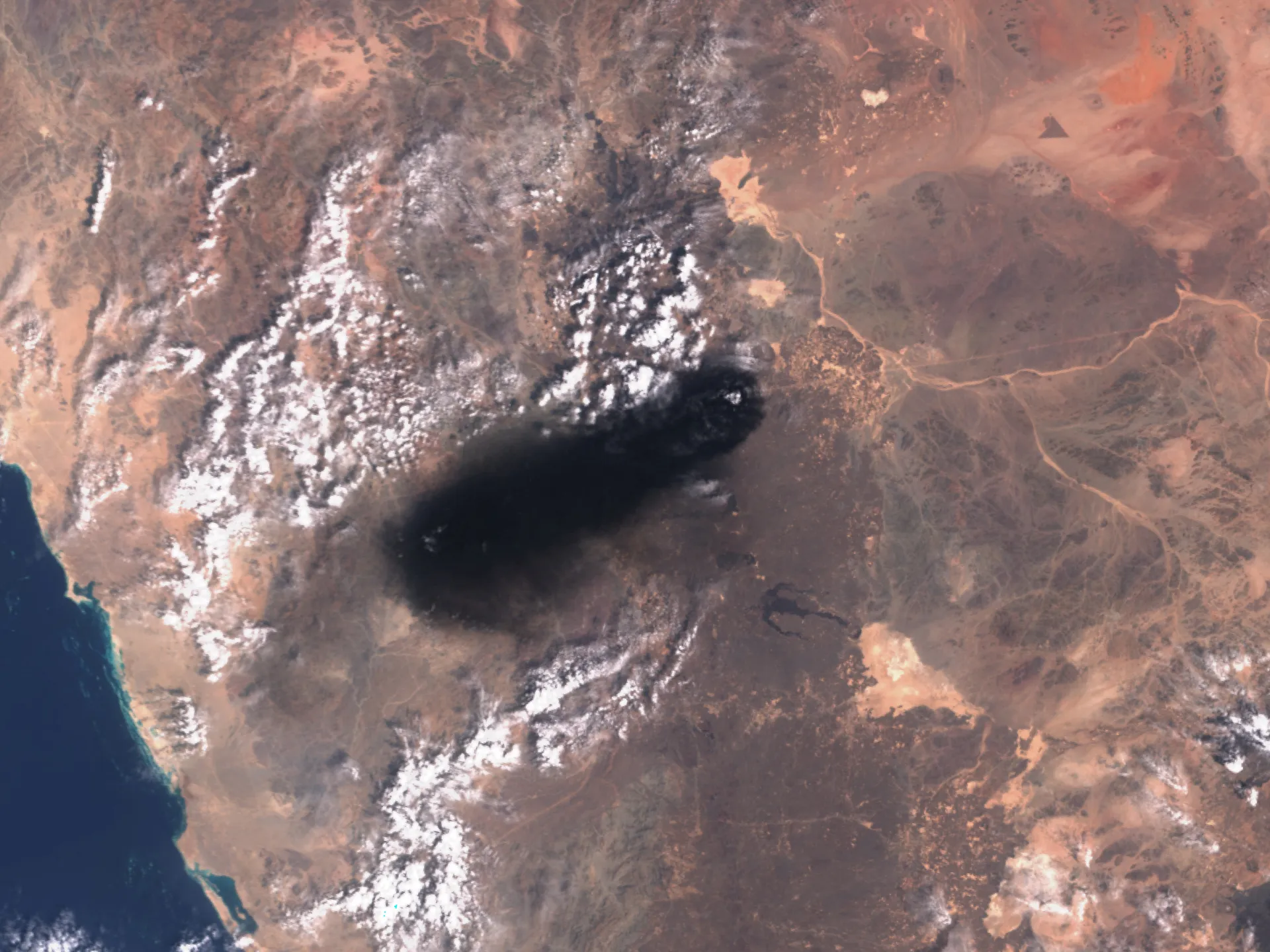
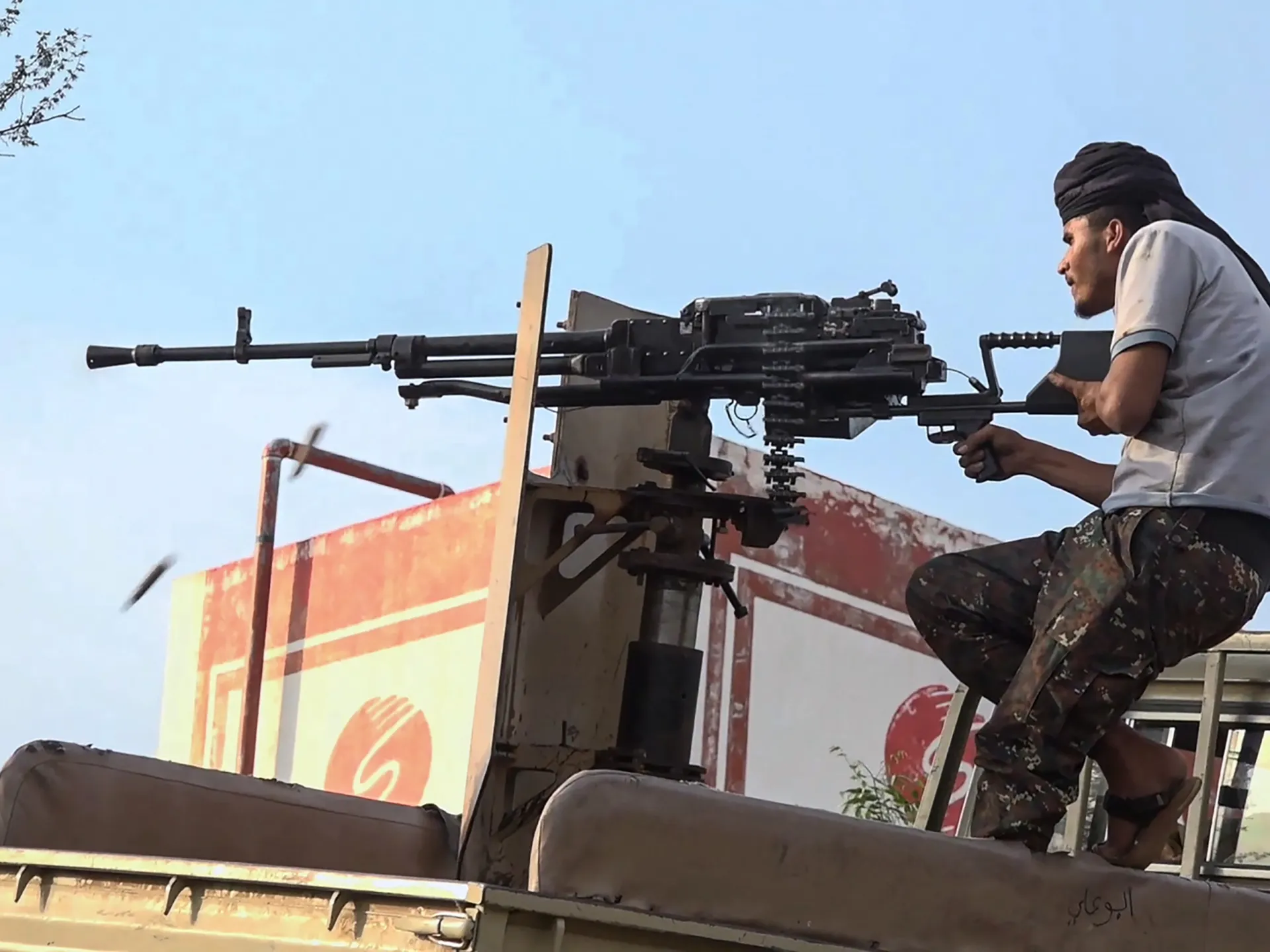
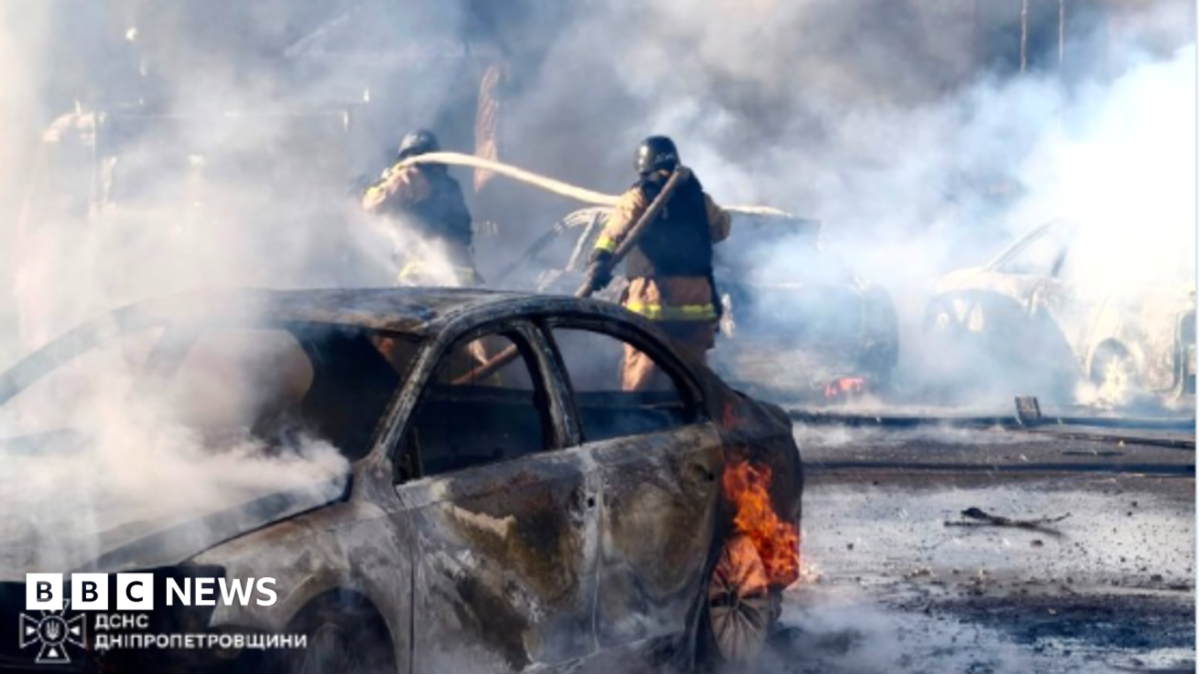
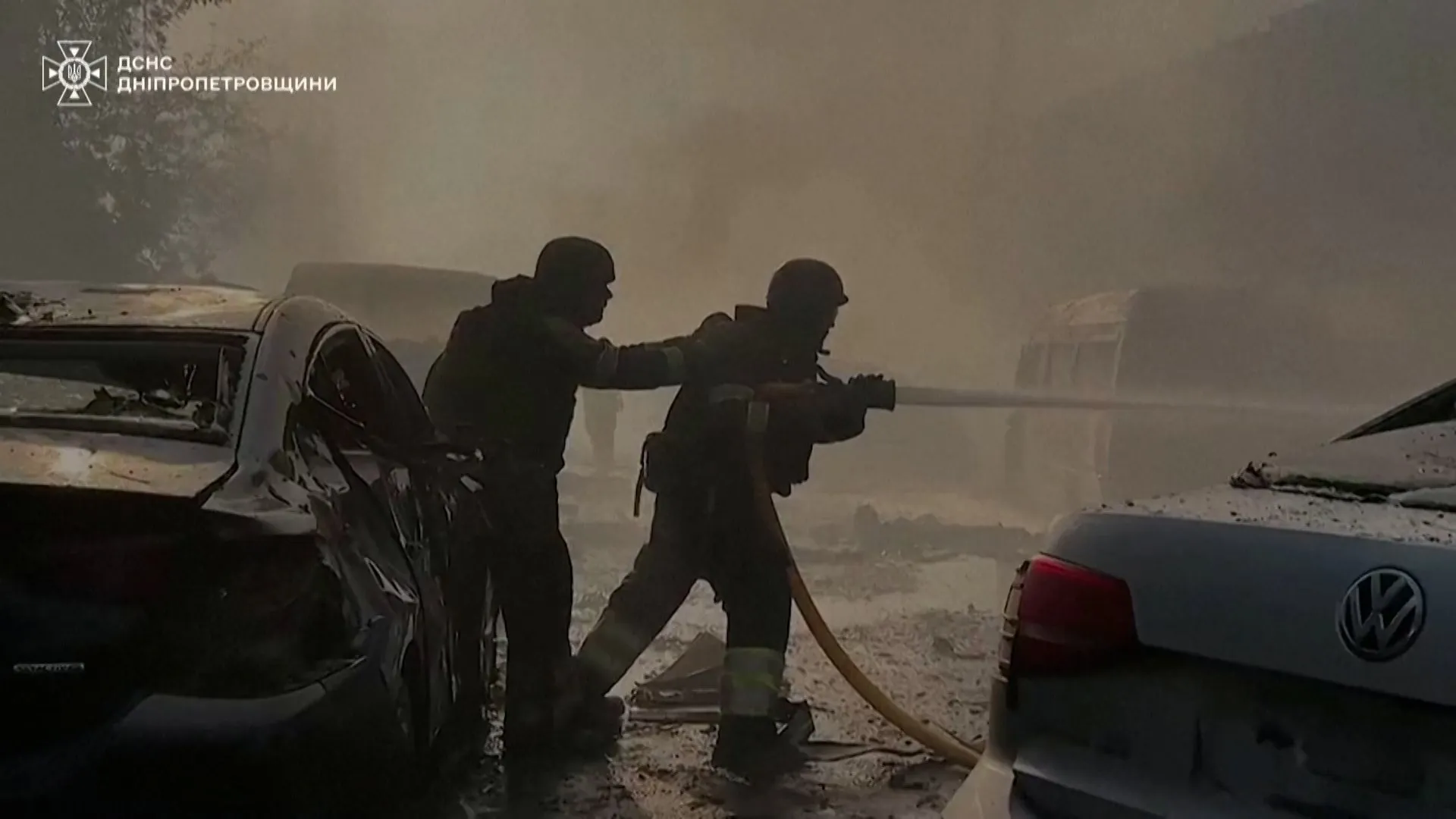
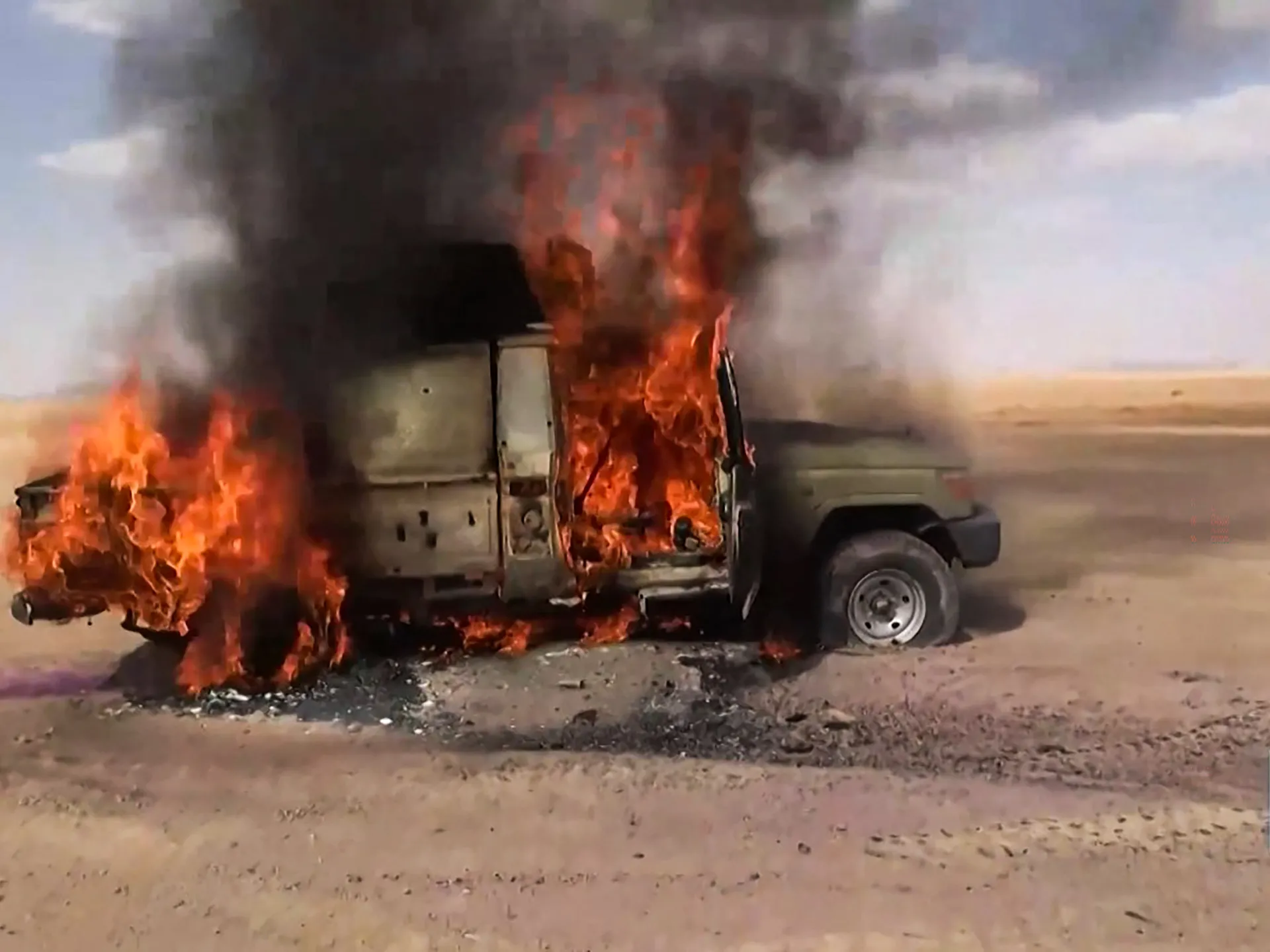
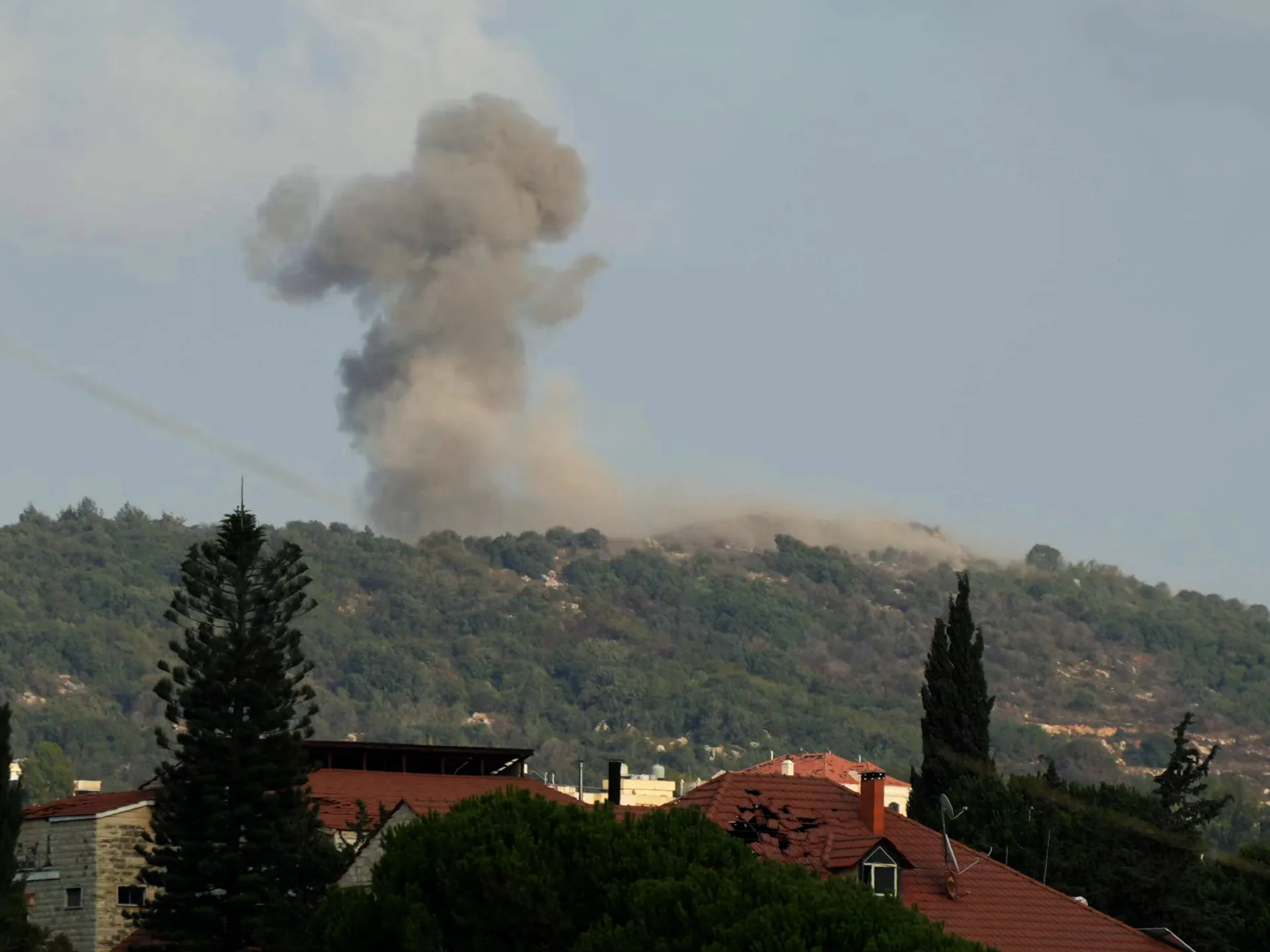
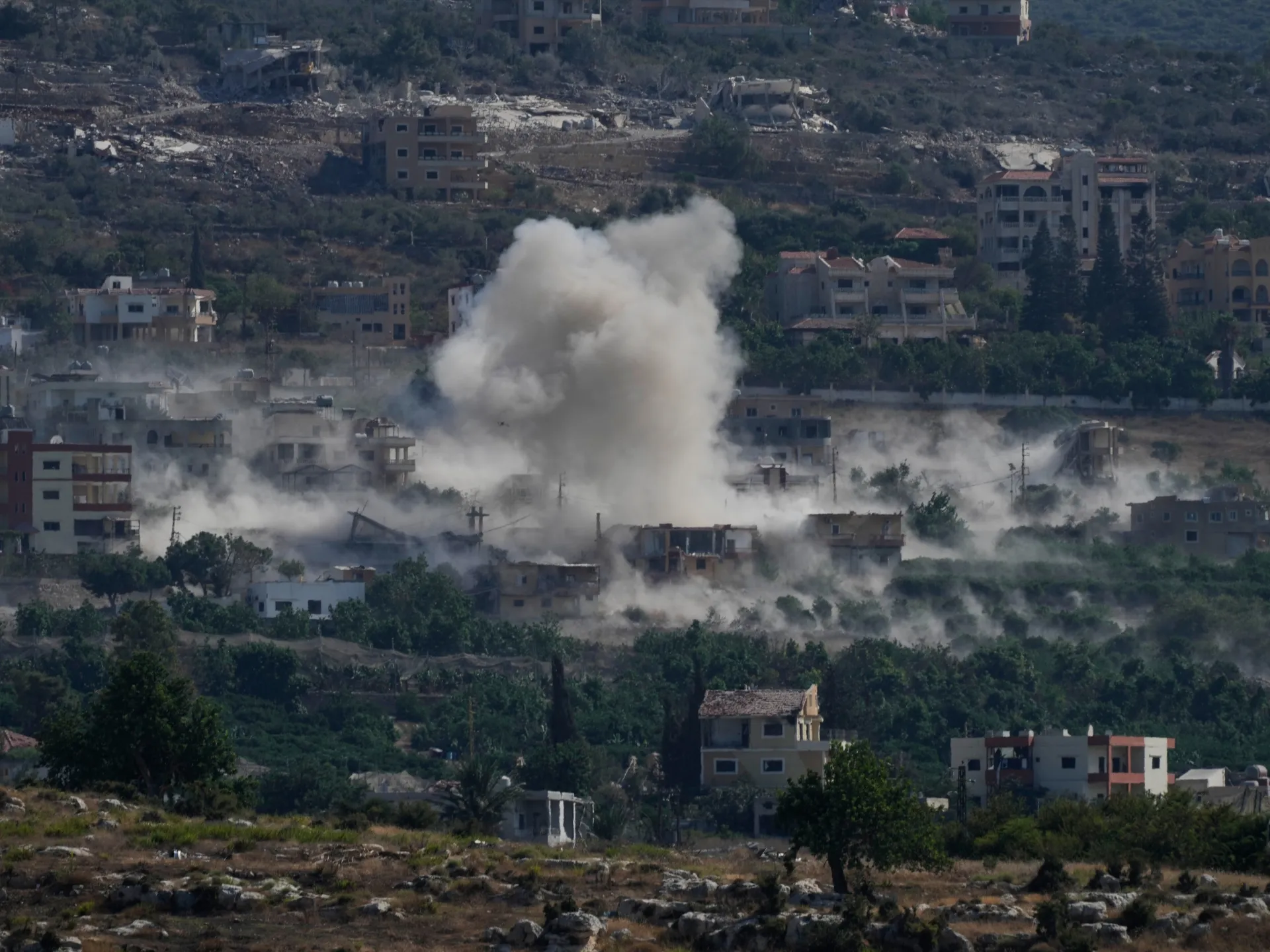
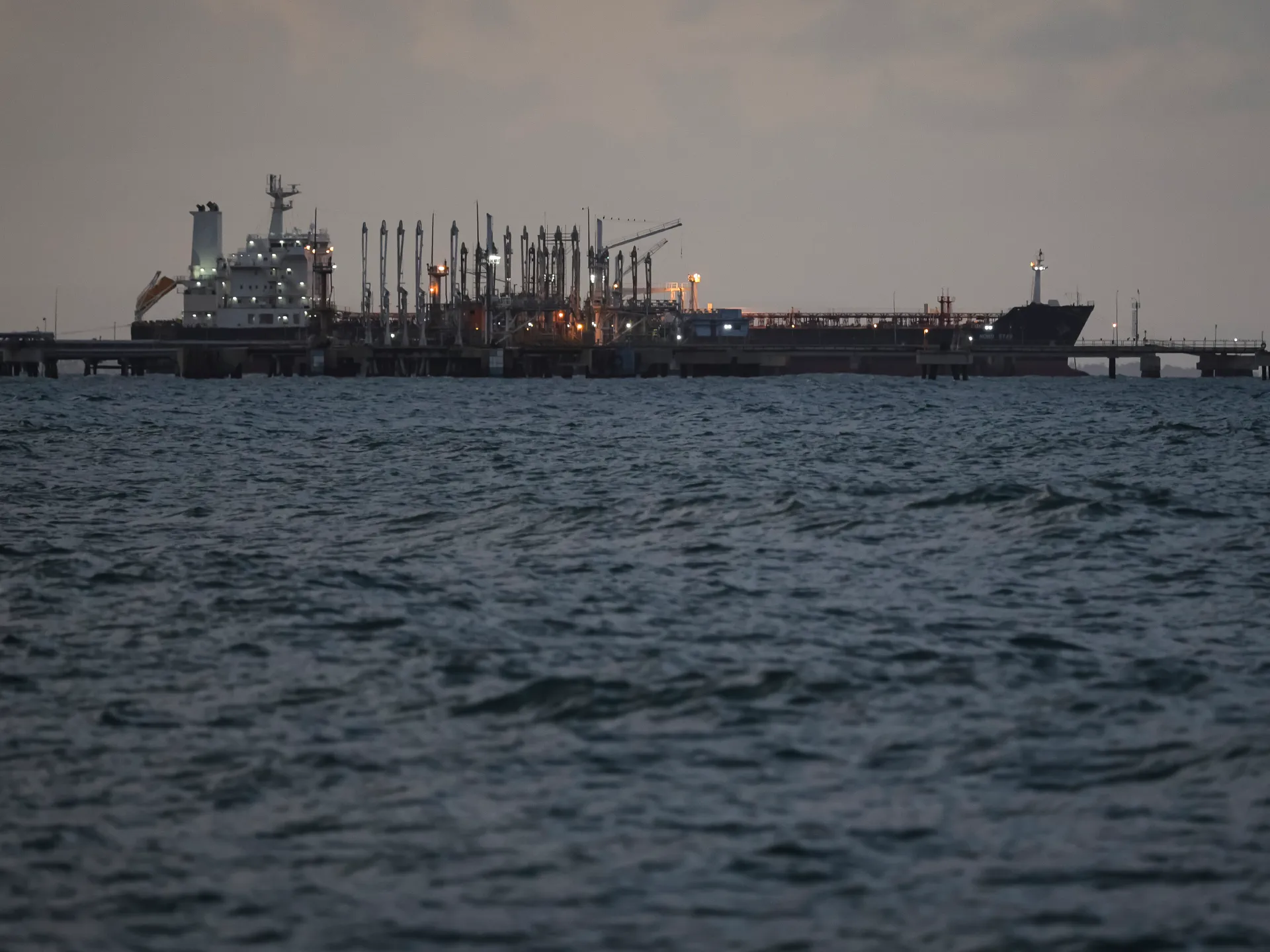
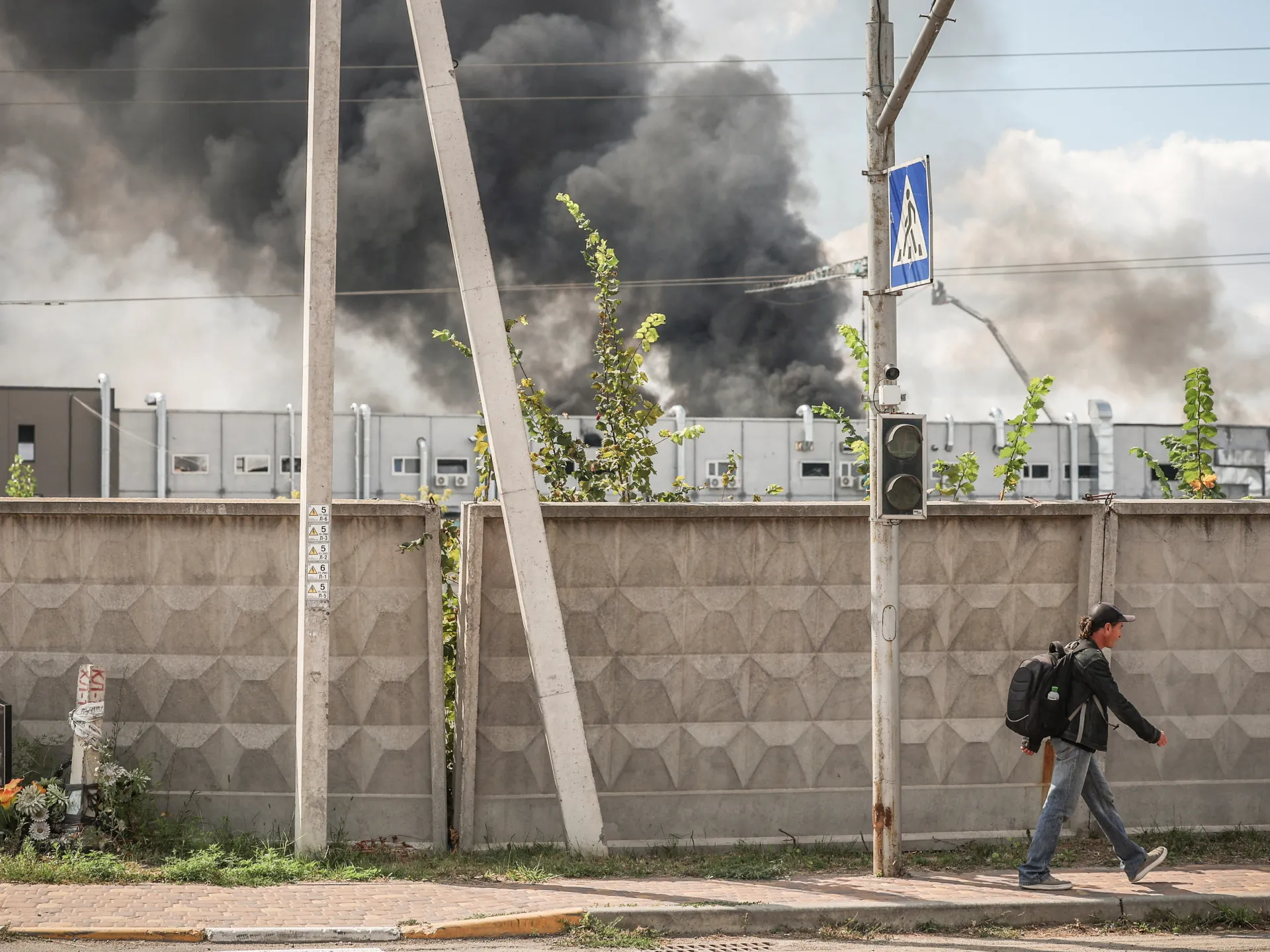
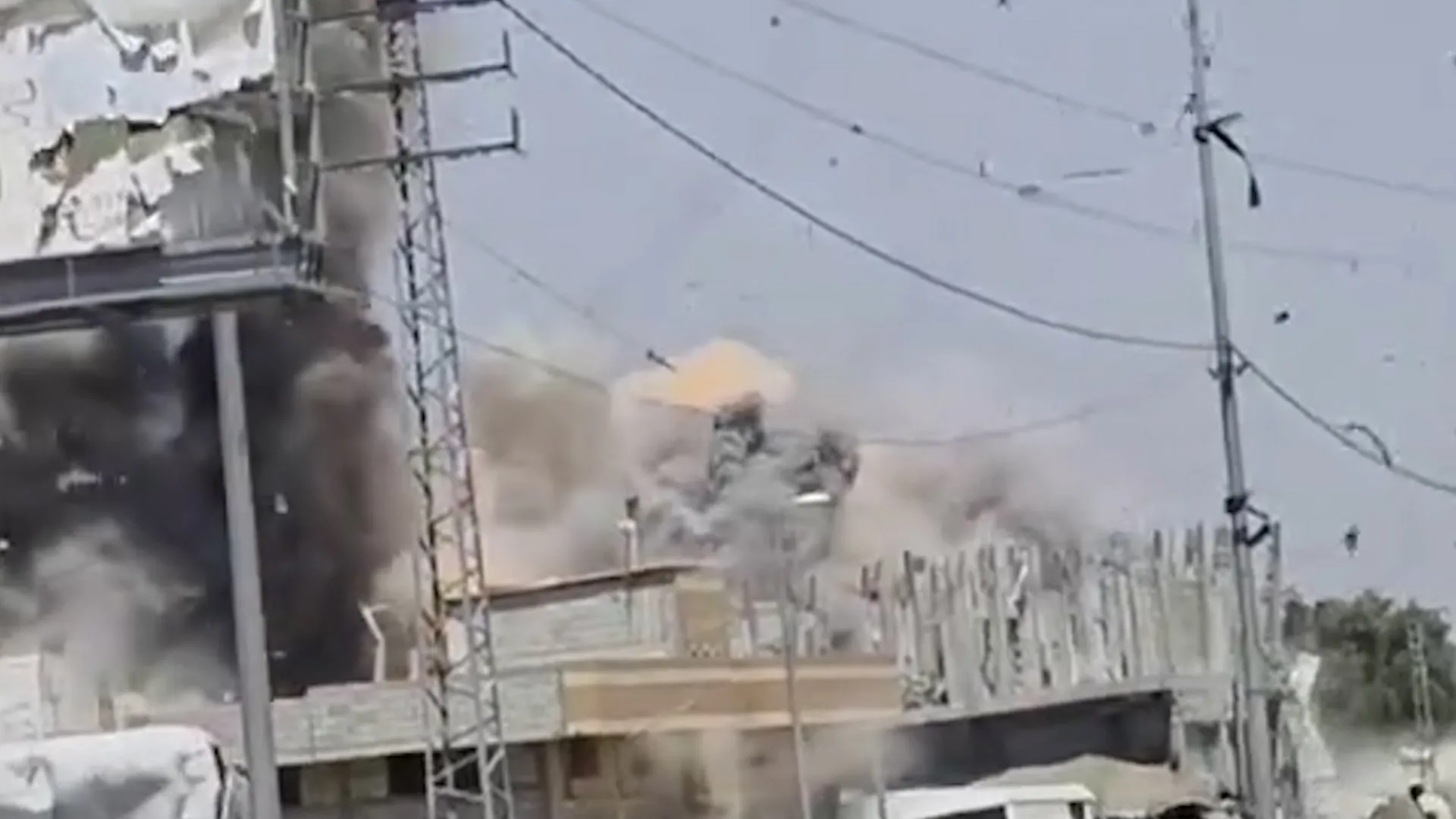
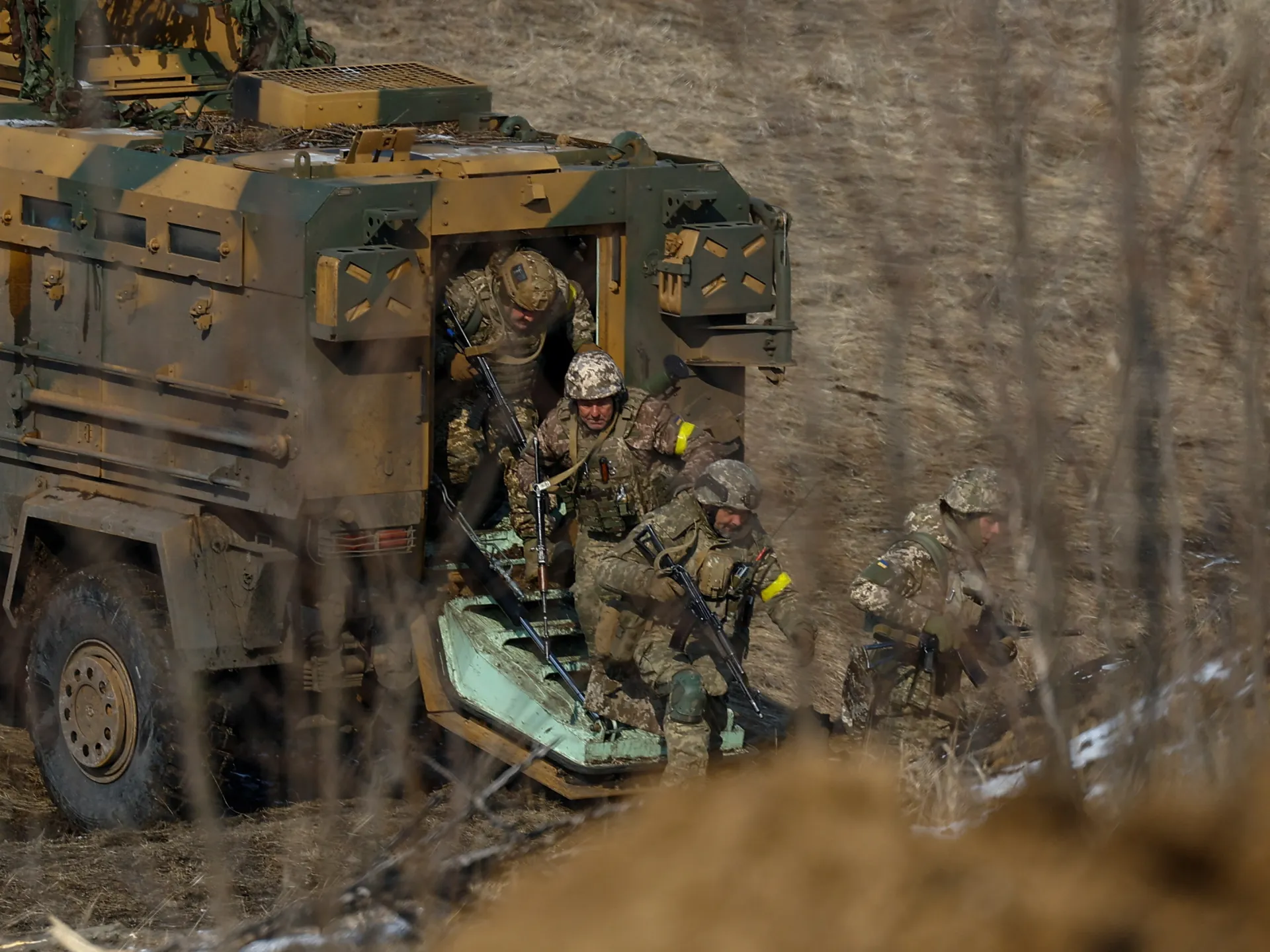
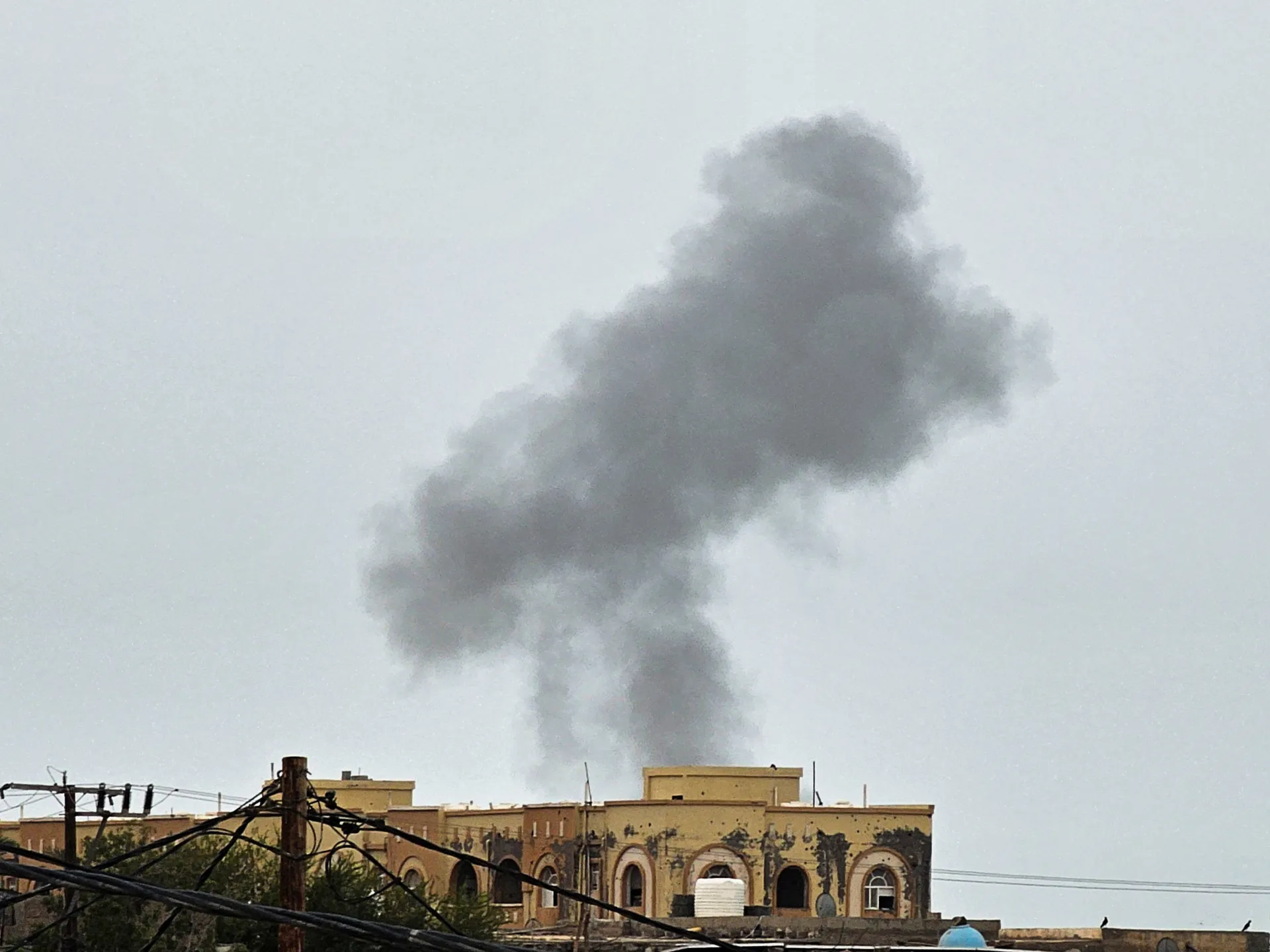
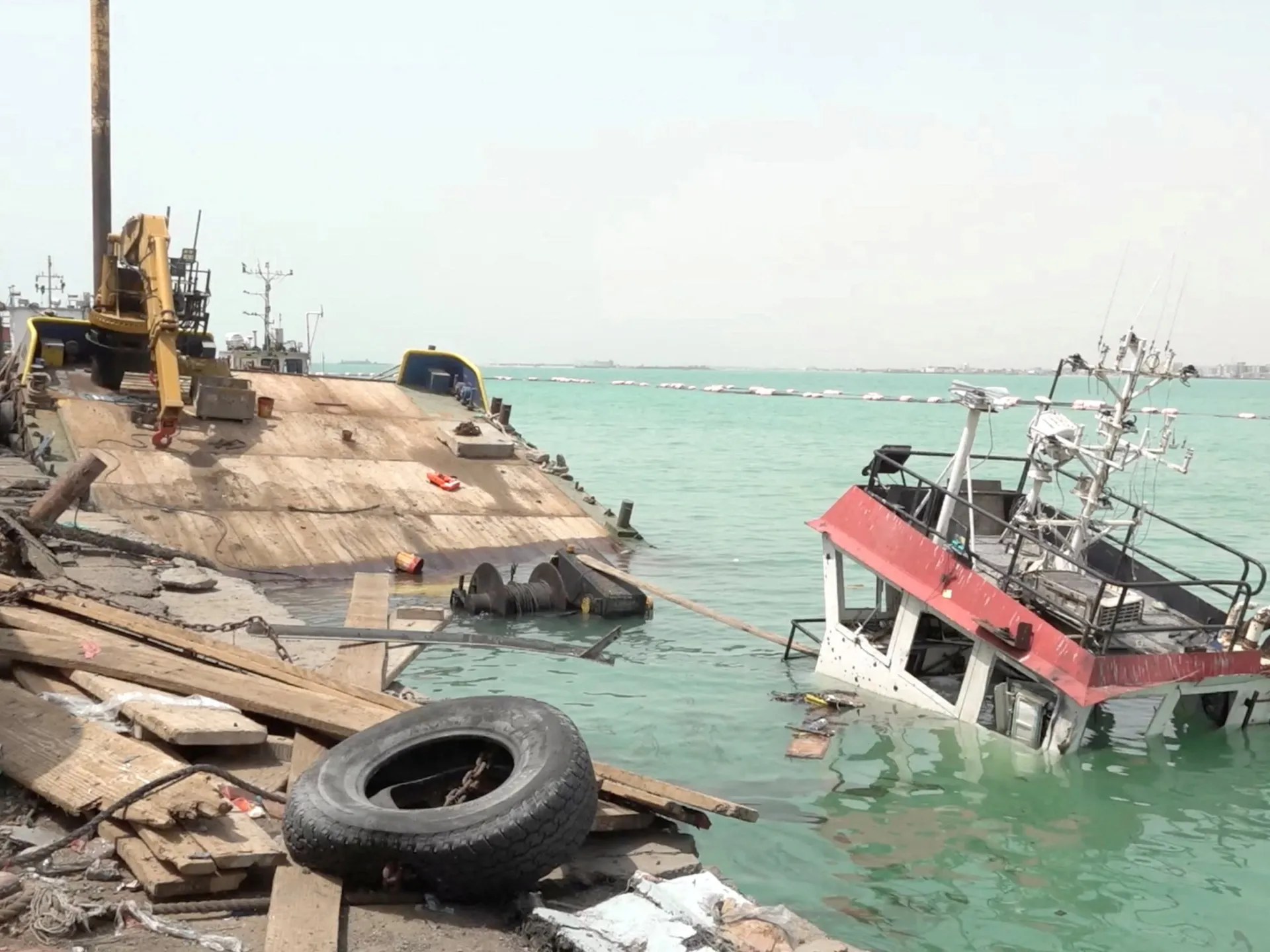
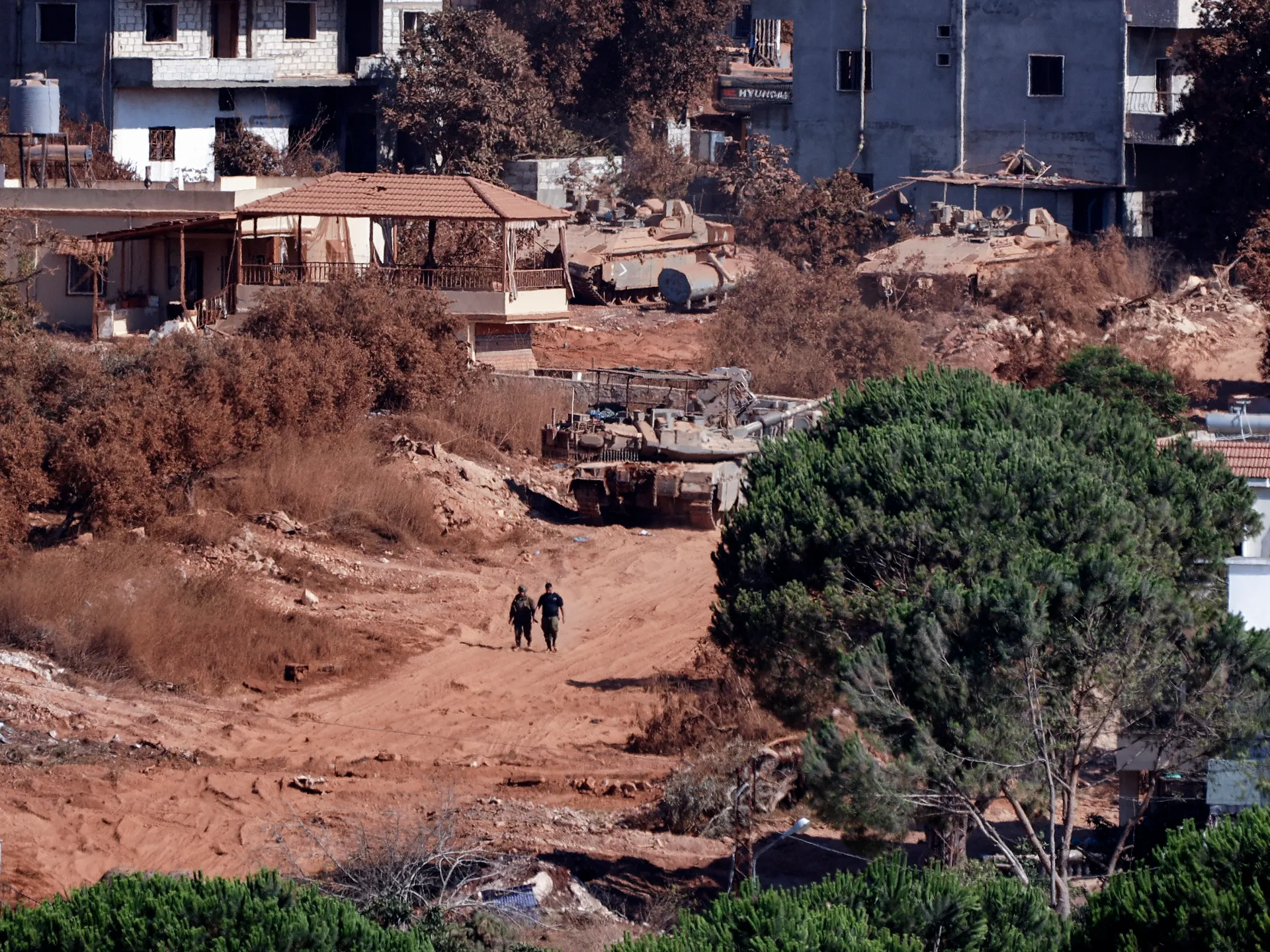
The protracted conflict in Yemen has entered a volatile new chapter as the Houthi movement, formally known as Ansar Allah, has launched a coordinated military offensive against government forces supported since the United Nations successfully facilitated a temporary truce in 2022. The fighting has not remained contained within Yemen’s borders; recent incursions into southern Saudi Arabia have resulted in strikes on critical oil infrastructure and significant civilian casualties, signaling a dangerous expansion of the theater of war.
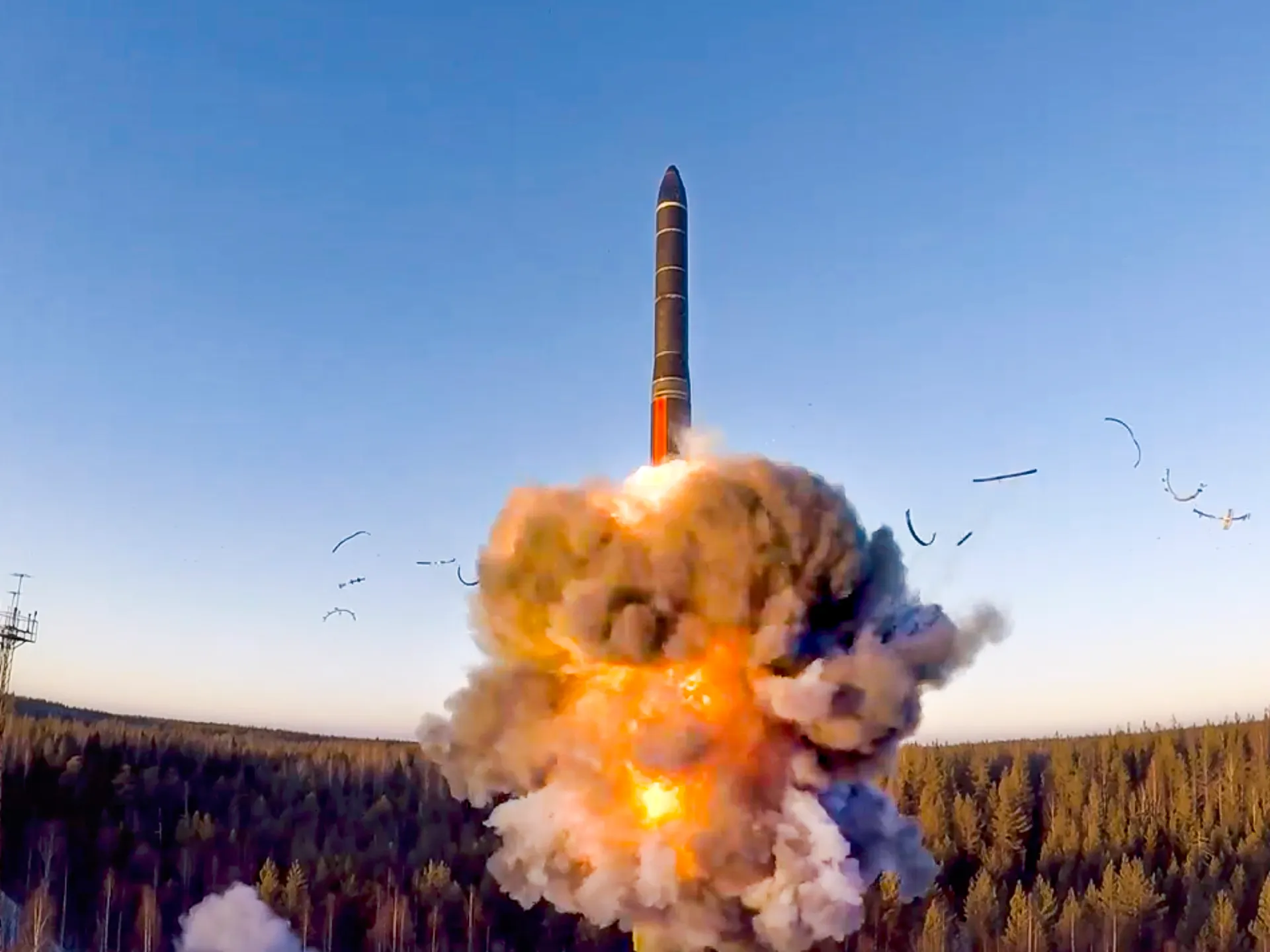
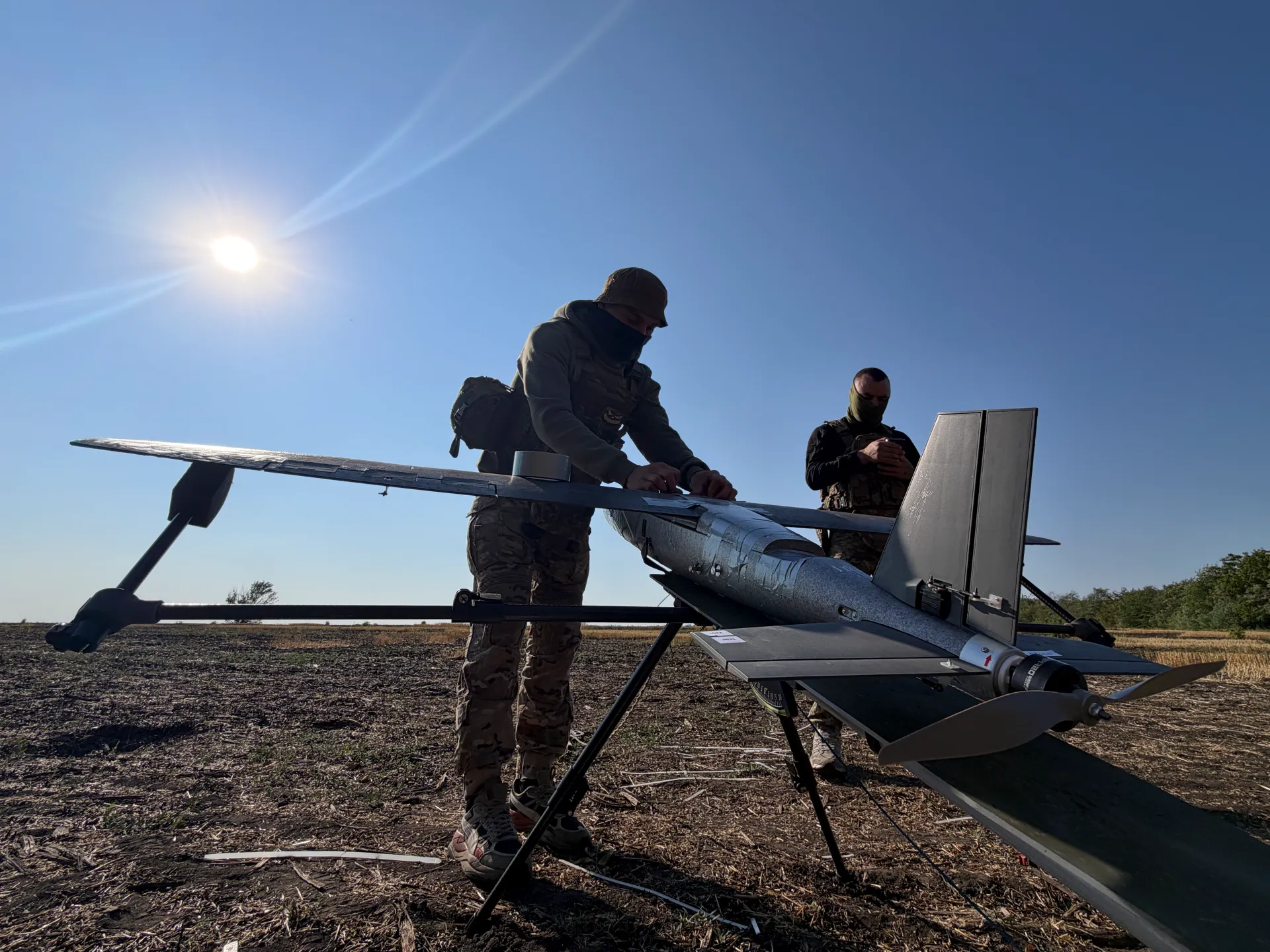
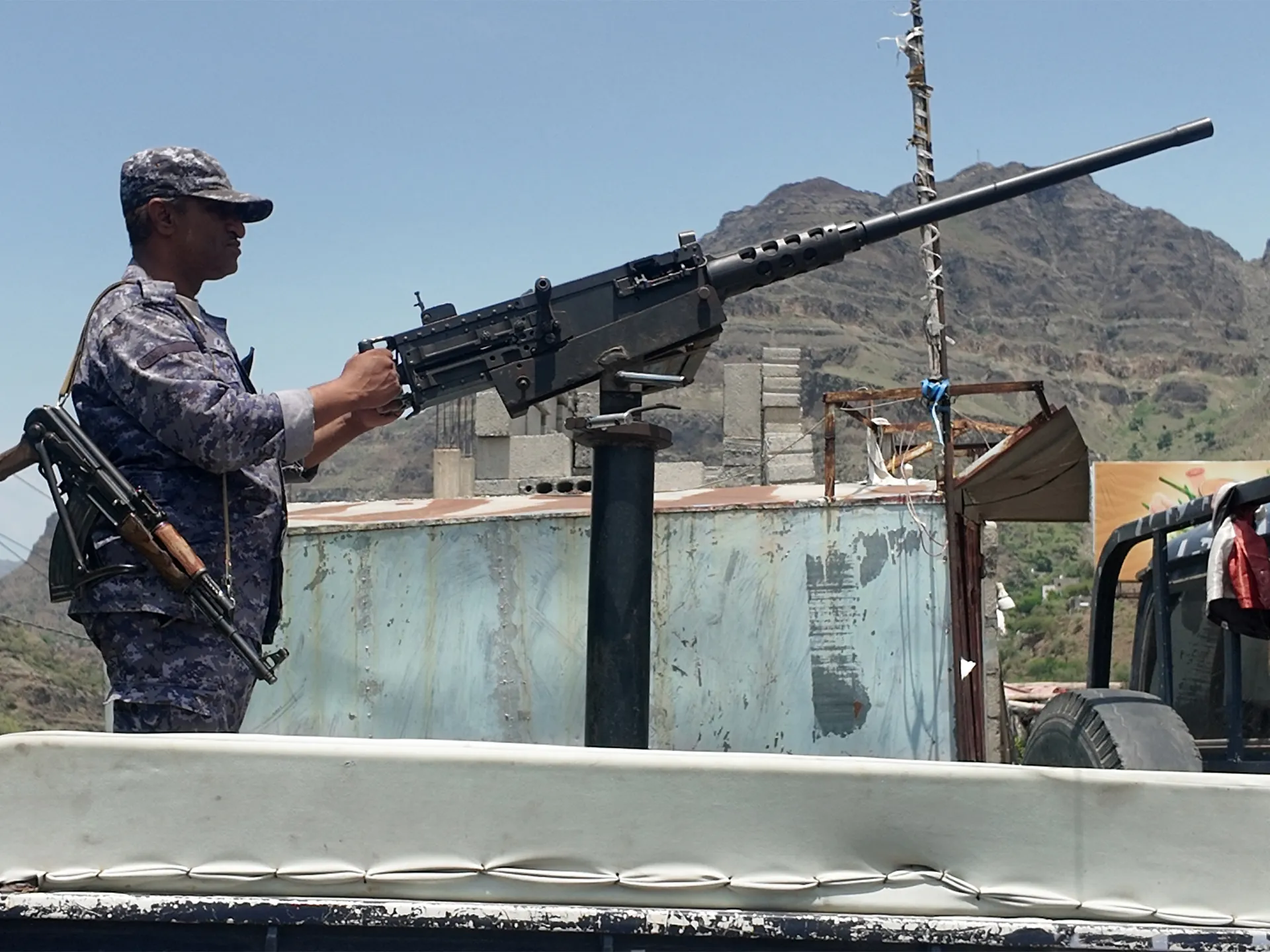
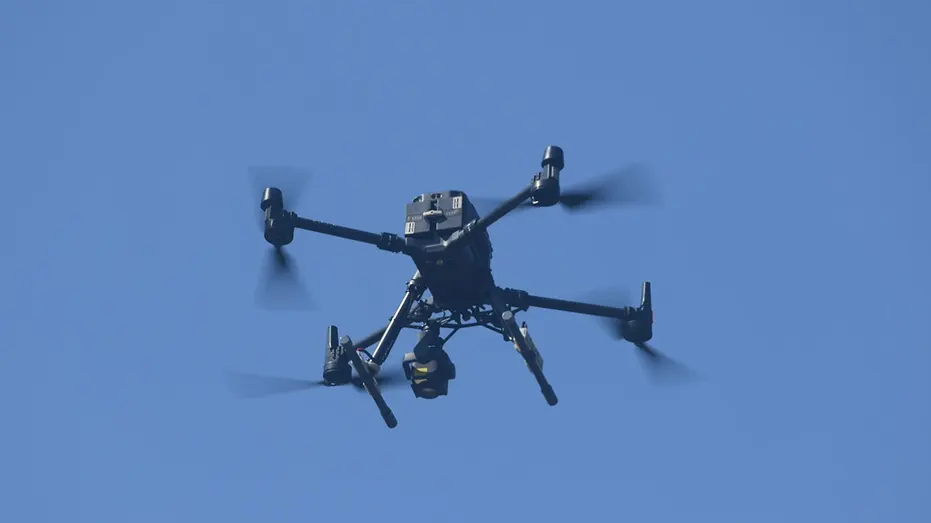
For over a decade, Yemen has endured a humanitarian catastrophe characterized tilities threatens to undo the fragile calm that had persisted for several years. n evolved capacity for long-range strikes, utilizing advanced drone and missile technologies that have become a hallmark of their military strategy over the last ten years.
Originating as a localized religious movement in the 1990s, the Houthis rose to national prominence in 2014 when they seized control of the capital, Sanaa. Their rise triggered a massive political vacuum and forced the internationally recognized government into exile. Since then, the group has consolidated its grip on large swaths of western and northern Yemen, effectively functioning as the de facto authority in those regions. Their resilience is often attributed to strategic support from regional partners, positioning them as a key component of the so-called “axis of resistance.”
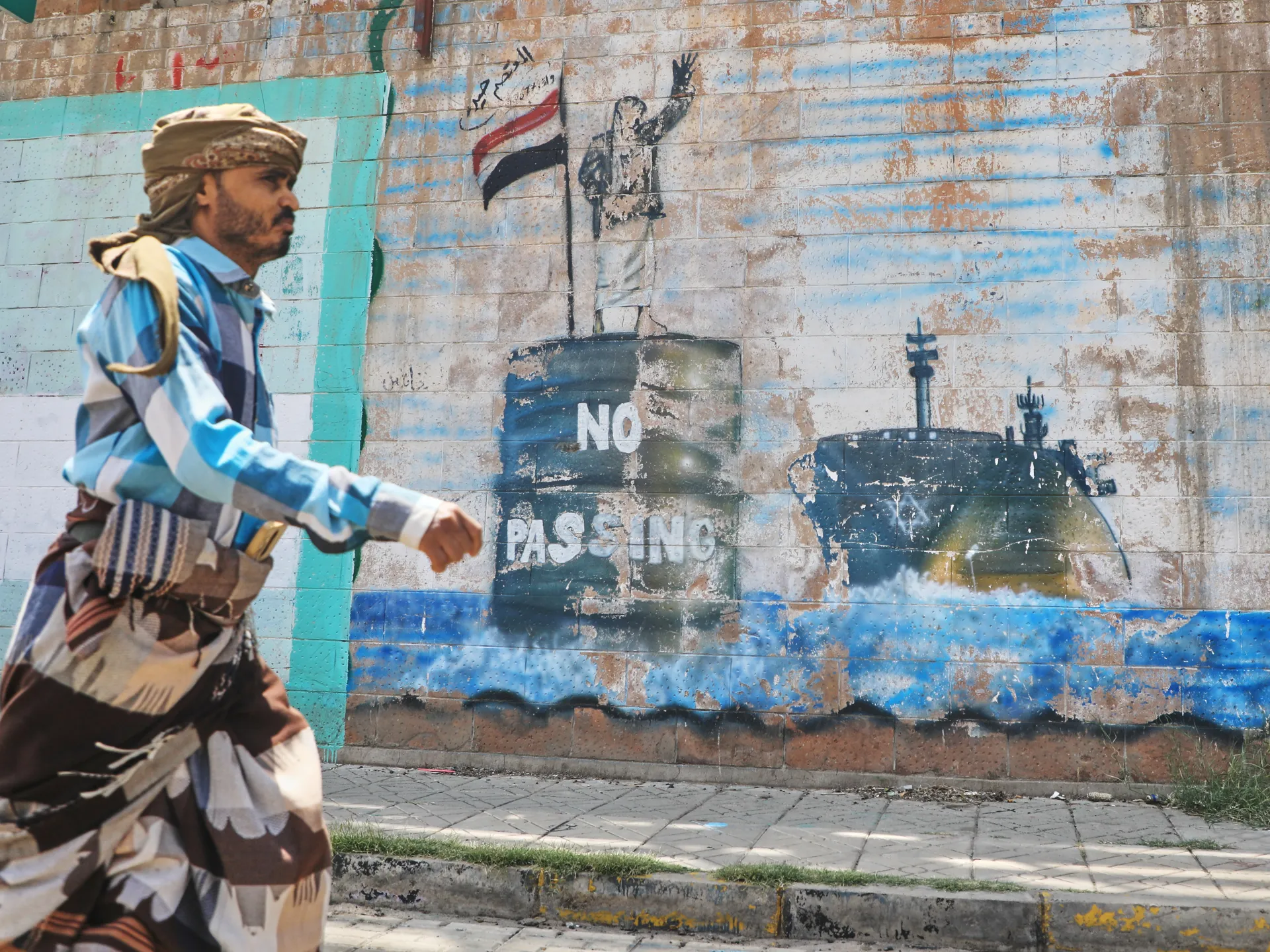
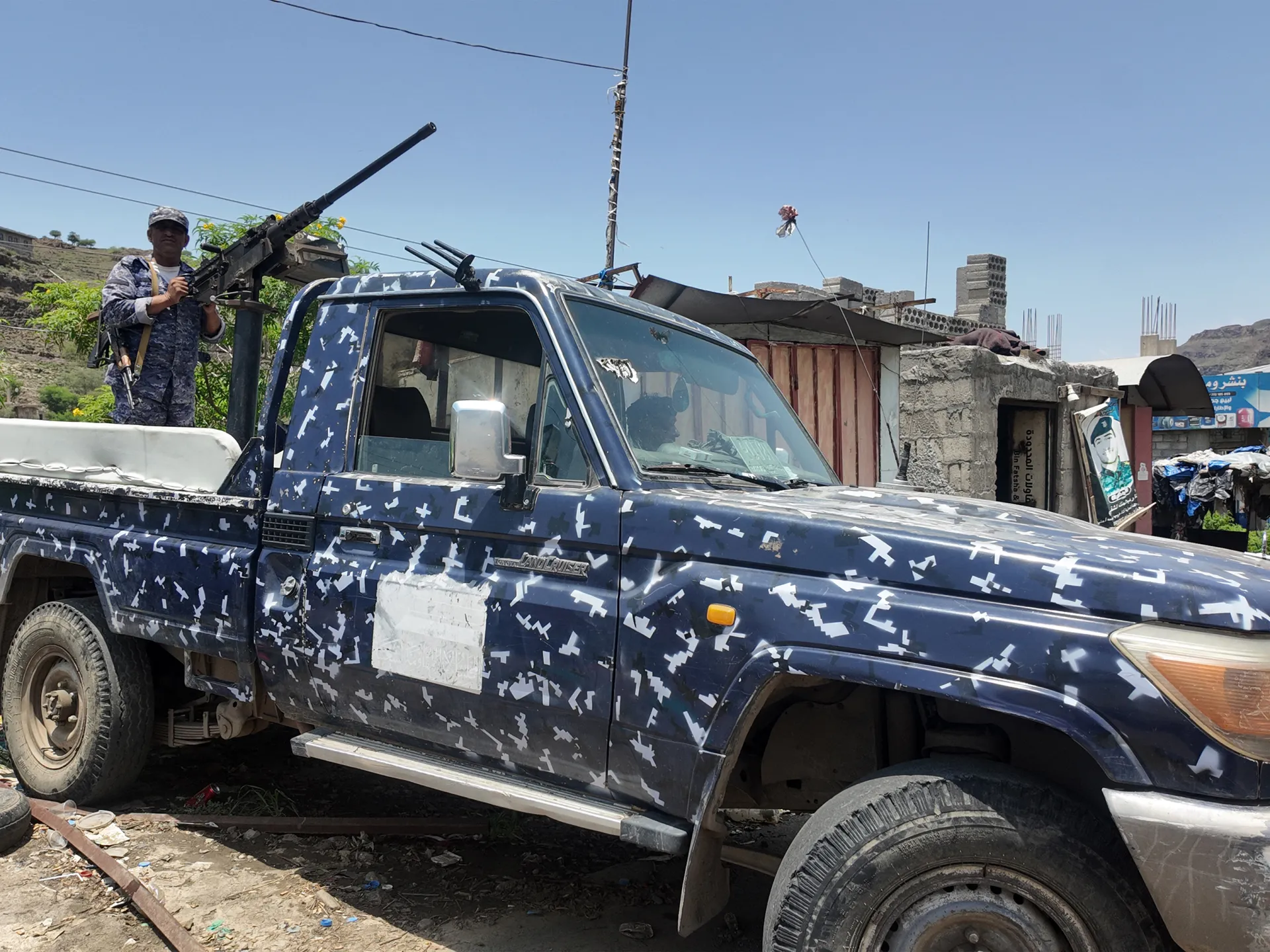
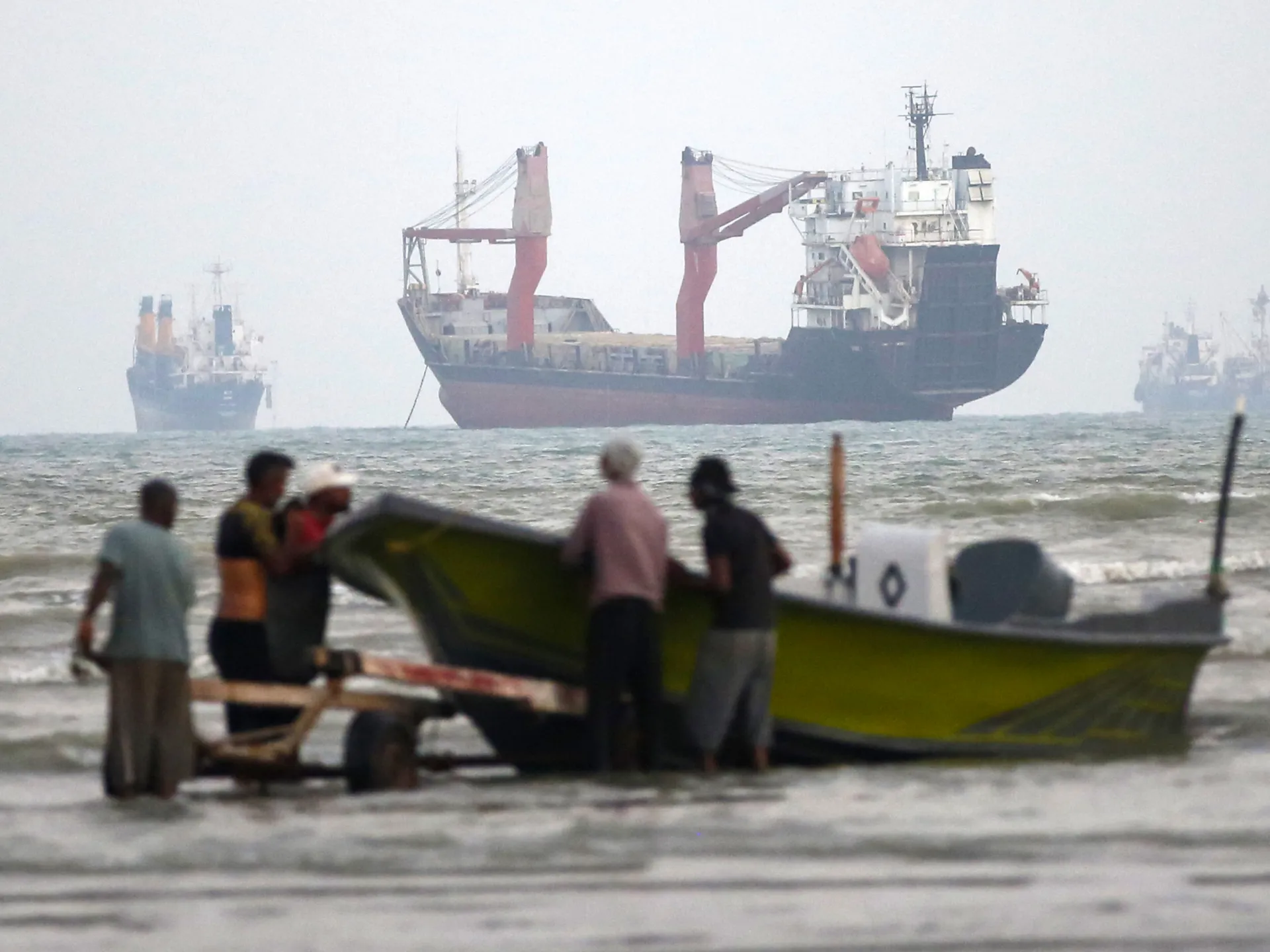
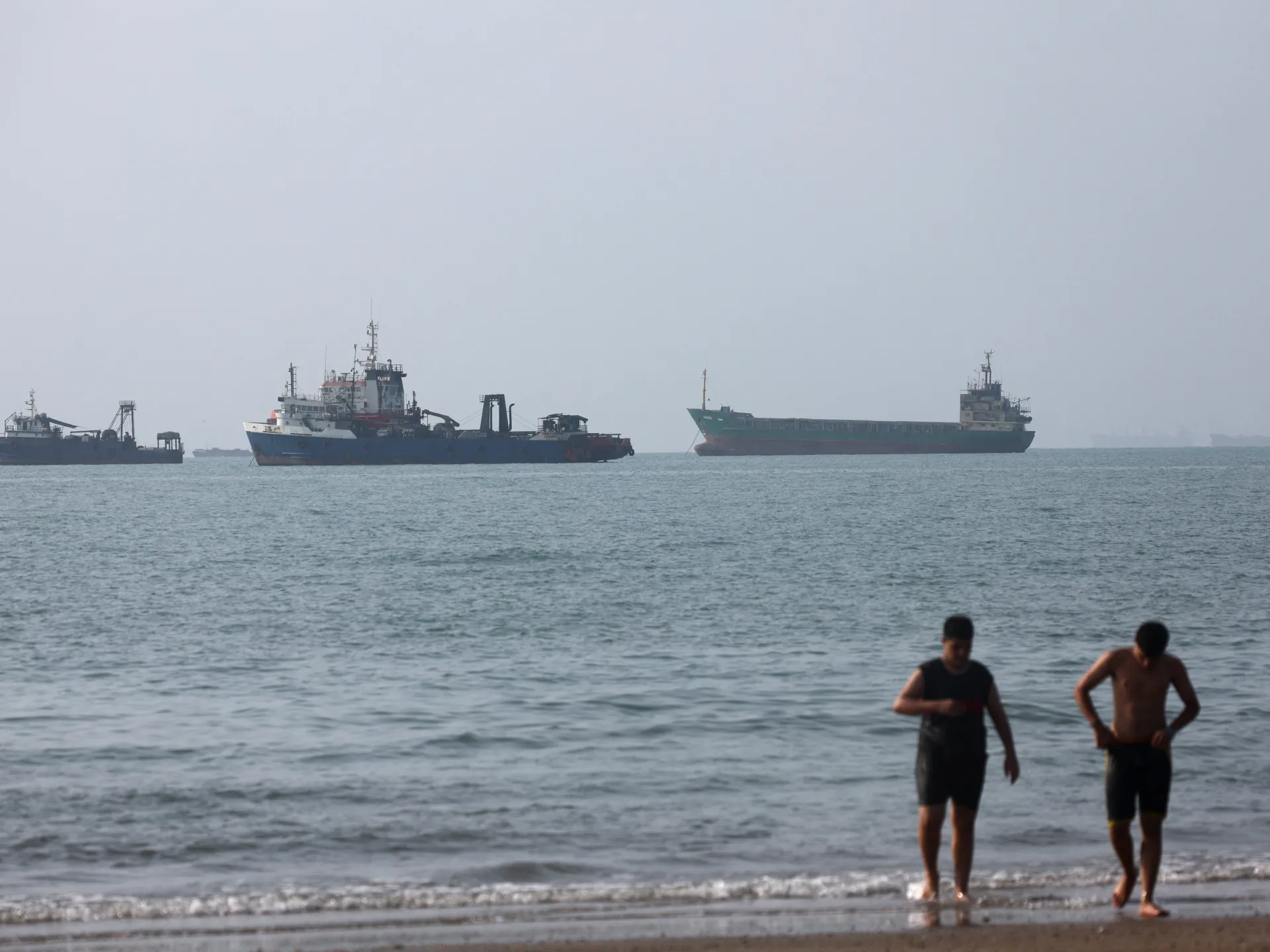
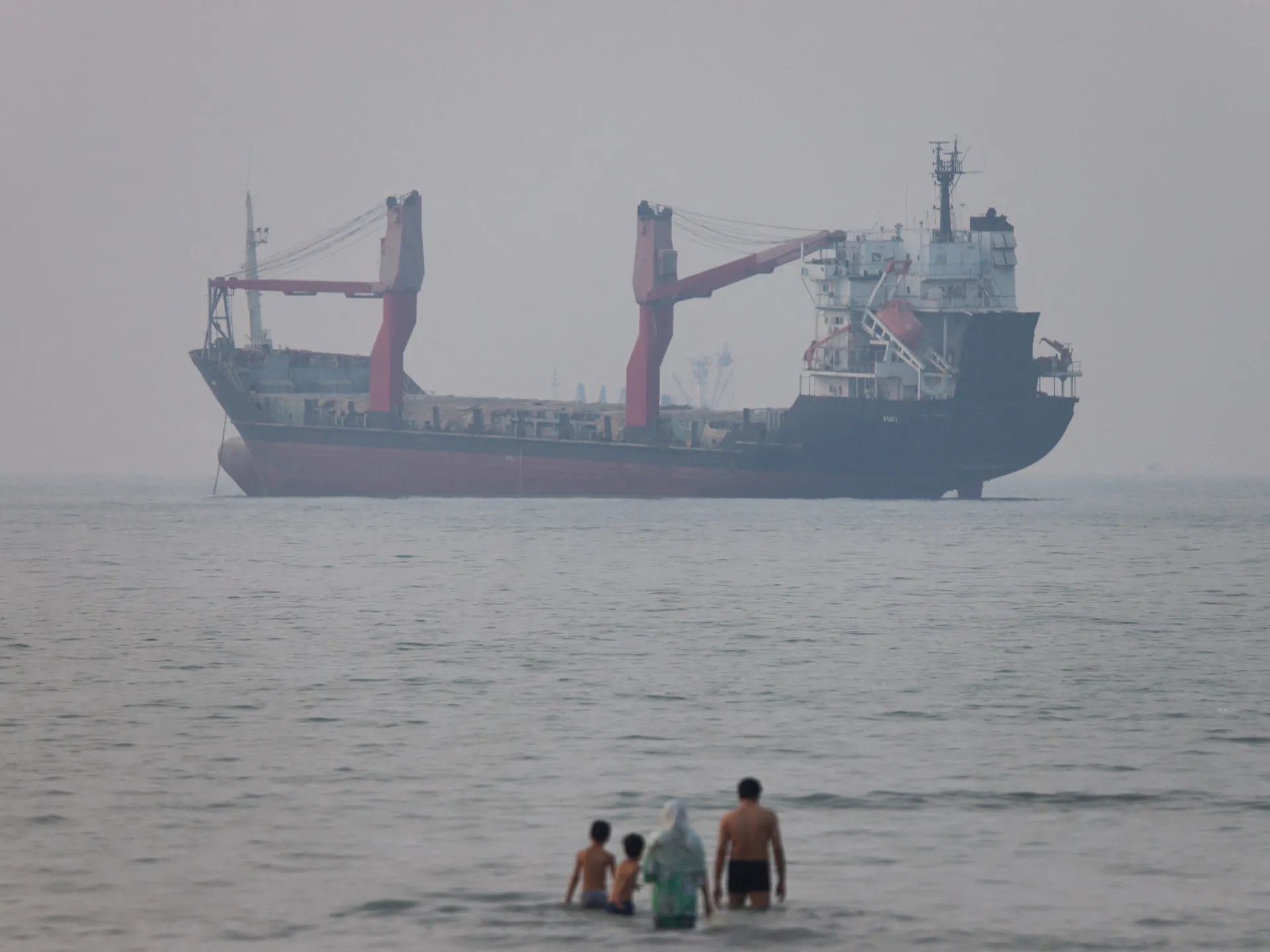
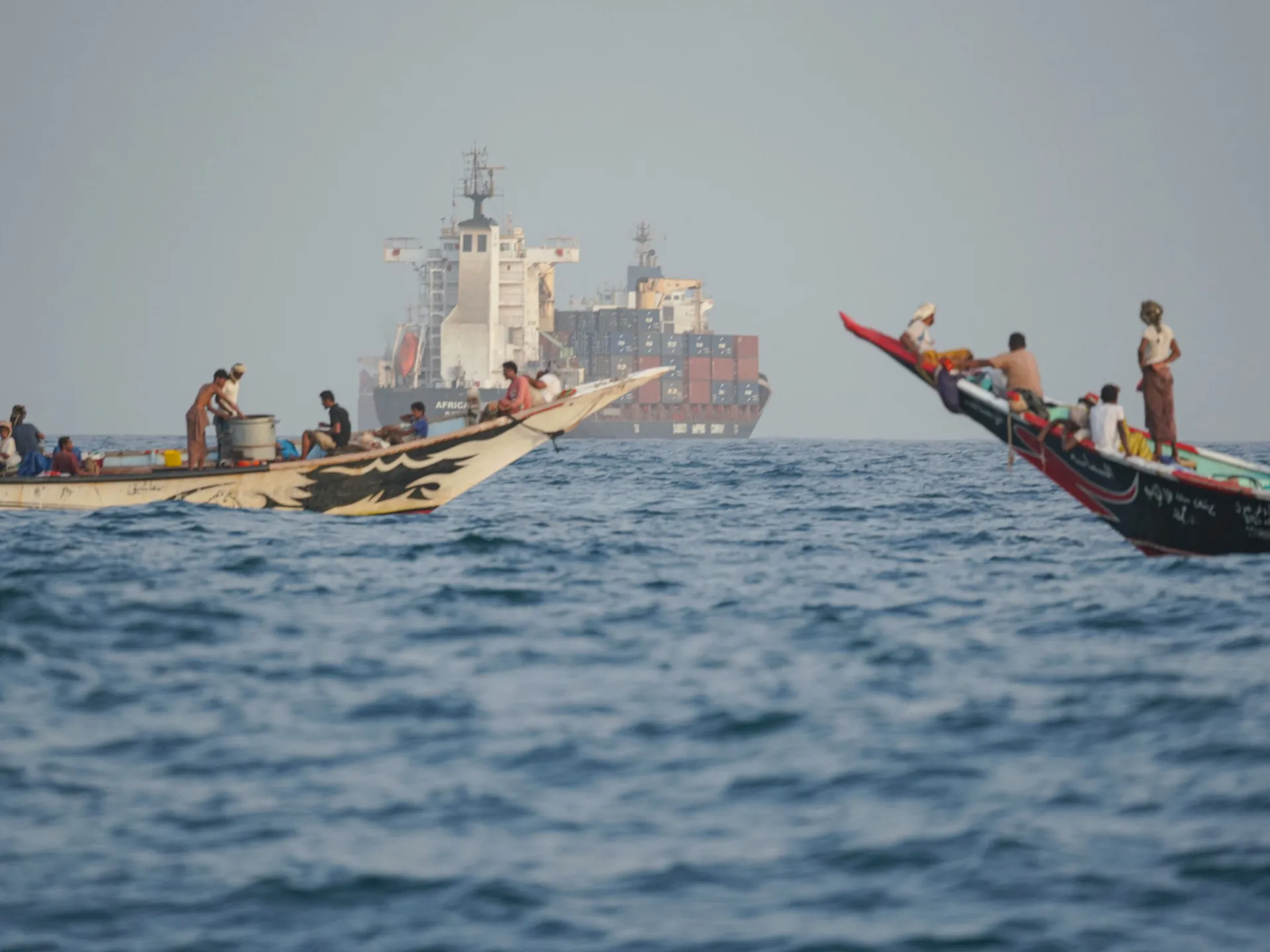
Beyond their domestic ambitions, the Houthis have leveraged their position to influence regional geopolitical outcomes. Their engagement in high-profile attacks on Red Sea shipping lanes and direct confrontations with regional powers has cemented their status as a non-state actor with significant disruptive power. Despite years of persistent aerial campaigns aimed at degrading their capabilities, the group has successfully maintained its operational infrastructure and expanded its tactical reach, making them a formidable adversary in the ongoing regional power struggle.
In an effort to consolidate anti-Houthi efforts, the Presidential Leadership Council (PLC) was established in 2022 to replace the previous administration. This eight-member body acts as the internationally recognized government of Yemen, tasked with managing security, diplomatic negotiations, and the country’s fractured administrative landscape. to bridge the deep-seated divisions that have historically undermined government cohesion.
The PLC’s strength is derived from a coalition of diverse military and political factions, each with its own regional focus. Among these is the Islah party, a Sunni Islamist organization with deep roots in the country’s political history and a strong hold on the resource-rich Marib region. The presence of these disparate groups under the PLC umbrella is intended to unify the resistance against Houthi expansion, though the inherent differences in their ideologies and long-term goals continue to pose challenges to a unified national strategy.
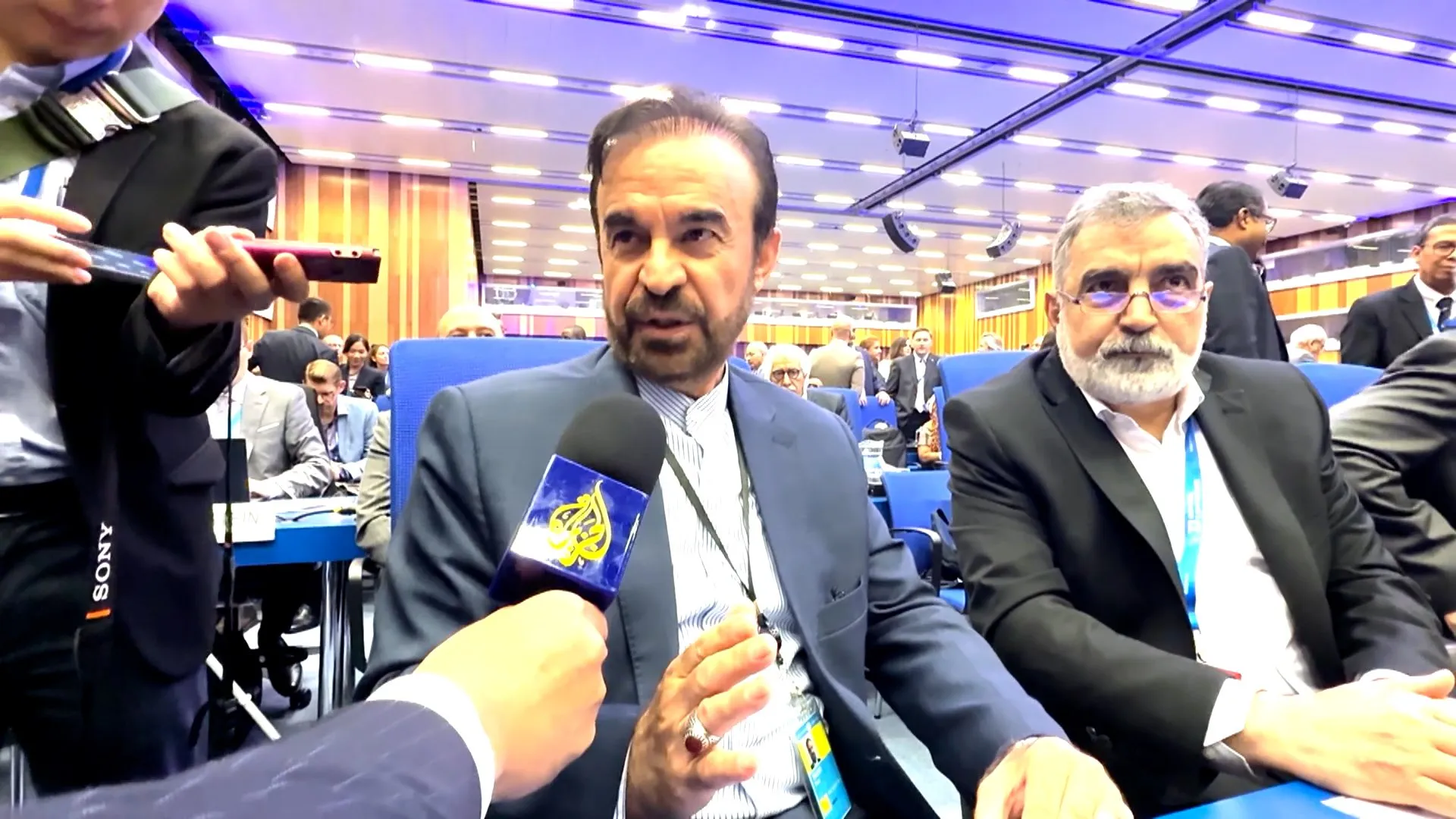
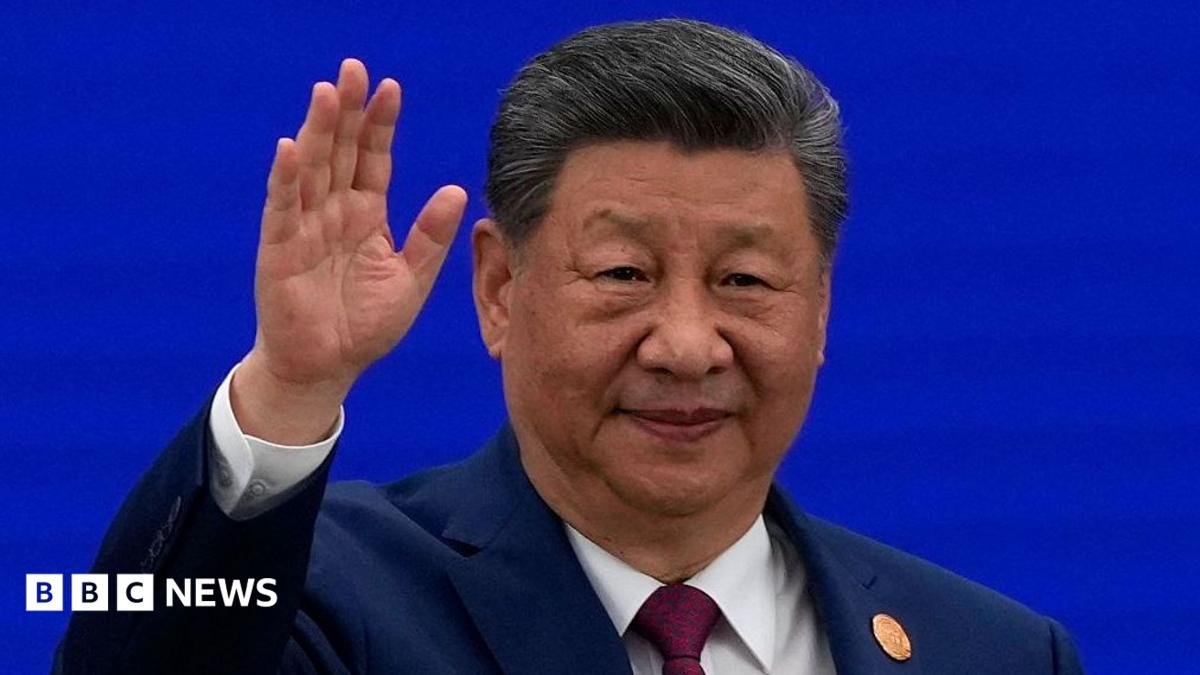
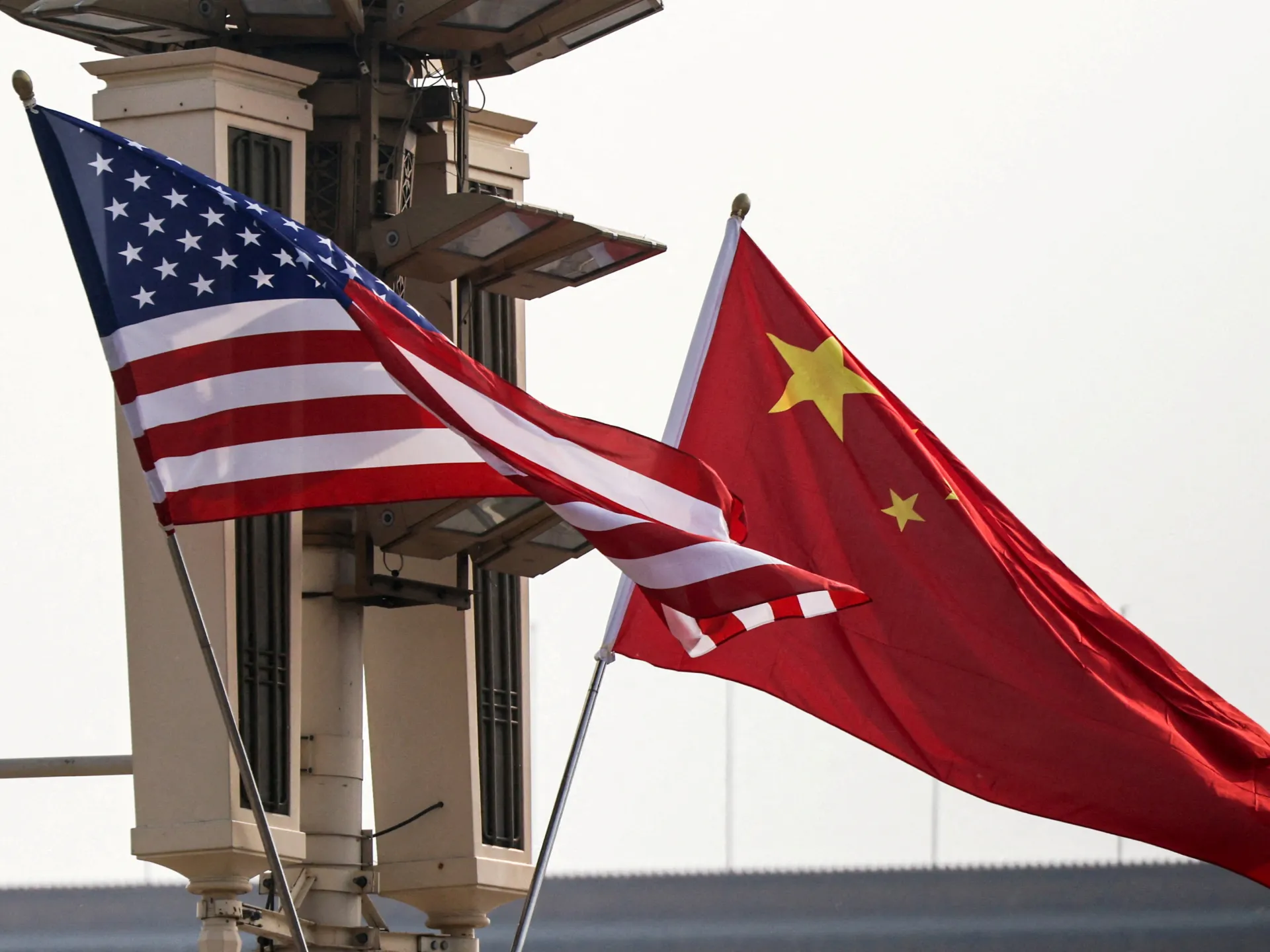
Saudi Arabia’s entry into the conflict in 2015 was driven rs at its southern border. While the kingdom has historically been deeply involved in the military campaign against the Houthis, recent years have seen a shift in regional dynamics. Following a China-brokered diplomatic rapprochement between Saudi Arabia and Iran in 2023, the nature of the confrontation has evolved, moving toward a more pragmatic, albeit still tense, security environment.