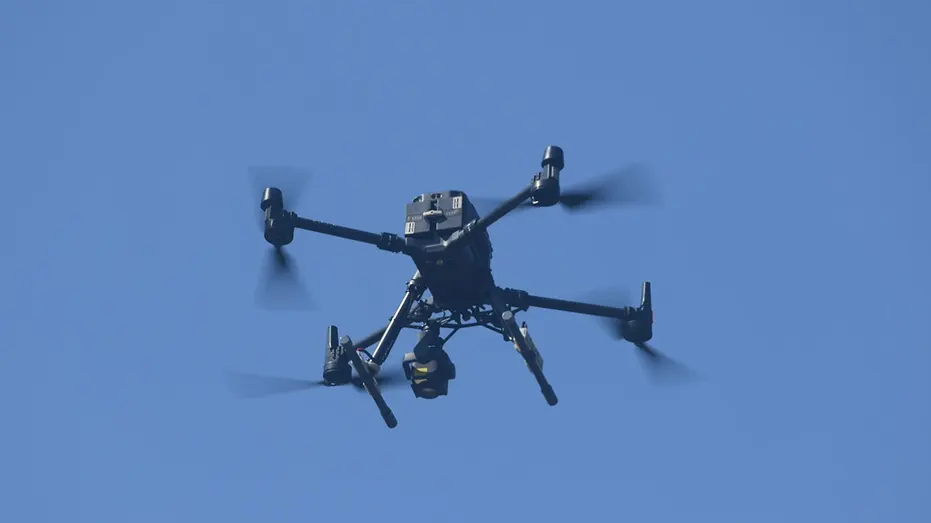
A drone attack on Saudi infrastructure originating from Iraq has underscored the Prime Minister's difficulty in curbing the influence of rogue armed factions.
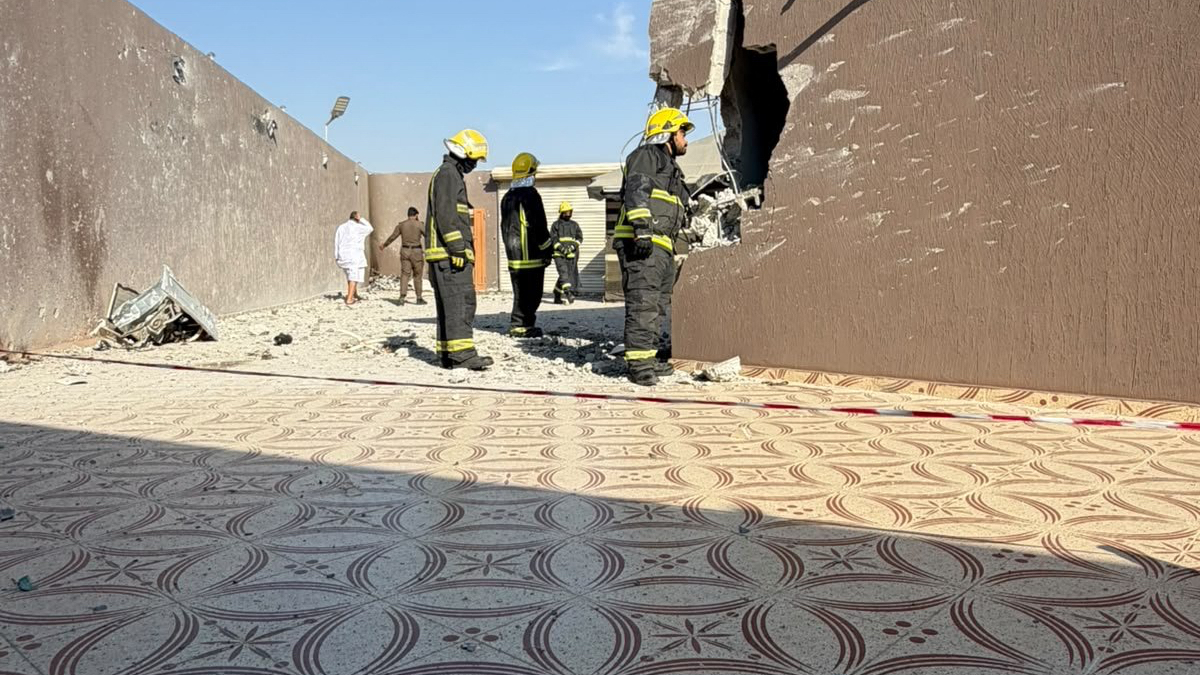
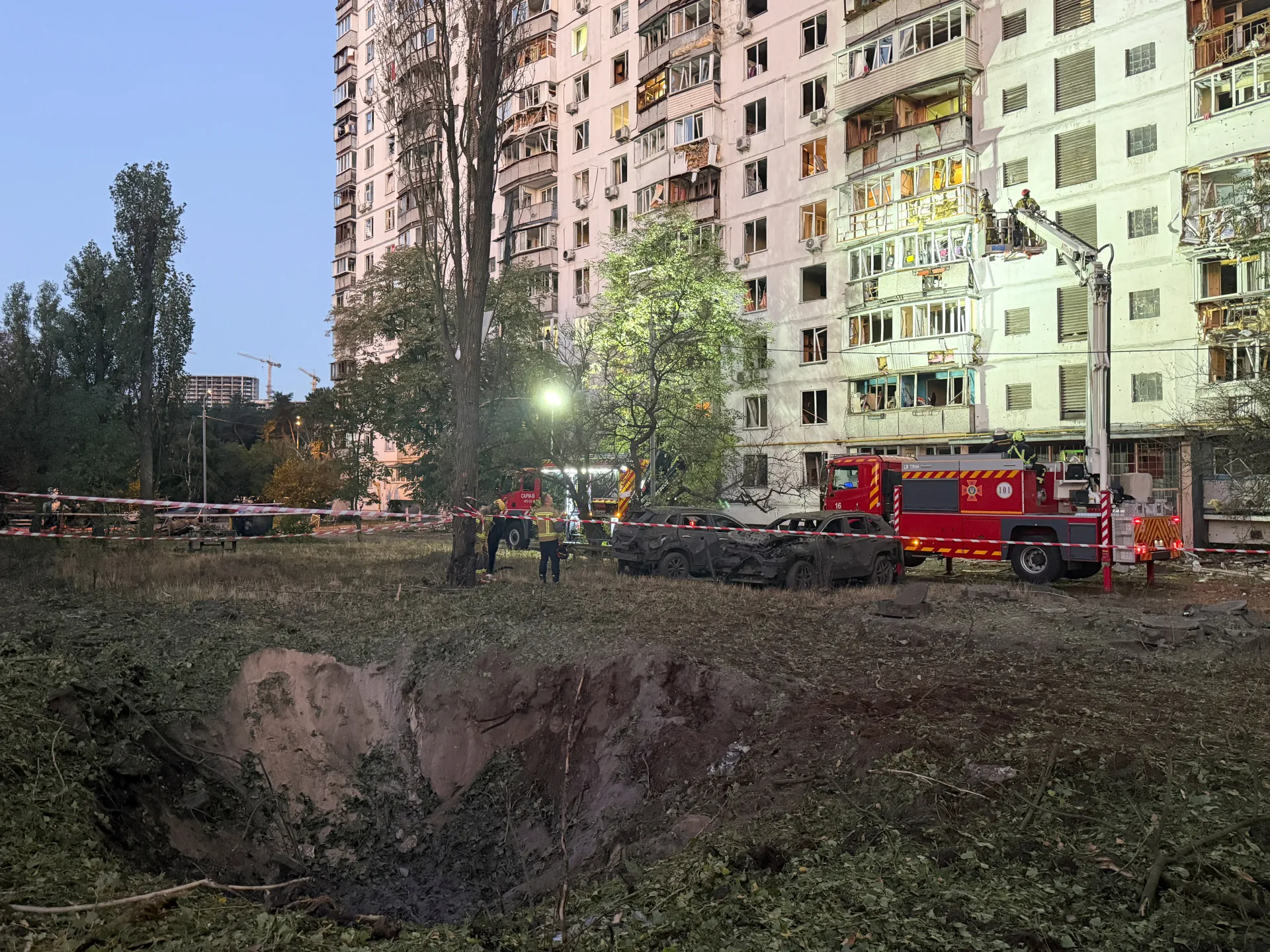
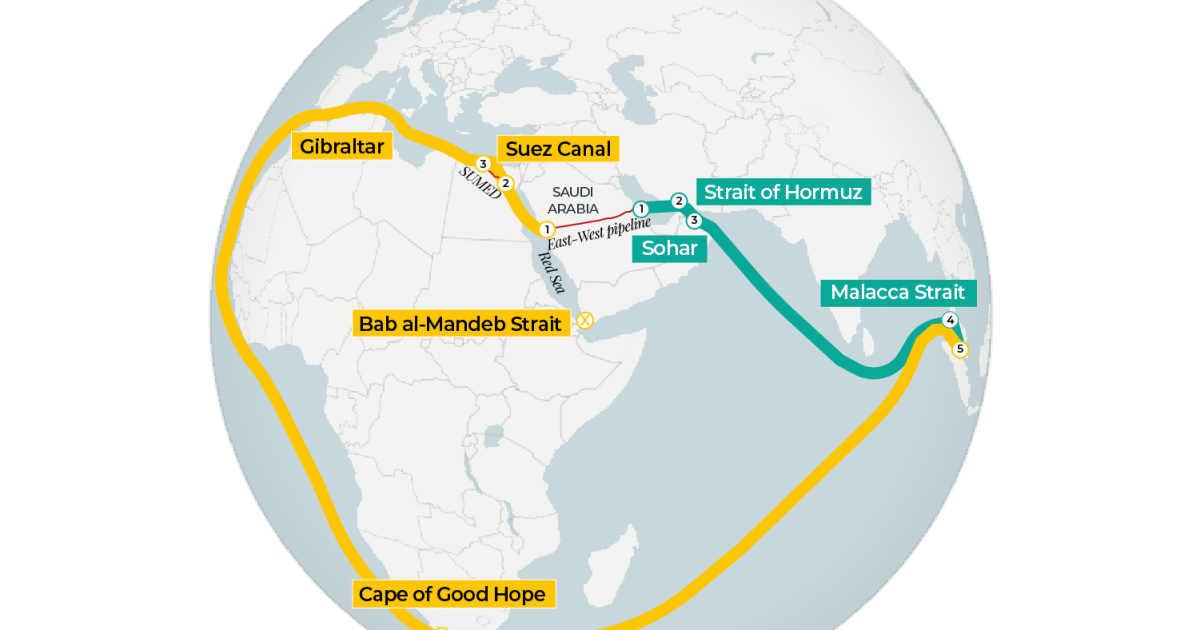
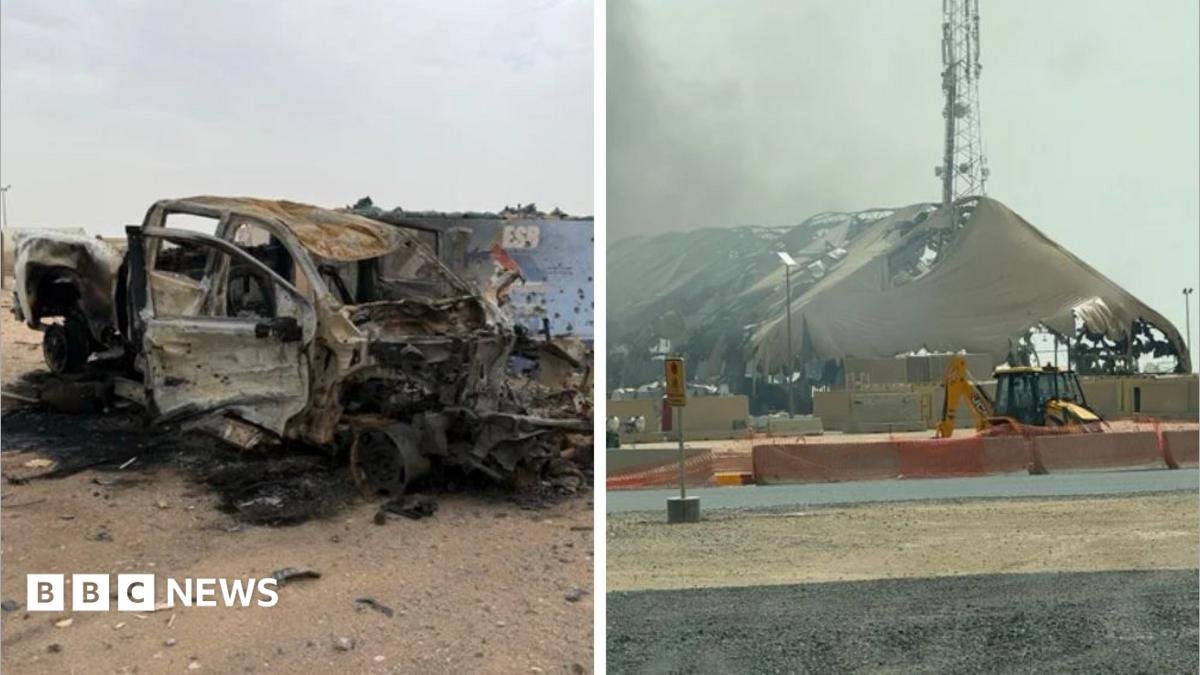
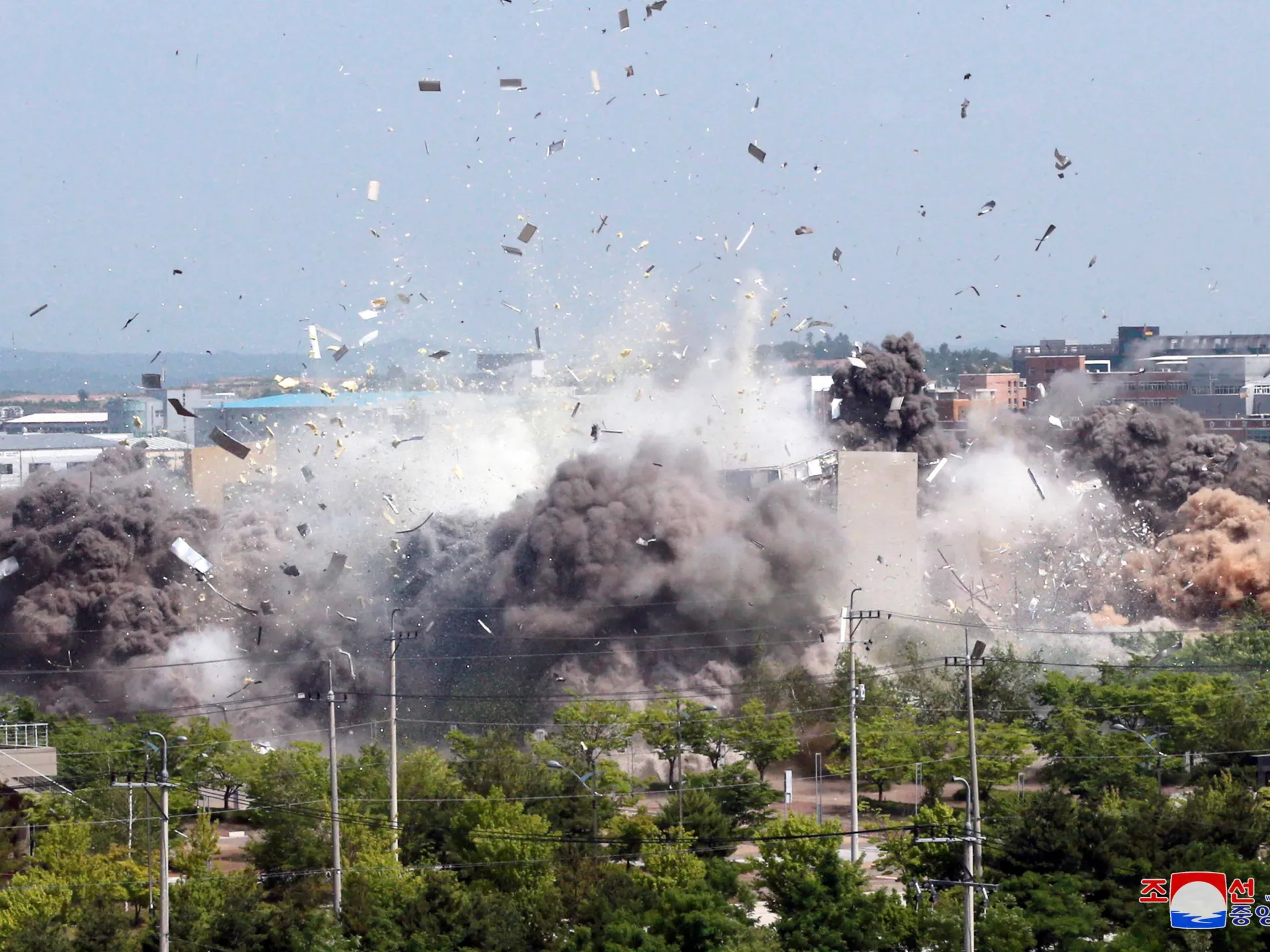
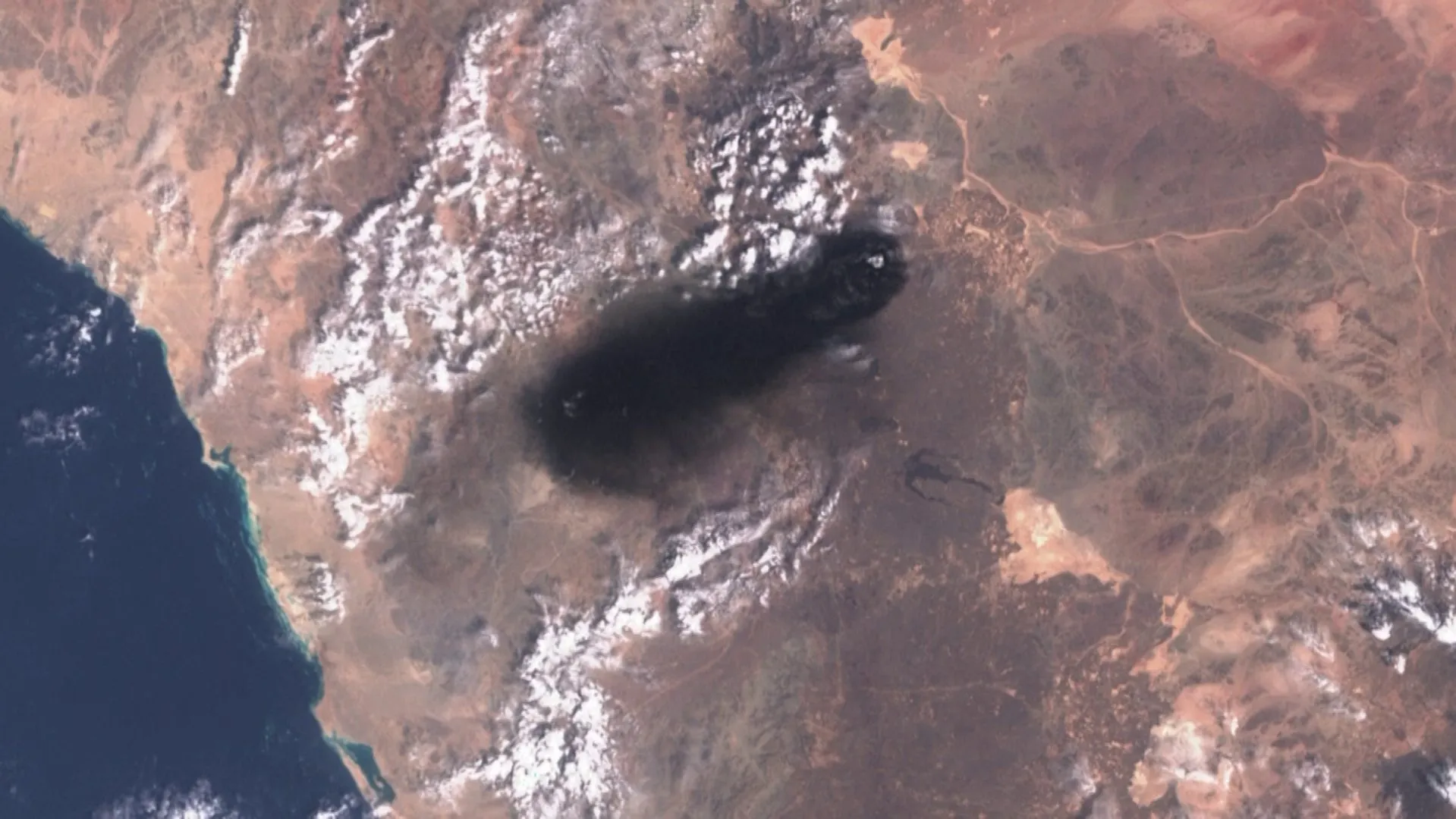
The recent drone strike on Saudi Arabia’s critical East-West oil pipeline has cast a spotlight on the precarious position of Iraqi Prime Minister Ali al-Zaidi. With the projectile originating from Iraqi territory, the incident has exposed the government's ongoing struggle to maintain a monopoly on force. As the global markets reacted to the potential disruption of 4 percent of world oil supplies, the Iraqi leadership found itself forced to confront the reality of armed factions operating with apparent autonomy within its own borders.
While no specific group has claimed responsibility for the assault, the presence of launch platforms near the Duwayrij River in Maysan province highlights a systemic failure to monitor border regions effectively. Despite the Prime Minister's public commitment to bringing all militias under state oversight, the incident serves as a stark reminder that unauthorized combatants continue to leverage Iraqi soil to advance their own agendas, often at the expense of national stability.
The attack has placed a significant strain on the improving diplomatic relations between Baghdad and Riyadh. Following decades of frozen ties after the 1990 invasion of Kuwait, the two nations had recently begun to foster cooperation through investment projects, electricity infrastructure, and the reopening of border crossings. This progress is now being undermined sifying its economic dependencies away from Tehran.
For the Prime Minister, the balancing act between regional powers is becoming increasingly difficult. While he has pursued closer economic integration with Saudi Arabia, he must also manage the expectations of Iranian-aligned factions that view such partnerships with suspicion. Analysts suggest that the timing of these attacks may be a deliberate message intended to sabotage Iraq's efforts to establish alternative economic pathways, thereby ensuring the nation remains within a specific sphere of influence.
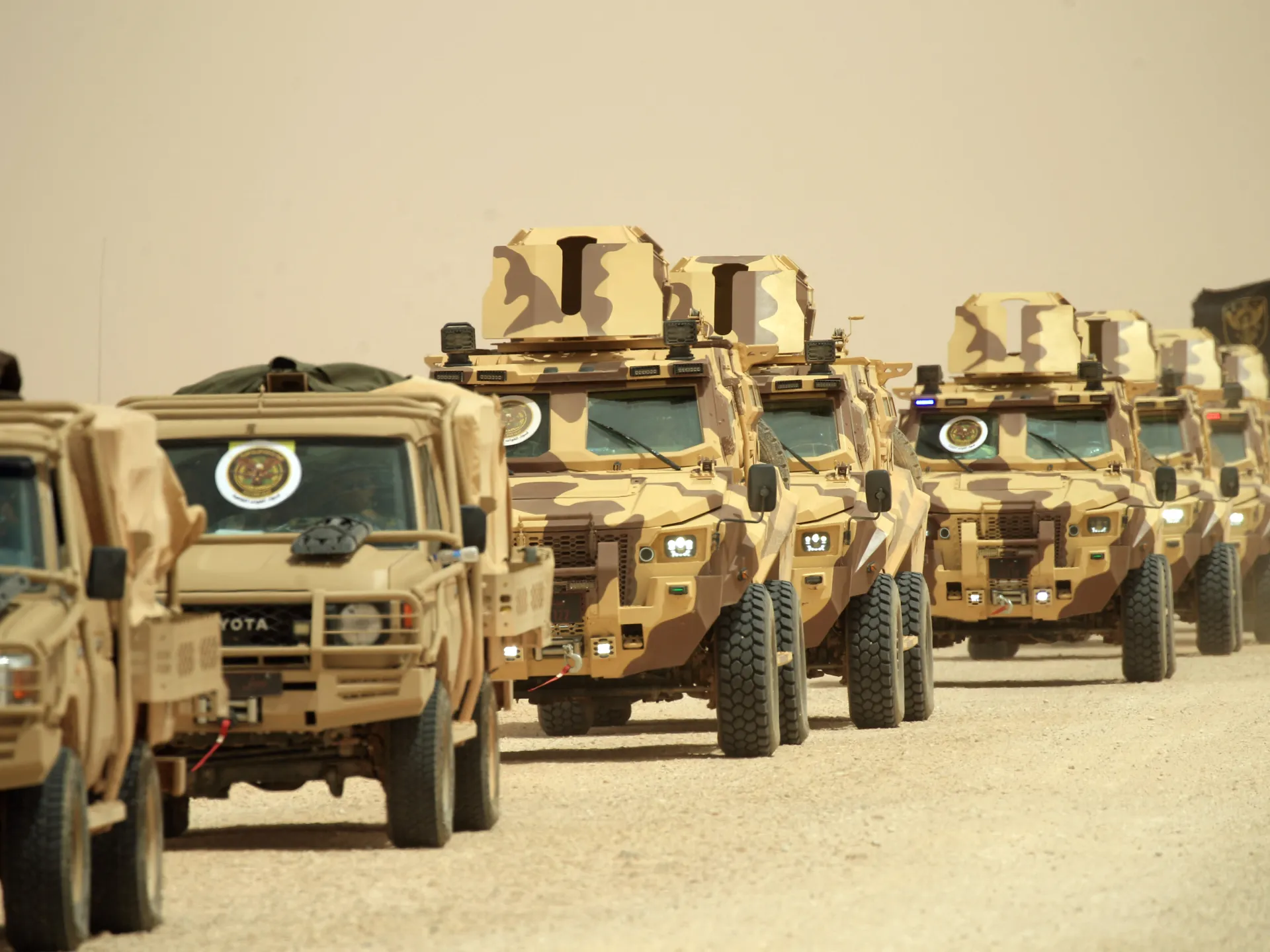
Prime Minister al-Zaidi has attempted to project strength in the wake of the incident ecurity measures. However, many observers remain skeptical, characterizing these actions as performative gestures designed to appease international partners rather than substantive efforts to disarm powerful militias. The history of failed enforcement, including incidents where state forces were intimidated or blocked from conducting raids on militant compounds, suggests a deep-seated institutional weakness.
Even when legal action is taken, such as the sentencing of specific individuals for criminal activities, the broader power structure remains largely intact. The refusal of major factions, including Kataib Hezbollah and Harakat al-Nujaba, to yield their weapons creates a persistent barrier to the Prime Minister’s reform agenda. Without the ability to hold these groups accountable, the state’s authority remains fragile, leaving the government vulnerable to internal pressures that threaten to destabilize the political order.
Looking ahead, the question of whether the Iraqi state can truly assert control depends largely on political will and the perceived reliability of international security partners. There is a palpable sense of uncertainty in Baghdad regarding the level of support Washington might provide if the government were to directly confront these armed groups. This lack of confidence in external backing creates an environment where factions feel emboldened to act with impunity, knowing that the cost of defiance is often manageable.
Ultimately, the Prime Minister’s objective appears to be a delicate survival strategy: appearing sufficiently proactive to maintain favor with the United States and Saudi Arabia while avoiding an outright domestic confrontation that could trigger a violent backlash. As these factions wait out shifts in the international landscape, the stability of Iraq remains at the mercy of groups that operate outside the chain of command, leaving the nation caught in a cycle of regional proxy tensions and internal governance challenges.