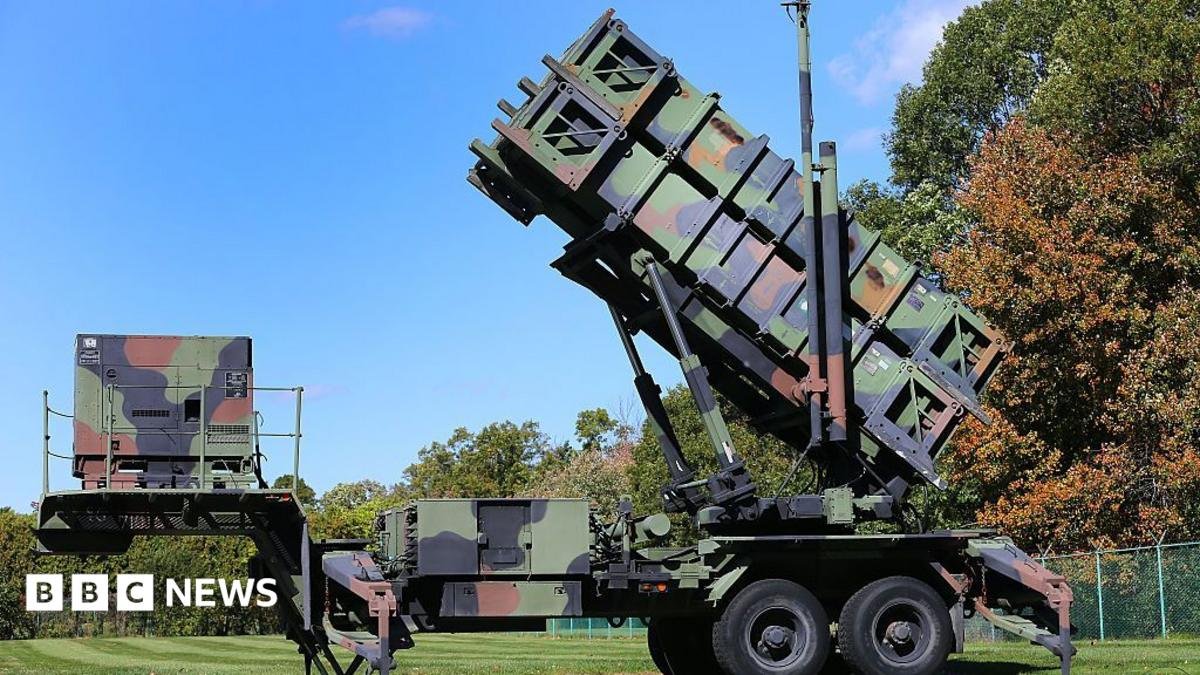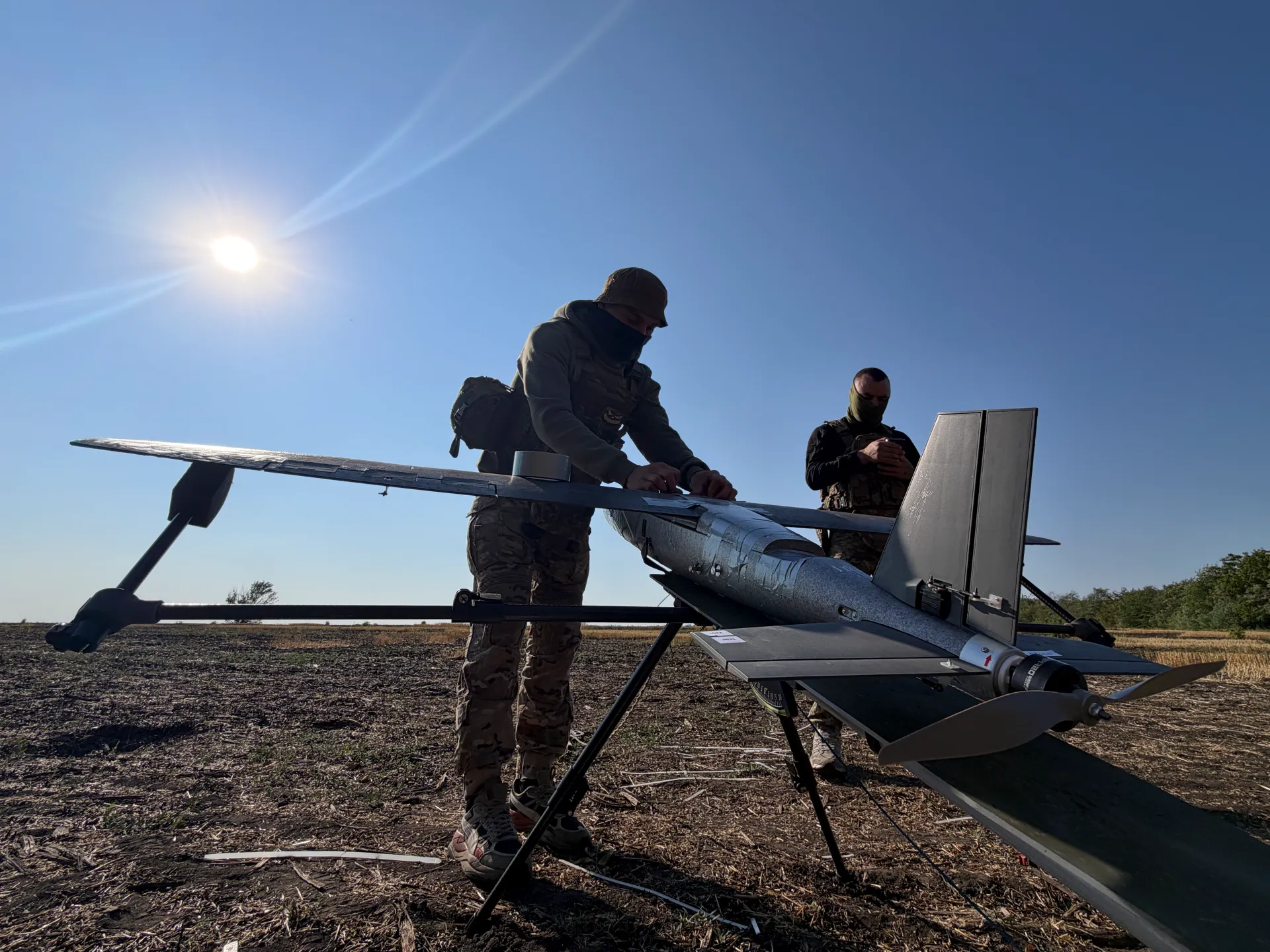
NATO has pledged to bolster its eastern defenses following Russian drone strikes near the Polish border, as leaders warn of a potential escalation in hostilities.
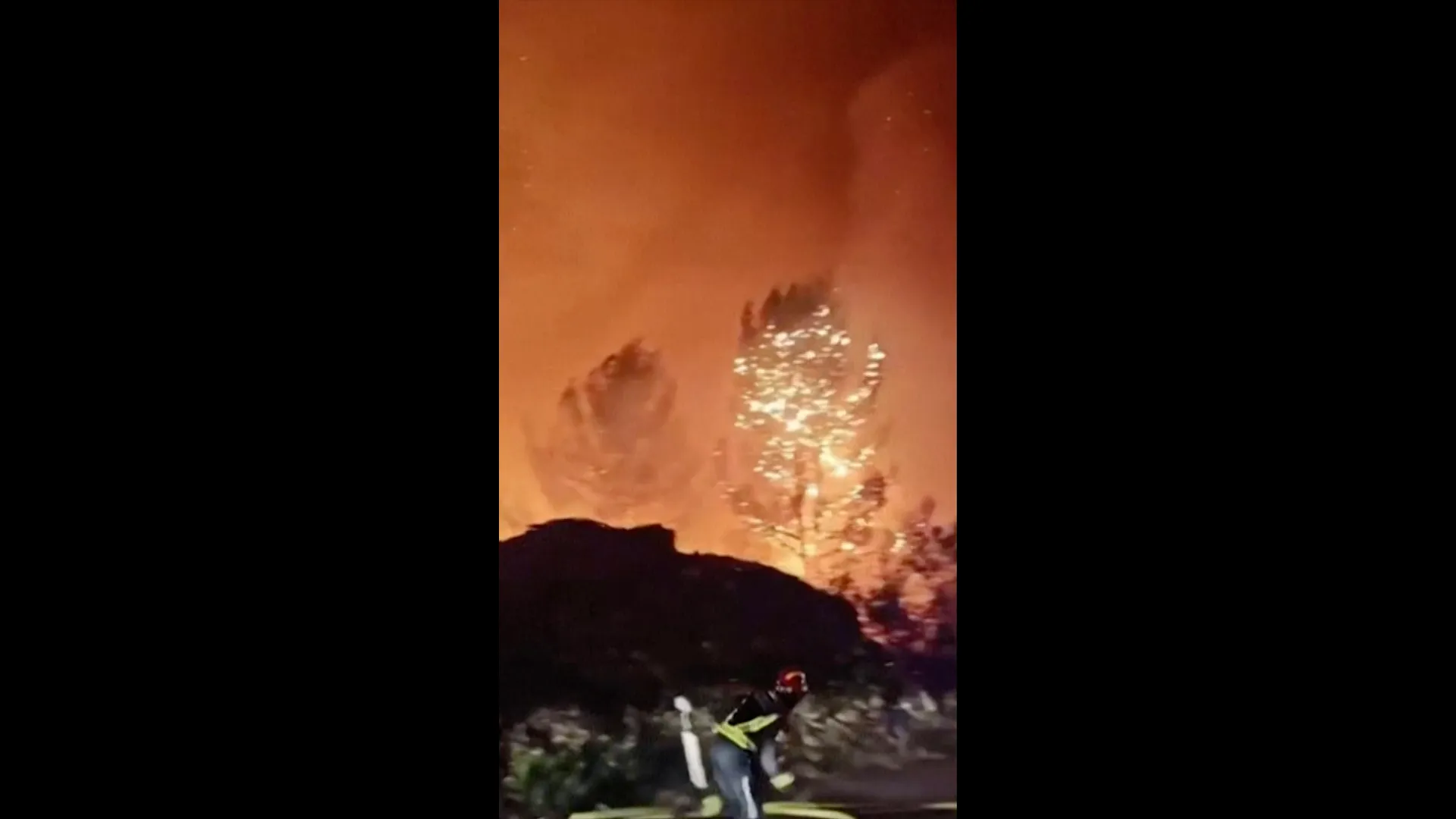
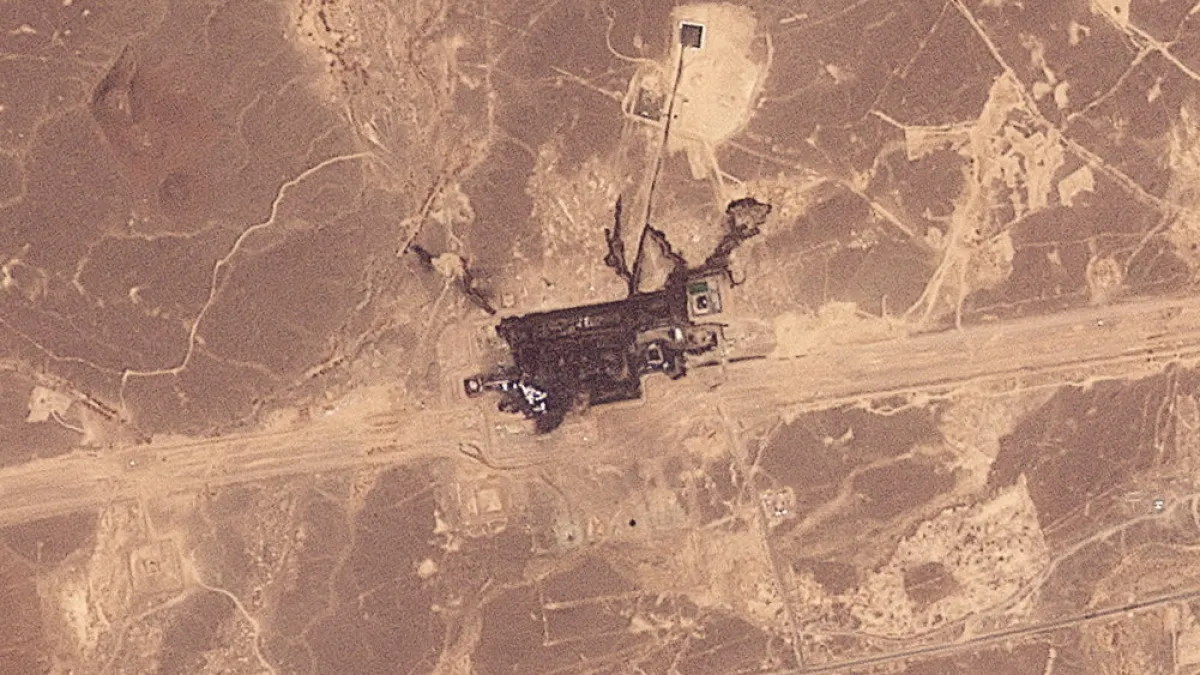
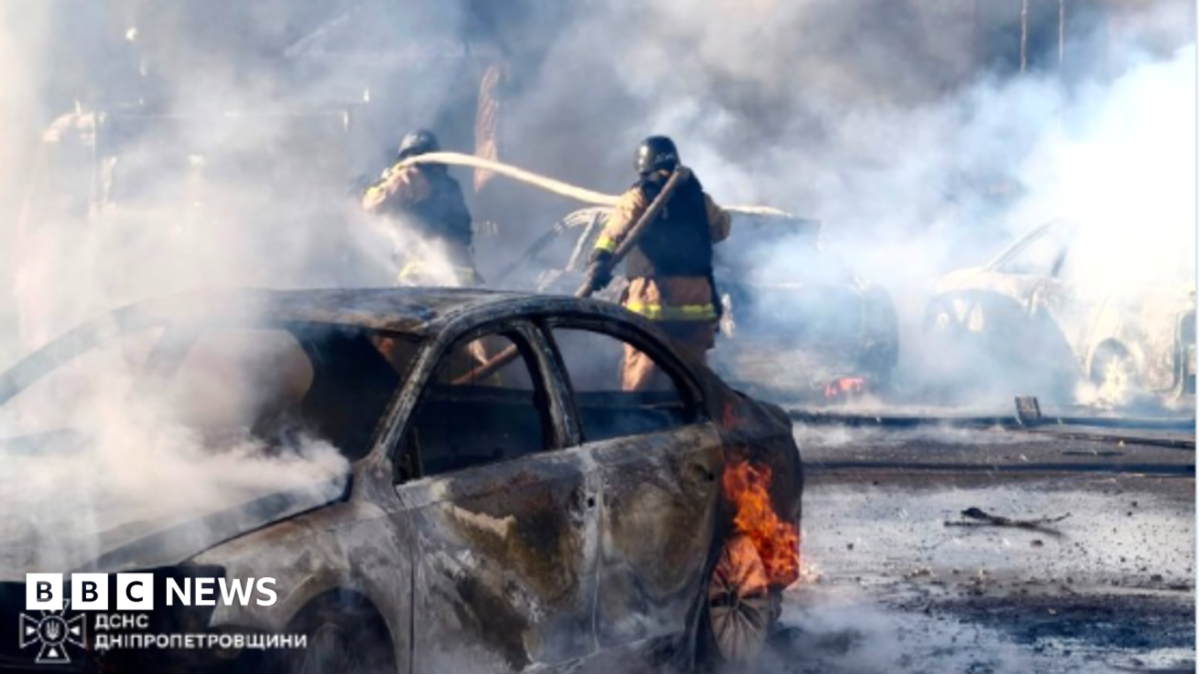
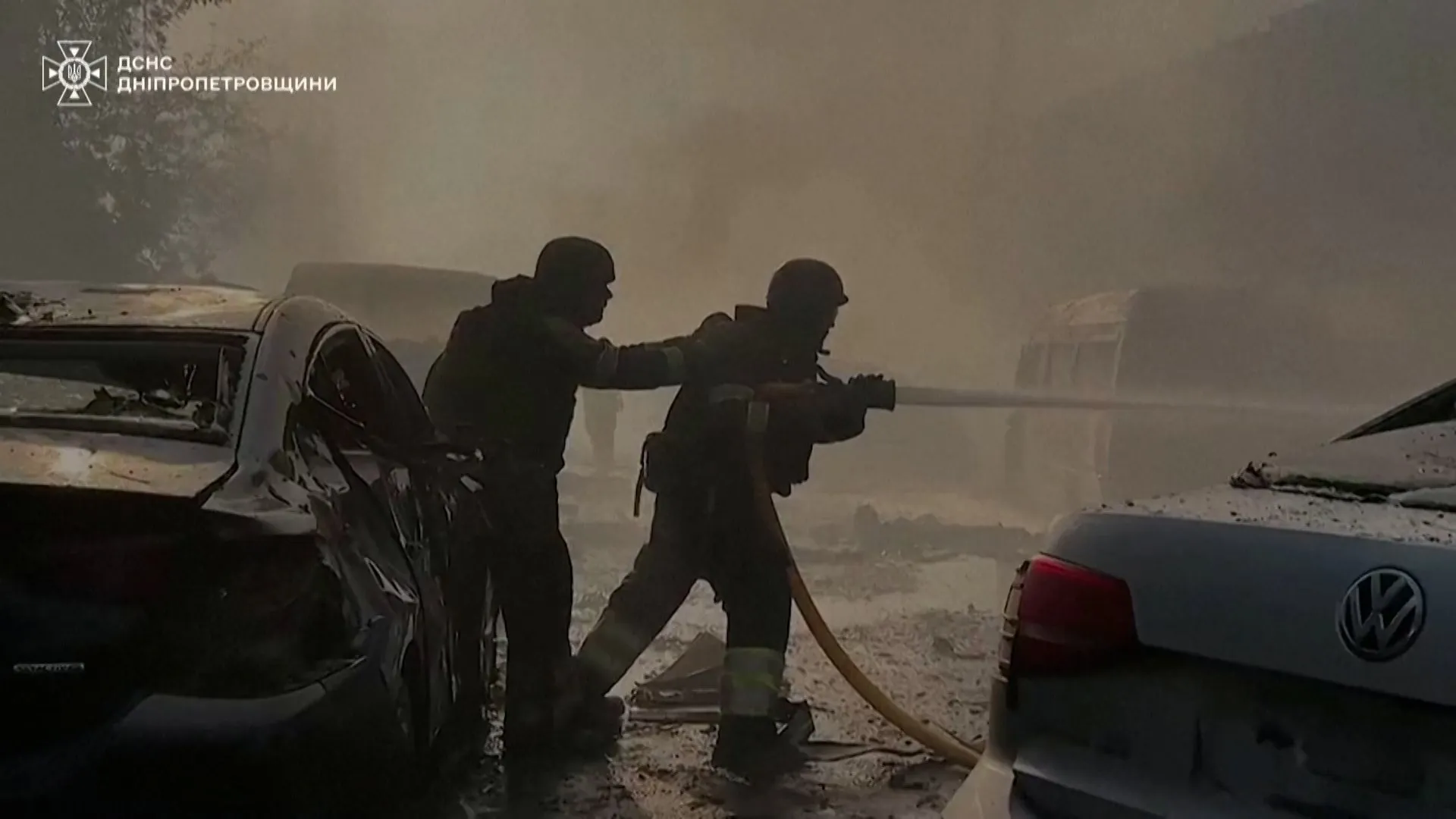
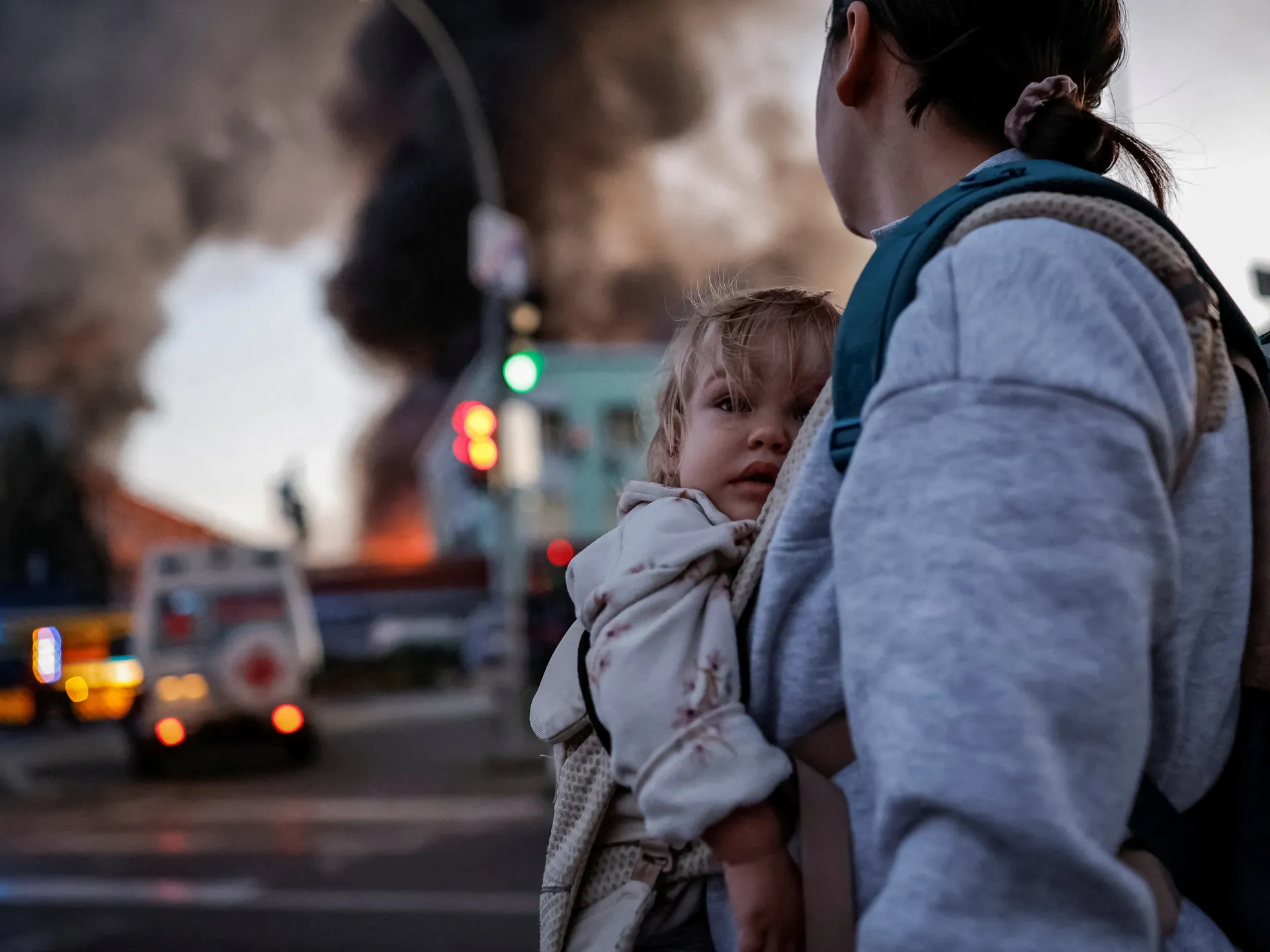
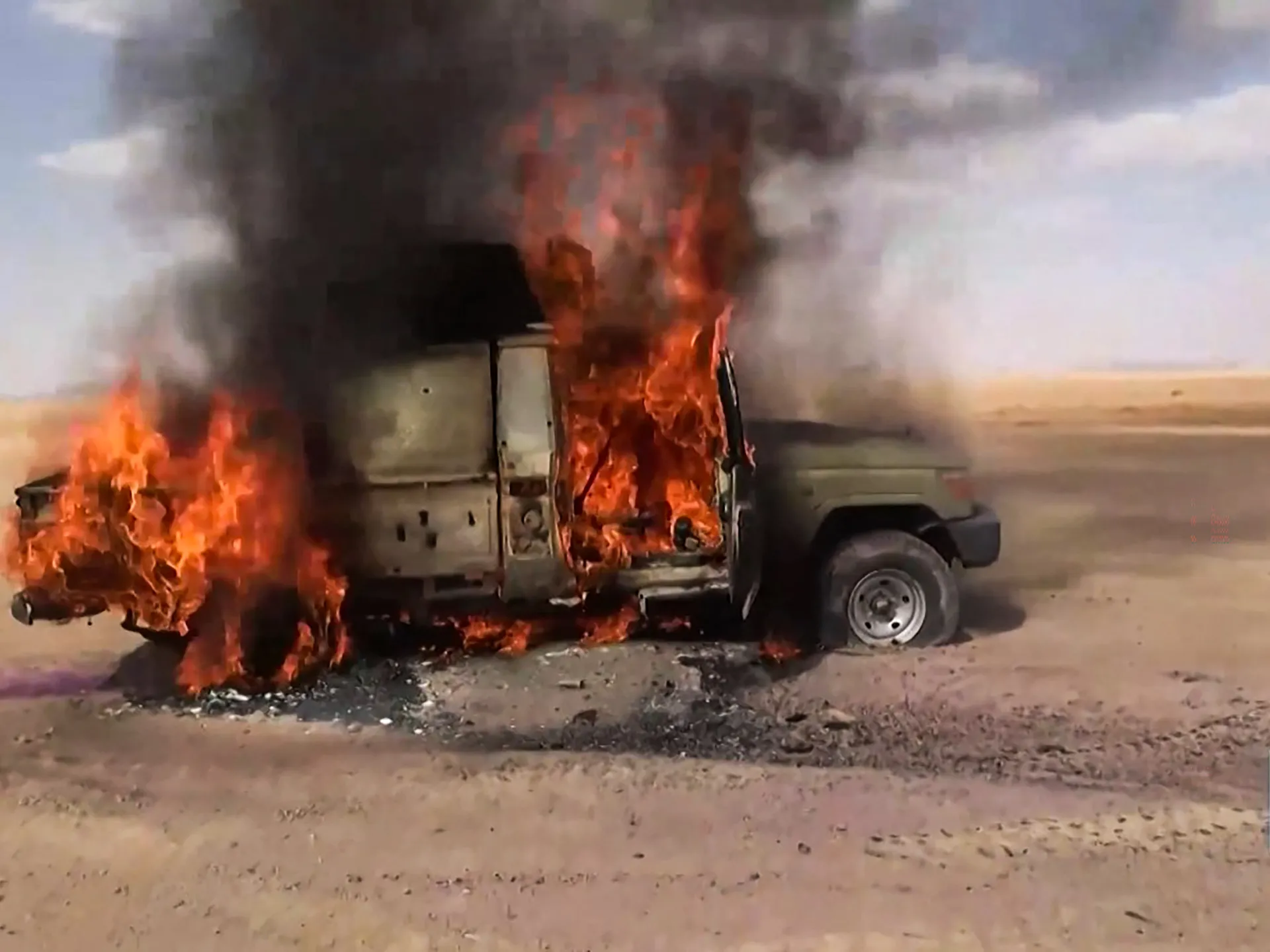
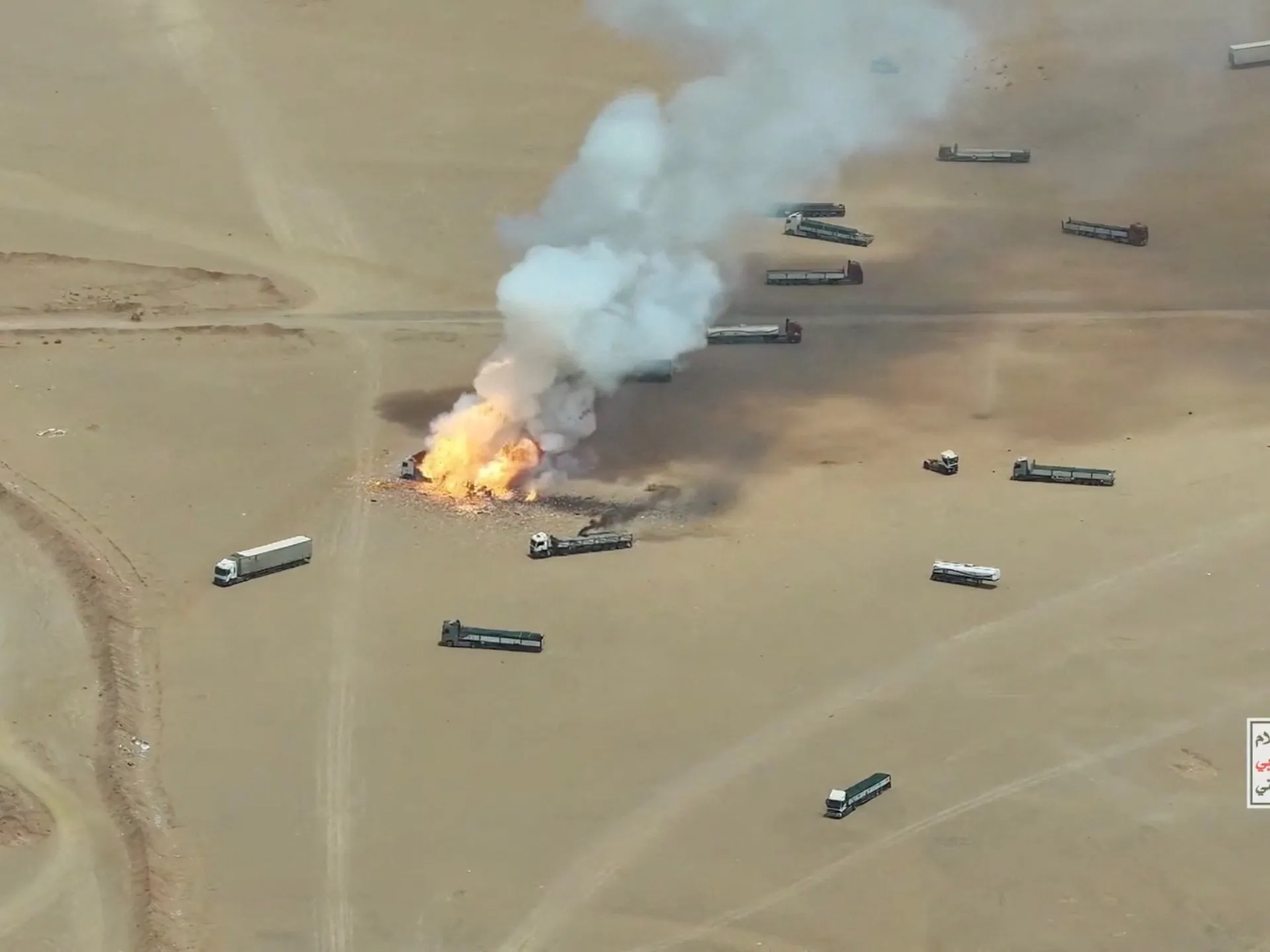
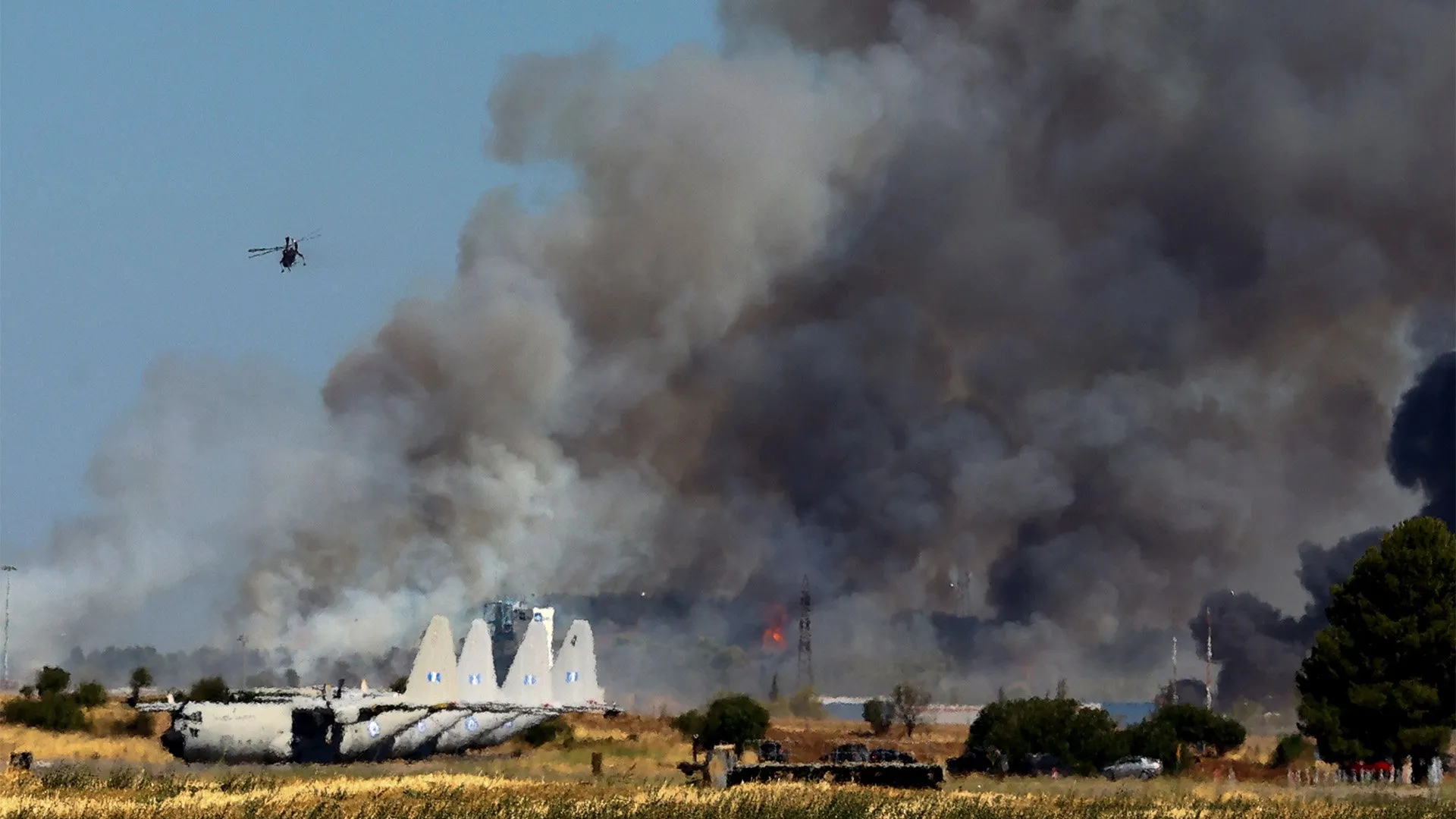
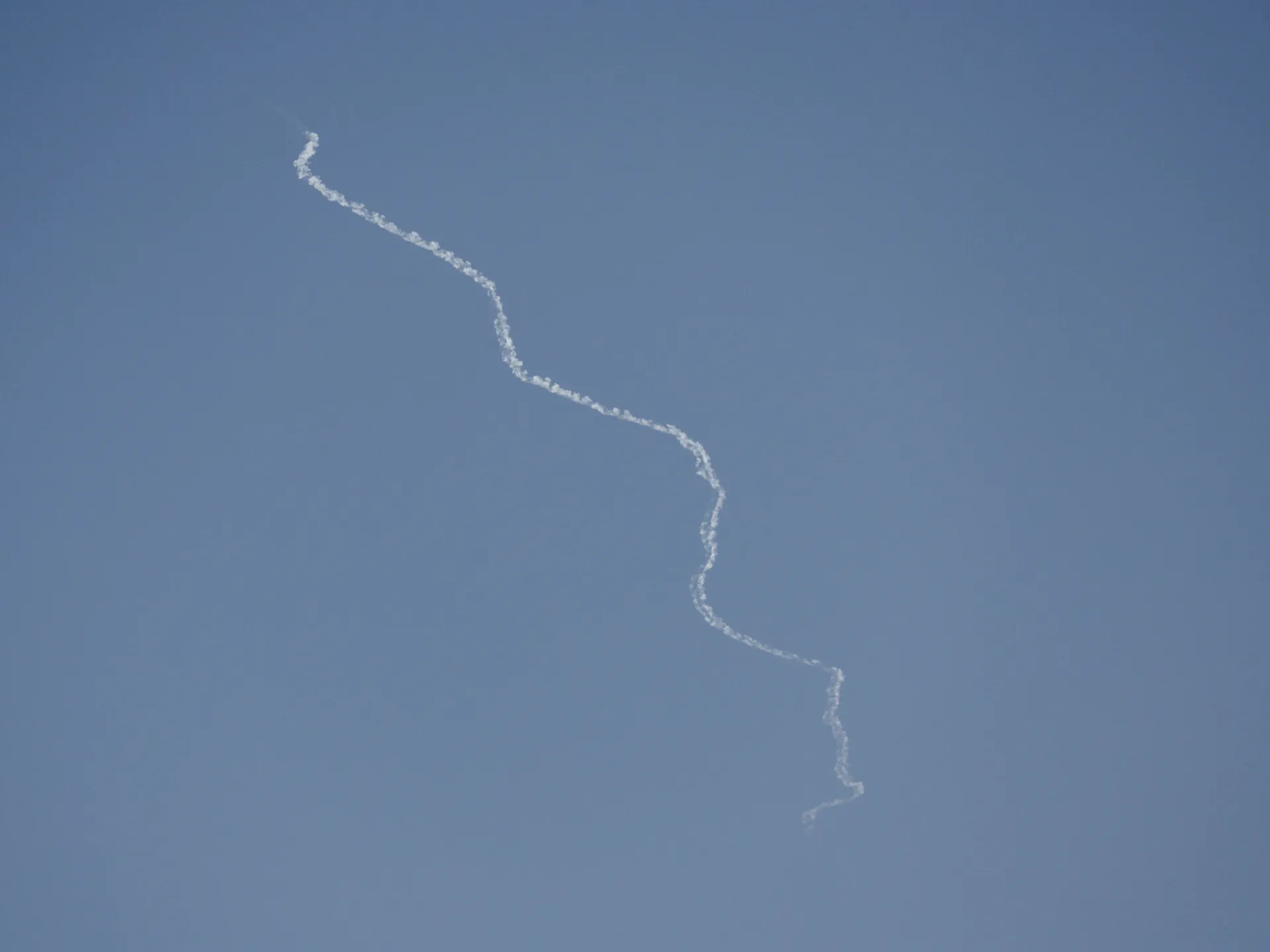
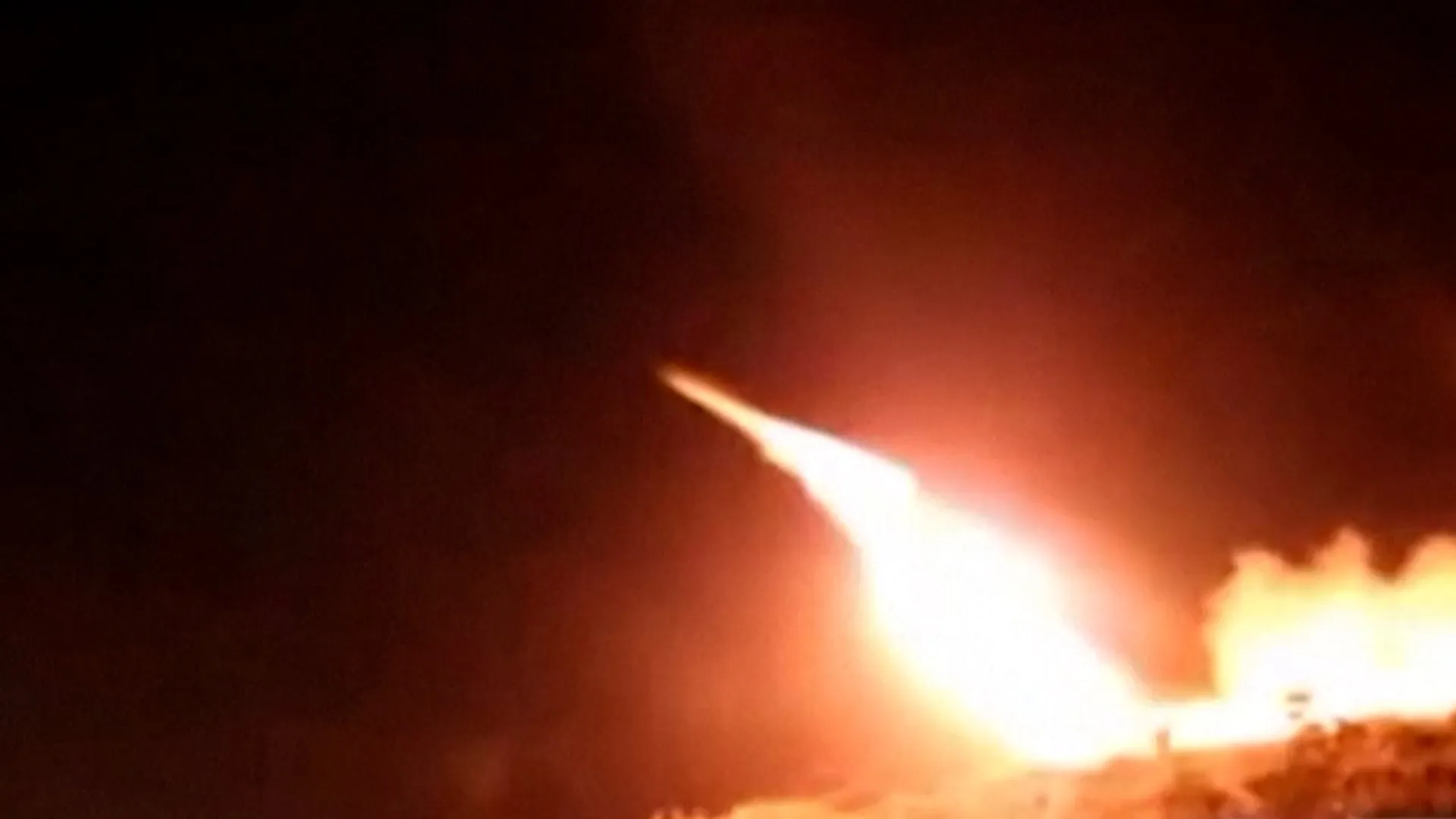
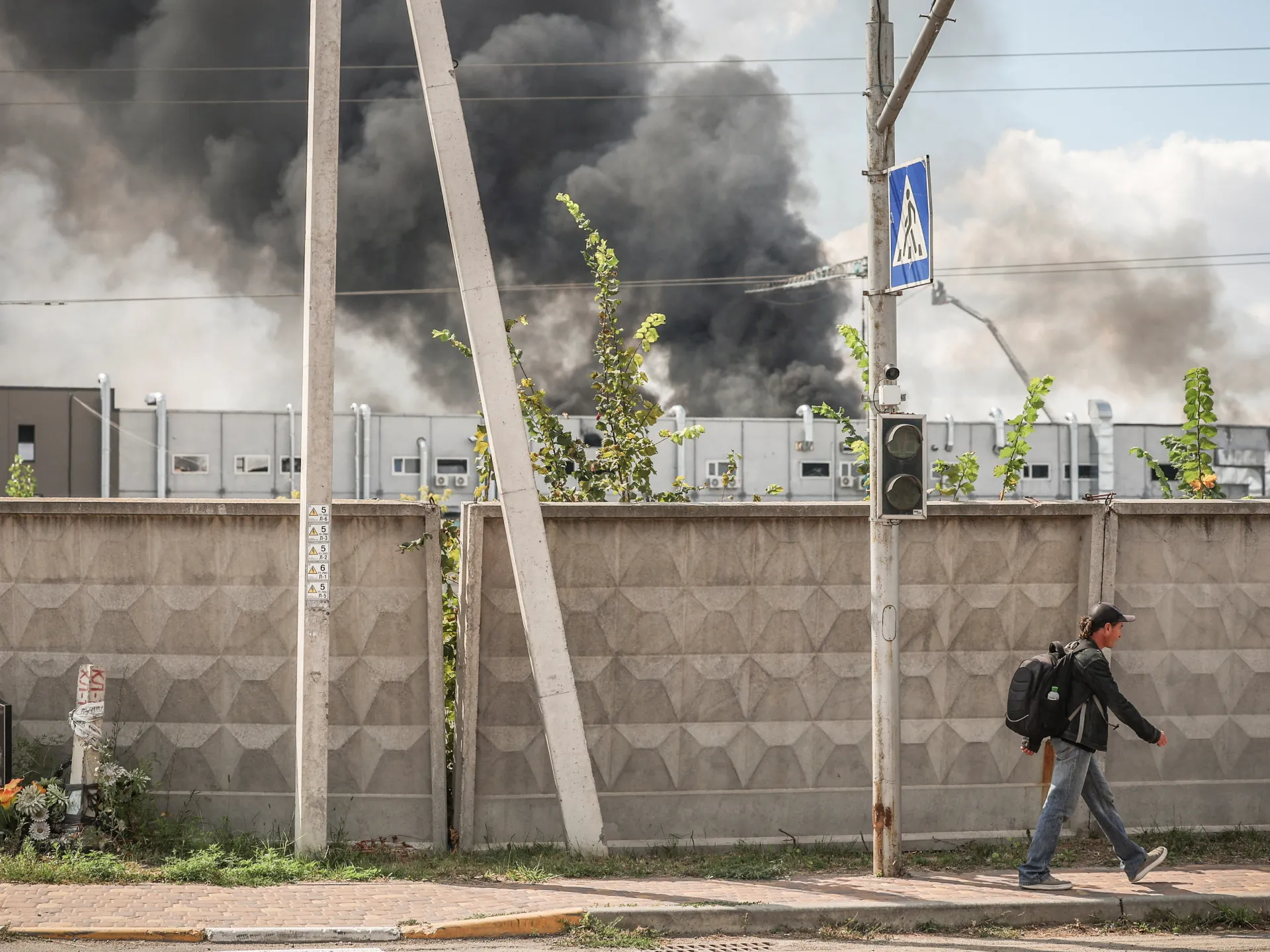
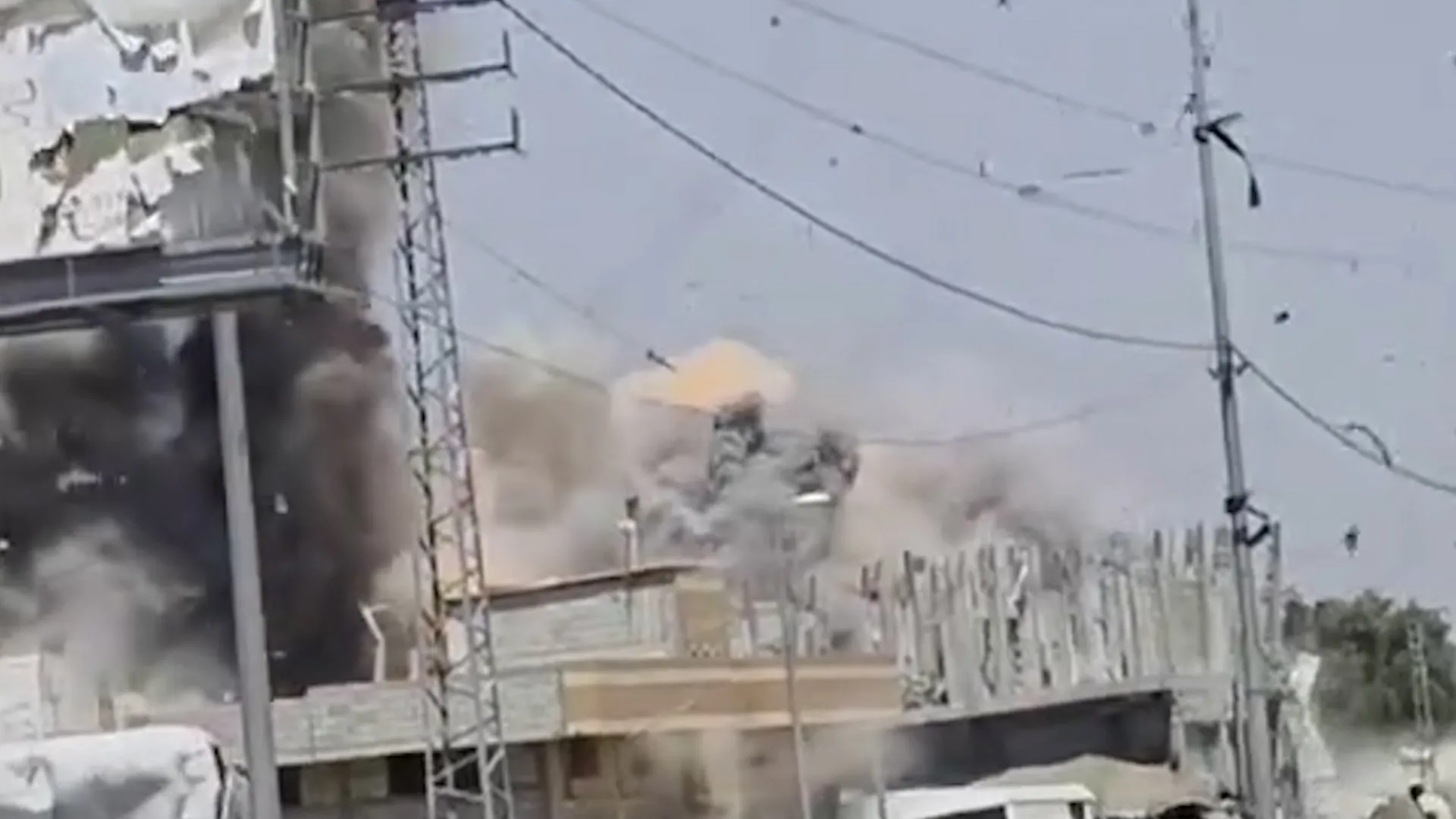
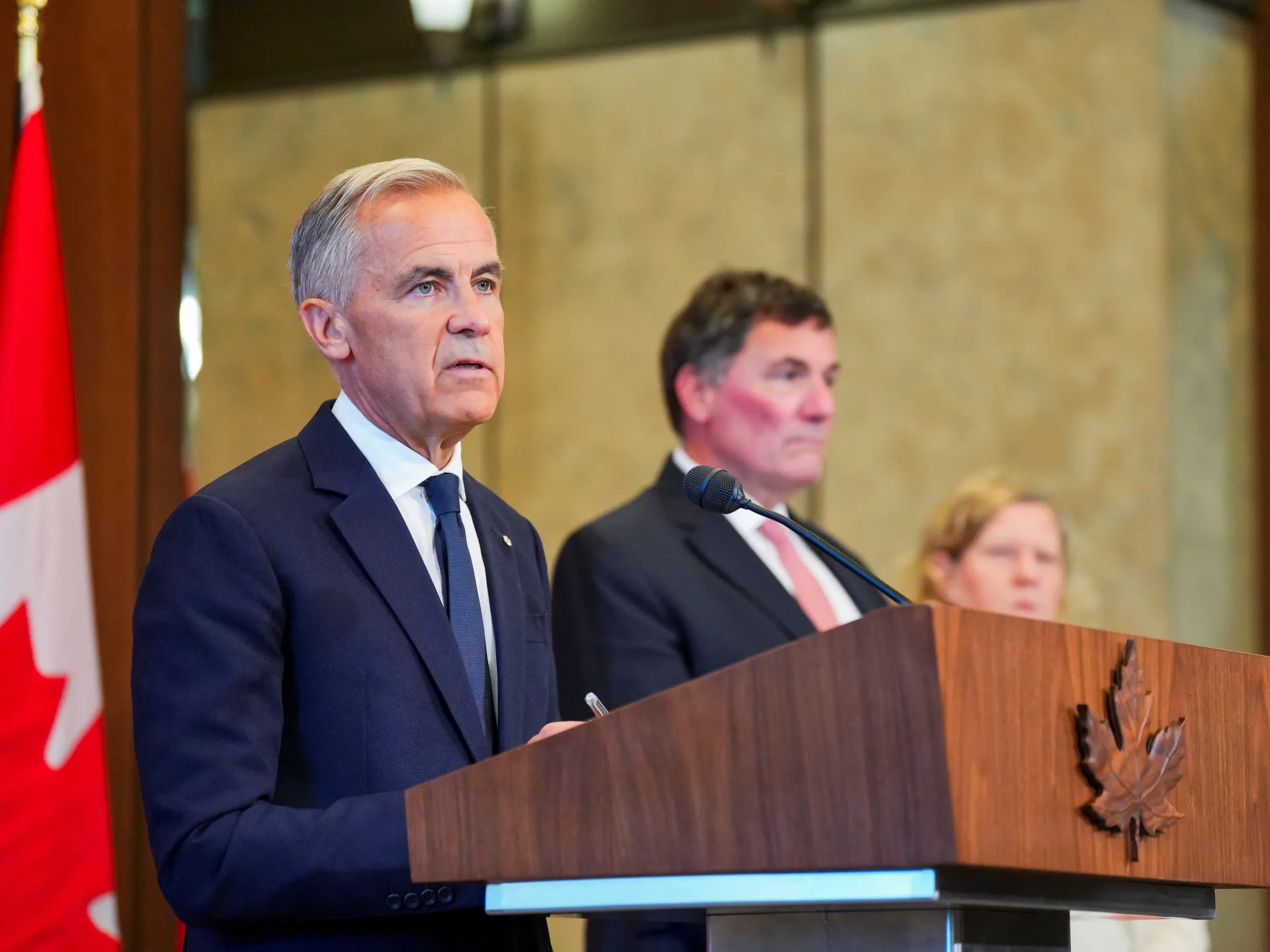
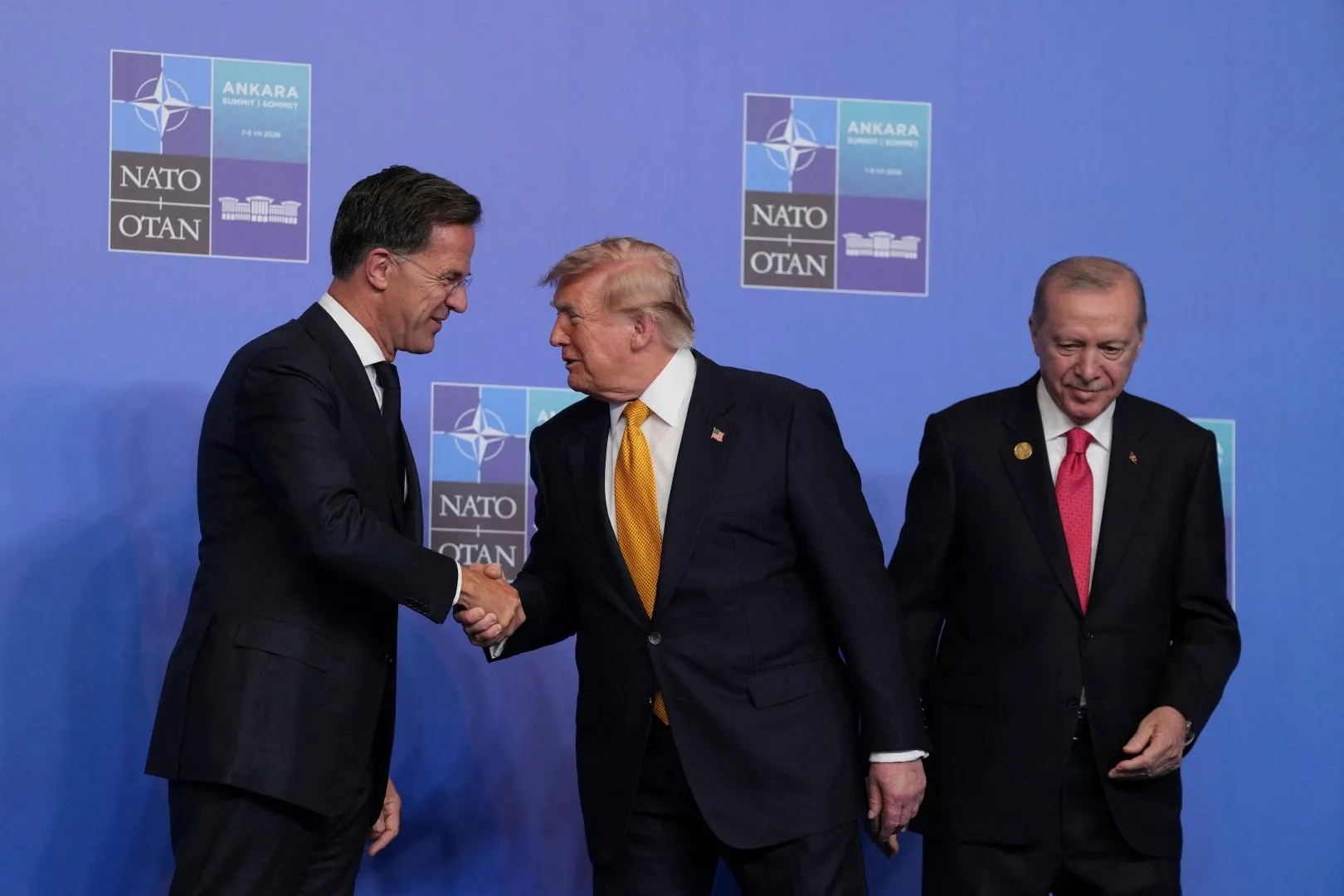
Recent military maneuvers near the Ukrainian-Polish border have prompted a swift response from NATO leadership, as alliance officials condemn the latest wave of Russian drone strikes. The attacks, which targeted transportation infrastructure in close proximity to NATO territory, have heightened concerns regarding the potential for conflict spillover. Secretary-General Mark Rutte characterized the Russian actions as an act of desperation, emphasizing that such tactics will not weaken the collective resolve of the 32-member military alliance to continue its support for Kyiv.
The severity of the situation was underscored iplomatic delegation, including former British Prime Minister Boris Johnson and former Swedish Prime Minister Carl Bildt, only minutes before the impact. This proximity to international figures and the vulnerability of transit corridors near the border have forced Warsaw to reconsider its immediate security posture. In response, Polish authorities have already committed to a significant reinforcement of their border defenses to prevent further incursions or accidental escalations.
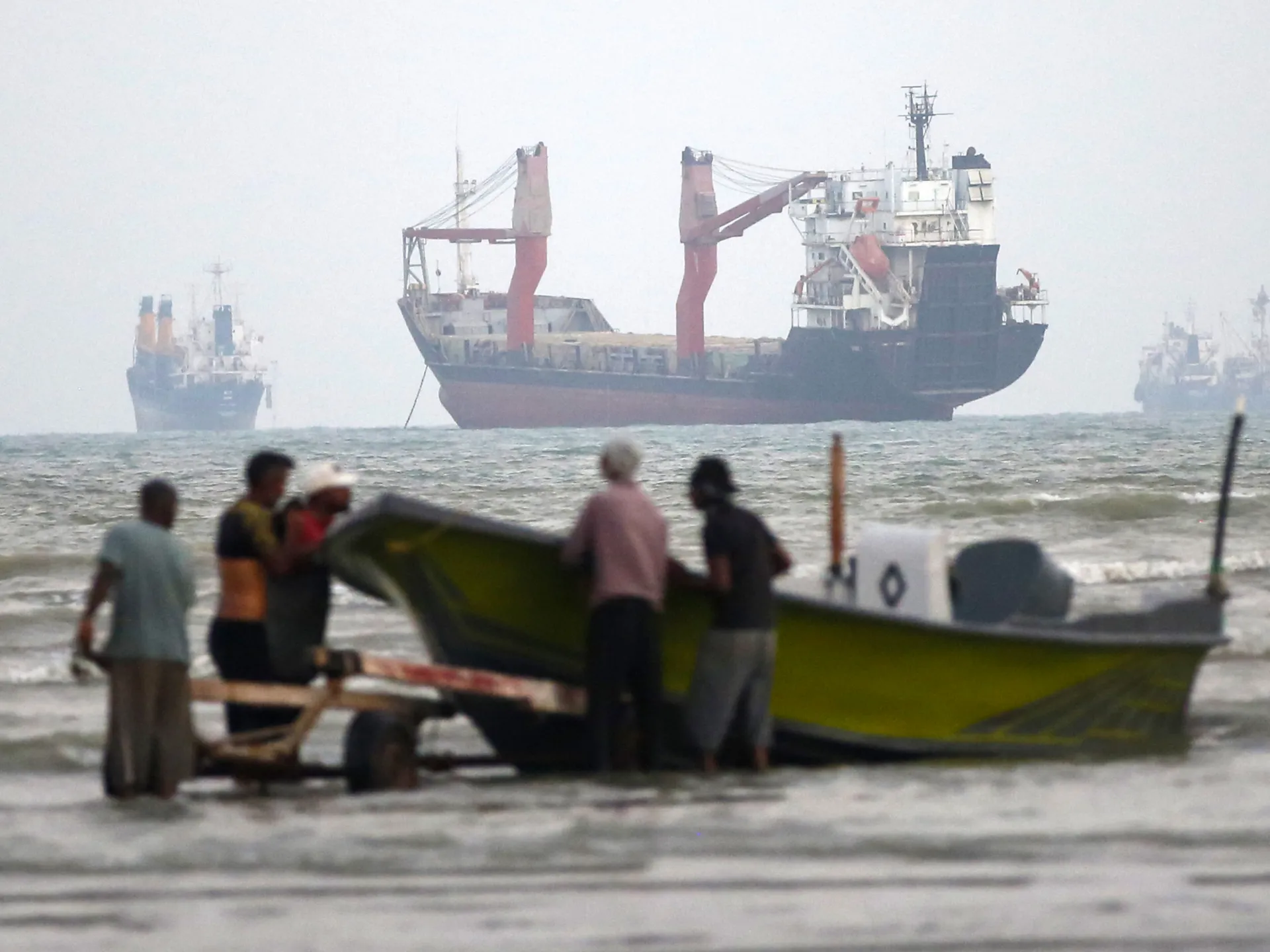
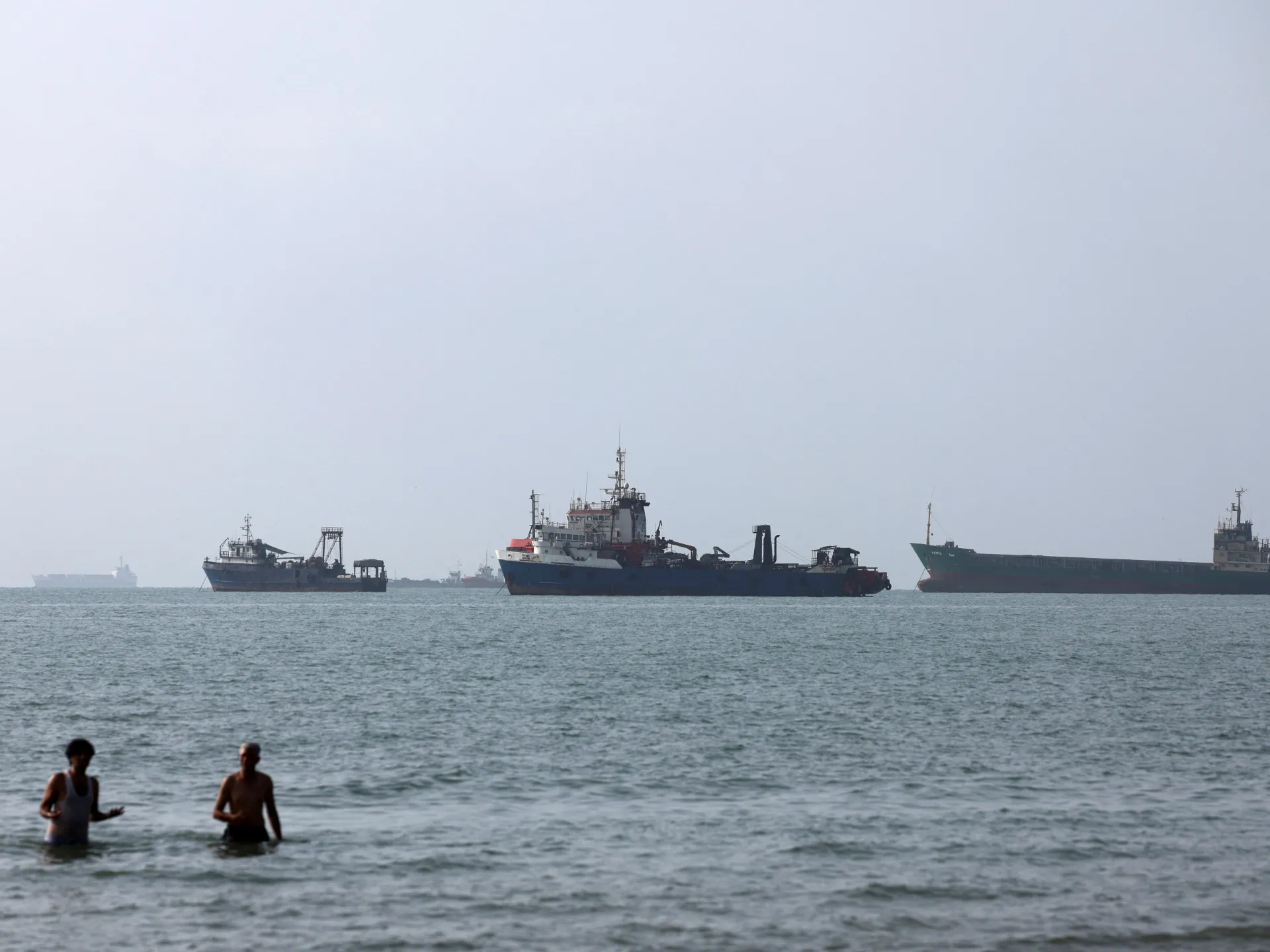
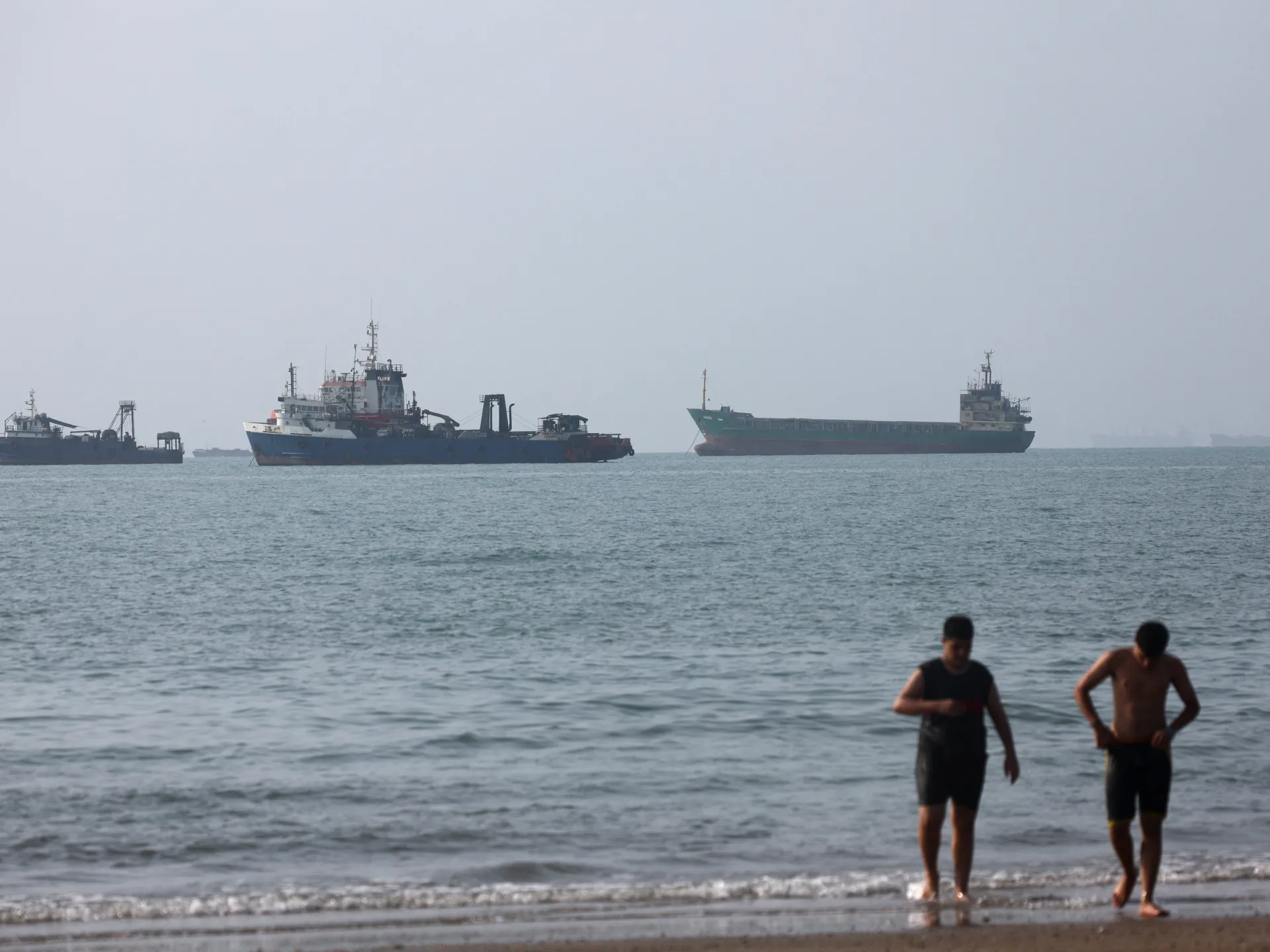
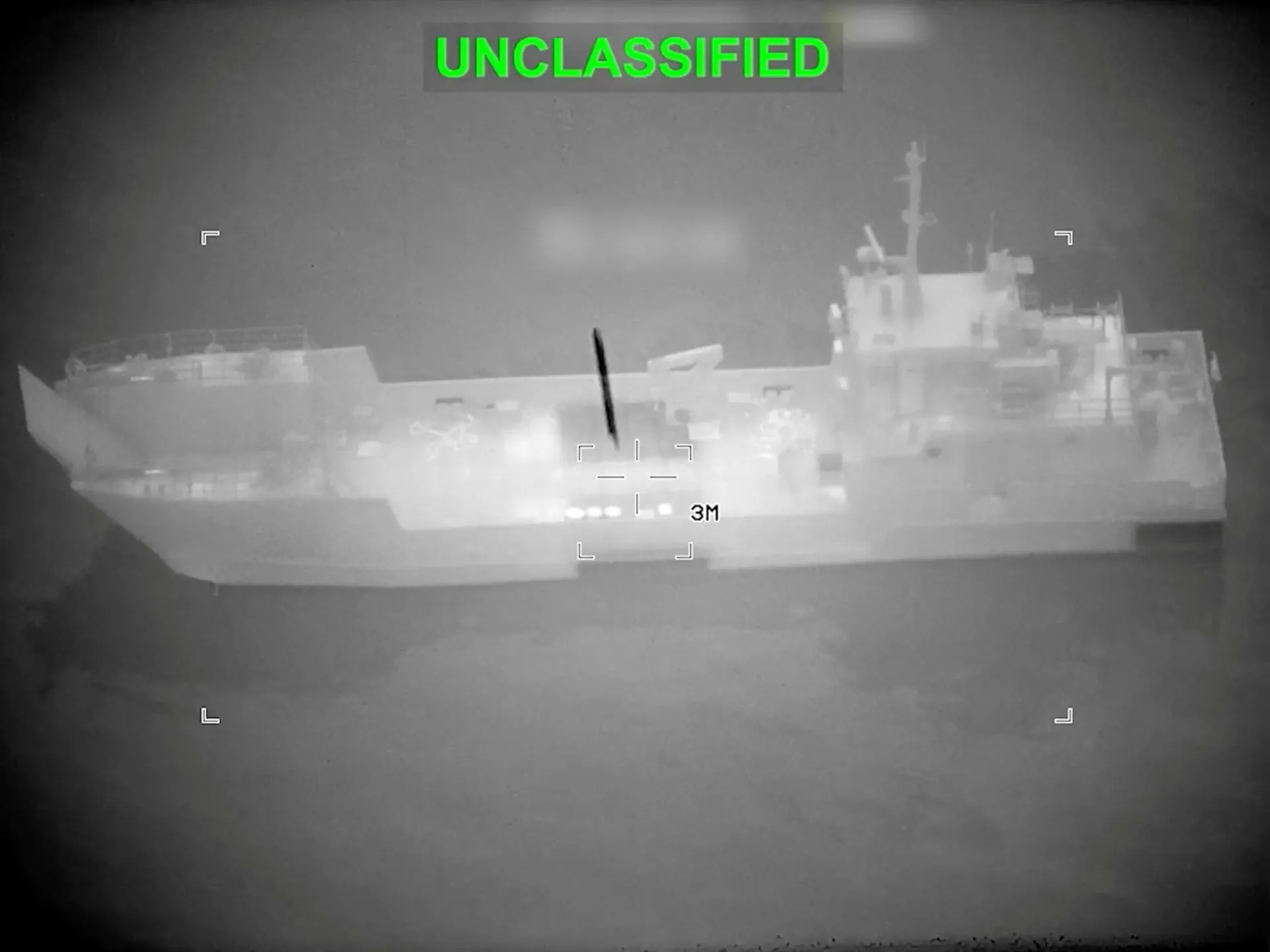
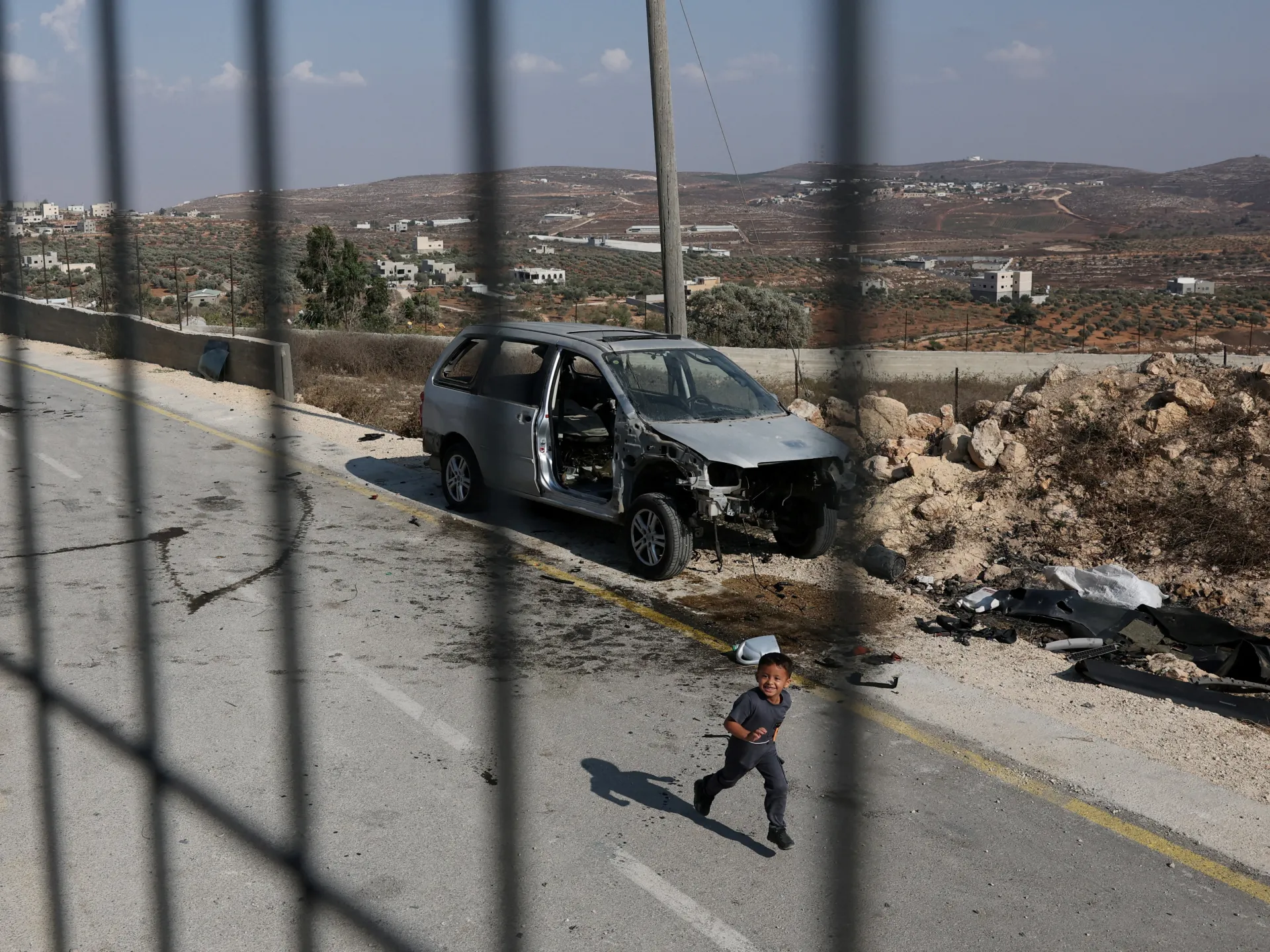
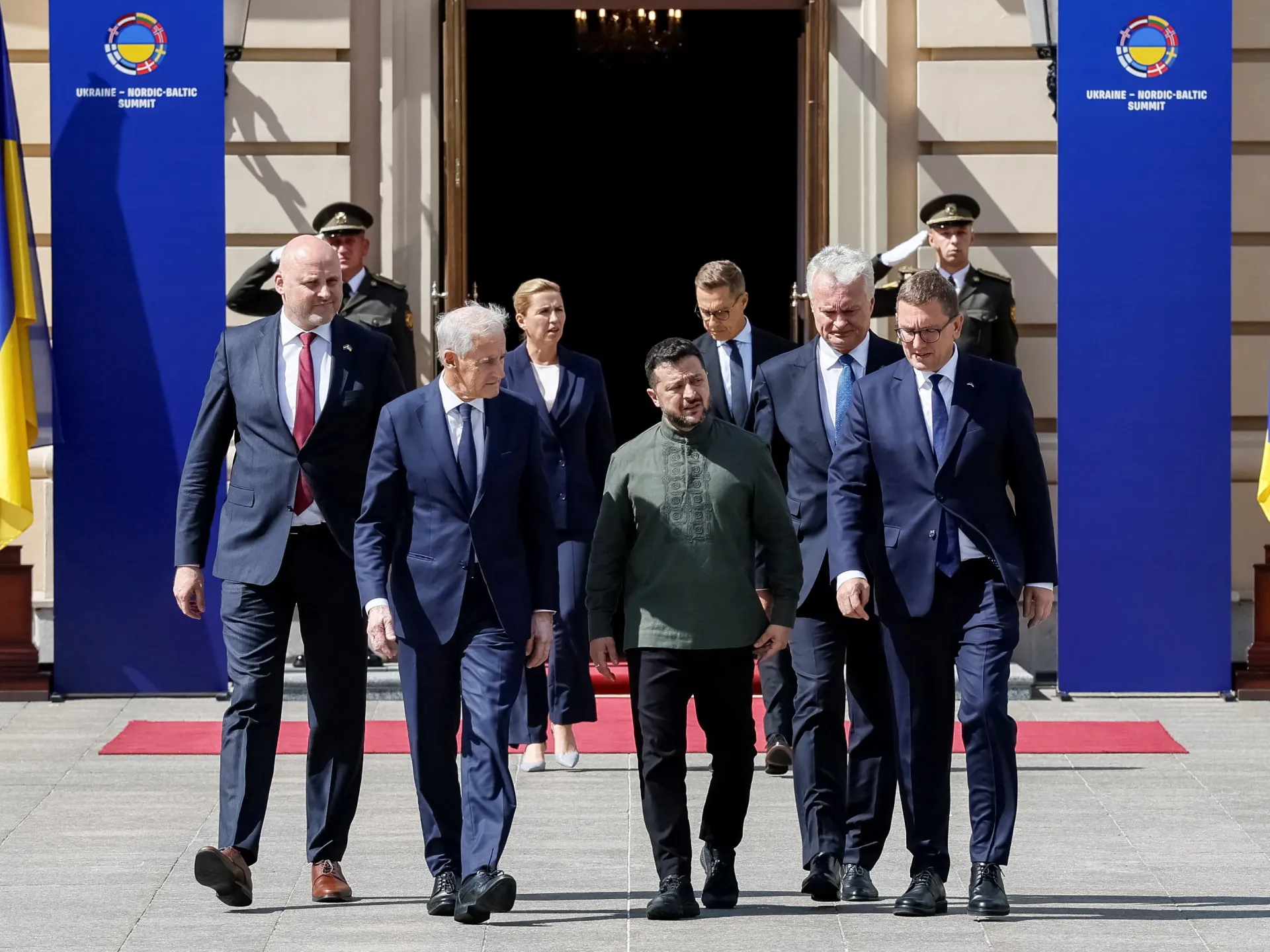
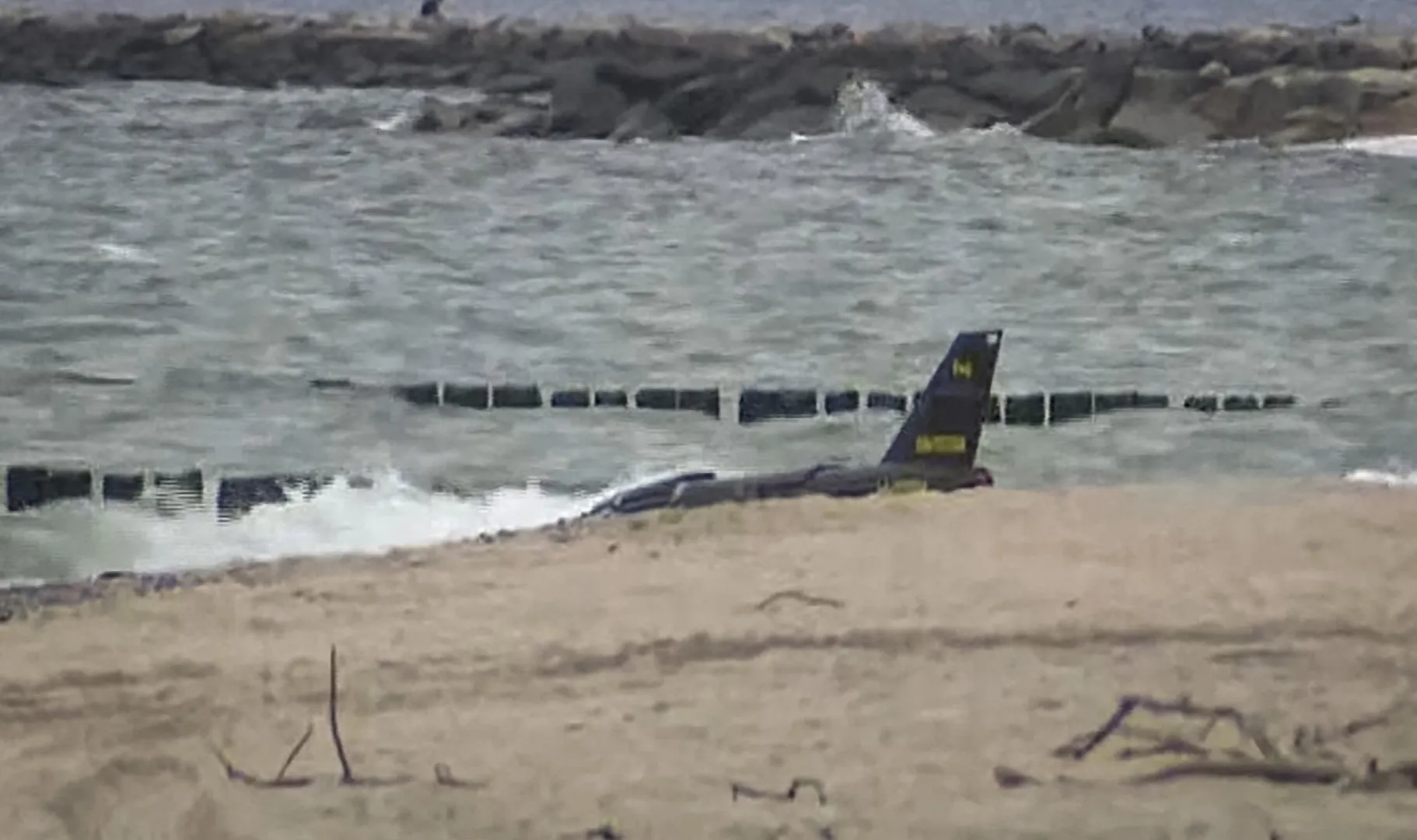
Beyond the immediate strikes, the discovery of a suspected Russian military drone in the Baltic Sea near Jaroslawiec has further complicated the regional security landscape. Polish Defense Minister Wladyslaw Kosiniak-Kamysz confirmed the recovery of the device, signaling that the Russian military presence is increasingly encroaching upon the maritime and terrestrial borders of NATO members. These developments have led European Union officials, including top diplomat Kaja Kallas, to reiterate that intimidation tactics will not succeed in deterring the West from its commitment to Ukrainian sovereignty.
Polish Prime Minister Donald Tusk has issued a stern warning regarding the trajectory of the conflict, suggesting that Moscow is preparing for an intensified campaign targeting western Ukrainian regions. According to recent intelligence reports, which include briefings from the CIA, there is a growing expectation that Russia will focus on sabotage efforts and strikes against border infrastructure to disrupt the flow of aid and discourage European nations from maintaining their current levels of support. Warsaw is currently in active consultations with its NATO allies to develop a unified framework for a potential joint response should the aggression continue to spill over.
The Kremlin, for its part, has maintained a defiant stance. Spokesman Dmitry Peskov stated that Russian military operations will continue across the entirety of Ukraine, dismissing international concerns about the proximity of the strikes to NATO borders. This ongoing campaign of pressure is viewed tics while simultaneously testing the cohesion and reaction times of the North Atlantic alliance in its eastern sectors.
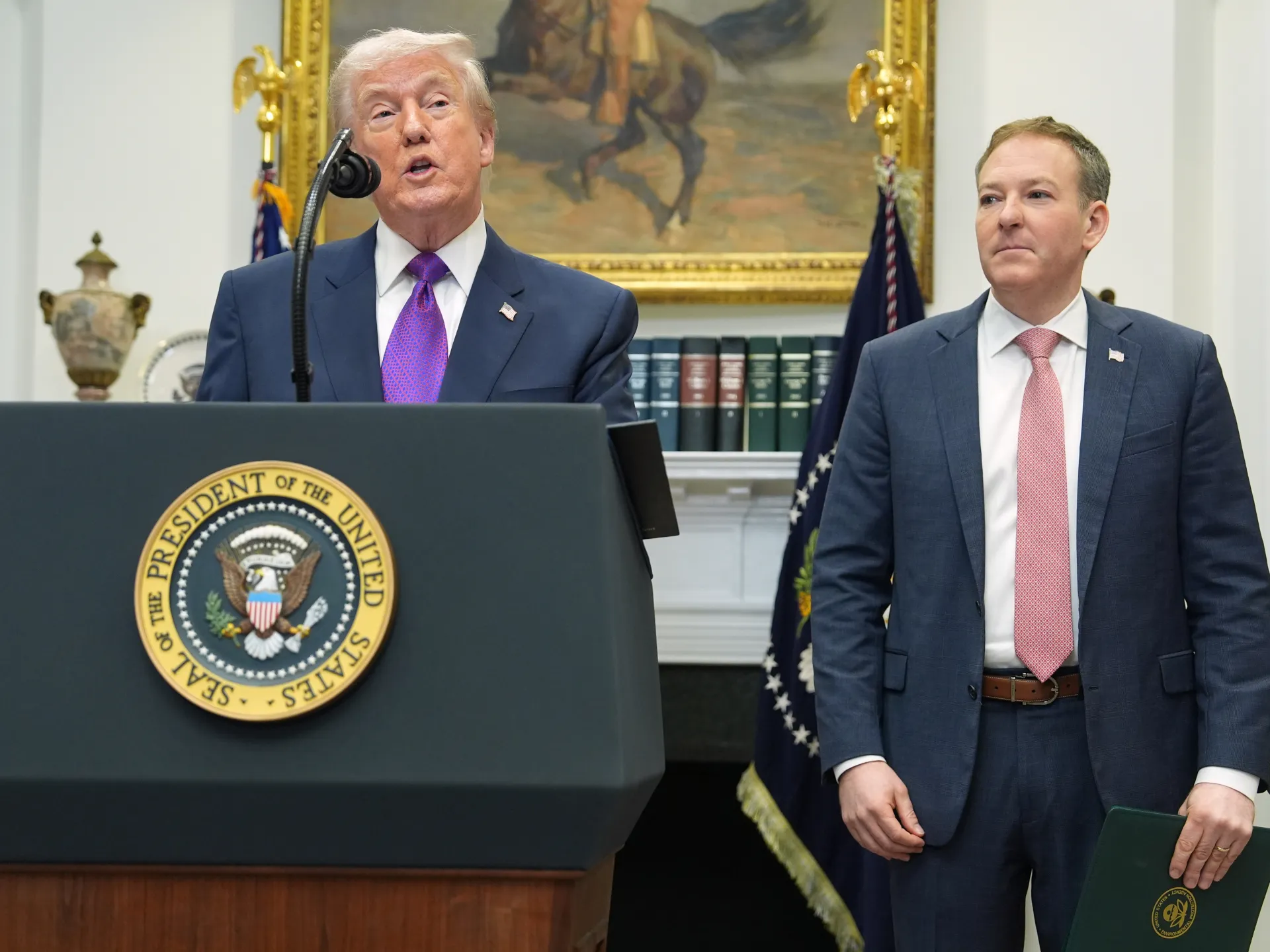
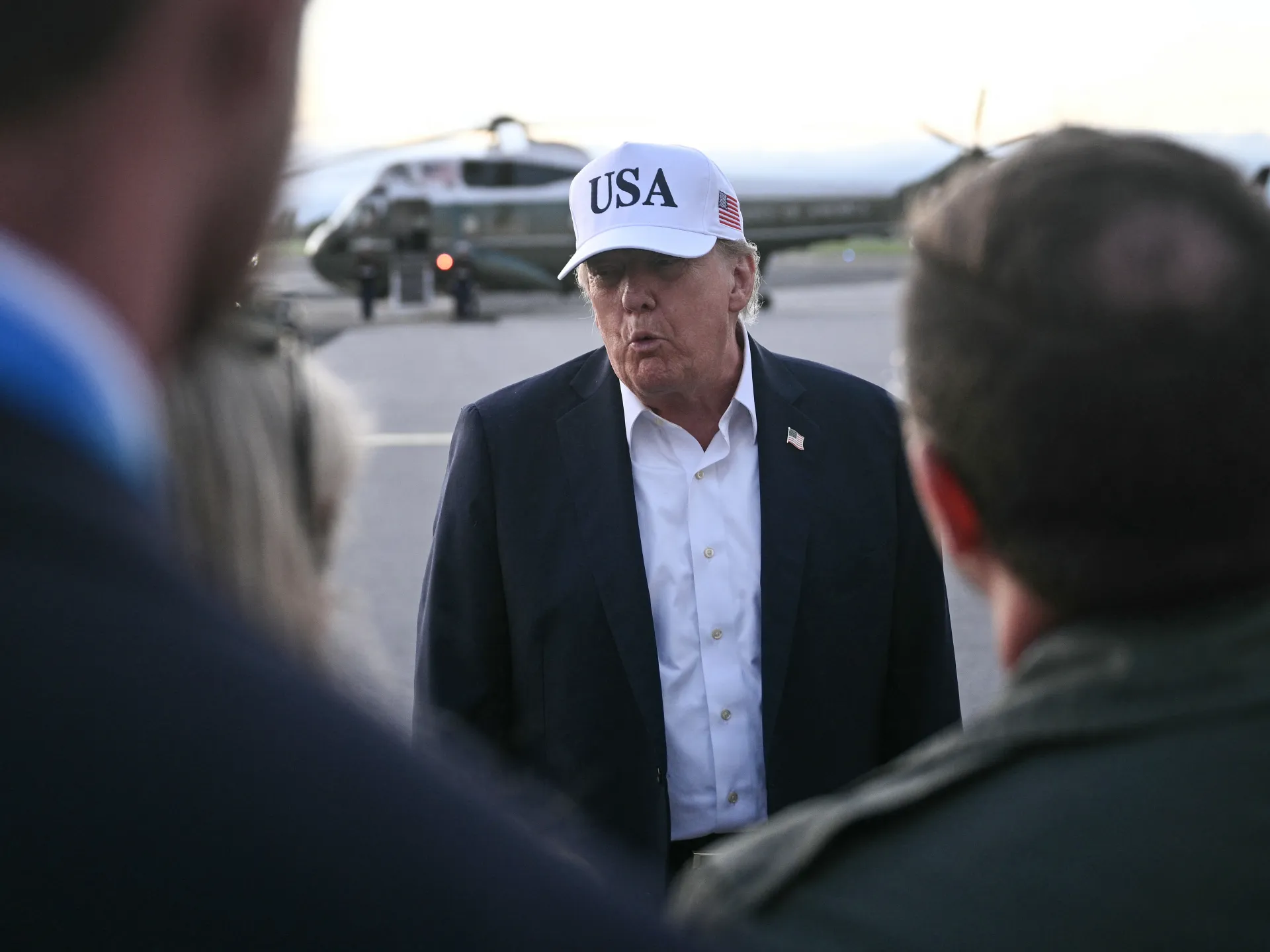
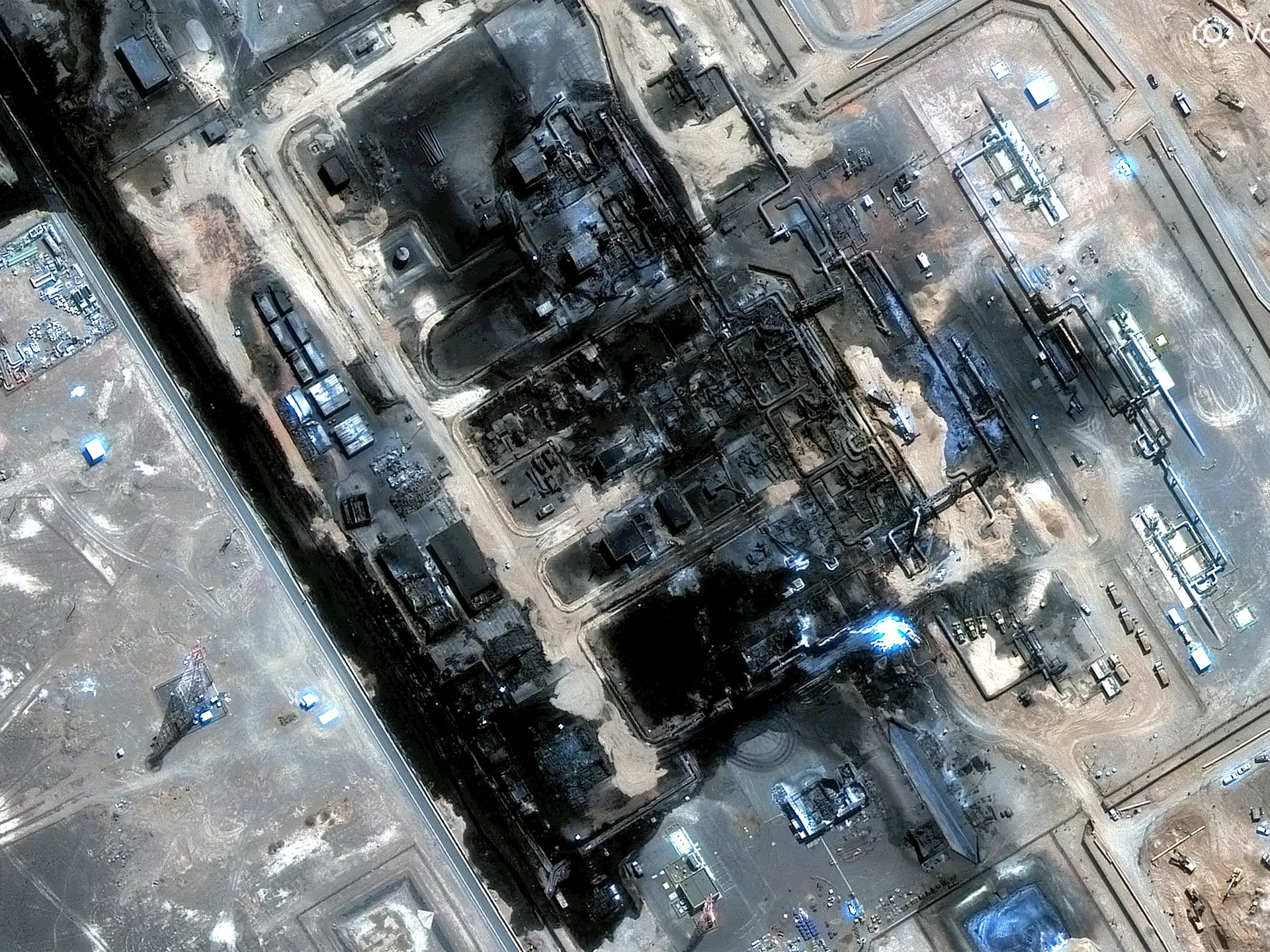
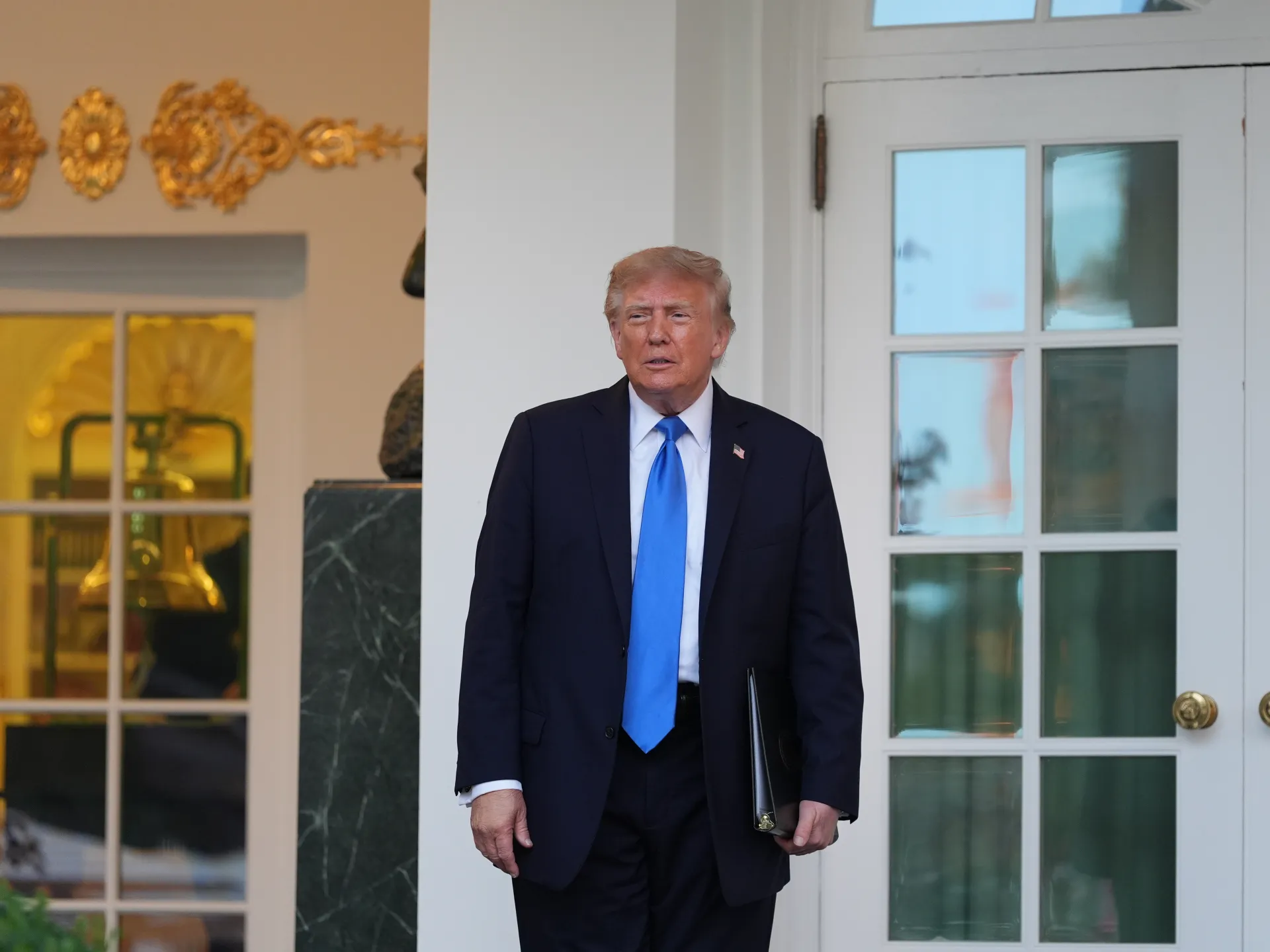
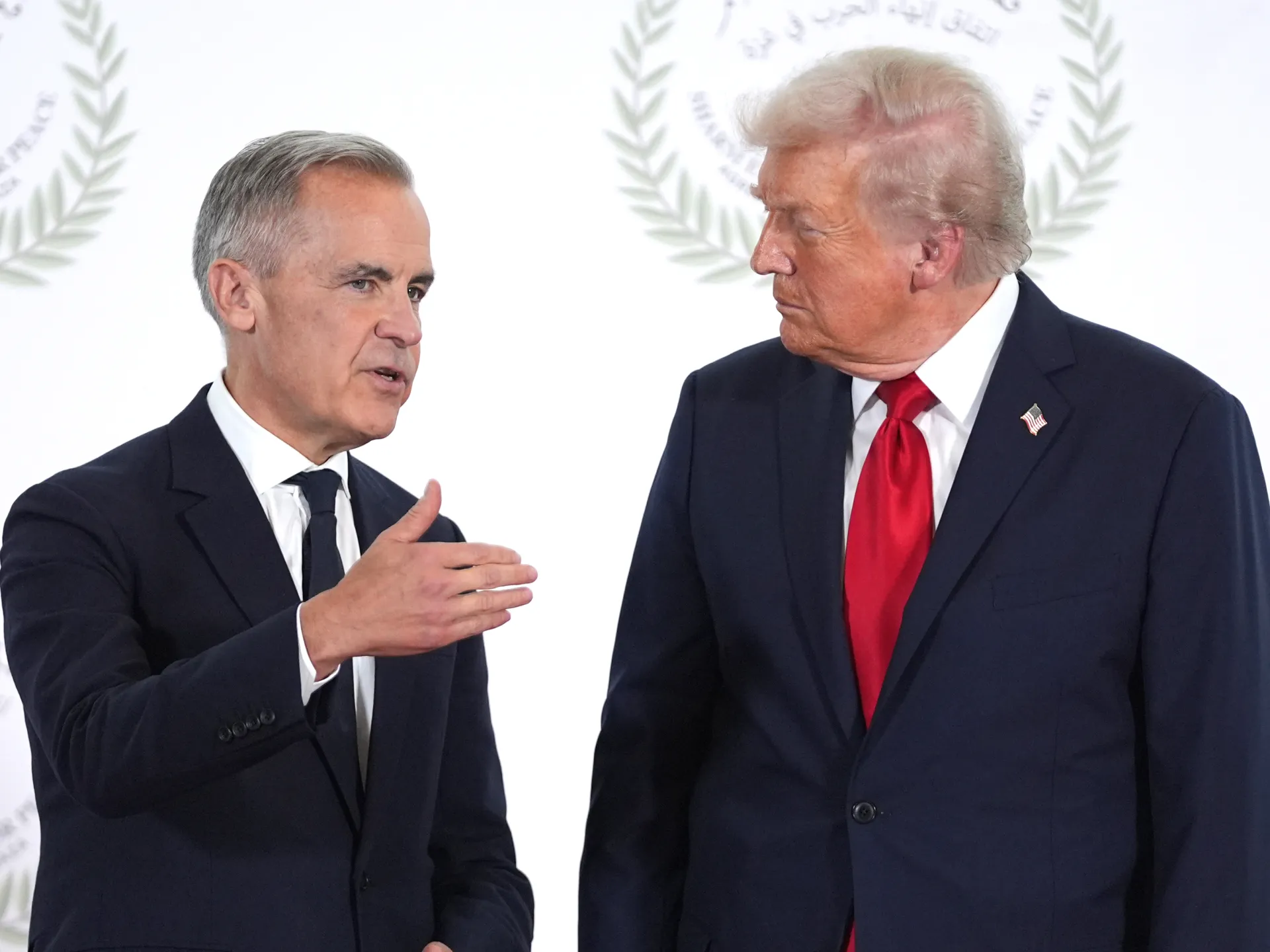
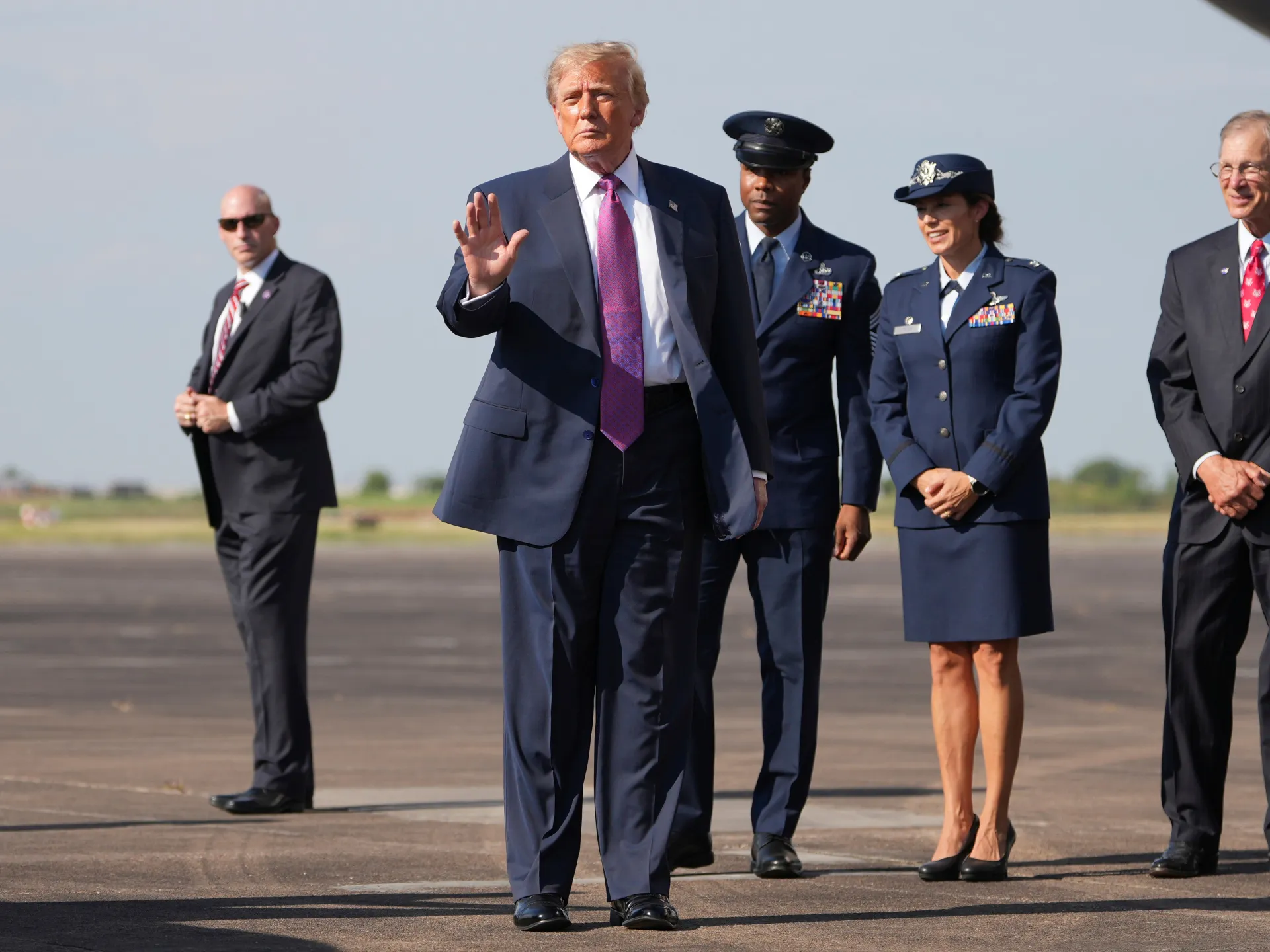
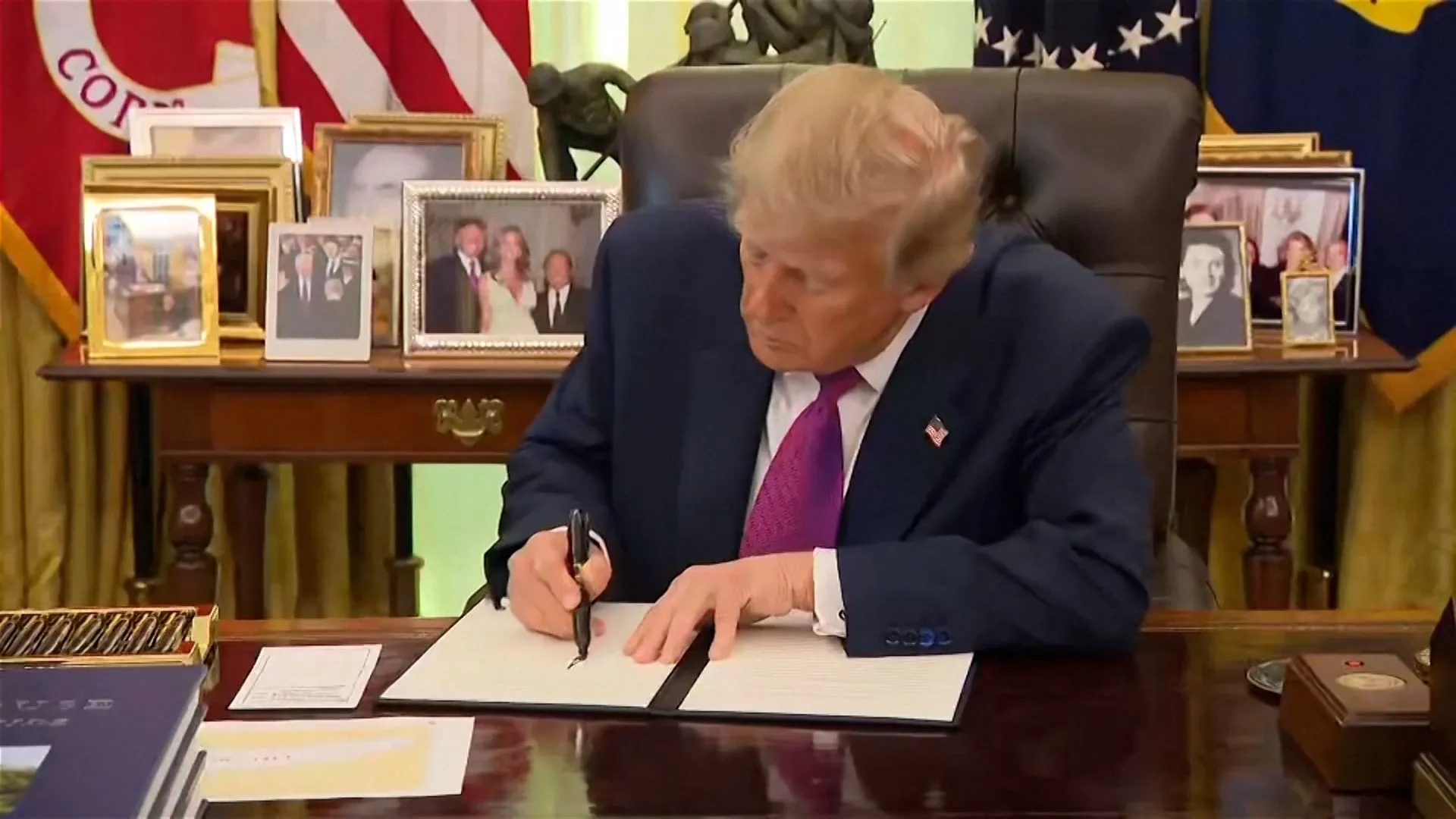
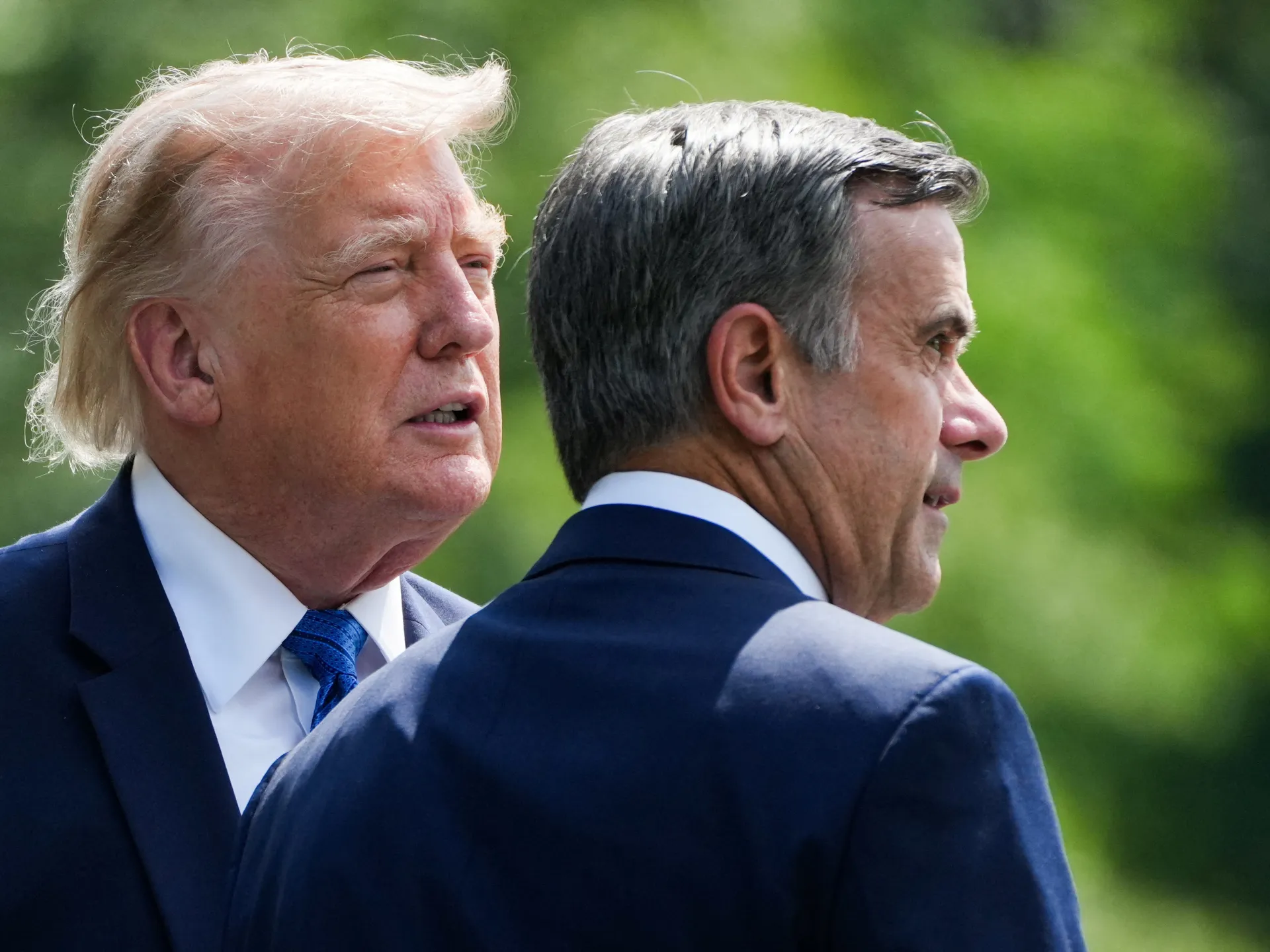
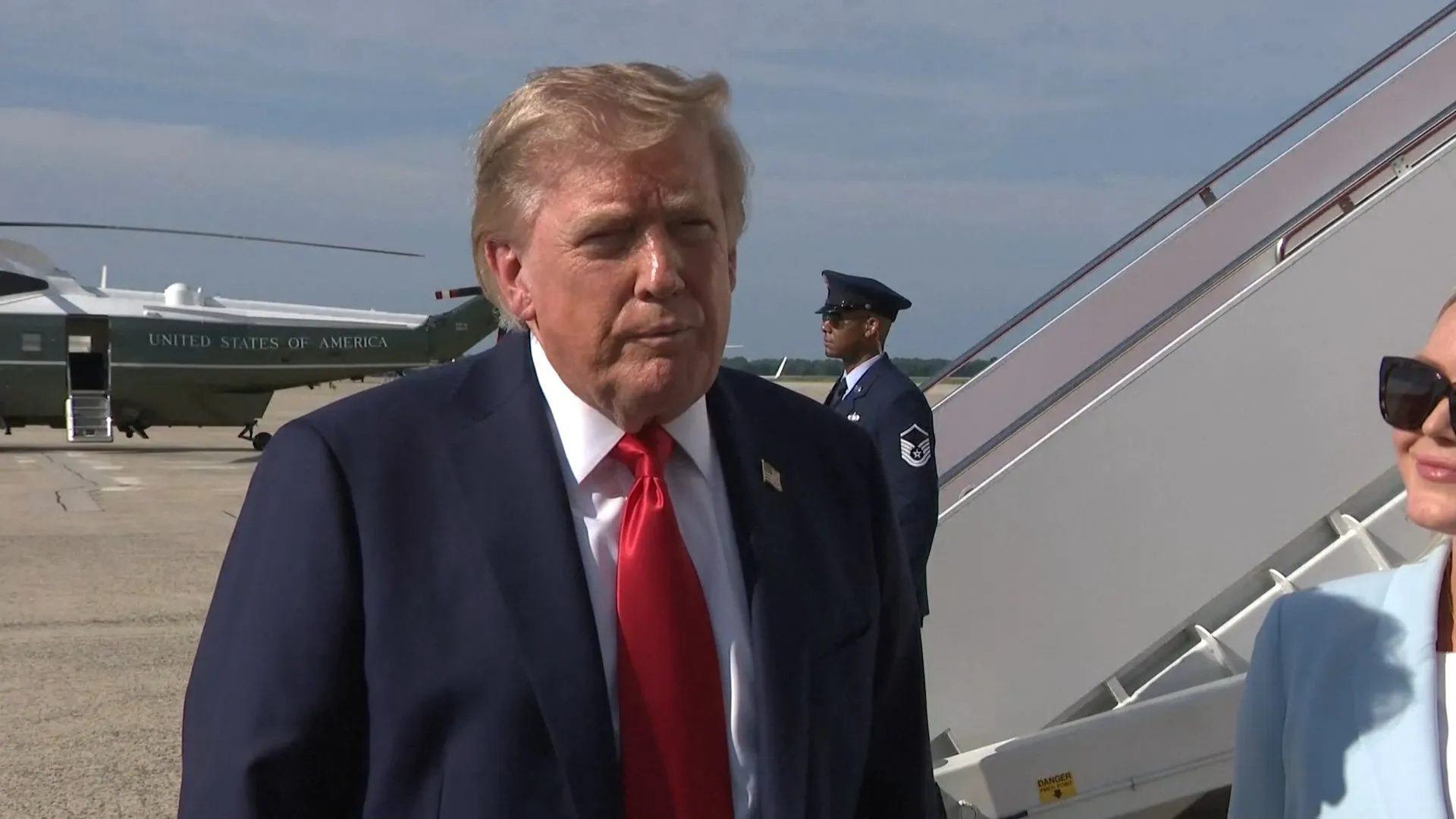
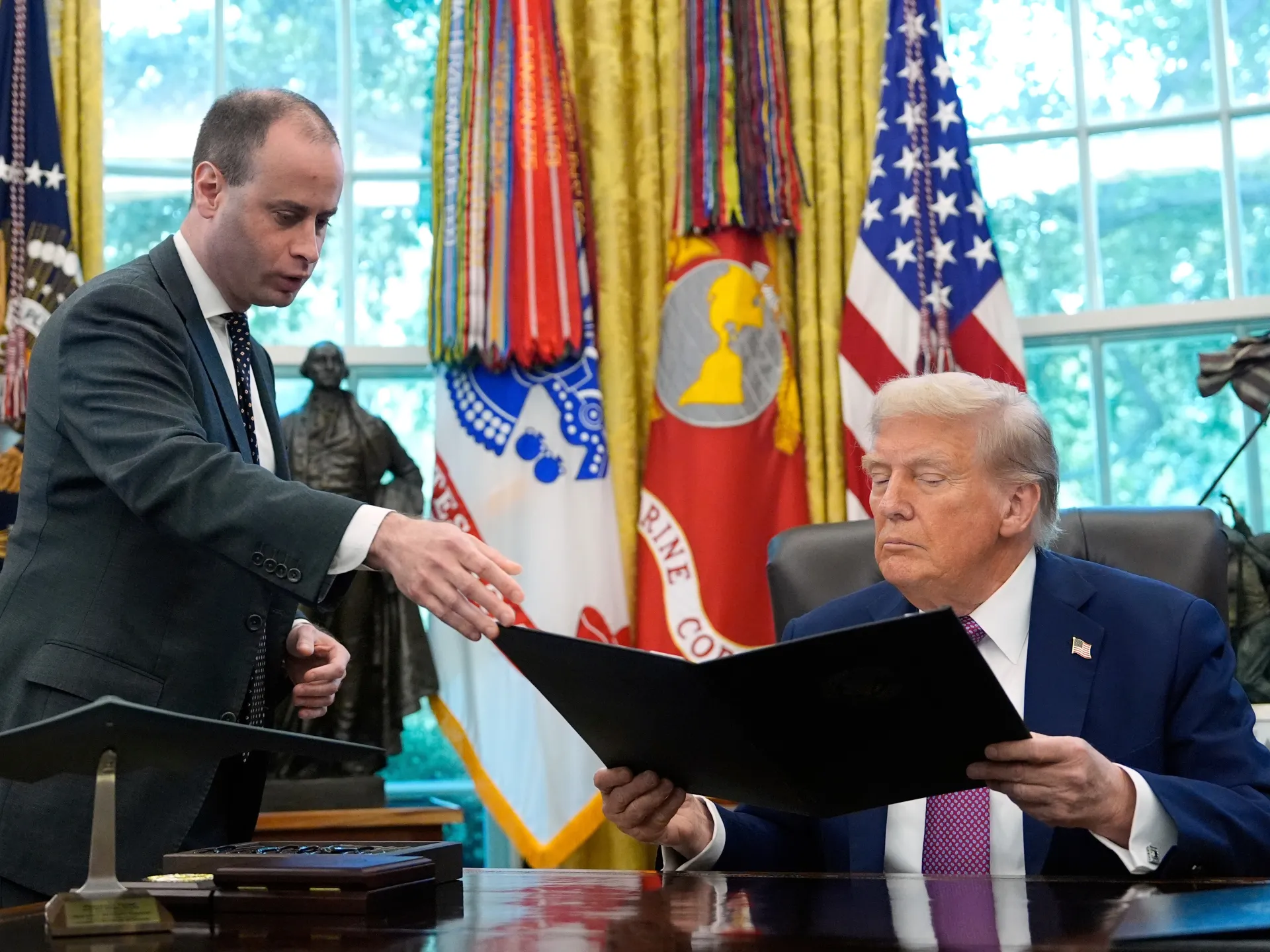
Amidst the military volatility, a new diplomatic narrative has emerged regarding the future of energy infrastructure strikes. United States President Donald Trump recently claimed that both Kyiv and Moscow have reached a preliminary agreement to refrain from targeting each other’s energy facilities. This development appears to be tied to broader domestic economic concerns, particularly the rising cost of diesel fuel which has become a focal point in the lead-up to the U.S. midterm elections. While Ukraine has demonstrated success in impacting Russian oil refining capabilities, the potential pause in these strikes is being framed as a possible initial step toward de-escalation.
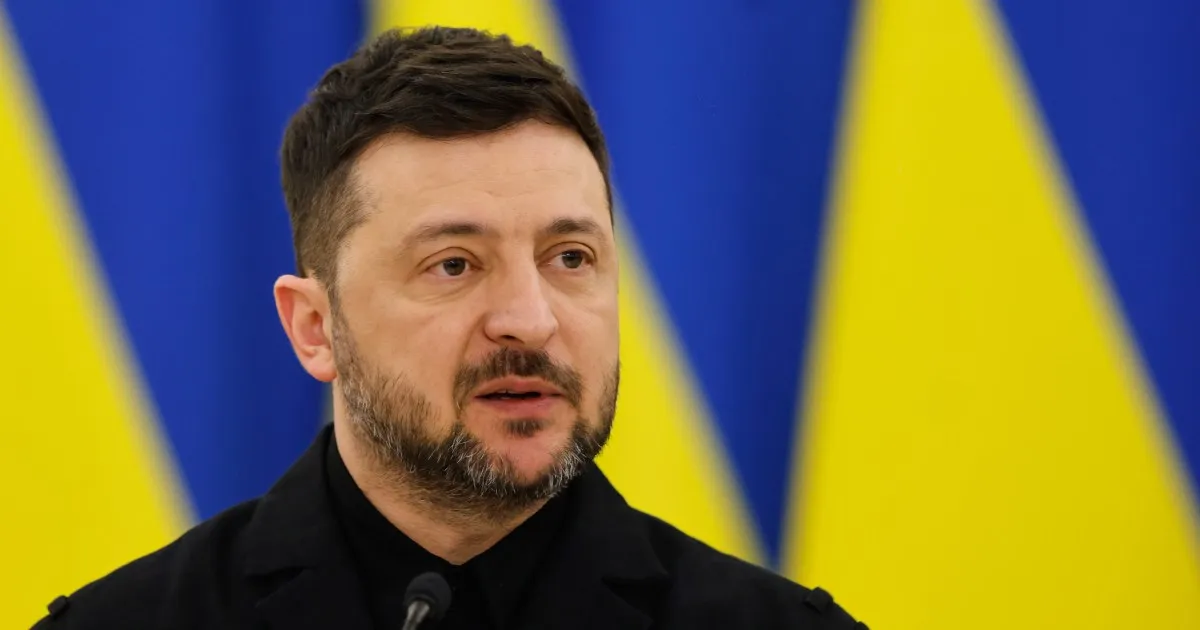
However, the lack of official confirmation from either Moscow or Kyiv regarding this alleged agreement casts doubt on its immediate viability. While President Volodymyr Zelenskyy has expressed interest in a mutual cessation of attacks on critical infrastructure as a potential path to broader peace, the Kremlin continues to demand significant territorial concessions and the demilitarization of Ukraine as prerequisites for any long-term ceasefire. The disconnect between these diplomatic overtures and the reality of ongoing maritime and cross-border skirmishes highlights the significant obstacles remaining in the pursuit of a sustainable peace process.