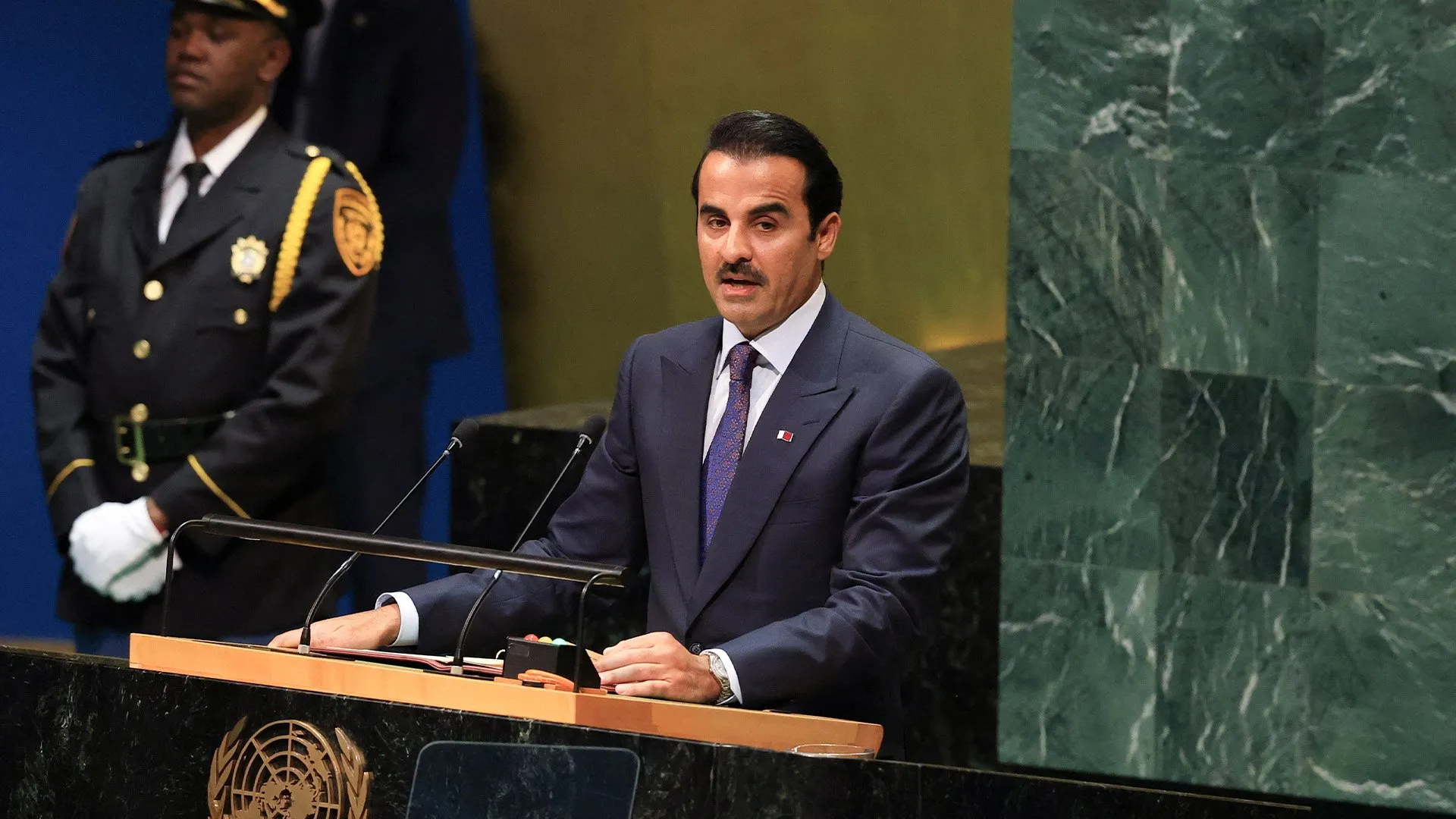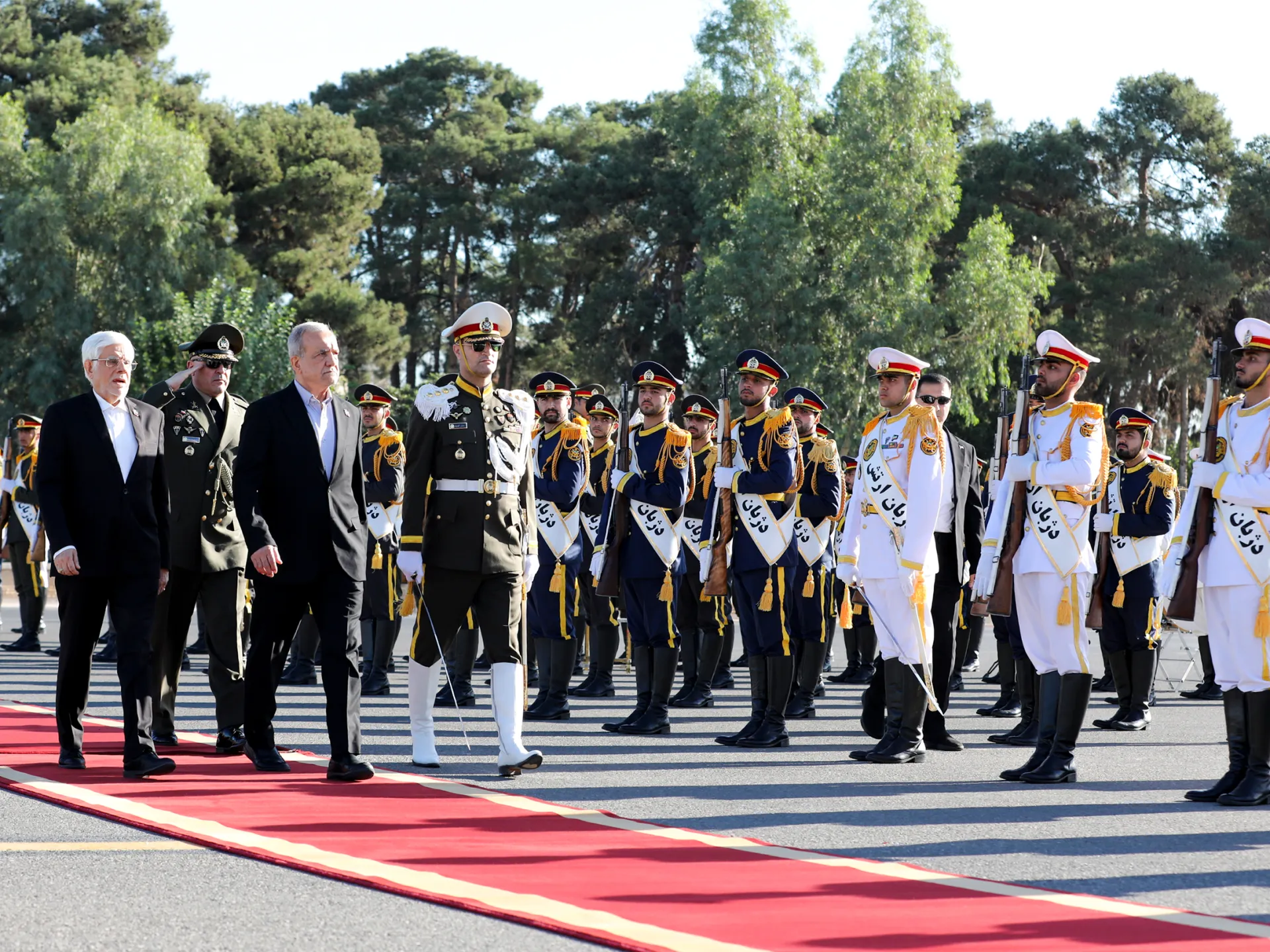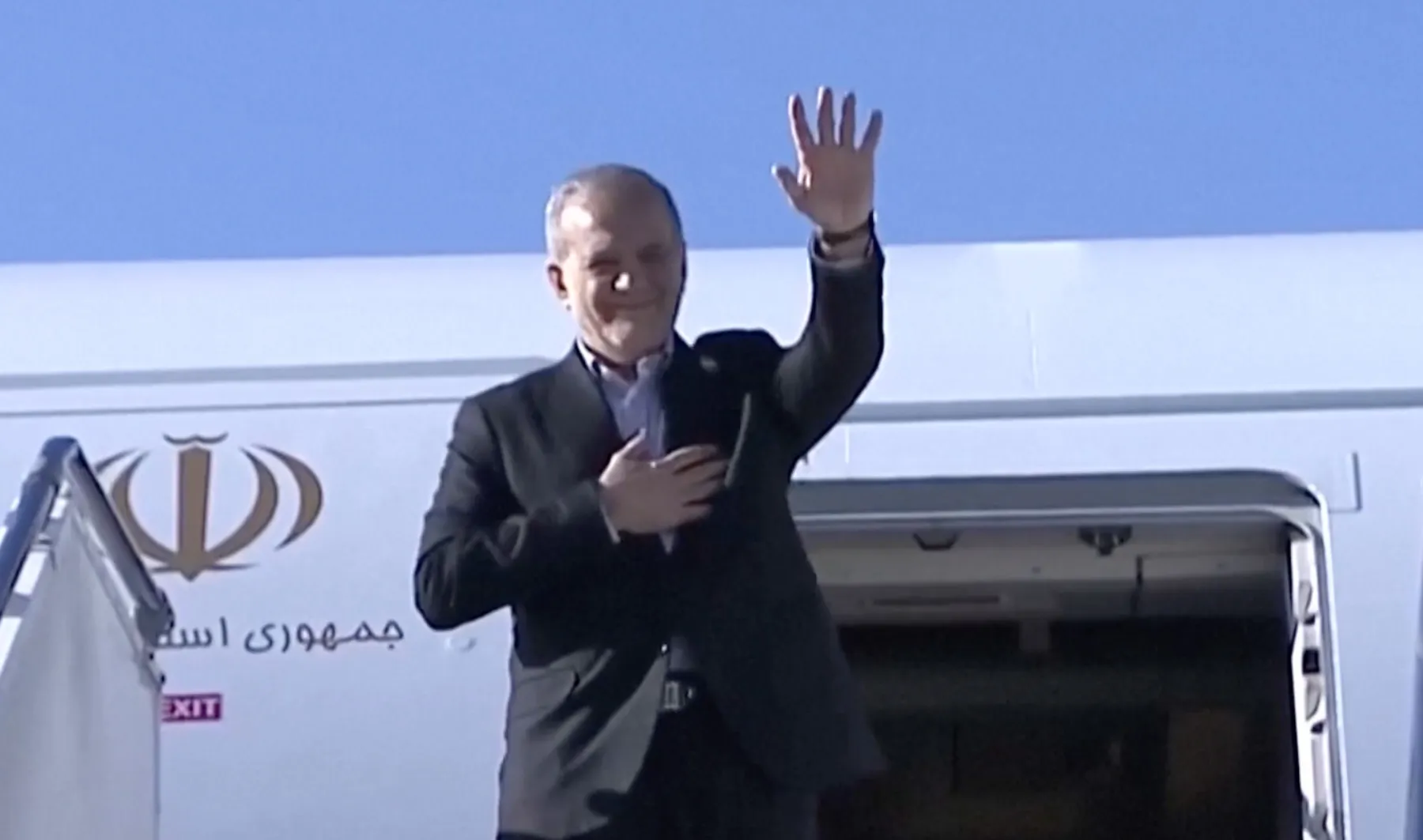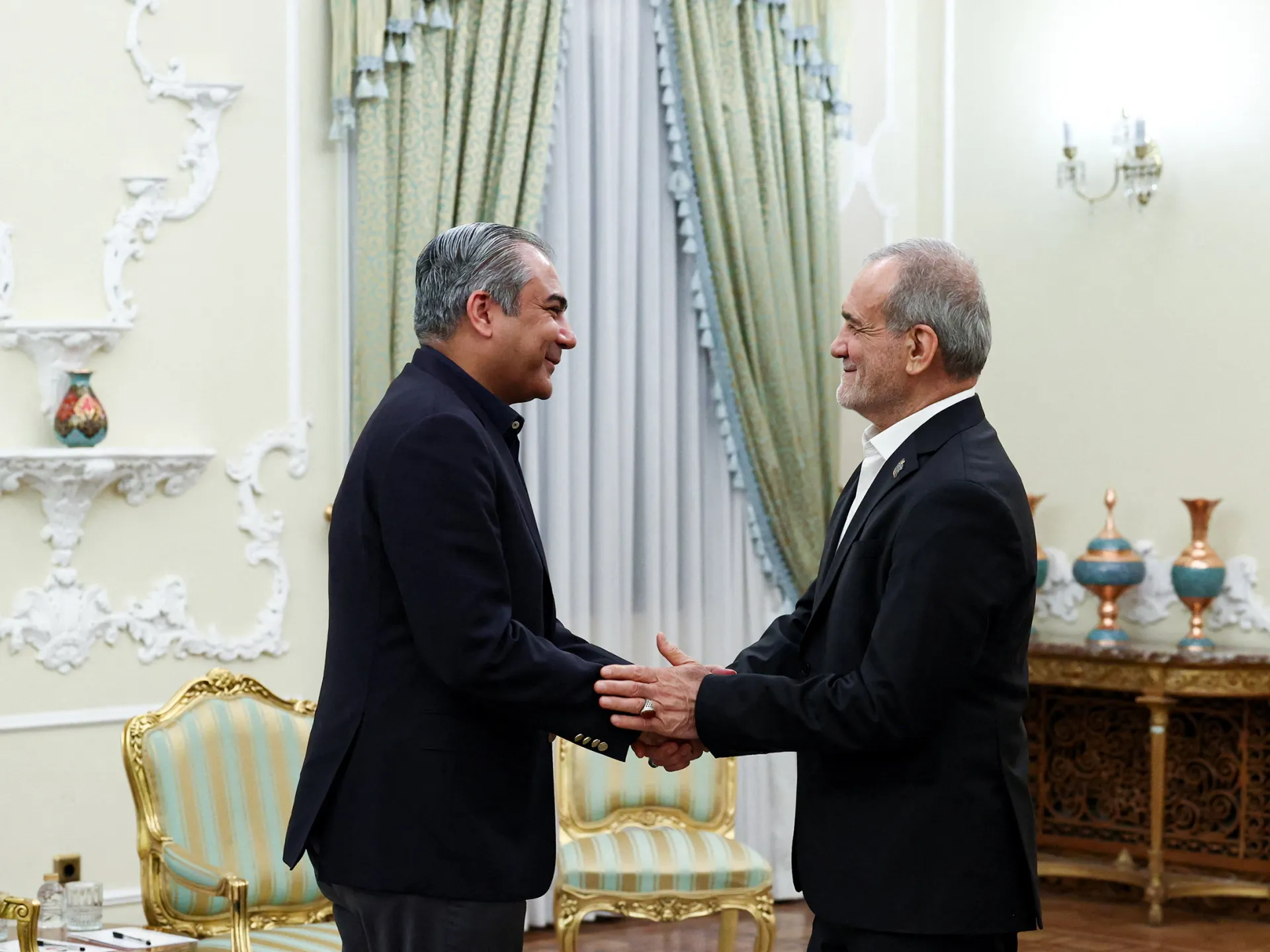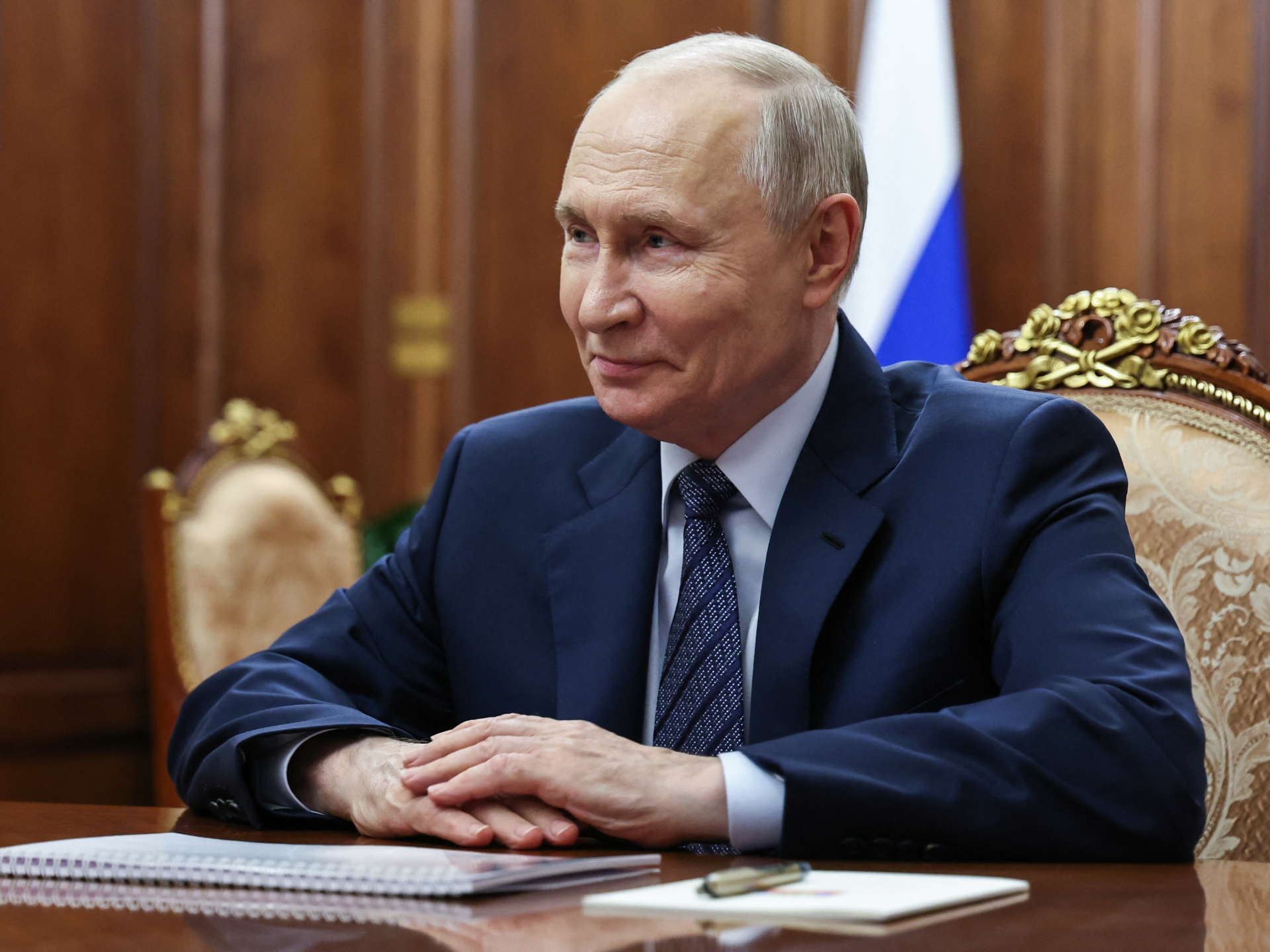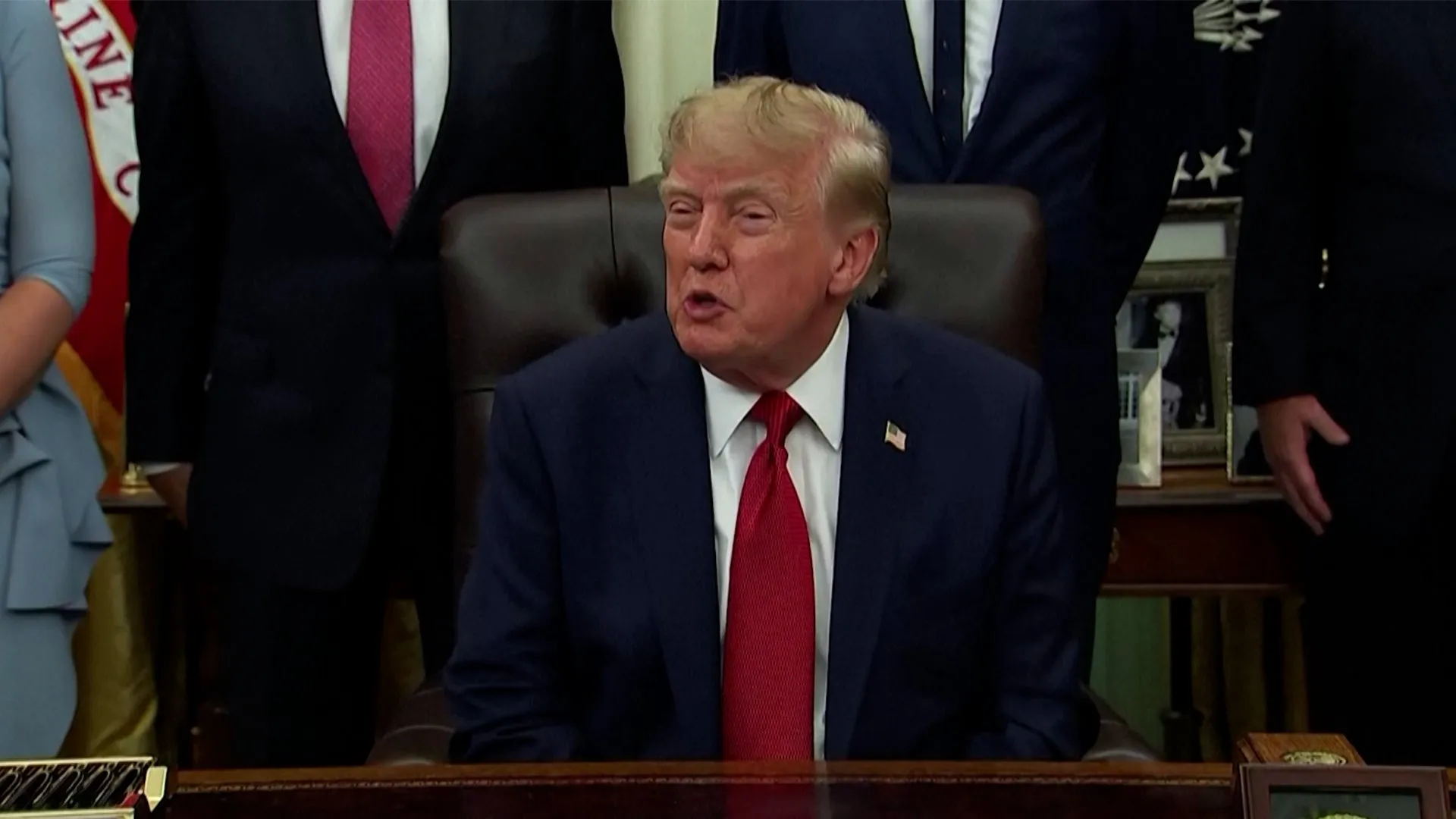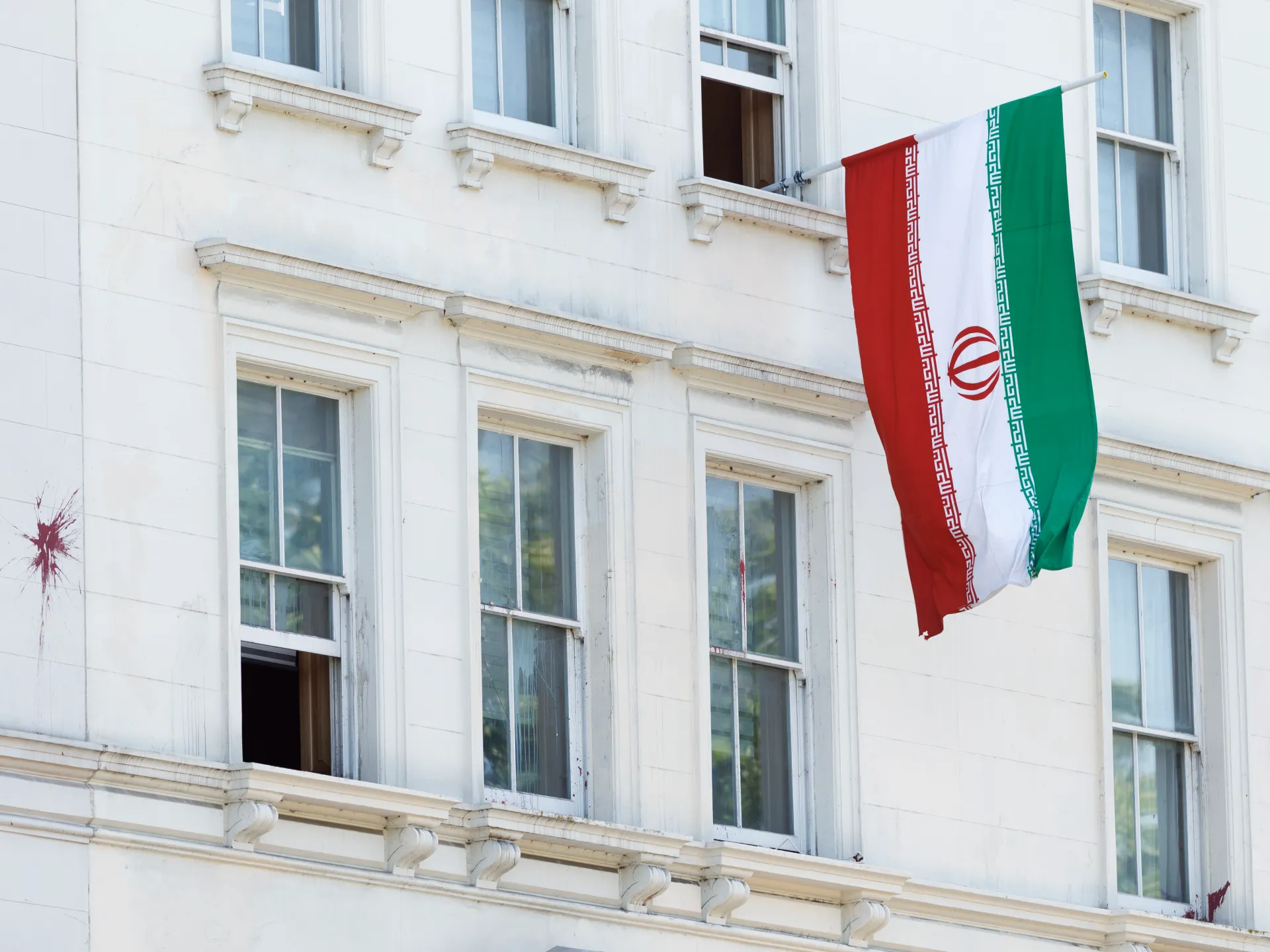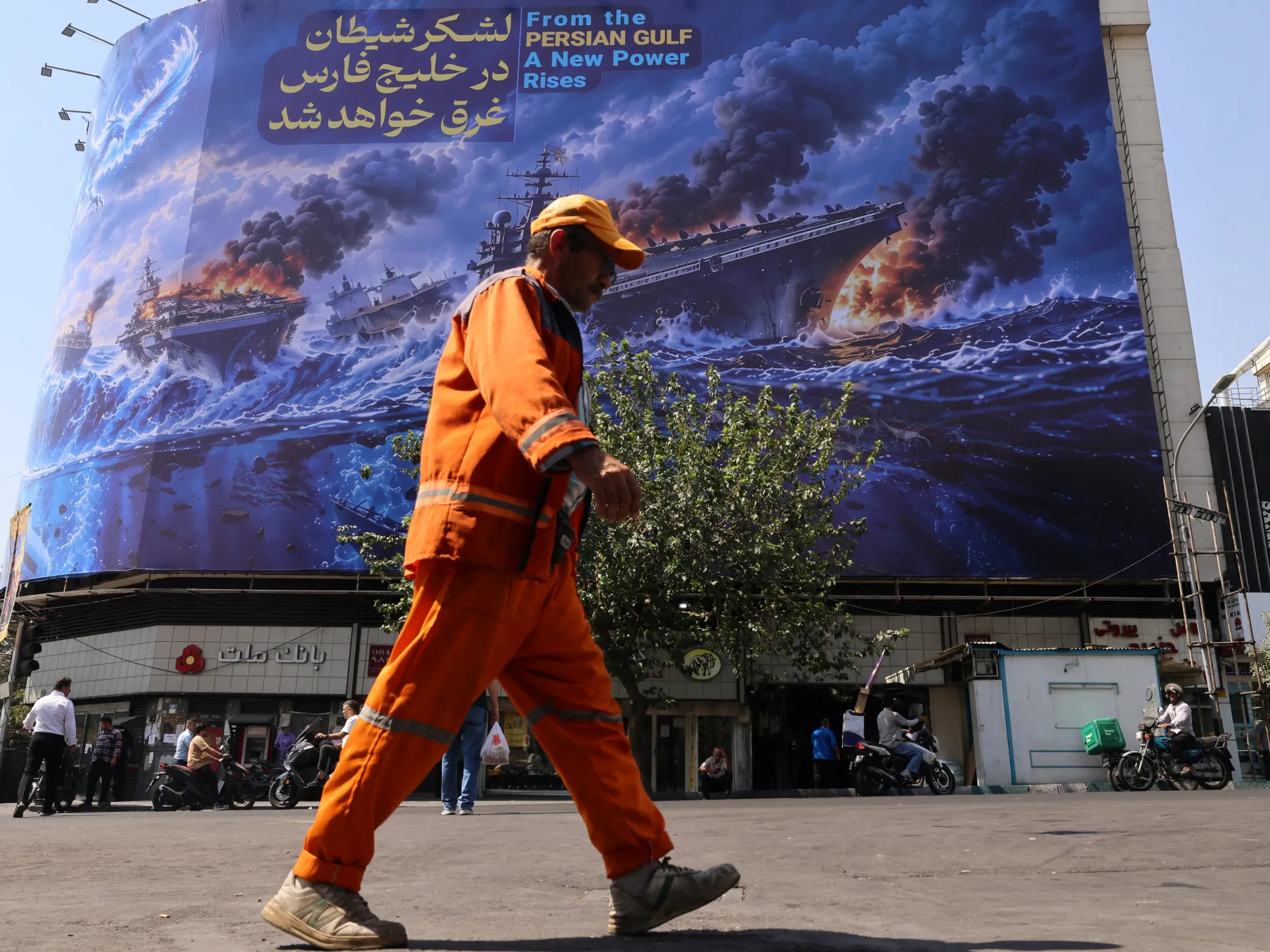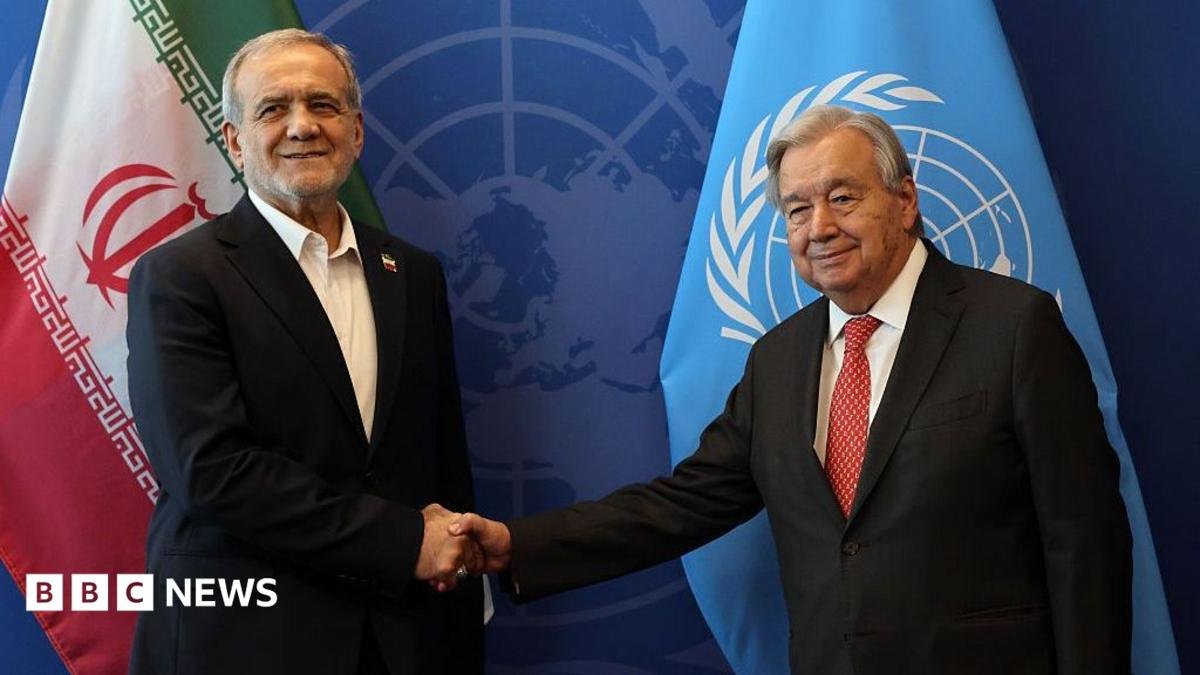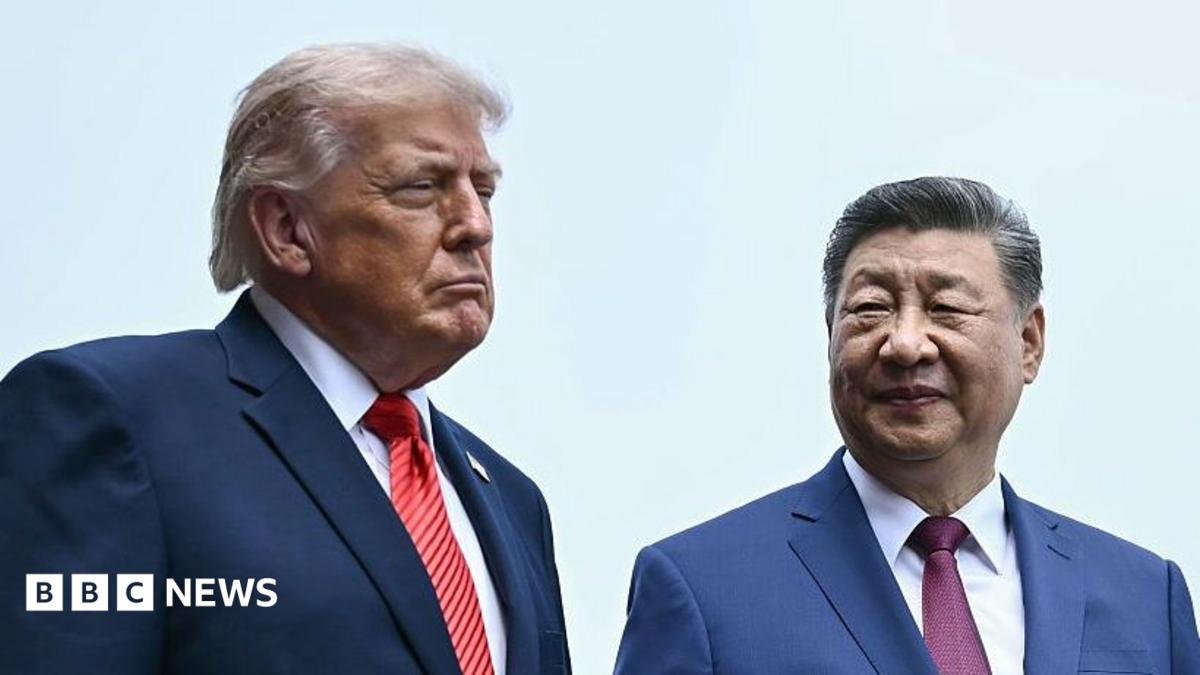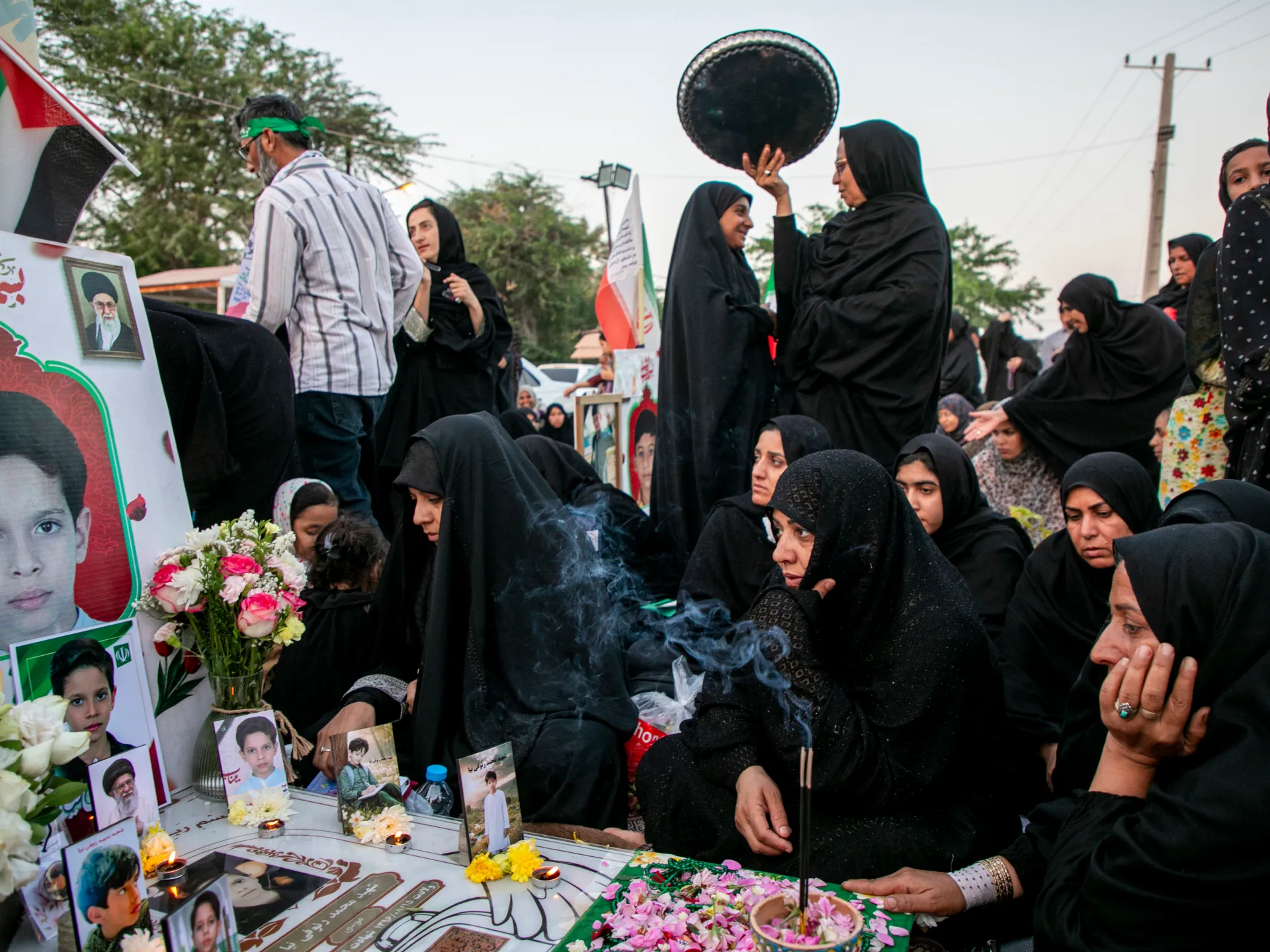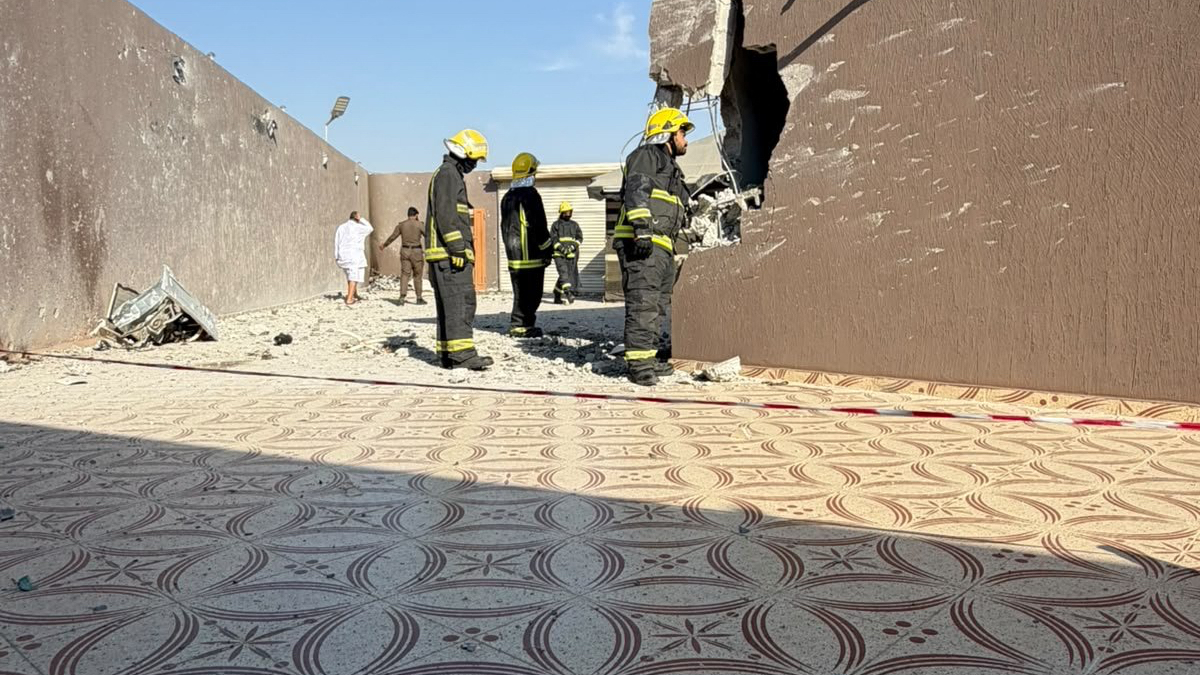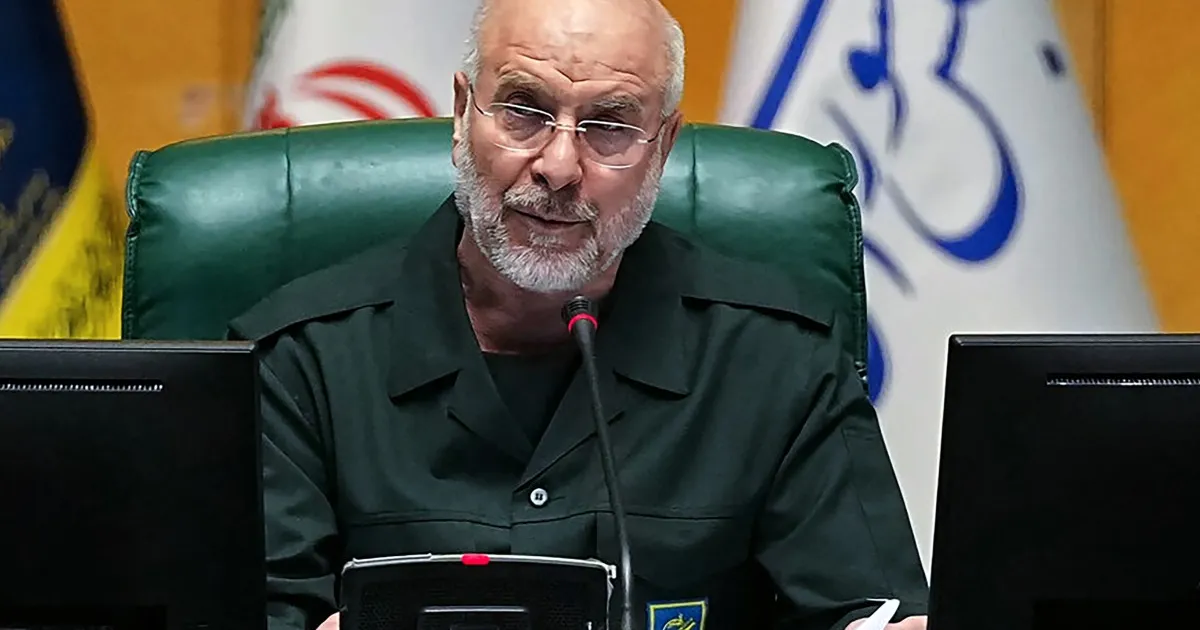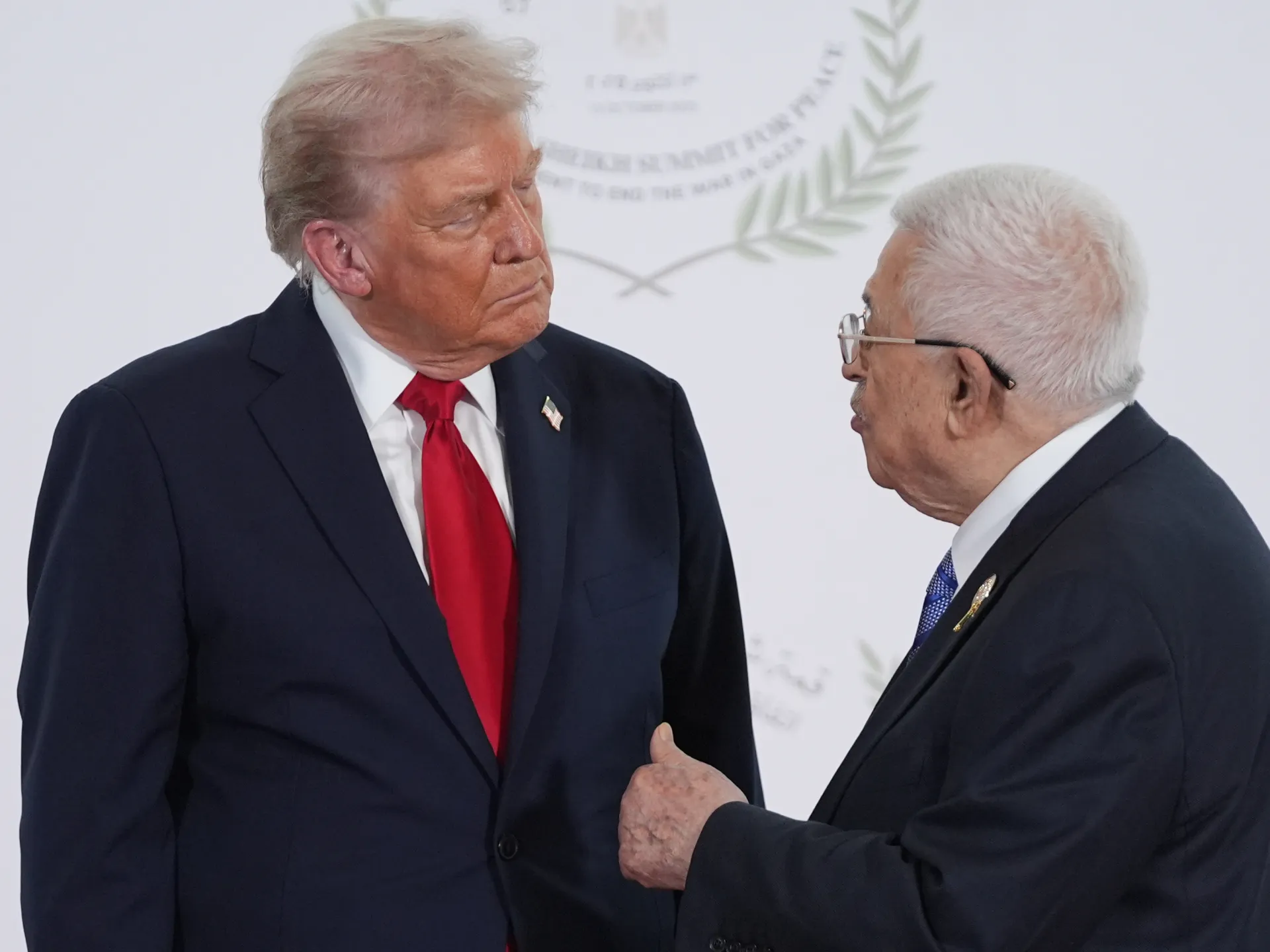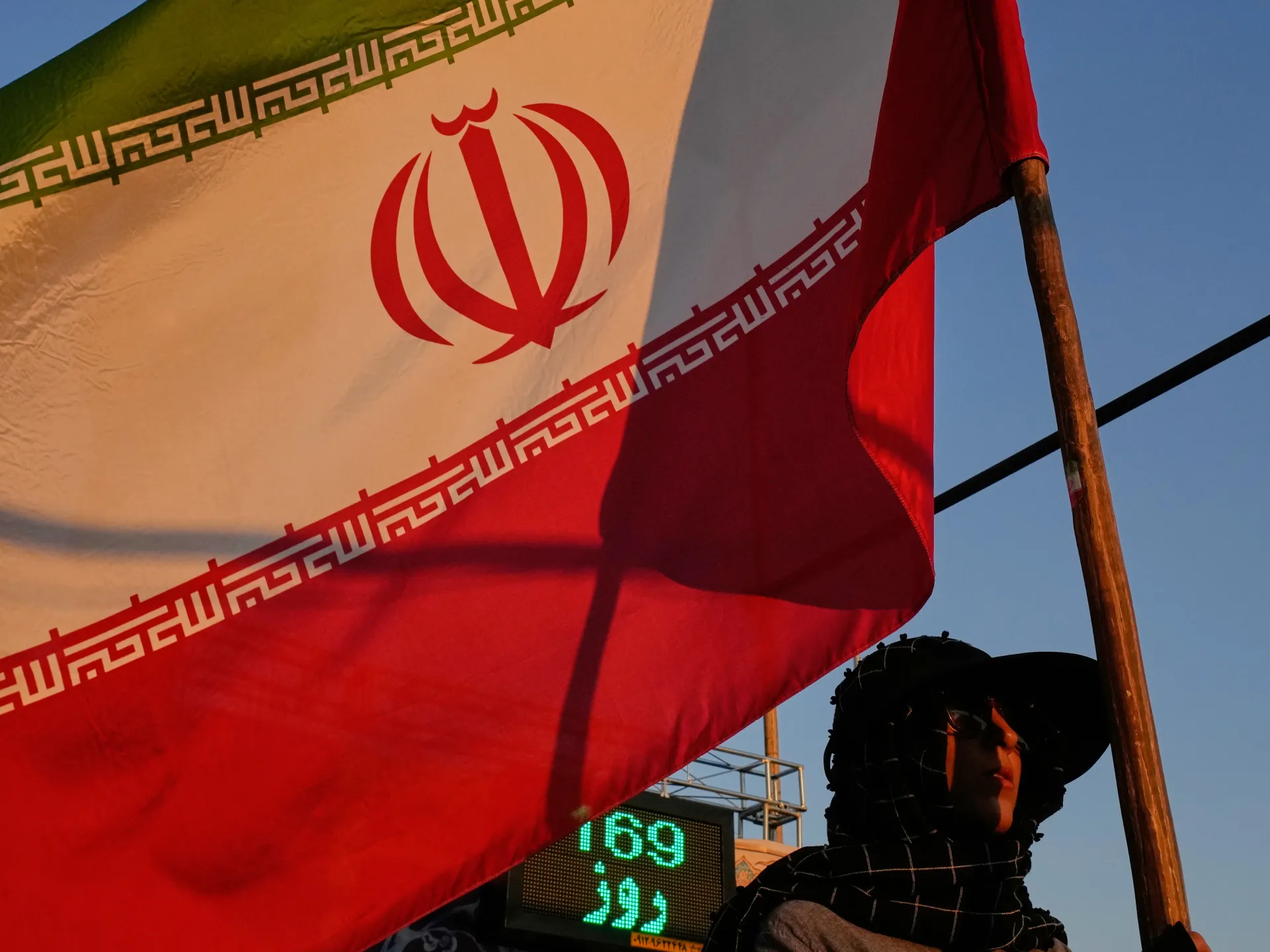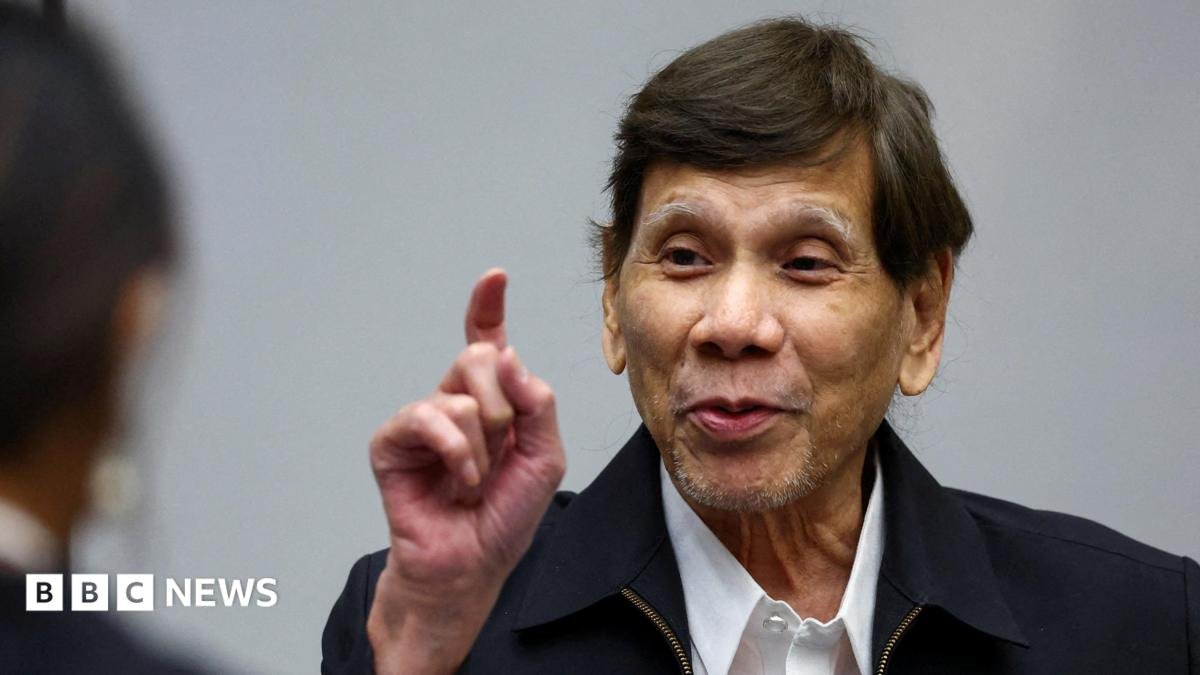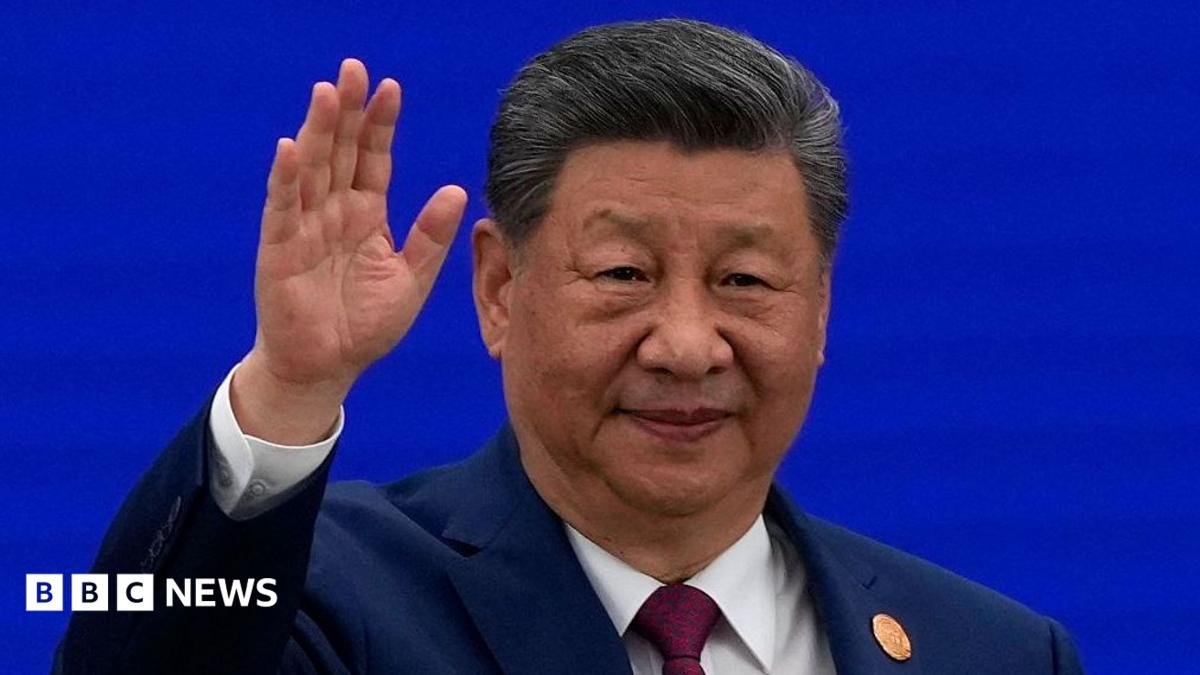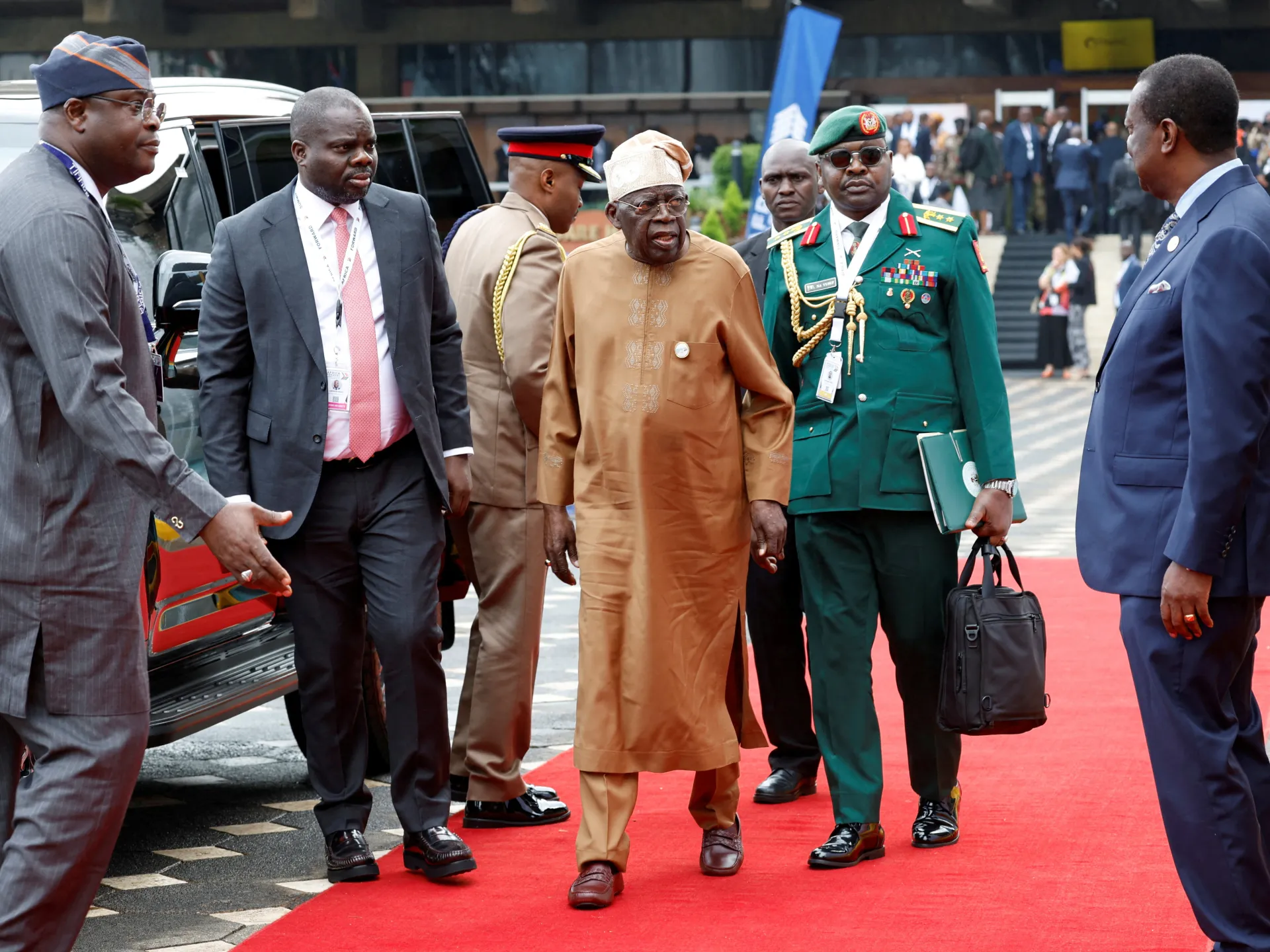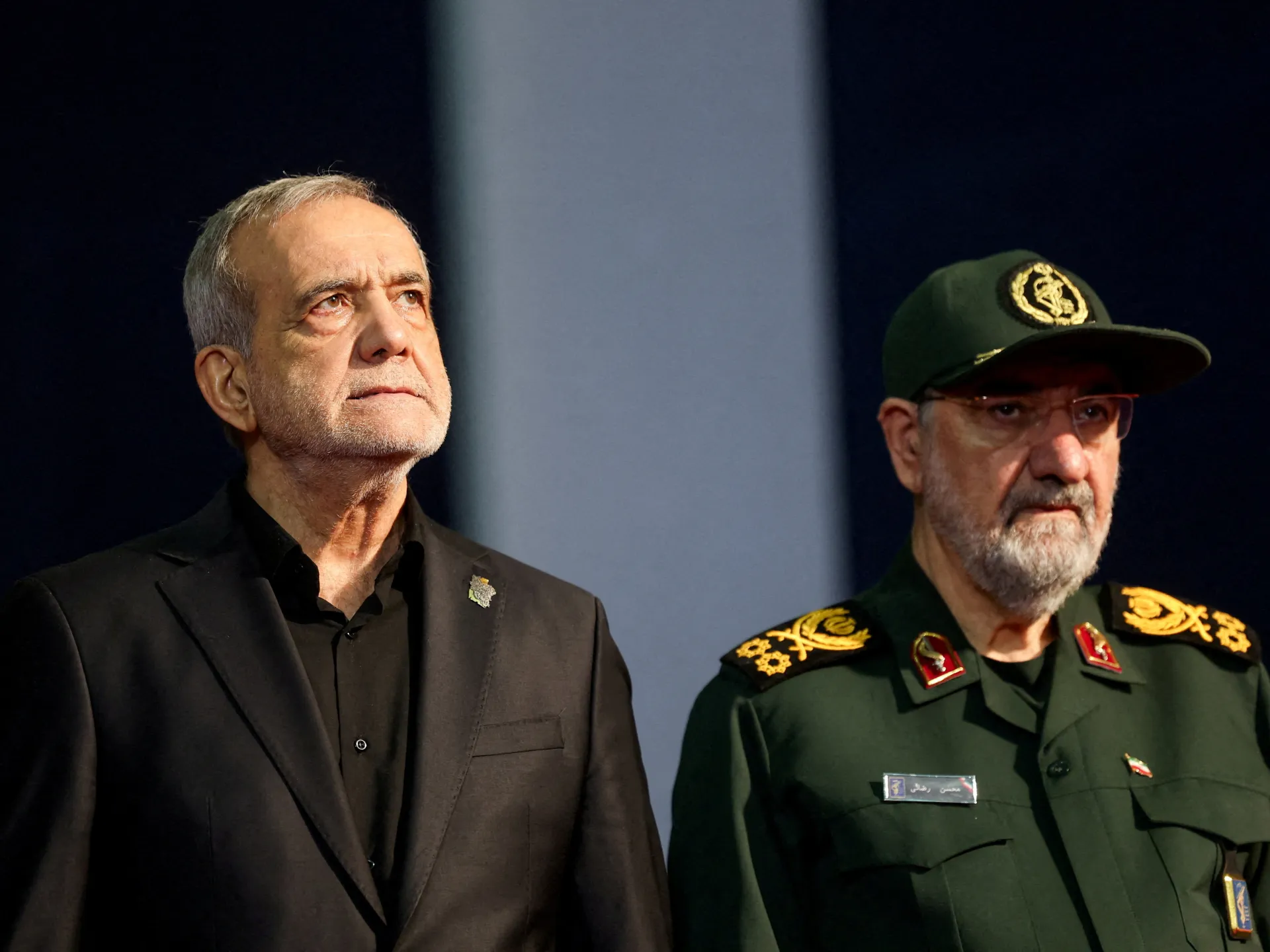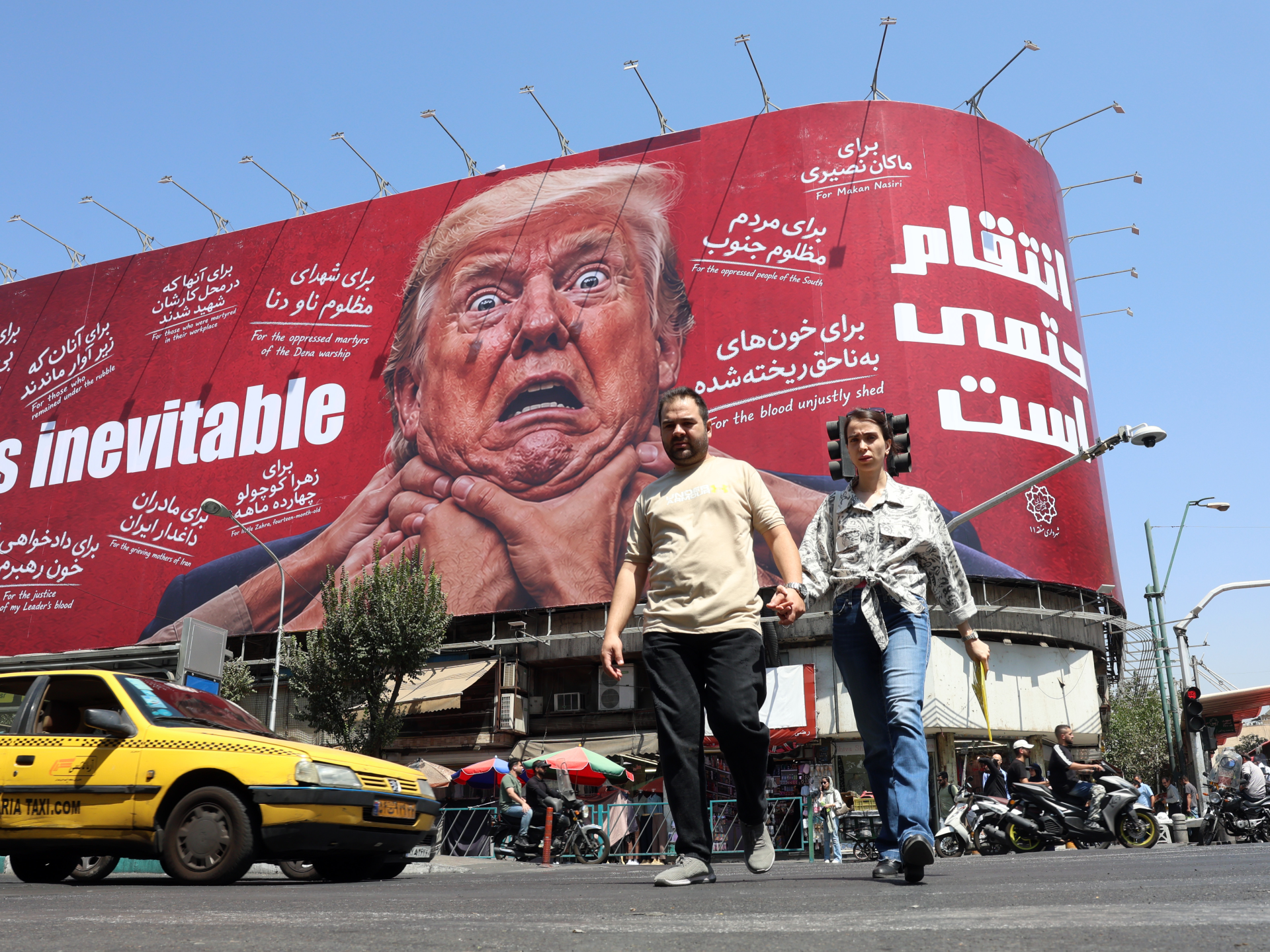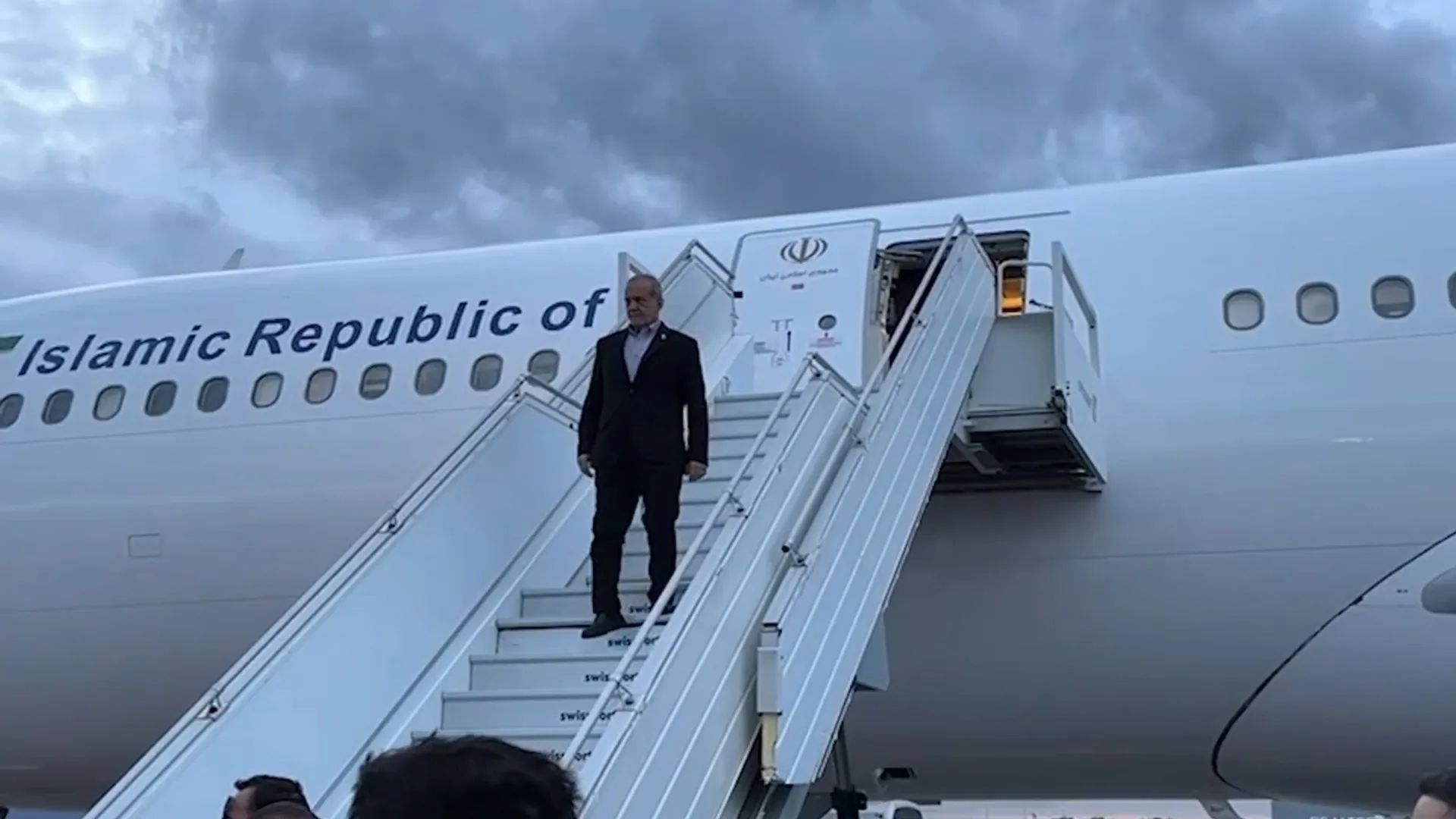
Iranian President Masoud Pezeshkian has arrived in New York for the UN General Assembly, navigating a strict set of travel restrictions amid an ongoing conflict.
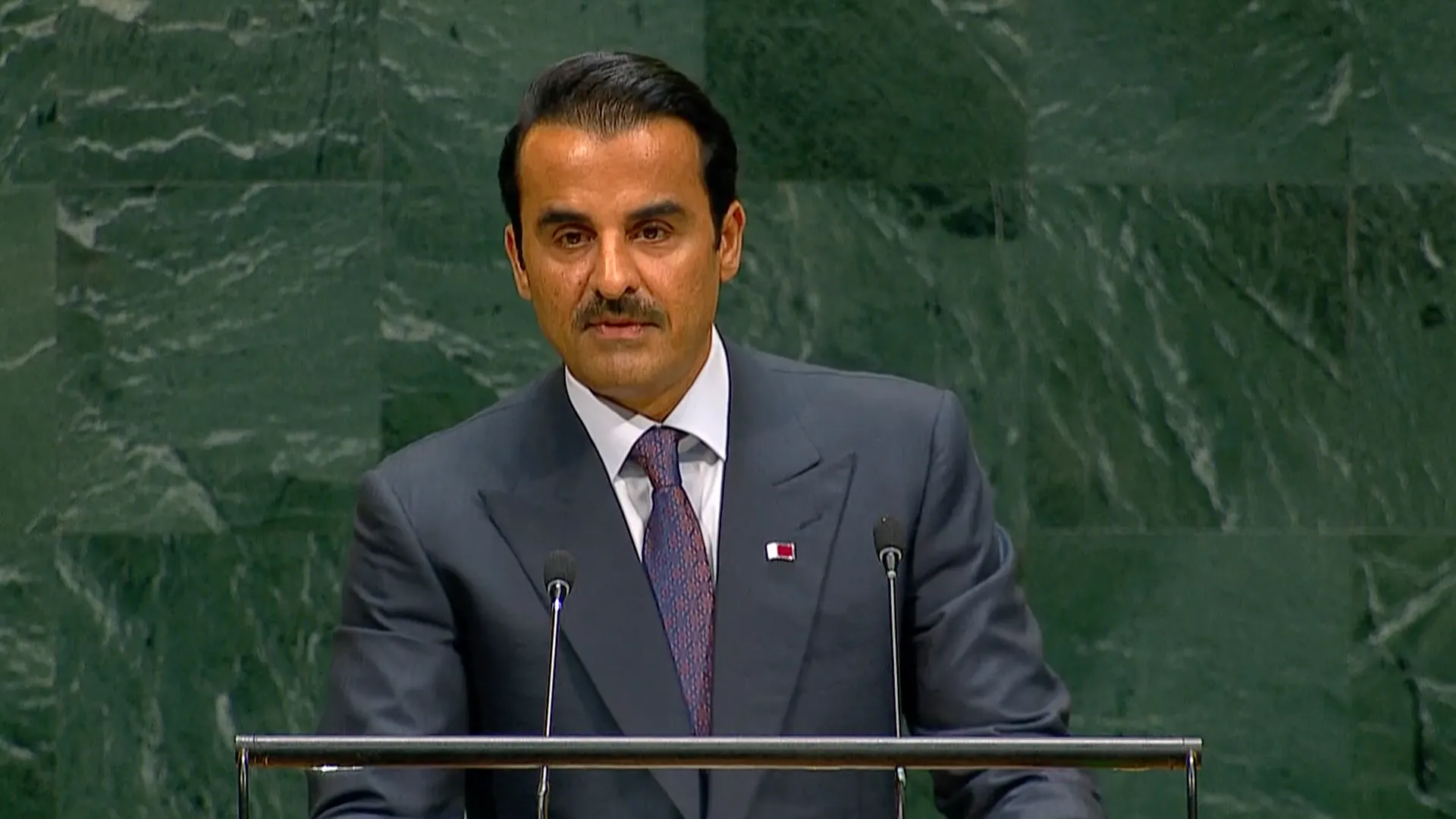
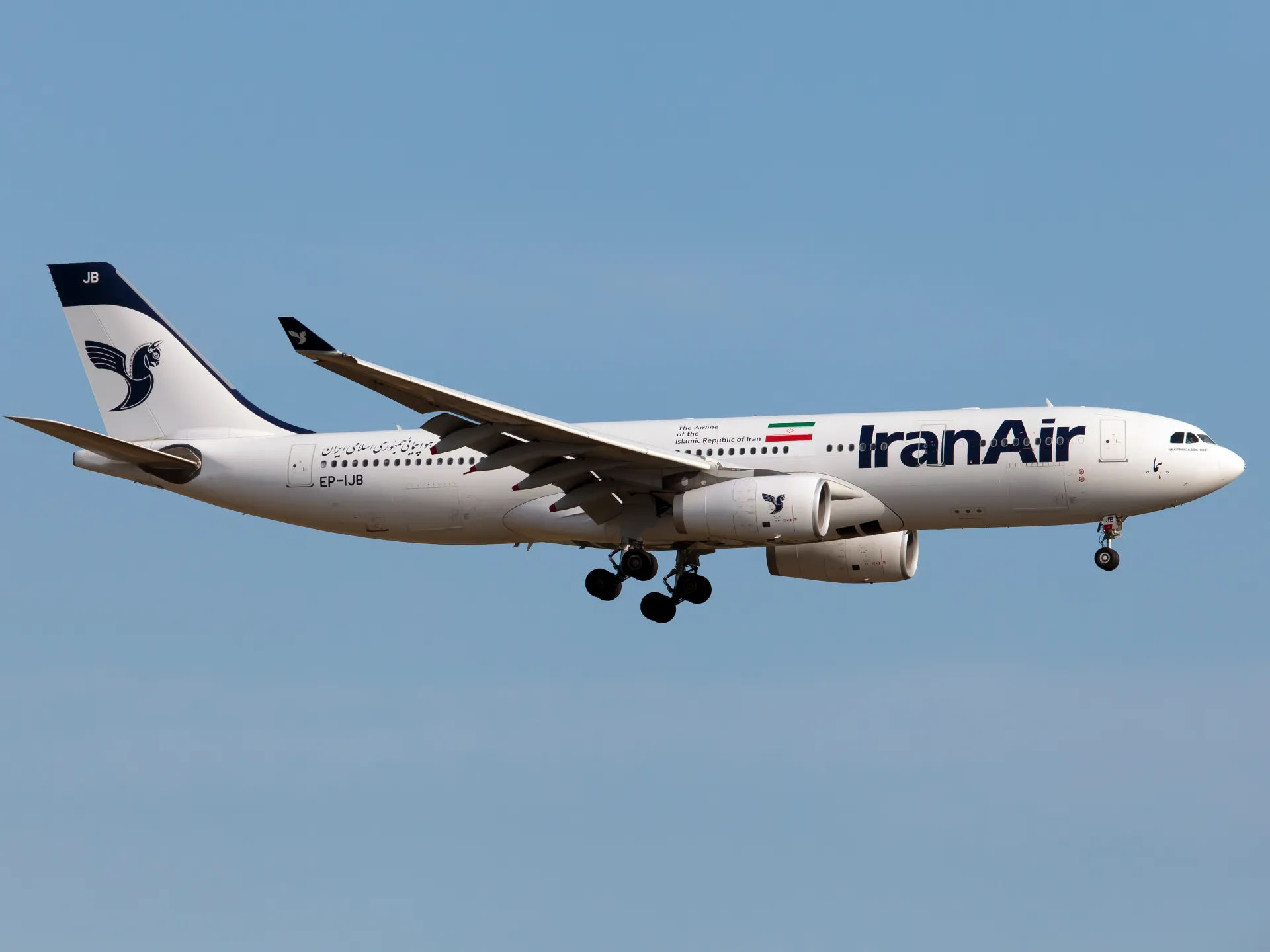
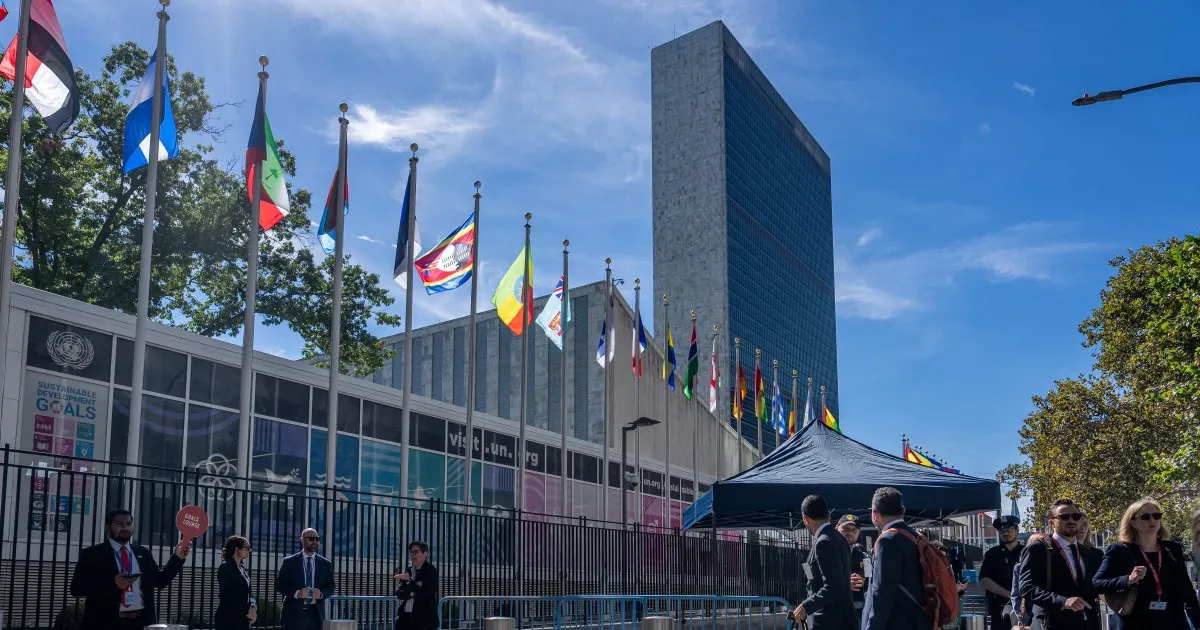
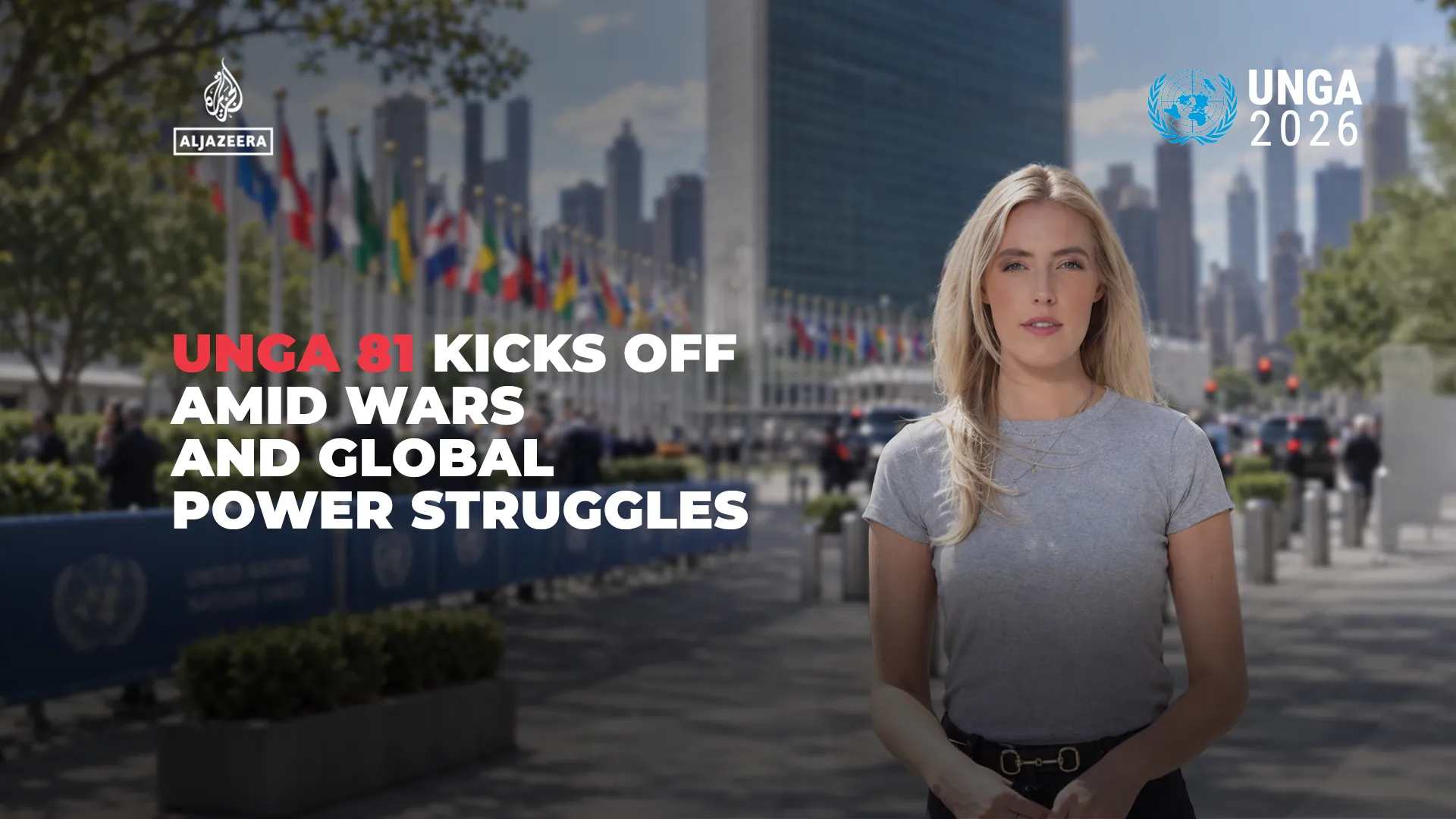
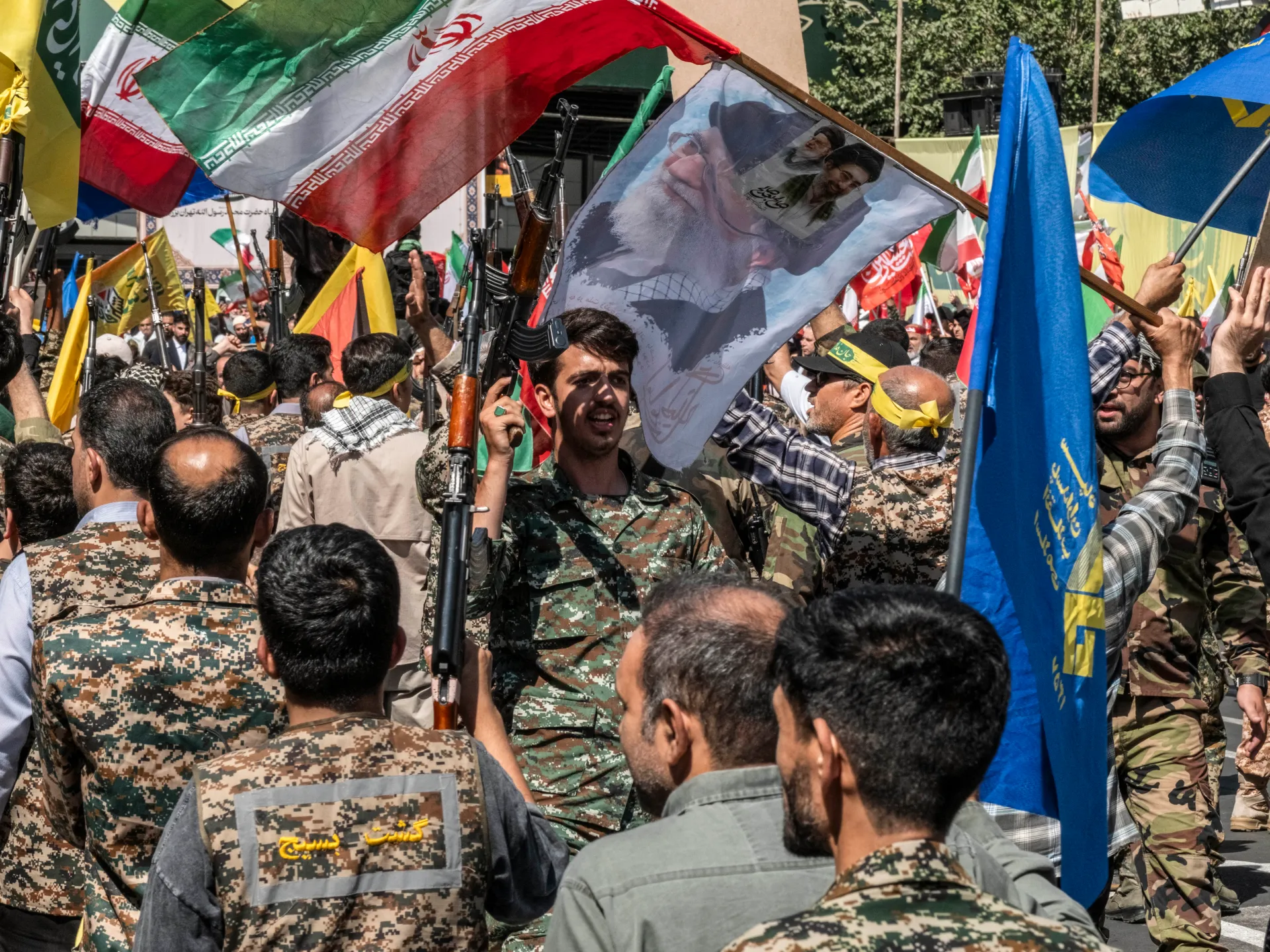
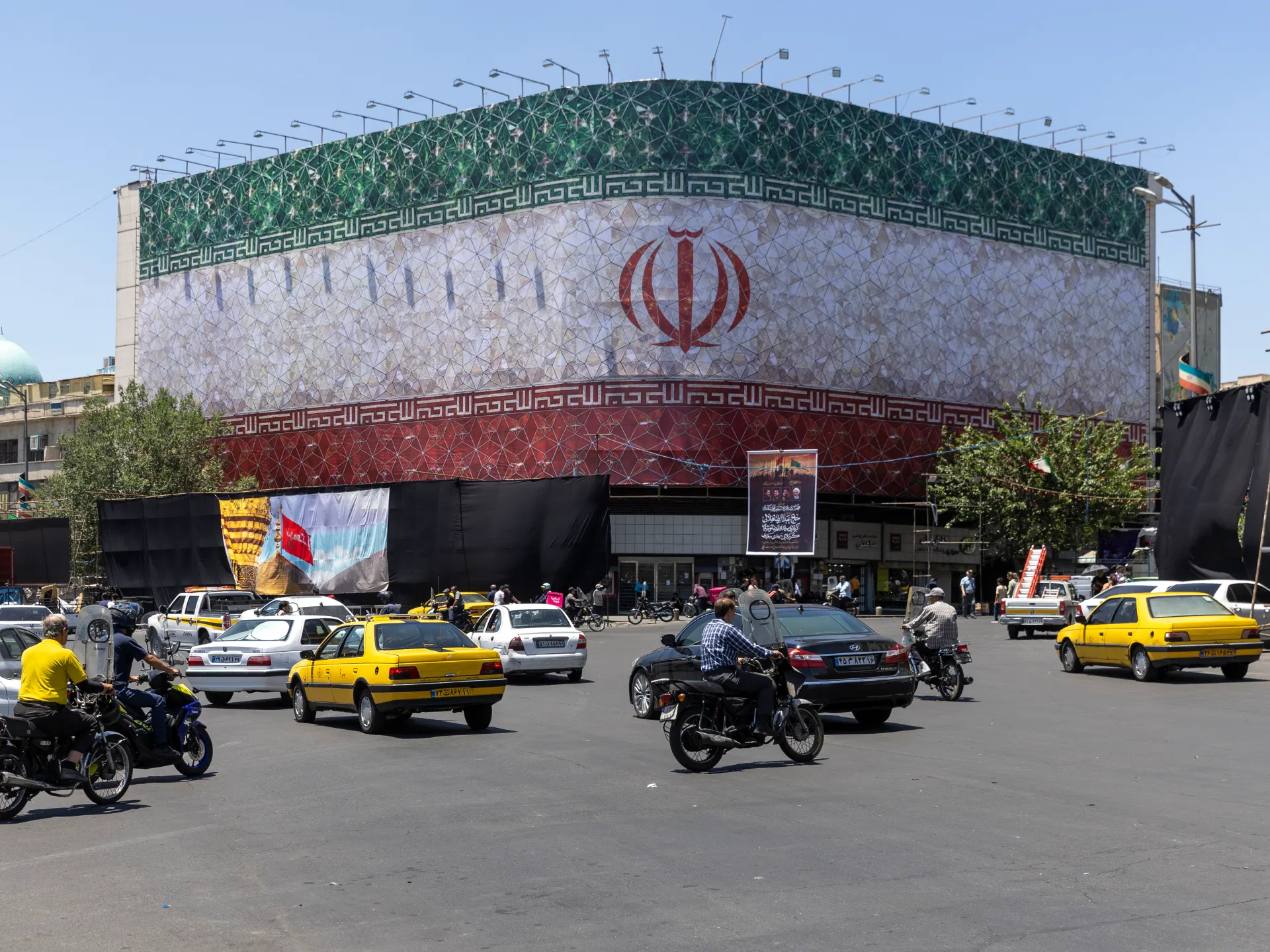
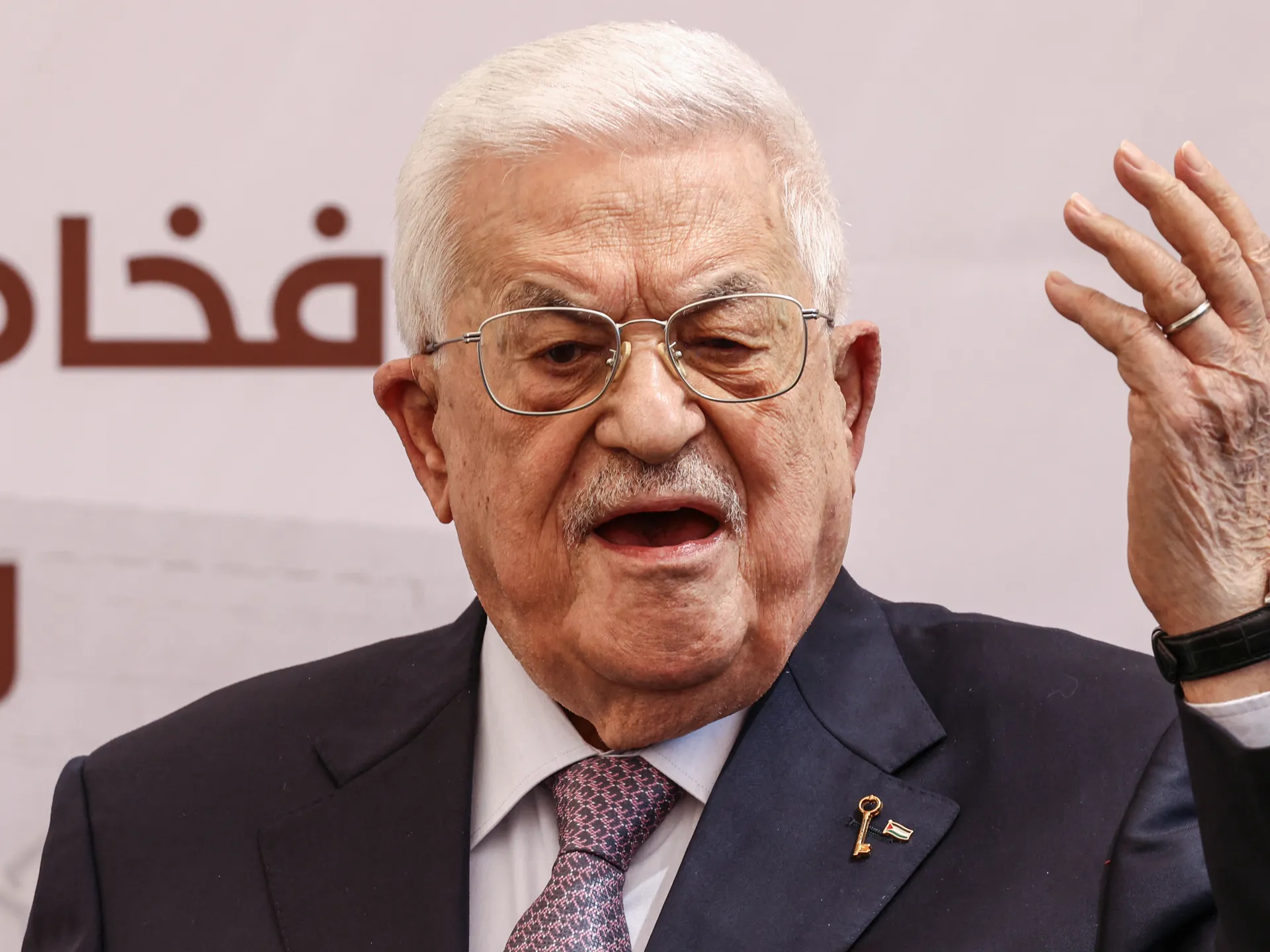
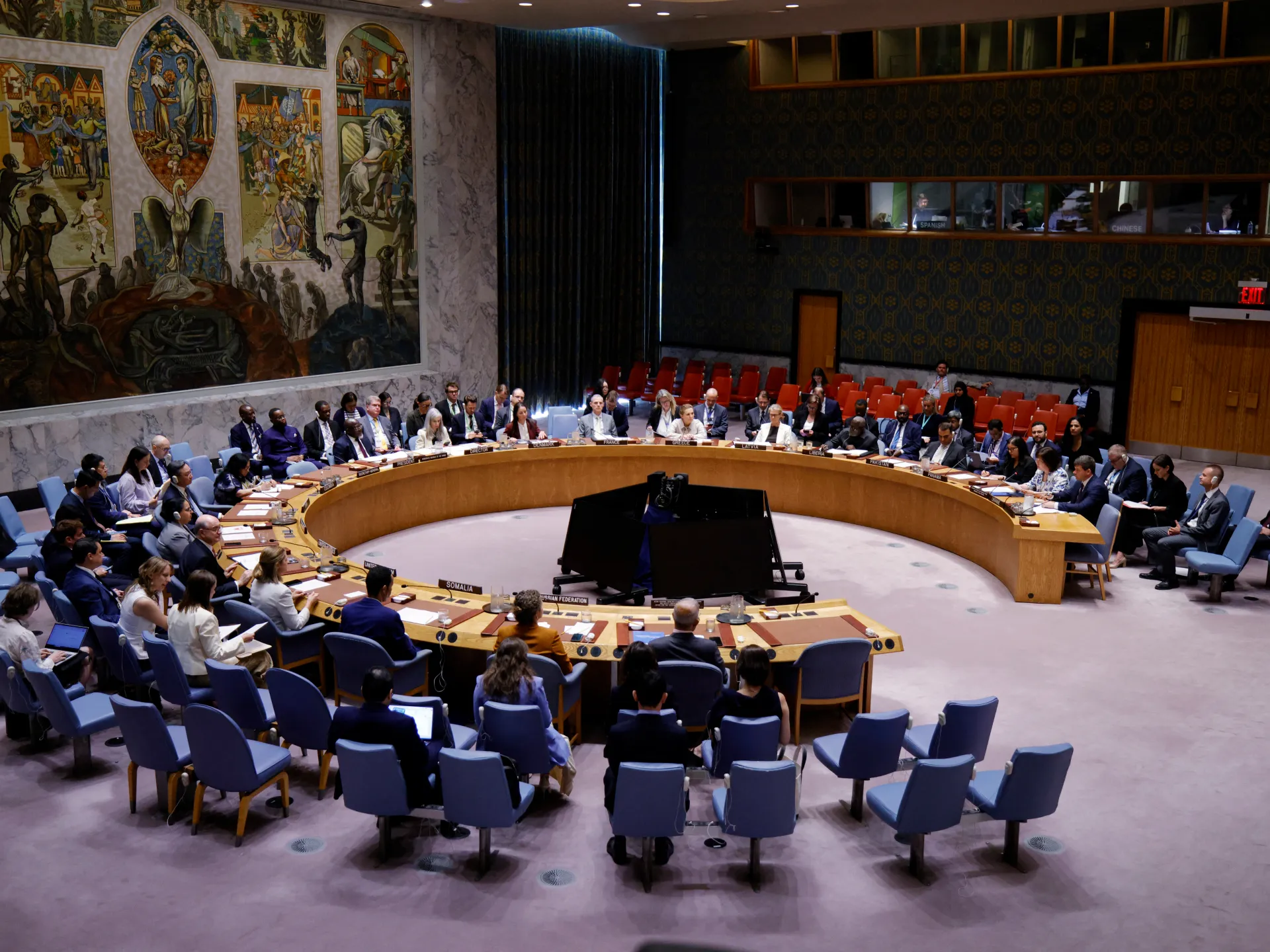
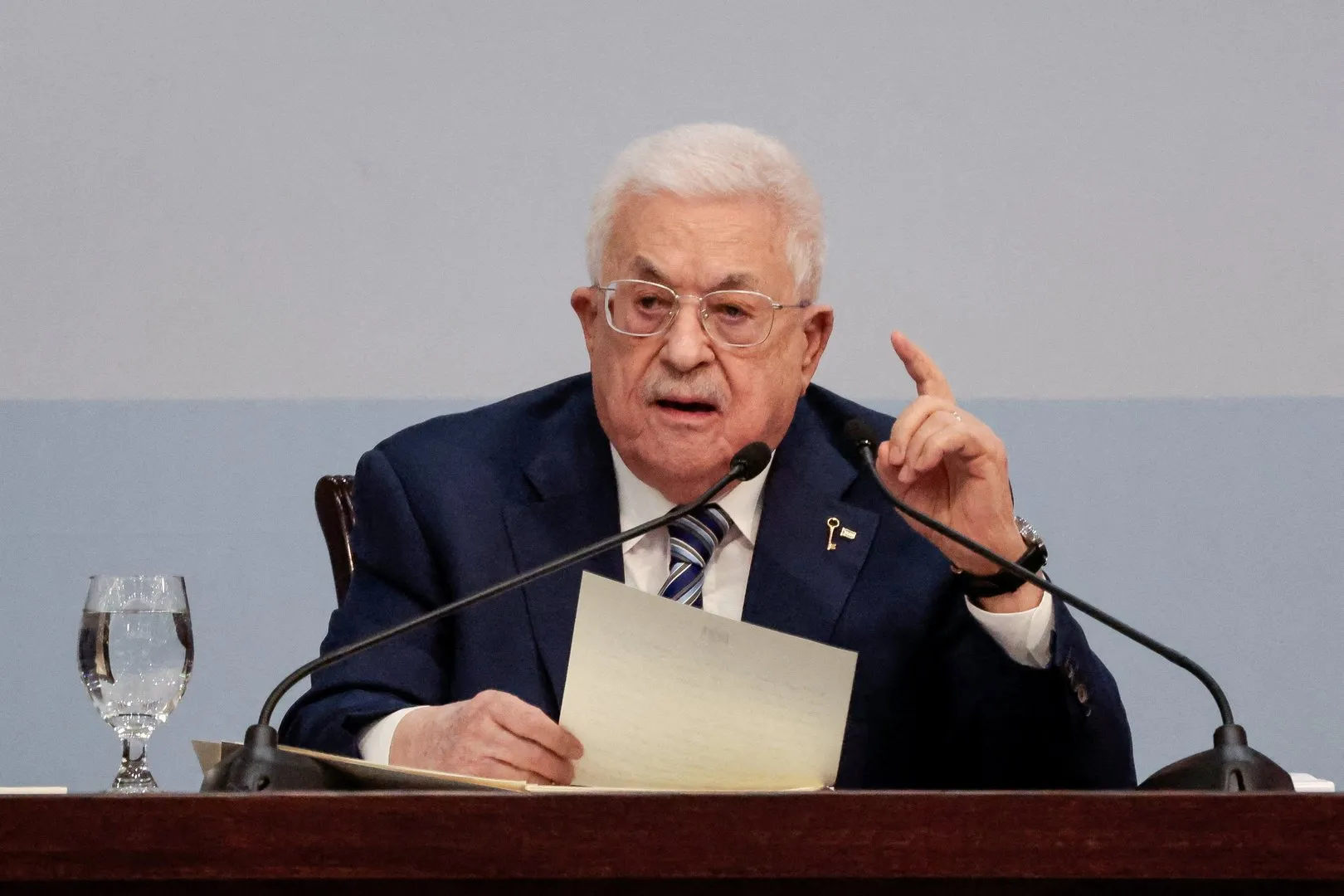
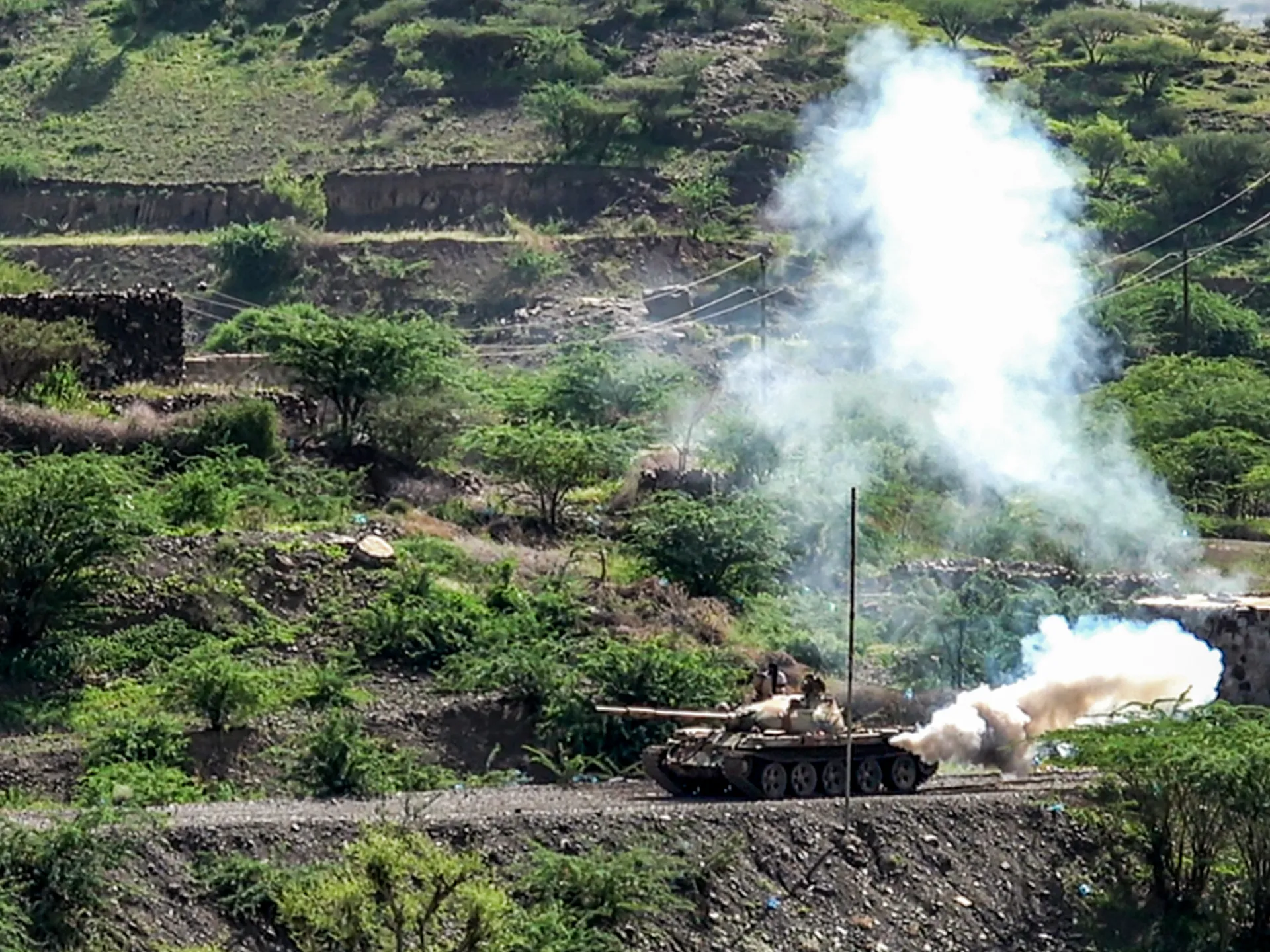
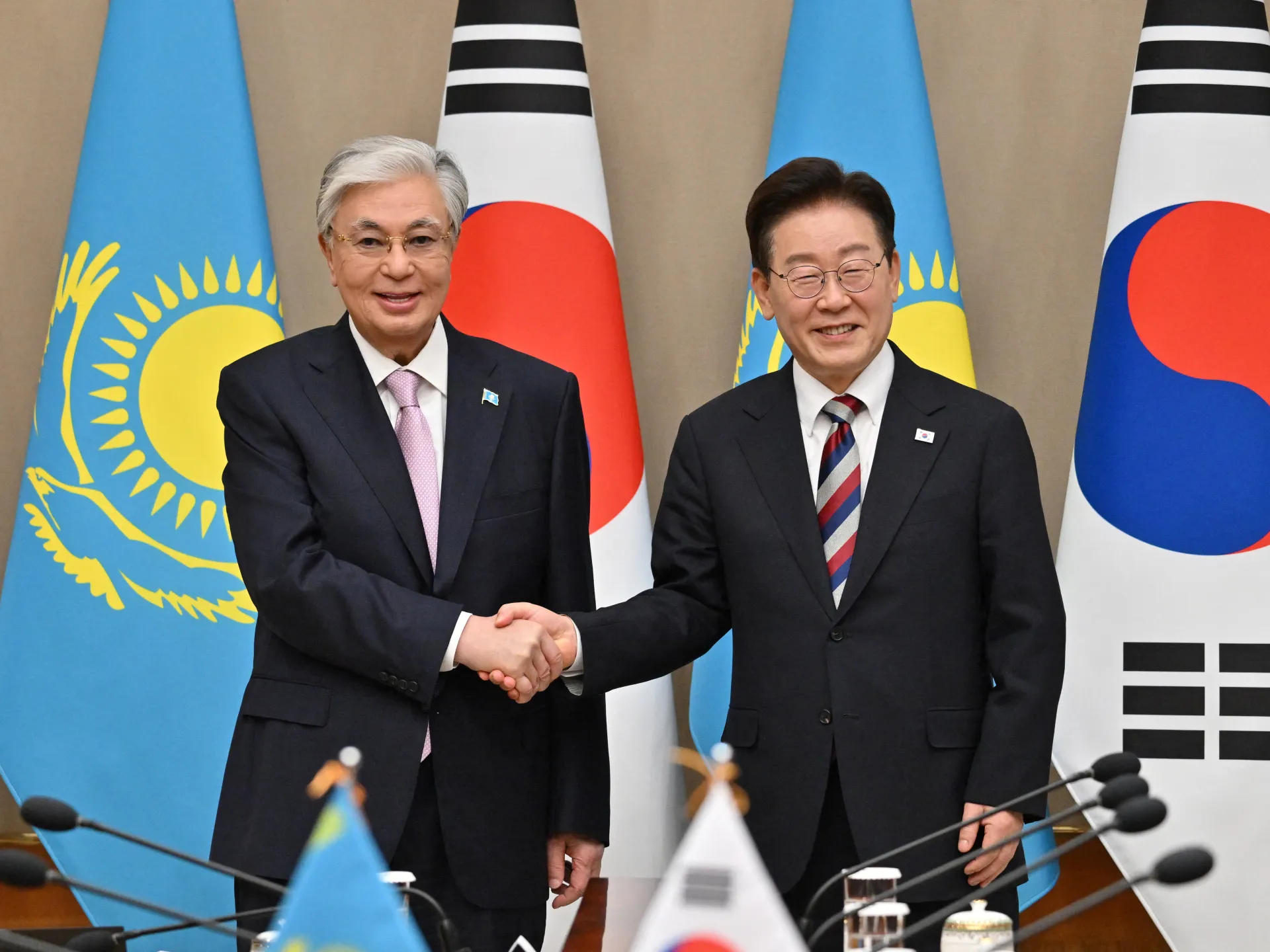
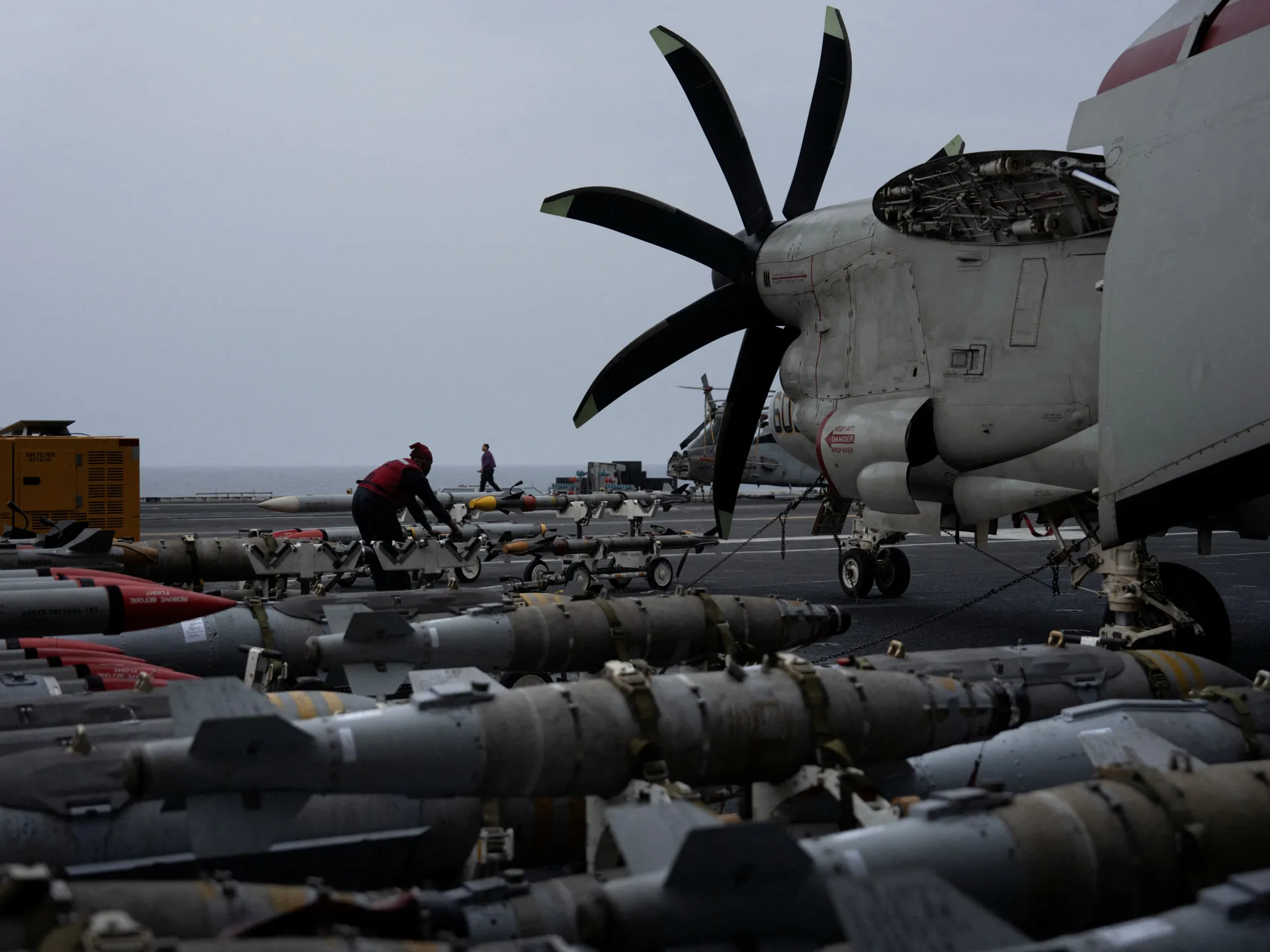
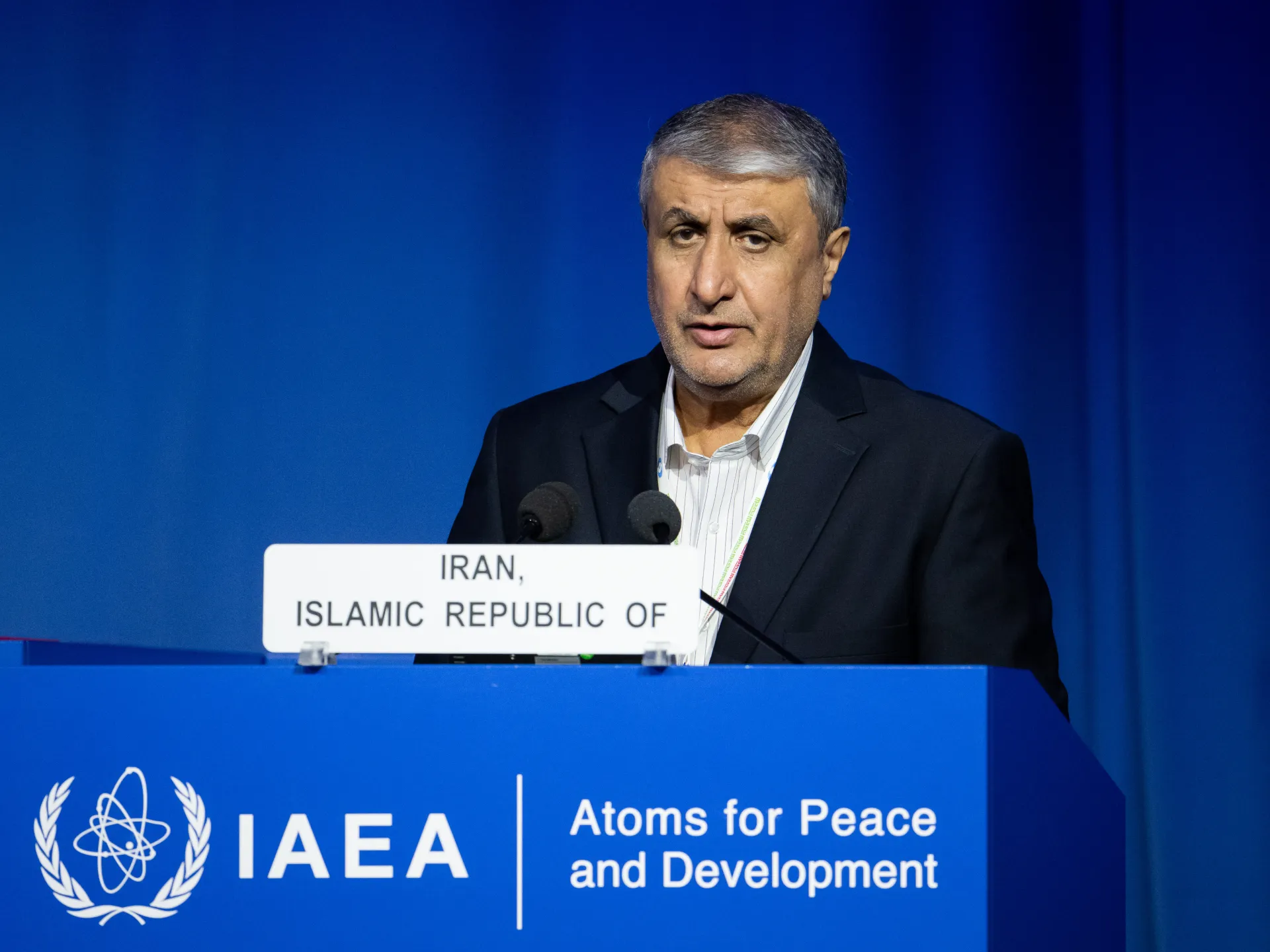
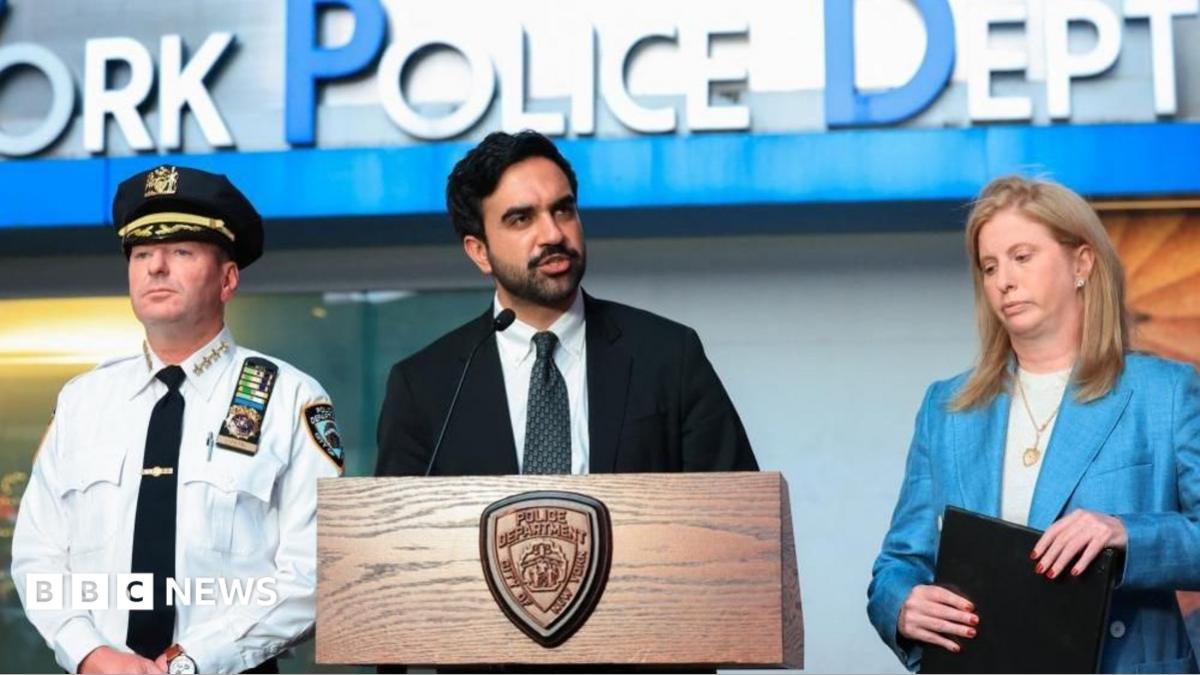
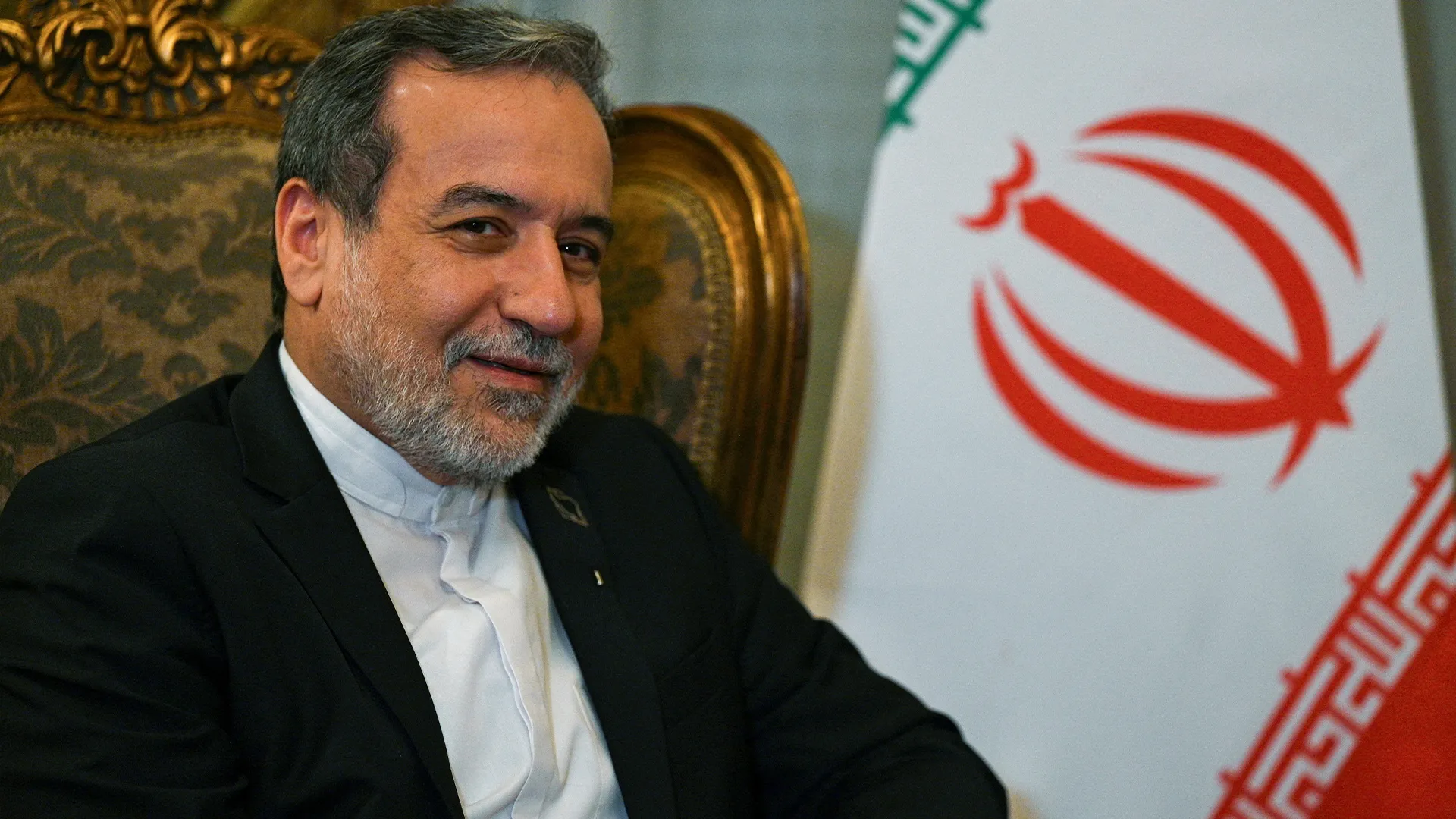
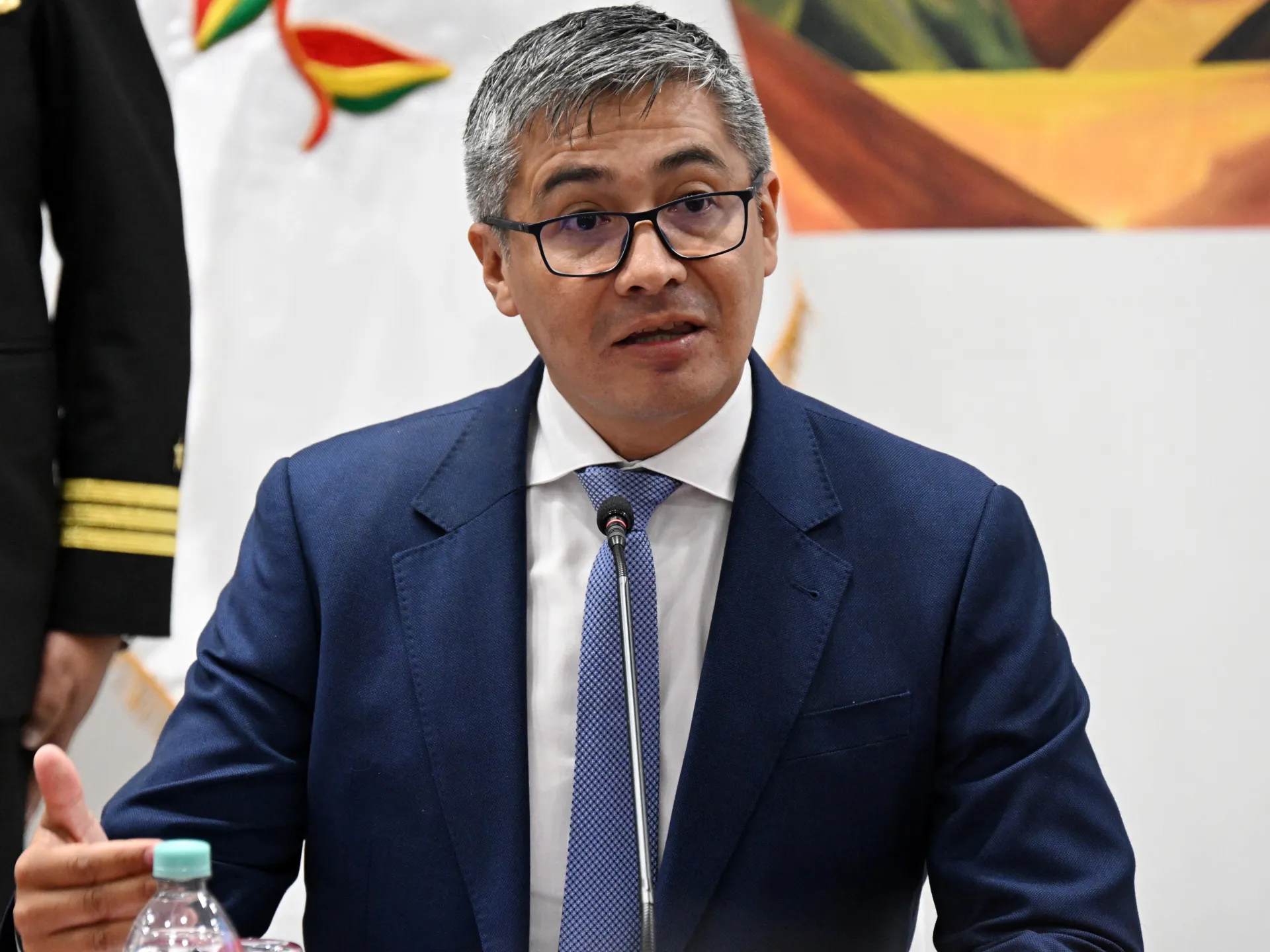
Iranian President Masoud Pezeshkian has arrived in New York to participate in the 81st session of the United Nations General Assembly, a diplomatic movement that occurs amidst an active and grinding military conflict between Tehran and Washington. Despite the ongoing hostilities that began earlier this year, the United States government opted to fulfill its international host-country obligations gn Minister Abbas Araghchi.
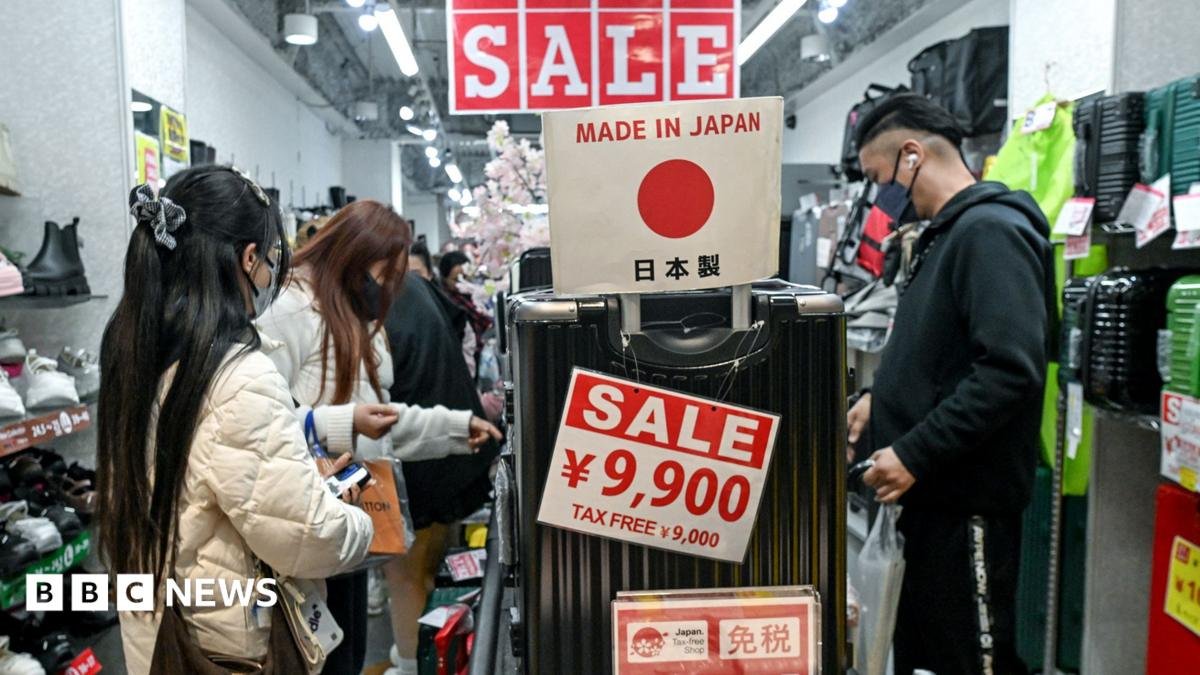
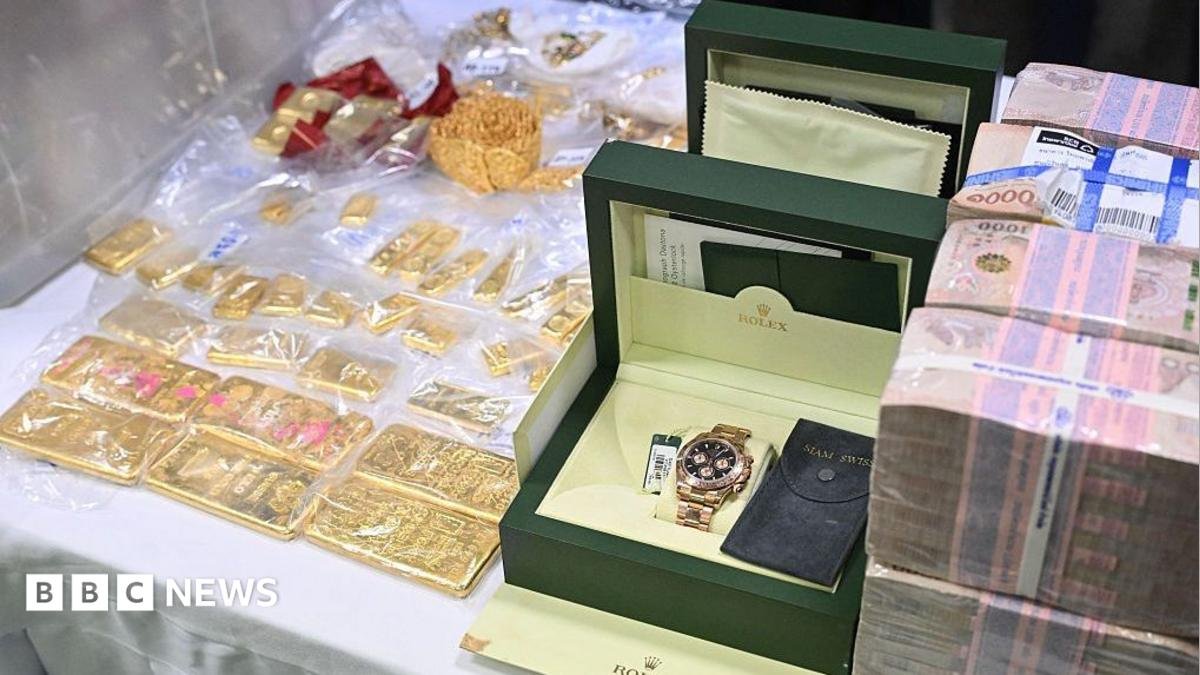
The arrival of the Iranian delegation represents a rare intersection of high-stakes wartime posturing and the rigid institutional protocols of the United Nations. While the presence of President Pezeshkian on American soil offers a potential, albeit narrow, window for de-escalation dialogue, the logistical reality of the visit is defined on will face severe limitations on movement and a total prohibition on the acquisition of luxury goods, framing the move as a necessary measure to prevent the Iranian elite from enjoying Western retail while the nation grapples with severe internal economic pressures.
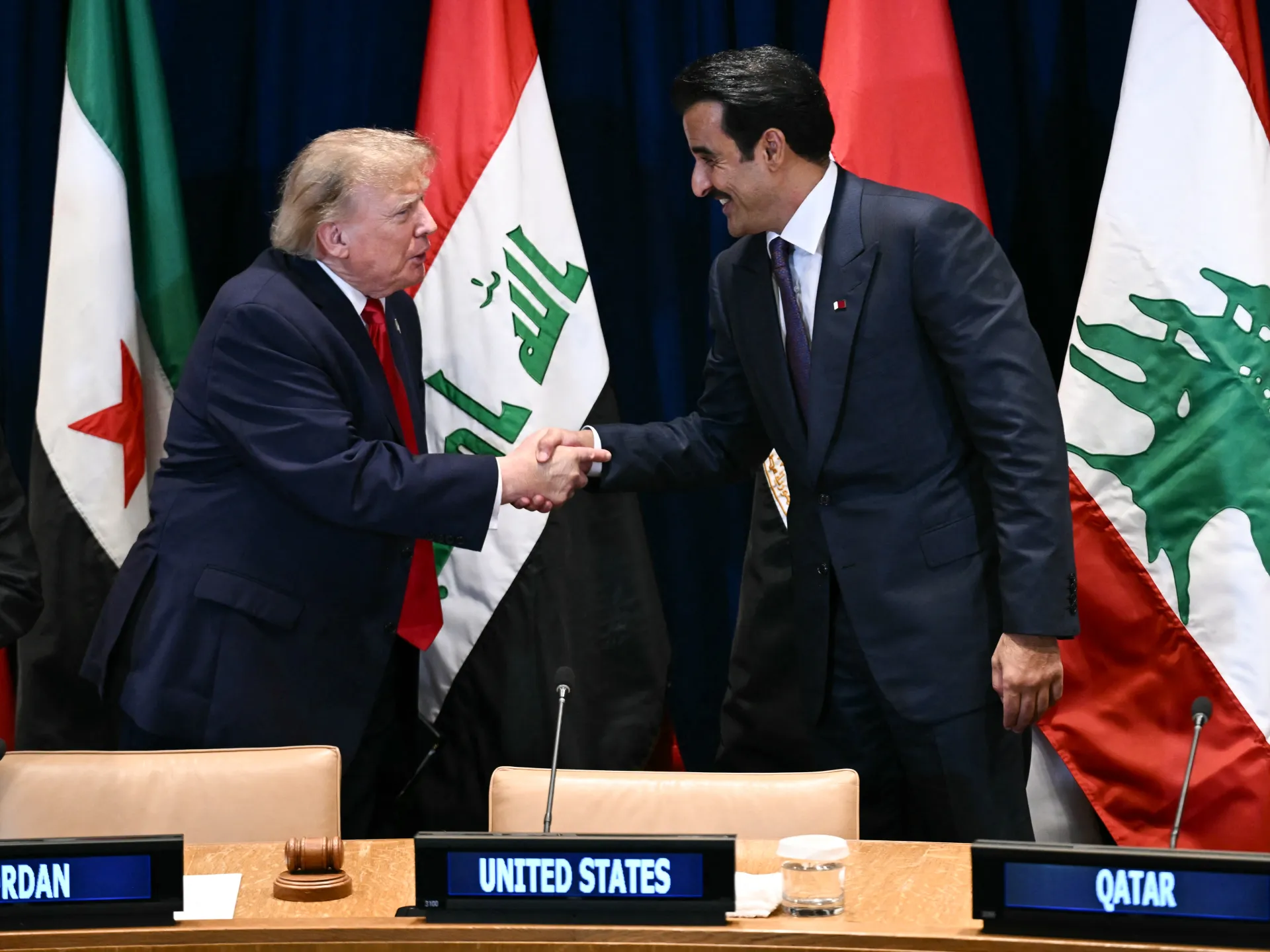
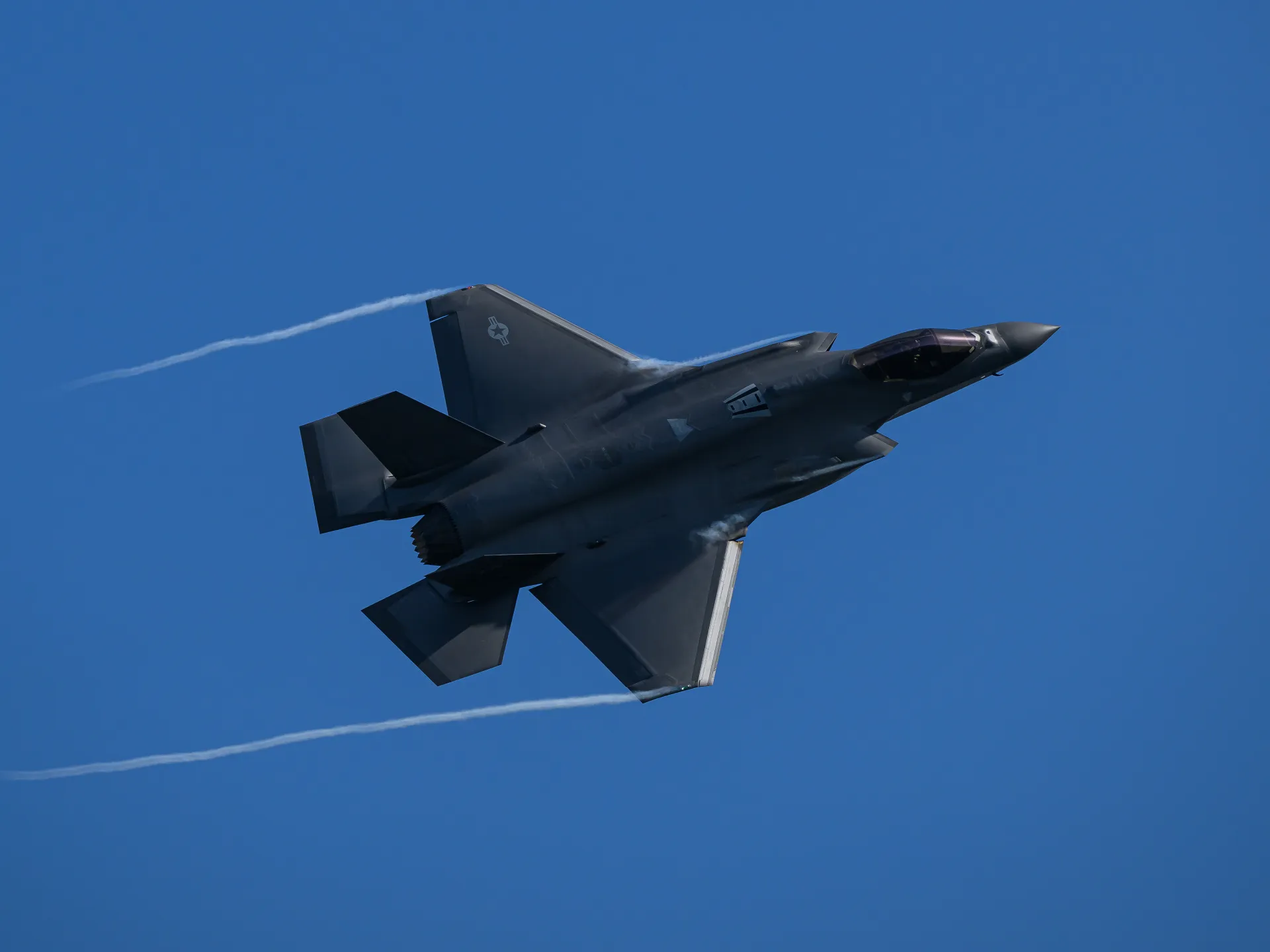
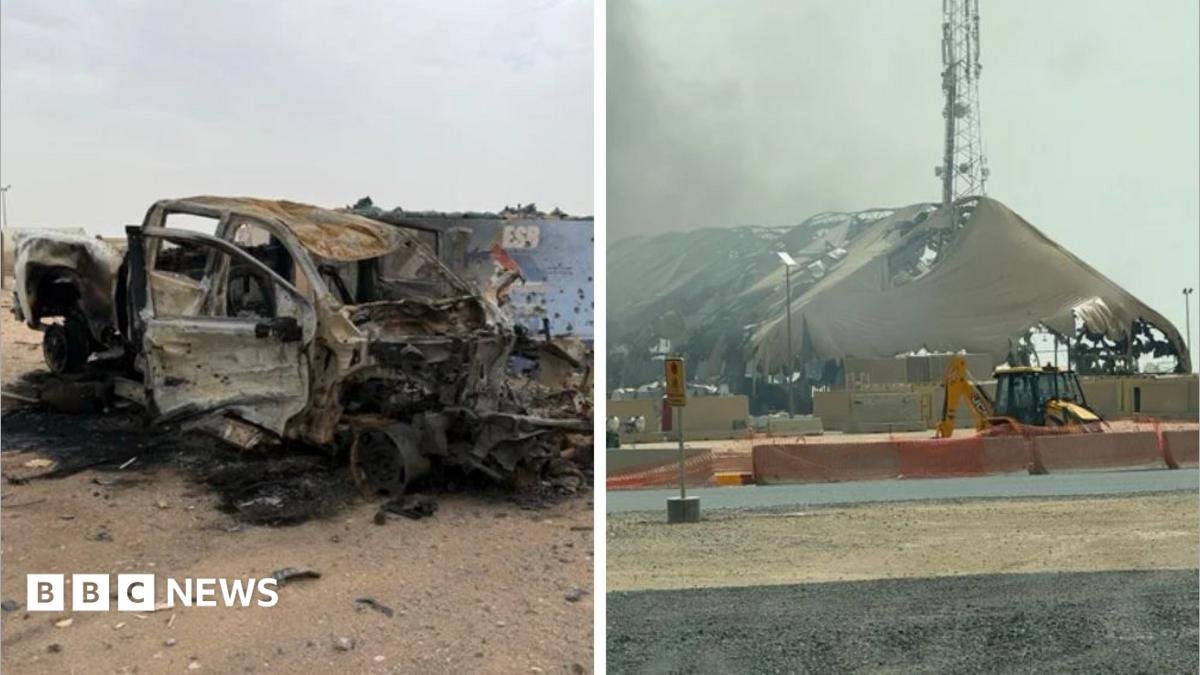
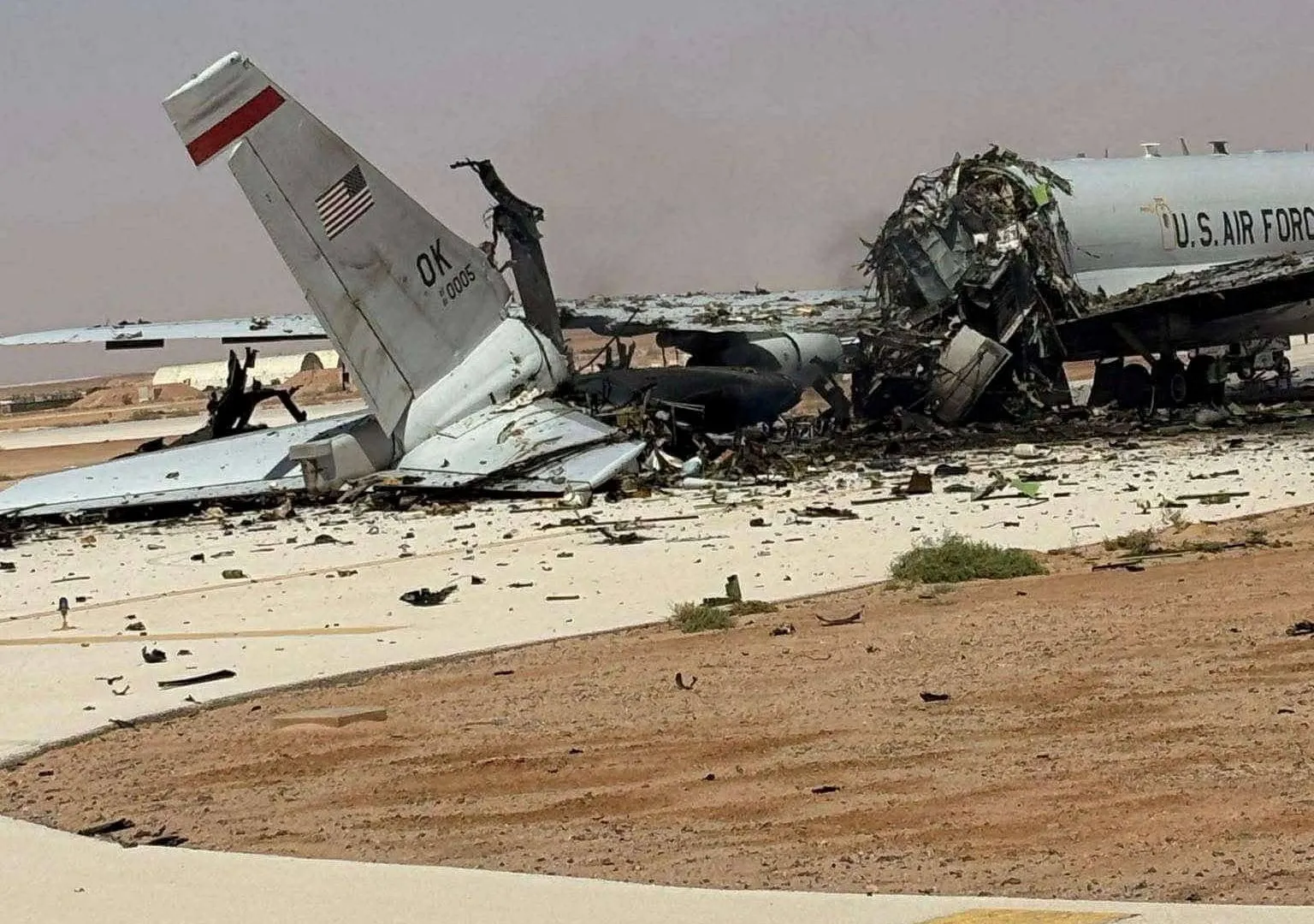
The decision to host the Iranian delegation during a period of direct kinetic warfare creates a complex geopolitical anomaly. Under typical circumstances, the U.S. Host Country Agreement with the United Nations mandates that the U.S. provide access to foreign diplomats regardless of bilateral relations. However, as the conflict has expanded to include attacks on regional infrastructure and U.S. bases in the Gulf, the optics of hosting the Iranian leadership have become a lightning rod for domestic political criticism. The Biden administration is attempting to balance its commitment to international law and global institutional integrity against the intense domestic scrutiny surrounding a war that has disrupted energy markets and exacerbated global inflation.
Furthermore, this visit sets a precedent for how the U.S. handles diplomatic engagement with adversaries during prolonged conflicts. , the State Department is signaling that while it respects the UN forum as a neutral ground, it refuses to normalize the presence of the Iranian government. The diplomatic challenge lies in whether these constraints will be viewed th hostility that could derail any potential back-channel negotiations intended to bring the seven-month-old conflict to a close.
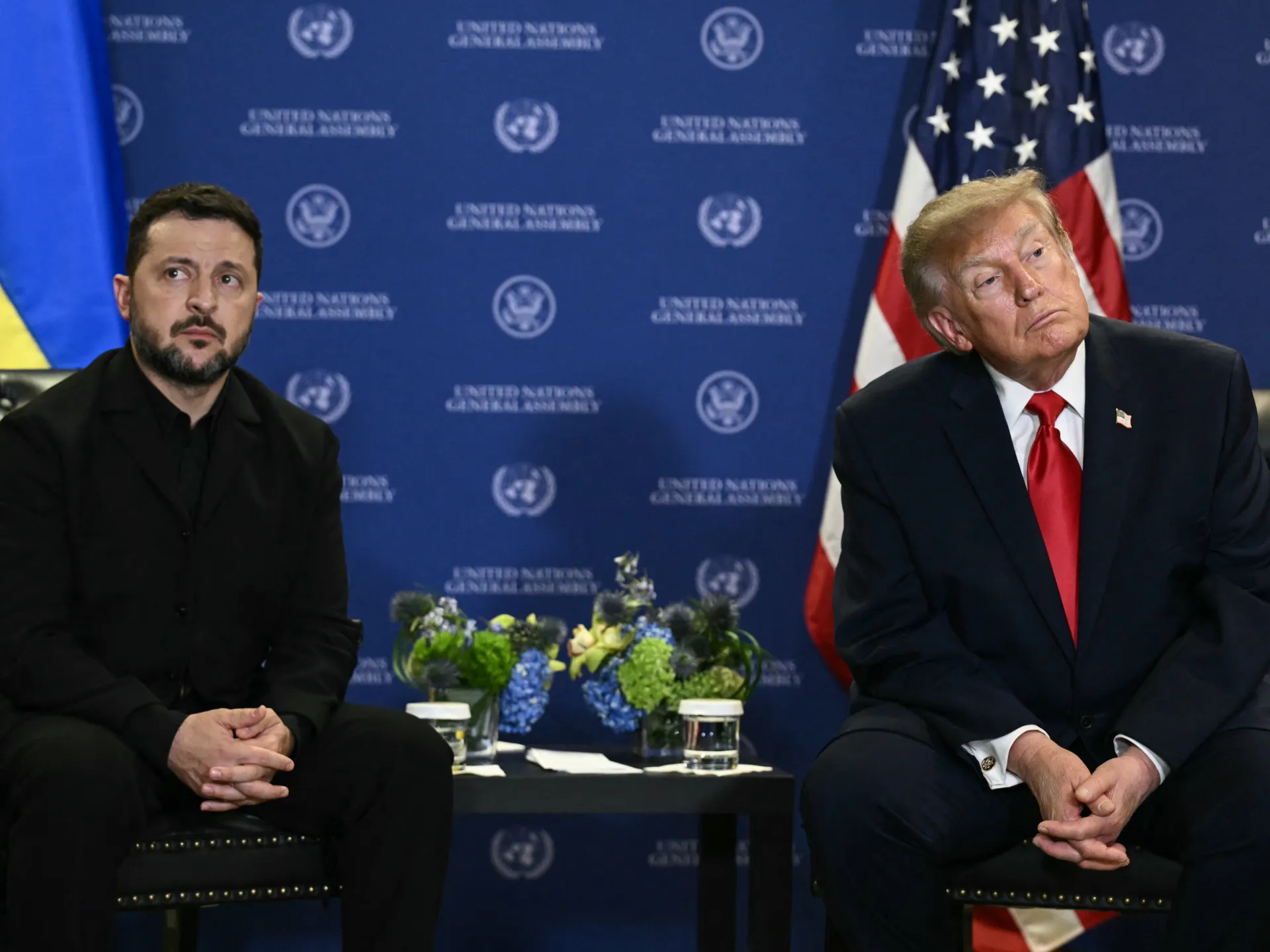
The atmosphere surrounding the UN General Assembly this year is markedly different from previous iterations. The U.S. government has been vocal about its disapproval of the Iranian delegation’s potential for “luxury retail splurges,” with spokespeople issuing warnings to New York retailers to monitor the spending habits of the visiting officials. This rhetoric serves a dual purpose: it underscores the White House's hardline stance on the Iranian regime’s domestic policies while simultaneously placating critics who argue that the U.S. should have denied entry entirely.
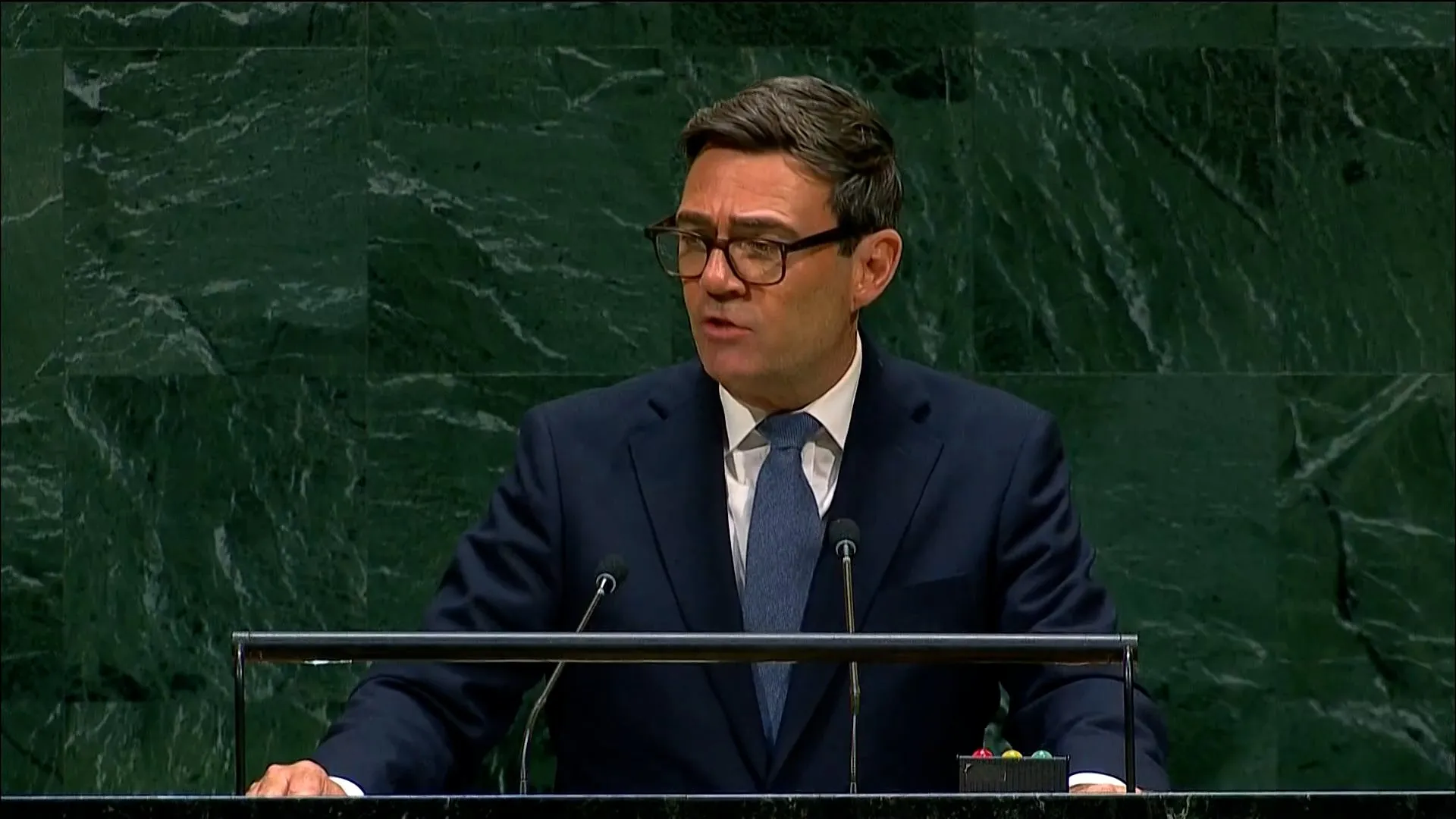
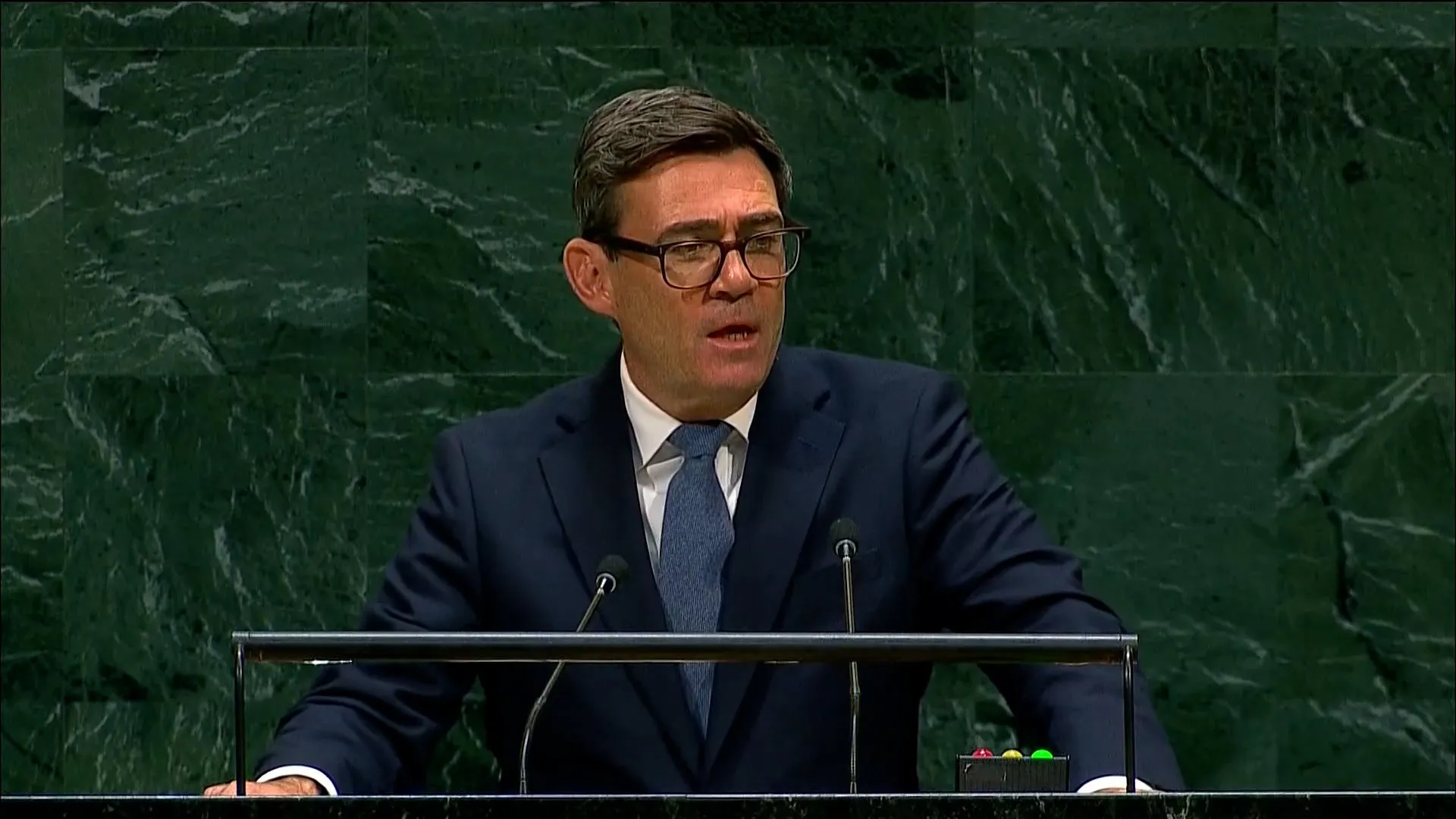
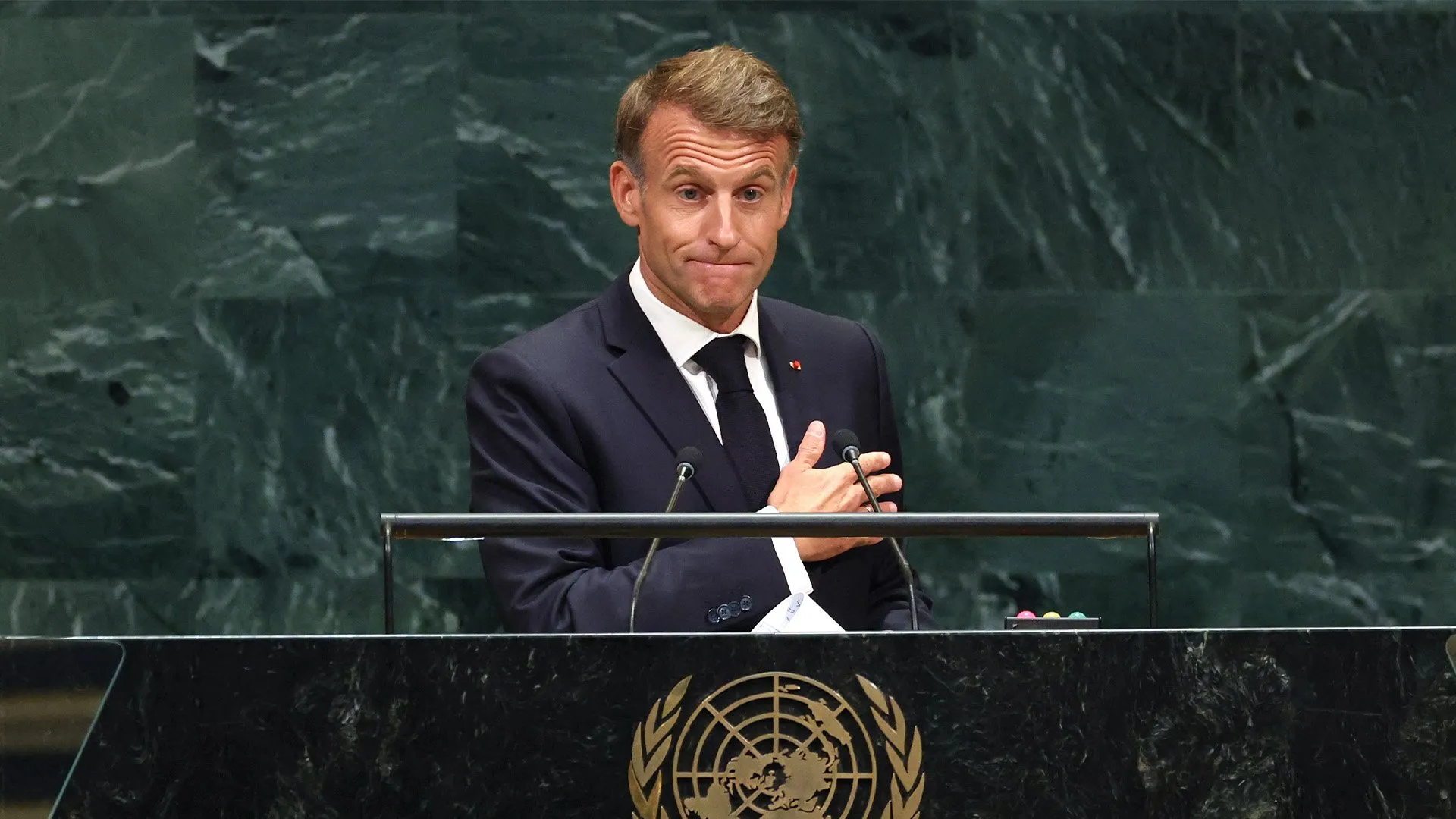
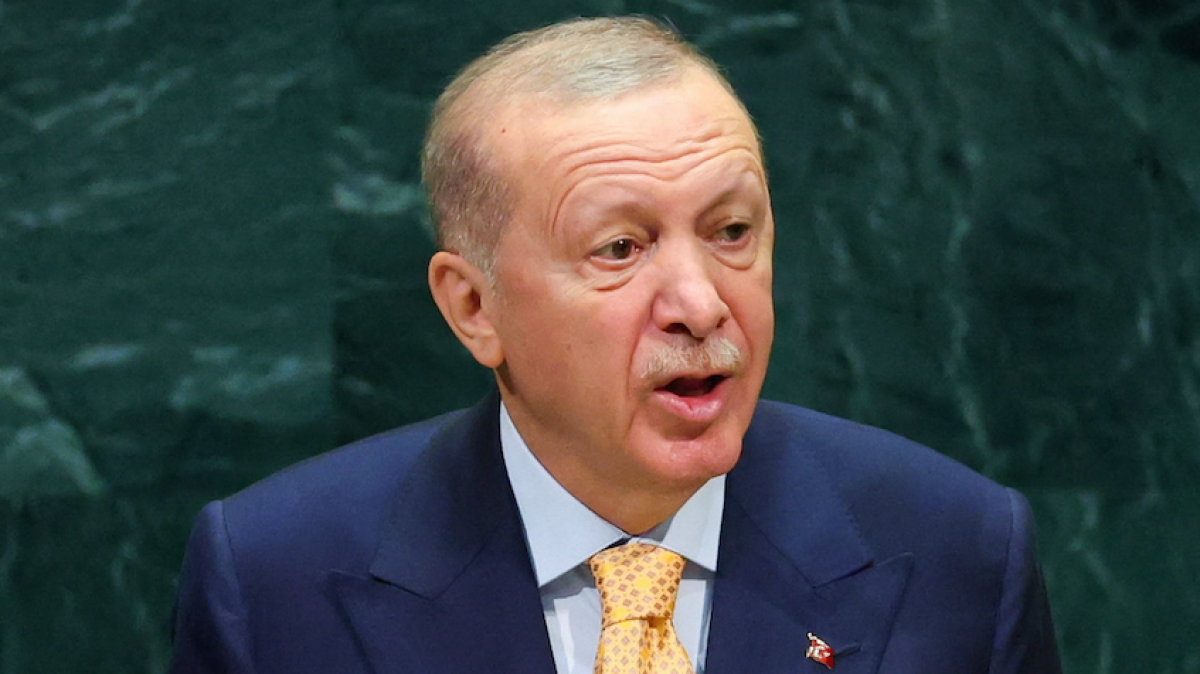
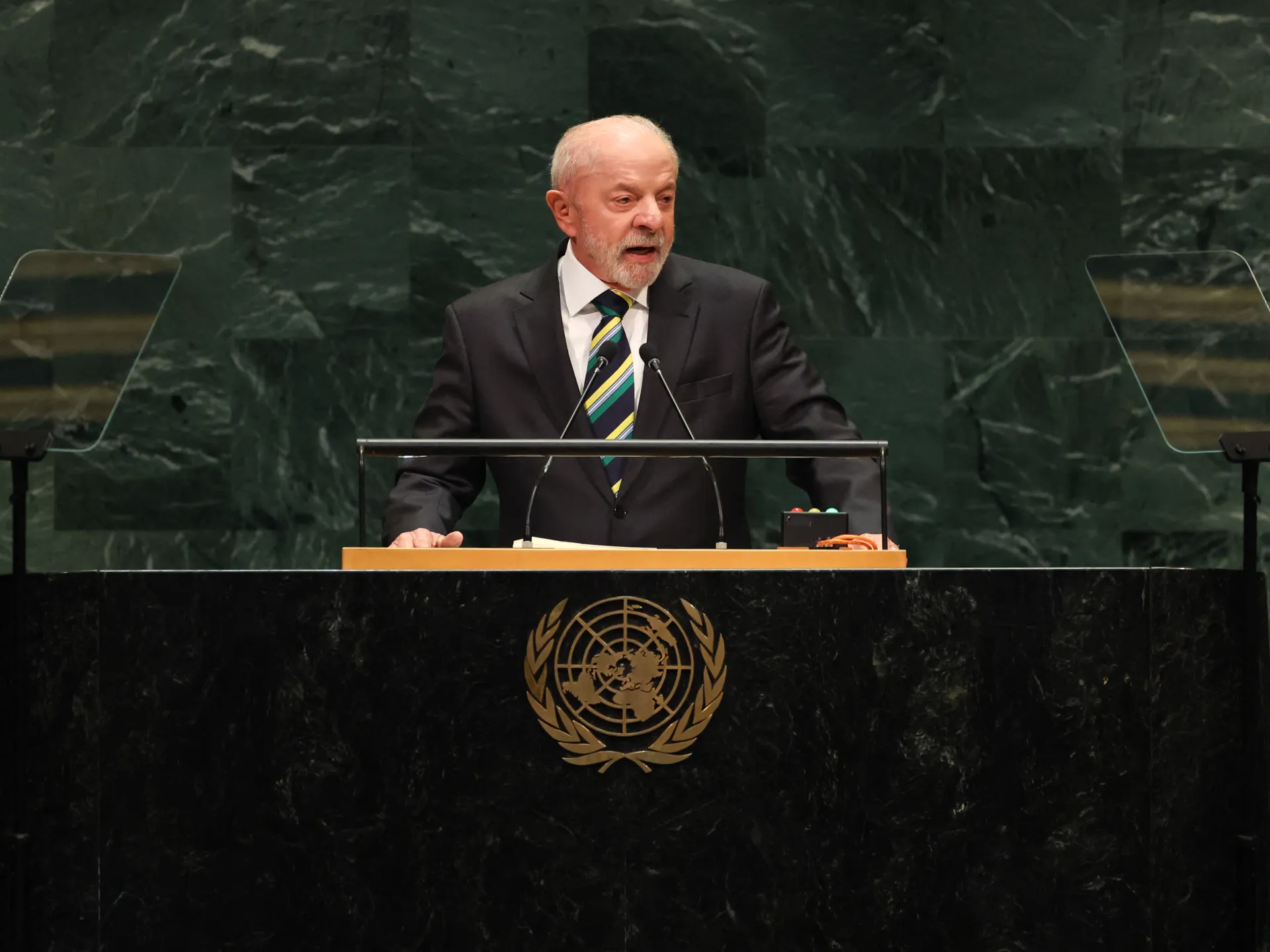
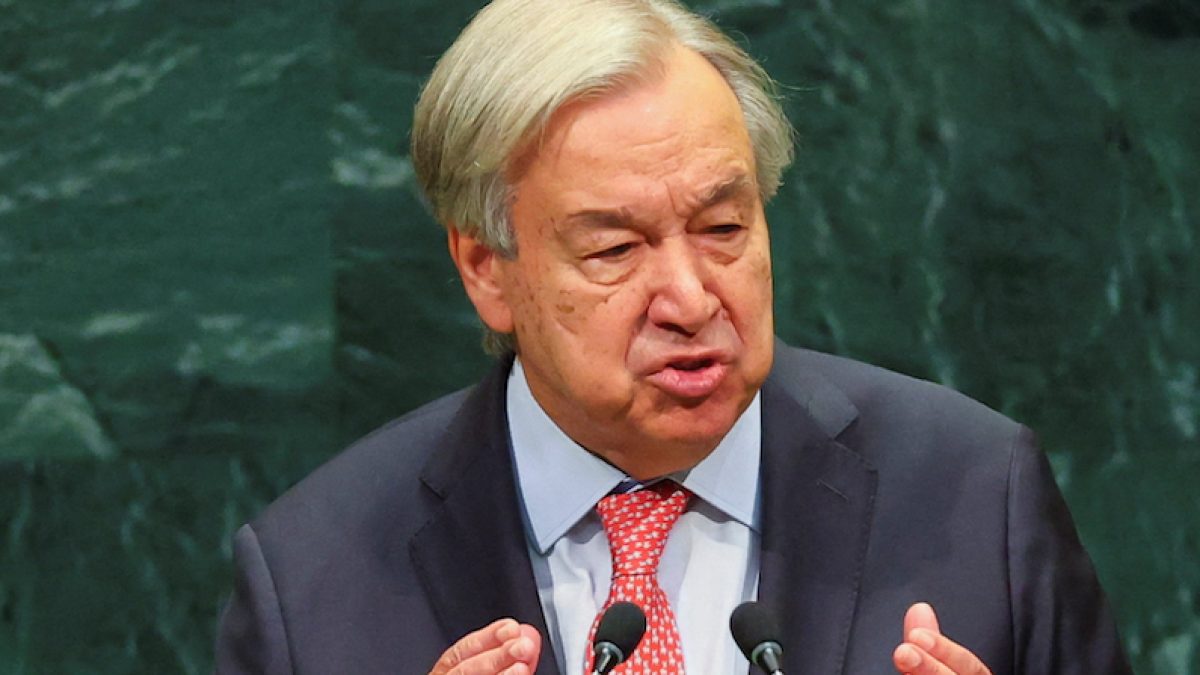
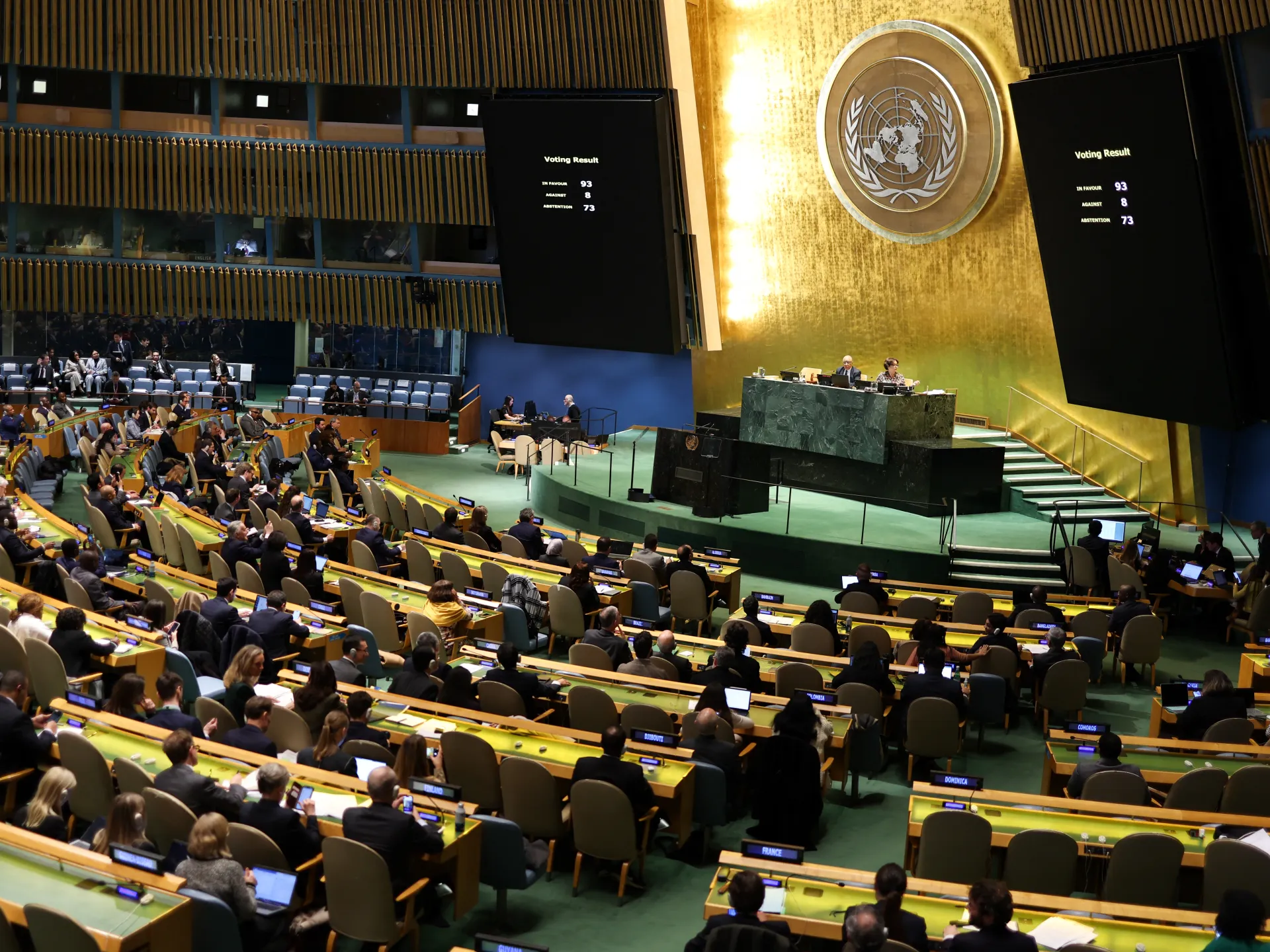
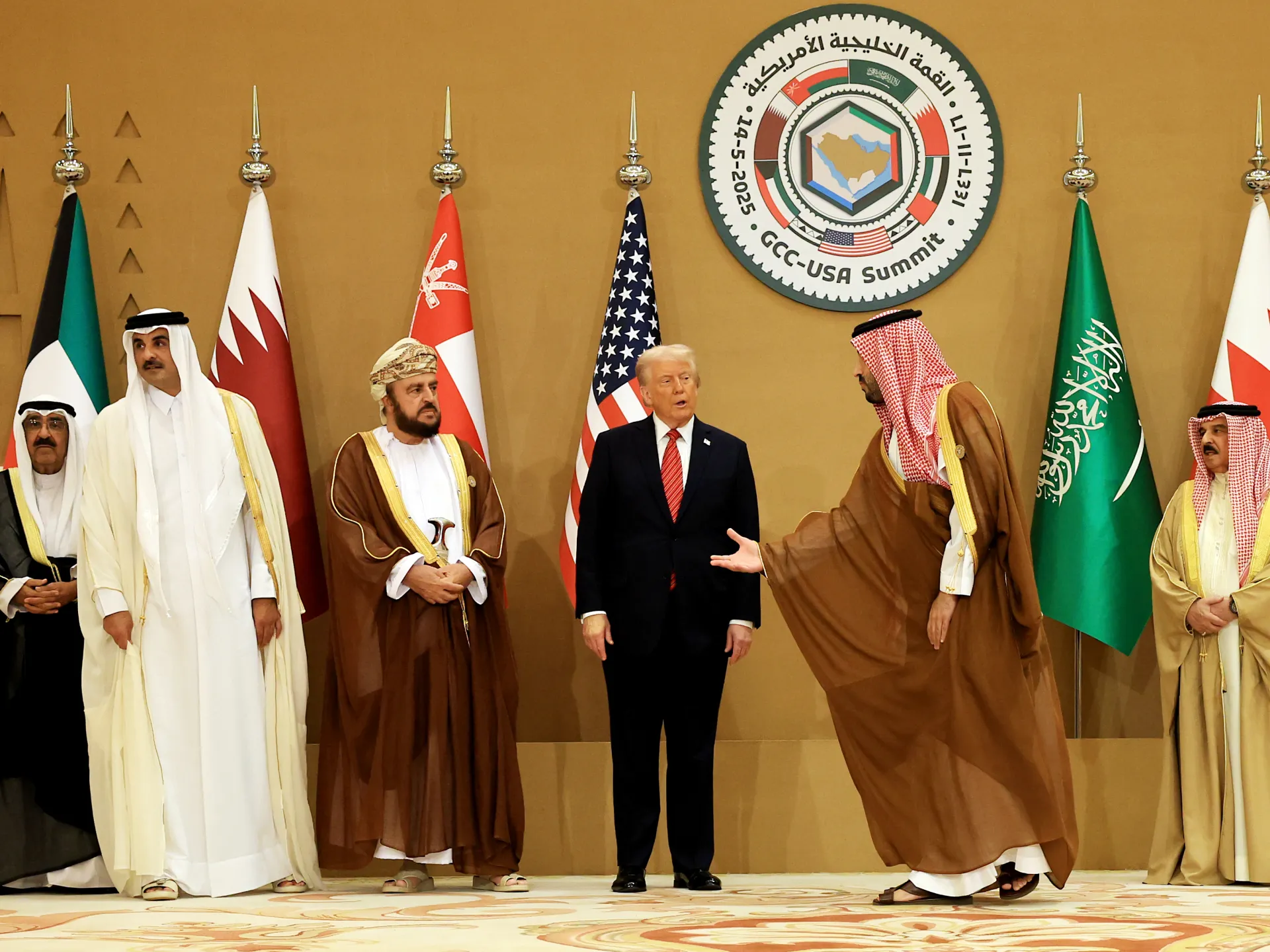
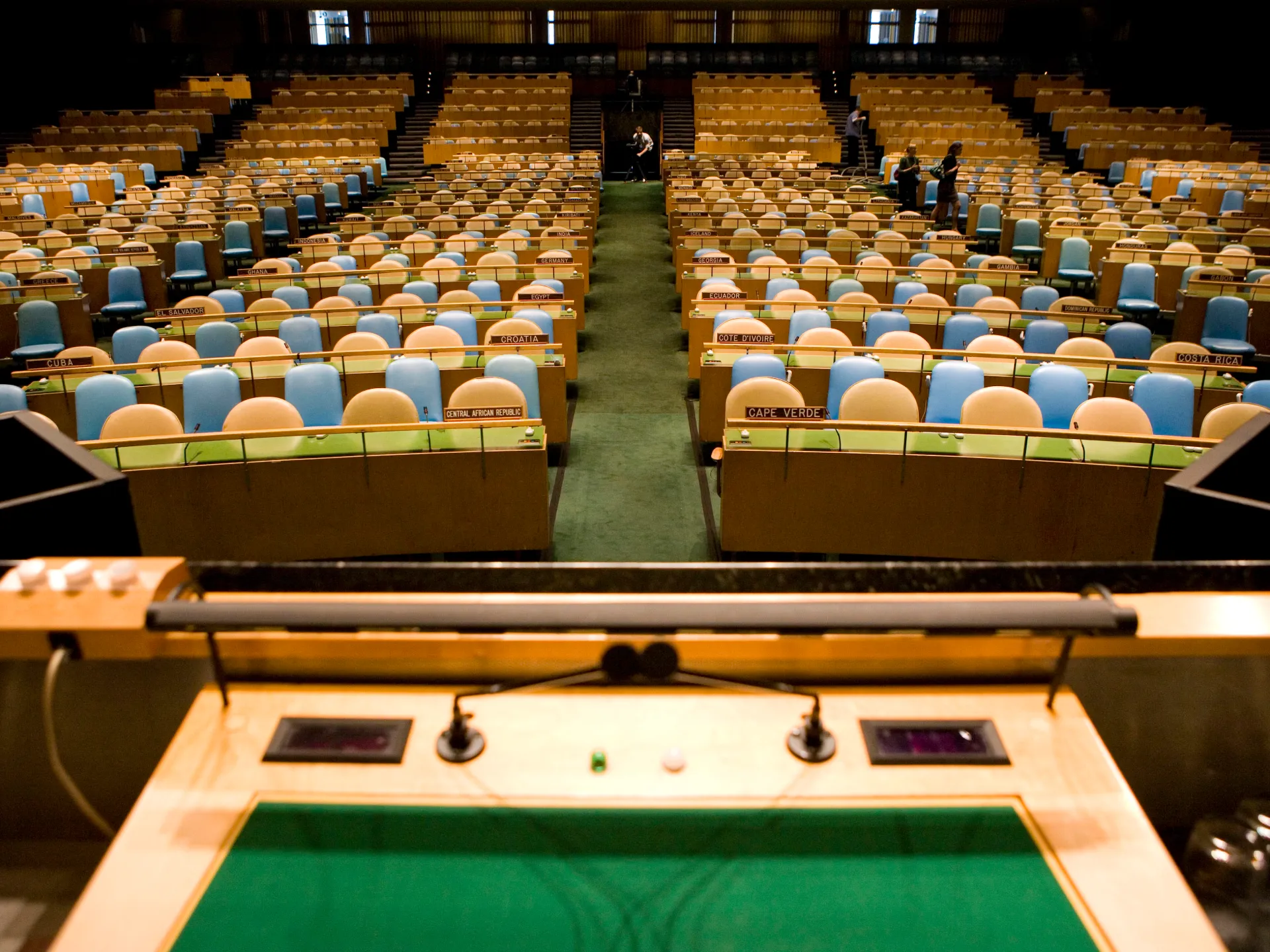
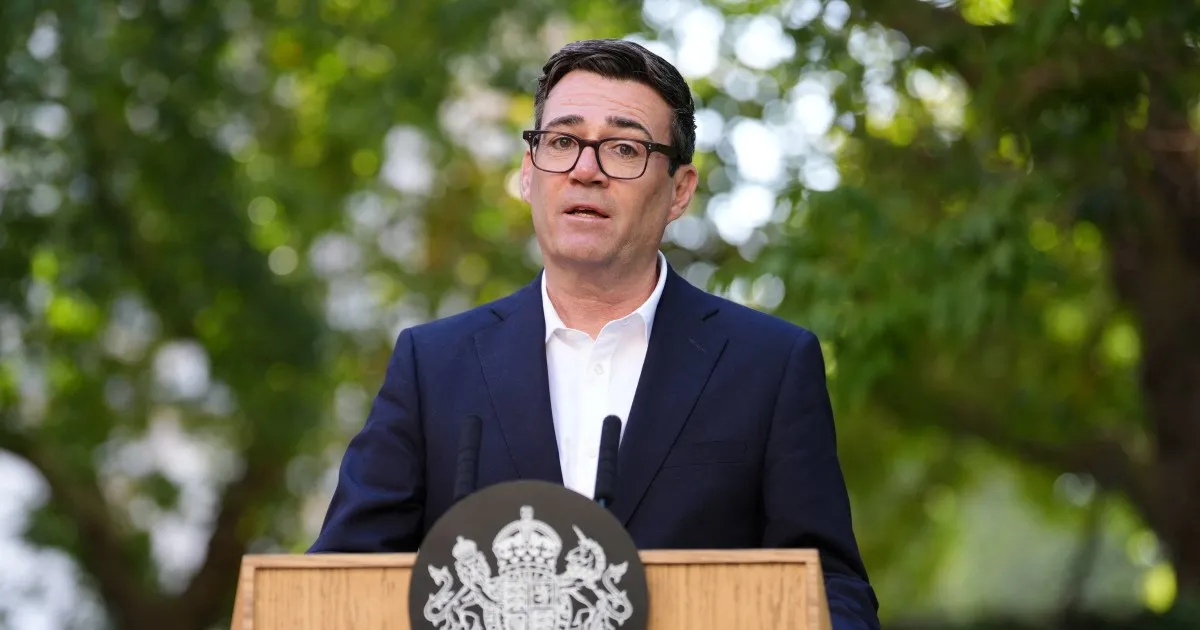
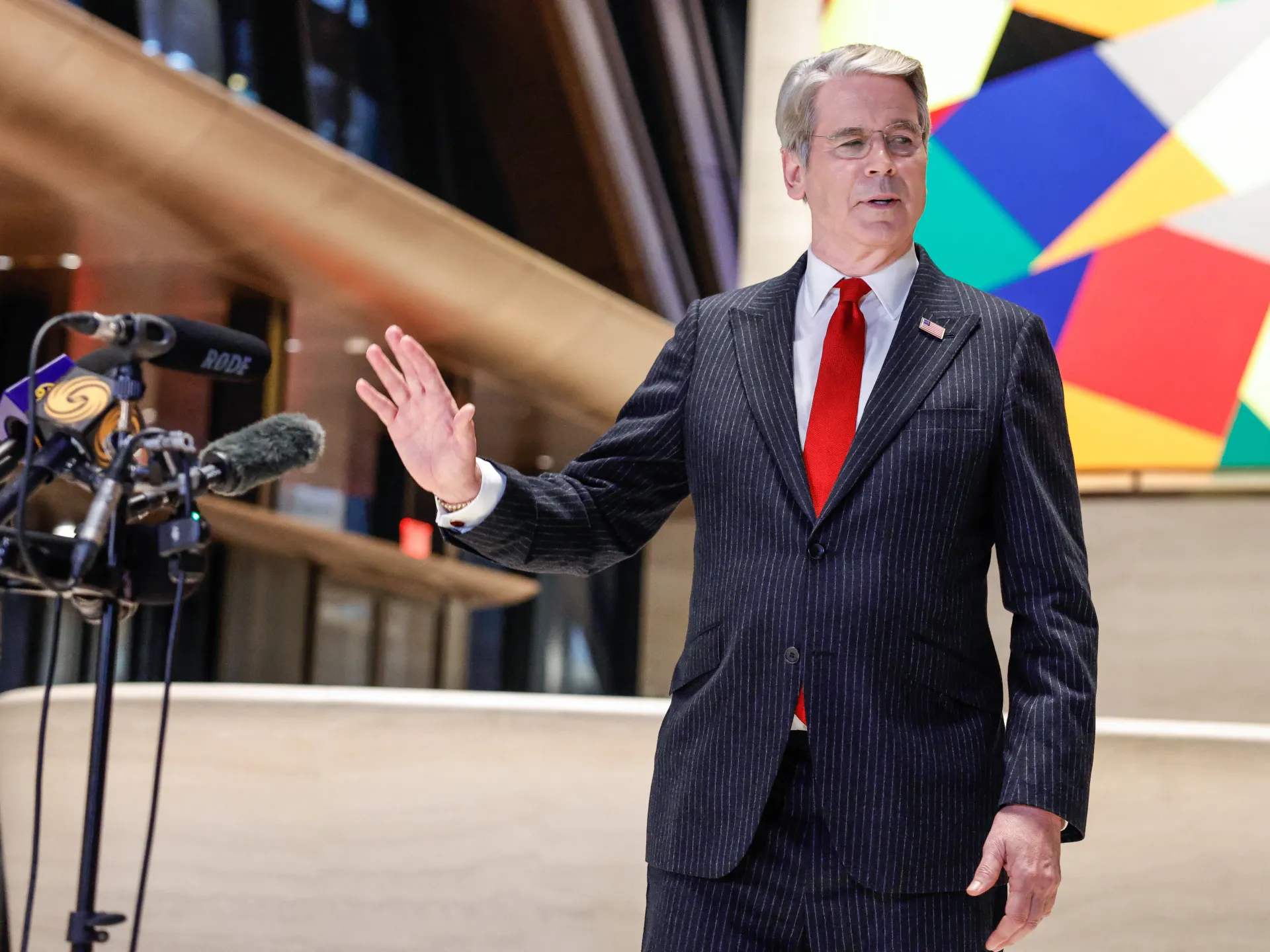
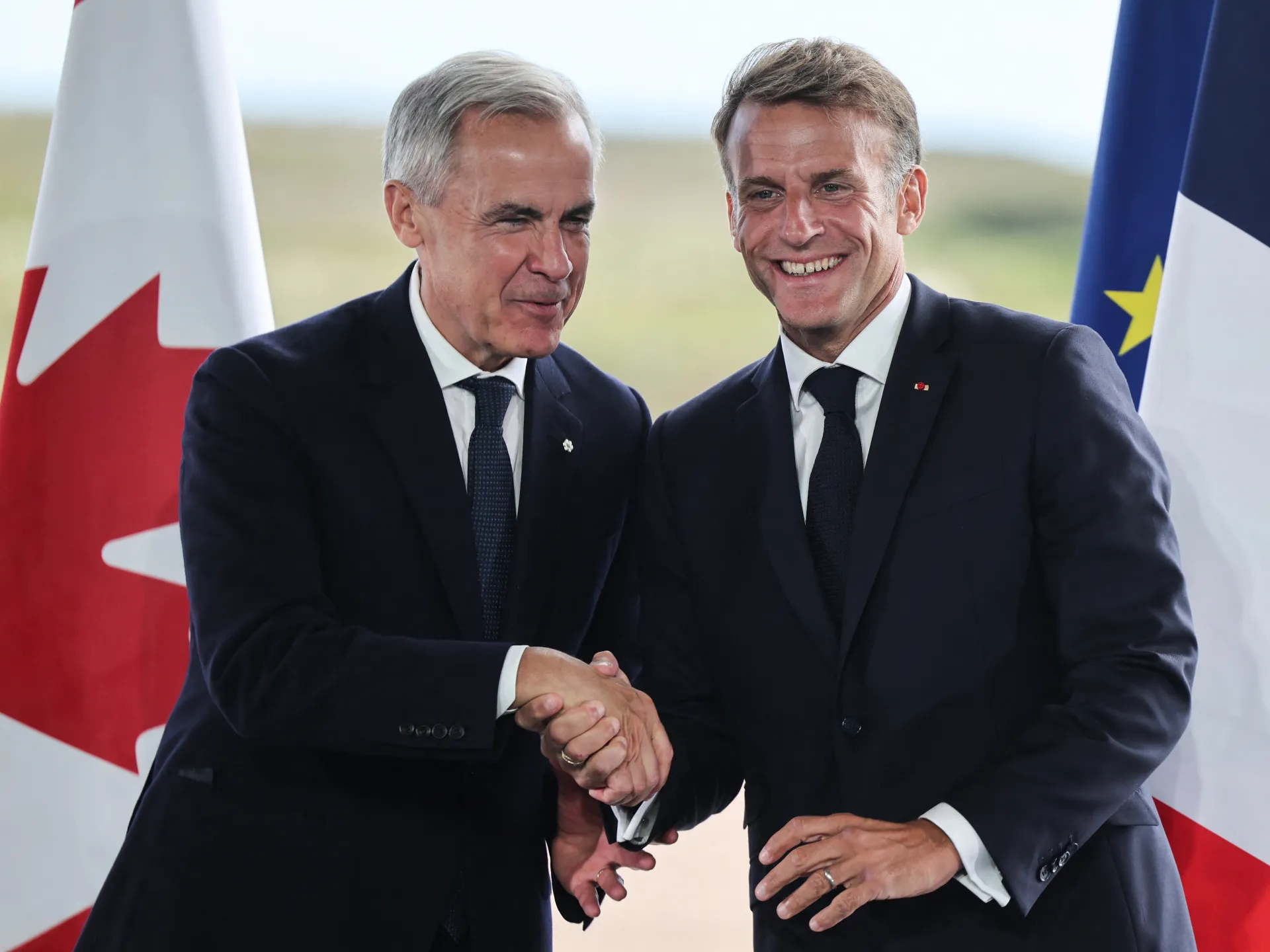
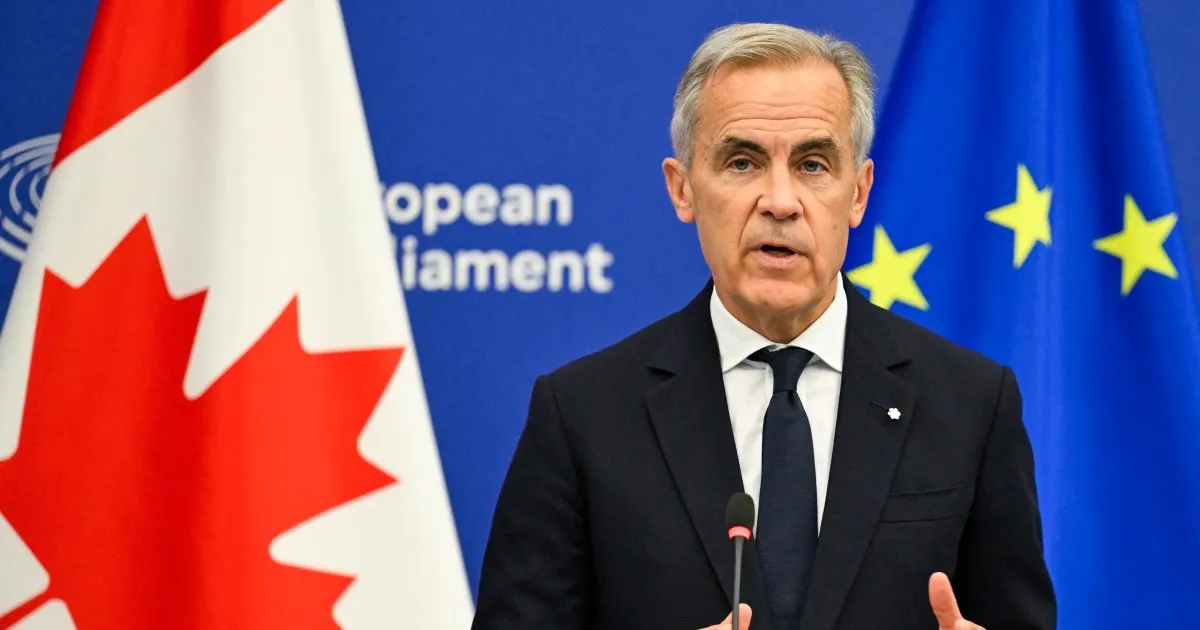
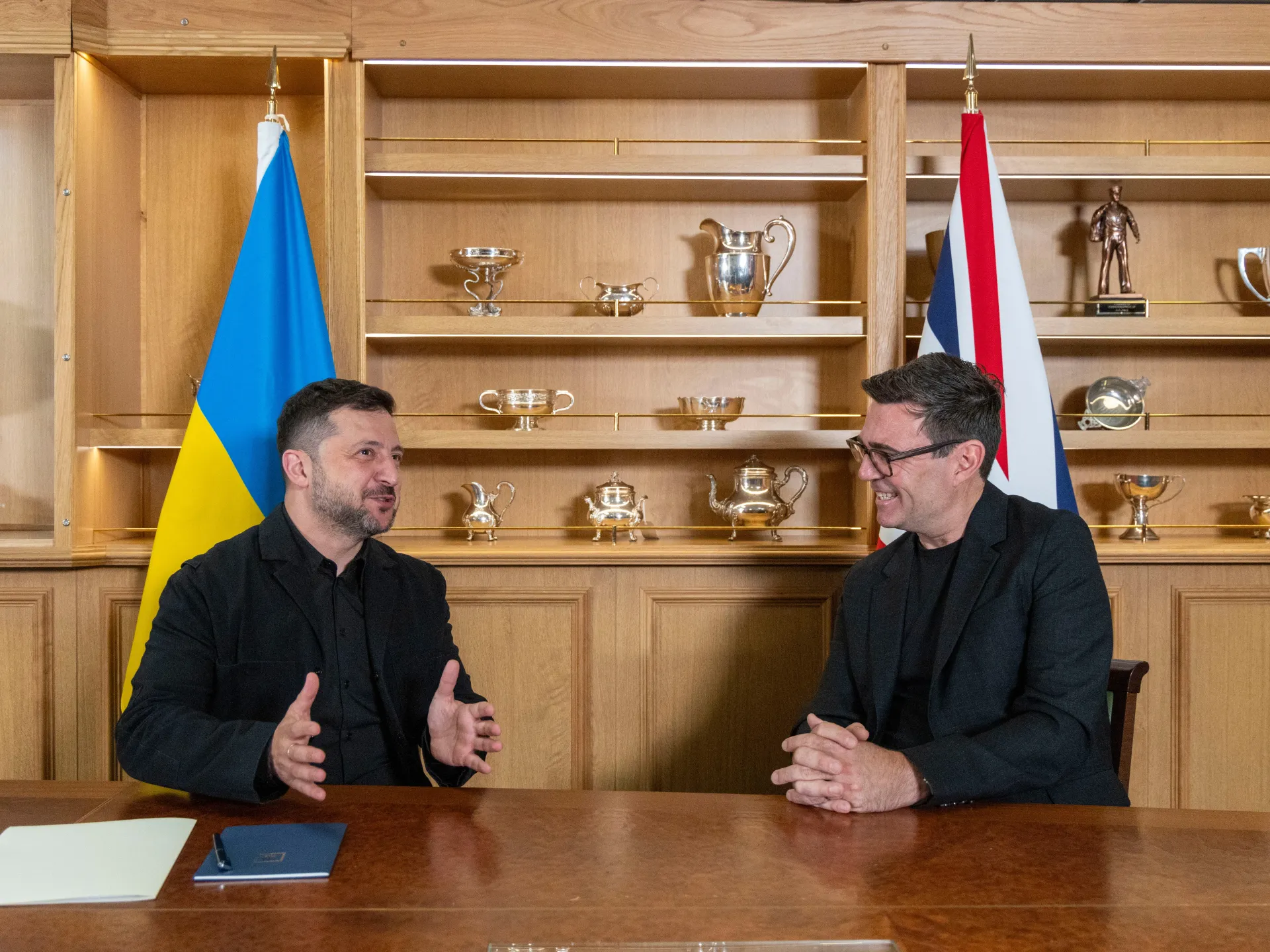
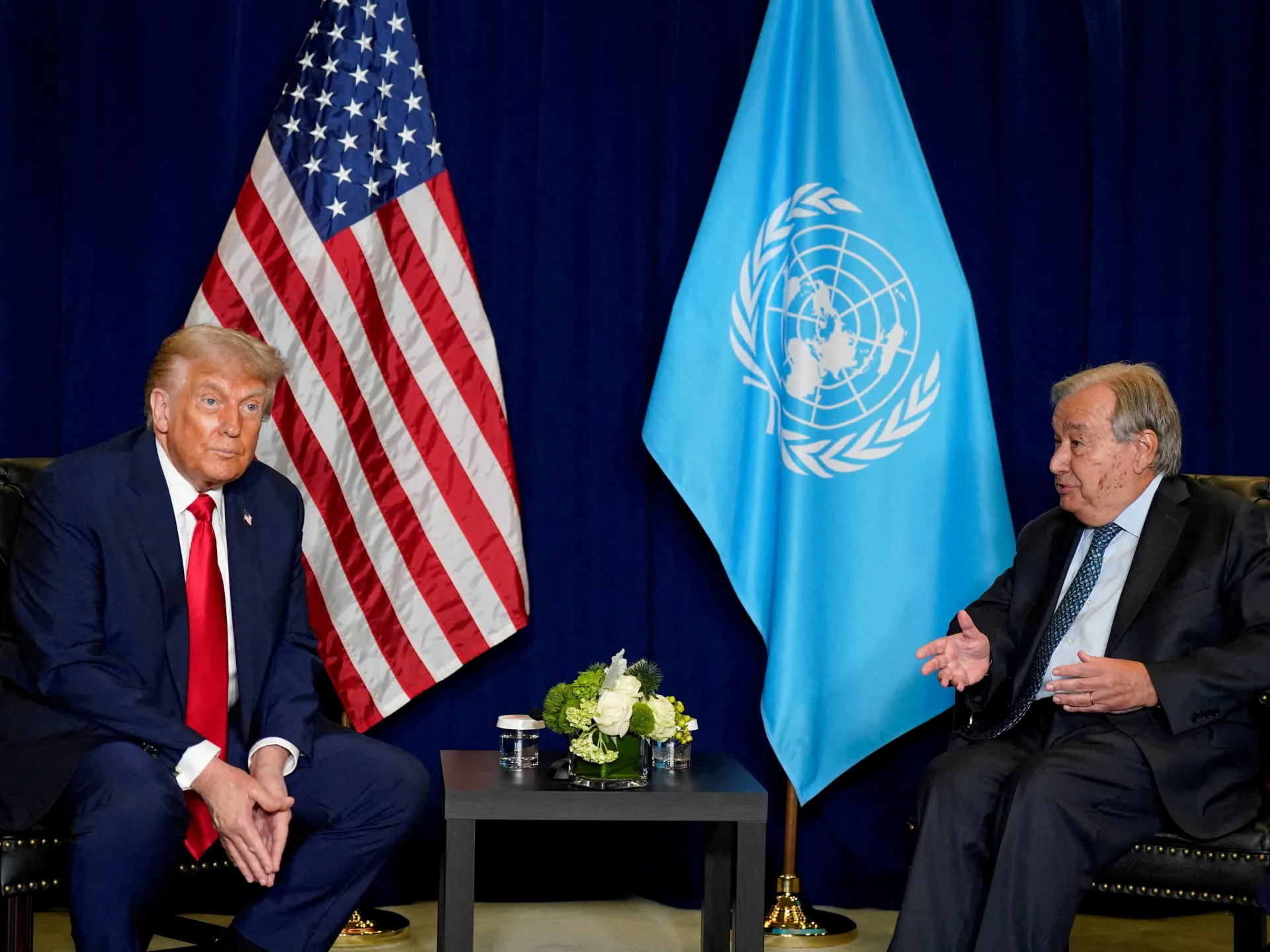
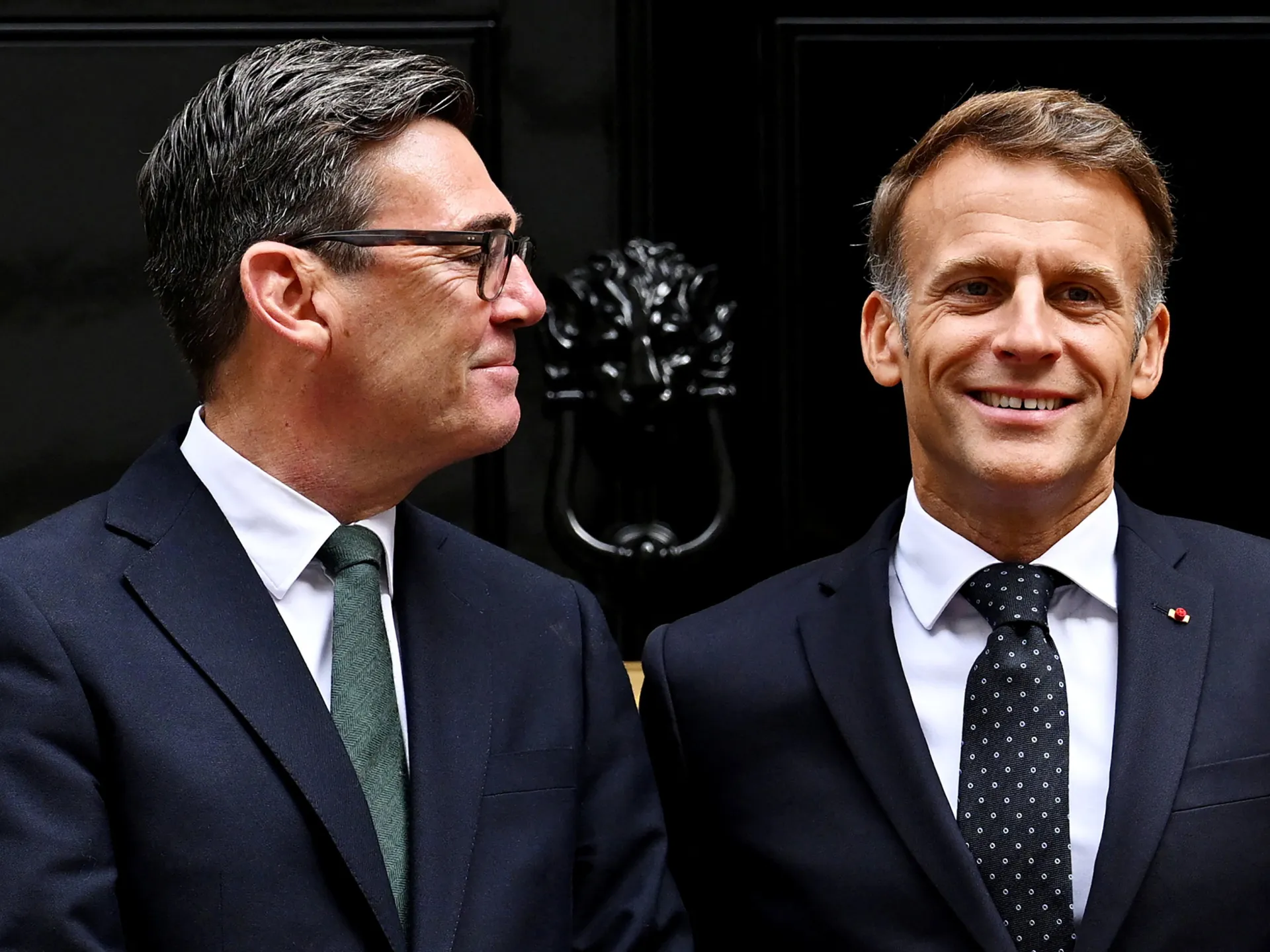
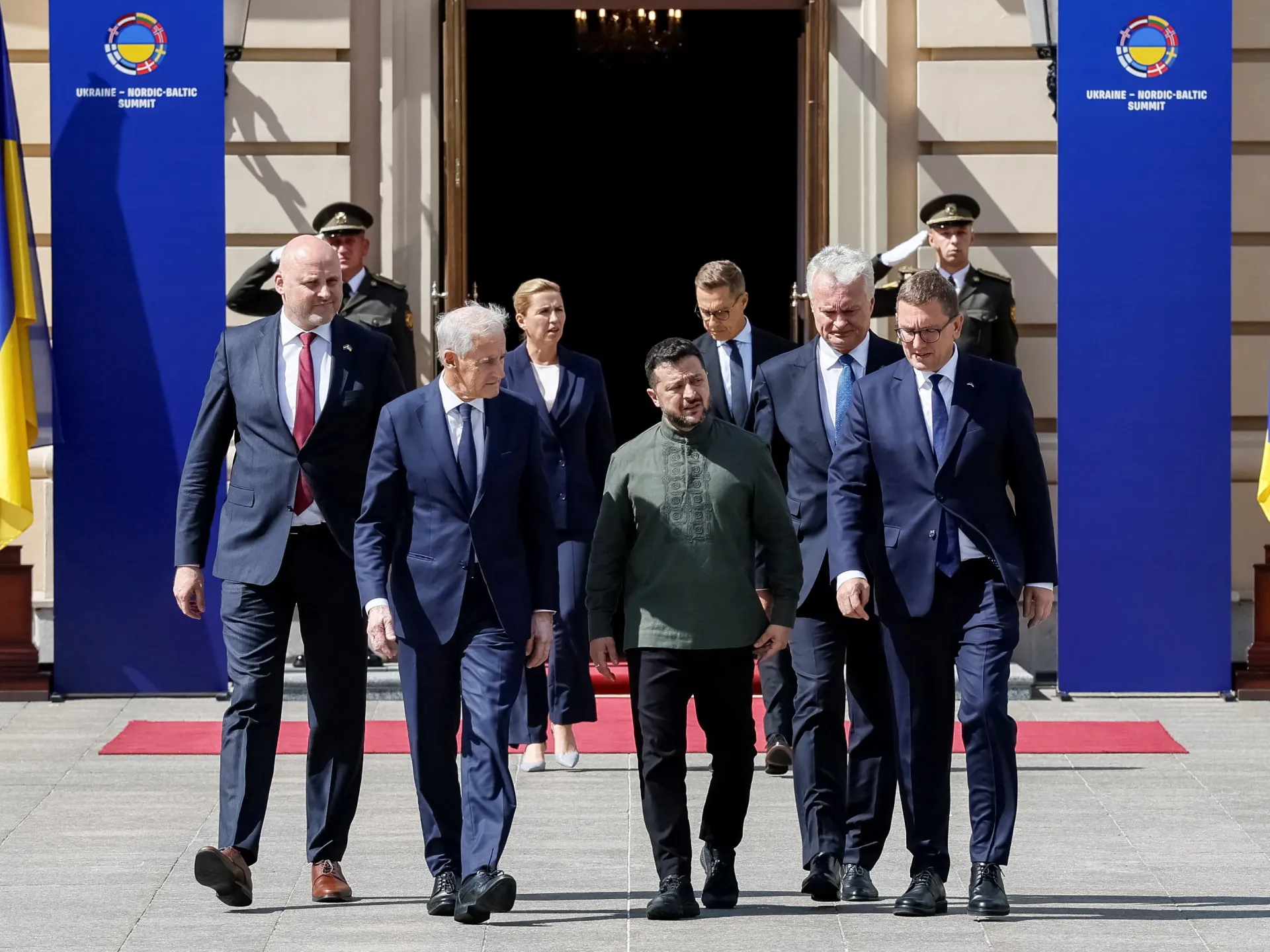
As the General Debate begins, the focus shifts to whether the podiums of the UN will be used for inflammatory rhetoric or as a stage for signaling concessions. While the U.S. delegation will be led ister Andy Burnham and France’s President Emmanuel Macron—the Iranian address is expected to be the central point of contention. The BBC reports that the Iranian leadership intends to use the platform to present its own narrative on the origins of the conflict and the ongoing humanitarian situation, a move that the U.S. is prepared to counter through its own diplomatic channels.
The coming days will be defined ins focused on traditional diplomatic grievances, there may be space for intermediaries from other nations to facilitate quiet, informal discussions. However, if the rhetoric from either the U.S. or Iranian leadership moves toward further escalation, the diplomatic window will likely close rapidly as the session concludes.
The most immediate question is whether the travel restrictions imposed on the Iranian team will cause a diplomatic incident. If the U.S. security or customs services are seen as overstepping their mandate, it could provide Tehran with a pretext to withdraw early or publicly rebuke the host nation, further hardening their position in the conflict. Analysts will be watching the specific language used al months of 2026 regarding the possibility of a ceasefire.