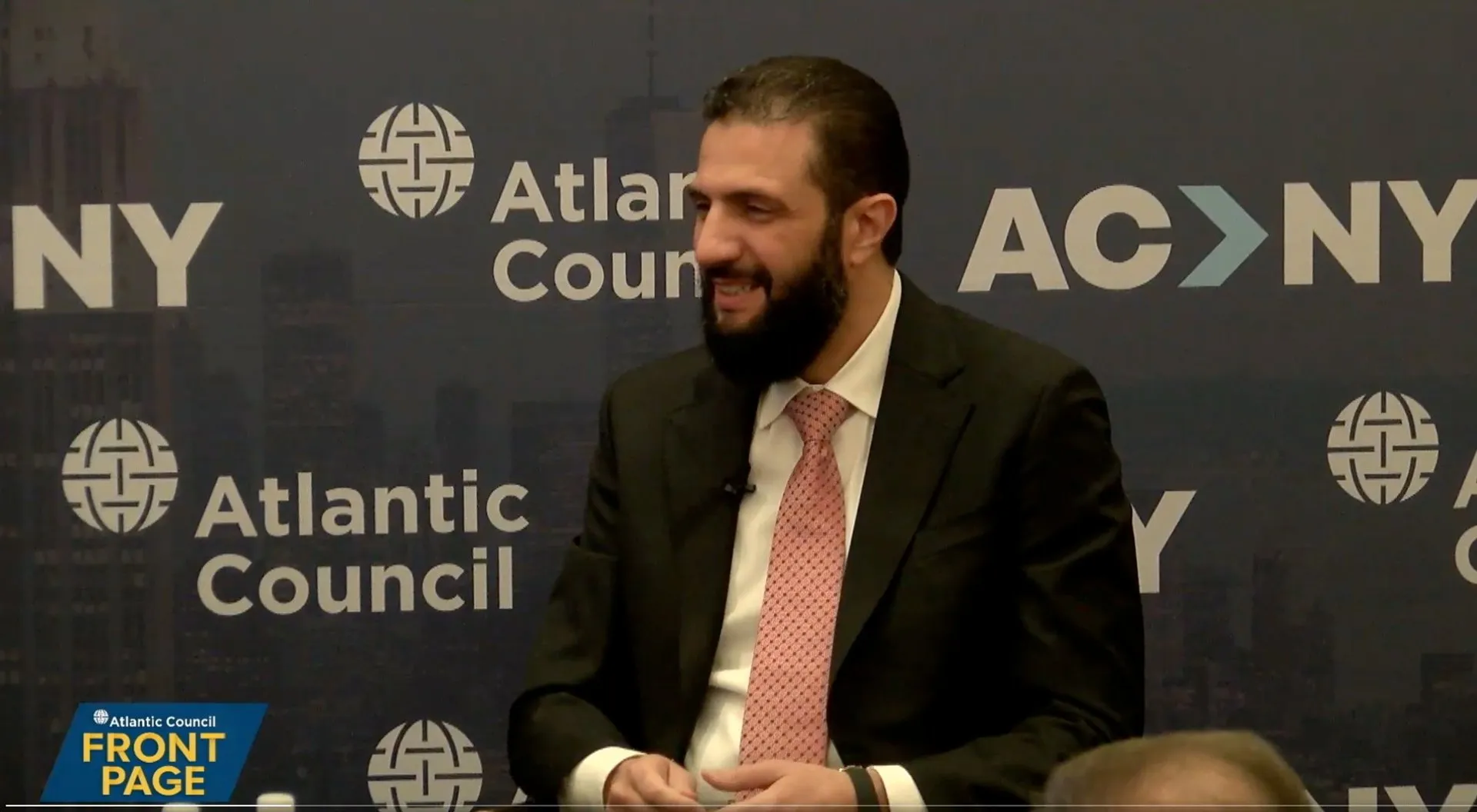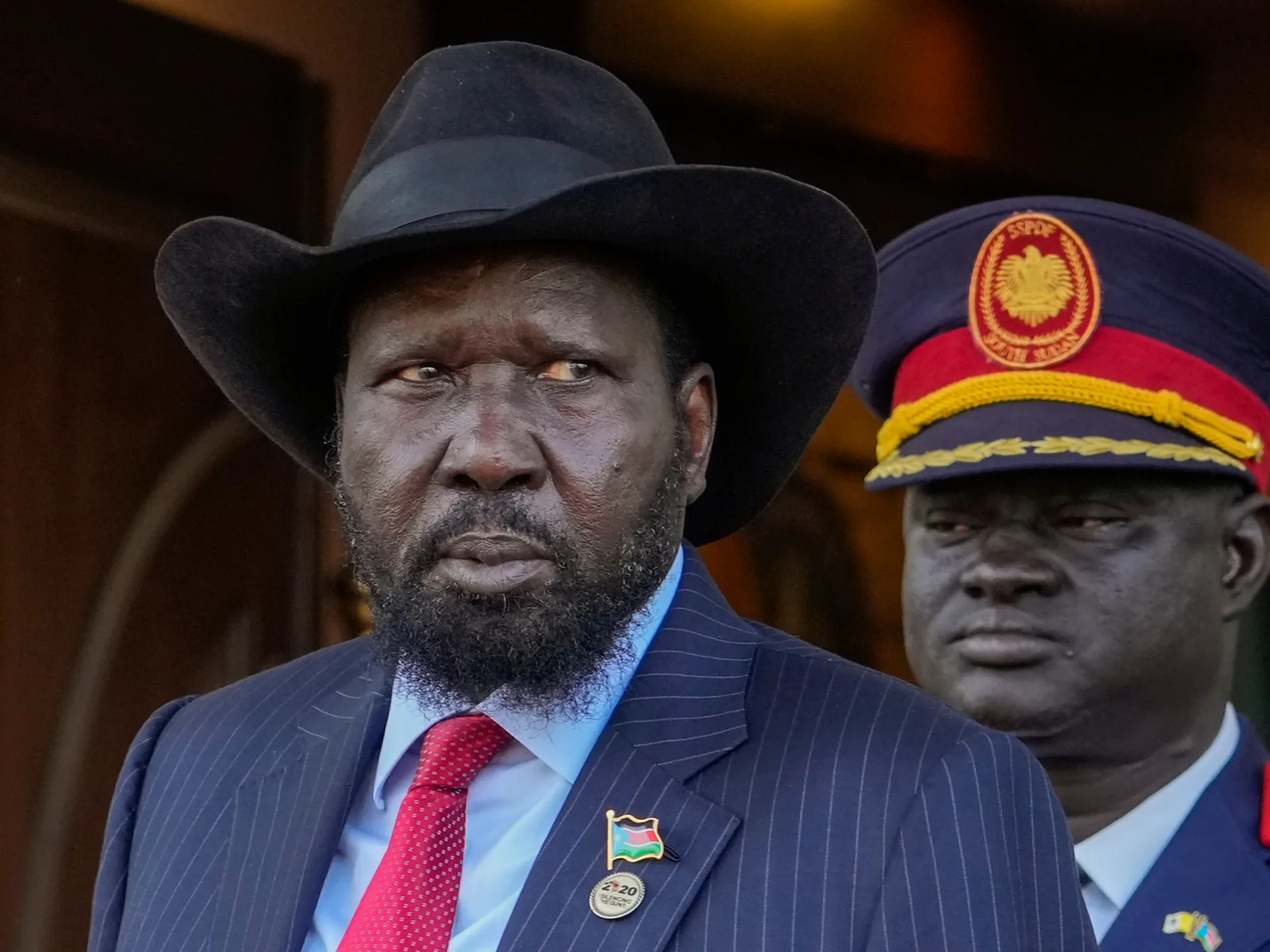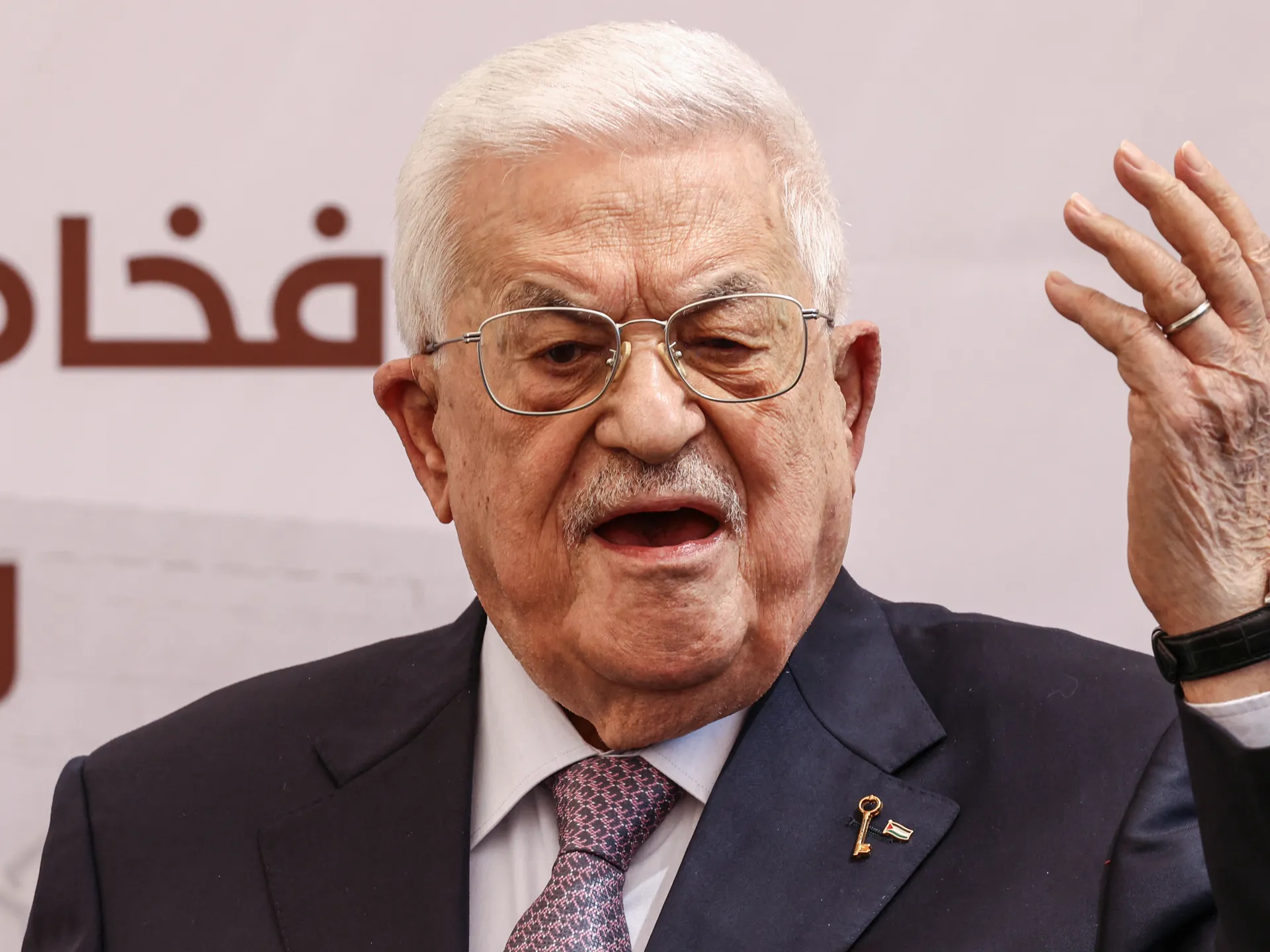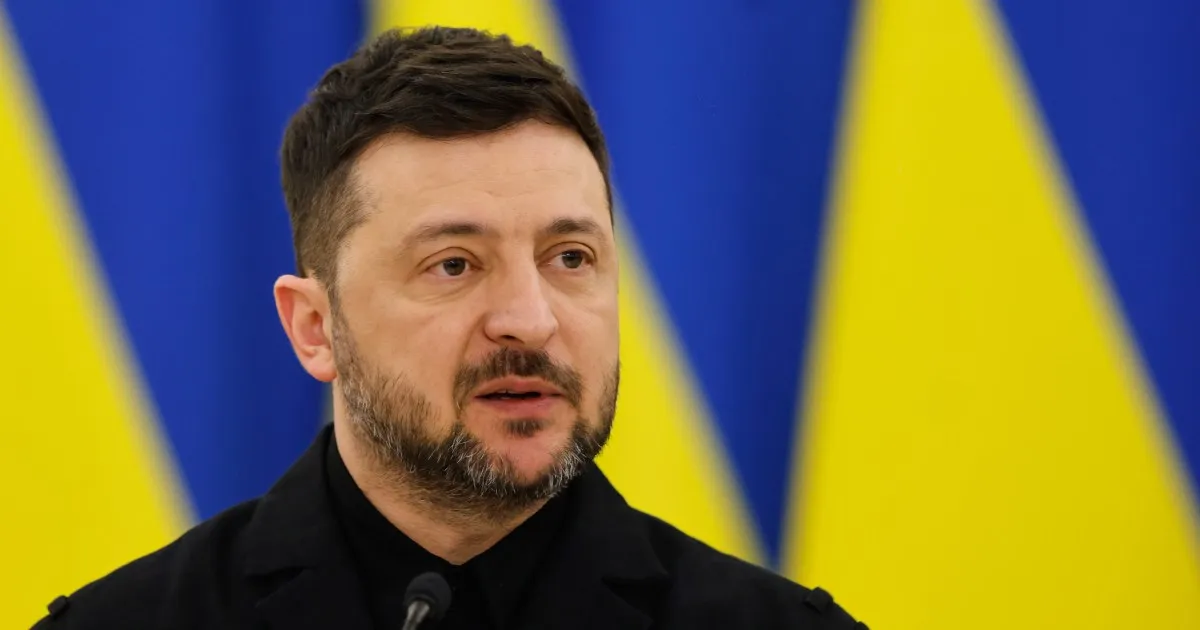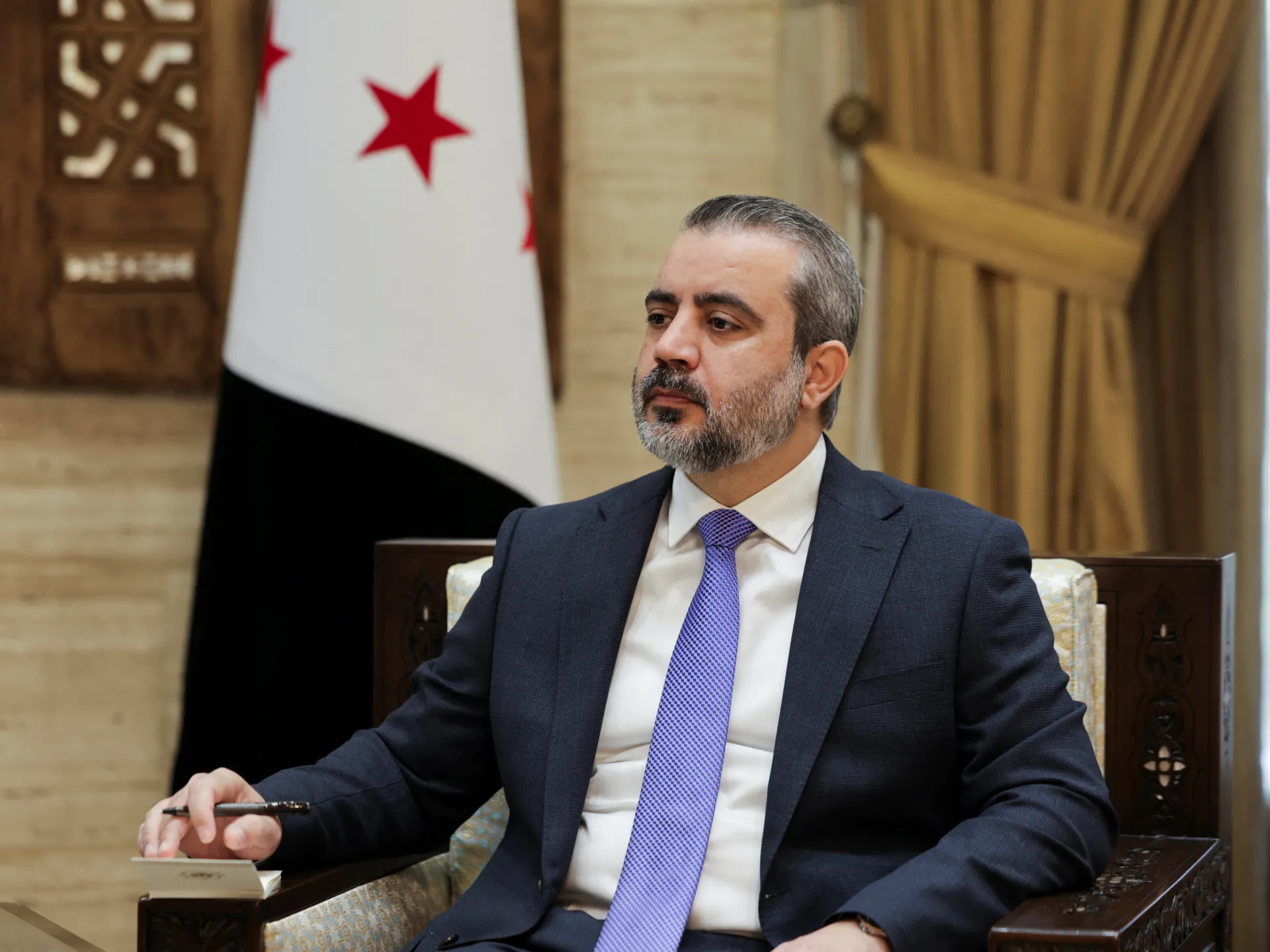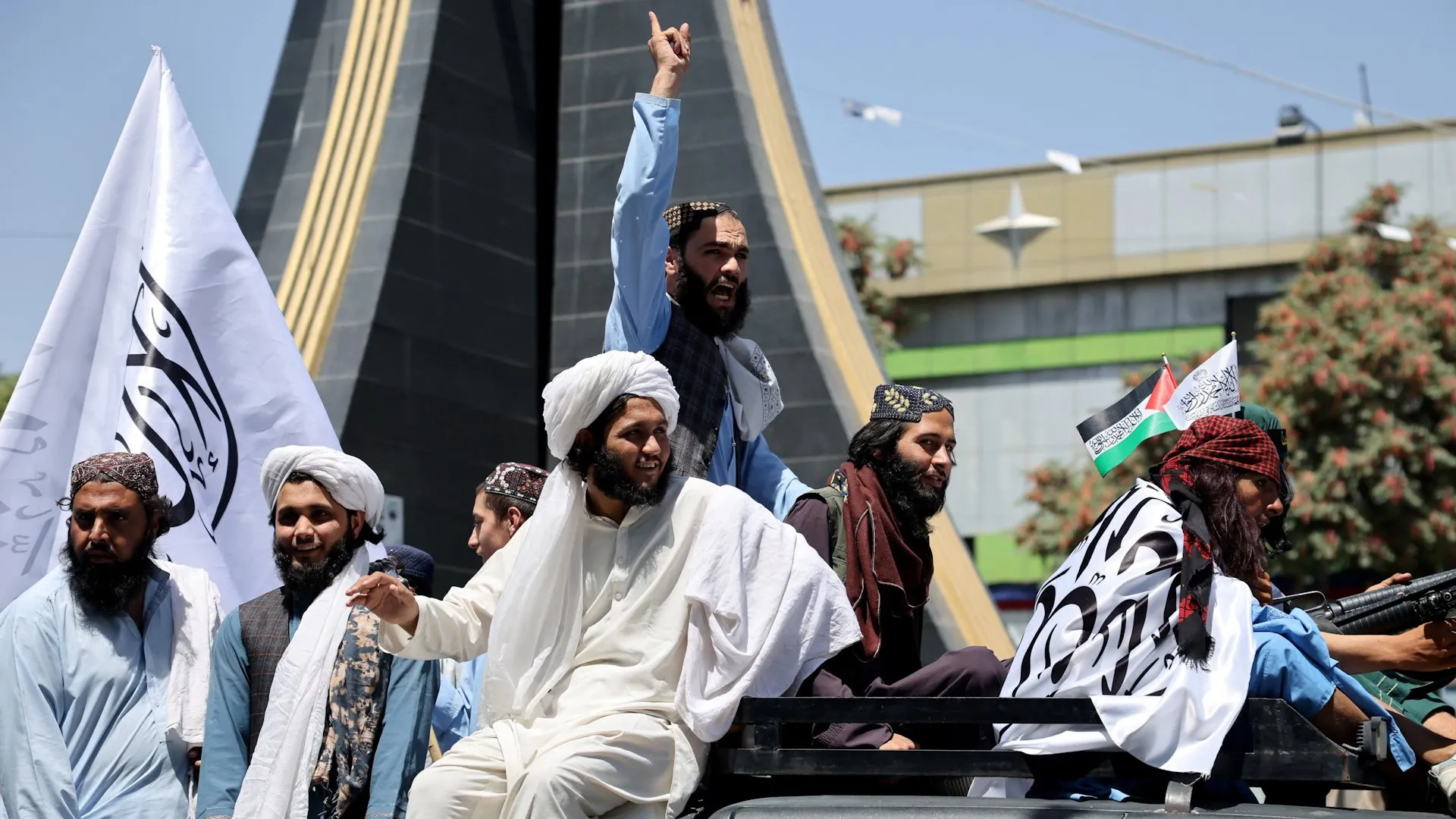
Syrian President Ahmed al-Sharaa has called for the UN to intervene in ongoing border conflicts, citing hundreds of Israeli incursions that threaten Syria's reconstruction efforts.
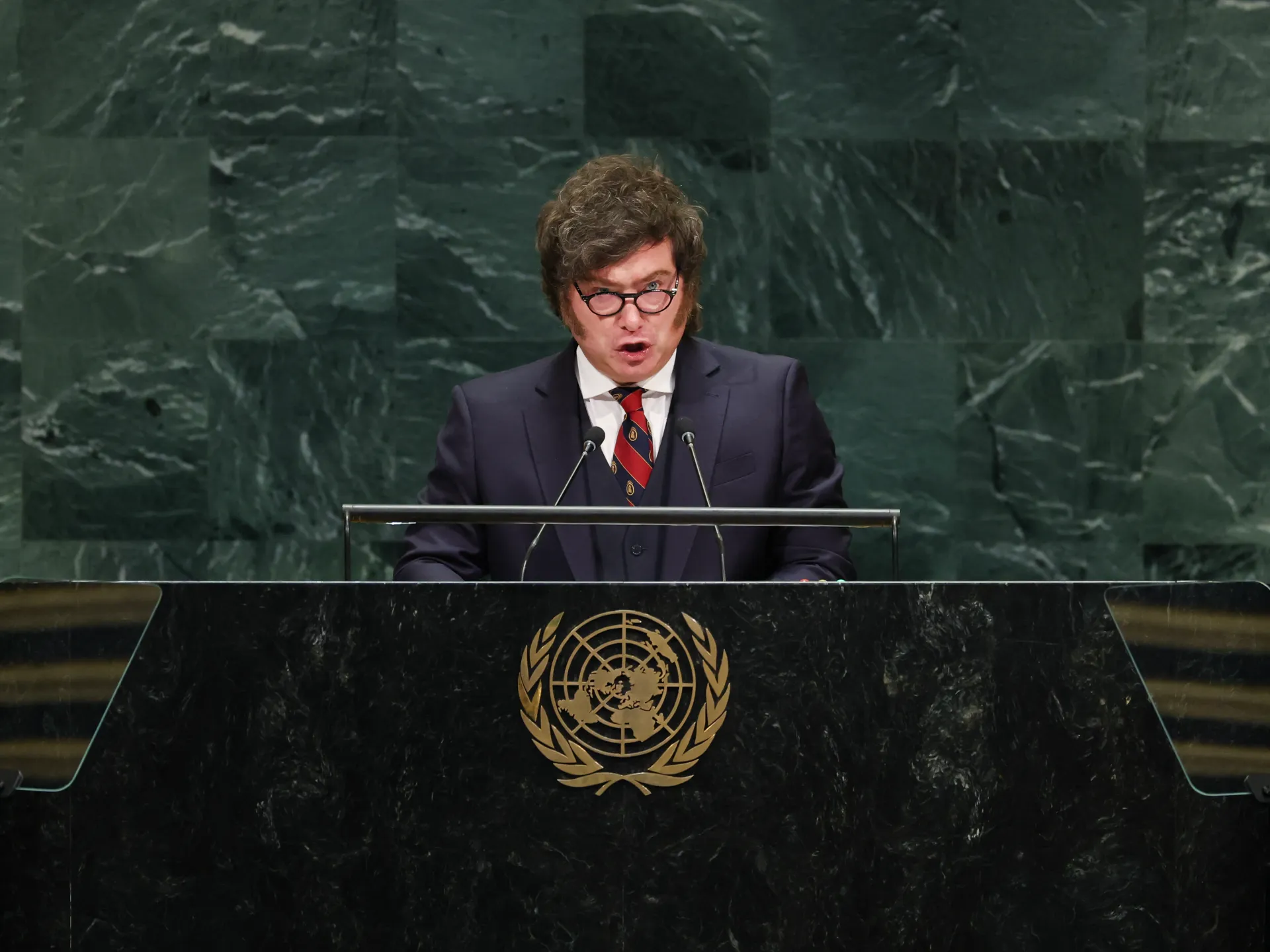
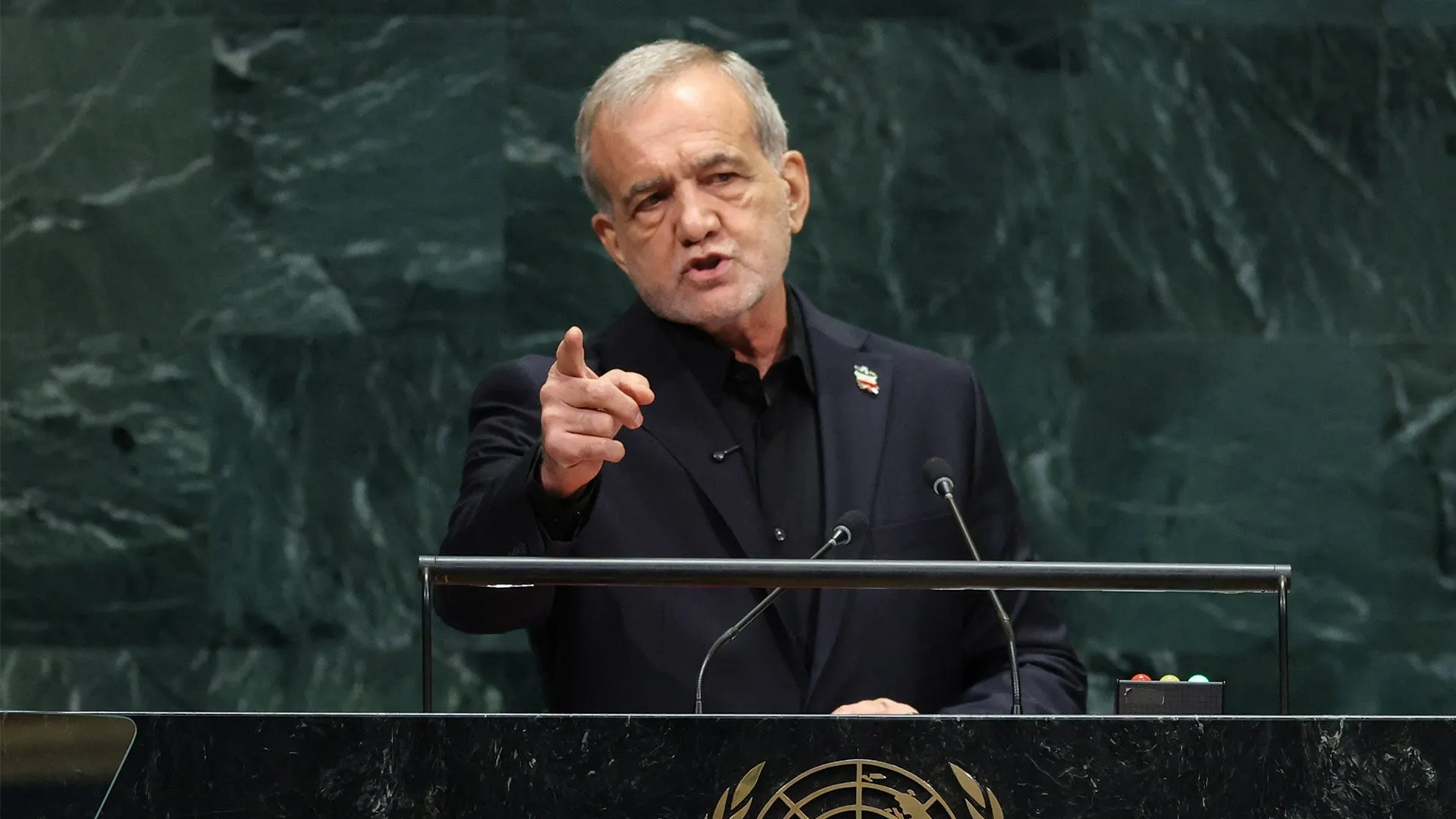
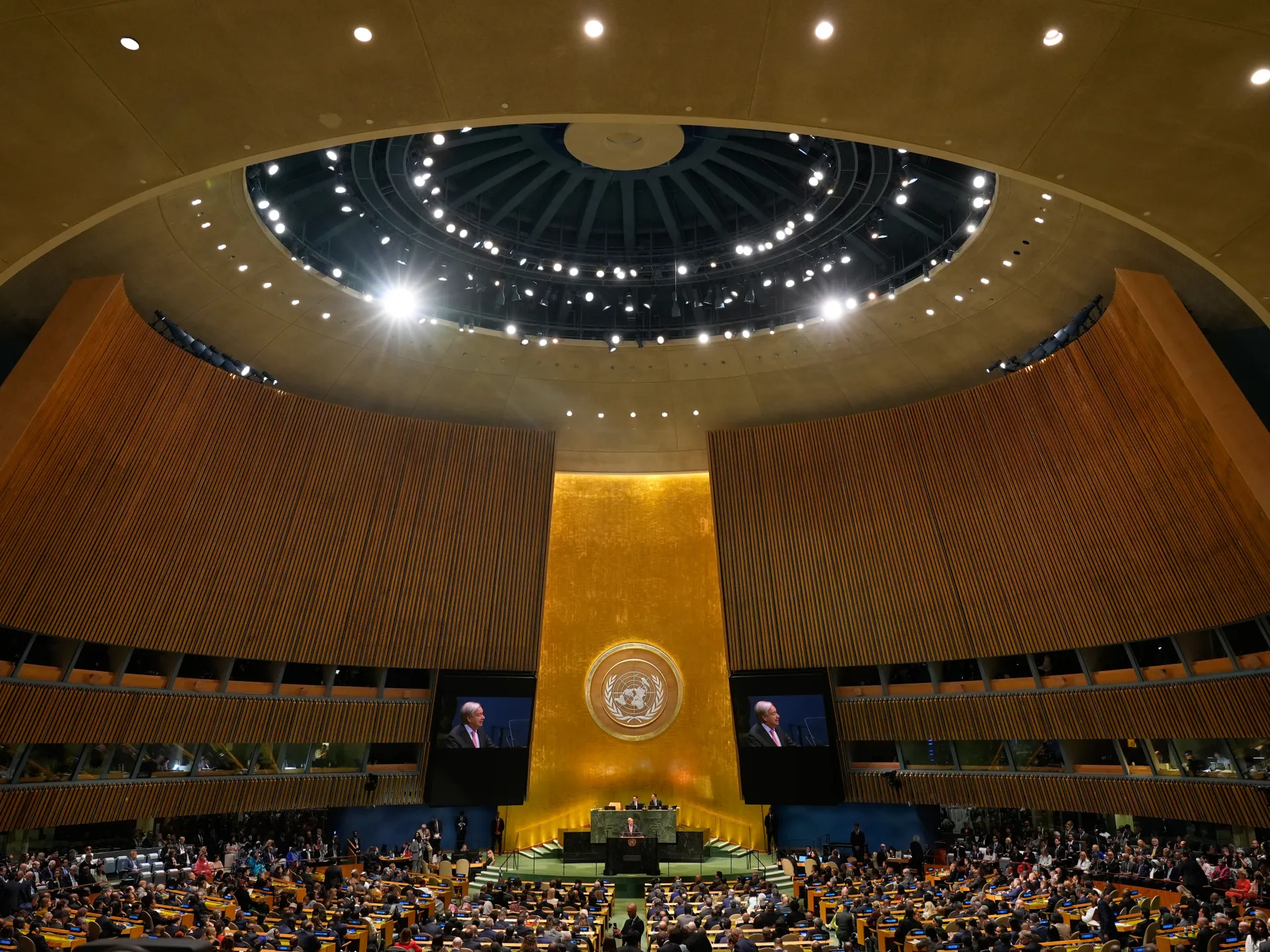
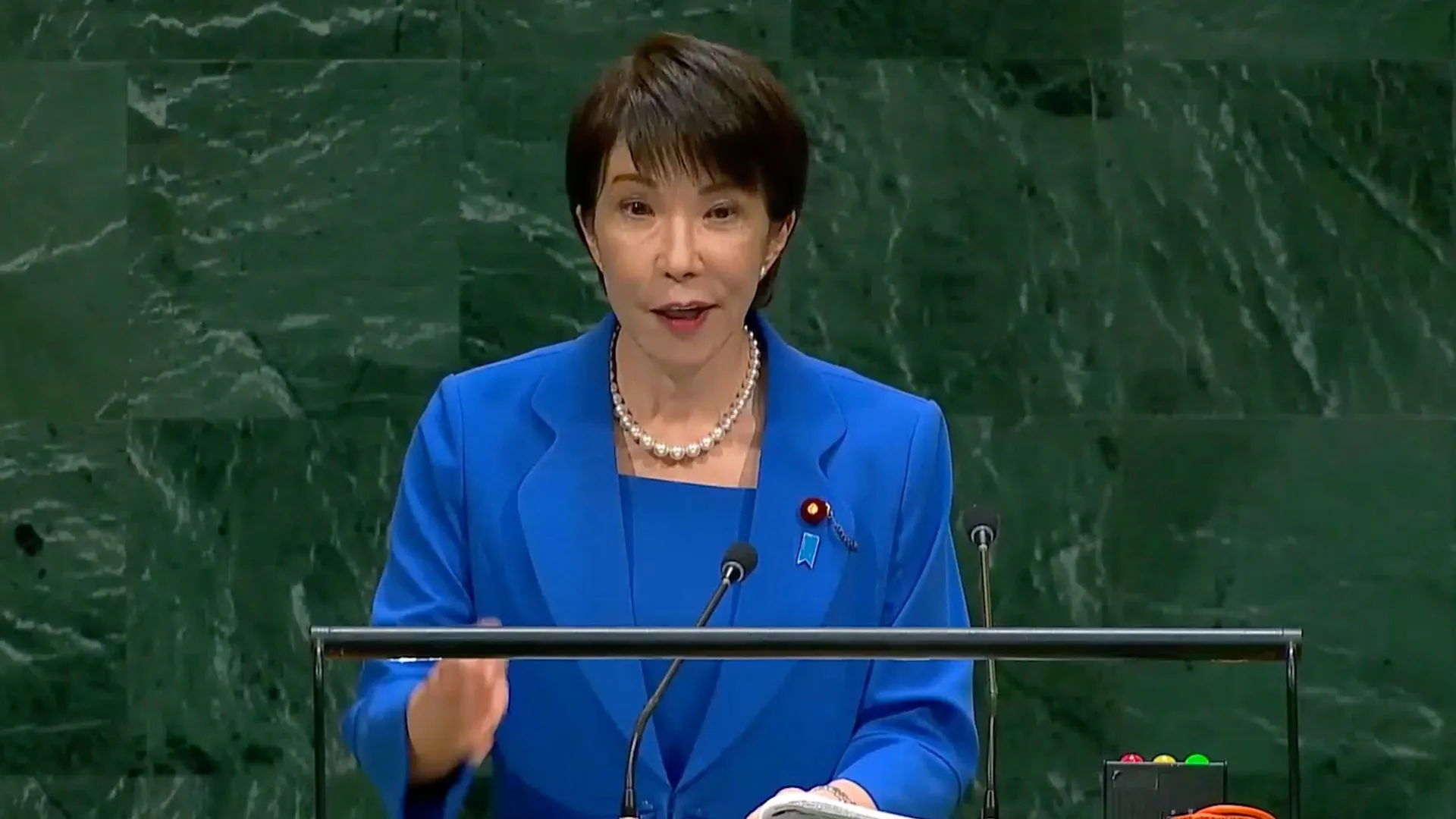
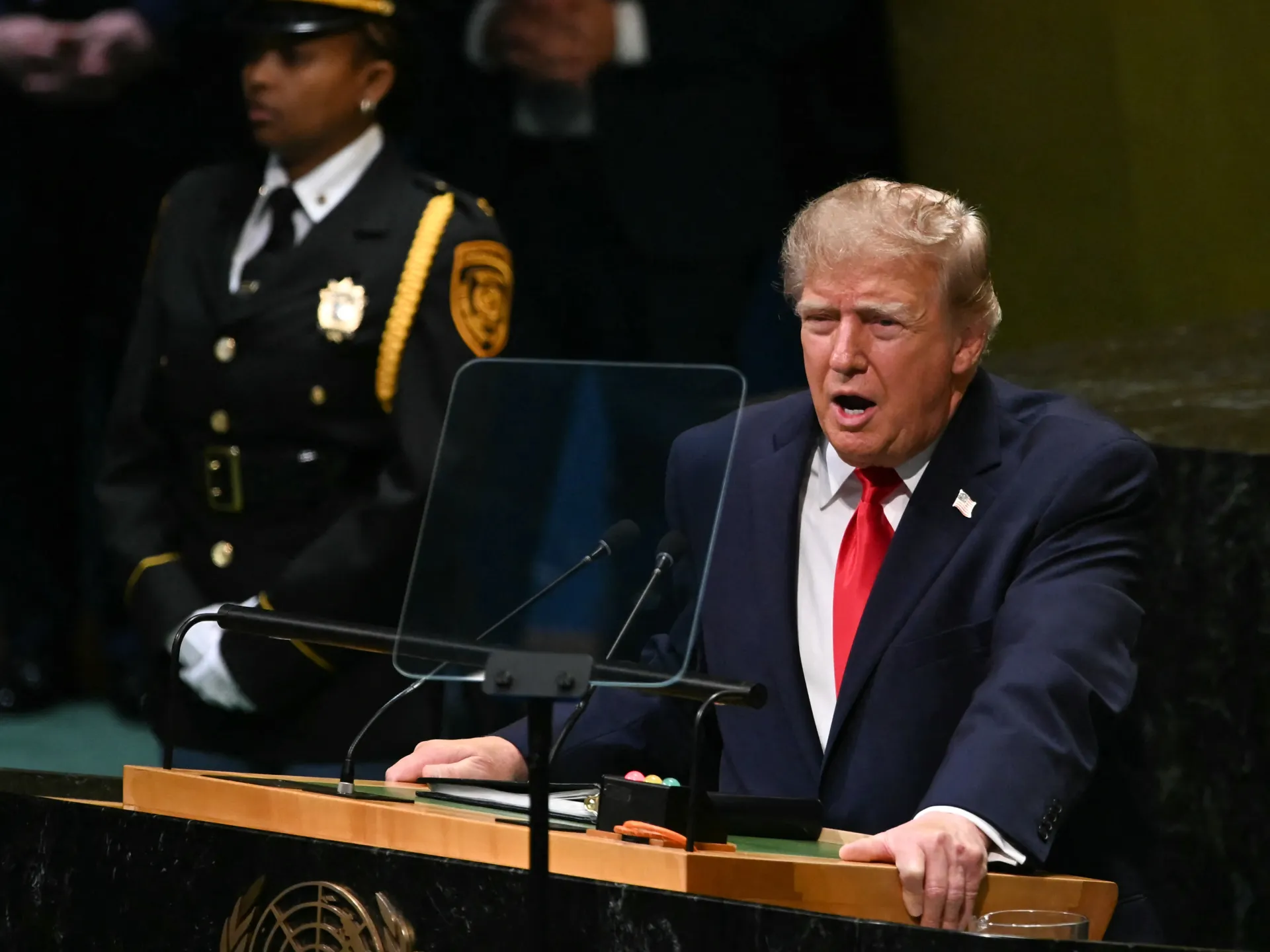
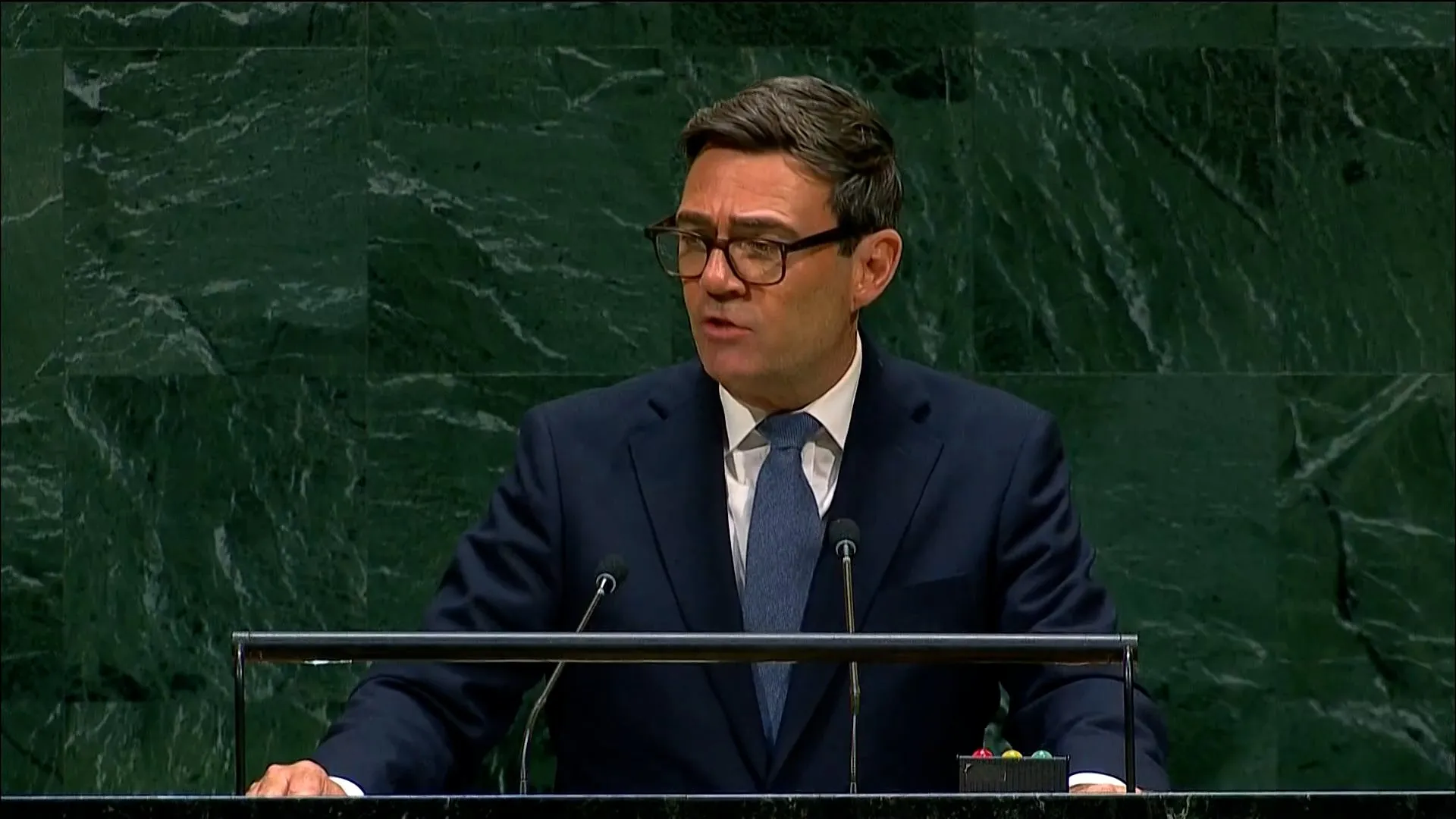
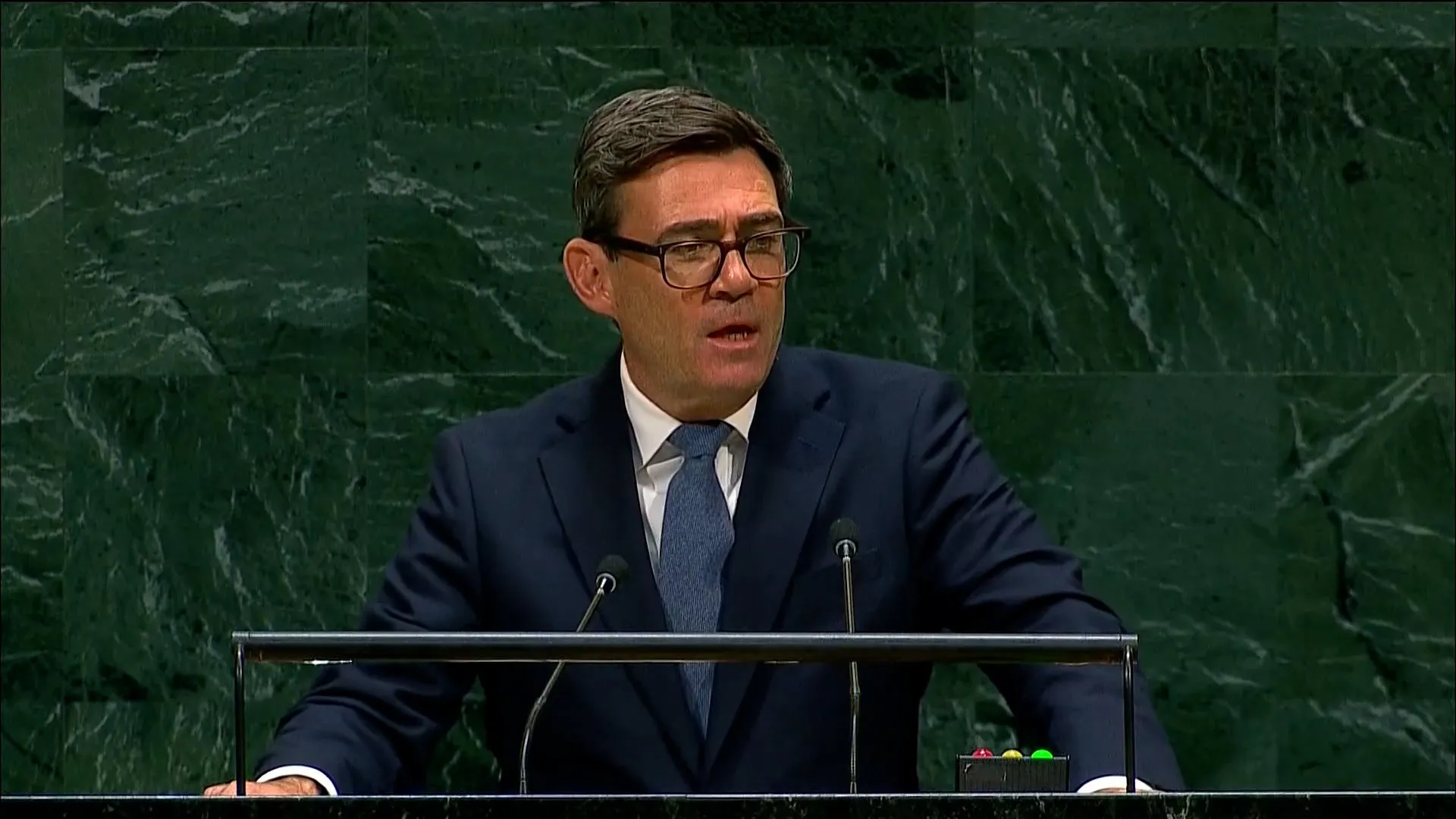
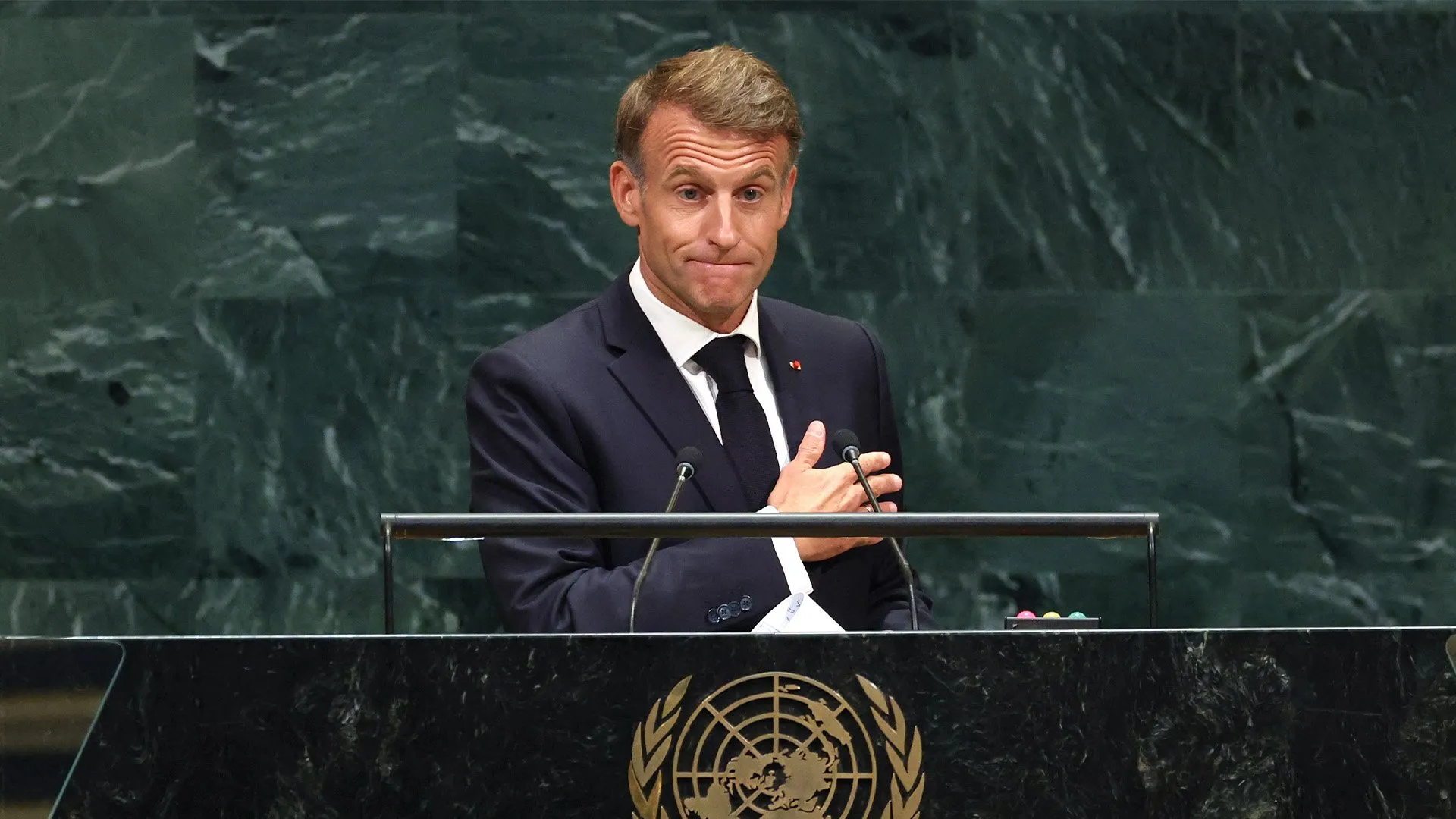
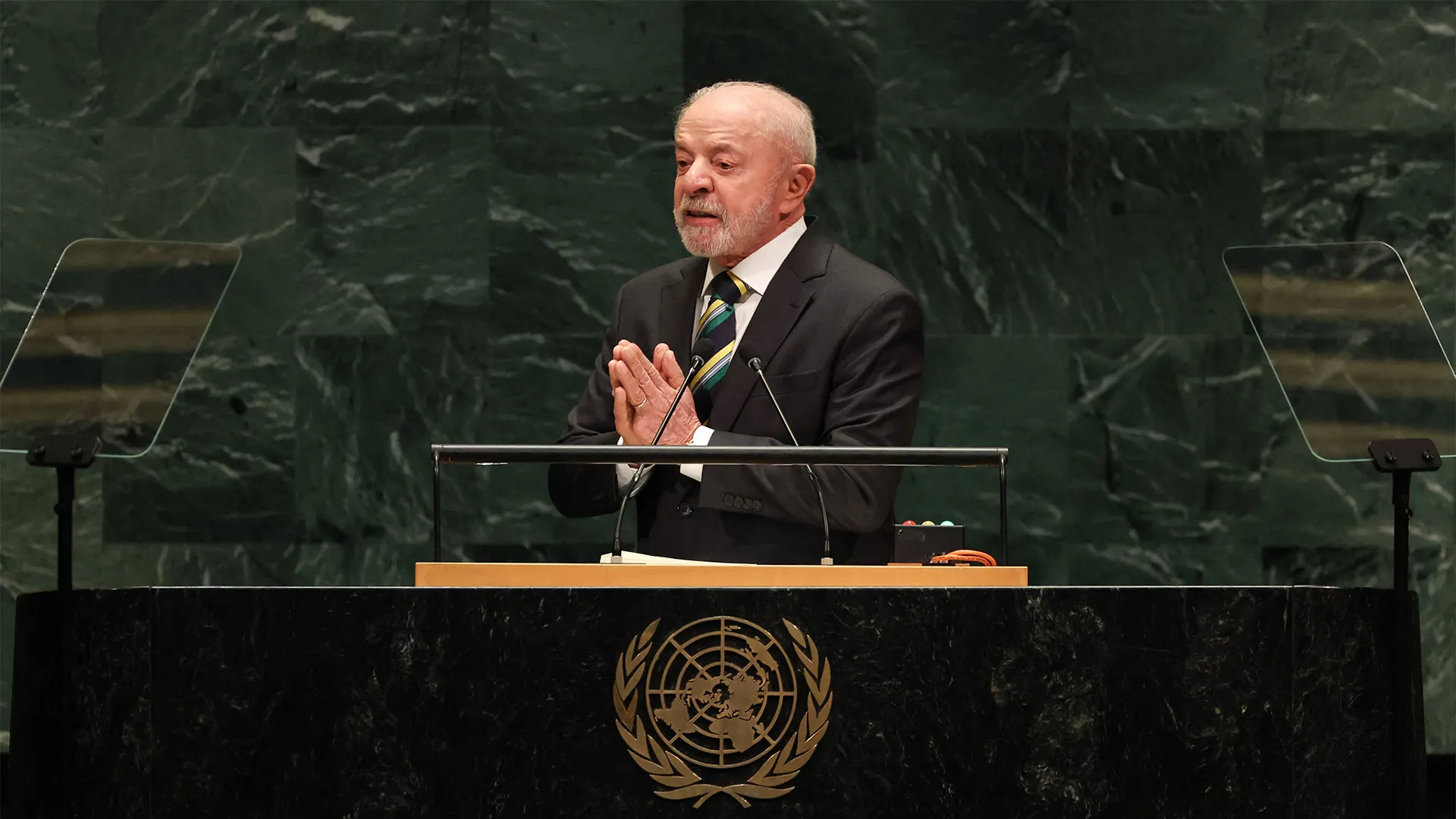
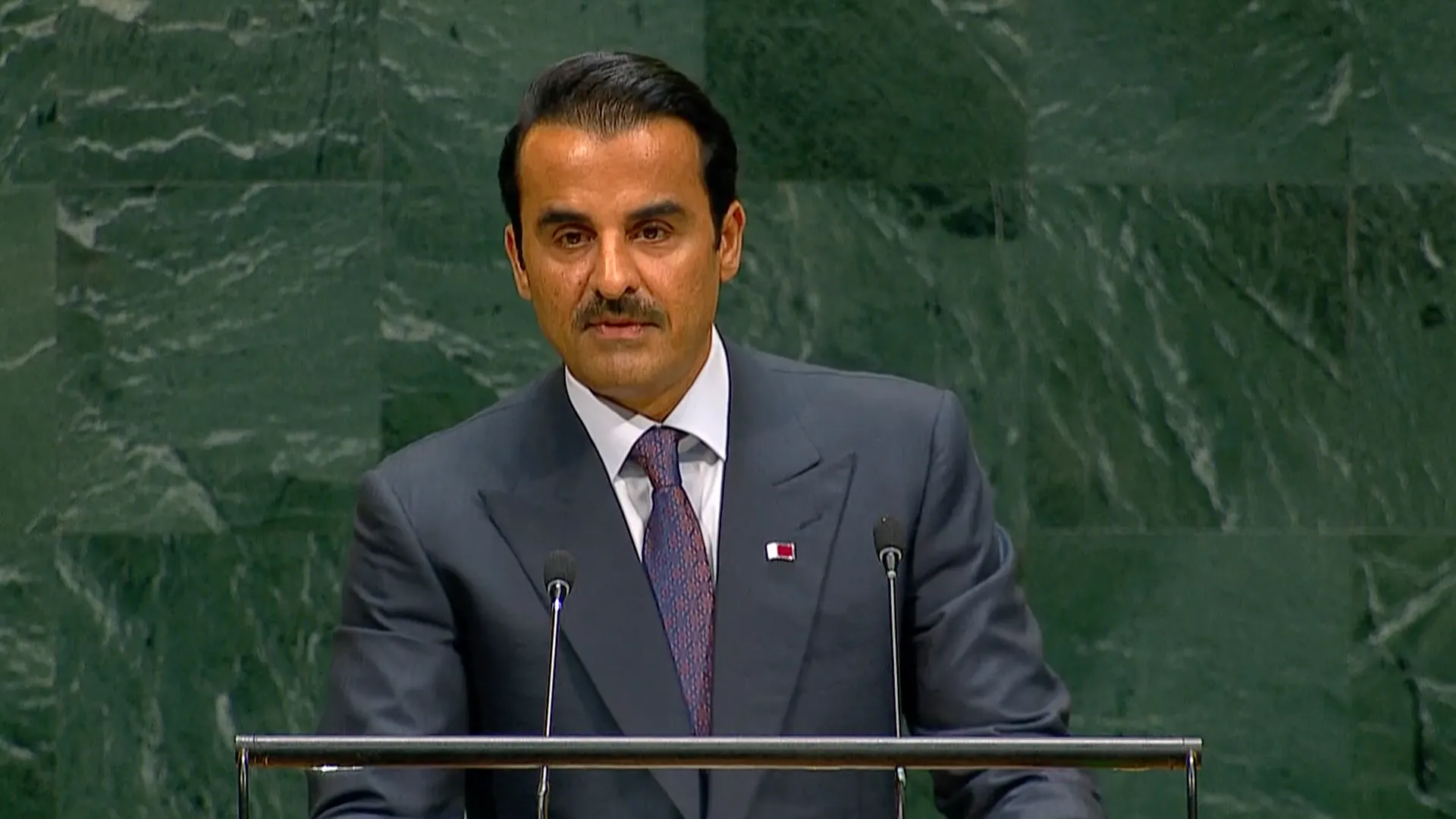
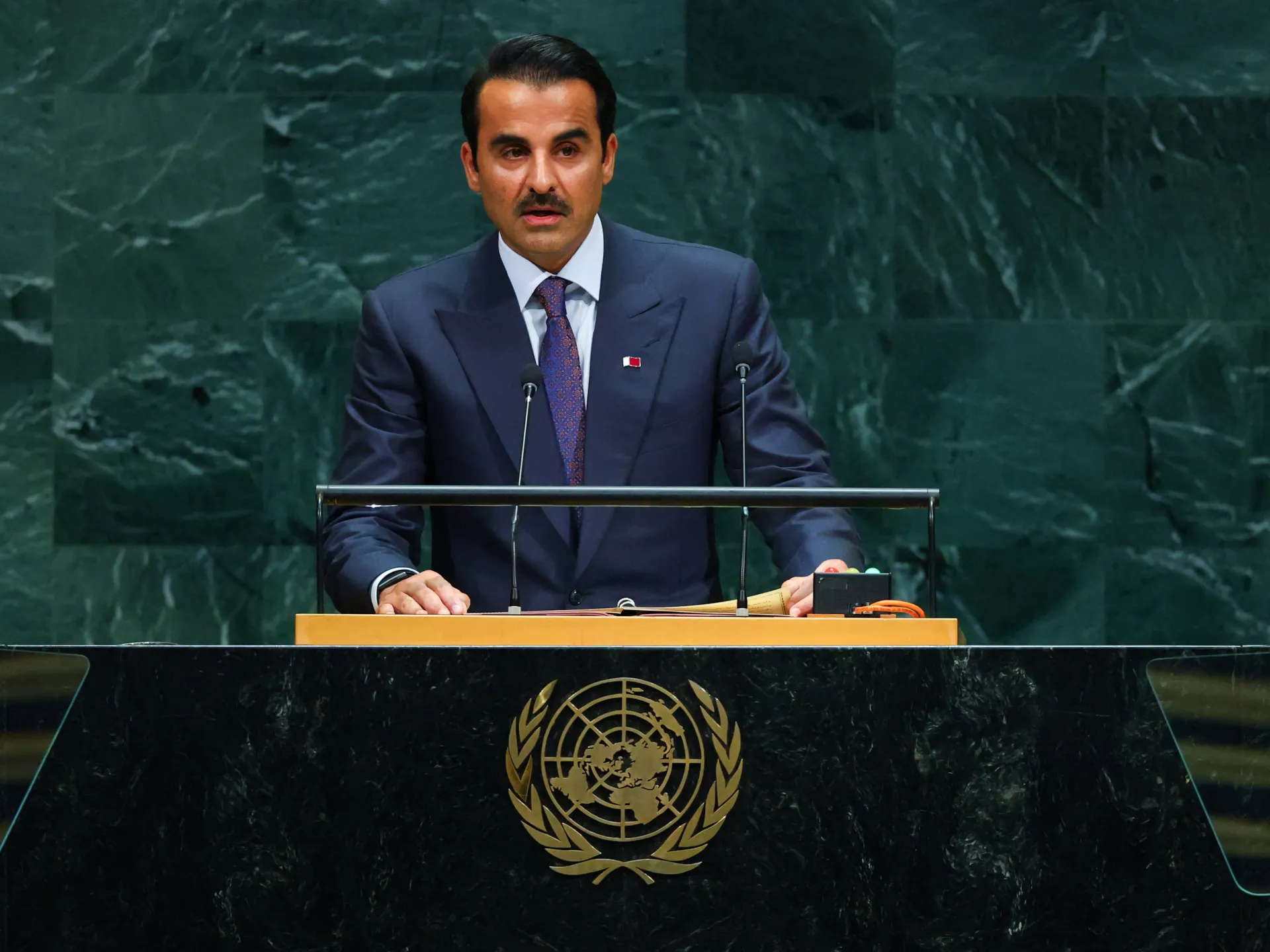
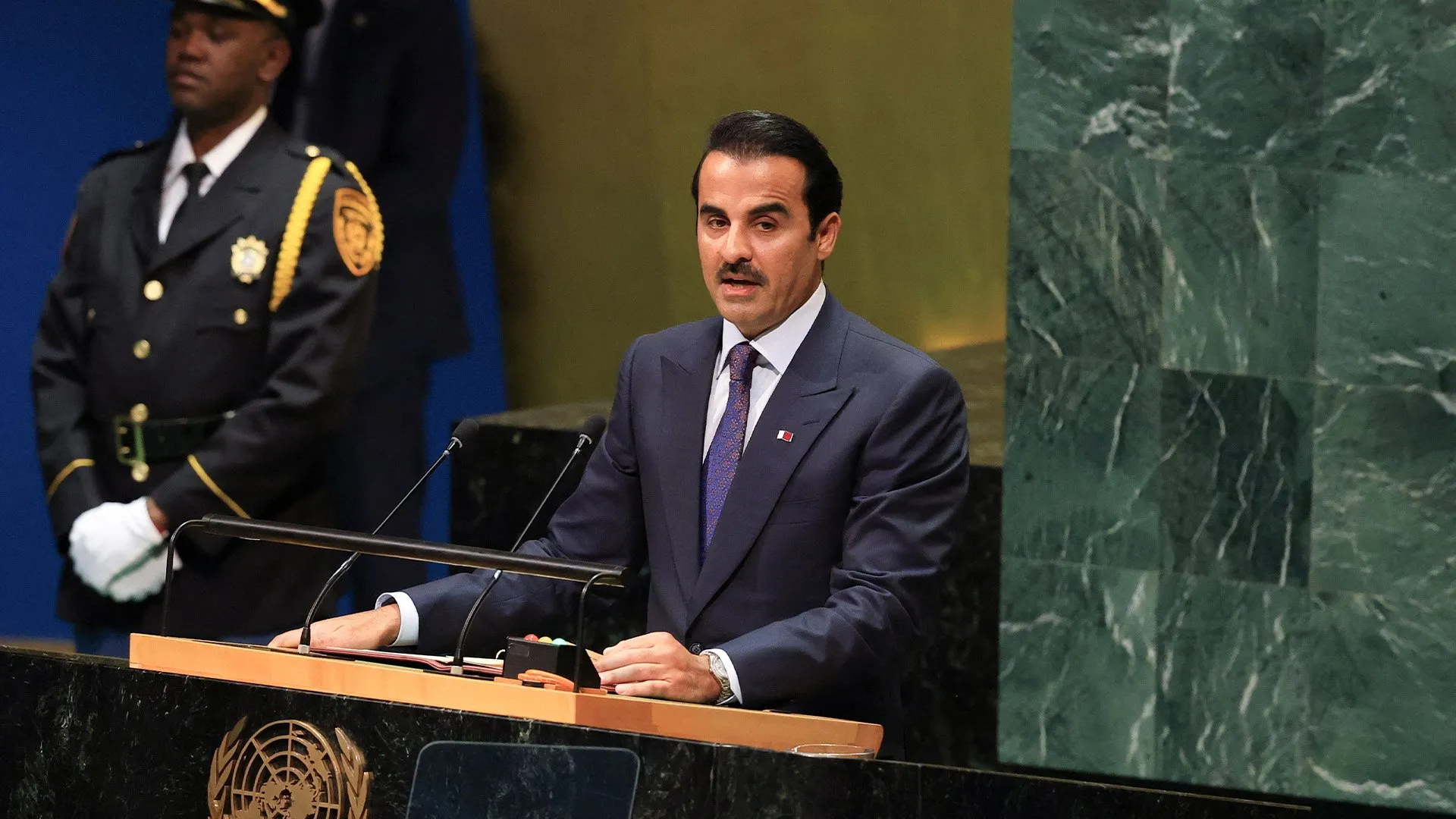
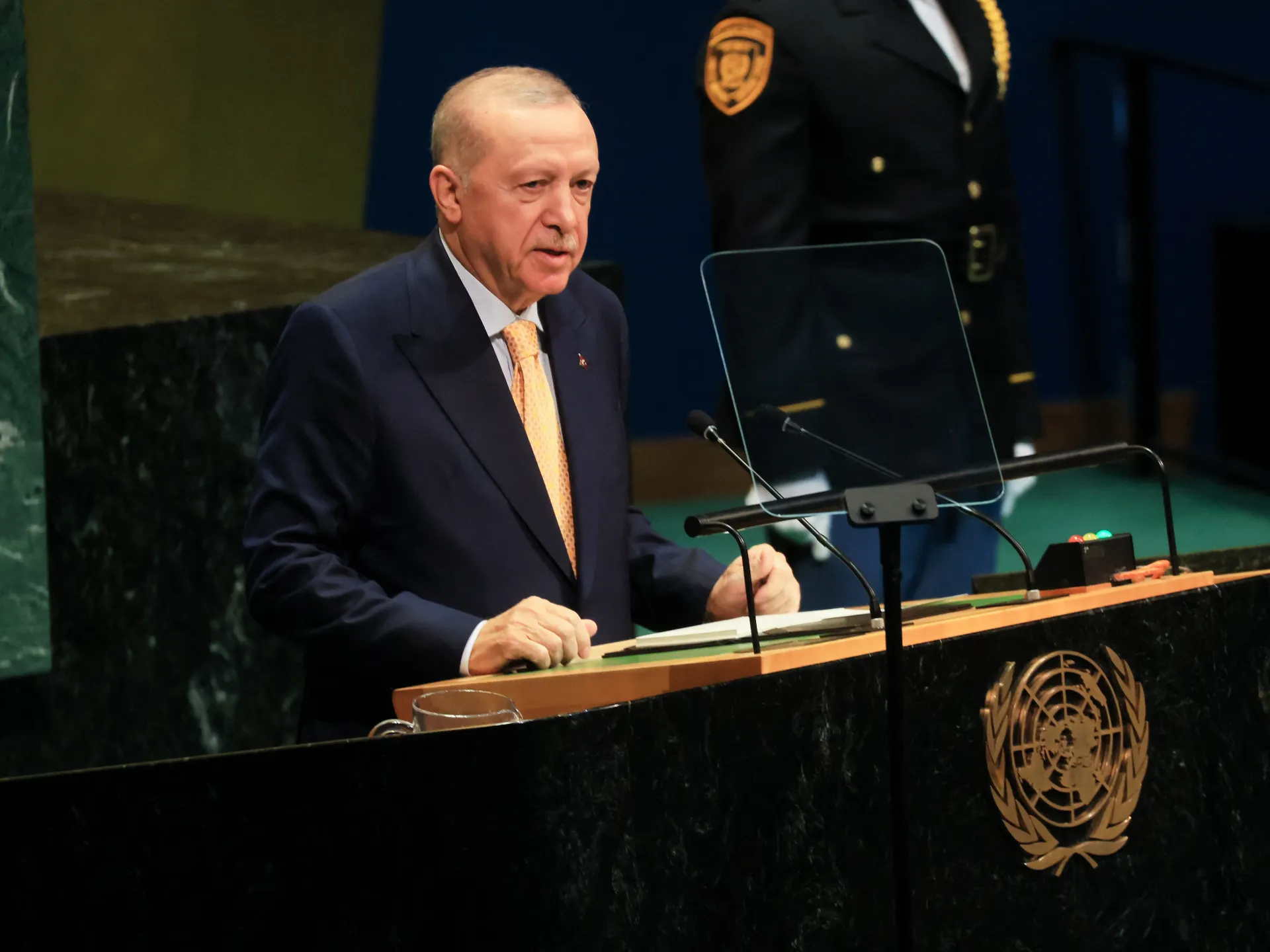
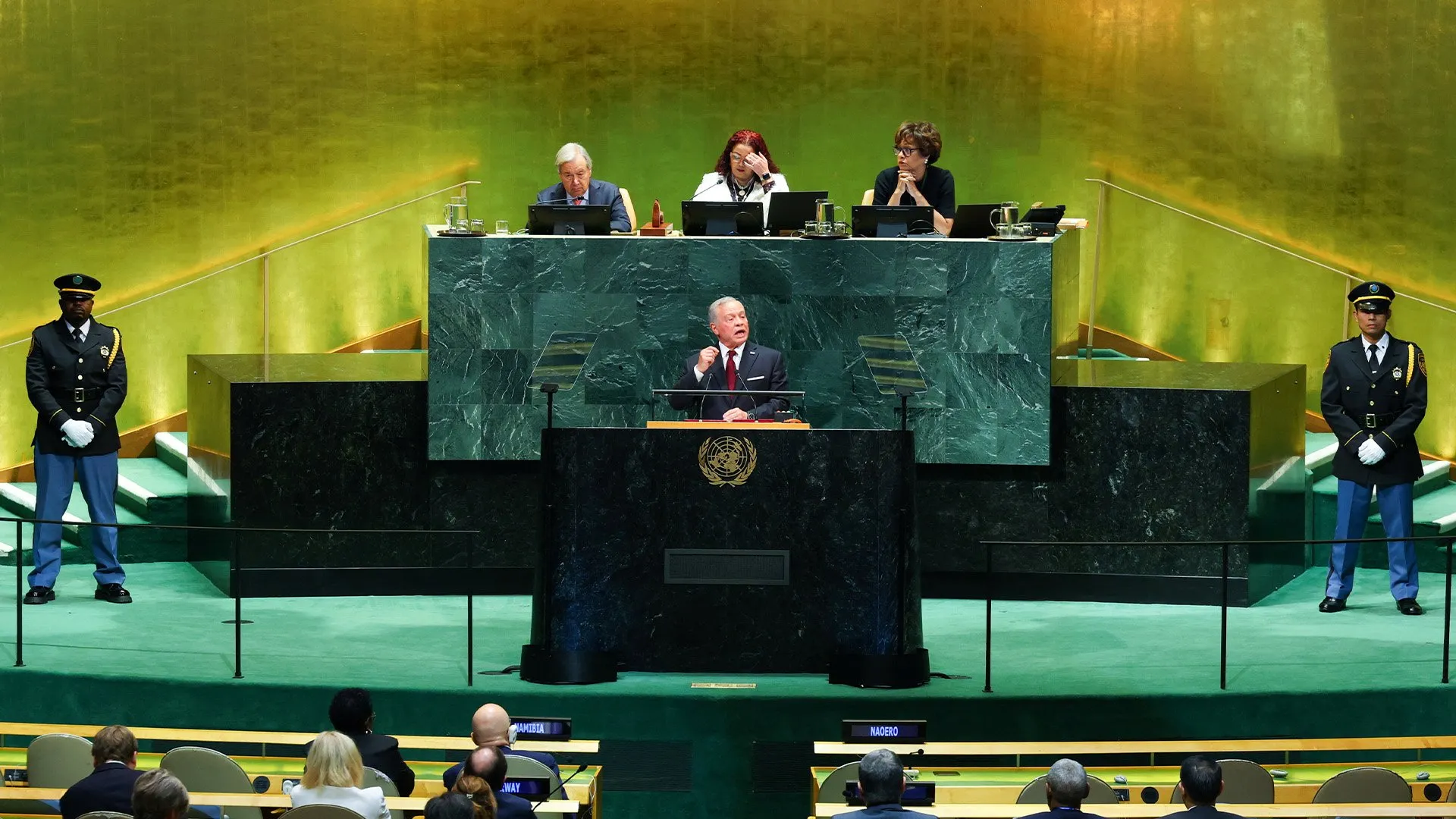
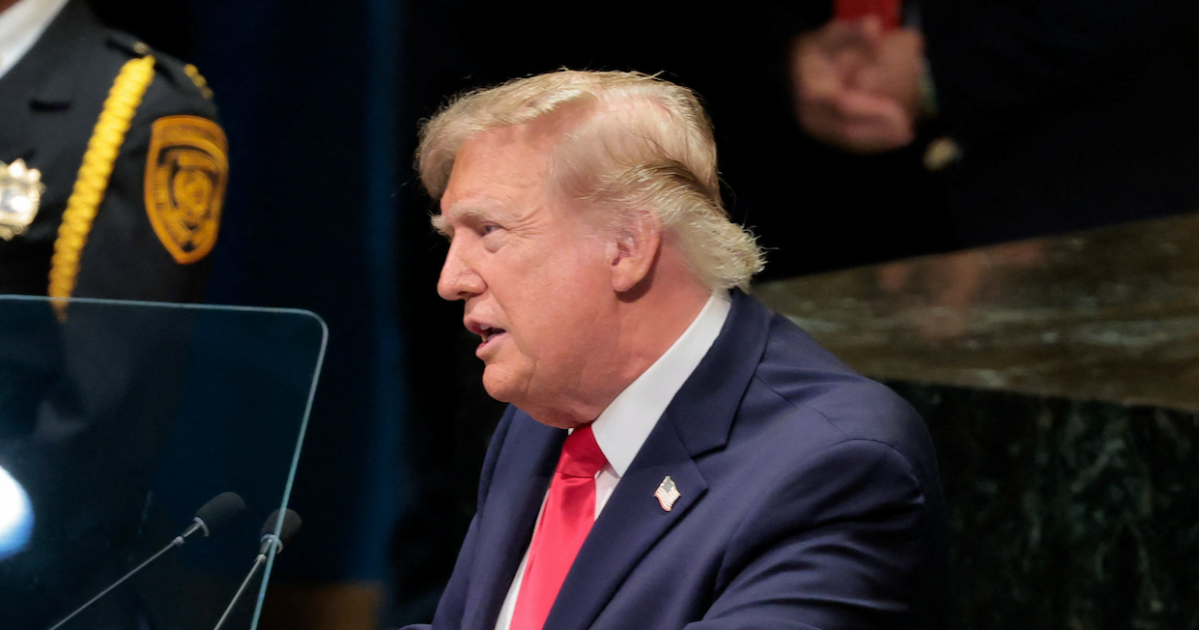
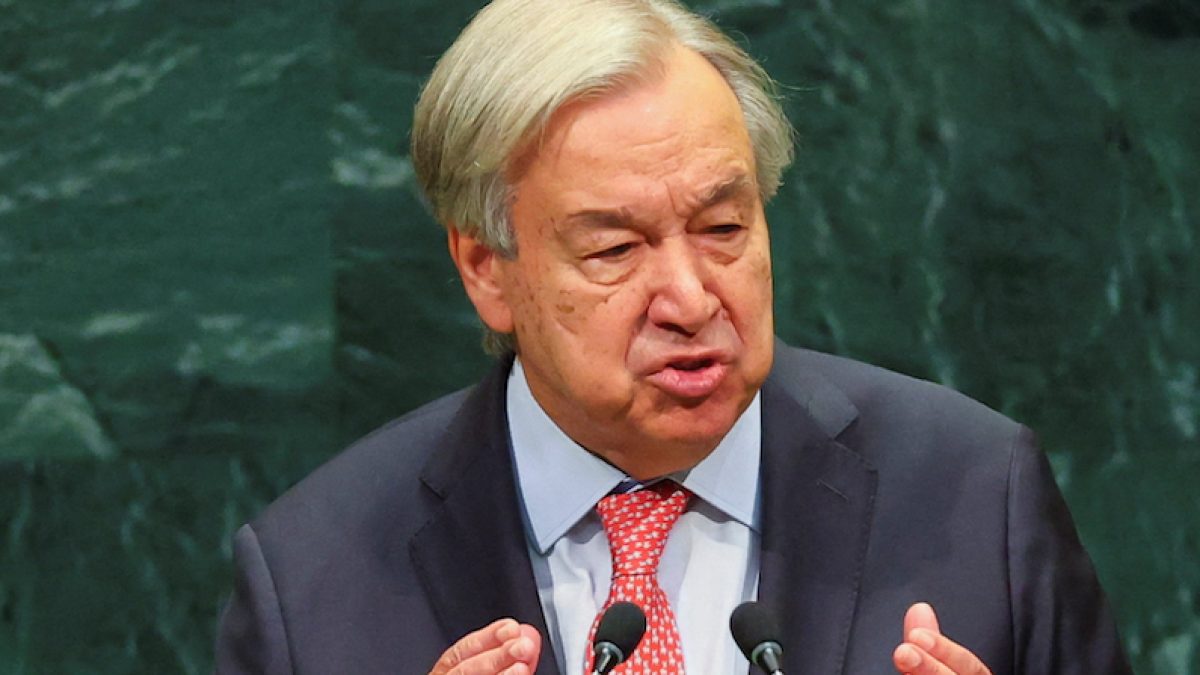
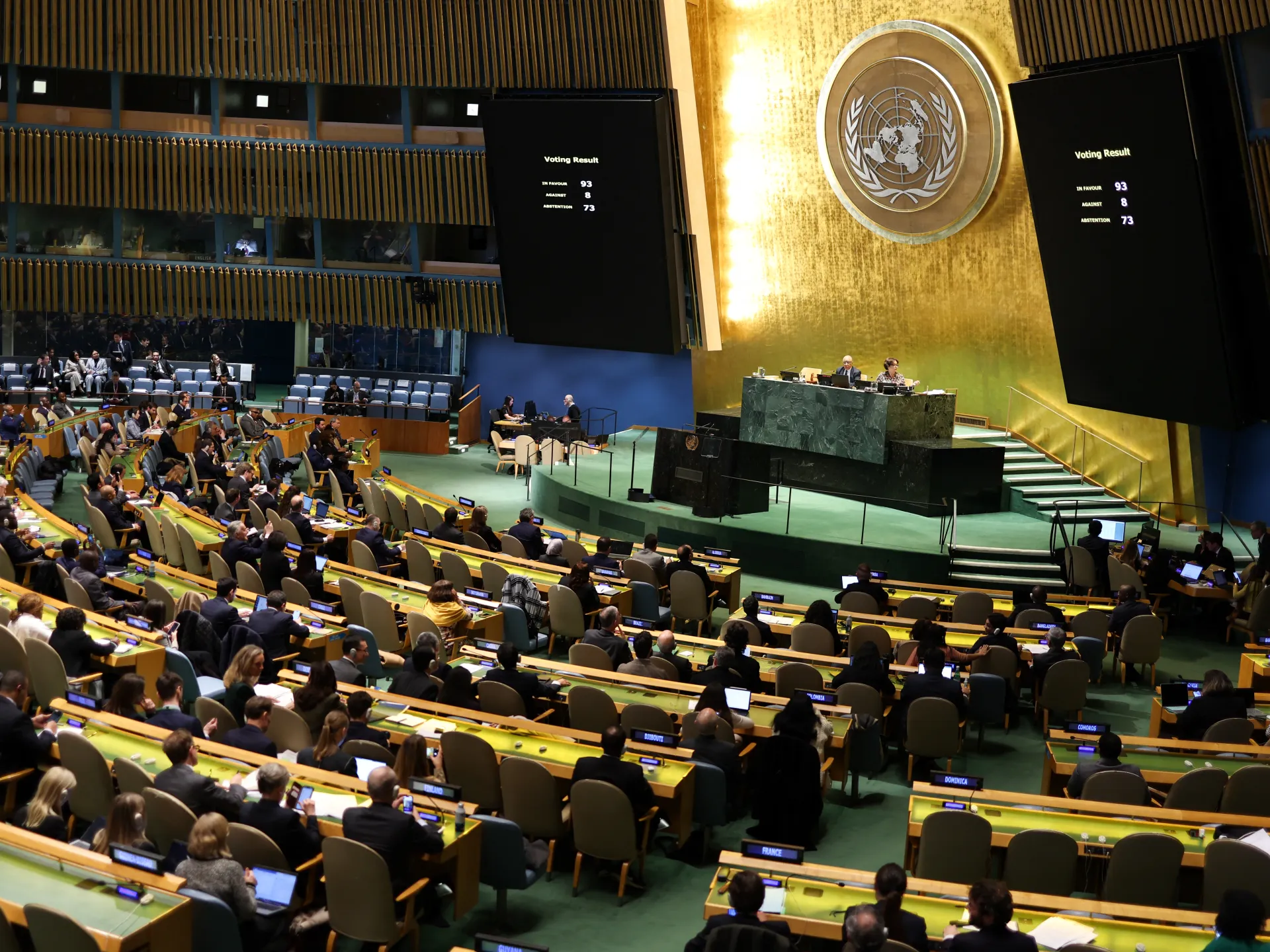
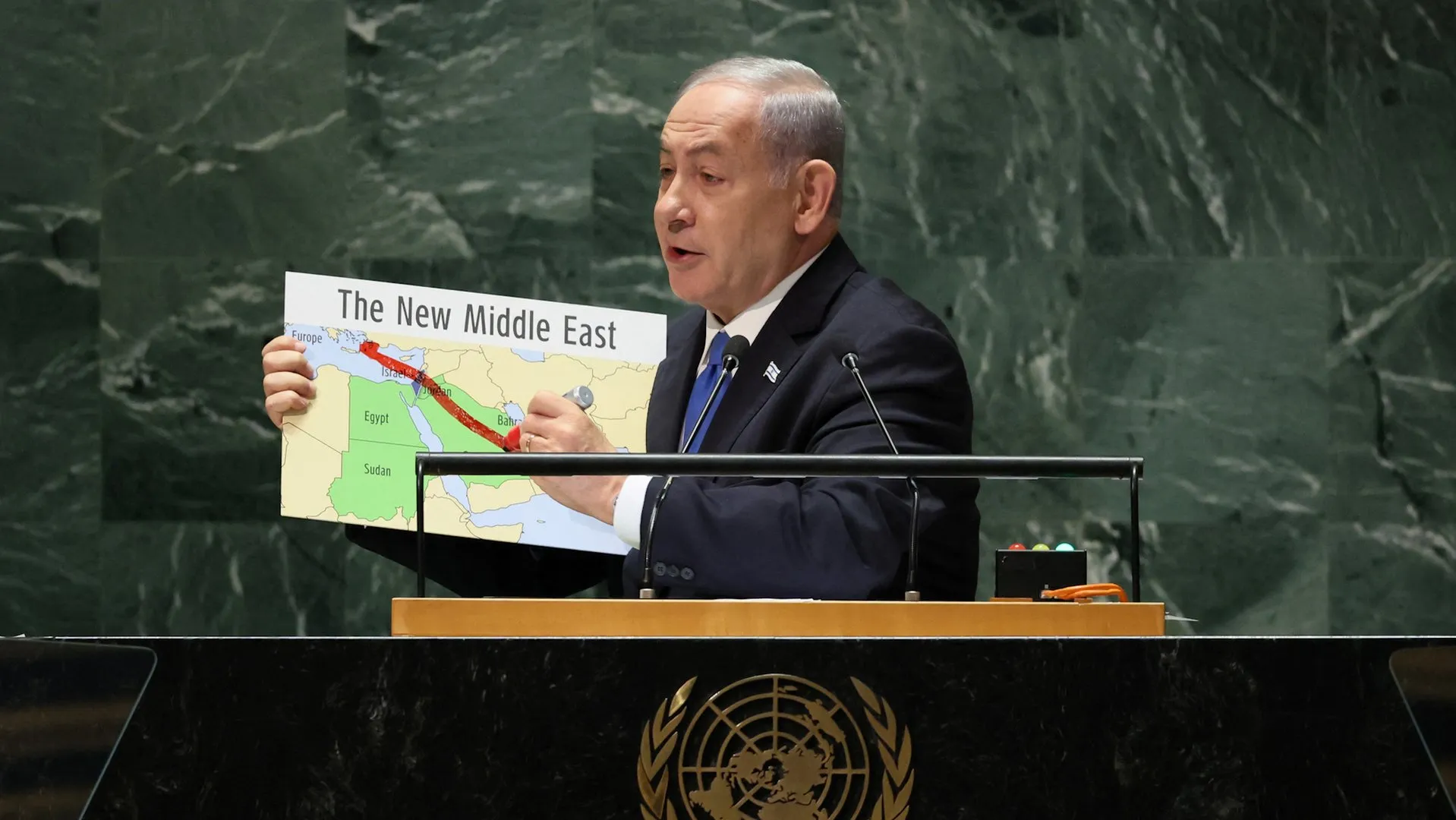
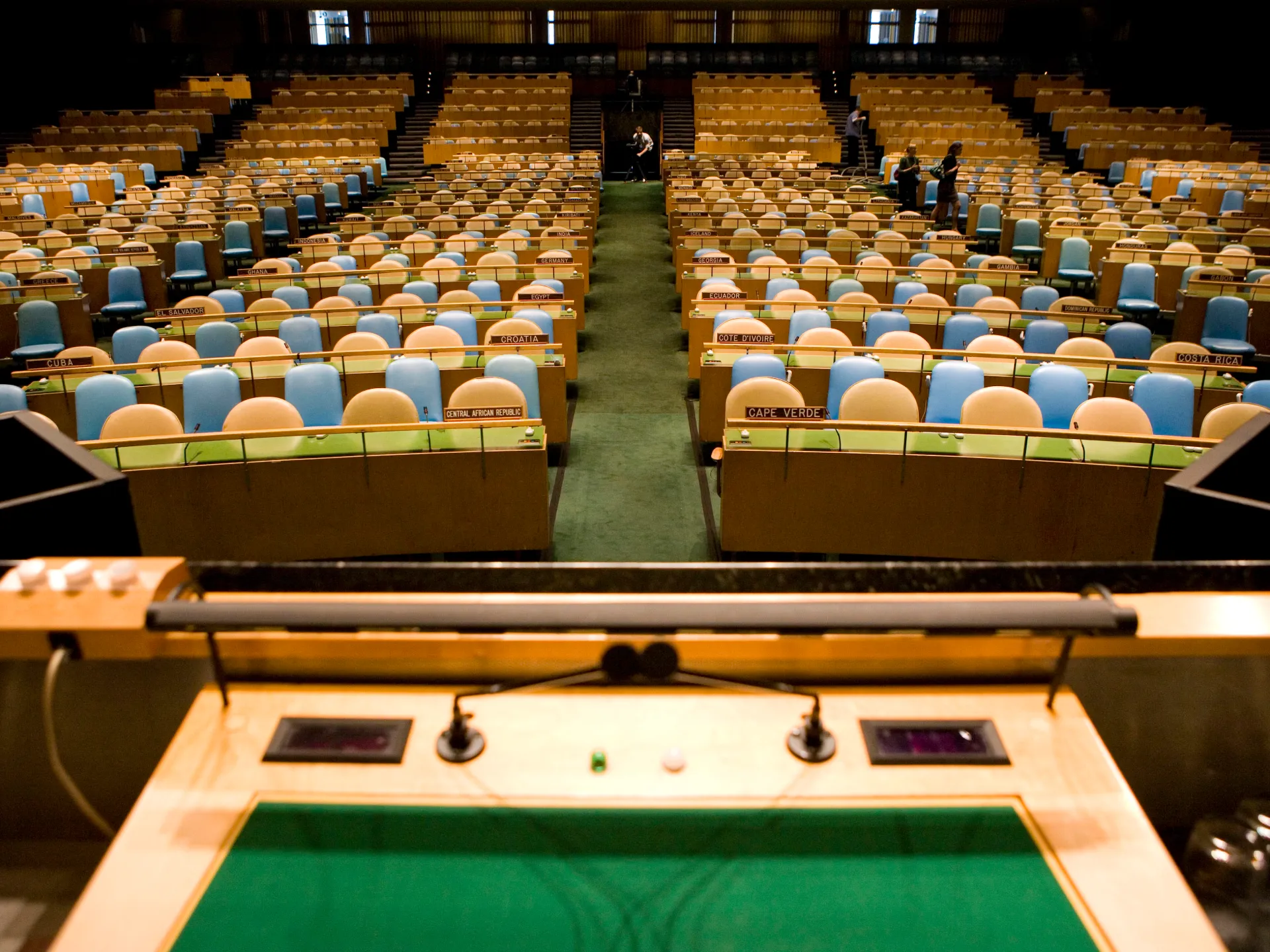
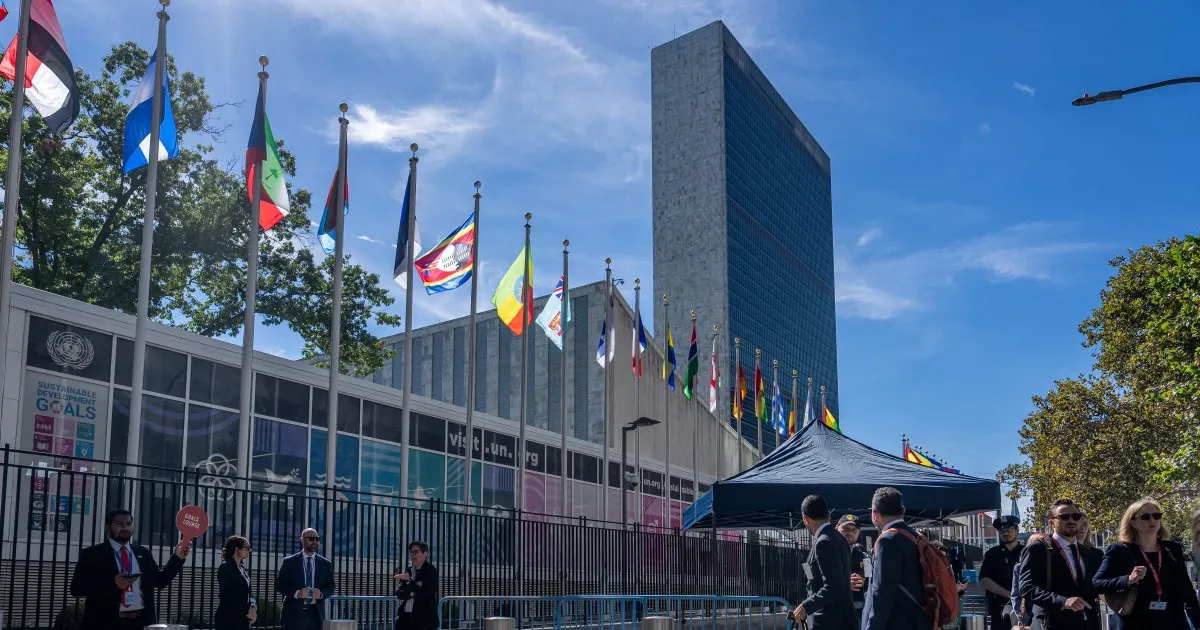
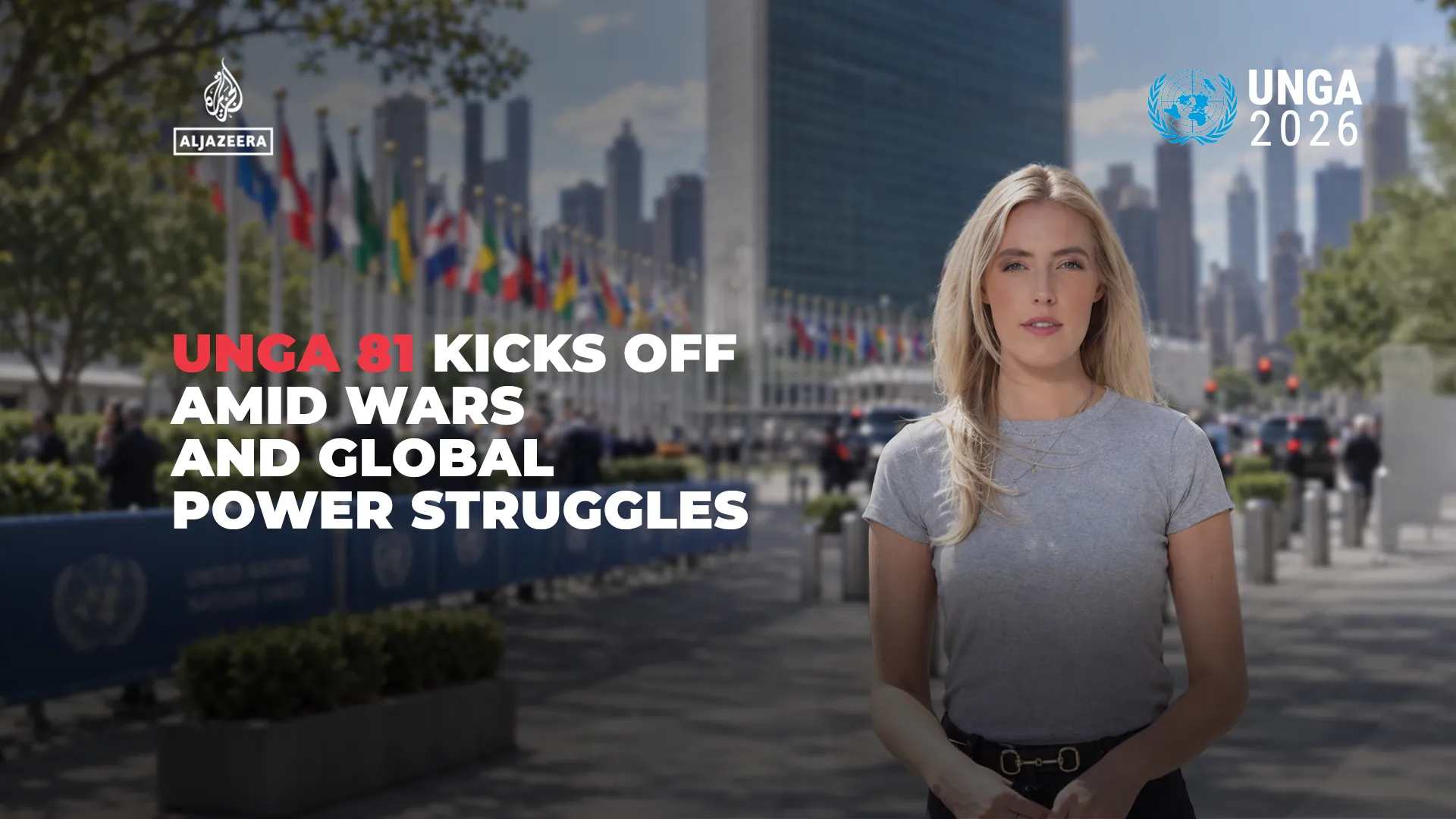
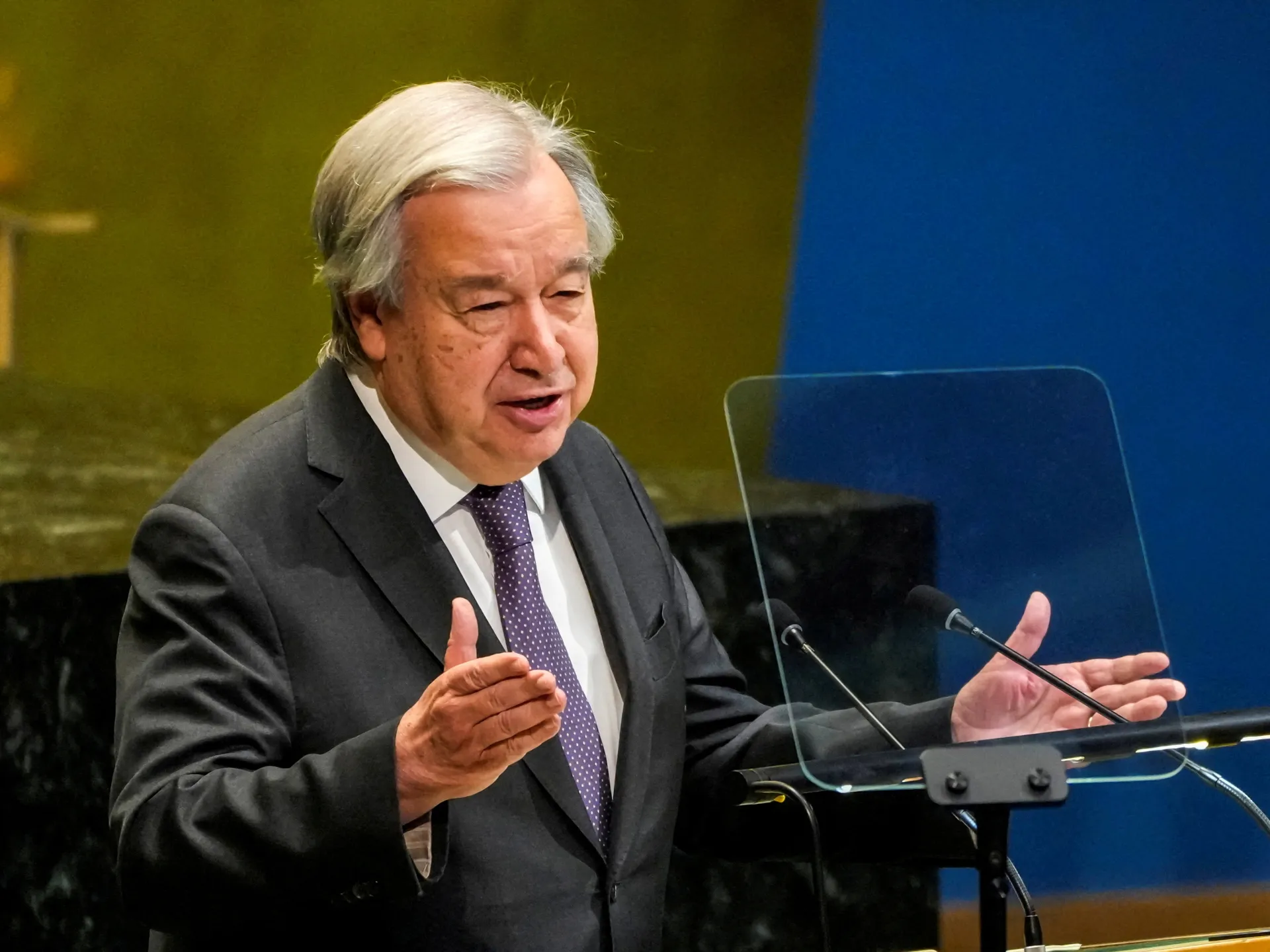
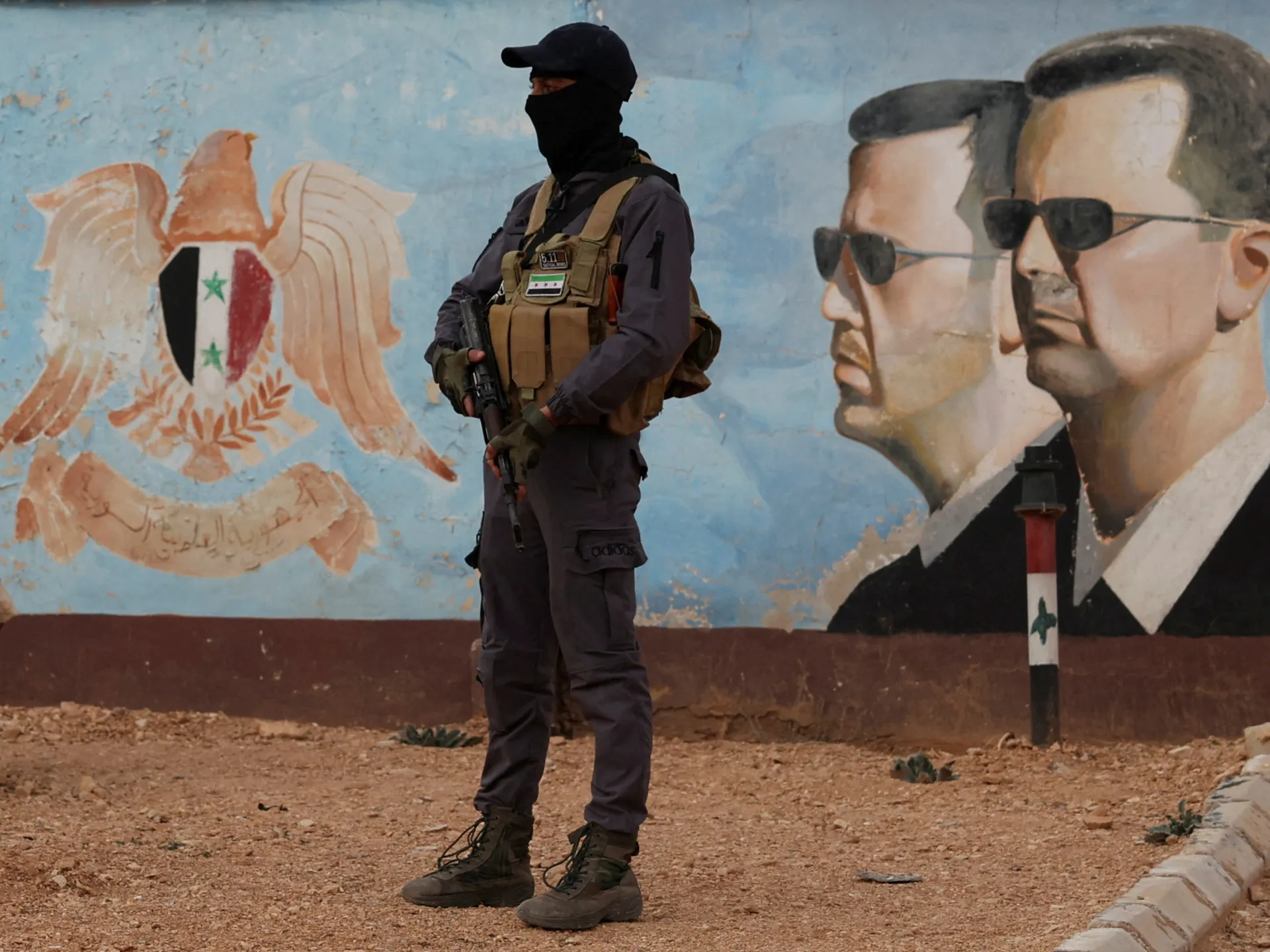
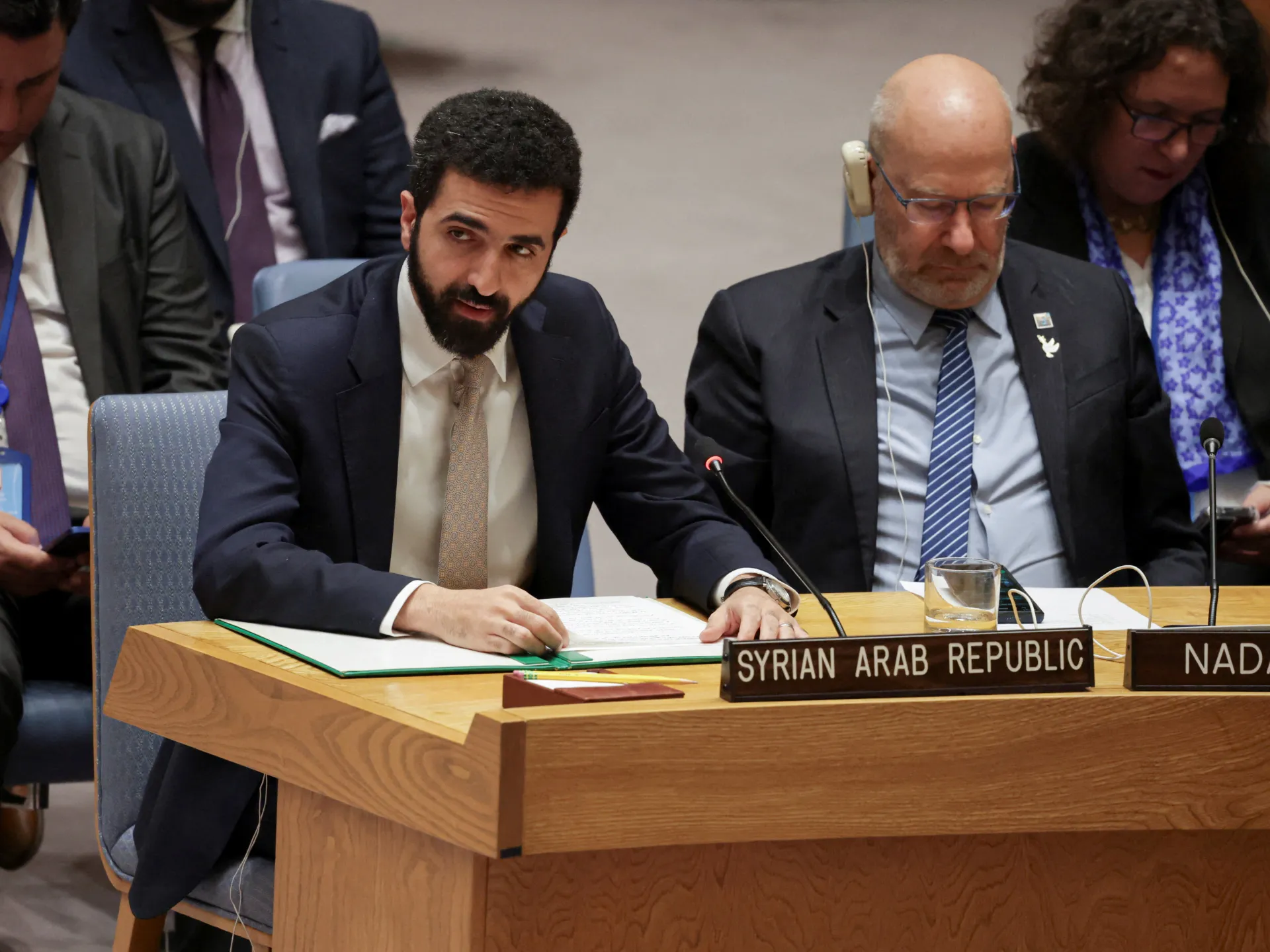
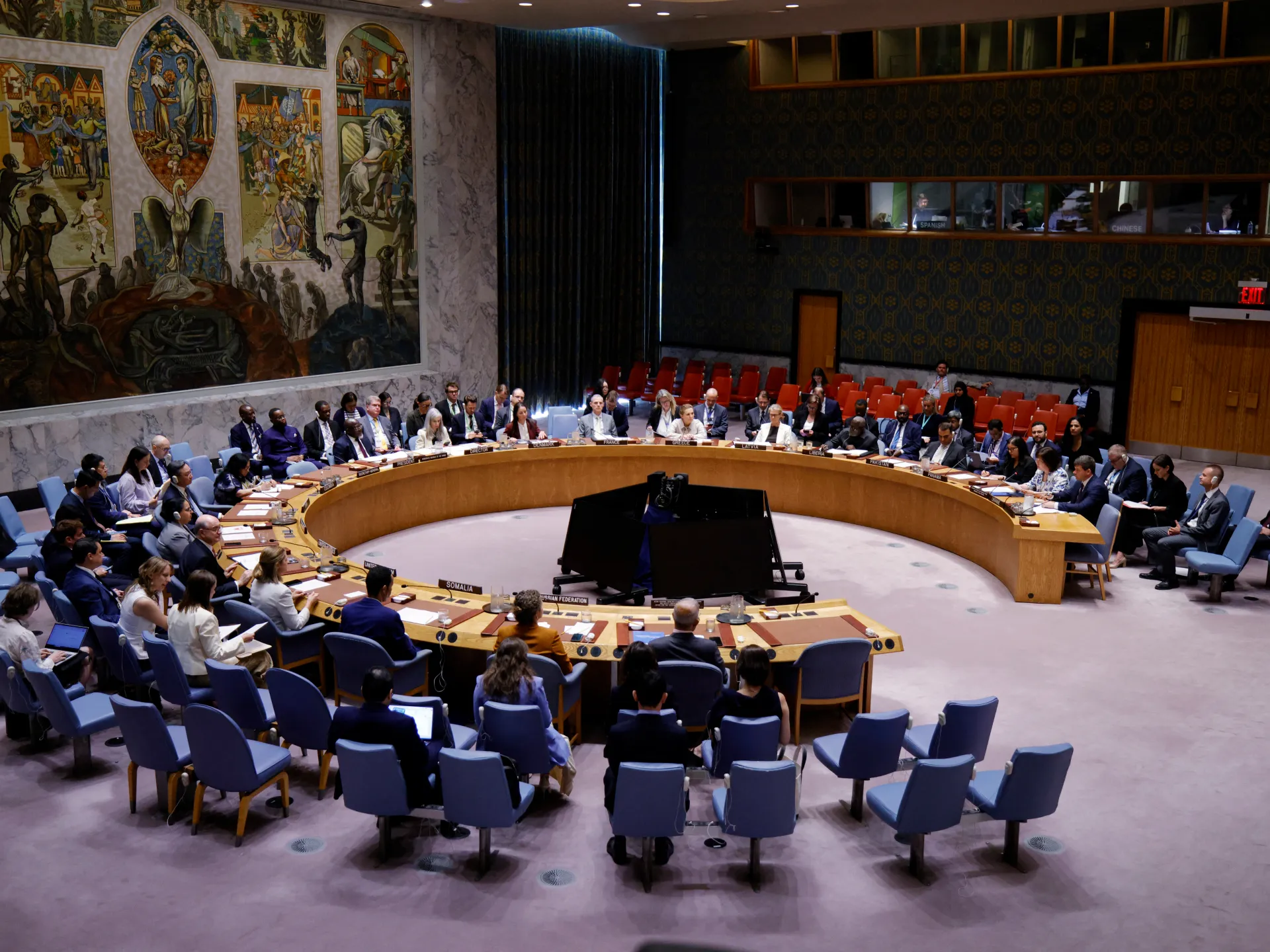
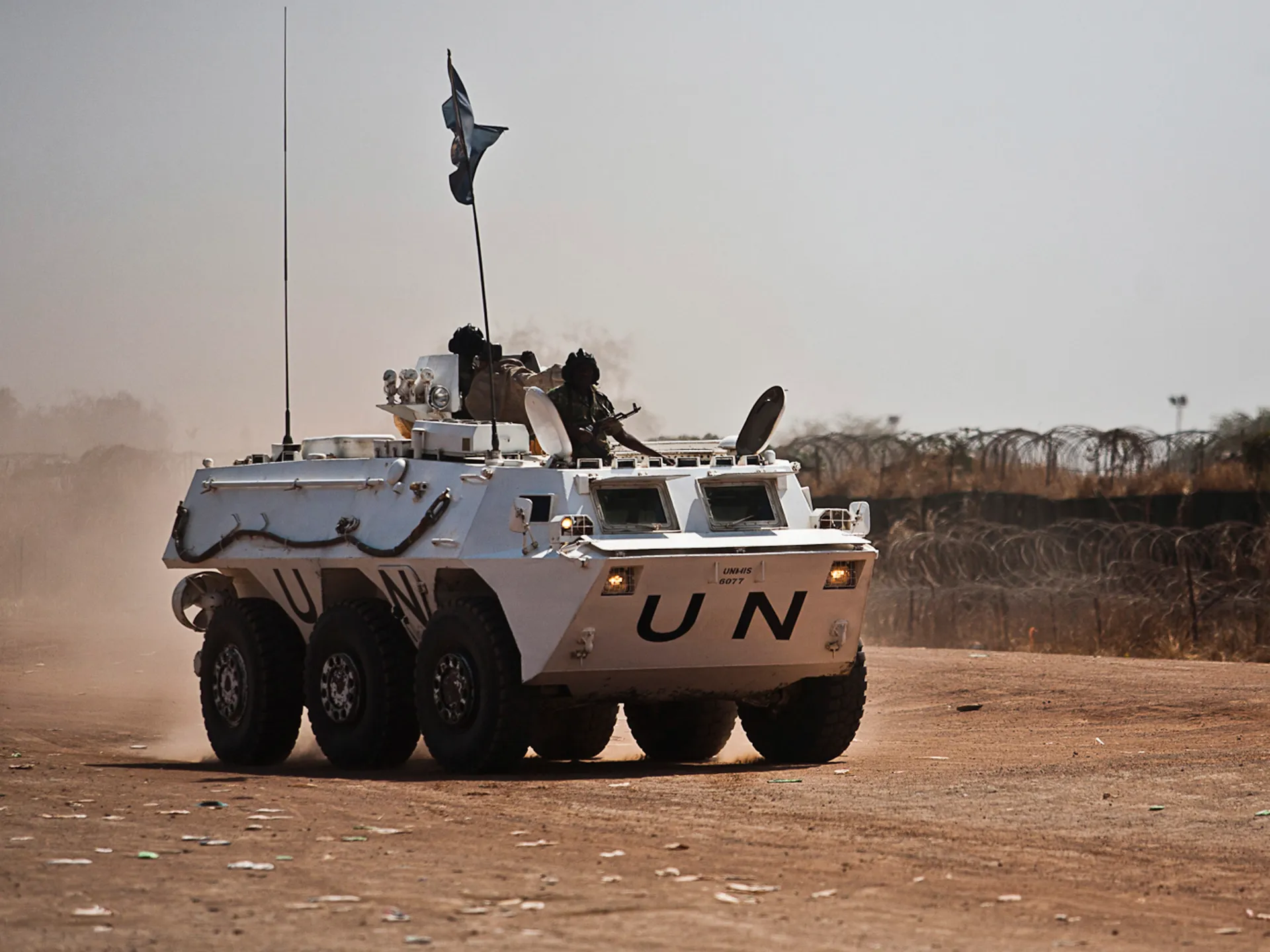
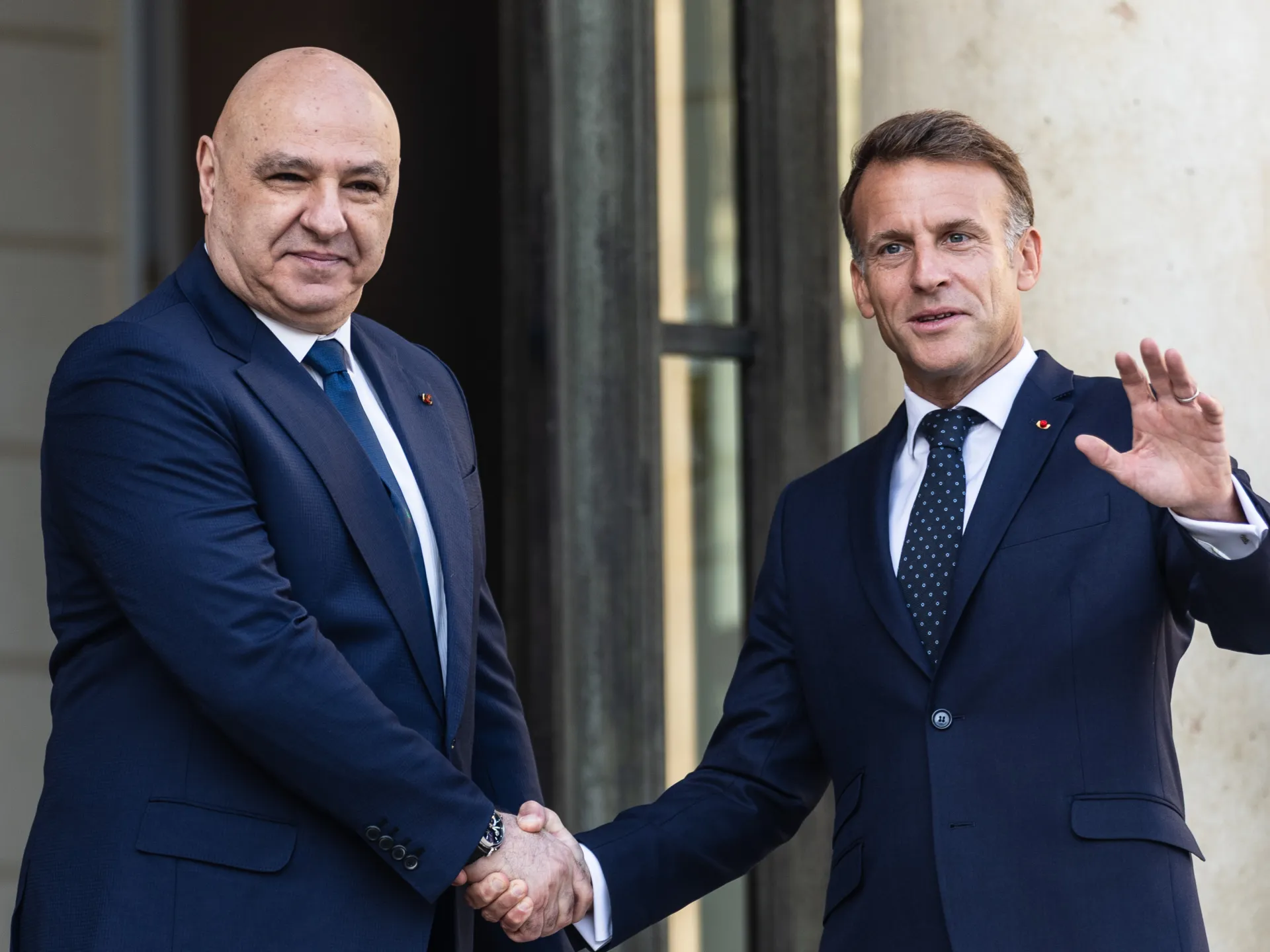
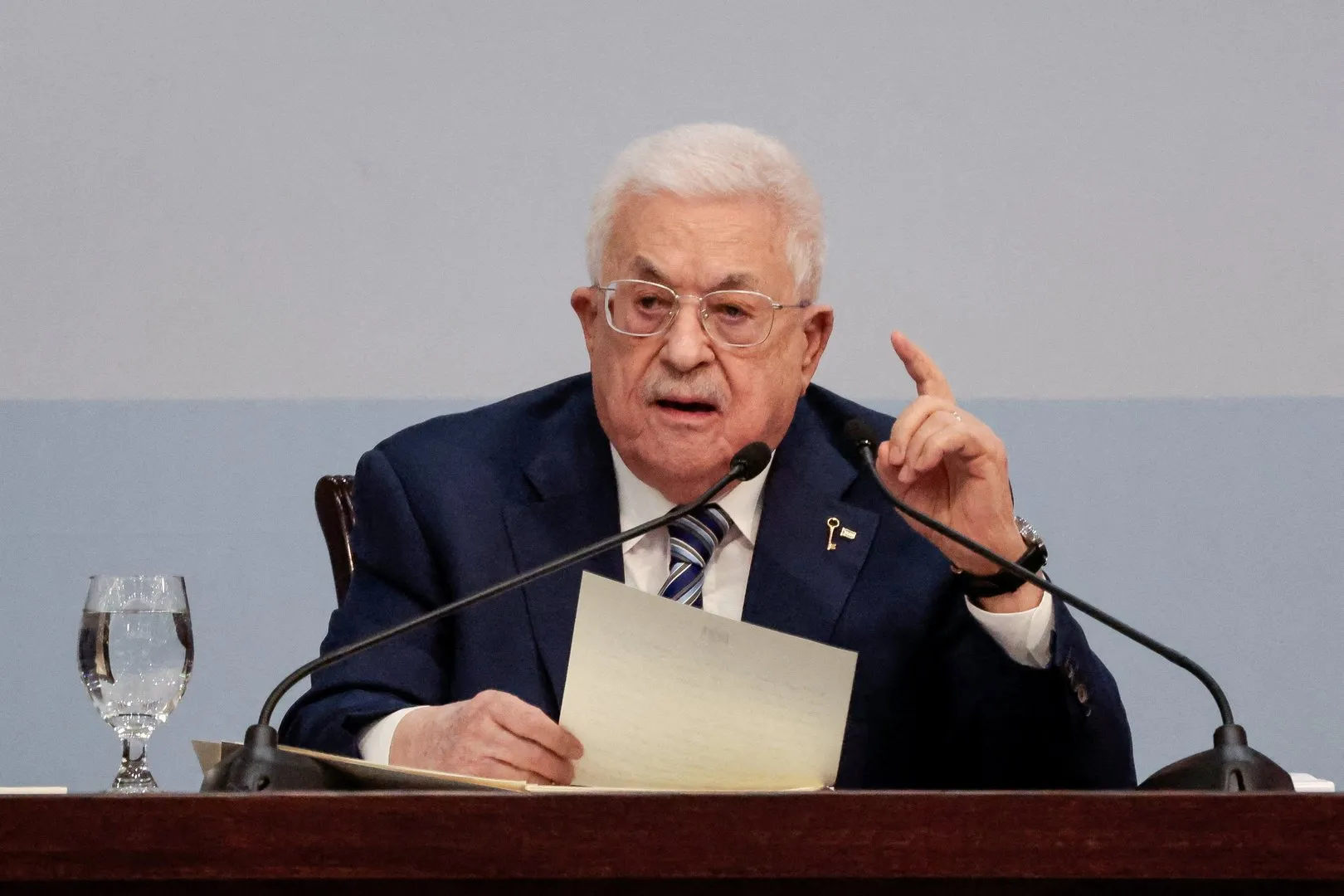
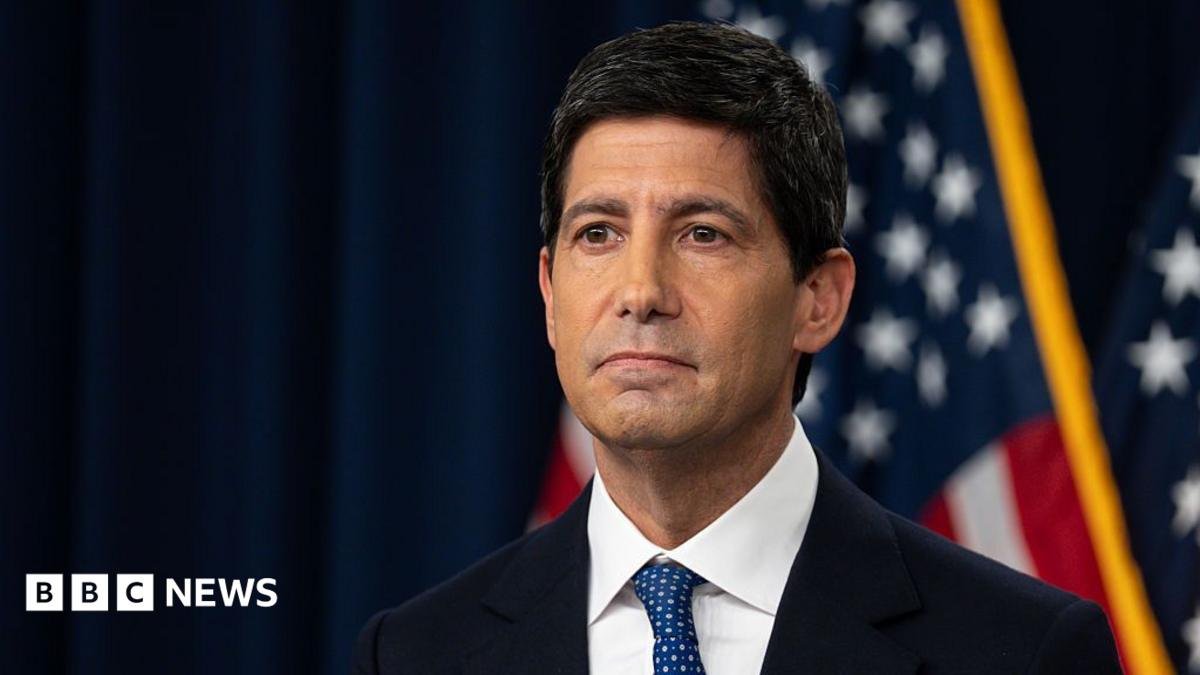
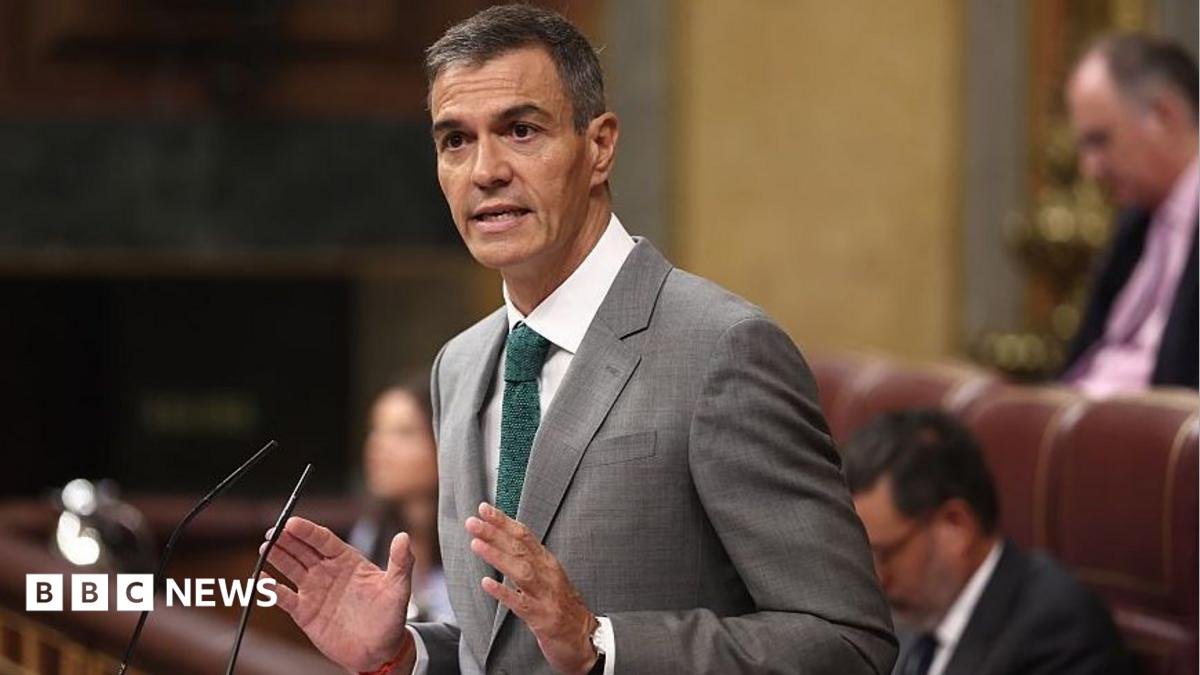
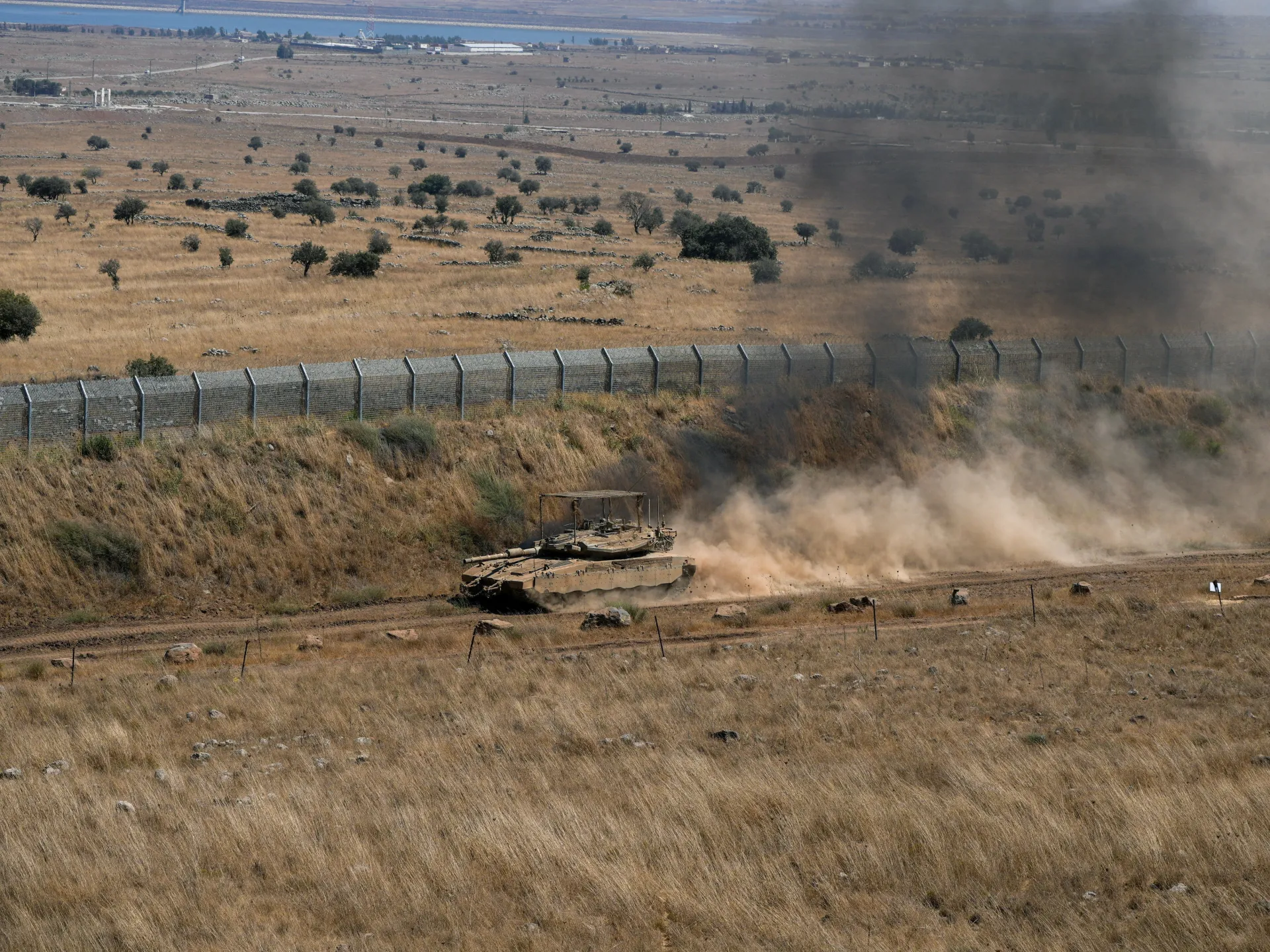
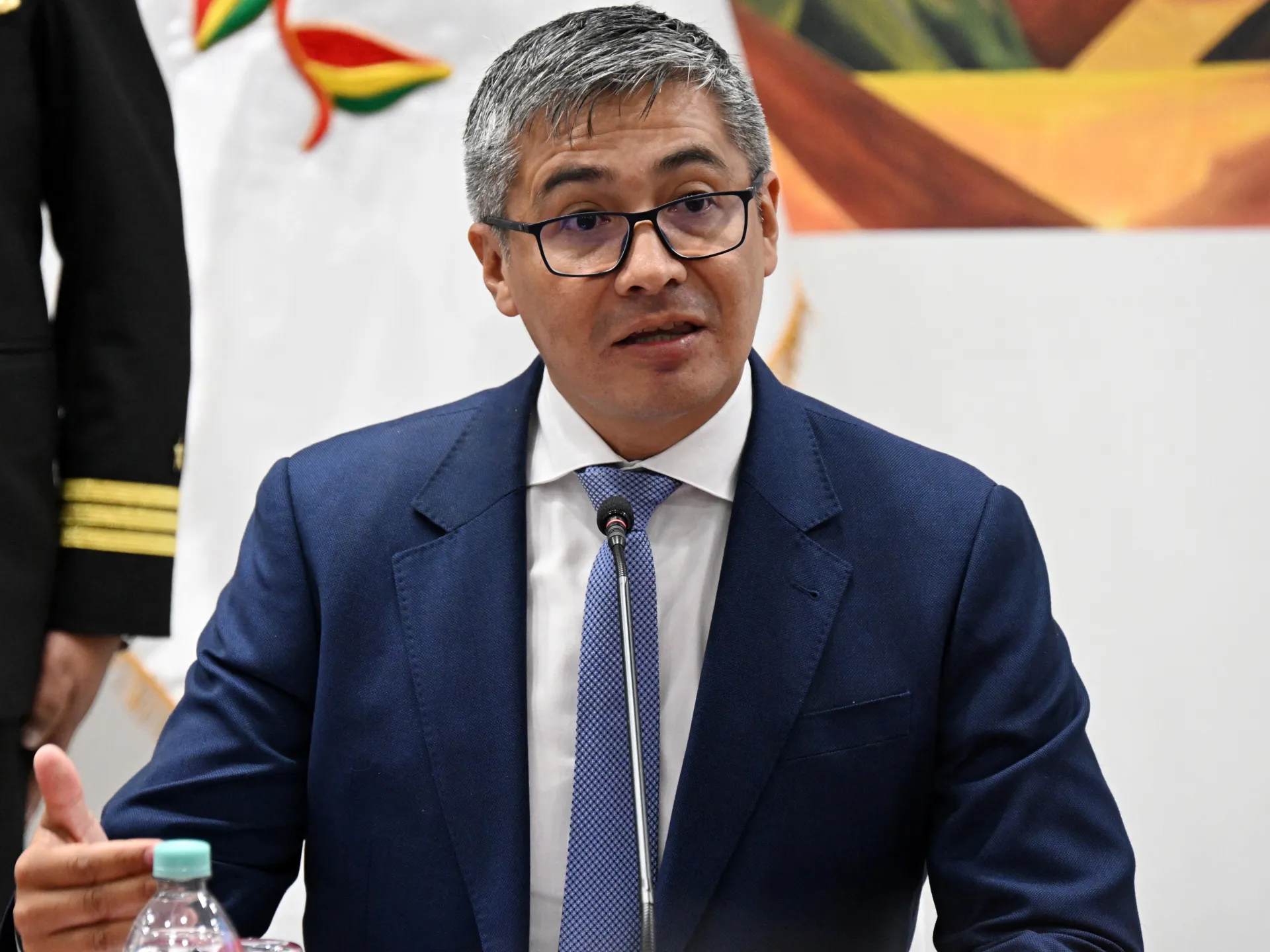
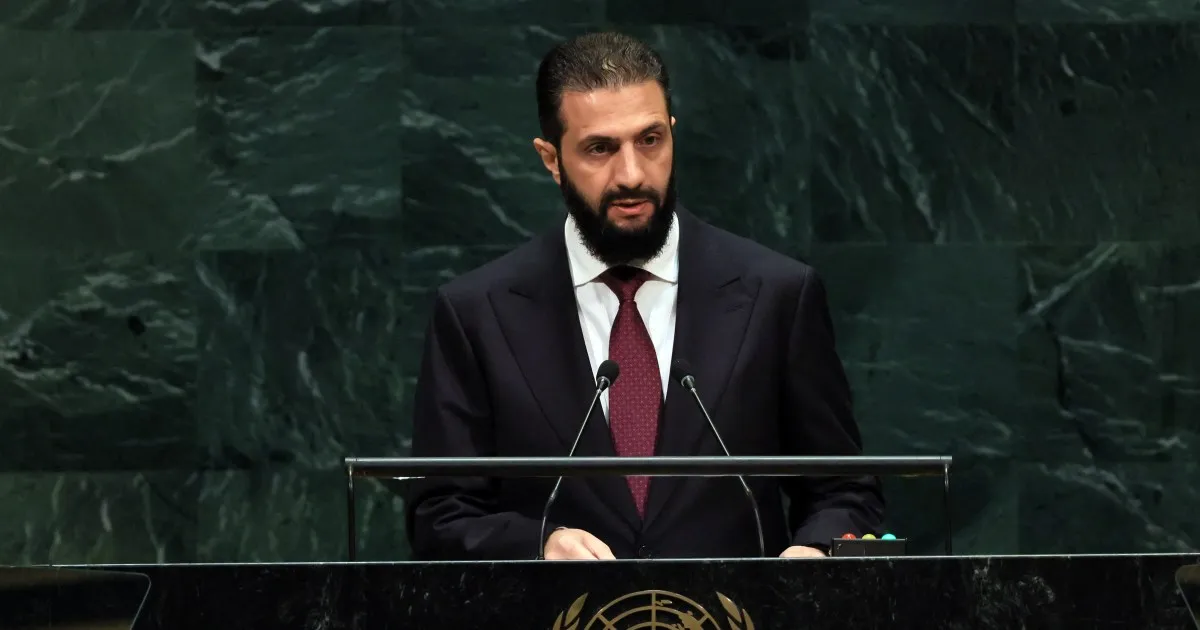
Syrian President Ahmed al-Sharaa utilized the platform of the United Nations General Assembly this week to issue a stern condemnation of Israeli military operations within Syrian borders, characterizing the ongoing incursions as a direct threat to his nation’s fragile post-civil war stabilization efforts. In a address marked he 1974 separation agreement that established a UN-monitored zone between the two nations, framing the present climate as a destabilizing regression to outdated hostilities.
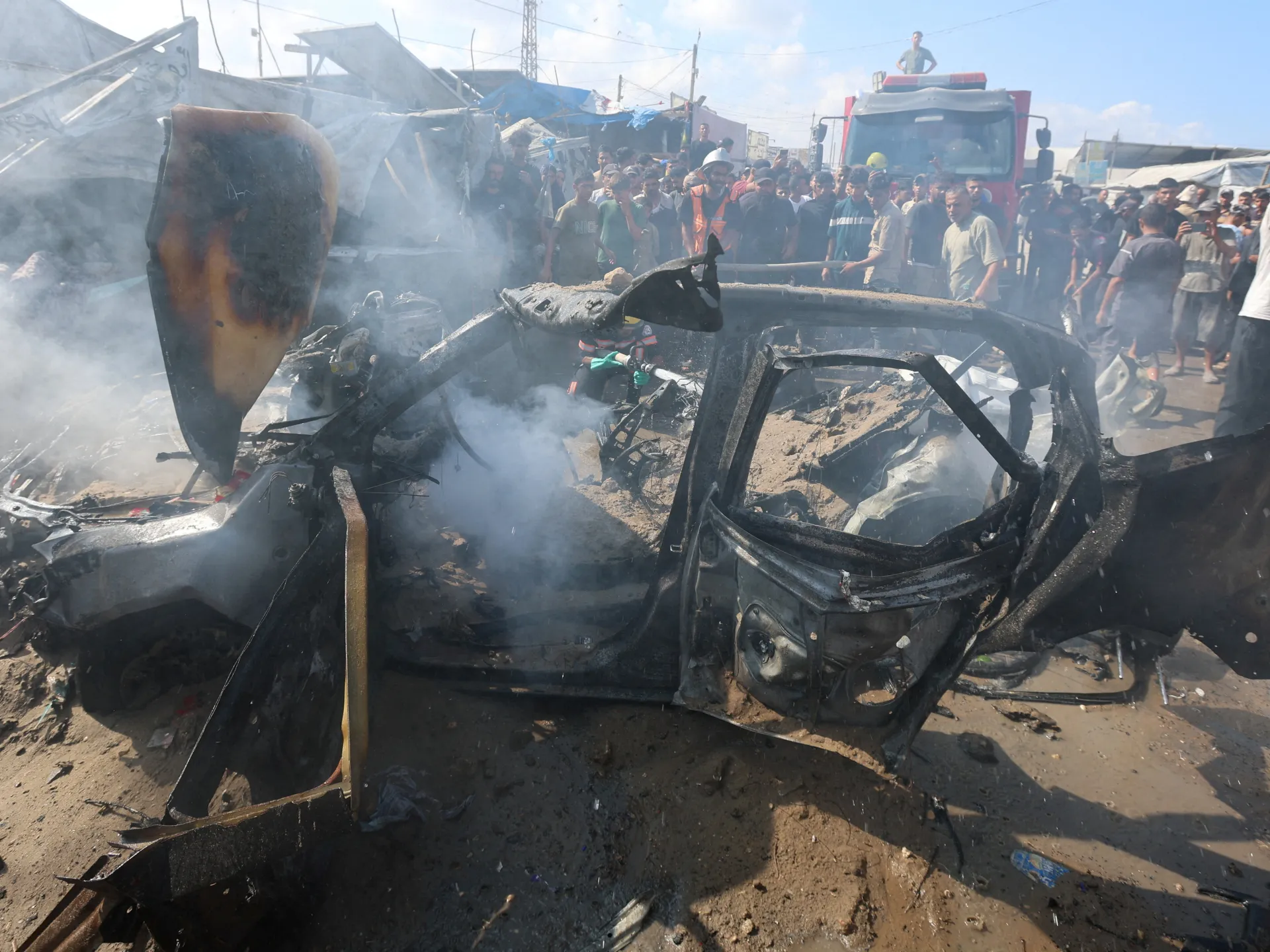
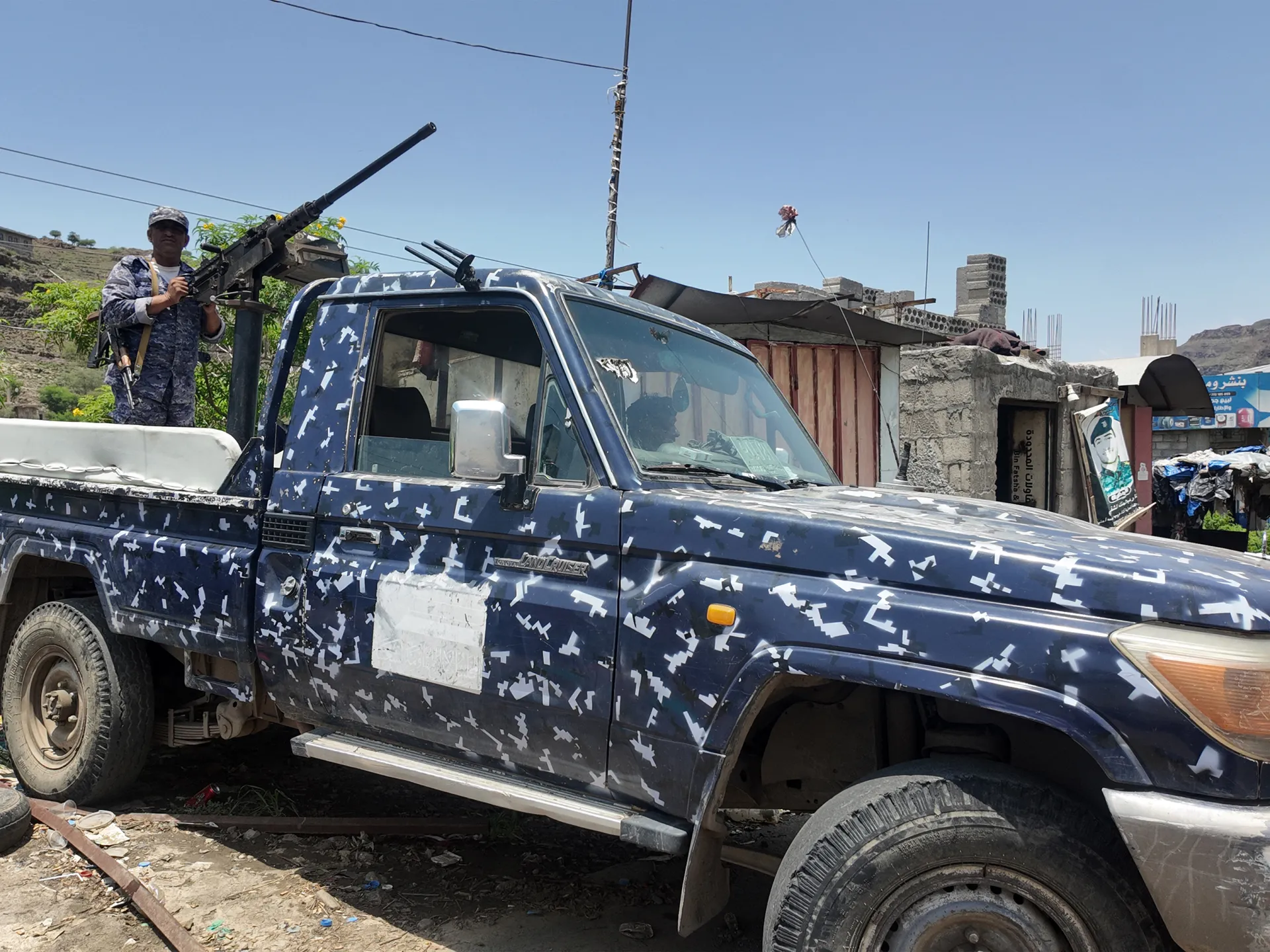
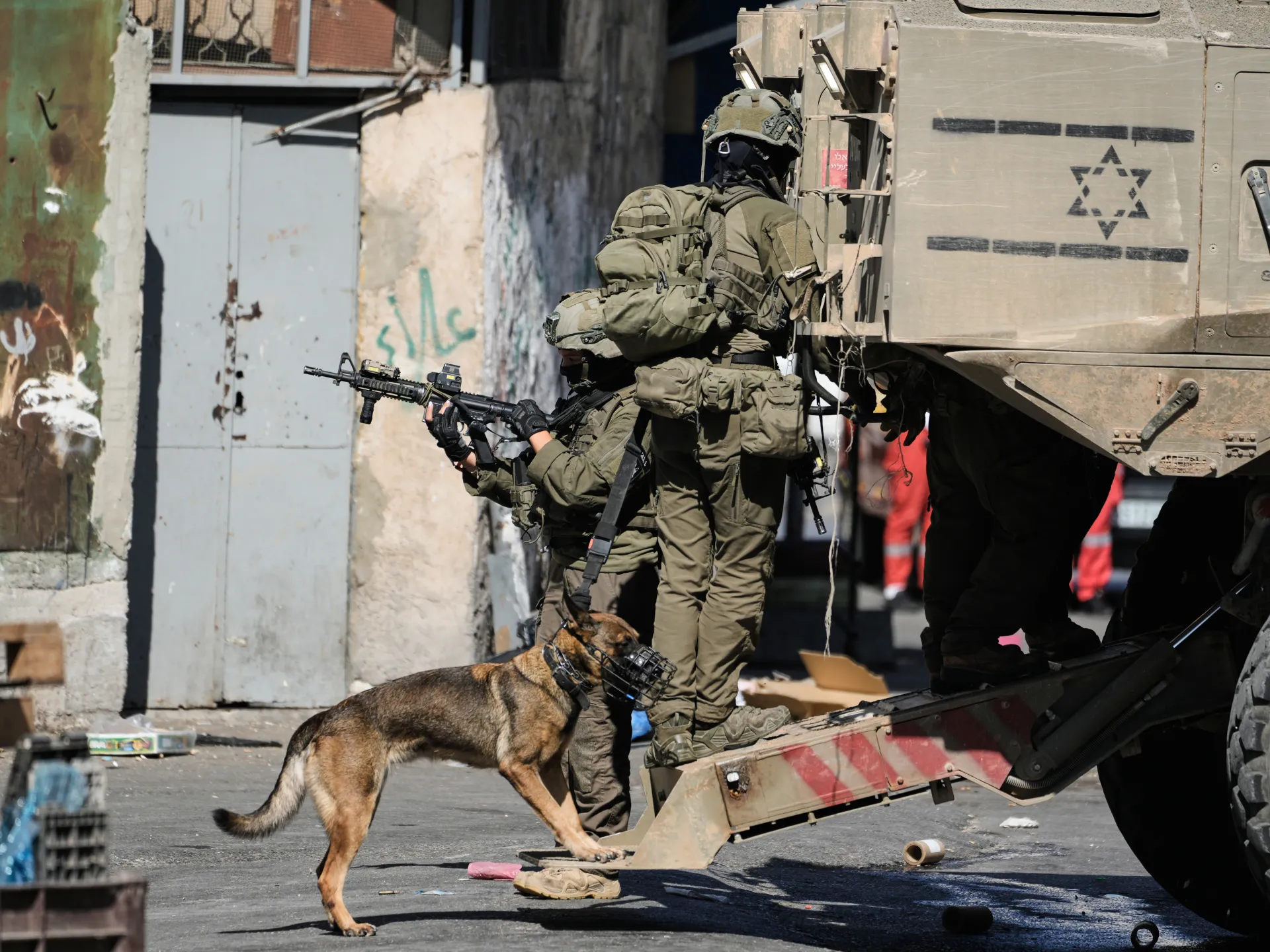
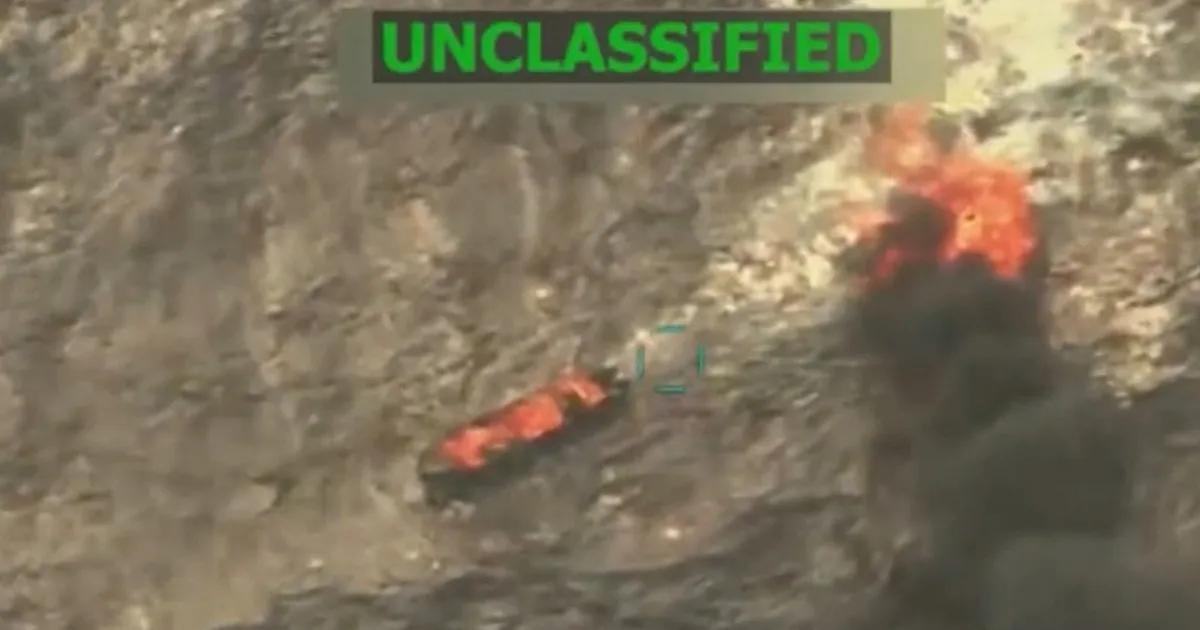
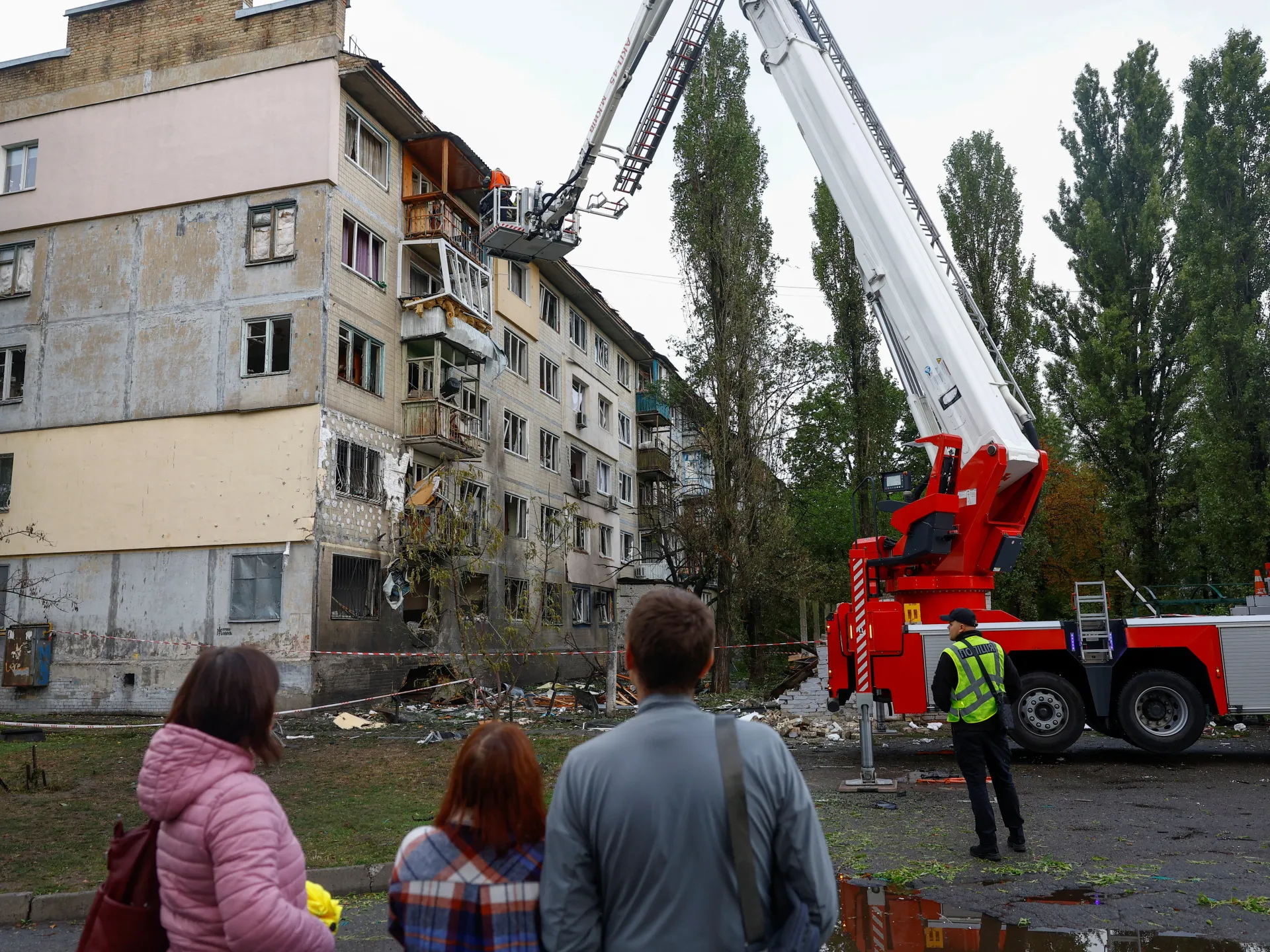
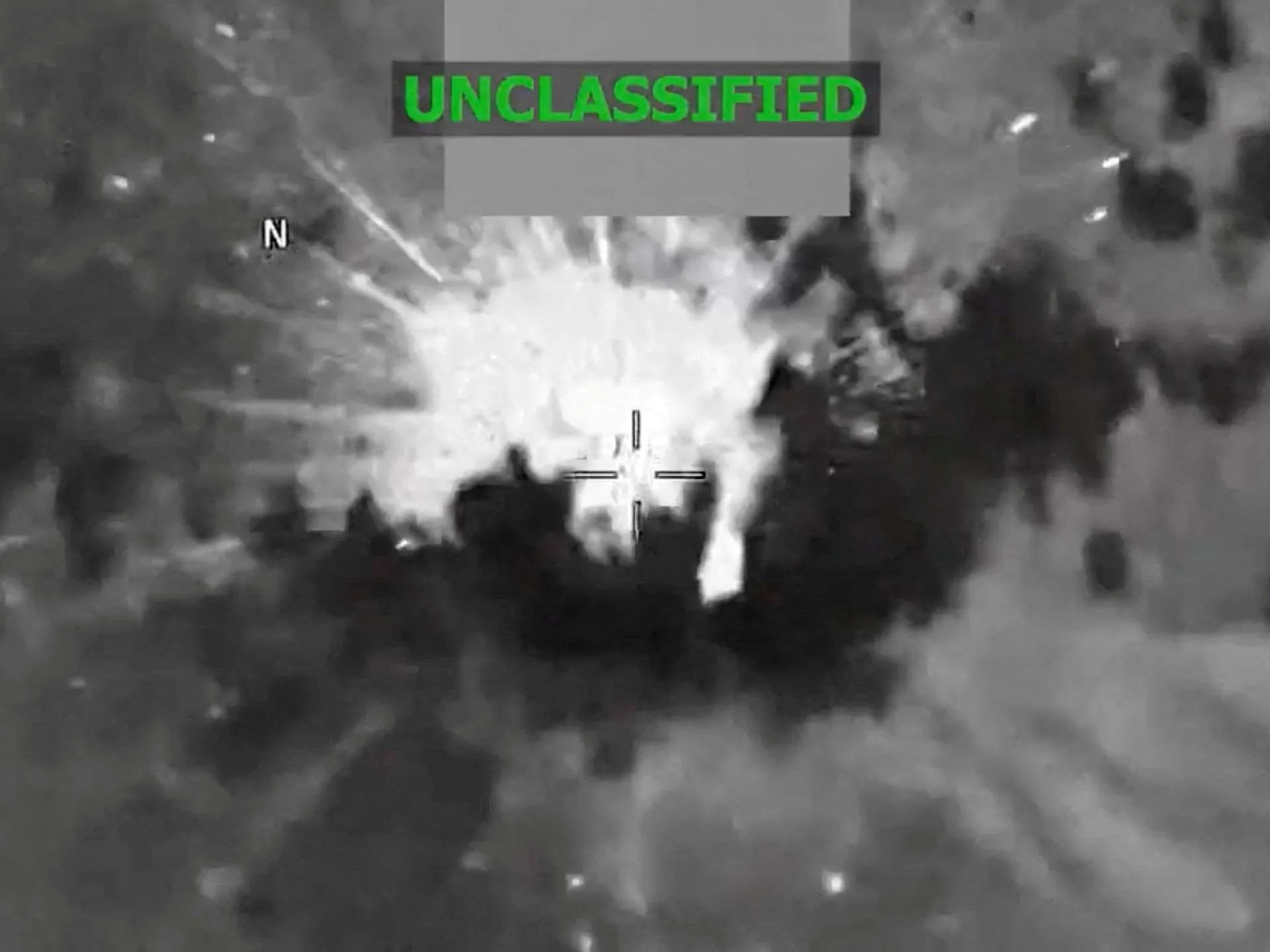
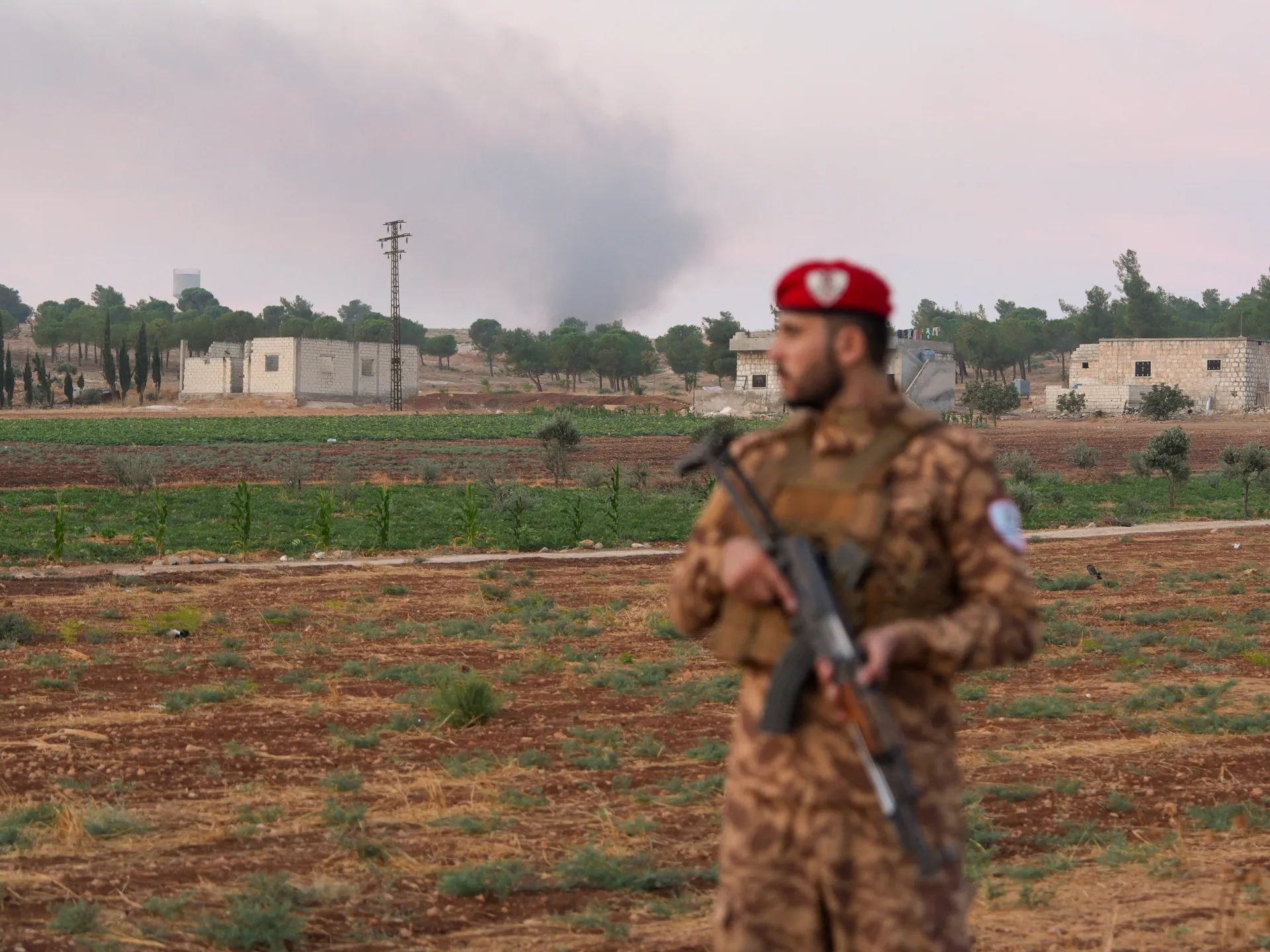
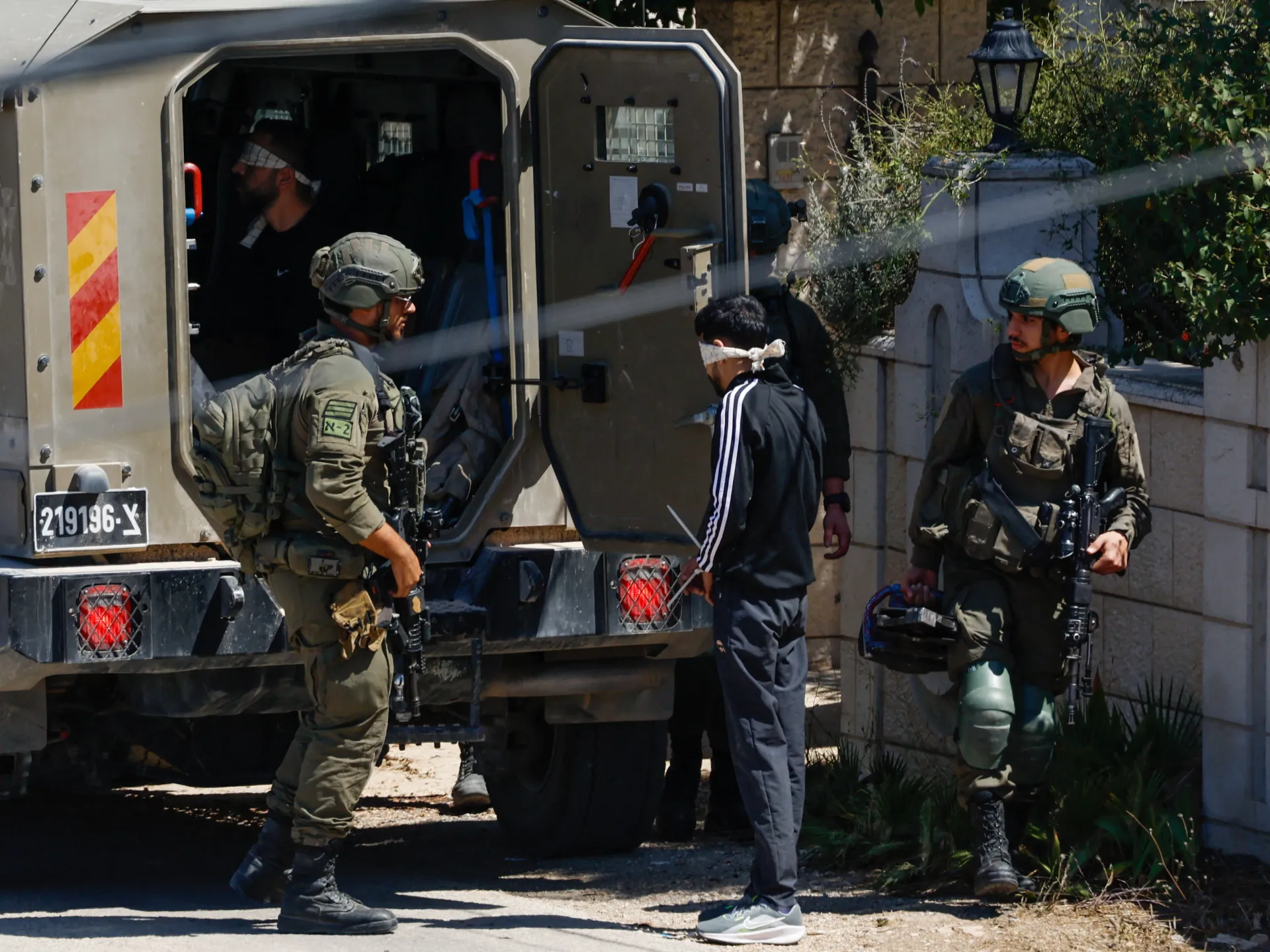
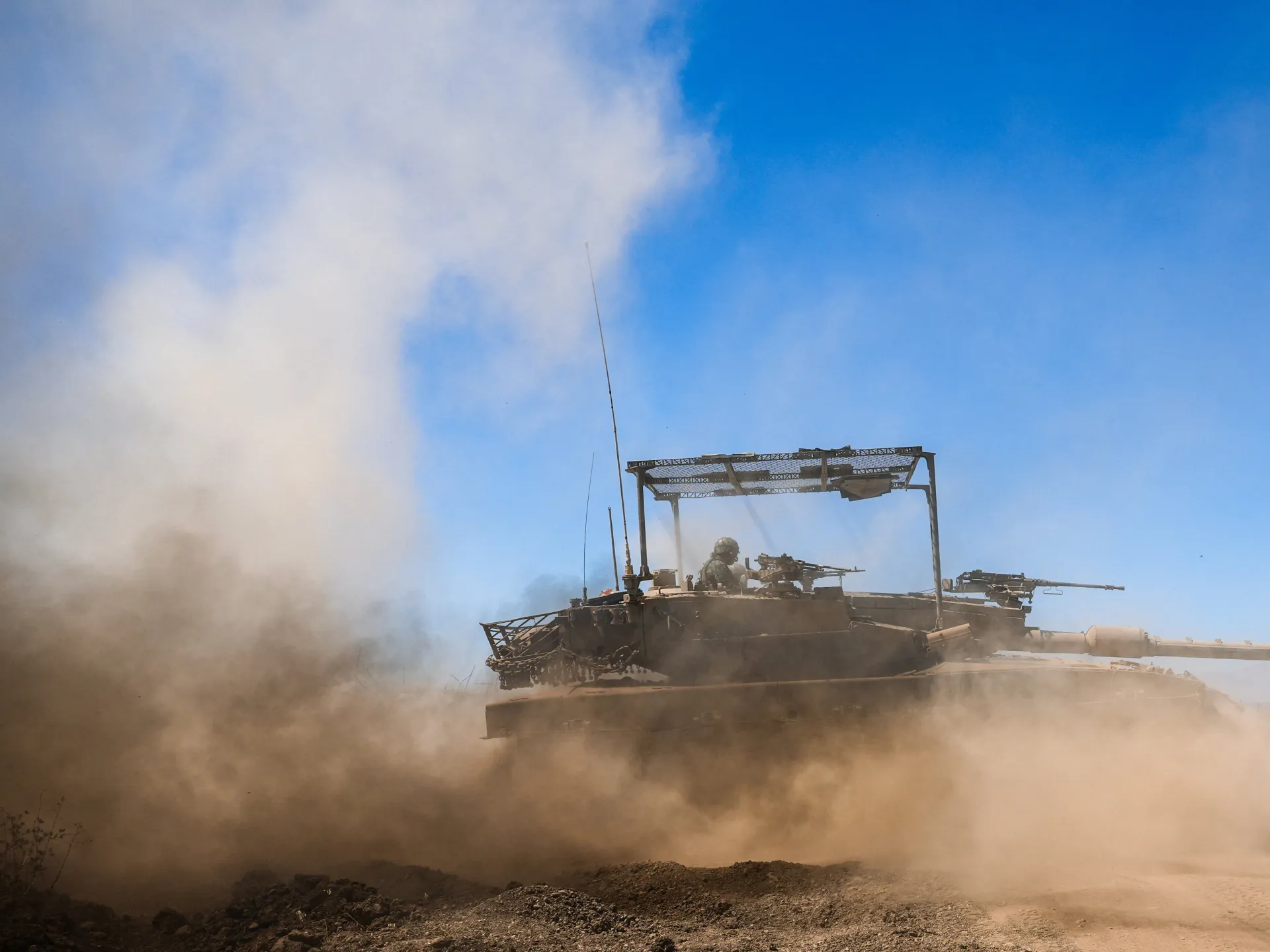
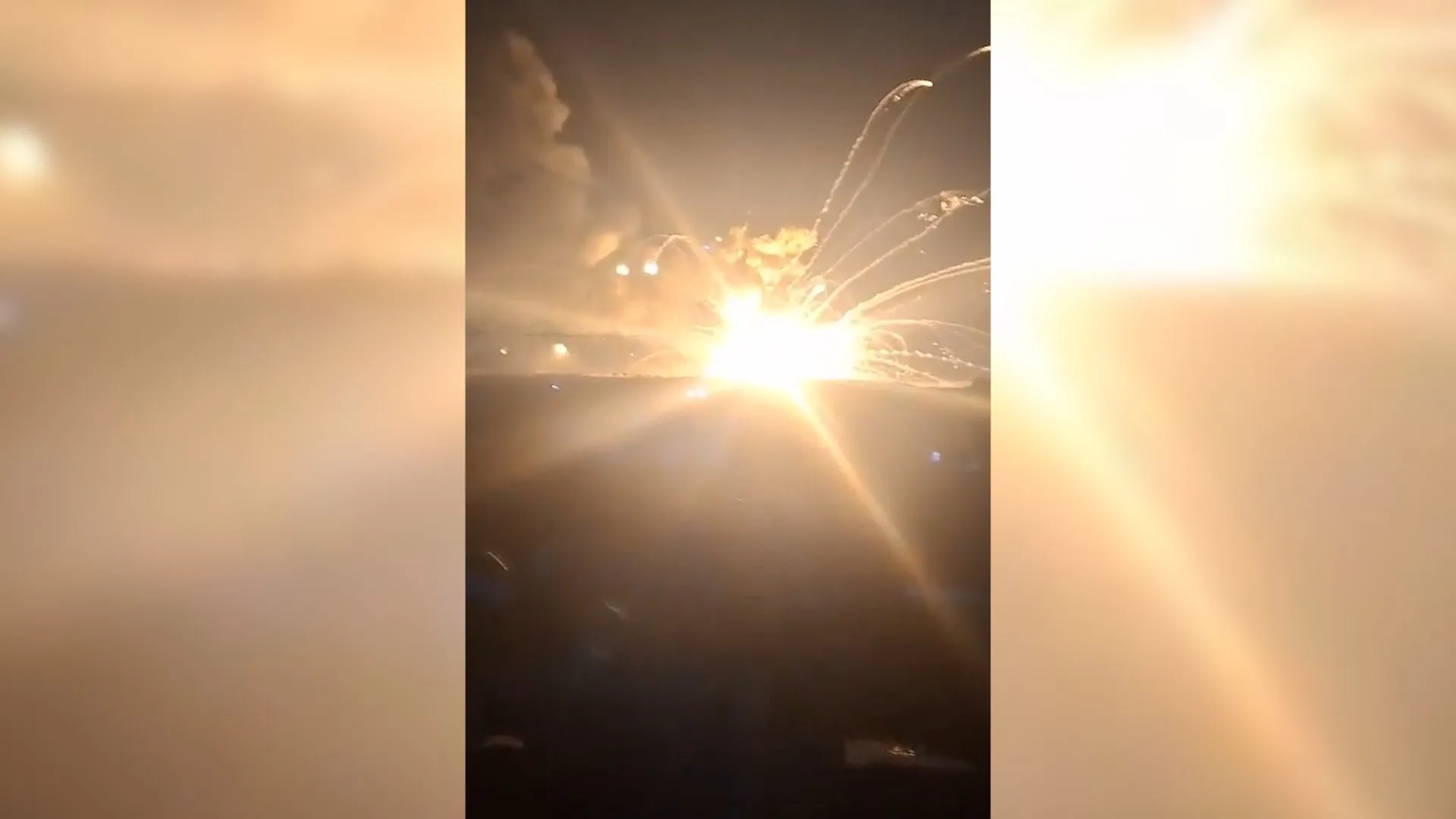
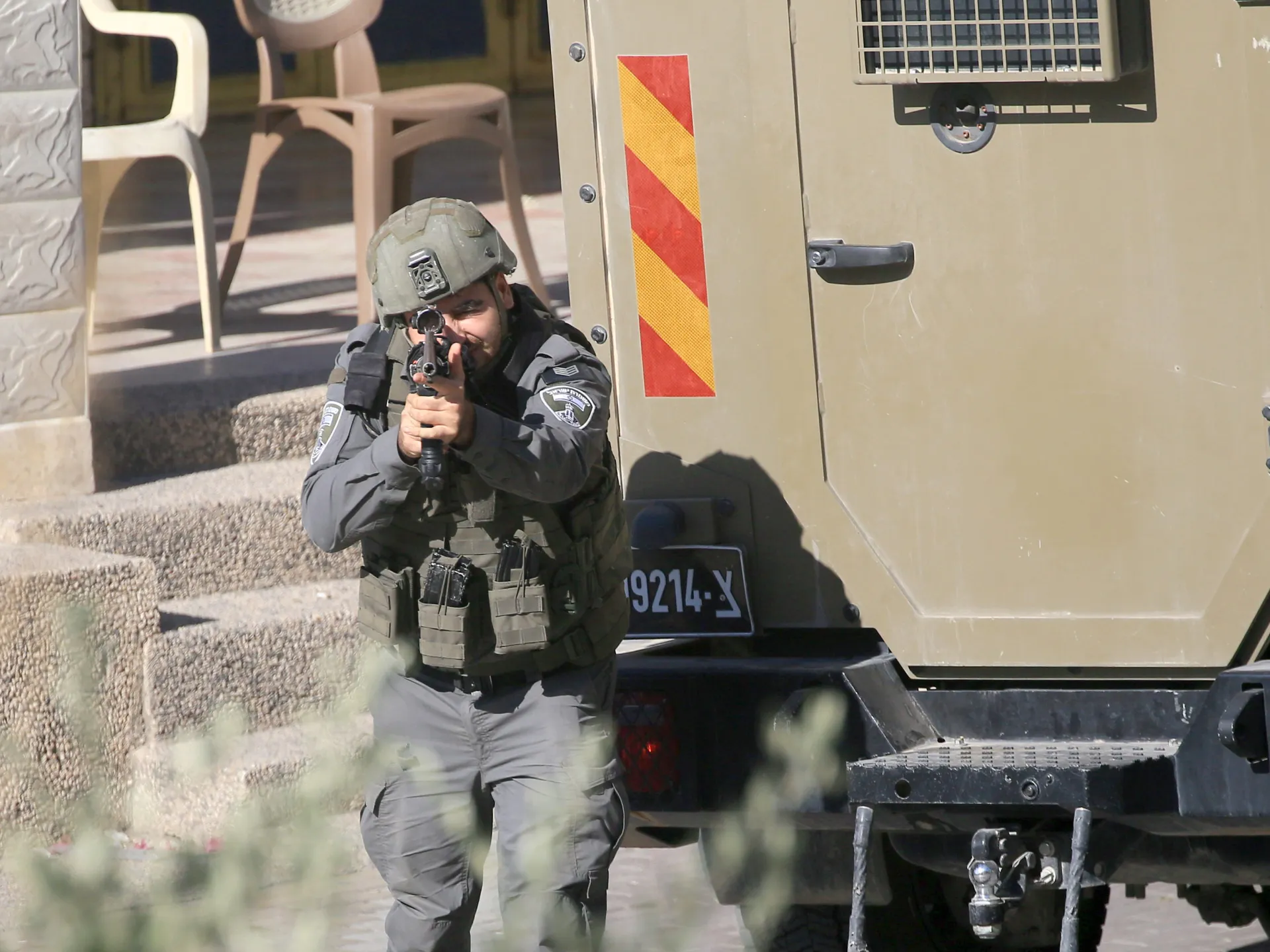
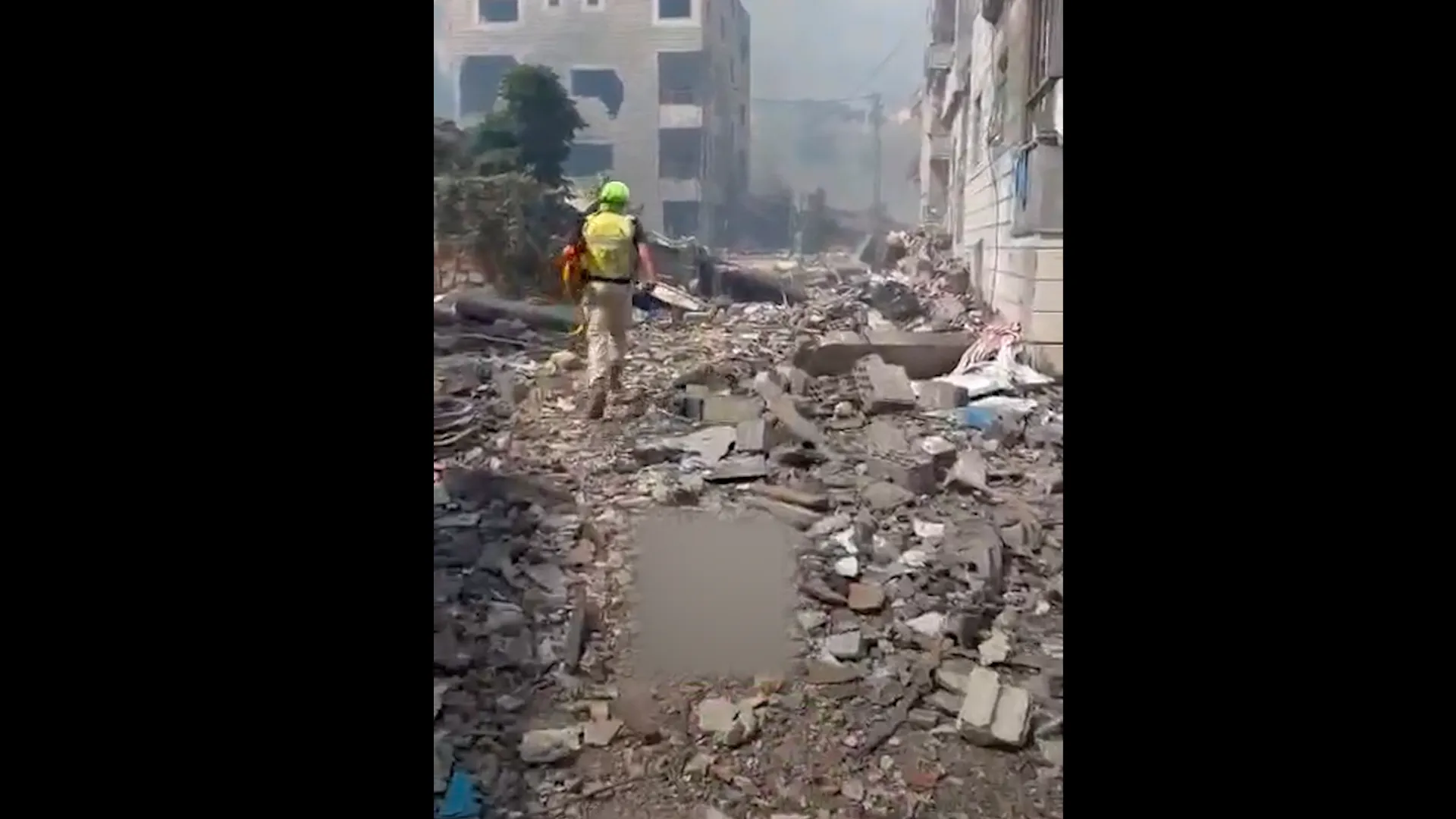
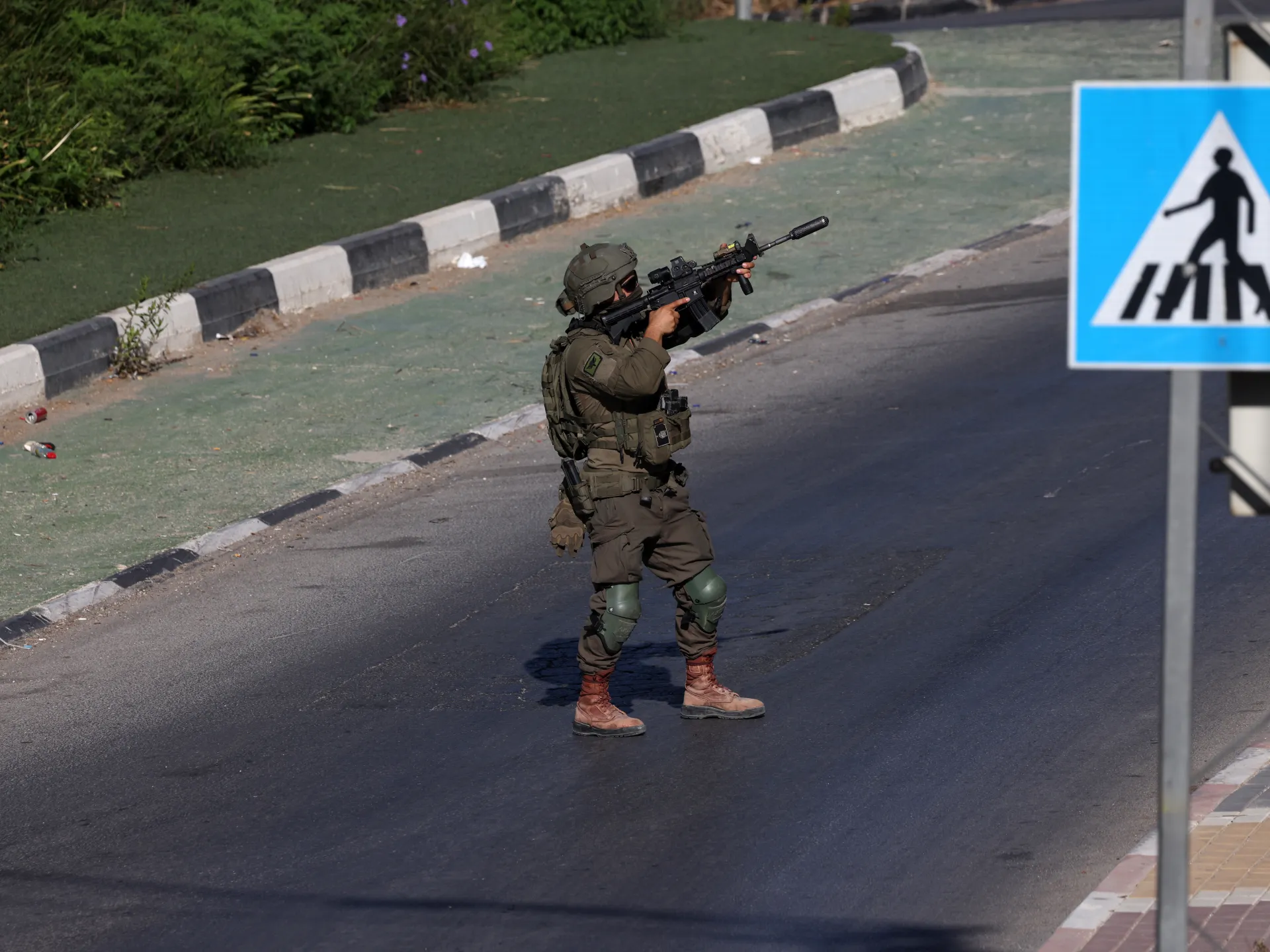
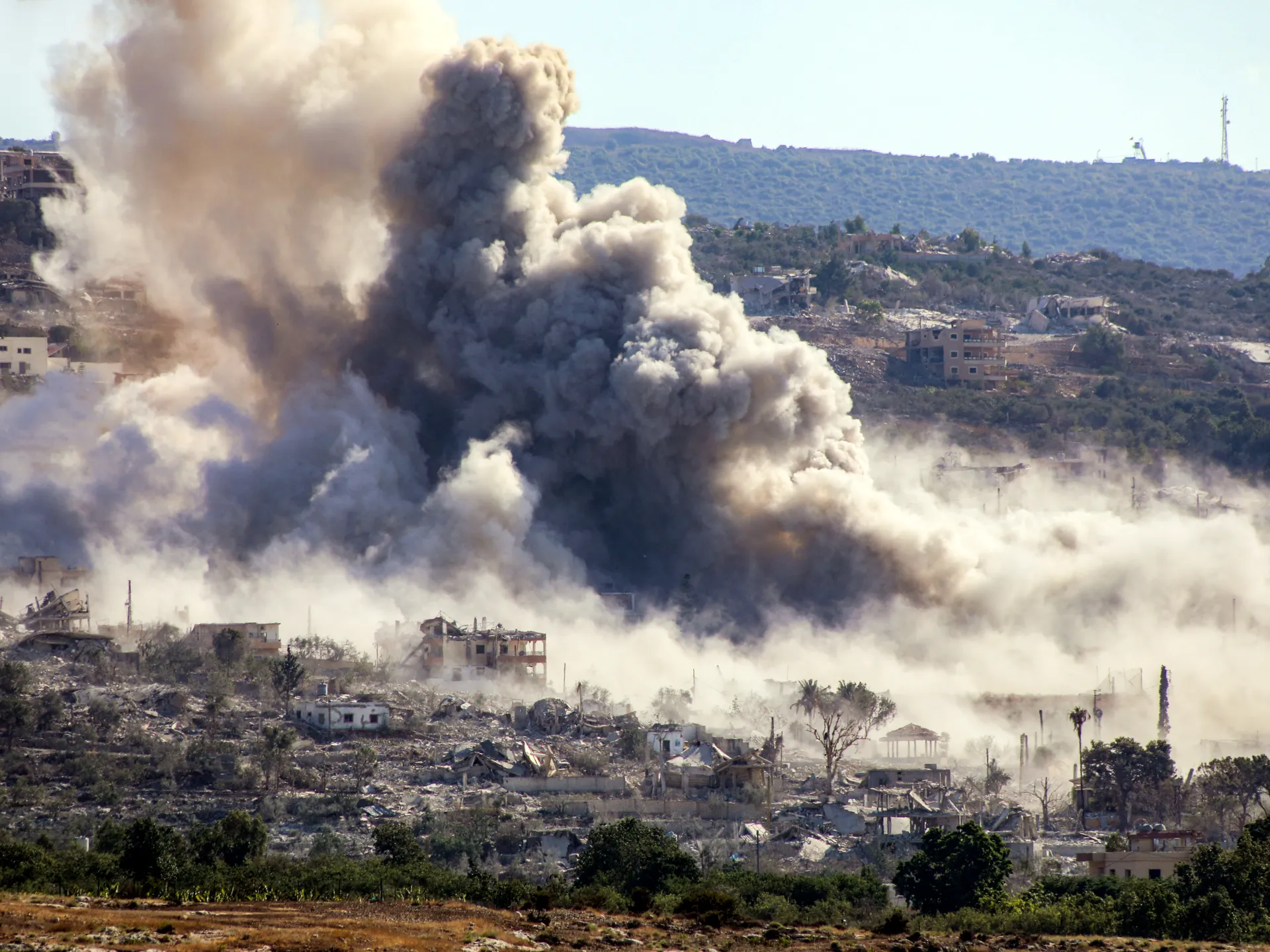
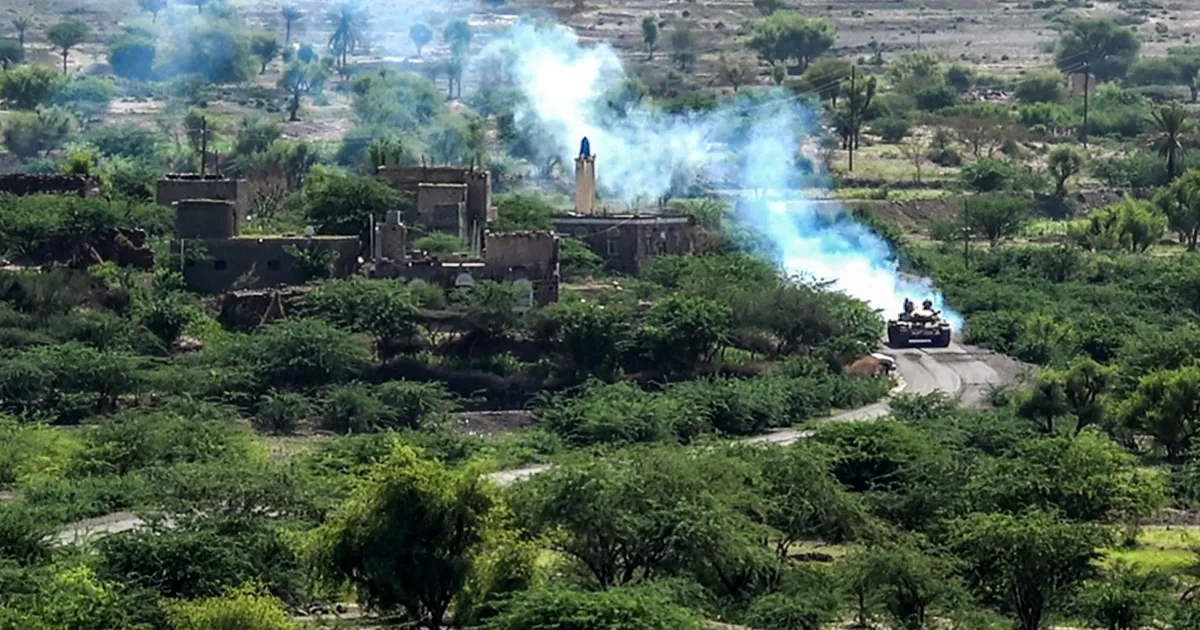
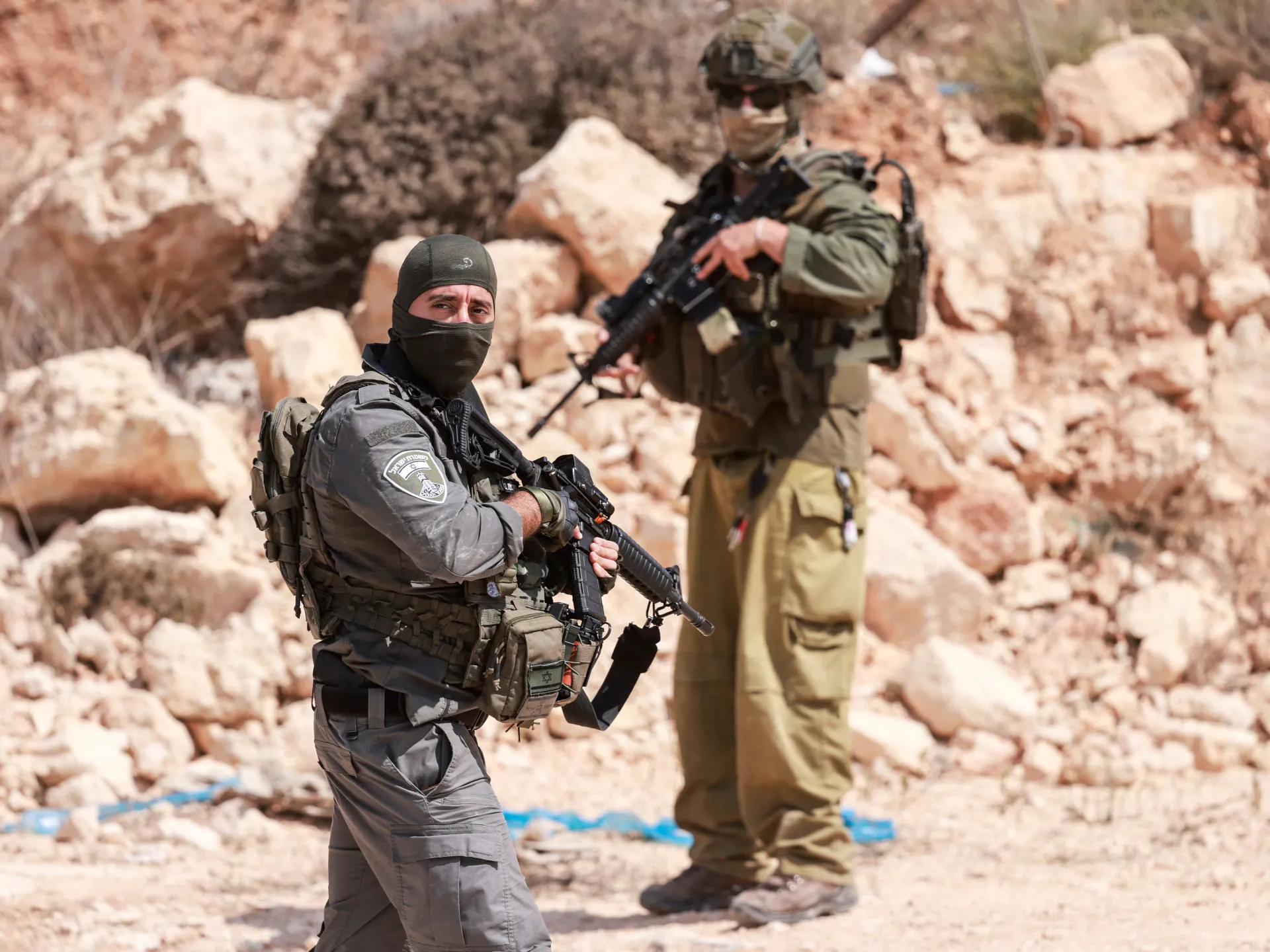
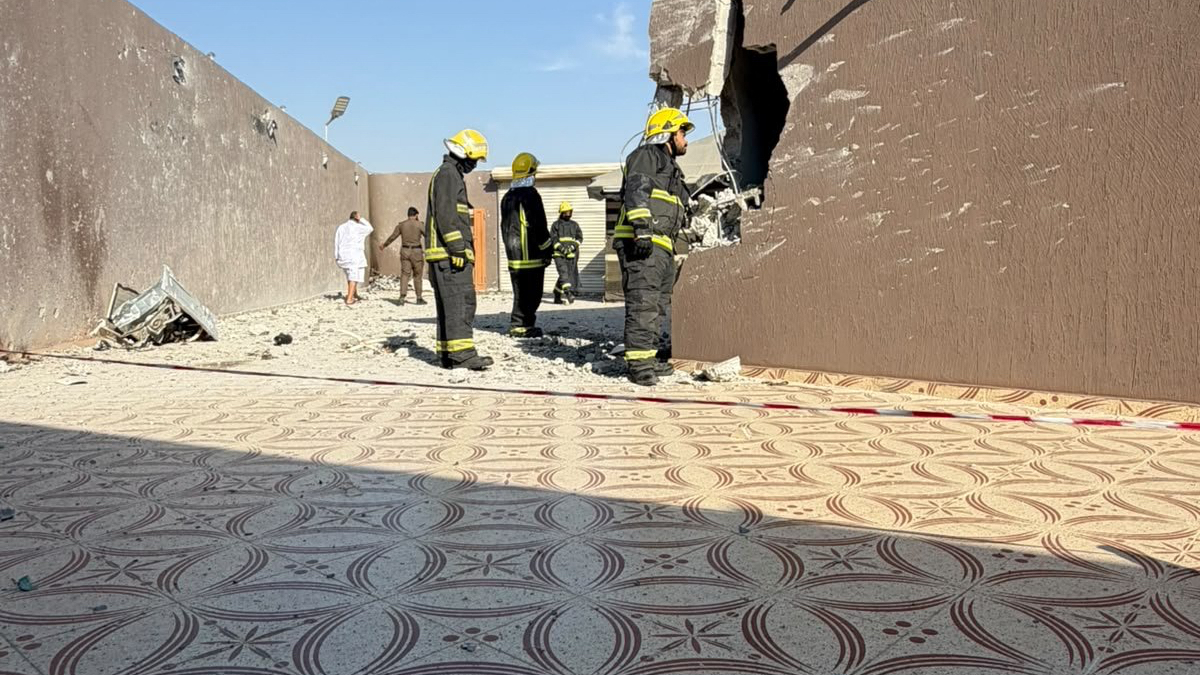
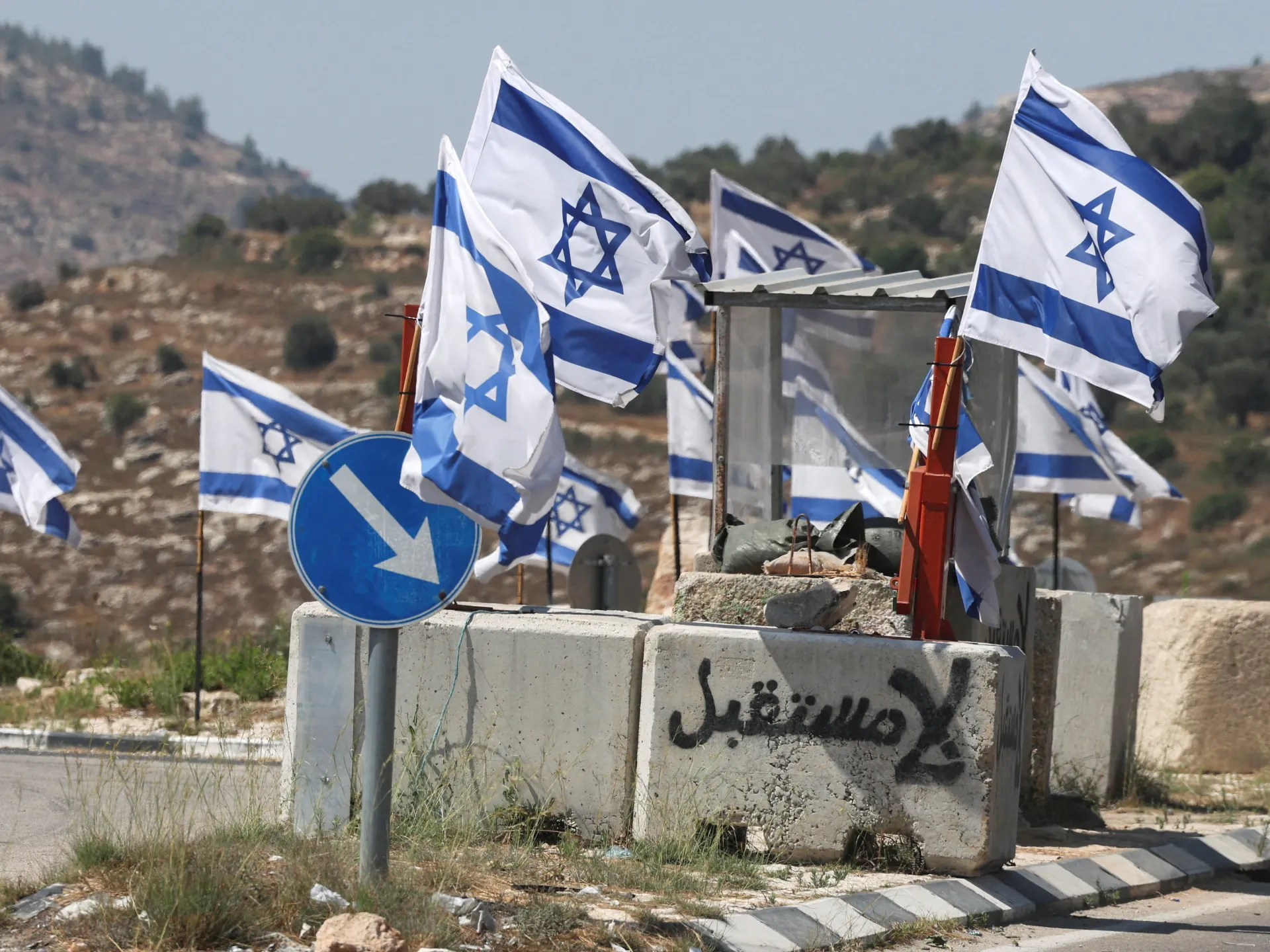
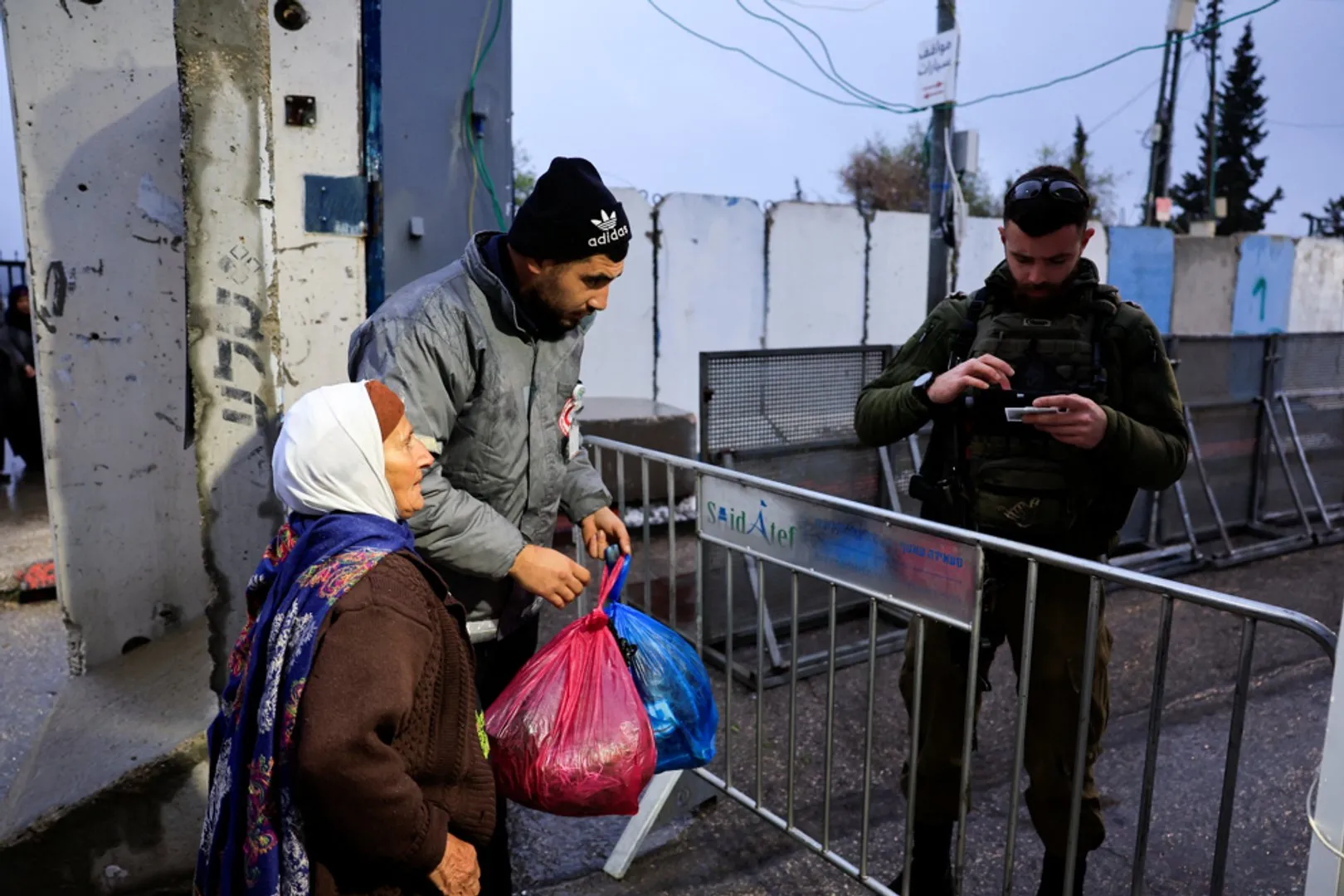
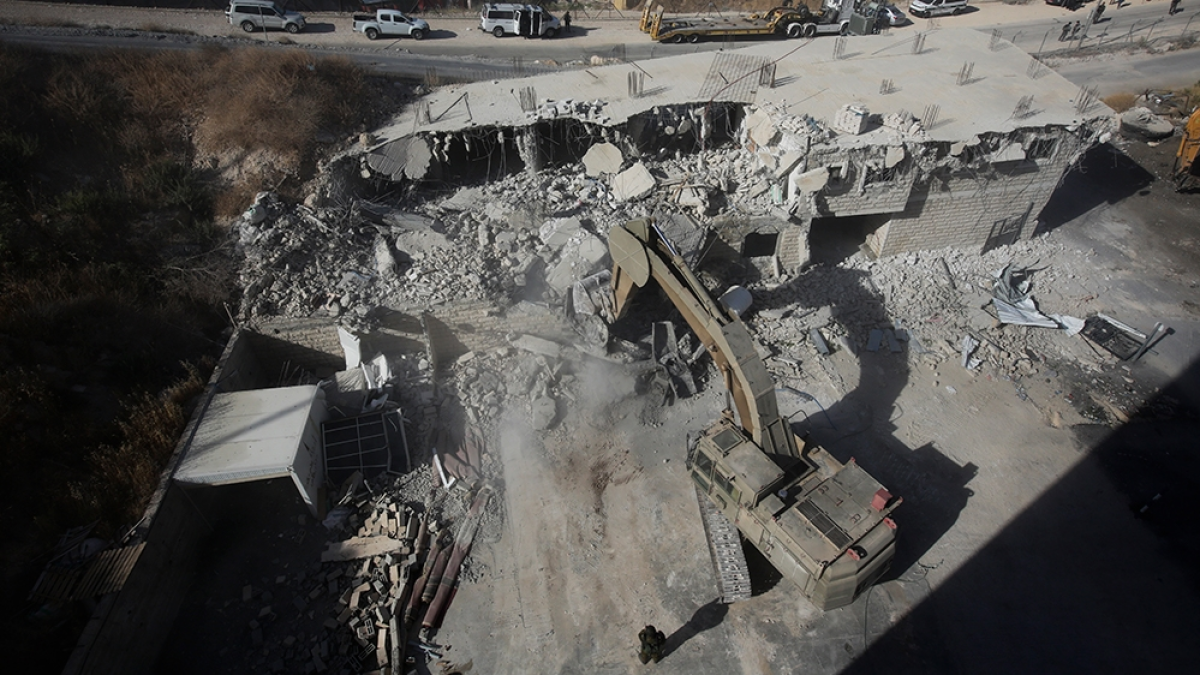
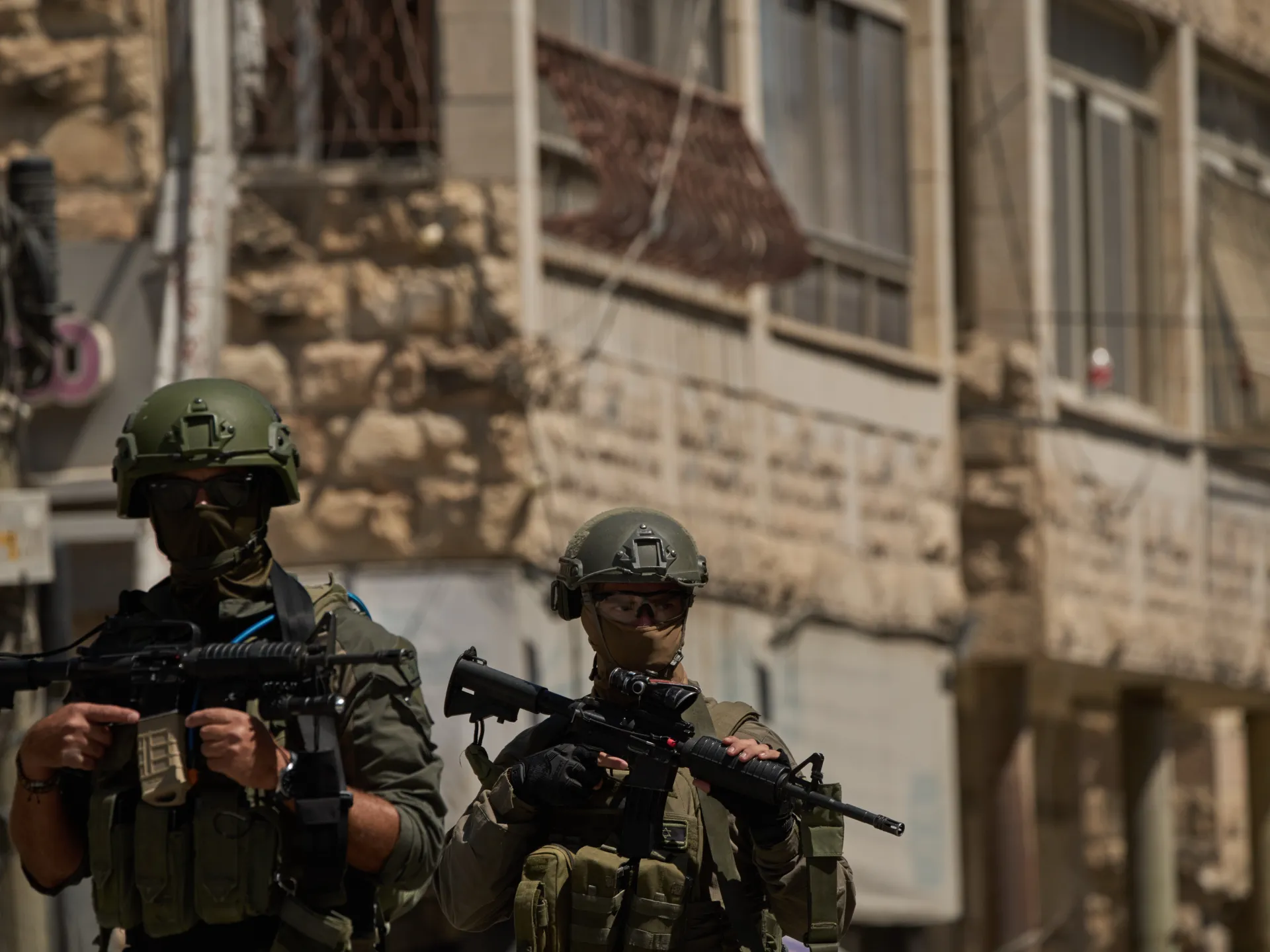
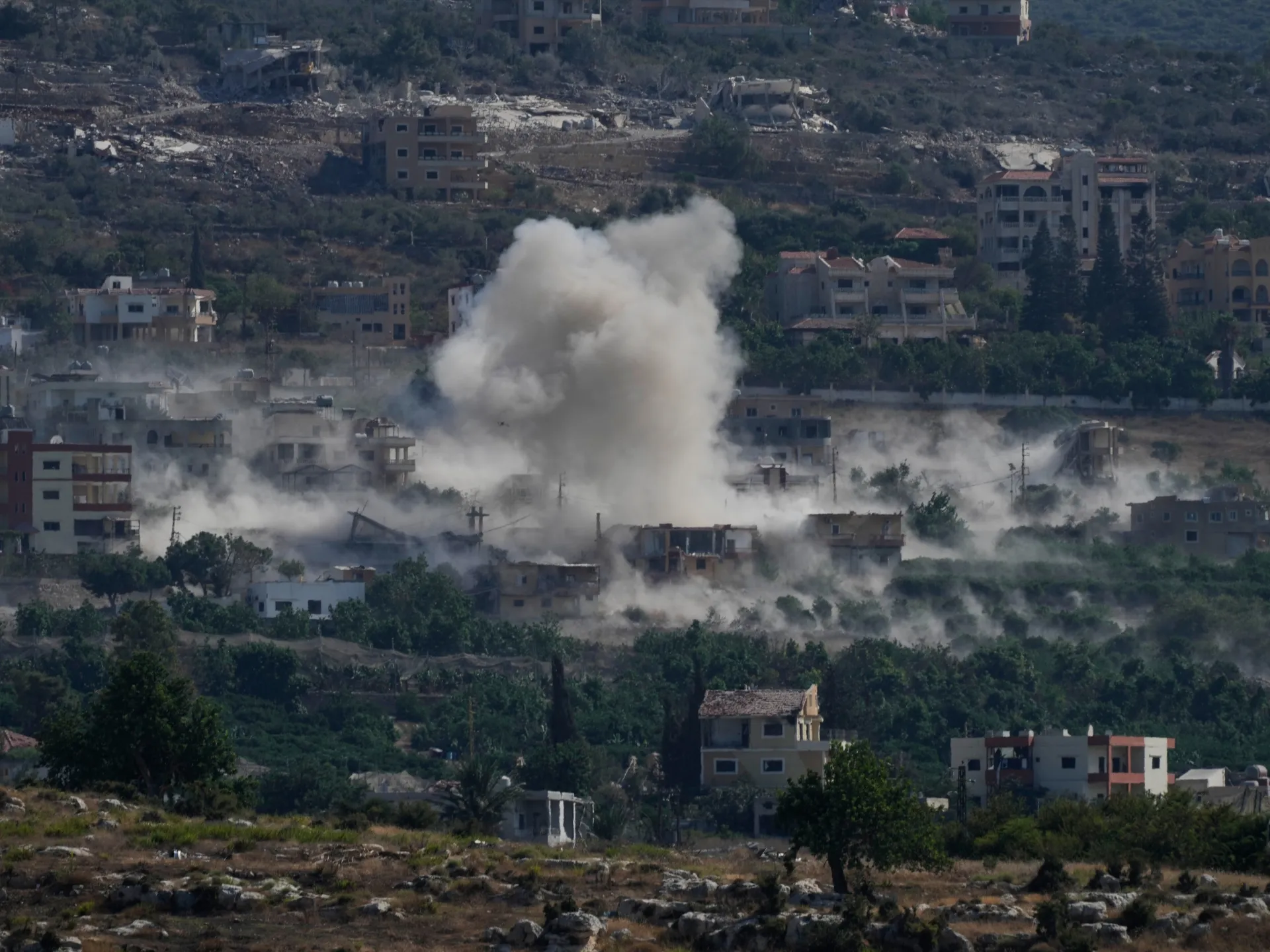
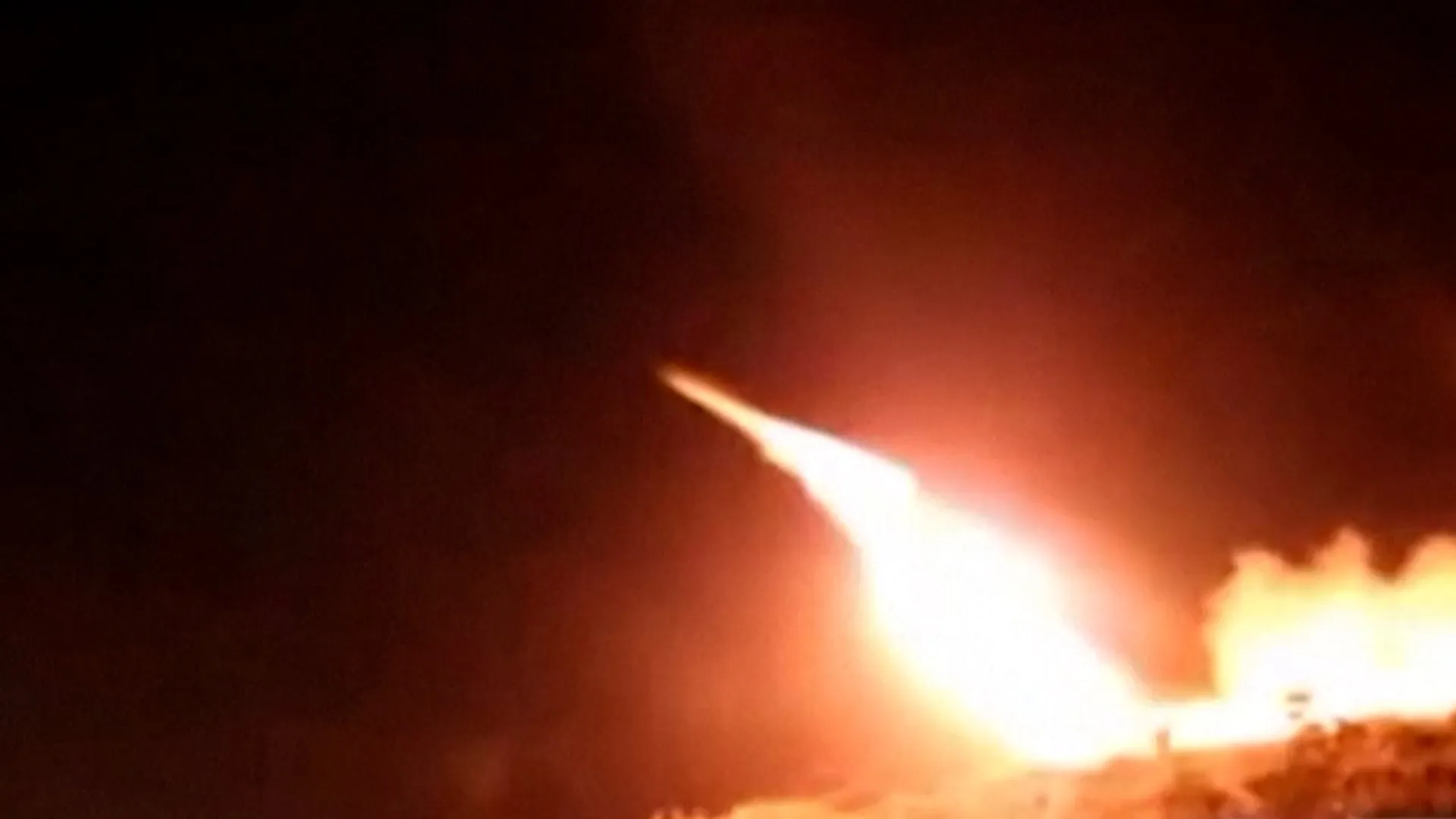
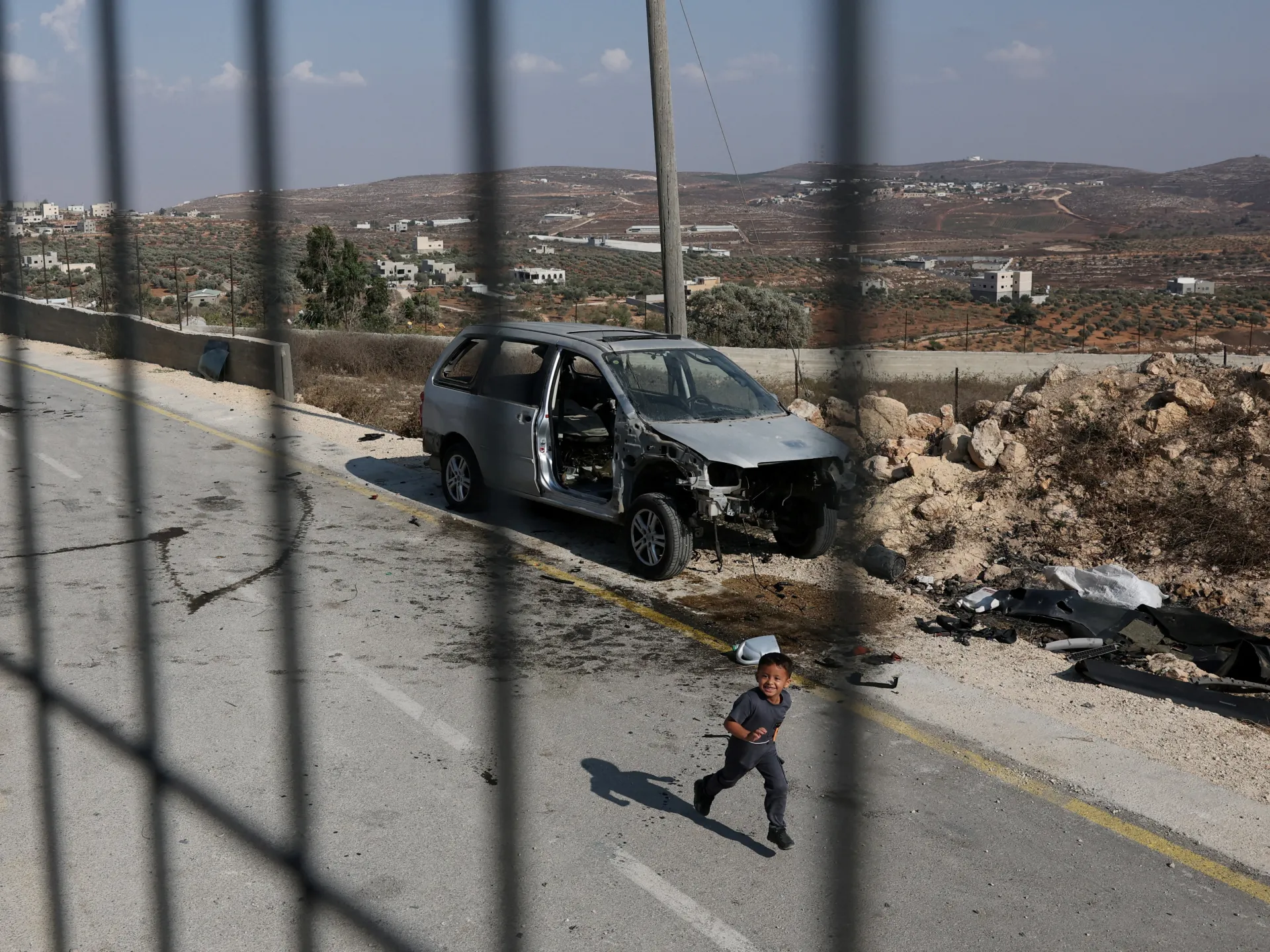
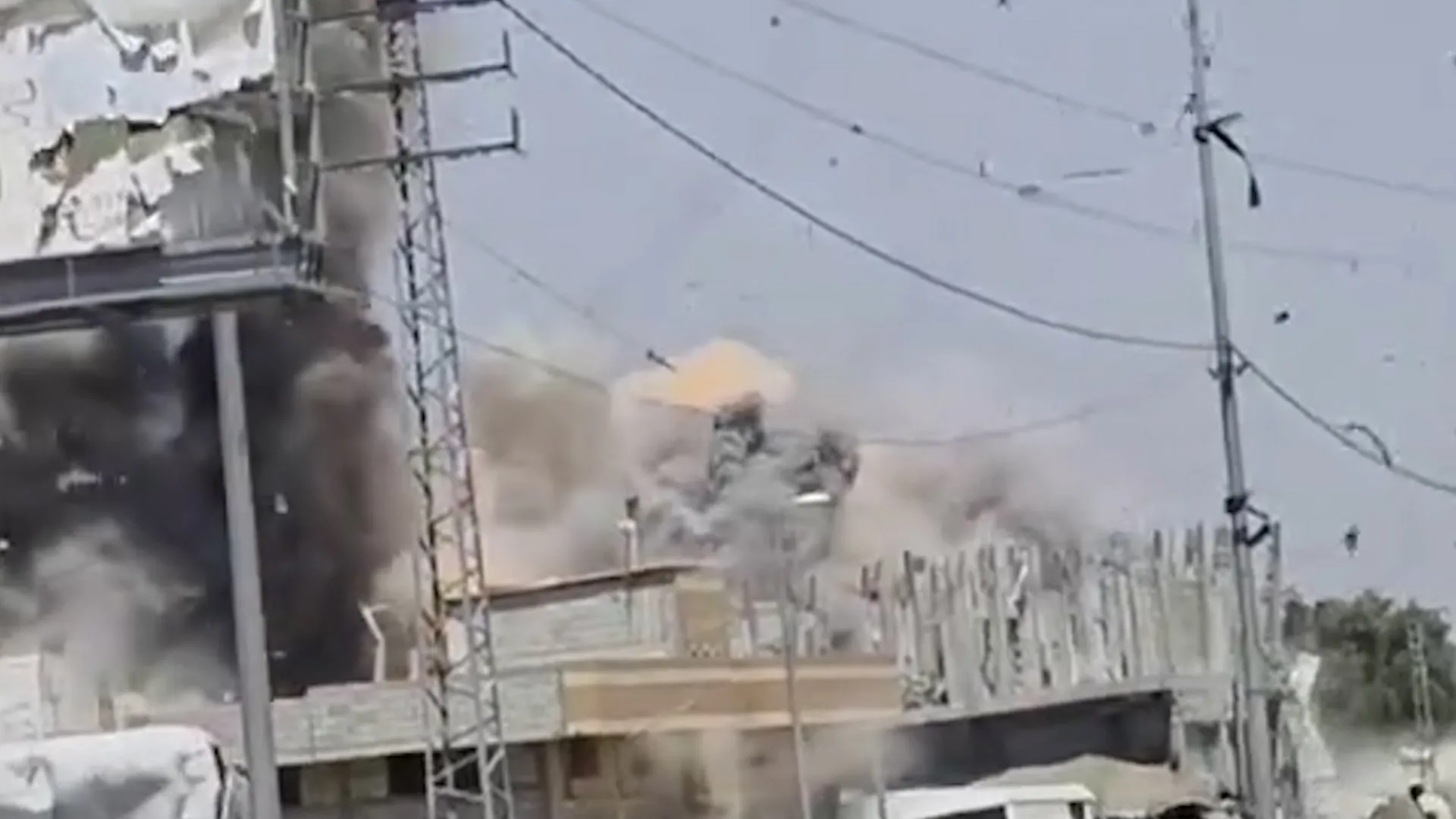
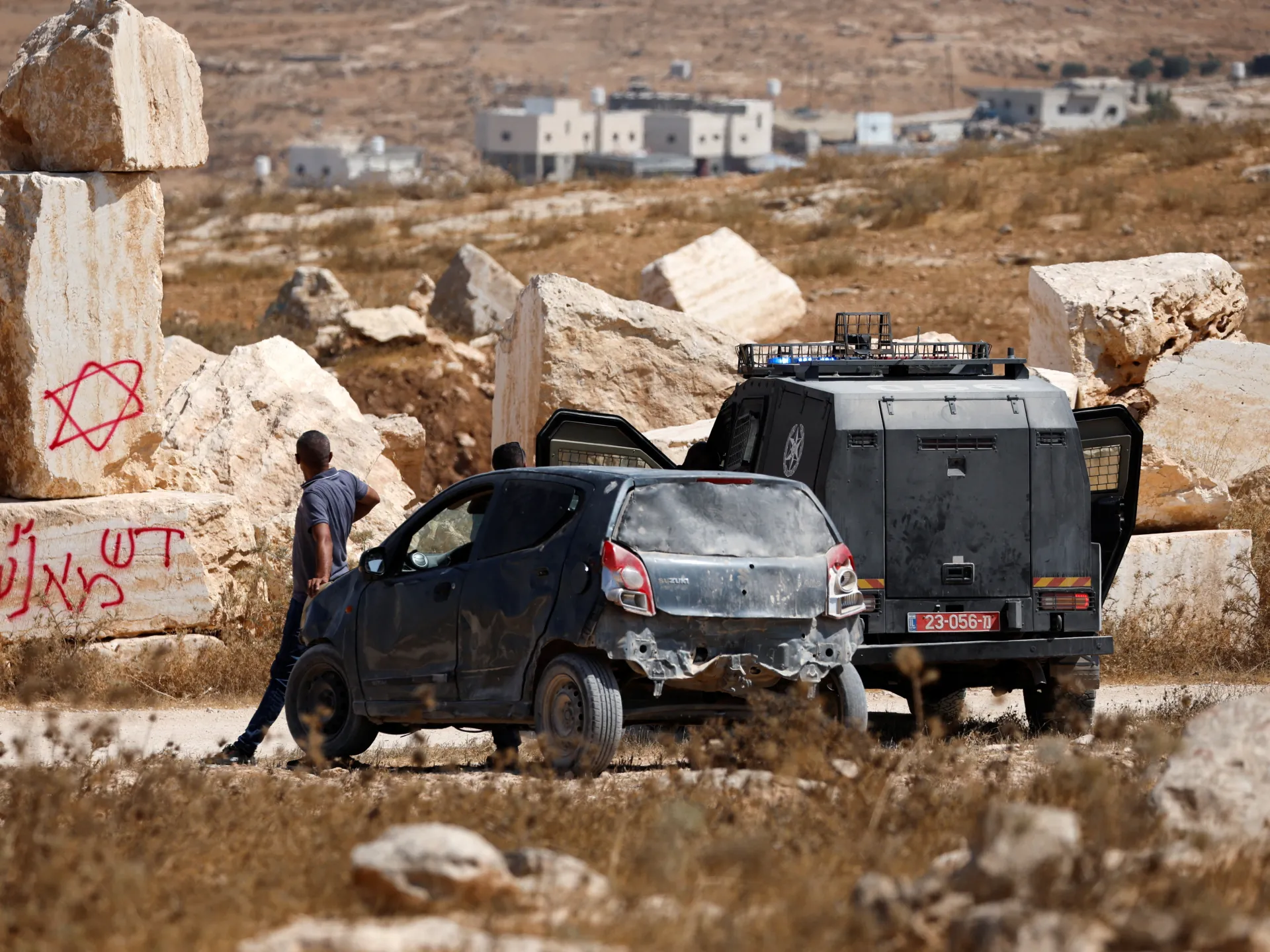
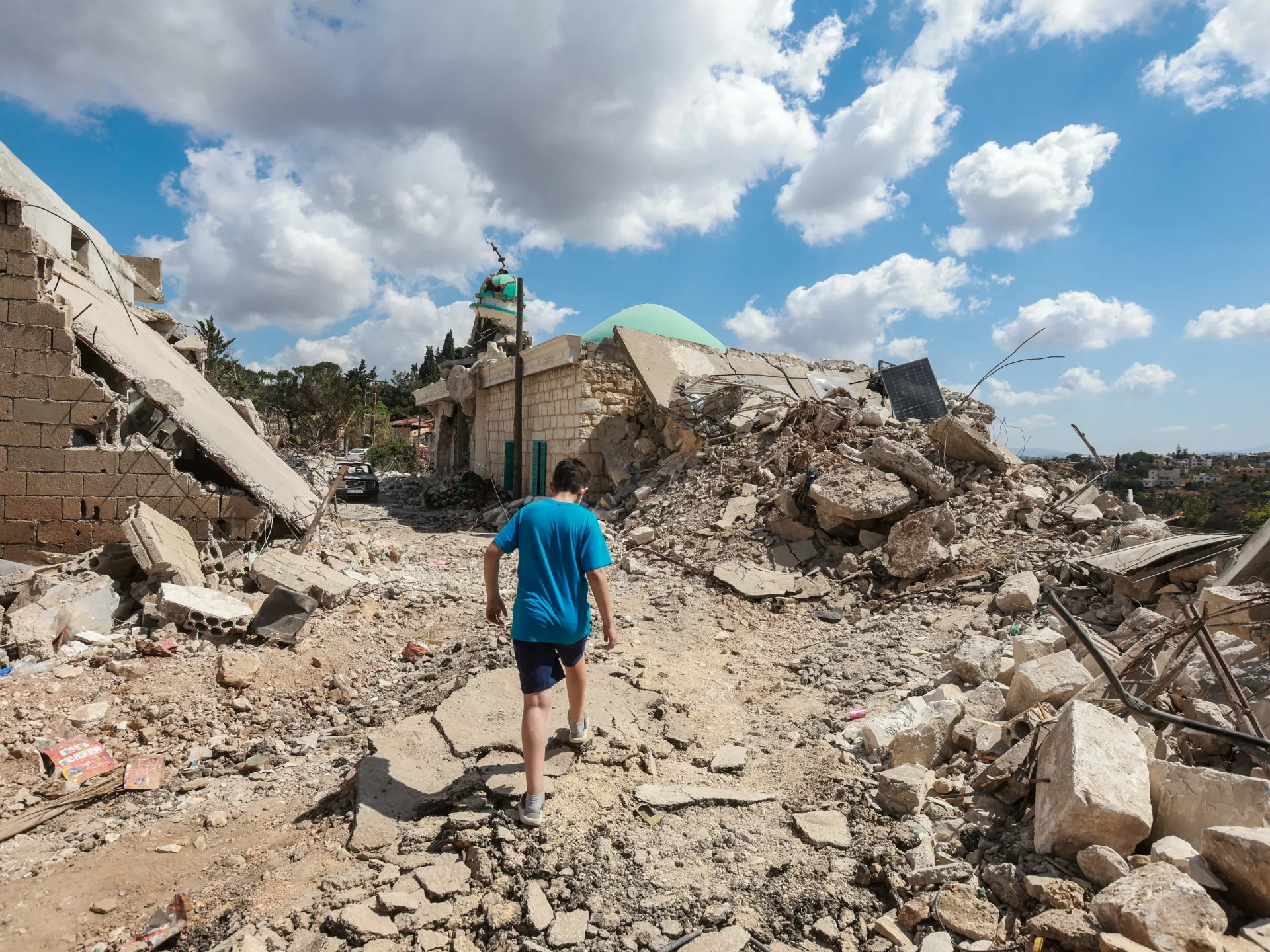
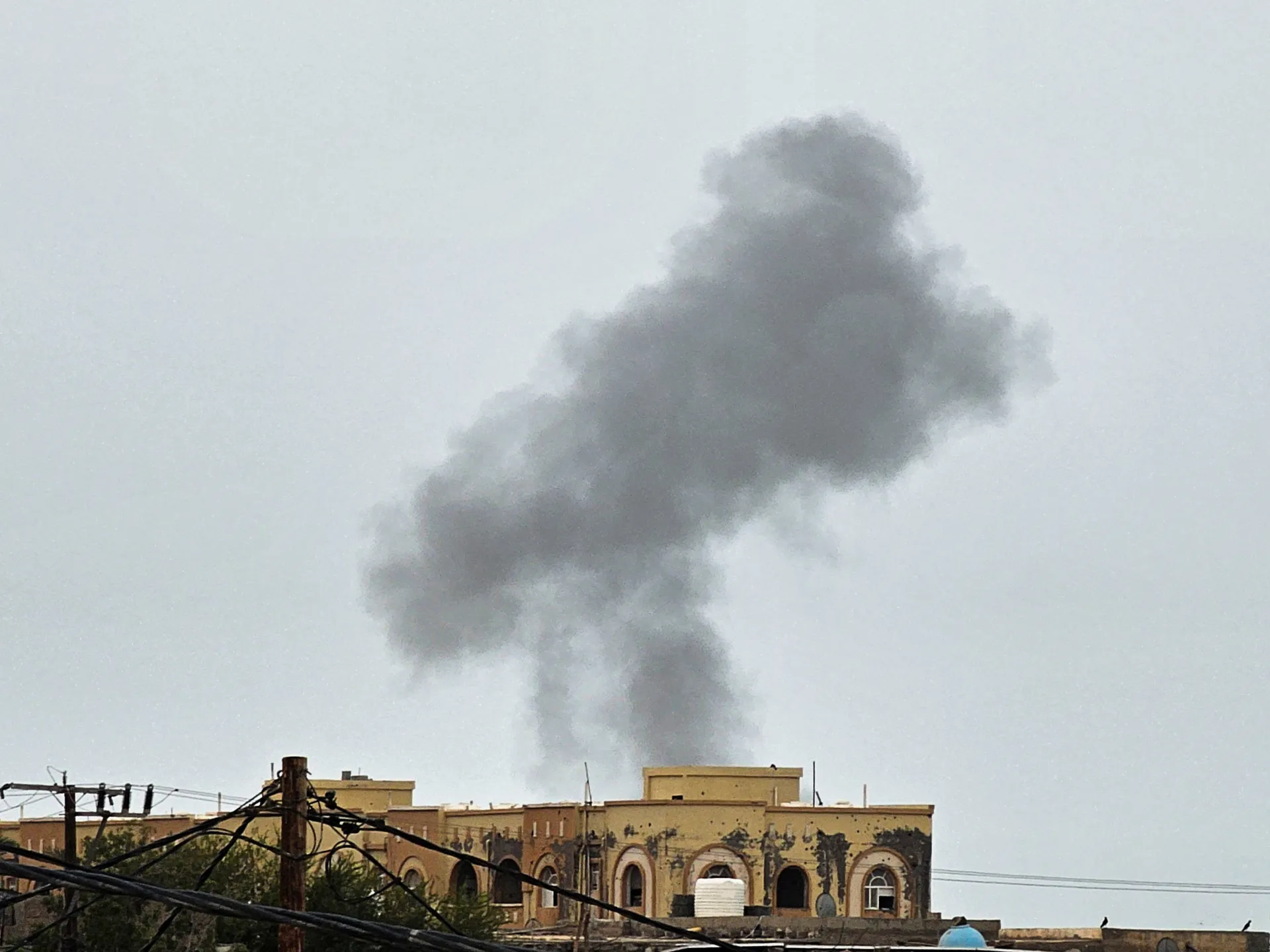
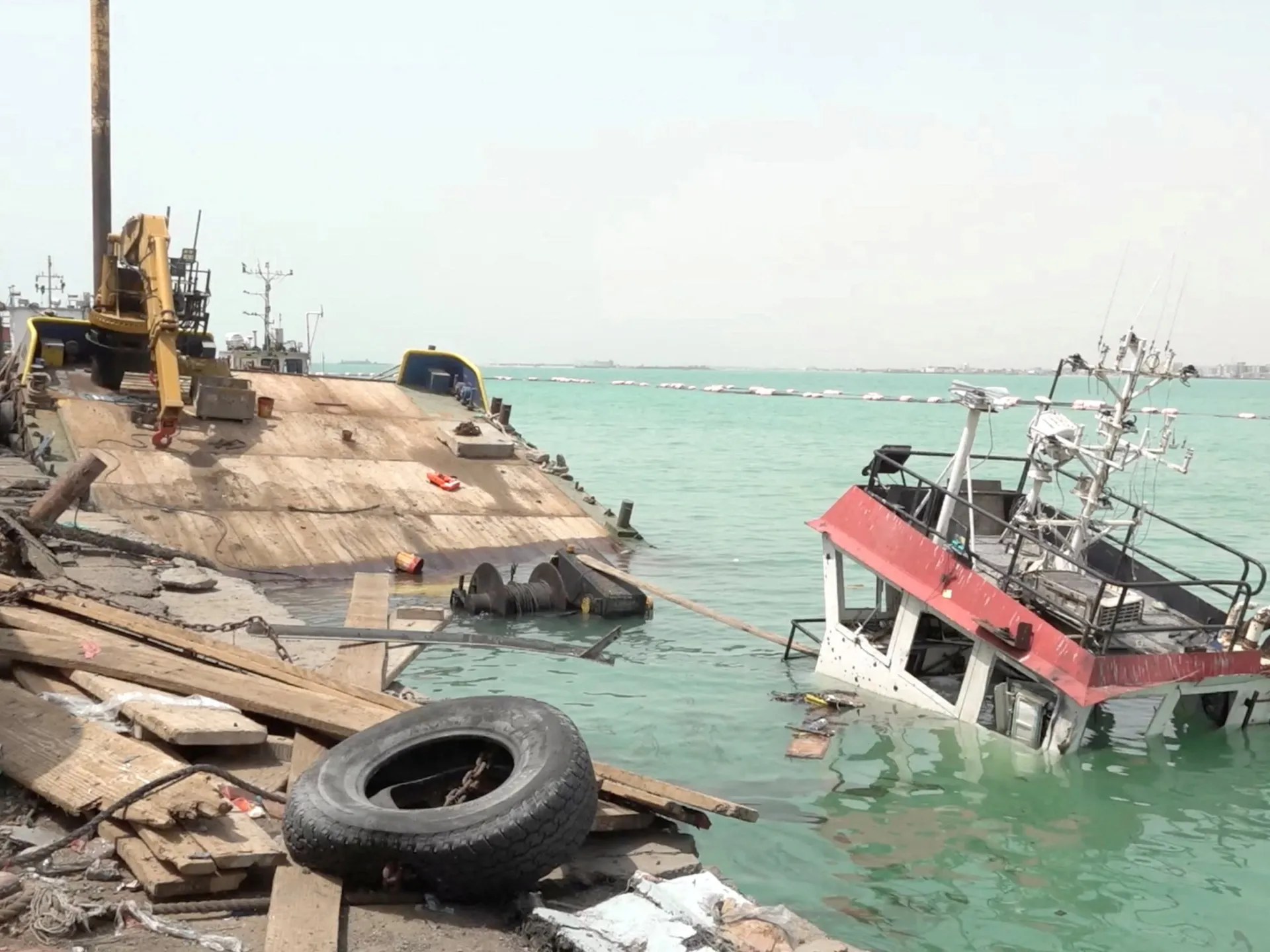
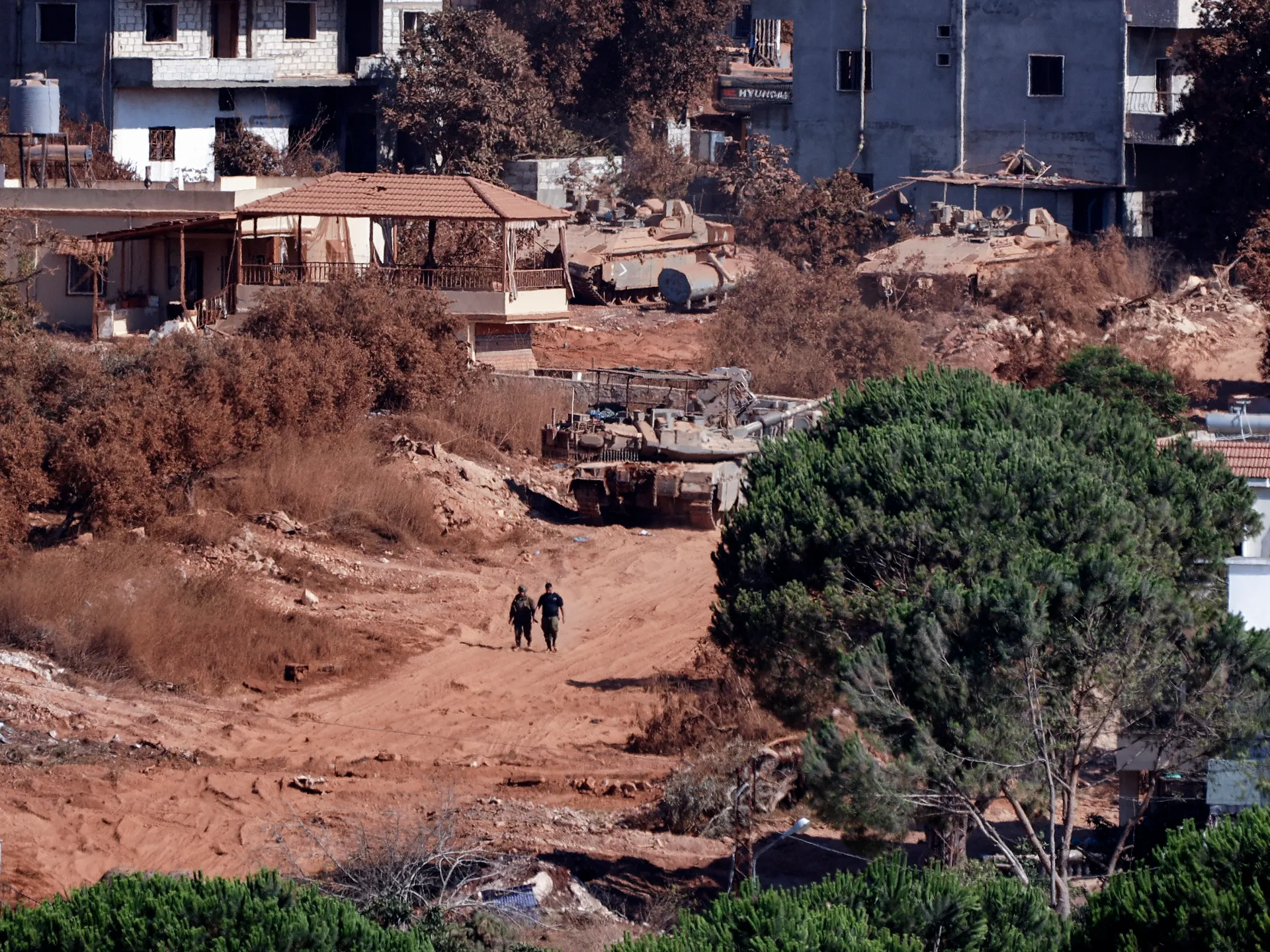
The Syrian leader, who rose to power in 2024 following the collapse of the Bashar al-Assad regime, detailed a tally of military friction that his government contends has hampered domestic recovery. According to al-Sharaa, the nation has endured approximately 500 air strikes, 1,200 incursions, and 300 detentions attributed to Israeli forces. These claims serve as the foundation for his broader argument that external military pressure is actively undermining the state’s efforts to consolidate control over its own institutions and resume normal governance.
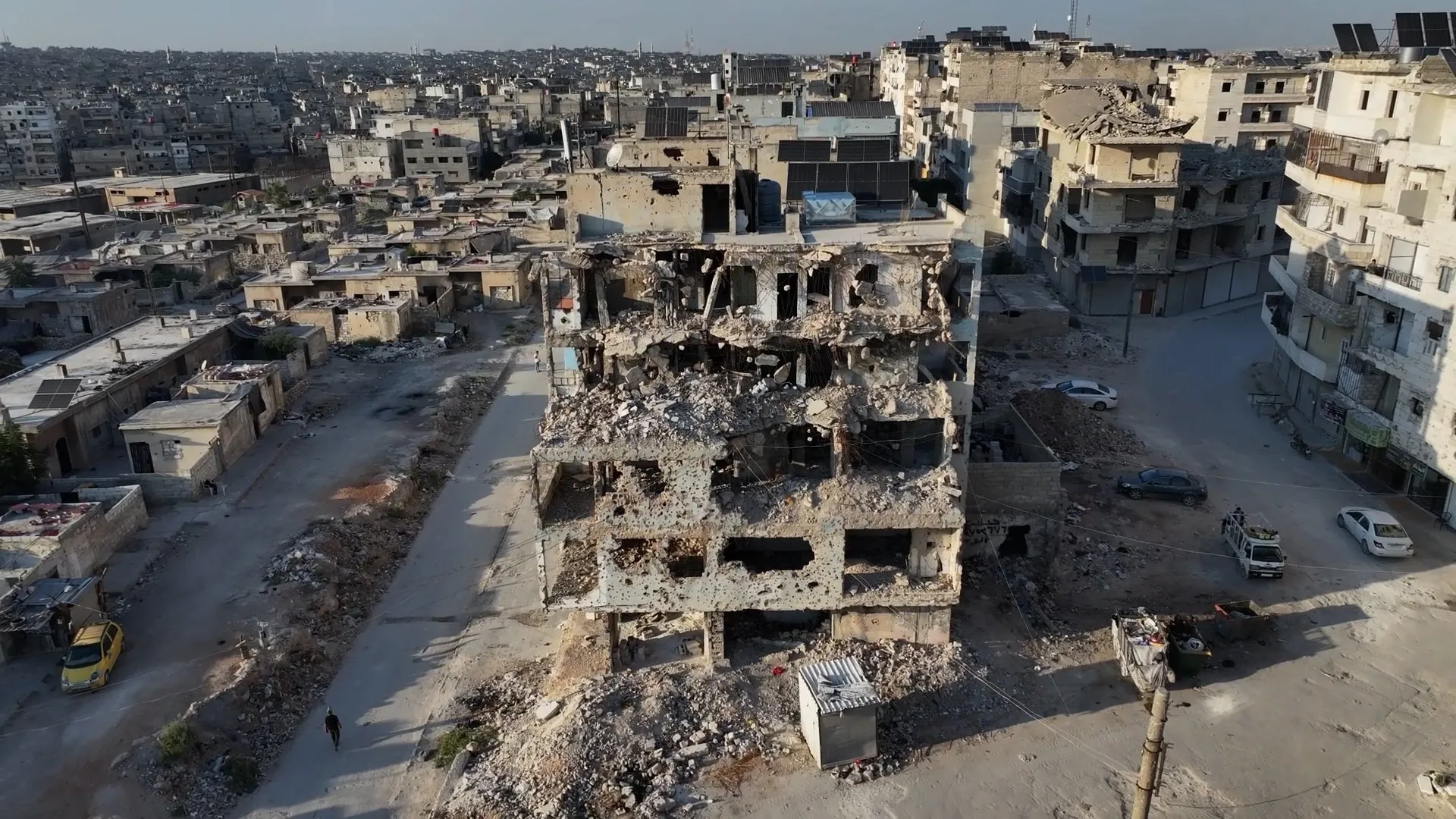
The tension between Damascus and Jerusalem has entered a new, volatile phase, underscored t administration’s attempt to project an image of normalization—highlighted onal sanctions—is inseparable from its ability to demonstrate sovereignty over its entire territory, including the Golan Heights. The stakes involve not only regional security but also Syria’s desperate need for foreign direct investment to rebuild infrastructure shattered during years of conflict. leverage global sympathy for his nation's humanitarian progress to isolate Israel’s strategic maneuvers on the international stage.
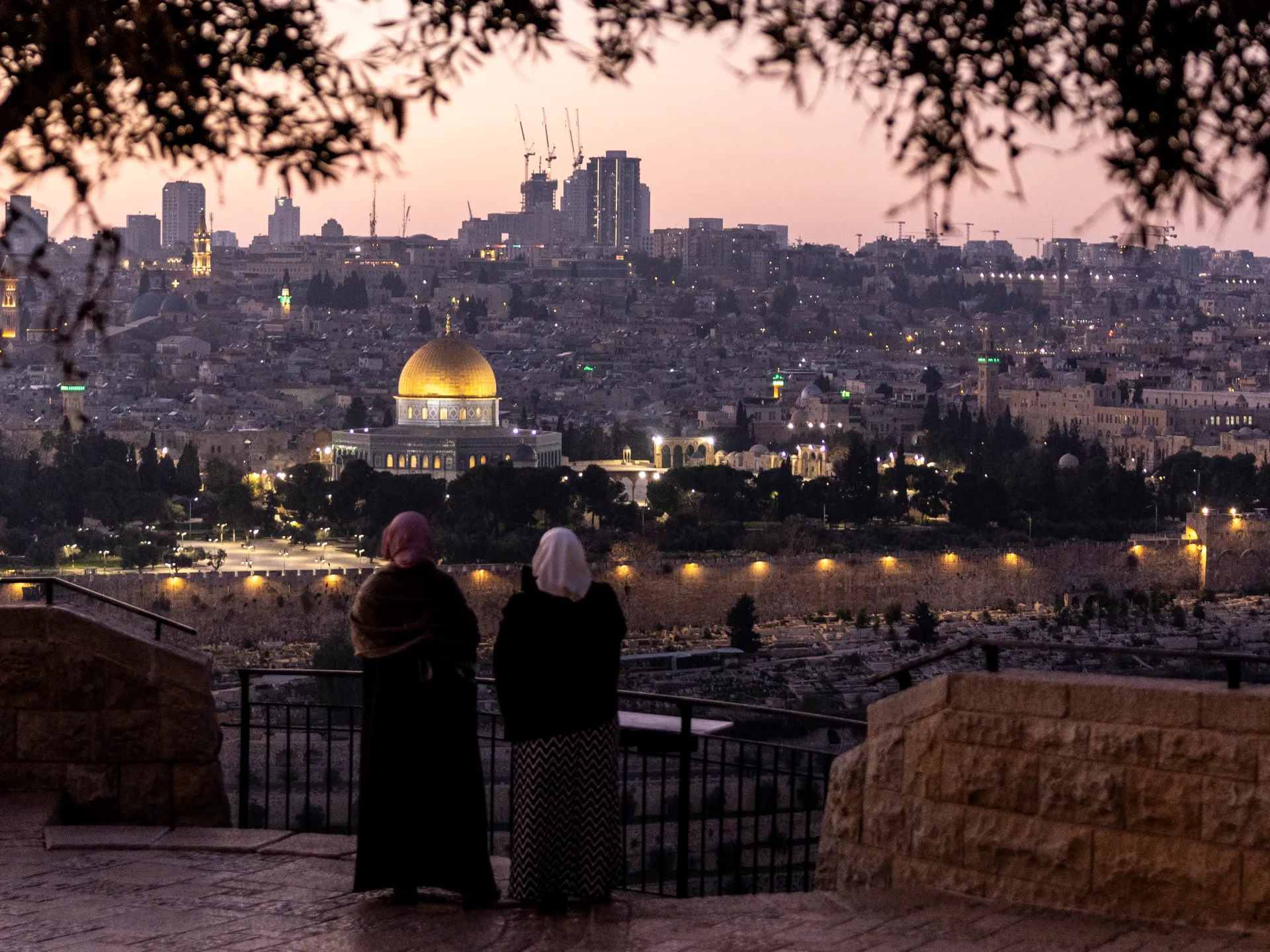
Central to the diplomatic standoff is the status of the Golan Heights, an area al-Sharaa explicitly labeled as “Syrian territory” that “will remain” so. The Syrian president’s rhetoric has intensified following recent moves decision ptable,” urging the UN to enforce the 1974 separation mandate as a prerequisite for regional stability.
While al-Sharaa focuses on the restoration of state authority, Israel has reportedly deepened its tactical engagement with factions from Syria’s Druze minority. This strategy appears to be a point of contention for Damascus, which views such relationships as an infringement on its internal security and a continuation of a “fait accompli” approach
As the international community digests these conflicting narratives, the immediate future hinges on whether the UN or other mediating powers will move to address the enforcement of the 1974 separation agreement. Syria’s insistence that it has transitioned from a state of crisis to one of opportunity suggests that Damascus will continue to use international forums to demand a cessation of Israeli military activities as a litmus test for its own legitimacy. Whether this pressure results in a shift in Israeli tactical policy or merely increases diplomatic friction in the region remains to be seen, particularly as both nations navigate their respective security concerns in an increasingly fractured Middle Eastern landscape.