

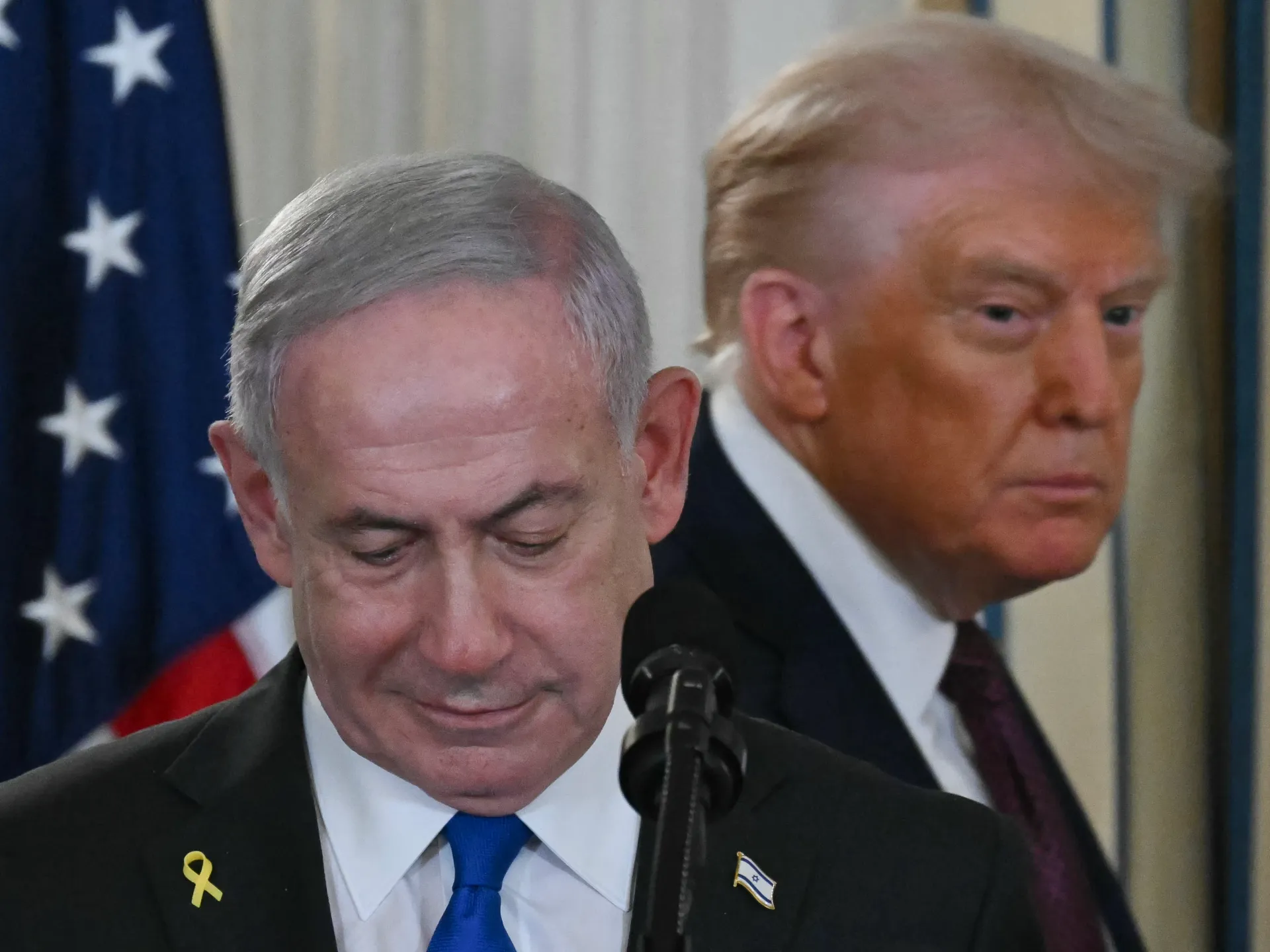
President Donald Trump has downplayed concerns over his relationship with Benjamin Netanyahu after the Israeli leader rejected a US-backed Gaza peace plan.
United States President Donald Trump has publicly characterized his relationship with Israeli Prime Minister Benjamin Netanyahu as "very good," even as the Israeli leader continues to formally reject a proposed 15-point peace framework for Gaza. The comments, delivered during an Oval Office event, suggest an attempt to maintain a veneer of diplomatic stability despite a significant and growing policy rift between the two administrations regarding the future of the conflict.
The tension surfaced following a week of escalating rhetorical friction, culminating in Netanyahu’s explicit refusal on Sunday to endorse the US-led initiative. While the Trump administration has been actively pushing for a phased ceasefire and disarmament process, the Israeli Prime Minister has remained steadfast in his commitment to a hard-power strategy, indicating that domestic political pressures within his right-wing coalition are heavily influencing his decision-making process.
The proposed 15-point plan, which was announced ies that have persisted since October 2023. Central to this roadmap is the requirement for Hamas and other militant factions in Gaza to surrender their weapons to a newly established Palestinian governing entity. In exchange, the plan calls for the phased withdrawal of Israeli military forces from the territory, creating a pathway toward long-term stabilization.
Despite the administration’s optimism, Netanyahu has publicly dismissed the viability of the proposal, particularly regarding the sequencing of military withdrawals. The Israeli leader has asserted that no troop movements will occur until he is satisfied that Hamas is genuinely and completely disarmed. Furthermore, he has reaffirmed his opposition to the establishment of a Palestinian state, a position that stands in direct contrast to the long-term goals outlined in the international peace efforts.
Observers suggest that Netanyahu is navigating a precarious political landscape. His right-wing base, including influential members of his cabinet, has pressured him to reject any concessions that might be perceived as weakening Israel’s security posture. stic supporters that he remains committed to a "no-compromise" stance, even at the risk of straining relations with his most significant international ally.
From the perspective of Washington, the situation has become increasingly complex. There is growing concern that the Israeli leadership is engaging in a high-stakes strategy that could further alienate international observers. Analysts note that shifting political sentiments within the United States, particularly within the Democratic Party, have created a more critical environment regarding Israeli policies. This creates a difficult balancing act for the White House as it attempts to mediate a resolution while managing domestic and foreign policy expectations.
Despite the explicit rejection from the Prime Minister’s office, officials involved with the Board of Peace maintain that the framework remains operational. They emphasize that the initiative is designed with specific verification mechanisms, ensuring that each phase is only activated once concrete, measurable commitments have been fulfilled on the ground. The intent is to move beyond mere reliance on trust, instead focusing on verified, step-by-step implementation.