As China’s young athletic stars shine on the international stage, families of detained Americans are pressuring the White House to prioritize human rights.
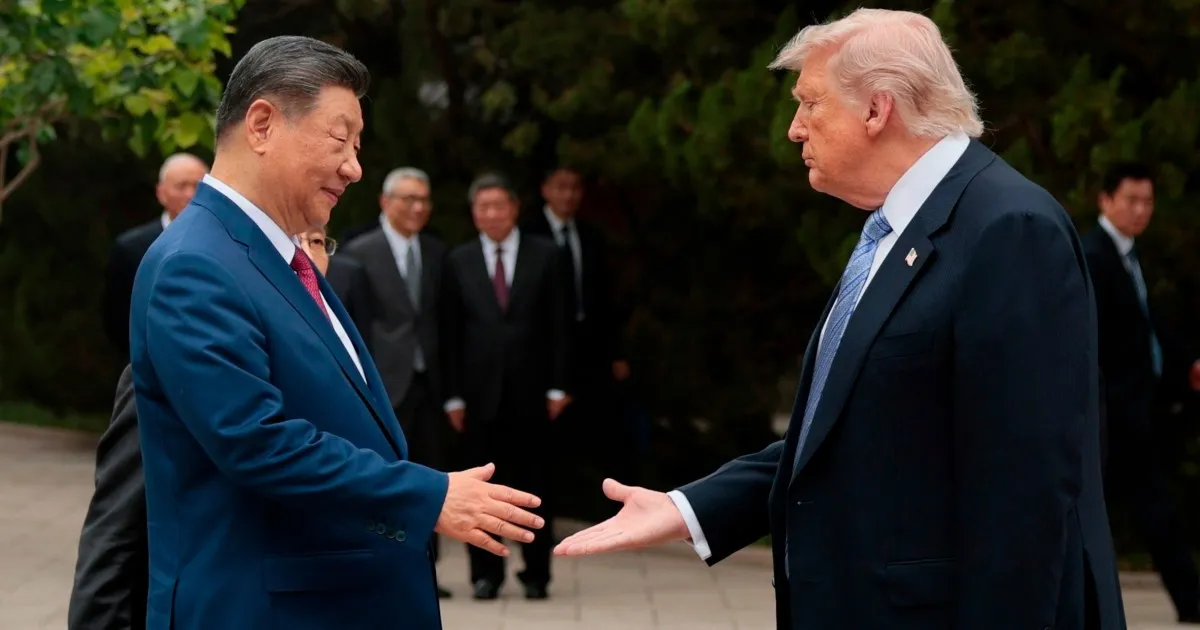
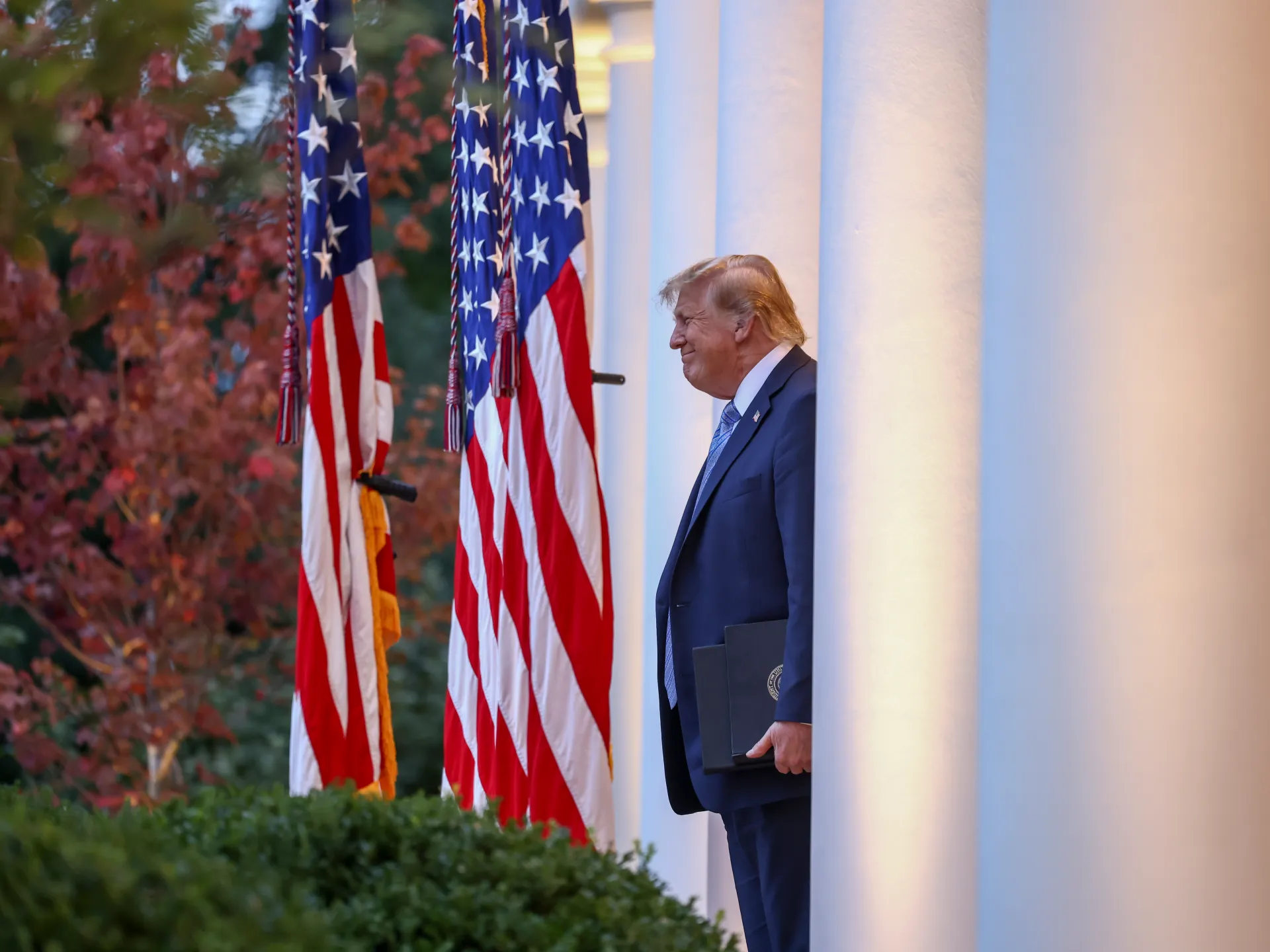
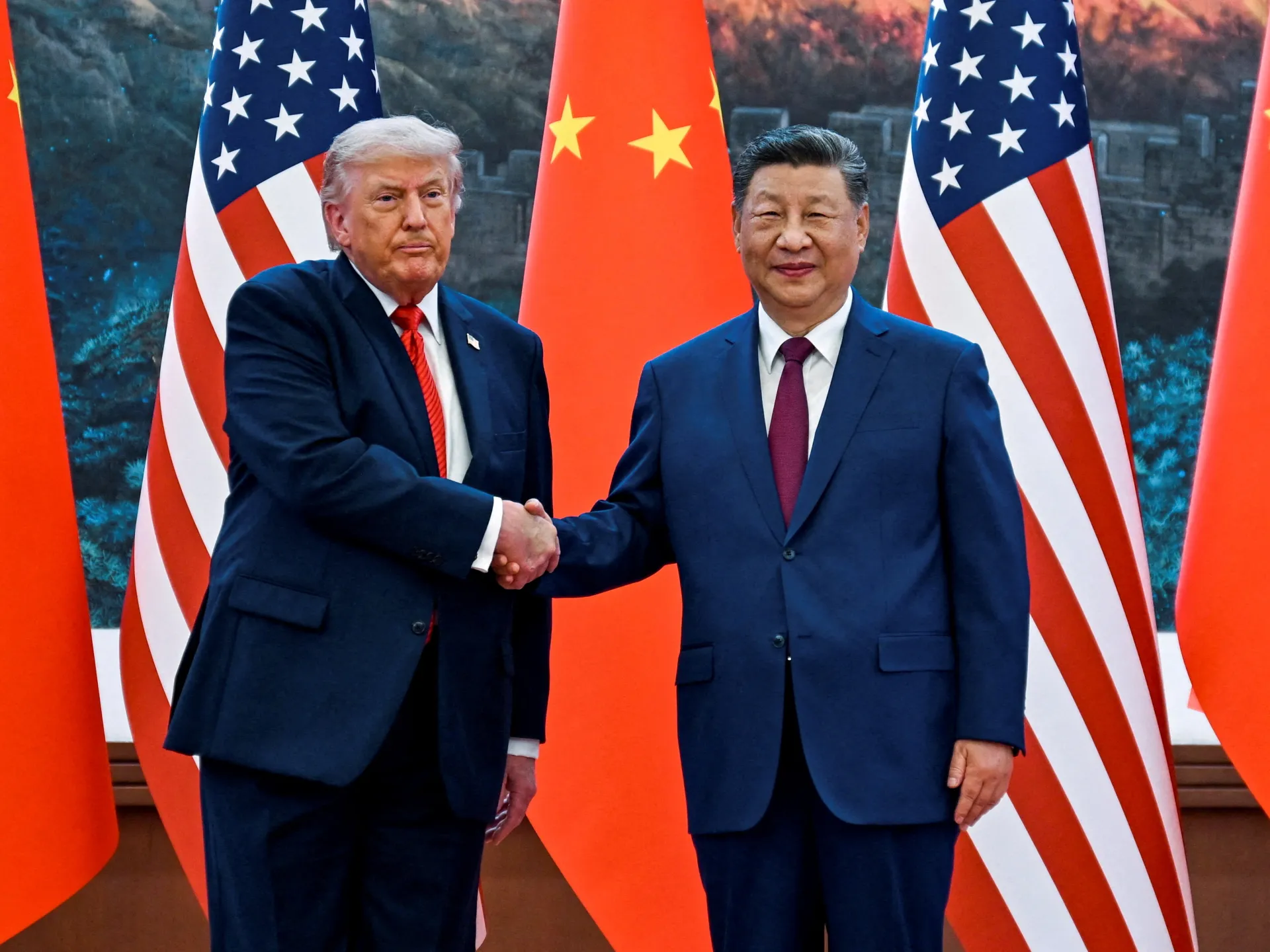
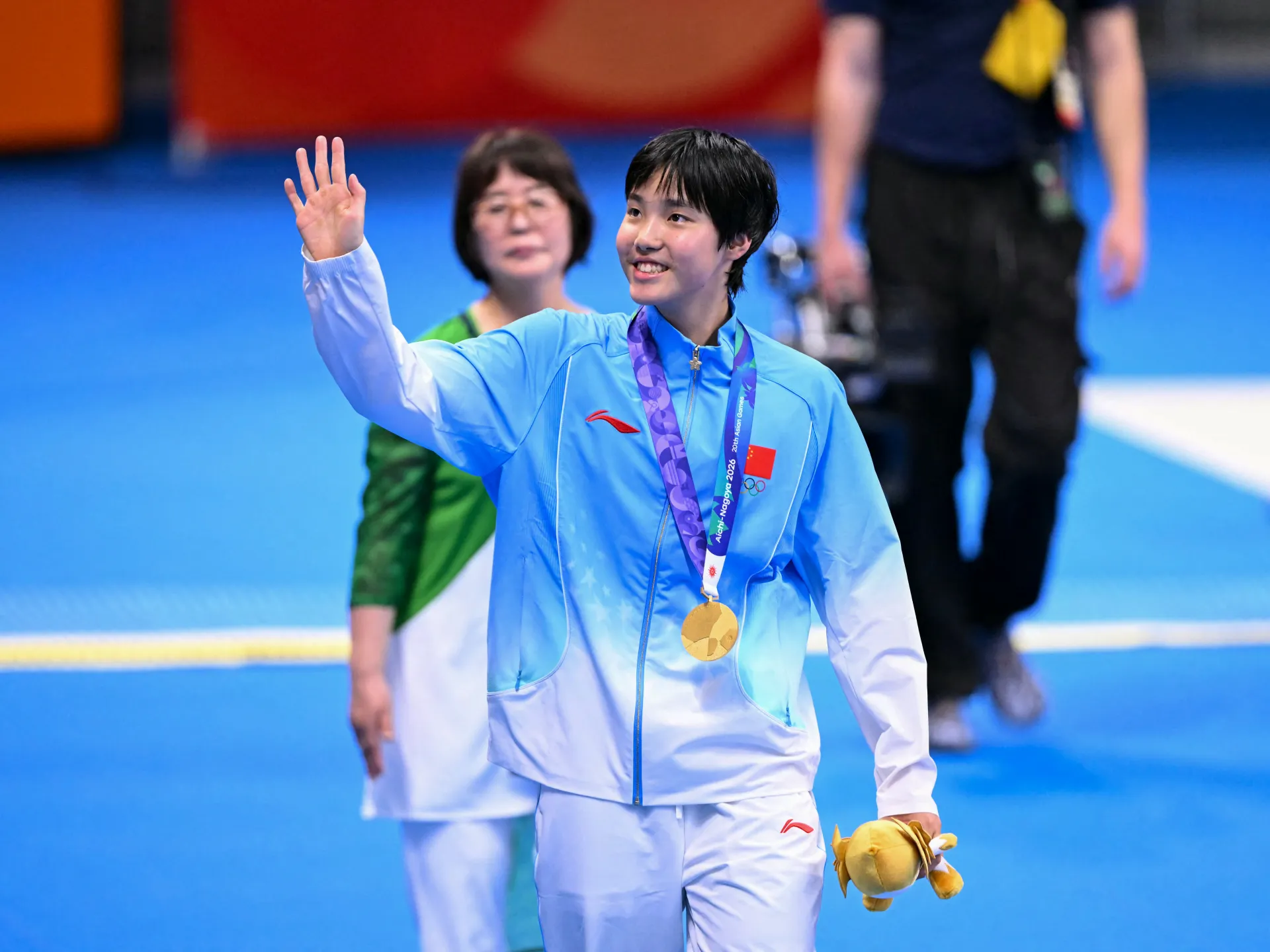
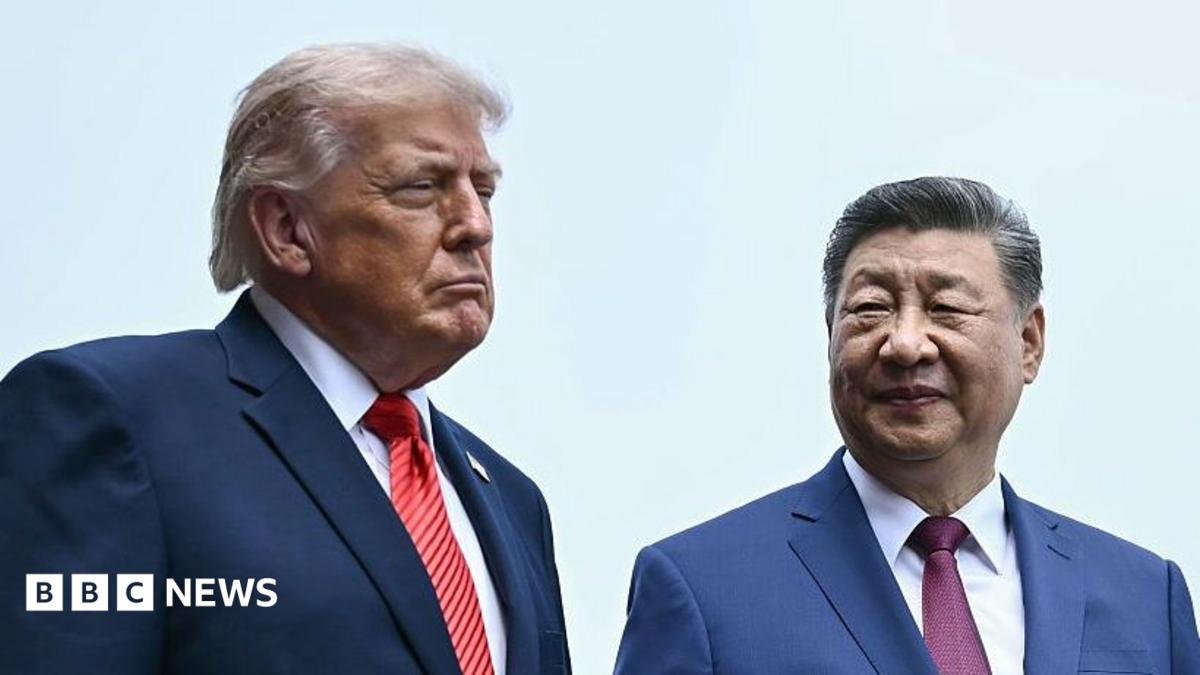
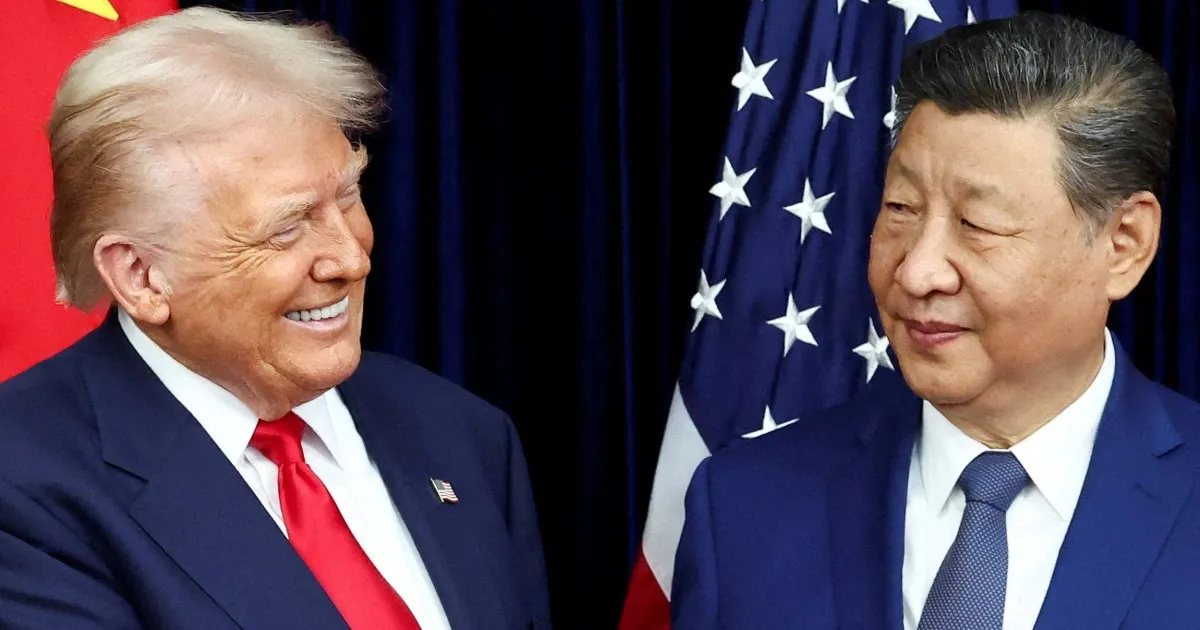
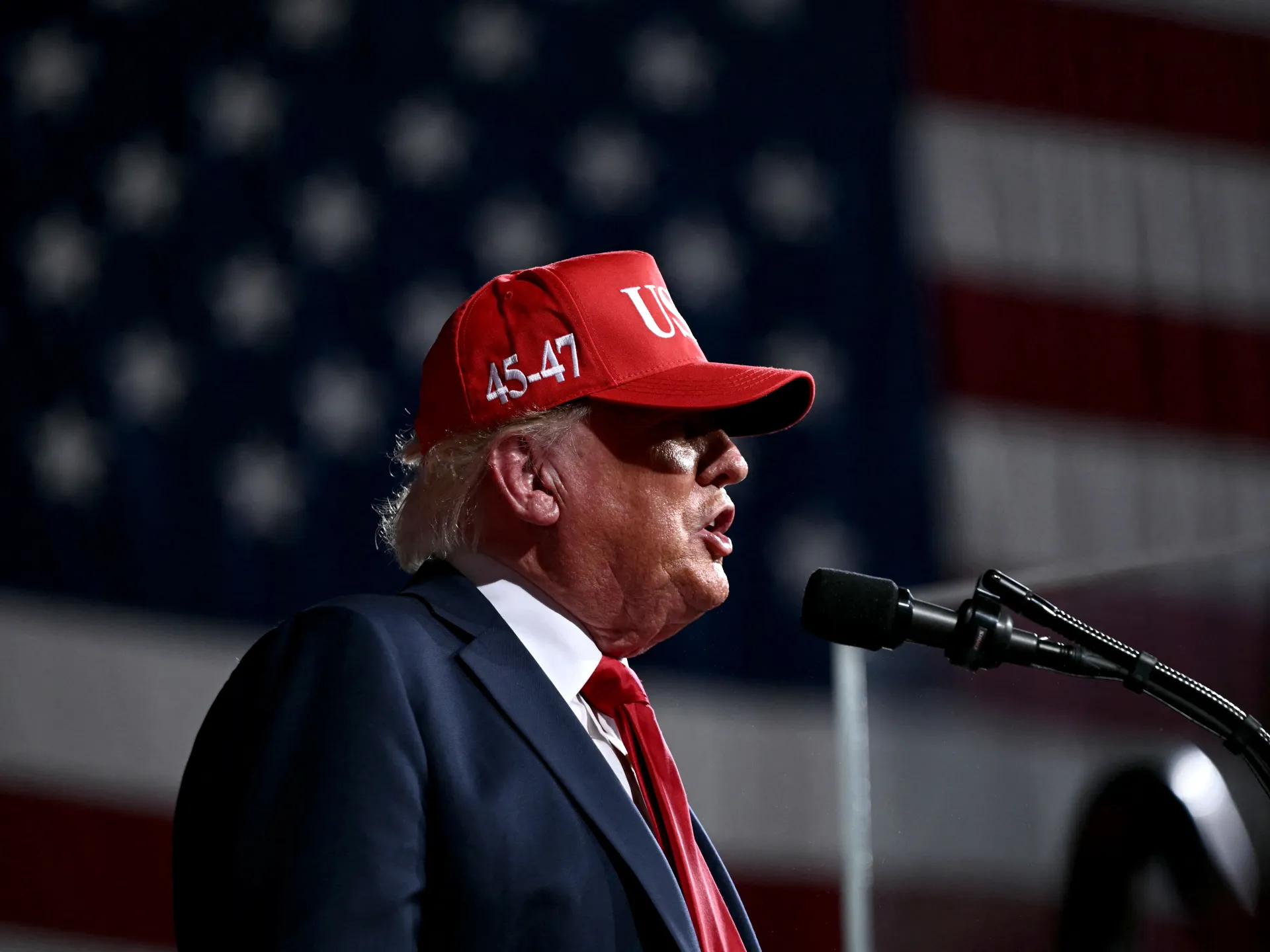
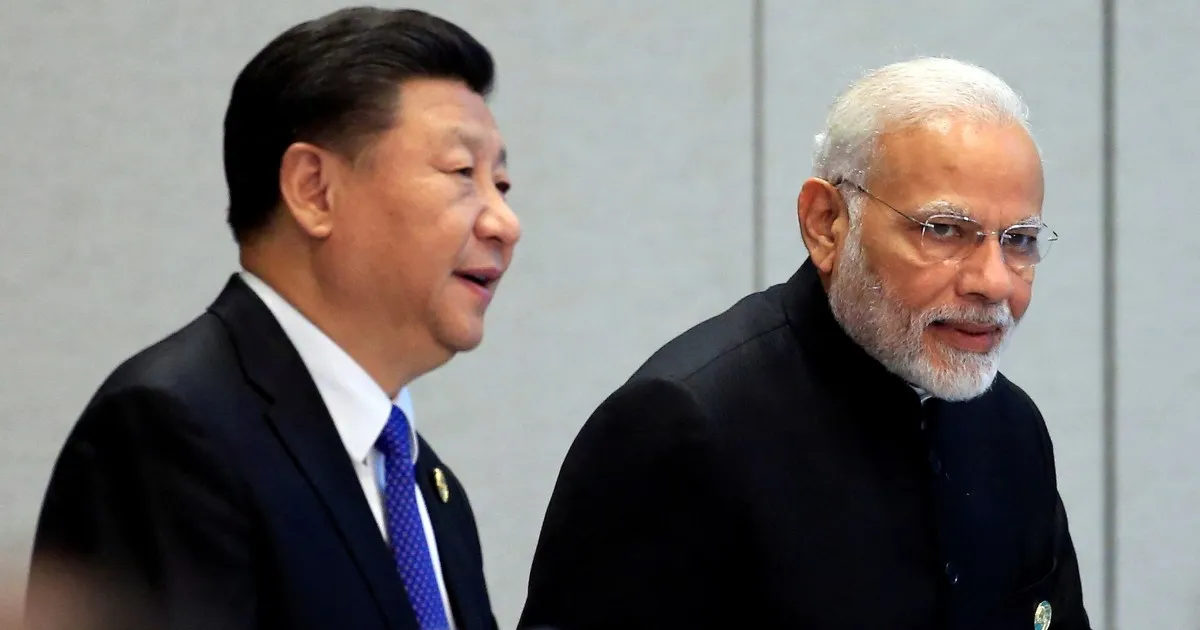
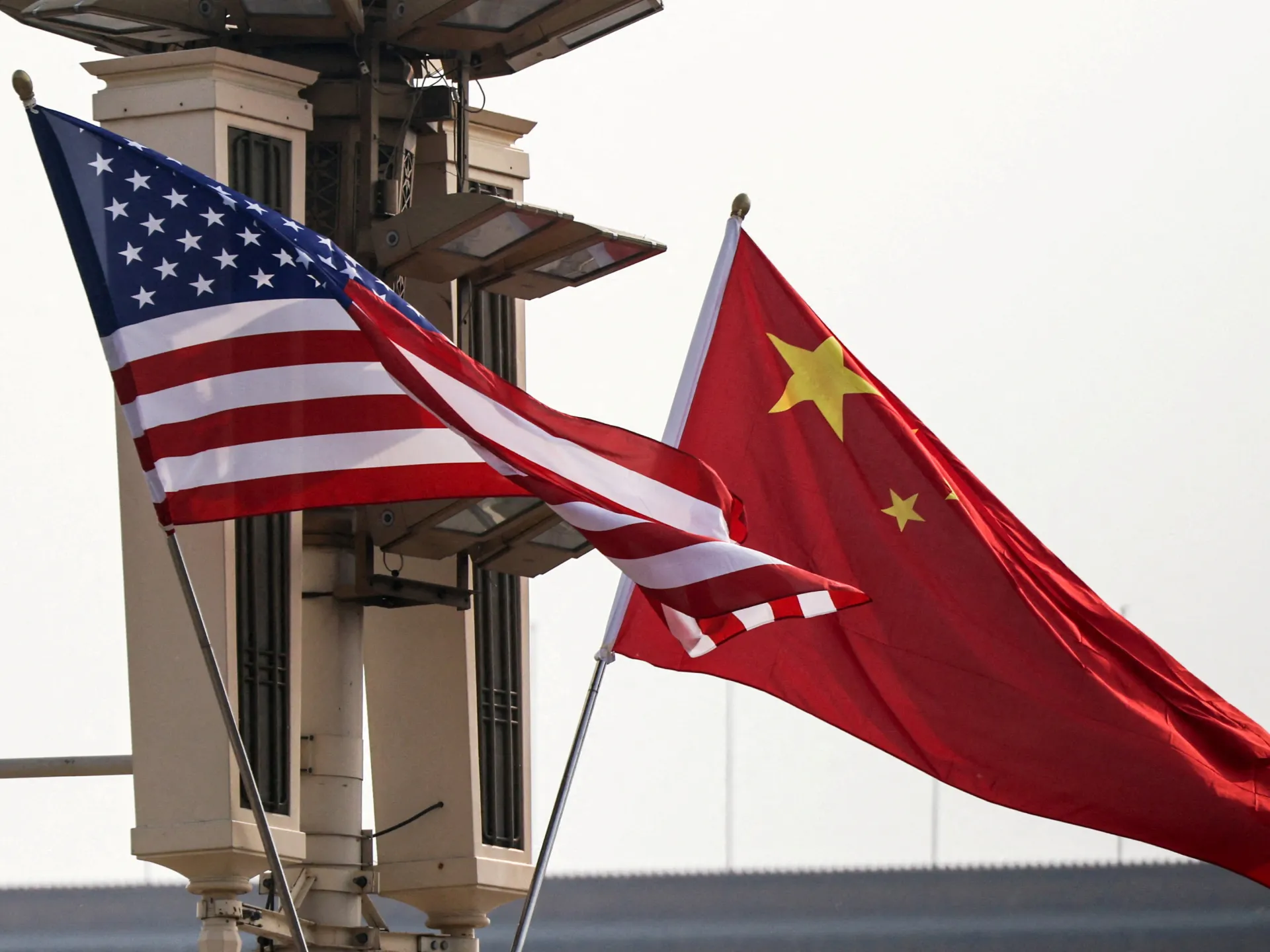
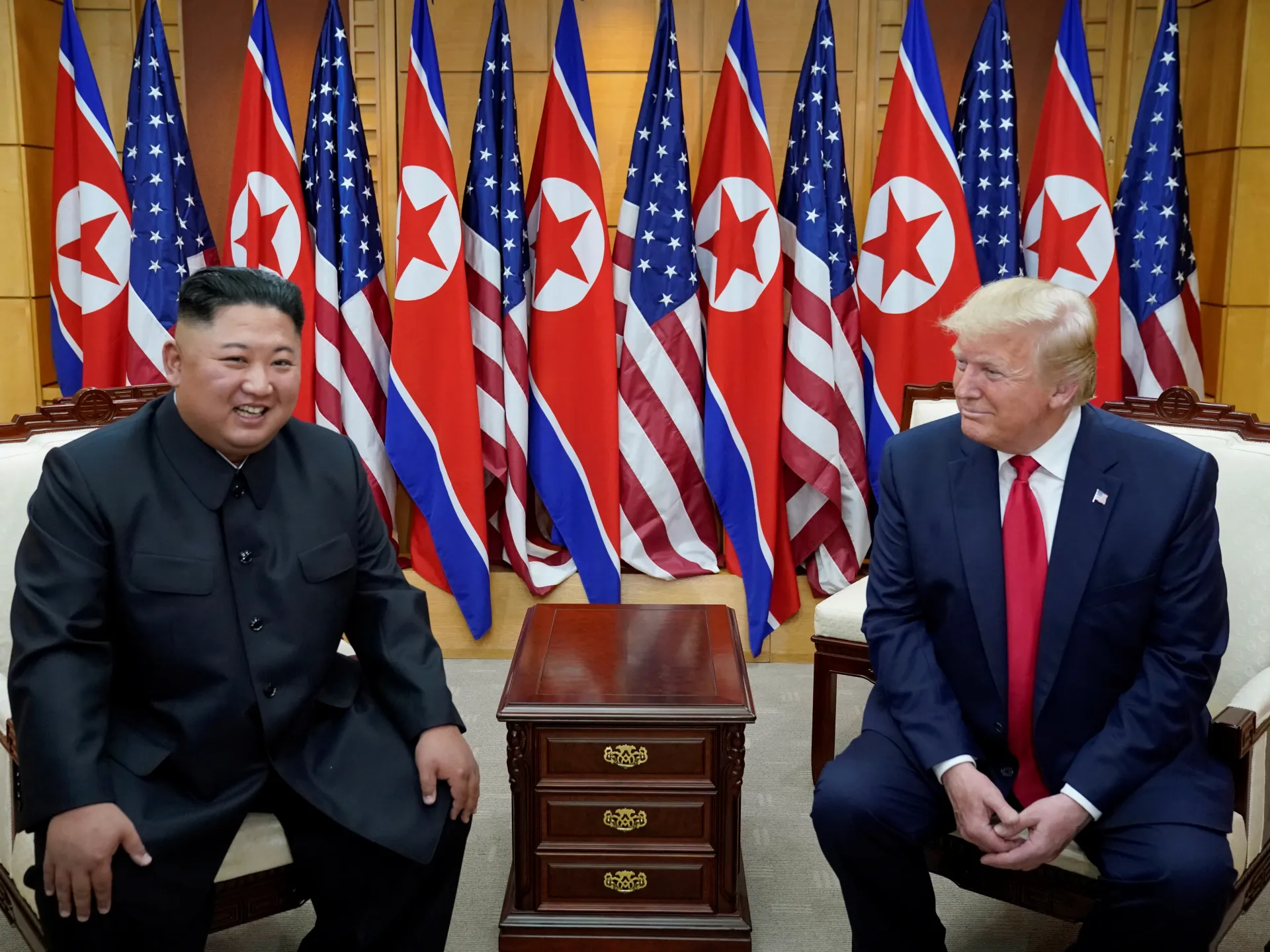
While 13-year-old swimming prodigy Yu Zidi captivates the sporting world with a record-breaking performance at the Asian Games in Tokyo, a more somber narrative is unfolding in Washington, D.C. The juxtaposition of China’s soft-power surge through its young athletic stars and the hardening of geopolitical friction creates a complex landscape for the upcoming White House summit between President Donald Trump and President Xi Jinping.
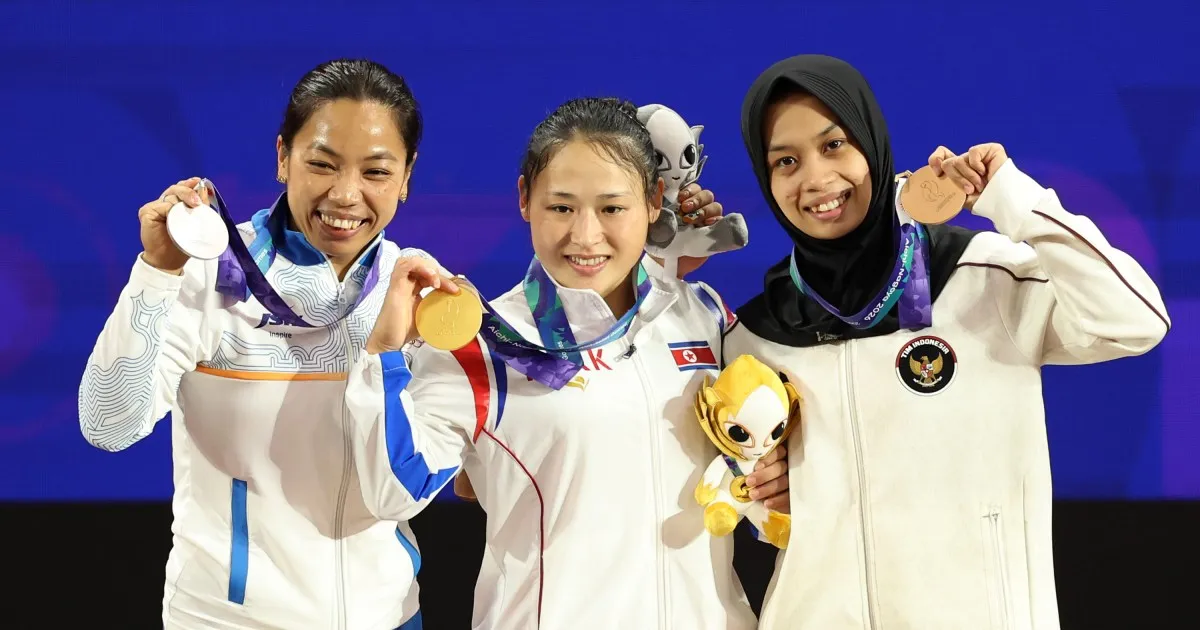
As Yu Zidi secures her third gold medal of the Asian Games, her rapid ascent into the international spotlight marks a significant milestone for China’s athletic development program. Conversely, families of imprisoned American citizens are intensifying their efforts to ensure their loved ones remain at the forefront of the high-stakes diplomatic agenda scheduled for next week. The intersection of these two stories illustrates the multifaceted nature of the relationship between the two global powers, where cultural triumphs and diplomatic crises often exist in the same orbit.
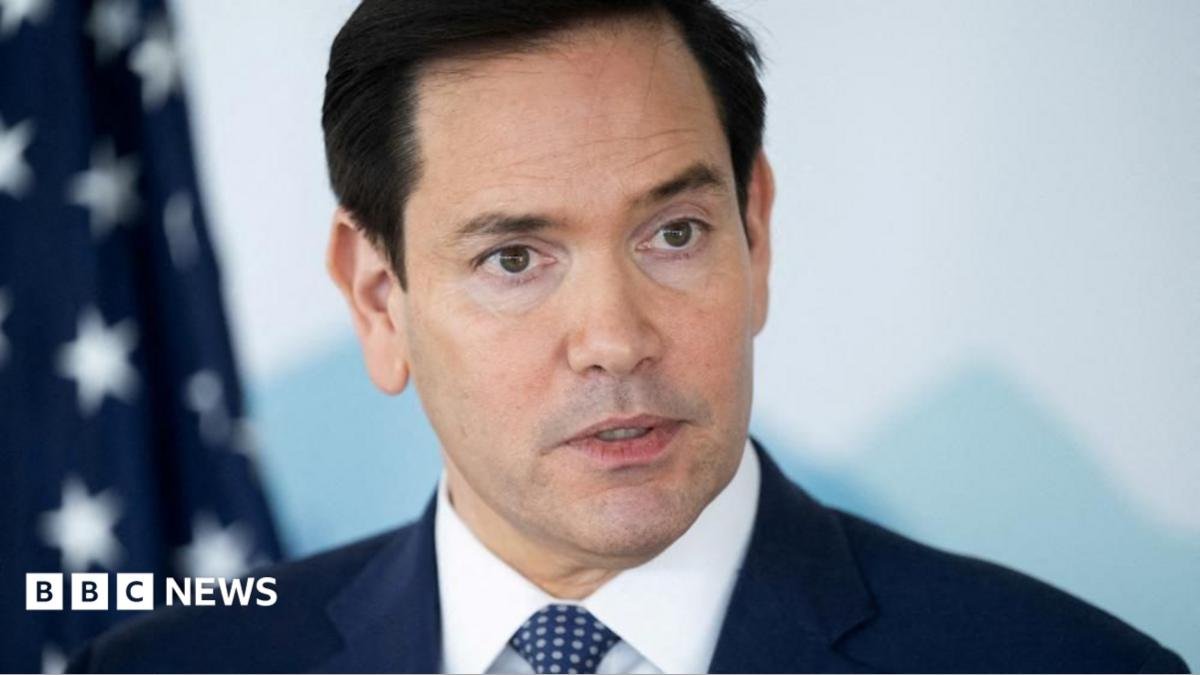
The upcoming visit of President Xi to Washington represents a critical junction in international relations. The focus on humanitarian advocacy—specifically regarding detained academics and activists—highlights a growing domestic pressure on the Trump administration to address the use of "hostage diplomacy" as a bargaining chip. While athletic achievements like those seen in the Tokyo pool provide a veneer of national prestige, the underlying friction involving the detention of U.S. nationals complicates the "deal-making" dynamic that President Trump has historically favored in his foreign policy approach. The ability to separate these spheres of influence remains a central challenge for both administrations.
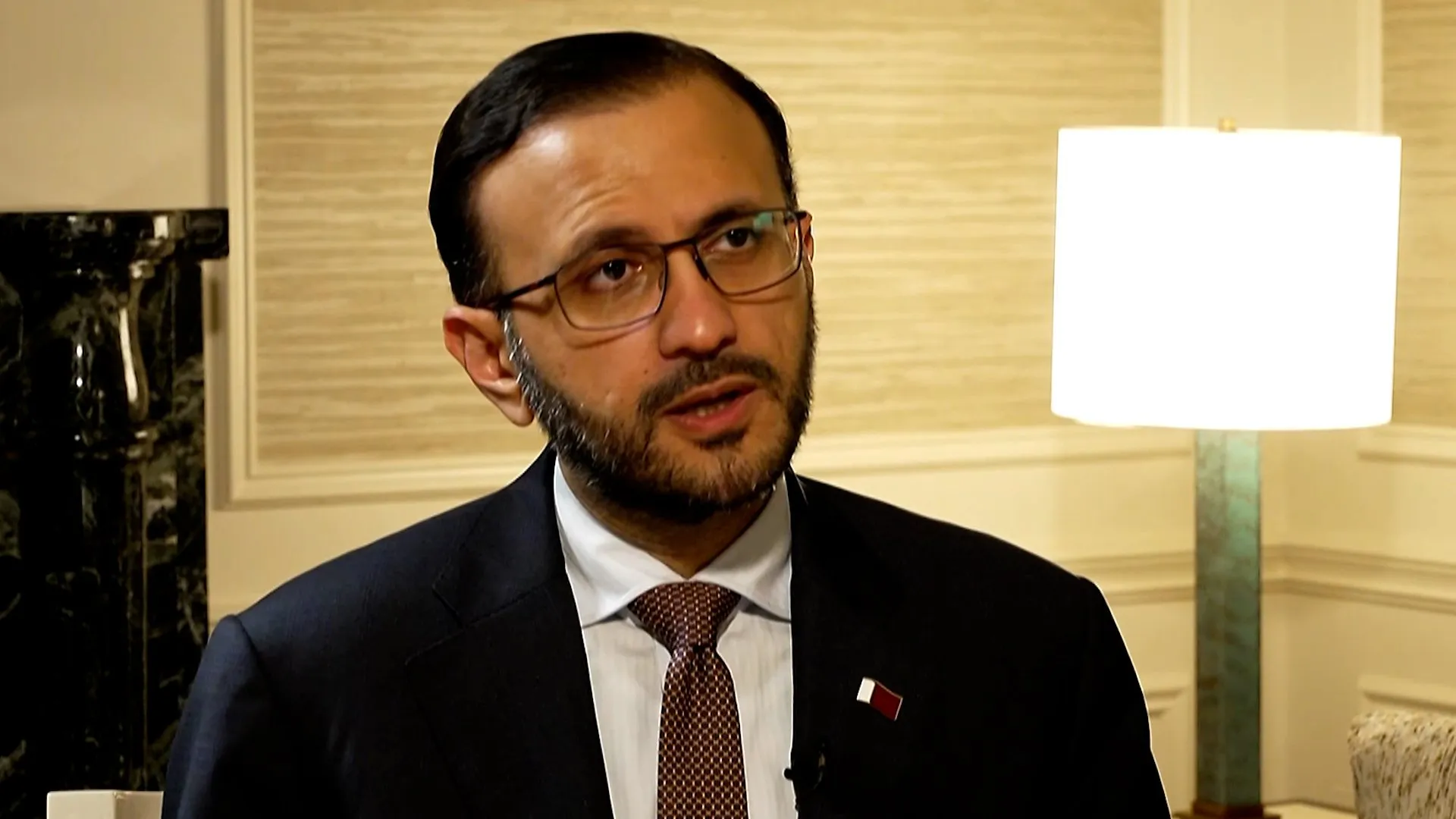
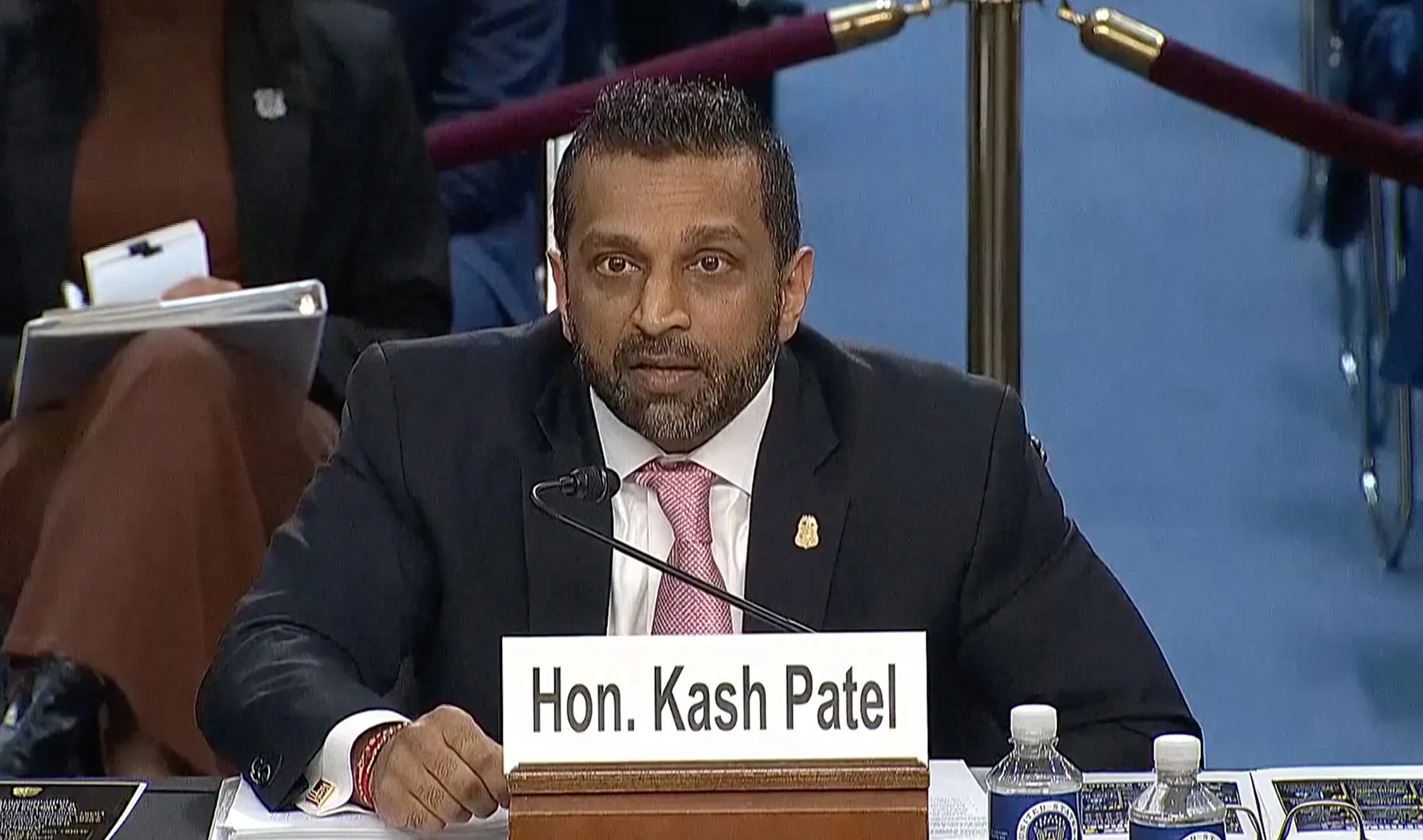
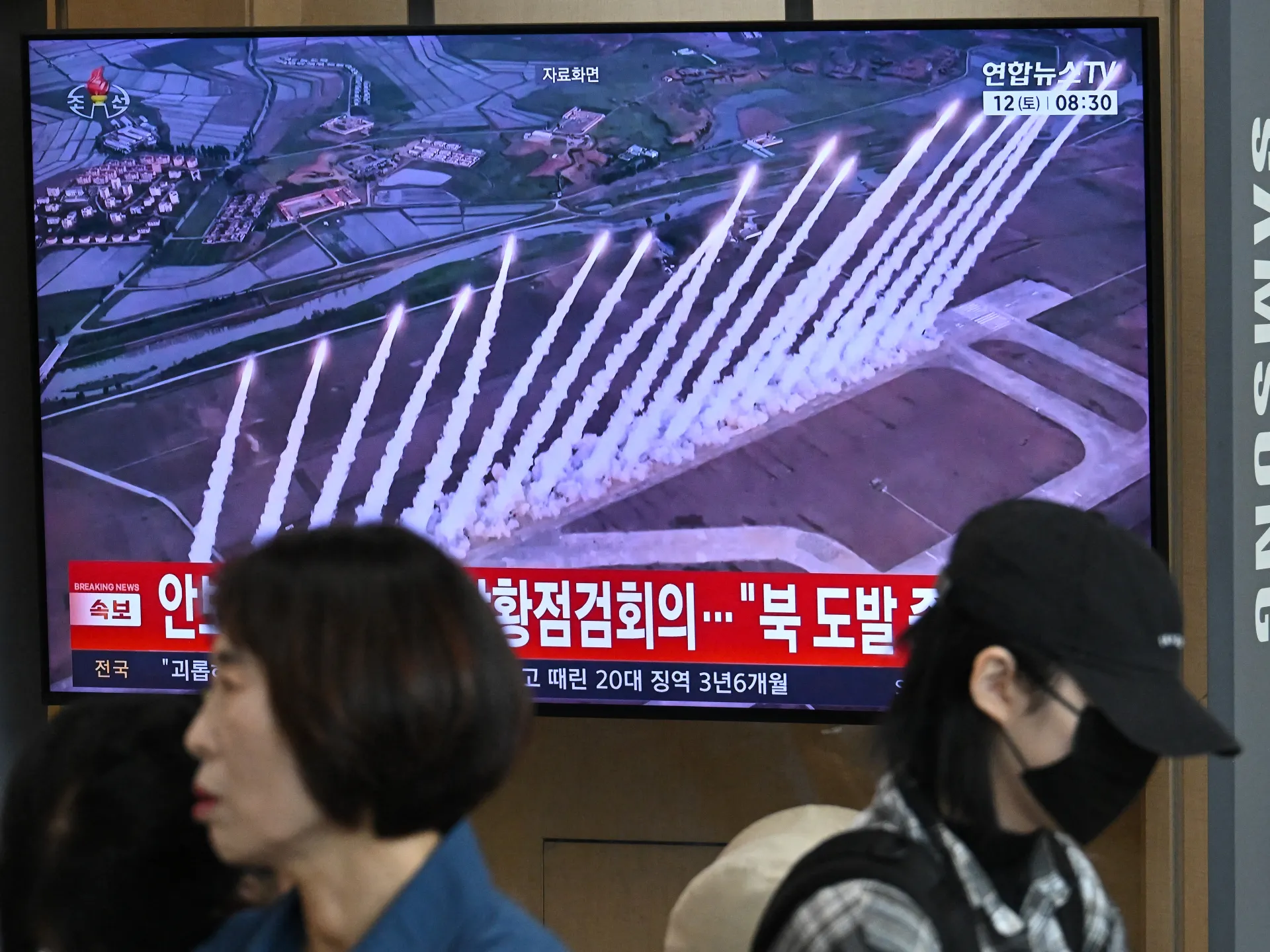
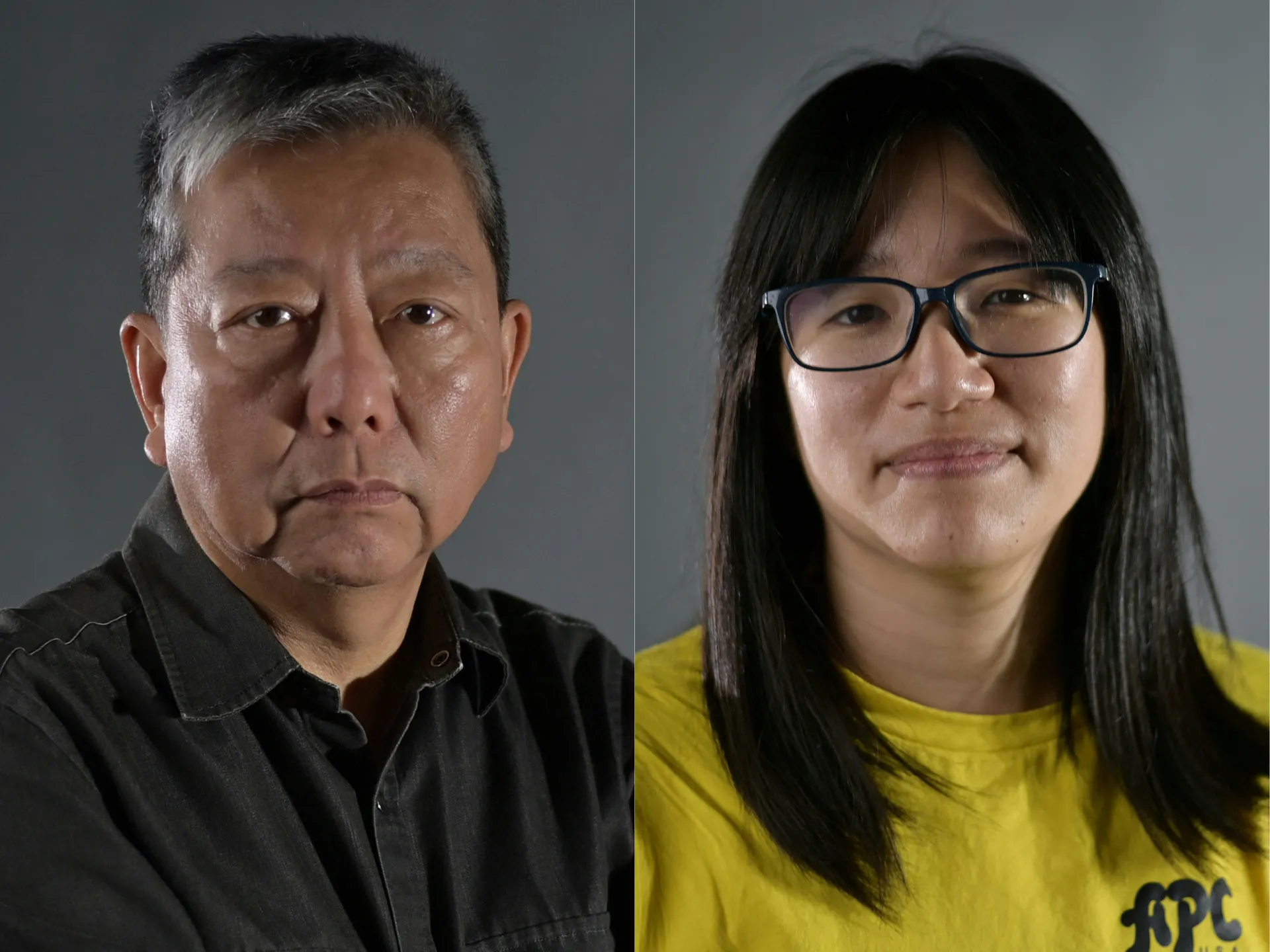
Ahead of the summit, the House Foreign Affairs Committee held a hearing titled "Lives, Not Leverage: The Long Arm of China and North Korea's Repression." Sylvia Zin, the wife of imprisoned Myanmar-focused scholar U Min Zin, testified before Congress, urging the President to prioritize the release of her husband and other detained Americans, including seismologist Chen Youlin. Zin expressed optimism, citing the President’s past history in securing the release of detained citizens, though Congresswoman Young Kim offered a sterner warning regarding the risks of travel to China.
The subcommittee emphasized the theory that Beijing utilizes the detention of foreign researchers as a mechanism to signal displeasure with specific lines of academic inquiry. Cases such as that of Jimmy Lai, the media mogul whose son also campaigned on Capitol Hill for his release, serve as constant reminders of the human costs embedded in the geopolitical struggle. While the White House has acknowledged that the resolution of these cases is a top priority, the administration has remained cautious about the outcomes, especially given President Xi’s previous dismissiveness when the topic was broached.
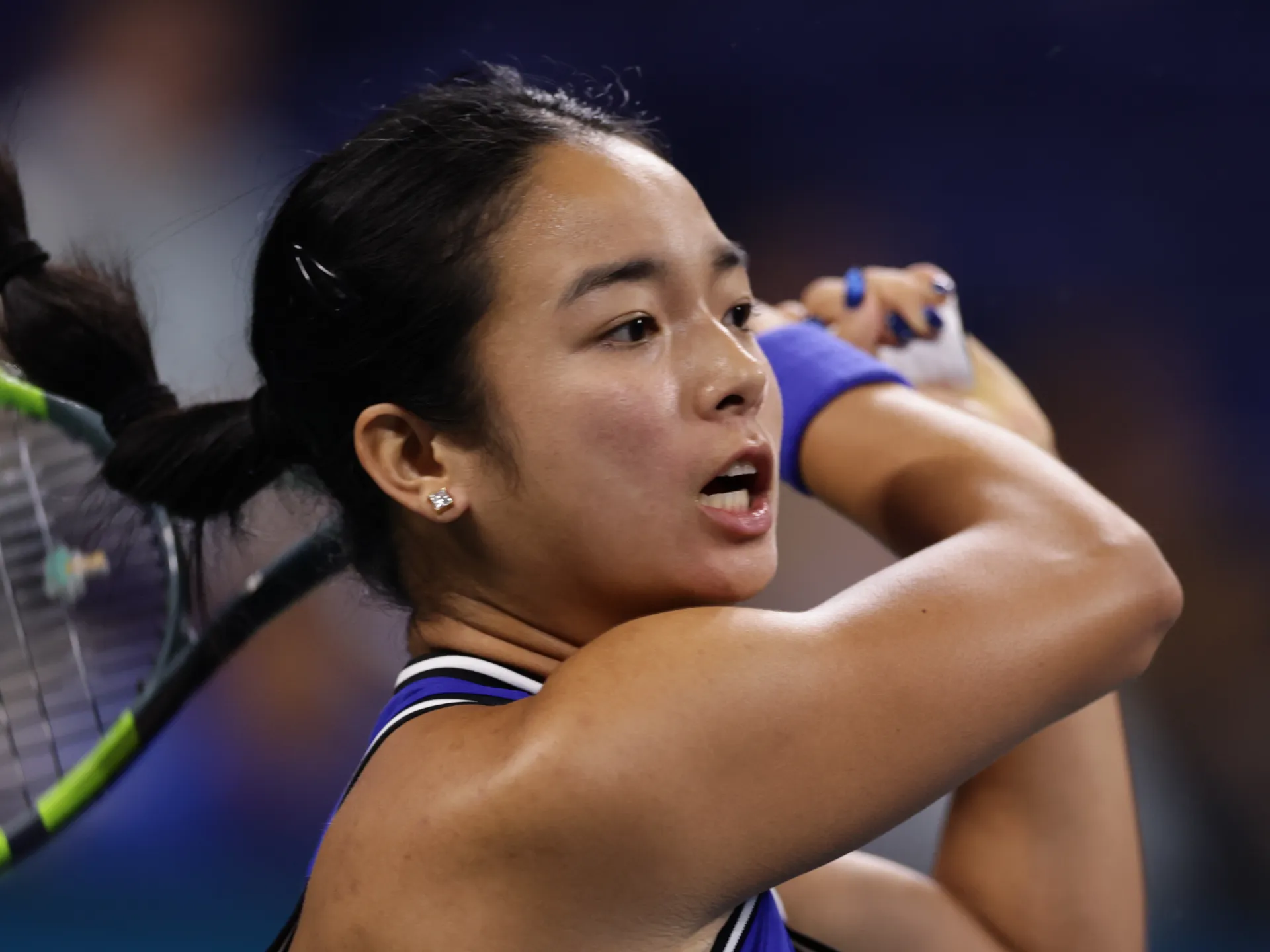
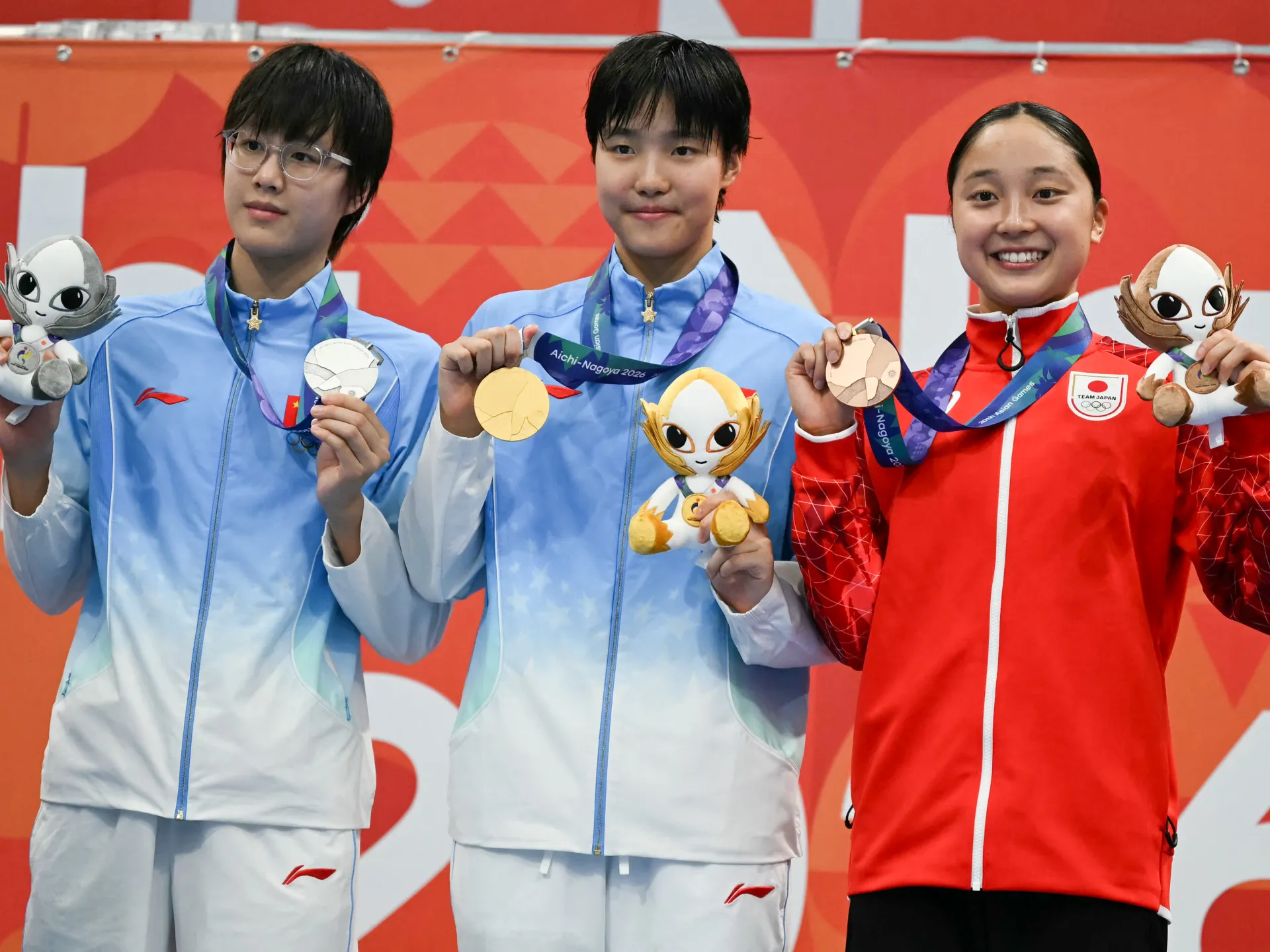
In contrast to the diplomatic gridlock, the performance of Yu Zidi in Tokyo has been unequivocally successful. The 13-year-old swimmer completed a hat-trick of golds, including a record-shattering 4:28.56 in the 400m individual medley. Her time is currently the fourth-fastest globally this year, trailing only the performances of world record-holder Summer McIntosh.
Yu’s dominance, which included a 3.95-second gap over silver medalist Ke Wenxi, has earmarked her as a primary contender for the 2028 Los Angeles Olympics. Despite her youth, her trajectory is consistent with the intense cultivation seen in China's sports infrastructure. As she builds on her earlier success against seasoned professionals like Regan Smith, her global profile continues to grow, providing a distinct, albeit separate, narrative of Chinese influence on the world stage.
The efficacy of the upcoming summit will likely be measured ed U.S. citizens. Analysts suggest that if the White House fails to gain traction on these humanitarian issues, the summit may be viewed domestically as a failure, regardless of any trade or economic agreements reached. Simultaneously, the focus on athletes like Yu Zidi will likely continue to shift toward the 2028 Olympic cycle, as the international community watches to see if these young stars can translate regional dominance into global gold. The two stories remain tethered more defined, if precarious, era of bilateral relations.