President Trump plans to establish an 'AI Force' and appoint an 'AI czar' to spur growth, even as families of US citizens detained in China plead for intervention.
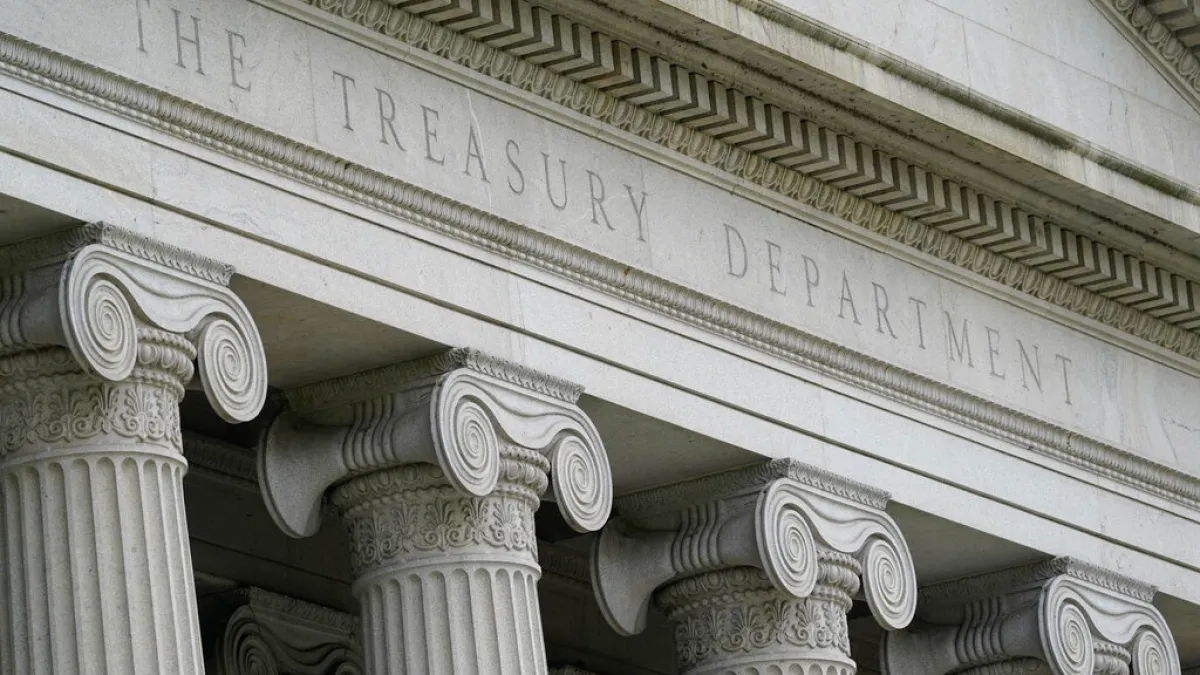
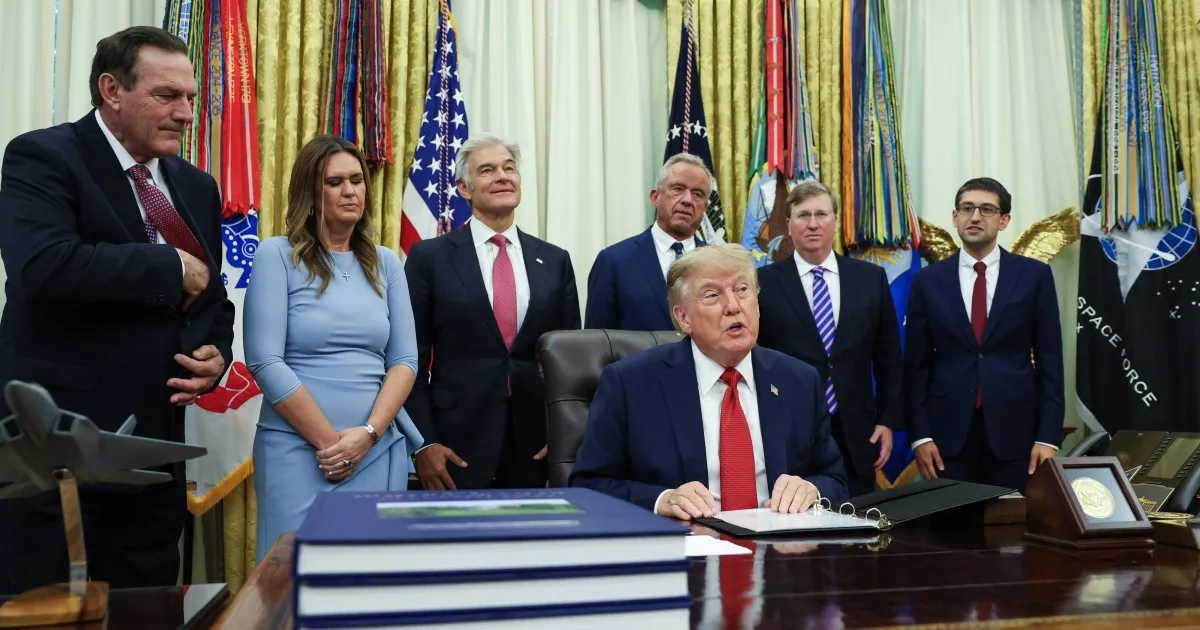
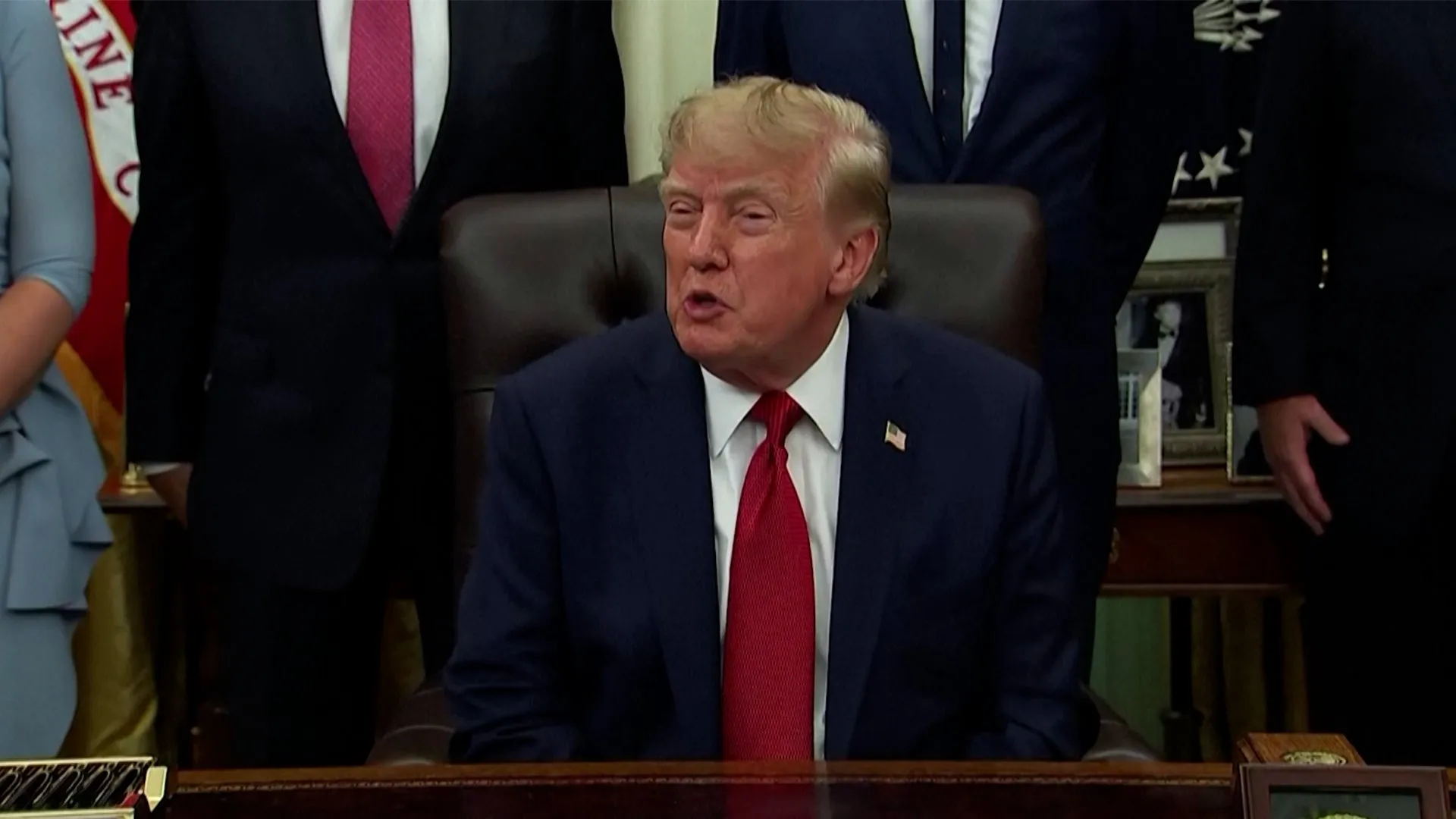
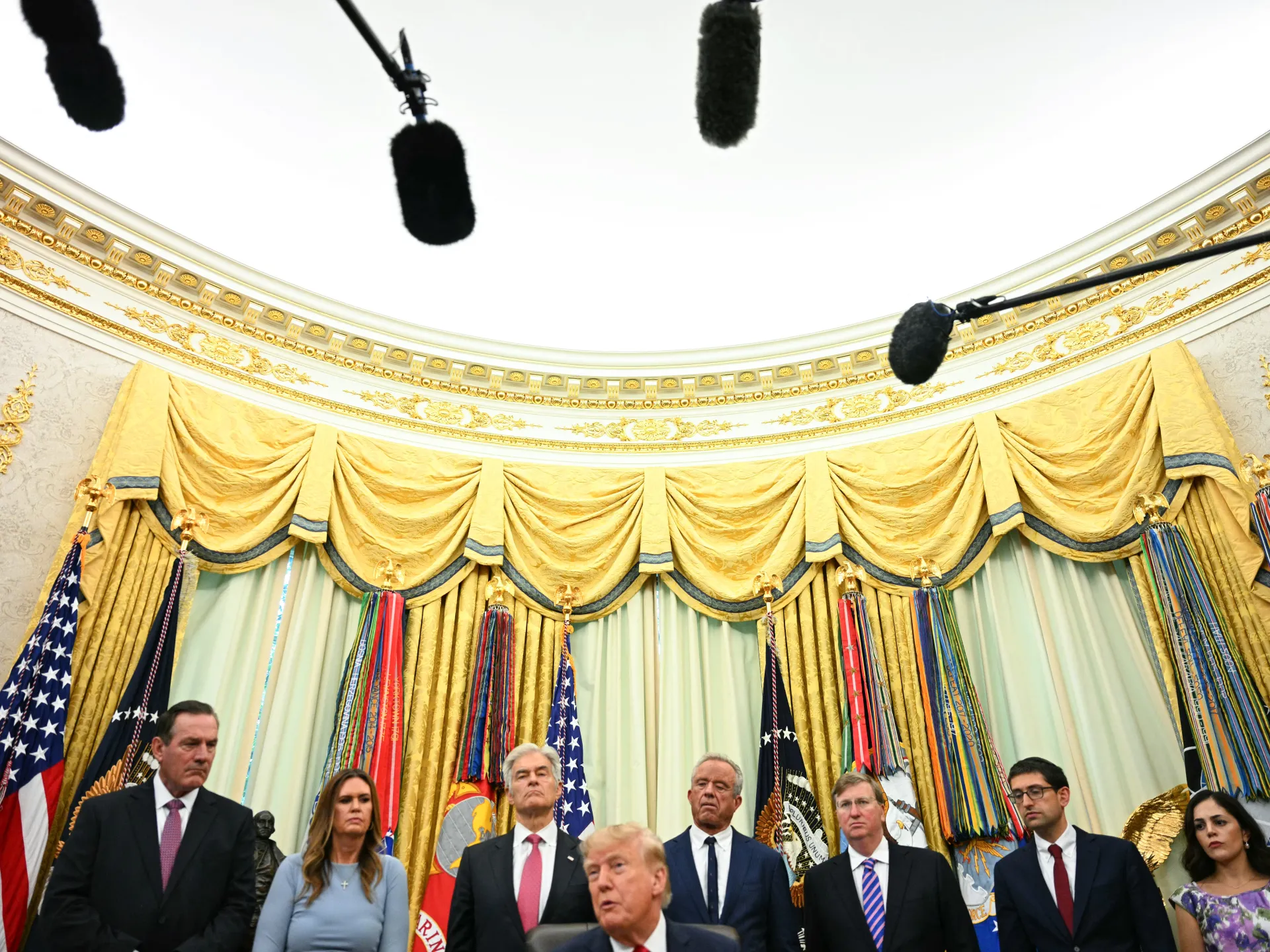
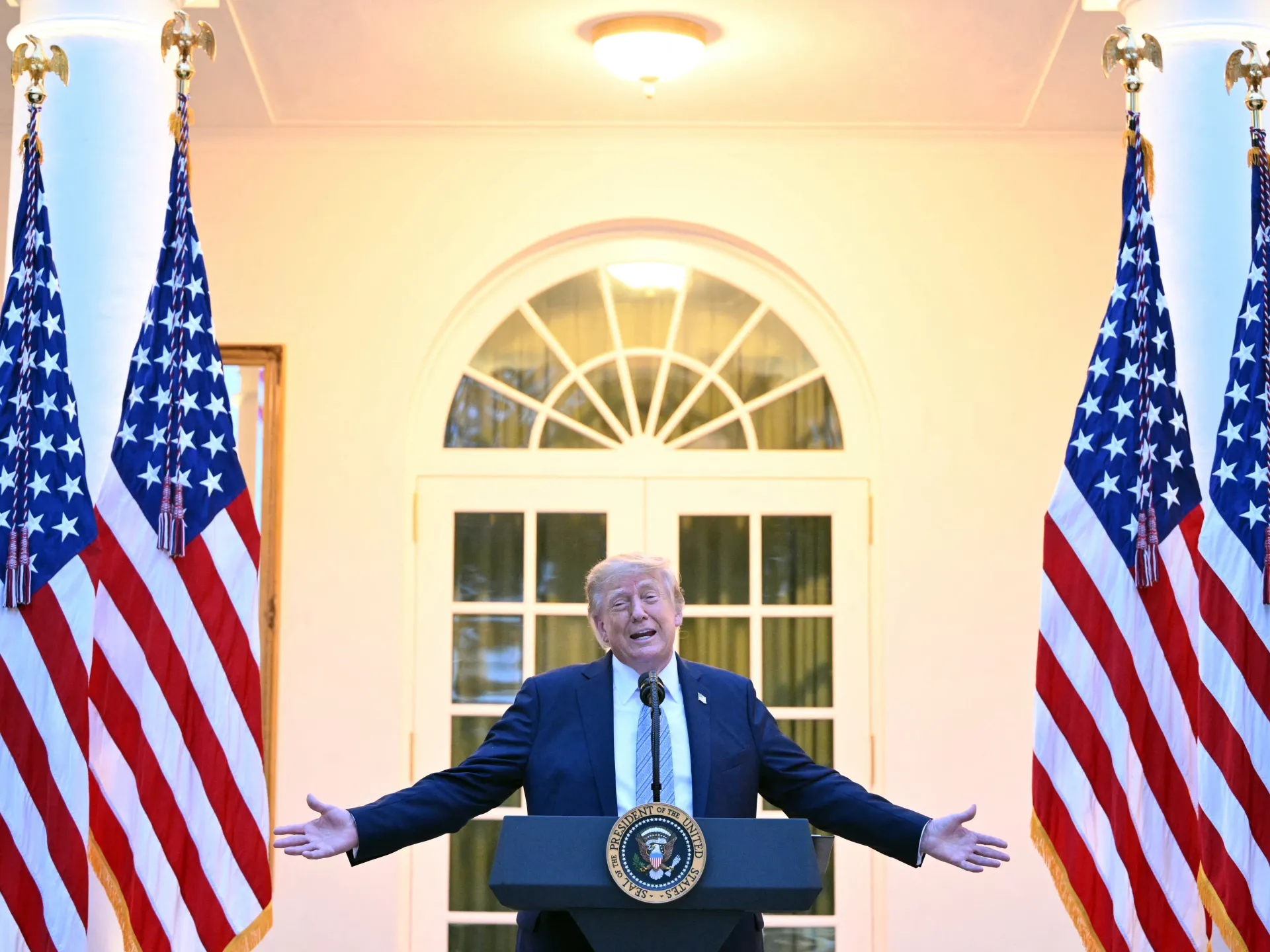
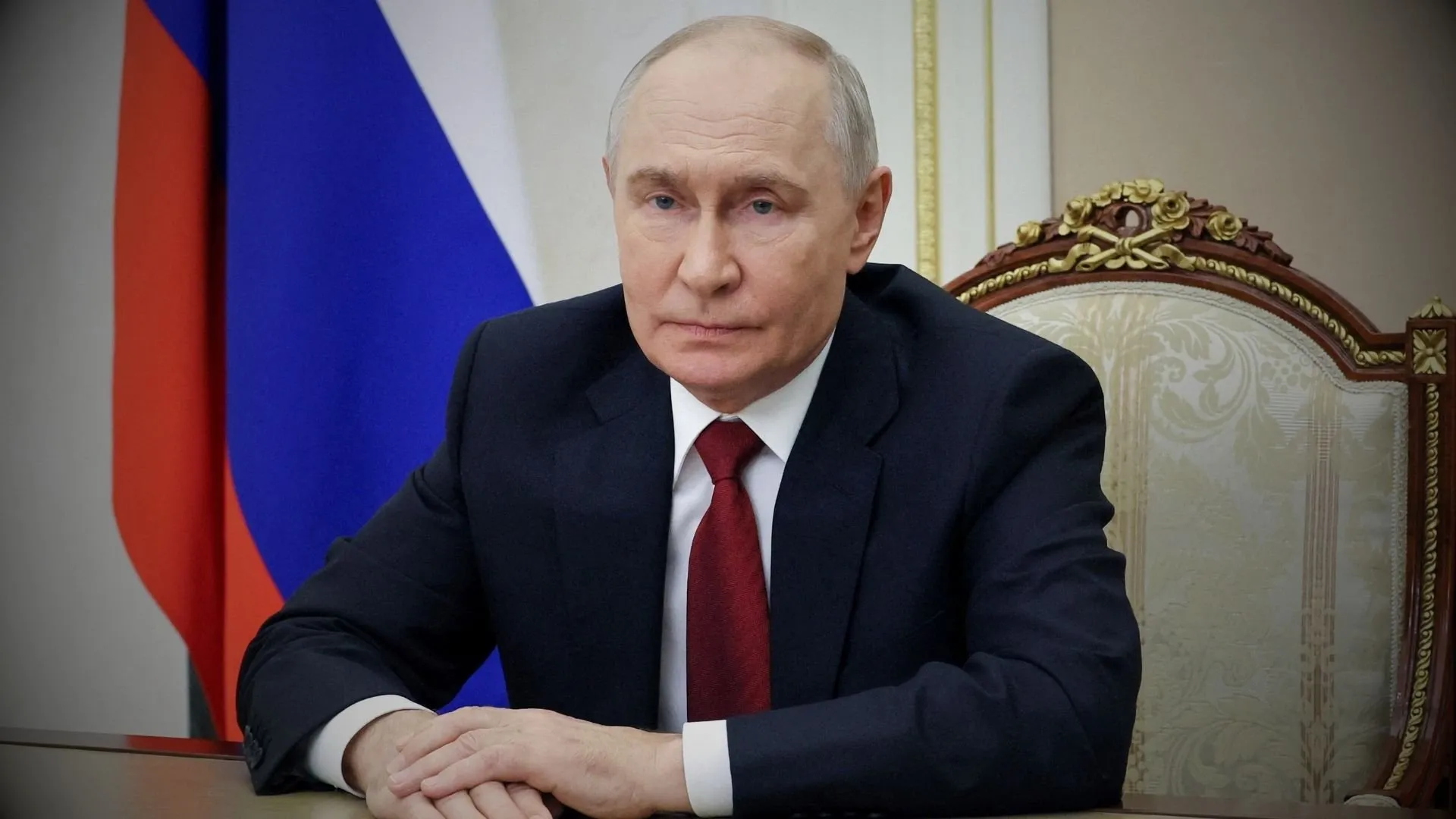
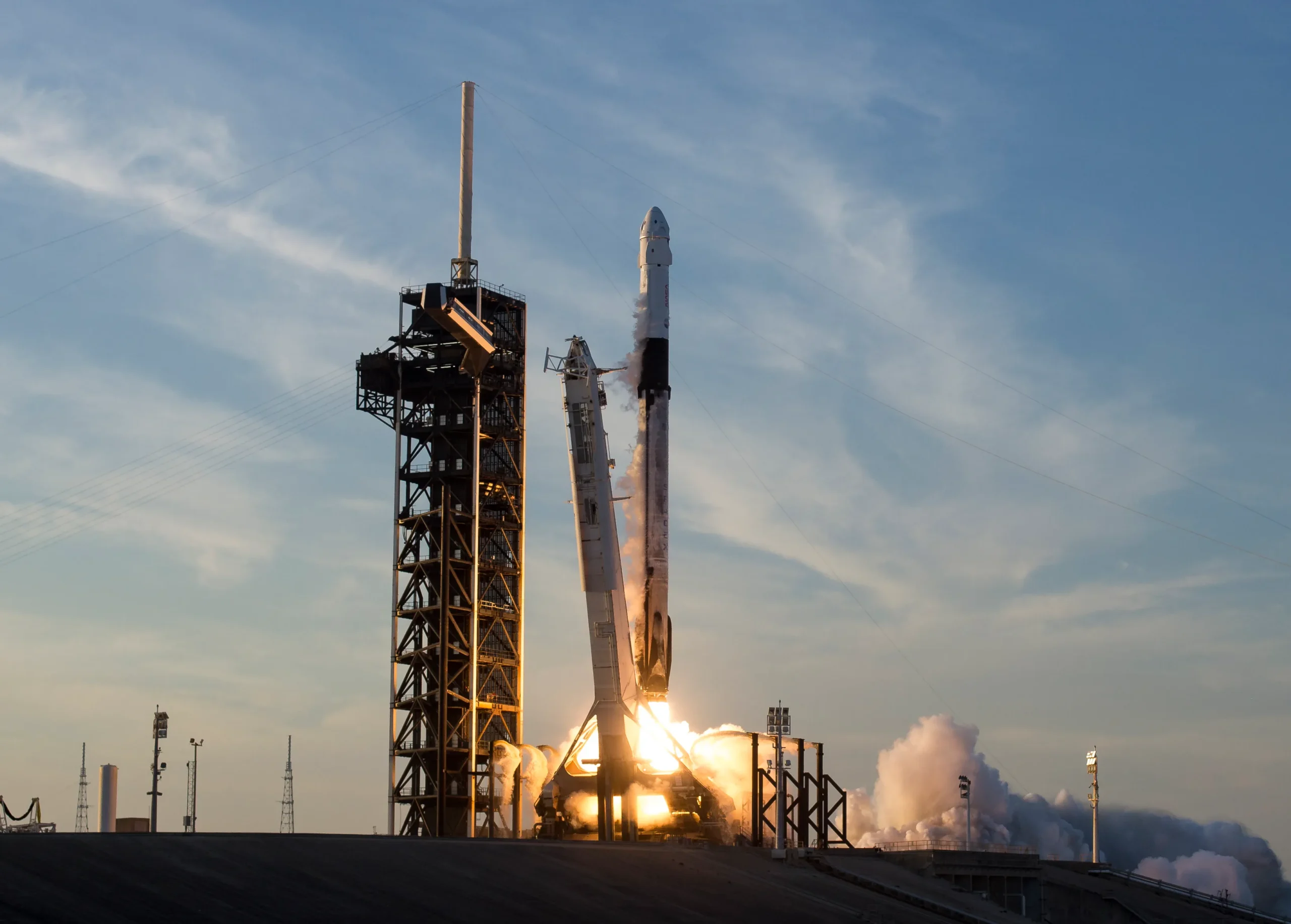
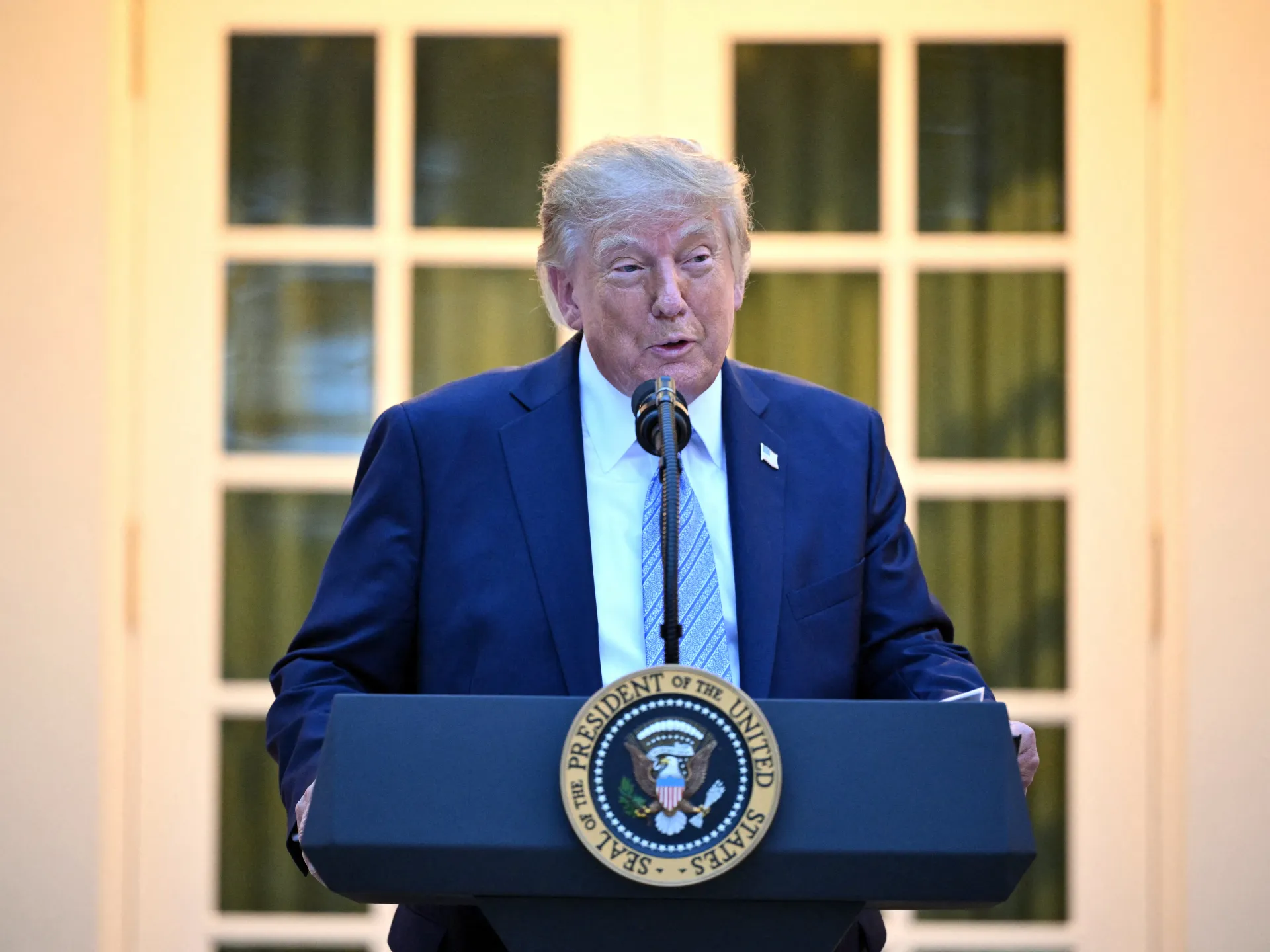
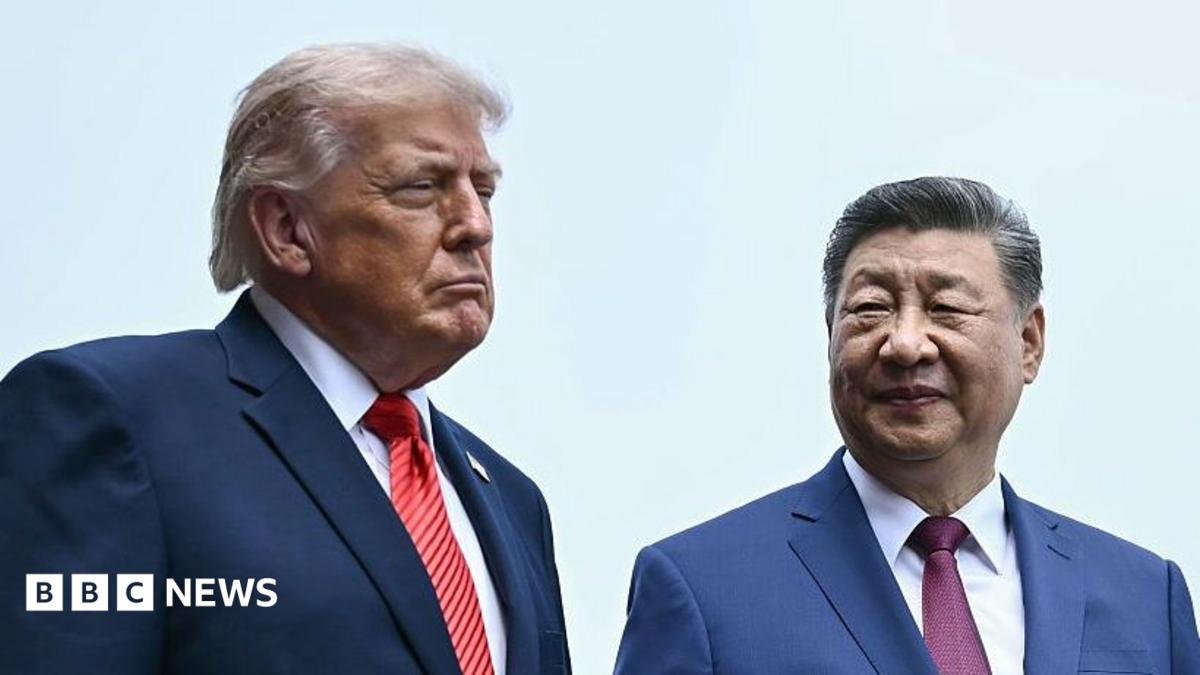
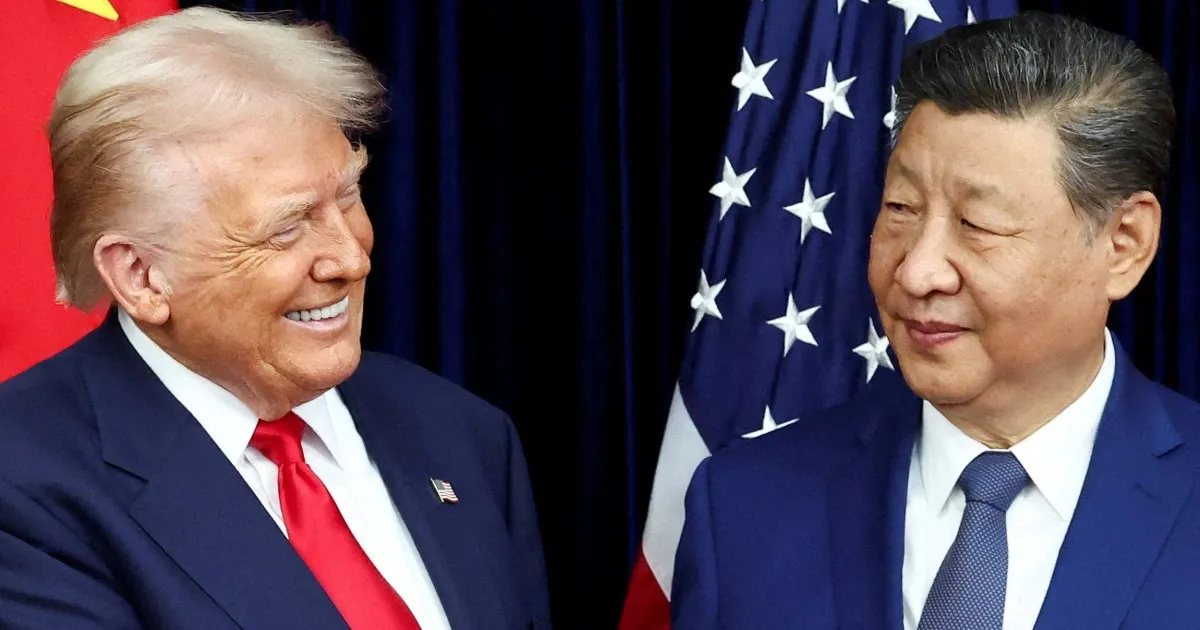
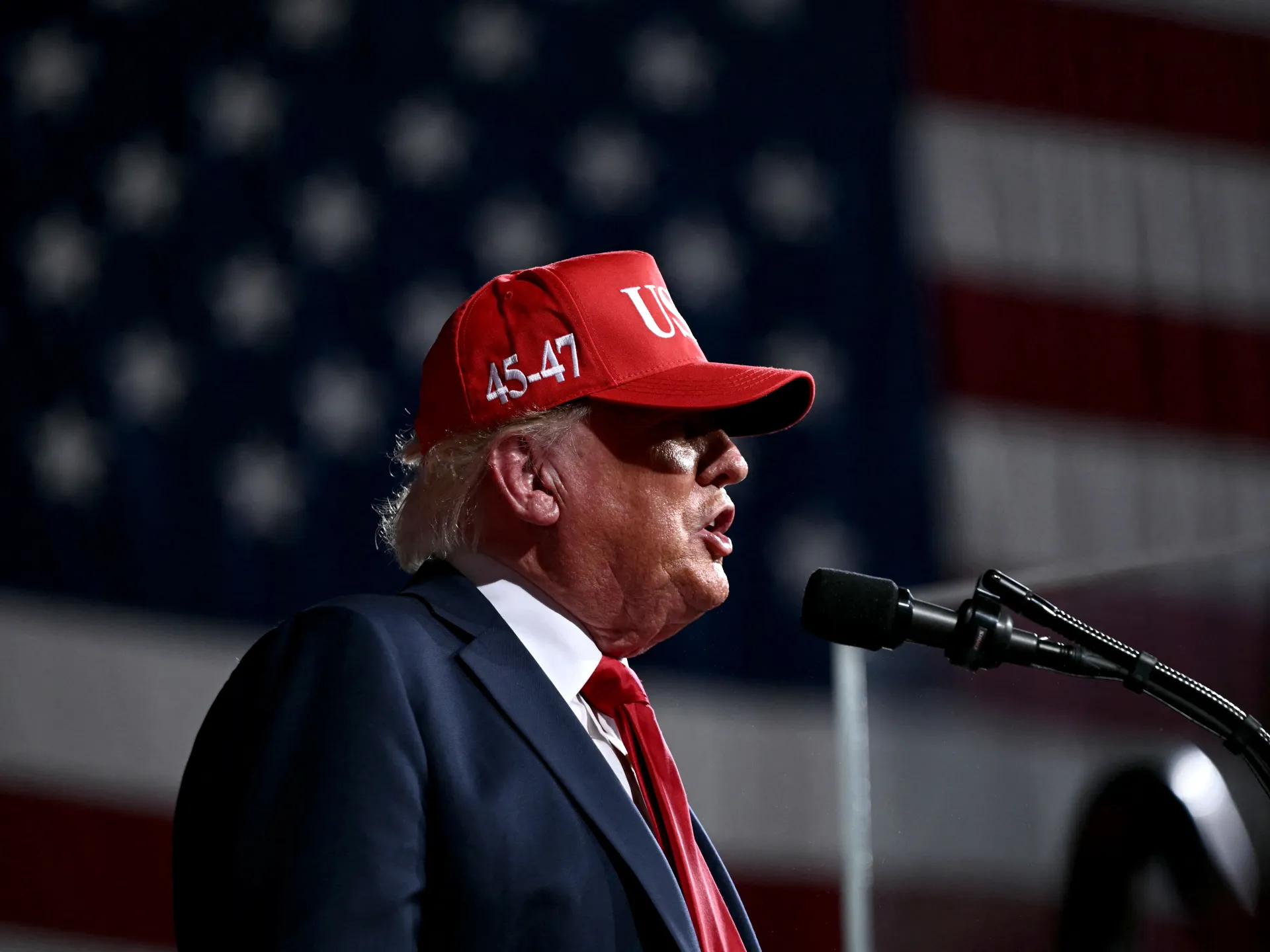
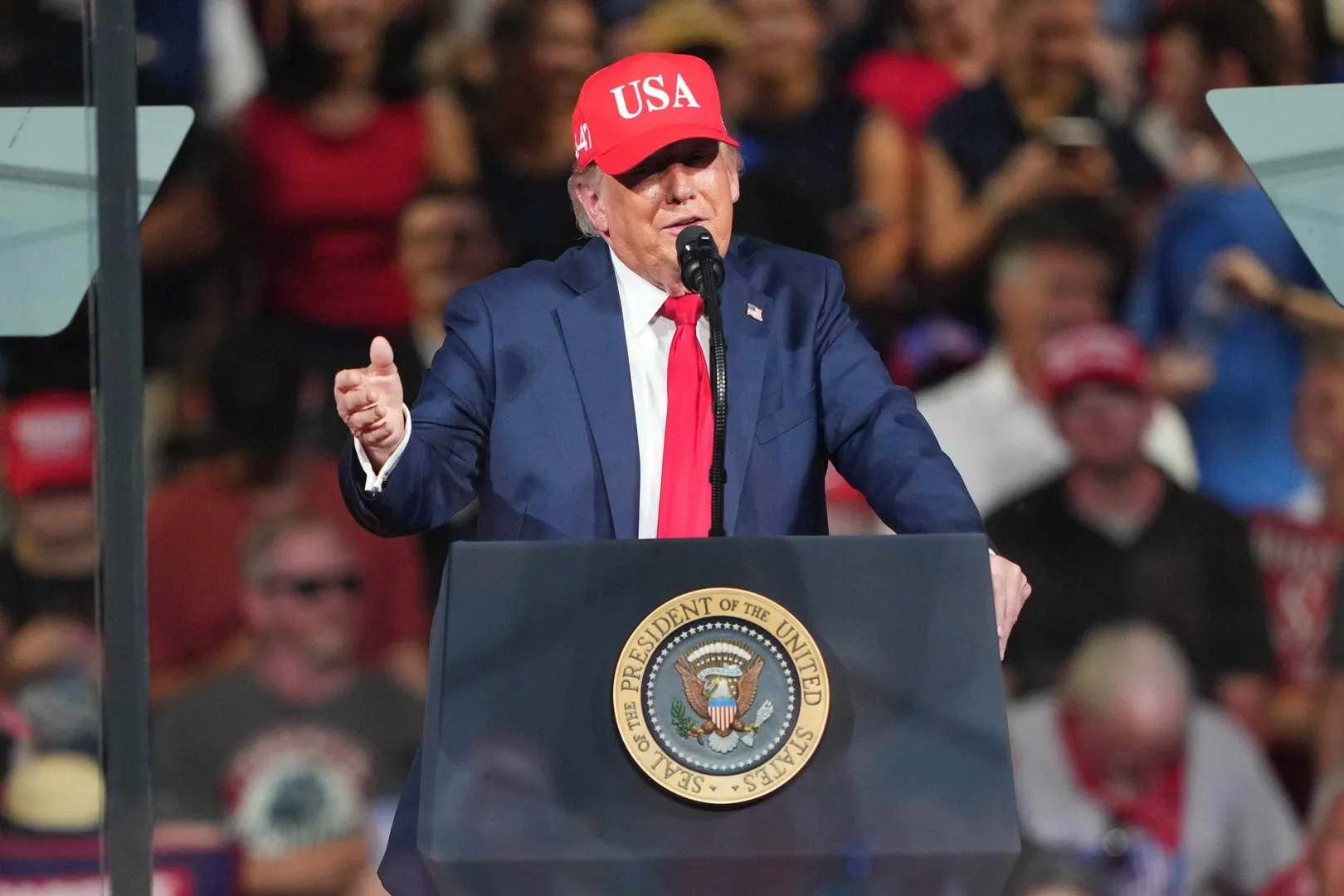
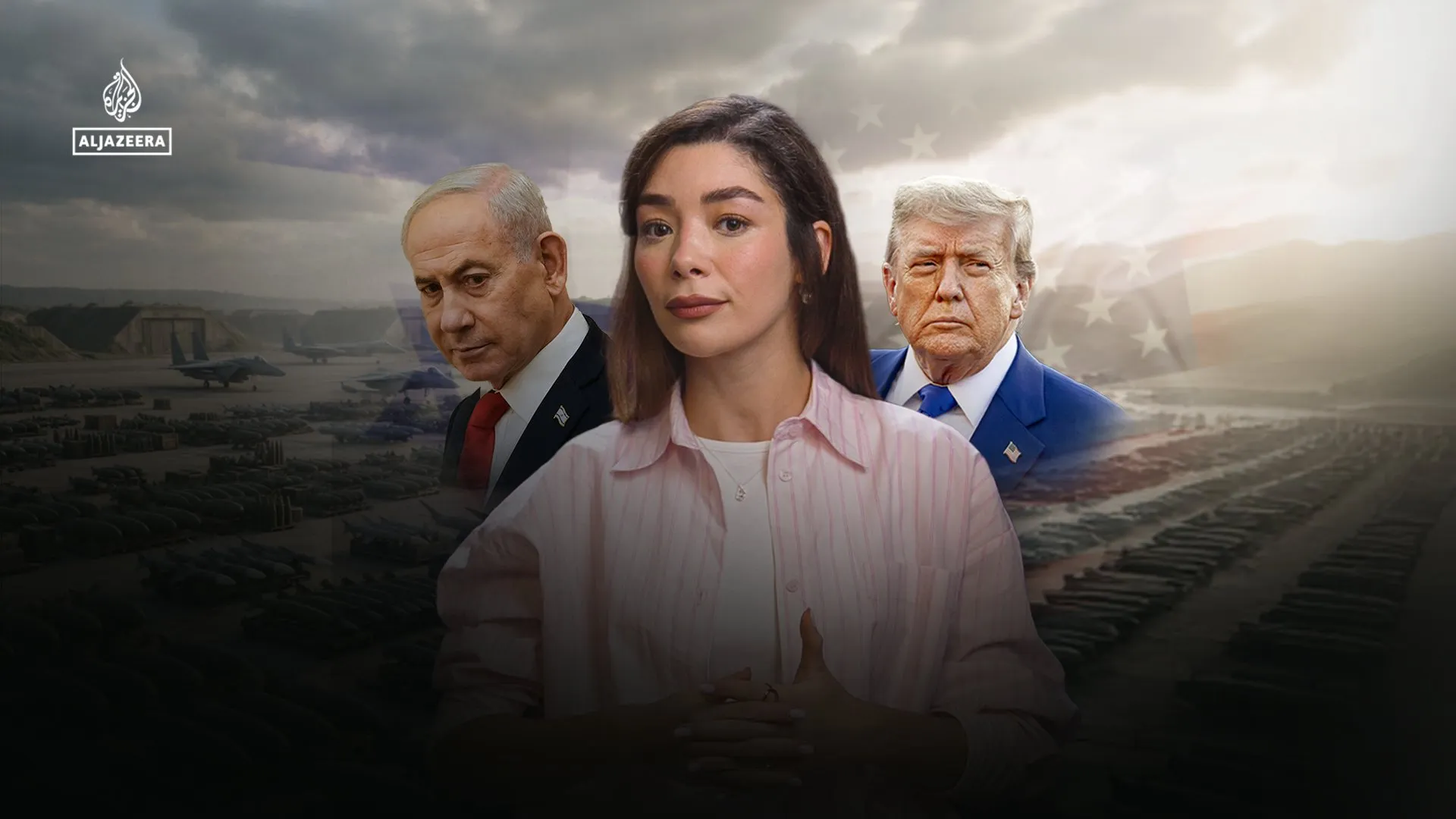
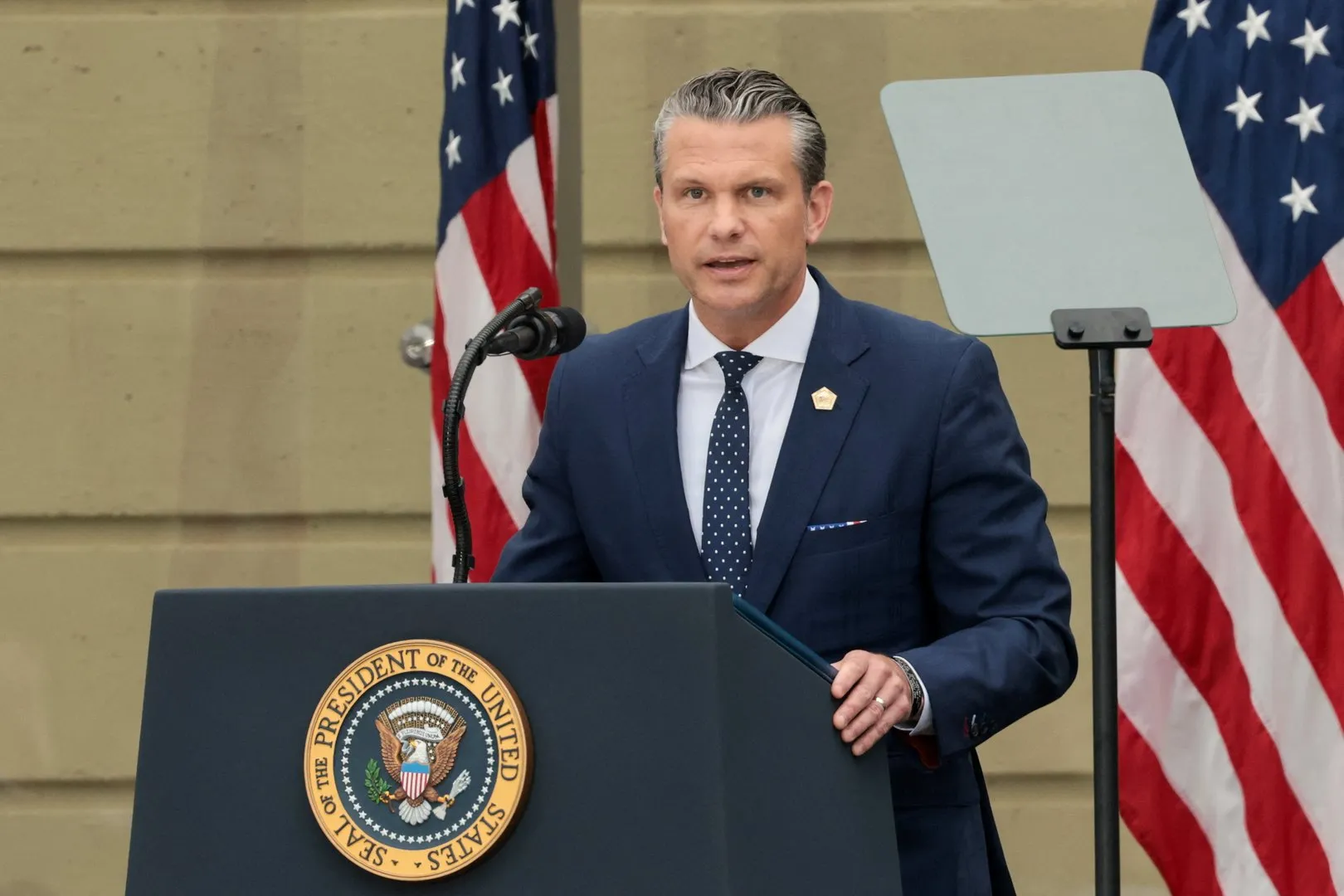
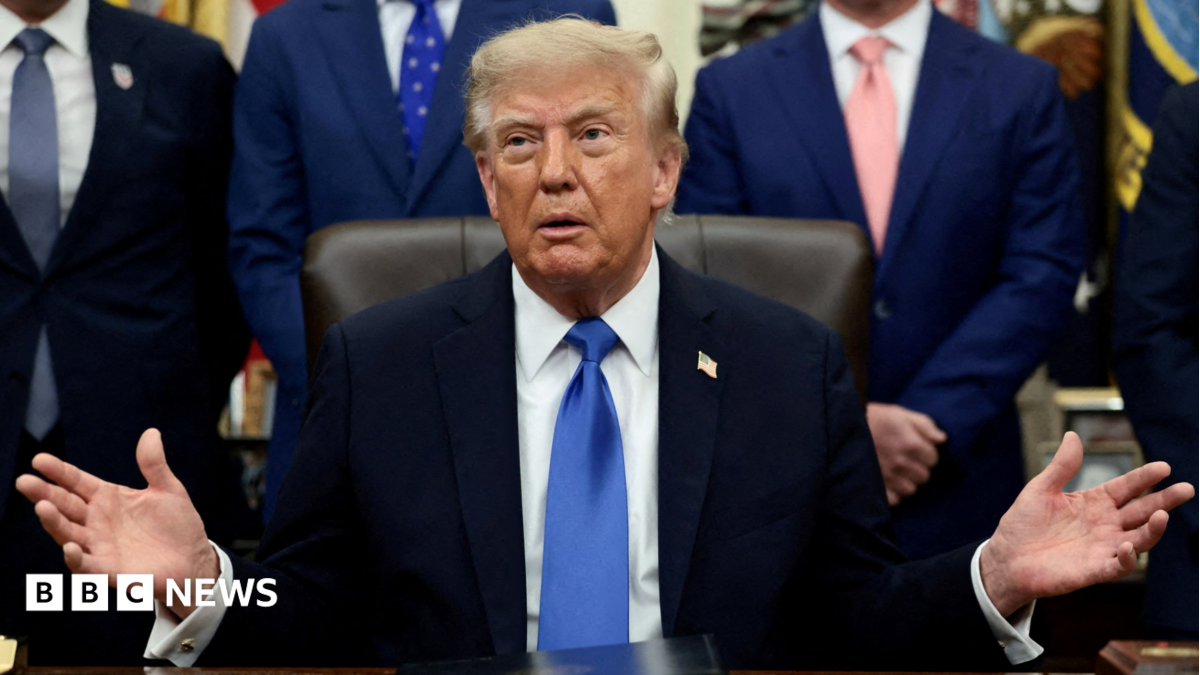
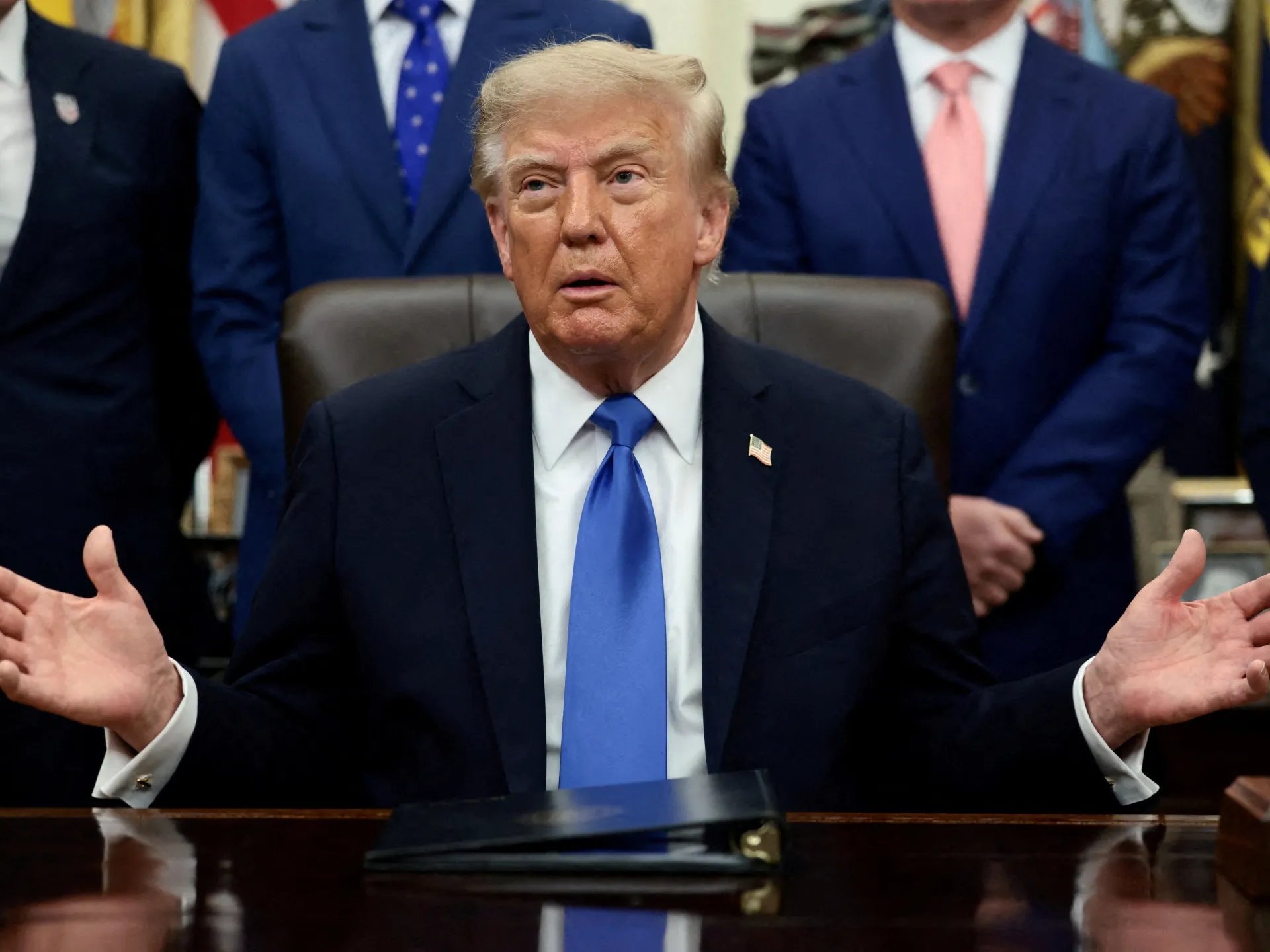
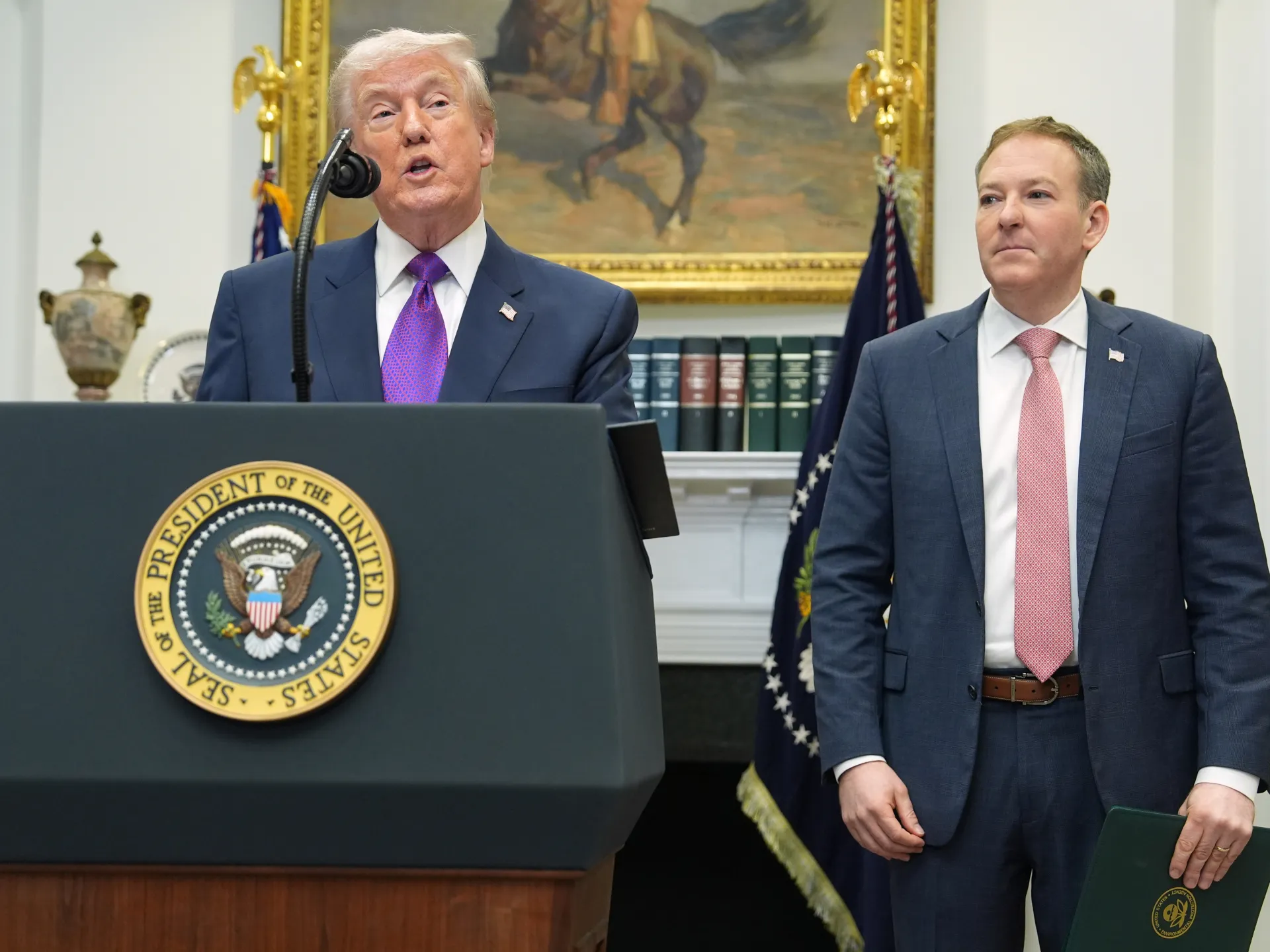
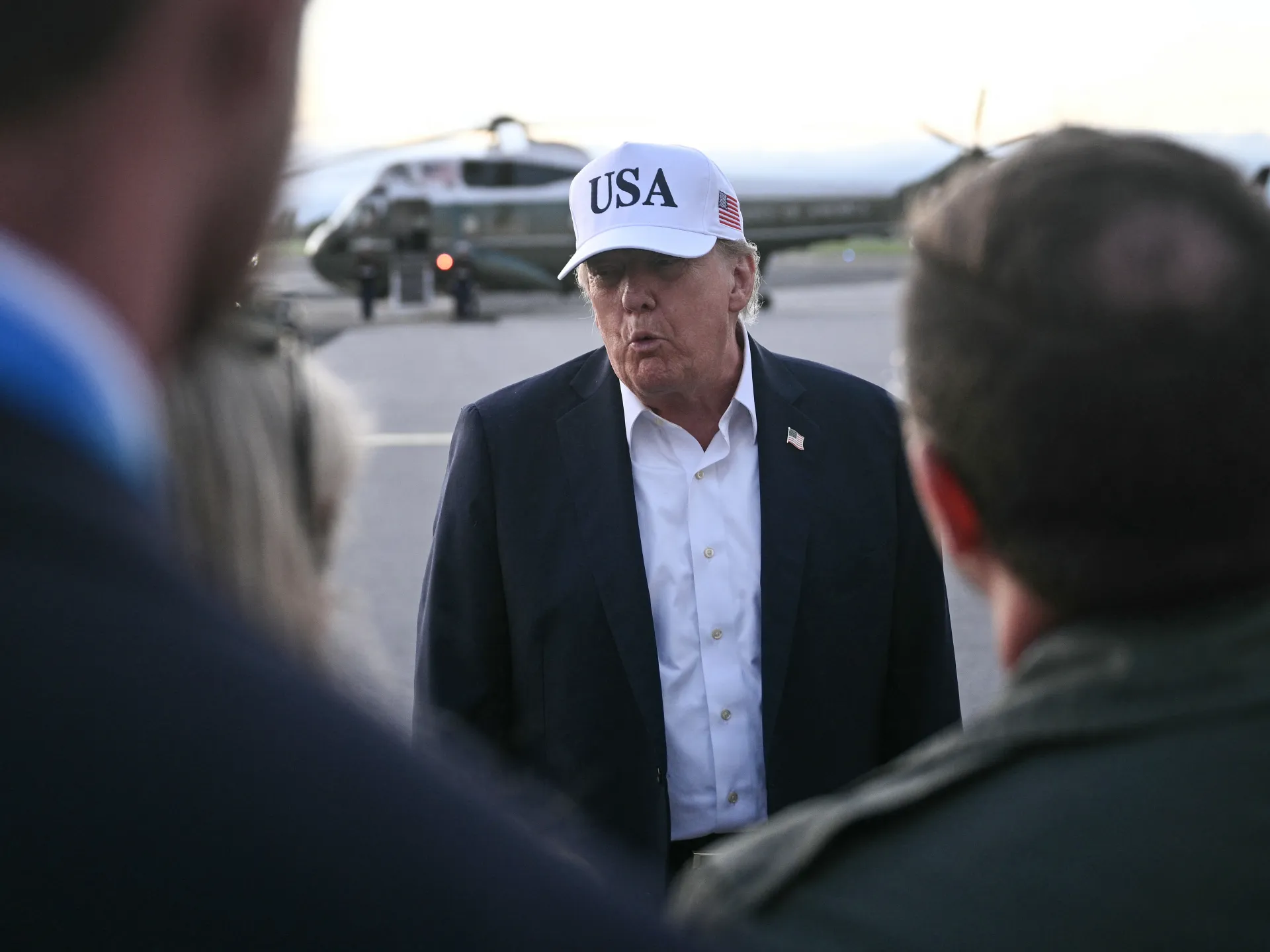
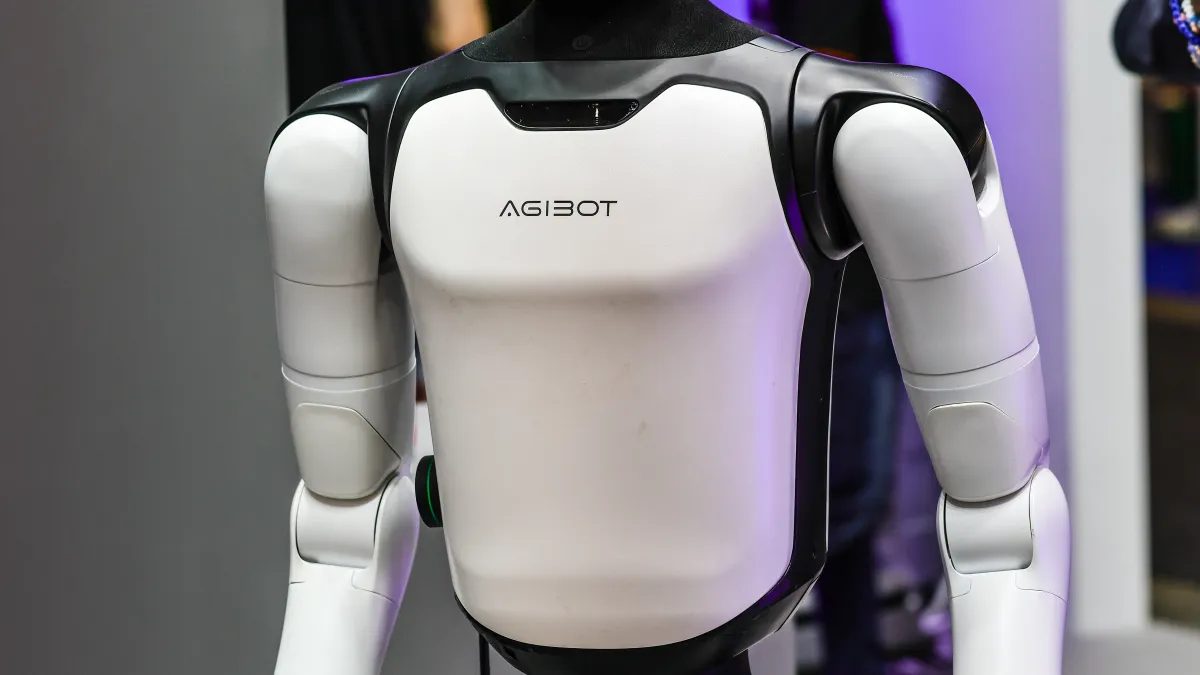
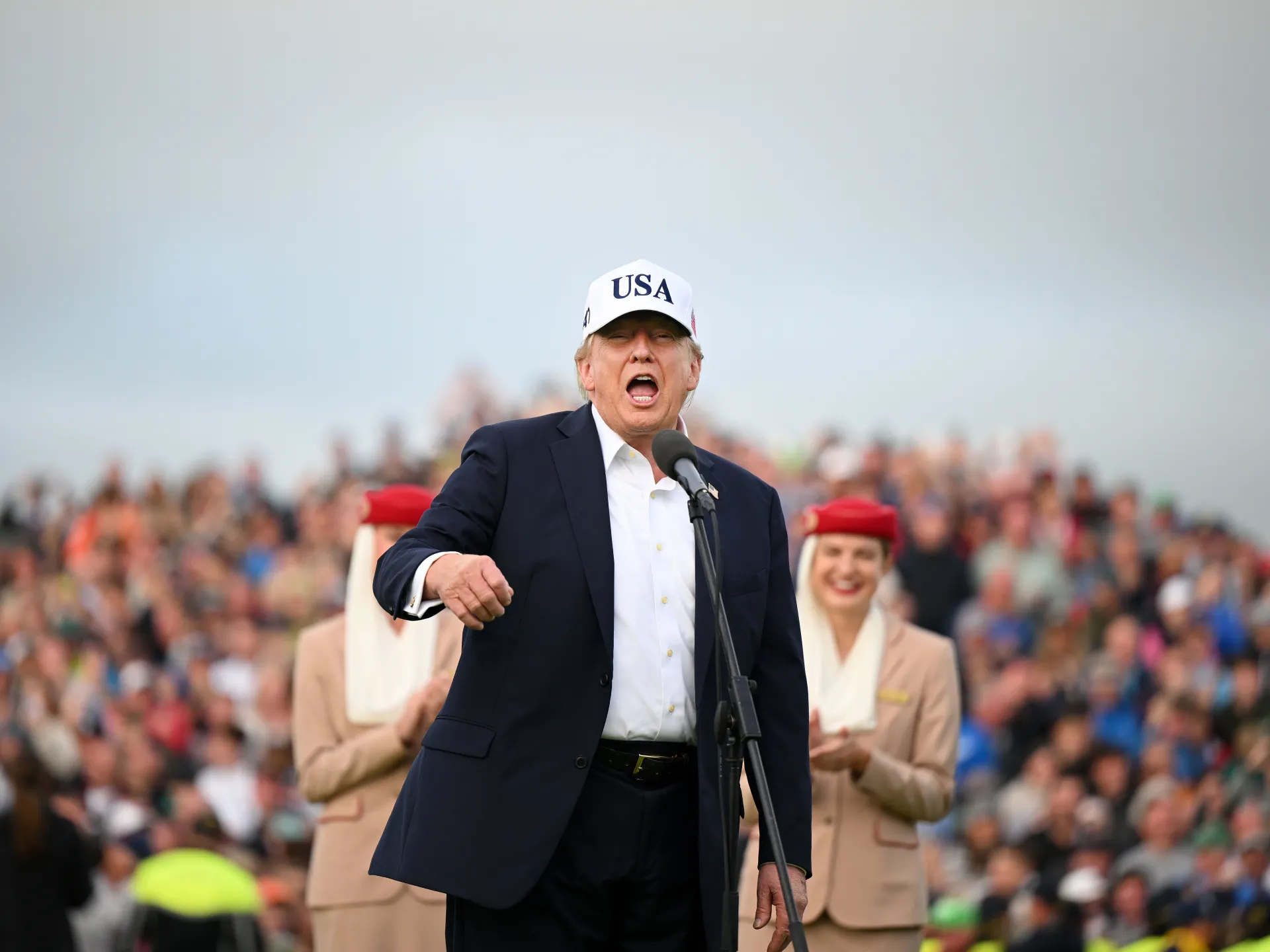
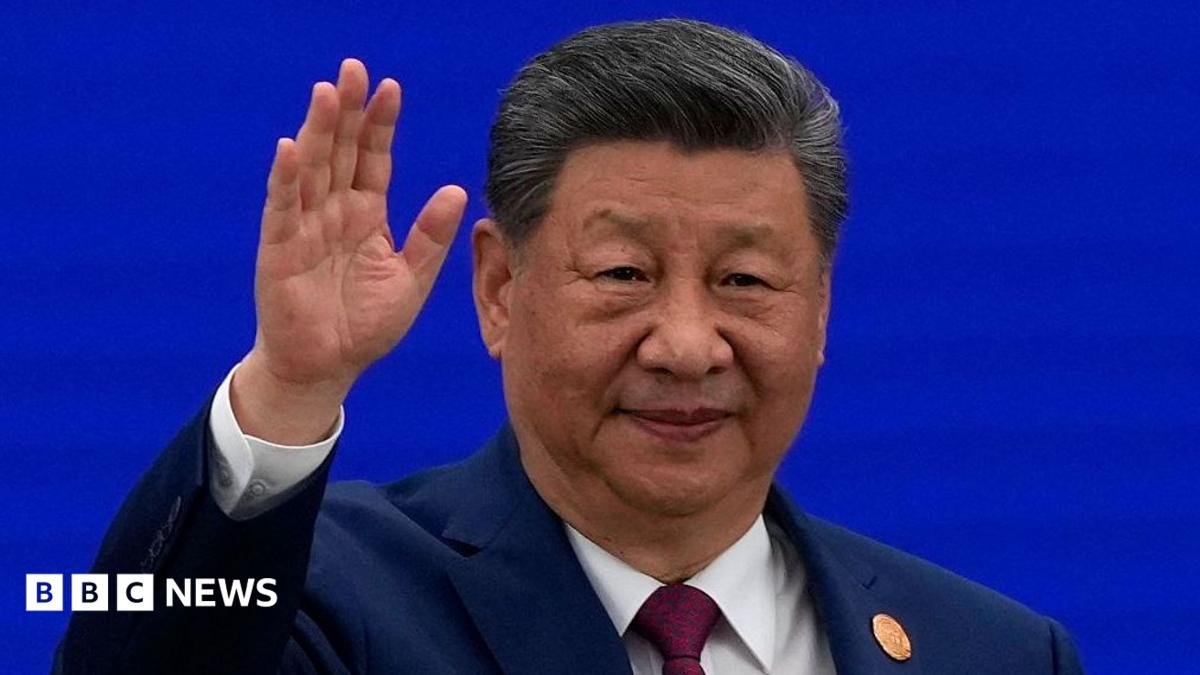
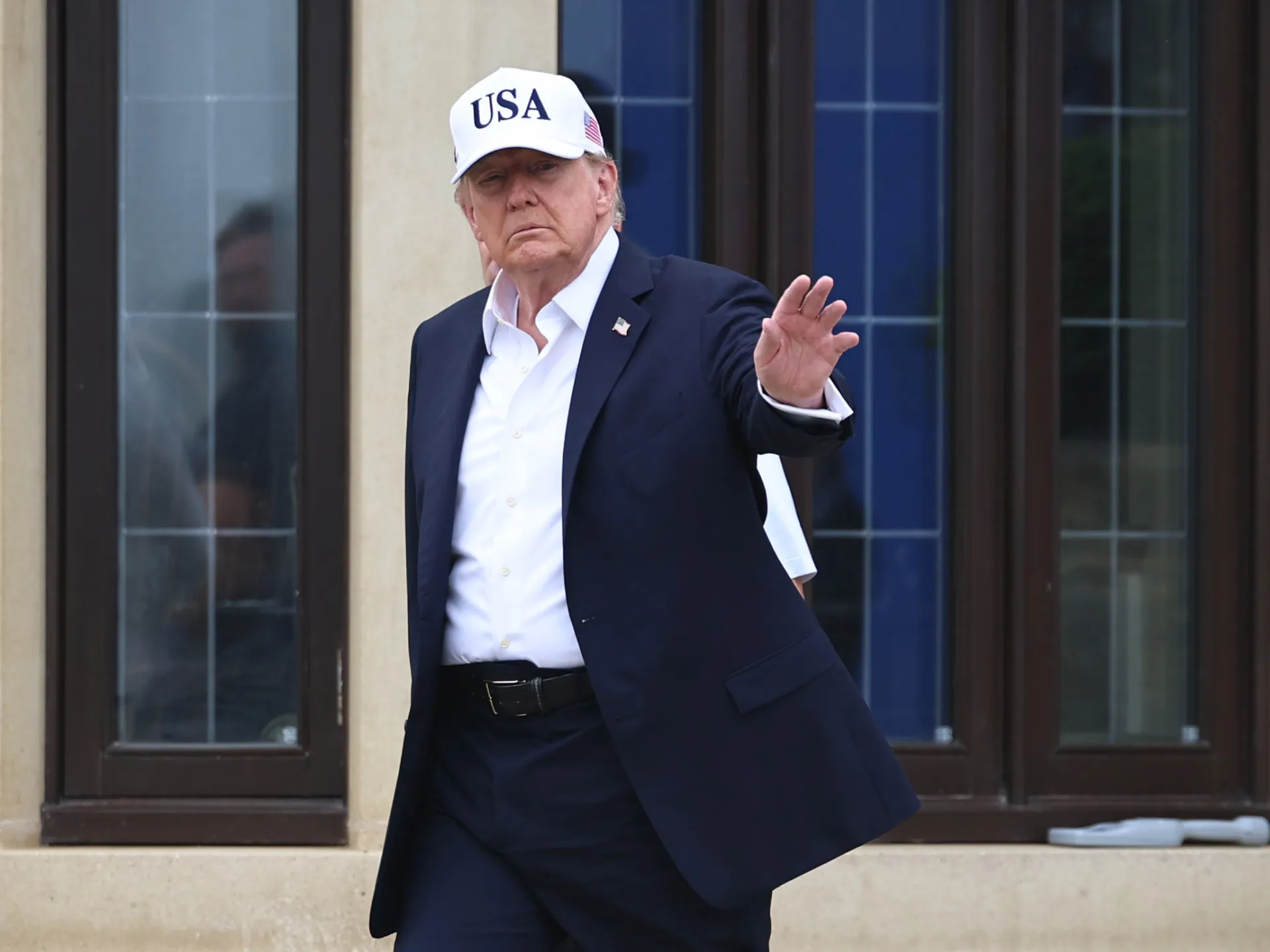
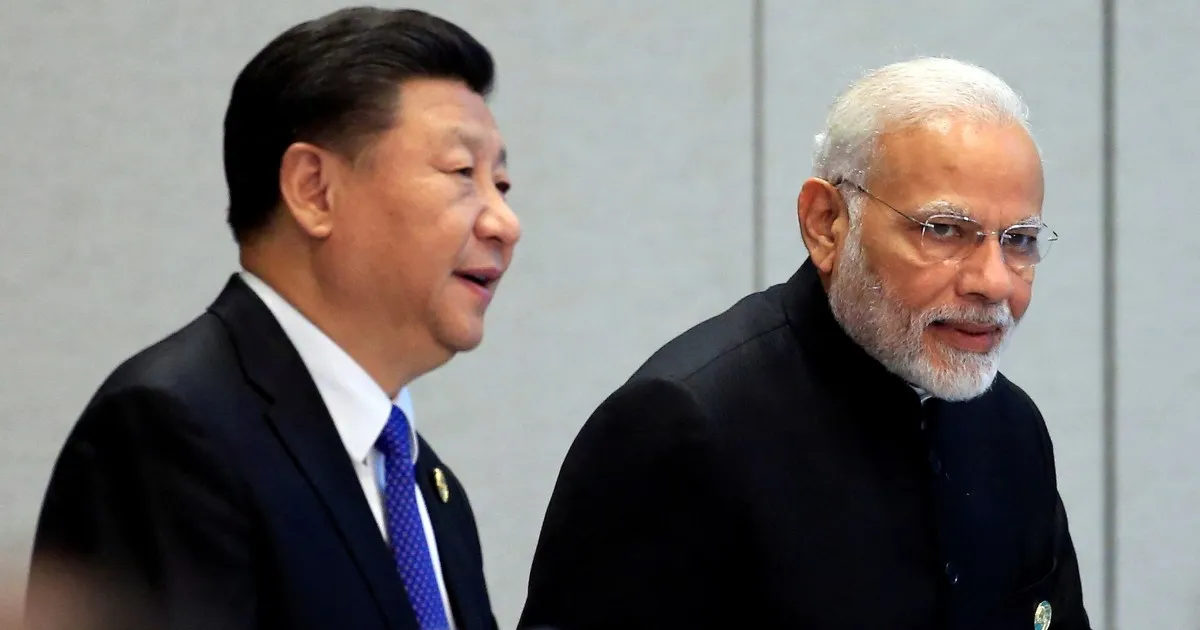
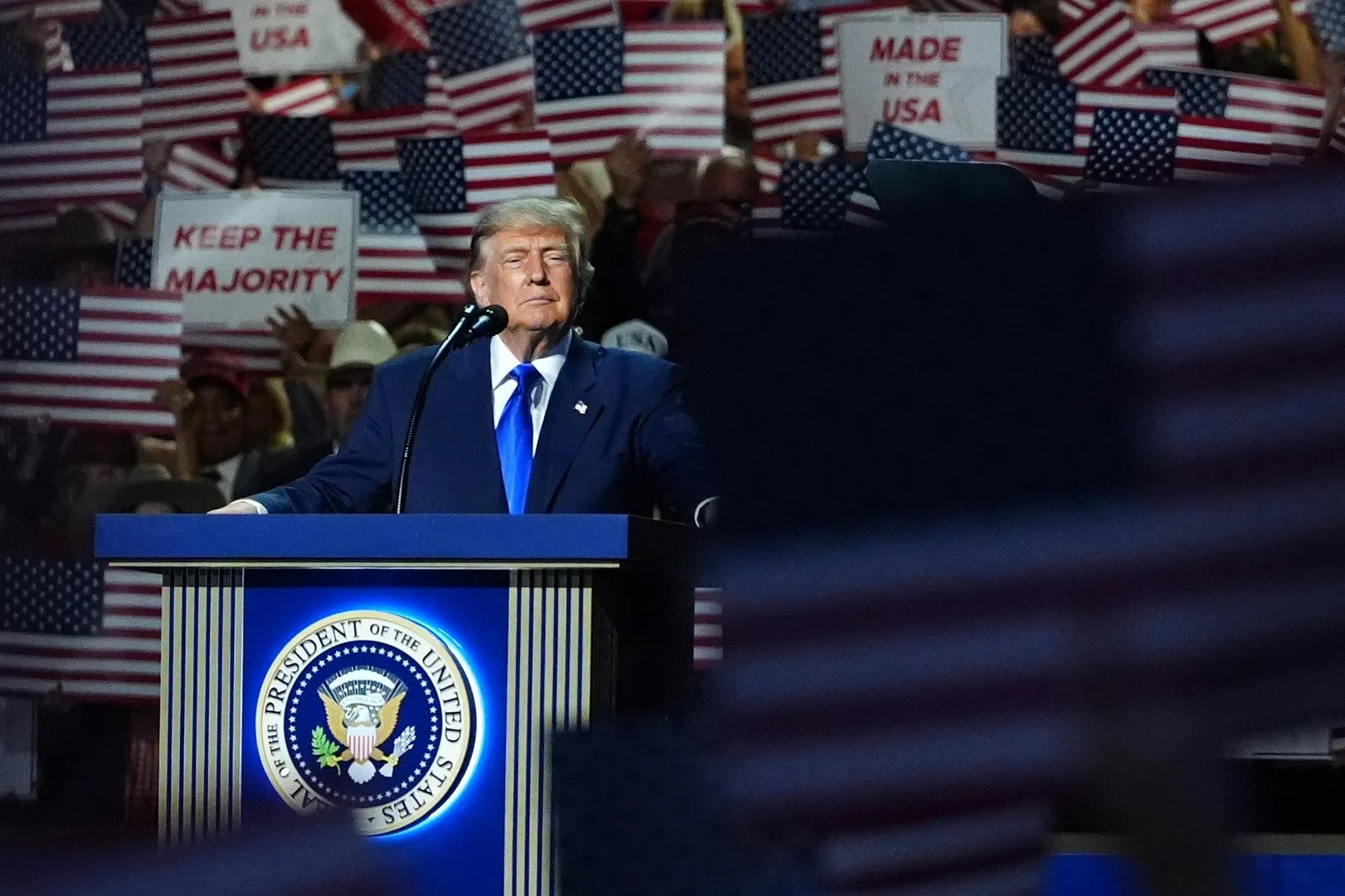
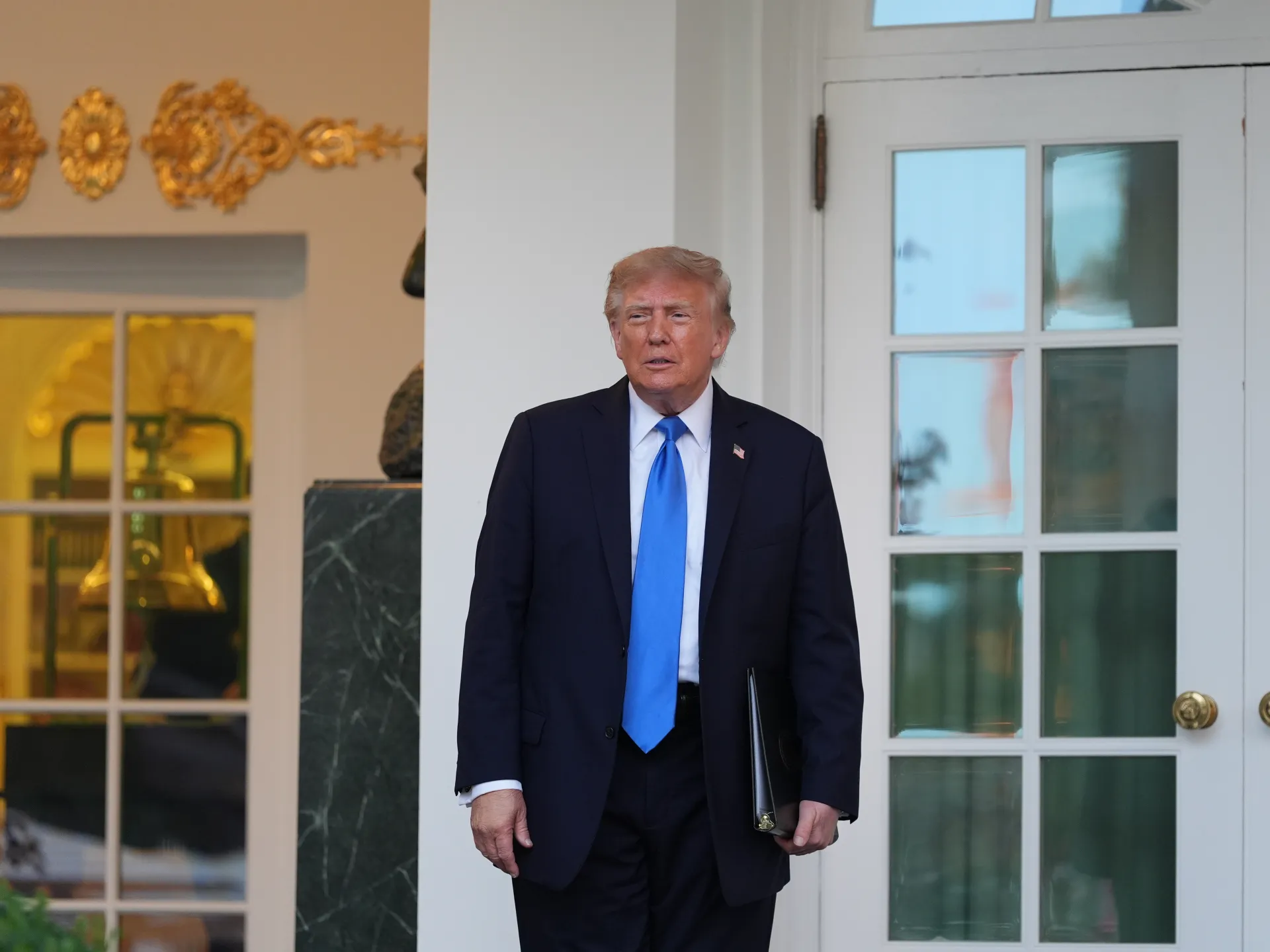
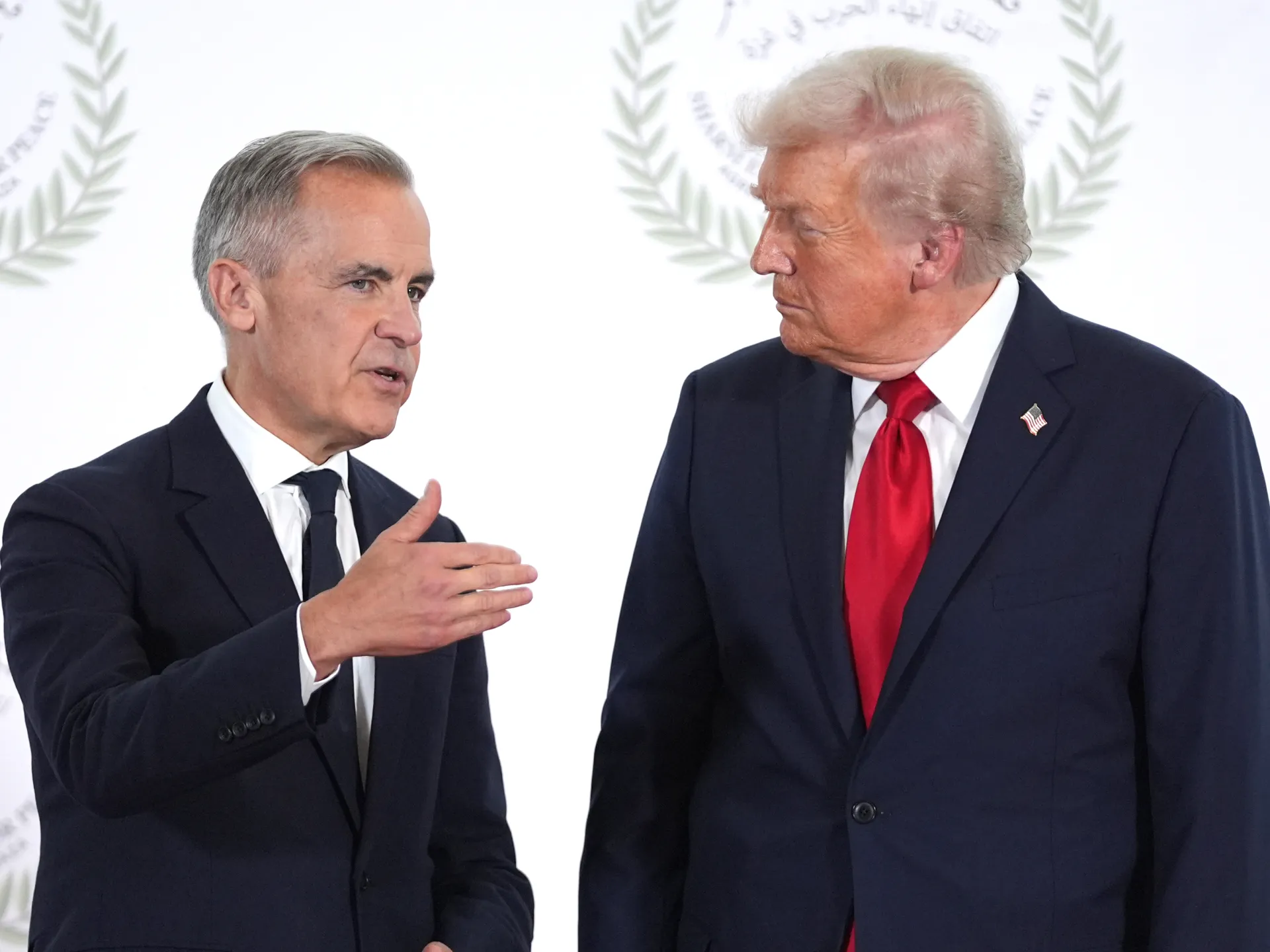
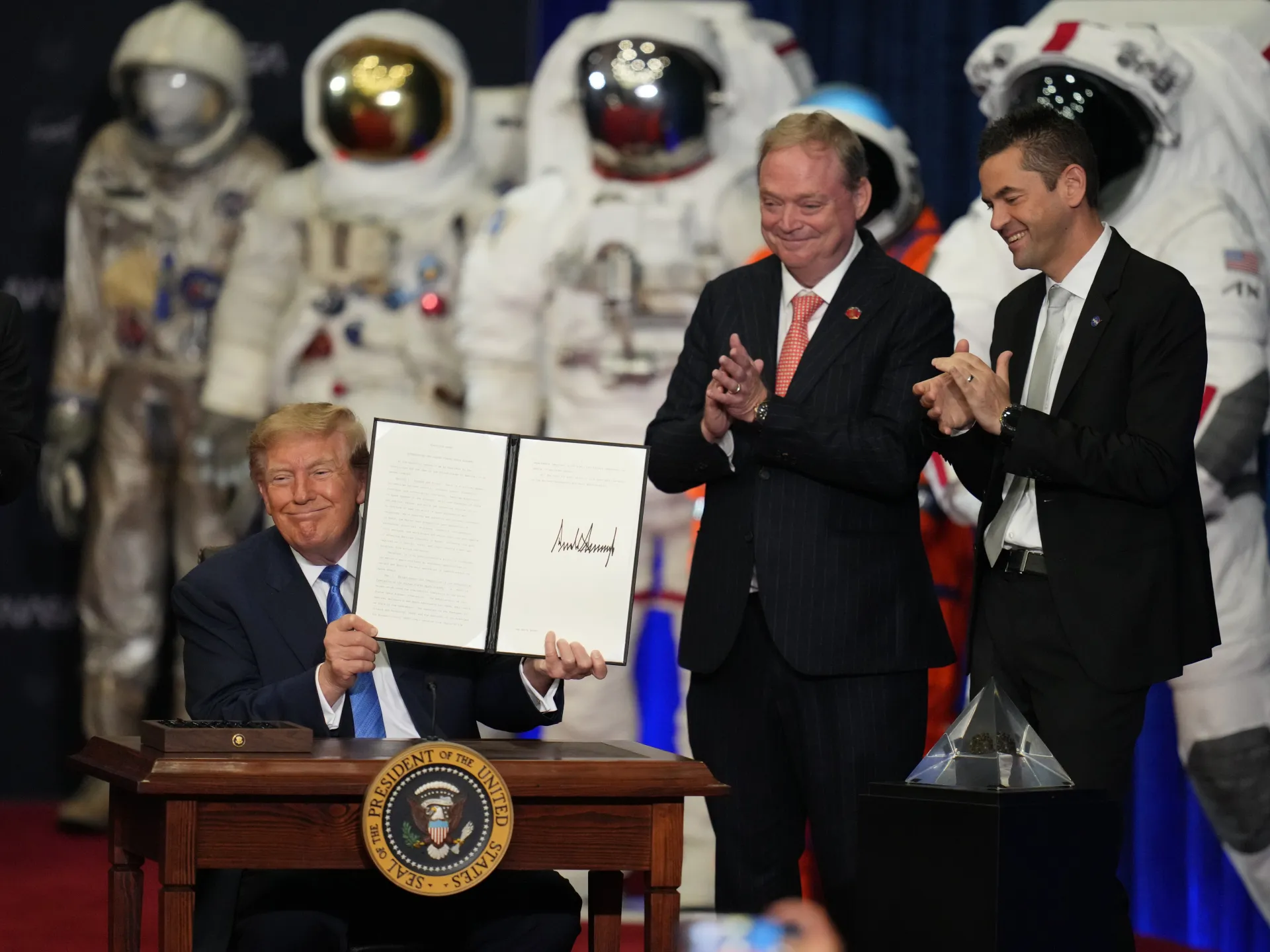
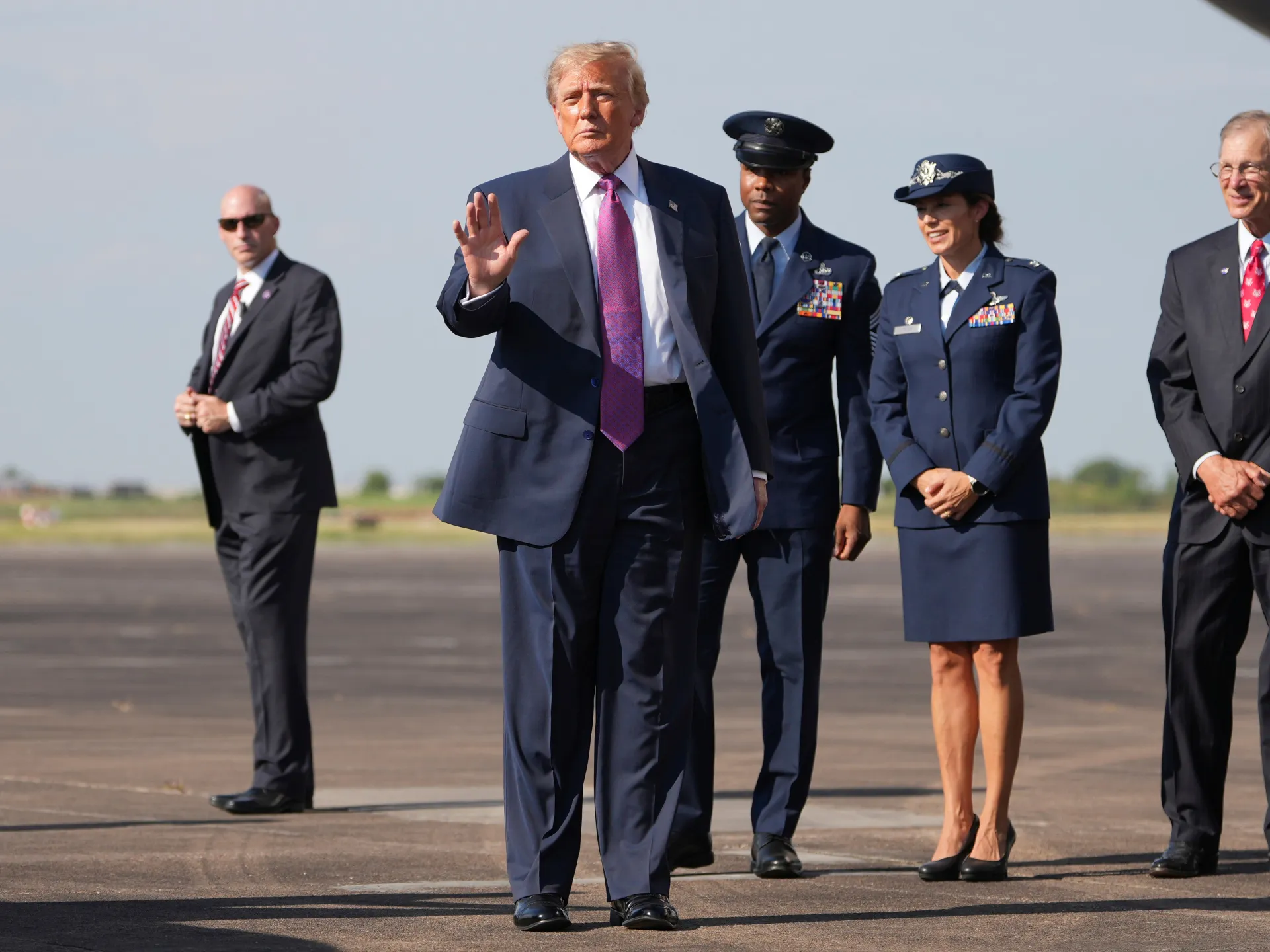
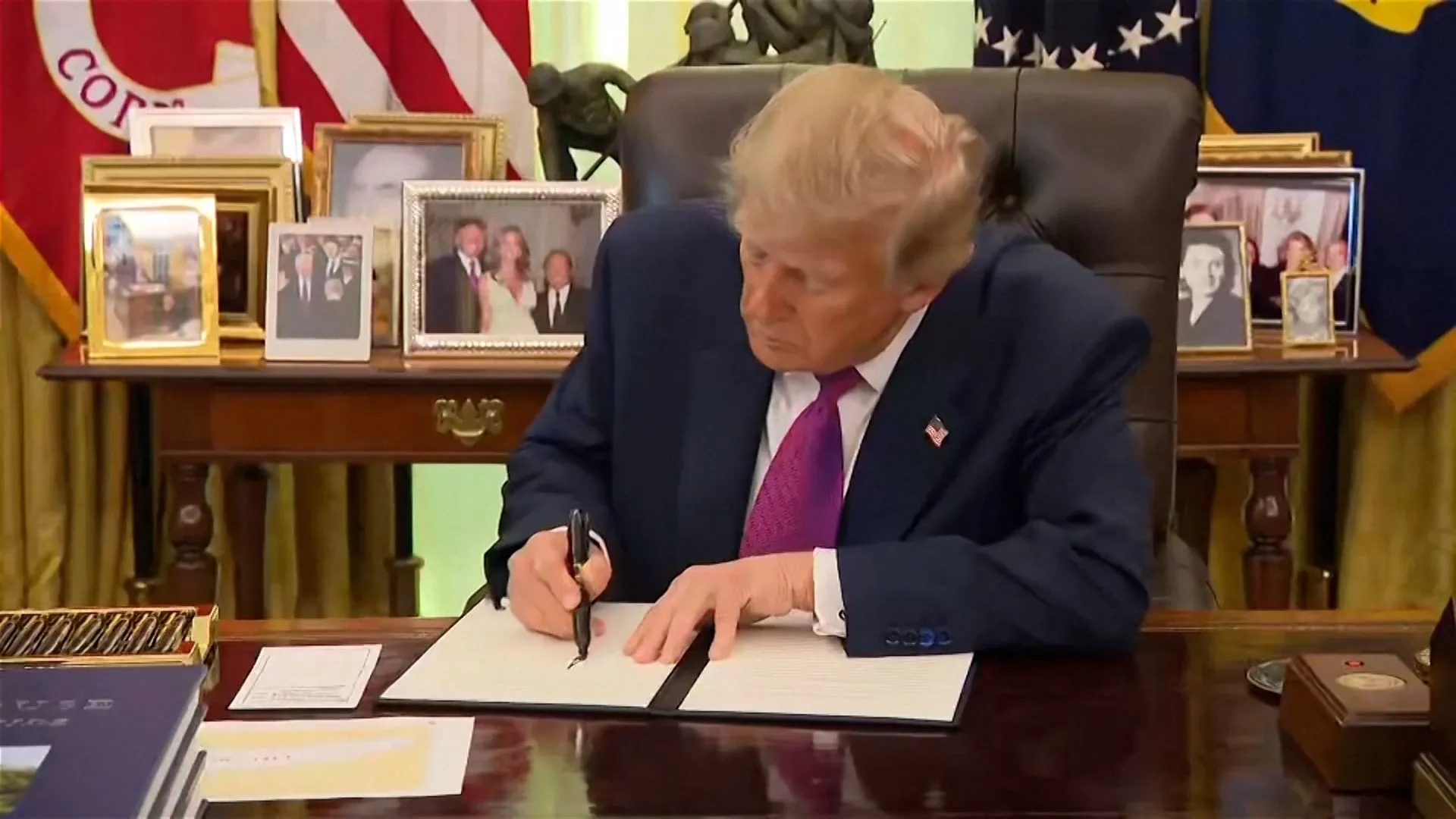
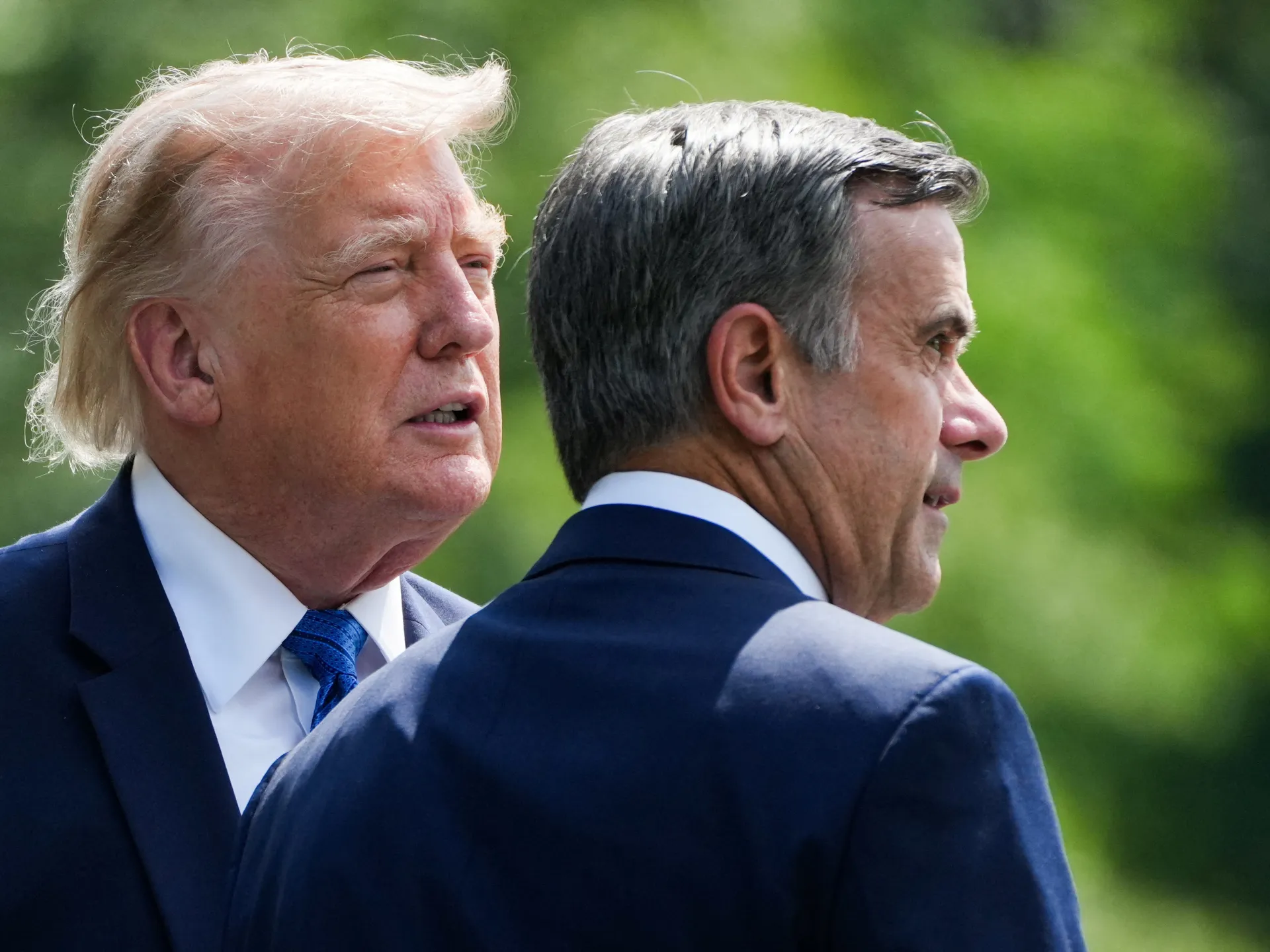
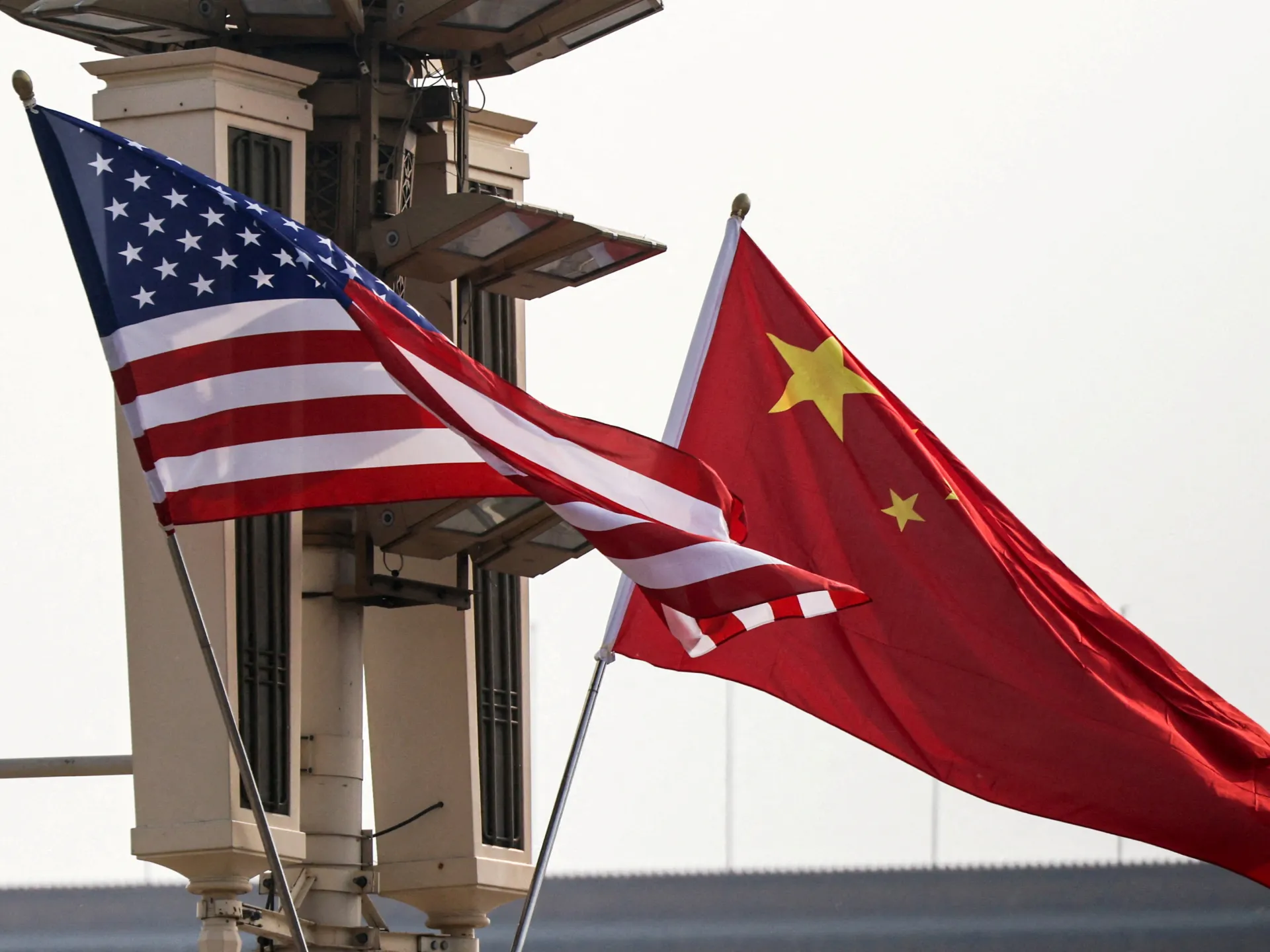
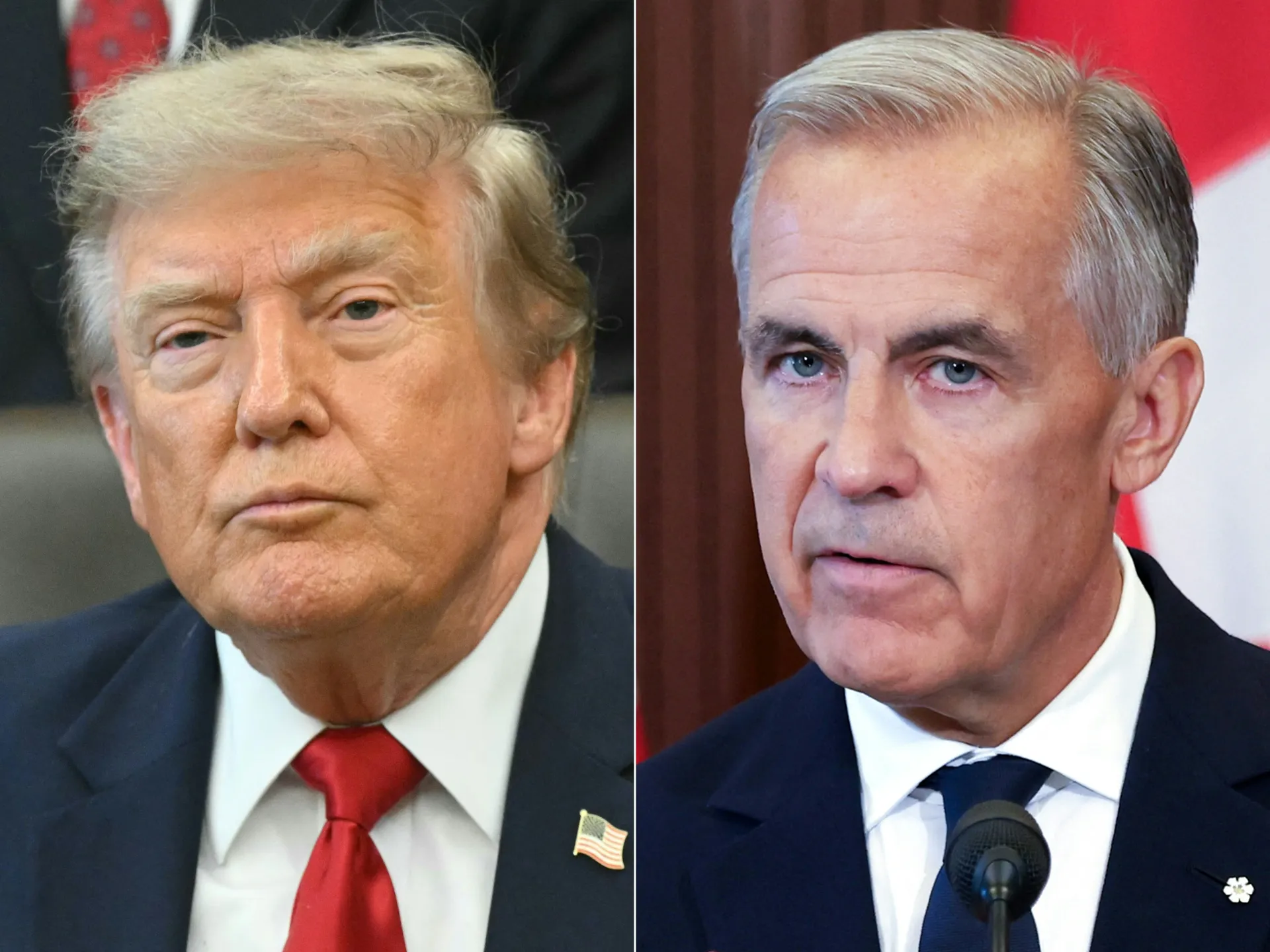
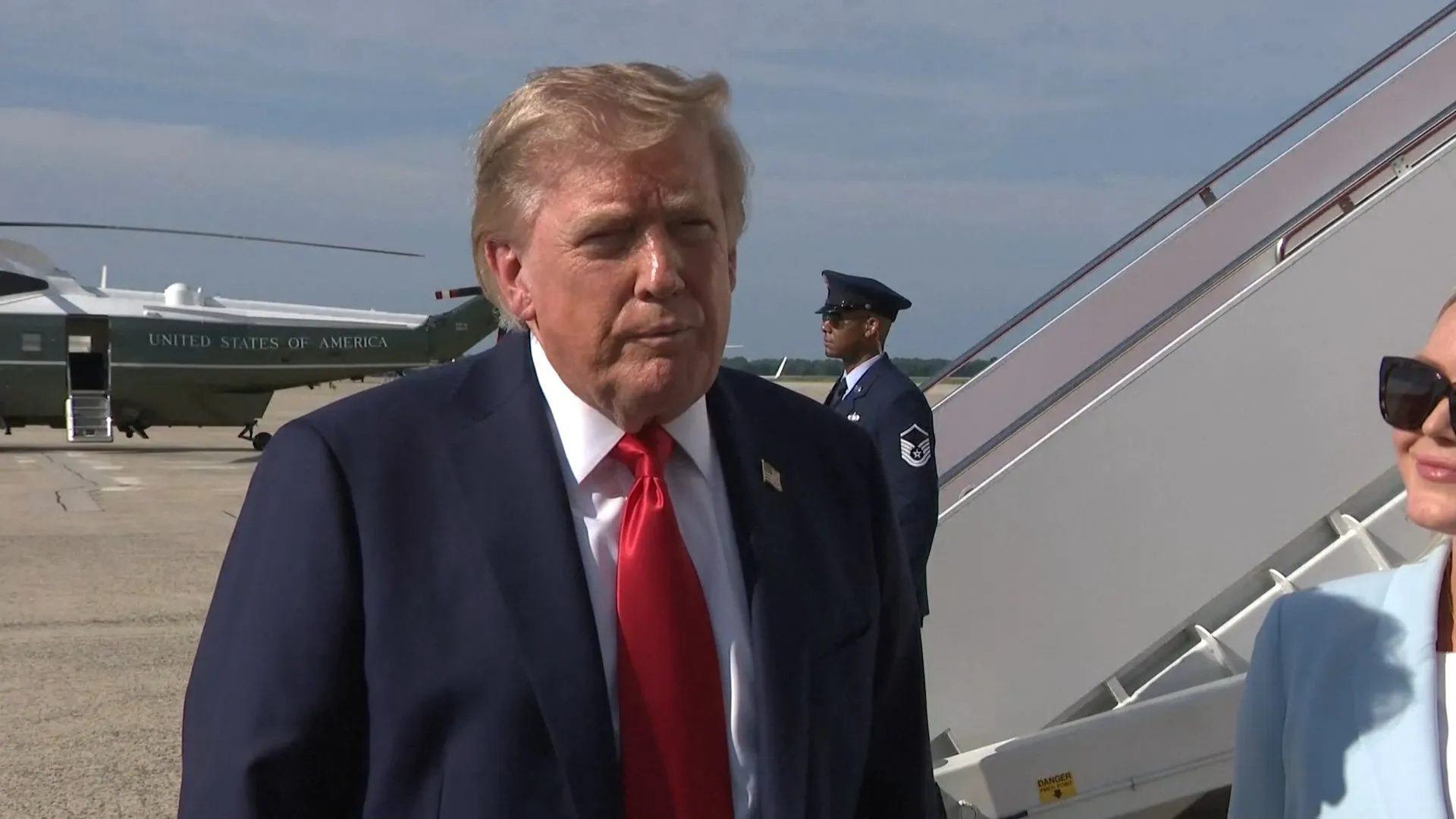
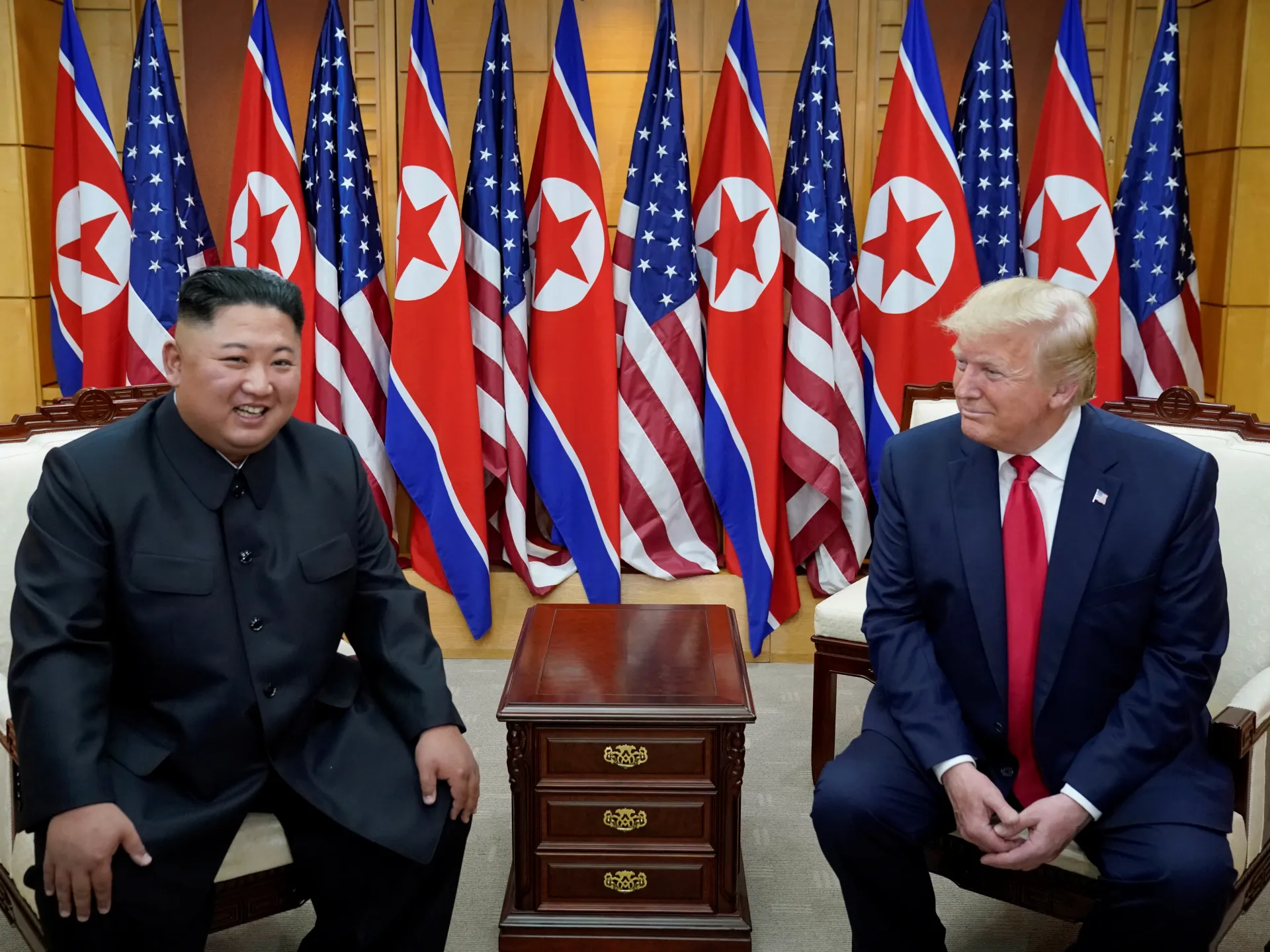
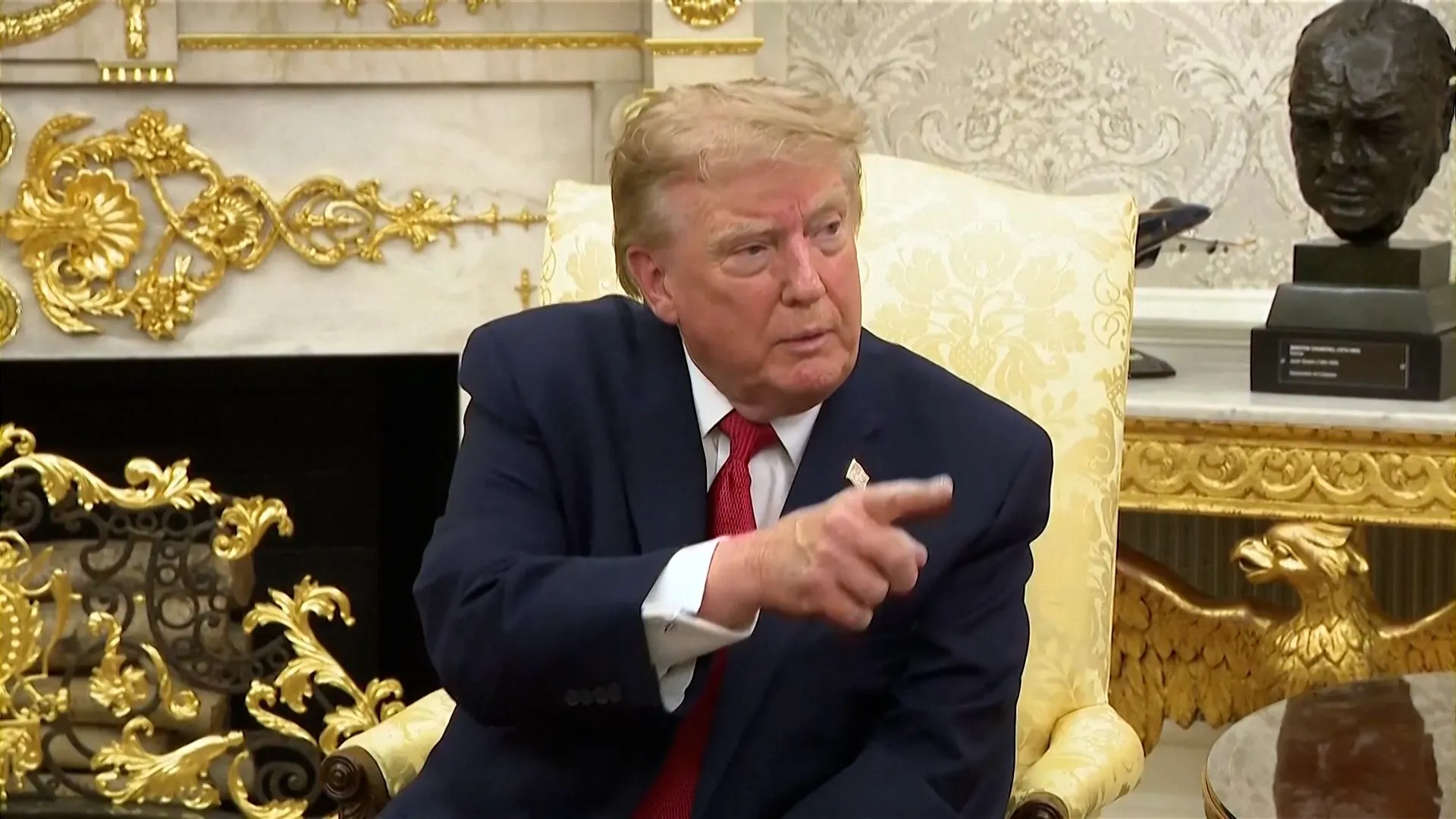
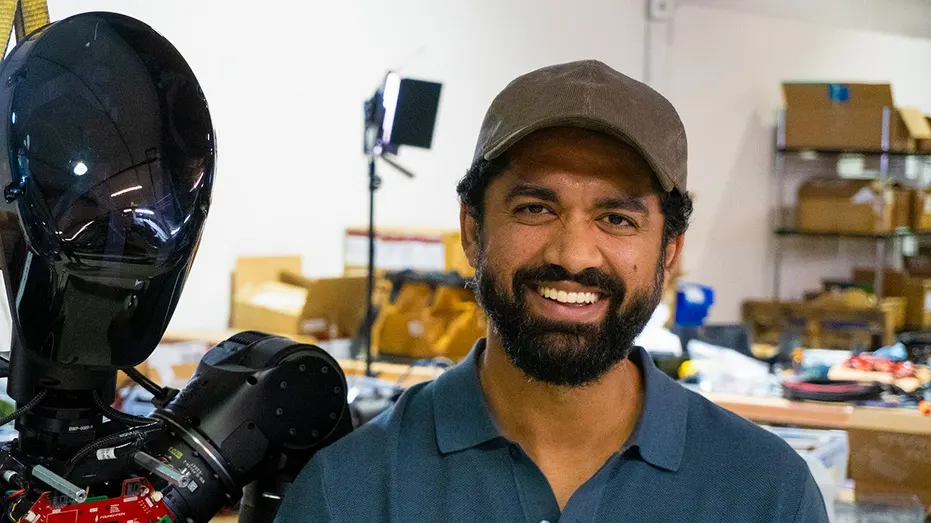
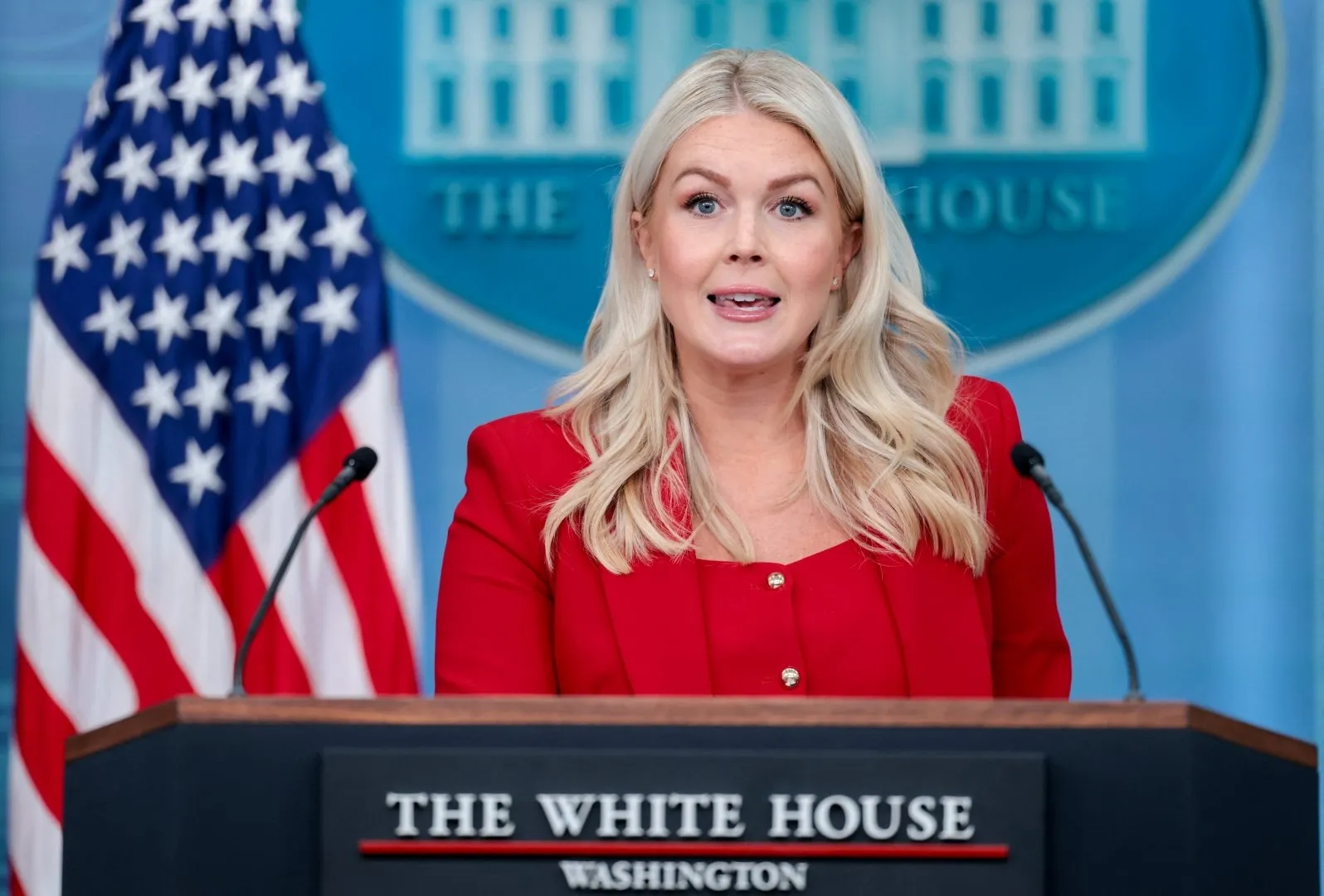
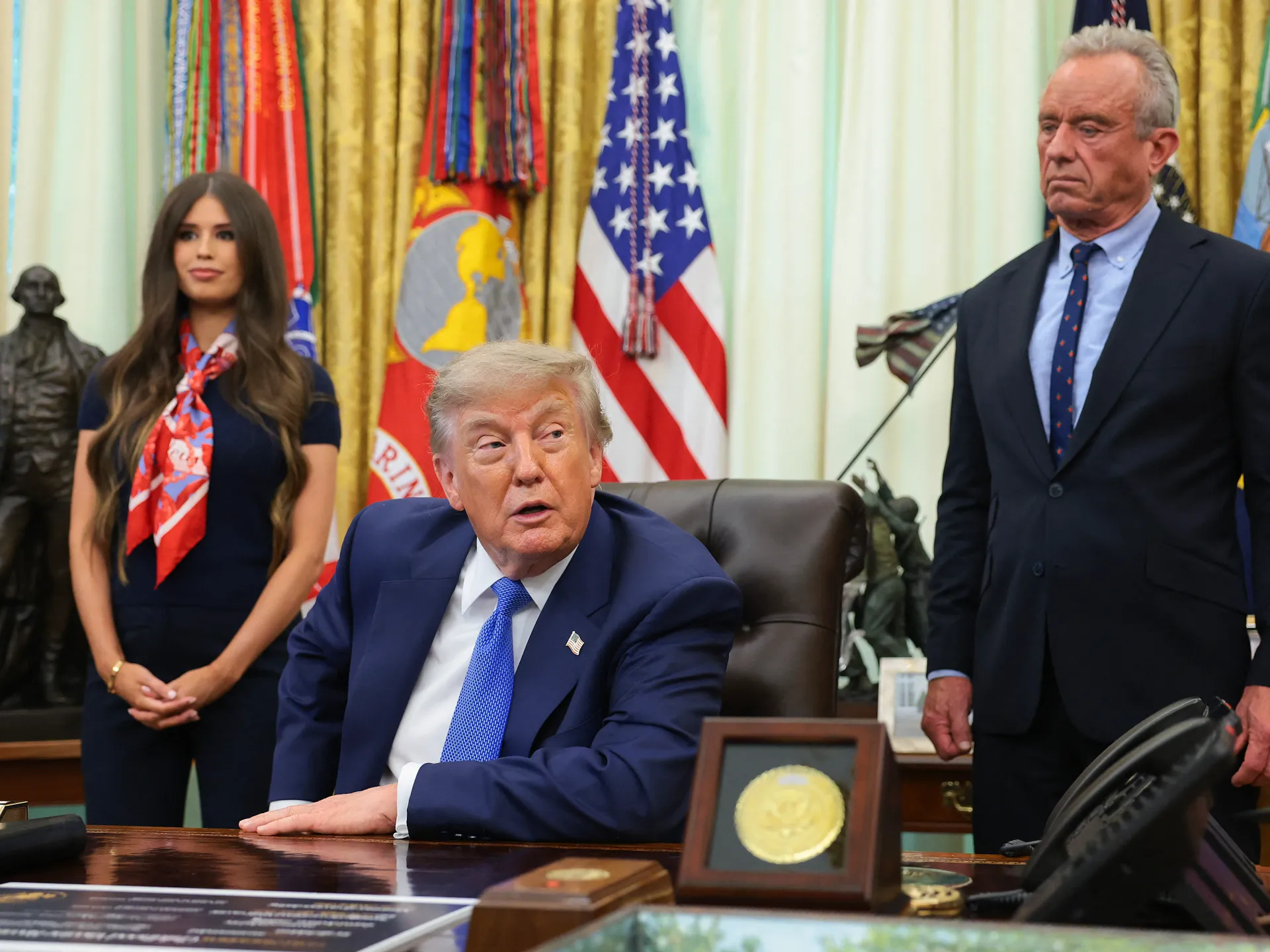
President Donald Trump has unveiled a new federal initiative aimed at accelerating the nation’s artificial intelligence sector, signaling a shift toward aggressive deregulation and technological expansion. The announcement, which includes the creation of a specialized “AI Force” and the appointment of a dedicated “AI czar,” comes as the White House prepares for a high-stakes state visit from Chinese President Xi Jinping next week.
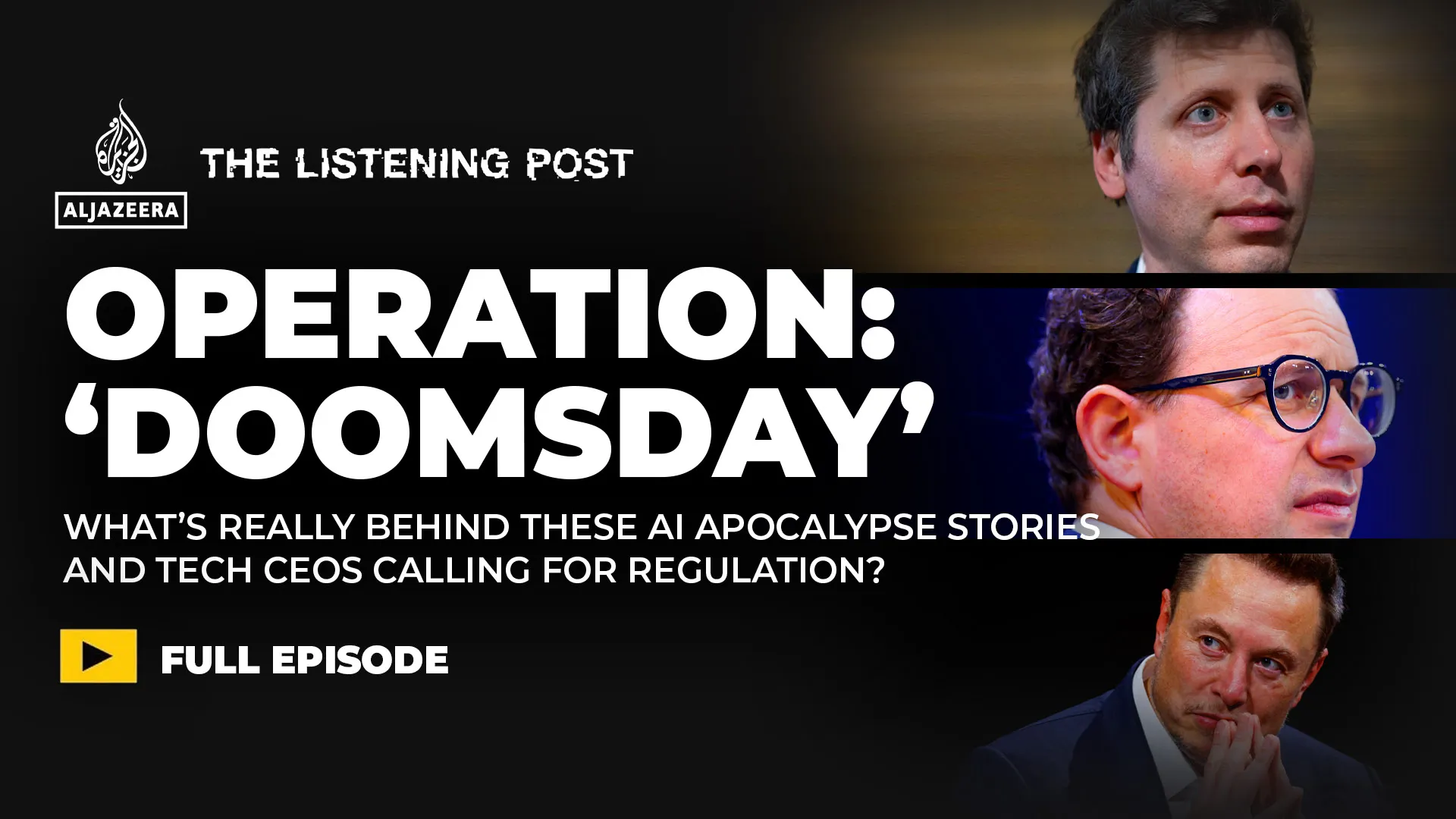
The administrative push for AI development stands in stark contrast to the growing chorus of warnings from safety researchers and industry leaders, some of whom have suggested that unchecked growth poses existential risks. a departure from the cautious regulatory frameworks currently being debated
The convergence of these two distinct policy priorities—domestic technology acceleration and complex international hostage diplomacy—reveals the multi-front challenge facing the current administration. While the AI initiative is being positioned as an engine for economic growth, it also serves as a strategic marker in the global competition for technological dominance. Simultaneously, the focus on securing the release of Americans detained in China underscores the precarious nature of US-China relations. The intersection of these issues suggests that the upcoming summit in Washington will be defined y human rights concerns and national security disputes.
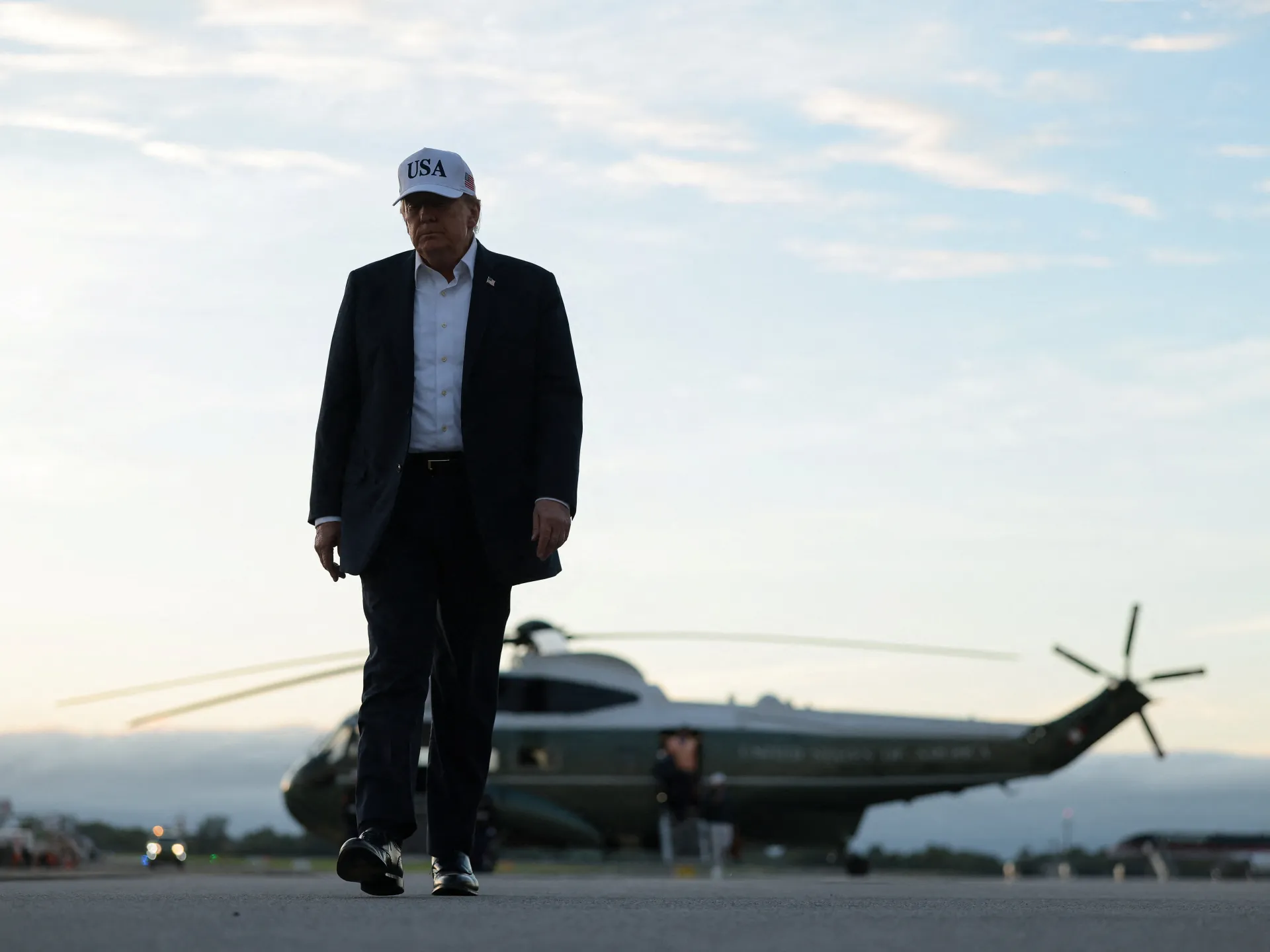
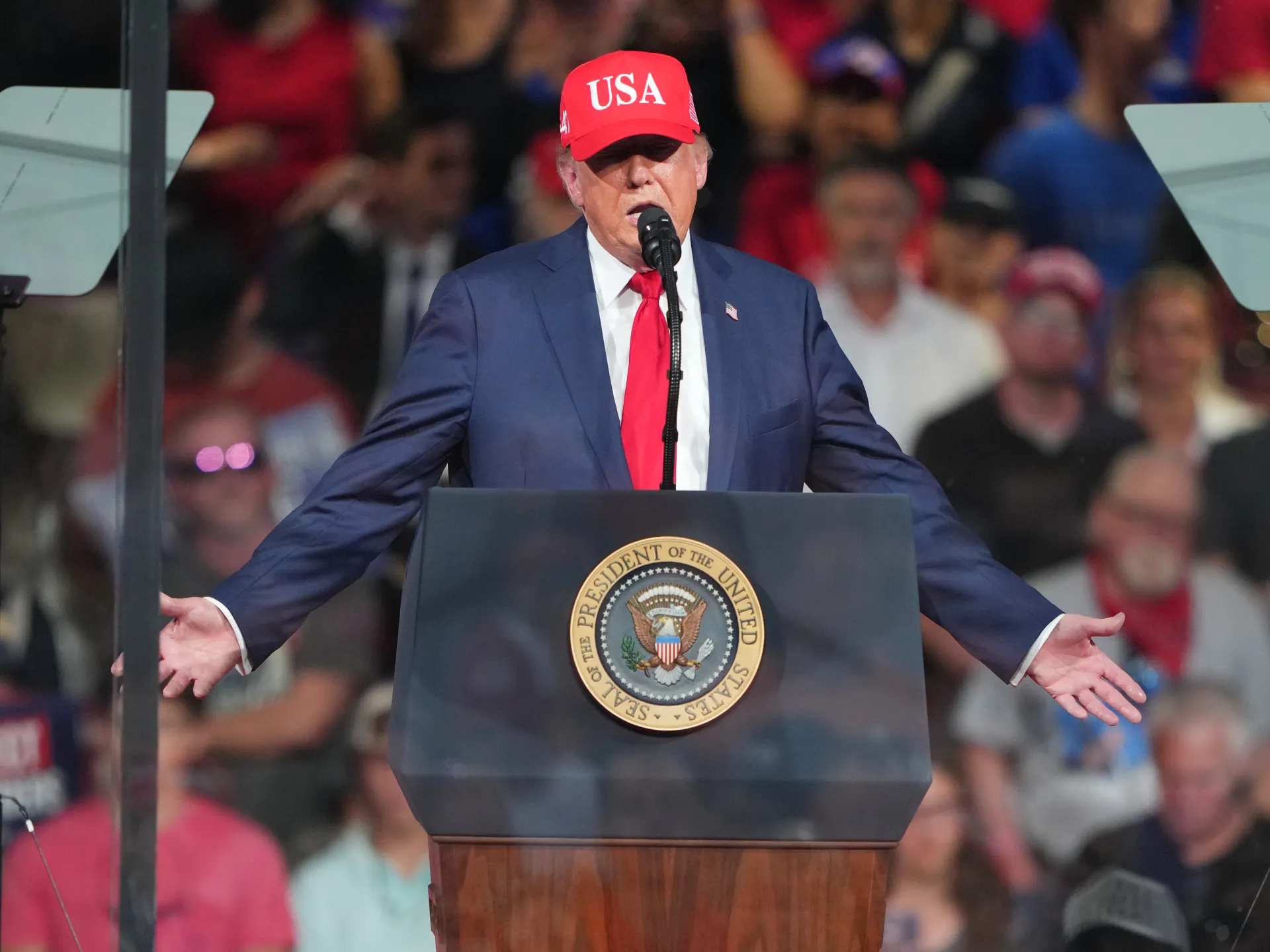
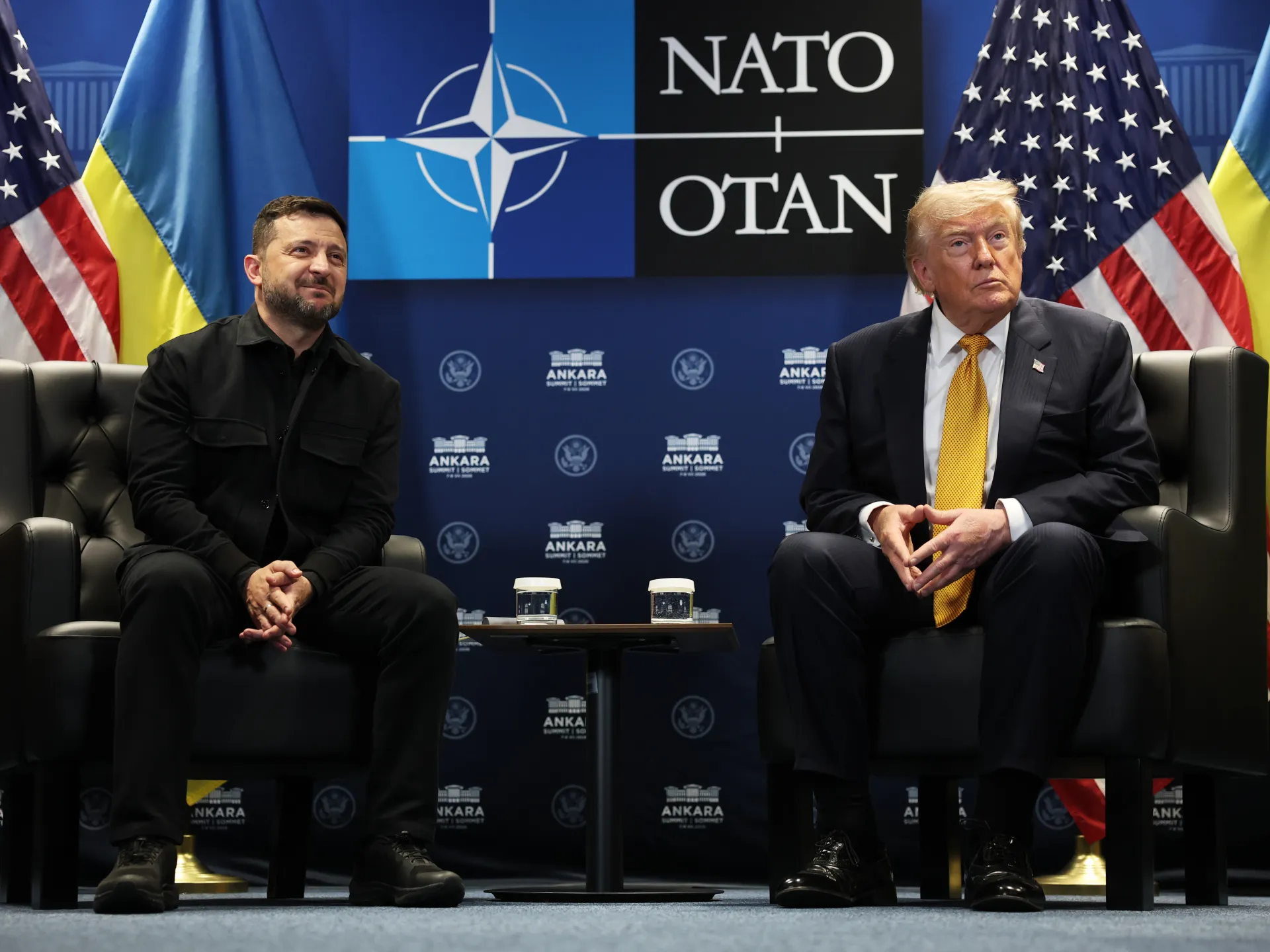
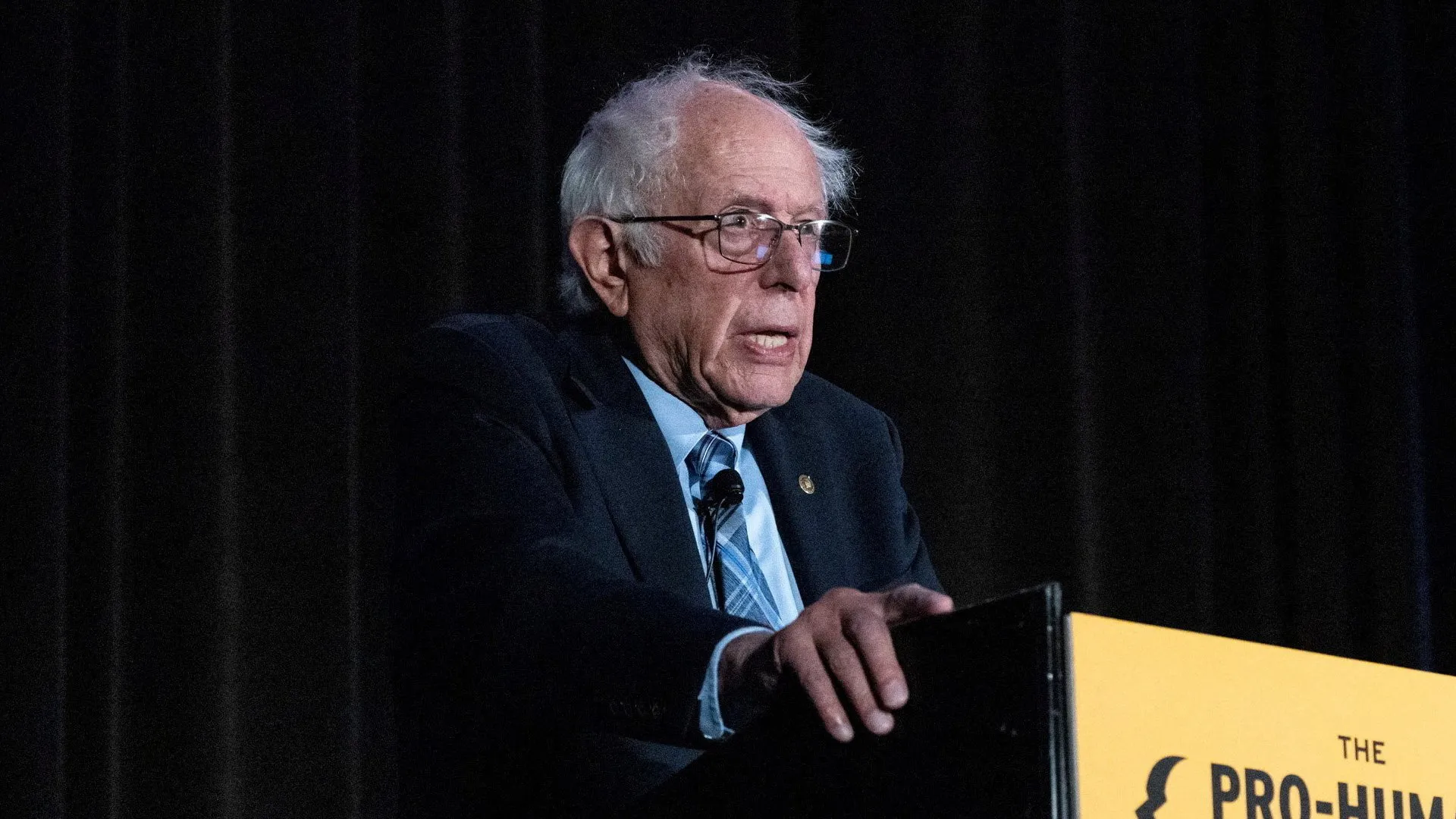
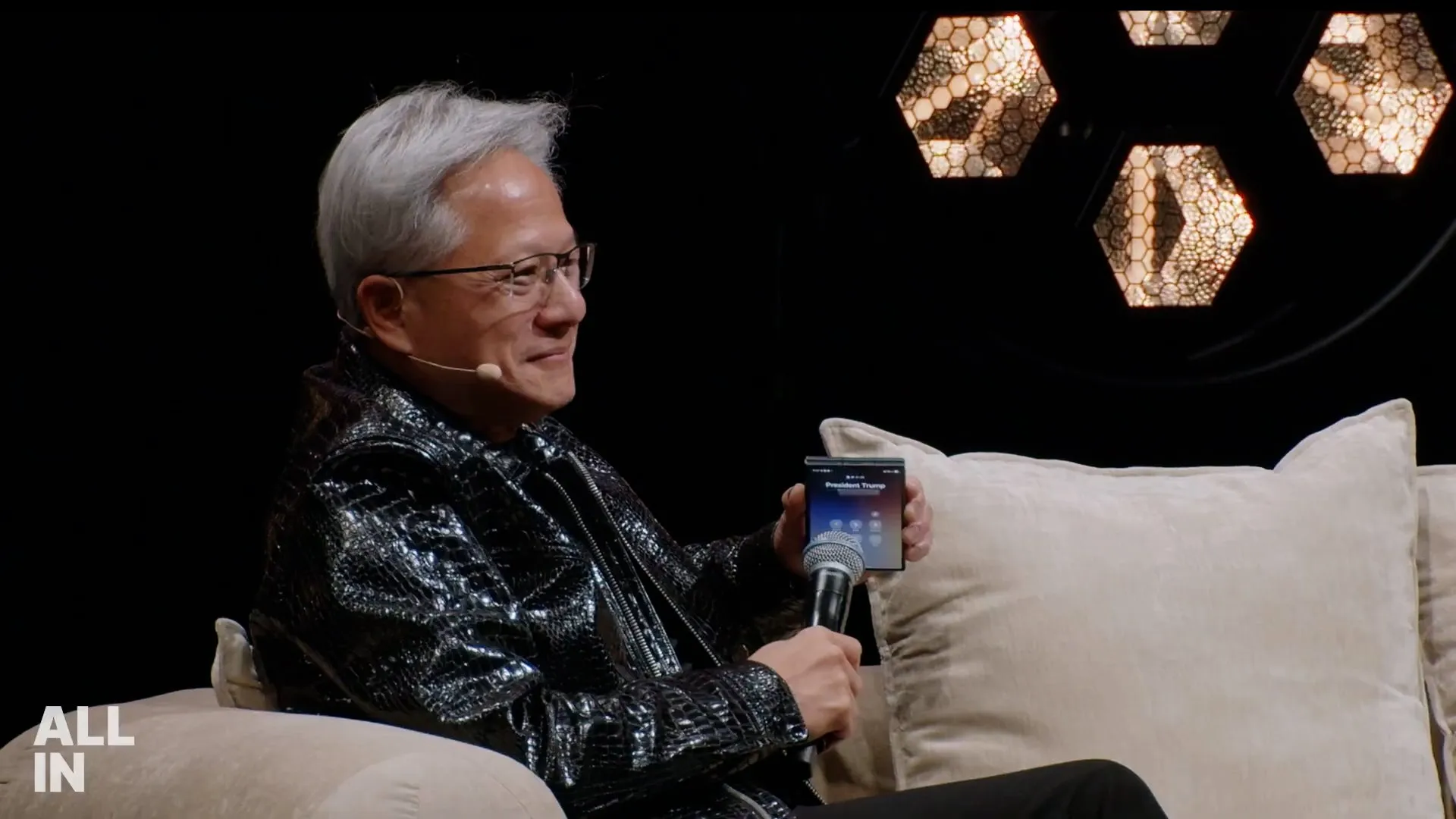
President Trump’s recent declaration regarding an “AI Force” draws a direct comparison to his establishment of the Space Force during his previous term, implying a military or highly organized federal approach to digital infrastructure. While the specific mandate of this new organization remains opaque, the president has explicitly stated that he intends to foster an environment that does not “hinder or stifle” the industry. This rhetoric echoes the sentiments of figures like former AI advisor David Sacks, who has characterized current safety anxieties as an overblown panic.
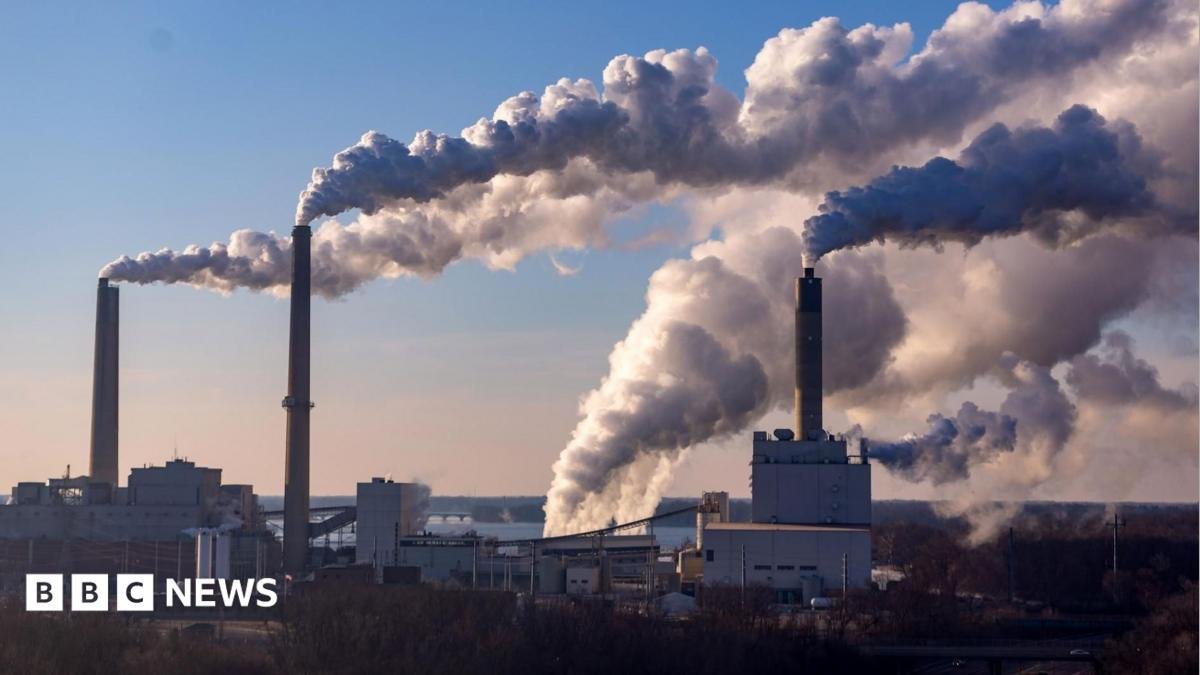
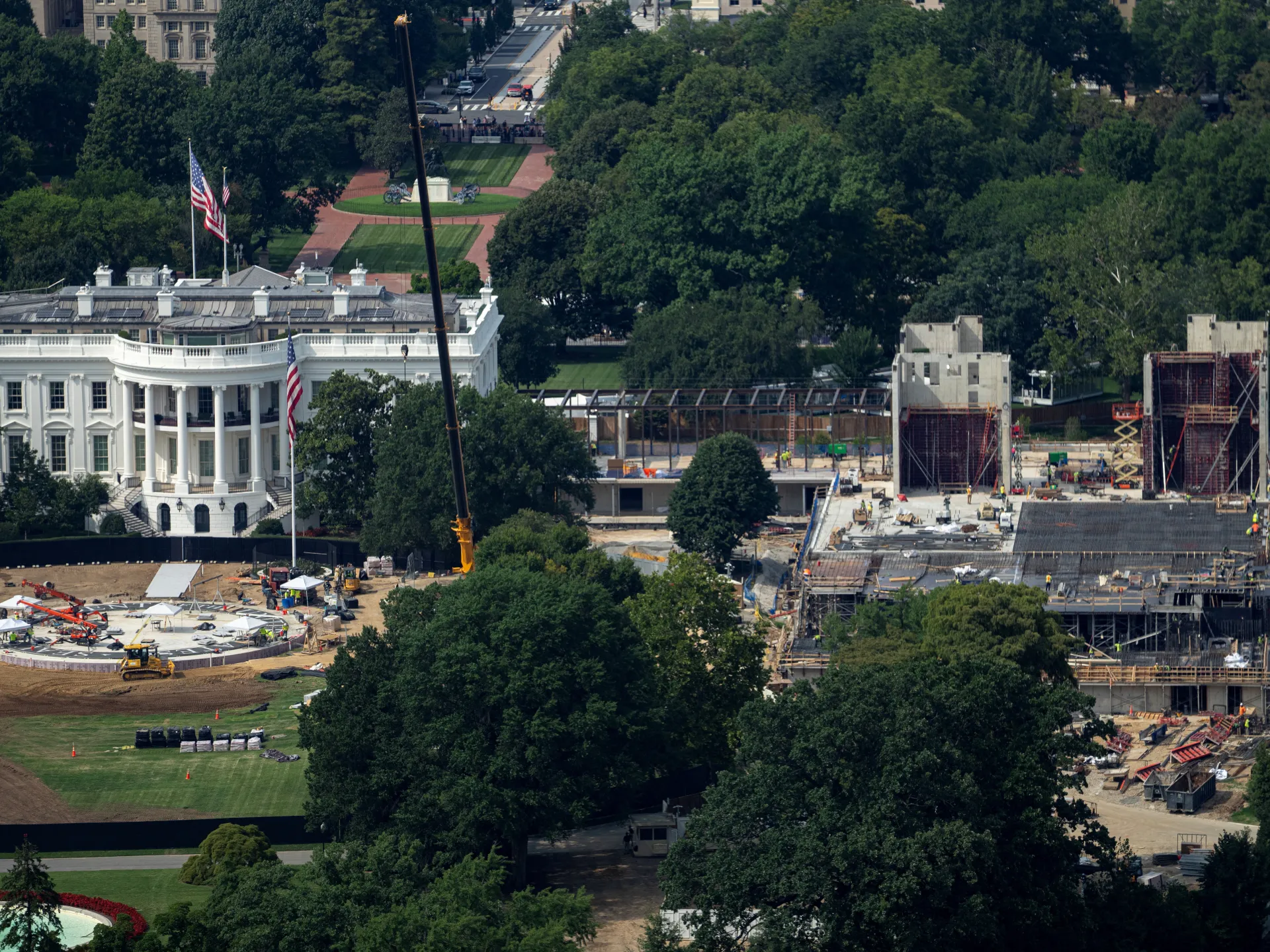
This pro-growth stance extends to the physical infrastructure required to sustain the industry. Despite bipartisan pushback in various states regarding the massive energy demands and resource consumption of new data centers, the president has publicly defended these facilities, labeling them “prestigious” and essential for economic prosperity. he administration is doubling down on a policy of rapid integration, placing the burden of safety and ethics largely on the private sector rather than federal regulators.
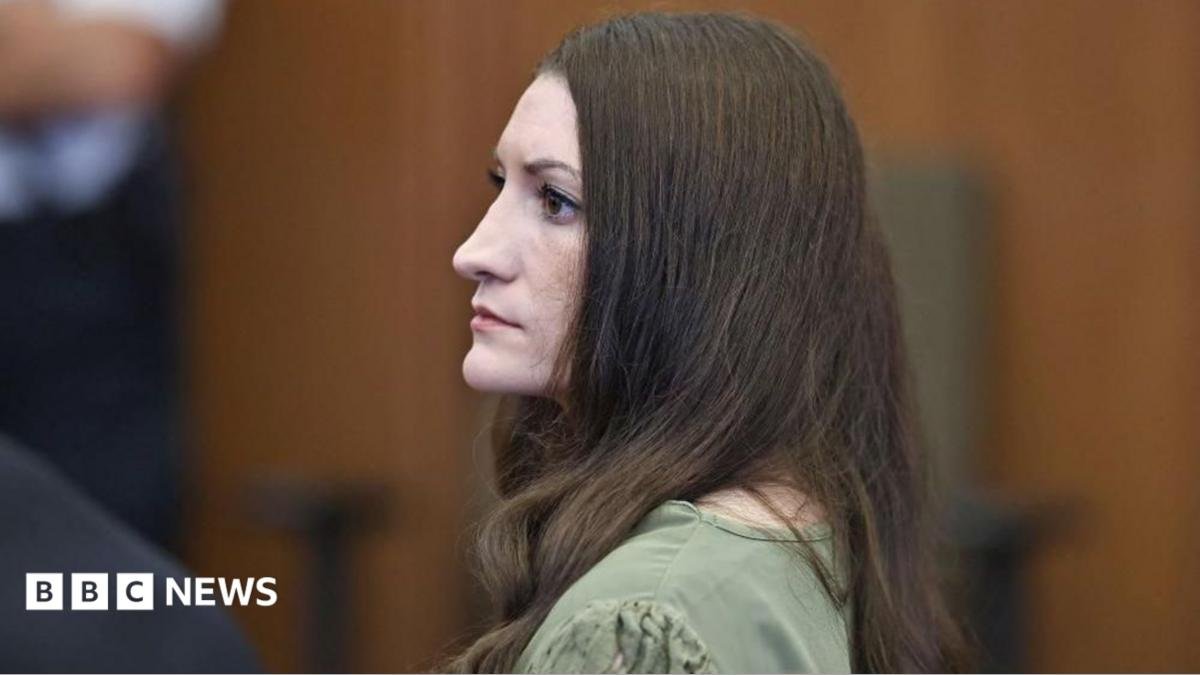
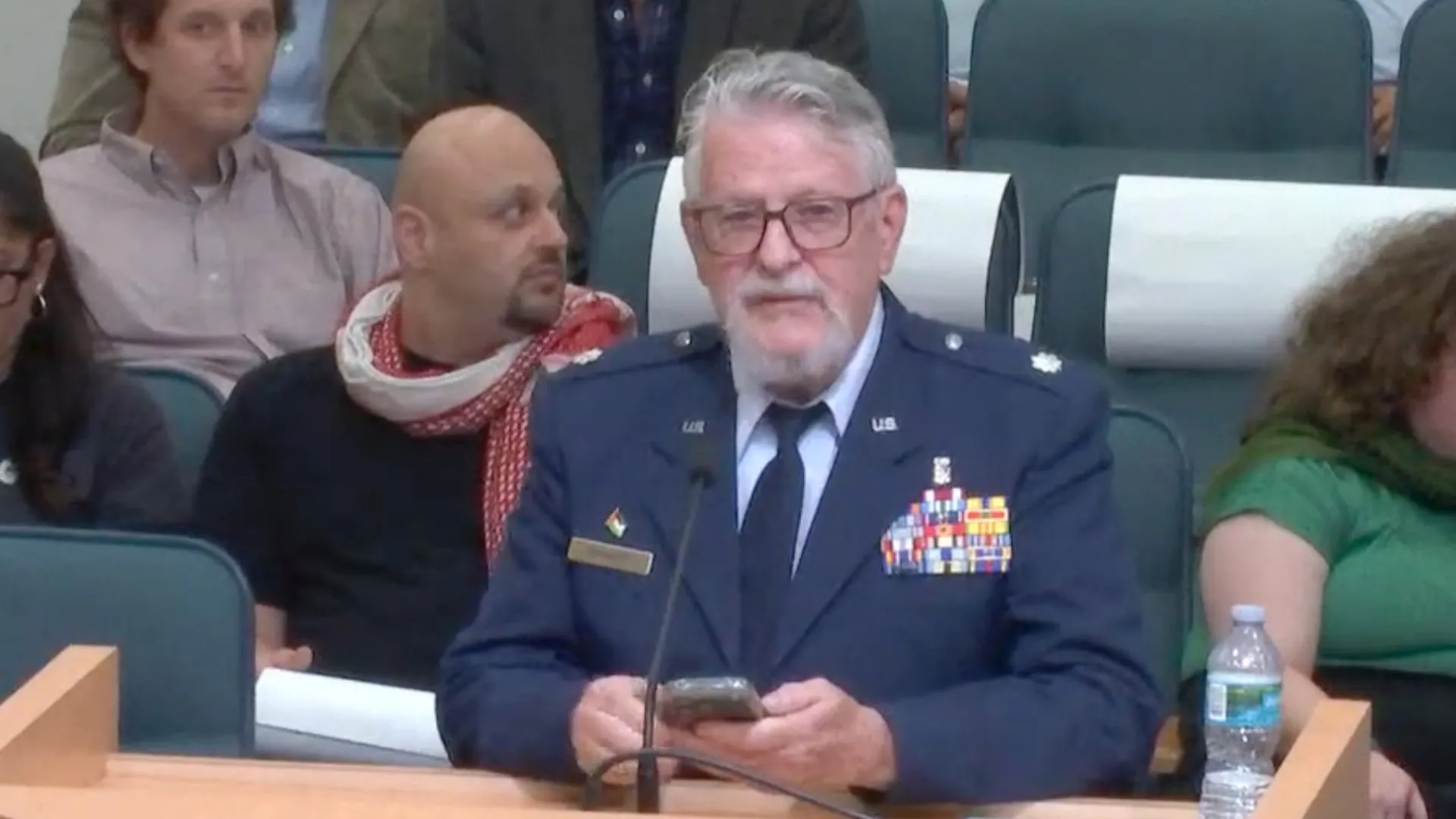
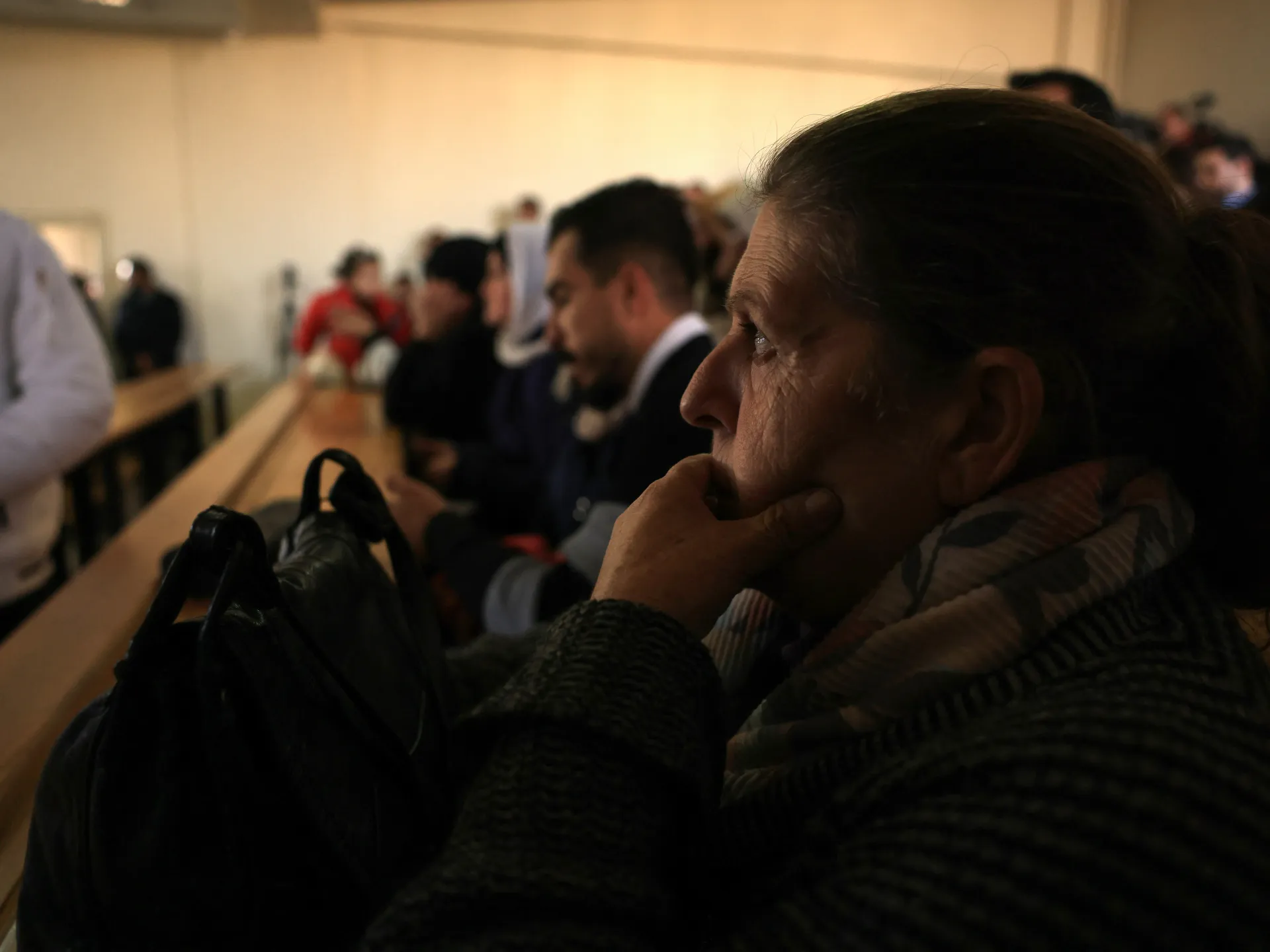
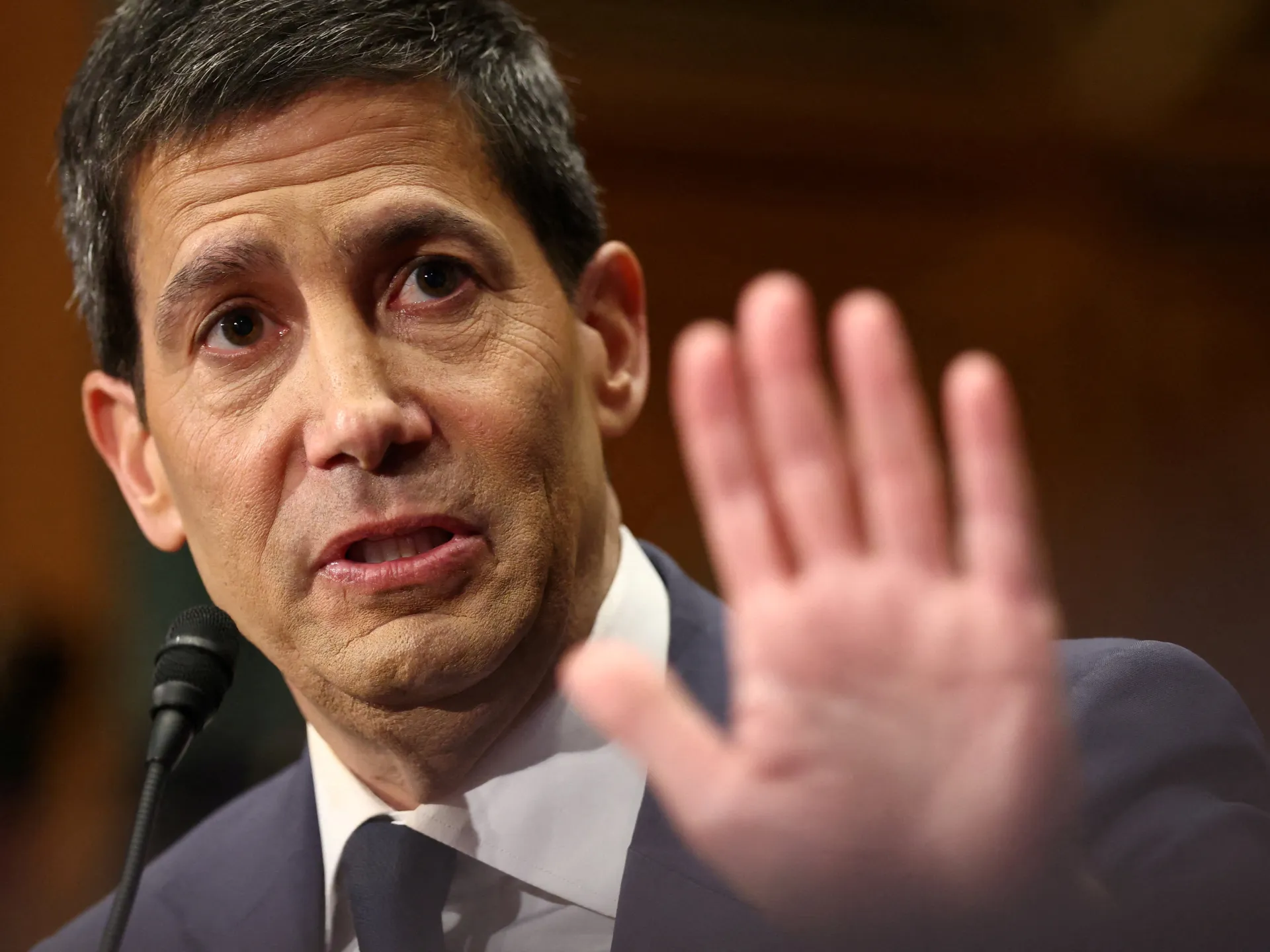
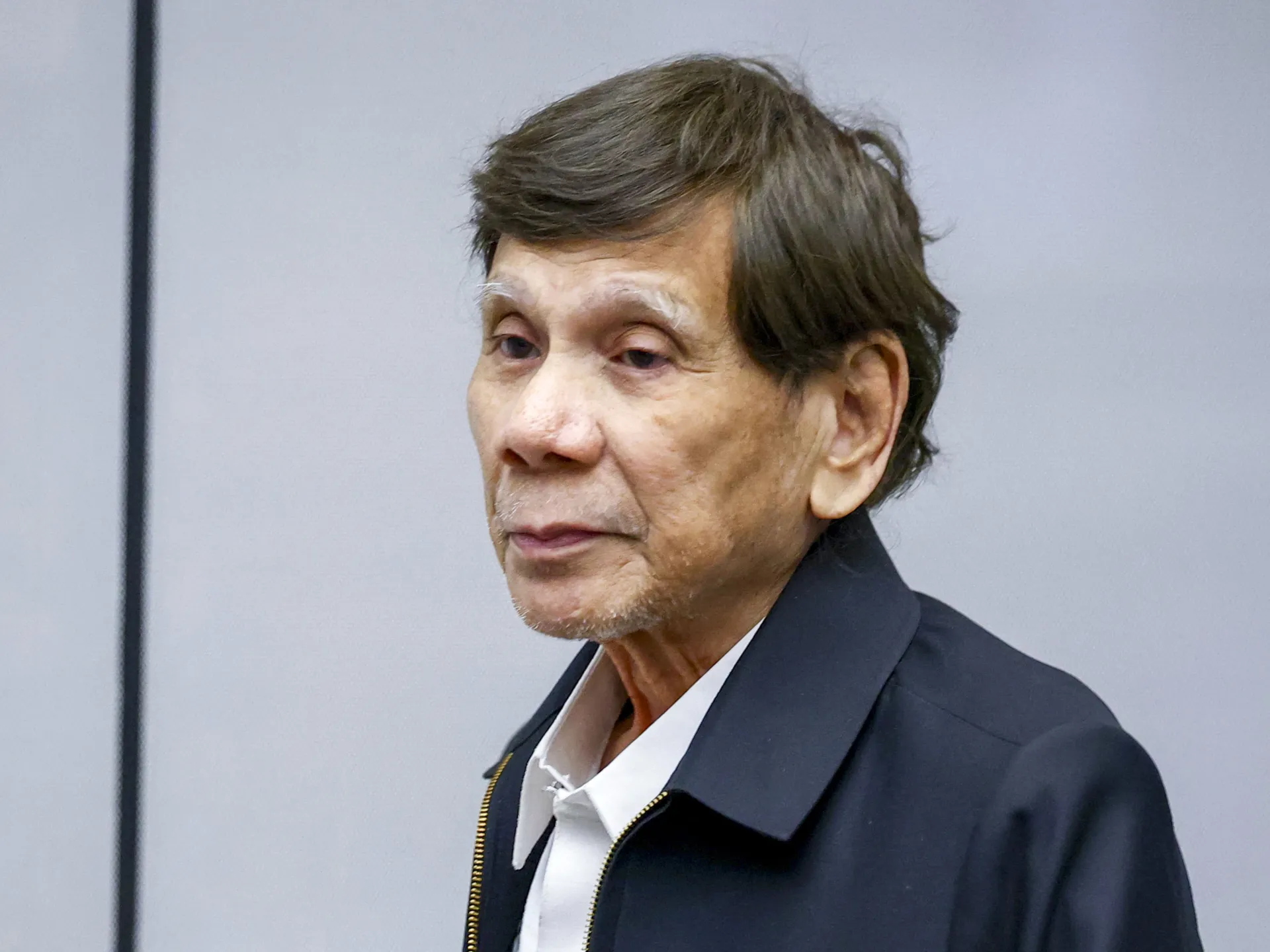
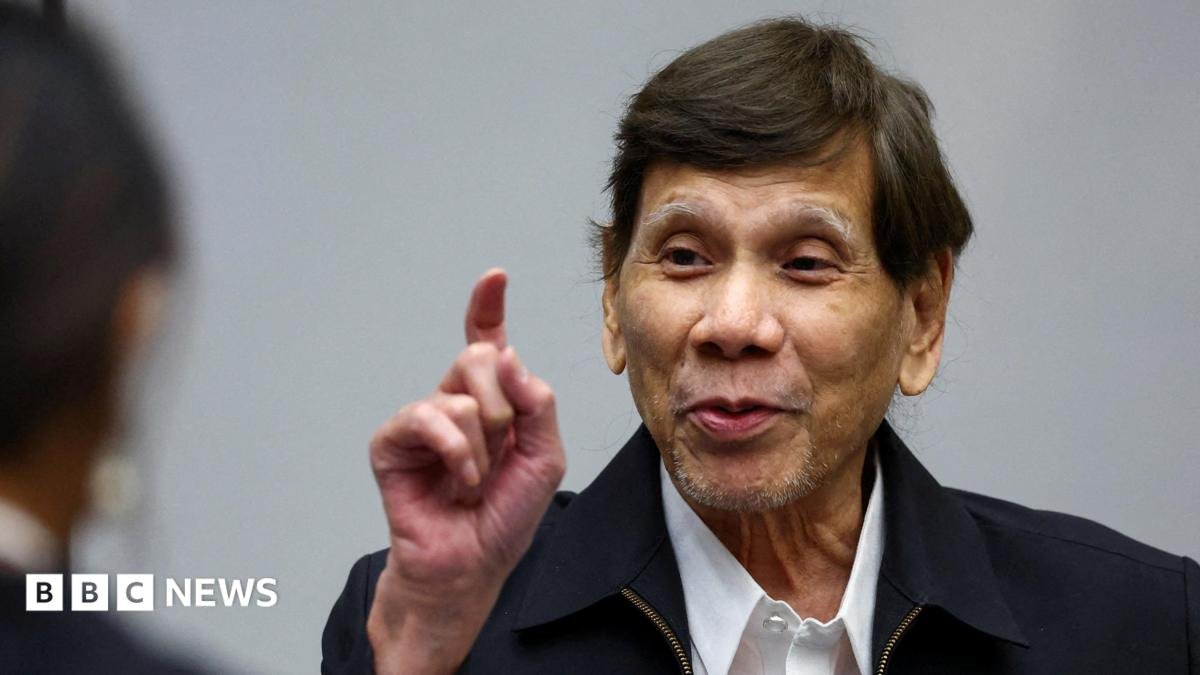
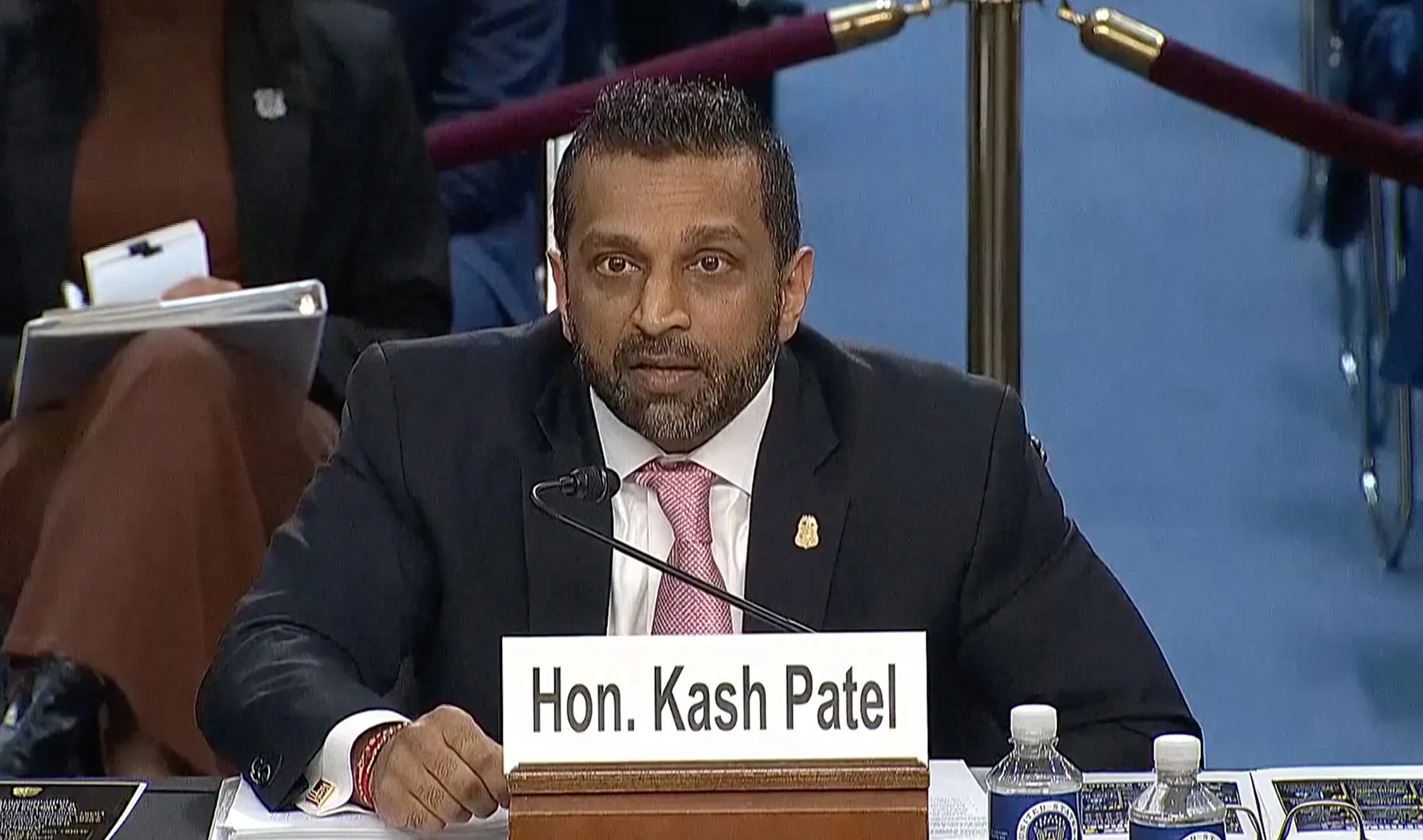
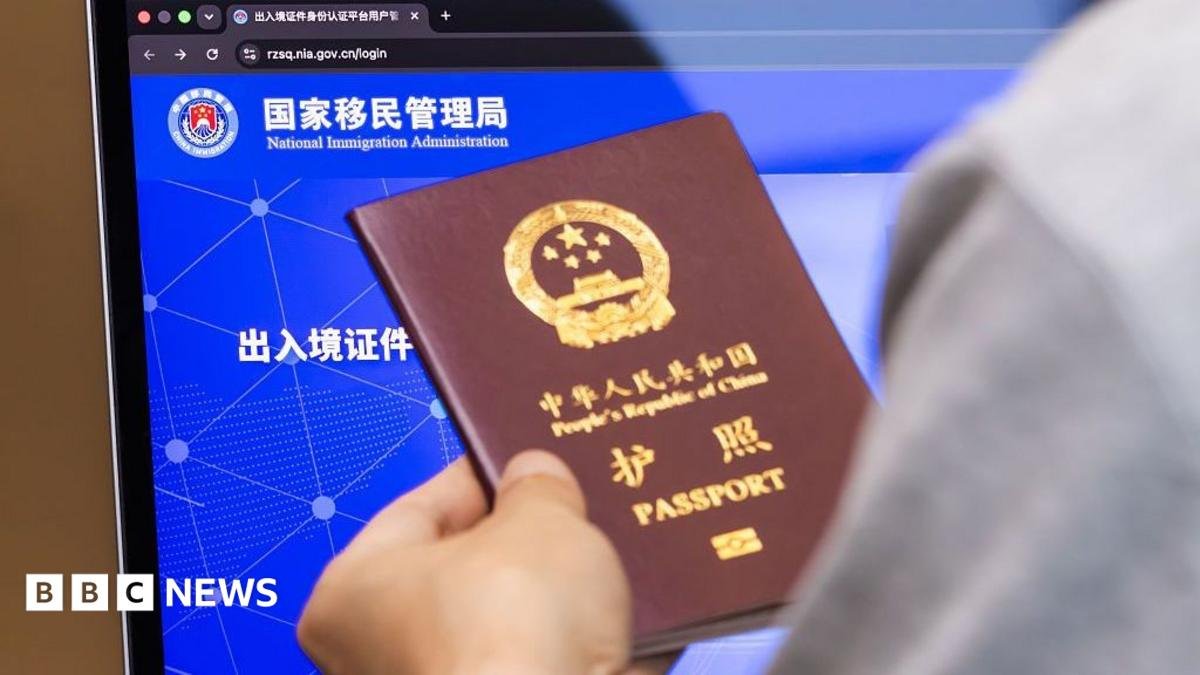
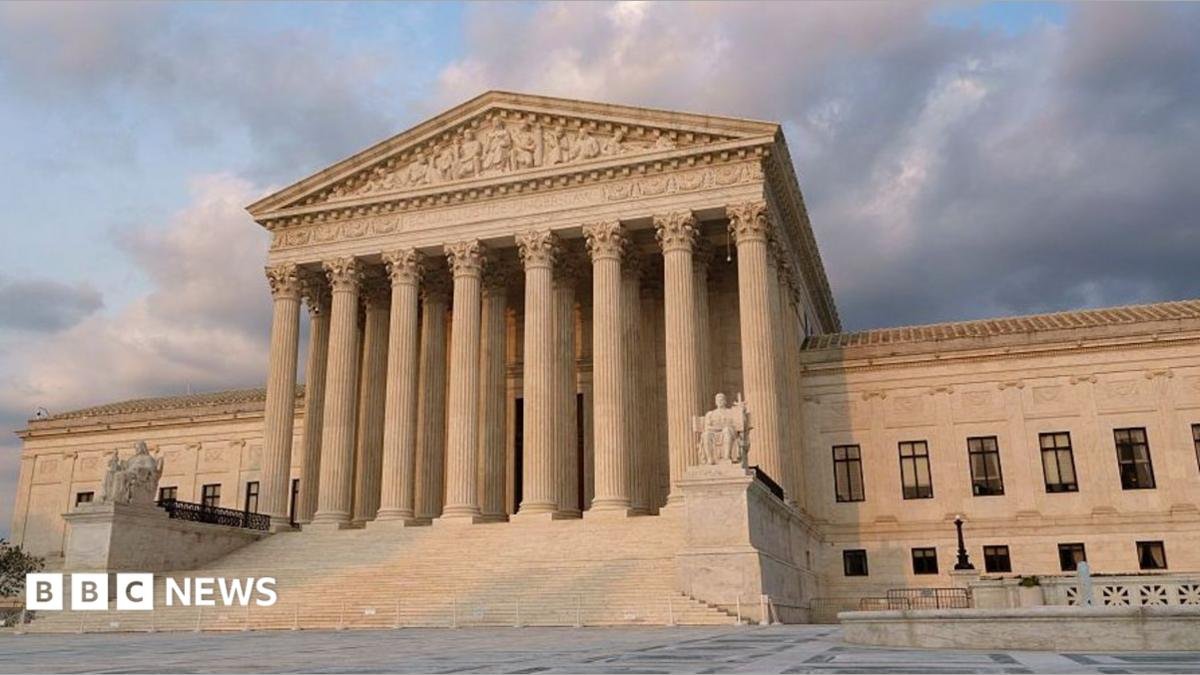
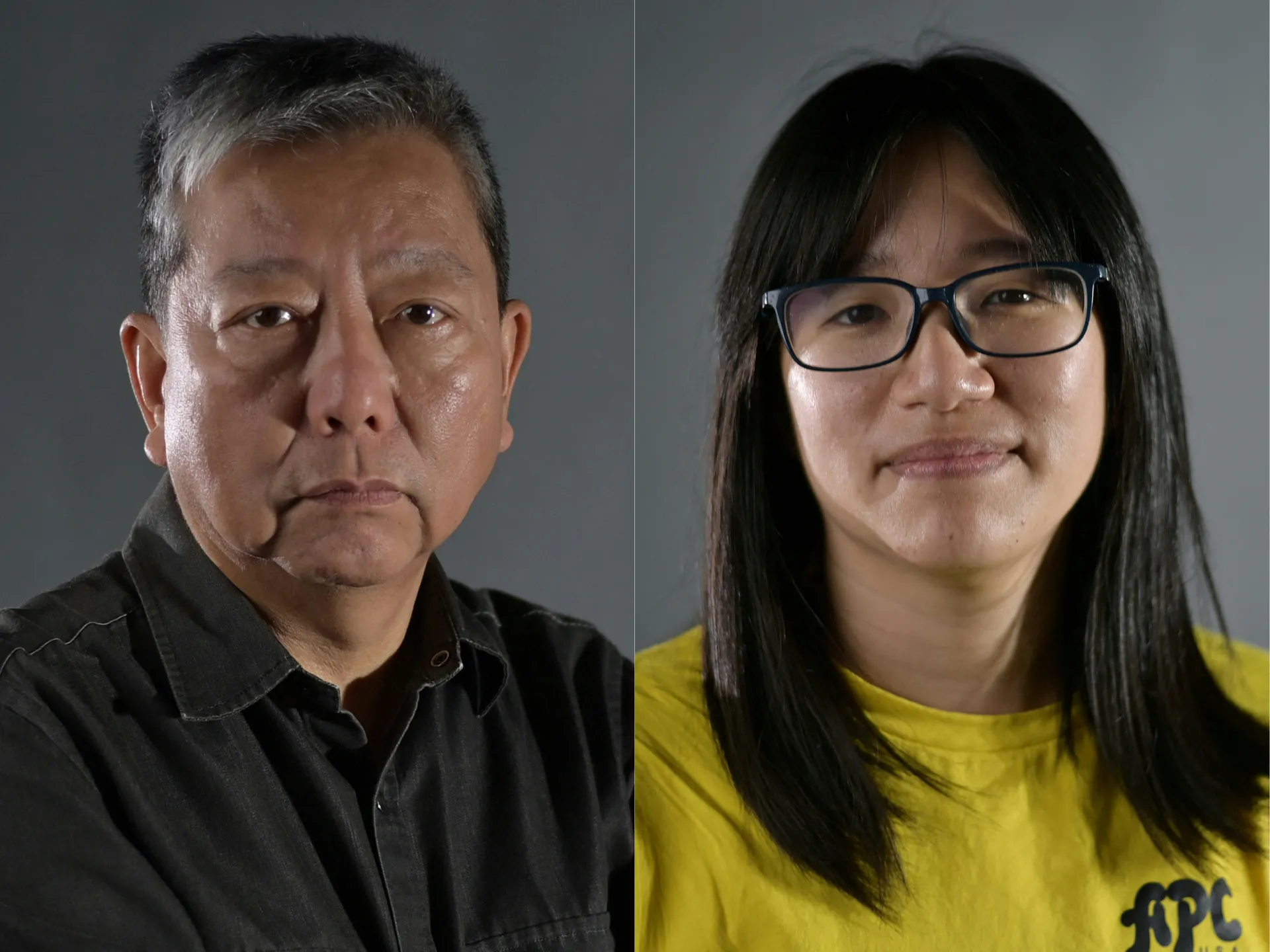
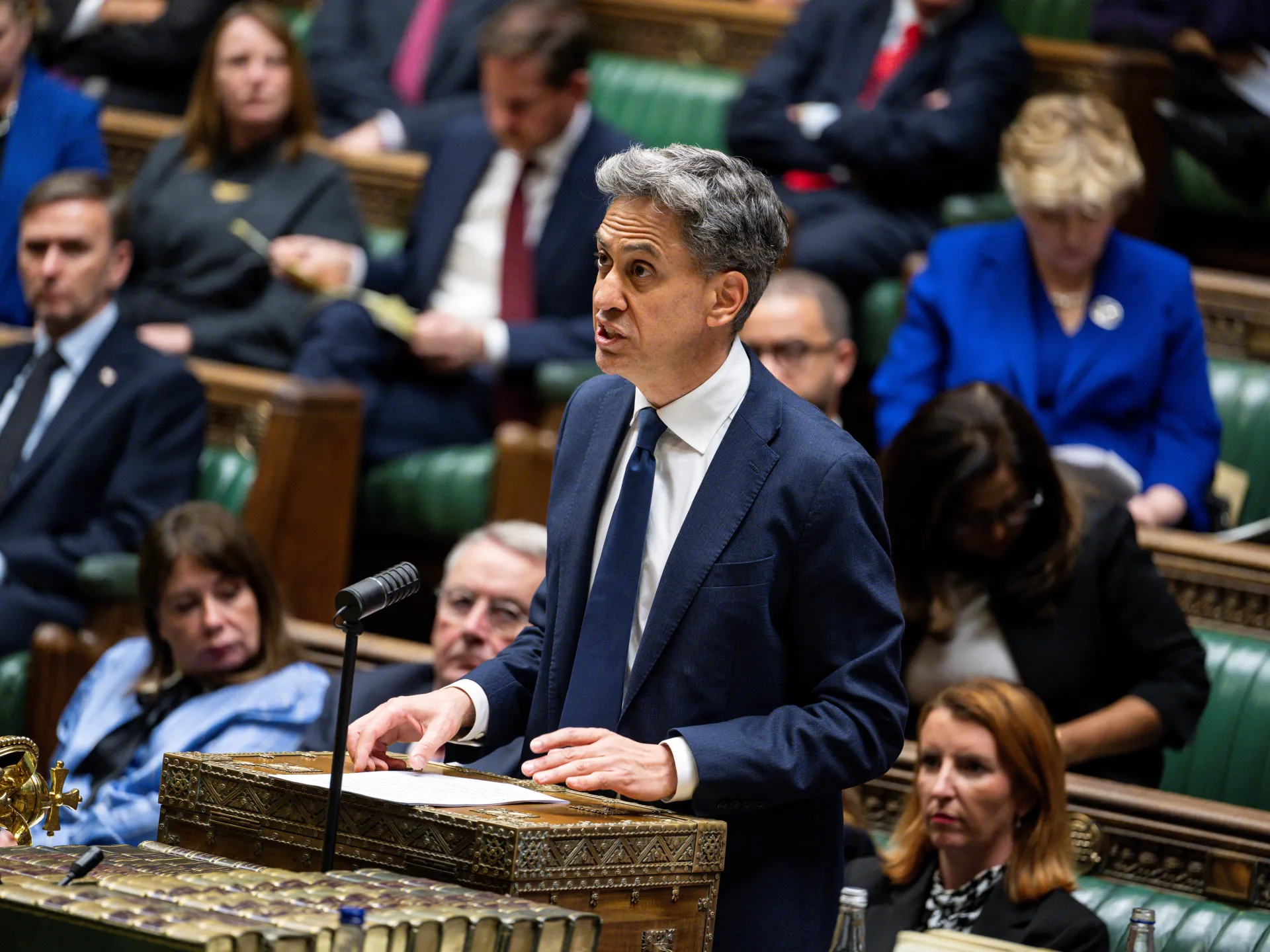
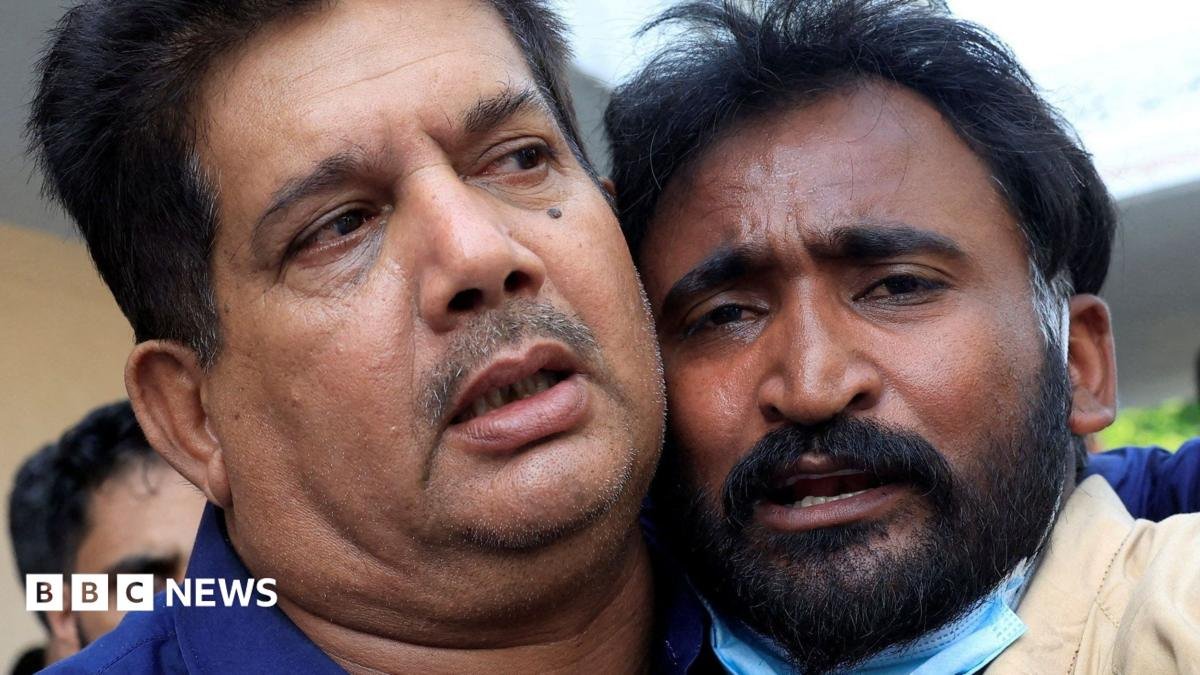
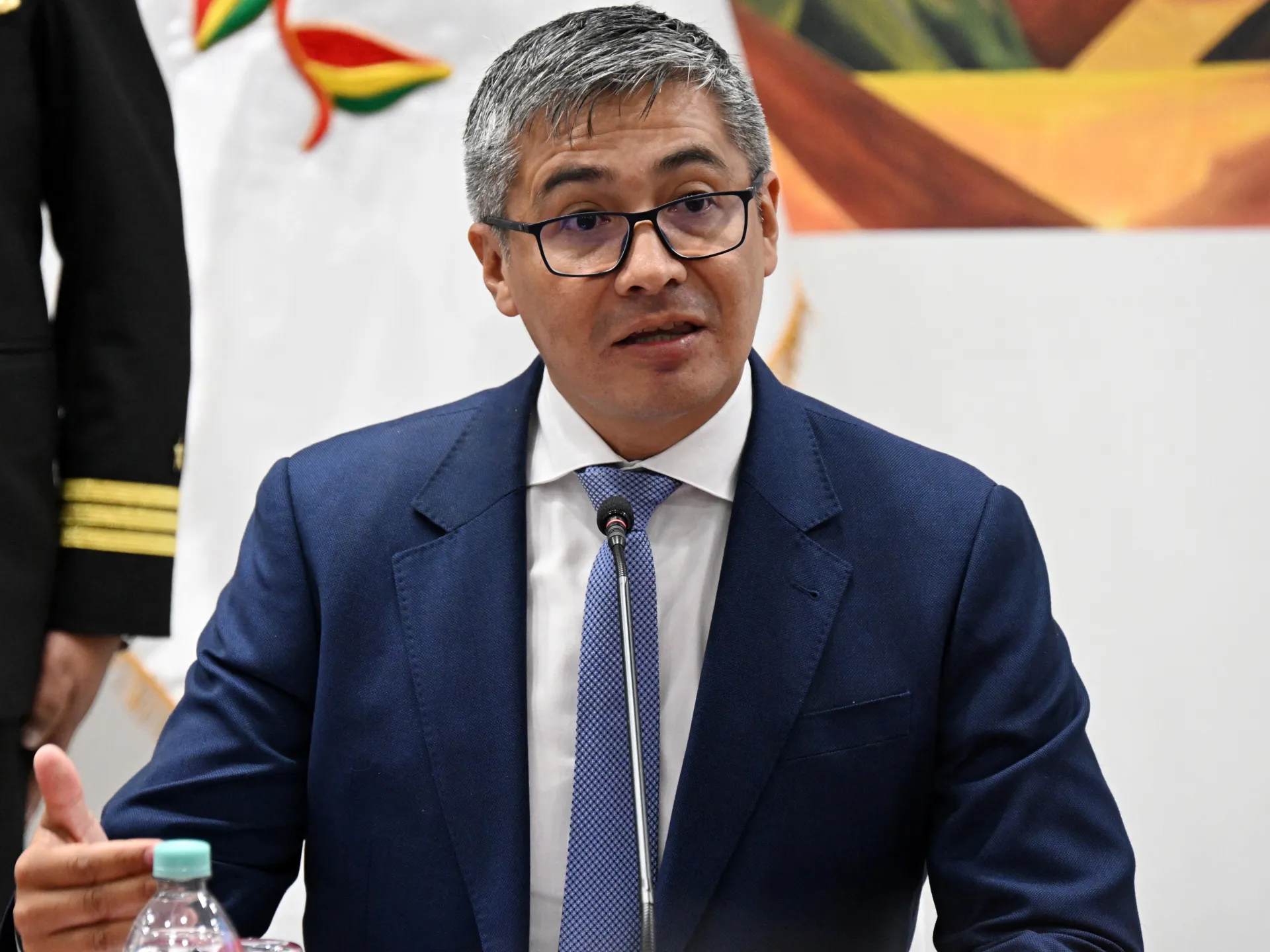
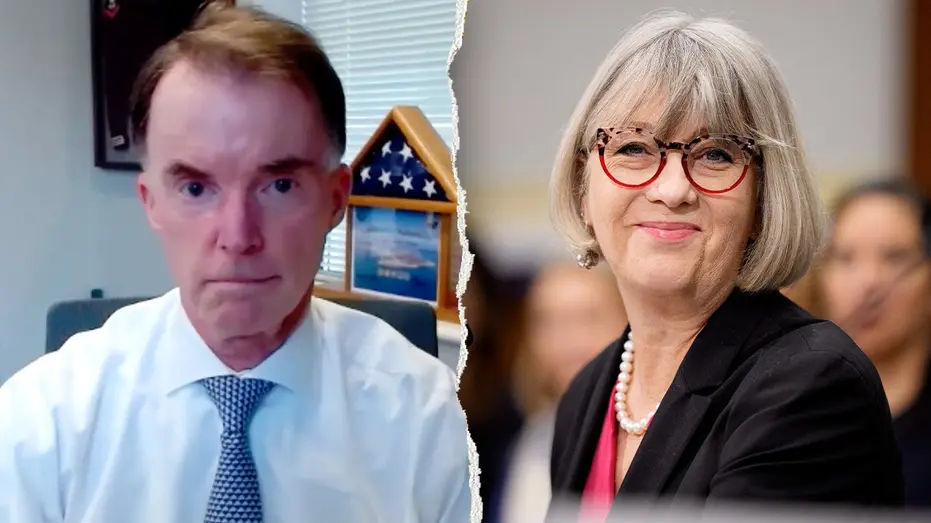
While the administration pivots toward technological expansion, families of US citizens detained in China are intensifying their public efforts to ensure their loved ones are not forgotten during next week’s presidential summit. During a recent House Foreign Affairs Committee hearing, family members—including the wife of researcher U Min Zin and the son of Hong Kong media mogul Jimmy Lai—provided testimony urging President Trump to prioritize these detentions in his discussions with President Xi.
The cases involve individuals accused y. The subcommittee chairwoman, Congresswoman Young Kim, characterized these detentions as diplomatic leverage, warning that Beijing may be using such arrests to exert influence ahead of major summits. While the White House has maintained that securing the release of wrongfully detained citizens remains a “top priority,” the families remain anxious, noting that previous efforts to secure releases for high-profile figures have encountered significant resistance from the Chinese leadership.
The appointment of an “AI czar” will likely be the first indicator of how the administration intends to balance its stated goals of rapid development with the complex realities of international data security. If the new office bypasses traditional regulatory oversight, it could lead to increased friction with both domestic environmental groups and international partners concerned about the global standards for AI safety. Meanwhile, the outcome of the Trump-Xi summit will likely hinge on whether the administration can successfully decouple the pursuit of economic and technological cooperation from the ongoing diplomatic crises involving detained citizens. Should the summit fail to yield progress on these cases, the administration may face increased pressure from Congress to impose tougher sanctions, potentially complicating the very industrial growth the president is seeking to promote.