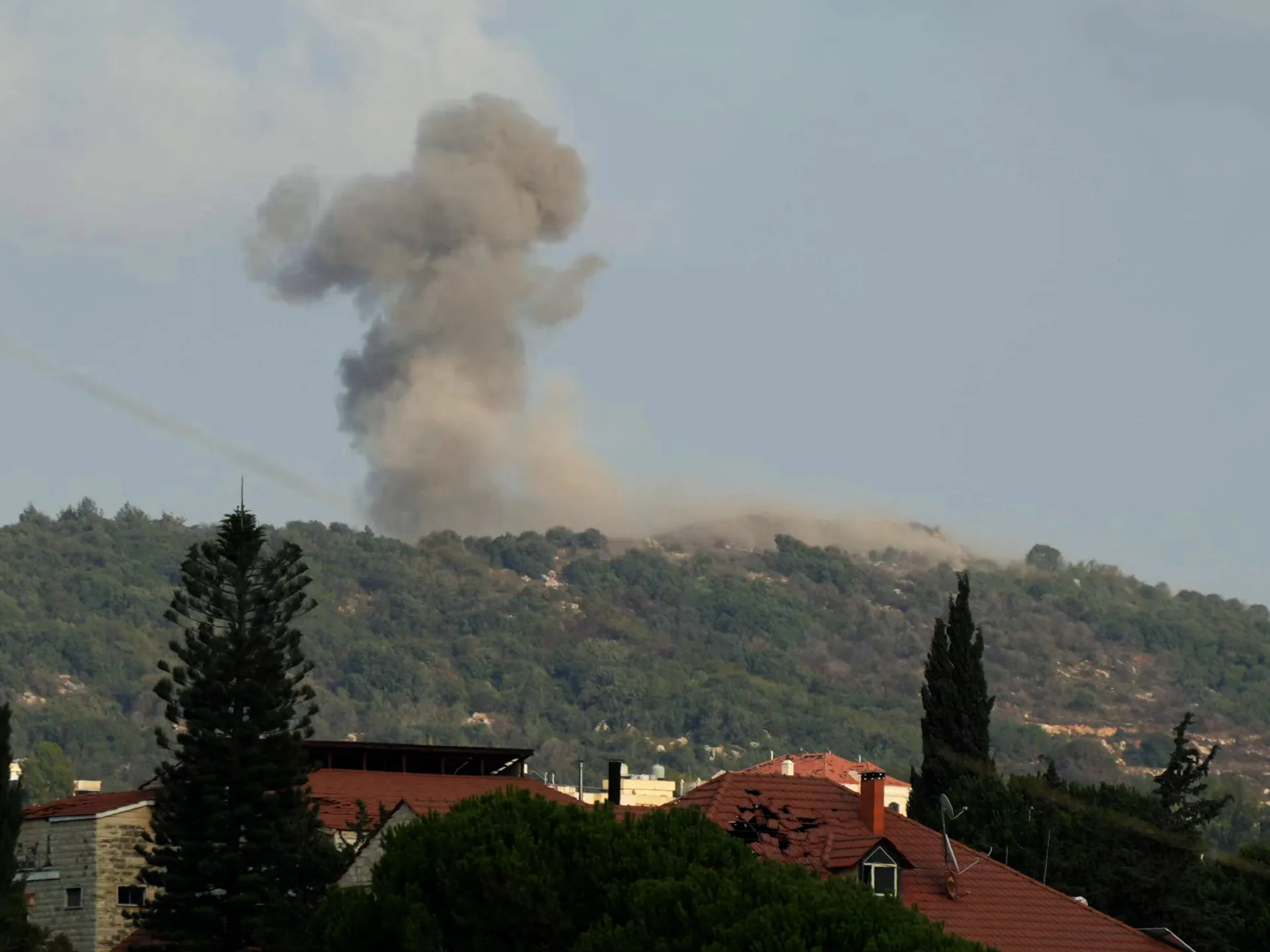
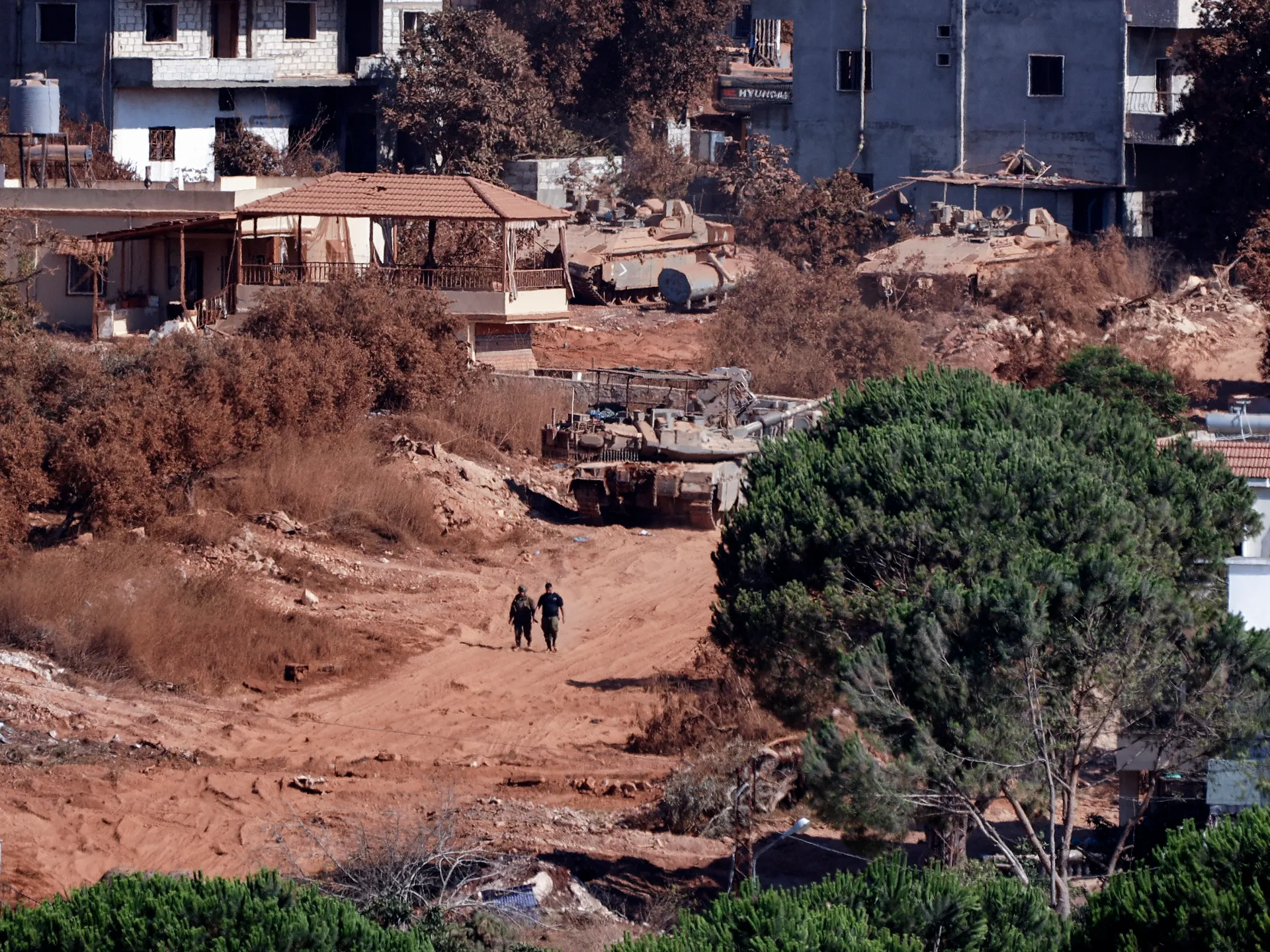
Israeli military forces have begun the systematic demolition of homes in the villages of Zawtar al-Sharqiyah and Zawtar al-Gharbiyah as armored units push further into southern Lebanon.
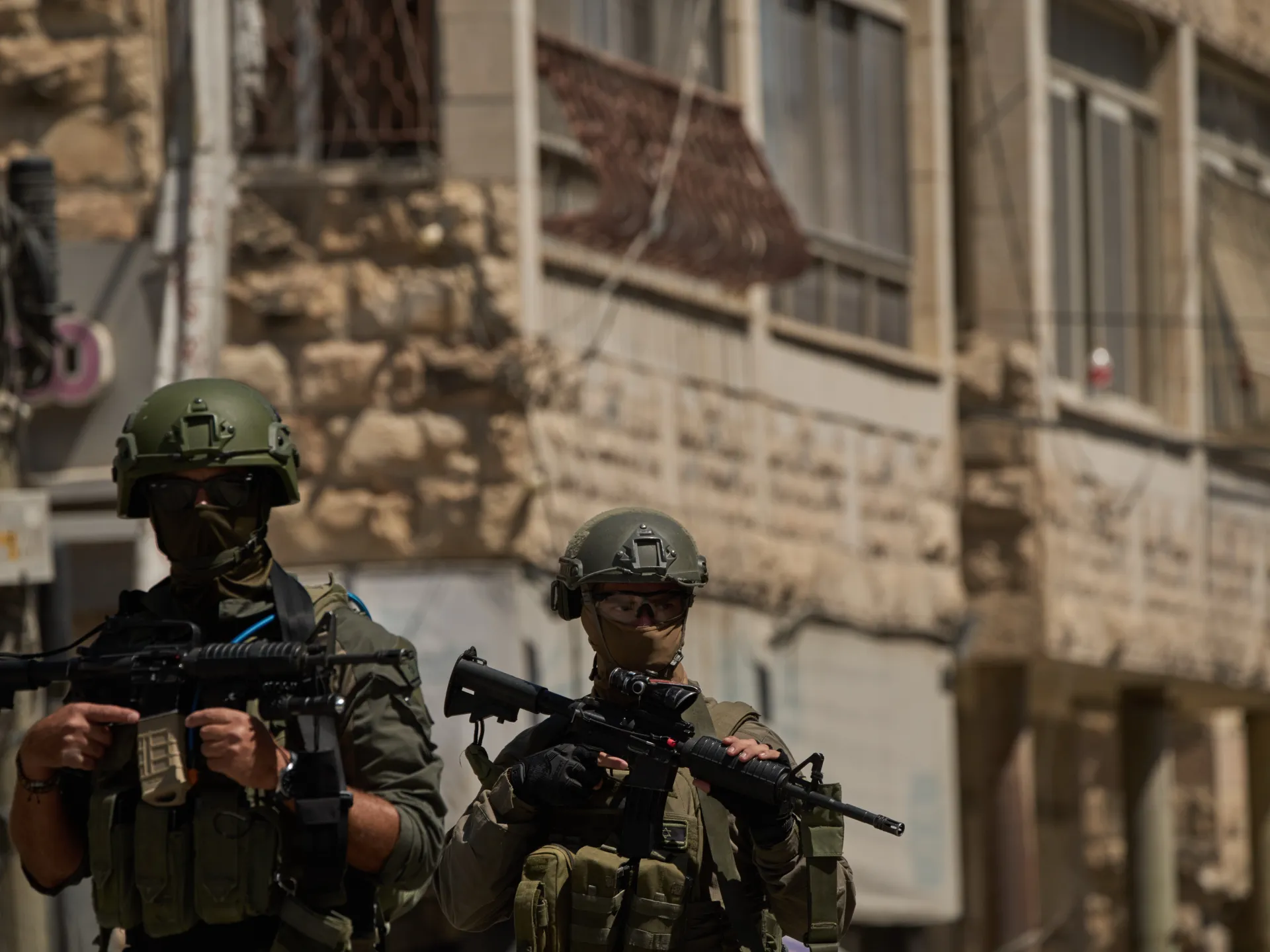
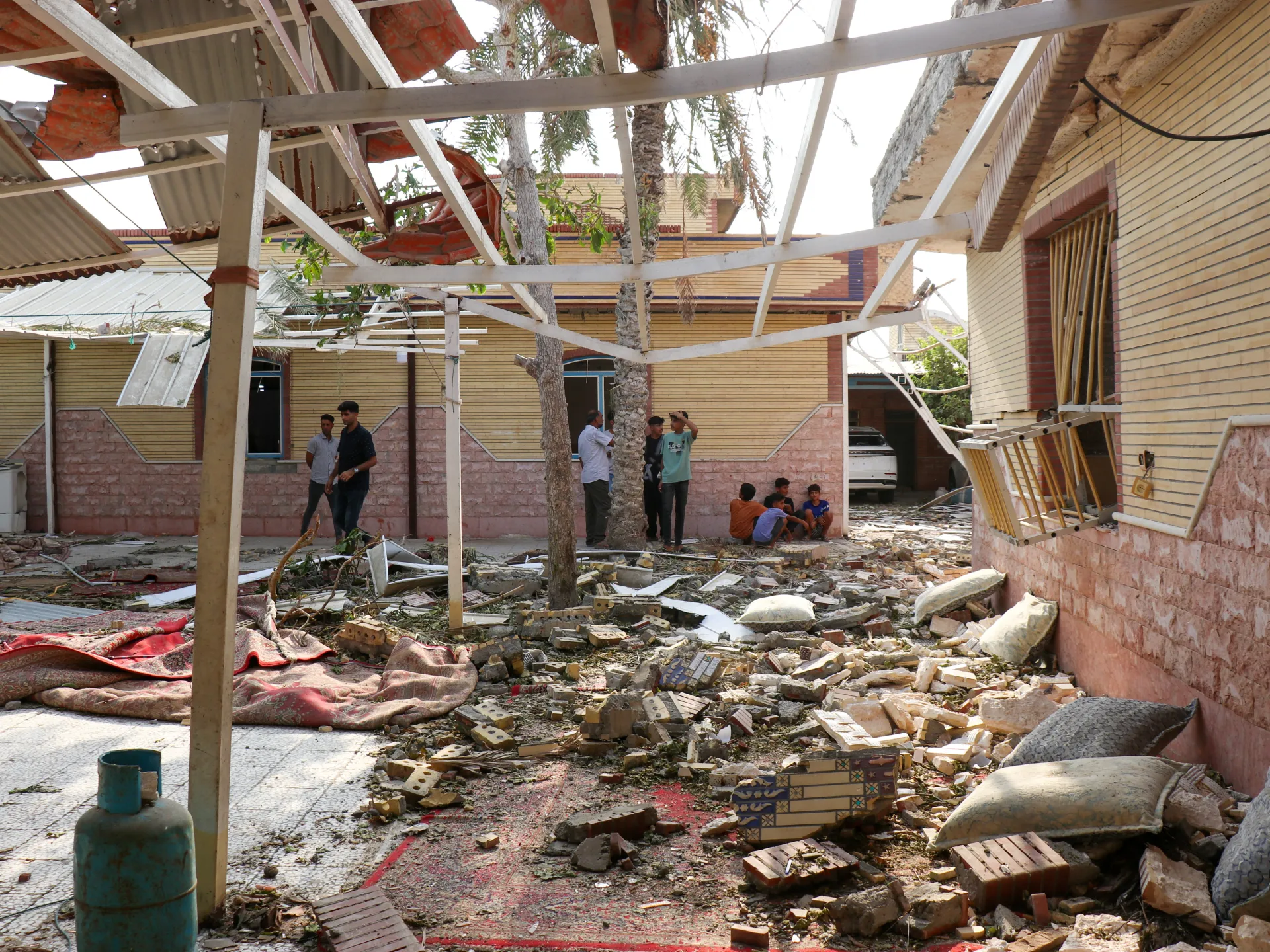
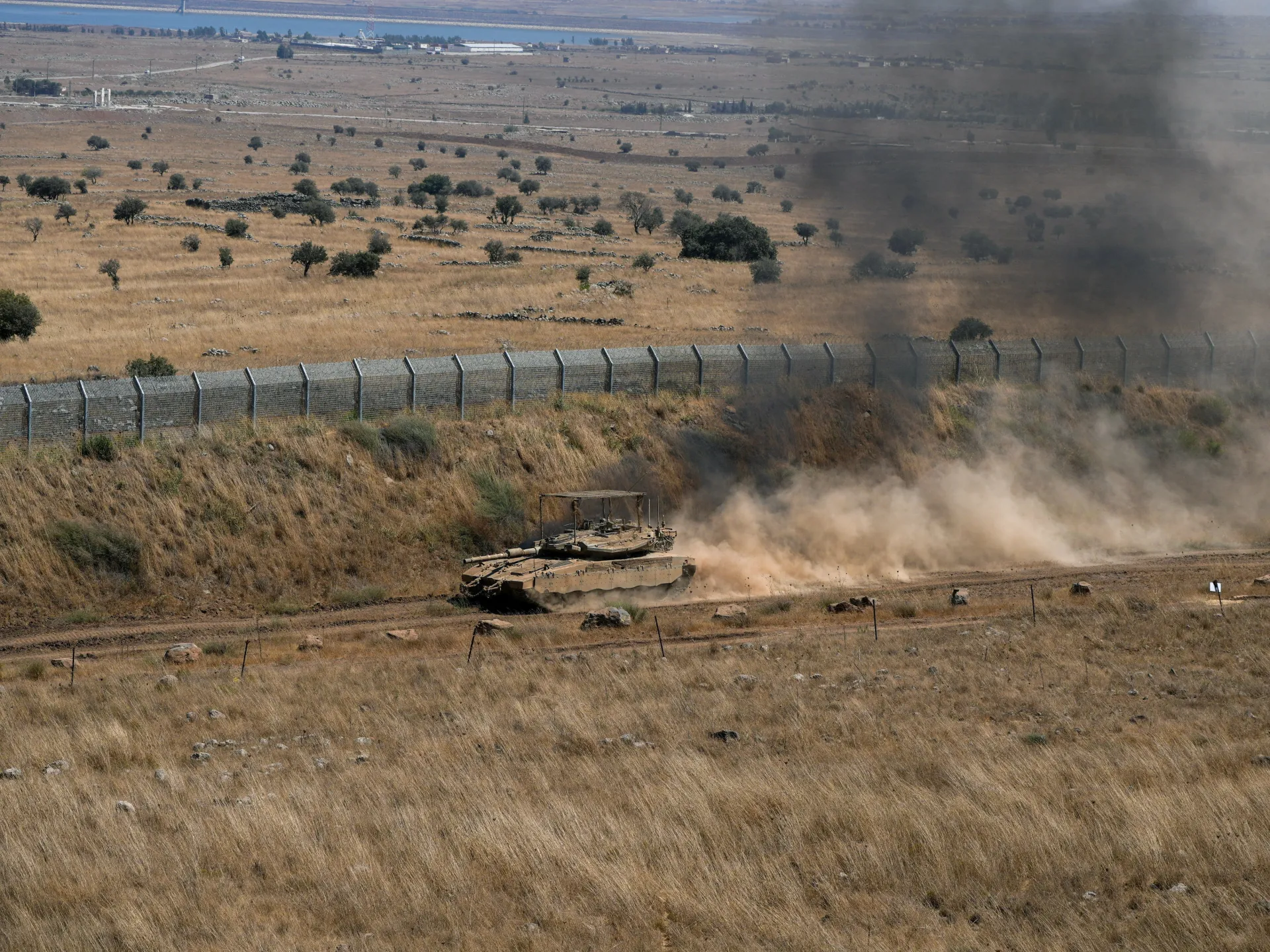
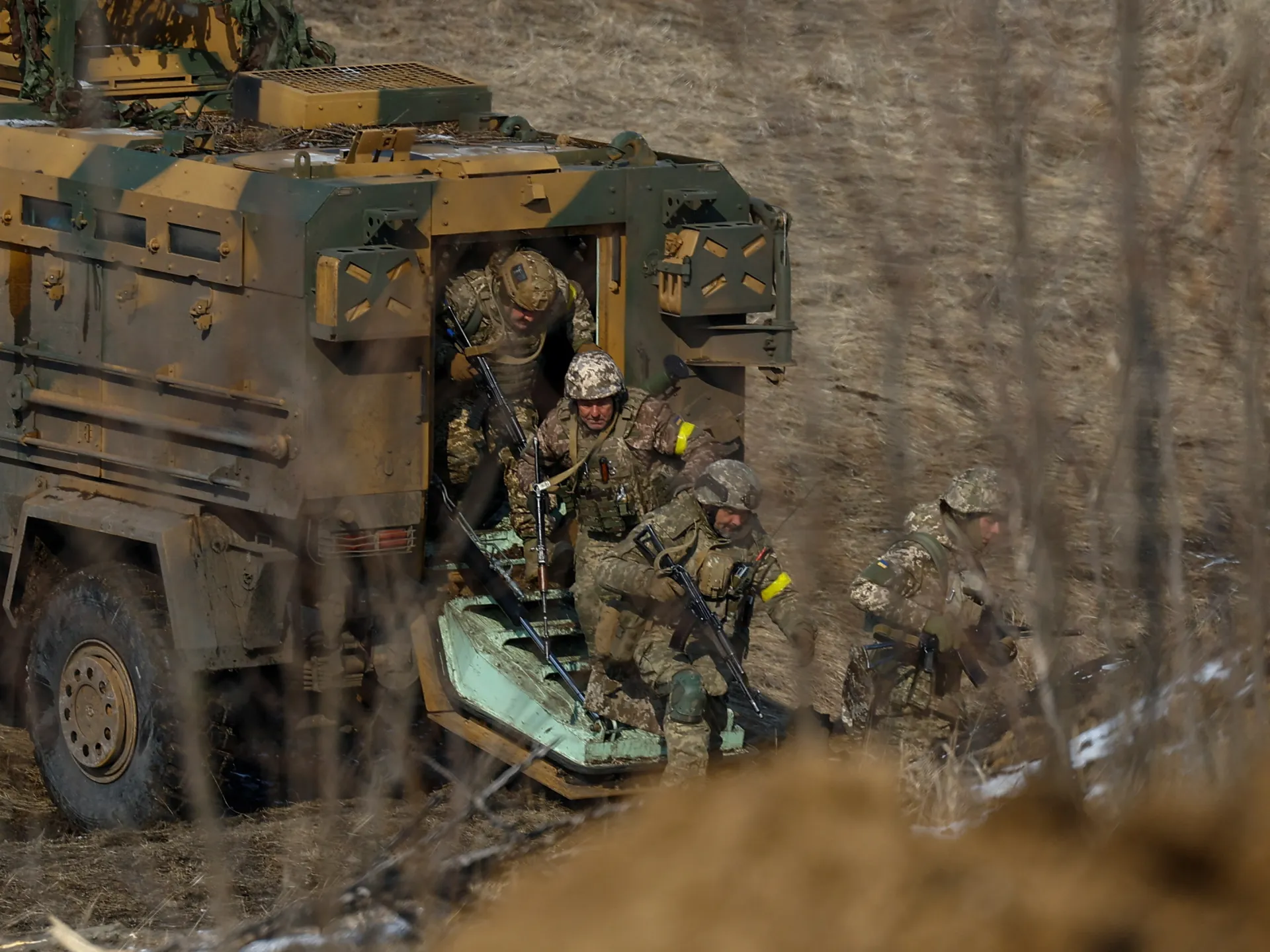
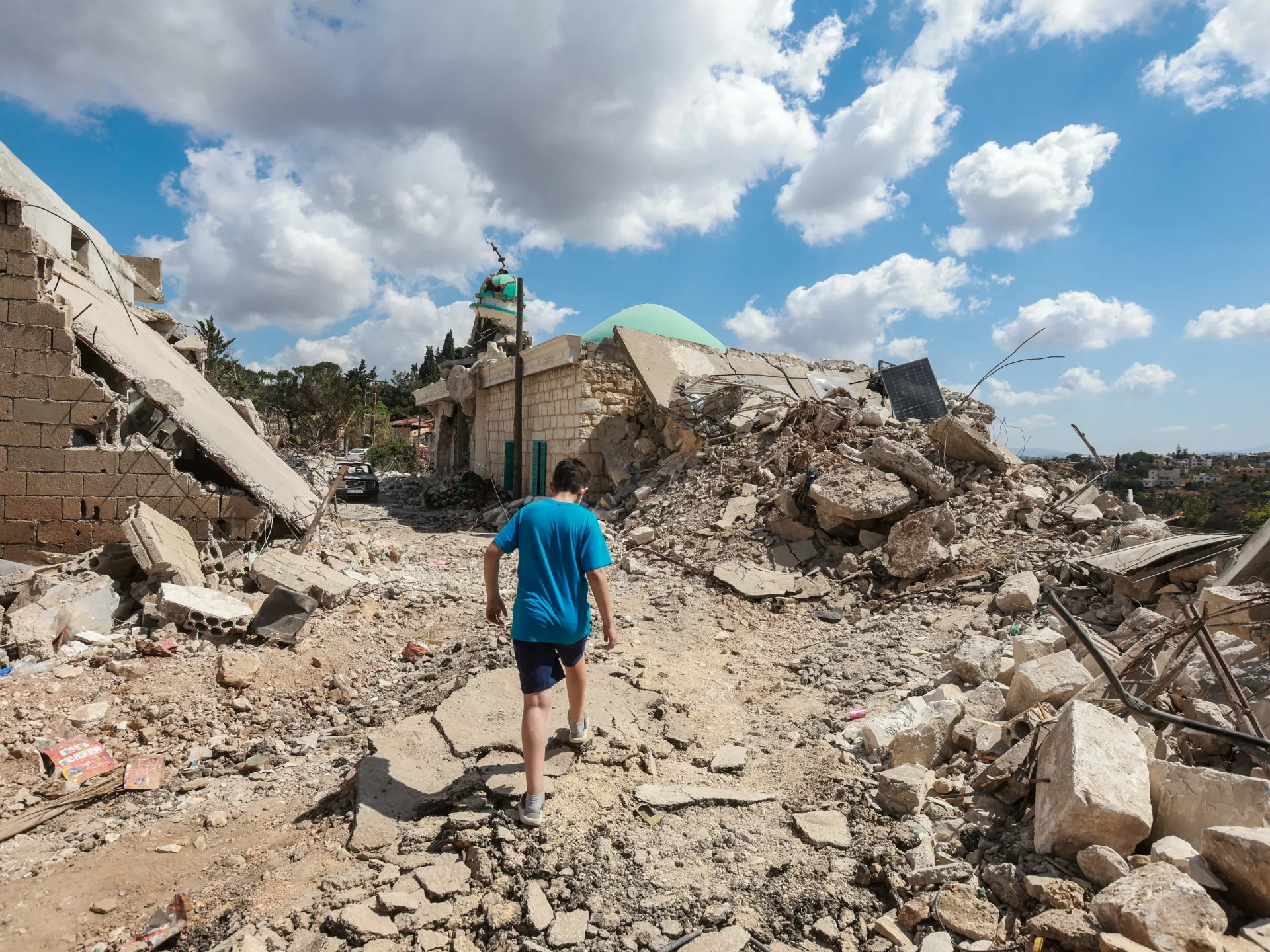
Recent reports from southern Lebanon indicate that Israeli military forces have intensified their presence in the region, specifically targeting residential infrastructure. In the villages of Zawtar al-Sharqiyah and Zawtar al-Gharbiyah, local witnesses have observed heavy machinery and earthmovers systematically dismantling homes. These operations are taking place as armored units and tanks continue to maneuver through the area, marking a significant escalation in the ongoing regional volatility.
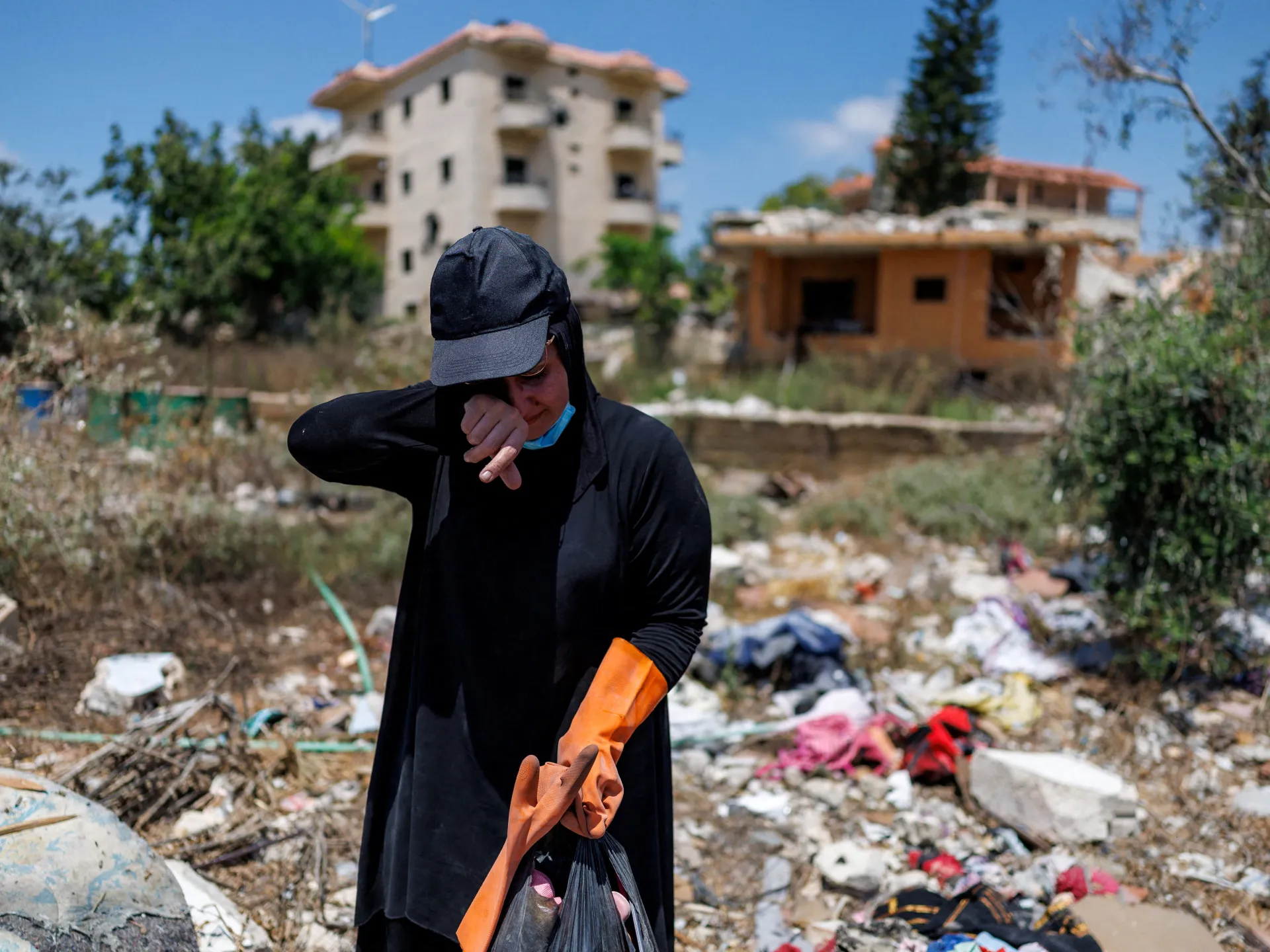
The sight of heavy equipment leveling private residences has caused profound distress among the local population. Families who have long resided in these border communities are now witnessing the physical destruction of their livelihoods and historical homes. The strategic nature of these movements suggests a focused attempt mediate security and living conditions of the remaining residents.
This surge in military activity occurs concurrently with ongoing diplomatic efforts intended to de-escalate the situation. Despite active mediation n agreement to stabilize the border, the ground reality remains increasingly precarious. The synchronization of aggressive military maneuvers with high-level talks highlights the significant disconnect between the diplomatic process and the tactical decisions being made on the ground.
Observers of the conflict point out that the demolition of civilian infrastructure complicates the already difficult path toward a lasting settlement. When homes are reduced to rubble, the potential for future resettlement or the return of displaced persons becomes exponentially more complex. The lack of adherence to the spirit of the ongoing negotiations has raised concerns among international observers about the efficacy of current mediation channels in preventing further civilian harm.
The destruction of homes in Zawtar al-Sharqiyah and Zawtar al-Gharbiyah exacerbates the existing humanitarian crisis in southern Lebanon. As more structures are cleared, the number of families facing permanent displacement grows, placing additional strain on neighboring regions and international aid organizations operating in the area. The psychological toll on the local populace is immense, as the destruction of property often signals a long-term shift in military control that leaves residents feeling abandoned and vulnerable.
Local authorities are struggling to provide support to those who have lost everything, while the constant presence of tanks and military machinery makes it dangerous for civilians to attempt to salvage belongings or survey the damage. The situation remains fluid, with residents living in constant fear that the demolition operations will expand to neighboring villages. The lack of a clear exit strategy for the military presence continues to fuel uncertainty regarding the future of these communities.
The current developments in southern Lebanon are being closely monitored arthmovers to clear residential areas is often interpreted as a precursor to establishing deeper defensive positions or buffer zones. Such actions have historically been met with strong condemnation from regional neighbors and international bodies, who view the destruction of civilian property as a violation of humanitarian principles.
As the international community continues to press for a resolution, the actions on the ground serve as a stark reminder of the limitations of diplomacy when faced with active military operations. The path forward remains uncertain, as both sides appear to be operating under conflicting paradigms. For the residents of the Zawtar villages, the coming weeks will be critical as they navigate the devastating consequences of a conflict that has reached their doorsteps in the most literal sense.