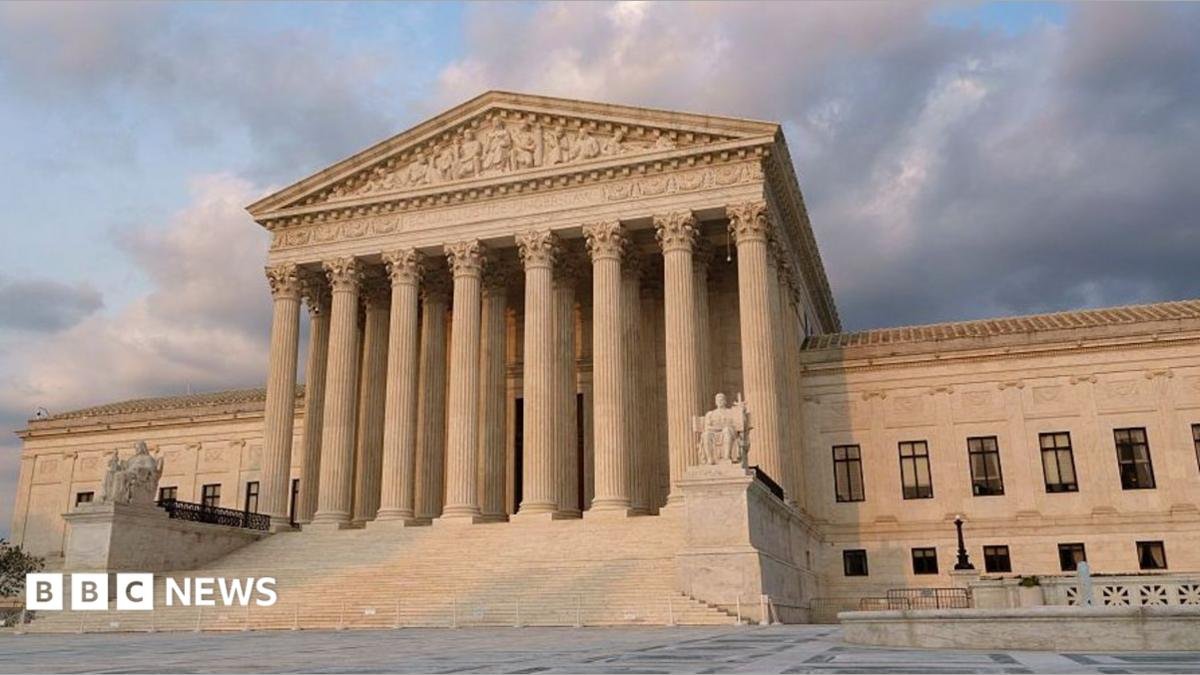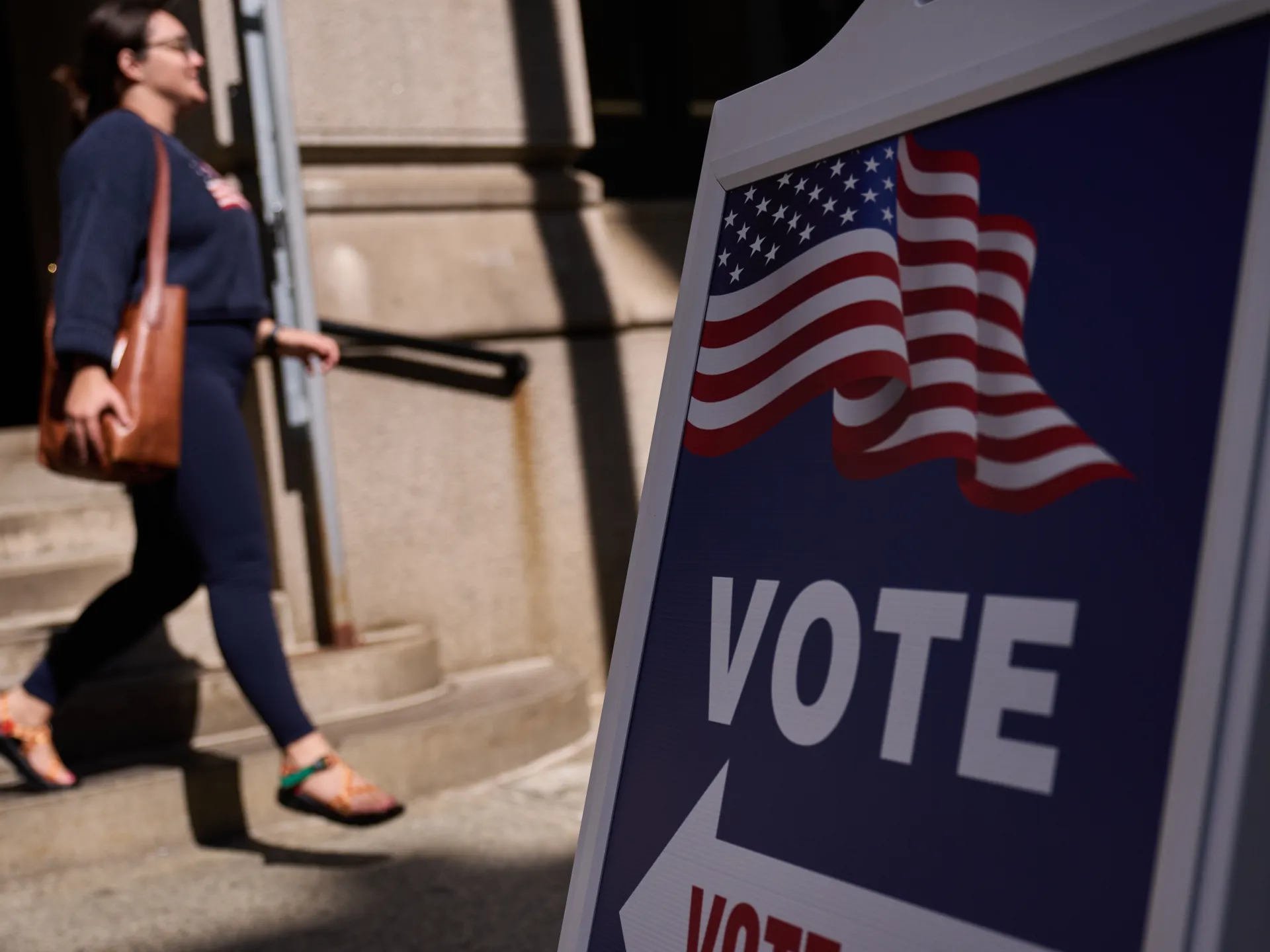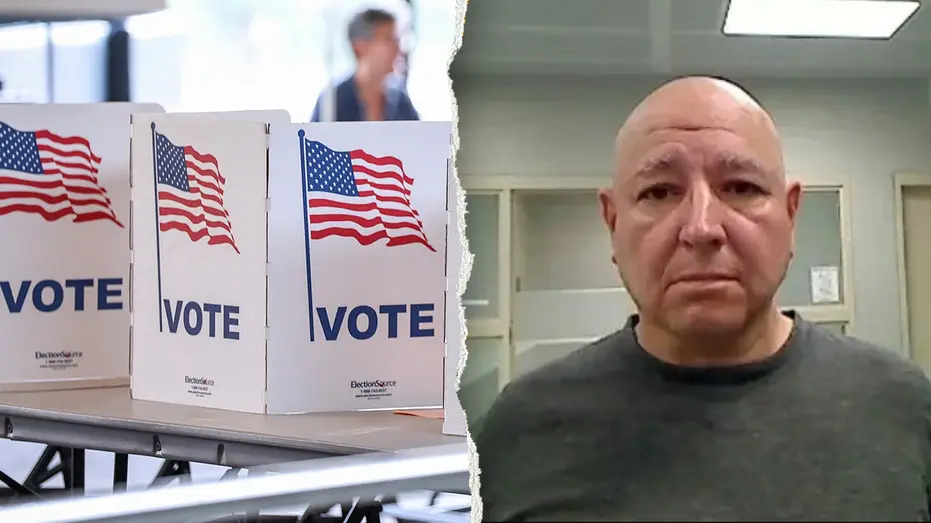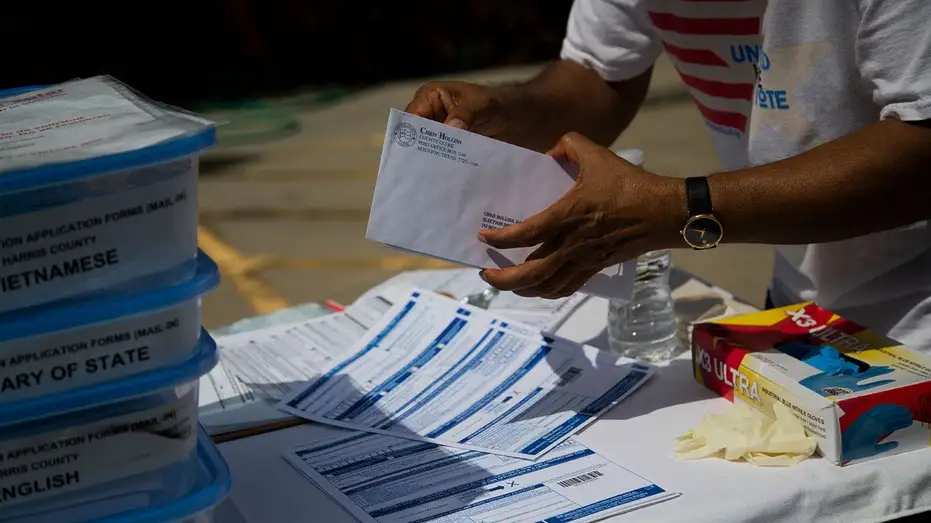
The Supreme Court has effectively blocked new mail-in ballot restrictions, preventing the Postal Service from rejecting votes based on controversial new administrative standards.
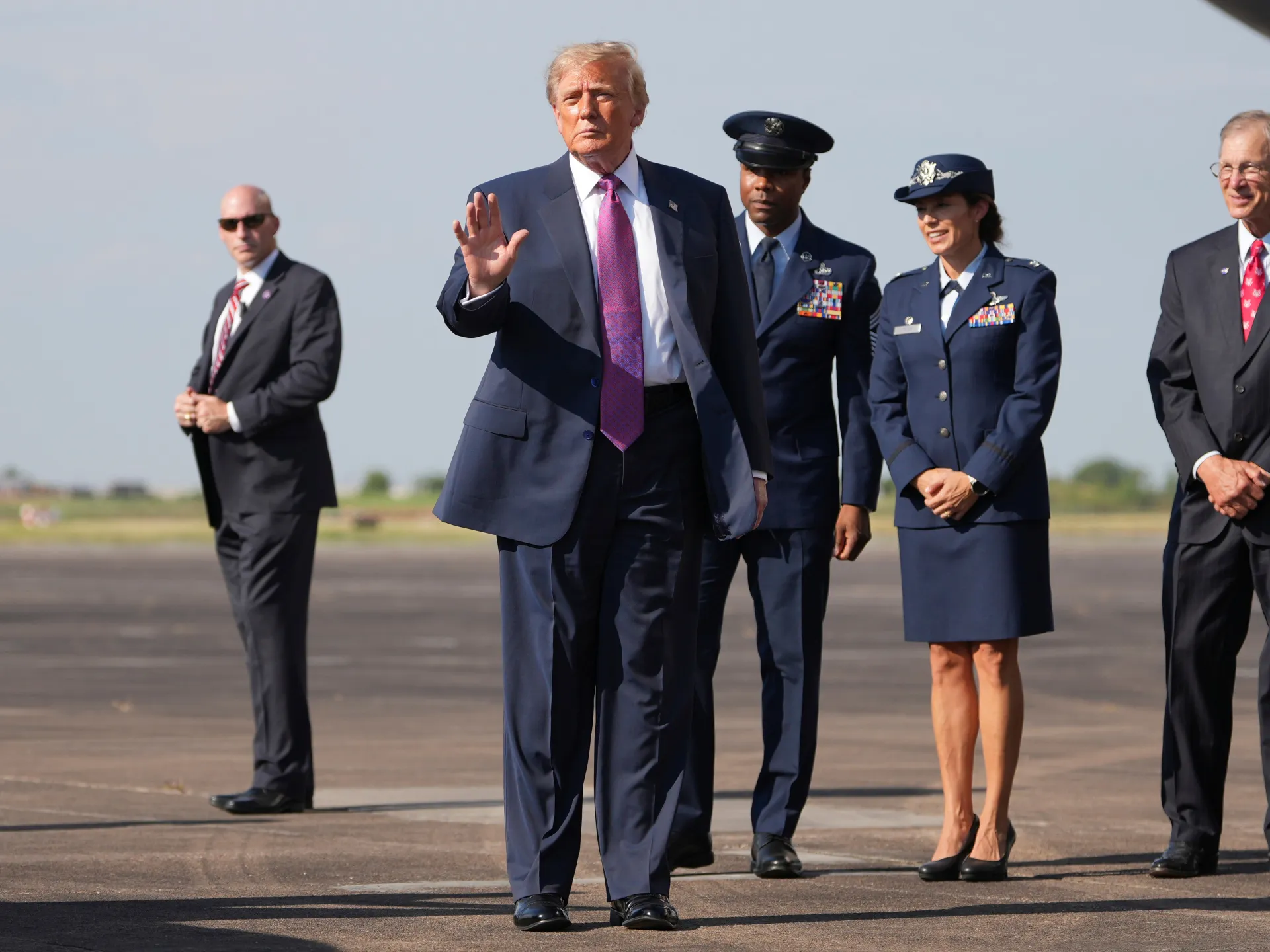
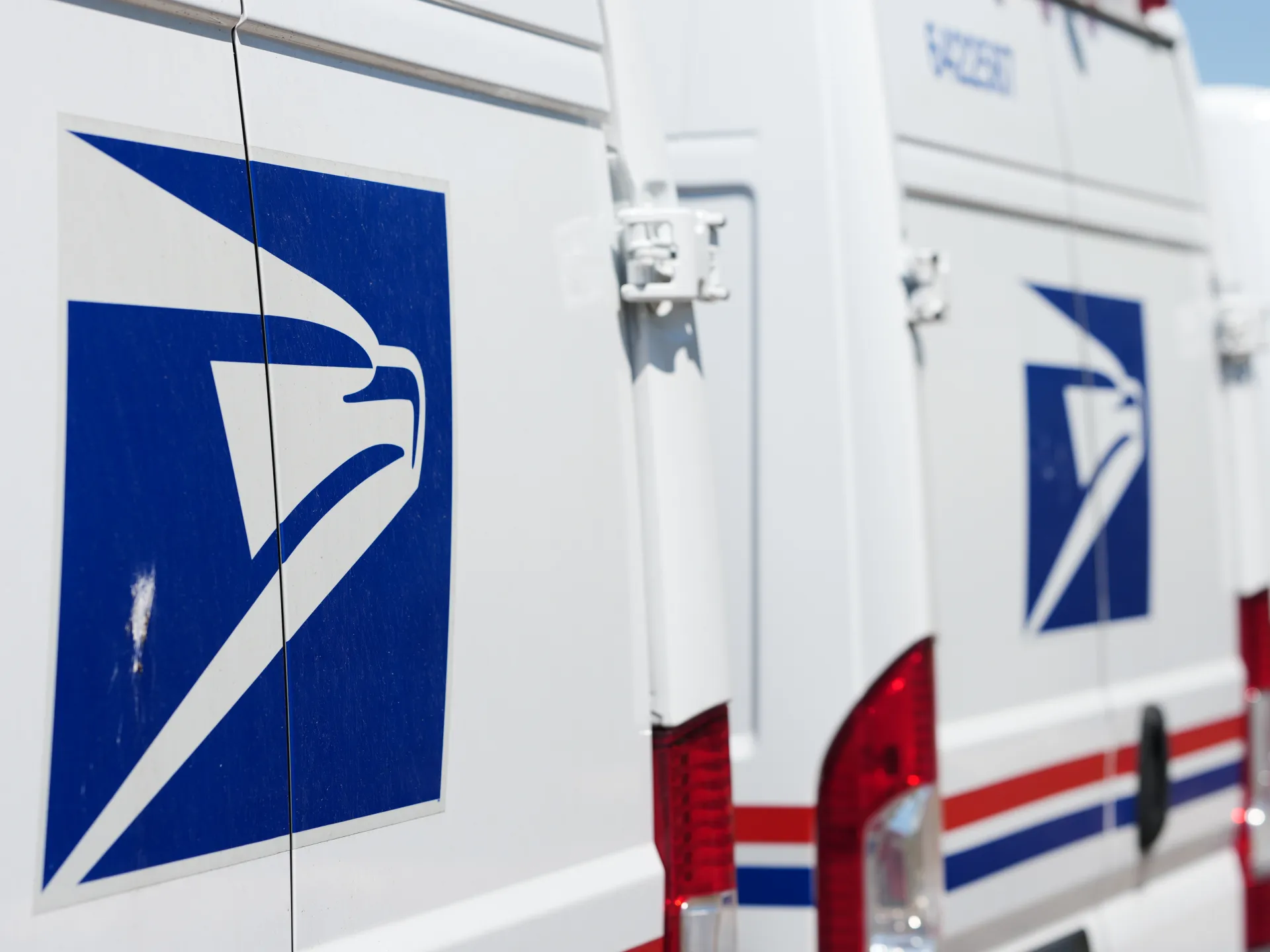
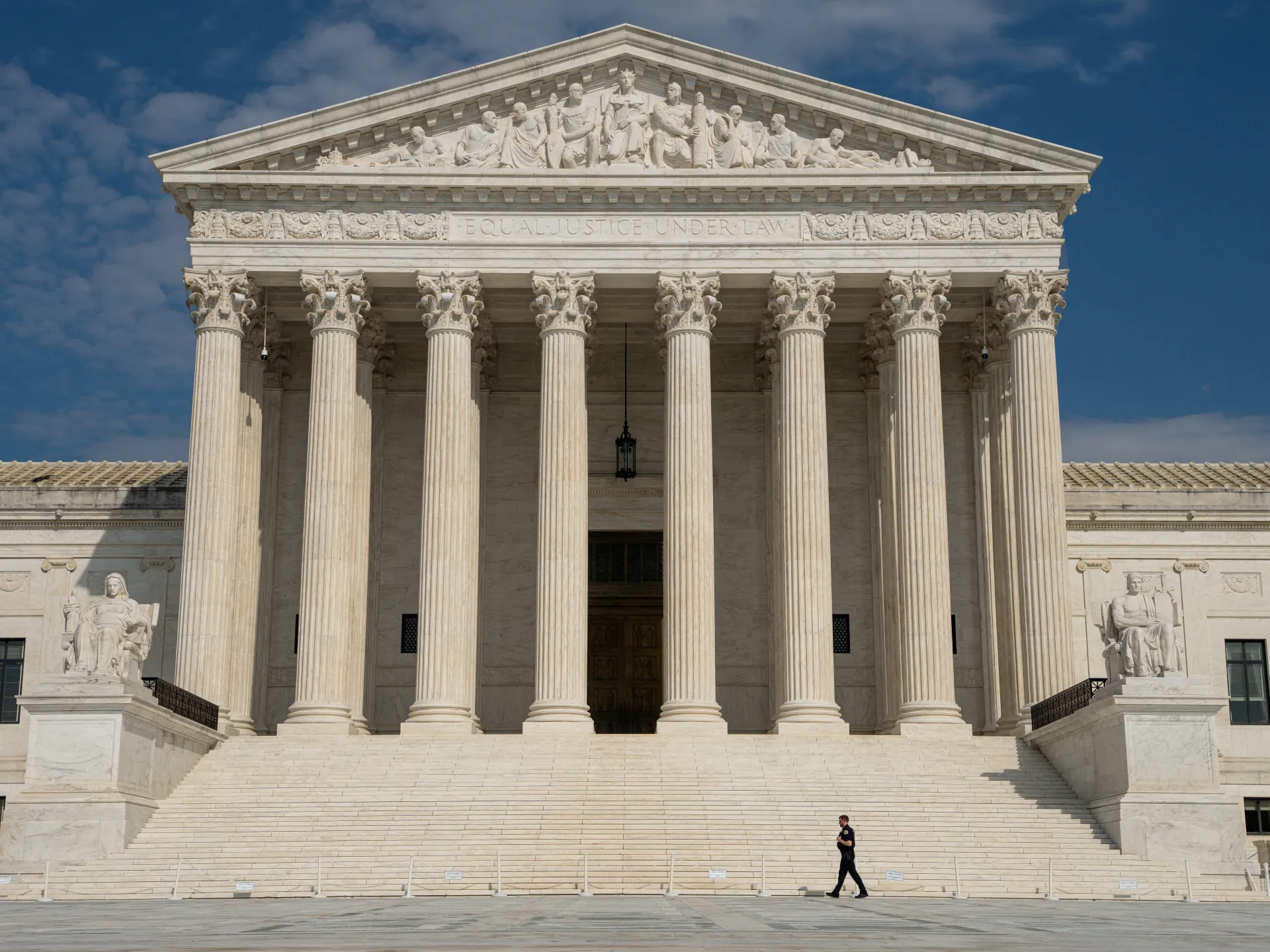
The United States Supreme Court has issued a significant ruling that halts the enforcement of restrictive protocols governing mail-in ballots. This decision serves as a major setback for the administration, which had sought to empower the United States Postal Service (USPS) to reject ballots that did not adhere to specific, newly implemented administrative standards. ed the status quo for the upcoming midterm election cycle.
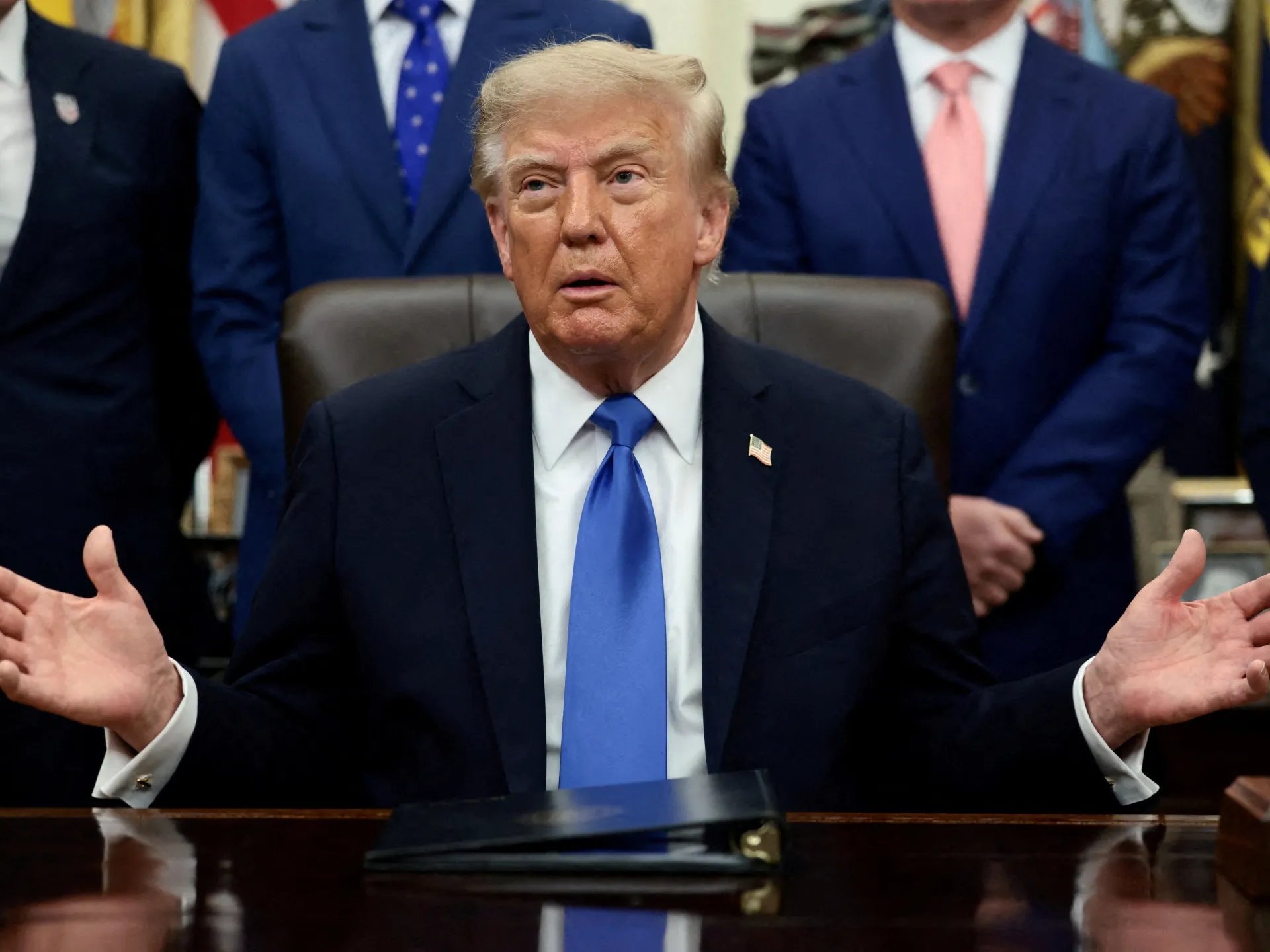
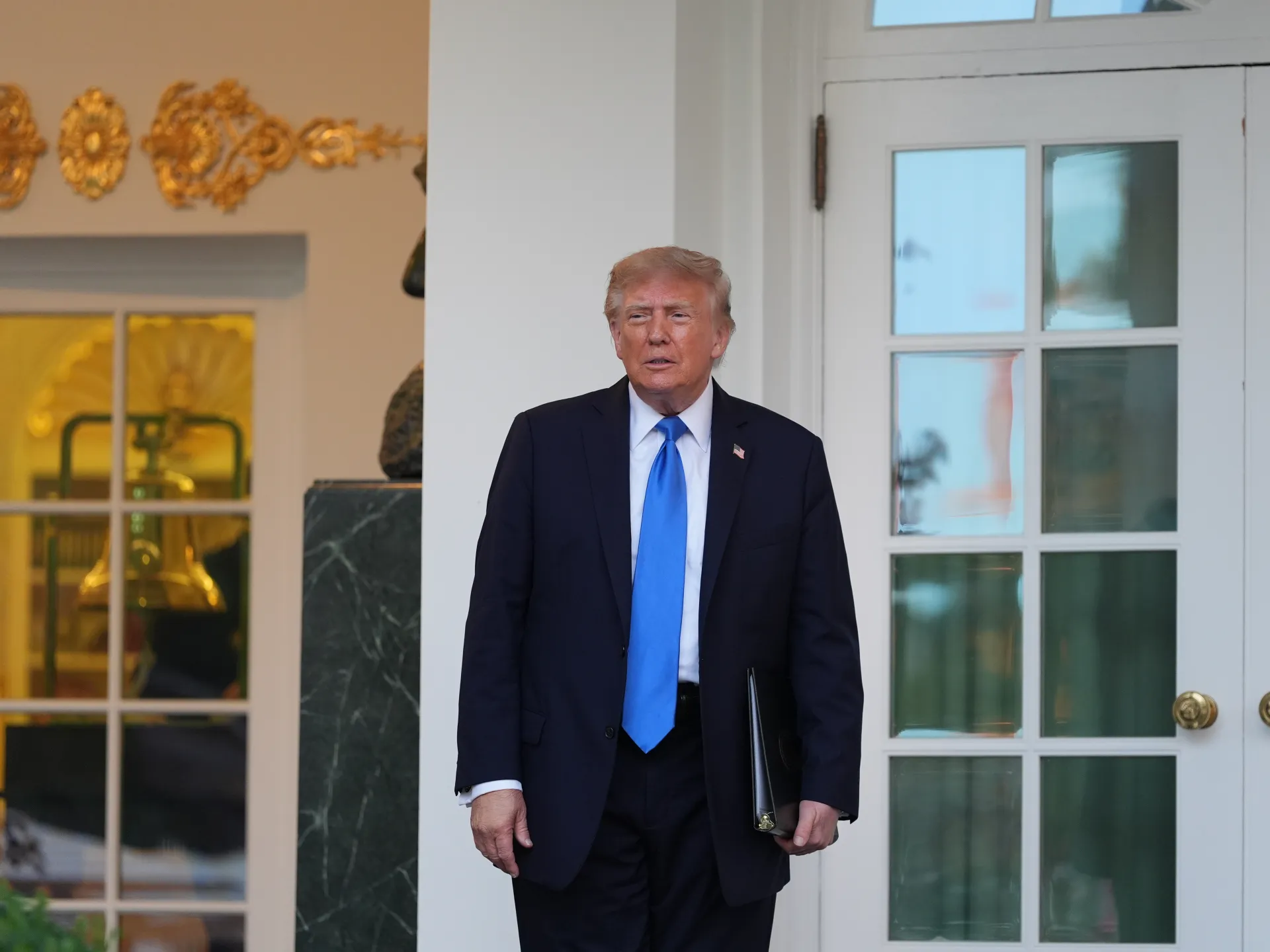
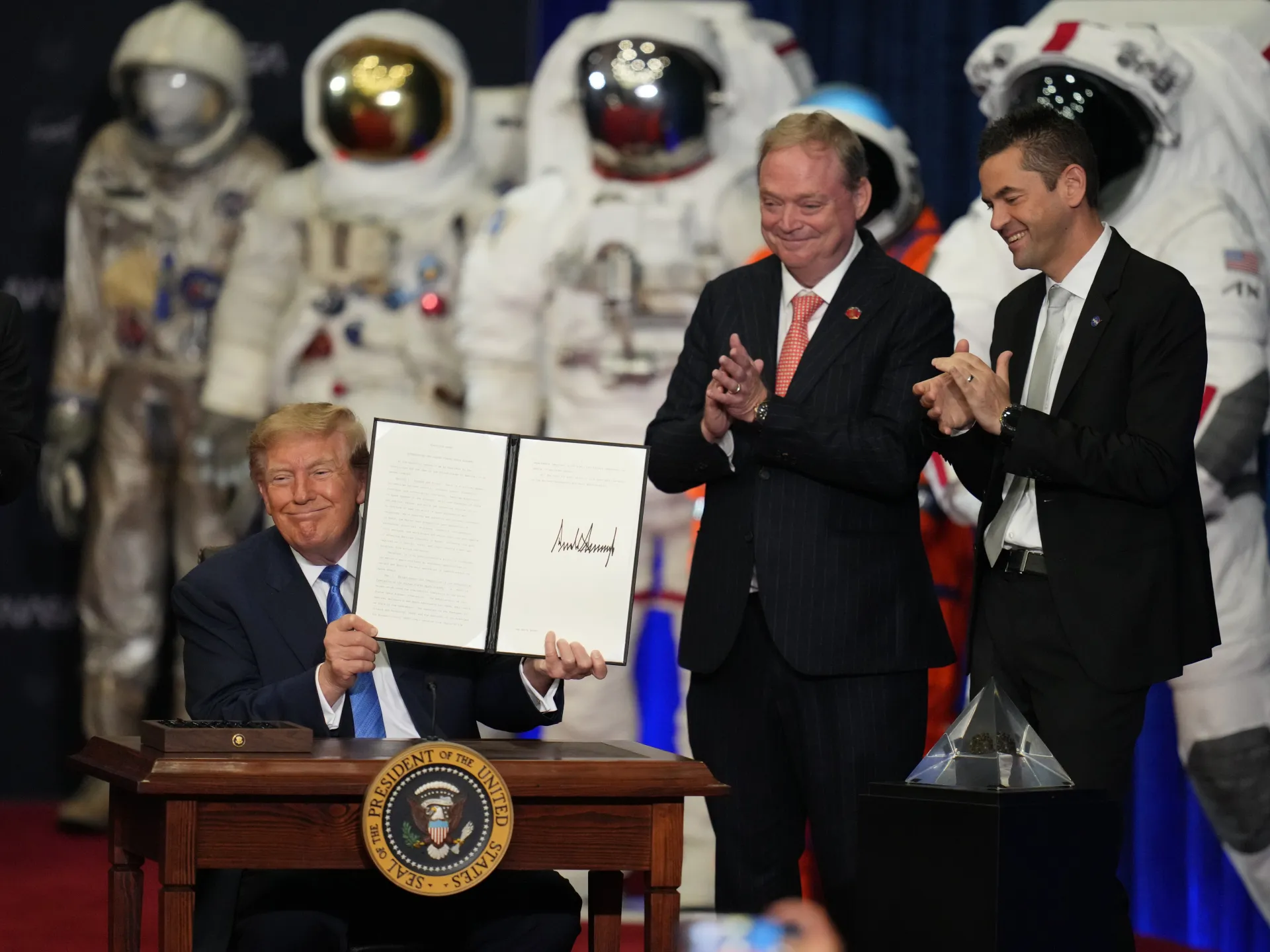
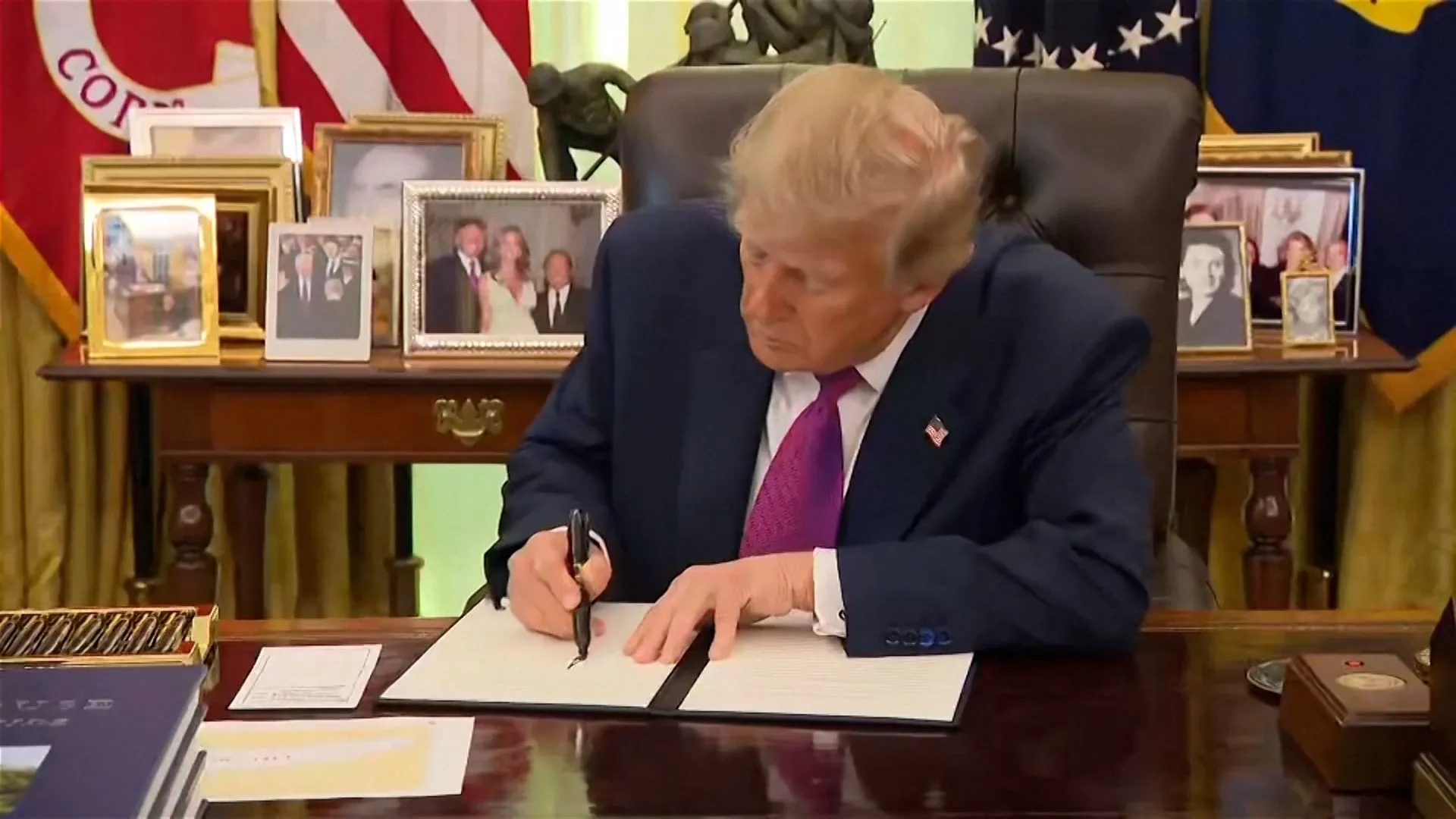
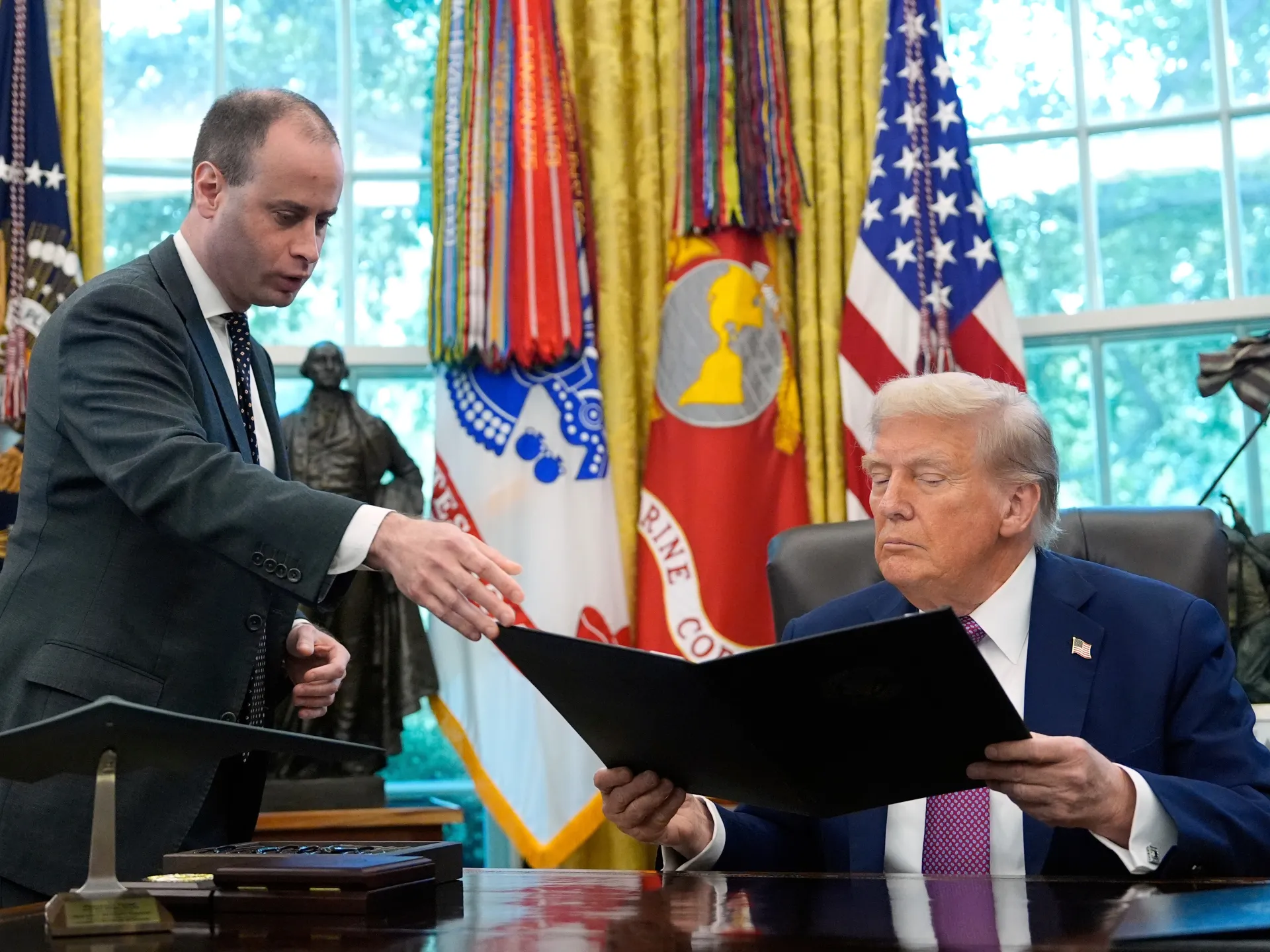
The controversy originated in March following an executive order signed nd mail-in voting. Under the proposed framework, states would have been obligated to provide the Postal Service with comprehensive lists of registered voters. The agency would then have been granted the authority to invalidate any ballot that did not perfectly align with those pre-approved lists or that utilized non-compliant envelope formats. The policy was framed
Prior to the Supreme Court's intervention, a lower court judge had issued a preliminary injunction that blocked the implementation of these rules. The presiding judge argued that the executive order likely infringed upon constitutional protections and presented significant logistical challenges that would be impossible to rectify before the looming midterms. This judicial assessment focused on the potential for widespread disenfranchisement and the chaotic impact such a sudden shift in policy would have on local election boards.
The administration challenged this injunction, filing an emergency request with the Supreme Court in an attempt to bypass lower court rulings. While the Supreme Court had offered a temporary, procedural reprieve to the administration in late August, this latest decision addresses the substance of the legal challenge. In an unsigned order, the majority of the justices concluded that the administration was unlikely to succeed on the merits of its argument, signaling a fundamental disagreement with the legal basis for the proposed voting restrictions.
The court’s decision was not unanimous, reflecting deep divisions regarding the role of the judiciary in election administration. Justice Samuel Alito, joined e lacked the necessary legal standing to challenge the executive order. Alito further characterized the broader legal strategy behind the opposition to the rule as a desperate effort, echoing sentiments he had expressed in previous election-related litigation.
Conversely, Justice Brett Kavanaugh indicated that while he was not prepared to support the policy at this particular junction, he remained open to considering the legal arguments at a later stage. This nuance suggests that while the current restrictions are blocked, the underlying legal questions regarding the intersection of executive power and election administration remain unresolved. Election experts believe that this ruling provides a critical shield for voters who rely on mail-in systems, particularly in states where early voting
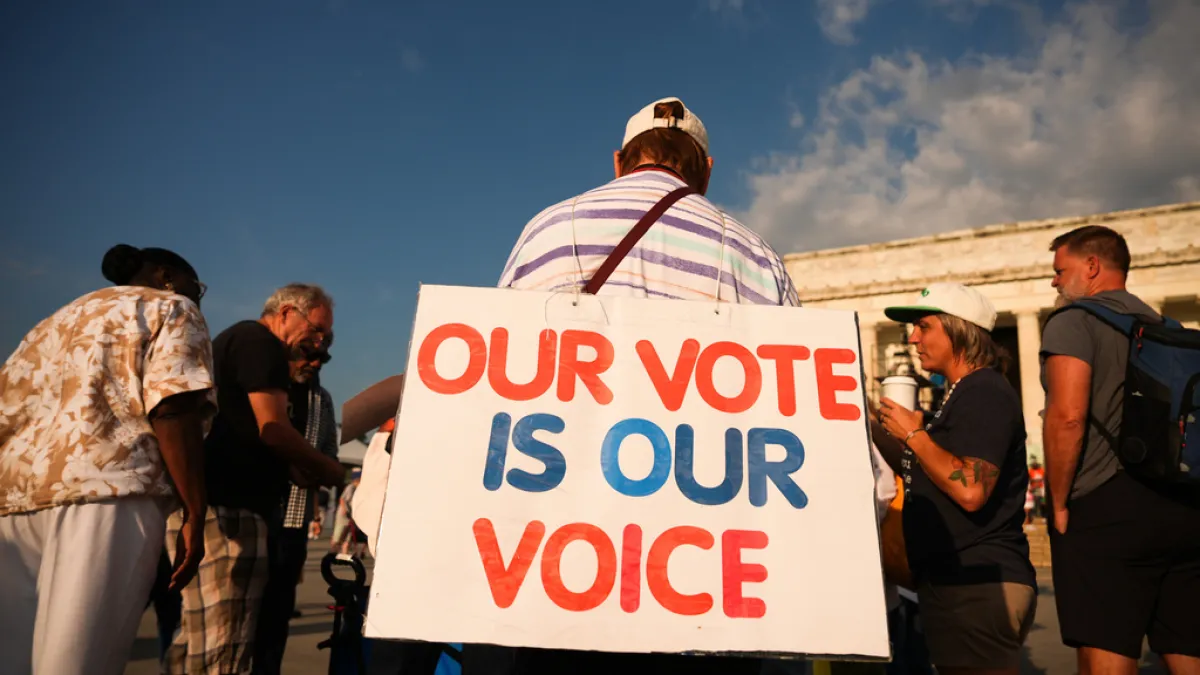
The rejection of these restrictions is widely viewed as a victory for voting rights advocates who warned that the policy would cause massive disruption. Critics had expressed fears that thousands of valid ballots could be discarded due to minor technical discrepancies or issues with the processing of voter lists. Such an outcome, they argued, would have disproportionately affected voters in Democratic-leaning regions where mail-in participation rates are significantly higher than in other areas.