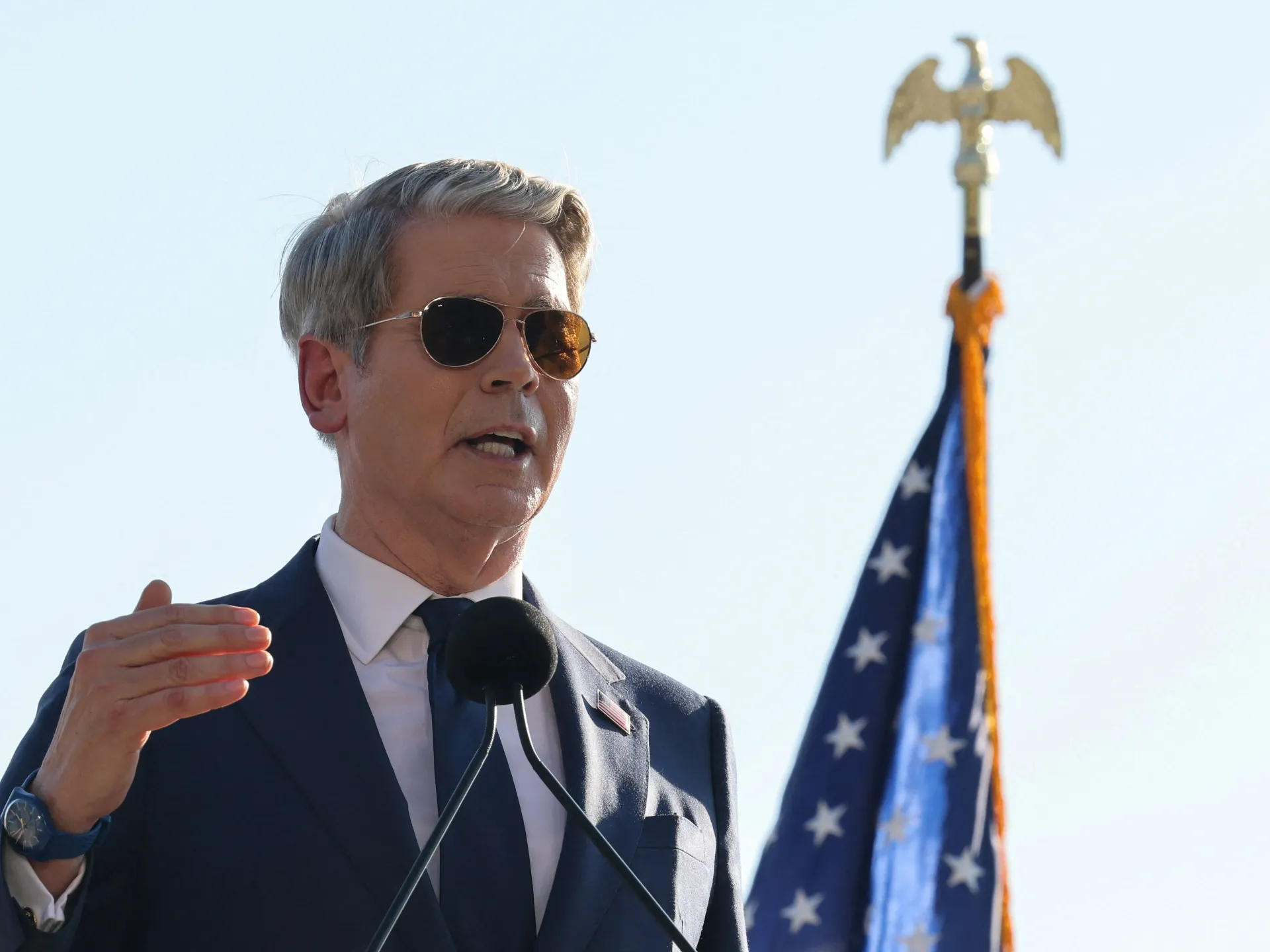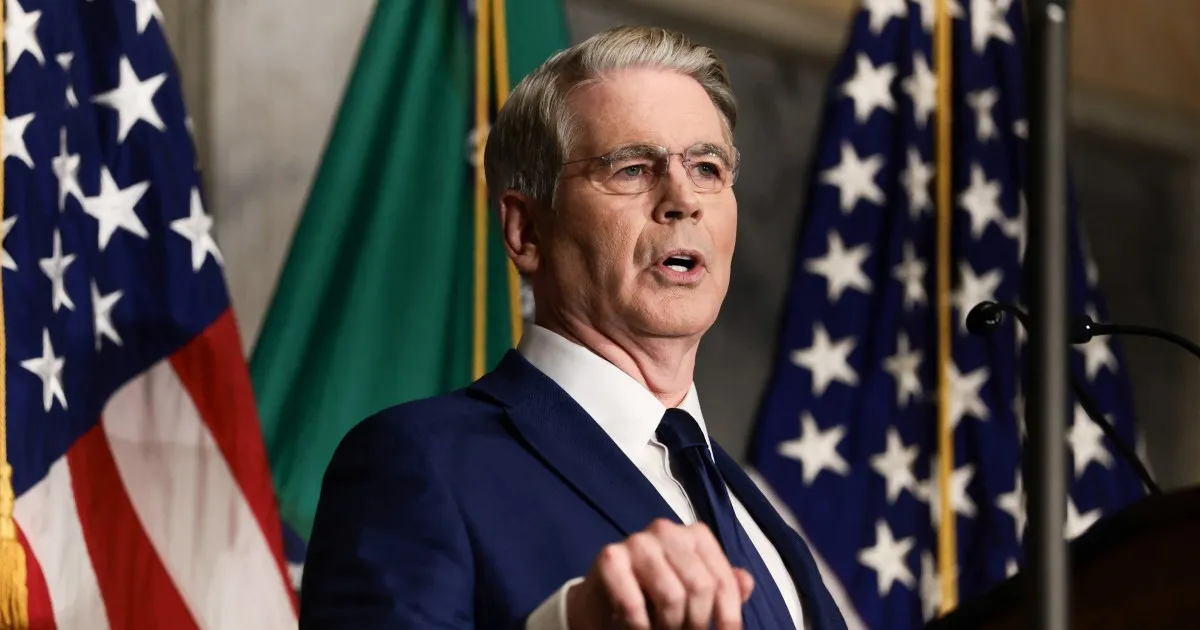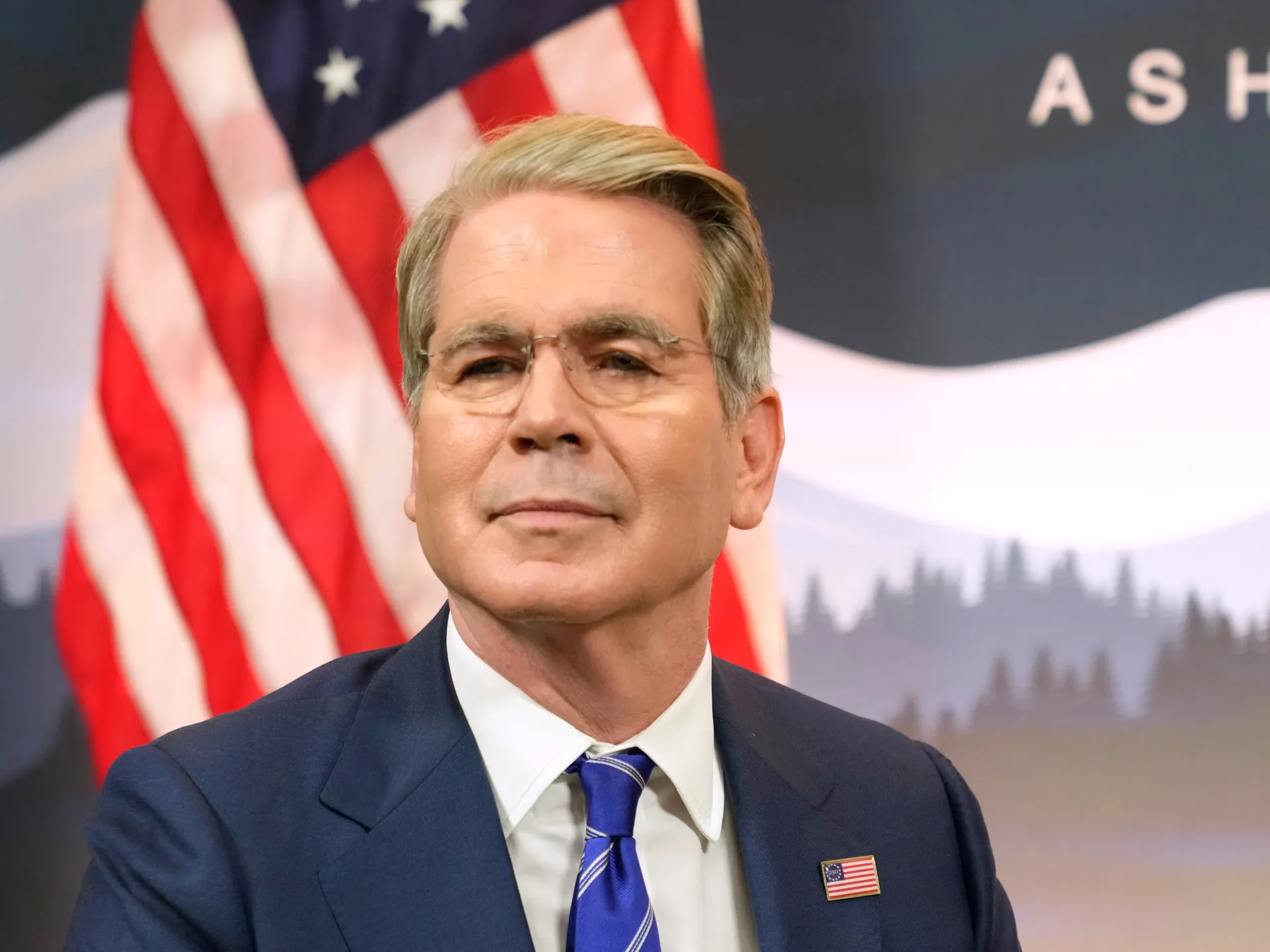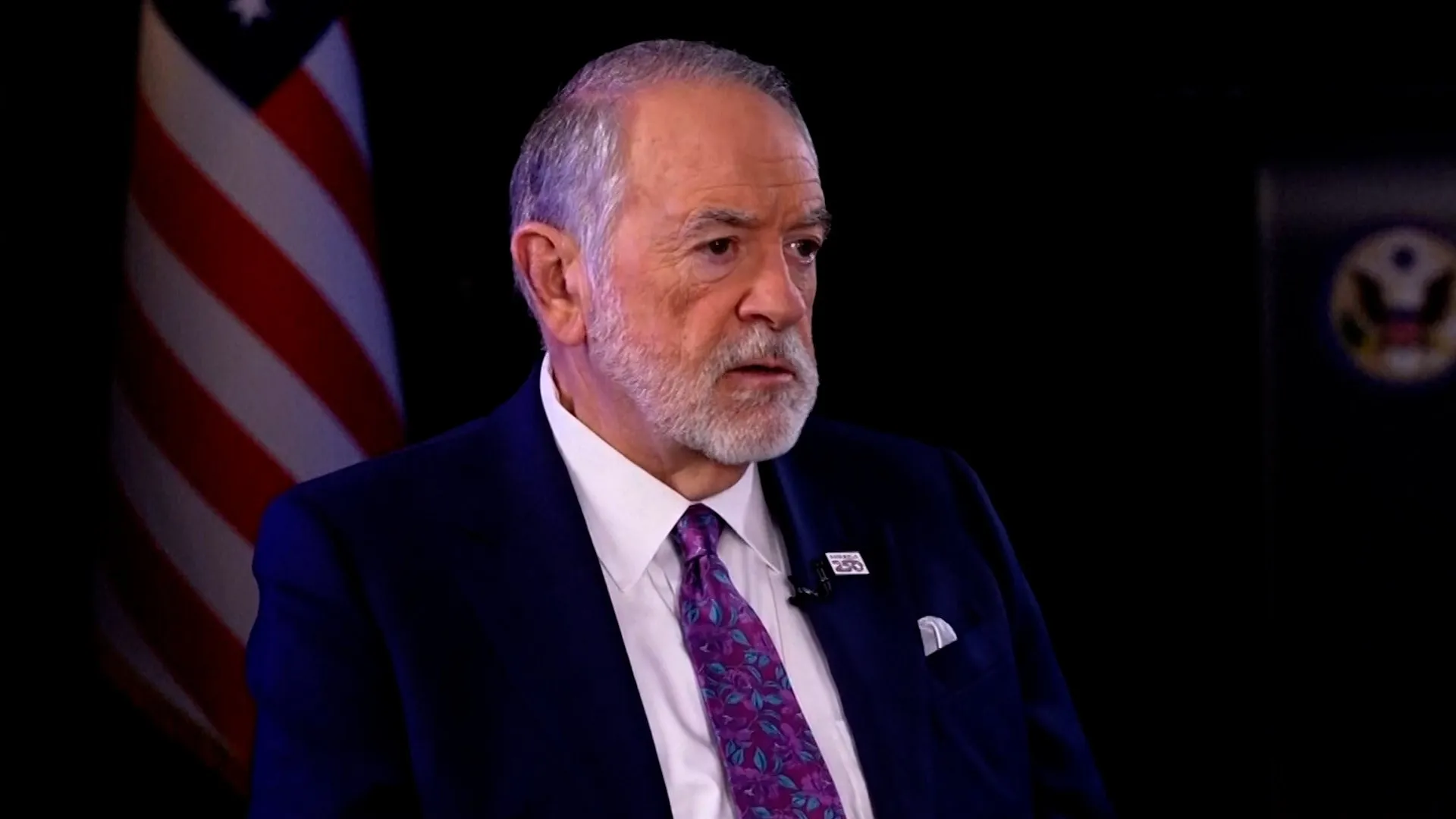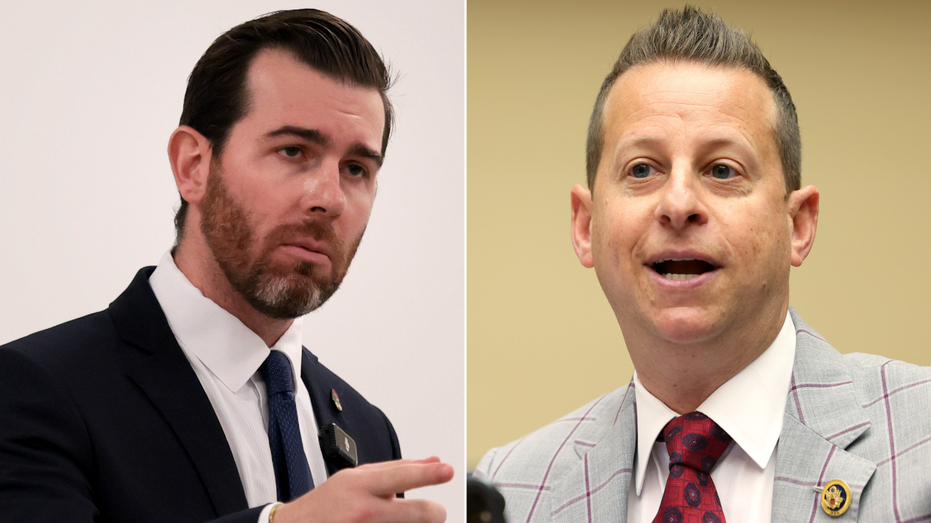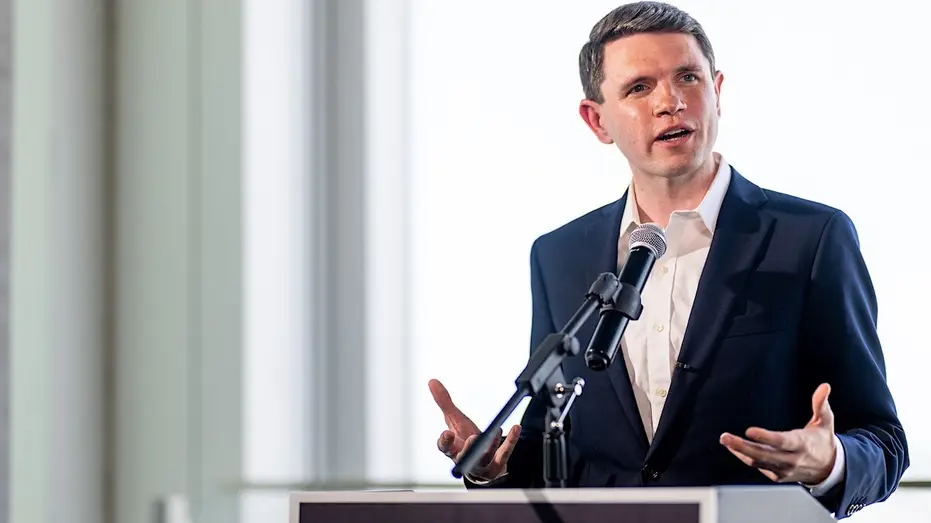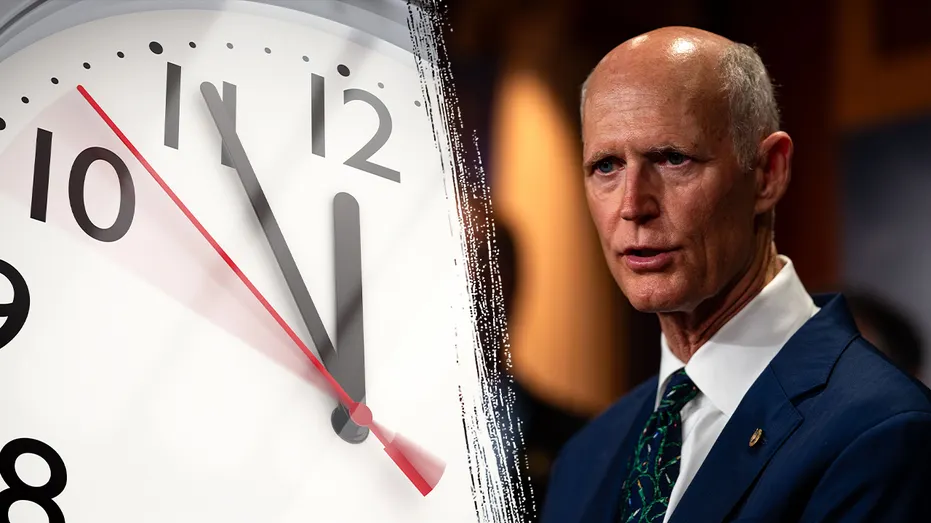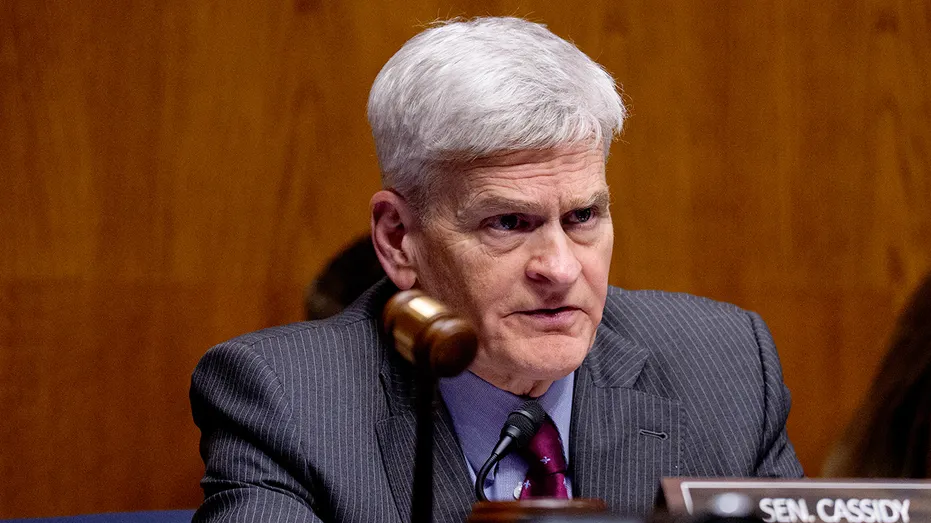
Senator Bill Cassidy is leading a congressional inquiry into the International Association of Machinists over reports of its alignment with the Cuban regime.
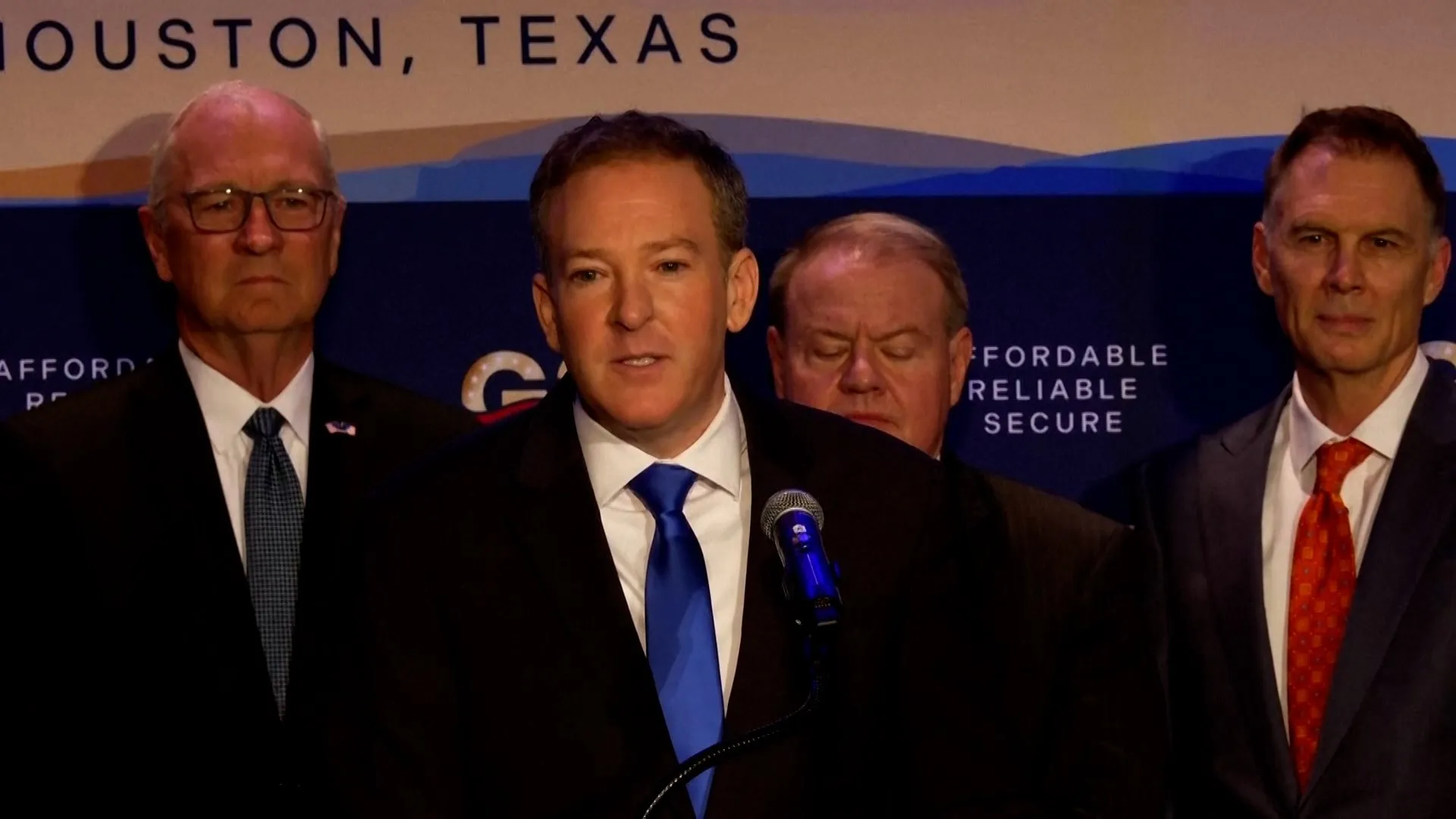
A high-level investigation has been launched onal Association of Machinists (IAM), a prominent labor organization representing approximately 600,000 workers. Senator Bill Cassidy, a Republican from Louisiana, initiated the inquiry via a formal letter demanding transparency regarding the union’s potential collaboration with the Cuban government. The probe seeks to clarify whether union resources and member dues are being leveraged to advance the political interests of a foreign regime currently designated
The senator's primary concern centers on the ethical and legal implications of labor organizations engaging in foreign policy advocacy that aligns with a regime hostile to U.S. interests. oritizing the geopolitical agenda of Havana over the immediate economic and professional needs of the American workforce. This scrutiny arrives amid broader concerns regarding how foreign entities may be attempting to infiltrate or influence domestic organizations to shift American public policy.
The investigation follows a series of reports detailing direct interactions between IAM officials and representatives of the Cuban government. Specifically, the inquiry highlights a meeting held at a local Machinists Hall where David Ramírez Álvarez, the second secretary at the Embassy of Cuba, addressed union members. Reports suggest that during this gathering, the diplomat provided instructions on how to effectively lobby for the removal of Cuba from the State Sponsor of Terrorism list and how to oppose existing U.S. sanctions and embargoes.
Furthermore, internal documents and reports indicate that union representatives have actively encouraged members to participate in activism aimed at defending the current Cuban administration. Some accounts describe union leaders advocating for members to travel to the island, characterizing their efforts as a defense of Cuban sovereignty. These activities have reportedly extended to influencing broader labor coalitions, such as the California AFL-CIO, to adopt official resolutions that mirror the legislative priorities of the Cuban government.
Beyond the immediate actions of union leadership, there is growing apprehension regarding the potential for broader influence networks operating within the United States. A July report from the U.S. State Department corroborated these concerns, noting that Havana has historically utilized a sophisticated network of labor union contacts to sway American policy. The goal of these influence campaigns is frequently to erode the effectiveness of U.S. sanctions and alter the diplomatic landscape to favor the Cuban regime.
Senator Cassidy has specifically requested a comprehensive accounting of all union officials who have engaged in advocacy related to Cuba. The request includes documentation on whether these individuals coordinated with Cuban government representatives while performing their official union duties. There is also a pointed inquiry into whether any financial exchanges have occurred between the union and individuals linked to the Cuban state, raising questions about potential violations of foreign agent registration or campaign finance protocols.
The core of the Senate's argument is that American workers should not be forced to subsidize the foreign policy goals of a regime historically responsible for the death of U.S. citizens. The senator referenced the 1996 incident where Cuban MiG fighters destroyed unarmed civilian aircraft, resulting in the loss of American lives, as a reminder of the hostile nature of the relationship. gn policy, the union faces severe criticism regarding its fiduciary responsibilities.
As the investigation continues, the IAM remains under significant pressure to provide a full disclosure of its activities. The committee’s inquiry asks whether the union has taken any steps to ensure its members are not being inadvertently drawn into foreign influence operations. The outcome of this probe could establish a significant precedent for how labor unions manage international relations and the extent to which they are permitted to utilize member resources for political activism that diverges from the standard scope of labor representation.