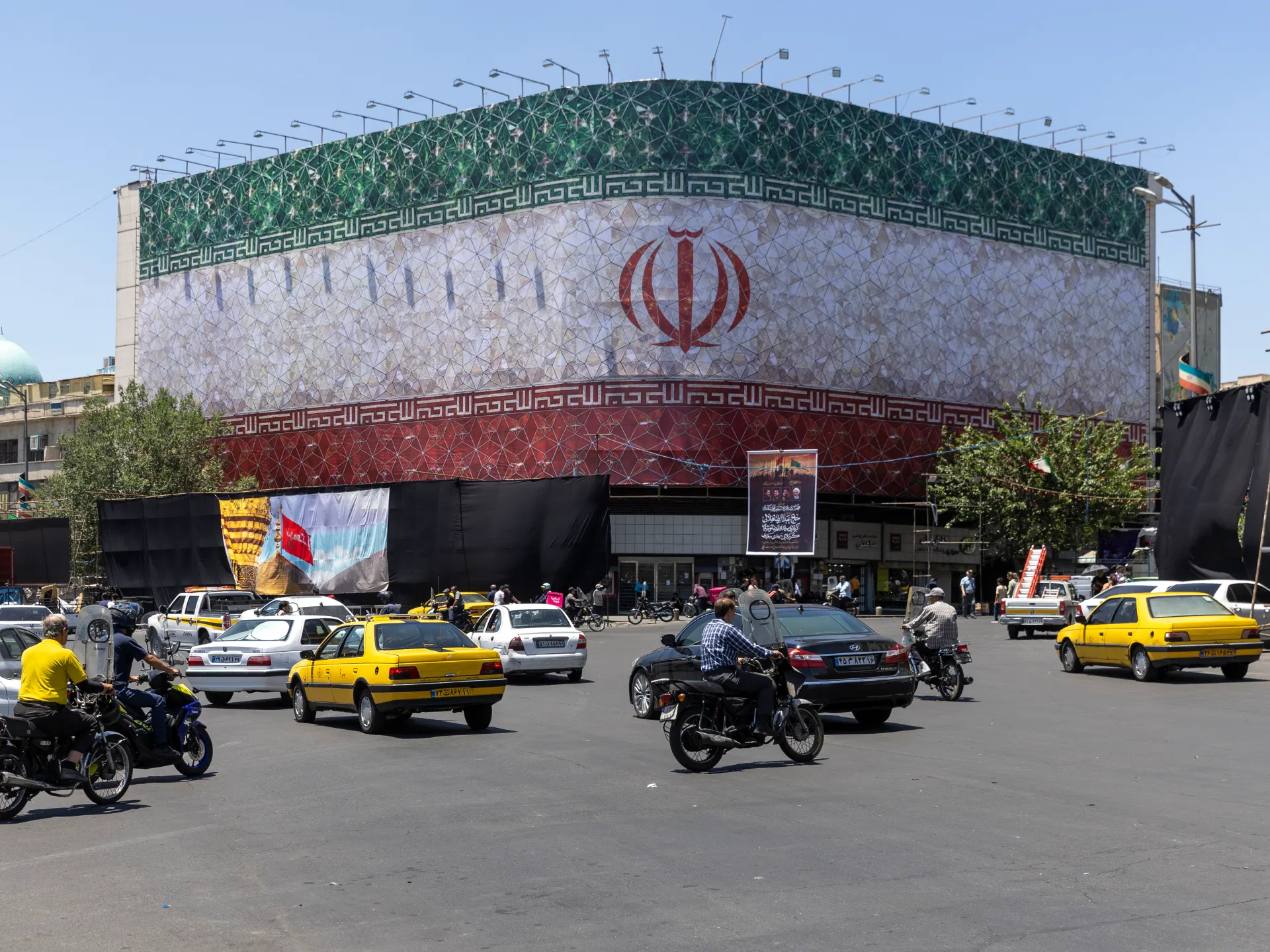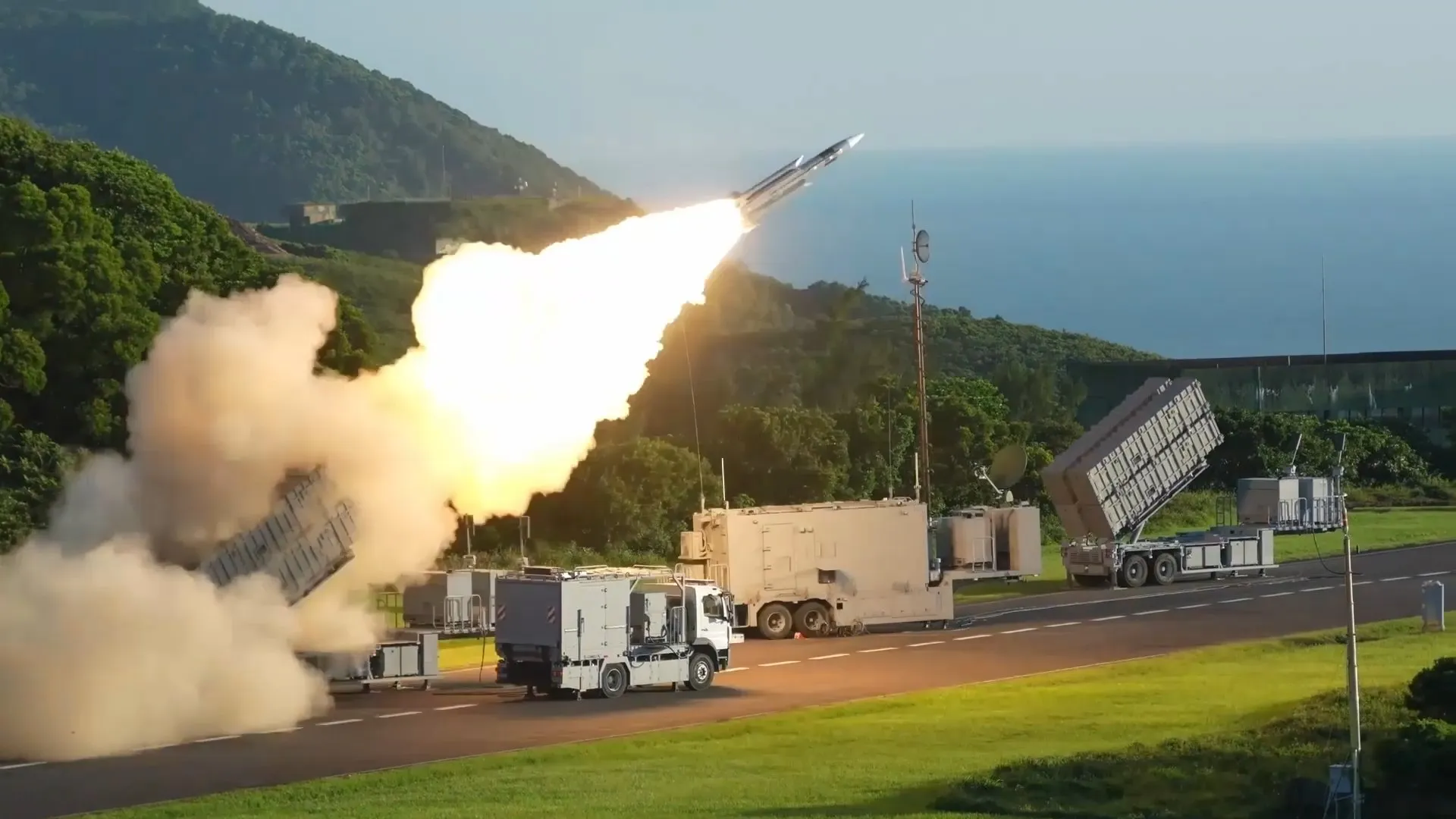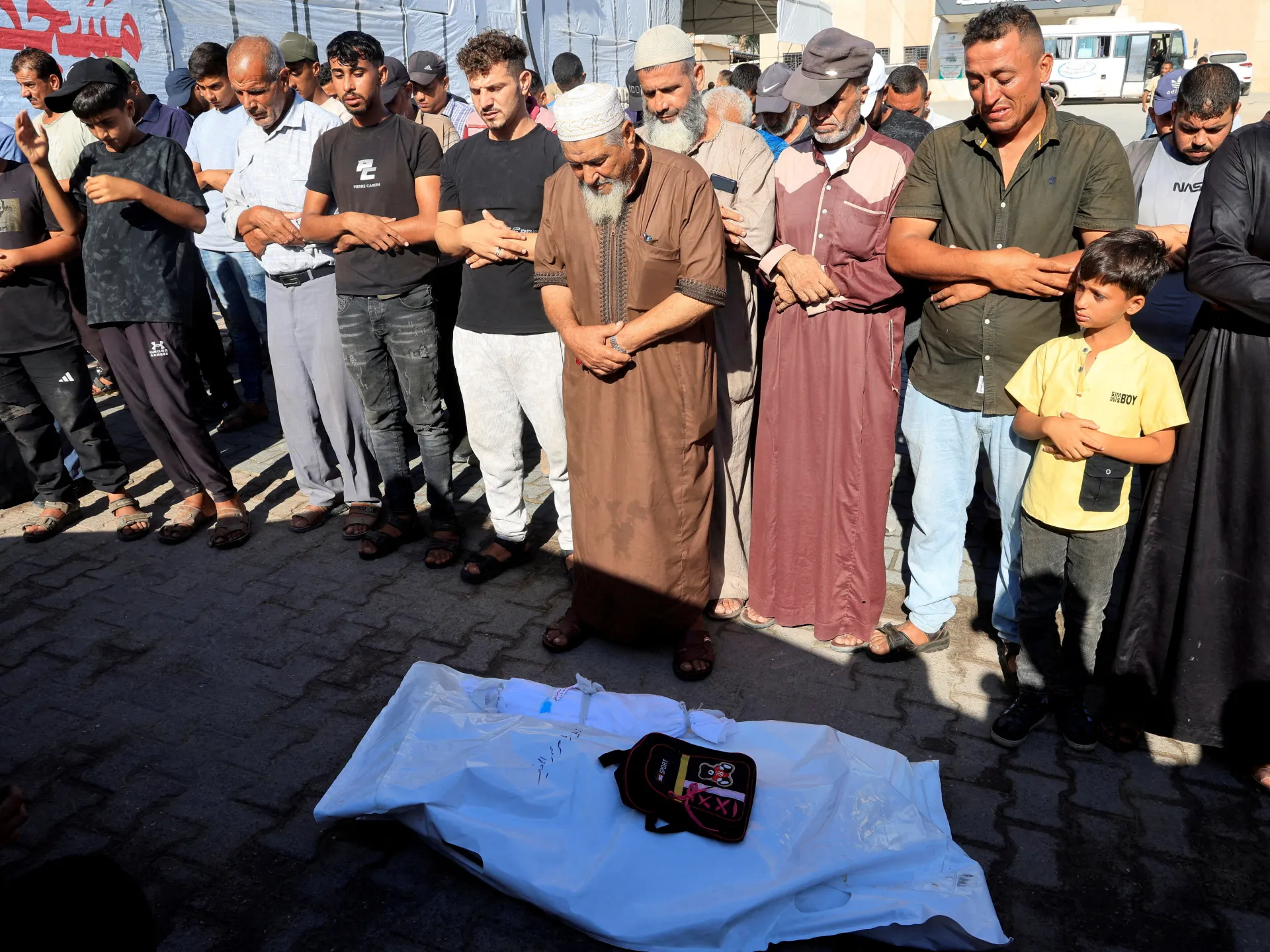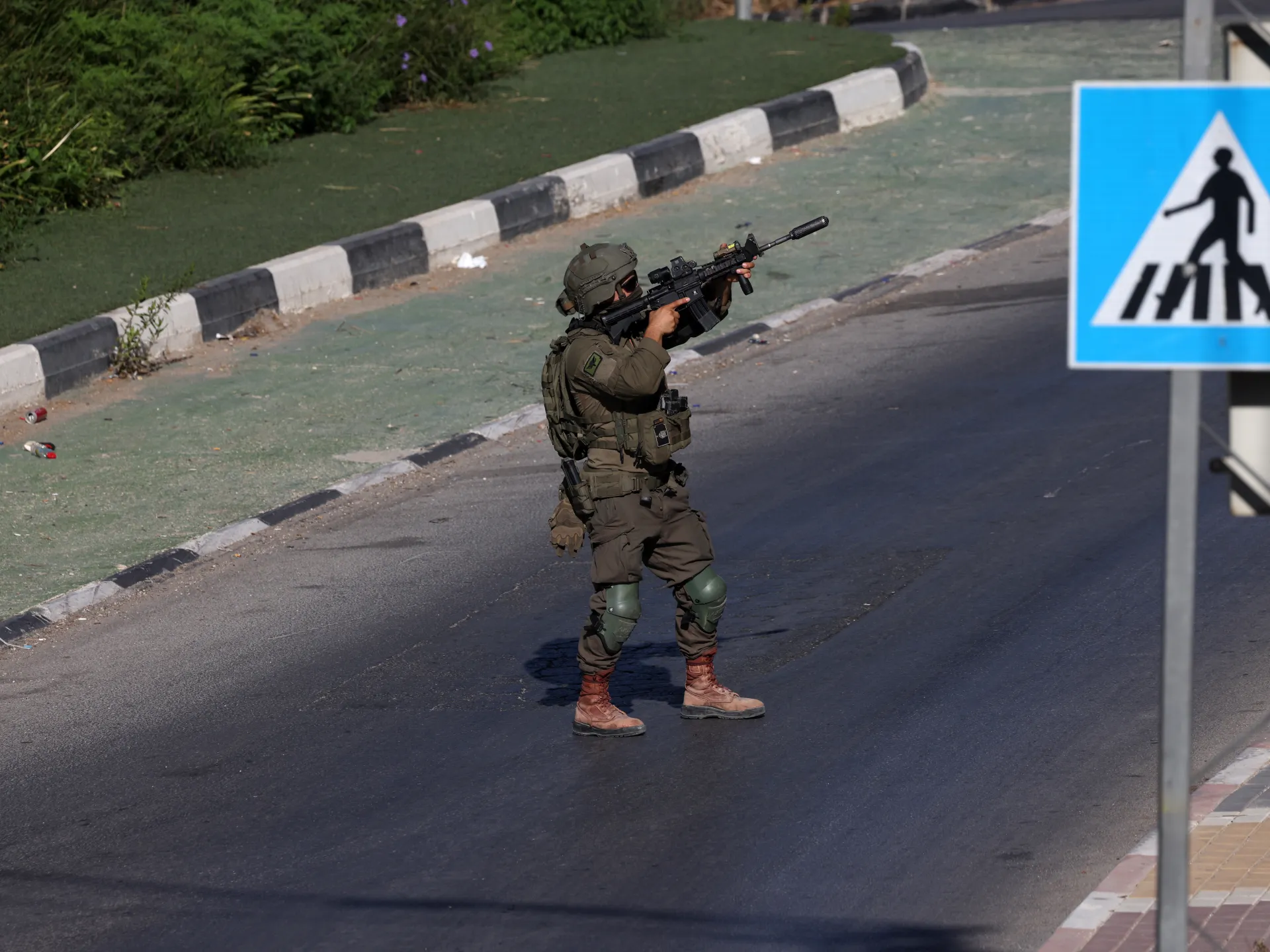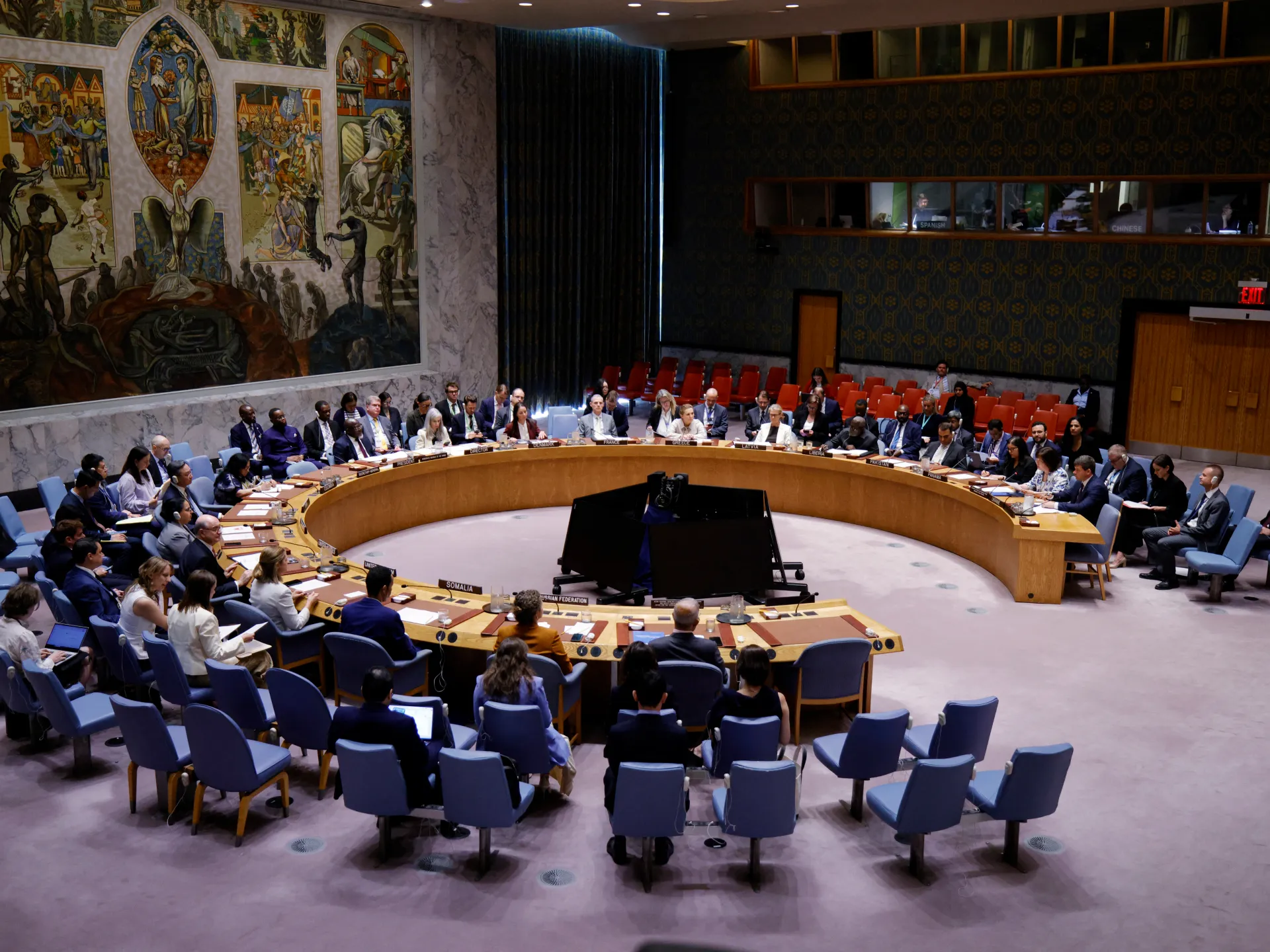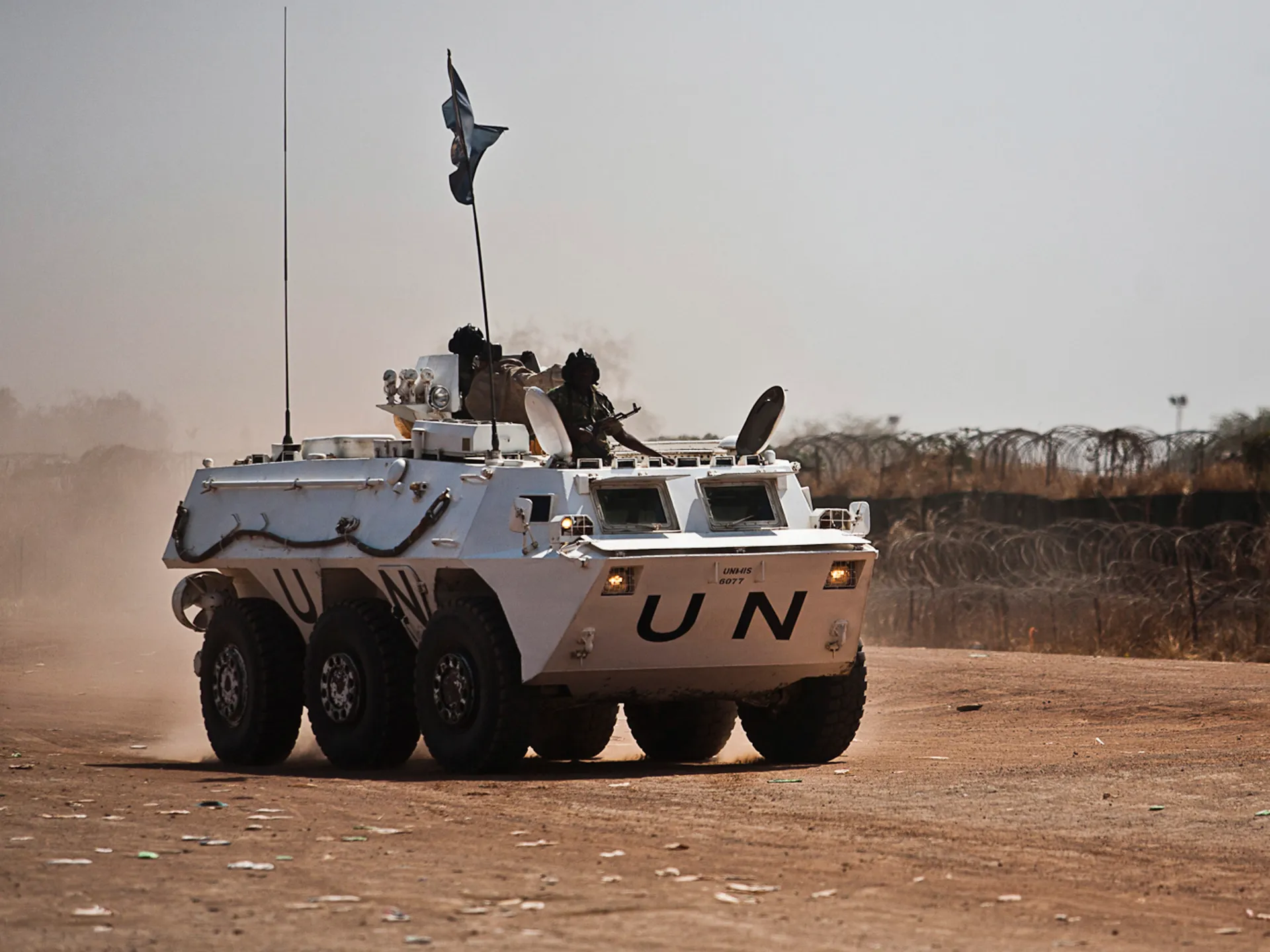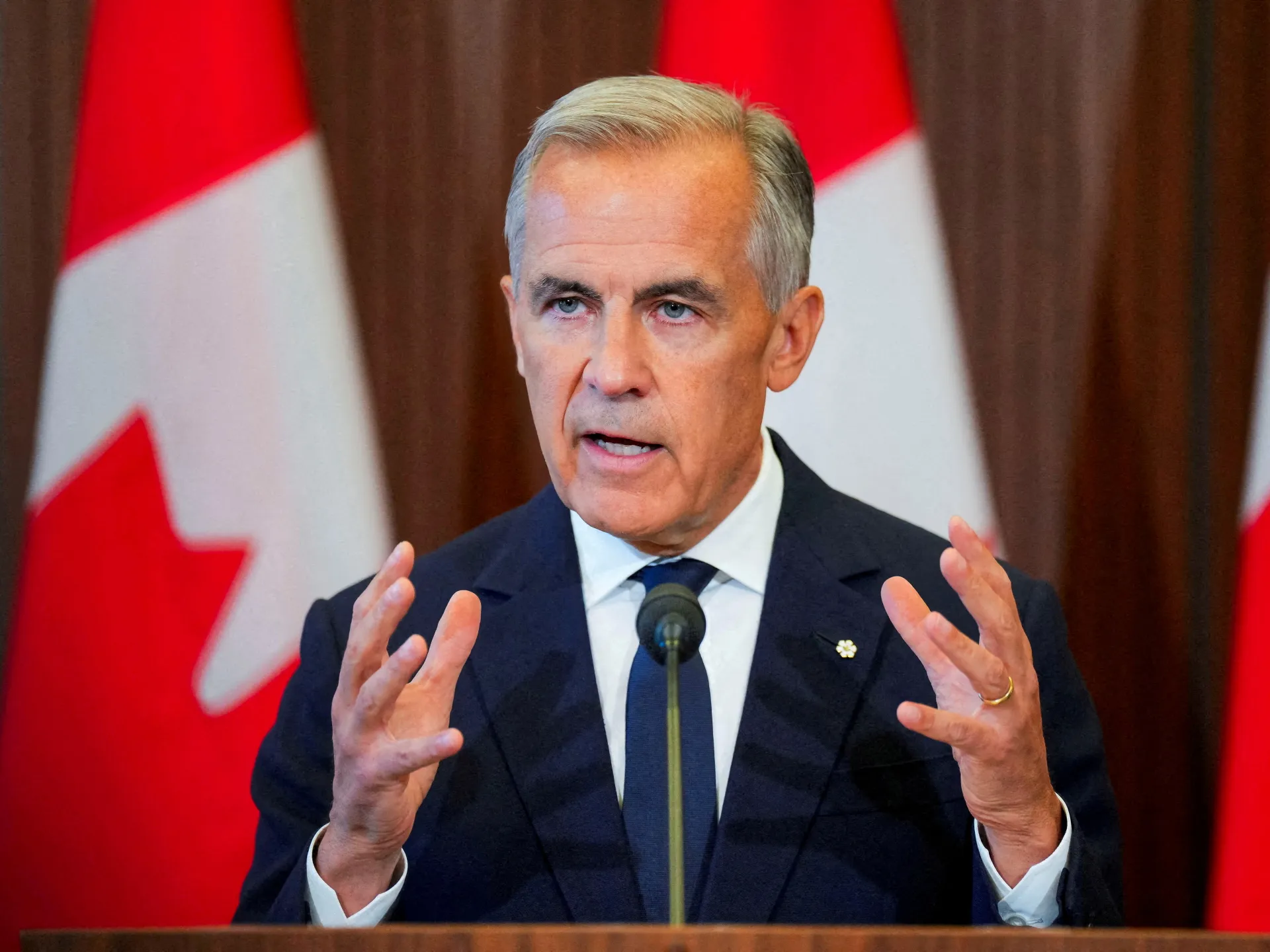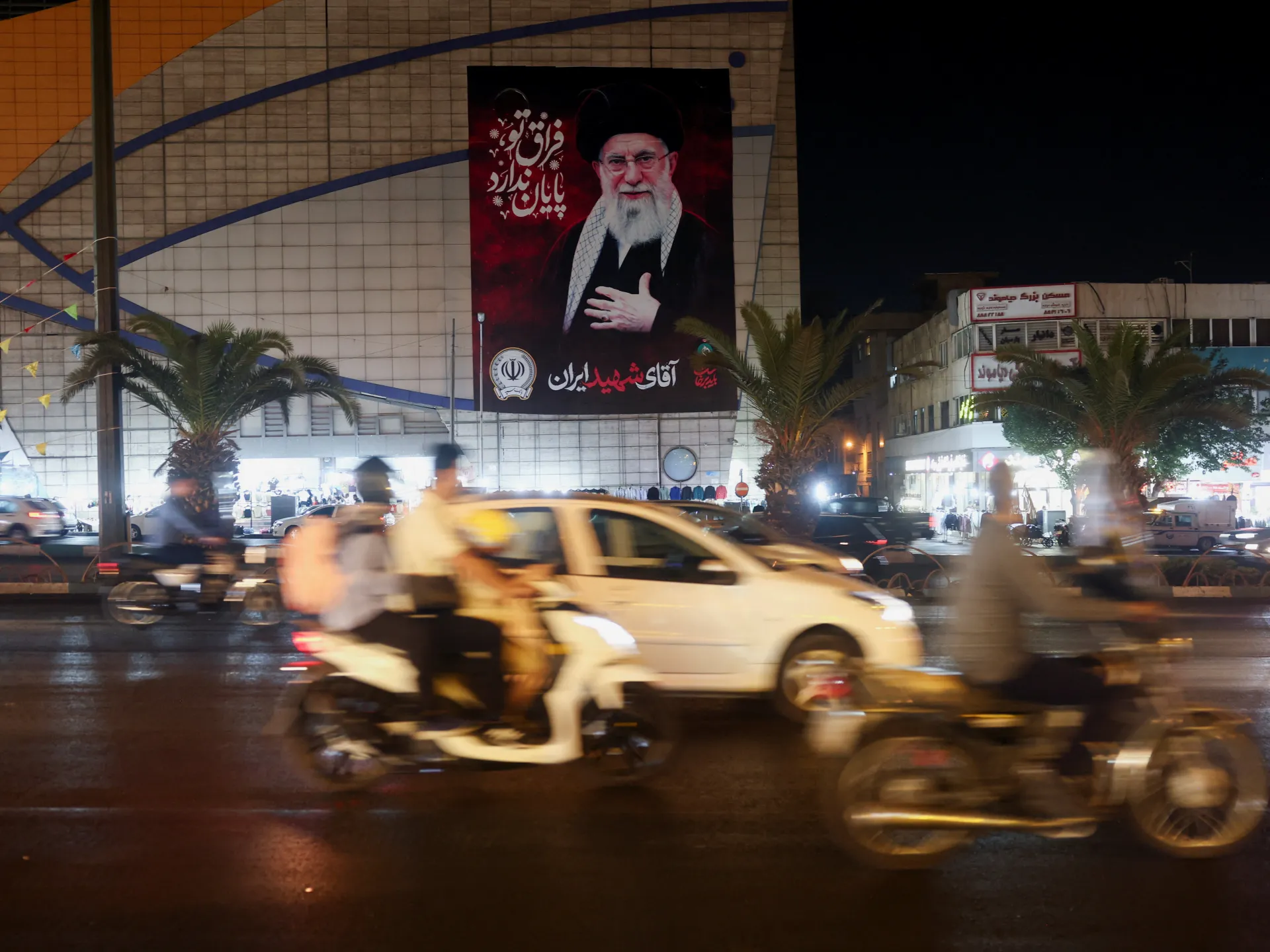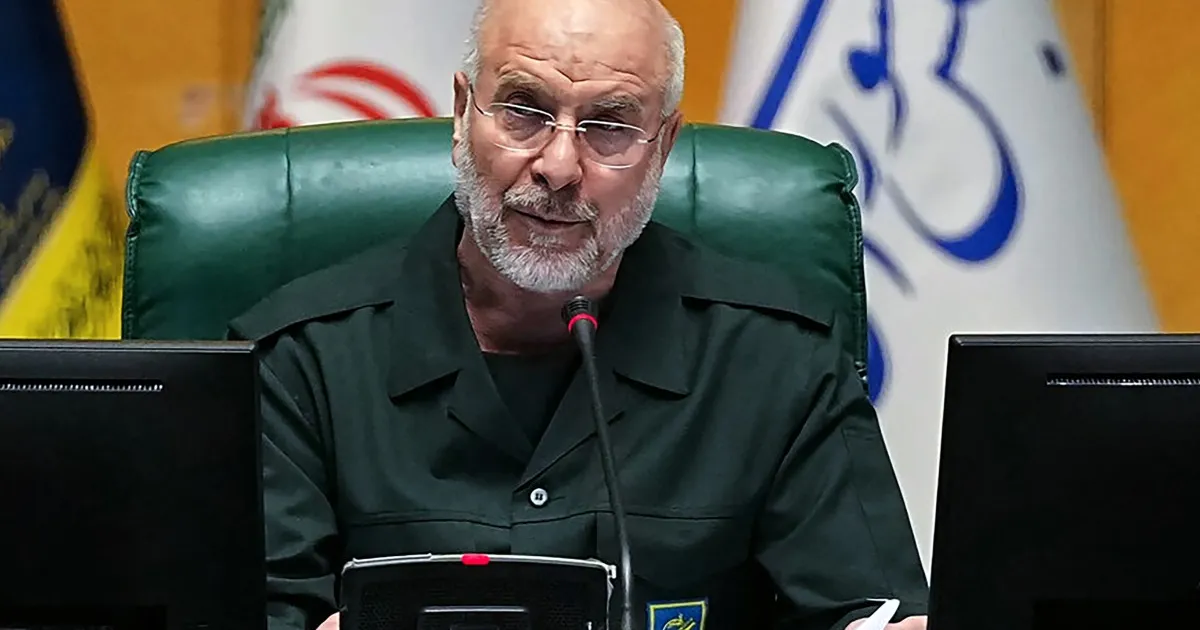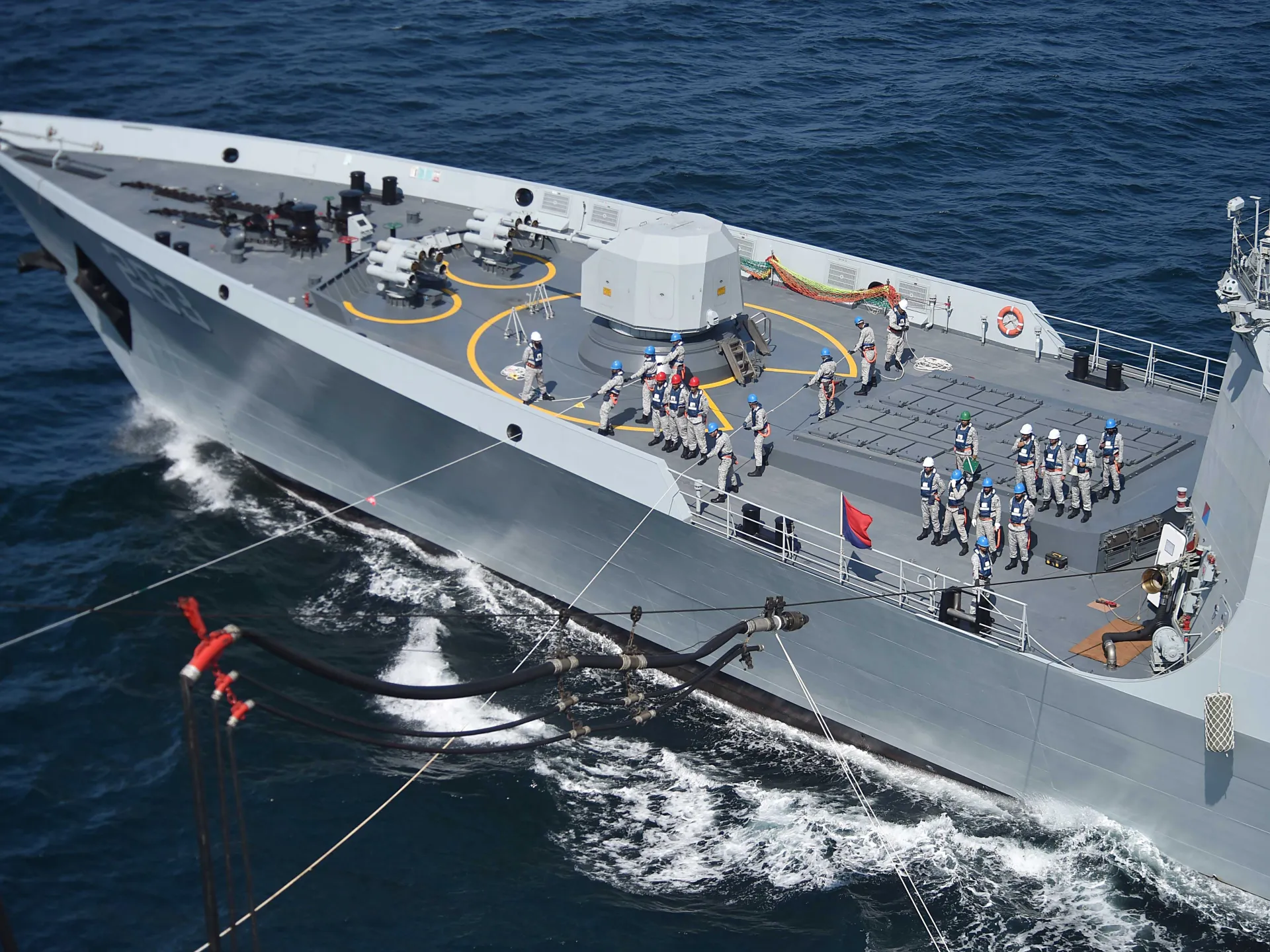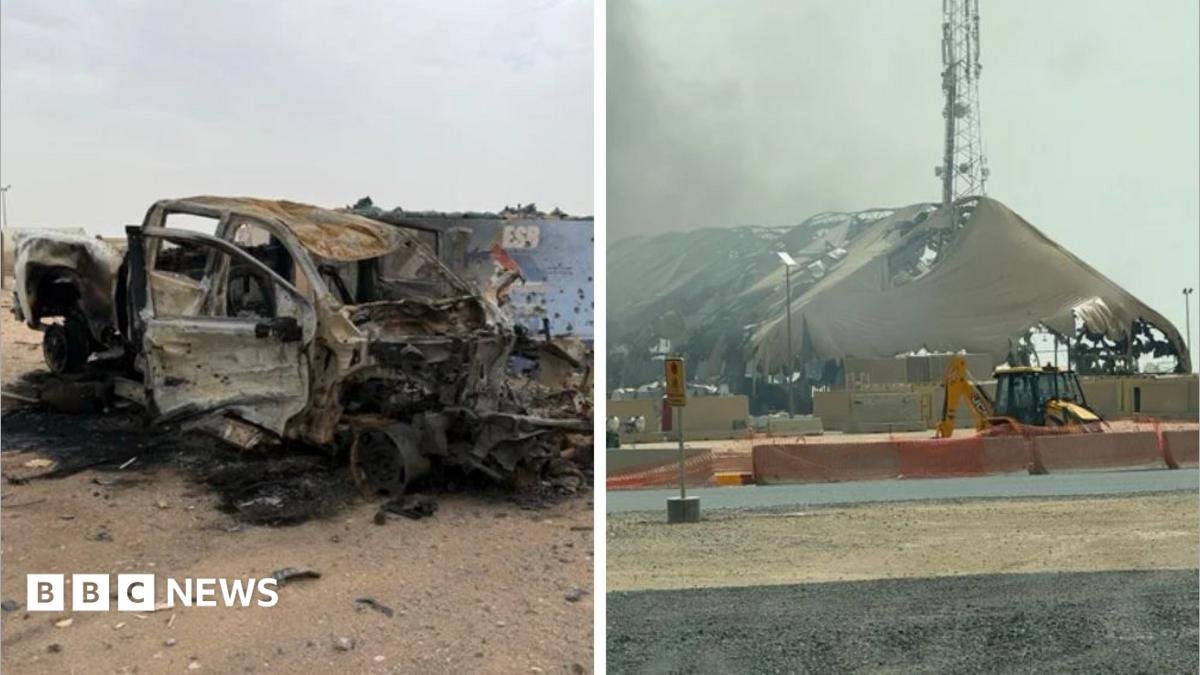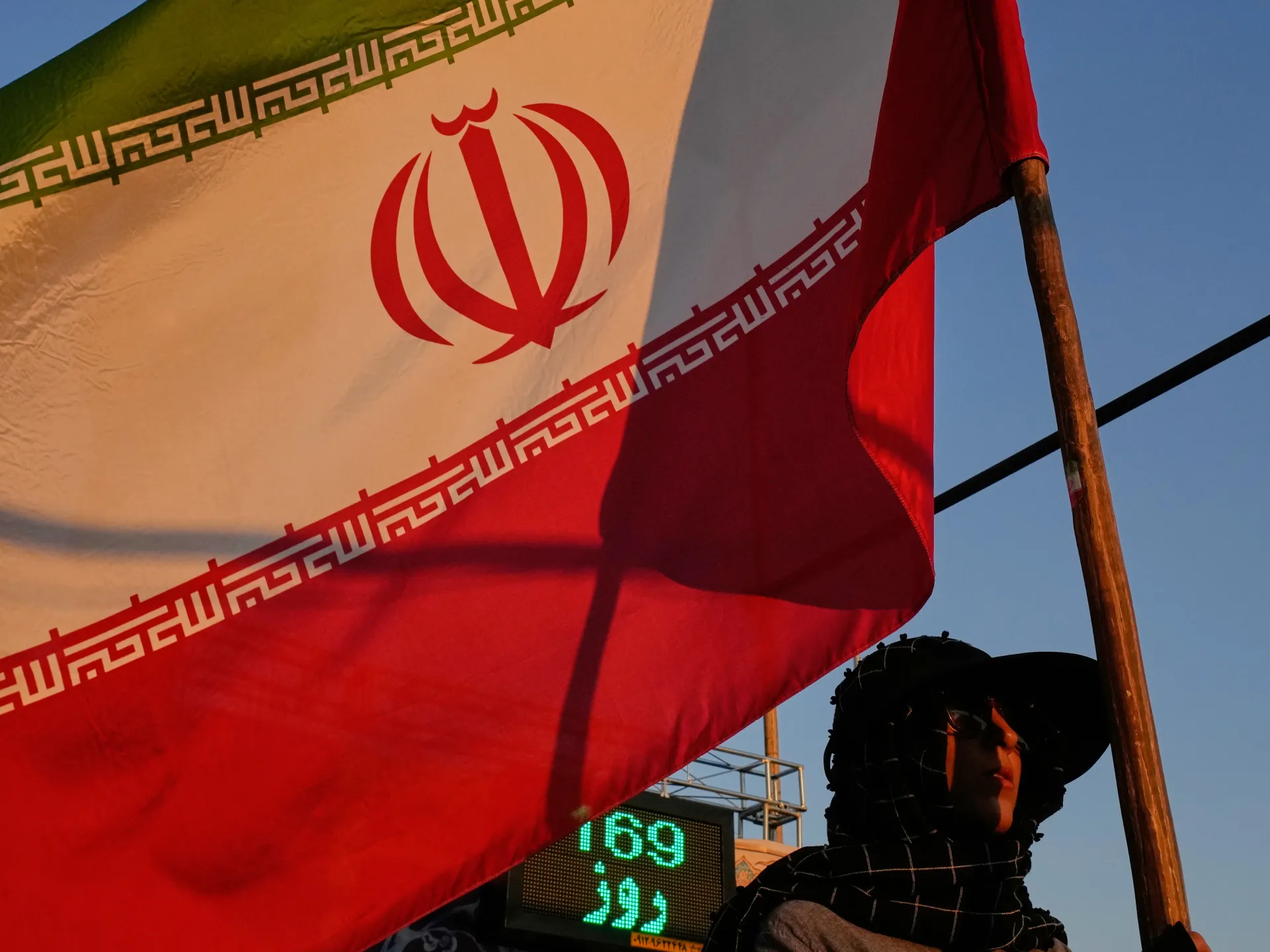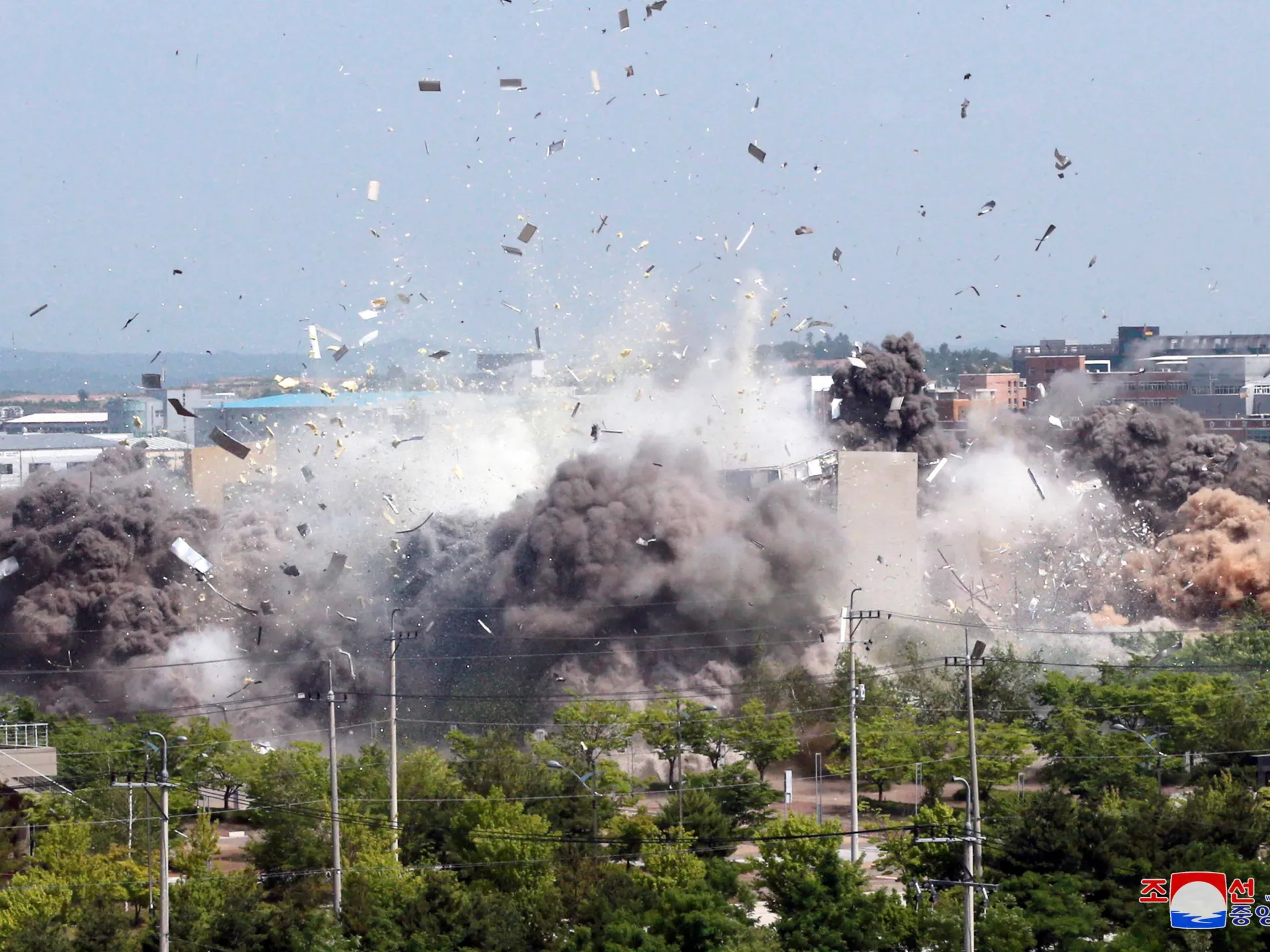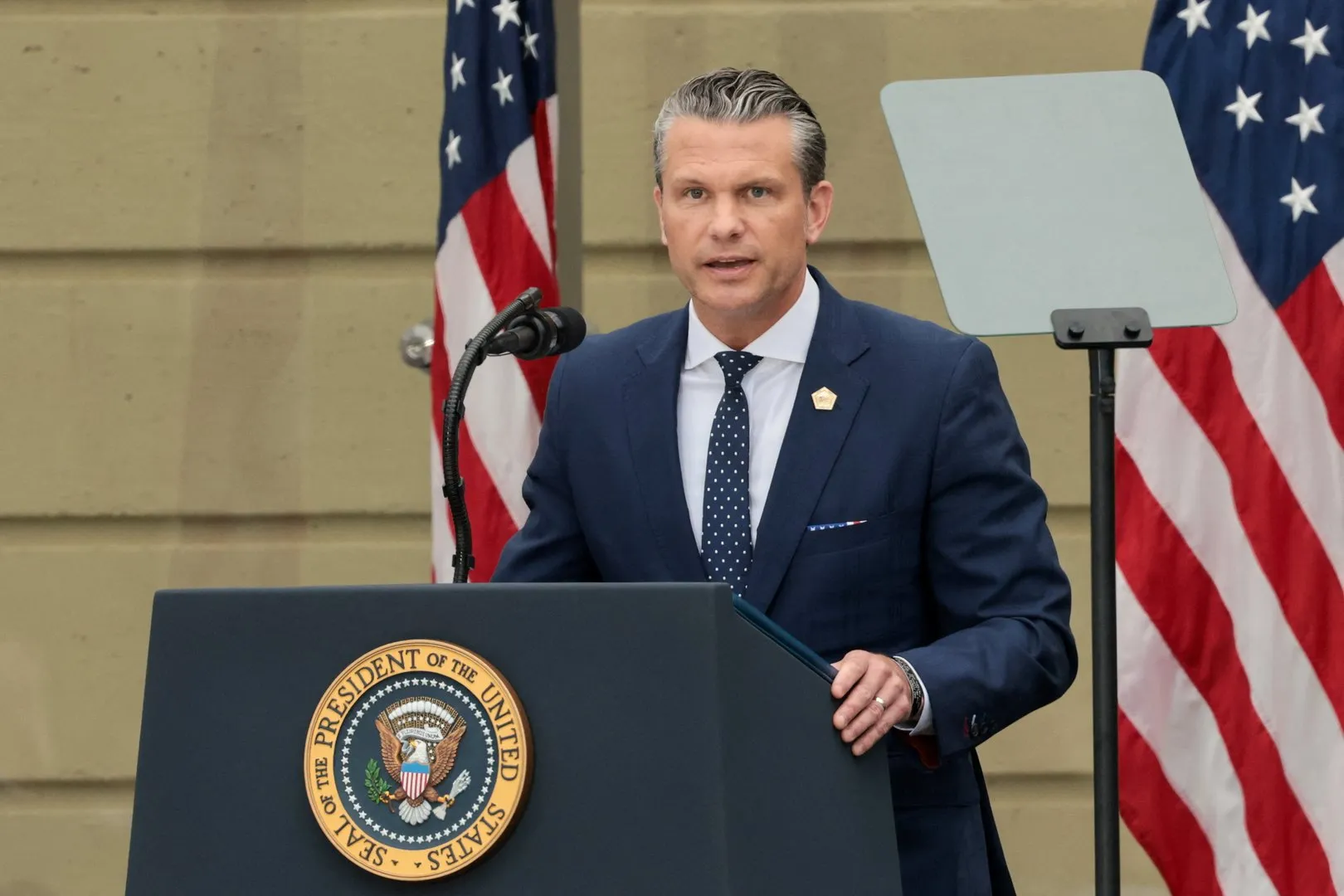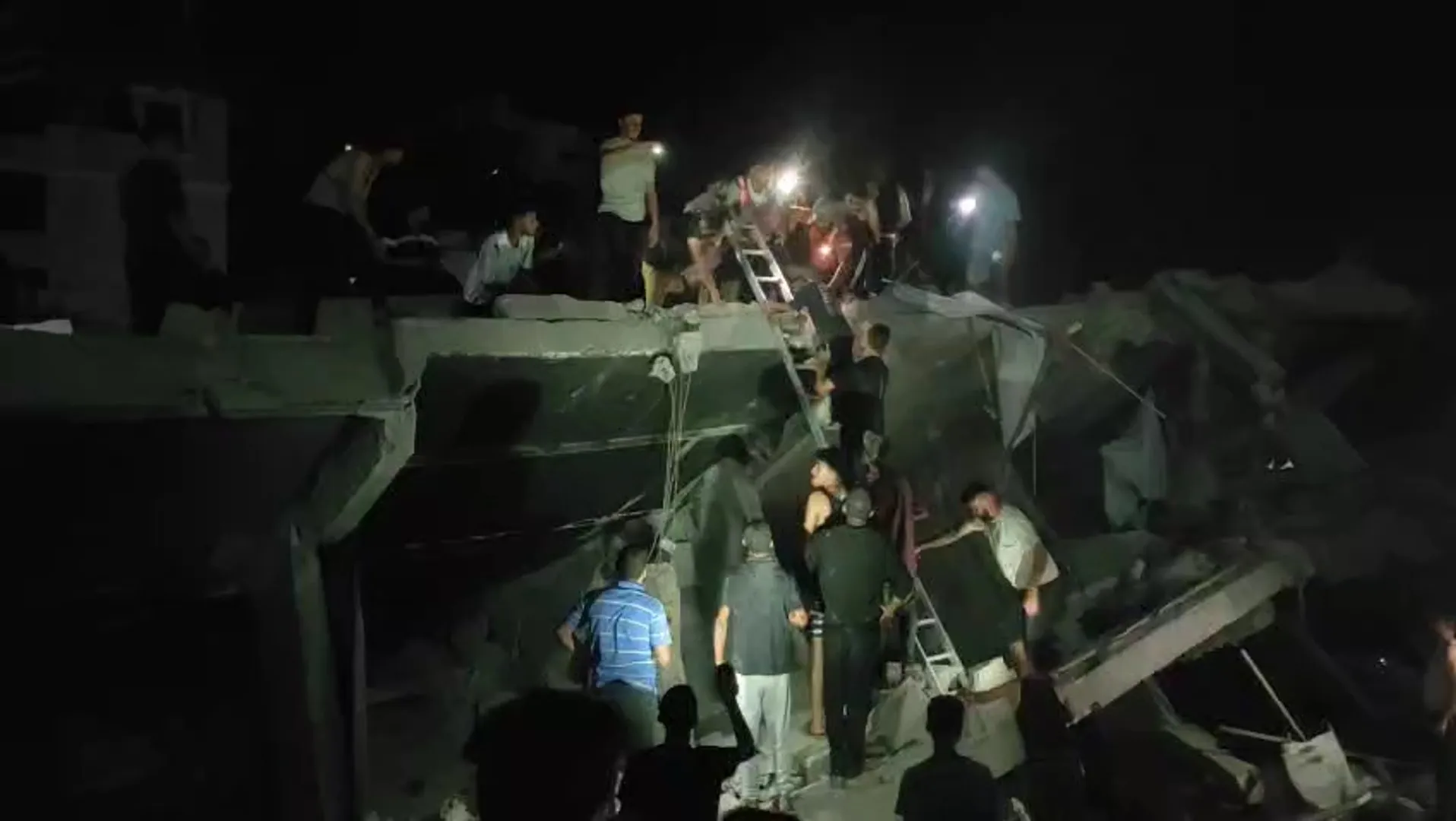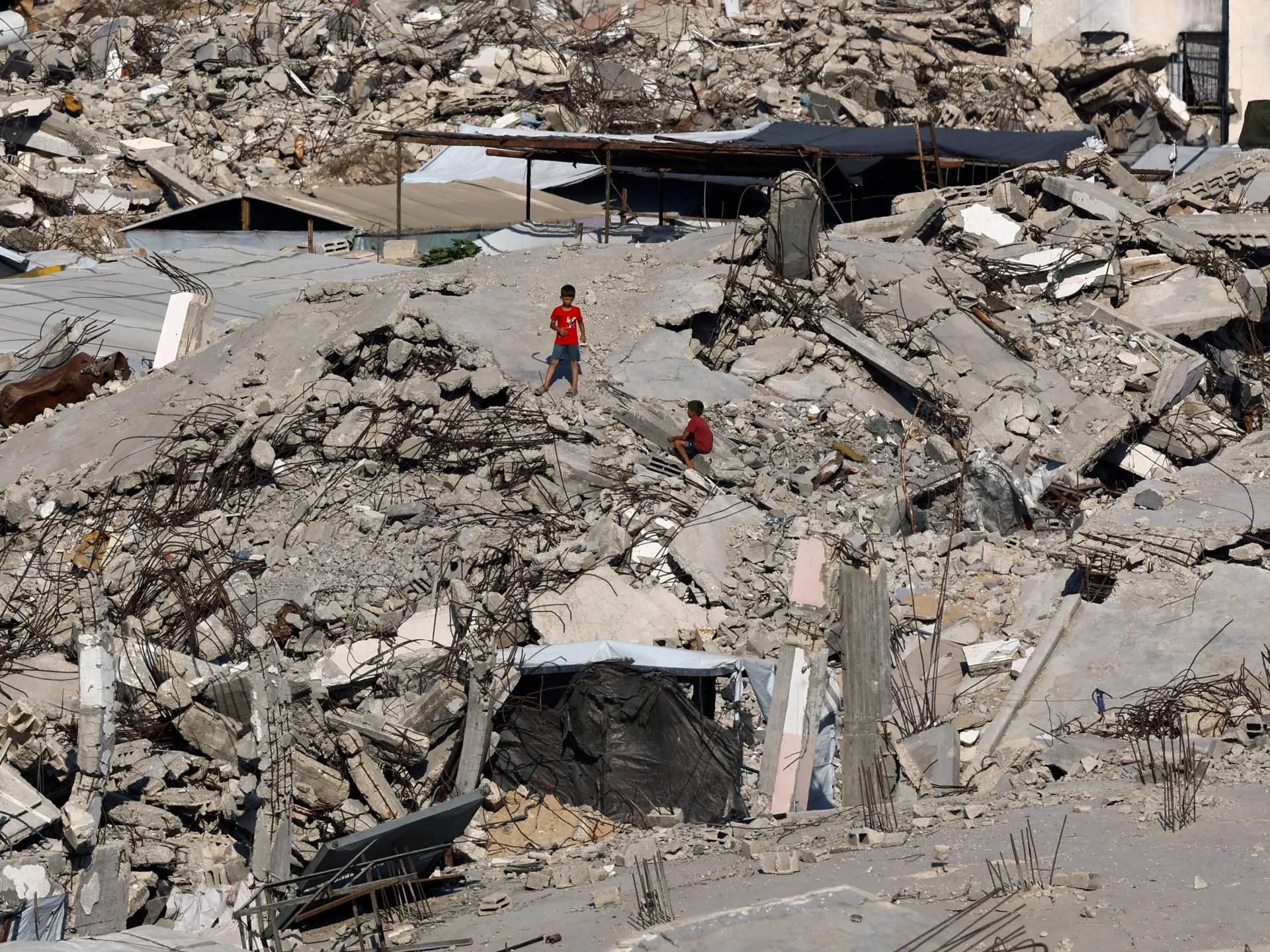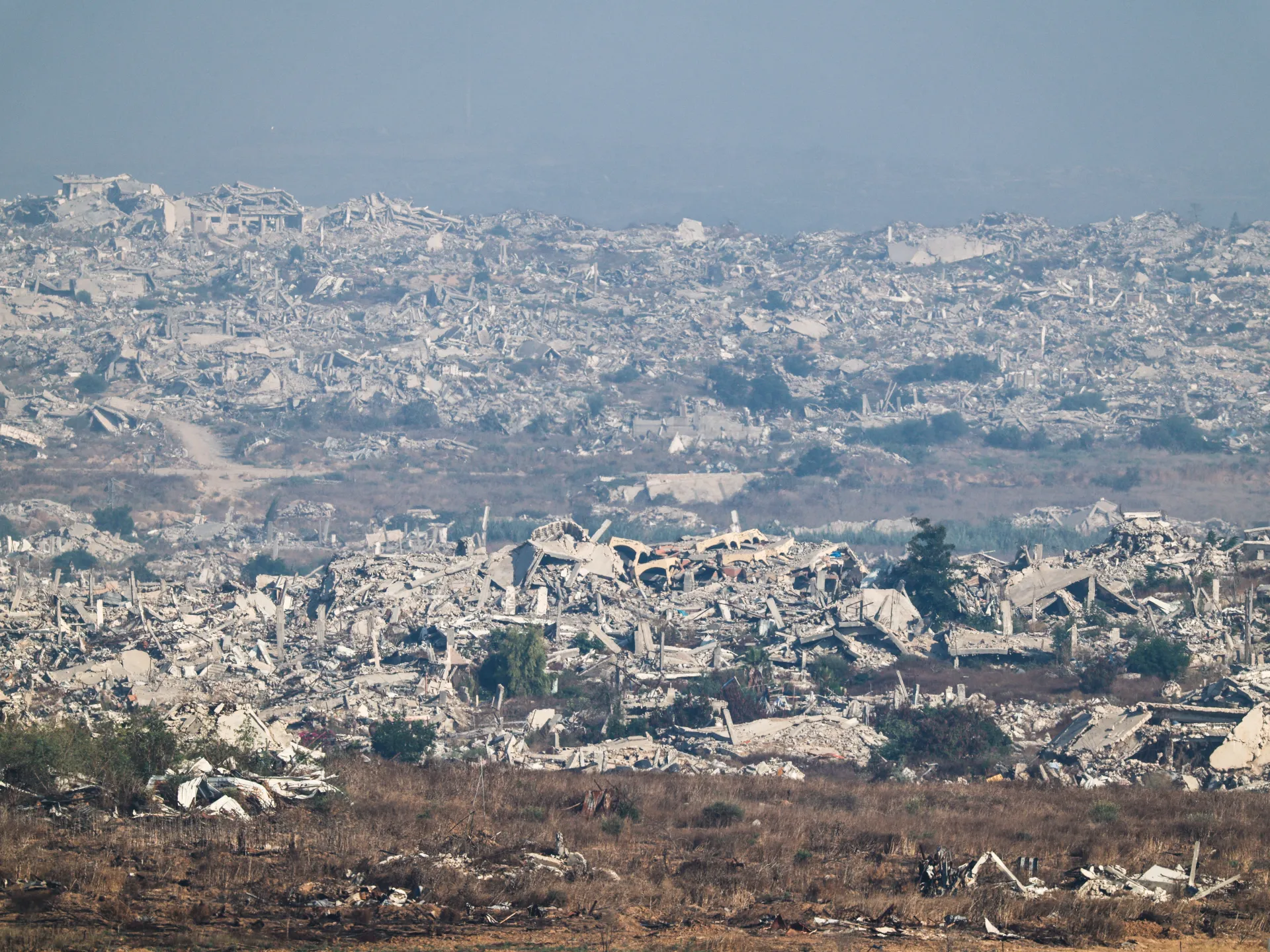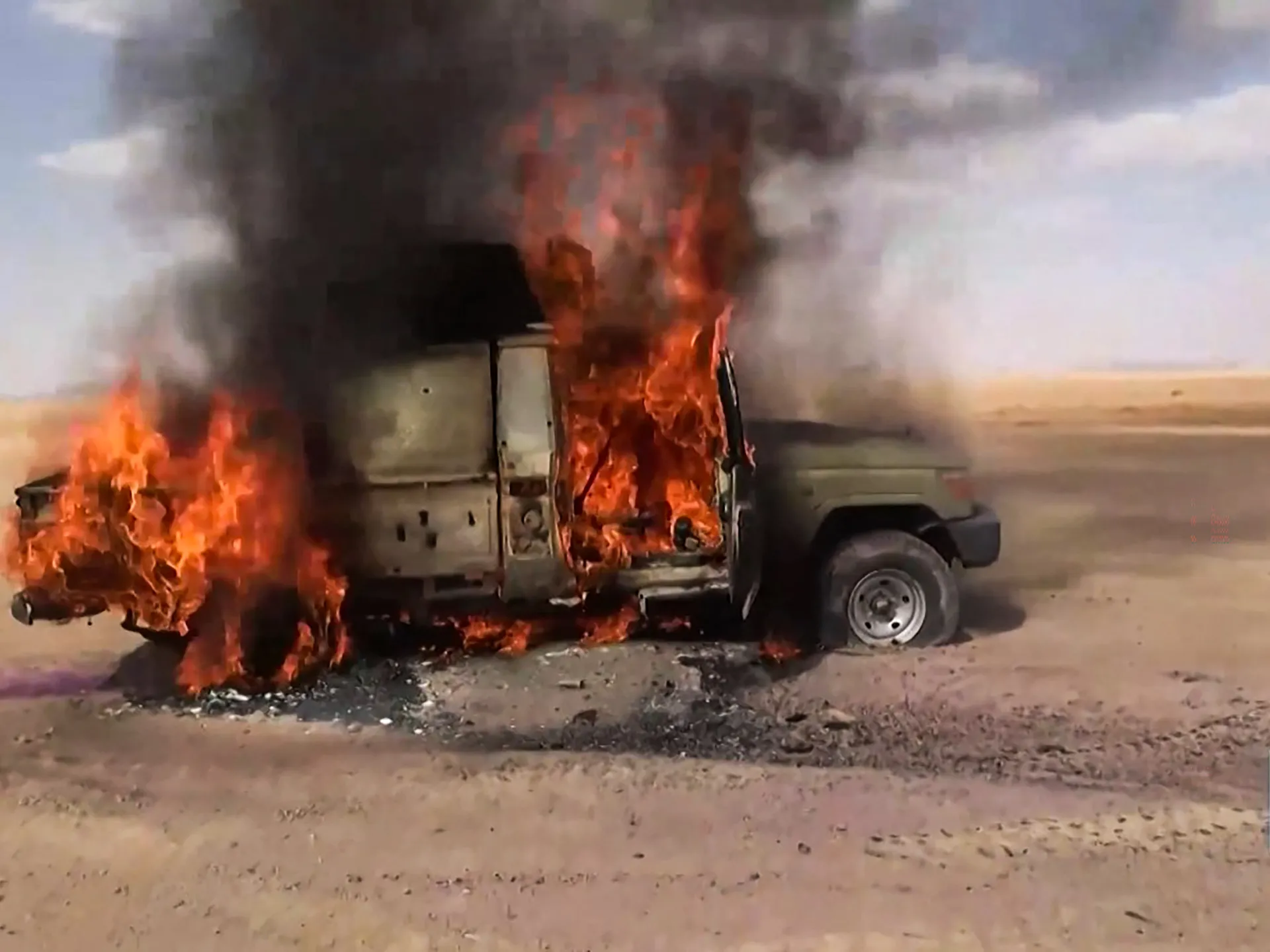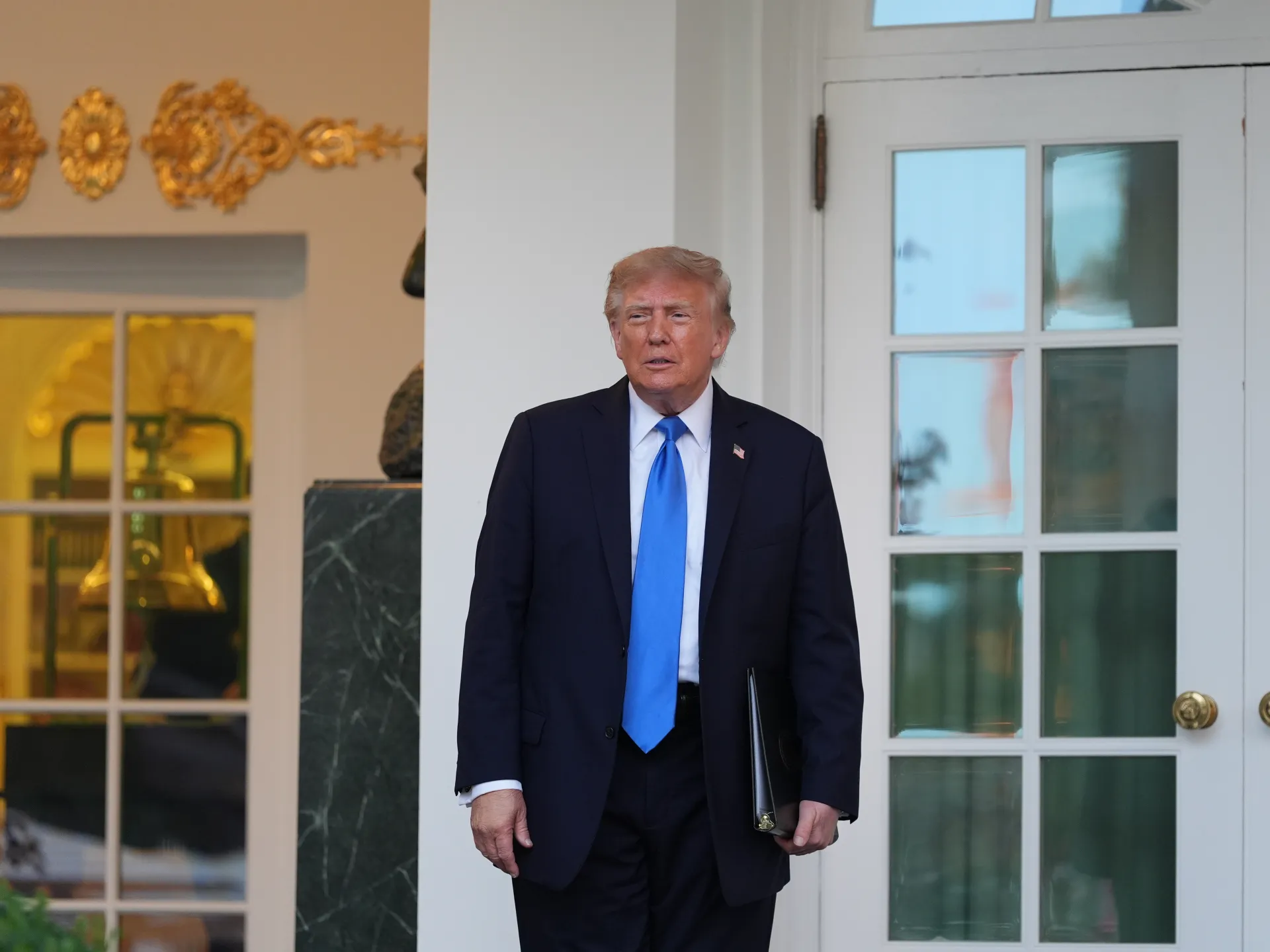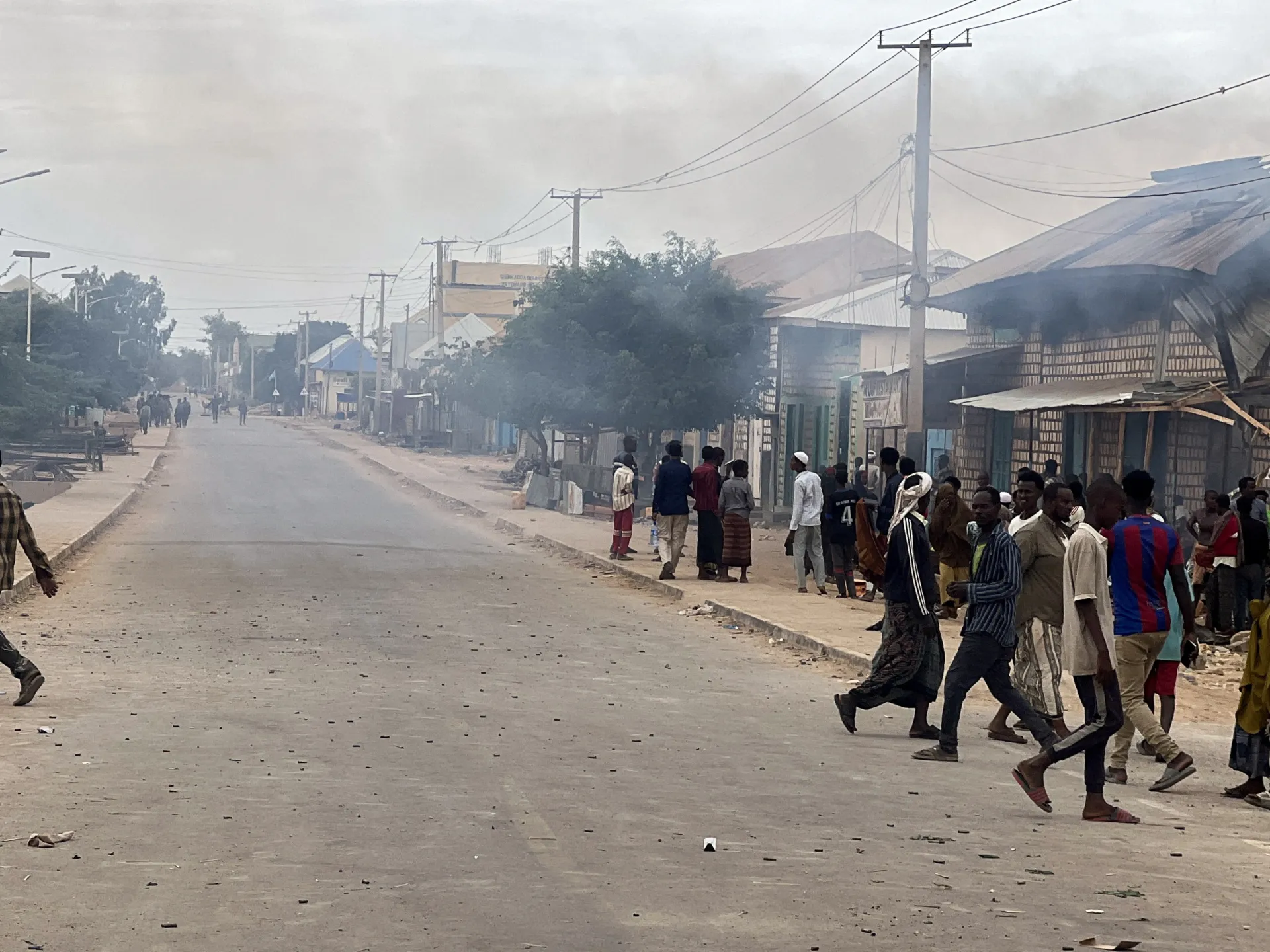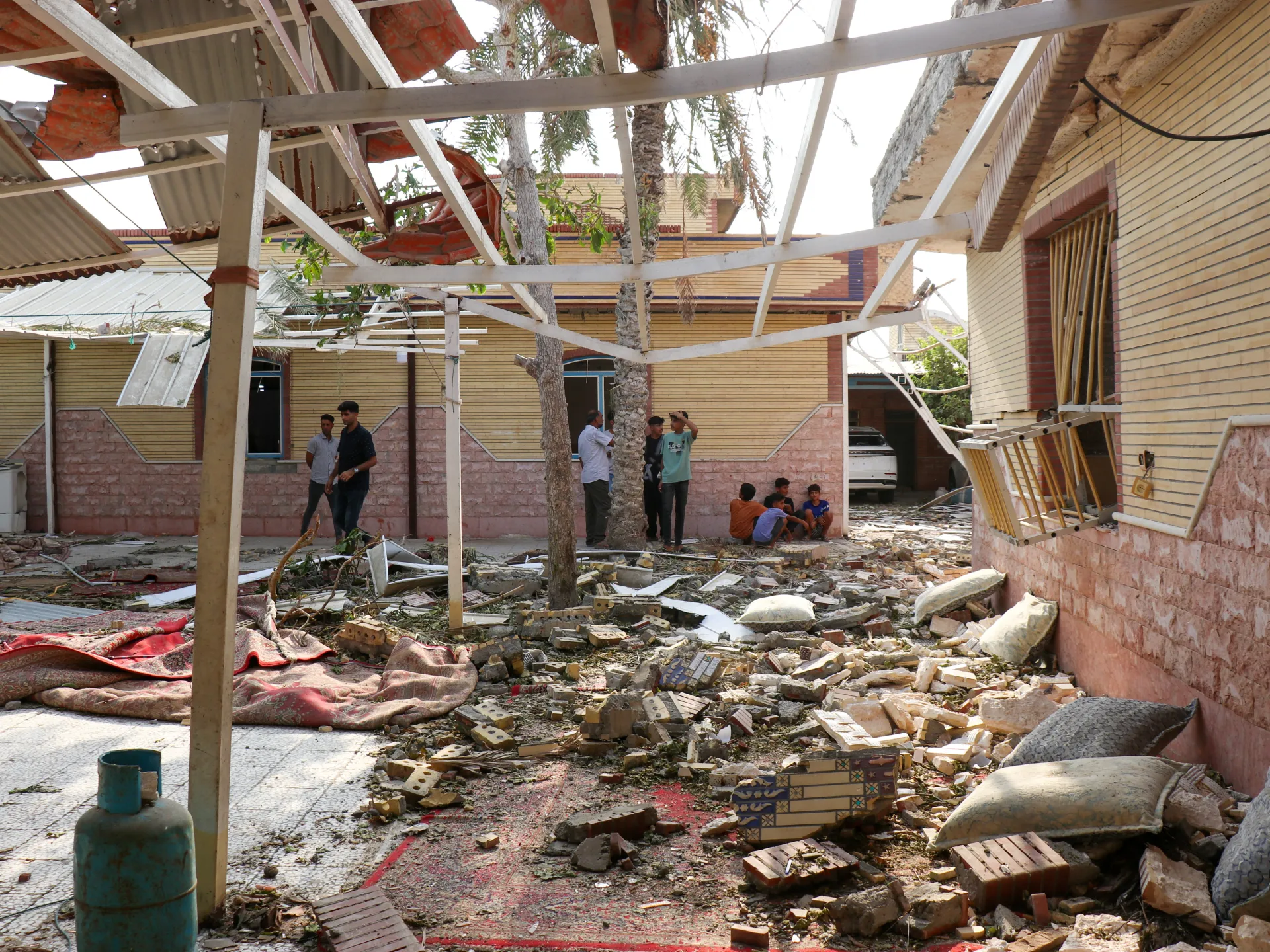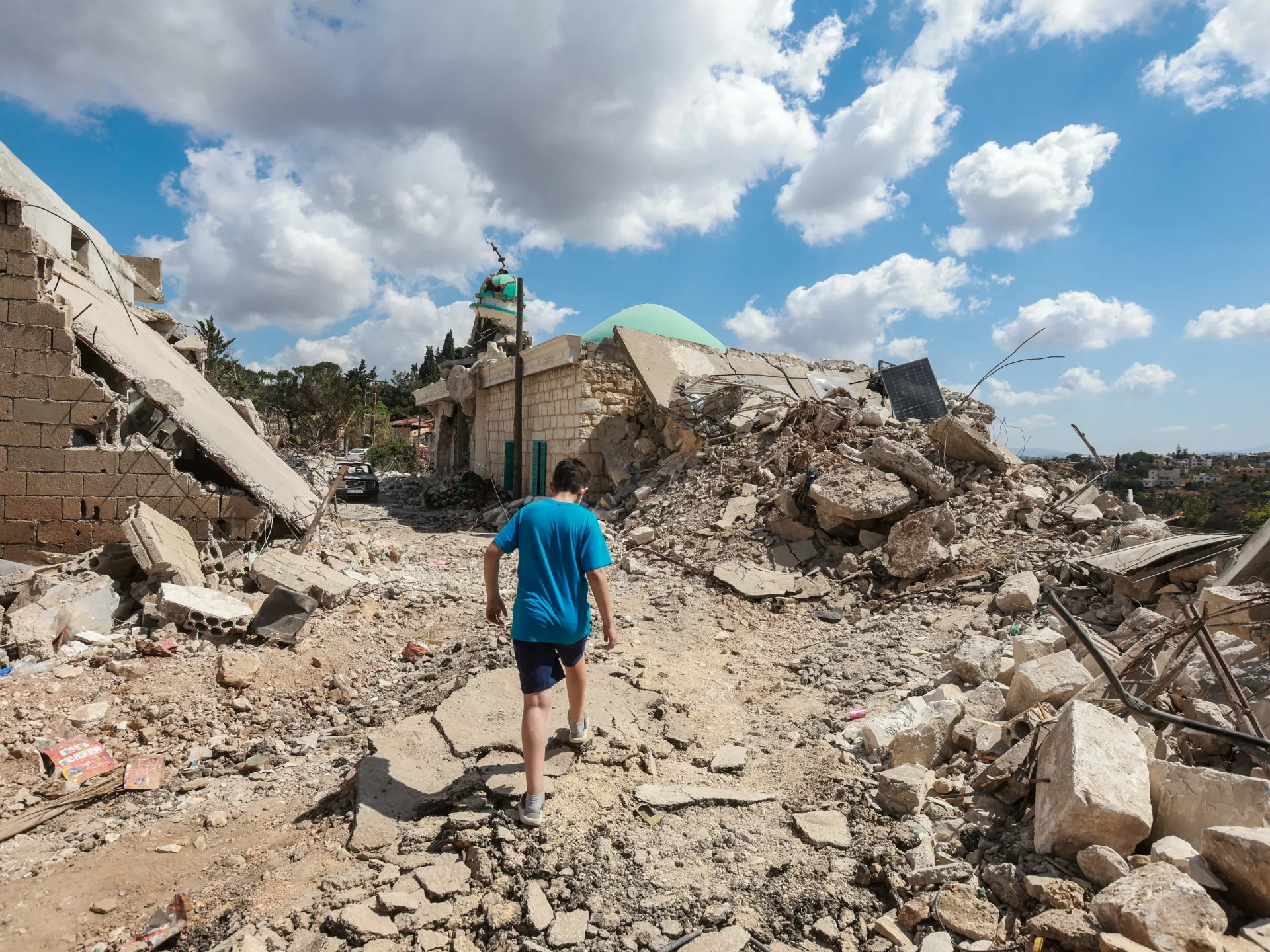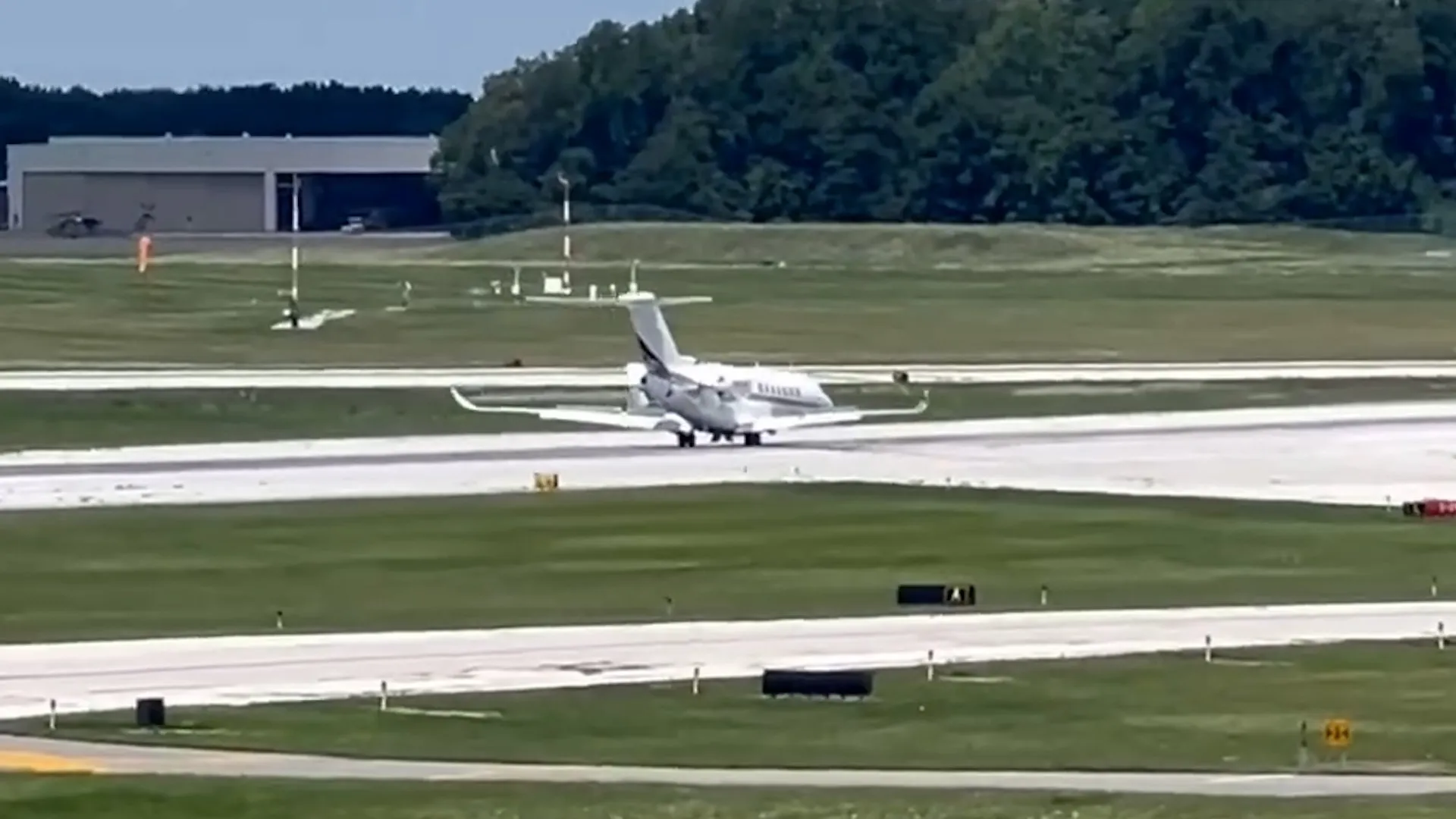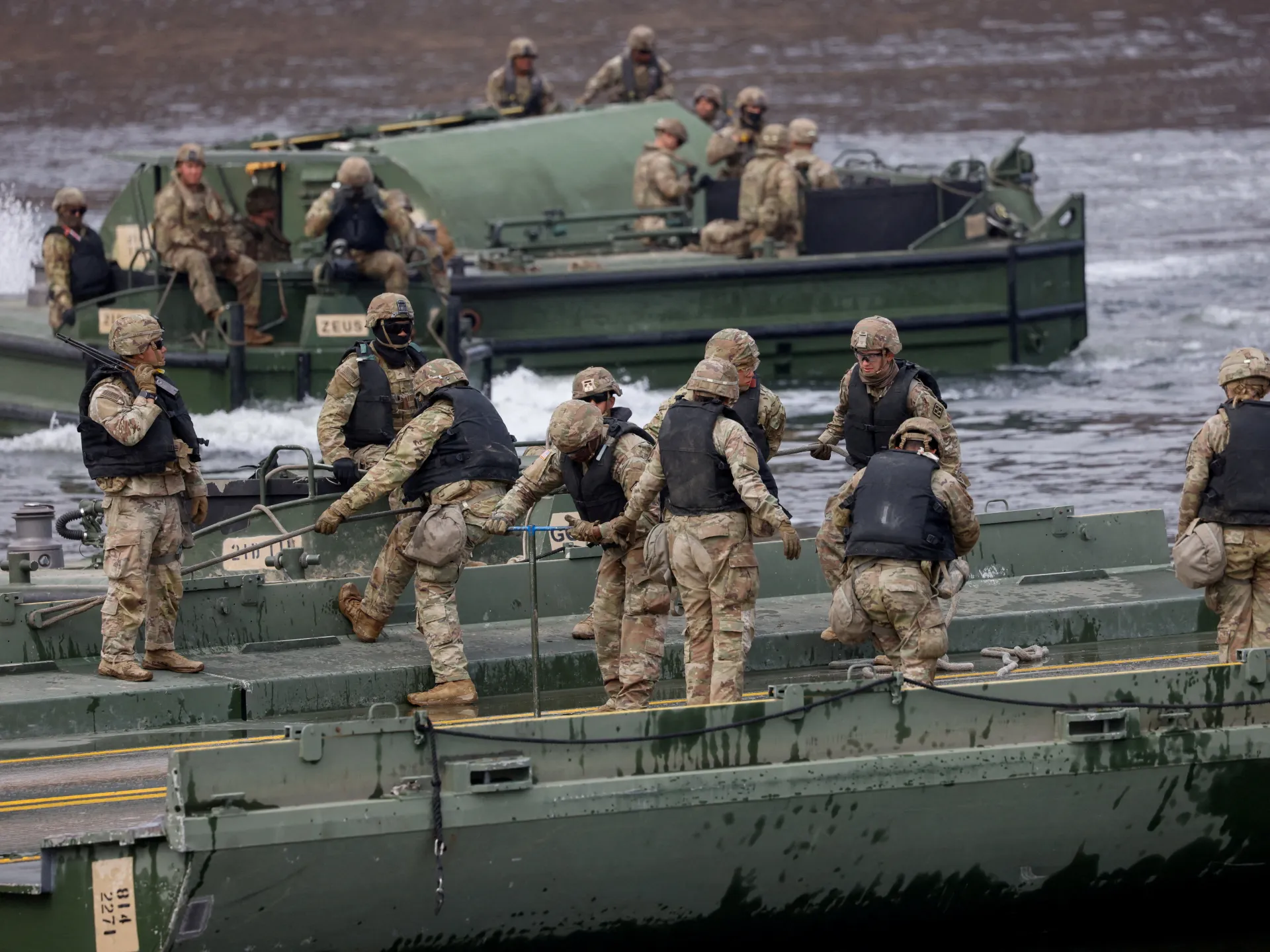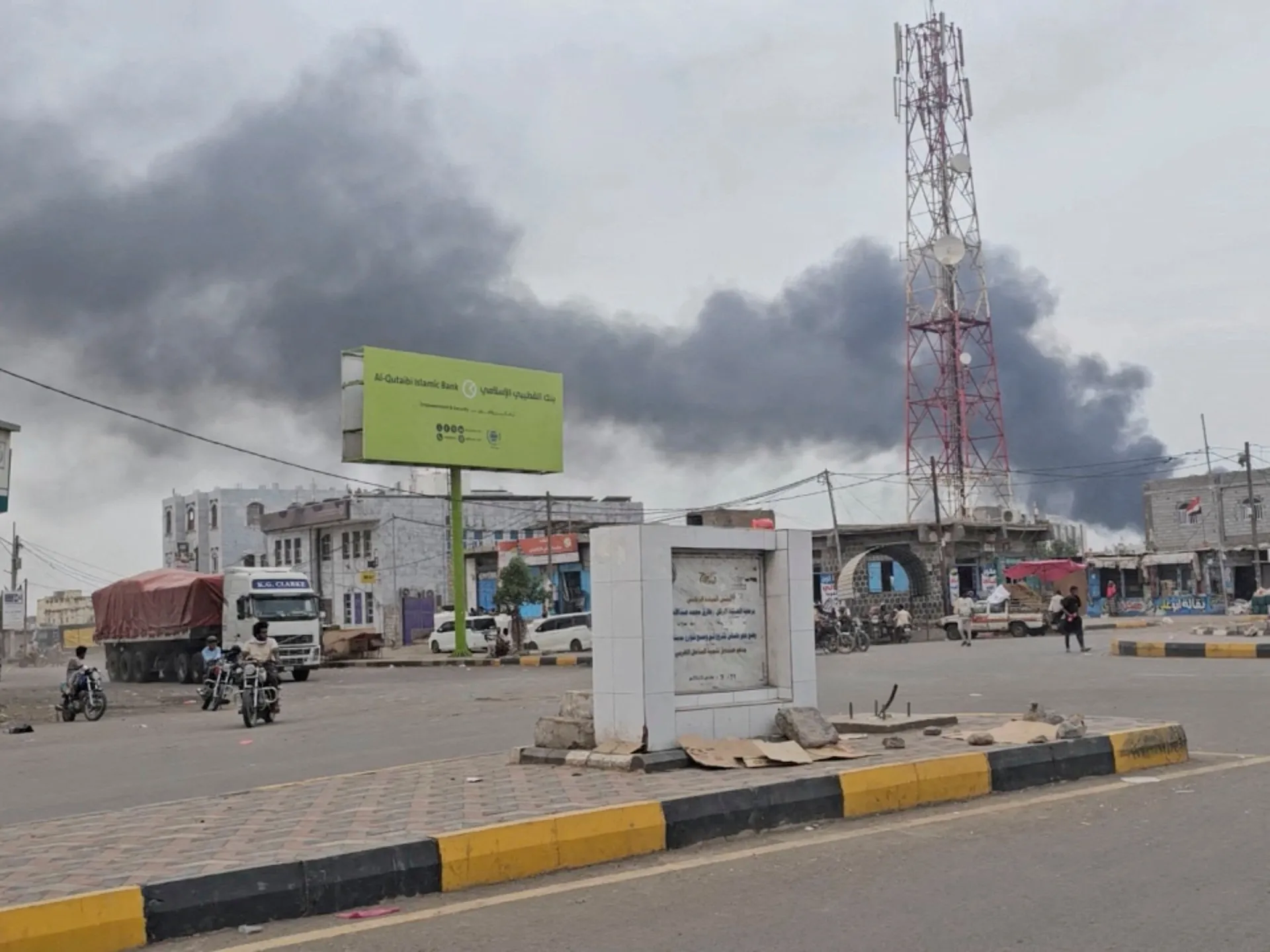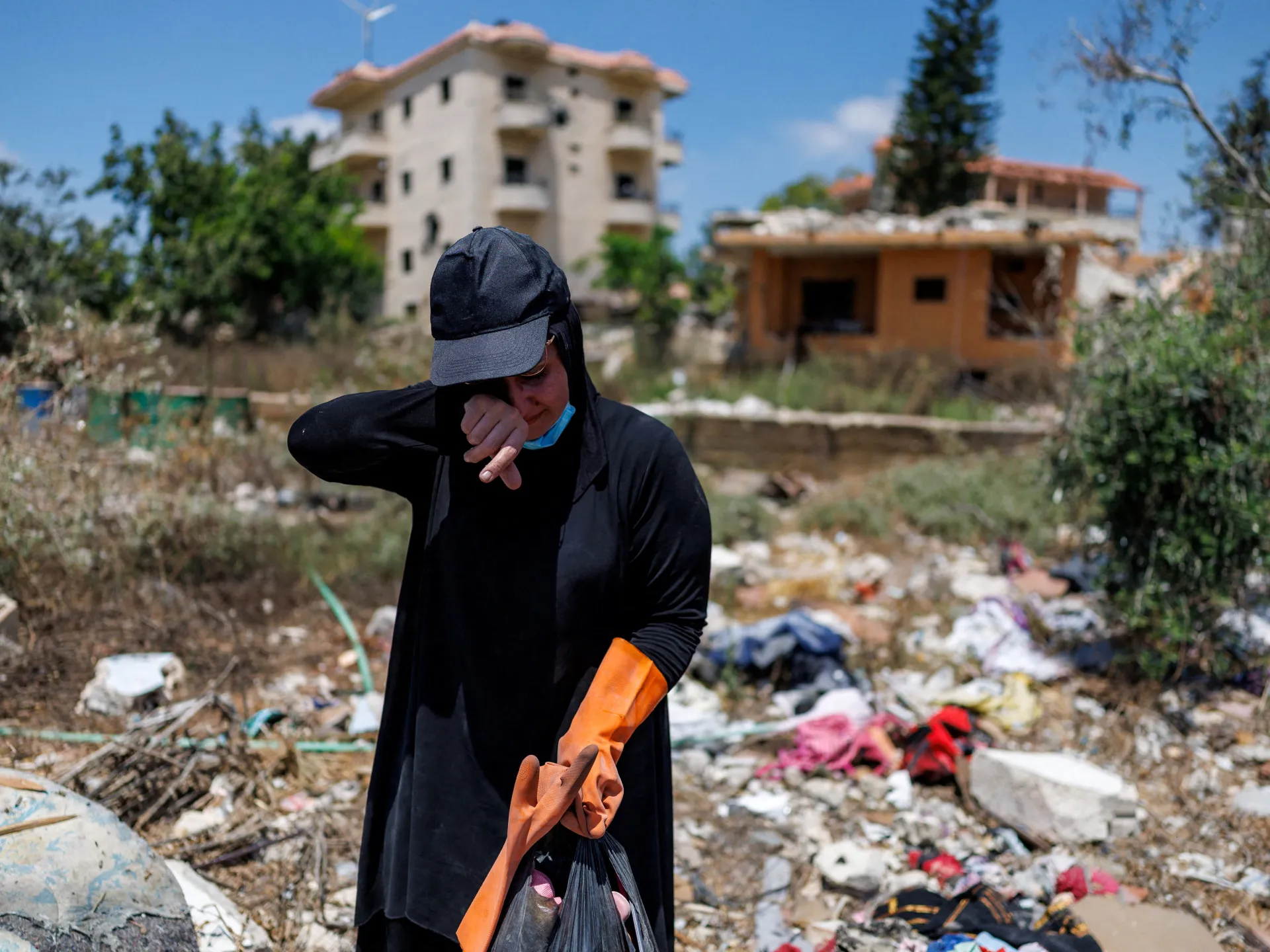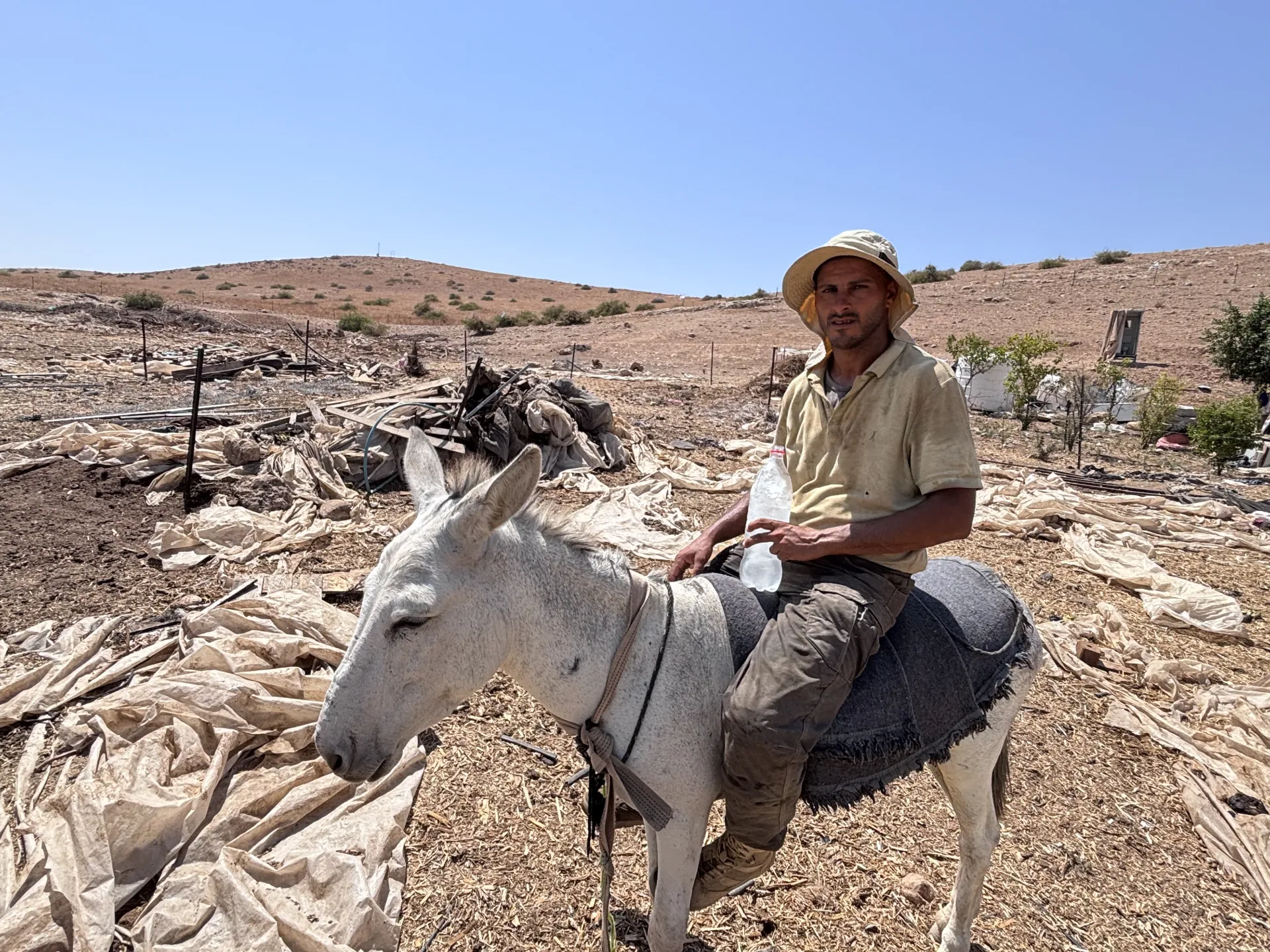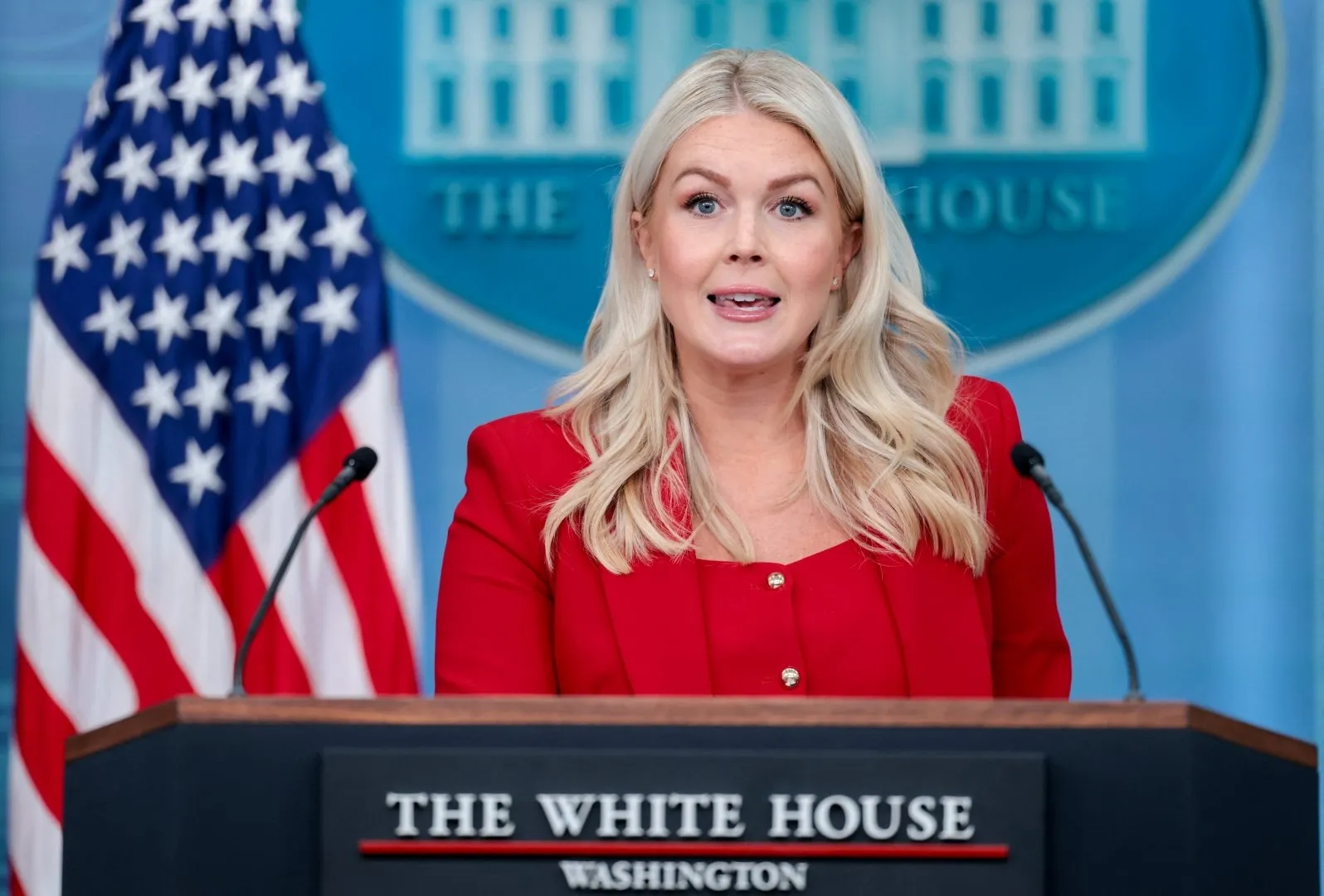
A UN investigation into February 2026 strikes in Iran concludes that U.S. military actions against civilian sites may constitute war crimes.
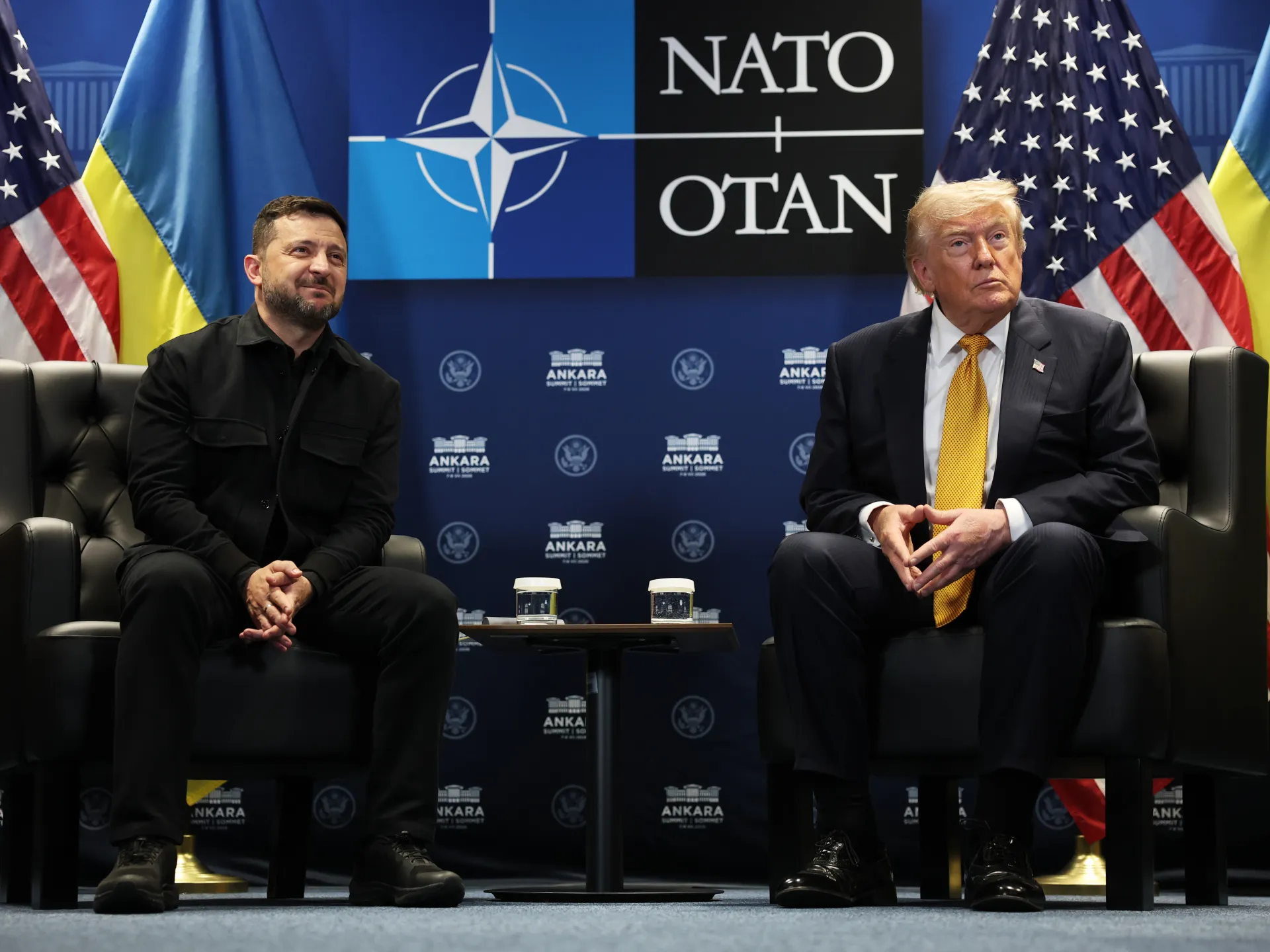
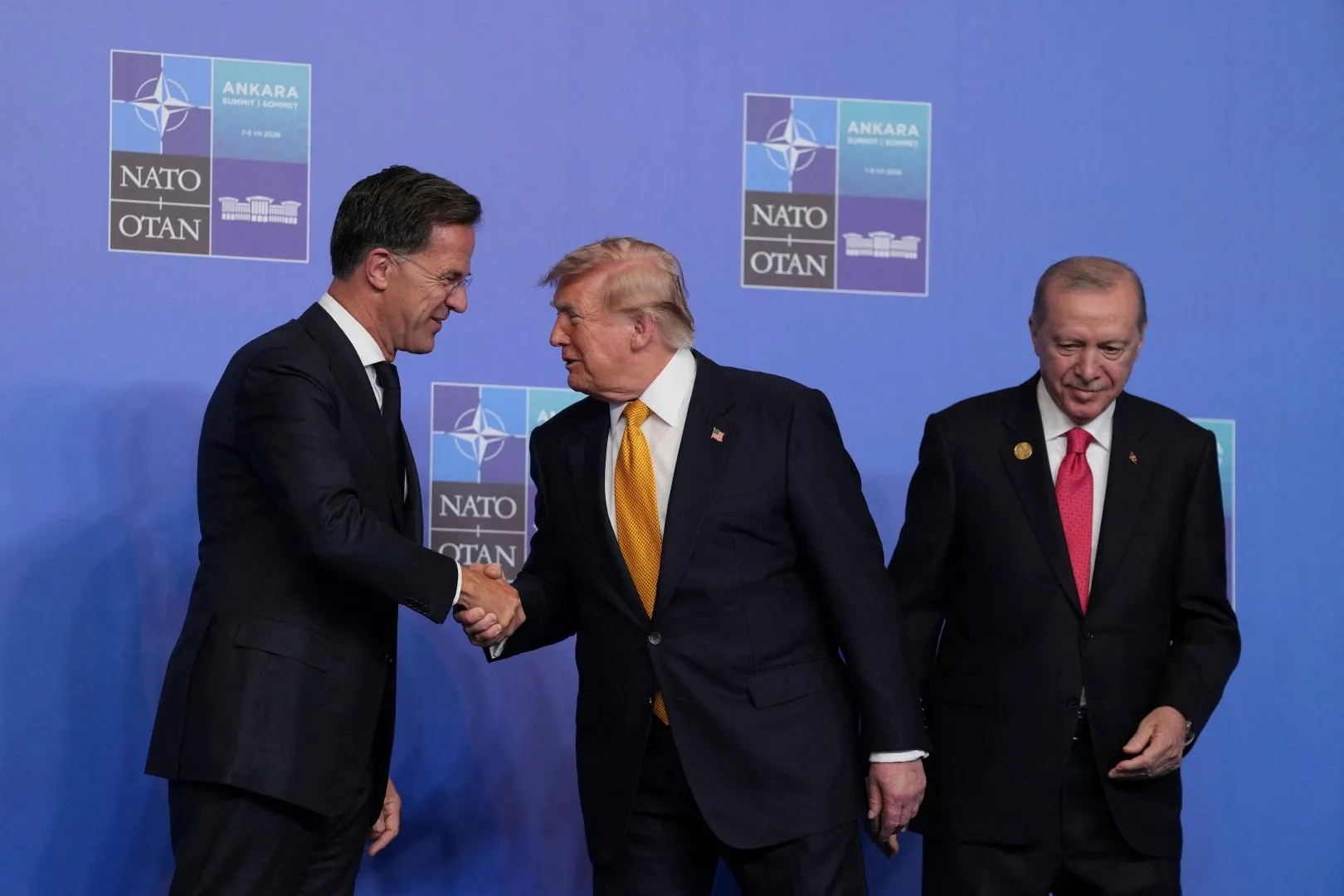
The findings presented escalation in the international scrutiny of U.S. military operations under the current administration. ecedent that challenges the conventional narrative of precision warfare. This development complicates the White House's diplomatic positioning, particularly as the administration simultaneously navigates nuclear negotiations in the Middle East and fragile alliance dynamics in Europe. The failure of both Washington and regional partners to engage with the UN investigators suggests an increasingly polarized international environment, where established norms of accountability are being contested
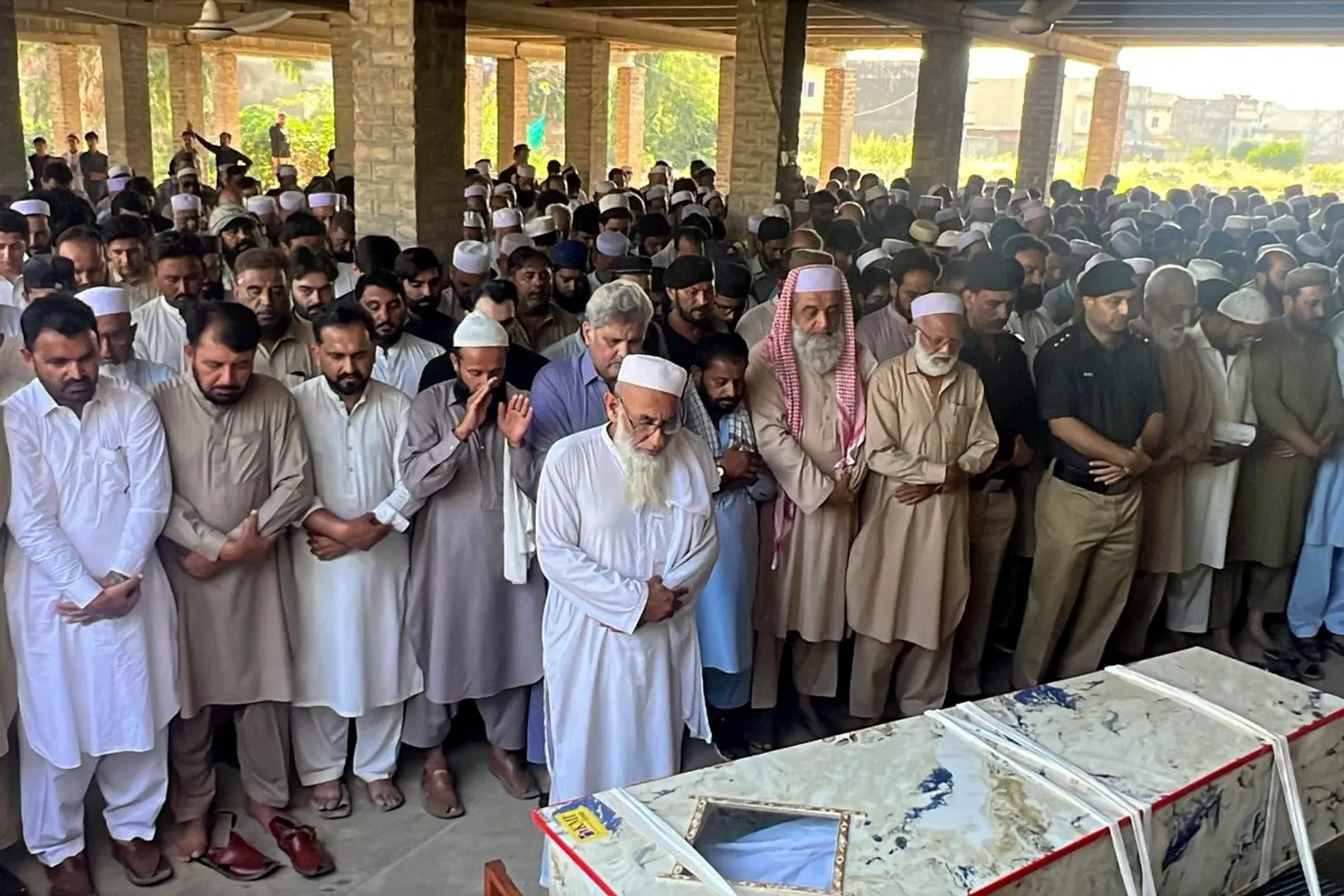
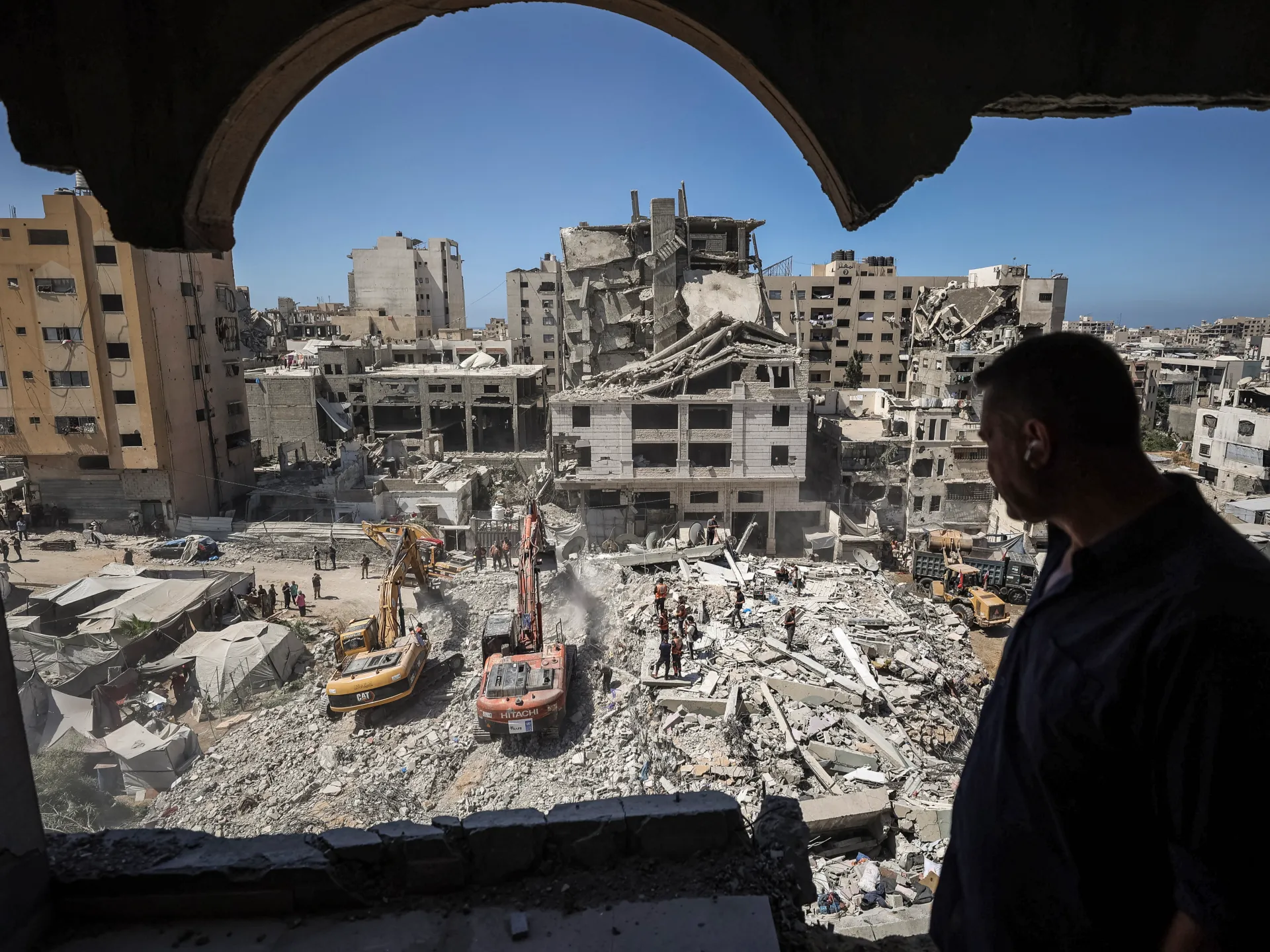
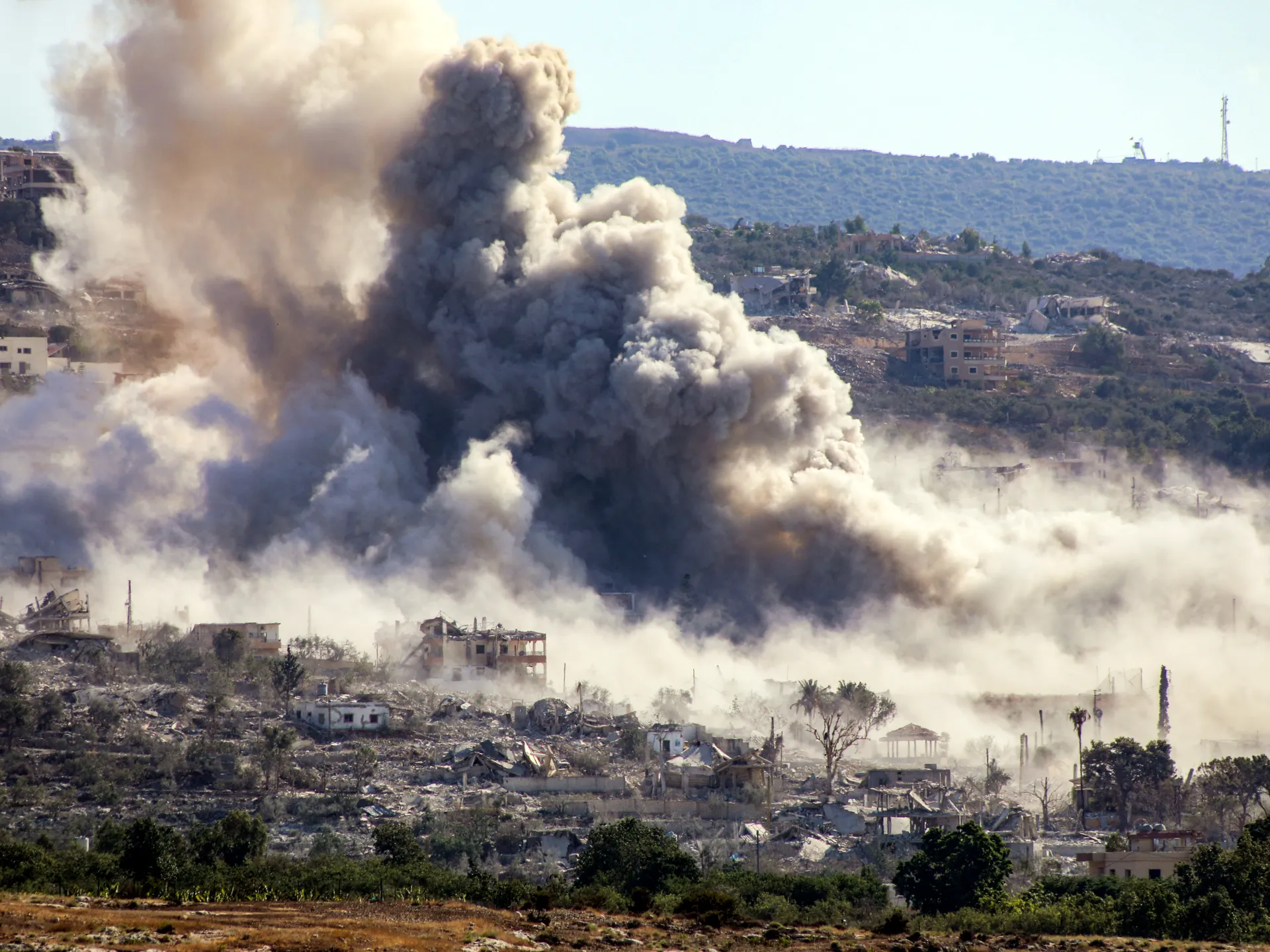
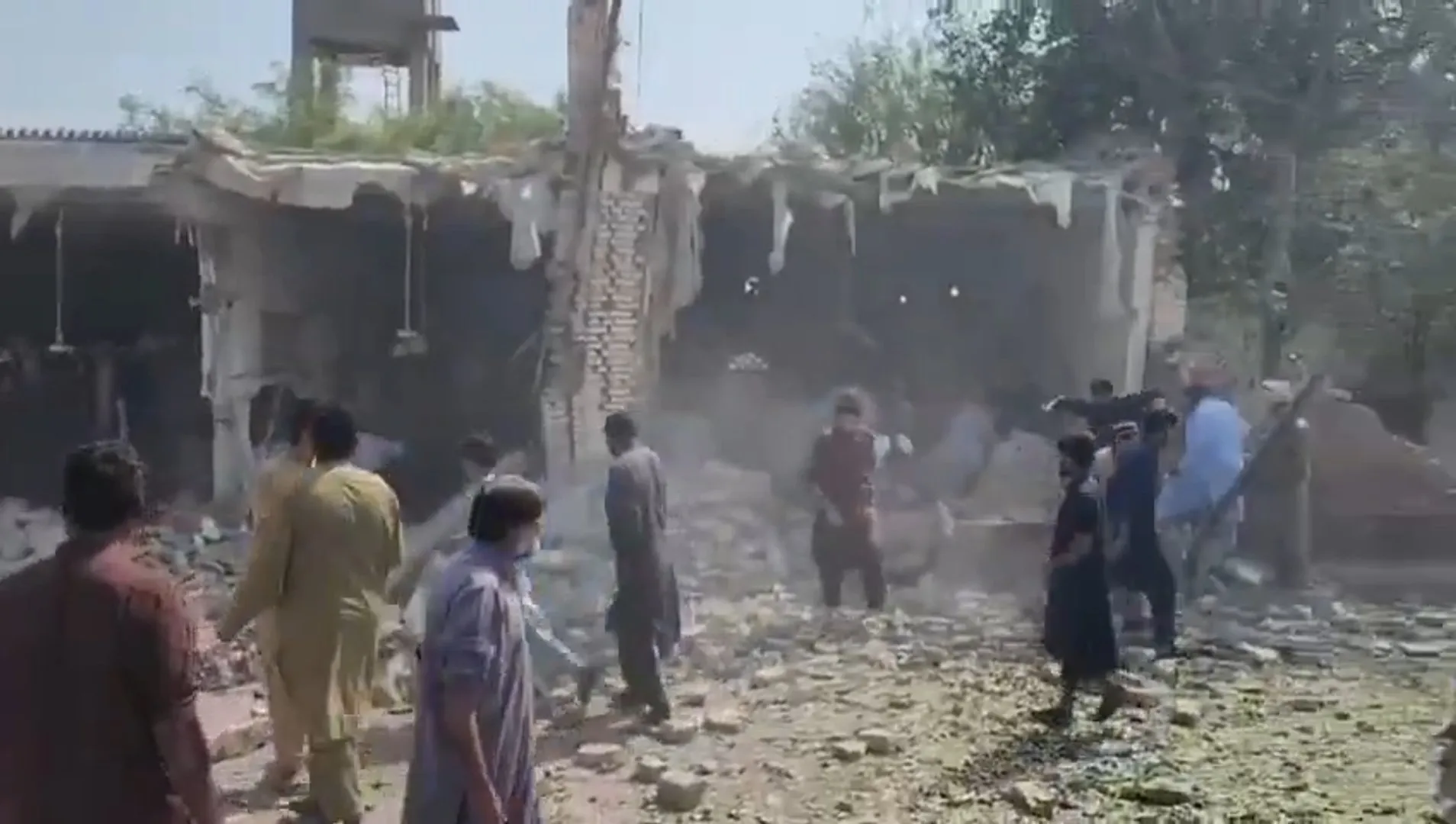
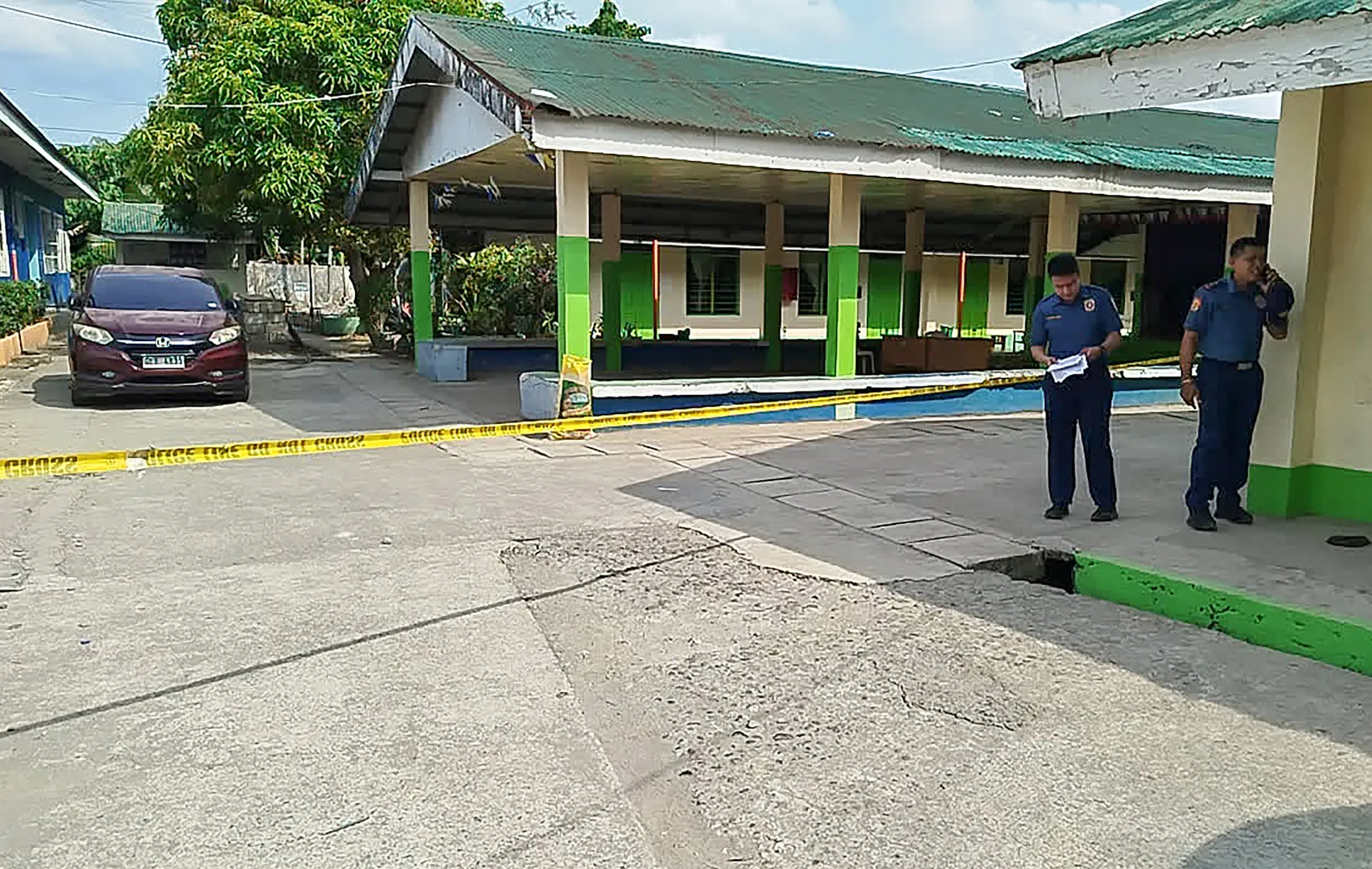
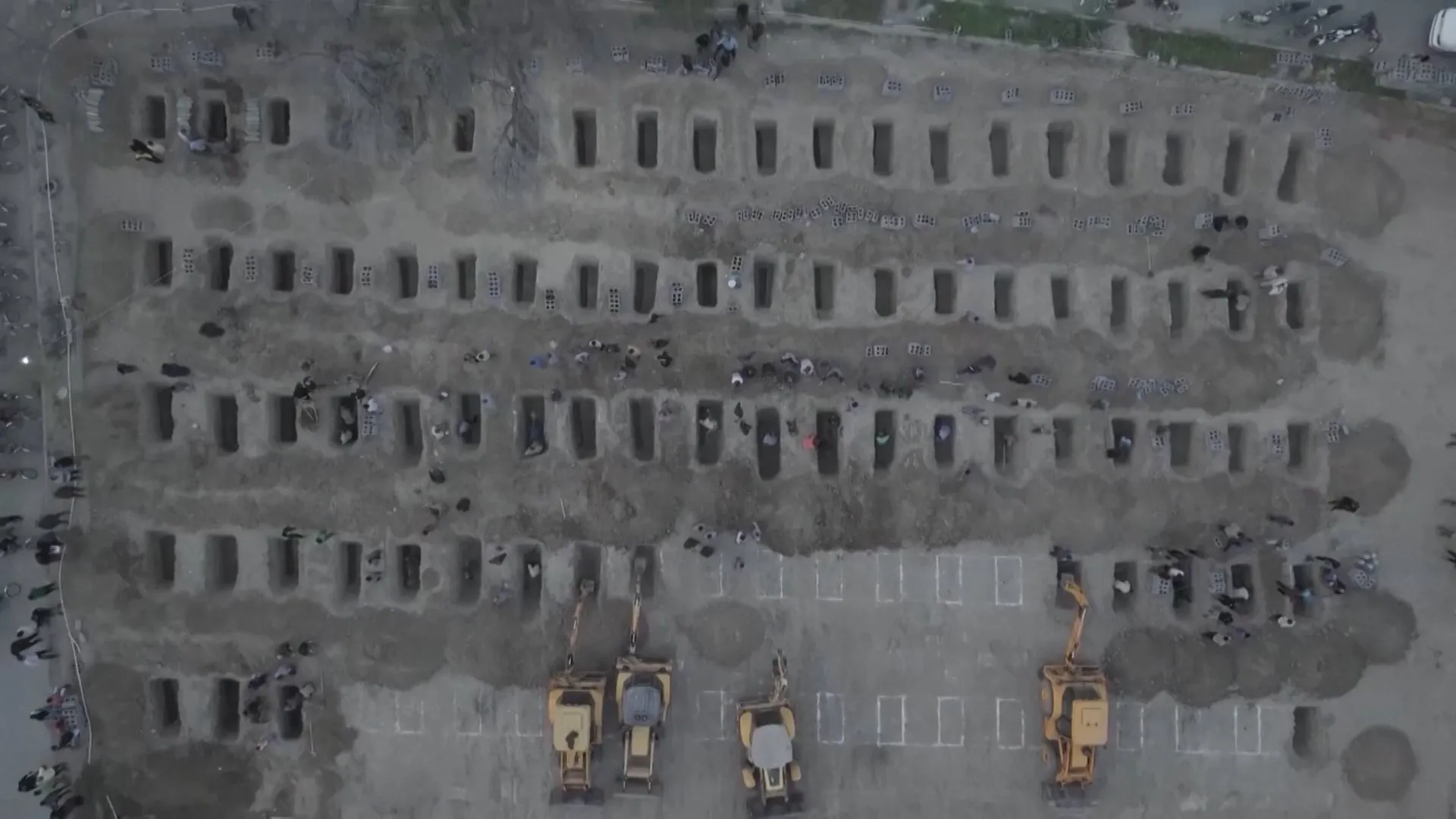
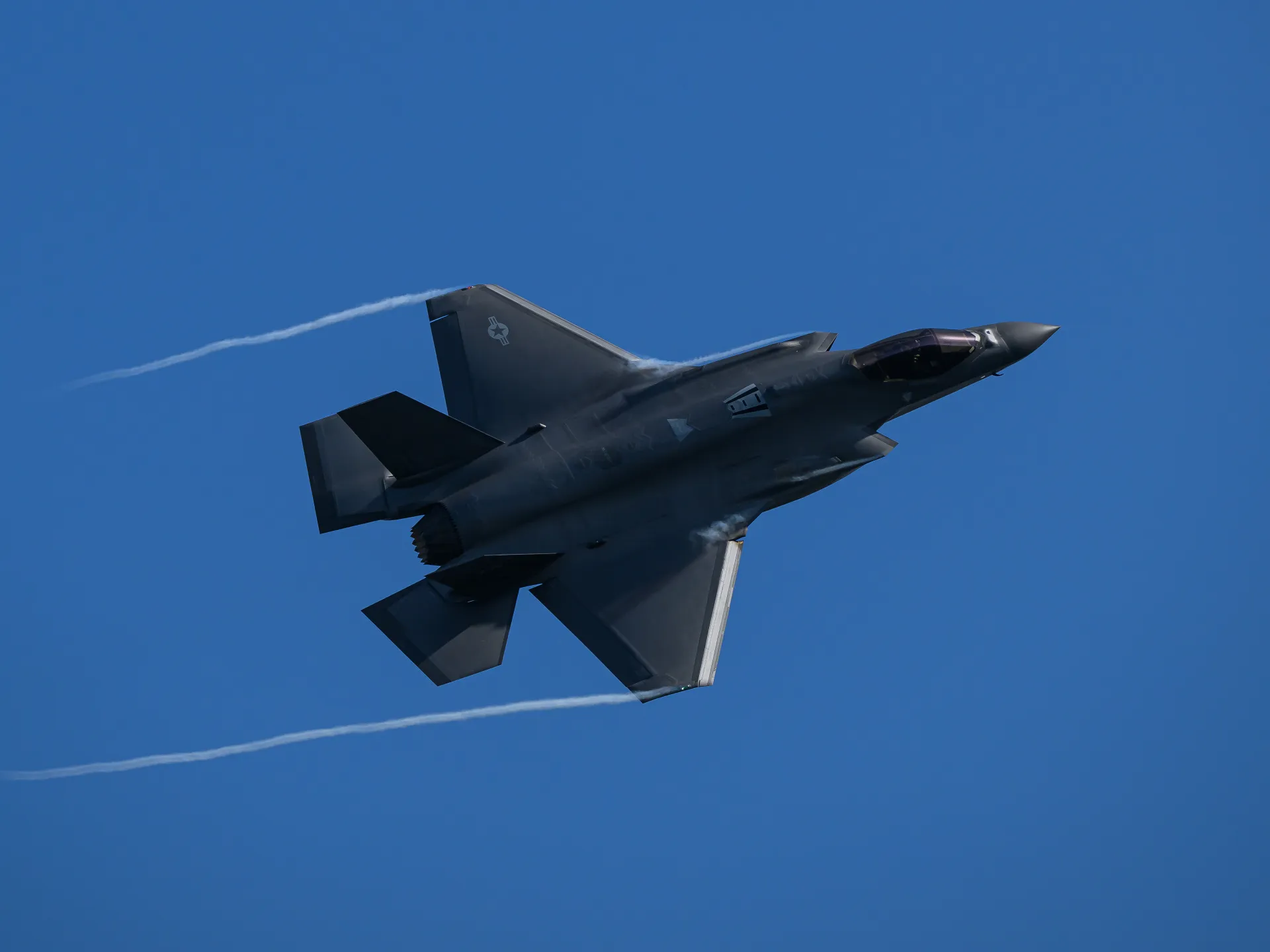
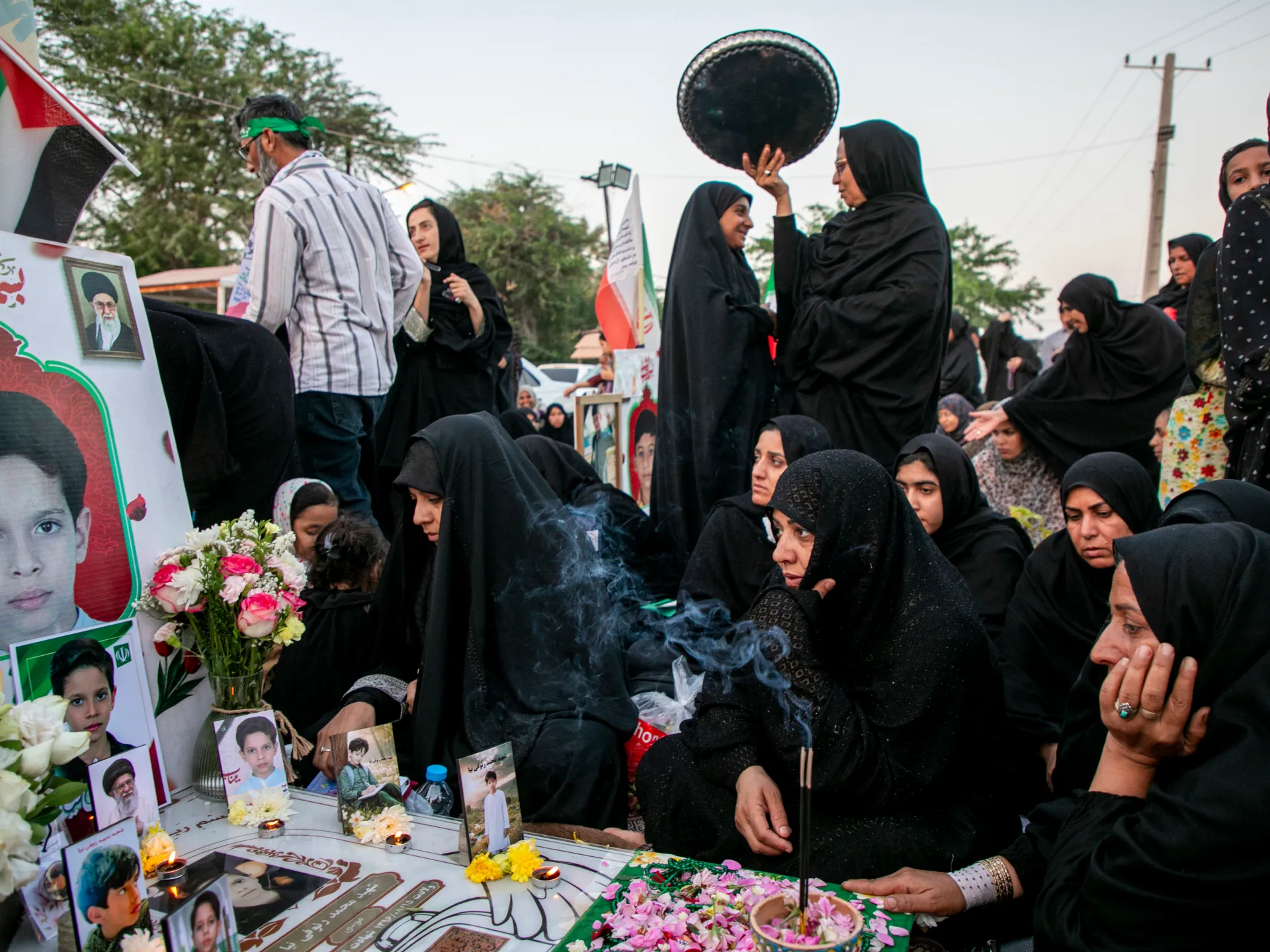
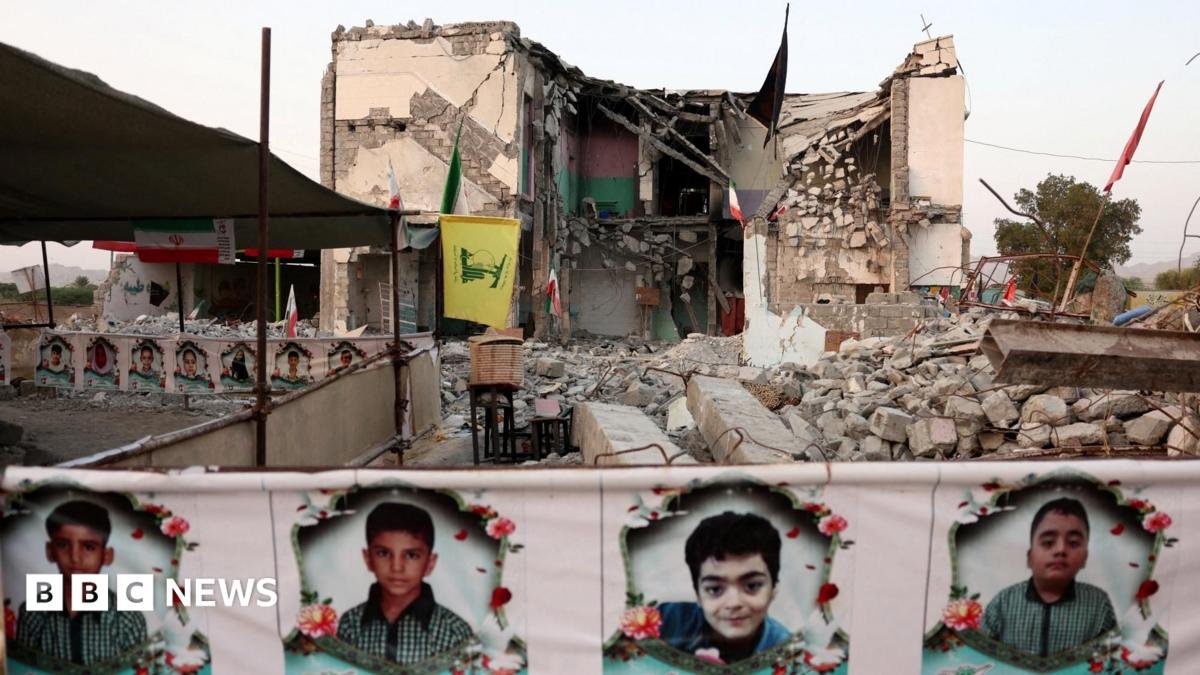
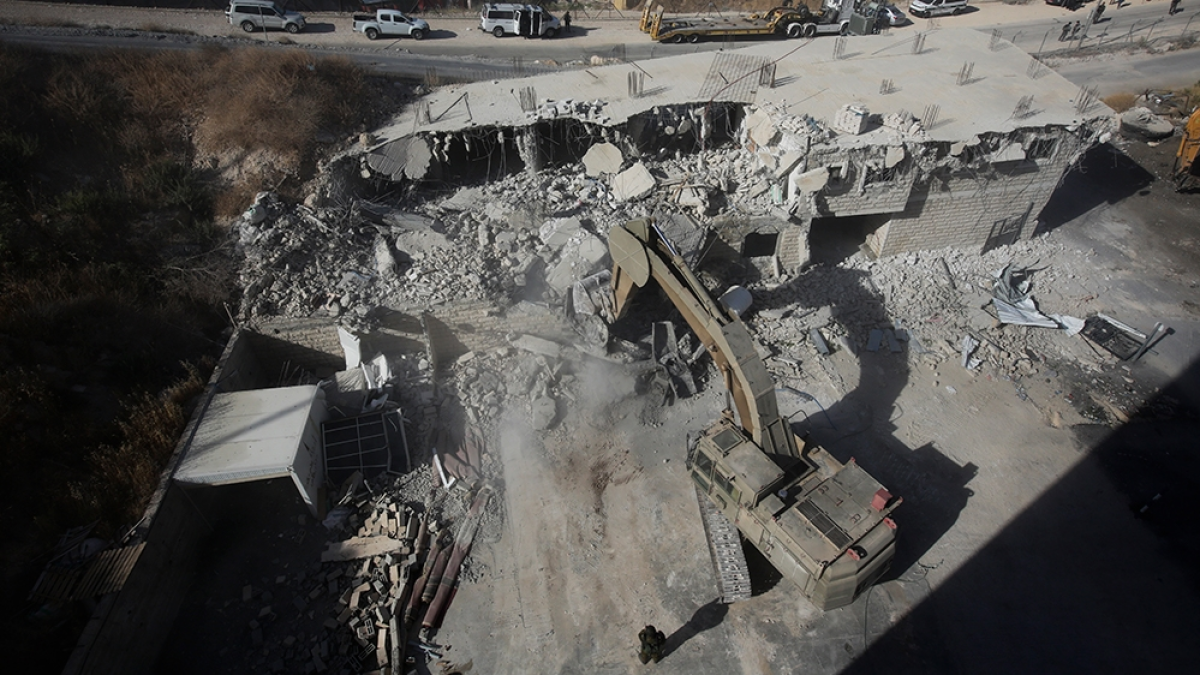
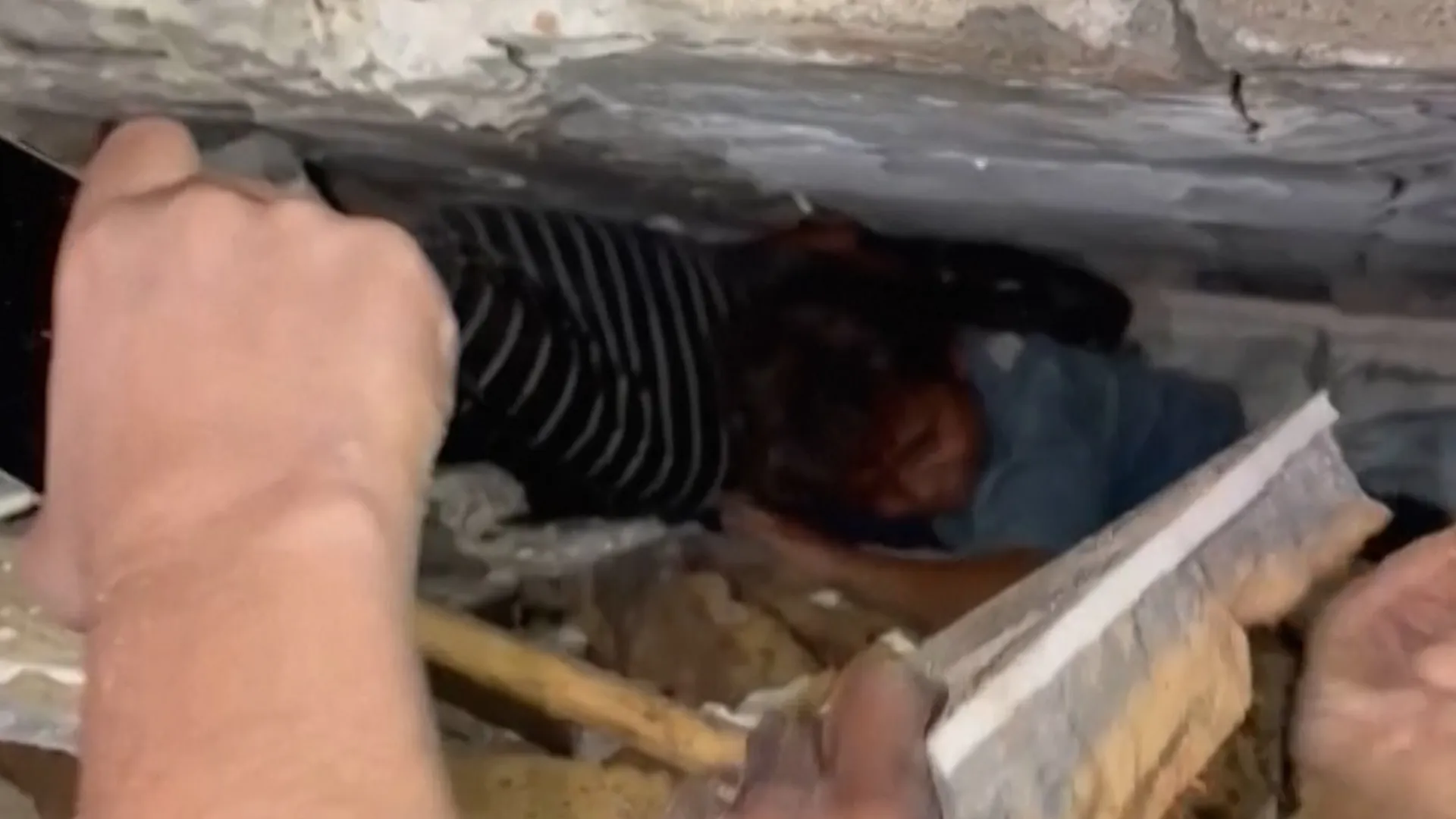
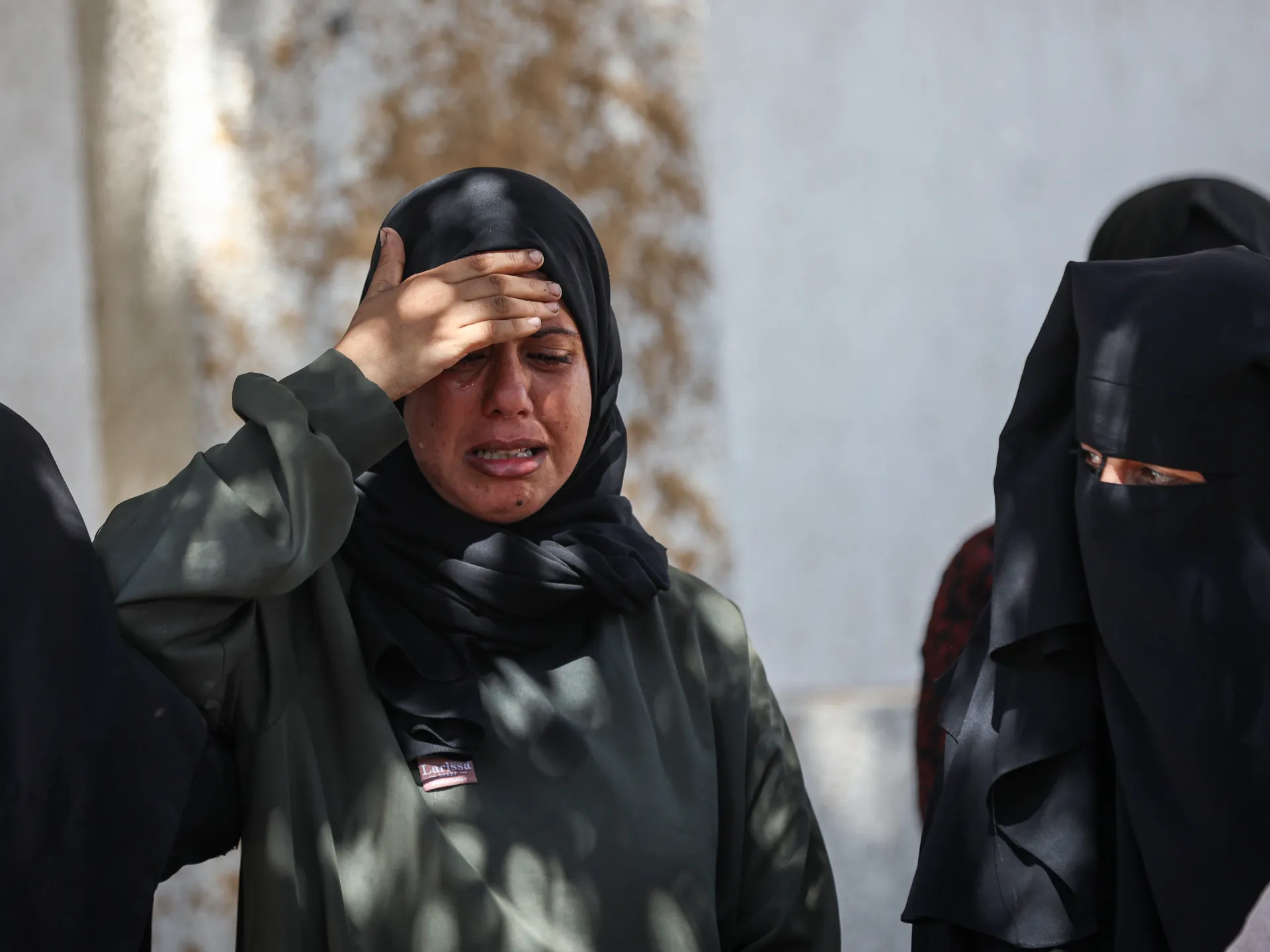
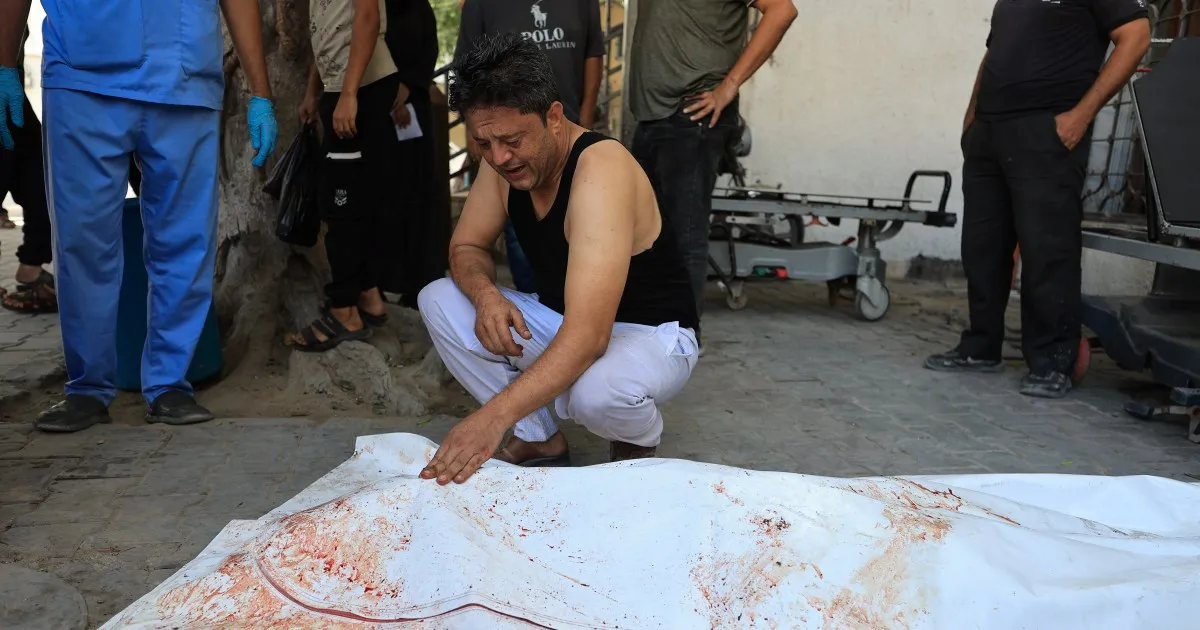
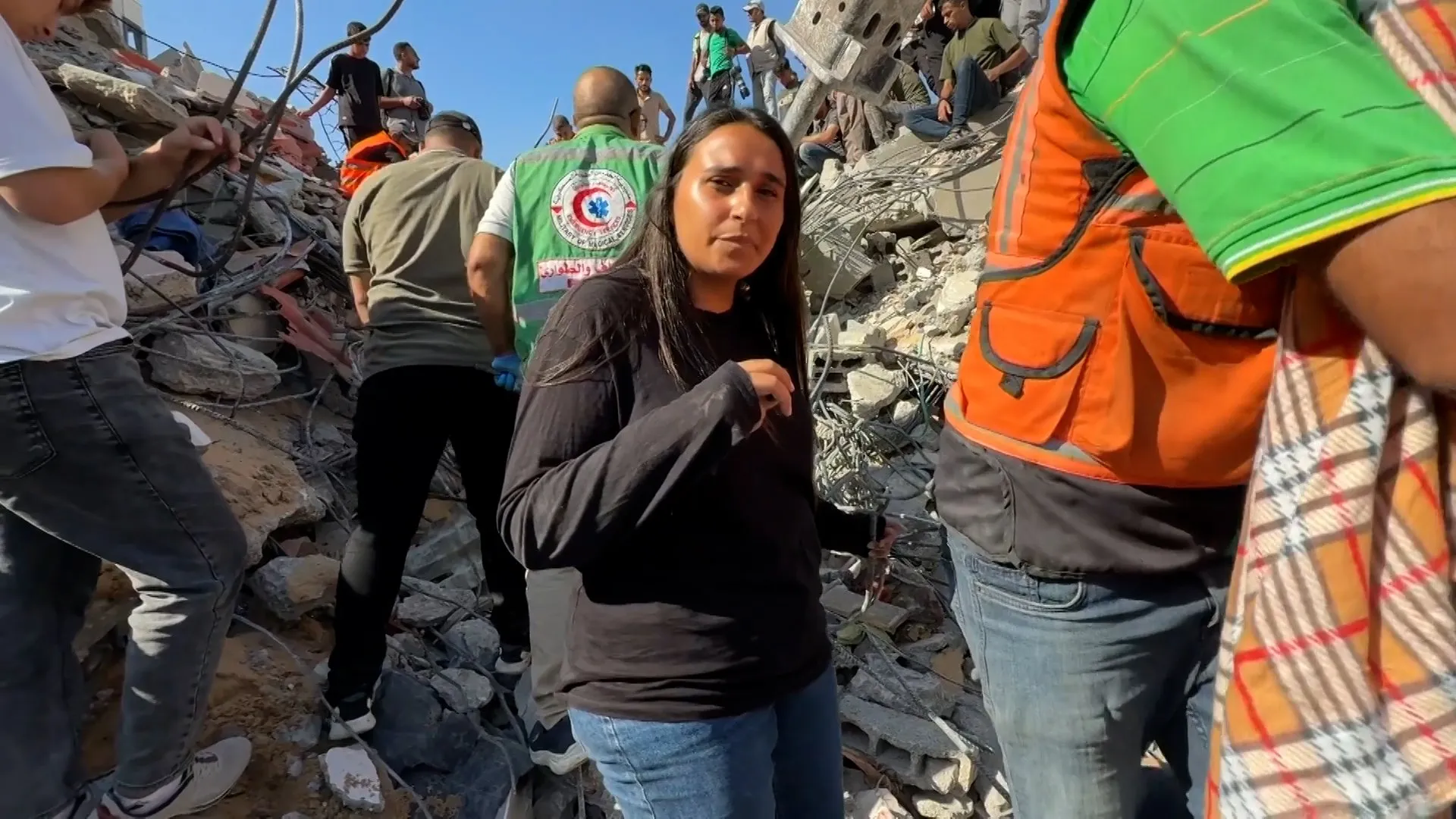
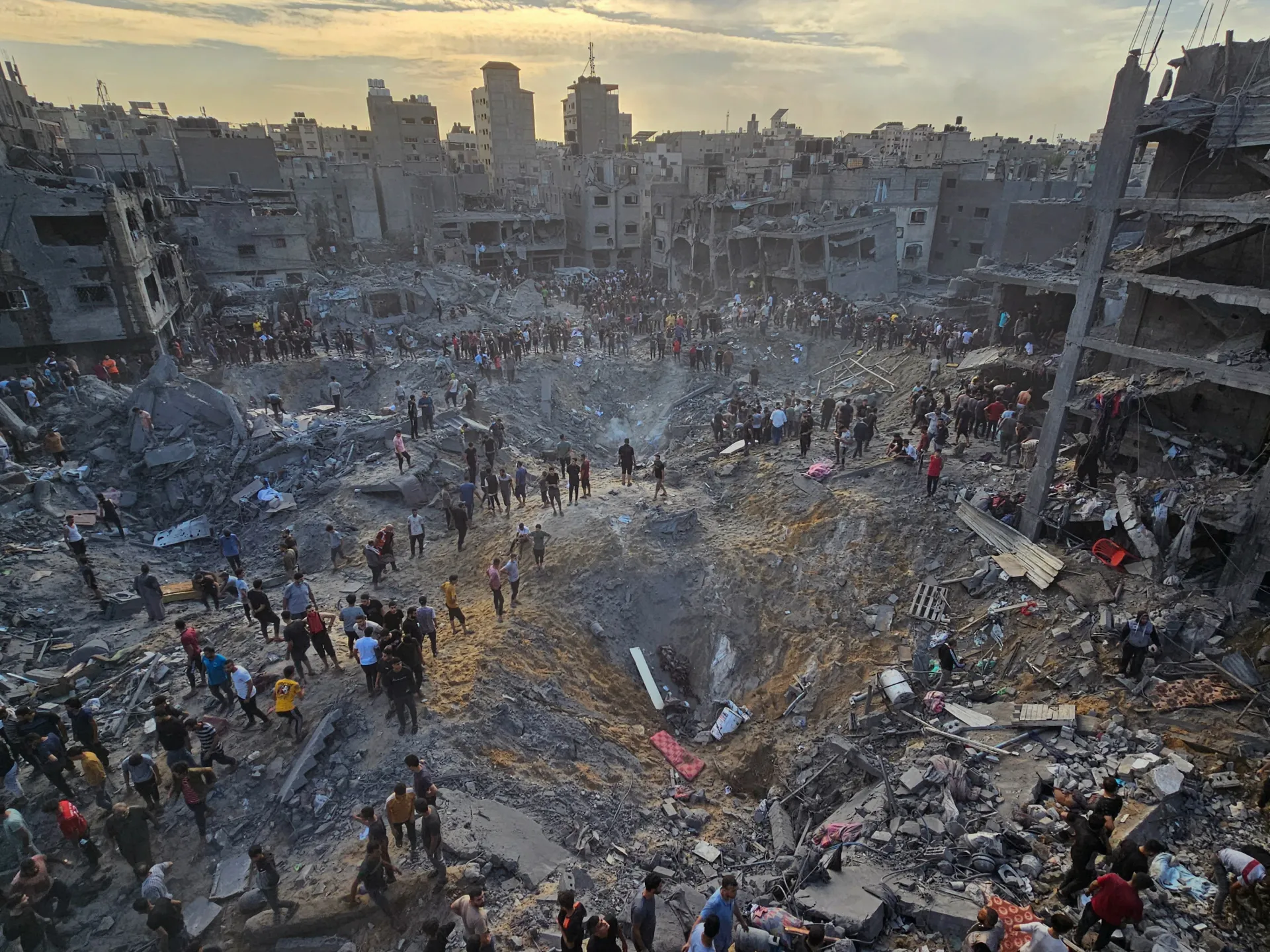
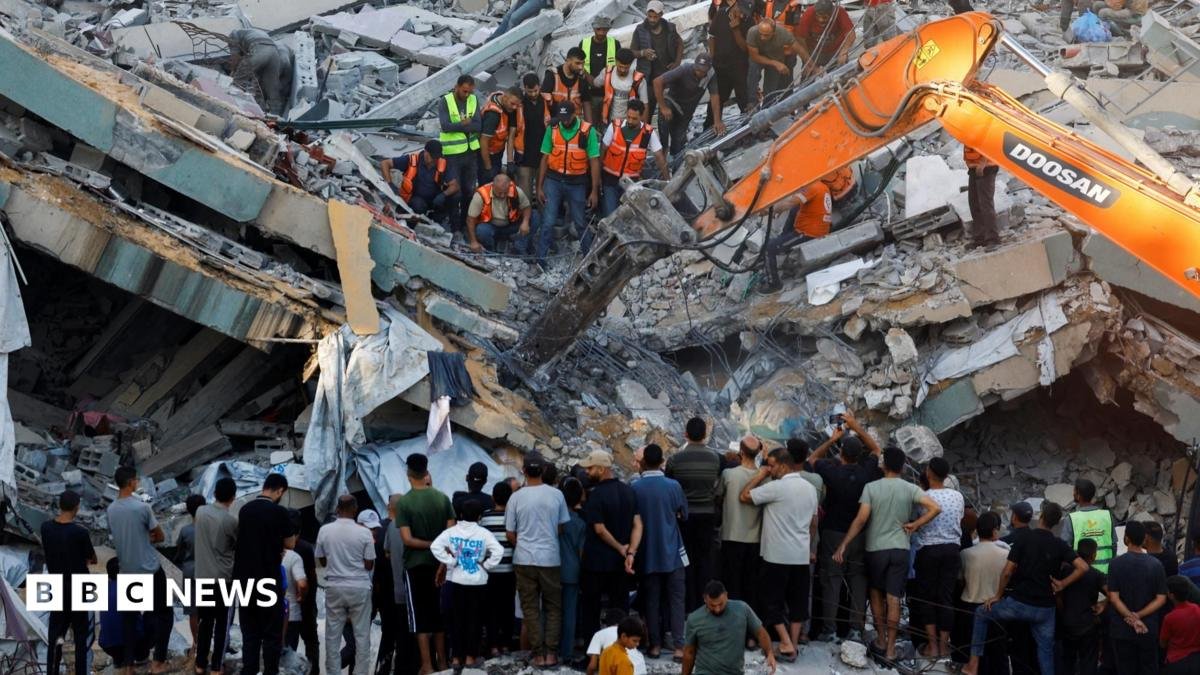
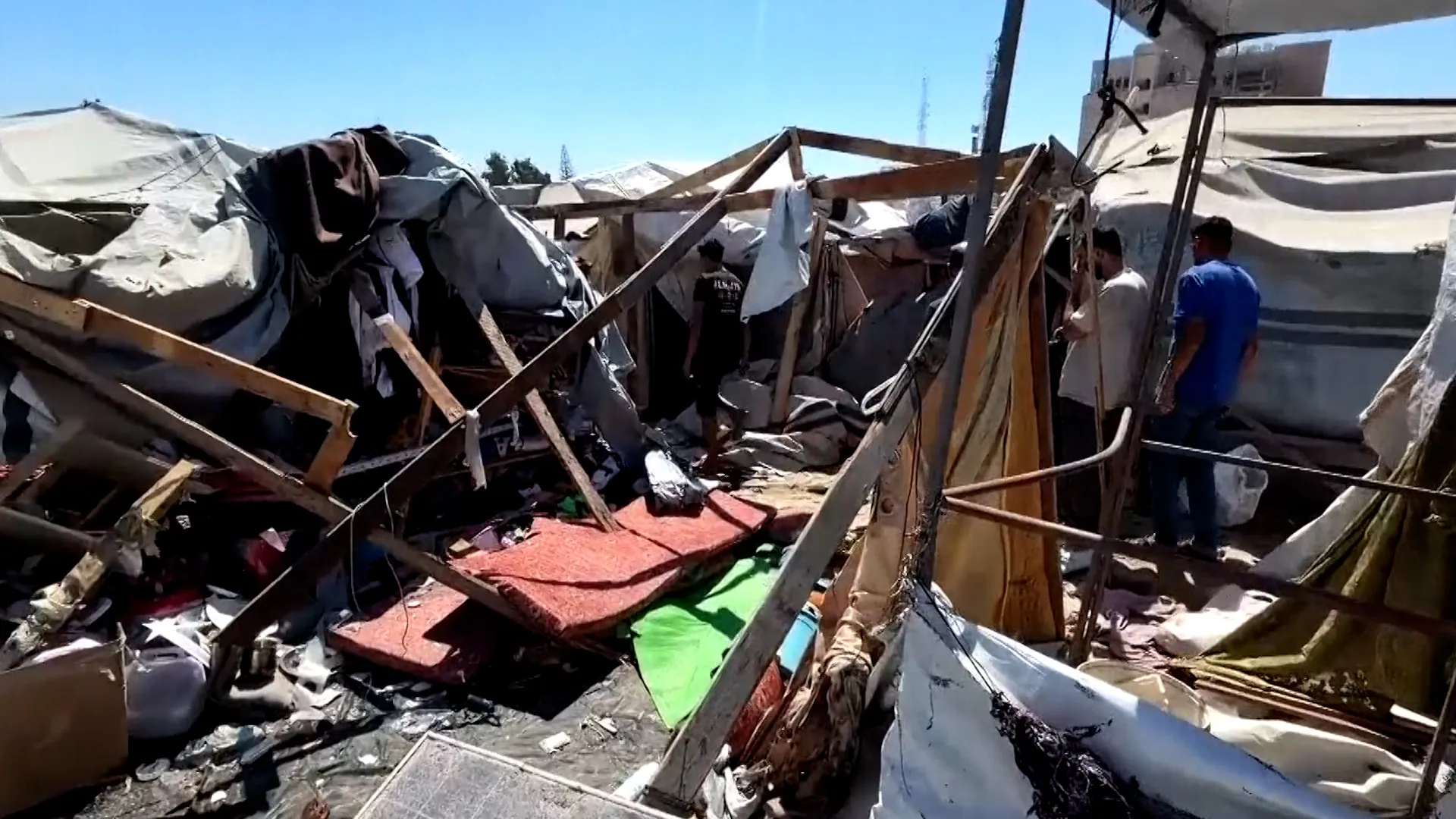
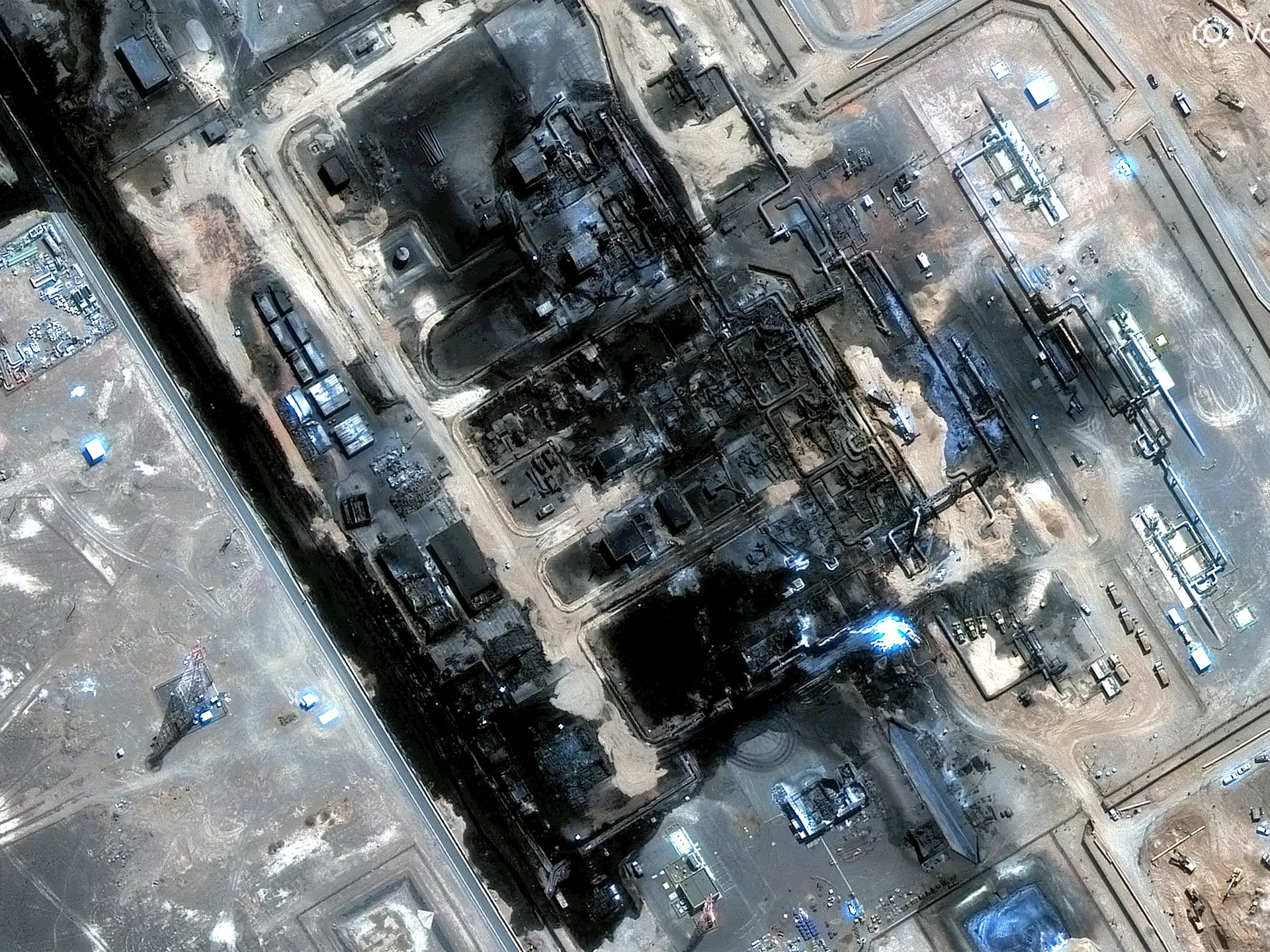
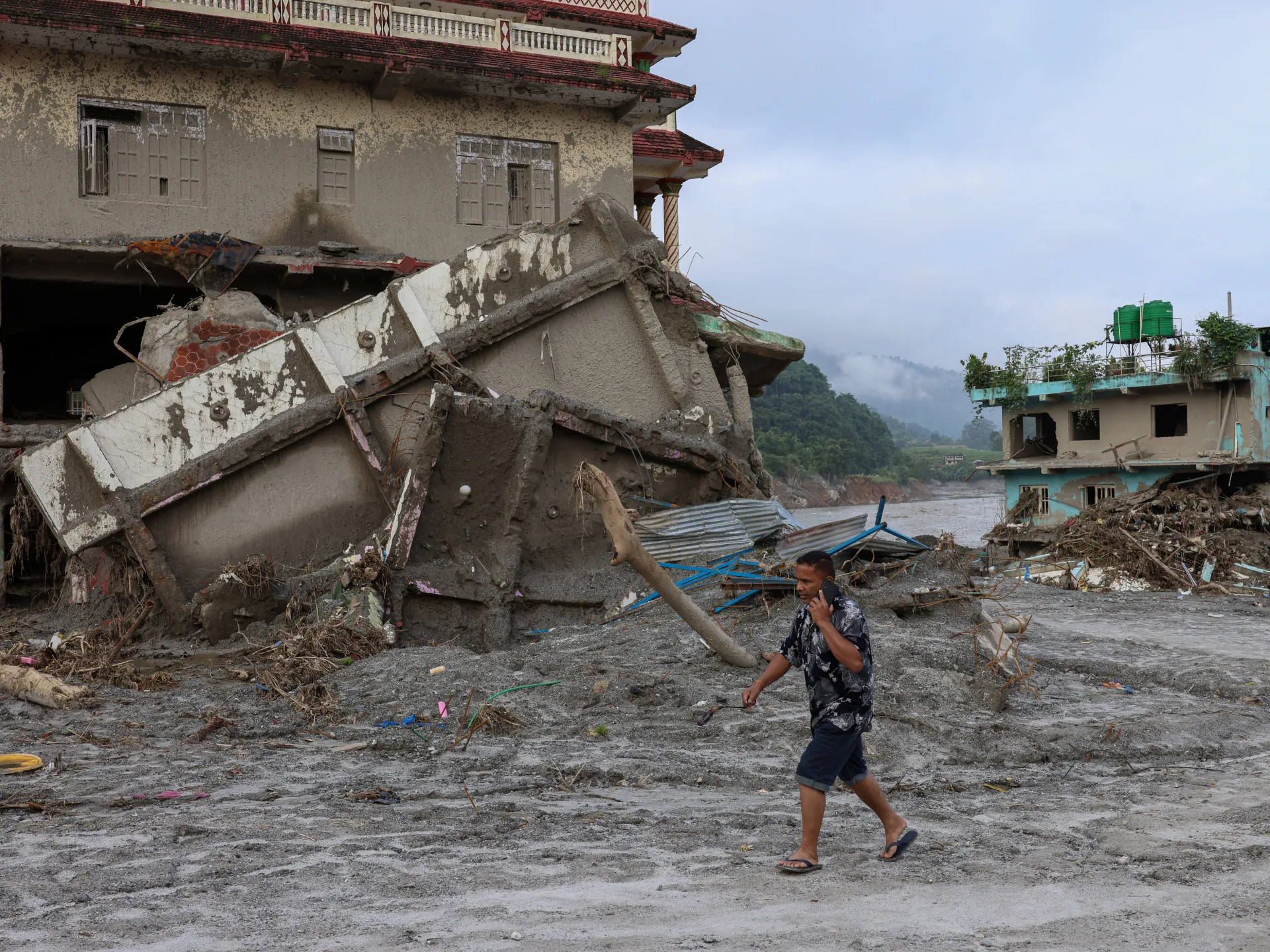
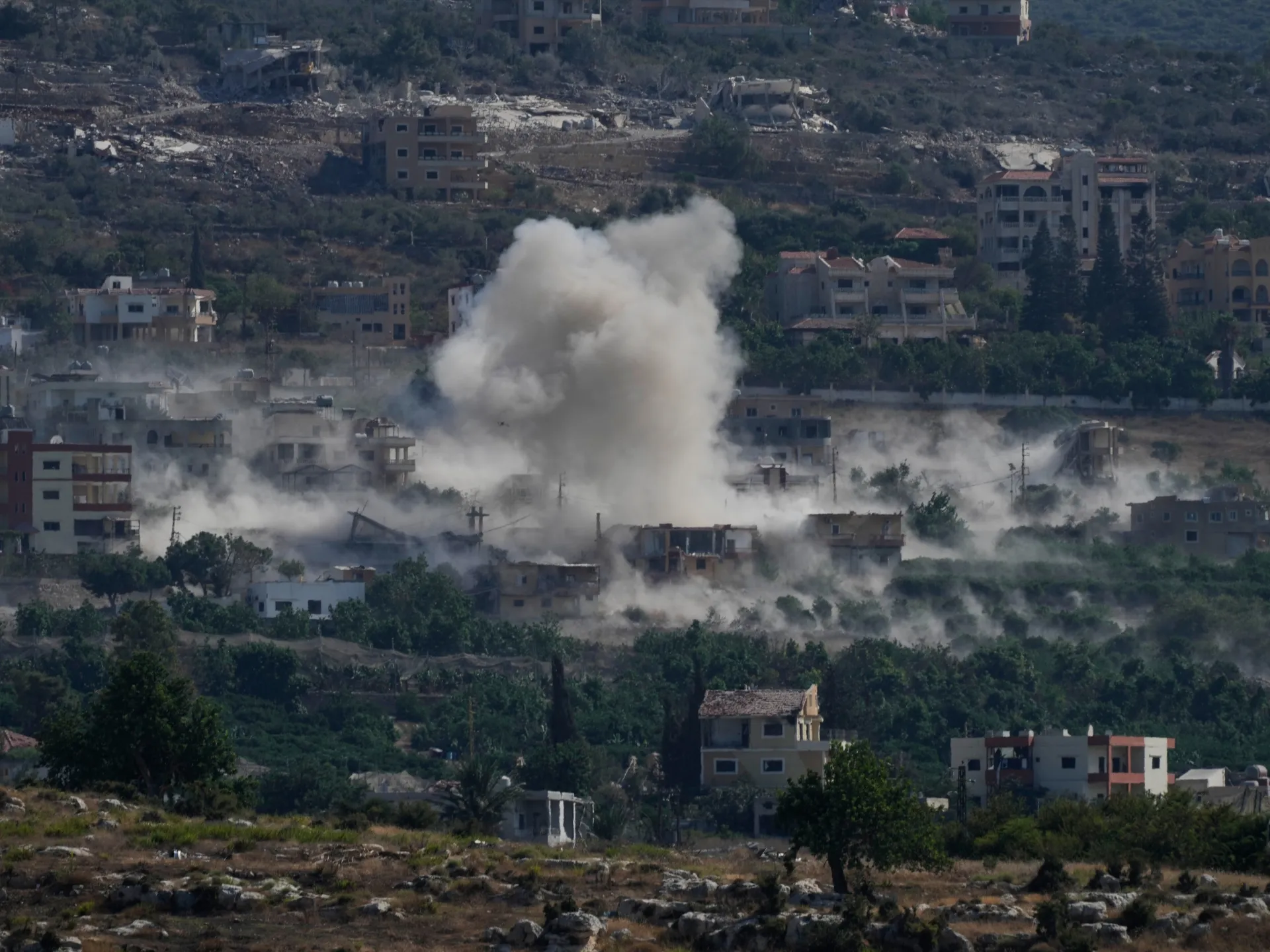
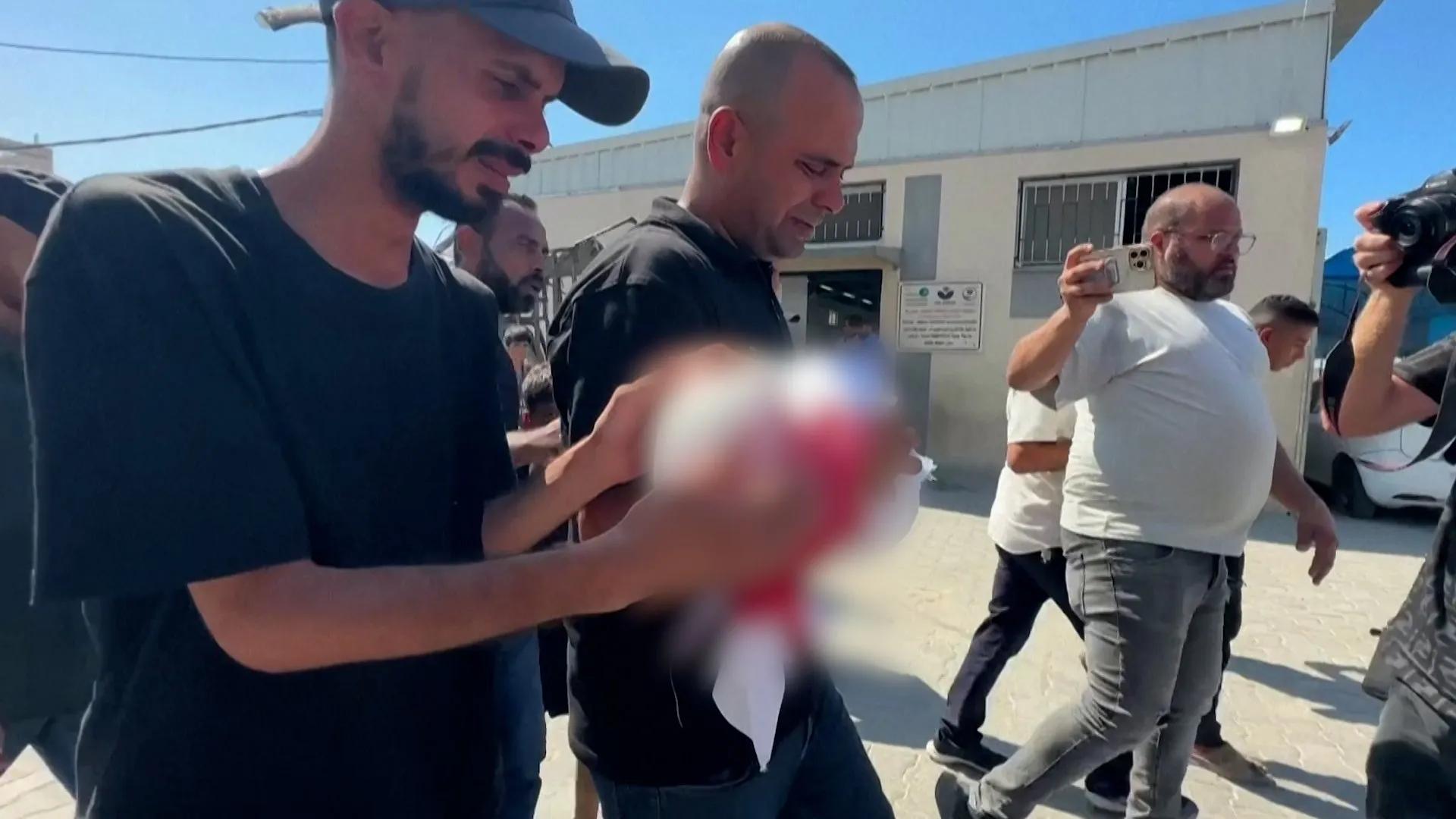
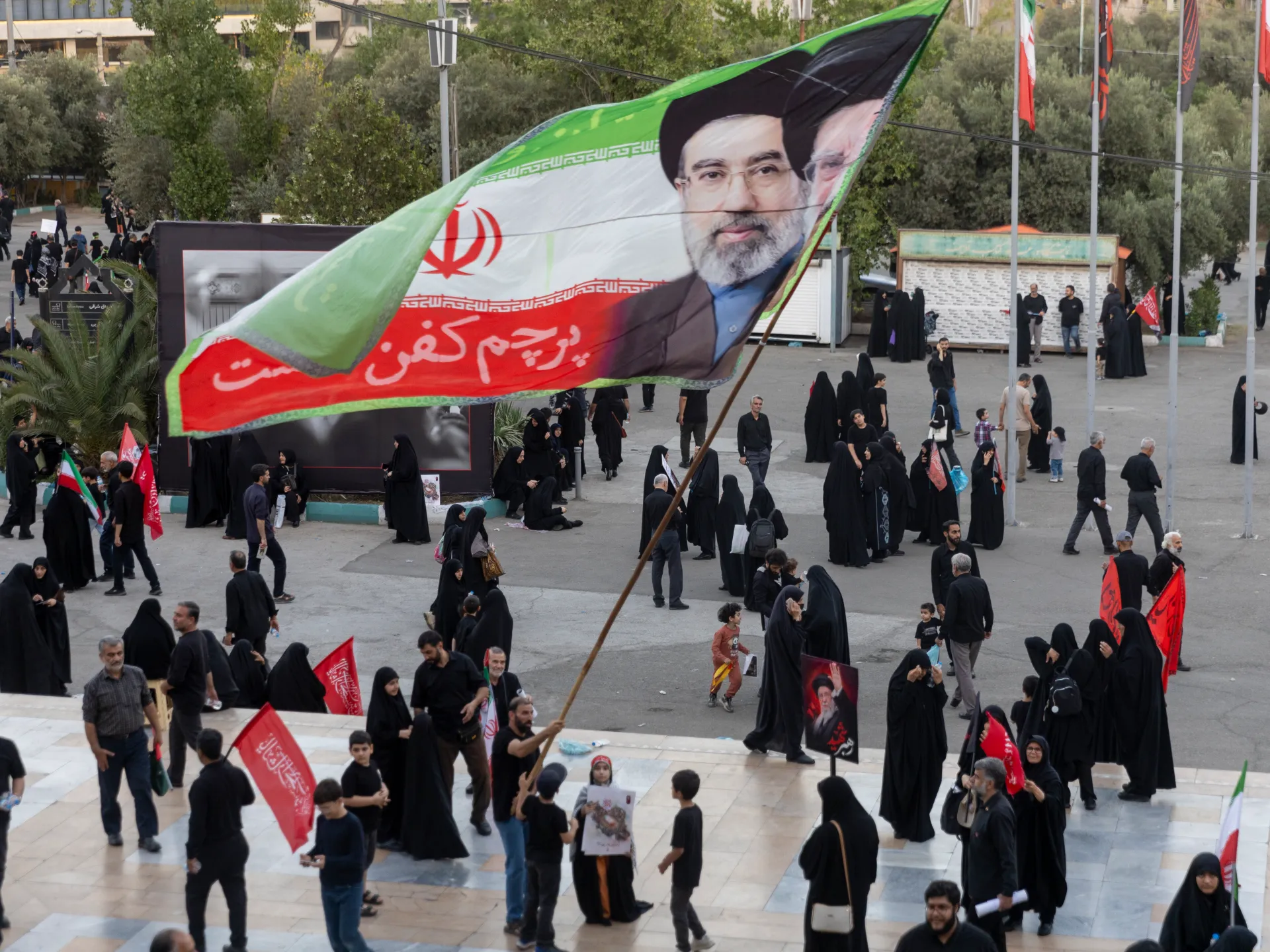
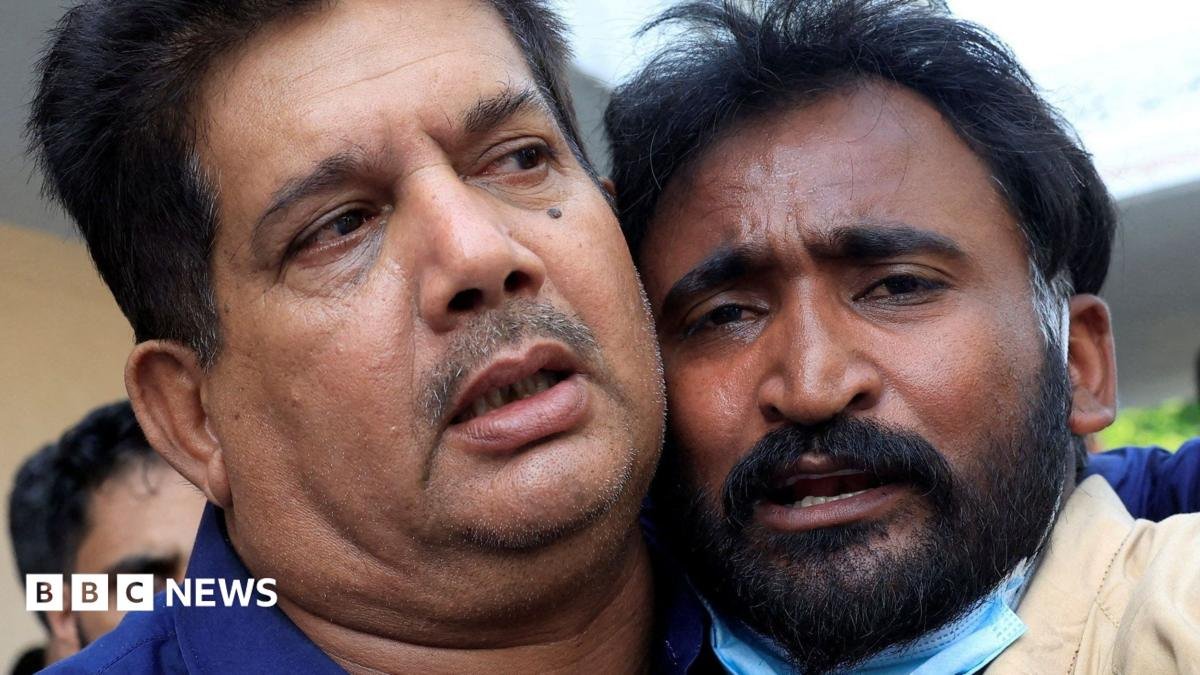
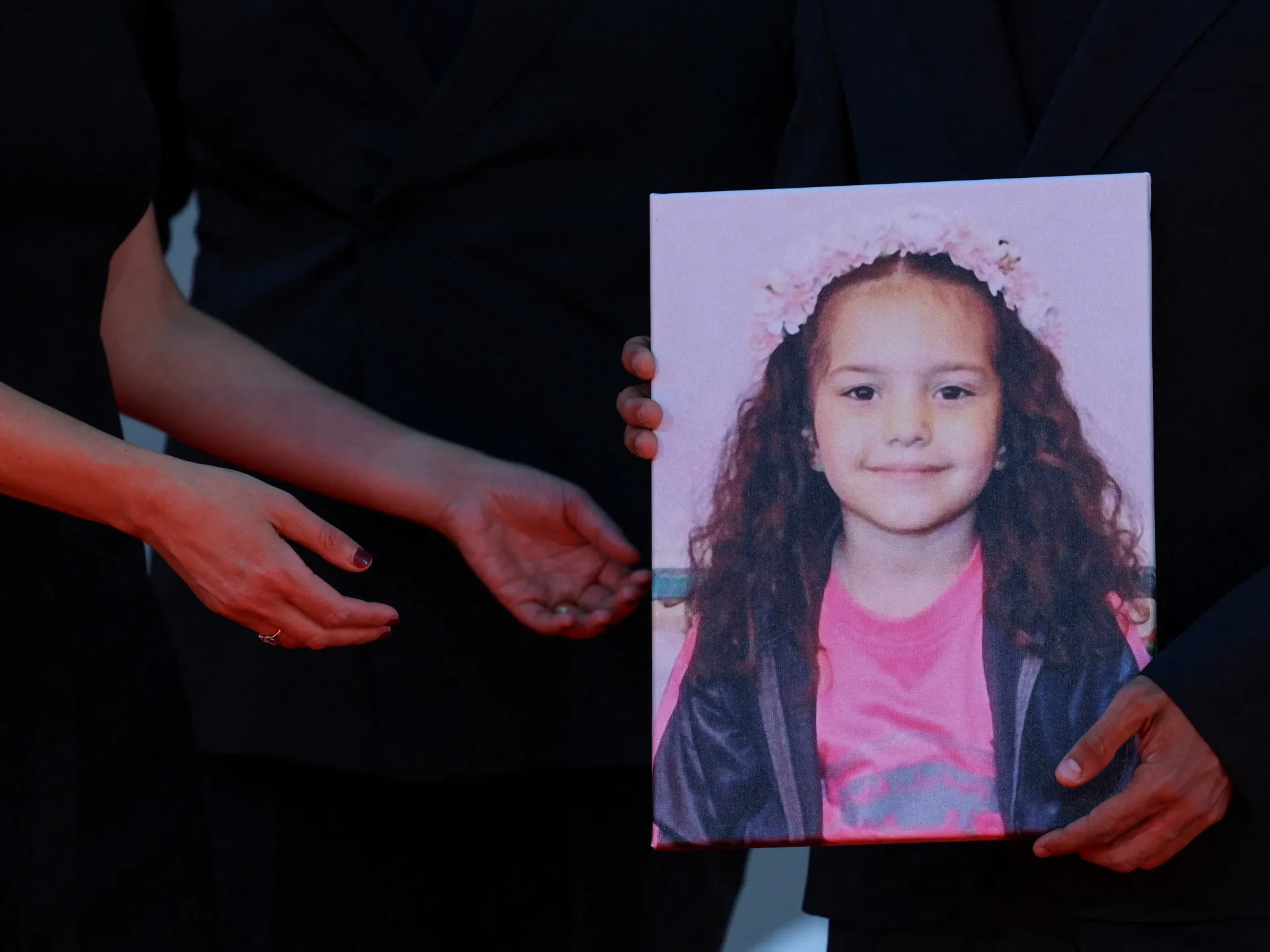
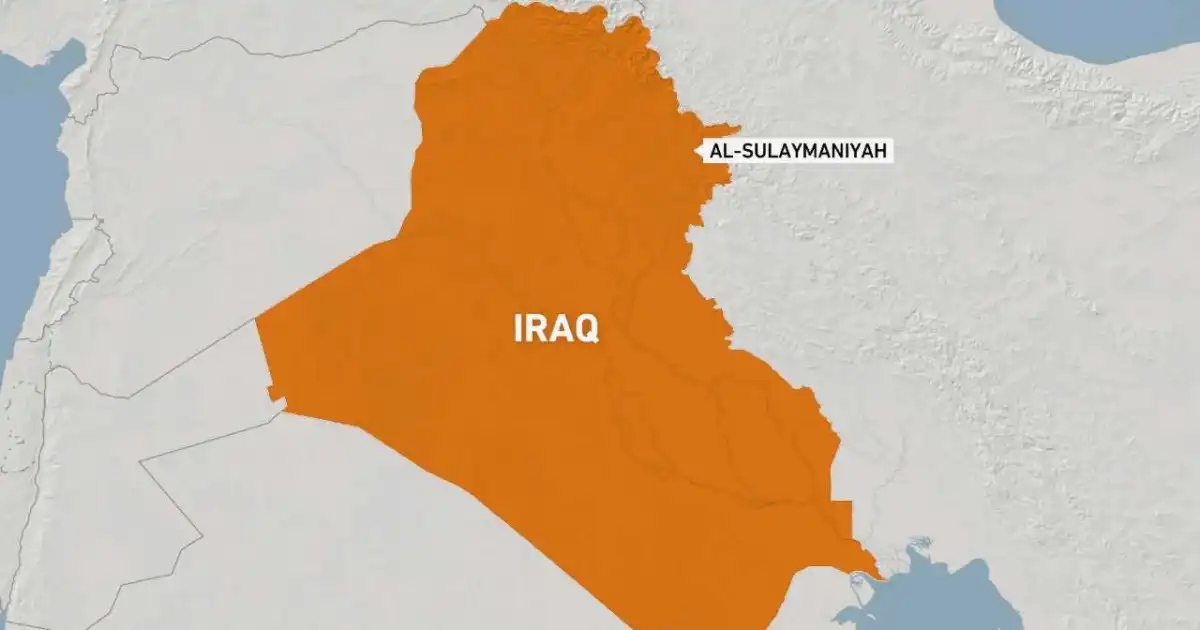
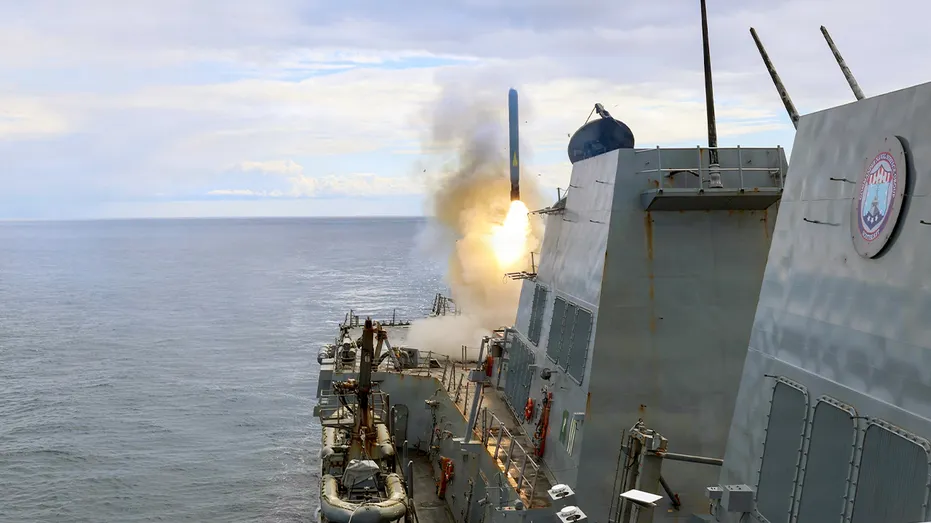
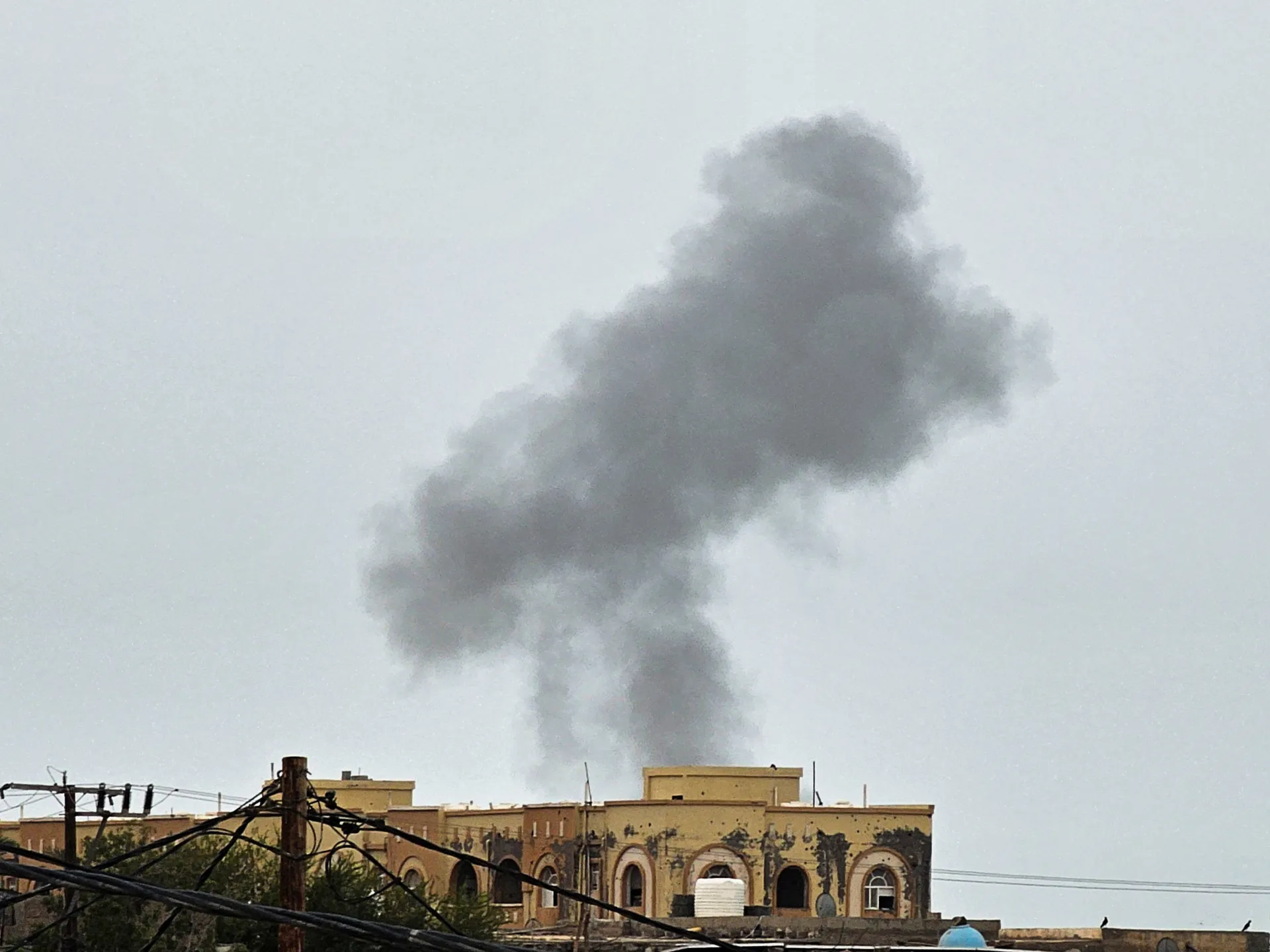
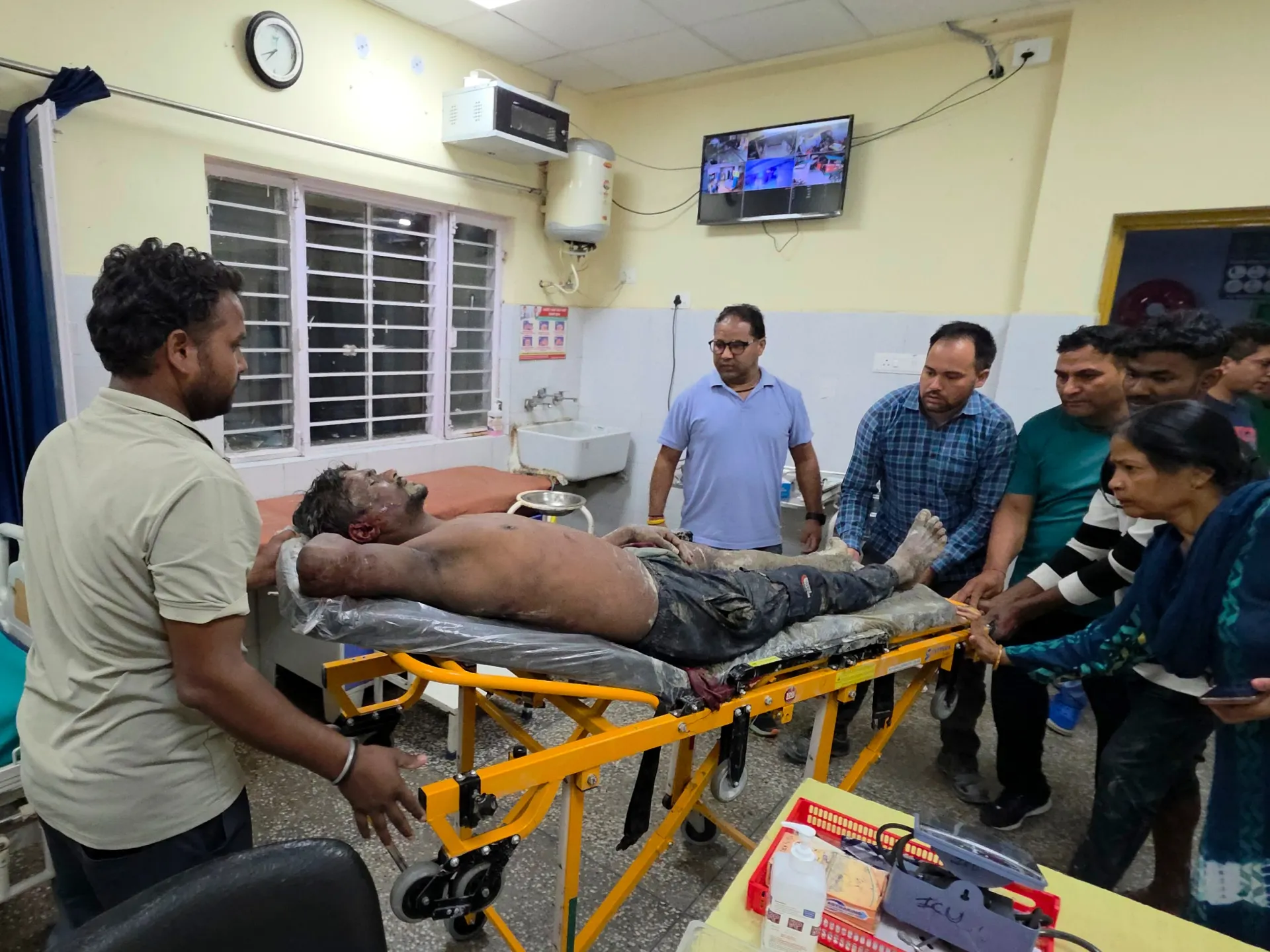
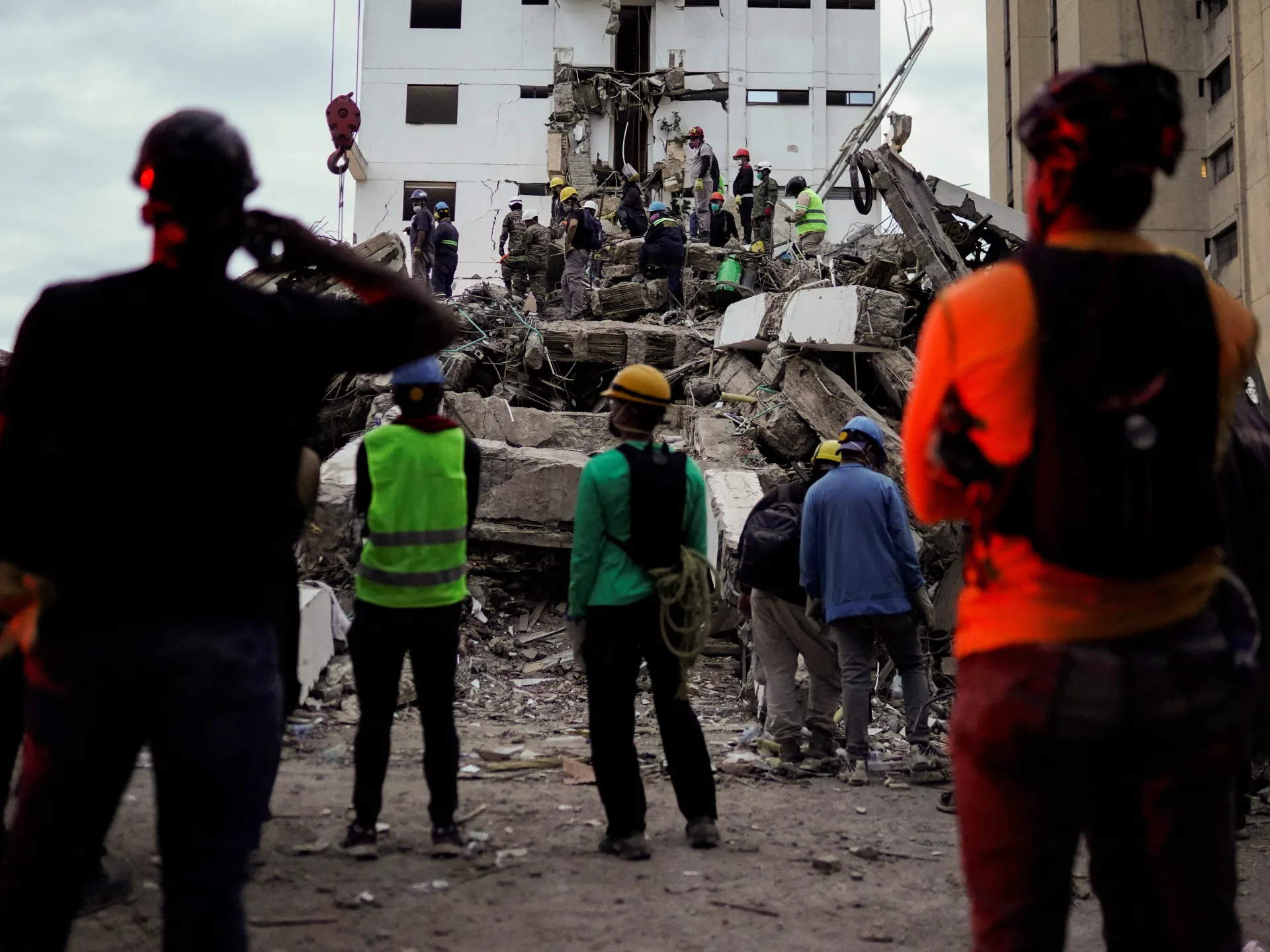
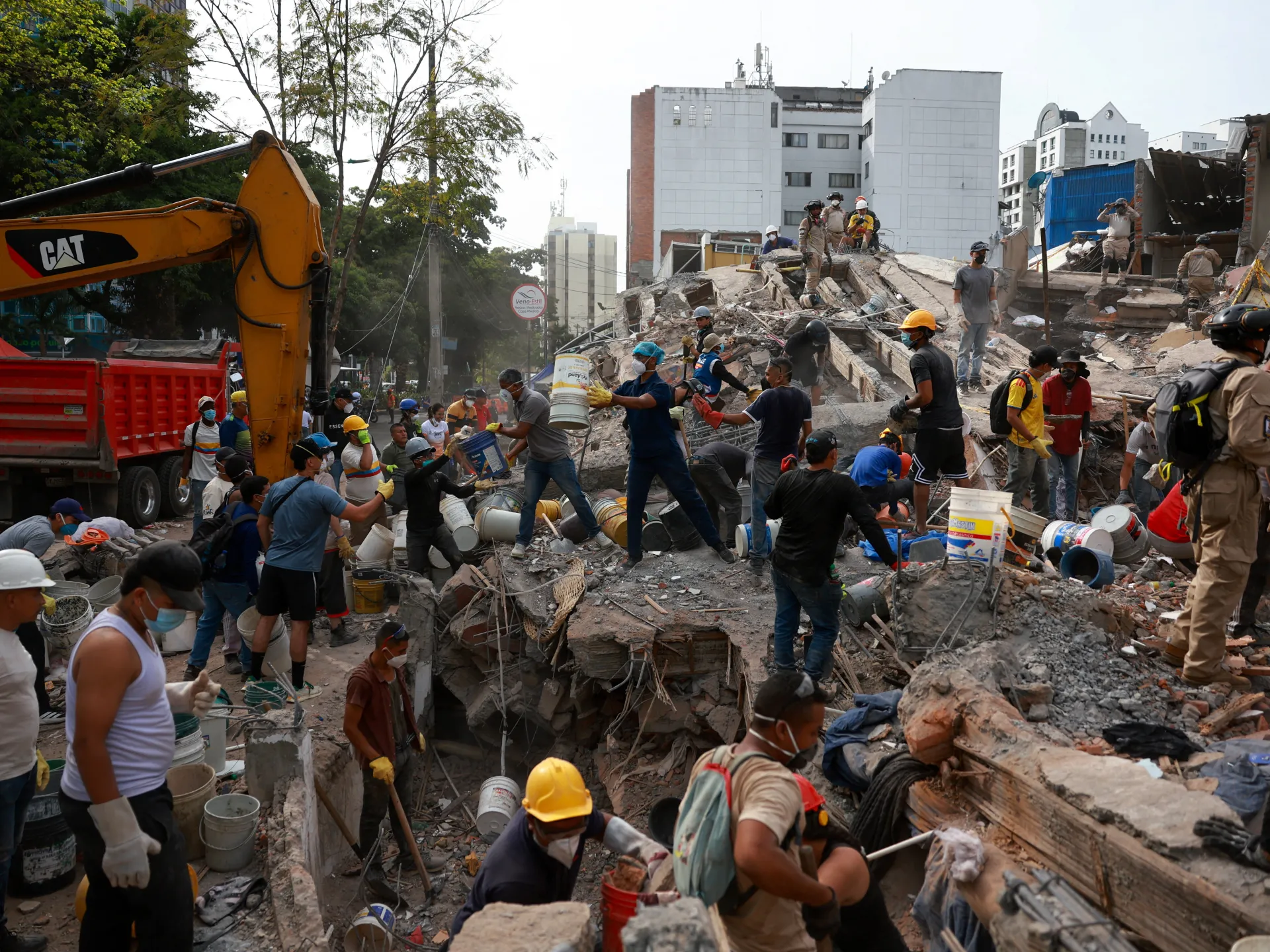
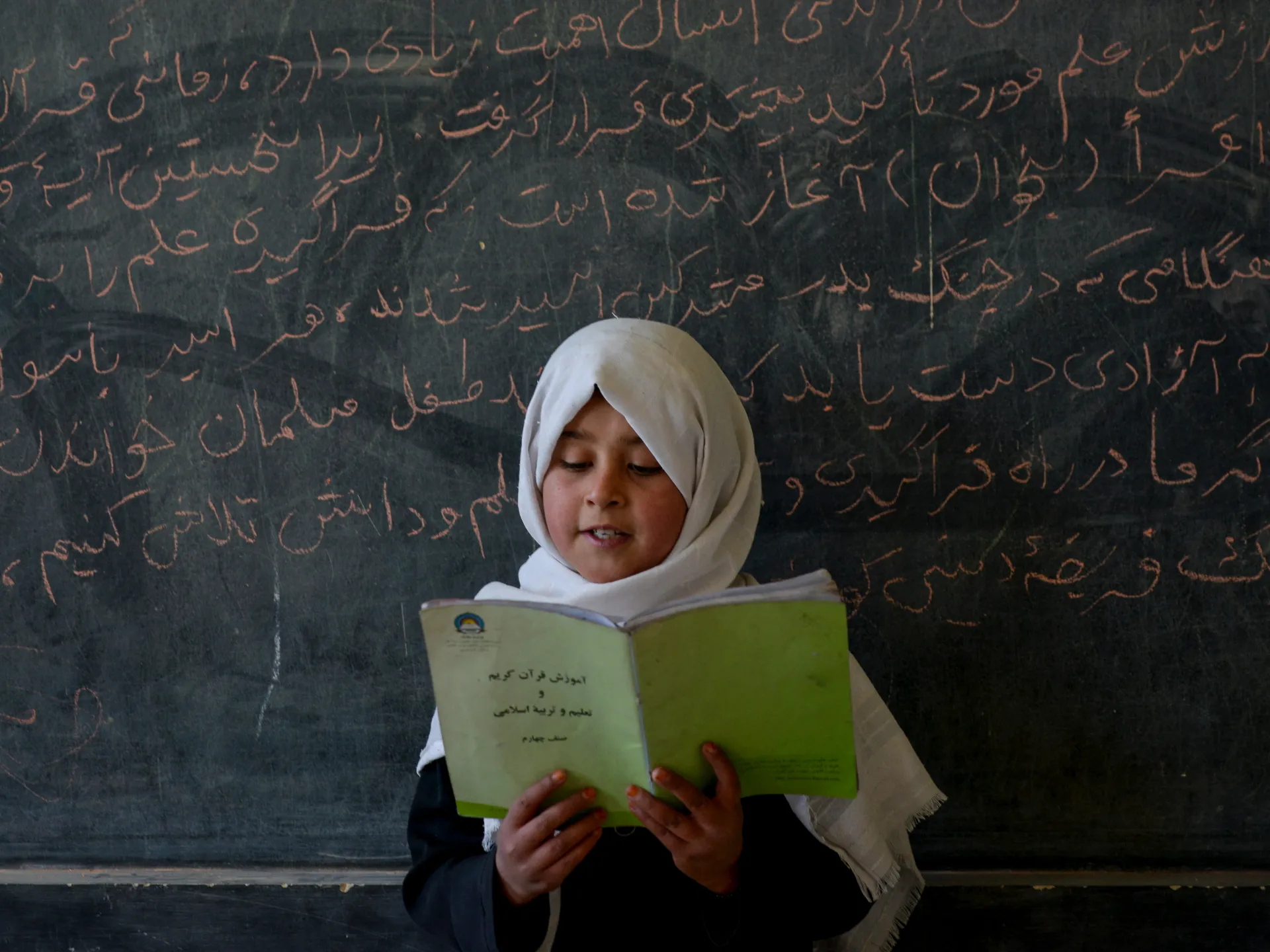
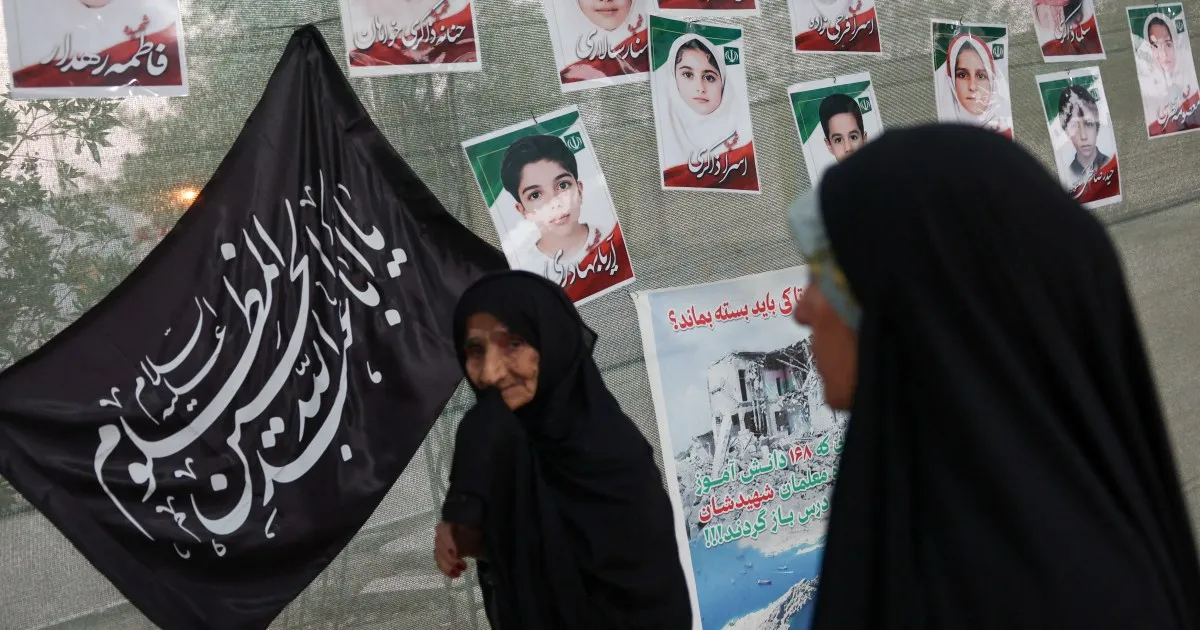
The UN-mandated investigation focused specifically on two high-casualty strikes conducted on February 28, 2026. The most severe incident involved the Shajareh Tayyebeh Primary School in Minab, Hormozgan province. According to the report, the school was hit twice in rapid succession. The initial strike impacted the ground floor, leading staff to move children to an upper-level prayer room, where they were subsequently struck schoolchildren and 26 teachers. While the U.S. government initially attributed the destruction to Iranian forces, independent weapons analysts identified the debris as components of a U.S. Tomahawk Land Attack Missile, a platform not operated
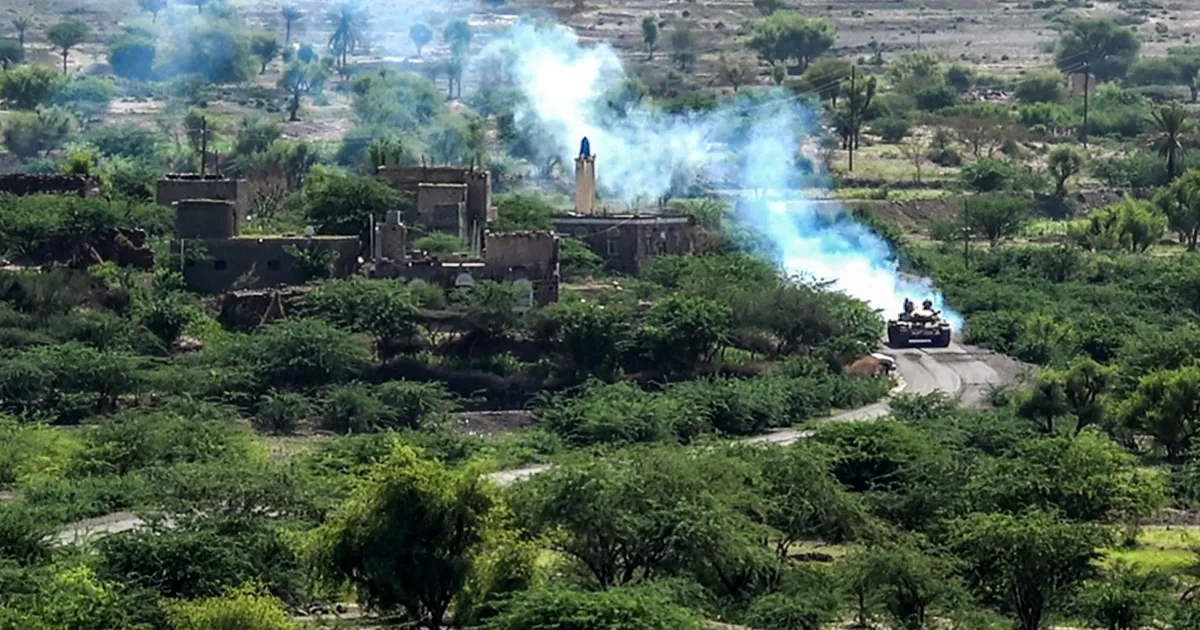
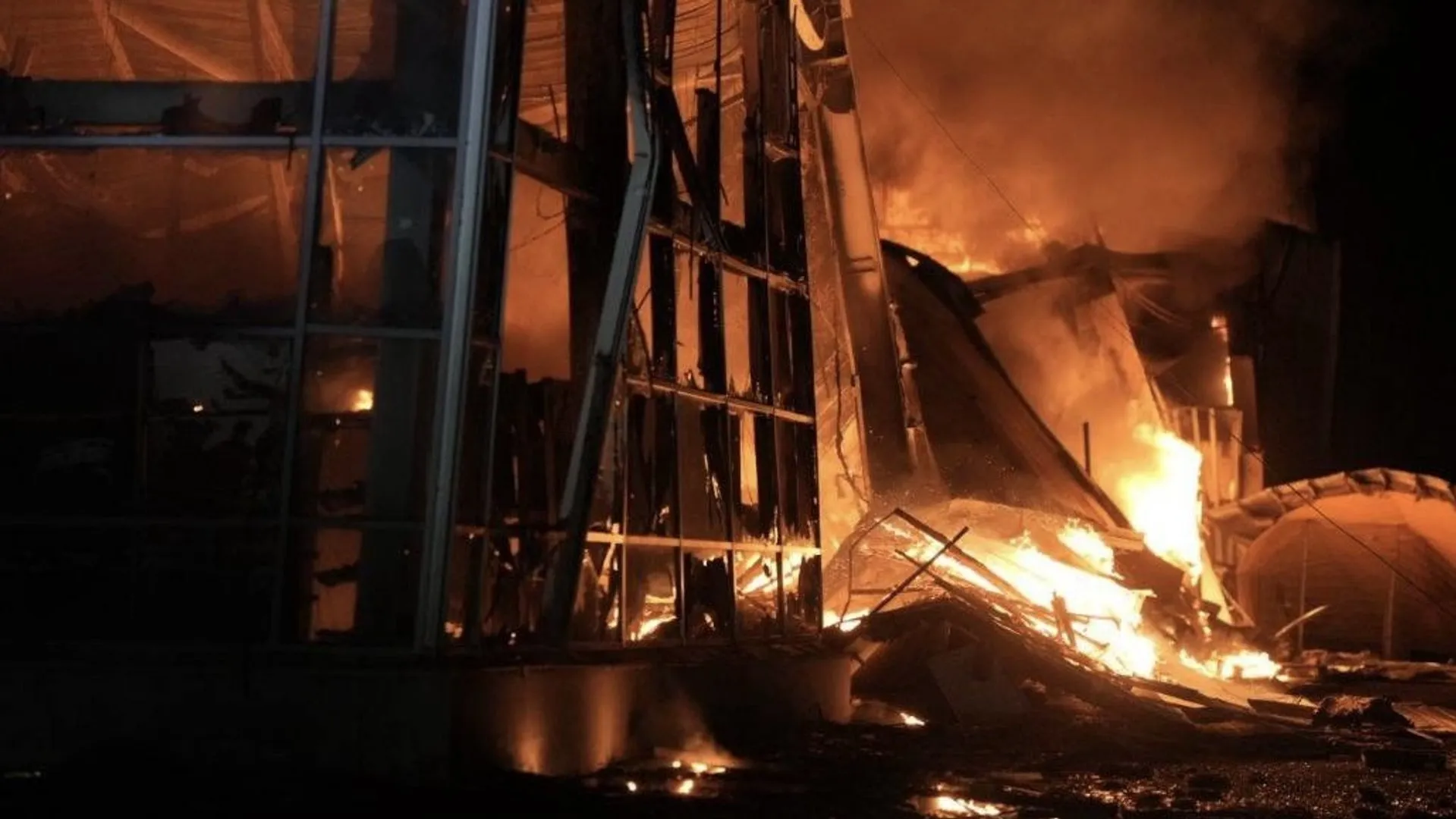
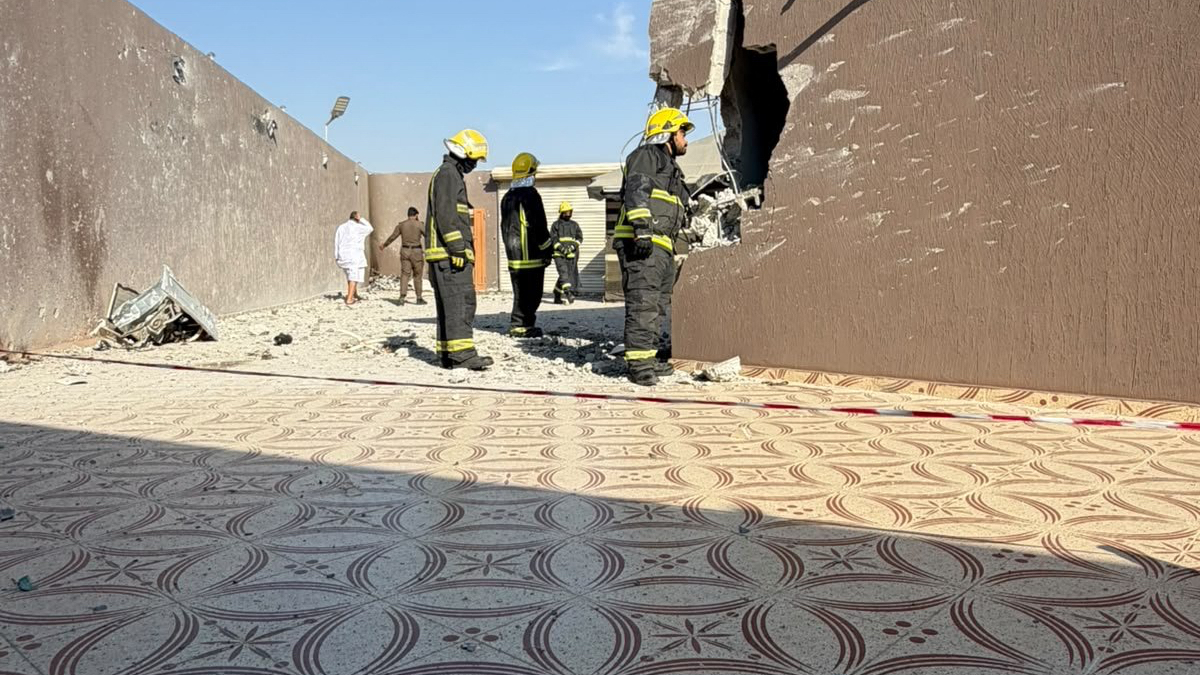
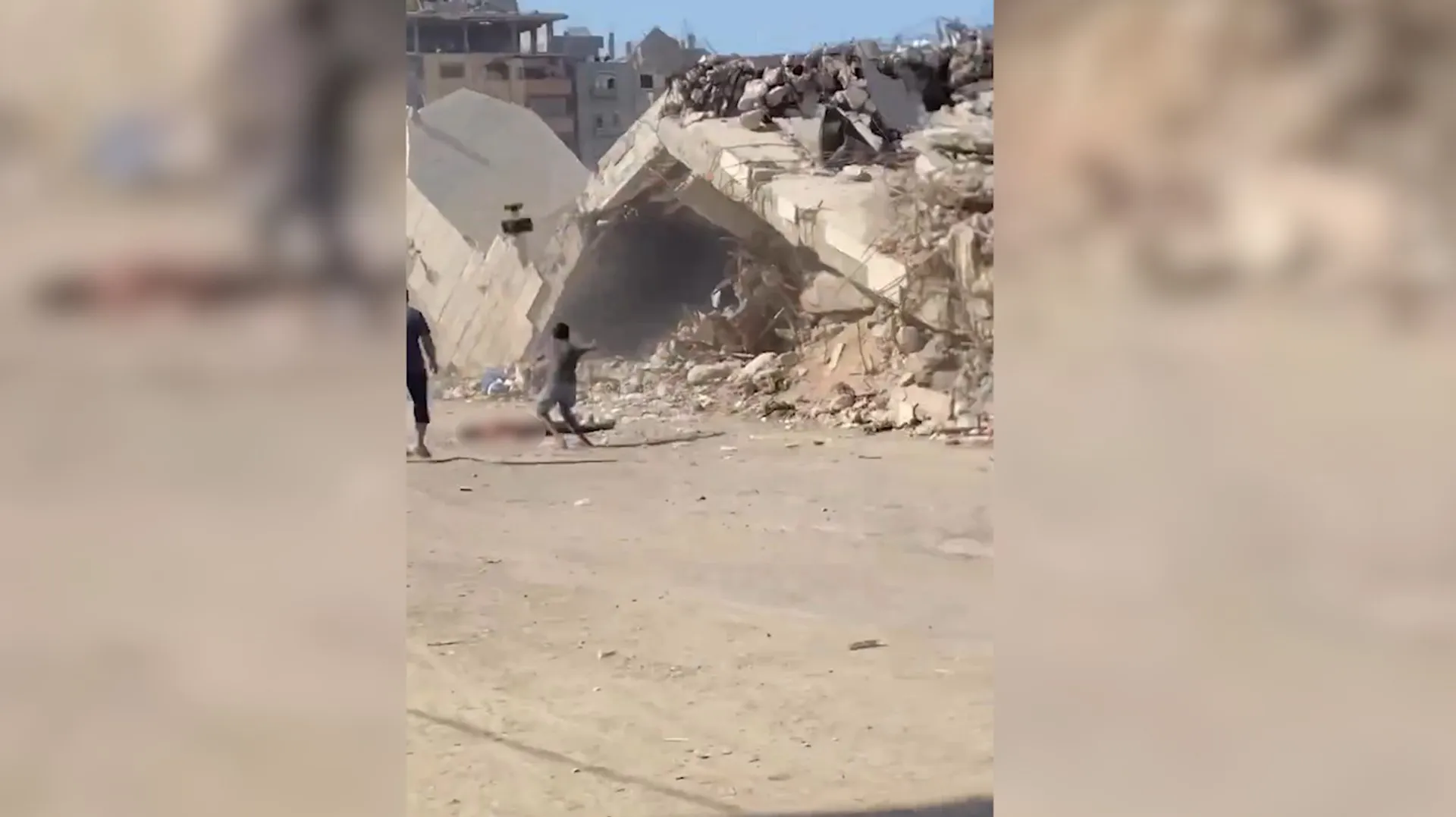
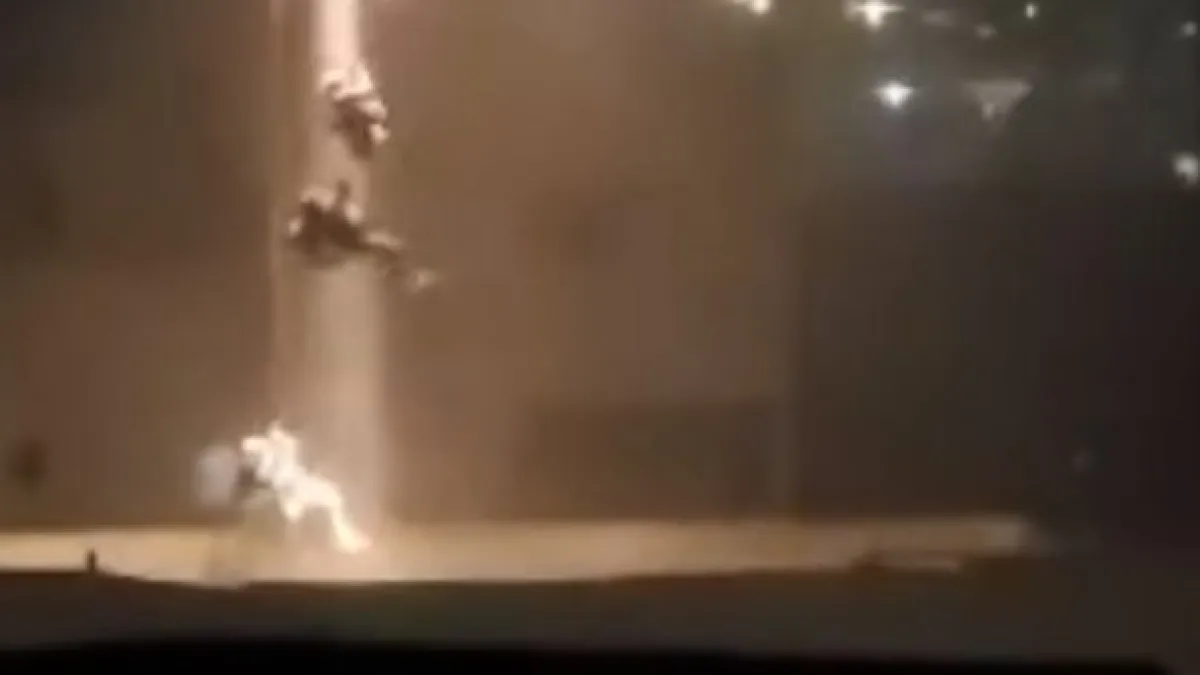
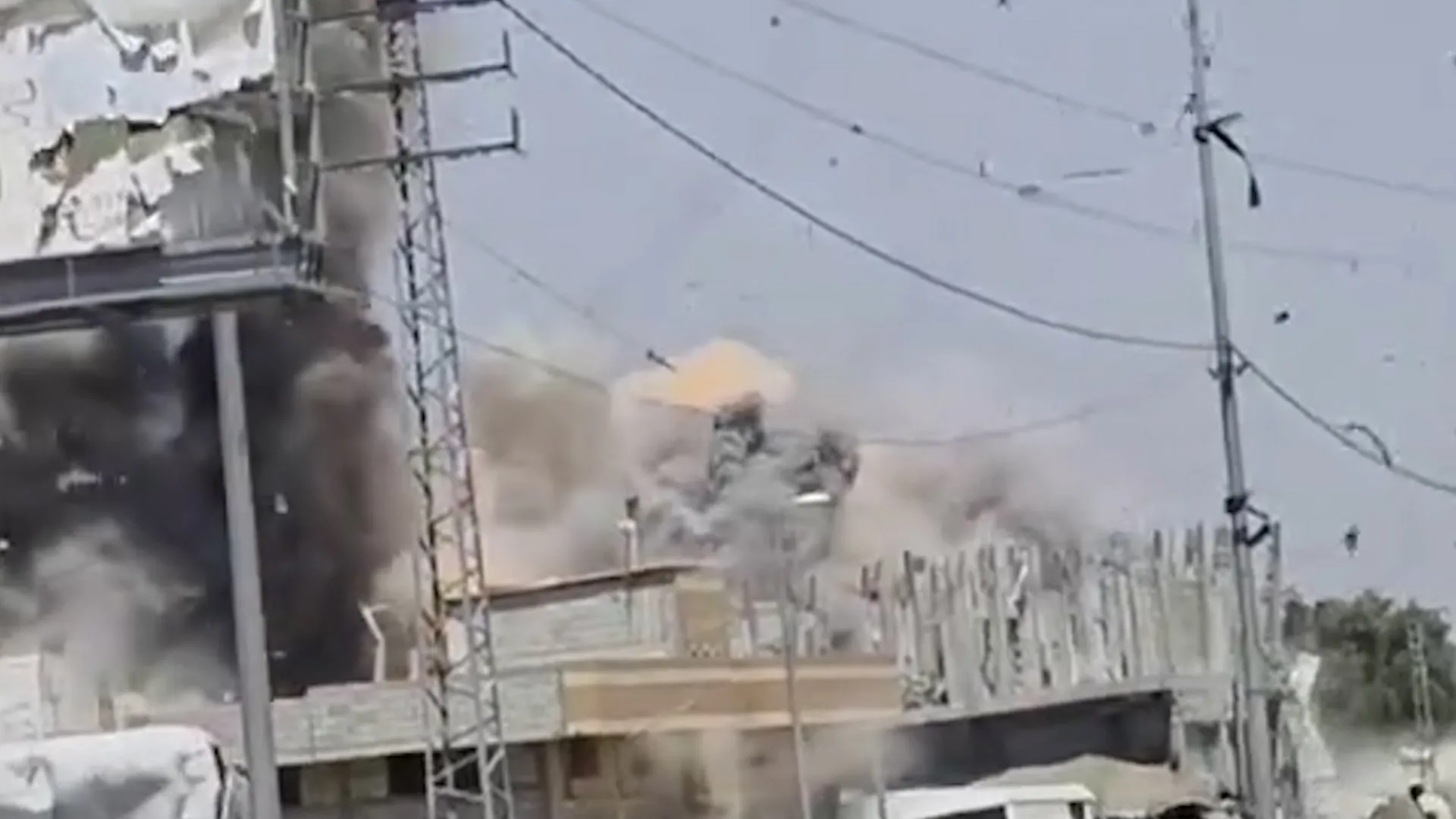
In a separate operation on the same day, the Shahid Haj Khalil Naimi Cultural and Sports Complex in Lamerd, Fars province, was targeted. The UN report concluded that this facility lacked any discernible military utility. Video evidence verified owed tal death toll for this specific site, local officials reported 22 deaths, including four children. The mission’s report explicitly stated that the U.S. failed to fulfill its legal obligation to distinguish between military objectives and protected civilian infrastructure.
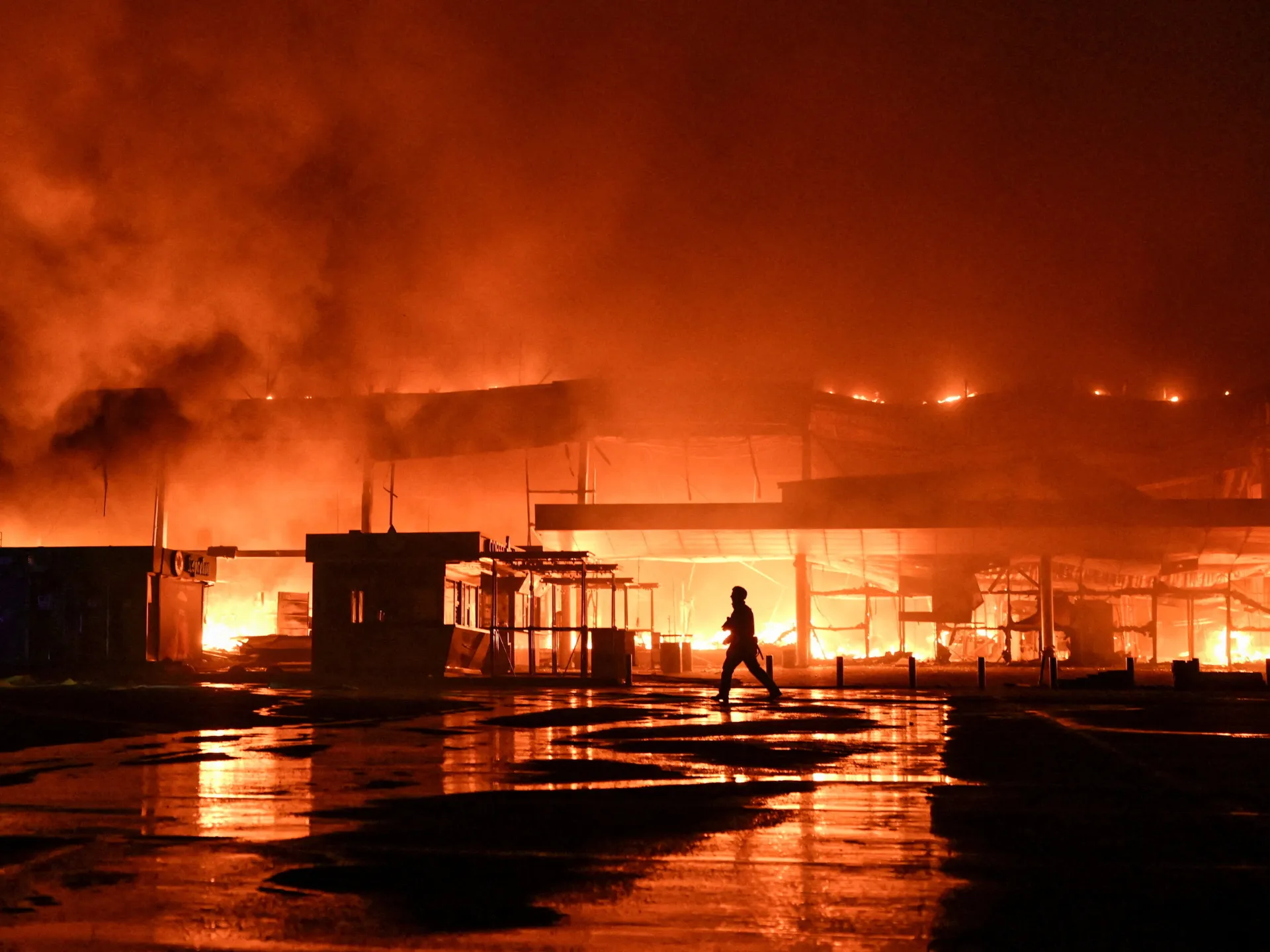
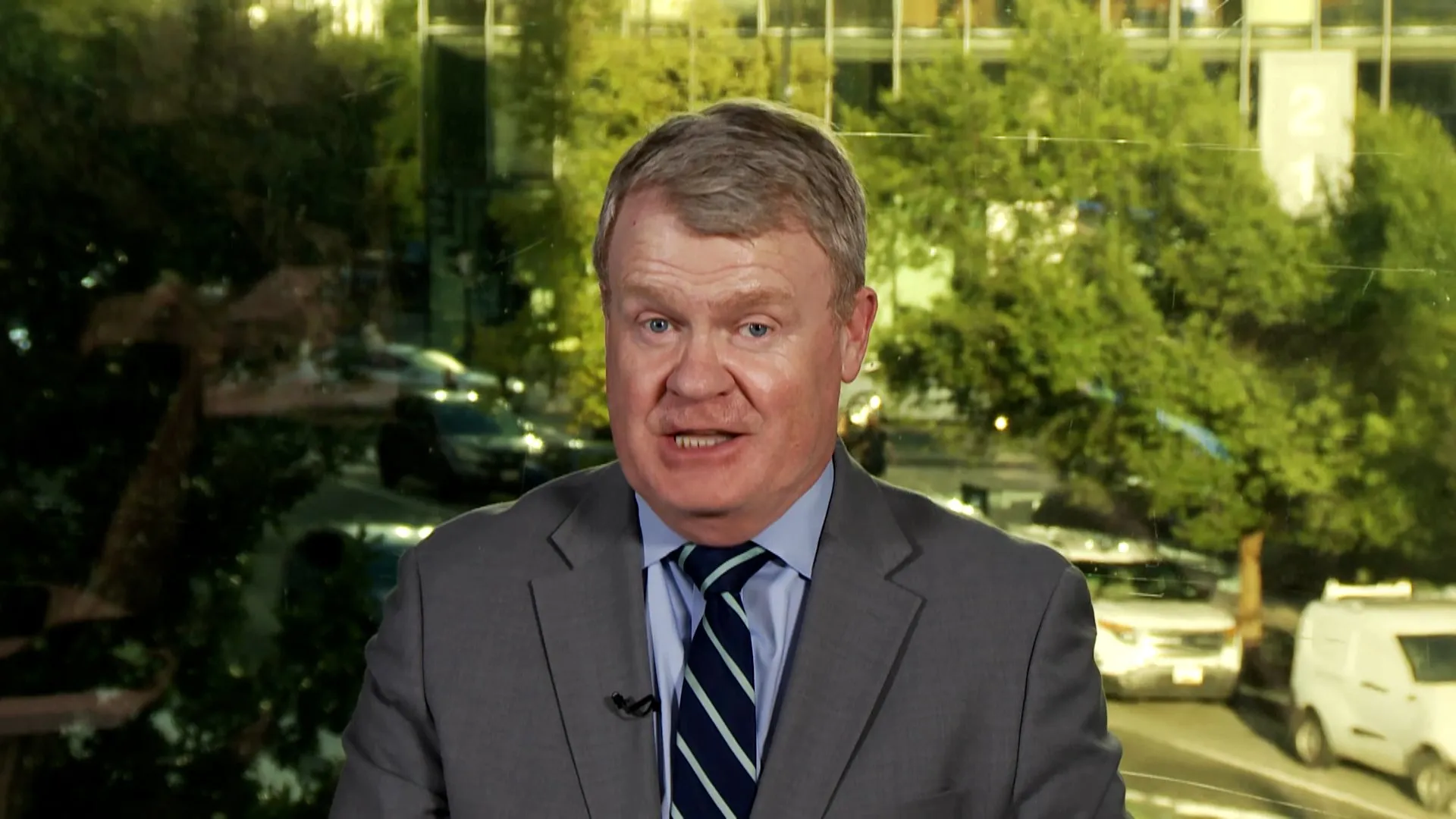
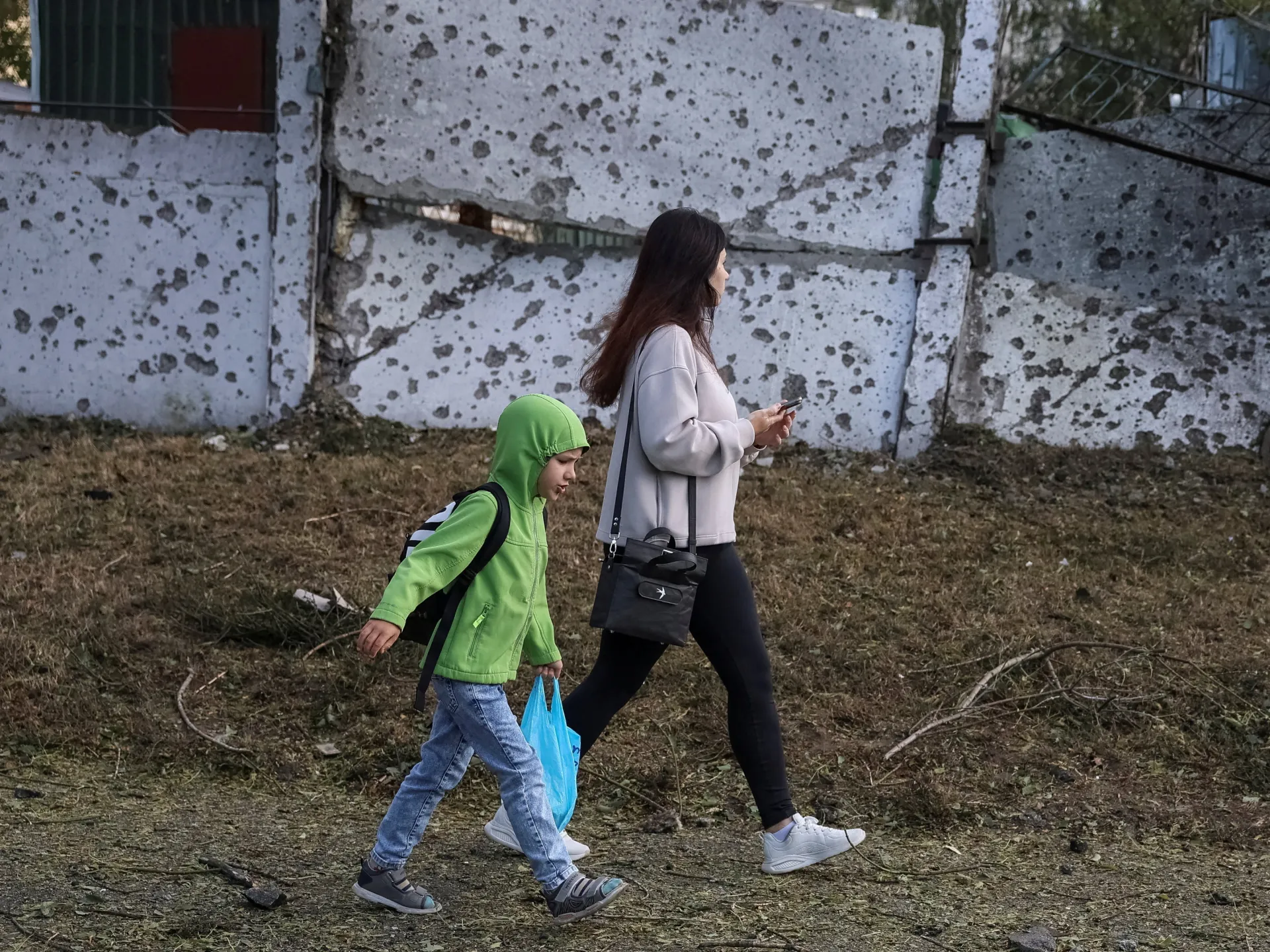
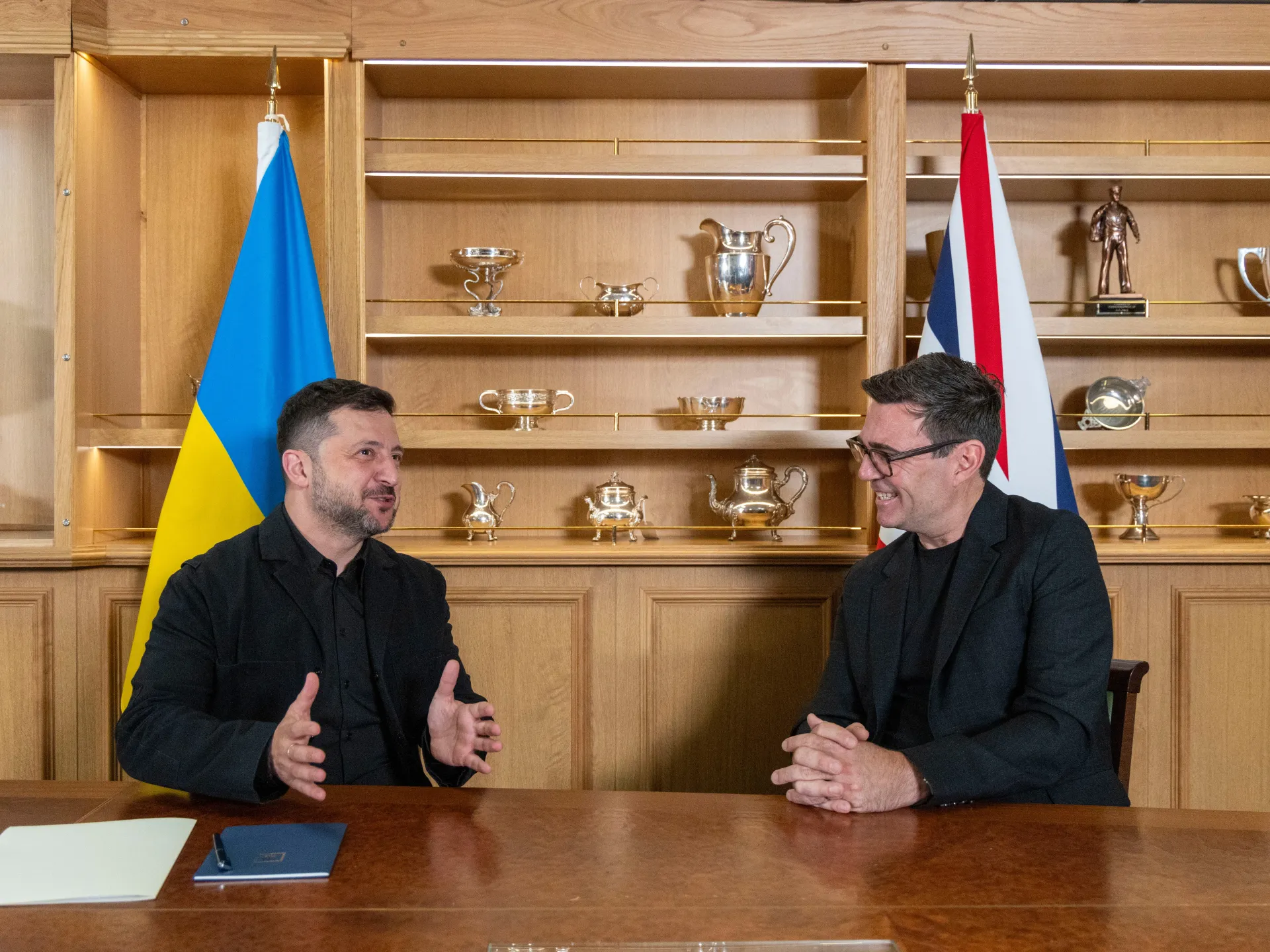
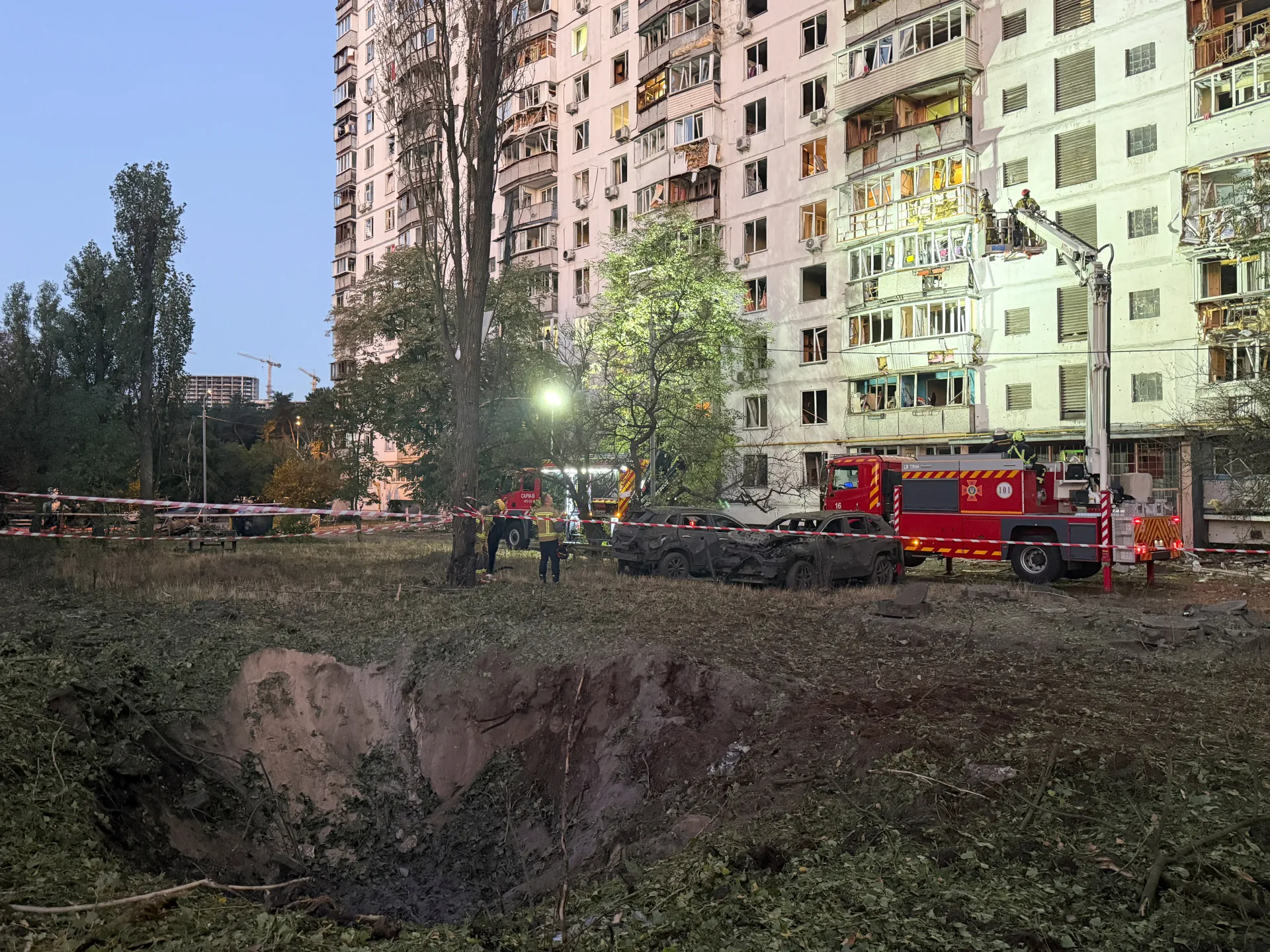
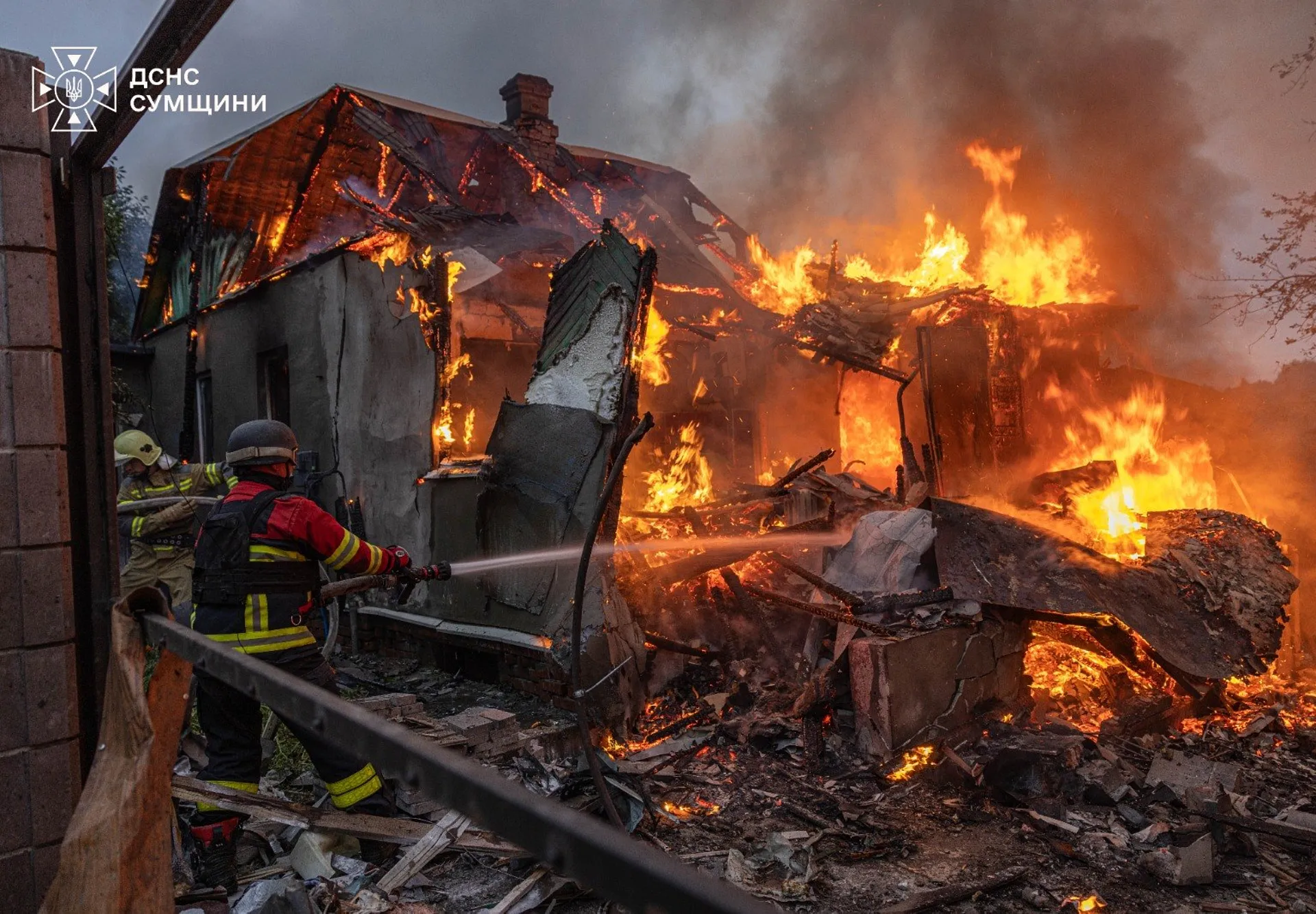
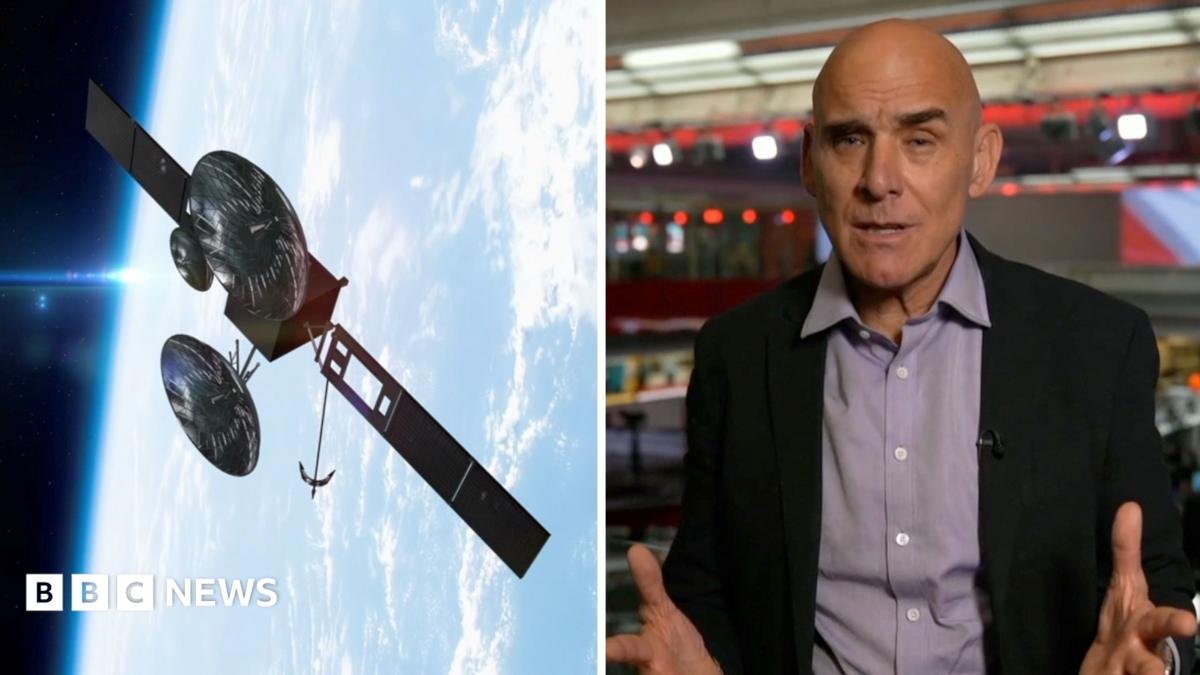
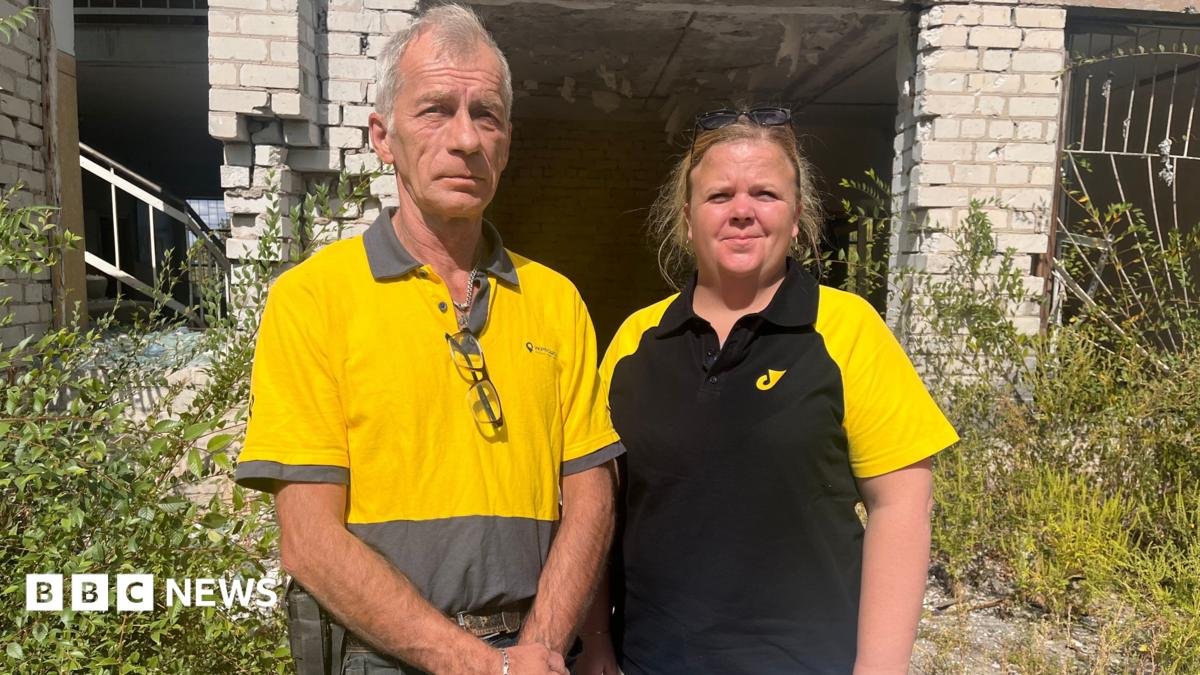
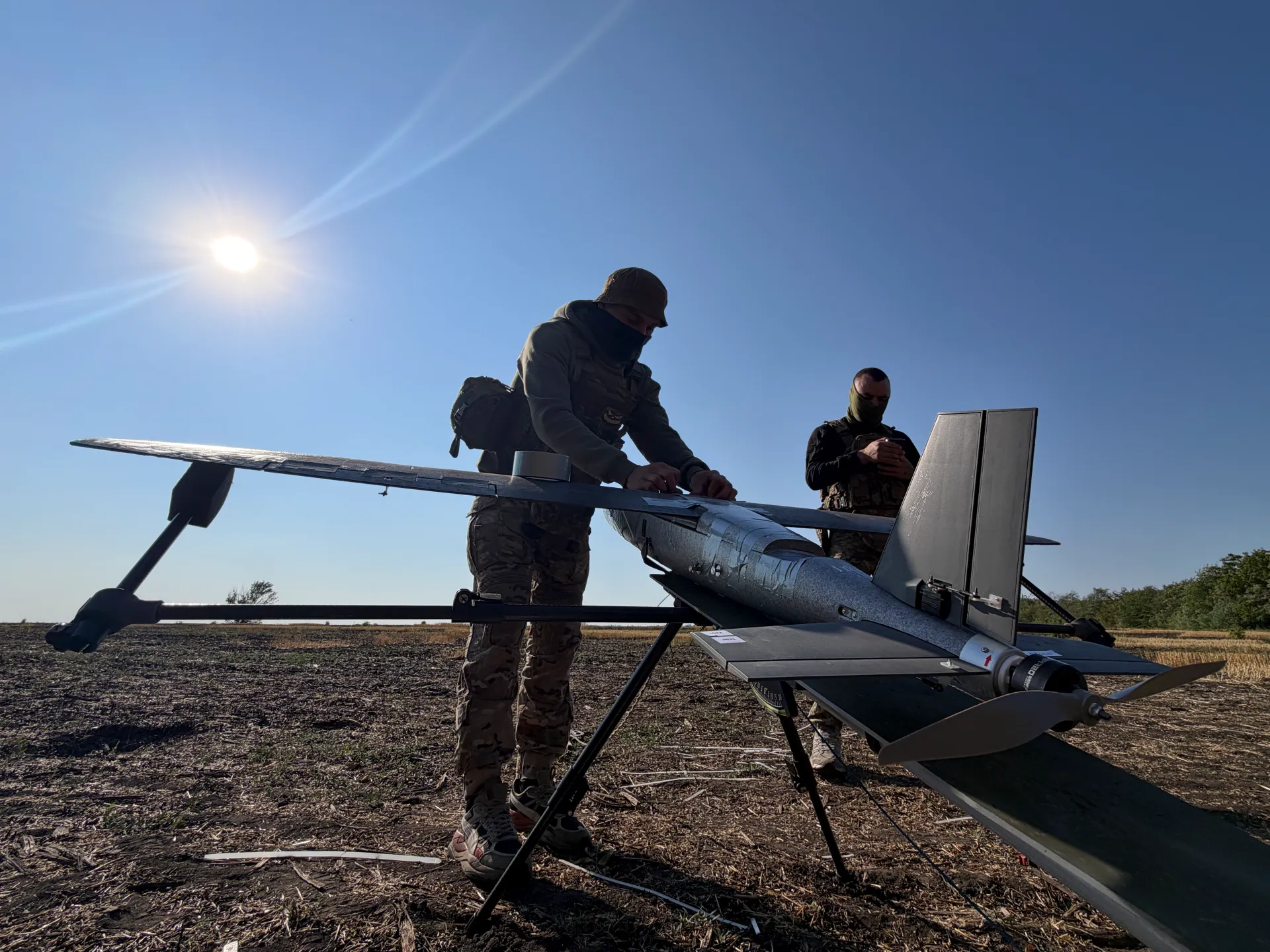
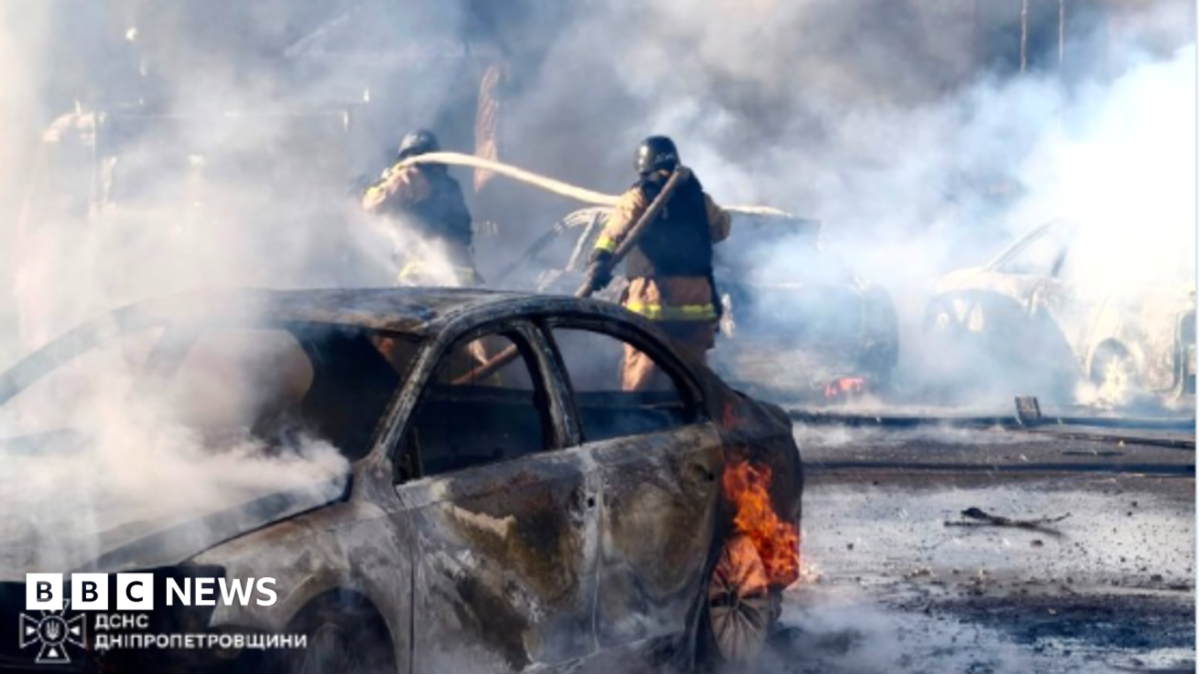
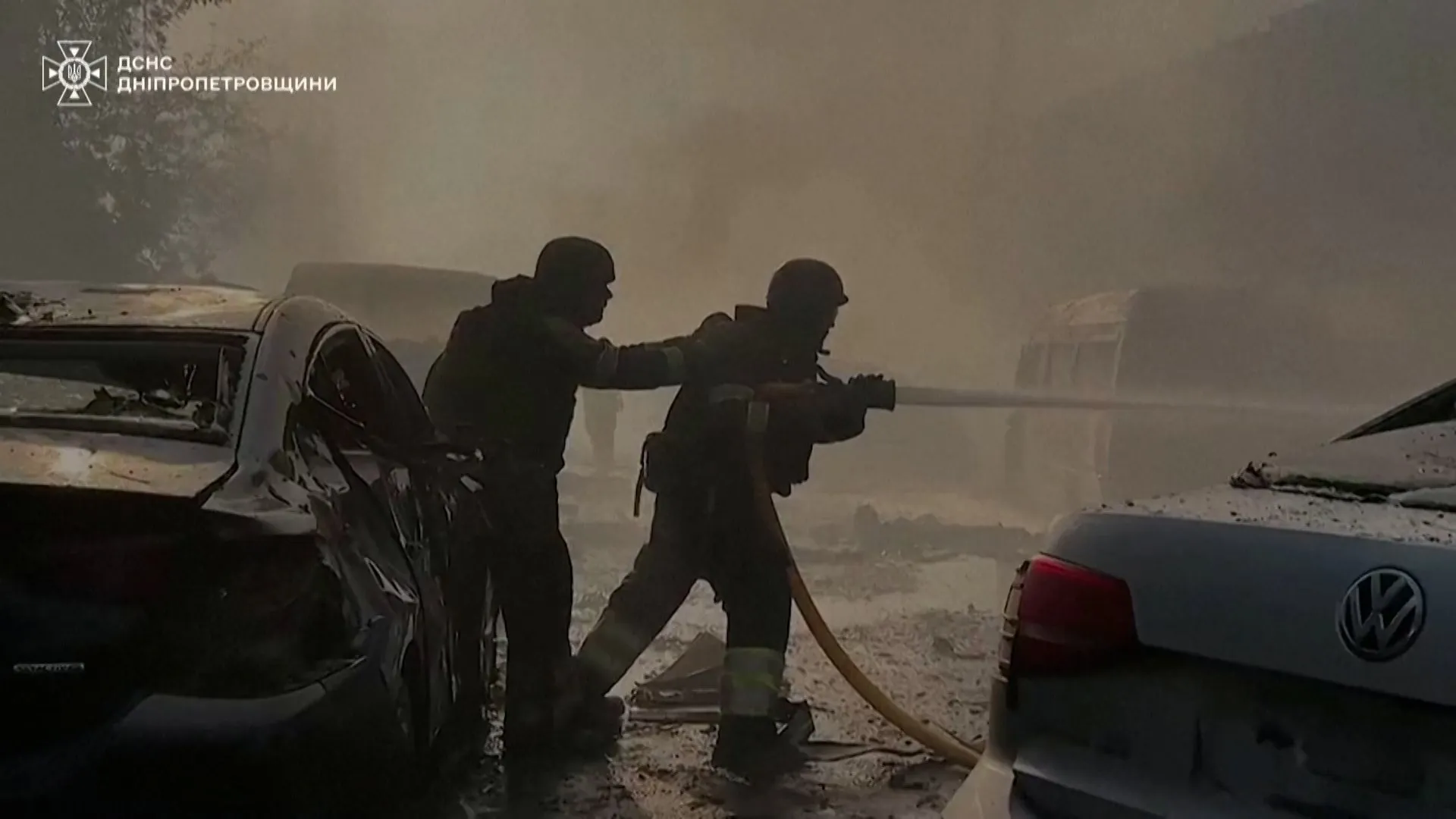
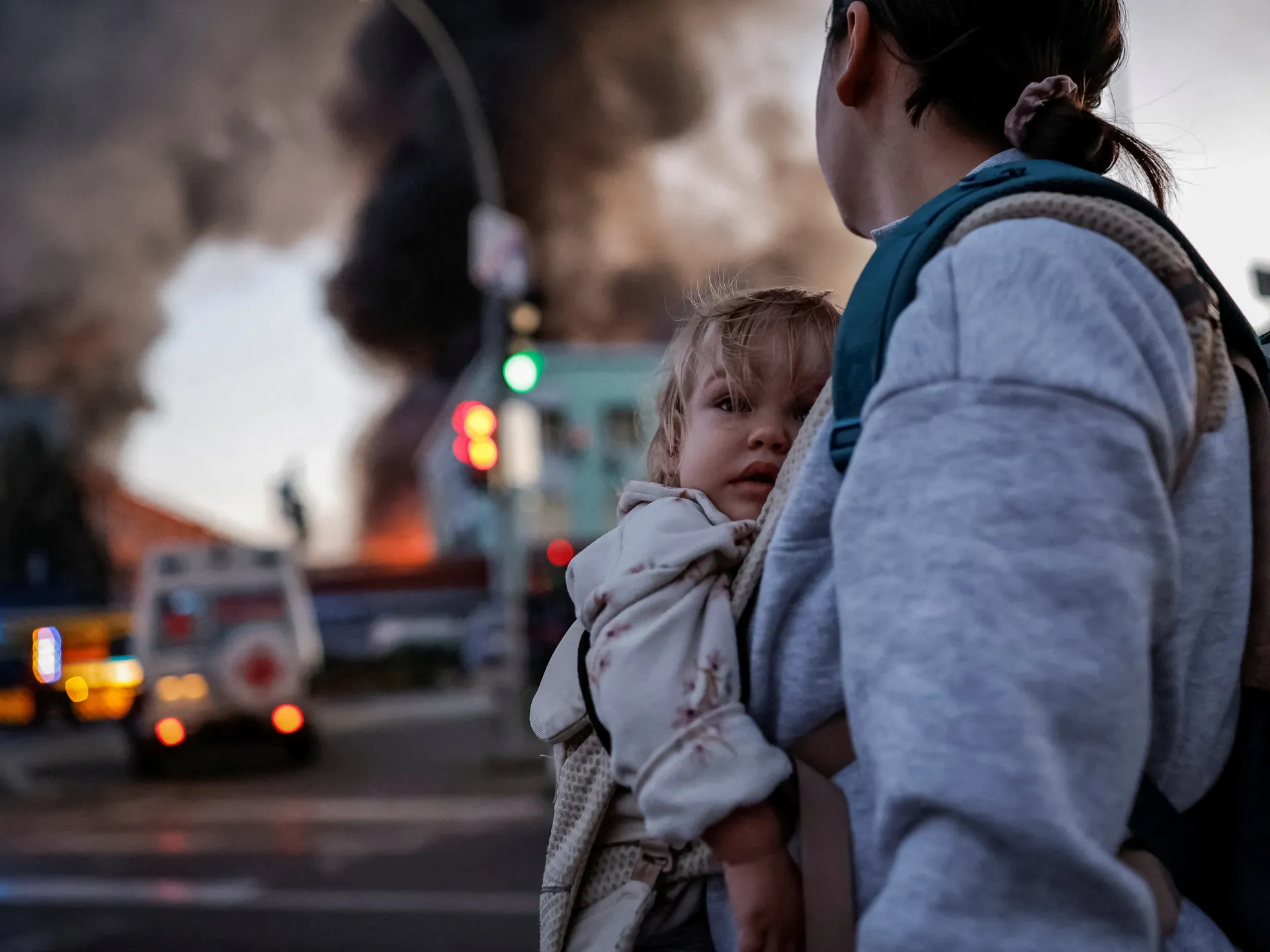
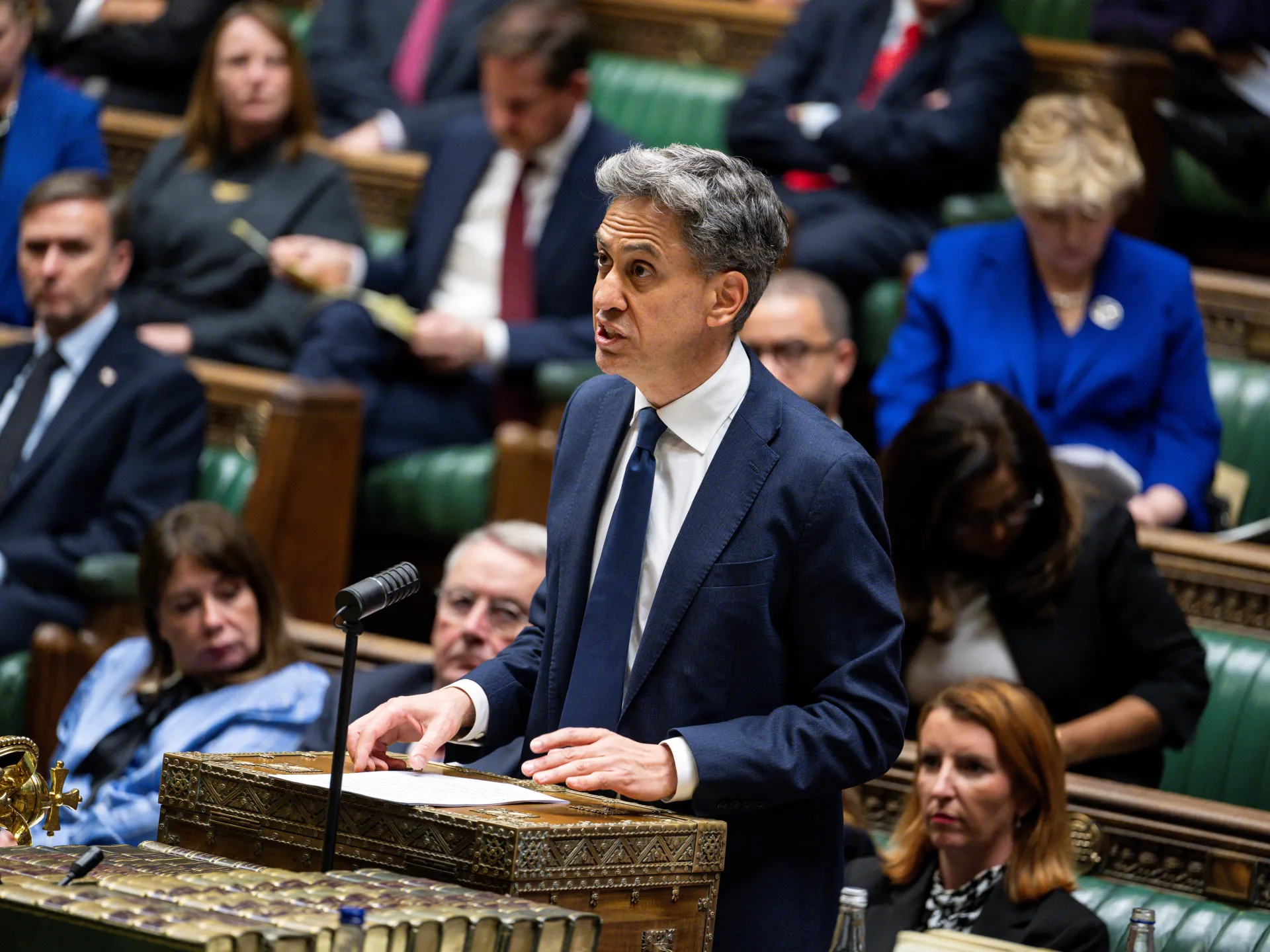
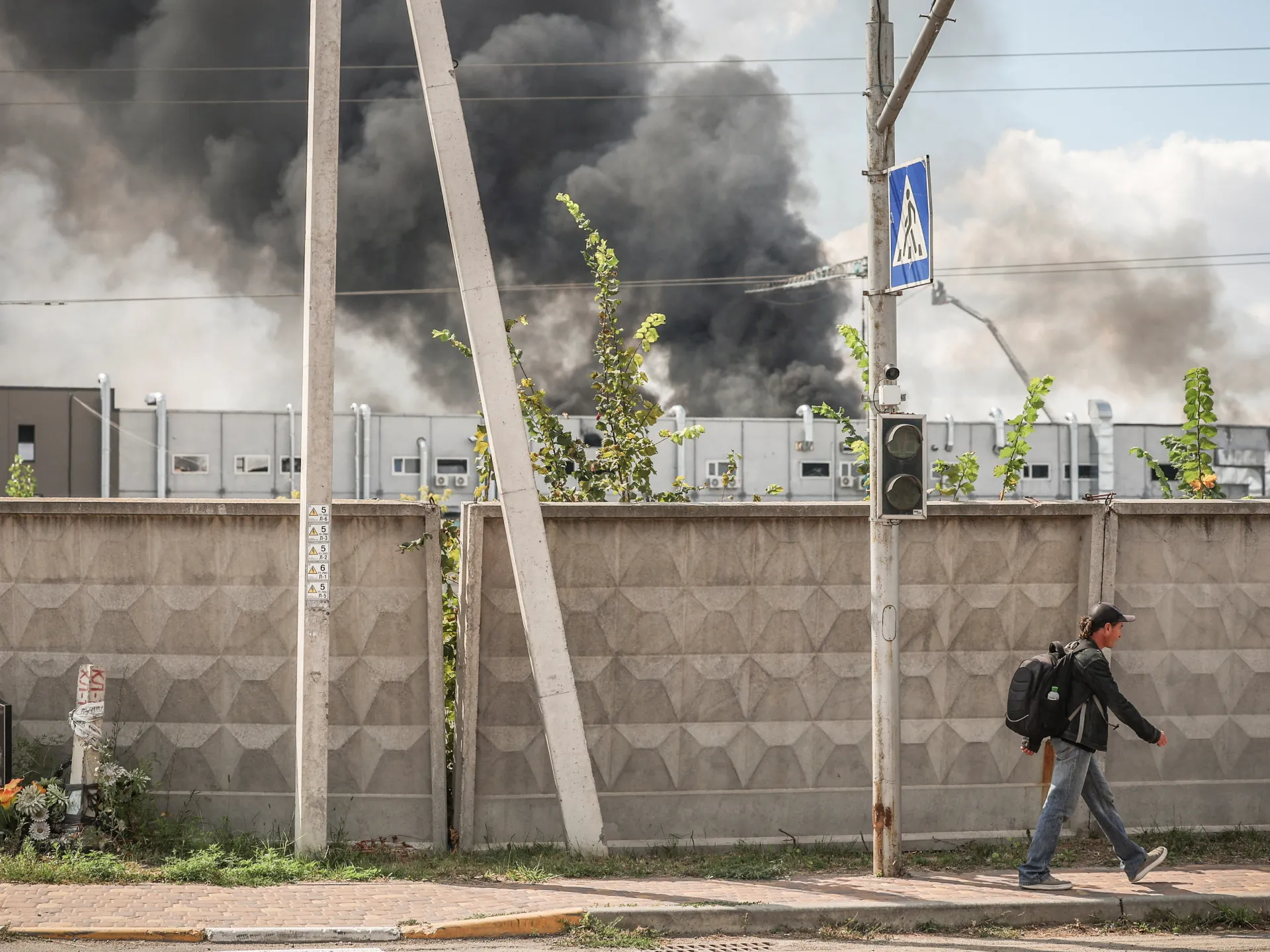
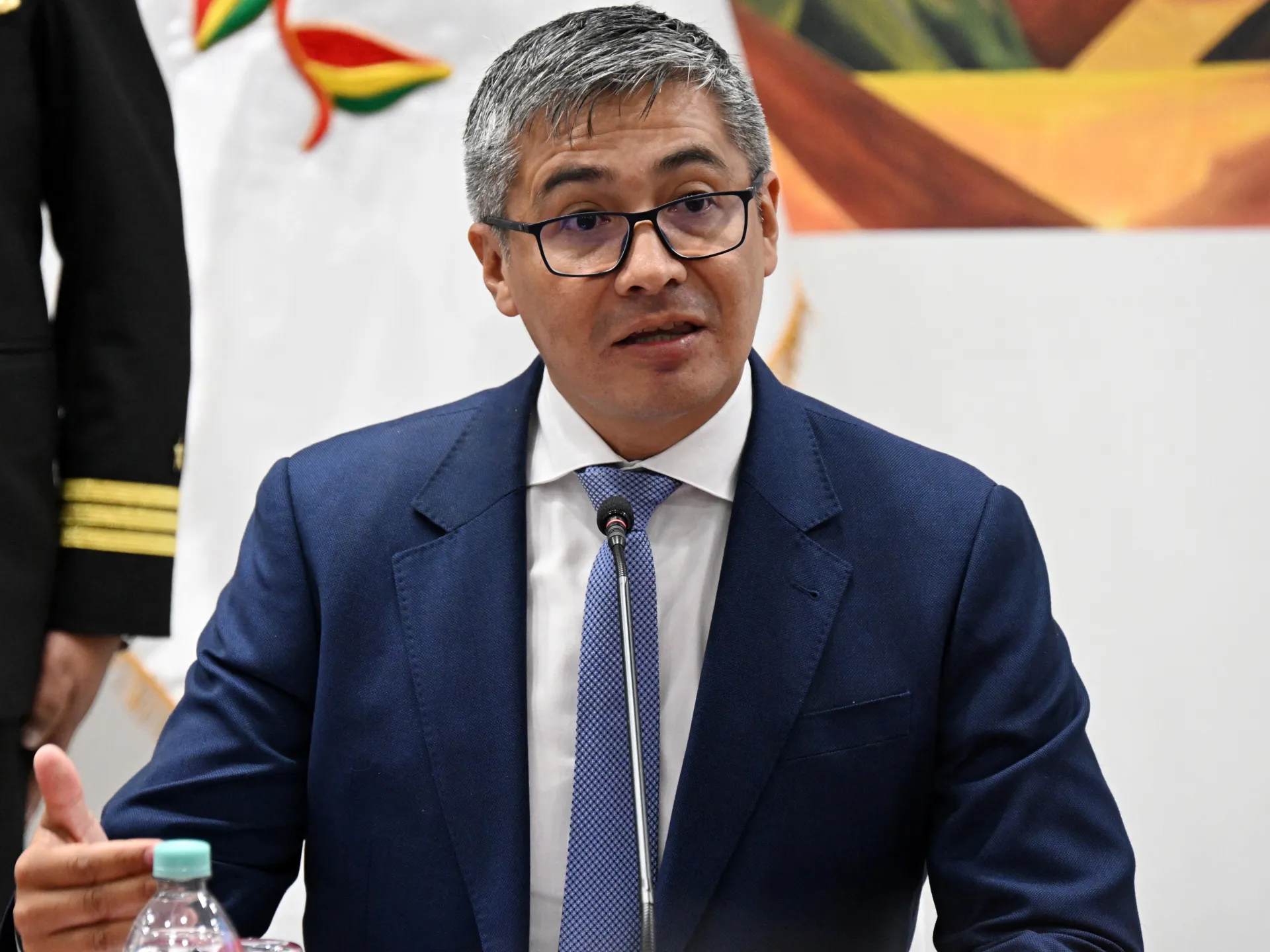
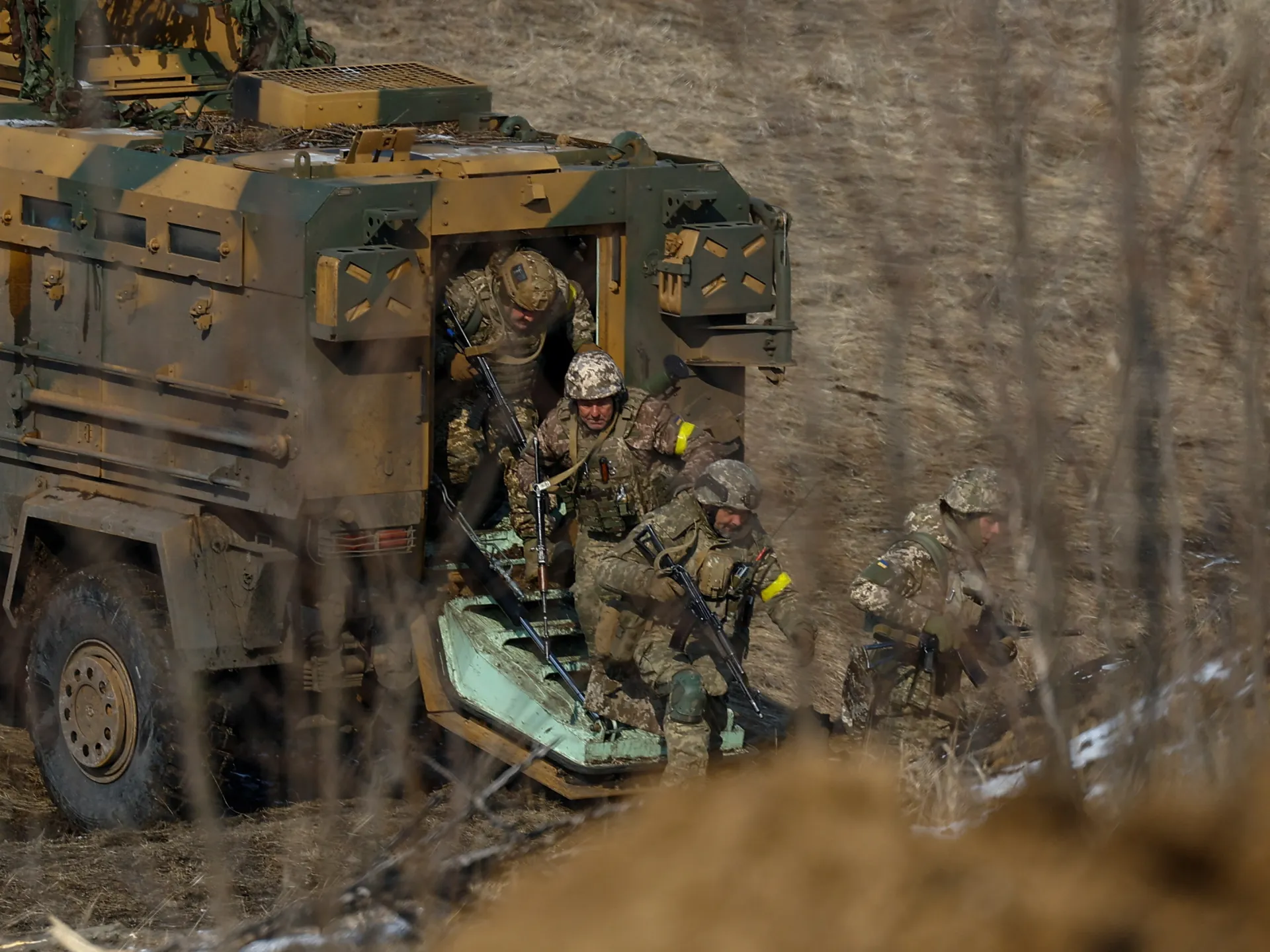
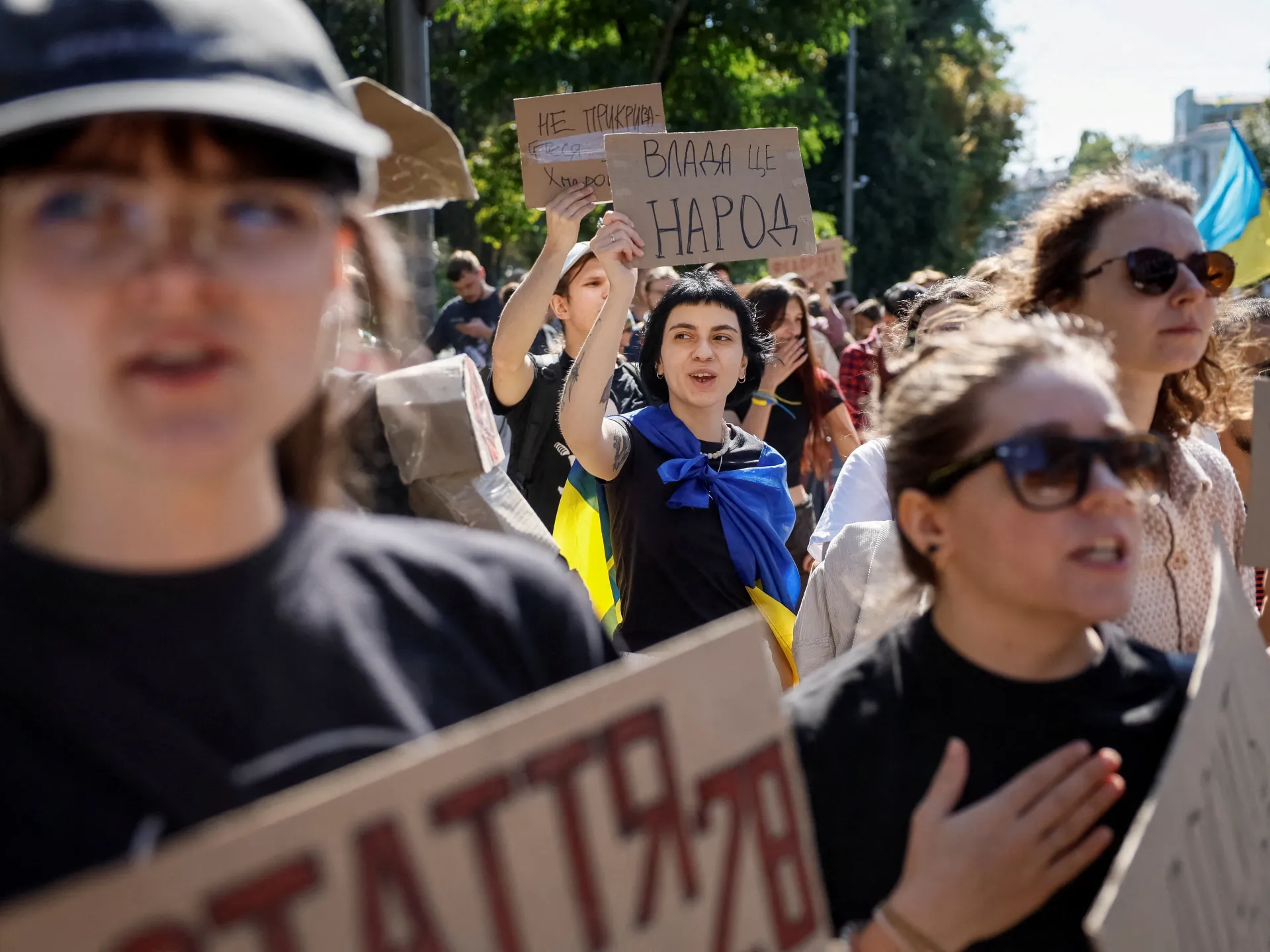
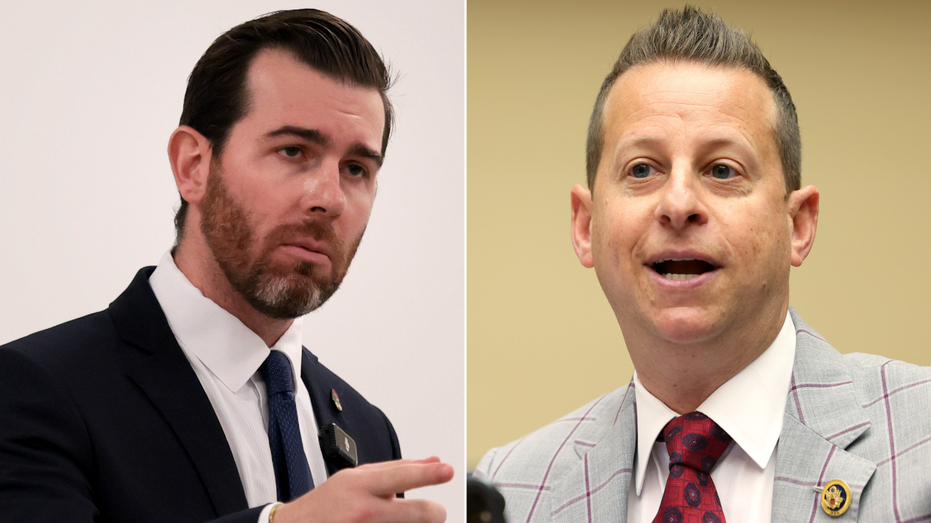
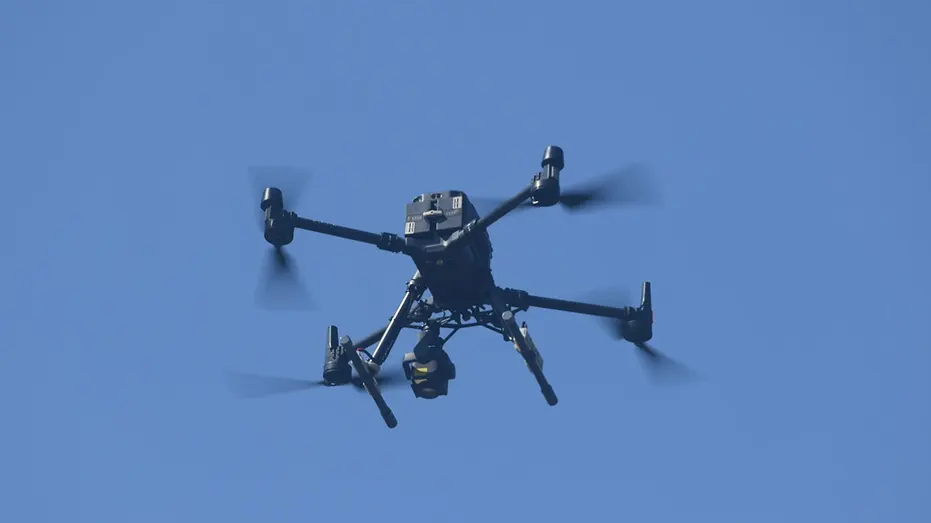
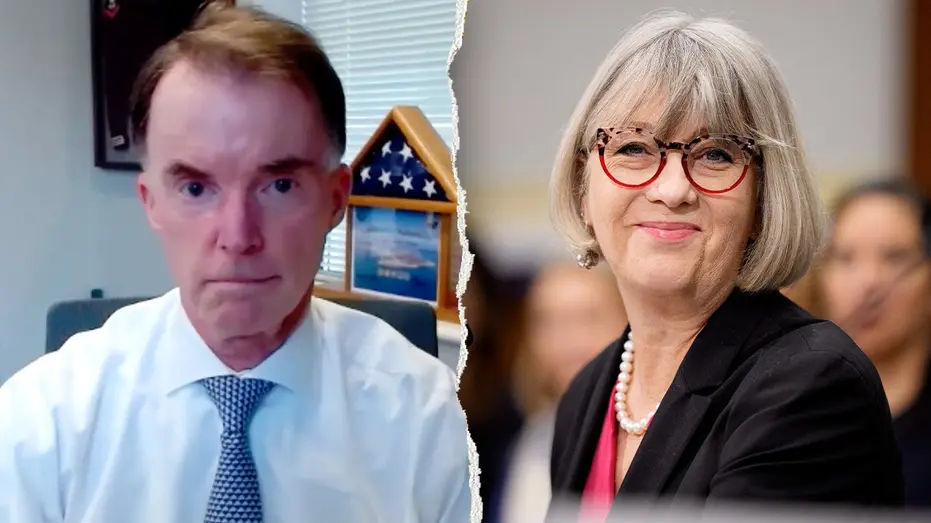
The accusations of war crimes emerge against a backdrop of intensifying conflict across multiple theaters. While the UN is focusing on potential American liability in the Middle East, the organization is also grappling with a deteriorating situation in Eastern Europe. Alexander De Croo, a senior UN official, recently warned of a potential humanitarian catastrophe in Ukraine as winter approaches, citing systemic Russian targeting of energy grids. Unlike the U.S. actions in Iran, the conflict in Ukraine has seen a rise in the use of jet-powered drones that are increasingly difficult for local air defenses to intercept, causing significant civilian casualties in cities like Pavlohrad, Zaporizhzhia, and Sumy.
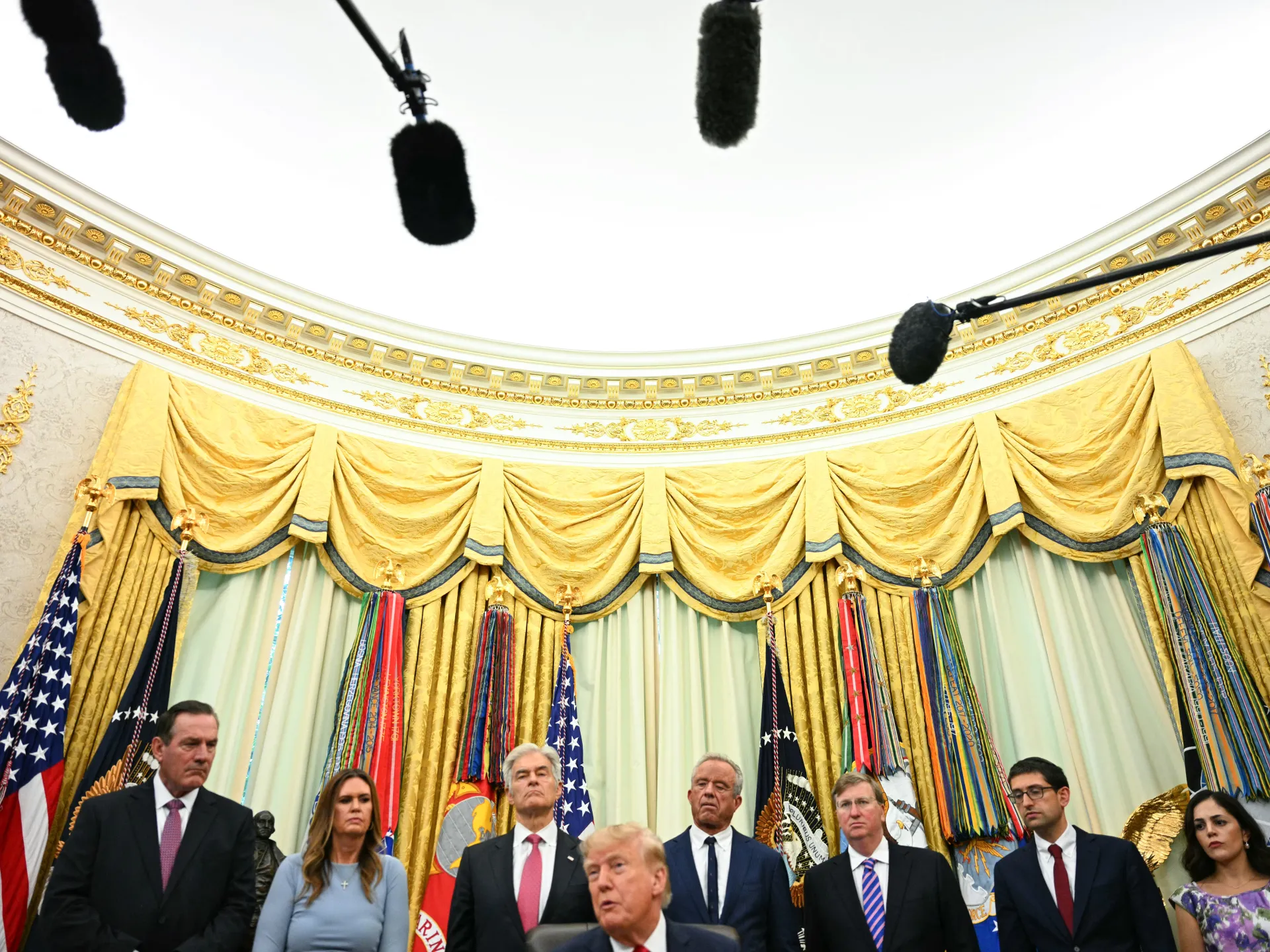
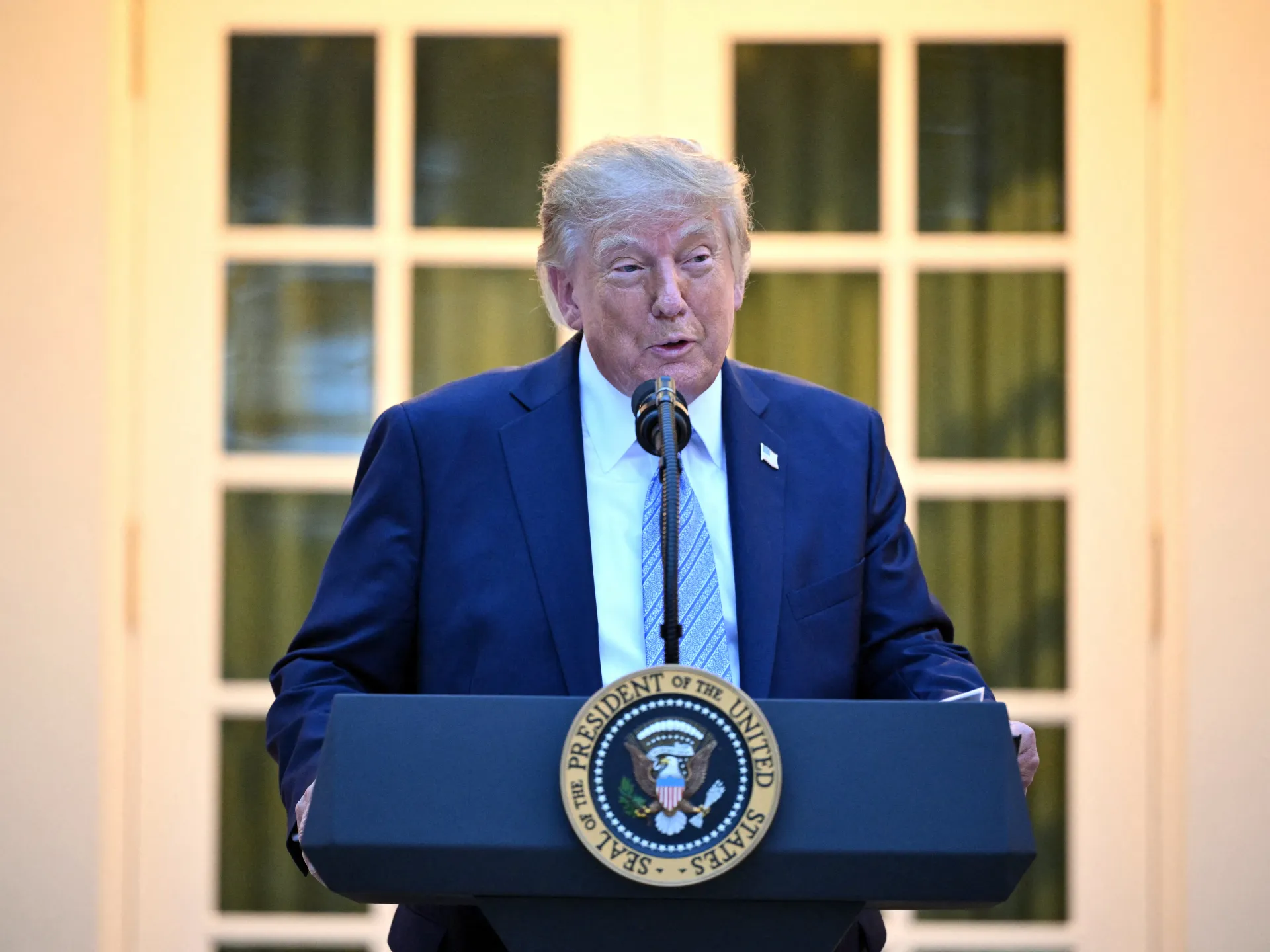
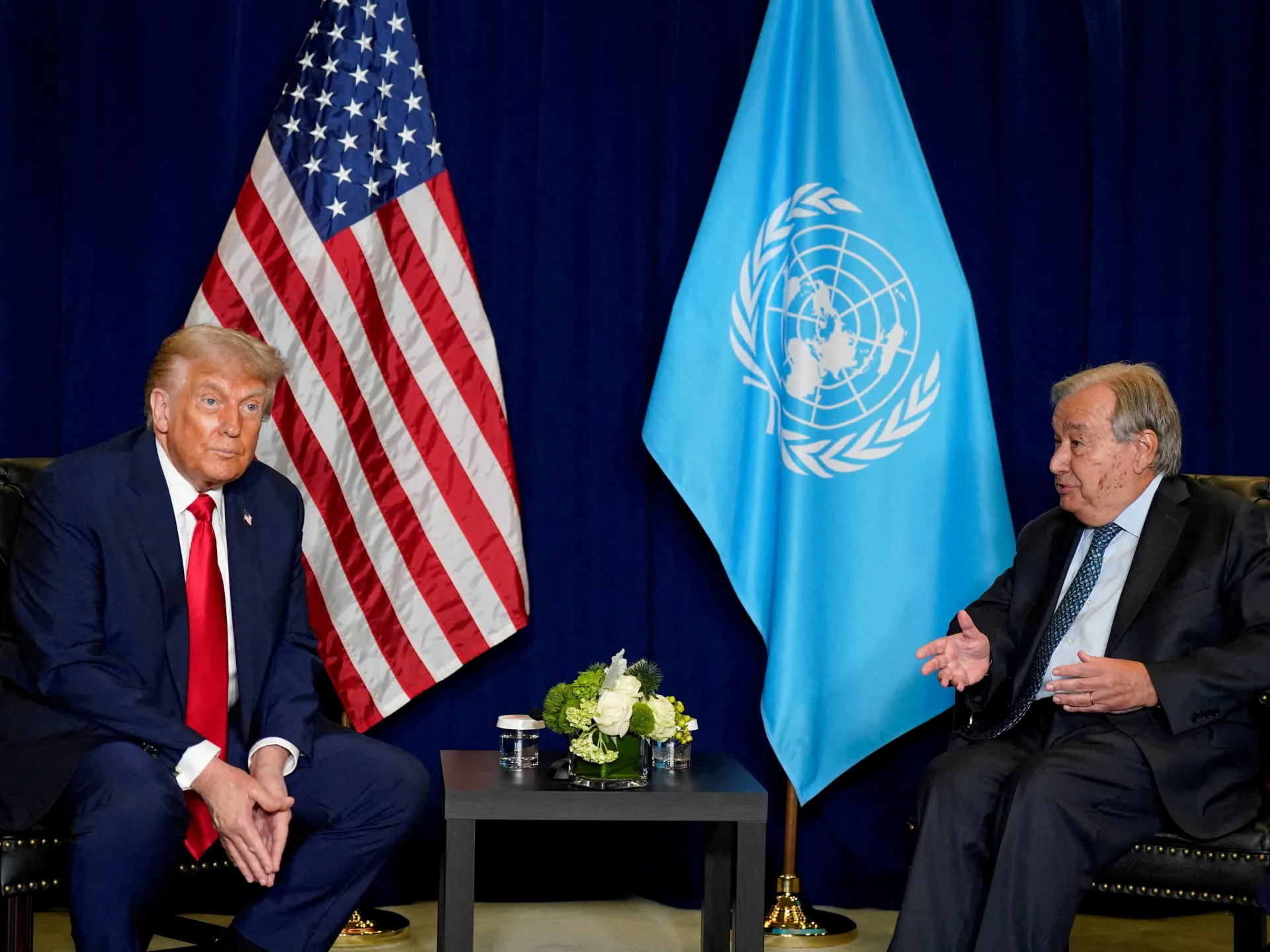
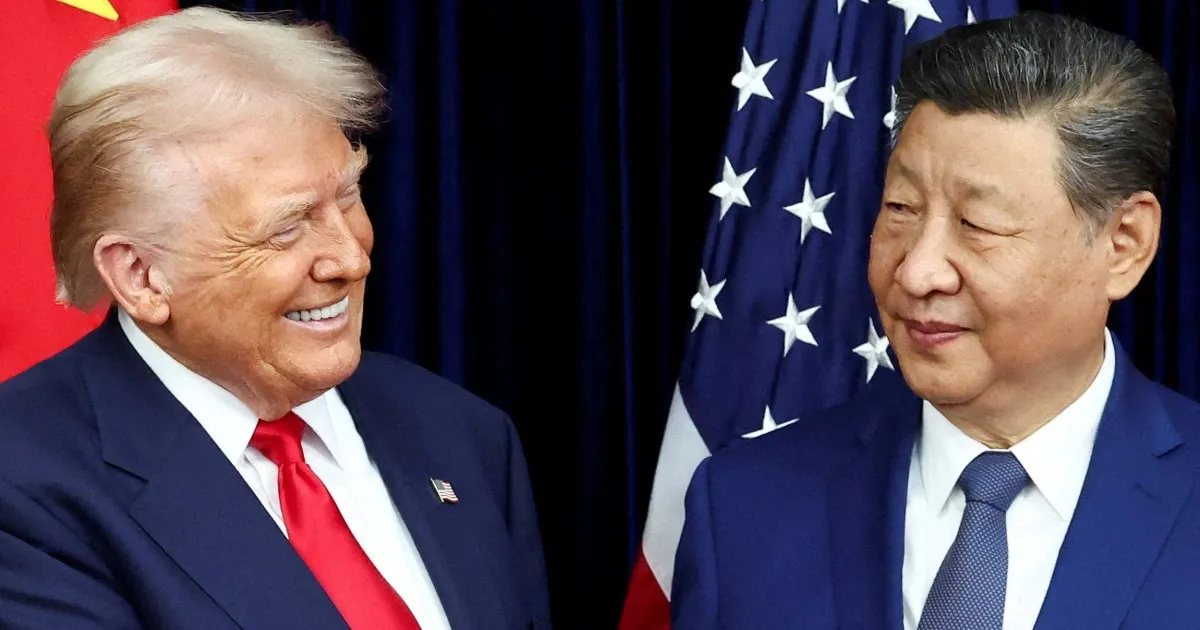
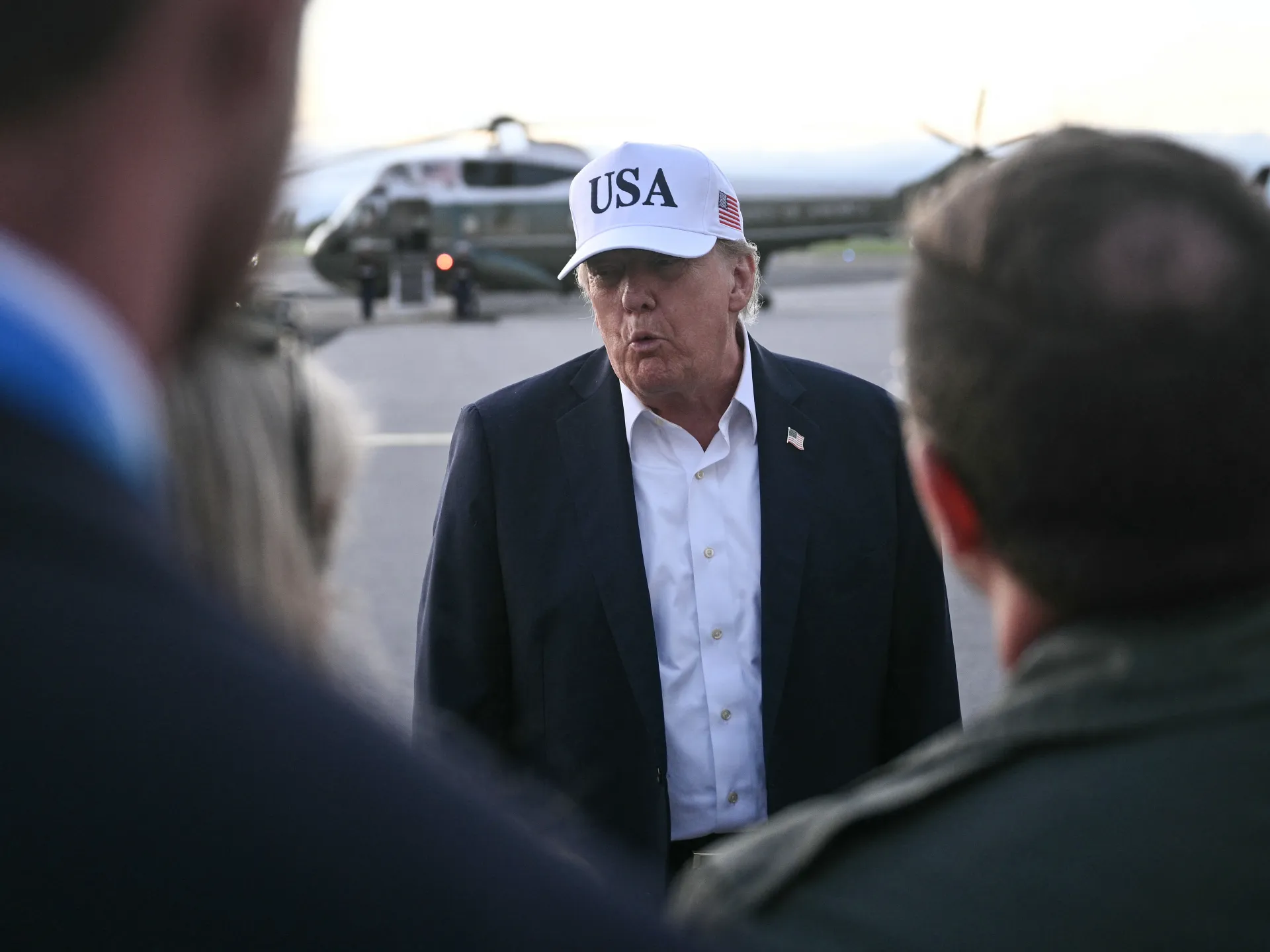
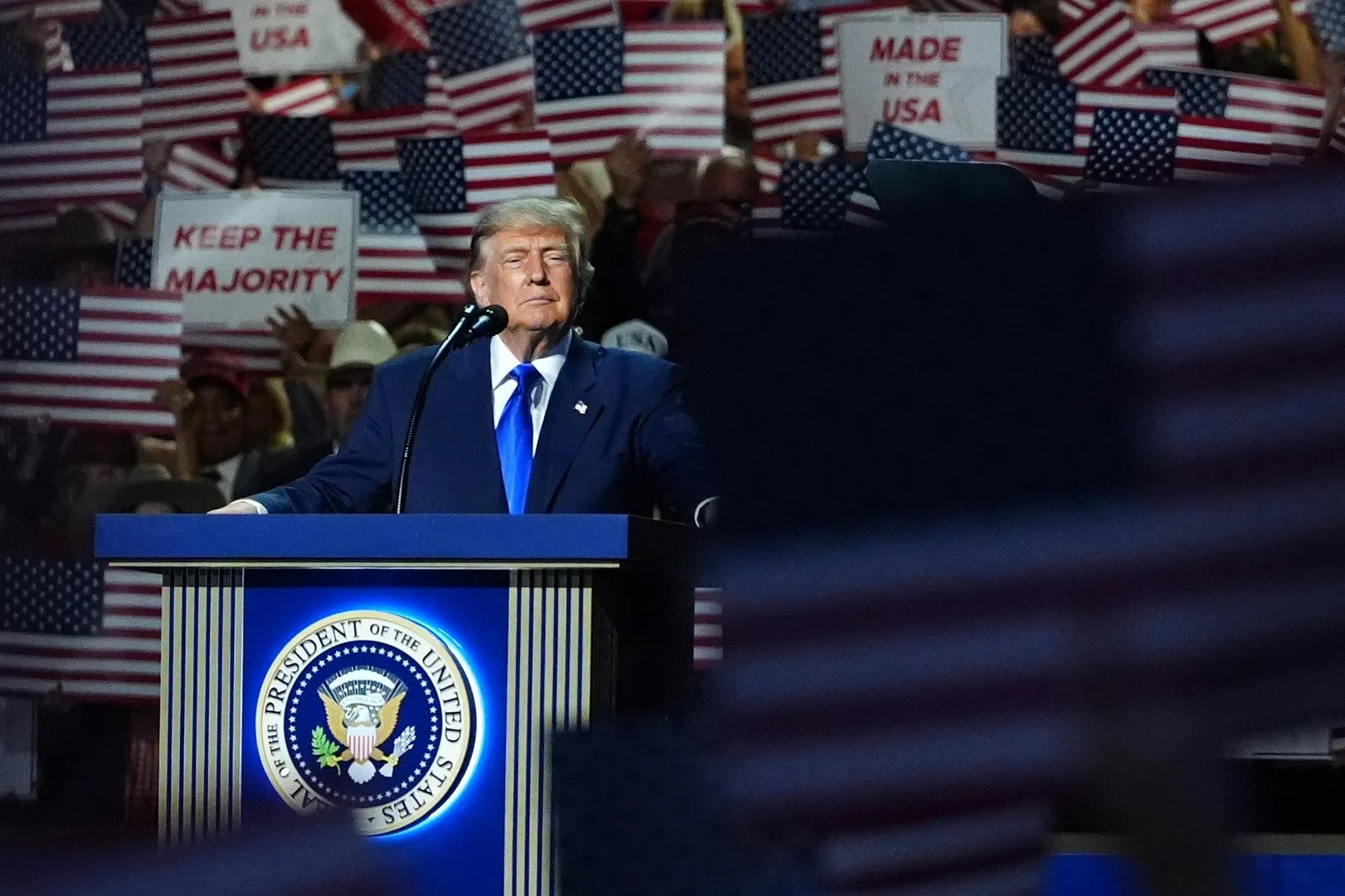
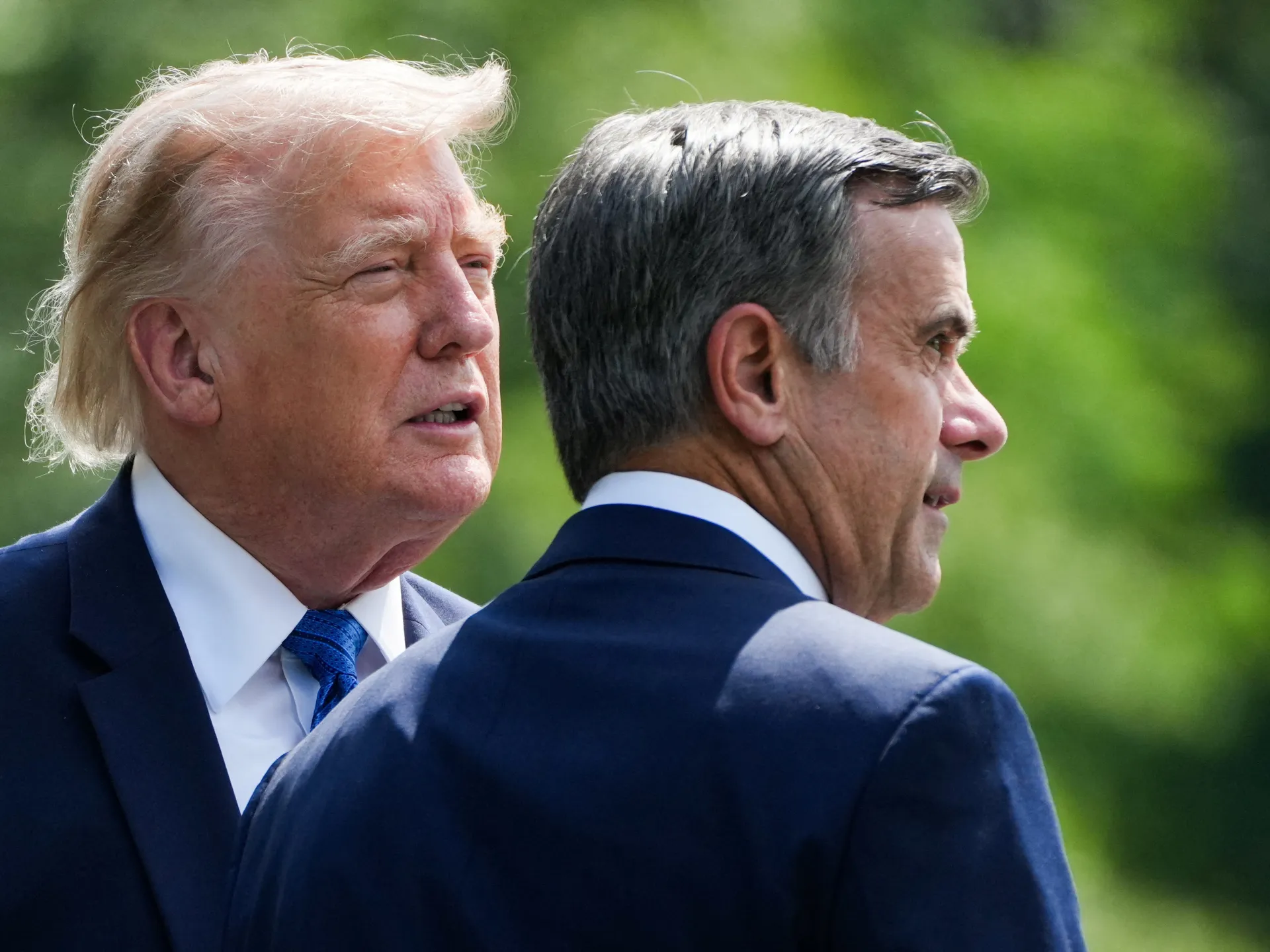
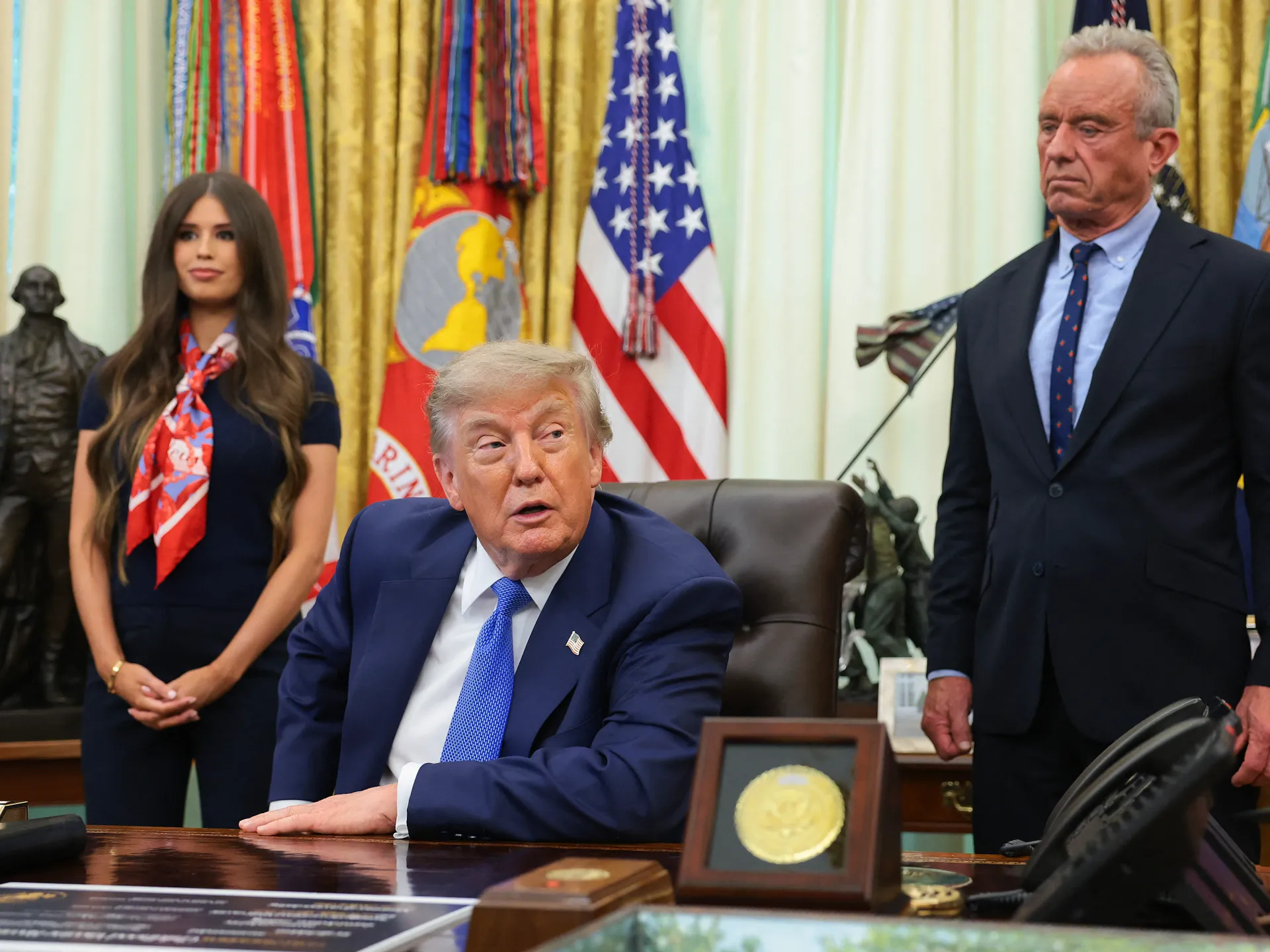
The diplomatic fallout from these events remains uncertain. Despite the mounting evidence presented a negotiated settlement. This stance mirrors the administration's broader approach to managing international conflicts, where military pressure is often applied in tandem with demands for diplomatic compliance, even when such actions draw direct condemnation from global human rights monitors.
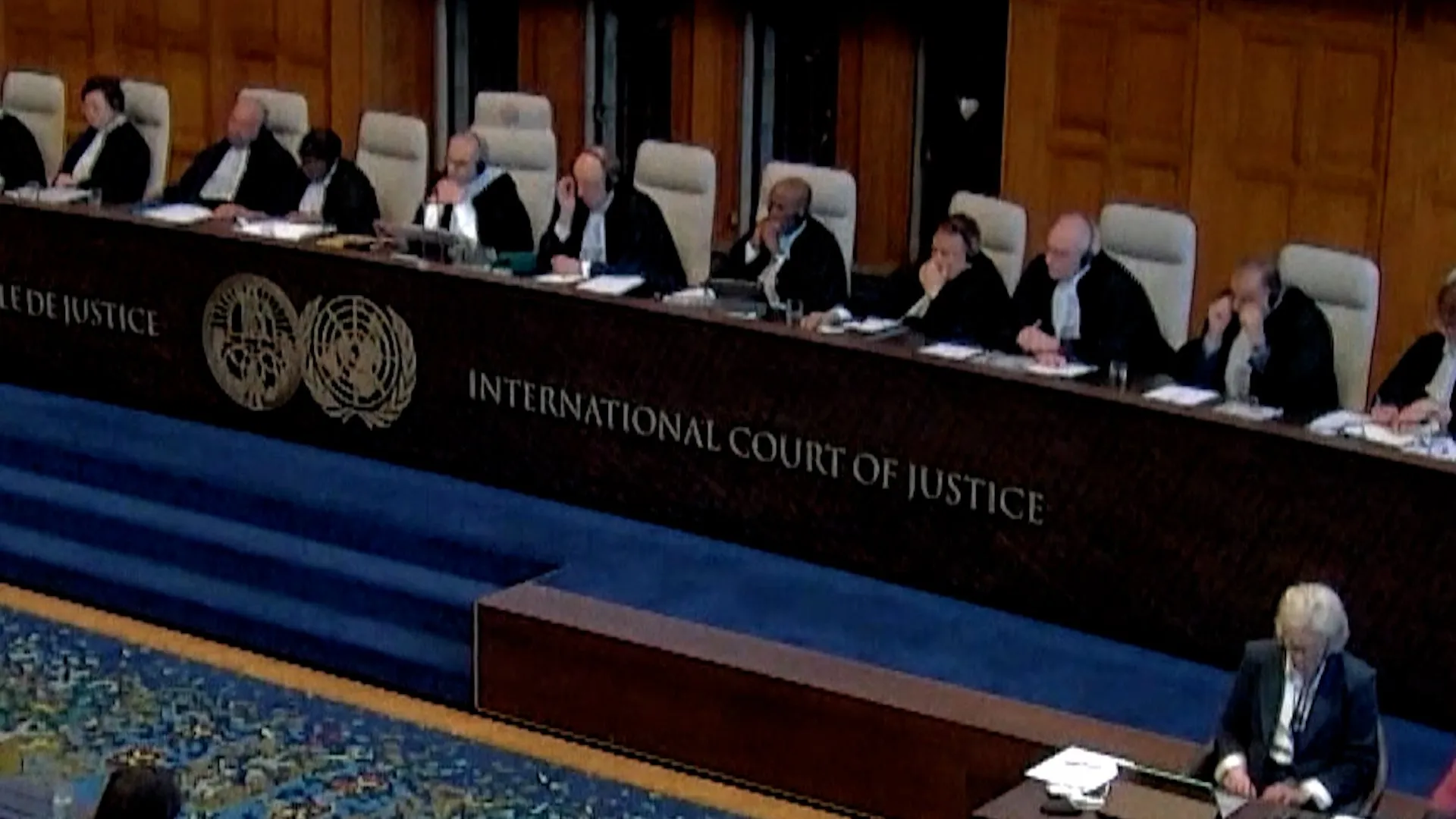
The submission of the UN report to the Human Rights Council serves as a formal notification of the findings, but it does not carry immediate enforcement mechanisms. It is likely that the U.S. will continue to maintain its policy of non-cooperation with the mission, viewing the findings as politically motivated. The next phase will likely involve increased pressure from member states within the UN for a broader investigation or the referral of the findings to international legal bodies. However, without support from the U.S. or its primary allies, any move toward formal prosecution remains unlikely. The primary impact will be an erosion of diplomatic leverage for the U.S. in multilateral forums as it attempts to manage concurrent crises in both the Middle East and Europe.