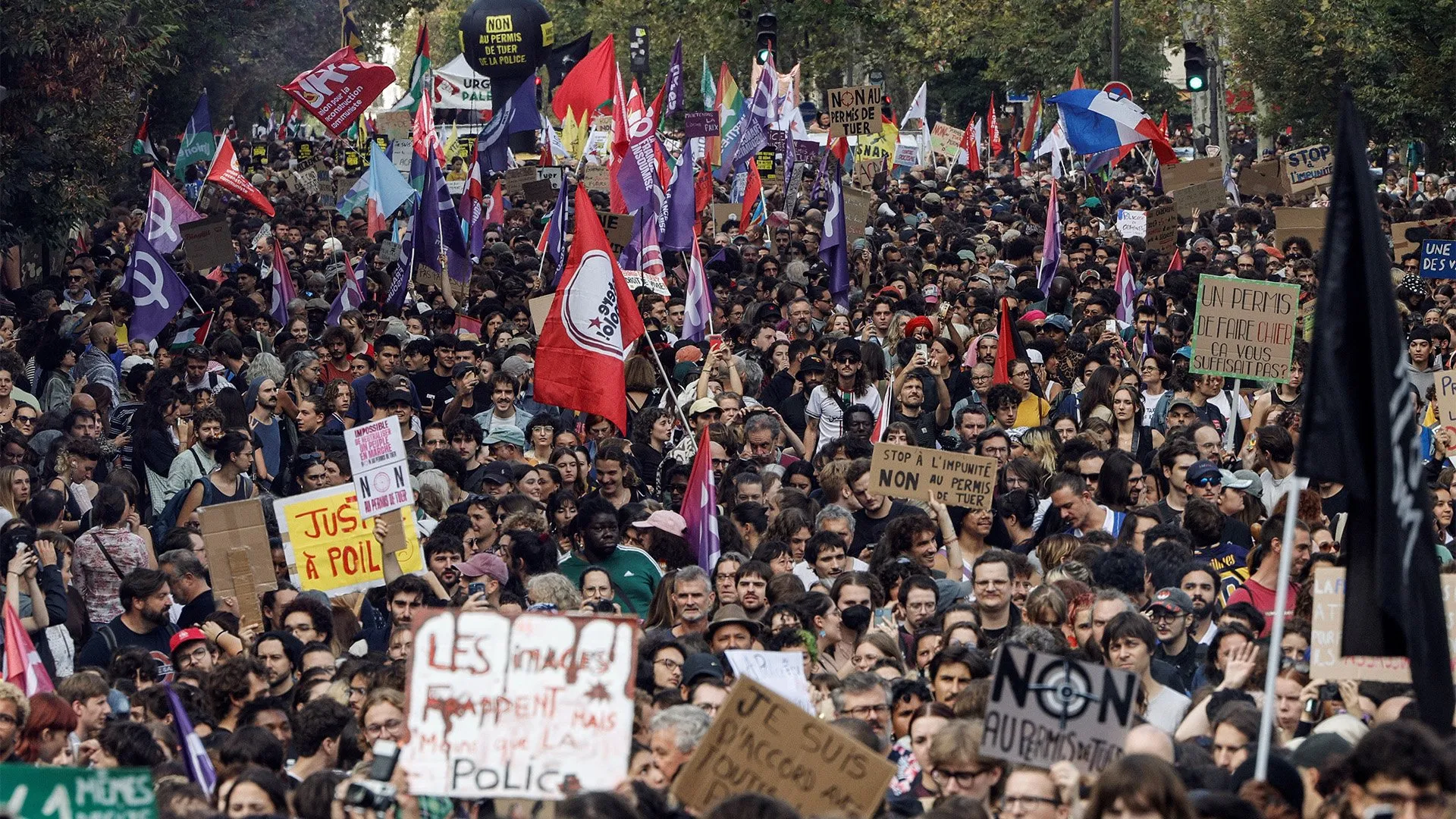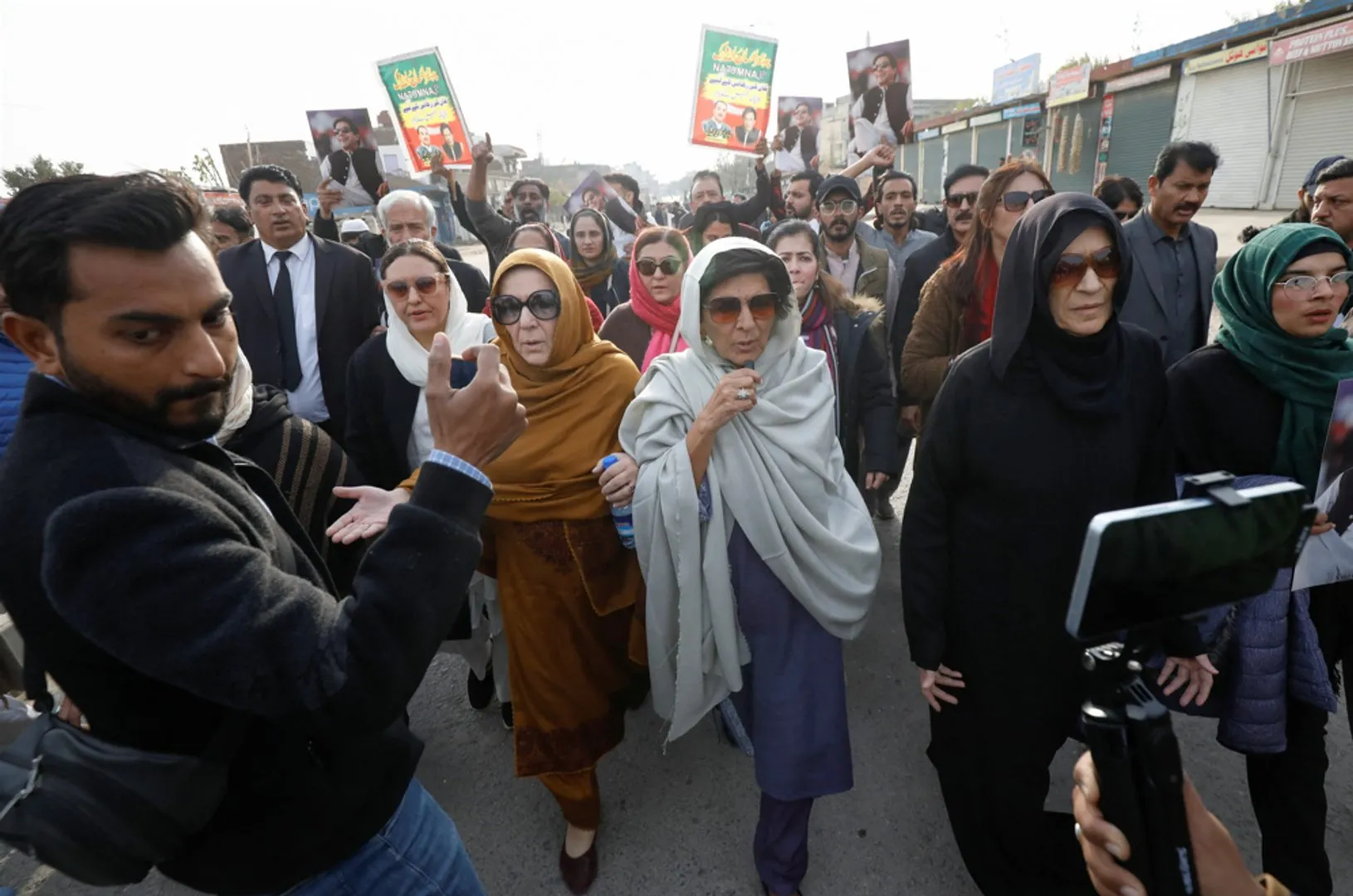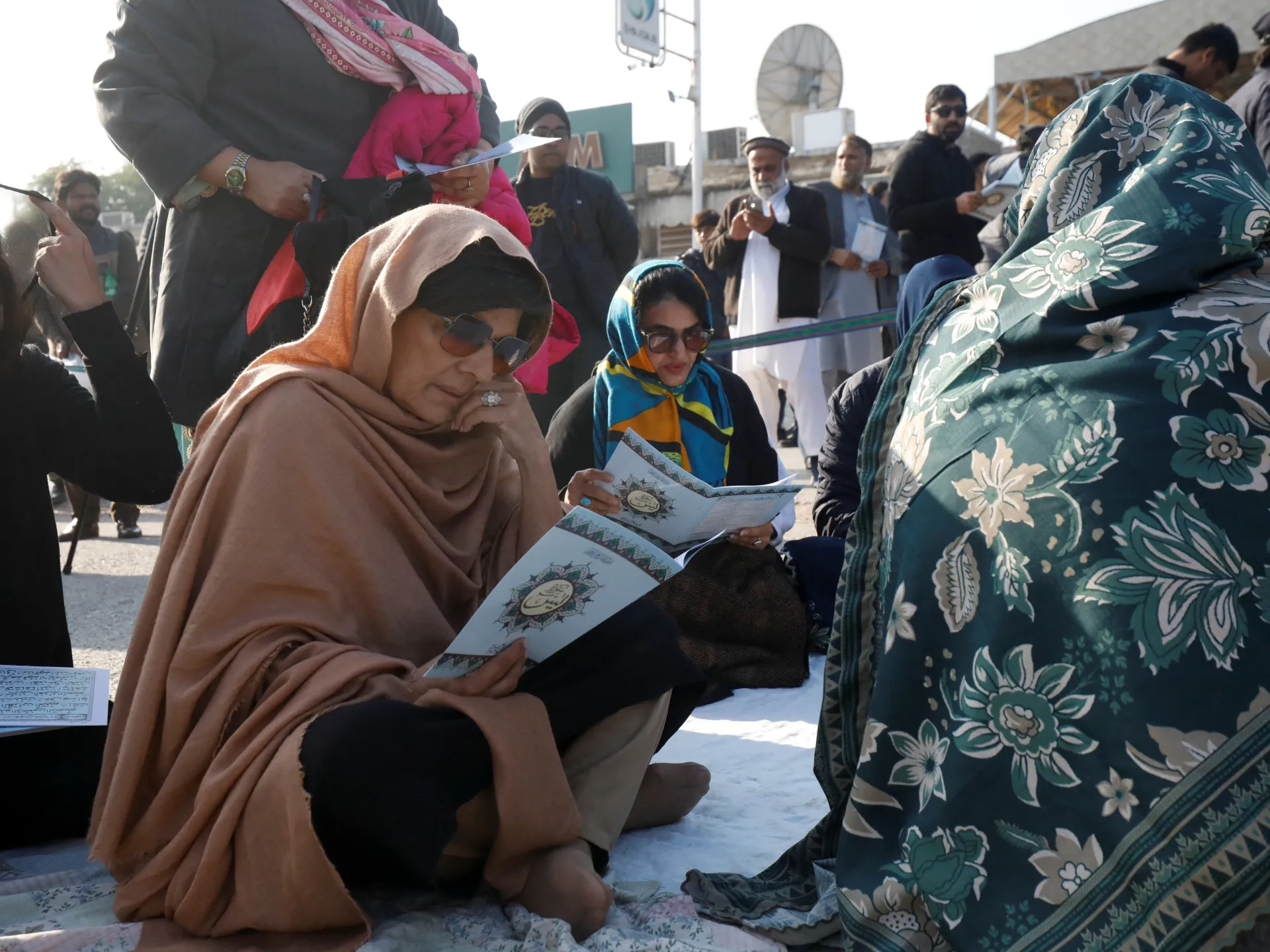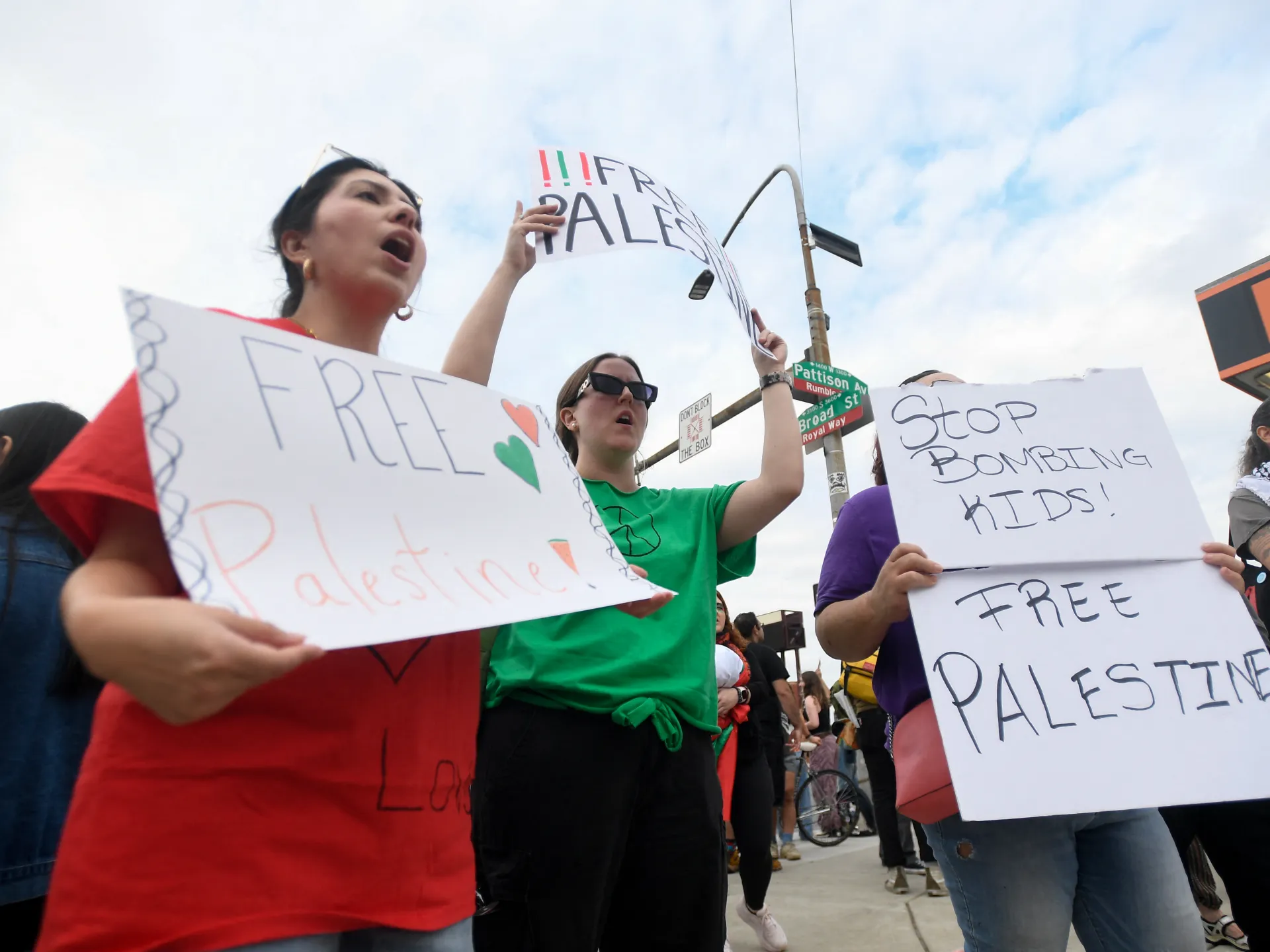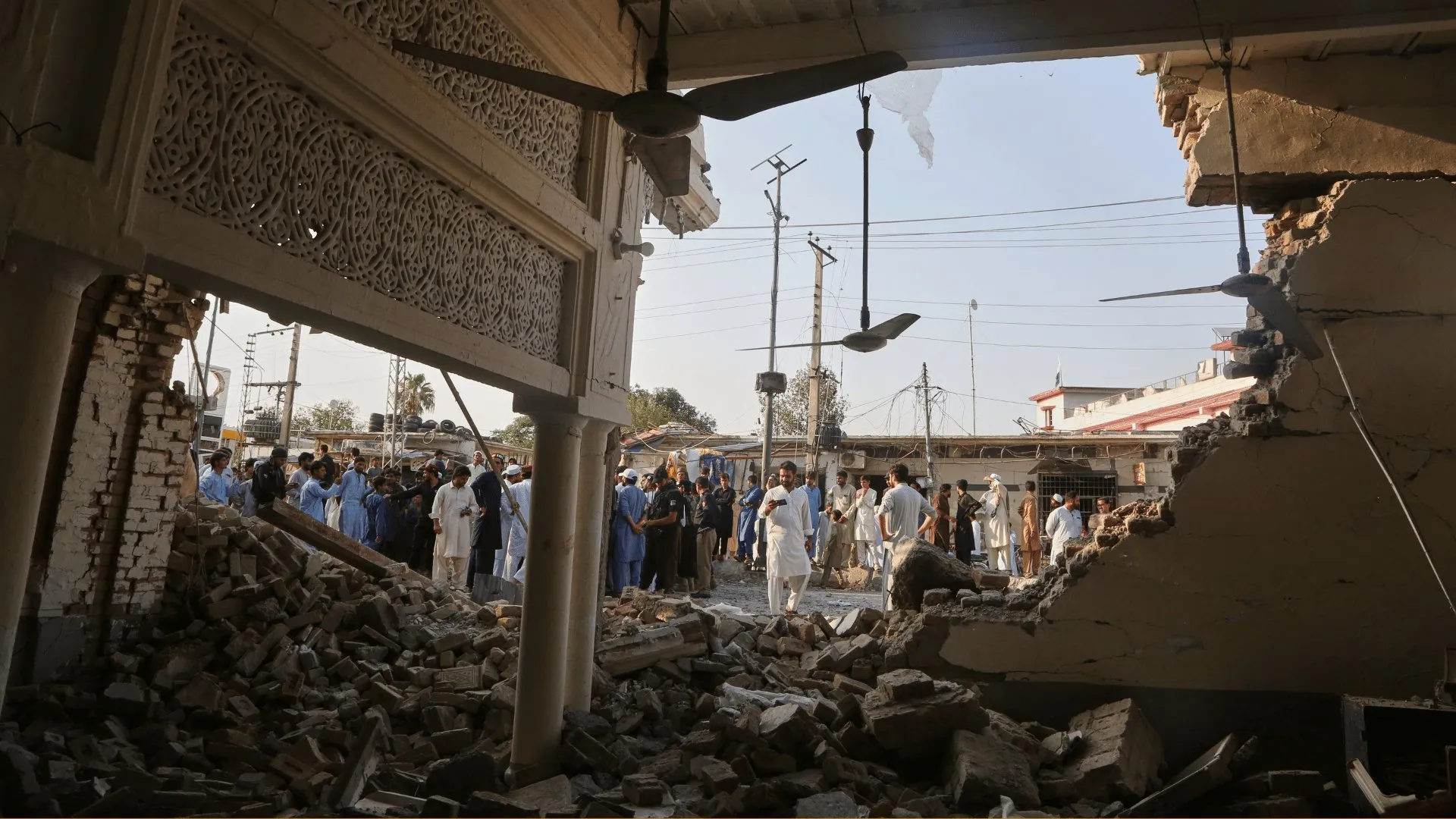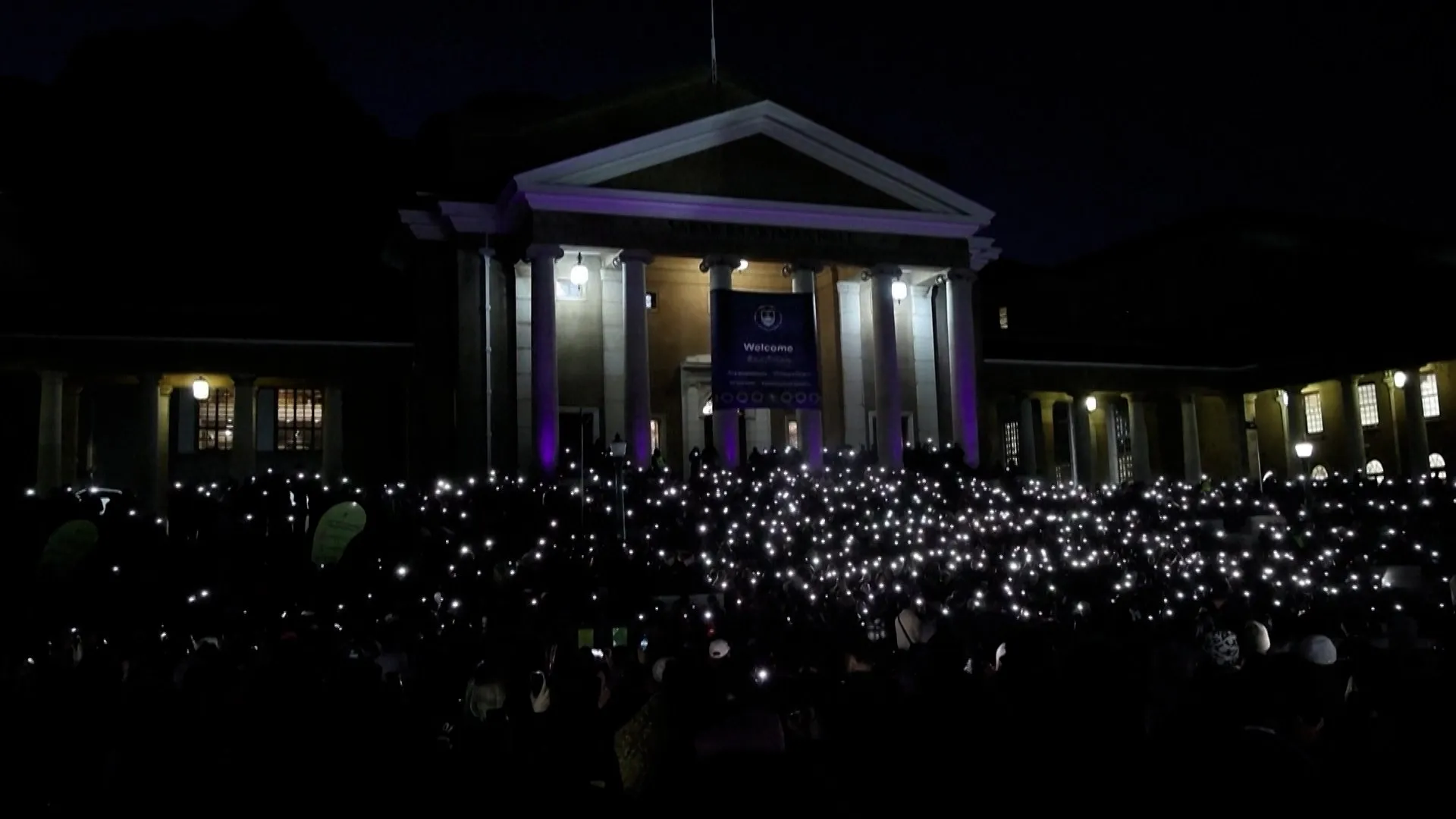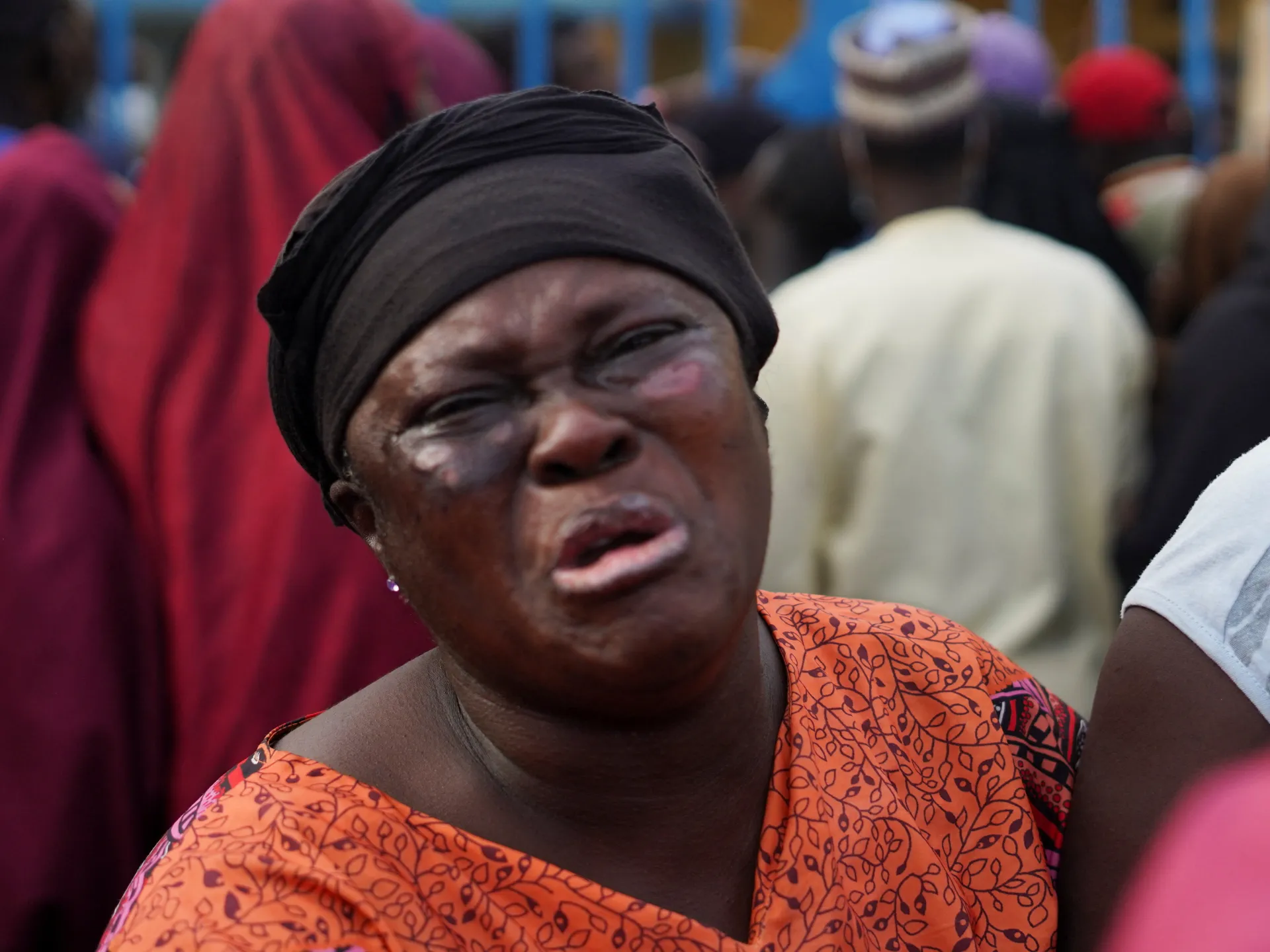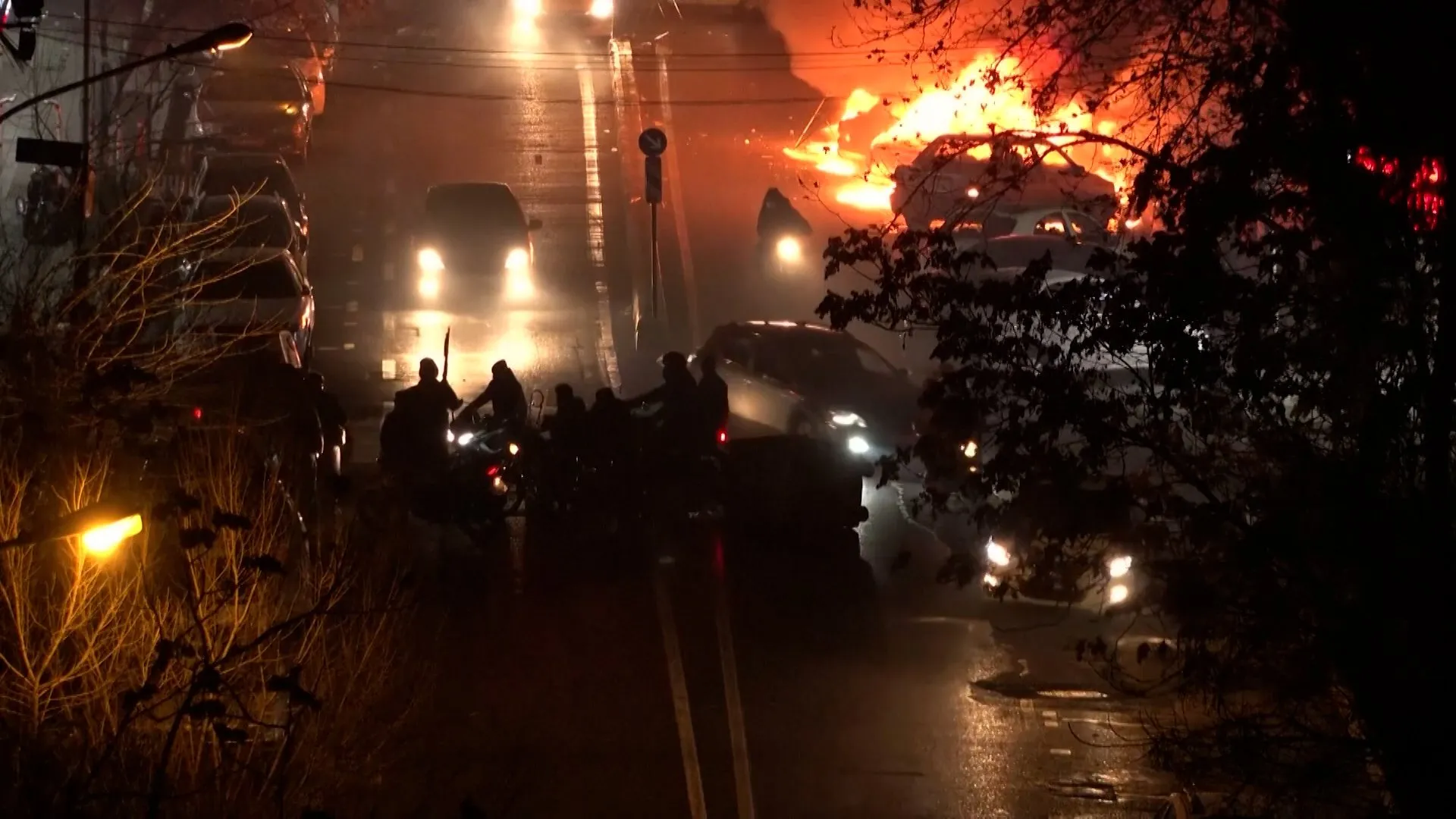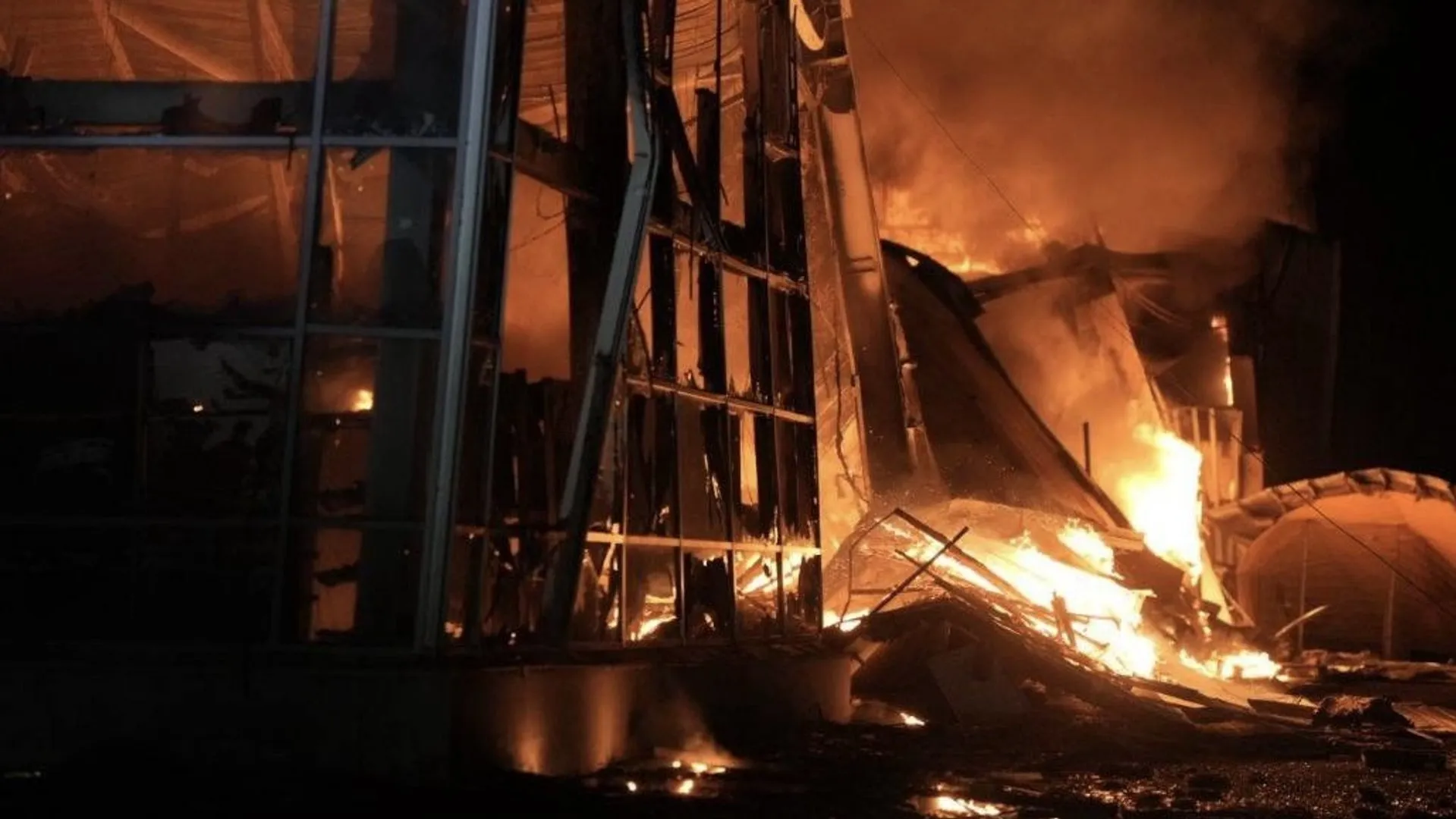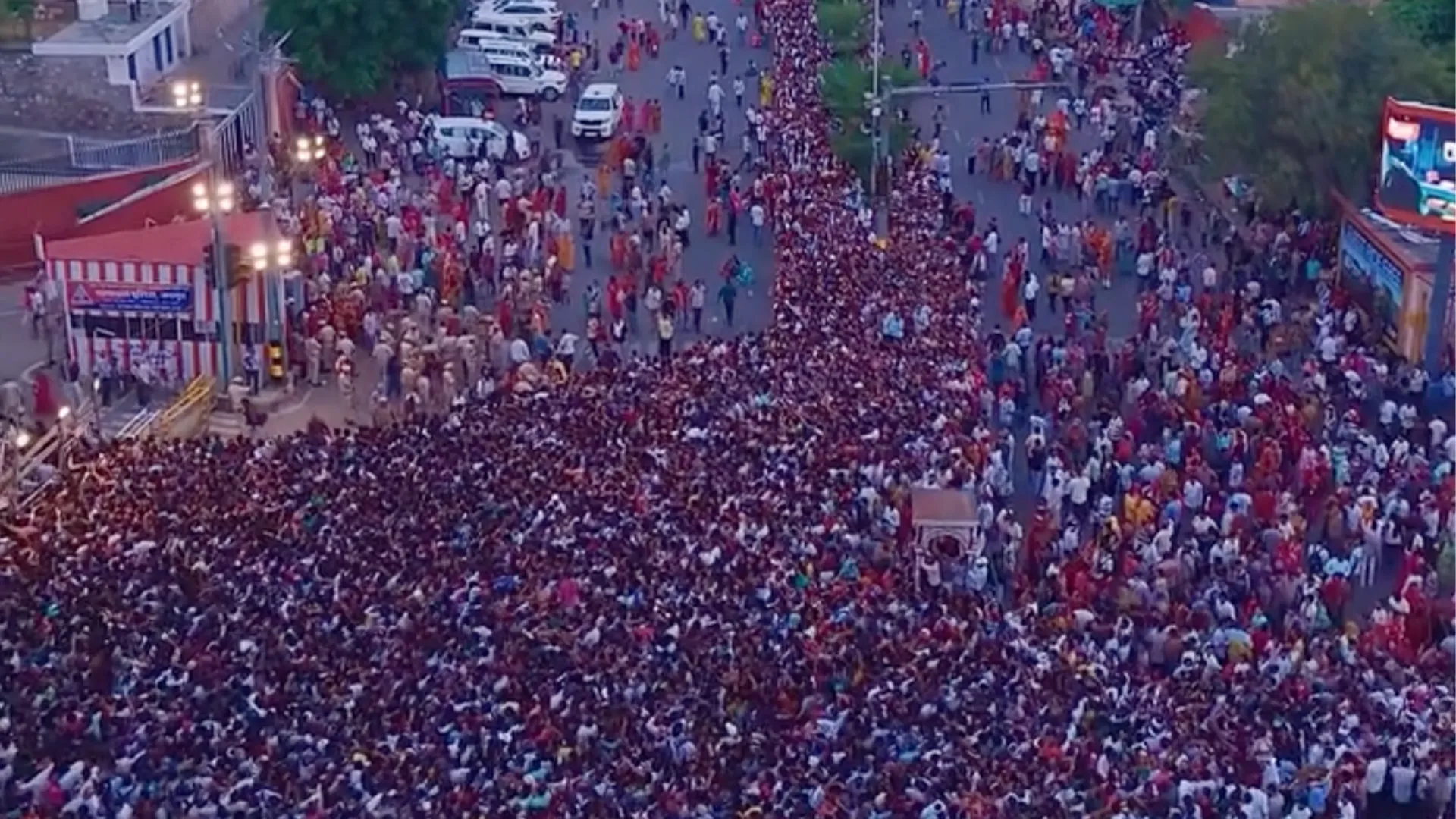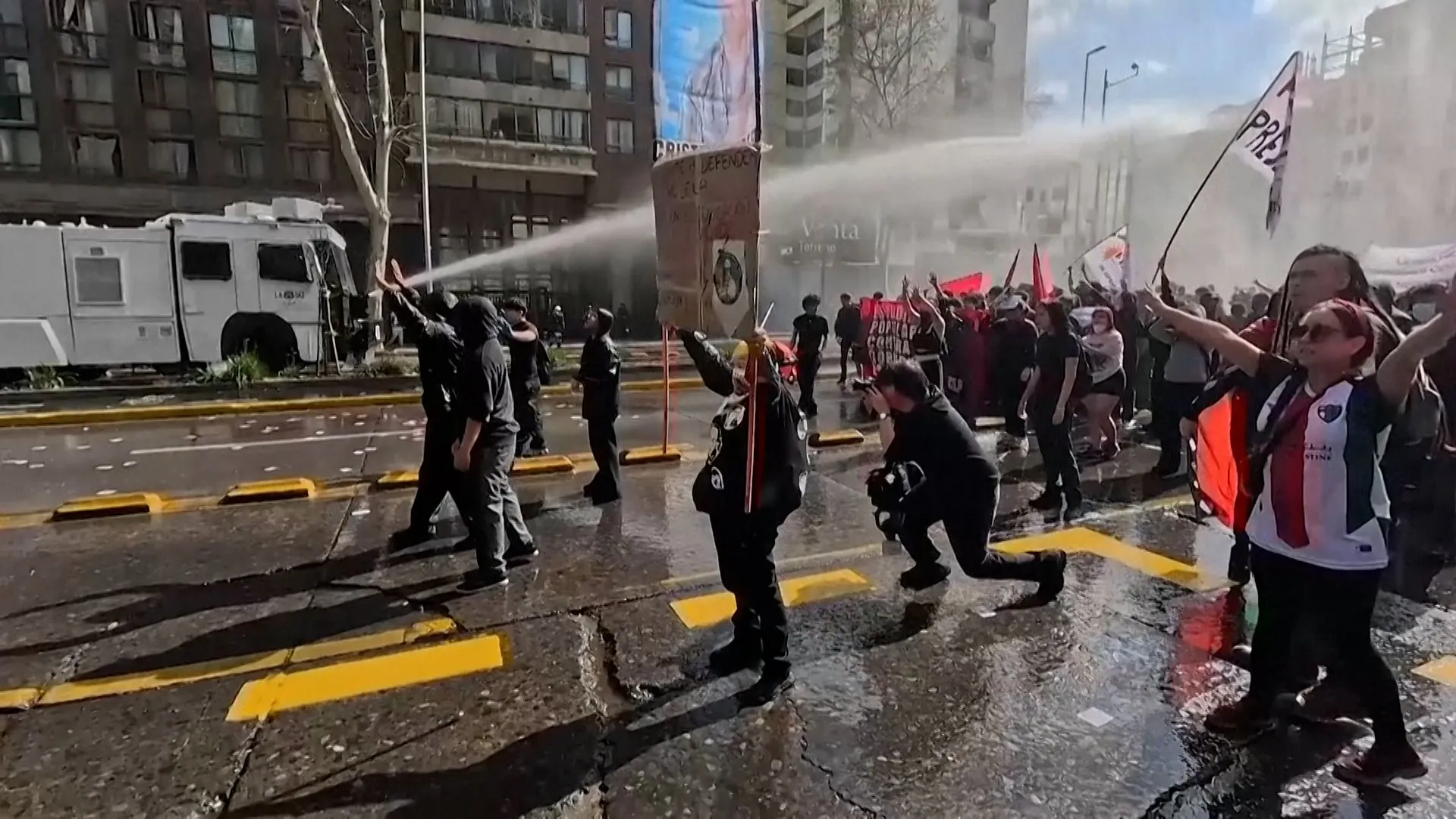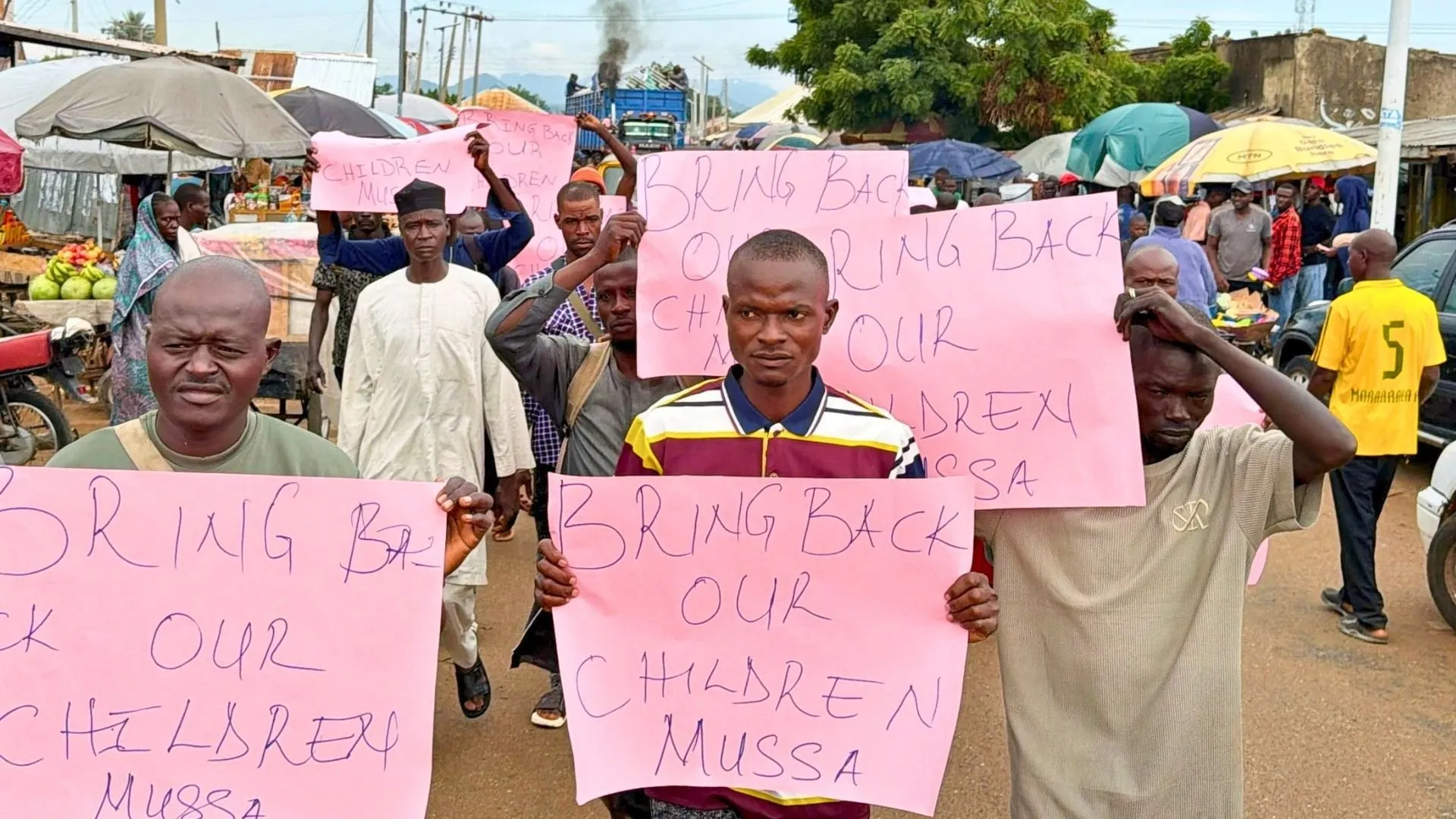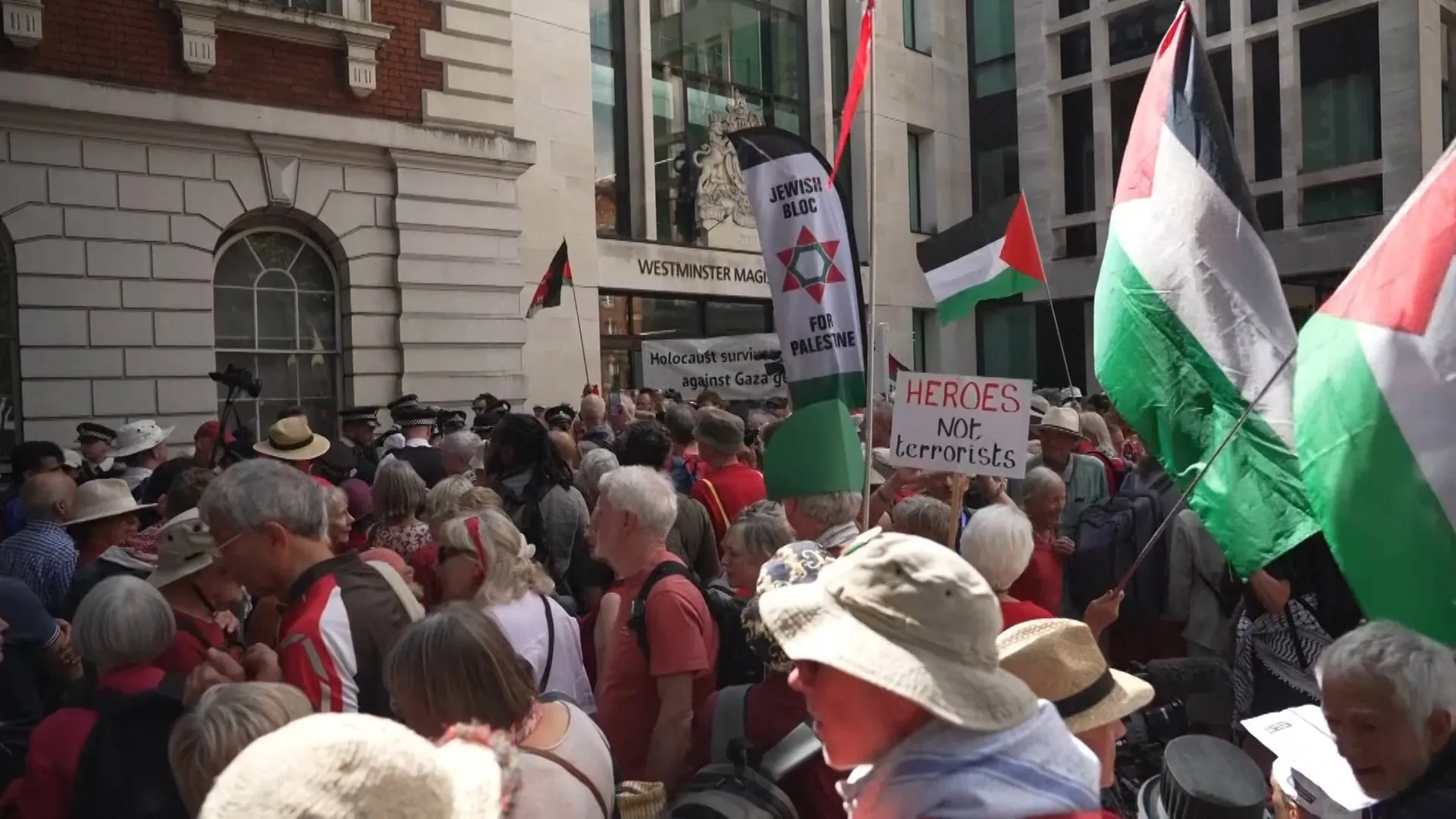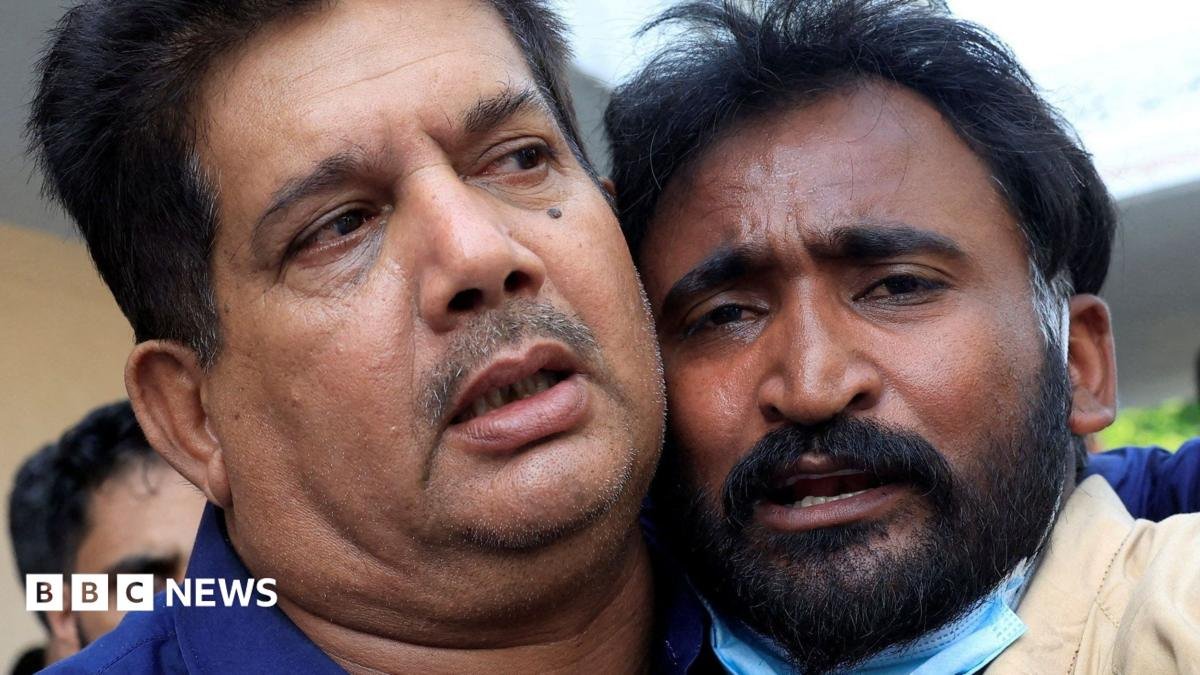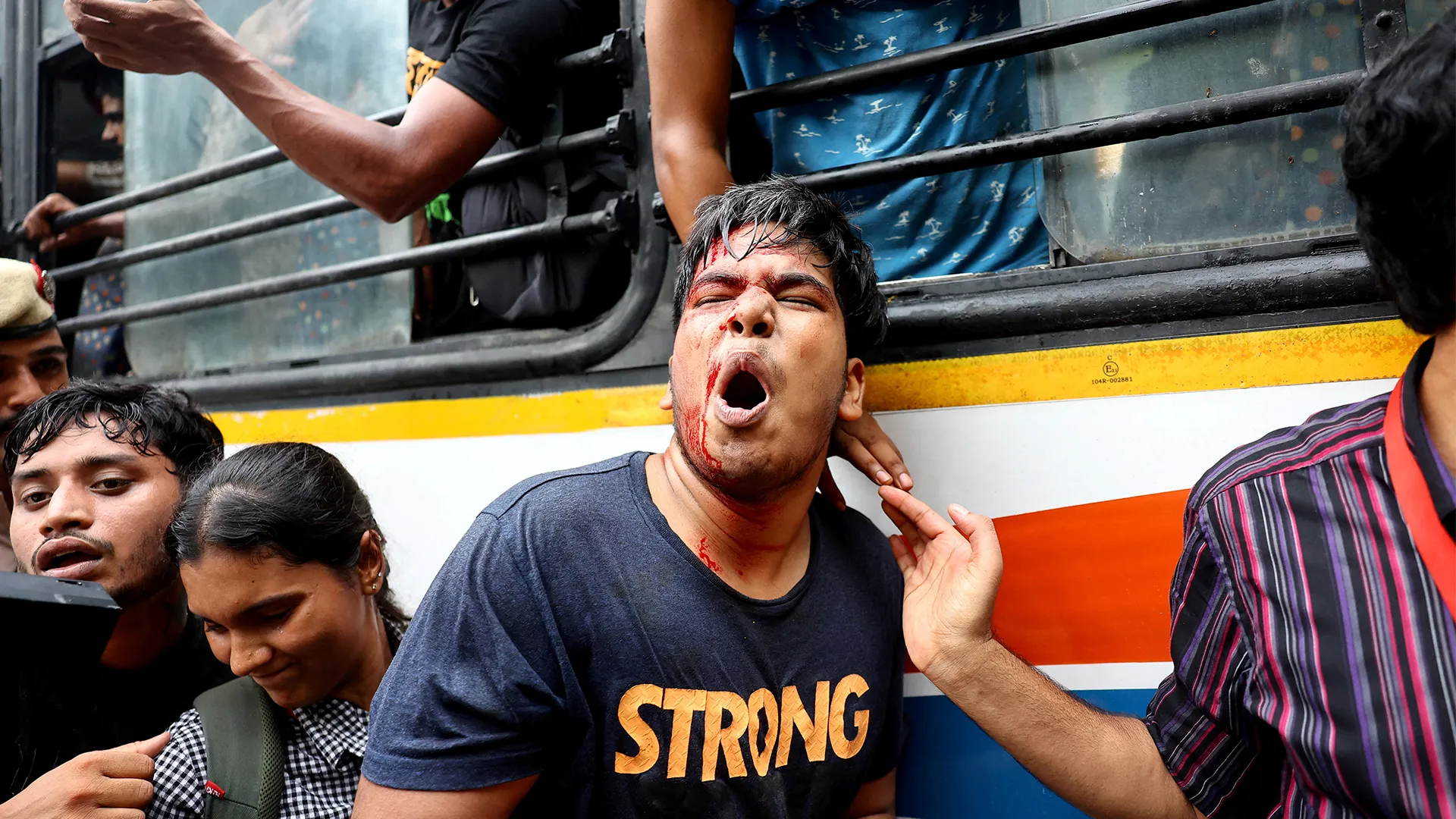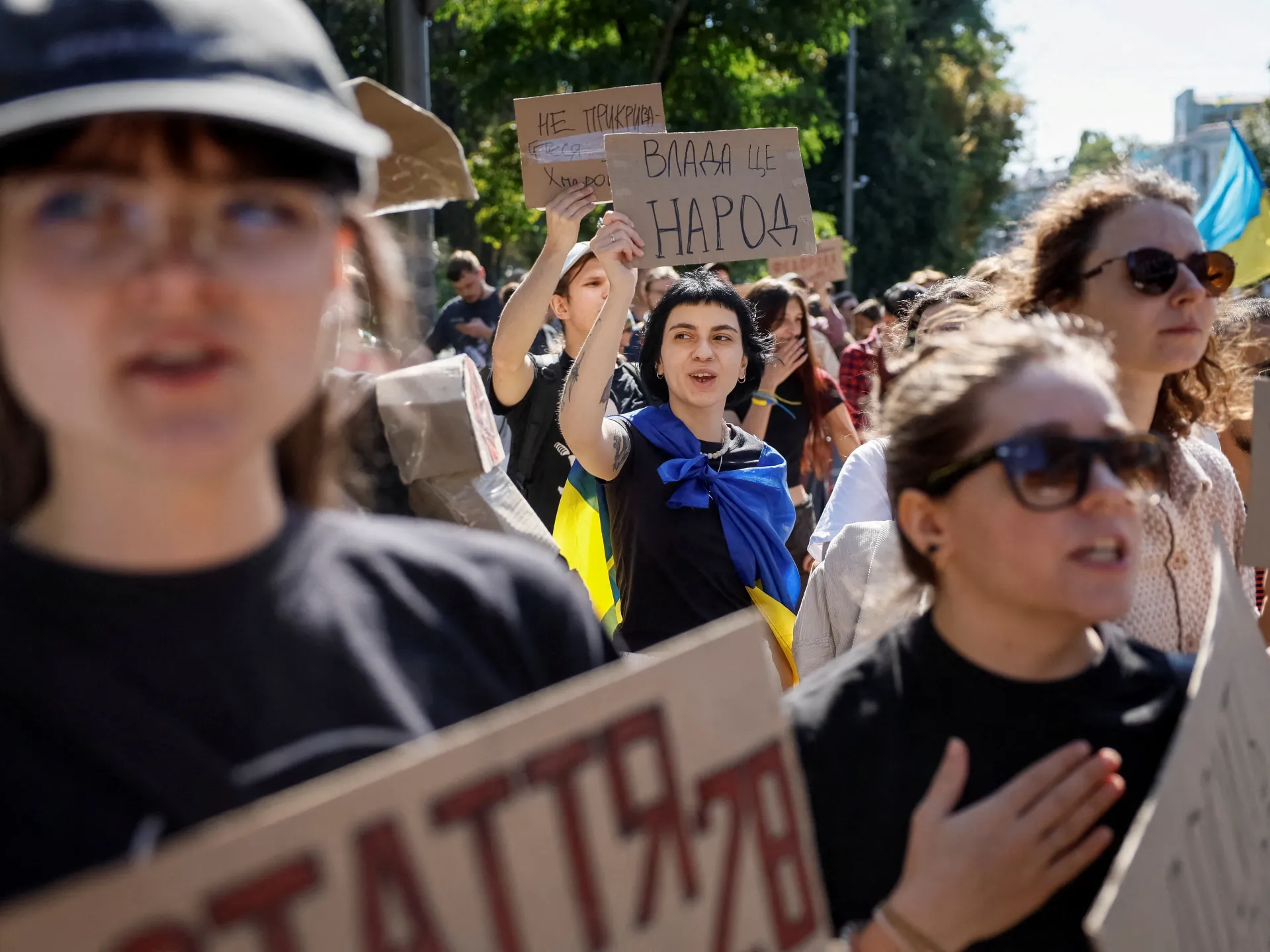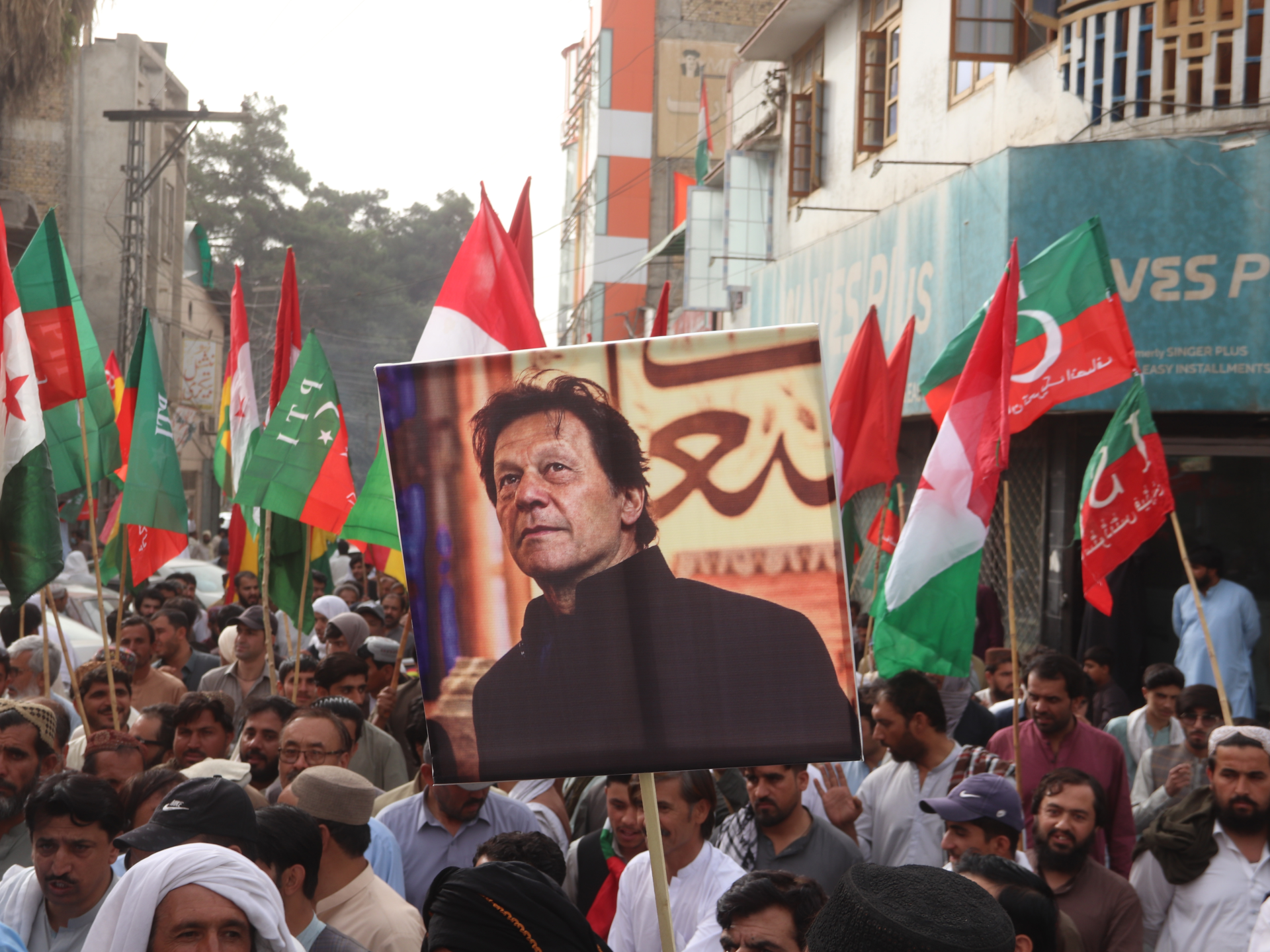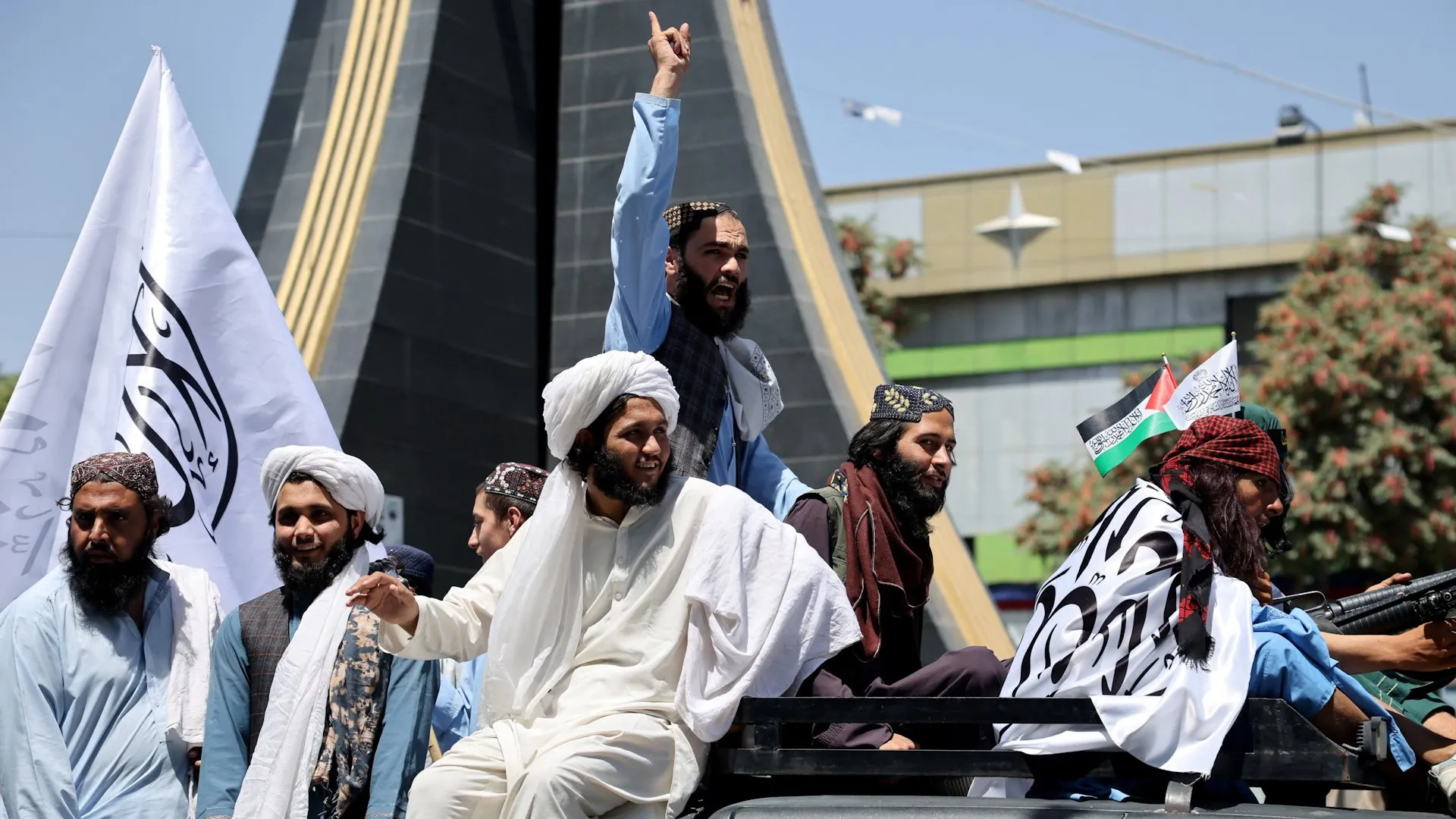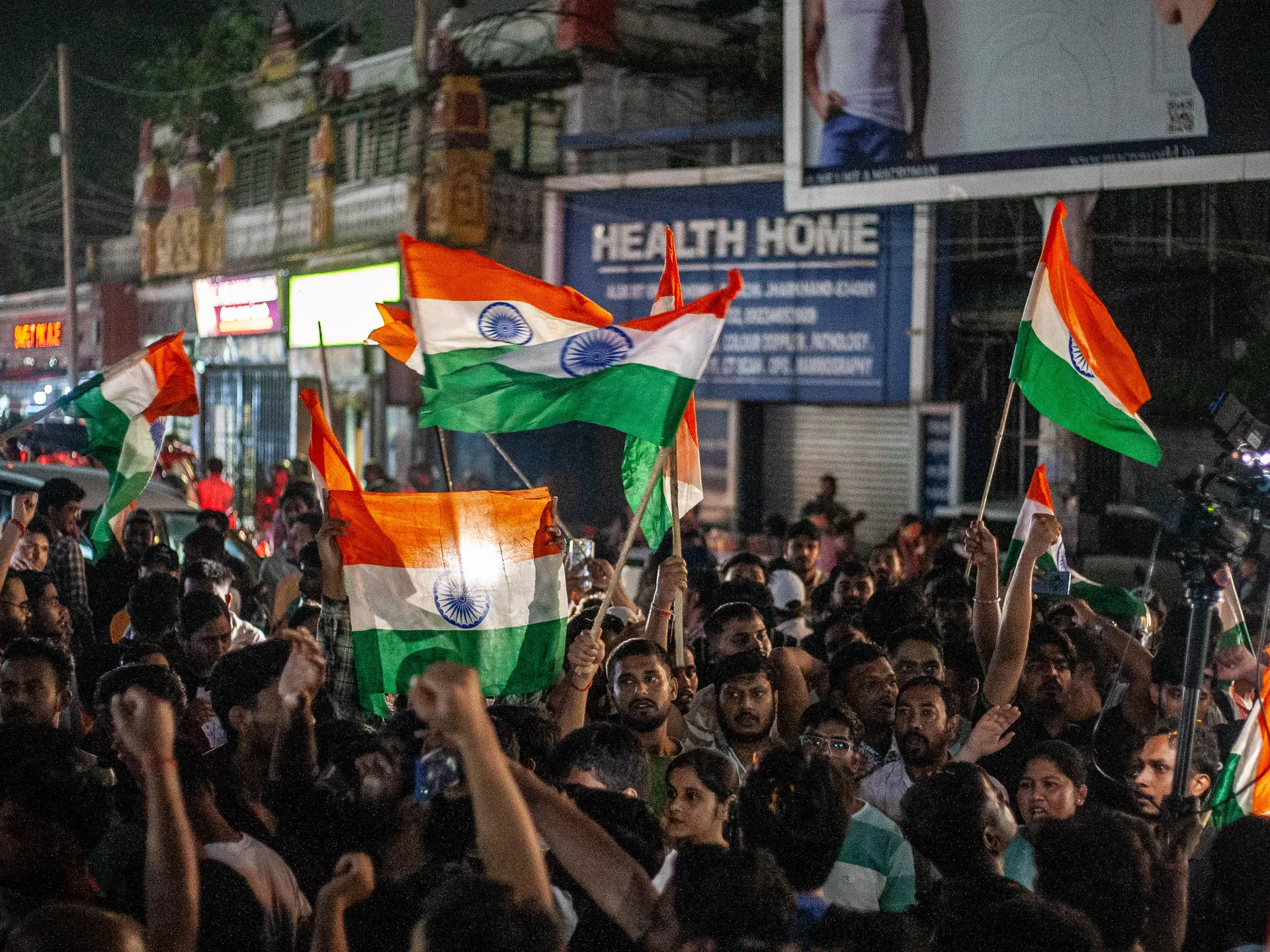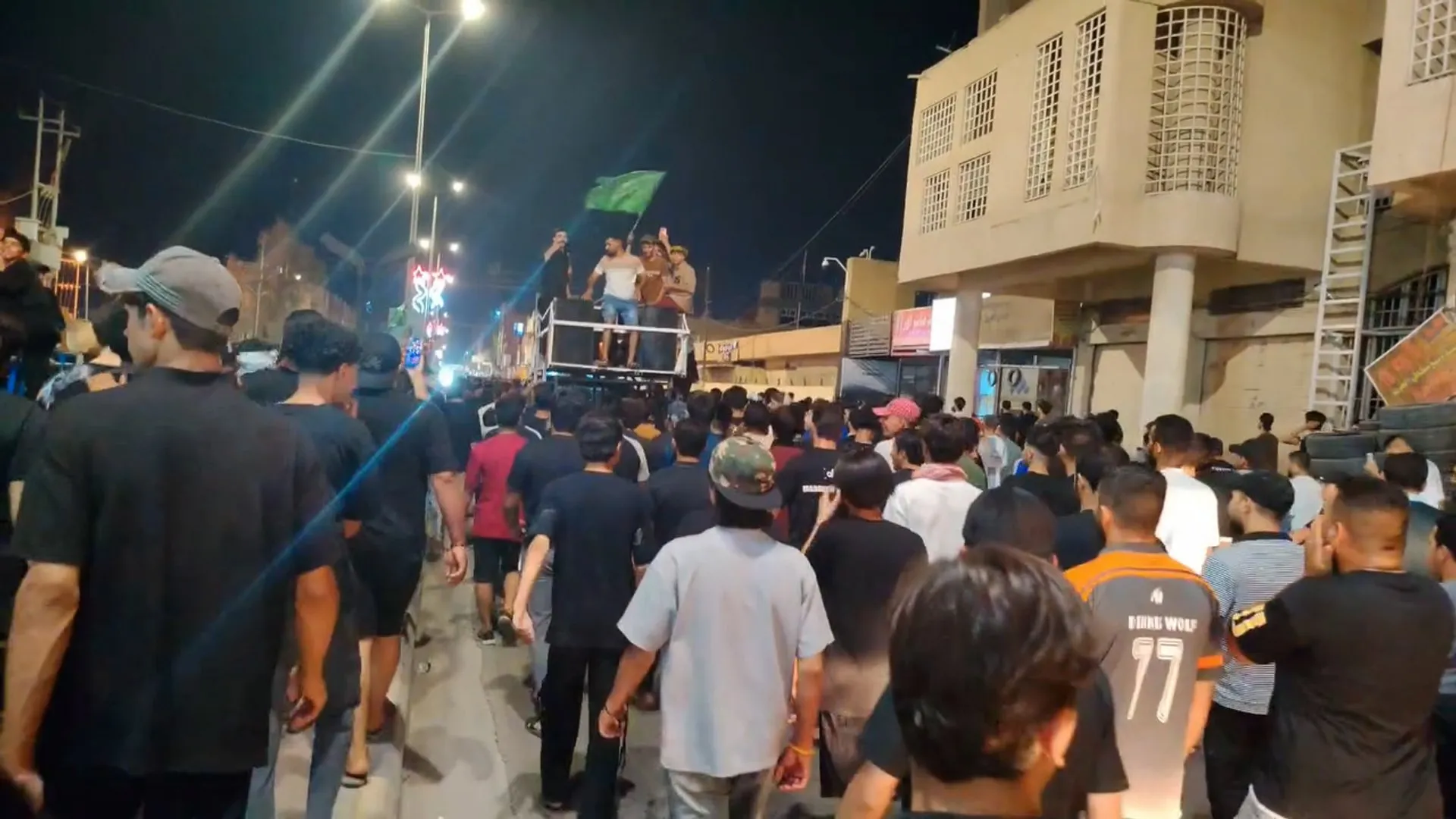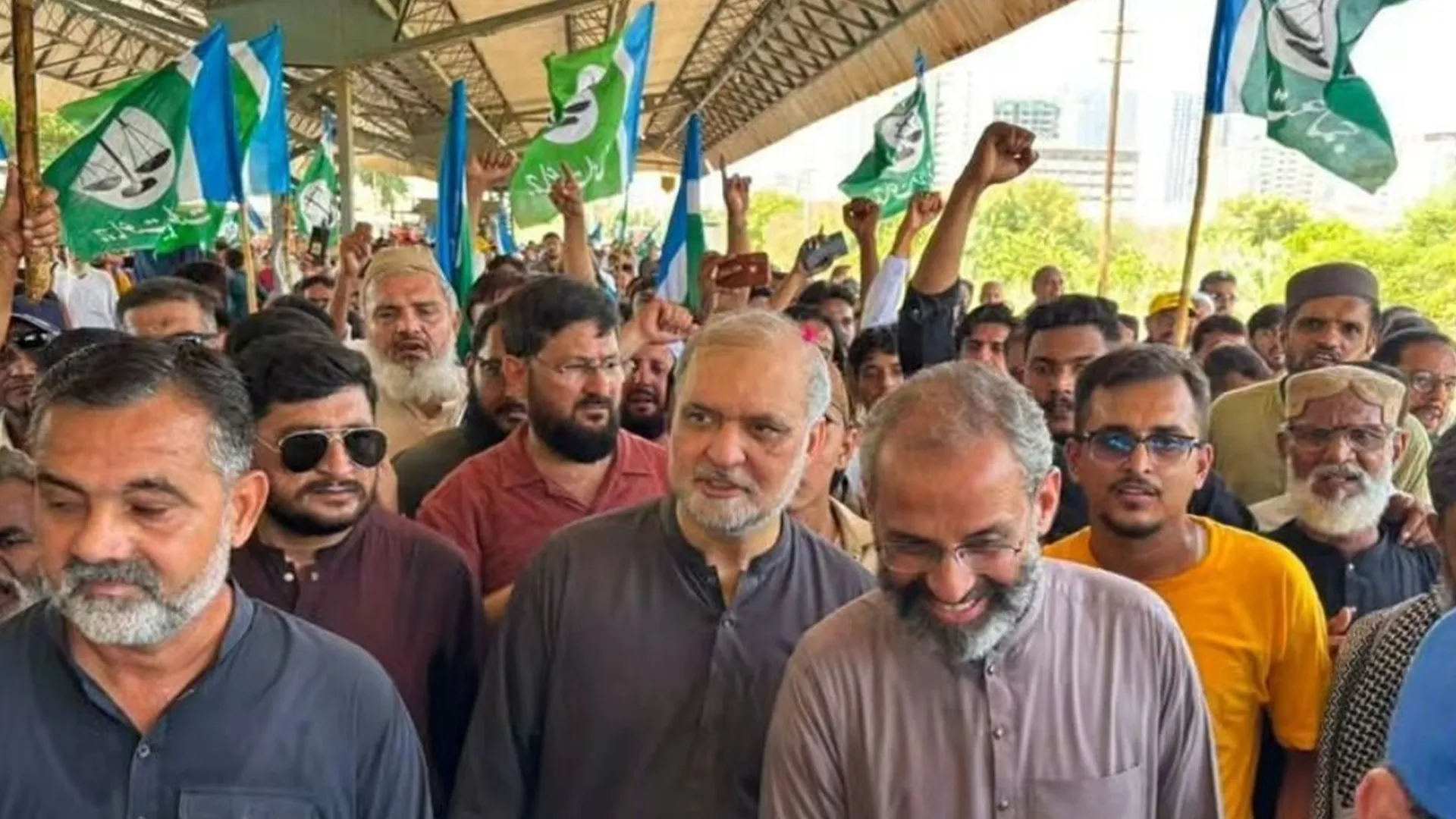
Protesters in Pakistan are marching on Islamabad to demand relief from soaring fuel prices, as the government braces for further political unrest.
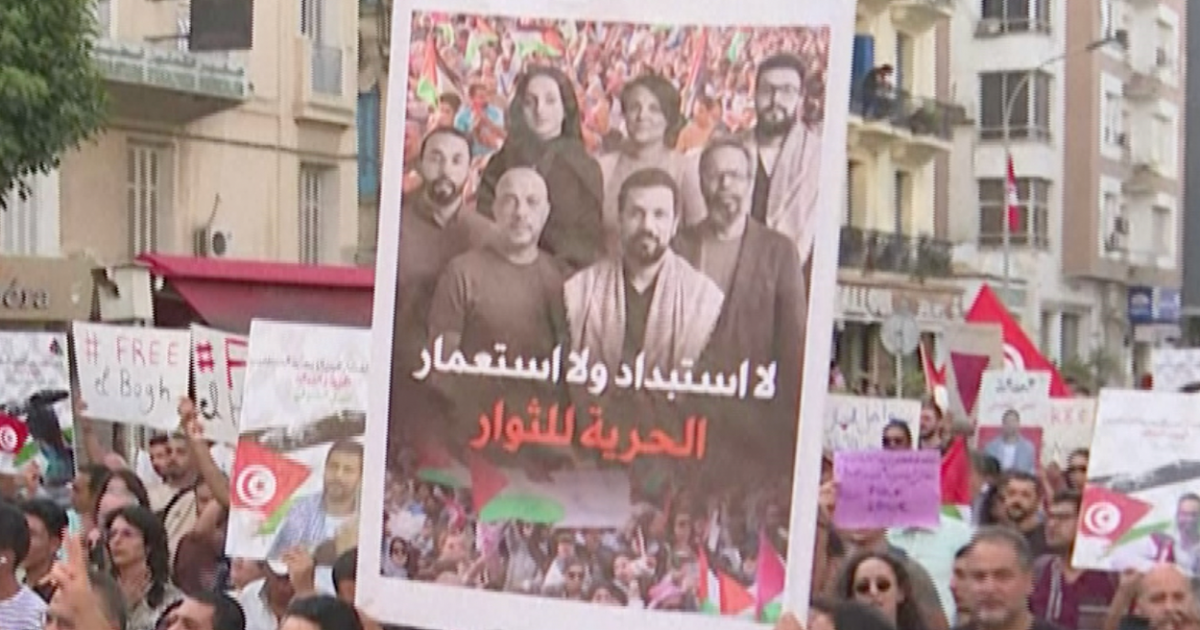
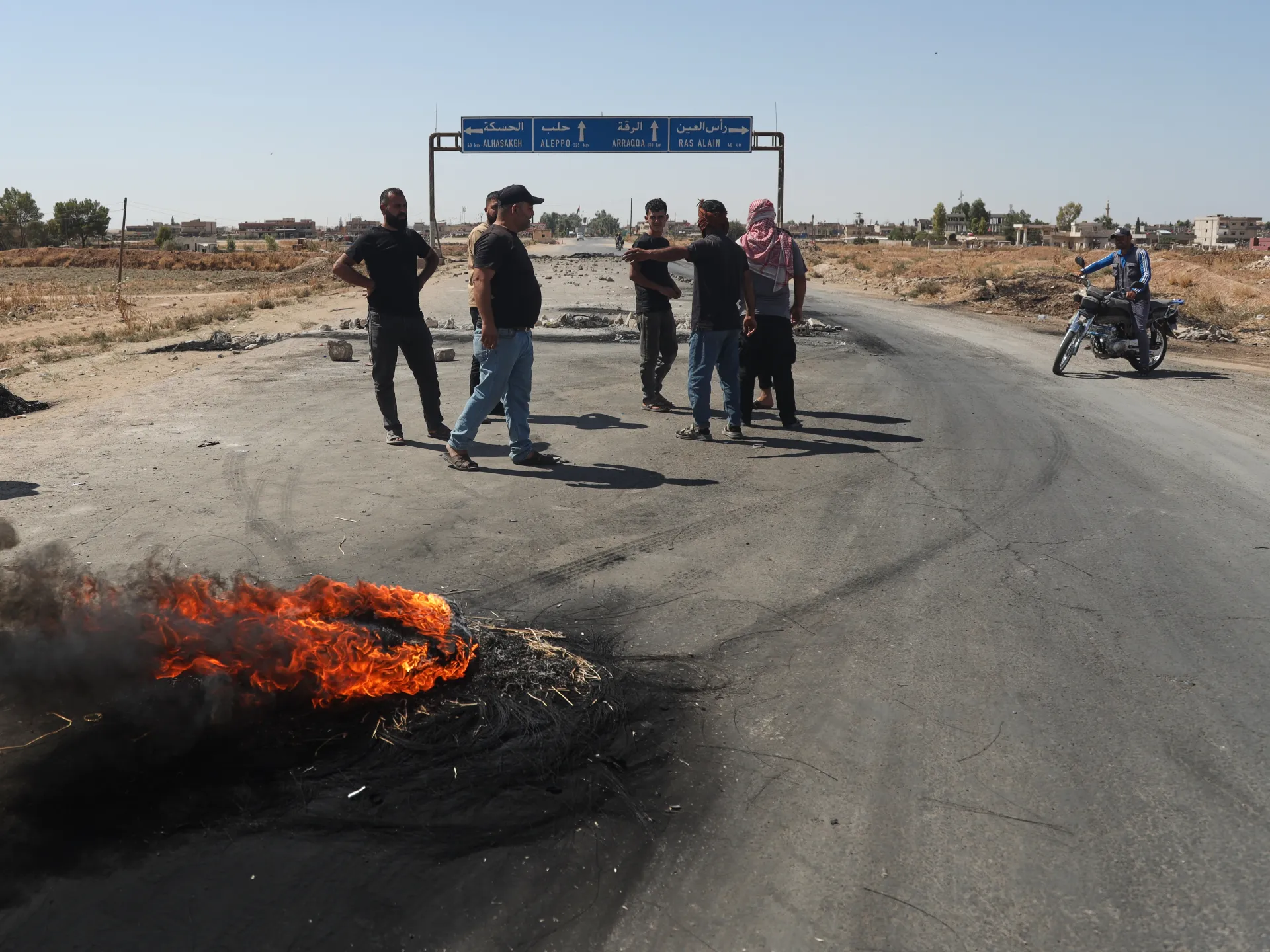
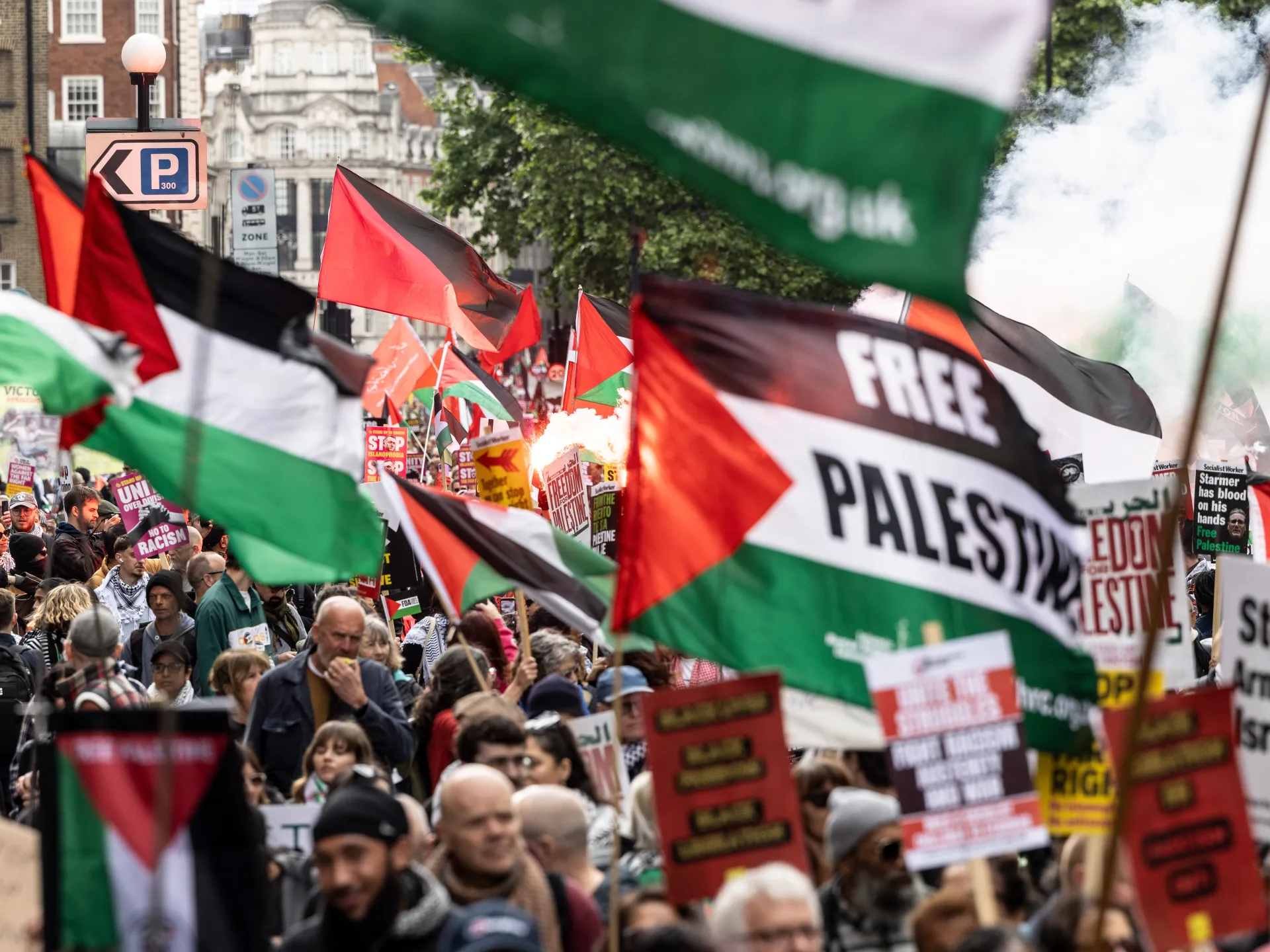
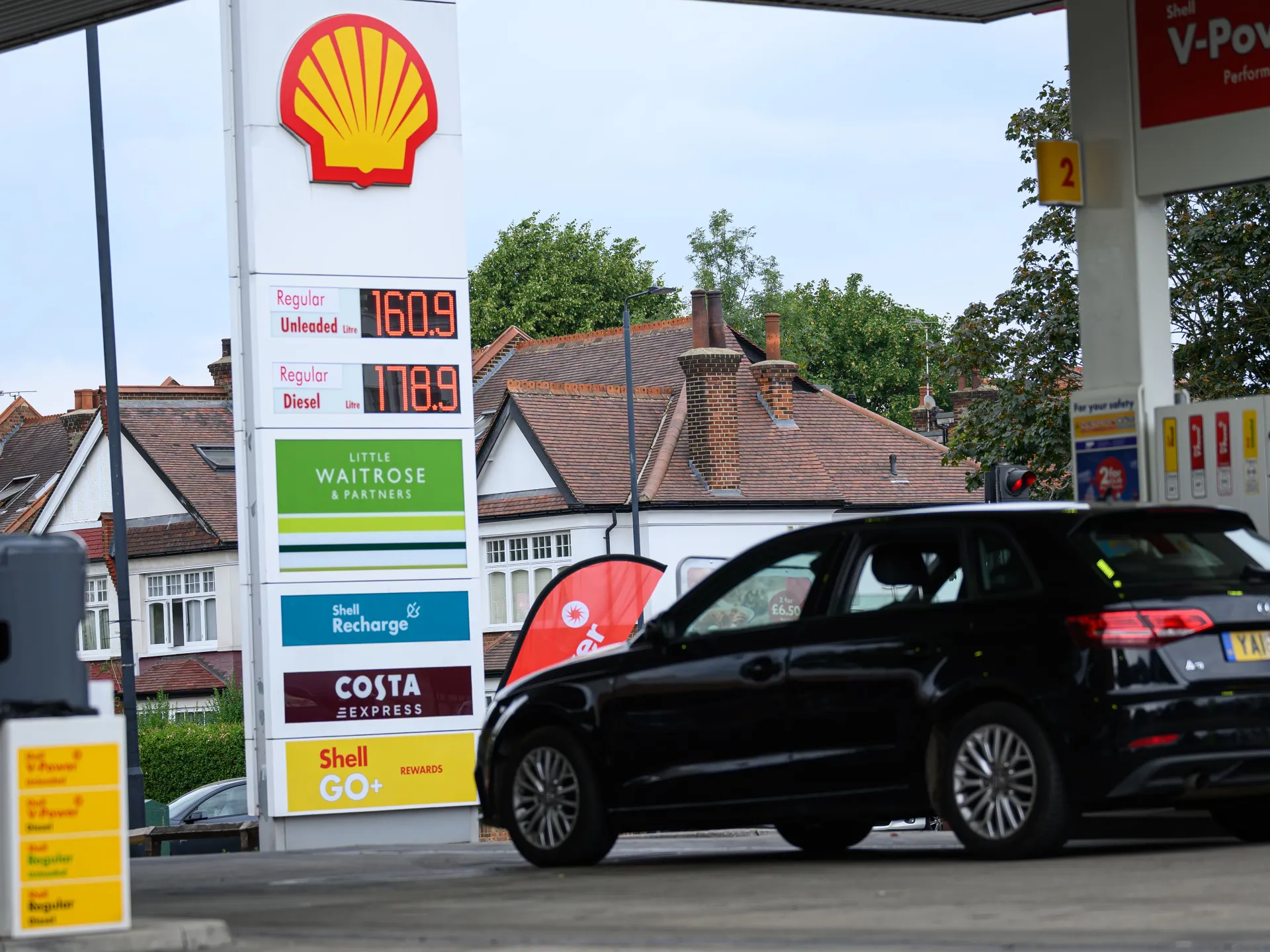
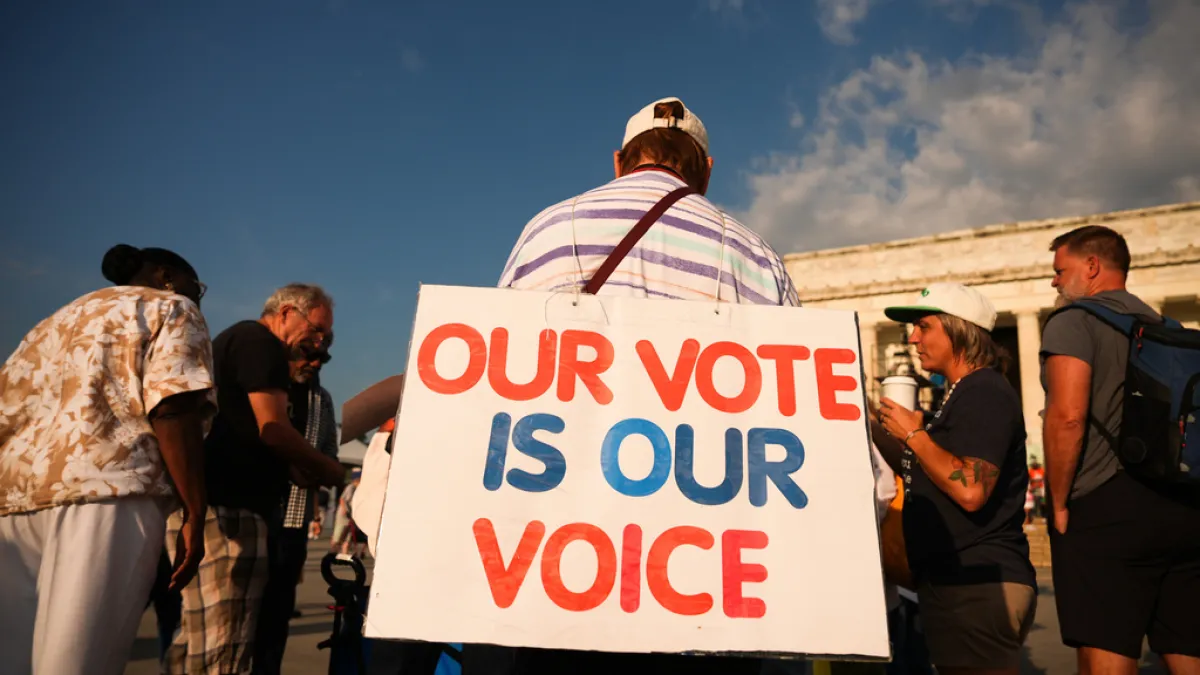
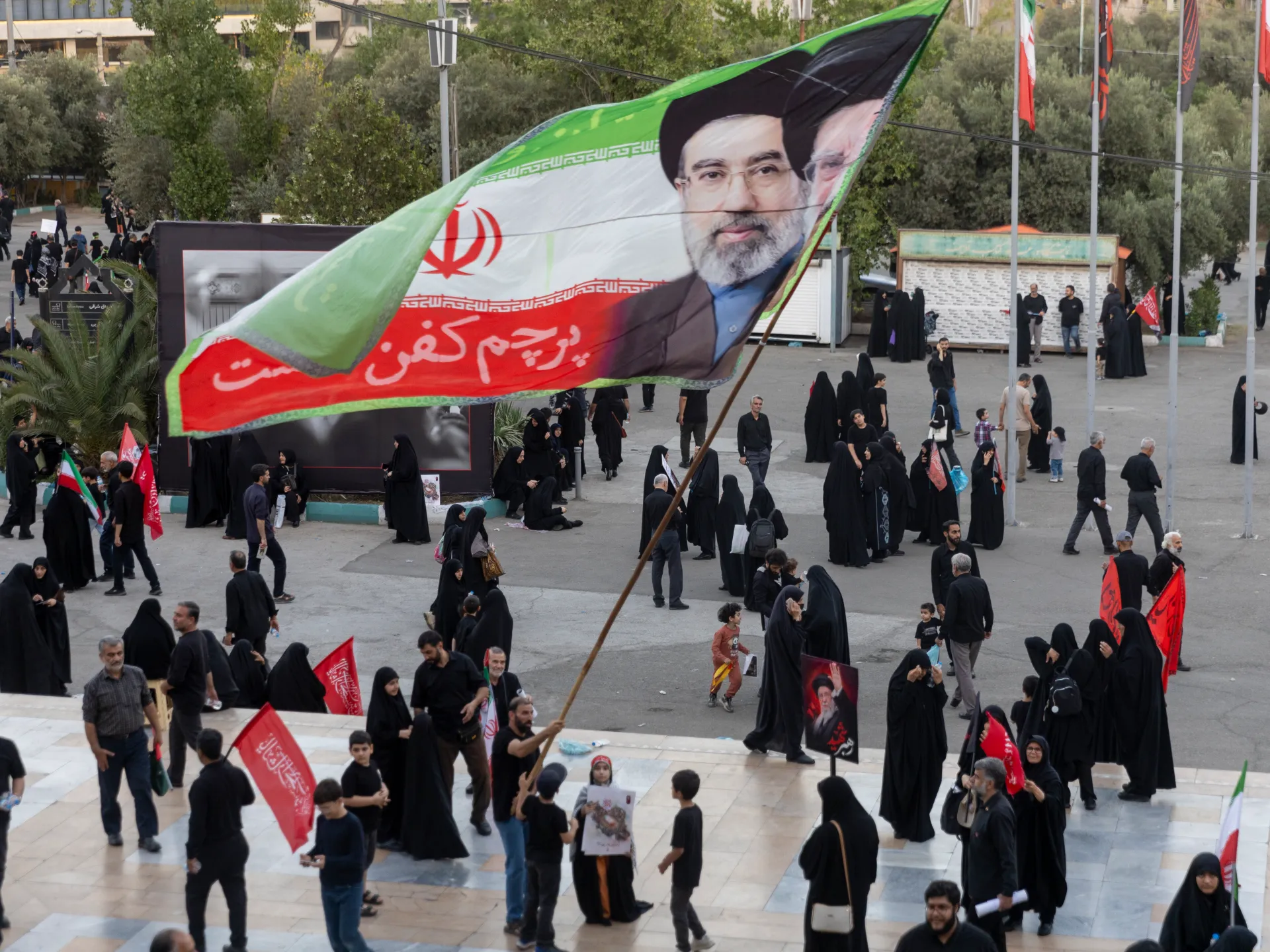
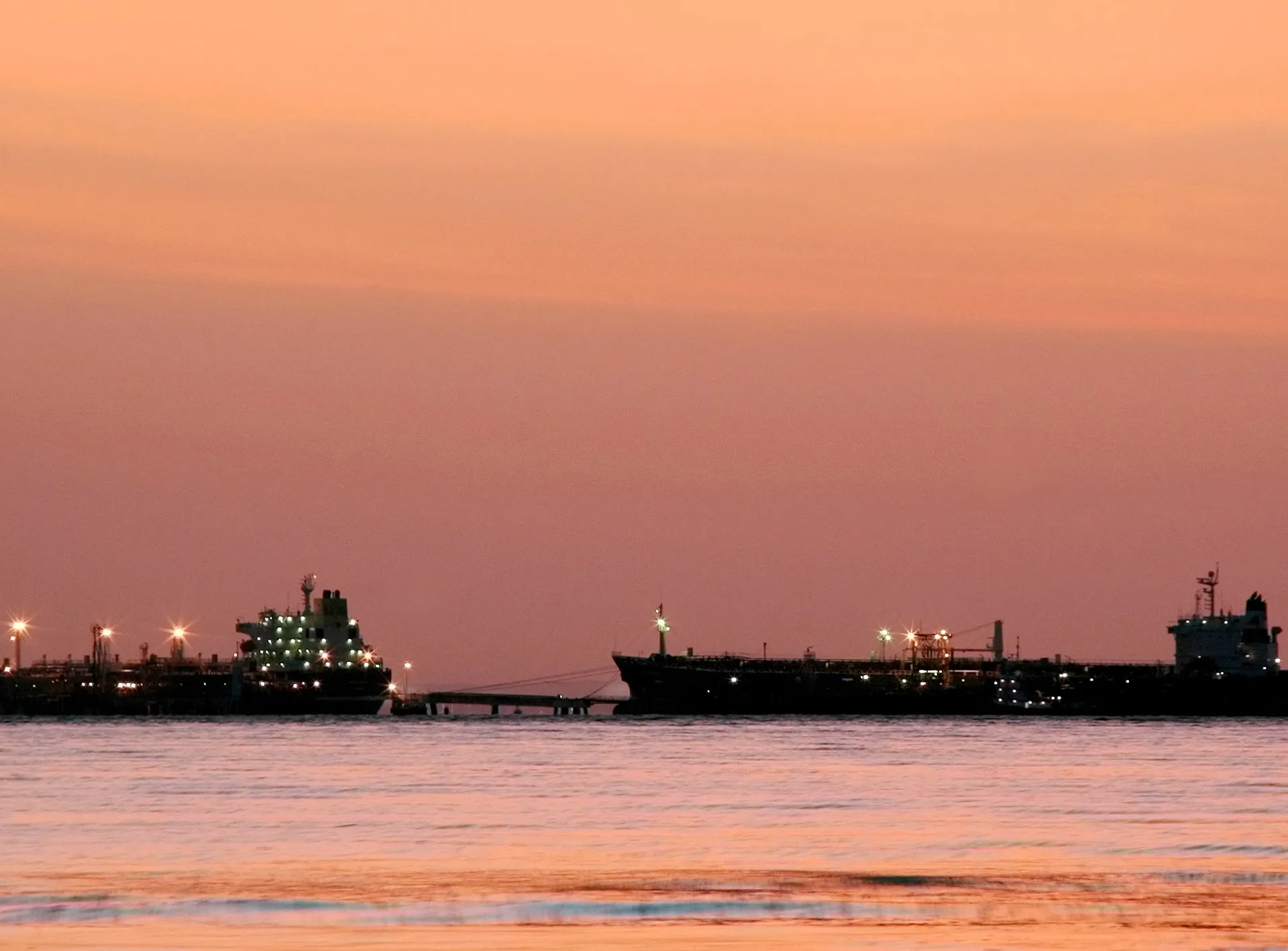
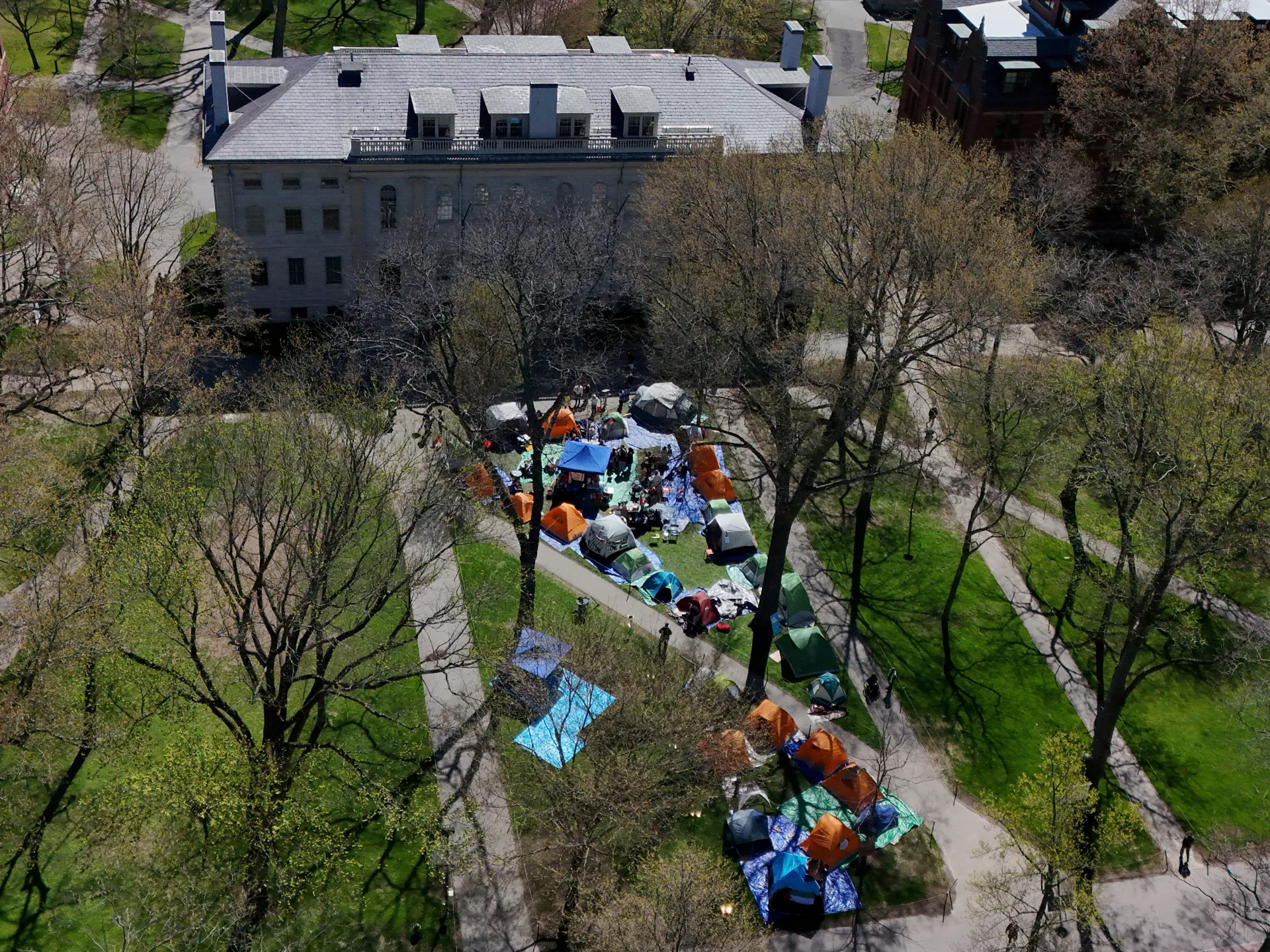
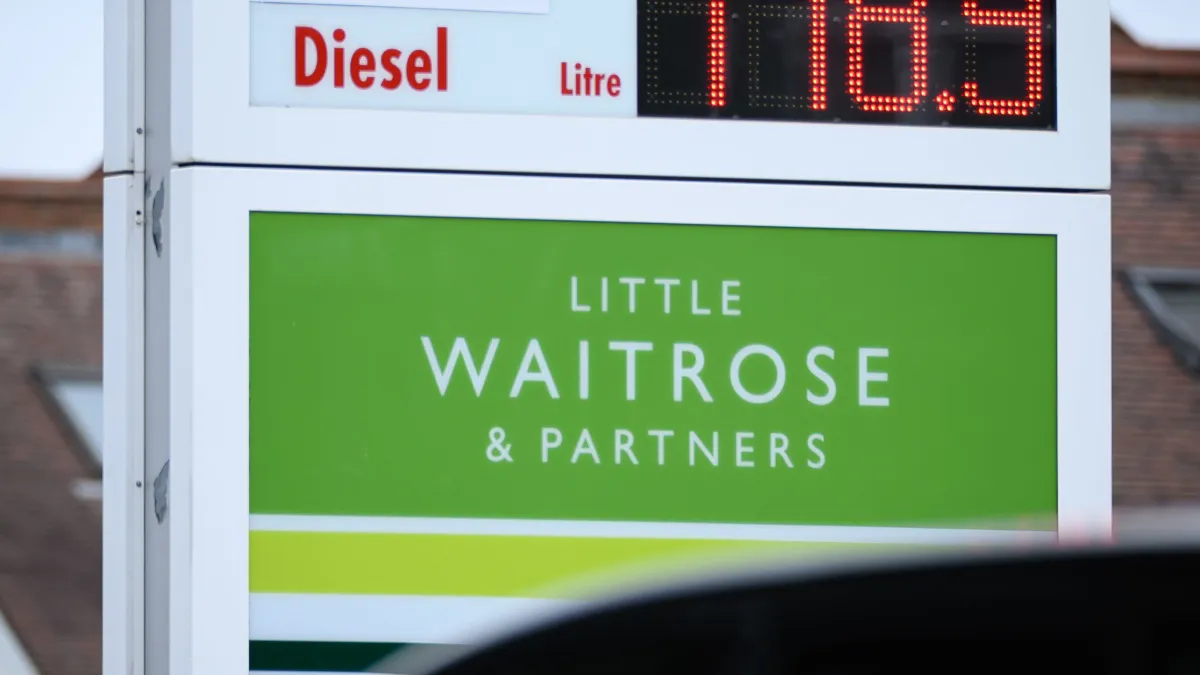
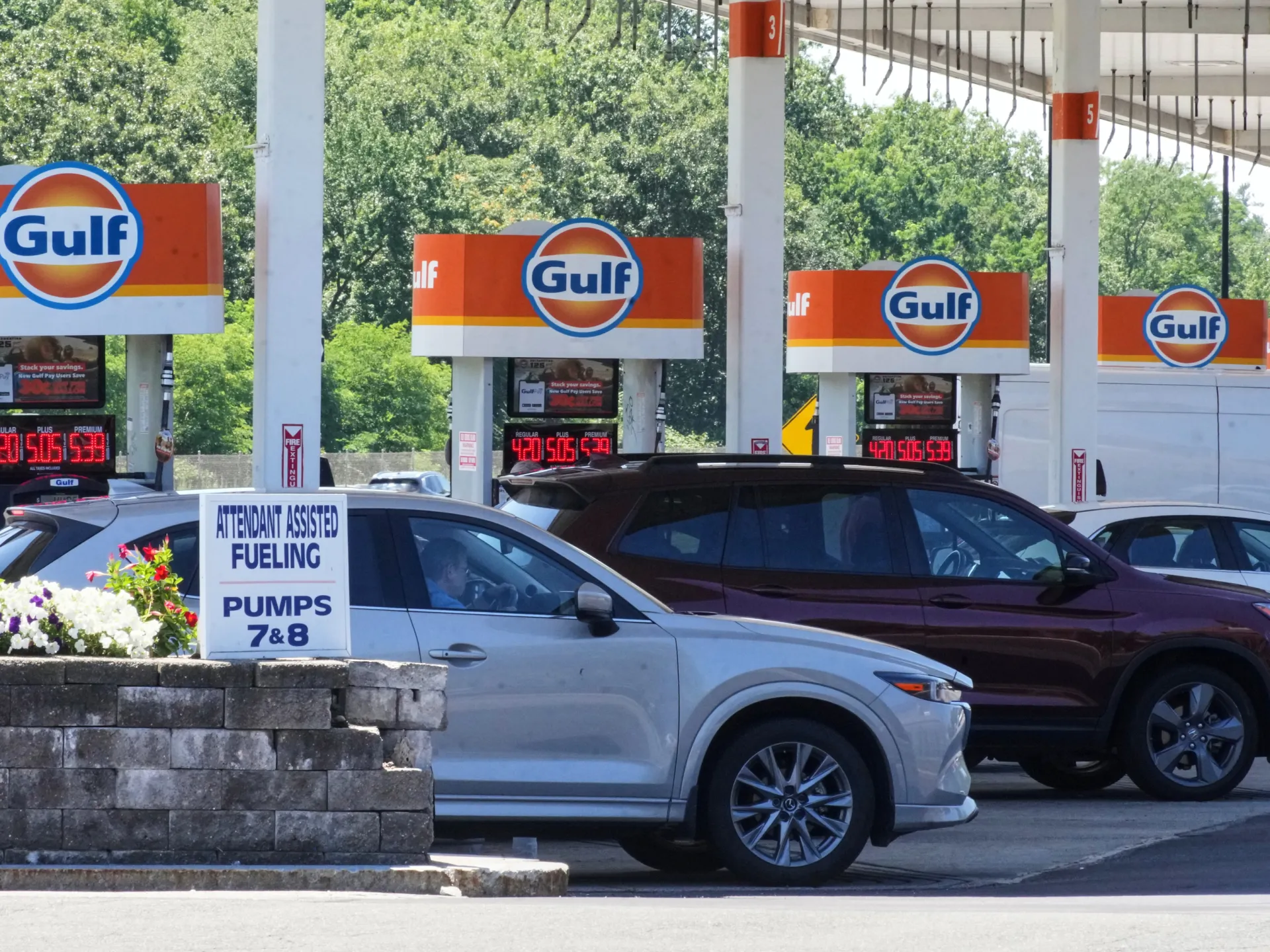
Pakistan is facing a significant internal challenge as public dissatisfaction over the rising cost of living intersects with escalating political volatility. In a coordinated effort, the Jamaat-e-Islami party has initiated a protest march toward the capital city of Islamabad, explicitly targeting the government’s recent fuel pricing policies. Demonstrators are calling for the immediate removal of the national petroleum levy, which they argue has exacerbated the financial burden on working-class citizens.
This mobilization comes at a precarious time for the administration, which is already grappling with heightened security concerns. Authorities have significantly increased their presence across the capital as the nation braces for potential overlap with separate demonstrations organized release of former Prime Minister Imran Khan, adds a layer of systemic political pressure to the economic grievances currently voiced
The convergence of economic hardship and political agitation creates a high-stakes environment for the Pakistani state. While fuel subsidies and levies are standard fiscal tools, their impact on inflation in an already fragile economy serves as a primary driver for civil unrest. When combined with a polarized political landscape, the situation risks evolving from isolated protests into a broader challenge to institutional stability. The government's capacity to maintain public order while addressing or dismissing these demands will set a critical precedent for how the administration handles future expressions of dissent, particularly as the demand for political reforms remains tied to the immediate economic survival of the electorate.
The march organized f the country. he direct link between state policy and the soaring operational costs for individuals and small businesses. The protest serves as a barometer for public sentiment regarding the government's economic performance, suggesting that the patience of the population is wearing thin amid persistent inflation.
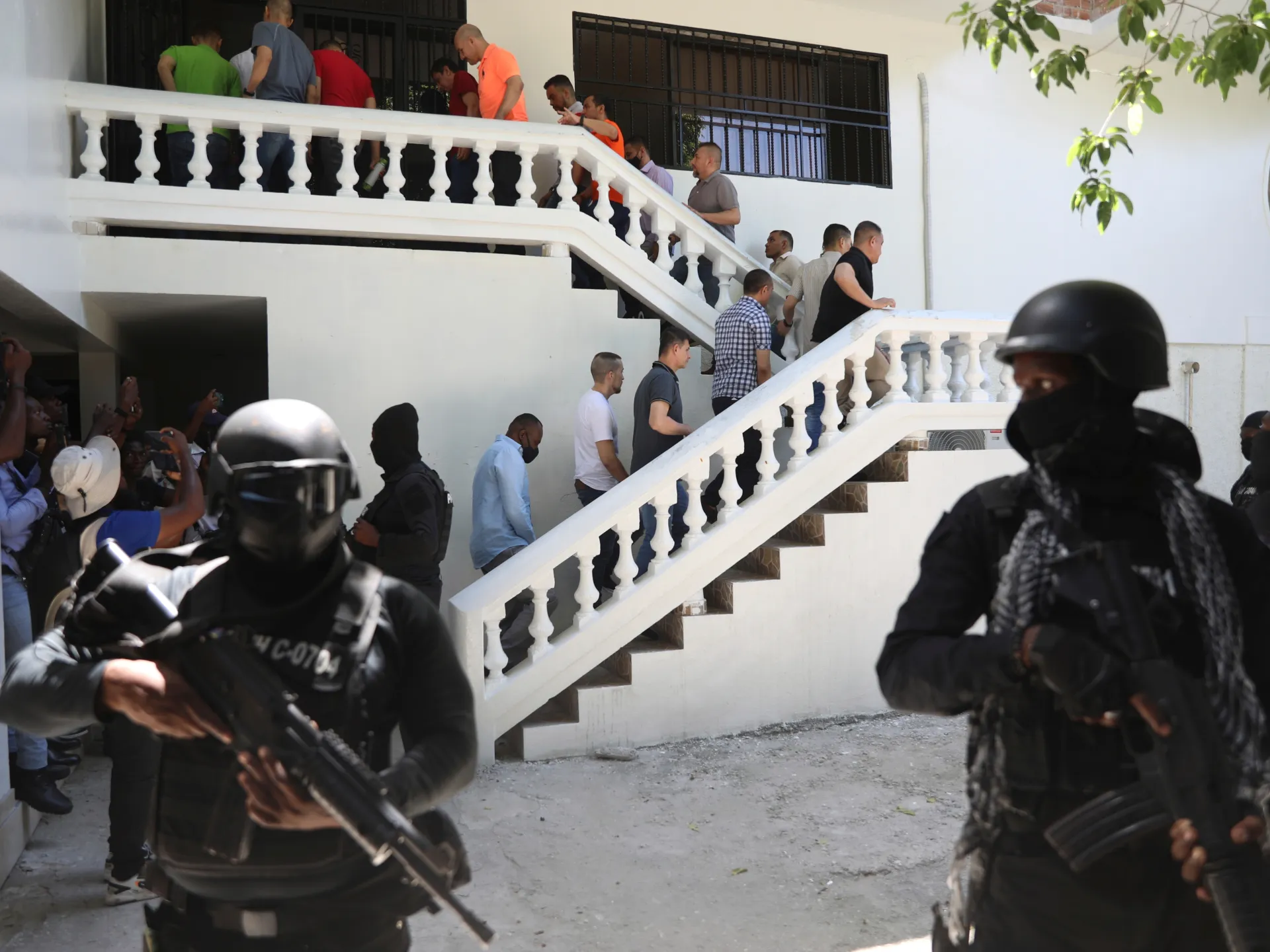
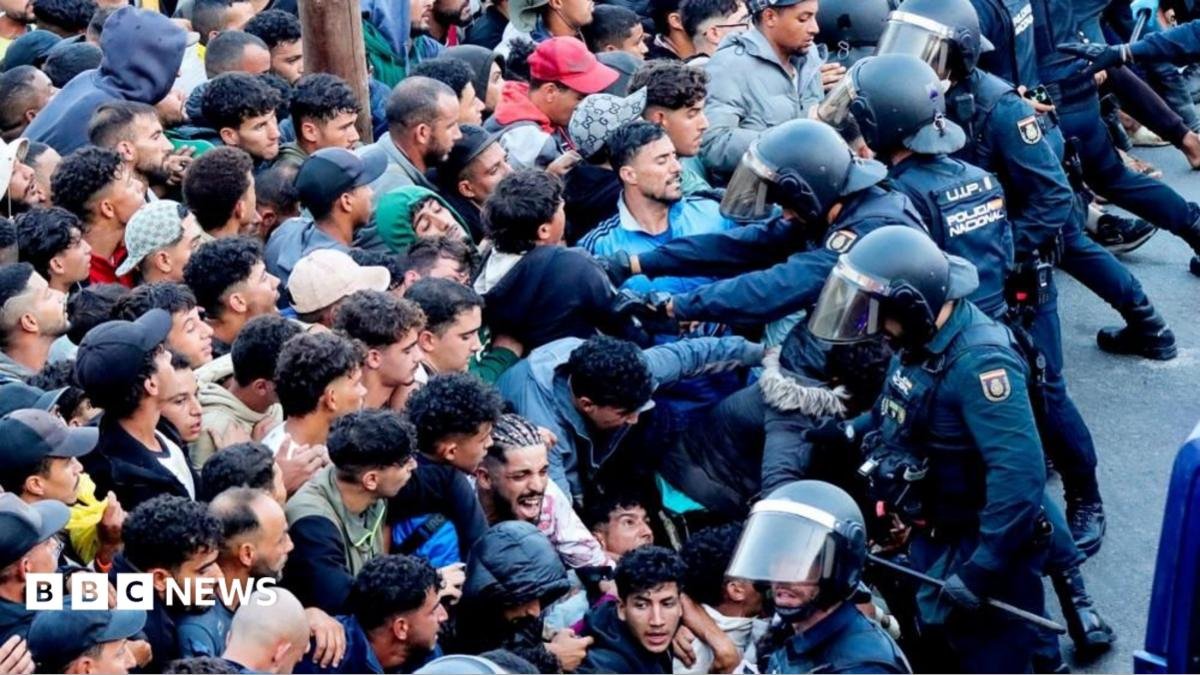
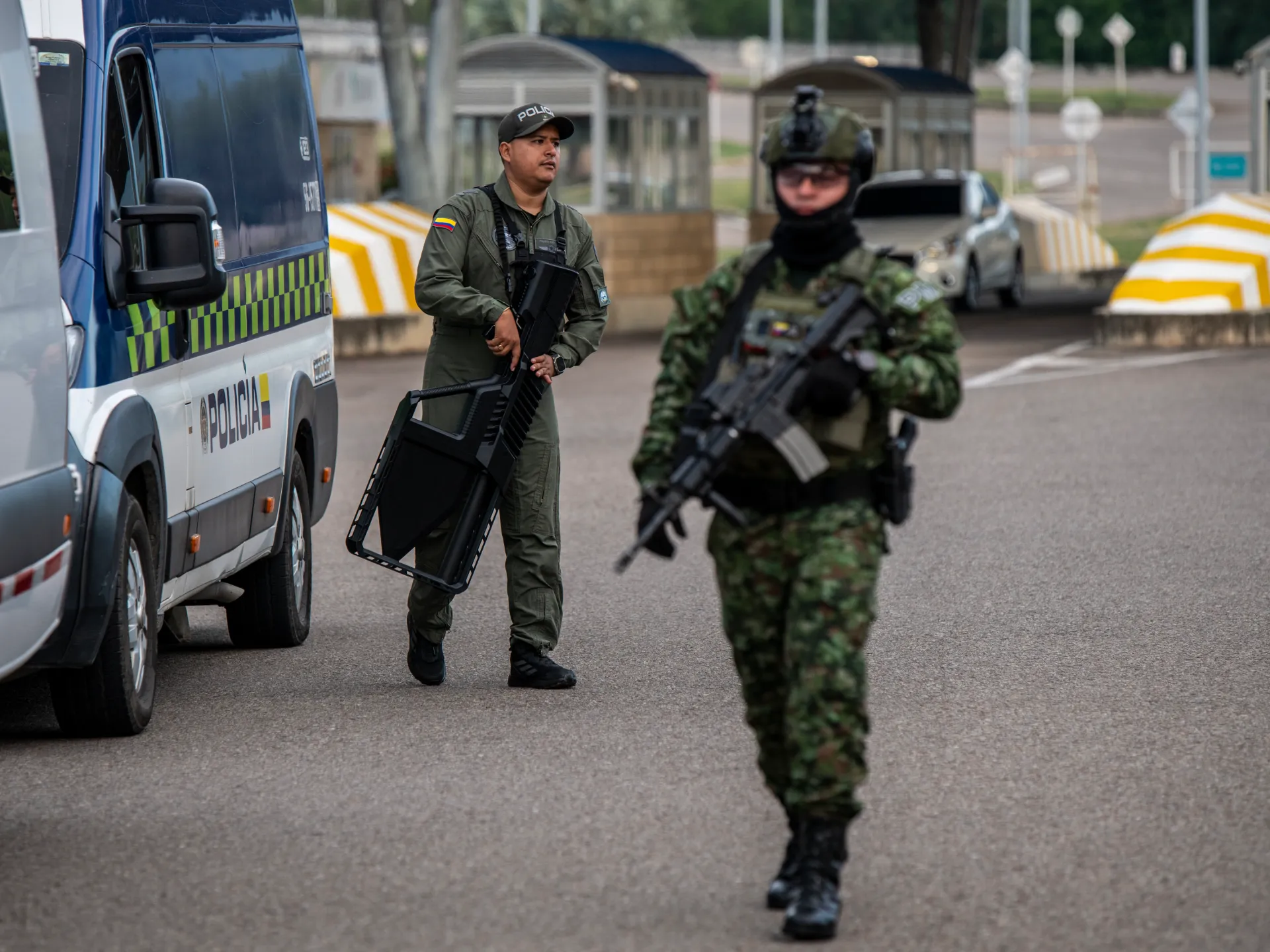
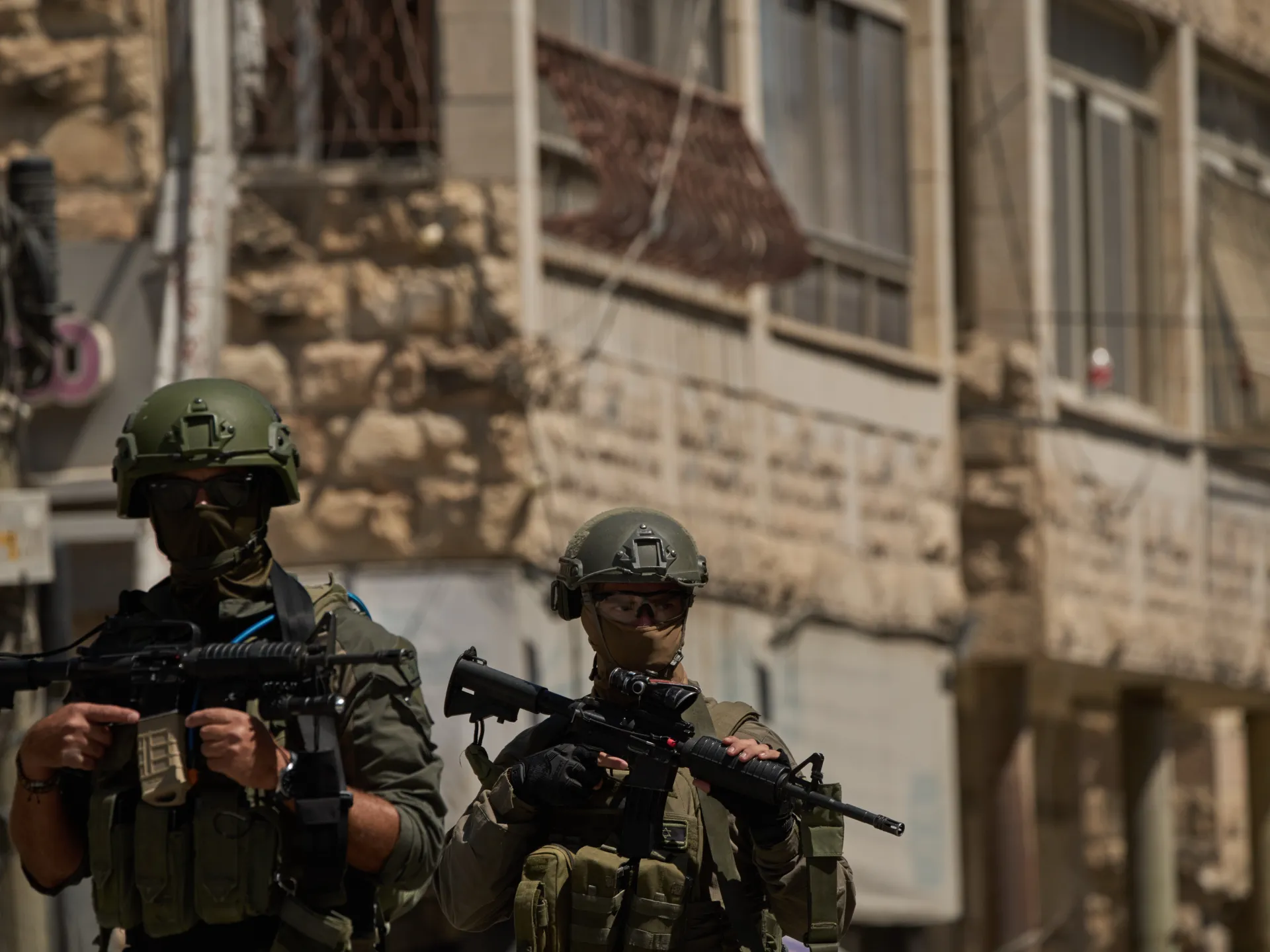
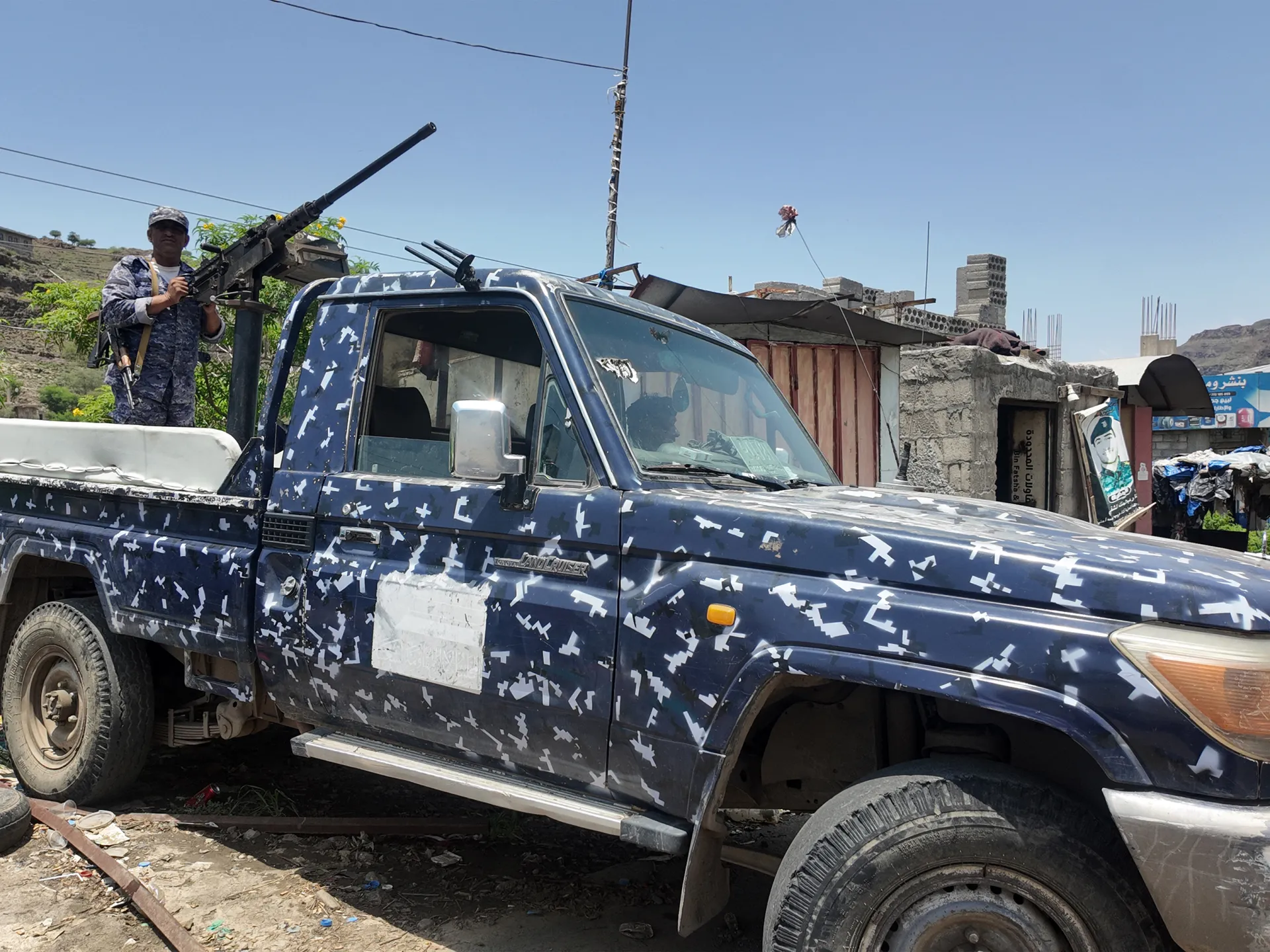
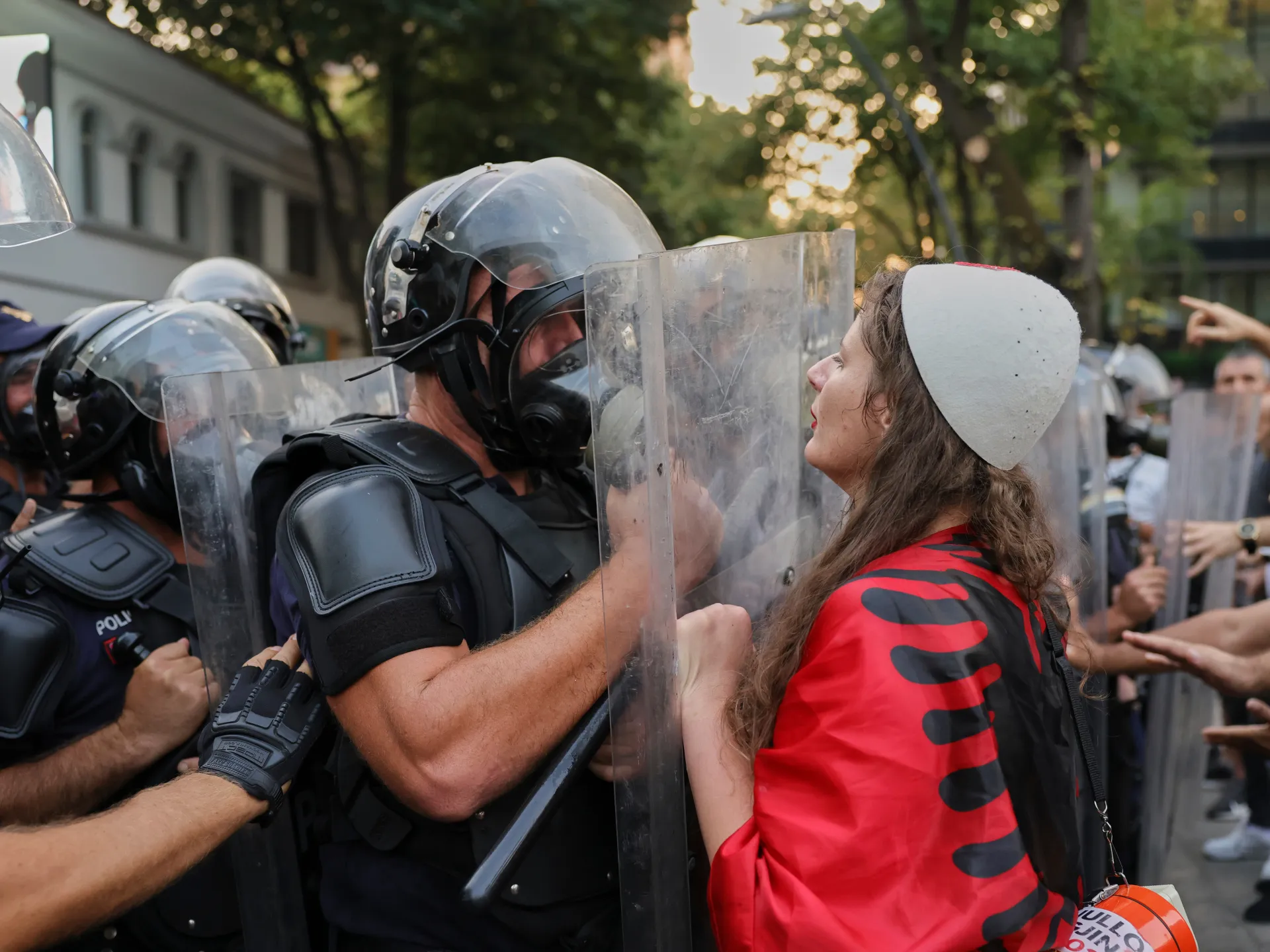
In response, the government has adopted a defensive posture. Security forces have been deployed in increased numbers throughout Islamabad, reflecting a concern that these protests could act as a catalyst for larger, more disruptive movements. The administration's focus on security over dialogue underscores the current impasse; while the government views the gatherings as a threat to public order, the protestors frame their actions as a necessary democratic response to economic mismanagement.
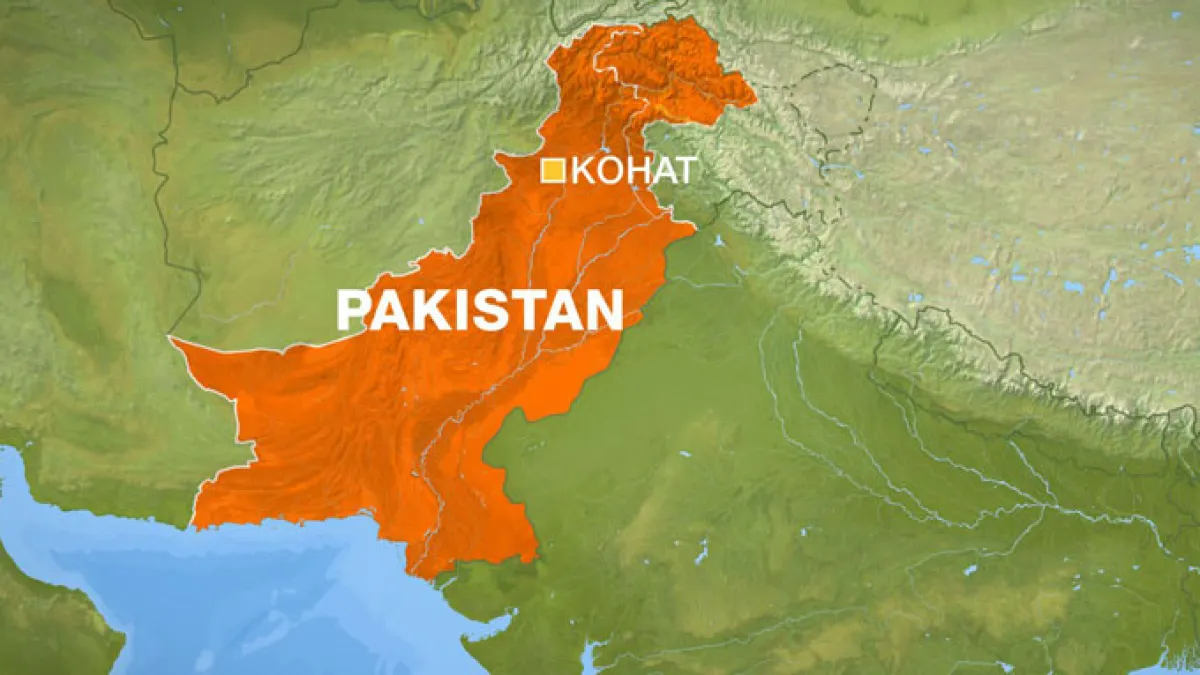
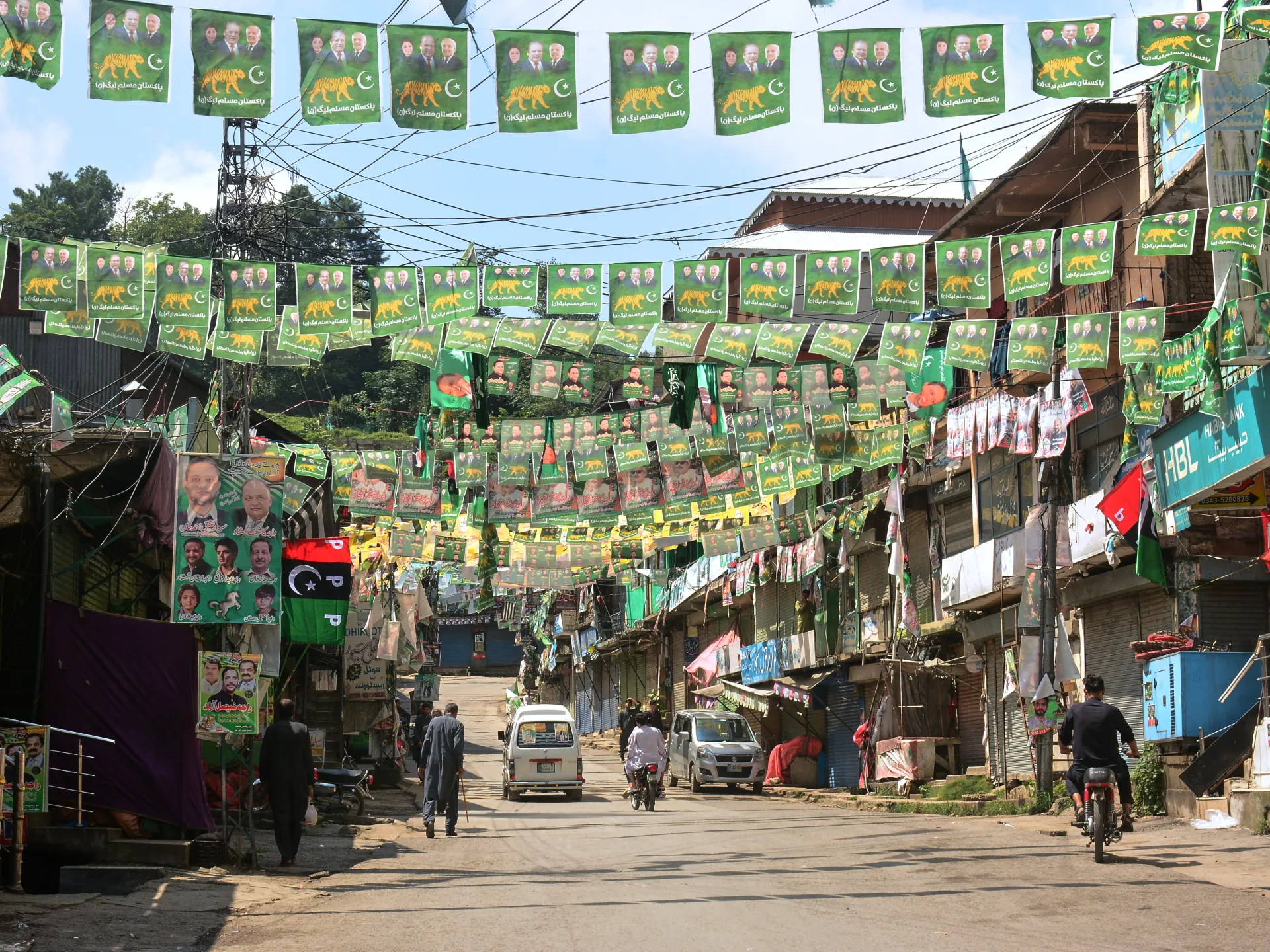
The unrest is not confined to the capital. Reports indicate that protests have also manifested in Pakistan-ruled Kashmir, signaling that grievances are geographically dispersed and rooted in diverse local issues. These regional demonstrations, while distinct from the capital-bound marches, a common thread of dissatisfaction with central governance. This broadening of dissent indicates that the challenges facing the administration are systemic rather than localized, potentially complicating any attempt to quell the protests through targeted negotiations or security interventions.
The trajectory of these protests suggests a period of prolonged instability. If the government refuses to adjust the petroleum levy, the pressure from Jamaat-e-Islami is likely to intensify, potentially leading to road blockades or urban paralysis. Furthermore, if the PTI manages to mobilize its supporters effectively alongside these economic protests, the administration will face a multi-front crisis that could force a change in leadership strategy. Analysts suggest that the government’s next move will likely involve a mix of tactical security measures designed to isolate protest leaders and potential, albeit limited, economic concessions to mitigate the most severe public anger. Whether these measures can stabilize the situation remains uncertain, as the intersection of economic survival and political identity leaves little room for middle-ground compromise.