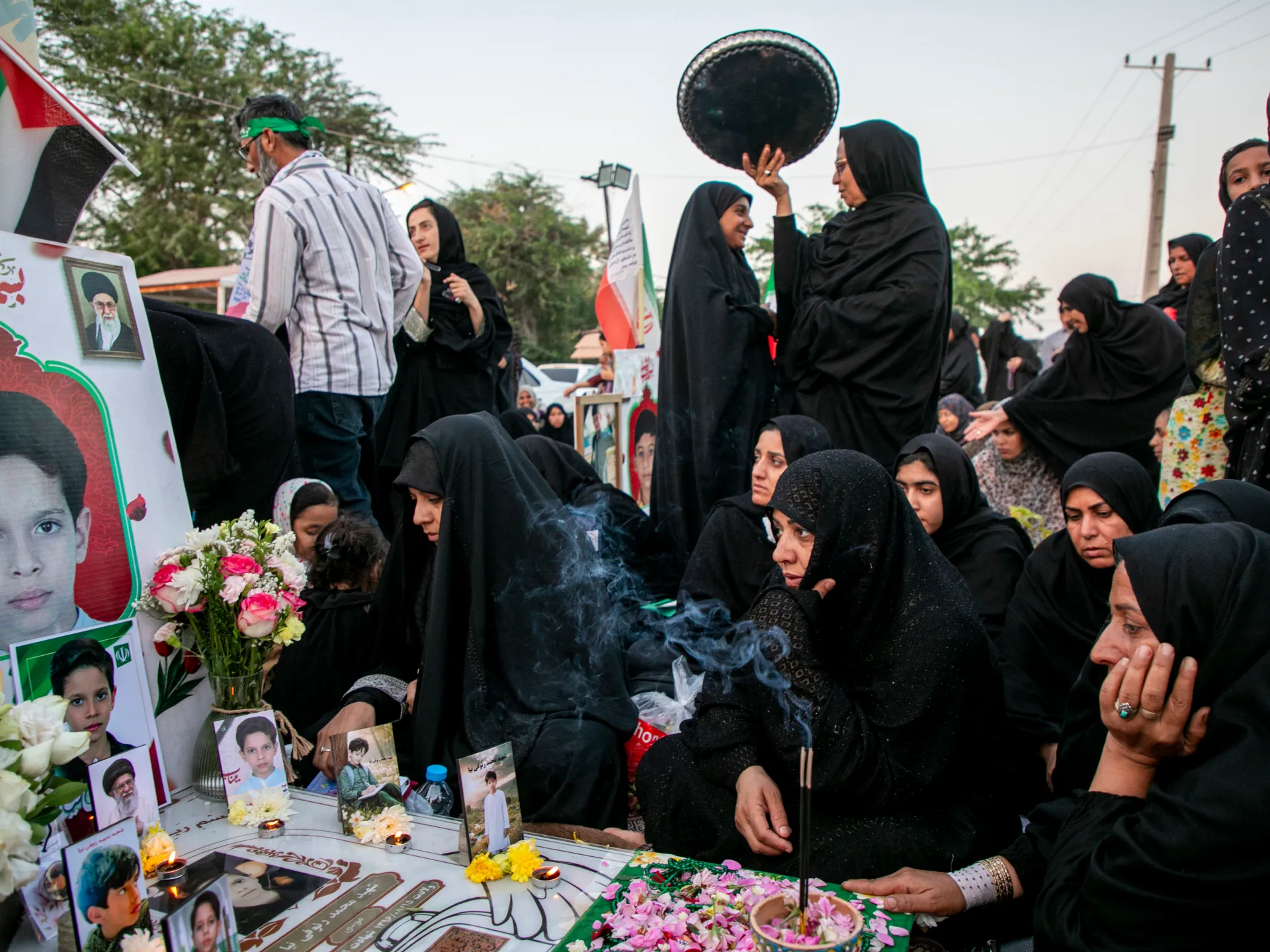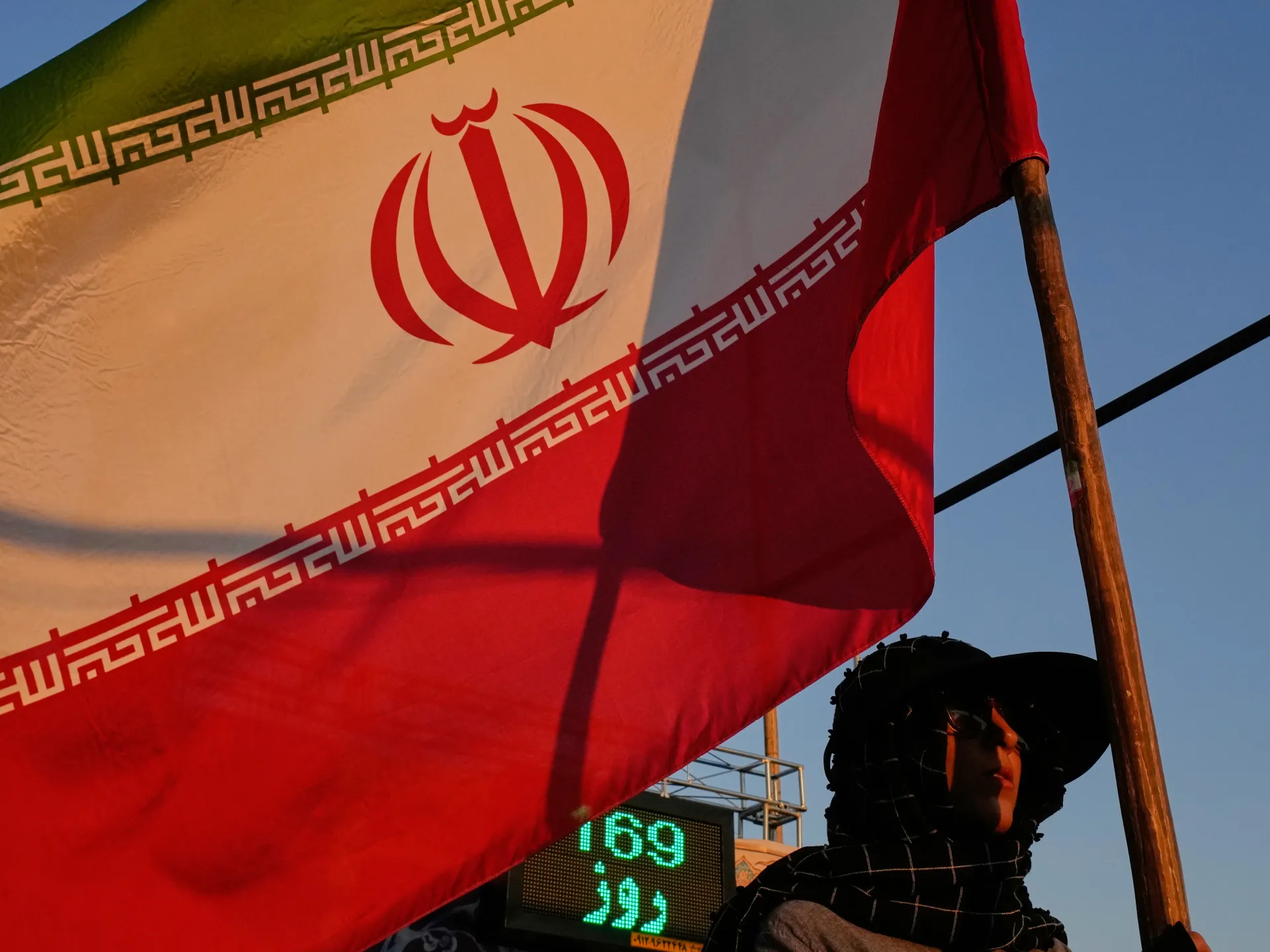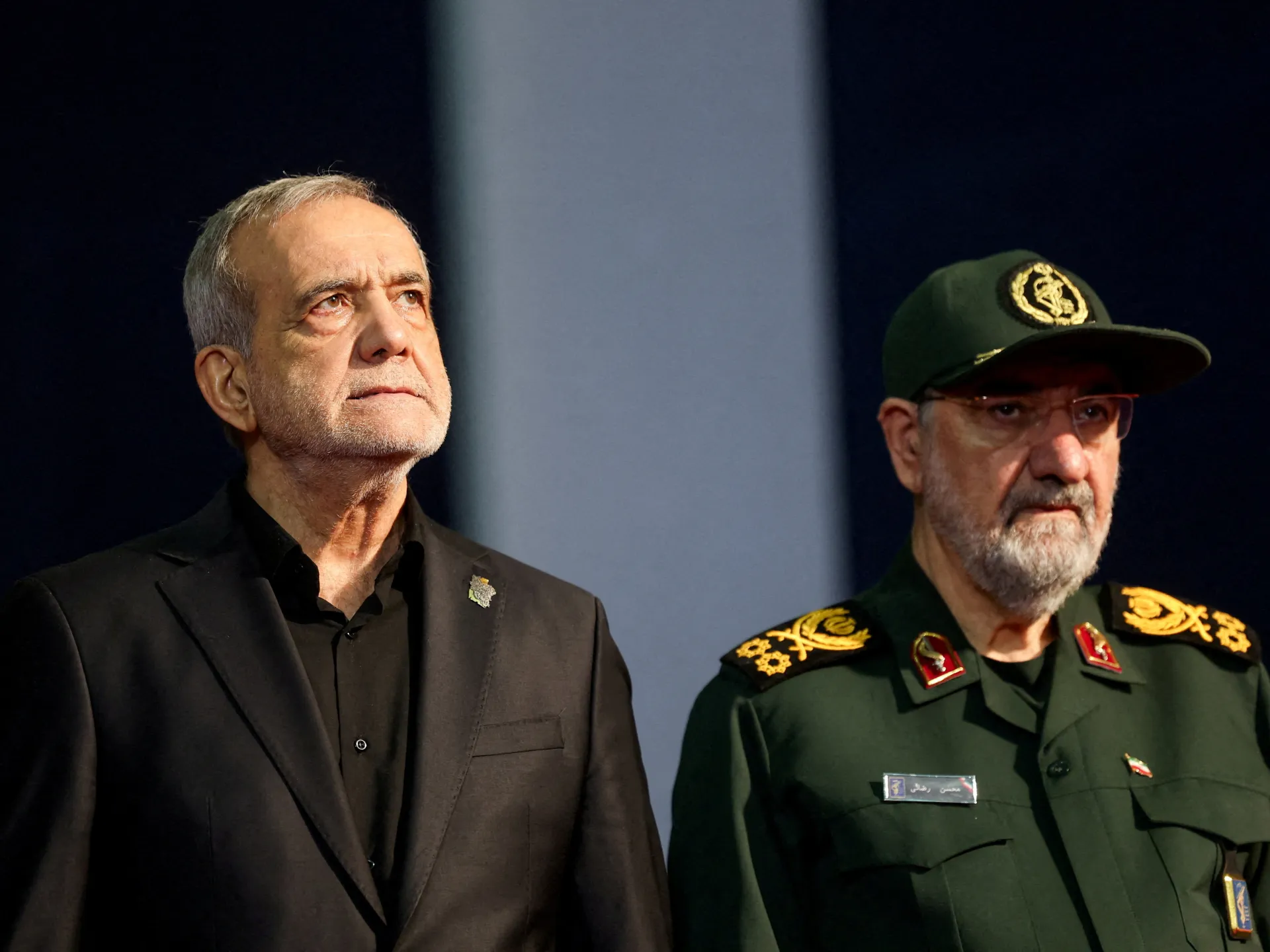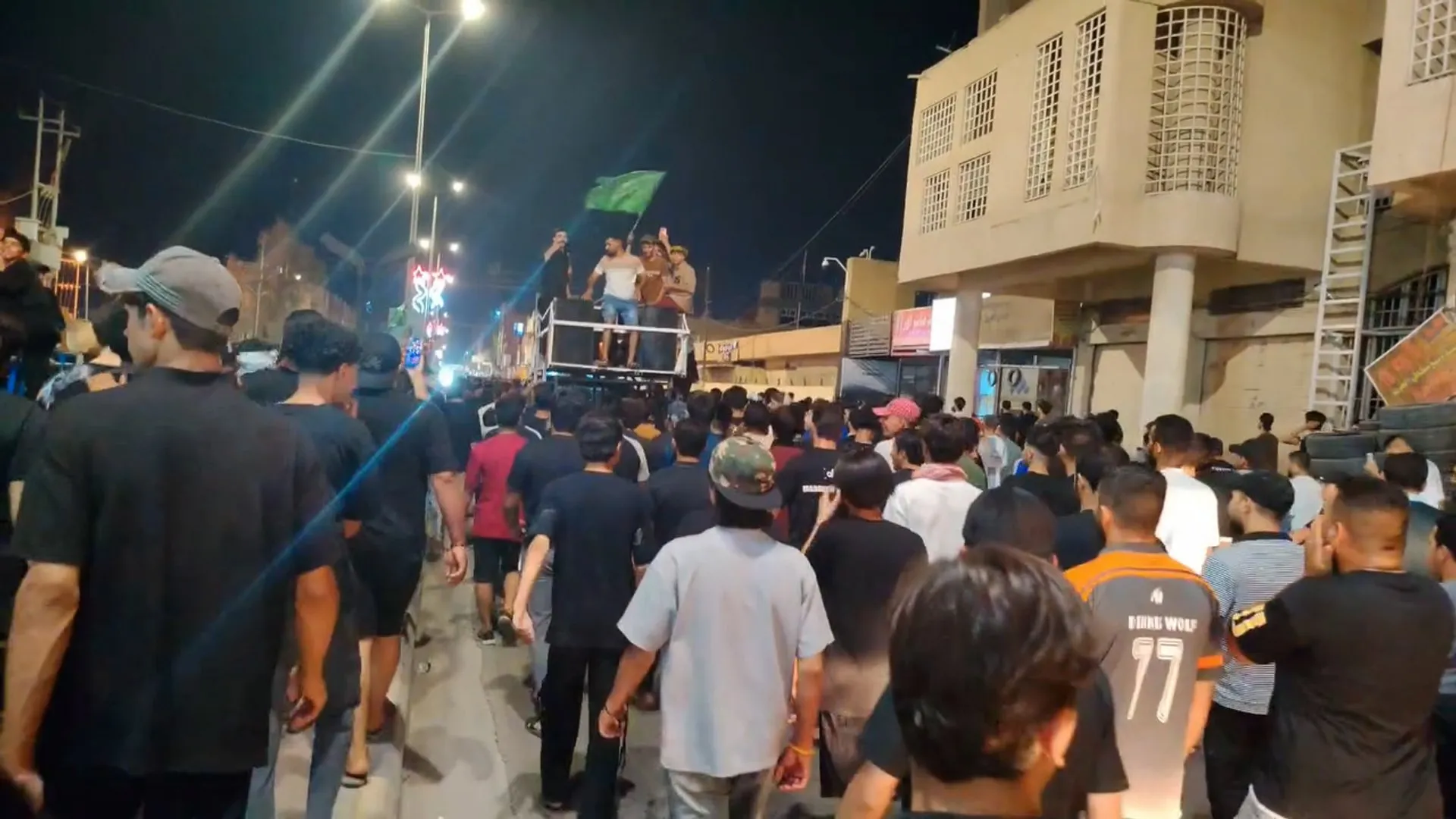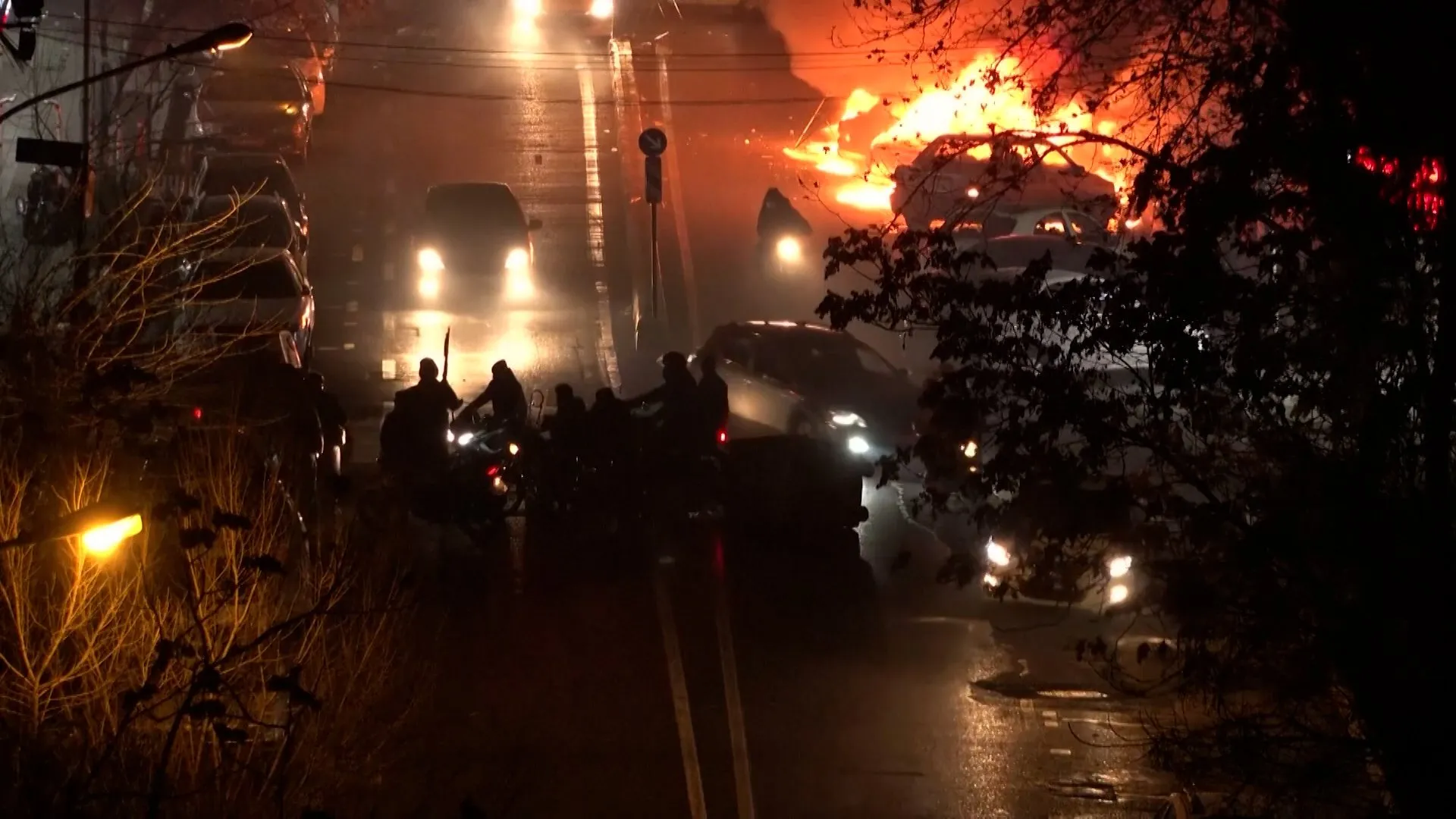
A UN investigation has determined that Iranian security forces committed crimes against humanity, with the most severe violence occurring during a crackdown in January.
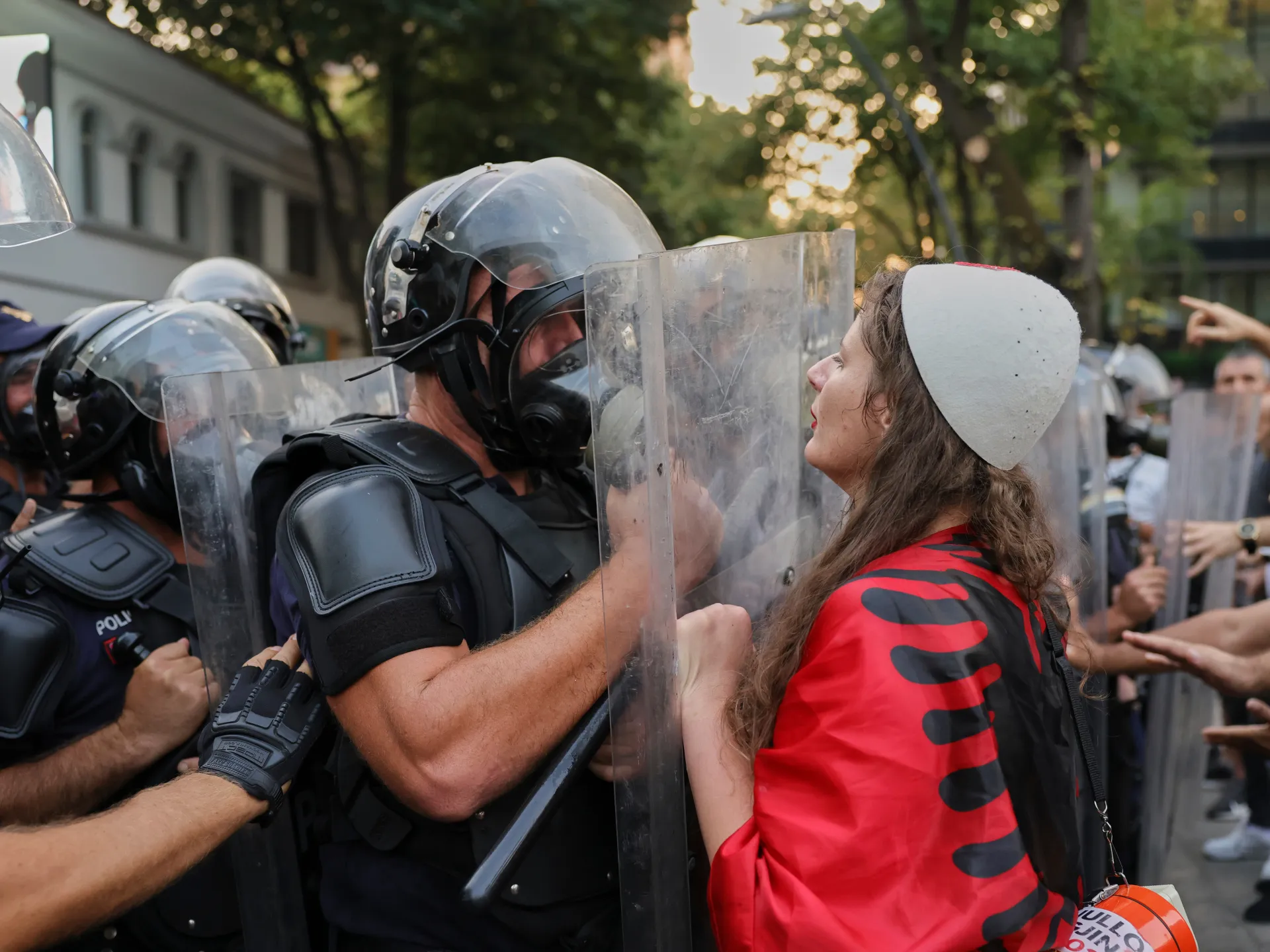
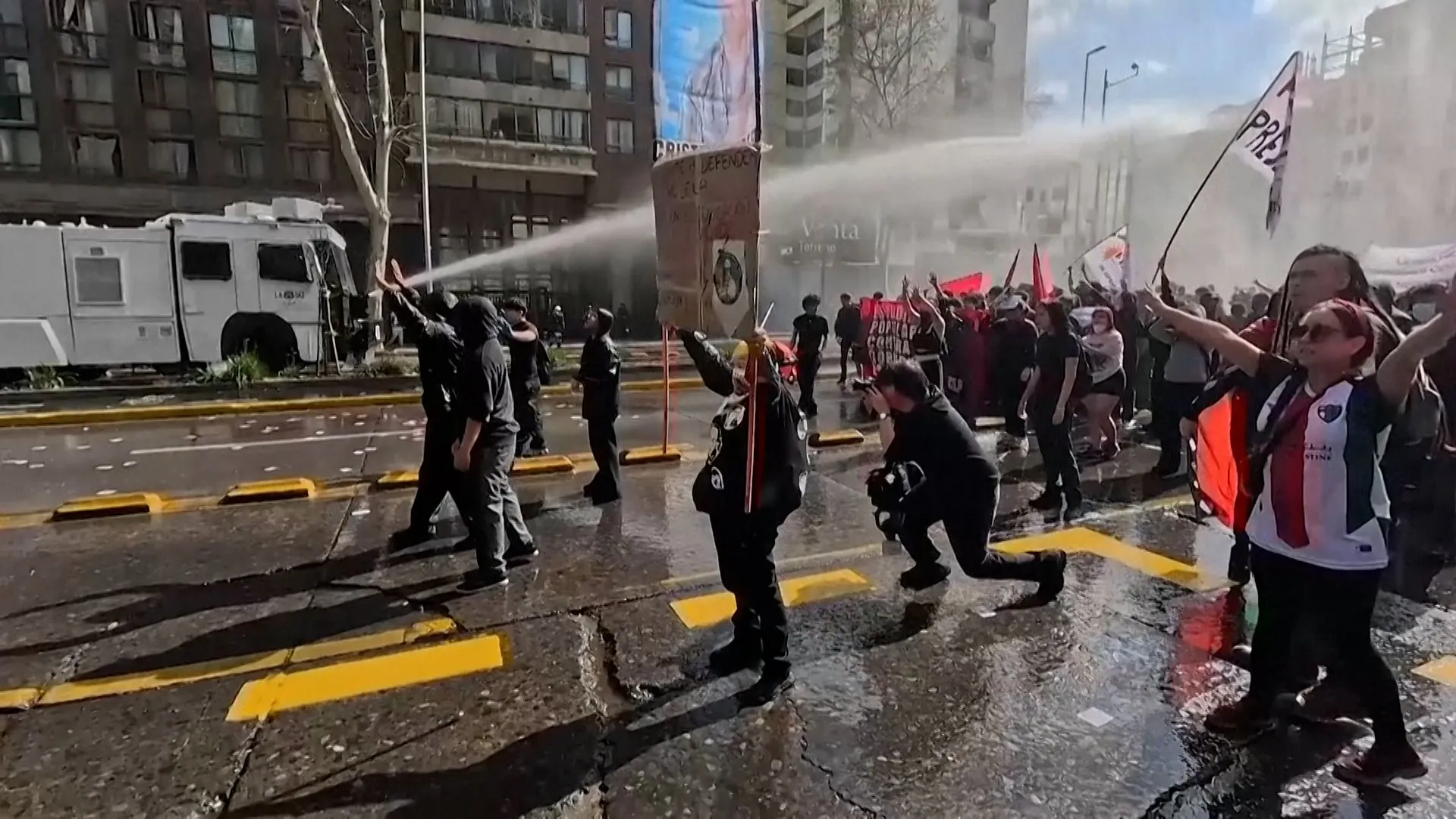
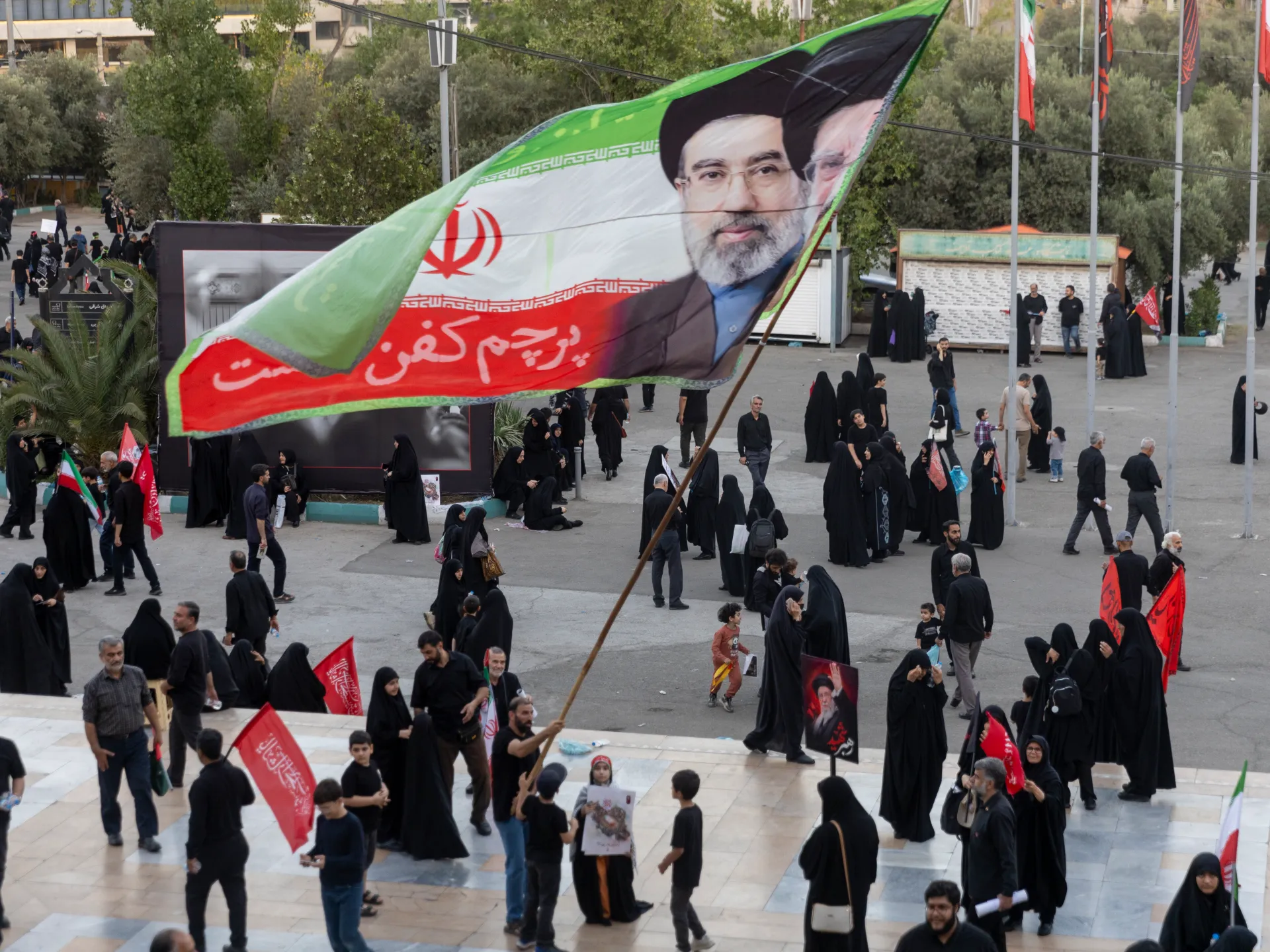
A recent investigation conducted ty forces engaged in crimes against humanity while suppressing domestic protests. The report highlights a pattern of state-sanctioned violence that targeted demonstrators, journalists, and activists who were voicing grievances against the governing establishment. According to the international body, the scale and intensity of the crackdown suggest a coordinated effort to silence dissent through lethal force and systemic intimidation.
The UN mission gathered extensive evidence, including witness testimonies and forensic data, which corroborate reports of unprecedented brutality. Investigators noted that the tactics employed olving the use of live ammunition, arbitrary detentions, and extrajudicial actions designed to instill fear within the population. The findings underscore a severe escalation in the government's response to civil unrest, marking a significant departure from previous instances of protest management in the country.
While the mission examined a broad timeline of events, the report specifically identifies the month of January as a period of particularly intense repression. During this window, the intensity of state-led operations reached a peak, resulting in a high number of casualties and widespread human rights violations. The mission’s documentation suggests that the events in January were not isolated incidents but rather part of a deliberate strategy to dismantle organized protests that had gathered momentum across various regions.
Witnesses who provided evidence to the UN described scenes of chaos and targeted aggression during these winter months. Many survivors reported being subjected to severe physical abuse while in custody, with little to no access to legal representation or medical care. The mission’s report highlights how these state actions effectively sought to isolate protest leaders and dismantle the operational capacity of grassroots movements during a critical period of national dissatisfaction.
The conclusion that crimes against humanity have occurred carries significant weight in the international arena. Under international law, such findings often trigger calls for enhanced diplomatic pressure, targeted sanctions, and potential legal proceedings at international tribunals. mission has elevated the discourse surrounding Iran's domestic human rights record, placing it at the center of global diplomatic debates.
The report serves as a critical repository of evidence that may be utilized for victims. While the Iranian government has historically rejected similar international inquiries, the specificity of the UN’s findings presents a substantial challenge to the state’s narrative. The international community is now tasked with determining the appropriate policy response to these severe allegations, balancing the need for accountability with the complex geopolitical landscape of the region.
The long-term effects of the crackdown extend beyond the immediate physical harm inflicted upon protesters. The mission’s report suggests that the environment of fear cultivated ial activists and complicating the work of independent journalism. As the government continues to tighten control, the UN underscores the necessity of sustained international monitoring to protect vulnerable groups and document ongoing developments.