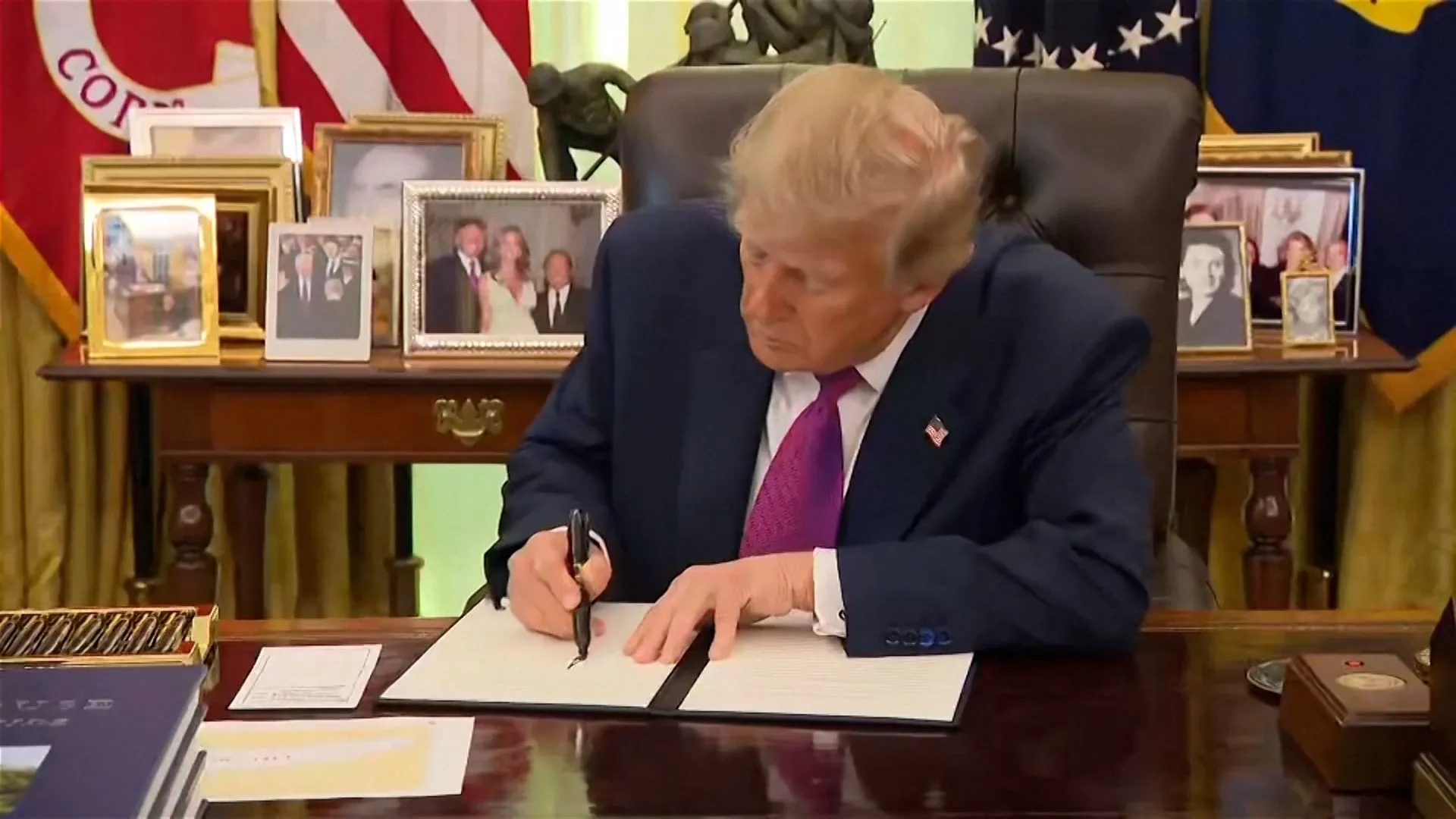
To overcome current electoral headwinds, Republicans are looking toward the 2012 Obama campaign strategy as a blueprint for framing their own narrative of progress and economic recovery.
Historical data suggests that the party in power often faces significant headwinds during midterm cycles, particularly when presidential approval ratings struggle to gain momentum. Recent polling indicates that Republicans are currently navigating a difficult landscape, with approval metrics for the current administration and congressional leadership lagging behind historical benchmarks for success. As disapproval ratings remain elevated, the political environment mirrors past eras where the ruling party faced severe electoral consequences.
Facing such a daunting reality, some political strategists argue that the path forward requires a shift in messaging. Rather than relying on traditional campaign rhetoric, there is a case to be made for studying the electoral success of past leaders who managed to overcome similar approval deficits. Specifically, the strategy employed during the 2012 presidential reelection campaign offers a compelling roadmap for how an incumbent party can frame a narrative of progress in the face of widespread public frustration.
In 2012, the administration successfully navigated a difficult economic climate eir predecessors. d a significant portion of the electorate that their policies were not the cause of the struggle, but the necessary remedy for deep-seated structural issues. This strategy allowed them to distance themselves from the ongoing economic pain while positioning their opponents as the architects of past instability.
For current Republican candidates, the opportunity lies in adopting a similar framework regarding the recent inflation crisis. costs and the rising prices of consumer goods attributed to previous fiscal policies—Republicans can effectively shift the blame. The goal is to convince voters that the current affordability crisis is a legacy of past governance, and that a return to those previous policies would only serve to exacerbate the financial burden on American families.
Another essential component of the 2012 strategy was the acknowledgement that while progress was being made, the recovery was inherently time-consuming. Instead of promising an immediate return to prosperity, the campaign emphasized the need to "finish the job." This approach resonated with voters who understood that complex national problems cannot be solved overnight and that changing course prematurely could threaten the gains already achieved.
Republican candidates would be well-served e realities of high grocery or healthcare costs, they should acknowledge the public's ongoing struggles while arguing that conservative, free-market policies are the only mechanism currently curbing runaway inflation. while emphasizing that the stabilization of home prices and the securing of national borders are tangible results of their recent governance.
Elections are rarely won through blind optimism, especially when the electorate feels the sting of high living costs. The success of the 2012 model relied on three core pillars: asserting that a disaster was inherited, demonstrating that recent policies have led to measurable, if incremental, progress, and warning that the opposition would reverse those gains. This tripartite message proved effective in neutralizing the appeal of the challenger
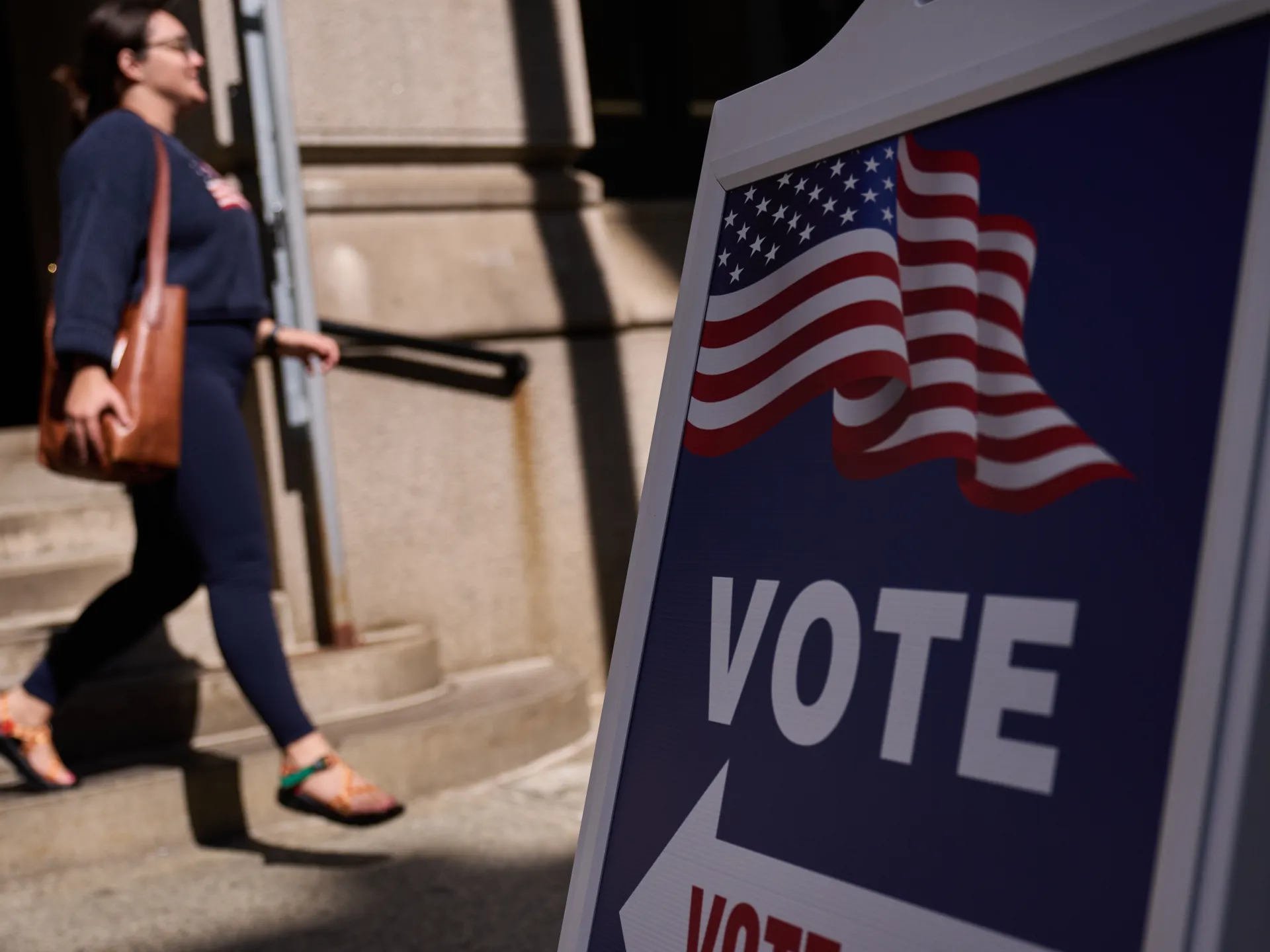
Ultimately, the upcoming November elections will serve as a referendum on whether voters buy into this narrative. If Republicans continue to ignore the legitimate frustrations of the average citizen, they risk a significant electoral rebuke. However, if they successfully adopt a strategy centered on acknowledging current challenges while advocating for the completion of their economic agenda, they may find the political leverage necessary to change the trajectory of the race and maintain control of Congress.