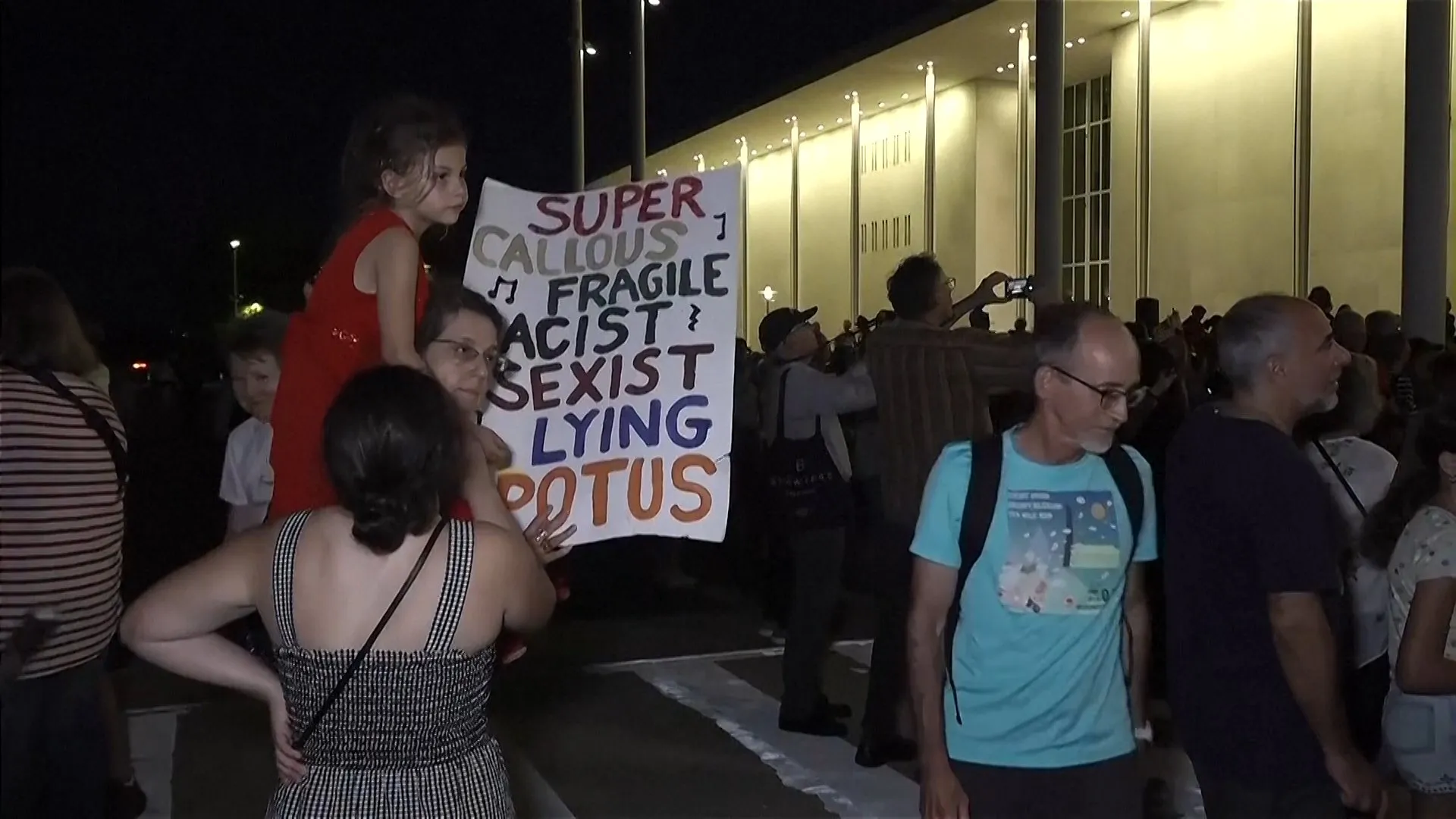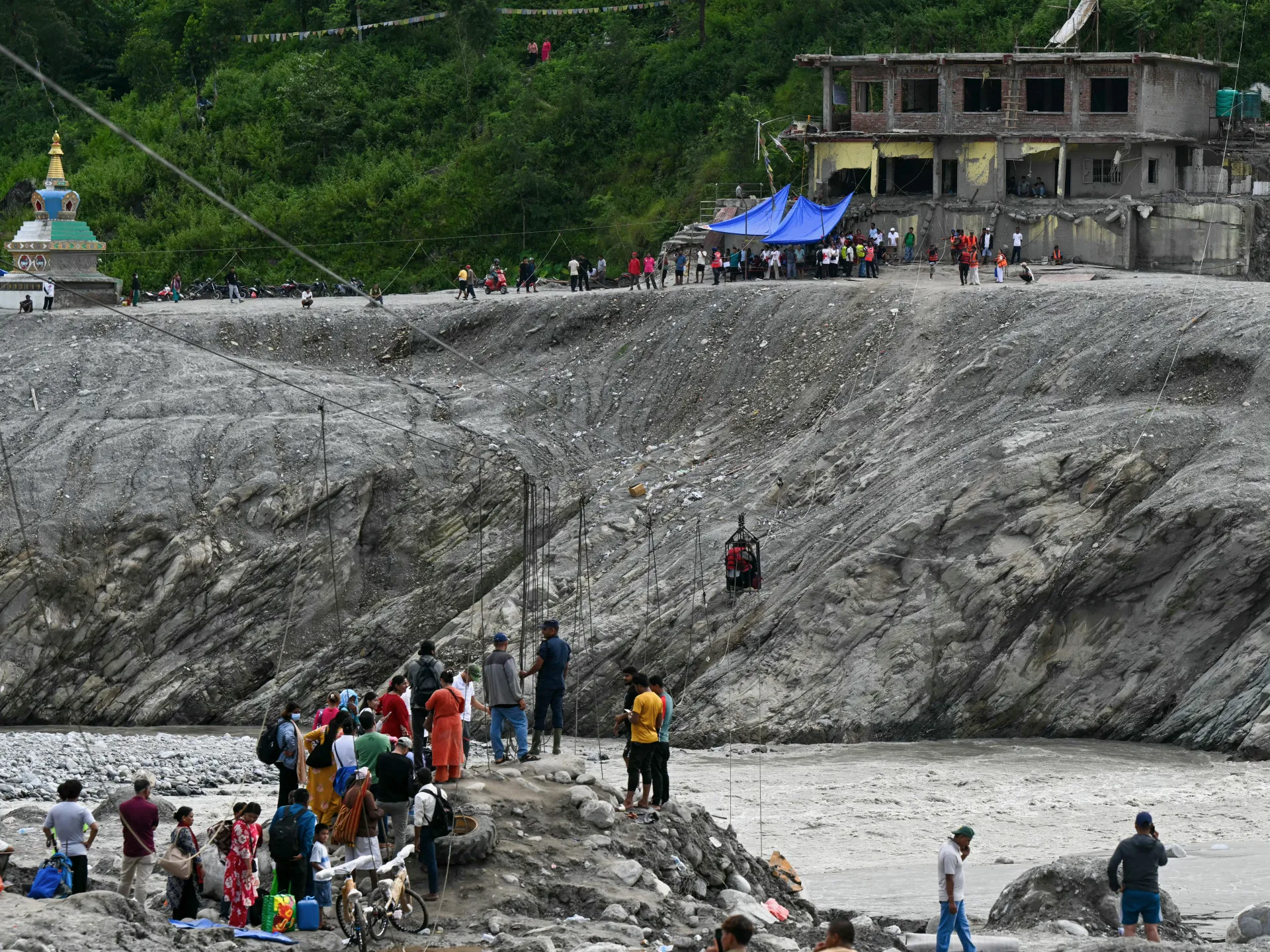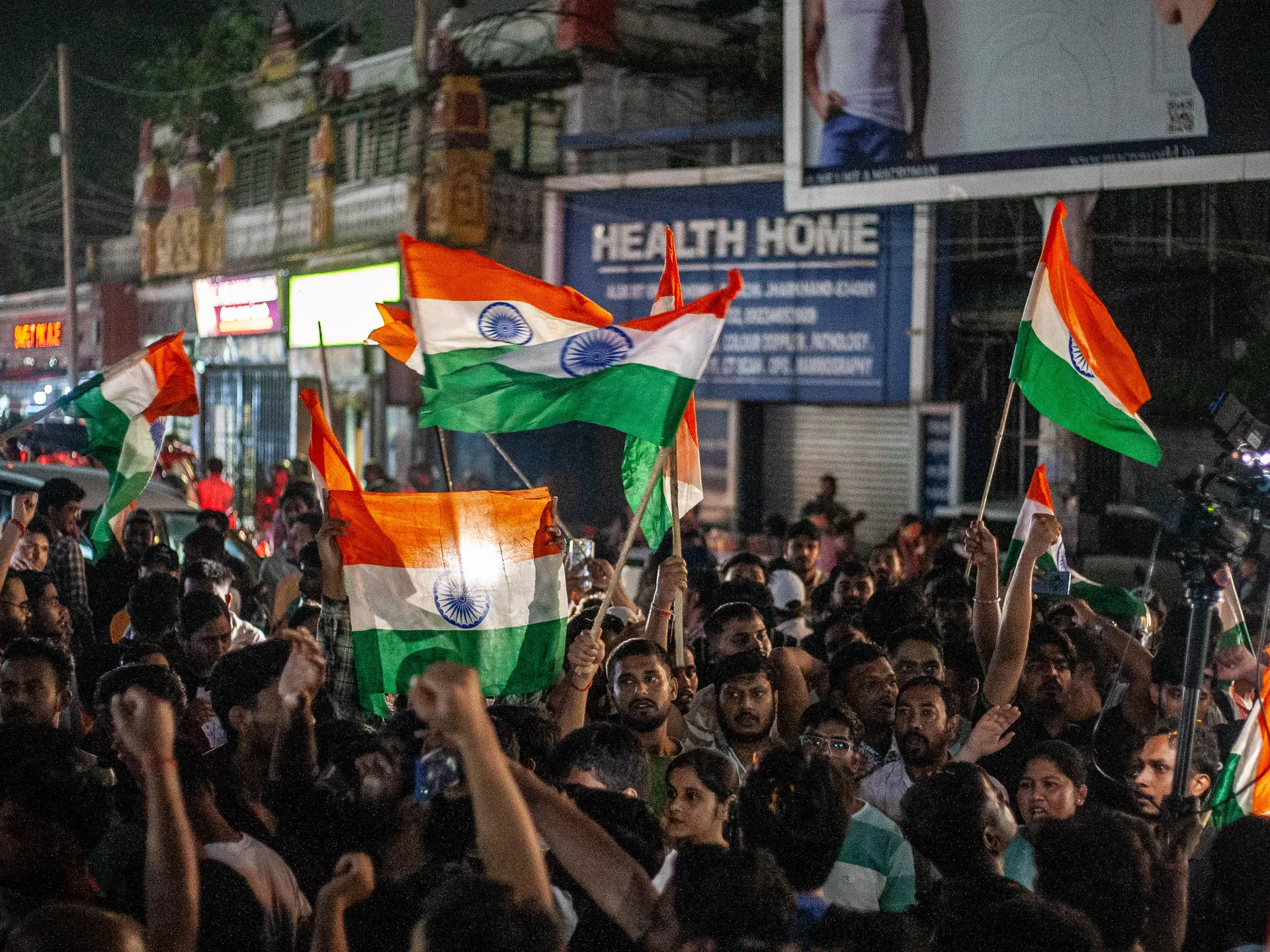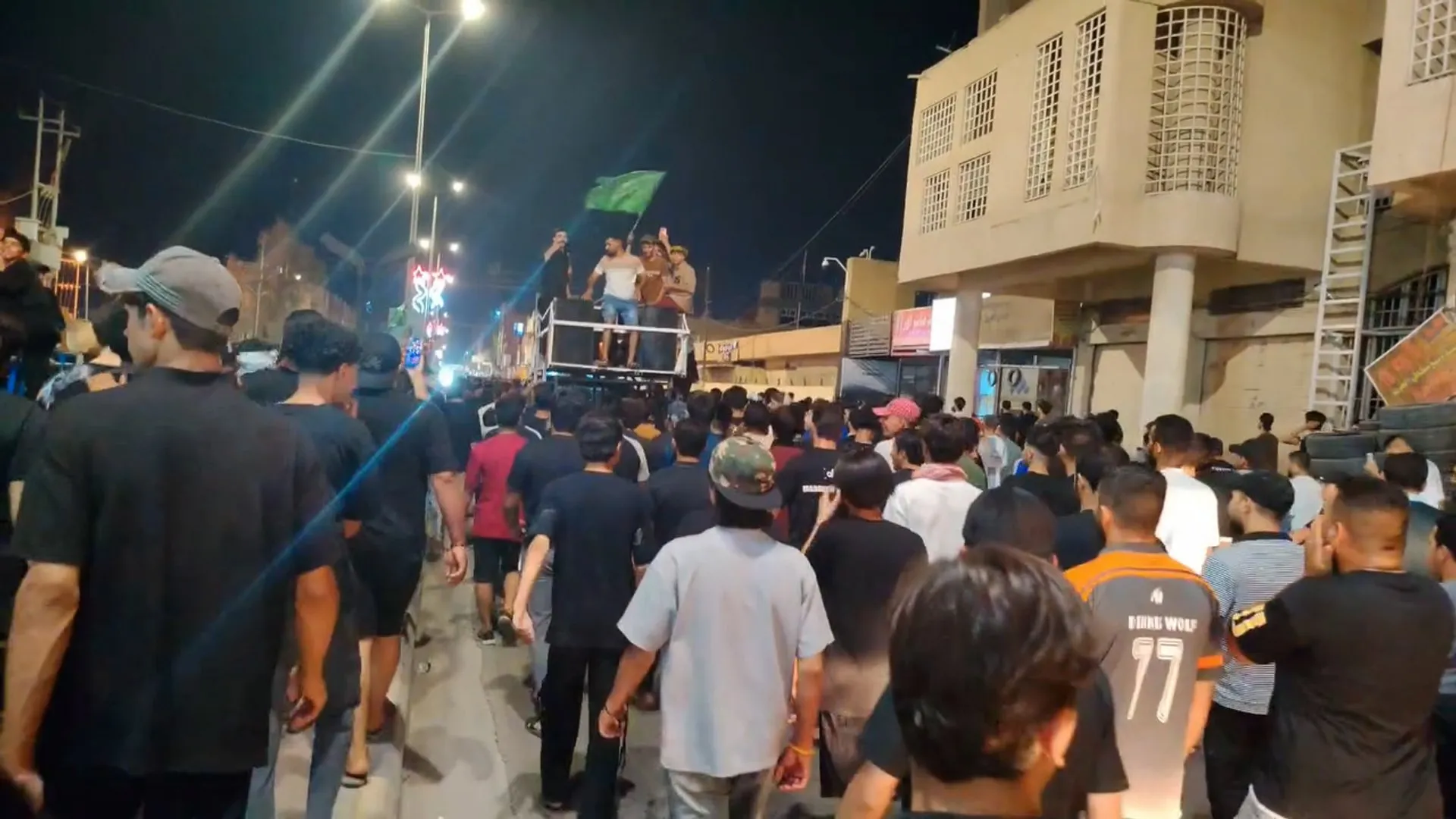
Protests in Argentina and Mexico highlight growing public frustration, while U.S. political movements face internal shifts as established norms are challenged.
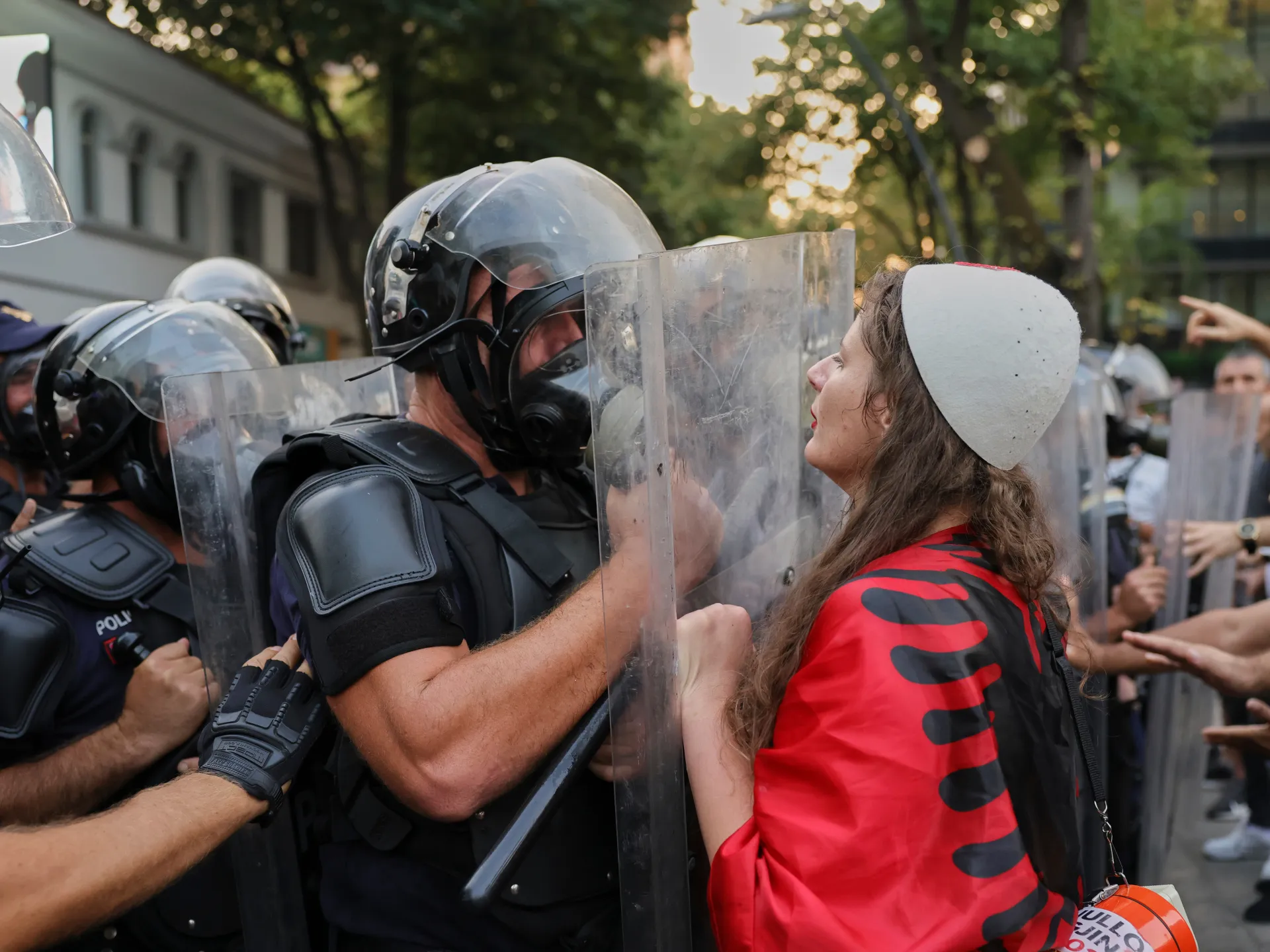
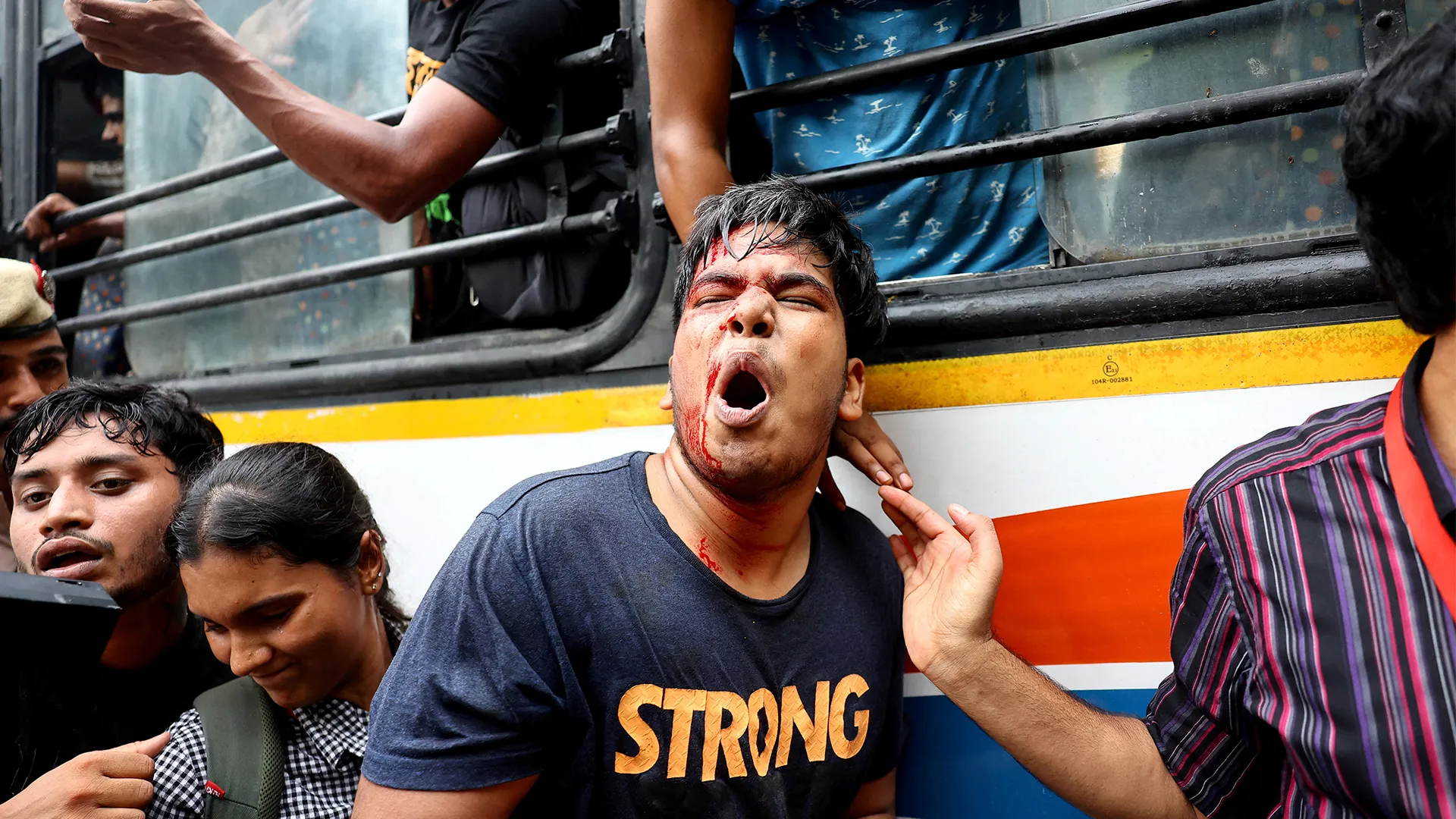
From the streets of Buenos Aires to the war-torn neighborhoods of Culiacán, the Western Hemisphere is currently grappling with a profound sense of instability. While the motivations behind these displays of public dissent vary—ranging from economic desperation in Argentina to a desperate plea for security in northern Mexico—they reflect a growing chasm between established governance and the populations these systems are meant to serve. Simultaneously, political movements within the United States are witnessing a metamorphosis of ideological identity, suggesting that the current volatility is not limited to localized civil movements but is instead a broader, continental trend.
The convergence of these events highlights a critical moment for democratic institutions. Whether faced with the harsh realities of fiscal austerity or the lawlessness of cartel-driven conflict, citizens are increasingly turning to public assembly as their primary mechanism for demanding accountability. As these movements evolve, they test the resilience of both governmental structures and the political parties that represent them, raising difficult questions about the durability of current socio-economic models across the region.
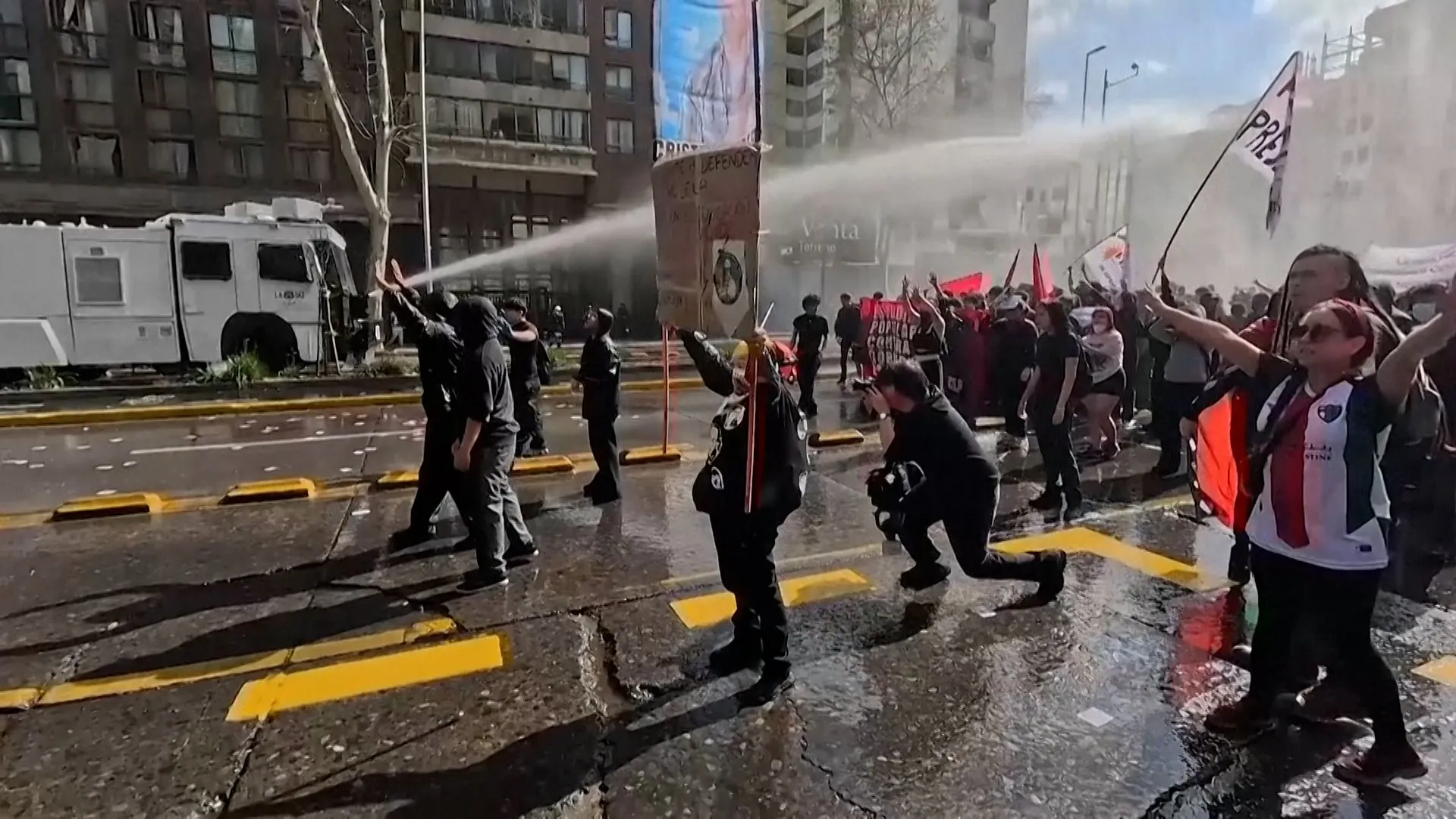
The significance of these protests extends beyond the immediate grievances of the participants. In Argentina, the "March of Anger" represents a high-stakes test of President Javier Milei’s mandate, which seeks to prioritize fiscal discipline over traditional social welfare. If the government fails to address these concerns, it risks a complete loss of legitimacy among the working class. Conversely, the situation in Sinaloa presents an even more visceral challenge: the total collapse of state control in the face of organized crime. These events serve as a barometer for regional health, suggesting that when governments are unable to provide either economic stability or physical safety, the social contract effectively dissolves.
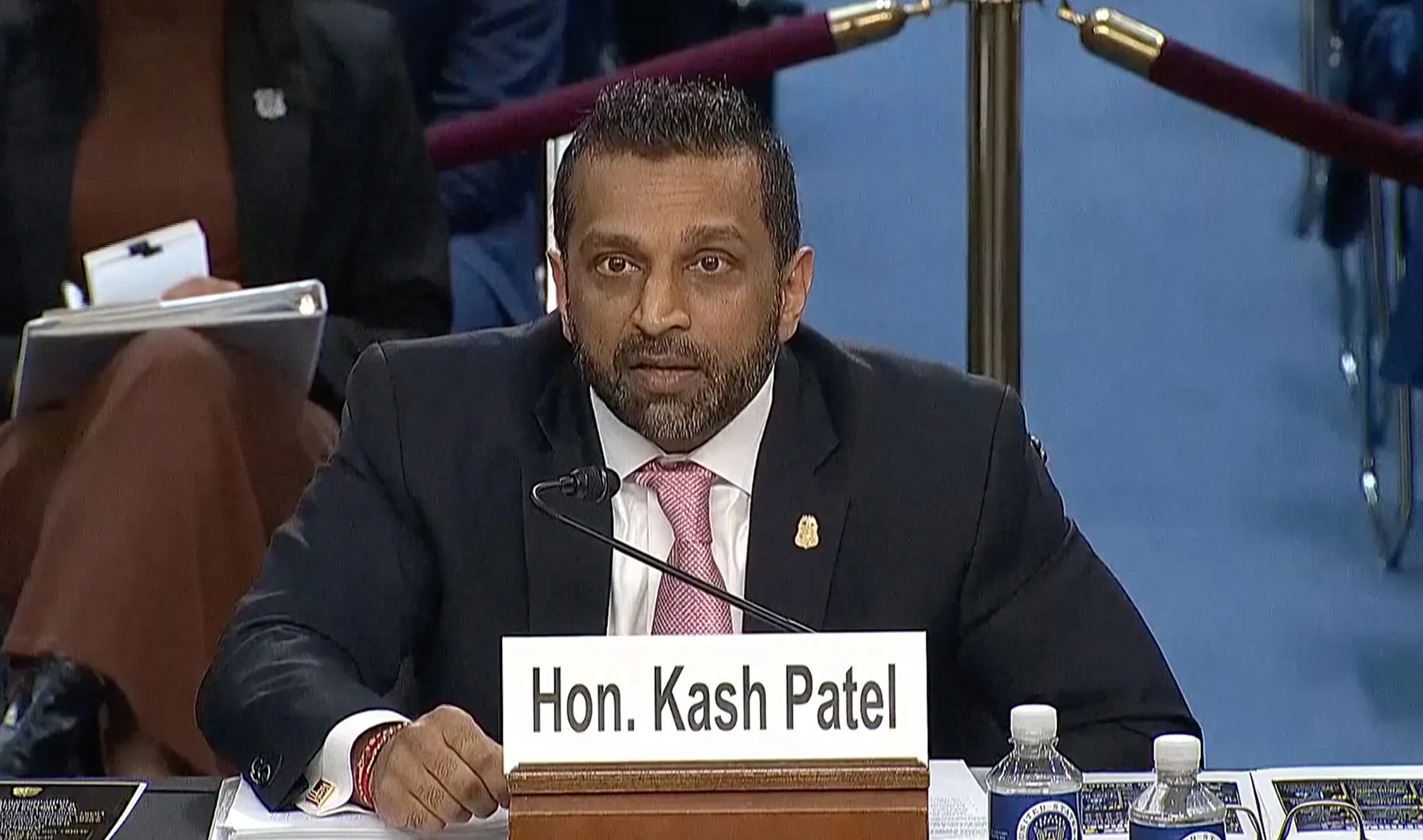
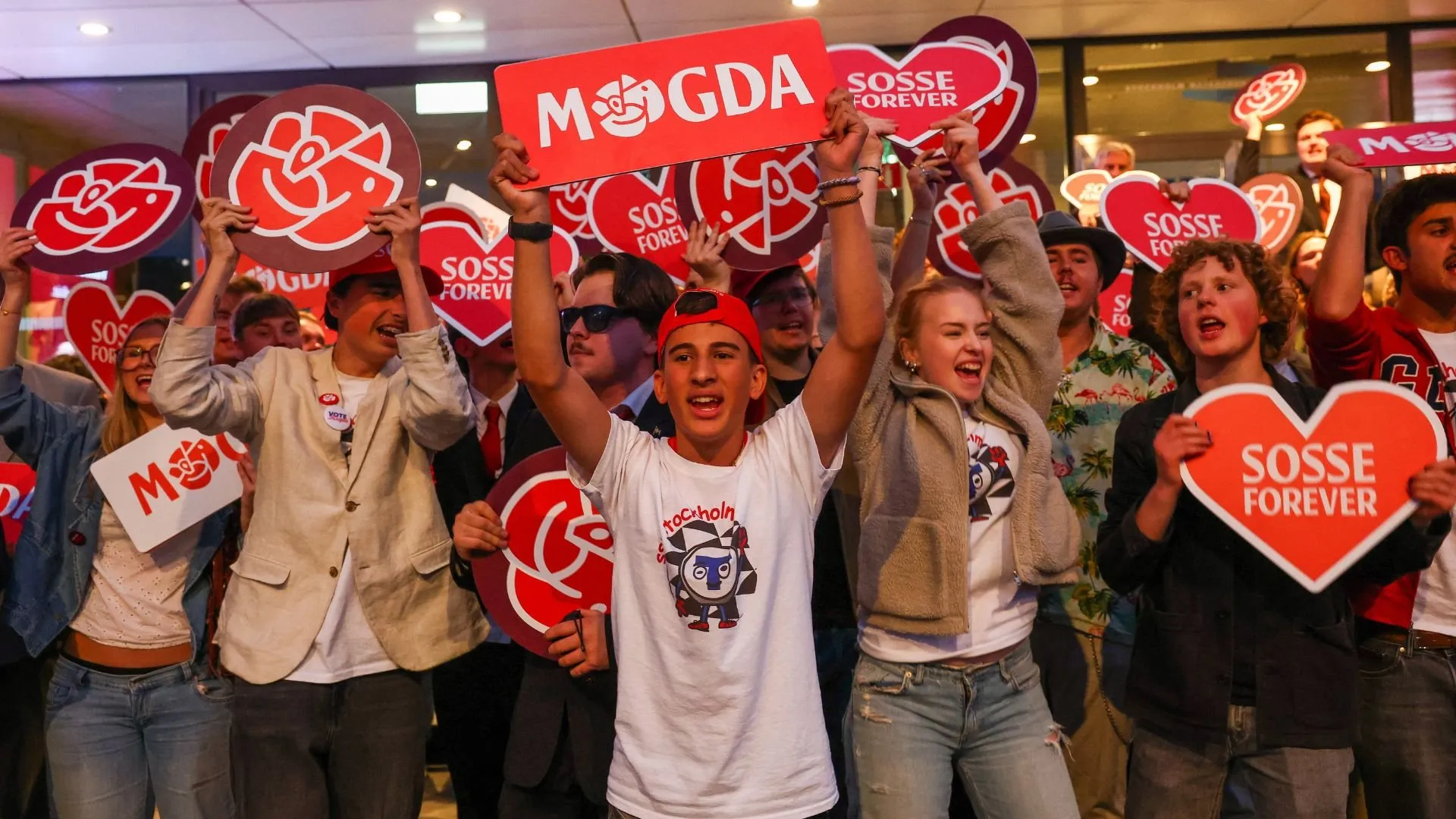
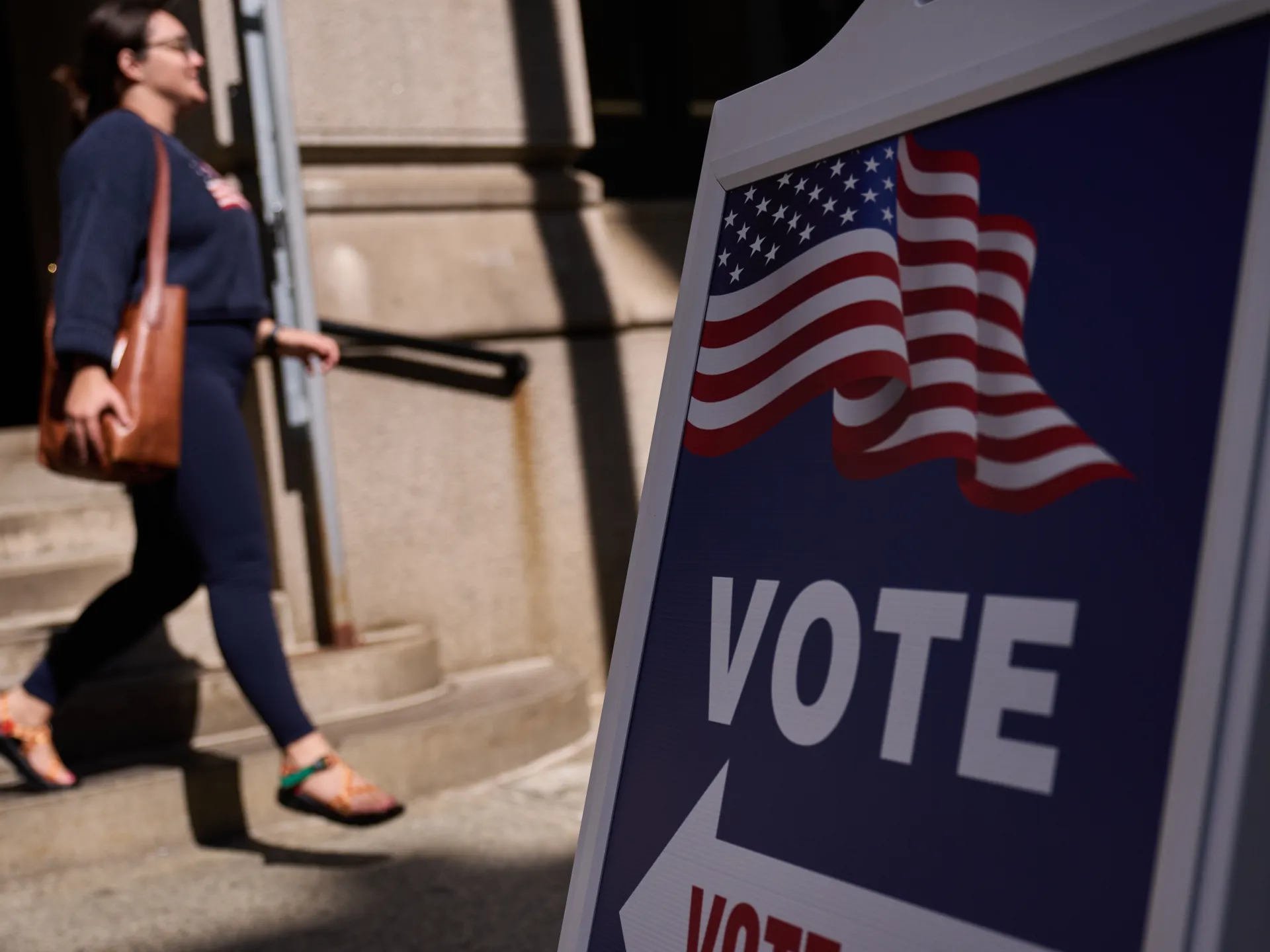
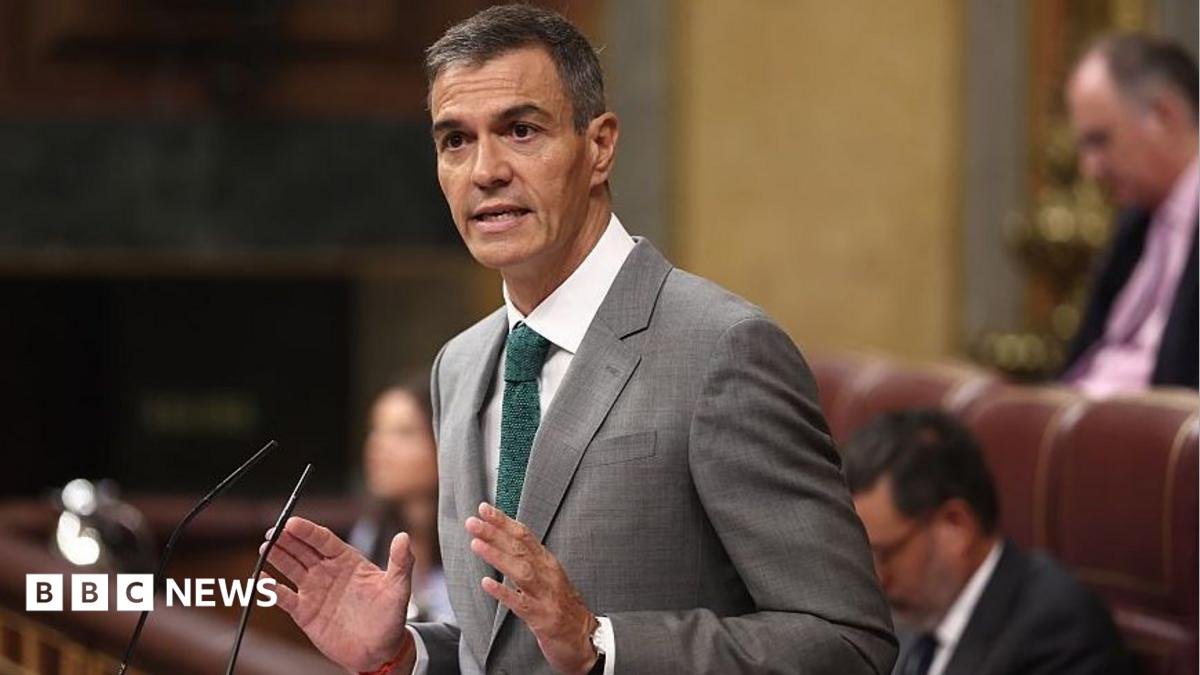
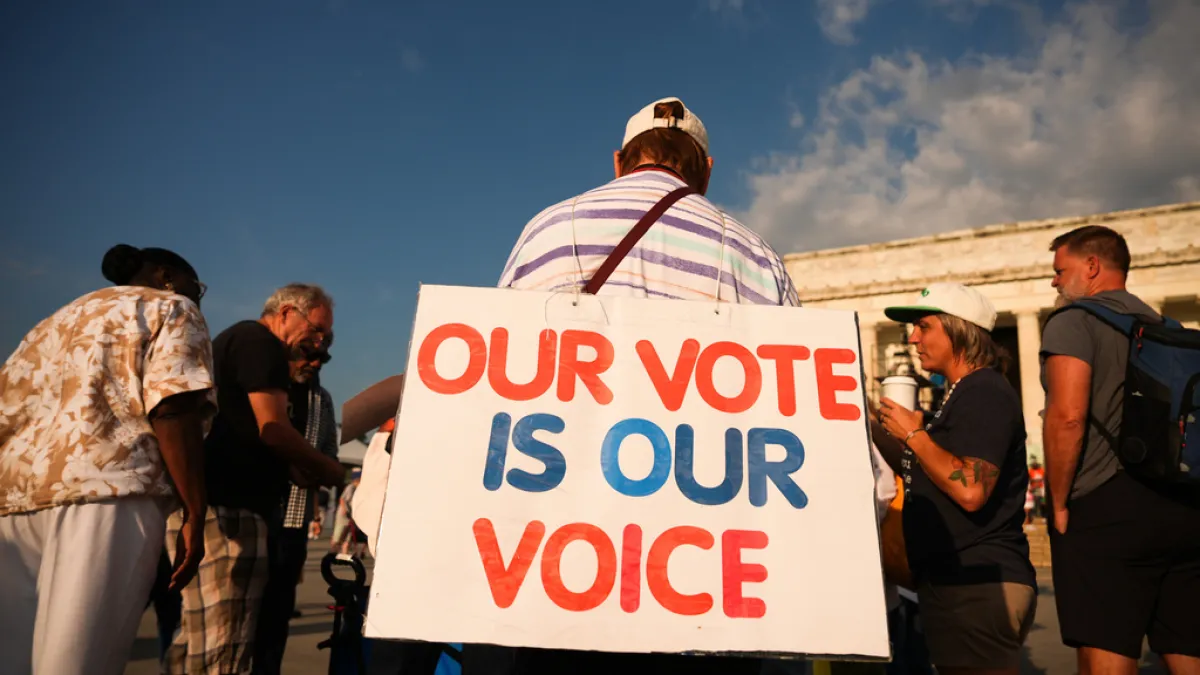
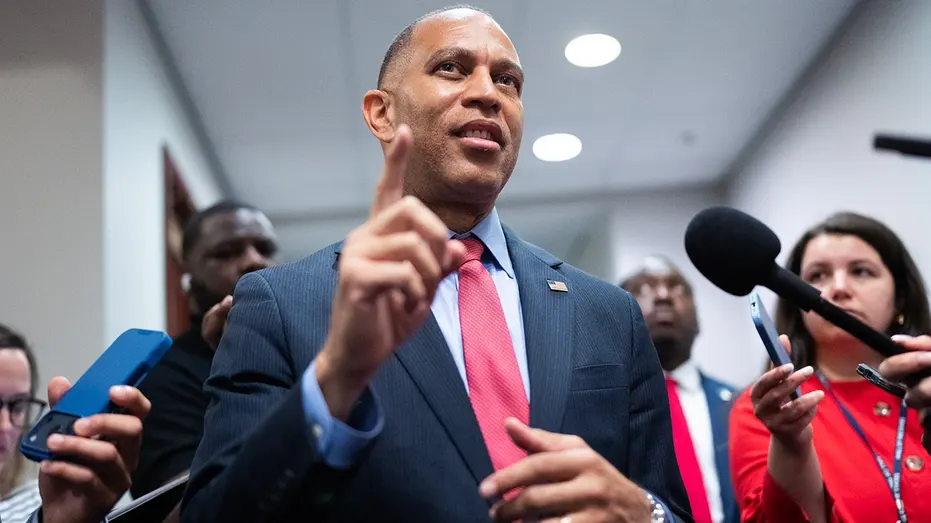
Furthermore, the internal ideological shift within the U.S. Democratic Party, as described assing traditional power structures. When established parties are perceived as being captured are more likely to seek radical alternatives. This pattern of alienation, whether in the form of a march in Buenos Aires or a shift in American primary politics, illustrates a common frustration with the status quo that transcends borders.
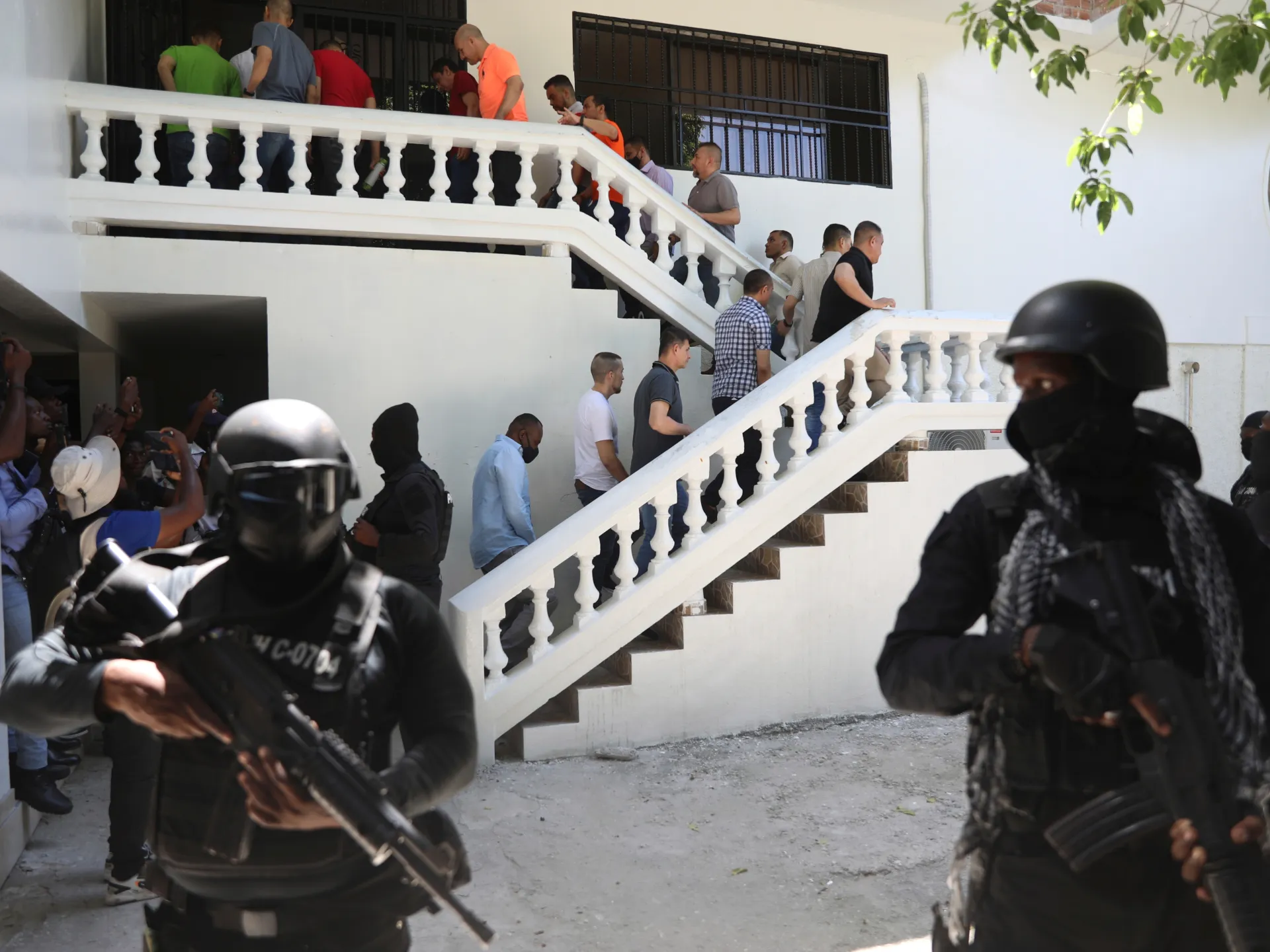
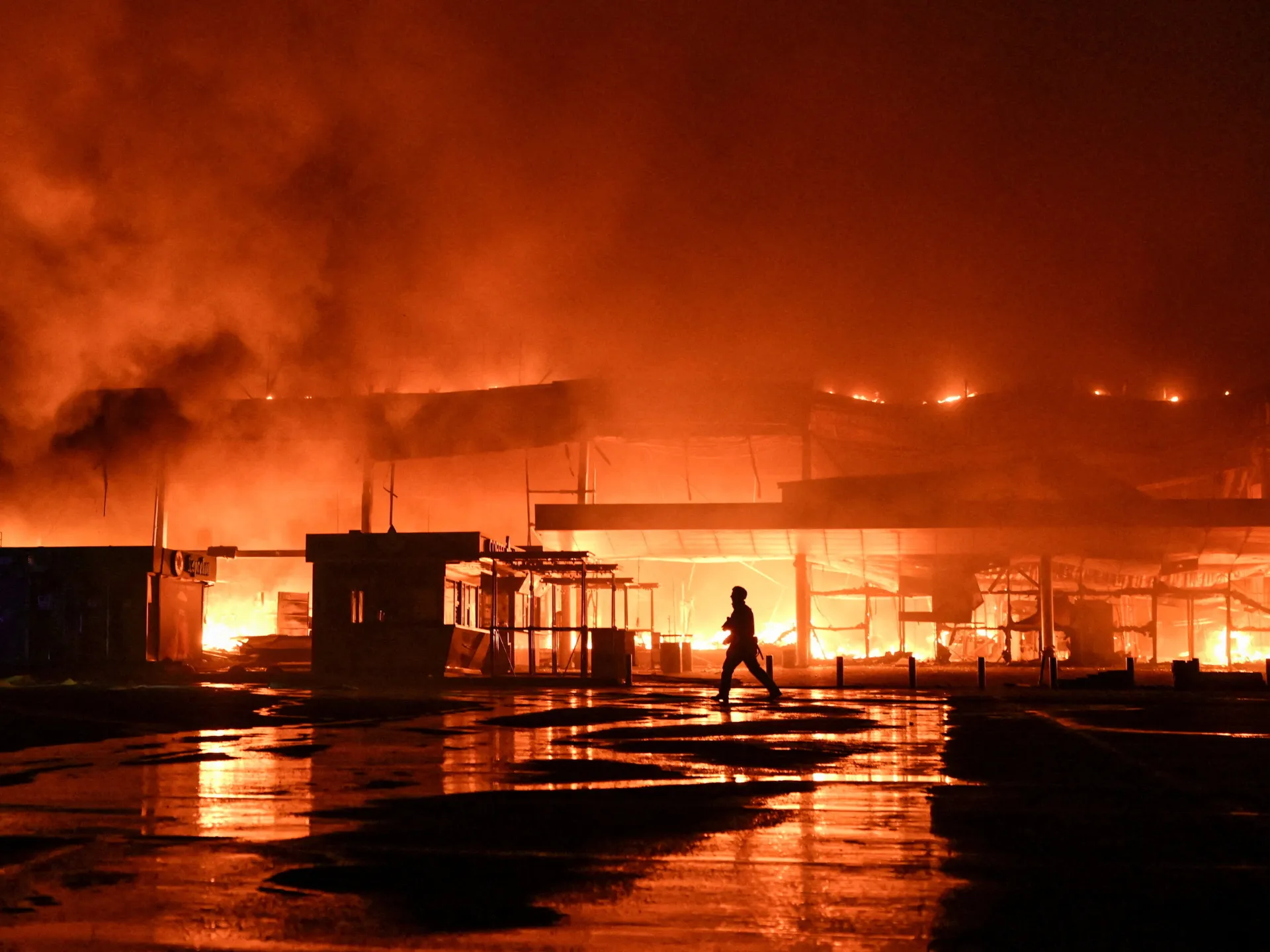
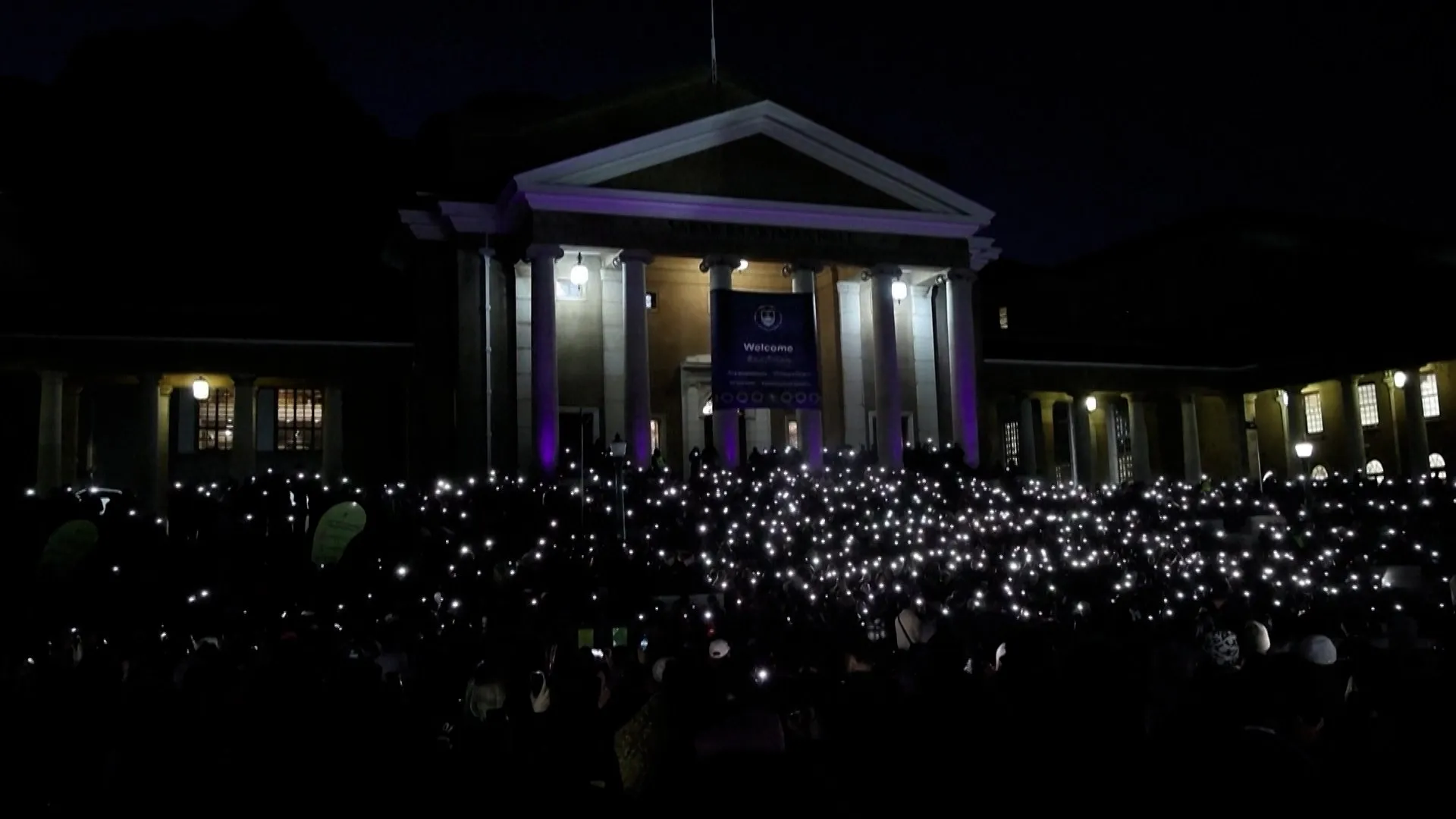
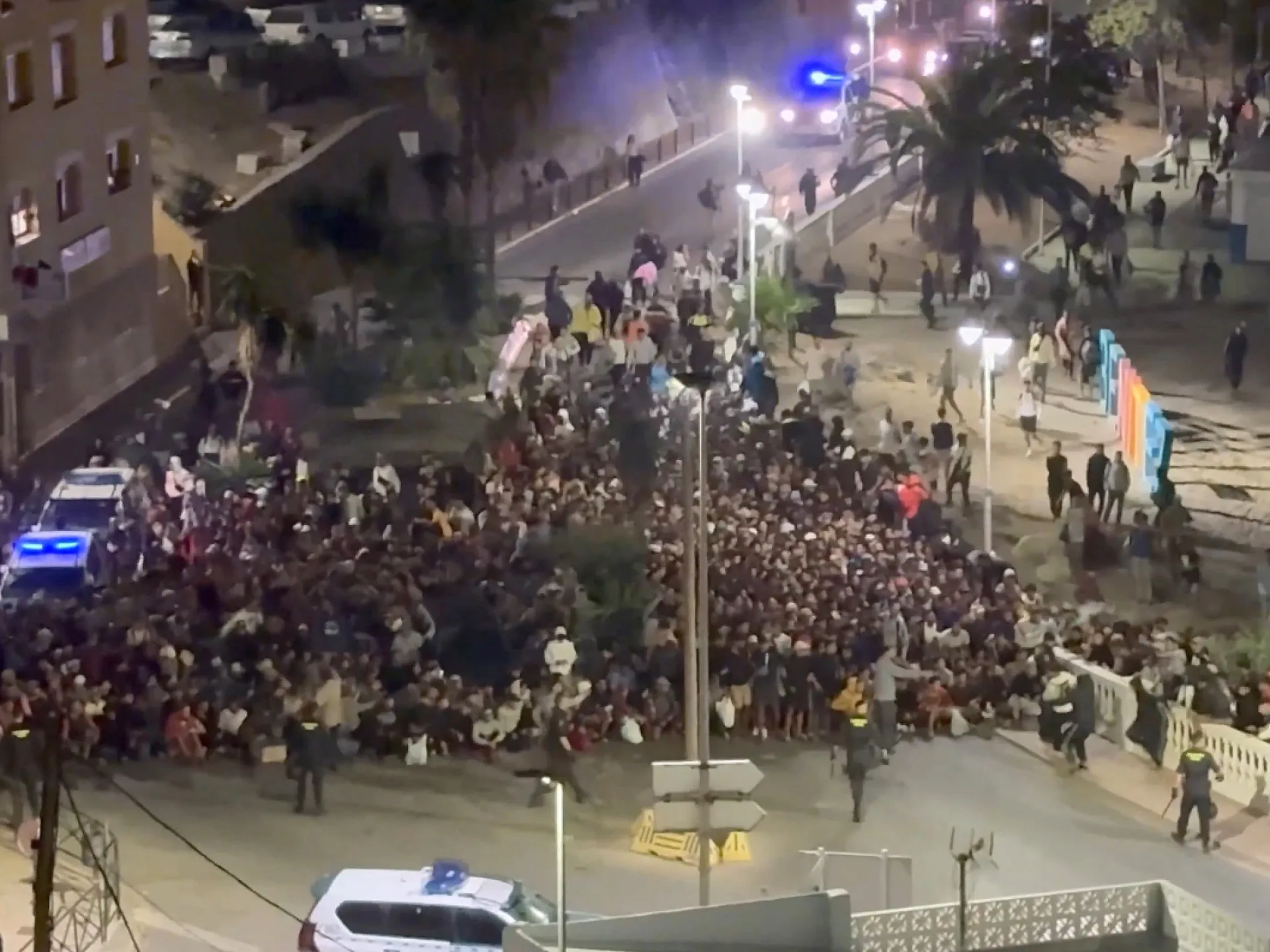
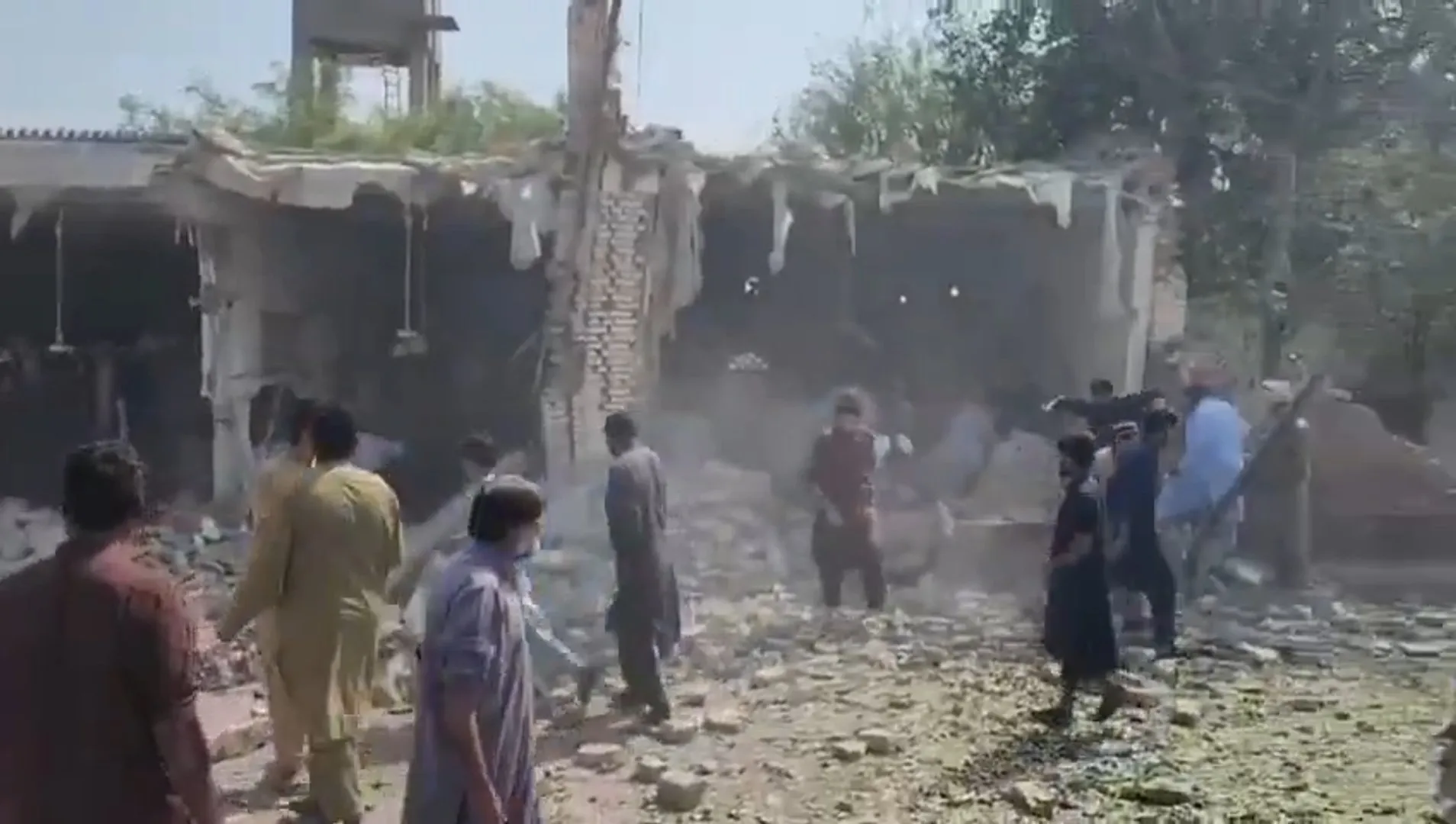
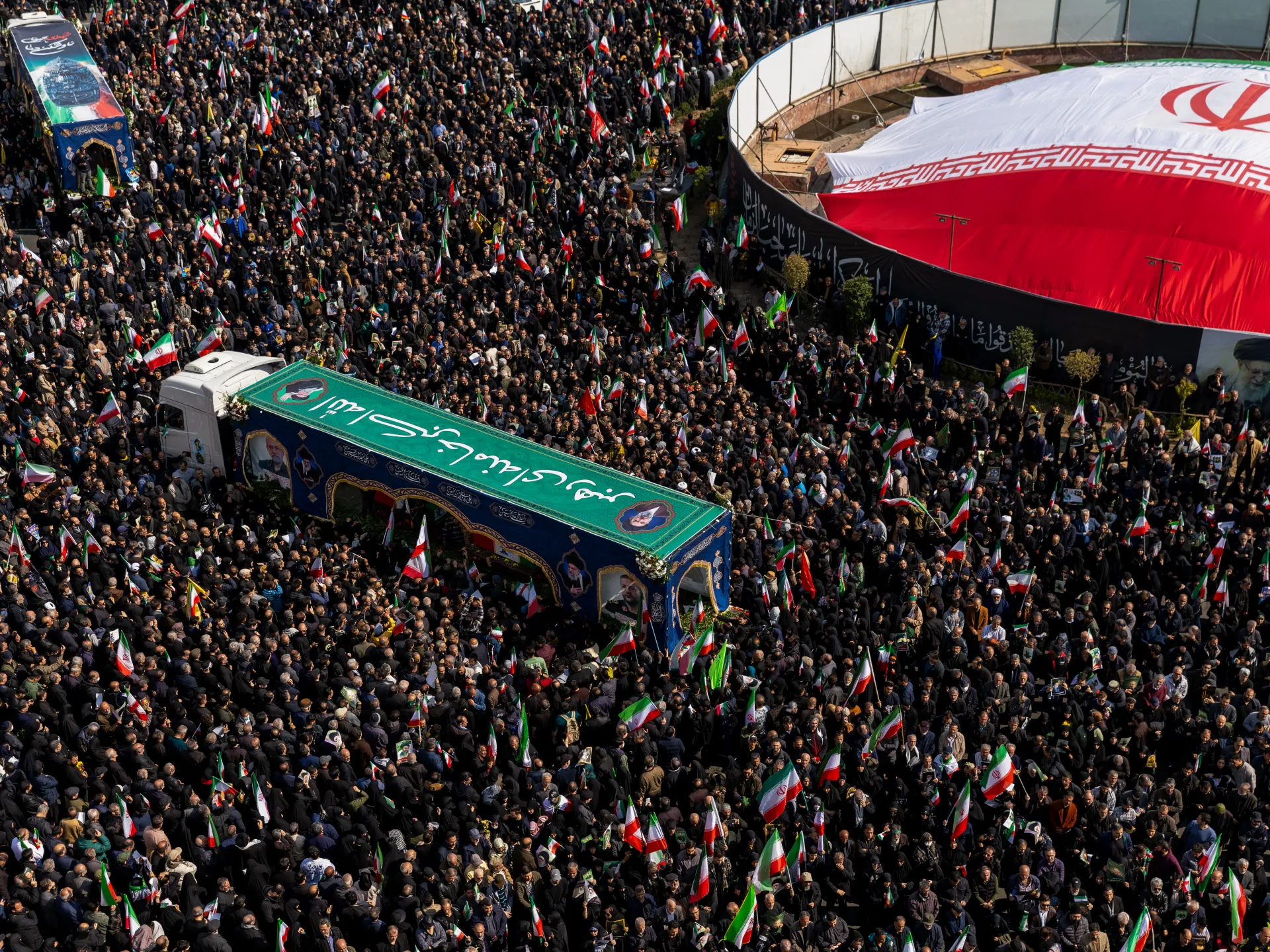
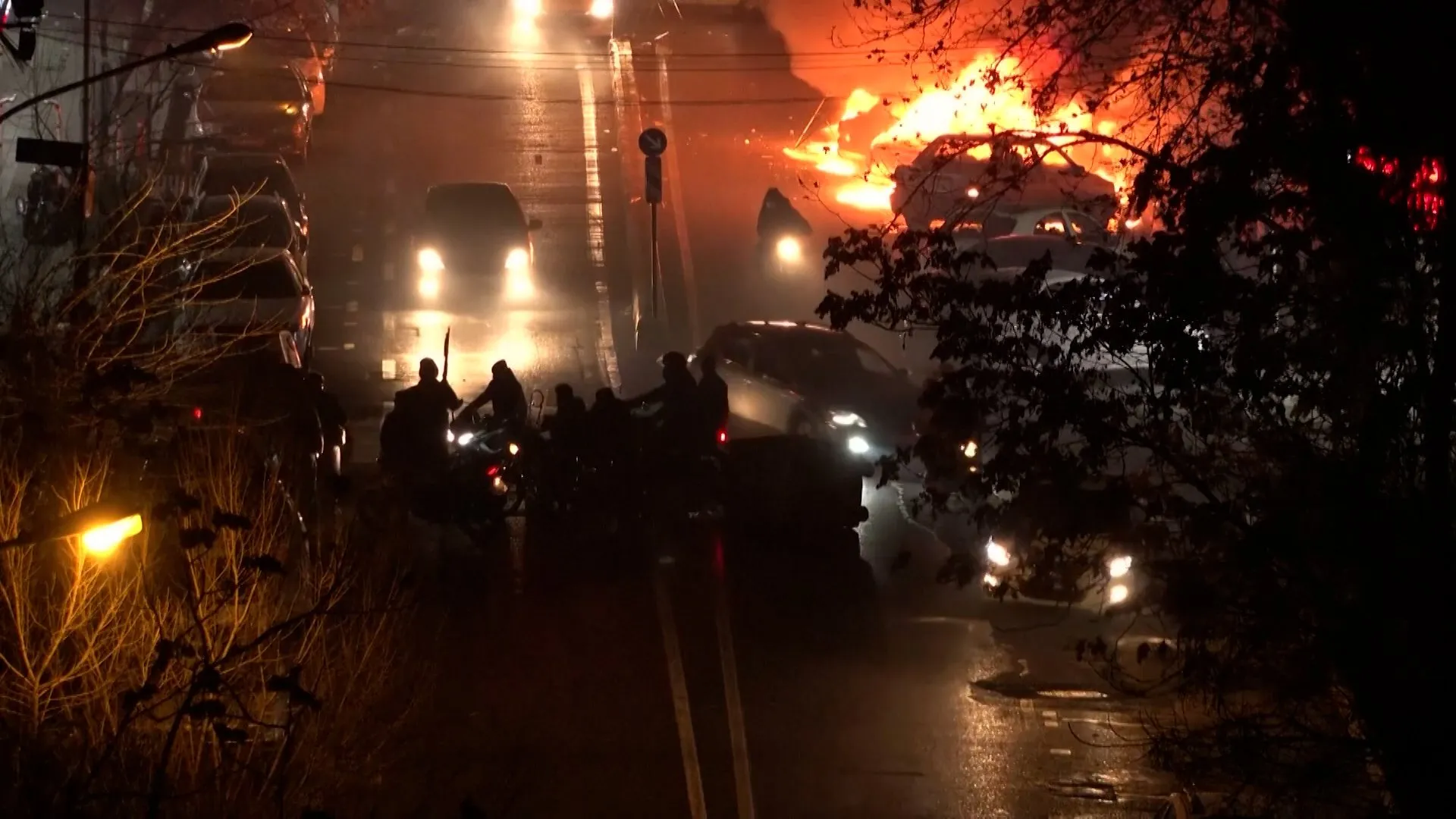
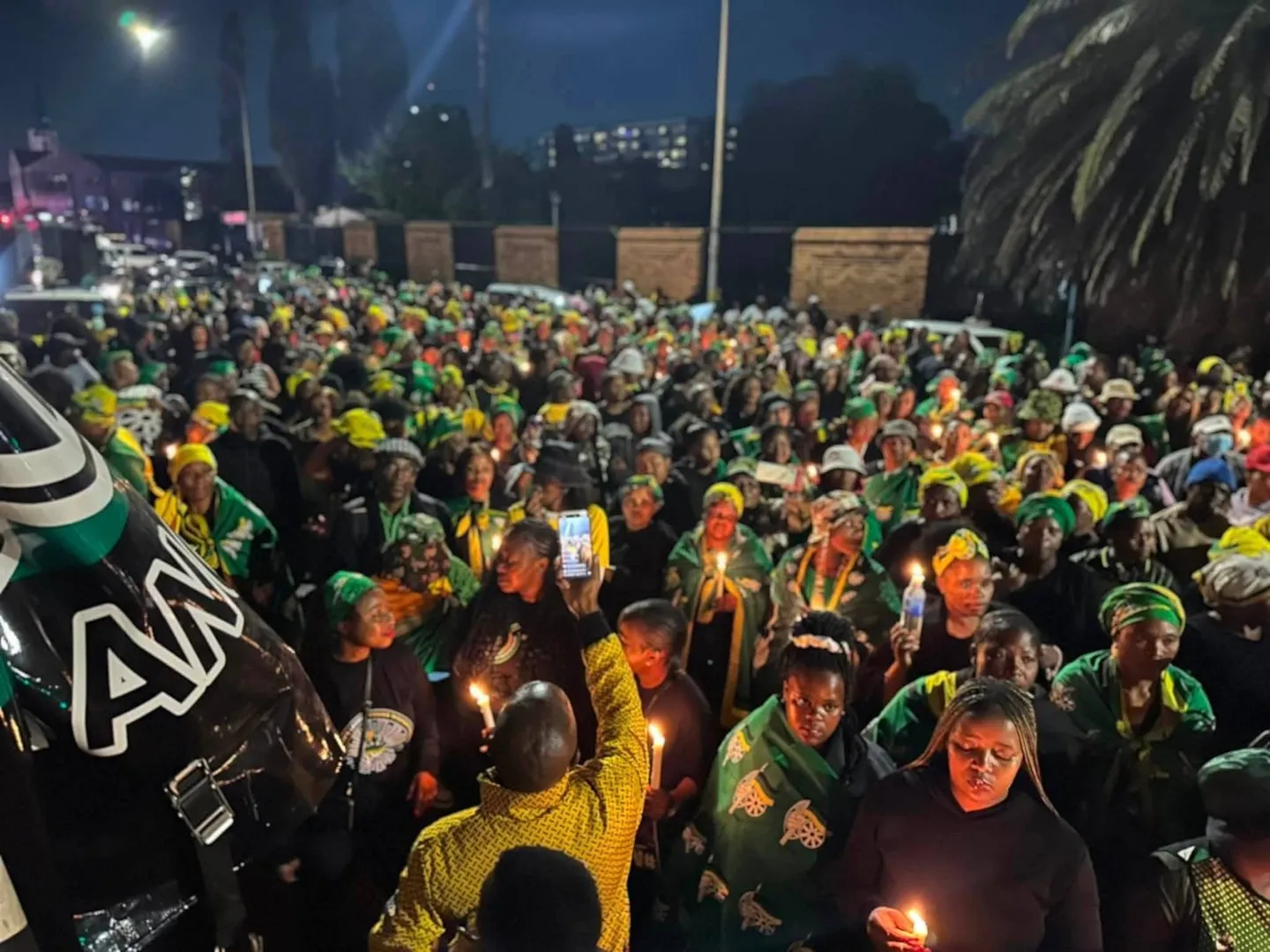
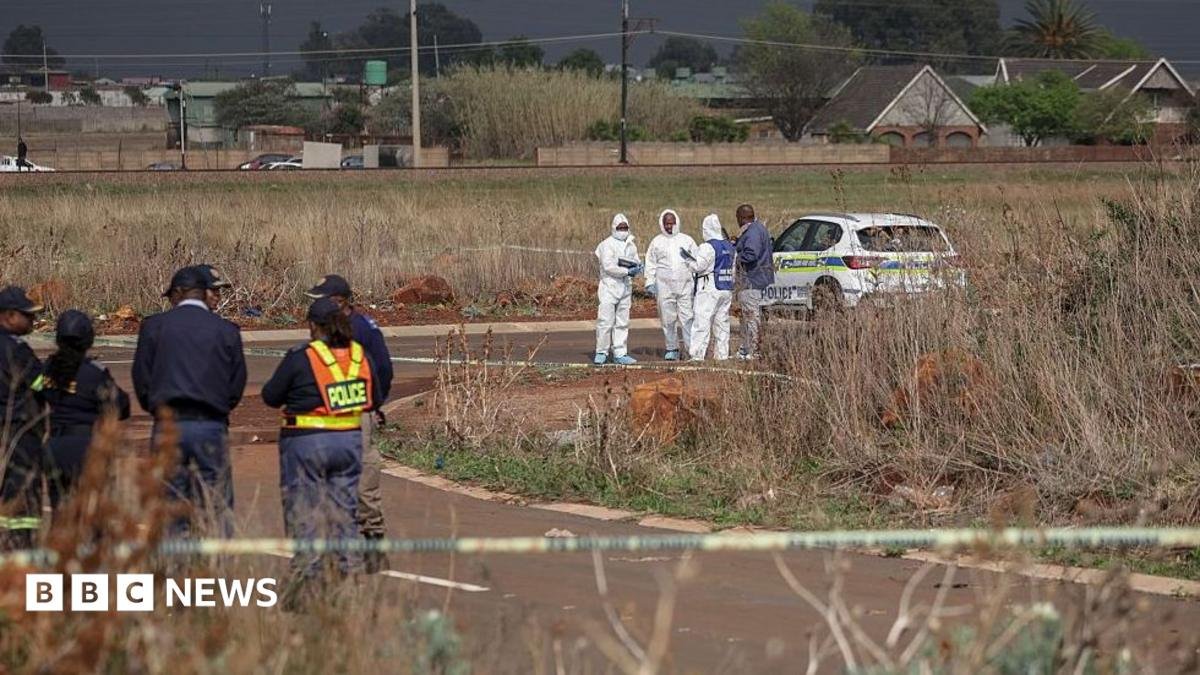
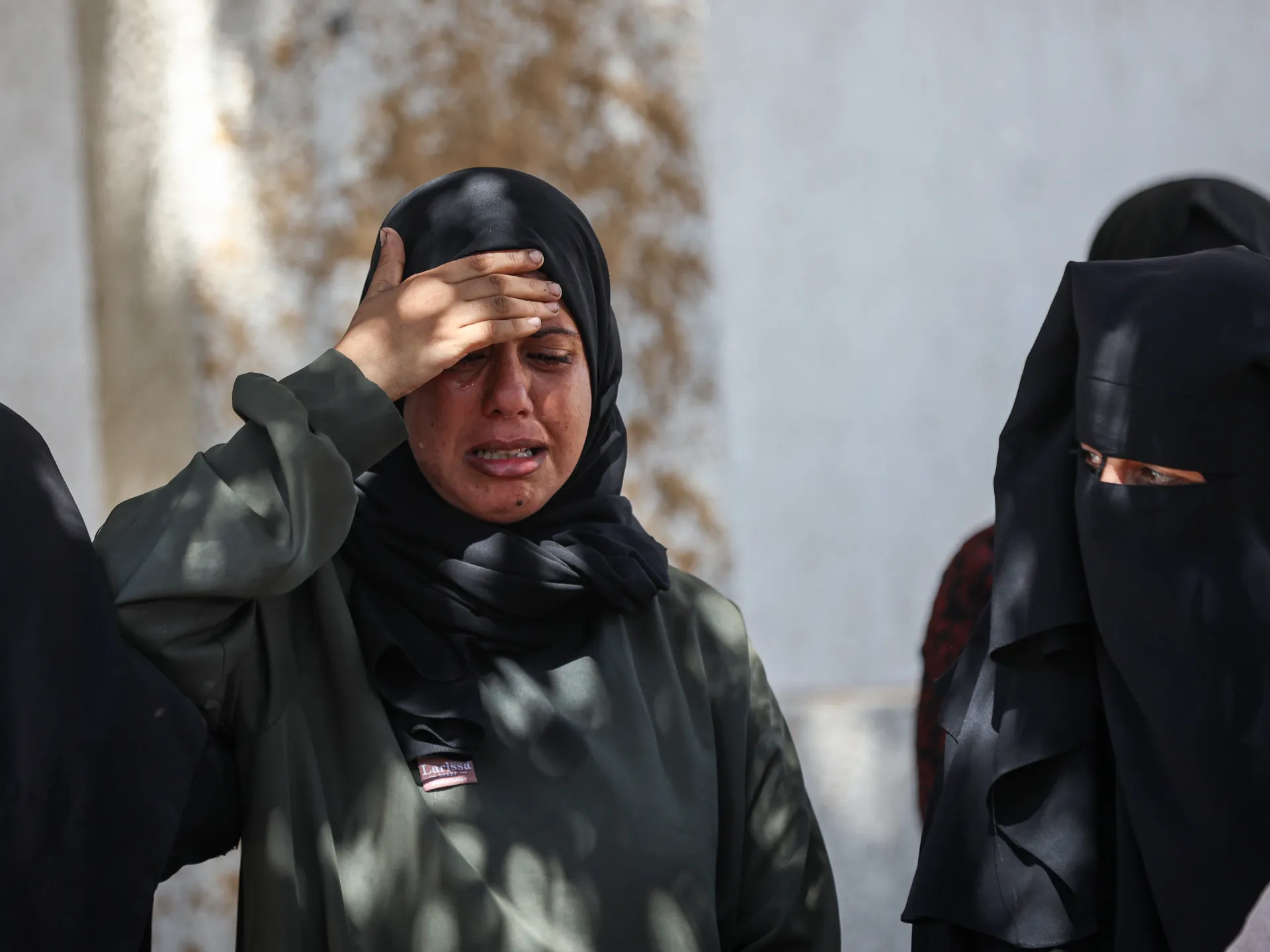
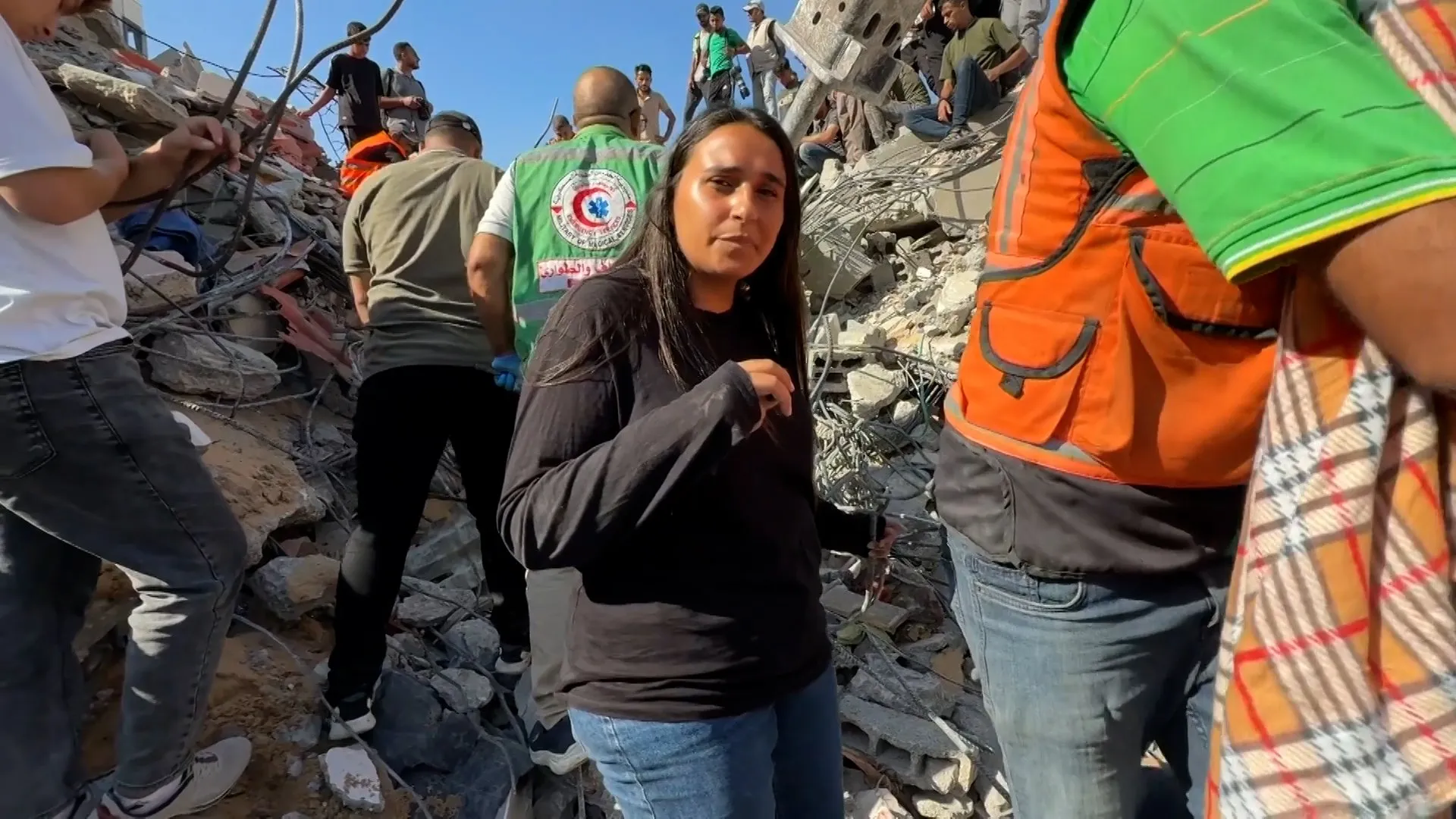
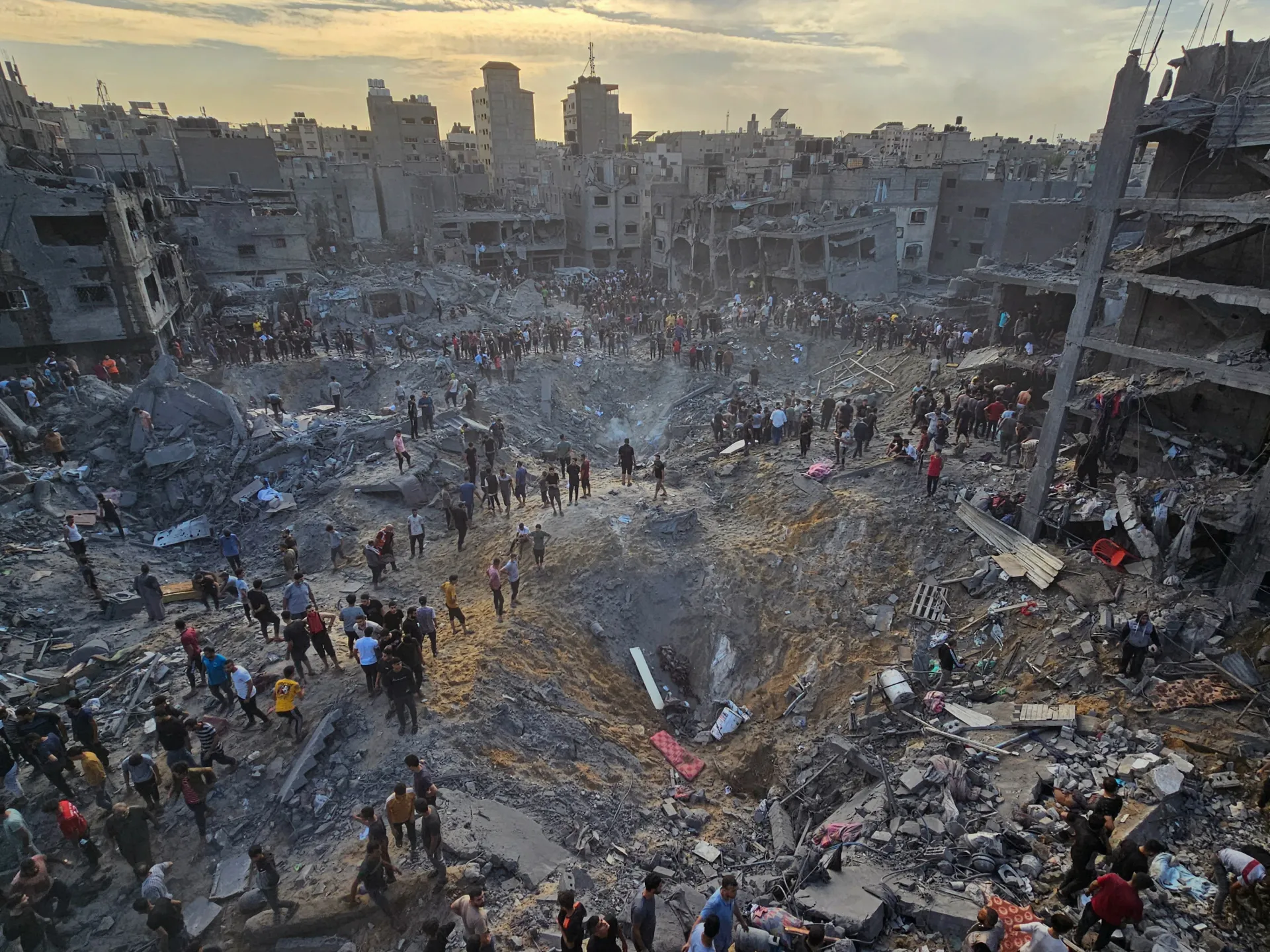
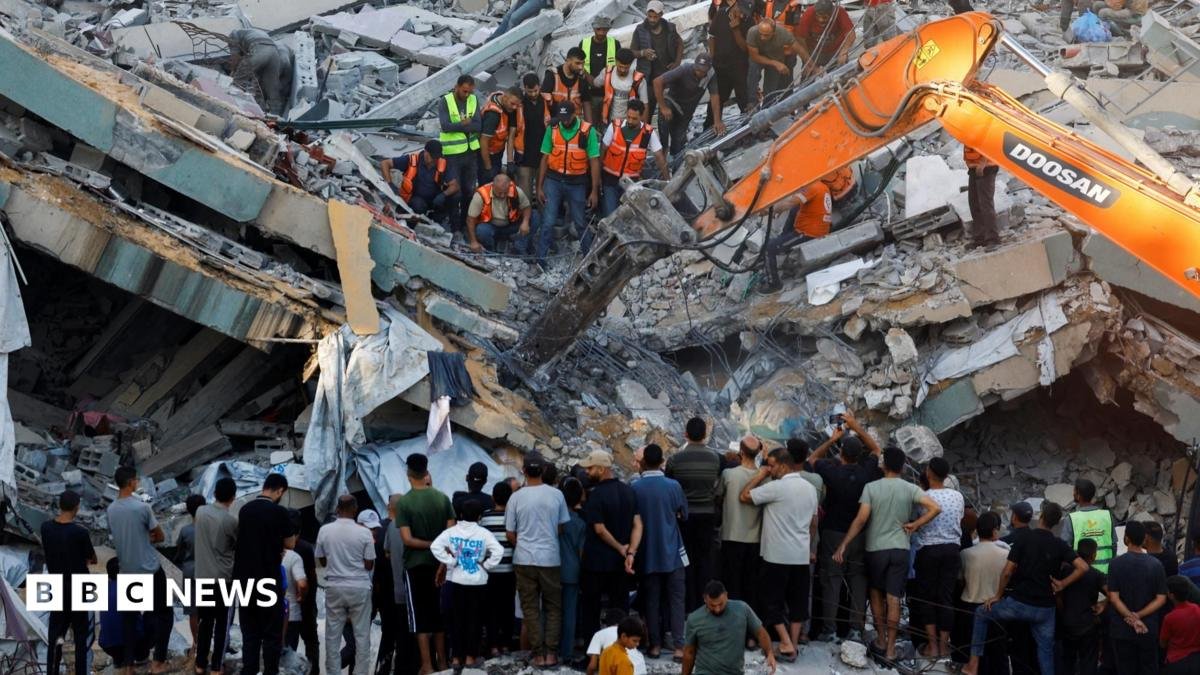
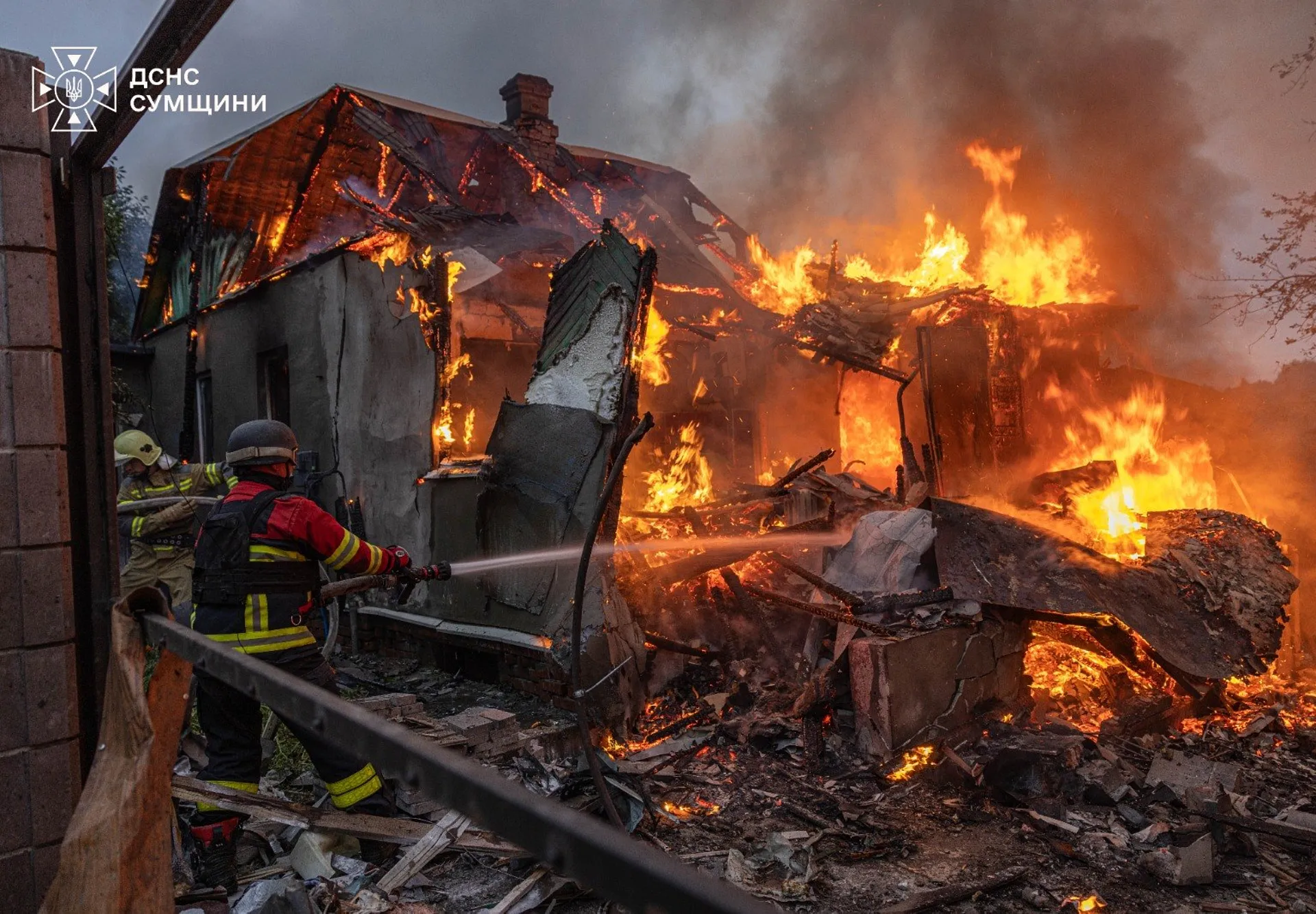
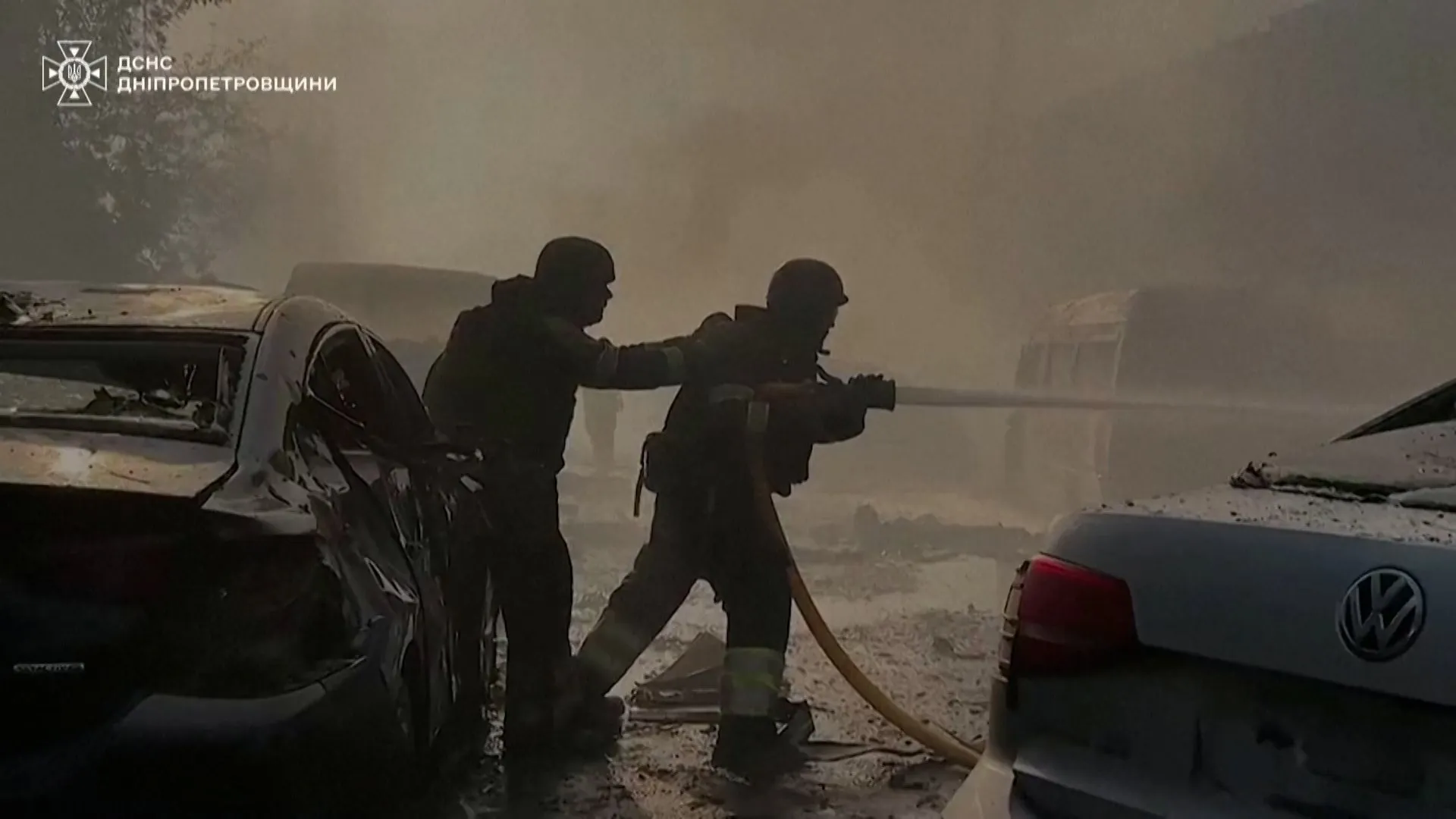
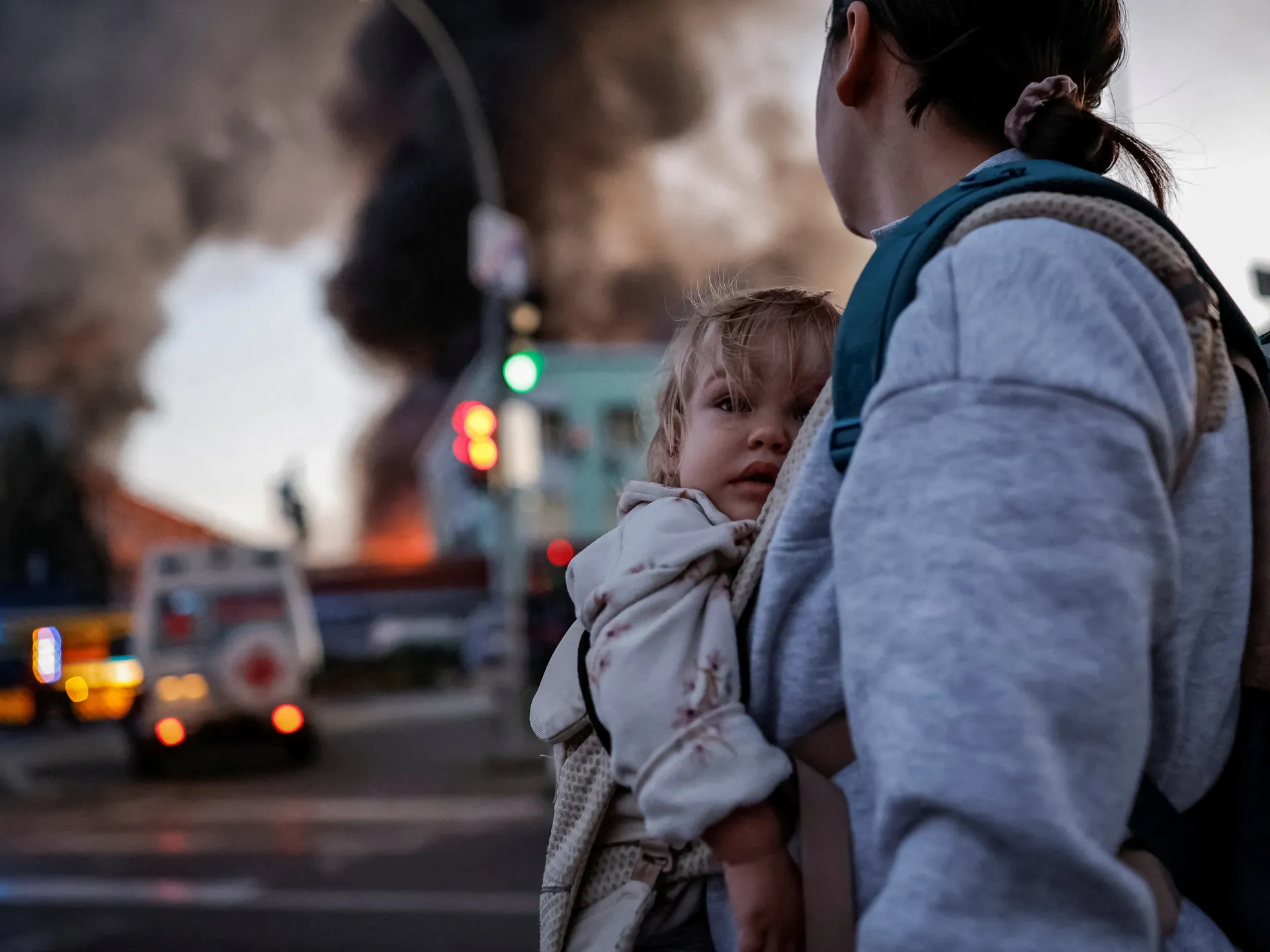
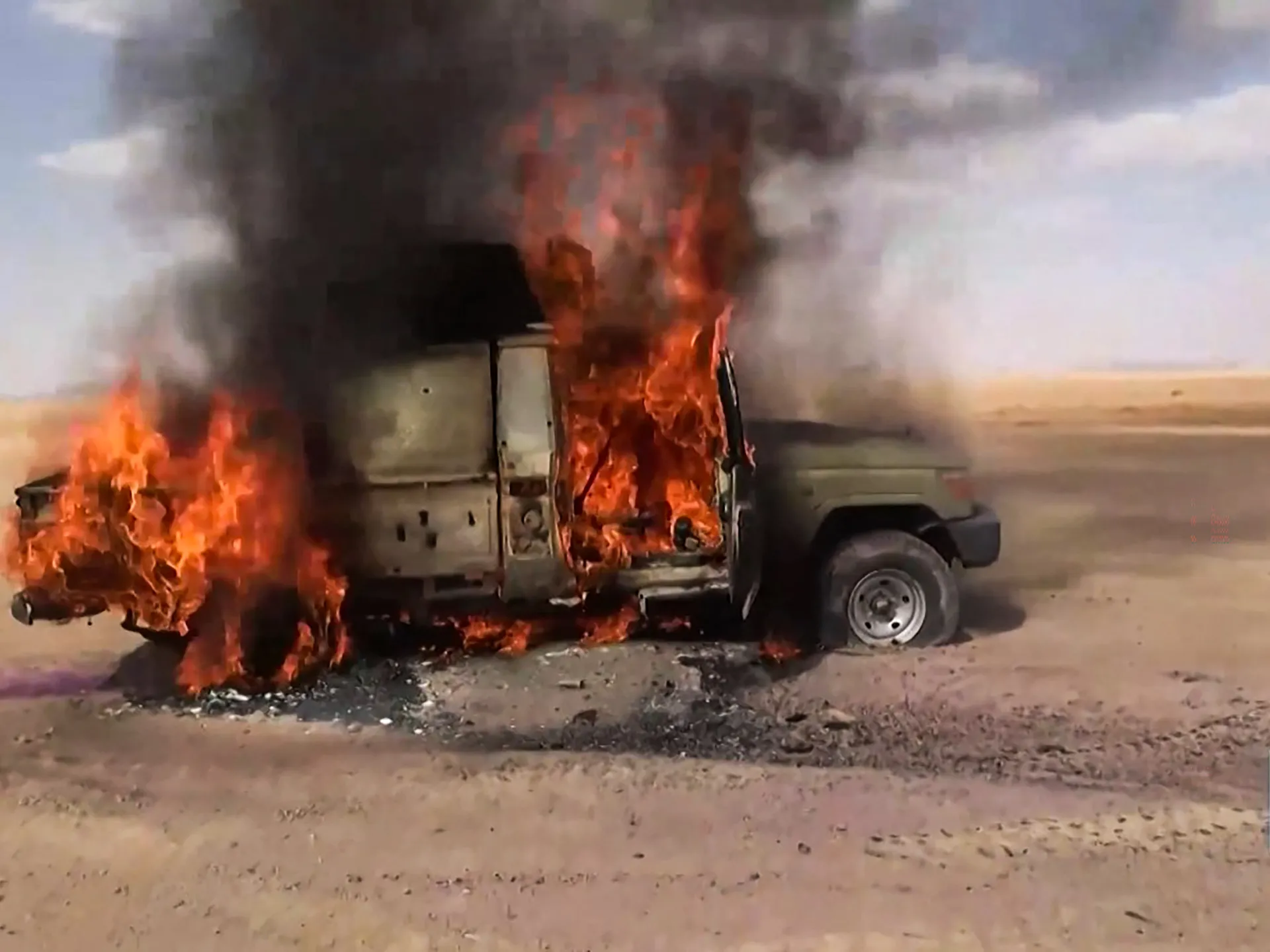
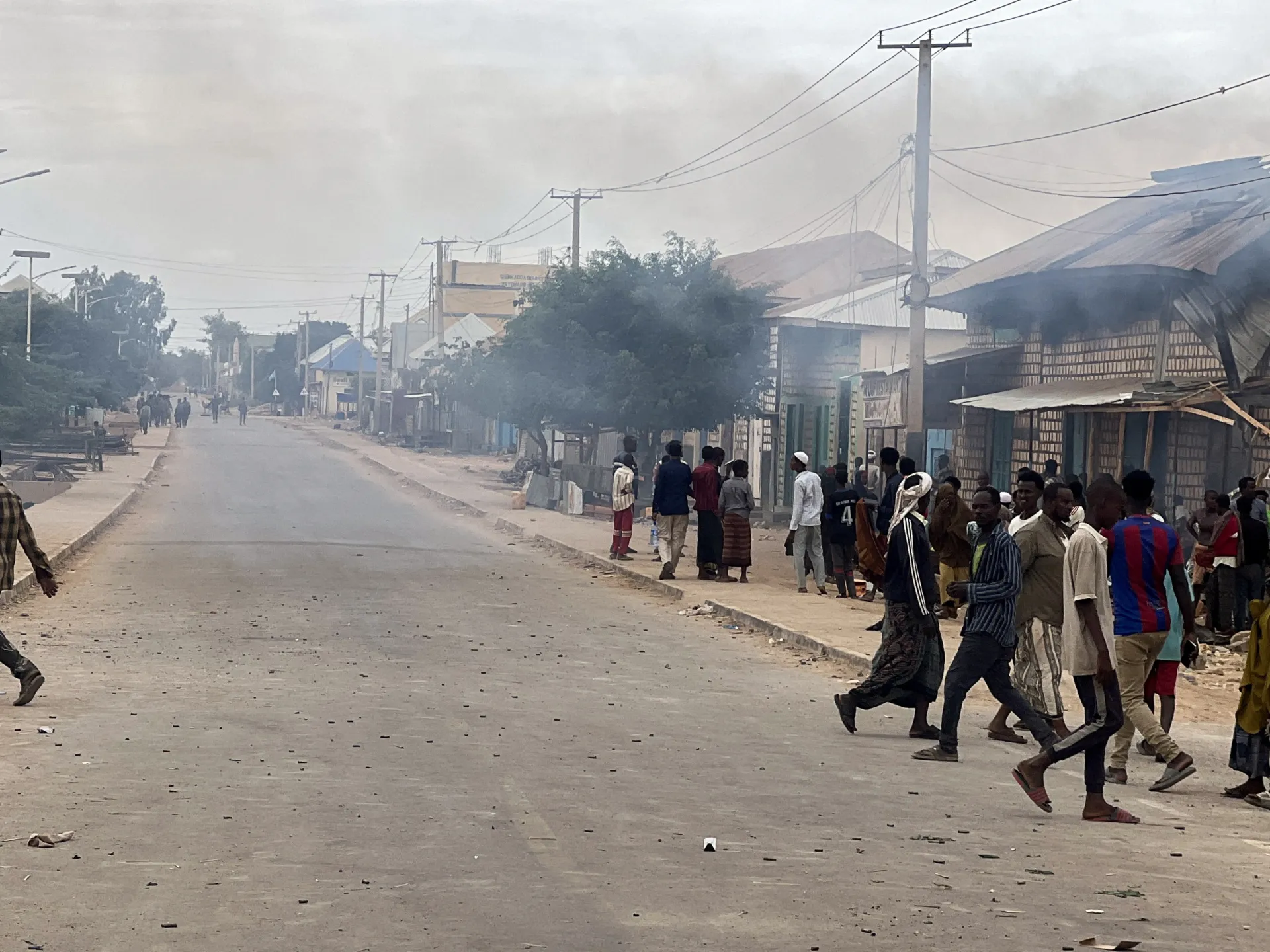
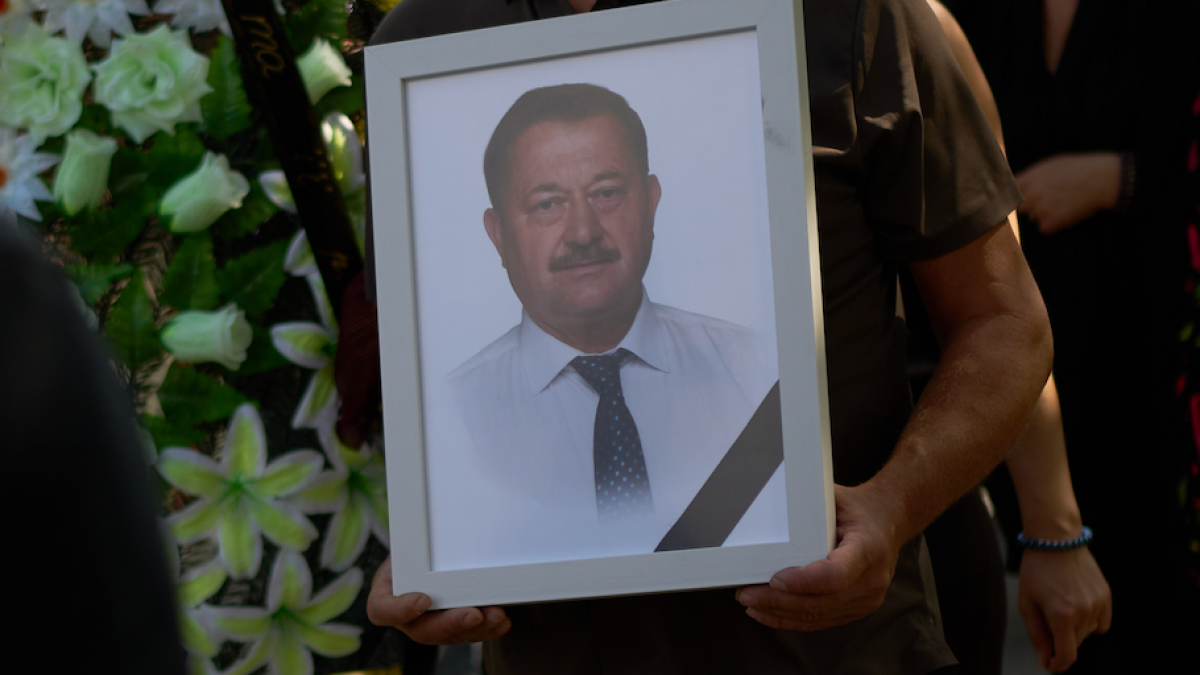
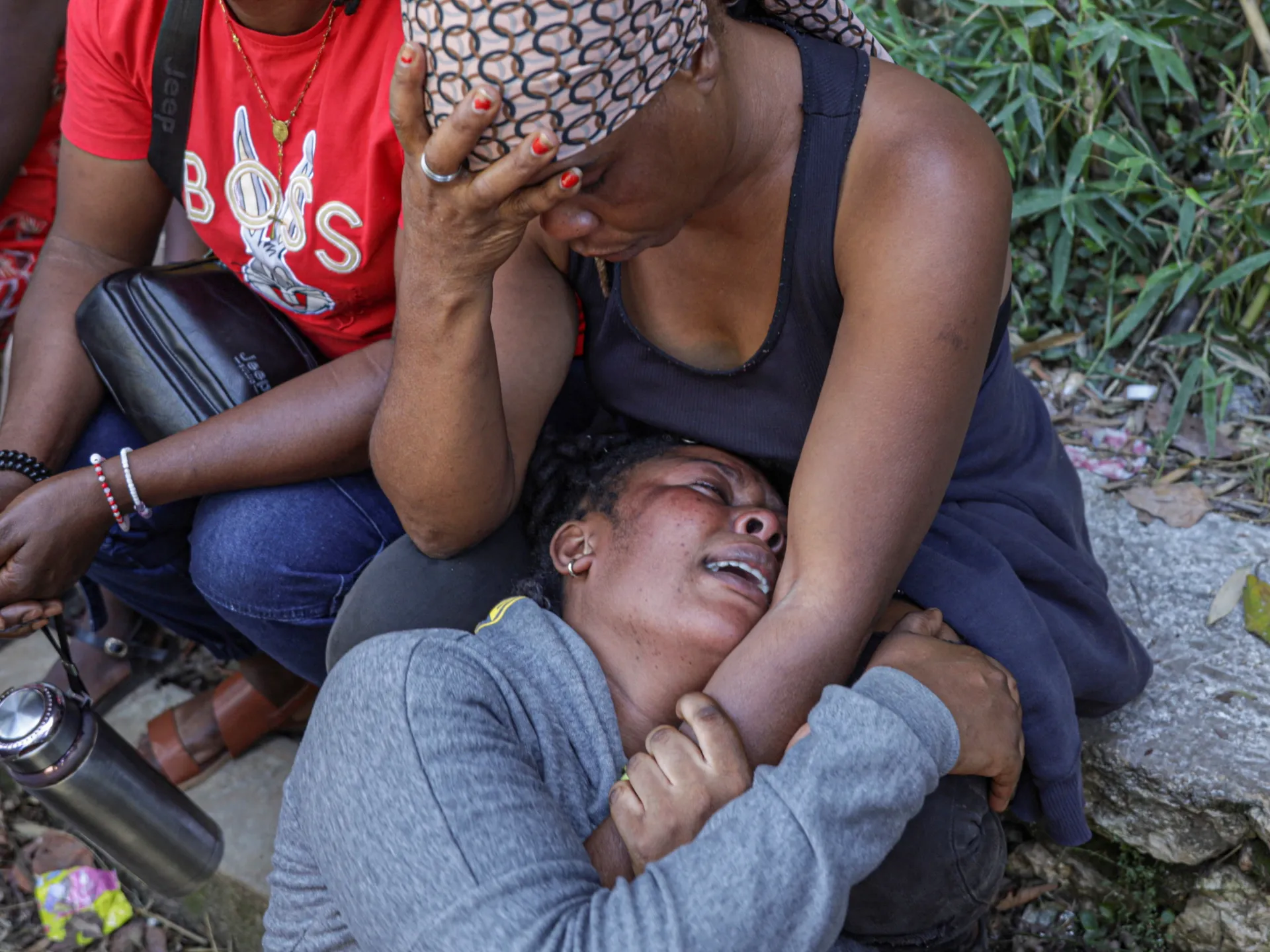
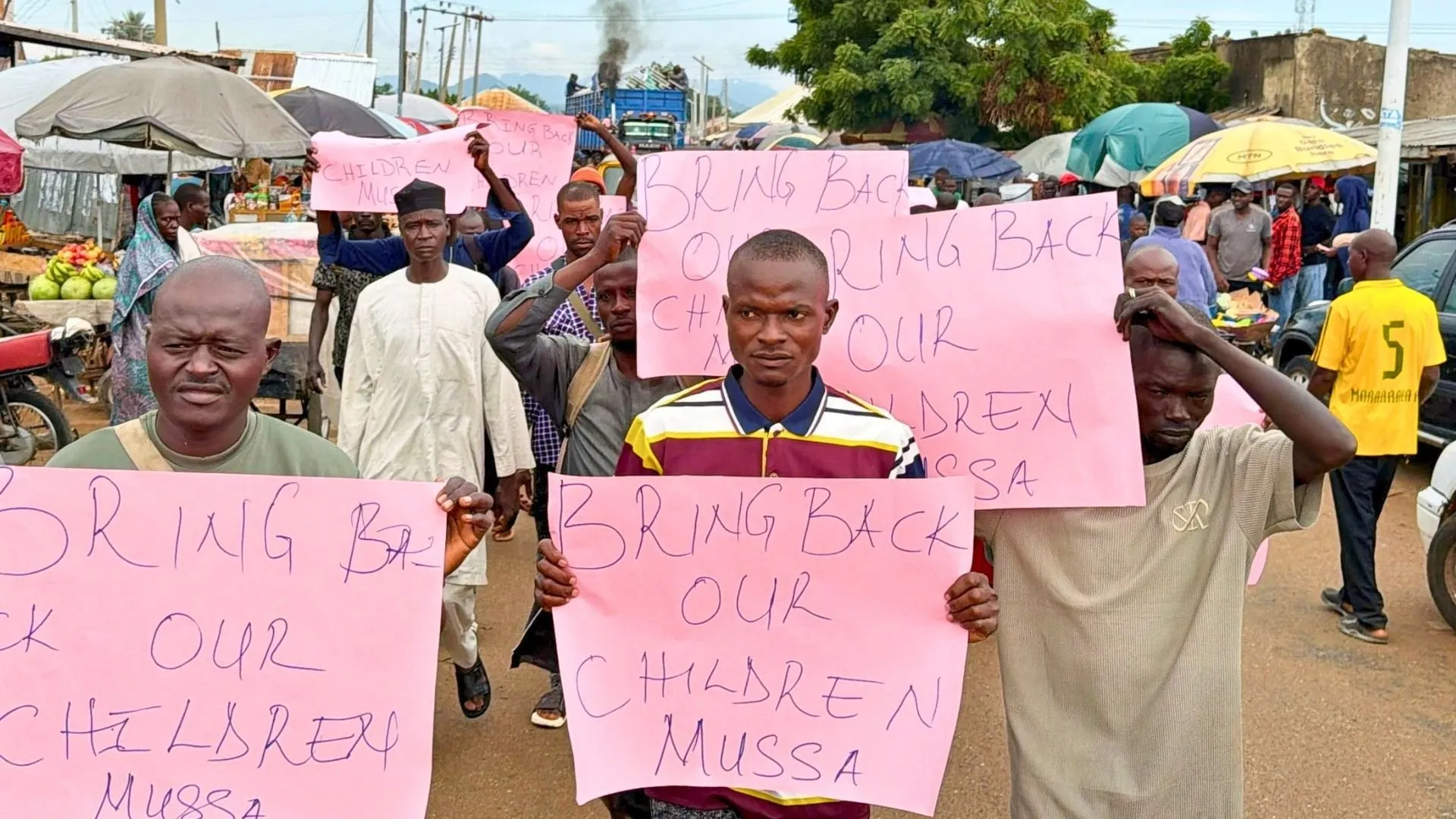
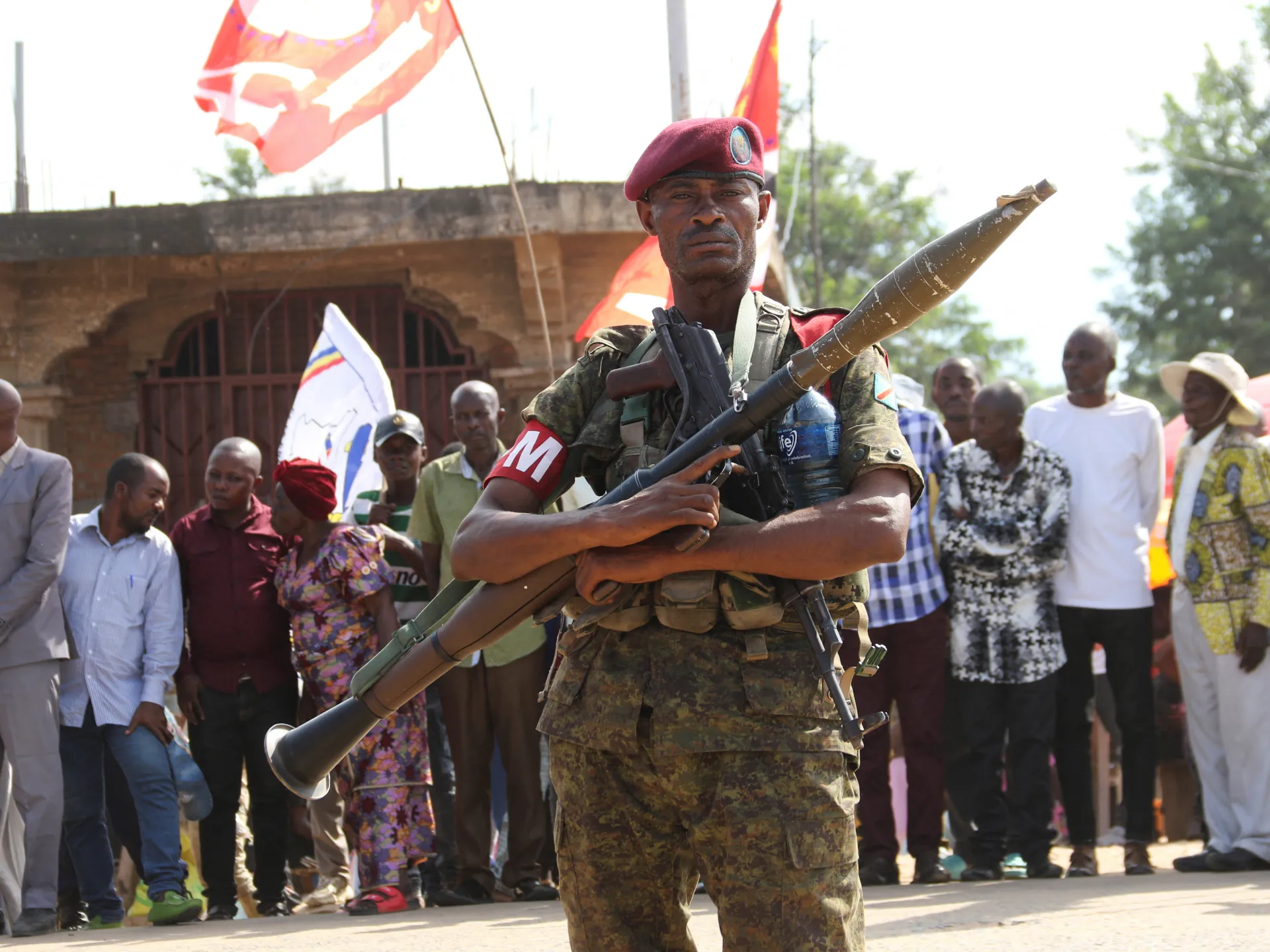
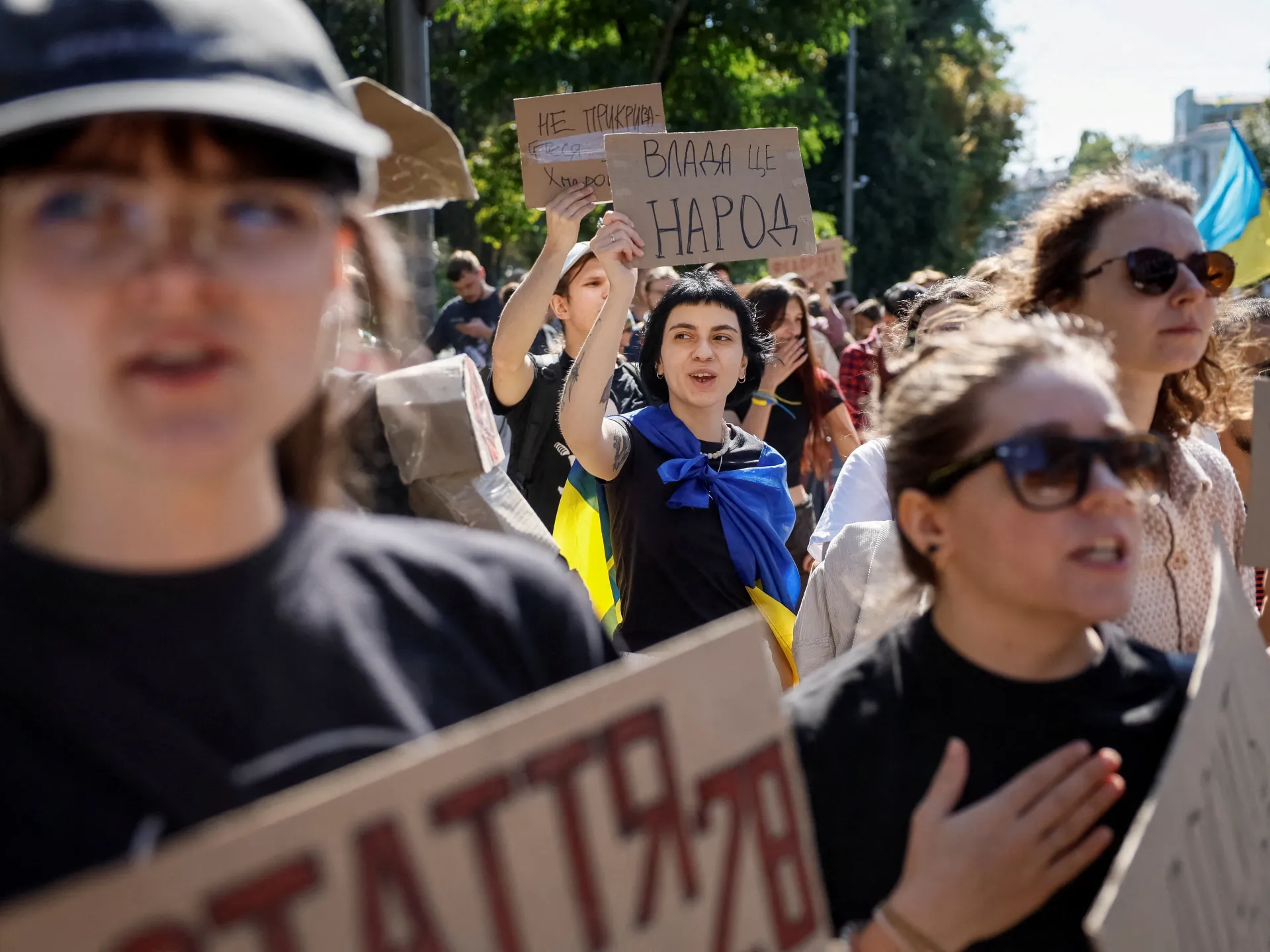
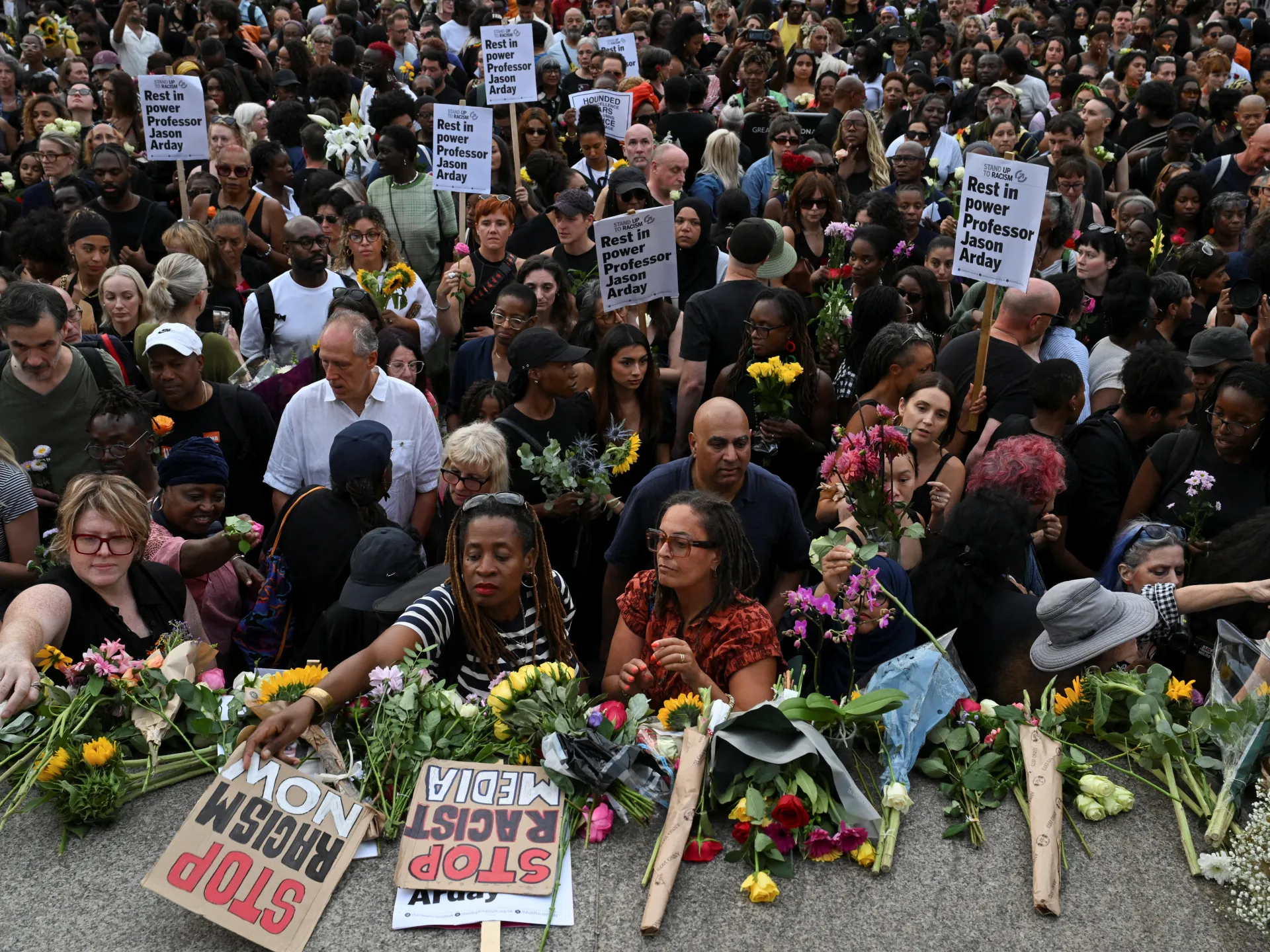
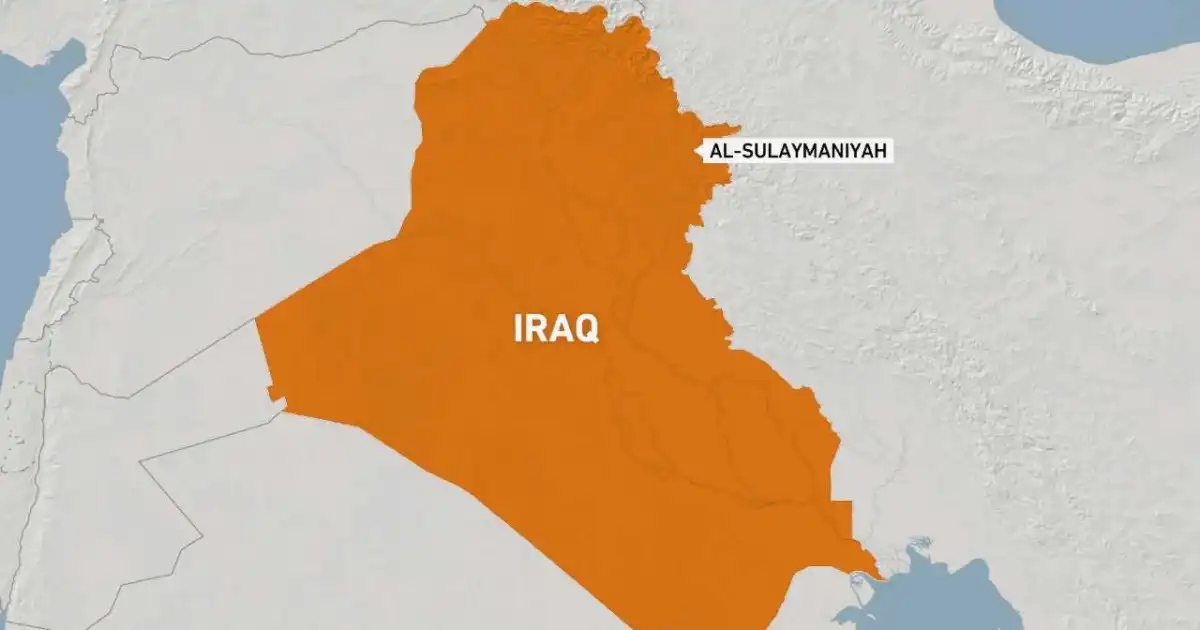
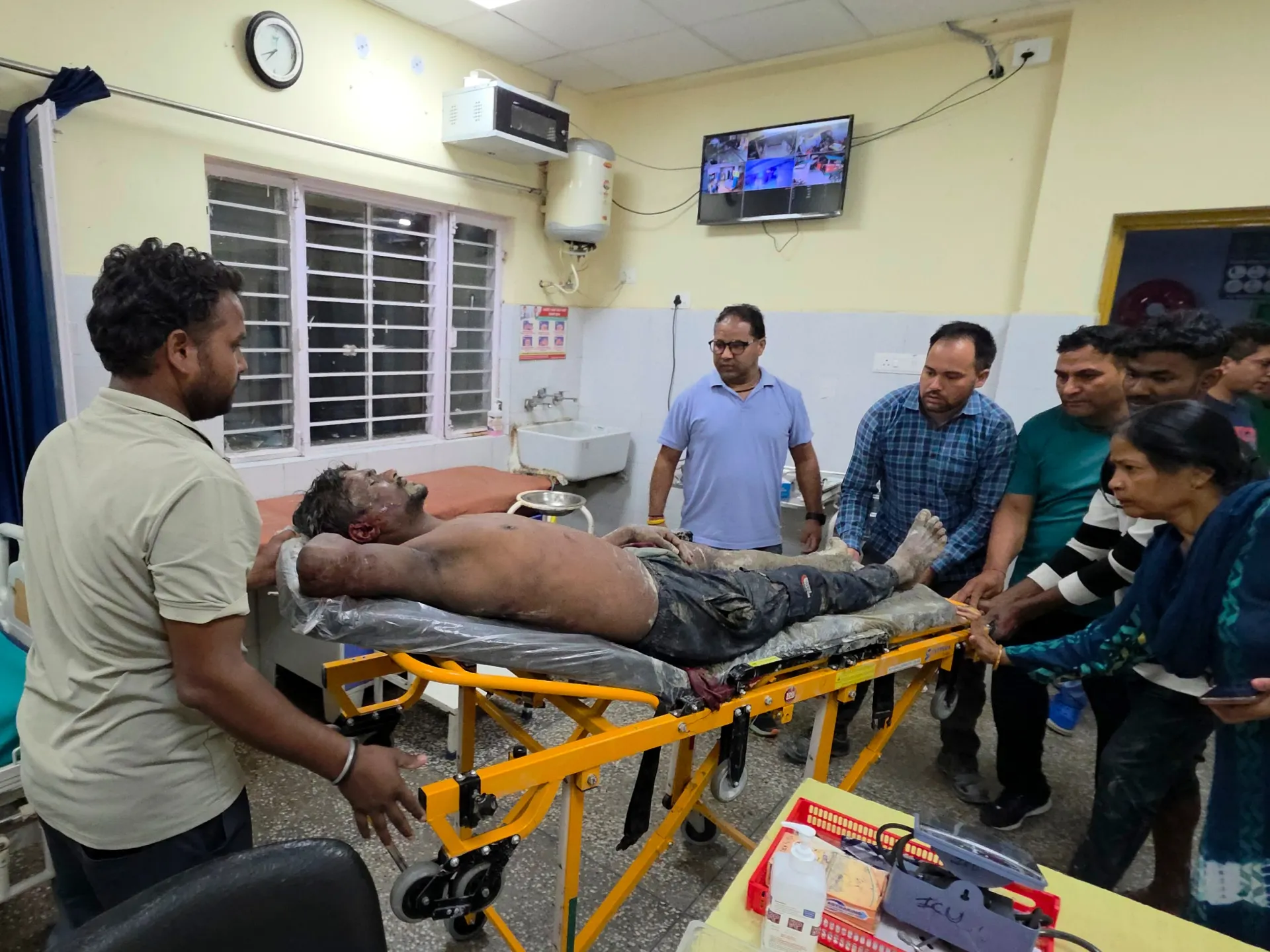
In Mexico, the recent mass demonstrations in Culiacán were marked isappeared. This organized response was bolstered ses shuttered since the internecine conflict between the "Los Chapitos" and "La Mayiza" factions began. The violence, which includes public executions and the targeting of minors, has rendered everyday life in Sinaloa a volatile experience. Adding to the friction is the federal government’s own perceived integrity; with accusations of corruption reaching the state’s gubernatorial level, citizens are operating in a vacuum of trust.
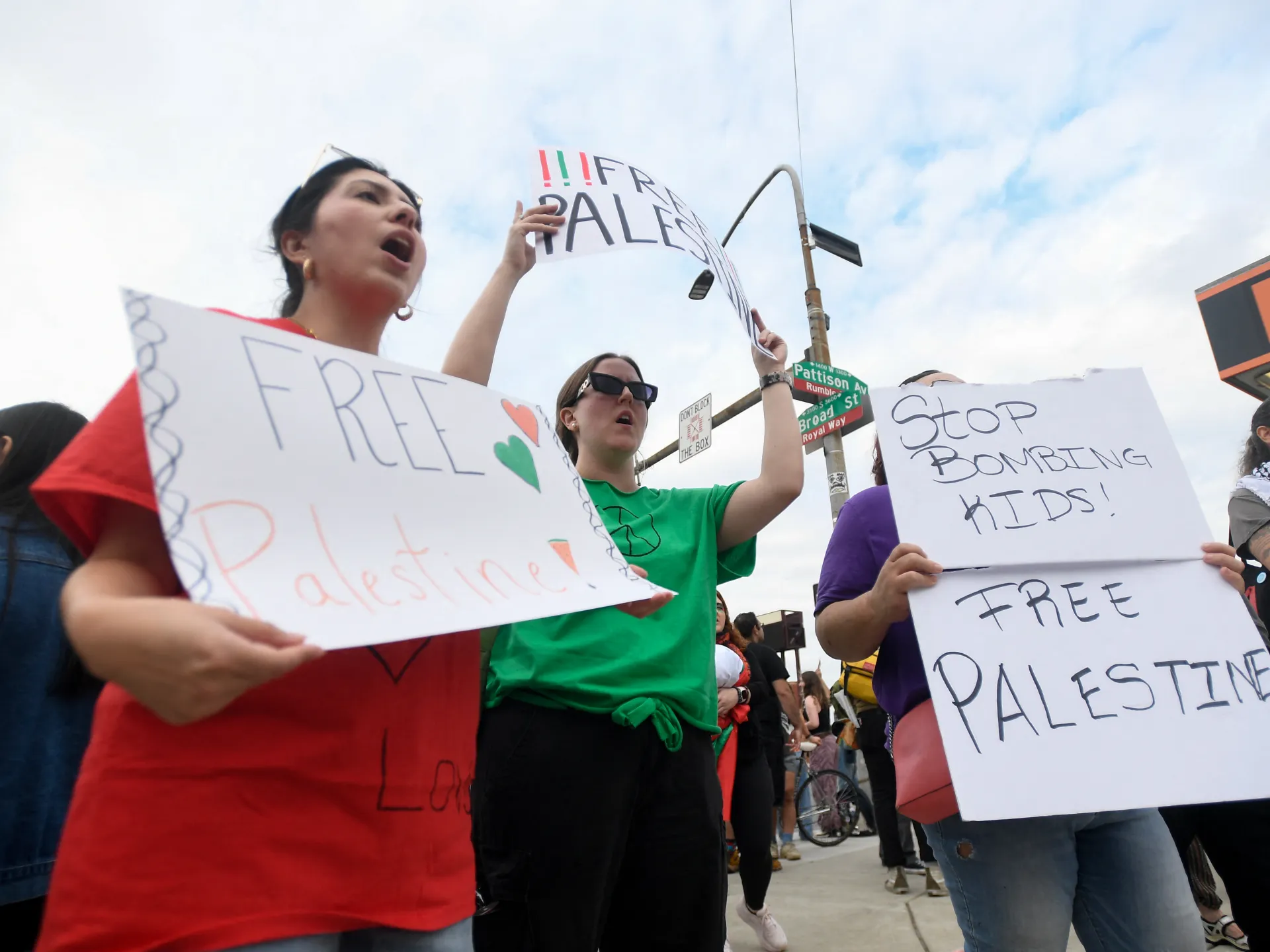
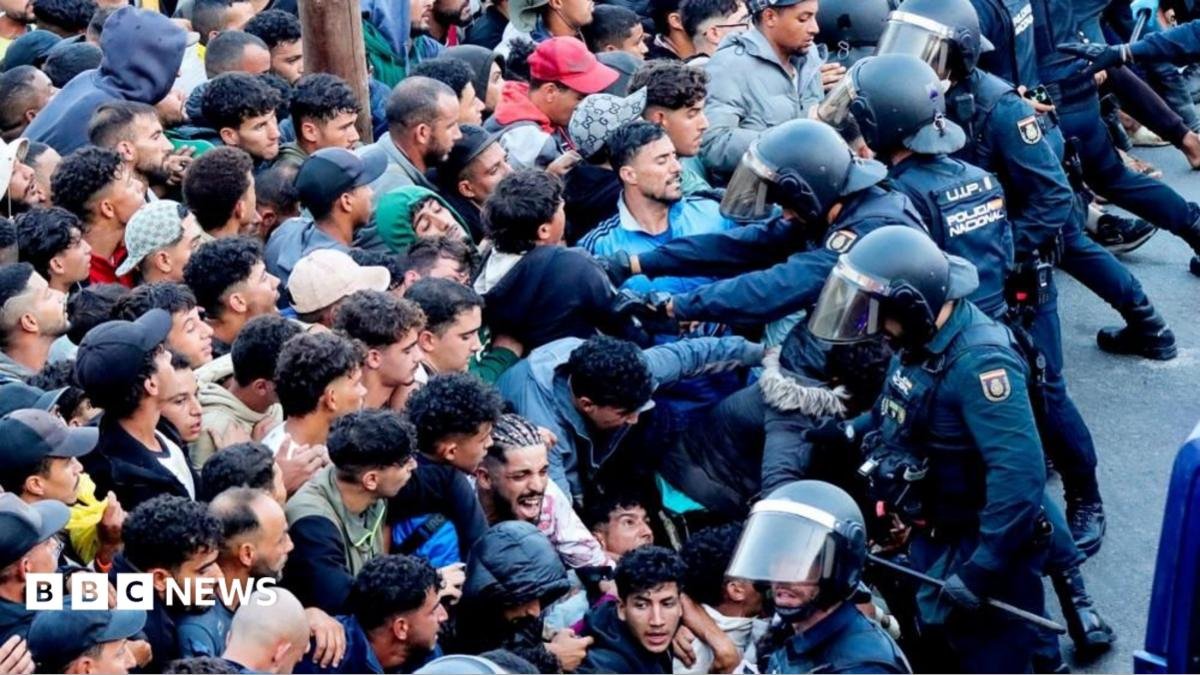
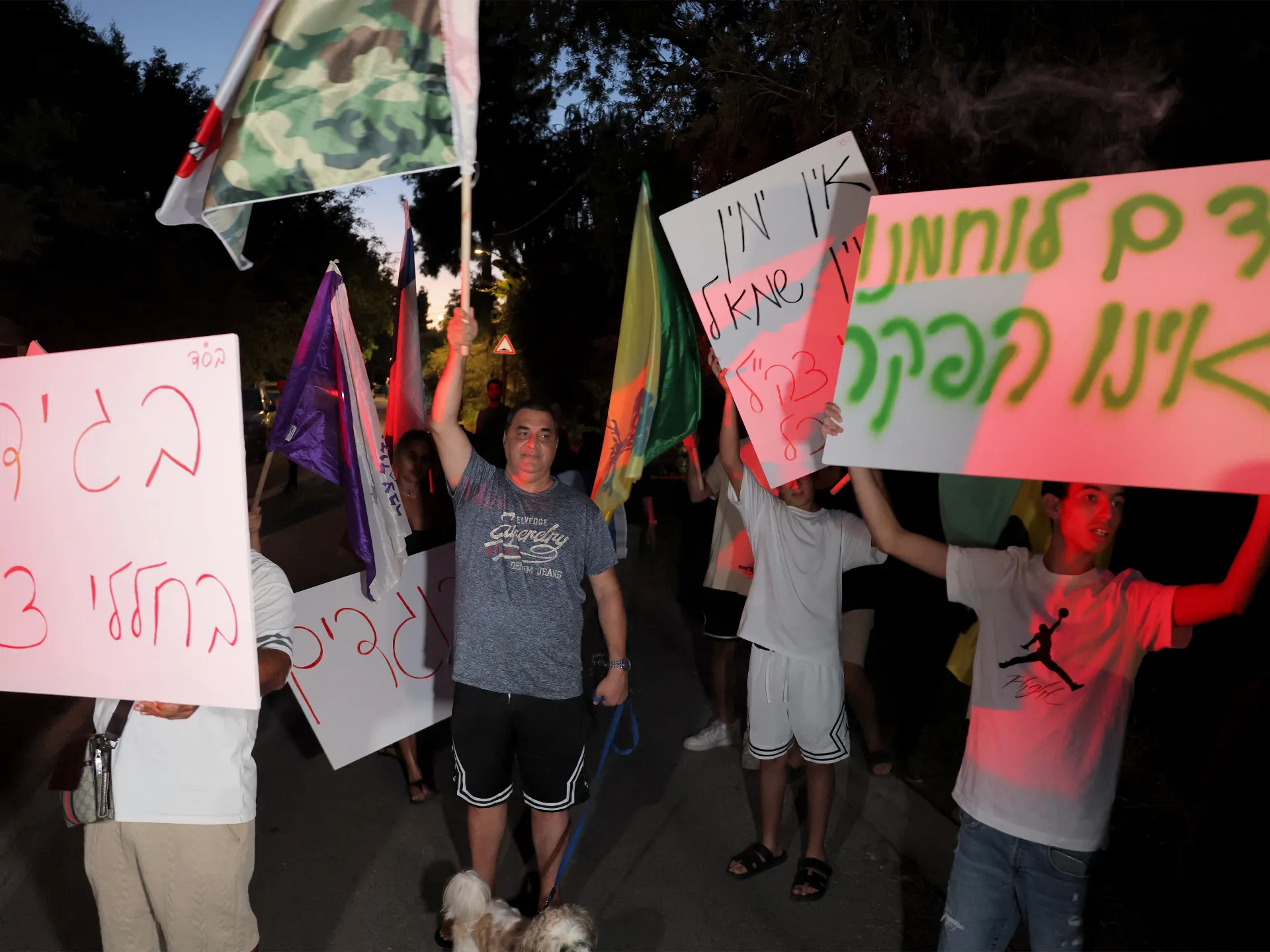
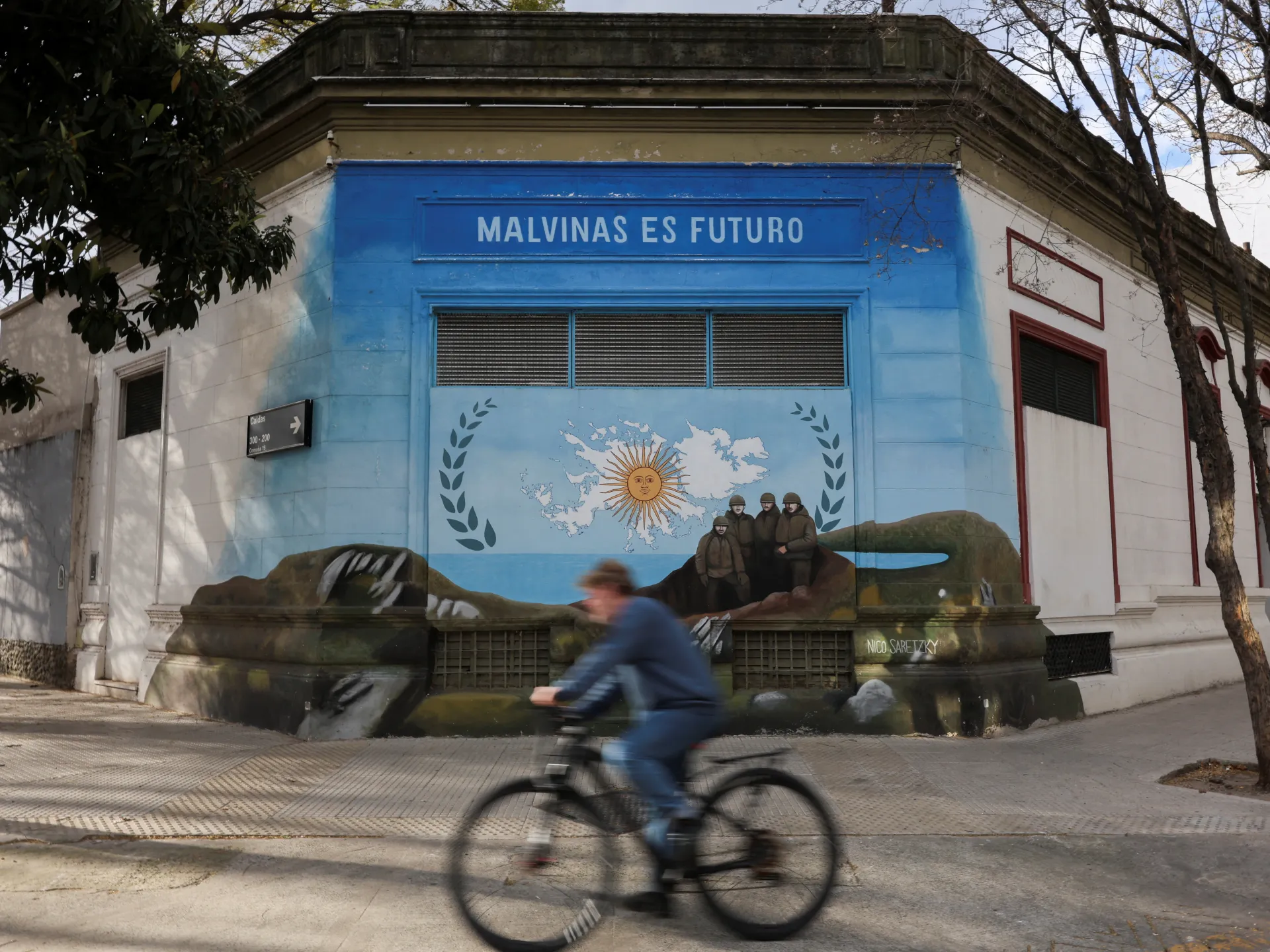
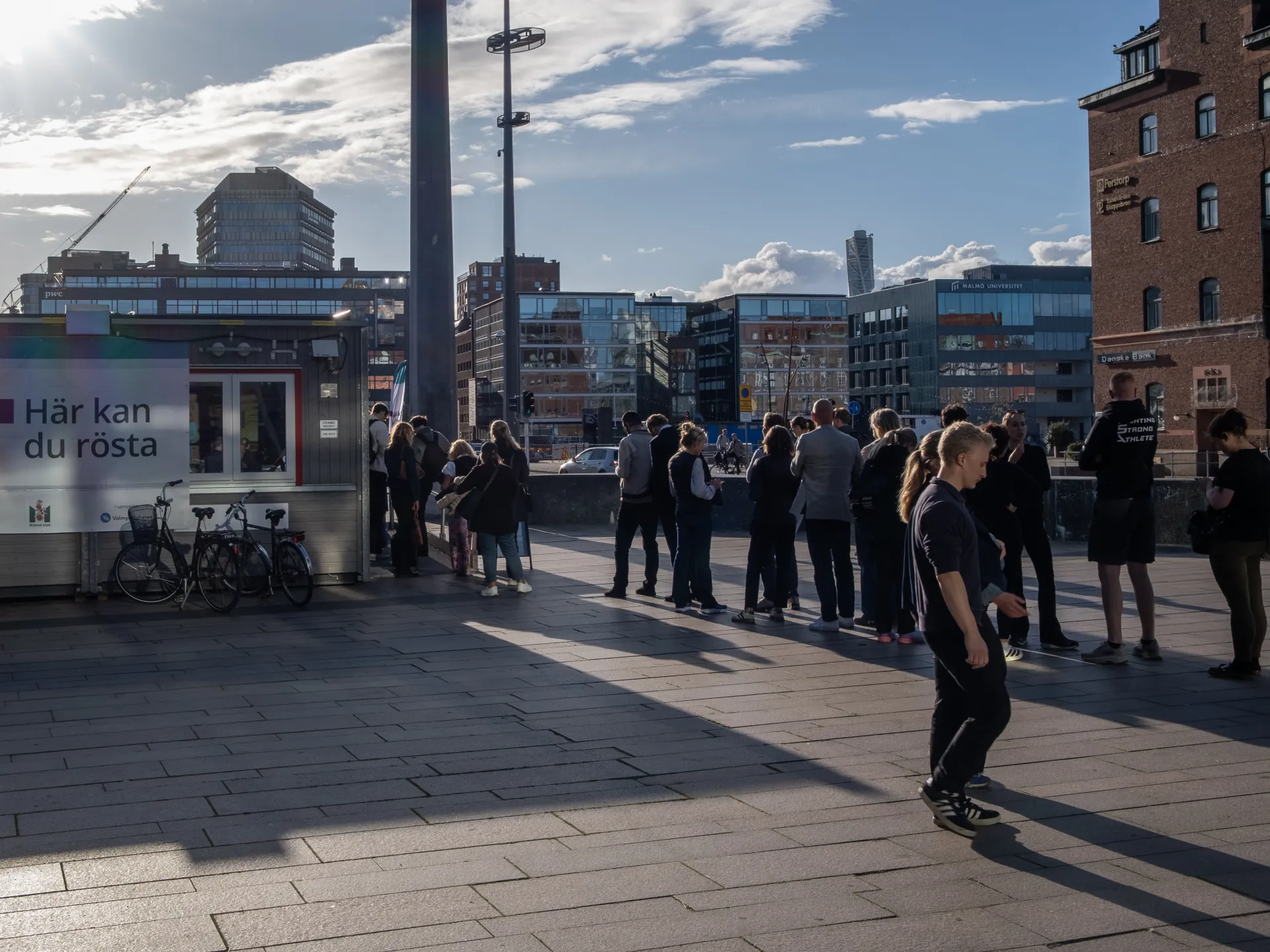
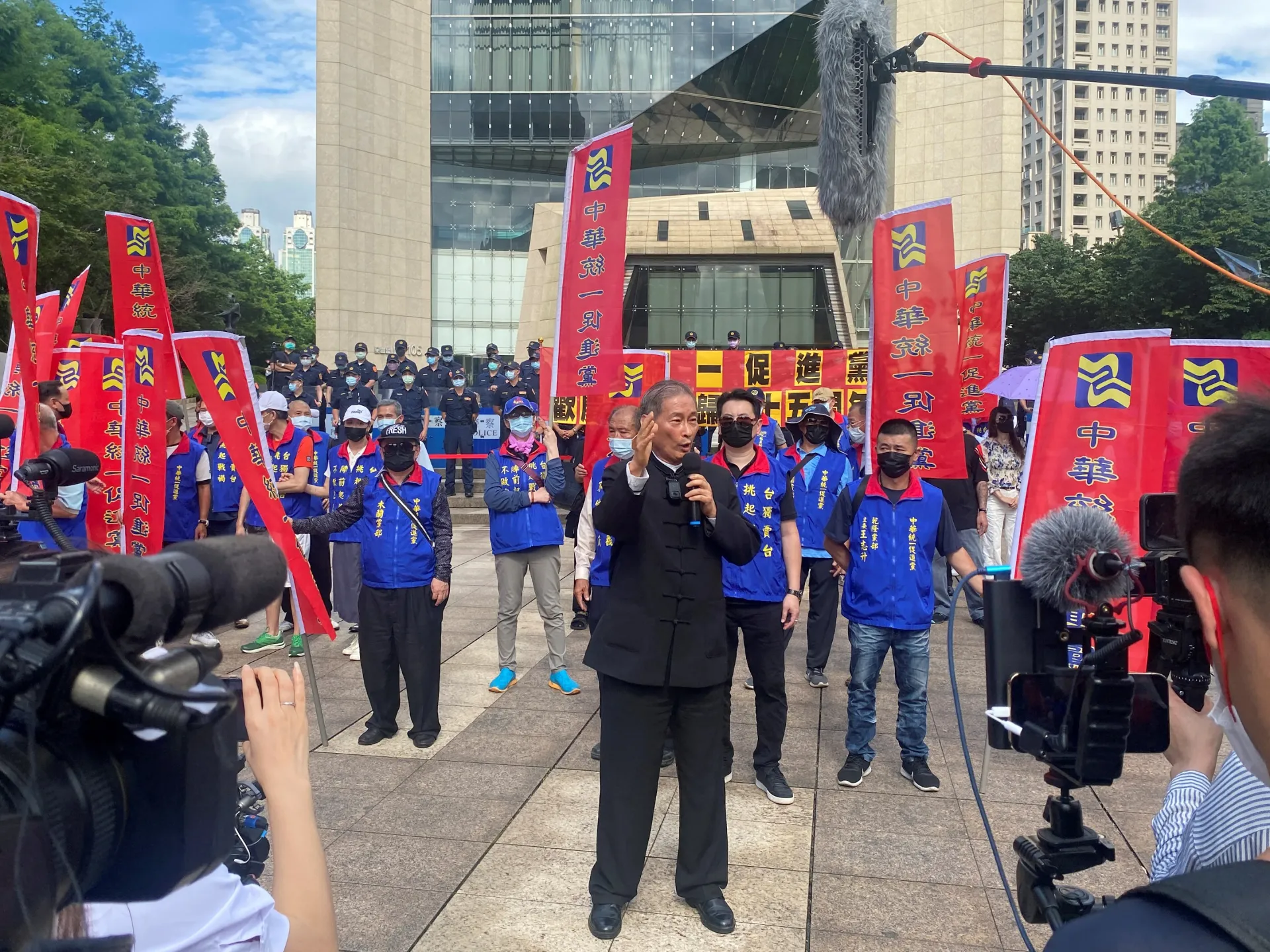
Parallel to this security crisis, the political landscape in Argentina remains tense. Following the "March of Anger," organizers emphasized that the austerity measures implemented with inflation. Unlike the peace-focused demonstrations in Mexico, the Argentine protests serve as a direct confrontation with the executive branch’s economic agenda. The government maintains that these measures are necessary for long-term recovery, but the visible increase in public dissent suggests that the timeline for such recovery may be too slow to pacify a weary public.
The immediate trajectory for these regions remains uncertain. In Sinaloa, the lack of a clear mediator—or a neutral law enforcement presence—suggests that the violence between cartel factions will likely persist. Given that the conflict is deeply rooted in personal betrayals and territorial control, sporadic peace marches are unlikely to compel a cessation of hostilities. If the current allegations against state officials remain unaddressed, the public will likely continue to lose faith in the possibility of a political or legal resolution.
In the political arena, the tension between populist austerity and social demand in Argentina will likely define the upcoming election cycles. If the administration continues its current path, it may face further organized strikes and broader coalition building among left-wing groups. Similarly, in the United States, the ongoing debate over the Democratic Party’s leftward drift suggests that the upcoming midterm elections will be framed all three cases, the underlying theme is the same: the traditional methods of governance are being challenged, and the outcome will depend on whether these systems can reform or if they will continue to fracture under public pressure.