Small rural communities in Iraq are proving that decentralized solar power, paired with local training, is a sustainable path for long-term energy security.
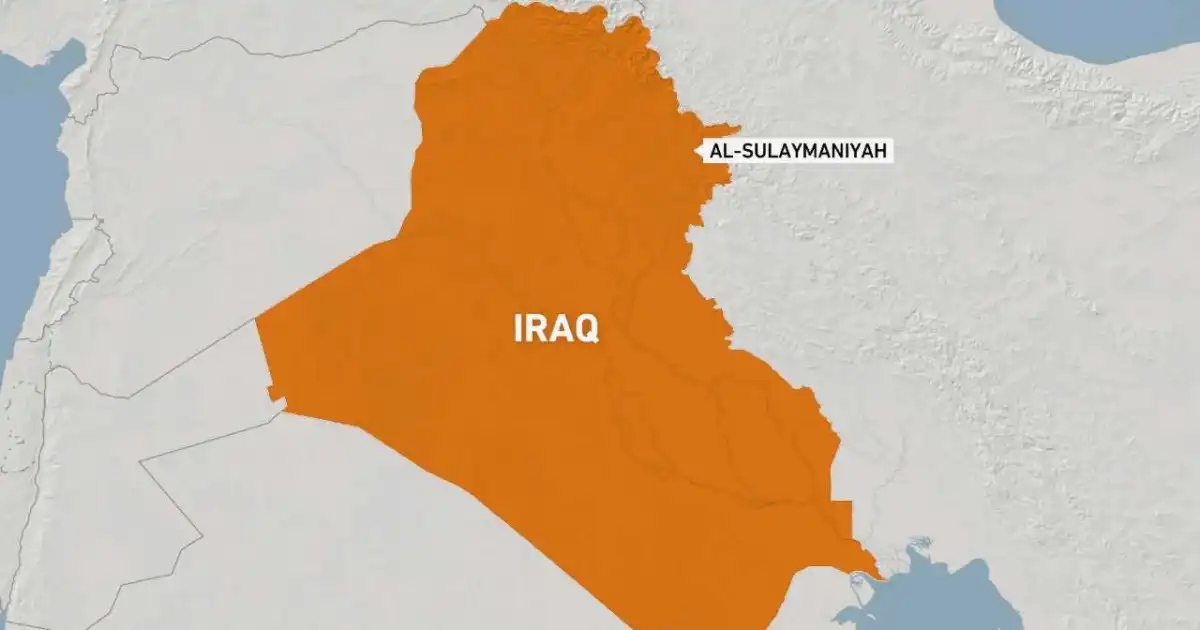
For many years, the farming community of Kulak in Iraq’s semi-autonomous Kurdistan region operated under the constraints of an unreliable power grid. Daily life was governed hen food could be refrigerated, and when children could study. When the power cut out, the rhythm of village life effectively halted. Today, however, the village has undergone a radical transformation
ed access to electricity around the clock. This shift has provided more than just lighting; it has fundamentally altered the economic landscape of the area. With consistent power, water pumps function without interruption, and the introduction of cold storage facilities allows farmers to manage their harvest cycles more effectively, waiting for favorable market prices rather than being forced to sell immediately.
The success of the Kulak project highlights a vital lesson in the global energy transition: hardware installation is only the first step. Too often, development projects fail because they provide infrastructure without ensuring long-term operational viability. The graveyard of international development is filled with abandoned solar arrays and broken water systems that fell into disrepair simply because no local personnel were trained to perform basic maintenance or replace faulty inverters.
To avoid these pitfalls, the electrification initiative in the Kurdistan region prioritizes local capacity building. Residents are actively trained to manage and maintain their own energy systems, treating electricity as an asset to be governed o the project design from the beginning, the initiative ensures that the transition remains sustainable long after the initial installation phase concludes.
Electrification in these rural areas is not merely about domestic convenience; it is a catalyst for economic independence. rmers to move away from expensive and polluting diesel-powered irrigation. Furthermore, the availability of electricity allows for on-site crop processing, which adds value to products before they are even transported out of the village.
This model demonstrates that the most effective climate solutions are often those that address the specific needs of local industries. When energy security is tied to the ability to preserve produce and maintain economically viable farms, the impetus for maintenance and innovation increases significantly. This approach shifts the focus from simply providing power to fostering an environment where rural livelihoods can thrive despite the challenges of a changing climate.
The narrative of the energy transition is frequently dominated s. While these initiatives have their place, they often fail to address the immediate needs of millions living in the Global South. For rural Iraq, waiting for the expansion of a centralized national grid is not a practical solution, particularly given the country's vulnerability to extreme heat and environmental degradation.