A federal judge has blocked new visa duration caps while a coalition of states launched a legal challenge against expanded public charge regulations.
In a significant legal development, a federal judge has intervened to stop the implementation of new Department of Homeland Security (DHS) regulations that aimed to impose strict time limits on international student and journalist visas. The proposed rules sought to cap F-visa status for students and J-visa status for cultural exchange participants at four years. Furthermore, the regulation intended to limit I-visas for international journalists to a maximum of 240 days, a drastic reduction from the current policy that allows for multi-year stays.
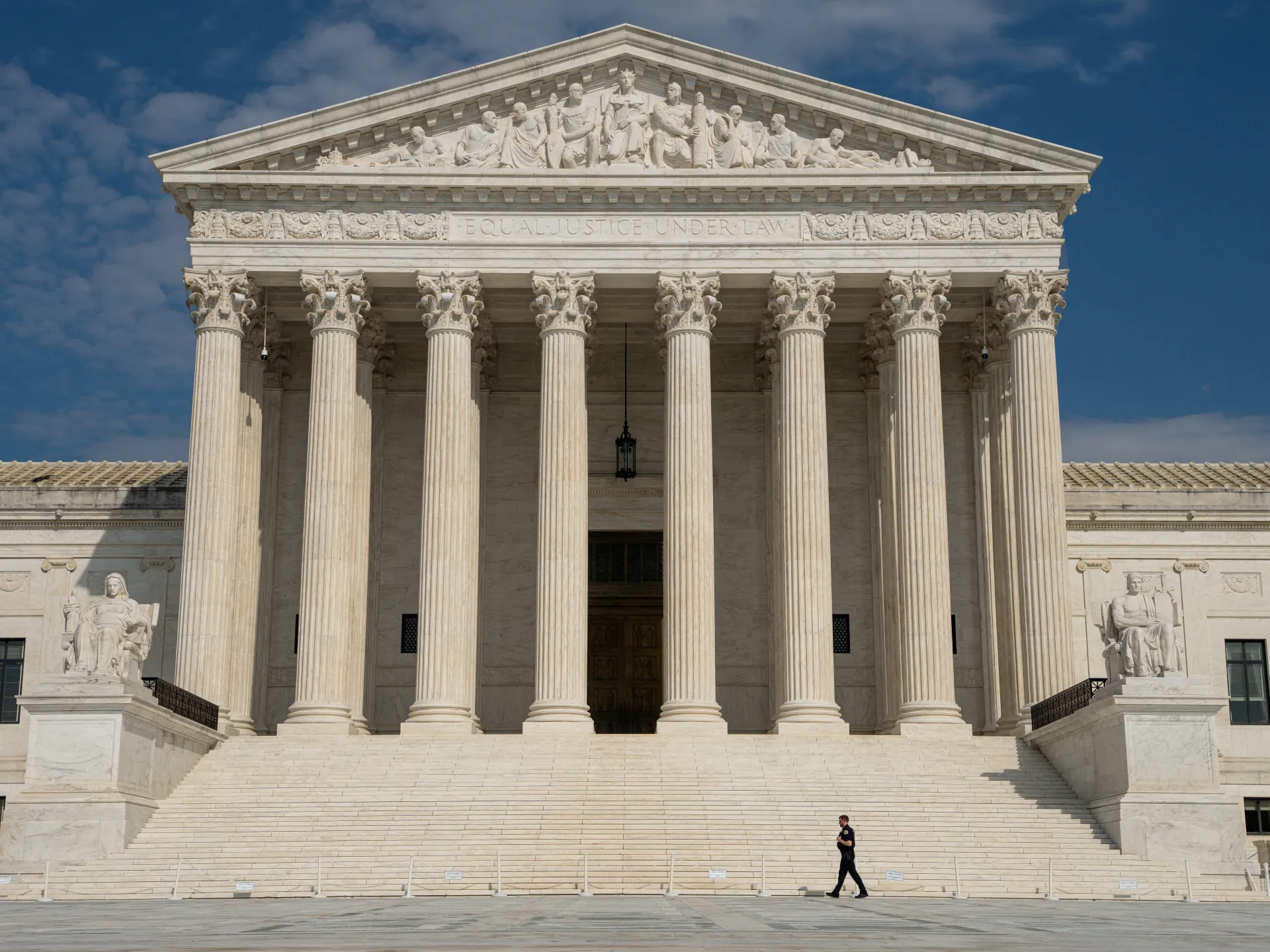
US District Judge F. Dennis Saylor IV issued an injunction preventing the rule from taking effect, citing a lack of evidence regarding the necessity of such sweeping changes. The court explicitly challenged the administration’s justification for the caps, describing the government's arguments regarding national security and the prevention of visa fraud as "exceptionally weak." This judicial rebuke underscores the high threshold the executive branch must meet when attempting to alter long-standing immigration frameworks.
The potential impact of these restrictions would have been widespread, affecting approximately 1.6 million international students and 500,000 exchange visitors. Judge Saylor emphasized the historical contribution of these groups to American research and economic growth, warning that the implementation of the caps would have resulted in catastrophic consequences for the higher education sector and the broader United States economy.
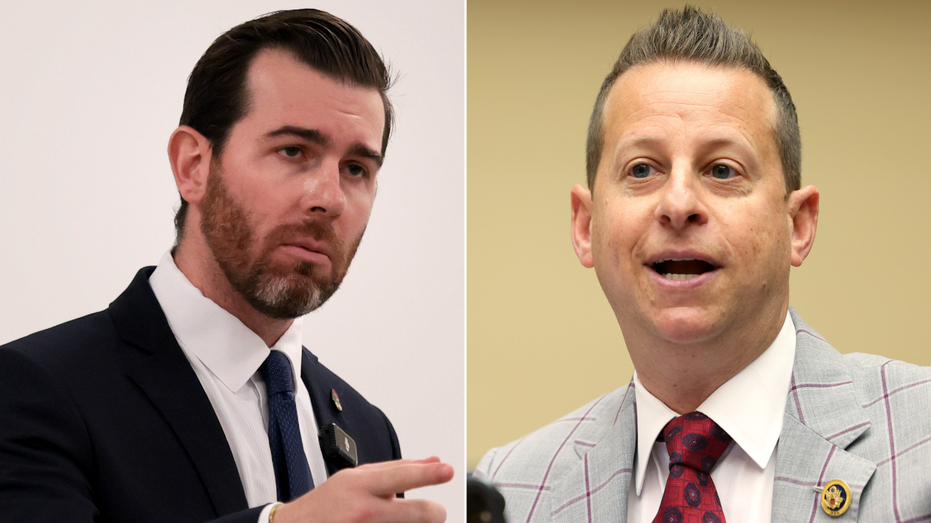
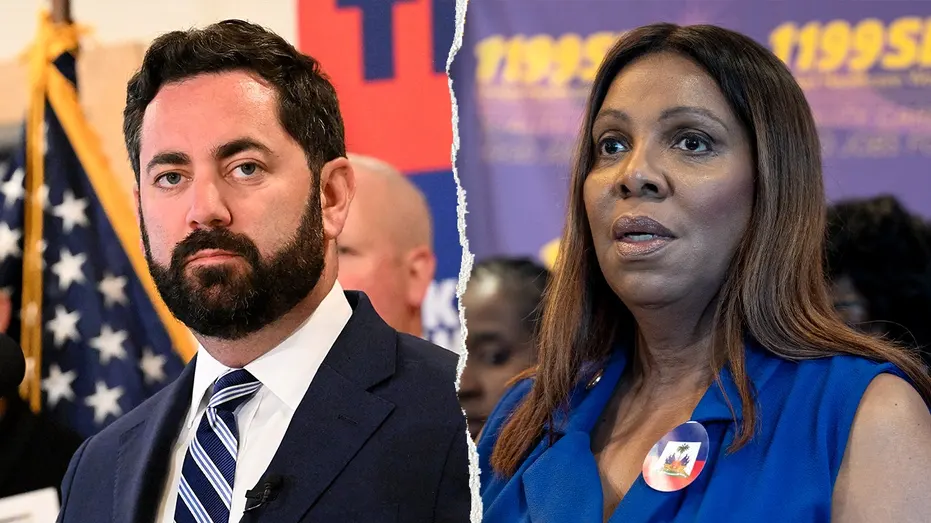
Simultaneously, a broad coalition of 22 states and the District of Columbia has launched a legal offensive against another federal regulation slated for implementation. This second lawsuit focuses on the administration’s attempt to broaden the definition of a "public charge," a legal standard used to deny residency status to individuals deemed likely to become primarily dependent on government assistance for subsistence.
The plaintiffs, led tly overstepped its legal authority oposed rule would allow immigration authorities to consider the use of support programs like Medicaid and food assistance as disqualifying factors when evaluating green card applications. Critics contend that this policy contradicts existing federal statutes and creates an unlawful barrier to legal permanent residency.
Legal teams representing the states maintain that the administration’s focus on non-cash aid is punitive and detrimental to public health and welfare. their immigration status, the policy risks pushing vulnerable populations away from programs designed to ensure basic nutritional and medical stability.
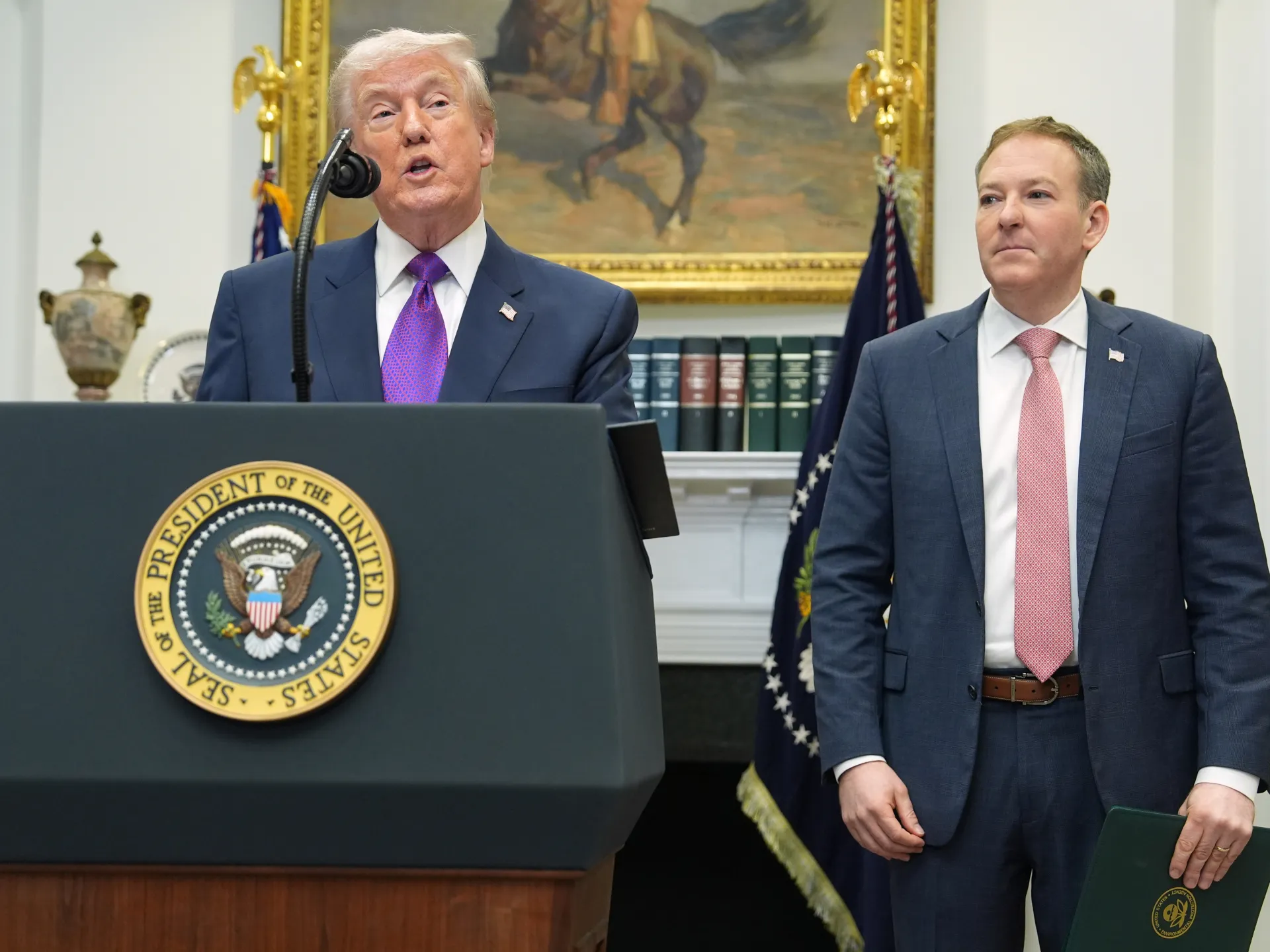
The Department of Homeland Security has defended the public charge regulation, characterizing the legal challenges as politically motivated. A spokesperson for the department labeled the coalition of states as "left-wing leaders" and suggested that the opposition is driven from American welfare programs. The administration maintains that these policies are necessary to ensure that individuals entering the country are financially self-sufficient.
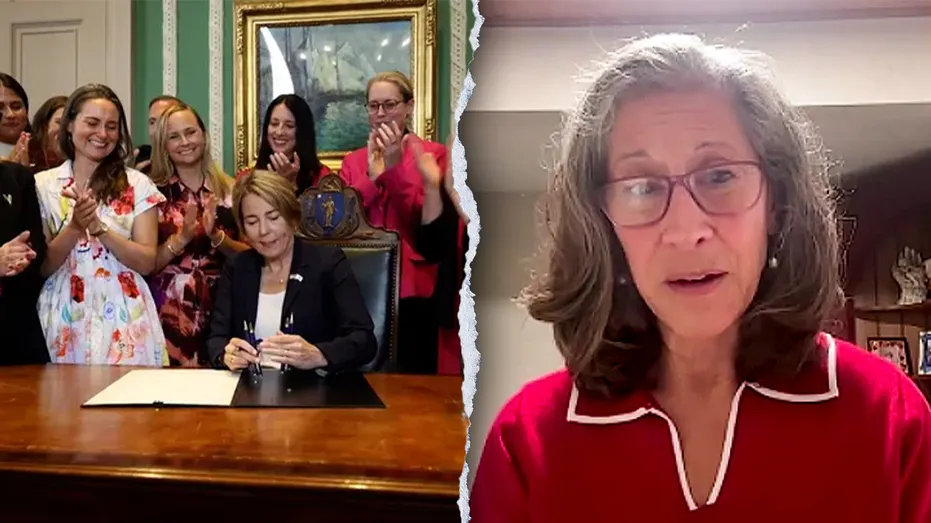
Local officials have pushed back against this narrative, emphasizing the humanitarian cost of the proposed regulations. City leaders have publicly stated that the rule seeks to isolate immigrant families from vital resources that have sustained community health for decades. As the legal battles continue in Manhattan federal court, the administration faces an uphill task in justifying its departure from previous standards that protected users of non-cash support programs.
The dual setbacks represent a major hurdle for the administration's broader efforts to restrict immigration pathways. With federal judges and state coalitions aligned against these specific regulatory shifts, the future of these policies remains uncertain. The ongoing litigation highlights the persistent friction between executive branch initiatives and established judicial interpretations of federal immigration law.