A surge of violence in Cameroon and new nuclear developments in North Korea coincide with extreme heat events across the U.S. south-central region.
The convergence of geopolitical instability and extreme weather events in late 2026 underscores the precarious nature of international stability. From the expansion of nuclear proliferation in the Korean Peninsula to the humanitarian unraveling in the Lake Chad Basin, global institutions are currently tested eously, the persistence of extreme weather patterns in the United States highlights the increasing vulnerability of infrastructure and public health systems to atmospheric shifts that transcend traditional seasonal expectations.
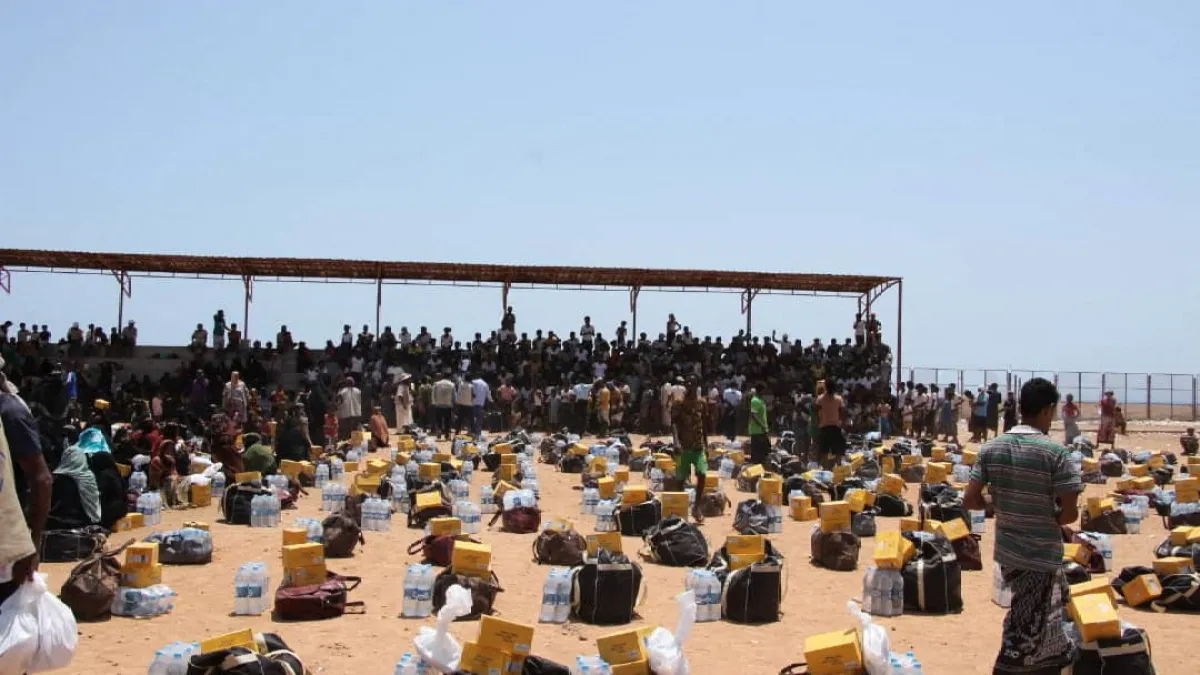
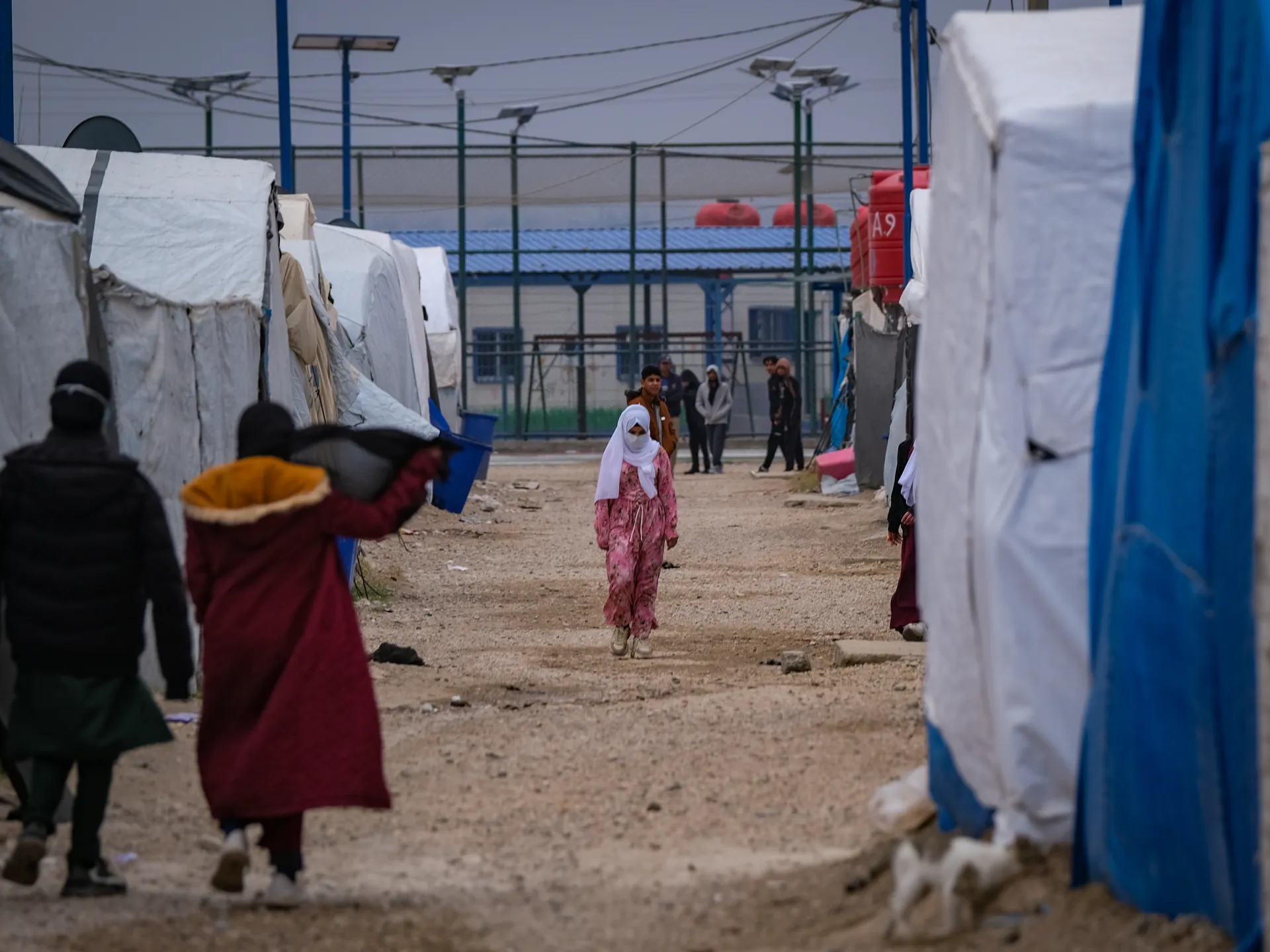
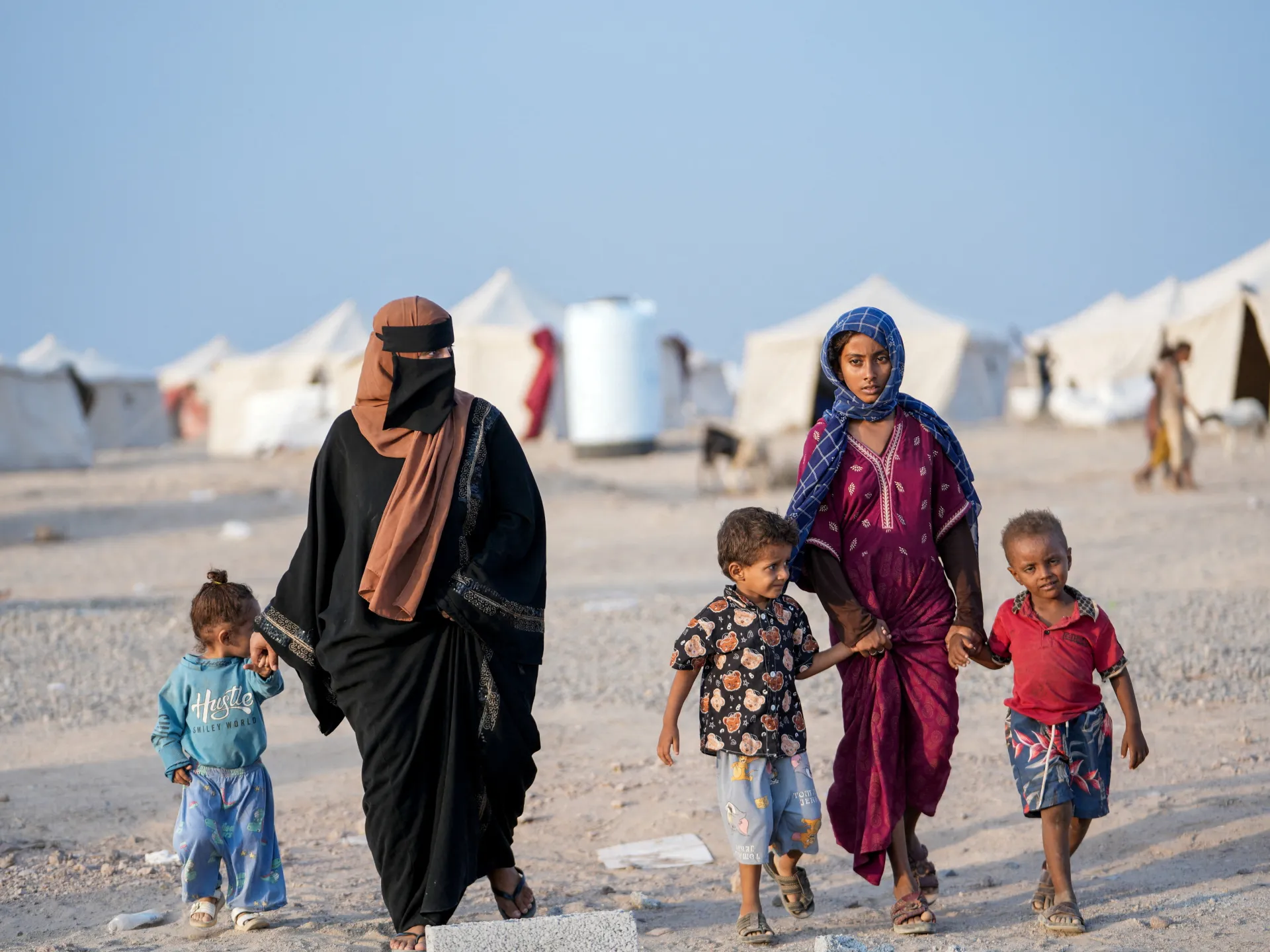
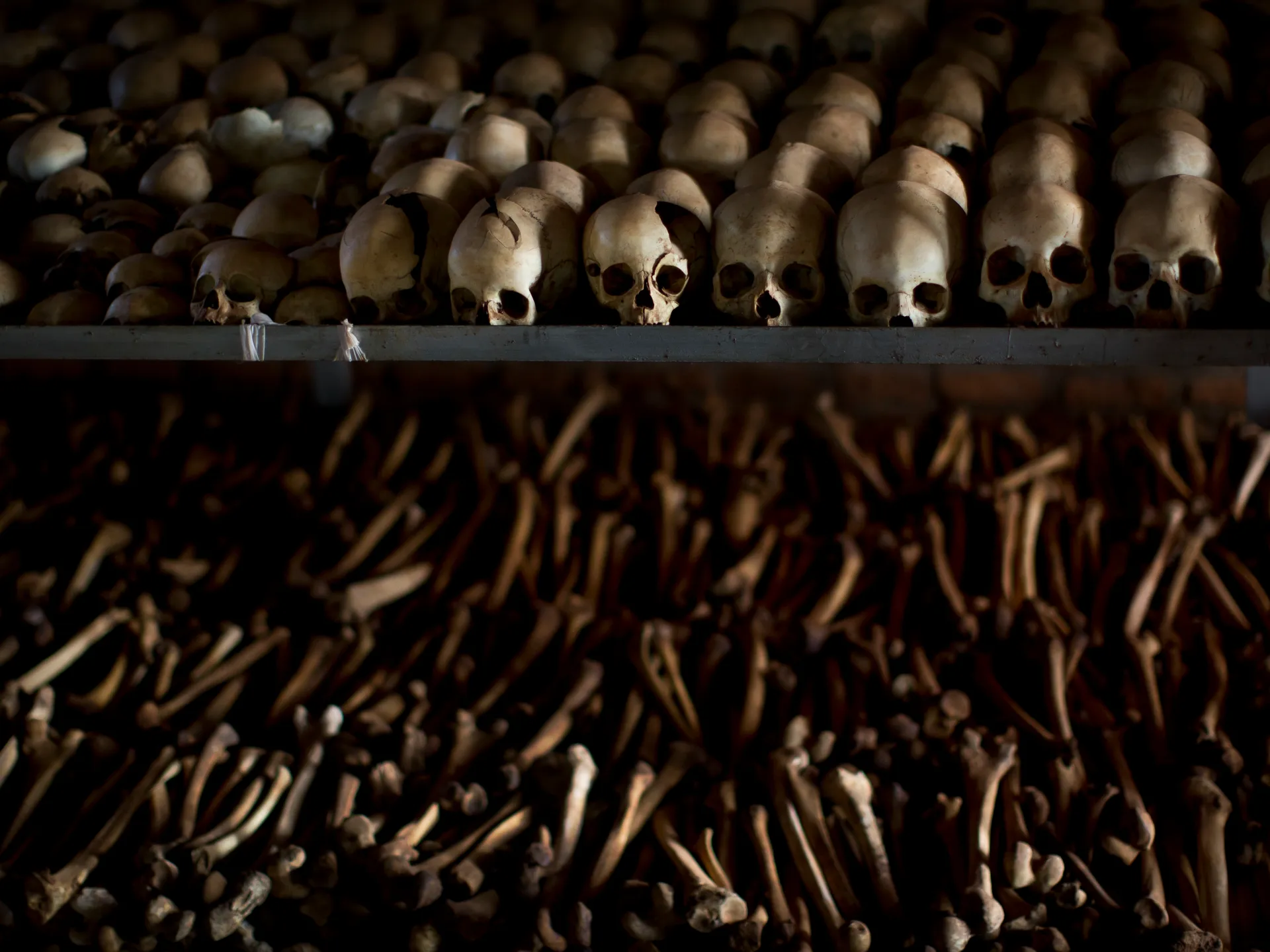
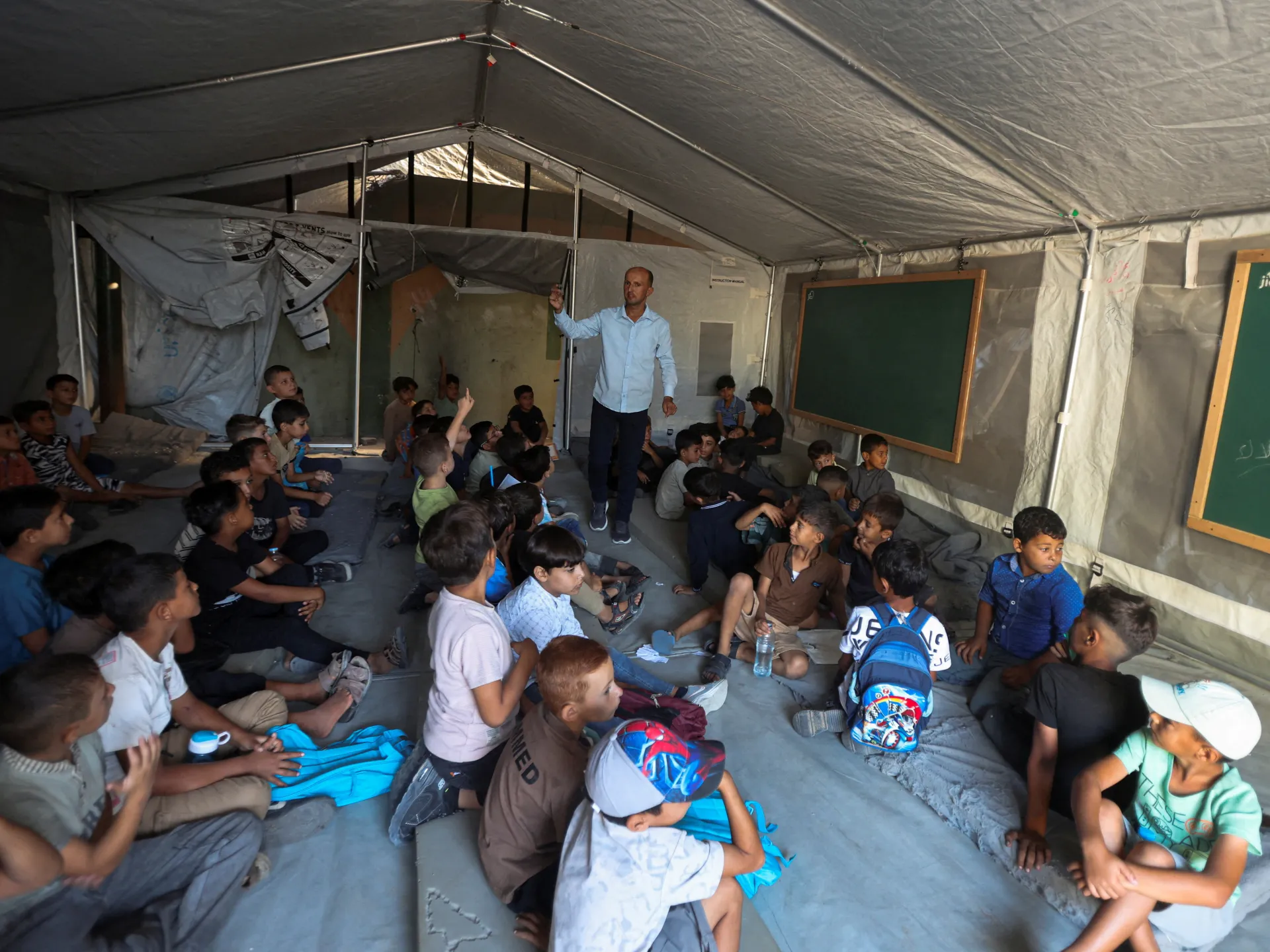
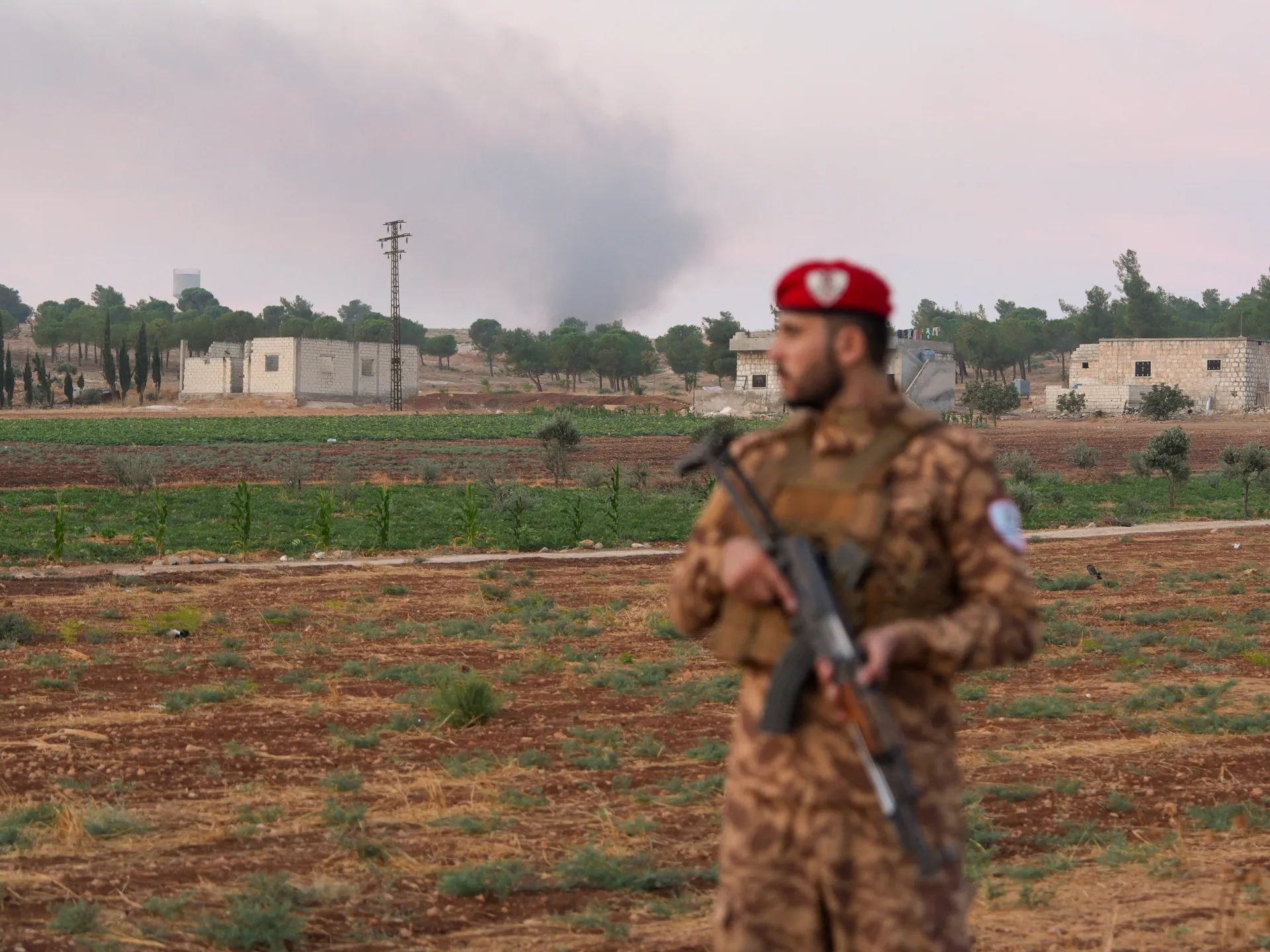
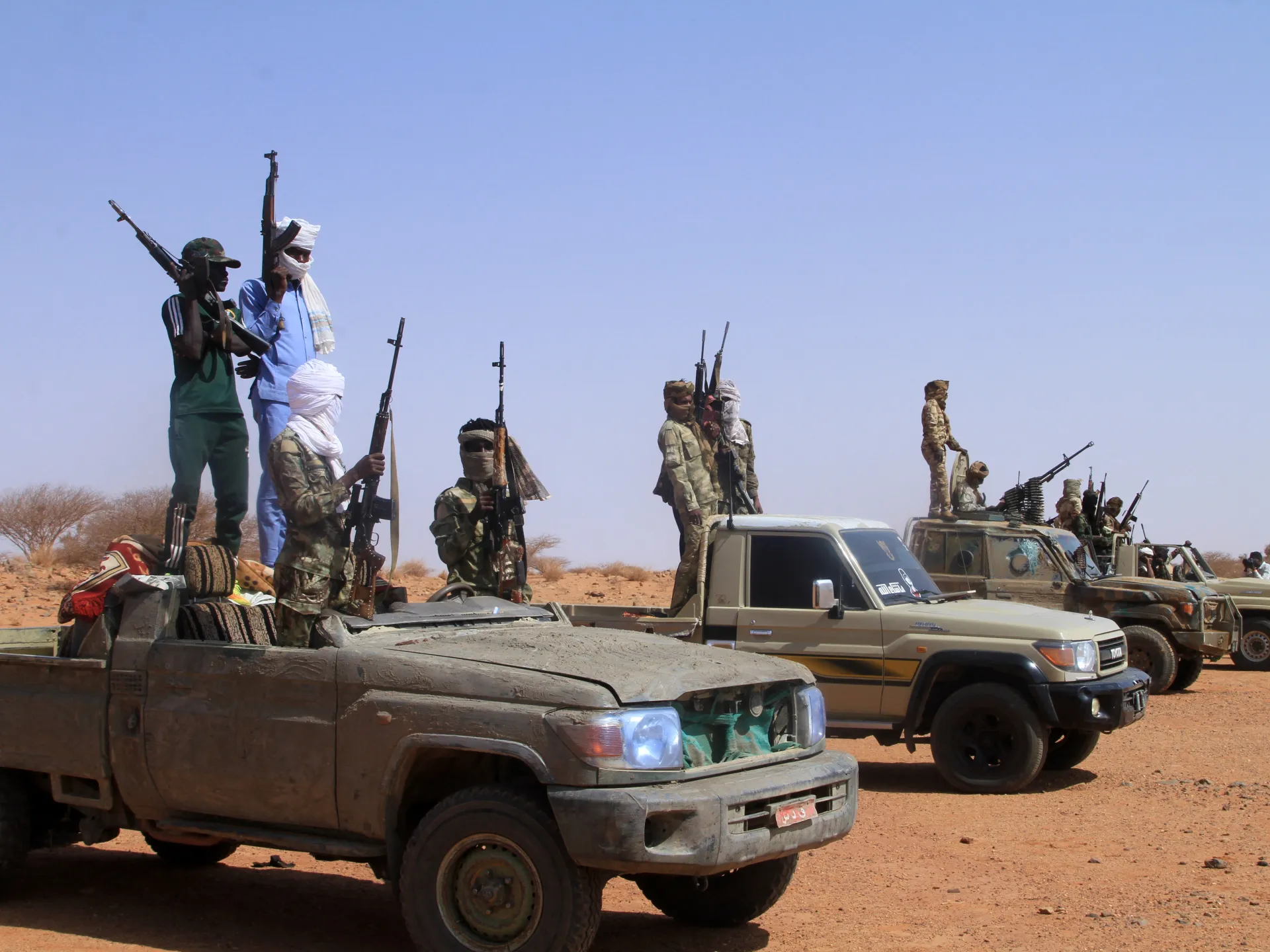
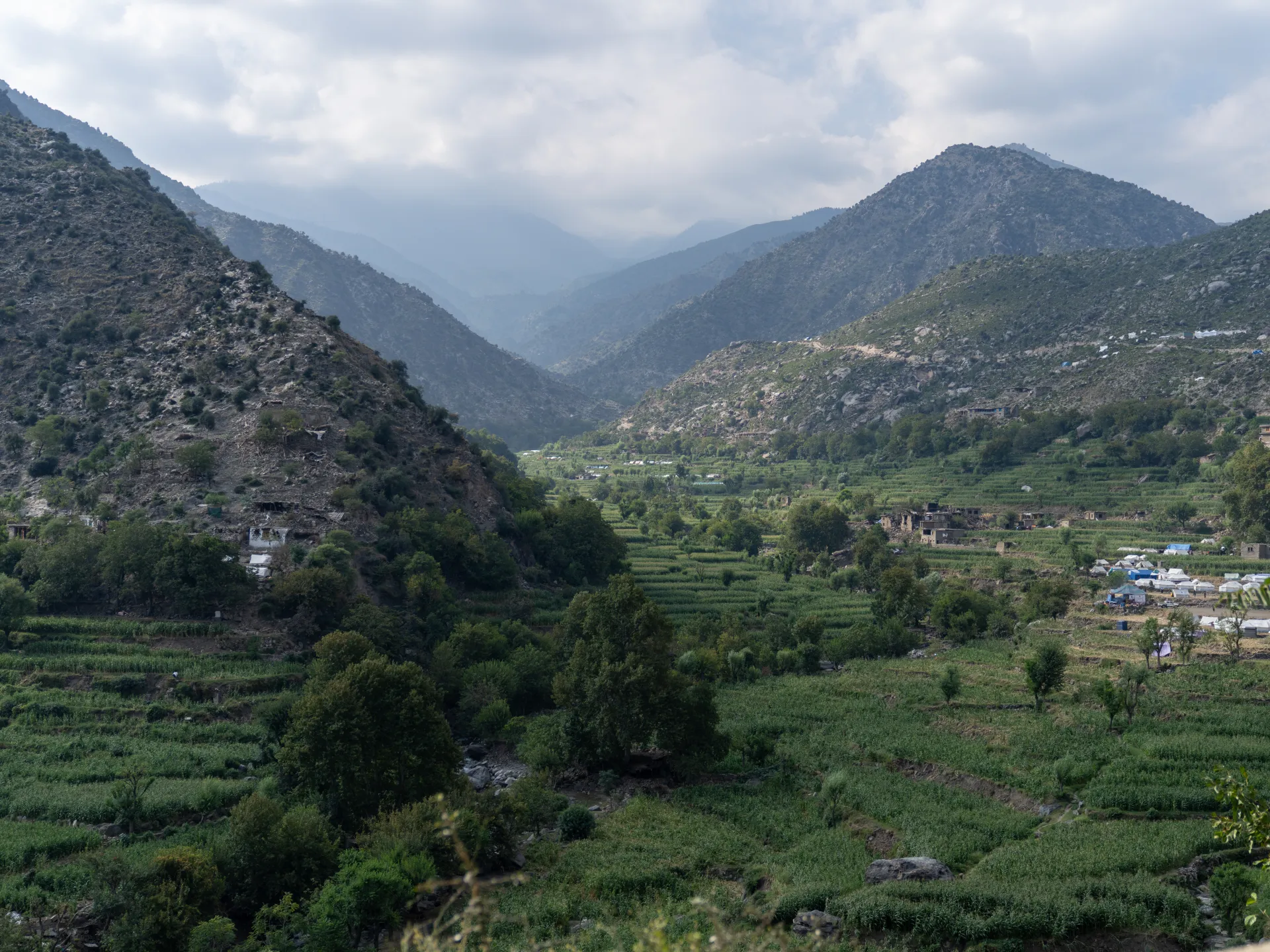
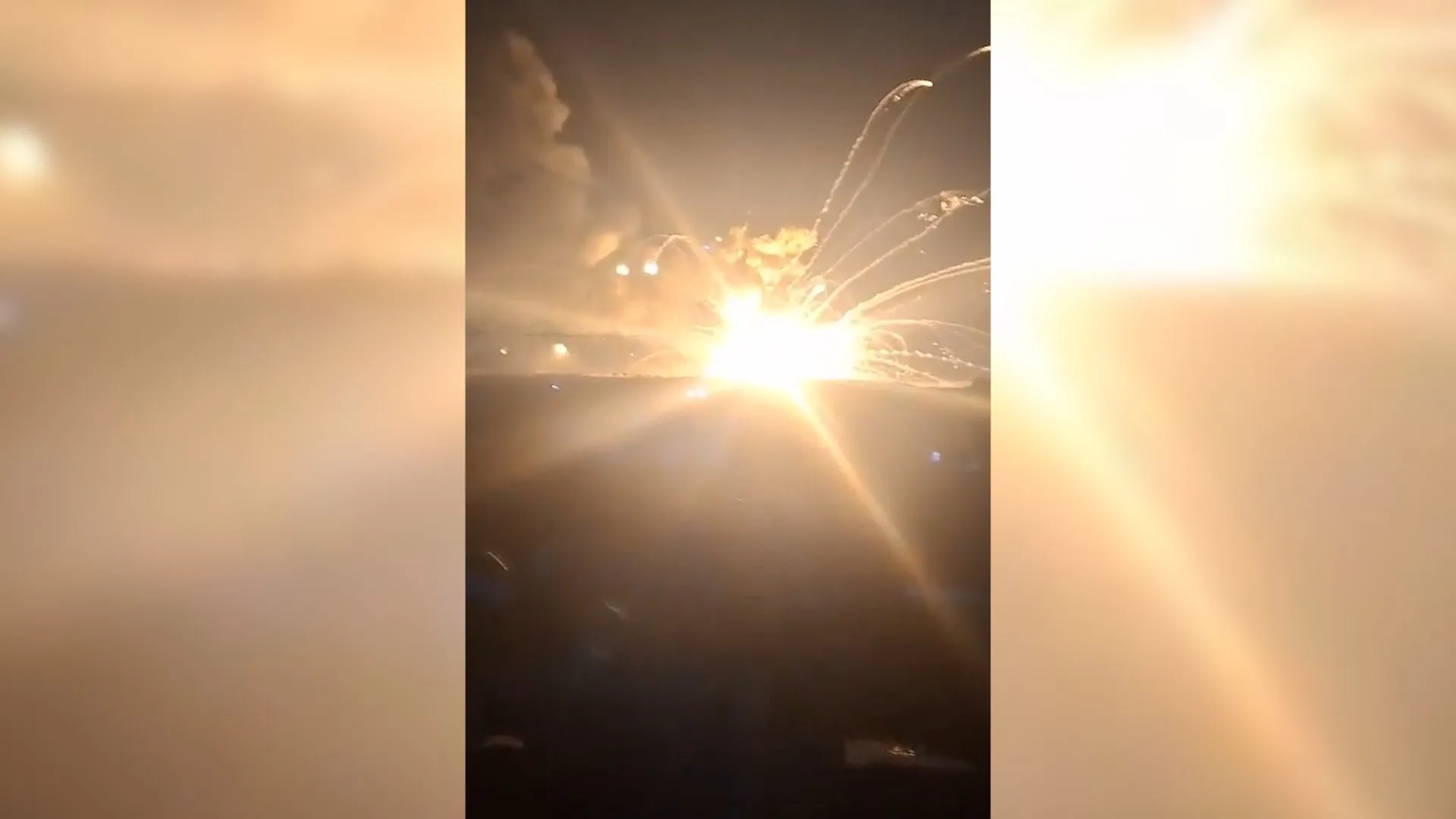
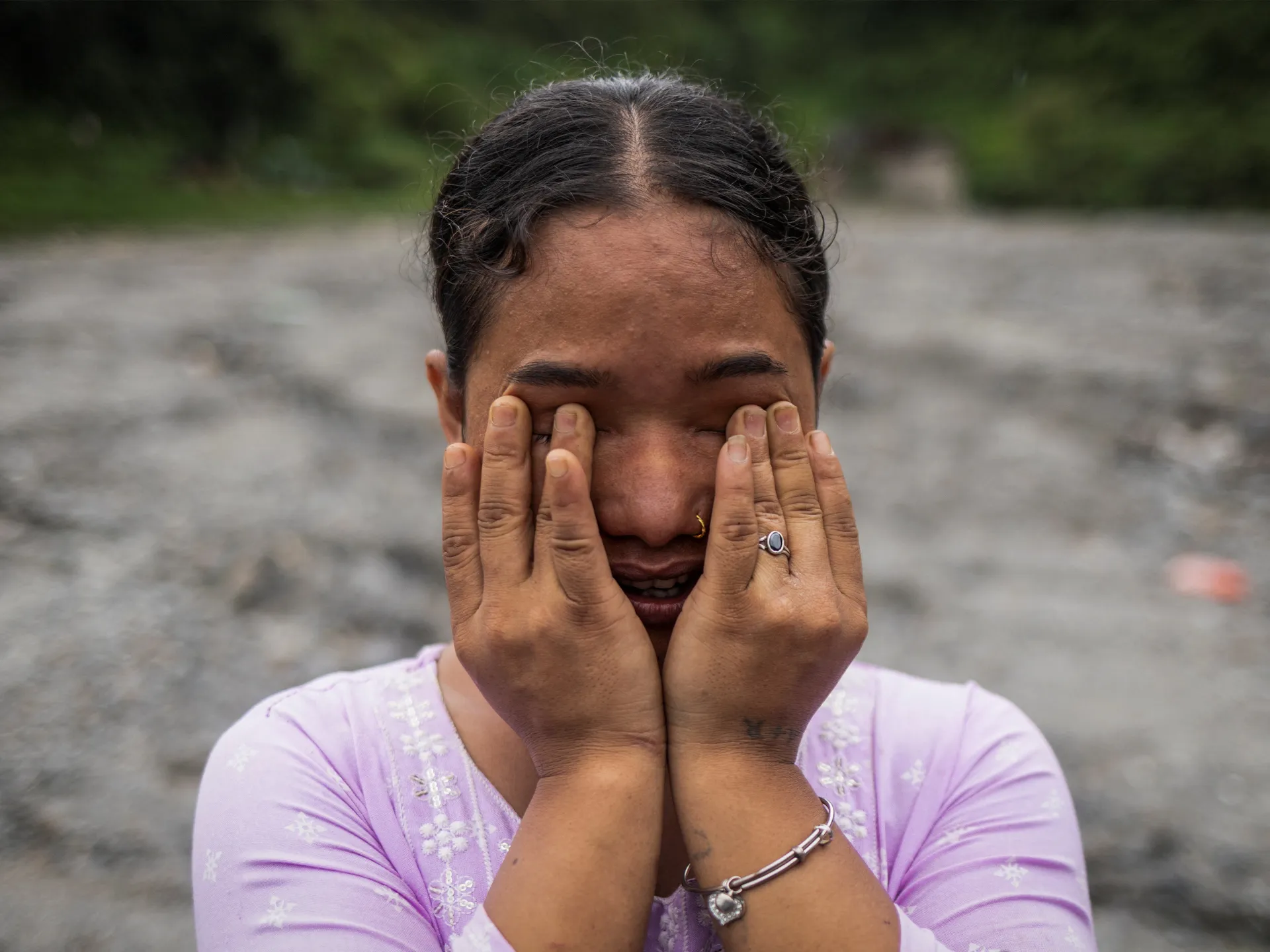
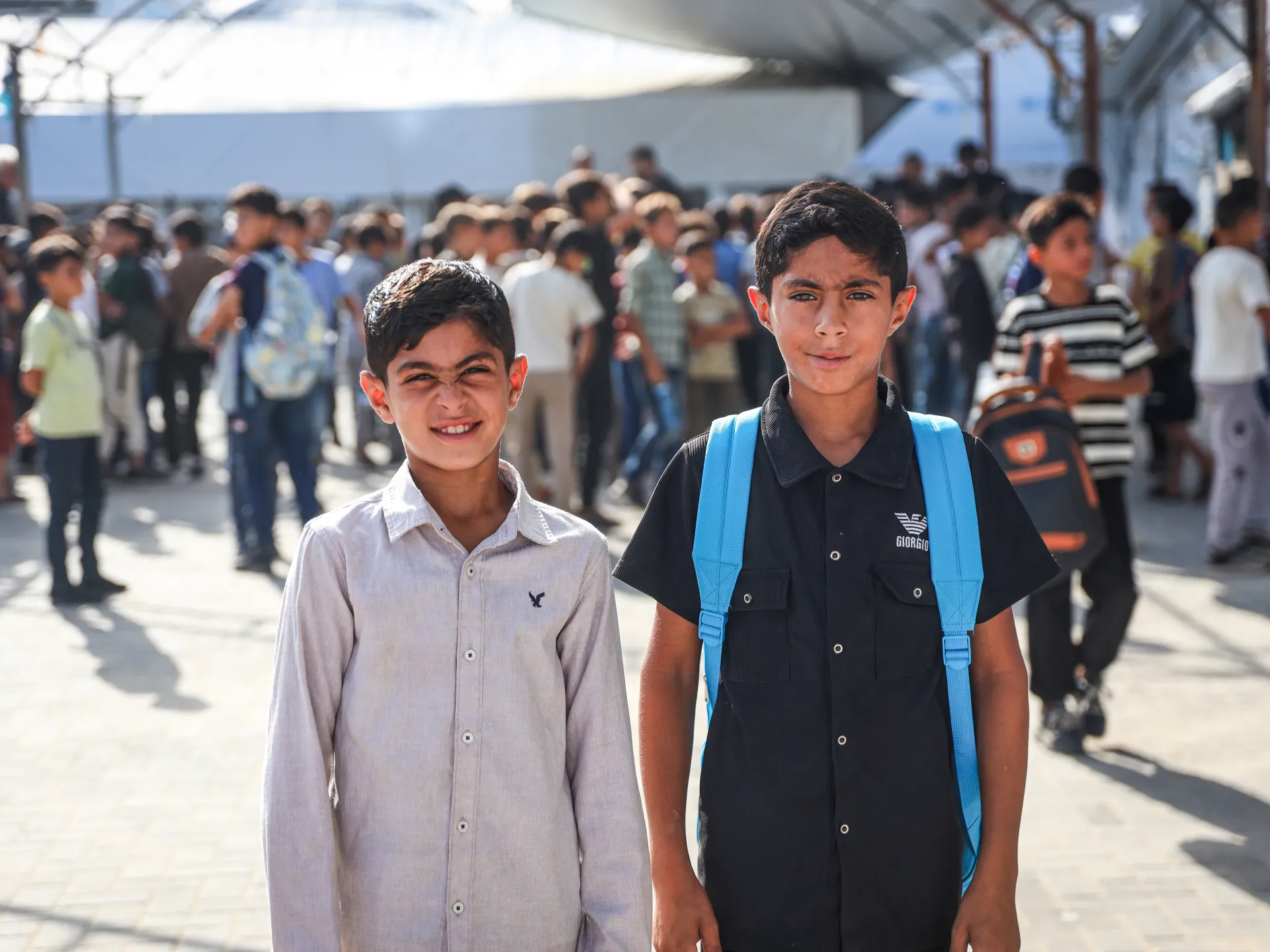
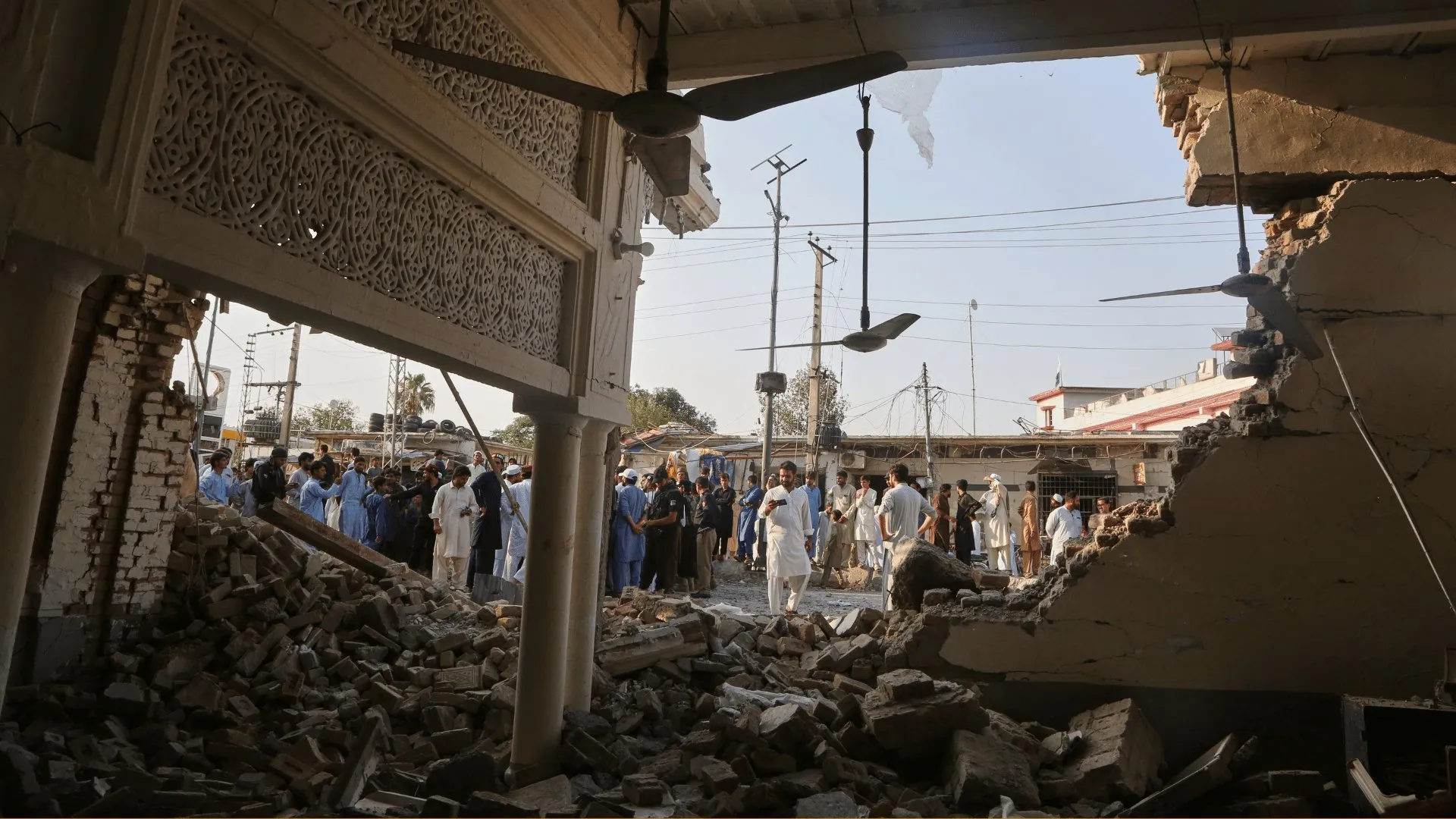
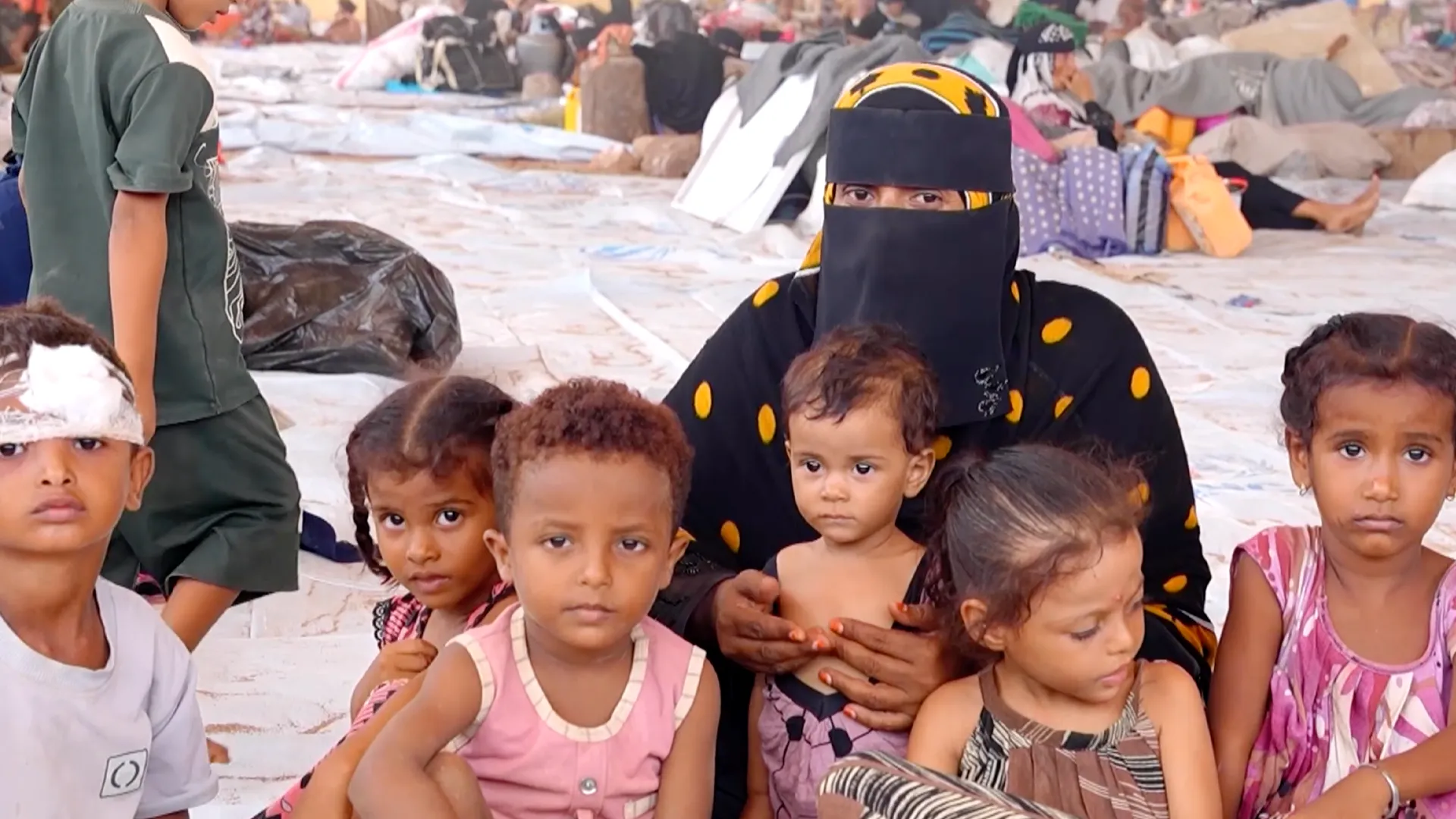
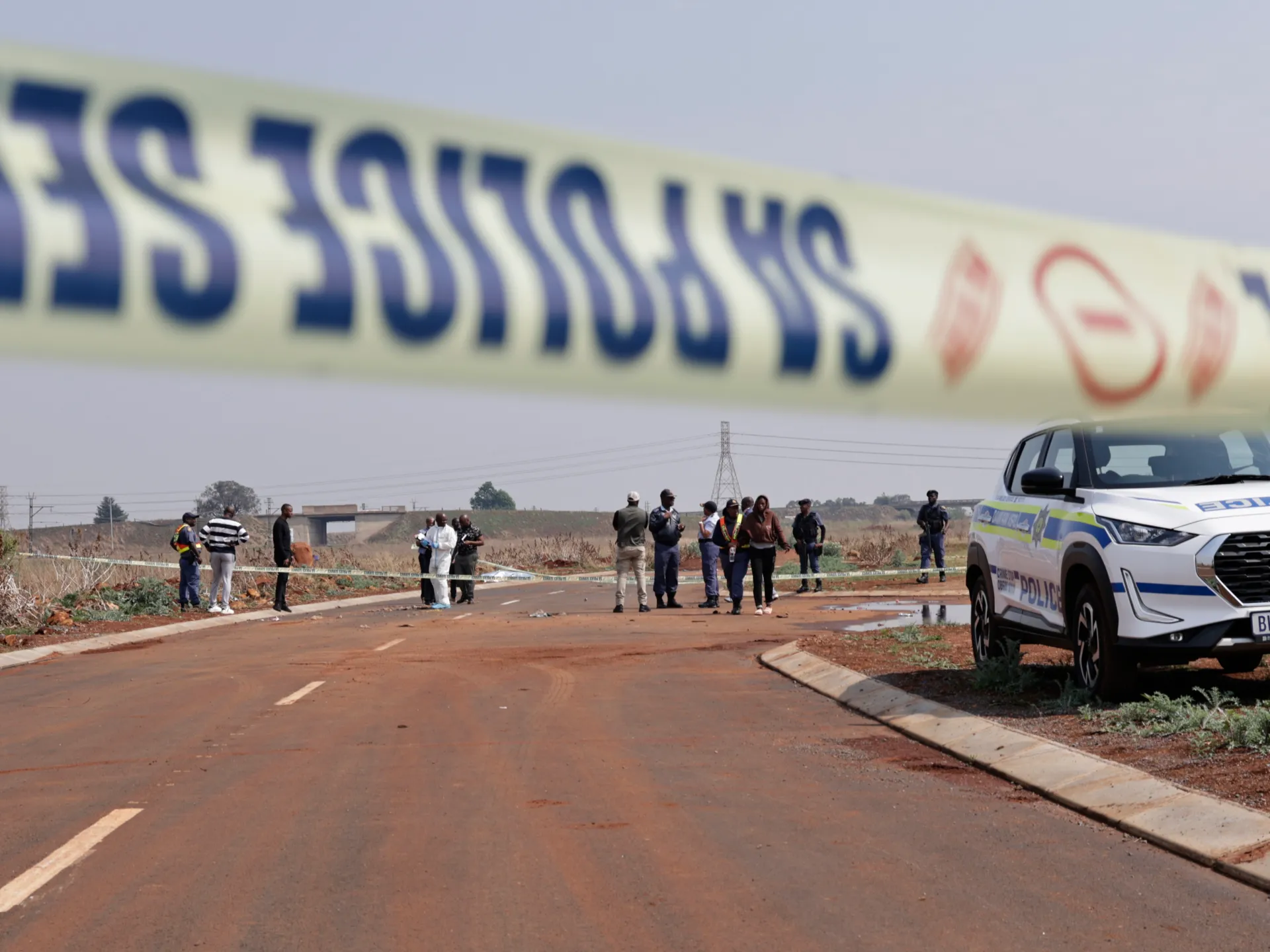
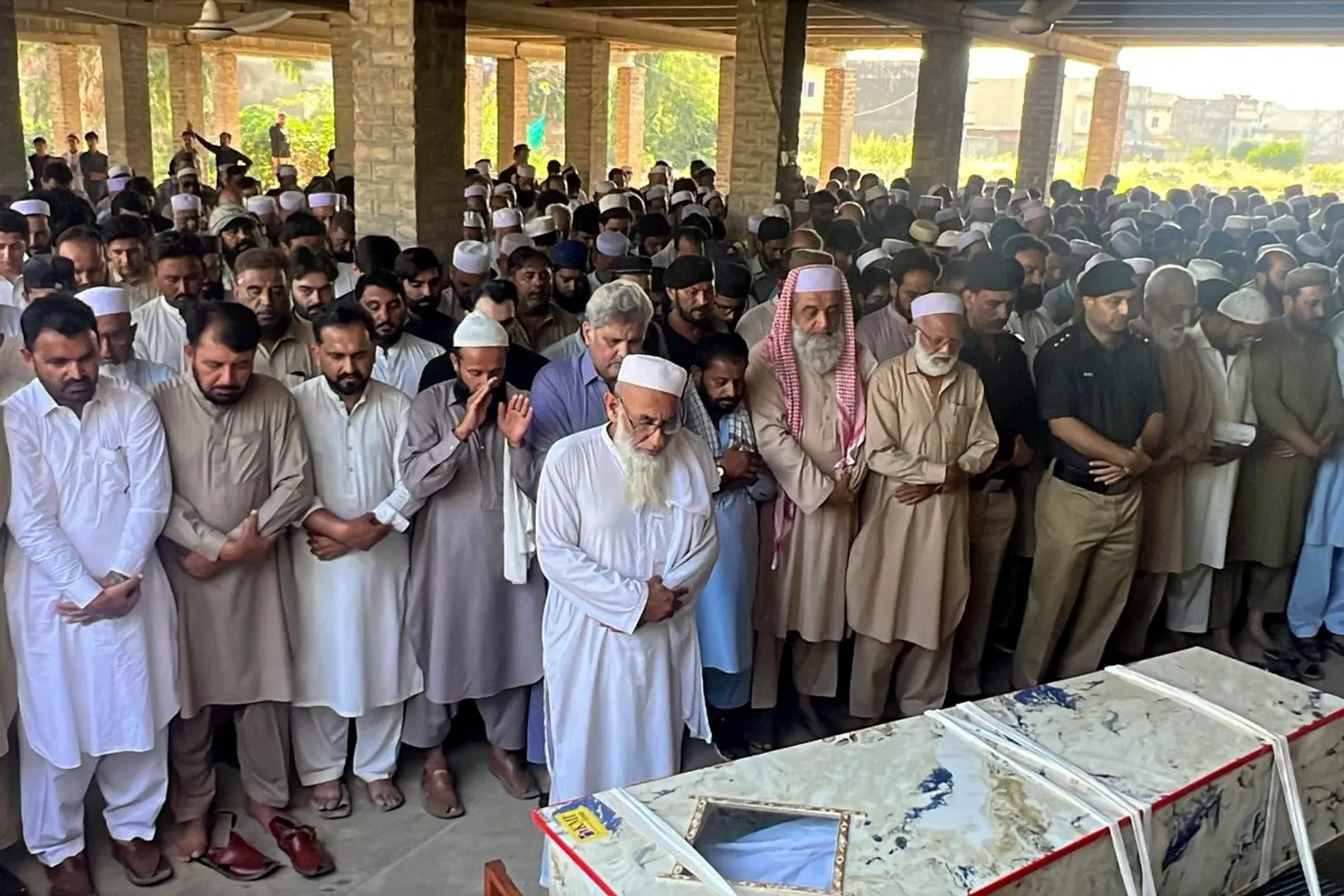
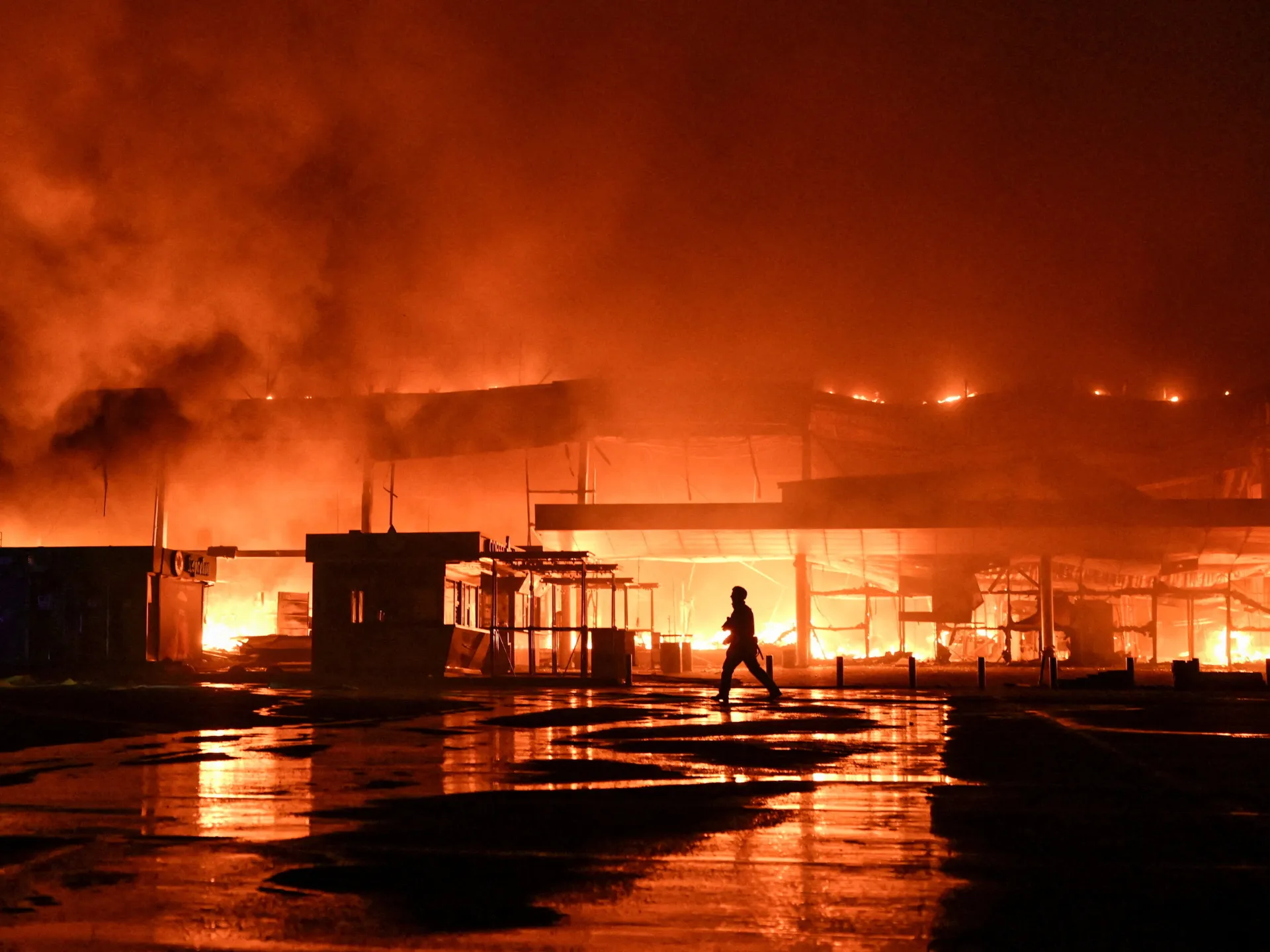
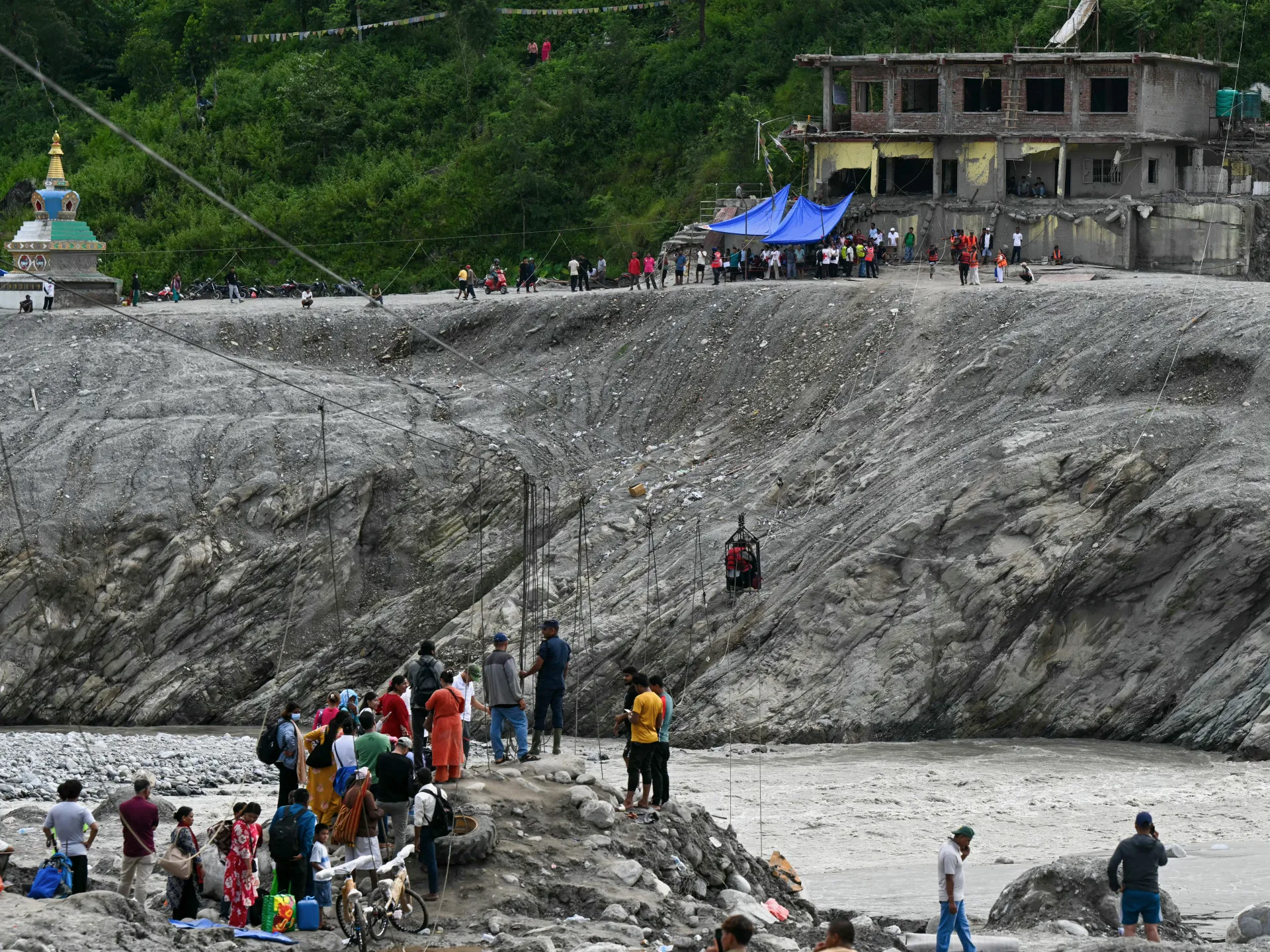
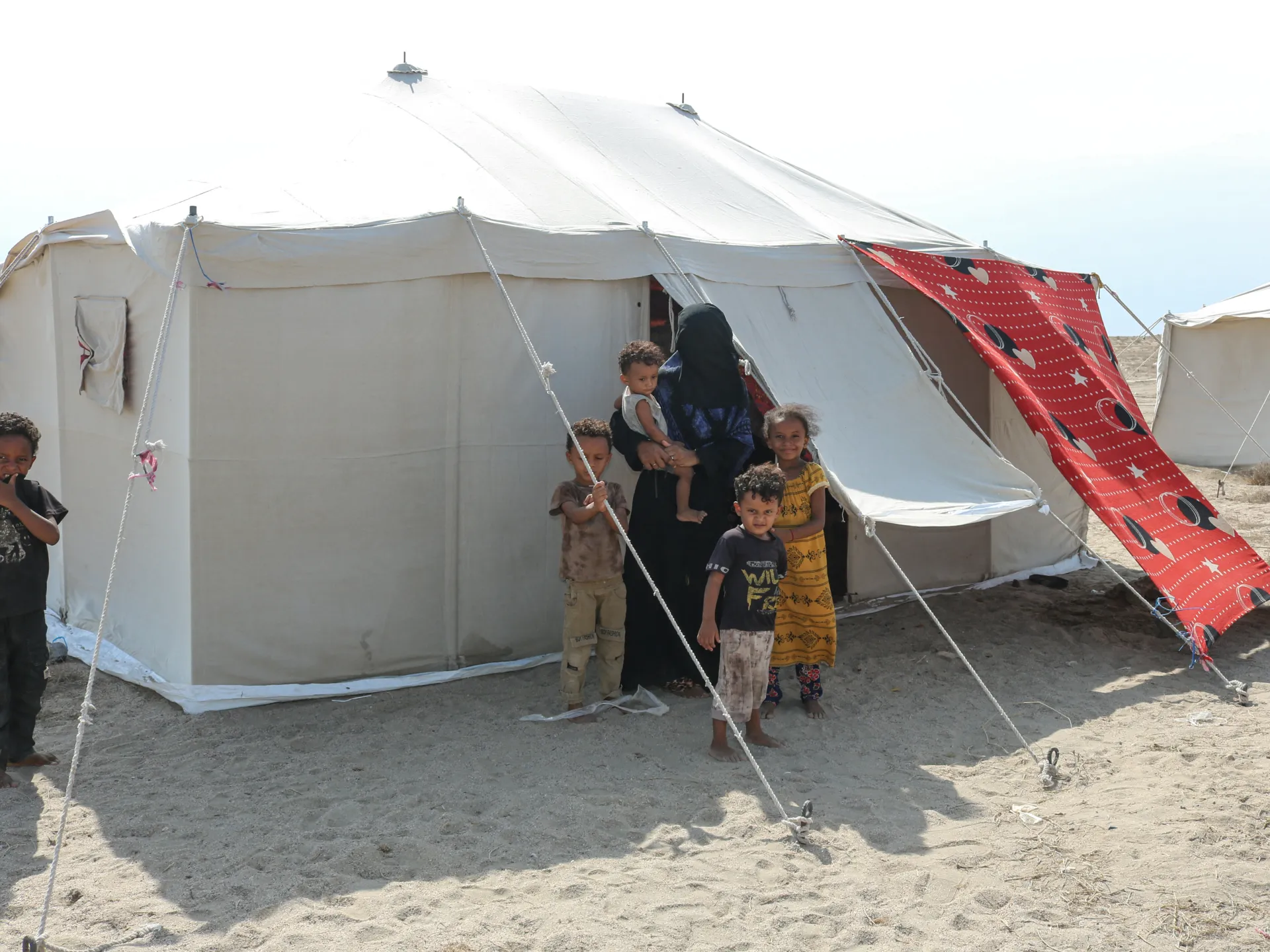
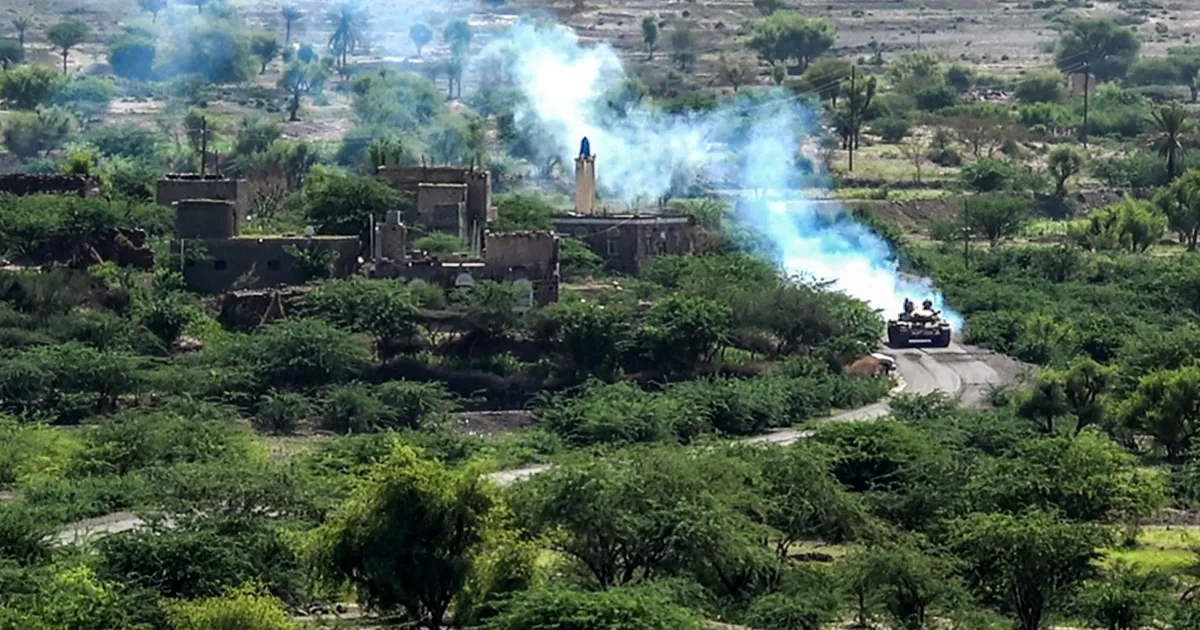
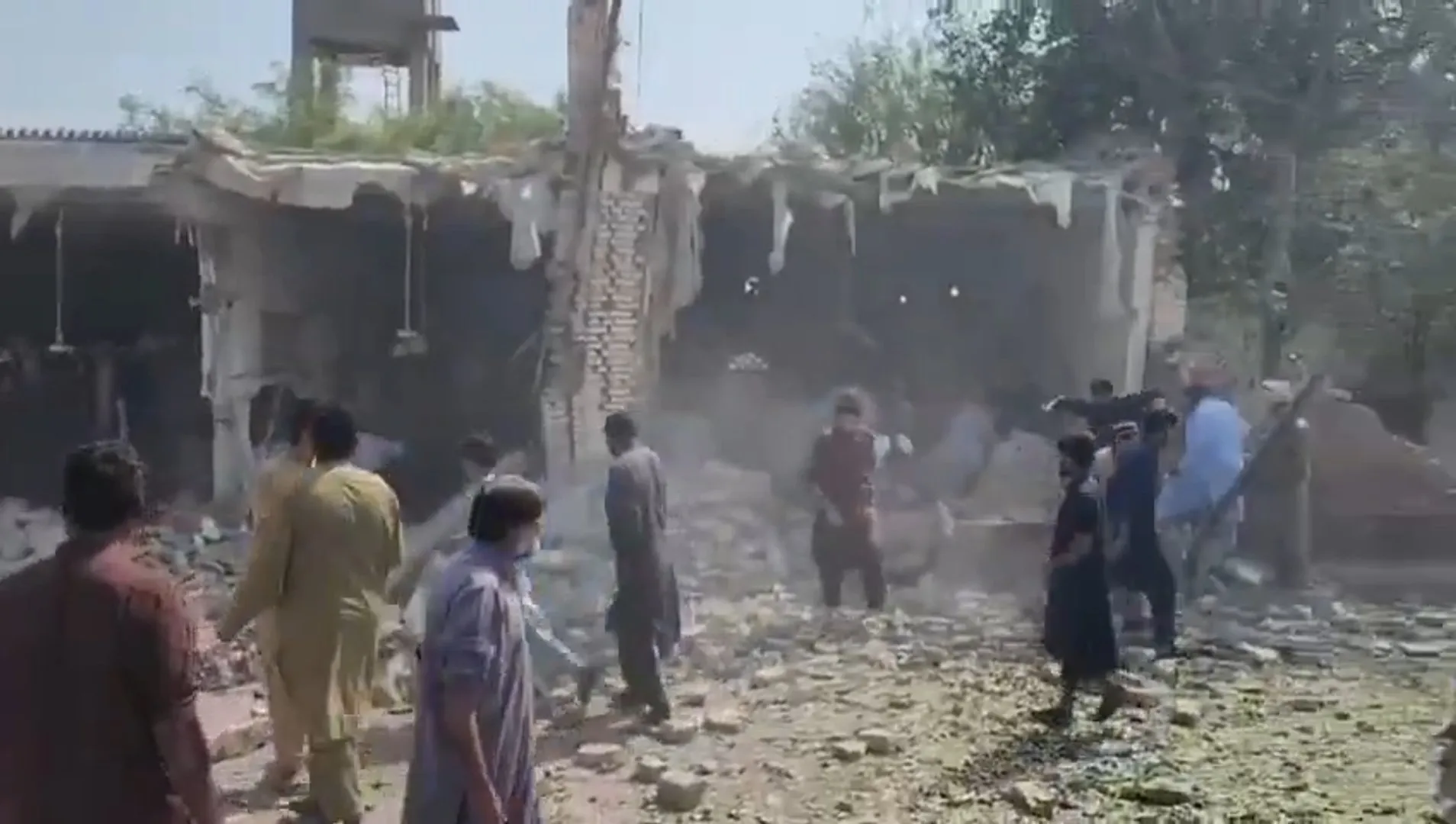
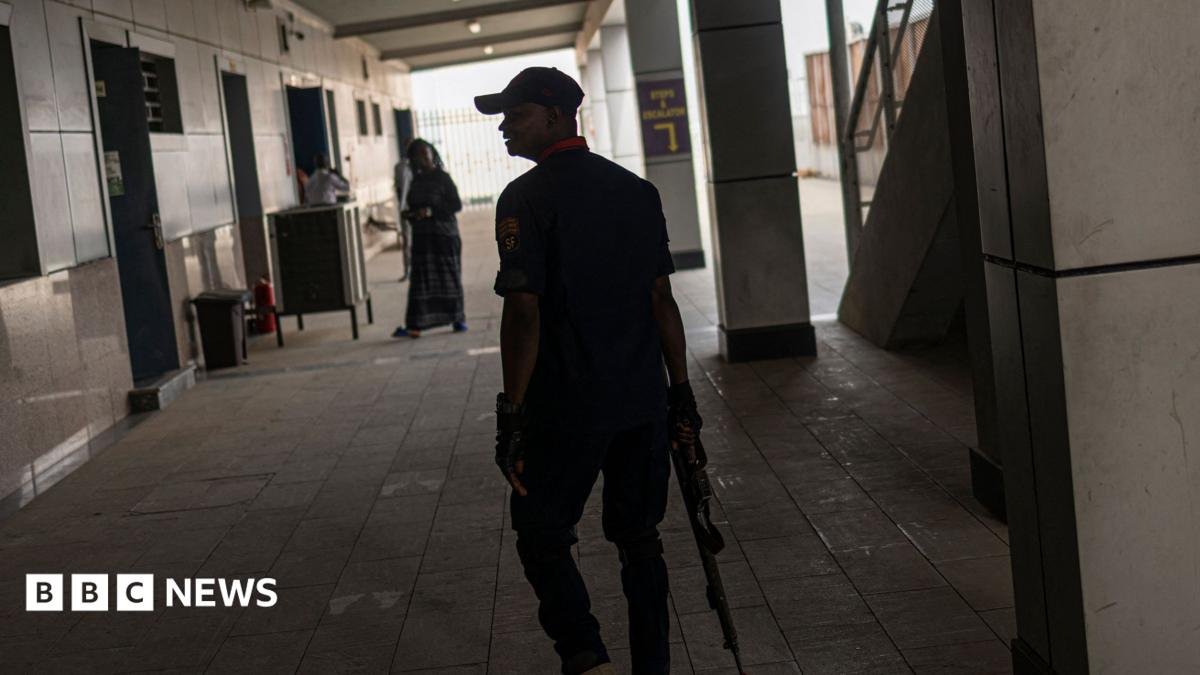
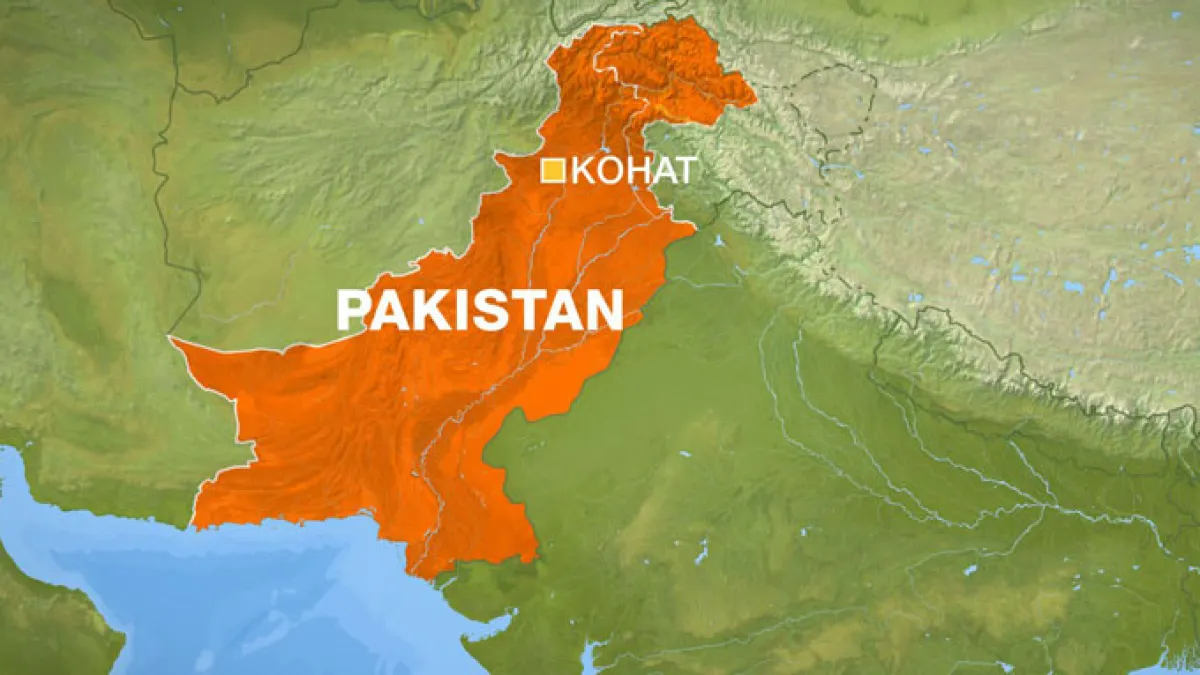
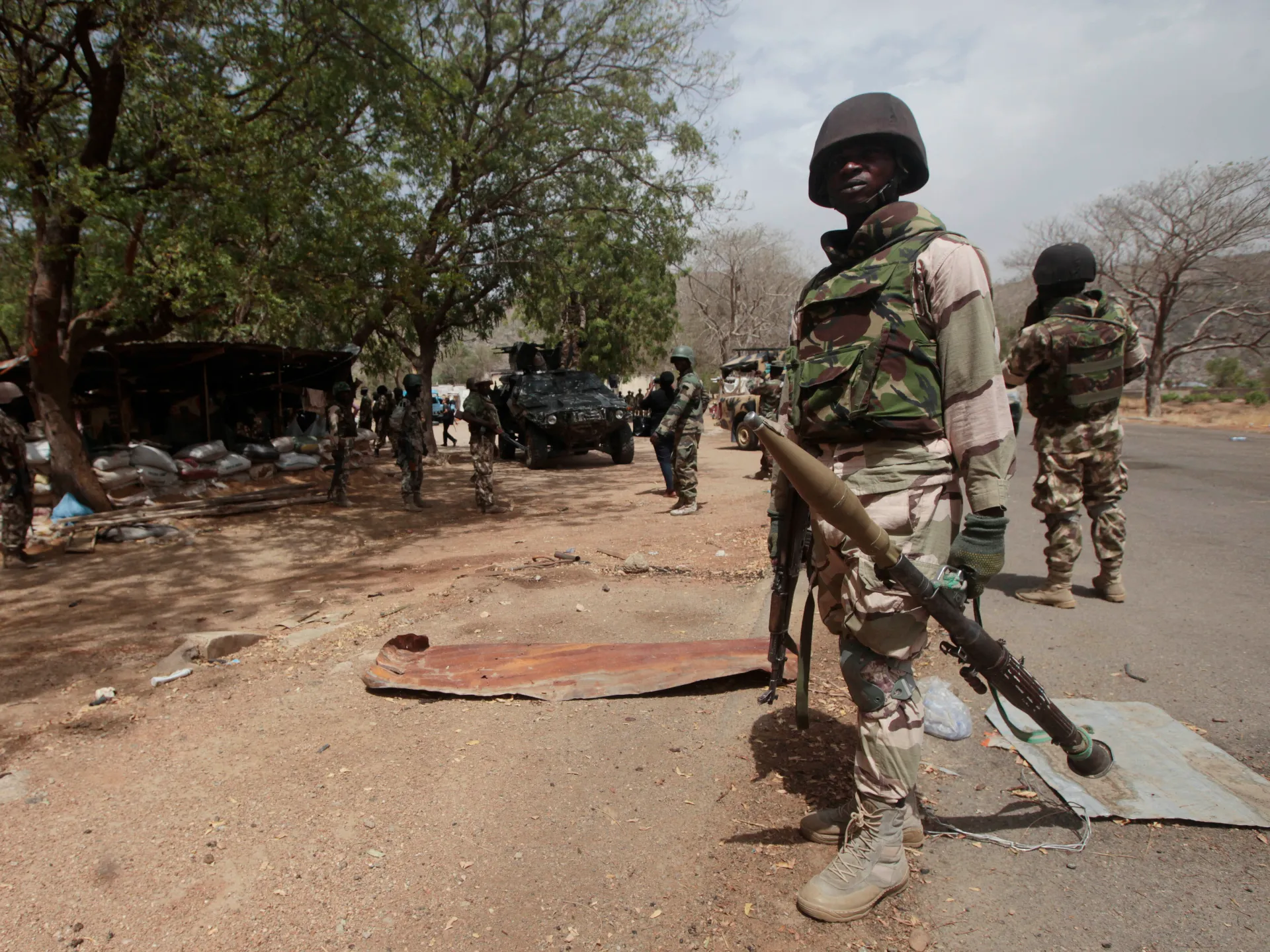
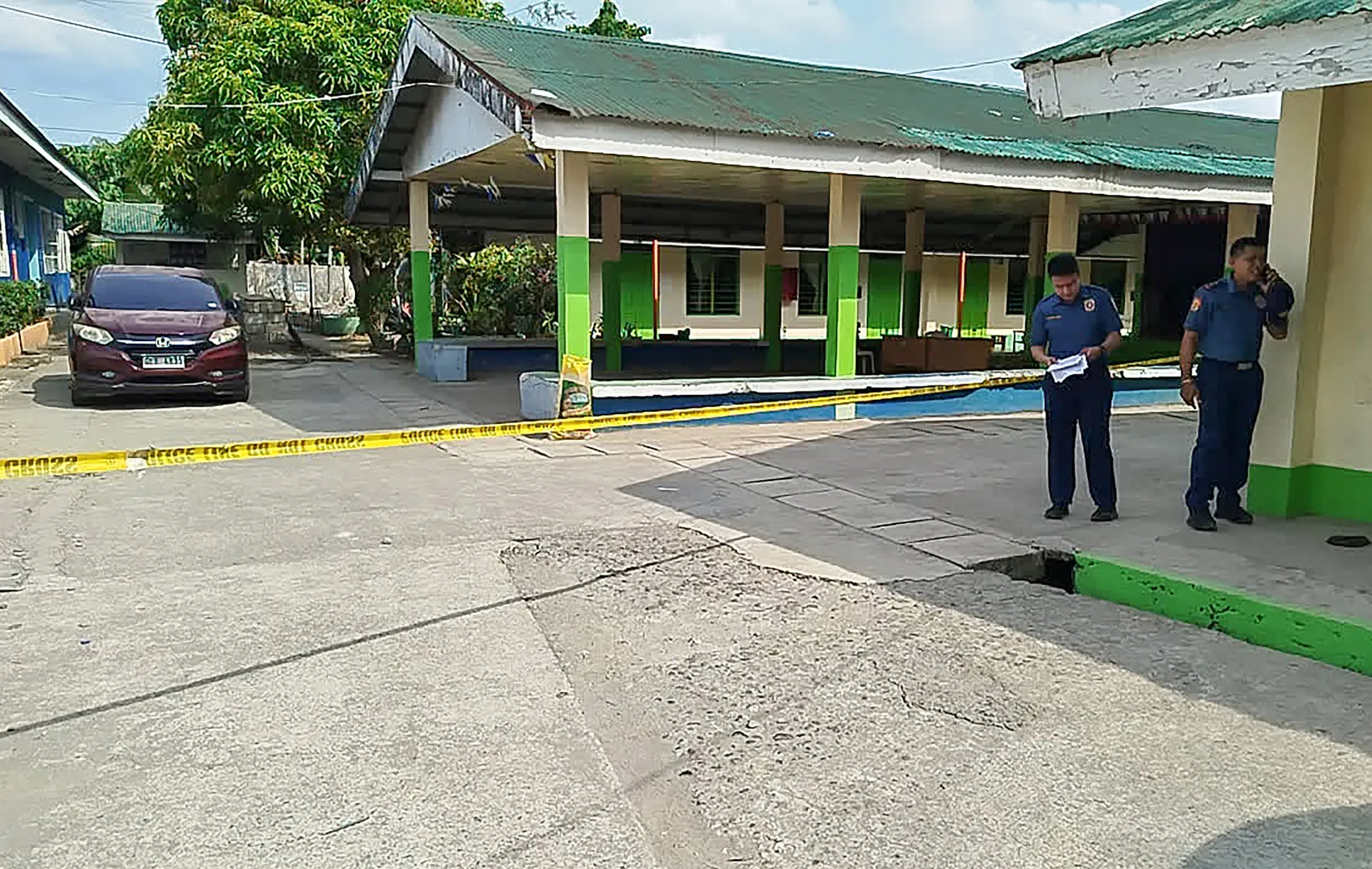
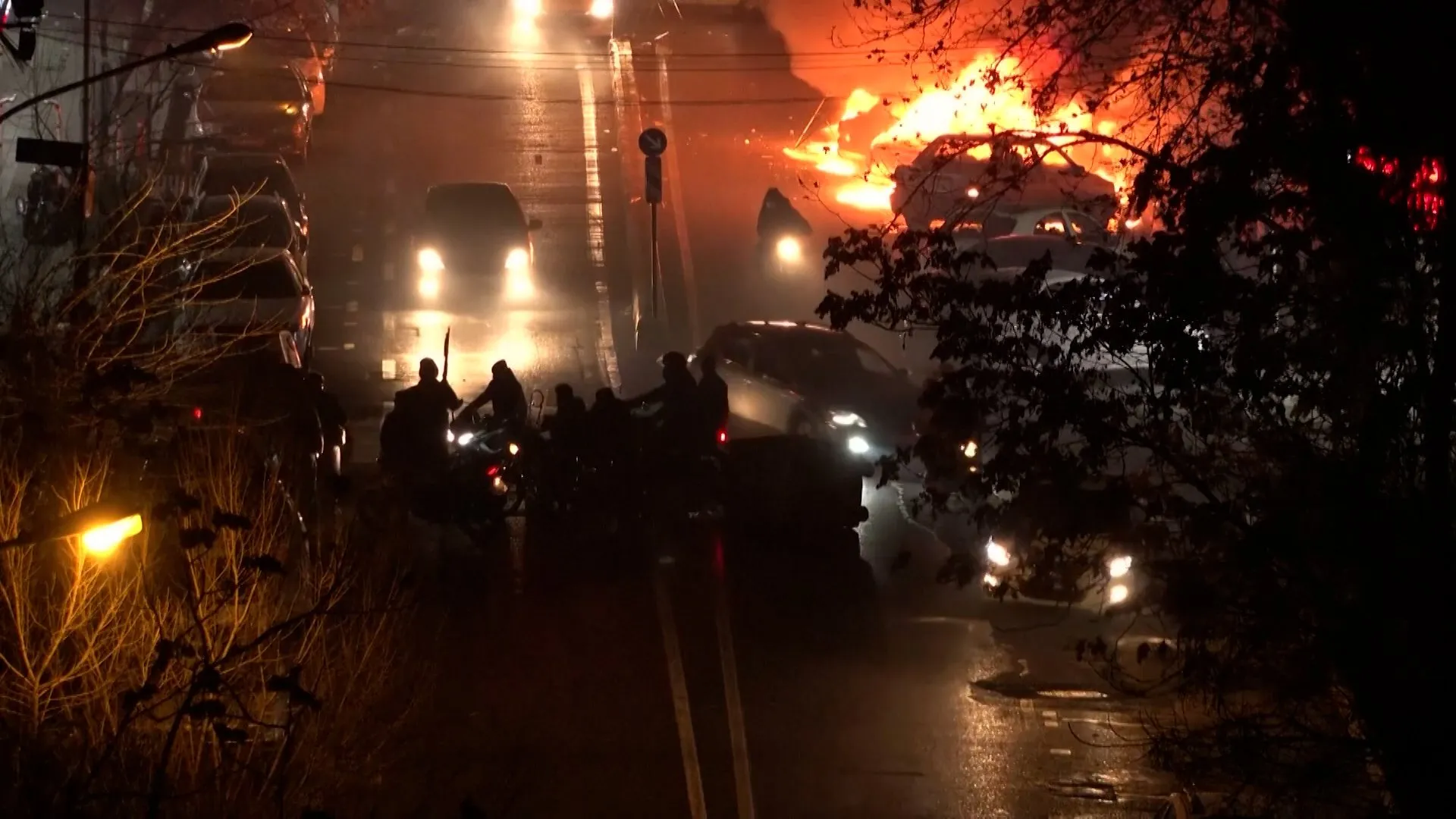
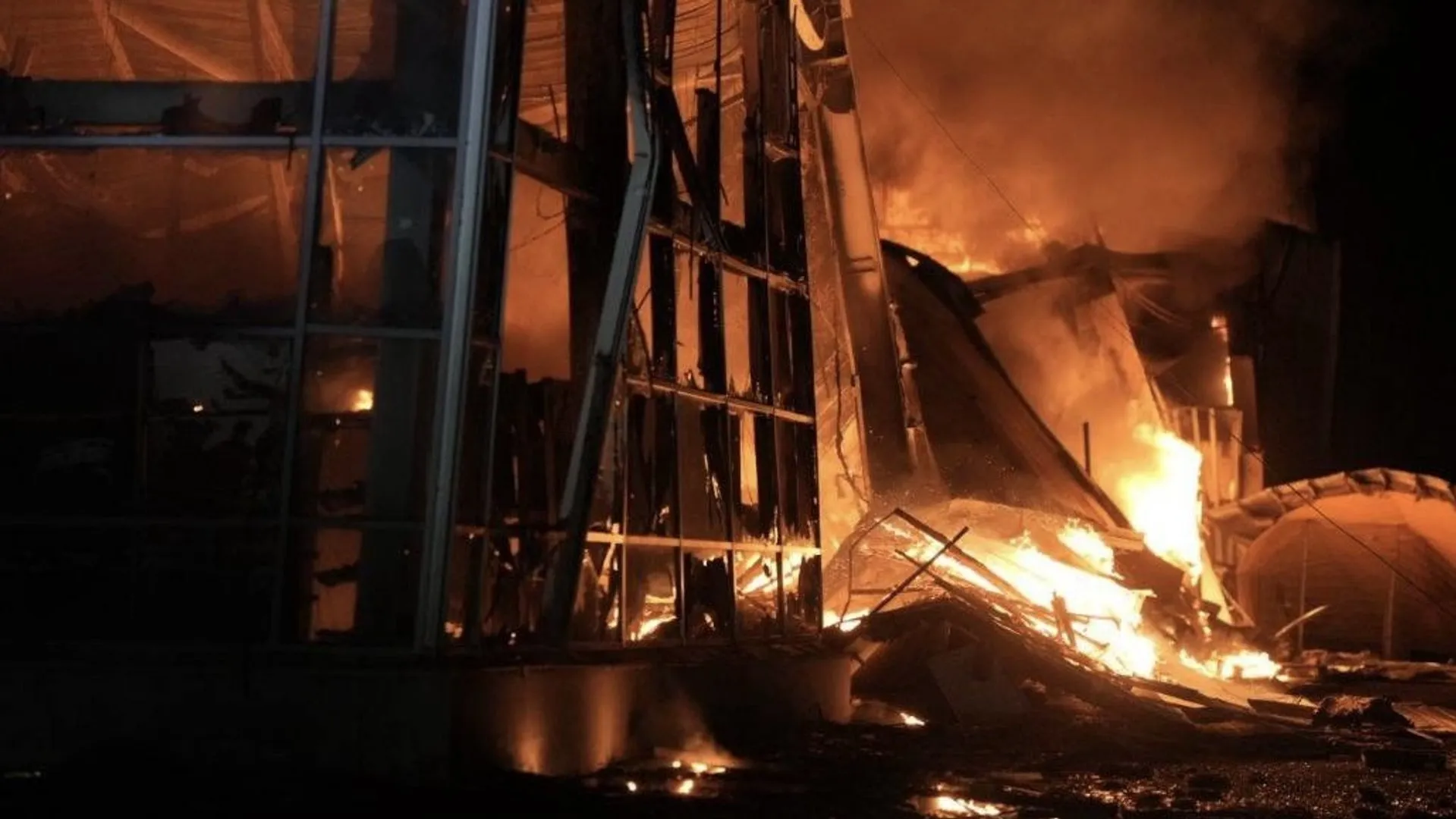
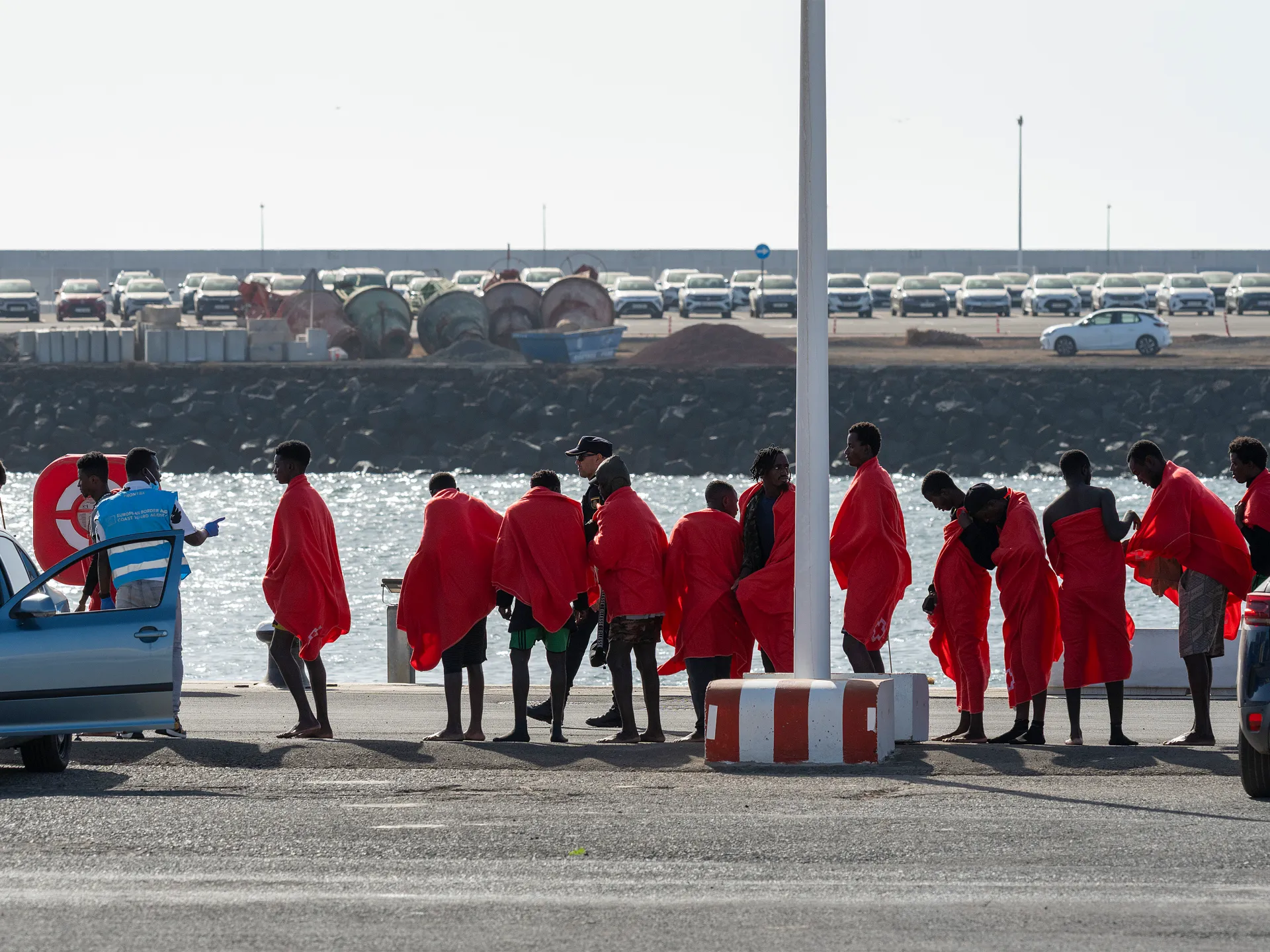
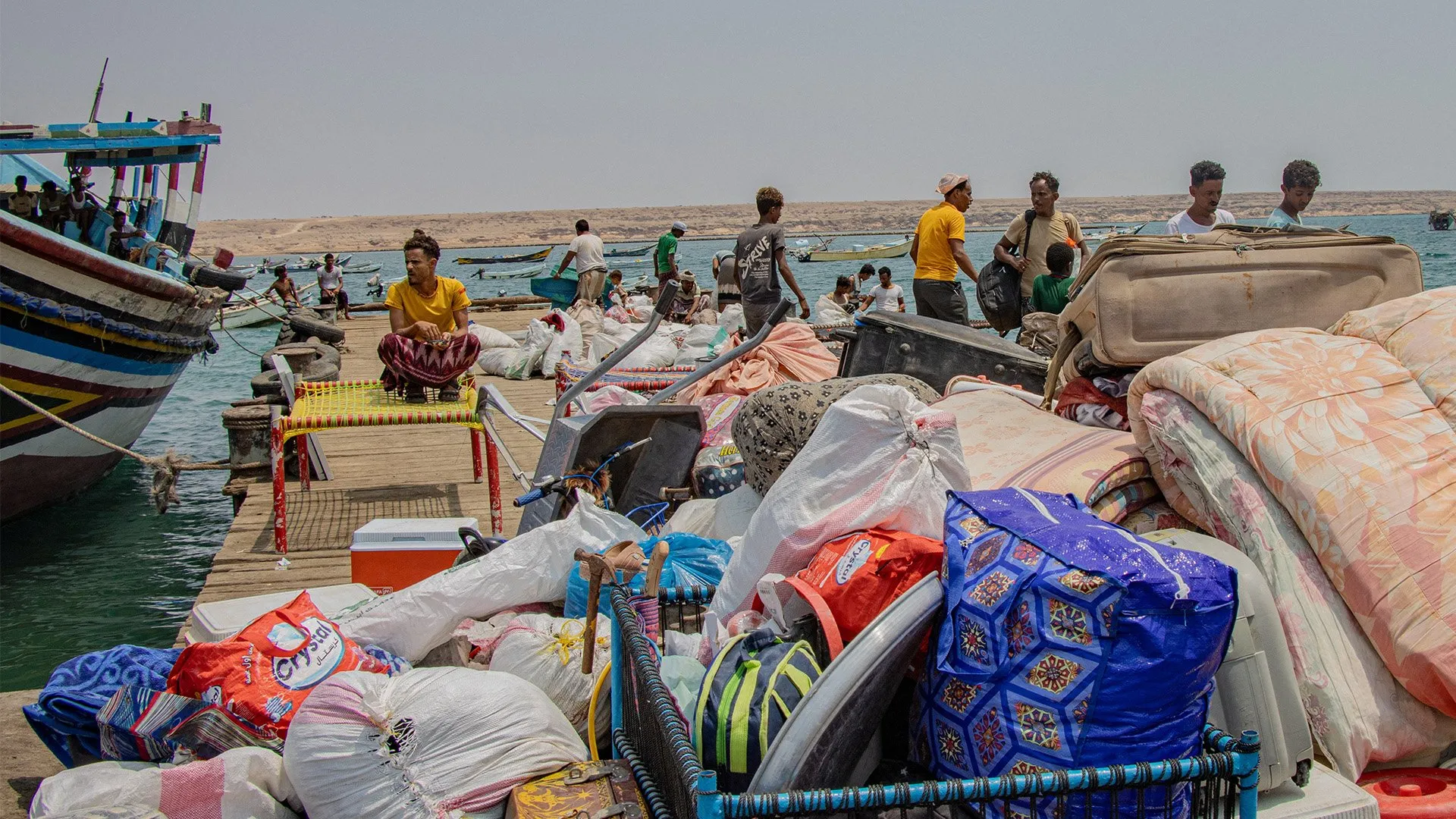
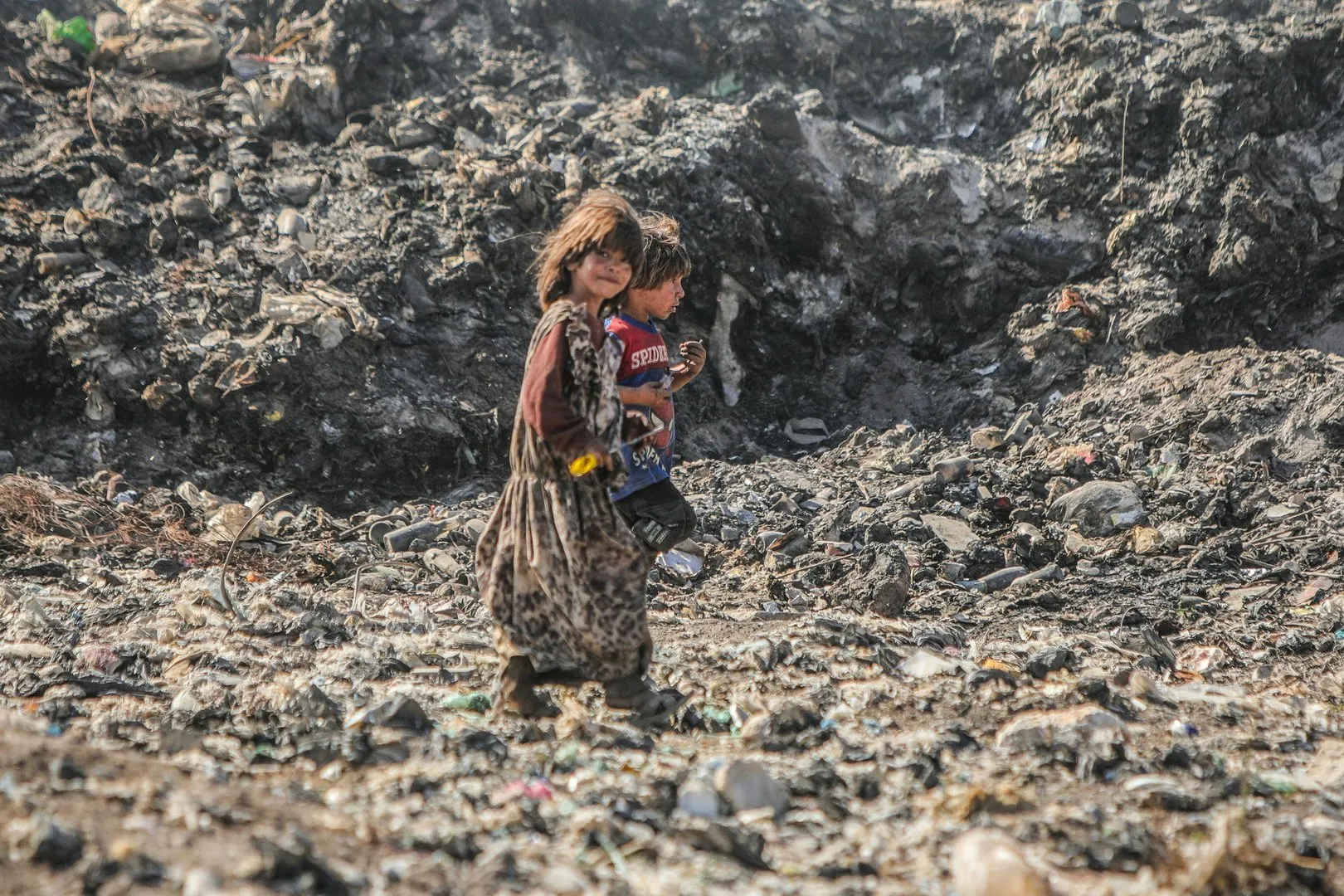
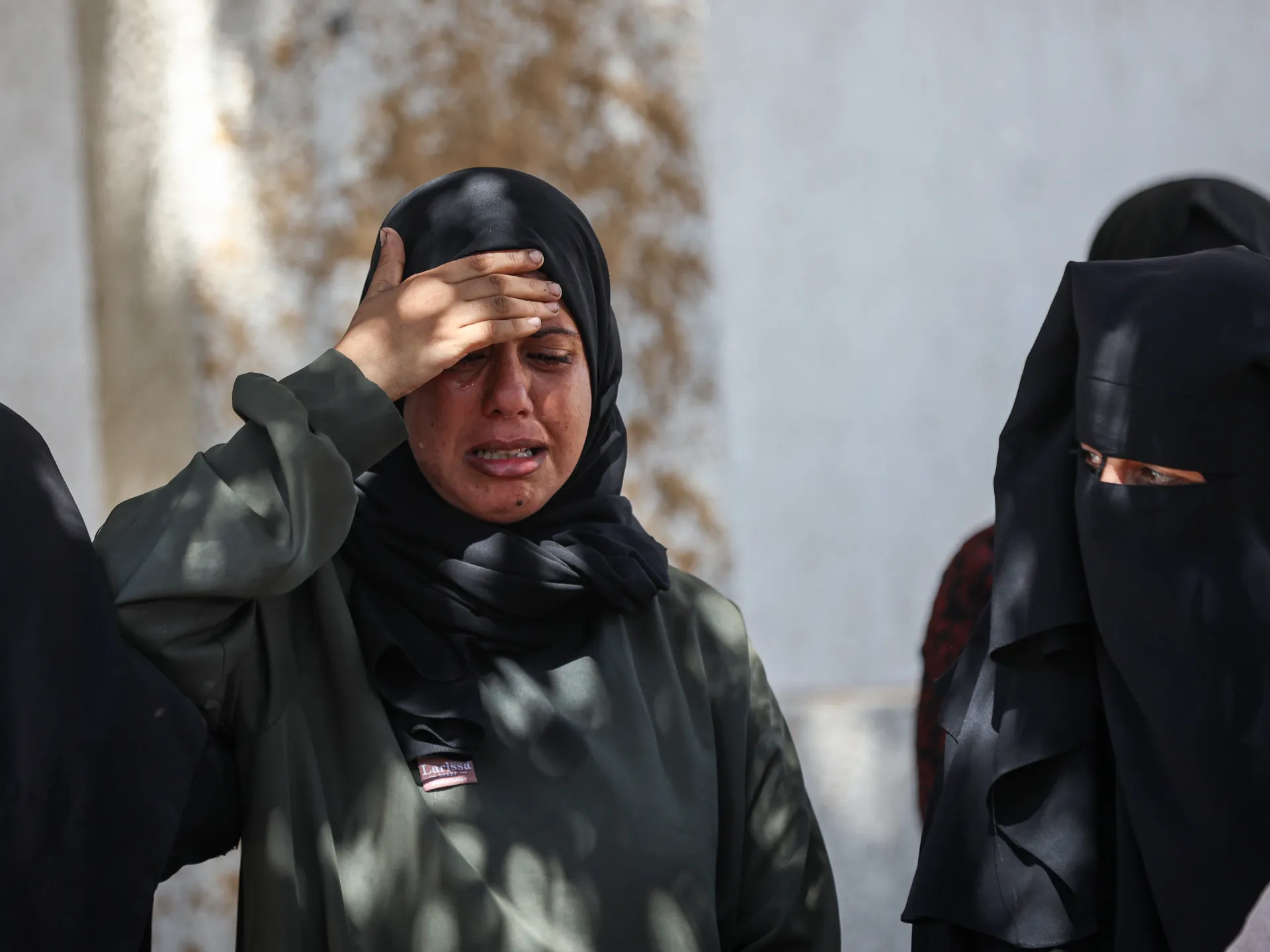
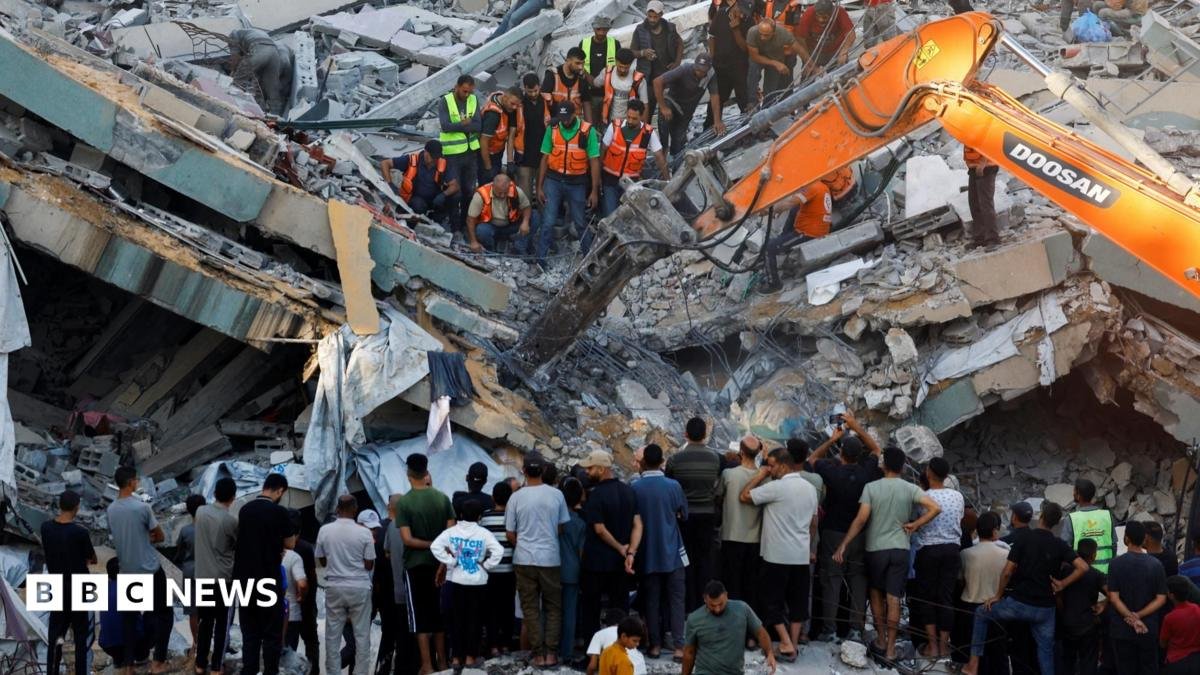
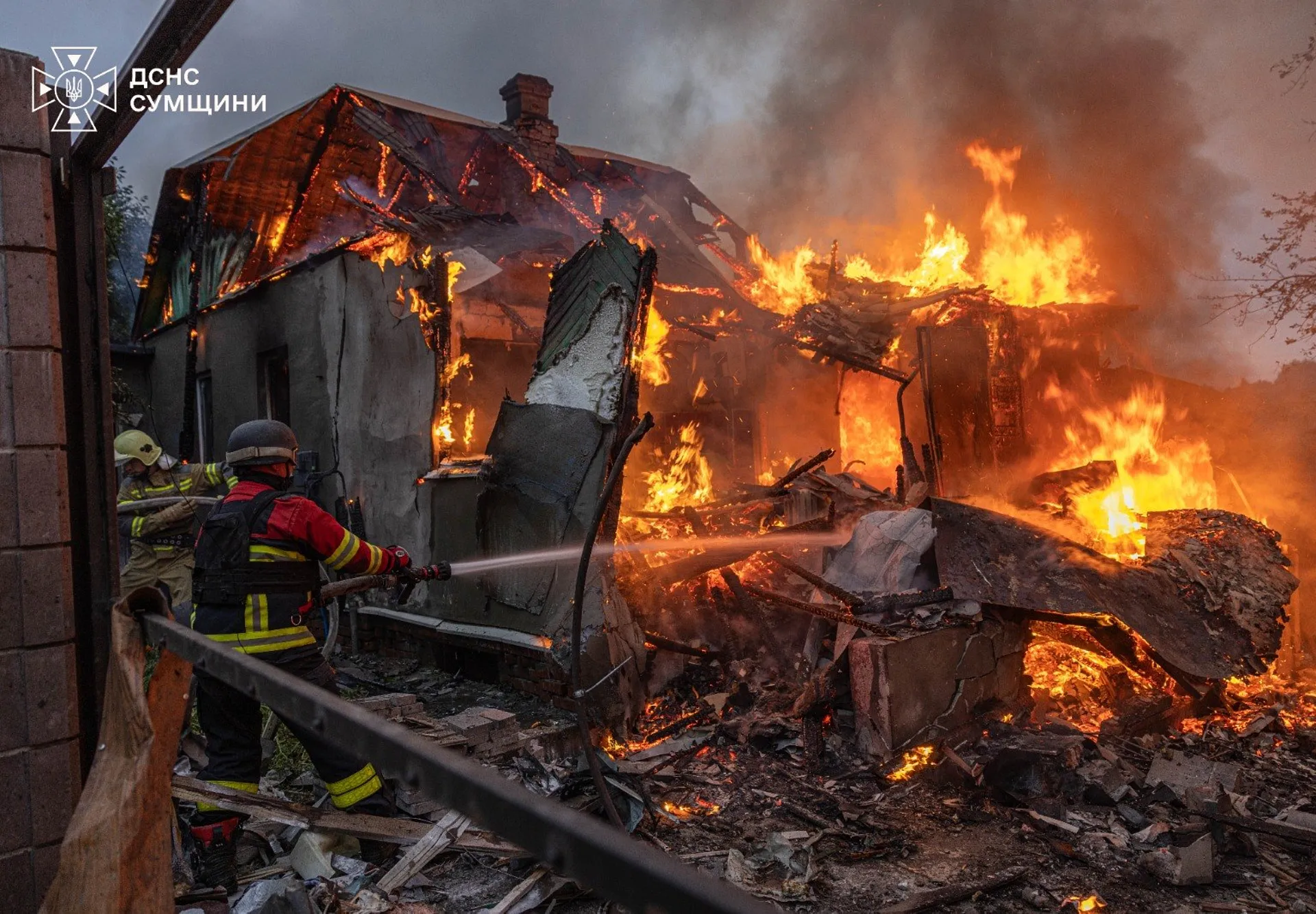
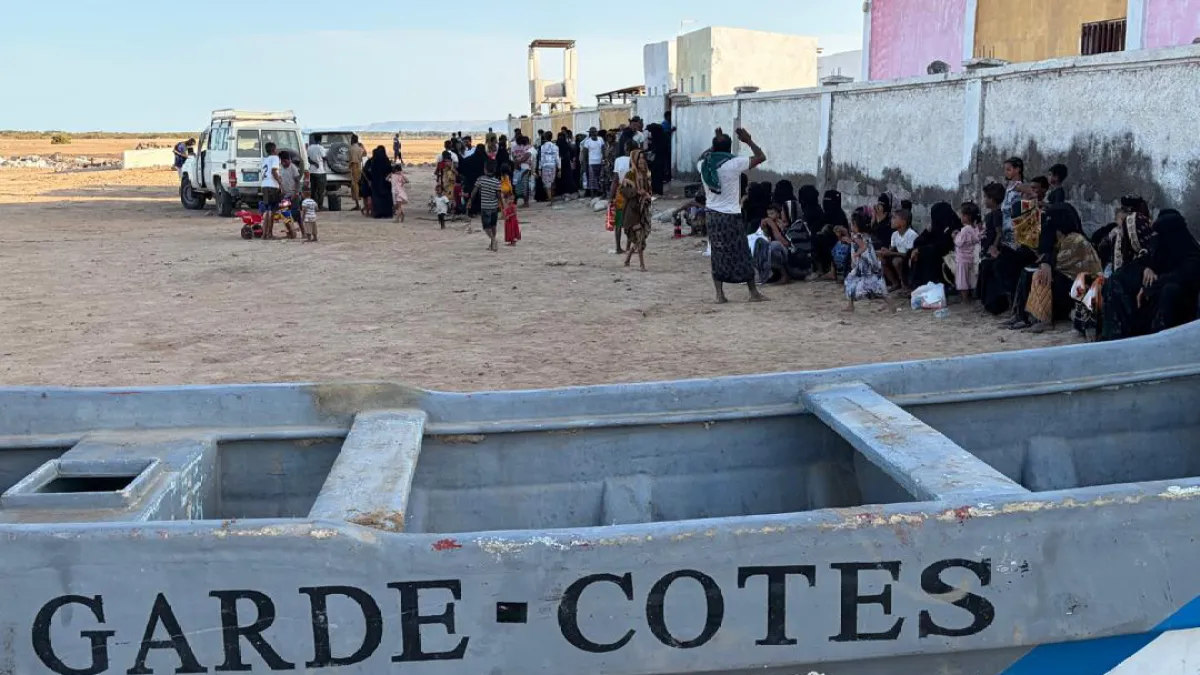
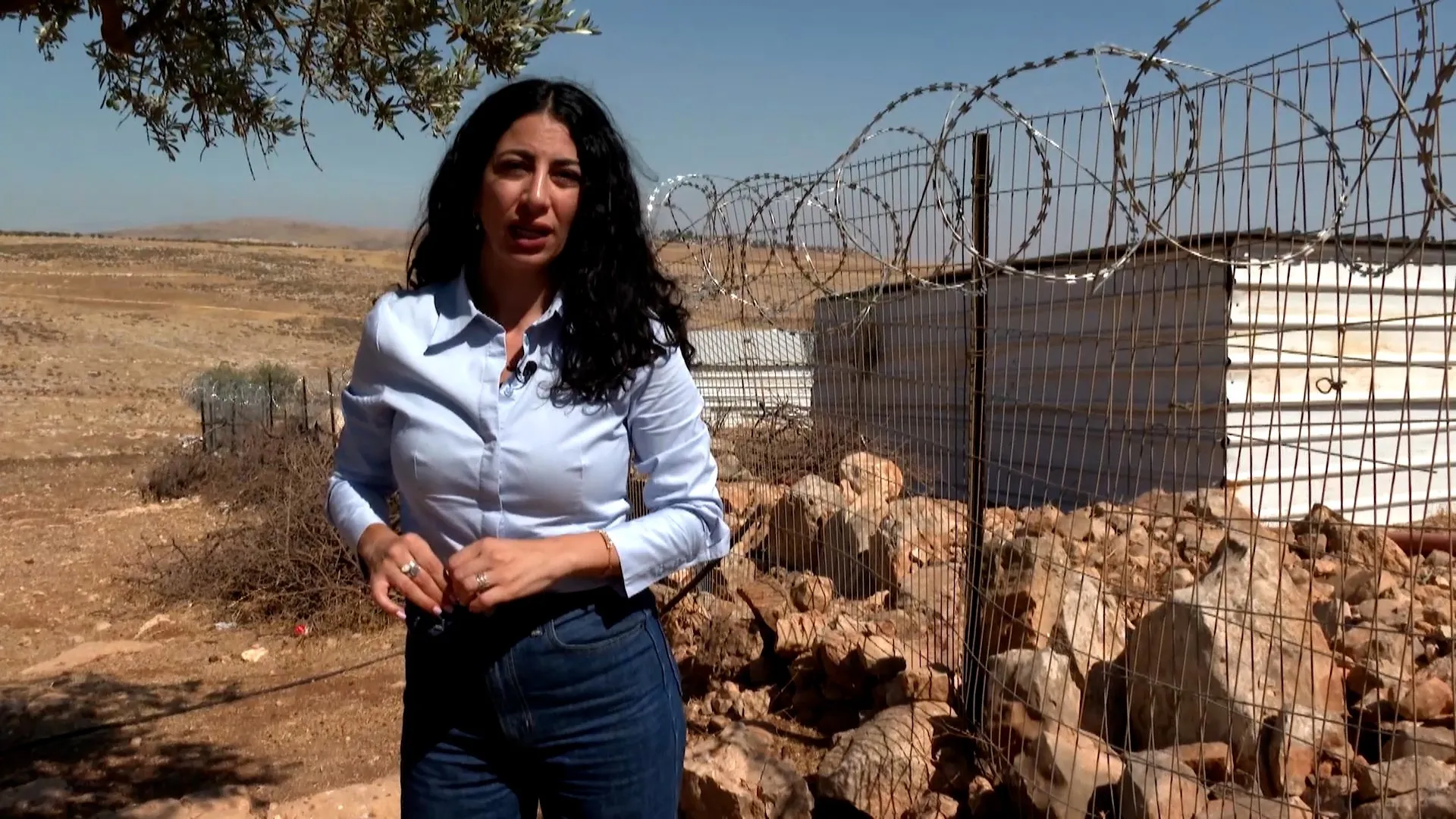
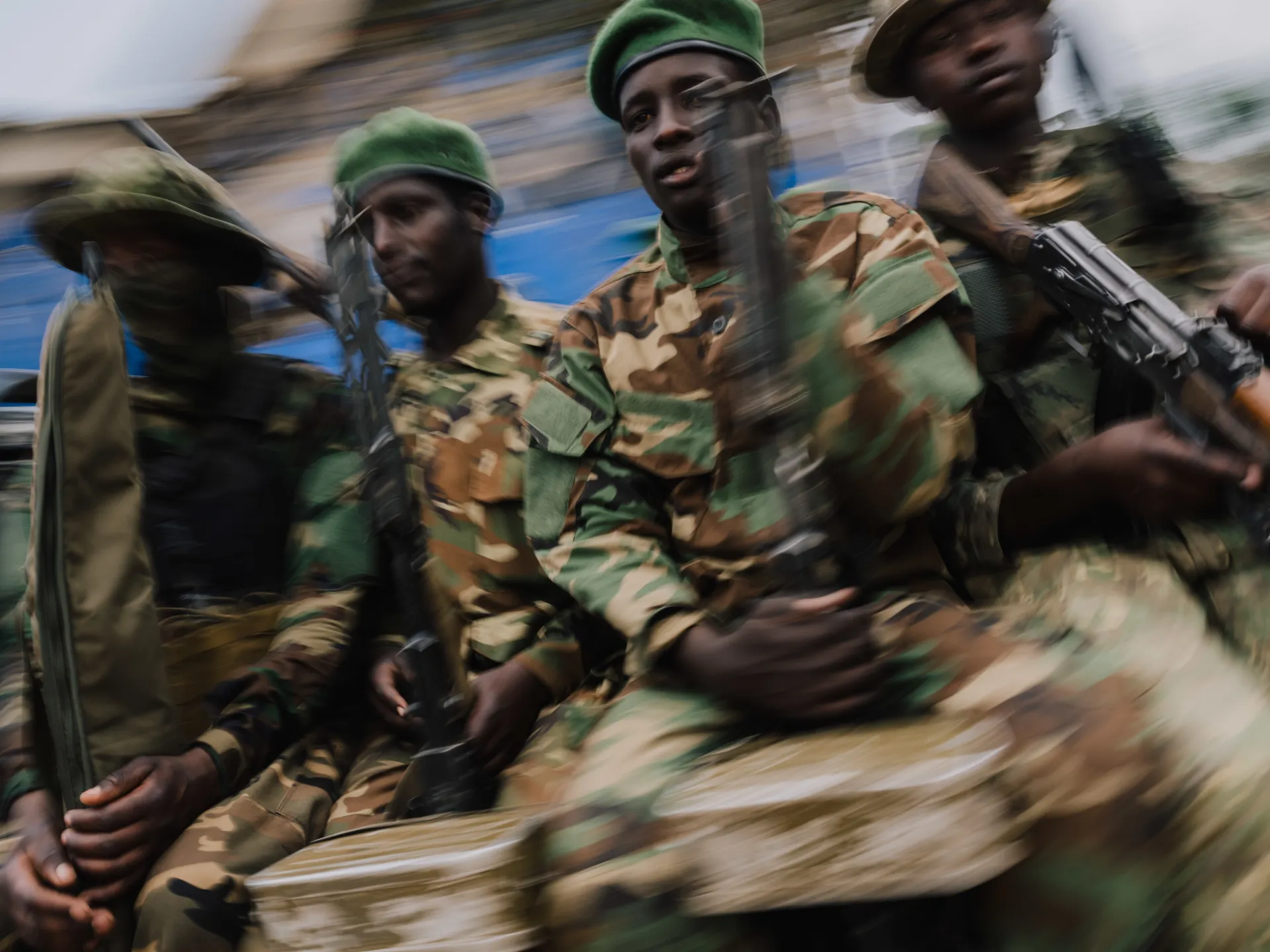
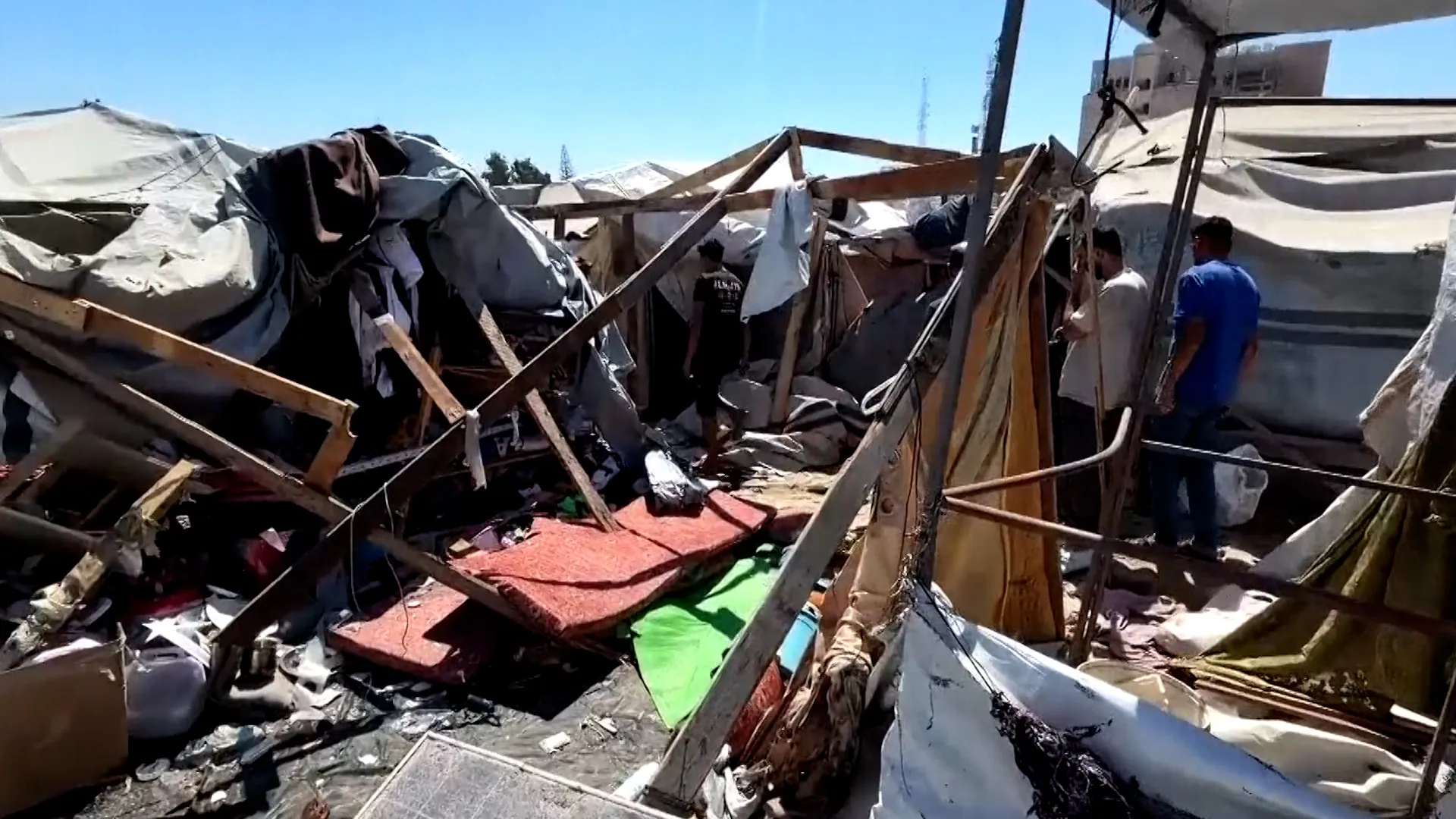
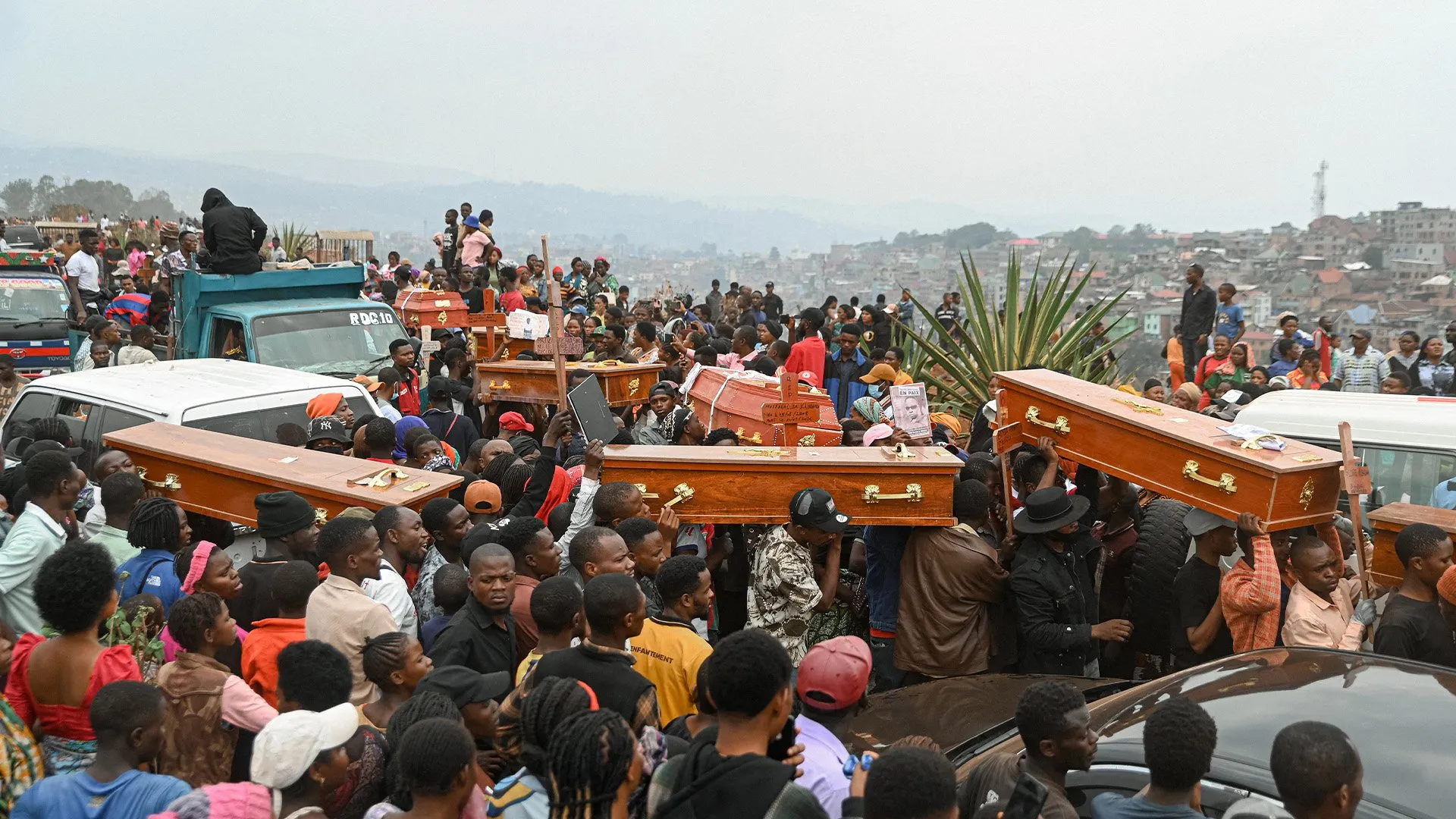
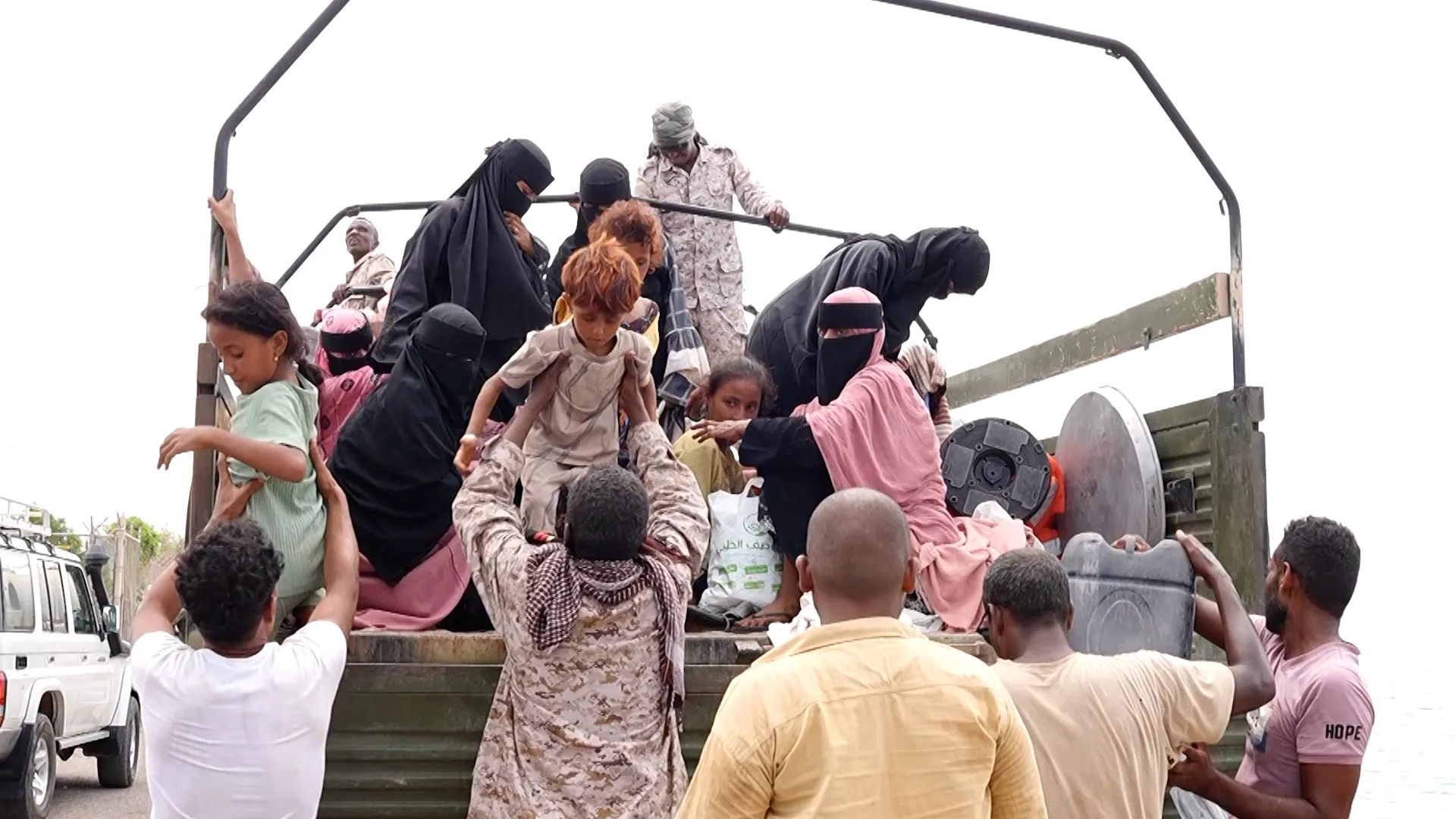
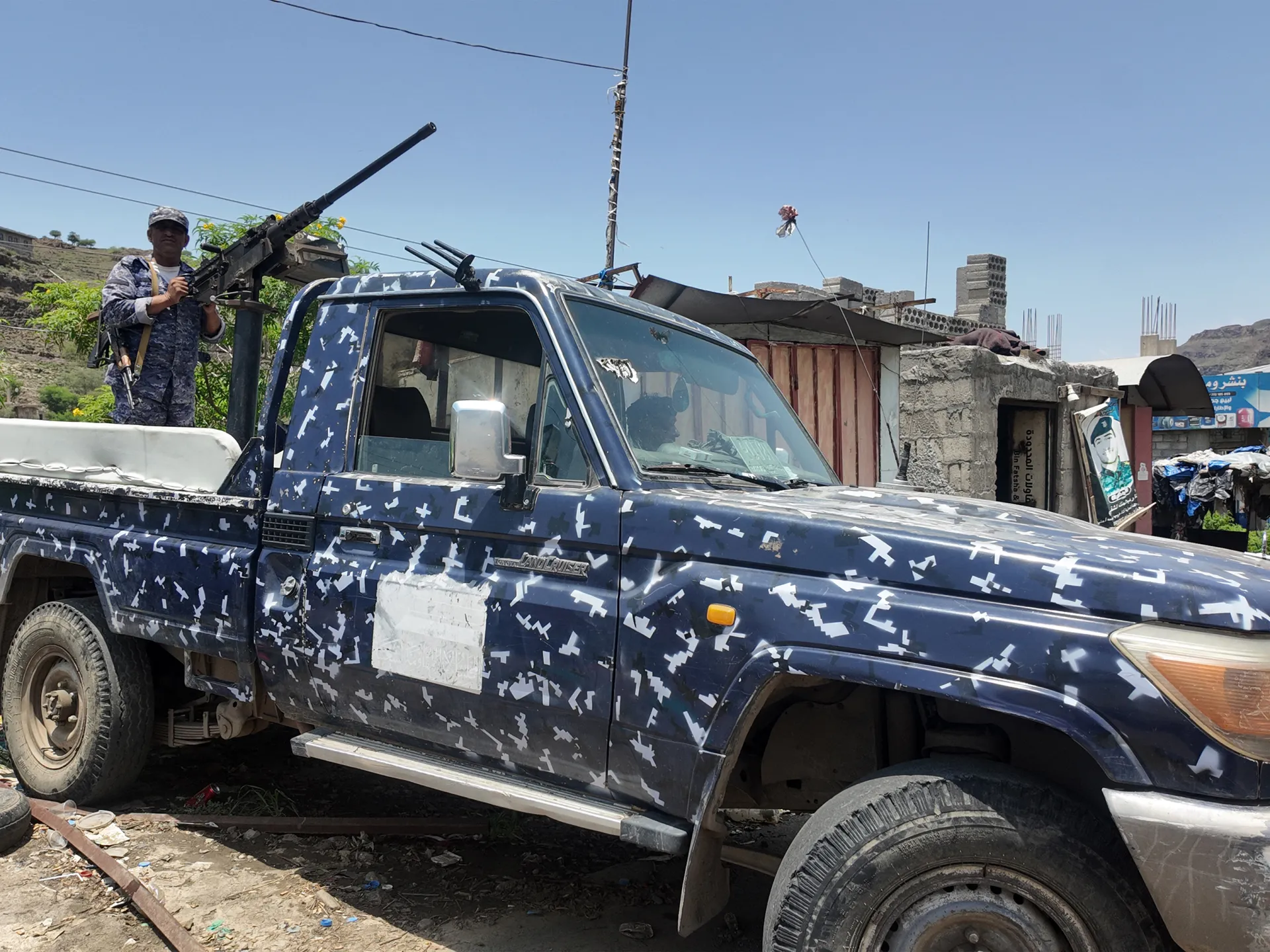
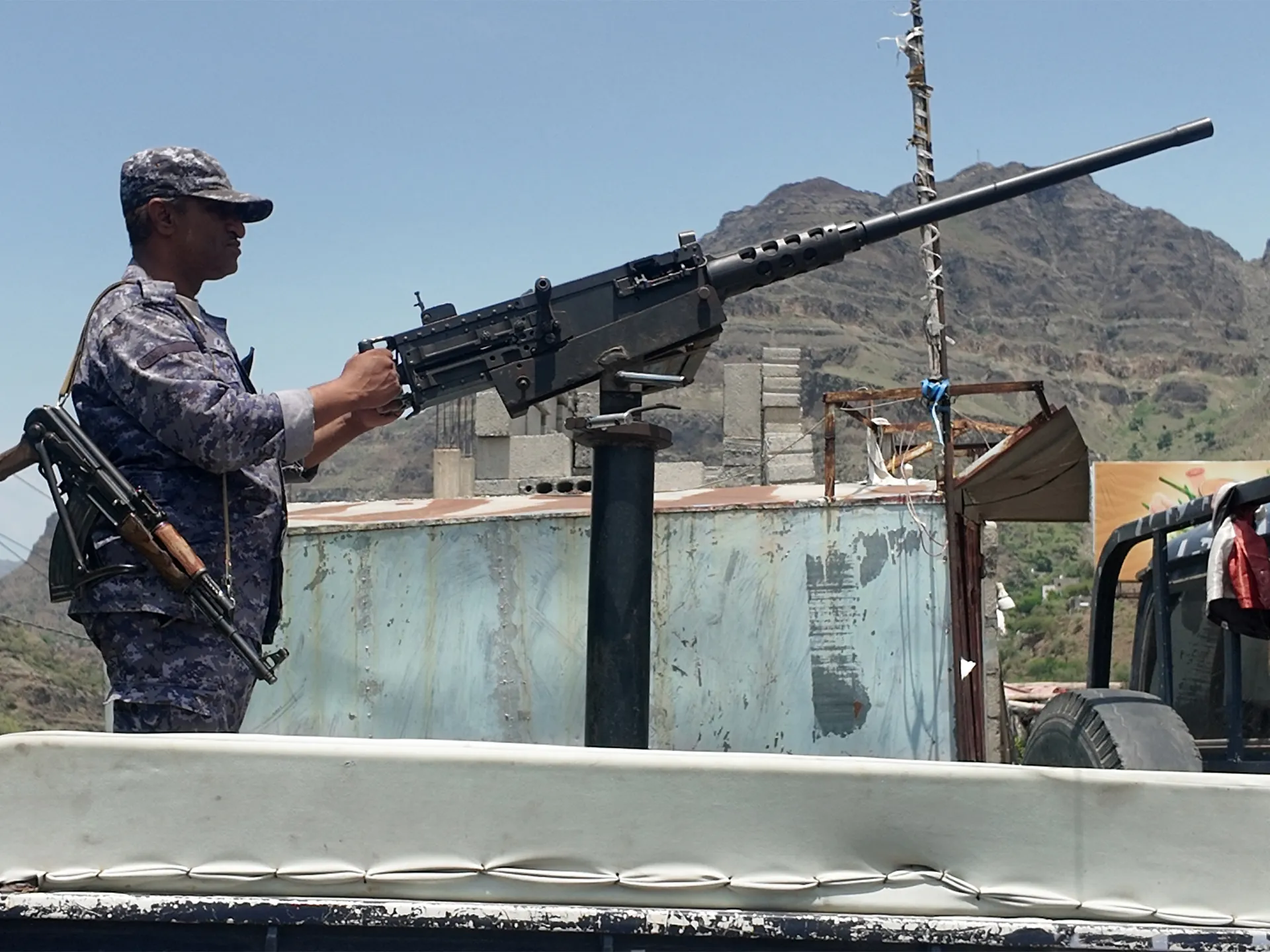
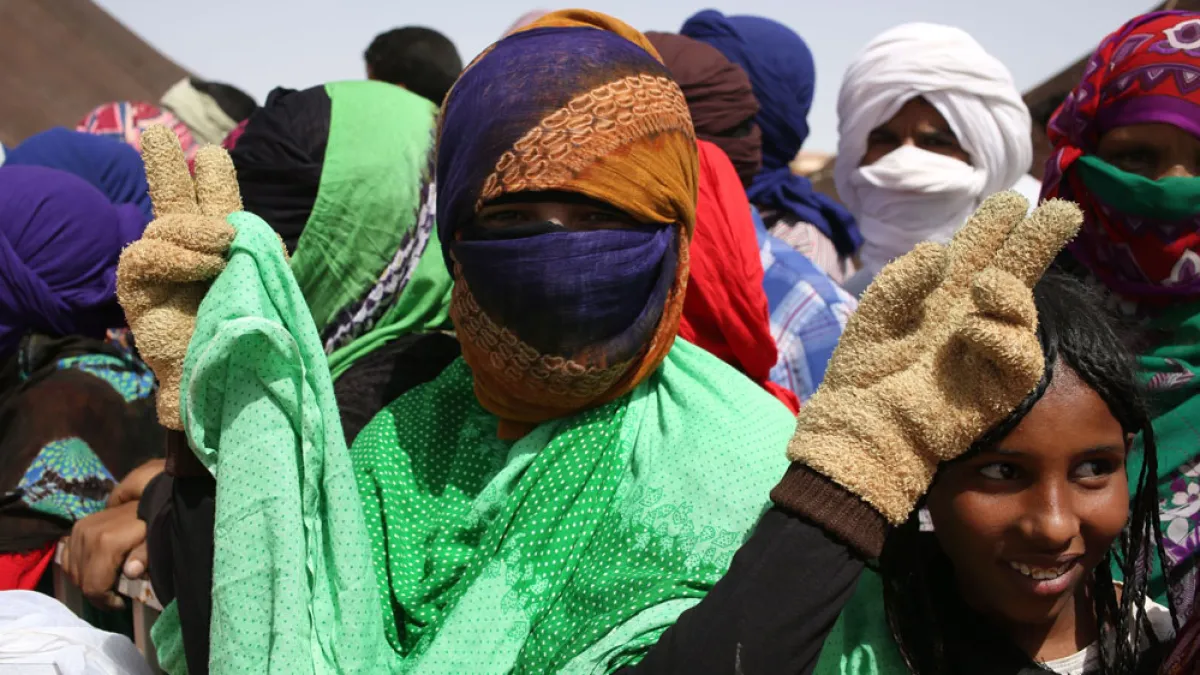
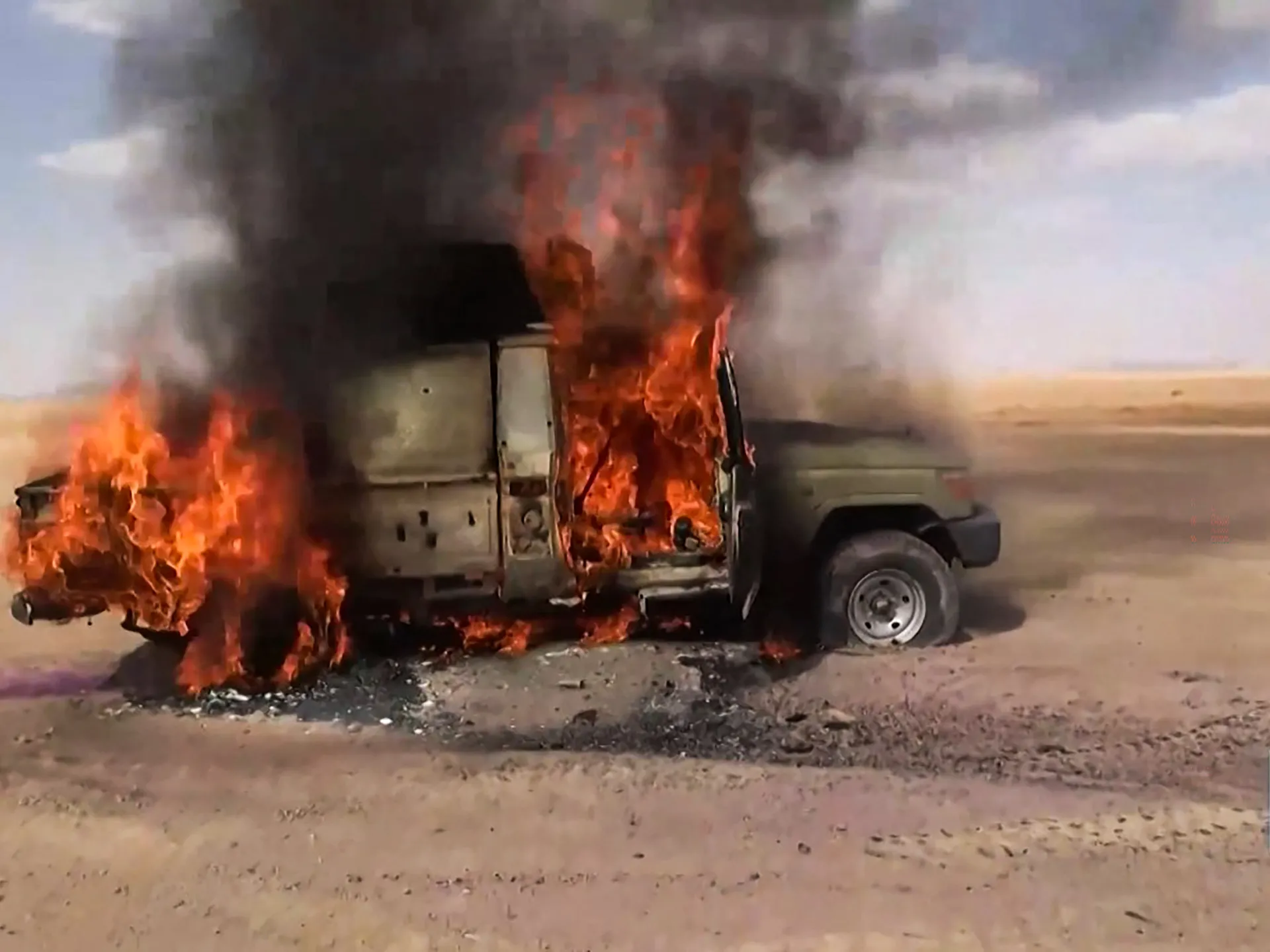
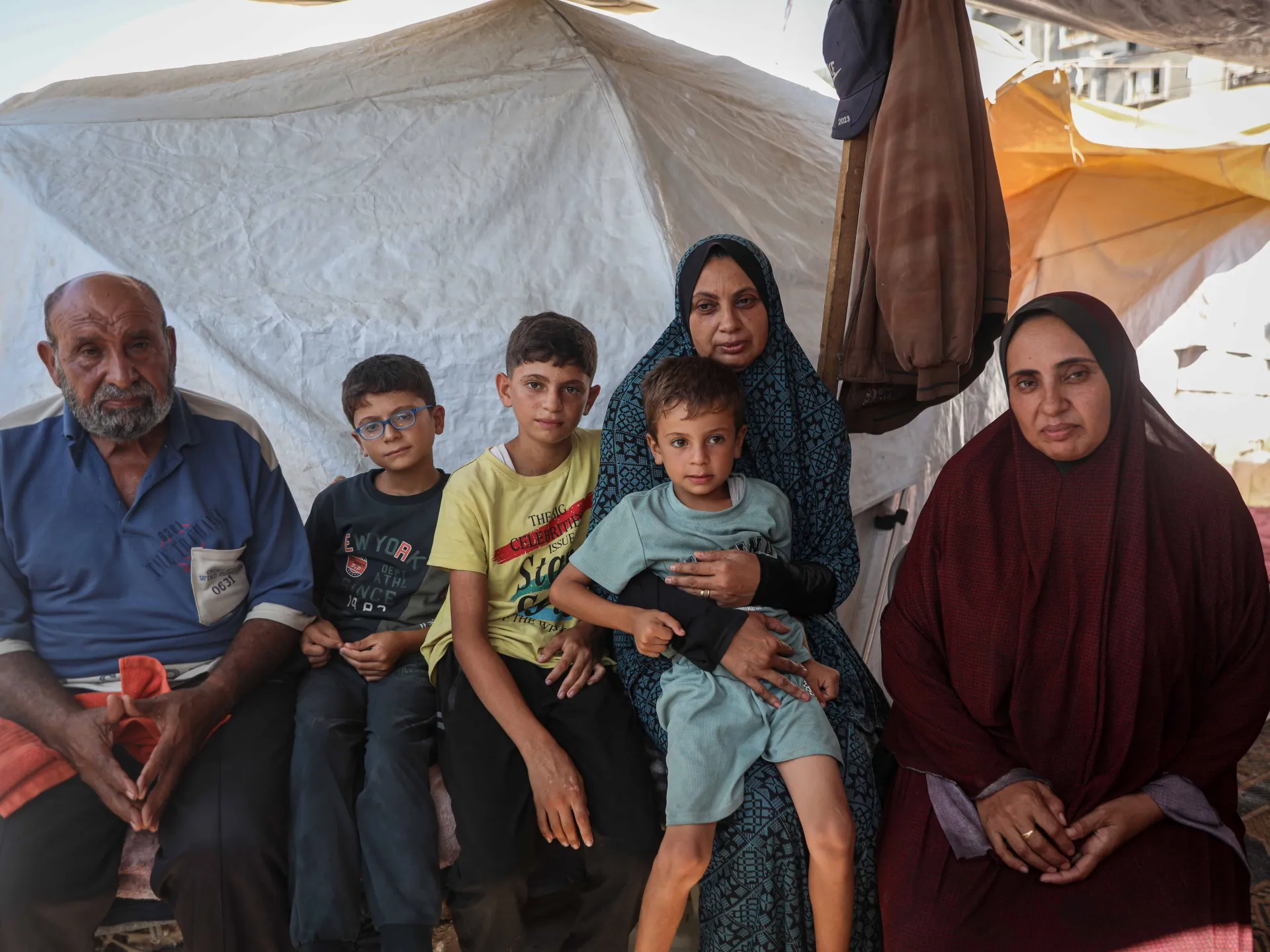
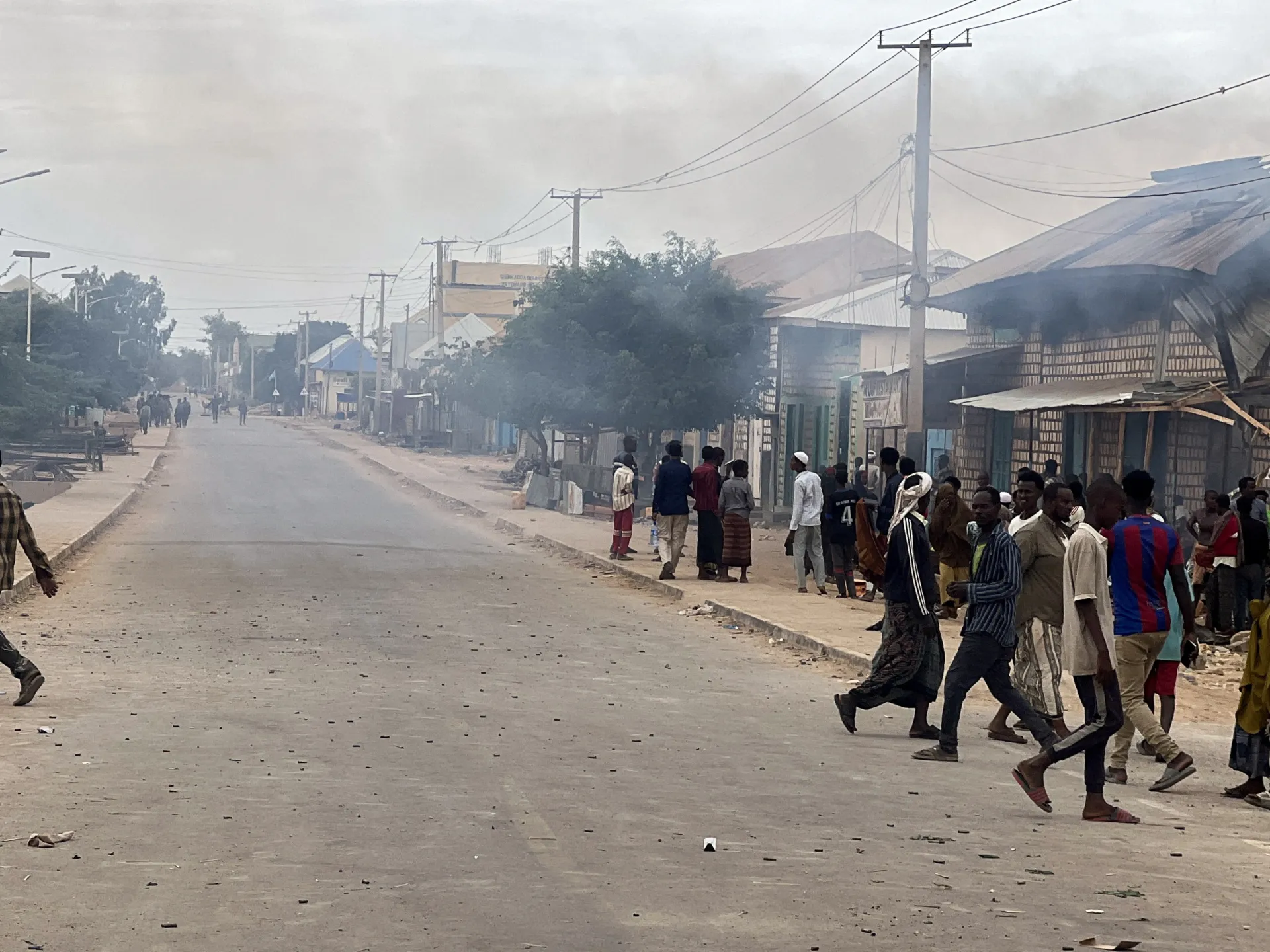
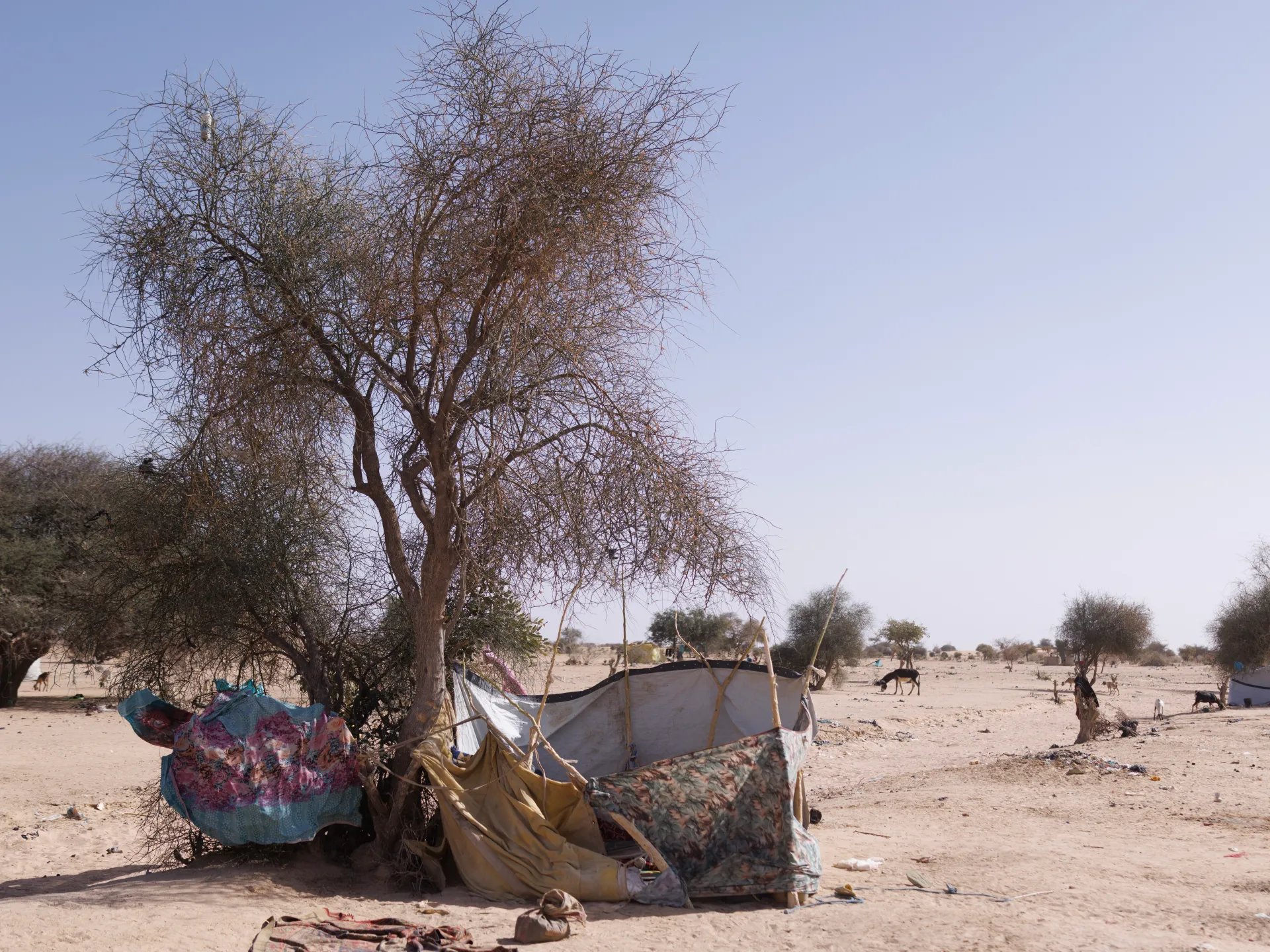
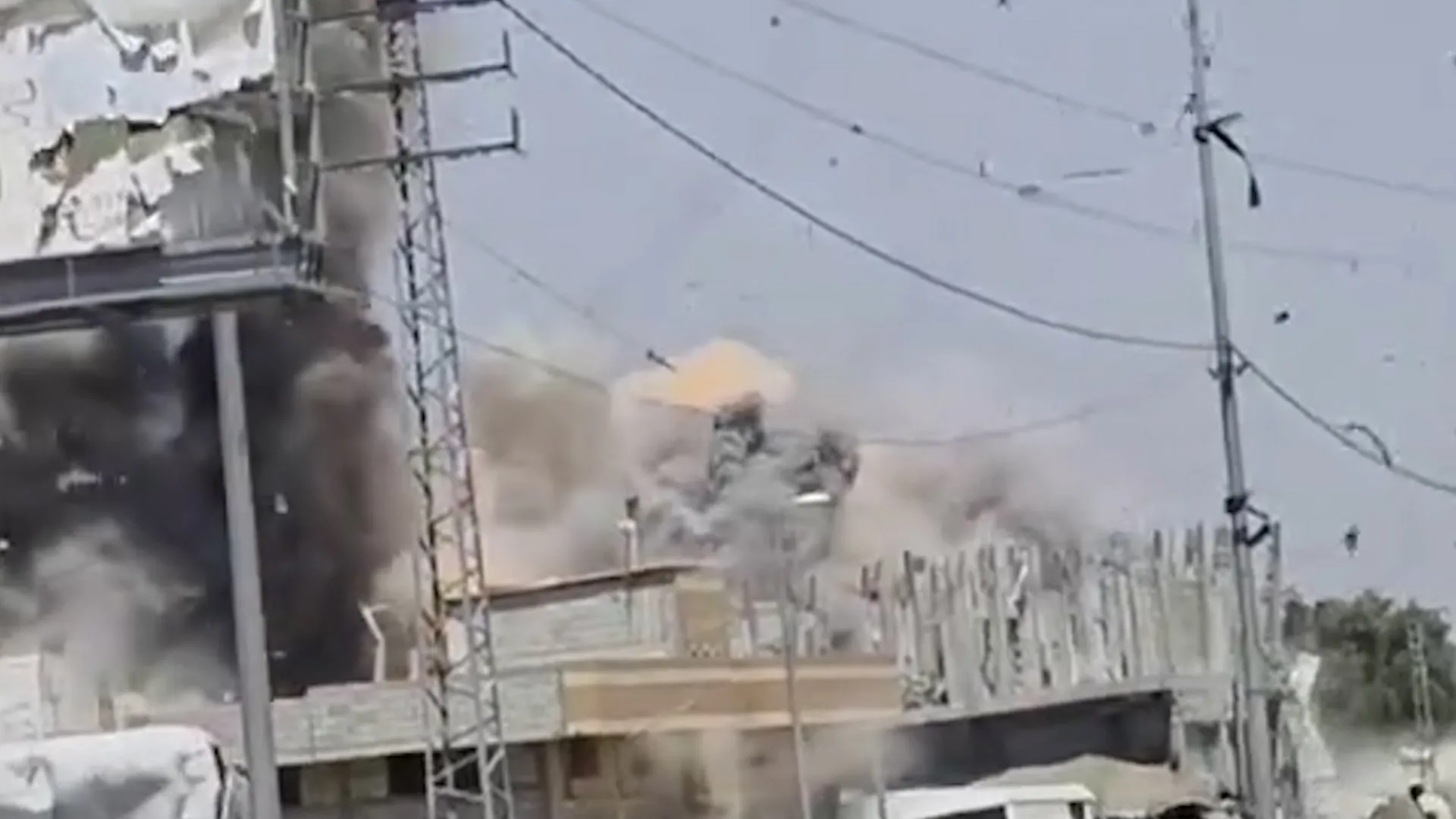
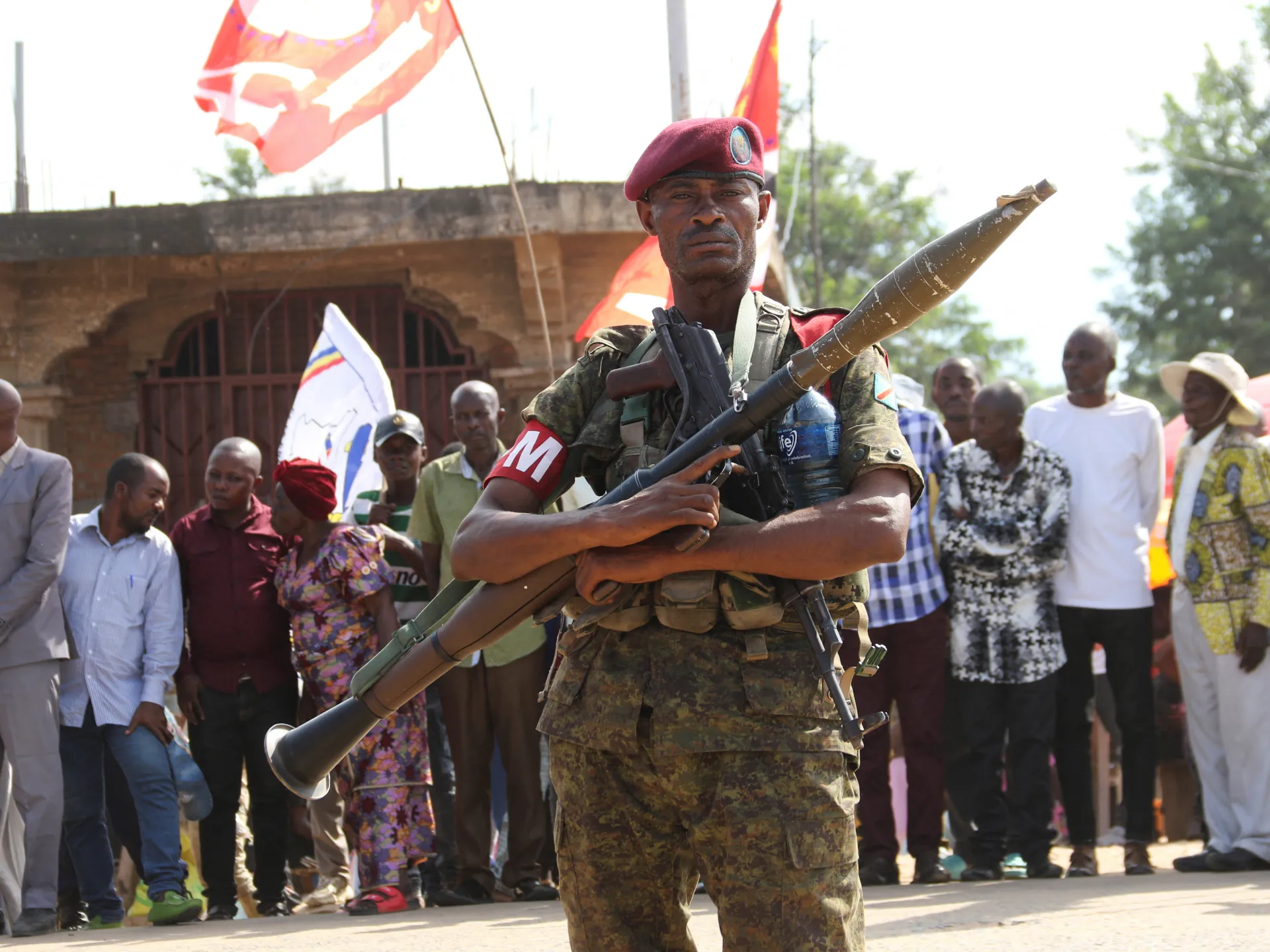
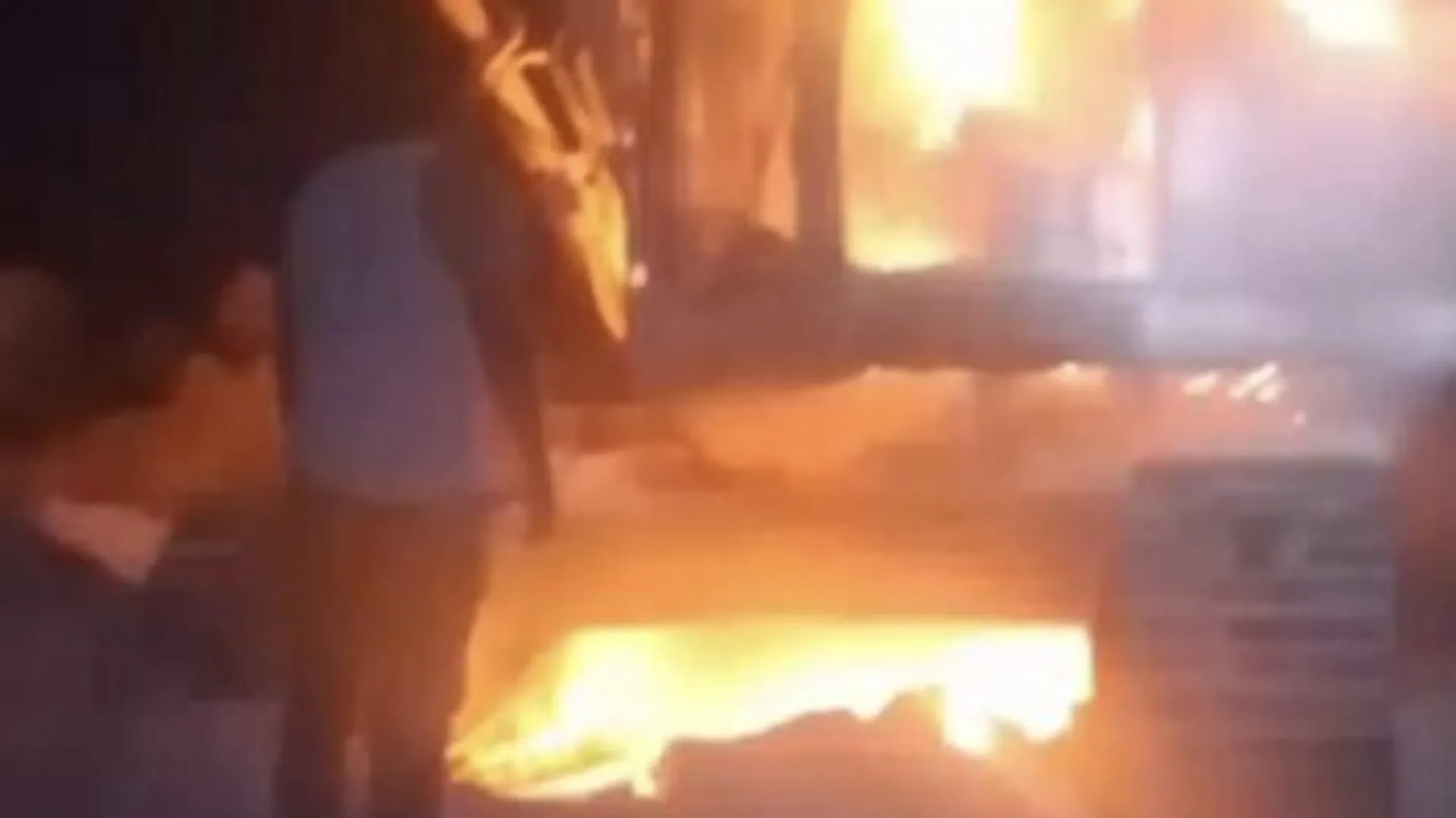
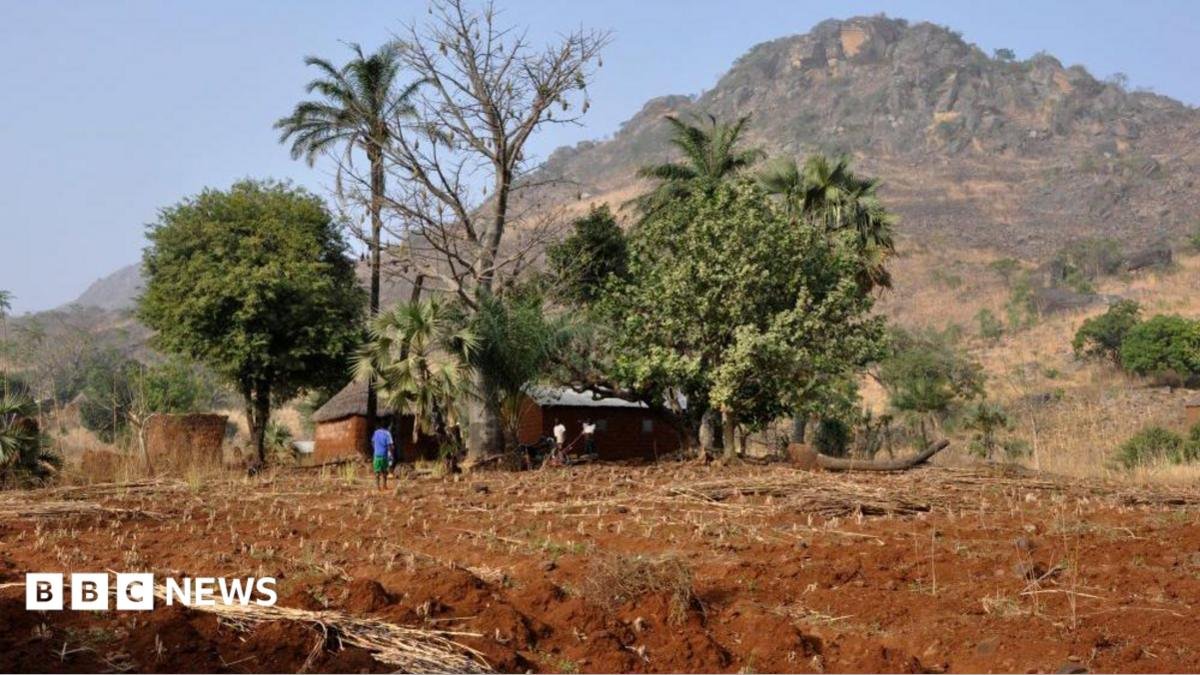
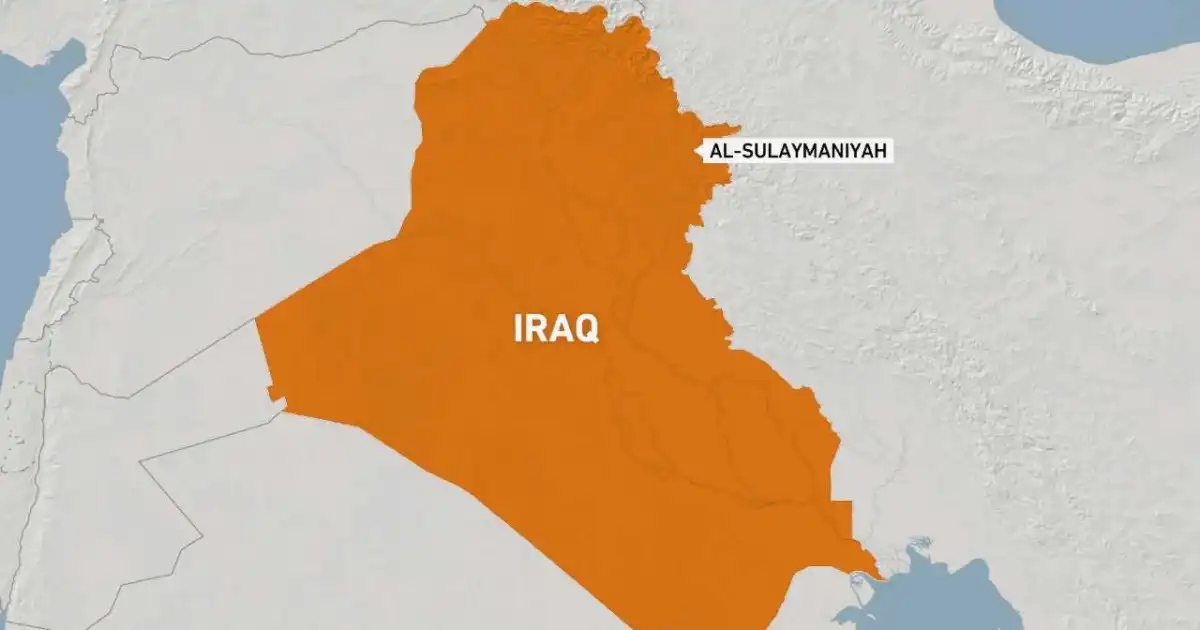
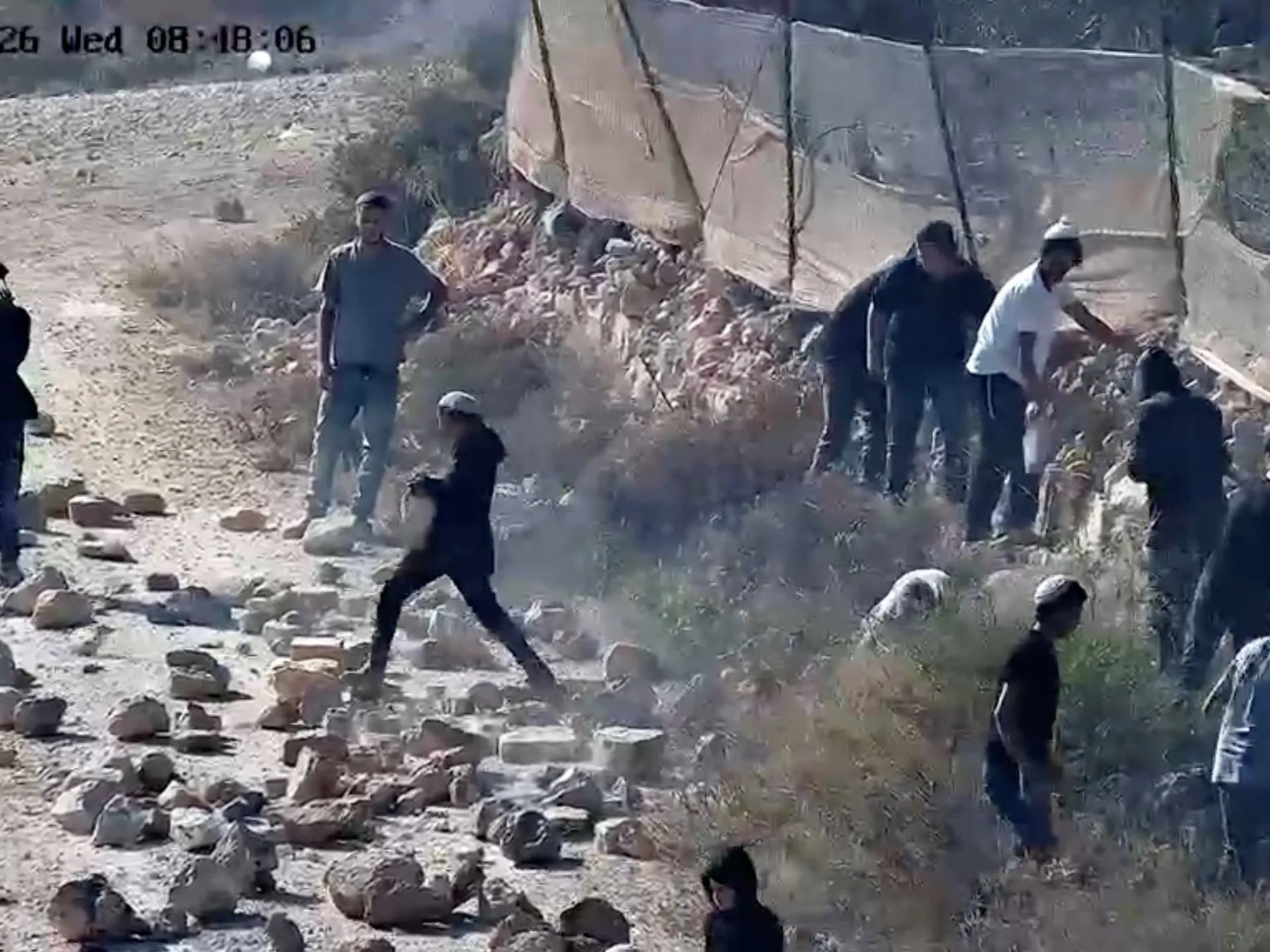
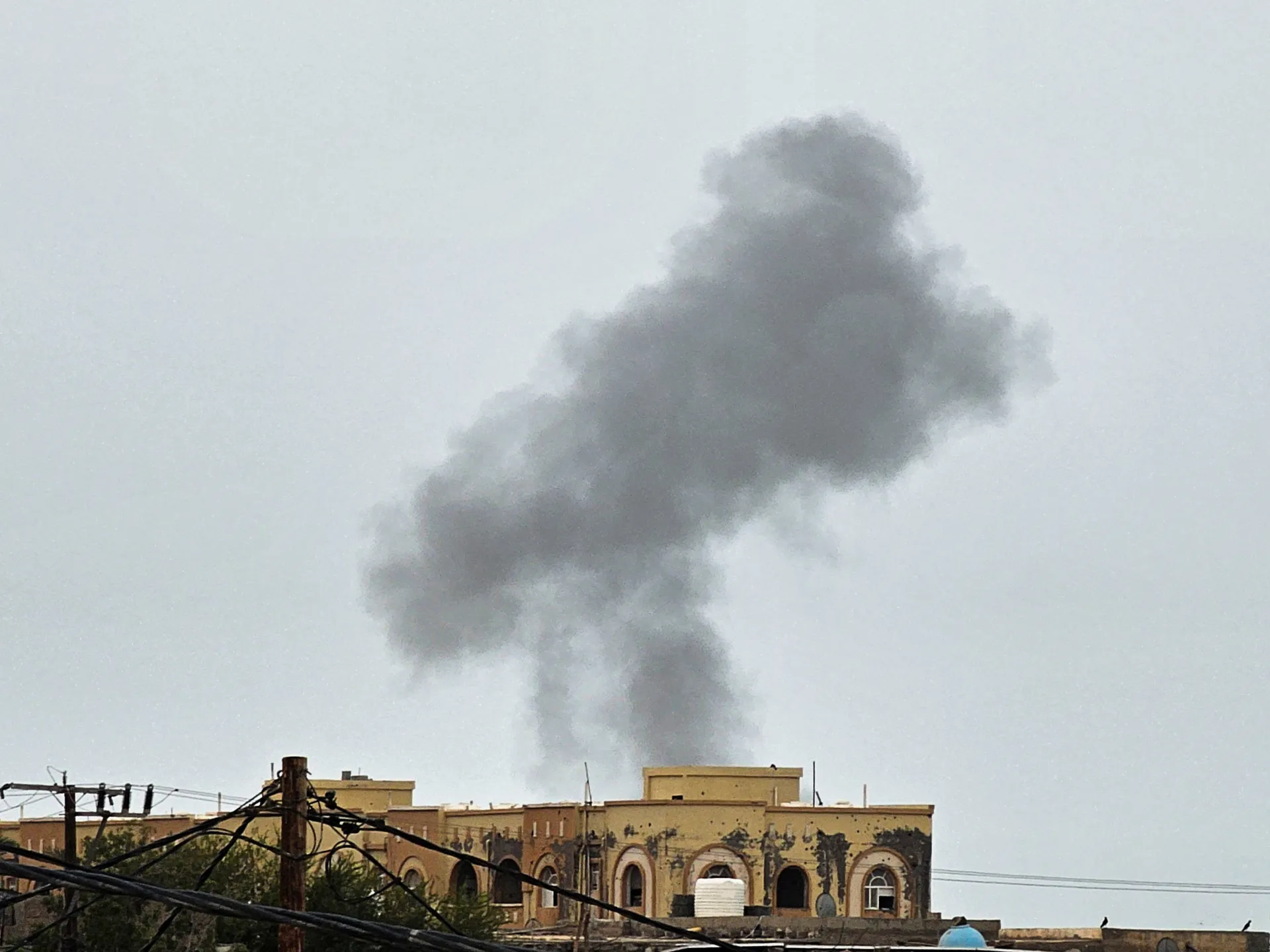
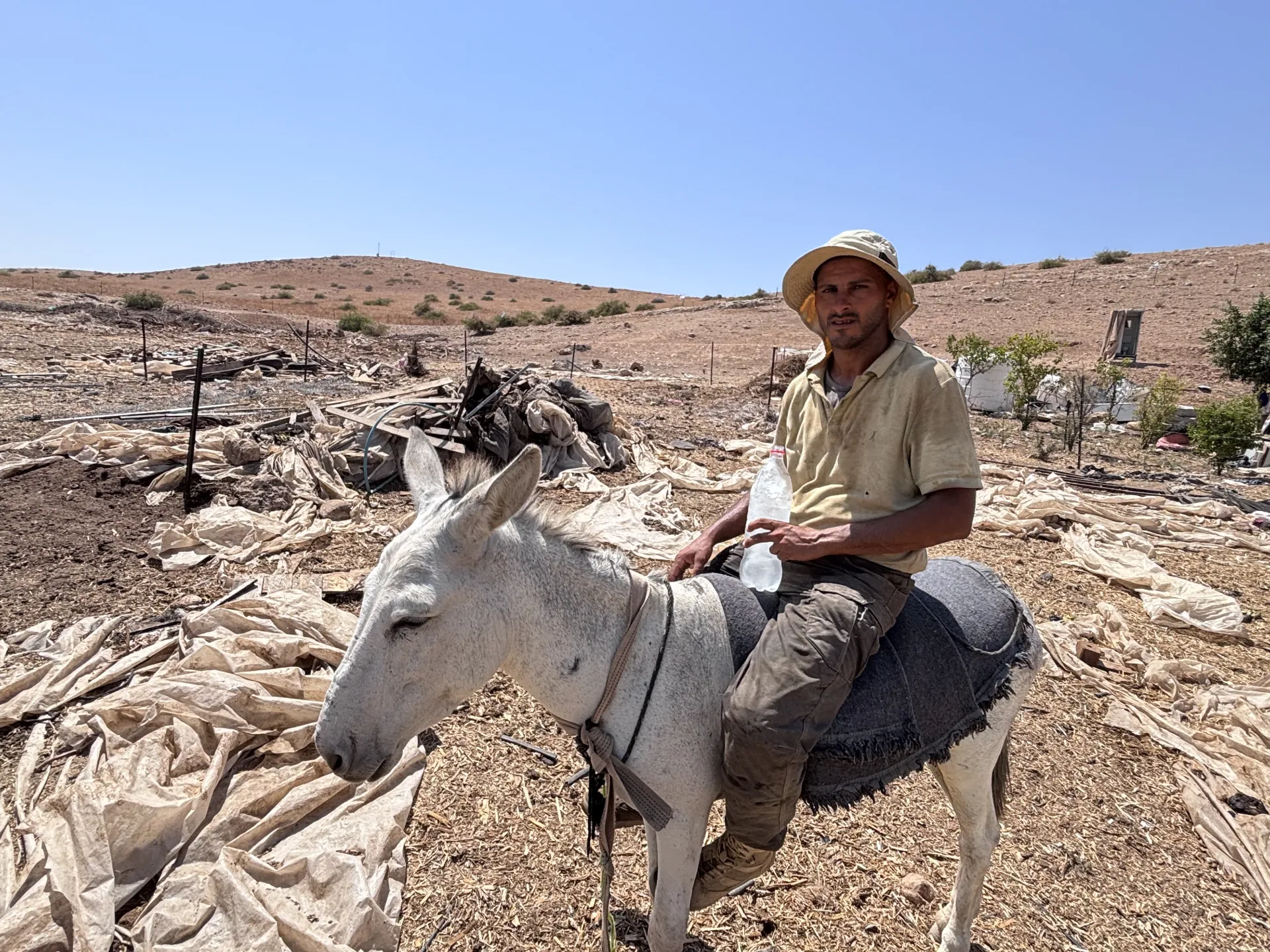
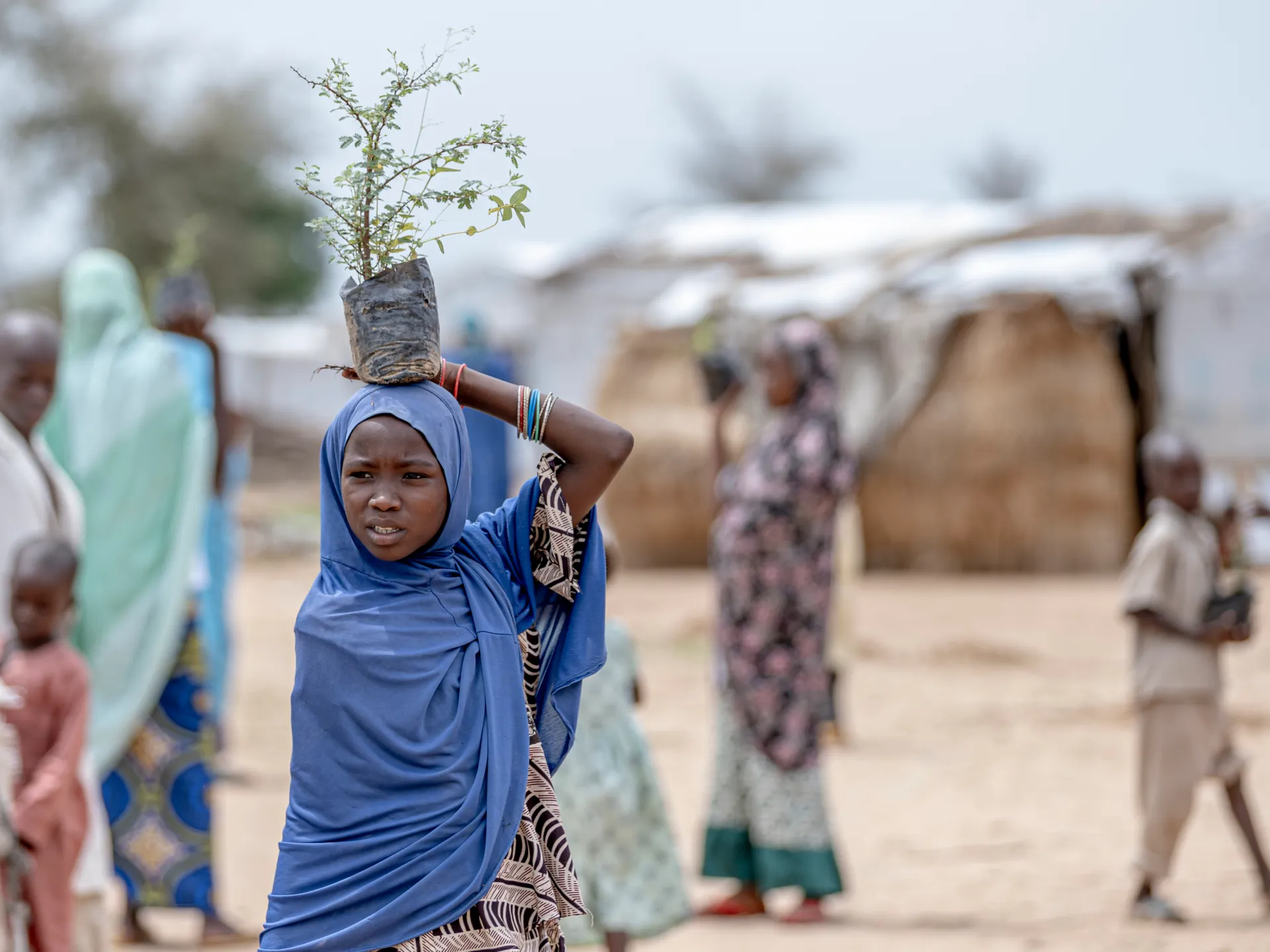
A violent incursion in Cameroon’s Far North region has resulted in at least 15 fatalities, forcing hundreds of civilians to abandon their homes in the village of Madegoua. The attack, which occurred mid-week near the town of Makary, initiated a mass exodus from at least 10 surrounding villages. Displaced populations have migrated toward border towns such as Kousseri, Mora, and Waza, creating an acute humanitarian strain in areas already struggling with limited resources.
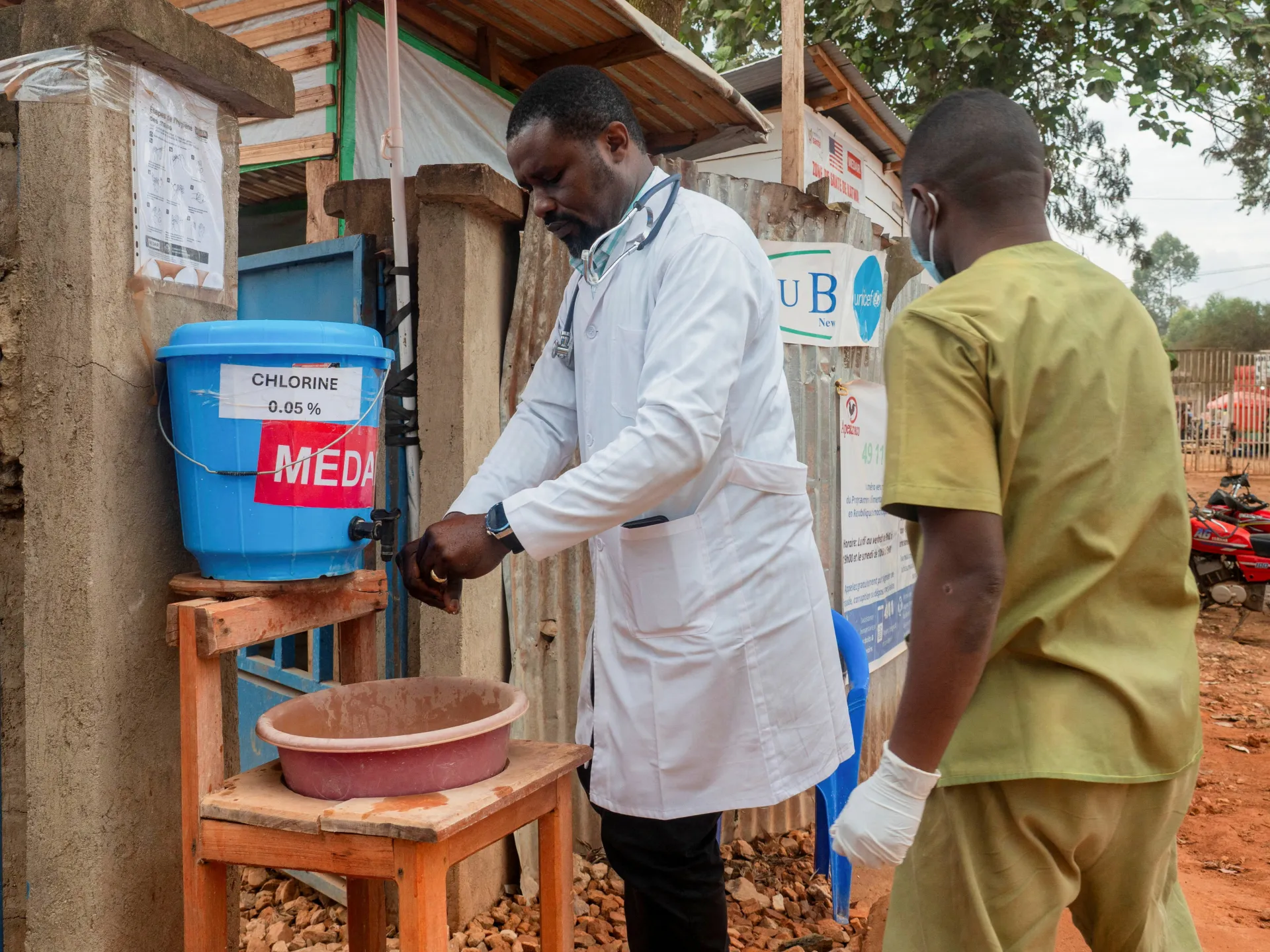
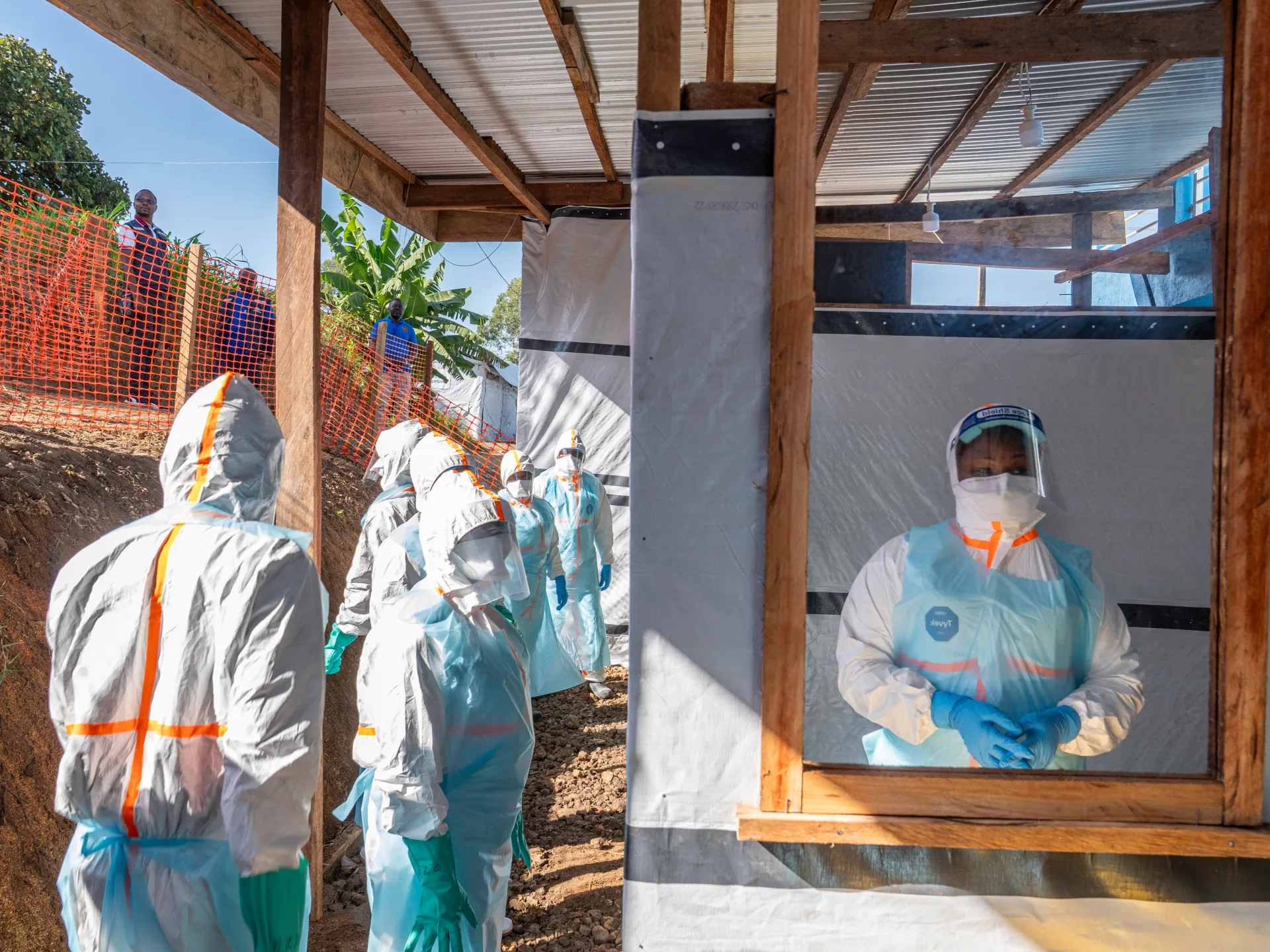
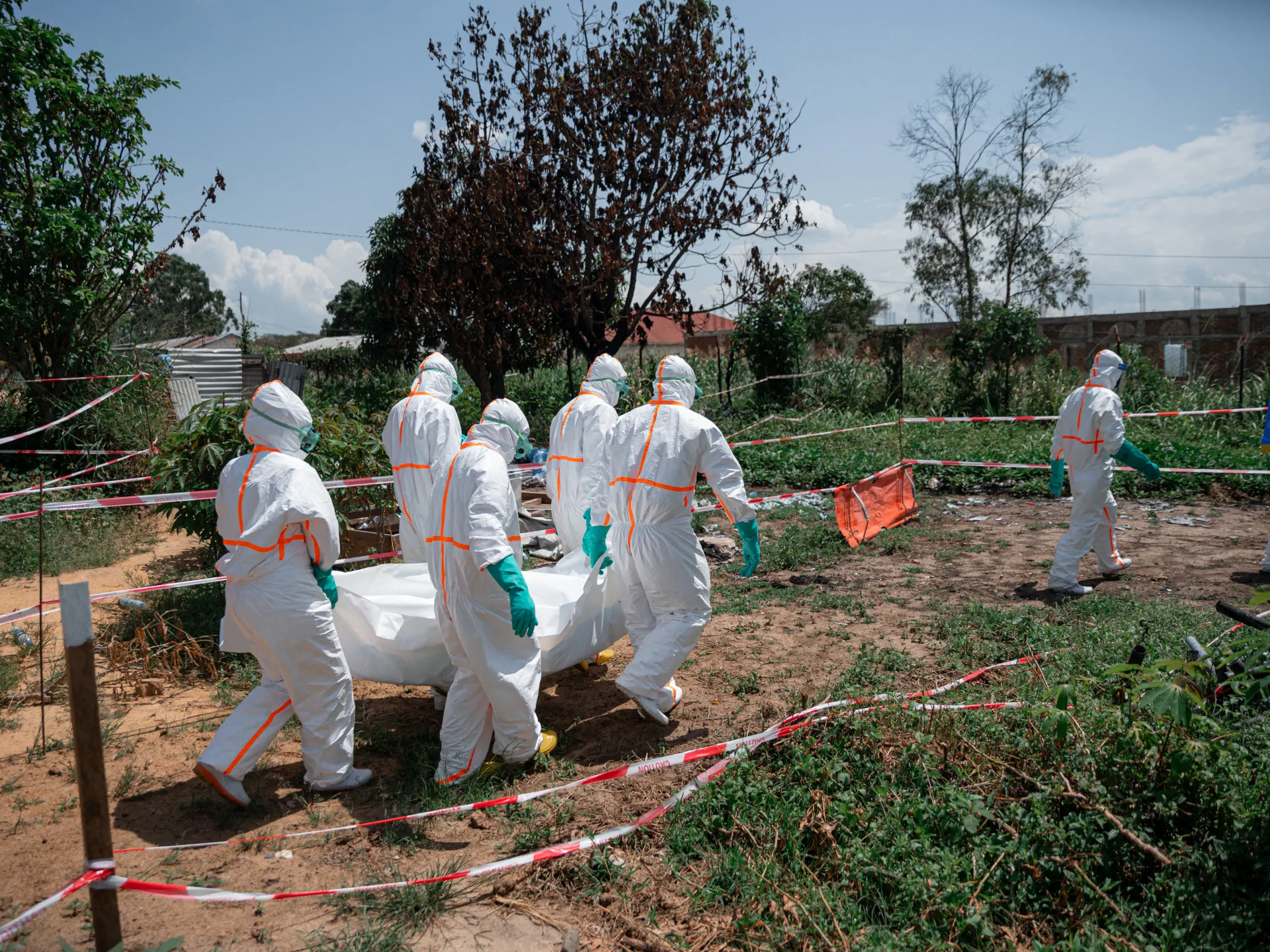
Reports from local health officials in Waza indicate that many of the displaced arrived without food or basic shelter, leading to severe concerns regarding long-term health outcomes for women and children. While no organization has officially claimed responsibility for the assault, regional security analysts suggest the tactics are consistent with armed groups active in the Lake Chad Basin. Despite the severity of the displacement, residents have reported a lack of government assistance, forcing them to establish self-imposed security watches between dusk and dawn to prevent further incursions.
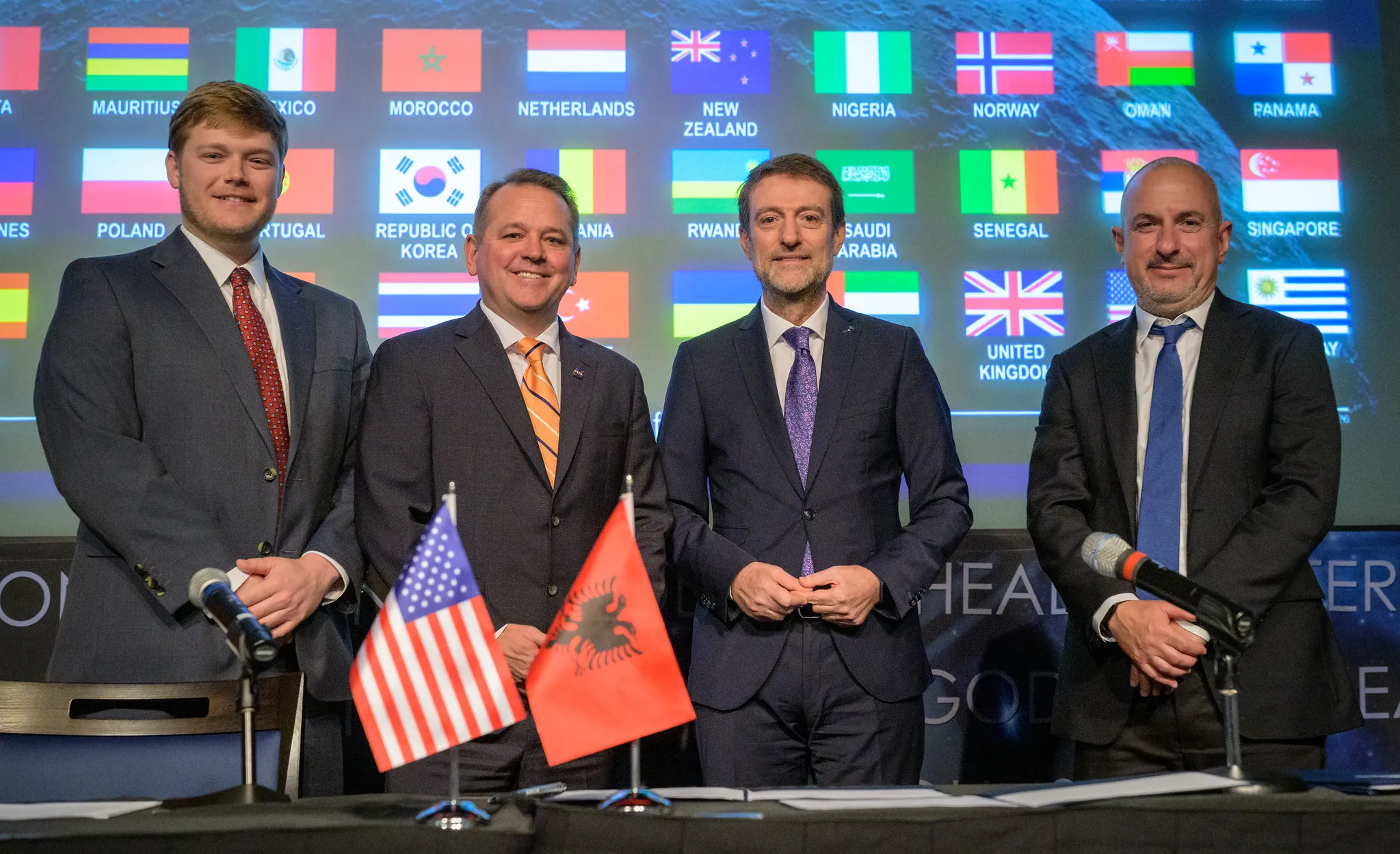
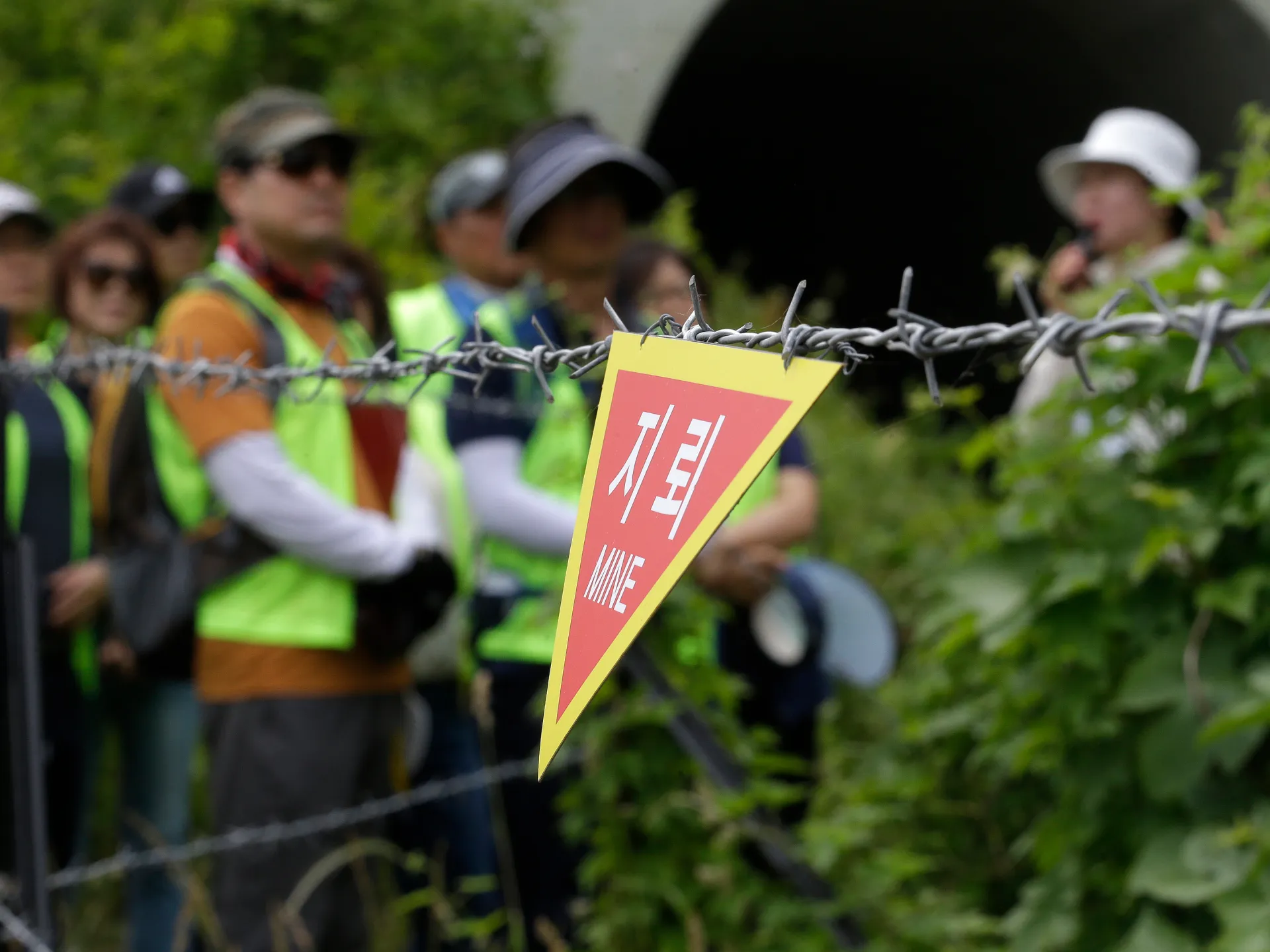
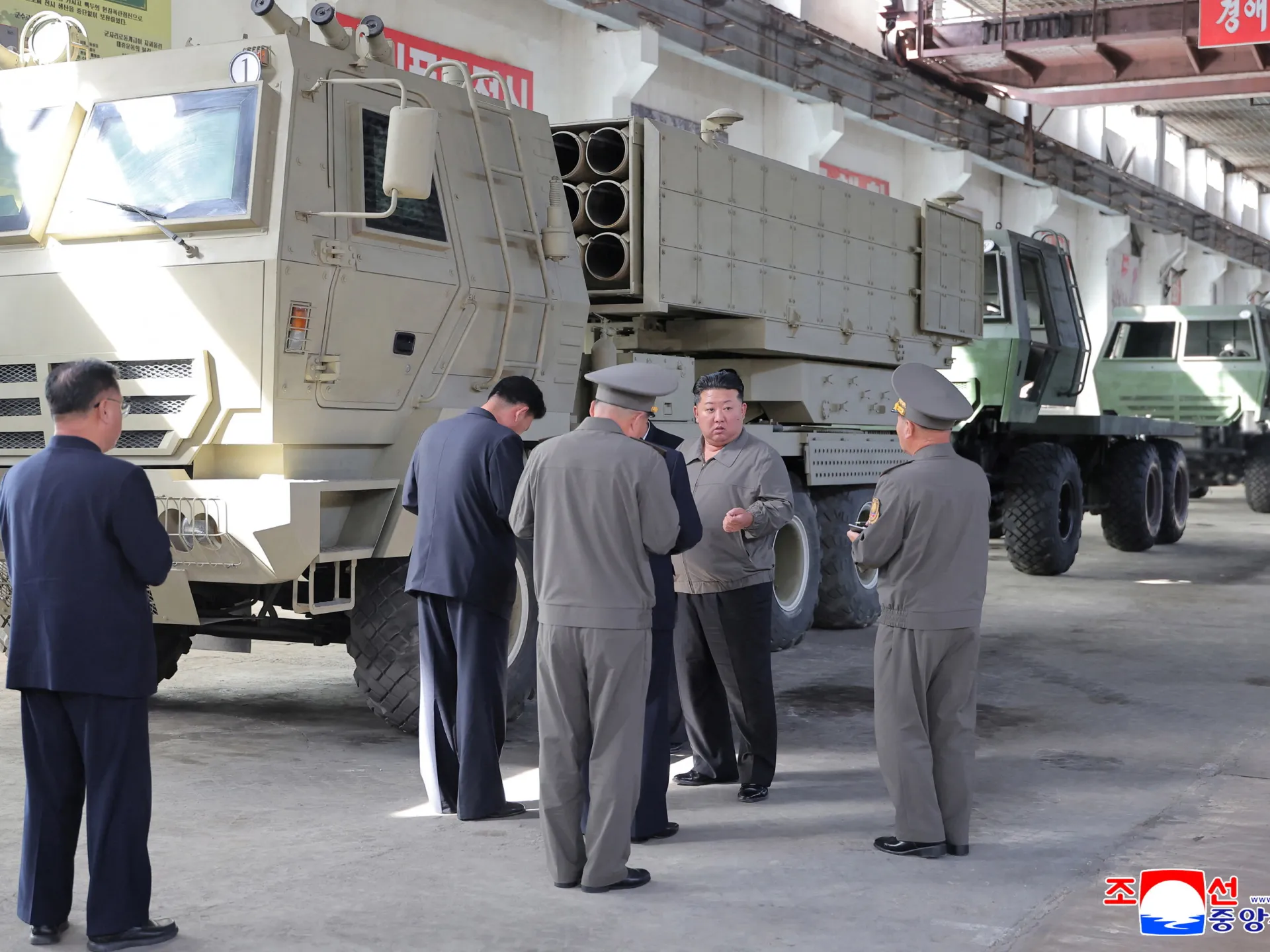
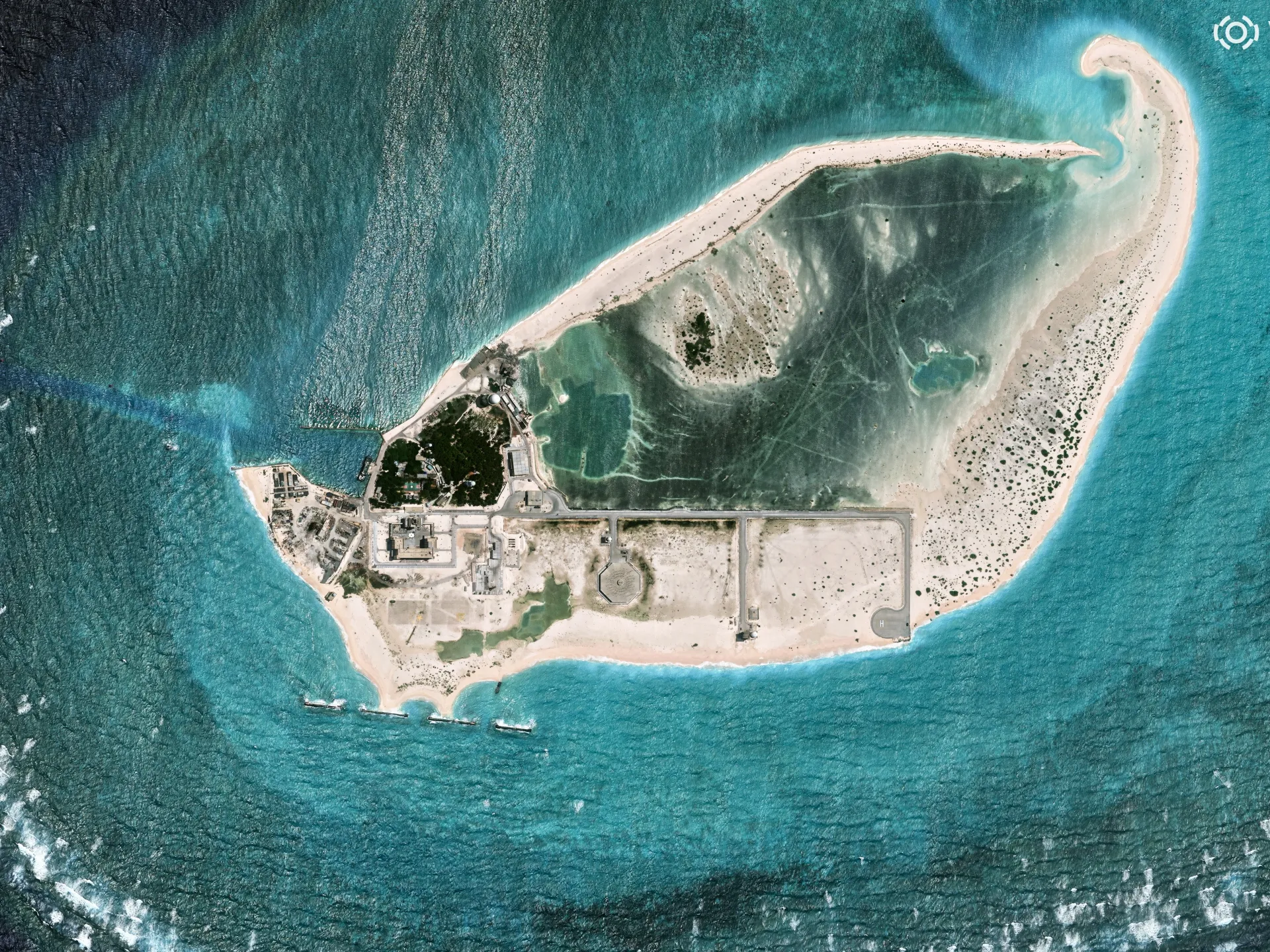
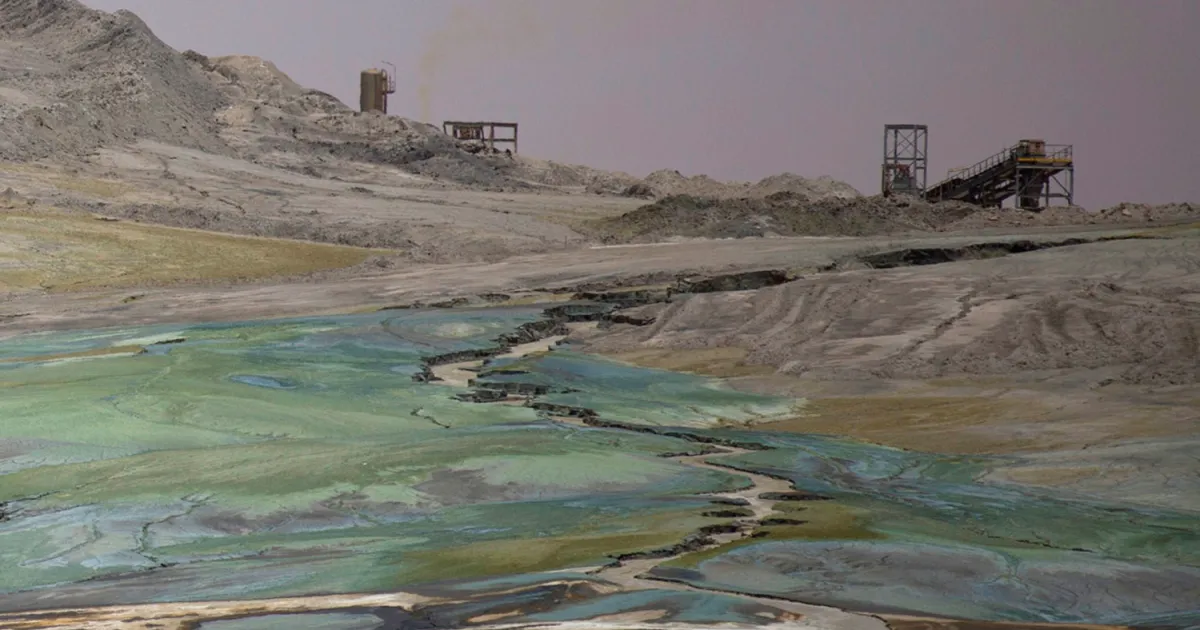
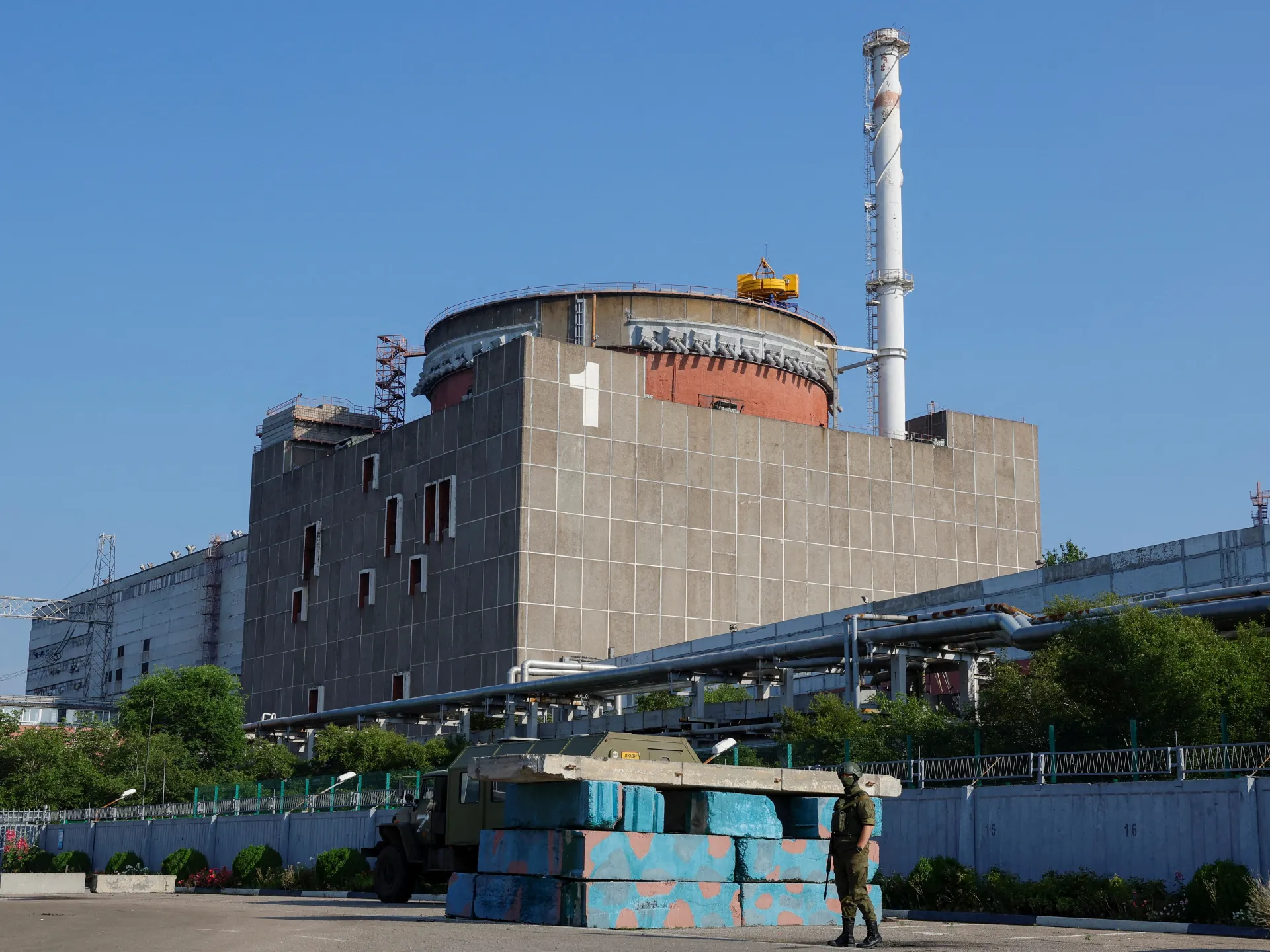
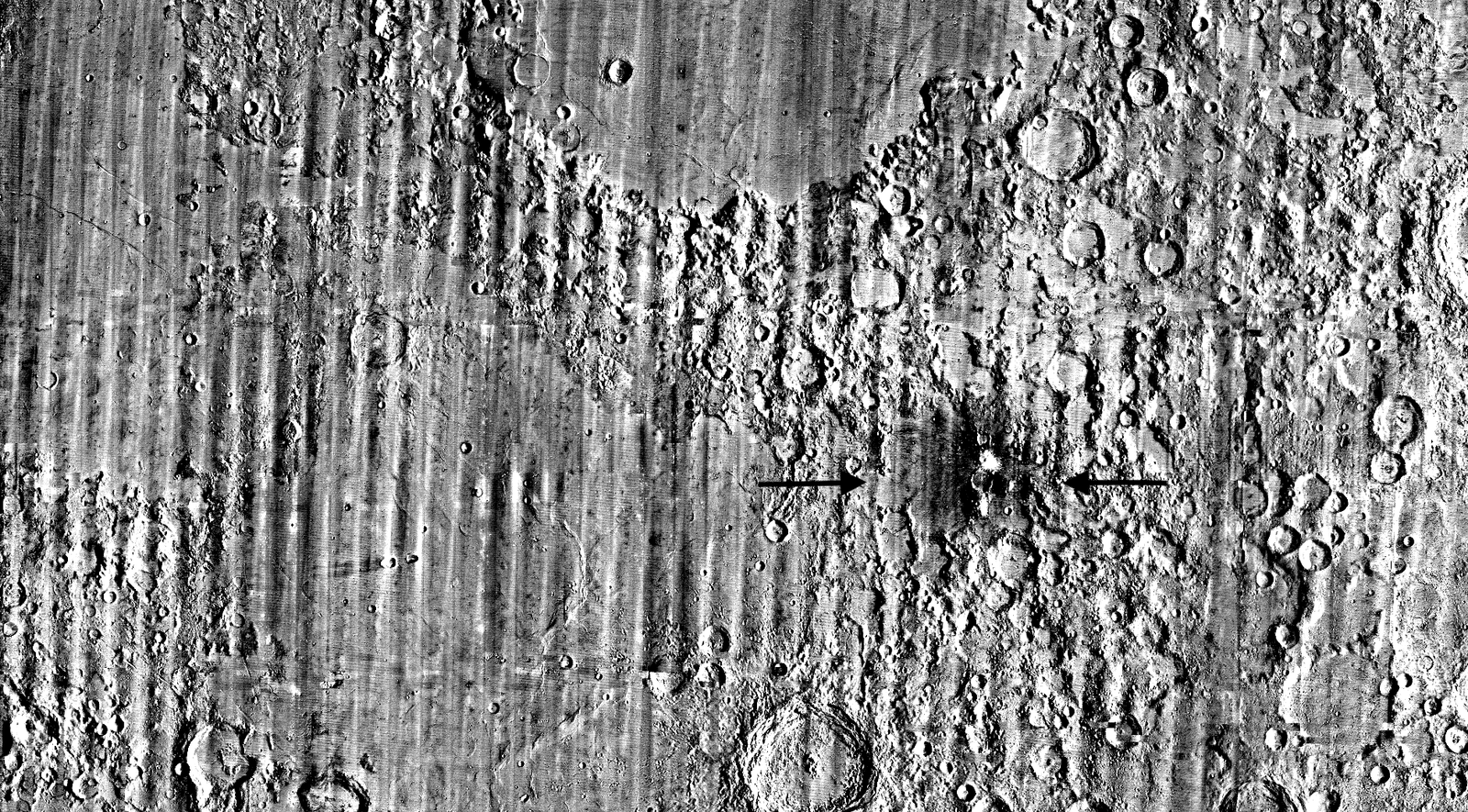
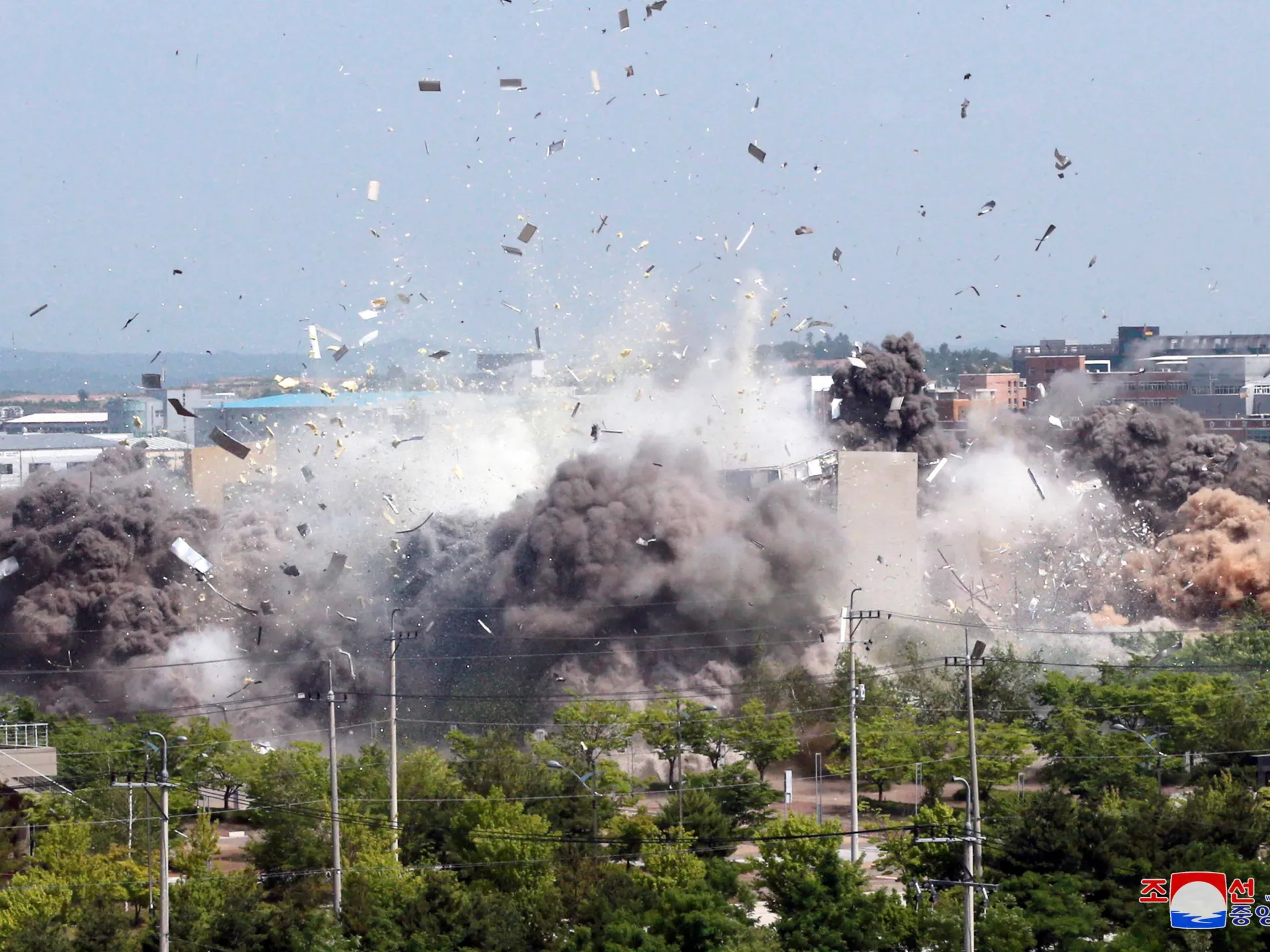
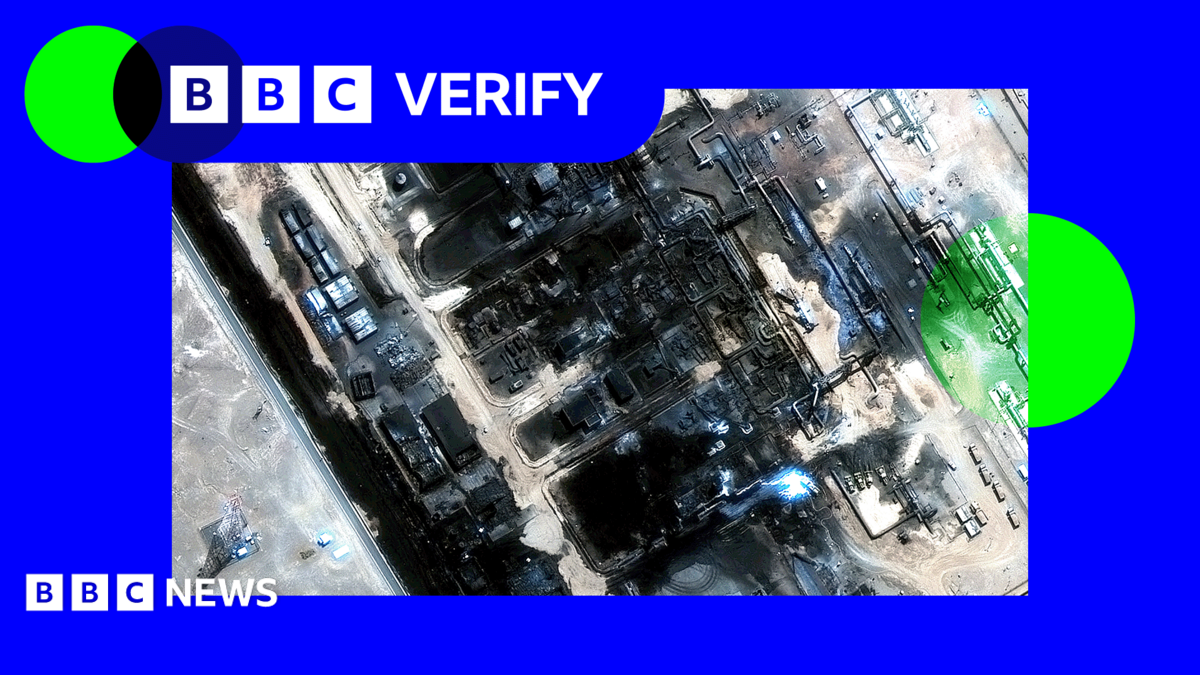
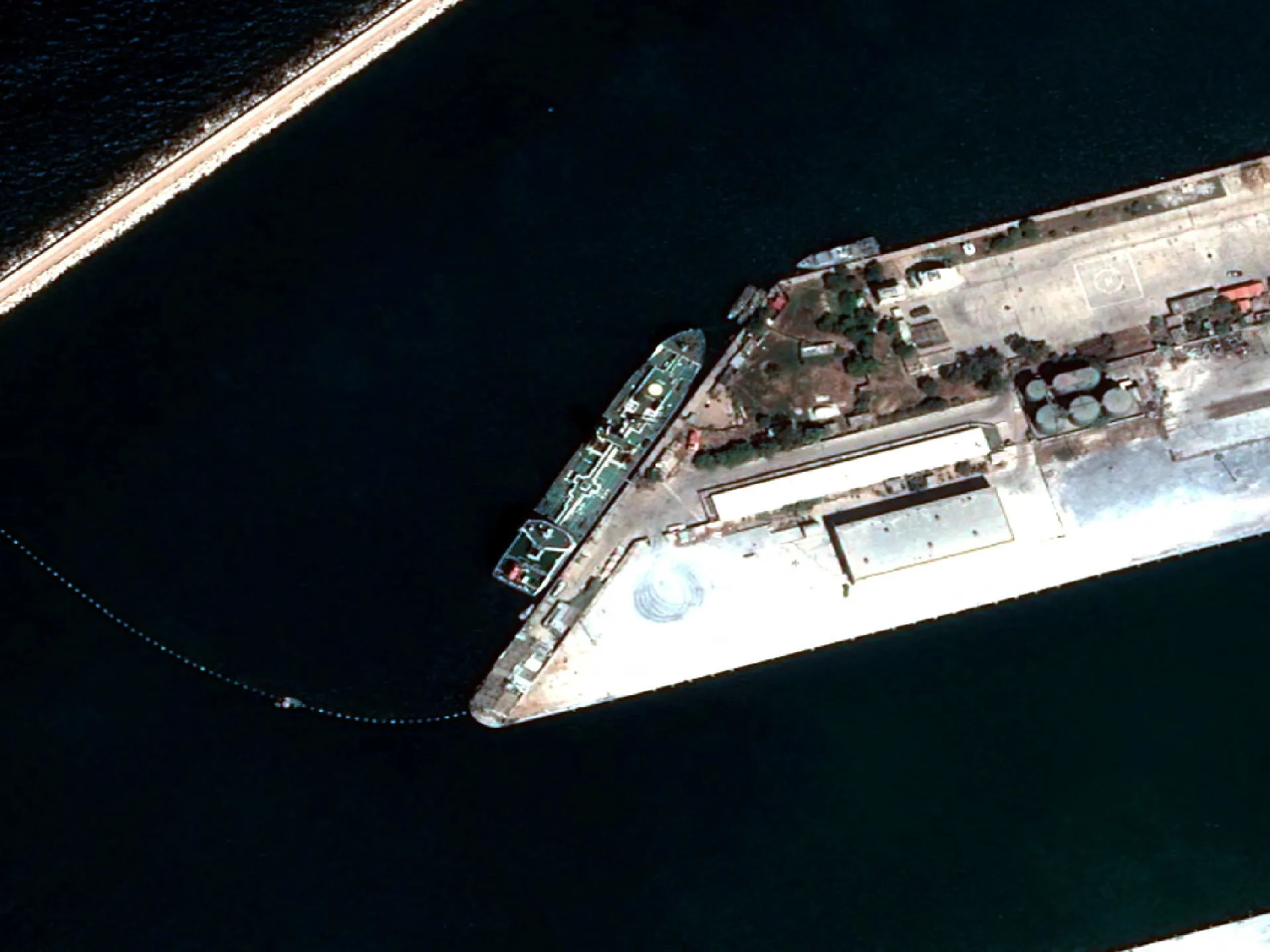
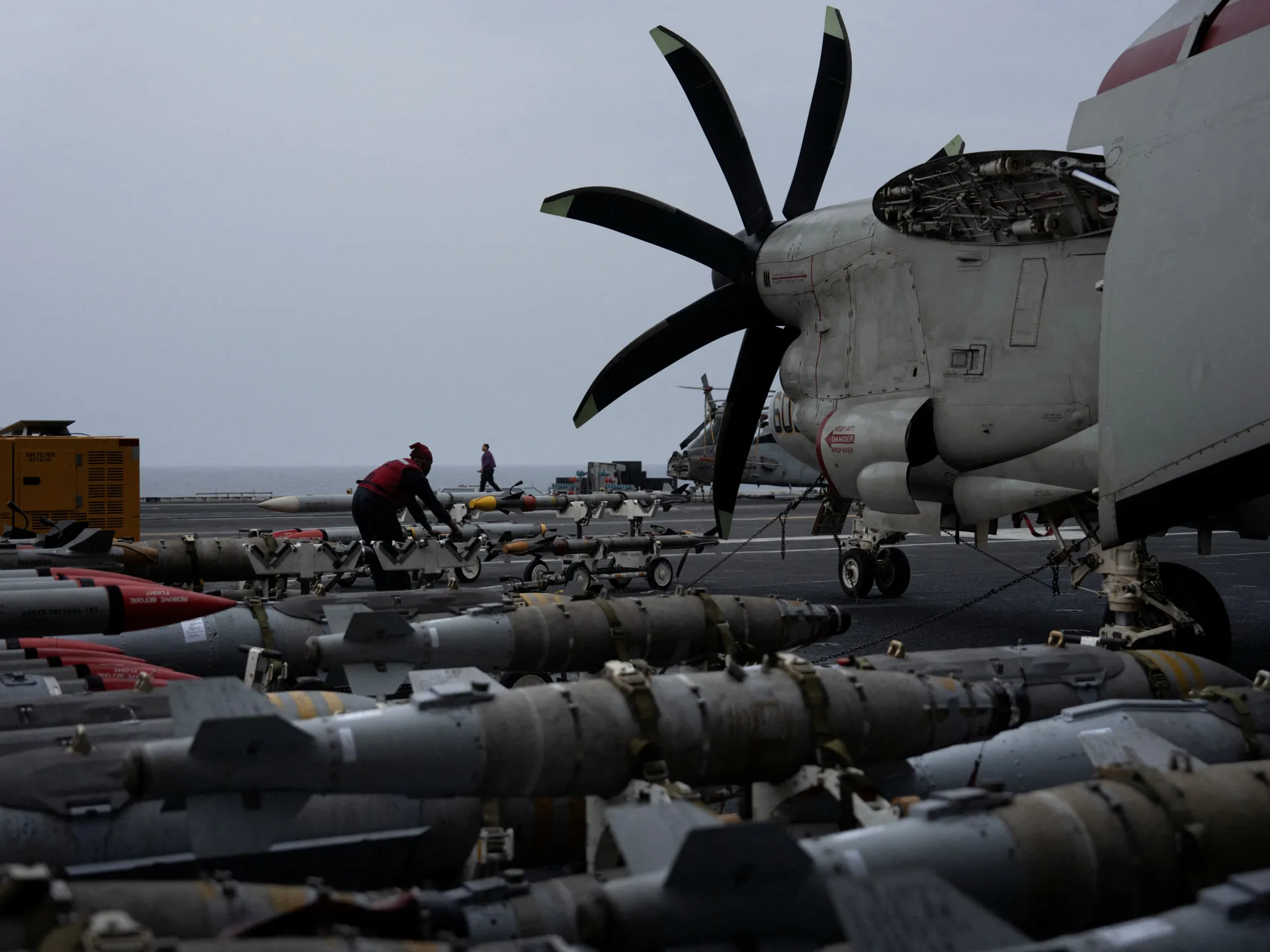
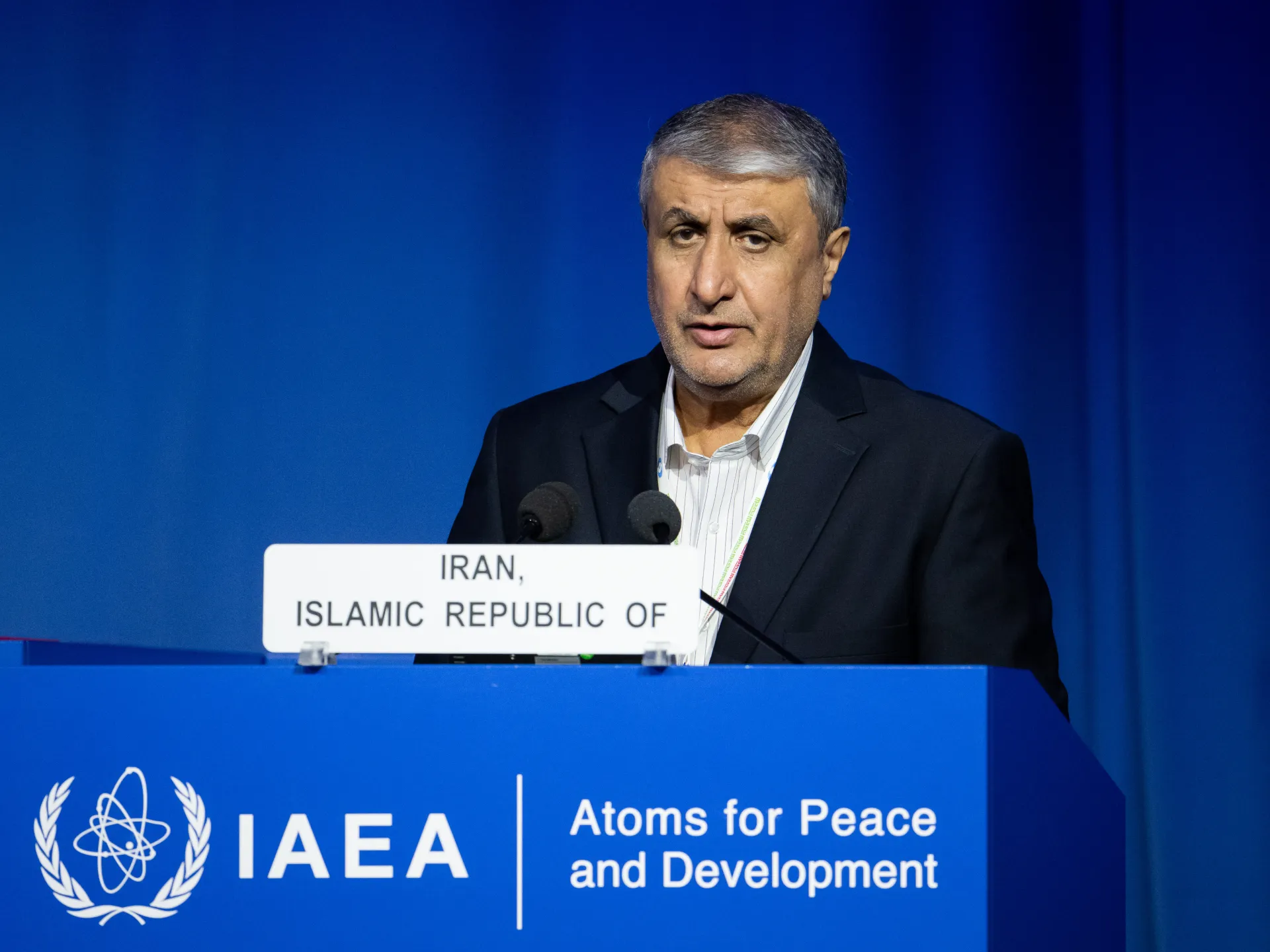
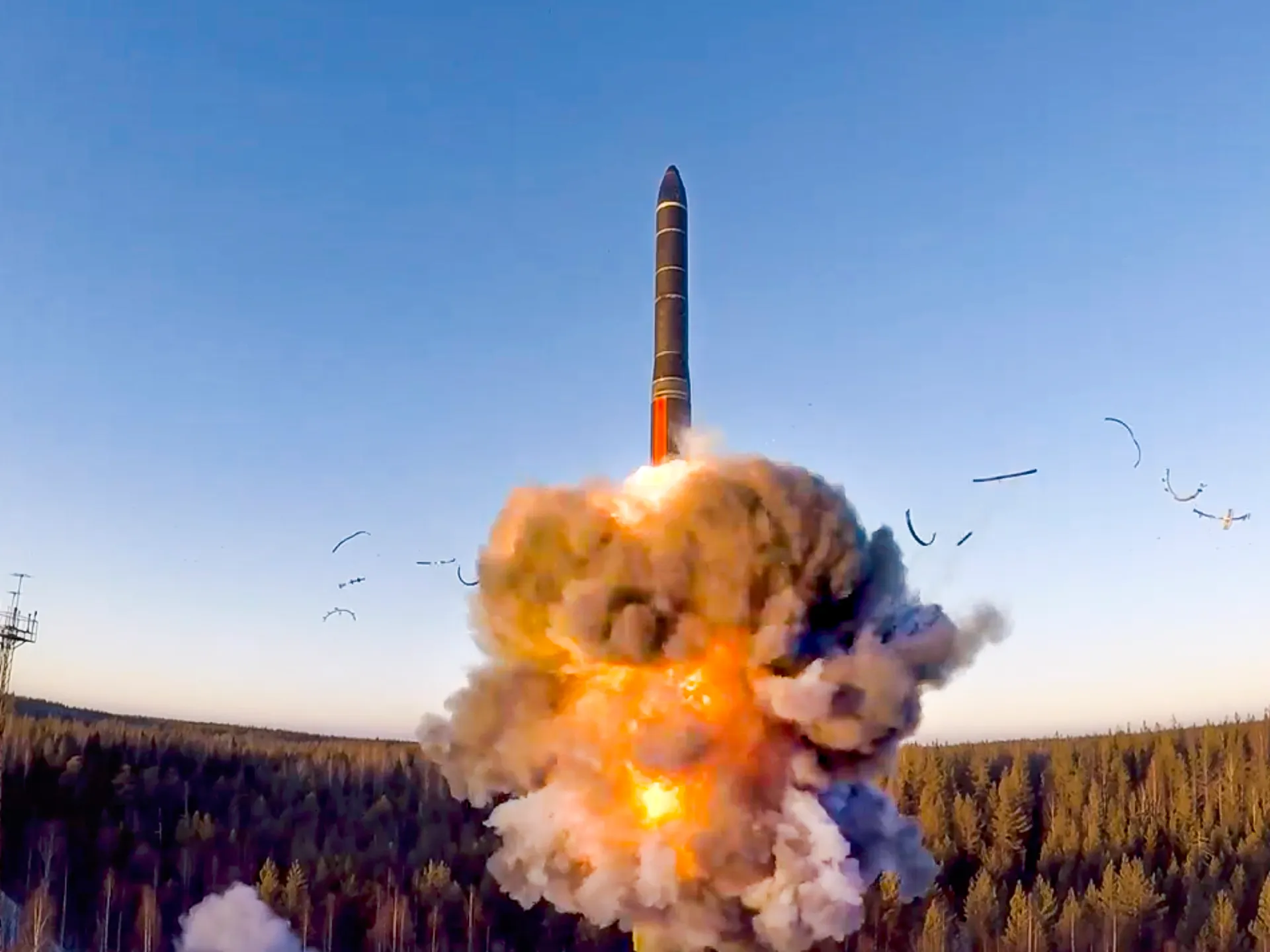
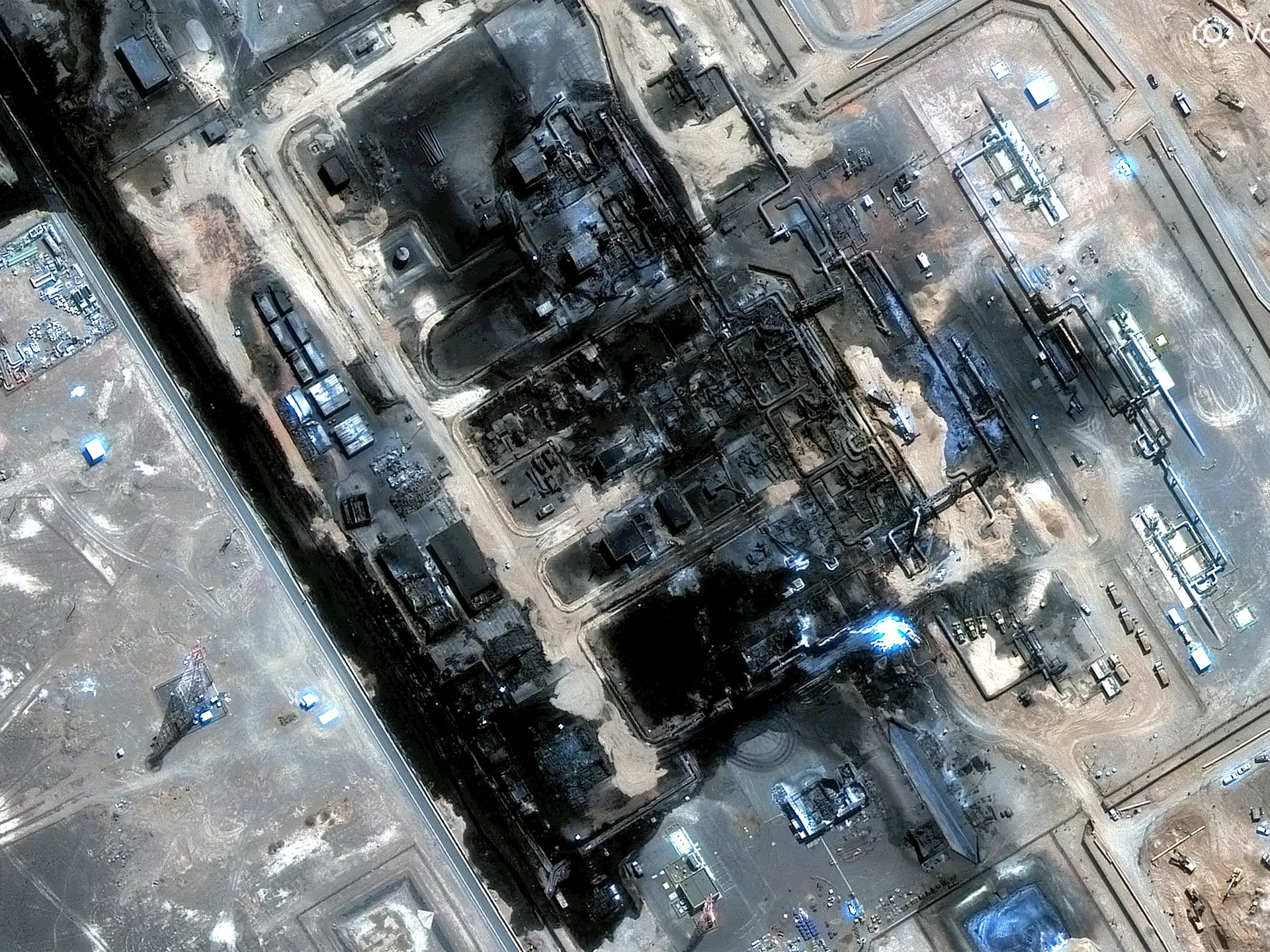
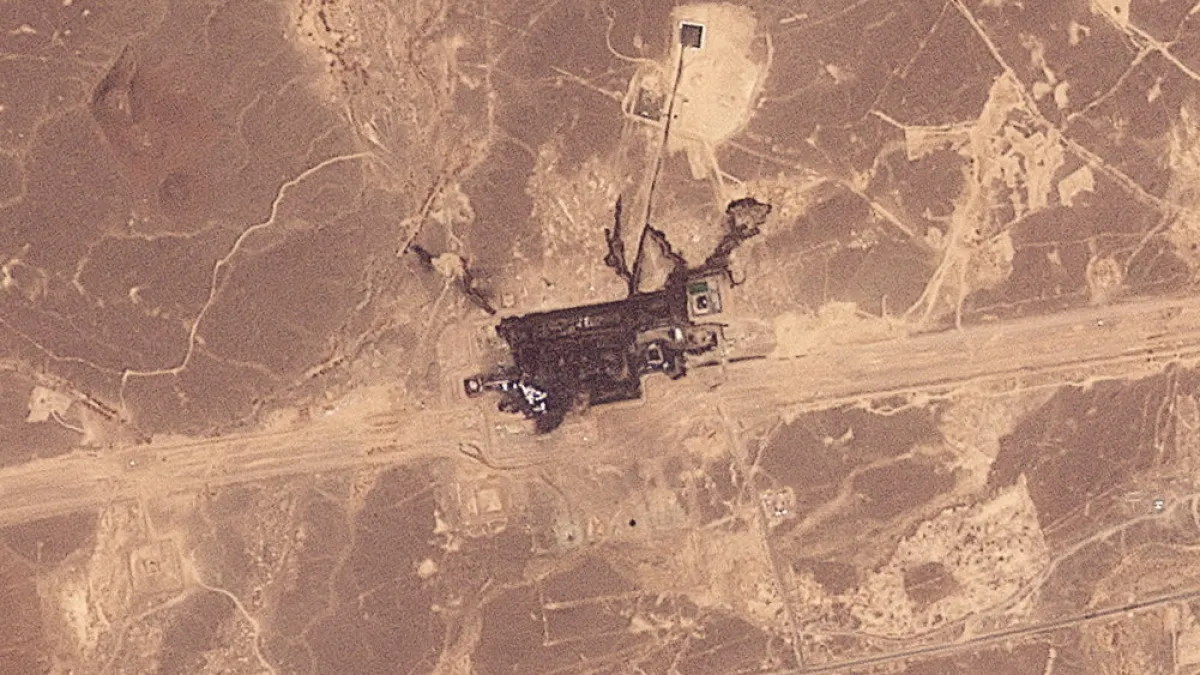
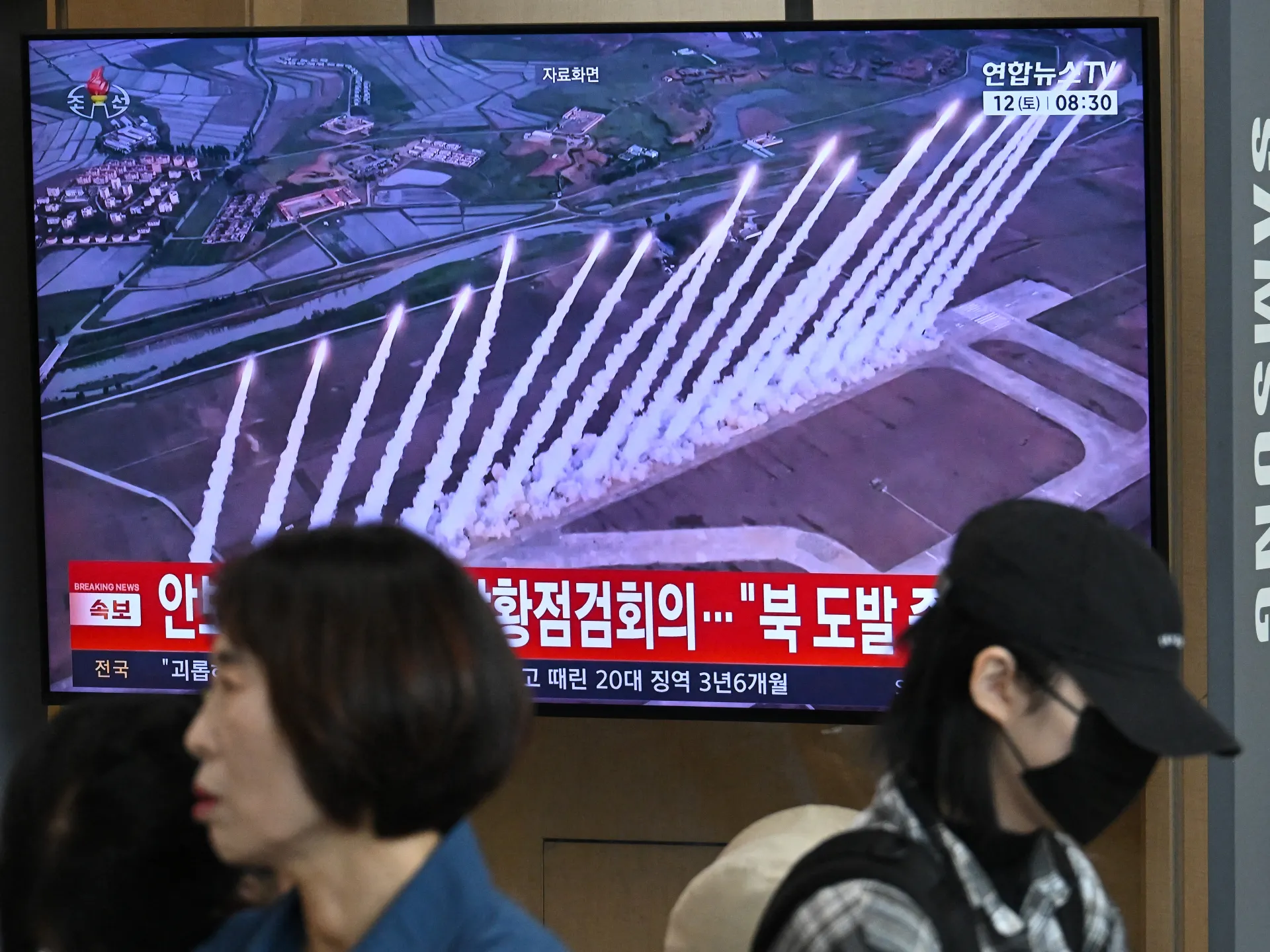
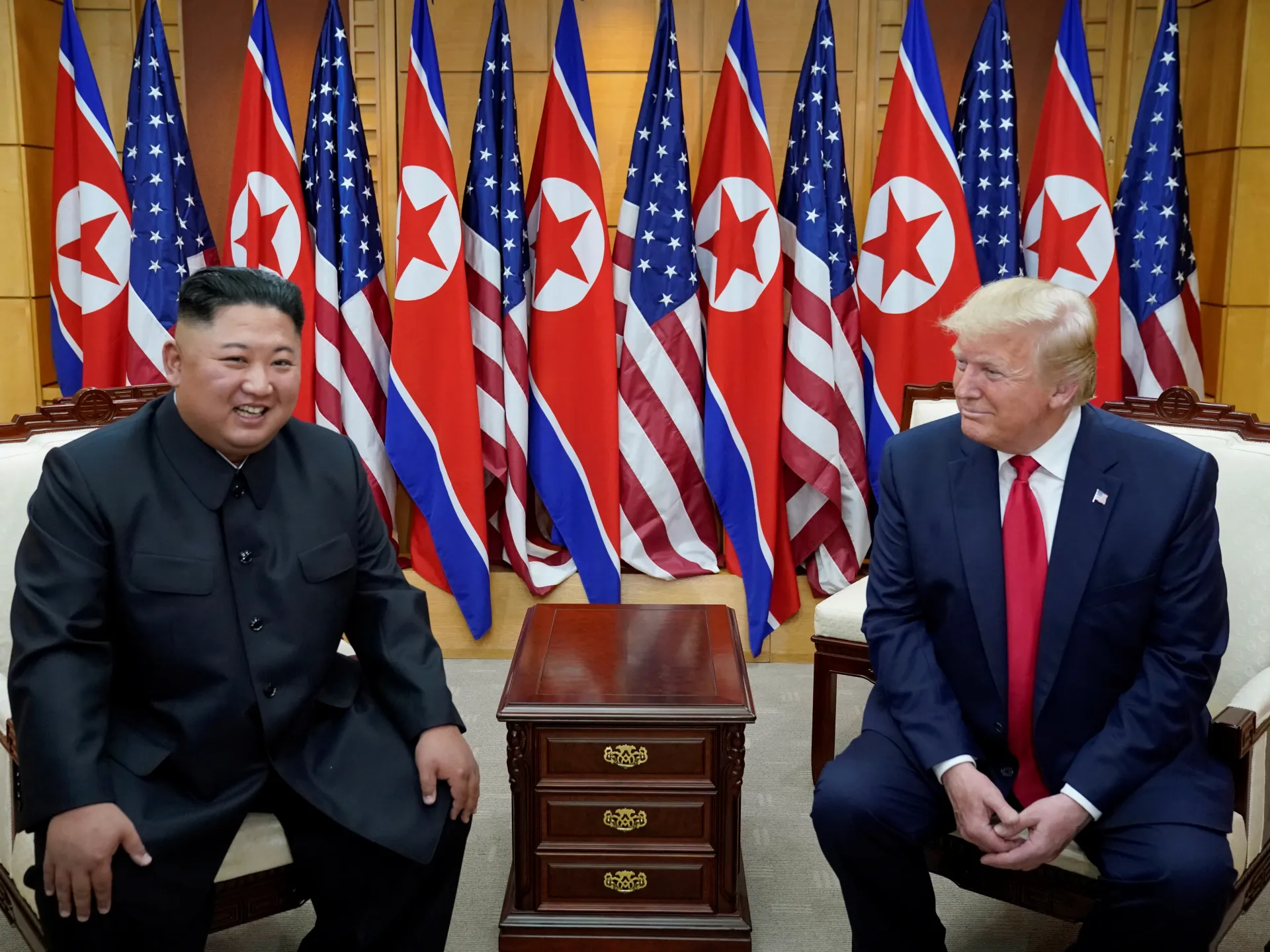
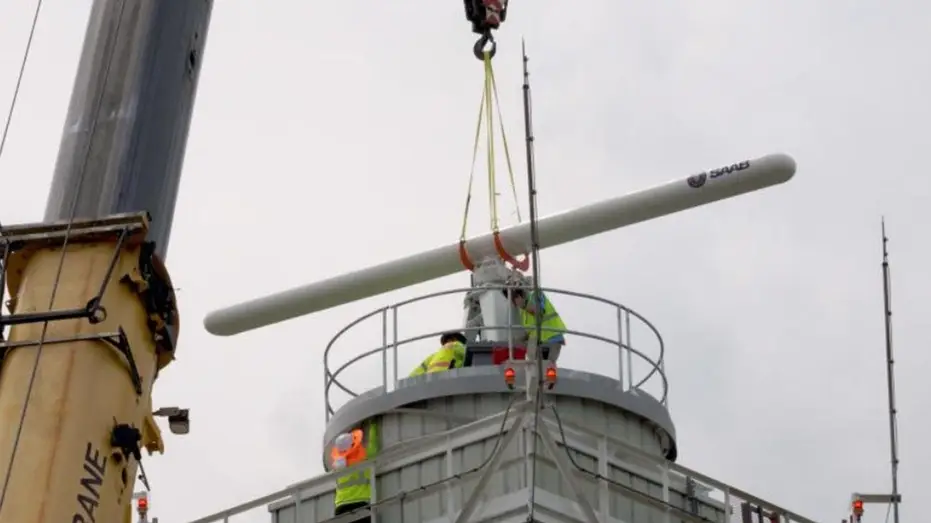
International observers continue to monitor a steady, documented expansion of North Korea’s sanctioned nuclear infrastructure. The International Atomic Energy Agency (IAEA) has confirmed the construction of a new two-story uranium enrichment facility within the Yongbyon nuclear complex. Satellite imagery indicates the facility is designed to house up to 28 centrifuge cascades, marking a significant advancement in Pyongyang’s nuclear materials production capacity.
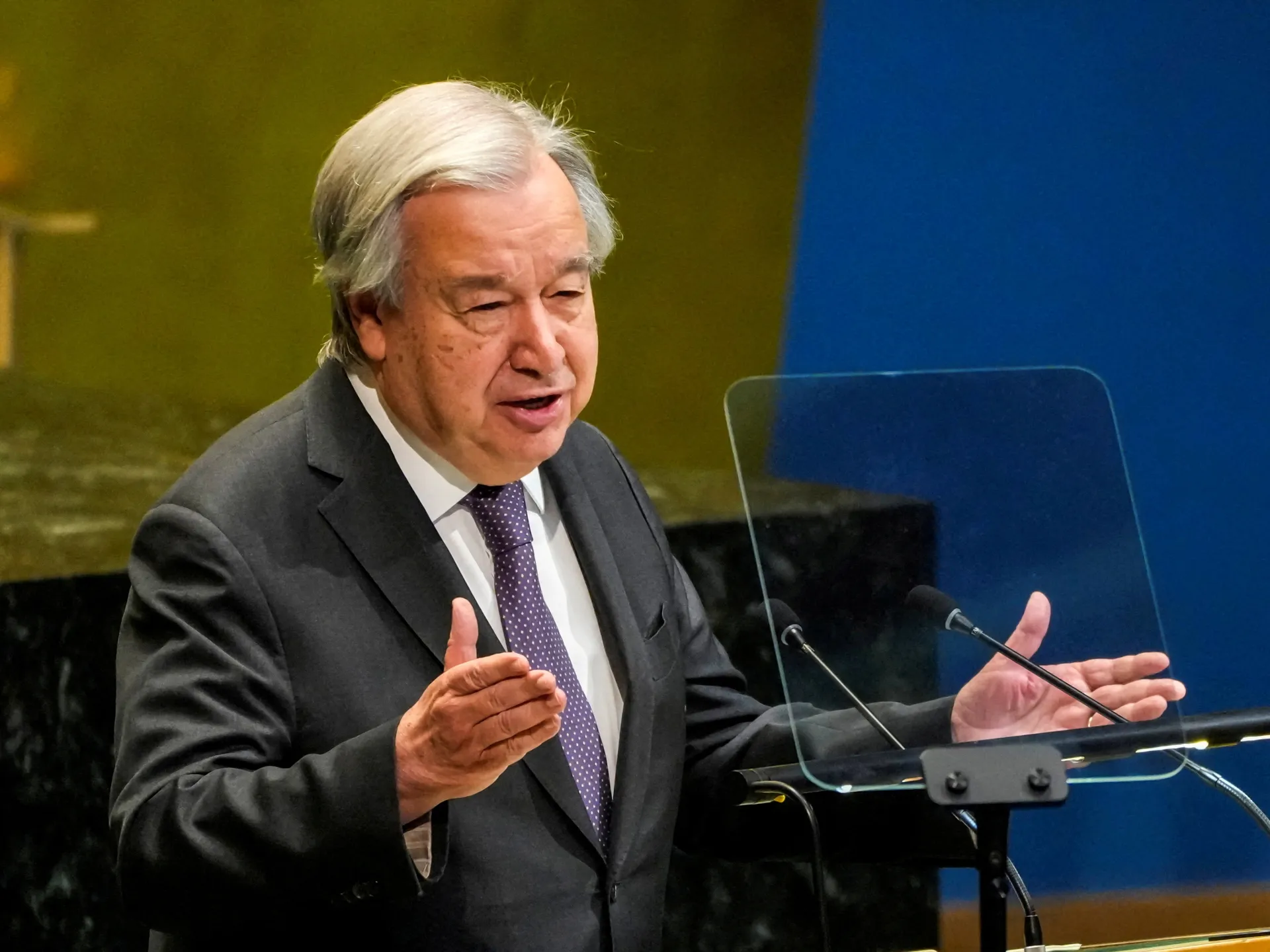
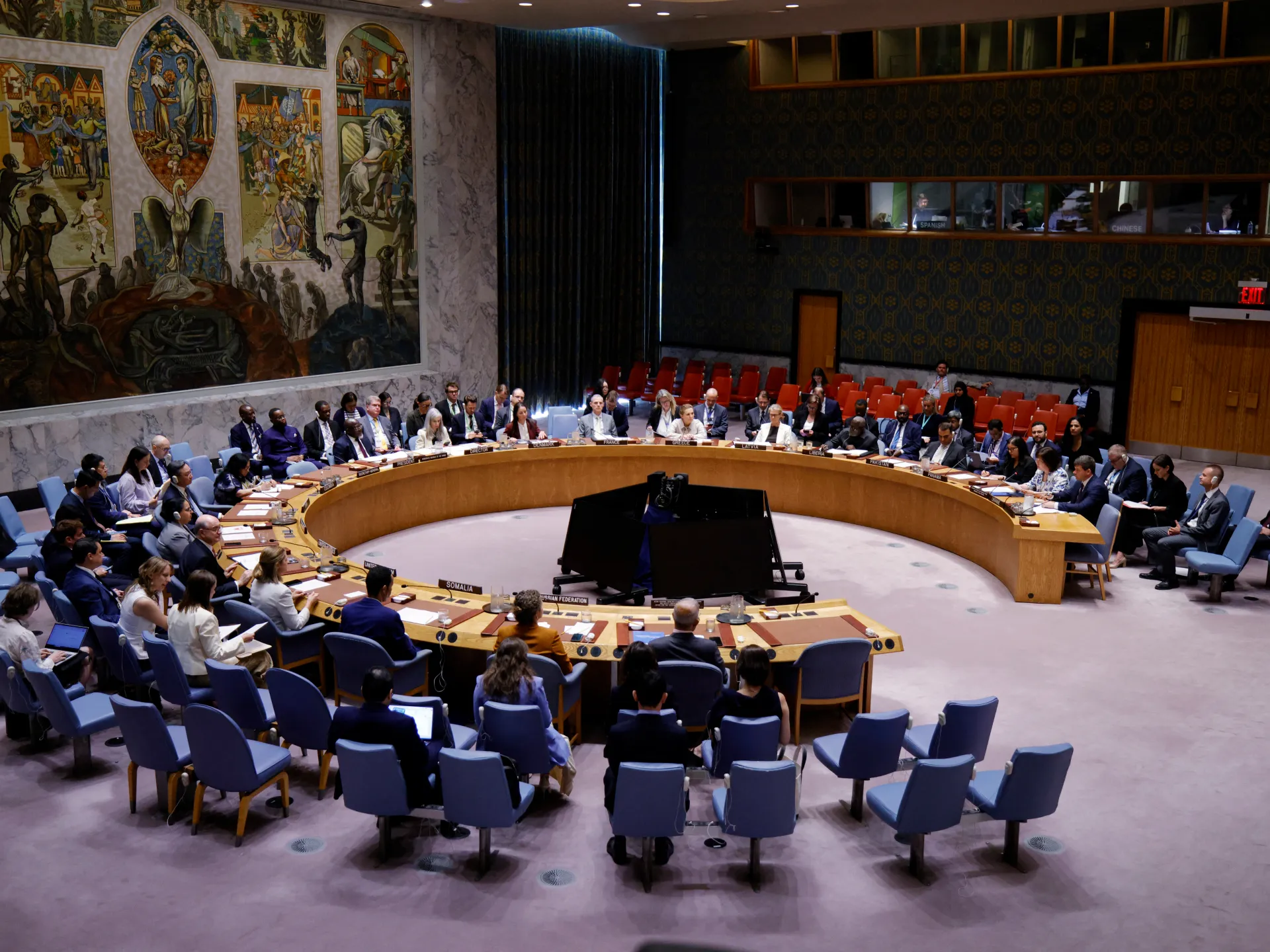
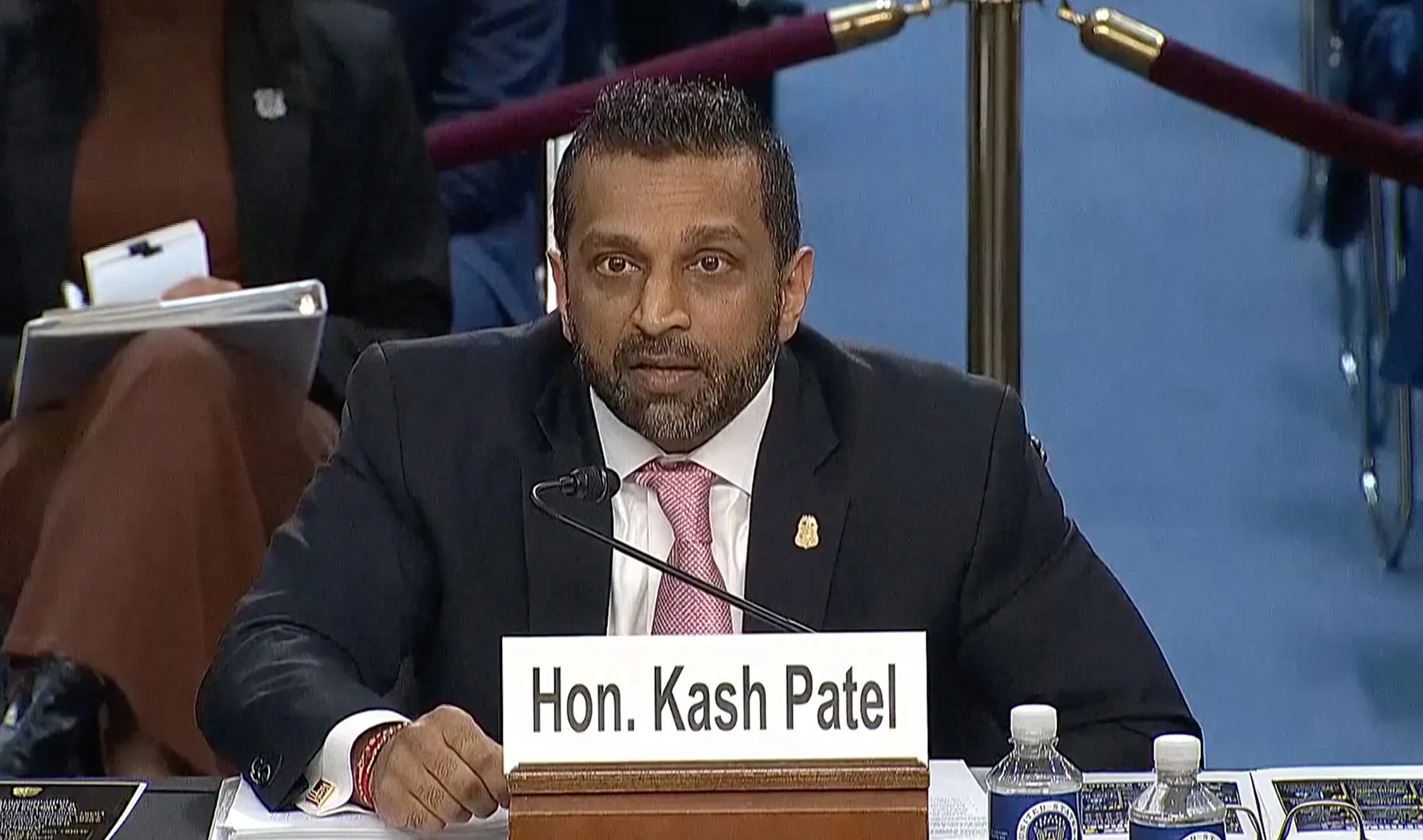
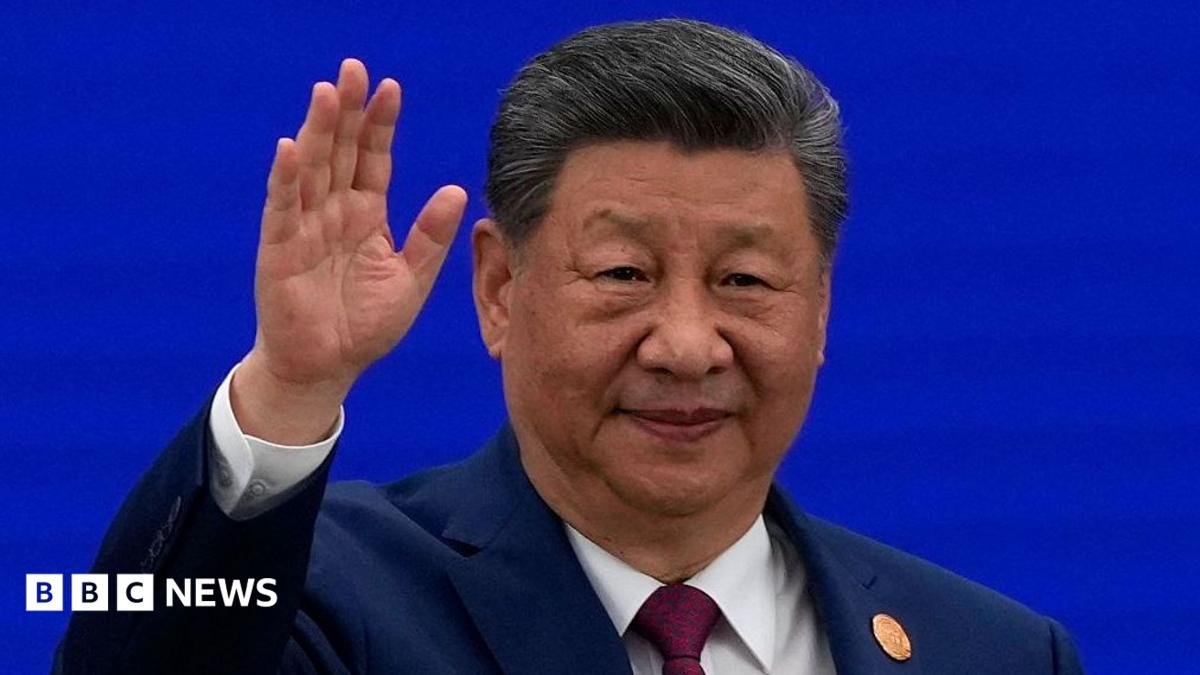
IAEA Director Rafael Grossi labeled the development a cause for serious concern, noting that the expansion violates multiple United Nations Security Council resolutions. Furthermore, the agency has identified signs of operational activity at the Kangson enrichment site near Pyongyang, where an annex was previously under construction. Analysts warn that the clandestine nature of these sites—many of which remain undisclosed or concealed—presents a difficult challenge for international monitoring efforts, especially as North Korea integrates its nuclear doctrine more deeply into its sovereign foreign policy.
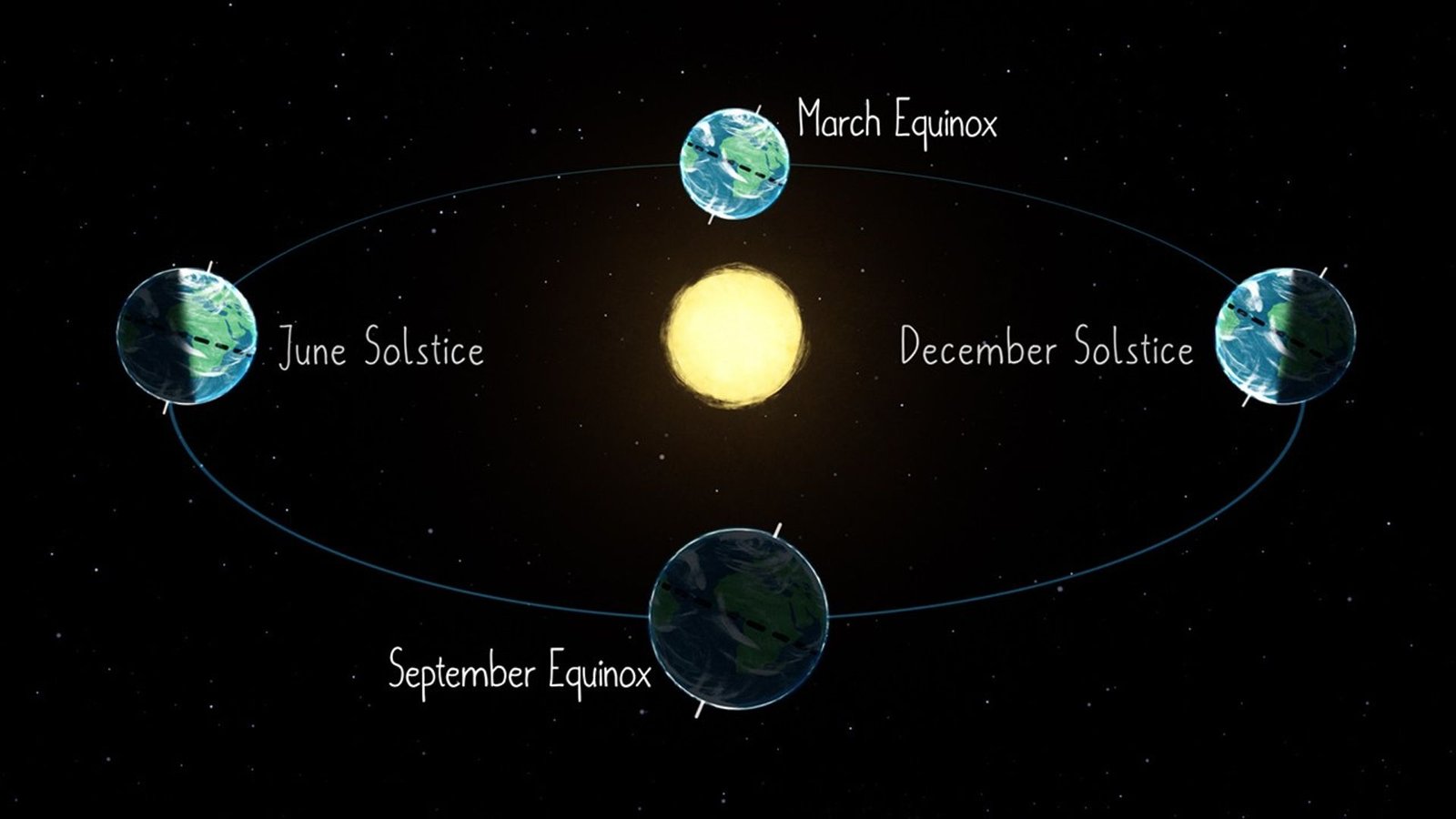
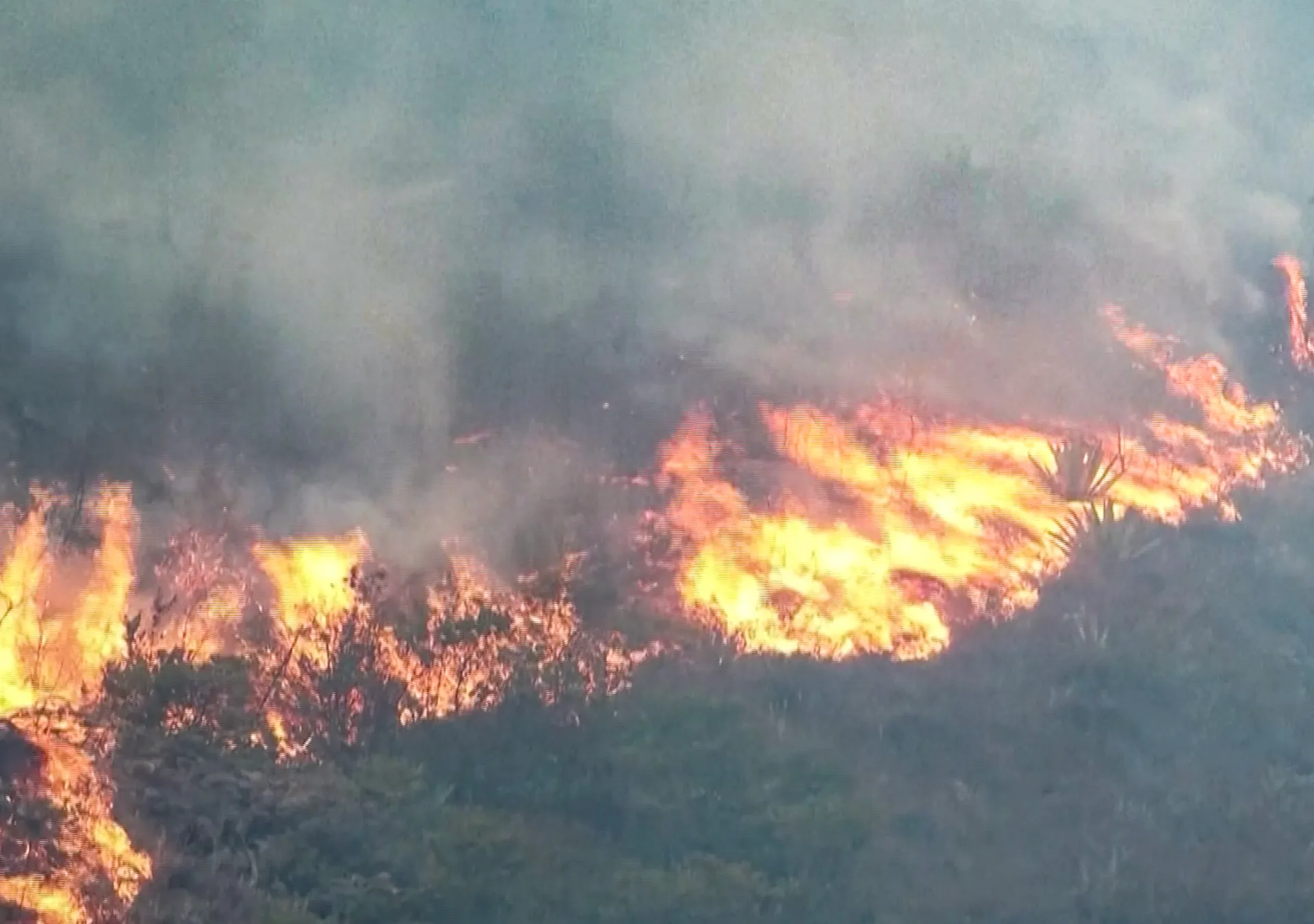
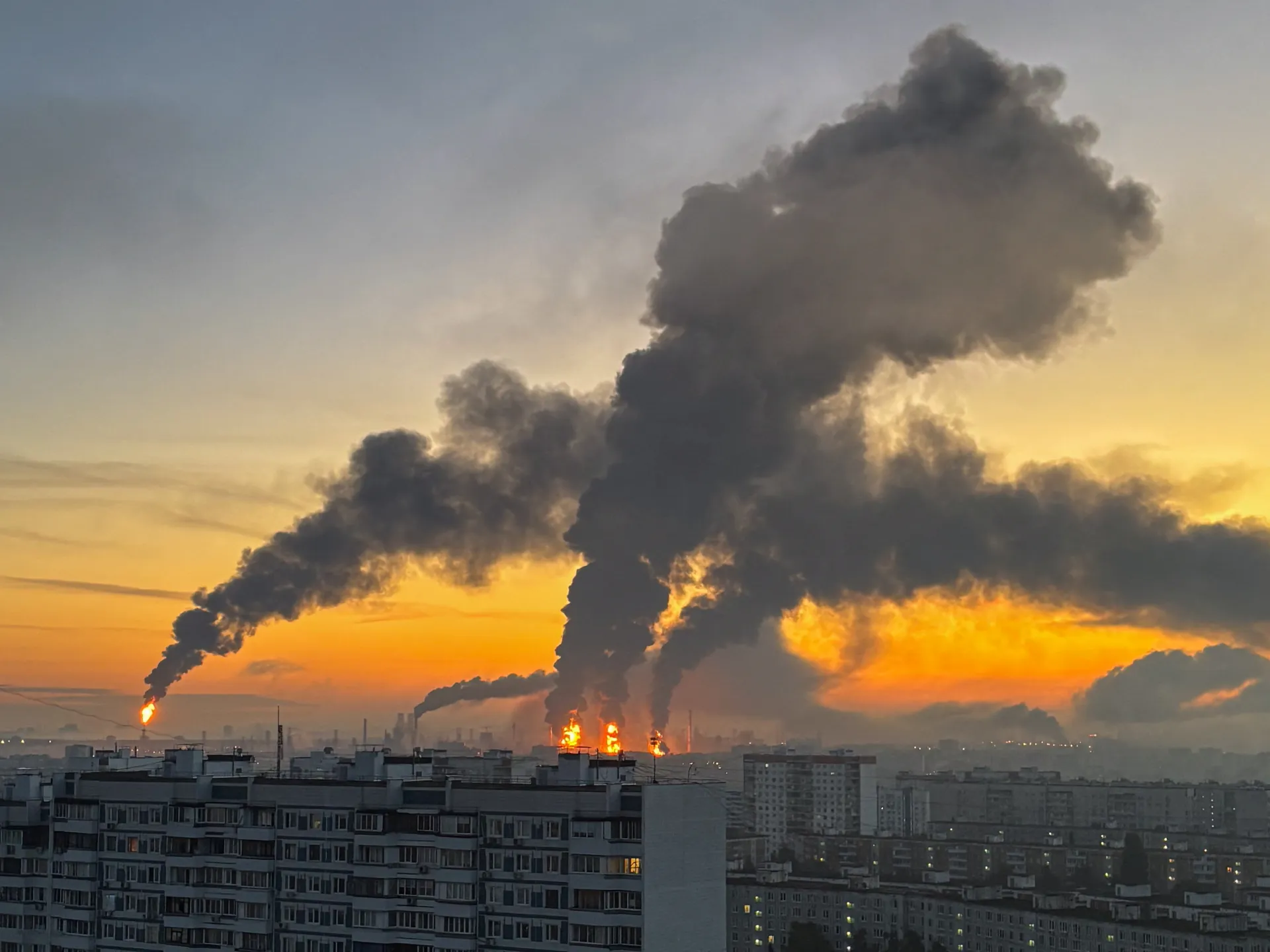
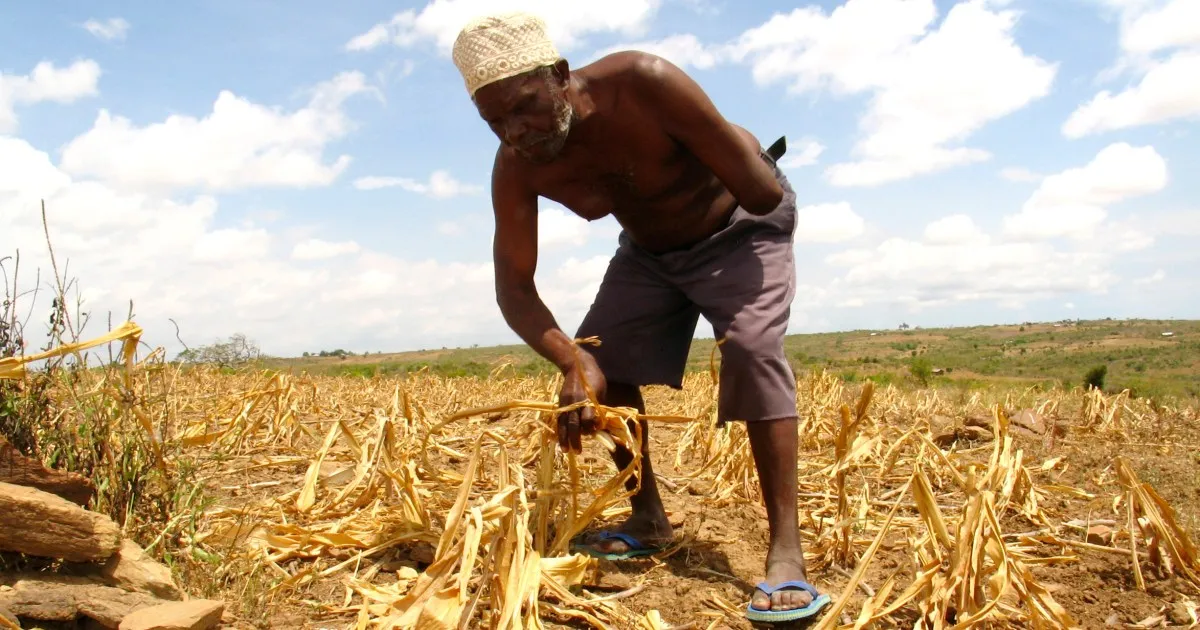
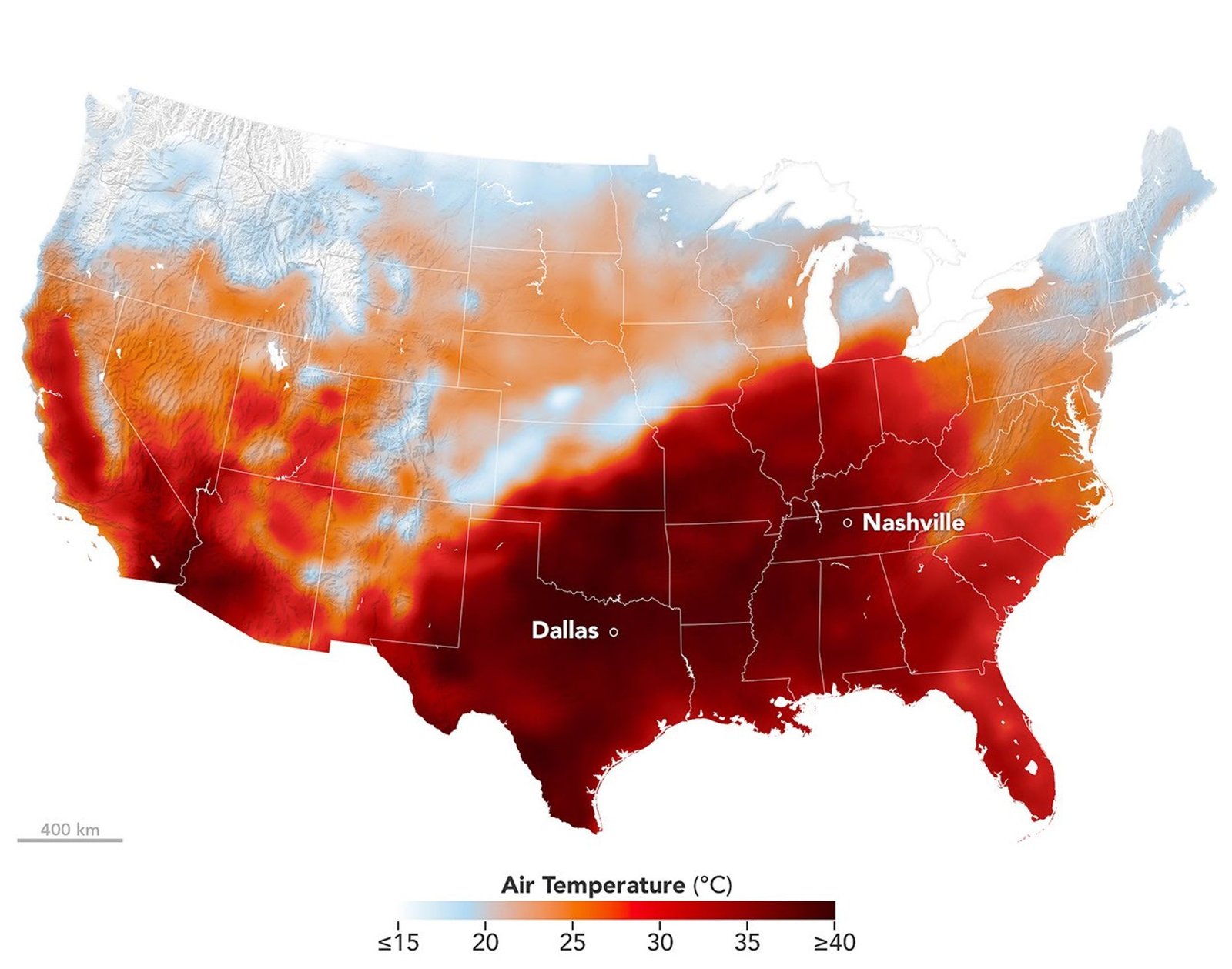
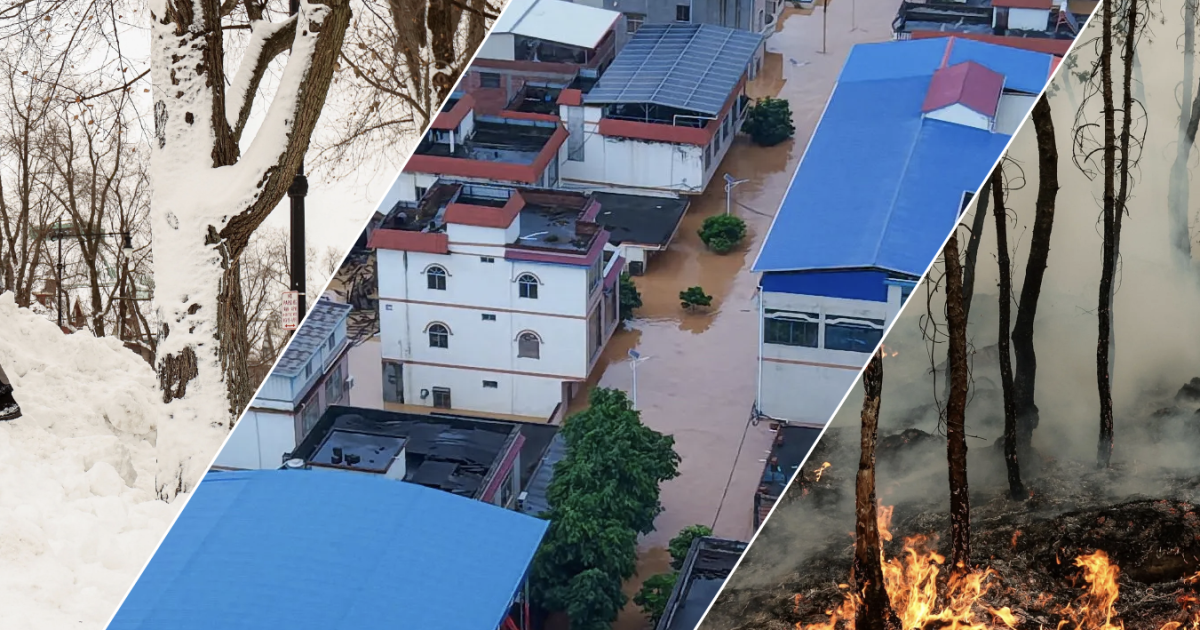
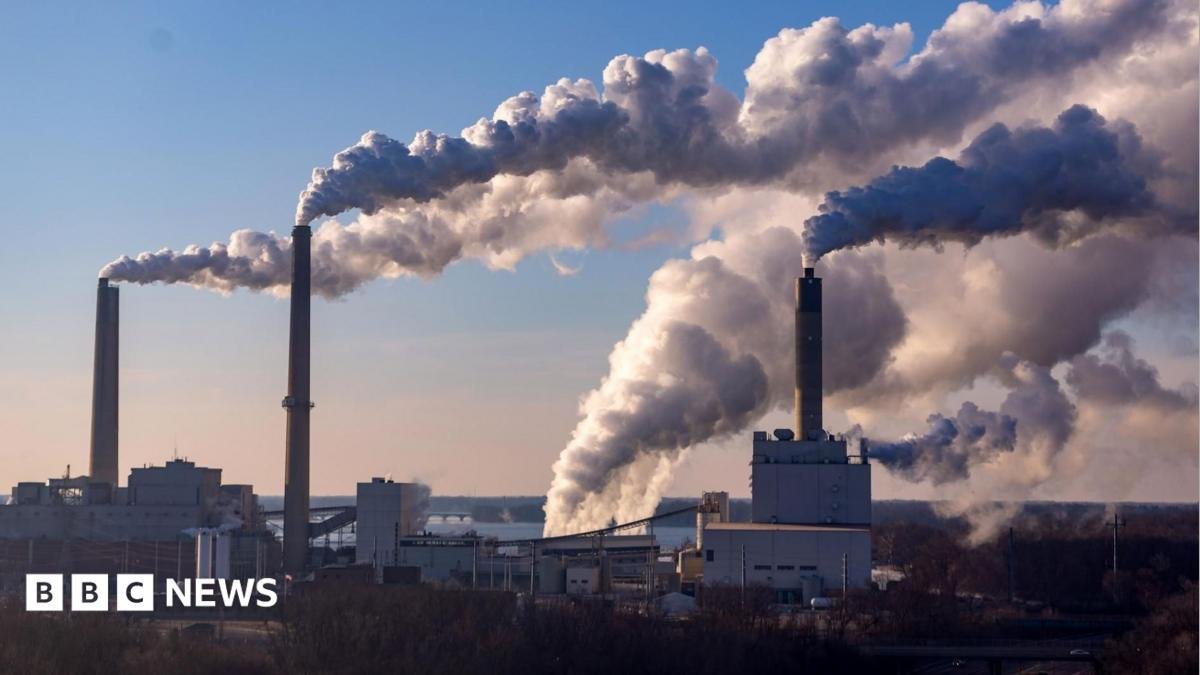
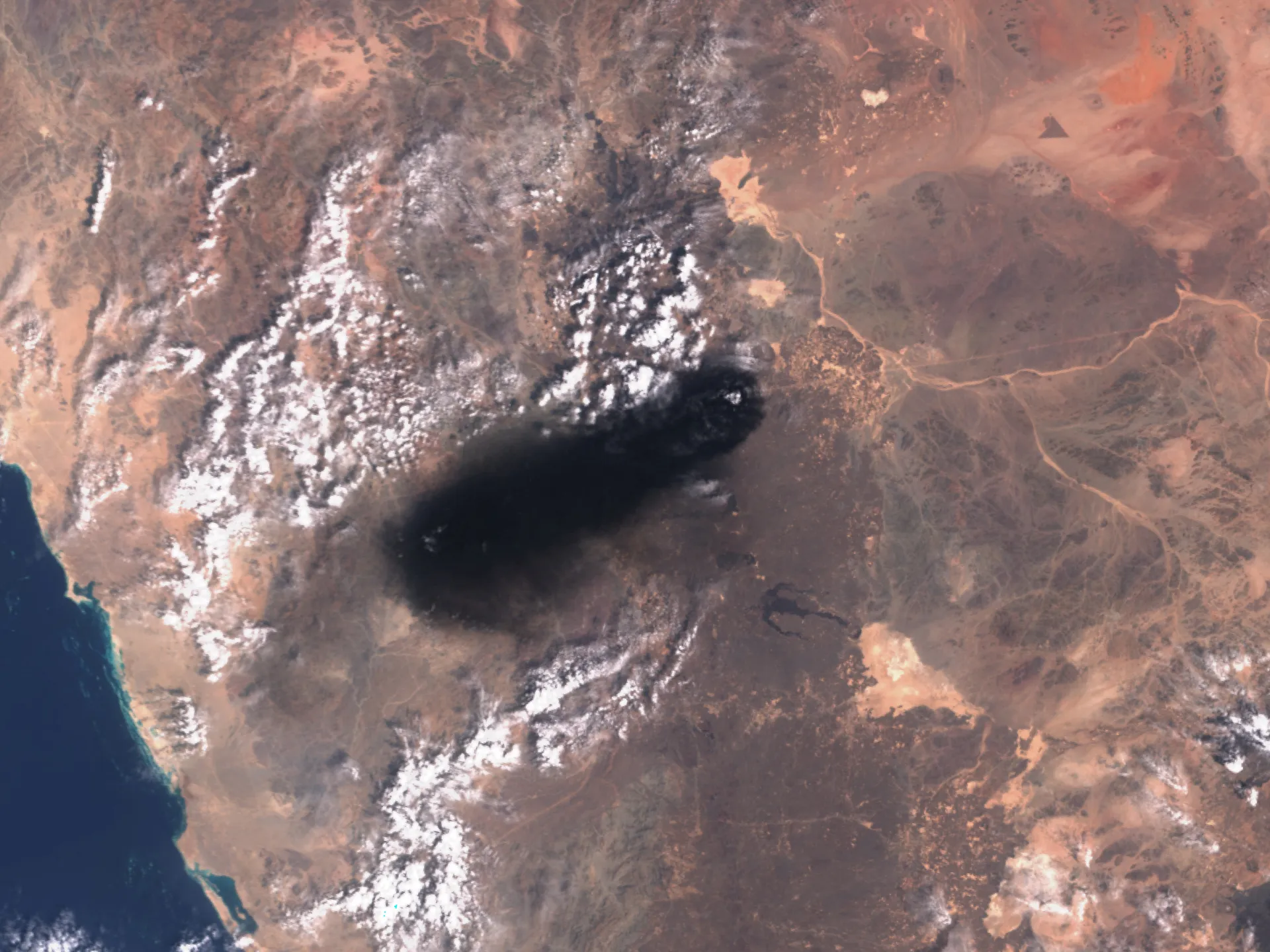
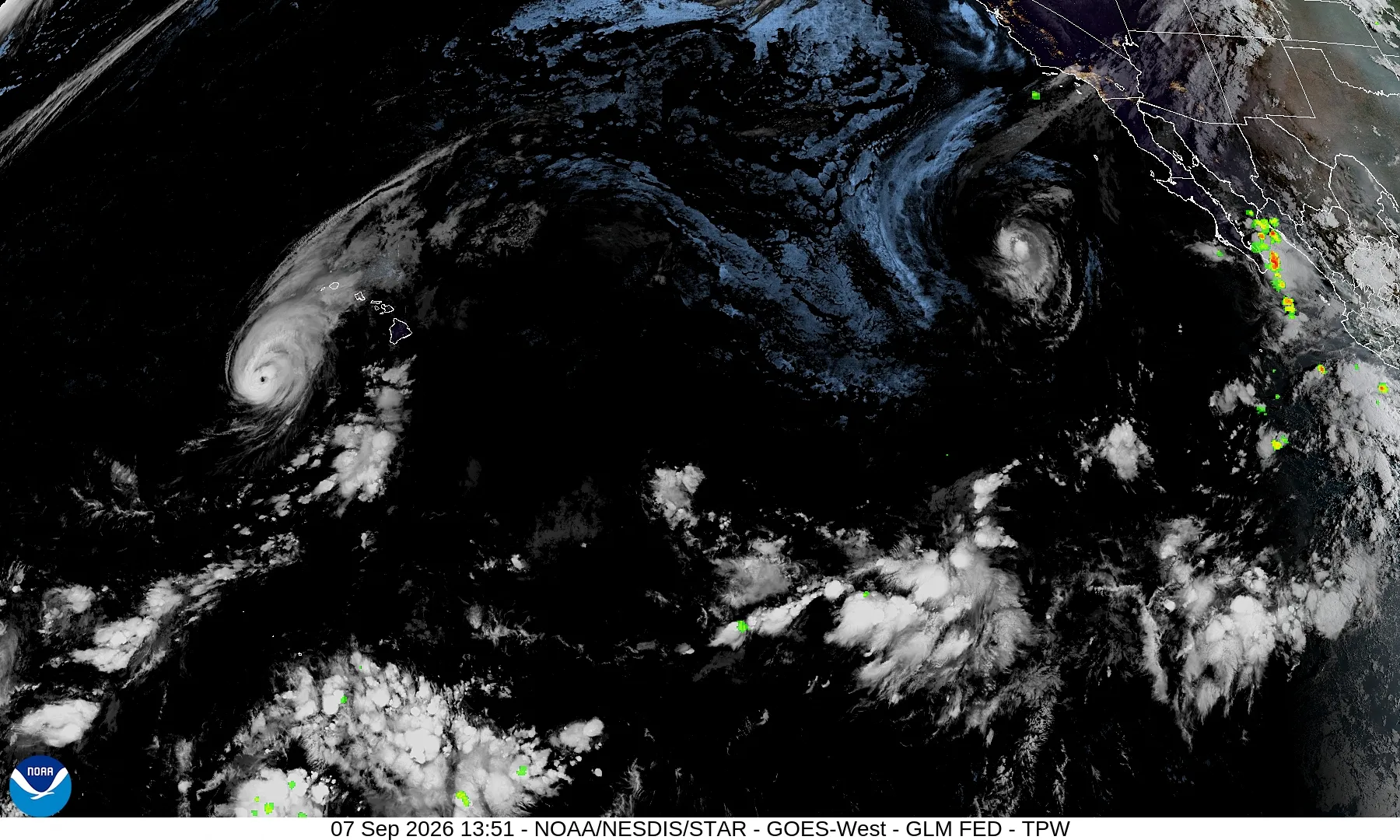
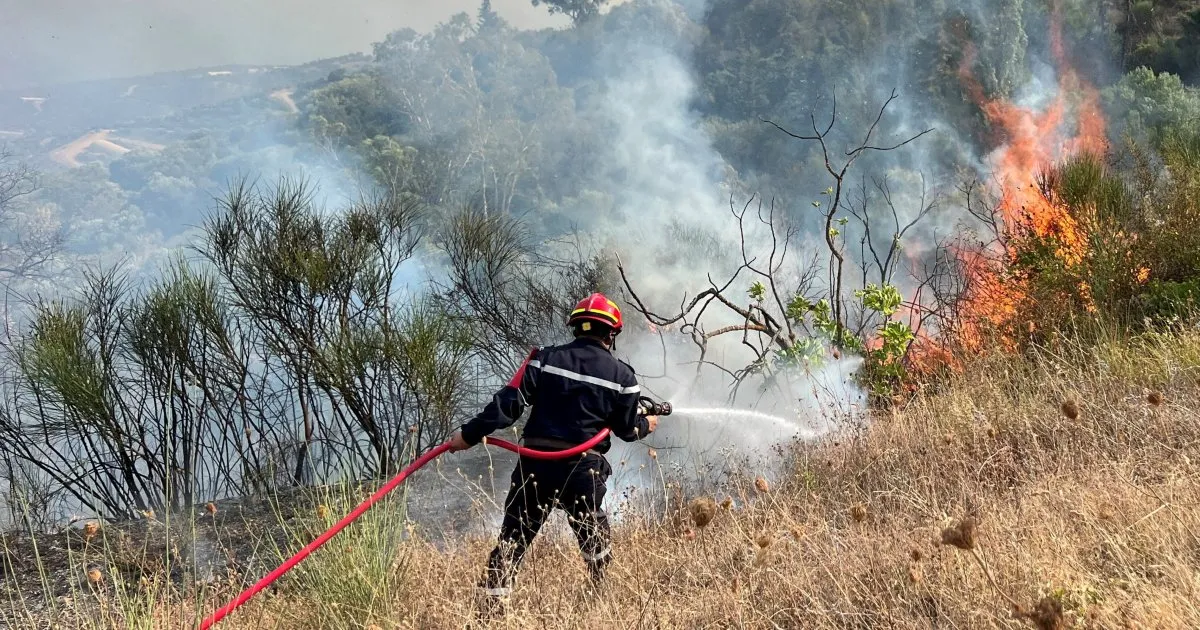
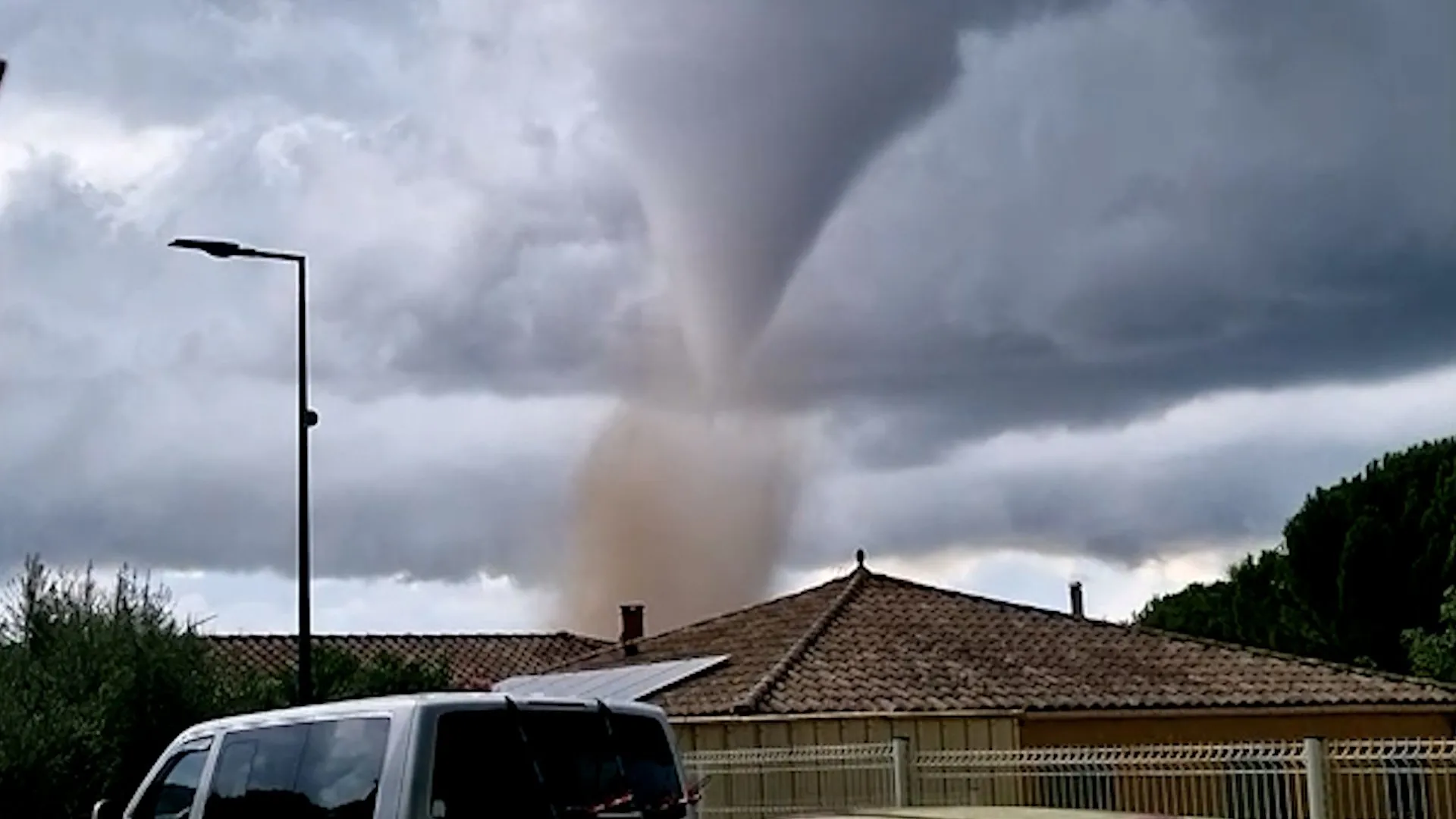
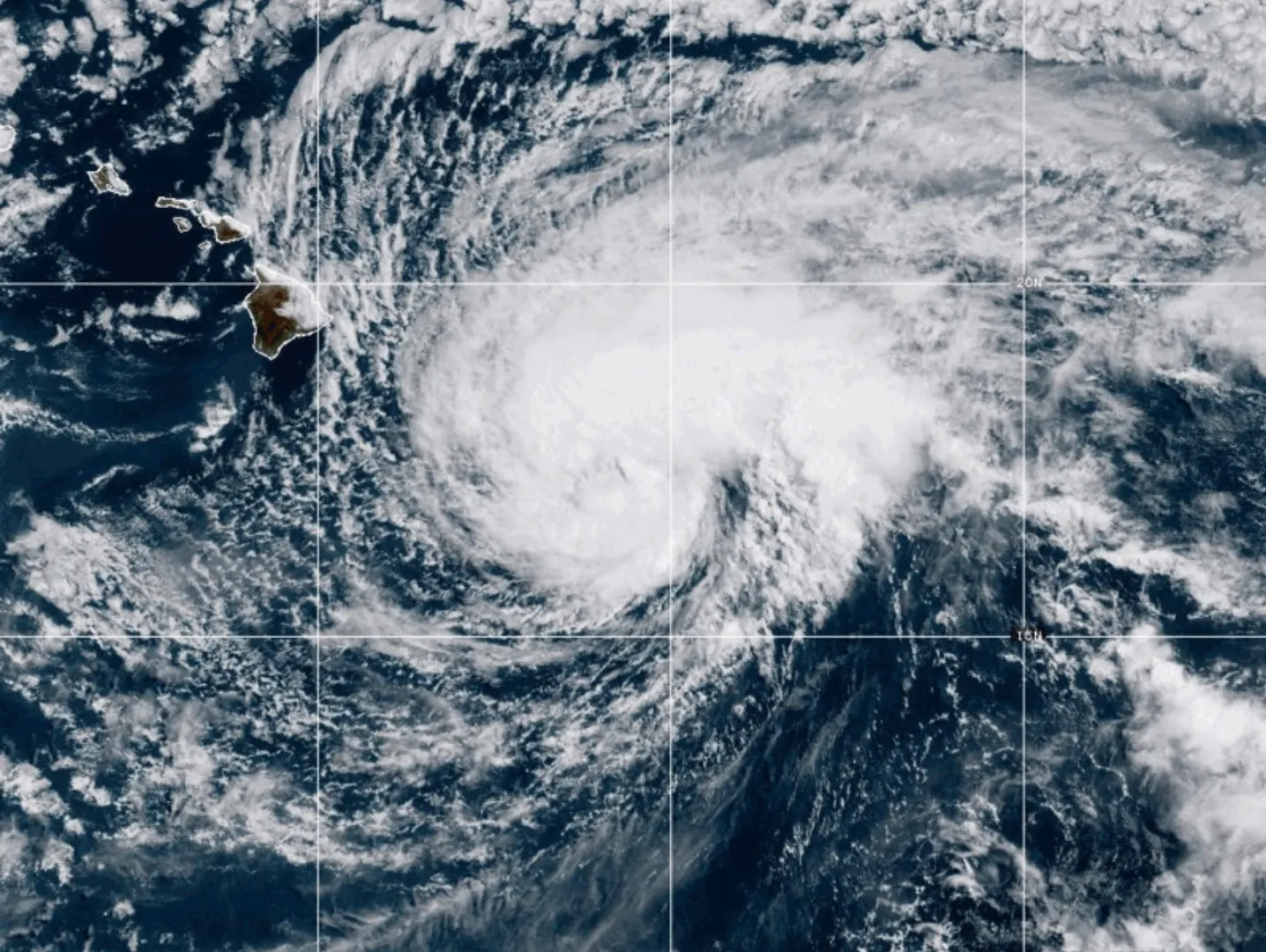
As the Northern Hemisphere transition to autumn, large swaths of the central and southern United States experienced a persistent weather phenomenon known as a heat dome. Throughout mid-September, high-pressure systems effectively trapped hot air near the surface, stifling cloud cover and precipitation. sories as temperatures reached or exceeded 104 degrees Fahrenheit (40 degrees Celsius) in several regions.
Cities including Dallas, Nashville, and Memphis set daily high-temperature records, with Nashville surpassing a mark that had stood since 1927. Meteorological data modeled , which left the affected states at least 12 degrees Fahrenheit warmer than historical norms. The event was characterized illness across the impacted states of Texas, Oklahoma, Arkansas, Missouri, and Tennessee.
In Cameroon, the immediate outlook remains tied to the capacity of local border towns to absorb the surge of displaced persons. Without a coordinated humanitarian response or a change in the security situation in the Far North, the influx of refugees in Waza and Kousseri will likely exacerbate existing resource scarcities and public health risks. On the diplomatic front, the expansion of the Yongbyon site suggests that North Korea will continue to prioritize nuclear development regardless of international sanctions or the lack of formal inspection access. Future assessments will rely heavily on satellite surveillance, as the gap between the IAEA’s technical findings and Pyongyang’s stated strategic goals continues to widen.