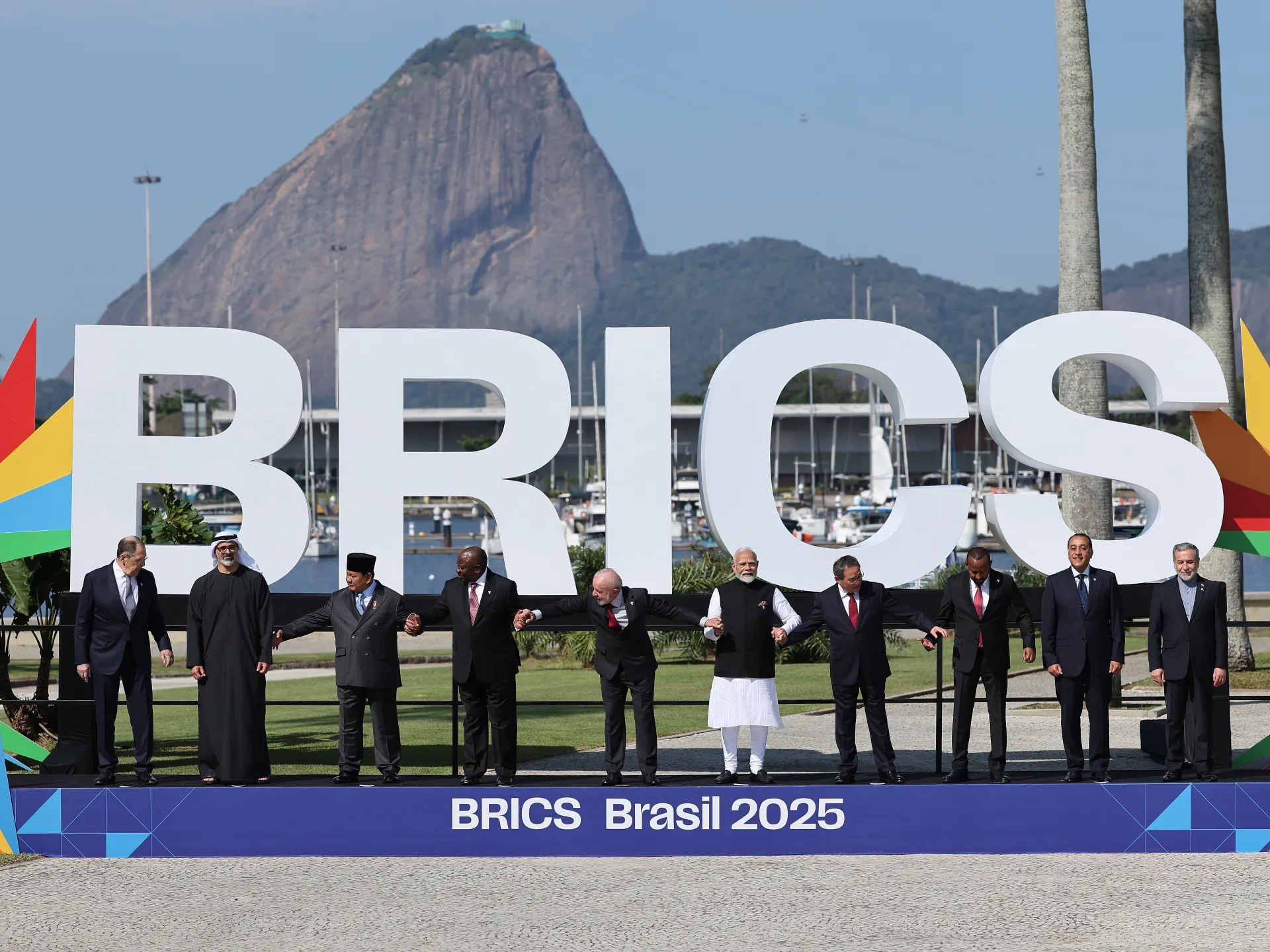
The recent BRICS summit in Delhi demonstrated the bloc's role as a diplomatic venue for rivals, even as it highlighted deep internal divisions over the future of the global order.
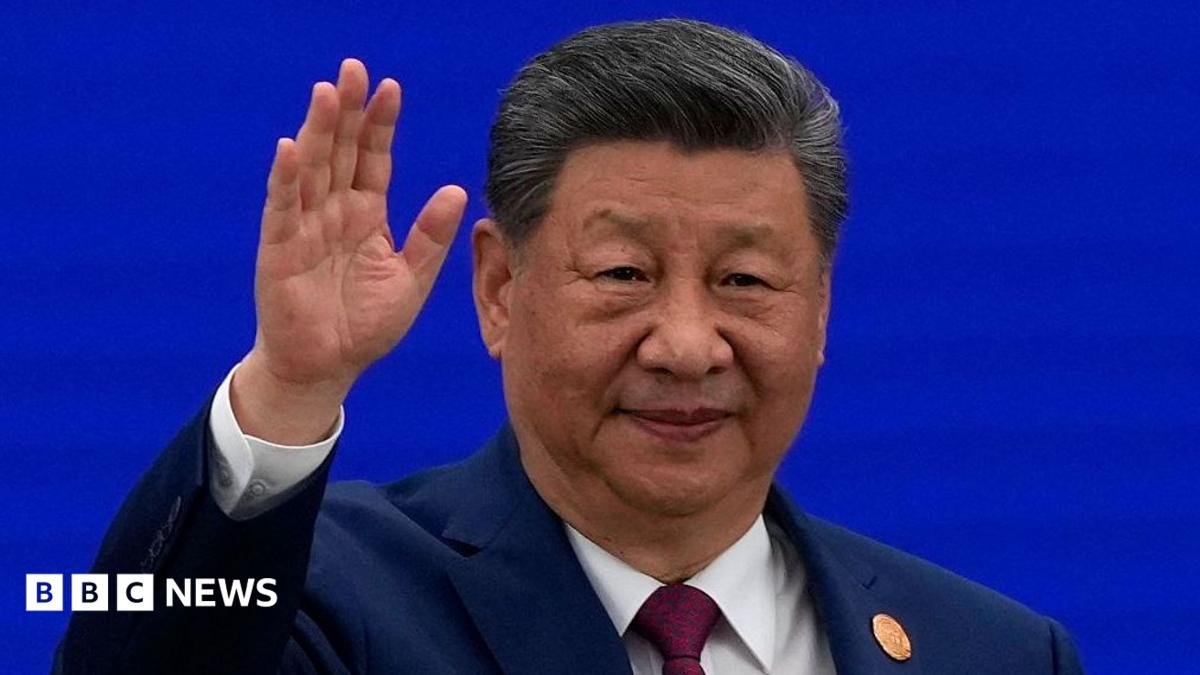
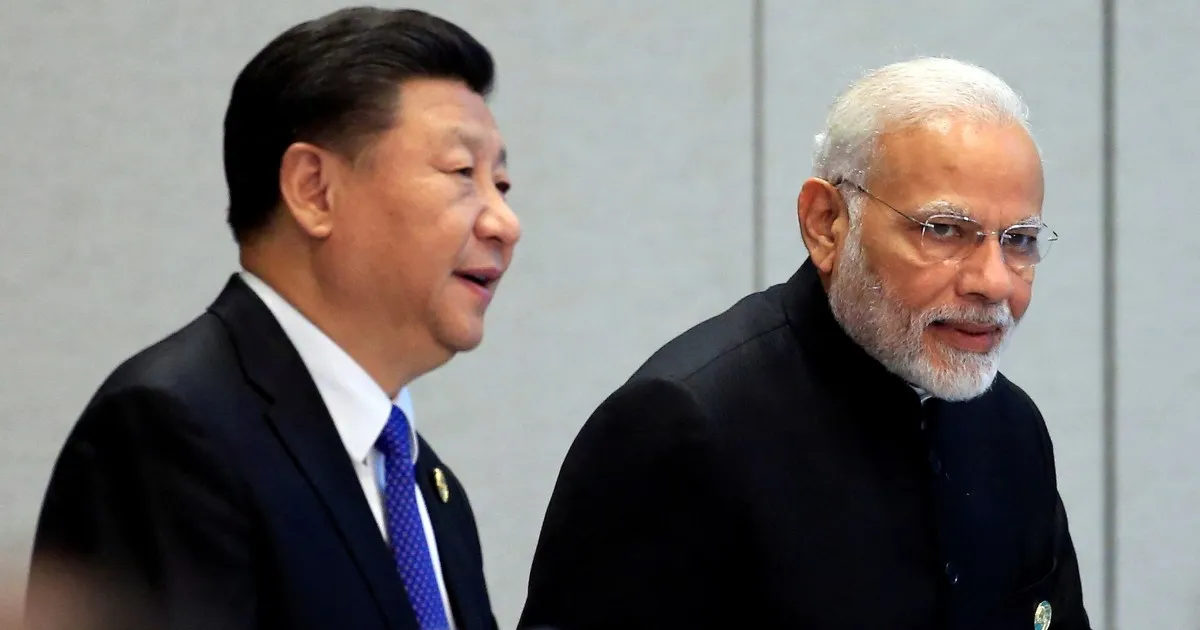
The recent high-profile gathering in Delhi served as a testament to India's growing diplomatic influence, bringing together world leaders with fundamentally different agendas and histories. The meeting featured key figures including Chinese President Xi Jinping, Russian President Vladimir Putin, and Iran’s President Masoud Pezeshkian, all of whom engaged in discussions under the banner of the BRICS grouping. Despite the symbolic unity of the table, the participants represent nations that often find themselves at odds, ranging from unresolved border disputes between India and China to the direct military tensions between Iran and the United Arab Emirates.
While nations like Russia, China, and Iran view the bloc as a necessary mechanism to challenge Western hegemony and dilute the influence of the United States and Europe, India has consistently resisted characterizing the group as an anti-Western alliance. Prime Minister Narendra Modi’s approach emphasizes "strategic autonomy," positioning the bloc as a platform for collaboration rather than a direct adversary to existing international frameworks. This nuanced stance allows India to maintain its critical relationships with multiple global powers without being forced into a binary geopolitical choice.
The summit's ability to produce a joint declaration, known as the New Delhi Declaration, was a significant milestone, particularly given that earlier ministerial meetings had failed to reach a consensus. However, the document is arguably more notable for its omissions than its explicit commitments. as the war in Ukraine, the group managed to maintain a facade of unity while sidestepping the most contentious issues that could fracture the alliance.
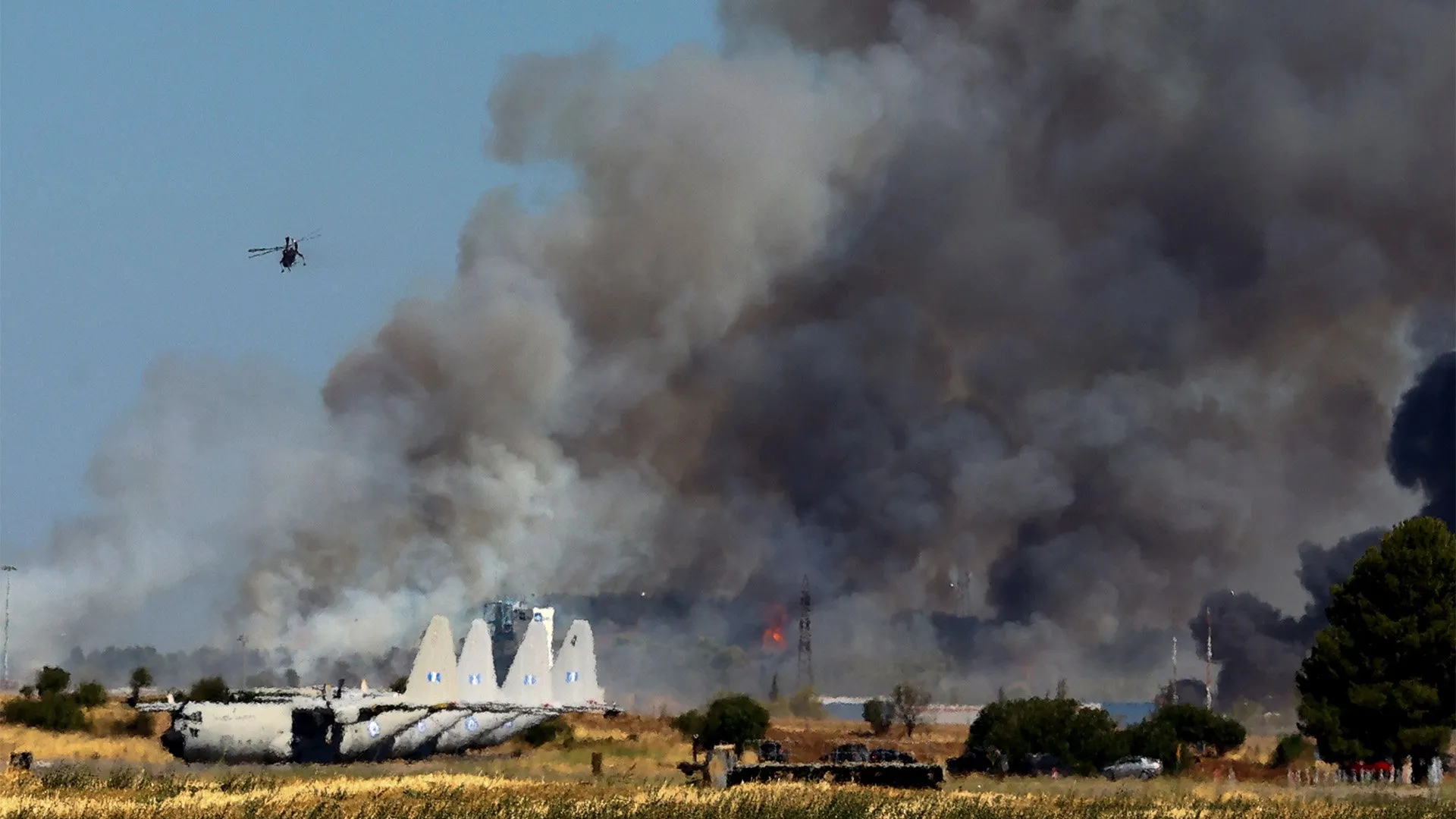
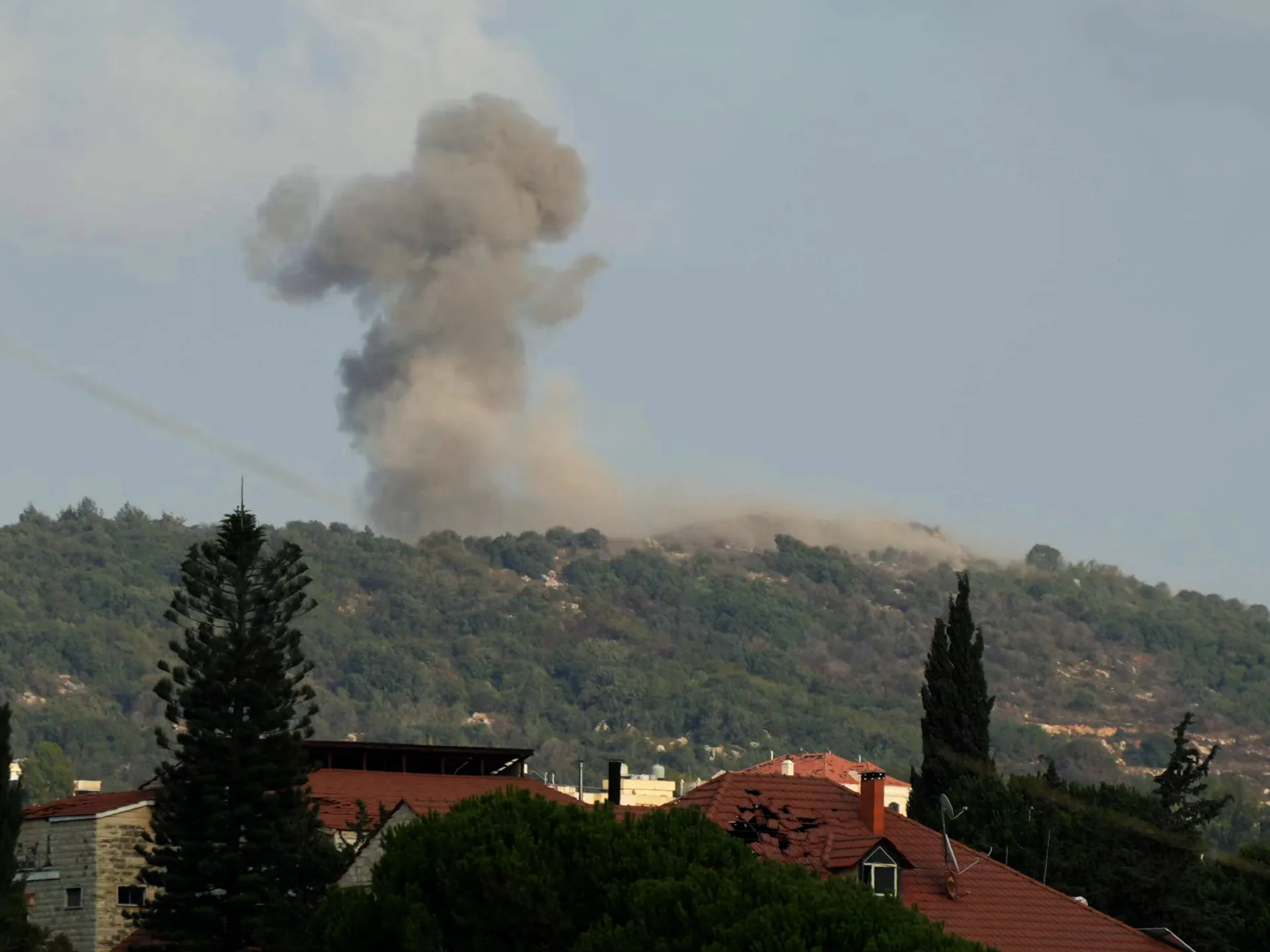
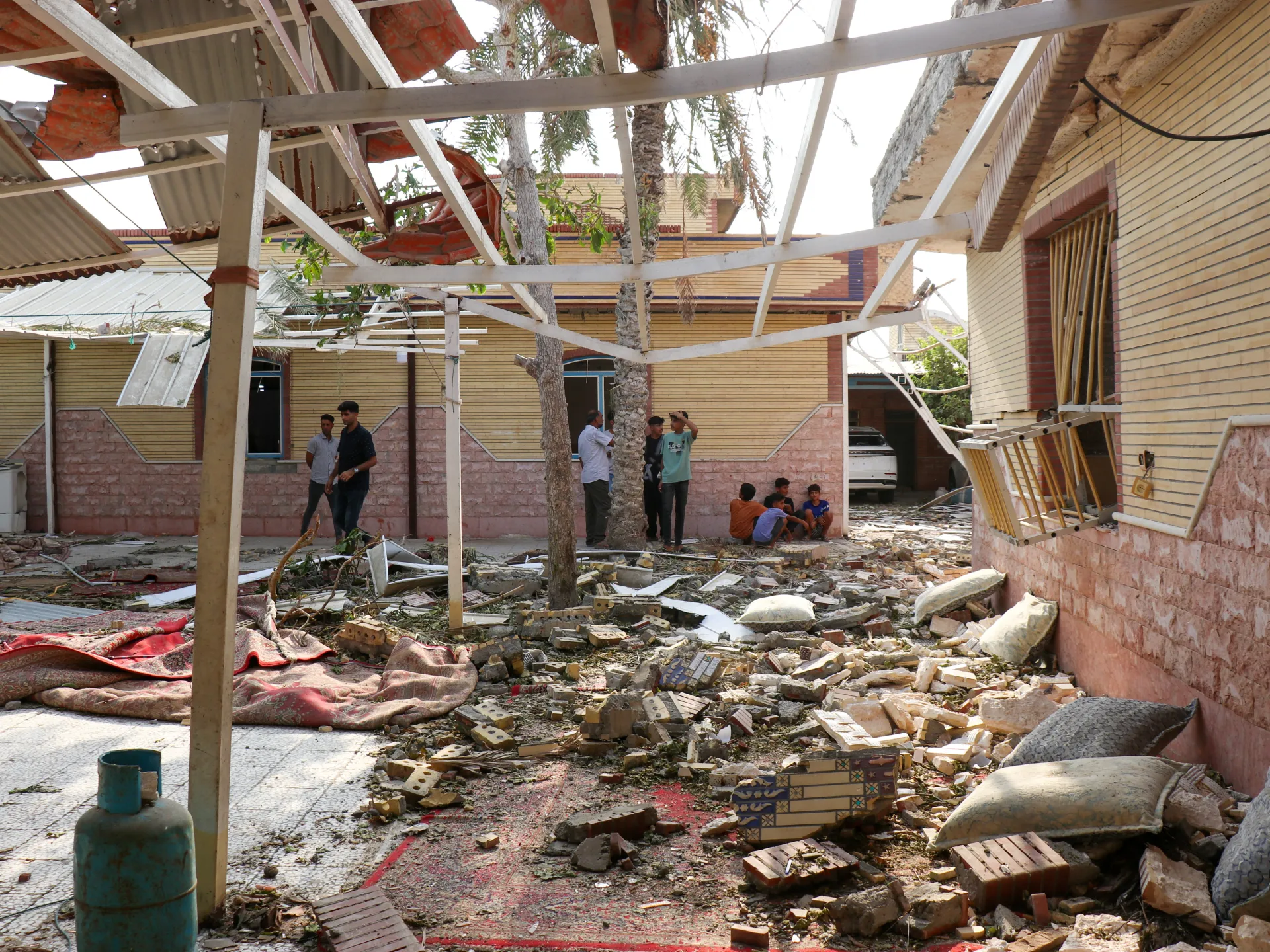
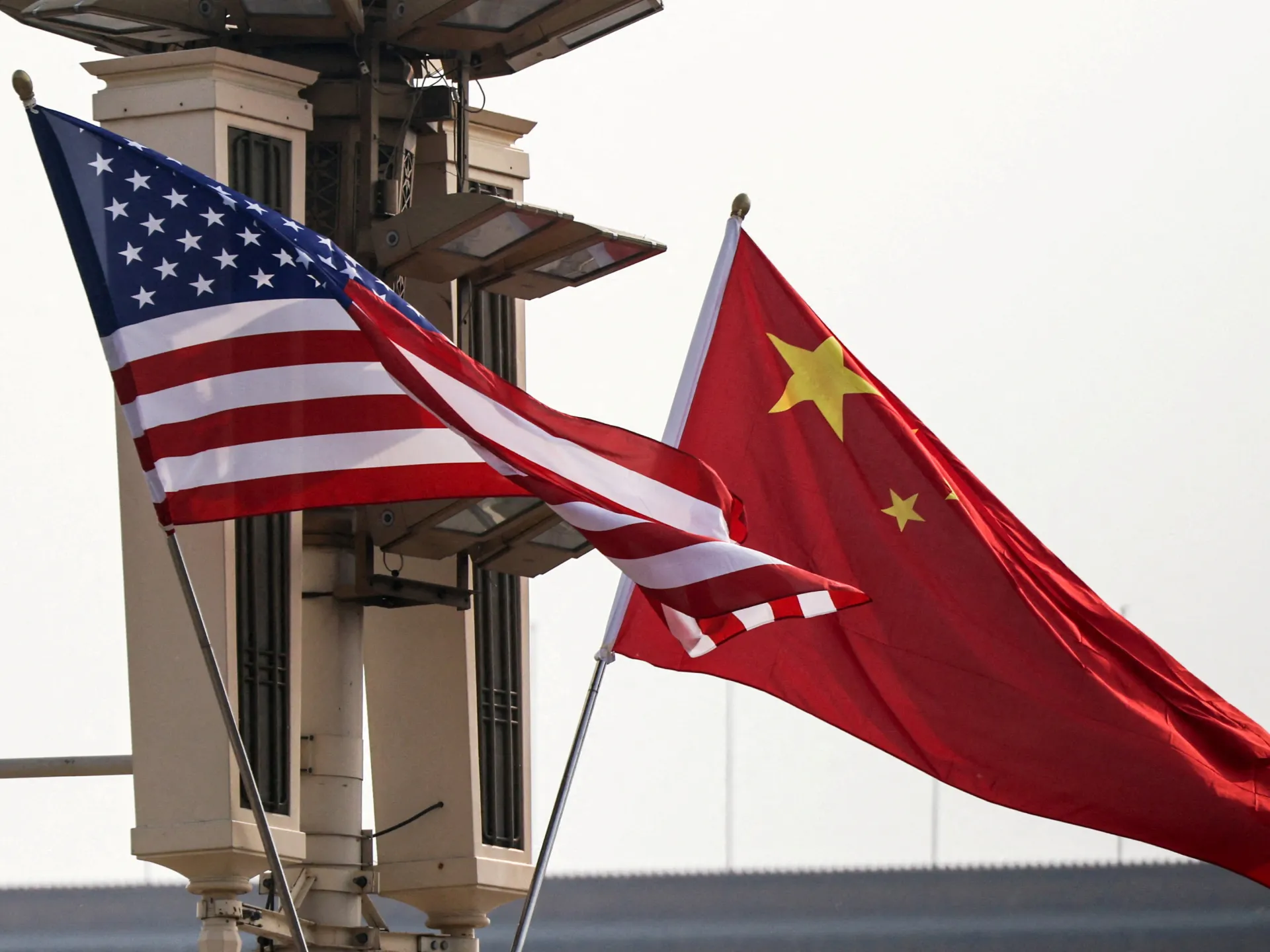
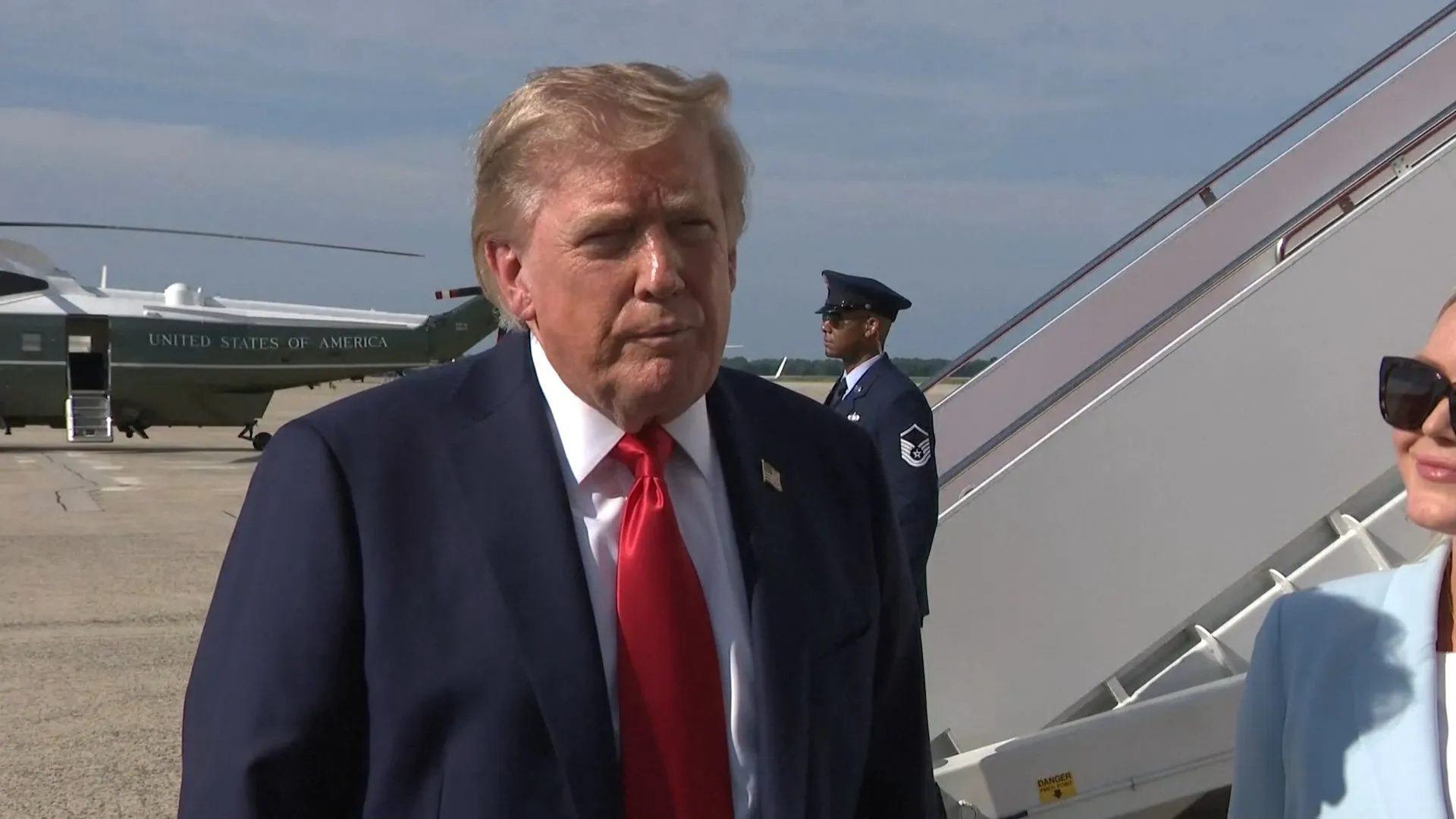
Regarding the conflict in the Middle East, the declaration opted for measured, diplomatic language. It called for "maximum restraint" and condemned attacks on civilian and nuclear infrastructure without assigning blame to any specific actor. Similarly, while the document expressed concerns over rising tariffs and unilateral sanctions, it avoided naming the United States directly. This tactical vagueness was likely designed to prevent provoking Washington, especially as member states remain wary of potential economic retaliation or future trade policies from the American administration.
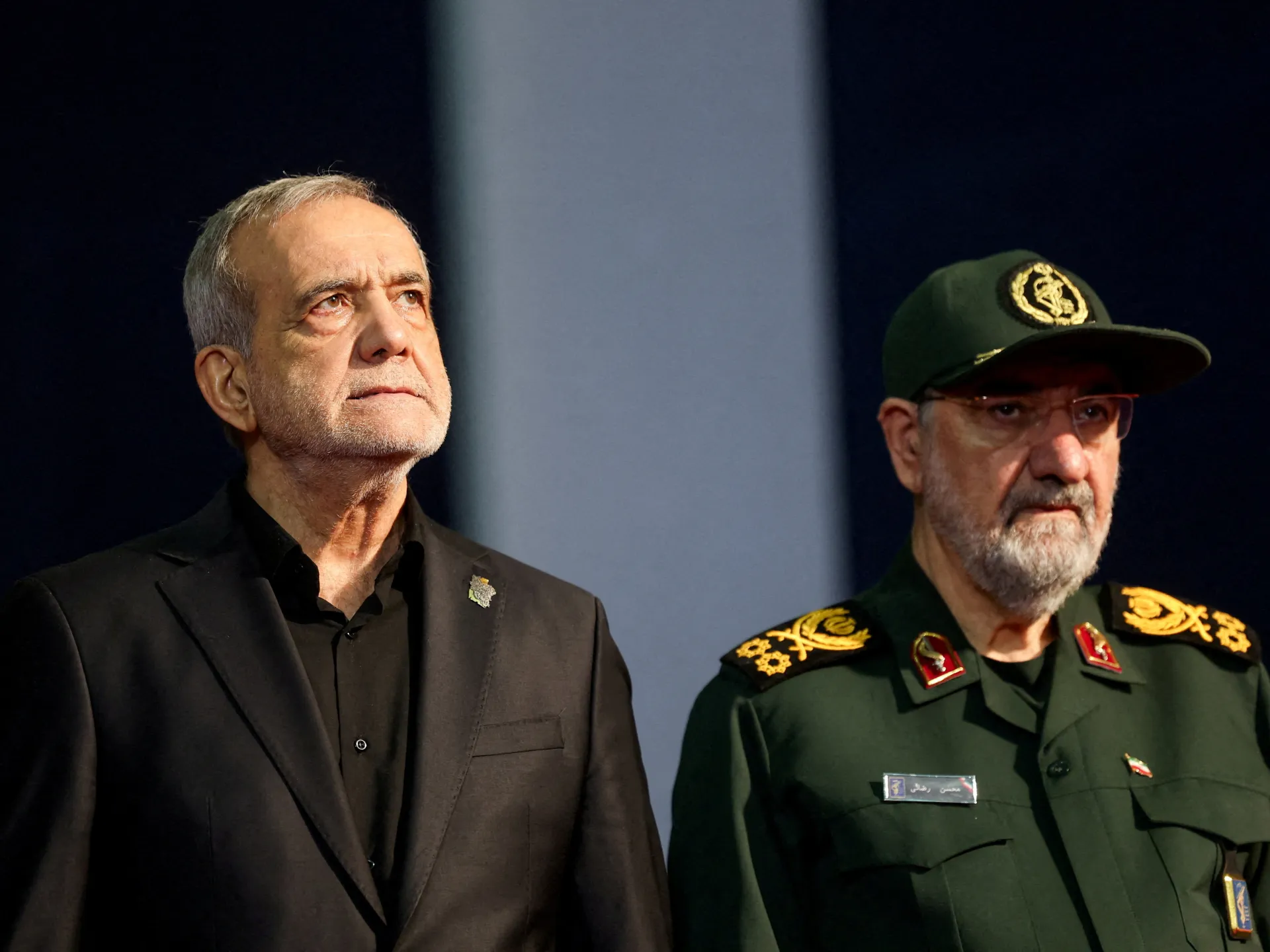
One of the most tangible outcomes of the summit was the space it provided for direct, high-level communication between rivals. A notable example was the meeting between Iran’s President Pezeshkian and the Crown Prince of the UAE, which marked a rare and significant diplomatic encounter amidst the broader regional turmoil. For Tehran, the event served as a crucial opportunity to demonstrate that it is not isolated on the global stage, allowing President Pezeshkian to advocate for stronger economic partnerships with fellow members to mitigate the impact of international sanctions.
The summit also provided a rare venue for India and China to address their strained bilateral relationship, which has been plagued ime Minister Modi and President Xi was professional rather than warm, the agreement to address trade barriers and improve transport links suggests a cautious desire for stability. Observers view this as a incremental step toward normalization, though they emphasize that long-term progress will require consistent follow-through and verification of these diplomatic overtures.
The Delhi summit underscored the reality that while BRICS members a collective desire for a new global order, they remain deeply divided on the path forward. The institution provides a vital arena for rivals to maneuver outside of traditional, Western-dominated structures, yet it lacks a unified vision for a replacement system. The challenge moving forward will be transforming these high-level summits into substantial, tangible outcomes that can withstand the pressures of shifting global alliances and competing national interests.
Ultimately, the summit highlighted that the strength of the bloc lies in its capacity to act as a neutral theater for dialogue rather than a monolithic political entity. As members attempt to navigate a world defined n open—even between adversaries—remains the group's most significant contribution to international diplomacy. Whether this will lead to a cohesive alternative to the current order or simply remain a loose coalition of convenience remains the defining question for the organization's future.