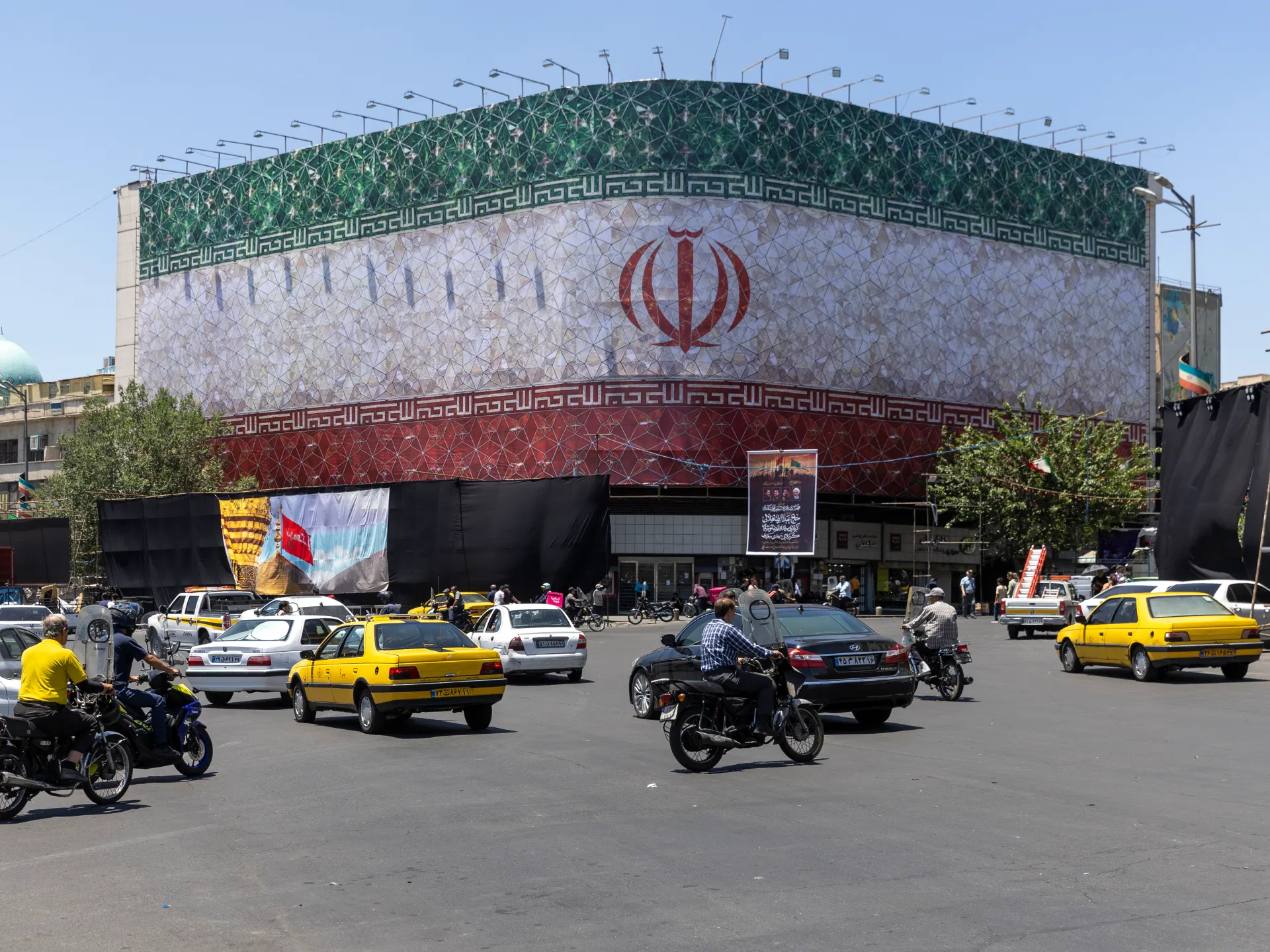
France is set to summon the Iranian ambassador following the abrupt closure of a French cultural facility in Tehran, adding a new layer of friction to the ongoing US-Iran conflict during the UN General Assembly.
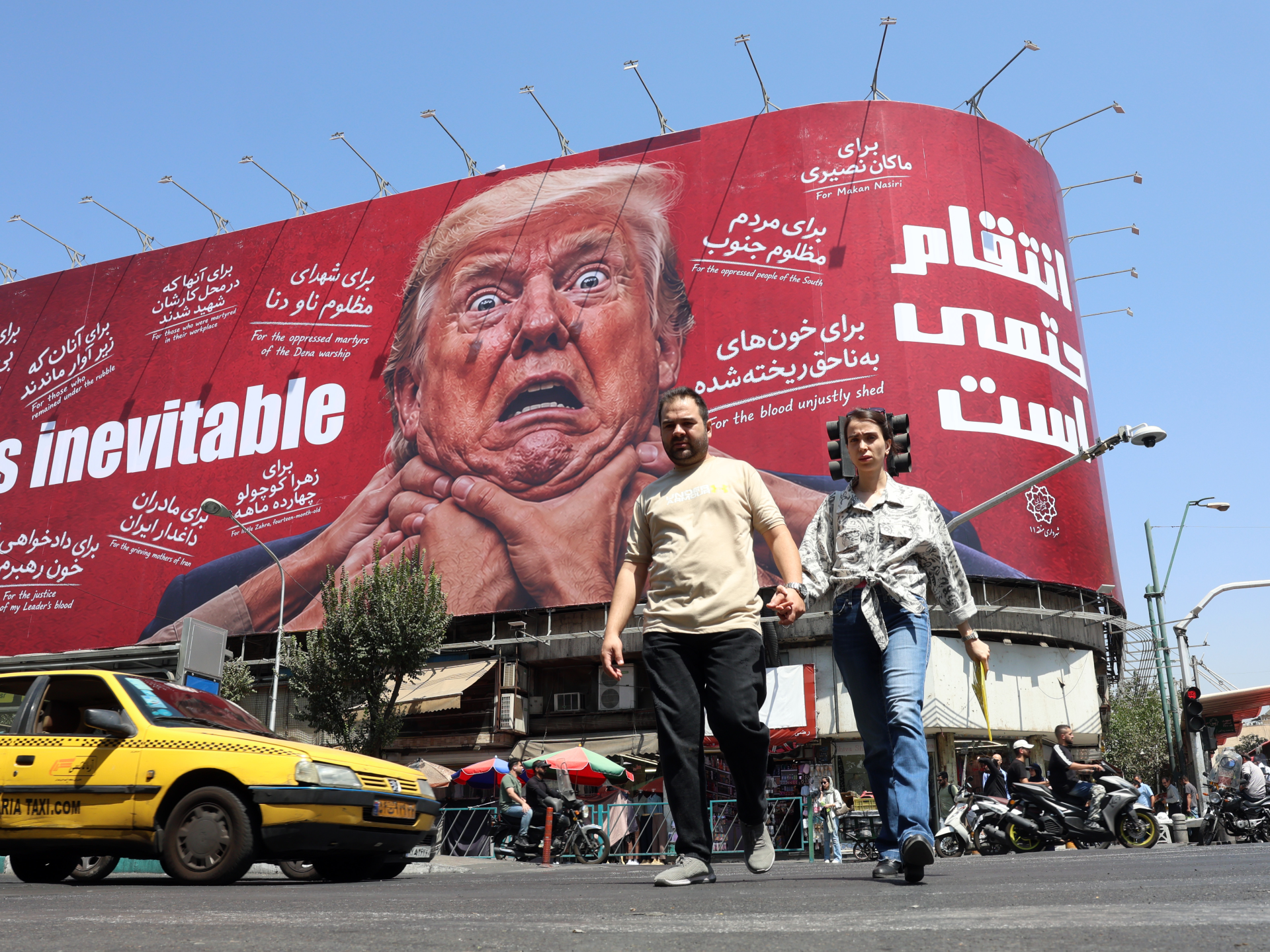
The closure of the French Language Centre in Tehran represents more than a localized bureaucratic dispute; it signals a hardening of the Iranian state’s position toward European cultural and diplomatic influence. As the conflict between the United States and Iran enters its seventh month, the room for traditional diplomatic mediation is shrinking. institution, Tehran is effectively signaling that it no longer views European soft power as a neutral force, but rather as an extension of the broader geopolitical pressure campaign it is currently facing.
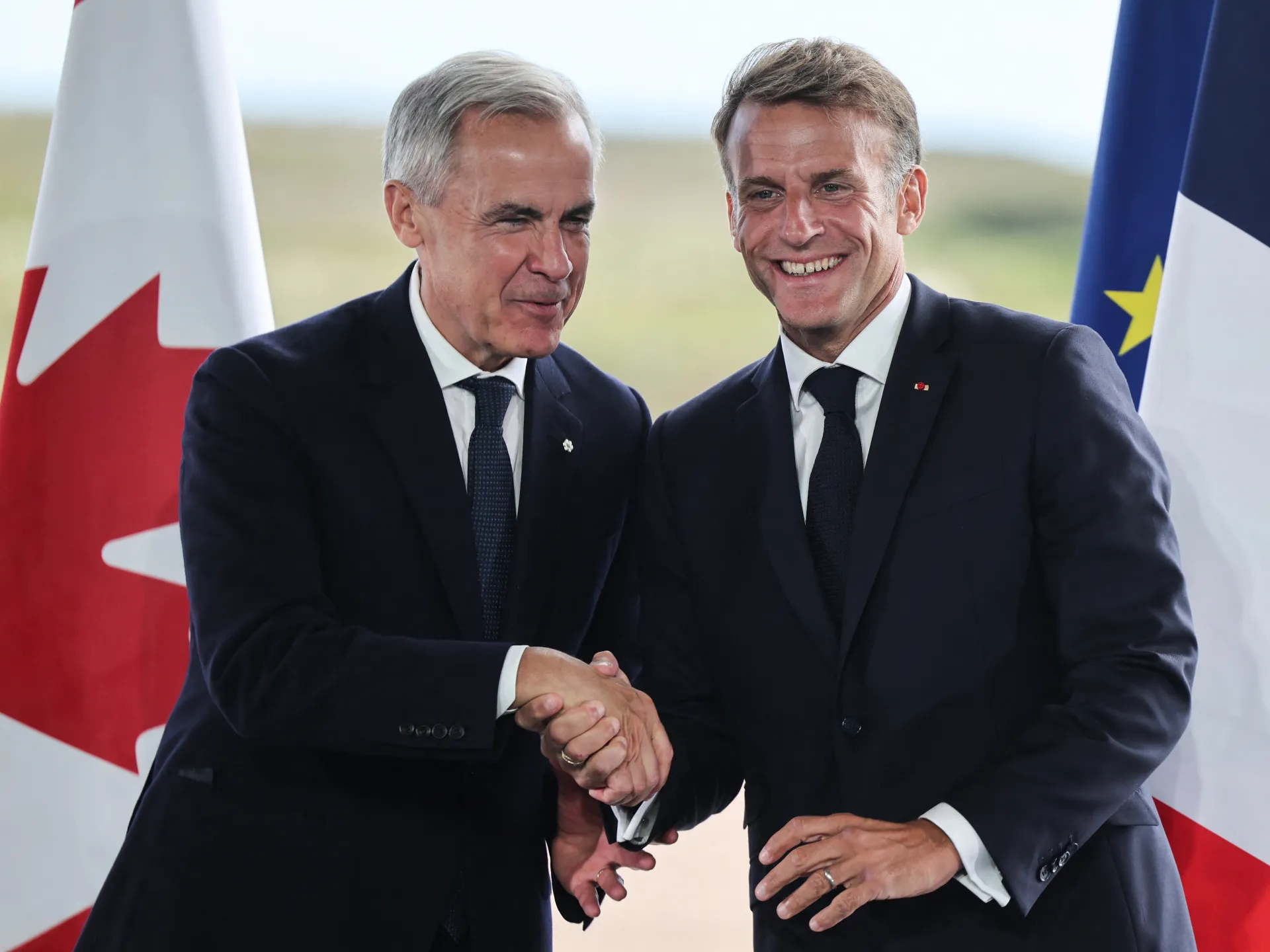
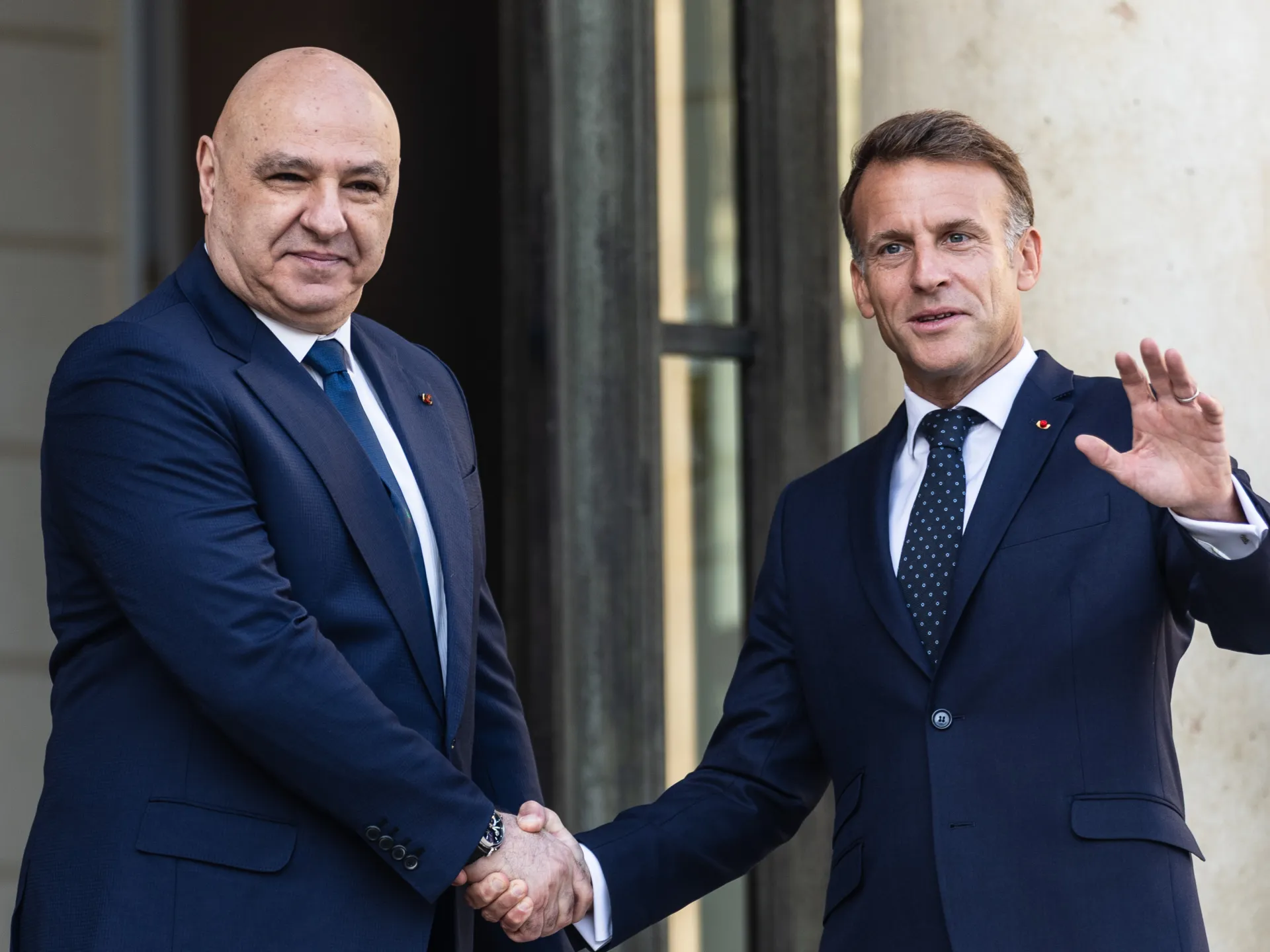
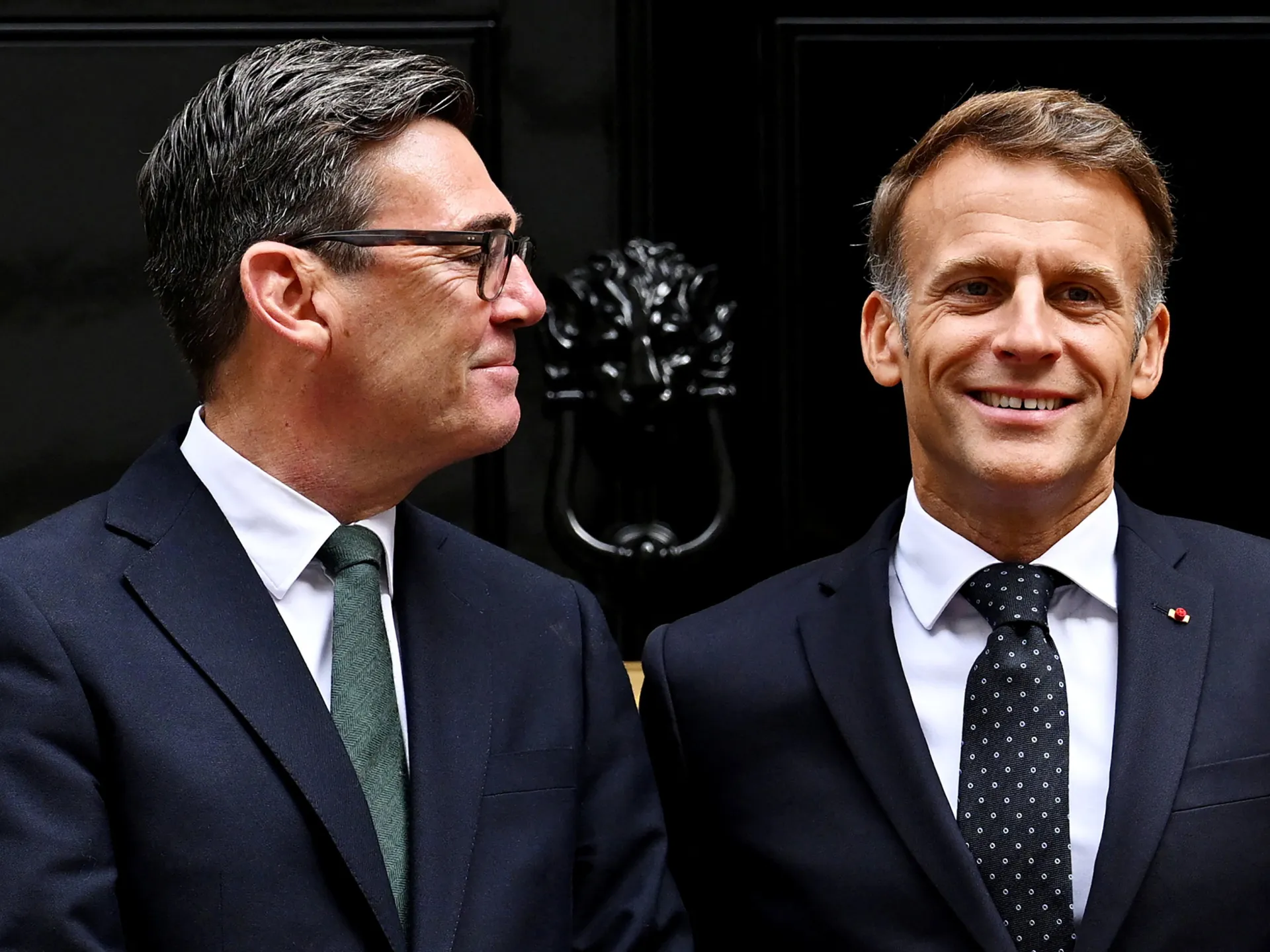
This move forces the European Union into a precarious position. While leaders like President Emmanuel Macron are scheduled to address the United Nations General Assembly this week, they must now navigate a dual challenge: maintaining a unified front with Western allies in the face of ongoing regional instability and attempting to preserve enough diplomatic space to prevent a total severing of ties. The incident underscores a reality often overlooked in the high-level debates occurring in New York: that diplomatic infrastructure is often the first casualty when nations transition from cold rhetoric to active, attritional warfare.
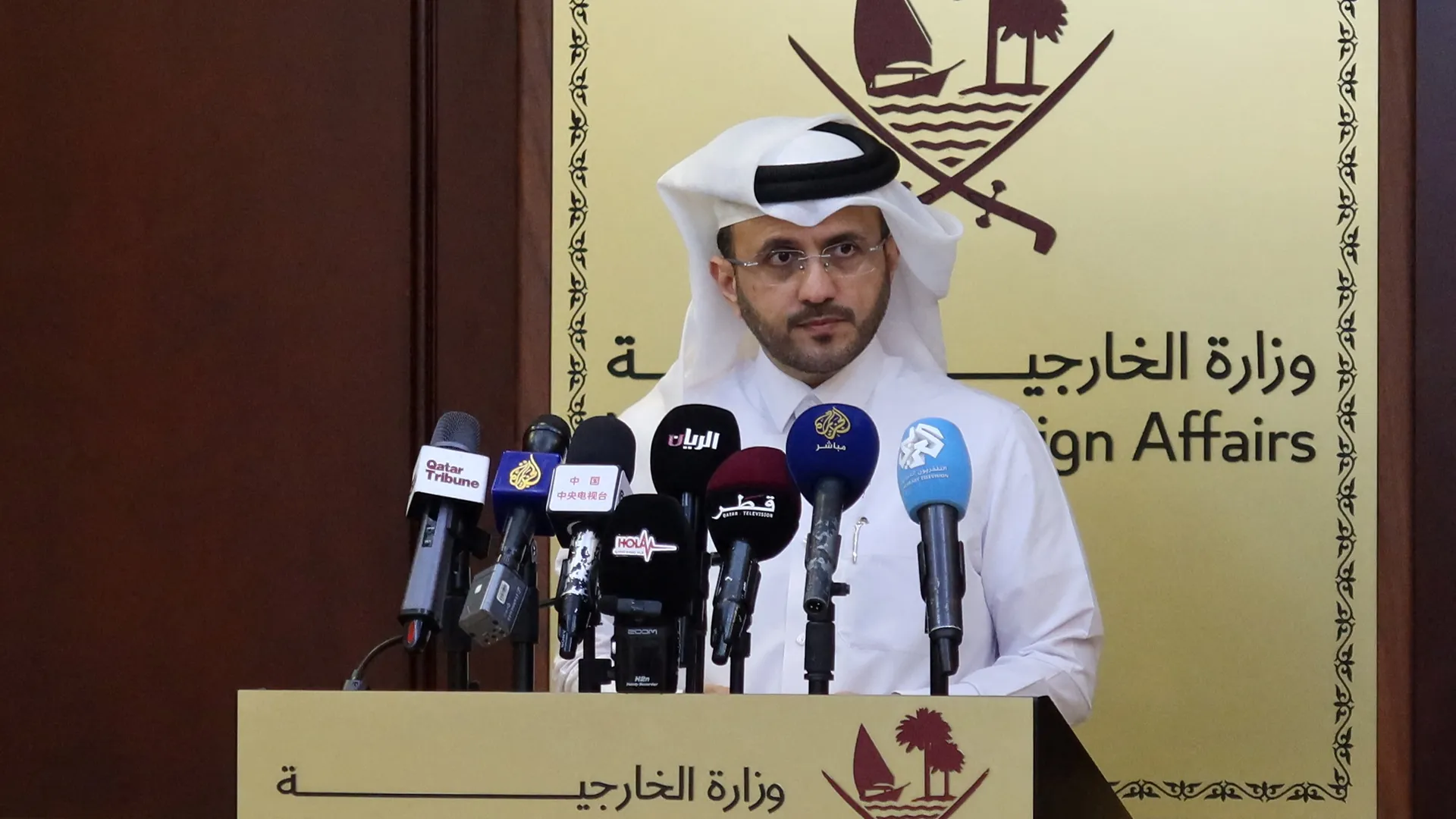
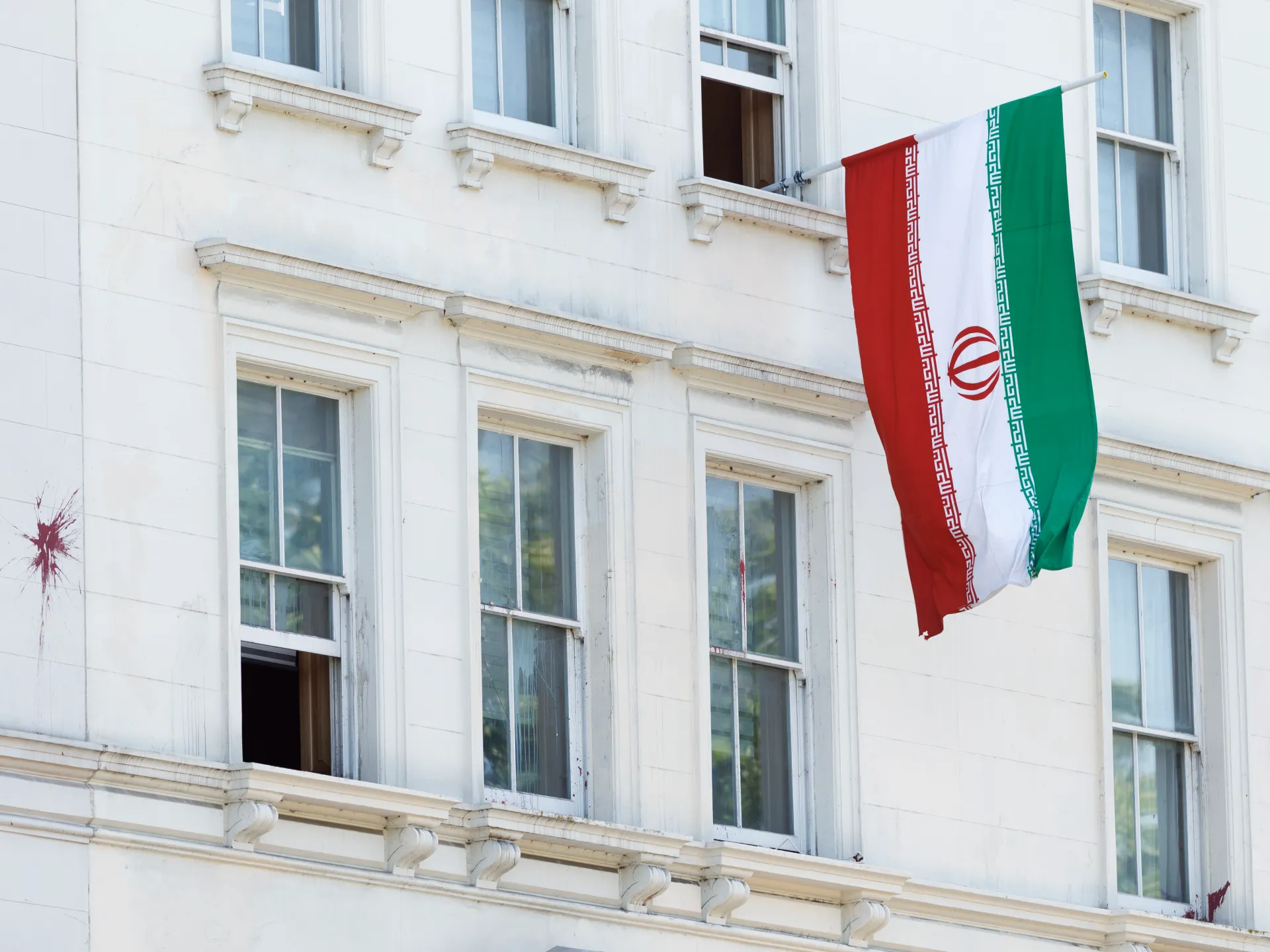
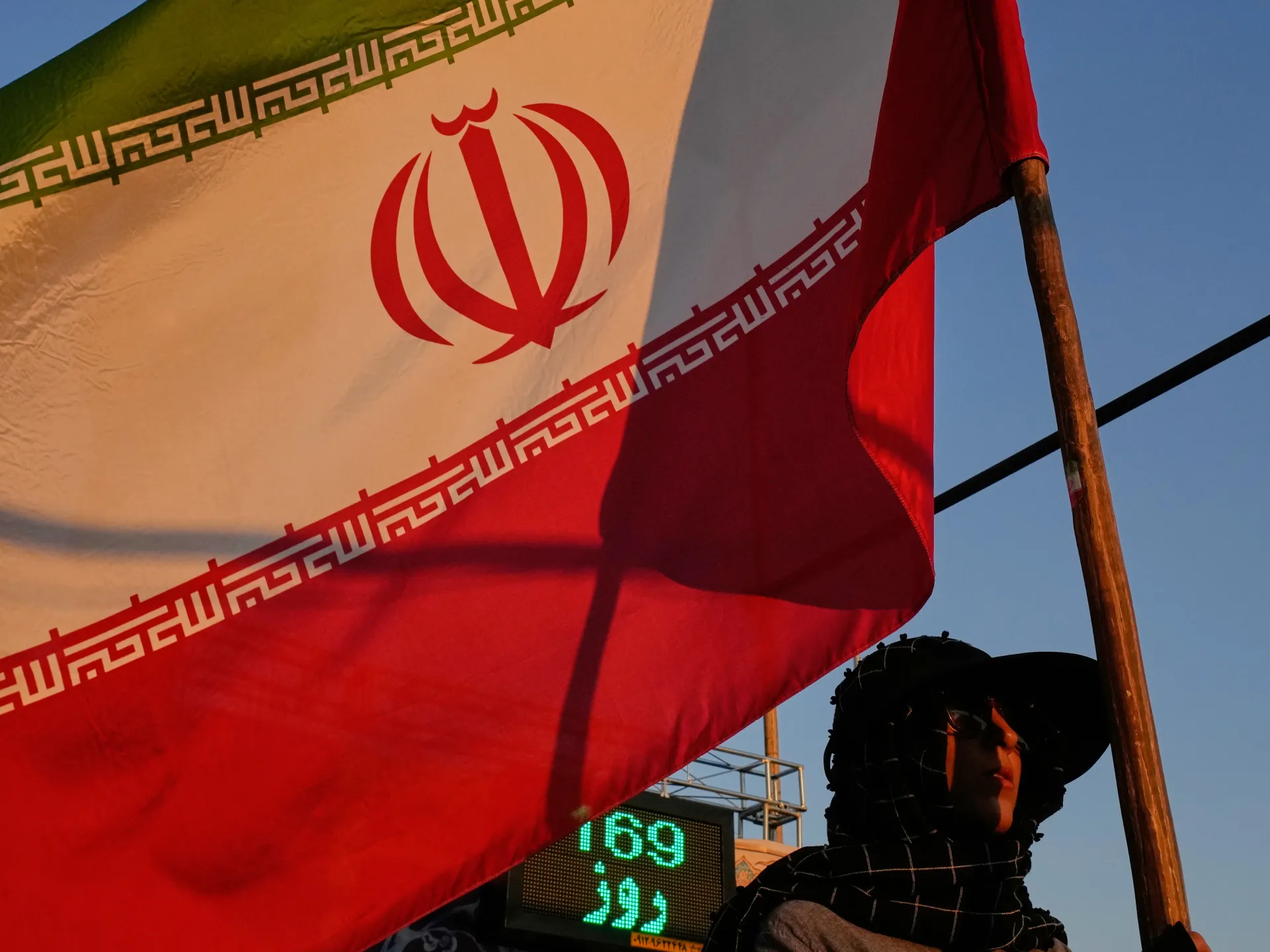
The French Foreign Ministry has confirmed that it will summon the Iranian ambassador in Paris to address what it termed an “unjustifiable and unacceptable” attack on its cultural presence. This reaction follows a Sunday announcement from the Iranian judiciary, which declared the French Language Centre (CLF) closed. Authorities in Tehran alleged that the facility, which has operated for years, was being used as a cover for illegal activities, specifically accusing staff of attempting to identify and cultivate networks among Iran’s elite to facilitate their departure from the country.
This development is the latest in a series of escalations involving personnel from both nations. In July, the French government reported an assault on two members of its embassy staff in Tehran, an event that heightened security concerns for diplomatic missions. Furthermore, in August, Iran’s Intelligence Ministry announced the detention of two French diplomats during a national security investigation, only releasing them after they were handed over to the French ambassador. The timing of the centre's closure—just as global leaders convene for the 81st UN General Assembly—suggests a calculated effort international scrutiny.
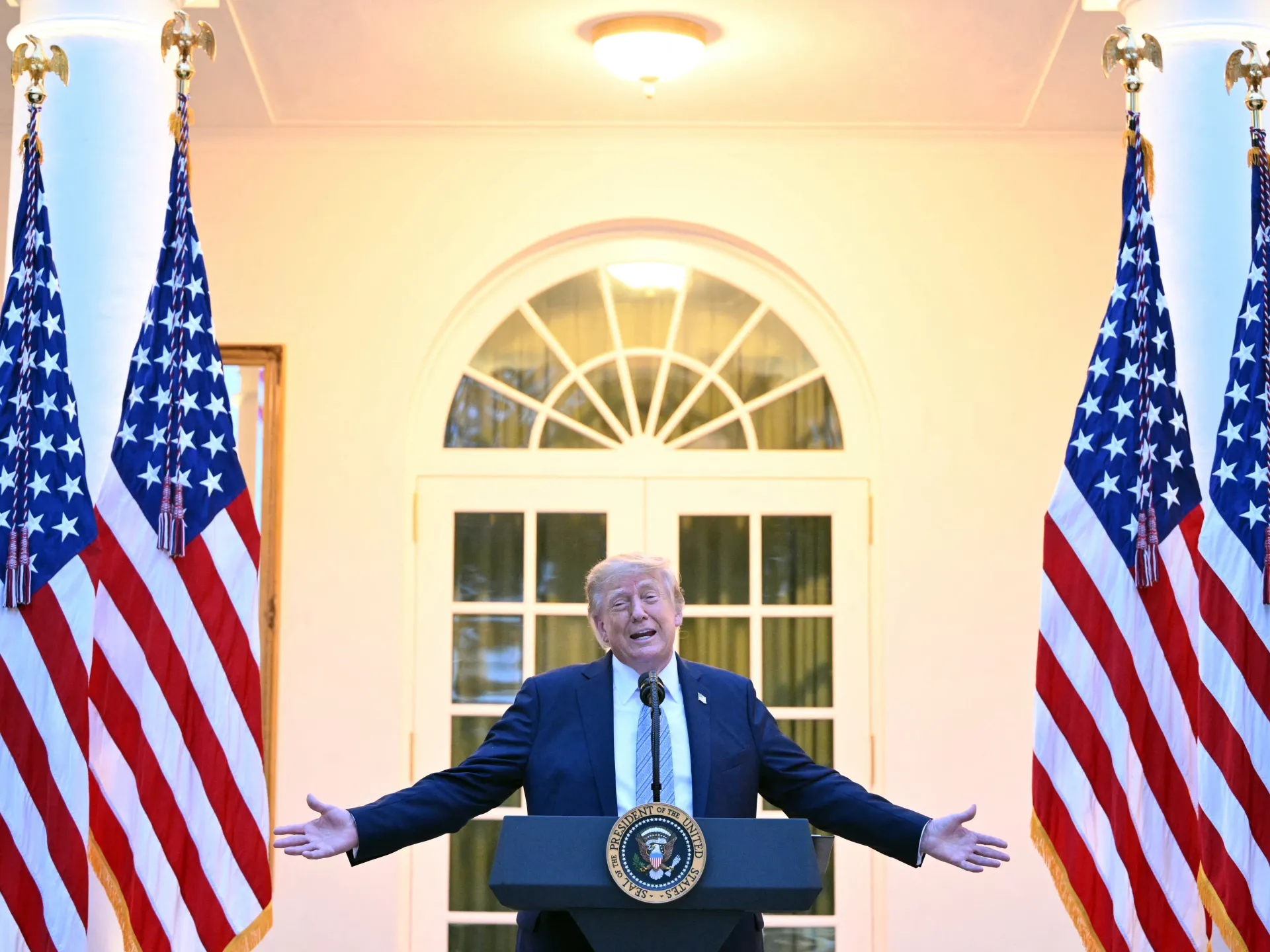
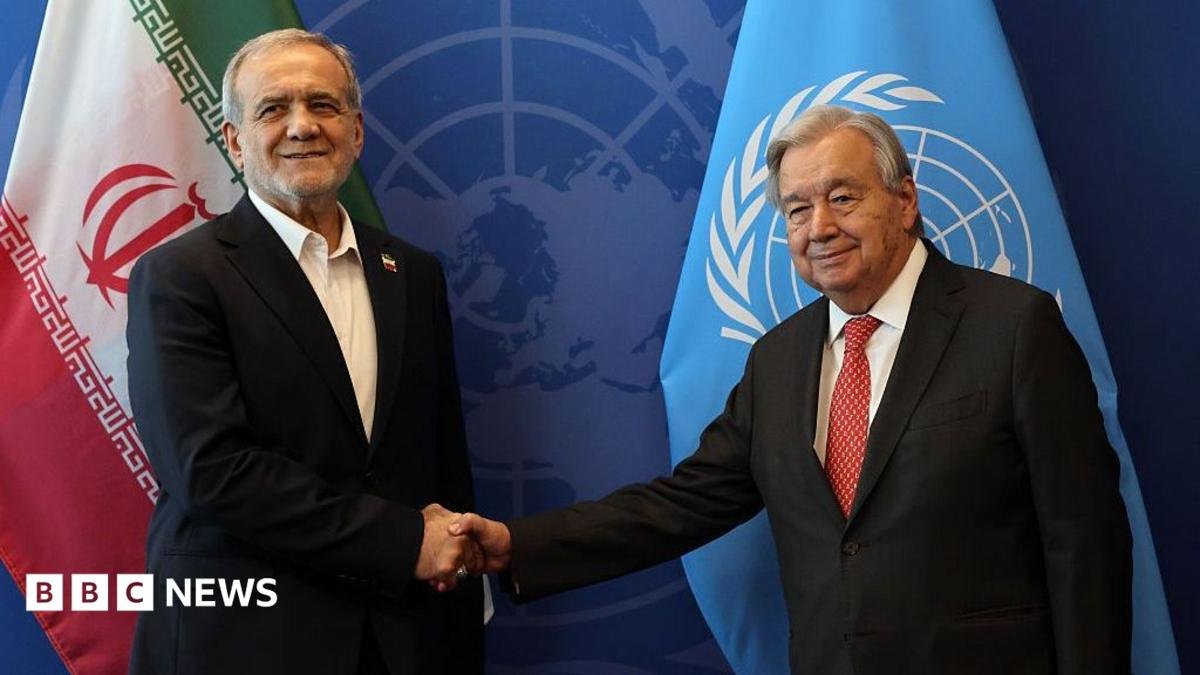
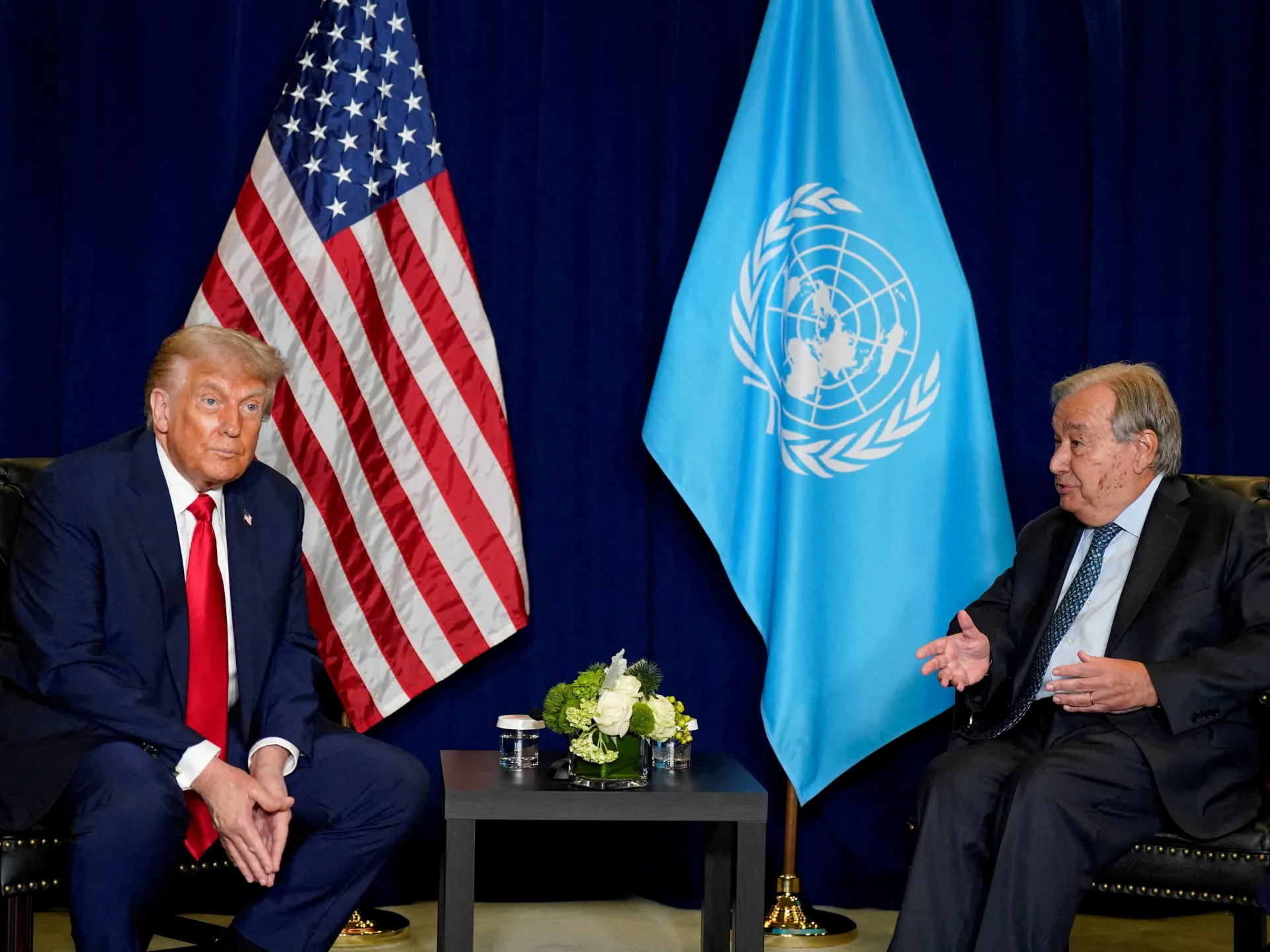
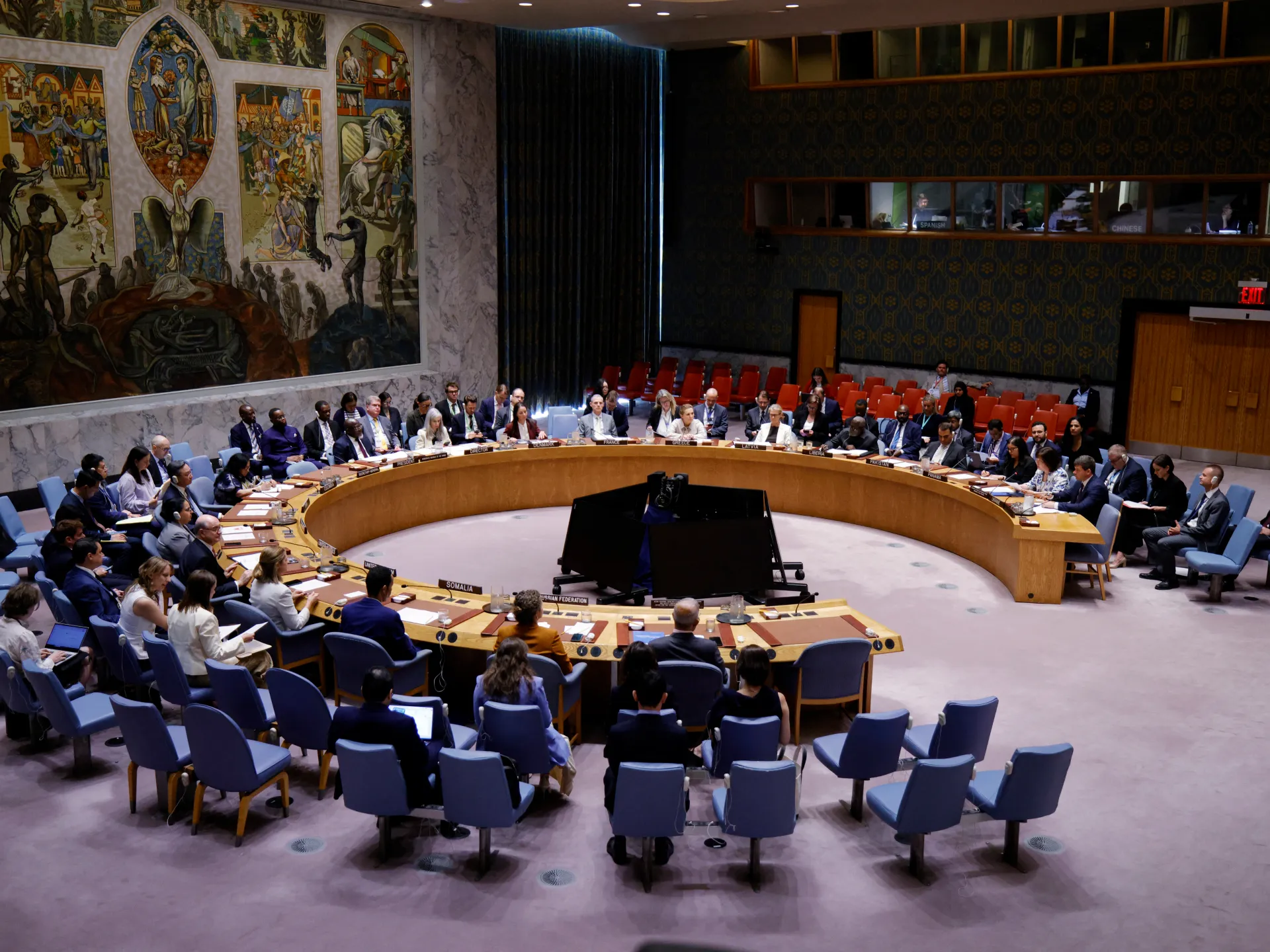
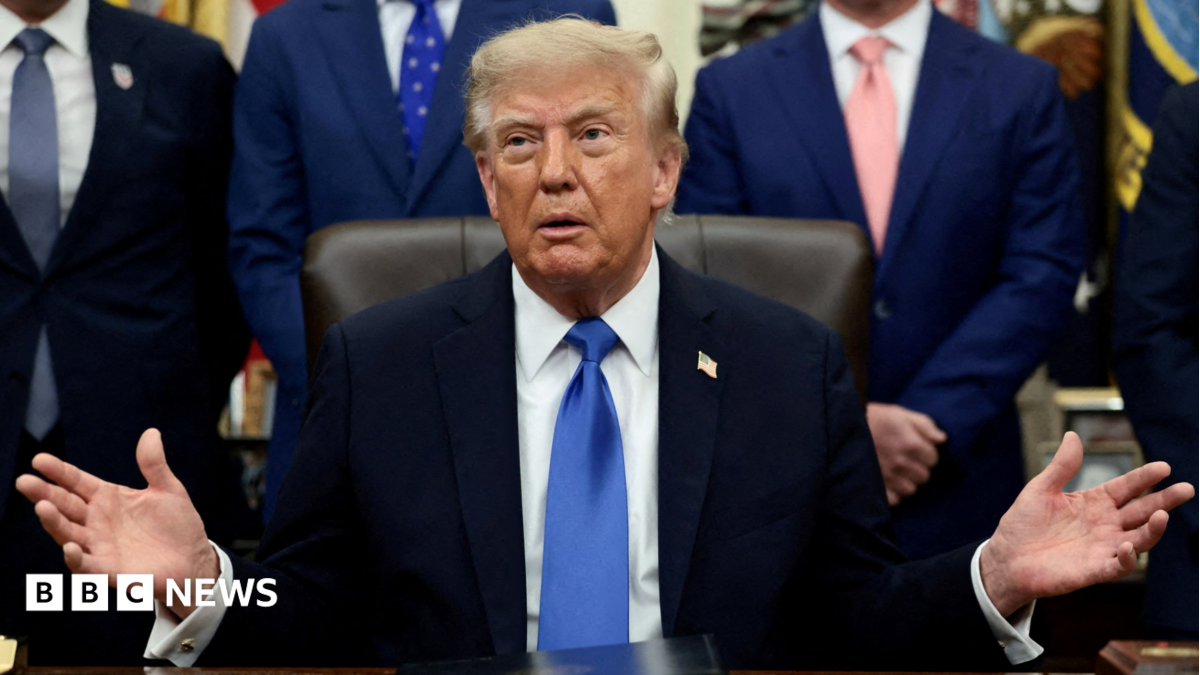
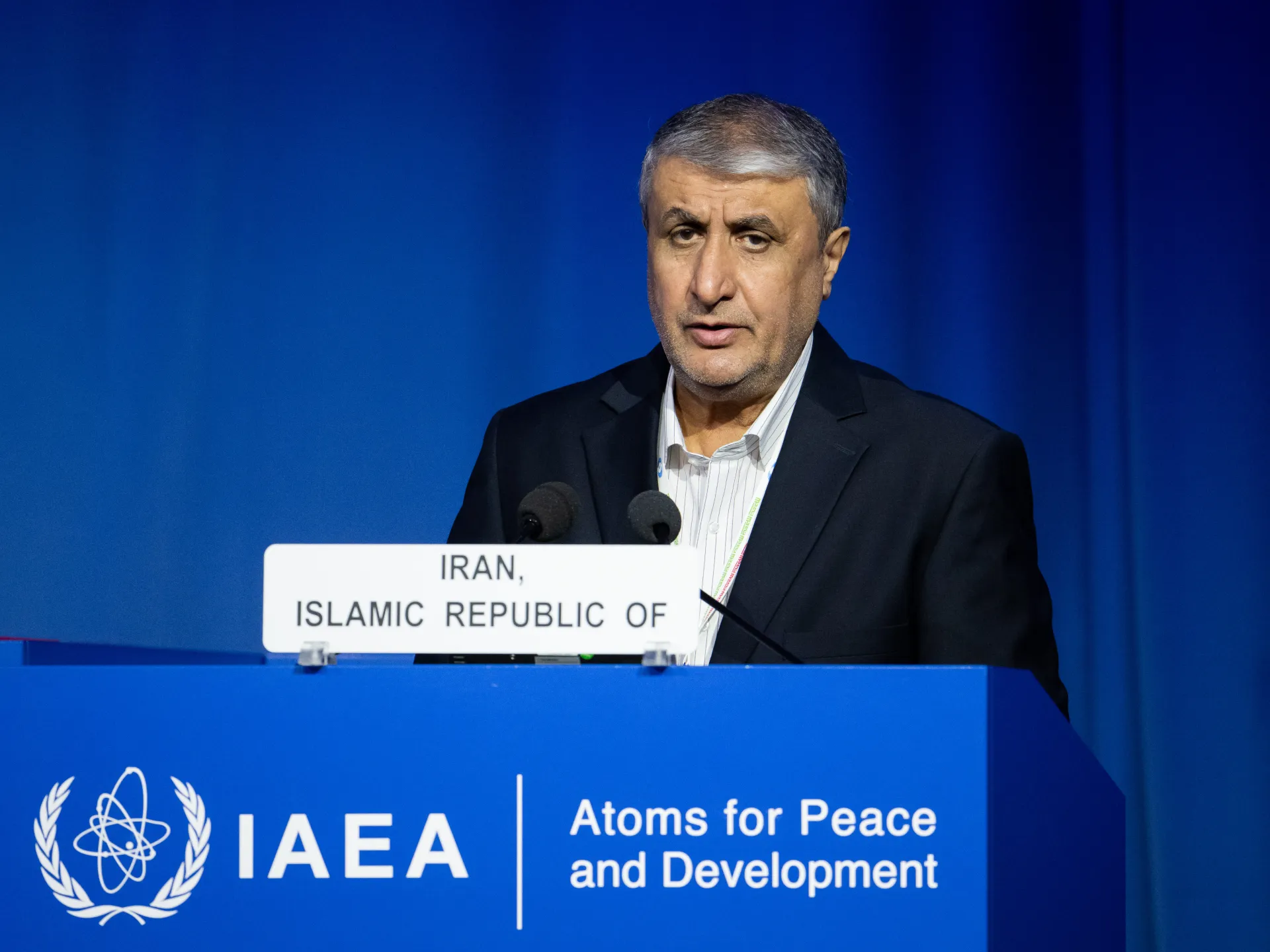
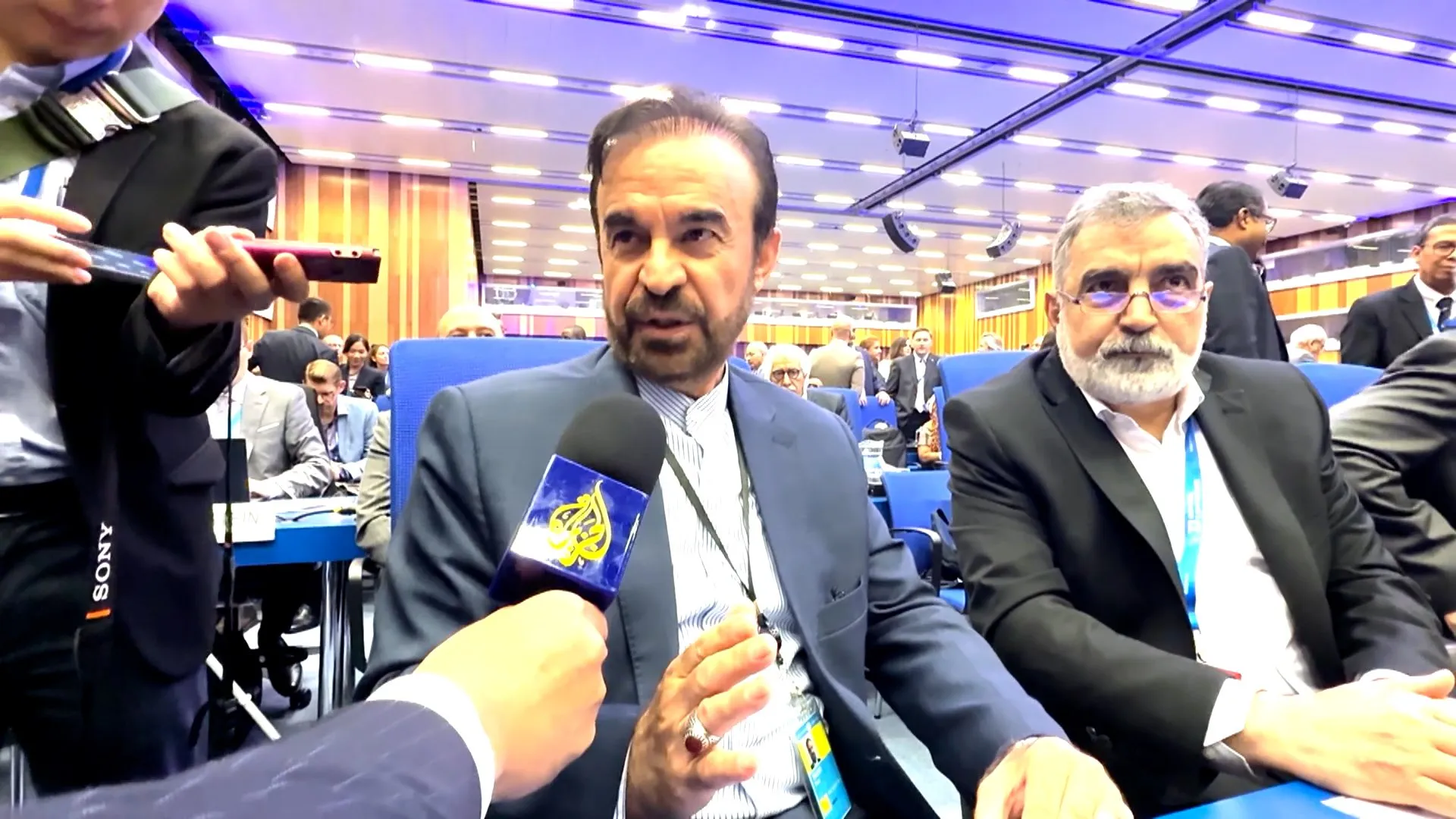
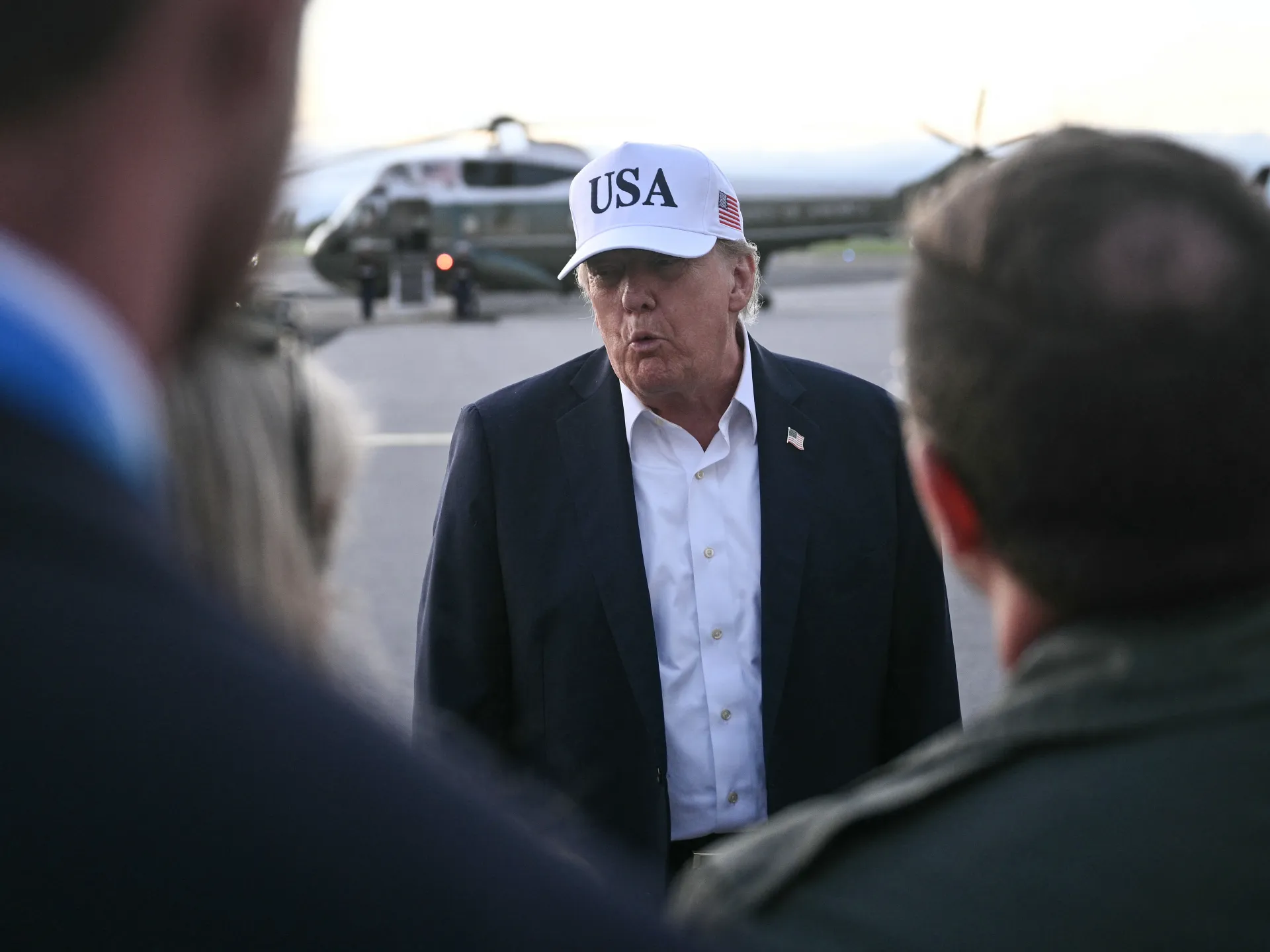
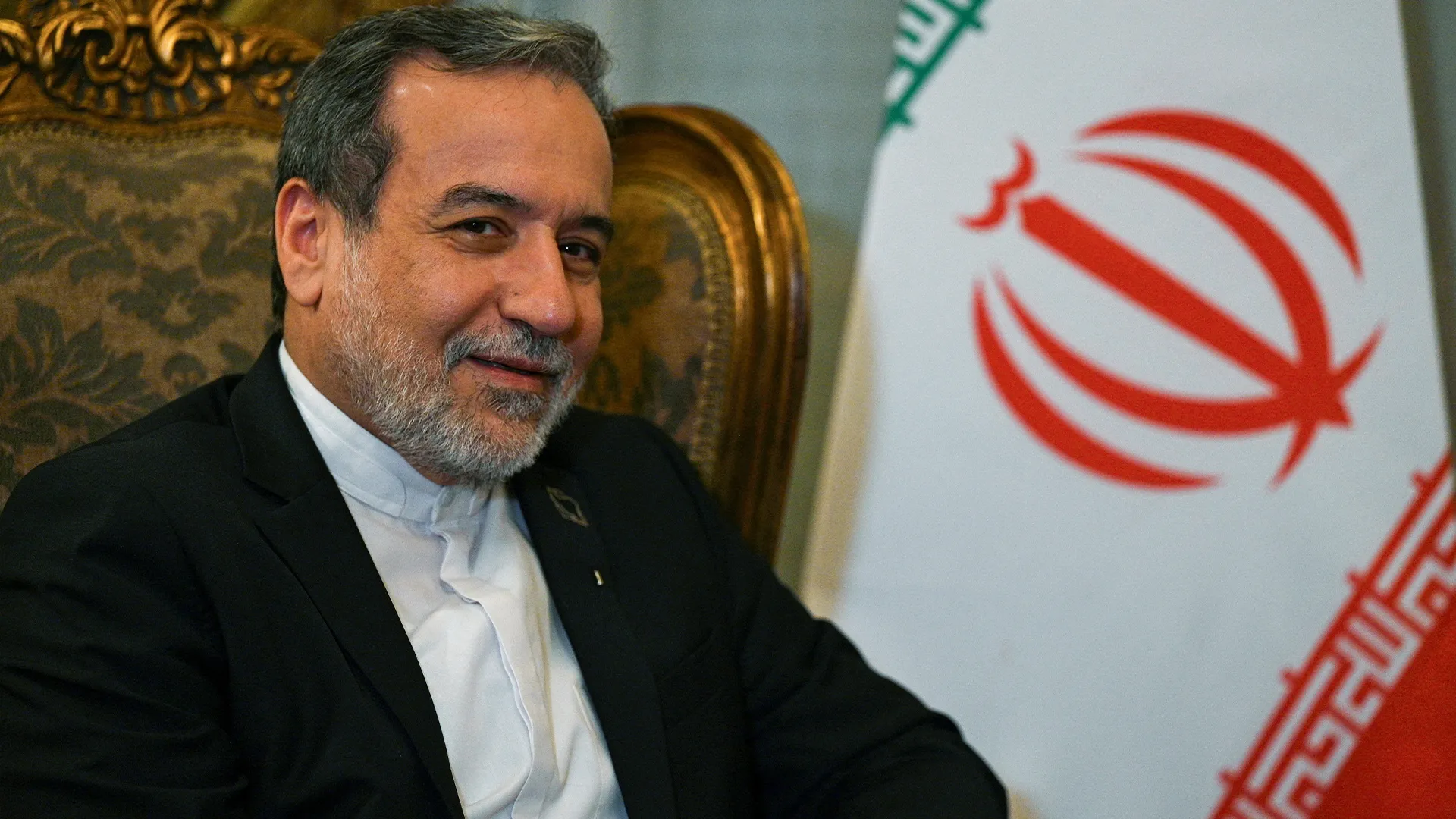
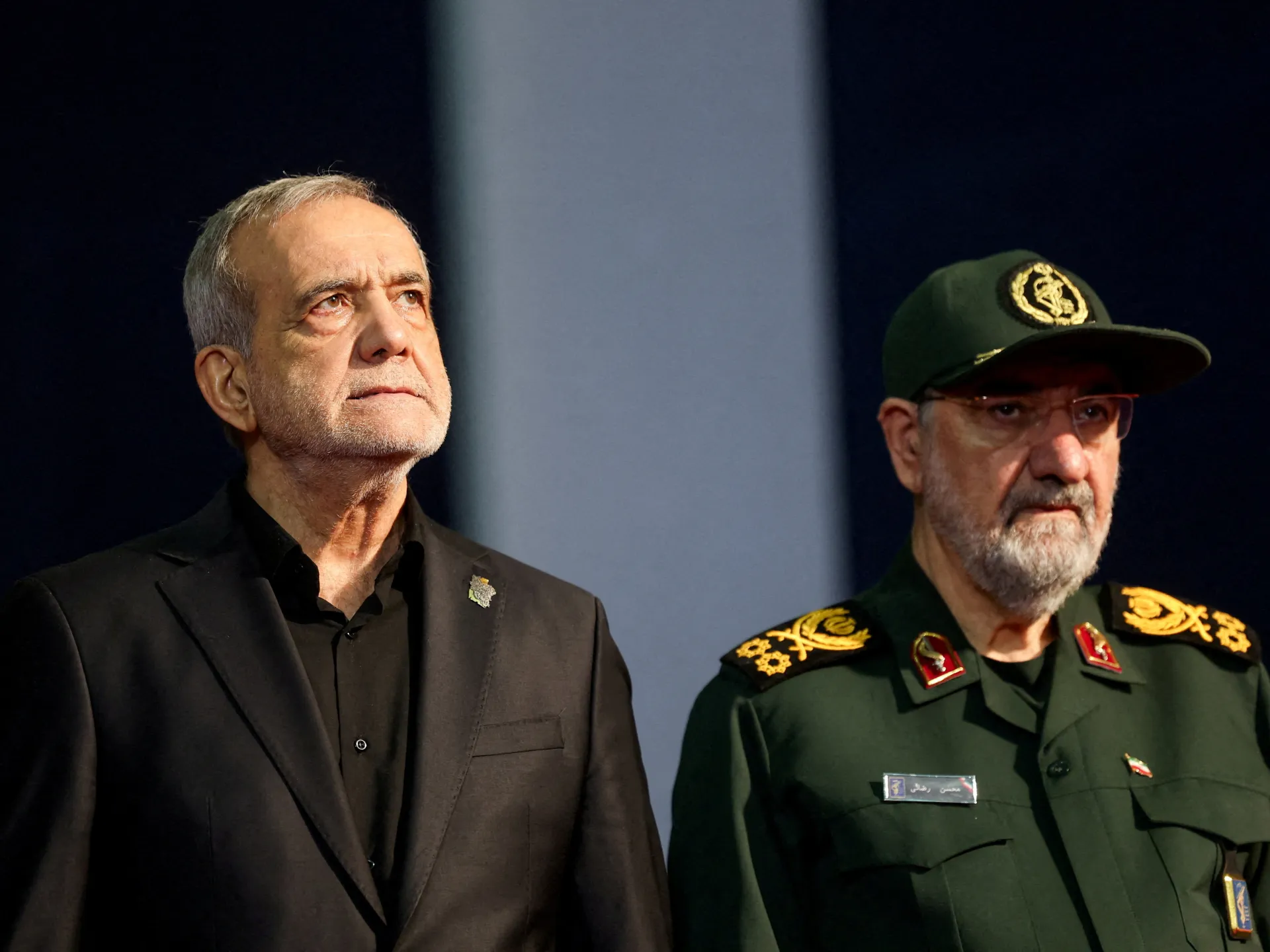
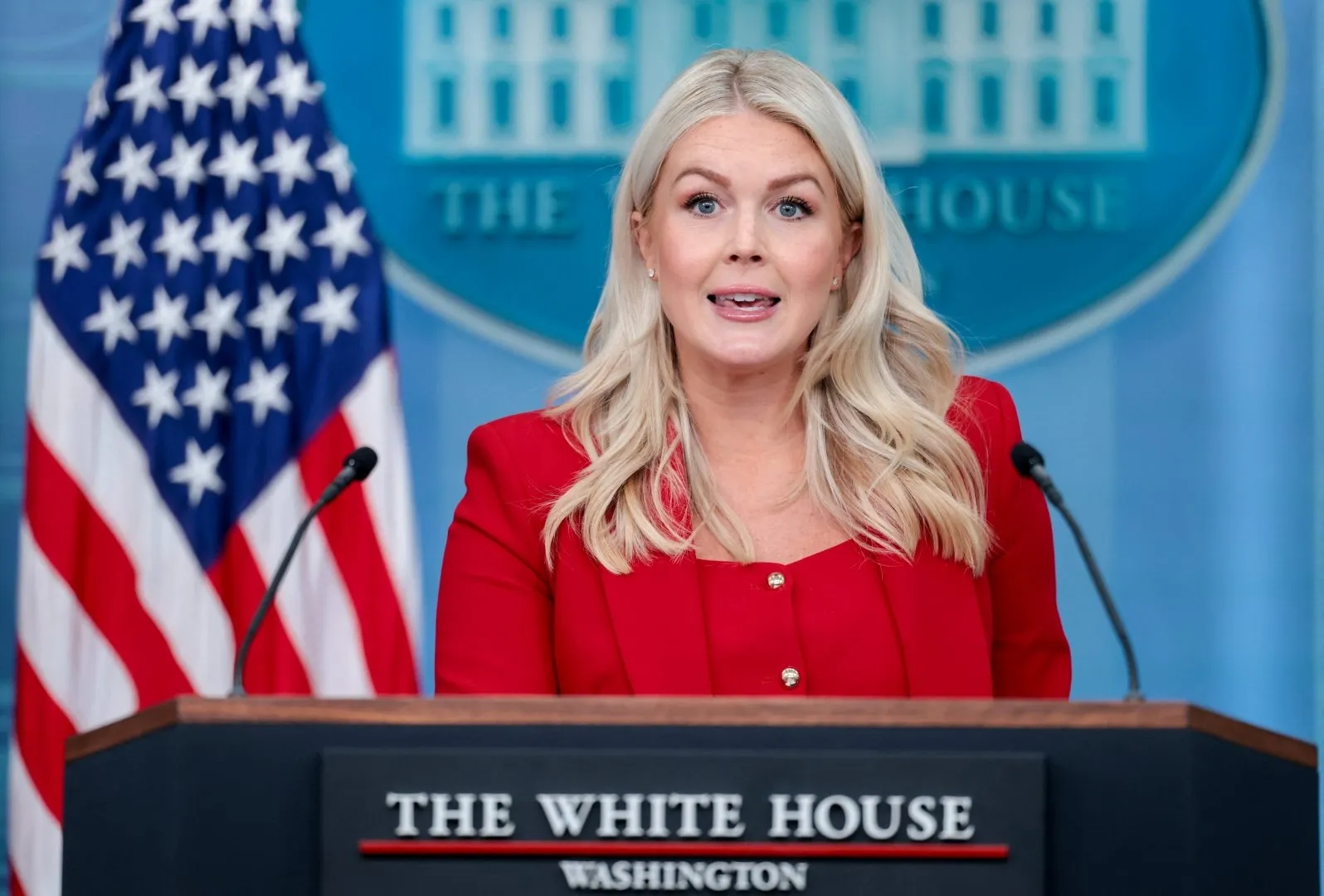
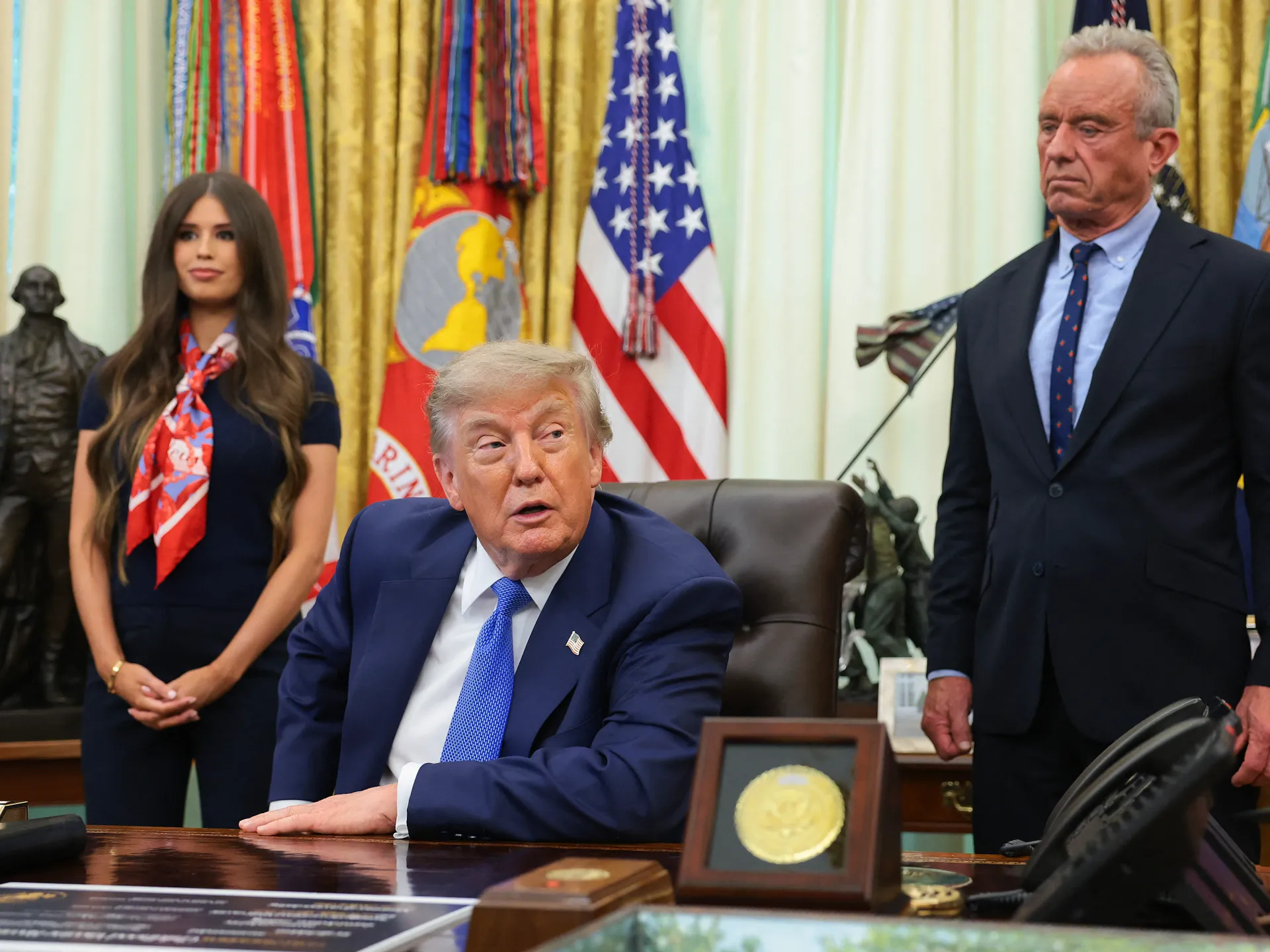
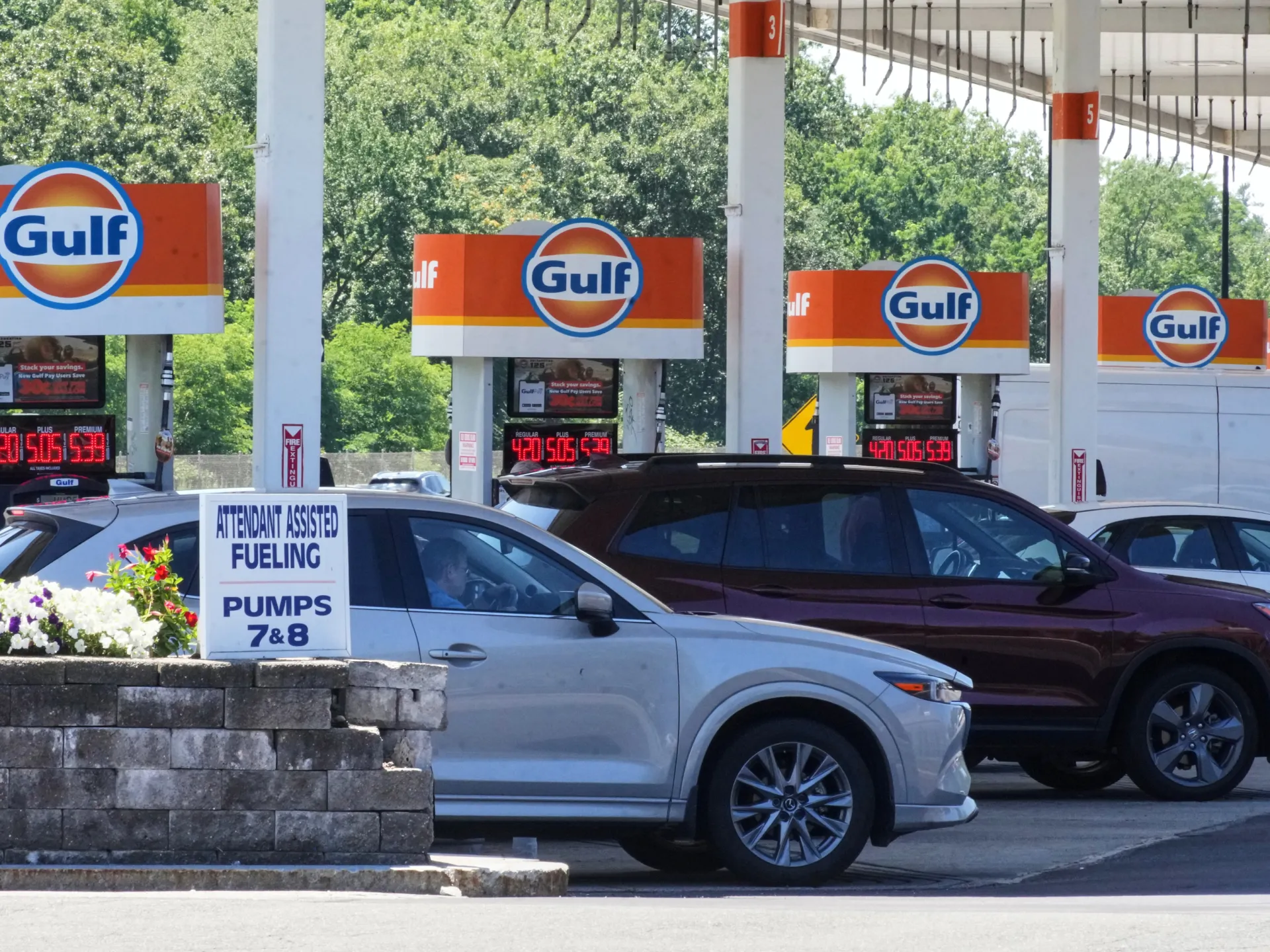
As the conflict between the US and Iran continues to drive global energy prices upward and destabilize neighboring regions, the United Nations General Assembly serves as the primary stage for these competing narratives. The US State Department confirmed that it has granted visas to a core Iranian delegation, including President Masoud Pezeshkian and Foreign Minister Abbas Araghchi, to attend the High-Level Week. This decision remains deeply controversial, with critics in Washington arguing that the regime should not be afforded the platform of the UN while simultaneously engaging in regional hostilities.
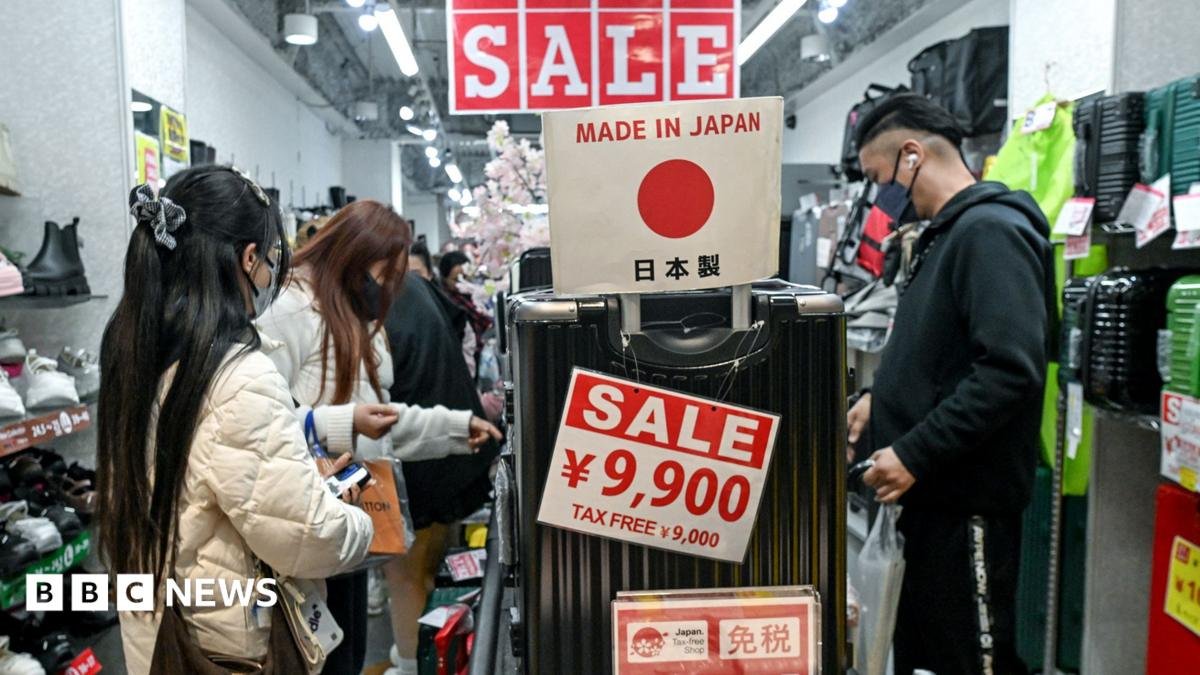
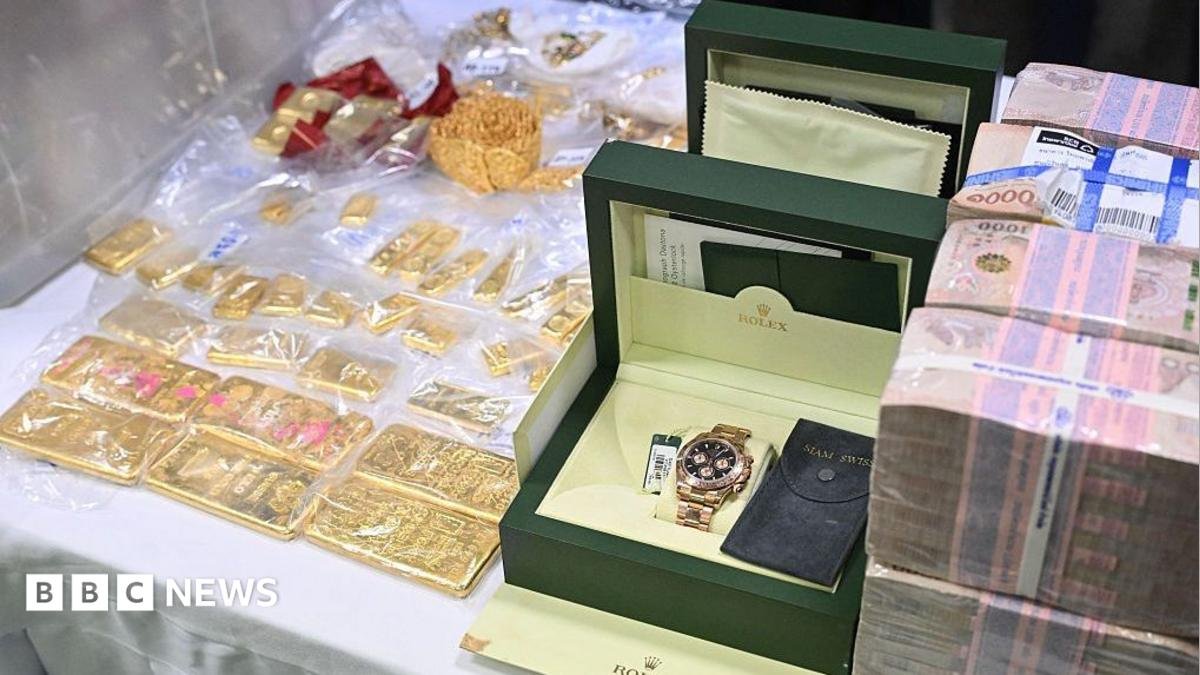
To mitigate domestic blowback, the State Department has imposed strict travel limitations on the Iranian delegation. Officials are prohibited from purchasing luxury items and are subject to specific restrictions on goods, a move officials characterized as a measure to prevent the regime from engaging in "shopping sprees" while the Iranian population faces significant economic hardship, including high inflation and shortages of electricity and water. This restrictive policy highlights the deep mistrust characterizing the US-Iran relationship, even as both sides appear at the UN to navigate the ongoing military and economic gridlock.
The immediate aftermath will likely see a cooling of bilateral relations between Paris and Tehran, with the summoning of the Iranian ambassador serving as a formal, though likely insufficient, protest. If France chooses to implement retaliatory "appropriate measures" as promised, it could lead to a further reduction in diplomatic staff or the freezing of additional cooperative projects. The focus will now shift to the UN General Assembly, where speeches from world leaders are expected to highlight the widening chasm between the Western bloc and Tehran.
With the conflict between the US and Iran showing no clear trajectory toward a ceasefire, the coming weeks will likely see an intensification of the rhetoric at the UN. The "travel restrictions" placed on the Iranian delegation are unlikely to ease tensions; rather, they provide a snapshot of the current state of play: a relationship defined adversarial conditions. Whether these meetings yield any back-channel progress remains speculative, as both nations appear locked into domestic political imperatives that favor hardline posturing over compromise.