
New US-led economic measures against Iran are creating uncertainty for Spanish importers, who rely on the country for a significant portion of their saffron supply.
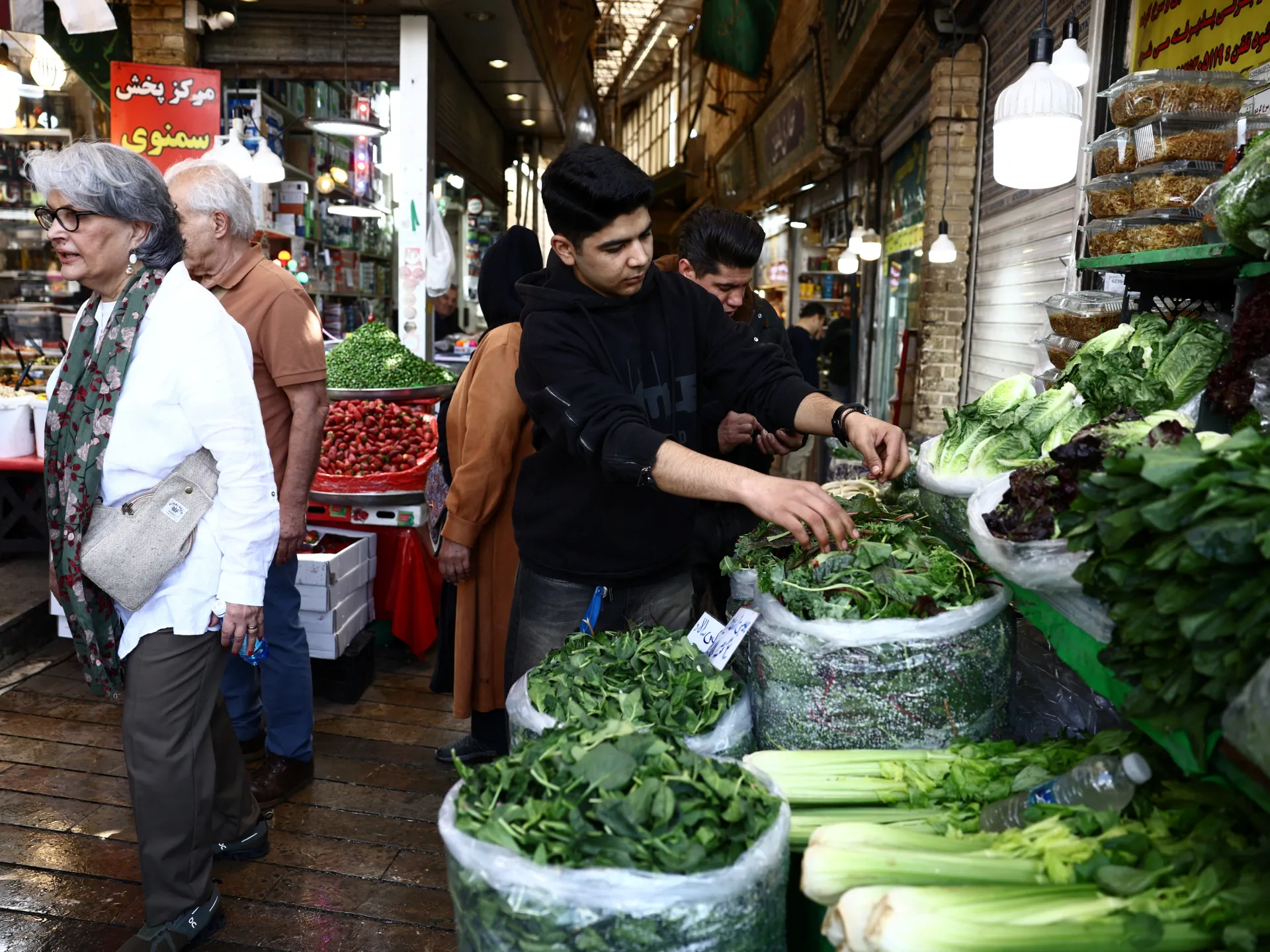
Saffron, known as the world’s most expensive spice, serves as the heart and soul of traditional Spanish paella. The vibrant crimson stigmas harvested from purple crocus flowers provide the dish with its signature golden hue and complex, earthy profile. While the central Spanish region of Castilla-La Mancha produces its own high-quality crop, domestic production is insufficient to meet the country's total demand. Consequently, Spain has long relied on imports to sustain its culinary traditions and its role as a key European distribution hub.
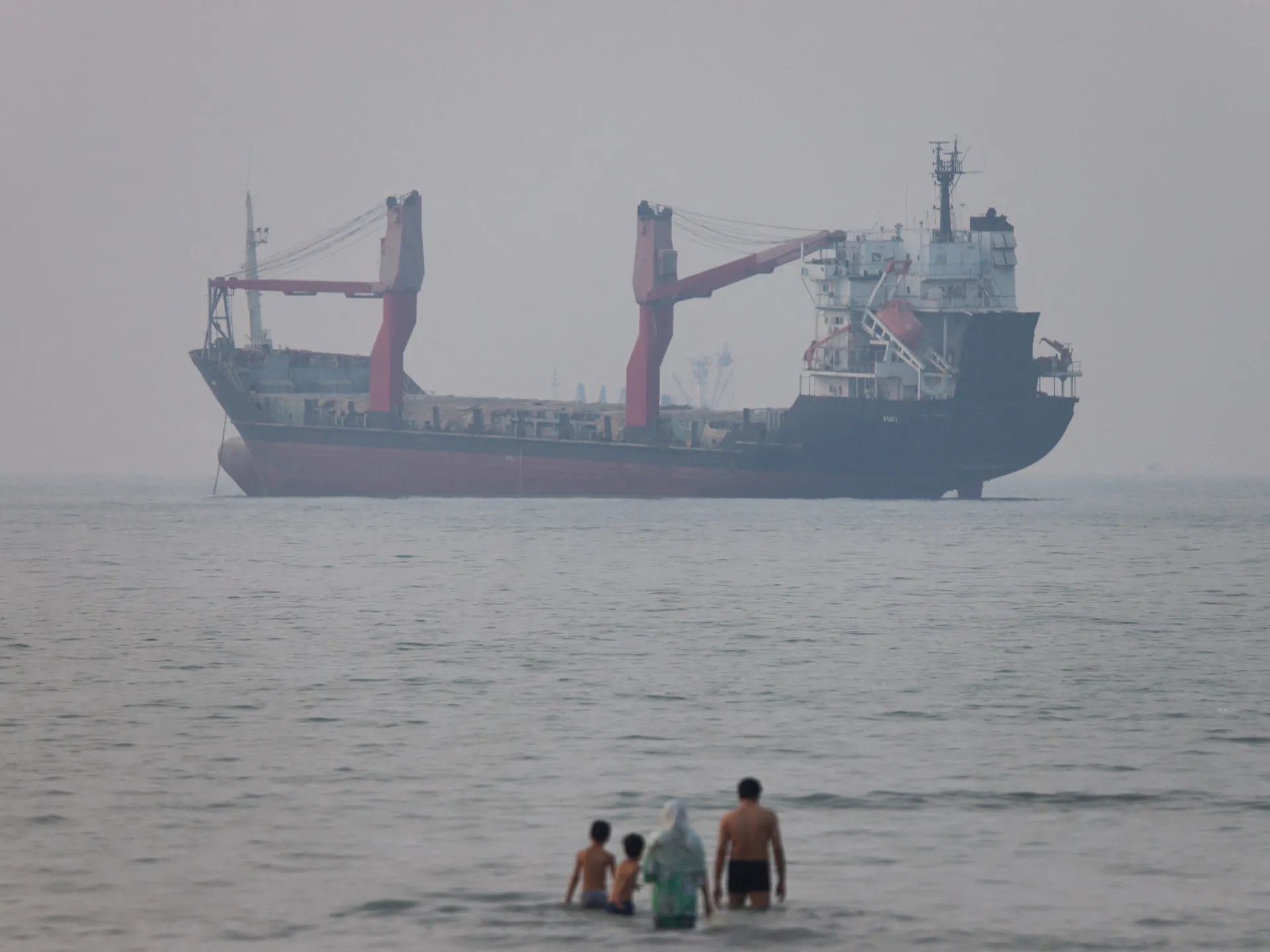
Spain currently serves as the primary gateway for Iranian saffron entering the European Union. Records indicate that in recent years, Spain handled approximately three-quarters of all saffron imported into the EU from Iran. This supply chain is now facing potential disruption following an announcement from the United States regarding an aggressive economic campaign aimed at isolating Tehran and penalizing its international trading partners.
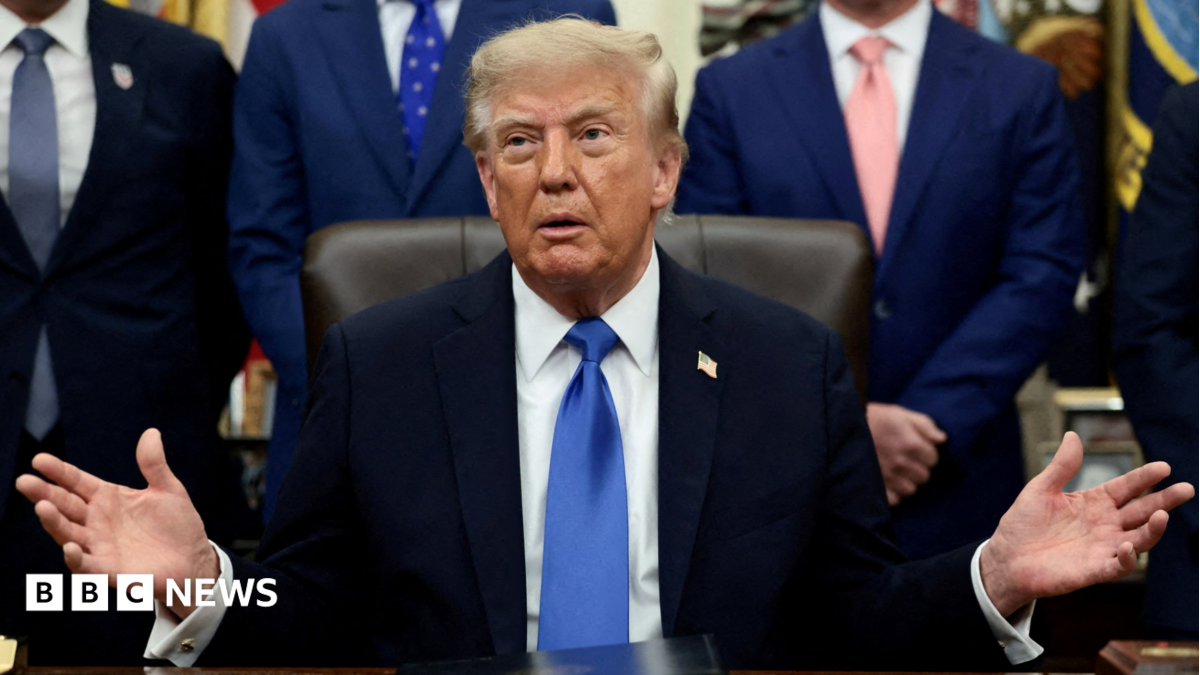
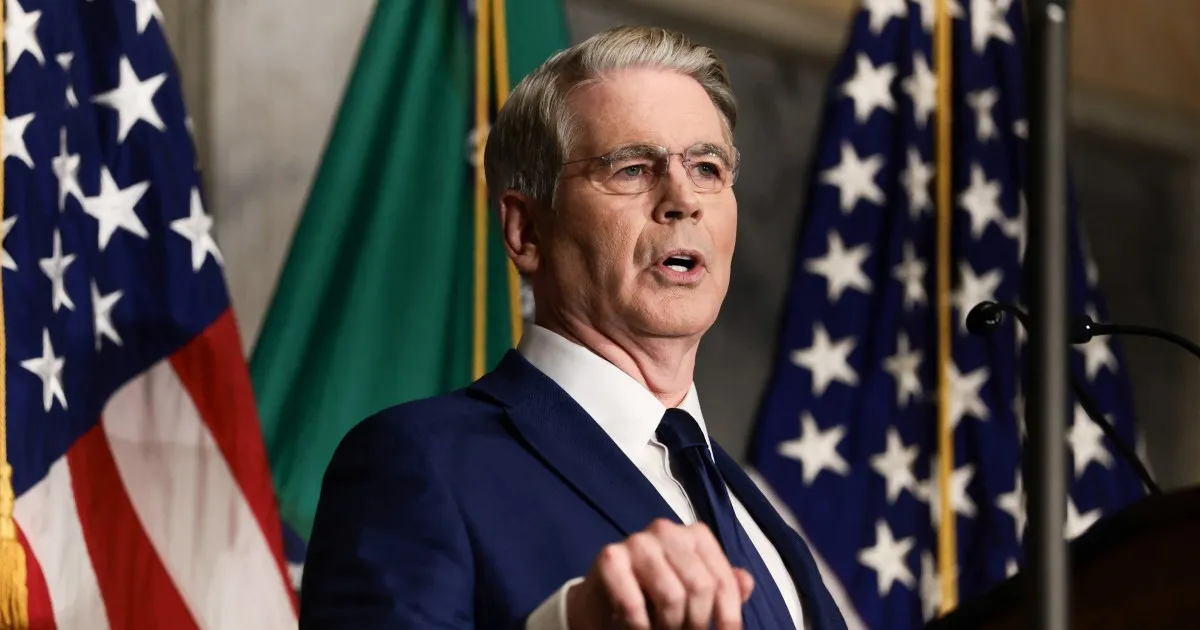
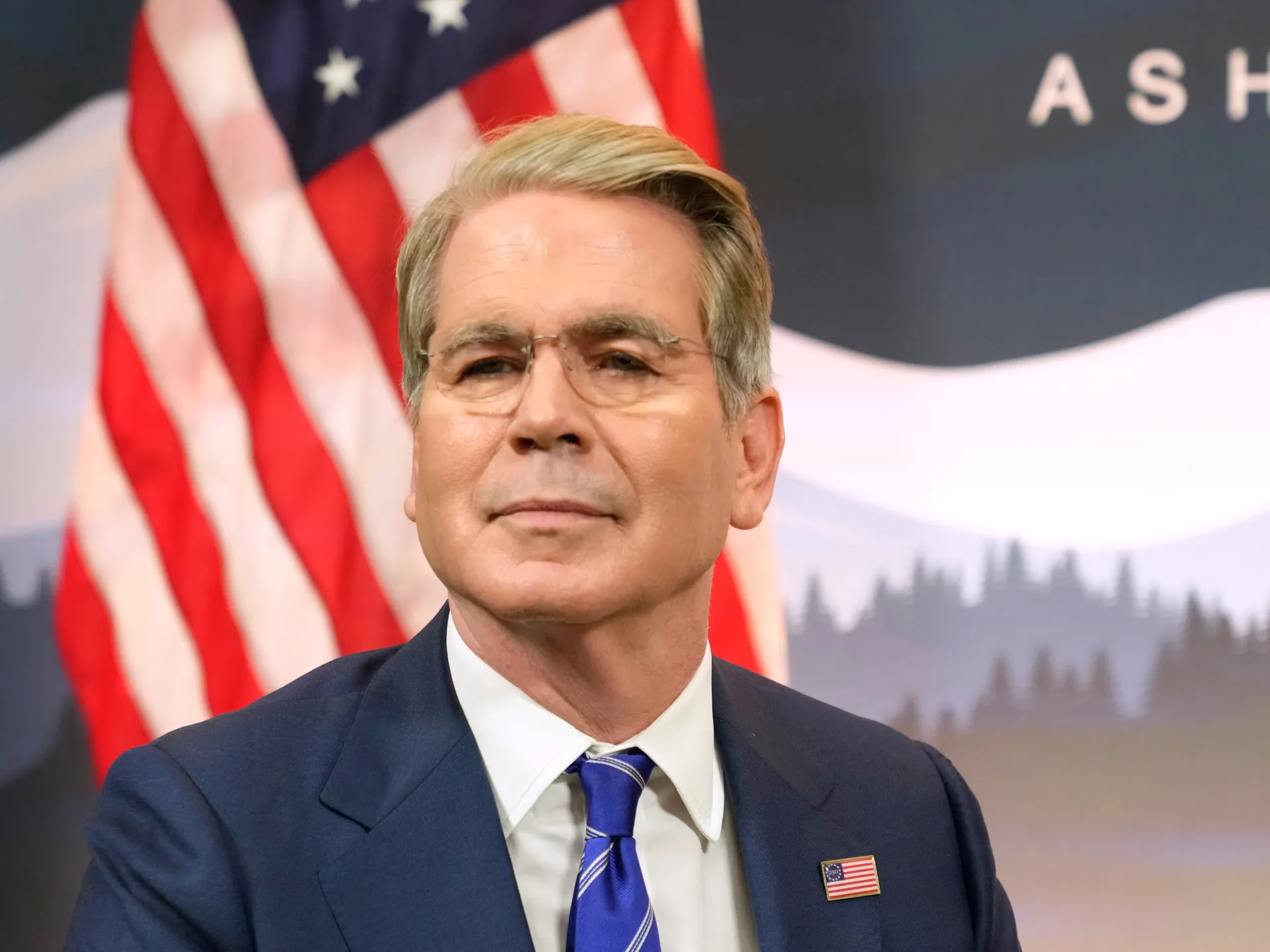
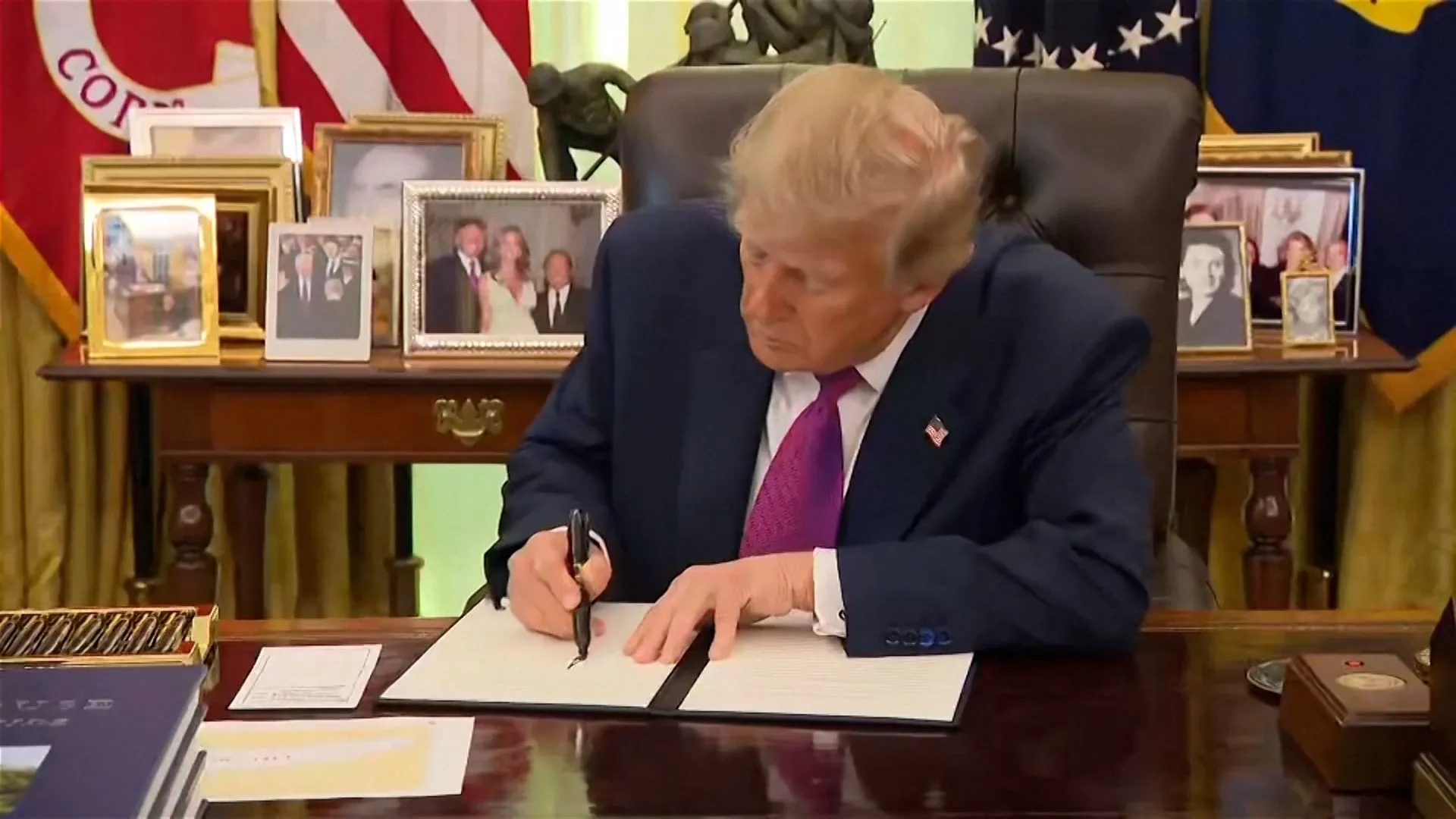
The United States government has signaled a shift toward broad economic measures, warning that entities maintaining trade ties with the Iranian regime may face significant repercussions. This policy has already begun to manifest, with the US Treasury Department recently imposing sanctions on international banking institutions accused of facilitating financial transactions for Iran. For Spanish companies that specialize in importing, processing, and re-exporting these spices, the lack of clarity regarding the scope of US enforcement is creating an atmosphere of cautious uncertainty.
Industry experts suggest that while the threat is noteworthy, it may not lead to an immediate shortage for the average Spanish consumer. The logistical impact is expected to fall most heavily on the commercial sector, particularly those firms involved in the complex international distribution networks that move Iranian goods into Western markets. Because Spain maintains a diverse portfolio of suppliers and domestic production, the availability of saffron for local cooking remains relatively stable for the time being.
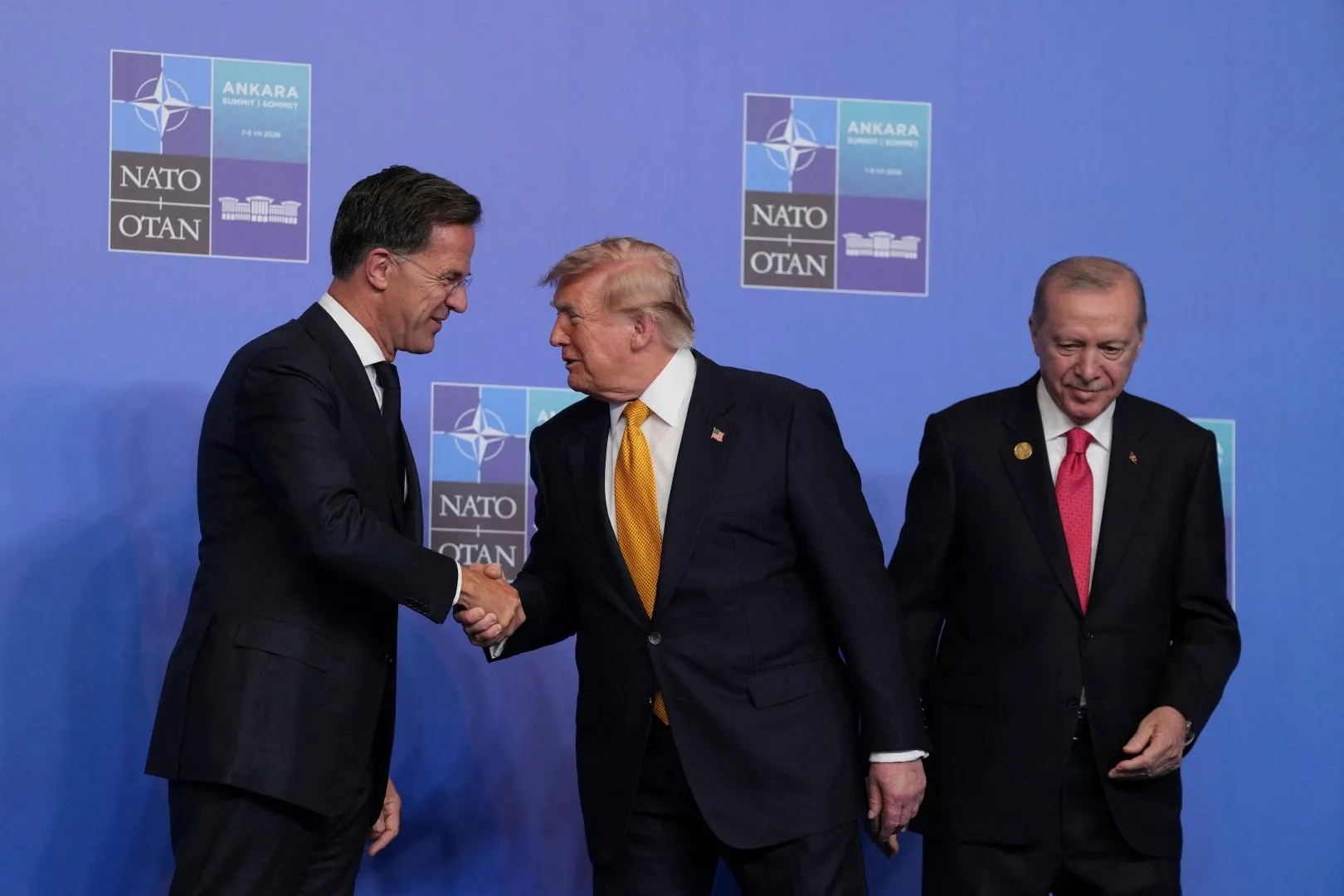
The potential for trade disruption occurs against a backdrop of strained diplomatic relations between Washington and Madrid. Disagreements regarding NATO defense spending and differing stances on Middle Eastern conflicts have occasionally complicated the bilateral relationship. Despite these political frictions, the total volume of trade between Spain and Iran remains modest, totaling approximately 285 million euros as of 2025. Saffron constitutes a significant portion of this exchange, representing over 40 percent of total imports from Iran.
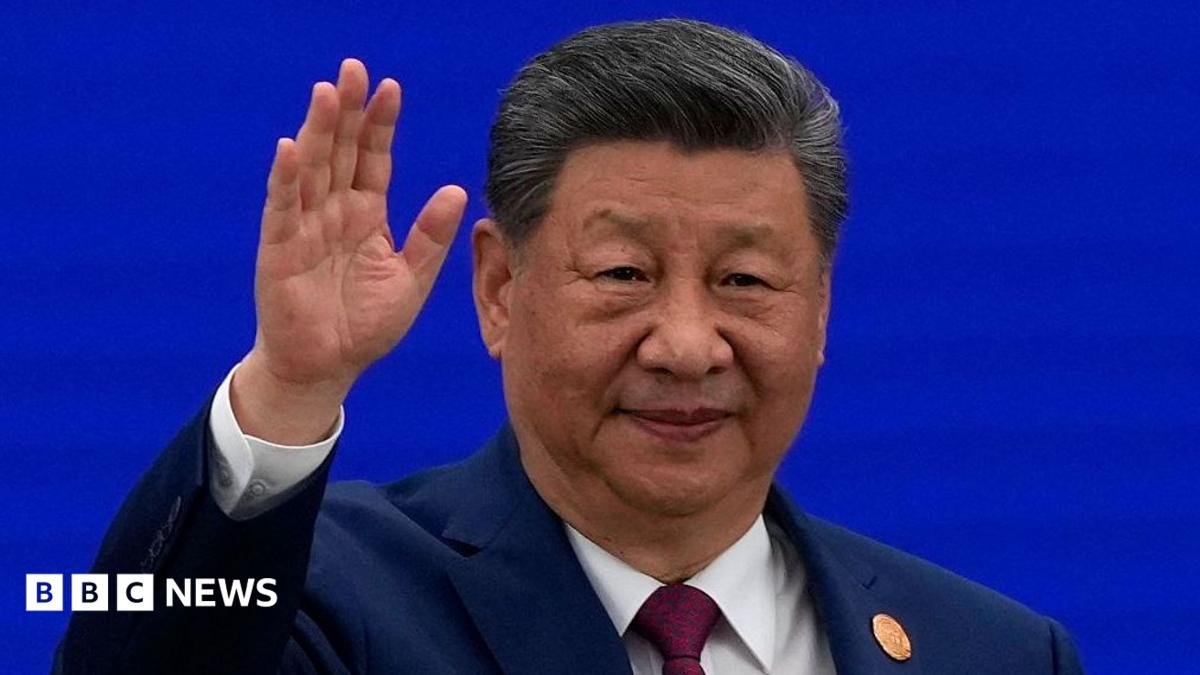
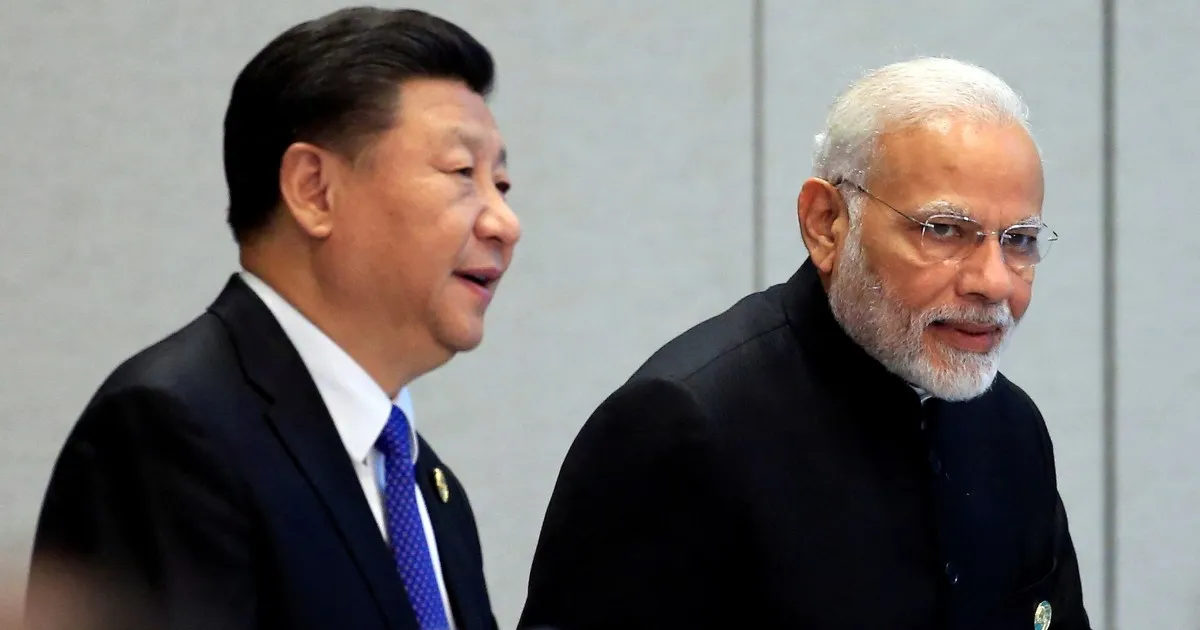
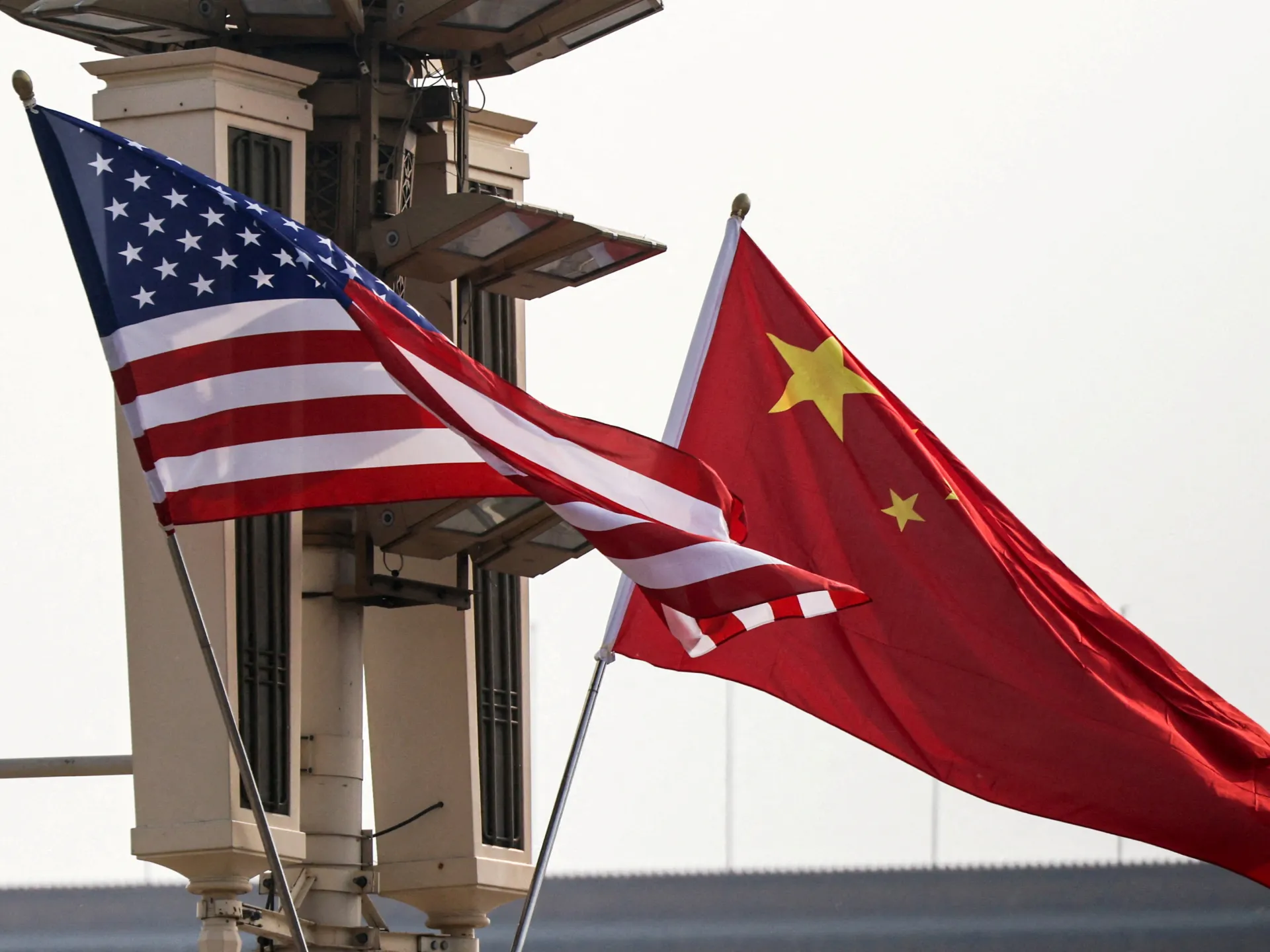
Whether these sanctions will prove effective depends heavily on the cooperation of major global powers, particularly China, which remains Iran’s largest trading partner and primary buyer of oil. The US Treasury has indicated that those who maintain strong ties with the Iranian government may face isolation from the American financial system, forcing many nations to weigh the benefits of their Iranian trade relationships against the threat of US-led economic penalties.
Despite the uncertainty surrounding global trade, the cultural identity of Spain remains firmly rooted in its culinary heritage. Paella is more than just a meal; it is a symbol of national pride that has survived various controversies, from international criticism of ingredient substitutions to experimental "fusion" recipes that have frequently sparked public outcry. Local chefs and distributors remain largely unfazed ndure regardless of shifts in international commodity flows.
As the situation develops, the Spanish agrifood sector is closely monitoring Washington’s next moves. While the prospect of trade barriers is a concern for importers, the resilience of regional supply chains in places like Castilla-La Mancha offers a buffer against global volatility. For now, the kitchen remains a space of stability, with stakeholders confident that the essential ingredients for their national dish will remain accessible, ensuring that the legacy of Spanish gastronomy remains untarnished