A new opposition alliance in Ethiopia threatens renewed civil war while Russia and Ukraine resume intense aerial combat following a brief diplomatic pause.
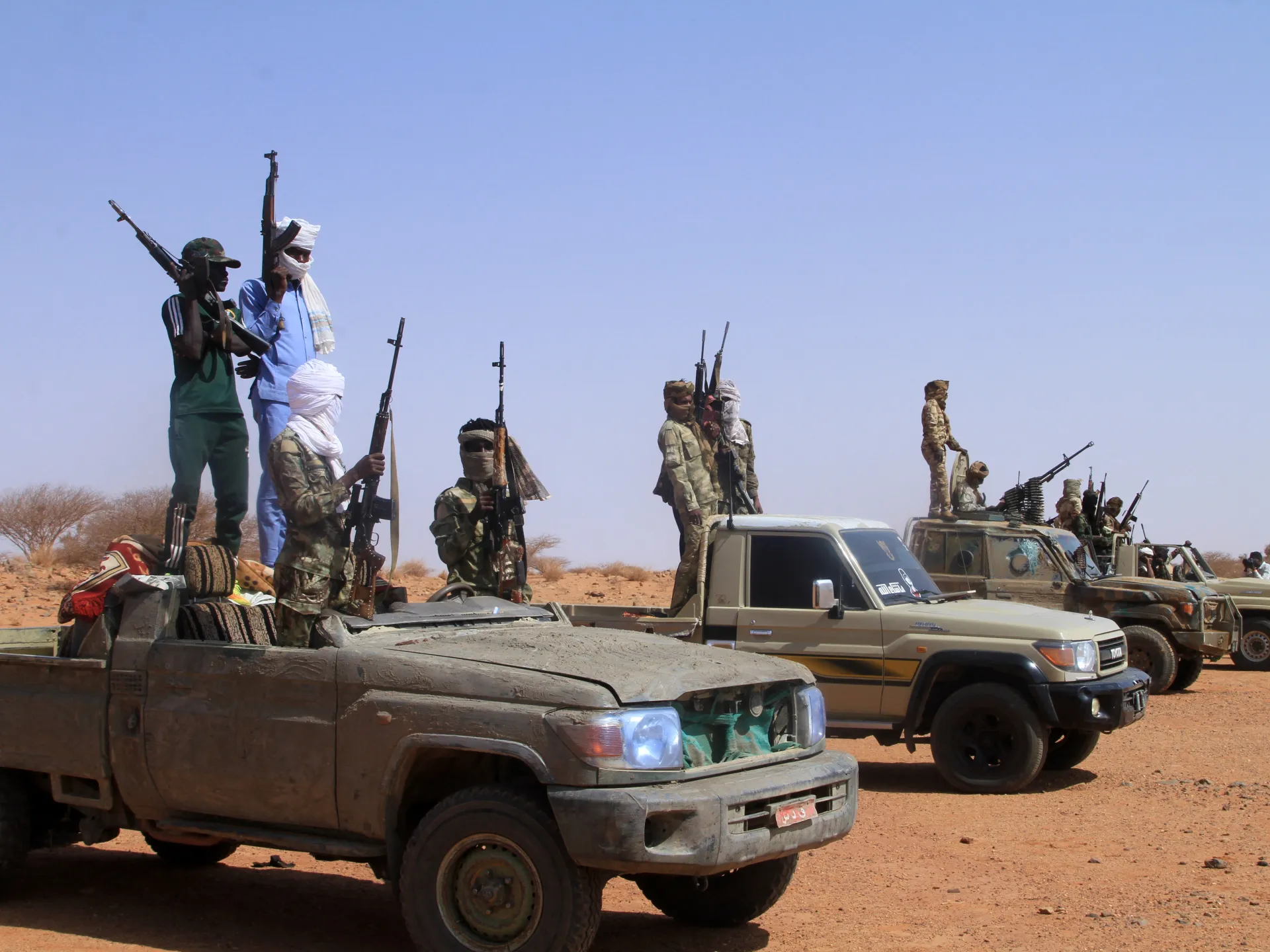
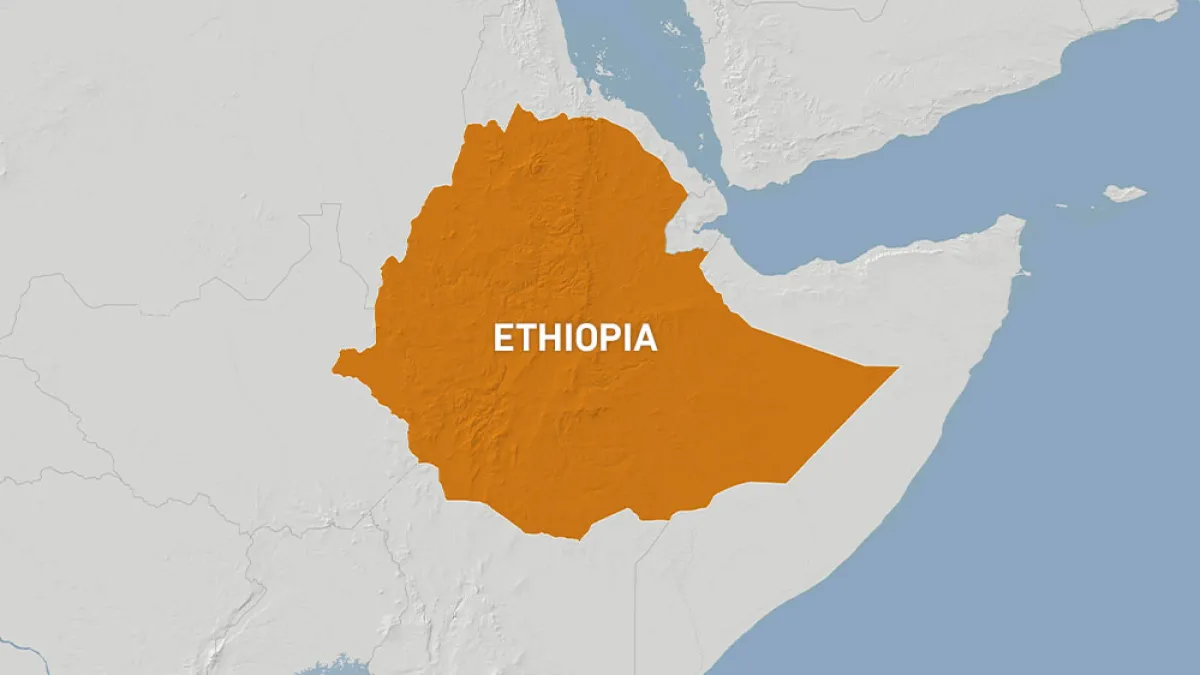
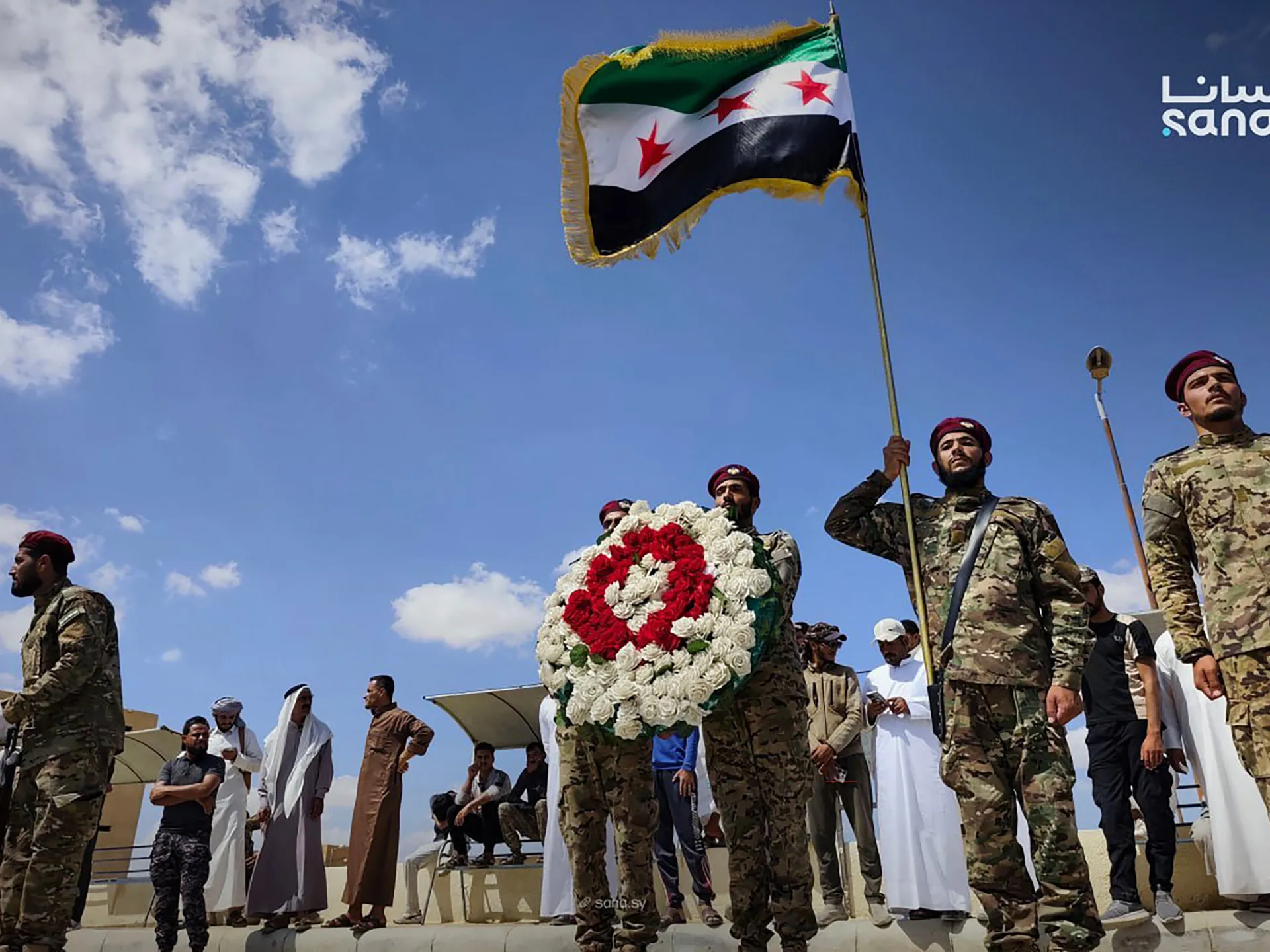
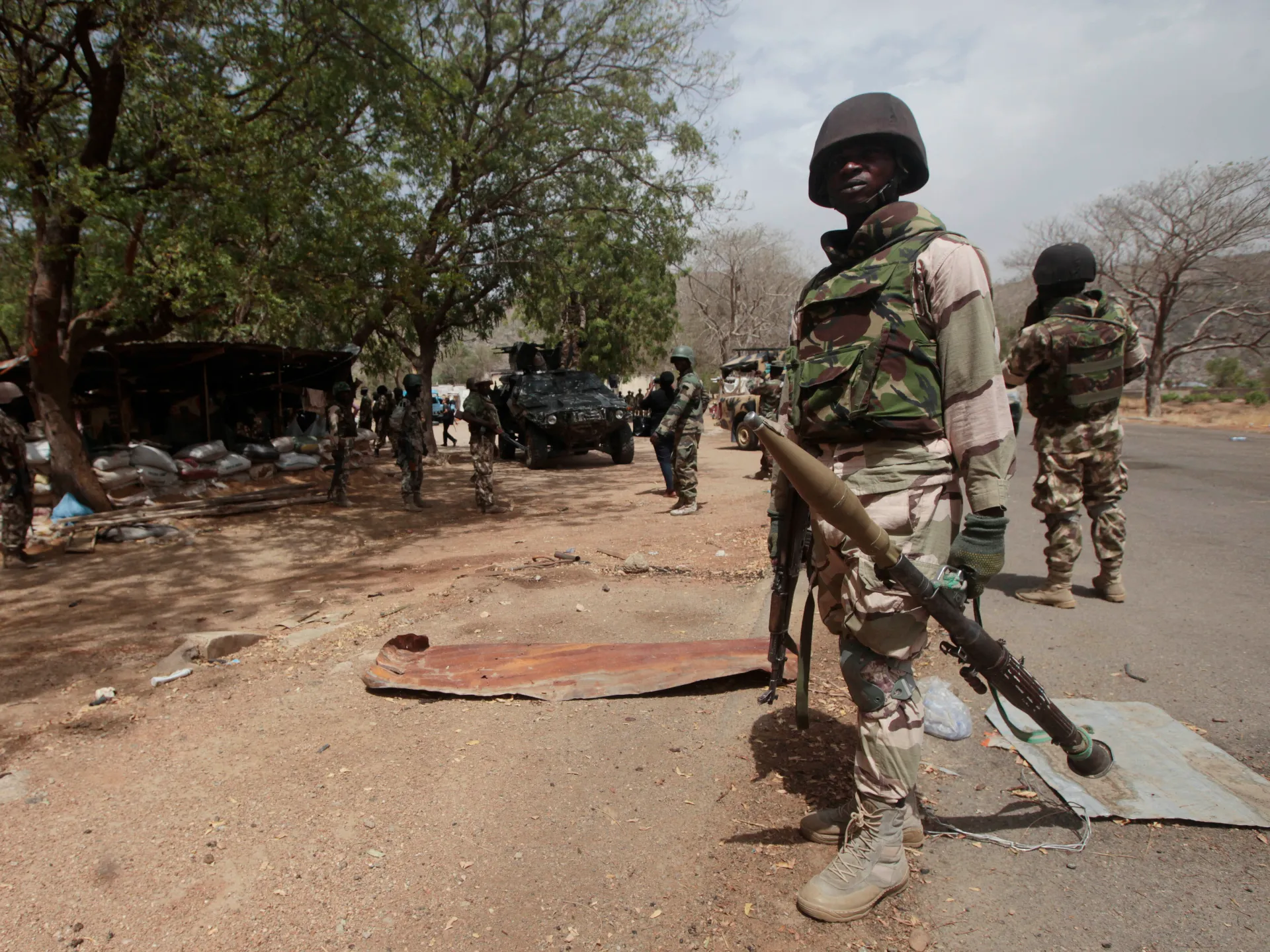
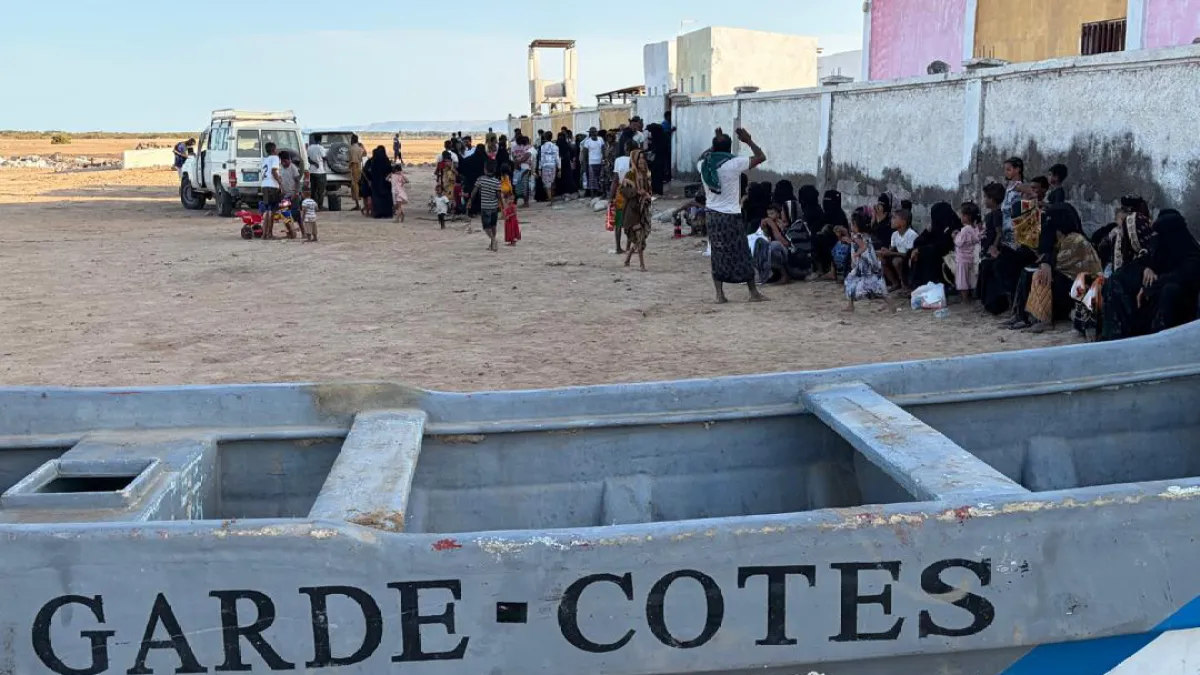
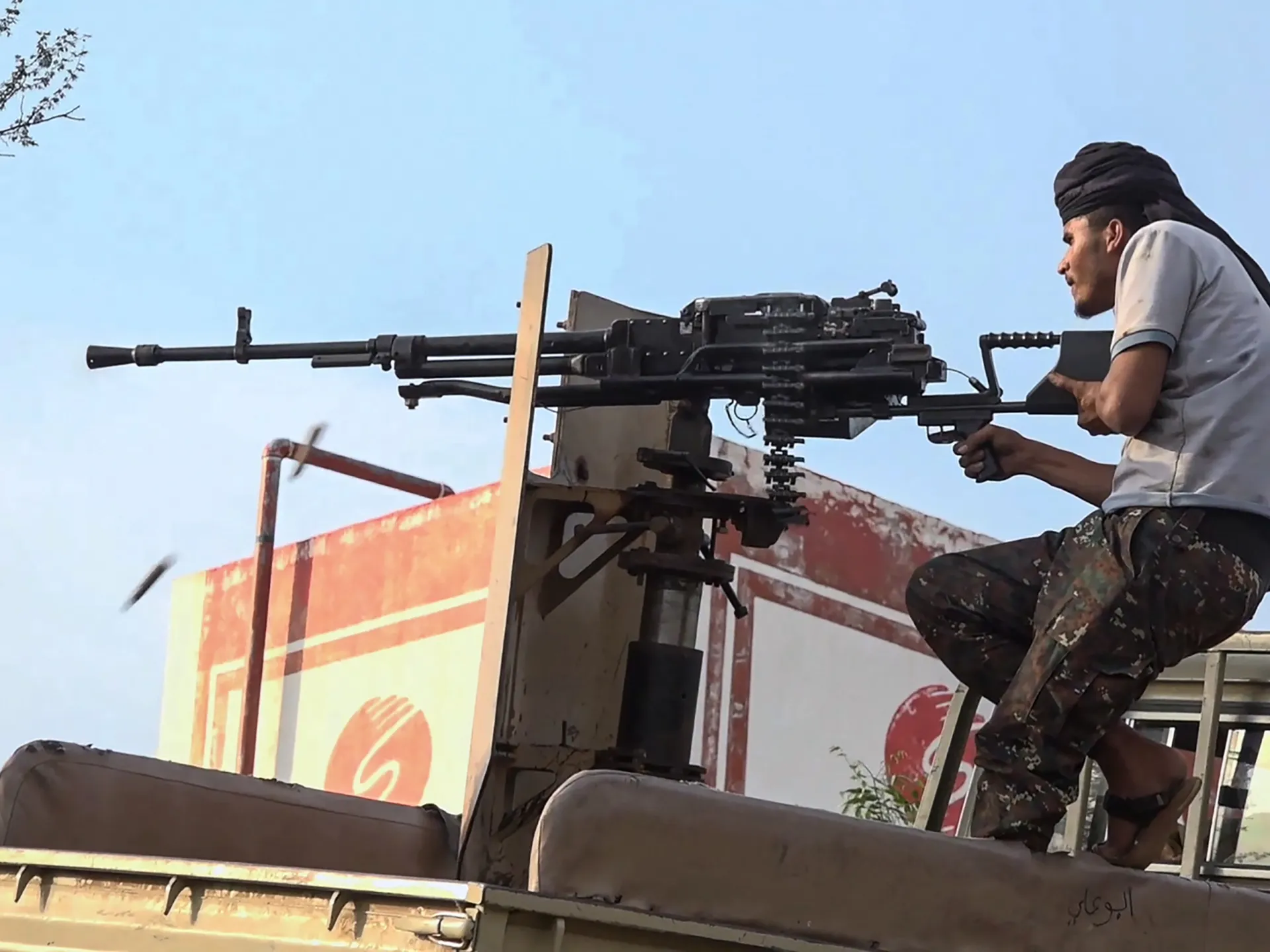
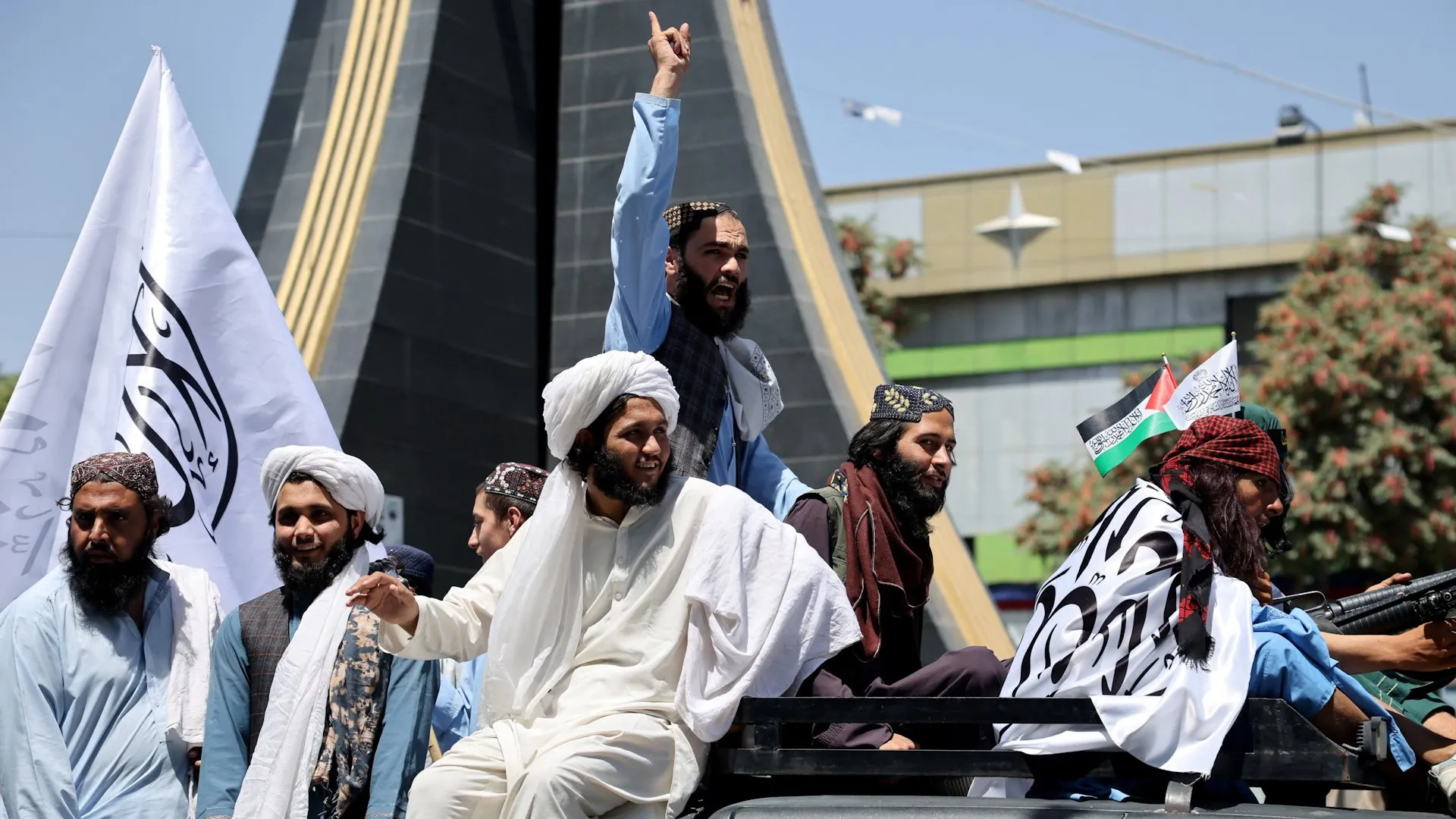
A precarious geopolitical landscape has emerged as two distinct, high-stakes conflicts reach critical inflection points. In East Africa, a newly formed coalition of seven armed opposition groups has declared a mission to topple the government in Addis Ababa, signaling a potential return to full-scale civil war. Simultaneously, in Eastern Europe, a fragile diplomatic period has collapsed, with Russia and Ukraine resuming intense aerial bombardments that have resulted in civilian casualties and attacks on media infrastructure.
The convergence of these events presents a multifaceted test for international stability, as long-standing peace efforts in Ethiopia appear to be unraveling just as diplomatic backchannels in the Russia-Ukraine theater have proven insufficient to halt the escalation of hostilities.
The simultaneous deterioration of security in Ethiopia and Ukraine underscores a growing trend of regional volatility that challenges the efficacy of traditional diplomatic interventions. In Ethiopia, the formation of a seven-group alliance suggests that domestic political polarization has transcended historical ideological divides, creating a unified front that threatens to destabilize the Horn of Africa. The stakes are particularly high given the country's past record of civil conflict and the potential for a massive humanitarian crisis if the coalition’s goal of regime change triggers a broader breakdown in civil order. Meanwhile, the escalation in Kyiv following a failed three-day strike moratorium exposes the limitations of shuttle diplomacy when conducted amid active, high-intensity warfare. The targeting of media outlets, such as the strike on the We Are Ukraine broadcast center, sets a dangerous precedent for the erosion of civilian protections in urban combat zones, potentially signaling a shift toward more aggressive, unrestricted targeting protocols.
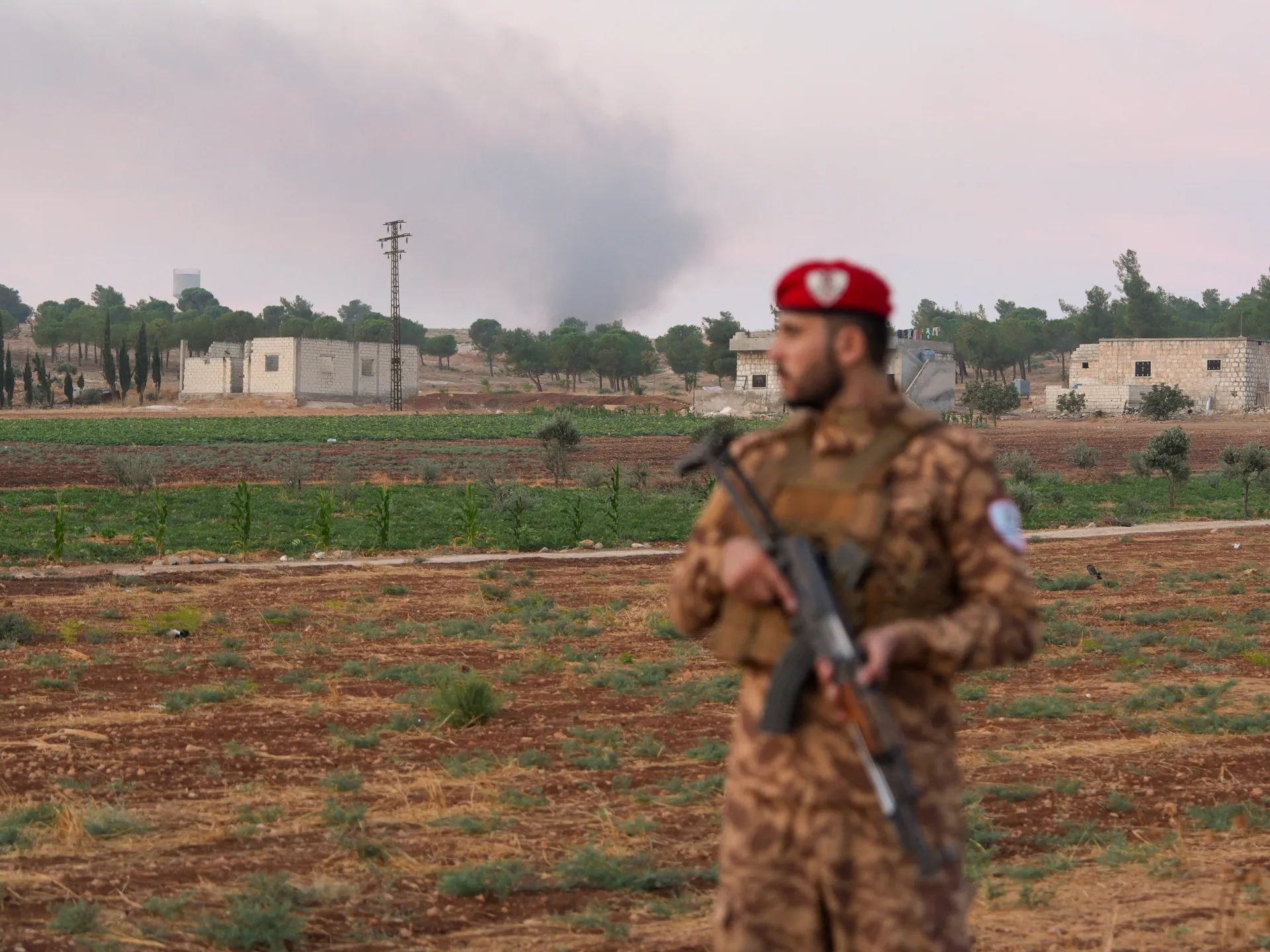
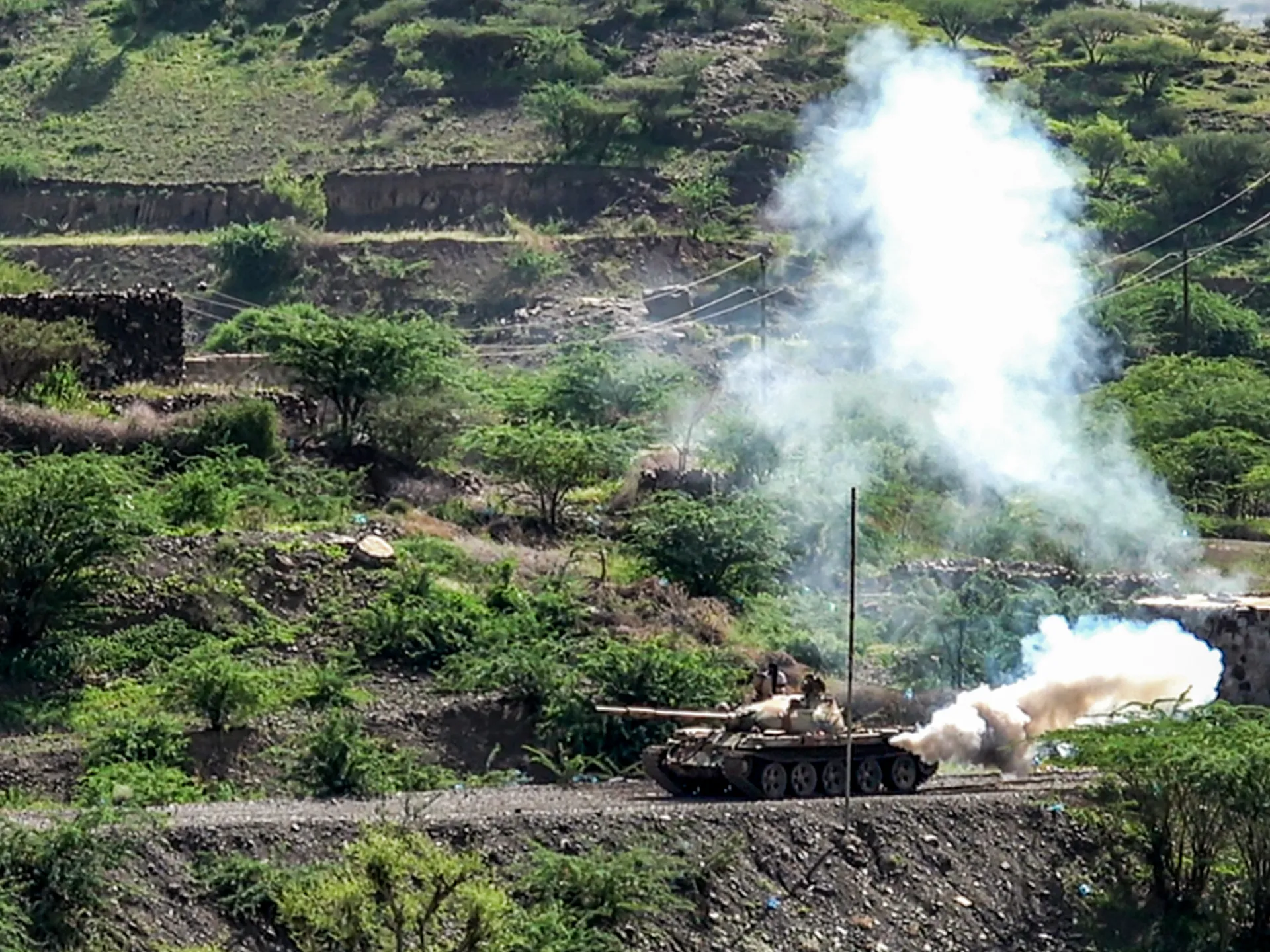
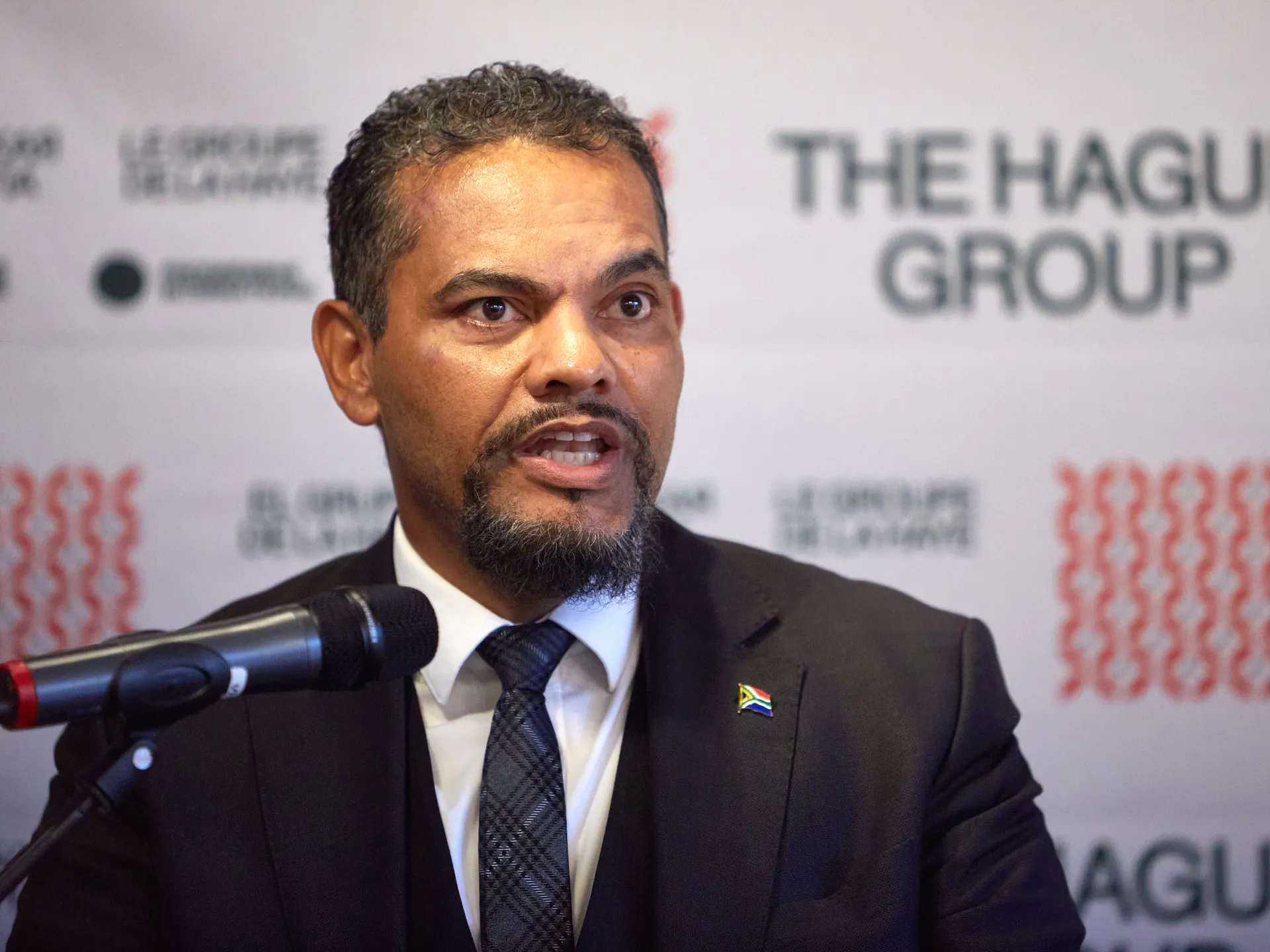
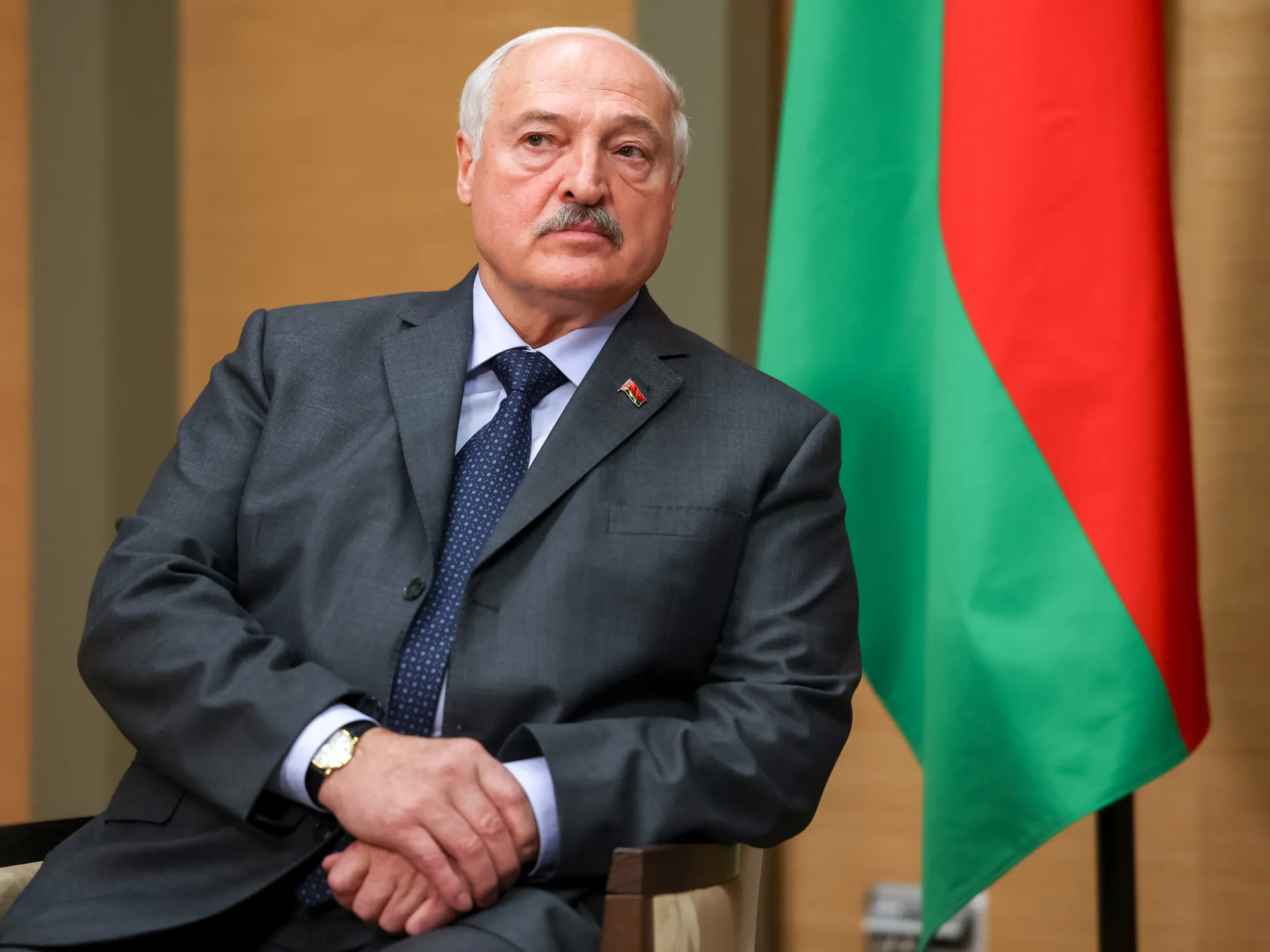
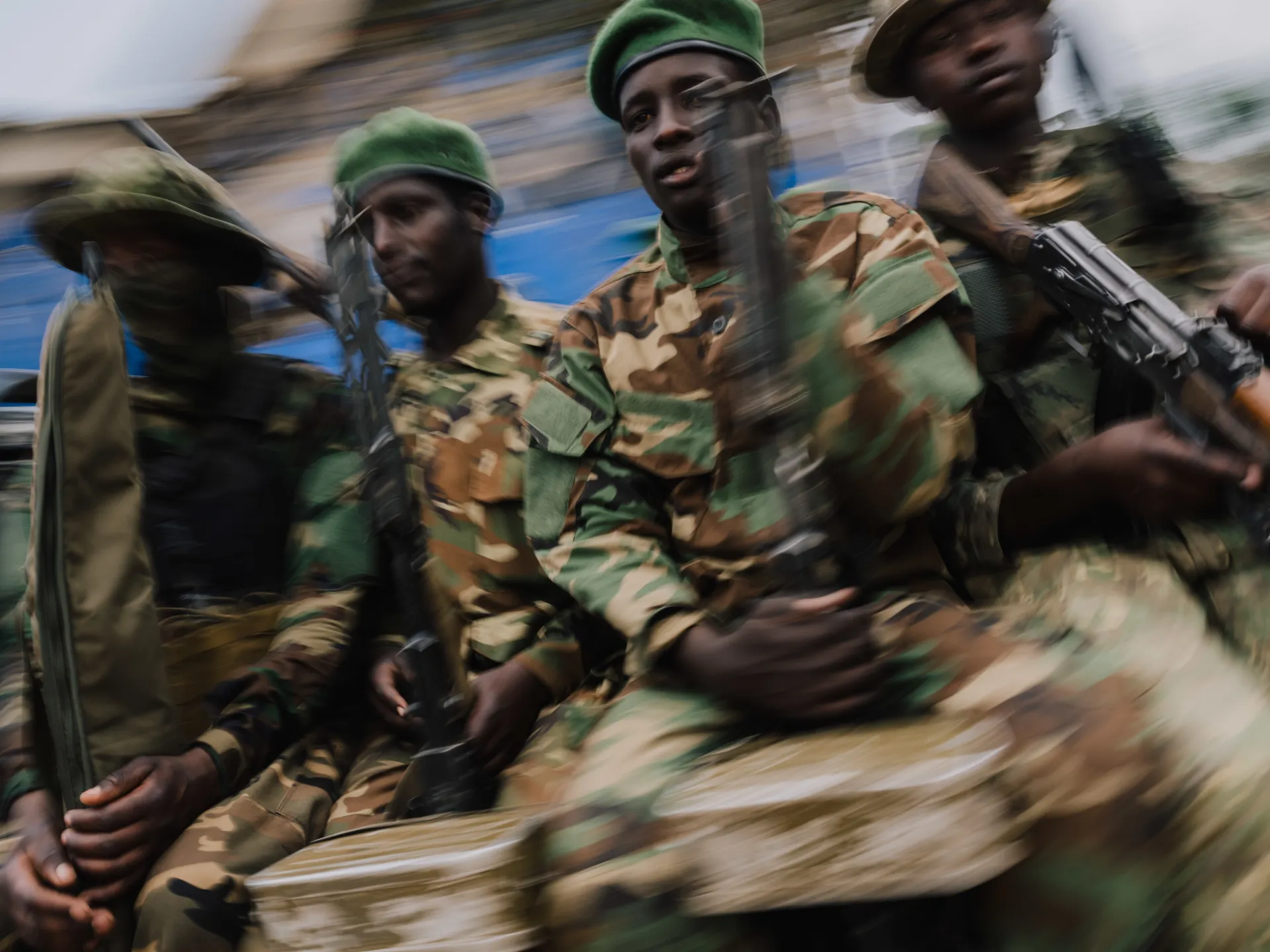
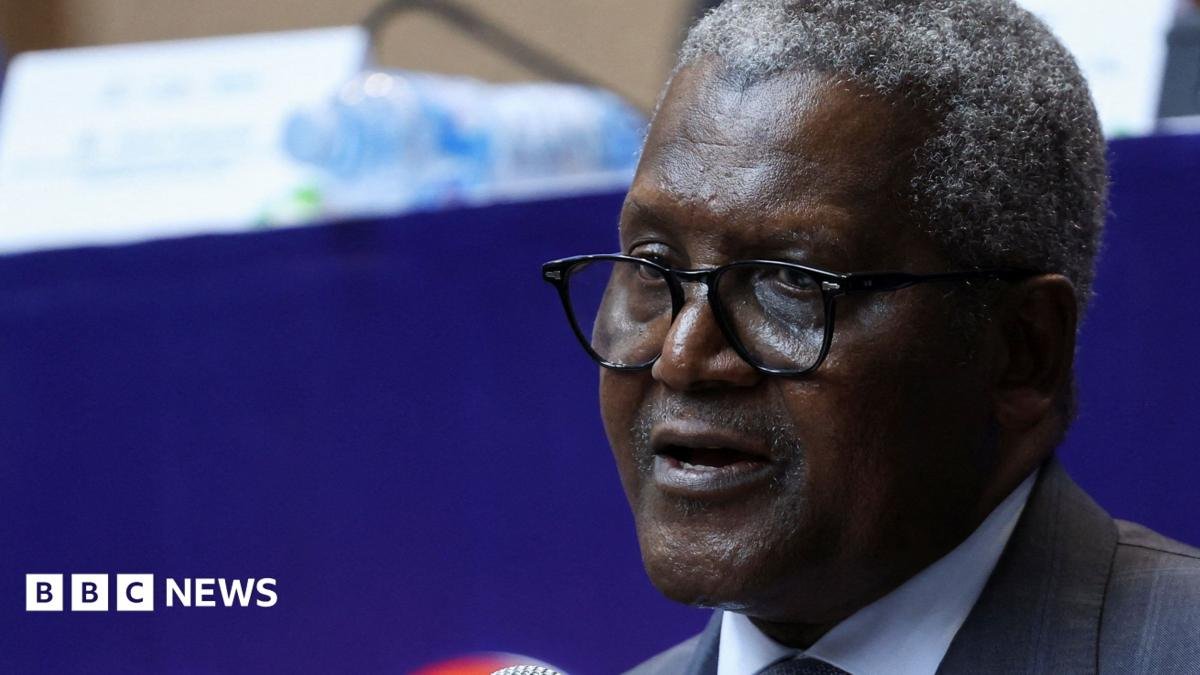
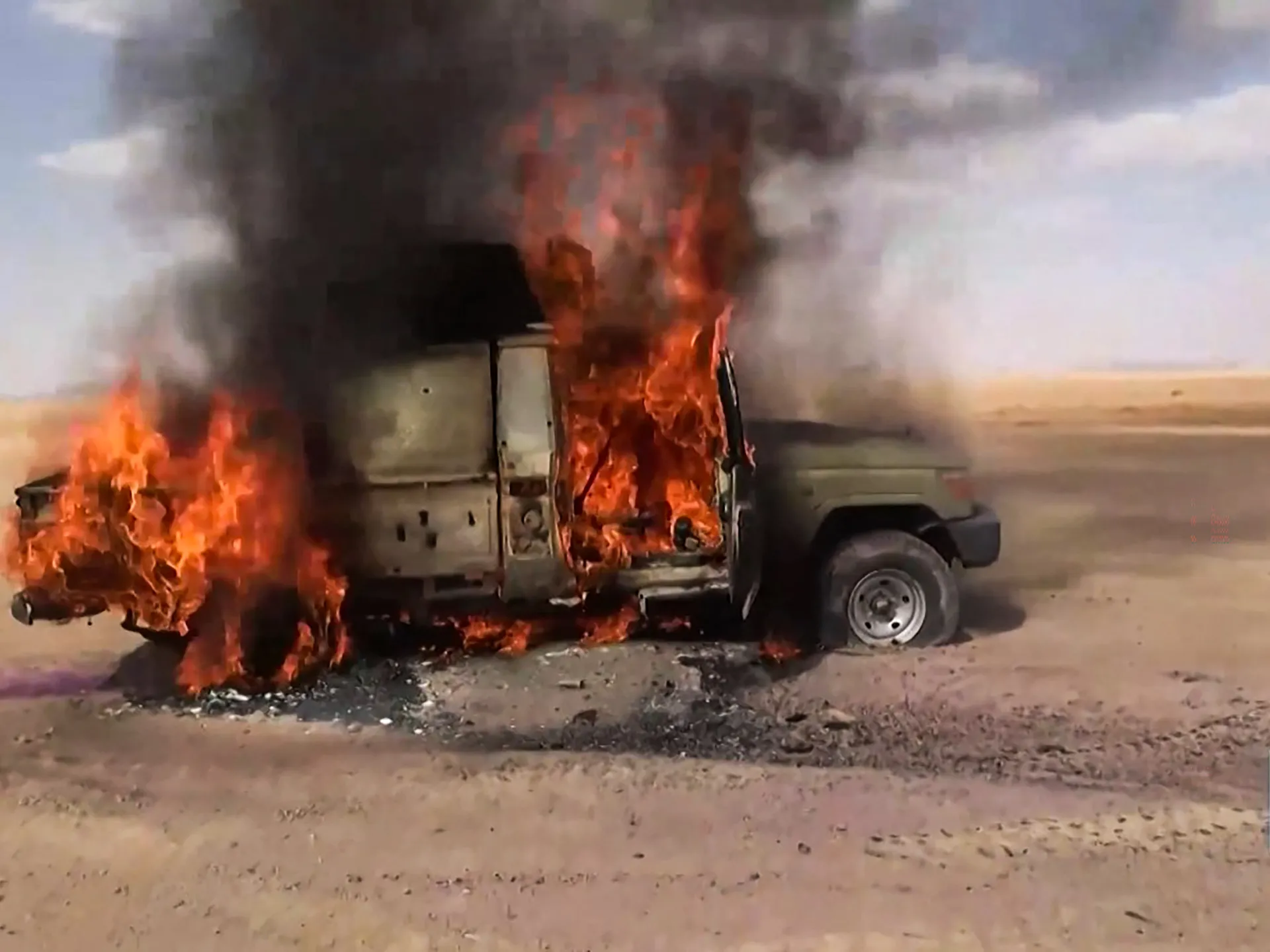
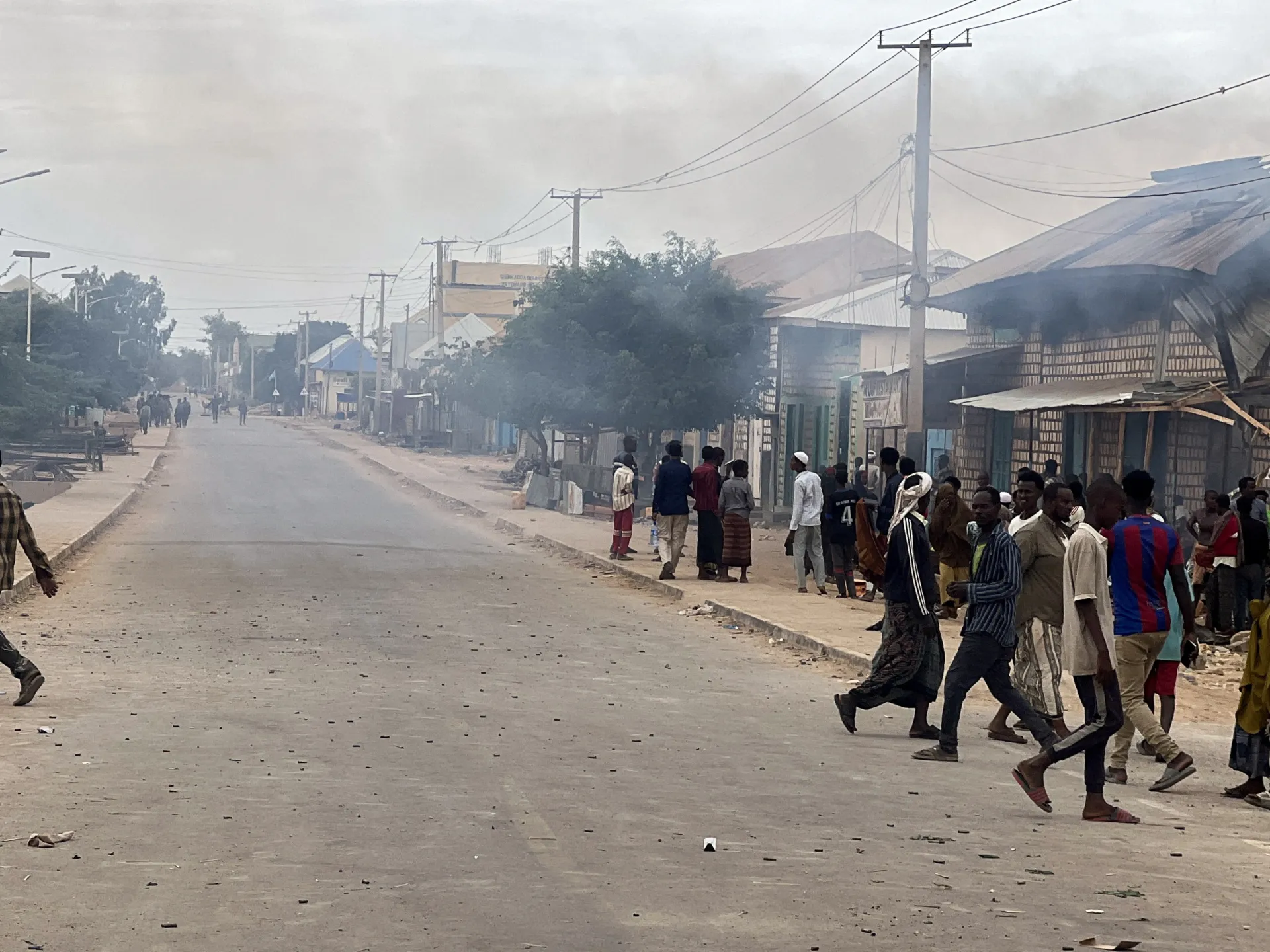
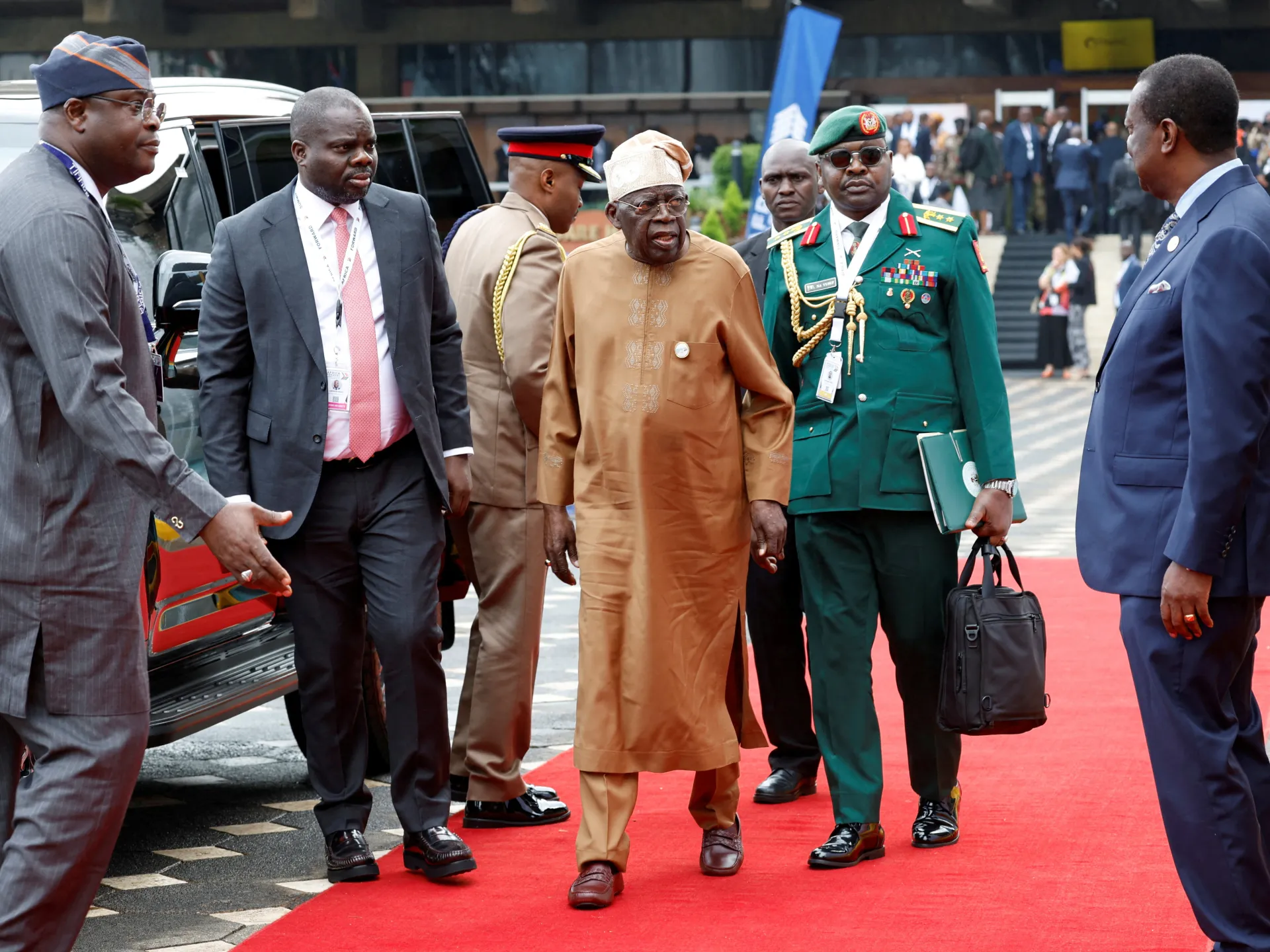
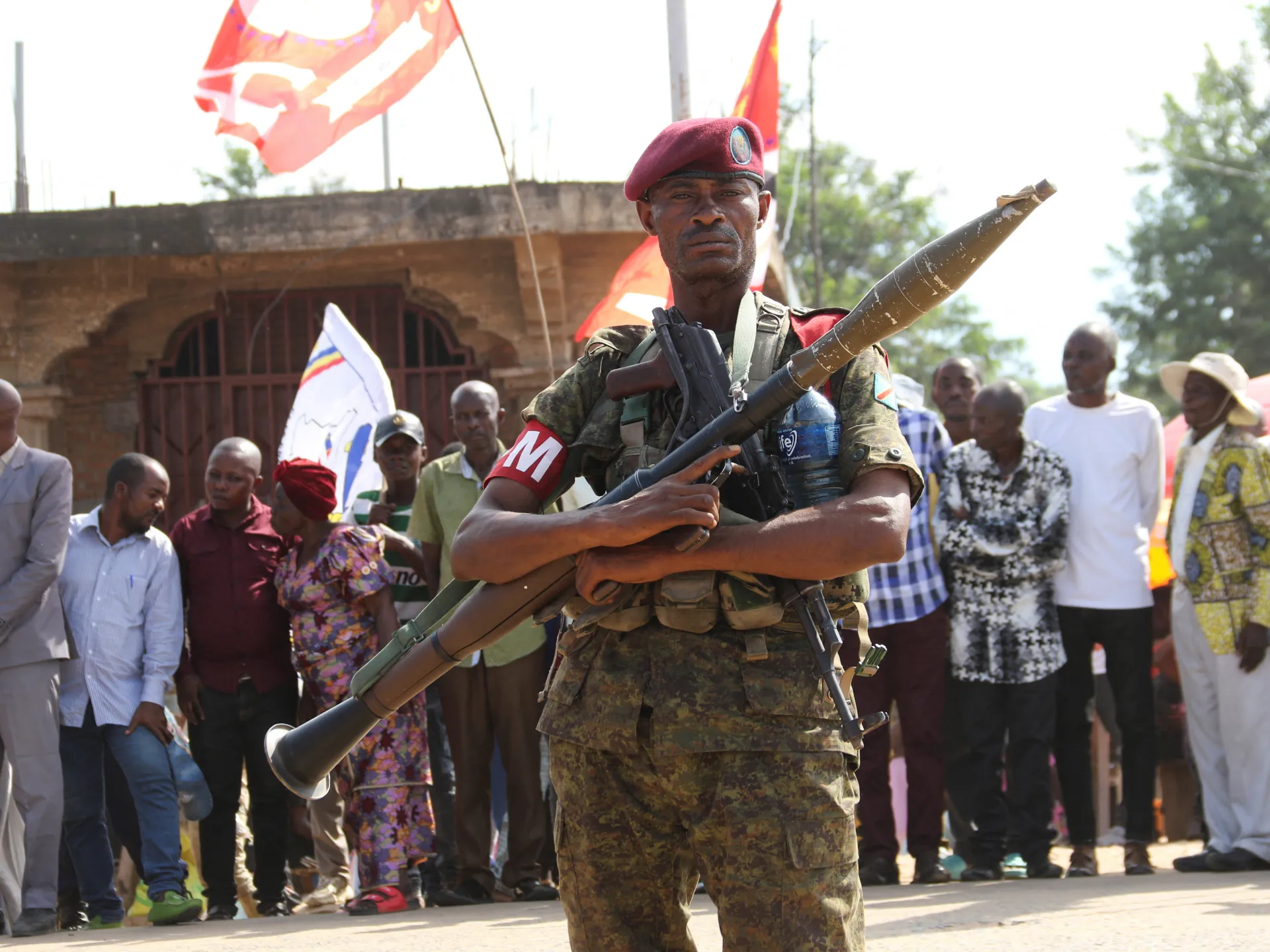
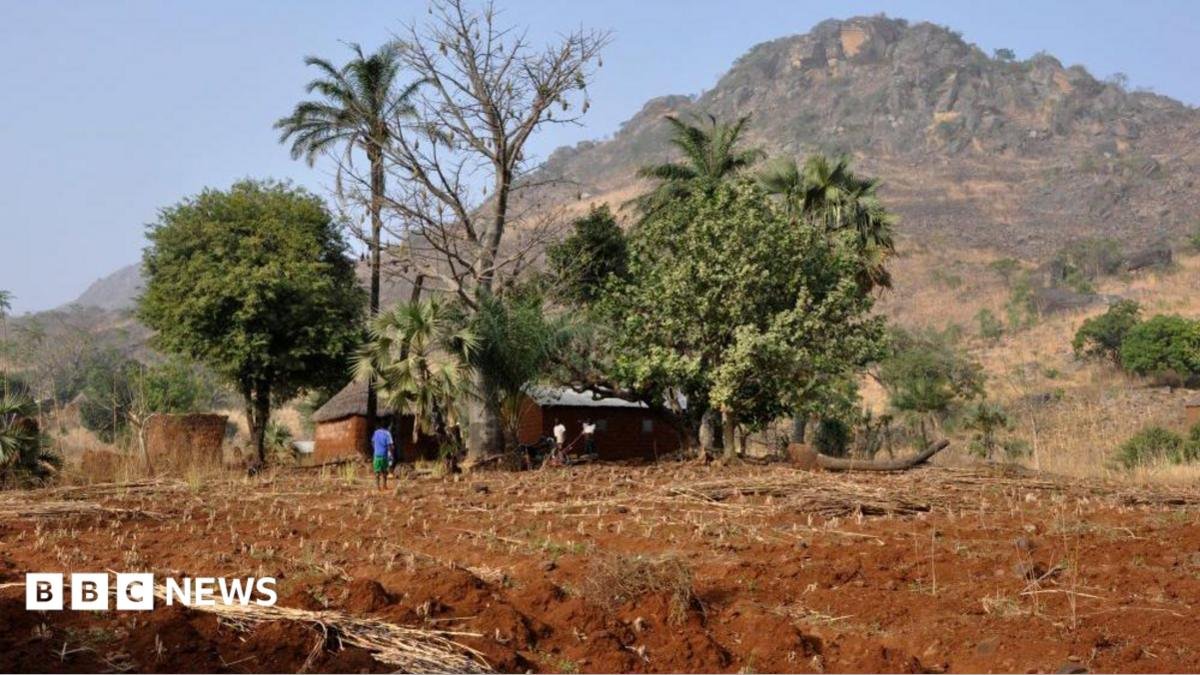
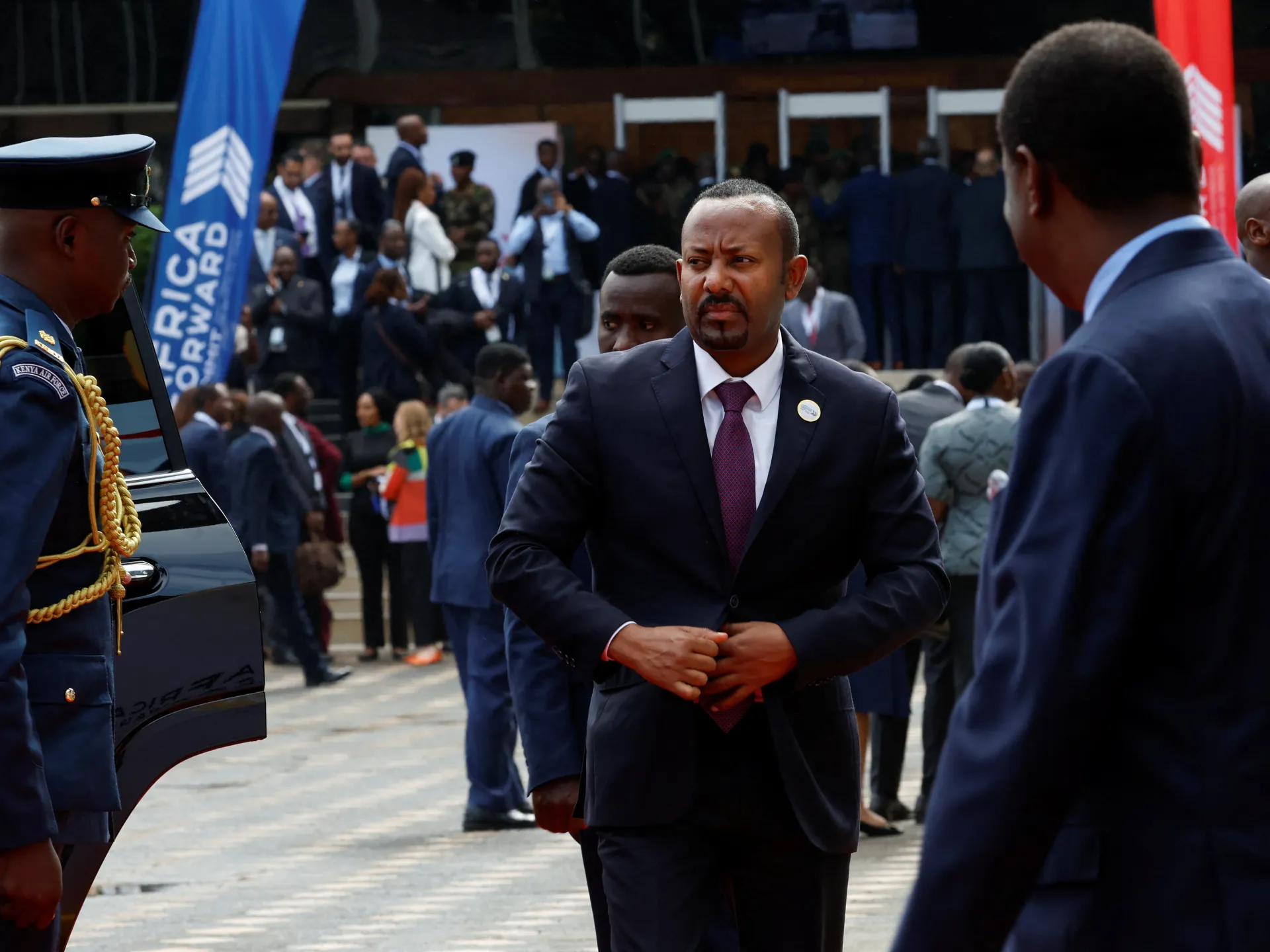
The announcement of a seven-group alliance against Prime Minister Abiy Ahmed has brought the issue of Ethiopian domestic stability to the forefront of regional concern. Critics of the current administration, including political commentators and conflict scholars, argue that the government’s inability to address internal grievances—compounded a fertile environment for armed resistance. While the government maintains it possesses the military capacity to defend the state, the coalition members claim that the nation is on the precipice of disintegration.
The diverse nature of this opposition alliance remains a subject of intense scrutiny among analysts. Despite deeply rooted political and ideological differences, these groups have coalesced around the singular objective of removing the current leadership. Observers are questioning whether such a disparate group can maintain cohesion if they succeed in their immediate goal, or if their partnership is merely a tactical convenience that masks underlying volatility.
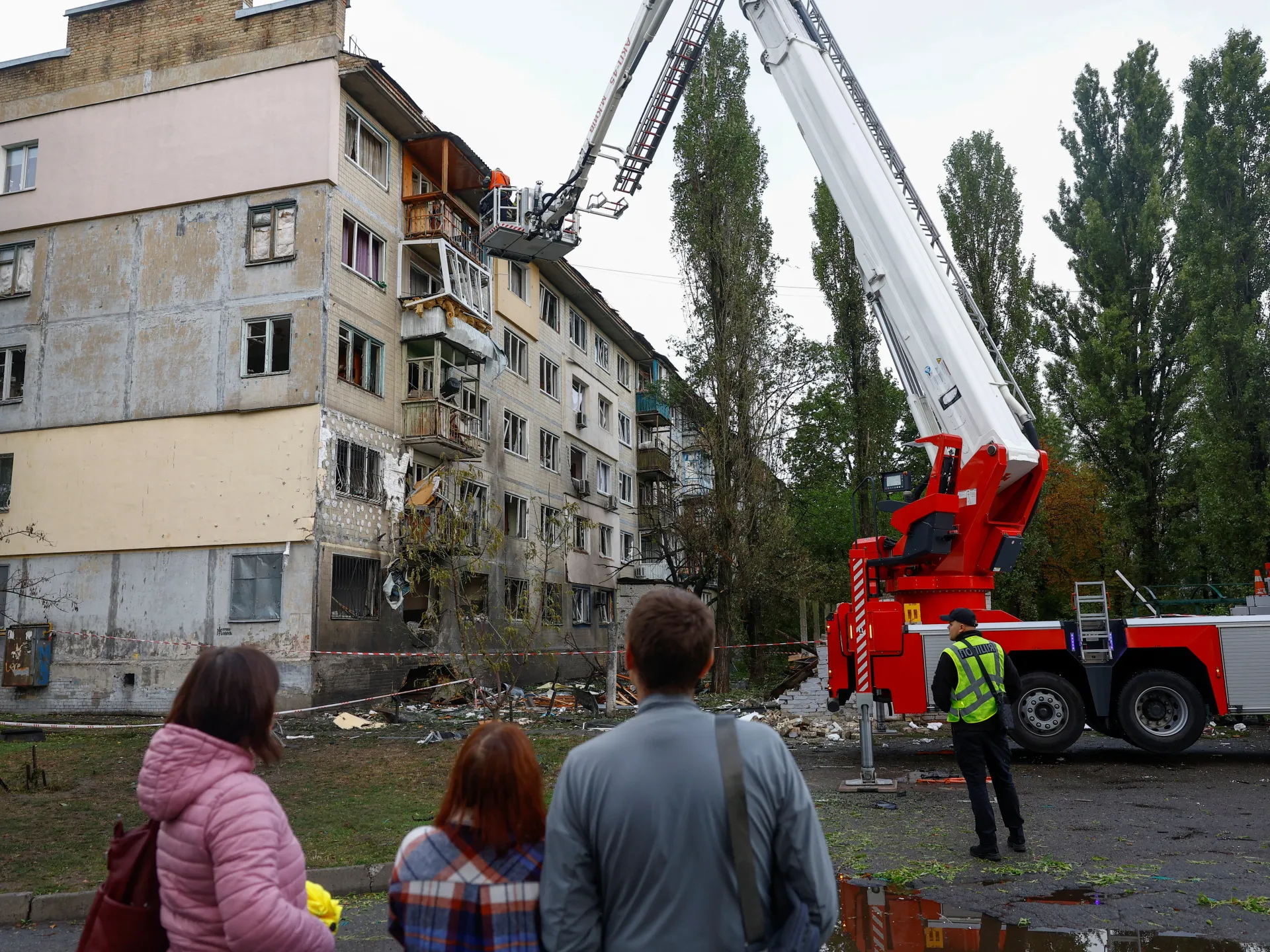
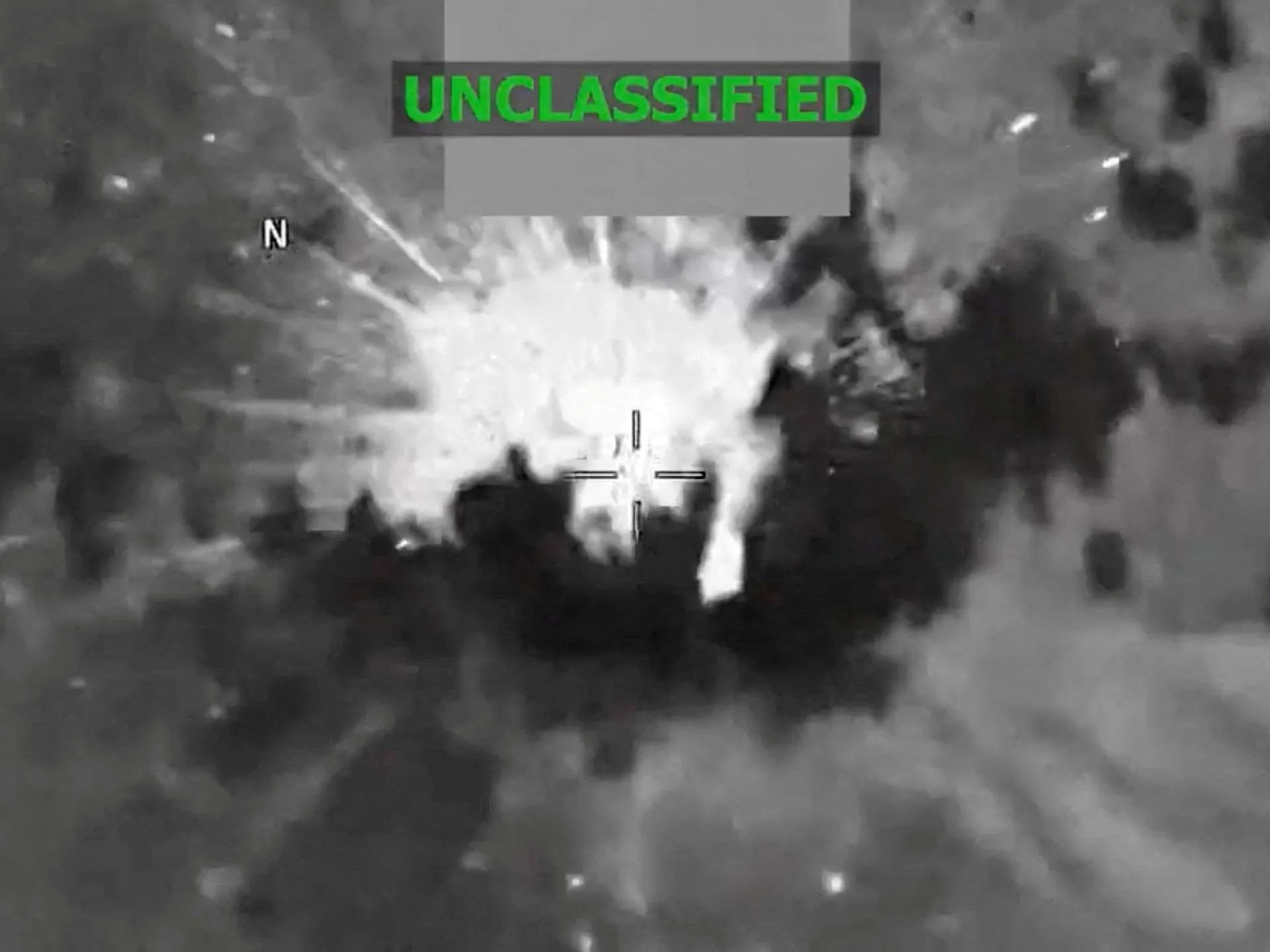
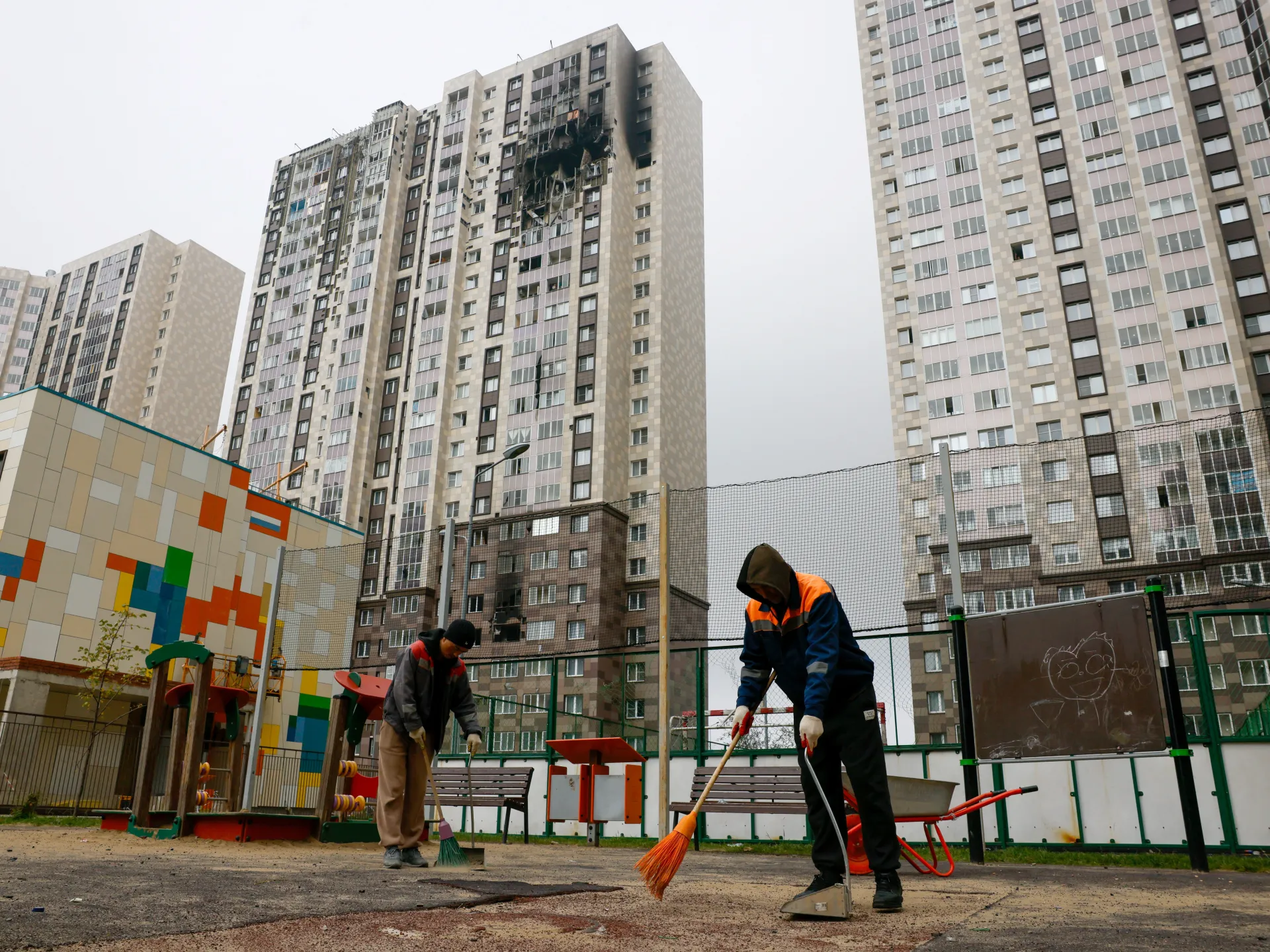
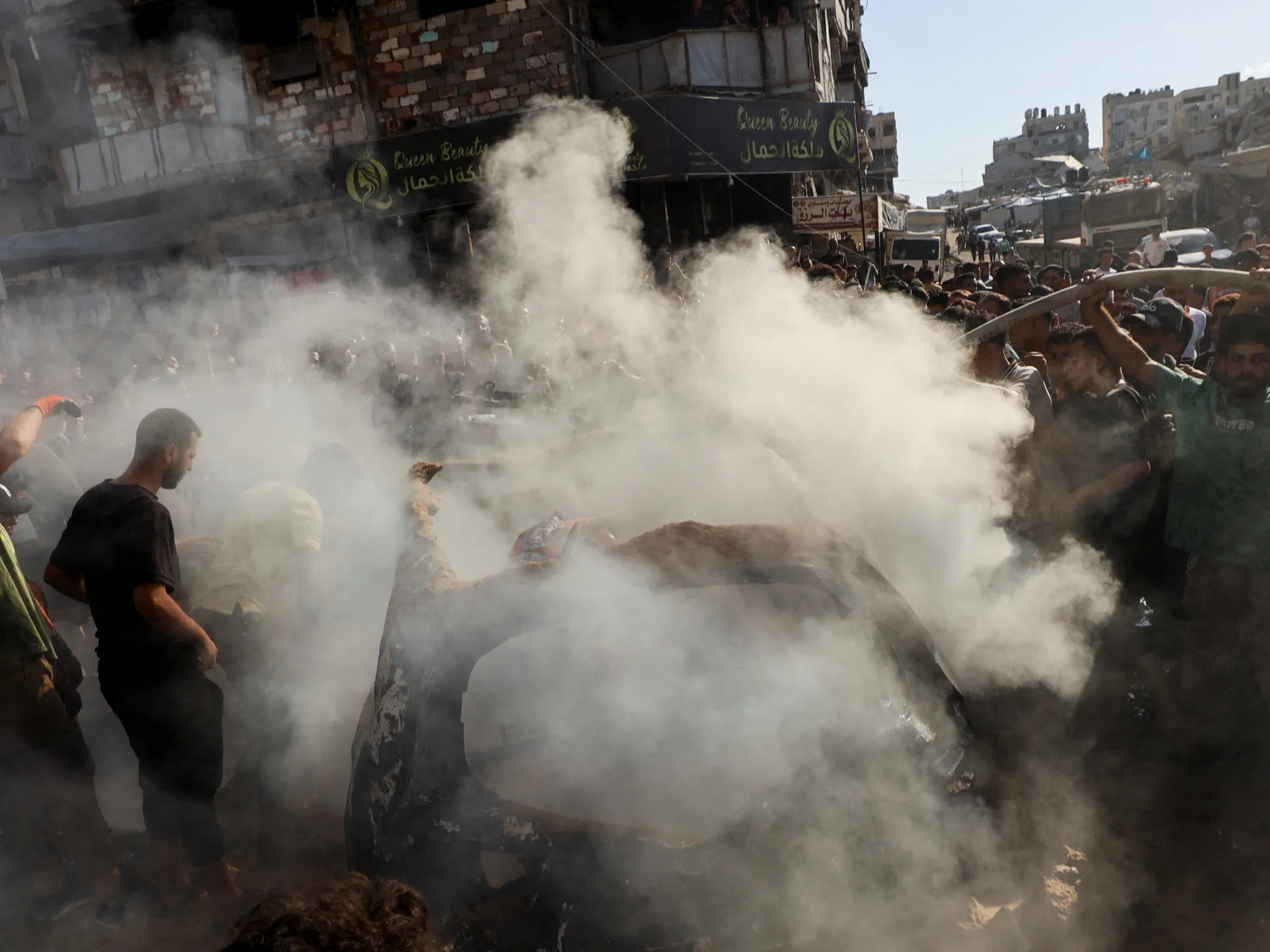
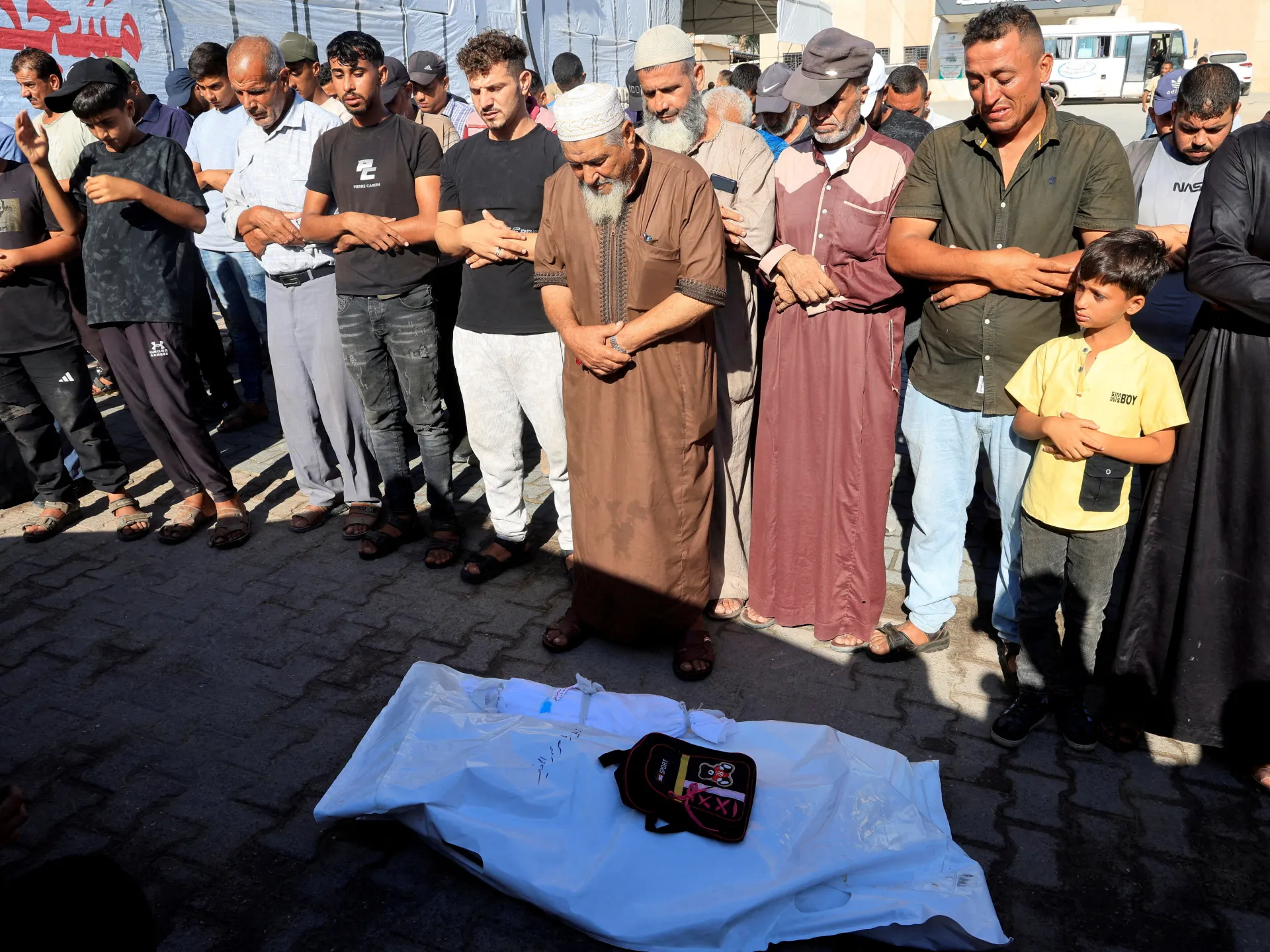
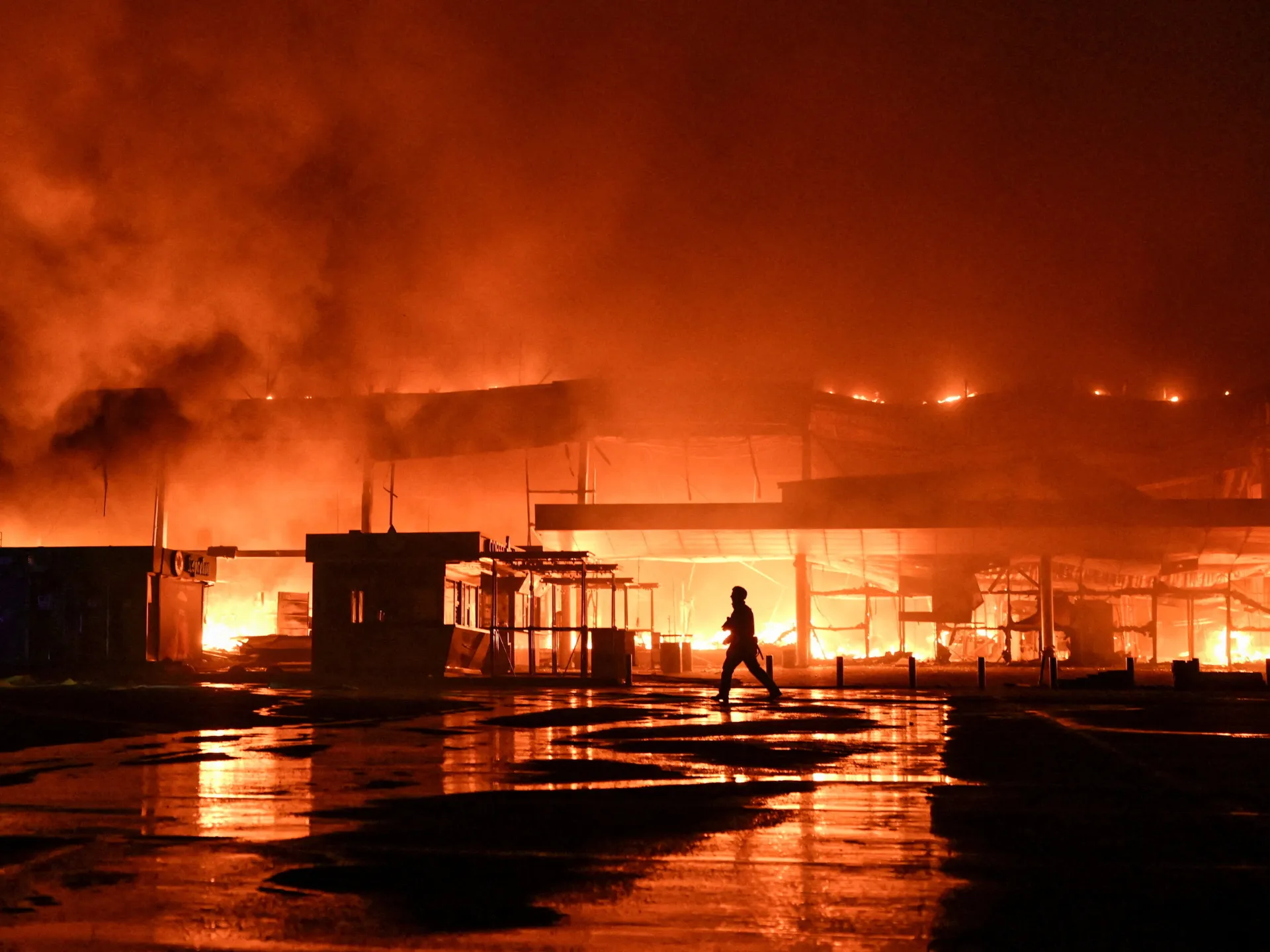
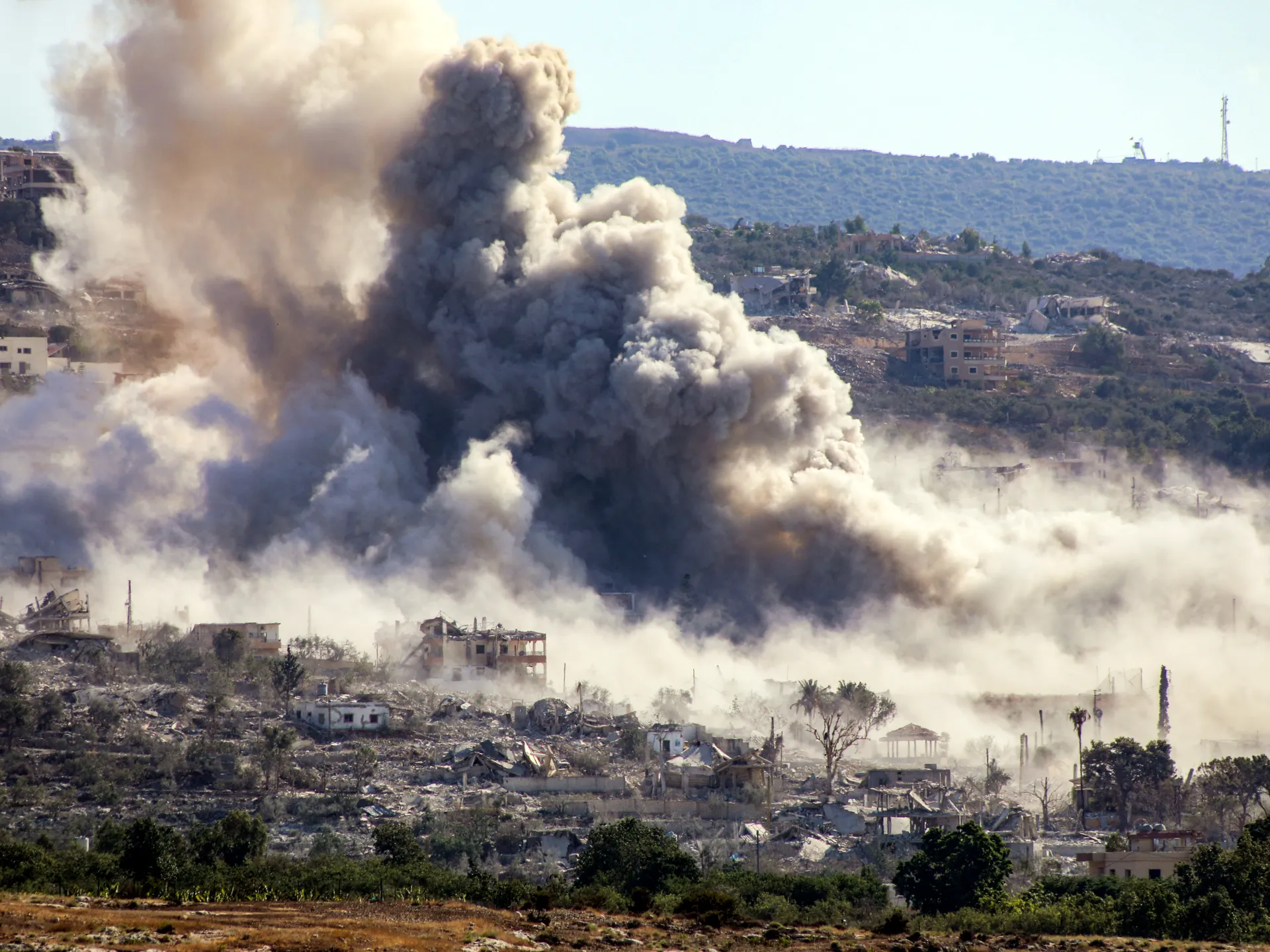
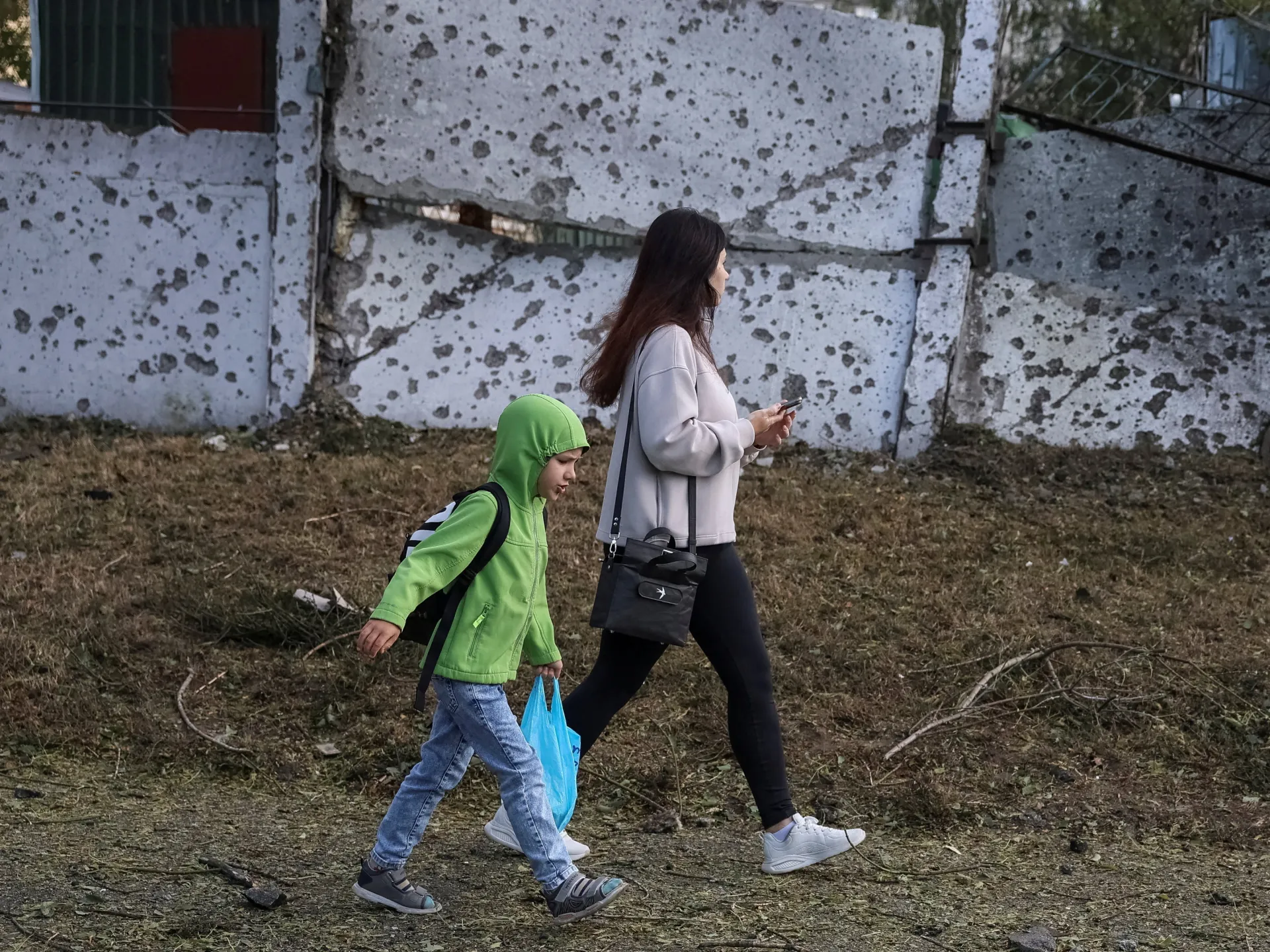
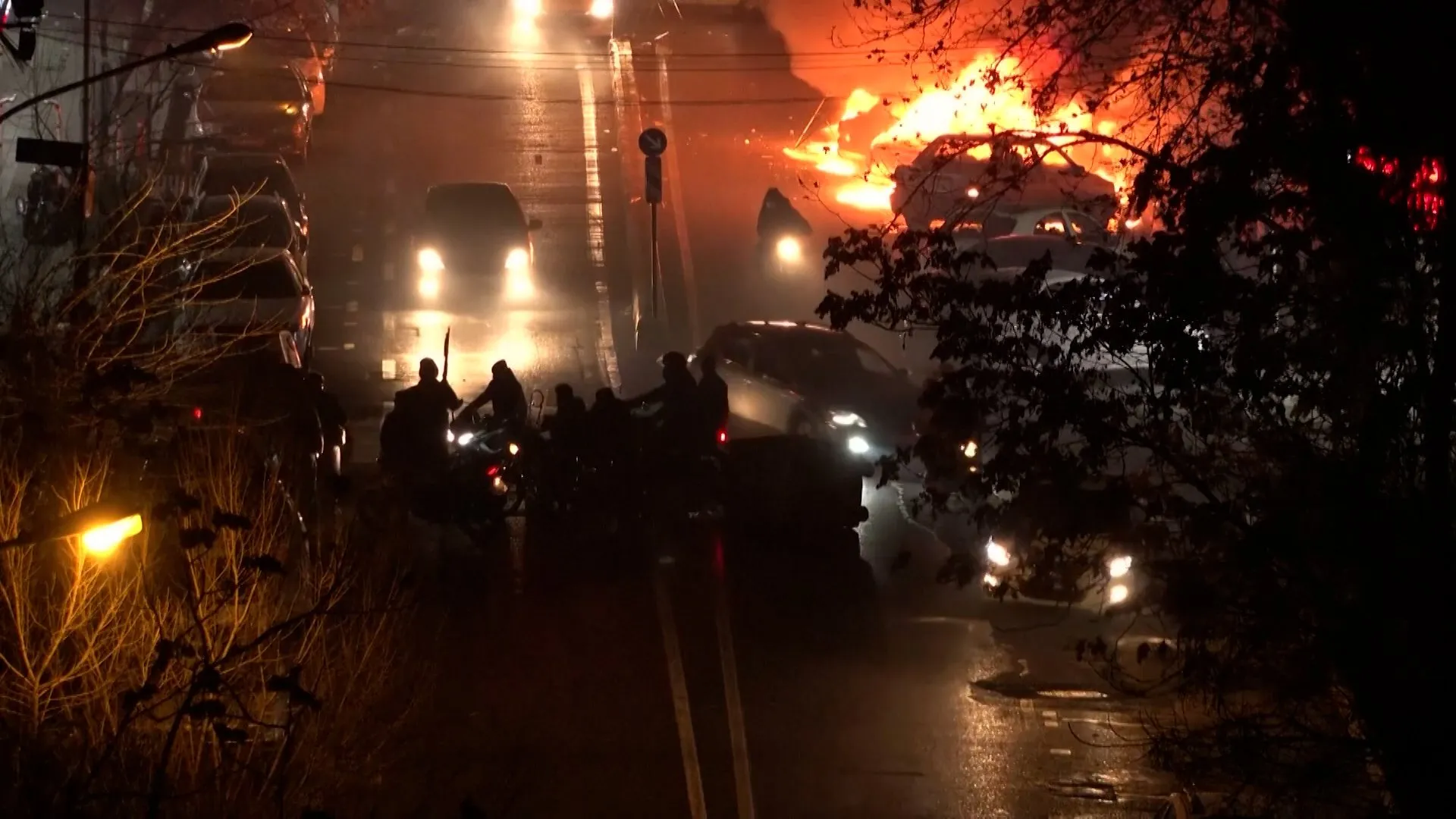
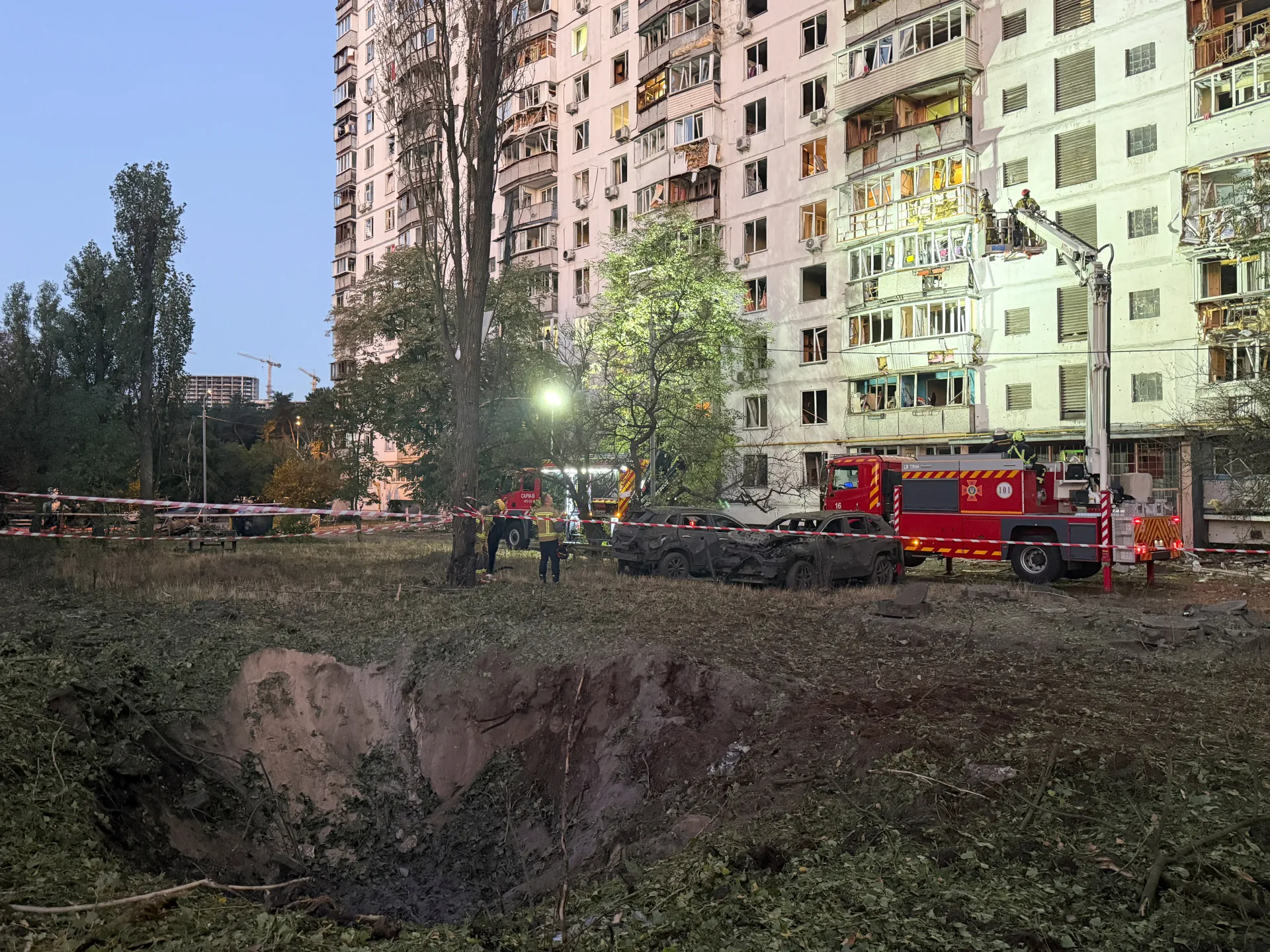
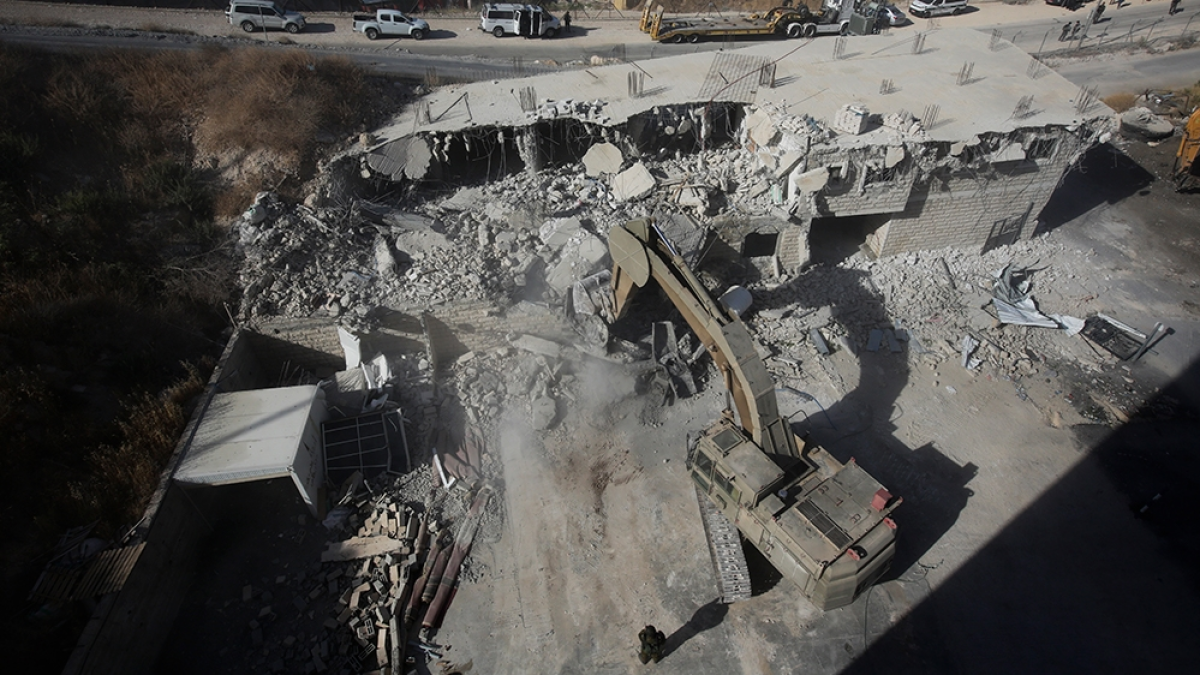
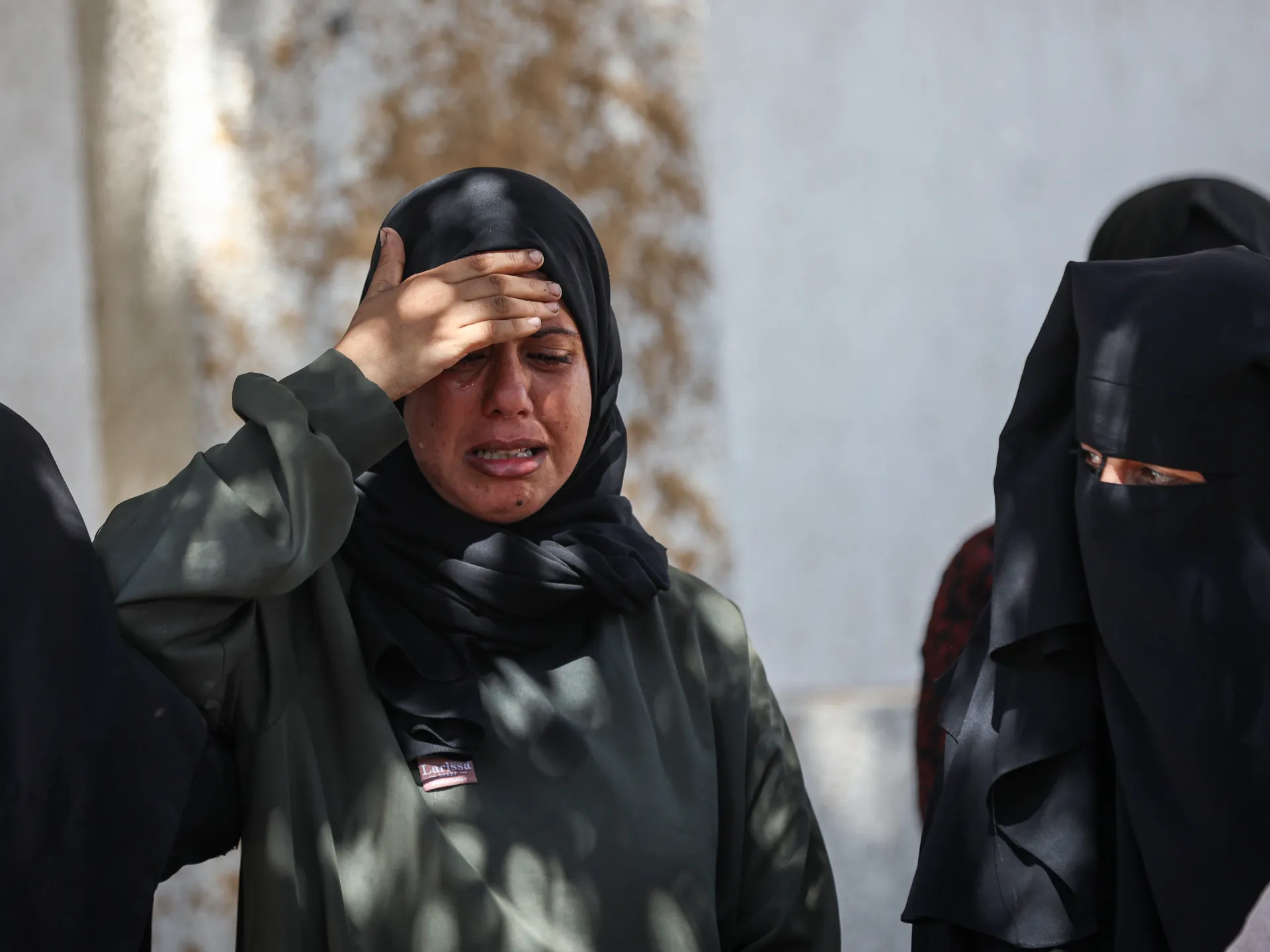
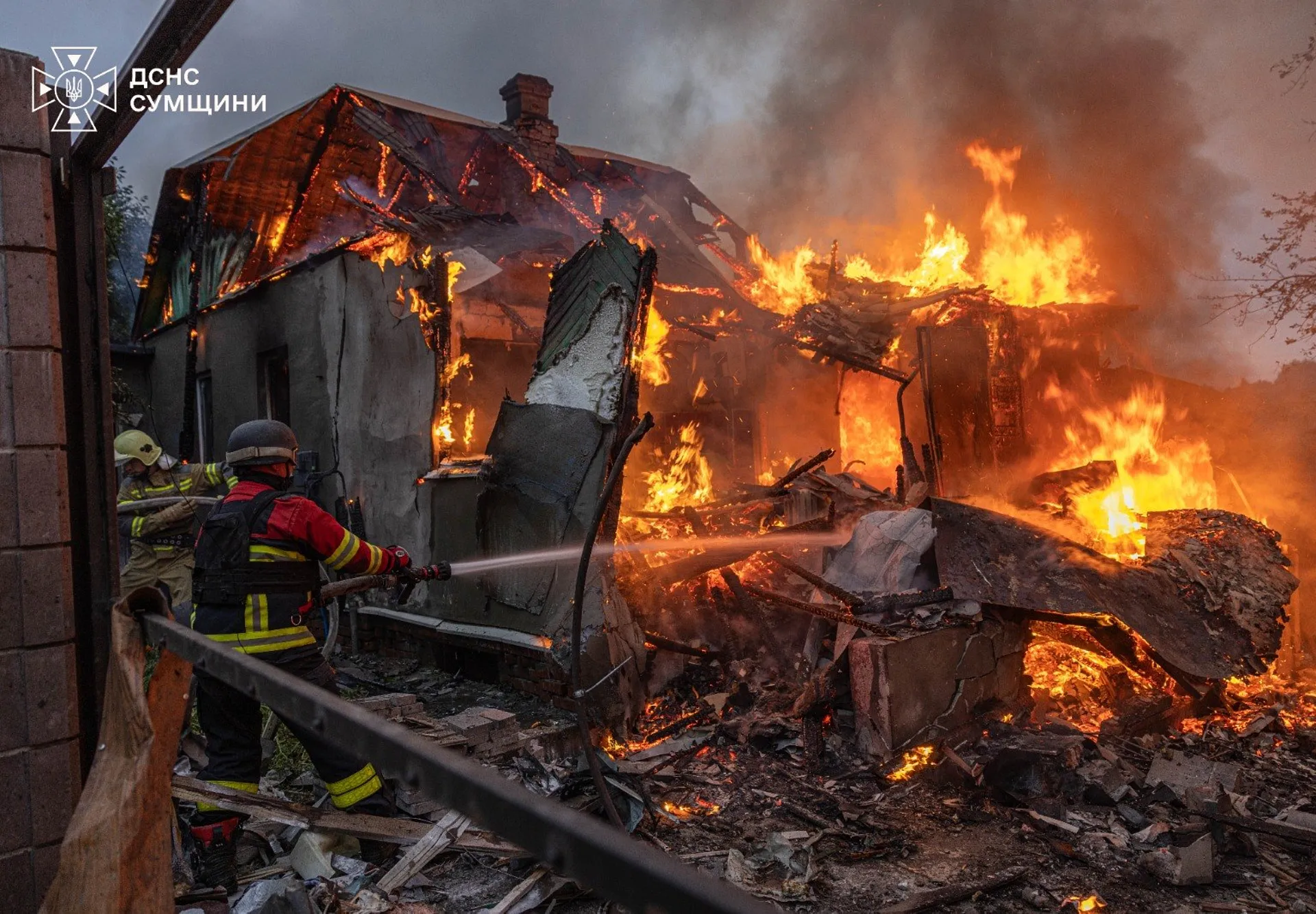
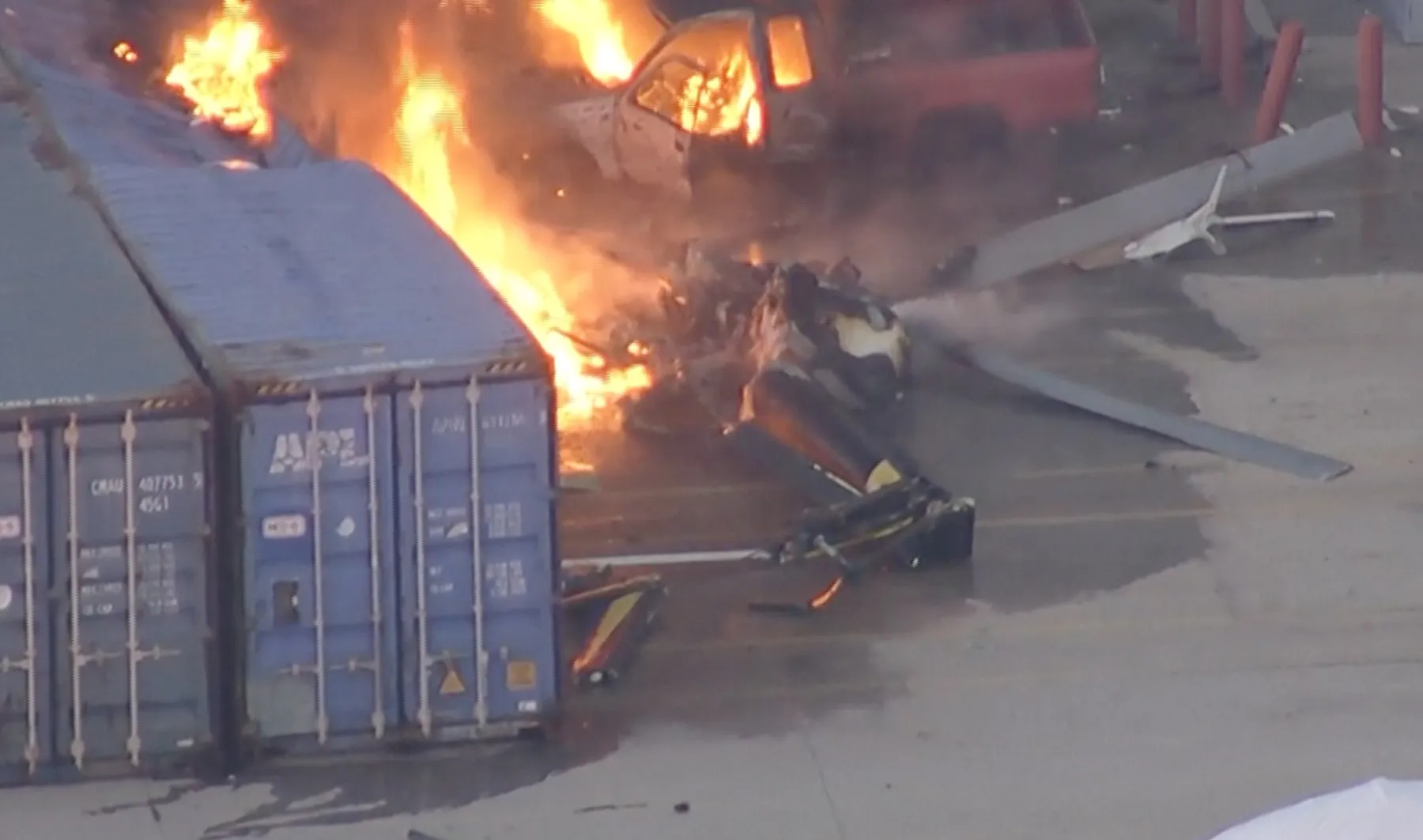
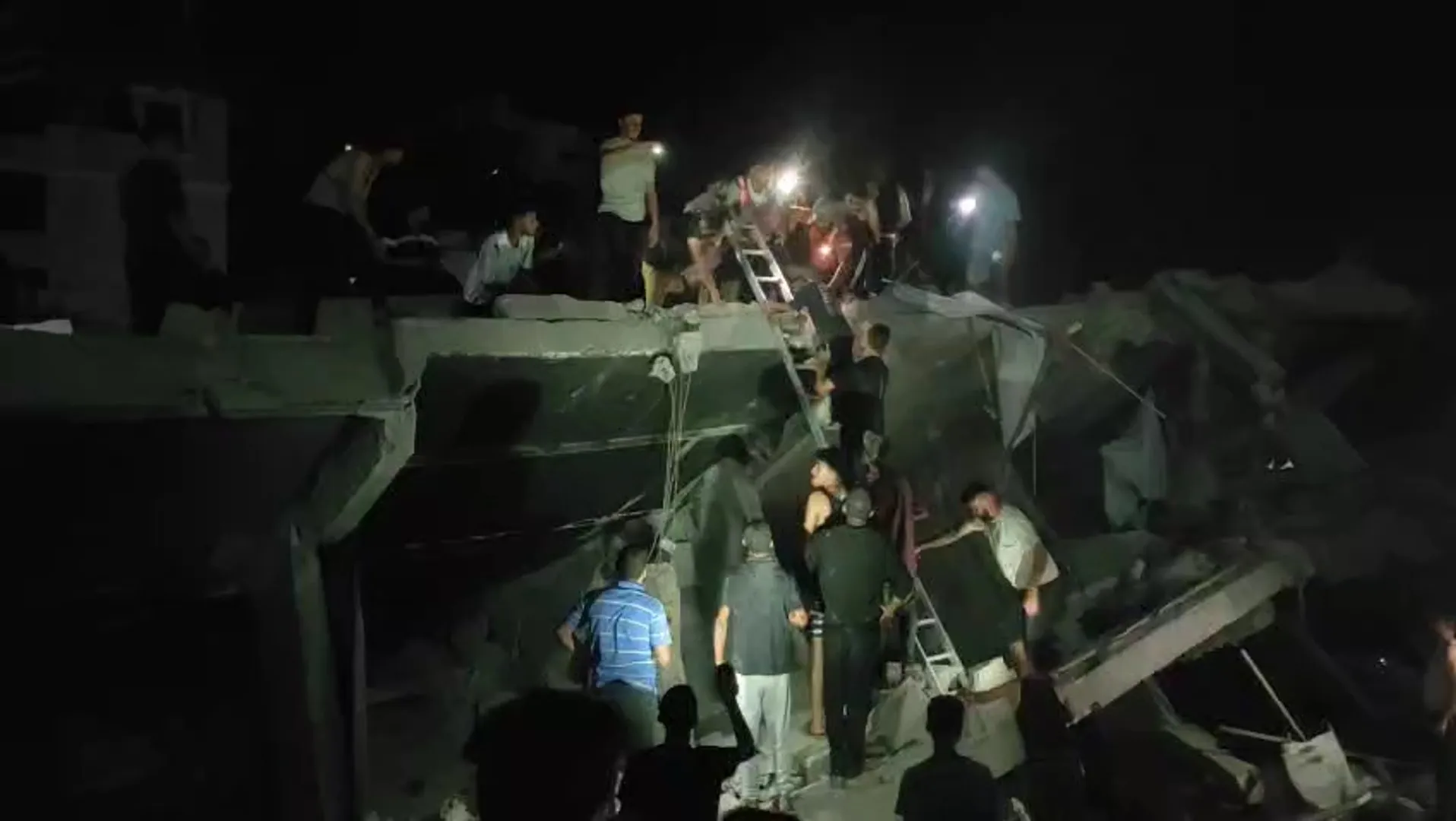
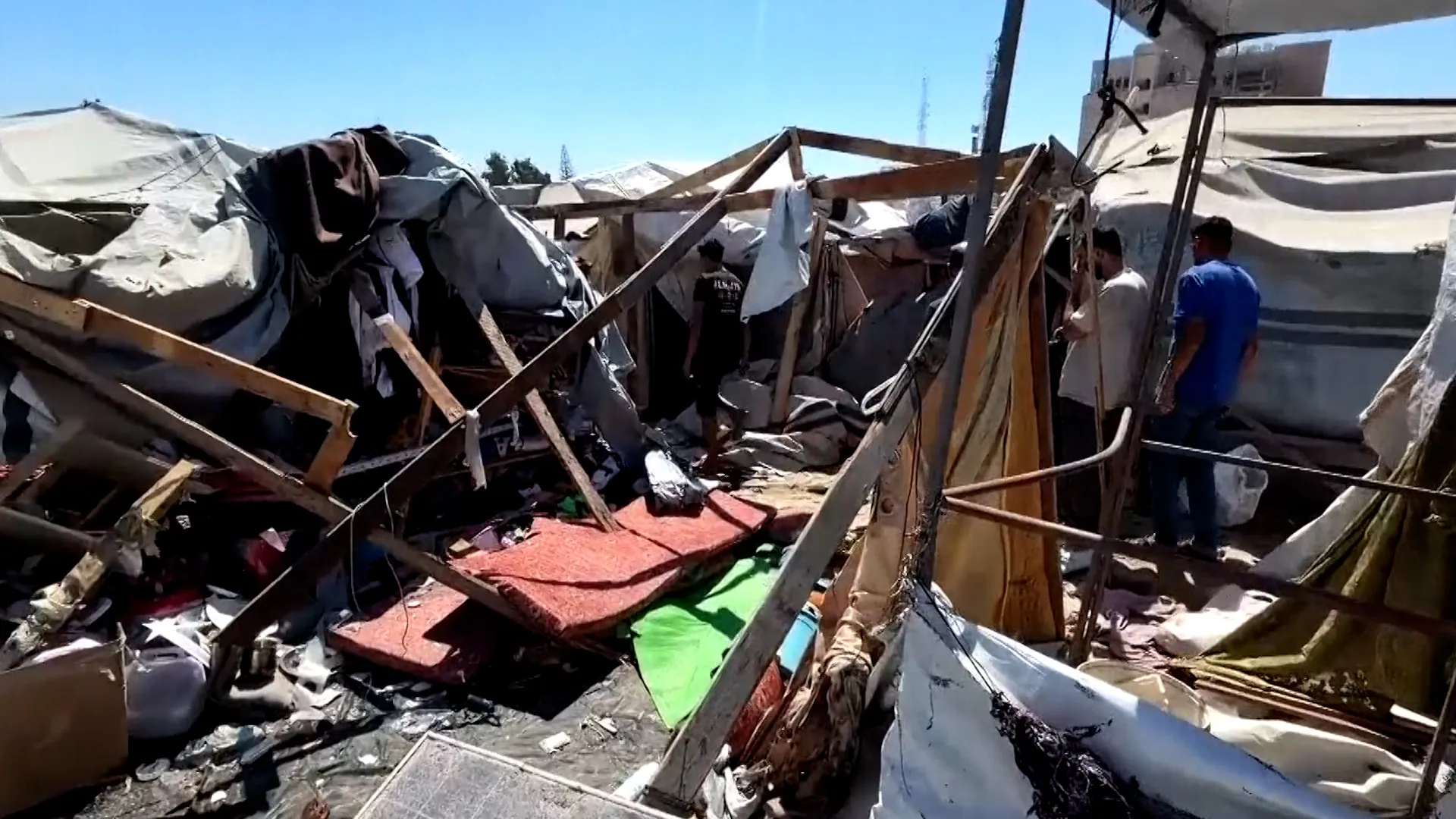
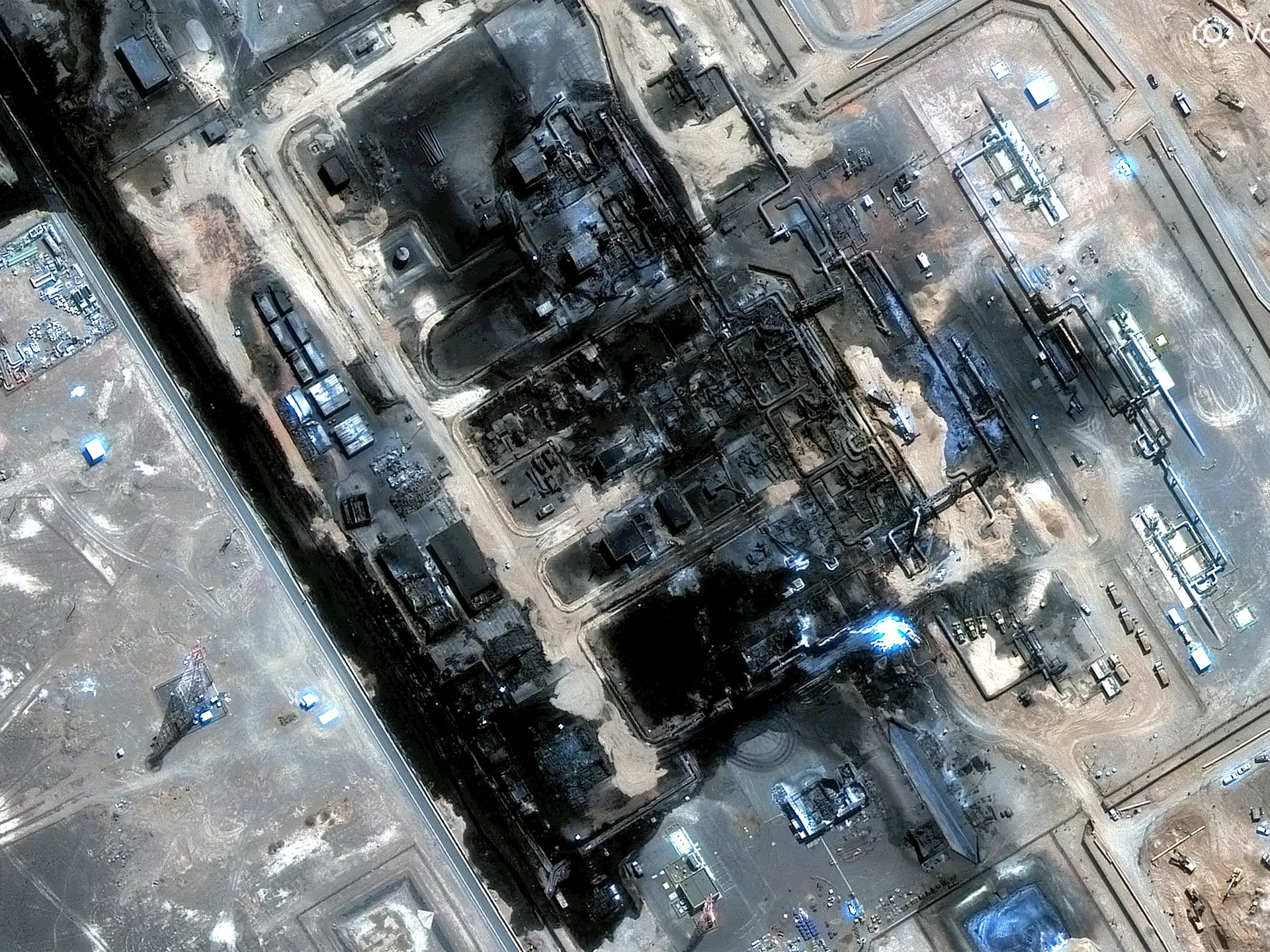
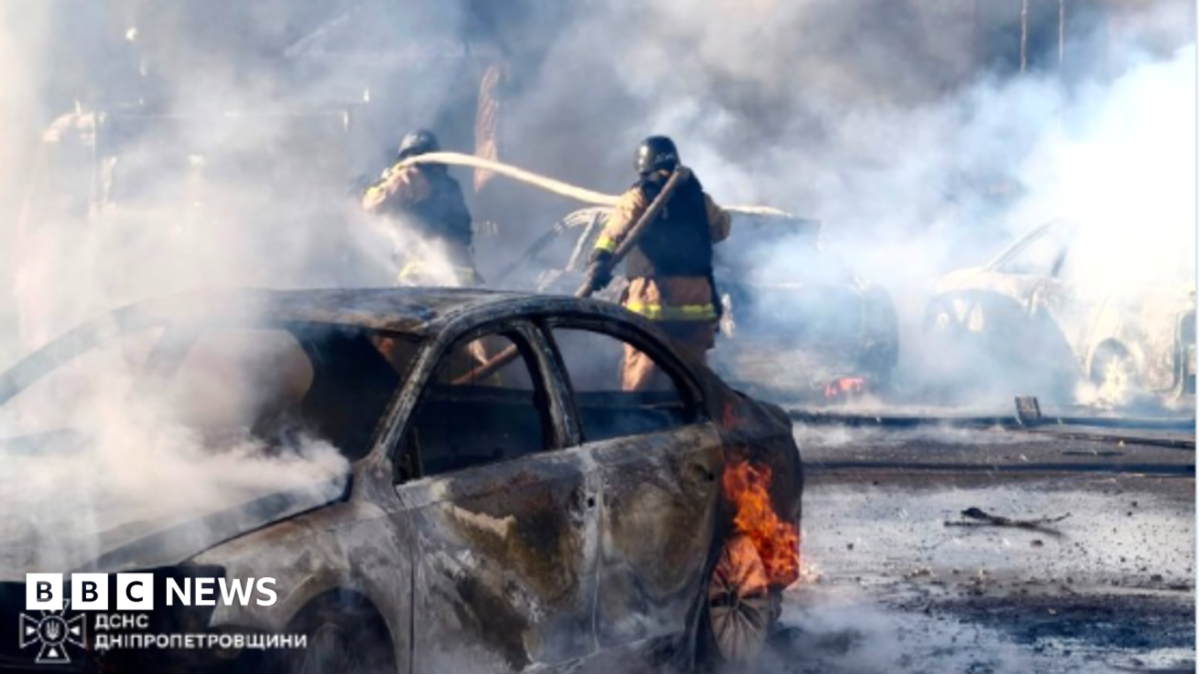
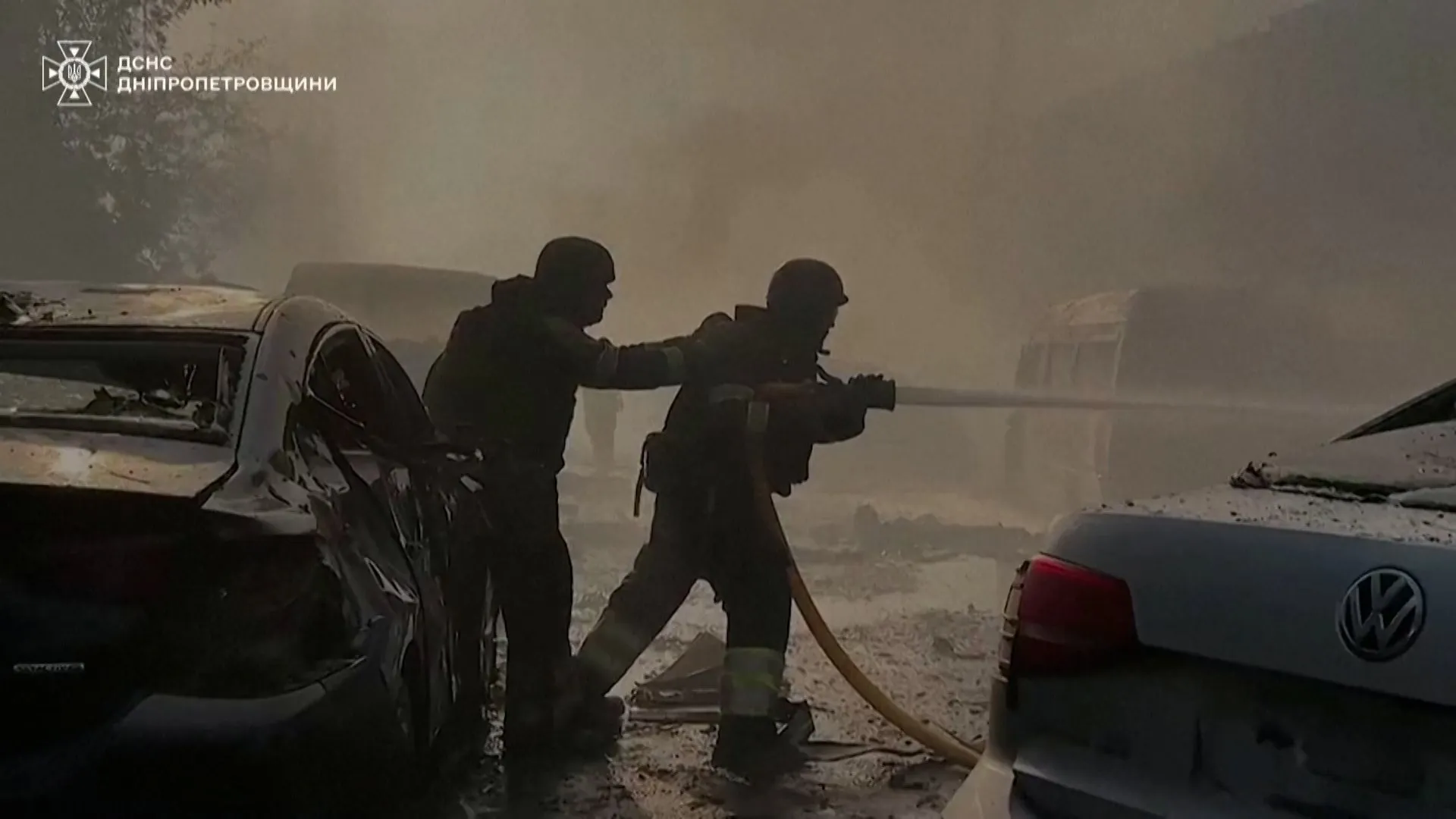
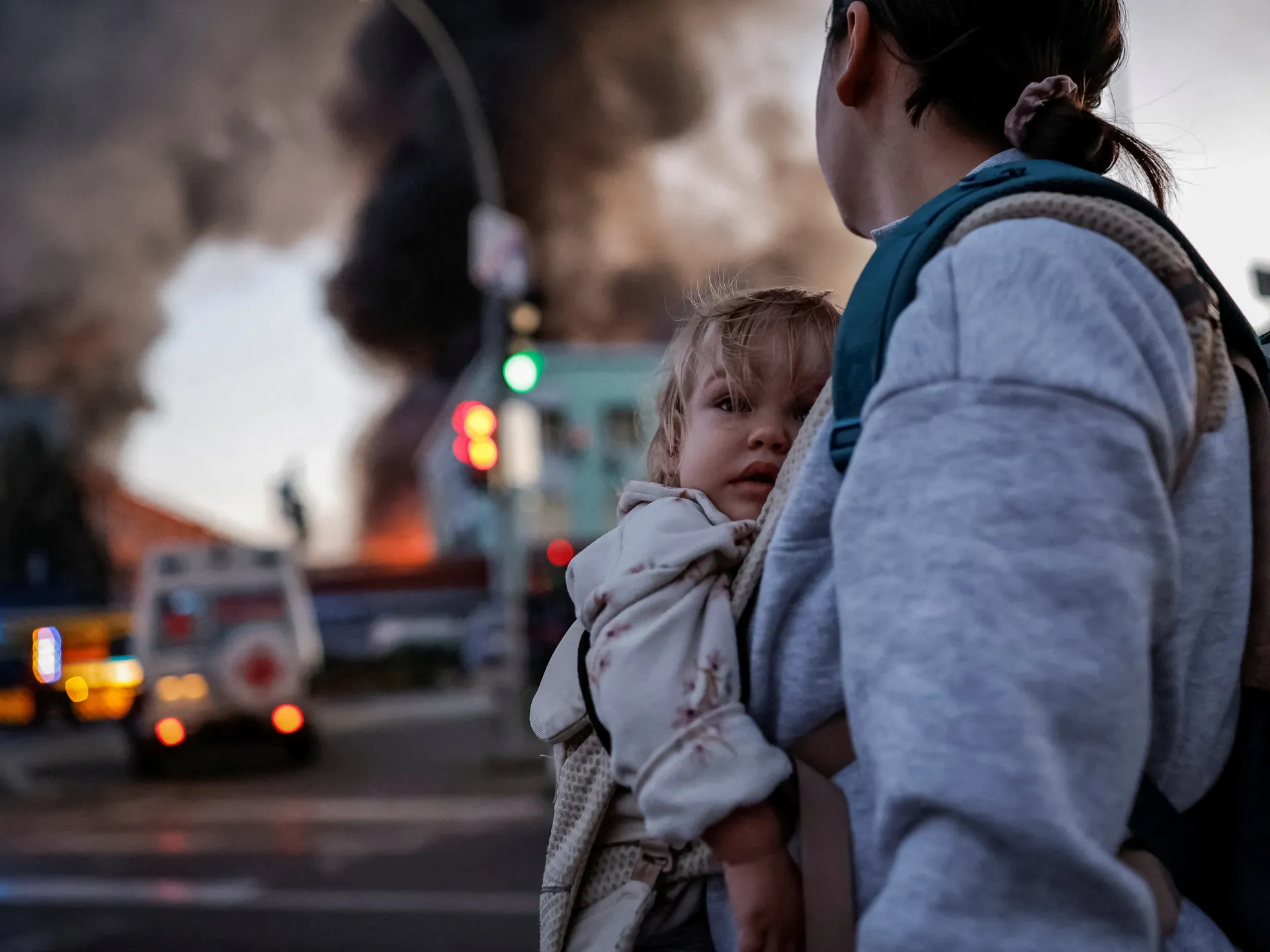
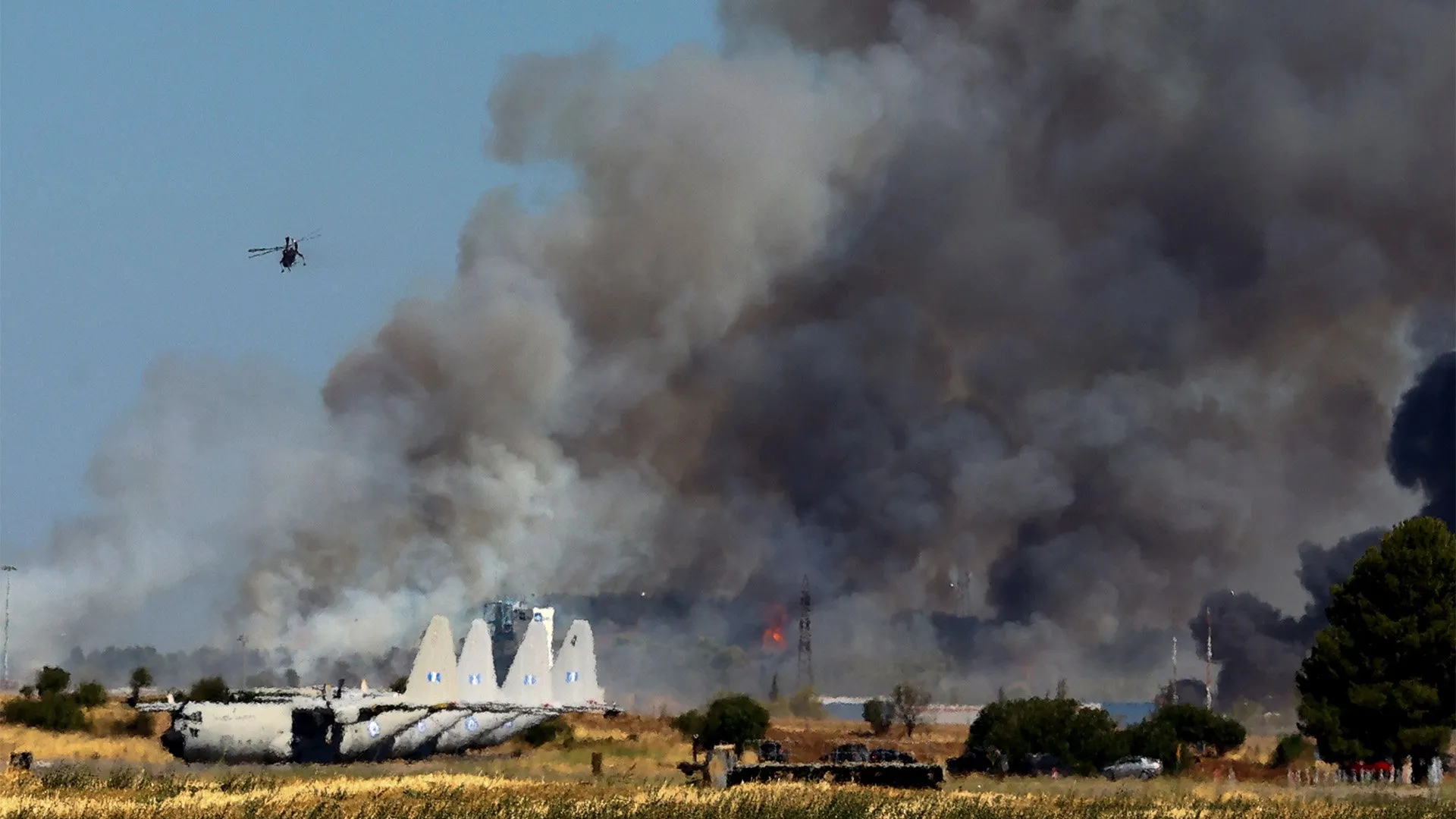
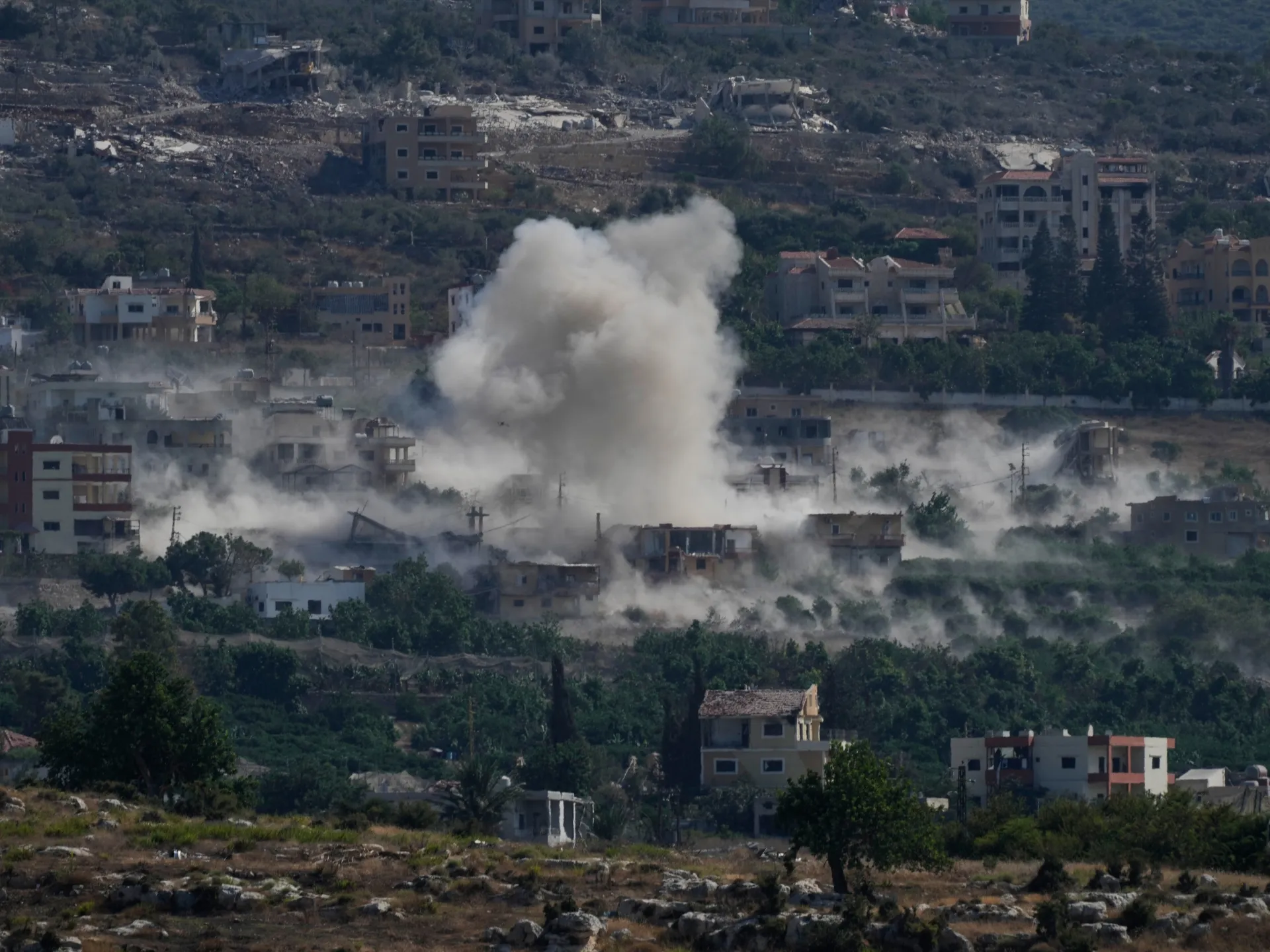
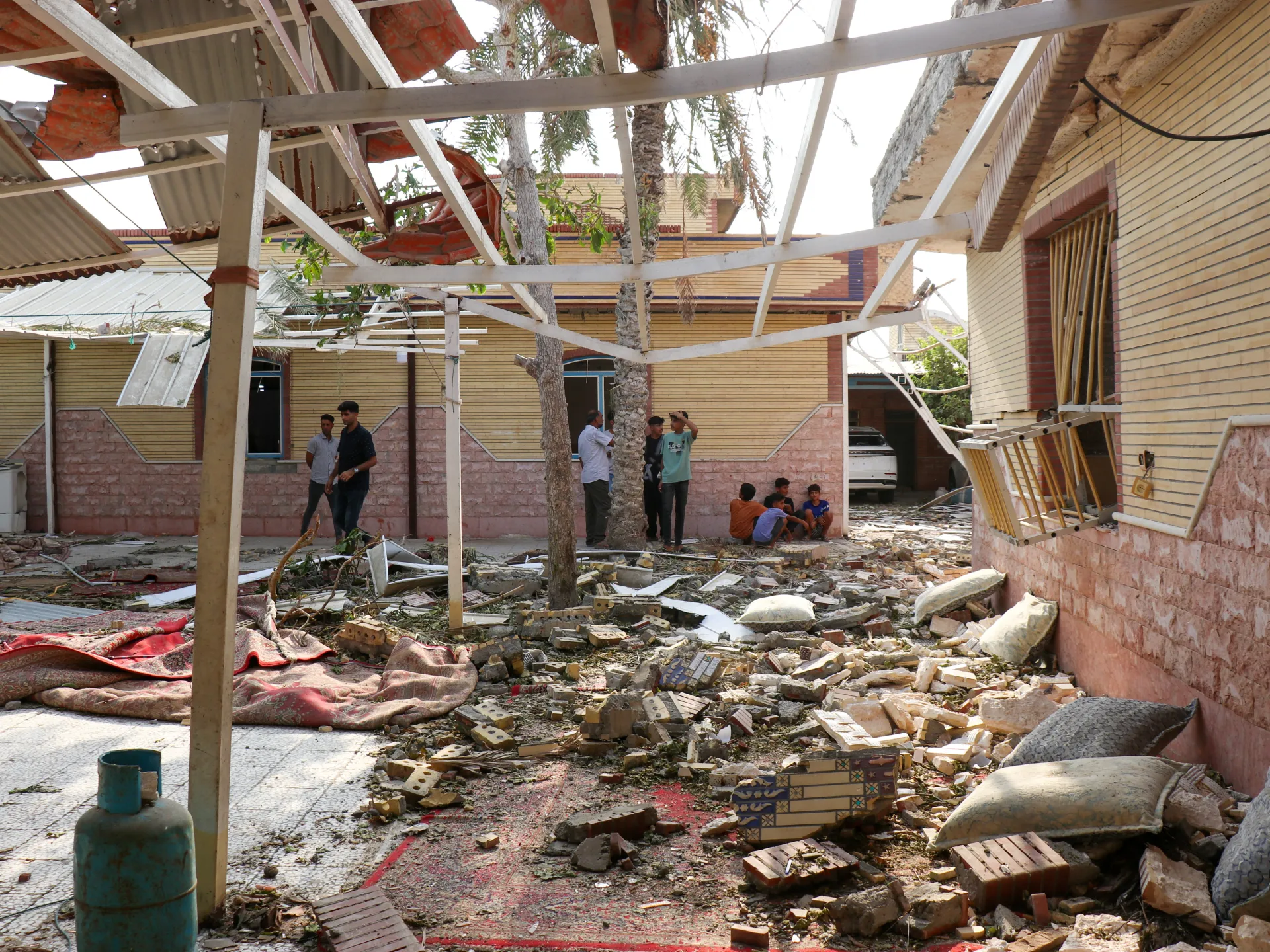
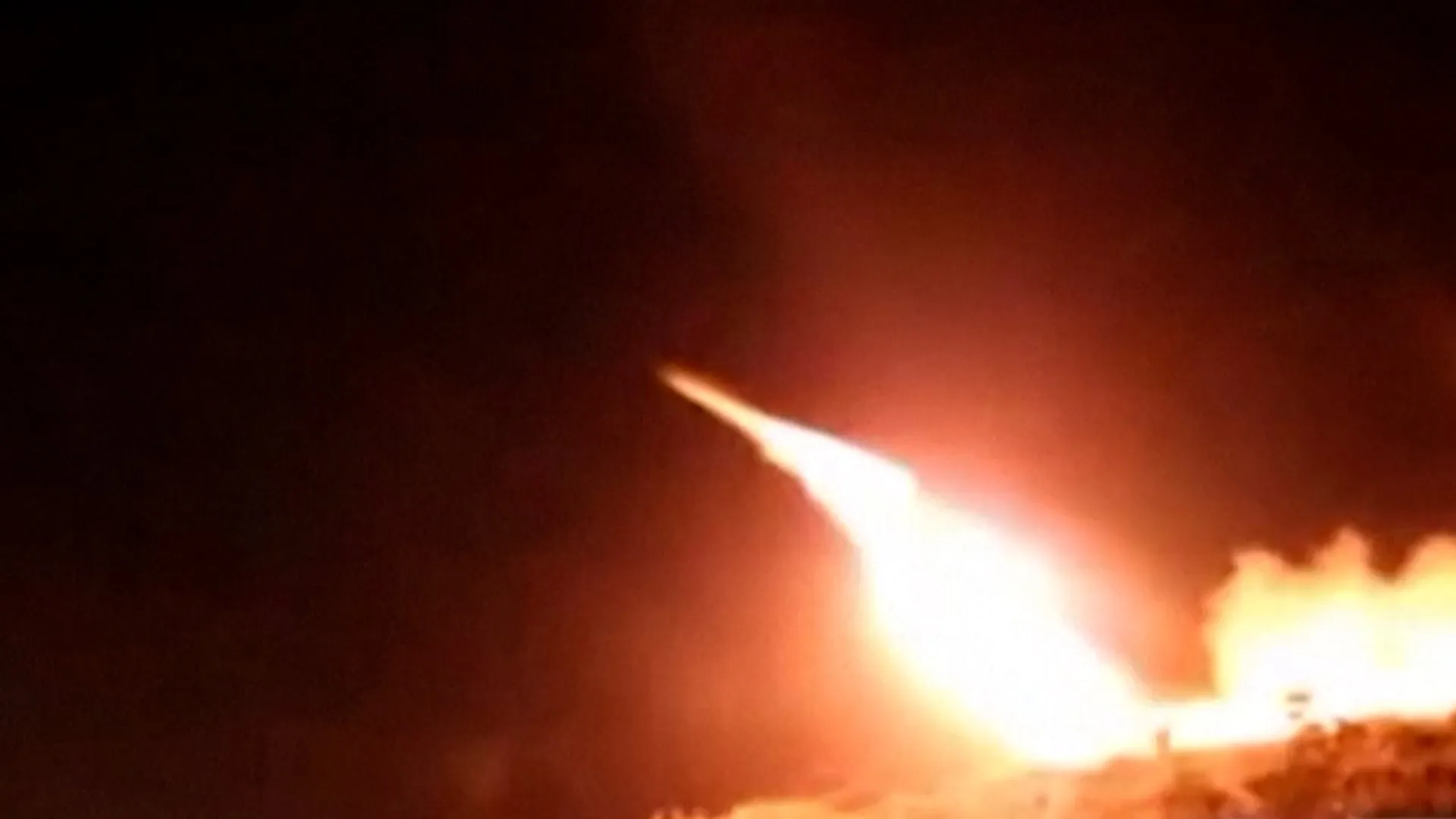
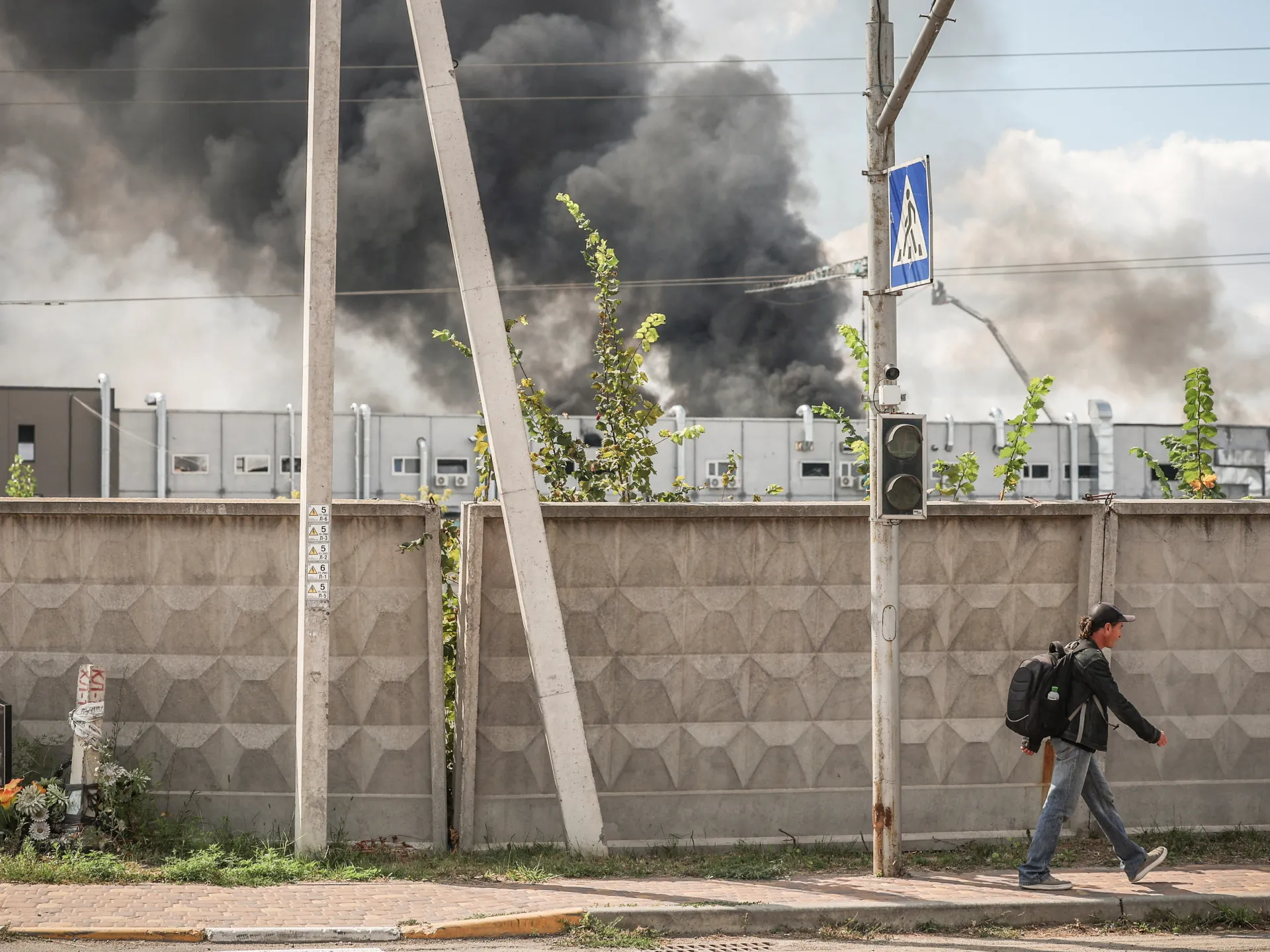
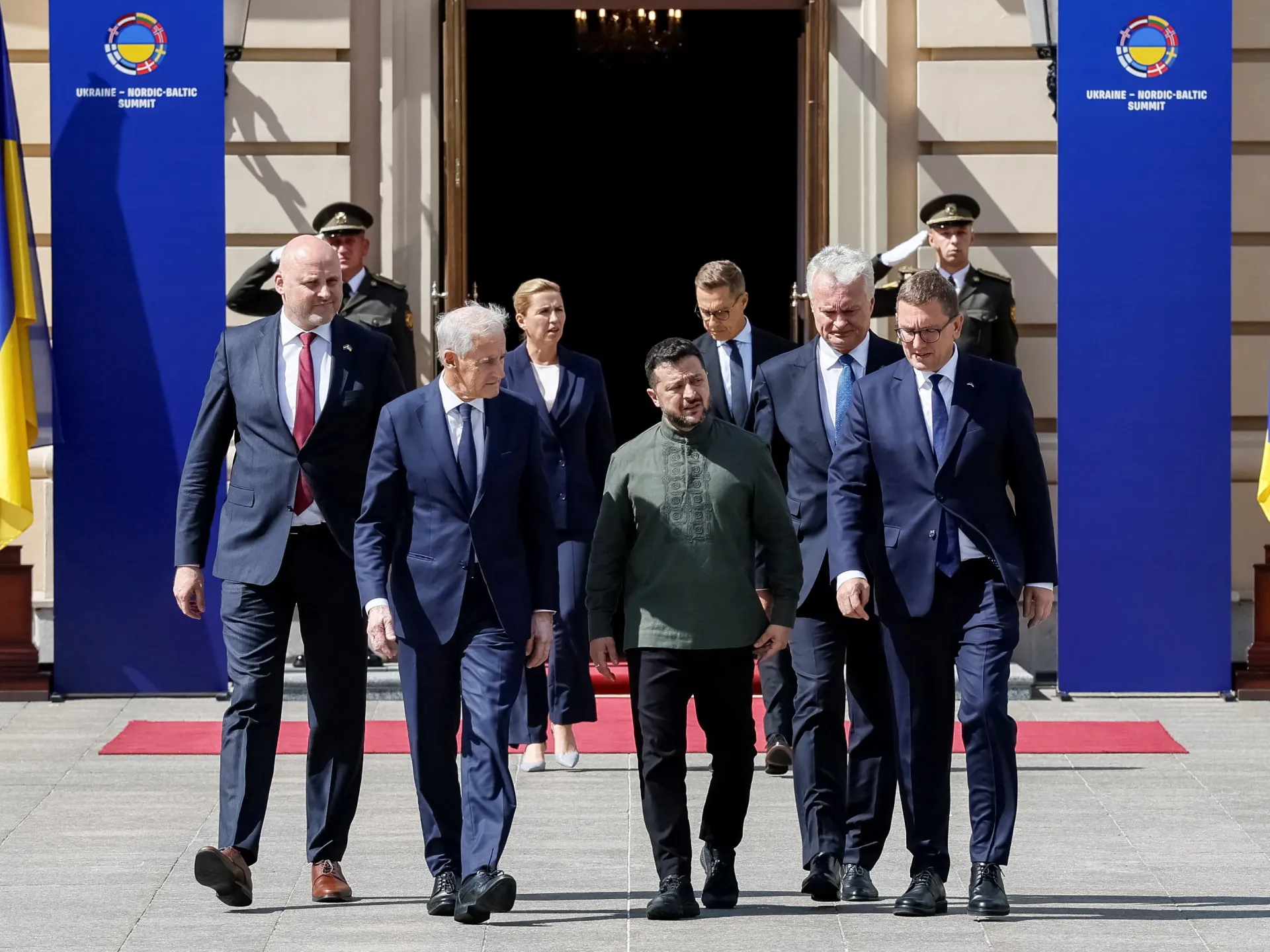
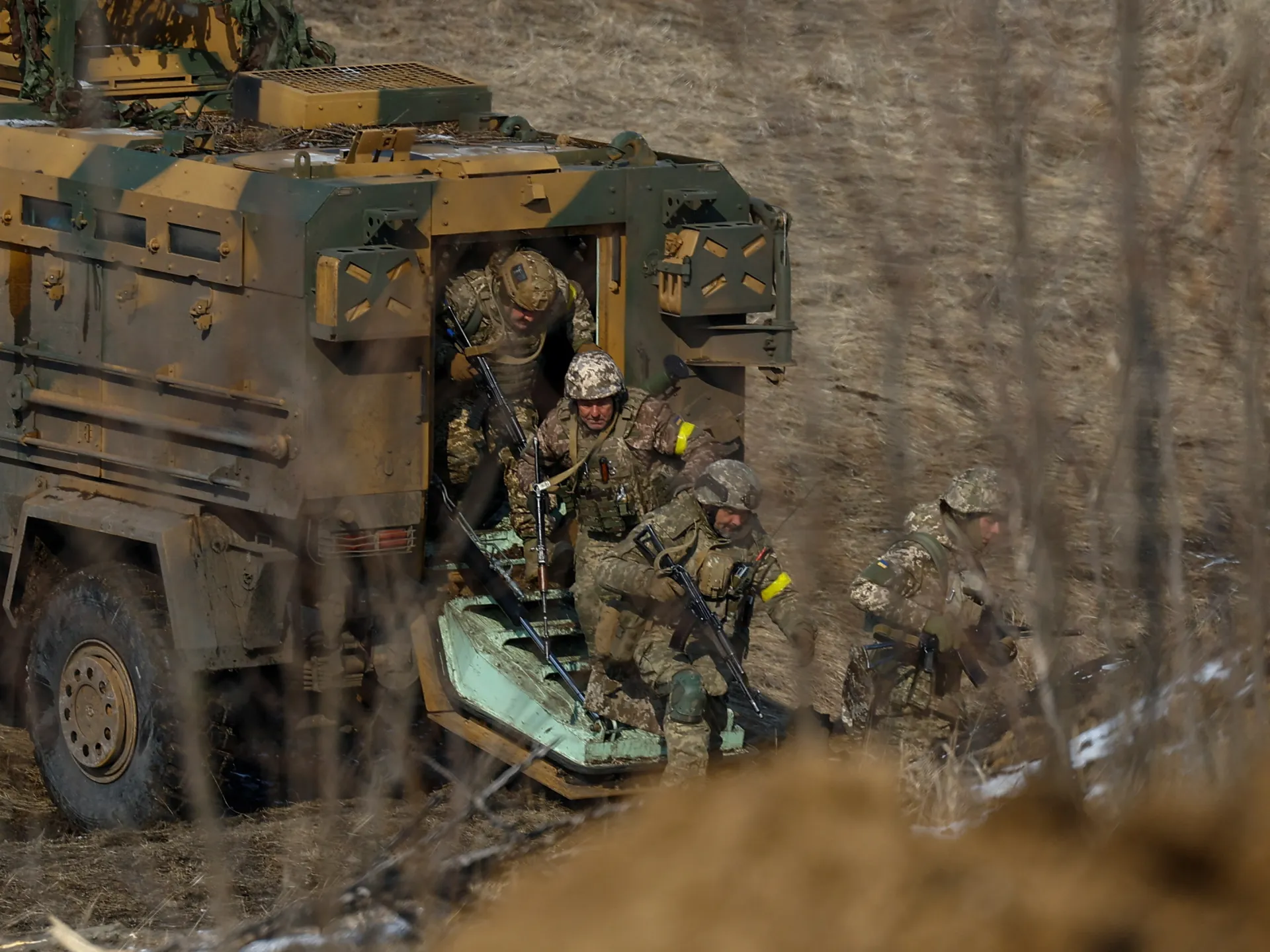
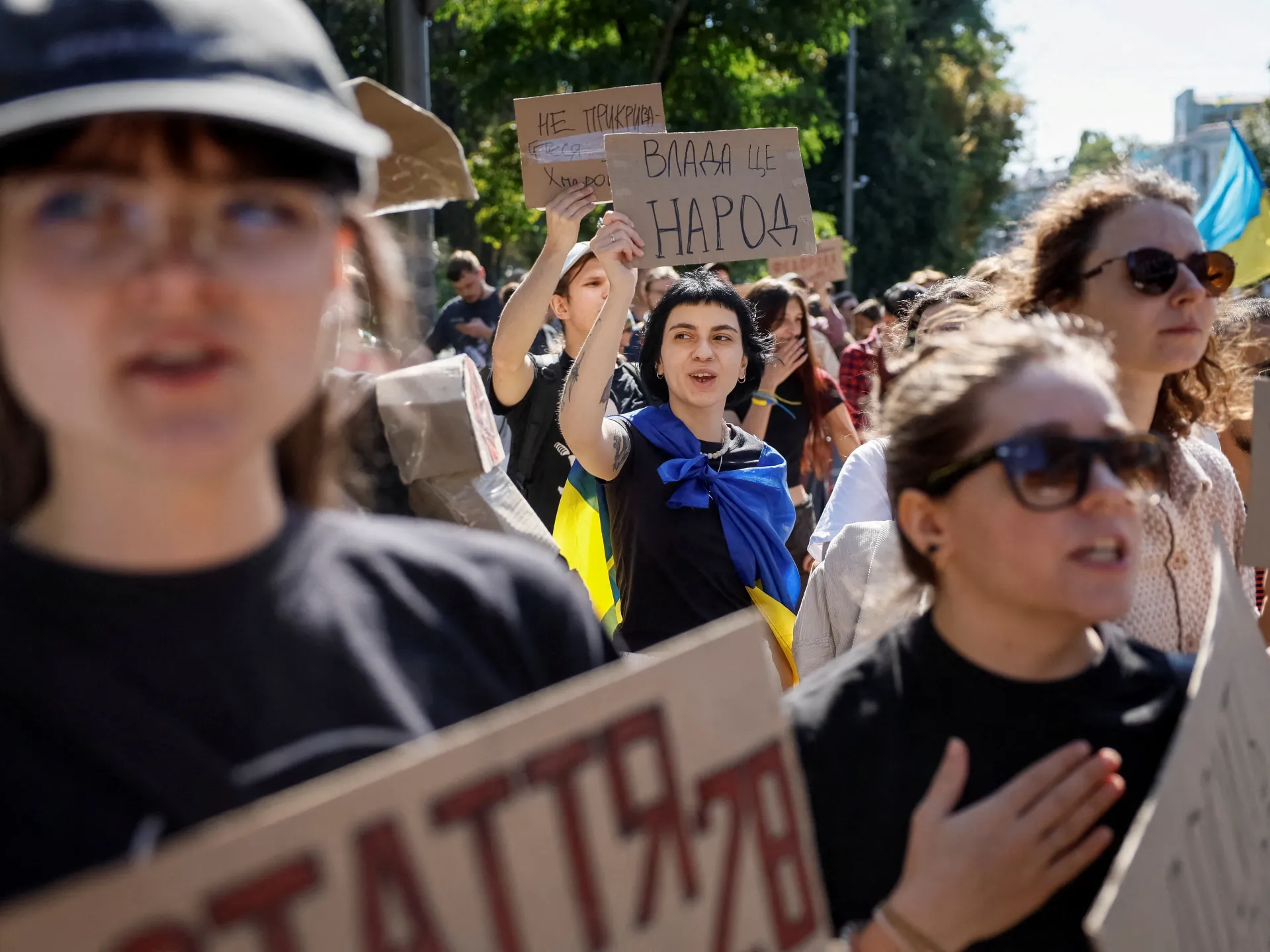
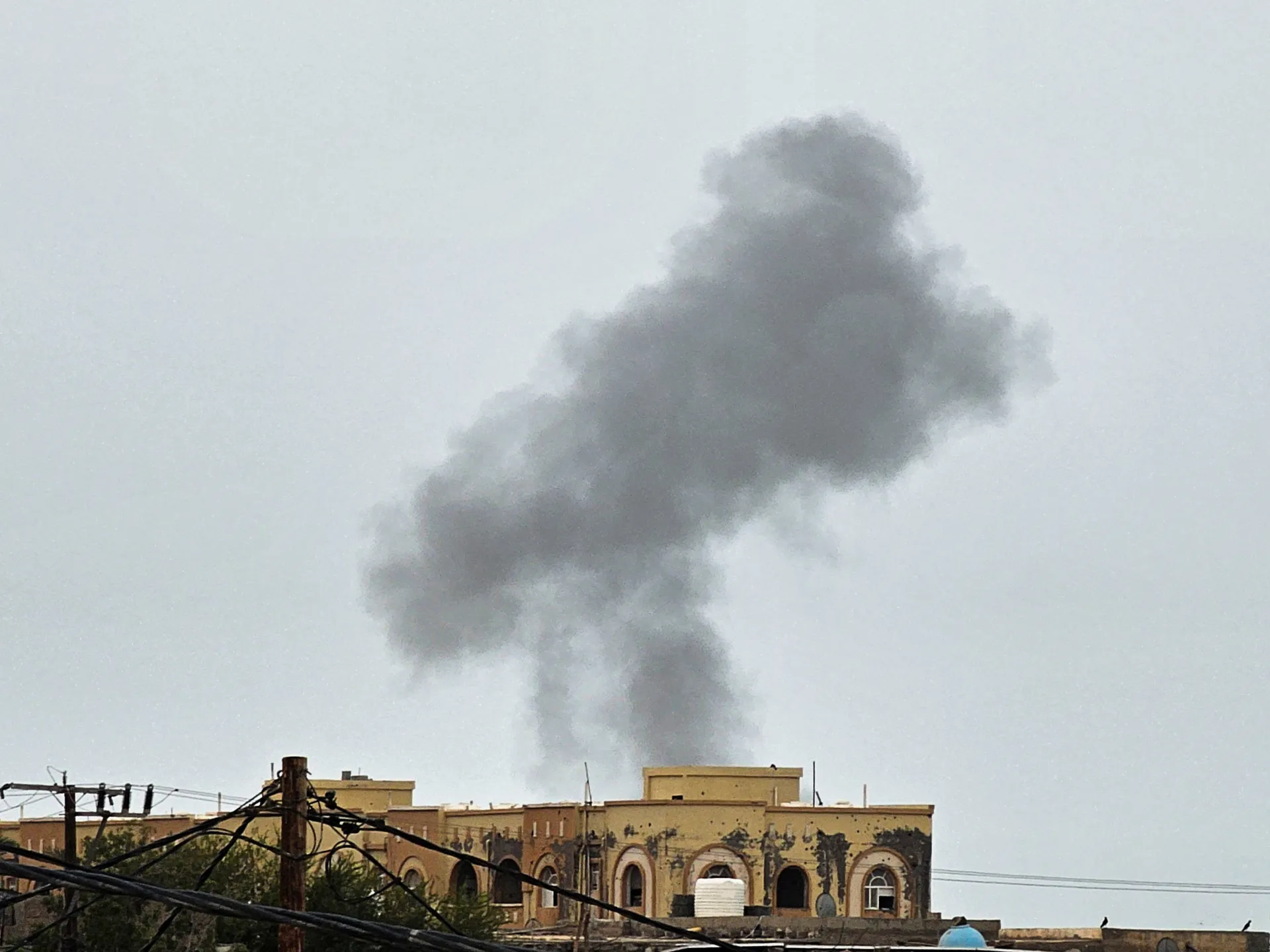
The brief window of diplomatic quietude, intended to facilitate visits ed in a violent resurgence of aerial combat. Russian forces initiated a series of strikes across the Ukrainian capital that, according to state emergency services, claimed at least five lives and resulted in scores of injuries. The damage extended to critical infrastructure, including residential districts such as Solomianskyi and Podilskyi, forcing residents into emergency shelters in metro stations.
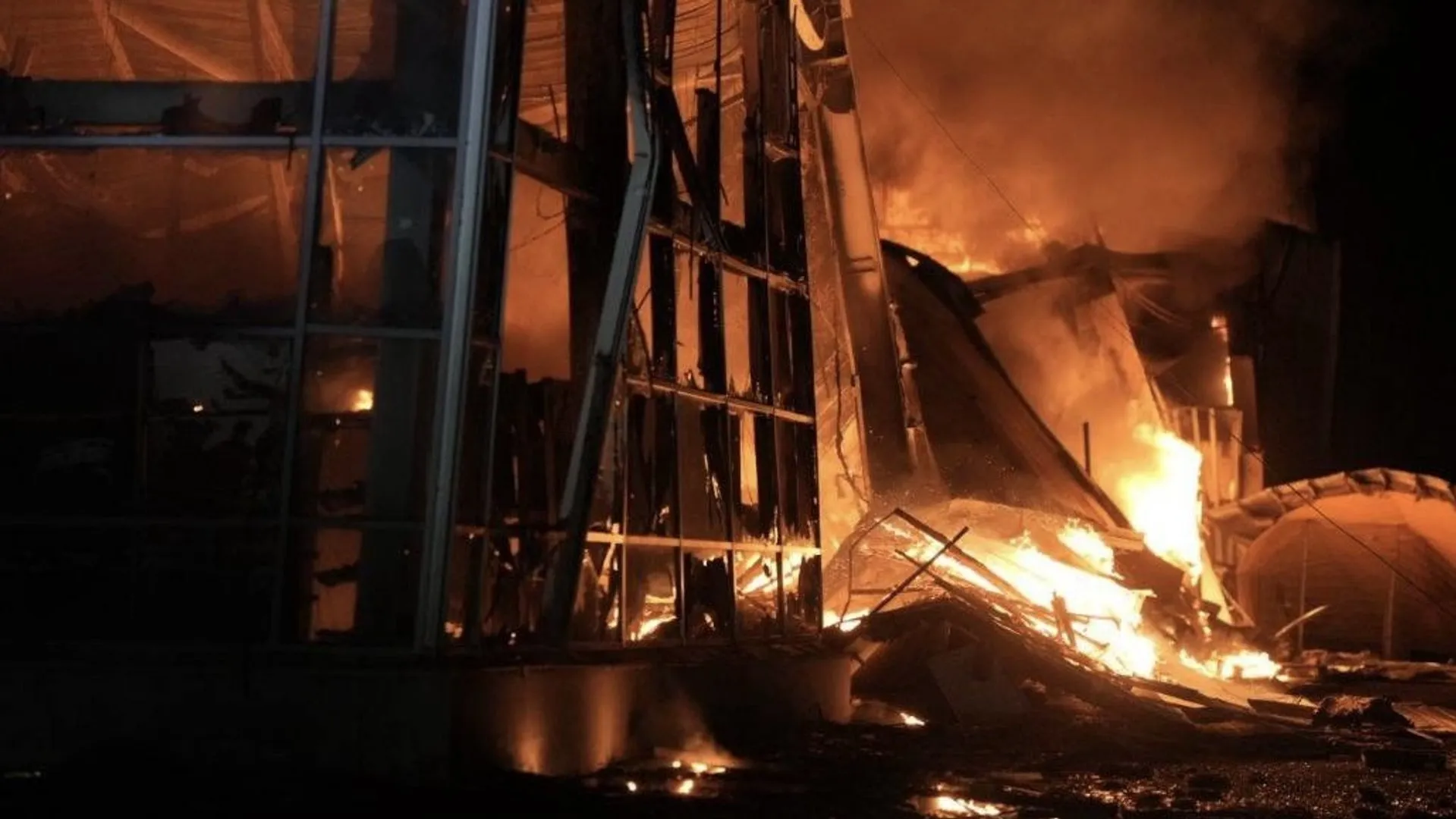
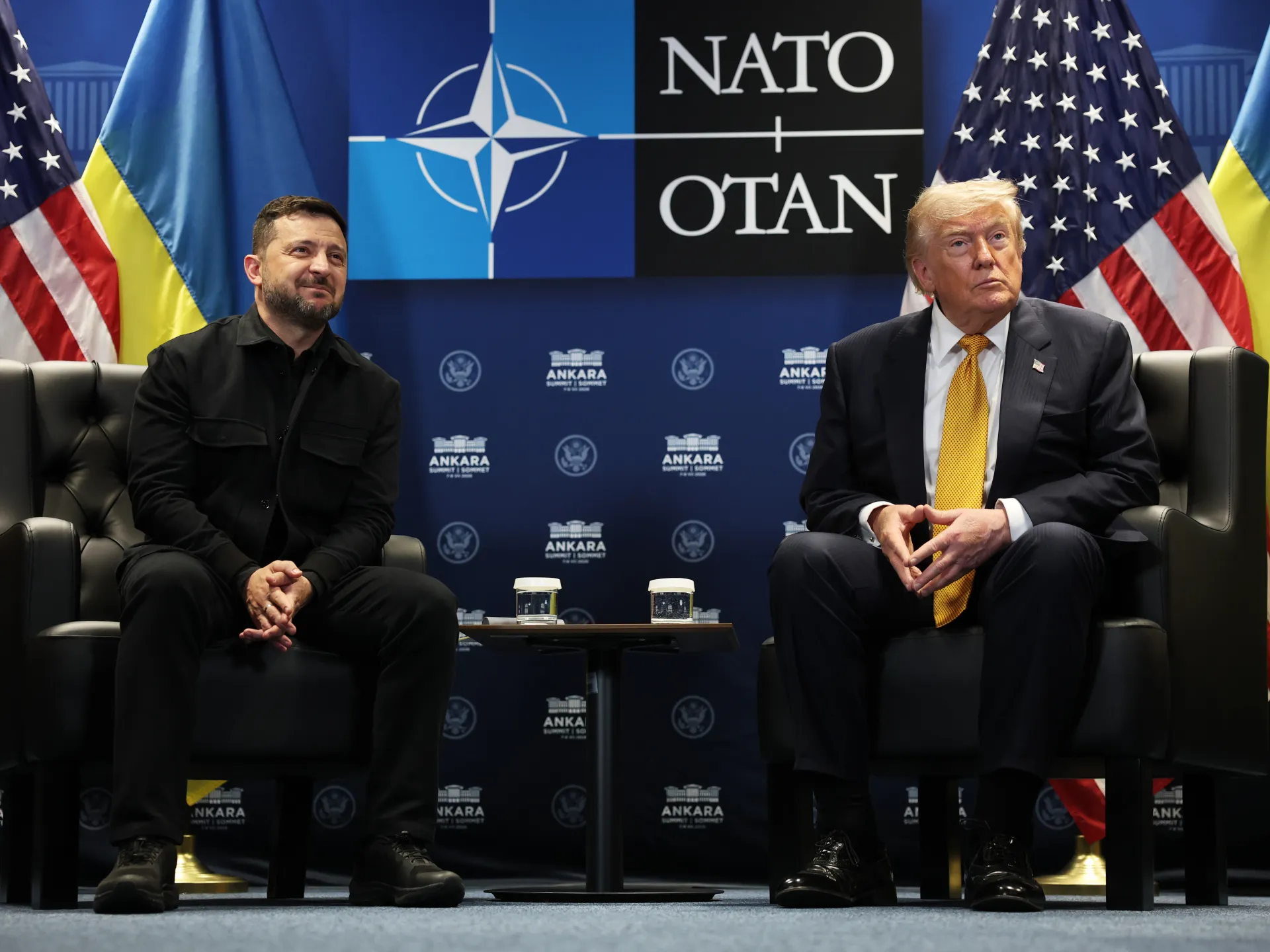
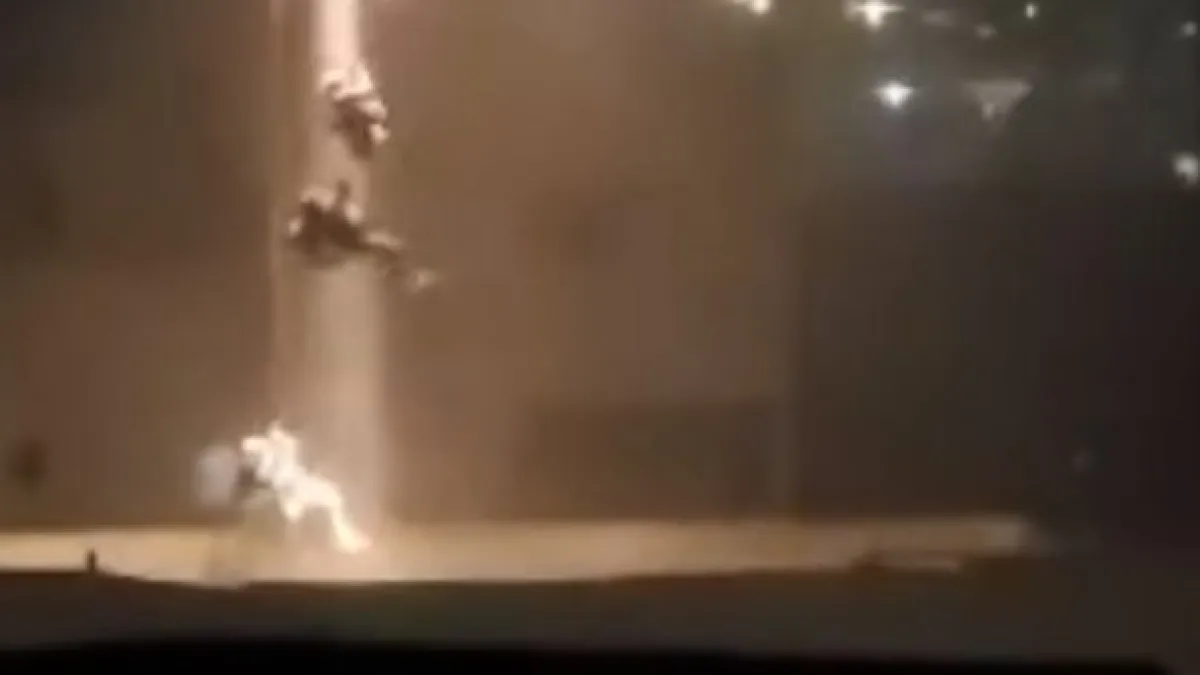
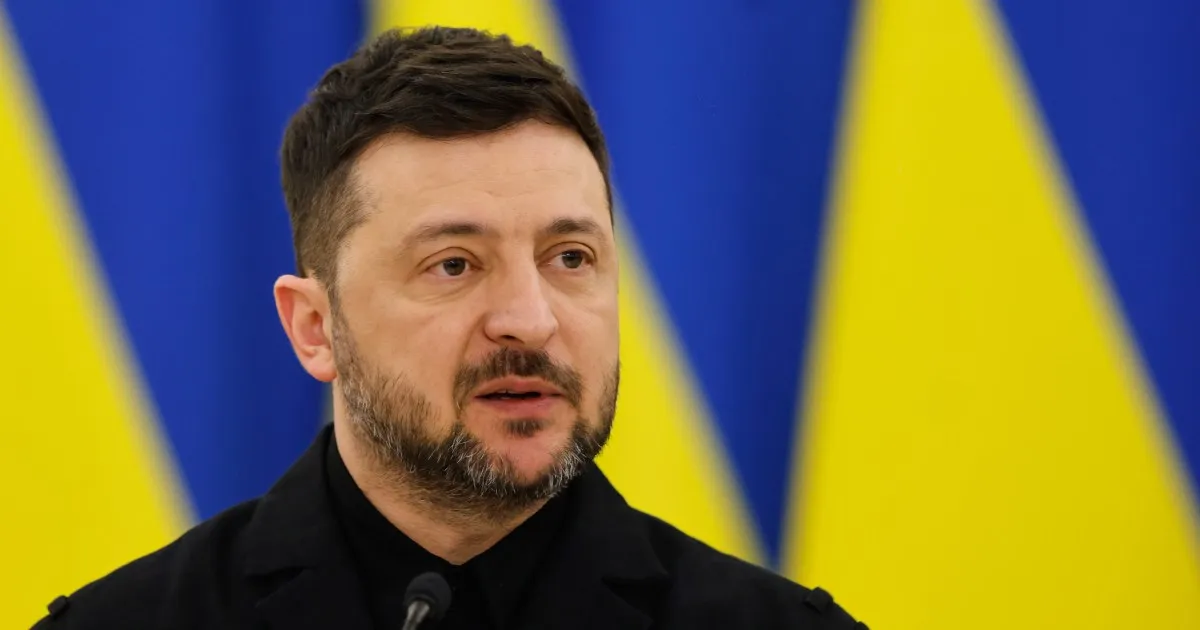
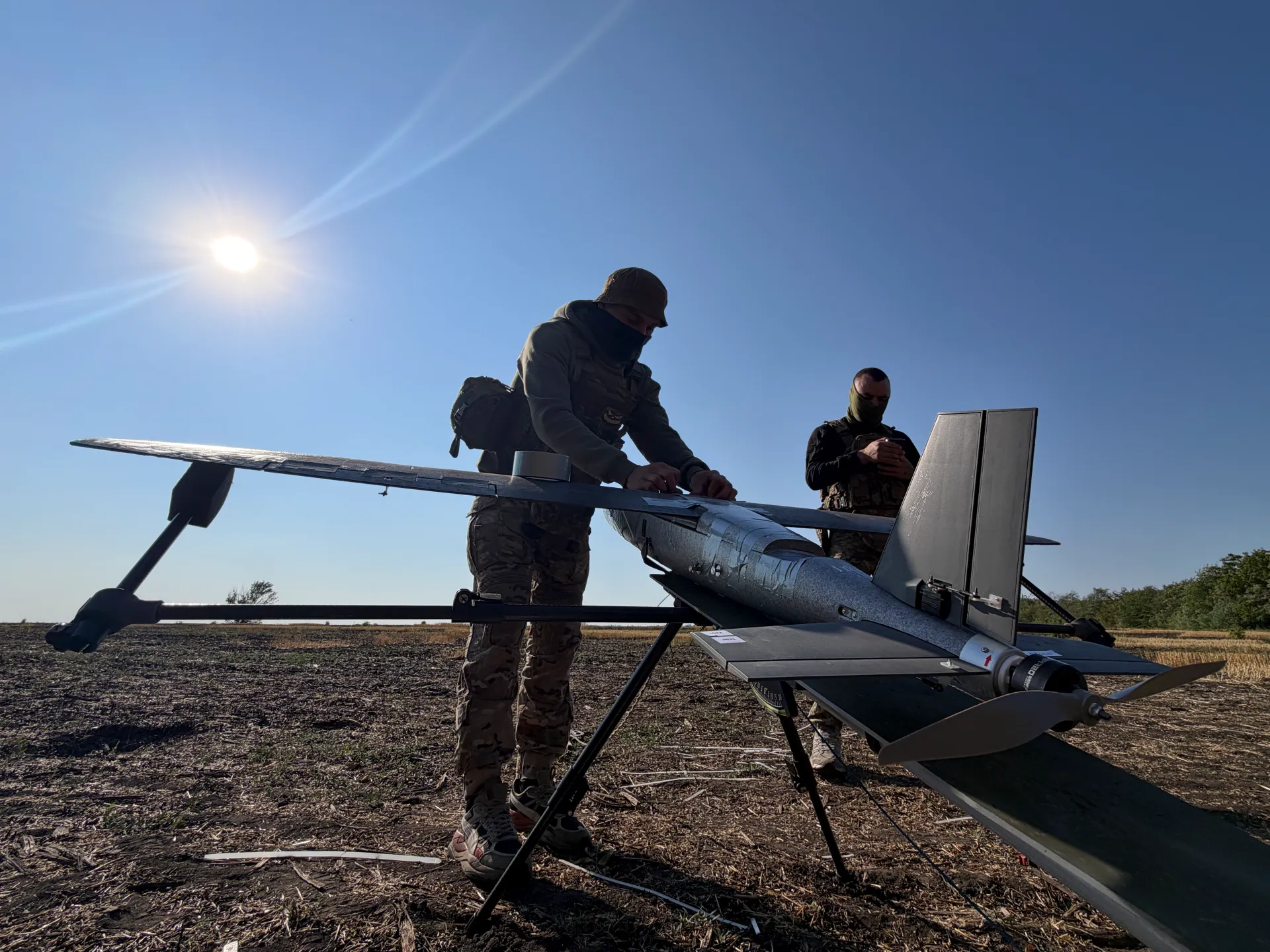
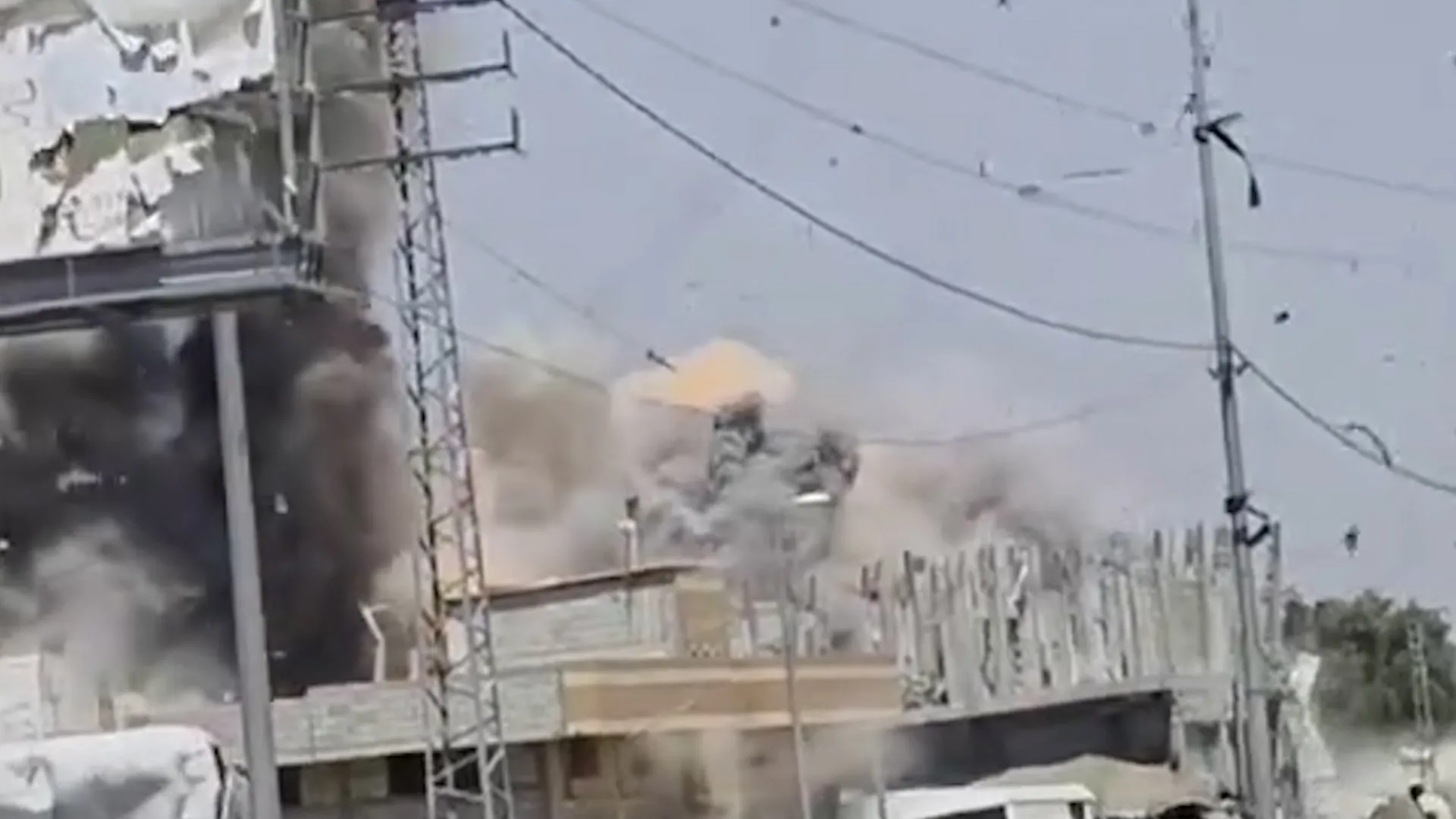
A significant development in this wave of strikes was the direct hit on the headquarters of the We Are Ukraine television channel. The network captured footage of the impact during a live broadcast, which they cited as definitive evidence of a targeted assault on journalists. President Volodymyr Zelensky condemned the attack as a new manifestation of Russian aggression, while calling for more robust international support. While Russia has accused Ukraine of conducting its own drone strikes within its borders—specifically citing incidents in Saratov—the intensity of the aerial bombardment in Kyiv remains at a level that security analysts describe as the most sustained frequency of air raid alerts since the initial invasion in 2022.
The immediate trajectory for both conflicts appears to be one of hardening positions. In Ethiopia, the government faces the pressure of managing a decentralized but unified armed opposition, which may force a shift from political posturing to active counter-insurgency operations. If the alliance manages to gain significant territory, the pressure on international stakeholders to broker a new, more inclusive peace deal will intensify, though the current lack of dialogue between the government and these groups makes a short-term resolution unlikely.
In the Russia-Ukraine theater, the failure of the recent diplomatic pause likely signals that backchannel communications remain insufficient to bridge the fundamental gap between the warring parties. The targeting of media and urban centers suggests a transition into a more attritional phase of the war. Unless external powers can provide a new, enforceable framework for de-escalation, both regions are likely to experience sustained violence as domestic and regional actors prioritize military gains over negotiated settlements.