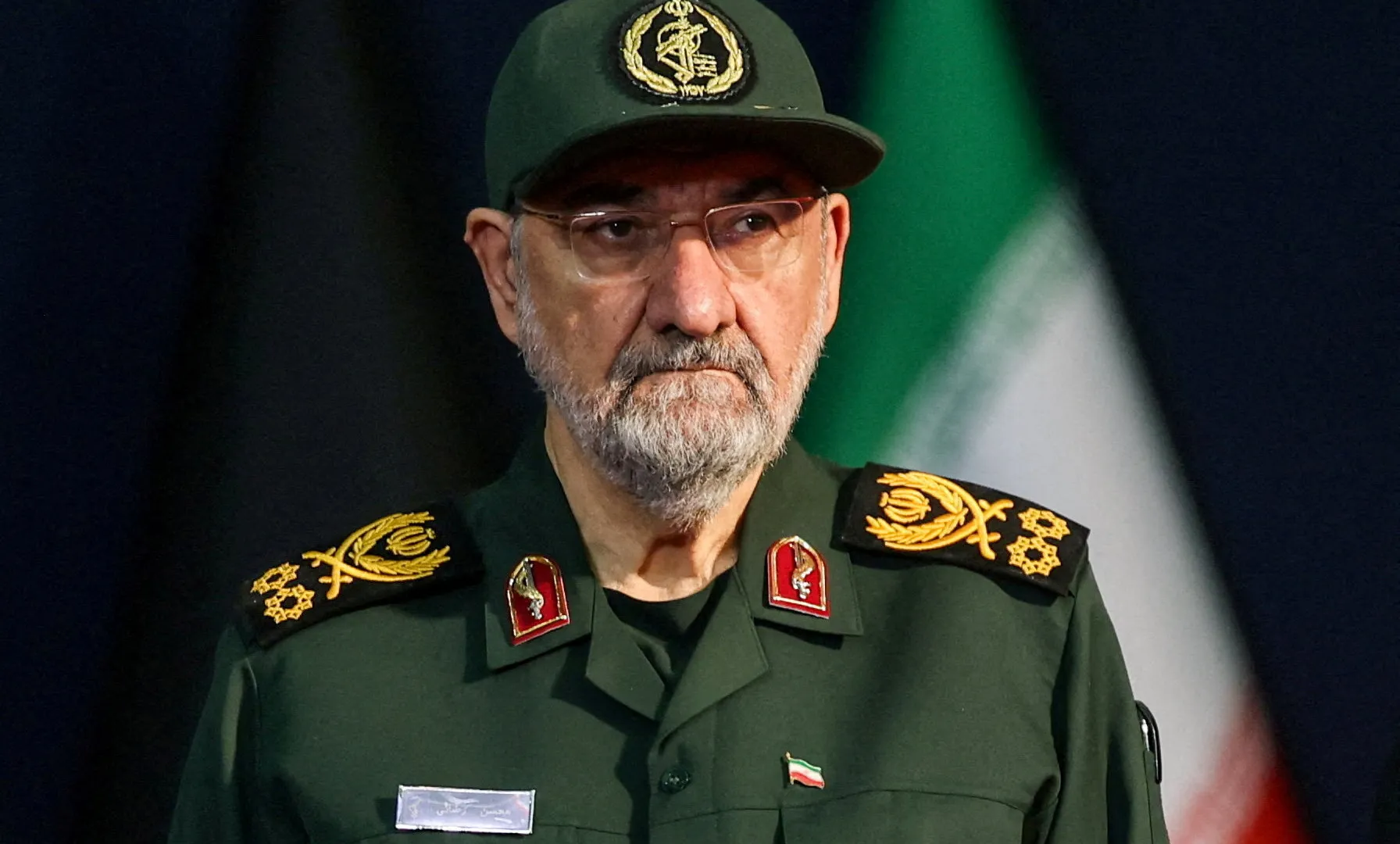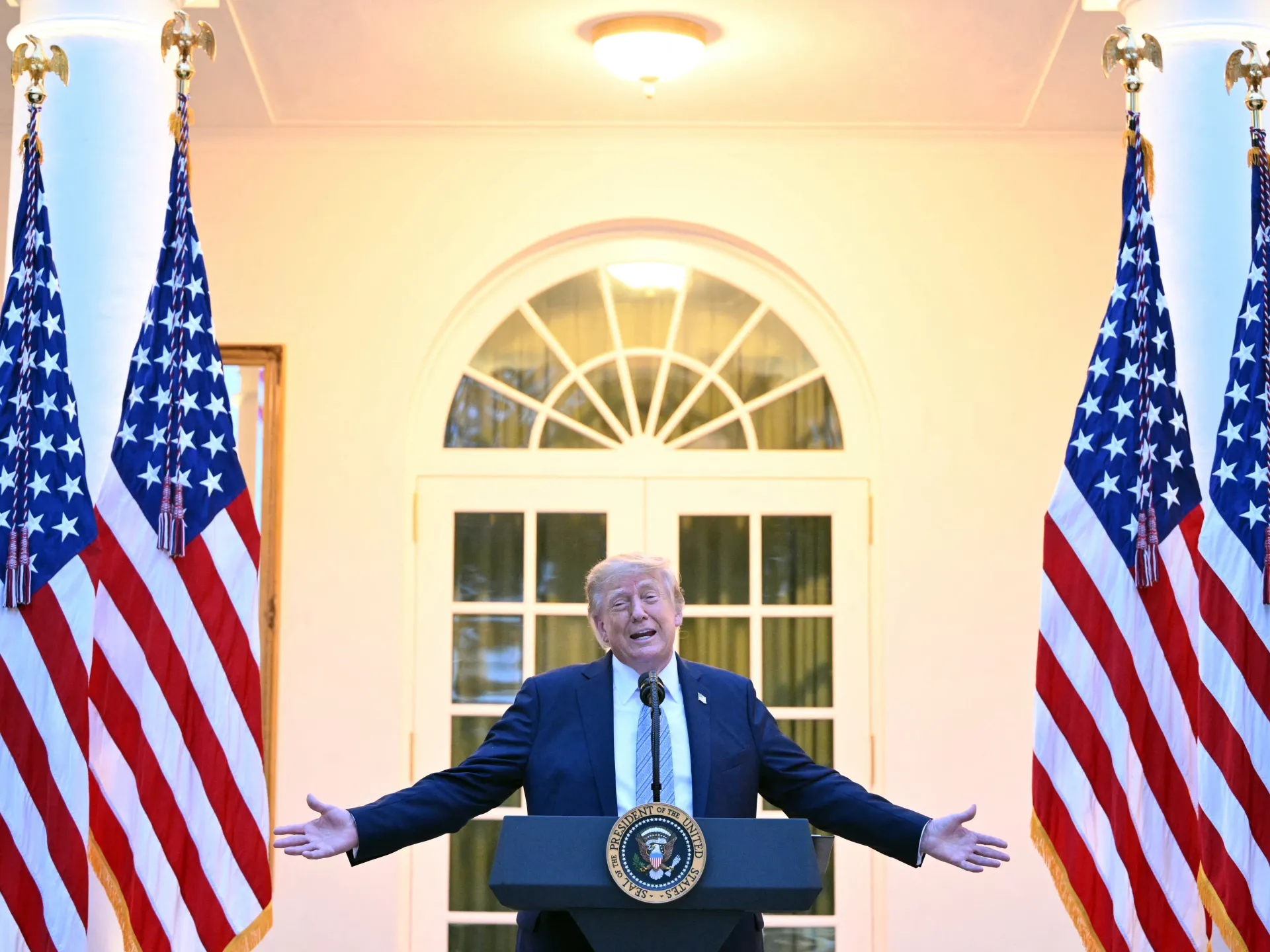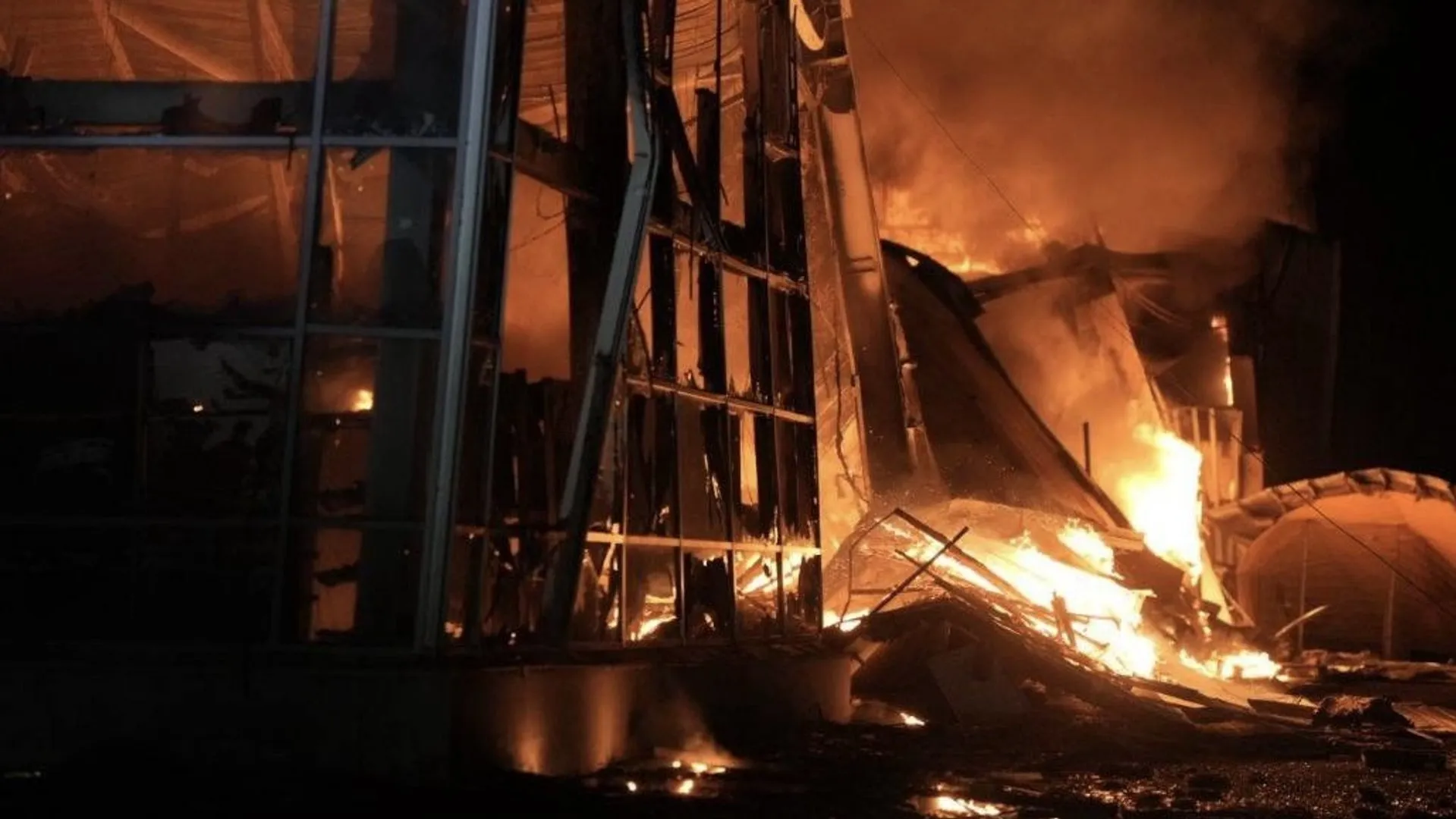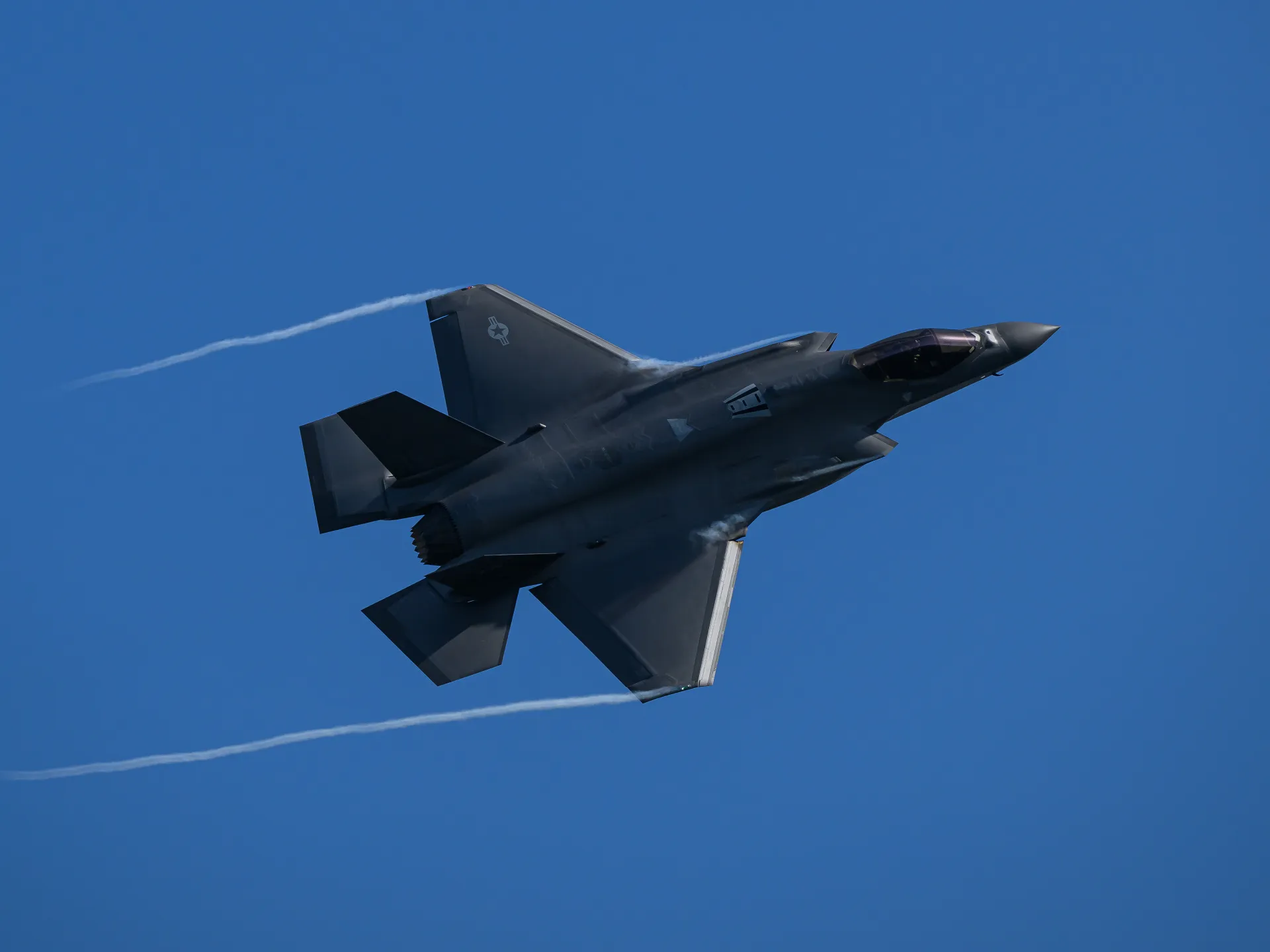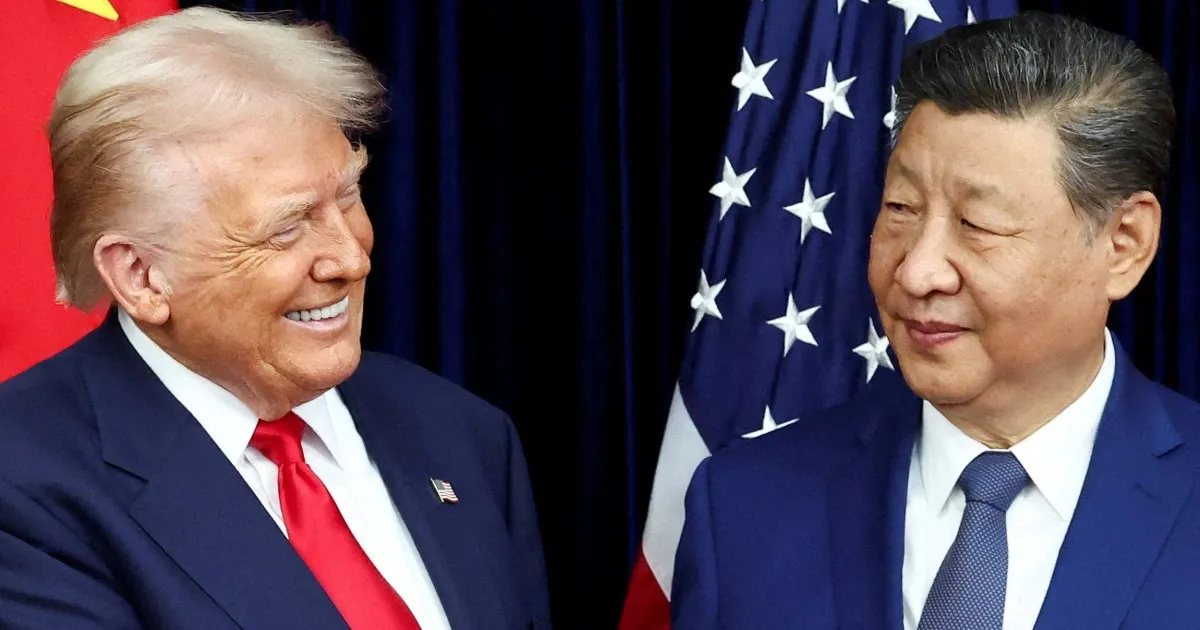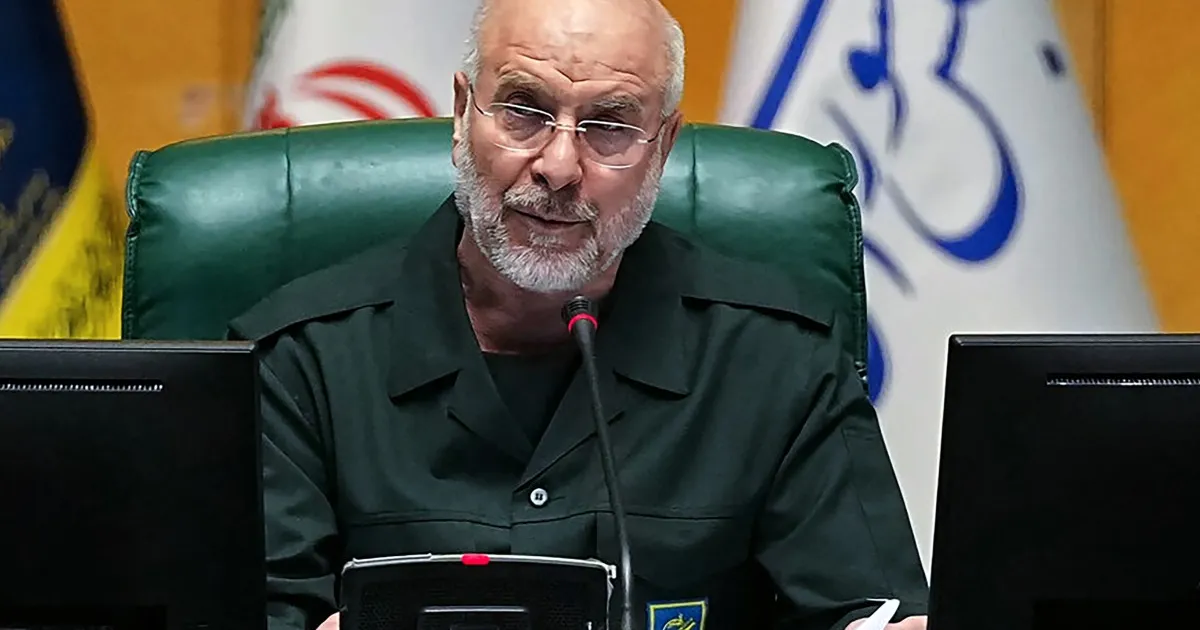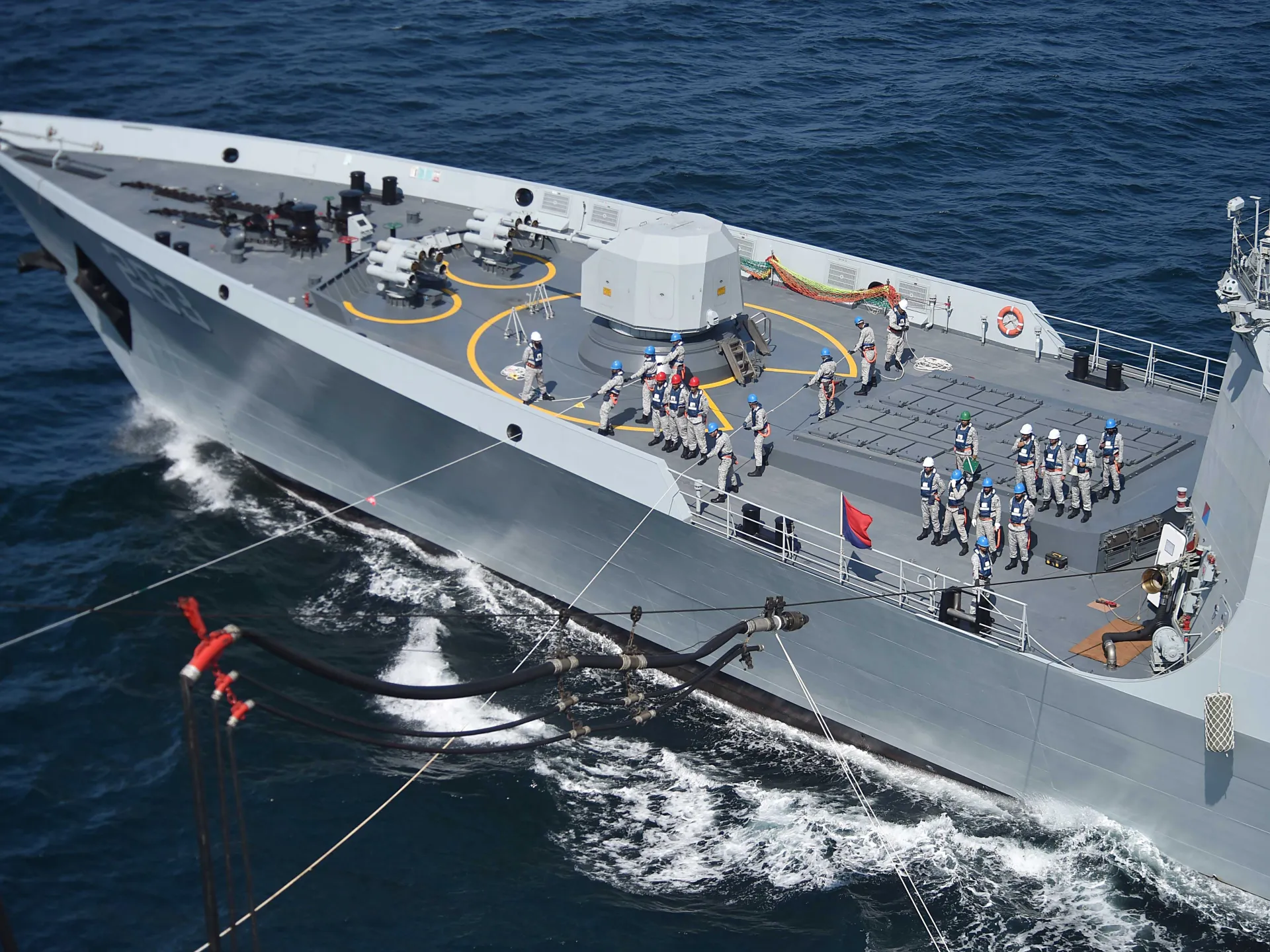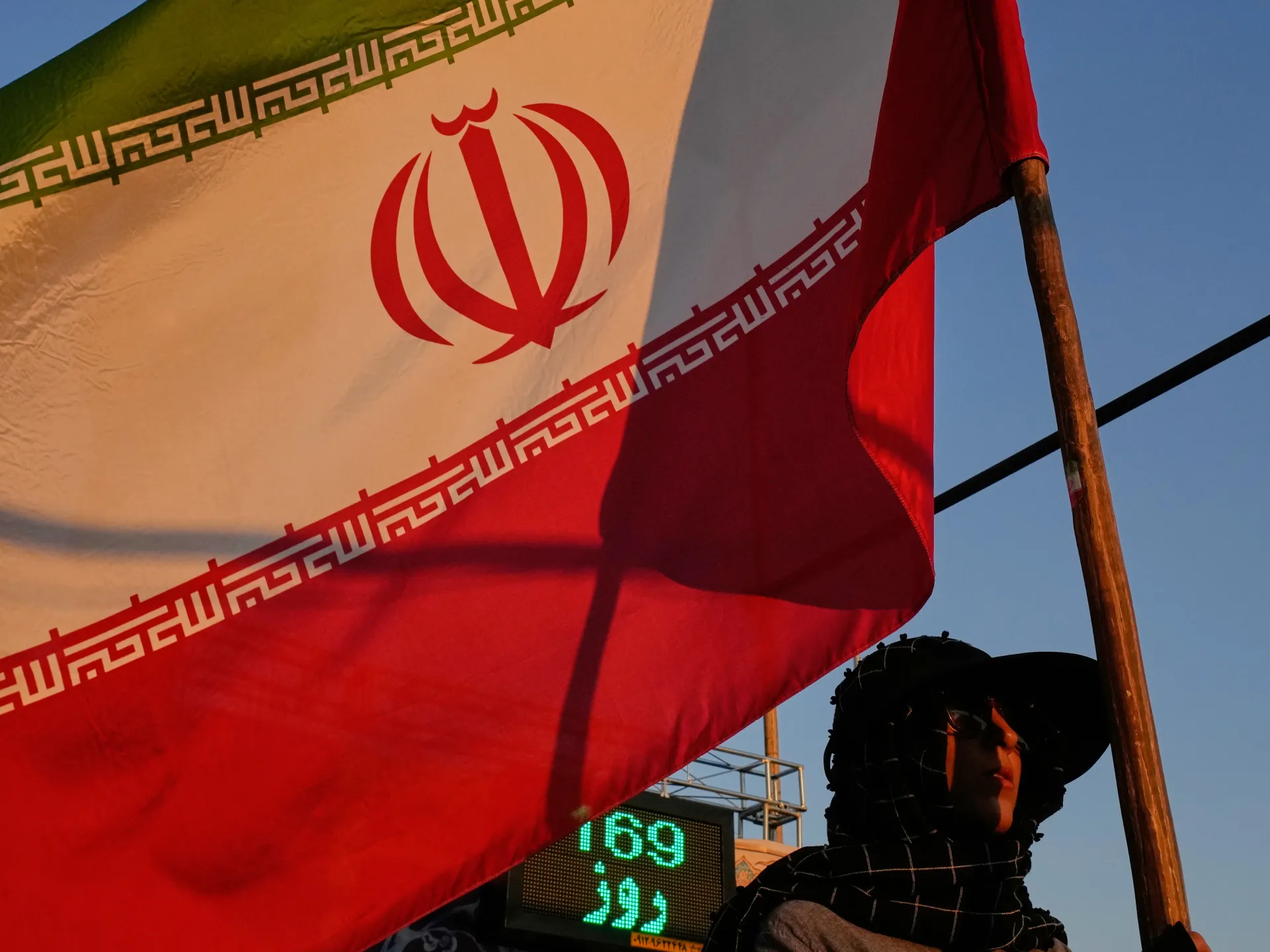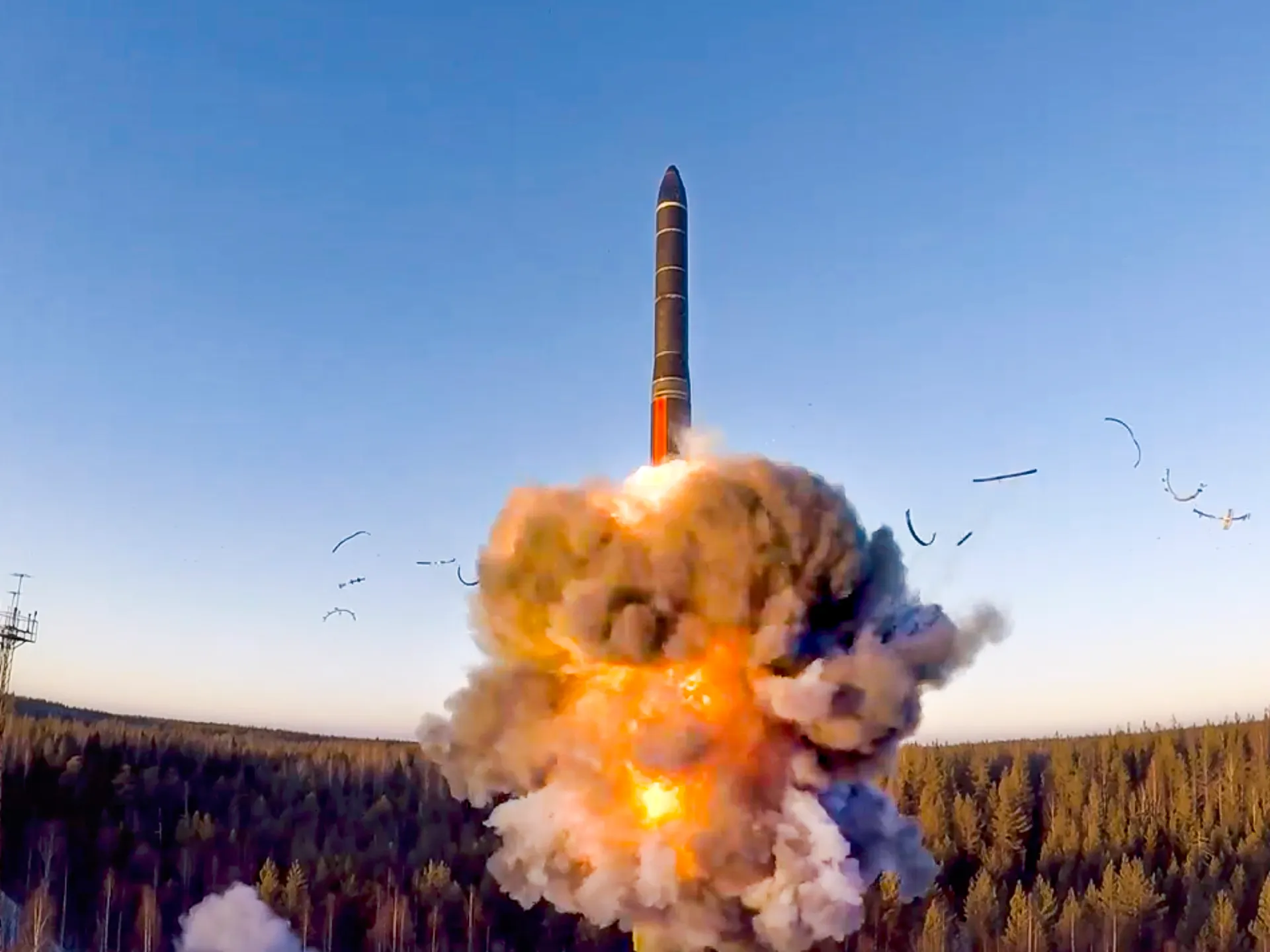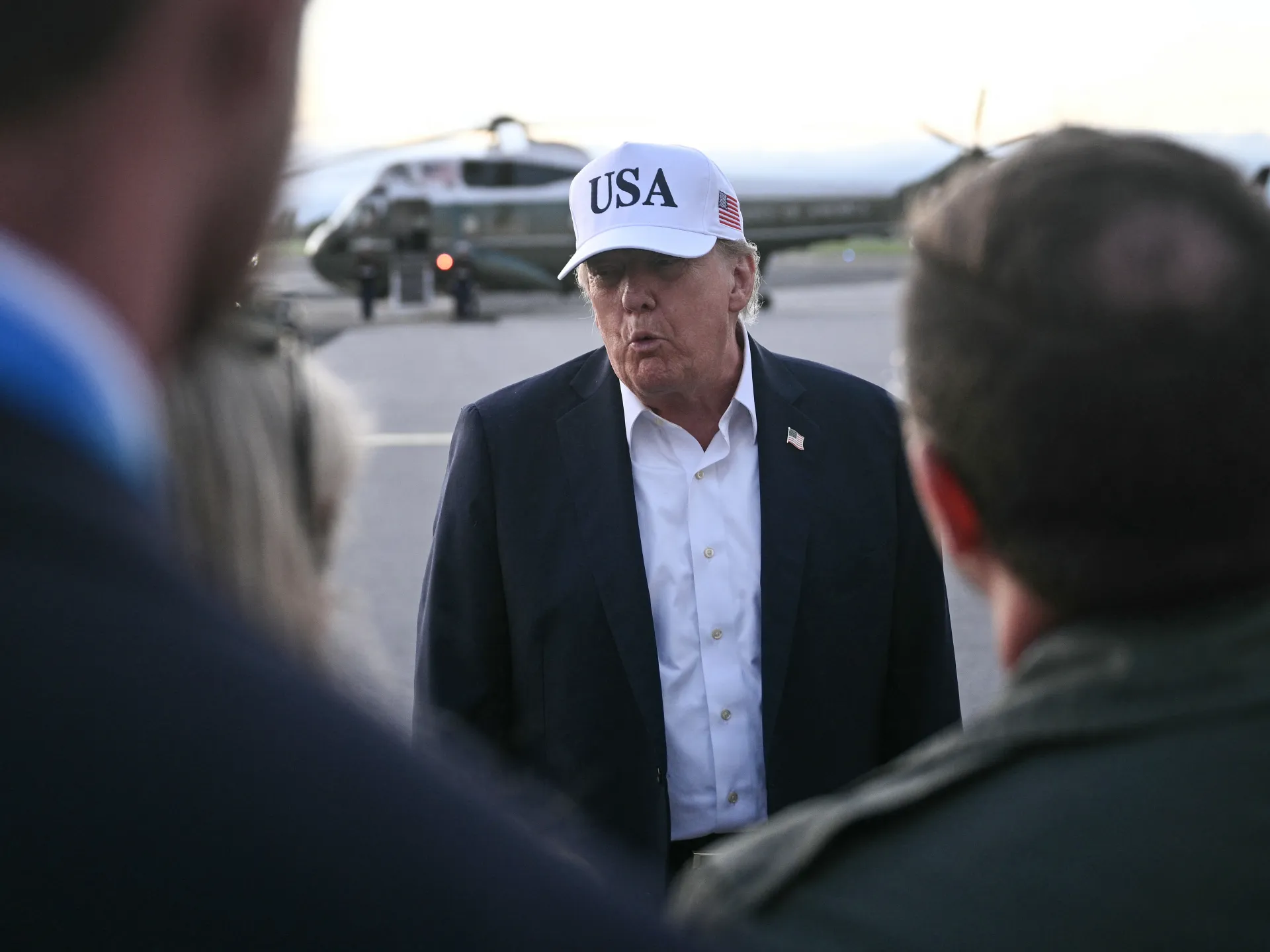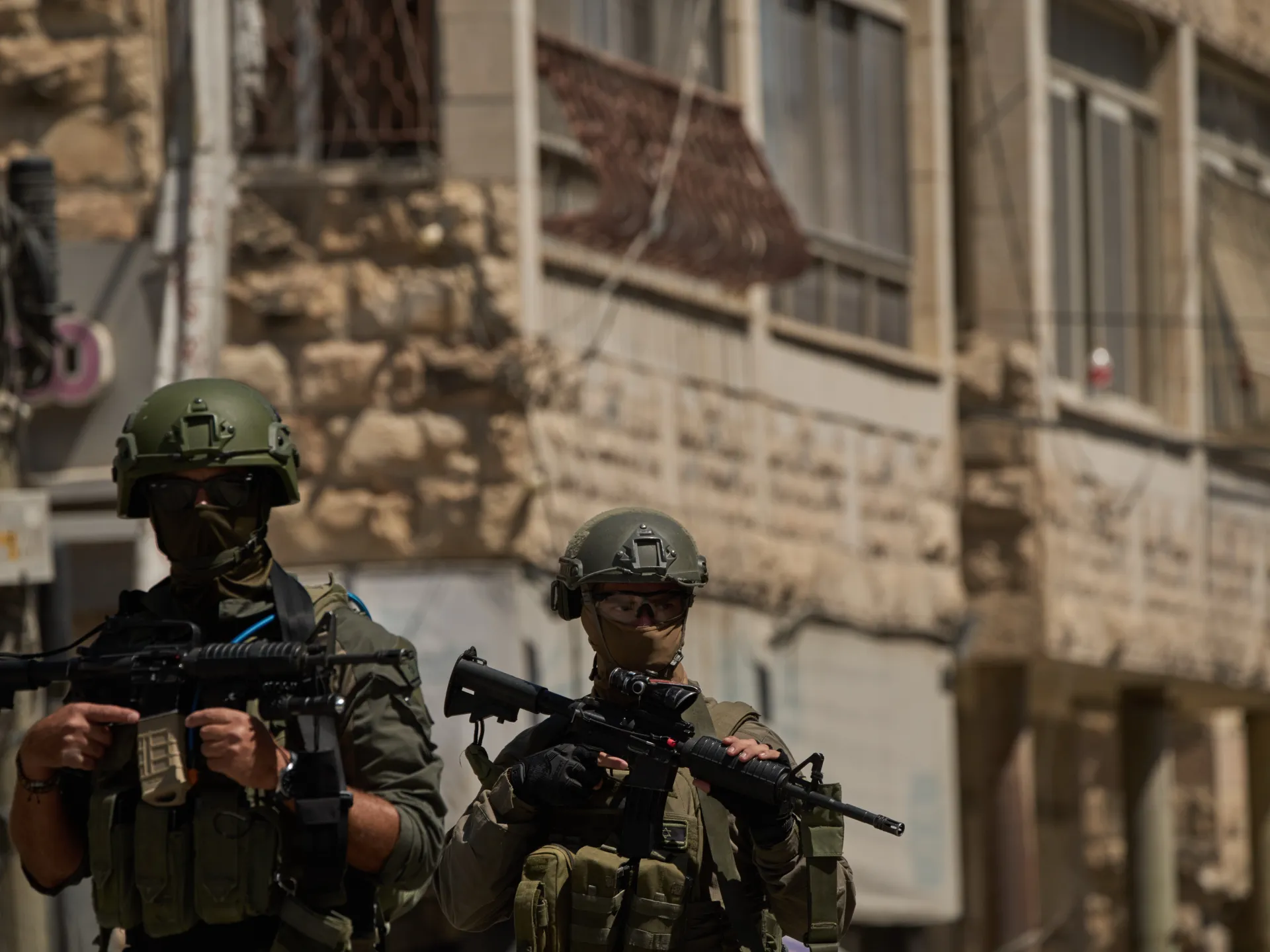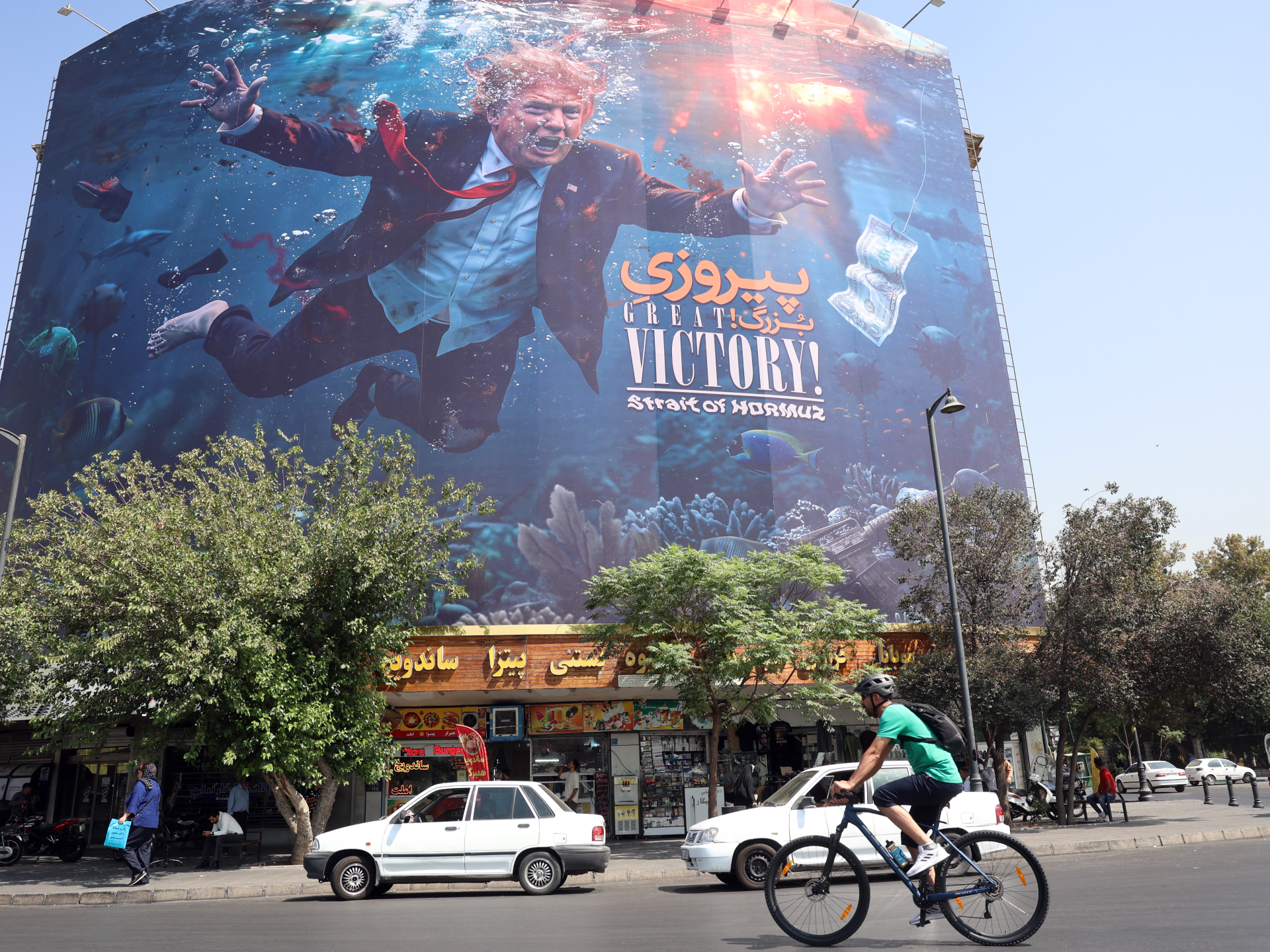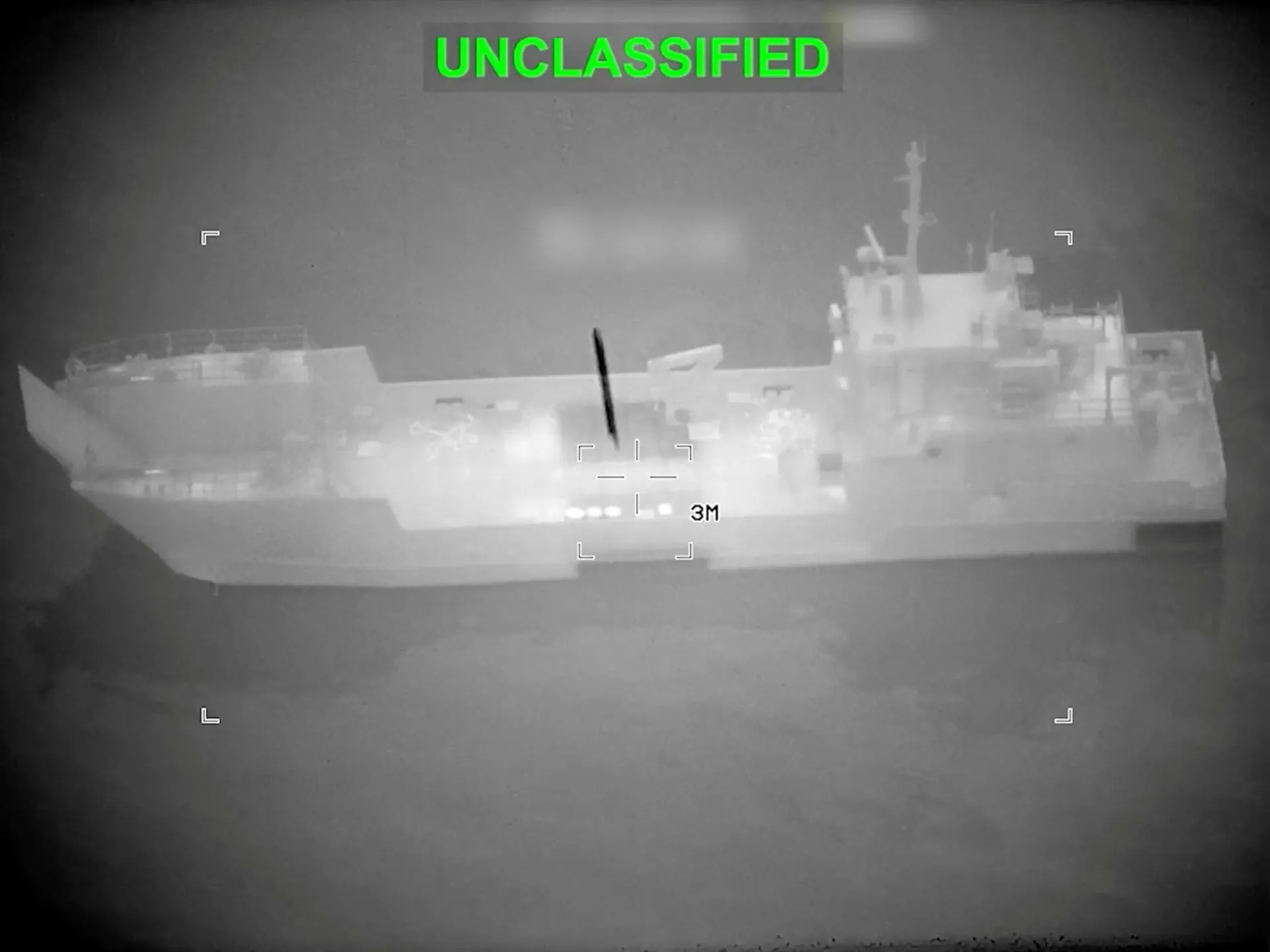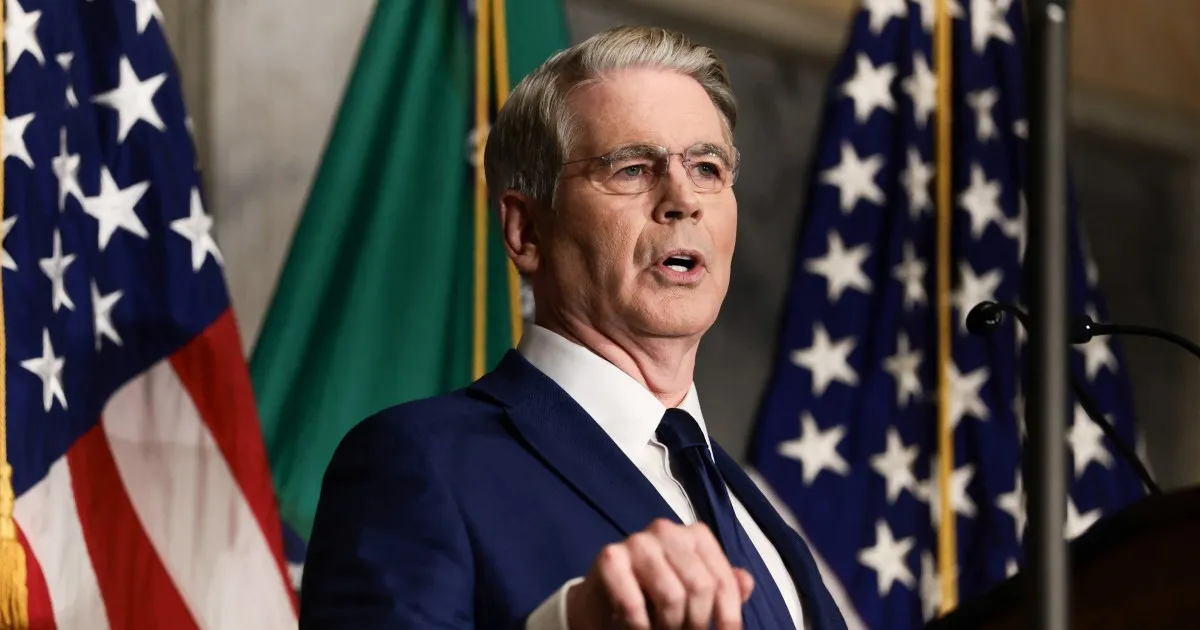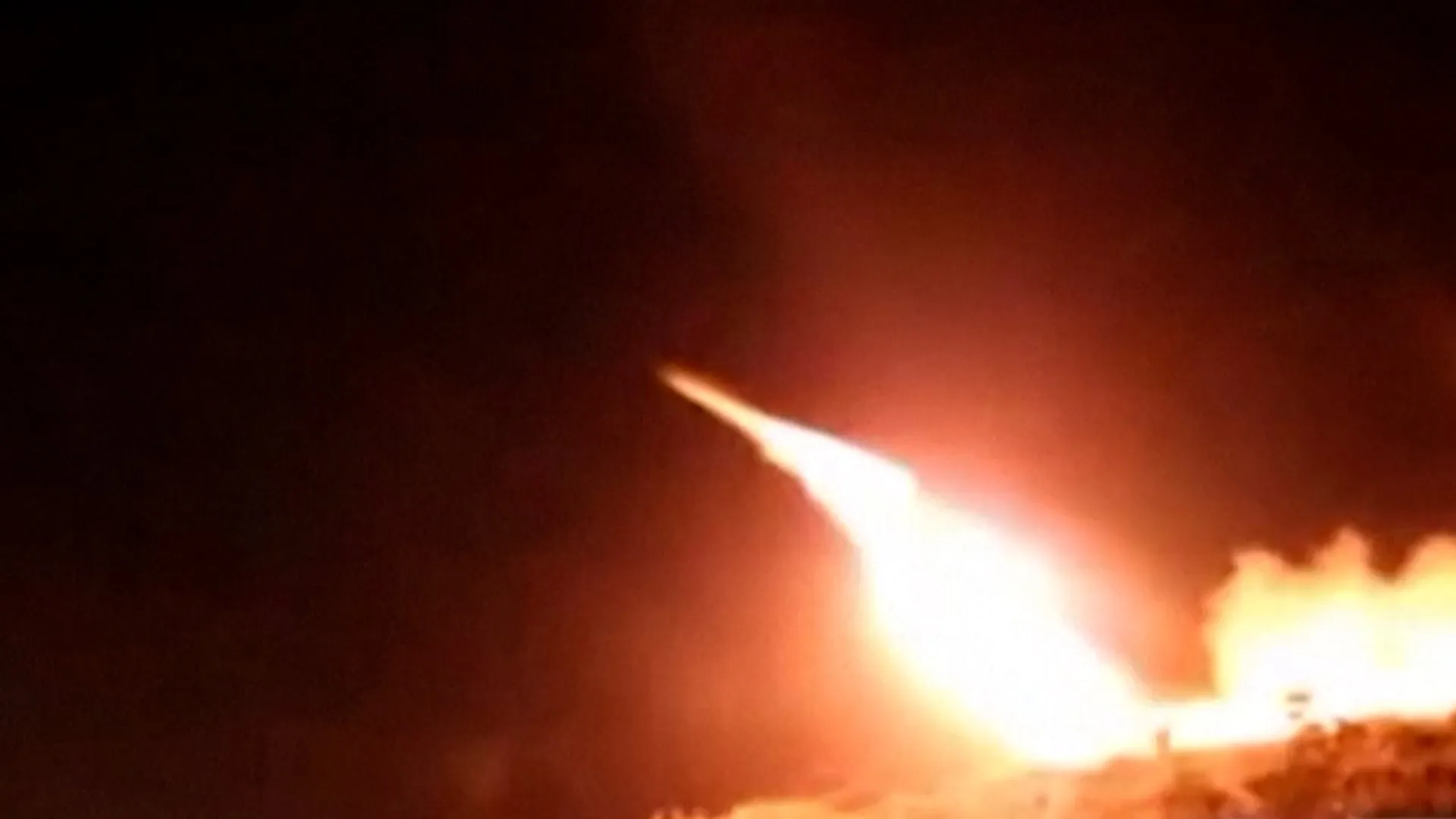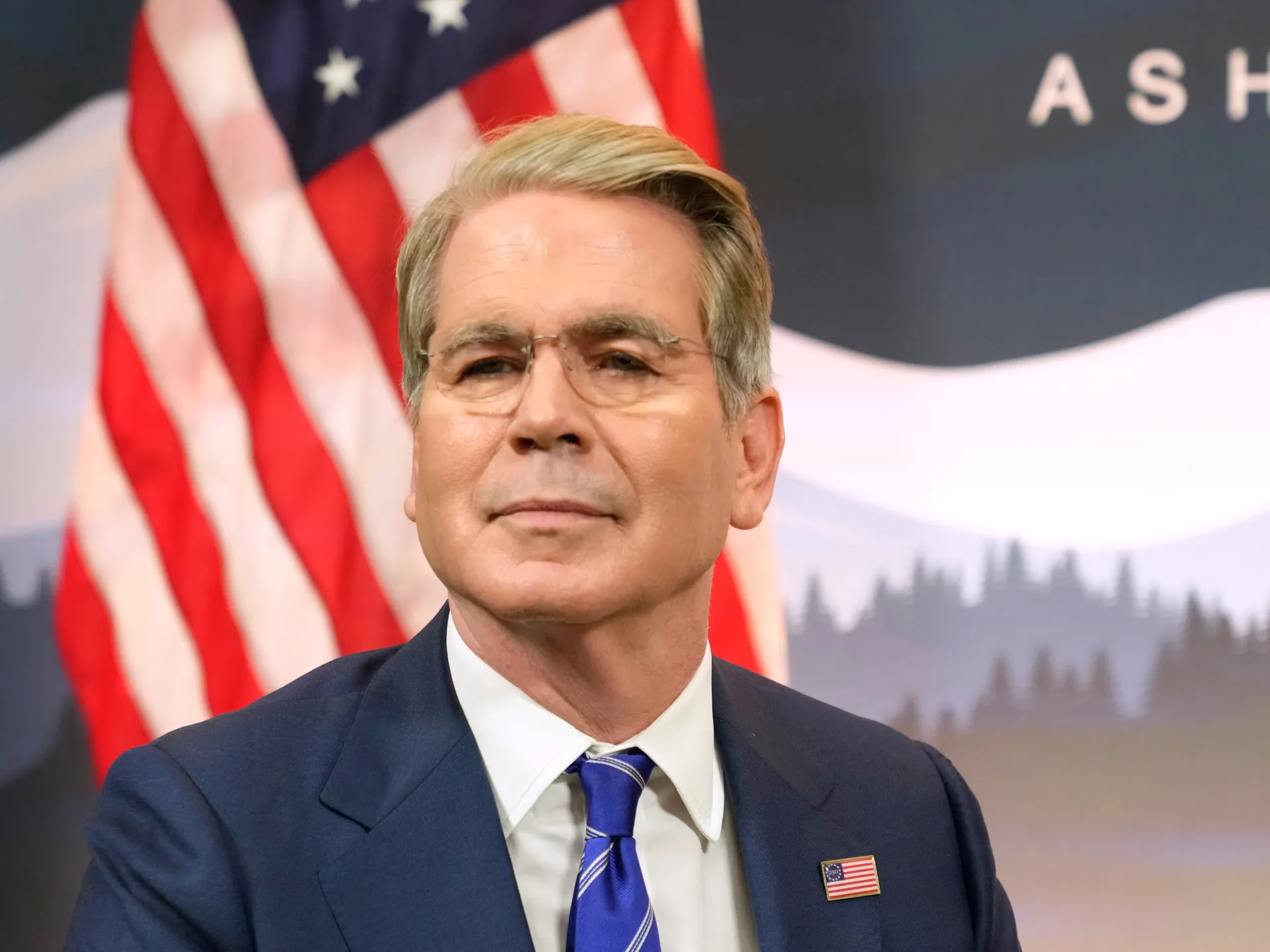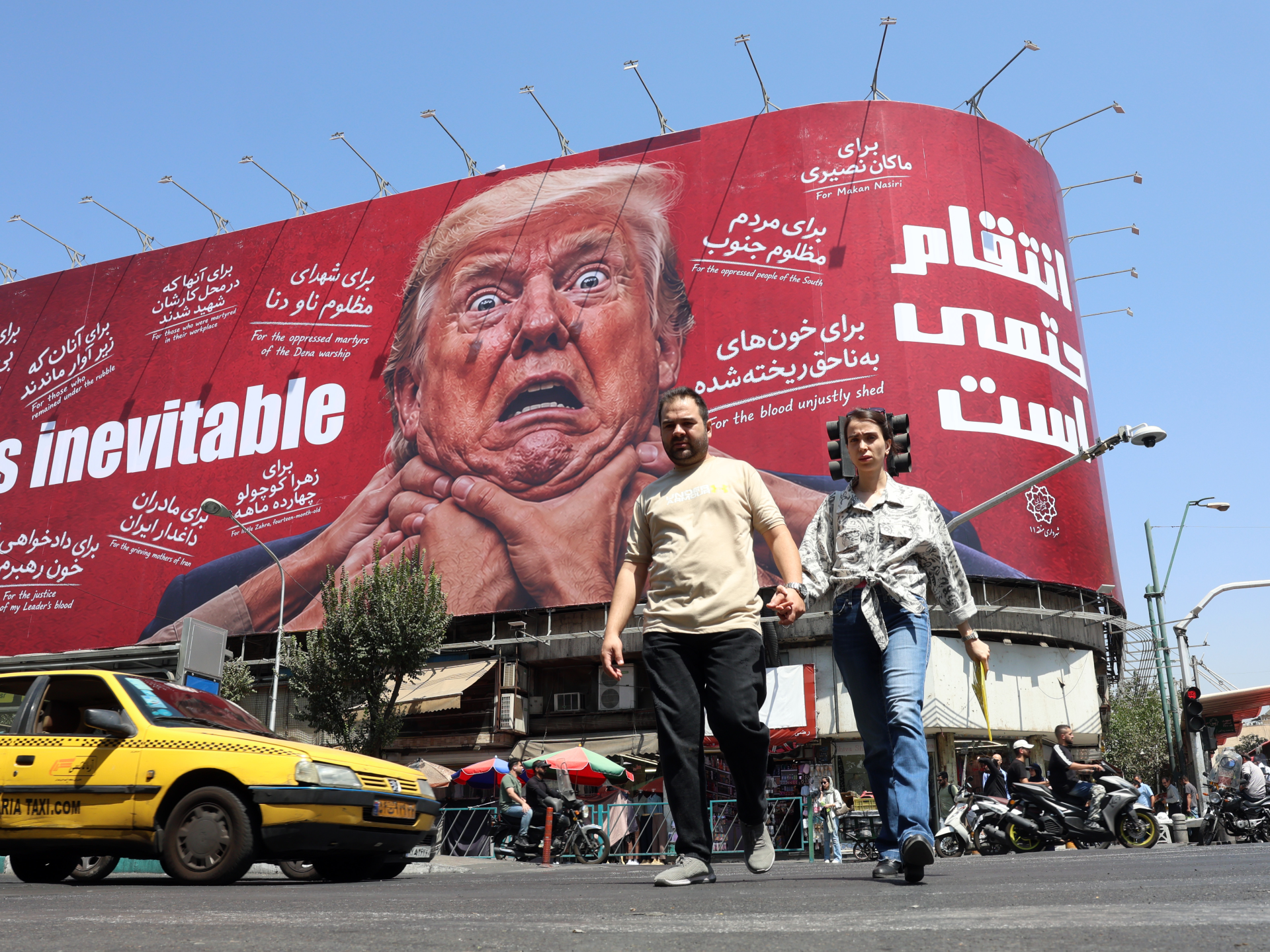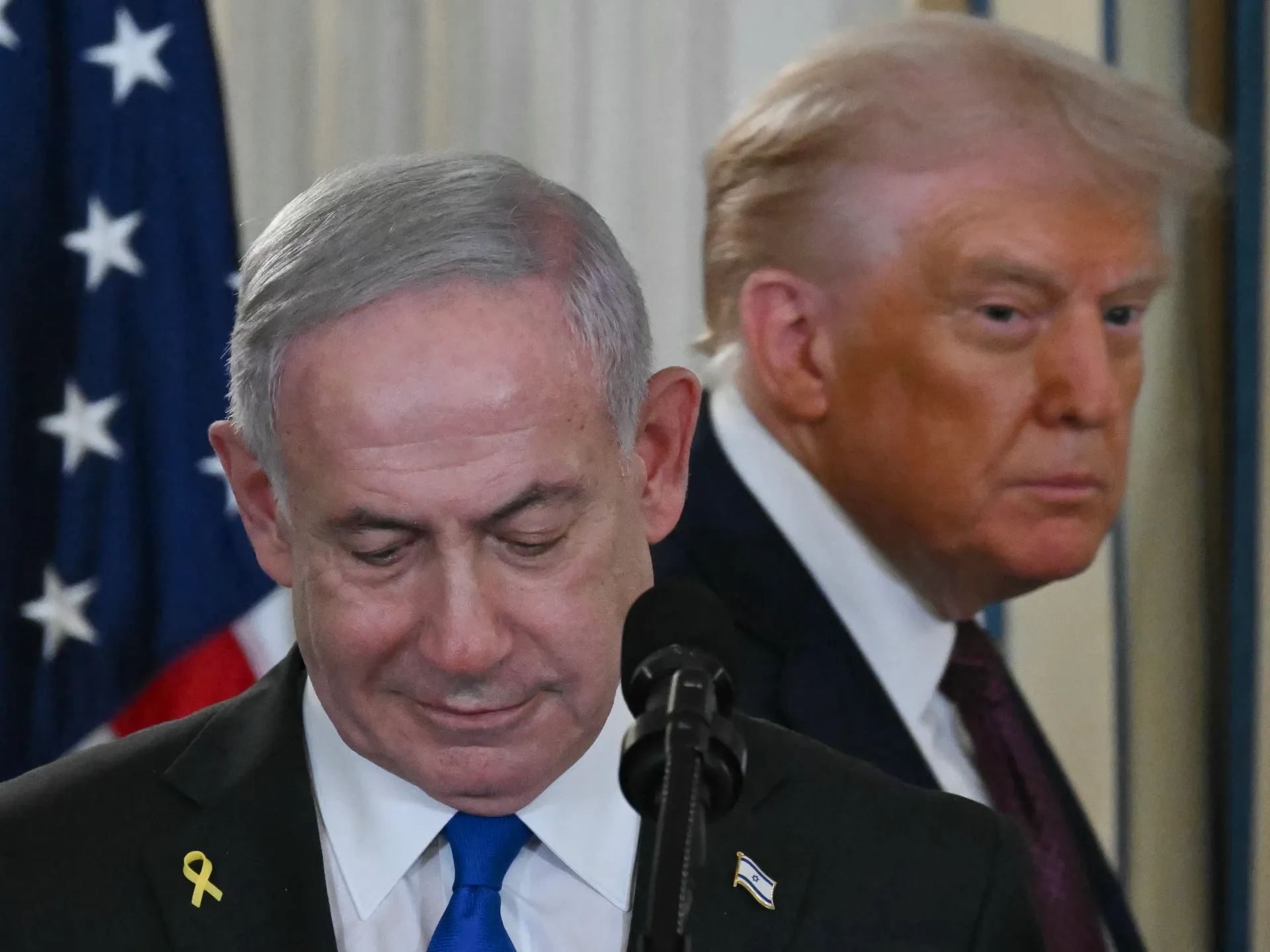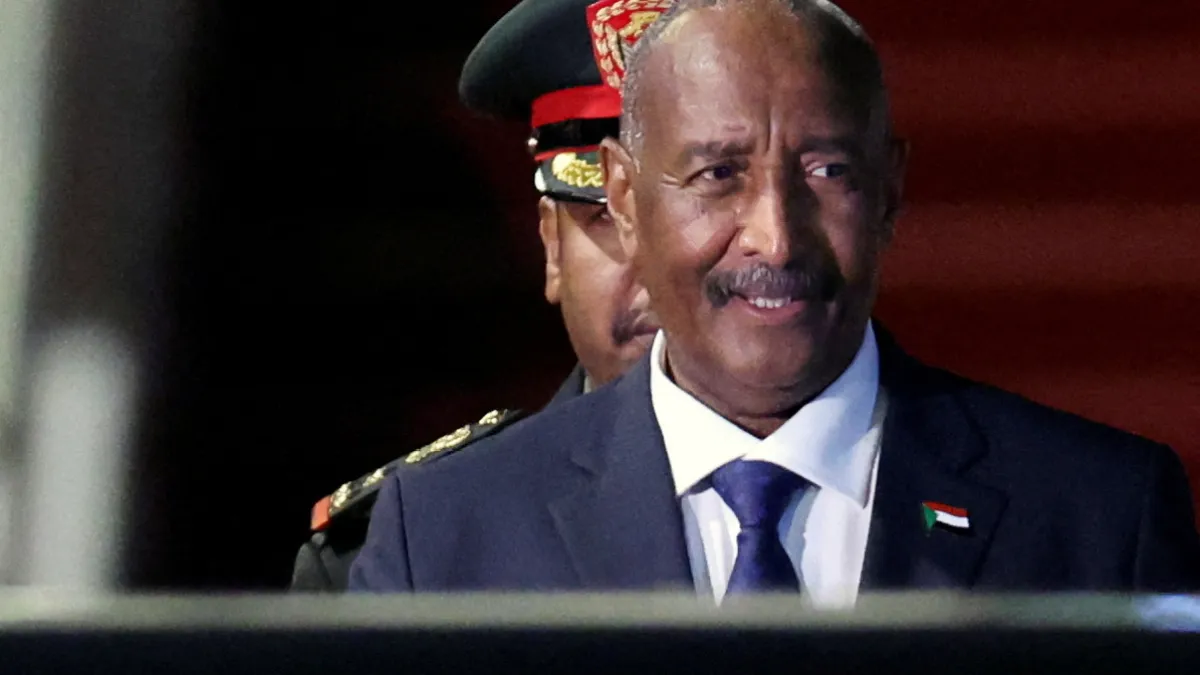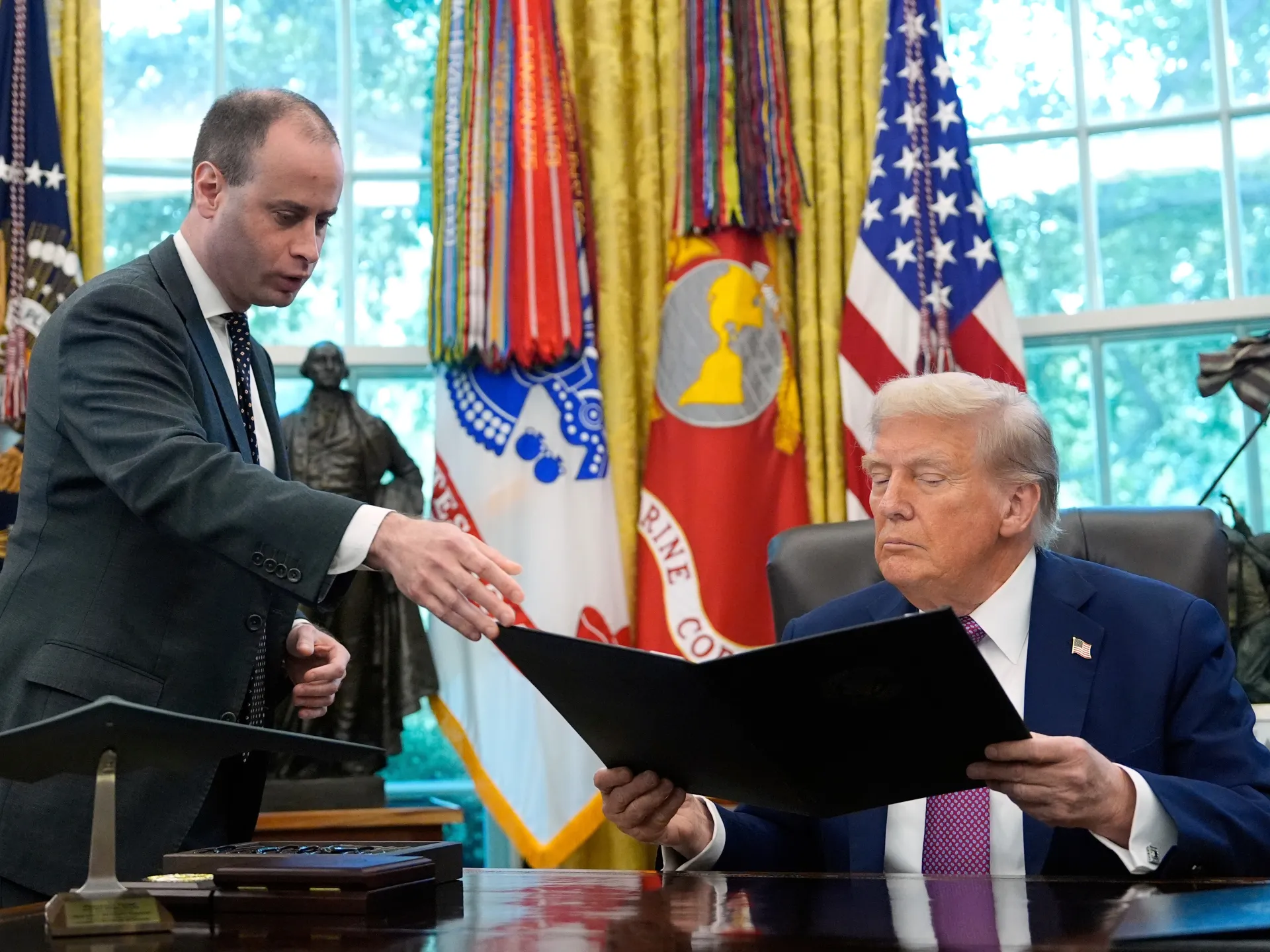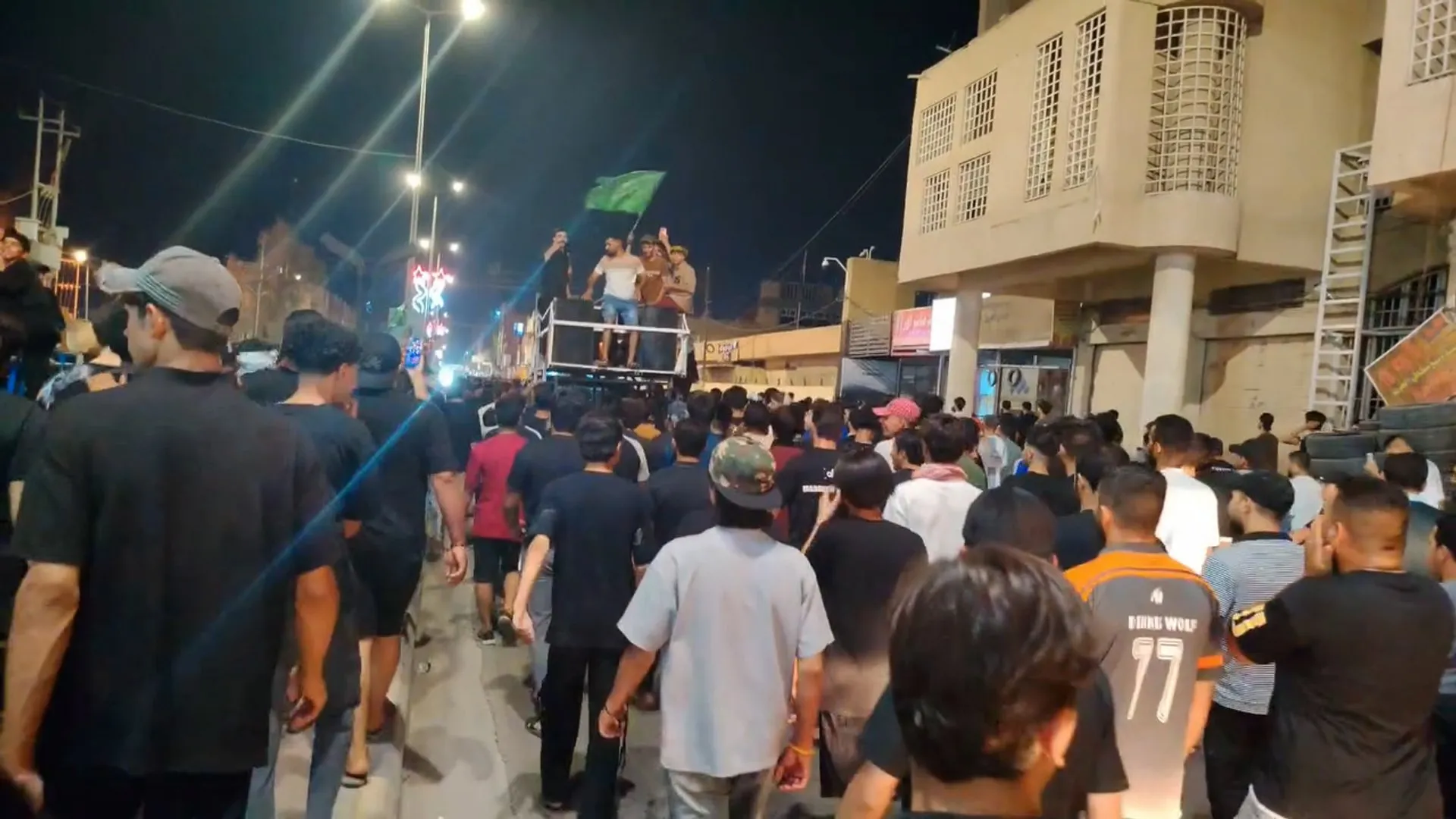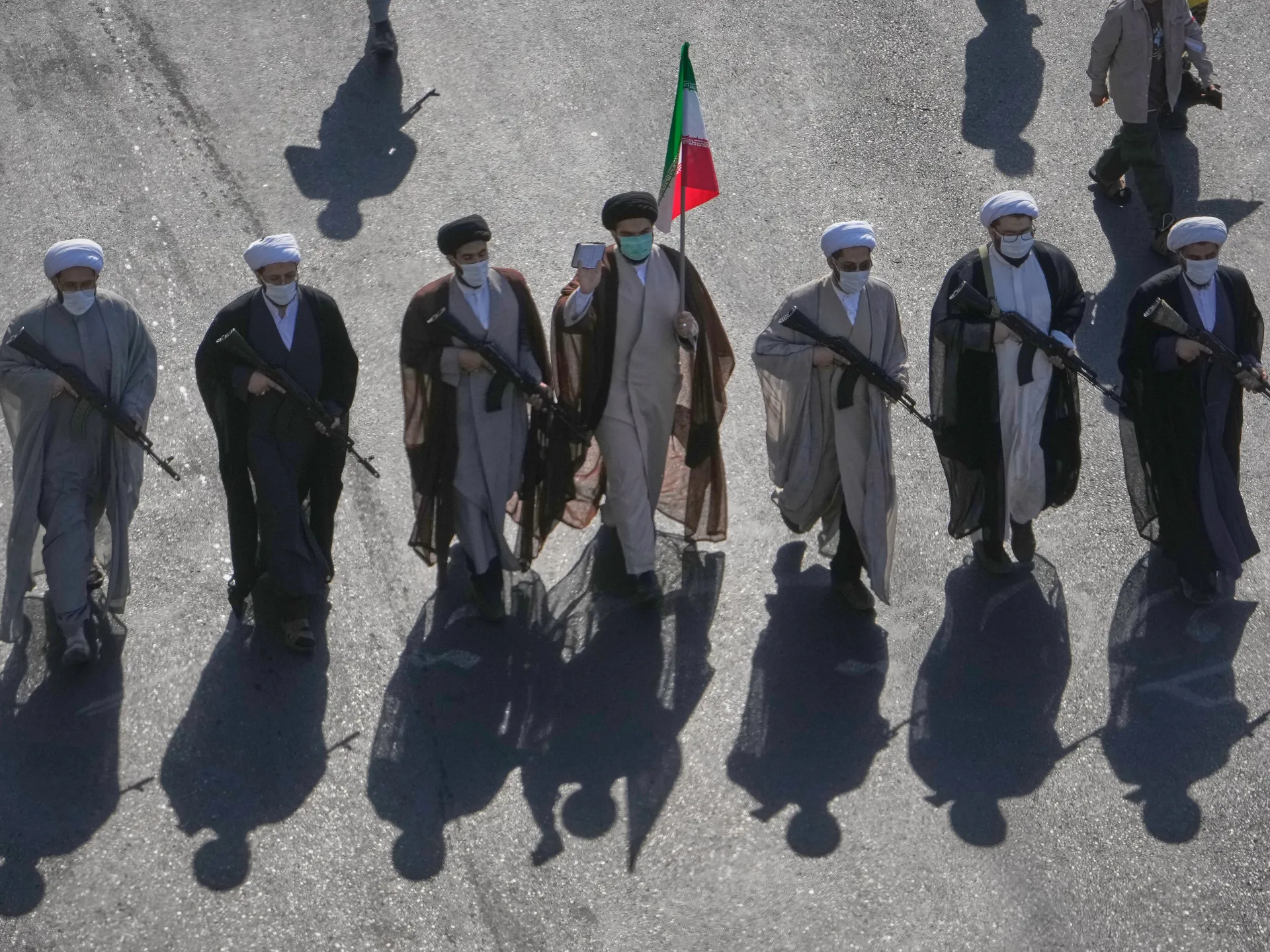
Tehran has cautioned Washington against further military intervention, threatening unlimited retaliation as regional conflicts continue to escalate across multiple fronts.
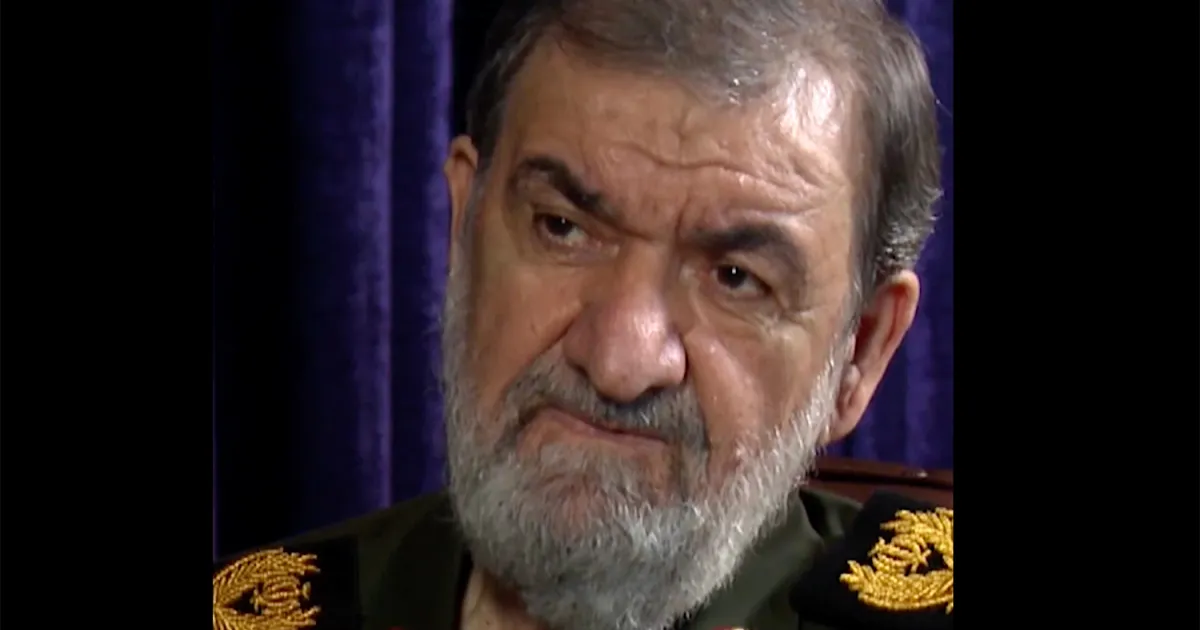
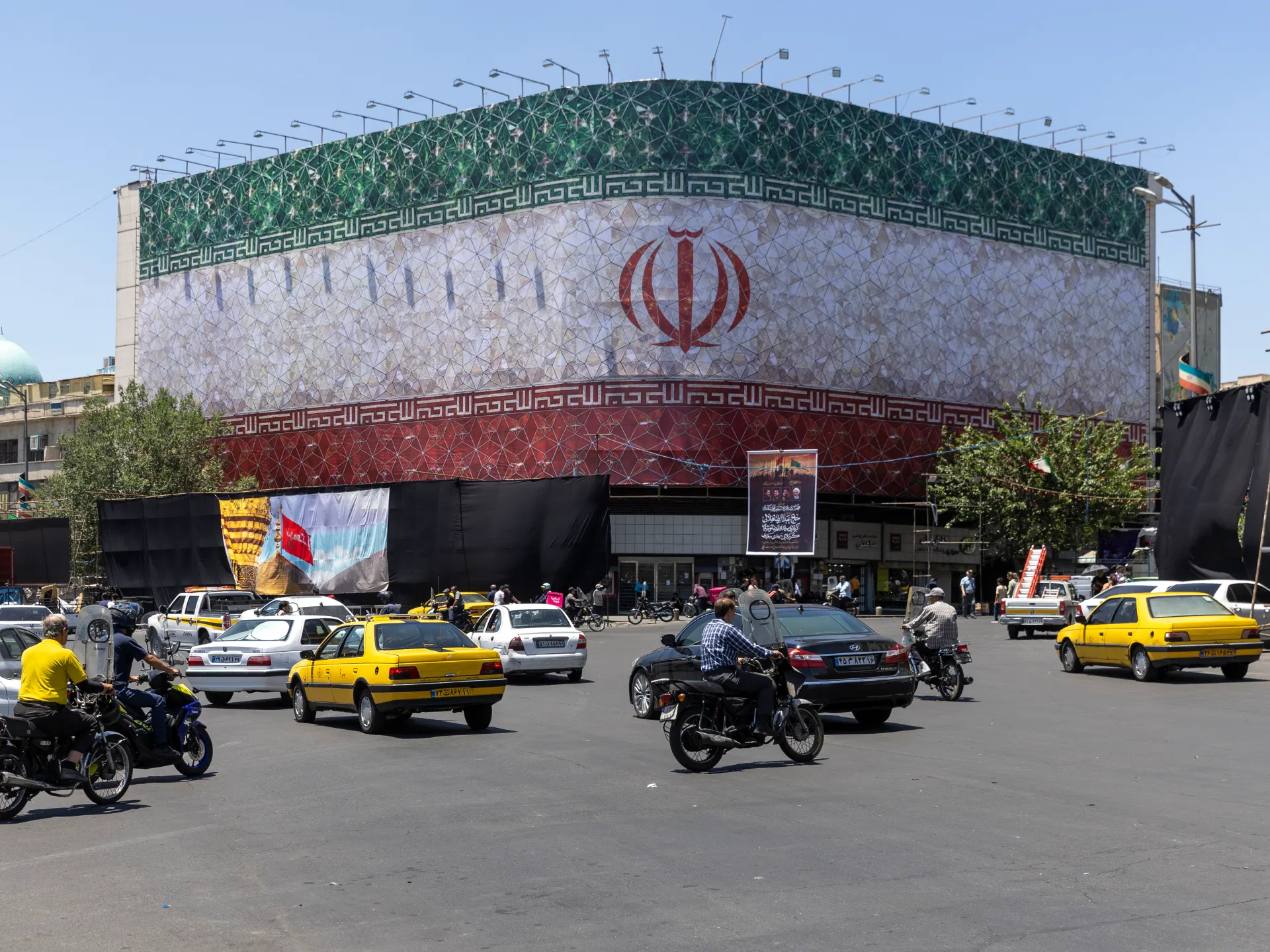
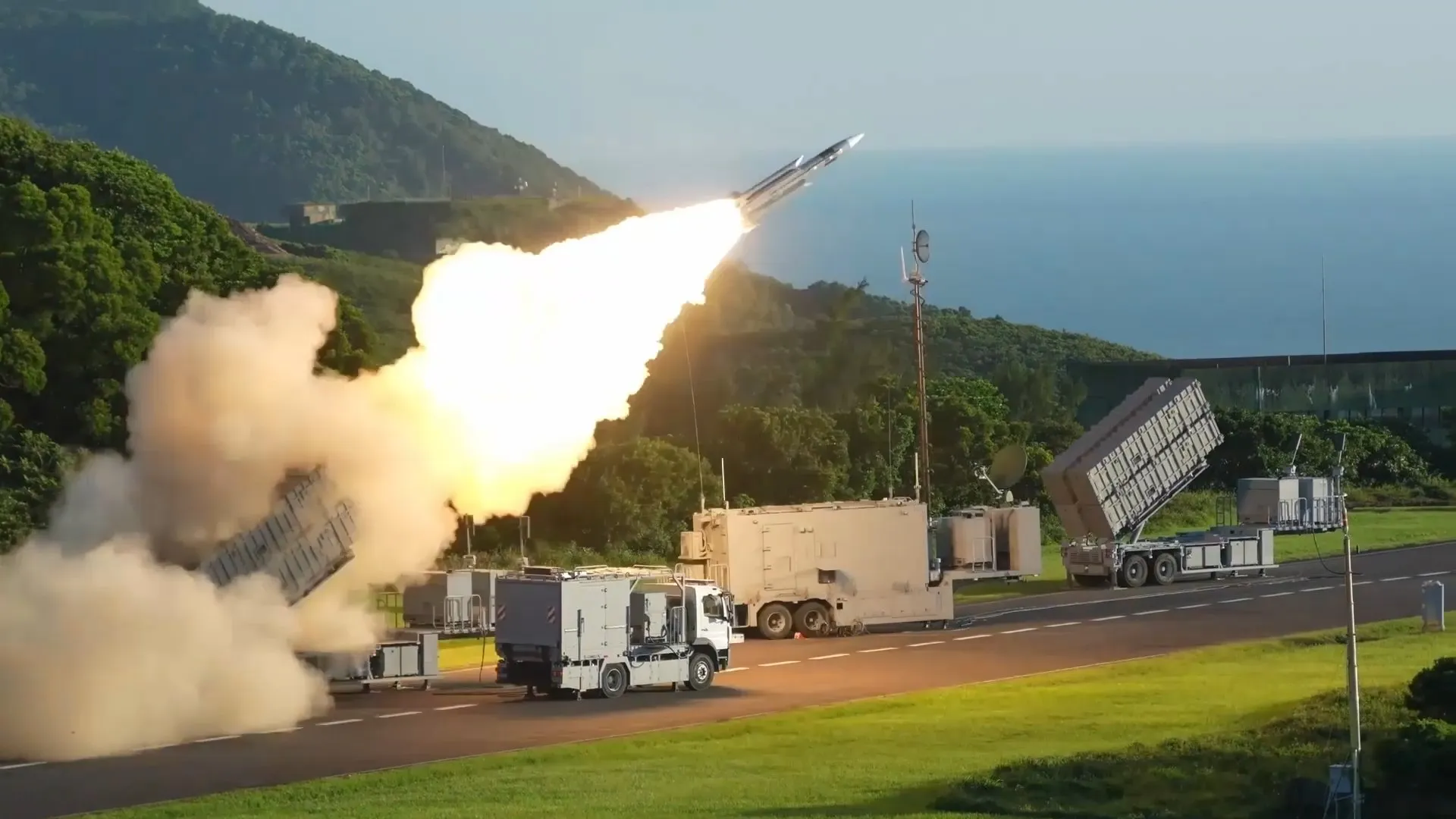
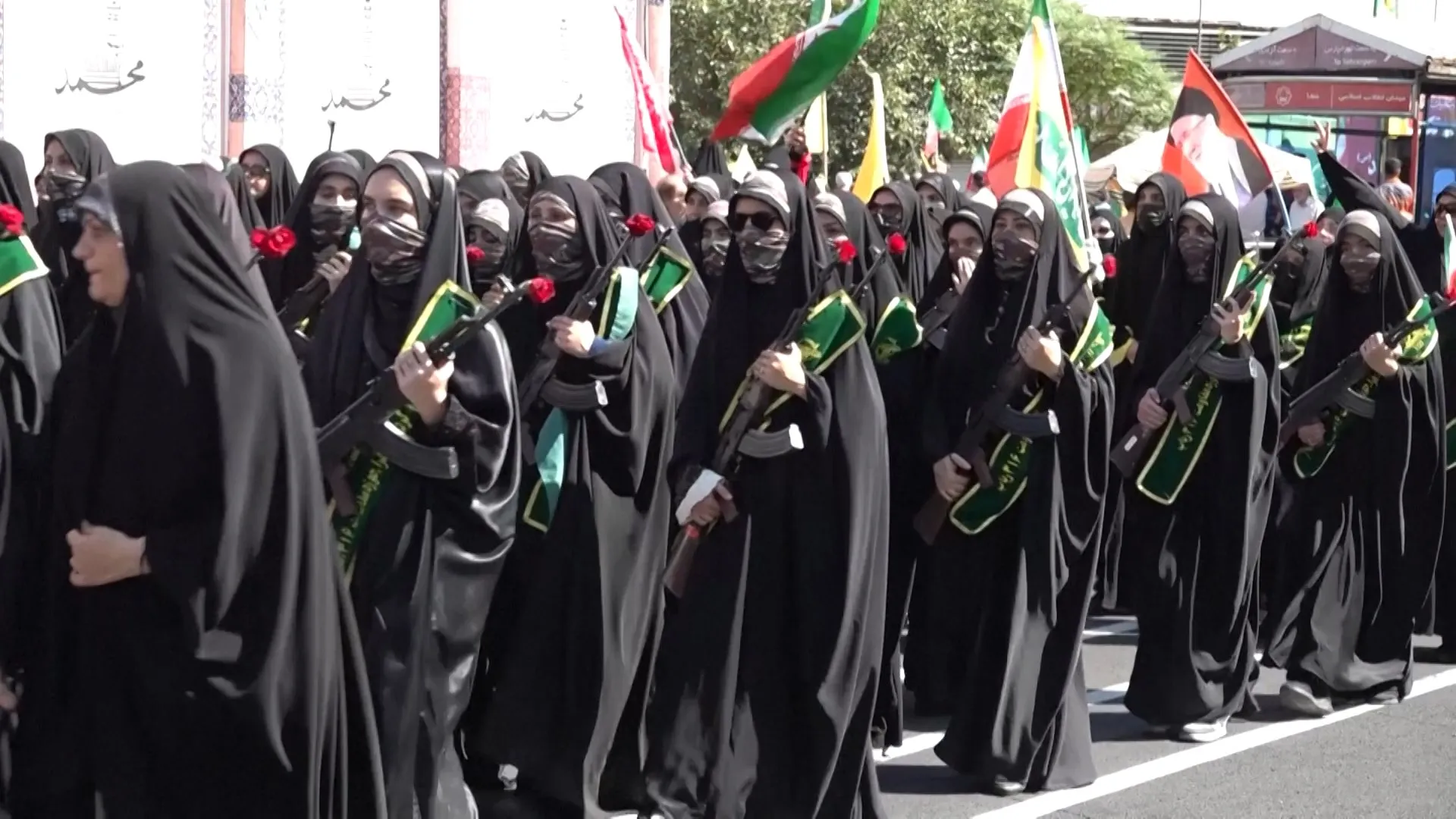
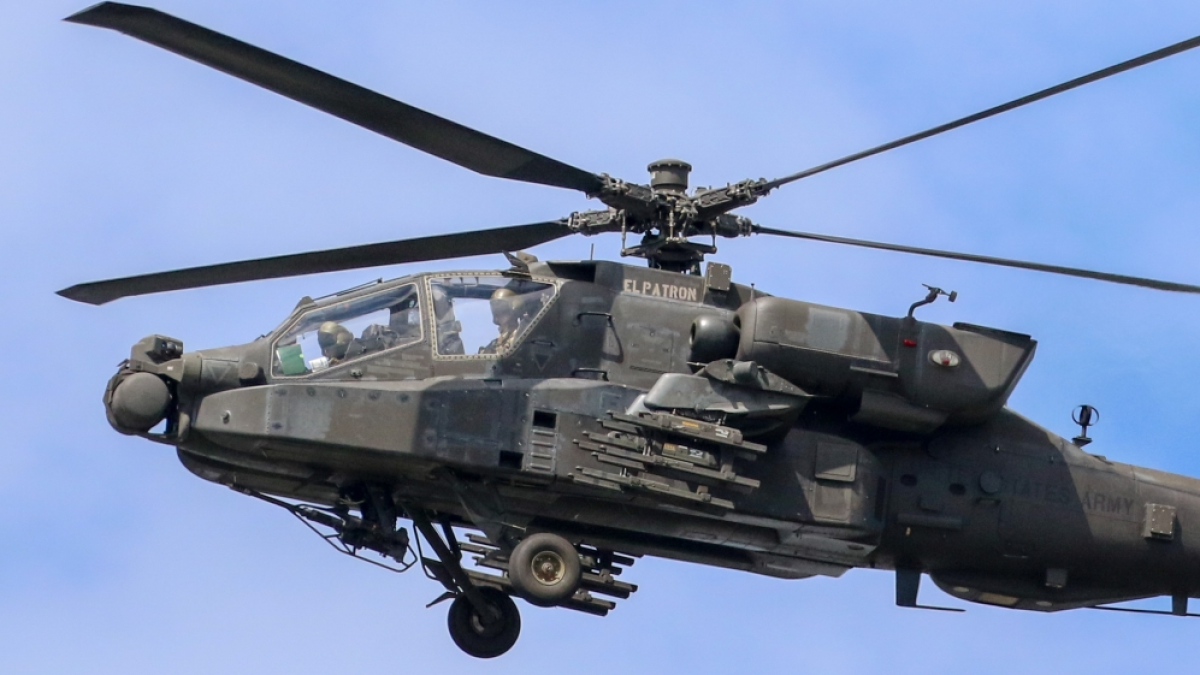
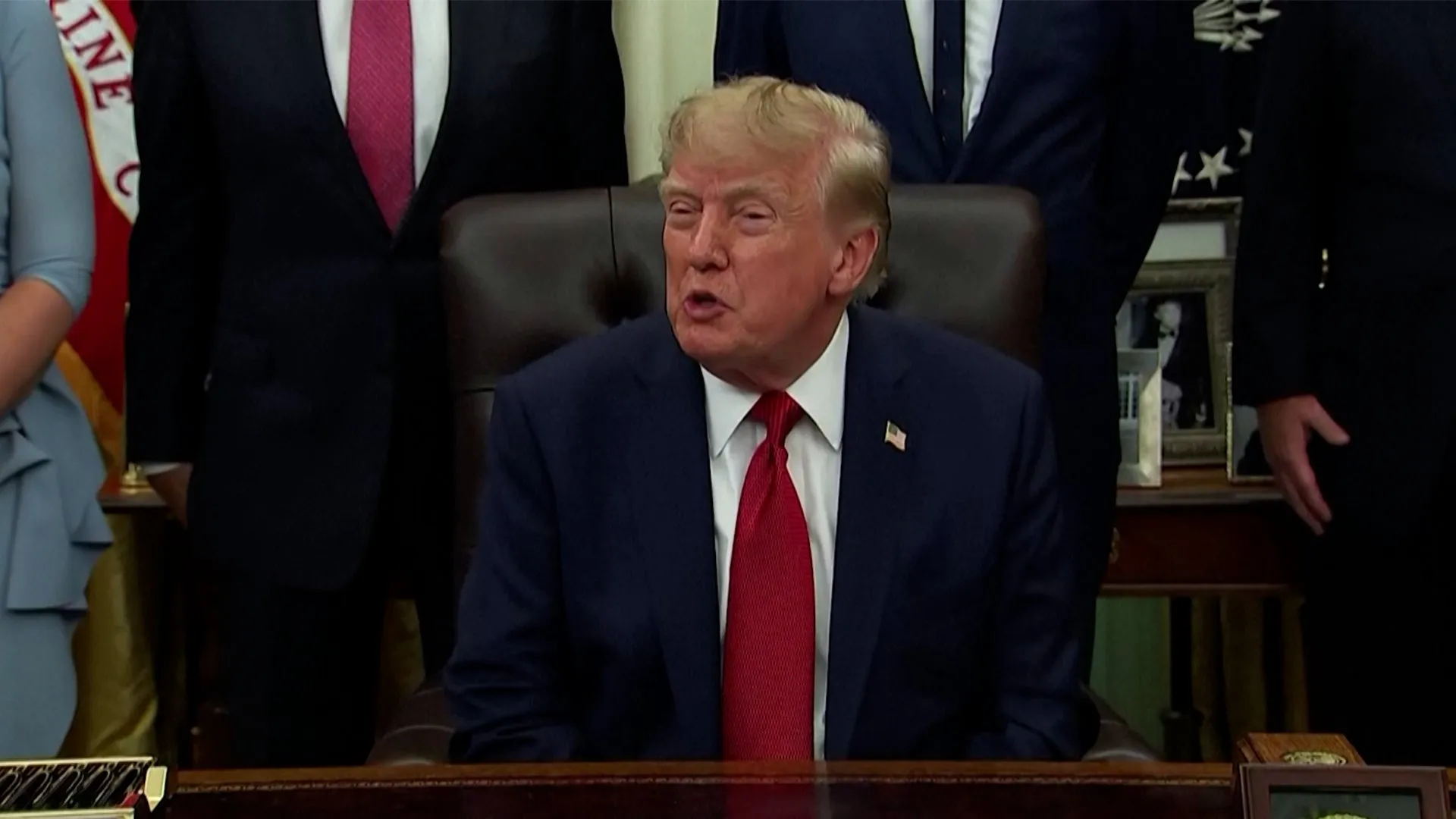
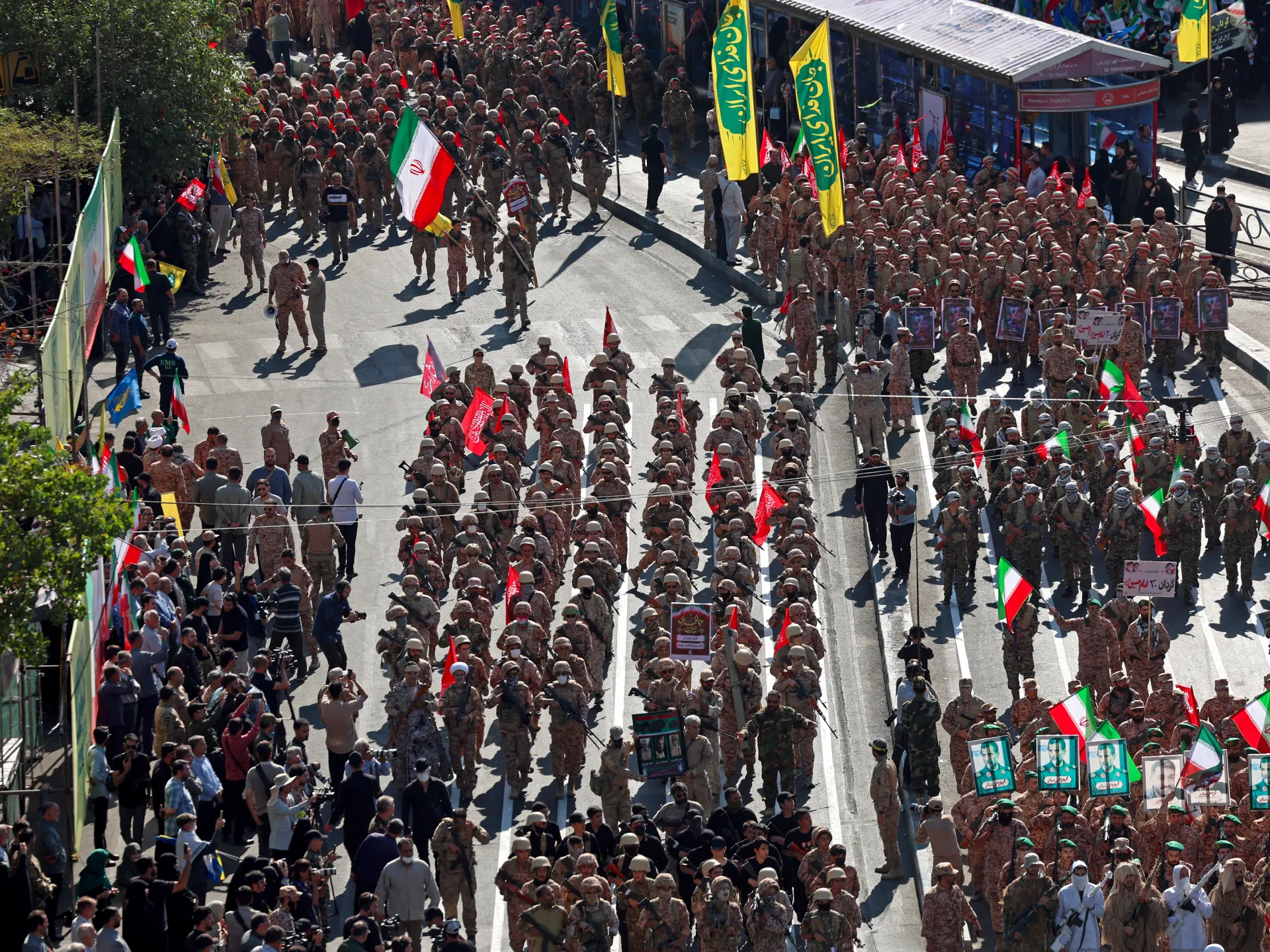
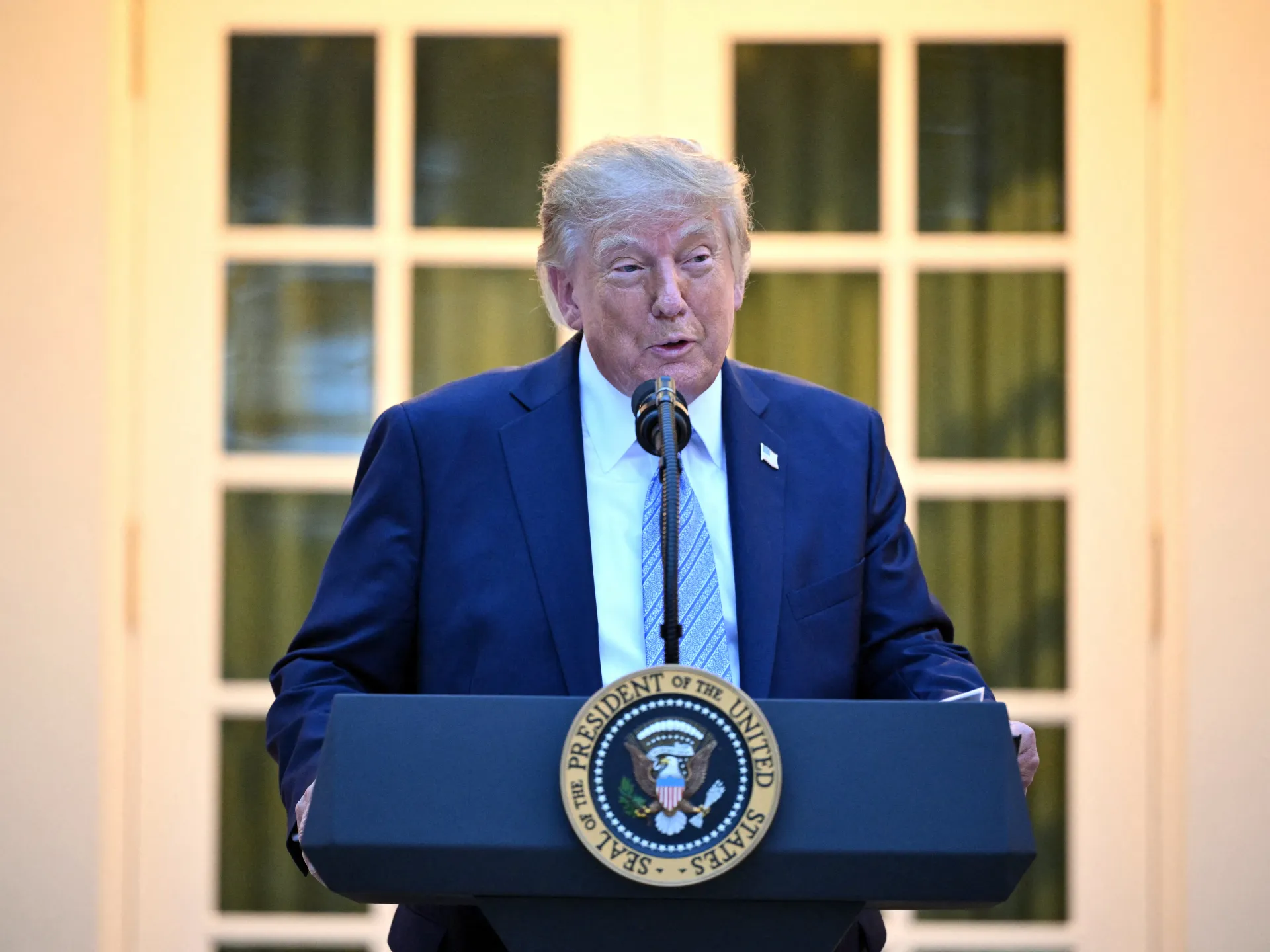
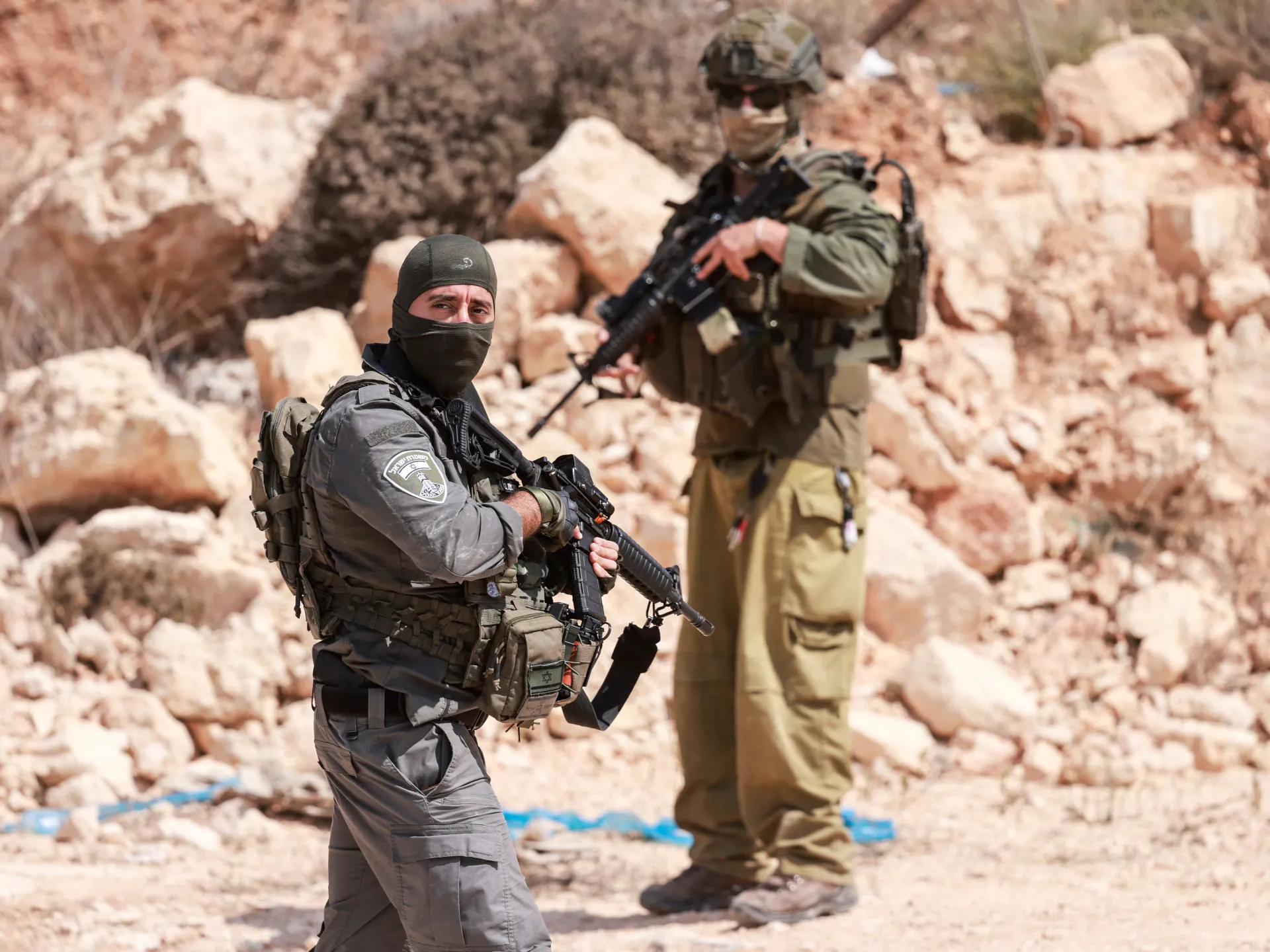
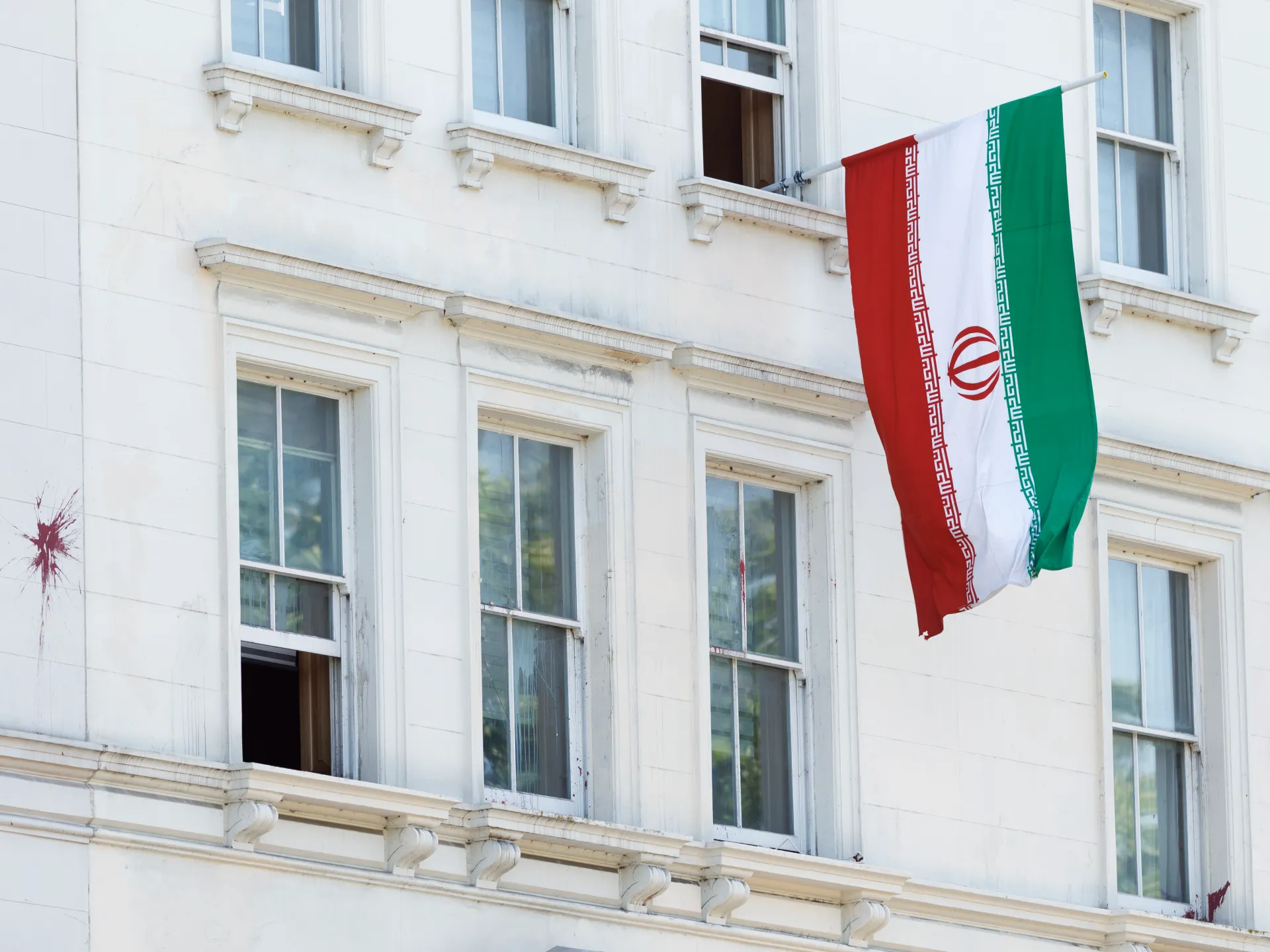
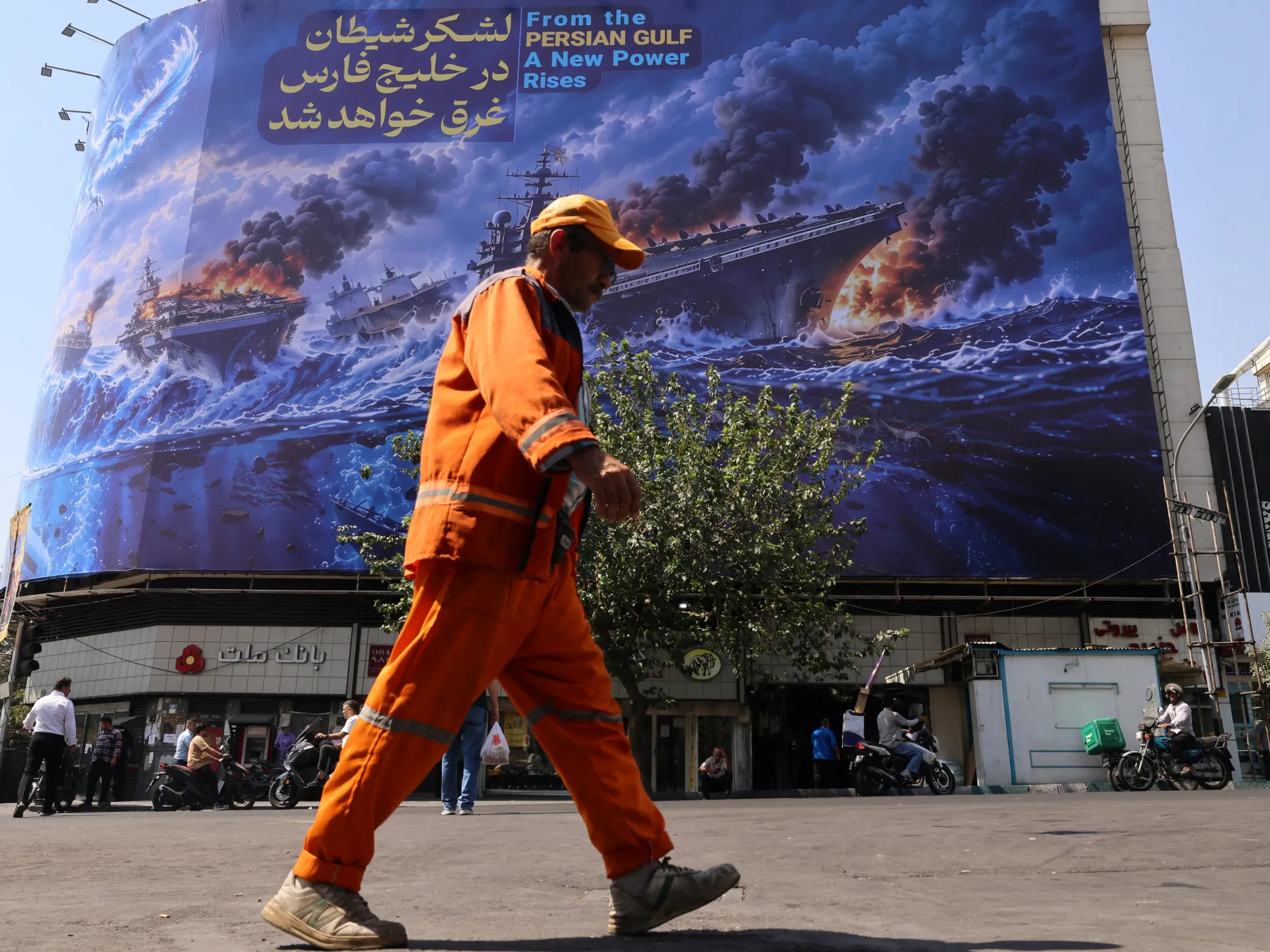
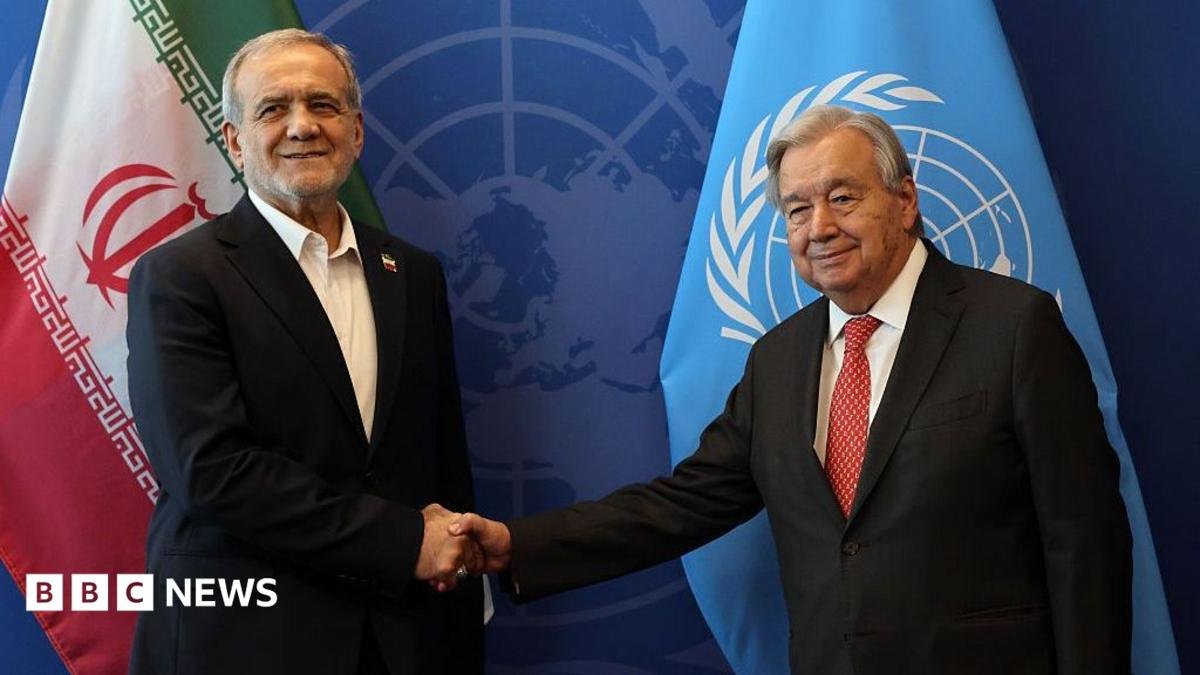
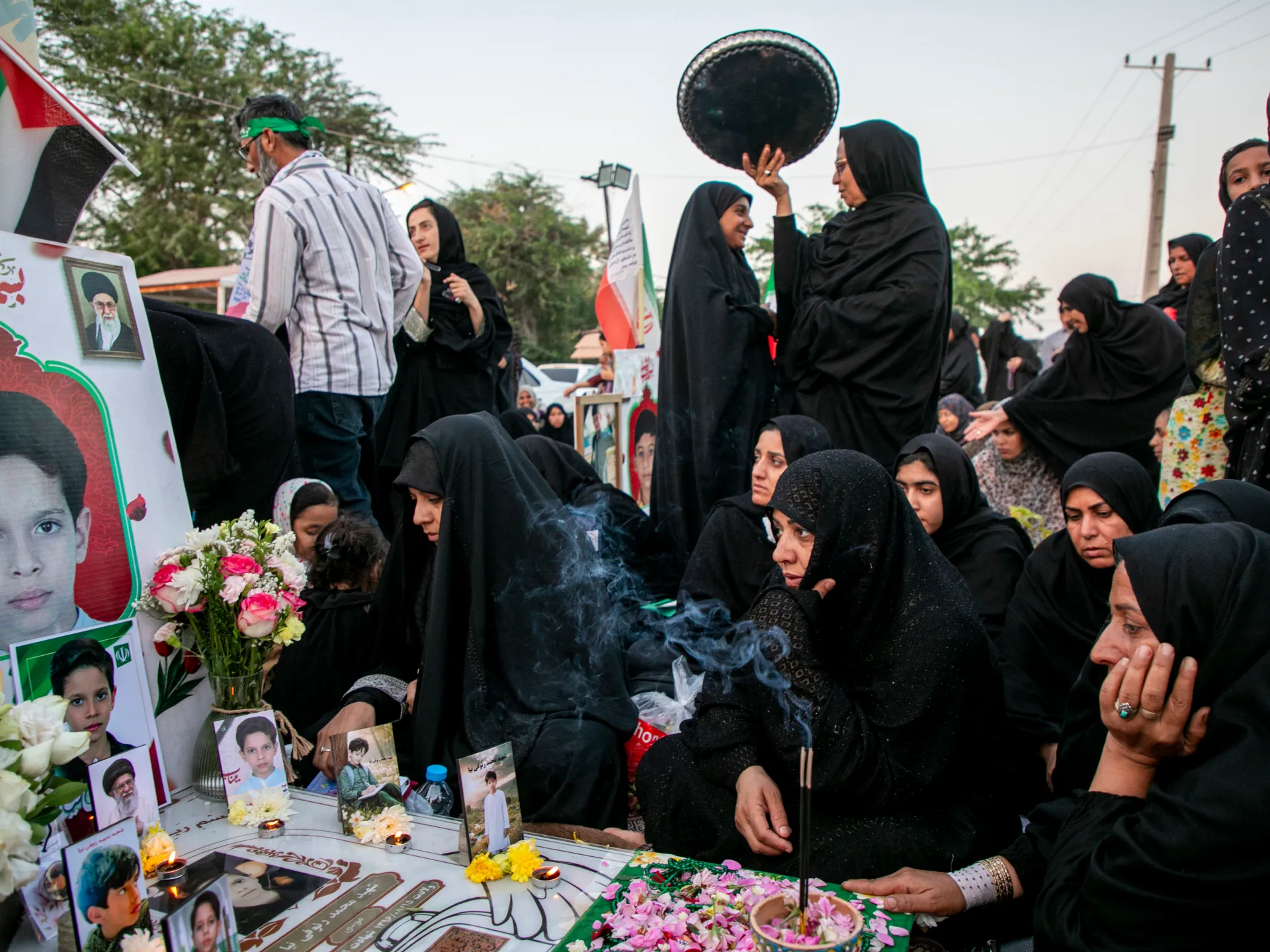
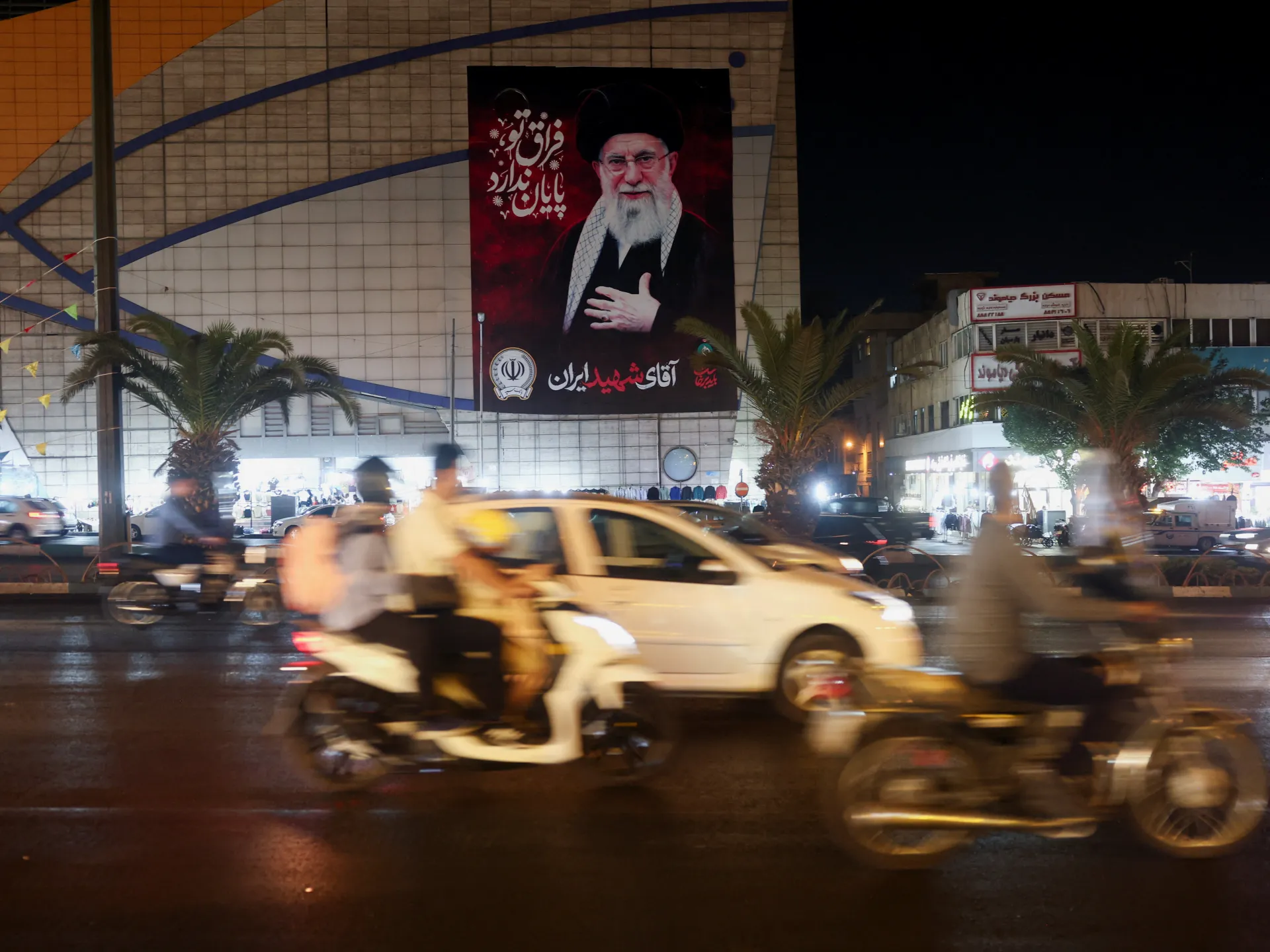
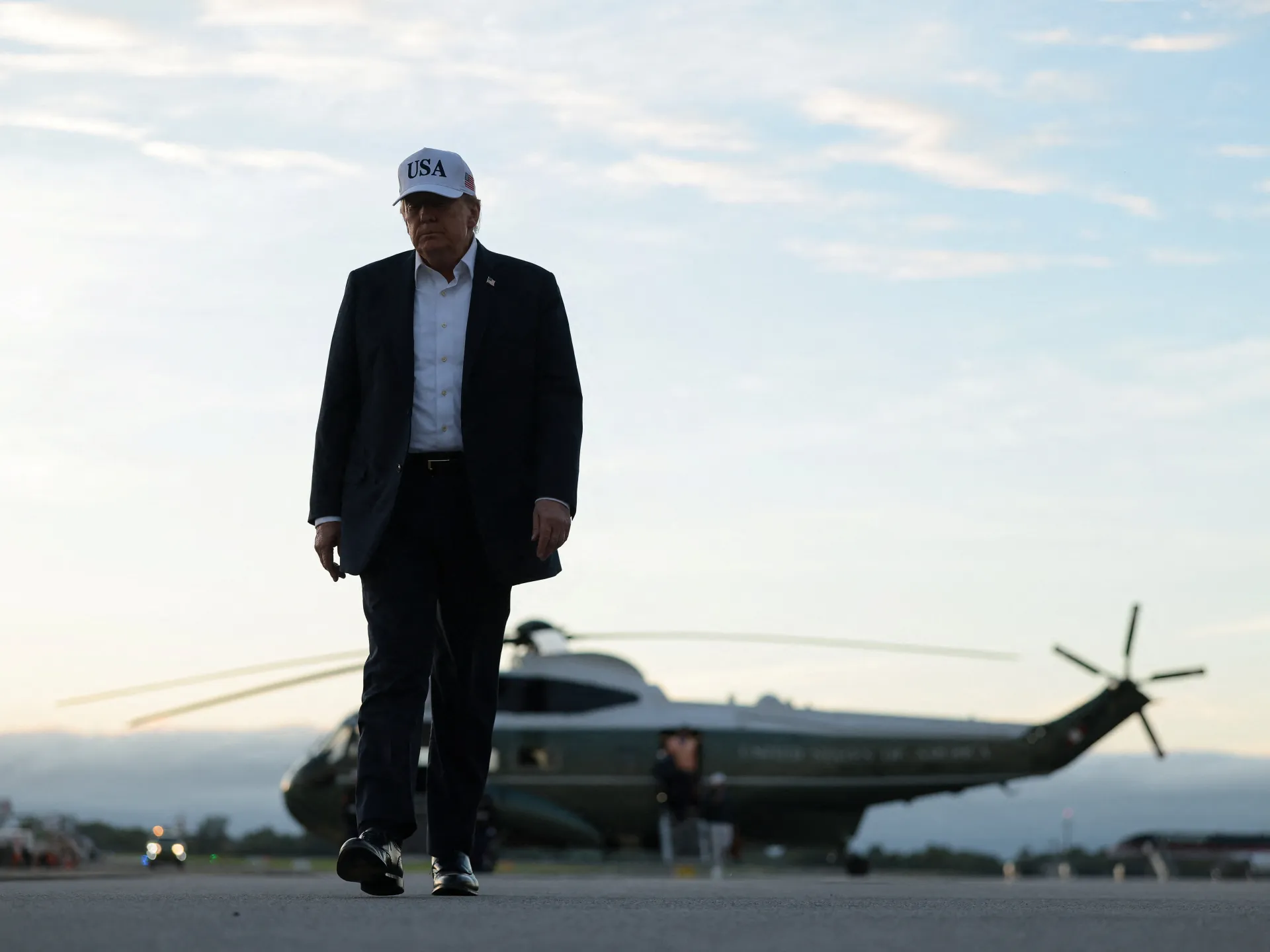
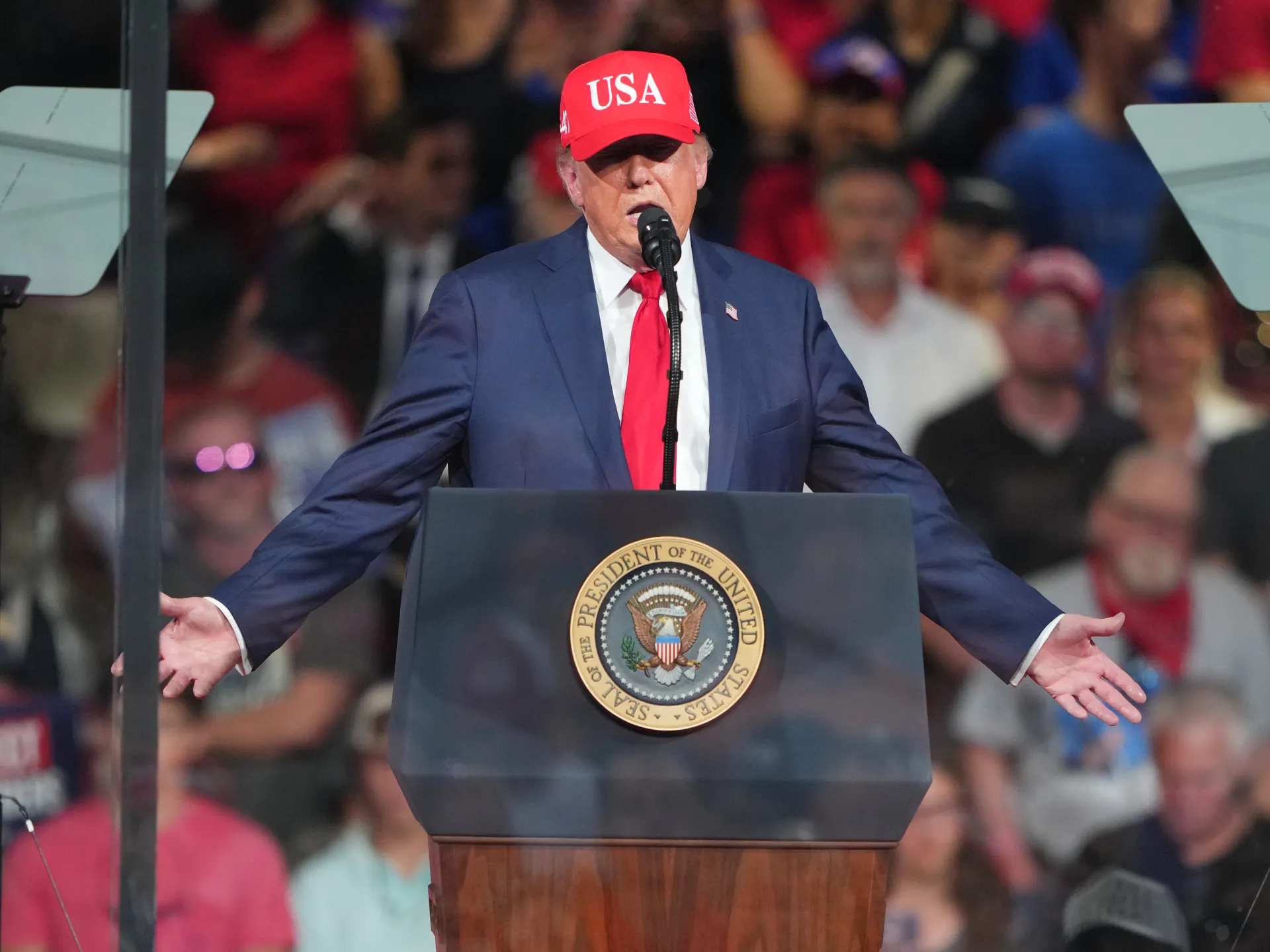
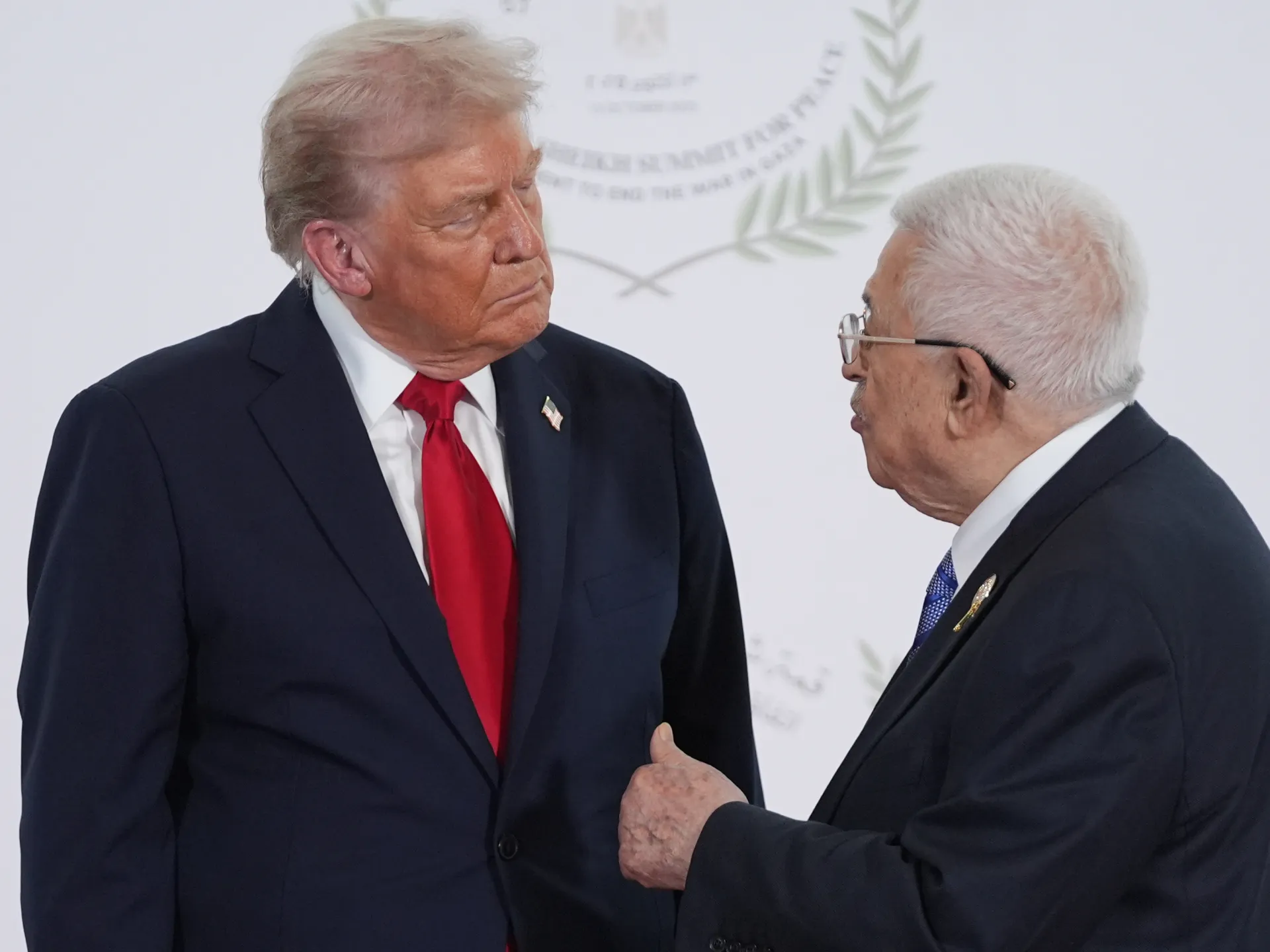
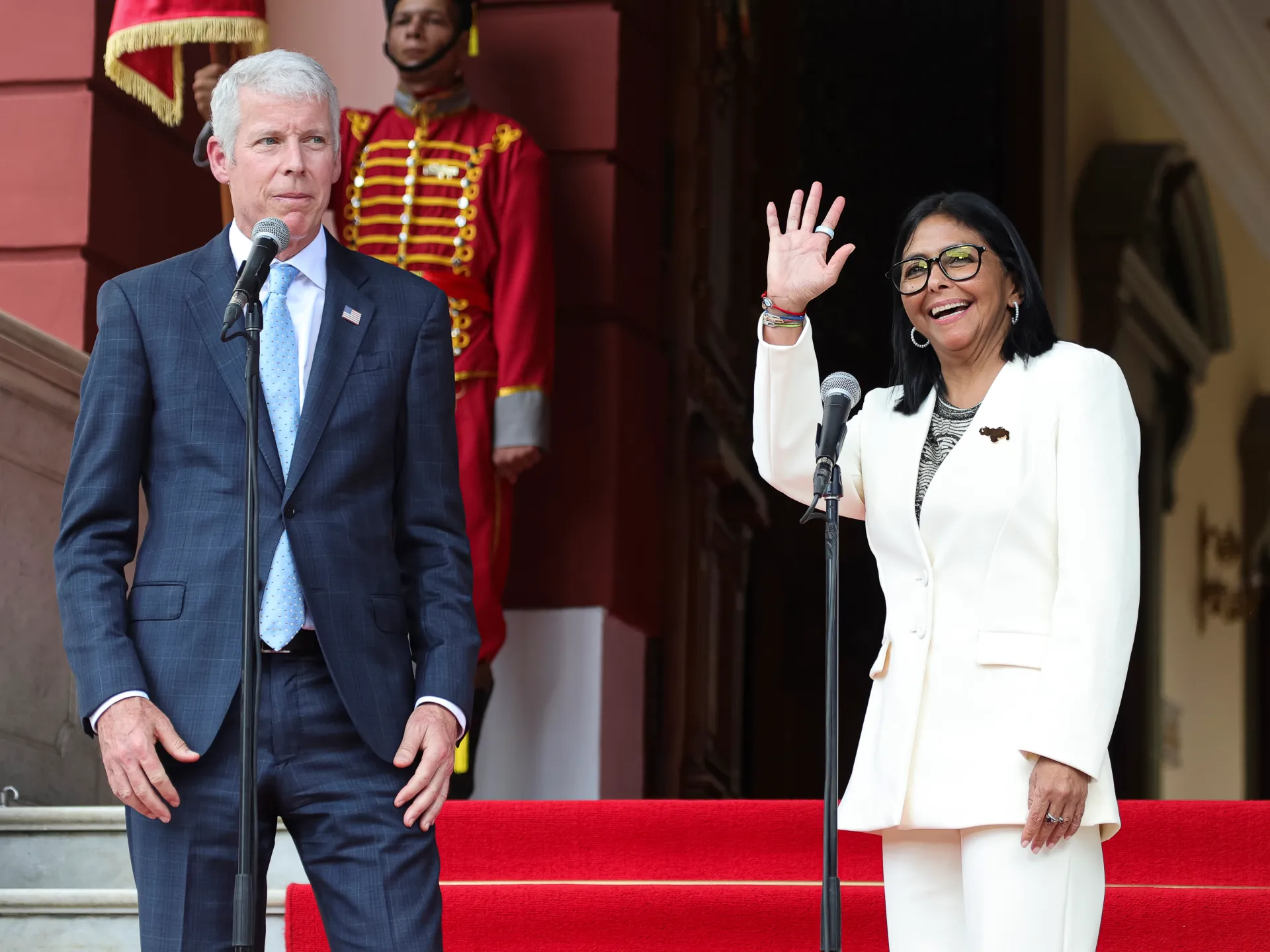
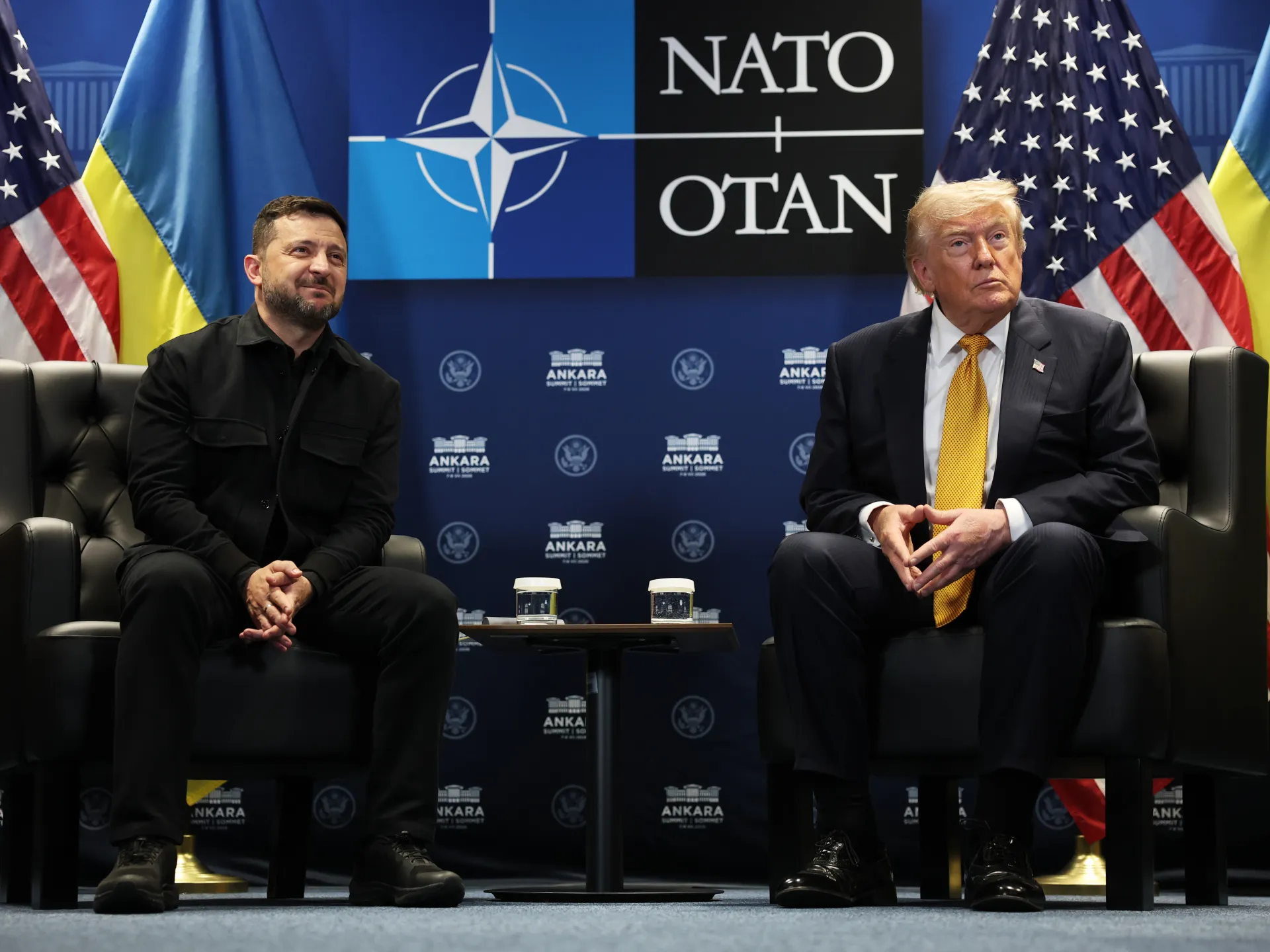
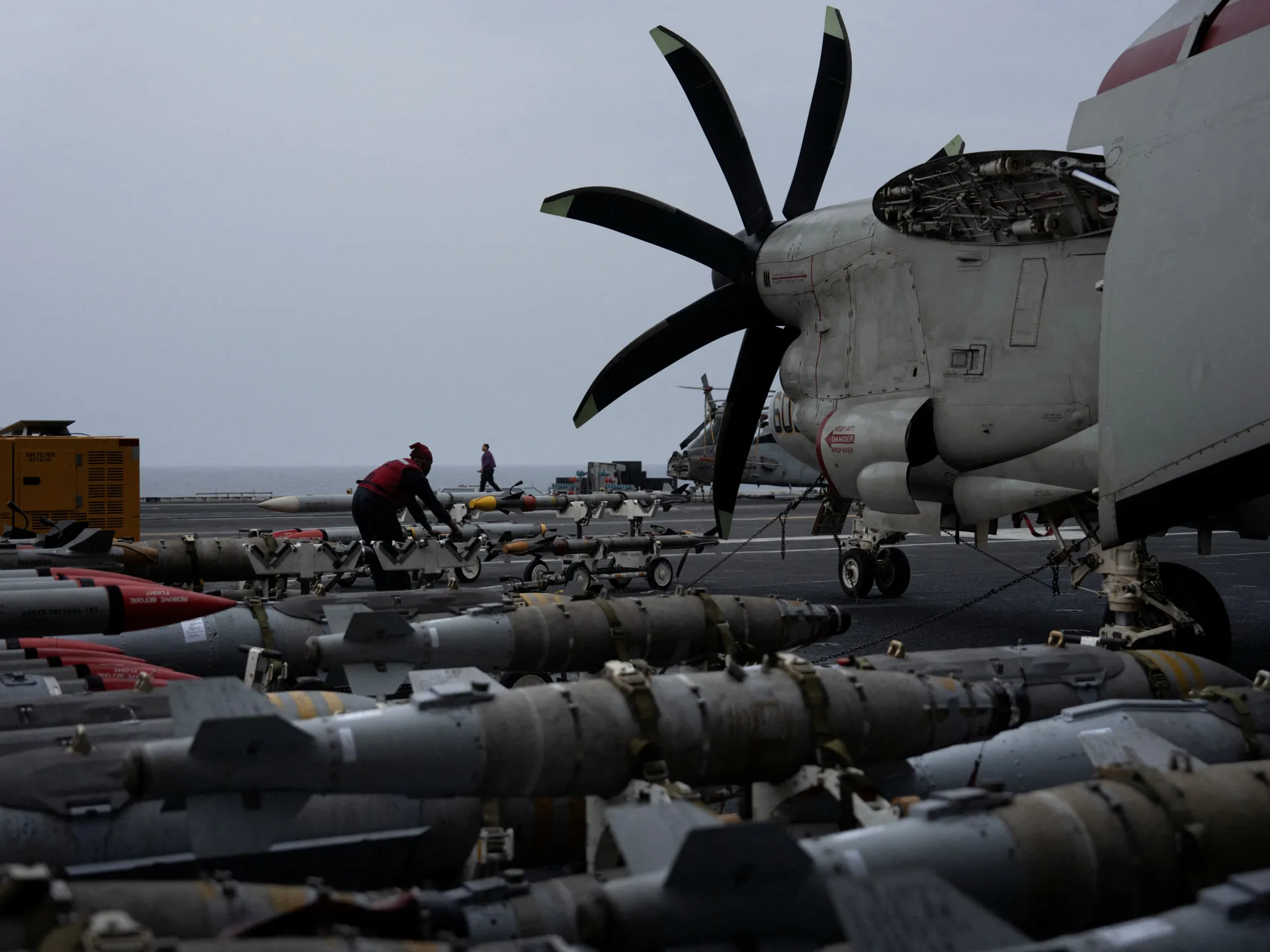
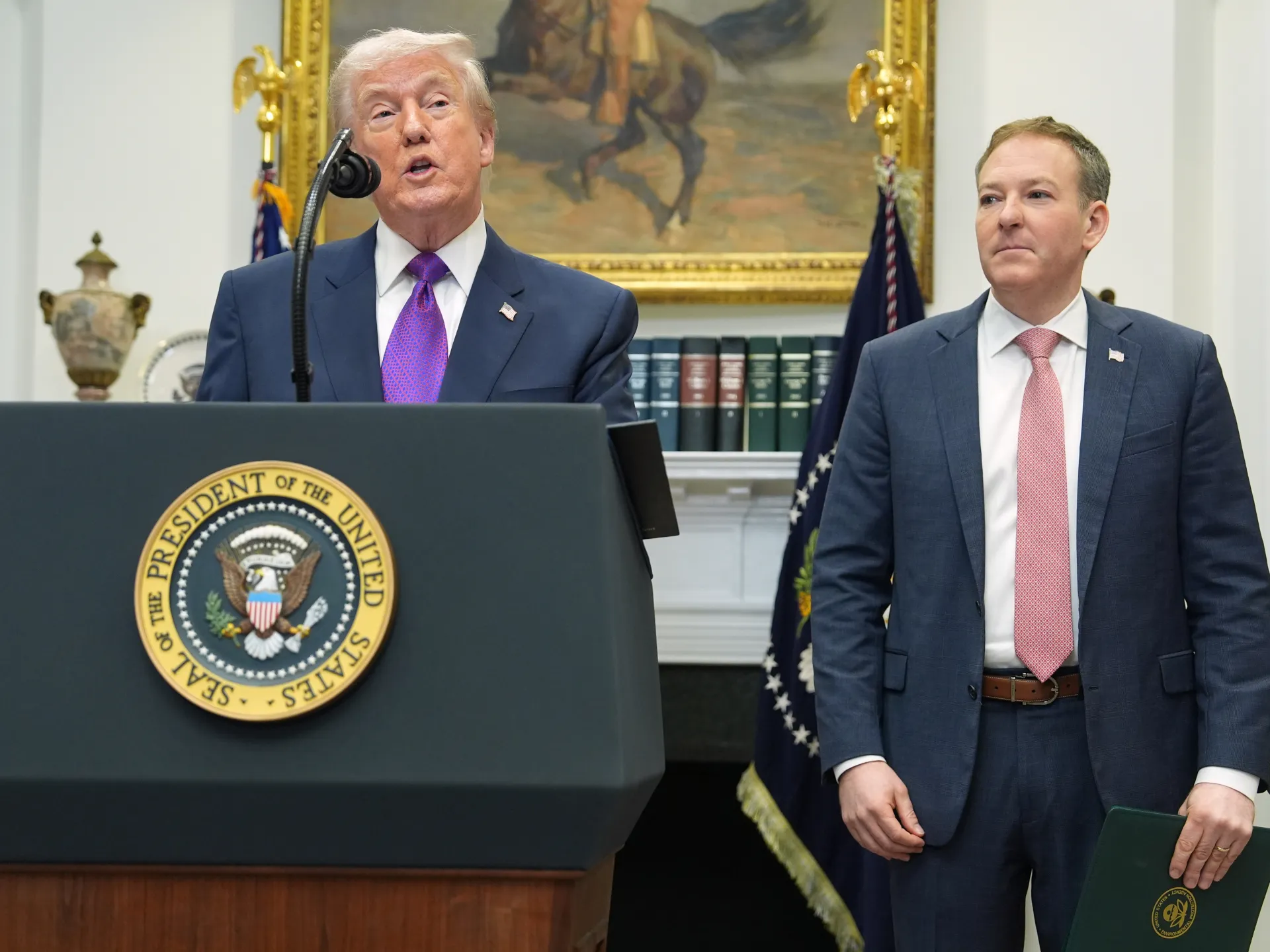
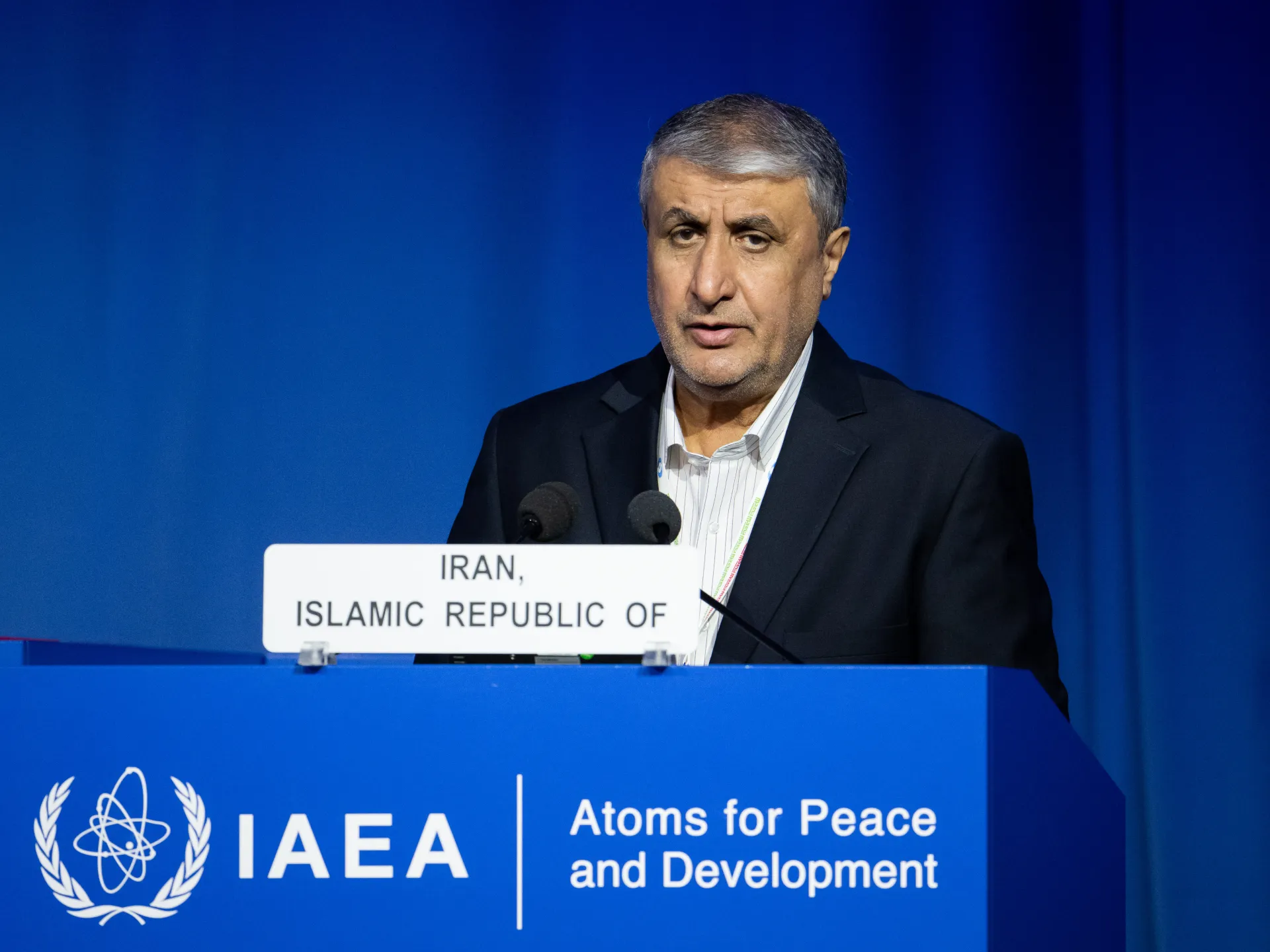
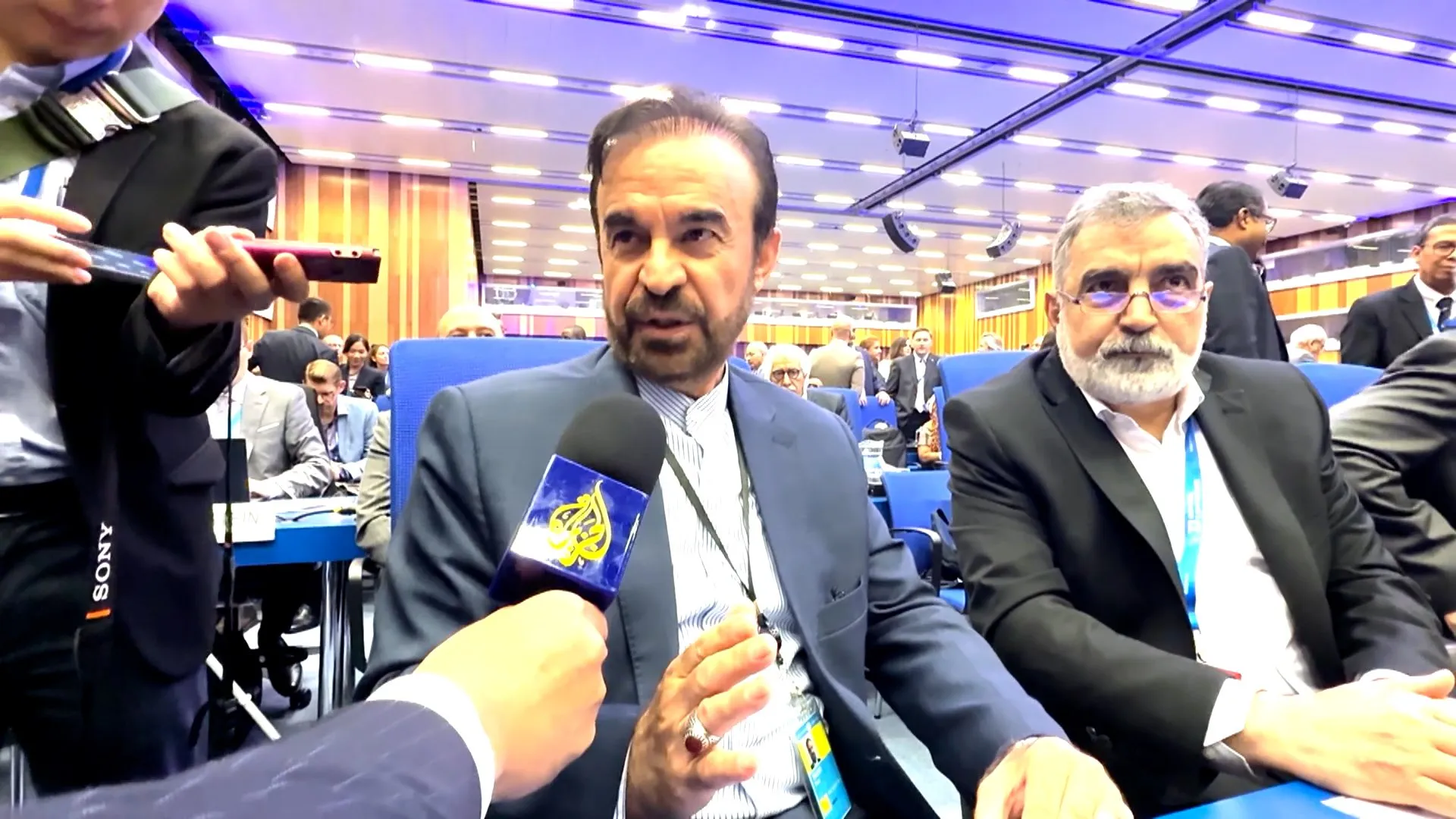
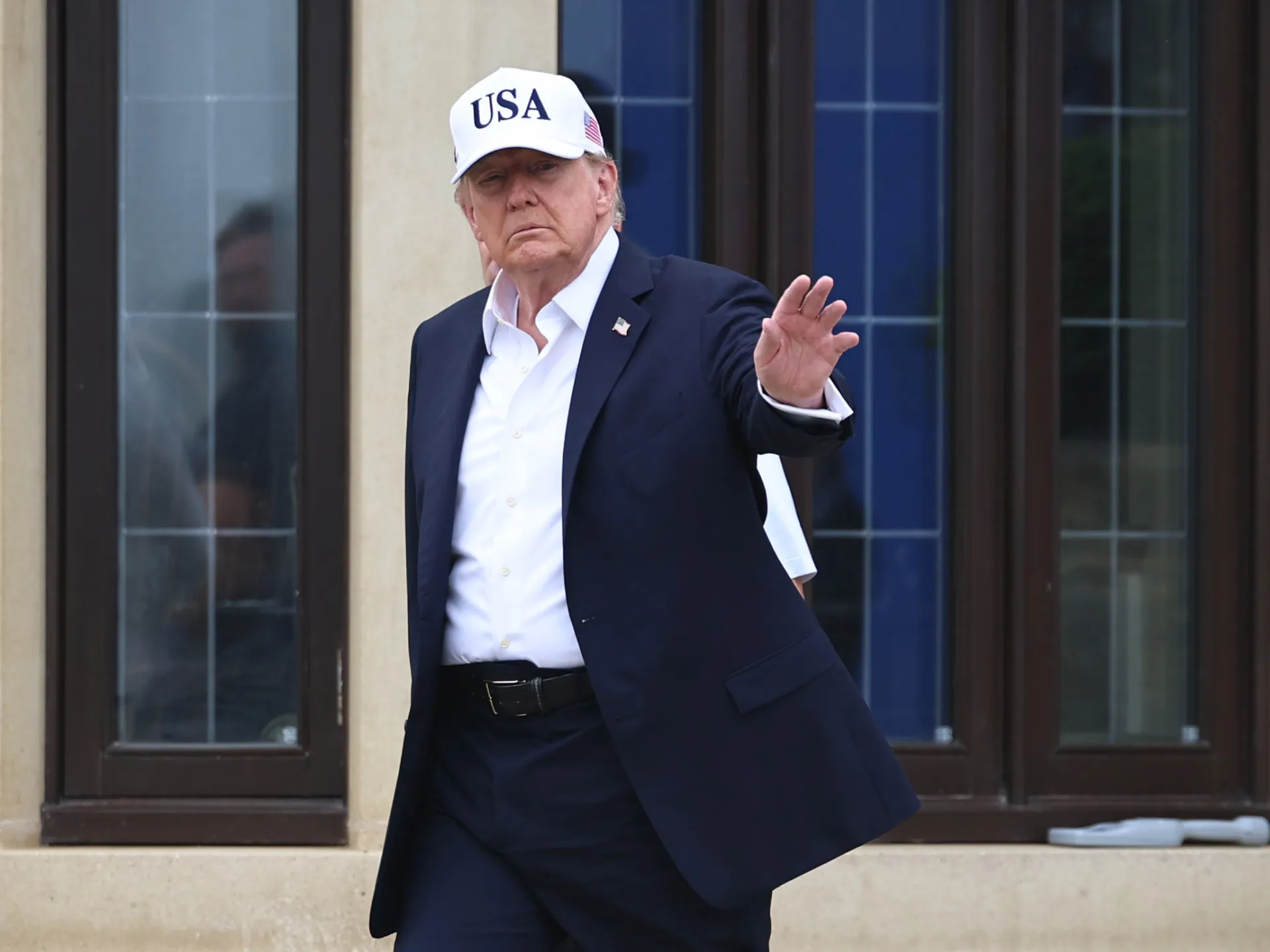
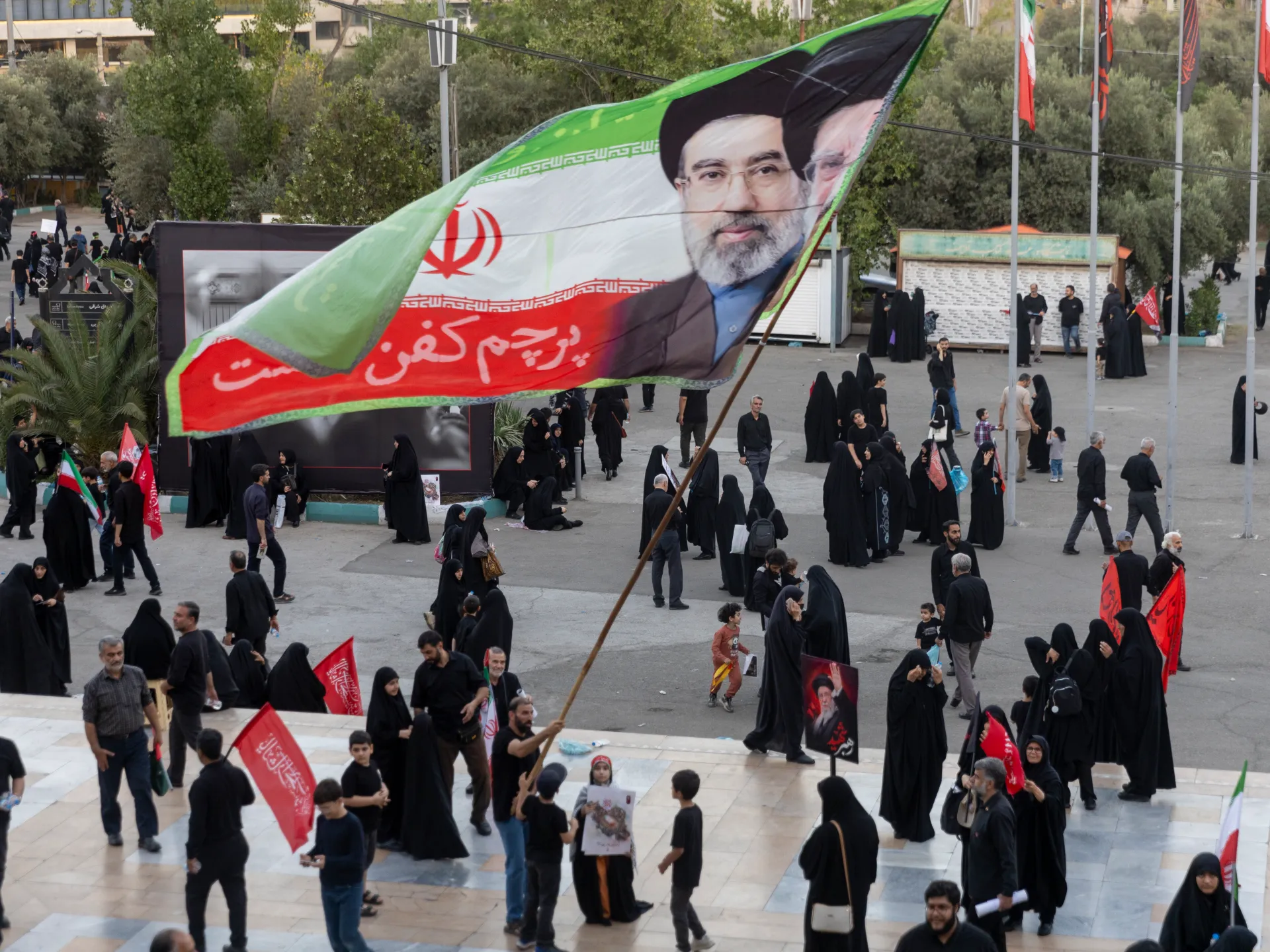
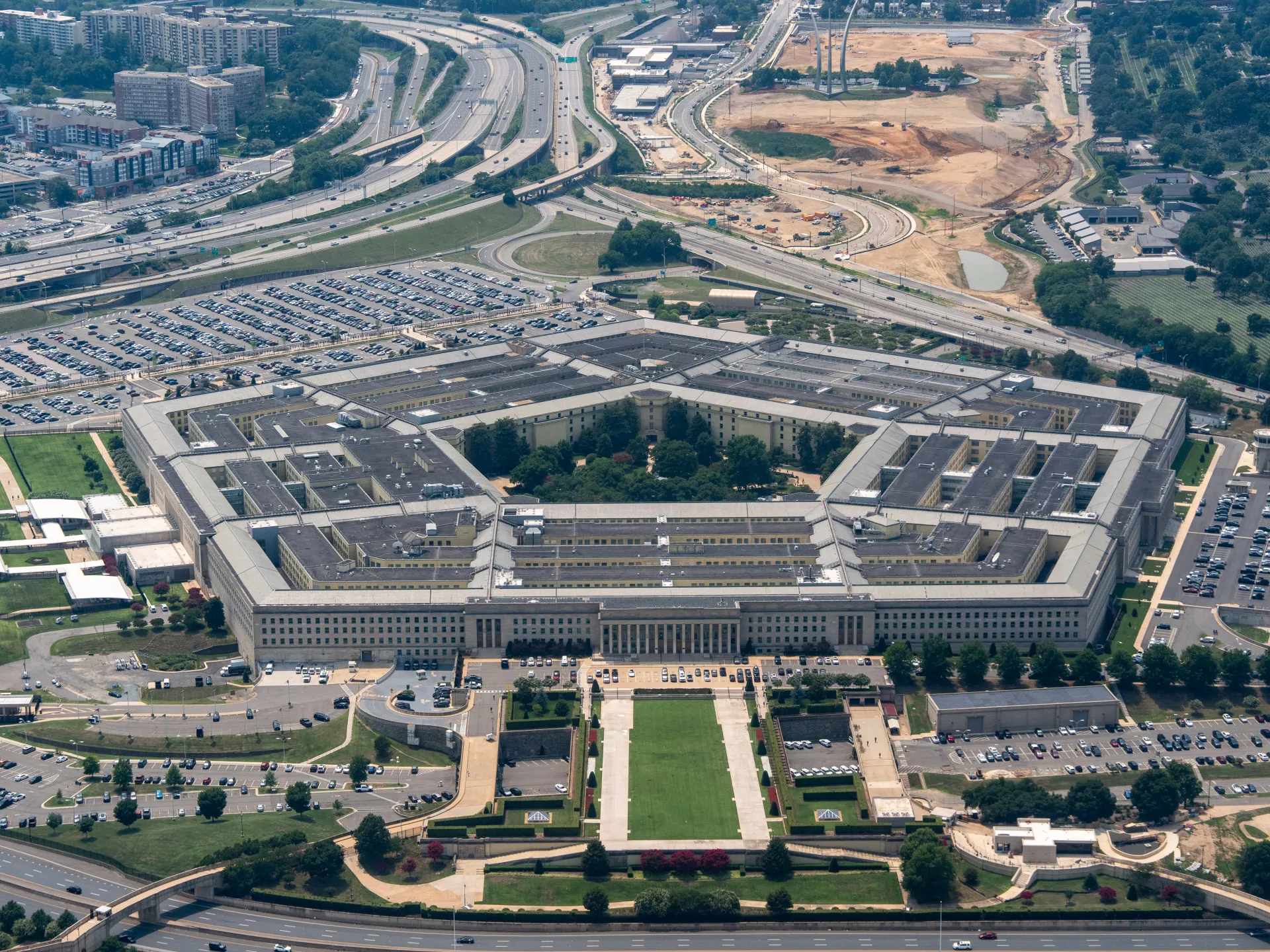
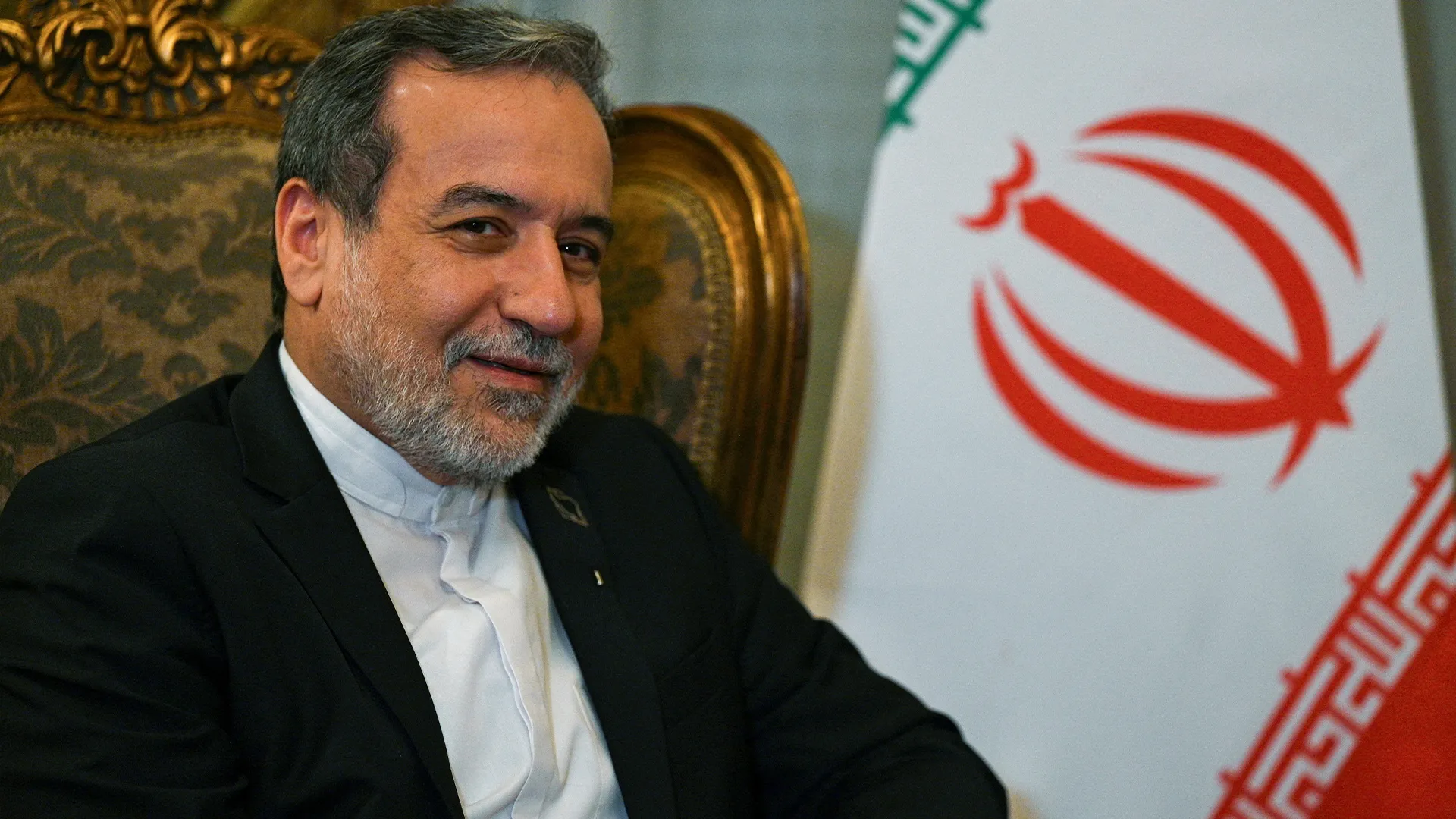
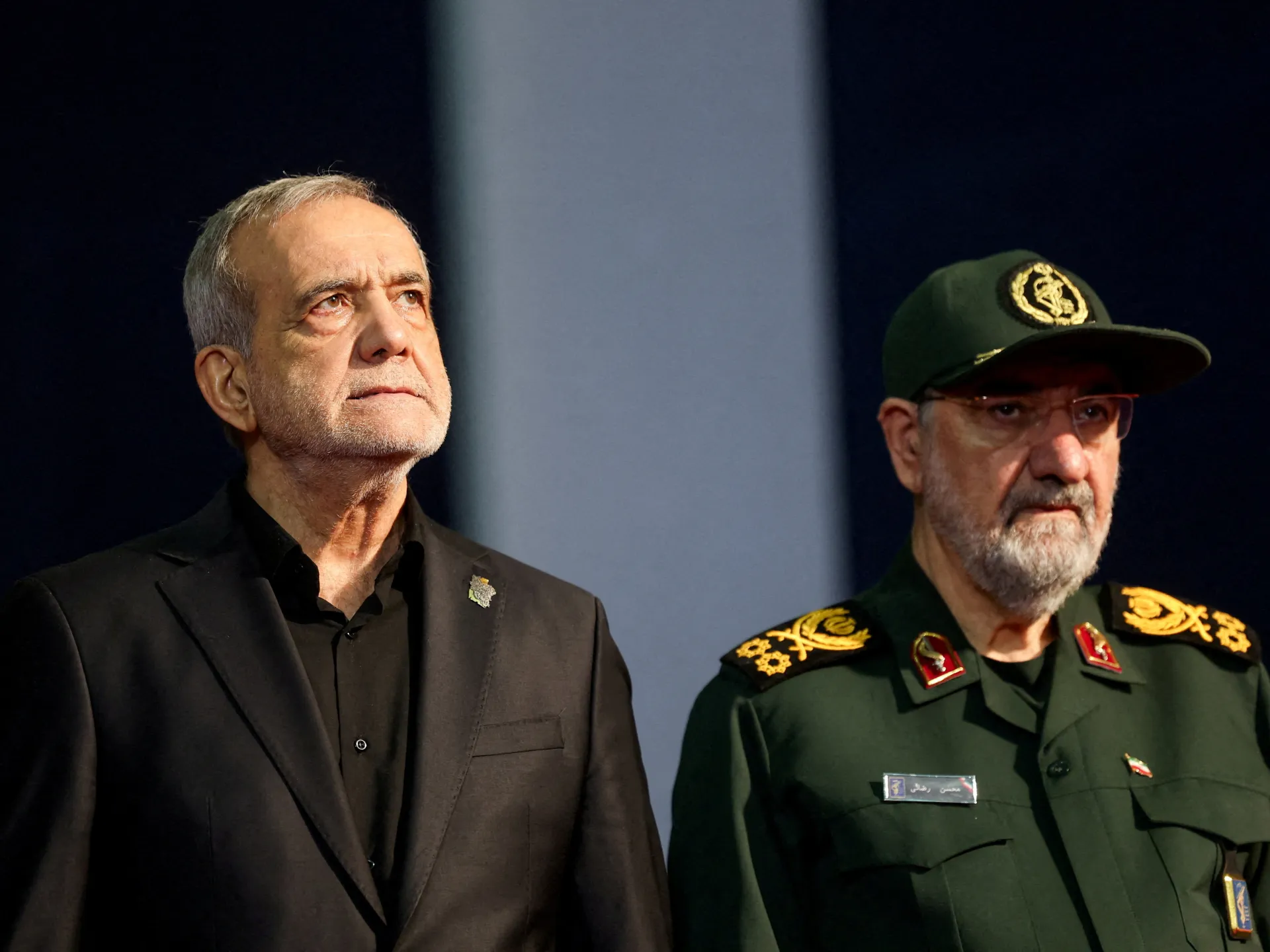
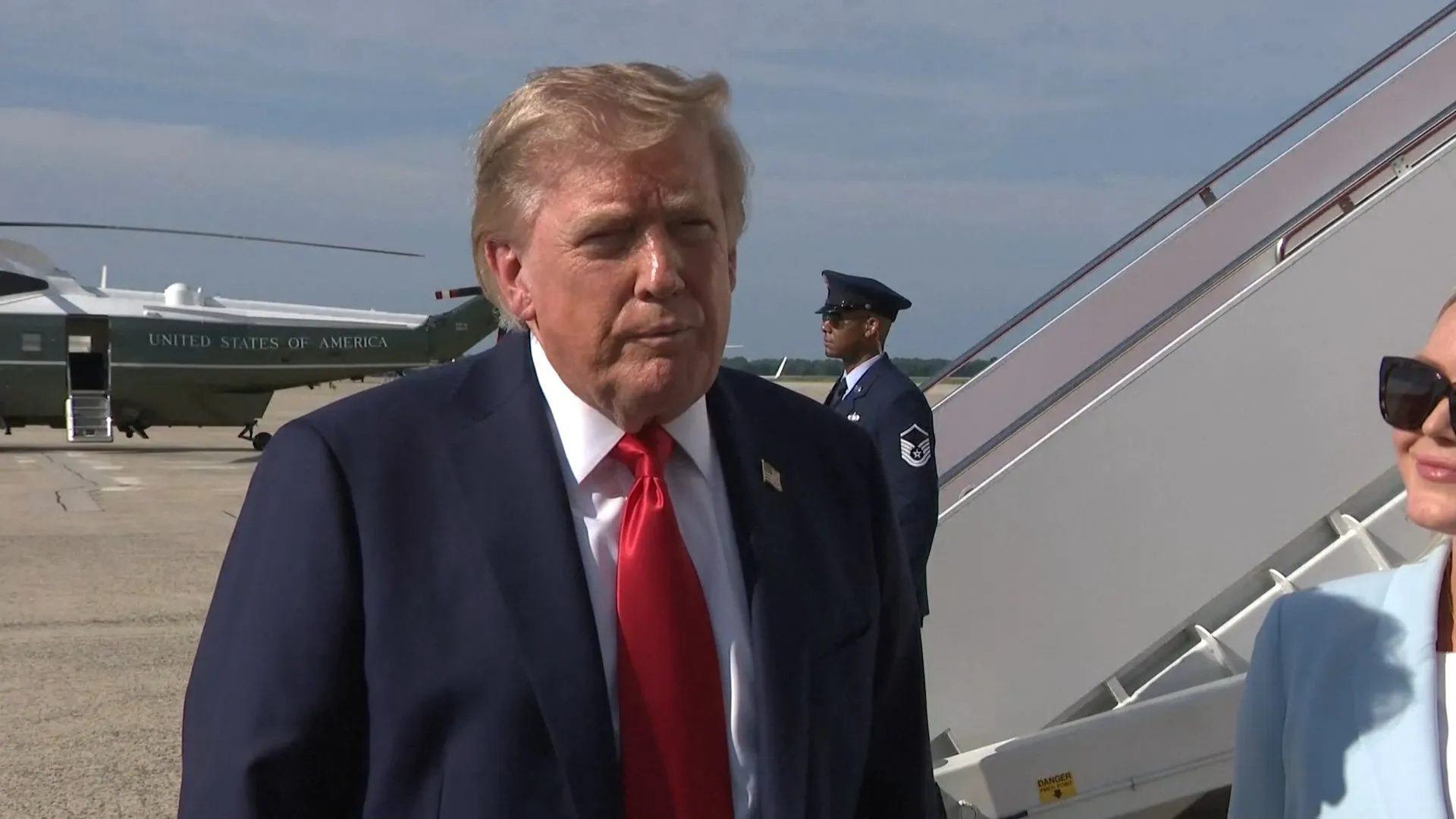
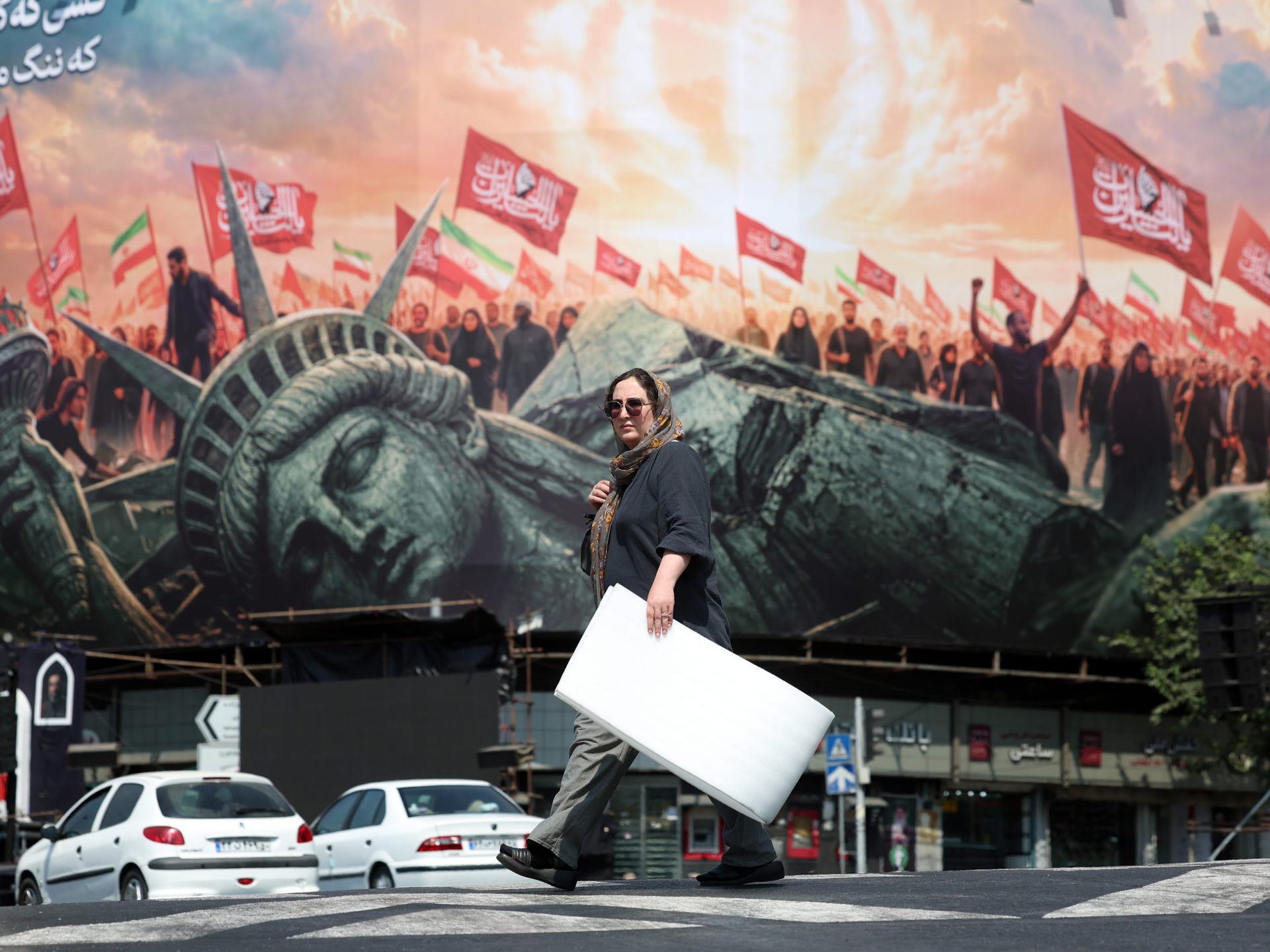
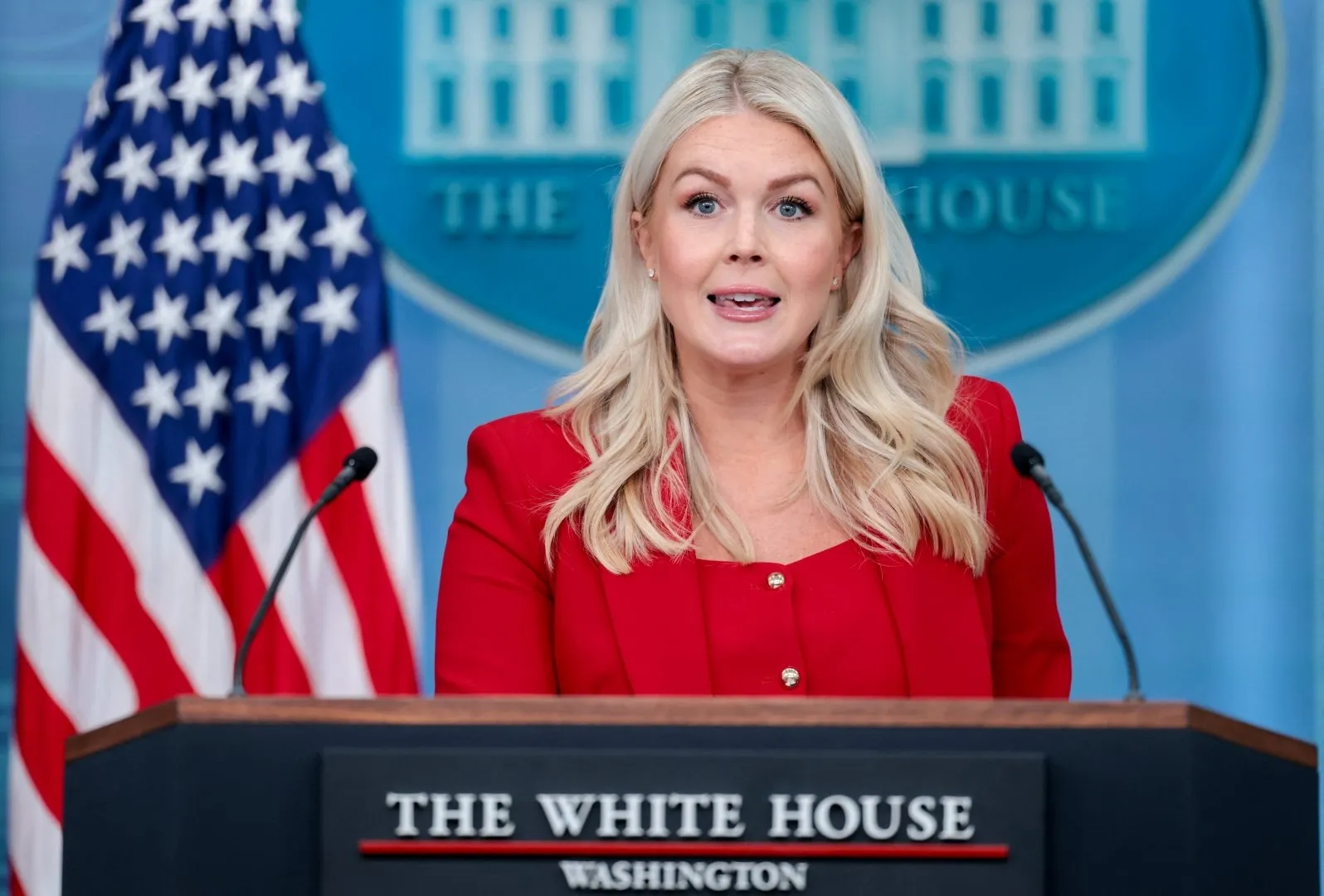
The volatile security landscape in the Middle East has entered a precarious new phase, as authorities in Tehran have issued a direct warning to the United States against the initiation of further military operations. Officials in Iran have characterized potential upcoming strikes as a red line, signaling that any new escalation would be met with what they described as retaliatory actions "without limitations."
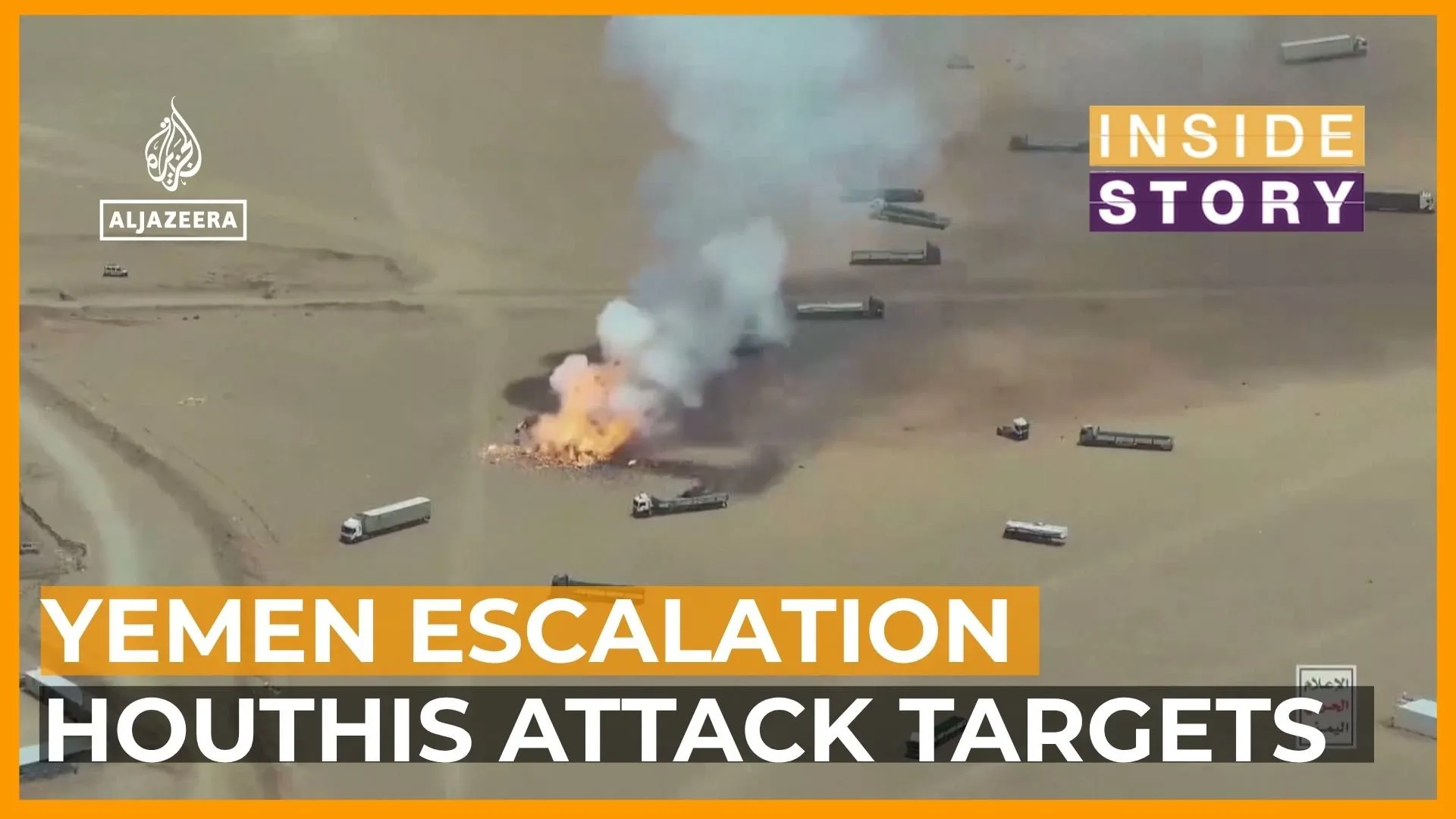
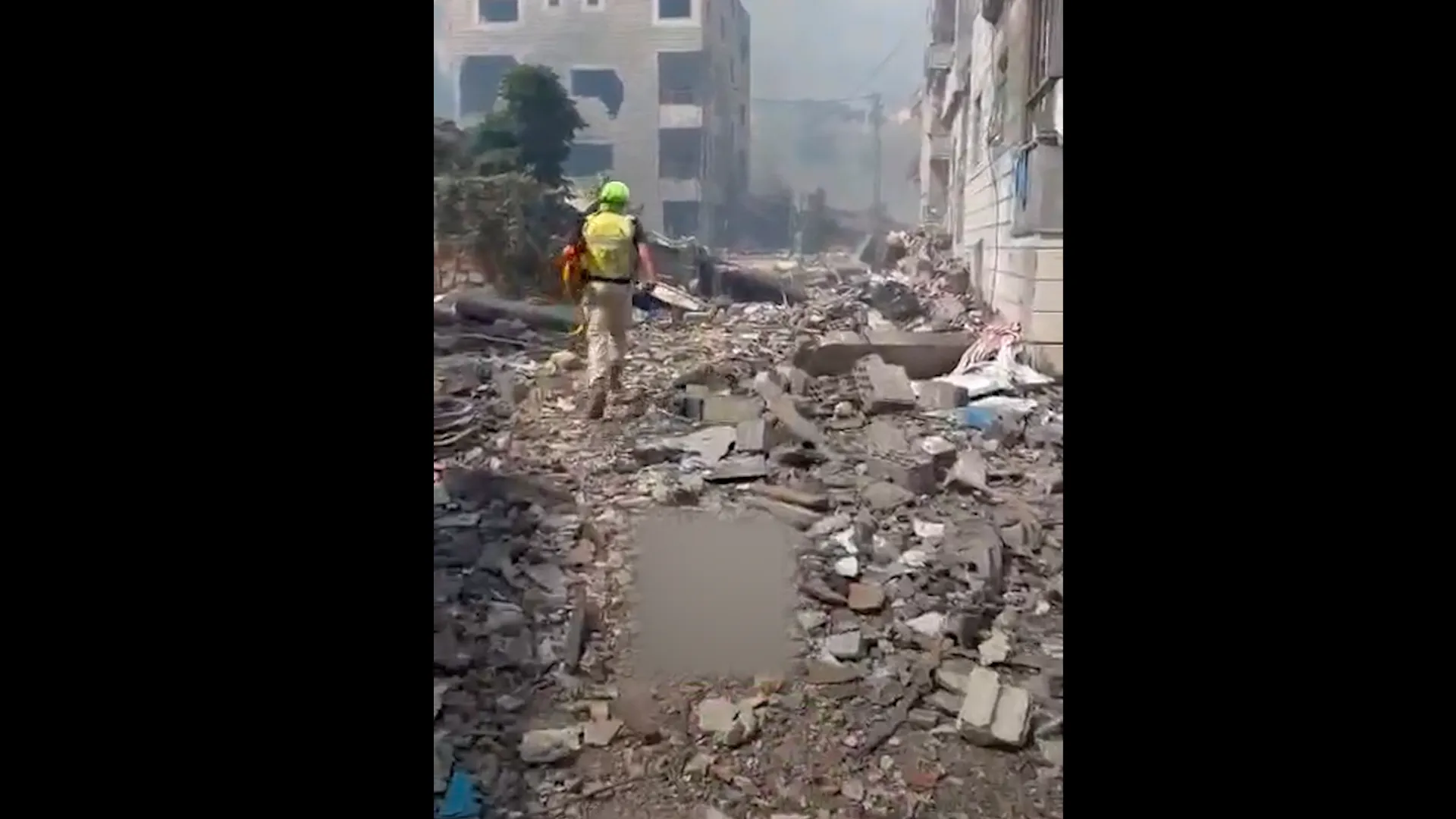
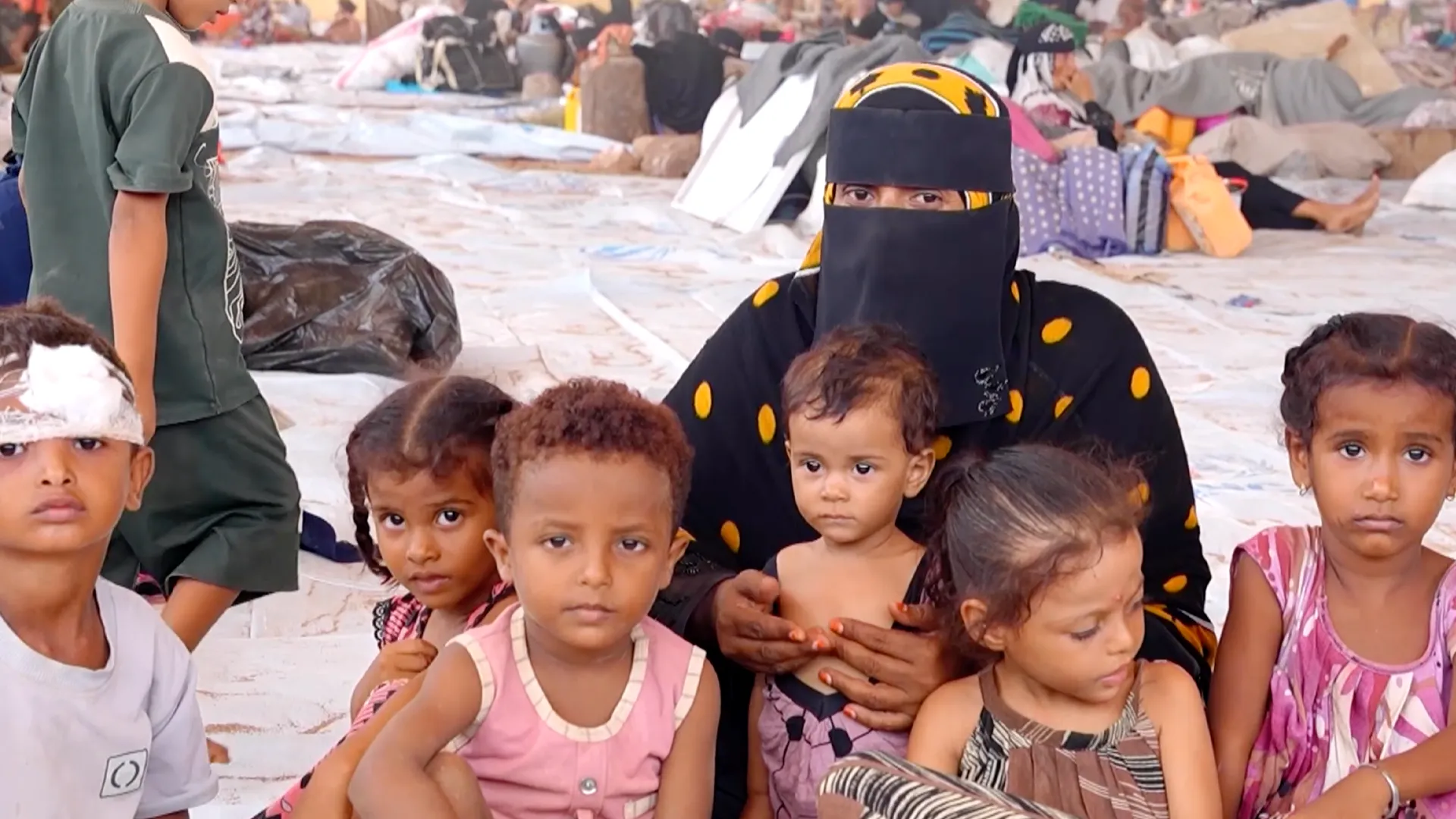
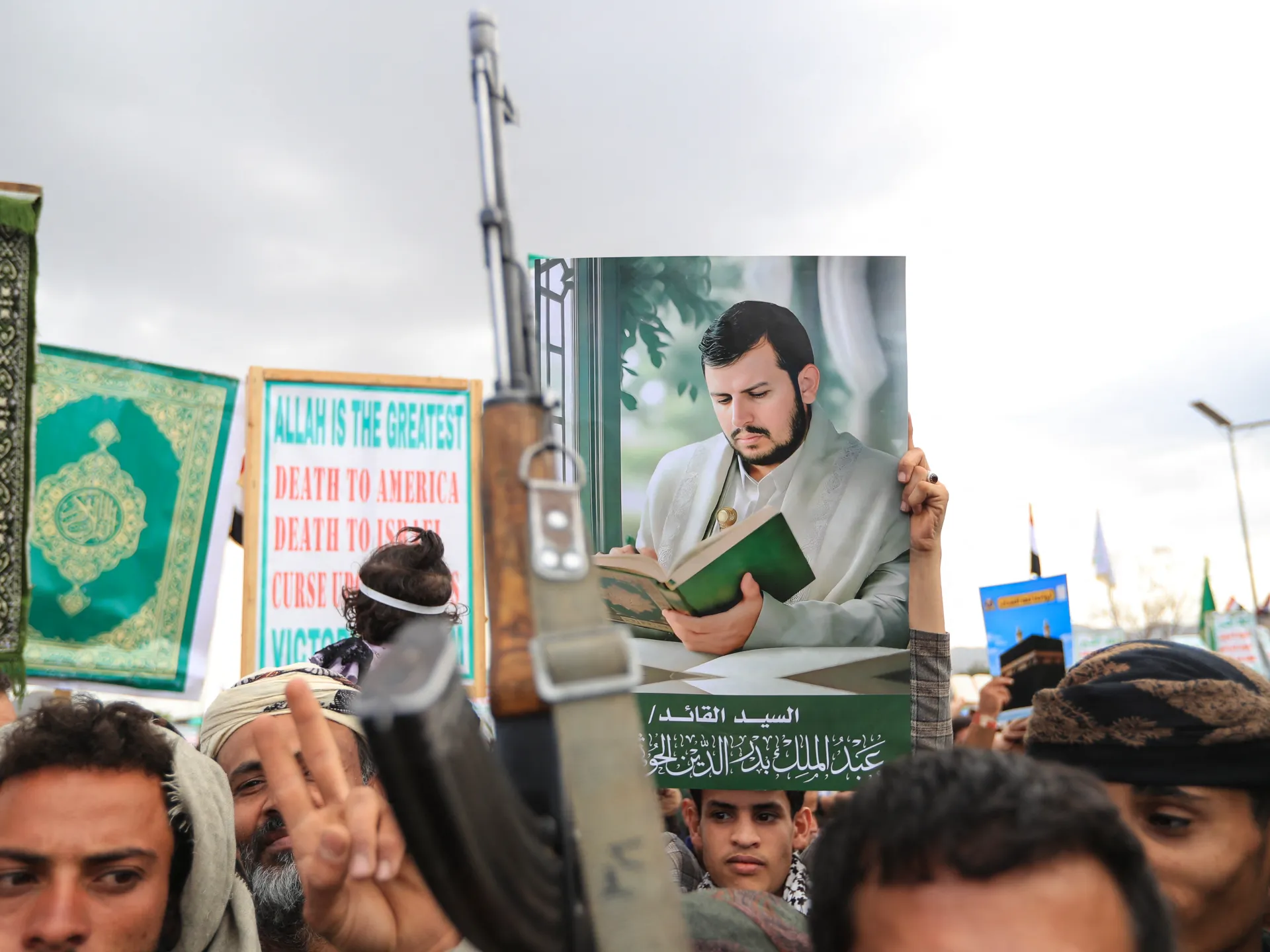
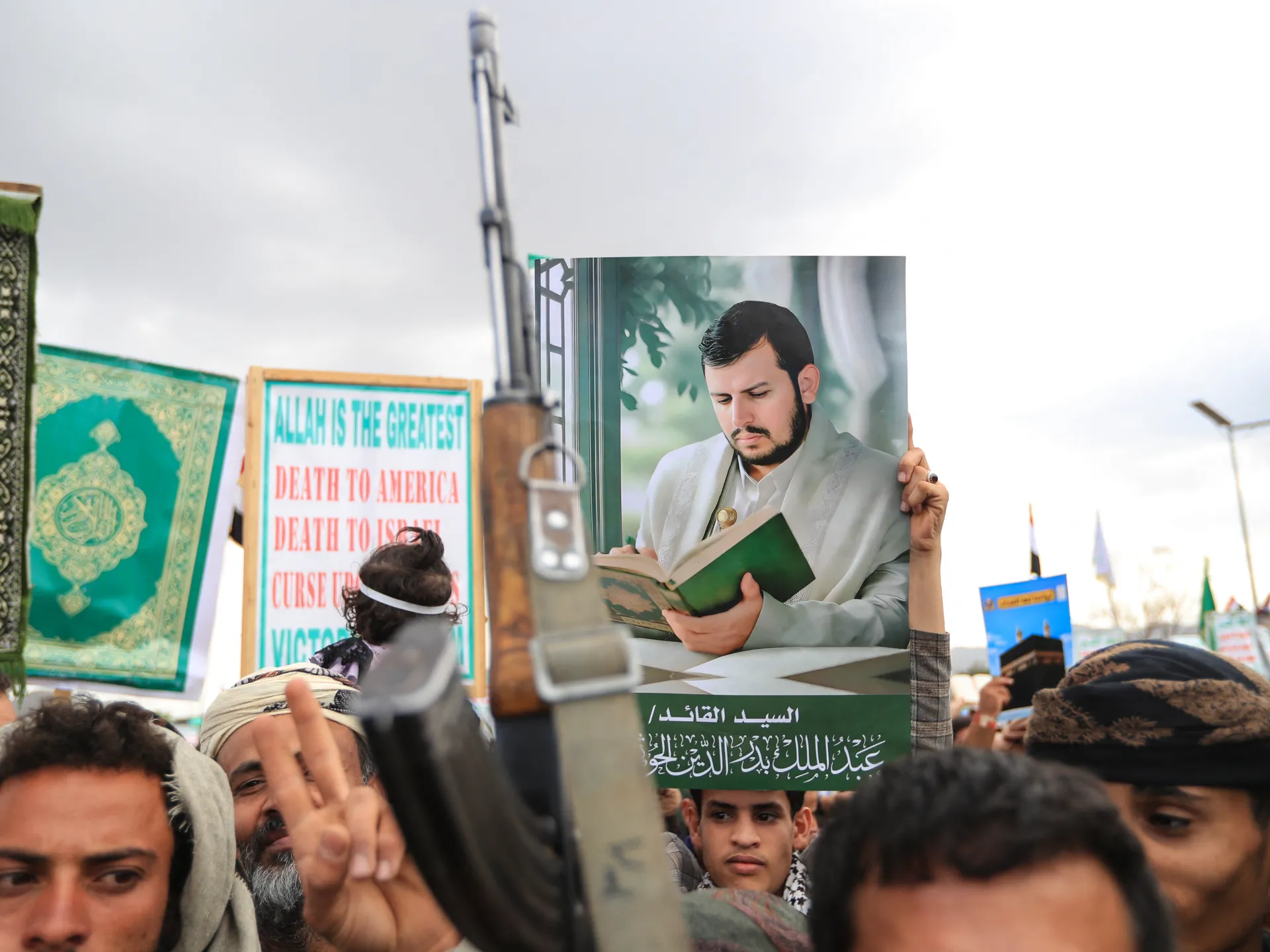
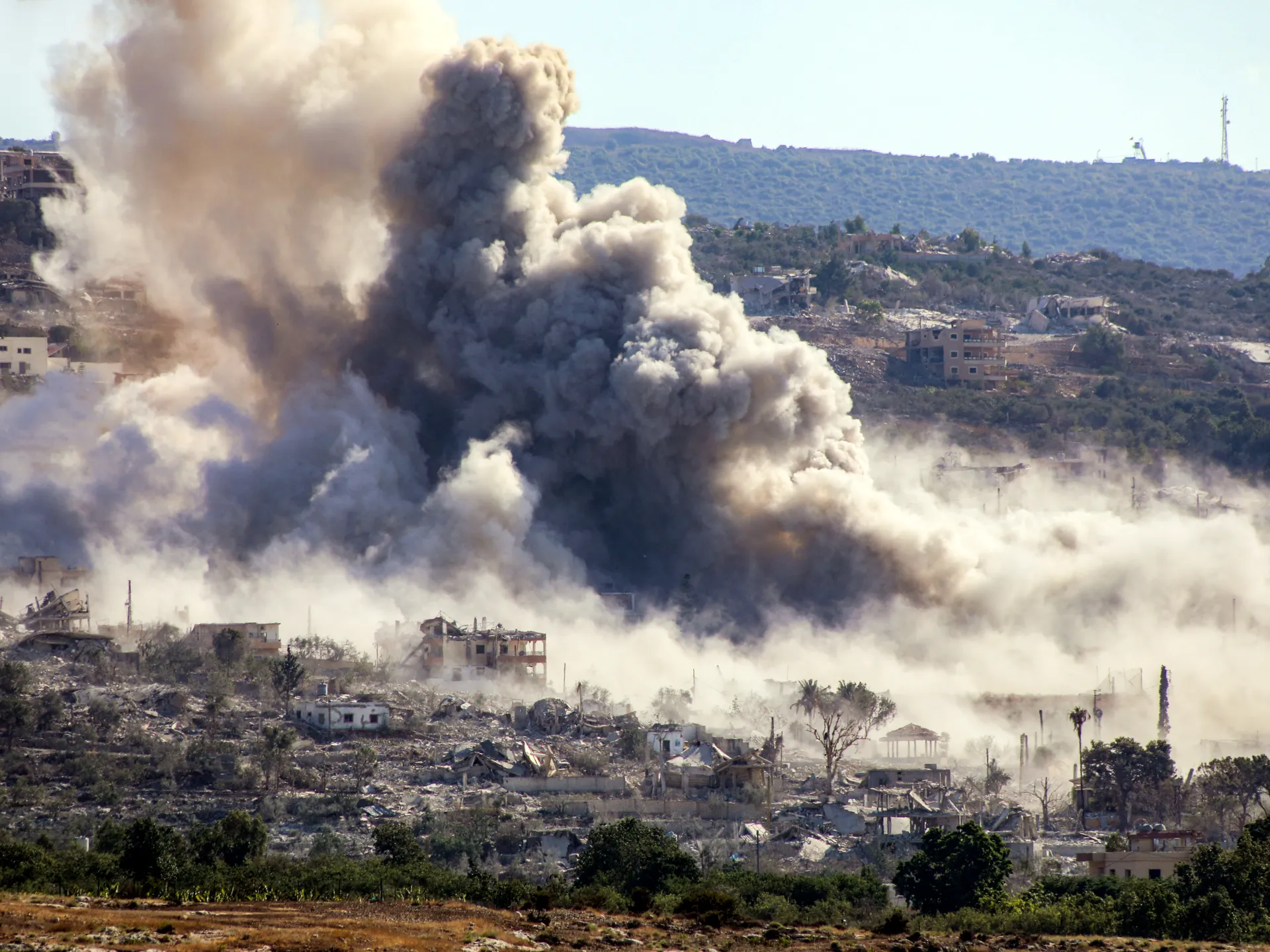
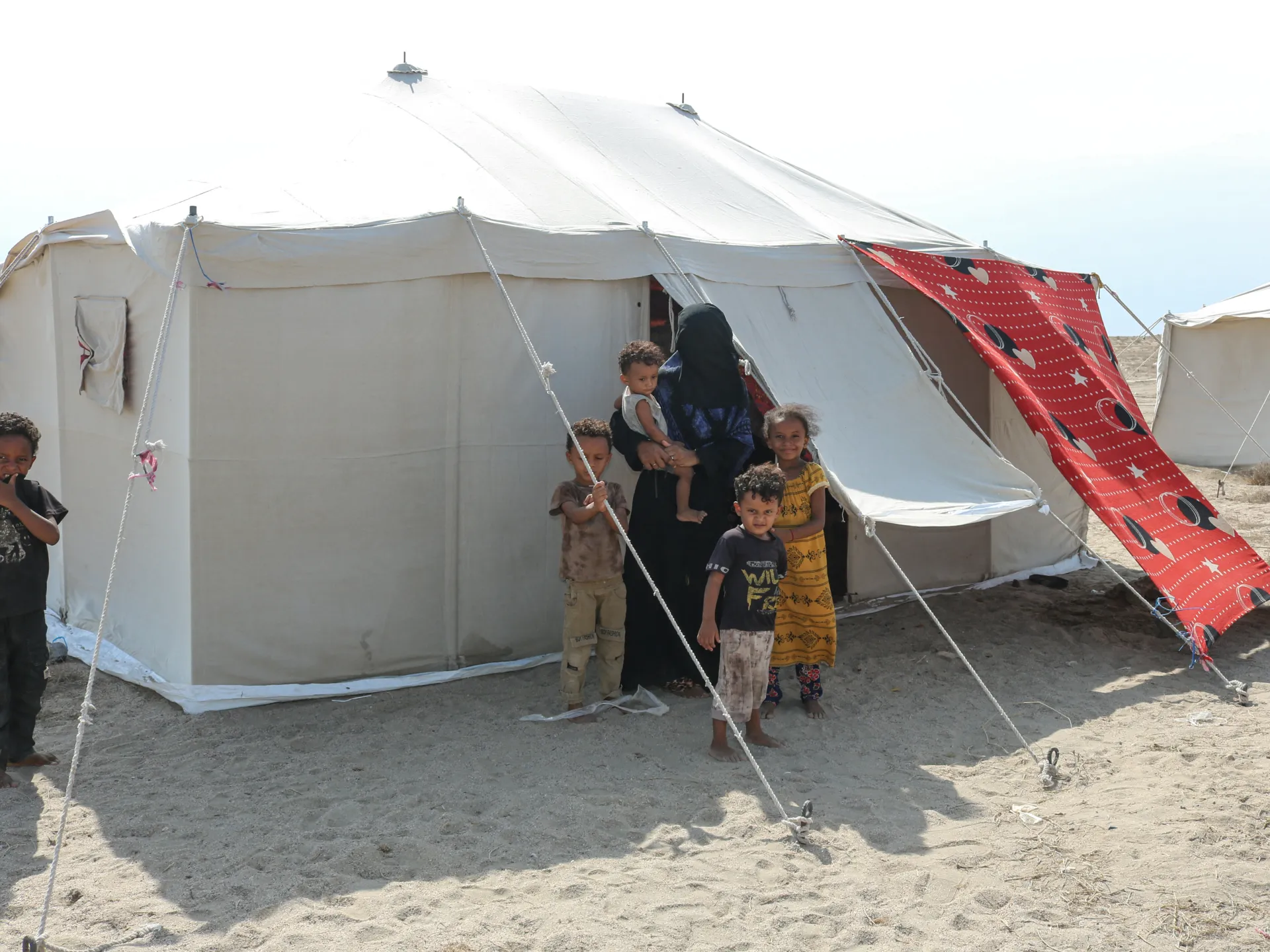
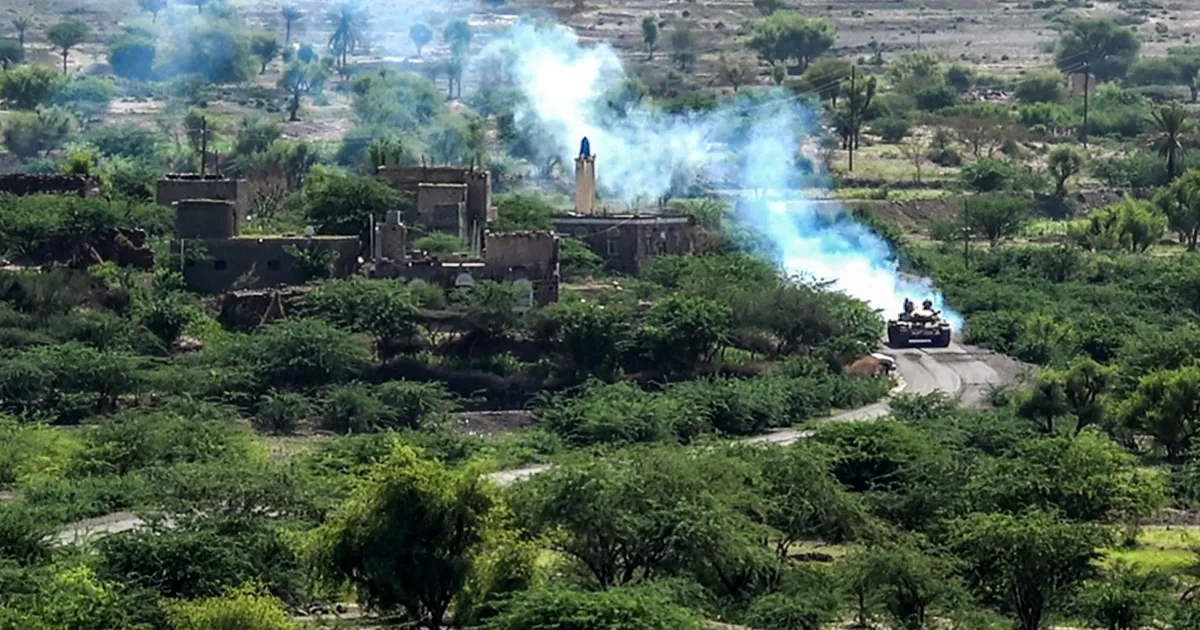
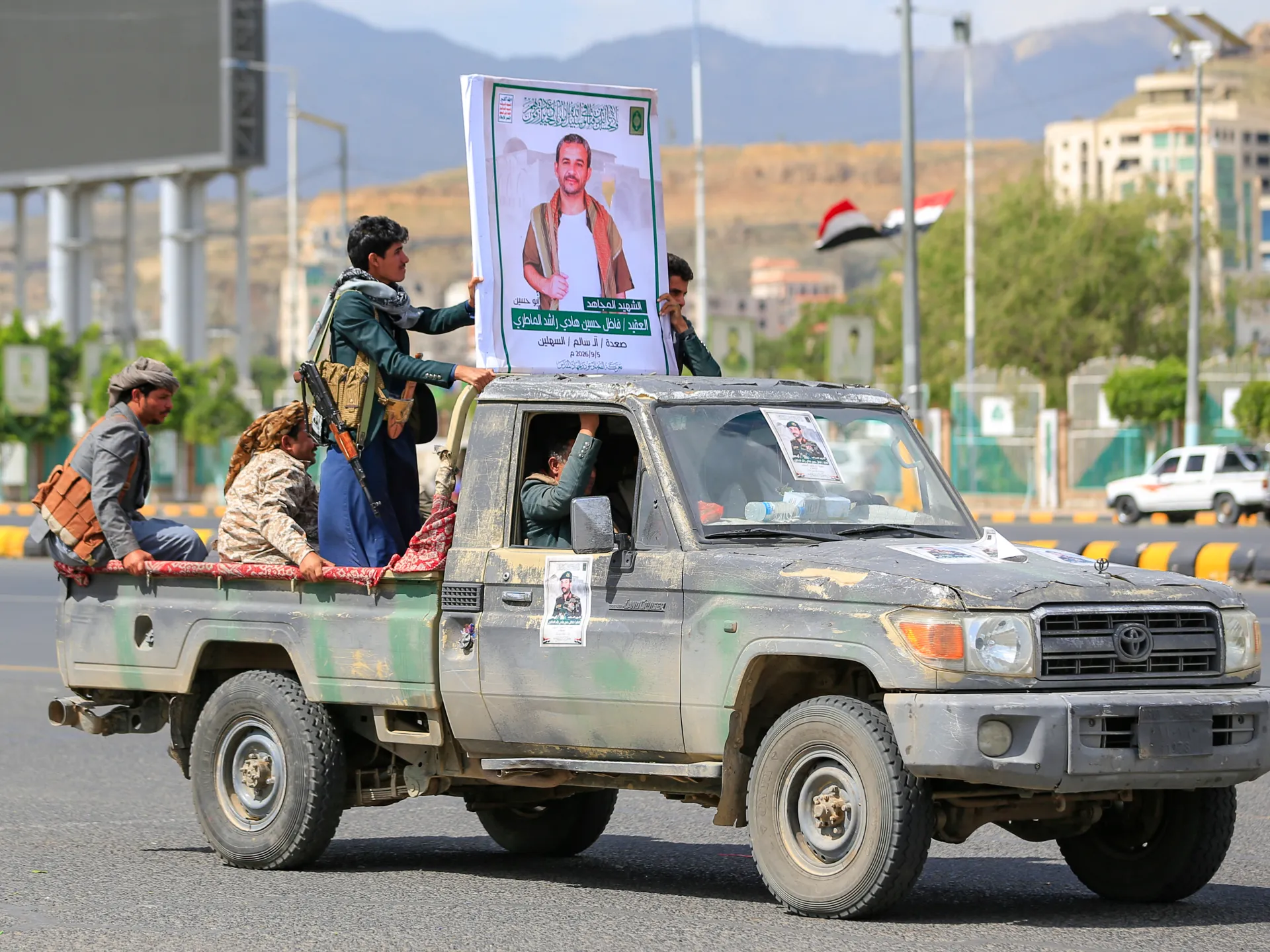
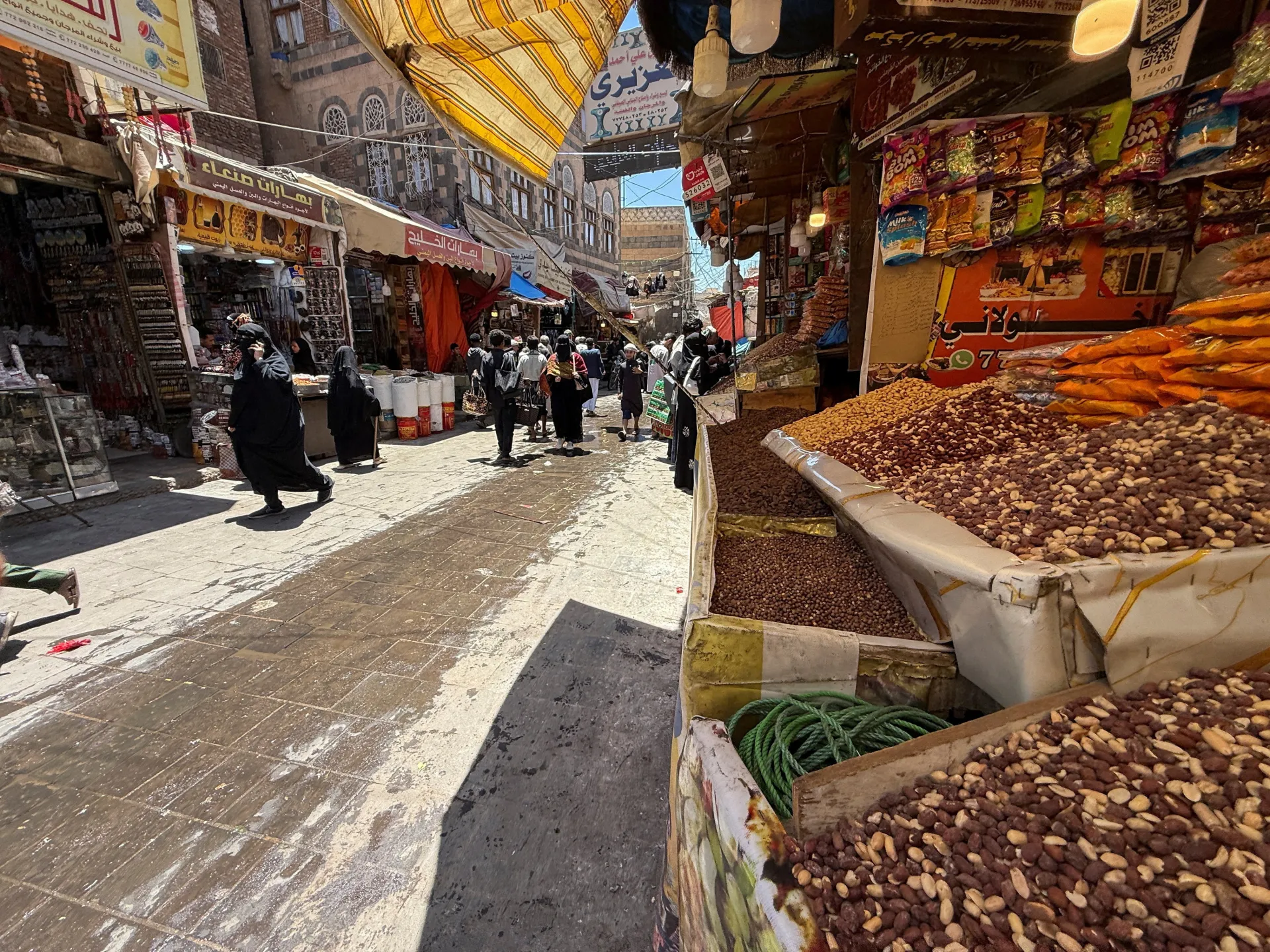
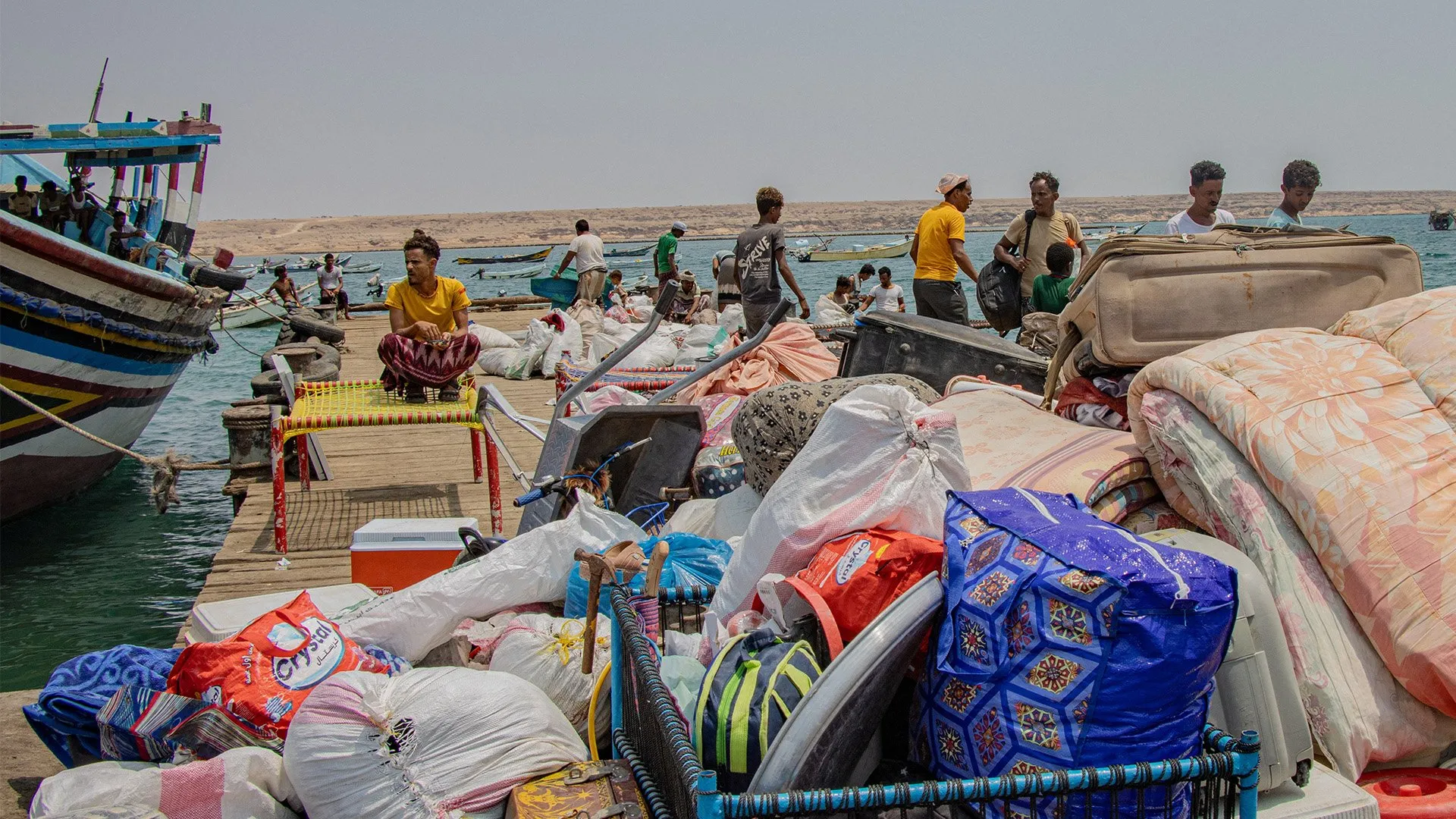
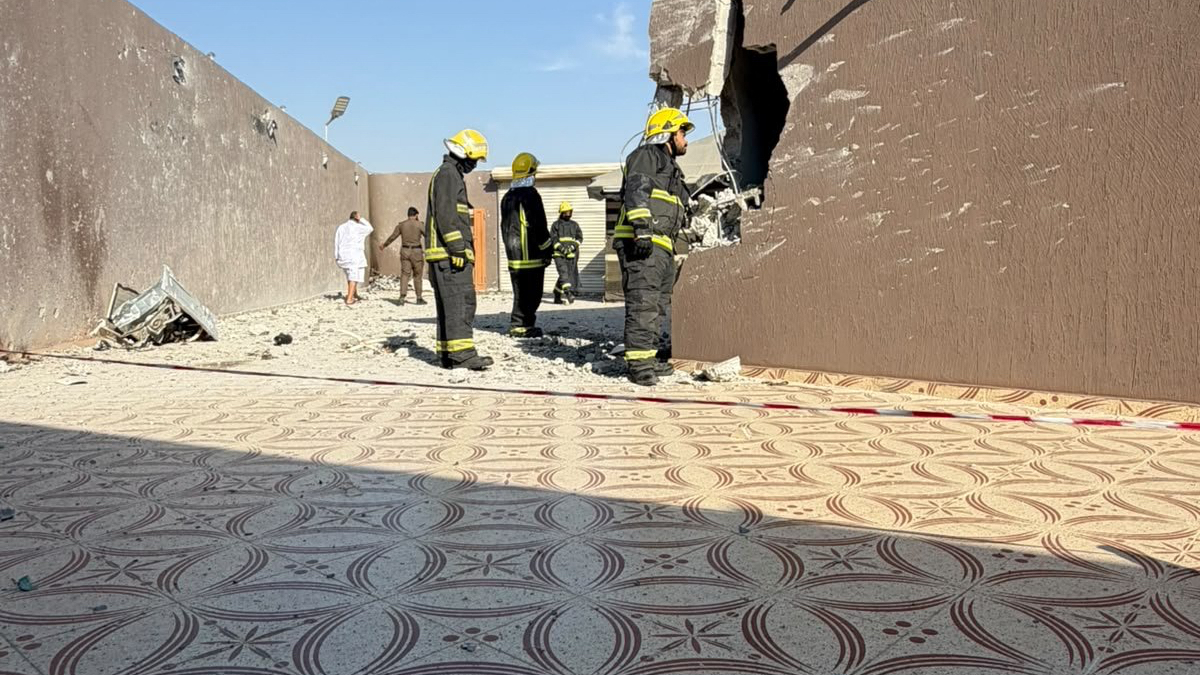
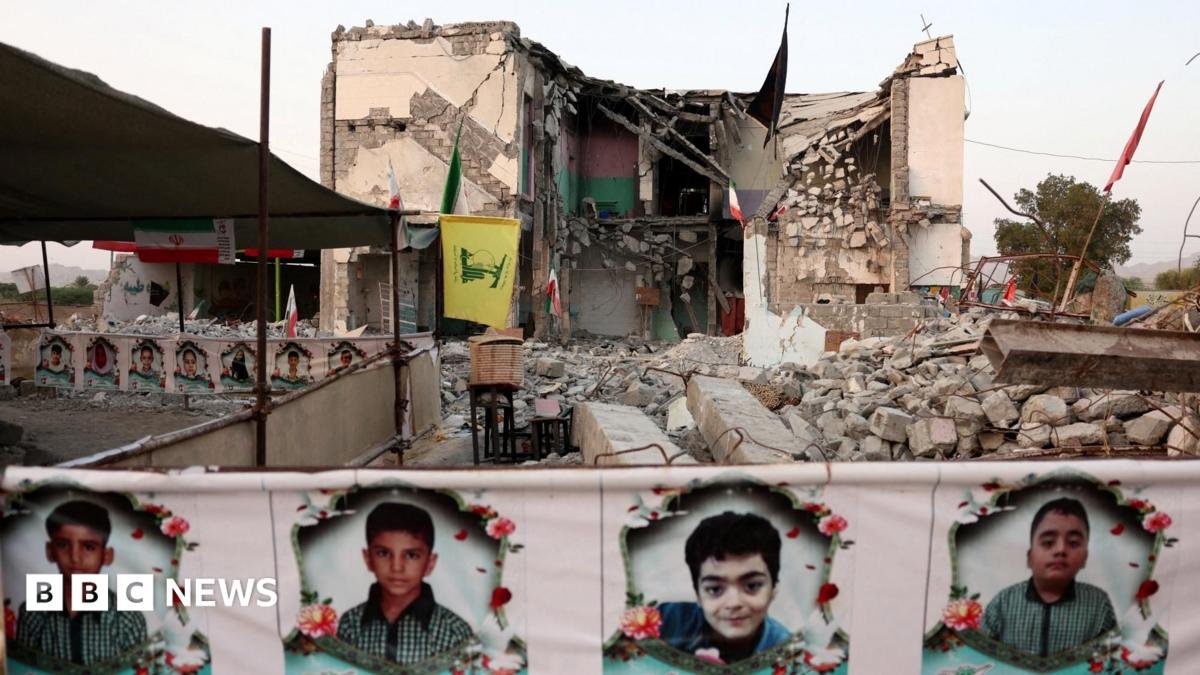
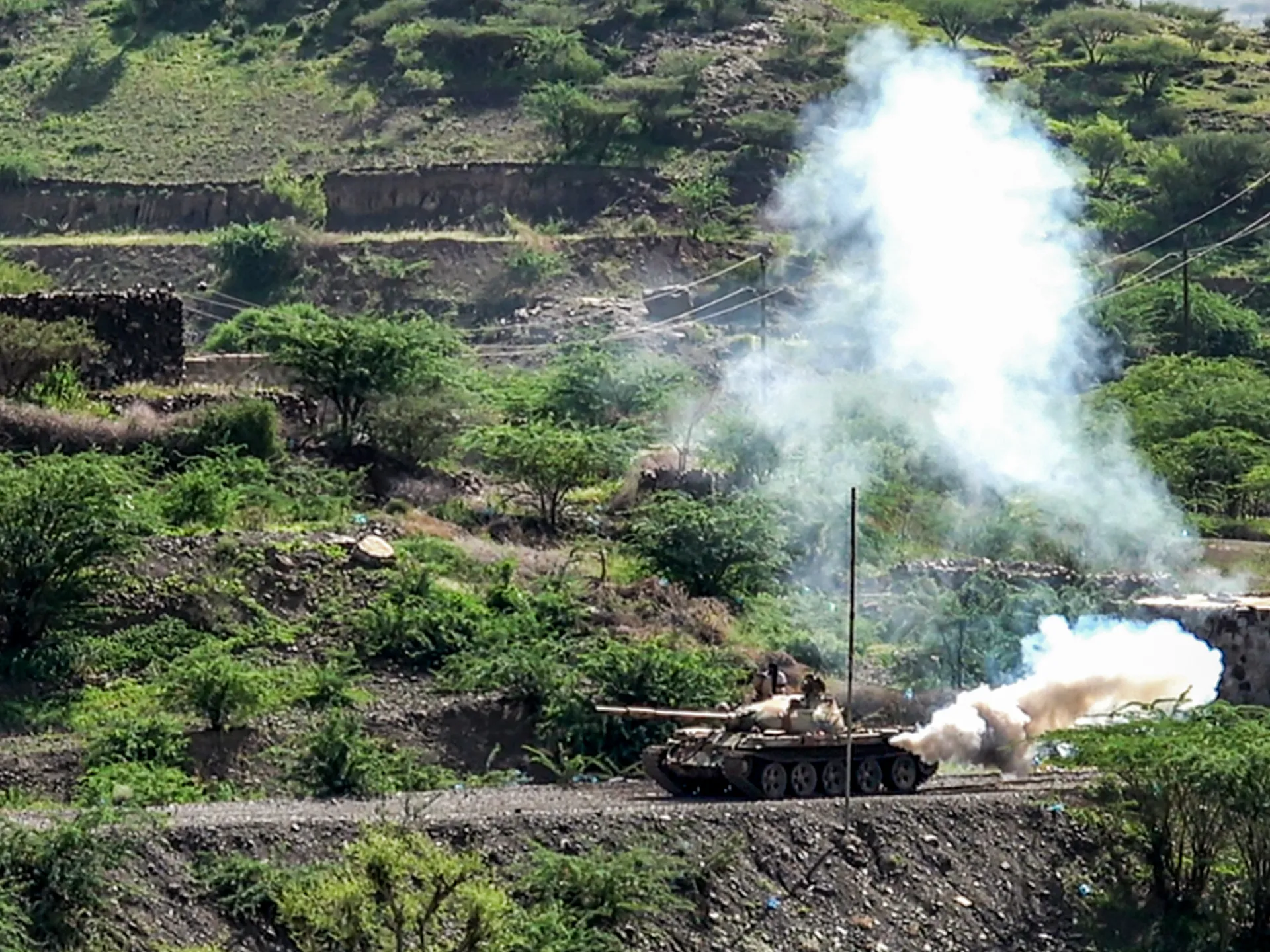
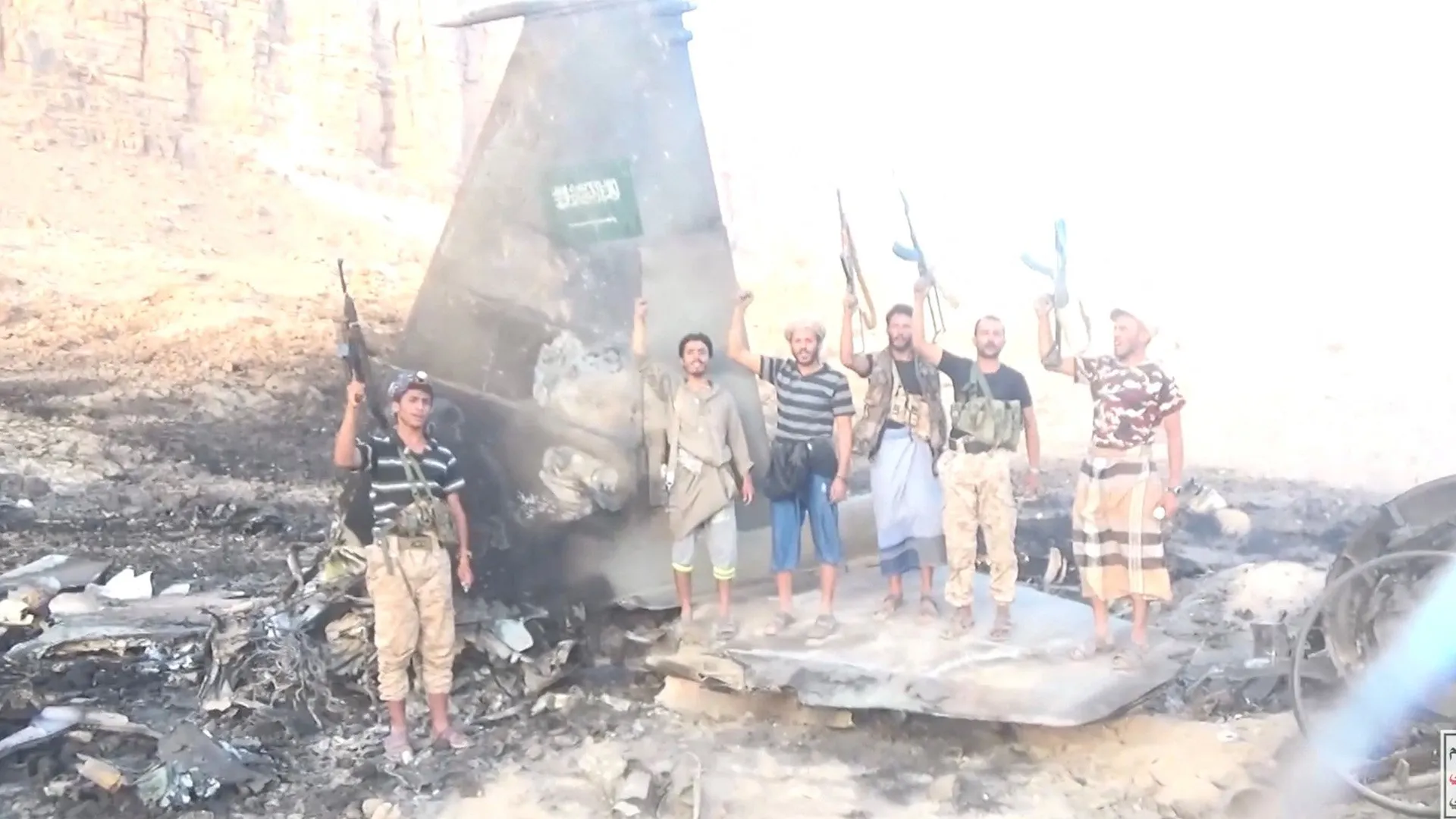
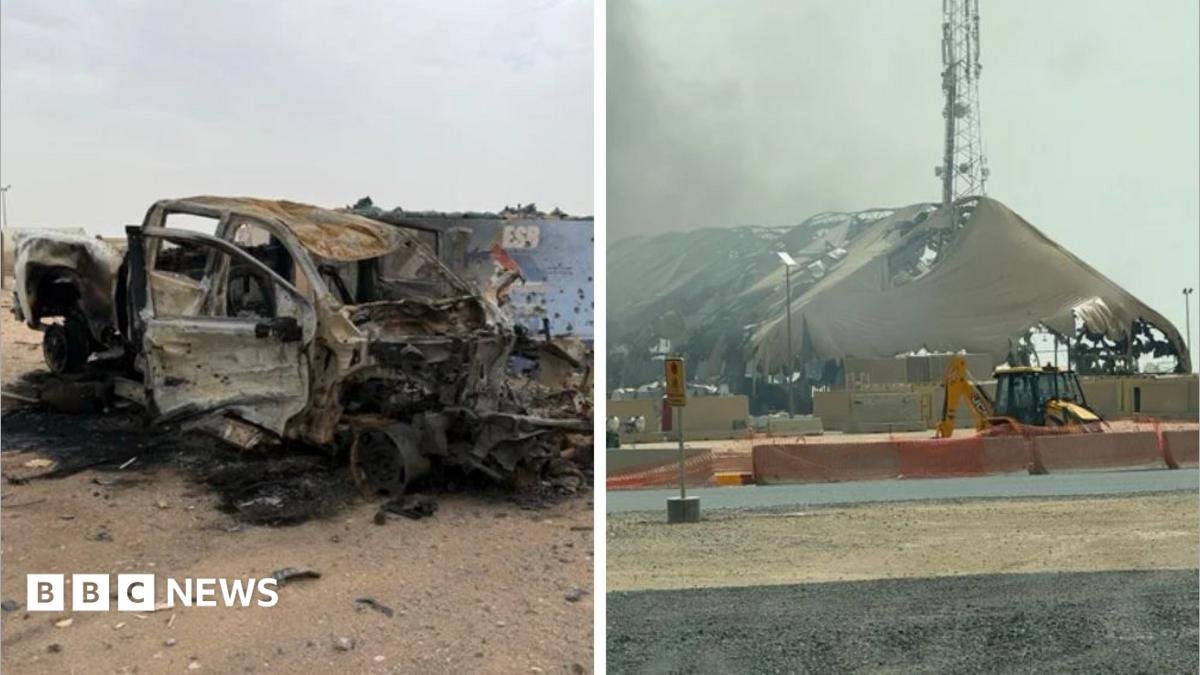
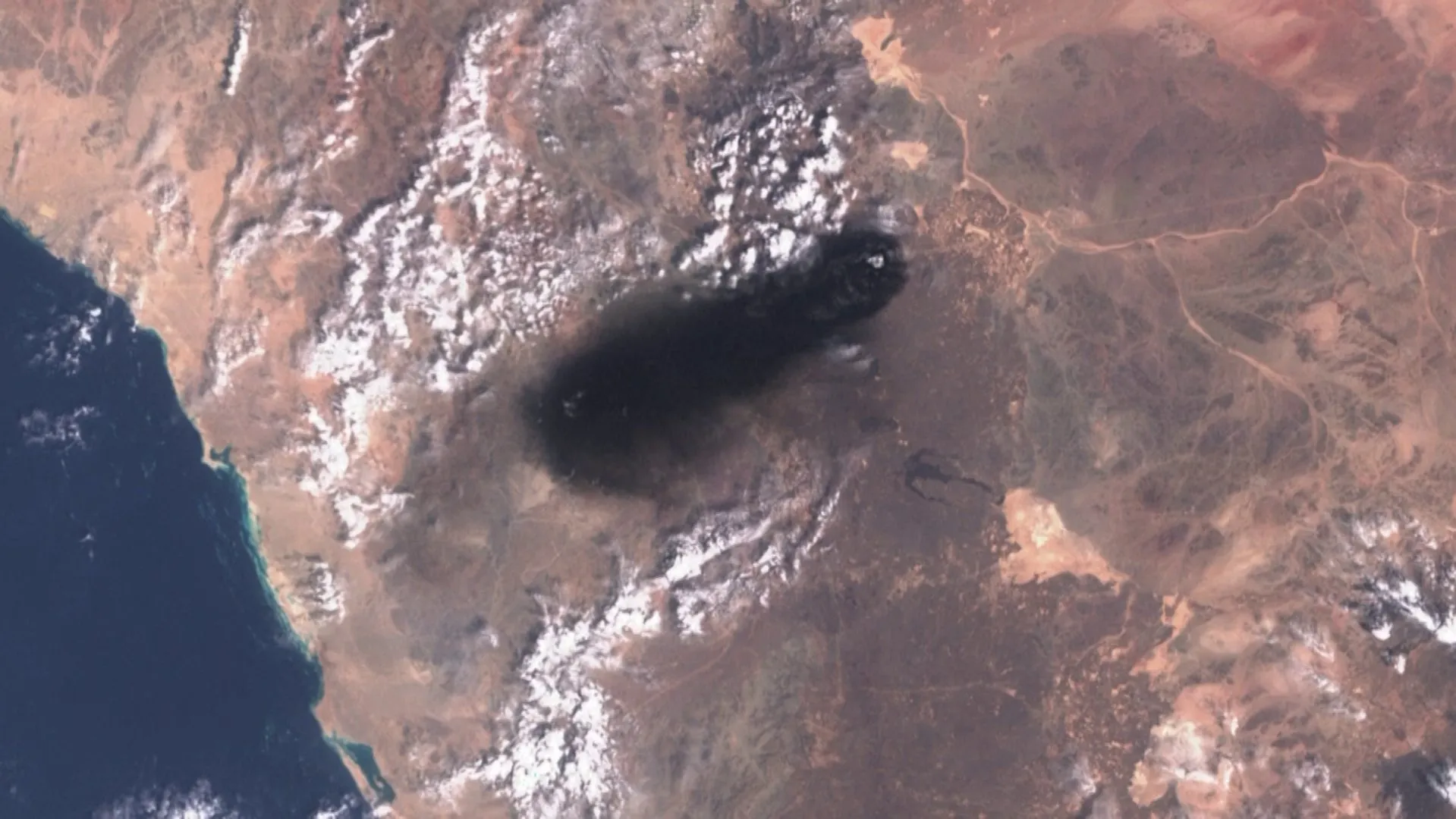
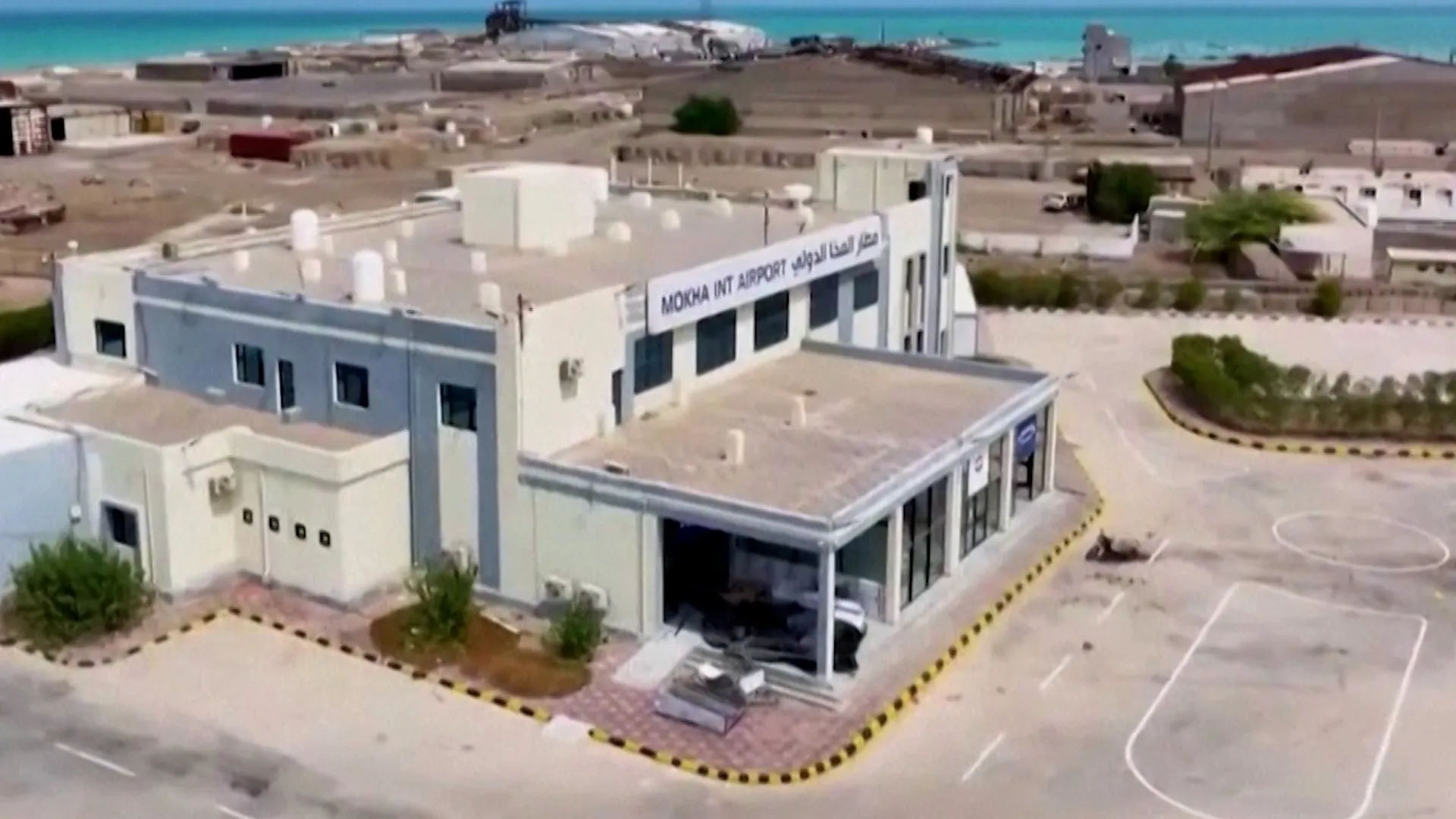
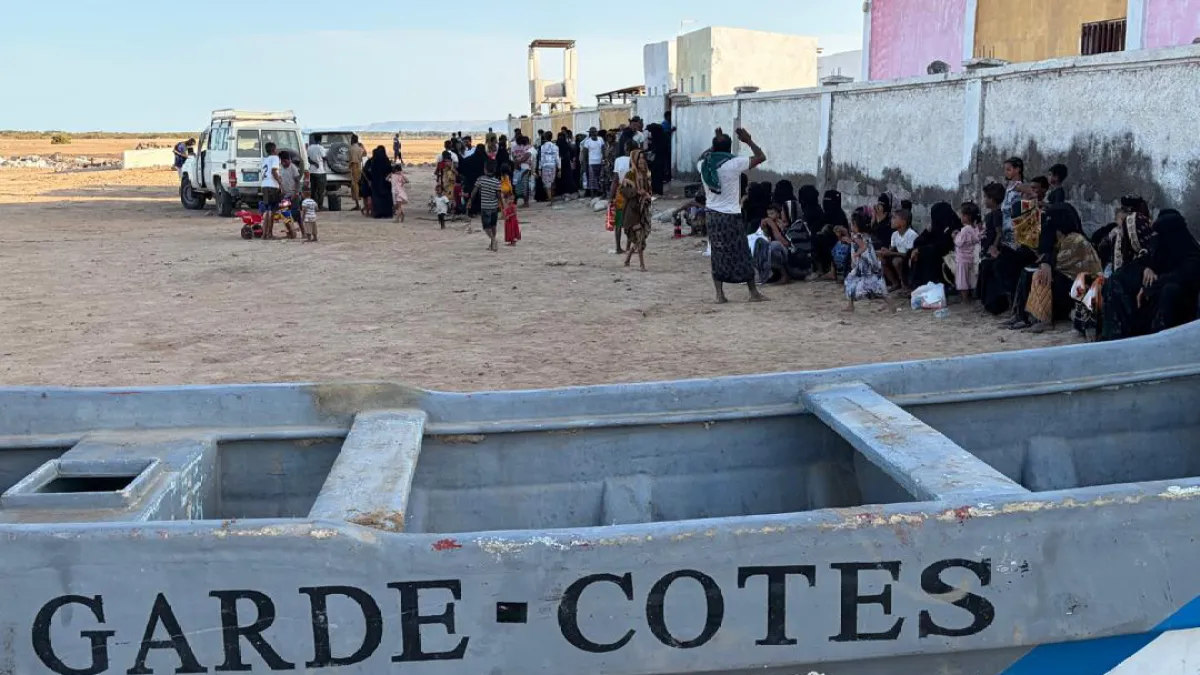
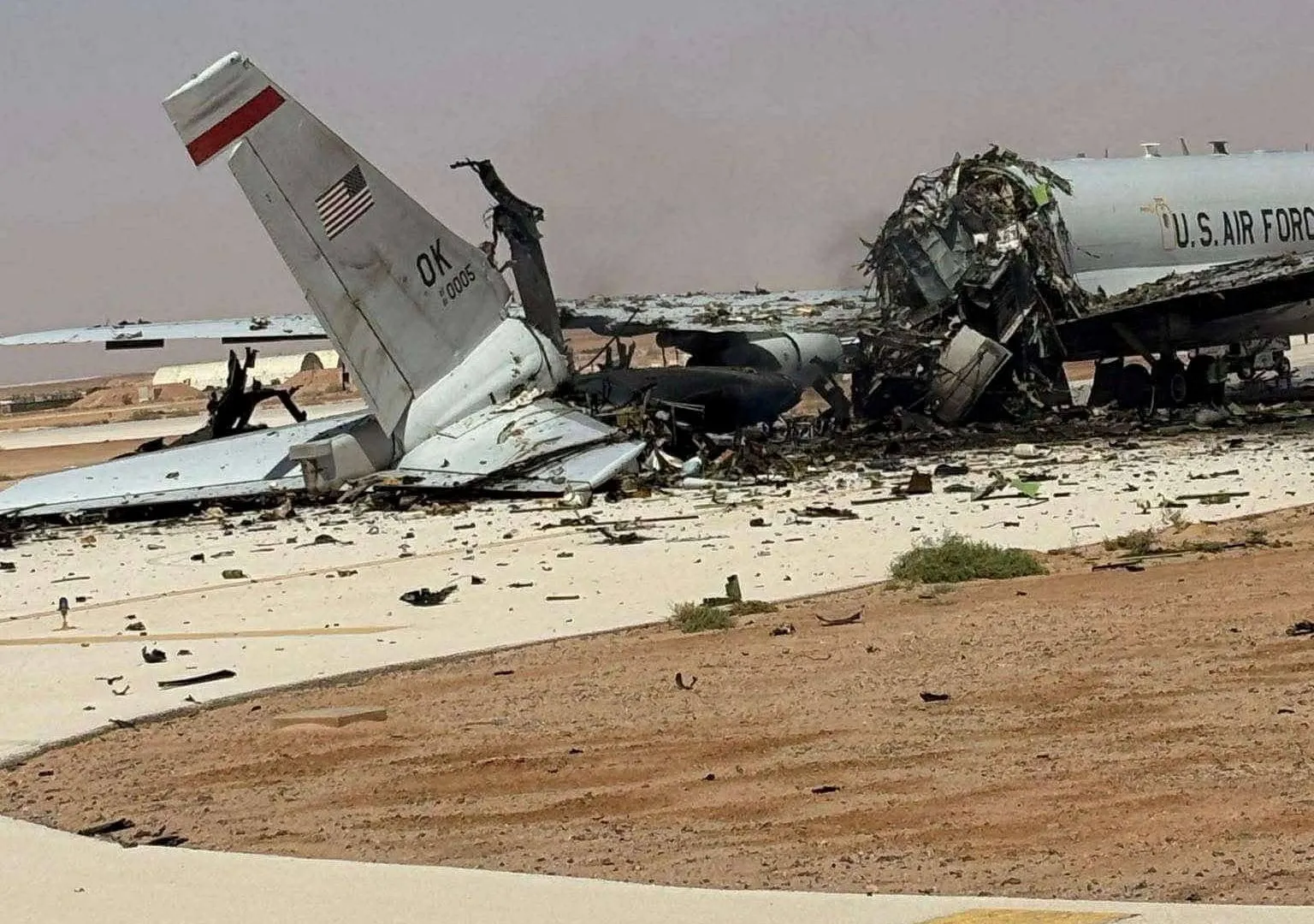
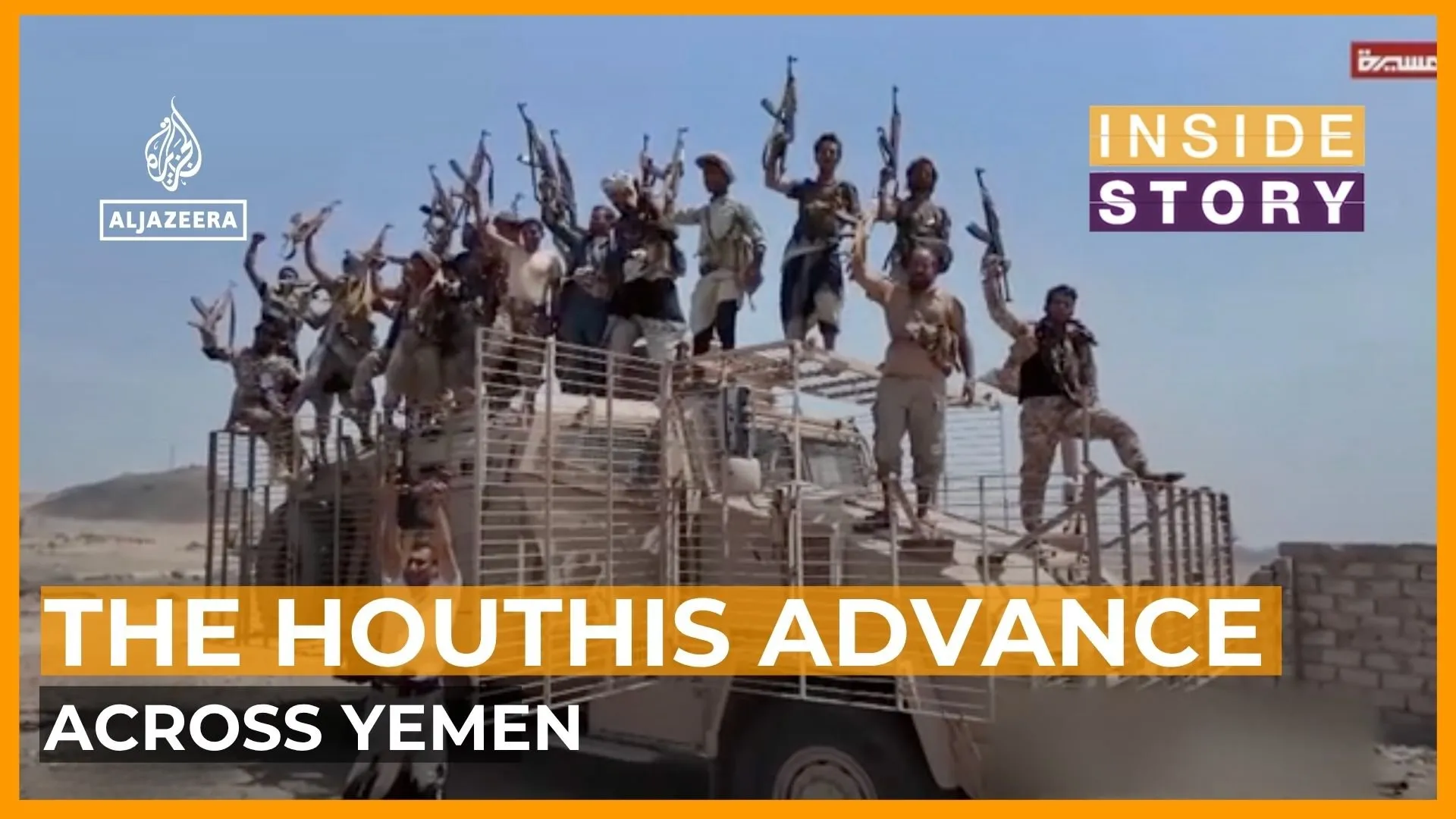
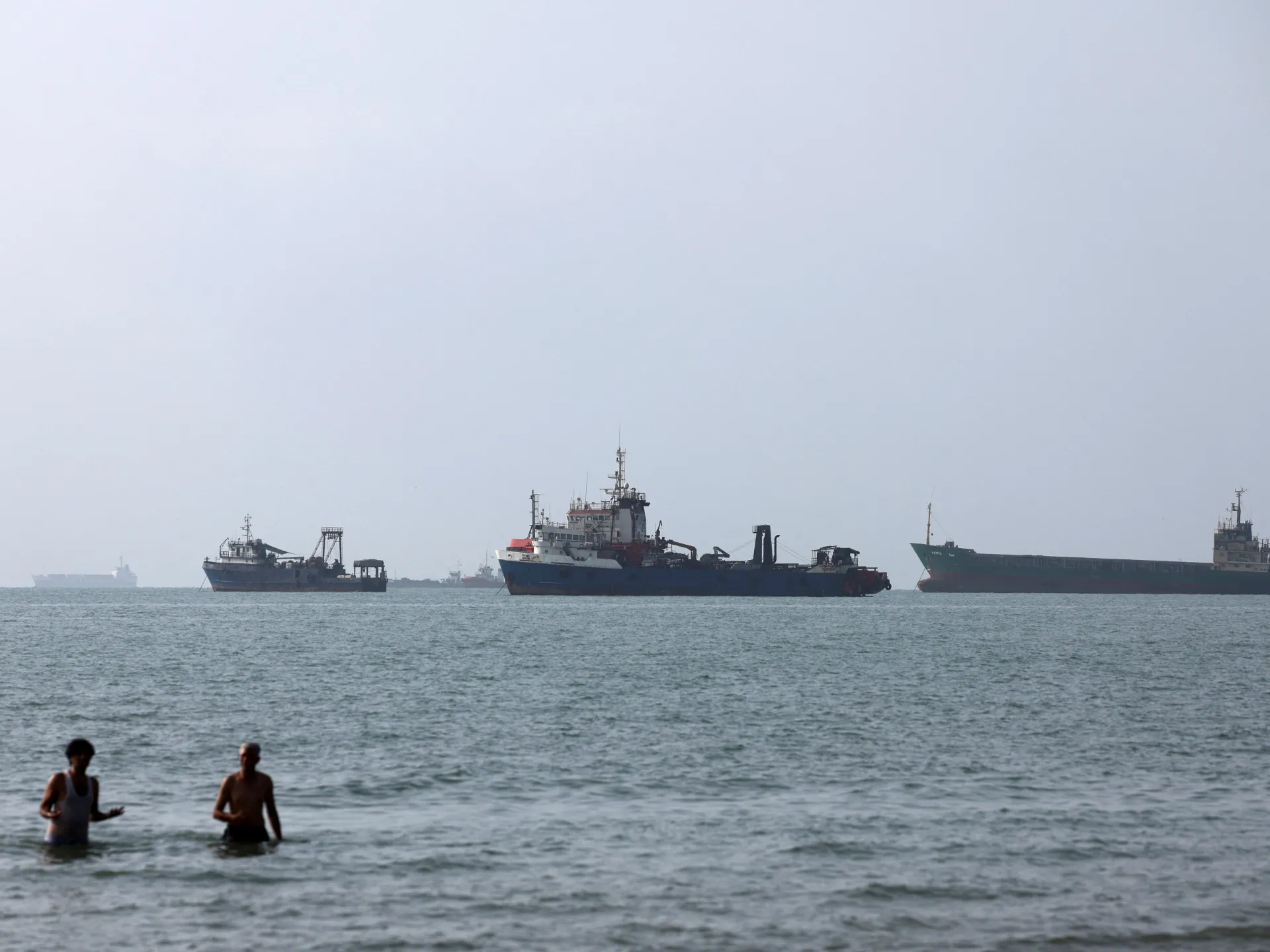
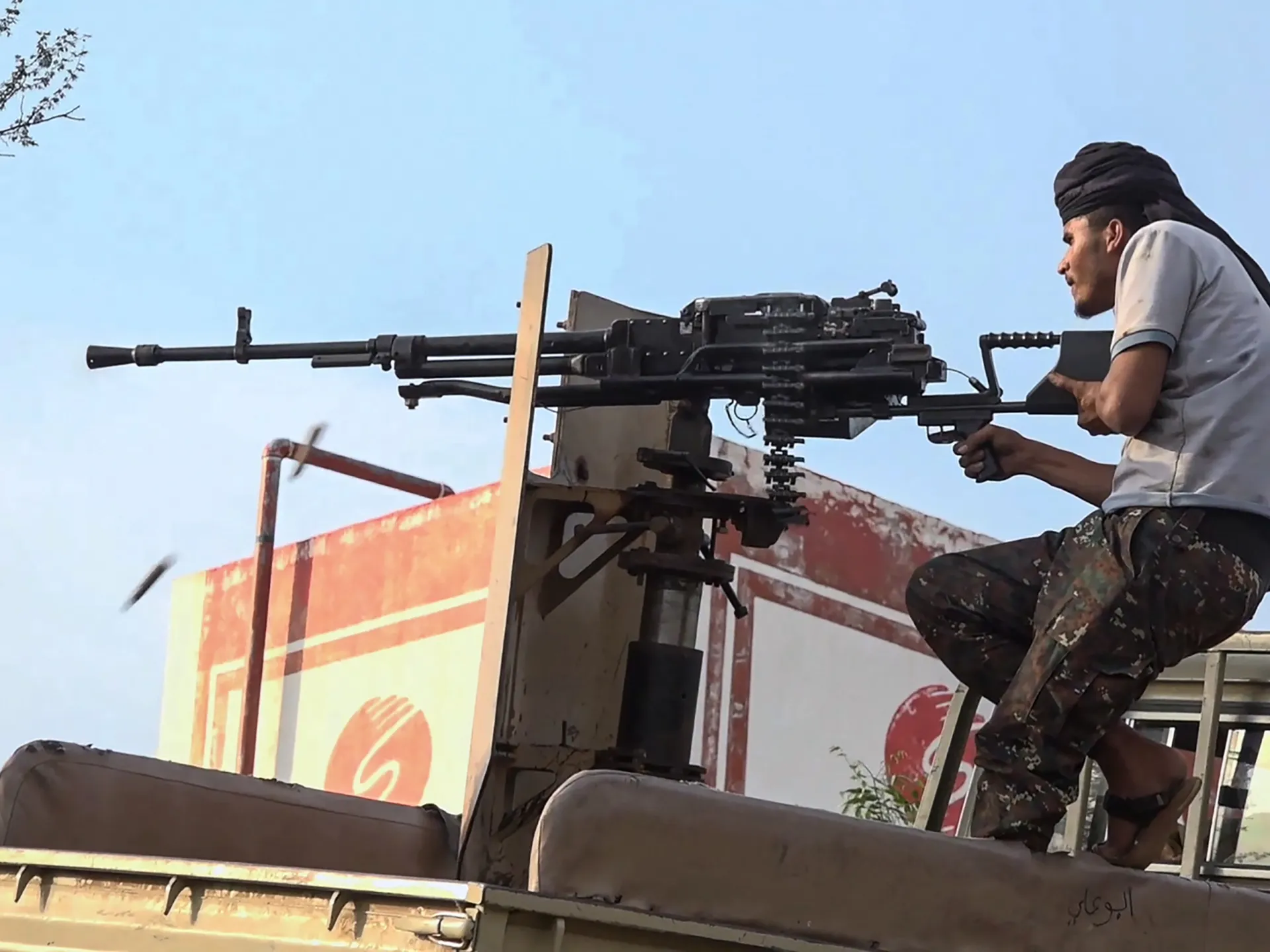
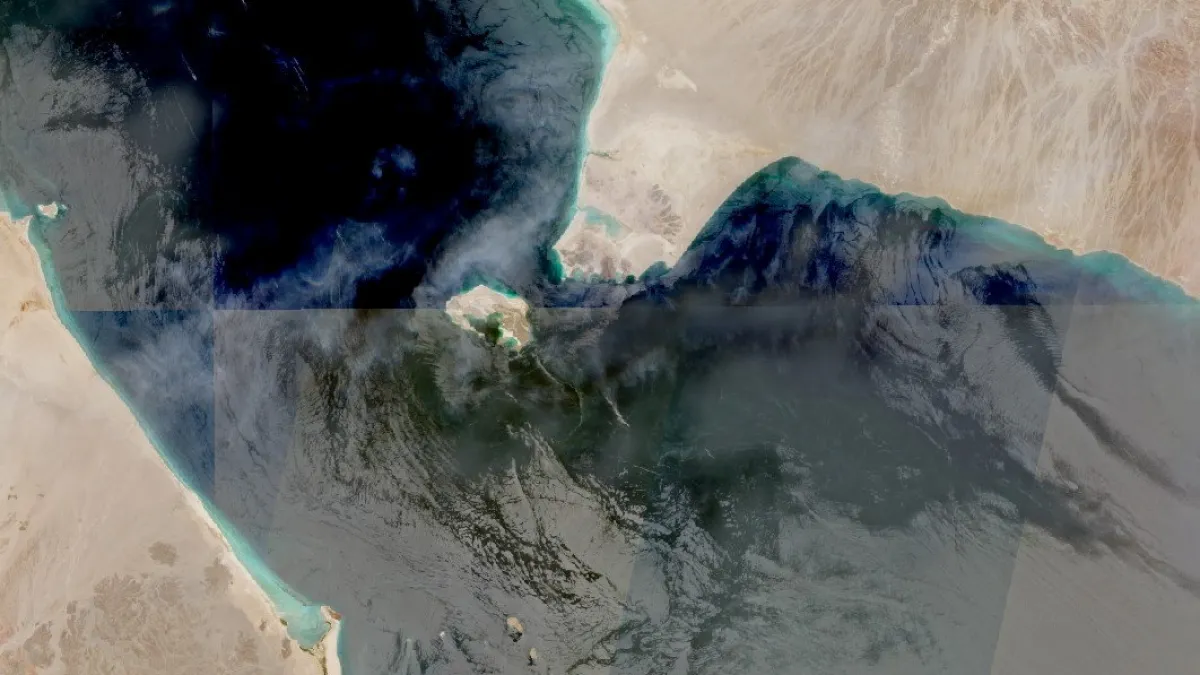
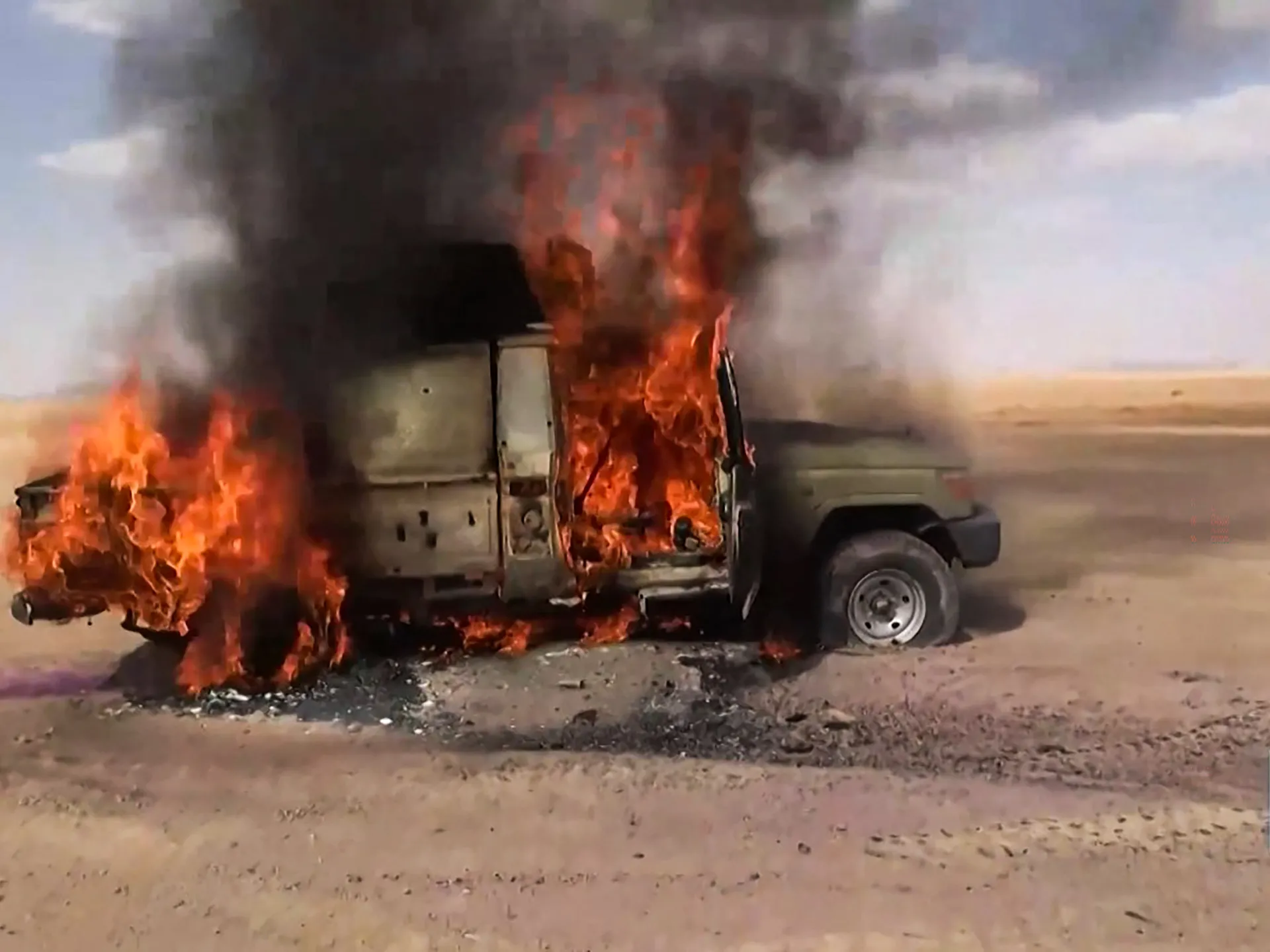
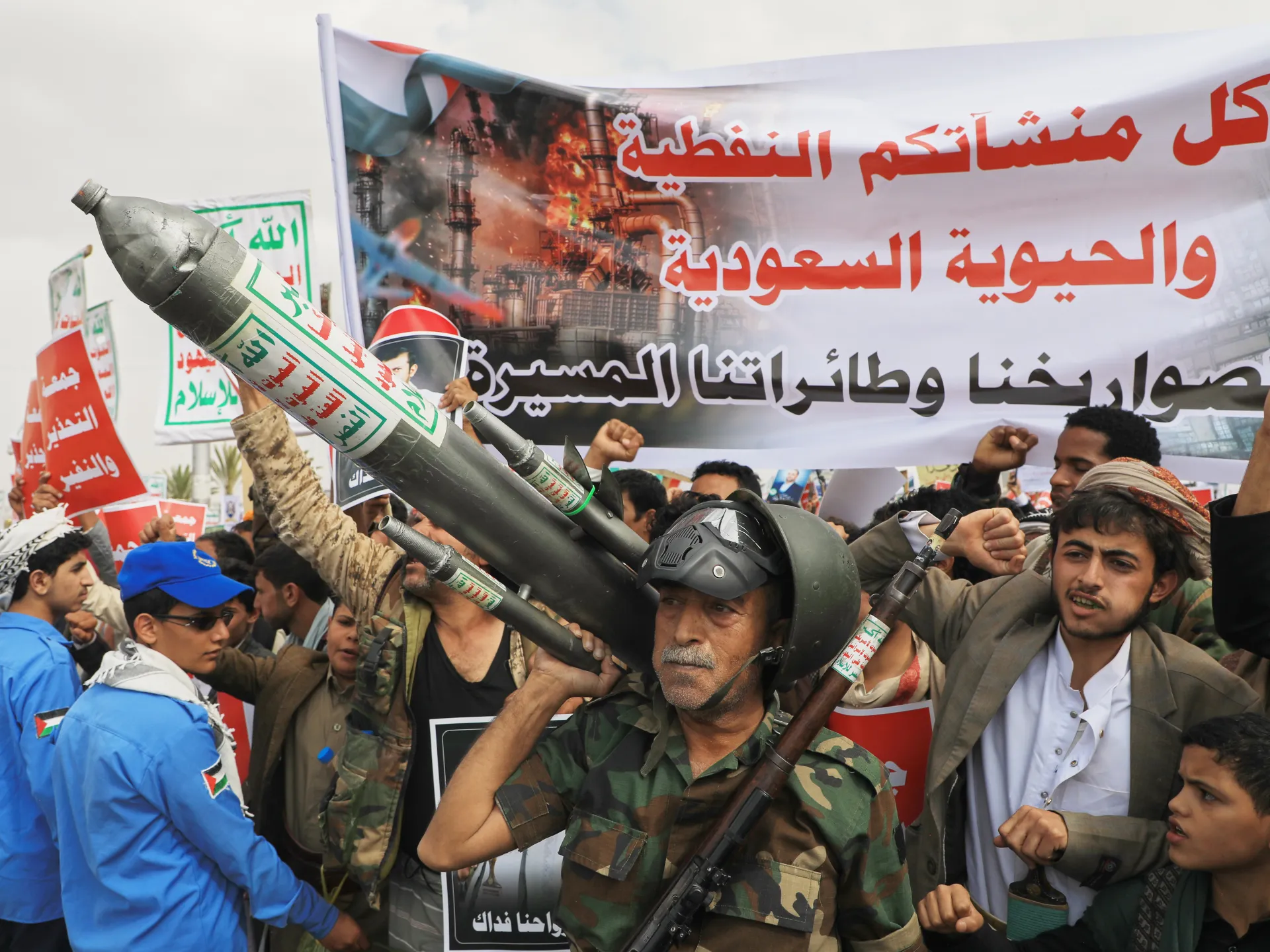
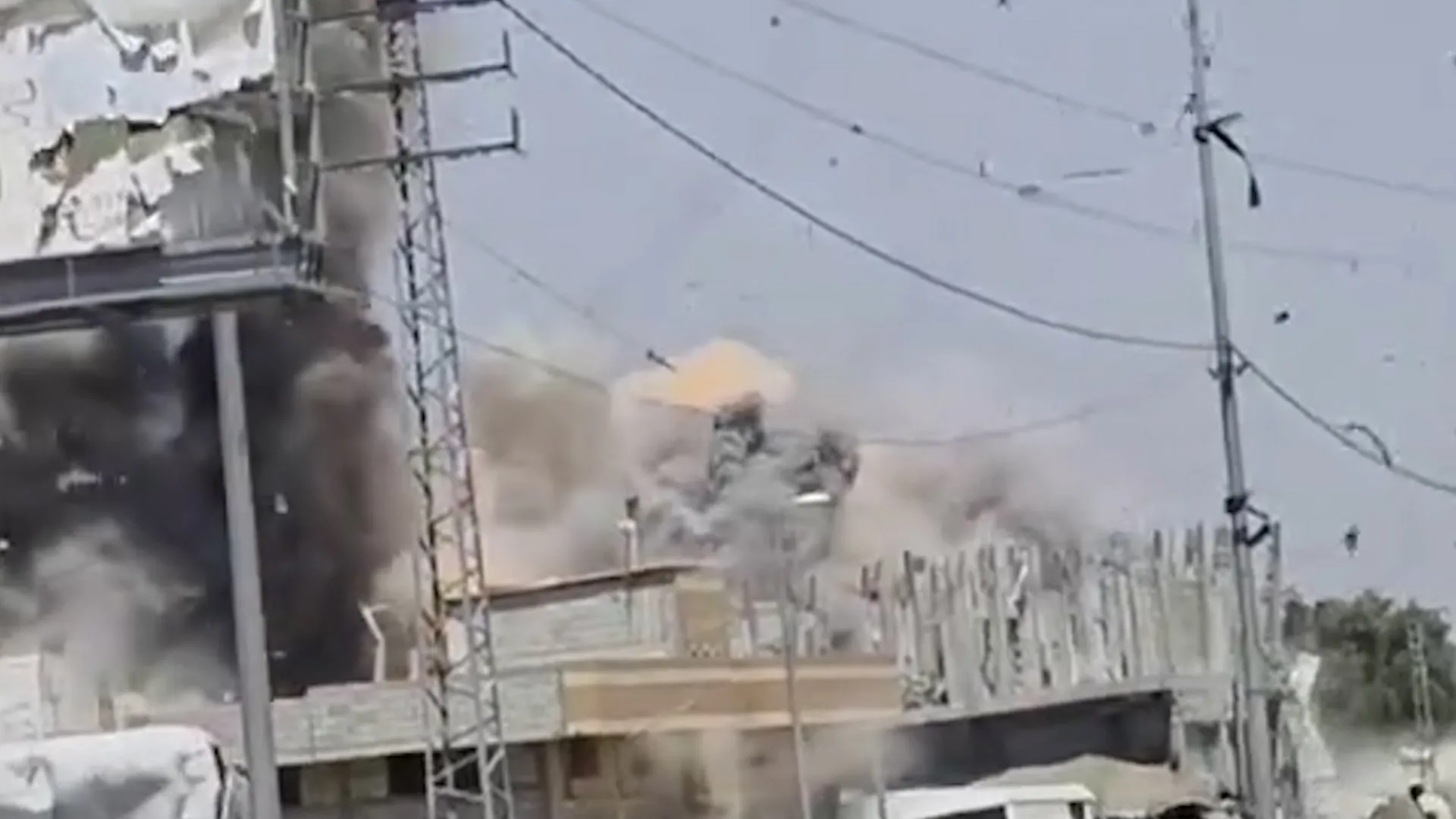
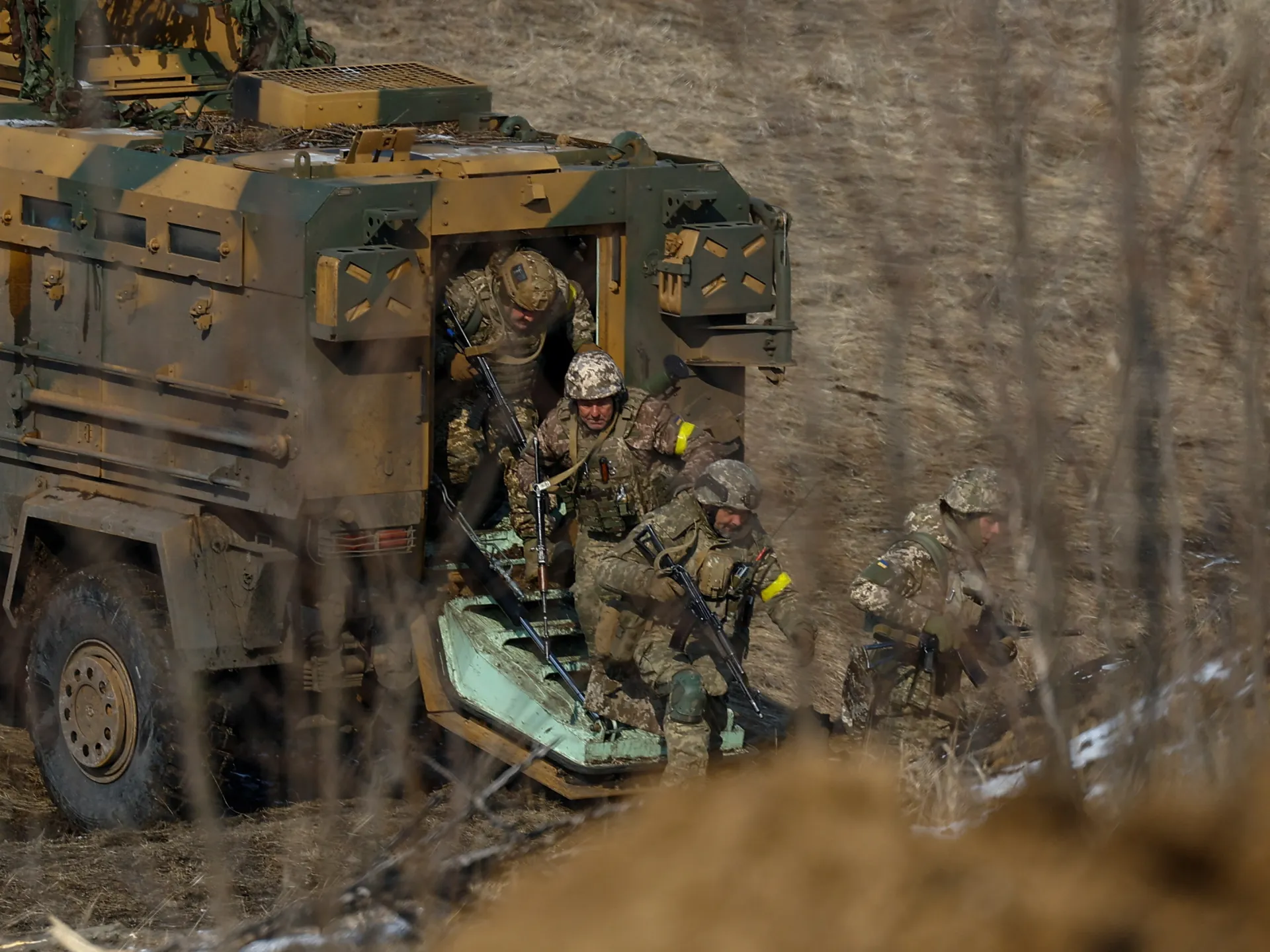
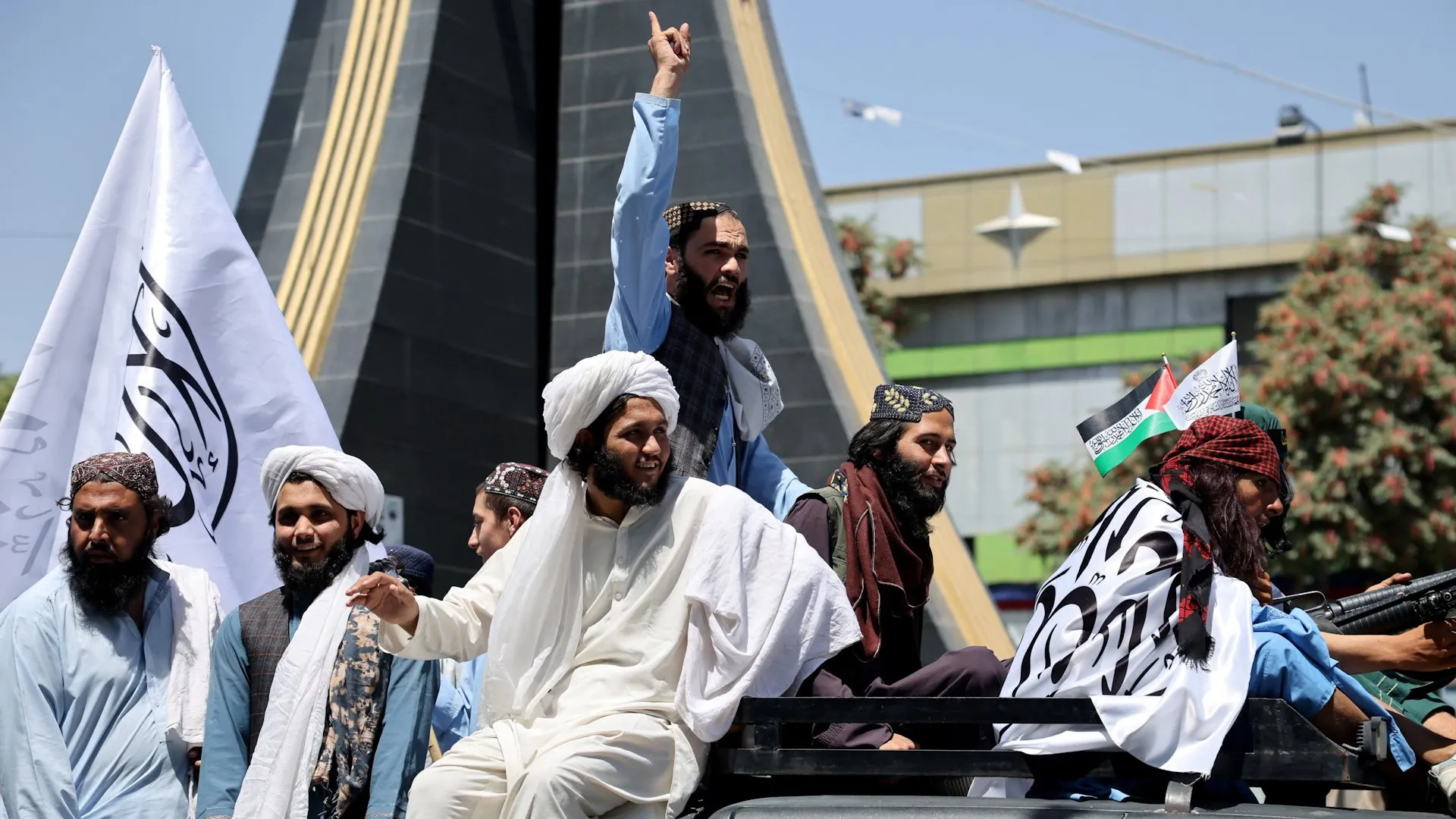
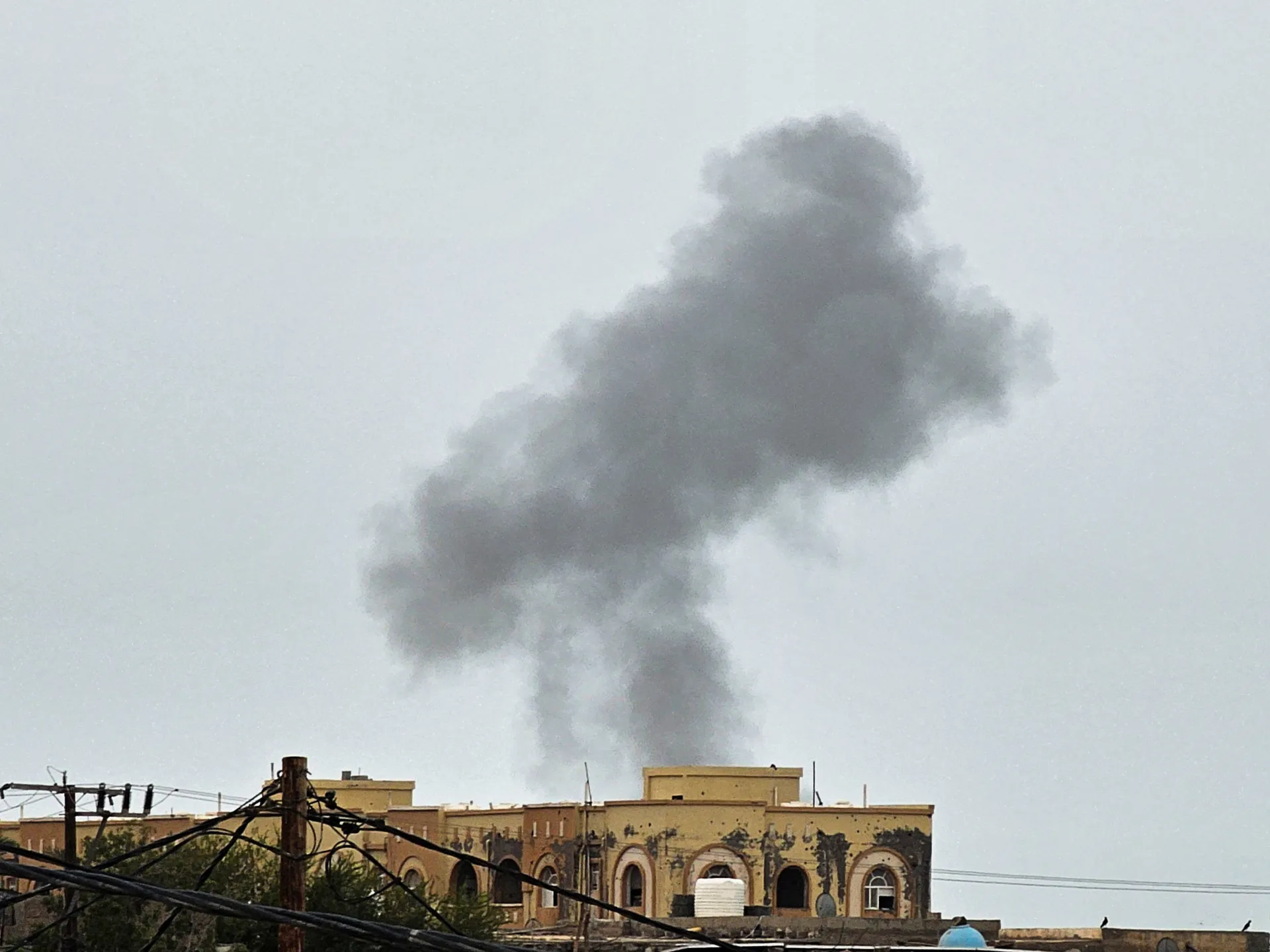
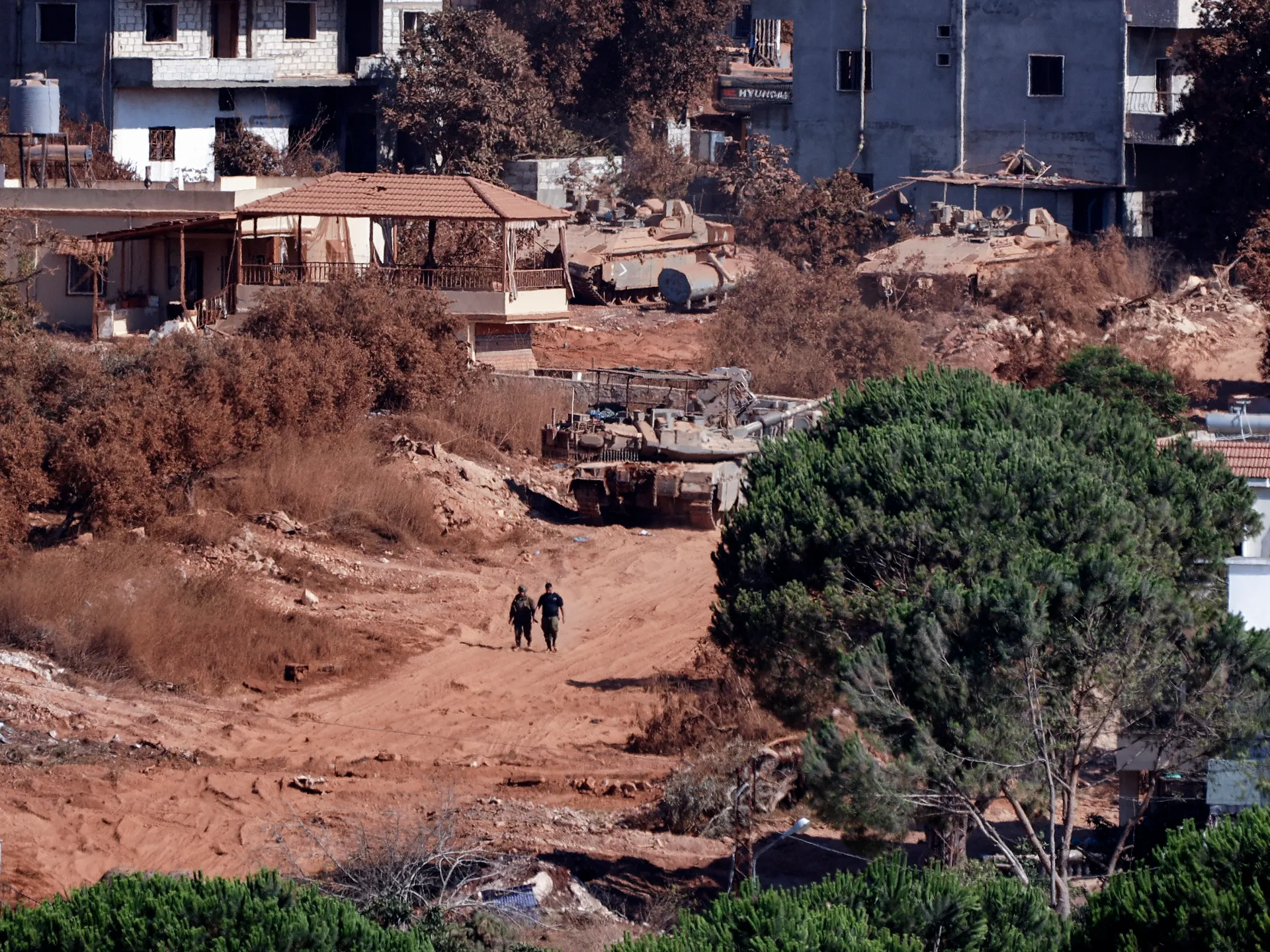
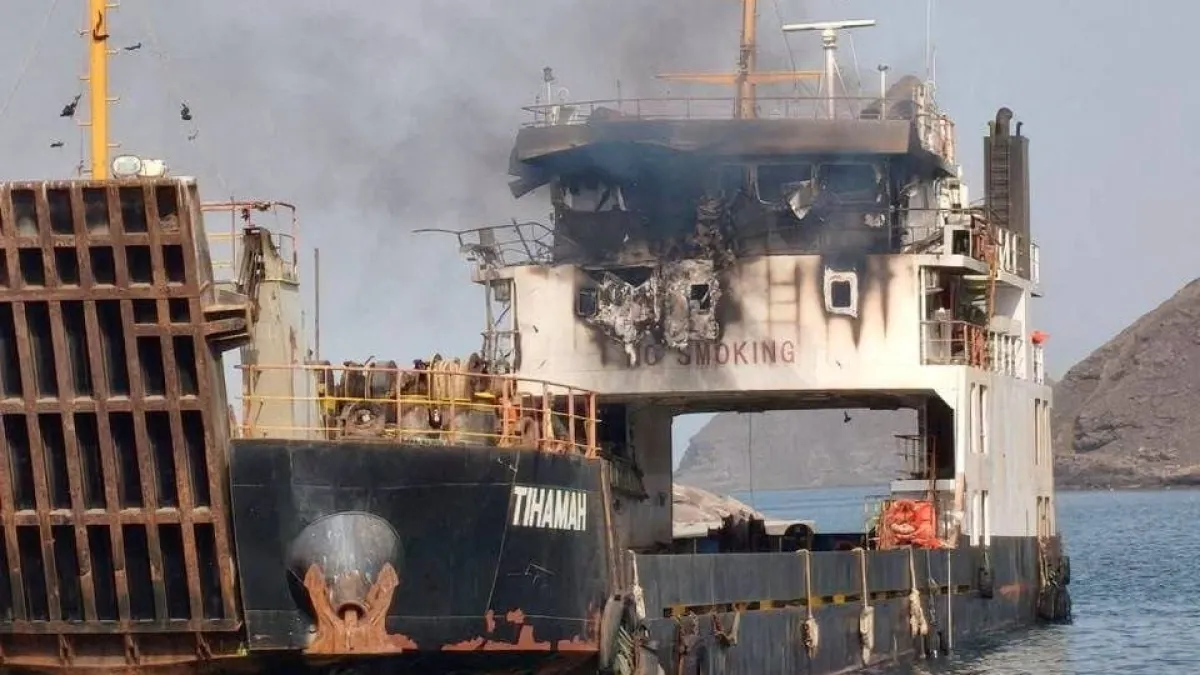
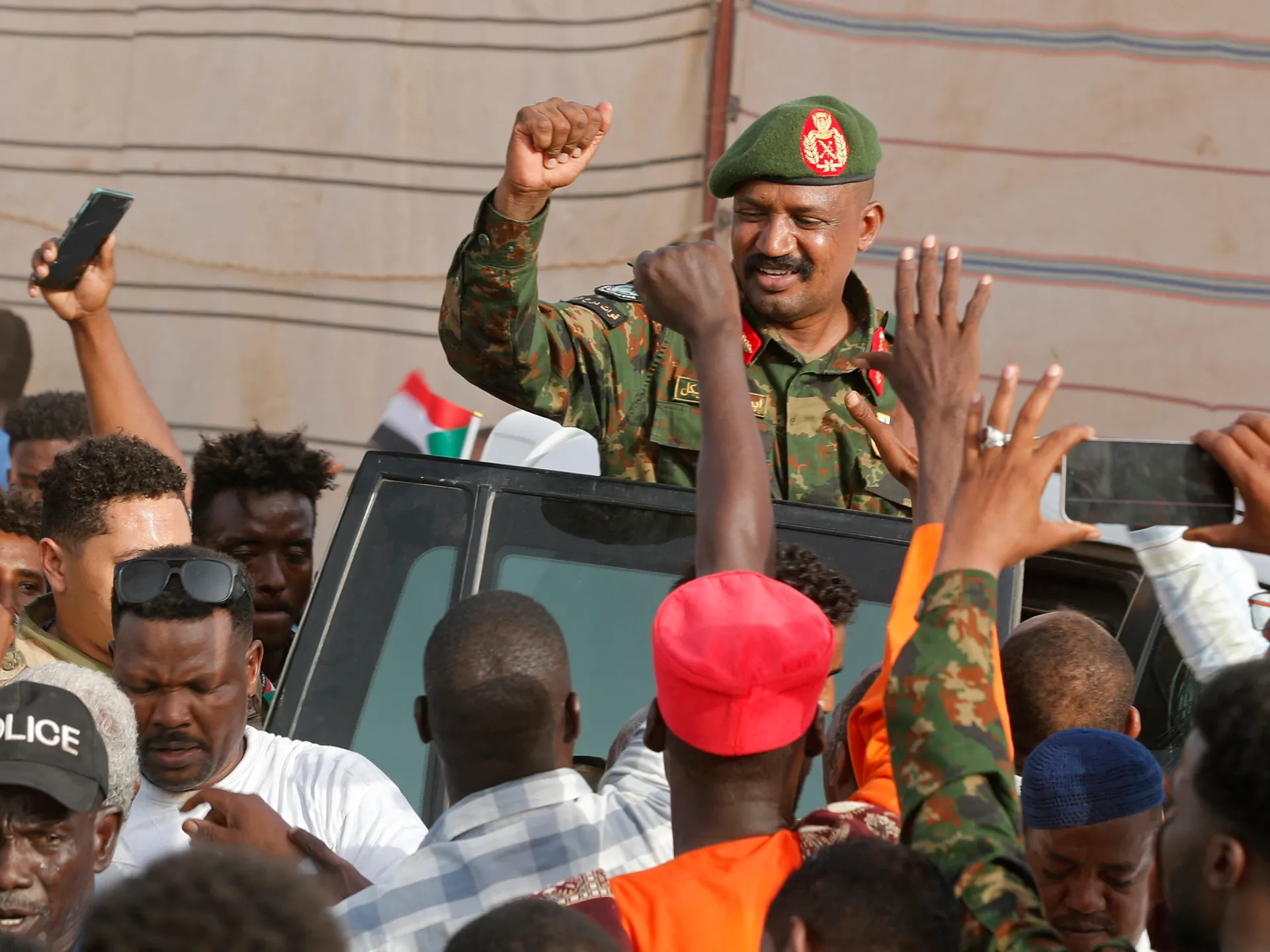
This rhetoric arrives as international observers track shifting alliances and kinetic activity across multiple fronts, including intensified combat operations within Yemen. While diplomatic channels remain strained, the broader regional instability continues to draw concern from global stakeholders, particularly as the military posturing between Tehran and Washington threatens to broaden the scope of current engagements.
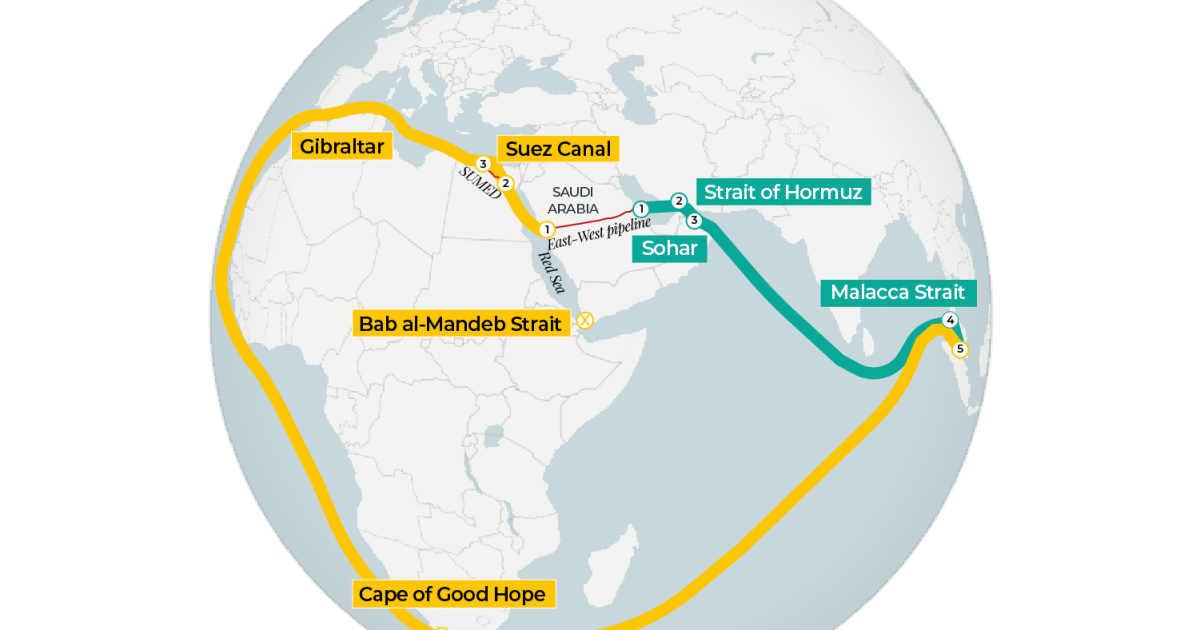
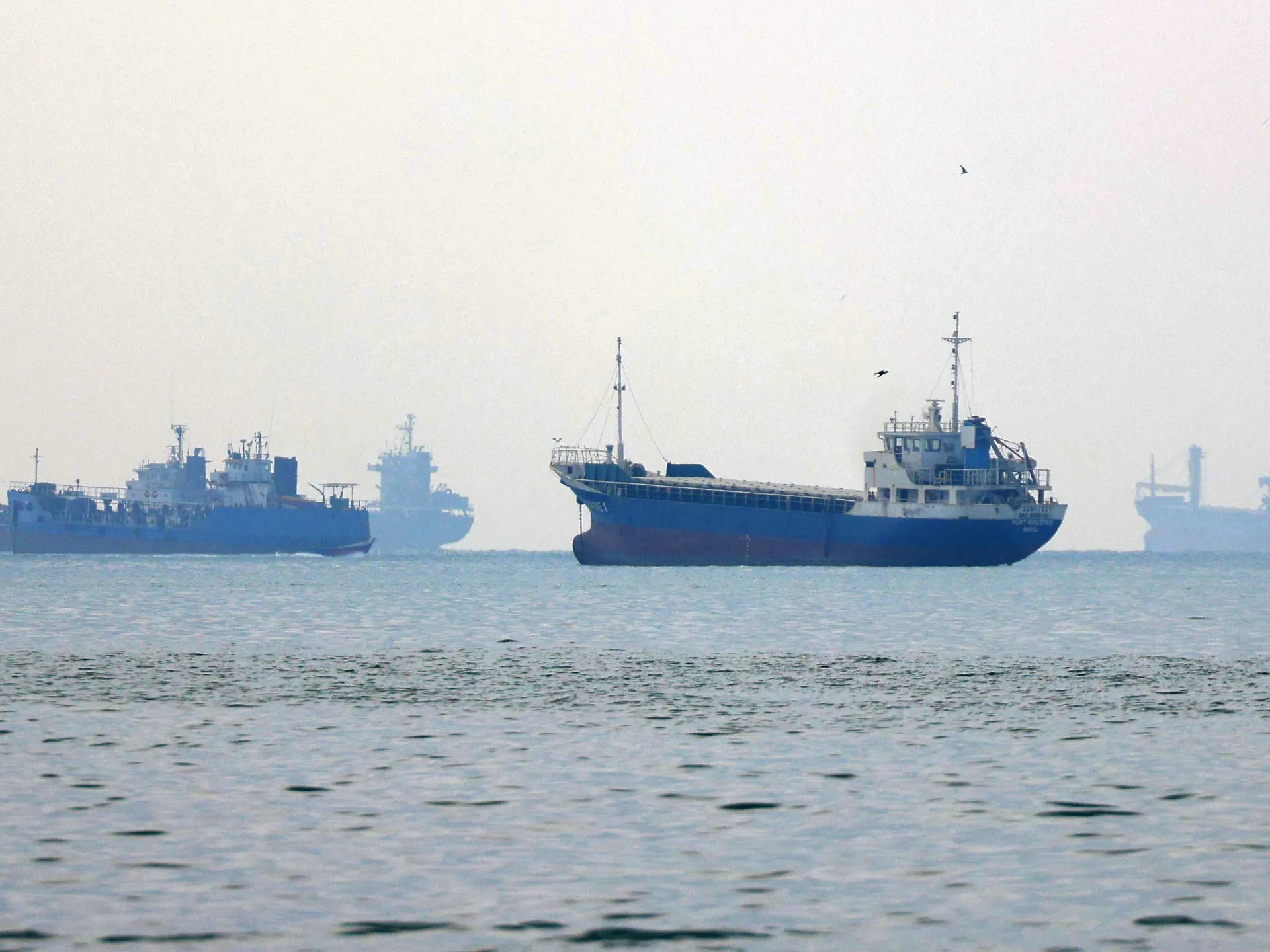
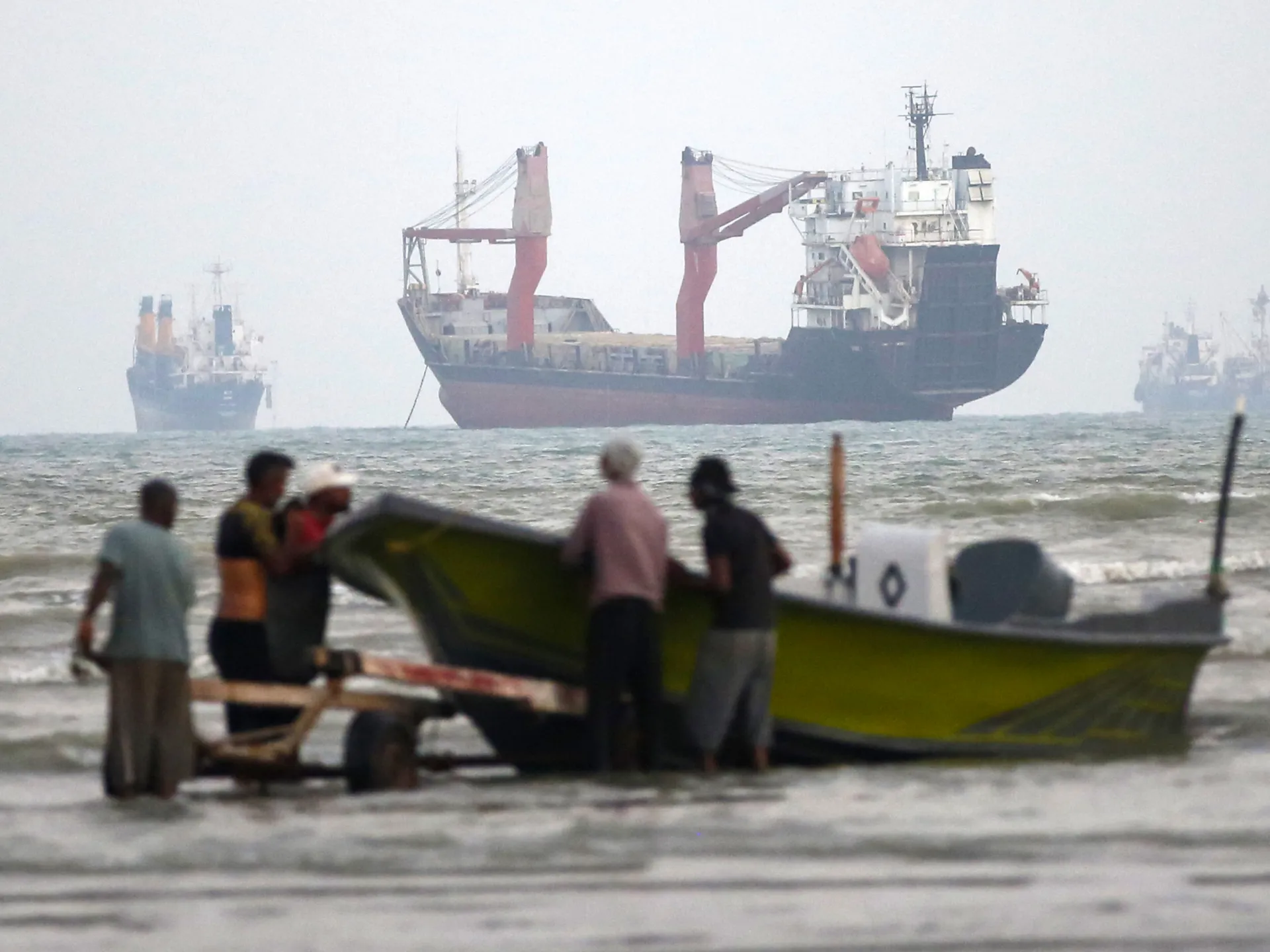
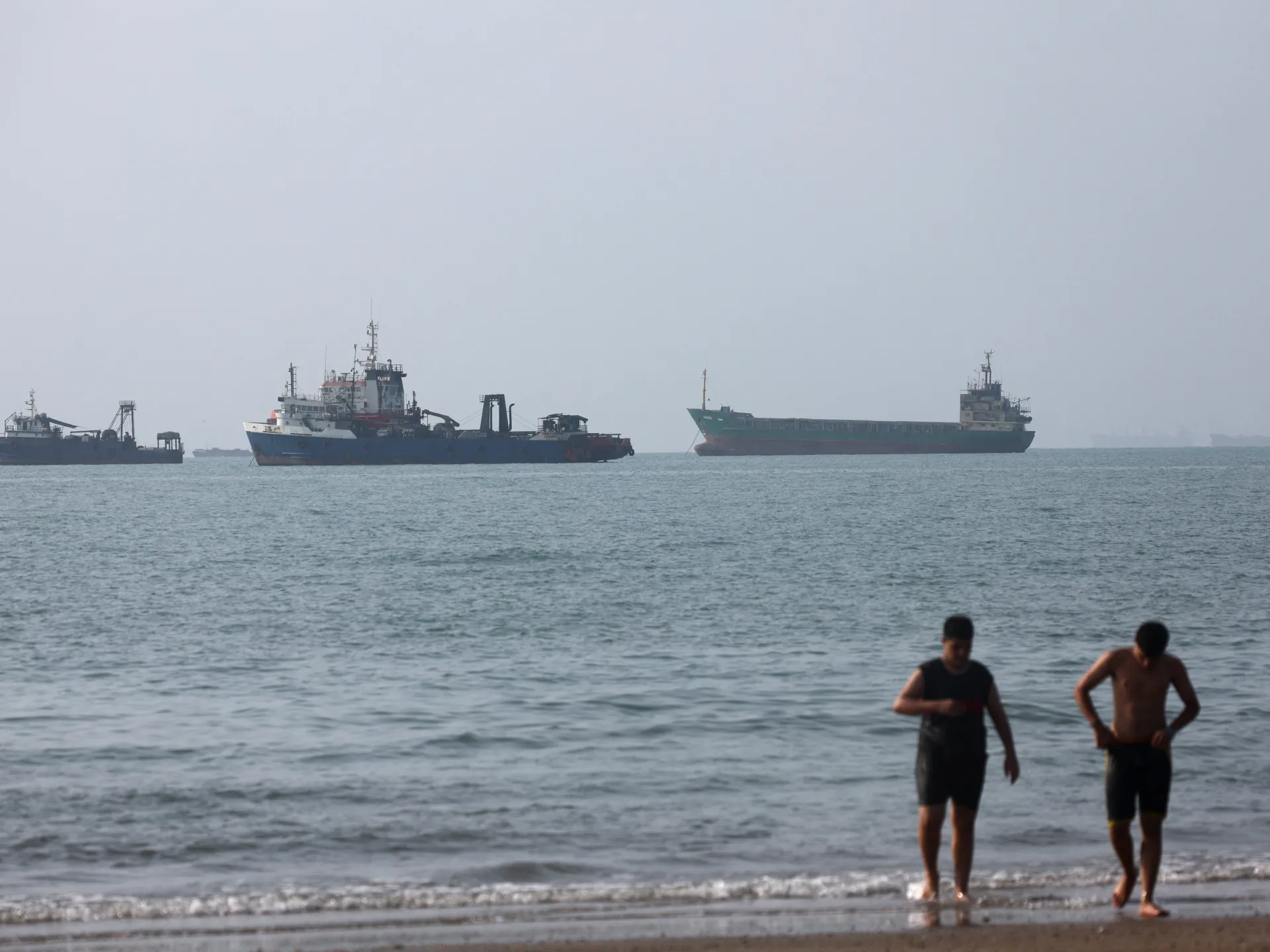
The current standoff represents a critical stress test for global maritime and energy security, as well as the efficacy of international mediation. Unlike previous iterations of regional friction, the explicit threat of "unlimited" retaliation introduces a level of unpredictability that risks pulling peripheral state actors into a more direct confrontation. Furthermore, the lack of a clear, verifiable communication buffer between the involved powers creates a dangerous environment where miscalculation—rather than deliberate policy—could trigger a wider systemic conflict. This situation places enormous pressure on the existing international order to manage a security architecture that is becoming increasingly decentralized and reactive.
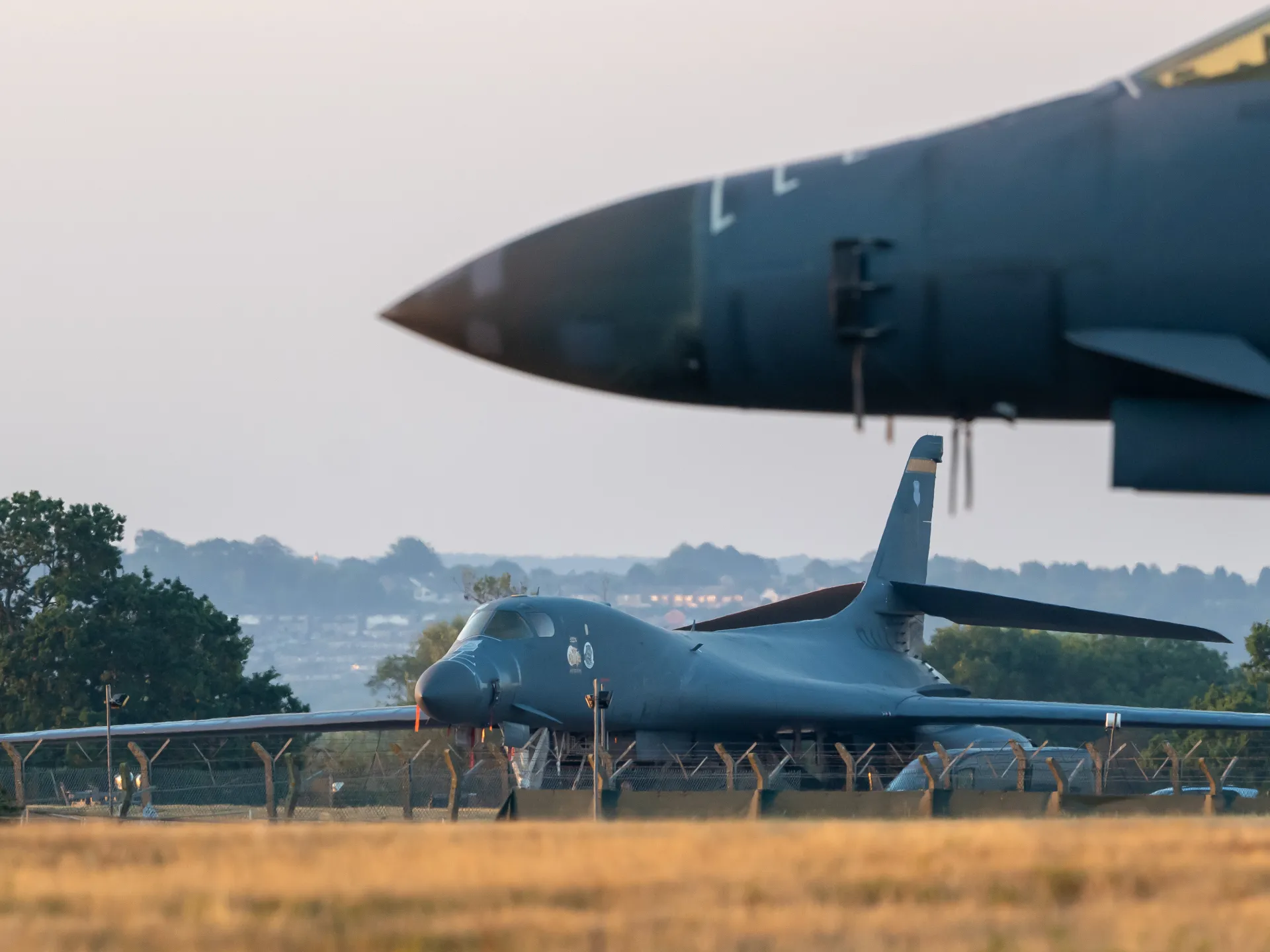
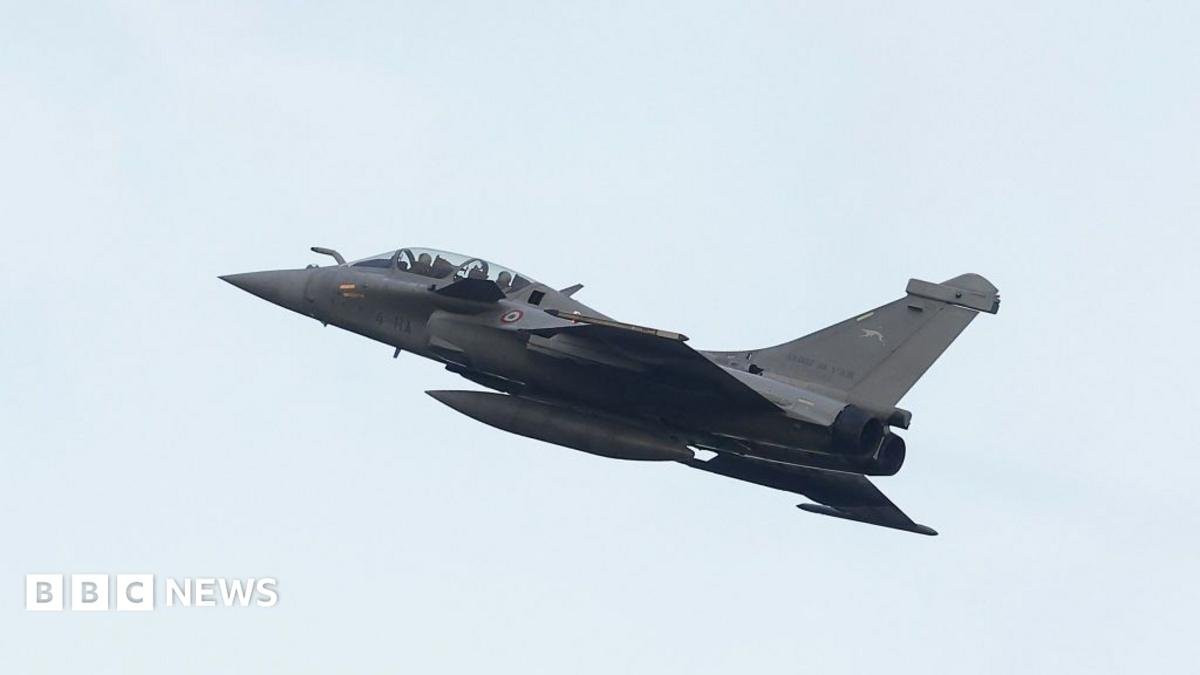
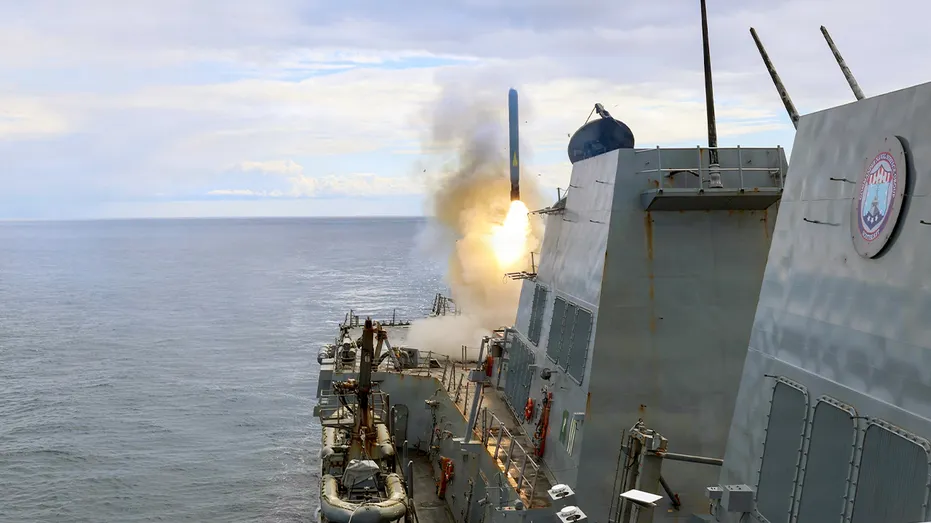
Tehran’s most recent communication serves as a tactical pivot, aimed at deterring what they claim is intelligence suggesting a coordinated round of U.S.-led air strikes. tempting to consolidate domestic and regional support while setting the narrative for potential counter-responses. This warning follows a period of persistent volatility, where regional hostilities have often obscured the underlying strategic objectives of the primary belligerents.
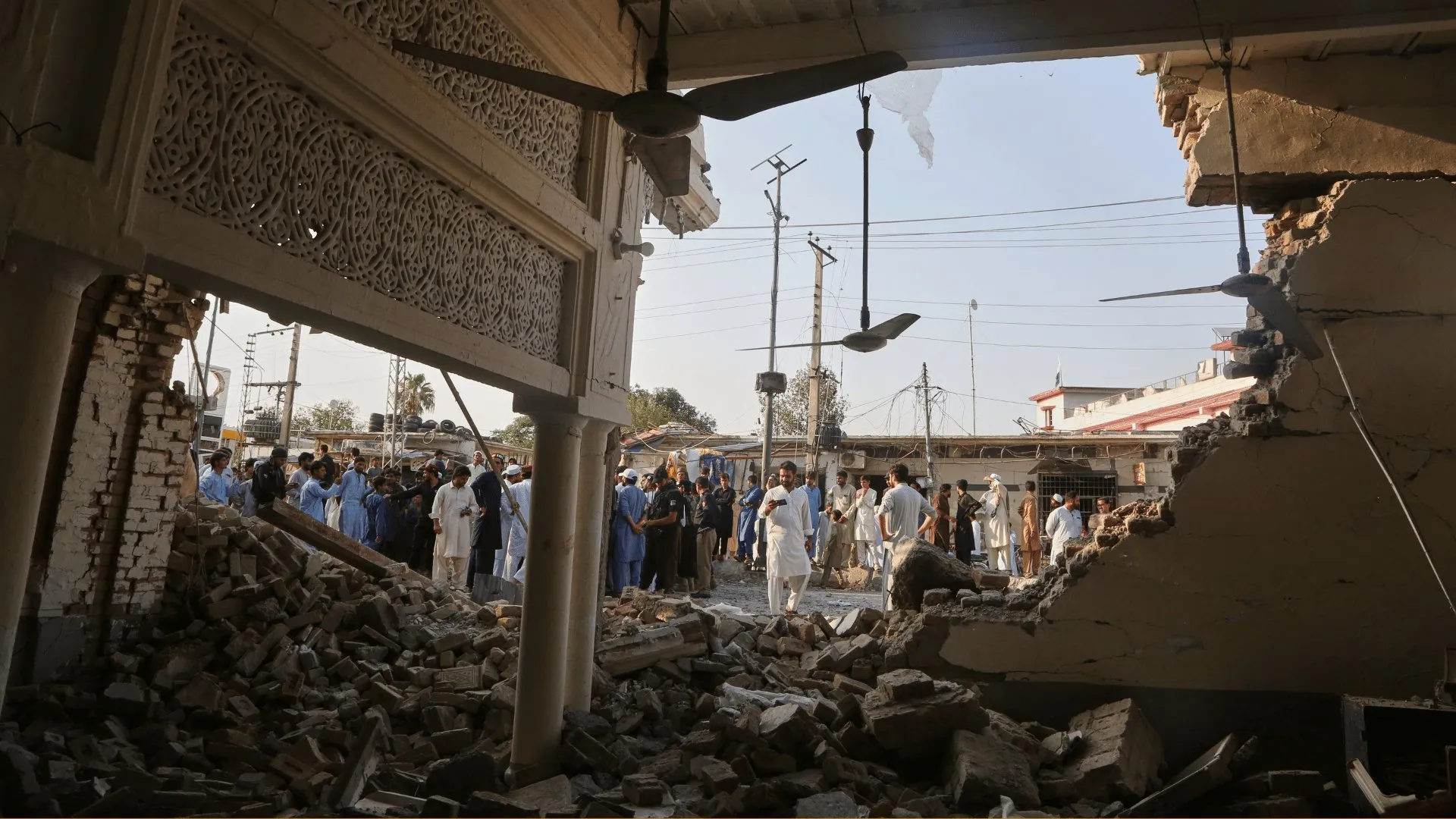
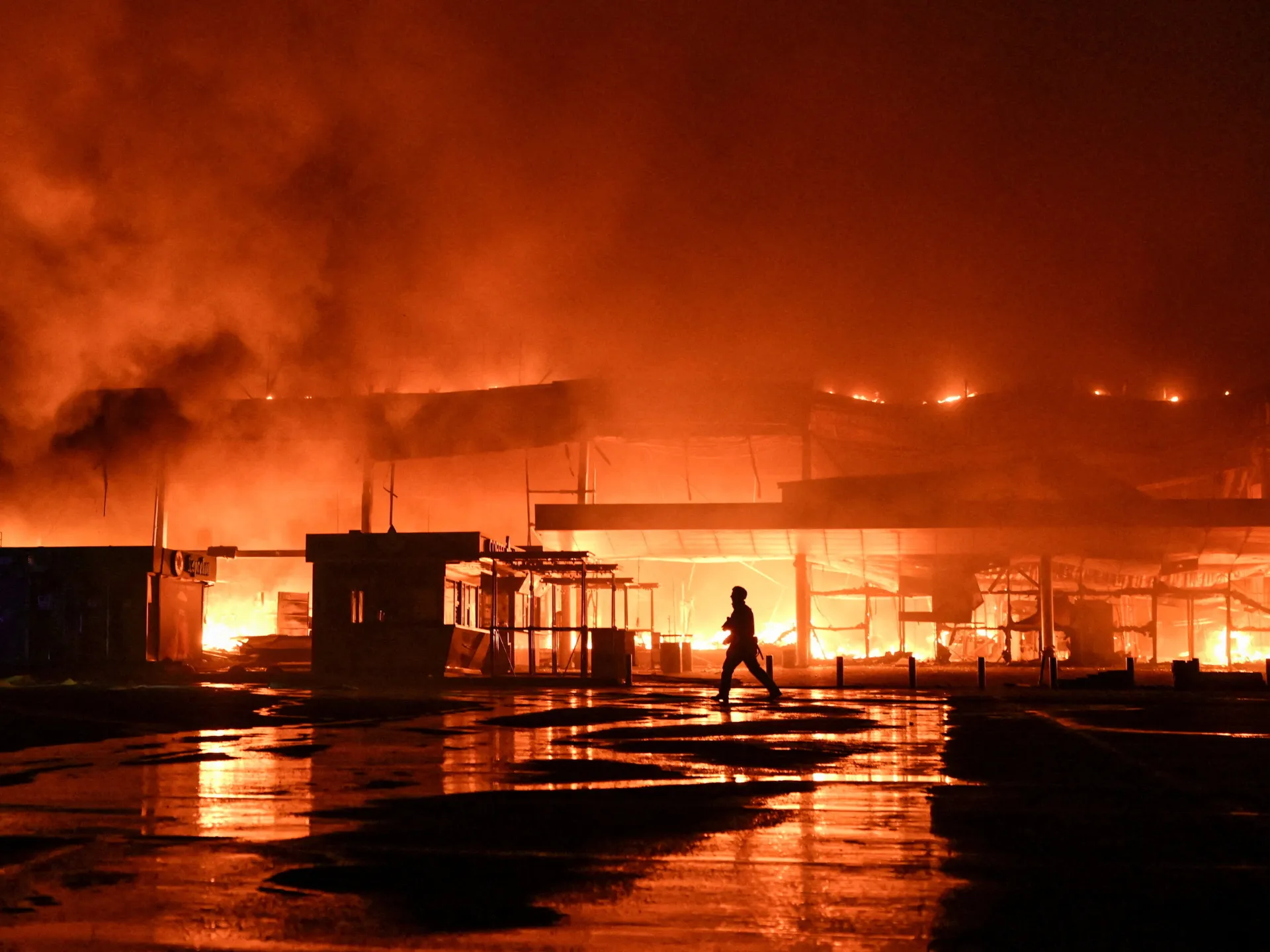
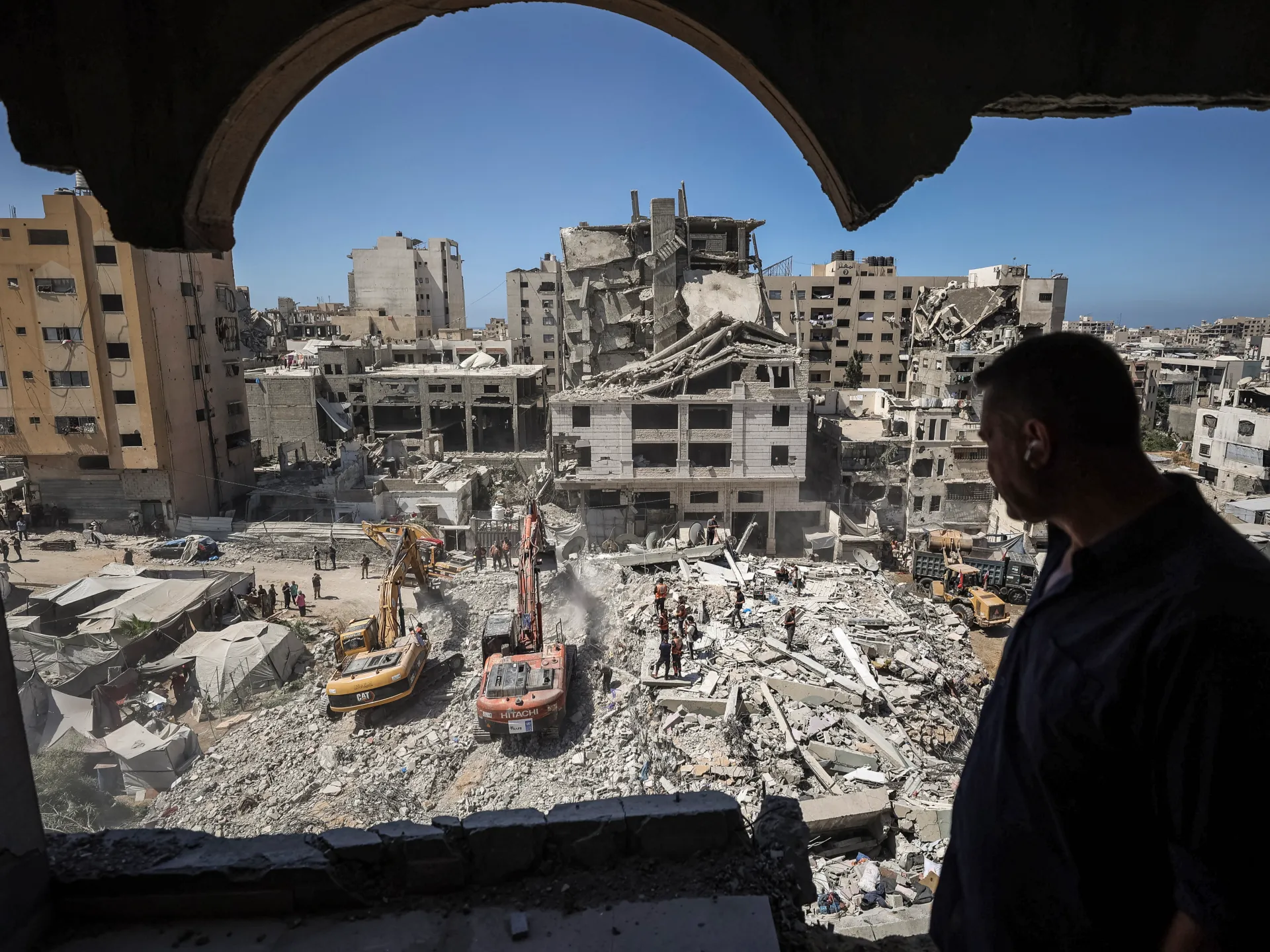
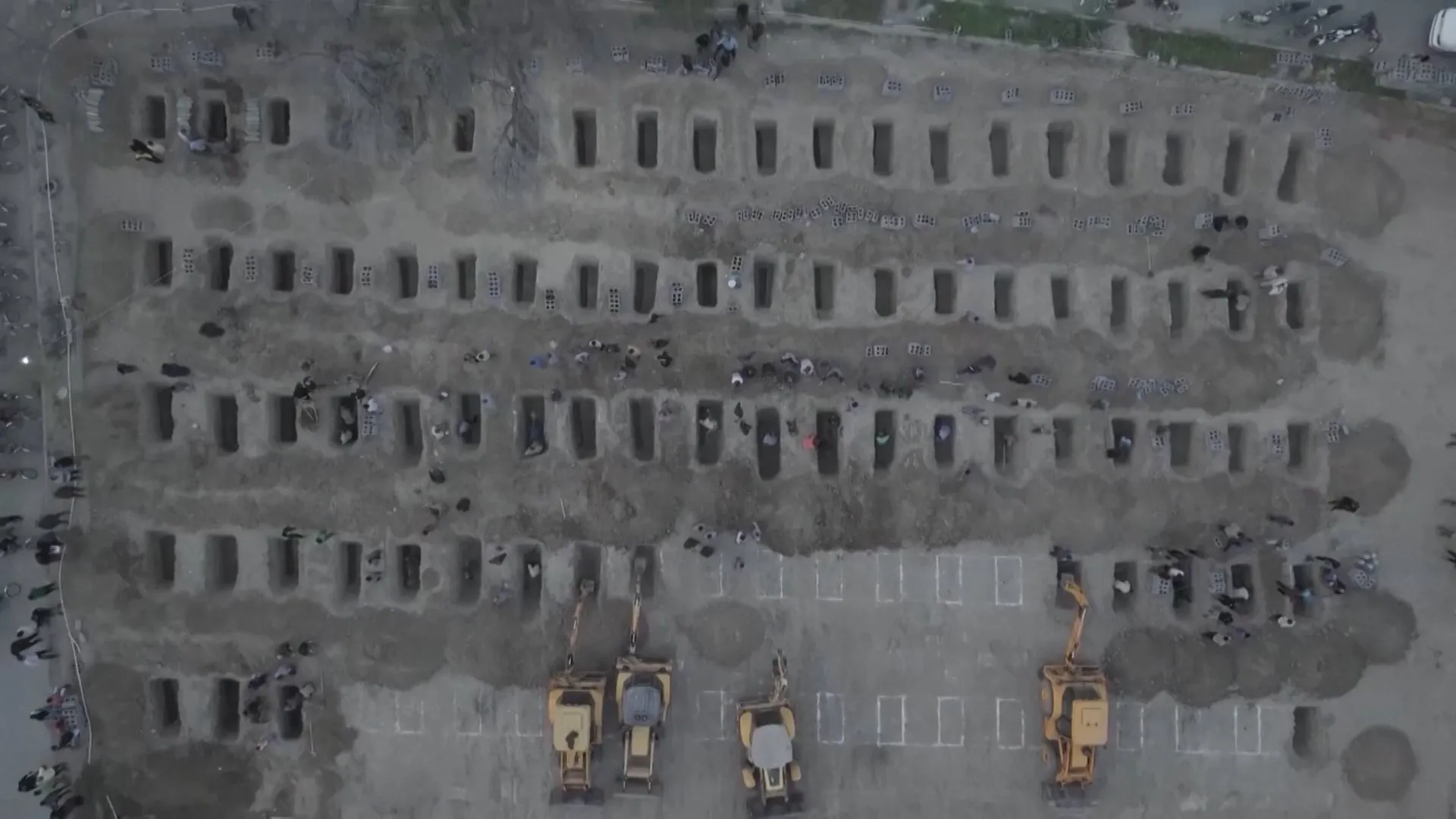
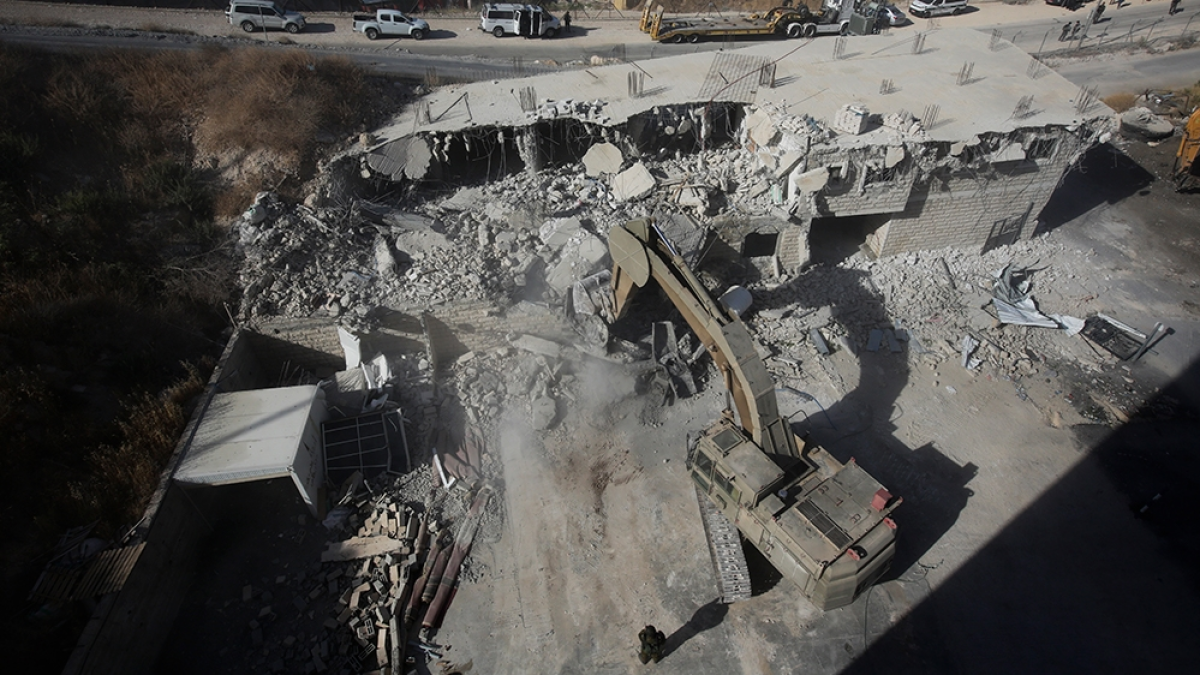
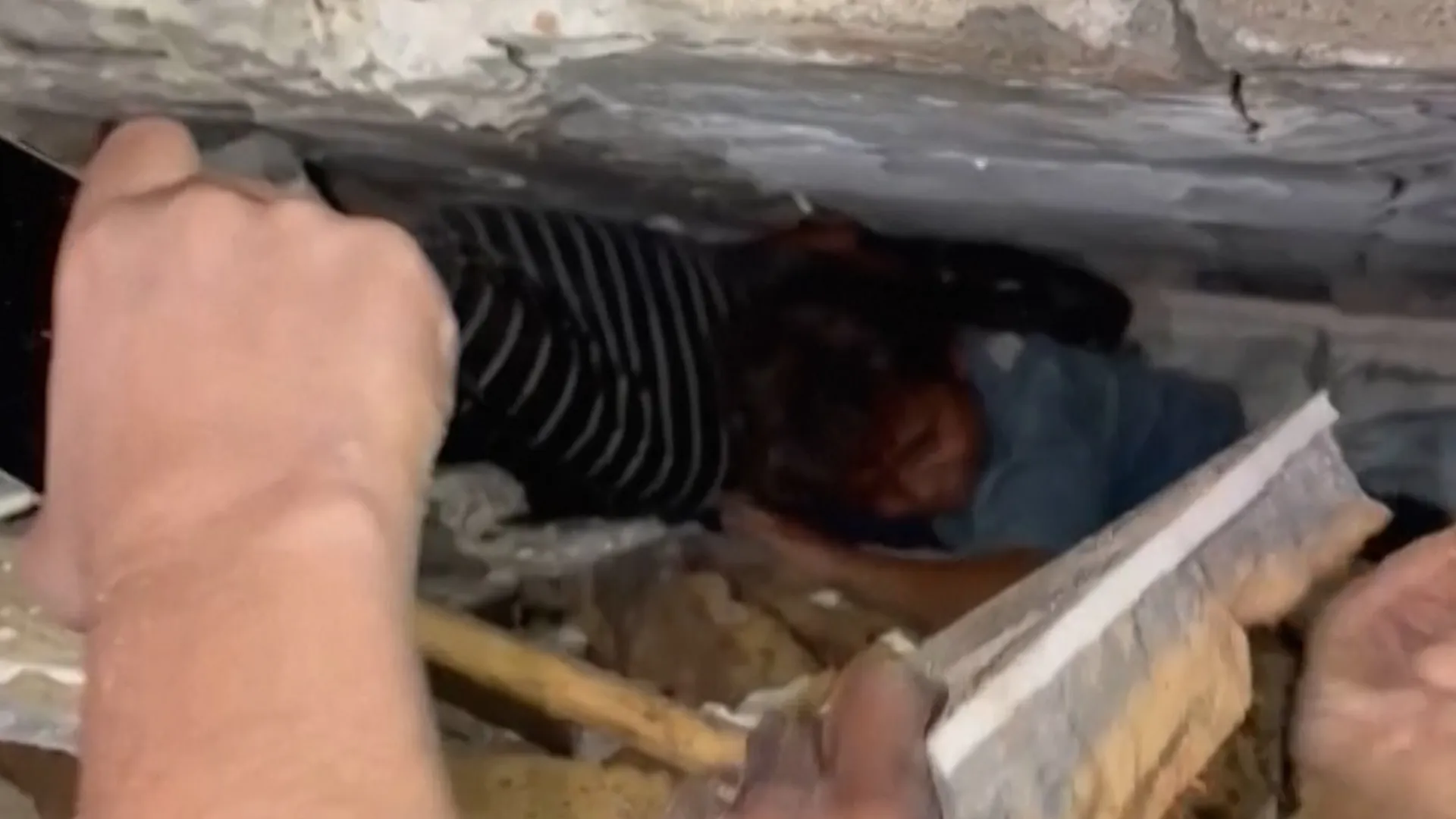
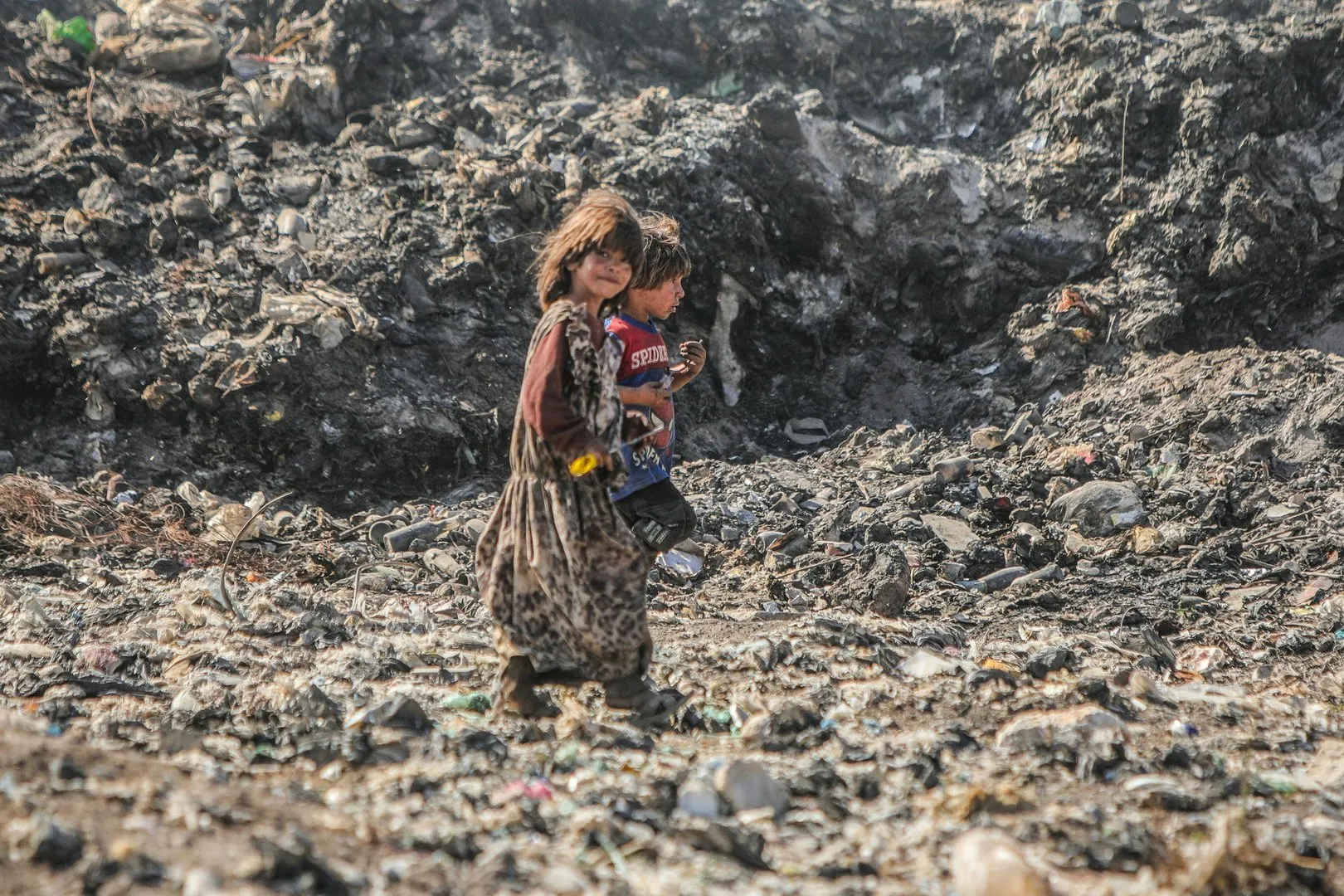
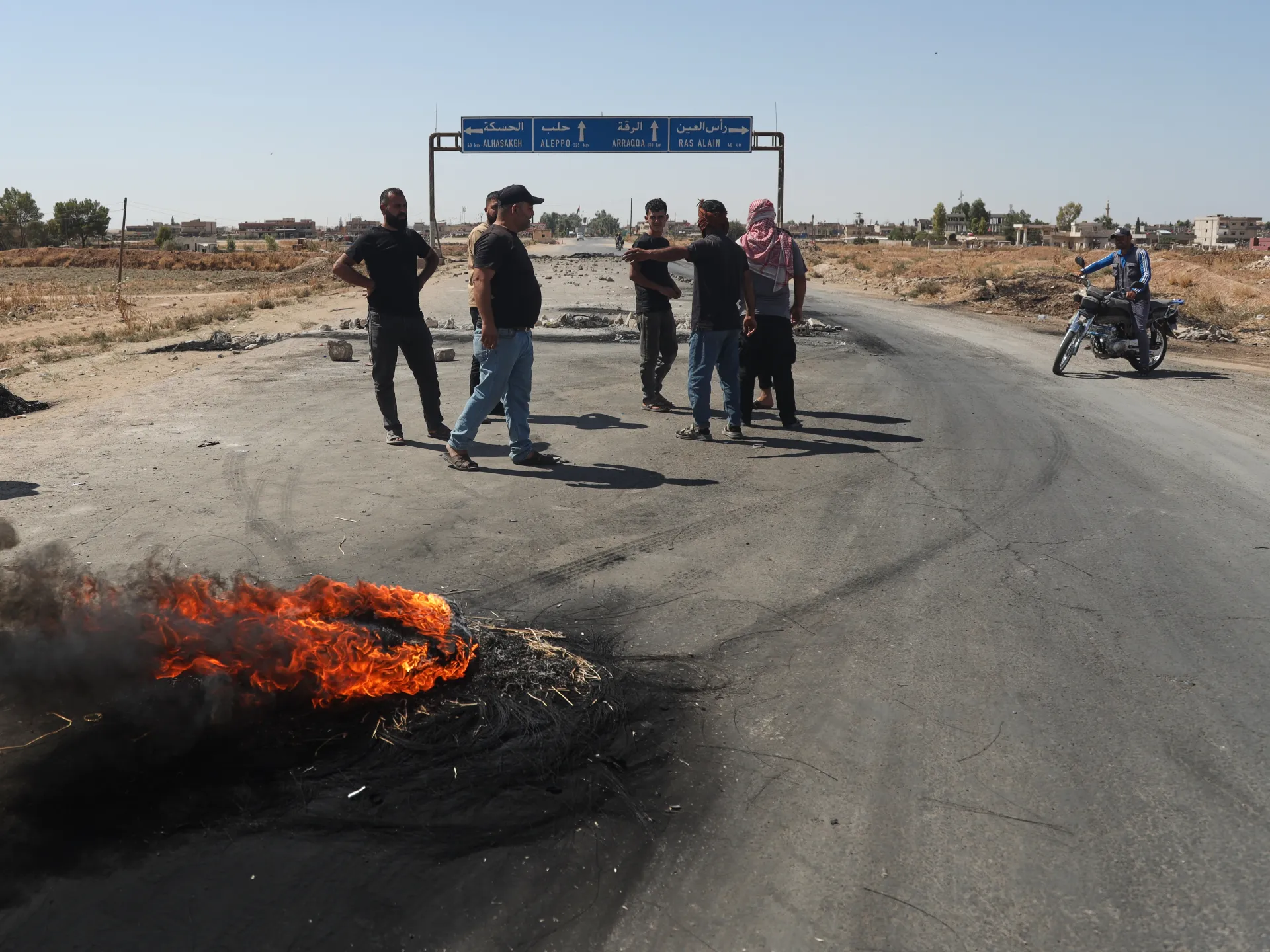
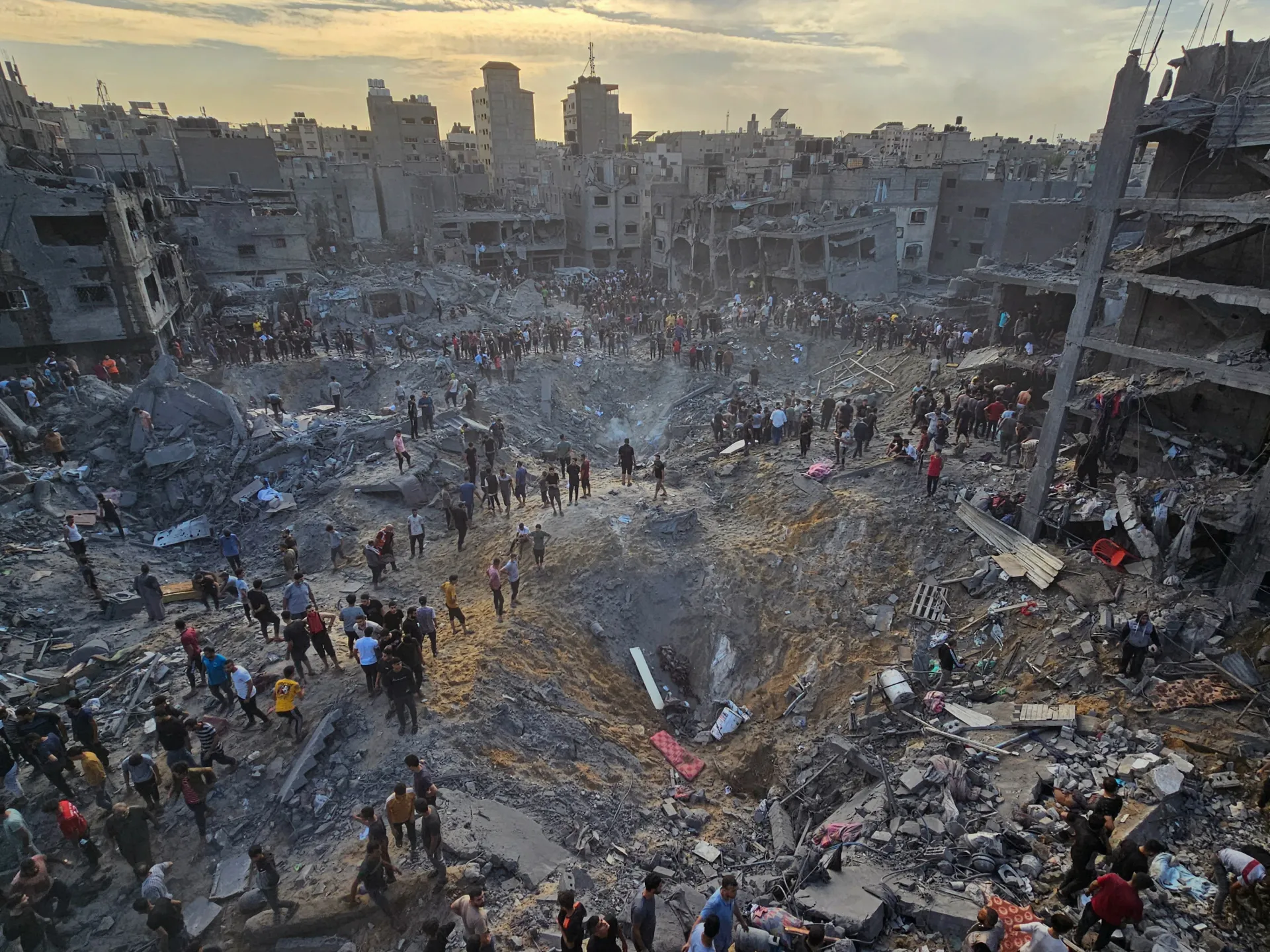
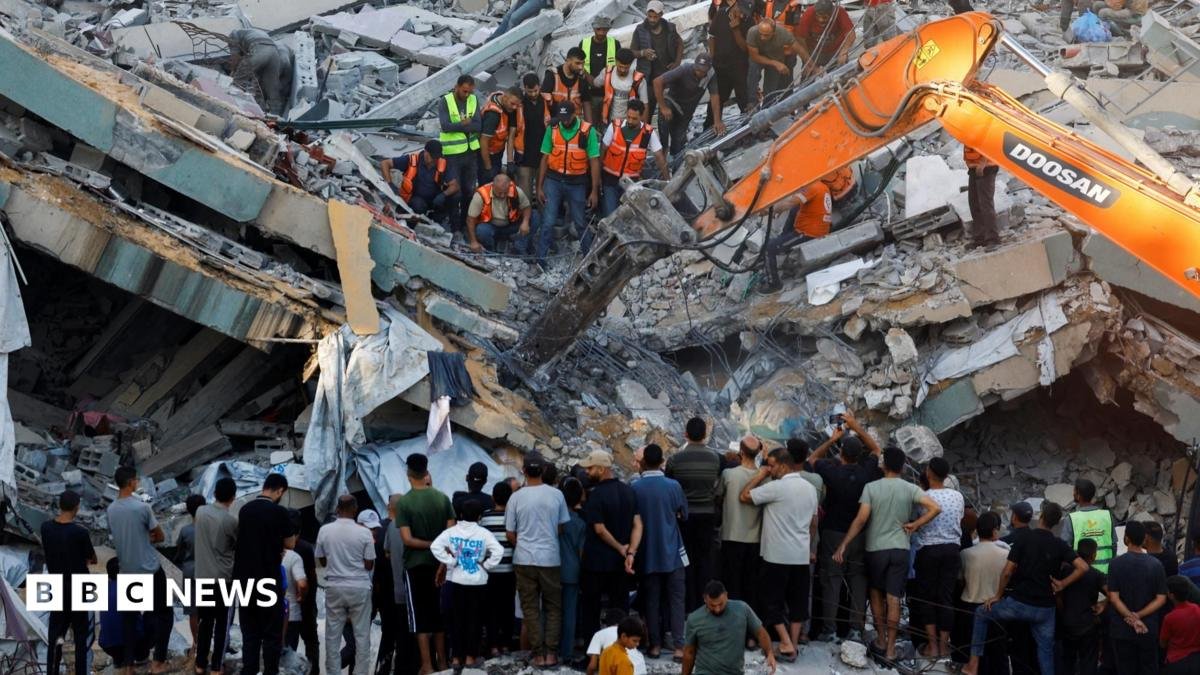
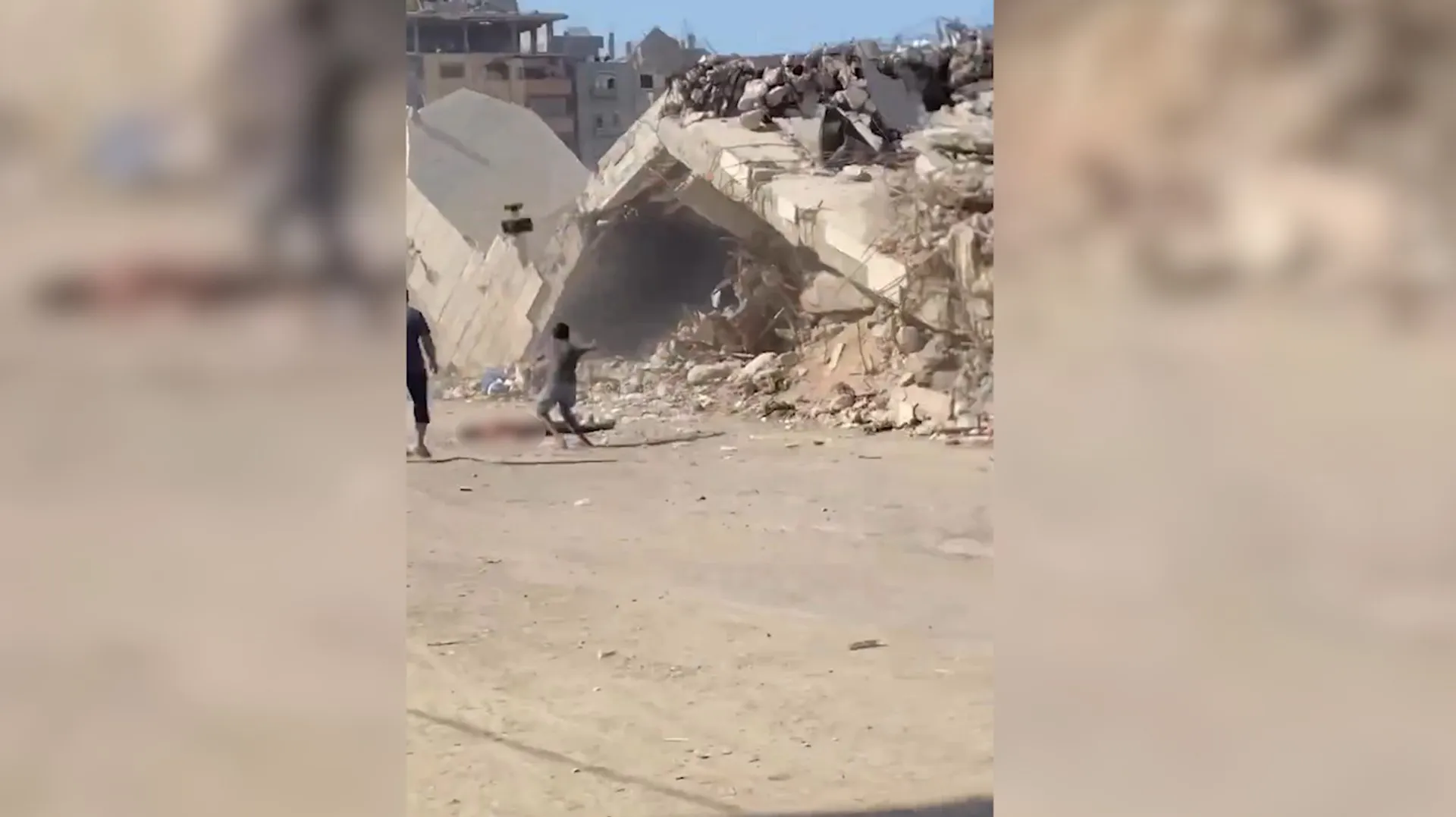
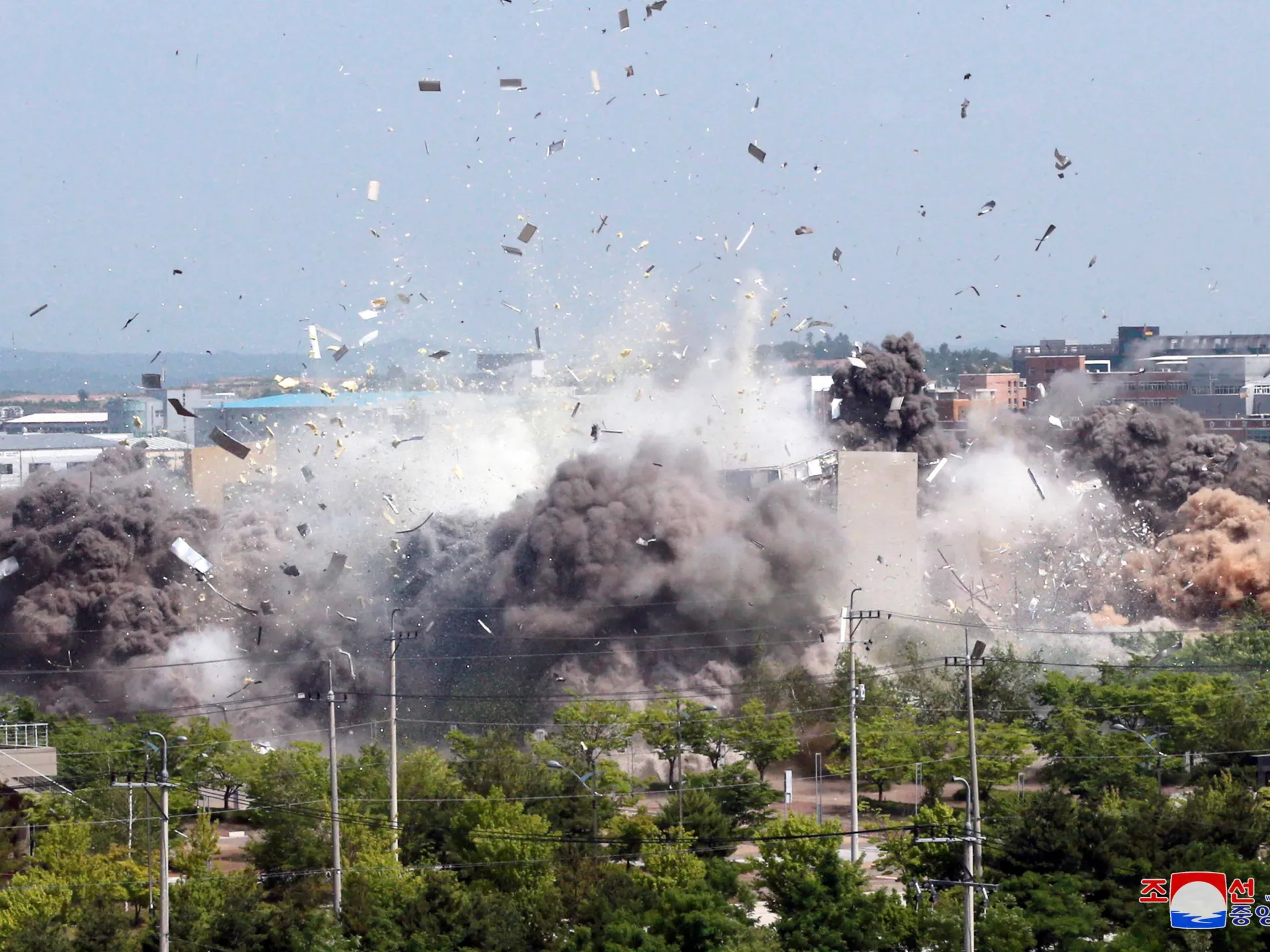
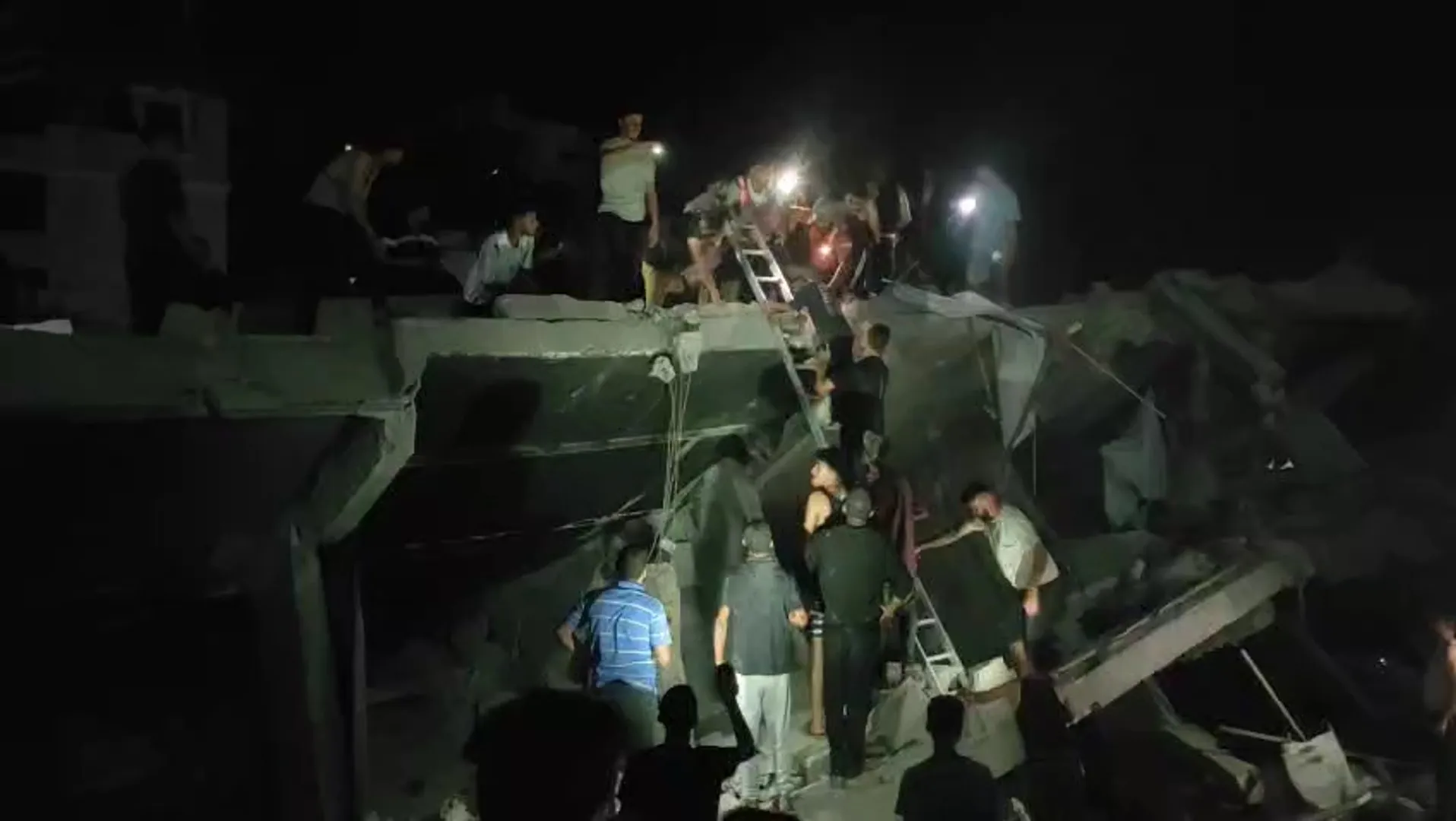
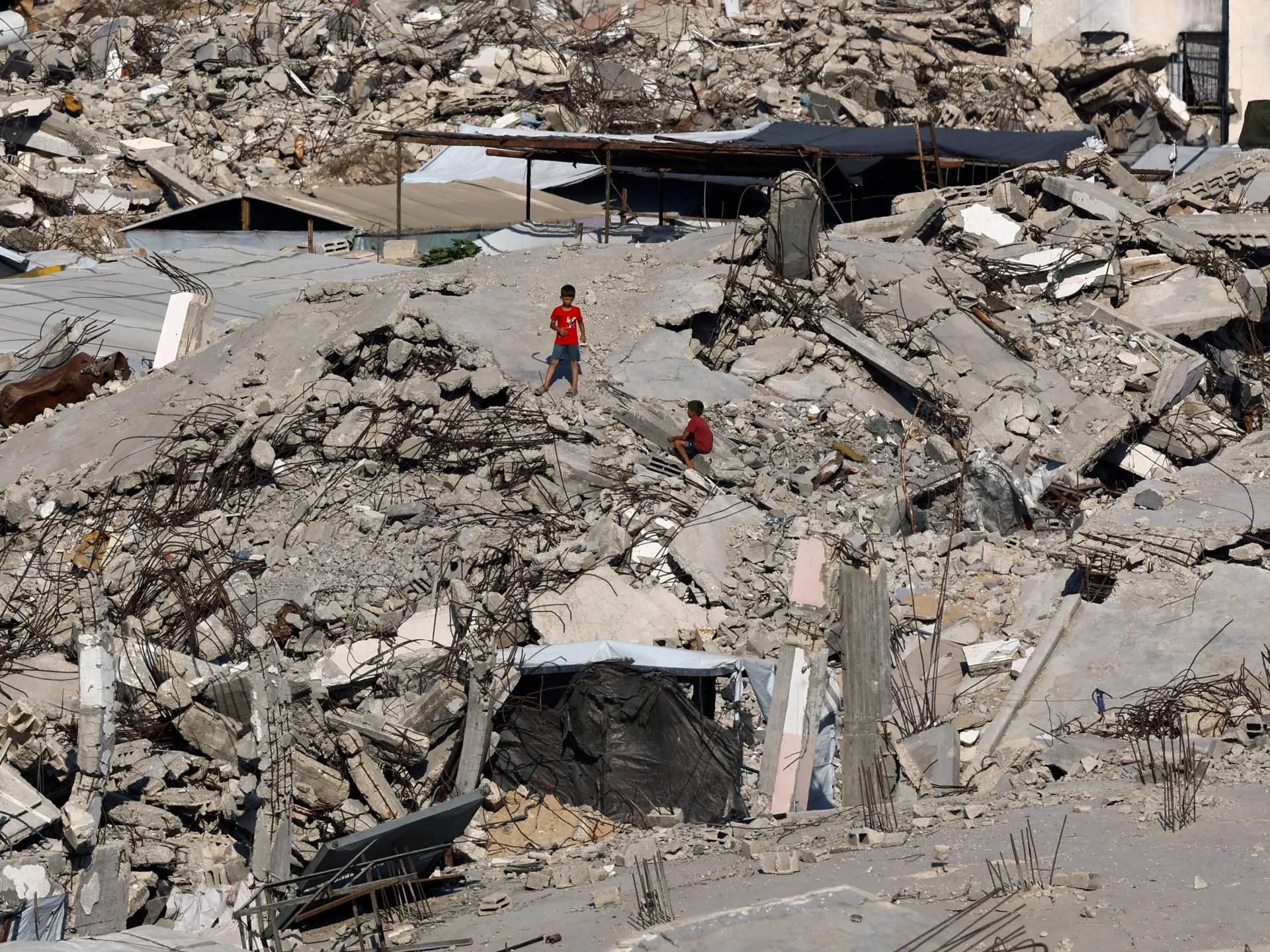
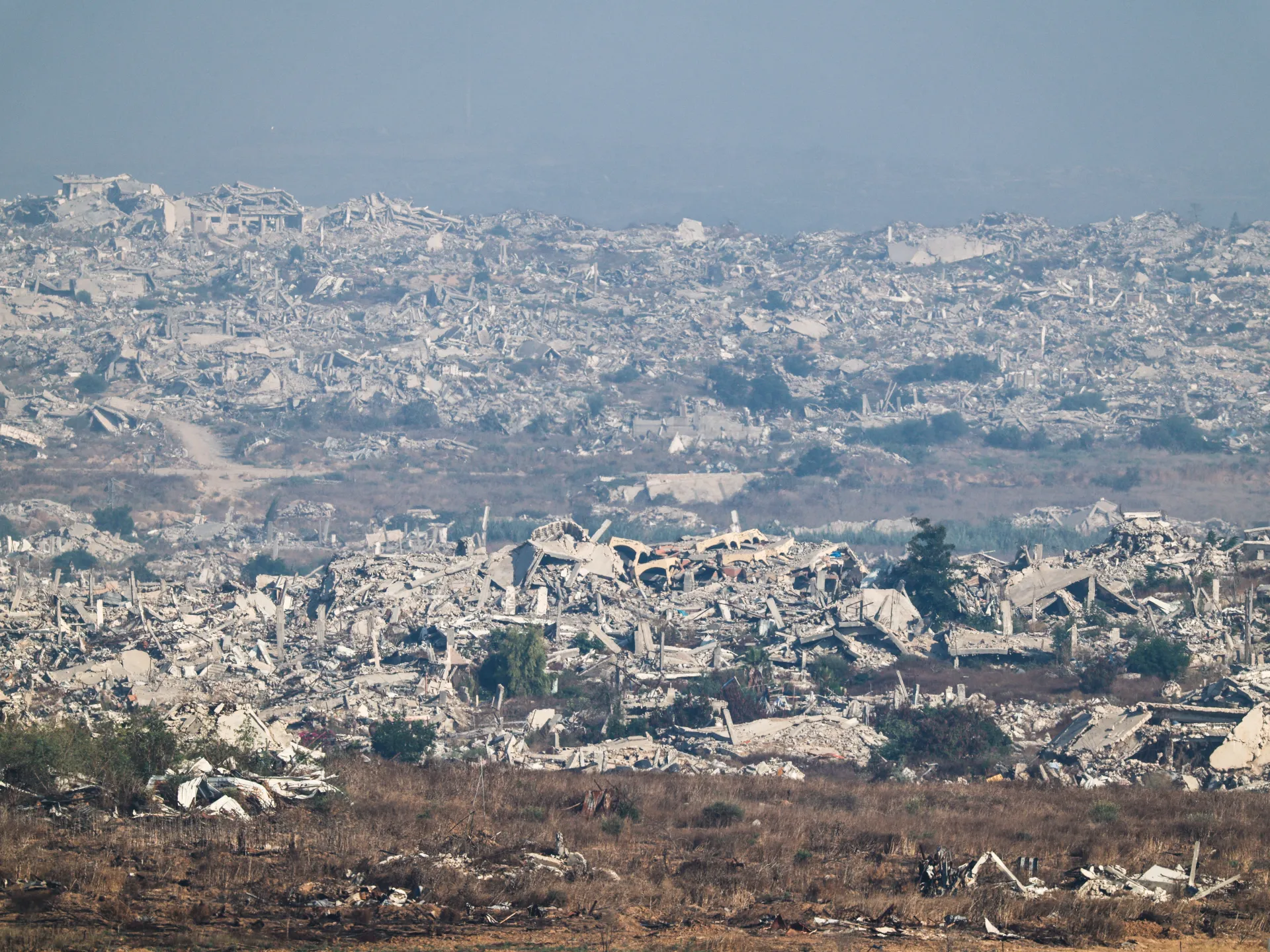
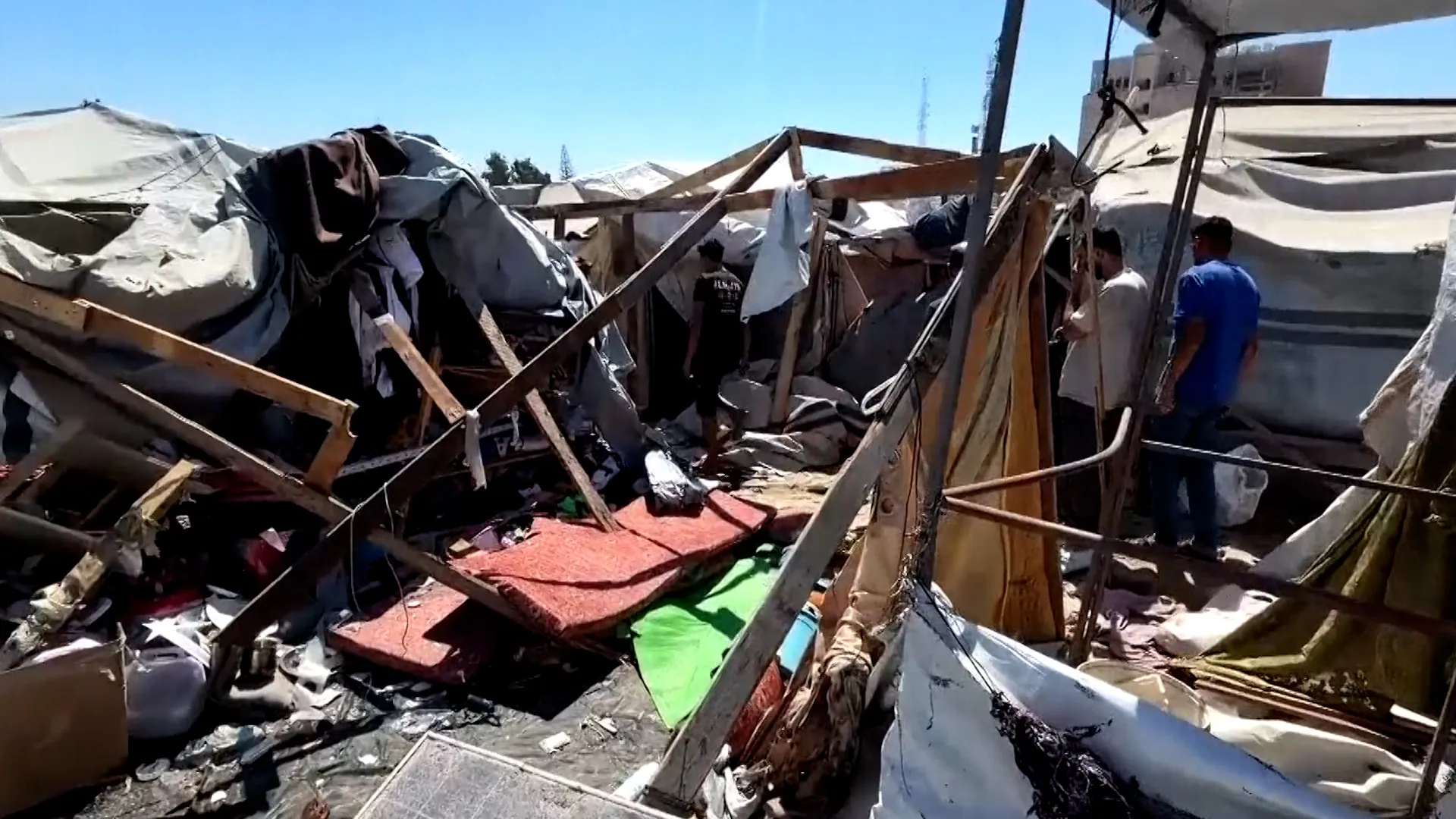
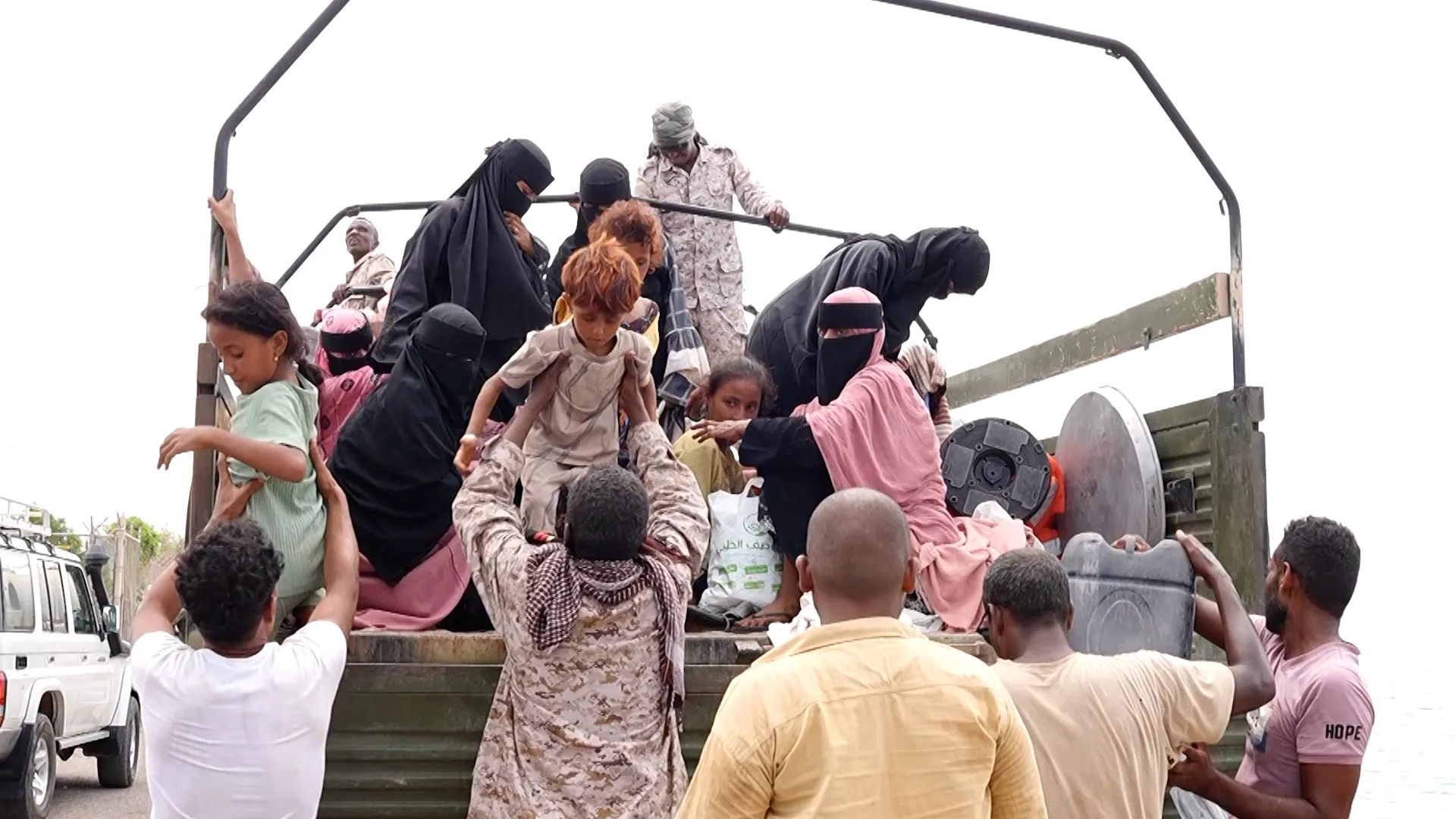
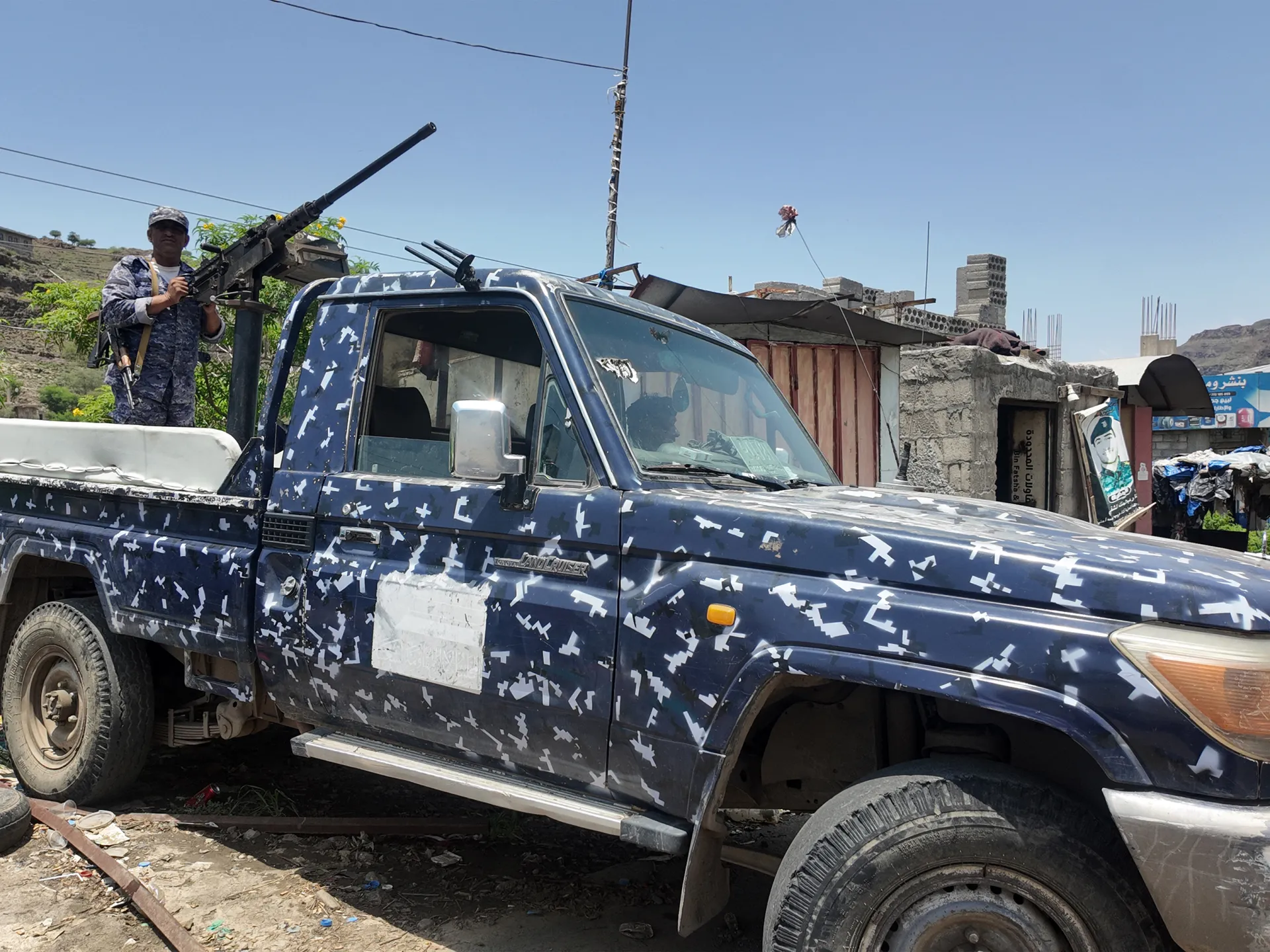
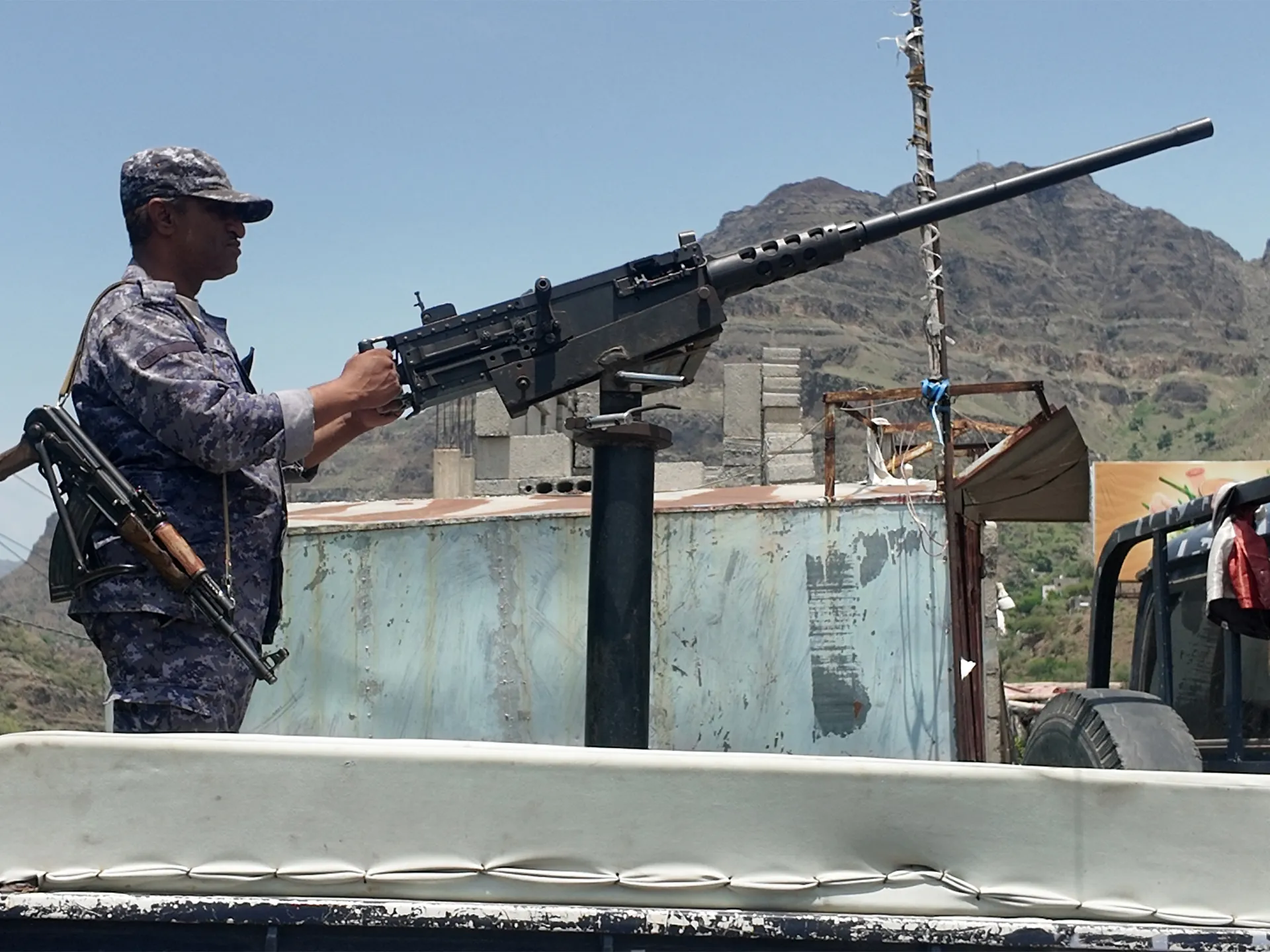
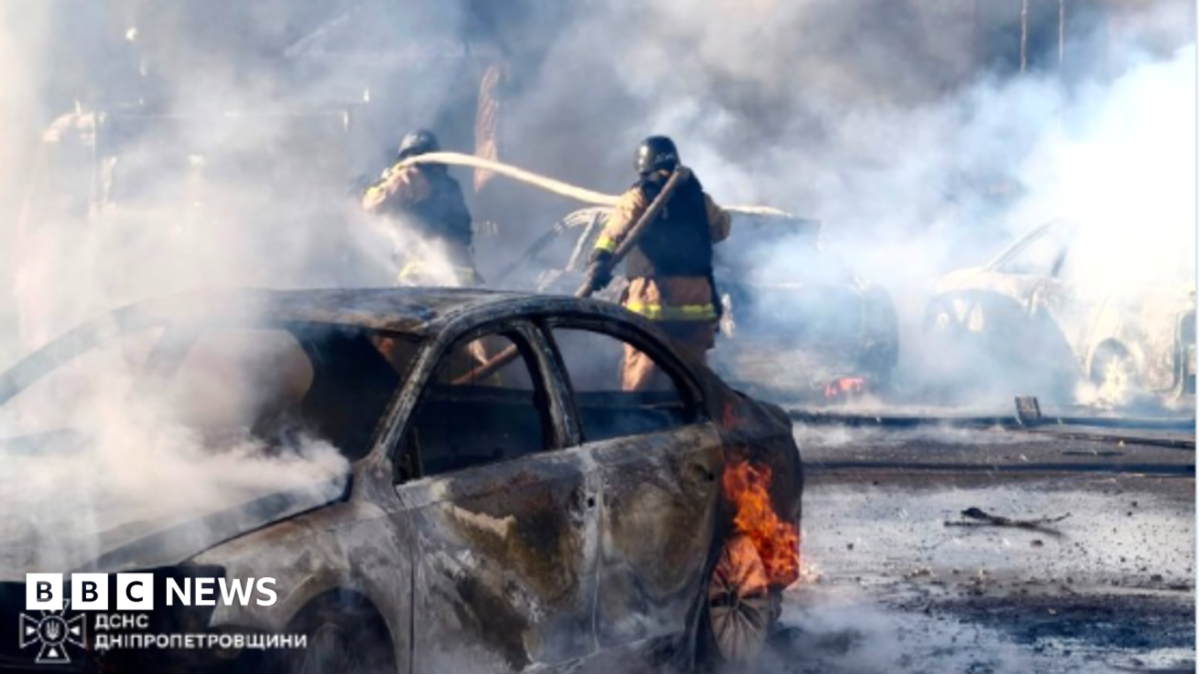
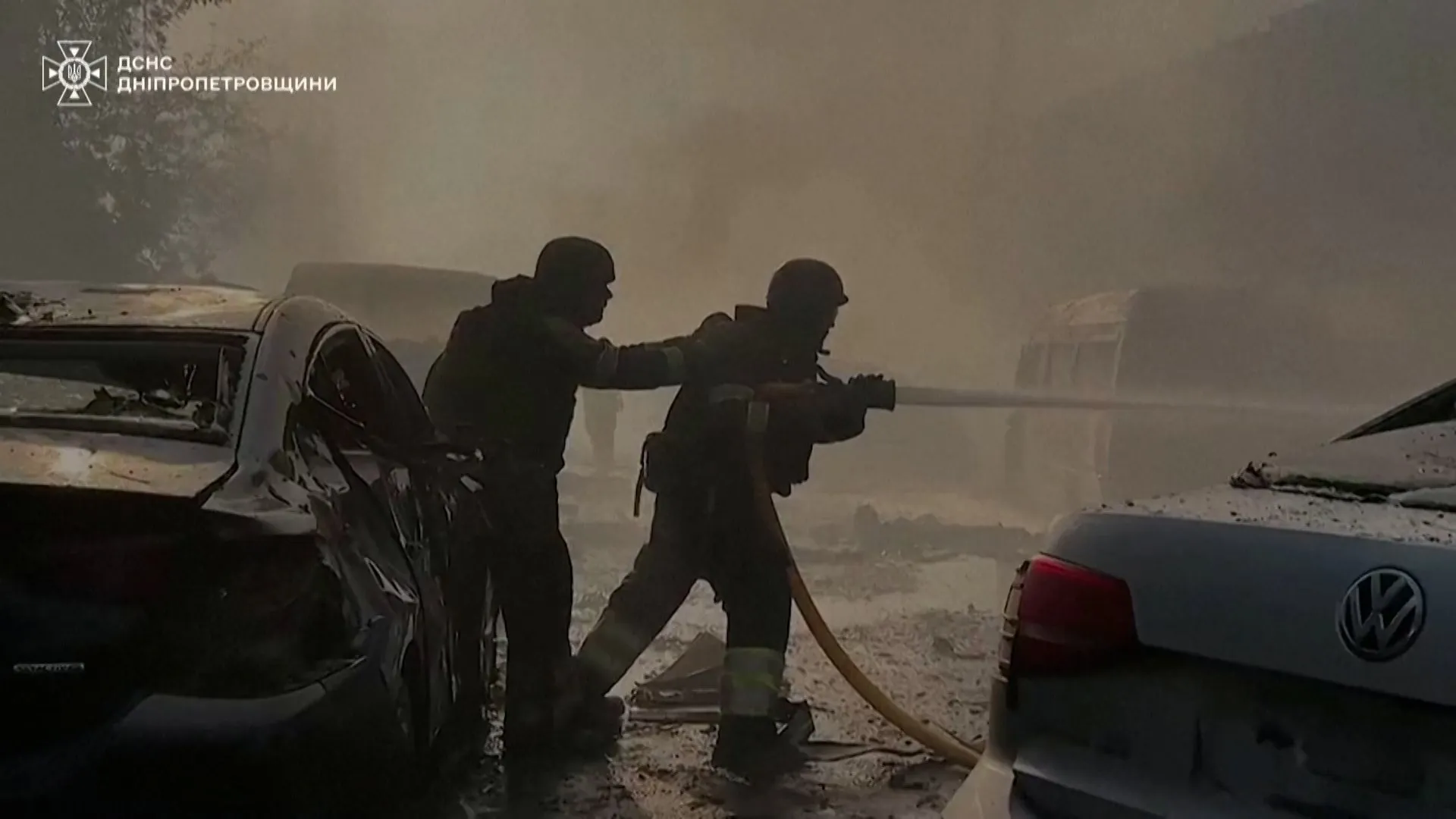
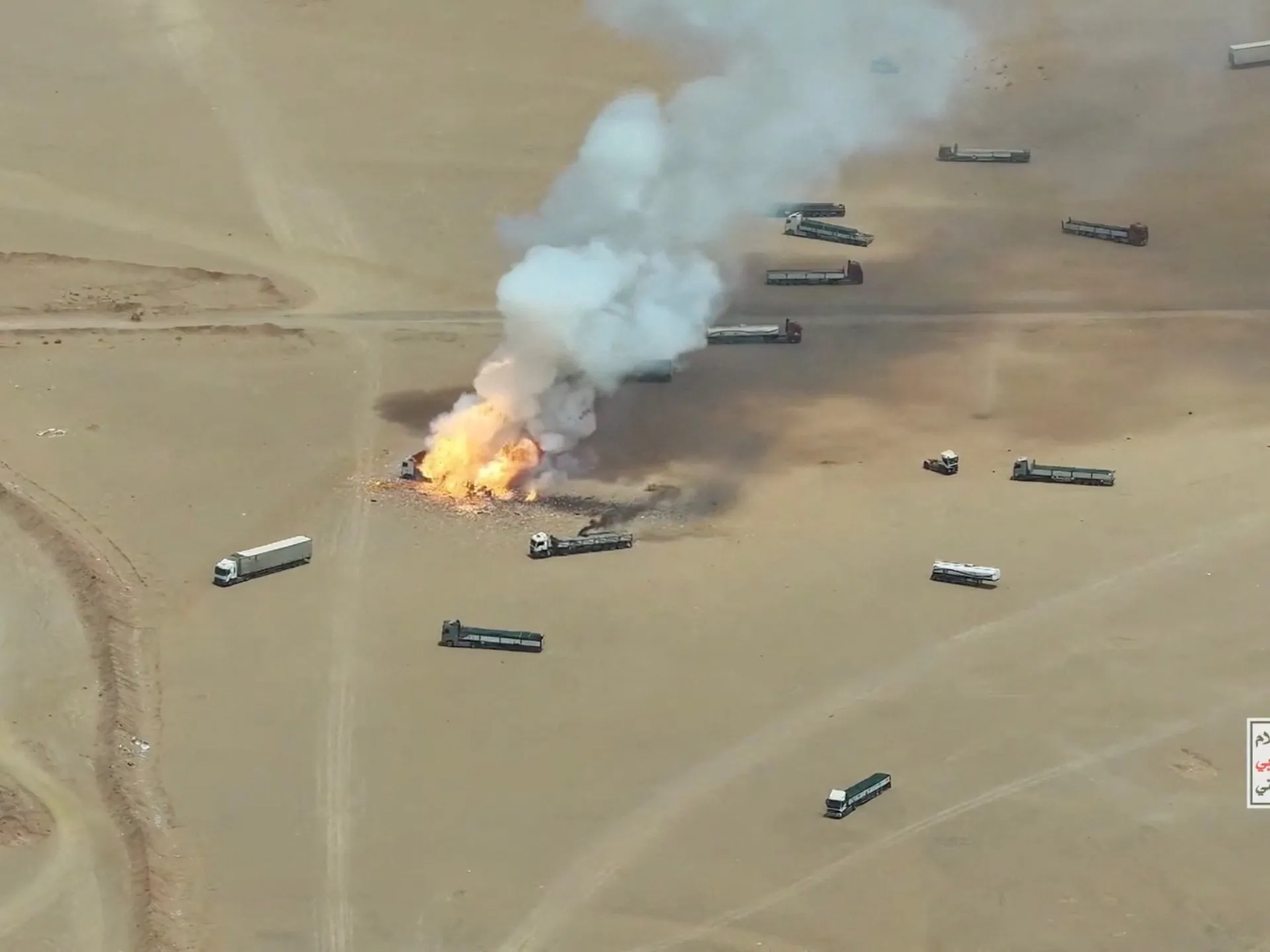
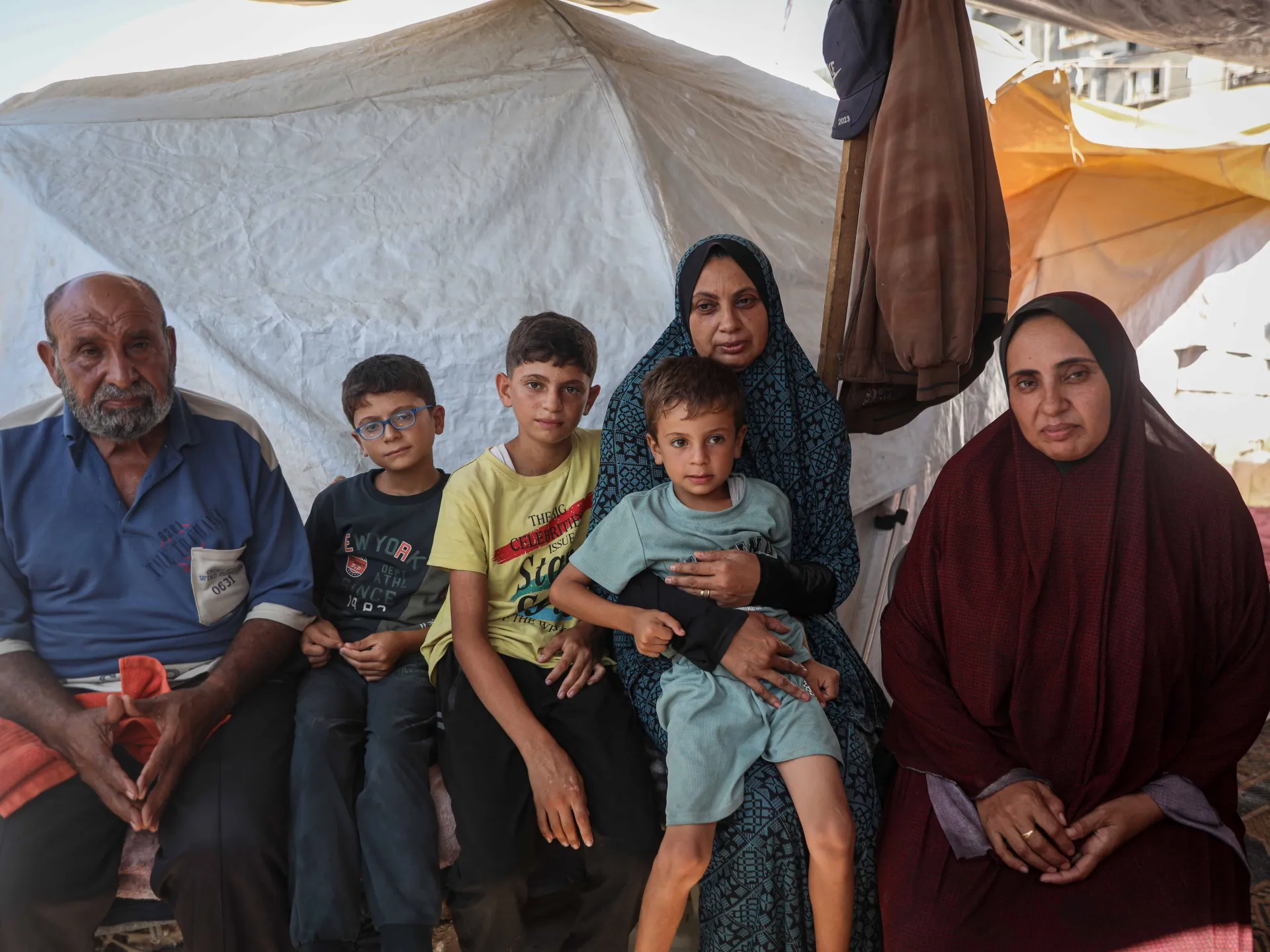
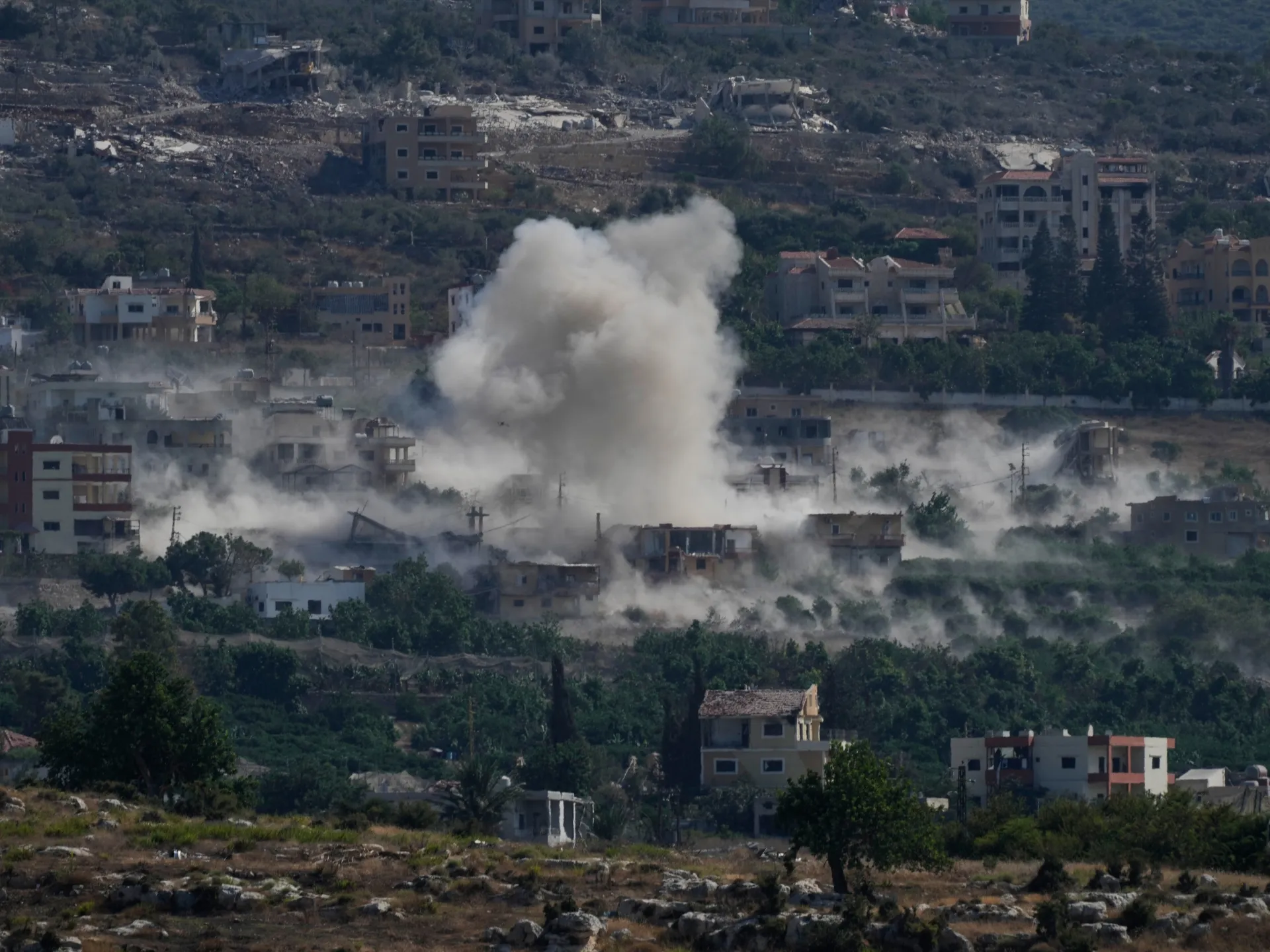
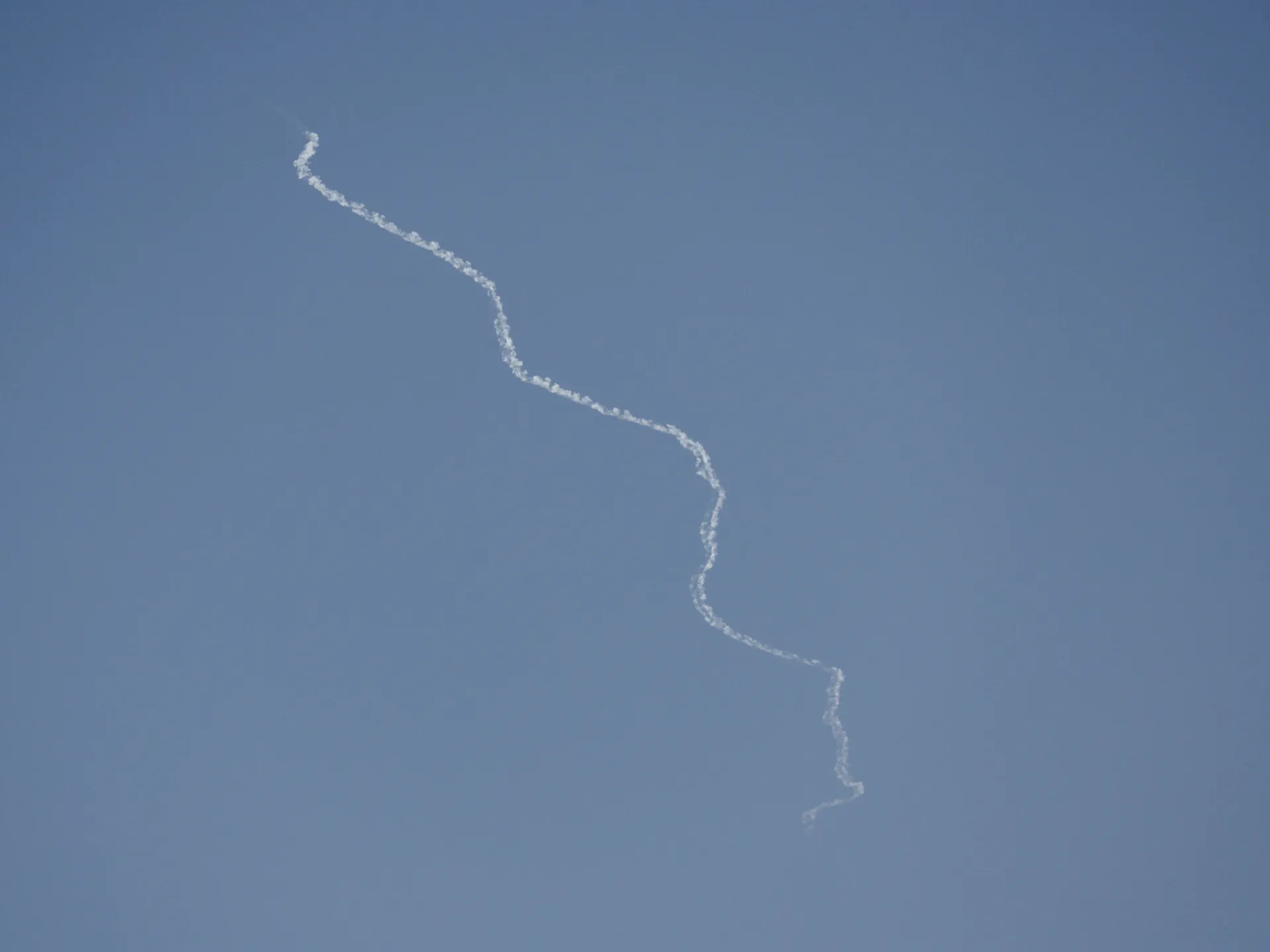
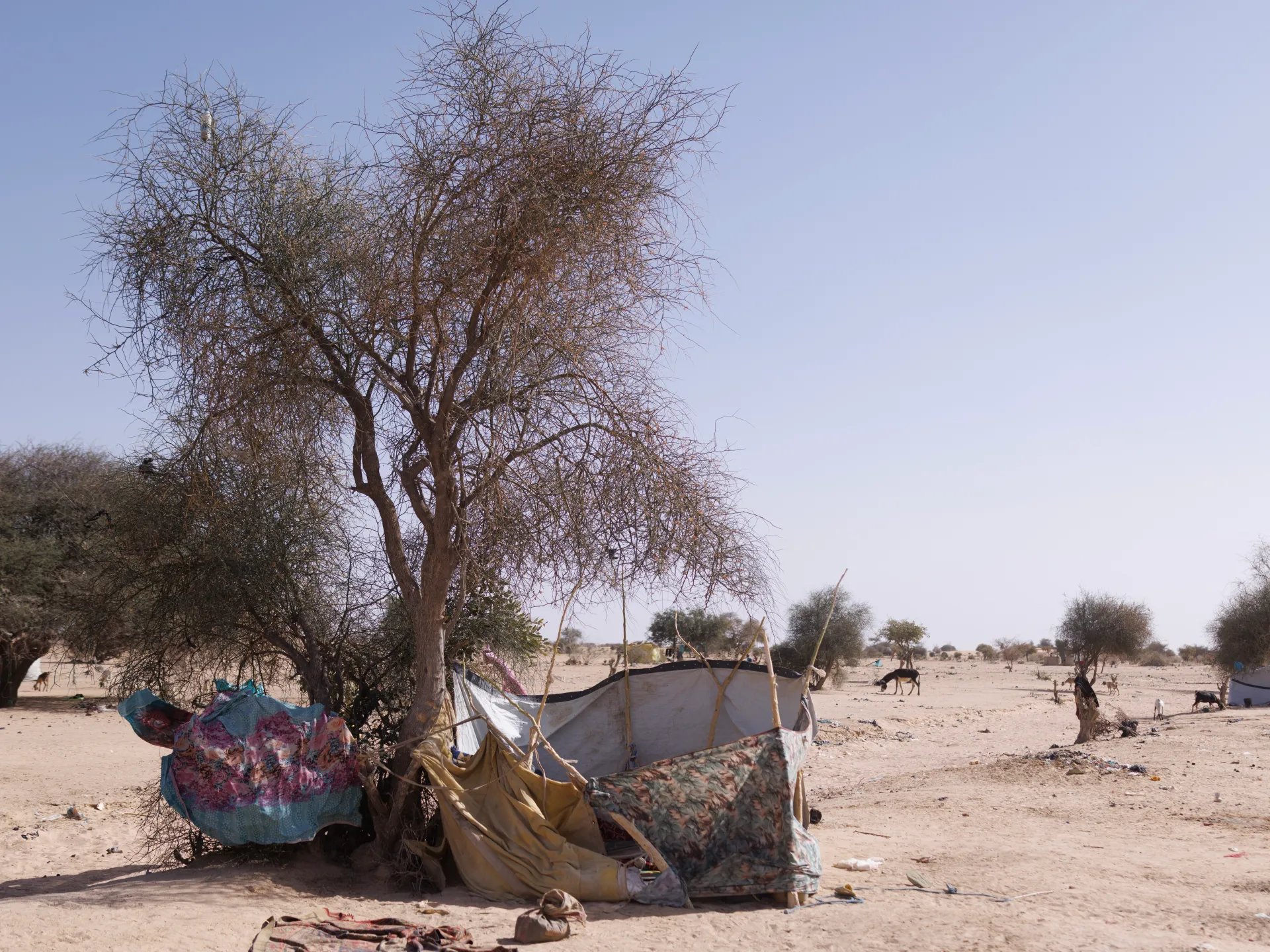
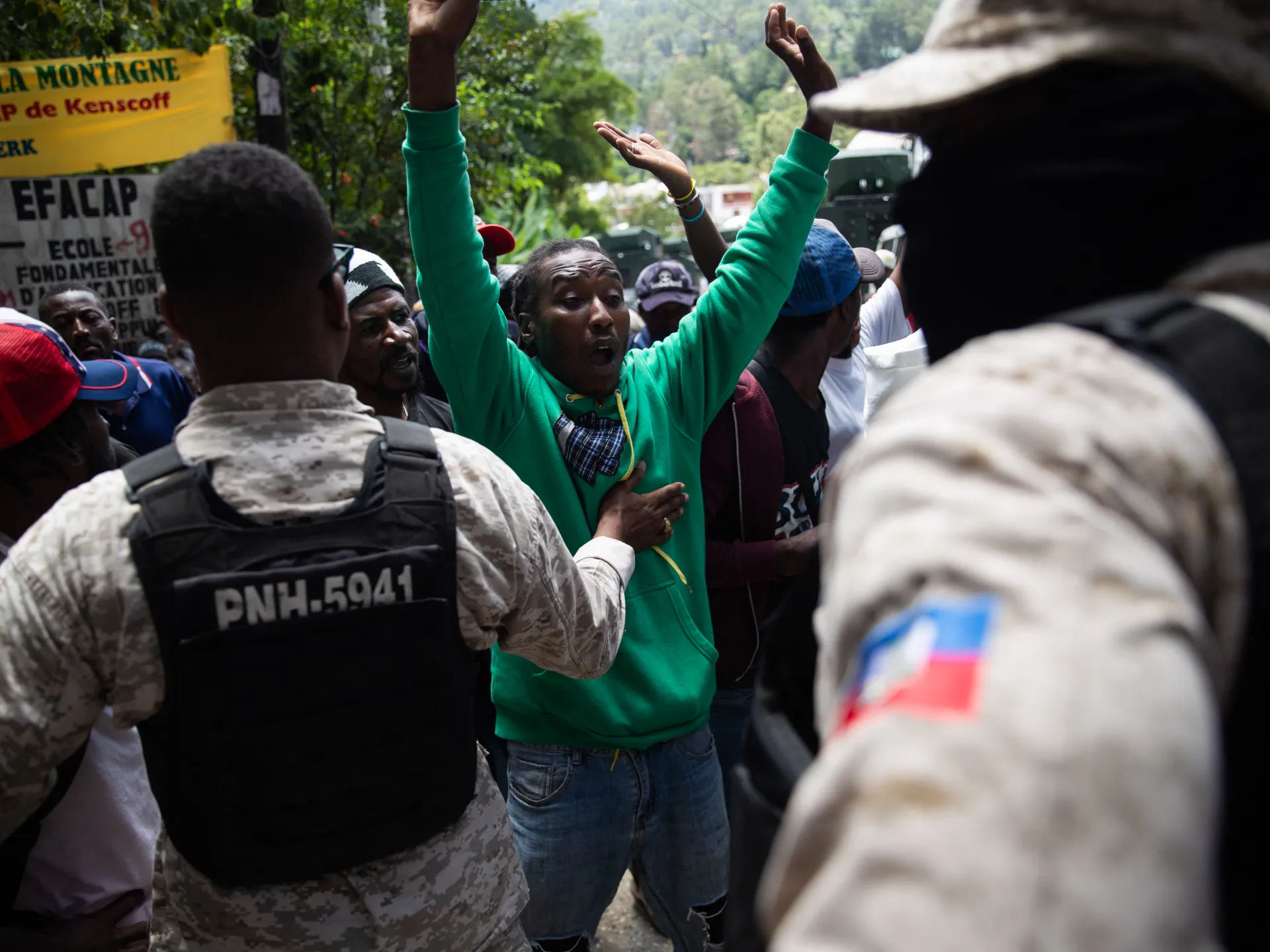
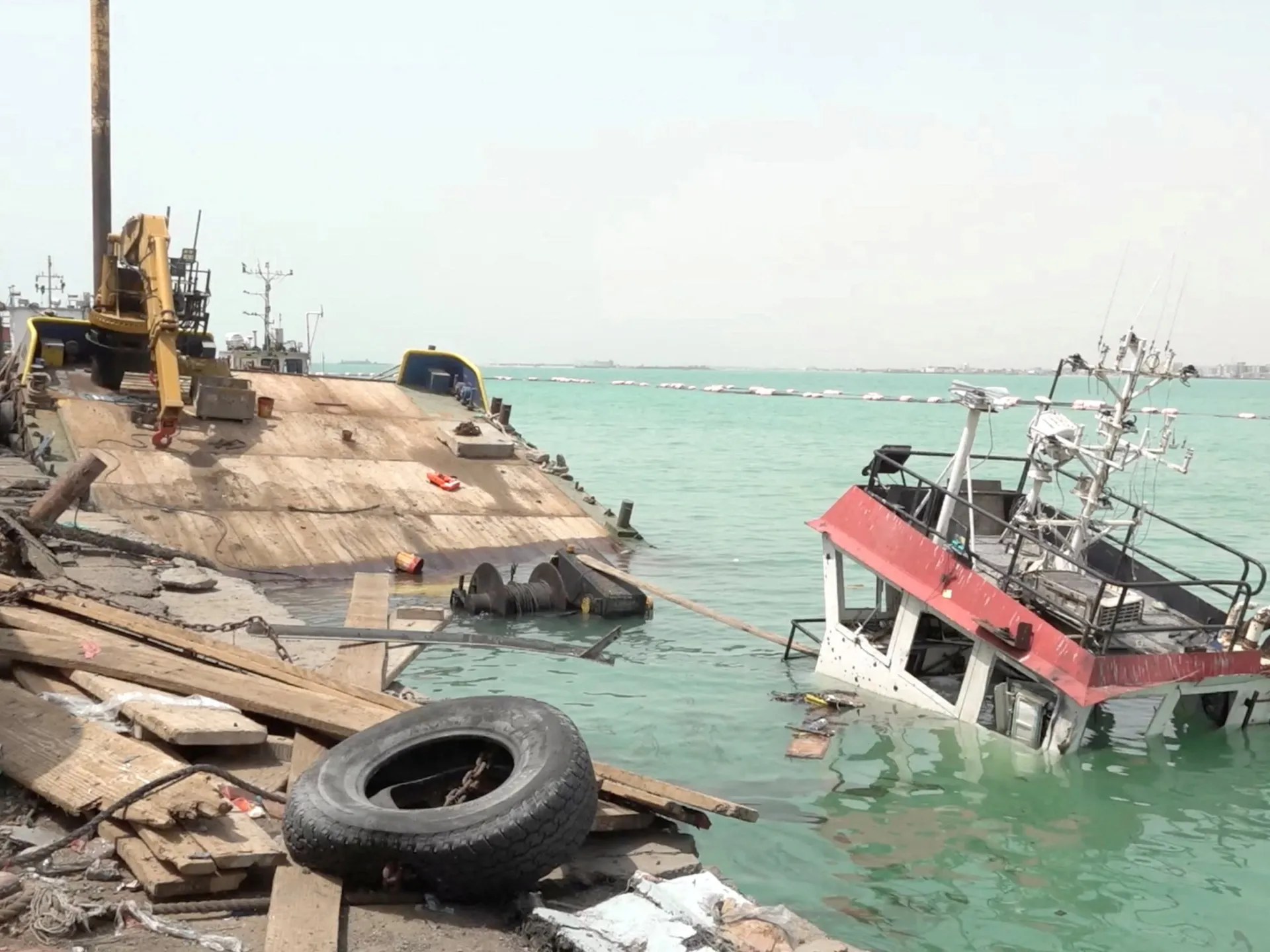
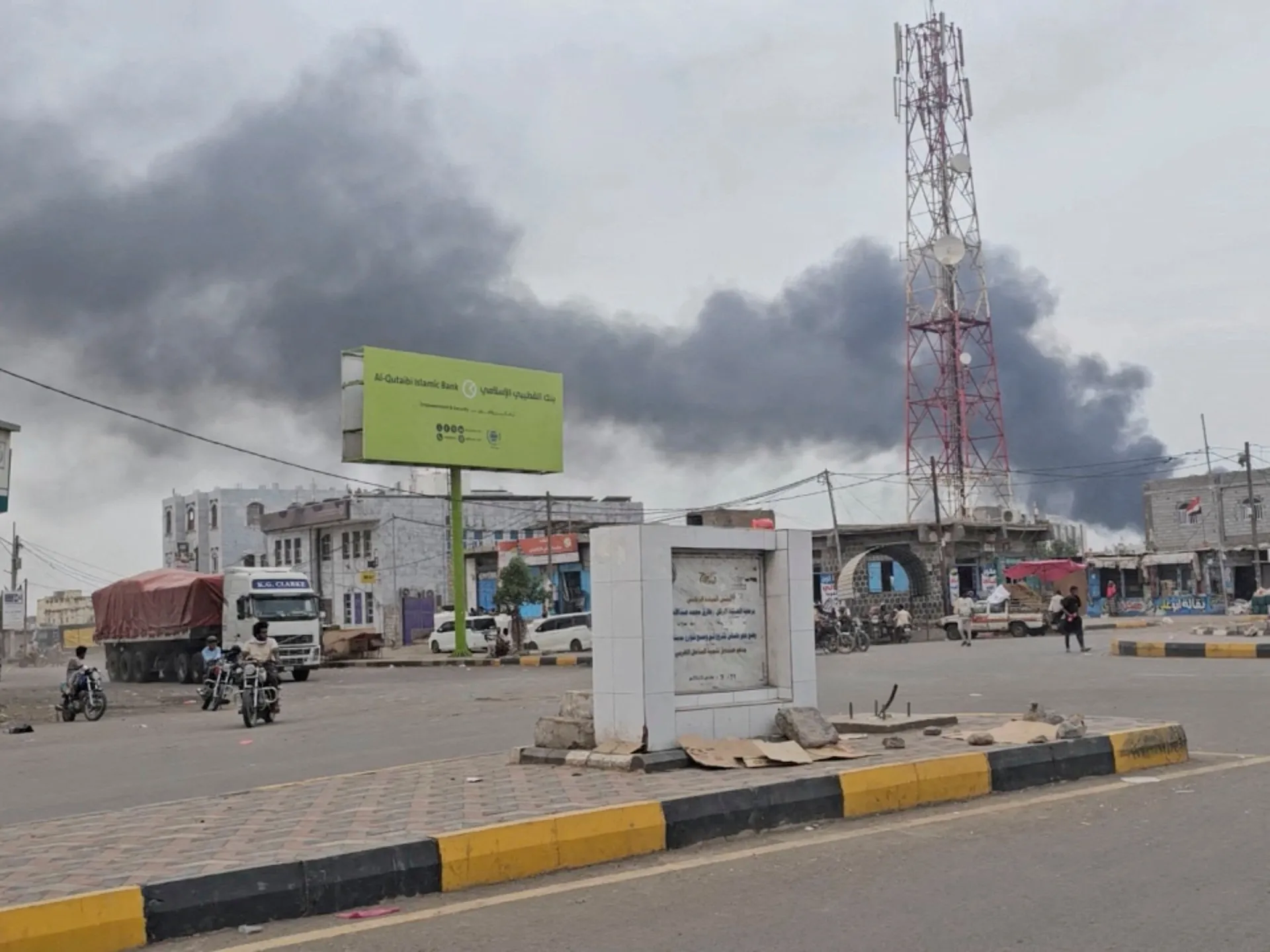
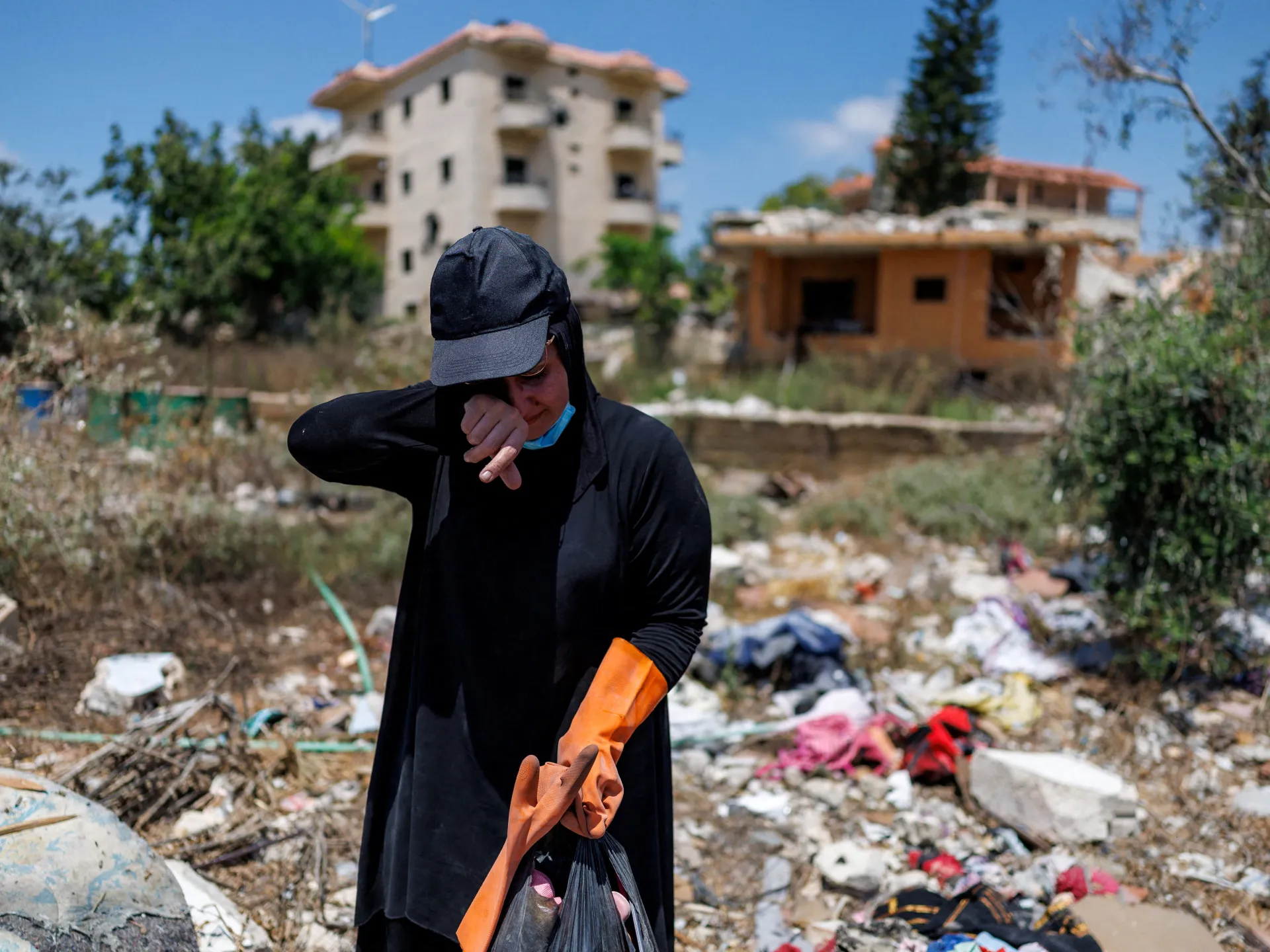
Simultaneously, the situation in Yemen remains a significant theater of concern, with combat operations showing little sign of de-escalation. The interplay between these local conflicts and the overarching U.S.-Iran tension creates a complex web of liability for international humanitarian observers. As the fighting continues, the potential for proxy-driven escalation looms large, complicating any efforts to stabilize the immediate geographic sectors currently under heavy bombardment.
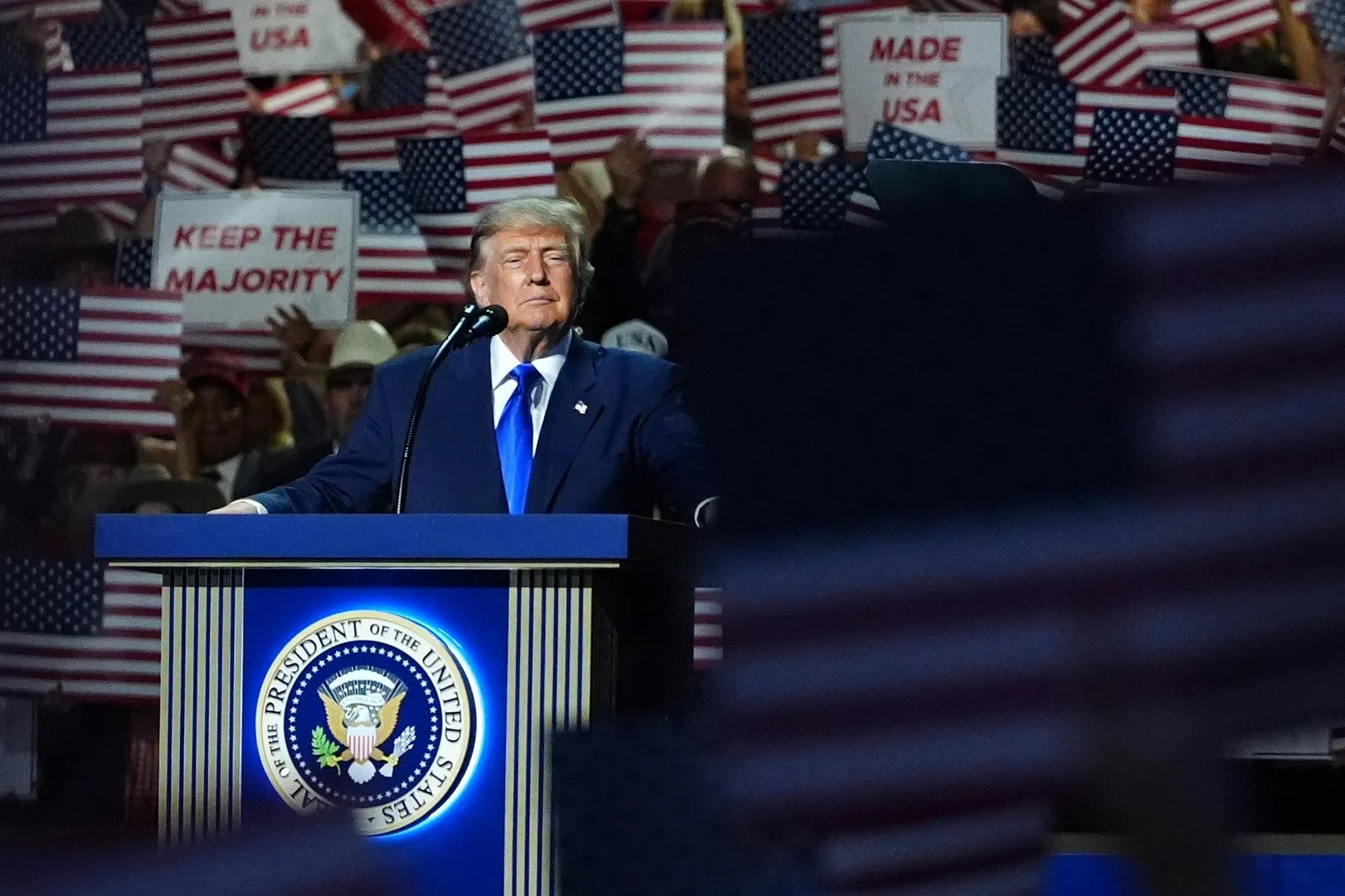
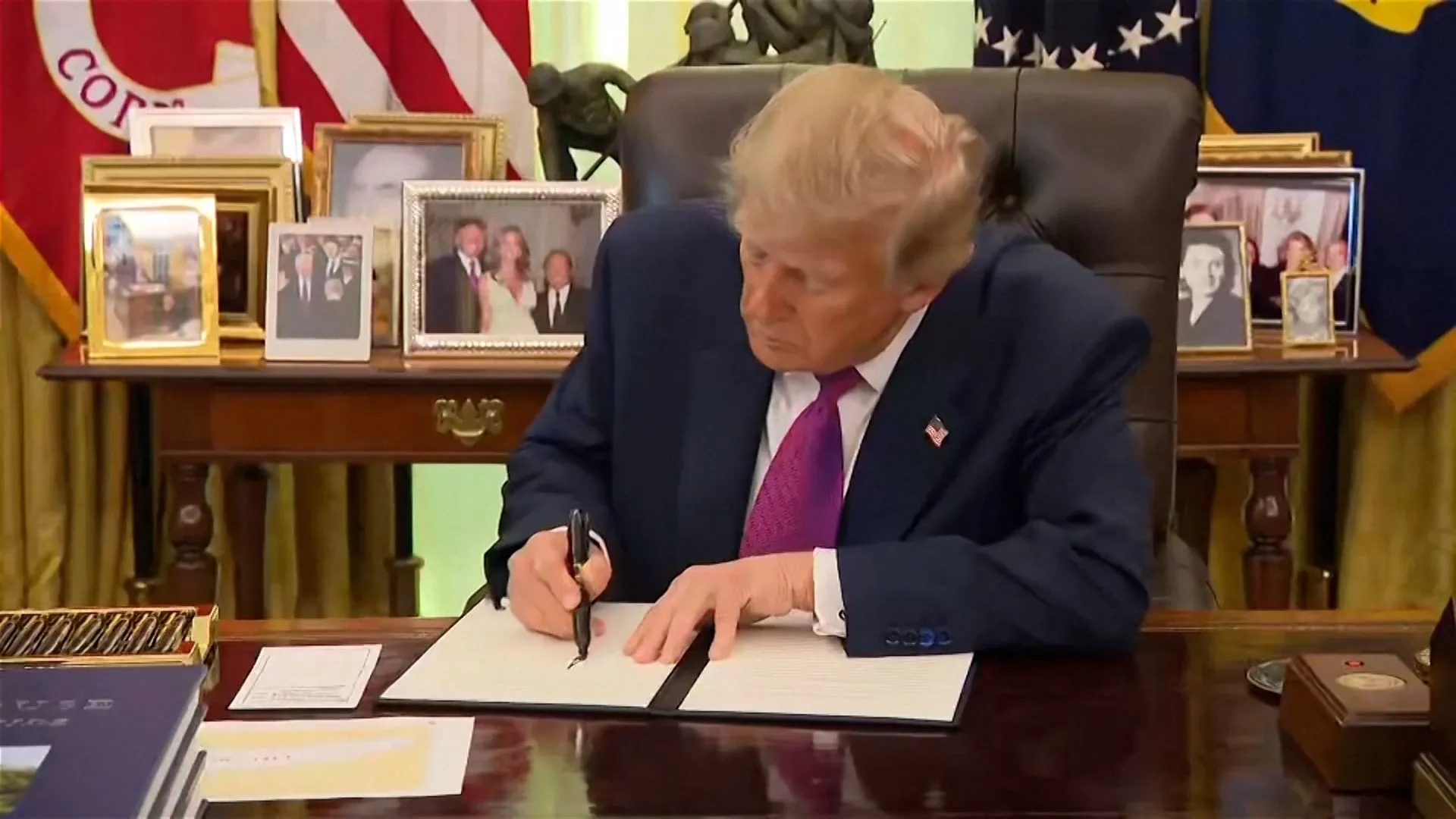
Looking ahead, the next several days will be pivotal in determining whether the current rhetoric translates into kinetic action or if a period of de facto stabilization can be achieved. Analysts anticipate that the U.S. will likely face continued pressure from domestic political constituents to maintain a hardline stance, even as the risk of wider regional entanglement grows. The key indicator to monitor will be the presence of third-party mediation attempts; without a transparent diplomatic framework, the current stalemate is likely to persist, characterized ies. Should the U.S. proceed with the rumored strikes, the immediate response from Tehran will be the primary variable that dictates whether this remains a localized skirmish or evolves into a broader regional confrontation.