

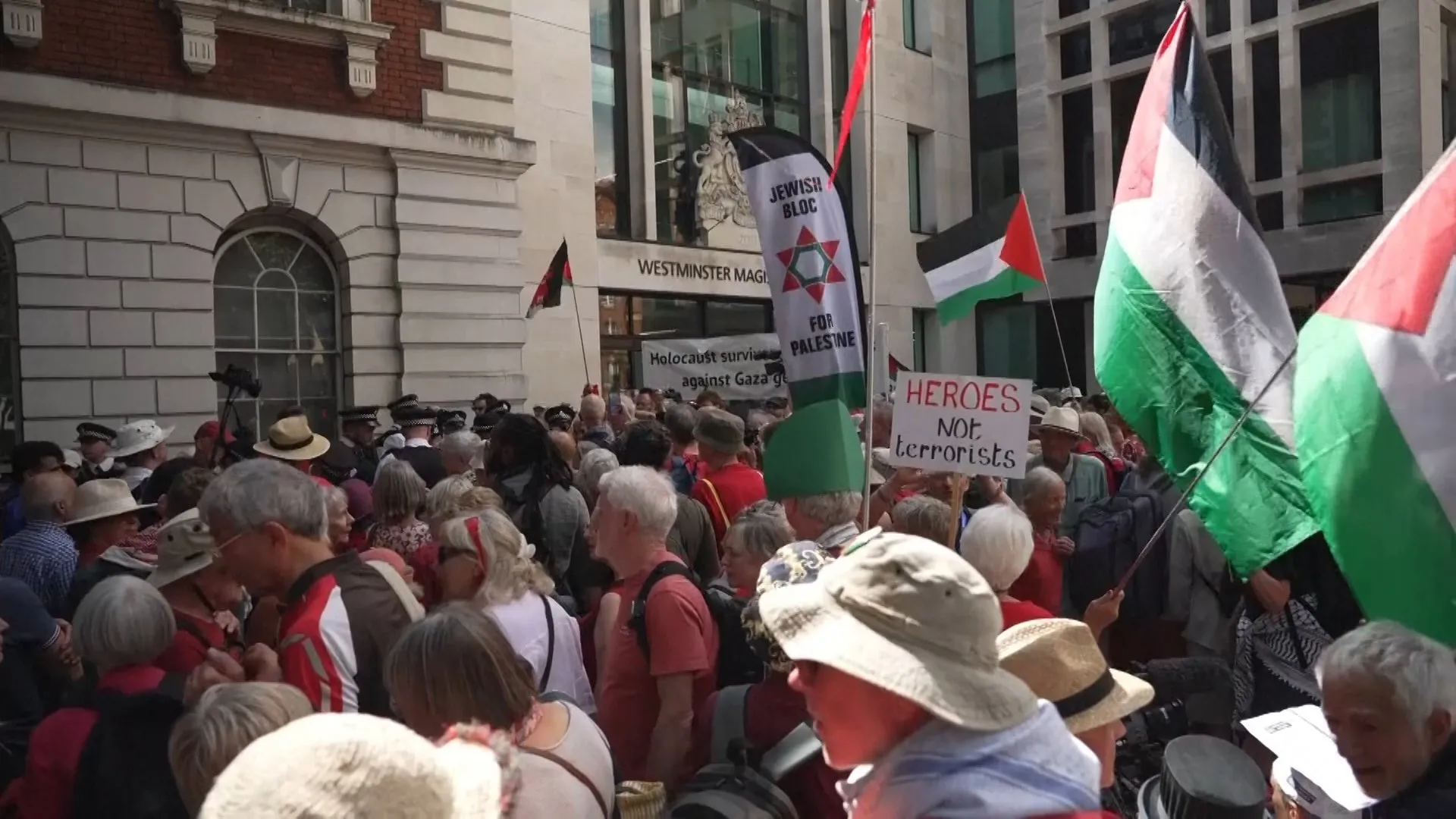
The US government has officially designated Palestine Action as a terrorist group, a move the organization's founder has dismissed as a hypocritical attempt to stifle dissent.
The United States government has officially designated the activist organization Palestine Action as a terrorist entity, citing its aggressive methods of protest and direct intervention against defense contractors. This move represents a significant escalation in the federal government's approach to domestic and international protest movements that target the supply chains of military equipment manufacturers. oward treating non-traditional activist tactics as national security threats rather than civil disobedience.
The designation carries severe legal consequences, including the potential freezing of assets, the criminalization of providing material support, and increased surveillance of individuals associated with the organization. This policy decision follows a period of heightened friction between the activists and various corporations linked to the defense sector. The US administration appears to be setting a clear precedent that interference with corporate operations, particularly those involved in global defense contracts, will be met with the full weight of counter-terrorism legislation.
In response to the announcement, Palestine Action co-founder Huda Ammori dismissed the classification as a hypocritical maneuver. Ammori characterized the government's rhetoric as ironic, given the group's focus on exposing the role of private corporations in international conflicts. She suggested that the label is an attempt to silence dissent and distract from the underlying issues that the group seeks to highlight through their direct action campaigns.
Ammori further clarified that the sanctions would not impact the resolve of the movement's supporters. Despite the severe legal risks, she emphasized that the organization remains committed to its stated objectives. According to the leadership, the attempt to delegitimize their cause through a terror designation is seen as proof that their tactics have been effective enough to warrant a direct response from the highest levels of the state apparatus.
Palestine Action is known for its confrontational approach to activism, which frequently involves physical occupation of corporate offices, property damage, and the obstruction of facilities belonging to companies that supply parts or technology to the Israeli military. These tactics are designed to disrupt the day-to-day business operations of these entities, forcing them to address their role in the global arms trade. The group views these actions as necessary interventions to prevent the flow of weaponry that they argue is used in humanitarian crises.
Critics of the group, and now the US government, argue that these methods cross the line from protected political speech into unlawful harassment and economic sabotage. The debate surrounding these tactics often centers on the distinction between legitimate political protest and illegal activities that endanger public safety or private property. ly removed the possibility of treating these incidents as minor criminal infractions, opting instead for a framework usually reserved for extremist groups.
The decision to label a grassroots activist group as a terrorist organization raises complex questions about the future of political advocacy in the United States. Observers are concerned that this move could create a chilling effect on other movements that utilize unconventional or disruptive protest strategies. The expansion of terrorism-related designations to include political pressure groups may lead to an era of increased litigation and constitutional challenges regarding the boundaries of the First Amendment.