A sudden reduction in US-led military drills and public criticism from Washington have sparked deep concern in Seoul regarding the stability of the decades-long alliance.
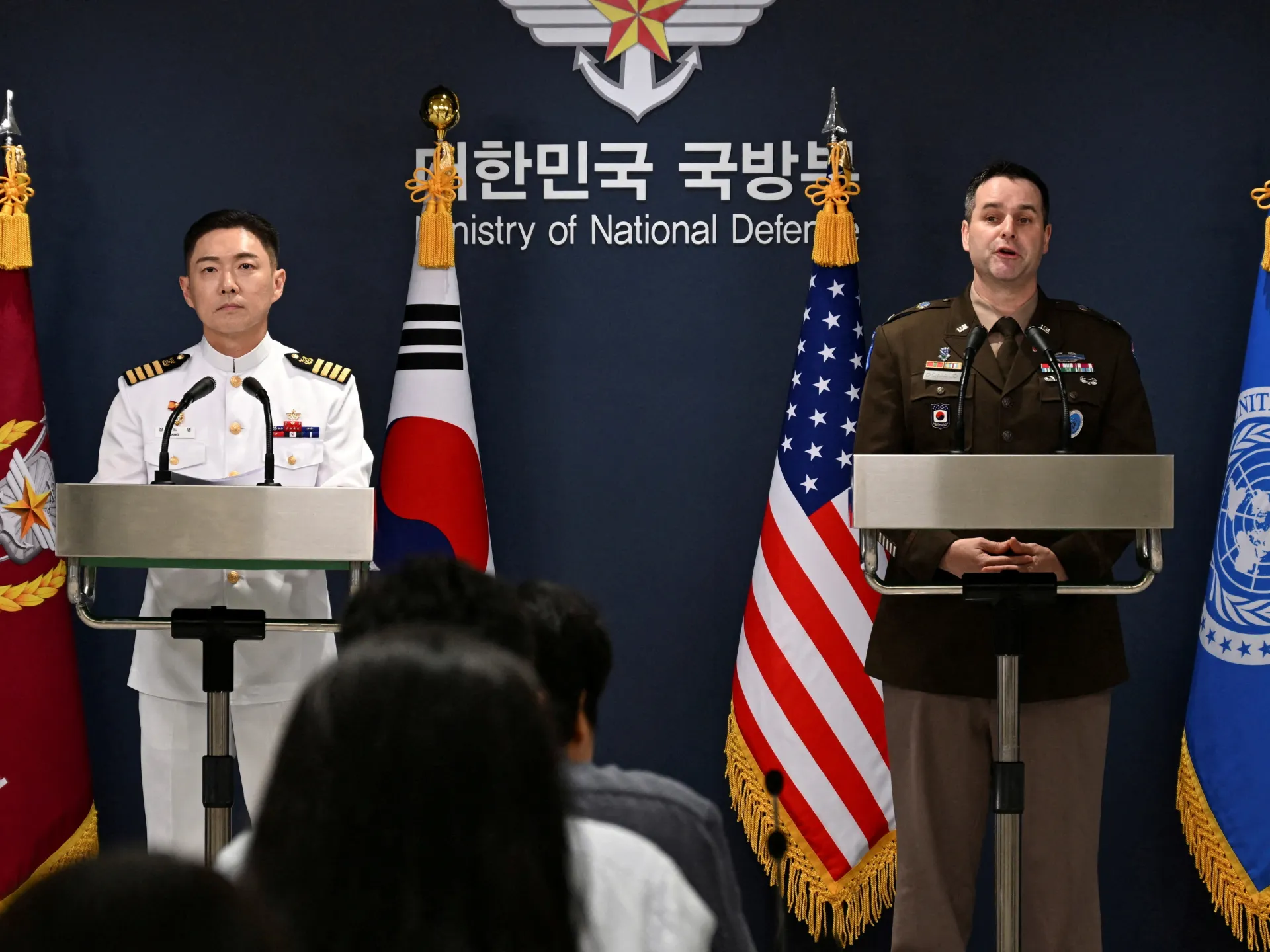
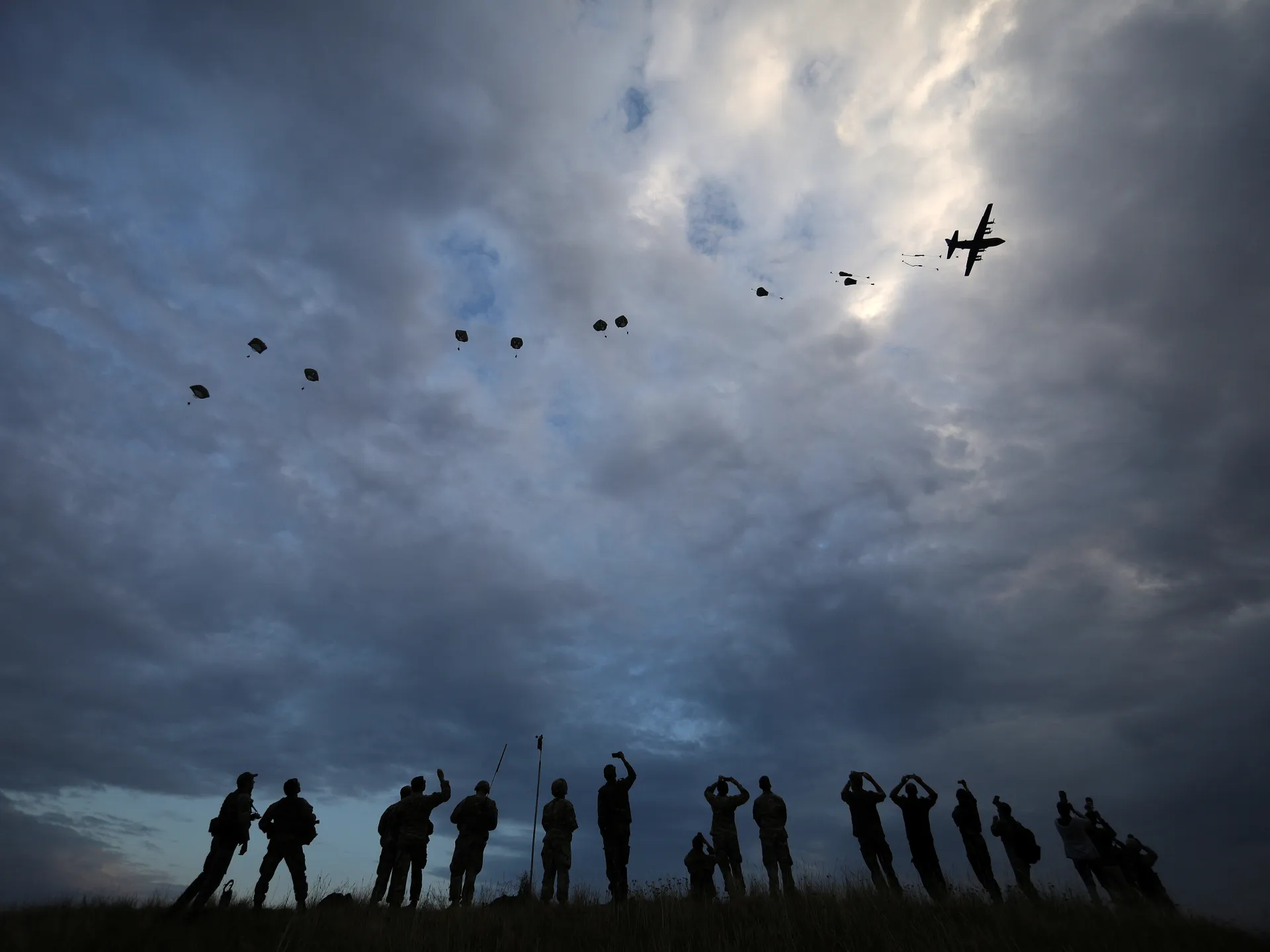
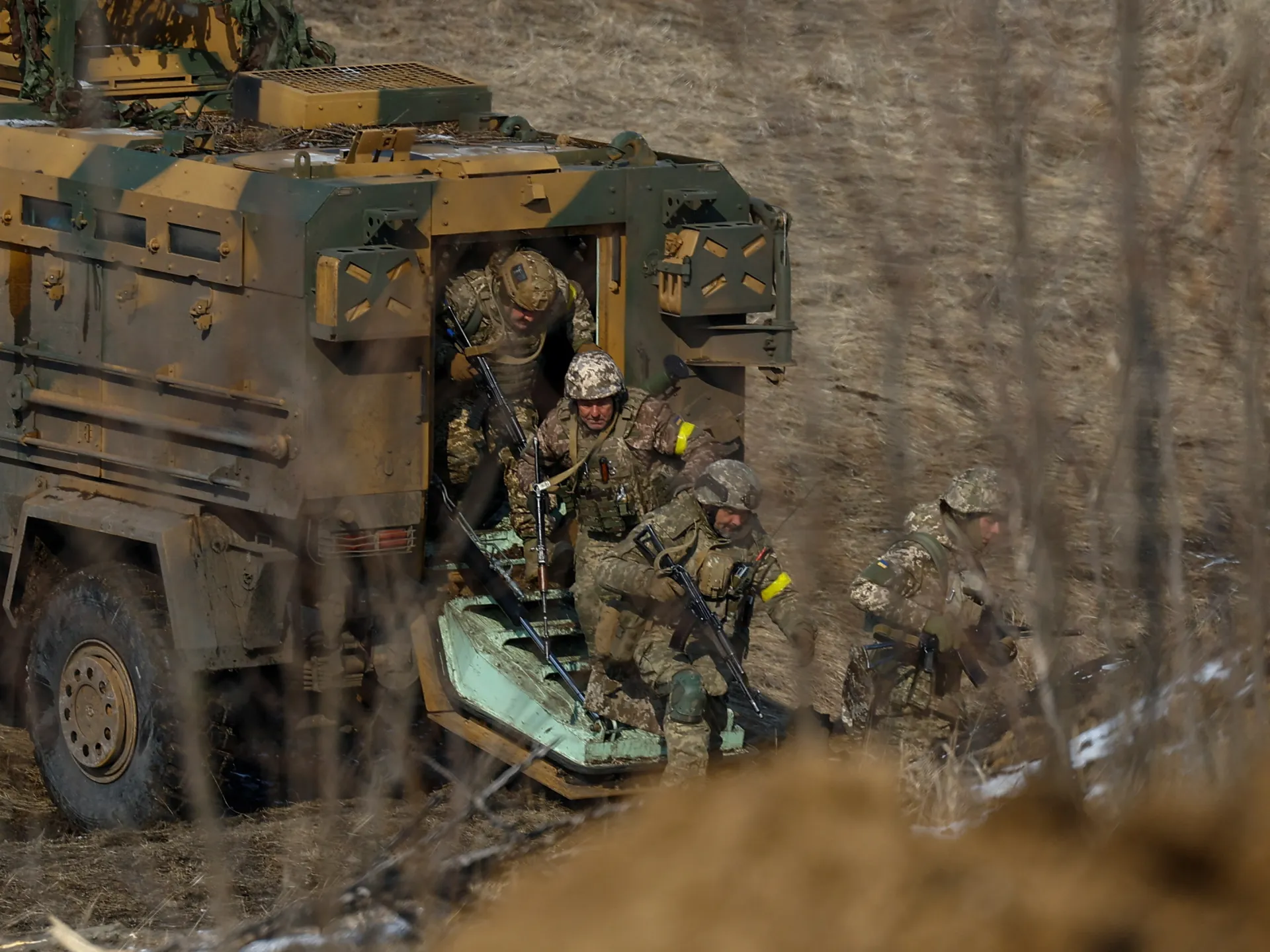
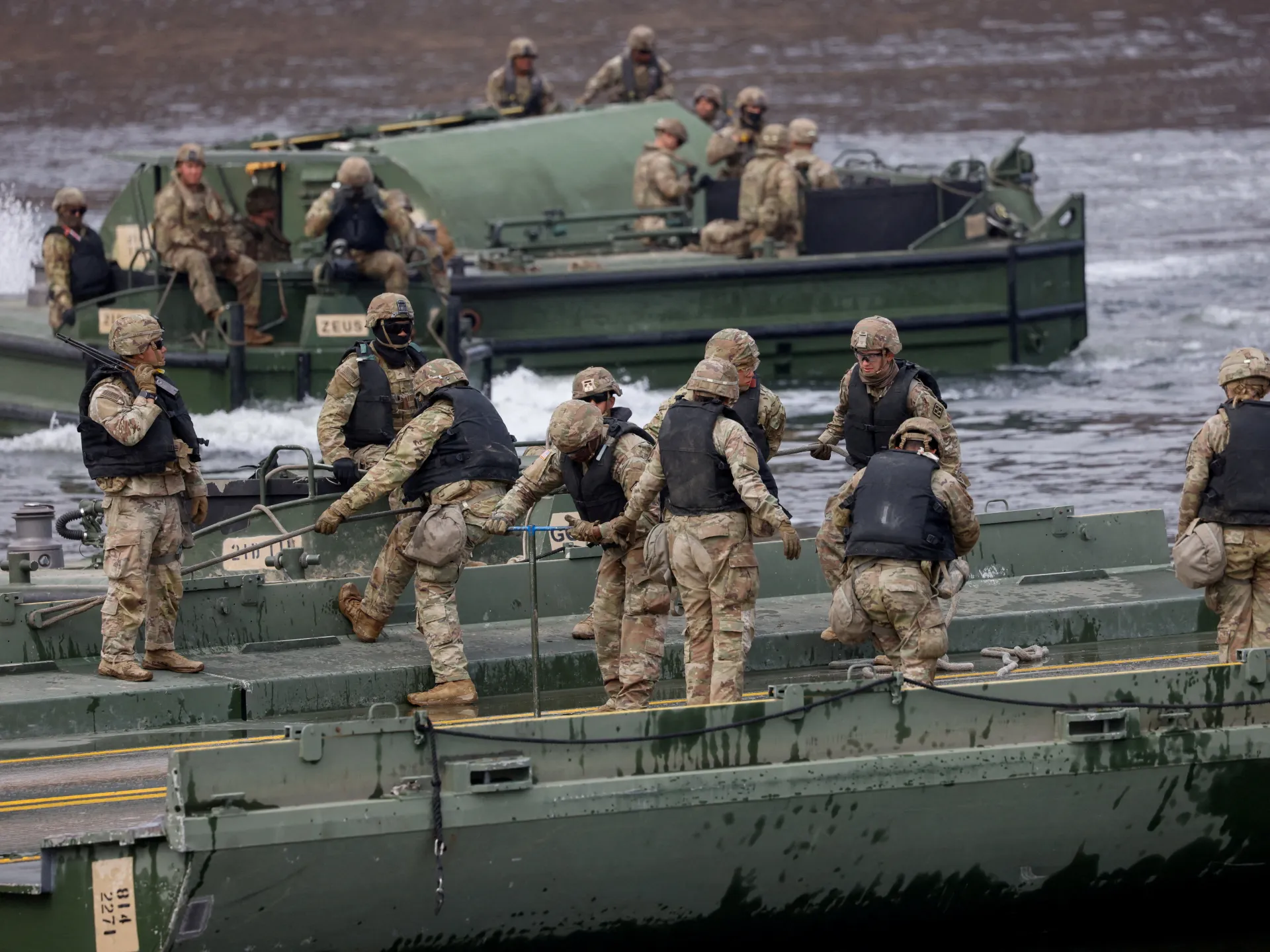
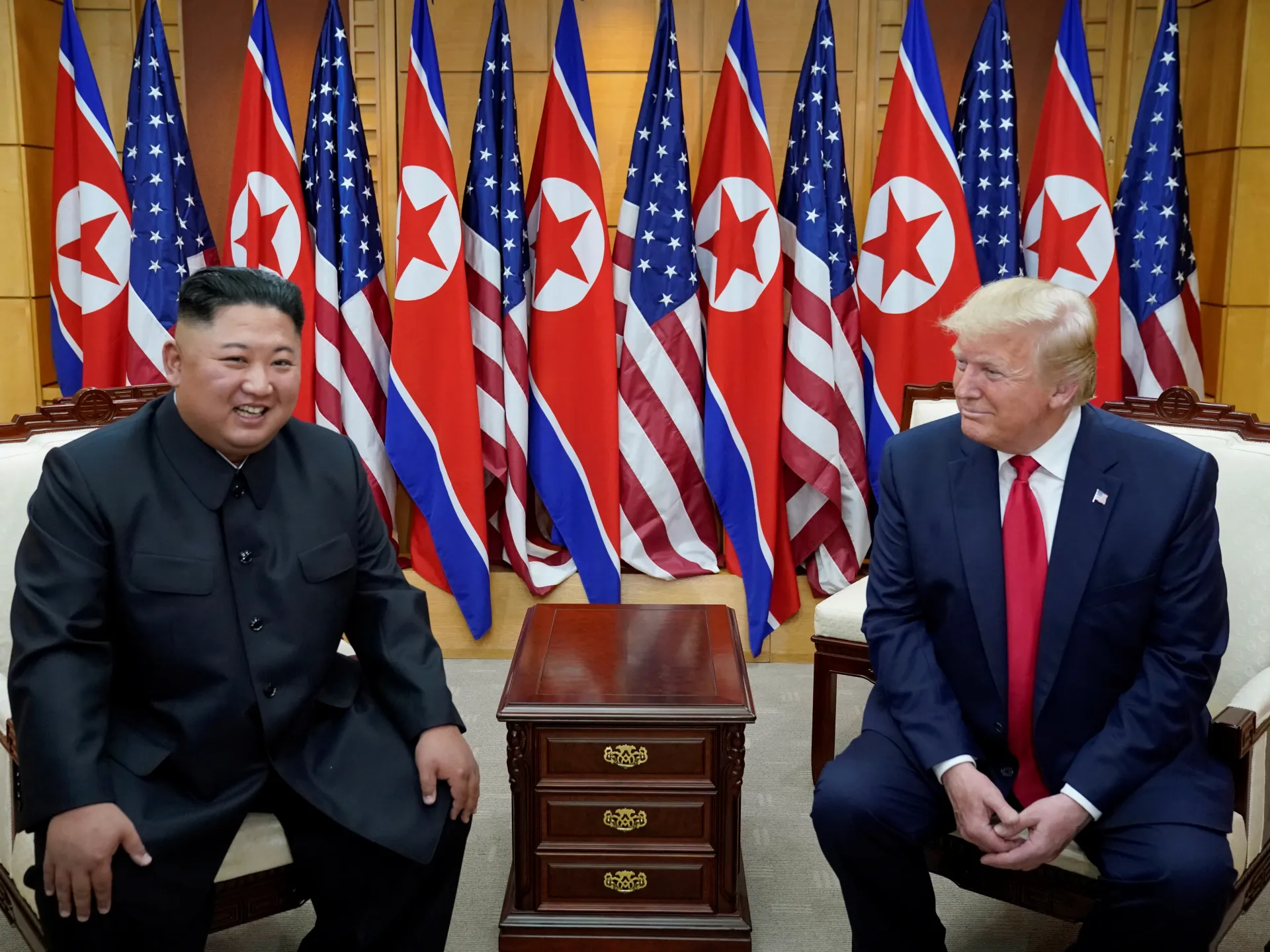
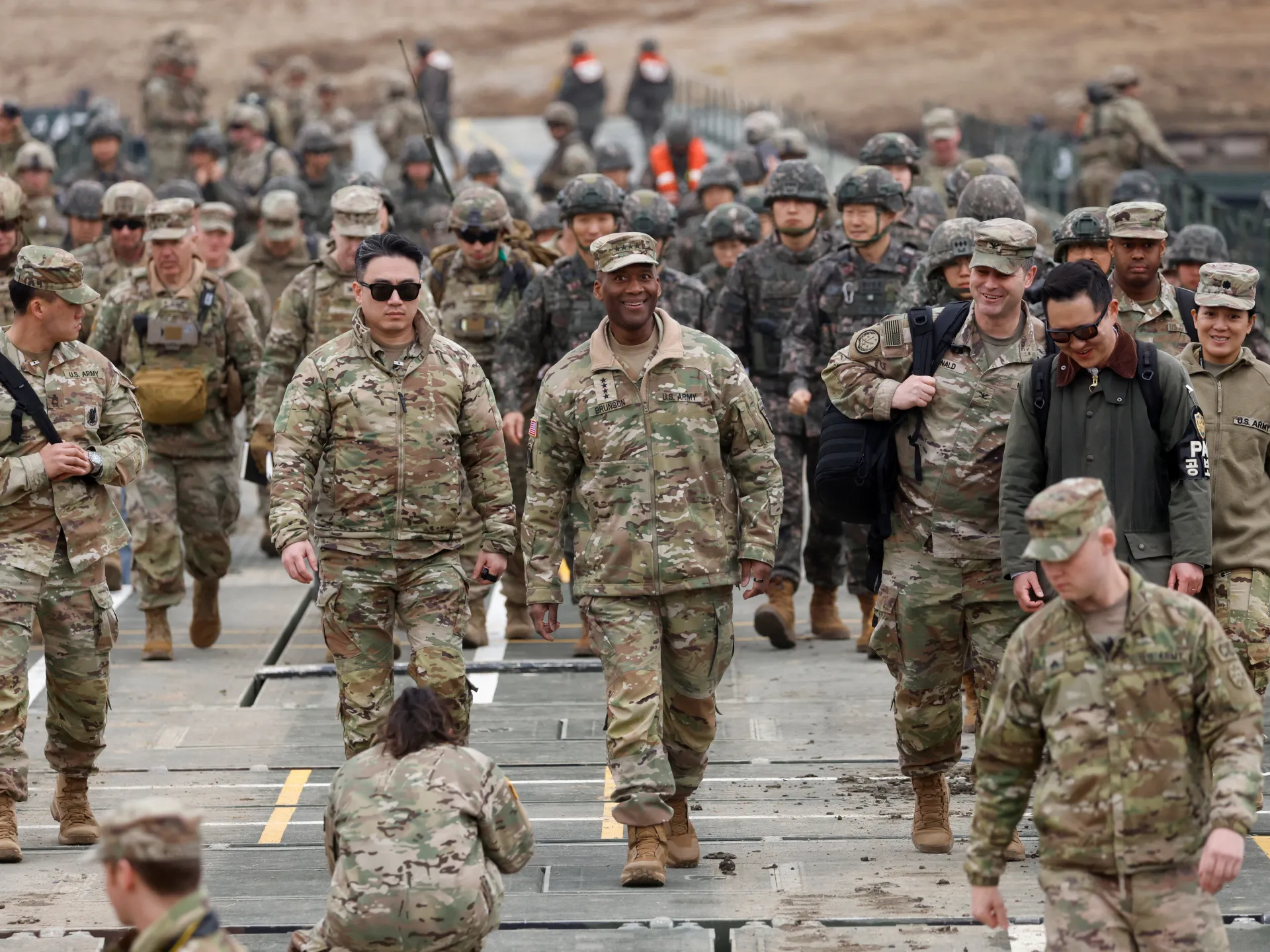
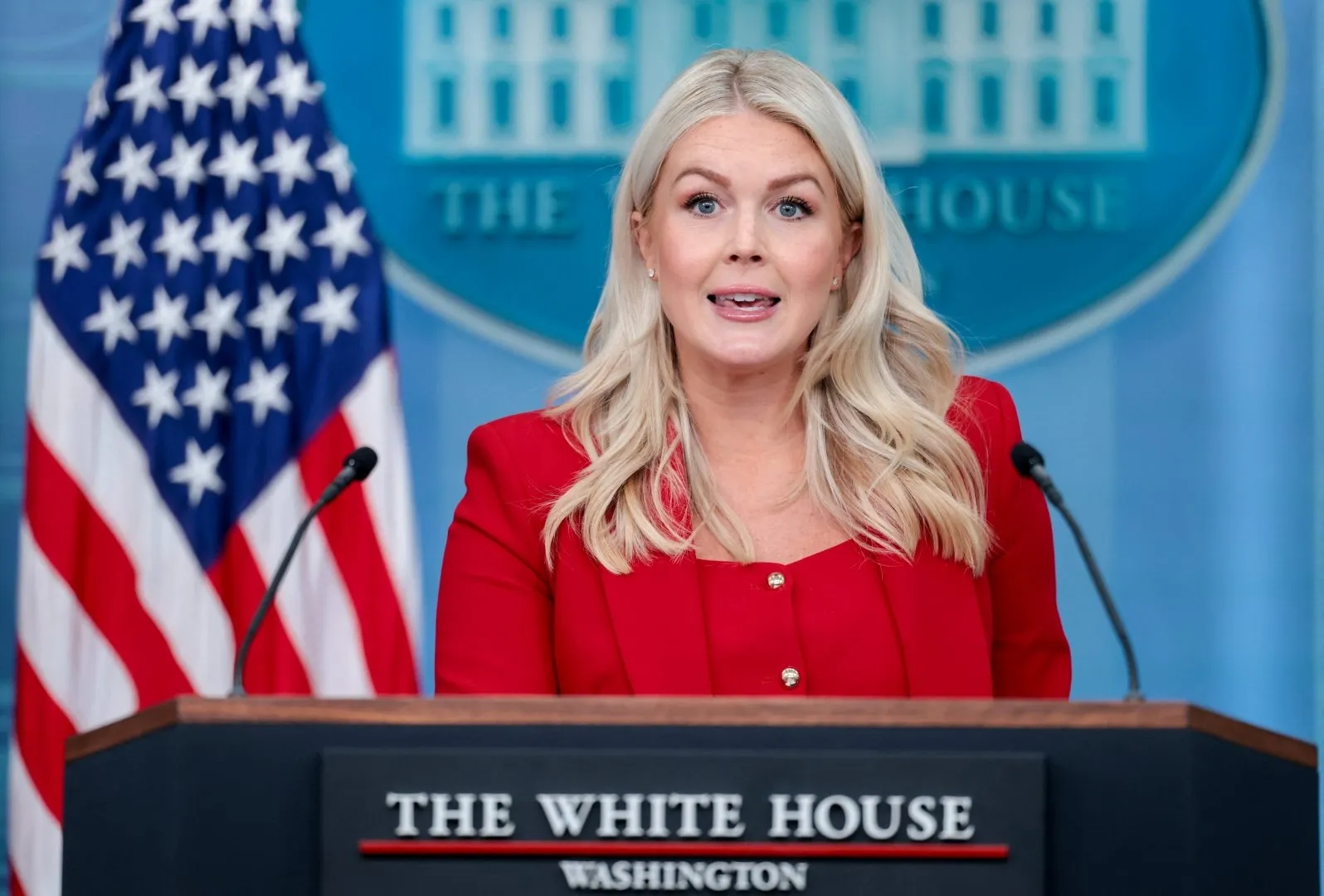
The long-standing security partnership between the United States and South Korea has entered a period of intense scrutiny following an unexpected directive from Washington. The communication, delivered via a social media post rather than traditional diplomatic channels, ordered a substantial reduction in the scale of annual joint military exercises. These drills, which have served as a cornerstone of the 72-year-old alliance, were abruptly shortened from 11 days to five, with field training components significantly curtailed. The announcement occurred on a national holiday in South Korea, leaving government officials in Seoul scrambling to understand the implications of a decision that caught them entirely off guard.
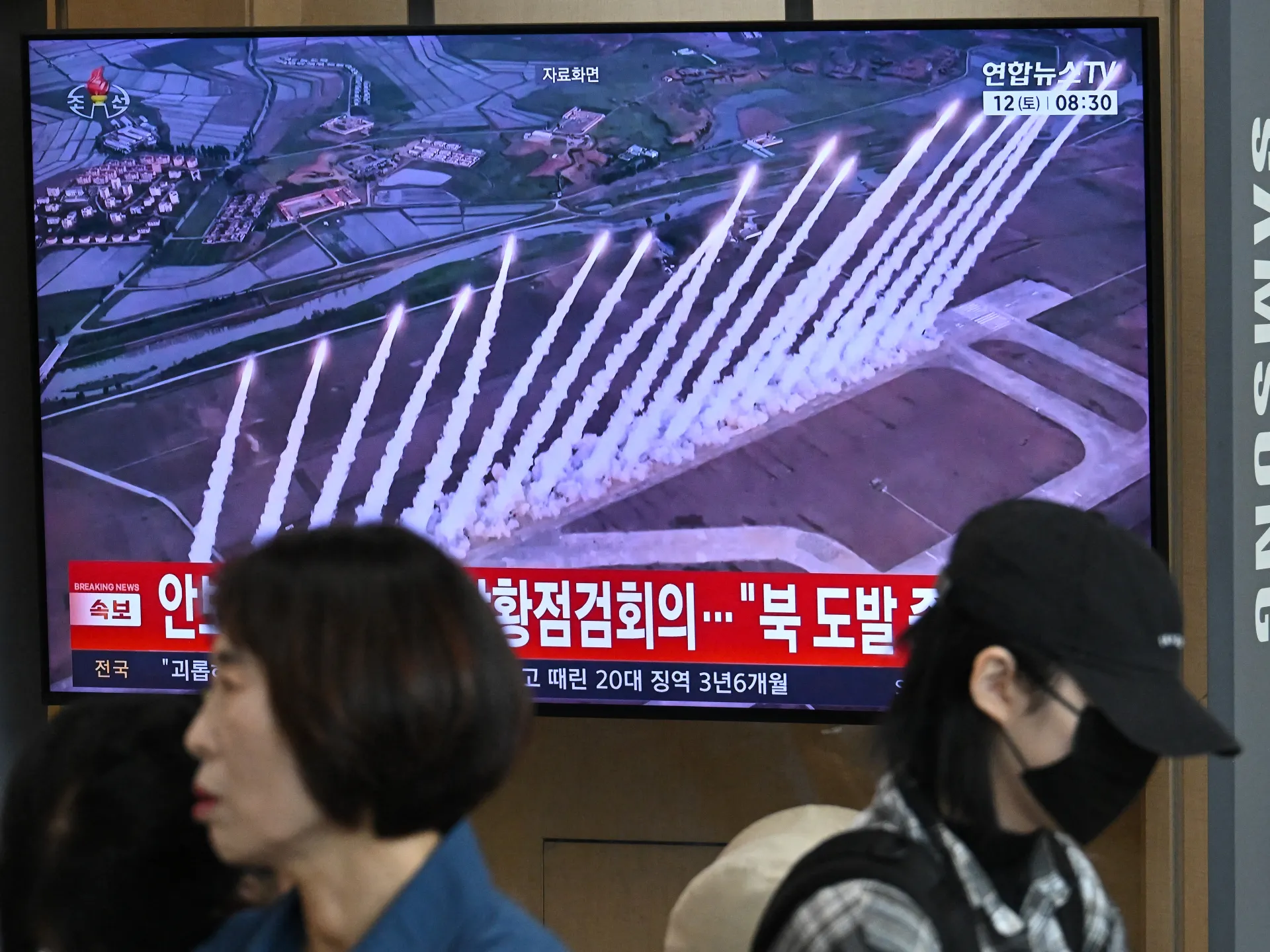
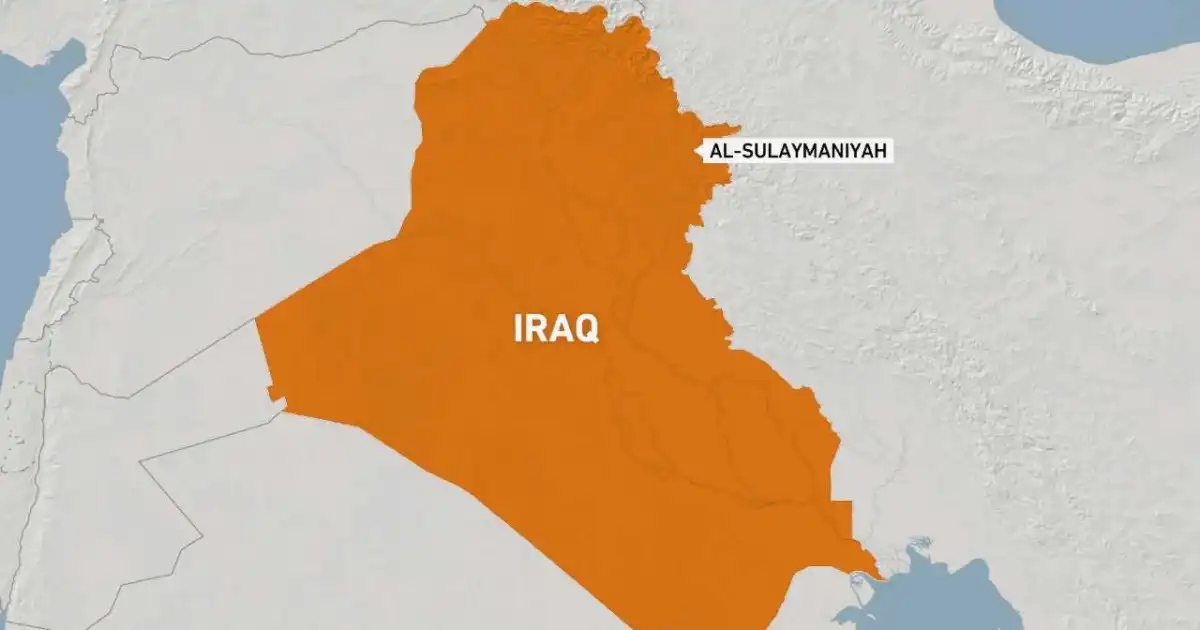
The executive order was framed North Korea. However, the accompanying commentary explicitly linked the decision to Seoul’s reluctance to provide military support for the ongoing US-led campaign in Iran. This linkage has created a palpable sense of alarm within South Korean political circles, as it suggests that the US security guarantee may now be contingent upon direct participation in regional conflicts far from the Korean Peninsula.
The lack of prior notification has triggered widespread anxiety regarding the reliability of the United States as a security partner. South Korean officials, including the Minister of Foreign Affairs, confirmed that the government had no advanced warning of the directive. This development has forced the administration in Seoul to navigate a delicate balance between maintaining the essential alliance and addressing public frustration. While some political leaders have urged for calm and continued cooperation, others have characterized the incident as a wake-up call regarding the transactional nature of modern international relations.
Public discourse has become increasingly polarized, with many citizens expressing concern that their national security is being treated as a bargaining chip. Media editorials in Seoul have highlighted the absurdity of the current situation, noting that the alliance seems to be under more pressure from Washington than the adversary in the North. This growing sentiment is fueling a broader national conversation about the necessity of achieving greater self-reliance in defense capabilities, as the predictability of US support continues to wane.
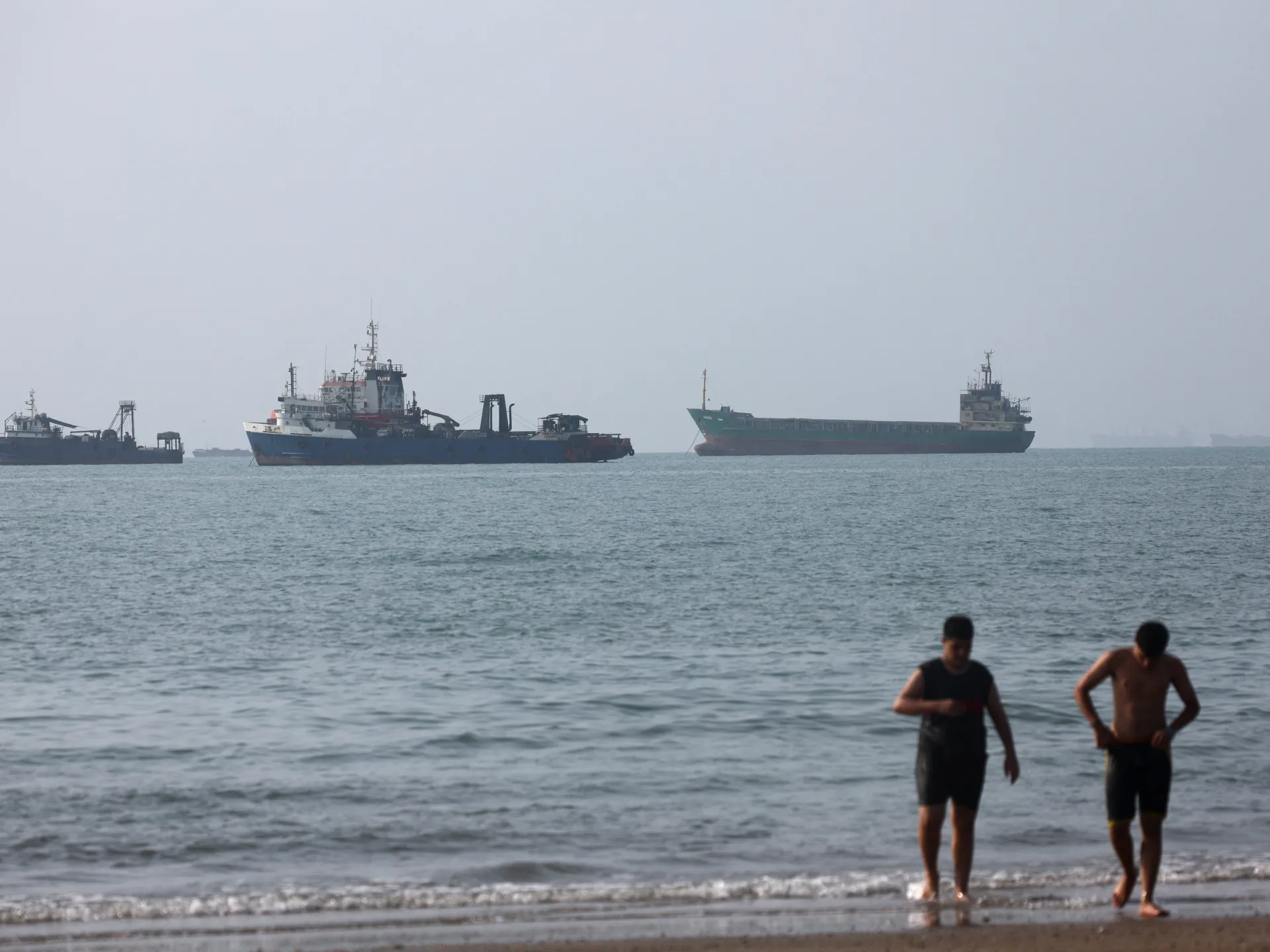
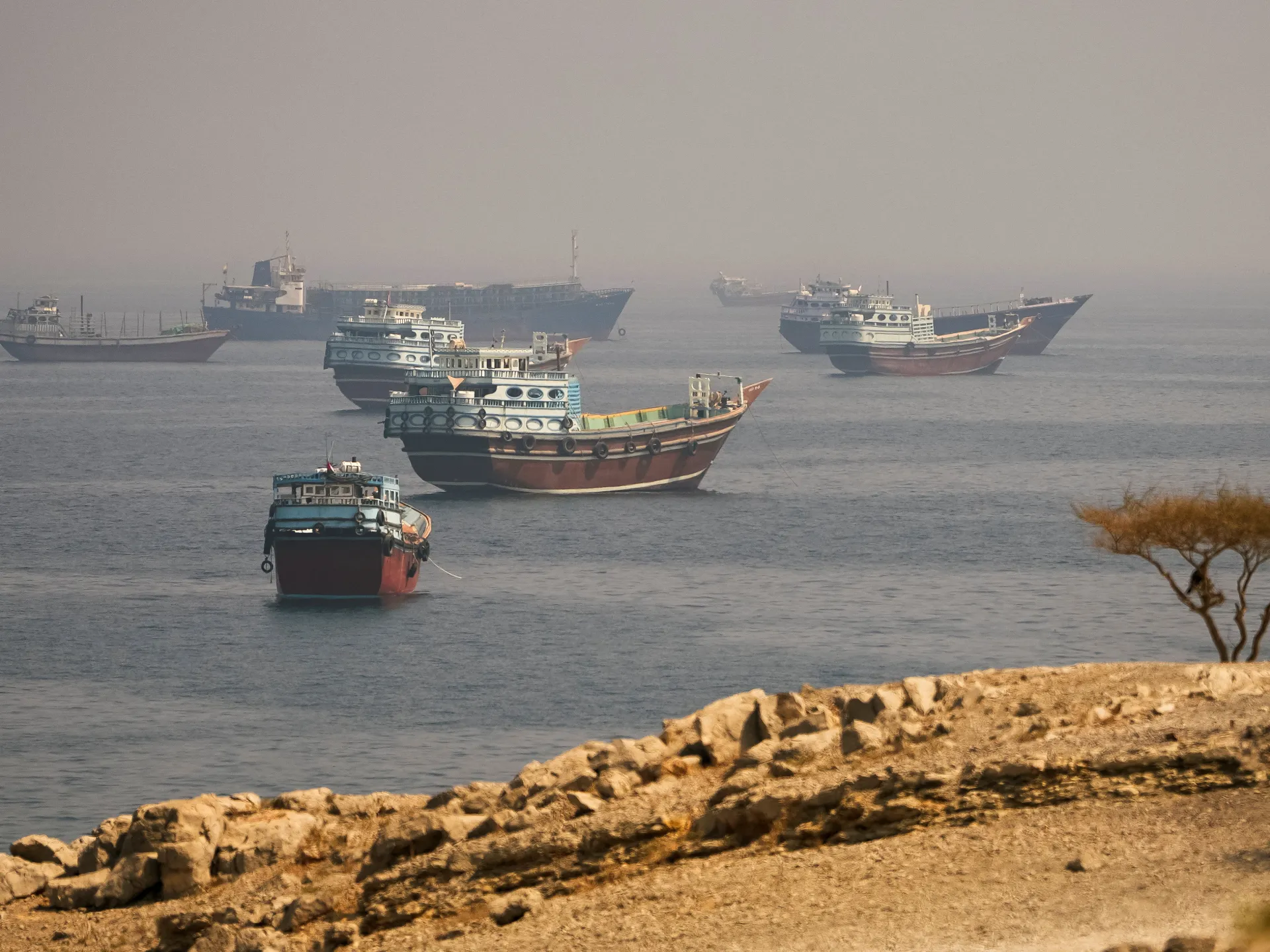
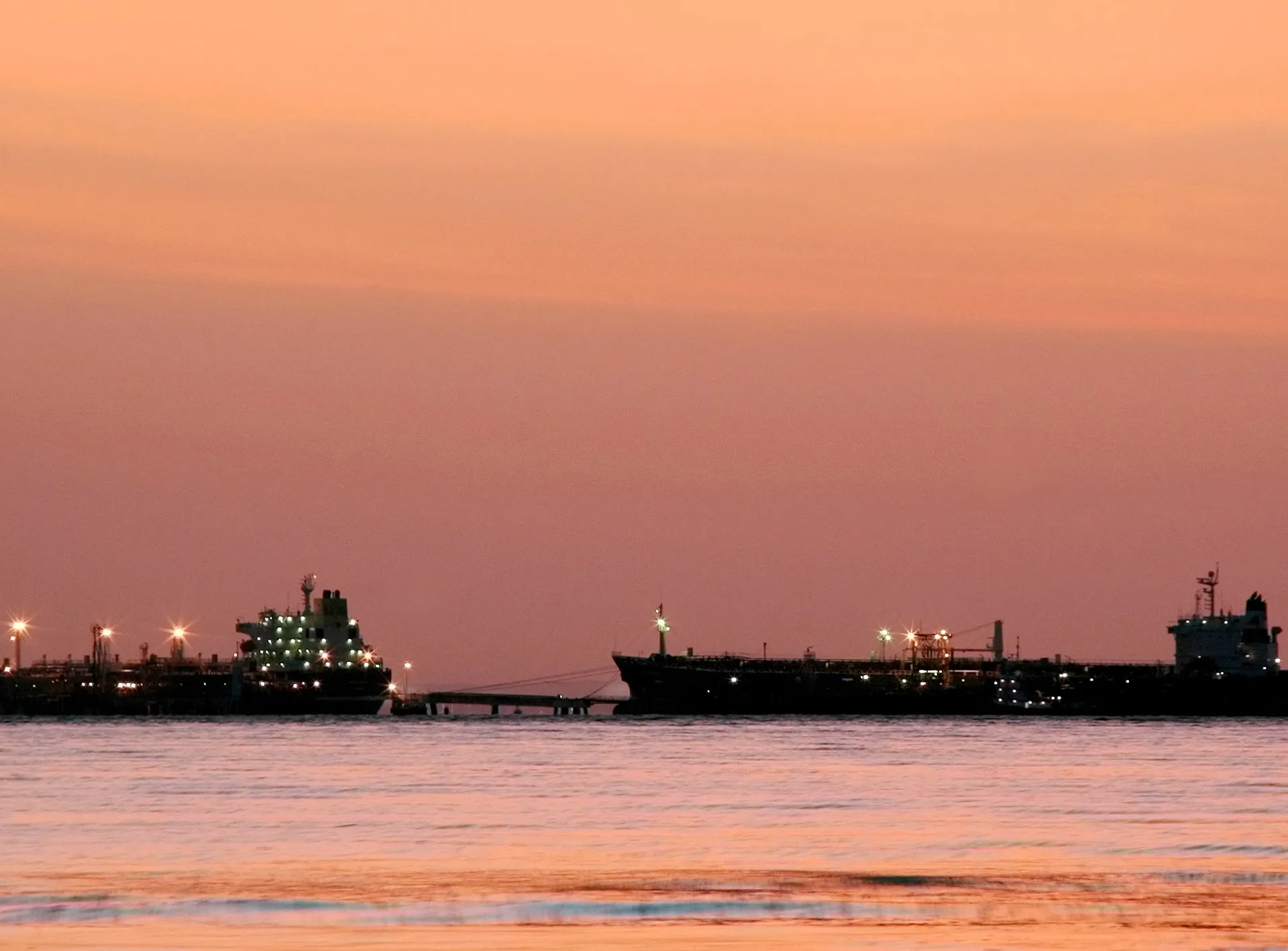
The tension is rooted in divergent views on global priorities. With approximately 39,000 US troops stationed in South Korea, the American administration has publicly questioned the value of this deployment if Seoul is unwilling to contribute to other military operations. The conflict in Iran has become a primary point of contention, with some domestic opposition leaders in South Korea accusing the government of fostering a diplomatic disaster rding potential South Korean contributions to maritime security in the Strait of Hormuz.
However, analysts warn that the situation is complex. There are concerns that if South Korea fails to align with US expectations, the long-term security commitment could be further eroded. The current administration is now facing intense pressure to demonstrate its value as an ally through increased investment, trade commitments, and diplomatic support. The challenge lies in meeting these demands without sacrificing the autonomy required to maintain stability on the Korean Peninsula.
The current instability has revived a contentious debate regarding the possibility of South Korea pursuing its own independent nuclear deterrent. As confidence in the US security umbrella fluctuates, some academics and policymakers argue that the country can no longer afford to rely exclusively on foreign promises. The fear is that if the perceived reliability of the US commitment continues to deteriorate, the argument for domestic nuclearization will gain significant momentum among the public and the political elite.
Despite these existential concerns, many experts suggest that a knee-jerk reaction could be counterproductive. The alliance remains a vital component of regional security, and the hope persists that a potential thaw in relations between Washington and Pyongyang could eventually lead to a more stable peace regime. For now, Seoul is tasked with the difficult objective of managing a junior partnership under a volatile administration while simultaneously preparing for a future where traditional security guarantees may be less certain than in the past.