Nigeria celebrates a landmark energy IPO while facing a public outcry over dozens of deaths in state custody.
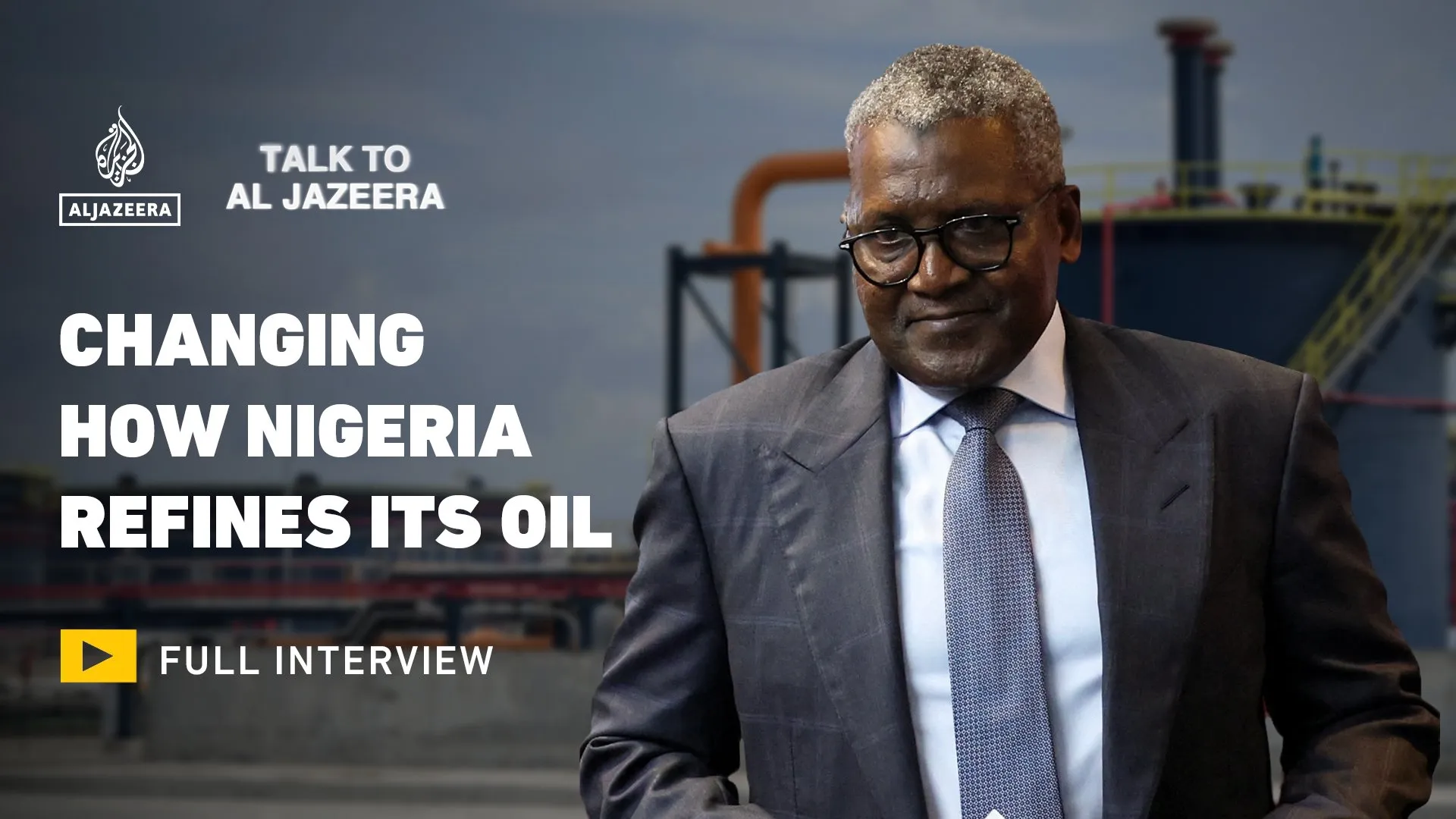
While Nigeria marks a historic economic milestone with the launch of the Dangote Petroleum Refinery’s initial public offering, the nation simultaneously grapples with a deepening human rights scandal within its security apparatus. The juxtaposition of a $20bn energy project, touted as the “People’s IPO,” against the backdrop of 37 deaths in state custody in Niger state highlights the volatile intersection of national development and institutional fragility.
As the Dangote Group positions its 700,000-barrel-per-day refinery as the cornerstone of African industrial independence, authorities are facing intense scrutiny over the deaths of suspected illegal miners detained ives underscore a country struggling to reconcile its massive potential for energy autonomy with the systemic failures of its public safety and oversight institutions.
The economic and humanitarian developments occurring in Nigeria demonstrate a stark divide between private-sector industrialization and public-sector accountability. The refinery’s IPO represents a significant attempt to decouple the Nigerian economy from volatile global fuel prices and expensive, inefficient state-run infrastructure. However, the tragedy in Minna reveals that economic progress remains hindered or investors and citizens alike, the success of the energy sector is inextricably linked to the stability of the state, suggesting that Nigeria’s path to growth will remain precarious as long as basic human security is treated as a secondary concern to macroeconomic reform.
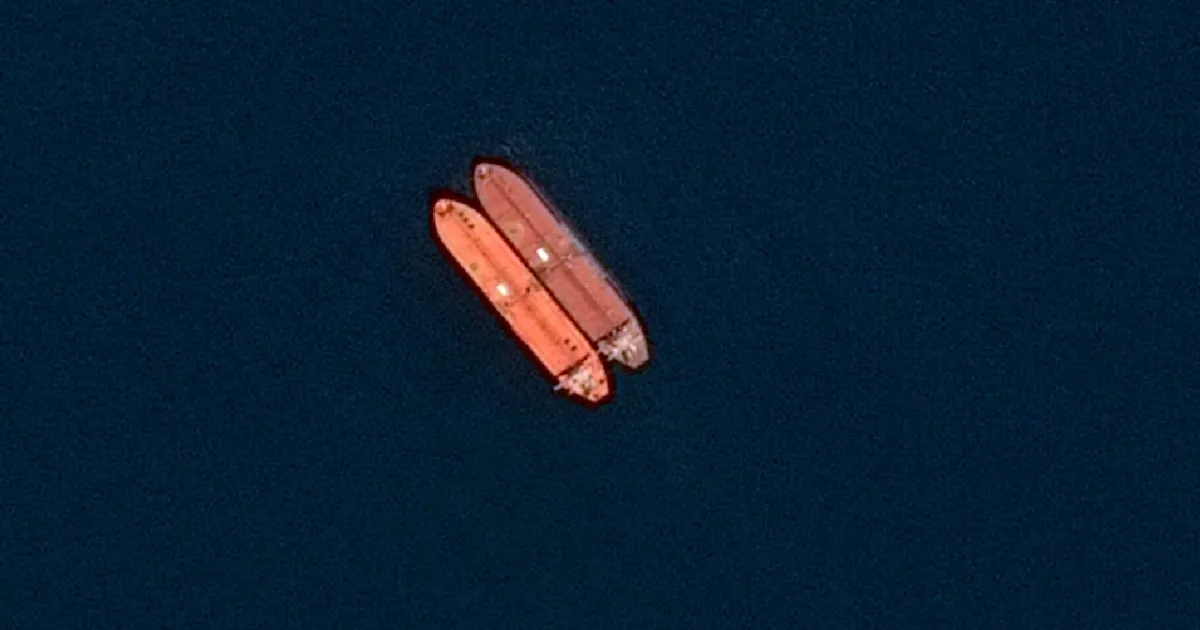
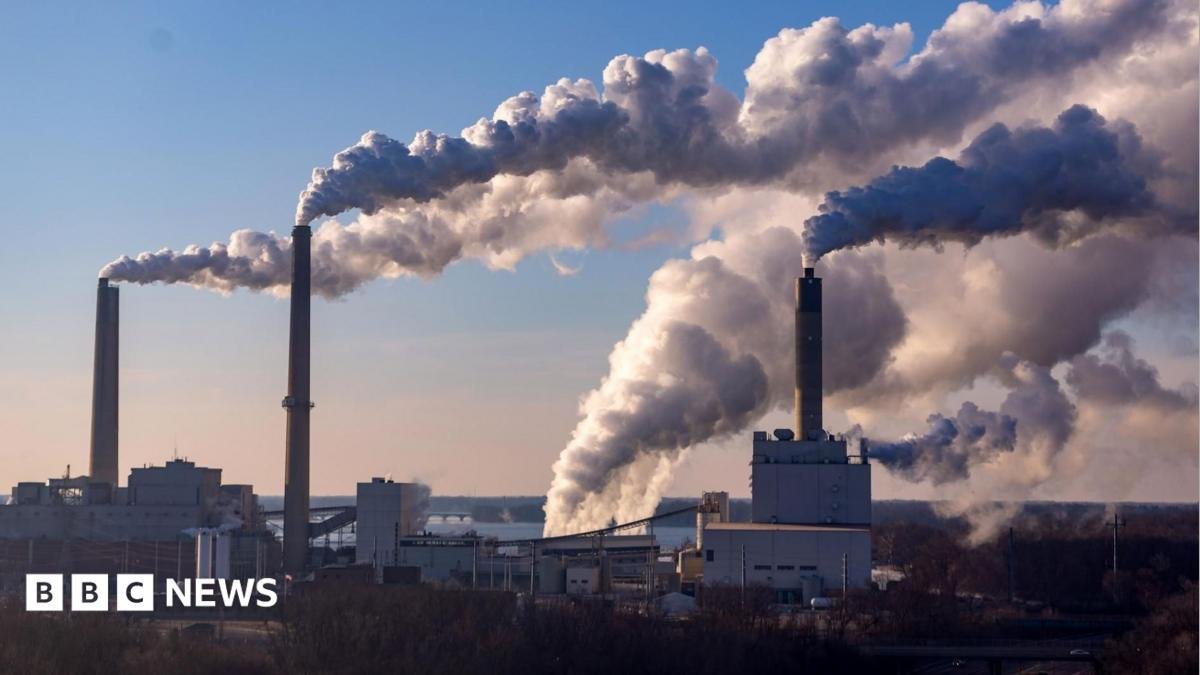
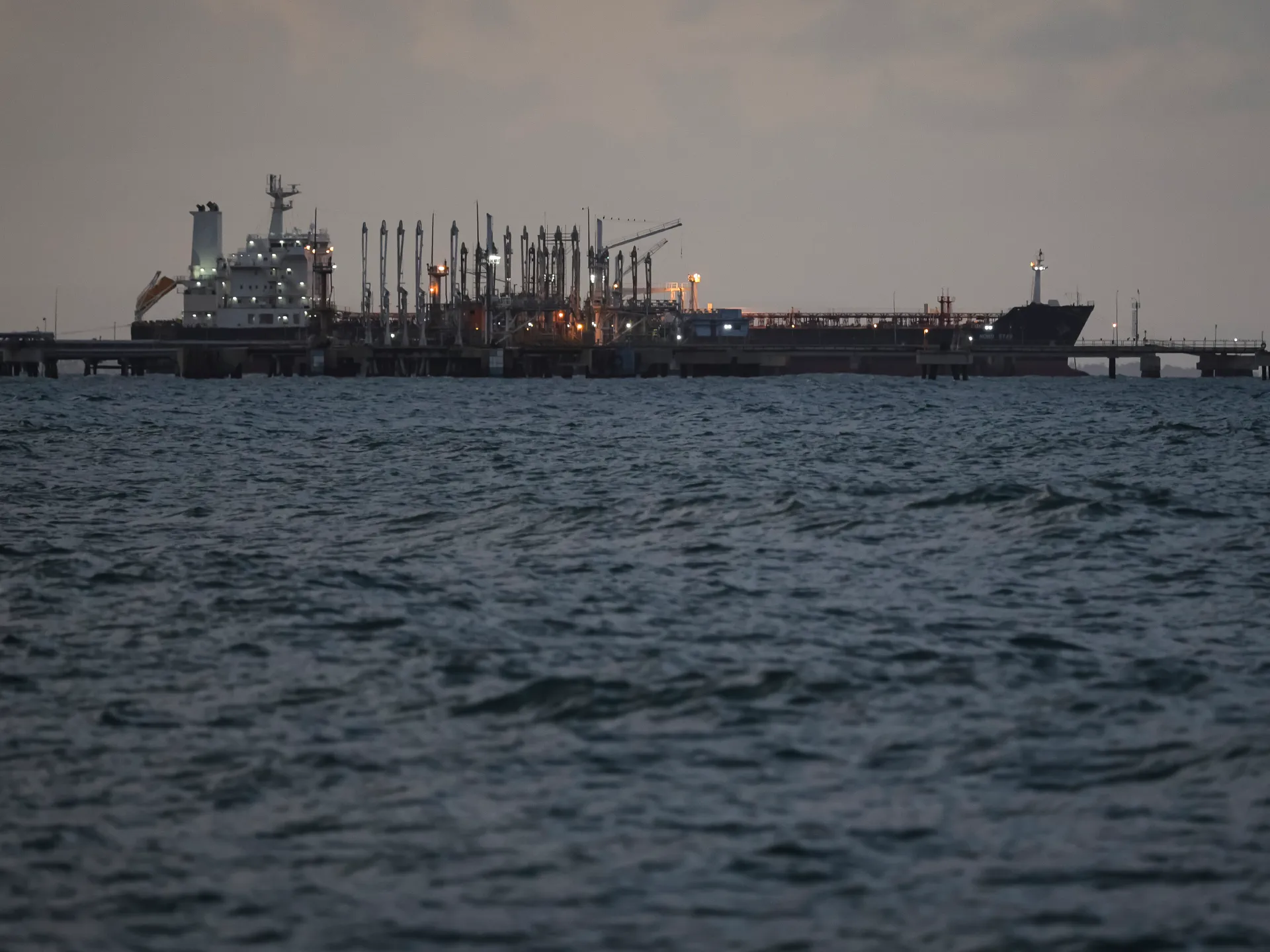
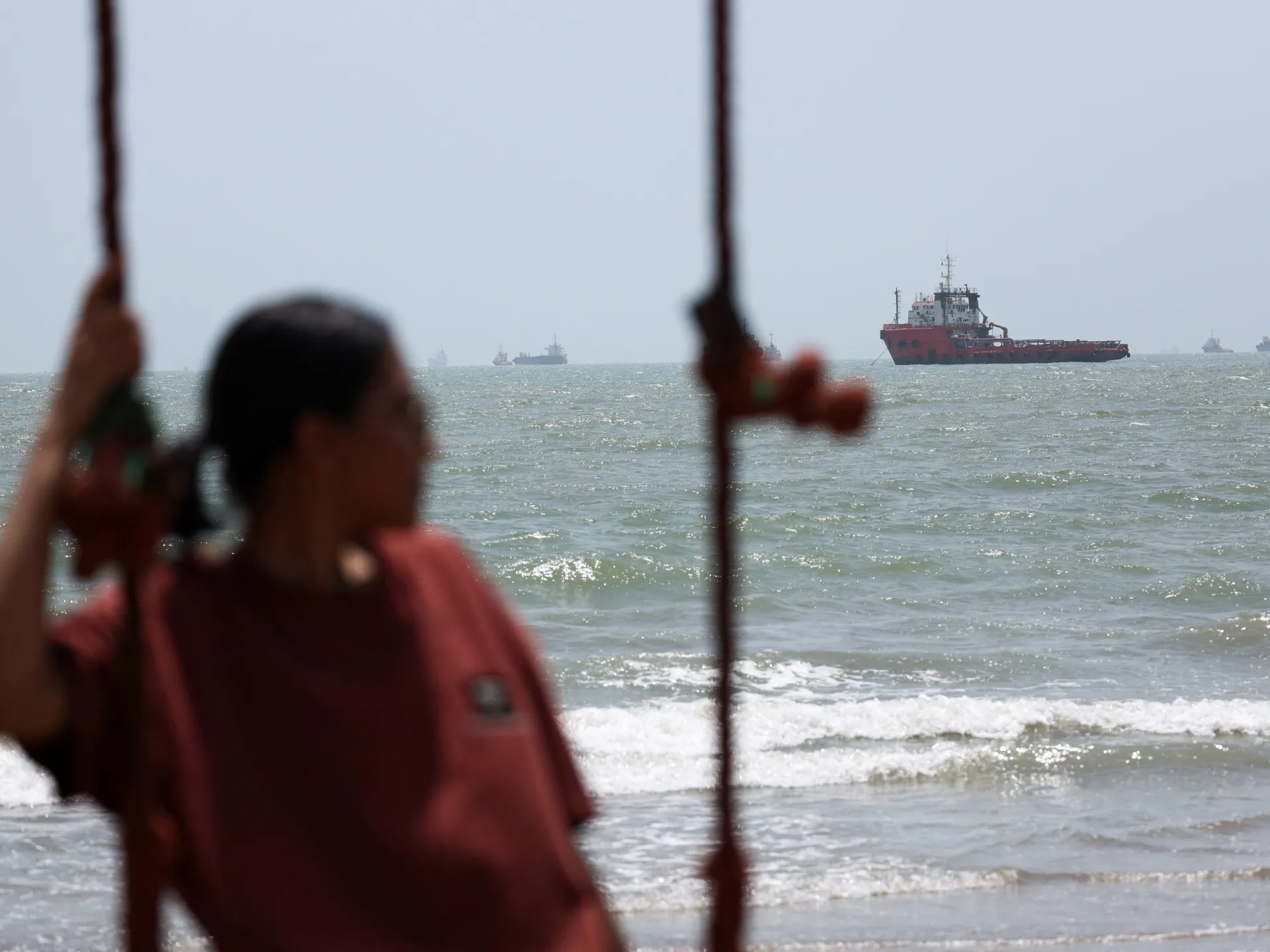
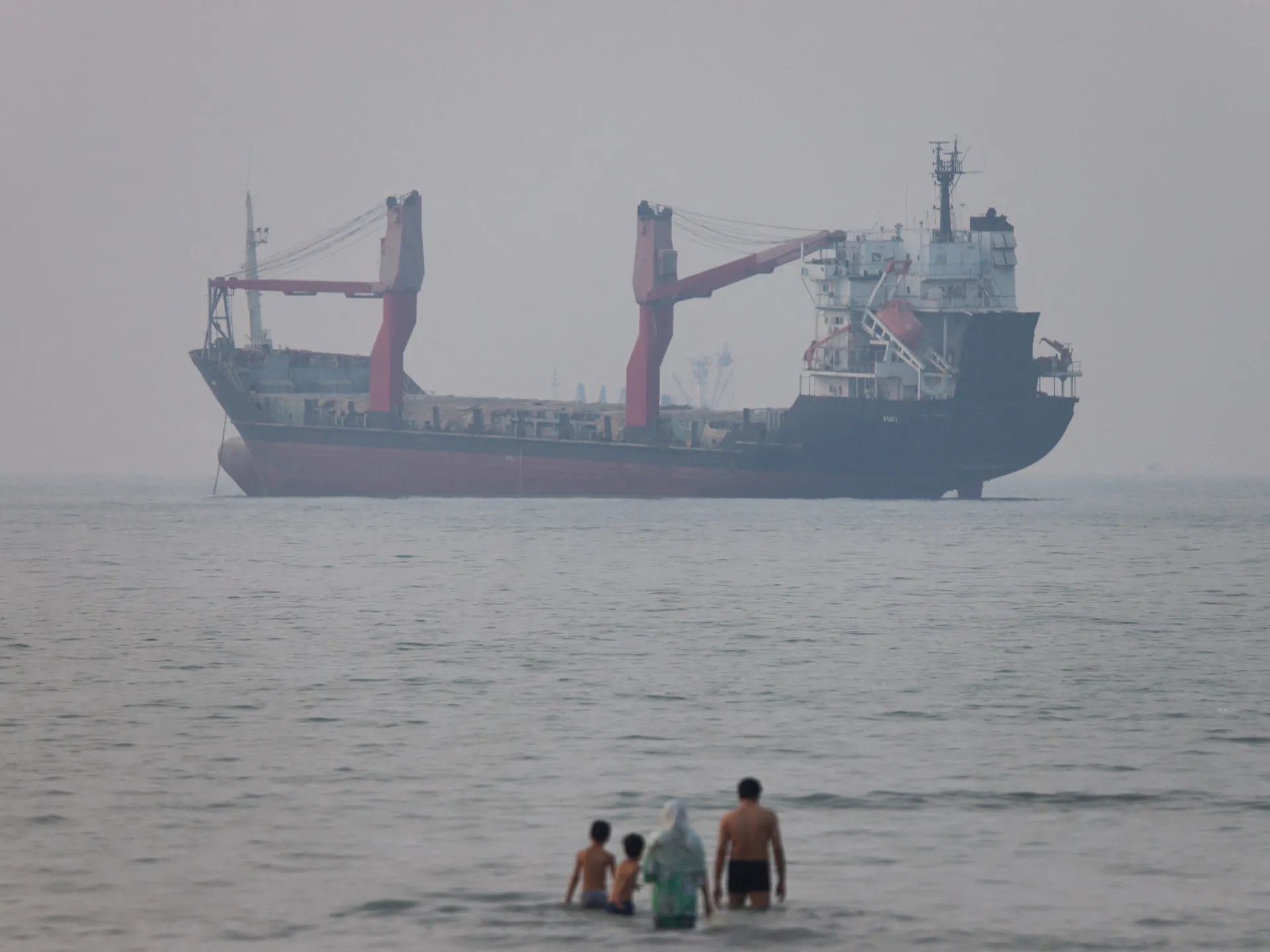
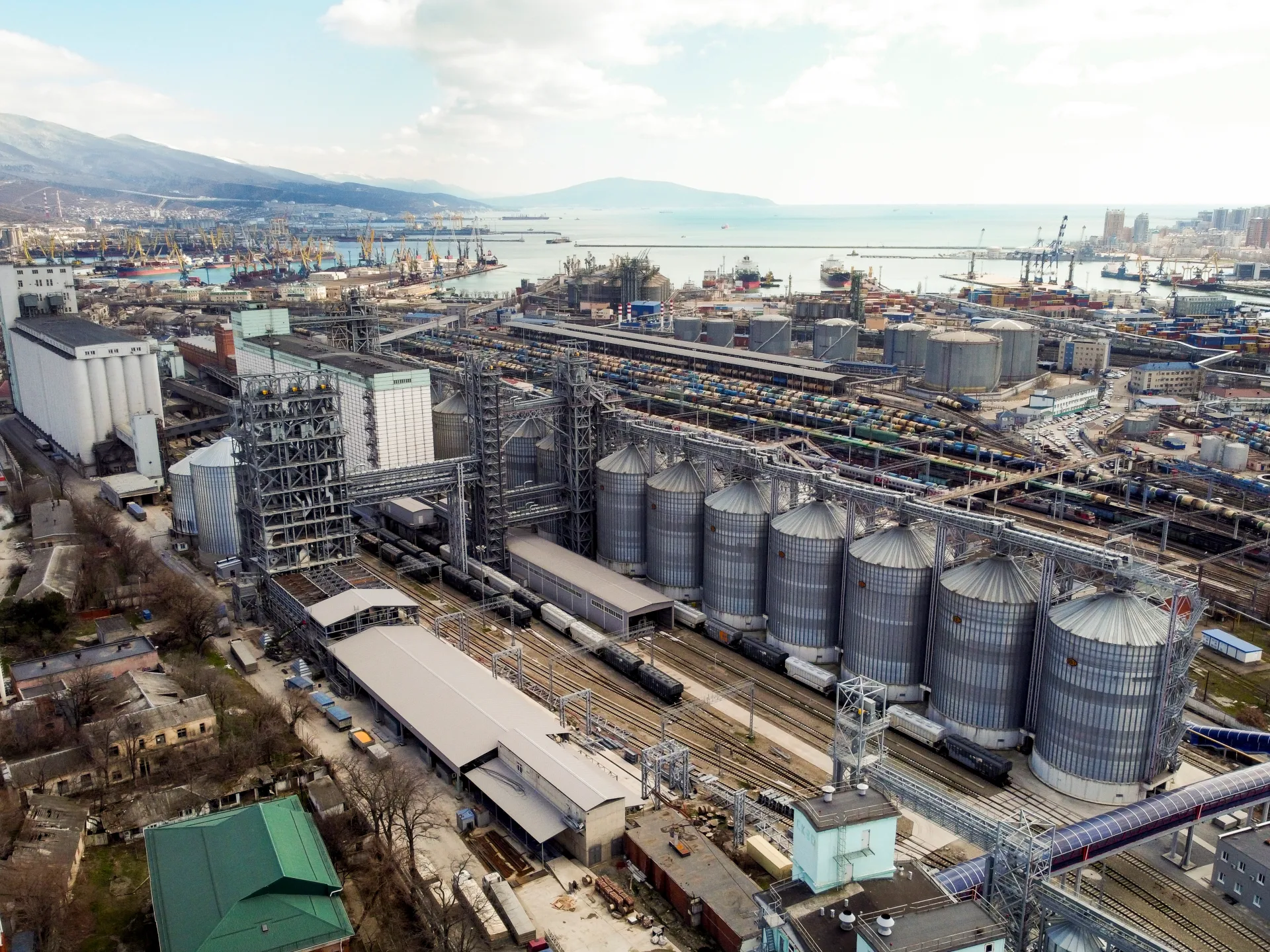
The Dangote Petroleum Refinery, situated in the Lekki Free Zone, represents a pivot away from decades of reliance on imported petroleum. Historically, Nigeria exported crude oil only to import refined products, a cycle that drained foreign exchange reserves and necessitated costly government subsidies. With the refinery now boasting a capacity of 700,000 barrels per day, the administration has moved toward a “crude-for-naira” payment mechanism, allowing local refiners to bypass dollar-denominated transactions.
This development stands in stark contrast to the performance of state-owned facilities in Port Harcourt, Warri, and Kaduna. Despite investing between $18bn and $25bn into rehabilitation and maintenance over the last two decades, these state-run plants have remained largely dormant. The Dangote project has effectively bypassed this legacy of corruption and operational failure, positioning itself as the primary engine for domestic energy security.
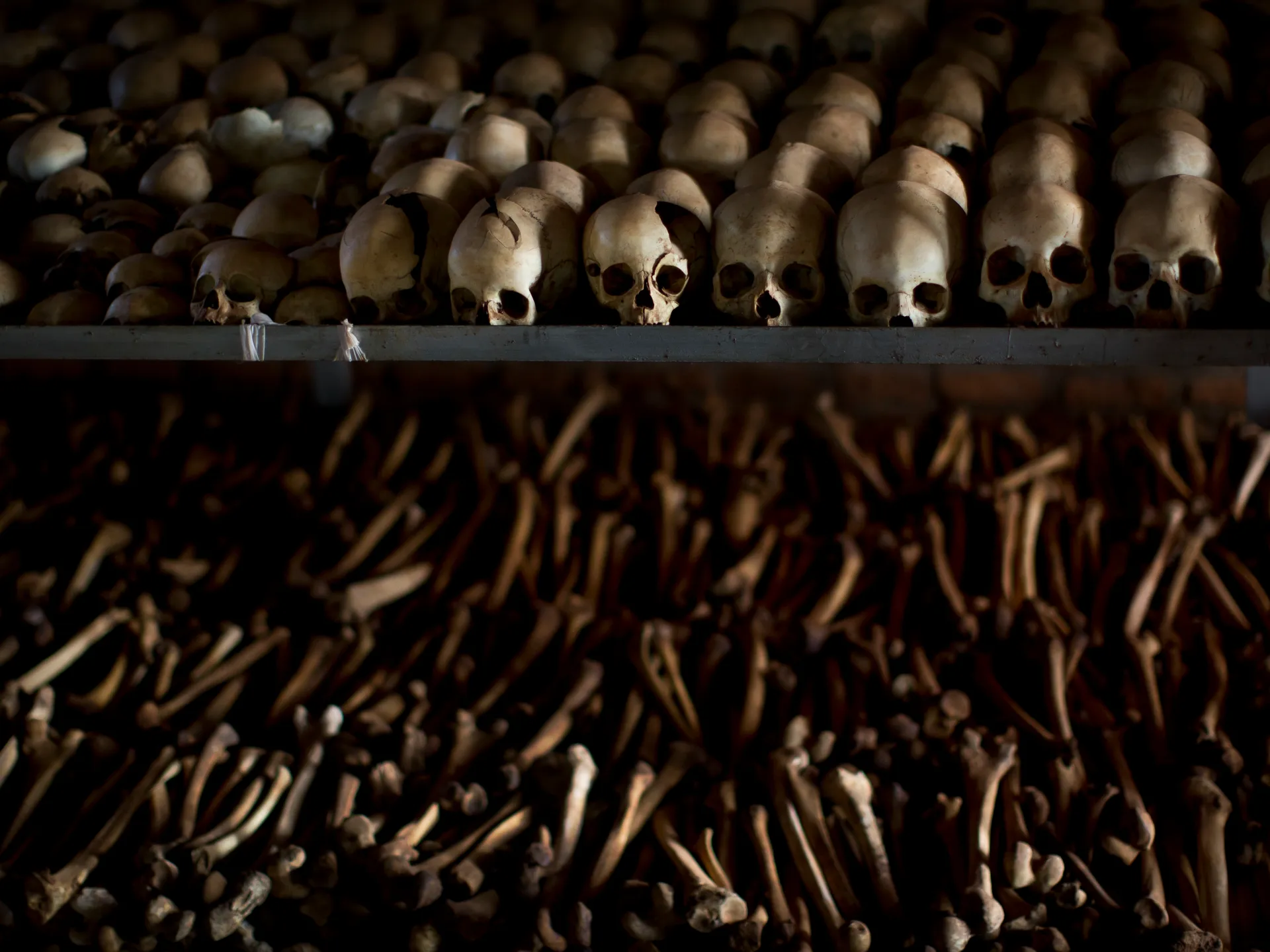
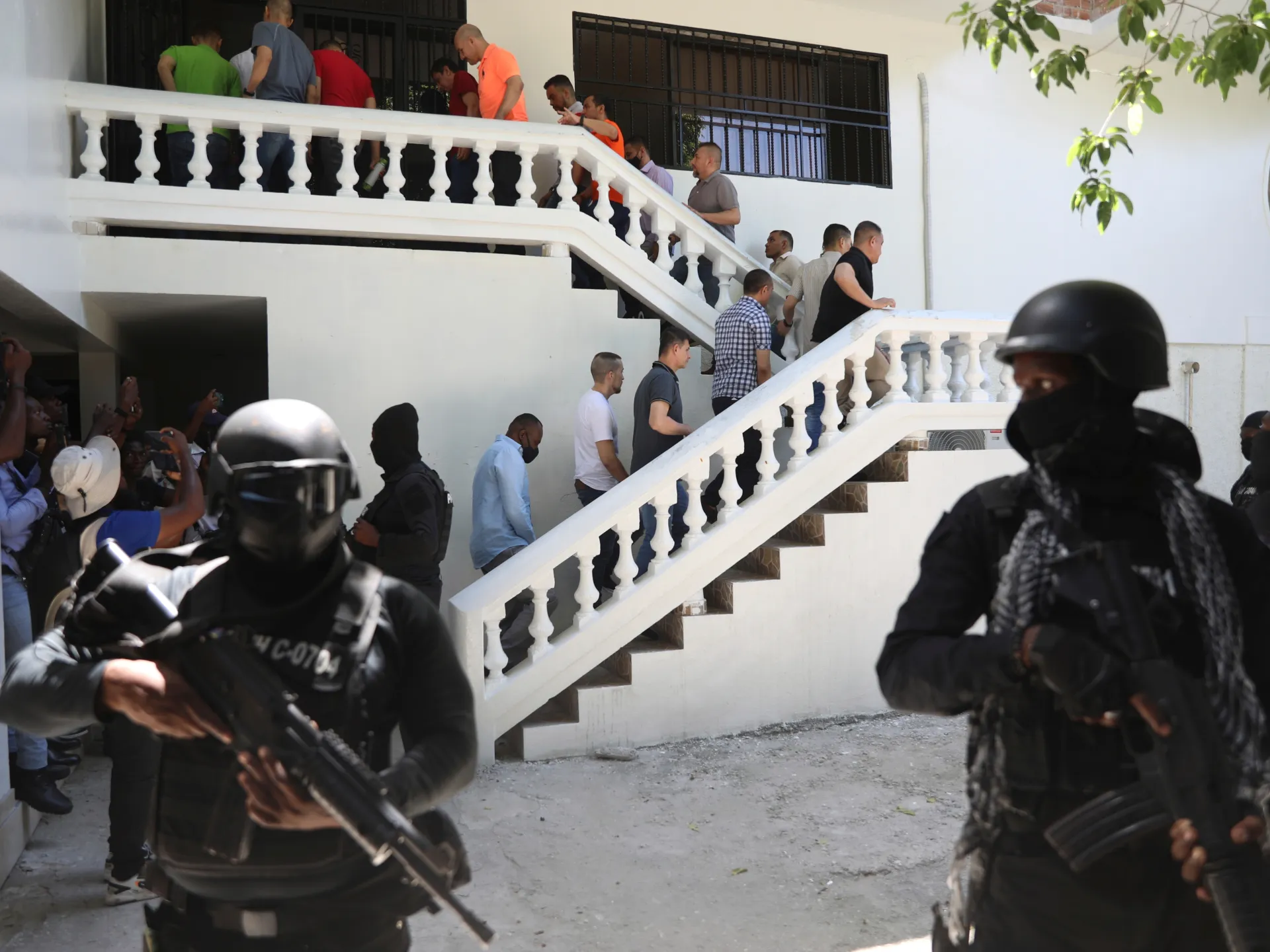
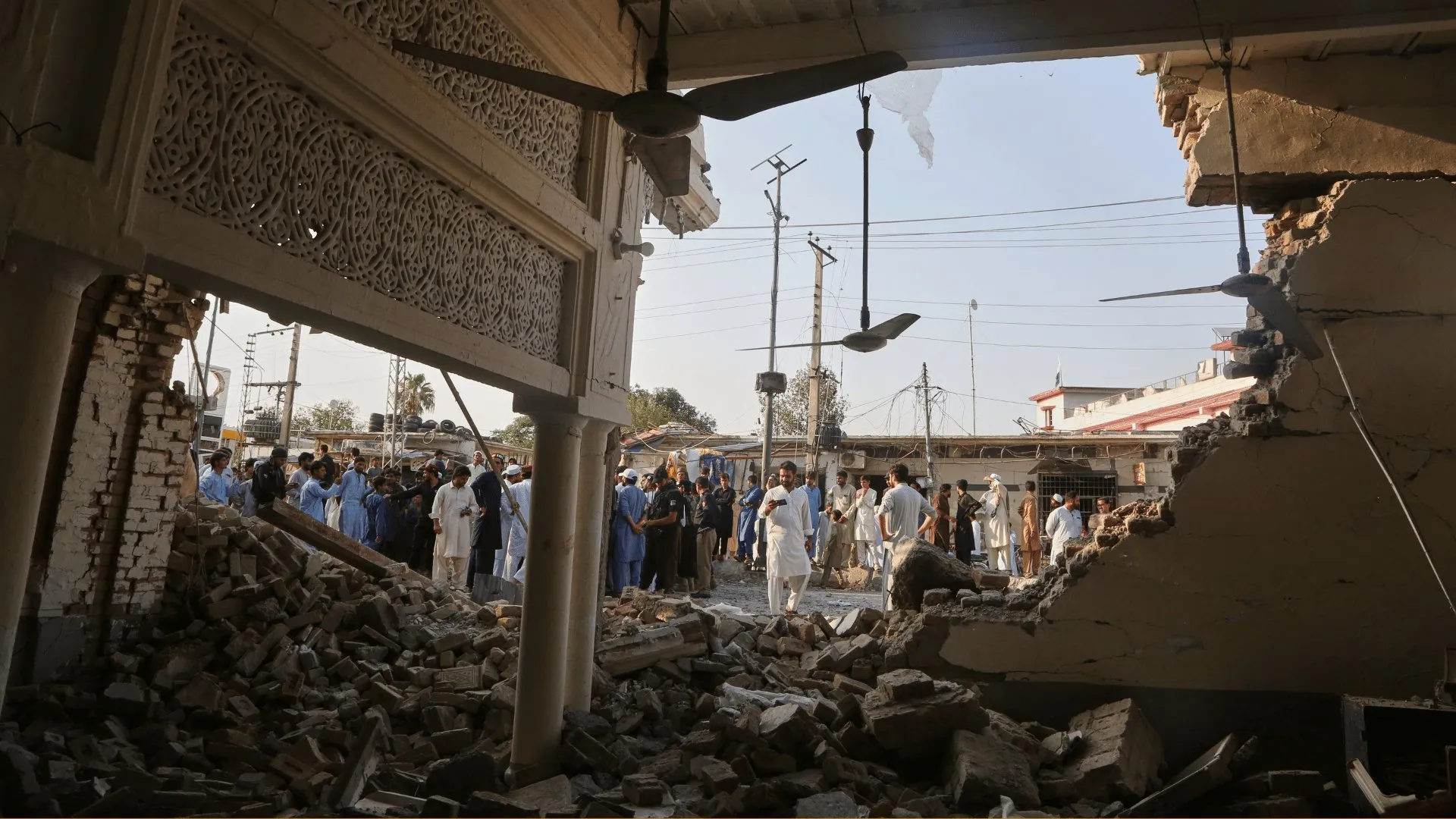
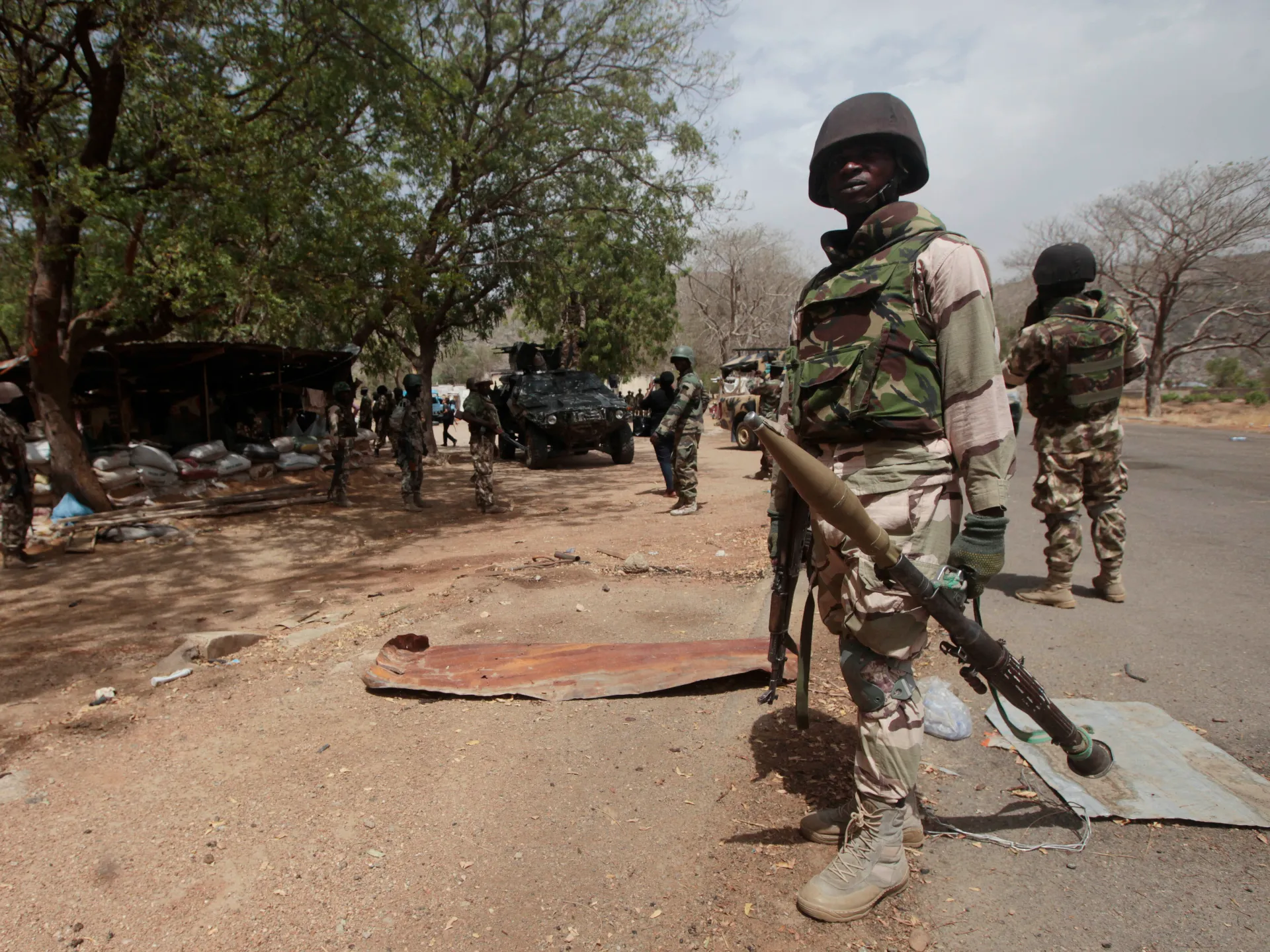
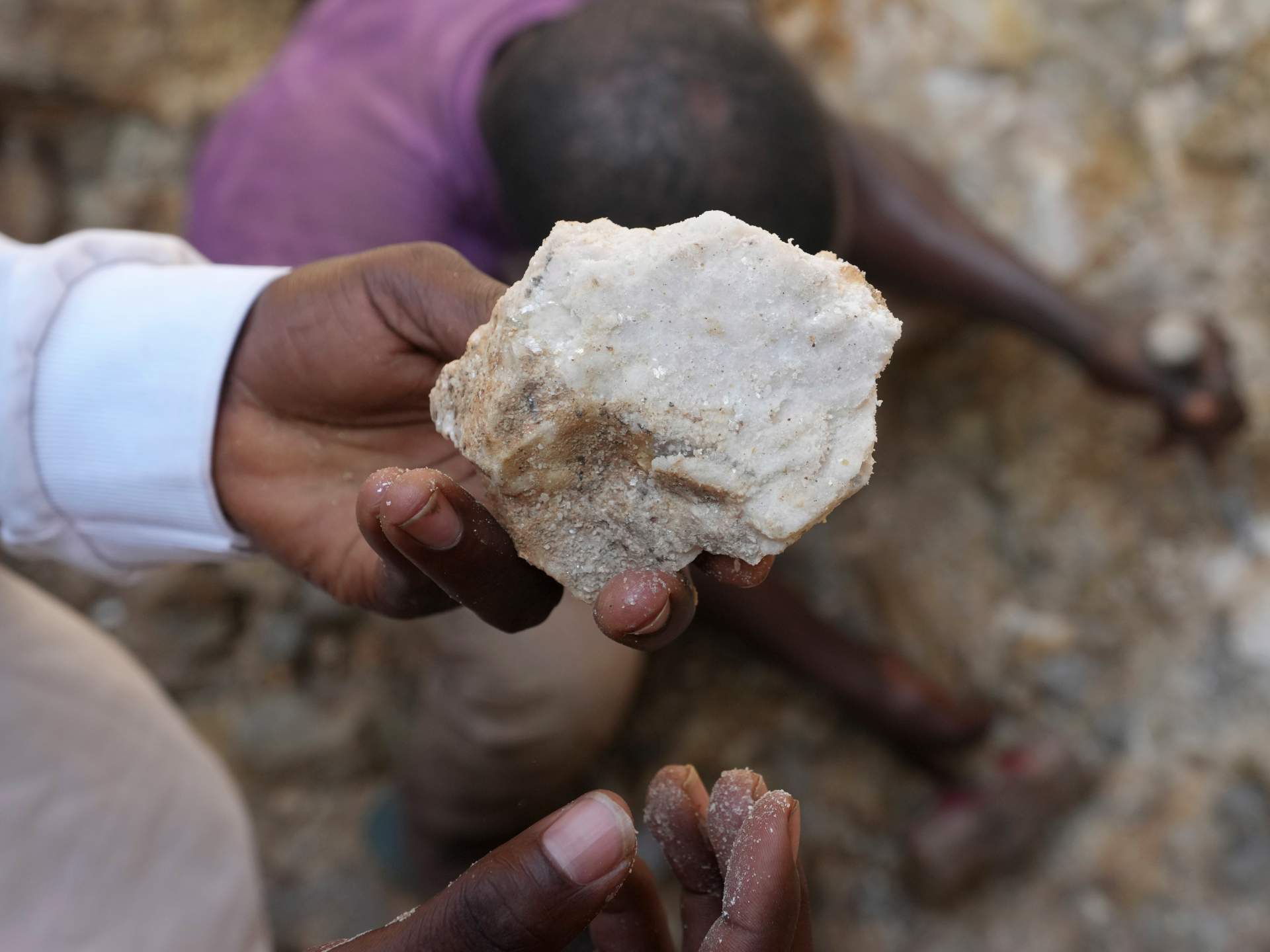
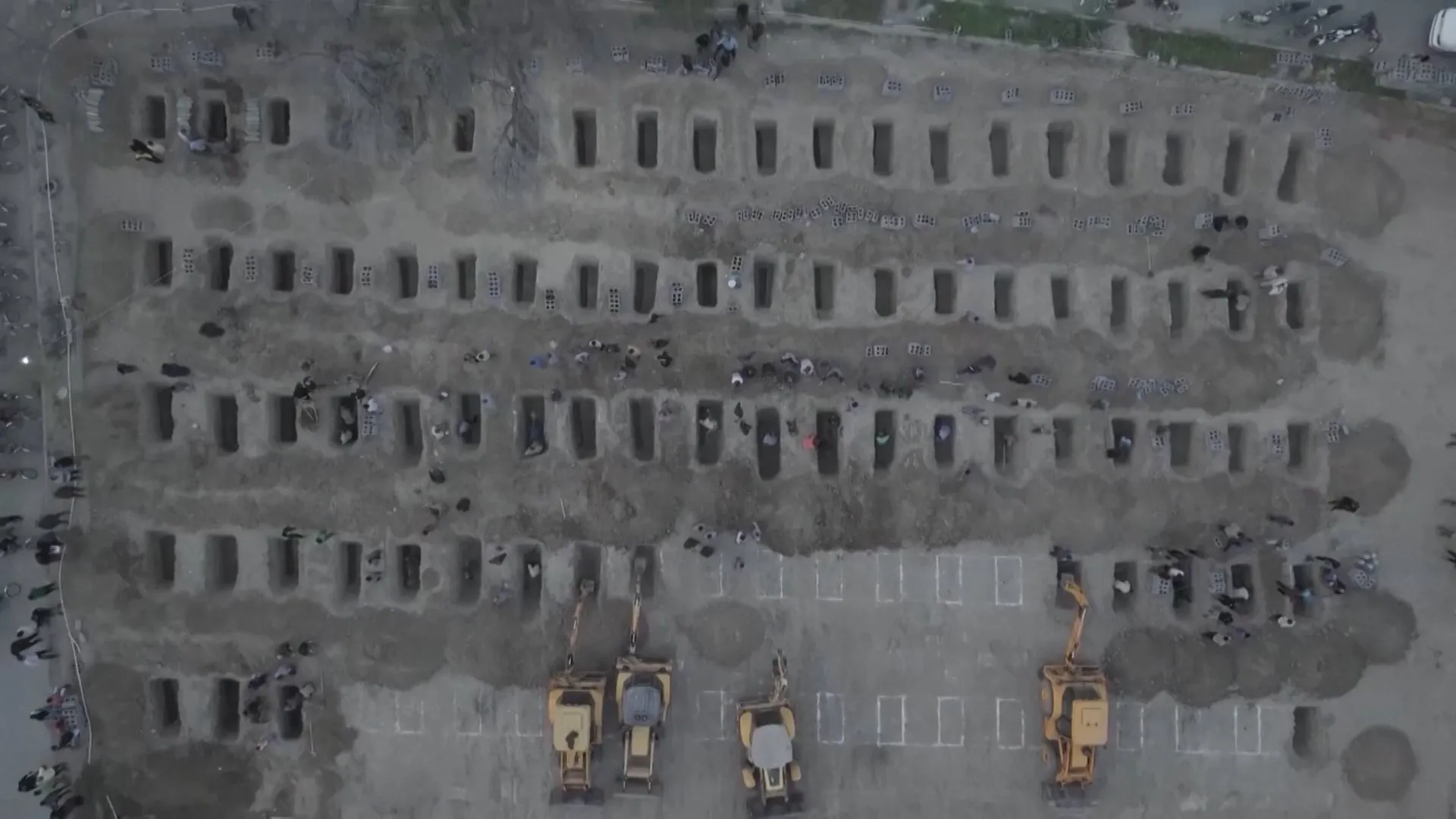
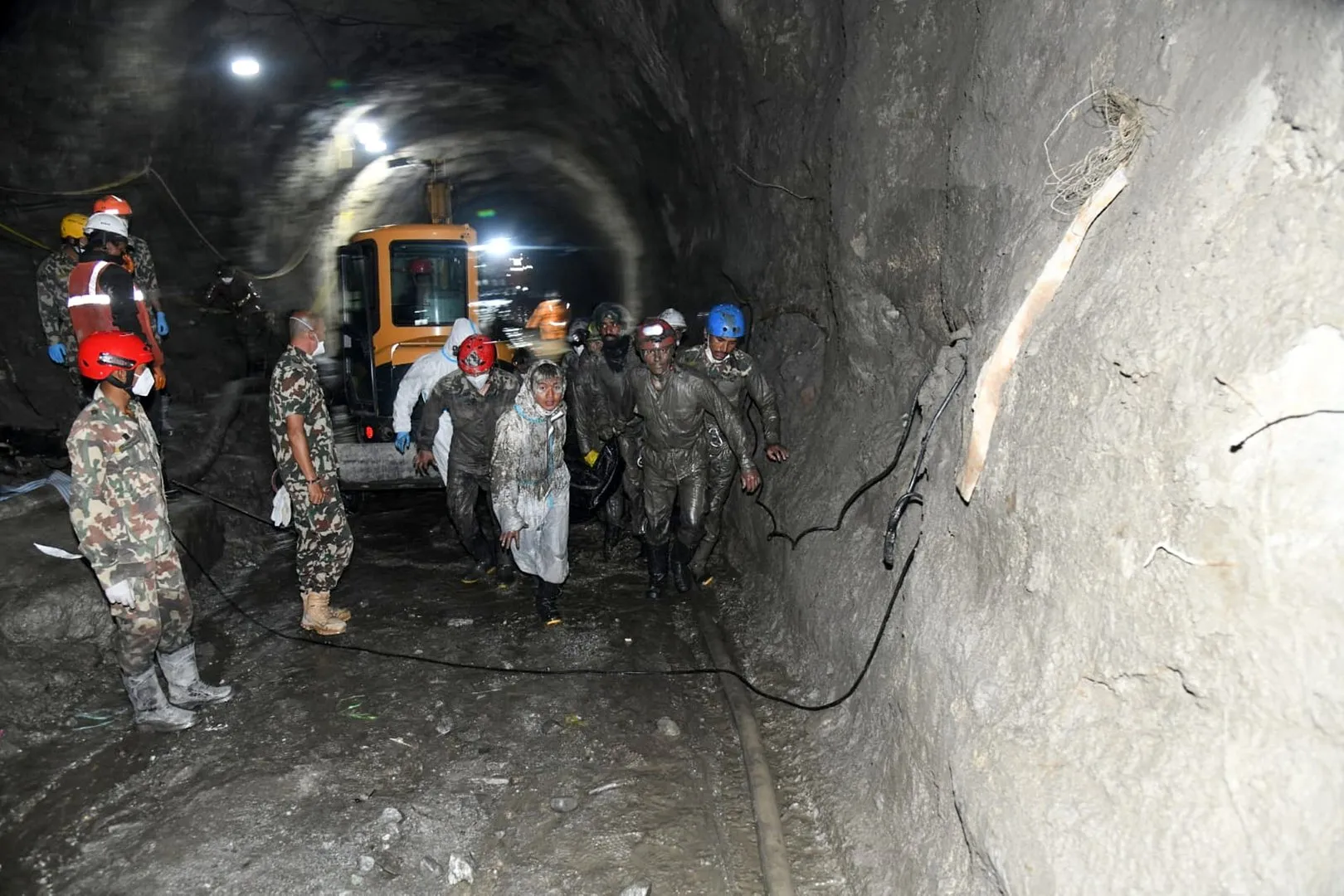
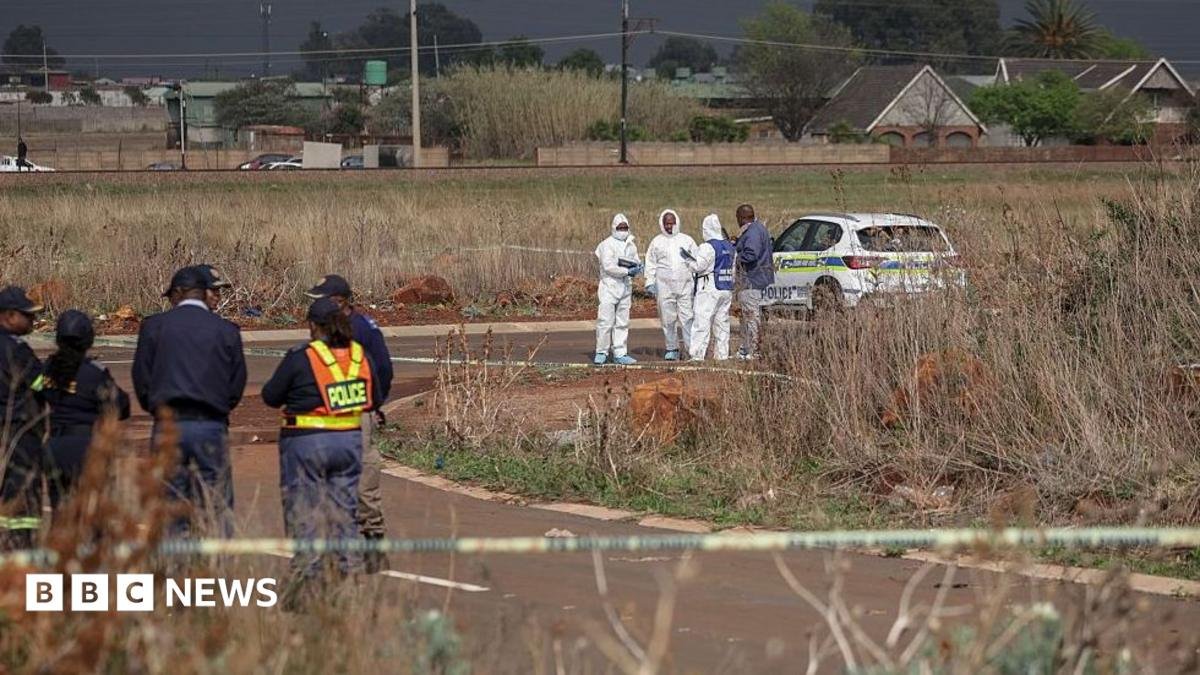
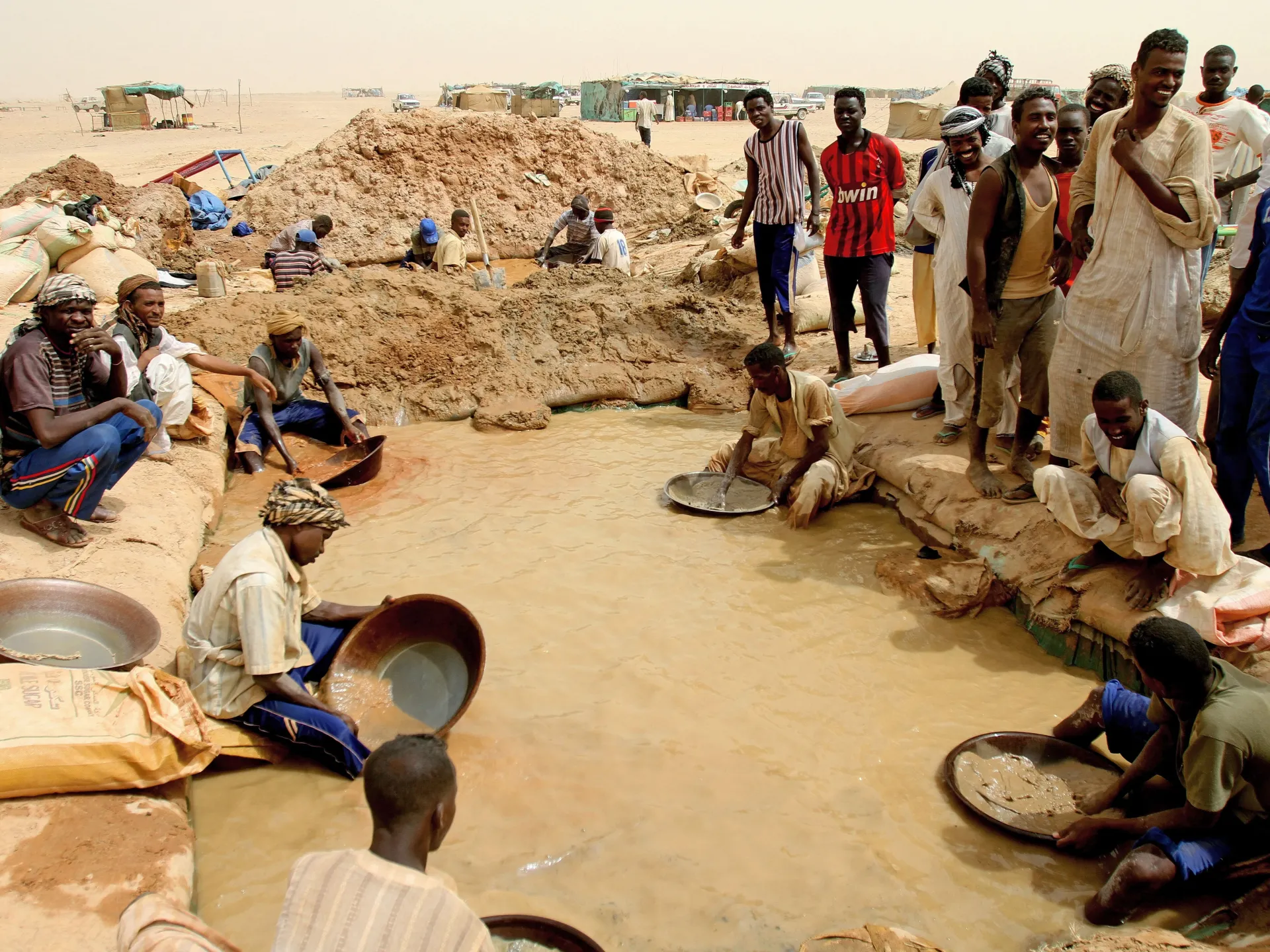
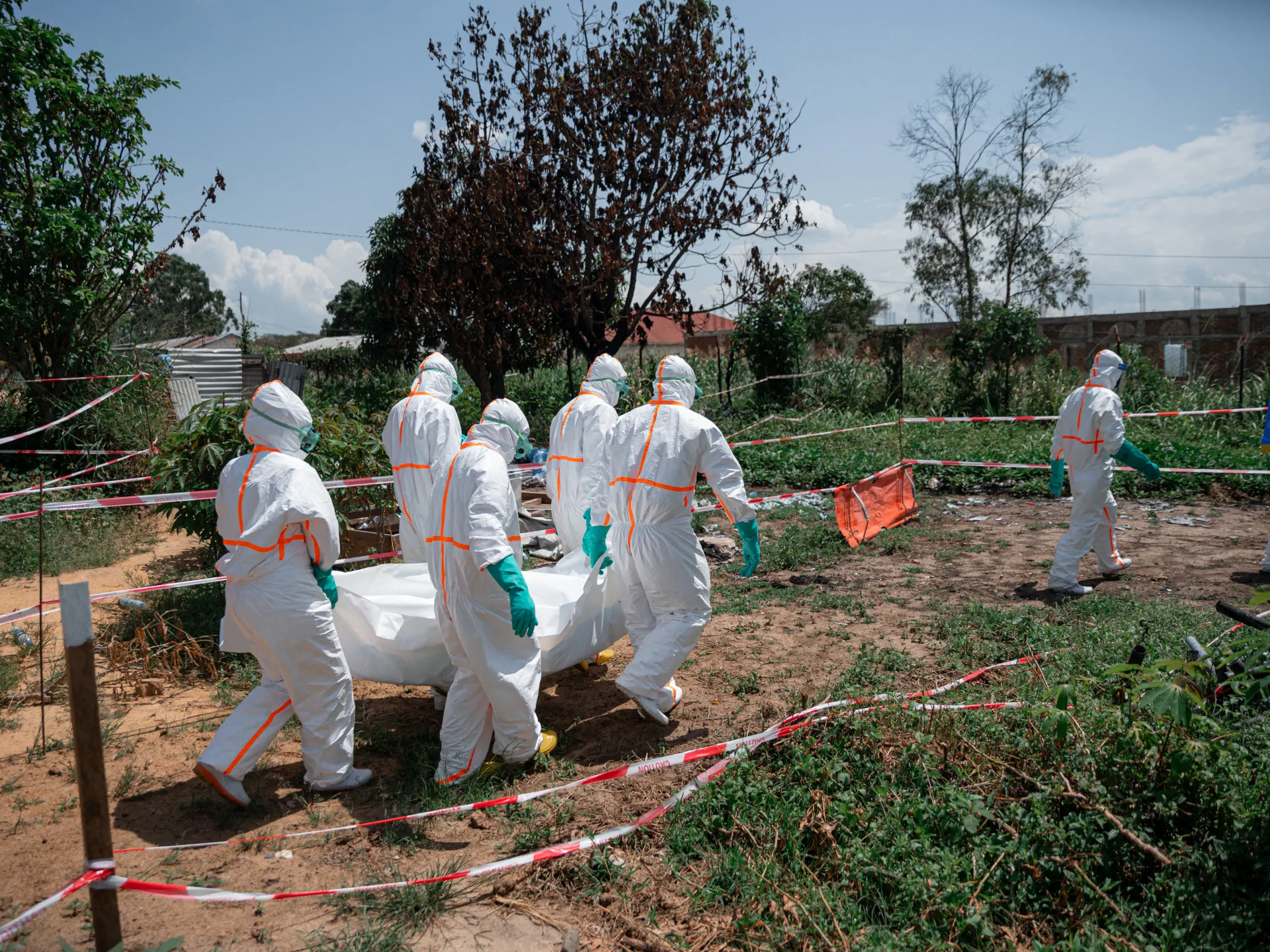
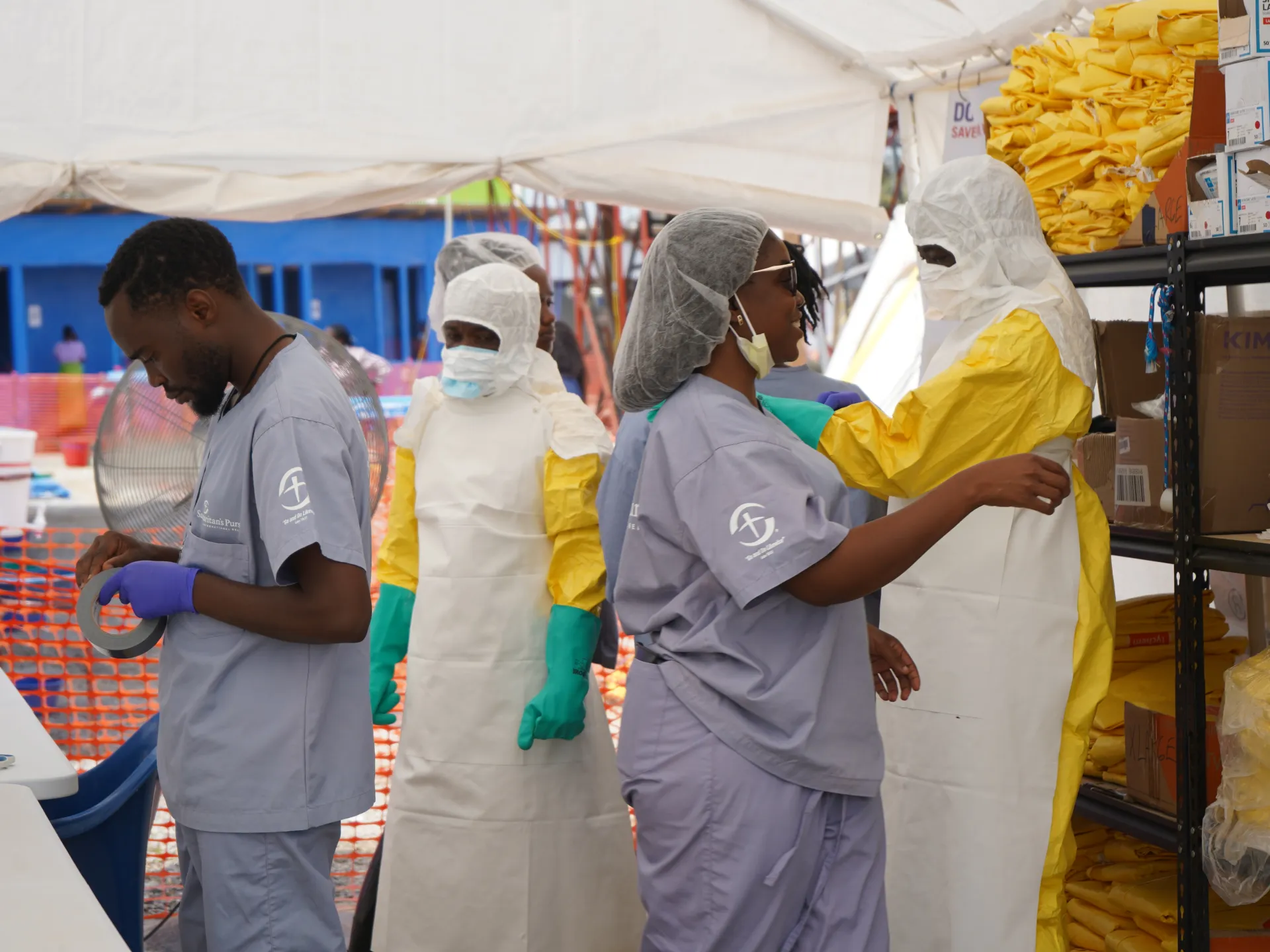
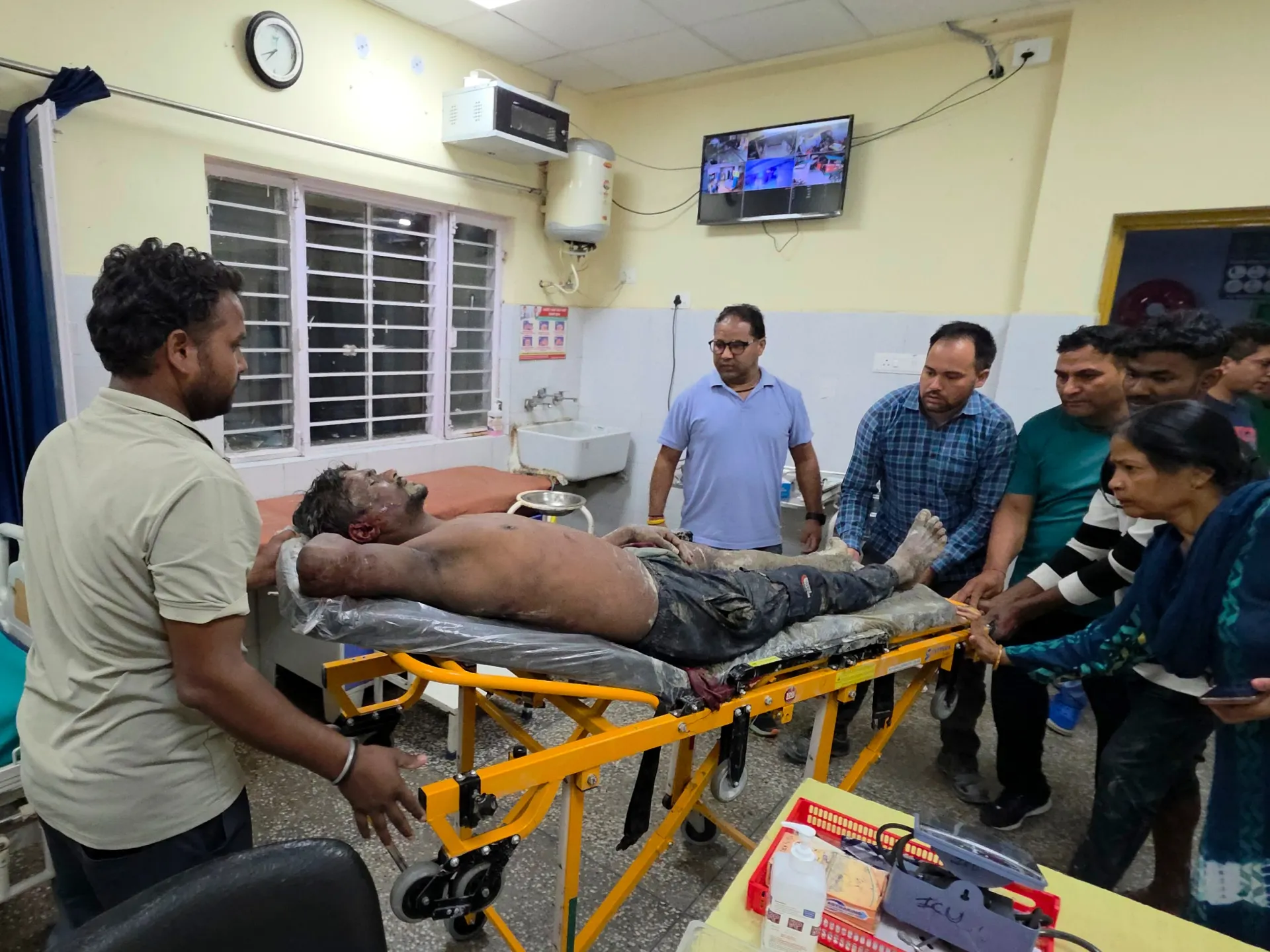
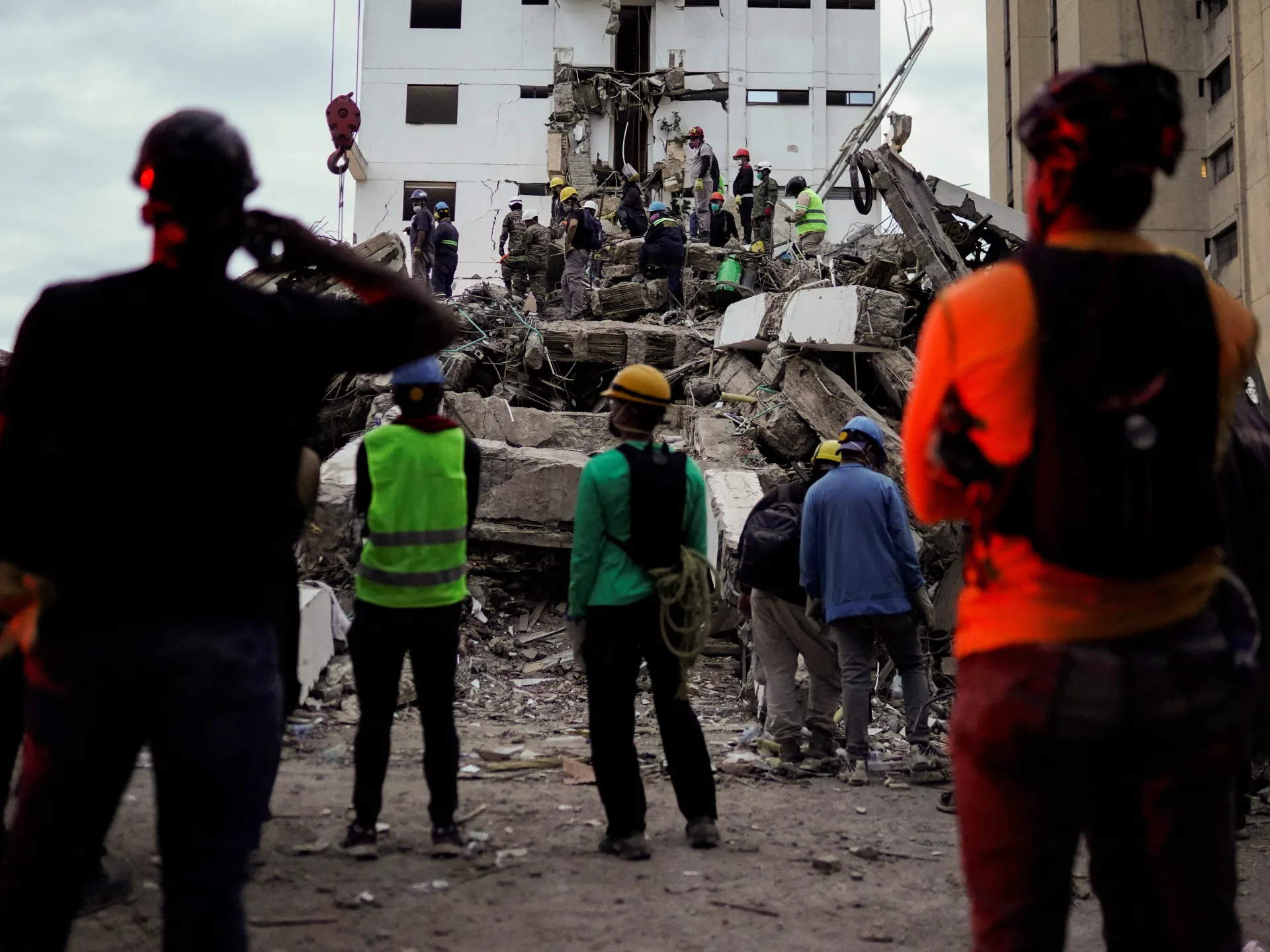
While the economic sector celebrates a new era of refining, the NSCDC has been thrust into a crisis following the deaths of 37 individuals held for alleged illegal mining. While the NSCDC has attributed the fatalities to a “disease outbreak,” alternative reports, including intelligence gathered in the Minna detention facility.
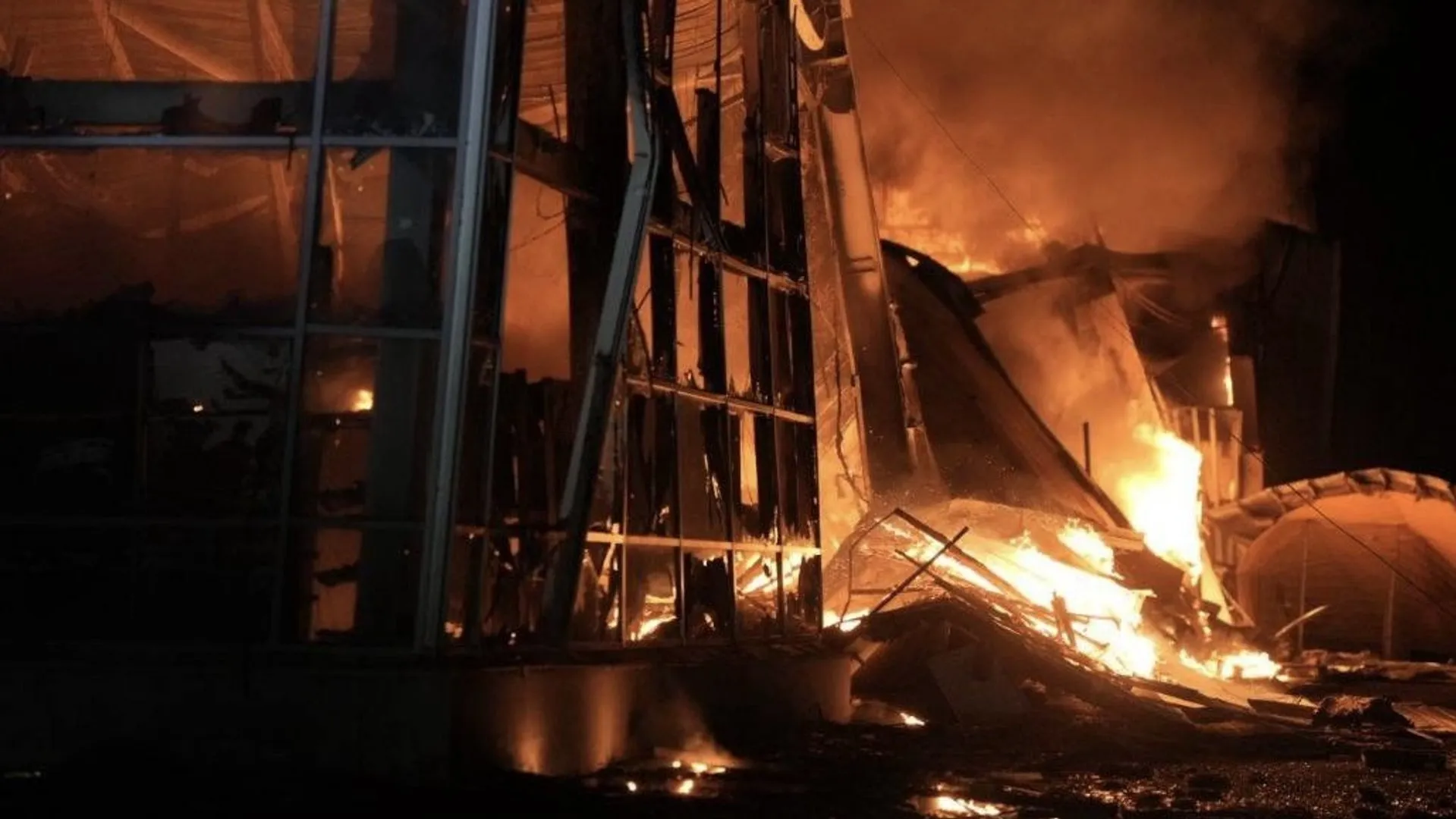
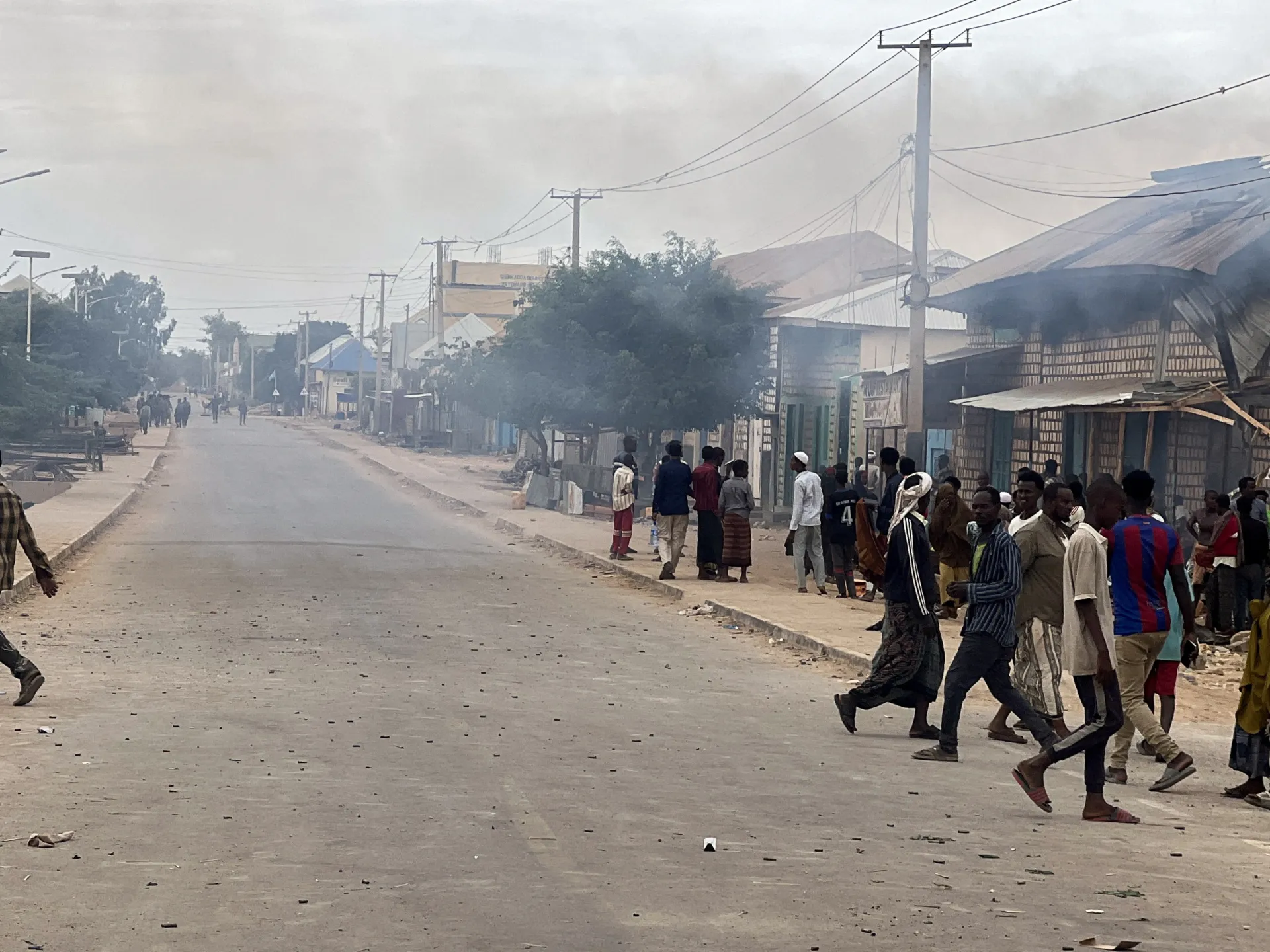
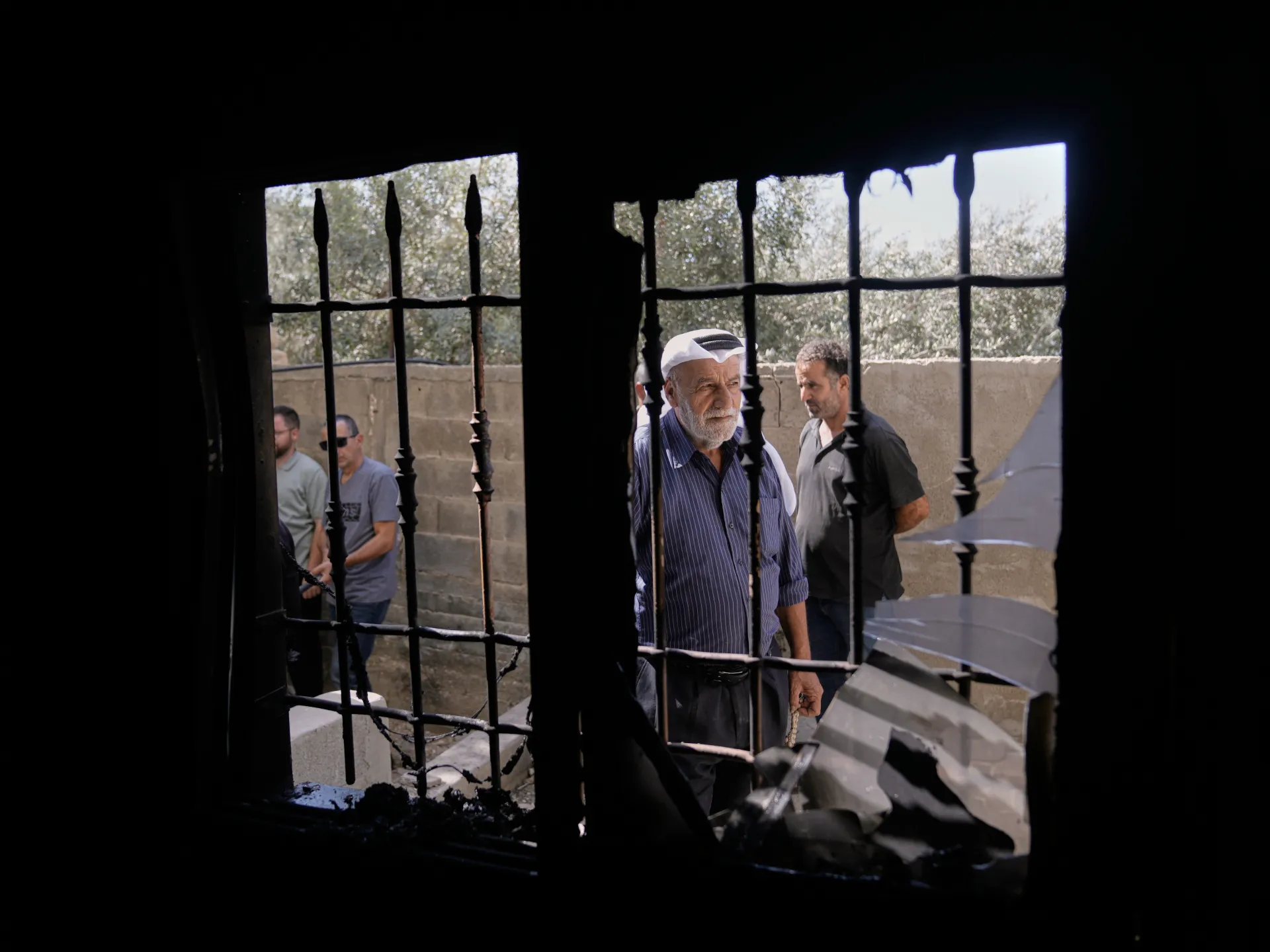
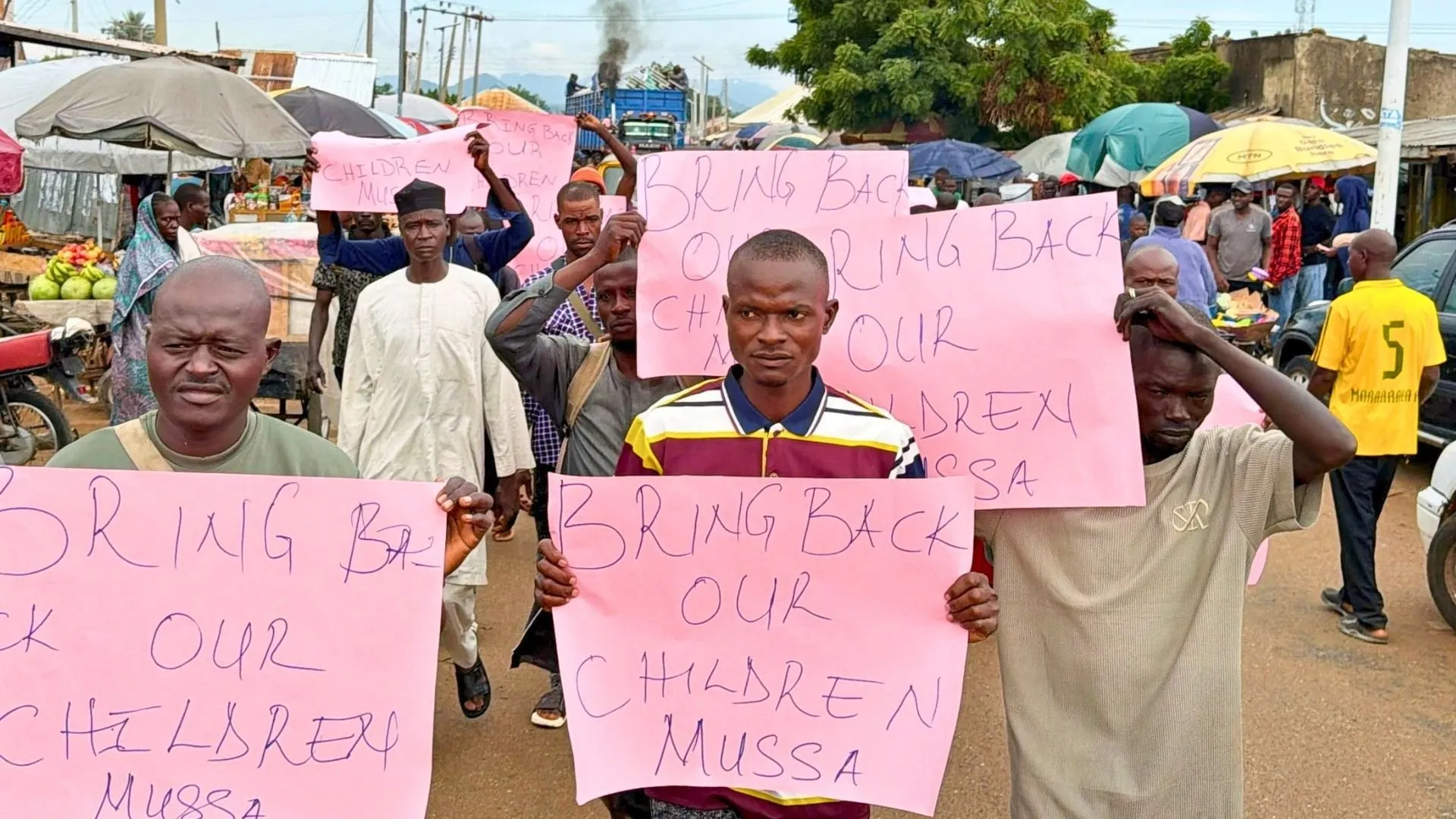
Families of the deceased have disputed official narratives, claiming their relatives—who were arrested without charge—suffered from extreme conditions. The tension reached a breaking point in Minna, where citizens attacked public buildings and transport infrastructure in protest, prompting the state to enforce a 24-hour curfew. The regional police chief has since initiated an investigation, and the victims' bodies have been transferred to a general hospital for independent examination.
The immediate future for the Nigerian government involves balancing two distinct pressures: maintaining investor confidence in the “People’s IPO” and providing a transparent accounting of the custodial deaths. The investigation into the NSCDC facility will be a litmus test for the administration’s commitment to internal reform. If the findings corroborate claims of negligence and overcrowding, the government will likely face significant domestic and international pressure to overhaul its detention protocols. Concurrently, the success of the refinery will depend on the government’s ability to maintain its “crude-for-naira” policy, which faces pushback from entities accustomed to the older, subsidy-reliant economic structure.