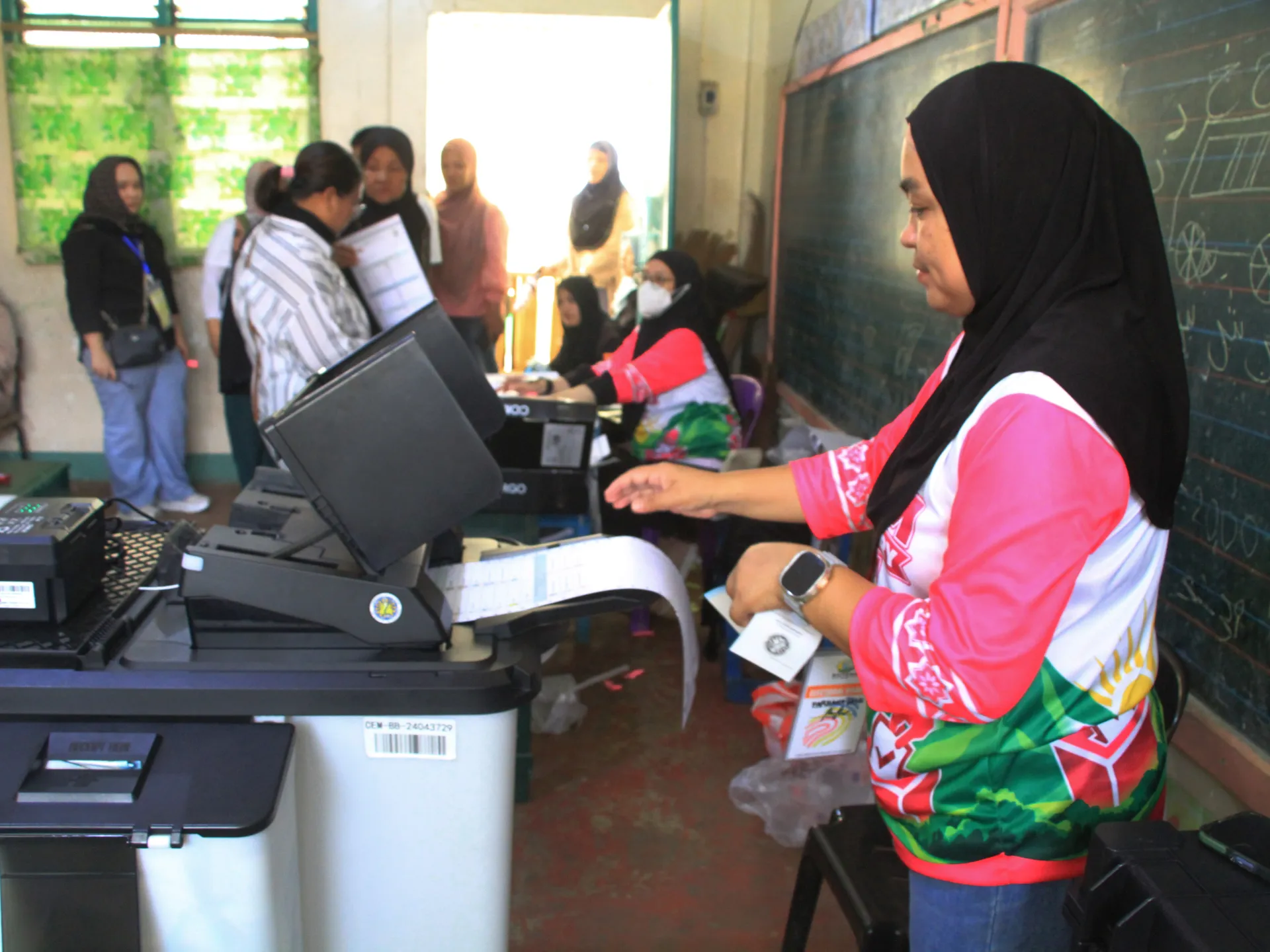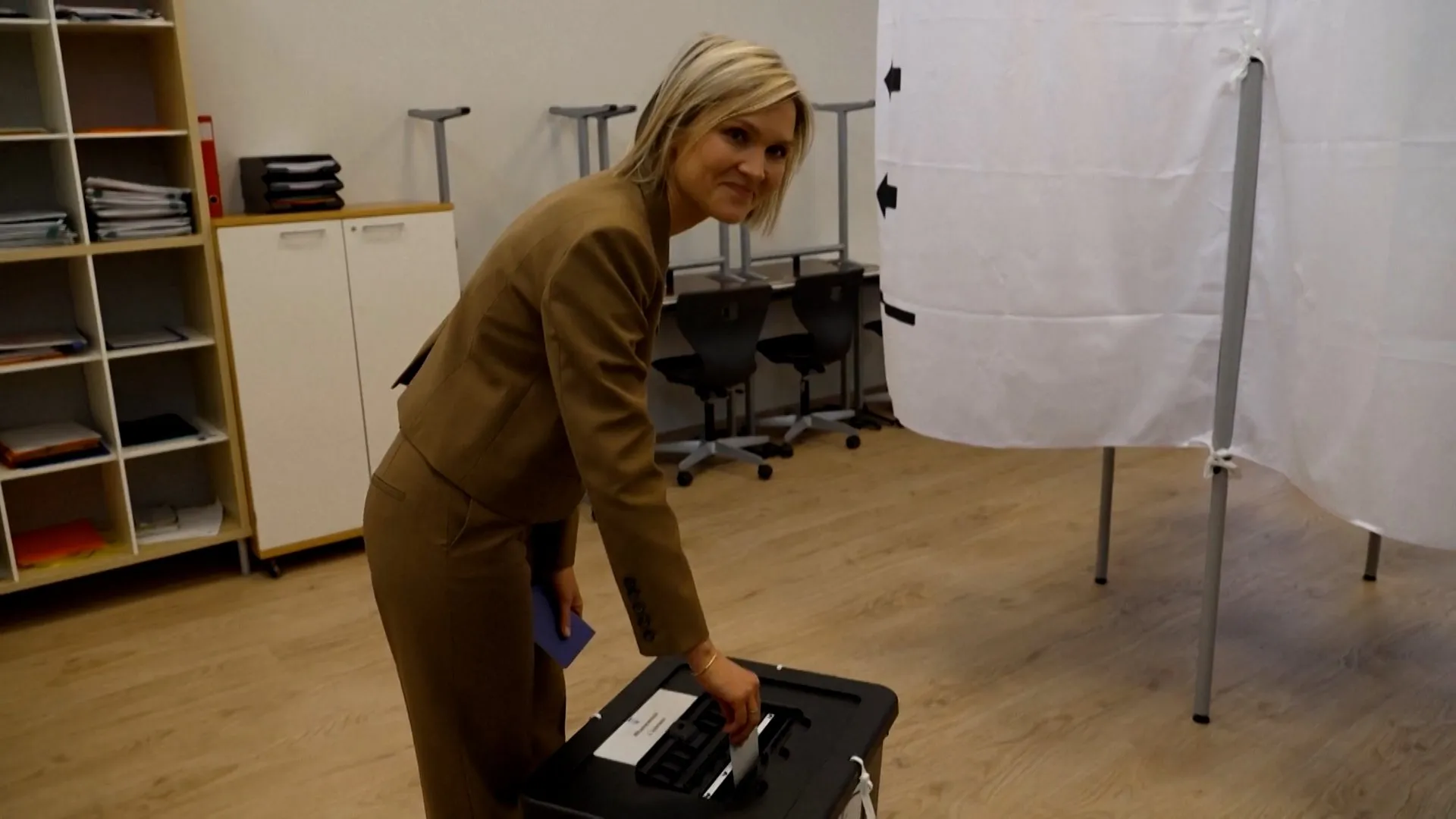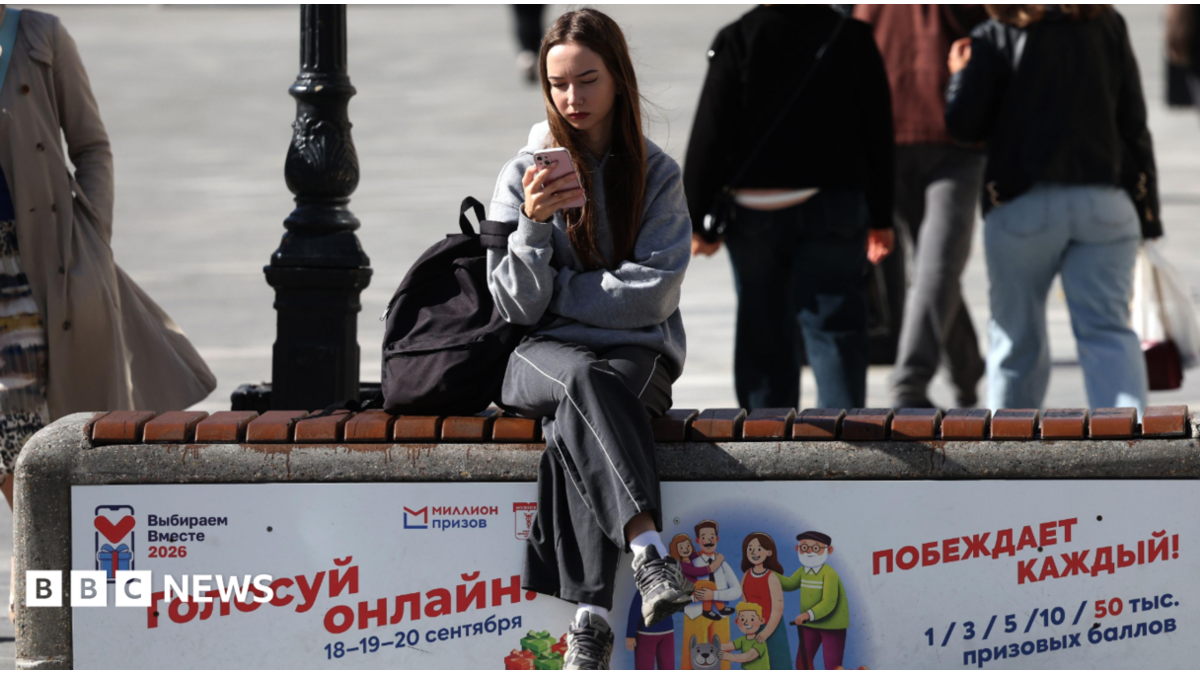
As Russia heads to the polls, the Kremlin utilizes the parliamentary elections to solidify its control and project an image of national unity amid the war in Ukraine.
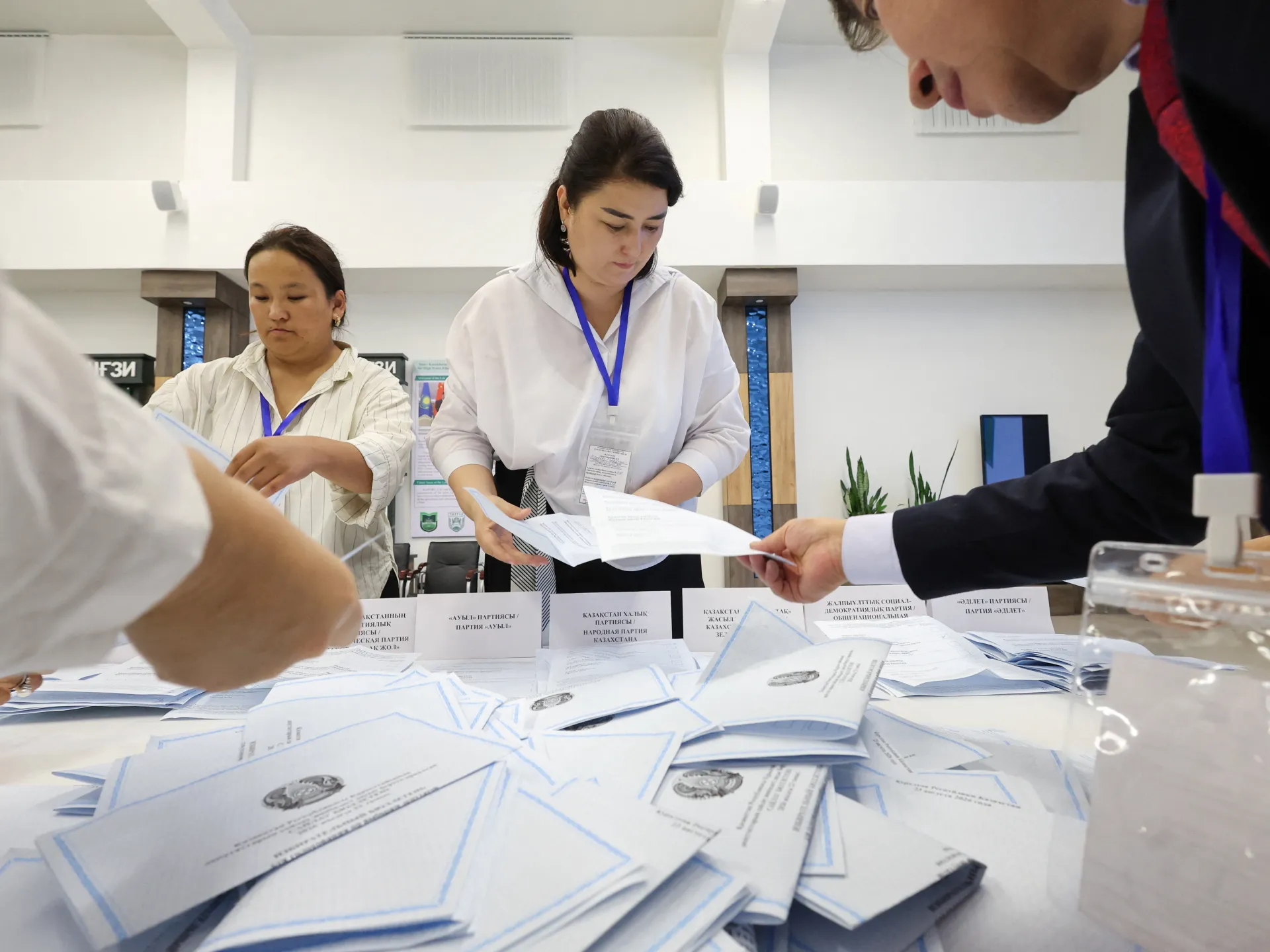
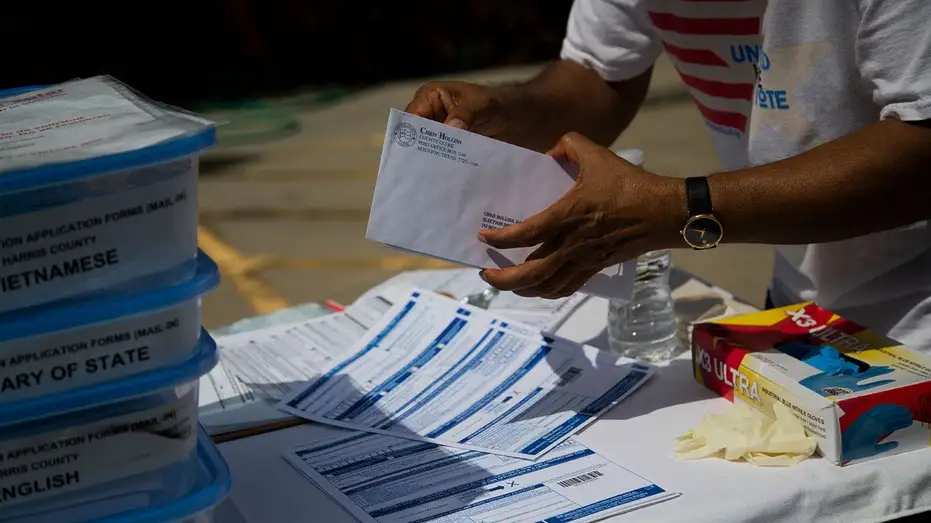
Russia’s legislative elections are defined trict oversight over the political process. This structure ensures that the presidency retains immense power, effectively eliminating the possibility of political curveballs or unexpected results. The upcoming vote for the 450 seats in the State Duma is expected to solidify a parliament that remains firmly under the influence of the current leadership.
While international critics frequently characterize these elections as neither free nor fair, the Kremlin maintains a stance of indifference toward such assessments. Spokespeople for the Russian government emphasize that the nation operates under its own unique political framework. This domestic process is designed to prevent unpredictable outcomes, ensuring that the legislative body functions in alignment with state objectives rather than as a platform for genuine electoral competition.
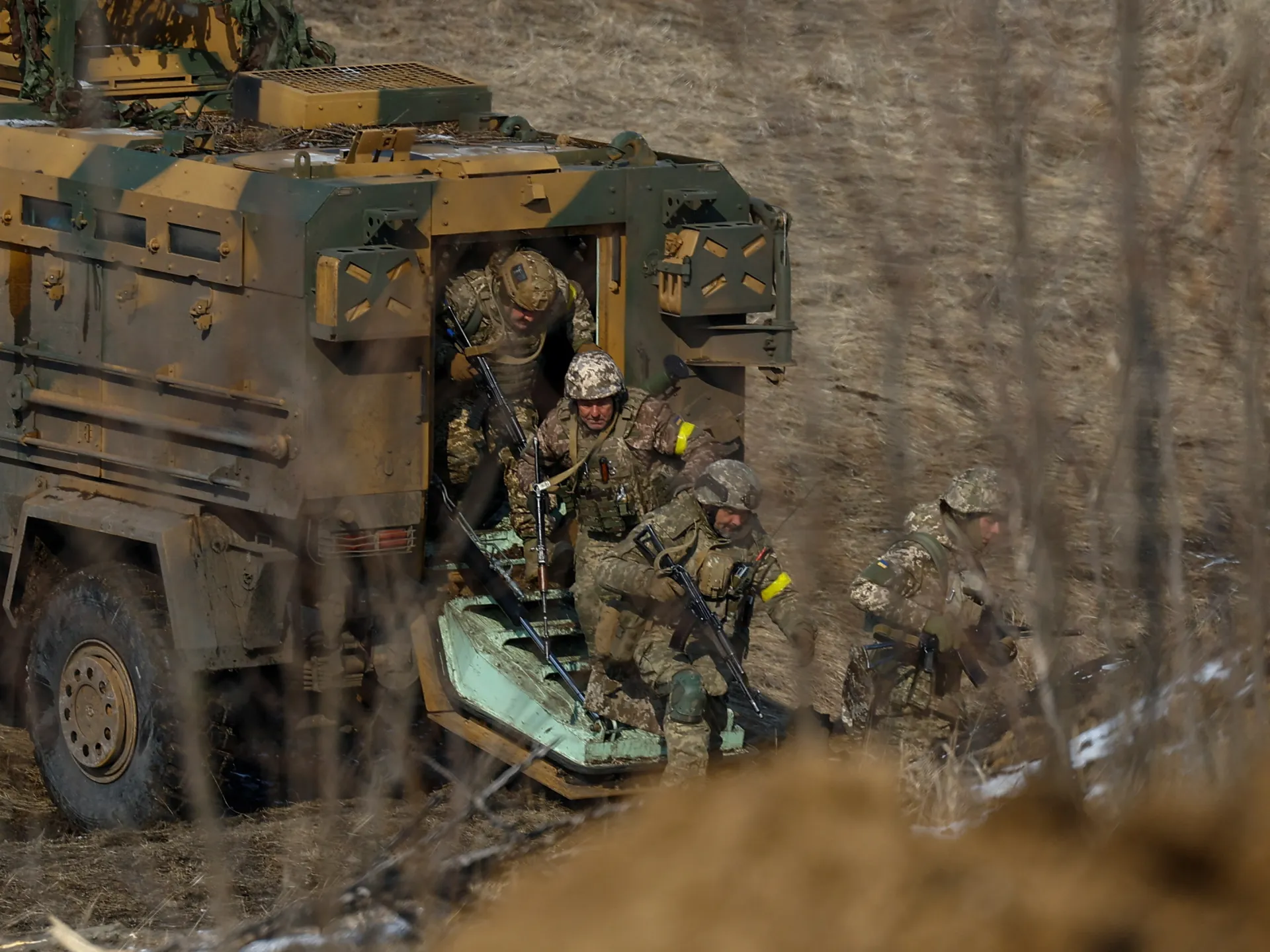
Despite the lack of electoral suspense, these parliamentary proceedings serve a vital purpose for the Kremlin. This marks the first major legislative contest since the initiation of the full-scale invasion of Ukraine, providing the government with a platform to project an image of national unity. es aim to promote the careers of those who have served in the conflict, thereby framing the legislature as a reflection of military backing for the president.
The campaign period itself has offered a rare, albeit narrow, glimpse into the state of Russian society after years of war. Televised debates have occasionally devolved into surreal spectacles, with some candidates failing to appear entirely, while others have utilized musical performances to convey their platforms. However, these anomalies mask a deeper reality: the parliament functions as a cohesive unit where all major parties have consistently aligned themselves with the Kremlin’s legislative agenda and the ongoing military operation.
The political environment remains highly restrictive for any party that deviates from the official state narrative. The Yabloko party, which campaigned on a platform advocating for a ceasefire in Ukraine, was notably removed from the party ballot d as a preemptive measure onate strongly with the general public.
Individual candidates who attempt to challenge the status quo face significant personal risks, including intimidation and detention lly motivated, intended to enforce the narrow boundaries within which the authorities permit electoral activity. With prominent opposition figures forced into exile, imprisoned, or deceased, the mechanisms for independent monitoring—such as the organization Golos—have been effectively dismantled, further insulating the system from outside scrutiny.
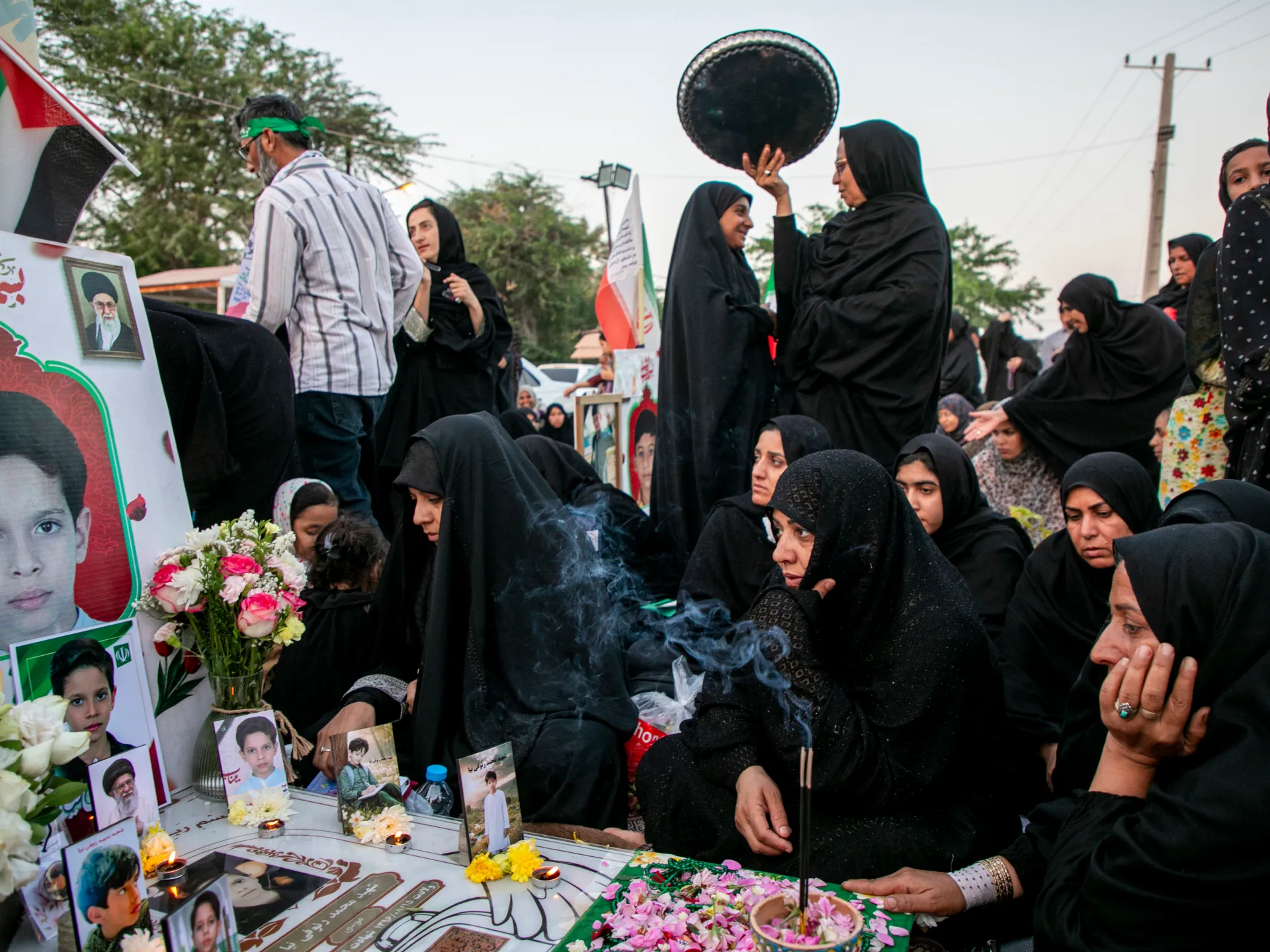
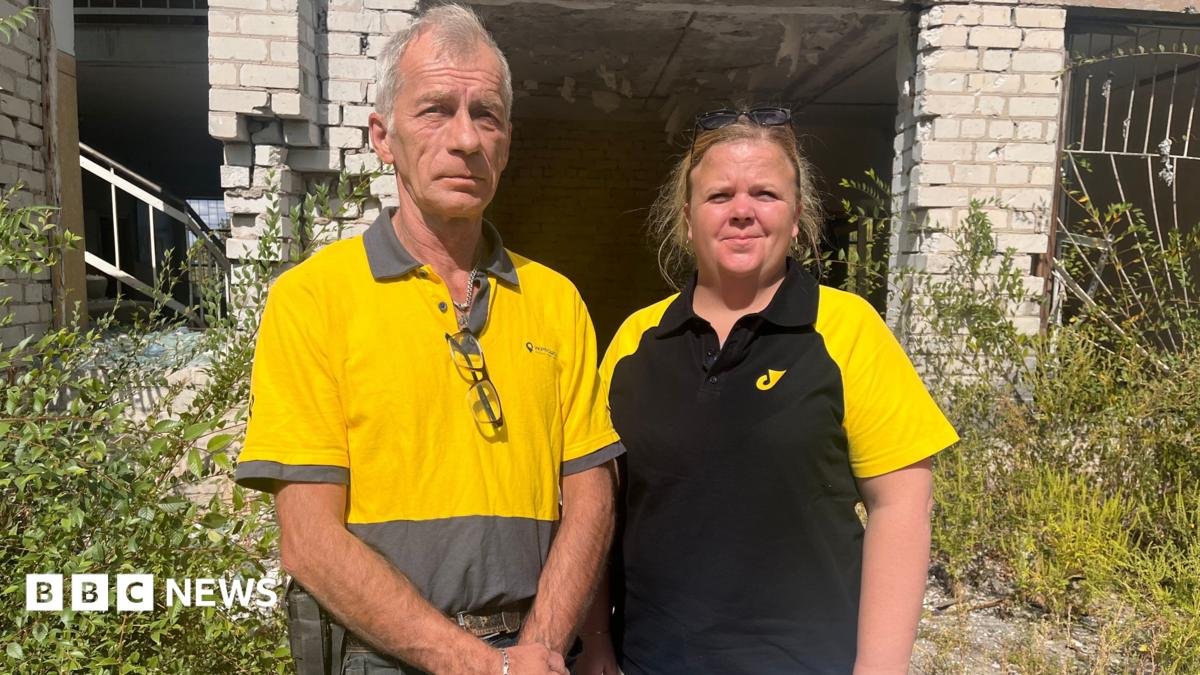
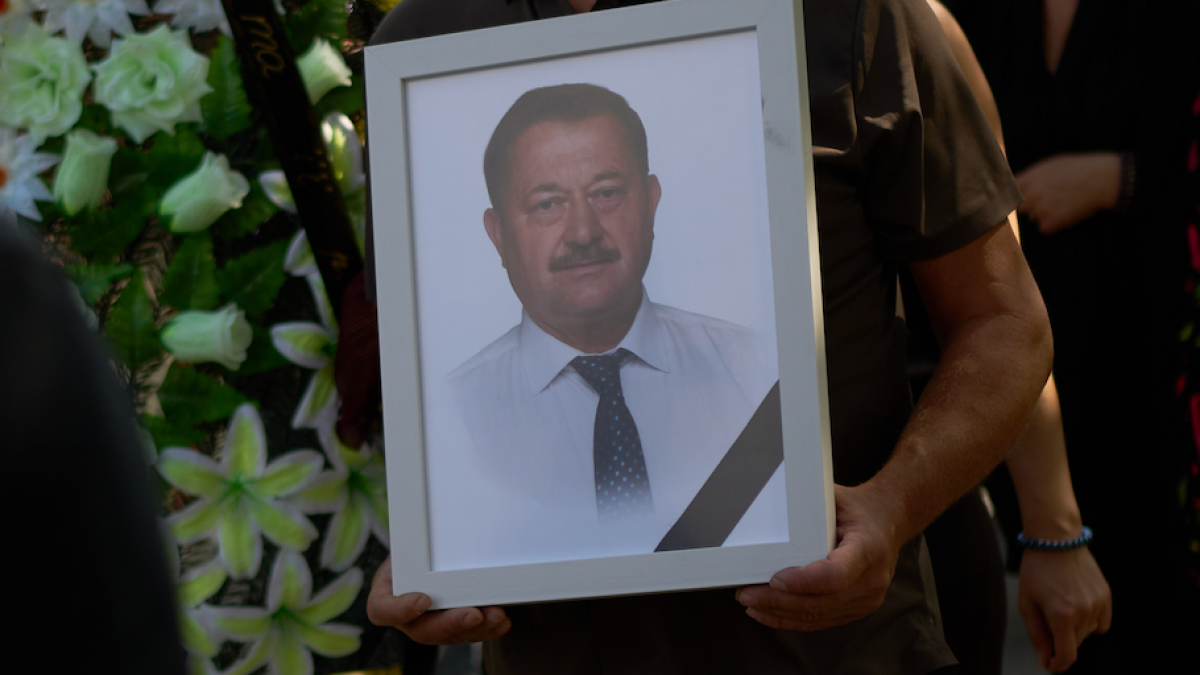
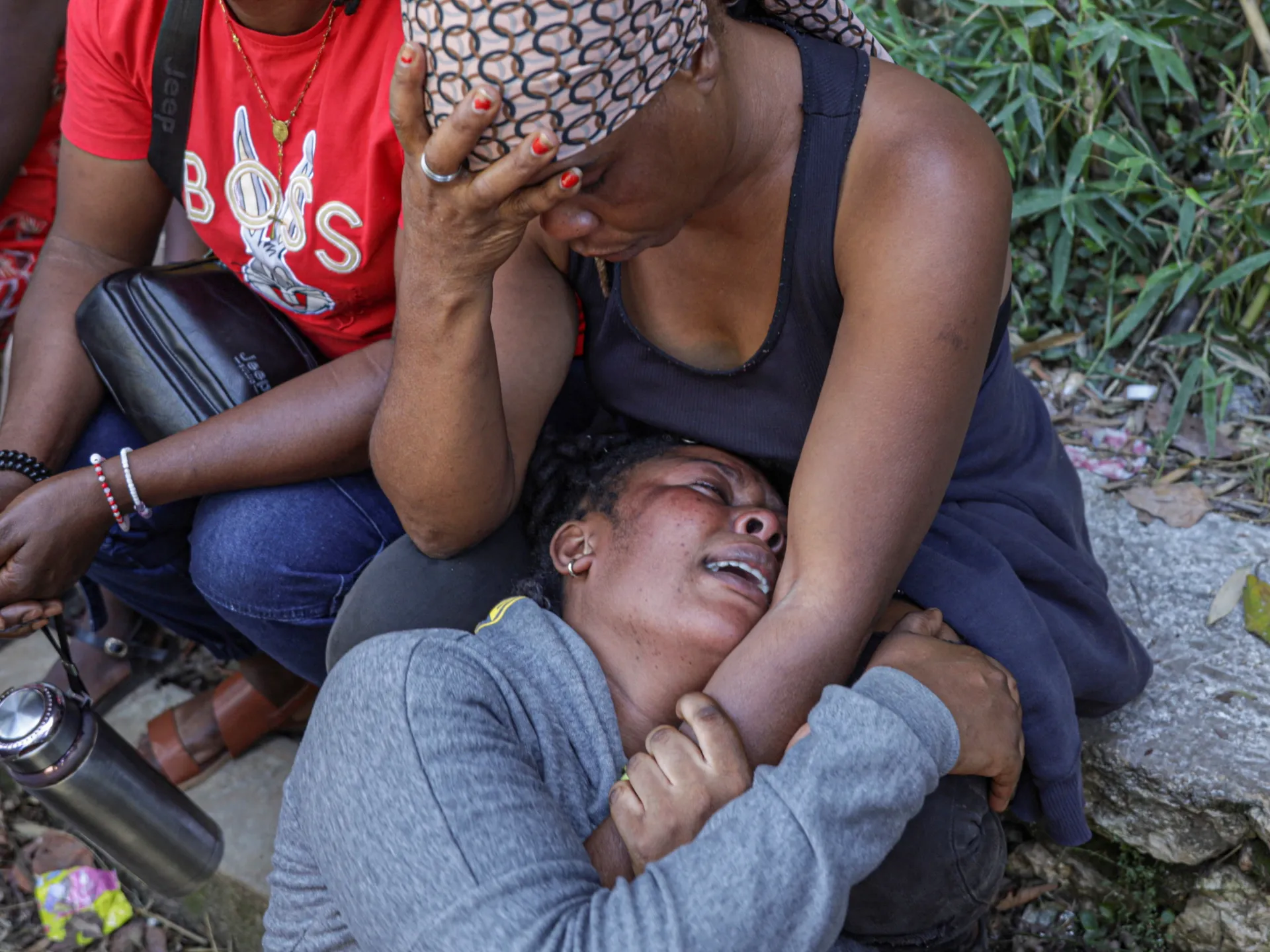
Beyond the political maneuvering, the atmosphere in towns like Dmitrov reveals a population deeply affected serve as constant reminders of the war's human cost. Residents express a profound sense of resignation, noting that while the conflict dominates their thoughts and concerns, they believe the electoral process holds no power to influence the trajectory of national policy or the war effort itself.