Officials are utilizing selective statistics to downplay the ongoing food crisis in Gaza, prompting medical experts to clarify the reality of nutritional health in the region.
In recent months, a narrative has emerged among certain international officials suggesting that the humanitarian situation in Gaza has shifted from a state of acute starvation to one characterized stics regarding clinical cases of malnutrition. However, humanitarian experts and medical professionals on the ground argue that these figures are being taken out of context to obscure the broader reality of a population struggling under severe food insecurity.
res have attempted to argue that the systemic hunger crisis has been resolved. Critics of this interpretation point out that relying solely on hospital admission data for acute starvation ignores the millions who are living in a state of chronic, sustained nutritional deficit. This selective use of data creates a misleading impression that food access is sufficient, while ignoring the complex reality of how long-term deprivation affects human health.
Medical experts emphasize that nutritional health cannot be reduced to simple weight fluctuations. In Gaza, the ongoing conflict has severely disrupted supply chains, destroyed agricultural infrastructure, and limited access to essential nutrients. Children, in particular, are suffering from the long-term impacts of restricted diets, which can lead to stunted growth, cognitive developmental delays, and weakened immune systems that persist long after immediate hunger is addressed.
When individuals are forced to rely on high-calorie, low-nutrient processed foods due to the absence of fresh produce, protein, and clean water, they may present with weight gain while still suffering from severe micronutrient deficiencies. This phenomenon, often referred to as 'hidden hunger,' is frequently overlooked cal community maintains that the reliance on survival-level calories does not equate to nutritional security or overall health.
The collection of health data in a conflict zone is inherently fraught with challenges. With the collapse of civilian health infrastructure and the displacement of medical personnel, the ability to conduct comprehensive nutritional surveys has been severely compromised. Using fragmented data points to draw sweeping conclusions about the nutritional status of an entire population is viewed mulation.
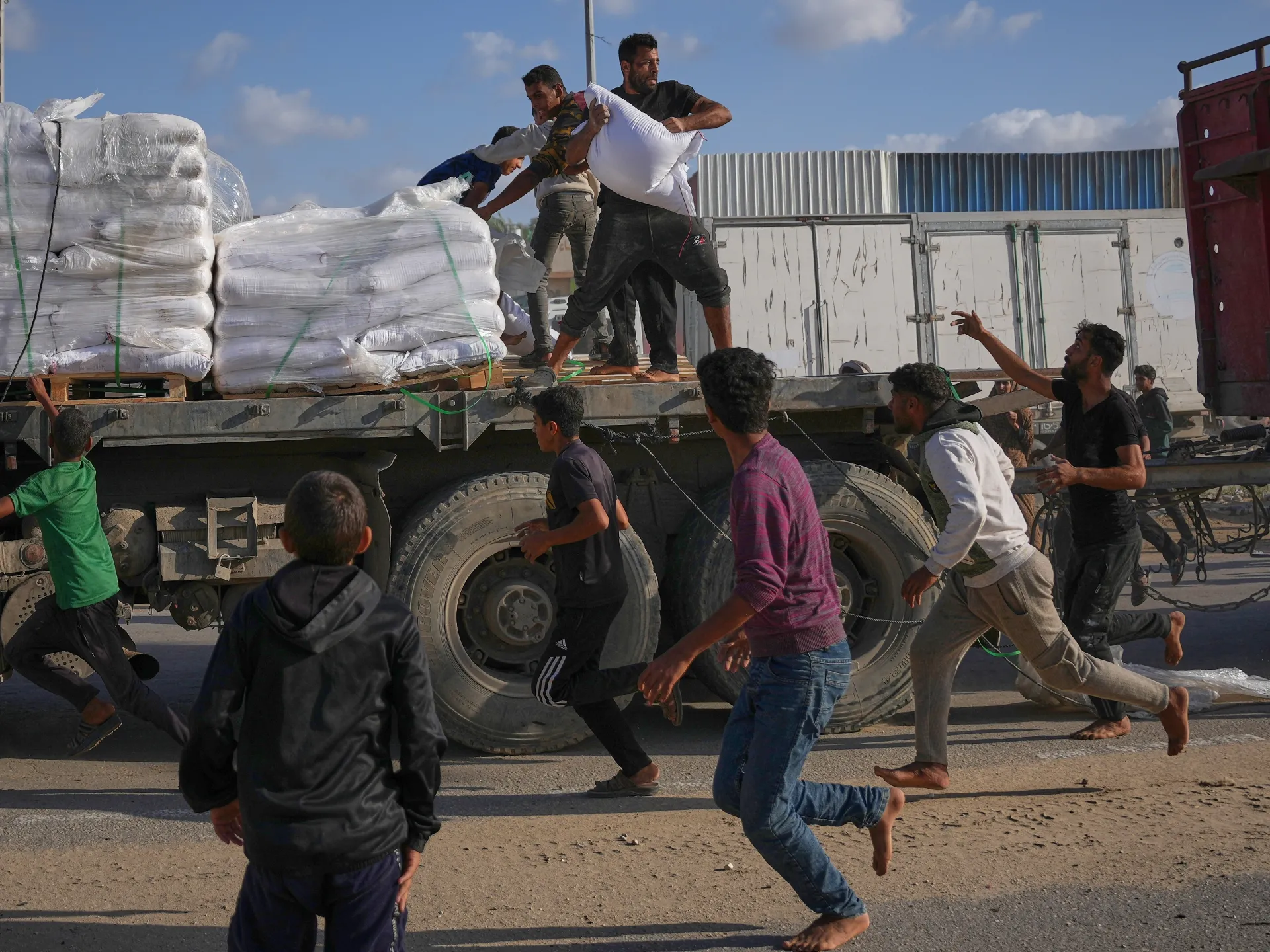
International aid organizations continue to warn that the underlying drivers of the hunger crisis—including restricted humanitarian access and the destruction of food production capabilities—remain largely unchanged. risk stalling necessary aid efforts. Experts argue that real progress requires a shift away from politicized interpretations and toward a transparent assessment of food availability, caloric quality, and the ability of the population to access a diverse, healthy diet.
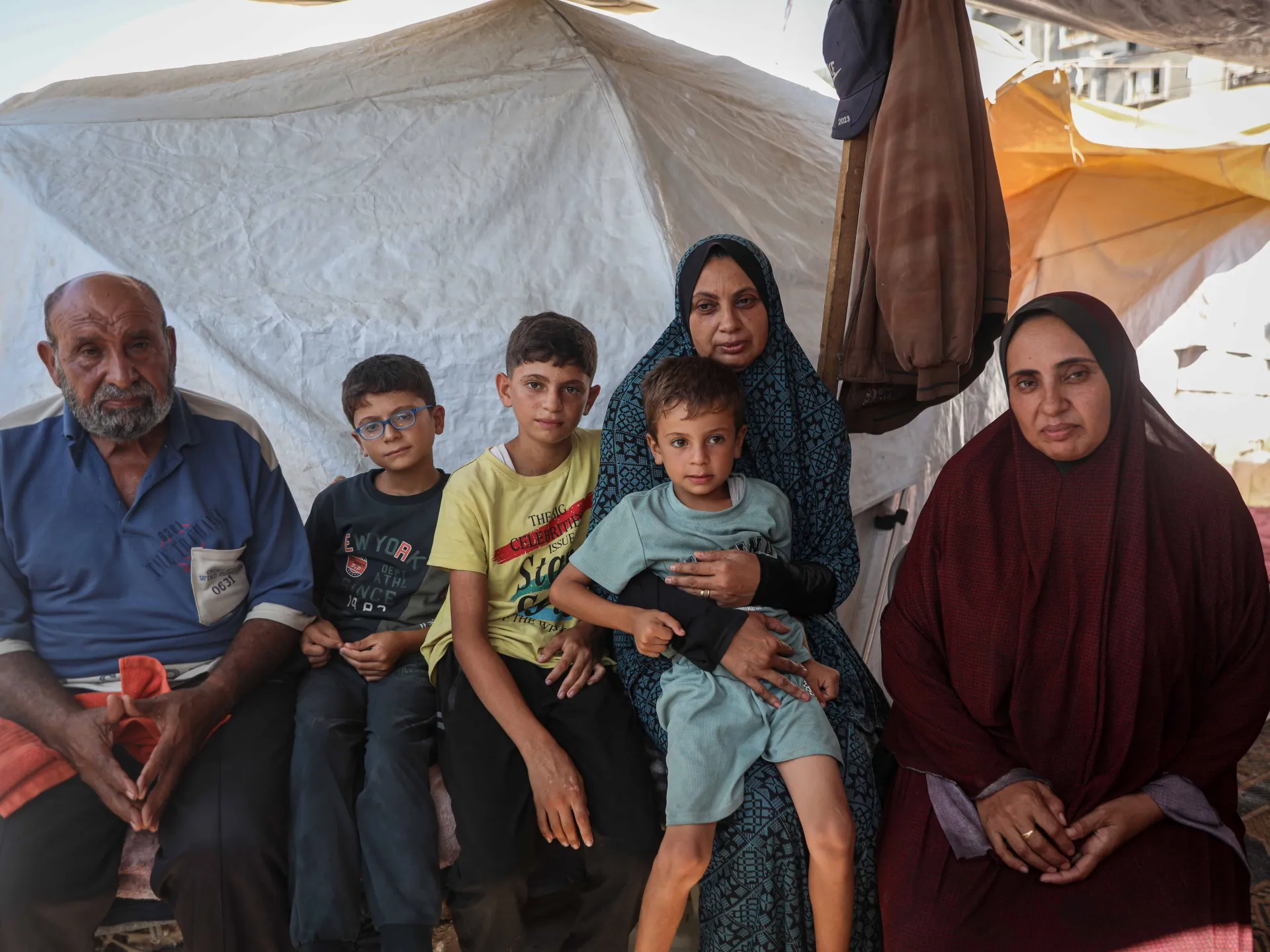
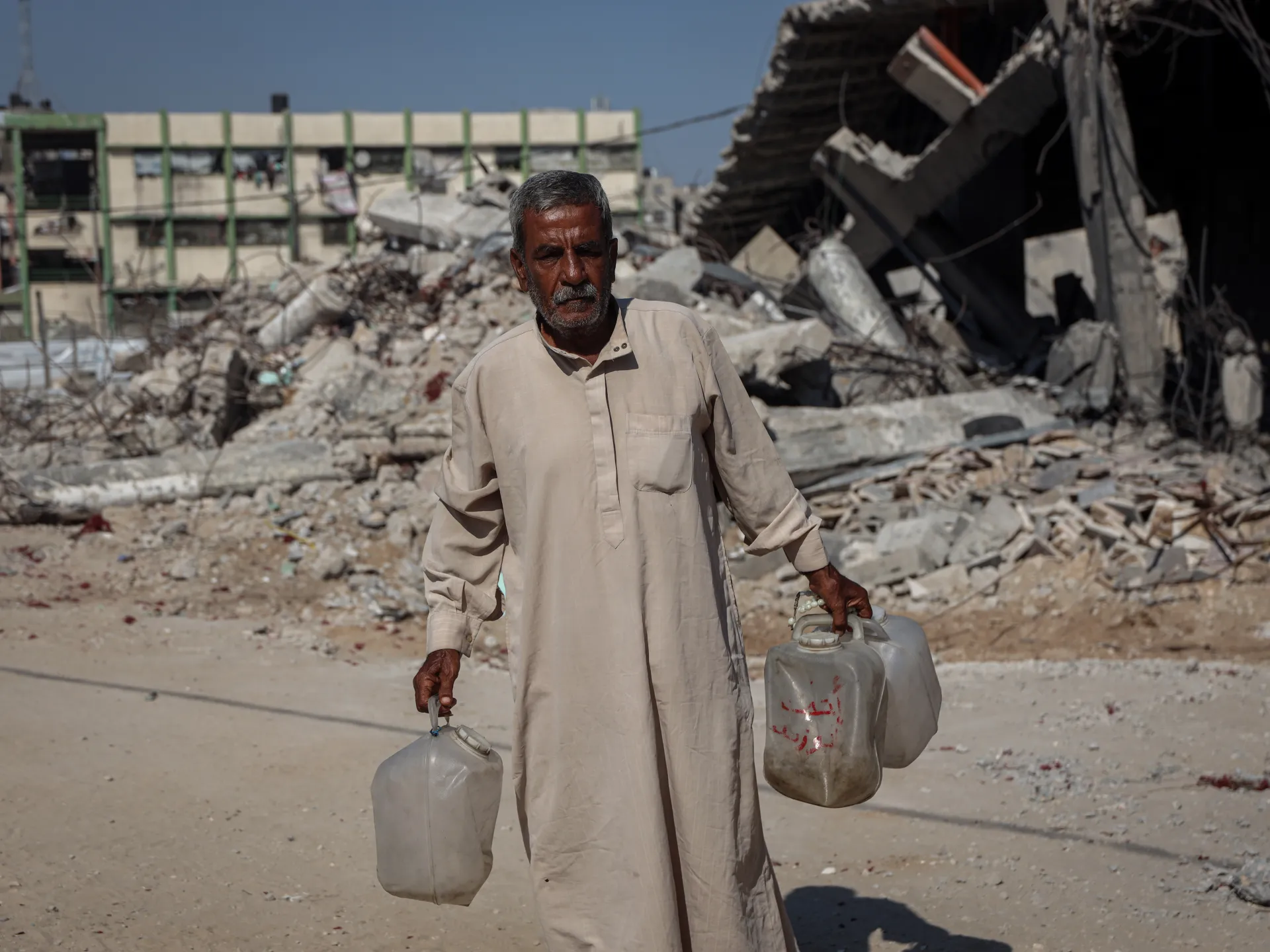
Beyond the numbers and political discourse lies the daily reality for families in Gaza, who continue to face significant hurdles in securing basic sustenance. The focus on 'obesity' as a counter-narrative serves to dehumanize the struggle of those living through the crisis. Doctors working within the region report that they are still treating patients who lack the necessary vitamins and minerals required for long-term health, despite some variations in body weight.