A federal Treasury report predicts a future where deaths exceed births, even as the government moves to restrict immigration to reach a 2028 target.
Australia is facing an unprecedented demographic shift that threatens to redefine its economic landscape over the coming decades. A newly released federal Treasury Intergenerational Report projects that, within the next 40 years, the nation will reach a milestone where annual deaths outpace the number of births. This forecast, which aligns Australia with the demographic trajectories currently observed in nations like Japan and Germany, signals a long-term transition toward a significantly older population, with the cohort of citizens aged 85 and older expected to triple in size.
While federal officials maintain that the Australian economy remains robust, the report underscores a growing tension between the country's reliance on migration-driven expansion and a government-led push to tighten immigration controls. Even as the birth rate hits a low of 1.34, authorities are simultaneously implementing aggressive new policies to limit temporary migration, effectively narrowing the traditional channels used to bolster the workforce and manage population growth.
The convergence of a shrinking natural population and restrictive immigration policies presents a complex challenge for Australia’s long-term prosperity. Traditionally, Australia has relied on high levels of net overseas migration to offset its low fertility rates and drive economic output. ulation while choosing to curb the influx of international students and temporary workers, the government is navigating a high-stakes balancing act.
Furthermore, the reliance on projected gains from artificial intelligence to boost labor productivity highlights a significant point of friction between the government and the private sector. If the promised productivity surges fail to materialize, the lower living standards already being felt rtfall compared to 2023 projections—could deepen. The situation illustrates a broader global trend where developed economies are struggling to maintain growth as the demographic dividend of the past century fades, forcing a reliance on technological disruption that remains, at this stage, largely speculative.
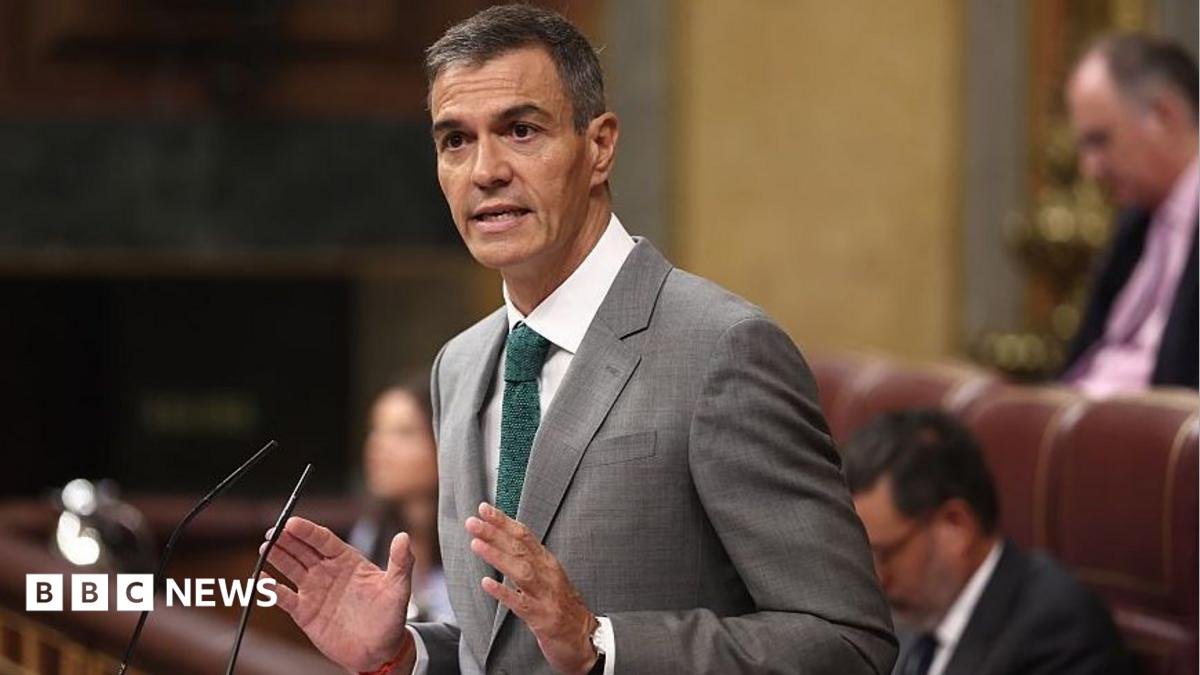
Home Affairs Minister Tony Burke has initiated a series of strict reforms aimed at managing the volume of people entering Australia. The government's objective is to reduce net overseas migration to 225,000 individuals onal students switch to lower-qualification courses to extend their stay in the country. Under the new guidelines, students will generally be prohibited from bringing family members, though exceptions remain for PhD candidates and applicants from specific regions like the Pacific and Southeast Asia.
Working holiday visas, which have long served as a vital labor pool for the agricultural sector, are also seeing significant contraction. The government has introduced a ballot system that sharply limits the number of people eligible for second and third-year visa extensions. While the authorities claim these measures are necessary to ensure a "high level of control" over the migration program, the private sector remains wary of how such constraints will impact labor shortages. Critics within the business community argue that the government's approach to migration, coupled with a stagnant productivity growth rate—which fell to 0.8 percent in the 2023-24 period—threatens to stifle the economic growth needed to support an aging society.
The coming years will likely be defined desire to control population density. Economic analysts expect that the Treasury’s target of a 1.2 percent productivity increase through AI implementation will become the central point of contention in future budget cycles. If productivity growth continues to stagnate below this threshold, the government will face increasing pressure to either reconsider its migration caps or find alternative ways to stimulate labor participation among the existing population.
Additionally, the transition to a system where deaths exceed births will necessitate significant structural changes in healthcare and social services. As the over-85 population triples, the federal budget will face mounting strain to provide support for a demographic that is not contributing to the traditional workforce. Investors and policymakers will be watching closely to see if the government’s "substantial advantages" are enough to keep the economy expanding at the projected rate, or if the current policies will lead to a period of prolonged economic contraction.