A directive targeting foreign-owned small businesses in Kenya has triggered widespread fear, leading to family separations and diplomatic tensions across the region.
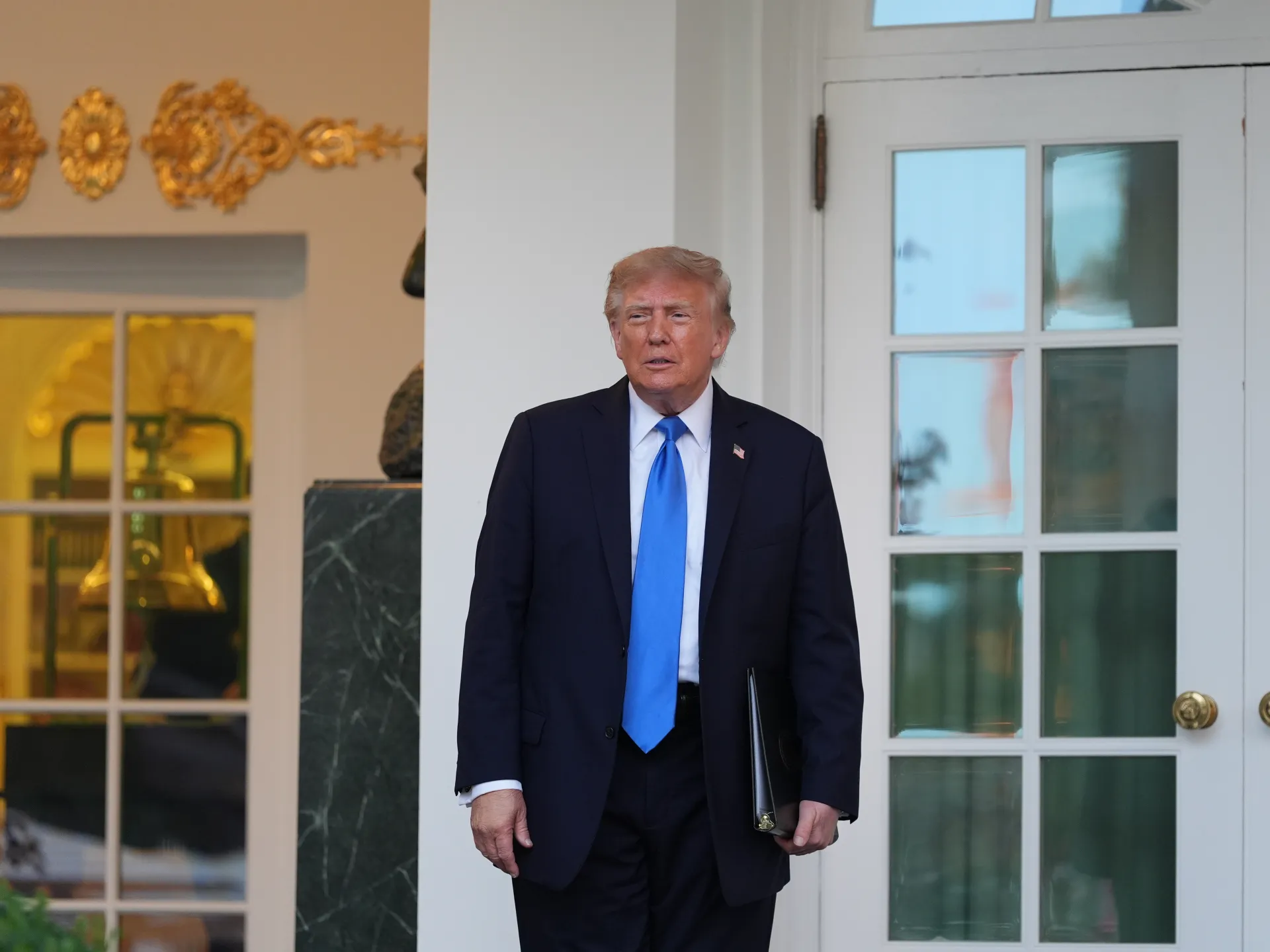
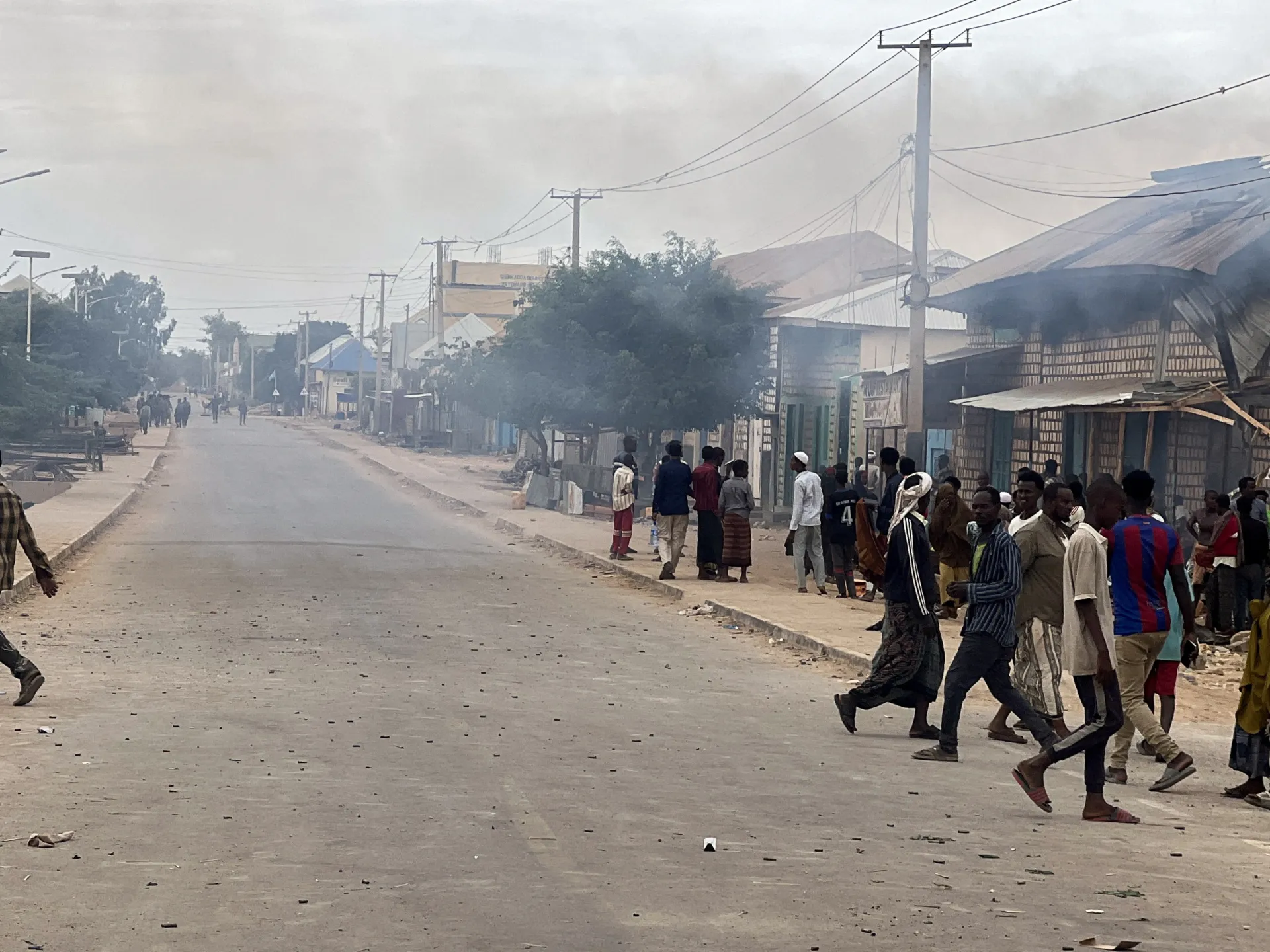
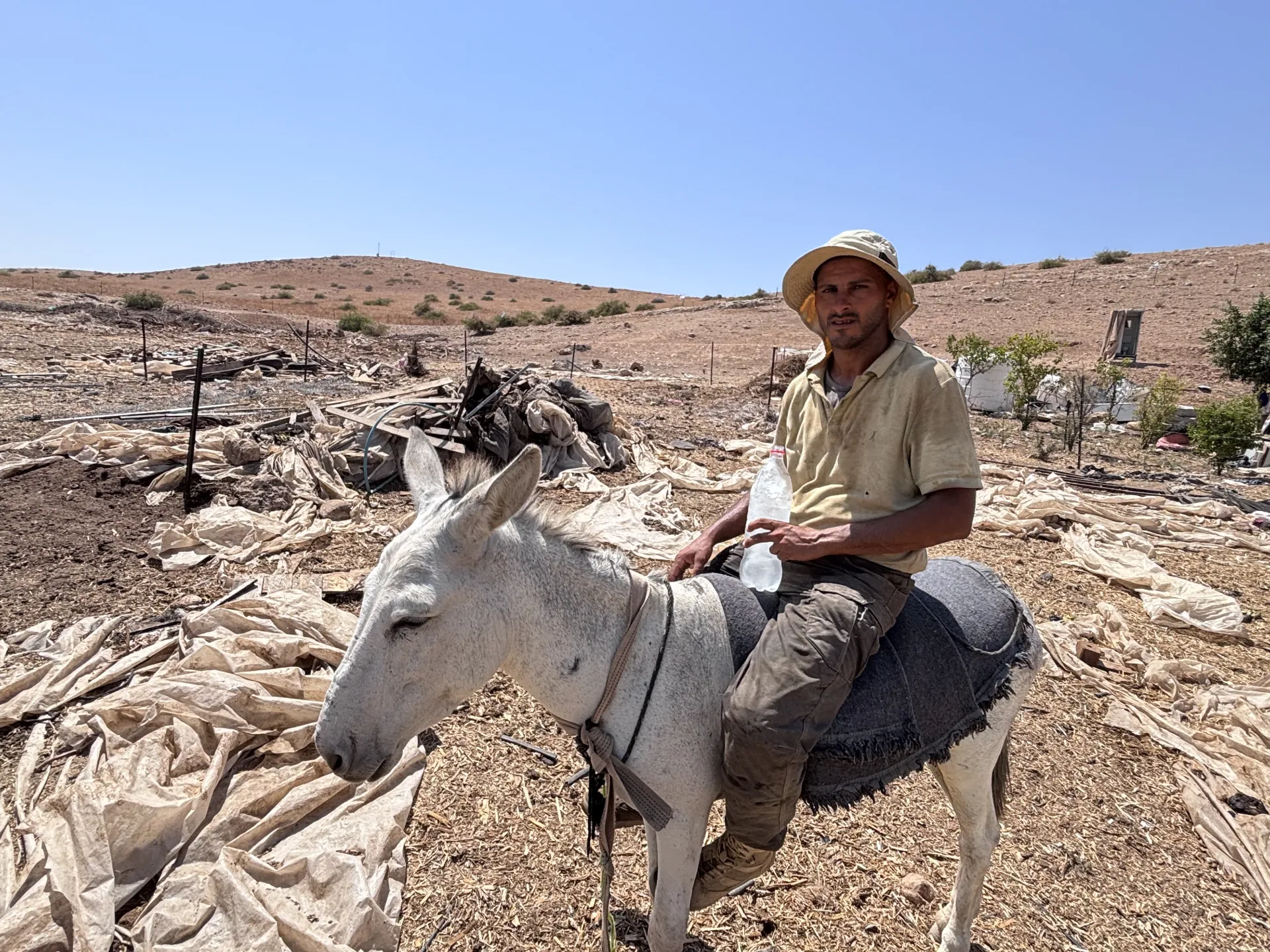
A recent directive issued ses in Kenya has sparked widespread anxiety among migrant populations. The announcement, which suggested that low-level trade roles should be reserved exclusively for Kenyan citizens, has been perceived East African Community (EAC) and beyond have contributed to the local economy, working as tuk-tuk drivers, barbers, salon operators, and street vendors. Following the president's remarks, these individuals report feeling targeted, with some describing a sudden shift in their interactions with the public, characterizing the current climate as increasingly hostile.
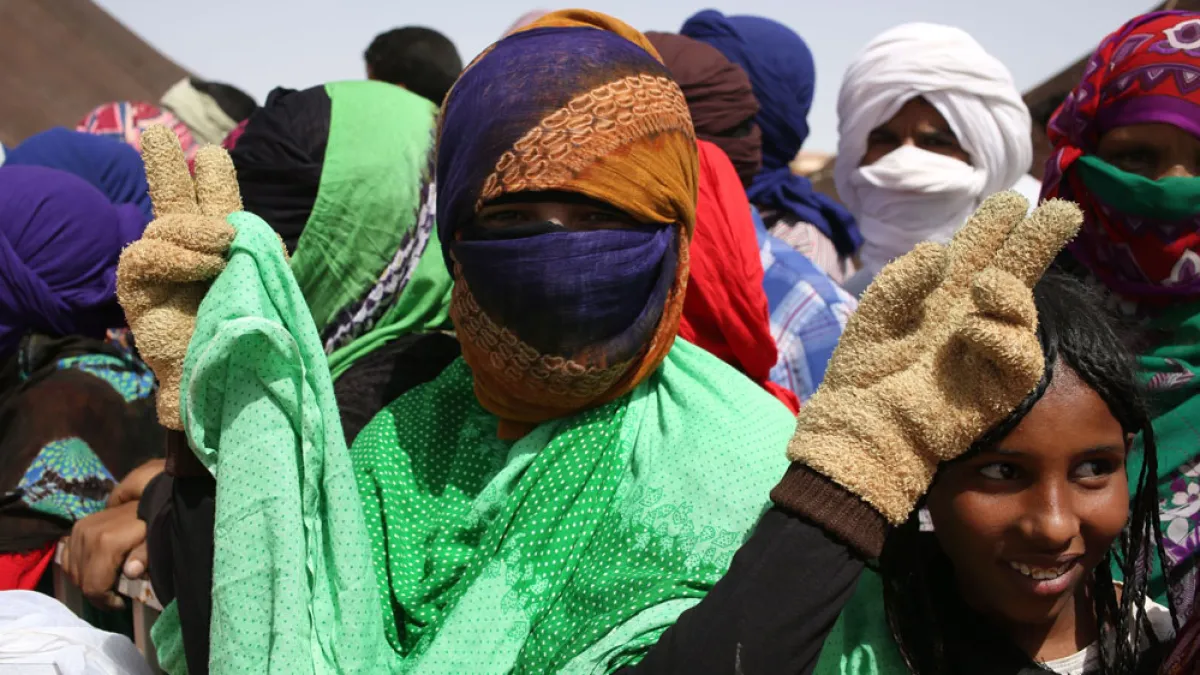
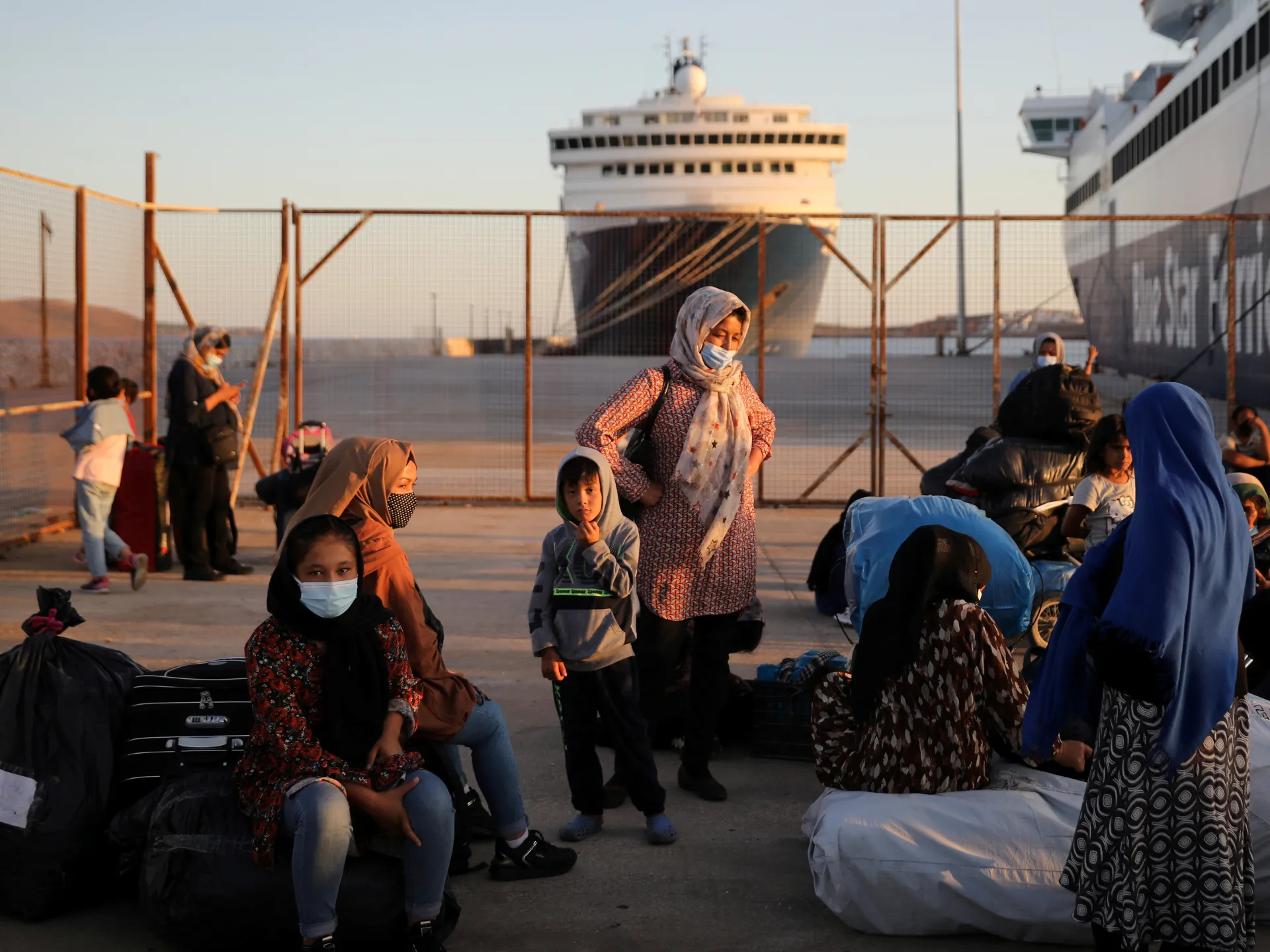
The urgency of the situation is evident at the Burundian embassy in Nairobi, where many foreign nationals have been queuing for documentation to facilitate their return home. The fear is palpable, as many migrants interpret the government's stance as a mandate to vacate their livelihoods immediately. While the government has since attempted to clarify the policy, the initial message left many feeling vulnerable to public intimidation, with reports of families being forced to separate as primary breadwinners flee the country to avoid potential conflict.
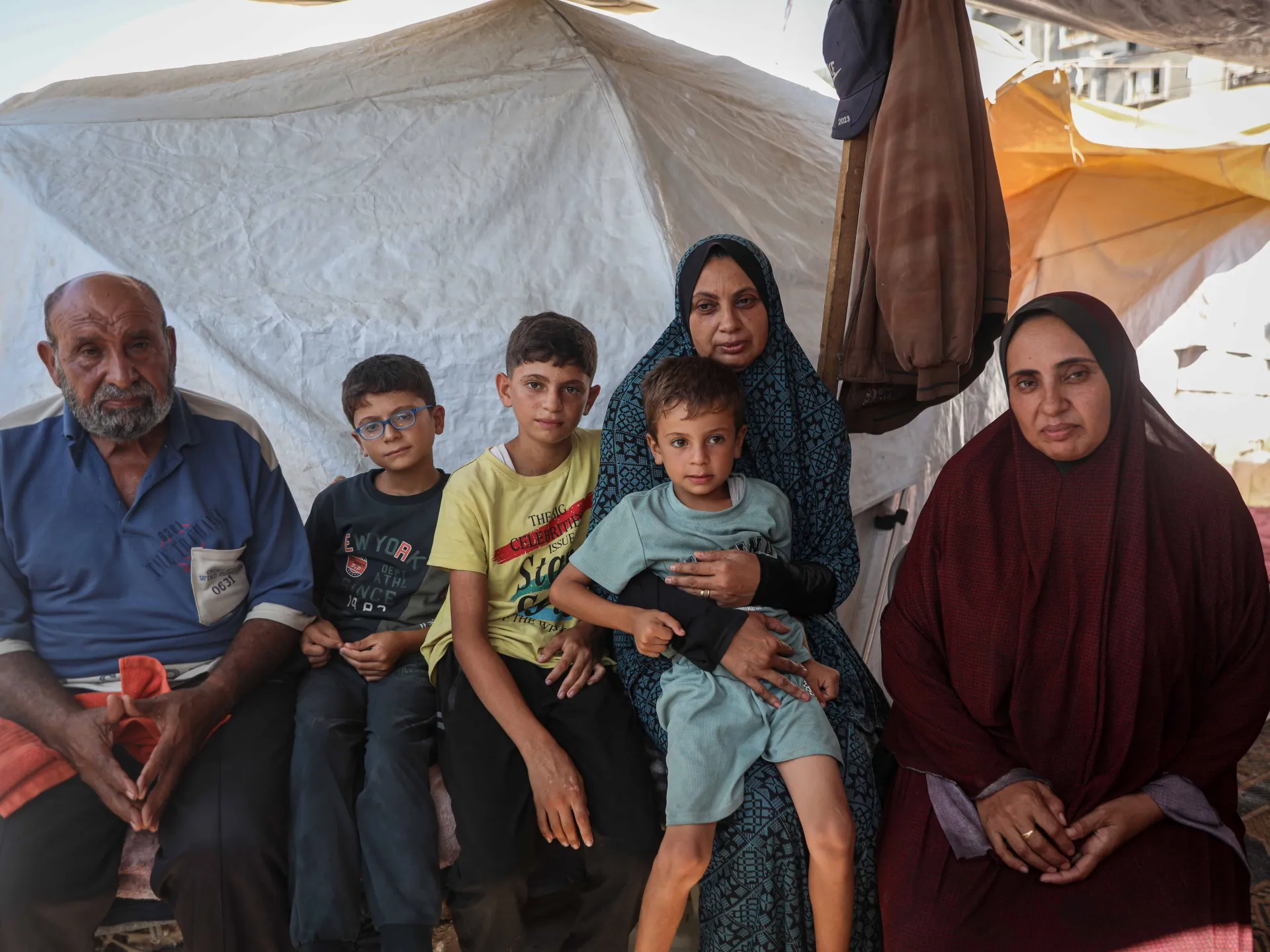
The human toll of this policy shift is perhaps most visible in the breakdown of family units. Numerous Kenyan citizens who are married to foreign nationals now find themselves struggling to maintain their households. Without their partners, many Kenyans are left to manage the entirety of household expenses, including school fees and daily nutrition, often without the necessary secondary income to survive. The sudden departure of these individuals has created a vacuum that many families are finding impossible to fill, leading to significant economic distress in low-income neighborhoods.
Furthermore, the legal status of these migrants is often complex. While the EAC allows for the relative free movement of people, specific employment and residency permits are required for long-term stays. Kenyan law also provides provisions for refugees to engage in business, provided they follow established documentation protocols. Critics argue that the government's broad-brush approach fails to distinguish between those operating legally and those who may be undocumented, resulting in a blanket fear that threatens the stability of thousands of residents regardless of their actual legal standing.
The intensity of the negative public reaction and the subsequent diplomatic friction—including warnings from the Burundian government regarding the potential for retaliatory measures against Kenyans abroad—have forced the Kenyan administration to pivot. Officials have recently announced a 90-day grace period, allowing undocumented foreign nationals to register their businesses and comply with local regulations. During this window, those undergoing the registration process are to be treated as legal residents, a move intended to mitigate the immediate panic caused
Despite these efforts, academics and economic experts suggest that the damage to Kenya’s image as a welcoming, open economy may take time to repair. Analysts note that while the government has a responsibility to protect local labor markets, the communication strategy employed was perceived as populist and inflammatory. inadvertently encouraged a xenophobic interpretation of the policy, which has complicated domestic social cohesion and strained regional diplomatic relations.
Beyond the crackdown on small-scale traders, the government has also signaled a more aggressive stance toward larger foreign-owned enterprises. The directive for Tata Chemicals to exit the country, citing insufficient benefits to the local Maasai community, highlights a broader trend toward economic nationalism. Economists warn that such moves could have long-term consequences for foreign investment. They argue that the focus on small-scale hawkers—who earn relatively modest sums—is disproportionate when compared to the significant trade benefits Kenya enjoys through its relationships with neighboring EAC countries.
Ultimately, experts suggest that Kenya stands to lose more than it gains neighboring states, the economic integration of the region remains a vital component of Kenya's growth strategy. As the country approaches future election cycles, the tension between populist political messaging and the practical requirements of a globalized, regional economy remains a defining challenge for the current administration. The long-term success of these policies will likely depend on the government's ability to balance domestic job protection with the necessity of maintaining a stable, predictable, and welcoming environment for all residents.