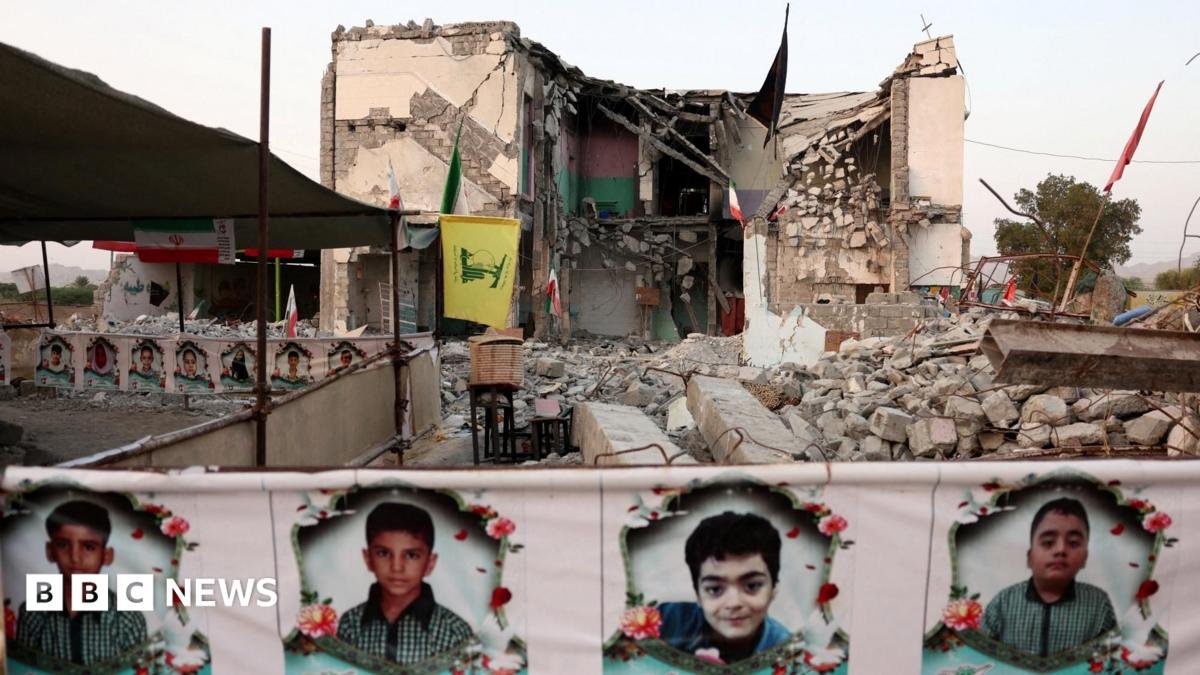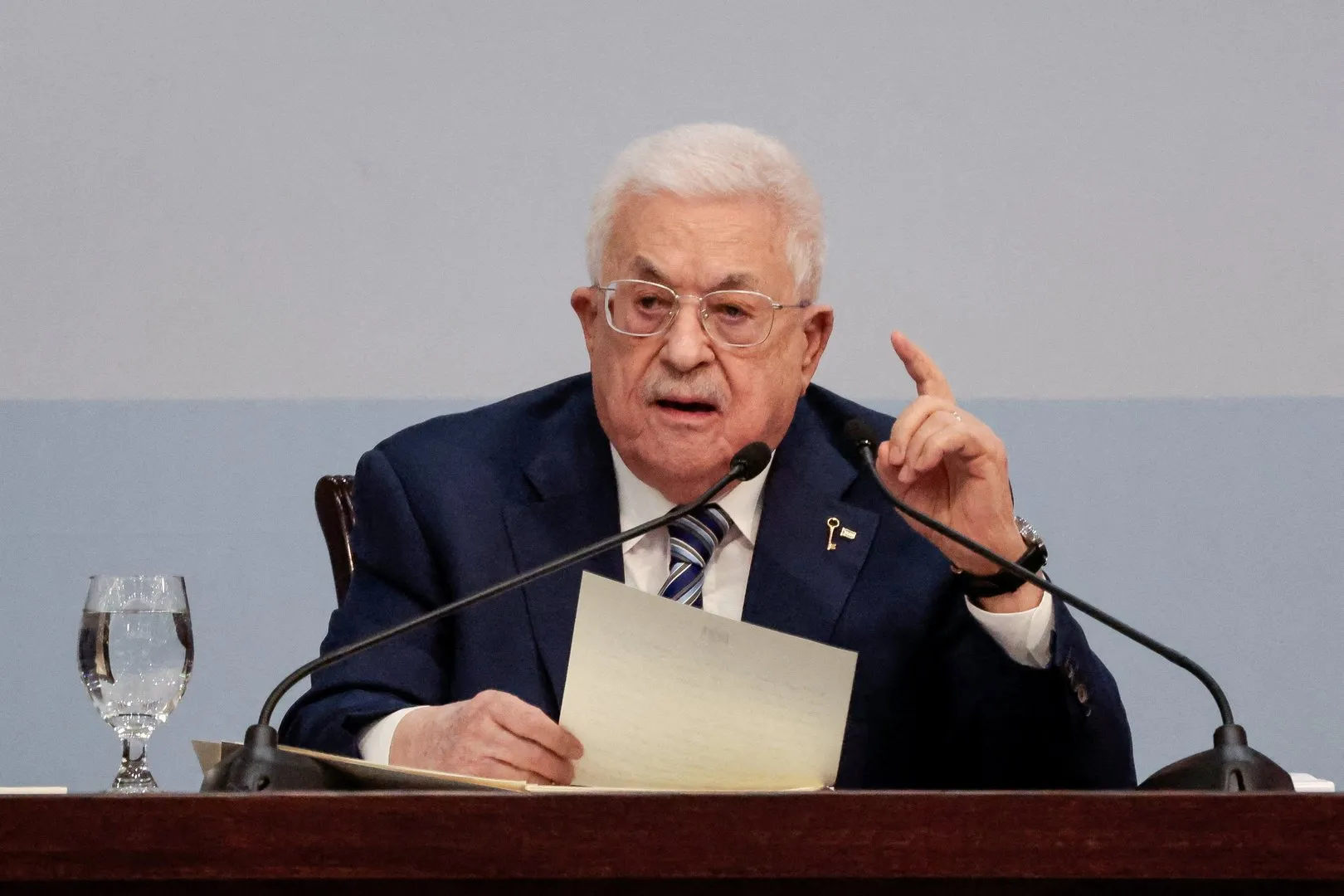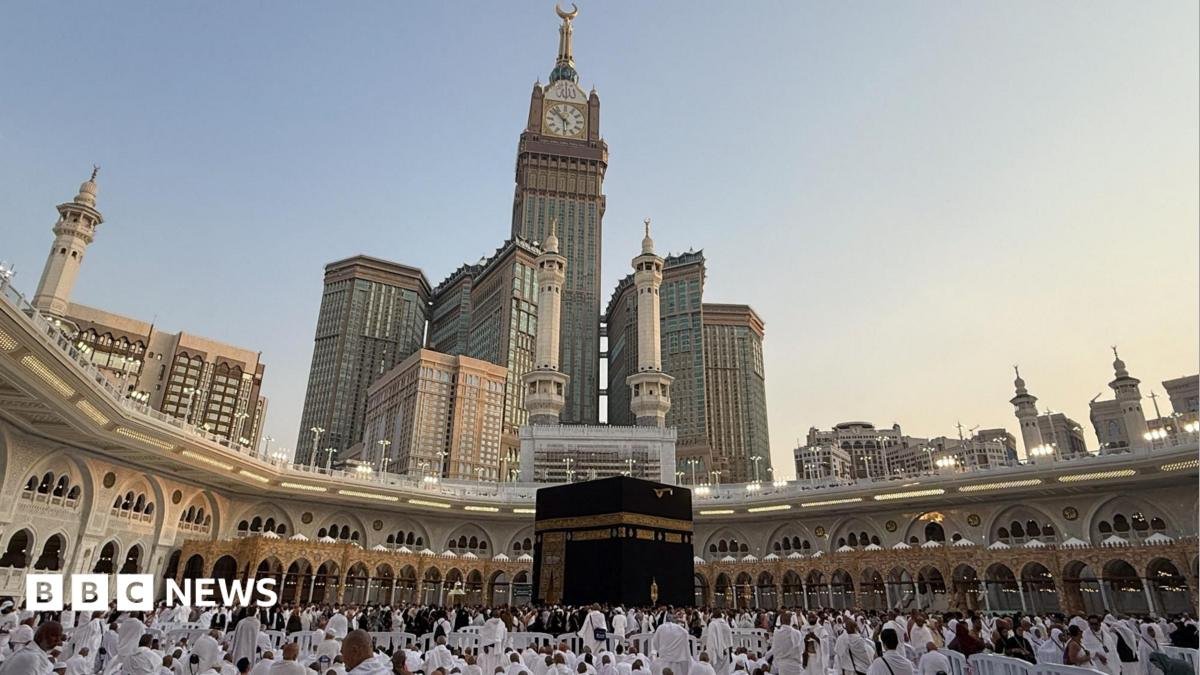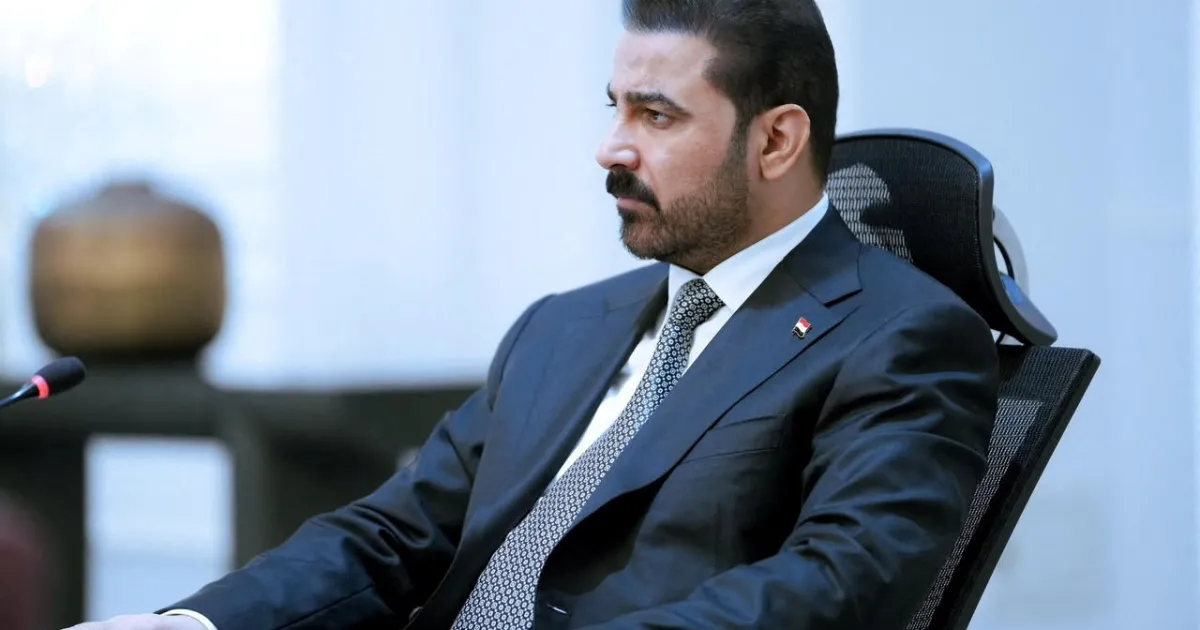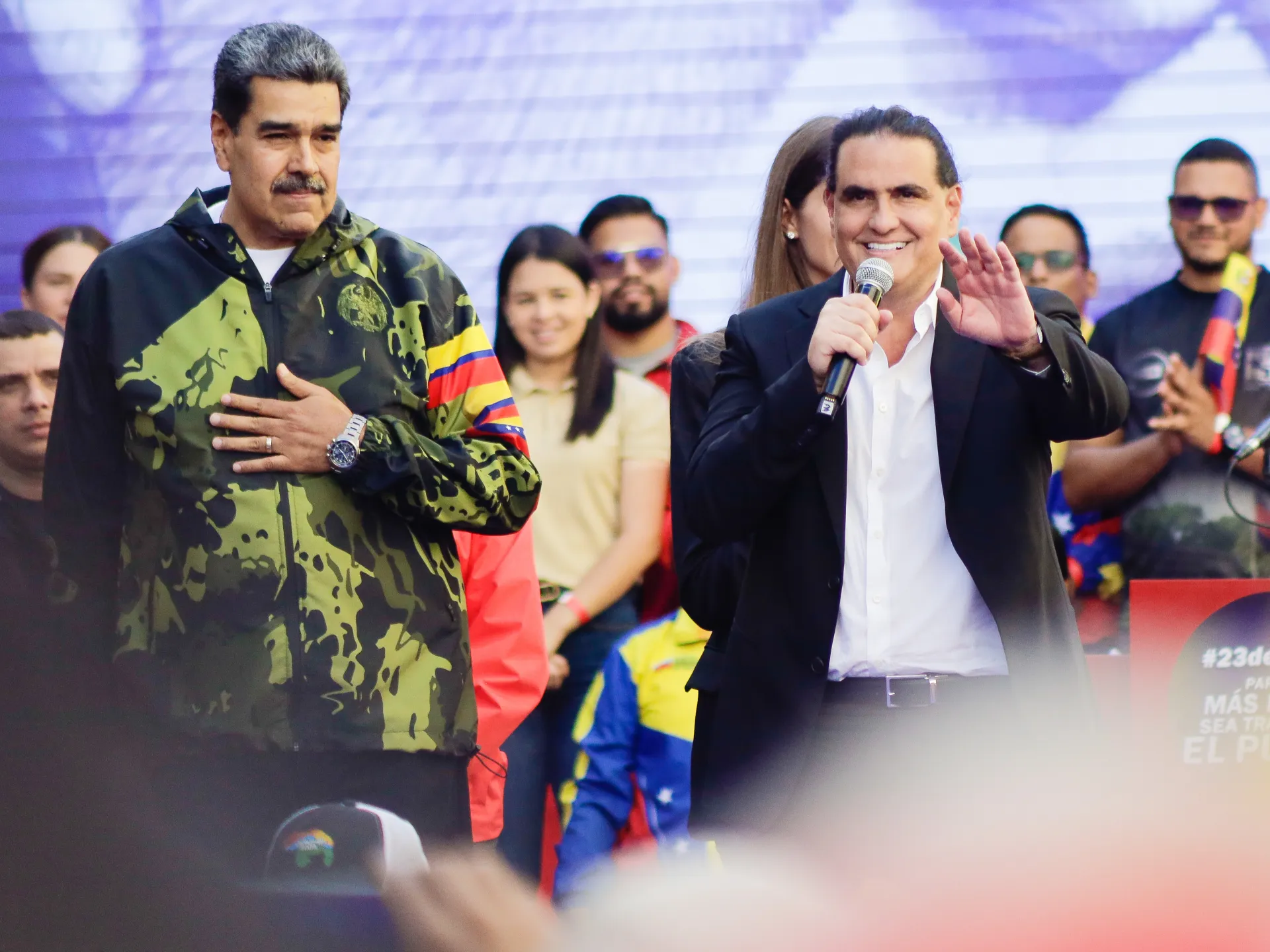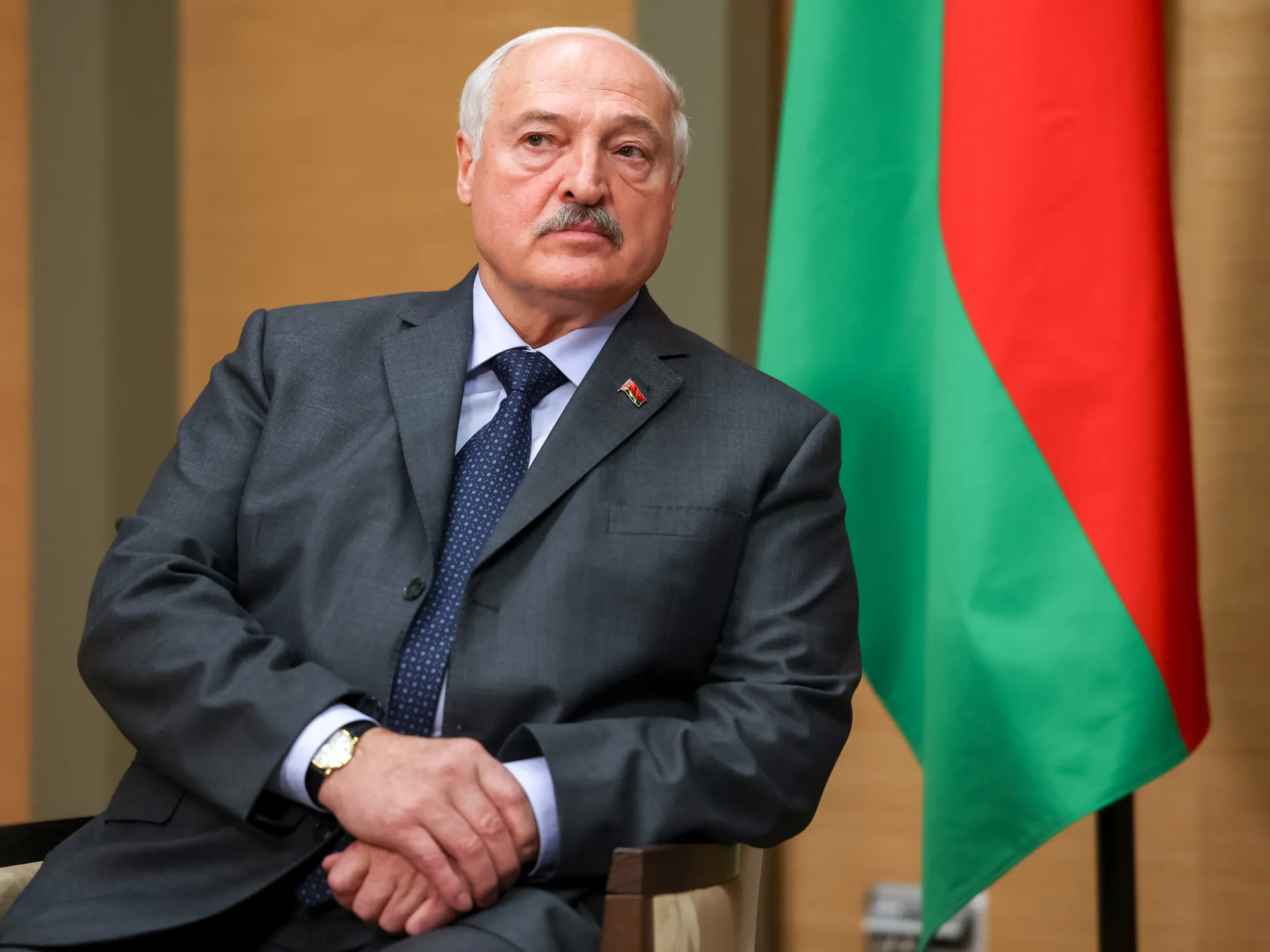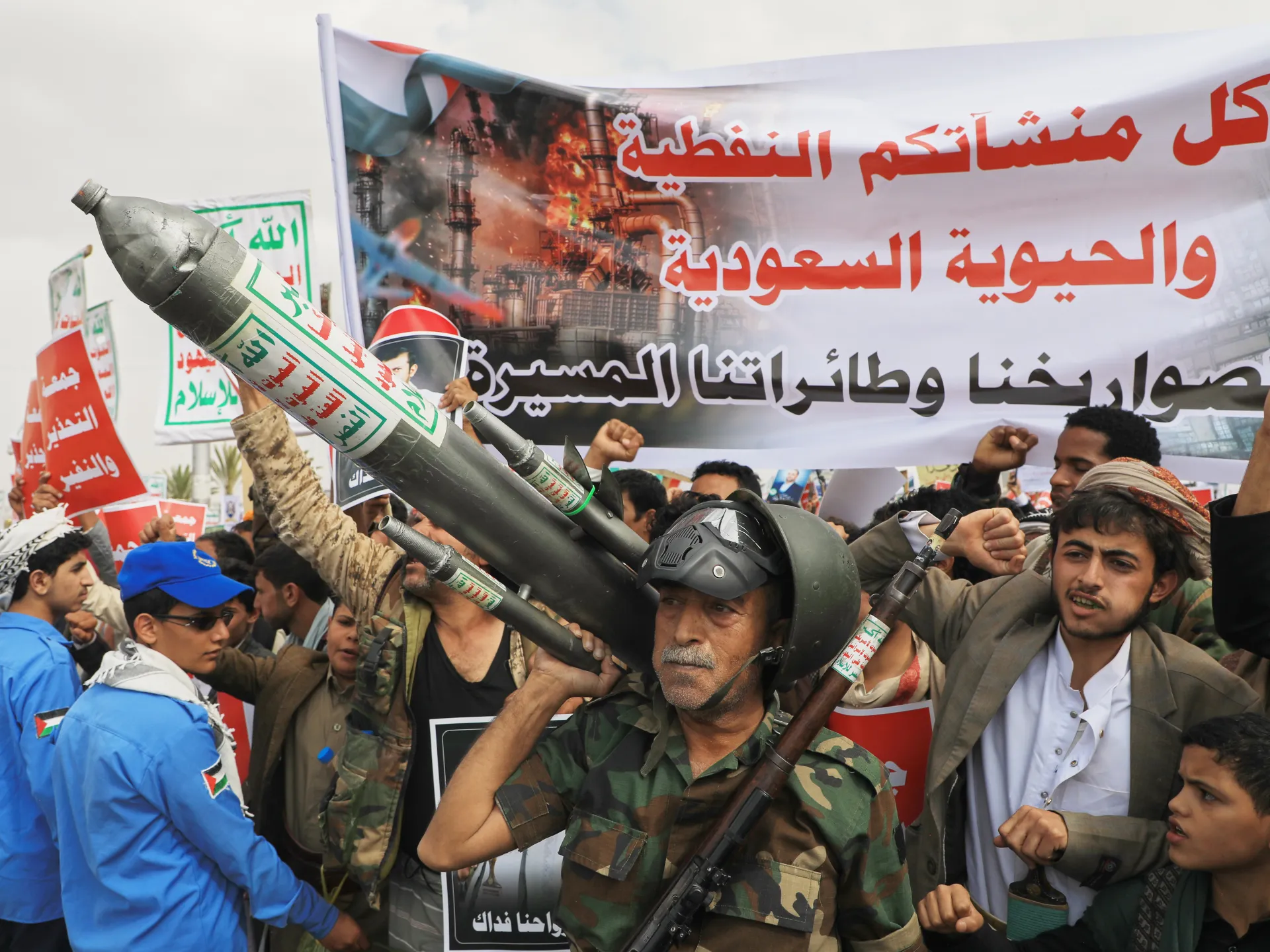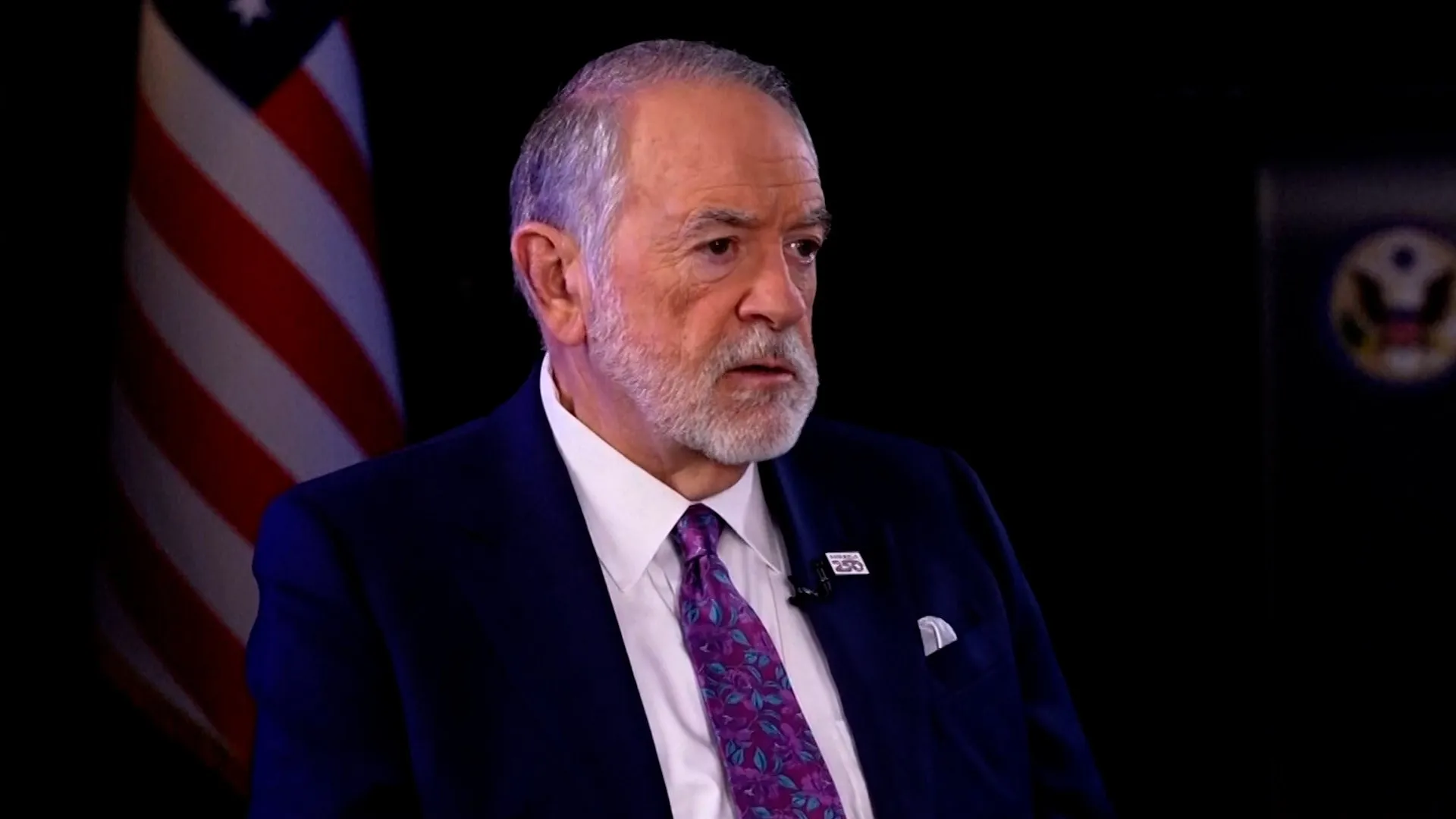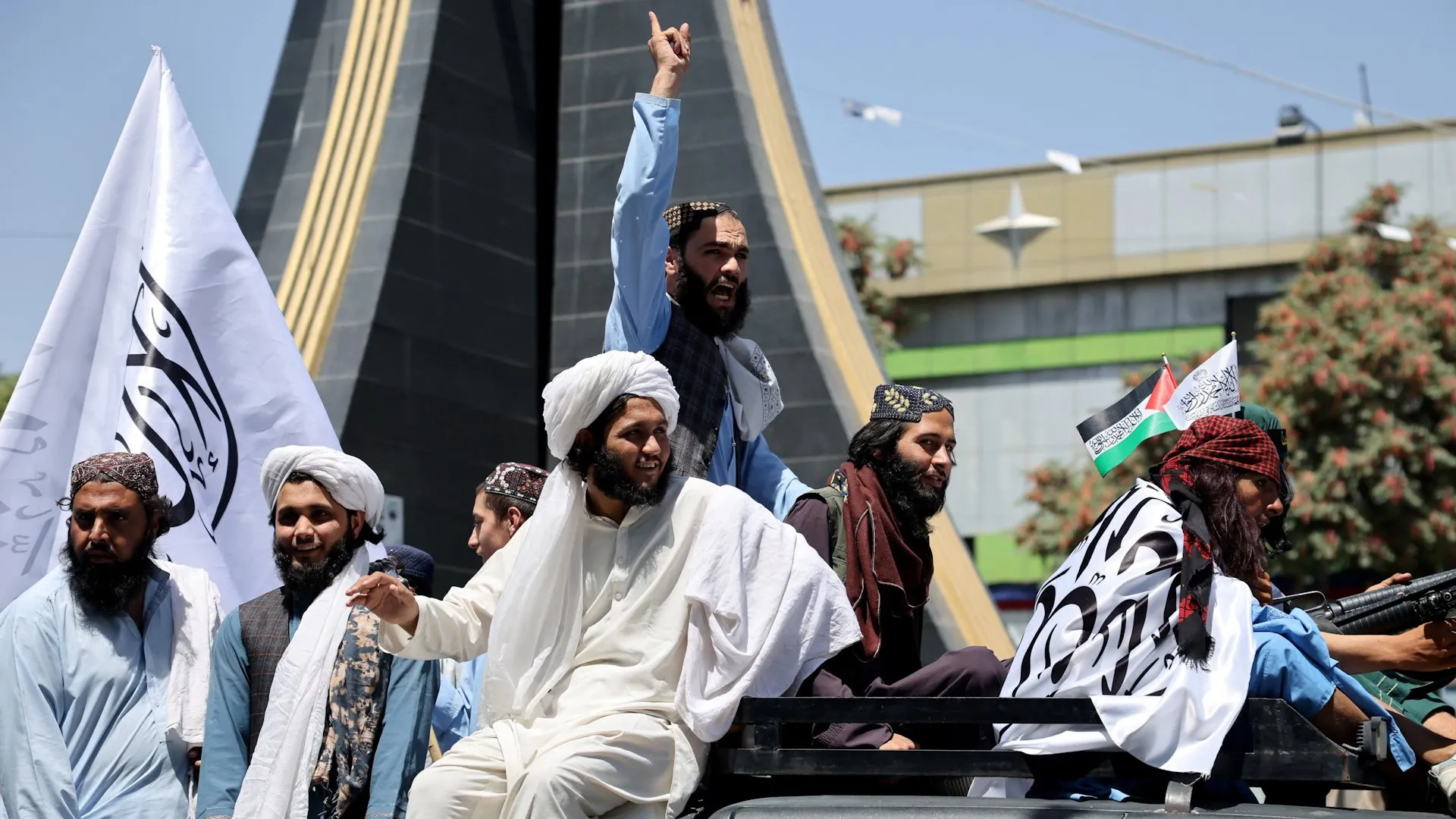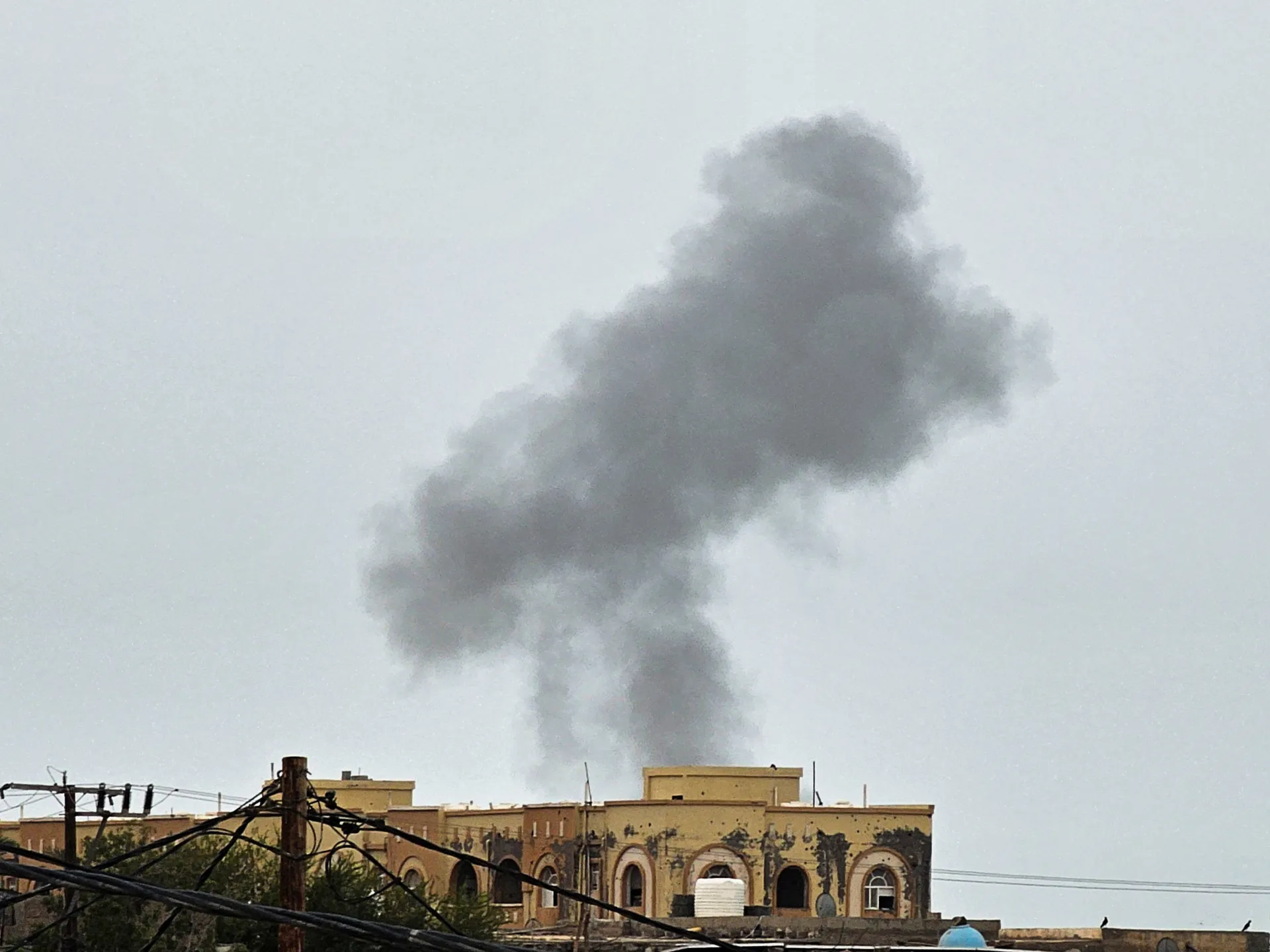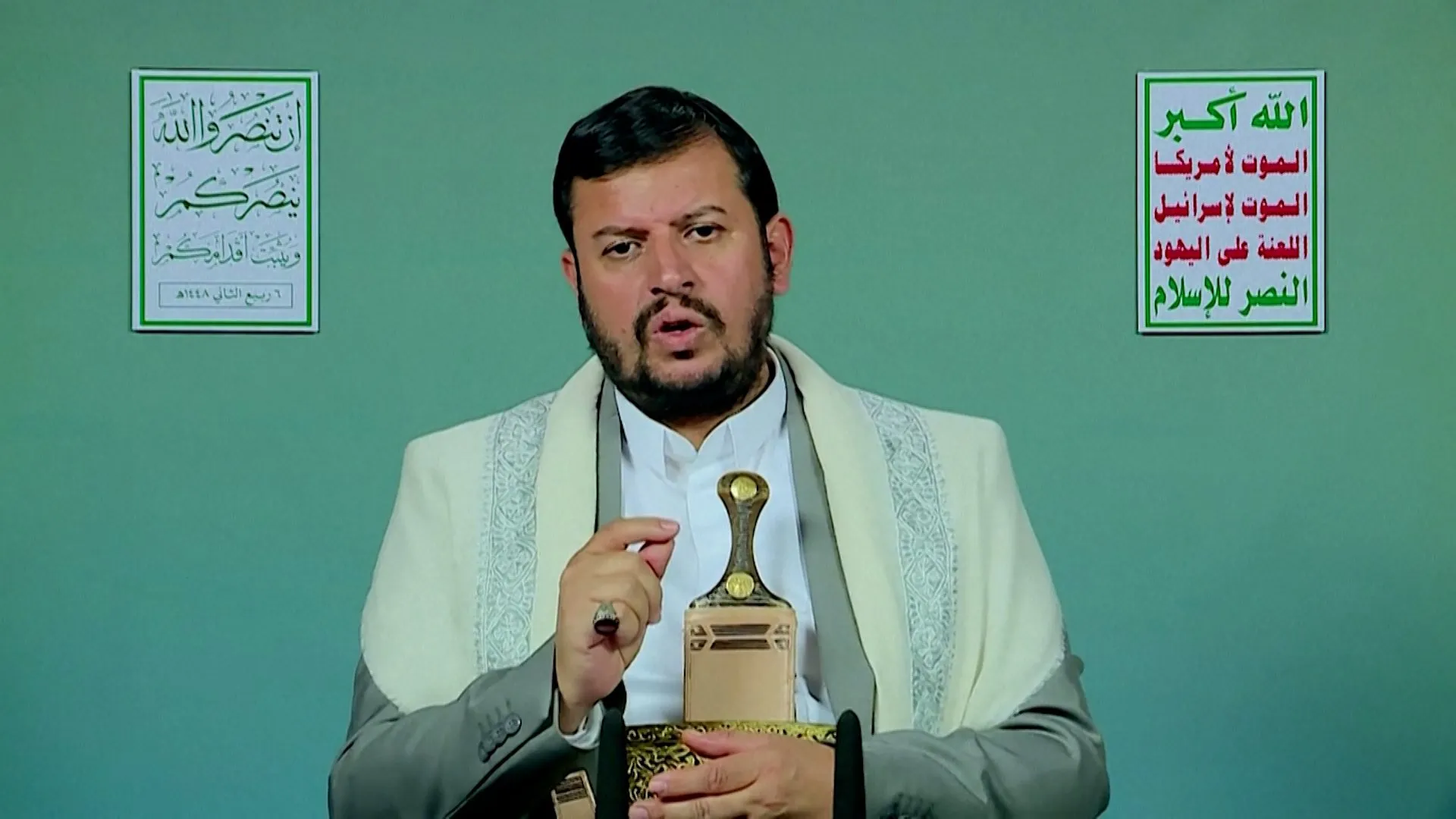
Houthi leader Abdul Malik al-Houthi has formally denied allegations of planning attacks against Mecca, pledging to ensure the protection of the holy city instead.
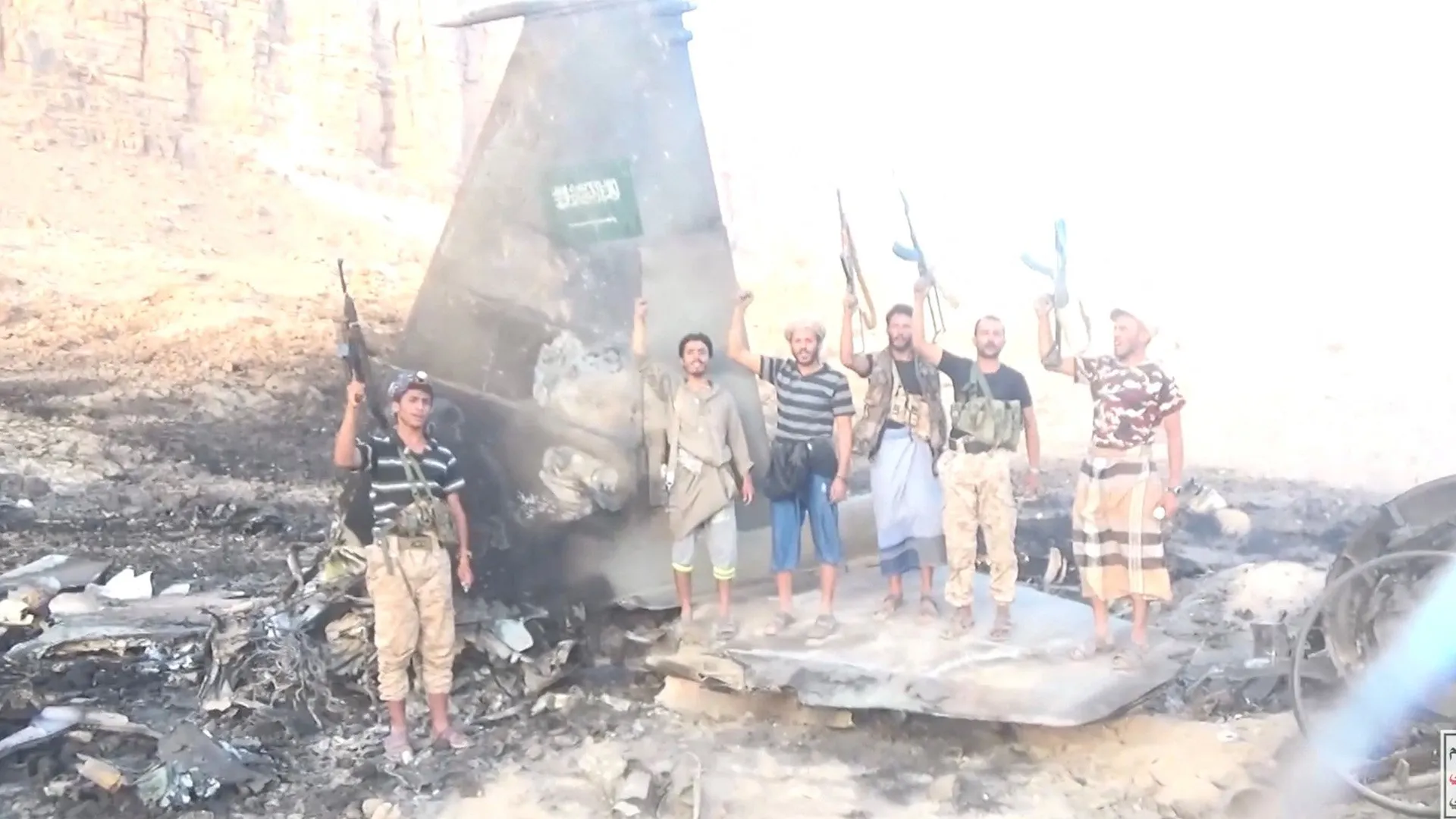
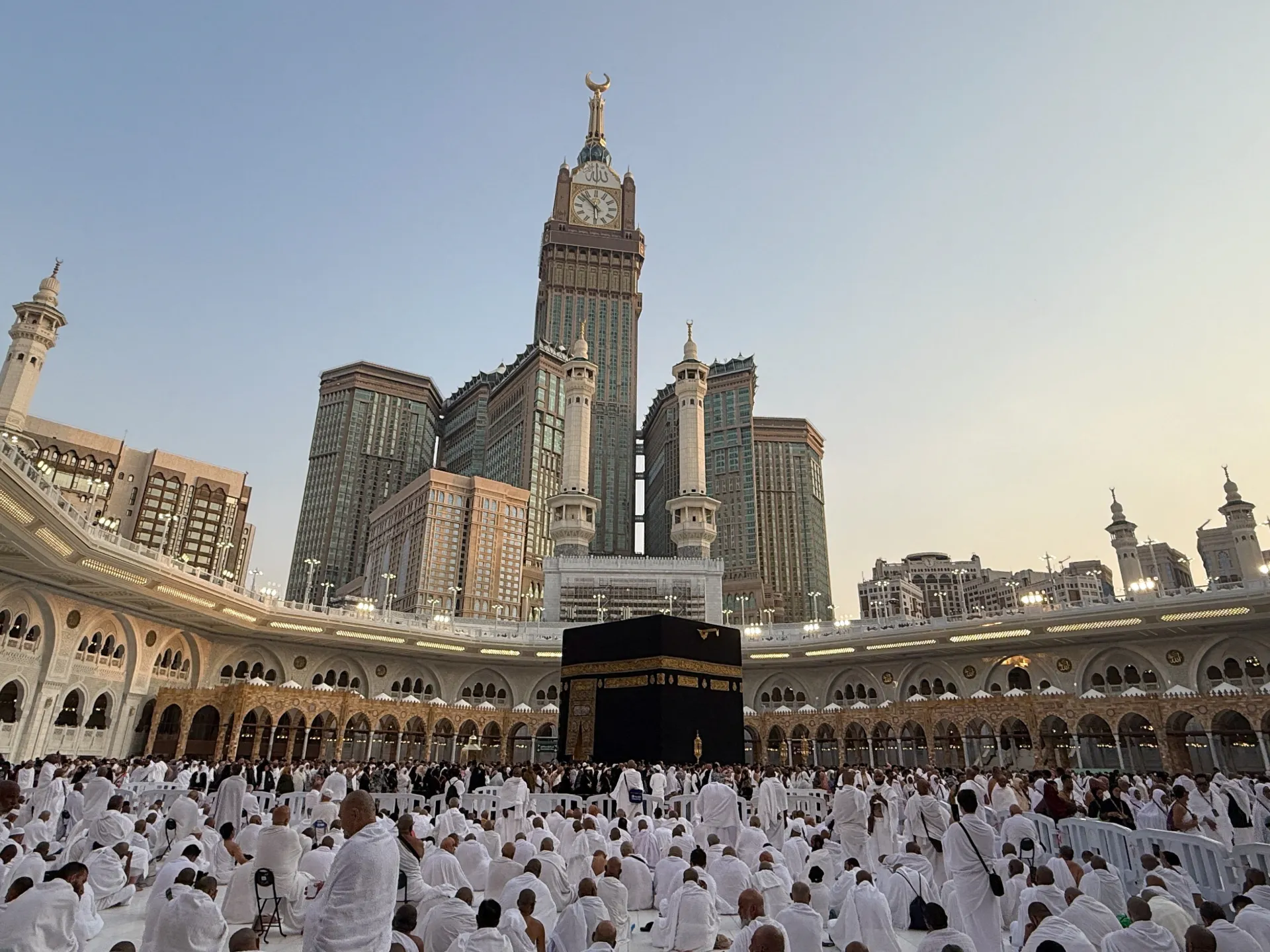
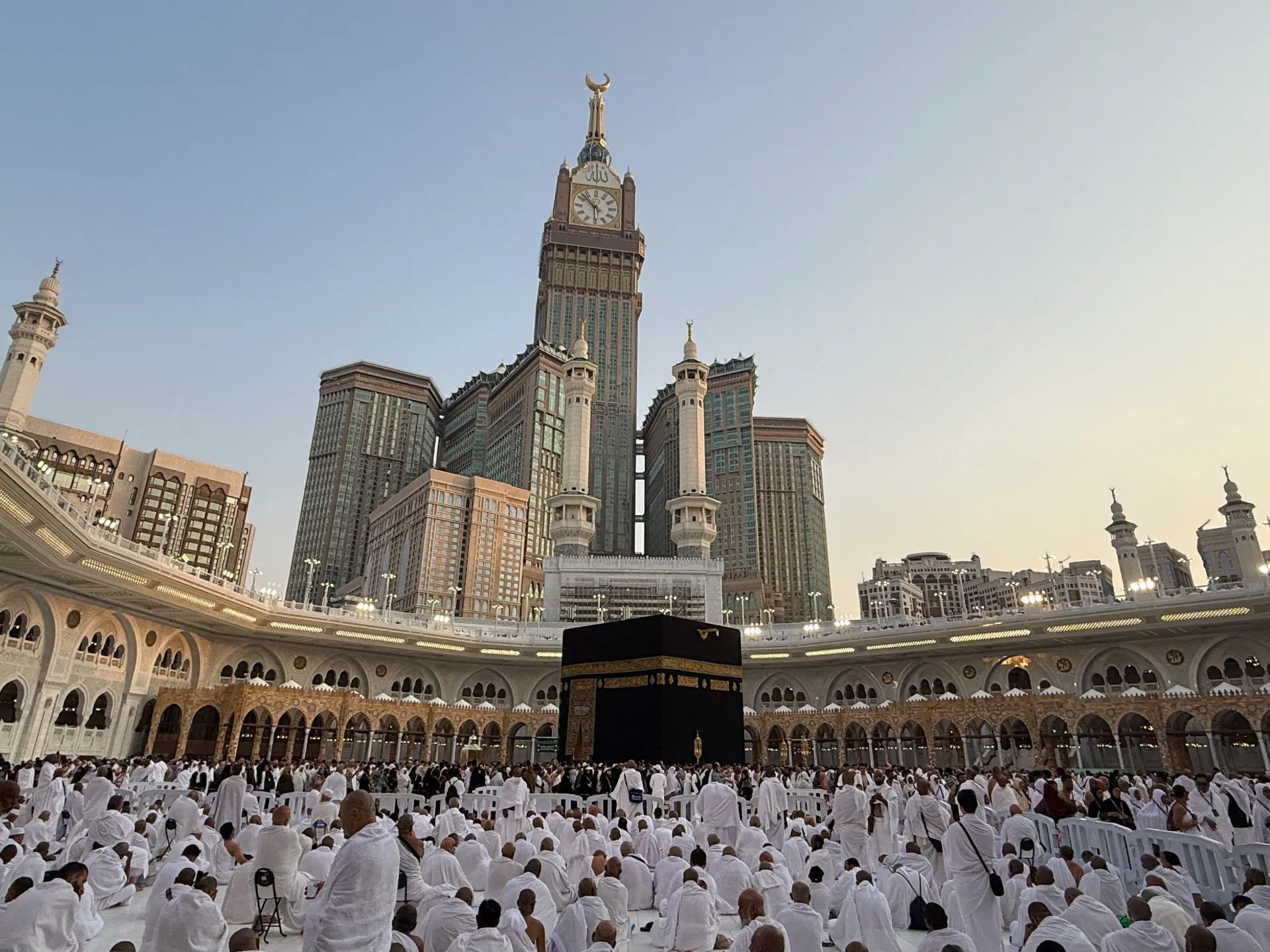
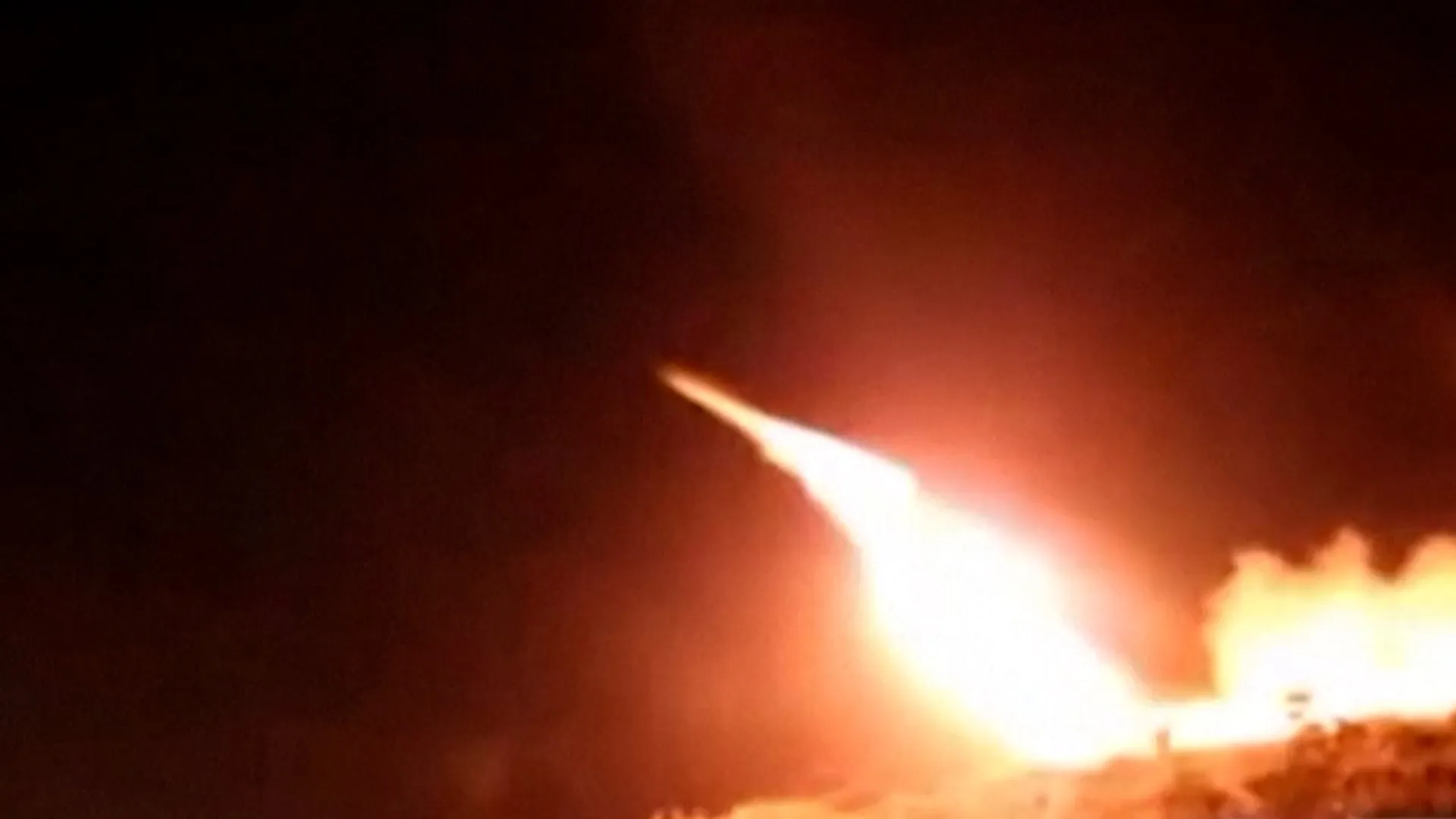
In a recent public address, the leader of the Houthi movement, Abdul Malik al-Houthi, has explicitly refuted accusations that his military forces attempted to target the city of Mecca. The allegations, which were leveled onry toward the holiest site in Islam. litary operations from the desecration of religious landmarks, a charge that carries significant weight across the Muslim world.
Al-Houthi stated that his organization maintains a deep reverence for the sacred status of Mecca and the surrounding holy sites. He emphasized that any narrative suggesting a strategic intent to strike such locations is fundamentally at odds with the group’s stated objectives and ideological framework. This denial serves as a critical attempt to shift the diplomatic narrative, as accusations regarding the safety of religious centers often provoke widespread condemnation from regional powers and international observers alike.
Beyond the denial of past incidents, the Houthi leader took the opportunity to pledge that his forces would actively participate in the protection of Mecca and other prominent Islamic locations. tempting to reshape the perception of the conflict. He asserted that the preservation of these sites is a religious duty that transcends the ongoing political and military tensions currently destabilizing the region.
This rhetoric is designed to appeal to broader regional sentiments where the sanctity of Mecca remains non-negotiable. m community that their military campaign is strictly focused on political goals rather than religious antagonism. However, this stance is met with skepticism to the stability of the entire Arabian Peninsula.
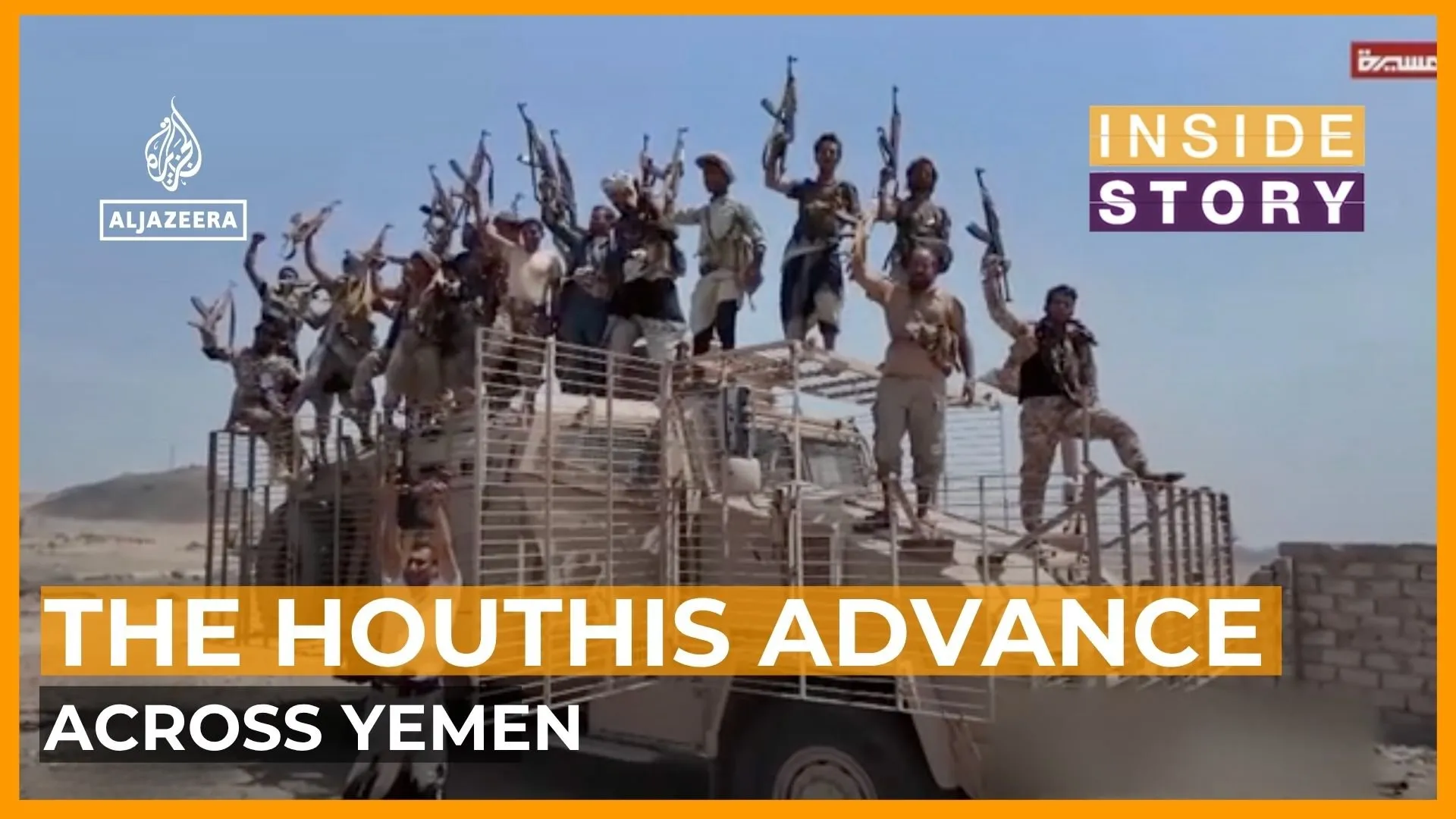
The conflict in Yemen has long been characterized tilizing media channels to justify their military actions. The accusation of targeting holy cities is one of the most inflammatory charges possible in the context of the Middle East, as it threatens to transform a localized political dispute into a broader sectarian or ideological confrontation. Both sides are acutely aware that public perception of their respect for religious sanctity is vital for maintaining domestic and international support.
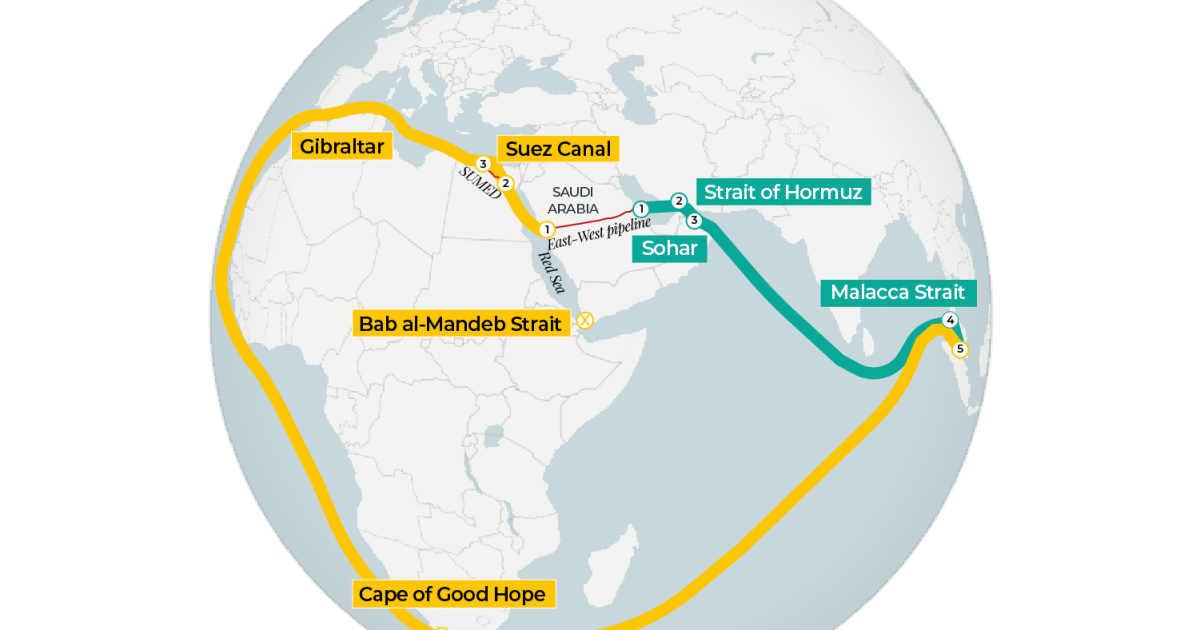
As the regional situation remains fluid, the denial issued f the group. Whether this declaration will successfully mitigate the diplomatic fallout from the Saudi allegations remains to be seen. The international community continues to monitor the situation closely, particularly regarding the security of transit routes and the potential for unintended escalations that could impact the safety of the wider region.
The rejection of these claims highlights the ongoing difficulty in verifying military events within the Yemeni conflict. With limited independent monitoring on the ground, accusations of targeting civilians or sacred sites often remain contested, leading to a stalemate in diplomatic negotiations. The Houthi emphasis on protecting holy sites could potentially be used as a foundation for future de-escalation talks, provided that all parties can agree on the parameters of safety for civilians and religious locations.
Ultimately, the latest statements from the Houthi leadership signify an awareness of the high stakes involved in the conflict. pting to prevent further isolation on the global stage. As the conflict proceeds, the ability of both the Houthis and their regional adversaries to manage their public image will play a pivotal role in the trajectory of the ongoing instability in the region.